Learn smarter with fresh insights from our tutors.
Practical study guides, course supplements, and learning resources curated to help you move faster through every subject.
Improving Soil Health Through Sustainable Agricultural Practices

Improving Soil Health Through Sustainable Agricultural Practices
Welcome to our blog post on improving soil health through sustainable agricultural practices! Soil health is a topic that often gets overlooked, but it plays a crucial role in the overall sustainability and productivity of our food system. Without healthy soil, farmers face numerous challenges that can impact crop yields, water quality, and even climate change.
In this article, we will explore the causes of soil degradation, highlight the importance of healthy soil, and discuss sustainable practices that farmers can adopt to improve their soil health. So let's dig deep into this fascinating world beneath our feet and discover how we can cultivate healthier soils for a greener future!
Soil Degradation and its Causes
Soil degradation is a pressing issue that affects agricultural productivity and the overall health of our planet. It refers to the deterioration of soil quality, resulting in decreased fertility, erosion, and reduced water-holding capacity. There are several causes behind this phenomenon, including improper land management practices, deforestation, overuse of chemical fertilizers and pesticides, and climate change.
Improper land management practices such as excessive tillage can disrupt the natural structure of the soil and lead to erosion.
Deforestation removes protective vegetation cover that helps prevent soil erosion by holding it together with its roots. Overuse of chemical fertilizers and pesticides can have detrimental effects on soil organisms like earthworms and microorganisms which are vital for maintaining healthy soils.
Climate change also plays a significant role in soil degradation. Increased temperatures can accelerate evaporation rates while altering precipitation patterns can result in drought or heavy rainfall events leading to erosion.
Addressing these causes requires implementing sustainable agricultural practices that prioritize soil conservation. Conservation techniques like crop rotation help improve nutrient cycling while reducing pest pressure naturally. No-till farming reduces disturbance to the topsoil layer, enhancing organic matter content which contributes to improved soil structure.
Agroforestry systems integrate trees into agricultural landscapes providing additional protection against wind erosion while improving water infiltration rates through their deep root systems. Cover crops act as living mulches protecting bare soils from erosive forces while adding organic matter upon decomposition.
By adopting these sustainable practices alongside proper irrigation management strategies and agroecological principles farmers can mitigate further degradation whilst promoting long-term resilience within their farming systems.
The Importance of Healthy Soil
In the world of agriculture, soil health is paramount. It serves as the foundation for plant growth and development, providing essential nutrients and a stable environment for roots to thrive. But why is healthy soil so important? Let's delve into its significance.
Healthy soil supports biodiversity. A diverse range of microorganisms like bacteria and fungi call it home, contributing to nutrient cycling and decomposition processes. This rich microbial community helps maintain a balanced ecosystem underground.
Healthy soil retains water effectively. With climate change leading to more frequent droughts in many regions, this characteristic becomes crucial. Soil with good structure not only holds moisture but also prevents erosion by absorbing rainfall.
Furthermore, healthy soil promotes carbon sequestration. By storing organic matter from plants and decomposed materials within its layers, it acts as a natural reservoir for carbon dioxide - an essential process in mitigating climate change.
Moreover, healthy soil enhances crop productivity. Nutrient-rich soils enable plants to access vital elements such as nitrogen, phosphorus, and potassium necessary for their growth. This leads to higher yields while reducing the need for synthetic fertilizers or chemical additives.
Lastly but certainly not least importantly! Healthy soils contribute positively to human health too! By growing nutritious crops full of vitamins and minerals needed by our bodies; we can maintain our overall well-being!
To sum up (but not conclude), having healthy soil isn't just beneficial; it's absolutely critical! Its impact extends beyond farming practices alone - affecting ecosystems worldwide.
Sustainable Agricultural Practices for Improving Soil Health
Sustainable agricultural practices play a crucial role in improving soil health, which is essential for the long-term productivity and sustainability of our food systems. These practices focus on minimizing negative environmental impacts while maximizing crop yields and preserving the natural resources that support agriculture.
One important sustainable practice is crop rotation. By alternating different crops on the same land, farmers can break pest cycles, reduce disease pressure, and improve soil fertility. Additionally, cover cropping involves planting specific plants during fallow periods to protect the soil from erosion, retain moisture, add organic matter, and enhance nutrient cycling.
Another key practice is conservation tillage or no-till farming. Instead of plowing or turning over the soil before planting, this method leaves crop residues on the surface to prevent erosion and maintain organic matter levels in the topsoil. This reduces water runoff and increases water infiltration into the soil.
In addition to these practices, farmers can also implement agroforestry techniques by integrating trees with crops or livestock production systems. Trees provide shade for animals during hot weather while their roots help stabilize soils and increase nutrient cycling through leaf litter decomposition.
Furthermore, precision agriculture technologies such as GPS-guided equipment enable farmers to apply fertilizers more accurately based on specific needs identified through soil testing. This helps minimize nutrient losses due to excessive fertilizer application while maintaining optimal plant nutrition.
These are just a few examples of sustainable agricultural practices that contribute to improving soil health. By adopting these methods alongside others like composting organic waste materials or using biological control agents instead of chemical pesticides when possible; we can ensure our soils remain healthy and productive for generations to come.
Conclusion
It is clear that soil health plays a critical role in sustaining agricultural productivity and ensuring food security. The degradation of soil caused by unsustainable farming practices poses a significant threat to our ability to feed the growing global population.
However, by adopting sustainable agricultural practices, such as crop rotation, cover cropping, organic fertilizers, and conservation tillage, we can improve soil health and mitigate the negative impacts of intensive farming. These practices not only enhance nutrient availability but also promote biodiversity, water retention, and carbon sequestration.
It is essential for farmers to prioritize long-term sustainability over short-term gains and make conscious efforts to protect the soil.
Governments and policymakers must also play their part in supporting sustainable agriculture through incentives and regulations that encourage environmentally-friendly practices.
By working together on a global scale, we can ensure that future generations have access to healthy soils capable of producing nutritious crops while preserving the delicate balance of our ecosystems.
So let's commit ourselves to implementing sustainable agricultural practices that improve soil health today for a more resilient and prosperous tomorrow. Together, we can nourish both our planet and ourselves!
Maximizing Productivity With Precision Agriculture Technologies
Maximizing Productivity With Precision Agriculture Technologies
Welcome to the era of precision agriculture, where cutting-edge technologies are revolutionizing the way we cultivate our crops and manage our farms. Gone are the days of guesswork and manual labor – with precision agriculture technologies, farmers can maximize productivity, optimize resource allocation, and ultimately increase their bottom line.
In this blog post, we will explore what precision agriculture is all about, delve into its various types of technologies, highlight the numerous benefits it brings to farming operations, discuss how to implement these technologies effectively, showcase some fascinating case studies, and leave you inspired to embrace this game-changing approach in agricultural practices. So sit back and get ready to discover how precision agriculture is transforming the industry one innovation at a time!
What is Precision Agriculture?
What exactly is precision agriculture? In simple terms, it's a data-driven approach to farming that leverages advanced technologies to optimize crop production and resource utilization. Instead of relying on traditional methods that treat the entire field as uniform, precision agriculture takes into account the variability within a field. It allows farmers to make informed decisions at a micro-level, tailoring their actions based on specific needs of different areas.
One key component of precision agriculture is gathering accurate and real-time data about various aspects of the farm. This can include information about soil fertility levels, moisture content, weather patterns, and even plant health indicators. With this wealth of data at their fingertips, farmers can gain deeper insights into the unique characteristics and requirements of each portion of their land.
Armed with this knowledge, farmers can then employ targeted strategies for planting seeds, applying fertilizers or pesticides only where they are needed most. By using GPS technology combined with sophisticated machinery like drones or sensors attached to tractors or irrigation systems, precise application becomes achievable with remarkable accuracy.
By embracing precision agriculture techniques such as variable rate applications (VRA) and site-specific management (SSM), farmers can reduce input costs while maximizing yields. This not only improves overall profitability but also minimizes environmental impact by optimizing resource usage.
In essence, precision agriculture empowers farmers with actionable intelligence derived from cutting-edge technologies. It enables them to adapt quickly in an ever-changing agricultural landscape by making data-driven decisions tailored specifically to individual areas within their fields.
The Different Types of Precision Agriculture Technologies
Precision agriculture technologies encompass a wide range of tools and techniques that can revolutionize farming practices. From advanced sensors to satellite imagery, these technologies offer farmers new ways to monitor and manage their crops with unparalleled precision.
One type of precision agriculture technology is the use of unmanned aerial vehicles (UAVs), commonly known as drones. These flying machines are equipped with cameras or other sensors that capture high-resolution images of fields from above. Farmers can then analyze these images to identify areas that may need attention, such as pest infestations or nutrient deficiencies.
Another type of precision agriculture technology is remote sensing, which involves using satellite imagery and ground-based sensors to collect data about soil moisture levels, crop health, and weather patterns. This data can be integrated into sophisticated software systems that provide real-time insights and recommendations for better decision-making on the farm.
In addition to UAVs and remote sensing, farmers also have access to GPS-guided equipment such as tractors and harvesters. These machines use precise positioning technology to automate tasks like planting seeds or applying fertilizers at optimal rates. This not only saves time but also reduces waste by ensuring inputs are applied only where needed.
Furthermore, there are emerging technologies like robotics and artificial intelligence in precision agriculture that show great promise for the future. For example, autonomous robots equipped with AI algorithms could perform tasks like weed control or fruit picking more efficiently than manual labor.
By harnessing these different types of precision agriculture technologies, farmers can optimize their operations in terms of resource usage, crop yield, and environmental impact. The ability to make data-driven decisions based on accurate information enables them to respond rapidly to changing conditions while minimizing risks.
Precision agriculture technologies offer endless possibilities for improving productivity in farming operations. As ongoing research continues to push boundaries in this field, we can expect even more innovative solutions tailored specifically for the unique challenges faced by today's farmers.
The Benefits of Precision Agriculture
Precision agriculture technologies offer a multitude of benefits that can revolutionize the way farmers approach their practices. These technologies enable farmers to make data-driven decisions based on real-time information about their crops and soil conditions. By collecting and analyzing data such as moisture levels, nutrient content, and pest infestations, farmers can identify potential issues before they become major problems.
Additionally, precision agriculture allows for precise application of inputs such as fertilizers and pesticides. This not only reduces costs but also minimizes the environmental impact by ensuring that only the necessary amount is used in specific areas instead of applying it uniformly across an entire field.
Furthermore, precision agriculture technology enables better resource management by optimizing irrigation systems. Farmers can monitor soil moisture levels remotely and adjust watering schedules accordingly. This results in significant water savings while still ensuring optimal crop growth.
Moreover, these technologies enhance labor efficiency by automating certain tasks such as planting or spraying operations. This frees up valuable time for farmers to focus on other important aspects of their operations or even explore diversification opportunities.
Precision agriculture promotes sustainability by reducing waste and improving overall productivity. By using technology to precisely monitor and manage resources, farmers can achieve higher yields with fewer inputs while minimizing negative impacts on the environment.
In summary, the adoption of precision agriculture technologies offers numerous advantages for modern farming practices. From data-driven decision-making to optimized resource management and increased sustainability, these technologies have the potential to greatly improve productivity in agricultural operations around the world.
How to Implement Precision Agriculture Technologies
Implementing precision agriculture technologies can greatly enhance the productivity and efficiency of farming operations. Here are some key steps to follow when implementing these advanced technologies.
It is important to conduct a thorough assessment of your farm's specific needs and goals. This will help you determine which precision agriculture technologies are most suitable for your operation. Whether it's GPS guidance systems, remote sensing devices, or variable rate technology, make sure to choose tools that align with your objectives.
Next, ensure that you have the necessary infrastructure in place to support the implementation of these technologies. This may involve upgrading equipment or investing in new hardware and software solutions. It is crucial to have reliable internet connectivity on your farm as many precision agriculture technologies rely on real-time data transfer.
Training plays a vital role in successful implementation. Familiarize yourself and your team with the chosen technologies through training programs provided by manufacturers or industry experts. This will enable proper utilization and maximize the benefits they offer.
Once implemented, regularly monitor and evaluate the performance of these technologies to identify any areas for improvement or optimization. Keep up-to-date with emerging trends and advancements in precision agriculture so that you can continue to leverage technology effectively.
By following these steps, farmers can successfully implement precision agriculture technologies into their operations, leading to increased productivity, resource efficiency,and ultimately better overall outcomes for their farms.
Case studies
Case studies are a valuable way to understand the real-world impact of precision agriculture technologies. Let's take a look at some examples that showcase their effectiveness.
In one case study, a farm in Iowa implemented GPS-guided machinery to enhance their planting process. By accurately placing seeds and optimizing seed spacing, they were able to achieve more uniform crop emergence and increase overall yield. This technology also allowed them to reduce input costs by avoiding unnecessary overlap or gaps in seeding.
Another case study comes from a vineyard in California that utilized remote sensing technologies such as drones equipped with multispectral cameras. By analyzing the images captured, they were able to identify areas of water stress within the vineyard and apply targeted irrigation strategies accordingly. This resulted in improved water efficiency and healthier vines.
Additionally, a dairy farm in Wisconsin integrated sensor-based monitoring systems into their operations. These sensors tracked various parameters such as milk production, cow activity levels, and rumination patterns. With this data-driven approach, farmers could detect health issues early on, optimize feeding regimes for individual cows, and ultimately improve herd performance.
These case studies demonstrate how precision agriculture technologies can significantly enhance productivity while minimizing resource wastage. Each farm tailored these technologies to suit their specific needs and reaped the benefits accordingly.
By adopting precision agriculture practices like these farms did through innovative technologies suited for their purposes; farmers can maximize productivity while ensuring sustainable use of resources.
Conclusion
In today's fast-paced and ever-evolving world, precision agriculture technologies have emerged as a game-changer for farmers. By integrating cutting-edge tools and techniques into their daily operations, farmers can maximize productivity, optimize resource utilization, and ultimately boost their bottom line.
Throughout this article, we explored what precision agriculture is all about and delved into the different types of technologies available in the market. From GPS guidance systems to remote sensing devices and data analytics platforms, there are numerous options to choose from based on specific needs and requirements.
The benefits of using precision agriculture technologies are vast. Farmers can achieve higher crop yields by ensuring optimal seed placement and nutrient application. They can also minimize waste through precise irrigation management, reducing environmental impact in the process.
Implementing these technologies may seem daunting at first but with proper planning and support from experts in the field, it becomes an achievable task. Start by assessing your farm's unique needs and goals. Conduct research on suitable technology providers or consult with agricultural specialists who can help you make informed decisions.
To illustrate the real-world impact of precision agriculture technologies, we discussed some compelling case studies where farmers achieved remarkable results through their implementation. These success stories serve as inspiration for others looking to harness the power of modern farming methods.
In conclusion (without explicitly stating it), if you're a farmer seeking ways to stay ahead in an increasingly competitive industry while minimizing costs and maximizing productivity – look no further than precision agriculture technologies. Embrace innovation, leverage data-driven insights, optimize your practices accordingly - witness firsthand how these advancements revolutionize your farming operation! So why wait? Take that leap towards a more sustainable future for yourself and generations to come!
Effective Water Management Strategies For Agricultural Enterprises
Effective Water Management Strategies For Agricultural Enterprises
Welcome to our blog post on effective water management strategies for agricultural enterprises! Water is a precious resource that plays a crucial role in the success of any farming operation. Whether you're growing crops or raising livestock, implementing efficient water management practices can help optimize yields, minimize costs, and promote sustainability.
In this article, we will explore different types of irrigation systems commonly used in agriculture and discuss their pros and cons. We'll also delve into best water management practices for various types of crops, helping you make informed decisions about optimizing your water usage.So let's dive right in and discover how you can effectively manage water resources for your agricultural enterprise!
Importance of Water Management in Agriculture
Water management is a critical aspect of agriculture that cannot be overlooked. Water plays a vital role in the growth and development of crops, ensuring their survival and productivity. Without proper water management strategies in place, farmers risk facing crop failure, reduced yields, and increased costs.
One of the primary reasons why effective water management is crucial for agricultural enterprises is because it helps conserve this valuable resource. By implementing efficient irrigation systems and practices, farmers can ensure that every drop of water is used effectively without wastage. This not only saves money but also promotes environmental sustainability by reducing the strain on natural water sources.
Furthermore, proper water management allows farmers to tailor their irrigation methods according to specific crop requirements. Different crops have different moisture needs at various stages of growth. With careful monitoring and controlled watering techniques, farmers can provide the right amount of water at the right time, promoting optimal plant health and maximizing yield potential.
In addition to conserving resources and meeting crop needs, effective water management also impacts soil health positively. Over-irrigation or poor drainage can lead to soil erosion and nutrient leaching – causing long-term damage to agricultural land. By implementing appropriate irrigation systems such as drip or sprinkler irrigation methods tailored to your soil type and crop requirements, you can maintain healthy soil structure while preventing runoff issues.
Understanding the importance of managing water efficiently in agriculture is essential for sustainable farming practices that support both economic viability and environmental conservation efforts. Now let's explore some common types of irrigation systems used by farmers worldwide!
Different Types of Irrigation Systems
When it comes to water management in agriculture, choosing the right irrigation system is crucial. There are several different types of irrigation systems available, each with its own advantages and disadvantages. Let's explore some of these options:
1. Drip Irrigation: This method involves delivering water directly to the plant's root zone through a network of tubes or pipes with emitters. It is highly efficient as it minimizes evaporation and runoff.
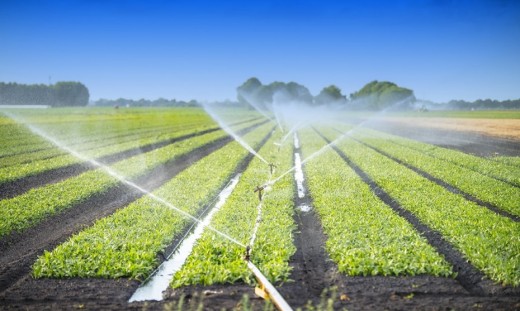
2. Sprinkler Irrigation: In this system, water is distributed over the field using sprinklers that spray water into the air like rainfall. It can cover large areas quickly but may result in more evaporation.
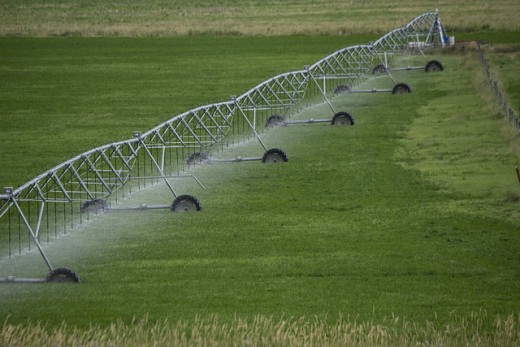
3. Center Pivot Irrigation: This popular system features a pivot point from which long arms extend outwards carrying sprinklers that rotate around a central point. It is ideal for circular or square fields.
4. Furrow Irrigation: This traditional method involves creating small channels (furrows) between crop rows and filling them with water from an external source such as a canal or ditch.
Each type of irrigation system has its own set of pros and cons, depending on factors such as crop type, soil conditions, climate, and budget considerations among others.
Remember to assess your specific needs before choosing an irrigation system for your agricultural enterprise!
Drip Irrigation
Drip irrigation is a highly efficient method of water management in agriculture. Unlike traditional overhead sprinkler systems, drip irrigation delivers water directly to the roots of plants, minimizing evaporation and ensuring that every drop counts.
One of the main advantages of drip irrigation is its precision. By using emitters spaced along a network of tubes, farmers can control exactly how much water each plant receives. This not only conserves water but also helps to prevent overwatering, which can lead to root rot and other diseases.
Another benefit of drip irrigation is its ability to reduce weed growth. Since water is delivered directly to the plant's root zone, there is less moisture on the soil surface for weeds to take hold. This saves both time and labor by eliminating or reducing the need for manual weeding.
Furthermore, drip irrigation allows for better nutrient uptake by plants. The slow release of water ensures that nutrients are evenly distributed throughout the soil profile, promoting healthier and more vigorous growth.
In addition to these advantages, drip irrigation systems are relatively easy to install and maintain. They can be customized according to crop type, spacing requirements, and field layout.
Drip irrigation offers a multitude of benefits for agricultural enterprises seeking effective water management strategies. It promotes optimal plant health while conserving precious resources—a win-win situation for farmers and the environment alike!
Sprinkler Irrigation
Sprinkler irrigation is a popular and effective method of water management in agriculture. It involves the use of sprinklers to distribute water over the crops in a controlled manner. This system is particularly beneficial for larger agricultural enterprises with vast fields.
One advantage of sprinkler irrigation is its ability to provide uniform coverage across the entire field. The sprinklers are strategically placed to ensure that every plant receives an adequate amount of water. This helps prevent under-watering or over-watering, which can be detrimental to crop health.
Another benefit is that sprinkler irrigation allows for flexibility in watering schedules. Farmers can adjust the timing and duration of irrigation based on weather conditions and crop needs. This adaptability ensures optimal growth and reduces water wastage.
Furthermore, sprinkler irrigation also has the added advantage of reducing soil erosion. By distributing water evenly, it minimizes runoff and keeps the soil intact, preventing nutrient loss.
However, there are some limitations associated with this system as well. One drawback is that high winds can interfere with distribution patterns, leading to uneven watering or even missed spots altogether.
Additionally, there may be challenges in maintaining proper pressure within the system for consistent performance. Regular maintenance and monitoring are necessary to address any issues promptly.
While there are some drawbacks to consider, sprinkler irrigation remains a valuable tool for efficient water management in agriculture. Its ability to provide uniform coverage and flexibility makes it a practical choice for many farmers looking to optimize their crop production while conserving resources like water.
Center Pivot Irrigation: Efficient and Versatile
When it comes to efficient water management in agriculture, center pivot irrigation systems have emerged as a game-changer. This innovative technique involves a circular or oval-shaped sprinkler system that rotates around a fixed pivot point, effectively distributing water across large fields.
One of the key advantages of center pivot irrigation is its ability to cover vast areas with minimal effort. The system consists of towers, spans, and sprinklers that work together to deliver water precisely where it's needed. By rotating in a circular motion, this method ensures even distribution of water throughout the field.
Moreover, center pivot irrigation allows for excellent control over watering patterns. Farmers can adjust the speed and rate at which the sprinklers rotate, ensuring optimal moisture levels for different crops or soil types. This versatility makes it an ideal choice for both row crops like corn and soybeans as well as specialty crops such as potatoes or sugar beets.
Another benefit of center pivot irrigation is its efficiency in reducing evaporation losses compared to other methods such as furrow or flood irrigation. By delivering water directly onto the plants' root zone instead of saturating the entire field surface, this technique minimizes wastage while maximizing crop yield.
However, like any other irrigation system, there are some drawbacks associated with center pivot systems too. For instance, regular maintenance is necessary to prevent clogging and ensure smooth operation the initial installation cost can be high uneven terrain may pose challenges in implementing this type of system. Nevertheless, when properly designed and managed, center pivot irrigation offers significant benefits in terms of water conservation crop productivity and overall farm profitability.
In summary, center pivot irrigation has revolutionized agricultural practices by providing an efficient solution for managing water resources sustainably. Its ability to cover large areas while minimizing waste makes it an attractive option for farmers worldwide. By adopting best practices and proper maintenance, farmers can maximize their yields while conserving water, contributing to a more sustainable and productive agricultural sector.
Furrow Irrigation
Furrow irrigation is a popular method of water management in agriculture that involves using small channels or furrows to deliver water directly to the root zone of plants. This technique has been used for centuries and continues to be widely adopted due to its simplicity and cost-effectiveness.
In furrow irrigation, shallow trenches are created between crop rows, allowing water to flow slowly into the soil and reach the plant roots. The excess water is then drained away, preventing waterlogging and reducing the risk of diseases caused by over-irrigation.
One of the main advantages of furrow irrigation is its efficiency in delivering water directly to where it's needed most – the root zone. By avoiding overhead sprinkling or surface flooding, this method minimizes evaporation losses and ensures that plants receive an adequate supply of moisture without wasting resources.
Another benefit of furrow irrigation is its versatility. It can be adapted to different types of crops, including row crops such as corn, cotton, and soybeans. Additionally, farmers have control over how much water is applied by adjusting factors such as furrow spacing and duration of watering.
However, like any other irrigation system, there are some challenges associated with furrow irrigation. One concern is potential soil erosion if not properly managed. To mitigate this risk, farmers often implement techniques such as contouring or installing check dams along the length of each furrow.
When implemented correctly with proper management practices in place, furrow irrigation can be an effective way for agricultural enterprises to manage their water resources efficiently while ensuring optimal crop growth. With ongoing advancements in technology and improved understanding of soil-water dynamics, farmers can continue refining their approach to achieve even better results with this age-old technique.
Introduction to sustainable agriculture strategies

Introduction to Sustainable Agriculture
Welcome to the world of sustainable agriculture, where innovation and responsibility go hand in hand! In an era marked by climate change, resource depletion, and a growing global population, it has become more crucial than ever for agribusiness professionals to adopt sustainable practices. But what exactly does "sustainable agriculture" mean? And how can you implement strategies that promote economic growth, environmental conservation, and social well-being? Fear not! This comprehensive guide will empower you with the knowledge and tools needed to navigate the exciting realm of sustainable agriculture. So let's dive in and discover how you can cultivate a better future for our planet while reaping the benefits for your agribusiness!
The Three Pillars of Sustainable Agriculture
Sustainable agriculture is a holistic approach to farming that aims to meet the needs of the present without compromising the ability of future generations to meet their own needs. This involves taking into account three key pillars: economic sustainability, environmental sustainability, and social sustainability.
Economic sustainability focuses on ensuring that agricultural practices are economically viable in the long term. Farmers need access to markets, fair prices for their products, and financial support to invest in sustainable technologies and practices. By adopting efficient production systems and minimizing waste, farmers can improve profitability while reducing costs.
Environmental sustainability emphasizes conservation and protection of natural resources. This includes minimizing soil erosion, preserving water quality, promoting biodiversity, and reducing greenhouse gas emissions. Practices such as crop rotation, precision farming techniques, organic fertilizers, and integrated pest management can help minimize negative impacts on the environment.
Social sustainability recognizes the importance of maintaining healthy communities and improving livelihoods for farmers and farm workers. It involves fair labor practices, providing safe working conditions, supporting rural development initiatives, promoting gender equality in agriculture, and fostering community engagement in decision-making processes.
By addressing these three pillars together – economic viability, environmental preservation,and social well-being – agribusiness professionals can ensure a more sustainable future for agriculture.
Economic Sustainability
In the realm of sustainable agriculture, economic sustainability plays a vital role. It focuses on creating a profitable and resilient farming system that can withstand market fluctuations while ensuring long-term financial viability.
One key aspect of economic sustainability is diversification. By diversifying their crops or products, farmers can reduce their reliance on one commodity and spread their risks across multiple revenue streams. This approach allows them to adapt to changing consumer demands and market conditions more effectively.
Another crucial factor in achieving economic sustainability is efficient resource management. Farmers need to optimize the use of inputs such as water, fertilizers, and energy to minimize costs while maximizing yields. Incorporating precision agriculture techniques like soil testing, variable rate application, and advanced irrigation systems can help achieve this goal.
Furthermore, investing in research and innovation is essential for economic sustainability in agriculture. By adopting new technologies and practices that increase productivity or reduce expenses, farmers can stay competitive in the marketplace.
Collaboration within the agribusiness community also contributes significantly to economic sustainability. Sharing knowledge, resources, and infrastructure among farmers enables cost-sharing opportunities that benefit everyone involved.
Achieving economic sustainability requires balancing profitability with environmental responsibility and social equity – the other pillars of sustainable agriculture. By implementing strategies that consider all three aspects together, agribusiness professionals can build a robust foundation for long-term success.
Environmental Sustainability
One of the pillars of sustainable agriculture is environmental sustainability. With increasing concerns about climate change and the depletion of natural resources, it has become crucial for agribusiness professionals to adopt strategies that minimize their impact on the environment.
Implementing practices such as organic farming, agroforestry, and precision agriculture can help reduce chemical inputs and promote soil health. By reducing the use of synthetic fertilizers and pesticides, farmers can protect water quality and biodiversity in their surrounding ecosystems.
Conservation tillage techniques like no-till or minimum tillage can also play a significant role in preserving soil structure and preventing erosion. These practices not only decrease fuel consumption but also enhance carbon sequestration, mitigating greenhouse gas emissions from agricultural activities.
Furthermore, incorporating renewable energy sources into farm operations can further contribute to environmental sustainability. Installing solar panels or wind turbines can provide clean energy while reducing reliance on fossil fuels.
By prioritizing environmental sustainability in their practices, agribusiness professionals can ensure the long-term viability of their businesses while minimizing their ecological footprint. Adopting these strategies will not only benefit individual farms but also contribute to a healthier planet for future generations.
Social Sustainability
When it comes to sustainable agriculture, the focus often falls on economic and environmental aspects. However, social sustainability is equally important in ensuring a thriving agricultural industry. Social sustainability refers to the well-being of individuals and communities involved in agriculture, including farmers, workers, consumers, and local communities.
One key aspect of social sustainability is fair labor practices. This means providing safe working conditions, fair wages, and reasonable hours for farm workers. It also involves promoting gender equality within the agricultural sector and empowering marginalized groups.
Another crucial element is community engagement. Sustainable agriculture should foster strong connections between farmers and their local communities. This can be achieved through initiatives such as community-supported agriculture programs or farmer's markets that allow direct interaction between producers and consumers.
Education plays a vital role in social sustainability as well. By providing training opportunities for farmers to learn about sustainable practices or offering workshops for young people interested in pursuing careers in agriculture, we can ensure knowledge transfer and encourage future generations to embrace sustainable farming methods.
Social sustainability emphasizes food security by ensuring access to nutritious food for all members of society. This involves supporting small-scale farmers who produce diverse crops while also addressing issues related to distribution systems that contribute to food waste.
By integrating social sustainability into our agricultural practices, we can create a more equitable system that benefits not only the environment but also the people involved at every level of the supply chain.
Implementing Sustainable Agriculture Strategies
Now that we understand the importance of sustainable agriculture and its three pillars, let's delve into the practical aspects of implementing these strategies. The first step is to assess your current farming practices and identify areas where improvements can be made.
One effective strategy is to incorporate crop rotation. By rotating crops, you can naturally replenish soil nutrients and reduce the risk of pests and diseases. This not only improves yields but also reduces the need for synthetic fertilizers and pesticides.
Another key aspect is water management. Implementing efficient irrigation systems such as drip or micro-sprinklers can minimize water wastage while ensuring plants receive adequate moisture. Additionally, capturing rainwater through techniques like contour plowing or constructing ponds helps conserve this precious resource.
Integrating livestock into your farm operations can also contribute to sustainability. Utilizing rotational grazing methods allows pastures time to recover while providing natural fertilizer for crops. Furthermore, incorporating cover crops not only controls erosion but also enhances soil fertility by fixing nitrogen.
Investing in renewable energy sources like solar panels or wind turbines can significantly reduce reliance on fossil fuels for powering farm operations. This not only lowers carbon emissions but also leads to long-term cost savings.
Collaboration with local communities is essential for social sustainability. Engaging with consumers through farmers' markets or community-supported agriculture programs fosters direct connections and educates them about sustainable farming practices.
Implementing sustainable agriculture strategies involves a holistic approach that considers economic viability, environmental stewardship, and social responsibility. It requires ongoing evaluation of current practices and a willingness to adopt innovative solutions that benefit both agribusiness professionals and the planet as a whole.
Conclusion
In today's rapidly changing world, it is crucial for agribusiness professionals to embrace sustainable agriculture strategies. By focusing on the three pillars of economic, environmental, and social sustainability, businesses can not only ensure their long-term success but also contribute to a healthier planet and society.
Economic sustainability involves adopting practices that are financially viable in the long run. This includes reducing input costs through efficient resource management, diversifying revenue streams by exploring new markets or value-added products, and investing in technology that improves productivity and profitability.
Environmental sustainability is all about minimizing negative impacts on the environment while maximizing resource efficiency. This can be achieved by practicing organic farming methods, conserving water through precision irrigation systems, implementing integrated pest management techniques to reduce chemical use, and promoting biodiversity on farms.
Social sustainability focuses on creating positive relationships with stakeholders such as employees, local communities, consumers, and suppliers. It means ensuring fair wages and safe working conditions for farmworkers, engaging in transparent communication with consumers about production practices and product labeling, supporting local economies through partnerships with small-scale farmers or cooperatives.
Implementing sustainable agriculture strategies requires careful planning and commitment from agribusiness professionals. It involves conducting thorough assessments of current practices to identify areas for improvement, setting clear goals based on the three pillars of sustainability, and continuously monitoring progress towards those goals. Collaboration between different actors within the agricultural sector - including farmers, government agencies, research institutions, and non-profit organizations - is also essential for sharing knowledge, providing support, and driving innovation.
By embracing sustainable agriculture strategies, agribusiness professionals have an opportunity to lead the way towards a more resilient and responsible food system. Not only will this benefit their own businesses but it will also help preserve our natural resources for future generations. Together we can build a more sustainable future where agriculture thrives without compromising our planet's health or societal well-being! So let us join hands today and make sustainable agriculture the cornerstone of our agribusiness practices.
Creating Effective Leadership Development Programs for Agribusiness Managers

Creating Effective Leadership Development Programs for Agribusiness Managers
Unlocking the potential of agribusiness managers is crucial for driving success in today's rapidly evolving agricultural landscape. As the industry faces challenges such as global market dynamics, technology disruptions, and sustainability concerns, effective leadership becomes paramount. Agribusiness managers must not only possess technical expertise but also display strong leadership skills to navigate these complexities and lead their teams towards prosperity.
However, developing exceptional leaders in the field of agribusiness requires more than just haphazard training sessions or generic management programs. It demands a targeted approach that addresses the unique needs and challenges faced by these professionals. In this blog post, we will delve into creating effective leadership development programs specifically catered to agribusiness managers—programs that empower them to thrive amidst uncertainty and drive sustainable growth.
Join us on this journey as we explore how you can design comprehensive leadership development initiatives tailored explicitly for those at the helm of agribusiness enterprises. From identifying key components to implementing strategies and evaluating impact, we'll cover it all. So grab your pen (or keyboard!) because it's time to cultivate extraordinary leaders who will shape the future of agriculture!
1. Defining the Problem: Why Leadership Development is Important for Agribusiness Managers
In the ever-evolving world of agribusiness, effective leadership is not just a desirable trait—it's an absolute necessity. Agribusiness managers play a critical role in steering their organizations through complex challenges, from fluctuating market conditions to technological advancements and sustainability concerns.
These leaders need to possess not only technical expertise but also strong leadership skills that inspire and motivate their teams. They must be able to make informed decisions under pressure, adapt swiftly to changing circumstances, and foster a culture of innovation and collaboration within their organizations.
Agribusiness as an industry is unique in its intricacies. It requires leaders who understand the nuances of agricultural production, supply chain management, market dynamics, and regulatory compliance. Leadership development programs specifically designed for agribusiness managers can provide them with the tools they need to navigate these complexities effectively.
By investing in leadership development initiatives tailored for agribusiness managers, organizations can cultivate resilient leaders who are equipped to tackle current challenges while envisioning future opportunities. These programs help build confidence in decision-making abilities while nurturing essential skills such as strategic thinking, communication agility, emotional intelligence, and stakeholder management.
Moreover, effective leadership has a direct impact on employee engagement and productivity within an organization. When employees feel supported by capable leaders who value their contributions and provide guidance when needed; motivation soars; job satisfaction increases; retention rates improve—all leading directly towards improved business performance.
The importance of developing strong leaders extends beyond individual companies or farms— it has ripple effects throughout the entire agriculture sector. Exceptional agribusiness managers have the potential to drive positive change at local levels by implementing sustainable practices that benefit both environmental stewardship and community well-being.
2. Identifying the Key Components of Effective Leadership Development Programs
When it comes to developing effective leadership programs for agribusiness managers, there are several key components that should be considered. It is important to focus on building self-awareness and emotional intelligence. This involves helping managers understand their own strengths and weaknesses, as well as teaching them how to effectively manage their emotions and relate to others.
Another crucial component is providing opportunities for skill development. This can include training in areas such as communication, problem-solving, decision-making, and strategic thinking. By equipping managers with these skills, they will be better prepared to handle the challenges of leading a team in the agricultural industry.
Furthermore, fostering a culture of continuous learning is essential for an effective leadership development program. Managers should be encouraged to seek out new knowledge and stay up-to-date with industry trends through workshops, conferences, online courses or even mentorship programs.
Additionally, promoting collaboration and teamwork among agribusiness managers is vital. Encouraging them to share experiences and best practices can lead to innovative solutions and improved performance across the organization.
Lastly but not least , incorporating regular feedback processes into the program allows participants to receive constructive criticism that helps them grow personally as leaders. Feedback can come from peers, subordinates or even higher-level executives within the organization.
By identifying these key components - self-awareness and emotional intelligence training, skill development opportunities, a culture of continuous learning, encouragement of collaboration among managers, and implementing regular feedback processes - organizations can create robust leadership development programs tailored specifically for agribusiness managers' needs.
3. Designing a Leadership Development Program Tailored to the Needs of Agribusiness Managers
Designing a leadership development program tailored to the needs of agribusiness managers requires careful consideration and a deep understanding of the unique challenges and opportunities faced by this industry. Effective programs should address not only the technical skills required for success in agribusiness but also emphasize the importance of leadership qualities such as strategic thinking, communication, and adaptability.
To start, it's crucial to conduct a thorough assessment of the current skillset and knowledge gaps within your organization.
Understanding where your managers excel and where they may need improvement will help inform the design of your program. This can be done through surveys, interviews, or even observation of their day-to-day activities.
Next, consider incorporating experiential learning opportunities into your program.
Agribusiness is a field that often requires hands-on experience and practical application of knowledge. Providing participants with real-world scenarios or simulations will allow them to develop critical decision-making skills while gaining confidence in their abilities.
In addition to technical training, don't forget about cultivating soft skills that are essential for effective leadership. Communication workshops, conflict resolution training, and team-building exercises can help foster collaboration among managers while enhancing their ability to motivate teams in high-pressure situations.
Furthermore, consider offering coaching or mentoring programs as part of your leadership development initiative. Pairing up experienced leaders with emerging ones allows for valuable knowledge transfer while providing personalized guidance based on individual goals and aspirations.
Keep in mind that flexibility is key when designing an effective program for agribusiness managers. The industry is constantly evolving due to technological advancements and changing market dynamics. As such, ensure that your program remains adaptable so that it can evolve alongside these changes.
By designing a comprehensive leadership development program tailored specifically to the needs of agribusiness managers – one that addresses both technical expertise and soft skills – you'll be equipping them with the tools necessary to navigate complex challenges successfully.
4. Implementing the Leadership Development Program
Implementing the leadership development program is a crucial step in ensuring its success and effectiveness. Once you have designed a tailored program for agribusiness managers, it's time to bring it to life.
First and foremost, communication is key during this stage. Clearly communicate the purpose, objectives, and expectations of the program to all participants. This will help them understand why they are being included and what they can expect from their participation.
Next, provide adequate resources and support to facilitate learning. This may involve providing access to relevant training materials or bringing in industry experts as guest speakers or mentors. Encourage participants to actively engage with these resources and take ownership of their own development.
Another important aspect of implementation is creating opportunities for practical application of learned skills. Allow participants to practice new leadership techniques within their roles, while also providing feedback and guidance along the way.
Regular check-ins and progress reviews are essential throughout the implementation phase. Schedule one-on-one meetings or group sessions where participants can share their experiences, challenges, and successes. Use these discussions as an opportunity to address any concerns or make necessary adjustments.
Celebrate achievements! Recognize individual growth milestones or team accomplishments as a way of reinforcing positive behavior changes that result from the leadership development program.
By effectively implementing your leadership development program for agribusiness managers, you can ensure that it has a lasting impact on both individuals' professional growth and overall organizational success.
5. Evaluating the Effectiveness of the Leadership Development Program
Evaluating the effectiveness of a leadership development program is crucial to ensure its impact on agribusiness managers.
One way to gauge success is by measuring changes in behavior and performance. This can be done through assessments, surveys, and interviews with participants. By gathering feedback from both the program participants and their superiors, you can gain valuable insights into how well the program has equipped leaders with new skills and knowledge.
Additionally, tracking key metrics such as employee engagement levels, productivity improvements, and retention rates can provide tangible evidence of the program's effectiveness. Are employees more motivated? Have they become better at dealing with challenges? Are they demonstrating increased competence in decision-making?
Another important aspect of evaluation is ongoing support for program graduates. It's essential to offer continued coaching or mentoring opportunities to reinforce learning outcomes over time. Regular check-ins can help determine if participants are applying what they've learned in real-world situations.
Furthermore, seeking input from stakeholders outside of the organization – such as industry experts or consultants – can provide an objective perspective on whether your leadership development initiatives align with best practices within the agribusiness sector.
Evaluating the effectiveness of a leadership development program allows you to identify areas for improvement and make necessary adjustments for future iterations. It ensures that resources are allocated efficiently towards developing agribusiness managers who will drive growth and innovation within their organizations.
From Field to Fork: Understanding Food Safety in Agribusiness Management
From Field to Fork: Understanding Food Safety in Agribusiness Management
Welcome to the exciting world of agribusiness management, where food safety is a top priority! From the sprawling fields and bustling farms to the plates on our tables, ensuring that our food is safe to consume is essential. In this blog post, we will take a closer look at how food safety plays a crucial role in every step of the farm-to-fork supply chain. So grab your forks and let's dig into understanding the importance of food safety in agribusiness management!
An Overview of Food Safety in Agribusiness
Food safety is a fundamental aspect of agribusiness management, ensuring that the food we consume is safe and free from harmful contaminants. It encompasses various practices and measures aimed at preventing illnesses caused by pathogenic bacteria, viruses, parasites, or chemical substances.
In agribusiness, food safety starts right from the moment crops are cultivated or animals are raised on farms. Farmers must follow Good Agricultural Practices (GAPs) to minimize contamination risks. This includes maintaining proper hygiene standards, using safe irrigation water sources, monitoring pesticide application, and implementing animal welfare protocols.
As the food moves along the supply chain to processing facilities and distribution centers, stringent quality control measures kick in. These include regular inspections of facilities and equipment to ensure cleanliness and sanitation. Proper storage conditions are maintained to prevent spoilage or cross-contamination.
Food safety hazards can arise at any stage of production – be it during harvesting, transportation, processing or packaging. Common hazards include microbial pathogens such as Salmonella or E.coli that can contaminate fresh produce through contact with contaminated soil or water sources.
To address these risks effectively, robust food safety management systems are put into place within agribusinesses. Hazard Analysis Critical Control Point (HACCP) plans help identify potential hazards specific to each stage of production and implement preventive measures accordingly.
Regular training programs educate employees about proper handling techniques for minimizing risk factors related to food safety. Monitoring procedures like testing samples for microbiological contaminants further enhance product integrity.
Effective implementation of food safety practices in agribusiness ensures that consumers have access to clean and wholesome products while also protecting public health and well-being.
The Farm-to-Fork Supply Chain
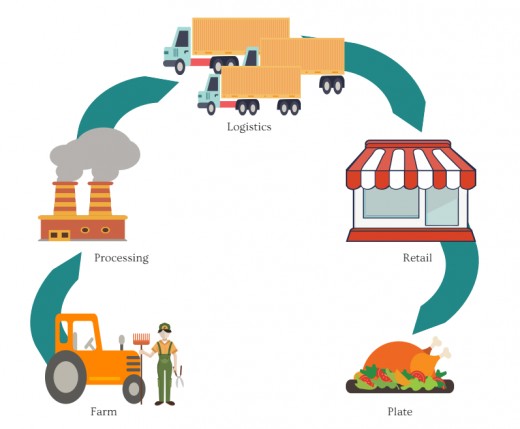
The farm-to-fork supply chain is a complex and intricate process that ensures the safe and efficient delivery of food from the field to our plates. It involves numerous steps, each with its own set of challenges and potential risks.
It all starts on the farm, where crops are grown and livestock is raised. Here, farmers work tirelessly to ensure that their products meet rigorous quality standards and comply with food safety regulations. They must carefully manage factors such as soil health, water quality, pest control, and animal welfare to minimize the risk of contamination or disease transmission.
Once harvested or processed, these products move through various stages of transportation and storage before reaching our local grocery stores or restaurants. Each step along this journey presents opportunities for potential hazards to enter the food supply chain - whether it be improper handling practices during loading/unloading, inadequate temperature control during transit/storage, or cross-contamination from other sources.
To mitigate these risks, agribusinesses employ a range of strategies such as implementing strict hygiene protocols at processing plants, conducting regular inspections of transportation vehicles for cleanliness and proper maintenance, ensuring appropriate packaging materials are used to protect against external contaminants.
In addition to these measures taken by producers themselves; governmental bodies also play an important role in regulating food safety standards throughout the supply chain. They establish guidelines for good agricultural practices (GAPs), develop monitoring systems for pesticide residues in produce/animal feedstuff; oversee public health surveillance programs related specifically towards agricultural inputs like fertilizer usage etc., enforce labeling requirements so consumers can make informed choices about what they buy/consume.
Overall, the farm-to-fork supply chain represents a remarkable collaboration between farmers, processors, distributors, and regulators to ensure that we have access to safe nutritious food. By understanding the potential hazards involved and implementing robust safety management systems; we can continue to enjoy delicious meals without compromising our well-being.
Food Safety Hazards in Agriculture
Food safety is a critical aspect of agribusiness management, as it ensures that the food we consume is safe and free from any potential hazards. In agriculture, there are various food safety hazards that need to be addressed to maintain high standards throughout the entire farm-to-fork supply chain.
One of the primary food safety hazards in agriculture is microbial contamination. Pathogens such as E.coli, Salmonella, and Listeria can contaminate crops and animal products if proper sanitation practices are not followed. These pathogens can cause severe illnesses when consumed by humans.
Chemical residues also pose a significant threat to food safety in agriculture. Pesticides, herbicides, and fertilizers used on farms may leave behind harmful residues on crops if not applied correctly or if excessive amounts are used. Consumption of these residues can have adverse effects on human health.
Another hazard to consider is physical contamination. This occurs when foreign objects like glass shards or metal fragments find their way into agricultural commodities during harvesting, processing, or transportation.
Accidental inclusion of such materials poses risks for consumers who might unknowingly ingest them alongside their food.
In addition to these hazards, environmental factors like water quality and air pollution can also impact food safety in agriculture.
Contaminated irrigation water or polluted air near farming areas can introduce toxins or pollutants into crops during growth stages.
It's crucial for agribusinesses to implement robust control measures at every stage of production – from planting seeds to packaging the final product – in order to mitigate these risks effectively.
By prioritizing regular testing for microbiological contaminants and chemical residues before harvests reach market shelves, agricultural producers help ensure that only safe foods reach consumers' plates. Farmers must carefully follow recommended guidelines for pesticide use, adhere strictly to Good Agricultural Practices (GAP), and establish proper hygiene protocols within their operations.
Furthermore, strong communication between farmers, food processors, and regulators plays an essential role in addressing food safety hazards and preventing their occurrence.
Food Safety Management in Agribusiness
Food safety management is a critical aspect of agribusiness. With the increasing demand for safe and healthy food, it is essential for businesses to prioritize food safety throughout the entire supply chain.
Agribusinesses implement various measures to ensure that their products meet stringent quality standards. This includes implementing good agricultural practices (GAPs) on farms, such as proper use of pesticides and fertilizers, as well as regular monitoring of water sources to prevent contamination.
In addition to GAPs, agribusinesses also have robust systems in place for traceability and recall procedures. This allows them to quickly identify and remove any potentially unsafe products from the market if necessary.
Furthermore, many agribusinesses invest in training programs for their employees to ensure they are knowledgeable about food safety protocols. Regular audits and inspections are conducted by regulatory bodies or third-party certification organizations to verify compliance with industry standards.
The implementation of technology has also revolutionized food safety management in agribusiness. From automated monitoring systems that track temperature controls during transportation to blockchain technology that enables transparent record-keeping, these advancements enhance accountability and reduce potential risks.
Effective food safety management is crucial in ensuring consumer confidence in agribusiness products. By prioritizing quality control measures at every step of the process – from planting seeds on the farm all the way through processing and distribution – businesses can contribute towards a safer and healthier global food system.
Conclusion
Food safety is an essential aspect of agribusiness management. From the field to the fork, ensuring that our food is safe to consume requires a comprehensive understanding of the supply chain and its potential hazards.
Throughout this article, we have explored various aspects of food safety in agribusiness. We began by providing an overview of the importance of food safety and its impact on consumer health. Then, we delved into the farm-to-fork supply chain, highlighting how each stage plays a crucial role in maintaining food safety standards.
Next, we examined some common food safety hazards that can arise during agricultural practices. These included biological contaminants such as bacteria and parasites, chemical contaminants like pesticides and antibiotics, as well as physical hazards such as foreign objects or allergens.
To mitigate these risks effectively, agribusinesses must implement robust food safety management systems. This involves adhering to stringent regulations and industry best practices while utilizing technology-driven solutions for traceability and quality control.
By adopting preventative measures like proper training for employees, regular inspections and audits, strict adherence to hygiene protocols at every step of production and processing, businesses can minimize potential risks throughout their operations.
Ensuring food safety in agribusiness is not just about compliance; it's about safeguarding public health while building trust with consumers. By prioritizing transparency in labeling and communication efforts along with sustainable farming practices promoting environmental stewardship – organizations can strengthen their market position while contributing positively towards global sustainability goals.
In conclusion (without using "In conclusion"), managing food safety in agribusiness requires continuous commitment from all stakeholders involved – farmers, processors, distributors, and consumers alike. With a shared responsibility towards safe agriculture practices, we can cultivate a healthier future for both individuals and communities worldwide. So let's continue working together to ensure that from field to fork, our plates are filled with nutritious and safe produce!
Precision Agriculture: Revolutionizing Farming Methods
Precision Agriculture: Revolutionizing Farming Methods
Welcome to the future of farming! Gone are the days of relying solely on traditional methods and guesswork when it comes to cultivating our lands. Enter precision agriculture, a groundbreaking approach that is revolutionizing the way we grow crops and manage agricultural practices. From optimizing yields to reducing environmental impact, precision agriculture is paving the way for a more efficient and sustainable farming future.
In this blog post, we will explore what precision agriculture entails, how it is changing farming methods, its benefits and challenges, as well as what lies ahead in this exciting field. So grab your virtual overalls and let's dive into the world of precision agriculture!
What is Precision Agriculture?
What exactly is precision agriculture? At its core, it is a technology-driven approach that utilizes state-of-the-art tools and techniques to optimize agricultural practices. Unlike traditional farming methods, which often rely on broad-scale actions across entire fields, precision agriculture takes a more targeted and precise approach.
By harnessing the power of data analytics, sensors, GPS technology, and even drones, farmers are able to gather real-time information about their crops' health and growth patterns. This wealth of data allows them to make informed decisions regarding irrigation schedules, fertilization levels, pest control measures, and more.
One key aspect of precision agriculture is variable rate application (VRA). Instead of uniformly applying inputs such as water or fertilizer across an entire field regardless of need, VRA enables farmers to apply these resources in varying amounts based on specific areas' requirements. This leads to optimized resource allocation while minimizing waste.
Another essential component is remote sensing. Through satellites or aerial imagery captured by drones equipped with specialized cameras or sensors, farmers can monitor crop health indicators like chlorophyll content or temperature variations. This helps identify potential problem areas early on for targeted intervention.
Overall, precision agriculture empowers farmers with valuable insights into every aspect of their operations - from soil composition and moisture levels to plant health and nutrient deficiencies. It offers a level of accuracy that was once unimaginable, allowing them to tailor their actions precisely where needed. This not only maximizes yields but also minimizes costs and reduces the environmental impact associated with inefficient resource use. In short, precision agriculture represents a significant shift towards smarter farming practices that prioritize sustainability without compromising productivity. So whether you're tending acres upon acres or cultivating your own backyard garden, embracing this cutting-edge approach can help take your farming endeavors to new heights!
The History of Precision Agriculture
The history of precision agriculture dates back several decades, with its roots in the development of technology and innovation in farming methods. The concept emerged as farmers sought ways to maximize their yields while minimizing costs and environmental impact.
In the 1980s, advancements in computing power allowed for the introduction of GPS (Global Positioning System) technology into agriculture. This breakthrough enabled farmers to accurately map their fields and track equipment movements, laying the foundation for precision agriculture.
As technology continued to evolve, so did precision agriculture. In the 1990s, variable rate application systems were introduced, which allowed farmers to apply fertilizers and pesticides at specific rates based on soil conditions. This approach not only improved efficiency but also reduced waste.
With further advancements in sensors, drones, and satellite imagery over the years, precision agriculture has become even more sophisticated. Farmers can now gather real-time data on soil moisture levels, crop health indicators, and weather patterns to make informed decisions about irrigation schedules or pest control measures.
Today's precision agricultural systems integrate various technologies such as remote sensing devices and automated machinery that can precisely plant seeds or dispense fertilizers with high accuracy. These innovations have revolutionized farming practices by enabling growers to optimize resource use while increasing productivity.
The adoption of precision agriculture techniques is steadily increasing worldwide as farmers recognize its potential benefits – from enhanced yield potential and cost savings to improved sustainability practices. However,the implementation of these advanced technologies does come with challenges such as high initial investment costs and a learning curve for some growers who may be less familiar with digital tools.
Despite these obstacles, pioneers within the agricultural industry are pushing forward with research and development to address these concerns. As a result, the future of precision agriculture looks promising. With on going technological developments like artificial intelligence, machine learning, and big data analytics, farmers will have access to new tools and insights that will further optimize their operations and ensure food security for generations to come.
How Precision Agriculture is Changing Farming Methods
Gone are the days of traditional farming methods, where farmers relied on guesswork and intuition to make decisions. With the advent of precision agriculture, a revolution has begun in the field of farming. This innovative approach combines technology, data analysis, and real-time monitoring to transform the way farmers operate.
One key way that precision agriculture is changing farming methods is through the use of sensors and drones. These devices allow farmers to collect detailed information about their crops, such as moisture levels, temperature fluctuations, and nutrient content. By analyzing this data in real-time, farmers can make more informed decisions about irrigation schedules, fertilization techniques, and pest control measures.
Another significant impact of precision agriculture is its ability to optimize resource usage. Through GPS technology and satellite imagery, farmers can precisely map their fields and identify areas that require specific attention or intervention. This targeted approach ensures that resources like water and fertilizer are used efficiently - reducing waste while maximizing crop yields.
Precision agriculture also enables better disease management practices by detecting potential threats early on. Farmers can monitor their fields for signs of pests or diseases using remote sensing technologies or even thermal imaging cameras mounted on drones. By catching these issues early on before they spread throughout an entire field or crop cycle, farmers can take swift action to prevent losses.
Furthermore, automation plays a crucial role in transforming farming methods with precision agriculture. From autonomous tractors to robotic harvesters equipped with computer vision systems—automation improves efficiency by streamlining labor-intensive tasks while maintaining accuracy during planting or harvesting operations.
In addition to these advancements in technology-driven farm management practices; precise weather forecasting allows proactive decision-making based on accurate predictions regarding precipitation patterns or extreme weather events like frost warnings which helps safeguard crops from potential damage.
As we continue exploring new frontiers in agricultural innovation; it's clear that precision agriculture will play an increasingly vital role in feeding our growing global population sustainably.
The Benefits of Precision Agriculture
The benefits of precision agriculture are vast and far-reaching, revolutionizing farming methods in ways we couldn't have imagined before. One of the key advantages is increased efficiency. By using technology to analyze data about soil conditions, climate patterns, and crop health, farmers can make more informed decisions about when to plant, irrigate, or apply fertilizers.
This targeted approach not only saves resources but also improves overall yield. With precision agriculture techniques such as variable rate application and automated equipment, farmers can ensure that each square meter of their land receives exactly what it needs for optimal growth. This leads to higher crop quality and quantity while reducing waste.
Precision agriculture also plays a crucial role in sustainability efforts. By minimizing the use of pesticides and herbicides through precise application methods like spot spraying or integrated pest management systems, farmers can protect both their crops and the environment from unnecessary harm.
Additionally, this technology enables better water management practices by providing real-time monitoring of soil moisture levels and weather forecasts. This allows farmers to optimize irrigation schedules based on actual needs rather than relying on guesswork alone.
Moreover, precision agriculture has economic benefits as well. By utilizing advanced sensors and software tools to monitor crops remotely, farmers can identify potential issues early on and take proactive measures before they become costly problems that affect yields or profits.
Finally yet importantly is the improvement in farmer's quality of life due to reduced manual labor requirements resulting from automation technologies implemented by precision agriculture systems. Farmers now have more time available for other activities such as managing farm operations effectively or spending valuable time with their families.
Challenges in Precision Agriculture
Implementing precision agriculture techniques comes with its fair share of challenges. One major obstacle is the initial investment required to adopt and integrate the necessary technology. The high cost of equipment such as GPS systems, sensors, and drones can be prohibitive for many farmers, especially small-scale operators.
Another challenge lies in data management. Precision agriculture generates vast amounts of data that need to be collected, analyzed, and interpreted effectively. Farmers must have access to reliable software tools and expertise to handle this information overload successfully.
Furthermore, there is a learning curve associated with adopting new technologies and practices. Many farmers may lack the necessary knowledge or training to fully utilize precision agriculture methods effectively. Education programs and support from agricultural institutions are crucial in helping them overcome this hurdle.
Environmental factors also pose challenges for precision agriculture. Weather conditions like heavy rainfall or extreme temperatures can interfere with sensor readings or disrupt communication between devices.
Connectivity issues in rural areas can hinder the smooth functioning of precision agriculture systems. Limited internet access can impede real-time monitoring or remote control operations.
Despite these obstacles, it's important to note that advancements in technology continue to address many of these challenges over time. As more efficient and affordable solutions emerge, the benefits of precision agriculture will become increasingly accessible to all types of farmers.
Exploring Vertical Farming Opportunities in Urban Areas
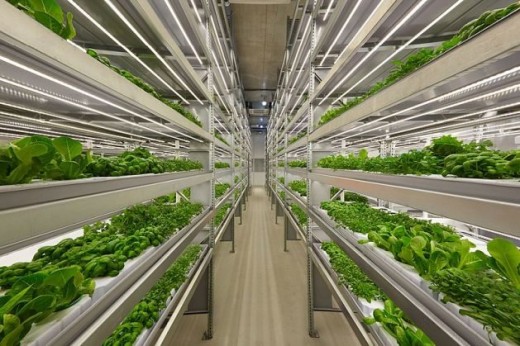
Exploring Vertical Farming Opportunities in Urban Areas
Welcome to the future of farming! In a world where urban spaces are expanding and land availability is shrinking, traditional agriculture faces numerous challenges. But fear not, because there's a revolutionary solution on the rise: vertical farming. This innovative approach allows crops to flourish in indoor environments by utilizing vertical space rather than sprawling fields. Not only does this modern method combat the limitations of traditional farming, but it also offers a plethora of benefits for both producers and consumers alike. So let's dive into the exciting world of vertical farming and explore how it is transforming our concept of agriculture as we know it! Get ready to be amazed by what can be achieved within the concrete jungles we call cities!
What is Vertical Farming?
Vertical farming, as the name suggests, is a method of cultivating crops in vertically stacked layers or shelves. Instead of relying on traditional soil-based methods and vast expanses of land, vertical farms utilize hydroponics or aeroponics systems that deliver water and nutrients directly to the plants' roots.
These indoor facilities are designed to optimize space by stacking multiple levels vertically, making it possible to grow a significant quantity of crops in a limited area. Artificial lighting systems such as LED lights provide the necessary spectrum for photosynthesis, ensuring that plants receive optimal light regardless of their position within the vertical farm.
One key advantage of vertical farming is its ability to overcome geographical limitations. By bringing food production closer to urban areas where consumption rates are high, transportation costs can be minimized while reducing carbon emissions associated with long-distance shipping.
Furthermore, vertical farming allows for year-round cultivation without being affected by seasonal changes or adverse weather conditions. This controlled environment enables farmers to have precise control over factors like temperature, humidity levels, and nutrient balance—all essential for maximizing crop yield and quality.
Additionally, this innovative approach reduces water usage significantly compared to traditional agriculture. Vertical farms employ techniques like recirculating water systems that capture excess moisture from plant transpiration and reuse it for irrigation purposes.
As a result, water waste is greatly reduced compared to conventional farming methods.
Moreover, because crops are grown indoors without exposure to pests or diseases present in outdoor environments, there's no need for harmful pesticides or herbicides—a win-win situation both for consumer health and environmental sustainability.
In summary, vertical farming represents an exciting shift towards sustainable agricultural practices. With its space-efficient design, ability to bypass geographical constraints, and reliance on advanced technologies, it offers an array of advantages over conventional farming. By embracing this modern approach, we can not only address food security challenges but also create more resilient and environmentally friendly communities. So let's roll up our sleeves and explore how we can get started in the world of vertical farming.
The Benefits of Vertical Farming
Vertical farming offers a multitude of benefits that make it an attractive option for urban areas. One key advantage is the efficient use of space. With limited land available in cities, vertical farming allows crops to be grown upwards, maximizing the use of vertical space instead of spreading out horizontally.
Another benefit is the year-round production potential. Traditional outdoor farming is seasonal and dependent on weather conditions. In contrast, vertical farms can operate 365 days a year, providing a consistent supply of fresh produce regardless of the season or climate.
Vertical farming also reduces transportation costs and carbon emissions associated with long-distance shipping. By growing food closer to where it's consumed, we can significantly decrease our reliance on fossil fuels and minimize our environmental impact.
Additionally, vertical farms are not susceptible to pests and diseases as traditional farms are. The controlled environment in these indoor facilities minimizes the risk of crop damage from insects or plant diseases, reducing the need for pesticides and other harmful chemicals.
Moreover, vertical farming uses less water compared to conventional agriculture methods. Through hydroponics or aeroponics systems that deliver nutrients directly to plants' roots without soil, water usage can be optimized while still ensuring healthy growth.
By bringing agriculture into urban areas through vertical farming initiatives, communities have increased access to fresh and nutritious food options right at their doorstep. This promotes healthier eating habits and improves overall food security in densely populated regions.
In conclusion (as per your instructions), there are numerous benefits associated with implementing vertical farms in urban settings – from efficient land utilization and year-round production capabilities to reduced transportation costs and improved food security. These advantages highlight why exploring opportunities for vertical farming in urban areas could revolutionize how we grow our food sustainably.
The Challenges of Vertical Farming
Vertical farming is an innovative approach to agriculture that brings its fair share of challenges. One major challenge is the high initial investment required to set up a vertical farm. The cost of constructing and equipping the facility with the necessary lighting, irrigation systems, and climate control can be substantial.
Another challenge is the need for specialized knowledge and expertise in agronomy, horticulture, and technology. Vertical farming relies heavily on advanced technologies such as hydroponics or aeroponics, which may require extensive training and experience to operate effectively.
The limited space available in urban areas presents yet another obstacle. Vertical farms must make efficient use of their space by maximizing crop density through careful planning and strategic design. Additionally, securing suitable locations within cities can be challenging due to zoning restrictions or high real estate costs.
Maintaining optimal environmental conditions within a vertical farm also poses difficulties. Temperature control, humidity regulation, air circulation - all these factors must be carefully managed to ensure healthy plant growth. Any deviations from ideal conditions could lead to lower yields or even crop failures.
Furthermore, energy consumption is a concern in vertical farming due to the intensive use of artificial lighting systems needed for year-round production. Finding sustainable energy sources or optimizing efficiency are crucial aspects that need attention.
Despite its potential benefits for local food production and reducing carbon footprint from transportation logistics—vertical farming still faces skepticism from some who question its scalability and economic viability compared to traditional agricultural practices.
Overcoming these challenges requires innovation, collaboration between experts from different fields such as agriculture science & technology along with continuous research efforts aimed at improving efficiency while minimizing costs associated with vertical farming methods.
How to Get Started in Vertical Farming
Getting started in vertical farming may seem like a daunting task, but with the right approach and resources, it can be a rewarding venture. Here are some key steps to help you kickstart your journey into urban agriculture.
1. Conduct thorough research: Before diving headfirst into vertical farming, take the time to educate yourself about various aspects of this industry. Learn about different types of crops that thrive in controlled environments, understand the technology involved in vertical farming systems, and familiarize yourself with market trends and consumer demands.
2. Develop a solid business plan: Like any other business venture, having a well-defined plan is crucial for success. Outline your goals, target market, financial projections, and marketing strategies. Consider factors such as land availability or leasing options for setting up your farm.
3. Secure funding: Vertical farming requires significant upfront investment for infrastructure setup and operational costs. Explore funding options such as loans from banks or government grants specifically designed for agricultural projects.
4. Choose suitable equipment and technologies: Selecting the right equipment is essential for efficient crop production in vertically stacked systems. Consider factors like lighting systems (LEDs or natural light), irrigation methods (hydroponics or aeroponics), climate control mechanisms (temperature and humidity regulation), and automation tools to optimize resource utilization.
5. Find an appropriate location: In urban areas where space is limited, finding an ideal location can be challenging but not impossible! Look for vacant buildings or unused rooftops that offer sufficient square footage to accommodate your vertical farm setup.
6. Establish partnerships/networking: Collaborating with local restaurants, grocery stores, farmers' markets or community-supported agriculture programs can ensure steady demand for your produce while also building relationships within the local food ecosystem.
7. Expand knowledge through continuous learning: Stay updated on emerging technologies related to vertical farming by attending workshops/seminars/webinars offered by experts in the field; join online communities where experiences are shared; learn from fellow vertical farmers to enhance your skills and expertise.
Conclusion
Vertical farming presents a promising opportunity for urban areas to address the challenges of food production and sustainability. With its ability to maximize space, conserve resources, and provide fresh produce year-round, vertical farming has the potential to revolutionize the way we grow our food.
While there are certainly challenges associated with vertical farming such as high initial costs and technical complexities, advancements in technology and increased awareness of sustainable agriculture practices are making it more accessible than ever before. By tapping into innovative solutions like hydroponics or aeroponics systems, aspiring vertical farmers can overcome these obstacles and pursue their passion for growing food in a sustainable manner.
If you're interested in getting started in vertical farming, there are several key steps you can take. Begin by conducting thorough research on best practices, attending workshops or courses related to indoor farming techniques, and connecting with experienced professionals in the field. Additionally, consider partnering with local restaurants or grocery stores that value locally sourced produce to establish a market for your crops.
Remember that patience is key when venturing into vertical farming. It may take time to fine-tune your operations and achieve optimal results. However, with dedication and perseverance, you have the opportunity not only to contribute towards a more sustainable future but also create a successful business venture.
So why wait? Start exploring the possibilities of vertical farming today! With its numerous benefits and increasing demand for sustainably grown produce, this innovative agricultural practice holds immense potential for both individuals looking to make an impact on their community's food system as well as entrepreneurs seeking profitable opportunities within urban areas.
Embrace this exciting journey towards sustainable agriculture through vertical farming – where sky-high harvests await!
Women Empowerment in the Agricultural Sector
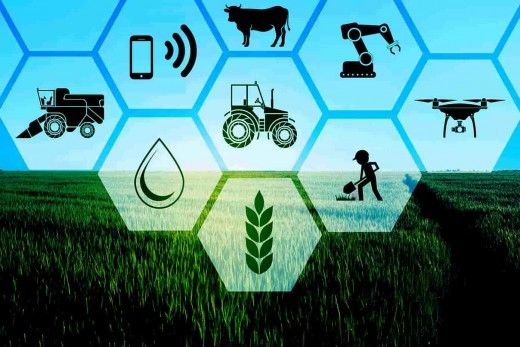
Women Empowerment in the Agricultural Sector
From tending to crops under an expansive sky to nurturing the earth that sustains us all, women have long played a crucial role in agriculture. Yet, their contributions have often gone unrecognized and undervalued. As we delve into this compelling topic of women empowerment in the agricultural sector, we will uncover the challenges faced by these resilient individuals and explore inspiring case studies highlighting their triumphs.
Join us on this journey as we shed light on how empowering women can revolutionize not only farming but also entire communities. It's time to celebrate and uplift these extraordinary women who are transforming fields into fertile grounds for change!
Women in Agriculture
For centuries, women have been the backbone of agriculture, silently toiling away on farms and fields around the world. Their presence in this industry is not new; it is rooted in history and tradition. From sowing seeds to harvesting crops, women have demonstrated their innate connection with the land and their ability to nurture its fruits.
However, despite their significant contributions, women in agriculture often face barriers that limit their potential. Societal norms and gender biases can restrict access to resources such as land ownership, credit facilities, education, and training opportunities. It's a harsh reality that many female farmers encounter daily - fighting against stereotypes while striving for recognition.
Nevertheless, women continue to break through these barriers with unwavering determination. They are embracing technology advancements and incorporating modern farming practices into traditional methods. By doing so, they are not only increasing productivity but also showcasing their resilience and adaptability.
Furthermore, women are playing an essential role in sustainable agricultural practices. They understand the importance of preserving natural resources for future generations by adopting eco-friendly approaches like organic farming or water conservation techniques.
In addition to being cultivators of food and guardians of nature's bounty, women have become key drivers of economic growth within rural communities. Many female farmers have diversified beyond traditional crops by venturing into agribusinesses such as dairy production or value-added products. These ventures provide additional income streams while empowering other community members through job creation.
The empowerment of women in agriculture goes far beyond individual success stories; it has broader implications for society as a whole. When we invest in empowering female farmers with skills training or access to finance, we create ripple effects that extend far beyond the fields they tend - transforming entire communities by reducing poverty rates and increasing food security.
As we delve deeper into this topic of empowerment within the agricultural sector specifically geared towards women who play an integral role let us remember each woman’s journey is unique yet interconnected under shared experiences.
Challenges Facing Women in Agriculture
Women have long played a crucial role in the agricultural sector, yet they continue to face numerous challenges that hinder their full participation and empowerment. One of the main obstacles is unequal access to resources and opportunities. In many societies, women lack access to land ownership, credit facilities, and modern farming technologies.
Moreover, traditional gender roles often limit women's involvement in decision-making processes related to agriculture. They are frequently excluded from community meetings or discussions on agricultural policies and practices. This exclusion diminishes their ability to contribute ideas and perspectives that could enhance productivity.
Another significant challenge is limited education and training opportunities for women farmers. Many rural areas lack schools or vocational programs that cater specifically to the needs of female farmers. As a result, they miss out on valuable knowledge about sustainable farming techniques or market trends.
Furthermore, inadequate infrastructure poses difficulties for women engaged in agriculture. The absence of basic amenities like irrigation systems or storage facilities means that women have to rely on manual labor more than men do. This hinders efficiency and reduces productivity levels.
Additionally, social norms often perpetuate discrimination against female farmers. Deep-rooted cultural beliefs may undermine their autonomy by restricting them from making independent decisions regarding farm management or financial matters.
Overcoming these challenges requires concerted efforts from various stakeholders including governments, NGOs, and communities themselves. Providing equal access to resources such as land rights, credit facilities, and technology can help empower women farmers economically while fostering innovation within the sector.
Investing in education programs tailored towards female farmers can equip them with skills necessary for adaptation strategies amidst climate change uncertainties while enabling better integration into value chains.
Breaking down societal barriers through awareness campaigns can also address discriminatory practices experienced by women involved in agriculture activities; creating an environment where all voices are heard irrespective of gender identity will lead us towards a more inclusive agricultural landscape.
Women Empowerment in Agriculture
The empowerment of women in the agricultural sector is a crucial step towards achieving sustainable development and food security. Women play a vital role in agriculture, contributing significantly to crop production, livestock management, and farm labor. However, they often face numerous challenges that hinder their full participation and economic independence.
One of the primary challenges faced by women in agriculture is limited access to productive resources such as land, credit facilities, and technology. Without these essential resources, it becomes difficult for women to increase their productivity and income levels. Additionally, traditional gender roles and social norms often limit opportunities for women to participate actively in decision-making processes within farming communities.
To address these challenges and promote women's empowerment in agriculture, various initiatives have been implemented worldwide. These initiatives focus on providing training programs that enhance agricultural skills among women farmers. By equipping them with knowledge about modern farming techniques and technologies, women can improve their productivity while reducing labor-intensive practices.
Furthermore, financial inclusion programs target improving access to credit facilities for rural female farmers. This allows them to invest in inputs like seeds or machinery necessary for increased productivity. In some cases, microfinance institutions specifically cater to the needs of rural women by offering tailored loan products with flexible repayment terms.
Moreover, promoting gender equality through policy reforms has been instrumental in empowering women farmers around the globe. Governments are increasingly recognizing the importance of creating an enabling environment that supports equitable land rights ownership for both men and women.
Several success stories highlight the positive impact of empowering women in agriculture. For instance, The Self Employed Women's Association (SEWA) based in India has empowered millions of marginalized rural female workers by organizing them into cooperatives where they receive training on organic farming techniques along with fair market access.
Similarly,'Landesa' an international NGO works towards securing land rights for millions of vulnerable families across Asia including many female-headed households who depend heavily on agriculture as their main source of livelihoods.
Case Studies of Women Empowerment in Agriculture
1. The Success Story of Rani Devi
Rani Devi, a small-scale farmer from rural Bihar, India, is a shining example of women empowerment in agriculture. Initially facing numerous challenges due to lack of access to resources and knowledge, Rani joined a local women's farming group that provided training and support. With their help, she learned innovative techniques such as organic pest control and water conservation methods.
2. Breaking Barriers with Technology
In Kenya, the use of mobile technology has played a crucial role in empowering women farmers like Jane Akinyi. Through an app called iCow, Jane gained access to vital information on livestock management and market prices. This enabled her to make informed decisions about her farm operations and increase her productivity significantly.
3. Collective Action for Change
In Peru's Andean region, the formation of all-women agricultural cooperatives has empowered indigenous female farmers like Rosa Mamani. By pooling their resources and sharing knowledge on sustainable farming practices passed down through generations, these cooperatives have not only improved their livelihoods but also preserved traditional agricultural wisdom.
4. Empowering Women Entrepreneurs
In Nigeria's Niger Delta region, organizations like WOFAN are providing training programs for rural women interested in agribusiness ventures. One success story is Amina Yusuf who started her own cassava processing business after receiving technical assistance from WOFAN.
The income generated has helped Amina become financially independent while creating employment opportunities for other women in her community.
These case studies exemplify how empowering women in agriculture can lead to positive outcomes both at individual and community levels.
Their stories demonstrate that when given equal opportunities,women can drive innovation,sustainability,and economic growth within the agricultural sector.
Nevertheless,it is important to continue supporting initiatives aimed at uplifting female farmers so they can thrive independently while contributing towards global food security.
Conclusion
Women empowerment in the agricultural sector is crucial for fostering sustainable development and addressing global food security challenges. Despite facing numerous obstacles, women have shown remarkable resilience and determination to make significant contributions to the agriculture industry.
Through improved access to resources, education, and training opportunities, women are increasingly taking leadership roles in farming, agribusinesses, and rural communities. Their involvement not only enhances productivity but also promotes gender equality and social inclusiveness.
Case studies of successful women empowerment initiatives in agriculture highlight the transformative impact that targeted interventions can have on individuals as well as entire communities. These success stories serve as an inspiration for further efforts to support women's participation at all levels of the agricultural value chain.
It is imperative that governments, organizations, and stakeholders continue their commitment towards empowering women in agriculture. By creating an enabling environment that ensures equal rights, opportunities, and representation for women farmers, we can unlock their full potential to drive innovation and sustainability within the sector.
In conclusion,'women empowerment' becomes more than just a buzzword when it translates into tangible actions that recognize the vital role of women in agriculture. Together we can build a future where every woman has the opportunity to thrive economically while contributing significantly towards achieving global food security goals.
Revolutionary Techniques in Organic Farming: How to Boost Crop Yield Naturally

Introduction to Organic Farming
Welcome to the wonderful world of organic farming, where nature's bounty thrives and the soil is treated like gold! In this blog post, we will dive into revolutionary techniques that can boost crop yield naturally. Gone are the days of relying on synthetic chemicals and harmful pesticides. Organic farming is not just a passing trend - it's a sustainable way of cultivating crops that benefits both our health and the environment.
So why should you consider embracing organic farming? Well, let me tell you about its incredible advantages. From promoting biodiversity to improving soil fertility, organic farming practices have a multitude of benefits that go beyond just growing healthy crops. Whether you're a seasoned farmer or someone with a small garden patch at home, these revolutionary techniques can help you maximize your crop yield in an eco-friendly manner.
Are you ready to unlock the secrets to boosting your crop production naturally? Let's dig right in!
The Benefits of Organic Farming
Organic farming has gained immense popularity in recent years due to its numerous benefits. One of the key advantages is that it promotes environmental sustainability. Unlike conventional farming methods, organic farming relies on natural practices and avoids the use of synthetic chemicals and genetically modified organisms (GMOs). This helps preserve soil health, protects water resources, and reduces air pollution.
Another major benefit of organic farming is improved food quality. By avoiding the use of pesticides, herbicides, and artificial fertilizers, organic crops are free from harmful residues. Studies have shown that organically grown fruits and vegetables contain higher levels of beneficial nutrients such as vitamins, minerals, antioxidants, and phytochemicals.
Furthermore, organic farming supports biodiversity conservation. The absence of synthetic chemicals allows for a diverse ecosystem where beneficial insects, birds, and microorganisms thrive naturally. This not only helps control pests but also ensures the pollination process critical for crop yield.
In addition to these ecological benefits, organic farming also offers economic advantages. It provides opportunities for small-scale farmers to enter the market by minimizing input costs associated with purchasing chemical inputs. Moreover, organically produced crops often fetch higher prices in both local and global markets due to increased consumer demand for healthy and sustainable products.
Overall, the benefits of organic farming extend far beyond individual farms or consumers. It contributes positively to both human health and environmental well-being while promoting a more sustainable agricultural system for future generations.
How to Boost Crop Yield Naturally
When it comes to boosting crop yield naturally, there are several innovative techniques that organic farmers can employ. One effective method is crop rotation, which involves alternating the types of crops grown in a particular area from season to season. This helps prevent the buildup of pests and diseases, as different plants have varying nutrient requirements.
Another technique is companion planting, where certain plants are strategically placed together to benefit each other. For example, marigolds can be planted alongside vegetables to repel harmful insects and attract beneficial ones like bees.
Using organic fertilizers such as compost and manure is also key in enhancing soil fertility and providing essential nutrients for plant growth. These natural inputs enrich the soil with organic matter while minimizing environmental harm.
Implementing proper water management practices is crucial as well. Conserving water through methods like drip irrigation or rainwater harvesting ensures that crops receive adequate hydration without wasting this precious resource.
Furthermore, integrated pest management (IPM) strategies play an important role in boosting crop yields naturally. By combining various pest control methods such as biological controls (e.g., introducing predator insects), cultural practices (e.g., removing diseased plants), and physical barriers (e.g., nets or fences), farmers can effectively manage pests while reducing reliance on synthetic pesticides.
In addition to these techniques, promoting biodiversity on the farm by maintaining hedgerows or planting cover crops can create habitats for beneficial organisms like pollinators and natural predators of pests.
By implementing these revolutionary techniques in organic farming, farmers can boost their crop yield naturally while also protecting the environment and ensuring sustainable agricultural practices for future generations.
The Best Organic Farming Practices
The best organic farming practices involve a combination of tried-and-true methods and innovative techniques. One essential practice is crop rotation, which helps prevent soil depletion and pest infestation. By alternating different crops in the same field, farmers can break the life cycles of pests and diseases while replenishing nutrients in the soil.
Another key practice is composting. Instead of relying on synthetic fertilizers, organic farmers enrich their soil with nutrient-rich compost made from organic matter such as food scraps, yard waste, and animal manure. Compost not only adds vital nutrients to the soil but also improves its structure, water retention capacity, and overall health.
Cover cropping is another valuable technique used by organic farmers. This involves planting cover crops between main cash crops to protect and improve the soil during fallow periods. Cover crops help control erosion, suppress weeds, fix nitrogen in the soil, enhance biodiversity aboveground and belowground, and provide habitat for beneficial insects.
Integrating livestock into farming systems is another excellent practice that promotes sustainability. Livestock grazing contributes to nutrient cycling by recycling plant residues back into the ecosystem through dung deposition. Additionally, animals can be used for weed control or as companion planting partners for certain crops.
Implementing precision agriculture technologies can also greatly benefit organic farming practices. These technologies include GPS-guided machinery for precise seed placement or fertilizer application based on data-driven analysis of field conditions like moisture levels or nutrient content.
Adopting these best practices allows organic farmers to maximize yields while maintaining ecological balance without harming human health or degrading natural resources – ultimately contributing to a more sustainable future for agriculture.
The Future of Organic Farming
As we move forward into a more sustainable and environmentally conscious world, the future of organic farming looks bright. With growing concerns about the use of synthetic chemicals in conventional agriculture, more and more farmers are turning to organic methods.
One major trend that is expected to continue is the use of technology in organic farming. Advances in robotics and automation have already made an impact, with drones being used to monitor crops and collect data on soil conditions. This allows farmers to make informed decisions about when to water or fertilize their plants, resulting in higher yields.
Another exciting development is vertical farming. This innovative approach involves growing crops indoors using stacked trays or shelves, often utilizing hydroponic systems. Vertical farms can be set up anywhere - from warehouses in urban areas to abandoned buildings - making it possible for fresh produce to be grown close to consumers year-round.
In addition, genetic engineering techniques are being explored within the realm of organic farming. While genetically modified organisms (GMOs) have traditionally been associated with conventional agriculture, scientists are now working on developing GMOs that meet organic standards by using non-toxic methods such as gene editing.
Furthermore, consumer demand for organically produced food continues to grow at a rapid pace. As people become increasingly aware of the health and environmental benefits of eating organic products, they are willing to pay premium prices for them. This demand provides an incentive for farmers worldwide to transition towards organic practices.
The future holds great promise for organic farming. With advancements in technology and increasing consumer interest, we can expect even greater innovation and productivity from this sustainable agricultural approach.
Conclusion
Organic farming is not just a passing trend; it is a sustainable and revolutionary approach to agriculture that offers numerous benefits for both farmers and consumers. By focusing on natural techniques, organic farmers can boost crop yield without relying on harmful chemicals or synthetic fertilizers.
Throughout this article, we have explored the various benefits of organic farming, including improved soil health, reduced environmental impact, and better food quality. We have also discussed some effective techniques that can help enhance crop yield naturally.
From incorporating cover crops and composting to implementing crop rotation and integrated pest management strategies, there are plenty of best practices available for organic farmers to maximize their productivity while maintaining ecological balance.
Looking ahead, the future of organic farming appears promising. As more people become aware of the importance of sustainable agriculture and consumer demand for organically grown produce continues to rise, there will be increased support for organic farming methods. This could lead to further research and innovation in the field, helping farmers overcome challenges and improve their yields even more.
In conclusion (without using those words), embracing organic farming practices offers an opportunity for us all to contribute towards a healthier planet by promoting biodiversity, conserving resources, and producing nutritious food sustainably. By applying these revolutionary techniques in organic farming, we can ensure a brighter future for generations to come while enjoying the many benefits it brings today!
The Art of Pruning: Enhancing Plant Health and Aesthetics

The Art of Pruning: Enhancing Plant Health and Aesthetics
Welcome to the wonderful world of pruning! Whether you're a seasoned gardener or just starting out on your green-thumb journey, mastering the art of pruning is an essential skill that can transform your plants into stunning works of art. Pruning not only enhances the health and aesthetics of your beloved flora, but it also allows you to shape and control their growth. So grab your shears and let's dive into the captivating realm of plant pruning!
Why Prune Plants?
Pruning plants serves a multitude of purposes that go beyond simply maintaining their appearance. One key reason to prune is to promote overall plant health. By removing dead or diseased branches, you're preventing the spread of infections and pests, ensuring that your plants stay robust and vibrant.
Pruning also encourages proper air circulation and sunlight penetration throughout the plant, which is essential for photosynthesis and healthy growth. Removing overcrowded branches allows for better light distribution and reduces the risk of fungal diseases caused by moisture buildup.
Another benefit of pruning is shaping the growth habit of your plants. With strategic pruning cuts, you can guide their form and structure, creating a visually appealing garden landscape or training them into specific shapes such as topiaries or espaliers.
Additionally, pruning can stimulate new growth by encouraging dormant buds to sprout. This rejuvenation process helps keep older plants youthful-looking while promoting more flowers or fruit production.
Regular pruning promotes safety in your outdoor space by eliminating any hazardous branches that may be at risk of falling on structures or people during storms or high winds.
Pruning plays an integral role in maintaining plant health, enhancing aesthetics, shaping growth habits, stimulating new growths, and ensuring safety in your garden oasis. It's truly an art form worth mastering!
The Different Types of Pruning
Pruning is not a one-size-fits-all approach. Different plants require different types of pruning techniques to promote their health and enhance their aesthetics. Let's take a closer look at the various types of pruning methods that gardeners and arborists use.
1. Thinning: This involves selectively removing branches or stems to open up the plant canopy, allowing better air circulation and sunlight penetration. Thinning helps reduce the risk of diseases and promotes overall plant vigor.
2. Heading: In this technique, the tip of a branch is cut back to stimulate new growth lower down on the branch. It can help shape shrubs or trees by encouraging branching and denser foliage.
3. Rejuvenation: Used for older plants with sparse foliage, rejuvenation pruning involves cutting back all branches significantly to encourage fresh growth from dormant buds near the base of the plant.
4. Crown Reduction: This method involves reducing the height or spread of a tree's crown by selectively removing certain branches while maintaining its natural shape.
5. Deadheading: Commonly done on flowering plants, deadheading entails removing spent flowers to redirect energy towards new blooms rather than seed production.
Remember, each type of pruning requires careful consideration of timing, technique, and plant species requirements for optimal results.
Tools for Pruning
When it comes to pruning, having the right tools can make a world of difference. Each tool serves a specific purpose and is designed to ensure clean cuts that promote plant health.
One essential tool for pruning is the hand pruner, also known as secateurs. These handy clippers are perfect for trimming small branches and stems with precision. They come in different sizes, so choose one that fits comfortably in your hand.
For larger branches, you'll need a pair of loppers. These long-handled pruners provide extra leverage and cutting power. Look for ones with sharp blades and sturdy handles to make your job easier.
If you have trees or tall shrubs that need shaping or thinning out, invest in a good quality pole pruner or telescopic pruner. These tools allow you to reach higher branches without needing a ladder.
To remove deadwood or prune hard-to-reach areas, consider using a pruning saw or folding saw. Make sure the blade is sharp and has teeth designed specifically for cutting through wood.
Don't forget about safety! Wear protective gloves to prevent cuts and scrapes when handling thorny plants or sharp tools. And always keep your tools clean and well-maintained to ensure they perform at their best.
Pruning may seem daunting at first, but with the right tools by your side, you'll be able to tackle any task with confidence!
How to Prune Different Types of Plants
Pruning is an essential task in maintaining the health and aesthetics of different types of plants. Each plant requires specific pruning techniques to ensure optimal growth and beauty. Here are some tips for pruning various types of plants:
1. Shrubs: When pruning shrubs, it's important to remove dead or damaged branches first. Then, trim back any overgrown or straggly branches to maintain a compact shape. Avoid cutting into the main trunk or removing more than one-third of the plant at once.
2. Trees: Start by removing any dead, diseased, or crossing branches to improve tree structure and prevent damage during storms. If you want to control height or promote fuller growth, selectively prune lateral branches. Remember not to remove more than 25% of a tree’s foliage in one season.
3. Roses: Prune roses during their dormant period (late winter/early spring) by removing weak or old stems at the base using sharp bypass pruners angled away from buds.
4. Fruit trees: Prune fruit trees in late winter before bud break for better air circulation and sunlight penetration into the center canopy area, enhancing fruit production.
5. Perennials: Trim back dead flower stalks after blooming ends and cut back tall perennials by about half their height in early spring before new growth begins.
Remember that each type of plant has its own unique needs when it comes to pruning, so be sure to research specific guidelines for your plants beforehand! Happy pruning!
The Benefits of Pruning
Pruning is not just about keeping your plants in shape, it also provides numerous benefits that contribute to their overall health and aesthetics. By removing dead or diseased branches, you can prevent the spread of infections and improve air circulation within the plant canopy. This promotes healthier growth and reduces the risk of pests and diseases.
Regular pruning also encourages new growth by stimulating dormant buds, which leads to increased flowering and fruit production. It allows you to shape plants according to your desired aesthetic preferences, creating a more visually appealing landscape.
In addition, pruning helps maintain plant size and prevents overcrowding. By selectively removing branches or stems that are crossing or rubbing against each other, you can prevent damage caused by friction. This improves the structural integrity of the plant and reduces the likelihood of breakage during storms or heavy winds.
Furthermore, proper pruning techniques help rejuvenate older plants by removing old wood and encouraging fresh growth from younger parts. It can also help control invasive species by cutting back their growth before they have a chance to spread uncontrollably.
Investing time in regular pruning pays off with healthier plants that are more resistant to disease, produce better-quality flowers or fruits, have improved structure for longevity, and enhance the overall beauty of your garden. So grab those pruners and get ready to give your plants some TLC!
Conclusion
Pruning is an art that can greatly enhance the health and aesthetics of your plants. By understanding the reasons behind pruning, familiarizing yourself with different pruning techniques, and using the right tools, you can effectively shape and maintain your garden.
Whether you have fruit trees that require regular pruning for optimal yield or ornamental shrubs that need occasional trimming to maintain their shape, proper pruning can promote healthy growth, improve airflow, increase sunlight exposure, and prevent diseases.
Remember to always follow best practices when it comes to pruning different types of plants. Consider factors such as timing (pruning during dormant seasons), technique (removing dead or diseased branches at a 45-degree angle), and frequency (regular maintenance versus rejuvenation pruning).
Investing in quality tools like hand pruners, loppers, hedge shears, and pole pruners will save you time and effort while ensuring clean cuts that promote healing. Take care of your tools by cleaning them after use and sharpening them regularly for precise cuts.
The benefits of well-executed pruning are numerous. Not only does it make your plants look more visually appealing but also promotes stronger structure development by removing weak or crossing branches. Pruning encourages new growth where desired while keeping potential hazards in check.
So next time you step into your garden armed with clippers in hand, remember the artistry involved in shaping nature's beauty. With each snip of a branch or careful cut made, you are nurturing healthier plants that flourish both aesthetically and functionally.
Embrace the art of pruning – watch as your garden transforms into a living masterpiece!
Unveiling Hydroponics: Growing Plants Without Soil

Unveiling Hydroponics: Growing Plants Without Soil
Welcome to the fascinating world of hydroponics! Have you ever wondered if it's possible to grow plants without soil? Well, prepare to be amazed because hydroponics is all about doing just that. It's a revolutionary method of cultivating plants in nutrient-rich water instead of traditional soil.
In this blog post, we'll delve into the history, workings, benefits, and challenges of hydroponics. Get ready to uncover a whole new way of growing plants that will leave you truly awe-struck. So sit back, relax, and let's dive into the wonderful world of hydroponics!
What is Hydroponics?
Hydroponics is a cutting-edge agricultural technique that enables plants to thrive without the need for soil. Instead of relying on traditional dirt, hydroponic systems use nutrient-rich water solutions to nourish and support plant growth. By providing plants with precisely balanced levels of essential nutrients, hydroponics allows them to absorb what they need directly through their roots.
In this innovative method, plants are typically grown in containers or specialized structures where their roots come into direct contact with the nutrient solution. This setup eliminates the variability and limitations often associated with soil-based cultivation. With hydroponics, growers have greater control over factors such as pH levels, temperature, and light exposure – all crucial elements that can influence plant health and productivity.
One of the most intriguing aspects of hydroponics is its versatility. It can be applied at various scales – from small indoor setups for personal use to large commercial operations that produce massive yields year-round. And it's not limited to certain types of plants either; you can grow everything from leafy greens like lettuce and spinach to herbs, fruits, flowers, and even some vegetables using this method.
The beauty of hydroponics lies in its efficiency. Compared to traditional farming practices that require substantial amounts of water and land resources, hydroponic systems use significantly less water while maximizing crop output per square foot. Additionally, since there's no reliance on pesticides or herbicides typically found in soil-grown crops, hydroponically cultivated produce tends to be cleaner and more eco-friendly.
As we embark on this journey into the world of hydroponics together, prepare yourself for an exploration filled with innovative techniques, creative ideas, and endless possibilities! So let's roll up our sleeves (well technically we don't really have any!) and dig deeper into how exactly this incredible growing method works.
The History of Hydroponics
The history of hydroponics dates back thousands of years, with evidence suggesting that the Hanging Gardens of Babylon were actually a form of hydroponic gardening.
However, it was not until the 19th century that modern hydroponics began to take shape.
In 1860, Dr. Julius von Sachs conducted groundbreaking research on plant nutrition and discovered that plants could grow without soil as long as they received essential nutrients directly in water. This discovery laid the foundation for what we now know as hydroponics.
Fast forward to the mid-20th century, when scientists began experimenting with different methods and techniques to optimize plant growth in water-based systems. One notable breakthrough came in the 1930s when William Frederick Gericke coined the term "hydroponics" and successfully grew tomatoes using a nutrient solution.
Throughout the decades, advancements in technology have revolutionized hydroponic systems, making them more efficient and accessible to growers worldwide. From simple nutrient film technique (NFT) setups to complex vertical farming systems, there are now numerous ways to cultivate plants without soil.
As our understanding of plant physiology deepens and technology continues to evolve, so too does the potential for hydroponics to play a significant role in sustainable agriculture and food production. With its ability to conserve water resources and maximize crop yields in limited spaces, this innovative growing method is poised for an exciting future ahead.
How Does Hydroponics Work?
Hydroponics, a fascinating method of growing plants without soil, has gained significant attention in recent years. But how exactly does it work? Let's dive into the world of hydroponics and explore its inner workings.
In traditional gardening, plants obtain nutrients from the soil. However, in hydroponics, they receive their nourishment directly through a nutrient-rich water solution. This eliminates the need for soil altogether. Instead, plants are grown using various mediums such as perlite, clay pellets, or even air.
One key component of hydroponics is the nutrient solution. This carefully balanced mixture contains all the essential elements that plants need to thrive – nitrogen, phosphorus, potassium, and more. By providing these nutrients directly to the plant roots in water form without any interference from soil particles or microorganisms found in traditional gardening methods.
Another crucial aspect of hydroponics is controlling environmental factors like light and temperature. Growers can create ideal conditions for plant growth by adjusting artificial lighting sources and maintaining optimal temperatures for each specific crop.
The absence of soil also minimizes disease risks commonly associated with traditional gardening practices. Without potential pathogens lurking in the ground or contaminated runoff water affecting crops' health., Hydroponic systems offer a clean and controlled environment that maximizes plant growth potential while minimizing risks.
By embracing this innovative technique, growers can achieve higher yields within smaller spaces compared to conventional farming methods. Additionally, since there's no reliance on seasonal changes or outdoor weather conditions. Hydroponic setups allow for year-round cultivation regardless of climate restrictions
In conclusion,: hydroponics offers an efficient way to grow healthy crops using less space and resources than traditional agriculture requires. With its ability to control environmental variables precisely, this method provides a viable solution for sustainable food production now and in the future
The Benefits of Hydroponics
The benefits of hydroponics are numerous and diverse. One major advantage is the ability to grow plants in any location, regardless of soil quality or climate conditions. With hydroponics, you can have a thriving garden even if you live in an urban apartment or in a region with harsh winters.
Another benefit is water conservation. Hydroponic systems use up to 90% less water compared to traditional soil-based methods. This is because the nutrient-rich water used in hydroponics is recirculated and not lost through evaporation or runoff.
Hydroponics also allows for precise control over nutrient levels, pH balance, and other environmental factors that affect plant growth. This means you can optimize growing conditions for each specific crop, resulting in faster growth rates and higher yields.
Additionally, hydroponic gardening eliminates the need for pesticides since pests typically thrive in soil environments. This makes it a healthier option for both consumers and the environment.
Furthermore, by eliminating the need for large amounts of land space, hydroponics offers increased efficiency and productivity. Multiple layers of plants can be grown vertically using vertical farming techniques, maximizing limited space while still achieving high crop yields.
In summary (not concluding), hydroponics provides endless possibilities for sustainable agriculture with its ability to grow plants anywhere efficiently and sustainably while conserving resources such as water and land space
The Challenges of Hydroponics
Growing plants without soil may seem like a revolutionary concept, but hydroponics is not without its challenges. While this innovative method offers many advantages, there are also some hurdles to overcome.
One of the main challenges of hydroponics is maintaining the right nutrient balance. In traditional gardening, nutrients are naturally found in the soil. However, in a hydroponic system, these nutrients need to be carefully measured and added manually. If the nutrient solution becomes too concentrated or diluted, it can negatively impact plant growth.
Another challenge is preventing disease and pests. Without soil acting as a natural barrier, plants grown hydroponically are more susceptible to infections and infestations. Constant monitoring and proper sanitation practices are essential to keep plants healthy.
Additionally, controlling environmental factors such as temperature and humidity can be challenging in hydroponic systems. Unlike outdoor gardens where nature takes care of these aspects to some extent, indoor setups require meticulous adjustment and monitoring for optimal plant growth.
Maintaining equipment and preventing technical failures is another hurdle that hydroponic growers face. From pumps to irrigation systems, any malfunction can disrupt the entire operation if not addressed promptly.
Cost can be a challenge for those starting with hydroponics. The initial investment in equipment might be higher compared to traditional gardening methods.
Despite these challenges, many enthusiasts find joy in overcoming them while reaping the benefits of growing their own fresh produce using this innovative technique!
Hydroponic Recipes
Hydroponic recipes offer a whole new world of possibilities when it comes to growing plants. With this innovative gardening method, you can create the perfect nutrient solution for your plants and maximize their growth potential.
One popular hydroponic recipe is the "lettuce blend." This mix includes a combination of nutrients like nitrogen, phosphorus, and potassium, which are essential for healthy leafy greens. By carefully balancing these elements in your nutrient solution, you can ensure that your lettuce grows crisp and vibrant.
Another favorite among hydroponic enthusiasts is the "tomato cocktail." This recipe focuses on providing optimal nutrition for tomato plants, with added calcium to prevent blossom end rot.
By following this recipe closely, you can enjoy juicy and flavorful tomatoes all year round.
For those looking to grow herbs hydroponically, there's the "basil boost" recipe. It includes specific ratios of macronutrients and micronutrients to promote lush foliage growth and enhance flavor profiles. With this recipe, you'll have an endless supply of fresh basil at your fingertips.
Experimentation is key when it comes to developing new hydroponic recipes. You can customize nutrient solutions based on plant requirements or even try adding organic supplements like seaweed extract or fish emulsion for an extra boost.
The beauty of hydroponics lies in its versatility – you can adapt recipes based on plant types and individual preferences. So get creative with your own unique concoctions and unlock the full potential of growing without soil!
From Seedling to Harvest: The Journey of a Horticulturalist
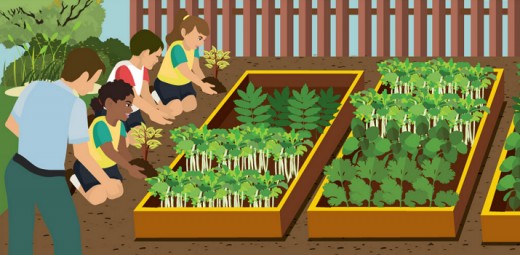
From Seedling to Harvest: The Journey of a Horticulturalist
Welcome to the fascinating world of horticulture, where seeds blossom into vibrant blooms and greenery thrives under the care of skilled hands. If you've ever marveled at a perfectly manicured garden or wondered how parks maintain their lush landscapes year-round, then you're about to embark on a journey that will unveil the secrets behind these botanical wonders.
In this blog post, we'll delve into the captivating realm of horticulturalists – those unsung heroes who nurture nature's creations from seedling to harvest. Whether you have dreams of becoming one yourself or simply want to gain insight into this green-fingered profession, pack your gardening gloves and join us as we explore the life and work of these guardians of growth. Let's dig in!
The Role of a Horticulturalist
The role of a horticulturalist is as diverse as the flora they tend to. These skilled individuals are not only gardeners but also scientists, designers, problem solvers, and environmental stewards. They possess an intimate understanding of plants and their needs, allowing them to create thriving ecosystems in a variety of settings.
One key aspect of a horticulturalist's role is cultivating and maintaining gardens or landscapes. They select appropriate plant species based on factors like climate, soil composition, and aesthetic preferences. From planting seeds to pruning branches with precision, they ensure each plant receives the care it deserves.
But their responsibilities go beyond just gardening. Horticulturalists often conduct research to develop new techniques for plant propagation or disease prevention. Their scientific knowledge helps them identify pests and diseases that can harm plants and find sustainable solutions to combat these issues.
In addition to their scientific prowess, horticulturalists have an artistic eye for design. They skillfully arrange different plants in harmonious compositions that enhance the beauty of any space – be it a private garden or public park. By considering color schemes, textures, heights, and bloom times, they create visually stunning displays that delight the senses.
Furthermore, horticulturalists play an essential role in preserving biodiversity by conserving rare or endangered plant species through seed banking initiatives or specialized cultivation programs. In doing so, they contribute directly to saving our natural heritage for future generations.
So next time you stroll through a meticulously landscaped park or savor the fragrance of flowers in full bloom at your local botanical garden; take a moment to appreciate the tireless efforts of these passionate professionals who bring nature's wonders into our lives every day
What Does a Horticulturalist Do?
What does a horticulturalist do? Well, the answer to that question is as diverse as the plants they work with. From designing and maintaining gardens to conducting scientific research on plant growth, horticulturalists have a wide range of responsibilities.
One important aspect of a horticulturalist's job is cultivating and caring for plants. They carefully select and sow seeds, ensuring optimal conditions for germination. They monitor soil moisture levels, provide nutrients when needed, and protect plants from pests and diseases.
Horticulturalists also play a crucial role in landscaping projects. They design outdoor spaces with an eye for aesthetics and functionality. Whether it's creating flower beds or planting trees, their goal is to create beautiful environments that enhance people's lives.
In addition to hands-on work with plants, horticulturalists often conduct research to improve cultivation techniques or develop new plant varieties. This may involve studying different growing methods or exploring ways to make plants more resistant to environmental stresses.
Another part of their job involves educating others about gardening practices and promoting sustainable approaches to horticulture. They might lead workshops or give presentations on topics like organic gardening or water conservation.
Being a horticulturalist requires passion for plants, creativity in design, scientific curiosity, and dedication to preserving our natural environment. It's an ever-evolving field where no two days are alike!
The Different Types of Horticulture
Horticulture is a vast field with various branches that cater to different aspects of plant cultivation and care. Let's explore some of the different types of horticulture:
1. Floriculture: This branch focuses on the production and management of flowering plants, including cut flowers, potted plants, and ornamental foliage. Floriculturists work their magic to create stunning floral displays for events or simply brighten up our homes.
2. Pomology: Pomologists specialize in fruit tree cultivation. They study the growth patterns, diseases, and optimal conditions required for producing high-quality fruits like apples, oranges, berries, and more.
3. Olericulture: Olericulture deals with the science of vegetable growing. Olericulturists develop techniques to maximize crop yield while ensuring quality produce through methods such as crop rotation, seed selection, pest control measures, and soil management.
4. Landscape Horticulture: If you've ever admired a beautifully manicured garden or park filled with lush greenery and vibrant flowers - you have landscape horticulturists to thank! They design outdoor spaces by selecting appropriate plants based on climate conditions and aesthetic appeal.
5. Nursery Management: Nursery managers are responsible for propagating young plants from seeds or cuttings before they're ready for sale or transplantation elsewhere. They oversee everything from irrigation systems to disease prevention in order to ensure healthy plant growth.
6. Turfgrass Science: Turfgrass scientists focus on cultivating grasses specifically tailored for lawns, golf courses,
7) Viticulture : Vinicultural focus in grapevines , studying vineyard gardening how it affects wine taste
8) Arboriculture : Art & science woody Plant care . Prunes trees shrubs etc
These are just a few examples among many other specialized areas within horticultural studies. All these subfields contribute towards creating beautiful landscapes, growing nutritious food, and preserving natural environments.
The Journey of a Horticulturalist
The journey of a horticulturalist is an adventure that starts with a seedling and grows into a fruitful harvest. It begins with a passion for plants and the desire to cultivate beauty in nature. As they embark on this path, horticulturalists navigate through various stages, facing challenges and reaping rewards along the way.
In the early stages of their journey, horticulturalists acquire knowledge about soil composition, plant nutrition, and pest control. They learn how to propagate plants from seeds or cuttings and develop skills in pruning and shaping them. This foundation sets them up for success as they move forward.
As their expertise deepens, horticulturalists may specialize in specific areas such as landscape design or greenhouse management. They refine their techniques by experimenting with different plant varieties, honing their skills in creating beautiful outdoor spaces or cultivating thriving indoor gardens.
Throughout their career, horticulturalists are constantly learning and adapting. They stay updated on emerging trends in sustainable gardening practices and incorporate new technologies into their work. Whether it's implementing irrigation systems or using organic fertilizers, they strive to find innovative ways to enhance plant growth while minimizing environmental impact.
One aspect that sets apart successful horticulturalists is their ability to connect with people. They often work closely with clients or garden enthusiasts who seek advice on plant selection or troubleshooting issues in their gardens. Effective communication skills enable these professionals to share their knowledge and passion effectively while providing practical solutions tailored to each individual's needs.
While it may take years of experience to become a seasoned horticulturist, the journey is full of joyous moments when one sees the fruits (or flowers) of their labor come alive – be it a vibrant flower bed bursting with colors or a bountiful vegetable patch ready for harvest.
To embark on this rewarding journey towards becoming a horticulturist requires dedication and perseverance coupled with continuous learning opportunities like formal education programs or hands-on experience in botanical gardens, nurseries, or landscaping companies. It's a
How to Become a Horticulturalist
Becoming a horticulturalist is an exciting and rewarding journey for those with a passion for plants and the natural world. While there is no one-size-fits-all path to becoming a horticulturalist, there are several steps you can take to start your career in this field.
First and foremost, education plays a crucial role in becoming a horticulturalist. Pursuing a degree or certification in horticulture or a related field will provide you with the foundational knowledge needed to excel in this profession. Look for programs that offer courses in plant science, botany, soil management, pest control, and landscape design.
In addition to formal education, gaining practical experience is essential. Consider interning at botanical gardens, nurseries, or landscaping companies to get hands-on training and learn from experienced professionals. This will not only enhance your skills but also allow you to make valuable connections within the industry.
Networking is another key aspect of building a successful career as a horticulturalist. Attend industry events such as conferences and seminars where you can meet fellow professionals and potential employers. Joining professional organizations like the American Society for Horticultural Science (ASHS) can also provide opportunities for networking and staying updated on the latest trends.
Never underestimate the importance of continuing education in this field. Horticulture is constantly evolving with new technologies and techniques emerging regularly. Stay informed by attending workshops or taking online courses that focus on specialized areas of interest within horticulture.
By following these steps - obtaining education, gaining practical experience through internships, networking with professionals, and pursuing ongoing learning opportunities - you will be well on your way to embarking on an exciting career as a horticulturalist!
Tackling Common Garden Pests: Natural Remedies That Actually Work!

Tackling Common Garden Pests: Natural Remedies That Actually Work!
Welcome to the wonderful world of gardening! Whether you have a flourishing backyard garden or are just starting out with a few potted plants on your balcony, one thing is for certain - pests can wreak havoc on your beautiful green oasis. But fear not, fellow plant enthusiasts!
In this blog post, we'll be exploring some natural remedies that actually work in tackling common garden pests. So roll up your sleeves and get ready to say goodbye to those pesky intruders as we dive into the fascinating realm of pest control for your beloved plants and flowers. Let's get started, shall we?
1. Aphids
Ah, aphids - those tiny, sap-sucking creatures that can quickly turn your lush leaves into a feast. These pesky critters are notorious for multiplying at lightning speed, leaving your plants weak and wilted in their wake. But fret not, dear gardeners! There are several natural remedies you can employ to keep these little troublemakers at bay.
One effective method is to introduce beneficial insects into your garden ecosystem. Ladybugs and lacewings are natural predators of aphids and will happily munch away on them without causing harm to your plants. You can attract these helpful allies by planting flowers such as marigolds or daisies that act as insect magnets.
If you prefer a DIY approach, creating a homemade spray solution using ingredients like neem oil or soapy water can provide excellent results. Simply mix the solution according to the instructions and generously apply it to infested areas of your plants. The oils suffocate the aphids while soap disrupts their protective wax coating, ultimately leading to their demise.
Regularly inspecting your plants for signs of an aphid invasion is crucial in preventing them from taking over completely. Look out for curled leaves or sticky residue known as "honeydew" left behind by these pests. Pruning affected branches or gently washing off infestations with a strong stream of water can help control their population before it spirals out of control.
Remember, patience is key when dealing with aphids. It may take some time for the natural remedies to take effect fully, but rest assured that with persistence and care, you'll be able to reclaim your garden from these relentless little invaders.
2. Caterpillars
Caterpillars can be quite the nuisance in your garden, munching away on your precious plants and leaving behind a trail of destruction. But fear not, there are natural remedies that actually work to tackle these pesky pests!
One effective way to deal with caterpillars is by encouraging natural predators such as birds, ladybugs, and wasps into your garden. These insects feed on caterpillars and help keep their population in check.
Another option is handpicking the caterpillars off your plants. This may seem tedious, but it can be a therapeutic task for some gardeners. Just make sure to wear gloves if you're dealing with hairy or spiky caterpillars to avoid any irritation.
If you prefer a more hands-off approach, consider using organic insecticides specifically formulated for controlling caterpillar infestations. Look for products containing Bacillus thuringiensis (Bt), which is a naturally occurring bacteria that targets only certain types of caterpillars without harming beneficial insects.
Additionally, planting companion plants like marigolds or garlic around susceptible crops can help deter caterpillars due to their strong scent.
Regularly inspecting your plants for eggs and larvae is crucial in preventing major infestations. By catching them early on and taking appropriate action, you'll minimize the damage caused by these voracious eaters.
Remember that having some level of pest presence is normal in any garden ecosystem. It's all about finding a balance between allowing nature to take its course while also protecting our beloved plants from excessive harm caused by unwanted visitors like caterpillars!
3. Cutworms
If you've ever had the unfortunate encounter with cutworms, you know just how destructive they can be to your garden. These sneaky little critters are actually moth larvae that hide beneath the soil during the day and emerge at night to feed on young plants.
Identifying cutworm damage is relatively easy - look for seedlings that have been severed at ground level. It's disheartening to see all your hard work literally chopped down overnight! But fear not, there are natural remedies you can use to combat these voracious pests.
One effective method is using collars made of cardboard or aluminum foil around each plant stem. This creates a physical barrier that prevents cutworms from reaching their target. Another option is sprinkling diatomaceous earth around your plants – this abrasive substance will irritate and dehydrate them, making it difficult for them to crawl over.
Encouraging beneficial insects like parasitic wasps and ground beetles into your garden can also help control cutworm populations naturally. Planting insect-repellent herbs such as basil, mint, and thyme nearby may deter them as well.
Remember, prevention is key when it comes to managing any pest problem in the garden. Proper sanitation practices like removing debris and weeds where cutworms may hide can go a long way in reducing their numbers.
With these natural remedies and preventive measures in place, you'll be able to tackle those pesky cutworms head-on without resorting to harmful chemicals or pesticides. Happy gardening!
4. Earwigs
Earwigs can be a real nuisance in the garden. These small, elongated insects with pincer-like appendages on their abdomen are known for their voracious appetite and tendency to munch on plants. If left unchecked, they can cause considerable damage to your precious plants.
So how do you deal with these sneaky critters naturally? One effective method is to create homemade traps using simple household items like rolled-up newspaper or cardboard tubes. Place them near the affected plants and check them regularly. You'll often find earwigs seeking shelter inside these traps during the day, making it easy for you to dispose of them later.
Another natural remedy involves creating a barrier around your garden beds using diatomaceous earth or crushed eggshells. These abrasive substances act as deterrents, preventing earwigs from crawling up onto your plants.
To further discourage these pests from taking up residence in your garden, consider removing any debris or mulch that may provide hiding places for them. Additionally, reducing moisture levels by watering in the morning rather than at night can help make your garden less inviting to earwigs.
Remember, when it comes to tackling pests like earwigs, prevention is key! By implementing these natural remedies and maintaining good gardening practices, you can keep these unwelcome visitors at bay and ensure a healthy garden all season long.
5. Japanese Beetles
Japanese Beetles are a common garden pest that can wreak havoc on your plants. These shiny, metallic green beetles may be small, but they can quickly multiply and cause significant damage to leaves and flowers.
One effective natural remedy for Japanese Beetles is handpicking them off your plants. Simply go out in the early morning or late evening when the beetles are less active and drop them into a bucket of soapy water. This method requires patience and consistency, but it can be an efficient way to control their population.
Another option is to use beneficial nematodes. These microscopic worms attack the larvae of Japanese Beetles in the soil, preventing them from maturing into adults. You can purchase nematodes at garden centers or online and apply them according to the instructions provided.
Additionally, planting certain companion plants like garlic, chives, or tansy near susceptible plants may help repel Japanese Beetles due to their strong scent. These aromatic herbs confuse and deter these pests from landing on your precious foliage.
It's important to note that prevention is key when dealing with any garden pest, including Japanese Beetles. Regularly inspect your plants for signs of infestation and take action as soon as you spot any beetles or their characteristic skeletonized leaves.
By implementing these natural remedies for Japanese Beetles alongside proper preventive measures such as maintaining healthy soil conditions and providing adequate plant nutrition, you'll be well-equipped to protect your garden against these pesky invaders!
6. Slug and Snails
Slug and snails can be a major headache for gardeners. These slimy creatures love to munch on our beloved plants, leaving behind a trail of destruction. But fear not, there are natural remedies that actually work in keeping these pests at bay.
One effective method is using barriers such as copper tape or crushed eggshells around your plants. Slugs and snails dislike the sensation of crawling over these sharp materials, so they'll be discouraged from feasting on your precious foliage.
Another option is creating beer traps. Simply bury a shallow container in the ground and fill it with beer. The scent will attract slugs and snails who will then drown in the liquid. It's an easy and inexpensive way to control their population.
If you prefer a more hands-on approach, you can manually pick off slugs and snails from your plants during dusk or dawn when they're most active. Remember to dispose of them properly by relocating them away from your garden.
Natural predators like birds, frogs, or hedgehogs can also help keep slug populations under control. Encourage these critters to visit your garden by providing bird feeders or building small ponds.
Make sure to maintain good garden hygiene by removing any debris or hiding spots where slugs and snails may reside during the day.
By implementing these natural solutions into your gardening routine, you can protect your plants without resorting to harmful chemicals or pesticides! Keep those pesky slugs and snails at bay while enjoying a thriving garden all season long!
Navigating Risk: Tools for Managing Uncertainty in Agribusiness Ventures
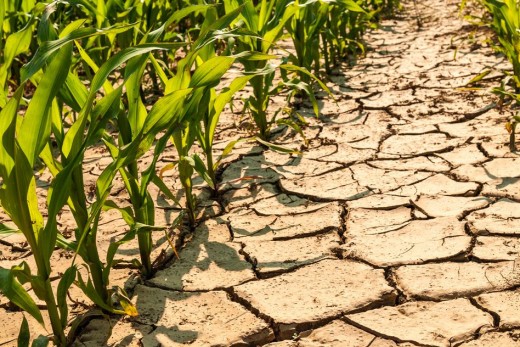
Navigating Risk: Tools for Managing Uncertainty in Agribusiness Ventures
In the vast and ever-changing world of agribusiness, taking risks is an inherent part of the game. From volatile market conditions to unpredictable weather patterns, uncertainty can make or break agricultural ventures. But fear not! In this blog post, we will delve into the world of risk management and explore powerful tools that can help you mitigate uncertainties and pave your path to success.
Whether you're a seasoned farmer looking to expand your operations or a budding entrepreneur venturing into the agriculture industry, understanding risk and implementing effective strategies to manage it is essential. So let's dive in and discover how you can navigate these choppy waters with confidence!
What is Risk?
Risk is an inherent part of any business venture, including agribusiness. But what exactly is risk? In simple terms, it refers to the potential for loss or failure that comes with making decisions and taking actions in an uncertain environment.
In the context of agribusiness, risk can manifest in various ways. One common type of risk is market risk, which involves fluctuations in commodity prices and demand. Farmers and agricultural businesses are always at the mercy of external factors such as weather patterns, consumer preferences, and global trade dynamics.
Another form of risk in agribusiness is production risk. This includes risks related to crop yield variability due to pests, diseases, droughts, or other natural disasters. It also encompasses risks associated with livestock health and management practices.
Financial risk is yet another aspect that agribusinesses need to navigate carefully. This involves managing debt levels, interest rates fluctuations, input costs volatility (such as feed or fertilizer prices), currency exchange rates if involved in international trade.
To effectively manage these risks requires a combination of tools and strategies tailored to each specific situation. These may include diversification by growing multiple crops or raising different types of livestock; hedging through futures contracts; implementing effective pest control measures; using insurance policies for protection against adverse events; maintaining good financial records for informed decision-making; practicing sustainable agriculture techniques to mitigate environmental risks; staying updated on market trends through research and networking opportunities.
Navigating the uncertainties that come with running an agribusiness requires careful planning and proactive management strategies. By being aware of the different types of risks involved – be they market-related, production-related, or financial – businesses can implement appropriate measures to minimize their impact on operations and ensure long-term sustainability.
Remember: Risk cannot be completely eliminated but it can be managed! So stay vigilant, stay informed, and keep adapting your strategies as needed!
Types of Risk
When it comes to agribusiness ventures, there are various types of risks that can arise. Understanding these risks is crucial for effective risk management and decision-making. Let's explore some common types of risk in the agricultural industry.
1. Market Risk: This type of risk refers to the uncertainty associated with changes in market conditions, such as fluctuating prices or demand for agricultural products. Factors like weather patterns, international trade policies, and consumer preferences can greatly impact market risk.
2. Production Risk: Production-related risks encompass factors like crop failure due to pests or diseases, natural disasters such as droughts or floods, and equipment breakdowns. These uncertainties can lead to reduced yields and financial losses for farmers.
3. Financial Risk: Agribusiness ventures often involve substantial investments in land, machinery, inputs, and labor. Financial risks include interest rate fluctuations, currency exchange rates (for global markets), availability of credit facilities, and overall economic conditions affecting profitability.
4. Legal and Regulatory Risks: Compliance with laws related to agriculture practices is essential but also introduces legal risks if not followed meticulously. Changes in regulations regarding water usage rights or environmental protection measures may have significant implications for agribusiness operations.
5. Technological Risks - Technological advancements play a vital role in modern agriculture but come with their own set of challenges like cybersecurity threats or reliance on complex machinery that could break down unexpectedly.
In conclusion\slash summary, understanding the different types of risk allows agribusinesses to develop strategies aimed at mitigating them effectively while maximizing opportunities for growth.
Tools for Managing Risk
When it comes to managing risk in agribusiness ventures, having the right tools at your disposal can make all the difference. These tools serve as valuable resources that help farmers and businesses navigate uncertainty and mitigate potential losses.
One essential tool is crop insurance. This type of insurance provides financial protection against adverse weather conditions, pests, diseases, or other events that could impact crop yields. By transferring the risk to an insurance provider, farmers can safeguard their investments and ensure a certain level of income even in the face of unforeseen circumstances.
Another useful tool is diversification. By diversifying their crops or product offerings, agribusinesses can spread out their risks across different markets or commodities. This strategy helps protect against fluctuations in prices or demand for specific products and can offer a more stable revenue stream.
Risk assessment tools are also crucial for effectively managing uncertainty. These tools allow businesses to identify potential risks by evaluating factors such as market trends, regulatory changes, technological advancements, or environmental impacts. Armed with this information, companies can develop strategies to minimize those risks and seize opportunities.
In addition to these traditional risk management tools, technology has opened up new possibilities for mitigating uncertainty in agriculture. For instance, precision farming technologies enable farmers to collect data on soil fertility levels and crop health in real-time.
With this information at hand, they can make informed decisions about fertilizer application rates or pest control measures - ultimately reducing both financial and environmental risks.
Case Study: XYZ Corporation
XYZ Corporation is a leading agribusiness company that has successfully navigated risks and uncertainty in their ventures. With a strong focus on managing risk, the company has implemented various tools and strategies to ensure their success in an ever-changing industry.
One of the key tools used by XYZ Corporation is market research. By carefully studying consumer trends, preferences, and market dynamics, they are able to make informed decisions about which products or services to invest in. This helps them minimize the risk of launching a product that may not resonate with consumers or entering a saturated market.
Another tool utilized by XYZ Corporation is diversification. They have diversified their product portfolio to include different types of crops, livestock, and value-added products. This allows them to spread their risk across multiple sectors and mitigate potential losses from any one area.
Additionally, XYZ Corporation actively manages its supply chain through strategic partnerships and contracts. By ensuring stable relationships with suppliers and buyers, they can reduce the impact of price fluctuations or disruptions in the production process.
Furthermore, technology plays a crucial role for XYZ Corporation in managing risk. They have invested heavily in precision farming techniques such as remote sensing technologies and data analytics. These innovations enable them to optimize resource allocation, improve crop yields, and better predict weather patterns – all factors that significantly influence profitability.
In summary, XYZ Corporation’s success can be attributed largely to its proactive approach towards managing risks inherent in agribusiness ventures. By utilizing tools like market research, diversification, strategic partnerships, and technological advancements, they have been able to navigate uncertain terrain while maintaining steady growth. This case study serves as an inspiration for other agribusinesses looking for effective ways to manage risk effectively and thrive amidst uncertainty.
Conclusion
Navigating risk in agribusiness ventures is a complex task, but with the right tools and strategies, it can be effectively managed. By understanding what risk entails and identifying the different types of risks that may arise, agribusinesses can take proactive steps to mitigate their impact.
In this article, we explored some common tools for managing risk in agribusiness ventures. These include diversification, insurance coverage, financial hedging instruments such as futures contracts and options, as well as strategic partnerships and supply chain management.
We also looked at a case study involving XYZ Corporation, which demonstrated how these tools were applied in practice. Through effective risk management practices such as crop diversification and insurance coverage against weather-related losses, XYZ Corporation was able to navigate uncertainties successfully.
It is important for agricultural businesses to regularly review their risk management strategies and adapt them accordingly based on changing market conditions or emerging risks. This requires ongoing monitoring of industry trends and maintaining open lines of communication with stakeholders.
By integrating robust risk management practices into their operations, agribusinesses can safeguard themselves from potential threats while capitalizing on opportunities for growth and success. Taking calculated risks is an inherent part of any business venture; however, being prepared with the right tools ensures that those risks are managed effectively.
Remember that no tool or strategy guarantees complete elimination of all risks – uncertainty will always exist in the world of agriculture. However, by utilizing these tools discussed in this article along with careful planning and diligent execution, agribusinesses can navigate the ever-changing landscape more confidently.
So embrace innovation while keeping your eyes firmly fixed on managing uncertainties - after all navigating through turbulent waters is essential for success!