Learn smarter with fresh insights from our tutors.
Practical study guides, course supplements, and learning resources curated to help you move faster through every subject.
What Bitcoin Halving Means for Crypto Investors

What Bitcoin Halving Means for Crypto Investors
In the realm of cryptocurrencies, Bitcoin has always been the pioneer, leading the way with its groundbreaking technology and revolutionary concepts. And now, there's an event on the horizon that has everyone buzzing with anticipation - Bitcoin Halving.
But what exactly is Bitcoin Halving? Why is it such a big deal in the crypto world? And most importantly, how can you as an investor prepare yourself to make the most out of this game-changing event?
Get ready to dive into all things Bitcoin Halving and discover how it could potentially reshape your investment strategy. So buckle up and let's embark on this thrilling journey together!
What is Bitcoin Halving?
Bitcoin Halving, also known as the "Halvening", is a major event that occurs approximately every four years in the world of cryptocurrencies. It is an integral part of Bitcoin's monetary policy and plays a crucial role in maintaining its scarcity.
But what does it actually mean? Well, put simply, Bitcoin Halving refers to the reduction in the reward given to miners for successfully validating transactions on the blockchain. This reward is cut in half at regular intervals, hence the term "halving."
Why does this matter? The concept behind Bitcoin Halving stems from its underlying technology - blockchain. With each halving event, the supply of new Bitcoins entering circulation decreases significantly. As a result, it becomes increasingly harder and more expensive to mine new coins.
This reduction in supply has significant implications for investors. It creates scarcity - a limited supply coupled with increasing demand can potentially drive up prices over time. It highlights how Bitcoin differs from traditional fiat currencies controlled by central banks; there's no entity capable of manipulating its value through excessive money printing.
So why should you care about Bitcoin Halving as an investor? Well, history has shown that previous halvings have led to substantial price increases for Bitcoin. However, please note that past performance doesn't guarantee future results.
Understanding what Bitcoin Halving entails is crucial if you want to navigate through cryptocurrency investments effectively. It's an event that can have profound effects on both short-term market dynamics and long-term price trends. So keep your eyes peeled and stay tuned!
History of Bitcoin Halving
The history of Bitcoin halving is a fascinating tale that spans over a decade. It all began with the launch of Bitcoin in 2009, when its mysterious creator, Satoshi Nakamoto, introduced a revolutionary concept - digital currency that operated on a decentralized network.
The first-ever Bitcoin halving event took place in 2012, four years after its inception. At that time, the block reward for miners was reduced from 50 BTC to 25 BTC. This reduction was aimed at controlling the supply of new Bitcoins entering circulation and ensuring its scarcity.
In 2016, the second halving occurred, reducing the block reward to 12.5 BTC per mined block. This move further tightened the supply and increased Bitcoin's value as demand continued to rise.
Each halving has had a profound impact on Bitcoin's price and market dynamics. After every previous halving event, we have seen an upward trajectory in both short-term volatility and long-term value appreciation.
As history has shown us so far, each subsequent halving creates renewed interest and excitement among crypto investors who anticipate potential price surges following this reduction in newly minted coins.
What Does Bitcoin Halving Mean for Crypto Investors?
For crypto investors, this means several things. It creates scarcity and increases demand for Bitcoin. With fewer coins being generated, there is potential for an increase in value as more people seek to acquire this limited resource.
Bitcoin Halving can lead to increased volatility in the market. As supply decreases while demand potentially rises, price fluctuations become more pronounced. Investors need to be prepared for heightened market uncertainty and adjust their strategies accordingly.
Bitcoin Halving highlights the importance of long-term investment outlooks rather than short-term gains. The event's impact may not be immediate or drastic; instead, its effects may unfold gradually over time.
To prepare for Bitcoin Halving as an investor, research and education are crucial. Stay informed about market trends and developments within the cryptocurrency space. Diversify your portfolio by exploring alternative cryptocurrencies that may offer unique opportunities alongside Bitcoin.
In conclusion (without concluding), Bitcoin Halving presents both challenges and opportunities for crypto investors. By understanding its implications and adapting their strategies accordingly, investors can navigate this event with confidence
How to Prepare for Bitcoin Halving
The upcoming Bitcoin halving event has garnered a lot of attention in the crypto world. As an investor, it's important to understand how this event can impact your investment strategy and take necessary steps to prepare for it.
One way to prepare for Bitcoin halving is by staying informed about the latest updates and developments in the crypto market. This will help you make informed decisions based on accurate information rather than relying on speculation or hearsay.
Another important aspect of preparation is diversifying your investment portfolio. While Bitcoin may be the king of cryptocurrencies, there are several other promising digital assets worth exploring. By investing in a variety of cryptocurrencies, you can reduce risk and potentially maximize returns.
Furthermore, it's crucial to have a clear understanding of your investment goals and risk tolerance. The volatility associated with cryptocurrency markets means that prices can fluctuate dramatically within short periods. Setting realistic expectations and being prepared for potential price swings can help you navigate through uncertain times.
Additionally, consider setting aside some funds specifically for buying opportunities during or after Bitcoin halving. History has shown that major events like this often lead to market fluctuations which could present attractive buying opportunities for long-term investors.
Don't underestimate the importance of security measures when dealing with cryptocurrencies. Ensure that you have proper wallet security practices in place such as using hardware wallets or cold storage options to protect your investments from potential hacks or thefts.
By staying informed, diversifying your portfolio, understanding your goals and risks, being prepared for potential market fluctuations, and implementing strong security measures, you can position yourself as a well-prepared investor ready to navigate through Bitcoin halving with confidence.
Alternatives to Bitcoin
While Bitcoin may be the most well-known and widely used cryptocurrency, it certainly isn't the only option available for investors looking to diversify their crypto portfolios. The world of digital currencies is constantly evolving, with new projects and technologies emerging all the time. Here are a few alternatives to Bitcoin that you might want to consider:
- Ethereum (ETH): As the second-largest cryptocurrency by market capitalization, Ethereum has gained popularity for its smart contract functionality. It allows developers to build decentralized applications (DApps) on its blockchain, making it a versatile platform for innovation.
- Ripple (XRP): Ripple aims to revolutionize cross-border transactions by facilitating faster and more cost-effective transfers between financial institutions. It has established partnerships with major banks around the world, which could potentially drive adoption in the future.
- Litecoin (LTC): Created as a "lite" version of Bitcoin, Litecoin offers faster transaction times and lower fees due to its different hashing algorithm. While not as widely accepted as Bitcoin, it still holds value as a potential alternative investment.
- Cardano (ADA): Built on scientific principles and peer-reviewed research, Cardano aims to provide secure and scalable infrastructure for DApps and smart contracts in a sustainable manner.
- Stellar Lumens (XLM): Similar to Ripple, Stellar Lumens focuses on enabling fast cross-border transactions but also emphasizes financial inclusion by connecting individuals without access to traditional banking services.
Remember that investing in cryptocurrencies carries risk, so thorough research is crucial before diving into any alternative options beyond Bitcoin's dominance in the market.
In conclusion, as the Bitcoin Halving event approaches, crypto investors are eagerly awaiting the potential impact it will have on the market. While historical data suggests that previous halvings led to significant price surges, it's important to approach this event with caution and consider other alternatives as well.
Bitcoin halving is a unique phenomenon in the cryptocurrency world, reducing the supply of new bitcoins entering circulation. This scarcity has historically been associated with increased demand and upward price movements. However, past performance does not guarantee future results.
Crypto investors should prepare for Bitcoin halving by conducting thorough research and analysis of market trends. It's essential to stay informed about any potential changes in mining rewards and adjust investment strategies accordingly.
In addition to Bitcoin, there are also other alternative cryptocurrencies worth exploring. Ethereum (ETH), Ripple (XRP), Litecoin (LTC), and many more offer different features and opportunities for diversification within the digital asset space.
It's crucial for crypto investors to remember that investing in cryptocurrencies involves inherent risks due to their volatility. Conducting proper risk assessment, setting realistic expectations, and diversifying one's portfolio can help mitigate these risks while potentially maximizing returns.
Bitcoin halving is an event that holds great significance for crypto investors worldwide. While it may present opportunities for growth, it is vital to approach this event with careful consideration and a balanced perspective. By staying informed, being prepared, considering alternative options,and managing risk effectively,crypto investors can navigate through this exciting time in the cryptocurrency landscape successfully.
What Bitcoin Halving Means for Crypto Investors
What Bitcoin Halving Means for Crypto Investors
In the realm of cryptocurrencies, Bitcoin has always been the pioneer, leading the way with its groundbreaking technology and revolutionary concepts. And now, there's an event on the horizon that has everyone buzzing with anticipation - Bitcoin Halving.
But what exactly is Bitcoin Halving? Why is it such a big deal in the crypto world? And most importantly, how can you as an investor prepare yourself to make the most out of this game-changing event?
Get ready to dive into all things Bitcoin Halving and discover how it could potentially reshape your investment strategy. So buckle up and let's embark on this thrilling journey together!
What is Bitcoin Halving?
Bitcoin Halving, also known as the "Halvening", is a major event that occurs approximately every four years in the world of cryptocurrencies. It is an integral part of Bitcoin's monetary policy and plays a crucial role in maintaining its scarcity.
But what does it actually mean? Well, put simply, Bitcoin Halving refers to the reduction in the reward given to miners for successfully validating transactions on the blockchain. This reward is cut in half at regular intervals, hence the term "halving."
Why does this matter? The concept behind Bitcoin Halving stems from its underlying technology - blockchain. With each halving event, the supply of new Bitcoins entering circulation decreases significantly. As a result, it becomes increasingly harder and more expensive to mine new coins.
This reduction in supply has significant implications for investors. It creates scarcity - a limited supply coupled with increasing demand can potentially drive up prices over time. It highlights how Bitcoin differs from traditional fiat currencies controlled by central banks; there's no entity capable of manipulating its value through excessive money printing.
So why should you care about Bitcoin Halving as an investor? Well, history has shown that previous halvings have led to substantial price increases for Bitcoin. However, please note that past performance doesn't guarantee future results.
Understanding what Bitcoin Halving entails is crucial if you want to navigate through cryptocurrency investments effectively. It's an event that can have profound effects on both short-term market dynamics and long-term price trends. So keep your eyes peeled and stay tuned!
History of Bitcoin Halving
The history of Bitcoin halving is a fascinating tale that spans over a decade. It all began with the launch of Bitcoin in 2009, when its mysterious creator, Satoshi Nakamoto, introduced a revolutionary concept - digital currency that operated on a decentralized network.
The first-ever Bitcoin halving event took place in 2012, four years after its inception. At that time, the block reward for miners was reduced from 50 BTC to 25 BTC. This reduction was aimed at controlling the supply of new Bitcoins entering circulation and ensuring its scarcity.
In 2016, the second halving occurred, reducing the block reward to 12.5 BTC per mined block. This move further tightened the supply and increased Bitcoin's value as demand continued to rise.
Each halving has had a profound impact on Bitcoin's price and market dynamics. After every previous halving event, we have seen an upward trajectory in both short-term volatility and long-term value appreciation.
As history has shown us so far, each subsequent halving creates renewed interest and excitement among crypto investors who anticipate potential price surges following this reduction in newly minted coins.
What Does Bitcoin Halving Mean for Crypto Investors?
For crypto investors, this means several things. It creates scarcity and increases demand for Bitcoin. With fewer coins being generated, there is potential for an increase in value as more people seek to acquire this limited resource.
Bitcoin Halving can lead to increased volatility in the market. As supply decreases while demand potentially rises, price fluctuations become more pronounced. Investors need to be prepared for heightened market uncertainty and adjust their strategies accordingly.
Bitcoin Halving highlights the importance of long-term investment outlooks rather than short-term gains. The event's impact may not be immediate or drastic; instead, its effects may unfold gradually over time.
To prepare for Bitcoin Halving as an investor, research and education are crucial. Stay informed about market trends and developments within the cryptocurrency space. Diversify your portfolio by exploring alternative cryptocurrencies that may offer unique opportunities alongside Bitcoin.
In conclusion (without concluding), Bitcoin Halving presents both challenges and opportunities for crypto investors. By understanding its implications and adapting their strategies accordingly, investors can navigate this event with confidence
How to Prepare for Bitcoin Halving
The upcoming Bitcoin halving event has garnered a lot of attention in the crypto world. As an investor, it's important to understand how this event can impact your investment strategy and take necessary steps to prepare for it.
One way to prepare for Bitcoin halving is by staying informed about the latest updates and developments in the crypto market. This will help you make informed decisions based on accurate information rather than relying on speculation or hearsay.
Another important aspect of preparation is diversifying your investment portfolio. While Bitcoin may be the king of cryptocurrencies, there are several other promising digital assets worth exploring. By investing in a variety of cryptocurrencies, you can reduce risk and potentially maximize returns.
Furthermore, it's crucial to have a clear understanding of your investment goals and risk tolerance. The volatility associated with cryptocurrency markets means that prices can fluctuate dramatically within short periods. Setting realistic expectations and being prepared for potential price swings can help you navigate through uncertain times.
Additionally, consider setting aside some funds specifically for buying opportunities during or after Bitcoin halving. History has shown that major events like this often lead to market fluctuations which could present attractive buying opportunities for long-term investors.
Don't underestimate the importance of security measures when dealing with cryptocurrencies. Ensure that you have proper wallet security practices in place such as using hardware wallets or cold storage options to protect your investments from potential hacks or thefts.
By staying informed, diversifying your portfolio, understanding your goals and risks, being prepared for potential market fluctuations, and implementing strong security measures, you can position yourself as a well-prepared investor ready to navigate through Bitcoin halving with confidence.
Alternatives to Bitcoin
While Bitcoin may be the most well-known and widely used cryptocurrency, it certainly isn't the only option available for investors looking to diversify their crypto portfolios. The world of digital currencies is constantly evolving, with new projects and technologies emerging all the time. Here are a few alternatives to Bitcoin that you might want to consider:
- Ethereum (ETH): As the second-largest cryptocurrency by market capitalization, Ethereum has gained popularity for its smart contract functionality. It allows developers to build decentralized applications (DApps) on its blockchain, making it a versatile platform for innovation.
- Ripple (XRP): Ripple aims to revolutionize cross-border transactions by facilitating faster and more cost-effective transfers between financial institutions. It has established partnerships with major banks around the world, which could potentially drive adoption in the future.
- Litecoin (LTC): Created as a "lite" version of Bitcoin, Litecoin offers faster transaction times and lower fees due to its different hashing algorithm. While not as widely accepted as Bitcoin, it still holds value as a potential alternative investment.
- Cardano (ADA): Built on scientific principles and peer-reviewed research, Cardano aims to provide secure and scalable infrastructure for DApps and smart contracts in a sustainable manner.
- Stellar Lumens (XLM): Similar to Ripple, Stellar Lumens focuses on enabling fast cross-border transactions but also emphasizes financial inclusion by connecting individuals without access to traditional banking services.
Remember that investing in cryptocurrencies carries risk, so thorough research is crucial before diving into any alternative options beyond Bitcoin's dominance in the market.
In conclusion, as the Bitcoin Halving event approaches, crypto investors are eagerly awaiting the potential impact it will have on the market. While historical data suggests that previous halvings led to significant price surges, it's important to approach this event with caution and consider other alternatives as well.
Bitcoin halving is a unique phenomenon in the cryptocurrency world, reducing the supply of new bitcoins entering circulation. This scarcity has historically been associated with increased demand and upward price movements. However, past performance does not guarantee future results.
Crypto investors should prepare for Bitcoin halving by conducting thorough research and analysis of market trends. It's essential to stay informed about any potential changes in mining rewards and adjust investment strategies accordingly.
In addition to Bitcoin, there are also other alternative cryptocurrencies worth exploring. Ethereum (ETH), Ripple (XRP), Litecoin (LTC), and many more offer different features and opportunities for diversification within the digital asset space.
It's crucial for crypto investors to remember that investing in cryptocurrencies involves inherent risks due to their volatility. Conducting proper risk assessment, setting realistic expectations, and diversifying one's portfolio can help mitigate these risks while potentially maximizing returns.
Bitcoin halving is an event that holds great significance for crypto investors worldwide. While it may present opportunities for growth, it is vital to approach this event with careful consideration and a balanced perspective. By staying informed, being prepared, considering alternative options,and managing risk effectively,crypto investors can navigate through this exciting time in the cryptocurrency landscape successfully.
Sustainable Ranching Practices That Benefit Both Animals and Environment

Sustainable Ranching Practices That Benefit Both Animals and Environment
Welcome to our blog post on sustainable ranching practices that benefit both animals and the environment. Ranching has long been a part of agricultural practices, but it is important now more than ever to ensure these operations are conducted in a sustainable manner.
In this article, we will explore what sustainable ranching entails and delve into the numerous benefits it offers for both animals and the environment. Whether you're an animal lover or an advocate for environmental conservation, this read is bound to leave you feeling inspired by the positive impacts that can be achieved through responsible ranching practices. So let's dive right in!
What is Sustainable Ranching?
Sustainable ranching can be defined as a method of raising livestock that focuses on preserving the health and well-being of both animals and the environment. Unlike conventional ranching practices, which often prioritize maximizing production at any cost, sustainable ranchers aim to strike a balance between meeting their economic goals and minimizing negative impacts on natural resources.
At its core, sustainable ranching is about creating a symbiotic relationship between animals, land, and humans. It involves implementing practices that promote animal welfare by providing them with ample space to roam freely, access to clean water sources, and healthy diets. Additionally, sustainable ranchers prioritize the use of ethical breeding techniques rather than relying on artificial methods for rapid growth or increased yield.
Another key aspect of sustainable ranching is environmental stewardship. Ranchers employ strategies such as rotational grazing to prevent overgrazing in specific areas while allowing vegetation time to regenerate naturally. This helps maintain biodiversity levels in pastures while also preventing soil erosion.
Moreover, sustainable ranches often integrate renewable energy sources into their operations wherever possible. This may include utilizing solar panels for powering farm equipment or employing wind turbines to generate electricity for essential needs like heating or cooling facilities.
Sustainable ranching goes beyond profit-driven approaches by considering the long-term implications of agricultural practices on both animal welfare and the environment. By adopting these responsible methods, farmers can achieve not only economic success but also contribute positively towards conservation efforts—making a significant difference in building a more resilient future for generations to come.
The Benefits of Sustainable Ranching for Animals
Sustainable ranching practices not only have numerous benefits for the environment, but they also greatly benefit the animals that are raised on these ranches. One of the key advantages is improved animal welfare.
In sustainable ranching systems, animals have access to open pastures and natural grazing areas, allowing them to exhibit their natural behaviors. This means that cattle can graze freely, chickens can roam around and peck at insects, pigs can root in the soil - essentially, animals are given a more natural and stress-free environment.
Furthermore, sustainable ranchers prioritize animal health by avoiding overcrowding and minimizing the use of antibiotics or hormones. Animals are typically raised on a diverse diet that includes grasses and other plants specific to their nutritional needs.
By providing such conditions for livestock, sustainable ranching promotes healthier animals overall. They experience less disease incidence compared to conventional factory farming methods where overcrowding is common. This means less reliance on antibiotics to keep them healthy.
Sustainable ranching allows animals to live in a manner that aligns with their inherent instincts while ensuring their well-being through proper care.
The Benefits of Sustainable Ranching for the Environment
Sustainable ranching practices not only benefit the animals but also have significant positive impacts on the environment. One of the main benefits is reducing greenhouse gas emissions. By implementing sustainable grazing and feeding techniques, ranchers can help minimize methane emissions from livestock.
Another environmental benefit of sustainable ranching is water conservation. Ranchers who practice rotational grazing methods allow pastures to rest and regenerate, which helps prevent soil erosion and improves water retention in the land. This leads to healthier ecosystems by preserving water quality and supporting aquatic life.
Additionally, sustainable ranching promotes biodiversity conservation. By maintaining diverse vegetation through proper land management practices, such as planting native grasses and trees, ranchers create habitats for a wide range of species including birds, insects, and small mammals.
Furthermore, sustainable ranching contributes to soil health improvement. Practices like composting manure or using it as fertilizer enrich the soil with organic matter, improving its structure and nutrient content. Healthy soils retain more moisture while also reducing runoff into nearby rivers or streams.
Adopting renewable energy sources can further enhance sustainability on ranches. Utilizing solar panels or wind turbines for electricity generation reduces reliance on fossil fuels while cutting down greenhouse gas emissions even further.
In summary, embracing sustainable ranching practices is not just beneficial for animal welfare but also plays a vital role in safeguarding our environment for future generations
How to Implement Sustainable Ranching Practices
Implementing sustainable ranching practices is crucial for the long-term health and well-being of both animals and the environment. Here are some key steps that can be taken to ensure sustainable ranching:
- Rotational grazing: Implement a rotational grazing system where livestock are moved regularly between different pastures. This helps prevent overgrazing and allows plants to regenerate, maintaining healthy ecosystems.
- Conservation of water resources: Install efficient watering systems such as troughs or pipelines instead of relying on open streams or ponds. This reduces water waste and prevents contamination.
- Protecting riparian areas: Establish buffer zones along rivers, streams, and other water bodies to preserve the natural vegetation around them. This helps maintain water quality by reducing erosion and filtering out pollutants.
- Soil management: Practice techniques like cover cropping, no-till farming, and compost application to improve soil fertility, increase carbon sequestration, and minimize erosion.
- Wildlife habitat preservation: Set aside areas within ranch lands as wildlife preserves or corridors to provide habitat for native species.
- Use organic methods: Minimize the use of synthetic fertilizers, pesticides, hormones, and antibiotics in favor of organic alternatives that promote healthier soils and reduce environmental pollution.
- Support local ecosystems: Plant native trees, shrubs, grasses, or wildflowers in non-pasture areas to enhance biodiversity on your ranch land while providing food sources for pollinators.
By implementing these sustainable practices into daily operations on ranches worldwide we can create a more harmonious balance between agriculture production needs while protecting our planet's precious resources
In conclusion, sustainable ranching practices are not only beneficial for the animals raised on these ranches, but also for the environment as a whole. By implementing sustainable methods, ranchers can contribute to preserving natural resources, reducing greenhouse gas emissions, and promoting biodiversity.
Through rotational grazing and proper land management techniques, animals have access to fresh pasture and are able to engage in their natural behaviors. This leads to healthier livestock with less reliance on antibiotics or hormones. Additionally, sustainable ranching practices prioritize animal welfare by providing adequate space and minimizing stress during transportation.
From an environmental perspective, sustainable ranching helps reduce soil erosion through the use of cover crops and careful grazing rotation. It also promotes water conservation through responsible irrigation methods and protecting water sources from contamination.
Furthermore, by avoiding overgrazing and maintaining healthy ecosystems on their land, ranchers support biodiversity by providing habitats for native species.
Implementing sustainable ranching practices requires commitment from both individual producers and the industry as a whole. Education programs that provide resources on best management practices can empower farmers to make more informed decisions about their operations. Funding initiatives that support research into new technologies or training opportunities can further promote sustainability within the industry.
Consumers also play a crucial role in supporting sustainable agriculture by choosing products produced using environmentally friendly practices. By opting for grass-fed beef or organic dairy products from sustainably managed farms, individuals can help drive demand for more responsible farming methods.
In conclusion (without explicitly stating it), embracing sustainable ranching is not just about benefiting animals or conserving our environment—it's about finding harmony between them both. By adopting these practices today, we pave the way for a better future where agriculture coexists harmoniously with nature while ensuring food security for generations to come.
Understanding Crop Rotation: A Guide for Farmers

Understanding Crop Rotation: A Guide for Farmers
Welcome to our comprehensive guide on crop rotation! If you're a farmer looking to optimize your yields and promote sustainable agriculture practices, then you've come to the right place. Crop rotation is a time-tested technique that has been used for centuries by farmers around the world. By strategically alternating crops in specific sequences, farmers can enhance soil health, reduce pest and disease pressure, and improve overall farm productivity.
In this blog post, we will delve into the fascinating world of crop rotation and explore its many benefits. We'll also discuss the different types of crop rotations commonly practiced today and provide practical tips on how to implement them successfully on your farm. So grab a cup of coffee (or tea) and join us as we embark on this agricultural journey.
Let's begin by understanding what exactly crop rotation entails and why it is so valuable for modern farming practices.
What is Crop Rotation?
Crop rotation is a farming technique that involves systematically changing the types of crops grown in a particular field over time. Instead of planting the same crop year after year, farmers rotate different crops to promote soil health and reduce pest and disease pressure.
One of the main reasons why crop rotation is beneficial is because it helps break pest cycles. Different crops have varying vulnerabilities to pests and diseases. By rotating crops, farmers can disrupt these damaging cycles by introducing plants that are less susceptible to specific pests or diseases. This reduces the need for chemical interventions and promotes natural pest control mechanisms.
Another advantage of crop rotation is its impact on soil fertility. Different crops have varying nutrient requirements, with some depleting certain nutrients while others replenish them. By rotating crops, farmers can ensure that essential nutrients are not stripped from the soil year after year but are instead replenished naturally through plant diversity.
Additionally, crop rotation helps manage weed populations effectively. Some weeds thrive in specific environments created by continuous cropping of certain plant species. By rotating crops, farmers can create unfavorable conditions for recurring weeds, reducing their prevalence without relying solely on herbicides.
Furthermore, crop rotation aids in managing soil erosion as well as improving water infiltration and retention capabilities. Certain plants have extensive root systems that help bind soils together and prevent erosion caused by wind or water runoff.
Crop rotation offers numerous benefits such as breaking pest cycles, enhancing soil fertility, controlling weeds naturally, and improving overall environmental sustainability on farms.
The Benefits of Crop Rotation
Crop rotation is a farming practice that involves growing different crops in a specific sequence on the same piece of land. This method has been used for centuries and has proven to have numerous benefits for farmers and the environment.
One of the main advantages of crop rotation is improved soil fertility. By alternating crops, different nutrients are utilized and replenished, reducing nutrient depletion. For example, legume crops like peas or beans fix nitrogen in the soil, which can benefit subsequent crops that require this essential nutrient.
In addition to enhancing soil fertility, crop rotation also helps control pests and diseases. Some pathogens and insects are host-specific, meaning they only attack certain types of plants. By rotating crops, these pests find it harder to establish themselves as their preferred hosts are not continuously present.
Another benefit of crop rotation is weed suppression. Different crops have varying growth habits and canopy structures, which can help smother weeds or make it more difficult for them to thrive. This reduces the reliance on herbicides and promotes more sustainable weed management practices.
Furthermore, implementing crop rotation can lead to increased yield stability over time. Since different plant families have unique nutritional requirements and interact with the environment differently, rotating crops helps mitigate risks associated with weather fluctuations or pest outbreaks that may affect one particular crop but not another.
By diversifying their cropping systems through rotation, farmers reduce economic vulnerability by spreading their market risks across multiple commodities instead of relying solely on one cash crop. This can provide more resilience against price volatility or market downturns.
The benefits of incorporating crop rotation into farming practices cannot be overstated - from improving soil health to controlling pests naturally while increasing yields - it's a win-win situation for both farmers and the environment alike.
The Different Types of Crop Rotations
When it comes to crop rotation, there are several different methods that farmers can employ to maximize the health and productivity of their fields. Each type of crop rotation offers its own unique benefits and considerations. Let's take a look at some of the most common types.
The first type is known as sequential cropping, which involves planting different crops in a specific order within the same field. This method allows for efficient use of resources and maximizes yield potential by taking advantage of each crop's specific nutrient requirements.
Another popular option is called cover cropping or green manure. In this approach, farmers plant certain crops specifically for their ability to improve soil fertility and structure. These cover crops are then plowed under or left on the surface as mulch, providing organic matter that enriches the soil for future crops.
A third type is known as legume-based rotations. Legumes have a unique ability to fix nitrogen from the air into a usable form in the soil. By incorporating leguminous plants like peas or beans into their rotation, farmers can reduce dependency on synthetic fertilizers while still maintaining healthy nutrient levels.
There is also crop-livestock integration, where livestock grazing is incorporated into a rotational system with crops. This not only diversifies income streams but also helps manage weeds and pests through animal grazing activities.
It's important for farmers to carefully consider which type(s) of crop rotation will work best for their specific circumstances and goals. Factors such as climate conditions, soil characteristics, market demands, and farm size should all be taken into account when making this decision.
By implementing an appropriate crop rotation plan tailored to their needs, farmers can enhance soil health, reduce pests and diseases naturally without excessive chemical inputs,and ultimately improve long-term sustainability on their farms
How to Implement Crop Rotation
Implementing crop rotation on your farm is a strategic process that requires careful planning and execution. Here are some steps to help you effectively implement crop rotation.
First, assess the current state of your soil. Conduct a soil test to determine its nutrient levels and pH balance. This will give you valuable insights into which crops are suitable for each field.
Next, create a crop rotation plan based on your goals and available resources. Consider factors such as climate, market demand, pest pressure, and soil health when selecting crops for each season.
Ensure proper timing of planting and harvesting to maximize the benefits of crop rotation. Rotate crops with different growth habits (e.g., legumes followed by grains) to optimize nitrogen fixation and nutrient cycling in the soil.
Plan for adequate weed management during each stage of the rotation cycle. Incorporate cultural practices such as cover cropping or intercropping to suppress weed growth naturally.
Monitor pests and diseases closely throughout the growing seasons. Implement integrated pest management strategies like trap cropping or biological control measures to minimize damage without relying heavily on chemical inputs.
Keep detailed records of your crop rotations over time. This will help you analyze patterns, make adjustments when necessary, and maintain long-term sustainability in your farming practices.
By following these steps, you can successfully implement an efficient crop rotation system that promotes soil fertility, reduces disease pressure, improves water retention capacity,and enhances overall farm productivity.
Crop Rotation Case Studies
Case studies provide valuable insights into the practical implementation and success of crop rotation techniques. Let's take a look at a few examples that highlight the benefits and outcomes of this agricultural practice.
In one case study conducted in Iowa, farmers implemented a three-year crop rotation system consisting of corn, soybeans, and oats. The results showed improved soil health, reduced pest pressure, and increased yield for both corn and soybean crops. This successful implementation demonstrated the effectiveness of diversifying crops to optimize nutrient uptake while minimizing disease risks.
Another case study from Canada focused on potato farming. By implementing a four-year crop rotation plan that included potatoes, legumes, cereals, and fallow periods, farmers observed significant reductions in common potato diseases like late blight. Additionally, soil quality improved over time due to enhanced organic matter content from cover crops.
A third case study conducted in Australia examined rotational grazing practices with livestock. By rotating grazing animals across different pastures throughout the year instead of continuously grazing one area, farmers reported increased pasture productivity and decreased weed infestation rates. This approach allowed for better forage utilization by livestock while promoting sustainable land management practices.
These case studies illustrate how crop rotation can be tailored to specific climates, soils types, and farming systems to achieve desired outcomes such as improved yields, reduced pests/diseases issues or enhanced sustainability.
By studying these real-world examples of successful crop rotations implementations across various regions worldwide , farmers can gain valuable knowledge to apply in their own operations. It is crucial for each farmer to evaluate their unique circumstances before determining which type(s) of crop rotation will best suit their needs.
Remember that there are many factors influencing the success of any given crop rotation system – including climate conditions,disease prevalence,and economic considerations among others- so it is important to adapt strategies accordingly.
How to Create Your Own Sustainable Garden and Feed Your Family

How to Create Your Own Sustainable Garden and Feed Your Family
Welcome to the world of sustainable gardening, where you can cultivate your very own green oasis and nourish your family with fresh, homegrown produce. As more and more people are embracing a sustainable lifestyle, creating a garden that thrives while minimizing environmental impact has become a popular choice. Not only does it provide an abundant supply of nutritious food, but it also promotes biodiversity, reduces waste, and reconnects us with nature's rhythms. So if you're ready to dig in and embark on this rewarding journey, we've got all the tips and tricks you need to create your own sustainable garden and feed your family. Let's get started.
What You Need to Start Your Garden
Starting your own garden is an exciting and rewarding endeavor. But before you can get your hands dirty, there are a few essentials you'll need to gather. Here's a breakdown of what you need to start your garden:
- Seeds or seedlings: Depending on the plants you want to grow, either seeds or young plants, known as seedlings, will be necessary. Consider choosing organic and heirloom varieties for a more sustainable and diverse garden.
- Soil: Good quality soil is crucial for healthy plant growth. Invest in nutrient-rich soil that drains well but also retains moisture.
- Gardening tools: Basic gardening tools like a trowel, pruners, hand rake, and watering can are essential for planting, maintaining, and harvesting your crops.
- Compost: Creating compost from kitchen scraps and yard waste is an excellent way to enrich the soil naturally with nutrients.
- Sunlight: Most vegetables require at least six hours of direct sunlight daily. Ensure that the area you choose for your garden receives ample sunlight throughout the day.
- Water source: A nearby water source such as a hose or watering system will make it easier to keep your plants hydrated during dry spells.
- Pest control methods: To protect your plants from pests without resorting to harmful chemicals, consider using natural pest control methods like companion planting or creating habitats for beneficial insects.
Remember that starting small is often best when beginning a new garden project; this allows you to gain experience while keeping maintenance manageable! By gathering these essentials beforehand, you'll be well-prepared for success in creating your own sustainable garden sanctuary
The Benefits of Gardening
Gardening is not just a hobby; it offers numerous benefits that can positively impact your life. One of the key advantages of gardening is its ability to promote physical health. Engaging in activities like digging, planting, and weeding can provide you with a great workout without even realizing it! It helps improve flexibility, strength, and endurance.
In addition to physical health benefits, gardening also has a positive effect on mental well-being. Spending time outdoors surrounded by nature can reduce stress levels and promote relaxation. Gardening allows you to disconnect from the digital world and connect with the natural environment around you.
Another advantage of gardening is the opportunity it provides for sustainable living. By growing your own fruits, vegetables, and herbs, you have control over what goes into your food. You can eliminate harmful pesticides and chemicals while enjoying fresh produce straight from your garden.
Moreover, having a garden promotes self-sufficiency and reduces reliance on supermarkets for groceries. Growing your own food means fewer trips to the store and less packaging waste generated – an eco-friendly choice.
Gardening fosters a sense of accomplishment as you watch seeds sprout into thriving plants or harvest bountiful crops. The satisfaction derived from successfully nurturing plants is truly rewarding.
So why not give gardening a try? Not only will it enrich your life physically and mentally but also contribute towards creating a more sustainable future for yourself and your family.
How to Create a Sustainable Garden
Creating a sustainable garden is not only beneficial for the environment, but it can also provide fresh and healthy food for you and your family. Here are some tips on how to create your own sustainable garden.
Choose the right location for your garden. Look for an area that receives ample sunlight throughout the day and has good drainage. This will ensure that your plants have optimal growing conditions.
Next, decide what type of garden you want to create. You can opt for raised beds, container gardening, or even vertical gardens if space is limited. Consider the needs of the plants you wish to grow and plan accordingly.
When selecting seeds or seedlings, choose heirloom varieties that are open-pollinated. These types of plants will produce seeds that can be saved and replanted in future seasons, ensuring a continuous supply of produce without having to rely on store-bought seeds each year.
To maintain soil health in your garden, practice composting. Composting kitchen scraps and yard waste not only reduces waste going into landfills but also creates nutrient-rich compost that can be used as natural fertilizer for your plants.
Implement techniques such as companion planting to naturally deter pests instead of relying on chemical pesticides. For example, planting marigolds next to tomatoes can help repel harmful insects while attracting beneficial ones like bees.
Conserve water by using methods such as drip irrigation or collecting rainwater in barrels. Watering deeply but less frequently encourages plant roots to grow deeper into the soil and become more drought-resistant over time.
By following these steps and incorporating sustainable practices into your gardening routine, you'll be able to create a thriving garden ecosystem that feeds both you and Mother Earth.
Tips for Maintaining Your Garden
- Regular watering: One of the most important aspects of maintaining a sustainable garden is ensuring your plants receive enough water. Be sure to water them regularly, especially during dry periods, but also be mindful not to over water as this can lead to root rot.
- Weed control: Weeds can quickly take over your garden if left unchecked. Make it a habit to regularly remove weeds from your garden beds and pathways. You can use organic mulch or lay down landscape fabric to help suppress weed growth.
- Pruning and trimming: Proper pruning and trimming are essential for promoting healthy plant growth and preventing diseases in your garden. Remove dead or diseased branches, shape shrubs, and trim back any overgrown foliage.
- Pest management: Keep an eye out for common pests that can damage your plants, such as aphids or slugs. Use natural pest control methods like companion planting or introducing beneficial insects instead of relying on harmful pesticides.
- Soil maintenance: Healthy soil is the foundation of any successful garden. Add compost regularly to improve soil fertility and structure. Test the pH levels periodically and make adjustments if necessary by adding lime or sulfur.
- Crop rotation: To prevent soil depletion and minimize disease outbreaks, practice crop rotation by changing the location of different plant families each year.
- Support structures: Some plants may require support structures like trellises or cages as they grow taller or produce heavy fruiting crops like tomatoes or cucumbers.
Remember that gardening is both an art and science - experiment with different techniques until you find what works best for you! By following these tips, you'll be well on your way to maintaining a thriving sustainable garden all year round.
In conclusion, creating your own sustainable garden is not only a rewarding experience but also an excellent way to provide fresh, nutritious food for your family. By following the steps outlined in this article, you can start growing your own fruits and vegetables right in your backyard.
Remember, starting a sustainable garden may require some initial effort and investment, but the benefits far outweigh the costs. Not only will you have access to fresh produce year-round, but you'll also reduce your carbon footprint and promote biodiversity in your local ecosystem.
So grab those gardening tools and get started on creating your very own sustainable garden. With a little patience, dedication, and love for nature, you'll soon be enjoying the bountiful harvests of your hard work while nourishing yourself and feeding your family with wholesome goodness straight from Mother Earth. Happy gardening.
The Pros and Cons of Hydroponic Farming Techniques for Small Scale Farmers

The Pros and Cons of Hydroponic Farming Techniques for Small Scale Farmers
Welcome to the future of farming! In a world where space and resources are becoming increasingly limited, hydroponic farming has emerged as an innovative solution for small scale farmers. Gone are the days of traditional soil-based agriculture – with hydroponics, you can grow bountiful crops without the need for vast expanses of land or unpredictable weather conditions. But is this futuristic farming technique all it's cracked up to be? Let's dive into the pros and cons of hydroponic farming techniques for small scale farmers and find out if it truly lives up to its hype. So grab your gardening gloves and let's get started on this exciting journey into the world of hydroponics!
What is Hydroponic Farming?
Picture this: a farming method that doesn't rely on soil. Sounds crazy, right? Well, that's exactly what hydroponic farming is all about. In simple terms, hydroponics is the practice of growing plants in a nutrient-rich water solution instead of traditional soil.
So how does it work? Instead of getting their nutrients from the ground, plants are placed in a carefully controlled environment where their roots are suspended directly in the water or supported by an inert medium like perlite or coco coir. This allows for precise control over factors such as nutrient levels, pH balance, and water quality.
The Pros of Hydroponic Farming
Hydroponic farming has gained popularity in recent years, and for good reason. There are several advantages to this innovative farming technique that make it an attractive option for small scale farmers.
One of the biggest pros of hydroponic farming is its water efficiency. Unlike traditional soil-based agriculture, hydroponics uses up to 90% less water. This is because the plants are grown in a nutrient-rich solution that is recirculated, reducing water waste significantly. In regions where water scarcity is a concern, hydroponics can be a game-changer.
Another advantage of hydroponic farming is its space-saving nature. With vertical growing systems and stacked trays, growers can maximize their production potential even with limited land available. This makes it ideal for urban areas or small plots of land where space may be limited.
Additionally, hydroponic farms have better control over environmental conditions such as temperature, light intensity, and pH levels. By providing optimal growing conditions throughout the year, farmers can achieve higher yields and faster growth rates compared to traditional methods.
Furthermore, hydroponic systems are not susceptible to pests or diseases commonly found in soil-based agriculture. Without soil as a medium for pathogens to thrive in, growers can minimize the use of pesticides and fungicides while still maintaining healthy plants.
Hydroponic farming allows for year-round cultivation regardless of seasonal changes or climate conditions. This means constant availability of fresh produce which could potentially lead to higher profits for small scale farmers.
Overall, hydroponic farming offers numerous benefits such as efficient water usage, space optimization, controlled environments, reduced pest/disease risks, and consistent crop production.These advantages make it an attractive option for small scale farmers looking to maximize their resources and increase productivity on limited land areas.
The Cons of Hydroponic Farming
- High setup costs: One of the main drawbacks of hydroponic farming is the initial investment required to set up the system. The cost of purchasing equipment such as grow lights, nutrient solutions, and pumps can be quite expensive for small-scale farmers with limited budgets.
- Technical knowledge and expertise: Hydroponic farming requires a good understanding of plant nutrition, pH levels, water quality, and environmental control. It can take time and effort to learn these technical aspects and ensure optimal conditions for plant growth. This might prove challenging for novice farmers or those without a strong background in horticulture.
- Vulnerability to power outages: Since hydroponics relies heavily on artificial lighting systems, any power outage could disrupt the growing process and potentially harm crops if not addressed immediately.
- Limited crop variety: While many types of plants can be grown using hydroponics, it may not be suitable for every crop due to their specific root structures or nutrient requirements. Some plants thrive better in soil-based systems rather than in nutrient-rich water solutions.
- Maintenance requirements: Hydroponic systems need regular monitoring and maintenance to prevent issues such as clogged filters or imbalanced nutrient levels that could negatively impact plant health.
- Dependency on technology: The success of hydroponic farming relies on various technological factors like proper functioning of pumps, timers, sensors, etc., making farmers somewhat dependent on these tools for successful cultivation.
- Increased energy consumption: Due to reliance on artificial lighting sources ,hydroponics farms tend to consume more electricity when compared with traditional outdoor cultivation methods.
It's important for prospective small-scale farmers considering hydroponics to carefully weigh these disadvantages against its benefits before deciding whether it's the right choice for their operations
Which Crops are Best Suited for Hydroponic Farming?
Which crops are best suited for hydroponic farming? One of the biggest advantages of hydroponic farming is that it allows farmers to grow a wide variety of crops in a controlled environment. However, some crops tend to thrive better in hydroponic systems than others.
Leafy greens such as lettuce, spinach, and kale are excellent choices for hydroponic farming. They have shallow root systems and can be grown close together, making efficient use of space. Herbs like basil, cilantro, and mint also do well in hydroponic systems due to their high demand and fast growth rates.
Tomatoes are another popular crop for hydroponics. They require support structures but can produce higher yields compared to traditional soil-based methods. Strawberries are also a good choice as they have small root systems and prefer well-drained conditions.
Other crops that can be successfully grown using hydroponics include cucumbers, peppers, beans, and microgreens. These crops benefit from the precise control over nutrient levels and water supply that hydroponics provides.
The choice of which crops to grow in a small scale hydroponic farm will depend on factors such as market demand, personal preference, and available resources. It's important for farmers to conduct thorough research before deciding which crops will best suit their specific needs and goals.
How to Set up a Small Scale Hydroponic Farm
Setting up a small scale hydroponic farm can be an exciting venture for aspiring farmers. With this innovative farming technique, you can grow crops without soil and maximize space utilization. Here's a step-by-step guide on how to set up your own hydroponic farm.
Choose a suitable location for your farm. It could be in a greenhouse, basement, or even on your rooftop. Ensure that the area receives ample sunlight or install artificial lighting for optimal plant growth.
Next, select the type of hydroponic system that suits your needs and budget. There are various systems available such as Nutrient Film Technique (NFT), Deep Water Culture (DWC), and Drip System. Research each one to determine which is best suited for your chosen crops.
Once you've decided on the system, gather all the necessary equipment including containers or trays, pumps, timers, nutrient solutions, pH testers and adjusters.
Prepare the growing medium based on the system you've chosen. This could be perlite, coco coir or rockwool cubes among others.
Install and set up all the components of your hydroponic system according to manufacturer instructions ensuring proper water flow and ventilation.
Now it's time to start planting! Select crops that thrive well in hydroponics like lettuce, herbs or strawberries. Start with seedlings rather than seeds to ensure quicker growth.
Monitor water levels regularly and adjust nutrients accordingly. Maintain proper pH levels within recommended ranges for optimal plant health.
Regularly check plants for signs of pests or diseases and take appropriate measures to control them using organic methods whenever possible.
Harvesting can begin once plants have reached maturity stage. Remember to carefully remove roots from growing media before consuming them.
By following these steps diligently while adapting them according to specific requirements of each crop variety being cultivated; small-scale farmers can successfully establish their own productive hydroponic farms!
From Seedlings to Harvest: A Step-by-Step Tomato Farming Journey

From Seedlings to Harvest: A Step-by-Step Tomato Farming Journey
Welcome to the wonderful world of tomato farming! Whether you have a green thumb or are just starting your journey as a farmer, growing tomatoes can be an incredibly rewarding and fulfilling experience. From the moment you plant those tiny seedlings to the day you harvest plump, juicy tomatoes, every step along the way is filled with anticipation and excitement.
In this comprehensive guide, we will take you through each stage of tomato farming, offering valuable insights and tips to help you achieve success in your own backyard or farm. But before we dive into the nitty-gritty details, let's explore why tomato farming is not only beneficial for your taste buds but also for our environment and communities.
So grab your gardening gloves and get ready to embark on a remarkable journey from seedlings to harvest—it's time to discover the joys of tomato farming!
Getting Started with Tomato Farming
So, you're ready to dive into the world of tomato farming? Fantastic! Before you get your hands dirty, let's talk about getting started. First things first, you'll need to decide on the type of tomatoes you want to grow. There are countless varieties out there, each with its own unique flavor and characteristics.
Once you've chosen your tomato variety, it's time to prepare the soil. Tomatoes thrive in well-drained soil that is rich in organic matter. Consider adding compost or aged manure to improve fertility and drainage.
Next up: seedlings! You can either start your tomatoes from seeds indoors or purchase young plants from a local nursery. If starting from seeds, sow them about six weeks before the last frost date in your area. Be sure to provide adequate warmth and light for germination.
When it comes time for transplanting, choose a sunny spot in your garden that receives at least 6-8 hours of sunlight per day. Remember to space out the plants properly so they have room to grow and receive proper air circulation.
Watering is essential for healthy tomato plants but beware of overwatering as this can lead to issues like root rot or fungal diseases. Aim for deep watering once or twice a week rather than frequent shallow watering.
Don't forget about pests and diseases! Keep an eye out for common problems such as aphids, caterpillars, blight, or blossom-end rot. There are various organic pest control methods available if needed.
Now that we've covered some basics on getting started with tomato farming let's move onto exploring all the incredible benefits that come along with growing these luscious fruits! So keep reading and get ready for some juicy insights ahead!
Remember - patience is key when it comes to gardening; Rome wasn't built in a day (or should we say "tomatoes weren't grown overnight"?). Enjoy every step of this journey as you watch your tomato plants thrive and eventually reward you with a bountiful harvest of
The Benefits of Tomato Farming
Tomato farming is not only a rewarding endeavor, but it also offers numerous benefits that go beyond just filling your plate with delicious, homegrown tomatoes. Whether you're a seasoned farmer or just starting out, here are some of the incredible advantages of tomato farming:
- Nutritional Powerhouse: Tomatoes are packed with essential vitamins and minerals like vitamin C, potassium, and lycopene. By growing your own tomatoes, you have direct access to these nutrient-rich fruits at their peak freshness.
- Cost Savings: Buying fresh tomatoes from the supermarket can quickly add up, especially if you consume them regularly. By cultivating your own tomato plants, you can significantly reduce grocery expenses while enjoying an abundant supply throughout the season.
- Environmental Impact: Growing organic tomatoes allows you to contribute positively towards a healthier environment. By avoiding harmful pesticides and chemicals commonly used in conventional farming practices, you help protect beneficial insects and promote biodiversity in your garden.
- Stress Relief: Engaging in tomato farming provides an opportunity for relaxation and stress relief. Spending time outdoors tending to your plants can be therapeutic and rejuvenating for both body and mind.
- Community Connection: Tomato farming often fosters meaningful connections within the community as enthusiasts come together to share knowledge, tips, and even surplus harvests! Participating in farmers' markets or joining online gardening forums provides opportunities for learning from experienced growers while making new friends along the way.
By embracing tomato farming as more than just a hobby or source of food production but also as a means of improving health, reducing costs, supporting sustainability efforts,and building community connections;we open ourselves up to countless benefits that extend far beyond our backyard gardens.
Engaging with the Tomato Farming Community
Joining a community of tomato farmers is not only a great way to learn from experienced growers, but it also provides an opportunity to share your own insights and experiences. Whether you're a seasoned farmer or just starting out, connecting with others who have a passion for tomato farming can be incredibly enriching.
One way to engage with the tomato farming community is through online forums and social media groups. These platforms allow you to ask questions, seek advice, and participate in discussions about all things related to growing tomatoes. From troubleshooting common problems to sharing tips on pest control or soil preparation, there's always something new to learn from your fellow farmers.
Attending local farming events and workshops is another fantastic way to connect with like-minded individuals in your area. These gatherings often feature expert speakers who share their knowledge on various aspects of tomato farming. Not only will you gain valuable insights from these experts, but you'll also have the chance to network and build relationships within the industry.
Don't forget about the power of face-to-face interactions! Visiting nearby farms or joining gardening clubs can provide opportunities for hands-on learning and mentorship. You might even discover unique techniques specific to your region that could benefit your own farm.
By engaging with the tomato farming community, you'll not only expand your knowledge but also foster connections that can last a lifetime. So don't hesitate – reach out, ask questions, offer advice – because together we can cultivate bountiful harvests year after year!
Embracing Digital Transformation in Agribusiness Management
Embracing Digital Transformation in Agribusiness Management
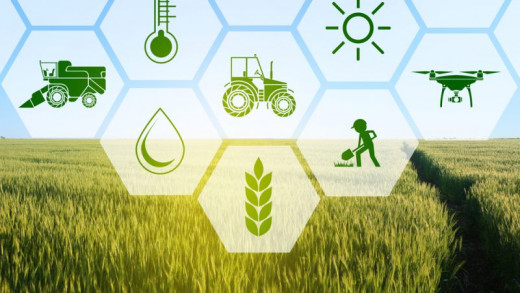
Welcome to the digital era, where technological advancements have revolutionized every aspect of our lives. From smartphones to smart homes, it's undeniable that we are living in a digitally-driven world. And the agribusiness industry is no exception! In fact, embracing digital transformation has become imperative for agribusiness management to thrive in today's competitive landscape.
But what exactly is digital transformation? And how can it benefit the agribusiness sector? In this blog post, we will explore the answers to these questions and uncover practical ways you can embrace digital transformation in your own agribusiness management practices. So get ready to unlock new opportunities and take your agricultural business to unprecedented heights with the power of technology! Let's dive right in.
What is Digital Transformation?
Digital transformation refers to the integration of digital technologies and processes into various aspects of a business, including agribusiness management. It involves leveraging technology to streamline operations, improve efficiency, and enhance decision-making.
In today's fast-paced world, where information is readily available at our fingertips, embracing digital transformation has become essential for businesses to stay competitive. It allows agribusinesses to optimize their supply chains, automate manual tasks, and gain valuable insights from data analysis.
One aspect of digital transformation in agribusiness management is the adoption of precision agriculture techniques. This involves using advanced sensors and monitoring systems to collect real-time data on soil conditions, weather patterns, crop health, and more. With this information at their disposal, farmers can make informed decisions about irrigation scheduling, fertilizer application rates, pest control measures, and overall crop management.
Another area where digital transformation plays a crucial role is in inventory management and logistics. By implementing cloud-based inventory tracking systems or utilizing blockchain technology for traceability purposes, agribusinesses can ensure seamless coordination between suppliers, distributors, and retailers.
Additionally, digital platforms can enable online marketplaces that connect farmers directly with consumers, facilitating direct sales while bypassing traditional intermediaries.
Moreover, digital tools such as mobile applications can provide farmers with access to valuable resources like agricultural knowledge databases, tutorials on best practices, government schemes, and financial services.
These apps empower them by providing timely advice tailored to specific crops or regions, resulting in improved productivity, reduced costs, and increased profitability.
Overall, digital transformation has the potential to revolutionize the way agribusinesses operate. It enables efficient resource allocation, effective risk mitigation,and strategic decision-making.
Incorporating emerging technologies not only enhances productivity but also contributes towards sustainable agricultural practices.
By embracing digital transformation in agribusiness management, farmers stand poised for success in an increasingly interconnected world.
The Benefits of Digital Transformation in Agribusiness Management
Digital transformation is revolutionizing the way agribusinesses manage their operations and make informed decisions. The benefits of embracing this transformation are vast and can lead to improved efficiency, productivity, and profitability.
One key benefit of digital transformation in agribusiness management is enhanced data collection and analysis. By utilizing digital tools such as sensors, drones, and satellite imagery, farmers can gather real-time data on soil moisture levels, crop health, and weather patterns. This enables them to make more accurate predictions about yields, optimize irrigation schedules, and implement targeted pest control measures.
Another advantage is the automation of routine tasks. With digital technologies like robotics and artificial intelligence (AI), repetitive activities such as planting seeds or harvesting crops can be performed with minimal human intervention. This not only saves time but also reduces labor costs while increasing overall operational efficiency.
Furthermore, digital transformation facilitates better supply chain management. Through the use of blockchain technology, for example, agribusinesses can track every step of the production process from farm to fork. This ensures transparency and traceability in food safety standards while reducing waste by identifying inefficiencies along the supply chain.
Additionally, the adoption of advanced analytics platforms allows for predictive modeling that helps businesses anticipate market trends, forecast demand, and optimize pricing strategies.
Moreover, digital marketing techniques enable agribusinesses to reach a wider audience through social media campaigns, email marketing, and online sales platforms, resulting in increased brand visibility, sales growth, and customer engagement.
In summary, digital transformation has immense benefits for agribusiness management. Through improved data collection, automation, enhanced supply chain management, and advanced analytics, it empowers farmers to make smarter decisions, increase productivity, reduces costs, and stay ahead in an increasingly competitive market.
How to Embrace Digital Transformation in Agribusiness Management
Embracing digital transformation in agribusiness management is crucial for staying competitive in today's ever-evolving market. By harnessing the power of technology, agribusinesses can streamline operations, increase efficiency, and drive growth. But how exactly can they embrace this digital transformation? Let's explore some key steps.
It is essential to assess your current technological capabilities and identify areas for improvement. Conduct a thorough audit of your existing systems and processes to pinpoint bottlenecks or inefficiencies that could benefit from digitization.
Next, invest in the right tools and technologies that align with your specific business needs. This might include implementing farm management software to optimize crop planning and resource allocation or adopting IoT devices for real-time monitoring of soil conditions and equipment performance.
Moreover, training plays a vital role in embracing digital transformation successfully. Ensure that all employees are equipped with the necessary skills to leverage new technologies effectively. Provide ongoing training sessions or bring in external experts if needed.
In addition to internal changes, collaboration with external partners such as tech vendors or startups can also accelerate digital transformation efforts. Explore strategic partnerships that offer innovative solutions tailored to the unique challenges faced by your agribusiness.
Continuously monitor the impact of these digital initiatives on key performance indicators such as yield, cost savings, customer satisfaction, etc., so you can make data-driven decisions for further improvements.
By following these steps and adapting a mindset open to change and innovation, agribusinesses can fully embrace digital transformation and unlock its immense potential for future success. So don't wait any longer – start reaping the benefits of technology in agribusiness management today!
Conclusion
Embracing digital transformation in agribusiness management is no longer an option, but a necessity for staying competitive in today's rapidly evolving industry. By leveraging the power of technology and data, farmers and agribusinesses can enhance their operations, improve efficiency, and drive growth.
Digital transformation offers numerous benefits to agribusiness management. It allows for better decision-making through real-time data analysis and predictive analytics. Farmers can optimize their crop production by monitoring weather conditions, soil moisture levels, and pest infestations using IoT devices. This results in improved yield quality and quantity.
Additionally, digital tools enable effective supply chain management by tracking inventory levels, optimizing logistics, and reducing wastage.
Agribusinesses can also streamline their financial processes with automated accounting systems that provide accurate insights into cash flow and profitability.
To embrace digital transformation in agribusiness management:
1. Invest in advanced technologies: Explore innovative solutions such as precision agriculture techniques like GPS mapping systems or drone technology for efficient field scanning.
2. Adopt cloud-based platforms: Utilize cloud-based software for easy access to data from anywhere at any time while ensuring data security.
3. Implement farm management software: Integrate all aspects of your farming operation onto a centralized platform to streamline tasks such as record-keeping, planning schedules, monitoring equipment maintenance needs etc.
4. Embrace IoT devices: Leverage sensors connected to the internet to collect valuable information on soil moisture levels or livestock health status which help make informed decisions about resource allocation or preventive measures against diseases respectively.
5. Train employees on new technologies: Provide proper training programs so that your workforce is equipped with necessary skills required for effectively utilizing these new technologies resulting from embracing digitization in the agricultural sector successfully.
In summary, digital transformation has revolutionized the way we approach agribusiness management by unlocking opportunities for increased productivity, efficiency gains,and sustainable practices.
The key lies not just adopting technology but truly embracing it across all aspects of the agribusiness value chain.
The Future of Agribusiness Management: Trends and Predictions
The Future of Agribusiness Management: Trends and Predictions
Welcome to the exciting world of agribusiness management, where innovation and sustainability intertwine with traditional farming practices. As we look towards the future, it's impossible to ignore the rapid changes occurring in this dynamic industry. From advancements in technology to shifting workforce demographics, agribusiness management is evolving at an unprecedented pace.
In this blog post, we will explore the trends and predictions that are shaping the future of agribusiness management and discuss how these developments will impact farmers, businesses, and consumers alike. So grab a cup of coffee (or perhaps a glass of fresh milk!) as we delve into what lies ahead for this vital sector!
The Current State of Agribusiness Management
The current state of agribusiness management is a fascinating blend of tradition and innovation. On one hand, we see farmers relying on tried-and-true methods passed down through generations, ensuring the production of high-quality crops and livestock. On the other hand, technology is revolutionizing every aspect of the industry.
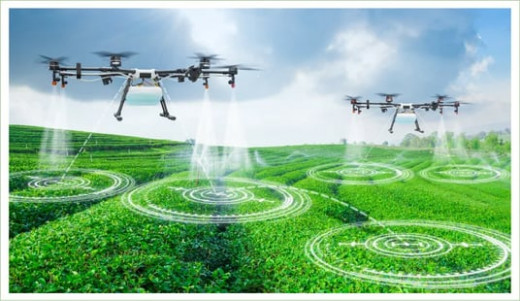
Precision agriculture has become increasingly prevalent, with the use of drones and satellite imagery to monitor crop health and optimize resource allocation. This not only improves efficiency but also minimizes environmental impact by reducing water usage and pesticide application.
Moreover, data analytics plays a crucial role in decision-making processes. Farmers can now harness vast amounts of information to make informed choices regarding planting schedules, fertilizer application rates, and even market trends.
Another significant development is the growing emphasis on sustainable practices. Agribusinesses are recognizing that responsible stewardship of natural resources is key to long-term success. From adopting organic farming methods to implementing renewable energy sources on farms, sustainability has become a core value for many in the industry.
Additionally, global food security remains a pressing concern as populations continue to rise rapidly. Agribusiness management must find innovative solutions to meet this demand while maintaining quality standards.
In conclusion (not concluded), the current state of agribusiness management showcases an exciting integration between traditional practices and cutting-edge technologies. As we move forward into uncharted territory, it will be essential for businesses in this field to adapt quickly and embrace new advancements while staying true to their roots - feeding nations sustainably while nurturing our precious Earth's resources.
Industry Predictions for the Next 5-10 Years
As we look ahead to the future of agribusiness management, there are several industry predictions that experts have made for the next 5-10 years. One major trend is the increasing adoption of technology in agriculture. With advancements in robotics, drones, and artificial intelligence, farmers will have access to more data and automation than ever before.
This technology will not only improve efficiency but also help address some of the challenges facing agriculture such as labor shortages and climate change. For instance, drones equipped with sensors can monitor crops for diseases or nutrient deficiencies, allowing farmers to take proactive measures to protect their yield.
Another prediction is a shift towards more sustainable practices. As consumers become more conscious about where their food comes from and how it is produced, agribusinesses will need to prioritize sustainability. This means implementing environmentally friendly farming methods such as precision agriculture techniques or organic farming.
Additionally, there will be an increased focus on traceability and transparency in the supply chain. Consumers want to know exactly where their food comes from and how it was produced. Agribusinesses that can provide this information through blockchain technology or other tracking systems will gain a competitive edge.
Furthermore, diversification may become essential as unpredictable weather patterns continue to affect crop yields. Farmers may need to explore alternative crops or invest in greenhouse technologies that offer greater control over growing conditions.
There will likely be a continued emphasis on collaboration within the industry. Agribusinesses can benefit from sharing knowledge and resources with one another through partnerships or cooperative ventures.
These predictions suggest an exciting future for agribusiness management filled with technological advancements, sustainable practices, increased transparency,and collaborative efforts among stakeholders across the supply chain
The Impact of New Technology on Agribusiness Management
The impact of new technology on agribusiness management is undeniable. With advancements in automation, precision agriculture, and data analytics, the industry is experiencing a significant transformation.
Automation has revolutionized various aspects of agribusiness management. From robotic milking machines to autonomous tractors, tasks that were once labor-intensive can now be efficiently carried out by machines. This not only increases productivity but also reduces costs for farmers.
Precision agriculture takes advantage of technologies like GPS and remote sensing to optimize farm operations. Farmers can monitor crop health, soil conditions, and weather patterns in real-time. By applying inputs precisely where they are needed, such as irrigation water or fertilizers, farmers can minimize waste while maximizing yields.
Data analytics plays a crucial role in making informed decisions in agribusiness management. By collecting and analyzing vast amounts of data from sensors and devices throughout the farm, farmers gain valuable insights into their operations. This enables them to make data-driven decisions regarding planting schedules, crop rotation strategies, pest control measures, and more.
Another area where new technology is making an impact is supply chain management. Blockchain technology ensures transparency and traceability throughout the entire supply chain—from seed production to distribution—helping build trust between producers and consumers.
In conclusion (not conclusive), the integration of new technologies will continue to shape the future of agribusiness management. Farms will become increasingly interconnected through smart devices and IoT solutions that enable seamless communication between equipment and systems. As these technologies advance further with AI integration (avoid repetitive words), we can expect even greater efficiencies in resource allocation (avoid repetitive phrases)and sustainable practices within the industry.
The Changing Workforce in Agribusiness
The changing workforce in agribusiness is a topic that cannot be ignored. As technology continues to advance and new practices emerge, the skills needed in this industry are evolving rapidly.
One of the major shifts we are seeing is a move towards more digitalization and automation. This means that workers will need to have a strong understanding of technology and be able to adapt quickly to new systems and processes. From using drones for crop monitoring to implementing AI-powered analytics tools, there is no doubt that technology will play an increasingly important role in agribusiness management.
Another aspect of the changing workforce is the focus on sustainability. Consumers are becoming more conscious about where their food comes from and how it was produced. This has led to a growing demand for sustainable farming practices, such as organic farming and regenerative agriculture. As a result, agribusiness managers will need to have knowledge of these practices and be able to implement them effectively.
Additionally, there is a growing emphasis on diversity and inclusion in the workforce. Agribusiness companies are recognizing the importance of having diverse perspectives at all levels of the organization. This includes not only gender and ethnic diversity but also diversity in terms of background, education, and experience.
It is clear that the workforce in agribusiness is undergoing significant changes due to technological advancements, sustainability concerns, and increased focus on diversity. To thrive in this evolving industry, professionals will need to embrace new technologies, adopt sustainable practices, and promote inclusivity within their organizations.
The Role of Sustainability in the Future of Agribusiness
Sustainability has emerged as a key factor shaping the future of agribusiness. With growing concerns about climate change, resource depletion, and food security, businesses in the agriculture industry are recognizing the need to adopt sustainable practices.
One area where sustainability is gaining traction is in agricultural production methods. Traditional farming practices have often been associated with negative impacts on the environment, such as soil degradation and water pollution. However, there is a growing emphasis on adopting sustainable farming techniques that minimize these adverse effects while maximizing productivity.
In addition to sustainable production methods, there is also a focus on improving supply chain sustainability. This involves optimizing transportation routes to reduce greenhouse gas emissions and implementing efficient packaging solutions to minimize waste.
Moreover, consumers are increasingly demanding transparency and accountability from agribusinesses regarding their environmental impact. They want to know where their food comes from and how it was produced. As a result, companies are investing in technologies like blockchain that enable traceability throughout the supply chain.
Furthermore, sustainability extends beyond just environmental considerations; it also encompasses social and economic aspects. Agribusinesses are recognizing the importance of supporting local communities by providing fair wages and promoting inclusive growth.
Incorporating sustainability into agribusiness management will not only help mitigate environmental risks but also ensure long-term profitability. By embracing sustainable practices at every stage of the value chain – from production to distribution – organizations can position themselves for success in an increasingly conscious market.
Conclusion
As we look towards the future of agribusiness management, it is evident that significant changes are on the horizon. The industry is evolving rapidly, driven by advancements in technology, changing consumer preferences, and a renewed focus on sustainability.
The current state of agribusiness management has seen a shift towards data-driven decision-making and precision agriculture. This trend will only continue to grow as new technologies emerge, enabling farmers to optimize their operations and increase productivity.
Industry predictions for the next 5-10 years indicate that automation will play a crucial role in agribusiness management. From autonomous vehicles and drones to robotic harvesting systems, these technological innovations have the potential to revolutionize farming practices and streamline operations.
Furthermore, the workforce in agribusiness is also experiencing significant changes. As older generations retire or transition out of traditional farming roles, younger individuals with diverse skill sets are entering the industry. This influx of talent brings fresh perspectives and innovative ideas that will shape the future of agribusiness management.
Sustainability is another key factor shaping the future landscape of agribusiness. With growing concerns about climate change and environmental impact, consumers are demanding more sustainable agricultural practices. Agribusinesses must adapt by implementing sustainable strategies such as regenerative agriculture techniques, reducing waste through efficient supply chains, and prioritizing responsible stewardship of natural resources.
In conclusion (without using those exact words), it is clear that there are exciting times ahead for agribusiness management. The convergence of technology advancements and shifting consumer demands presents both challenges and opportunities for professionals in this field. By embracing innovation while staying committed to sustainability principles, agribusinesses can thrive in an ever-changing landscape.
How to Successfully Manage Your Agribusiness Supply Chain

How to Successfully Manage Your Agribusiness Supply Chain
Welcome to our blog post on how to successfully manage your agribusiness supply chain! If you're involved in the agriculture industry, you know that a well-functioning supply chain is essential for ensuring that products get from farm to market efficiently and effectively.
In this article, we'll explore the importance of an agribusiness supply chain, discuss some of the challenges faced by those in the industry, and provide strategies for overcoming these obstacles. So grab a cup of coffee and let's dive into the world of agricultural supply chains!
The Importance of an Agribusiness Supply Chain
In the world of agribusiness, an efficient and well-managed supply chain is essential for success. The importance of a robust supply chain cannot be overstated, as it directly affects the quality and availability of agricultural products to consumers.
An effective agribusiness supply chain ensures that products are delivered to market in a timely manner. This means that farmers and producers can meet consumer demand without delays or shortages. Additionally, a well-organized supply chain helps reduce spoilage and waste by ensuring that perishable goods reach their destinations quickly.
A strong supply chain allows for better coordination between different stakeholders in the industry. By streamlining processes and improving communication, all parties involved - from farmers to distributors to retailers - can work together seamlessly to deliver high-quality agricultural products.
Furthermore, an efficient supply chain enables cost savings throughout the entire distribution process. By optimizing transportation routes and minimizing storage costs, agribusinesses can increase profitability while offering competitive prices to consumers.
Moreover, a reliable supply chain enhances product traceability and safety measures. With proper documentation at each stage of production and distribution, it becomes easier to identify any issues or contamination risks should they arise. This not only protects consumers but also safeguards the reputation of agribusinesses.
An effective agribusiness supply chain contributes to overall sustainability efforts within the industry. By reducing waste through improved logistics planning and implementing environmentally-friendly practices such as responsible packaging choices or optimized transportation routes, businesses can minimize their ecological footprint.
In conclusion (without using those words), recognizing the importance of an efficient agribusiness supply chain is vital for companies operating in this sector. It not only ensures smooth operations but also benefits all stakeholders involved - from farmers and producers to distributors and end-consumers alike!
The Challenges of Agribusiness Supply Chains
Agribusiness supply chains face a unique set of challenges that can impact their efficiency and productivity. One major challenge is the unpredictability of weather conditions, which can disrupt the production and transportation of agricultural goods. Droughts, floods, and extreme temperatures can all have adverse effects on crops, leading to shortages or delays in supply.
Another challenge is the perishable nature of many agricultural products. Fresh produce, dairy products, and meat all require careful handling and storage to maintain quality. Any disruption in cold chain management can result in spoilage or contamination, leading to financial losses for agribusinesses.
Additionally, agribusiness supply chains often involve multiple stakeholders such as farmers, processors, distributors, retailers, and consumers. Coordinating these various actors and ensuring smooth communication between them can be a logistical nightmare.
Furthermore, regulatory compliance poses another hurdle for agribusinesses. They must navigate complex food safety regulations related to packaging standards, labeling requirements,and quality control measures.
Inadequate infrastructure also presents a significant challenge for managing agribusiness supply chains effectively. Poor road networks or limited access to reliable transportation options can hinder timely delivery of goods from farms to markets.
To overcome these challenges in agribusiness supply chain management requires proactive planning and strategic decision-making. This involves investing in technologies like remote sensing systems and predictive analytics that enable better crop monitoring and yield forecasting.
Collaboration with suppliers through long-term contracts ensures stability in the sourcing process while implementing efficient inventory management practices helps reduce waste along the supply chain.
Moreover integrating traceability systems such as blockchain technology enables greater transparency by tracking each step of the product journey from farm to fork.
Embracing sustainable farming practices not only addresses environmental concerns but also enhances brand reputation among environmentally conscious consumers.
In summary, navigating through the challenges faced by agribusiness supply chains requires agility adaptability innovation collaboration And investment In modern technologies By addressing these obstacles head-on Agribusinesses can improve efficiency reduce waste and ensure a consistent supply of high-quality agricultural products
How to Overcome these Challenges
Overcoming the challenges of managing an agribusiness supply chain requires careful planning and effective strategies. One key challenge is the perishable nature of agricultural products, which can lead to spoilage if not managed properly. To address this, it is important to establish efficient transportation and storage systems that minimize the time between harvest and delivery.
Another challenge is the unpredictability of weather patterns and natural disasters, which can impact crop yields and disrupt supply chains. To mitigate these risks, agribusinesses should invest in advanced technology and data analytics tools that provide real-time insights into weather conditions and enable proactive decision-making.
Additionally, ensuring transparency and traceability throughout the supply chain is crucial. This involves implementing robust tracking systems that allow for seamless monitoring of product movement from farm to consumer. By doing so, potential bottlenecks or issues can be identified early on, minimizing disruptions.
Collaboration with suppliers and stakeholders also plays a significant role in overcoming challenges in agribusiness supply chain management. Building strong partnerships based on trust and open communication helps streamline processes, improve efficiency, and mitigate risks.
Investing in employee training programs focused on supply chain management can greatly enhance overall performance. Equipping staff with the necessary skills ensures they are well-prepared to handle any challenges that may arise while also fostering innovation within the organization.
By addressing these challenges head-on through strategic planning, technological advancements, collaboration with stakeholders, transparent tracking systems, as well as investing in employee development; agribusinesses can successfully manage their supply chains amidst various obstacles.
Strategies for Successful Agribusiness Supply Chain Management
1. Optimize Inventory Management: Efficient inventory management is crucial in agribusiness supply chain management. By accurately forecasting demand, you can ensure that you have the right amount of stock at the right time, minimizing waste and reducing costs.
2. Embrace Technology: Leverage technology to streamline your supply chain processes. Implementing a robust ERP system can help integrate various functions, improve communication among stakeholders, and provide real-time data for better decision-making.
3. Collaborate with Suppliers and Partners: Building strong relationships with suppliers and partners is essential in managing an effective supply chain. Regular communication, sharing market insights, and collaborating on innovation can lead to improved efficiency and reduced risks.
4. Focus on Sustainability: With increasing consumer demand for sustainable products, it's important to incorporate sustainability practices into your supply chain strategy. This includes sourcing from environmentally responsible suppliers, reducing carbon emissions through optimized transportation routes, and implementing packaging solutions that are eco-friendly.
5. Invest in Training and Development: Equip your employees with the necessary skills and knowledge to effectively manage the agribusiness supply chain. Provide regular training sessions on emerging trends, technological advancements, and best practices in logistics management.
6. Utilize Data Analytics: Harnessing the power of data analytics can provide valuable insights into optimizing your agribusiness supply chain operations further. By analyzing historical data patterns such as product demand fluctuations or seasonal trends, you can make informed decisions regarding procurement, inventory management,and distribution methods.
Remember that successful agribusiness supply chain management requires constant evaluation, adaptation, and implementation of innovative strategies.
Stay agile, collaborative, and forward-thinking to stay one step ahead in today's dynamic agricultural industry!
Conclusion
Successfully managing the supply chain in your agribusiness is crucial for its overall success. With the unique challenges that come with the agricultural industry, it's important to approach supply chain management strategically and proactively.
Throughout this article, we've explored why an efficient and effective supply chain is essential for agribusinesses. From ensuring timely deliveries of fresh produce to reducing costs and minimizing waste, a well-managed supply chain can make all the difference in staying competitive in today's market.
We also discussed some of the common challenges faced by agribusinesses when it comes to their supply chains. These include unpredictable weather conditions, transportation issues, inventory management complexities, and maintaining product quality throughout the entire distribution process.
However, with careful planning and implementation of best practices, these challenges can be overcome. By leveraging technology solutions such as farm management software or GPS tracking systems for fleet logistics, you can improve visibility into your operations and make data-driven decisions.
Additionally, fostering strong relationships with suppliers and establishing clear communication channels will help ensure smooth collaboration along the entire supply chain. Regularly reviewing processes and performance metrics will allow you to identify areas for improvement and implement corrective actions promptly.
Boosting Farm Productivity: Innovative Techniques for Agribusiness Managers

Boosting Farm Productivity: Innovative Techniques for Agribusiness Managers
Welcome to our blog post on boosting farm productivity! Agriculture is the backbone of our society, providing us with food and resources that are essential for our survival. However, many agribusiness managers face the challenge of low productivity on their farms. This not only affects their bottom line but also hinders overall agricultural growth.
In order to tackle this problem head-on, it is crucial for farmers and agribusiness managers to embrace innovative techniques that can revolutionize traditional farming methods. By incorporating these techniques into their operations, they will be able to significantly enhance farm productivity and profitability.
Join us as we explore some exciting and groundbreaking approaches that have the potential to transform agriculture as we know it. From precision farming to vertical gardening, there are numerous strategies available that can help farmers overcome challenges and maximize yields. Let's dive in!
The Problem of Low Agricultural Productivity
Low agricultural productivity is a pressing concern that agribusiness managers and farmers face around the world. This issue arises due to various factors, such as limited access to resources, outdated farming techniques, and unpredictable weather conditions.
One of the main reasons for low productivity is the lack of proper knowledge and understanding about modern agricultural practices. Many farmers continue to rely on traditional farming methods passed down through generations without considering innovative approaches that can significantly boost yields.
In addition, inadequate infrastructure and limited access to irrigation facilities further hinder productivity in many regions. Without sufficient water supply or efficient irrigation systems, crops suffer from drought stress or improper hydration, leading to lower yields.
Furthermore, climate change poses a significant threat to agricultural productivity. Extreme weather events like droughts, floods, and heatwaves are becoming more frequent and intense. These erratic weather patterns disrupt planting schedules, damage crops, and adversely affect overall farm output.
Another factor contributing to low agricultural productivity is pests and diseases. Insects like aphids or plant pathogens can wreak havoc on crops if not managed effectively. The use of chemical pesticides has its drawbacks too - it harms beneficial insects and pollinators while potentially contaminating soil or water sources.
Addressing these challenges requires a proactive approach from agribusiness managers and farmers alike. By embracing innovation in agriculture techniques along with sustainable practices, it becomes possible to overcome these obstacles efficiently.
Stay tuned as we delve into some exciting innovative solutions that have been proven effective in boosting farm productivity while ensuring long-term sustainability!
The Need for Innovation in Agricultural Techniques
Agriculture has always been the backbone of our society, providing us with food and resources for centuries. However, with the growing global population and changing environmental conditions, it is more important than ever to find innovative techniques to boost agricultural productivity.
The need for innovation in agricultural techniques stems from the challenges faced by farmers today. Climate change, limited water resources, soil degradation, and pest infestations are just a few of these challenges. Traditional methods may not be sufficient in addressing these issues effectively.
Innovation is key to finding sustainable solutions that can help increase farm productivity while minimizing negative environmental impacts. By embracing new technologies and practices, farmers can optimize their use of resources such as water and fertilizers. This includes adopting precision agriculture techniques like remote sensing and using data analytics to make informed decisions about crop management.
Furthermore, innovation in agricultural techniques can also lead to improved crop varieties that are more resistant to diseases or pests. Genetic engineering and biotechnology have paved the way for developing genetically modified crops that offer higher yields or enhanced nutritional value.
Additionally, innovative farming systems like hydroponics or vertical farming allow farmers to maximize space utilization while reducing water consumption compared to traditional methods. These modern approaches enable year-round production even in urban areas where land availability is limited.
To encourage the adoption of innovative techniques on farms, policymakers should provide support through funding programs or incentives aimed at promoting research and development initiatives within the agriculture sector. Education plays a crucial role as well – informing farmers about new advancements empowers them to implement sustainable practices effectively.
In conclusion (without actually saying "in conclusion"), embracing innovation in agricultural techniques is essential for boosting farm productivity amidst various challenges faced by agribusiness managers today. Implementing cutting-edge technologies and adopting modern practices will not only enhance yields but also contribute towards building a more resilient agriculture sector capable of feeding an ever-growing population sustainably.
Innovative Techniques for Boosting Farm Productivity
1. Precision Agriculture: One innovative technique that has revolutionized farming is precision agriculture. This involves using advanced technologies such as GPS and sensors to monitor and manage crops more efficiently. Farmers can analyze data collected from the fields to make informed decisions about irrigation, fertilization, and pest control.
2. Vertical Farming: Another innovative technique gaining popularity is vertical farming. With limited land availability, farmers are now turning to vertical structures where crops are grown in stacked layers using artificial lighting and climate-controlled environments. Vertical farming allows for year-round production, higher crop yields, and reduced water usage.
3. Aquaponics: Aquaponics combines aquaculture (fish farming) with hydroponics (soilless plant cultivation). It creates a symbiotic relationship between fish and plants where fish waste provides nutrients for the plants, while the plants filter the water for the fish. This closed-loop system maximizes resource utilization and minimizes environmental impact.
4. Crop Rotation: Although not a new concept, crop rotation remains an effective technique for boosting farm productivity sustainably. By rotating different crops each season or year, farmers can prevent soil depletion of nutrients specific to one particular crop while reducing weed growth and controlling pests naturally.
5. Integrated Pest Management (IPM): IPM is an approach that focuses on preventing pest damage rather than relying solely on pesticides. By monitoring pest populations closely and implementing strategies like biological controls (predators or parasites), cultural practices (crop rotations or planting resistant varieties), and physical barriers (nets or traps), farmers can reduce pesticide use while maintaining healthy crop yields.
6. Smart Irrigation Systems: Water scarcity is a significant challenge faced by many farmers globally; therefore, smart irrigation systems offer a solution by optimizing water usage based on real-time weather conditions, moisture sensors in the soil, or even satellite imagery analysis of crop health indicators such as leaf temperature or density.
Implementing Innovative Techniques on the Farm
Once you have identified and selected the innovative techniques that are most suitable for your farm, it is time to put them into action. Implementing these techniques requires careful planning and execution to ensure their success.
It is important to assess your resources and capabilities. Determine if you have the necessary equipment, technology, or expertise to effectively implement the chosen techniques. If not, consider investing in training programs or collaborating with experts who can provide guidance.
Next, create a detailed implementation plan. This should include specific tasks, timelines, and responsibilities for each technique. Break down larger goals into smaller achievable milestones to track progress along the way.
Communication is key during this process. Ensure that all team members understand their roles and responsibilities and are aligned with the objectives of implementing these innovative techniques. Regular meetings or check-ins can help address any challenges or concerns that may arise.
Be open-minded and flexible as you implement these new methods on your farm. It is normal for some adjustments and fine-tuning to be needed along the way. Monitor results closely and make any necessary tweaks or adaptations as you learn from experience.
Celebrate successes! Recognize achievements along the journey of implementing innovative techniques on your farm. Share lessons learned with others in your industry or community to inspire further innovation in agriculture.
By actively implementing these innovative techniques on your farm, you are paving the way towards increased productivity and sustainable agricultural practices.
Conclusion
Innovative techniques have the power to revolutionize agricultural productivity and help agribusiness managers overcome the challenges they face. By embracing new ideas, technologies, and approaches, farmers can enhance their farm operations, increase yields, reduce costs, and ultimately boost profitability.
The problem of low agricultural productivity is not an insurmountable one. Through innovation in farming techniques, such as precision agriculture, vertical farming, hydroponics, robotics, and data-driven decision making, farmers can optimize resource utilization while minimizing environmental impact.
It is crucial for agribusiness managers to be open to experimentation and willing to adopt these innovative techniques on their farms. By staying informed about emerging trends in the industry and investing in training programs for employees or themselves as managers can master these new methods successfully.
However promising these innovative solutions may seem on paper though it's important to remember that no single technique will work universally across all farms or regions. Each farm has its unique characteristics such as soil type climate conditions local regulations labor availability etc.. Therefore Agribusiness Managers must carefully evaluate each technique based on their specific circumstances before implementing them on a larger scale.
In conclusion Innovative Techniques are transforming agriculture by enabling more efficient production sustainable practices improved crop quality reduced input usage better product traceability enhanced risk management... And those who embrace change adapt quickly stand ready take advantage of this era of transformation will be best positioned thrive in today's ever-changing market landscape.
The Role of Agribusiness Management in Sustainable Farming Practices

The Role of Agribusiness Management in Sustainable Farming Practices
Welcome to our blog post on the fascinating world of agribusiness management and its crucial role in sustainable farming practices. Agriculture has always been a vital industry, feeding populations around the globe. However, as we face increasing environmental challenges and strive for a more sustainable future, it is essential to explore innovative approaches to farming.
Agribusiness management encompasses all aspects of running a successful agricultural enterprise – from cultivating crops and raising livestock to marketing products and implementing efficient supply chains. In this article, we will examine how agribusiness management plays a pivotal role in promoting sustainable farming practices that are not only beneficial for the environment but also for farmers' long-term success.
So buckle up, grab your favorite cup of coffee (or tea!), and let's dive into the exciting world where agriculture meets business – where sustainability takes center stage!
What is Agribusiness Management?
Agribusiness management is an interdisciplinary field that combines agricultural knowledge and business principles to effectively manage farming operations. It goes beyond the traditional scope of agriculture, incorporating elements of finance, marketing, logistics, and strategy.
At its core, agribusiness management focuses on optimizing production processes, reducing costs, maximizing profits, and ensuring sustainable practices. Farmers who engage in agribusiness management develop a comprehensive understanding of market trends, consumer demands, and technological advancements to make informed decisions for their farm.
This field encompasses various responsibilities such as crop selection and rotation planning based on market demand and soil health considerations. Agribusiness managers also analyze financial data to make strategic investment decisions in machinery or infrastructure upgrades that improve efficiency while minimizing environmental impact.
In addition to managing day-to-day operations efficiently, successful agribusiness managers actively seek opportunities for diversification by exploring alternative revenue streams like agritourism or value-added products. They adapt to changing consumer preferences by staying informed about organic farming practices or using precision agriculture technologies.
Overall, agribusiness management serves as a bridge between traditional farming practices and modern business strategies. By integrating sustainability into every aspect of their operation – from resource usage optimization to waste reduction – farmers can contribute positively towards creating a more environmentally conscious future.
The Role of Agribusiness Management in Sustainable Farming Practices
Agribusiness management plays a crucial role in promoting sustainable farming practices. As the world grapples with environmental challenges and the need for food security, it is imperative to adopt farming methods that minimize negative impacts on the environment while ensuring productivity and profitability.
One of the key roles of agribusiness management is to provide farmers with knowledge, tools, and resources to implement sustainable practices. This includes educating farmers about soil health, water conservation techniques, integrated pest management strategies, and efficient use of inputs such as fertilizers and pesticides.
By implementing these sustainable farming practices guided by agribusiness managers, farmers can reduce their reliance on synthetic chemicals that harm both the environment and human health. Instead, they can embrace organic fertilizers, crop rotation systems, cover cropping methods that improve soil fertility naturally while reducing erosion.
Agribusiness managers also play a vital role in facilitating access to markets for sustainably produced agricultural products. They help connect farmers with consumers who prioritize environmentally friendly products through certification programs or direct marketing channels. By creating these market linkages, agribusiness managers incentivize more farmers to adopt sustainable practices as they see economic benefits from meeting consumer demands.
Furthermore, agribusiness managers assist in implementing technology-driven solutions for more efficient resource utilization in agriculture. For example, precision agriculture technologies enable precise application of inputs based on real-time data analysis like soil moisture levels or crop nutrient requirements. These advancements not only optimize resource usage but also contribute significantly towards environmental sustainability.
In conclusion (not really), agribusiness management serves as a catalyst for widespread adoption of sustainable farming practices by providing education, market opportunities,and technological support to farmers. Through this collaborative approach between industry experts and producers,the potential benefits are enormous - from reduced environmental impacts to improved livelihoods for farmers worldwide."
The Benefits of Sustainable Farming Practices
Sustainable farming practices have numerous benefits, not only for the environment but also for farmers and consumers. One of the key advantages is the preservation of natural resources. By implementing sustainable techniques such as crop rotation and organic fertilizers, farmers can maintain soil health, reduce erosion, and minimize water usage.
Another benefit is improved biodiversity. Sustainable farming methods promote a diverse ecosystem by avoiding harmful pesticides and providing habitats for beneficial insects and wildlife. This contributes to overall ecological balance on the farm.
Furthermore, sustainable farming practices often result in higher-quality produce. By utilizing organic methods, farmers can avoid chemical residues that may be present in conventionally grown crops. As a result, consumers are able to enjoy healthier food options with fewer potential risks.
In addition to environmental and health benefits, sustainable farming can also lead to economic advantages for farmers. Adopting these practices often reduces input costs over time as reliance on expensive synthetic inputs decreases. Moreover, there is an increasing demand for sustainably produced goods among consumers who prioritize ethical sourcing.
Embracing sustainable farming practices brings about a range of benefits from ecological preservation to improved product quality and economic opportunities for farmers. It's clear that moving towards sustainability in agriculture is not just a trend but a crucial step towards ensuring a better future for our planet and generations to come!
The Challenges of Sustainable Farming Practices
Sustainable farming practices have gained significant attention in recent years due to their potential to address environmental concerns and promote long-term food production. However, implementing these practices is not without its challenges.
One of the main obstacles faced by farmers when adopting sustainable farming methods is the initial cost involved. Transitioning from conventional to sustainable practices often requires investments in equipment, technology, and infrastructure. This financial burden can be particularly challenging for small-scale farmers with limited resources.
Another challenge is the need for knowledge and expertise in sustainable farming techniques. Farmers must stay updated on new research findings, best practices, and regulations related to sustainability. Additionally, they may require specialized training or guidance on how to implement these methods effectively.
Climate variability also poses a significant challenge for sustainable farming. Extreme weather events such as floods or droughts can disrupt crop yields and impact soil health. Adapting to changing climatic conditions requires careful planning and resilience strategies that can be time-consuming and resource-intensive.
Furthermore, market demand for sustainably produced agricultural products might fluctuate or remain uncertain. Farmers who invest in sustainable practices need assurance that there will be a reliable market willing to pay fair prices for their produce.
Scaling up sustainable farming practices across large areas of land presents logistical challenges as well. Coordinating efforts among multiple farms while adhering to sustainability standards can be complex but necessary for widespread adoption of environmentally friendly techniques.
Addressing these challenges requires collaboration between policymakers, researchers, industry experts, and farmers themselves. By providing financial support through grants or incentives programs while offering accessible education opportunities and promoting consumer awareness about the benefits of sustainably grown food; we can overcome these hurdles together.
Conclusion
In this ever-evolving world of agriculture, the role of agribusiness management has become crucial in implementing sustainable farming practices. Agribusiness management encompasses various strategies and techniques that not only promote profitability but also prioritize environmental conservation and social responsibility.
By integrating sustainability into their operations, farmers can reap numerous benefits. Sustainable farming practices not only preserve natural resources but also enhance soil health, reduce water pollution, and promote biodiversity. Additionally, these practices help build resilience against climate change and improve the overall quality of agricultural products.
Despite its many advantages, sustainable farming does come with challenges. Farmers may face initial investment costs as they transition to more environmentally-friendly methods. Moreover, changing weather patterns and pest pressures can pose additional obstacles. However, by utilizing agribusiness management principles such as careful planning, risk assessment, and innovative technologies, these challenges can be overcome.
Agribusiness managers play a vital role in guiding farmers towards sustainable farming practices by providing them with knowledge about emerging trends and best practices. They assist in developing effective marketing strategies for sustainably-produced goods while ensuring fair prices for both producers and consumers.
It is important to recognize that the implementation of sustainable farming practices not only benefits individual farmers but also society at large. By preserving the environment for future generations while meeting food demands sustainably, we are safeguarding our planet's resources while enhancing global food security.
In conclusion (without using those words), agribusiness management serves as a catalyst for driving positive change within the agricultural sector towards more sustainable farming practices. As we move forward into an era where environmental consciousness is paramount, embracing these principles will shape a better future for agriculture - one that ensures long-term productivity without compromising our planet's health.
How to Optimize Operational Efficiency on Your Agricultural Enterprise

How to Optimize Operational Efficiency on Your Agricultural Enterprise
Welcome to our blog, where we delve into the world of agricultural enterprises and uncover ways to optimize operational efficiency. Whether you are a small-scale farmer or managing a large agricultural business, streamlining your operations can have far-reaching benefits. From reducing costs to increasing productivity, optimizing operational efficiency is the key to unlocking success in today's competitive market.
In this article, we will explore the various strategies and tools that can help you achieve optimal efficiency on your agricultural enterprise. So grab a cup of coffee (or maybe some freshly squeezed orange juice) and let's dive right in!
Agricultural Enterprises and Operational Efficiency
Agricultural enterprises play a crucial role in supplying the world with food, fuel, and fiber. However, running an agricultural business is no easy task. It involves managing complex operations such as crop cultivation, livestock care, equipment maintenance, and logistical challenges of distribution.
One key factor that sets successful agricultural enterprises apart is their ability to optimize operational efficiency. This means finding ways to streamline processes and eliminate waste in order to maximize productivity while minimizing costs.
By focusing on operational efficiency, farmers can ensure that resources are utilized effectively and tasks are completed in the most time-efficient manner possible. This not only increases overall output but also helps reduce labor expenses and improves profitability.
Efficiency can be improved through various methods such as implementing technology solutions like precision farming techniques or utilizing data-driven insights for decision-making. Additionally, optimizing supply chain management can help minimize delays during transportation and storage of produce.
Moreover, adopting sustainable practices can lead to increased operational efficiency by reducing waste generation and resource consumption. Techniques like water conservation measures or organic farming methods not only benefit the environment but also enhance long-term viability for agricultural businesses.
The pursuit of operational efficiency is essential for any agricultural enterprise looking to thrive in today's competitive industry. By embracing innovative technologies, sustainable practices, and smart management strategies, farmers can unlock new levels of productivity while minimizing costs - ultimately leading to greater success in their endeavors.
The Benefits of Optimizing Operational Efficiency
One of the key benefits of optimizing operational efficiency in your agricultural enterprise is increased productivity. When you streamline processes and eliminate inefficiencies, you can accomplish more with less effort. This means that tasks are completed faster and resources are utilized more effectively.
Another advantage is cost savings. By identifying areas where resources are being wasted or underutilized, you can make adjustments to reduce expenses. For example, if you optimize your irrigation system to use water more efficiently, you can save on water costs while still ensuring your crops receive the necessary amount of moisture.
Optimizing operational efficiency also leads to improved quality control. When processes are streamlined and standardized, it becomes easier to identify and address any issues or deviations from desired outcomes. This ensures that products meet the highest standards and customer satisfaction remains high.
Furthermore, optimizing operational efficiency promotes sustainability in agriculture. By reducing waste and maximizing resource utilization, farmers can minimize their environmental impact. This includes practices such as efficient energy usage, reduced chemical inputs, and proper waste management.
In addition to these benefits, optimizing operational efficiency allows for better decision-making through data-driven insights. By collecting and analyzing relevant data points throughout various stages of production, farmers gain valuable insights into what works best for their operations. These insights enable informed decisions regarding resource allocation, crop selection, timing of activities,and overall strategic planning.
Overall, optimal operational efficiency results in a more productive, fiscally responsible, sustainable, and data-informed agricultural operation. Whoever seeks success in this industry must prioritize and continuously strive to optimize operations for maximum results and profitability.
How to Optimize Operational Efficiency
When it comes to running an agricultural enterprise, optimizing operational efficiency is crucial. It not only helps streamline processes and save time but also maximizes productivity and profitability. But how exactly can you achieve this? Here are a few strategies to optimize operational efficiency on your farm:
1. Evaluate and analyze: Start by evaluating your current operations and identifying areas that need improvement. This could be anything from machinery maintenance schedules to crop rotation plans.
2. Streamline workflows: Look for ways to simplify tasks and eliminate any unnecessary steps or redundancies in your processes. Consider implementing technology tools such as farm management software or automated irrigation systems.
3. Prioritize training: Invest in continuous training for yourself and your team members to ensure everyone has the necessary skills and knowledge to perform their roles effectively.
4. Embrace data-driven decision making: Utilize data collection tools like sensors, drones, or weather monitoring devices to gather valuable insights about soil conditions, crop health, or livestock performance.
5. Collaborate with experts: Seek advice from agricultural consultants or industry experts who can provide guidance on best practices specific to your operation.
By implementing these strategies, you can enhance operational efficiency on your agricultural enterprise while fostering sustainability and growth.
Tools and Resources for Optimizing Operational Efficiency
When it comes to optimizing operational efficiency on your agricultural enterprise, having the right tools and resources can make all the difference. Thankfully, there are a variety of options available that can help streamline processes and improve overall productivity.
One tool that many farmers find valuable is farm management software. This technology allows you to digitally track everything from crop yields to equipment maintenance schedules. By centralizing this information in one place, you can easily identify areas for improvement and make data-driven decisions.
Automation is another key resource for optimizing operational efficiency. Whether it's automatic irrigation systems or robotic milking machines, automating certain tasks can save time and reduce human error. Not only does this free up labor resources, but it also ensures consistency in operations.
Investing in precision agriculture technologies is also worth considering. These tools use GPS and satellite imagery to provide real-time data about soil conditions, moisture levels, and plant health. Armed with this information, you can apply fertilizers or pesticides more precisely, reducing waste while maximizing effectiveness.
Collaboration platforms are essential for enhancing communication between team members both on-site and off-site. With these tools, employees can share updates instantly, schedule tasks efficiently, and collaborate on projects seamlessly.
Don't overlook the power of continuous learning through online courses or workshops related to agricultural practices or business management strategies. Staying updated with industry trends and best practices will enable you to optimize your operations effectively.
By utilizing these various tools and resources at your disposal – such as farm management software, automation devices, precision agriculture technologies, collaboration platforms, and continuous learning opportunities – you'll be well equipped to optimize the operational efficiency of your agricultural enterprise.
Conclusion
Optimizing operational efficiency is crucial for the success of any agricultural enterprise. By streamlining processes, reducing waste, and increasing productivity, farmers can maximize their resources and ultimately improve profitability. The benefits are numerous - from cost savings to increased output to enhanced sustainability.
To optimize operational efficiency on your agricultural enterprise, start by evaluating your current practices and identifying areas that need improvement. Implementing technology solutions such as farm management software can help automate tasks and provide real-time data for better decision-making. Adopting sustainable farming practices not only reduces environmental impact but also increases efficiency in resource usage.
Investing in employee training and development is another key aspect of optimizing operational efficiency. Well-trained staff can perform tasks more efficiently, reduce errors, and contribute to a positive work culture.
Furthermore, establishing clear communication channels within the organization fosters collaboration and ensures smooth operations. Regular meetings or check-ins with team members allow for discussions on challenges faced during daily operations while brainstorming innovative solutions.
Leveraging tools and resources available both online and offline can greatly aid in optimizing operational efficiency. From equipment maintenance schedules to crop yield monitoring systems, there are various technologies designed specifically for the agriculture industry that can streamline processes and enhance overall performance.
In conclusion (without saying "In conclusion"), it is evident that optimizing operational efficiency is vital for agricultural enterprises seeking long-term success. By implementing strategies such as process evaluation, technological advancements, employee development initiatives, effective communication channels, and utilizing appropriate tools/resources – farmers can transform their operations into thriving businesses capable of meeting the demands of an ever-evolving industry.
Exploring Market Trends: A Guide for Agribusiness Managers

Exploring Market Trends: A Guide for Agribusiness Managers
Welcome to the exciting world of agribusiness management, where staying ahead of the game is crucial for success. In this ever-evolving industry, market trends play a pivotal role in shaping strategies and driving growth. Whether you're an experienced agribusiness manager or just starting out, understanding and capitalizing on market trends can make all the difference.
But what exactly are market trends? How can you identify them? And why should you bother keeping up with them? In this blog post, we'll explore these questions and more, providing valuable insights into how market trends can impact your agribusiness and offering tips on how to stay ahead of the curve. So grab a cup of coffee and let's dive right in!
What are Market Trends?
Market trends refer to the patterns, shifts, and preferences that shape consumer behavior and influence the demand for products or services within a specific industry. These trends can be influenced by various factors such as changes in technology, shifts in demographics, economic conditions, environmental concerns, and even cultural influences.
Identifying market trends requires careful analysis of data from multiple sources including industry reports, consumer surveys, social media monitoring, and competitor analysis. It involves looking at both macro-level trends affecting the overall industry as well as micro-level trends specific to your target market.
Staying up-to-date with market trends offers numerous benefits for agribusiness managers. It allows you to anticipate changes in customer preferences and adjust your product offerings accordingly. By being proactive rather than reactive to these shifts in demand, you can gain a competitive edge over rivals who are slower to adapt.
Moreover, understanding market trends enables you to spot emerging opportunities for growth or diversification. For example, if there is increasing consumer interest in organic produce or sustainable farming methods regionally or globally - tapping into these niches could open new revenue streams for your agribusiness.
In addition to driving innovation and business development decisions internally within your organization – keeping an eye on market trends also helps you identify potential threats or challenges that may arise. This awareness empowers you to mitigate risks effectively while maximizing opportunities that align with current consumer demands.
Agribusinesses are not immune from the impact of market trends. In fact,, they often experience direct consequences due to the nature of their operations being closely tied to agricultural practices which themselves evolve alongside changing landscapes such as climate change impacts.
Therefore it's crucial for agribusiness managers not only monitor but actively respond early enough when necessary based on identified market trend developments
How to Identify Market Trends
One of the key aspects of successful agribusiness management is the ability to identify and understand market trends. By staying ahead of the curve, agribusiness managers can make informed decisions that will help drive their businesses forward. But how exactly do you go about identifying these market trends?
First and foremost, it's important to conduct thorough research. This could involve analyzing industry reports, studying consumer behavior patterns, or even attending trade shows and conferences. By immersing yourself in the world of agriculture and keeping a finger on the pulse, you'll be better equipped to spot emerging trends.
Another effective method is monitoring social media platforms and online forums where farmers, suppliers, and consumers discuss various topics related to agribusiness. These conversations can provide valuable insights into what people are talking about and what issues are gaining traction.
Additionally, paying attention to technological advancements in agriculture can also unveil potential market trends. From precision farming techniques to vertical farming methods, innovations in technology often indicate shifts in consumer preferences or demand for certain products.
Don't underestimate the power of networking with other industry professionals. Engaging with fellow agribusiness managers or experts through events or online communities can expose you to different perspectives and ideas that may lead you towards identifying relevant market trends.
By employing these strategies consistently over time - conducting research, monitoring social media platforms and online forums, staying up-to-date with agricultural technologies,and networking- you'll become adept at spotting market trends before they fully materialize.
The Benefits of Staying Up-to-Date With Market Trends
Staying up-to-date with market trends is crucial for agribusiness managers. By keeping a close eye on the ever-evolving industry, they gain valuable insights that can drive their businesses forward.
Being aware of market trends allows managers to identify new opportunities. They can spot emerging consumer preferences and adjust their strategies accordingly. For example, if there is a growing demand for organic produce, agribusinesses can shift their focus towards sustainable farming practices.
Staying informed about market trends helps managers stay ahead of the competition. By understanding what consumers want and need, they can offer innovative products and services that set them apart from others in the field.
Additionally, monitoring market trends enables agribusiness managers to anticipate changes in supply and demand. This knowledge allows them to make informed decisions regarding production levels and pricing strategies.
Moreover, following market trends fosters adaptability within an organization.
Agribusinesses that are flexible enough to respond quickly to shifting customer demands will have a competitive edge over those who are slow to react.
Furthermore, staying up-to-date with market trends promotes better risk management. Managers who understand potential challenges or disruptions in the industry can proactively prepare for them rather than being caught off guard.
By actively tracking market trends, agribusiness managers demonstrate their commitment to continuous improvement and growth. They show stakeholders that they are invested in understanding the dynamics of the industry and adapting accordingly.
In conclusion (as per instruction), staying up-to-date with market trends offers numerous benefits for agribusiness managers – from identifying new opportunities and outshining competitors to managing risks effectively and fostering innovation within their organizations
How Market Trends Can Impact Agribusinesses
Market trends can have a significant impact on agribusinesses, shaping their strategies and influencing their profitability. By understanding and adapting to these trends, agribusiness managers can position themselves for success in a constantly evolving market.
One way market trends can impact agribusinesses is by creating new opportunities. For example, as consumer demand for organic products continues to rise, agribusinesses that embrace sustainable farming practices and offer organic options are well-positioned to capture this growing market segment. On the other hand, failing to recognize or adapt to emerging trends may result in missed opportunities or even obsolescence.
Additionally, market trends can affect supply and demand dynamics within the industry. Fluctuations in commodity prices due to changing consumer preferences or global events can directly impact an agribusiness's bottom line. Being aware of these shifts allows managers to adjust production levels or explore alternative markets to mitigate risks and maximize profits.
Moreover, staying up-to-date with market trends enables agribusinesses to stay ahead of competition. By monitoring consumer preferences, technological advancements, and regulatory changes affecting the industry, businesses can proactively innovate and differentiate themselves from competitors. This proactive approach not only helps attract customers but also builds brand loyalty by demonstrating agility and responsiveness.
Furthermore, understanding market trends is crucial for effective resource allocation within an agribusiness. Knowing where investments should be directed based on future predictions allows businesses to optimize their use of capital resources such as land, labor, equipment,and technology. This strategic planning ensures that limited resources are utilized efficiently while minimizing waste.
In conclusion (not concluding), keeping a finger on the pulse of market trends is essential for the long-term success of any agribusiness venture.
By identifying potential opportunities early on,making informed decisions,and adapting accordingly,the business stands a better chance at thriving amidst ever-changing industry dynamics.
So let's dive deeper into how one particular agribusiness benefited from following market trend
Case Study: How One Agribusiness Benefited from Following Market Trends
In today's rapidly evolving business landscape, staying ahead of market trends is crucial for the success of any agribusiness. Let's take a closer look at a real-life case study that demonstrates the immense benefits of following market trends.
Lancaster Farms, a family-owned organic produce farm, noticed an increased demand for locally sourced and sustainably grown fruits and vegetables. Recognizing this emerging trend in consumer preferences, they made strategic changes to their operations.
Lancaster Farms expanded their product range to include more specialty crops such as heirloom tomatoes and exotic herbs. This decision was based on extensive market research indicating growing interest in unique and diverse produce options.
They shifted their marketing efforts towards emphasizing their commitment to sustainable farming practices. They leveraged social media platforms to share stories about their eco-friendly methods and built strong connections with environmentally conscious consumers.
The results were outstanding! Lancaster Farms experienced a significant increase in sales as customers flocked to buy their distinctive products grown with care for the environment. By aligning themselves with current market trends, they not only attracted new customers but also retained existing ones who appreciated their responsiveness to changing demands.
This case study clearly highlights how closely monitoring market trends can give agribusinesses a competitive edge. It enables them to adapt swiftly by introducing innovative products or adjusting marketing strategies accordingly—a crucial factor in achieving long-term profitability while meeting consumer expectations.
By keeping an ear close to the ground regarding shifts in customer preferences or industry developments, agribusiness managers can position themselves strategically in the marketplace. The ability to anticipate changing demands allows them not only to survive but thrive amidst fierce competition.
So how can other agribusiness managers follow suit? Stay tuned for our next blog post where we will provide practical tips on how you too can start tracking market trends effectively! Remember—being proactive is key when it comes to driving your agribusiness towards success in a rapidly changing world.
Effective Risk Management Strategies for Agribusinesses

Effective Risk Management Strategies for Agribusinesses
Welcome to the world of agribusiness, where fields stretch as far as the eye can see and farmers work tirelessly to feed a growing population. But behind this idyllic image lies a world fraught with risks and challenges that can make or break even the most successful endeavors. From unpredictable weather patterns to fluctuating commodity prices, agribusinesses face an array of uncertainties that require effective risk management strategies.
In this blog post, we will explore some of the biggest risks faced by agribusinesses and delve into proven methods for mitigating these risks. So grab your virtual overalls and let's dive into the fascinating world of agribusiness risk management!
What is Agribusiness?
Agribusiness is not just your average farming operation. It encompasses a wide range of activities involved in the production, processing, and distribution of agricultural products. From large-scale crop farming to livestock management to food processing and packaging, agribusiness covers every aspect of the agricultural industry.
In today's modern world, agribusiness has become more than just cultivating crops or raising animals; it is about finding innovative ways to meet the ever-growing demand for food on a global scale. Agribusinesses often utilize advanced technologies and scientific techniques to maximize productivity while minimizing environmental impact.
The scope of agribusiness extends beyond traditional farming methods. It includes everything from seed production companies that develop genetically modified organisms (GMOs) to agricultural machinery manufacturers that create state-of-the-art equipment for efficiency in the field.
Agribusiness also involves marketing and supply chain management. Once crops are harvested or animals are raised, they need to be transported, processed, packaged, and marketed effectively to reach consumers worldwide. This requires careful planning and coordination at each stage of the value chain.
Agribusiness plays a crucial role in feeding our growing population sustainably. It combines science, technology, entrepreneurship, and innovation to ensure efficient production processes while addressing challenges such as climate change and resource scarcity. As we delve deeper into this blog post on risk management strategies for agribusinesses, you will see how essential it is for these operations to navigate uncertainties effectively in order to thrive in an ever-changing landscape.
What are the Biggest Risks Faced by Agribusinesses?
Agribusinesses, like any other industry, face a multitude of risks that can impact their operations and profitability. These risks can arise from various sources and have the potential to disrupt the entire supply chain. Let's explore some of the biggest risks faced by agribusinesses.
One significant risk is weather-related factors such as droughts, floods, or extreme temperatures. Erratic weather patterns can lead to crop failure or lower yields, affecting both farmers and food processors. Additionally, pests and diseases pose a significant threat to agricultural production. Outbreaks of pests or diseases can decimate crops or livestock populations if left unchecked.
Market volatility is another major risk for agribusinesses. Fluctuations in commodity prices or changes in consumer demand can directly impact profit margins. Agribusinesses must stay informed about market trends and adapt their strategies accordingly to mitigate these risks.
Political and regulatory uncertainties also pose challenges for agribusinesses. Changes in government policies regarding trade agreements, tariffs, subsidies, or environmental regulations can significantly impact the viability of operations across borders.
Furthermore, agribusinesses are vulnerable to operational risks such as equipment failures, transportation disruptions, labor shortages, or supply chain disruptions due to logistical issues.
To effectively manage these risks requires proactive strategies tailored specifically for each company's circumstances. This may involve diversifying crops or product offerings to minimize exposure to specific weather events or market fluctuations.
Implementing robust pest management practices along with early detection systems helps prevent widespread infestations.
Engaging in hedging activities through futures contracts provides protection against price volatility.
Maintaining open lines of communication with policymakers allows businesses to anticipate regulatory changes proactively.
Investing in backup equipment and establishing alternative suppliers mitigates operational disruptions.
Collaborating with insurance companies specializing in agriculture ensures coverage against unforeseen events that could jeopardize business continuity.
By being aware of these key risks facing agribusinesses and implementing effective risk management strategies, companies can safeguard their operations while maximizing their potential for long-term success.
How Can Agribusinesses Effectively Manage Risk?
Agribusinesses face a multitude of risks that can significantly impact their operations and profitability. However, with effective risk management strategies in place, these businesses can safeguard themselves against potential threats and ensure long-term success.
One crucial step in managing risk is to conduct thorough assessments of the various risks faced by the agribusiness. This involves identifying both internal and external factors that could pose a threat, such as weather patterns, market fluctuations, or regulatory changes. By understanding these risks upfront, agribusinesses can develop targeted strategies to mitigate their impact.
Diversification is another key element in effective risk management for agribusinesses. Investing in different crops or livestock breeds helps spread the potential losses across multiple areas rather than relying heavily on one product. Additionally, implementing technology-driven solutions like precision farming techniques or automated irrigation systems can minimize production-related risks.
Maintaining strong relationships with suppliers and buyers also plays a vital role in managing risk effectively. Agribusinesses should establish clear contracts that outline responsibilities and expectations from both parties while considering alternative sourcing options when needed.
Insurance products tailored specifically for agriculture are essential tools for mitigating financial risks associated with unpredictable events like natural disasters or disease outbreaks. Having comprehensive coverage provides reassurance during challenging times.
Staying informed about industry trends through continuous education and networking opportunities enables agribusiness owners to make well-informed decisions based on sound data analysis rather than relying solely on intuition.
In summary, implementing robust risk management strategies is imperative for agribusinesses looking to thrive amidst uncertainties inherent within the industry. By proactively identifying potential threats, diversifying operations where possible, establishing strong partnerships, utilizing insurance products wisely,and staying up-to-date with relevant research findings –agricultural entrepreneurs position themselves favorably for long-term success!
Case Studies of Effective Risk Management in Agribusiness
Case Study 1: Diversification and Insurance
In one case study, a large agribusiness faced the risk of crop failure due to adverse weather conditions. To manage this risk effectively, they implemented a strategy of diversification by growing multiple crops on their farms. By doing so, they were able to spread their risks across different crops and mitigate the potential losses from any single crop failure.
Additionally, they invested in comprehensive insurance coverage that protected them against unforeseen events such as severe storms or pest infestations. This insurance provided them with financial support in case of crop damage or yield losses.
Case Study 2: Technology Adoption
Another agricultural company was concerned about the risk of low productivity and inefficiency in their operations. They decided to invest in advanced technology solutions to address these concerns.
By implementing precision farming techniques such as GPS-guided machinery and remote sensing technologies, they were able to optimize resource allocation and improve overall productivity. These innovations helped them reduce waste, increase yields, and minimize production costs.
Case Study 3: Supply Chain Collaboration
A third agribusiness recognized the vulnerability posed by disruptions in their supply chain. They took proactive measures by collaborating closely with suppliers and customers.
Through effective collaboration with suppliers, they ensured timely delivery of inputs while negotiating favorable terms for pricing and quality control. On the customer side, building strong relationships allowed them to anticipate demand fluctuations accurately and adjust production accordingly.
These case studies highlight how different agribusinesses successfully managed risks through various strategies tailored to their specific circumstances. By diversifying crops or investments, adopting innovative technologies, or forging stronger collaborations within supply chains, these companies effectively mitigated potential threats while improving overall performance.
Conclusion
In today's rapidly changing and uncertain world, agribusinesses face numerous risks that can significantly impact their operations and profitability. However, with effective risk management strategies in place, these businesses can not only mitigate potential threats but also identify opportunities to thrive.
By understanding the specific risks faced by agribusinesses such as weather-related events, market volatility, supply chain disruptions, and regulatory changes, companies can proactively develop plans to address these challenges head-on. Implementing risk assessment tools and regularly reviewing risk profiles will enable businesses to stay ahead of potential issues and make informed decisions.
Furthermore, diversification of crops or products, investing in technology solutions like predictive analytics for better decision-making regarding planting schedules or pricing strategies are essential steps towards managing agricultural risks effectively.
Additionally, forming strategic partnerships with suppliers or customers can help create a more resilient value chain.Case studies have shown how some agribusinesses have successfully managed risk through innovative approaches. For example:
1. XYZ Farms implemented precision farming techniques using data-driven insights to optimize irrigation practices based on crop needs. This helped reduce water usage while increasing overall yield and mitigating the risk of drought conditions impacting production.
2. ABC Co-op established long-term contracts with multiple buyers for its organic produce. By diversifying their customer base instead of relying on one buyer alone, they were able to navigate volatile market conditions more effectively.
Effective risk management is crucial for agribusinesses looking to thrive in an increasingly unpredictable environment. By identifying key risks specific to their industry and implementing proactive measures like diversification strategies or adopting technological advancements within their operations - companies can position themselves for success while minimizing exposure to potential threats.