Learn smarter with fresh insights from our tutors.
Practical study guides, course supplements, and learning resources curated to help you move faster through every subject.
From Boom to Bust: Understanding Economic Cycles and Their Impact
From Boom to Bust: Understanding Economic Cycles and Their Impact
Welcome, curious readers! Have you ever wondered why the economy goes through ups and downs? Why some years are marked by prosperity and growth while others bring hardship and decline? Well, prepare to dive into the fascinating world of economic cycles as we unravel the mysteries behind these fluctuating patterns.
Economic cycles are like a dance—a never-ending rhythm of booms and busts that shape our financial landscape. In this blog post, we'll explore the four distinct phases of an economic cycle, discover what triggers these shifts, and uncover how past events have shaped our current economic climate. Plus, we'll equip you with valuable insights on how to safeguard yourself against potential downturns.
So fasten your seatbelts as we embark on a journey through time—to understand where we've been, where we are now, and where we might be heading in this rollercoaster ride called the economy. Let's get started!
What is an Economic Cycle?
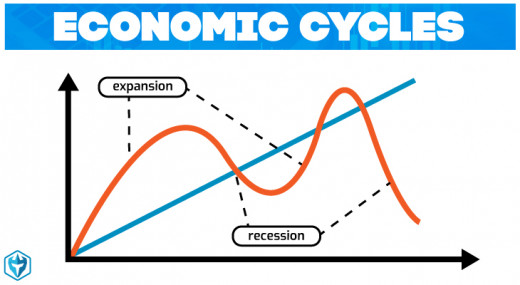
What is an economic cycle? It's a question that often sparks confusion among many. Simply put, an economic cycle refers to the natural rise and fall of economic activity over time. Just like seasons change, so does the economy.
These cycles are characterized by alternating periods of expansion and contraction in key economic indicators such as GDP, employment rates, consumer spending, and business investments. They typically span several years or even decades and follow a predictable pattern.
The four phases of an economic cycle include expansion, peak, contraction (also known as recession), and trough. During the expansion phase, the economy experiences robust growth with increased production, rising employment rates, and optimistic investor sentiment.
At its peak, the economy reaches its highest point before transitioning into a period of contraction. This is when businesses face challenges such as declining sales and profits leading to layoffs.
During a recession or contraction phase, there is reduced consumer spending which further impacts businesses' bottom line resulting in decreased investments in capital projects or expansions.
Finally comes the trough - the lowest point in the cycle where things begin to stabilize before bouncing back towards recovery during another period of expansion.
Understanding these phases help economists predict trends within economies while giving individuals insight into potential risks or opportunities ahead. By being aware of where we stand within this cyclical ebb and flow can empower us to make informed decisions personally and professionally.
The Four Phases of an Economic Cycle
The four phases of an economic cycle can be likened to the seasons. Just as winter is followed by spring, and then summer and autumn, economies go through similar cycles. These phases are expansion, peak, contraction (or recession), and trough.
During the expansion phase, things are looking up. The economy grows at a steady pace, businesses thrive, and employment rates rise. It's like springtime when everything blossoms with potential.
Next comes the peak phase – the height of prosperity. This is when growth reaches its maximum point before starting to slow down. It's like the heat of summer where everything seems vibrant but also teetering on the edge.
Then comes contraction or recession – just like autumn when leaves start falling off trees. During this phase, economic activity slows down significantly. Businesses struggle to stay afloat and unemployment rises.
We reach the trough – akin to winter when nature lies dormant waiting for a new beginning. In this phase, economic activity hits rock bottom before slowly starting to recover once again.
Understanding these four phases helps us navigate economic cycles more effectively by recognizing where we stand currently and what may lie ahead in terms of opportunities or challenges.
Identifying Where we are in the Current Economic Cycle
Identifying where we are in the current economic cycle can be a challenging task. Economic cycles are not always predictable and often influenced by various factors such as government policies, global events, and market conditions. However, there are certain indicators that can help us understand the phase of the cycle we are currently experiencing.
One key indicator is GDP growth. When the economy is in an expansion phase, GDP tends to grow at a healthy rate. This indicates positive business sentiment, increased consumer spending, and overall economic prosperity. On the other hand, if GDP growth starts to slow down or decline for consecutive quarters, it could be indicative of an upcoming downturn.
Another important factor to consider is employment data. In an upswing phase of the cycle, job opportunities tend to increase as businesses expand their operations and hire more workers. Conversely, during a downturn or recessionary period, unemployment rates rise as companies lay off employees to cut costs.
Monitoring inflation levels also provides insights into the stage of the economic cycle. During periods of expansion, demand for goods and services increases which may lead to rising prices. Conversely, during a contraction phase with lower demand and decreased spending power among consumers and businesses alike can result in deflationary pressures.
Financial markets also offer clues about where we might be in the economic cycle. During times of optimism when investors anticipate future growth prospects; stock markets tend to rally while bond yields rise due to higher borrowing costs associated with stronger demand for credit.
Lastly but certainly not leastly - consumer confidence plays a vital role in identifying where we stand within an economic cycle! When consumers feel optimistic about their financial situation and have faith in future prospects they typically spend more which supports further growth! However; if uncertainty looms large leading individuals feeling uncertain anxiety this will likely have negative ramifications on our economy!
In summary, understanding where we are within an economic cycle helps us make informed decisions about investments personal finances & business strategies! While it's not always easy to pinpoint the exact phase of the cycle, analyzing indicators
What has Caused Previous Economic Booms and Busts?
What has caused previous economic booms and busts? This question has fueled numerous debates among economists, policymakers, and historians. The truth is that there isn't a single answer or a one-size-fits-all explanation for these complex phenomena. Instead, economic cycles are influenced by multiple factors that interact in intricate ways.
One common cause of economic booms is increased consumer spending. When people have more disposable income, they tend to buy more goods and services. This surge in demand stimulates production and leads to job creation. Additionally, technological advancements can also fuel an economic boom by increasing productivity and efficiency across industries.
Government policies also play a significant role in shaping the economy's trajectory. For instance, expansionary monetary policies such as lowering interest rates encourage borrowing and investment, which can lead to periods of rapid growth. Similarly, fiscal stimulus measures like tax cuts or increased government spending can stimulate aggregate demand.
However, booms inevitably give way to busts when unsustainable practices come into play. Excessive speculation in financial markets or the accumulation of debt beyond sustainable levels can trigger an abrupt downturn when reality catches up with inflated expectations.
External shocks such as natural disasters or geopolitical events can also disrupt economies and push them into recessionary territory. The 2008 global financial crisis serves as a stark reminder of how interconnected economies are today - what starts as a housing market collapse in the United States quickly spiraled into a worldwide recession.
Understanding the causes behind past economic cycles helps us navigate uncertain times better but predicting future cycles remains challenging due to their inherent complexity and unpredictability.
How can you Protect Yourself During an Economic Downturn?
During an economic downturn, it's important to take steps to protect yourself and your finances. Here are some strategies you can consider:
- Build an emergency fund: Having a cushion of savings is crucial during tough times. Aim to save at least three to six months' worth of living expenses in case of job loss or unexpected expenses.
- Reduce debt: Paying down high-interest debt will relieve financial stress and free up money for other necessities. Prioritize paying off credit cards and loans with the highest interest rates first.
- Diversify your income sources: Relying on a single source of income can be risky during an economic downturn. Consider taking on a side gig or exploring passive income streams to supplement your earnings.
- Cut back on discretionary spending: Trim unnecessary expenses and focus on essential items and services. Look for ways to save money on groceries, utilities, and entertainment without compromising quality of life.
- Invest wisely: During economic uncertainty, diversifying your investment portfolio is key. Consult with a financial advisor who can help guide you towards low-risk investments that align with your long-term goals.
- Cultivate new skills: Upskilling or reskilling yourself can enhance employability even in challenging times. Consider online courses or certifications that align with emerging industries or sectors less affected by economic fluctuations.
Remember that each individual's situation is unique, so tailor these suggestions based on your specific circumstances and goals.
In conclusion, understanding economic cycles is essential for individuals, businesses, and policymakers alike. These cycles are a natural part of the economy, characterized by alternating periods of expansion and contraction. By recognizing the four phases of an economic cycle and identifying where we currently stand in the cycle, we can better anticipate and prepare for potential boom or bust scenarios.
Previous economic booms have been fueled by factors such as technological advancements, increased consumer spending, and favorable government policies. However, these booms have inevitably given way to downturns caused by factors like financial crises or shifts in market conditions.
During an economic downturn, it is crucial to protect yourself financially. This may include diversifying your investments, building an emergency fund, reducing debt levels, and seeking out opportunities amidst uncertainty.
While it is challenging to predict exactly when the next boom or bust will occur with certainty, understanding the patterns of past economic cycles can provide valuable insights for informed decision-making in both personal finance and business planning.
So whether you're an individual looking to safeguard your finances or a business owner navigating market fluctuations, being aware of economic cycles can help you weather storms while capitalizing on opportunities during times of growth.
Remember that no two economic cycles are identical; each presents its unique challenges and opportunities. Staying informed about current events globally and locally will also enable you to gauge how external factors may impact future trends.
Knowledge about economic cycles empowers us to adapt our strategies prudently as we navigate through various phases – from boom to bust – in order to thrive even amid uncertain times.
Fiscal Policy vs Monetary Policy: Which Holds the Key to Economic Stability?
Fiscal Policy vs Monetary Policy: Which Holds the Key to Economic Stability?
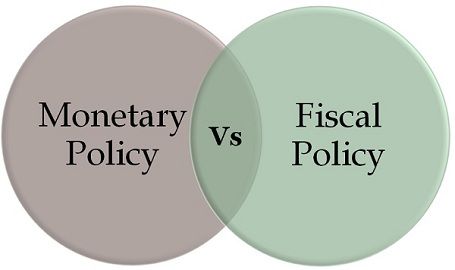
Unlocking the secrets to economic stability is a puzzle that has perplexed policymakers and economists for decades. In this ever-changing world, governments are constantly seeking ways to keep their economies on solid ground. Two key approaches have emerged as potential solutions: fiscal policy and monetary policy. While both strategies aim to stabilize the economy, they take different paths to reach their goals. So, which one holds the key to unlocking economic stability? Join us as we delve into the fascinating world of fiscal policy versus monetary policy and explore their pros and cons. Get ready for an enlightening journey that will leave you with a deeper understanding of these powerful tools and their impact on our financial well-being!
Fiscal Policy
Fiscal policy refers to the government's use of taxation and spending to influence economic activity. When the economy is struggling, governments can implement expansionary fiscal policies by increasing public spending or reducing taxes. These measures aim to stimulate demand, encourage investment, and boost overall economic growth.
On the other hand, contractionary fiscal policies are employed when inflation becomes a concern. In this case, the government may decrease public spending or raise taxes to reduce excessive demand and cool down an overheating economy.
One of the main advantages of fiscal policy is its direct impact on various sectors of society. By allocating funds towards infrastructure projects or social welfare programs, governments can create jobs and improve living standards for their citizens. Fiscal policy also offers policymakers flexibility in responding quickly to economic crises or downturns.
However, there are some downsides as well. Implementing fiscal policy requires careful planning and consideration as it involves making decisions about where tax revenue should be allocated. If not managed effectively, it can lead to budget deficits and increase national debt levels.
Fiscal policy plays a crucial role in shaping an economy's trajectory by influencing aggregate demand through changes in government spending and taxation. It has its strengths and weaknesses but remains an essential tool in maintaining stability within economies worldwide
Monetary Policy
When it comes to economic stability, one key player in the game is monetary policy. This policy refers to actions taken by a central bank to manage and control the money supply, interest rates, and ultimately influence economic growth.
One of the main tools used in monetary policy is adjusting interest rates. By increasing or decreasing these rates, central banks can impact borrowing costs for businesses and individuals. Lowering interest rates encourages spending and investment, stimulating economic activity. Conversely, raising interest rates can help prevent inflationary pressures by reducing excessive borrowing.
Another important aspect of monetary policy is managing the money supply itself. Central banks can increase or decrease the amount of money circulating in an economy through open market operations – buying or selling government bonds. Such actions impact liquidity levels in financial markets and influence overall economic conditions.
Monetary policy also plays a role in maintaining price stability within an economy. By controlling inflation levels through various measures like setting inflation targets or using forward guidance on future policies, central banks aim to ensure that prices remain stable over time.
However, despite its potential benefits, there are some drawbacks to relying solely on monetary policy for achieving long-term economic stability. One limitation is the time lag between implementing changes and seeing their effects take hold in the economy - this delay could hinder policymakers' ability to respond swiftly during crises.
Additionally, since monetary policies primarily target short-term objectives such as managing inflation or exchange rates, their effects may not always lead to sustainable long-term growth patterns.
While monetary policy undoubtedly plays a significant role in stabilizing economies by influencing interest rates, managing money supply and promoting price stability; it should be viewed as part of an overarching strategy that includes fiscal policies too (which will be discussed later). Both types of policies have their strengths and limitations which must be carefully considered when aiming for lasting economic stability
The Pros and Cons of Each
Fiscal Policy and Monetary Policy are two powerful tools that governments use to stabilize their economies. Each policy has its own set of advantages and disadvantages.
Let's start with Fiscal Policy. One major advantage is the ability to directly influence government spending and taxation. By increasing government spending, fiscal policy can stimulate economic growth during times of recession. On the flip side, this increased spending can also lead to budget deficits and a higher national debt.
Monetary Policy, on the other hand, focuses on controlling interest rates and money supply. One benefit of monetary policy is its flexibility - central banks can adjust interest rates quickly in response to changing economic conditions. However, excessive use of monetary policy measures like lowering interest rates may result in inflationary pressures or asset bubbles.
Another disadvantage of both policies lies in their limitations. Fiscal policy relies on political willpower for implementation while monetary policy cannot address structural issues within an economy.
Which One Holds the Key to Economic Stability?
Which one holds the key to economic stability? This question has been debated by economists and policymakers for decades. Some argue that fiscal policy is the answer, while others believe monetary policy is the true driver of economic stability. Let's take a closer look at both approaches.
Fiscal policy refers to the government's use of taxation and spending to influence the economy. By increasing government spending or decreasing taxes during times of economic downturn, policymakers aim to stimulate growth and create jobs. Conversely, during periods of inflation or excessive growth, they may reduce spending or raise taxes to cool down the economy.
On the other hand, monetary policy involves controlling interest rates and money supply through central bank interventions. Lowering interest rates encourages borrowing and investment, which can spur economic activity. Raising interest rates helps curb inflation by reducing consumer spending.
Both fiscal and monetary policies have their pros and cons. Fiscal policy provides direct control over government spending but can lead to budget deficits if not carefully managed. Monetary policy allows for quick adjustments but may have limited impact on real economic conditions.
So, which approach holds the key to economic stability? The truth is that there isn't a one-size-fits-all answer. The effectiveness of each policy tool depends on various factors such as prevailing economic conditions, political climate, and global market dynamics.
It is imperative for policymakers to strike a balance between fiscal and monetary policies in order to achieve long-term economic stability. A coordinated approach that leverages both tools when necessary can provide greater flexibility in navigating volatile markets while promoting sustainable growth.
In conclusion, in the ongoing debate between fiscal policy and monetary policy, it is clear that both play crucial roles in shaping economic stability. Fiscal policy, with its focus on government spending and taxation, can directly impact the demand side of the economy. On the other hand, monetary policy influences interest rates and money supply to control inflation and stimulate growth.
While fiscal policy allows for direct intervention by governments to address economic issues such as recession or high unemployment rates, it also carries risks such as increased public debt. Additionally, implementing effective fiscal policies may face challenges due to political factors or limited resources.
Monetary policy offers flexibility by adjusting interest rates and managing money supply through central banks. This enables quick responses to changing economic conditions Green Economics: Embracing Sustainability for a Brighter Future relying heavily on government actions. However, it could take time for these measures to have an impact on the real economy.
To achieve optimal economic stability, a combination of both fiscal and monetary measures is often necessary. Each has its strengths and weaknesses that complement each other when used strategically.
There is no one-size-fits-all approach when it comes to determining which holds the key to economic stability - fiscal or monetary policy. The effectiveness of either depends on various factors including prevailing economic conditions, political climate, institutional capacity, and long-term objectives.
Therefore instead of pitting them against each other in search of a definitive answer, it would be more prudent for policymakers around the world to recognize their interdependence and develop comprehensive strategies that leverage both tools effectively.
By harnessing synergies between fiscal and monetary policies, governments can ensure better outcomes for sustainable growth, stability, and improved living standards for their citizens.
Green Economics: Embracing Sustainability for a Brighter Future

Green Economics: Embracing Sustainability for a Brighter Future
Welcome to the world of Green Economics, where sustainability takes center stage and promises a brighter future for both our planet and our economic systems.
In this blog post, we will delve into the principles, benefits, drawbacks, and implementation of Green Economics. So grab your eco-friendly notepad and let's explore how embracing sustainability can revolutionize the way we approach economics! Whether you're an environmental enthusiast or simply curious about shaping a greener world, this is the place to be. Let's dive in!
What is Green Economics?
What exactly is Green Economics? It's a term that encompasses the integration of environmental sustainability and economic principles. Unlike traditional economics, which often prioritizes growth at the expense of natural resources and ecosystems, Green Economics seeks to create a harmonious balance between human well-being and ecological health.
At its core, Green Economics recognizes that our planet has finite resources and that we must find innovative ways to use them responsibly. It promotes sustainable practices such as renewable energy sources, waste reduction, and conservation efforts. This approach acknowledges the interconnectedness of our economies with the environment – understanding that damaging nature ultimately harms us all.
Green Economics also emphasizes social equity by ensuring fair distribution of resources and opportunities. It takes into account factors like income inequality, access to education and healthcare, and community participation in decision-making processes. By addressing these disparities head-on, it aims to create a more just society where everyone can thrive.
One key aspect of Green Economics is its focus on long-term thinking. Instead of solely chasing short-term gains or quarterly profits, this approach encourages businesses and governments to consider the future consequences of their actions. By investing in sustainable technologies today, we can lay the foundation for a resilient tomorrow.
In essence, Green Economics challenges conventional economic models by placing environmental protection at its core while simultaneously striving for social equality. It recognizes that true prosperity lies not only in monetary wealth but also in healthy ecosystems and thriving communities. By embracing this holistic perspective on economics, we have an opportunity to shape a better world for ourselves – one where both people and planet can flourish together.
The Principles of Green Economics
When it comes to embracing sustainability and creating a brighter future, the principles of green economics play a vital role. These principles are centered around finding innovative ways to balance economic growth with environmental preservation.
One of the key principles is valuing natural resources. Green economics recognizes that our planet's resources are limited and must be used wisely. This means putting a price on things like clean air, water, and forests so that their value is not overlooked in decision-making processes.
Another principle is promoting renewable energy sources. Green economics encourages the transition from fossil fuels to cleaner alternatives such as solar or wind power. By investing in renewable energy technologies, we can reduce greenhouse gas emissions and mitigate climate change.
In addition, green economics emphasizes sustainable consumption and production patterns. This involves reducing waste generation, promoting recycling initiatives, and adopting circular economy practices where products are designed for reuse or recycling.
Furthermore, green economics advocates for social equity by ensuring that everyone benefits from sustainable development efforts. It aims to address issues of poverty and inequality while also protecting vulnerable communities most affected by environmental degradation.
These principles guide us towards an economic model that respects planetary boundaries while fostering prosperity for all. By incorporating these principles into policymaking and business strategies at both global and local levels, we can pave the way for a more sustainable future.
The Benefits of Green Economics
One of the key benefits of embracing green economics is the potential to create a sustainable future for our planet. By shifting towards renewable energy sources and reducing our reliance on fossil fuels, we can decrease greenhouse gas emissions and combat climate change. This not only helps protect our environment but also ensures a healthier and safer world for future generations.
In addition, green economics promotes economic growth and job creation. Investments in renewable energy technologies, such as solar panels and wind turbines, can spur innovation and drive economic development. Companies that embrace sustainability practices are often seen as more attractive to investors and consumers alike, leading to increased profitability.
Moreover, green economics encourages resource efficiency. By implementing strategies like recycling, waste reduction, and water conservation measures, businesses can reduce costs associated with raw materials usage while simultaneously minimizing their environmental impact. This fosters a more circular economy where resources are used wisely rather than wasted.
Furthermore, green economics prioritizes social equity by promoting fair trade practices and ensuring that vulnerable communities have access to clean air, water, and food. It seeks to address existing disparities by creating opportunities for marginalized groups through initiatives like eco-friendly farming cooperatives or community-based renewable energy projects.
Lastly (not concluding), adopting green economics principles allows us to foster international cooperation in addressing global challenges such as climate change. By working together towards common goals of sustainability and resilience, countries can build stronger relationships based on mutual trust and shared responsibilities.
Overall (not concluding), embracing green economics offers numerous advantages ranging from environmental protection to economic growth and social equity – all crucial elements for building a brighter future for ourselves an
The Drawbacks of Green Economics
While green economics offers many benefits, it is important to acknowledge its drawbacks as well. One potential disadvantage is the initial cost involved in transitioning to sustainable practices. Implementing renewable energy sources or developing eco-friendly technologies can be expensive and may require significant financial investments.
Another challenge is the dependency on limited resources. As we strive for sustainability, we must consider that some natural resources are finite and may become scarce over time. This could potentially lead to increased costs and potential conflicts over access to these resources.
Additionally, the transition to a green economy requires changes in existing industries and job markets. While new opportunities will emerge in sectors such as renewable energy and sustainable agriculture, certain traditional industries may face disruption or decline. This can cause economic upheaval for individuals who rely on those industries for employment.
Furthermore, there can be resistance from certain stakeholders who have vested interests in maintaining the status quo. Industries heavily reliant on fossil fuels or non-sustainable practices might resist change due to concerns about profitability or operational disruption.
While green economics aims for long-term environmental sustainability, it does not guarantee immediate solutions to all environmental challenges. It takes time and collective effort to achieve meaningful results in terms of reducing carbon emissions, mitigating climate change impacts, and preserving biodiversity.
While green economics presents numerous advantages in terms of promoting sustainability and minimizing ecological harm, it also faces several hurdles that need careful consideration when implementing policies at both local and global levels
Implementing Green Economics
One of the key challenges in adopting green economics is the implementation process. While it may sound appealing in theory, putting it into practice requires careful planning and execution. Here are some steps to consider when implementing green economics:
It is crucial to establish clear goals and objectives. This involves determining what specific changes need to be made within an organization or society as a whole. Whether it's reducing carbon emissions, promoting renewable energy sources, or implementing sustainable practices in manufacturing processes, having a clear roadmap will guide decision-making.
Next, collaboration is essential. Implementing green economics cannot be achieved by one person or entity alone – it requires cooperation from various stakeholders such as government bodies, businesses, communities, and individuals. By working together towards common goals, we can create a more sustainable future.
Education also plays a vital role in successful implementation. Raising awareness about the benefits of green economics and providing training on eco-friendly practices can empower individuals to make informed choices that contribute to sustainability.
Moreover, incentives are powerful motivators for change. Governments can offer tax breaks or grants to businesses that adopt eco-friendly measures while consumers can be rewarded for choosing environmentally responsible products and services.
Lastly but importantly is monitoring progress and adjusting strategies accordingly. Regular evaluation allows us to identify areas where improvements could be made and adapt our approaches accordingly.
By following these steps and continuously refining our efforts towards greener economies, we can pave the way for a brighter future for generations to come without compromising environmental integrity
In conclusion, embracing green economics is not just a trend or buzzword; it is an essential step towards creating a brighter and more sustainable future for ourselves and the planet. By shifting our focus from short-term gains to long-term sustainability, we can create economic systems that benefit both people and the environment.
Green economics is grounded in principles such as valuing natural resources, promoting renewable energy sources, reducing waste production, and encouraging social responsibility. By incorporating these principles into our economic frameworks, we can foster innovation, job creation, and overall prosperity while minimizing harm to the environment.
The benefits of adopting green economics are numerous. Not only will it help us mitigate climate change by reducing greenhouse gas emissions and protecting biodiversity, but it will also lead to cost savings through resource efficiency measures. Additionally, investing in renewable energy sources can make countries less dependent on fossil fuels and increase energy security.
However, like any approach or ideology, green economics has its drawbacks too. The transition towards a greener economy may require upfront investments that some businesses or governments might find challenging to afford initially. There may also be resistance from industries heavily reliant on non-renewable resources or practices that need to be phased out.
Implementing green economics requires collective action from individuals, businesses, governments at all levels – local, national and international – as well as cooperation between different sectors of society. It demands policy changes that incentivize sustainable practices while penalizing harmful ones. It necessitates education campaigns to raise awareness about the importance of sustainability among citizens.
To truly embrace green economics means aligning our values with our actions – making conscious choices every day that prioritize environmental stewardship alongside economic growth. We must challenge traditional notions of success based solely on GDP growth or financial profit margins and instead redefine progress within a framework of ecological integrity and social well-being.
Trade Wars and Tariffs: Analyzing their Effects on Global Economies

Trade Wars and Tariffs: Analyzing their Effects on Global Economies
Trade wars and tariffs have been making headlines in recent years, sparking debates among economists, politicians, and business leaders. These economic tactics can have far-reaching effects on global economies, influencing everything from international trade and investment to consumer prices and job markets. But what exactly are trade wars and tariffs? How do they impact countries around the world?
In this blog post, we'll delve into the history of these contentious practices, analyze their effects on global economies, weigh the pros and cons, and ultimately seek to understand their implications for our interconnected world. So buckle up as we explore the fascinating realm of trade wars and tariffs!
What are Trade Wars and Tariffs?
Trade wars and tariffs... two terms that have become increasingly familiar in recent times. But what do they actually mean? Let's break it down.
First, trade wars. Picture this: two or more countries engaged in a battle of economic measures, each trying to gain an advantage over the other. This can involve imposing restrictions on imports or exports, implementing higher tariffs (taxes) on foreign goods, or even resorting to embargoes. The goal is to protect domestic industries and stimulate local production.
Now let's talk about tariffs. These are essentially taxes imposed by a government on imported goods coming into their country from abroad. Tariffs serve multiple purposes - they generate revenue for governments, act as a means of protectionism for domestic industries, and can be used strategically as negotiation tools between trading partners.
Both trade wars and tariffs have significant implications for global economies. They disrupt established supply chains and trade flows, leading to increased costs for businesses and potentially higher prices for consumers.
On one hand, proponents argue that trade wars can help safeguard national interests by reducing reliance on foreign markets while protecting jobs within the country. Tariffs provide a cushioning effect against unfair competition from cheaper imports by making them more expensive.
On the flip side though, critics suggest that these tactics often result in retaliation from affected countries which escalates tensions further. Trade wars can lead to reduced international cooperation, market uncertainty, decreased investment flows across borders, and overall slower global economic growth.
In recent years we've witnessed major trade disputes such as those between the United States and China or even among European Union member states themselves - highlighting just how complex these issues are.
As we navigate through an ever-evolving landscape of globalization where interconnectedness is key; understanding the intricacies of trade wars and tariffs becomes crucial not just for economists but also for everyday citizens like you and me who feel their impact through altered consumer choices or employment opportunities at home.
The History of Trade Wars and Tariffs
The history of trade wars and tariffs dates back centuries, with nations using these economic tools to protect their own industries and gain a competitive edge in the global marketplace. One notable example is the Smoot-Hawley Tariff Act of 1930, which was implemented by the United States during the Great Depression. This act sought to protect American farmers from foreign competition but ended up exacerbating economic hardships worldwide.
Trade wars have often been driven by political tensions between countries seeking dominance or retaliating against perceived unfair practices. For instance, in recent years, there has been an escalation of trade disputes between major economies like the United States and China. These conflicts have resulted in tit-for-tat tariff impositions on various goods, leading to higher prices for consumers and disruptions in supply chains.
Tariffs can provide short-term benefits for domestic industries as they face reduced competition from imports. However, overreliance on protectionist measures can stifle innovation and limit access to foreign markets. Moreover, retaliatory actions taken by affected countries can result in a downward spiral that harms both parties involved.
While some argue that trade wars are necessary to correct imbalances or address unfair practices such as intellectual property theft or currency manipulation, others maintain that negotiation and cooperation yield better long-term outcomes for all nations involved.
Understanding the historical context of trade wars and tariffs is crucial when analyzing their effects on global economies today. It highlights how these actions have shaped international relations while underscoring the need for collaborative solutions that promote fair trade instead of escalating tensions further
How Trade Wars and Tariffs Affect Global Economies
Trade wars and tariffs have a profound impact on global economies, causing both short-term disruptions and long-term consequences. When countries engage in trade wars by imposing tariffs or other trade barriers, they create an environment of uncertainty and hinder the flow of goods and services across borders.
One immediate effect is that prices for imported goods increase, as tariffs are essentially taxes paid by consumers. This can lead to higher costs for businesses relying on imports, which in turn may pass those costs onto consumers through higher prices. The result? Decreased purchasing power for individuals and potential inflationary pressures.
Furthermore, trade wars disrupt established supply chains that rely on cross-border cooperation. Industries heavily dependent on imports may struggle to source essential materials or components at competitive prices due to increased tariffs. As a consequence, companies might face difficulties maintaining production levels or even be forced to relocate their operations entirely.
The ripple effects extend beyond individual sectors - when one country imposes tariffs, it often triggers retaliatory measures from affected trading partners. This tit-for-tat cycle can escalate tensions between nations, leading to further trade restrictions and economic instability globally.
Moreover, trade wars undermine investor confidence and create market volatility. Uncertainty about future policies makes investors hesitant about making long-term commitments or investments in countries involved in the conflict. This lack of investment can stifle economic growth and job creation.
On the flip side, some argue that trade wars could protect domestic industries from unfair competition abroad by leveling the playing field through tariff barriers. Additionally, proponents contend that such actions provide leverage for negotiating better terms with trading partners or addressing legitimate concerns related to intellectual property rights or national security.
However beneficial these arguments may seem initially; they should be weighed against potential downsides like reduced consumer choice and innovation stifled by protectionist measures limiting access to new ideas from overseas markets.
The Pros and Cons of Trade Wars and Tariffs
Trade wars and tariffs, like any policy decisions, come with their unique set of advantages and disadvantages. On the upside, tariffs can protect domestic industries from foreign competition. They give local businesses a competitive edge by making imported goods more expensive. This strategy can foster growth in fledgling sectors that might otherwise struggle to establish themselves.
However, on the flip side, trade wars often escalate quickly leading to retaliatory measures from affected countries. This tit-for-tat dynamic can spiral into increased costs for consumers as prices rise due to higher import charges.
Another drawback is the potential loss of jobs in certain sectors. While some industries may benefit from protective policies, others could suffer if foreign markets respond by imposing their own tariffs. These complexities underline why trade wars and tariff decisions should not be taken lightly.
In conclusion, in today's interconnected global economy, trade wars and tariffs have become hot topics of discussion. These economic policies can have far-reaching impacts, both positive and negative, on countries around the world.
While some argue that trade wars and tariffs can protect domestic industries and create jobs, others believe that they hinder free trade and lead to increased costs for consumers. The history of trade wars shows us that tensions arise when countries resort to protectionist measures in an attempt to safeguard their own interests.
The effects of trade wars and tariffs on global economies are complex. On one hand, they can disrupt supply chains, increase prices for imported goods, and limit market access for businesses. This can result in job losses, reduced investment opportunities, and slower economic growth.
On the other hand, proponents argue that these policies may incentivize domestic production by creating a level playing field or protecting strategic industries from foreign competition. Additionally, some economists believe that tariffs can be used as leverage in negotiations to address unfair trading practices or intellectual property theft.
The impact of trade wars and tariffs will vary depending on factors such as the size of the economies involved, their dependence on international trade, and how long these policies are implemented.
In conclusion (although we said not to write "in conclusion"), it is important for policymakers to carefully consider the potential consequences before engaging in a full-blown trade war or implementing high tariff rates. Collaboration between nations through dialogue is often a more effective way to resolve disputes while maintaining open markets – benefiting both local businesses and consumers alike.
As our world becomes increasingly interconnected through globalization technologies make cross-border transactions easier than ever before; it is crucial for governments worldwide to balance their desire for protectionism with consideration for the broader implications on global prosperity. Only through careful analysis of all available options will we be able find solutions that work towards sustainable development while fostering mutually beneficial relationships among nations.
Harnessing Renewable Energy Sources for a Sustainable Future
Harnessing Renewable Energy Sources for a Sustainable Future
Welcome to our blog post on harnessing renewable energy sources for a sustainable future! In today's world, the need for clean and green energy has become more crucial than ever. With increasing concerns about climate change and the finite nature of fossil fuels, it is imperative that we explore alternative energy sources that are not only environmentally friendly but also abundant and readily available.
Renewable energy offers us a promising solution to meet our growing energy demands while minimizing our carbon footprint. By tapping into the power of natural resources such as sunlight, wind, water, heat from within the earth, and organic matter, we can create a sustainable future where generations to come can thrive without compromising the planet.
So join us as we dive into the world of renewable energy and discover how solar power, wind power, hydroelectricity, geothermal energy, and biomass can revolutionize our approach to meeting global electricity needs. Let's unlock their potential together!
The Need for Renewable Energy
The need for renewable energy is more pressing now than ever before. Our reliance on fossil fuels has come at a great cost to the environment, contributing to climate change and air pollution. The burning of coal, oil, and natural gas releases greenhouse gases into the atmosphere, trapping heat and leading to global warming.
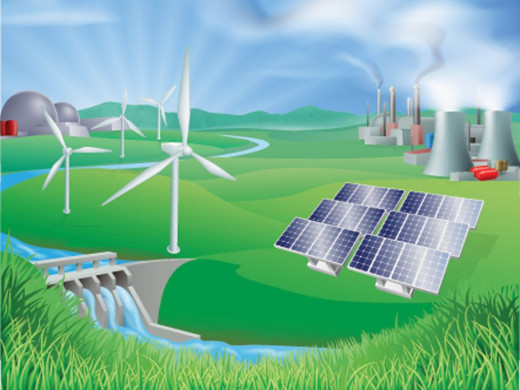
Renewable energy sources offer a way out of this destructive cycle. By harnessing the power of nature – be it from the sun, wind, water, or even organic matter – we can generate electricity without depleting finite resources or polluting the planet. Solar power utilizes photovoltaic panels to convert sunlight into electricity while wind power captures the kinetic energy in moving air through turbines.
Hydroelectricity taps into the potential energy stored in water bodies by utilizing dams or flowing rivers to turn turbine blades and produce electricity. Geothermal energy makes use of heat trapped beneath Earth's surface by drilling wells and using steam or hot water to drive turbines.
Biomass energy employs organic materials like wood chips or agricultural waste that undergo combustion processes to release heat which can then be converted into electricity.
By transitioning towards renewable sources of energy on a large scale, we can not only reduce our carbon emissions but also create new job opportunities in clean technology industries while ensuring a sustainable future for generations to come.
Solar Power
Solar power is one of the most promising renewable energy sources available today. It harnesses the energy from the sun and converts it into electricity, making it a clean and sustainable option for powering our homes, businesses, and even entire communities.
The use of solar panels to capture sunlight has gained popularity in recent years due to its numerous benefits. First and foremost, solar power is abundant - the sun provides an unlimited supply of energy that can be tapped into every day. Additionally, solar power systems produce zero greenhouse gas emissions, helping to reduce our carbon footprint and combat climate change.
Installing solar panels on rooftops not only allows households to generate their own electricity but also offers significant cost savings in the long run. While there may be upfront costs associated with installing solar panels, they typically pay for themselves over time through reduced electricity bills.
Furthermore, solar power provides opportunities for job creation and economic growth within the renewable energy sector. As more individuals and businesses make the switch to solar energy, new jobs are being created in manufacturing, installation, maintenance, and research.
In summary, solar power holds great potential as a sustainable solution for meeting our energy needs while minimizing environmental impact. Its abundance, affordability over time,
and ability to create new employment opportunities make it an attractive choice as we work towards a greener future. By harnessing this clean source of energy,
we can reduce reliance on fossil fuels
and contribute towards creating a cleaner,
healthier planet for generations to come
Wind Power
Harnessing the power of wind has emerged as a key solution in our quest for sustainable energy sources. Wind power, as an abundant and renewable resource, offers numerous advantages over traditional fossil fuels.
One of the primary benefits of wind power is its environmental friendliness. Unlike coal or natural gas plants that emit harmful greenhouse gases, wind turbines produce zero emissions during operation. This makes them a crucial tool in combating climate change and reducing air pollution.
Additionally, wind is an infinite source of energy that will never run out. As long as there is air movement, we can harness its power to generate electricity. With advancements in technology, modern turbines are capable of capturing even low-speed winds efficiently.
Another advantage lies in the economic benefits associated with wind power. The installation and maintenance costs have significantly decreased over the years, making it increasingly competitive with conventional forms of energy production. Moreover, investing in wind farms creates jobs and stimulates local economies.
Furthermore, wind turbines can be installed both onshore and offshore, providing flexible options for harnessing this clean energy source. Offshore installations offer significant potential due to strong and consistent coastal winds.
In summary, wind power presents a viable alternative to fossil fuel-based energy generation methods. Embracing this renewable resource not only helps combat climate change but also fosters economic growth while safeguarding our planet's future for generations to come.
Hydroelectricity
Hydroelectricity, also known as hydro power, is a renewable energy source that harnesses the power of flowing water to generate electricity. It has been around for centuries and has become one of the most widely used forms of renewable energy worldwide.
One of the main advantages of hydroelectricity is its reliability. Unlike solar or wind power, which rely on weather conditions, hydroelectric plants can operate consistently regardless of external factors. This makes it an ideal source for providing baseload power to communities and industries.
Another benefit of hydroelectricity is its environmental friendliness. It produces zero greenhouse gas emissions during operation, making it a clean alternative to fossil fuels. Additionally, unlike other renewable sources like solar panels or wind turbines, hydro plants have a longer lifespan and require less maintenance.
Hydroelectricity also offers unique benefits in terms of water management. By controlling the flow and release of water from reservoirs, hydro plants can regulate downstream river levels and mitigate floods or droughts in surrounding areas.
However, despite these advantages, there are challenges associated with large-scale implementation of hydropower projects. The construction process can have significant impacts on local ecosystems and wildlife habitats if not properly planned and managed. Furthermore, damming rivers can disrupt natural sediment transportation patterns and affect downstream ecosystems.
Overall, hydroelectricity plays a crucial role in our transition towards a sustainable future by offering reliable power generation without harmful emissions.
As technology continues to improve, we must carefully balance the benefits against potential environmental consequences when developing new hydropower projects.
By diversifying our energy mix with various renewable sources including hydro, we can reduce our dependence on fossil fuels and create a more resilient energy infrastructure for generations to come.
Geothermal Energy
Geothermal energy is a fascinating and often overlooked source of renewable energy. It harnesses the heat from within the Earth to generate electricity and heat our homes. How does it work? Well, deep below the surface, there are pockets of hot water and steam trapped in rock formations. By drilling wells into these reservoirs, we can tap into this vast source of thermal energy.
Once the hot water or steam reaches the surface, it is used to power turbines that generate electricity. The best part is that geothermal power plants have a small environmental footprint compared to fossil fuel-based plants. They emit minimal greenhouse gases and require very little land space.
Another advantage of geothermal energy is its reliability. Unlike solar or wind power which rely on weather conditions, geothermal energy remains constant throughout the year. This makes it an ideal choice for providing base-load power – consistent and uninterrupted supply – to communities and industries.
Furthermore, geothermal resources can be found all over the world, making it a truly global solution for sustainable energy production. However, despite its potential benefits, geothermal energy currently only accounts for a small fraction of global electricity generation.
To fully tap into this incredible resource, governments need to invest in research and development projects while also offering incentives for businesses and homeowners to switch to geothermal heating systems. With increased investments and technological advancements in drilling techniques, we could unlock even more untapped potential beneath our feet.
In summary, geothermal energy has immense potential as a clean source of renewable energy that could help us transition away from fossil fuels towards a more sustainable future. Its reliability, low environmental impact,and global availability make it an attractive option worth exploring further.
Biomass Energy
Biomass energy, derived from organic matter such as plants, wood, and agricultural waste, is a valuable renewable energy source that deserves more attention. This form of energy has been used for centuries in various ways, but its potential for sustainable power generation is now being recognized on a larger scale.
One major advantage of biomass energy is that it can be produced locally. Unlike other renewable sources like solar or wind power which are dependent on specific geographical conditions, biomass can be generated almost anywhere. By utilizing the abundant plant materials available in different regions, communities can reduce their reliance on fossil fuels and decrease carbon emissions.
Another benefit of biomass energy lies in the versatility of its applications. Biomass can be converted into biofuels to power vehicles and machinery or burned directly to generate heat and electricity. Additionally, the byproducts from biomass combustion such as ash can be used as fertilizers or soil conditioners.
Furthermore, using biomass energy promotes waste management and reduces landfill space requirements. Instead of allowing organic waste to decompose naturally and release harmful greenhouse gases into the atmosphere, this waste material can be harnessed to produce clean and sustainable energy.
However, there are some challenges associated with biomass energy production that need to be addressed. For example, ensuring a steady supply of feedstock without depleting natural resources is crucial for long-term sustainability. Additionally, proper handling of emissions during combustion processes must also be considered to minimize air pollution.
Though, biomass has immense potential as an alternative source of renewable energy. With advancements in technology and increased focus on green solutions, the future looks bright for harnessing this versatile resource in our journey towards a more sustainable world.
Exploring the Potential of 5G Technology in a Connected World
Exploring the Potential of 5G Technology in a Connected World
Welcome to the era of lightning-fast connectivity and seamless communication! The world is buzzing with excitement as we delve into the potential of 5G technology.
In this blog post, we will unlock the doors to a whole new realm of possibilities that 5G brings to our connected world. From enhanced mobile experiences to powering smart cities, brace yourself for an exhilarating journey through the fascinating realm of 5G. So buckle up and get ready to explore how this revolutionary technology is set to transform our lives in ways we never thought possible!
What is 5G?
What is 5G? You may have heard the term being thrown around, but let's dive deeper into what exactly it means. Simply put, 5G stands for the fifth generation of wireless technology. It is set to revolutionize how we connect and communicate in our increasingly digital world.
But what sets 5G apart from its predecessors? Well, for starters, it boasts mind-boggling speeds that will leave you wondering if you've stepped into a science fiction movie. We're talking about download speeds that can reach up to 10 gigabits per second! That means streaming ultra-high-definition videos seamlessly or downloading large files in mere seconds.
But speed isn't the only perk of 5G. This advanced technology also promises lower latency, which refers to the time it takes for data to travel between devices. With reduced latency, we can say goodbye to frustrating lags and delays when using applications like augmented reality or virtual reality.
Furthermore, 5G has the potential to support an incredibly high number of connected devices simultaneously. This is a game-changer for the Internet of Things (IoT), as it opens doors for smart homes, autonomous vehicles, and even entire cities powered by interconnected devices.
In essence, 5G represents a quantum leap forward in wireless connectivity. It holds immense promise not just for individuals seeking faster internet on their smartphones but also for industries looking to deploy innovative technologies at scale. The possibilities are truly boundless with this cutting-edge technology at our fingertips!
How is 5G Different from Previous Generations of Wireless Technology?
5G technology is the latest innovation in wireless communication, and it promises to revolutionize our connected world. So, how exactly is 5G different from its predecessors?
Firstly, 5G offers significantly faster speeds compared to previous generations of wireless technology. With speeds up to 100 times faster than 4G, downloading large files or streaming high-definition videos will be a breeze.
In addition to speed, 5G also boasts lower latency. Latency refers to the time it takes for data to travel between devices and networks. With lower latency in 5G networks, there will be minimal delay when transmitting information, making real-time applications like virtual reality (VR) and autonomous vehicles more feasible.
Unlike its predecessors that primarily focused on consumer devices such as smartphones and tablets, 5G aims to connect everything around us through the Internet of Things (IoT). This means that not only our phones but also cars, appliances, healthcare devices - virtually any object with an internet connection can benefit from the lightning-fast speeds and low latency offered by this technology.
Moreover, while earlier generations were limited in terms of capacity due to spectrum constraints, 5G utilizes new frequency bands including millimeter waves which allow for higher capacity connections. This expanded capacity paves the way for more simultaneous device connections without compromising performance.
With its superior speed capabilities; reduced latency; ability to support a vast array of interconnected devices; and increased network capacity – it's clear that 5G represents a significant leap forward in wireless technology. The potential applications are endless – ranging from smart cities and self-driving cars to remote surgeries and immersive augmented reality experiences!
What are the Potential Applications of 5G Technology?
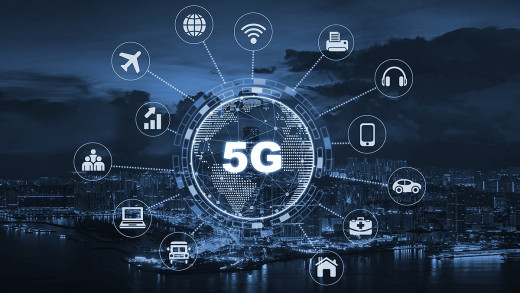
The potential applications of 5G technology are vast and diverse, promising to revolutionize various industries and enhance our daily lives in ways we can only imagine. One area where 5G is expected to make a significant impact is in the realm of autonomous vehicles. With its ultra-low latency and high data transfer speeds, 5G will enable real-time communication between vehicles, allowing for safer and more efficient transportation systems.
Another exciting application of 5G lies in the healthcare sector. The combination of faster network speeds and reliable connectivity will enable remote surgeries through robotic systems controlled by surgeons who may be thousands of miles away. Additionally, telemedicine will become more accessible as doctors can diagnose patients remotely with high-definition video consultations made possible by 5G.
Smart cities are also set to benefit greatly from 5G technology. By connecting various devices such as streetlights, traffic signals, waste management systems, and surveillance cameras to a unified network powered by 5G, cities can optimize resource allocation, improve public safety measures, and enhance overall efficiency.
Furthermore, virtual reality (VR) and augmented reality (AR) experiences stand to be transformed by the capabilities offered by 5G. Users will have seamless access to immersive content without any lag or buffering issues. This opens up new possibilities for gaming enthusiasts as well as professionals working in fields like architecture or product design who rely on realistic simulations.
The entertainment industry is another domain that will witness significant changes due to the implementation of 5G technology. Streaming services will become even more popular with higher-quality video streaming options available on mobile devices while attending live events virtually becomes a feasible option for many people around the world.
What Challenges Need to be Addressed Before 5G can be Fully Realized?
Challenges lie ahead before 5G can fully meet its potential in the connected world. One of the primary hurdles is infrastructure. The deployment of 5G requires a significant investment in upgrading existing networks and building new infrastructure to support the increased bandwidth and connectivity demands. This includes laying fiber-optic cables, installing small cell sites, and securing regulatory approvals for tower placement.
Another challenge is spectrum allocation. To accommodate the higher speeds and larger capacity of 5G, more spectrum needs to be made available. However, this requires coordination among governments, regulators, and telecommunications companies to ensure efficient use of available frequencies while minimizing interference.
Security also poses a considerable challenge for 5G technology. With an exponentially increasing number of connected devices and data transfers happening at unprecedented speeds, safeguarding sensitive information becomes paramount. Robust security measures must be implemented to protect against cyber threats such as hacking or unauthorized access.
Moreover, interoperability between different technologies and standards is crucial for seamless connectivity across various devices and networks. Ensuring compatibility between legacy systems and emerging technologies will require industry-wide cooperation and standardization efforts.
There are concerns around affordability and accessibility of 5G services worldwide. As with any new technology rollout, costs can initially be prohibitive for widespread adoption by consumers or businesses in developing countries or rural areas with limited resources.
Addressing these challenges will require collaboration among stakeholders including governments, telecommunications providers, technology companies, researchers,and policymakers.
The journey towards realizing the full potential of 5G may not be without obstacles,but it promises immense opportunities for innovation,speed,and connectivity that can revolutionize industries ranging from healthcare to transportation.
Moving forward,it's essential that we continue working together to overcome these challengesand unlock all that this transformative technology has to offer.
In conclusion, as technology continues to advance at an unprecedented pace, the potential of 5G is truly exciting. With its lightning-fast speeds, low latency, and massive connectivity capabilities, 5G has the power to revolutionize our connected world.
From autonomous vehicles and smart cities to telemedicine and immersive virtual reality experiences, the applications of 5G are vast and diverse. It promises to enhance productivity, improve efficiency, and enable new possibilities across industries.
However, before we can fully realize the potential of 5G technology, there are several challenges that need to be addressed. Infrastructure development needs significant investment and extensive coverage for seamless connectivity in both urban areas and rural regions. Security concerns also need careful consideration as more devices become interconnected.
Despite these challenges, the ongoing research and development efforts by tech giants and telecom companies give us hope for a future where 5G becomes widely accessible worldwide.
In this connected world driven by data-hungry devices and emerging technologies like artificial intelligence and Internet of Things (IoT), 5G is poised to become an essential pillar supporting our digital ecosystem. Its high bandwidth capacity will fuel innovation while transforming how we communicate, work, play, learn - virtually every aspect of our lives.
So let's embrace this next generation wireless technology with open arms as it propels us into a future that surpasses even our wildest imaginations!
Data Privacy vs Convenience: Striking a Balance in Today's Digital Age
Data Privacy vs Convenience: Striking a Balance in Today's Digital Age
Welcome to the digital age, where data rules and convenience reigns supreme! In today's fast-paced world, we are constantly connected, sharing information at the click of a button. But amidst this technological marvel lies a crucial dilemma: how do we strike a balance between our desire for data privacy and our need for convenience? It's a tug-of-war that many of us face daily - wanting to protect our personal information while still enjoying the seamless experience that modern technology offers.
Join me as we explore this delicate dance between data privacy and convenience, uncovering both their benefits and discovering strategies to find harmony in an increasingly interconnected world. So grab your digital passport, let's embark on this journey together!
What is Data Privacy?
In today's digital landscape, data privacy is a hot topic of discussion. But what exactly does it mean? At its core, data privacy refers to the protection and control of personal information that individuals share online. It encompasses everything from our social media profiles to our financial transactions.
Data privacy involves safeguarding sensitive information from unauthorized access, ensuring that only those who have legitimate reasons can use or view the data. This includes protecting details such as names, addresses, phone numbers, email addresses, and even browsing habits.
With cyber threats constantly on the rise, maintaining strong data privacy measures is crucial. It helps prevent identity theft and fraud by reducing the risk of personal information falling into the wrong hands. Additionally, it gives individuals peace of mind knowing that their private lives are not exposed for all to see.
Businesses also play a significant role in upholding data privacy standards. They must collect and store customer data responsibly while implementing security protocols to minimize potential breaches or leaks. By prioritizing data privacy practices within organizations, companies create an environment where customers feel safe entrusting them with their valuable information.
Data privacy acts as a shield against potential harm in this digital age we live in. It empowers individuals to maintain control over their personal lives while enjoying all the benefits that technology brings - without compromising on security or peace of mind.
What is Convenience?
Convenience can be defined as the state or quality of being easy, quick, and hassle-free. In today's fast-paced digital age, convenience has become an integral part of our lives. It encompasses everything from online shopping to mobile banking to smart home automation.
One aspect of convenience that is particularly prevalent in our daily lives is the ability to access information and services with just a few taps on our smartphones. Whether it's ordering food delivery, booking a ride-share service, or checking the weather forecast, technology has made it incredibly convenient to accomplish tasks that would have taken much longer in the past.
Another aspect of convenience is automation. From automatic bill payments to personalized recommendations on streaming platforms, technology has streamlined many aspects of our lives and made them more efficient. We no longer have to remember due dates or spend time searching for what we want – algorithms do it for us.
Moreover, convenience extends beyond individual tasks; it also impacts how we connect with others. Social media platforms allow us to stay connected with friends and family around the world effortlessly. Video conferencing tools make it possible for businesses to hold virtual meetings without requiring everyone to be physically present.
Convenience plays a significant role in enhancing productivity and saving time in today's digital age. However, striking a balance between enjoying these conveniences while safeguarding our privacy is crucial – something we will explore further in this blog post!
How are they Related?
In today's digital age, data privacy and convenience have become closely intertwined. The more convenient our online experiences become, the more personal data we inevitably share. Whether it's using social media platforms or making online purchases, each interaction leaves behind a trail of information.
Data privacy is about protecting individuals' personal information from unauthorized access or misuse. It encompasses various aspects such as controlling what data is collected, how it is used, and who has access to it. On the other hand, convenience refers to the ease and efficiency with which we can navigate through our digital lives - from quick logins to personalized recommendations.
These two concepts are related because often in order to enjoy the benefits of convenience in our digital interactions, we must sacrifice certain aspects of our data privacy. For example, when signing up for a new service or app that promises seamless user experience, there may be a trade-off where we agree to share our personal information with third parties for targeted advertising purposes.
However, striking a balance between data privacy and convenience is crucial in maintaining control over one's own information without compromising on functionality. To achieve this balance, individuals should take proactive steps like reviewing privacy settings on apps and websites they use regularly and being mindful of sharing sensitive information unnecessarily.
Organizations also play a vital role by implementing strong security measures and transparent policies regarding users' data protection rights. This way they can provide convenient services while respecting their customers' need for privacy.
Finding harmony between these two elements ultimately empowers individuals to make informed decisions about what level of convenience they are comfortable with while safeguarding their valuable personal data.
By considering both sides carefully - embracing technology-driven conveniences while safeguarding one's private information - we can navigate this digital landscape with confidence and peace of mind!
The Benefits of Data Privacy
Data privacy is a hot topic in today's digital age, and for good reason. There are numerous benefits to safeguarding our personal information and ensuring that it remains private and secure.
Data privacy gives us control over our own information. We have the right to decide who has access to our personal data and how it is used. This empowers individuals to protect their identities, prevent identity theft, and maintain their online reputation.
Data privacy helps foster trust in the digital realm. When organizations prioritize protecting user information, they build credibility and enhance customer confidence. This leads to stronger relationships between companies and consumers, ultimately benefiting both parties involved.
Furthermore, data privacy promotes innovation. By setting clear boundaries on how personal information can be collected and utilized, individuals feel more comfortable sharing their data with businesses or participating in research studies. This allows for the development of new technologies and advancements without compromising individual rights.
Data privacy serves as a check on potential misuse of personal information by third parties. It acts as a deterrent against unauthorized access or exploitation of sensitive data for malicious purposes such as fraud or discrimination.
Prioritizing data privacy provides individuals with control over their personal information while fostering trust in the digital landscape. It enables innovation while preventing misuse of sensitive data – all essential elements in today's interconnected world where convenience often comes at a cost
The Benefits of Convenience
The benefits of convenience in today's digital age cannot be overstated. With the advancements in technology and the interconnectedness of our devices, convenience has become a cornerstone of modern living.
One major benefit is time-saving. The ability to complete tasks quickly and efficiently online allows us to free up valuable time for other activities. Whether it's ordering groceries from the comfort of our homes or conducting banking transactions on our smartphones, convenience saves us precious minutes that can be better spent with loved ones or pursuing hobbies.
Convenience also enhances productivity. With the vast amount of information available at our fingertips, we can access resources and solutions instantaneously without wasting time searching through physical files or books. This enables us to work more efficiently and make informed decisions on the go.
Another advantage is increased accessibility. Thanks to technological advancements, individuals with disabilities are now able to navigate everyday tasks effortlessly using assistive devices such as voice recognition software or screen readers. This level of convenience promotes inclusivity and equal opportunities for all members of society.
Moreover, convenience fosters connection. Social media platforms allow us to stay connected with friends and family across the globe, bridging geographical barriers effortlessly. Online shopping provides access to products from around the world, expanding our choices beyond what is locally available.
While data privacy concerns may arise when embracing convenience in today's digital age, it is important not to overlook its numerous benefits: saving time, enhancing productivity, increasing accessibility for all individuals regardless of abilities, and fostering global connections like never before possible!
How to Strike a Balance Between the Two
In the digital age, striking a balance between data privacy and convenience is crucial. While data privacy ensures that our personal information remains secure, convenience allows us to navigate through our everyday lives seamlessly. Finding the right equilibrium between these two aspects can be challenging but not impossible.
One way to strike a balance is by being mindful of the permissions we grant to apps and services. Take the time to review and understand what access they require before granting permission. Limiting unnecessary access can help protect your privacy while still enjoying the benefits of convenience.
Another approach is utilizing privacy settings provided by various platforms and devices. Adjusting these settings according to your preferences can give you more control over how much of your personal information is shared with others.
Furthermore, consider using virtual private networks (VPNs) when accessing public Wi-Fi networks or browsing online. VPNs encrypt your internet connection, making it harder for hackers or third parties to intercept your data.
Additionally, regularly updating passwords and opting for strong ones can significantly enhance security measures without compromising too much on convenience.
Practice good digital hygiene by being cautious about sharing sensitive information online or clicking on suspicious links. Being vigilant can go a long way in protecting both your data privacy and overall online experience.
By implementing these strategies consistently in our daily lives, we can strike a harmonious balance between data privacy and convenience in today's digital world. Remember that finding this equilibrium may require some adjustments along the way as technology continues to evolve rapidly.
The Psychology of Consumer Behavior: Uncovering The Secrets Behind Spending Habits

The Psychology of Consumer Behavior: Uncovering The Secrets Behind Spending Habits
Unlocking the mysteries of consumer behavior has long fascinated marketers and psychologists alike. What drives us to make certain purchasing decisions? Why do we succumb to impulse buying, even when we know it's not in our best interest? The answer lies deep within the recesses of our minds, where emotions reign supreme.
In this blog post, we will delve into the fascinating world of consumer psychology and unveil the secrets behind our spending habits. Prepare to be captivated as we explore how our brains decide what to buy, the emotional triggers that compel us to spend, and why sales have such a powerful hold over us. So sit back, relax, and get ready for a journey through the labyrinthine corridors of your mind!
How Our Brains Decide What to Buy
Our brains are complex and intricate machines, constantly processing an overwhelming amount of information. When it comes to making purchasing decisions, our minds engage in a fascinating dance between logic and emotion. While we may like to believe that our choices are purely rational, the truth is far more nuanced.
At the heart of our decision-making process lies a delicate balance between practicality and desire. We weigh factors such as price, quality, and functionality against our personal wants and preferences. This interplay between reason and emotion can be seen in everything from choosing a new smartphone to selecting a brand of coffee.
But what truly tips the scales in favor of one product over another? Research suggests that emotions play a significant role in guiding our buying behaviors. Positive emotions such as happiness or excitement can create an emotional connection with a particular brand or product, making us more likely to choose it over alternatives.
Furthermore, our past experiences also shape how we evaluate potential purchases. If we have had positive encounters with a certain brand or product before, we are more inclined to trust it again in the future. This familiarity breeds comfort and reduces uncertainty when faced with numerous options.
In addition to emotions and past experiences, social influences also impact how we decide what to buy. We often look towards others for guidance on what products are desirable or trendy at any given time. Whether it's through word-of-mouth recommendations or social media influencers promoting specific items, these external factors heavily influence our perceptions of value.
Understanding how our brains make purchase decisions requires unravelling the intricate web woven by emotions, past experiences, and social influences. By peering into this fascinating realm of consumer psychology, marketers gain valuable insights into crafting effective strategies that resonate with their target audience's deepest desires - all while respecting their rational needs for practicality and functionality
The Emotional Triggers That Make Us Spend
Emotions play a significant role in our lives, and they also have a powerful influence on our spending habits. It's no secret that advertisers and marketers are well aware of this fact, using various emotional triggers to persuade us to open our wallets.
One such trigger is the desire for instant gratification. We're constantly bombarded with messages telling us that we deserve to treat ourselves and indulge in life's pleasures. This taps into our need for immediate satisfaction, making it hard to resist the allure of buying something new or indulging in an experience.
Another emotional trigger is social validation. We often feel a sense of pressure to keep up with societal expectations or fit in with certain social groups. Advertisers exploit this by portraying their products as status symbols or as items that will enhance our image and make others envy us.
Fear of missing out (FOMO) is another powerful emotion that drives consumer behavior. Marketers create a sense of urgency by offering limited-time deals or exclusive offers, triggering feelings of anxiety and prompting us to make impulsive purchases before we miss out on something special.
Additionally, nostalgia can be a strong emotional trigger when it comes to spending. Advertisements often tap into memories from the past, evoking positive emotions associated with those times. By linking their brand or product with these nostalgic experiences, advertisers aim to create an emotional connection that compels us to buy.
Understanding these emotional triggers can help consumers become more mindful about their spending habits. By recognizing when we're being influenced by emotions rather than rational thinking, we can make more intentional choices about where we allocate our resources – ensuring they align with our true values and goals
How Advertising Plays on Our Emotions
Advertising is everywhere we look. From billboards on the highway to commercials on TV, companies are constantly vying for our attention and trying to convince us to buy their products. But have you ever wondered why certain ads seem to resonate with us more than others? It all comes down to how advertising plays on our emotions.
One of the key ways that advertisers tap into our emotions is through storytelling. They create narratives that tug at our heartstrings or make us feel a strong connection to the product or brand. By telling a compelling story, advertisers can make us feel like we need their product in order to be happy or fulfilled.
Another tactic that advertisers use is called social proof. This involves showing images of people who are similar to us using and enjoying the product. When we see someone who looks like us having a positive experience with a particular item, it makes us more likely to want it for ourselves.
Advertisers also take advantage of psychological principles such as scarcity and urgency. By creating limited-time offers or emphasizing that there are only a few items left in stock, they tap into our fear of missing out and push us towards making an impulse purchase.
In addition, advertisements often play on our insecurities and desires for self-improvement. They create an idealized version of reality where their product will solve all of our problems and make us better versions of ourselves. Whether it's promising clearer skin, weight loss, or financial success, these ads prey on our insecurities and offer hope for a better future.
Advertising has mastered the art of manipulating our emotions in order to drive sales. By understanding how these tactics work, we can become more aware consumers and make decisions based on logic rather than emotional manipulation.
The Science of Impulse Buying
Have you ever found yourself standing in front of a store display, completely mesmerized by a shiny new gadget or irresistible sale? You're not alone. The science behind impulse buying is fascinating and can help shed light on why we often make spontaneous purchasing decisions.
One key factor in impulse buying is the release of dopamine, a neurotransmitter that affects our brain's reward system. When we see something appealing or novel, dopamine floods our brains and creates feelings of pleasure and anticipation. It's like a mini fireworks show going off inside our heads!
Another aspect to consider is scarcity. Limited availability triggers our fear of missing out (FOMO), making us more likely to give in to impulsive urges. Retailers know this all too well and use strategies such as limited-time offers or "while supplies last" messaging to create urgency.
Furthermore, social influence plays a significant role in impulse buying. We are influenced by what others around us are doing or saying. This explains why seeing other shoppers grab an item can make us feel compelled to do the same.
Our emotions also play into impulse purchases. Sometimes we buy things on a whim because we're feeling down and hope that the purchase will cheer us up. Other times, it's simply about indulging ourselves with instant gratification – treating ourselves feels good!
Understanding the science behind impulse buying can help us become more aware consumers and make better choices when faced with temptations. So next time you find yourself reaching for that unplanned item at the checkout counter, take a moment to pause and reflect on whether it aligns with your long-term goals and values.
Remember: knowledge is power when it comes to mastering your spending habits!
Why We're So Susceptible to Sales
Sales. The mere mention of the word can make our hearts race and our wallets open. But why are we so easily swayed by those tempting discounts and irresistible offers?
One reason is the fear of missing out, or FOMO as it's commonly known. We don't want to be left behind while others snatch up all the good deals. It triggers a sense of urgency within us, compelling us to act quickly before it's too late.
Another factor is social proof. When we see that others have bought something on sale or rave about their amazing finds, it creates a sense of validation for our own purchasing decisions. We feel more confident in following suit because if everyone else thinks it's worth buying, then surely we should too.
The power of persuasion also plays a significant role in our susceptibility to sales. Marketers know how to tap into our emotions and desires, using persuasive techniques such as scarcity (limited time offer!) and exclusivity (members-only sale!) to create a sense of value that is difficult to resist.
Our brains are wired for instant gratification, which makes us particularly vulnerable when faced with discounted prices and attractive promotions. The promise of immediate satisfaction overrides any logical reasoning or long-term financial considerations.
Additionally, sales provide an opportunity for consumers to indulge in guilt-free shopping sprees without feeling the usual remorse associated with spending money. After all, if you're saving money by buying something on sale, it doesn't really count as overspending...right?
In summary, there are numerous factors at play when it comes to why we're so susceptible to sales. Our fear of missing out, need for social validation, susceptibility to persuasion tactics, desire for instant gratification, and ability to justify indulgent purchases all contribute towards making us easy targets for retailers looking to boost their bottom line through enticing sales campaigns.
The Internet of Things: Connecting Devices for a Smarter Tomorrow
The Internet of Things: Connecting Devices for a Smarter Tomorrow
Welcome to the exciting world of the Internet of Things (IoT), where everyday objects are becoming smarter and more connected than ever before! In this digital age, our devices are no longer limited to just performing their basic functions – they can now communicate with each other, gather data, and make intelligent decisions. From smart homes that adjust temperature based on your preferences to wearable fitness trackers that monitor your health in real-time, the possibilities seem endless. So, join us as we delve into the fascinating realm of IoT and explore how it is revolutionizing the way we live and interact with technology. Get ready for a journey into a smarter tomorrow!
What is the Internet of Things?
The Internet of Things, or IoT for short, refers to the network of physical objects – from appliances and vehicles to wearable devices and industrial machinery – that are embedded with sensors, software, and connectivity capabilities. These interconnected devices have the ability to collect and exchange data without human intervention.
At its core, IoT is all about connection – connecting different devices together and enabling them to communicate seamlessly. It allows for a level of automation and intelligence that was once unimaginable. Imagine waking up in the morning as your alarm clock not only wakes you up but also notifies your coffee machine to start brewing a fresh cup of java.
IoT is transforming our homes into smart spaces where we can control various aspects remotely through our smartphones or voice commands. From adjusting the temperature on your thermostat while you're away from home to receiving alerts when someone rings your doorbell - it's like having a personal assistant at your fingertips.
But it doesn't stop there. The applications of IoT extend far beyond our homes. In agriculture, farmers can utilize connected sensors in their fields to monitor soil moisture levels and optimize irrigation systems accordingly. In healthcare, patients can wear smart wearable devices that track vital signs in real-time and alert medical professionals if any abnormalities occur.
The Internet of Things has opened up a world full of possibilities by bridging the gap between physical objects and digital technology. And as more devices become connected, this transformative force will continue to shape our future in ways we never thought possible before!
How Does the Internet of Things Work?
The Internet of Things (IoT) is a vast network of interconnected devices that communicate and share data with each other, creating a seamless web of technology. But how does it actually work?
At its core, the IoT relies on sensors, actuators, and connectivity to enable communication between devices. These sensors collect data from their surroundings and send it to the cloud or a central system for processing. This data can range from temperature readings to motion detection.
Once the data is collected, it undergoes analysis using complex algorithms and machine learning techniques. This allows for meaningful insights to be extracted and shared across various applications.
Connectivity plays a crucial role in enabling devices to communicate with each other. Technologies like Wi-Fi, Bluetooth, and cellular networks facilitate this seamless exchange of information. With increased connectivity options such as 5G on the horizon, the potential for IoT growth is immense.
Furthermore, advancements in cloud computing have created scalable platforms for storing and processing massive amounts of IoT-generated data. Cloud-based solutions provide real-time access to information while ensuring security and privacy measures are in place.
The Internet of Things works by harnessing the power of connected devices through sensors, analytics tools,and robust connectivity options. It's revolutionizing industries such as healthcare,d manufacturing,e transportation,e agriculture,e energy management -e improving efficiency,e safety,-and enhancing our daily lives.e
The Benefits of the Internet of Things
The Internet of Things (IoT) is revolutionizing the way we live and interact with technology. With its ability to connect devices and enable seamless communication, the IoT offers a plethora of benefits that are transforming our everyday lives.
One major advantage of the IoT is increased convenience. Imagine being able to control your home's temperature, lighting, and security systems from anywhere in the world using just your smartphone. With interconnected devices, such as smart thermostats and surveillance cameras, you can easily manage your home environment remotely, providing peace of mind and saving energy.
In addition to convenience, the IoT also has significant implications for healthcare. Wearable devices like fitness trackers or medical monitors can collect real-time data on vital signs or physical activity levels. This information enables healthcare professionals to monitor patients remotely and provide timely interventions if necessary.
Another area where the IoT shines is transportation. Connected vehicles equipped with sensors and GPS systems can optimize traffic flow by analyzing data on road conditions in real time. This not only reduces congestion but also improves safety by alerting drivers to potential hazards ahead.
Moreover, businesses are benefiting greatly from the implementation of IoT technologies. By gathering vast amounts of data through interconnected devices, companies gain valuable insights into customer behavior patterns and preferences. This allows them to personalize their offerings more effectively and tailor marketing strategies accordingly.
Clearly, there are numerous advantages associated with embracing the Internet of Things. From enhancing convenience in daily life to improving healthcare outcomes and optimizing business operations – this technological innovation holds immense potential for a smarter future.
The Risks of the Internet of Things
With the rapid growth and expansion of the Internet of Things (IoT), there is no denying its immense potential to transform our lives. However, along with all the benefits it brings, there are also inherent risks that cannot be ignored.
One major concern is security. As more devices become connected, hackers have greater opportunities to exploit vulnerabilities and gain unauthorized access to sensitive information. From smart homes to industrial control systems, any device connected to the internet can potentially become a target for cyberattacks.
Privacy is another significant risk associated with IoT. With so many devices collecting and sharing data constantly, there is a growing concern about how this information is being used and who has access to it. The extensive amount of personal data being collected through various IoT devices raises serious questions about privacy rights and consent.
Furthermore, as more critical infrastructure becomes interconnected through IoT technology, there is an increased vulnerability to attacks on essential services such as power grids or transportation systems. A successful breach could result in widespread disruptions or even physical harm.
Interoperability issues also pose a risk in the IoT ecosystem. With numerous manufacturers producing different devices using various protocols, ensuring compatibility between devices can be challenging. This lack of standardization makes it difficult for users to integrate their IoT devices seamlessly.
Moreover, as we rely more on these interconnected technologies, there's always a fear of over-reliance leading to dependency issues if something were to go wrong – whether due to technical glitches or malicious intent.
In order for us to fully embrace the potential benefits offered by IoT while mitigating its risks effectively, robust security measures must be put in place at every level – from device manufacturers implementing strong encryption protocols and regular software updates' availability -to users practicing good cybersecurity hygiene by regularly updating passwords and securing their networks.
By understanding these risks associated with the Internet of Things early on and taking proactive steps towards addressing them head-on, we can ensure that the future of IoT is a safe and secure one.
The Future of the Internet of Things
The Future of the Internet of Things is a topic that has captured the imagination of technology enthusiasts and experts alike. As we continue to witness advancements in connectivity and innovation, it becomes clear that the potential applications for IoT are virtually limitless.
One area where we can expect significant growth is in our homes. Smart devices such as thermostats, locks, and appliances are already making our lives easier by allowing us to control them remotely through smartphone apps. In the future, we can anticipate even more interconnectedness within our households, with devices seamlessly communicating with one another to create a truly smart home environment.
Another exciting prospect lies in healthcare. The integration of IoT technologies into medical devices and wearable tech has already revolutionized patient care. From remote monitoring systems that allow doctors to track vital signs from afar to personalized health tracking devices that empower individuals to take charge of their well-being, the possibilities are immense.
Transportation is yet another area set for transformation thanks to IoT advancements. Connected cars have already made an impact on safety features and navigation systems, but this is just scratching the surface. Imagine a world where vehicles communicate with traffic lights and infrastructure in real-time, optimizing routes for efficiency while reducing congestion and emissions.
Industrial sectors will also see profound changes as IoT continues its evolution. With sensors embedded throughout manufacturing facilities and supply chains, businesses will gain unprecedented visibility into operations - enabling predictive maintenance strategies, streamlined production processes, and enhanced inventory management.
Of course, alongside these exciting opportunities come certain risks that must be addressed proactively. Privacy concerns surrounding data collection from interconnected devices remain a top priority. Additionally, ensuring robust cybersecurity measures will be crucial as cybercriminals seek ways to exploit vulnerabilities within increasingly connected networks.
While challenges exist on the path ahead for IoT implementation across various industries including privacy issues (never mention again), it's undeniable (never use "undeniable" again) that this technology holds great promise for creating a smarter, more efficient future. The integration of devices and systems will continue to revolution.
The Future is Now: Exploring the Possibilities of Artificial Intelligence
The Future is Now: Exploring the Possibilities of Artificial Intelligence
Welcome to the fascinating world of Artificial Intelligence, where science fiction becomes a mind-boggling reality. Picture a future where machines think, learn, and problem-solve just like humans do - it's not as far-fetched as you might think! From self-driving cars to intelligent virtual assistants, AI is already transforming the way we live and work.
In this blog post, we will dive deep into the possibilities of AI and explore how it will shape our future. So buckle up and get ready for a mind-blowing journey into the realm of artificial intelligence!
What is Artificial Intelligence?
What exactly is Artificial Intelligence? At its core, AI refers to the development of computer systems that can perform tasks typically requiring human intelligence. It encompasses a wide range of technologies and techniques aimed at creating machines that can learn, reason, and make decisions autonomously.
One key aspect of AI is machine learning - a process where computers are trained to analyze large amounts of data and derive patterns or insights from it. This enables them to improve their performance over time without explicit programming.
Another important concept in AI is natural language processing (NLP). NLP focuses on enabling computers to understand and interact with human language, allowing for voice recognition, text analysis, chatbots, and much more.
AI also involves areas such as computer vision which aims to teach machines how to interpret visual information like images or videos. This has applications in fields ranging from healthcare diagnostics to autonomous driving.
Artificial intelligence strives to replicate human cognitive abilities using advanced algorithms and computational power. It holds immense potential for revolutionizing industries across the board by automating processes, enhancing decision-making capabilities, improving efficiency, and unlocking new possibilities we haven't even begun to imagine. The future truly belongs to AI!
The Different Types of Artificial Intelligence
Artificial Intelligence (AI) is a rapidly evolving field that encompasses various types of technologies and approaches. Understanding the different types of AI can help us grasp the full extent of its potential and possibilities.
- Narrow AI: This type of AI focuses on specific tasks or domains, such as facial recognition, voice assistants, or recommendation systems. Narrow AI excels at performing these tasks but lacks general intelligence.
- General AI: Unlike narrow AI, general AI aims to possess human-level intelligence across a wide range of tasks and domains. This form of AI represents the true "thinking" machines we often see in science fiction movies.
- Strong AI: Similar to general AI, strong AI seeks to match or surpass human cognitive abilities in all aspects. It has not been achieved yet but remains an ultimate goal for many researchers.
- Weak/Applied/Pragmatic/Business-Driven: These terms refer to forms of artificial intelligence that are designed for specific applications within industries like healthcare, finance, and transportation.
- Machine Learning: ML is a subset of artificial intelligence where algorithms analyze large datasets to learn patterns without explicitly being programmed for them.
- Deep Learning: A subfield within machine learning that uses neural networks with multiple layers to process complex information by mimicking the structure and function of the human brain.
Understanding these different types allows us to appreciate how diverse and multifaceted the world of artificial intelligence truly is, each offering unique capabilities suited for various purposes and contexts.
Pros and Cons of Artificial Intelligence
Artificial intelligence (AI) has undoubtedly revolutionized various industries and aspects of our daily lives. However, like any other innovation, it comes with its own set of advantages and disadvantages.
On the positive side, AI can enhance efficiency in different sectors by automating tasks that were previously time-consuming or labor-intensive. It can analyze massive amounts of data quickly, enabling businesses to make more informed decisions. In fields such as healthcare, AI technology has the potential to improve diagnostics accuracy and assist in personalized treatments.
Moreover, AI-powered virtual assistants like Siri or Alexa have become a convenient addition to many households worldwide. They can perform simple tasks like setting reminders or playing music effortlessly.
Despite these advancements, there are also concerns surrounding AI's impact on employment. As machines become capable of performing complex cognitive tasks traditionally done by humans, job displacement is a possibility. Additionally, ethical considerations arise when discussing the use of autonomous weapons or invasive surveillance systems powered by AI.
Privacy is another major concern associated with artificial intelligence. The extensive collection and analysis of personal data raise questions about individuals' autonomy over their information.
What are the Possibilities of Artificial Intelligence?
The possibilities of Artificial Intelligence (AI) are vast and ever-expanding. With advancements in technology, AI has the potential to transform various industries and revolutionize the way we live and work.
One possibility of AI is its ability to enhance healthcare. Through machine learning algorithms, medical professionals can analyze large amounts of data to diagnose diseases more accurately and develop personalized treatment plans. Additionally, robots equipped with AI can assist in surgeries, reducing human error and improving patient outcomes.
In the field of transportation, AI-powered self-driving cars have the potential to make our roads safer by eliminating human errors caused by fatigue or distraction. These autonomous vehicles could also help reduce traffic congestion and increase fuel efficiency through optimized route planning.
AI also holds promise in education where it can personalize learning experiences for students based on their individual needs and abilities. Intelligent tutoring systems can adapt curriculum content according to a student's progress, providing targeted assistance whenever necessary.
Moreover, AI has the potential to revolutionize customer service through chatbots that can provide instant support 24/7. These virtual assistants use natural language processing techniques to understand customer queries and offer prompt solutions, saving time for both businesses and consumers.
In the creative realm, AI-generated art is becoming increasingly popular. Paintings composed by machines have already been sold at auctions for significant sums of money. The integration of creativity with technology opens up new avenues for artistic expression that were previously unimaginable.
While these possibilities highlight some positive aspects of AI, it is important to consider ethical concerns as well as potential job displacement due to automation. Striking a balance between harnessing the benefits while addressing these challenges will be crucial as we move forward into an era where Artificial Intelligence becomes even more prevalent in our lives.
How will Artificial Intelligence Impact the Future?
Artificial Intelligence has already made significant advancements in various industries, and its impact on the future is poised to be even more revolutionary. One area where AI is expected to have a profound effect is healthcare. With its ability to analyze vast amounts of data and detect patterns that humans might miss, AI has the potential to revolutionize diagnosis and treatment.
In transportation, self-driving cars powered by AI technology may soon become a common sight on our roads. This could lead to safer roads with fewer accidents caused by human error. Additionally, AI algorithms can optimize traffic flow and reduce congestion in cities, saving both time and fuel.
The field of education is also likely to see major changes due to AI integration. Personalized learning experiences tailored to individual students' needs can be delivered through intelligent tutoring systems. Virtual reality simulations can transport students into immersive educational environments that enhance their understanding of complex concepts.
AI-powered chatbots are becoming increasingly prevalent in customer service roles across different industries. These bots provide instant responses, improve efficiency, and free up human agents for more complex tasks requiring emotional intelligence or critical thinking.
However, it's important not to overlook the potential risks associated with widespread adoption of artificial intelligence. Concerns about job displacement as computers take over repetitive tasks are valid but need careful consideration alongside efforts towards retraining workers for new roles created by this technological shift.
As we embrace these possibilities while being mindful of the challenges ahead, one thing remains clear – artificial intelligence will undoubtedly shape our future in ways we cannot yet fully comprehend!
In conclusion, Artificial Intelligence is revolutionizing the way we live and work, offering us incredible possibilities for the future. From enhancing efficiency and accuracy to creating new opportunities in various industries, AI has the potential to reshape our world.
However, it's important to consider both the pros and cons of this technology. While AI can improve productivity and decision-making processes, there are concerns about job displacement and ethical implications that need to be addressed.
The possibilities of artificial intelligence are vast. With advancements in machine learning algorithms, natural language processing, computer vision, and robotics, AI can assist us in healthcare diagnostics, customer service interactions, autonomous vehicles, personalized recommendations, fraud detection - just to name a few.
As for its impact on the future? We can expect increased automation across industries as more tasks become automated by intelligent machines. This may lead to significant changes in employment patterns and require a shift in skills needed for jobs.
Additionally, there will be continuous improvements in AI technology with enhanced capabilities such as deep learning networks that mimic human intelligence more closely. This could open doors to even more advanced applications like fully autonomous systems or creative problem-solving machines.
In conclusion (without explicitly stating it), Artificial Intelligence holds tremendous promise for transforming our lives but also presents challenges that must be carefully navigated. As we continue to explore its possibilities and harness its power responsibly while addressing any potential risks or ethical considerations along the way - we can truly shape a future where man-made intelligence collaborates harmoniously with human ingenuity.
Unveiling the Secrets Behind Blockchain Technology
Unveiling the Secrets Behind Blockchain Technology
Welcome to the fascinating world of blockchain technology, where innovation meets security and transparency! In this age of digital transformation, it's crucial to stay ahead of the curve and understand the disruptive power that blockchain brings to various industries. Whether you are a tech enthusiast or simply curious about emerging technologies, this blog post is your ultimate guide to unveiling the secrets behind blockchain.
From revolutionizing financial transactions to transforming supply chains and enhancing cybersecurity, blockchain has garnered significant attention in recent years. But what exactly is blockchain? How does it work? And what are its potential benefits and drawbacks? Get ready as we dive deep into these questions and explore real-world applications that showcase the immense potential of this groundbreaking technology. So fasten your seatbelts, because we're about to embark on an exhilarating journey through the intricacies of blockchain!
What is Blockchain Technology?
Blockchain technology is essentially a decentralized and distributed digital ledger that records transactions across multiple computers or nodes. Unlike traditional centralized systems, where a single authority holds control over the data, blockchain operates on a peer-to-peer network, ensuring transparency and immutability.
At its core, blockchain consists of blocks of data that are linked together in a chronological order to form an unalterable chain. Each block contains information such as transaction details, timestamps, and unique identifiers. This structure allows for secure and tamper-proof recording of transactions without the need for intermediaries.
One key feature of blockchain is its consensus mechanism. Through protocols like proof-of-work or proof-of-stake, participants in the network validate and verify transactions before they are added to the chain. This decentralization ensures trust among users by eliminating the reliance on a central authority.
Moreover, blockchain technology utilizes cryptographic algorithms to secure data integrity and prevent unauthorized access. Transactions recorded on the blockchain are encrypted using complex mathematical functions that make it virtually impossible to alter or manipulate stored information.
With these fundamental characteristics - decentralization, transparency, immutability, consensus mechanisms,and encryption - blockchain has opened up new possibilities for various industries beyond just finance. From supply chains to healthcare records management and even voting systems – this revolutionary technology has enormous potential!
Intrigued? Stay tuned as we delve deeper into understanding how different types of blockchains function and explore their real-world applications!
The Different Types of Blockchain
Blockchain technology has evolved rapidly since its inception, giving rise to various types of blockchains that cater to different needs and industries. Let's delve into the distinct types of blockchain and explore their unique characteristics.
- Public Blockchain: This type of blockchain is open to anyone who wants to participate in the network. It provides transparency, decentralization, and security by allowing users to validate transactions through consensus mechanisms like Proof-of-Work (PoW). Bitcoin is a prime example of a public blockchain.
- Private Blockchain: In contrast, private blockchains restrict access only to authorized participants. They offer enhanced privacy and control over data as they operate within closed networks or organizations. These are commonly used by companies seeking efficient supply chain management or secure document sharing among trusted parties.
- Consortium Blockchain: Consortium blockchains involve multiple organizations forming a governing consortium where decisions regarding transaction validation are collectively made. This type combines elements from both public and private blockchains, offering shared control while maintaining confidentiality.
- Hybrid Blockchain: As the name suggests, hybrid blockchains combine aspects of both public and private variations. They allow for selective transparency while safeguarding sensitive information in certain parts of the network.
- Permissioned Blockchain: Permissioned blockchains require explicit permission for participation from authorized entities only; these include government agencies or regulated industries such as healthcare systems or financial institutions.
Each type has its own set of advantages and use cases depending on specific business requirements.
How Does Blockchain Work?
Blockchain technology is often hailed as a revolutionary system that has the potential to transform various industries. But how does it actually work? Let's dive into the inner workings of blockchain.
At its core, blockchain is a decentralized digital ledger that records transactions across multiple computers or nodes. Unlike traditional centralized systems, where data is stored in a single location, blockchain distributes and stores information on different machines in a network. This distributed nature ensures transparency and security.
To understand how transactions are recorded on the blockchain, imagine a chain of blocks (hence the name). Each block contains a list of transactions bundled together. These blocks are then linked together using cryptographic hashes - unique strings of characters generated by complex mathematical algorithms.
Once a transaction occurs, it needs to be validated by network participants known as miners. Miners use their computing power to solve complex mathematical problems that verify the legitimacy and accuracy of each transaction. Once validated, the transaction is added to a new block which gets appended to the existing chain.
This process also includes consensus mechanisms like proof-of-work or proof-of-stake that ensure all participants agree on the validity of each transaction. Consensus prevents fraud or malicious activities since any attempt at altering past records would require immense computational power and agreement from majority participants.
The beauty of this system lies in its immutability - once recorded on the blockchain, data cannot be easily tampered with or erased without consensus from network participants. Additionally, every participant has access to an identical copy of the ledger, ensuring transparency and eliminating intermediaries who traditionally verify transactions.
Understanding how blockchain works requires grasping concepts such as decentralization, cryptography, consensus mechanisms, and validation processes through mining. It’s an intricate combination of technological advancements aimed at creating trustless systems for secure peer-to-peer interactions without relying on central authorities.
The Benefits of Blockchain Technology
Blockchain technology offers numerous benefits that have the potential to revolutionize various industries. One of the key advantages is its ability to provide transparency and immutability. Unlike traditional systems, where data can be altered or manipulated, blockchain ensures that once a transaction is recorded, it cannot be modified or deleted without consensus from the network participants.
Another benefit of blockchain is its decentralized nature. Instead of relying on a central authority or intermediary to validate transactions, blockchain allows for peer-to-peer verification. This not only eliminates the need for intermediaries but also reduces costs and increases efficiency.
Additionally, blockchain enhances security by utilizing cryptographic algorithms to secure data and protect against fraud and hacking attempts. The distributed nature of the technology makes it extremely difficult for hackers to compromise the integrity of the system.
Moreover, blockchain has the potential to streamline processes by eliminating redundant paperwork and manual verifications. Smart contracts enable automated execution based on predefined conditions, reducing human error and increasing overall efficiency.
Furthermore, blockchain technology promotes trust among participants as every transaction is recorded in a transparent manner. This can be particularly beneficial in industries such as supply chain management where traceability and accountability are crucial.
Blockchain technology brings about transparency, decentralization, enhanced security, streamlined processes, and increased trust among participants. These benefits make it an attractive solution for various sectors looking to improve their operations while ensuring data integrity and reliability.
The Drawbacks of Blockchain Technology
One potential drawback of blockchain technology is its scalability. As the number of users and transactions on a blockchain network increases, so does the size of the blockchain. This can lead to slower transaction times and increased storage requirements for participants in the network.
Another concern with blockchain technology is its energy consumption. The process of validating transactions on a blockchain requires significant computational power, which translates into high electricity usage. This has raised environmental concerns, especially as cryptocurrencies become more popular and their networks grow larger.
Additionally, there are security risks associated with blockchain technology. While blockchains are designed to be secure against tampering or fraud, they are not immune to hacking attempts or vulnerabilities in smart contracts. In fact, several high-profile hacks have occurred in recent years, highlighting the need for robust security measures when using blockchain technology.
Furthermore, there are legal and regulatory challenges that come with implementing blockchain solutions. Many jurisdictions have yet to establish clear guidelines for dealing with digital assets and decentralized systems like blockchains. This lack of regulatory clarity can create uncertainty for businesses and hinder widespread adoption of the technology.
Despite its potential benefits, blockchain technology still faces usability hurdles for mainstream users. The complexity involved in setting up wallets or interacting with decentralized applications (dApps) can be daunting for non-technical individuals. Improving user experience and providing intuitive interfaces will be crucial for wider acceptance of this transformative technology.
Real-World Applications of Blockchain
Blockchain technology is not just a buzzword; it has the potential to revolutionize various industries and sectors. Let's take a look at some real-world applications where blockchain is making its mark.
- Supply Chain Management: Blockchain provides transparency and traceability in supply chain management by recording every transaction on a decentralized ledger. This enables companies to track products from their origin to the end consumer, ensuring authenticity and eliminating counterfeit products.
- Financial Services: The financial industry stands to benefit greatly from blockchain technology. It can streamline processes like cross-border payments, remittances, and smart contracts, reducing costs and increasing efficiency.
- Healthcare: Blockchain can securely store patient records, ensuring privacy while allowing authorized parties access when needed. It also helps with drug traceability, clinical trials data management, and medical research collaboration.
- Voting Systems: Blockchain offers an incorruptible platform for secure voting systems that cannot be tampered with or manipulated.
- Intellectual Property Protection: With blockchain's immutable nature, artists and creators can prove ownership of their creations without relying on intermediaries or legal proceedings.
These are just a few examples of how blockchain technology is being implemented in the real world across different sectors - from logistics to healthcare and beyond! As more industries discover the potential of this innovative technology, we can expect even more exciting applications in the future.
Revolutionizing Healthcare with Telemedicine and Remote Patient Monitoring
Revolutionizing Healthcare with Telemedicine and Remote Patient Monitoring
Welcome to the future of healthcare! Gone are the days when you had to rush to a crowded waiting room, only to spend hours sitting in uncomfortable chairs before finally seeing a doctor. Thanks to advancements in technology, telemedicine and remote patient monitoring have revolutionized the way we receive medical care. Imagine having access to healthcare professionals from the comfort of your own home, or being able to monitor your health conditions remotely without stepping foot inside a clinic. Sounds like something out of a sci-fi movie, right? Well, believe it or not, this is now a reality!
In this blog post, we'll explore how telemedicine and remote patient monitoring are changing the face of healthcare as we know it. So sit back, relax, and prepare yourself for an exciting journey into the world of virtual medicine!
What is Telemedicine?
Telemedicine, also known as telehealth, is a groundbreaking healthcare practice that uses technology to provide medical services remotely. It allows patients to consult with doctors and healthcare professionals through video calls or phone calls without the need for an in-person visit. This means that you can receive medical advice, diagnoses, and even prescriptions from the comfort of your own home.
One of the key aspects of telemedicine is its ability to bridge the gap between patients and healthcare providers who are geographically distant. Whether you live in a rural area with limited access to specialists or simply prefer not to travel long distances for routine check-ups, telemedicine brings expert care right to your doorstep.
Not only does telemedicine save time and money by eliminating travel expenses and reducing waiting times at clinics, but it also ensures continuity of care. With virtual consultations, doctors can easily review previous medical records and discuss treatment plans without missing any vital information.
Moreover, telemedicine has proven particularly valuable during emergencies or natural disasters when physical accessibility may be compromised. Patients can seek immediate medical attention regardless of their location – all they need is a stable internet connection.
With its convenience and efficiency, it's no wonder that more people are turning to telemedicine as an alternative way to manage their health conditions and seek professional guidance. The future holds immense potential for this innovative form of healthcare delivery!
What is Remote Patient Monitoring?
Remote patient monitoring is a technology that allows healthcare providers to monitor patients' health remotely, without the need for them to be physically present in a medical facility. Through the use of wearable devices, sensors, and mobile apps, vital signs such as heart rate, blood pressure, glucose levels, and oxygen saturation can be continuously monitored from the comfort of patients' homes.
This technology enables healthcare professionals to track patients' conditions in real-time and detect any abnormalities or changes that may require intervention. By collecting data on a regular basis, remote patient monitoring helps identify trends and patterns in patients' health status over time. This information can then be used by doctors to make informed decisions about treatment plans and adjustments.
One of the key benefits of remote patient monitoring is its ability to improve access to care for individuals who may have limited mobility or live in rural areas with limited healthcare resources. Patients no longer need to travel long distances or wait for appointments; instead, they can receive personalized care from their own homes.
Moreover, remote patient monitoring has proven particularly valuable during times like the current COVID-19 pandemic when minimizing physical contact is essential. It reduces the risk of exposure for both patients and healthcare providers while still allowing crucial medical oversight.
However, challenges exist when implementing remote patient monitoring systems. Some individuals may struggle with using new technologies or feel overwhelmed by constant connectivity with their healthcare team. Additionally, ensuring data security and privacy are paramount concerns that must be addressed.
Despite these challenges, the future looks promising for remote patient monitoring technology in revolutionizing healthcare delivery models. As advancements continue to enhance user-friendly interfaces and increase interoperability between different devices and systems - telemedicine combined with remote patient monitoring will undoubtedly shape a more efficient approach towards preventive care management tailored specifically around individual needs
How are these Two Technologies Changing Healthcare?
Telemedicine and remote patient monitoring are revolutionizing the healthcare industry, bringing about significant changes in the way healthcare is delivered. These technologies have opened up new possibilities for patients and providers alike, transforming the traditional healthcare model.
Telemedicine allows patients to access medical services remotely, eliminating the need for in-person appointments. With just a smartphone or computer and an internet connection, patients can consult with doctors from the comfort of their own homes. This not only improves convenience but also increases accessibility to care for those who may face barriers such as geographical distance or mobility issues.
Similarly, remote patient monitoring enables continuous tracking of vital signs and health data outside of traditional clinical settings. Patients can wear devices that monitor their heart rate, blood pressure, glucose levels, and more. This real-time data is transmitted to healthcare professionals who can monitor trends and intervene when necessary. By doing so, potential complications can be detected early on leading to timely interventions that prevent serious health problems.
These technologies are changing healthcare by reducing costs associated with hospital visits and unnecessary emergency room trips. Telemedicine reduces travel expenses while remote patient monitoring helps identify deteriorating conditions before they become emergencies – both saving time and money for both patients and healthcare systems.
Furthermore, these advancements improve overall efficiency in delivering care by reducing wait times for appointments since consultations can be done virtually at any time convenient for both parties involved. It also allows physicians to see more patients per day without compromising quality of care.
Additionally, telemedicine and remote patient monitoring enhance collaboration among healthcare providers through secure sharing of medical records across different platforms or locations.
Moreover, these technologies empower individuals to take charge of their own health by providing them with valuable information about their conditions through educational resources available online.
Furthermore, they contribute to improved continuity of care as patients receive ongoing support even after leaving hospitals or clinics.
Lastly, these innovations enable better management of chronic diseases by facilitating regular check-ins between doctors and patients.
The Benefits of Telemedicine and Remote Patient Monitoring
Telemedicine and remote patient monitoring have revolutionized the healthcare industry, bringing a wealth of benefits to both patients and providers. One major advantage is increased access to care for individuals in rural or underserved areas. With telemedicine, patients can connect with healthcare professionals from the comfort of their own homes, eliminating the need for long travel distances.
Another benefit is improved convenience and flexibility. Telemedicine allows patients to schedule appointments at times that work best for them, without having to take time off work or arrange transportation. This not only saves time but also reduces stress associated with traditional in-person visits.
Moreover, telemedicine and remote patient monitoring enable better management of chronic conditions. Through remote monitoring devices, healthcare providers can gather real-time data on a patient's vital signs and health status. This allows for early intervention and personalized treatment plans.
Additionally, telemedicine has been shown to reduce healthcare costs significantly. By eliminating unnecessary hospital visits and reducing readmission rates through remote monitoring, expenses are reduced for both patients and providers.
Furthermore, telemedicine enhances collaboration among medical professionals by allowing easy sharing of information between specialists involved in a patient's care plan. This promotes coordinated care delivery and improves overall outcomes.
The Challenges of Telemedicine and Remote Patient Monitoring
The adoption of telemedicine and remote patient monitoring has undoubtedly brought numerous benefits to the healthcare industry. However, like any technology, there are also challenges that need to be addressed.
One of the main challenges is ensuring proper data security and privacy. With sensitive medical information being transmitted electronically, it is crucial to have robust safeguards in place to protect patients' privacy and prevent unauthorized access or breaches.
Another challenge is the issue of reimbursement. While many insurance companies now cover telemedicine visits, there can still be variability in coverage and reimbursement rates across different providers. This can create barriers for both healthcare providers offering these services and patients seeking them.
Furthermore, not all patients may have access to the necessary technology or internet connectivity required for telemedicine appointments or remote patient monitoring devices. This digital divide can disproportionately affect vulnerable populations who may already face barriers in accessing quality healthcare.
Additionally, there may be resistance from some healthcare providers who are hesitant about adopting new technologies or feel unequipped to provide care remotely. Overcoming this resistance requires education, training, and support to ensure that healthcare professionals are comfortable using these tools effectively.
Integrating telemedicine and remote patient monitoring into existing workflows and systems can pose a logistical challenge. Healthcare organizations need to invest in infrastructure upgrades and develop streamlined processes that seamlessly incorporate these technologies into their daily operations without disrupting workflow efficiency.
Despite these challenges, the potential benefits of telemedicine and remote patient monitoring far outweigh the obstacles they present. By addressing issues related to data security, reimbursement policies, accessibility disparities, provider resistance, and system integration hurdles head-on; we can continue revolutionizing healthcare delivery through technological advancements.
Trends that are Shaping the Future of Entrepreneurship
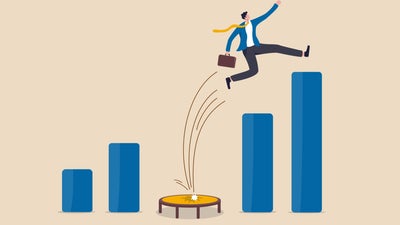
Trends that are Shaping the Future of Entrepreneurship
Entrepreneurship is no longer limited to the traditional nine-to-five grind. In today's ever-evolving world, new trends are reshaping the way we approach business and paving the way for a future of unprecedented opportunities. From side hustles to social media powerhouses, these trends are revolutionizing entrepreneurship as we know it. So buckle up and get ready to dive into the exciting world of innovative ideas, networking prowess, and a whole lot more! Let's explore together how these trends are shaping the future of entrepreneurship.
The Rise of the Side Hustle
Gone are the days when people relied solely on their full-time jobs for financial stability. The rise of the side hustle has become a game-changer in the entrepreneurial landscape. With technological advancements, it's easier than ever to turn your passion or hobby into a profitable venture.
One of the main reasons behind this trend is the flexibility it offers. Whether you're a stay-at-home parent, a student, or someone looking to supplement their income, starting a side hustle allows you to work on your own terms and schedule.
Moreover, side hustles have opened up avenues for creativity and experimentation. You can test out different business ideas without taking on too much risk. It provides an opportunity to explore your passions and interests outside of your primary job while still generating additional income.
The rise of online marketplaces and e-commerce platforms has made it incredibly convenient for aspiring entrepreneurs to set up shop with minimal overhead costs. From selling handmade crafts on Etsy to offering freelance services through platforms like Upwork or Fiverr, there is no shortage of opportunities for those willing to put in the effort.
In today's gig economy-driven world, having multiple streams of income is not only smart but necessary. Side hustles offer individuals financial security and independence while also fostering personal growth and learning experiences along the way.
So if you've been sitting on that brilliant business idea or itching to monetize your skills outside of your day job – now is the perfect time! Embrace the rise of the side hustle and unlock endless possibilities for yourself in this new era of entrepreneurship.
The Power of Social Media
Social media has become an undeniable force in shaping the future of entrepreneurship. With millions of users around the world, platforms like Facebook, Instagram, and Twitter have transformed how businesses connect with consumers. Entrepreneurs now have the power to reach a global audience at their fingertips.
One of the key advantages social media offers is its ability to level the playing field for small businesses. In the past, advertising and marketing were often expensive endeavors that only big corporations could afford. Now, even startups with limited resources can create impactful social media campaigns that generate buzz and attract customers.
Moreover, social media allows entrepreneurs to cultivate a strong brand identity. Through consistent messaging and visually appealing content, they can showcase their unique selling points and build a loyal following. By engaging directly with their target audience through comments and direct messages, entrepreneurs can gain valuable insights into consumer preferences and needs.
In addition to branding opportunities, social media also provides avenues for collaboration and partnership building. Many entrepreneurs have discovered new business opportunities through networking on platforms like LinkedIn or participating in industry-specific groups on Facebook. These connections not only open doors for potential collaborations but also provide access to mentors who can offer guidance along the entrepreneurial journey.
Furthermore, social media plays a crucial role in customer acquisition by driving traffic to websites or online stores. By strategically using tools such as paid ads or influencer partnerships, entrepreneurs can increase visibility among their desired demographic while optimizing conversions.
The power of social media lies not only in its reach but also in its ability to foster authentic connections between brands and consumers. With transparency becoming increasingly important for modern consumers, entrepreneurs are expected to be active participants within these digital communities rather than mere salespeople.
As we move forward into an ever-connected world driven by technology and innovation, entrepreneurs who harness the power of social media will continue to thrive amidst competition.
By staying adaptable to emerging trends within these platforms, entrepreneurs will position themselves ahead of the curve – capturing the attention and loyalty of their target audience.
The Importance of Networking
Networking is a crucial aspect of entrepreneurship that should not be overlooked. Building strong connections and relationships with other professionals can open up numerous opportunities for growth and success. By networking, entrepreneurs have the chance to learn from others' experiences, gain valuable insights and advice, and even collaborate on new ventures.
One of the main benefits of networking is the exchange of knowledge and ideas. Meeting like-minded individuals in your industry allows you to tap into their expertise and learn from their successes (and failures). This exposure to different perspectives can spark creativity, innovation, and fresh ways of thinking about your own business.
Networking also helps entrepreneurs expand their professional circles. Connecting with people outside your immediate circle exposes you to new industries, markets, or potential partnerships that you may not have otherwise discovered. These connections broaden your horizons and give you access to resources or opportunities that can propel your business forward.
In addition to gaining knowledge and expanding networks, networking also offers emotional support for entrepreneurs. The entrepreneurial journey can be challenging at times, filled with setbacks and uncertainties. Having a network of fellow entrepreneurs who understand these struggles provides a support system where experiences are shared, challenges discussed openly, and solutions brainstormed together.
Networking plays an instrumental role in shaping the future of entrepreneurship by allowing individuals to connect with others who share similar aspirations while providing invaluable learning opportunities that lead to personal growth as well as business development. So don't underestimate the power of building meaningful relationships within your industry - it could be one key factor in taking your entrepreneurial journey to new heights!
The Gig Economy
The gig economy has been steadily on the rise in recent years, and it shows no signs of slowing down. With advancements in technology and a shift in how people approach work, more individuals are turning to freelance or contract-based employment opportunities.
One of the driving factors behind the growth of the gig economy is flexibility. Traditional nine-to-five jobs often come with rigid schedules and limited freedom to pursue personal passions or interests outside of work. However, gig workers have the ability to choose when and where they want to work, allowing for a better work-life balance.
Additionally, the gig economy offers a wide range of opportunities across various industries. From graphic design and writing to ride-sharing services and online tutoring, there is something for everyone looking to participate in this flexible workforce.
For some entrepreneurs, participating in the gig economy can serve as a stepping stone towards starting their own business. By freelancing or working part-time gigs while building their skills and network, aspiring entrepreneurs can gain valuable experience before taking their ventures full-time.
However, it's important to note that participating in the gig economy also comes with its challenges. Without traditional employee benefits like health insurance or retirement plans provided by employers, individuals must navigate these aspects on their own.
The Rise of the Millennial Entrepreneur
The rise of the millennial entrepreneur has been a game-changer in the business world. This generation, born between 1981 and 1996, has brought fresh perspectives and innovative ideas to the table. With their strong grasp of technology and ability to adapt quickly, millennials have successfully carved out their own paths as entrepreneurs.
One key factor that sets millennial entrepreneurs apart is their willingness to take risks. Unlike previous generations who may have prioritized stability and job security, millennials are more inclined to pursue their passions and create businesses around them. They understand that failure is just a stepping stone towards success and are not afraid to learn from it.
Moreover, millennials also place great importance on work-life balance. They value flexibility in their careers and seek opportunities that allow them to pursue both personal fulfillment and professional success. As such, many millennial entrepreneurs opt for remote work or start online businesses that can be run from anywhere in the world.
Another defining characteristic of millennial entrepreneurs is their commitment to social impact. They are driven by a desire to make a positive difference in society through their ventures. Whether it's launching sustainable fashion brands or developing innovative solutions for global challenges like climate change or poverty, millennials prioritize purpose-driven entrepreneurship.
Furthermore, technology plays a significant role in shaping the entrepreneurial landscape for millennials. The digital age offers countless opportunities for online marketing strategies, e-commerce platforms, and virtual collaborations with professionals worldwide. Millennials leverage these tools effectively to grow their businesses rapidly without geographical constraints.
In conclusion, in this ever-evolving world of entrepreneurship, it is clear that several trends are shaping the future landscape. The rise of the side hustle has opened up new opportunities for individuals to explore their passions and generate additional income. Social media has become a powerful tool for entrepreneurs to connect with potential customers and build their brand presence. Networking remains as important as ever, allowing entrepreneurs to form valuable connections and partnerships.
Additionally, the gig economy has revolutionized how people work, offering flexibility and diverse income streams. Millennials have emerged as a force in entrepreneurship, bringing fresh ideas and innovative approaches to business.
As we move forward into the future, these trends will continue to shape entrepreneurial endeavors. It is crucial for aspiring entrepreneurs to stay informed about these developments and adapt accordingly.
So whether you're considering starting your own side hustle or looking to take your existing business to new heights - embrace these trends and harness them for success in your entrepreneurial journey! The possibilities are endless when you combine passion with innovation in this exciting era of entrepreneurship.
The Art of Delegation: Letting Go Without Losing Control
The Art of Delegation: Letting Go Without Losing Control
Are you a control freak by nature, finding it hard to let go of tasks and responsibilities? Trust me, you're not alone. Delegation can be a daunting concept for many, as we fear losing control or compromising the quality of our work. But here's the secret: delegation is actually an art that can empower us and enhance our productivity.
In this blog post, we'll explore the power of delegation - when to do it, how to do it effectively, and the incredible benefits it holds. Get ready to master the art of delegation and take your success to new heights!
The Importance of Delegation
Delegation is not just a fancy management buzzword, it's a vital skill that can significantly impact your personal and professional success. When you try to do everything yourself, you risk overburdening yourself with tasks, limiting your own growth, and hindering the progress of your team or business.
One of the key reasons delegation is so important is because it allows you to focus on what truly matters. By delegating certain tasks to capable individuals, you free up valuable time and mental energy to concentrate on strategic decisions, big-picture thinking, and areas where your expertise shines brightest.
Moreover, delegation fosters collaboration and empowers those around you. It gives team members an opportunity to develop new skills and take ownership of their work. When people feel trusted with responsibilities beyond their usual scope, they tend to rise to the occasion and demonstrate their capabilities.
In addition to these benefits for individuals within a team or organization, delegation also improves overall efficiency. By distributing workload effectively among qualified individuals based on their strengths and interests, projects move forward more smoothly without bottlenecks or unnecessary delays.
Remember: effective leaders are not defined by how much they can handle alone; rather, they are measured by how well they enable others to shine through effective delegation strategies. So embrace the importance of delegation in order to thrive personally while fostering growth within your team or organization!
When to Delegate
Knowing when to delegate is crucial for effective task management and achieving optimal results. It's not about relinquishing control, but rather recognizing your limitations and leveraging the skills of others to lighten your workload.
One key indicator that it may be time to delegate is when you find yourself overwhelmed with tasks. If you're constantly juggling multiple responsibilities and struggling to meet deadlines, it might be a sign that certain tasks should be allocated to someone else who can handle them more efficiently.
Additionally, delegation becomes necessary when you lack expertise in a particular area. Recognizing your strengths and weaknesses allows you to identify tasks that are better suited for someone with the requisite knowledge or skill set. By delegating such tasks, you can ensure they are done correctly without wasting time or compromising quality.
Another factor that warrants delegation is limited resources – both in terms of time and manpower. When faced with tight deadlines or an excessive workload, sharing responsibilities with capable team members helps distribute the burden evenly and increases productivity.
Furthermore, it's important to consider whether a task aligns with your core competencies or strategic objectives. Delegating non-essential activities frees up valuable time for focusing on high-priority projects critical to achieving organizational goals.
Successful delegation hinges on trust – trusting in the abilities of those whom you delegate tasks to. By empowering others and providing clear instructions along with any necessary resources or support, you empower them to excel while maintaining overall control over project outcomes.
Remember: knowing when to delegate is not about losing control; it's about optimizing efficiency by capitalizing on collective capabilities!
How to Delegate
Delegating tasks is an essential skill for any leader or manager. It not only helps to lighten your workload but also empowers others in your team and fosters a sense of trust and collaboration. However, knowing how to delegate effectively can be a challenge.
It's crucial to clearly communicate the task at hand. Provide detailed instructions, including deadlines and desired outcomes. This ensures that everyone understands what needs to be done and reduces the chances of misunderstandings or mistakes.
Choose the right person for the job. Consider each team member's skills, strengths, and availability when assigning tasks. Delegating responsibilities to individuals who have the necessary expertise will increase the likelihood of success.
Furthermore, establish checkpoints along the way to track progress without micromanaging. Regular updates allow you to stay informed about project developments while giving employees autonomy over their work.
Additionally, don't forget about providing support if needed. Encourage open communication so that team members feel comfortable asking questions or seeking guidance throughout the process.
Remember that delegation is not a one-time event; it requires ongoing monitoring and feedback. Be available for consultation as necessary and provide constructive criticism when warranted.
By mastering these techniques of effective delegation - clear communication, appropriate task assignment, regular check-ins with support - you can empower your team while maintaining control over important projects!
The Benefits of Delegation
One of the key benefits of delegation is increased productivity. When you delegate tasks to others who are capable and qualified, you create space for them to showcase their skills and expertise. This not only lightens your workload but also allows team members to grow professionally by taking on new challenges.
Additionally, delegation fosters a sense of trust within teams. When you entrust someone with a task, it shows that you have confidence in their abilities. This can boost morale and motivation among team members as they feel valued and empowered.
Moreover, delegation promotes collaboration and teamwork. By assigning tasks to different individuals based on their strengths and interests, you encourage them to work together towards a common goal. This enhances communication between team members and facilitates the sharing of ideas which ultimately leads to better results.
Another benefit of delegation is improved efficiency. Different people have different skill sets, experiences, and perspectives. Delegating tasks allows those with specific expertise in certain areas to handle them more efficiently than if one person were responsible for everything.
Effective delegation can lead to personal growth opportunities for both leaders and those being delegated to. Leaders develop essential managerial skills such as decision-making, coaching, and mentoring while employees get the chance to learn new skills or gain exposure in areas they may not have previously explored.
In conclusion (not using this phrase), embracing delegation can be a game-changer when it comes to managing workloads effectively while fostering collaboration within teams. The benefits go beyond just lightening your load – they include increased productivity through specialization; enhanced trust among colleagues; improved efficiency through utilizing diverse skill sets; promoting teamwork; all while providing growth opportunities for everyone involved.
The Pitfalls of Delegation
The pitfalls of delegation can sometimes outweigh the benefits if not handled properly. One common pitfall is a lack of clear communication. When delegating tasks, it's crucial to clearly communicate expectations, deadlines, and any other relevant details. Without this clarity, there is a greater chance for misunderstandings or mistakes.
Another pitfall is micromanagement. While it's important to maintain control over delegated tasks, excessive involvement can lead to demotivation and a lack of autonomy for the person you've entrusted with the task. It's essential to strike a balance between providing guidance and allowing room for independent decision-making.
Delegation also carries the risk of inadequate skill matching. Assigning tasks to individuals who lack the necessary skills or experience can result in subpar outcomes or delays in project completion. It's important to assess each team member's abilities before delegating tasks and provide adequate training or support if needed.
Failure to monitor progress is yet another pitfall that can arise when delegating responsibilities. If you simply hand off a task without following up on its progress, you may not realize until it’s too late that things are going off track or aren't being completed according to your standards.
One potential pitfall of delegation is an unwillingness to let go completely. You may be tempted to constantly check-in or take back control because you fear things won't be done correctly without your direct involvement. However, this defeats the purpose of delegation and prevents your team members from growing professionally.
Avoiding these pitfalls requires careful planning and effective communication throughout the entire process of delegation.
In conclusion, delegation is not just a skill, it's an art. The ability to let go without losing control is crucial for both personal and professional growth. By recognizing the importance of delegation, knowing when to delegate, and mastering the art of how to delegate effectively, you can unlock a world of possibilities.
When we delegate tasks, we free up valuable time and mental energy that can be redirected towards more important responsibilities or creative endeavors. We empower others to develop new skills and take ownership of their work. Effective delegation leads to increased productivity and better results.
However, there are pitfalls that must be navigated carefully. Delegating too much or too little can have negative consequences. It requires trust in your team members' abilities while also providing support and guidance as needed.
To truly master the art of delegation, communication is key. Clearly define expectations, provide clear instructions, set deadlines, and offer ongoing feedback throughout the process. Effective communication ensures everyone is on the same page and fosters a sense of collaboration rather than micromanagement.
In addition to improved productivity and development opportunities for your team members, delegation offers another significant benefit – stress reduction! As a leader or manager juggling multiple responsibilities, being able to offload some tasks allows you to focus on strategic thinking and decision-making instead of being overwhelmed by day-to-day minutiae.
So embrace the power of delegation but do so with caution. Be mindful not only about what tasks you choose to delegate but also who you entrust them with. Assessing strengths within your team will help ensure successful outcomes.
Remember that perfectionism can hinder progress; sometimes good enough really is good enough! Empower your team members by giving them autonomy over their delegated tasks while still providing support if needed.
In conclusion (without using those words explicitly), mastering the art of delegation requires finding balance – balancing control with trust; balancing workload distribution with individual capabilities; balancing empowerment with guidance; and balancing personal growth with organizational success.
So, let go, delegate wisely.
Harnessing Technology for Efficient Livestock Management: The Future is Here!

Harnessing Technology for Efficient Livestock Management: The Future is Here!
Welcome to the era of technological advancements where innovation is revolutionizing every aspect of our lives, including livestock management. Gone are the days of relying solely on traditional methods to handle and monitor our precious herds. We now stand at the precipice of a new age, where cutting-edge technology is reshaping the way we manage and optimize our livestock operations.
From advanced tracking systems to automated feeding solutions, this blog post will explore how harnessing technology can lead us towards more efficient and sustainable practices in livestock management. So buckle up and get ready for a glimpse into the future - because it's here, and it's changing everything!
The Current State of Livestock Management
Livestock management has come a long way from the traditional methods of keeping track of animals and their health. In the past, livestock farmers relied heavily on manual labor and handwritten records to manage their herds. However, this approach often led to errors, inefficiencies, and limited visibility into the overall health and productivity of the livestock.
Today, technology has revolutionized livestock management by providing advanced solutions to address these challenges. With the advent of smart devices such as RFID tags and GPS trackers, farmers can now easily monitor individual animals in real-time. This enables them to track their location, behavior patterns, feed consumption, and even detect any signs of illness or distress.
Furthermore, data analytics platforms have emerged that can process large volumes of information collected from various sensors placed throughout the farm. These platforms provide valuable insights into herd performance trends, allowing farmers to make more informed decisions regarding breeding programs or adjusting feeding regimes.
Additionally, automated systems for feeding and watering have streamlined operations by eliminating manual labor tasks for farmers. These systems ensure that each animal receives the appropriate amount of food and water without waste or overconsumption.
Technology has greatly improved efficiency in livestock management by reducing labor requirements while increasing accuracy and control over herd health. As advancements continue to be made in areas such as artificial intelligence (AI) and machine learning (ML), we can expect even greater possibilities for optimizing livestock farming practices in the future.
How Technology is Changing the Livestock Management Landscape
The integration of technology in the livestock management industry has revolutionized the way farmers and ranchers operate. With advancements in sensors, data analytics, and automation, technology is changing the landscape of livestock management for the better.
One major area where technology is making a significant impact is in animal health monitoring. Sensors embedded in wearable devices can track vital signs such as heart rate, body temperature, and activity levels. This real-time data allows farmers to detect early signs of illness or stress in their animals, leading to prompt intervention and improved overall herd health.
Another aspect that has been transformed by technology is feeding management. Automated feeding systems equipped with smart sensors ensure that each animal receives balanced nutrition according to its specific needs. These systems not only save time but also optimize feed consumption and reduce waste.
Furthermore, precision farming techniques have extended into livestock management through technologies like GPS tracking and drone surveillance. Farmers can now monitor their animals' grazing patterns more effectively while identifying potential hazards or areas requiring attention.
Additionally, digital record-keeping platforms have streamlined administrative tasks associated with livestock management. By digitizing records such as breeding history, medical treatments, and animal identification data, farmers can access crucial information instantly from anywhere using mobile devices or computers.
These technological advancements are transforming how livestock operations are managed today. By embracing these innovations fully, farmers can improve efficiency levels while ensuring optimal care for their animals - paving the way for a more sustainable future in agriculture
Top Technology Solutions for Efficient Livestock Management
Technology has undoubtedly revolutionized the way we do things, and livestock management is no exception. Farmers are now able to harness various technological solutions to streamline their operations, increase productivity, and ensure efficient livestock management.
One top technology solution for efficient livestock management is the use of RFID (Radio Frequency Identification) tags. These small electronic devices are attached to animals' ears or collars and can be easily scanned by a reader. This enables farmers to track their livestock's movements in real-time, monitor their health status, and even automate feeding systems based on individual animal needs.
Another game-changer in the field of livestock management is remote monitoring systems. With the help of sensors and cameras strategically placed throughout the farm, farmers can keep an eye on their animals 24/7 without physically being there. This not only saves time but also allows for early detection of any potential issues such as illness or distress.
Precision farming techniques have also made significant strides in improving efficiency in livestock management. For example, GPS-enabled tractors and machinery can precisely sow seeds or apply fertilizers according to predetermined maps created through data analysis. Similarly, drones equipped with thermal imaging cameras can quickly identify areas where animals may be clustering together due to stress or discomfort.
Furthermore, advanced data analytics software plays a crucial role in optimizing decision-making processes related to breeding programs, feed formulations, and overall herd health management. By analyzing large datasets collected from various sources such as weather patterns, genetic information, and historical performance records; farmers can make informed decisions that lead to improved productivity and profitability.
The integration of these top technology solutions into everyday farming practices has undeniably transformed traditional methods of livestock management. However it's important for farmers to stay up-to-date with emerging technologies that will continue shaping this industry into the future - think virtual reality training simulations for better animal handling techniques or automated robotic systems for tasks like milking cows.
Efficient livestock management is not just about maximizing profits; it's also about ensuring the well-being of animals and minimizing environmental impacts. By
The Future of Livestock Management
The future of livestock management holds immense potential for revolutionizing the industry. As technology continues to advance at a rapid pace, it presents exciting opportunities for increased efficiency and productivity in managing livestock.
One area where we can expect significant advancements is in data analytics and monitoring systems. By utilizing sensors and smart devices, farmers will be able to gather real-time data on various aspects of their livestock, such as health status, feeding patterns, and environmental conditions. This valuable information can then be analyzed to identify trends and make more informed decisions regarding animal welfare and resource allocation.
Artificial intelligence (AI) also promises to play a crucial role in the future of livestock management. AI-powered algorithms can analyze large volumes of data quickly and accurately, allowing farmers to detect early signs of disease outbreaks or optimize feed formulation based on individual animal needs.
Furthermore, automation will continue to streamline operations in the livestock industry. Robotic systems can handle tasks such as feeding, milking, and waste management with precision and consistency. This not only reduces labor costs but also ensures that animals receive optimal care around the clock.
Genetic technologies are another aspect that holds great promise for the future of livestock management. Scientists are constantly discovering new genetic markers associated with desirable traits such as disease resistance or higher milk production. Through selective breeding or gene editing techniques like CRISPR-Cas9, farmers may have greater control over the genetic makeup of their herds, leading to improvements in overall herd quality.
In addition to these technological advancements within farming practices themselves, there is also increasing interest in alternative protein sources like lab-grown meat or plant-based substitutes. These innovations could potentially alleviate some pressure on traditional livestock farming while still meeting global demand for protein-rich food.
While we cannot predict all the exact developments that lie ahead for livestock management technology, one thing is certain – innovation will continue shaping this industry into a more efficient and sustainable model. As technology evolves further towards interconnectedness through Internet-of-Things (IoT) devices and advanced analytics, livestock farmers will have access
Conclusion
As we can see, technology is revolutionizing the way livestock management is conducted. From automated feeding systems to real-time monitoring devices, farmers now have access to a wide range of tools that can significantly improve their efficiency and productivity.
By harnessing these technological advancements, farmers are able to streamline their operations, reduce costs, and ensure the well-being of their livestock. The ability to remotely monitor and control various aspects of livestock management not only saves time but also allows for quick decision-making and proactive intervention when necessary.
However, it's important to note that while technology plays a crucial role in efficient livestock management, it should never replace the knowledge and expertise of experienced farmers. It should be seen as a complementary tool that empowers them with valuable data and insights.
The future of livestock management looks promising with continued advancements in technology. As more innovative solutions emerge, we can expect even greater efficiencies in managing our farm animals. By embracing these technologies and staying updated on industry trends, farmers will be well-positioned for success in this evolving landscape.
So let's embrace the power of technology and unlock its potential for efficient livestock management - because truly, the future is here!