Learn smarter with fresh insights from our tutors.
Practical study guides, course supplements, and learning resources curated to help you move faster through every subject.
Economics Simplified: Exploring Basic Concepts

Economics Simplified: Exploring Basic Concepts
Welcome to the intriguing world of economics! Whether you're a seasoned economist or just dipping your toes into this fascinating field, understanding the basic concepts is essential. Economics affects every aspect of our lives, from the price of groceries to global trade relations.
In this blog post, we will take a journey through the fundamentals of economics and explore key topics such as supply and demand, market structures, fiscal policy, and more. So buckle up and get ready for an engaging exploration that will simplify the complexities of economics in a way that everyone can understand!
The Scope of Economics
The scope of economics is vast, encompassing a wide range of topics and areas of study. At its core, economics seeks to understand how individuals, businesses, and societies make choices in the face of scarcity. It delves into the allocation of resources and the production, distribution, and consumption of goods and services.
Microeconomics focuses on individual economic agents such as households or firms. It examines their decision-making processes regarding resource allocation, pricing strategies, and market behavior. On the other hand, macroeconomics takes a broader perspective by analyzing aggregate variables like inflation rates, unemployment levels, national income growth rates, and government policies that impact entire economies.
Economics also explores different economic systems prevalent across the globe. From free-market capitalism to command economies like socialism or communism - each system has its own strengths and weaknesses when it comes to resource allocation efficiency.
Furthermore,economic concepts such as supply and demand lie at the heart of understanding market forces. Supply refers to how much of a product producers are willing to offer at various price points while demand represents consumers' desire for that product at different prices.
Another important concept is elasticity which measures how responsive either supply or demand is to changes in price. Elastic products have a significant change in quantity demanded or supplied with relatively small changes in price while inelastic products show less sensitivity.
Equilibrium is another key idea where supply matches demand resulting in stable prices within markets.
The equilibrium point reflects an optimal balance between what buyers are willing to pay (demand)and what sellers are willing to accept (supply).
Market structures explore different types ranging from perfect competition with many buyers,sellers,and identical goods;to monopolistic competition where multiple firms sell similar but differentiated products;to oligopoly featuring few dominant players;and monopoly representing exclusive control over a particular industry.
Market structures influence factors like pricing power,revenue generation,and barriers to entry for new competitors.
Business cycles depict fluctuations observed within an economy over time including periods of expansion,recession,and recovery.
Microeconomics vs. Macroeconomics
Microeconomics and macroeconomics are two branches of economics that study different aspects of the economy. While they may sound similar, there are distinct differences between the two.
Microeconomics focuses on individual economic units such as households, firms, and industries. It examines how individuals make decisions regarding the allocation of resources and how these decisions impact prices, supply, and demand. In microeconomics, we zoom in on the details - analyzing consumer behavior or studying the pricing strategies of a specific company.
On the other hand, macroeconomics takes a broader view by looking at the overall economy as a whole. It analyzes factors such as unemployment rates, inflation levels, GDP growth, and government policies that affect an entire nation or region. Macroeconomists aim to understand how various sectors interact with each other within an economy – like examining how changes in interest rates influence investment or how fiscal policy affects aggregate demand.
While both microeconomics and macroeconomics provide valuable insights into our complex economic system, they focus on different scales of analysis. Microeconomic principles help us understand individual decision-making while macroeconomic concepts shed light on larger trends shaping our society.
Economic Systems
When it comes to understanding how our society functions economically, exploring the concept of economic systems is crucial. An economic system refers to the way a society organizes its resources and distributes goods and services. There are various types of economic systems in the world today.
One common type is a market economy, where individuals and businesses make decisions based on supply and demand. In this system, prices are determined by competition in the marketplace. On the other hand, there's also a planned or command economy where government plays a dominant role in making economic decisions.
Another type is mixed economies that combine elements of both market and command economies. Many countries around the world have adopted mixed economies because they believe it combines the advantages of both systems.
Understanding different economic systems helps us comprehend why certain countries prosper while others struggle. It allows us to analyze factors such as access to resources, level of government intervention, and individual freedoms within an economy.
By studying these different approaches to organizing an economy, we can gain insights into what works well for societies at large. This knowledge can help inform policy-making decisions aimed at creating more prosperous societies with balanced growth opportunities for all citizens.
Economic systems serve as frameworks that shape nations' approach towards resource allocation and ultimately influence their overall development trajectory.
Basic Economic Concepts
In the world of economics, there are some fundamental concepts that serve as building blocks for understanding how the economy works. These basic economic concepts provide a framework for analyzing and interpreting various economic phenomena.
One such concept is scarcity, which refers to the limited availability of resources compared to unlimited wants and needs. This concept drives decision-making at both individual and societal levels as people must make choices about how to allocate their scarce resources.
Another important concept is opportunity cost, which recognizes that whenever a choice is made, there is an associated cost in terms of what must be given up. Understanding opportunity cost helps individuals and businesses weigh the benefits and drawbacks of different options before making decisions.
The concept of supply and demand lies at the heart of market economies. Supply refers to the quantity of goods or services that producers are willing and able to offer for sale at various prices, while demand represents the quantity that consumers are willing and able to purchase at those prices. The interaction between supply and demand determines market equilibrium – where price matches quantity supplied with quantity demanded.
Elasticity measures how sensitive buyers or sellers are to changes in price or income levels. It helps predict consumer behavior when faced with price changes or shifts in income distribution.
Market structures refer to different types of markets based on factors like competition level, number of buyers/sellers, product differentiation, etc. Examples include perfect competition, monopoly, oligopoly, monopolistic competition – each with its own unique characteristics affecting pricing strategies and market outcomes.
Understanding these basic economic concepts can help individuals make informed decisions about resource allocation in their personal lives as well as contribute to broader discussions on economic policy issues. By delving into these concepts further through research or taking courses on economics topics online or offline - you can enhance your knowledge base significantly!
Supply and Demand
Supply and demand is a fundamental concept in economics that drives the functioning of markets. It refers to the relationship between the quantity of a good or service that producers are willing and able to sell, and the quantity that consumers are willing and able to buy.
At its core, supply represents how much of a product or service is available in the market. This includes factors such as production costs, technology advancements, and input availability. On the other hand, demand represents how much consumers desire a particular product or service at various price levels. Factors like income levels, consumer preferences, and population size influence demand.
When supply exceeds demand for a specific item in the market, it usually results in lower prices as producers try to entice consumers with discounts or promotions. Conversely, when demand outpaces supply for an item, prices tend to rise due to limited availability.
The interaction between supply and demand creates equilibrium - where buyers' willingness to pay matches sellers' willingness to accept - determining both price and quantity exchanged in a market. Changes in either supply or demand can lead to shifts in this equilibrium point.
Understanding supply and demand dynamics is crucial for businesses as they make decisions about pricing strategies and production levels based on these forces within their respective industries.
Elasticity
Elasticity is a fundamental concept in economics that measures the responsiveness of demand or supply to changes in price. It helps us understand how sensitive consumers and producers are to changes in market conditions.
In simple terms, elasticity tells us whether a change in price will lead to a significant change in quantity demanded or supplied. If demand is elastic, it means that even a small change in price can cause a proportionally larger change in quantity demanded. On the other hand, if demand is inelastic, it means that changes in price have less impact on quantity demanded.
Different goods and services exhibit different levels of elasticity. For example, necessities like food tend to have an inelastic demand because people need them regardless of the price. Luxury goods, on the other hand, often have elastic demand as consumers are more likely to respond strongly to changes in price.
Understanding elasticity is crucial for businesses who want to set their prices strategically. By analyzing the elasticity of their products, they can make informed decisions about pricing strategies and maximize their profits.
Elasticity provides valuable insights into consumer behavior and market dynamics. It allows economists and businesses alike to better understand how changes in prices affect the overall economy and individual markets. So next time you see a product's price go up or down significantly - remember that its elasticity might be playing a role behind the scenes!
Fiscal Policy
Fiscal policy, a term often thrown around in political and economic discussions, plays a crucial role in shaping the overall health of an economy. But what exactly does it mean? In simple terms, fiscal policy refers to the government's use of taxation and public spending to influence economic activity.
When faced with an economic downturn, governments can implement expansionary fiscal policies. This means they increase government spending or decrease taxes to stimulate consumption and investment. By injecting more money into the economy, they aim to bolster growth and create jobs.
On the other hand, contractionary fiscal policies come into play when there is excessive inflation or unsustainable levels of debt. Governments may decide to reduce spending or raise taxes to rein in excess demand and control rising prices.
The effectiveness of fiscal policy depends on several factors such as timing, magnitude, and coordination with monetary policy measures. It requires careful analysis by policymakers who must strike a delicate balance between promoting economic stability while avoiding detrimental effects on long-term growth.
While fiscal policy can have significant impacts on an economy, it is not without its limitations. Political considerations often come into play as different interest groups vie for their share of government resources. Additionally, implementing changes in taxation or public expenditure takes time and may face resistance from various stakeholders.
Understanding fiscal policy enables us to appreciate how governments actively participate in managing economies through strategic decisions regarding revenue generation and expenditure allocation. It serves as a powerful tool that allows policymakers to navigate through challenging times by influencing consumer behavior while maintaining macroeconomic stability
Monetary Policy
Monetary Policy plays a crucial role in shaping the economy of a country. It involves the management and control of the money supply by the central bank to achieve macroeconomic objectives such as controlling inflation, stabilizing prices, and promoting economic growth.
The central bank implements monetary policy through various tools, such as adjusting interest rates, conducting open market operations, and setting reserve requirements for banks. These actions influence borrowing costs, liquidity in financial markets, and ultimately impact spending patterns and investment decisions.
By lowering interest rates during an economic downturn, monetary policy aims to stimulate borrowing and consumption, thereby boosting aggregate demand. On the other hand, when there is excessive inflationary pressure in the economy, raising interest rates can help curb spending and reduce price levels.
Moreover, through its control over money supply and credit creation mechanisms, monetary policy also affects exchange rates. A weaker currency can make exports more competitive but may lead to higher import costs.
Overall, monetary policy acts as a powerful tool that shapes economic activity by influencing interest rates, credit availability, and overall liquidity in financial markets.
By understanding how it works, we gain valuable insights into how governments manage their economies and navigate challenges on both domestic and global fronts.
Financial Management Tips for Small Businesses
Financial Management Tips for Small Businesses
Welcome to our blog, where we'll be sharing some valuable financial management tips specifically tailored for small businesses. Whether you're a start-up owner or a seasoned entrepreneur, managing your finances effectively is crucial for the success and growth of your business.
In this fast-paced and ever-changing economic landscape, it's essential to have a solid grip on your company's financial health. So, if you're ready to take control of your numbers and ensure long-term stability, keep reading! We've got some expert advice that will help you navigate the world of finance with confidence. Let's get started!
1. Keep Tracking of Your Expenses
One of the fundamental aspects of effective financial management for small businesses is keeping track of your expenses. Every single business transaction, no matter how small or insignificant it may seem, should be documented and recorded accurately. This not only helps you understand where your money is going but also enables you to identify any areas where you can cut costs or optimize spending.
To keep track of your expenses efficiently, consider using a cloud-based accounting software that allows you to effortlessly record all your financial transactions in one place. This eliminates the need for manual entry and reduces the chances of errors or discrepancies in your records.
In addition to recording expenses, categorizing them properly is equally important. By organizing your expenditures into different categories (such as office supplies, marketing expenses, employee salaries), you can gain a clearer picture of which areas are consuming most of your budget.
Furthermore, regularly reviewing and analyzing your expense reports will provide valuable insights into patterns and trends within your business. You'll be able to pinpoint unnecessary expenditures and make informed decisions on how to allocate resources more effectively.
Remember, keeping track of expenses isn't just about tracking outgoing funds; it's also about monitoring incoming revenue. By reconciling invoices with payments received and identifying any outstanding balances owed by clients or customers, you ensure that nothing slips through the cracks.
Maintaining accurate expense records lays the foundation for sound financial decision-making within your business. It empowers you to stay on top of cash flow management while identifying opportunities for cost savings and efficiency improvements—both key ingredients for long-term success in today's competitive marketplace.
2. Have a Budget and Stick to it
Having a budget is crucial for any small business. It allows you to plan and allocate your finances effectively, ensuring that you have enough money to cover all your expenses and meet your financial goals. But it's not enough to just create a budget - you also need to stick to it.
Sticking to a budget requires discipline and self-control. It means resisting the temptation of making unnecessary purchases or overspending in certain areas. By sticking to your budget, you can avoid getting into debt or facing cash flow issues down the line.
One way to stay on track with your budget is by regularly reviewing and adjusting it as needed. As your business grows or changes, so too should your budget. This will help ensure that it remains realistic and aligned with your current financial situation.
Another helpful tip is setting specific financial goals within your budget. Whether it's saving for expansion or increasing profitability, having clear objectives can motivate you to stay on track with your spending and make necessary adjustments along the way.
Consider using technology tools like accounting software or mobile apps that can help streamline the process of tracking expenses and monitoring budgets. These tools often provide real-time data insights, making it easier for you to make informed financial decisions.
Remember, having a budget is one thing - but sticking to it is what truly matters in maintaining healthy financial management for small businesses!
3. Invest in Accounting Software
Investing in accounting software can be a game-changer for small businesses looking to streamline their financial management processes. Traditional methods of tracking expenses and managing finances manually can be time-consuming and prone to errors. With the right accounting software, you can automate tasks such as invoicing, payroll processing, and expense tracking, saving you valuable time that could be better spent on growing your business.
One major advantage of using accounting software is the ability to generate real-time financial reports. These reports provide insights into your business's financial health, allowing you to make informed decisions about budgeting, cash flow management, and future investments. By having access to up-to-date financial information at your fingertips, you can have a clear picture of where your money is going and identify areas where cost-cutting measures may need to be implemented.
Another benefit of investing in accounting software is the increased accuracy it brings to your bookkeeping practices. Manual data entry leaves room for human error which could lead to costly mistakes down the line. Accounting software automates many calculations and reduces the risk of inaccuracies caused by manual input.
Additionally, good accounting software often comes with features like inventory management or integration with payment gateways that allow for seamless online transactions. This means that not only will you have a clearer view of your finances but also have an easier time managing other aspects related to running a small business.
4. Don't Take on Too Much Debt
Taking on debt can be a necessary part of running a small business, but it's important to not let it get out of control. While some level of debt may be unavoidable, too much debt can lead to financial stress and even bankruptcy. So how do you ensure that you don't take on too much debt?
It’s essential to carefully consider all your financing options before taking on any loans or credit lines. Evaluate the interest rates and repayment terms offered by different lenders and choose the option that best suits your needs.
Make sure you have a solid plan for repaying any debts you take on. Calculate your monthly cash flow and budget in such a way that allows you to comfortably meet your loan obligations without sacrificing other essential expenses.
Additionally, keep an eye on your credit score as it plays a crucial role in obtaining favorable loan terms from lenders. A good credit score will give you access to lower interest rates and better borrowing opportunities.
Furthermore, avoid using personal assets or savings as collateral for business loans whenever possible. This helps protect your personal finances in case the business faces difficulties down the road.
Regularly review your financial statements and monitor key performance indicators (KPIs) to ensure that you are staying within manageable levels of debt and making progress towards paying off existing obligations.
By being cautious about taking on excessive amounts of debt and actively managing what debts are incurred, small businesses can maintain healthier financial positions over time while still having access to the capital needed for growth opportunities.
5. Create a Financial Cushion
In the unpredictable world of business, it's essential to have a financial cushion to fall back on. This safety net can provide you with peace of mind and help you weather unexpected expenses or downturns in your industry.
One way to create a financial cushion is by setting aside a portion of your profits each month. Whether it's 10% or 20%, making regular contributions to a savings account dedicated solely for emergencies can make all the difference when unforeseen circumstances arise.
Another strategy is diversifying your income streams. Relying too heavily on one client or source of revenue leaves your business vulnerable. By expanding your customer base and exploring new markets, you can mitigate risk and ensure steady cash flow even during challenging times.
Additionally, consider investing in insurance coverage that protects against potential risks specific to your industry. From liability insurance to property coverage, having the right policies in place can safeguard both your finances and reputation.
Be proactive about managing debt. High-interest loans or credit card balances can eat into your profits quickly. Prioritize paying off outstanding debts as soon as possible so that you're not constantly playing catch-up financially.
By creating a financial cushion through saving, diversification, insurance protection, and smart debt management practices, you'll be better equipped to navigate any obstacles that come your way - ensuring long-term stability for your small business.
6. Have a Retirement Plan
Planning for retirement is often overlooked by small business owners who are focused on the day-to-day operations of their company. However, having a retirement plan in place is essential for long-term financial security. It not only allows you to save for your future but also helps attract and retain top talent.
One important aspect of creating a retirement plan is determining how much you need to save. Consider factors such as your desired lifestyle in retirement, healthcare costs, and potential inflation. It's also worth exploring different investment options that can help grow your savings over time.
Another key consideration is selecting the right type of retirement account. Options like Individual Retirement Accounts (IRAs) or Simplified Employee Pension Plans (SEPs) offer tax advantages and flexibility. Consult with a financial advisor to determine which option best fits your needs.
Regularly reviewing and adjusting your retirement plan is crucial as well. Life circumstances change, so it's important to reassess your goals periodically and make any necessary adjustments.
Remember that planning for retirement isn't just about benefiting yourself; it provides peace of mind knowing that you have taken care of both present and future financial needs. So don't delay – start building a solid retirement plan today!
From Recessions to Recoveries: Understanding Economic Cycles
From Recessions to Recoveries: Understanding Economic Cycles
Welcome to the roller coaster ride of economic cycles! Just like seasons change, so does the economy. It goes through ups and downs, twists and turns, recessions and recoveries. Understanding these cycles is essential for businesses and consumers alike to navigate their way through the ever-changing landscape of financial markets.
In this blog post, we will dive deep into the world of economic cycles – what they are, how to identify them, their impact on businesses and individuals, as well as strategies for managing through them. So buckle up and get ready for a thrilling journey into the fascinating realm of economic fluctuations!
What is an Economic Cycle?
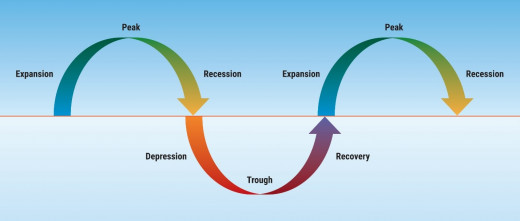
An economic cycle, also known as the business cycle, refers to the recurring pattern of expansion and contraction in an economy over time. It is a natural phenomenon that reflects the fluctuations in economic activity, such as production levels, employment rates, and overall growth.
At its core, an economic cycle consists of four stages: expansion, peak, contraction (also known as recession), and trough. During the expansion phase, there is a rise in consumer spending and business investments. This leads to increased production and job creation. As the economy reaches its peak, it experiences maximum output and high levels of employment.
However, after reaching its zenith comes the inevitable contraction phase or recession. This period is characterized by a decline in economic activity – falling GDP growth rates, rising unemployment rates, reduced consumer spending – all leading to decreased production levels.
Eventually, the economy hits rock bottom at what's called the trough stage. At this point of maximum contraction or recessionary low point begins recovery - where economic indicators start picking up once again.
It's important to note that these cycles are not fixed intervals but rather vary in duration from several months to years depending on various factors like fiscal policies implemented by governments or external shocks like global recessions or financial crises.
Understanding these cyclical patterns can help businesses make informed decisions about investment strategies and resource allocation during different phases of an economic cycle. Similarly for individuals planning their personal finances; being aware of how these cycles impact employment prospects or income stability can be crucial for long-term financial security.
So now that we have a basic understanding of what an economic cycle entails let’s delve deeper into how one identifies these cycles! Stay tuned!
The Different Types of Economic Cycles
The economy is an ever-changing beast, constantly shifting and evolving. And just like the weather, economic conditions go through cycles. These cycles can be categorized into different types based on their characteristics and duration.
One type of economic cycle is known as a boom or expansion phase. This is when the economy experiences rapid growth, with increased production, high consumer spending, and low unemployment rates. Businesses thrive during this time and investors are eager to jump in.
On the flip side, there's also the bust or contraction phase. This occurs when there's a decline in economic activity, characterized by reduced production levels, decreased consumer spending, and rising unemployment rates. It's a challenging period for businesses as they struggle to stay afloat amidst declining demand.
Another type of economic cycle is called a recession. This is marked by significant declines in GDP (Gross Domestic Product) for two consecutive quarters or more. Recessions often result from factors such as financial crises or external shocks that disrupt normal business operations.
We have recovery phases which occur after recessions or contractions where the economy begins to stabilize and slowly regain strength. During this period, there may be cautious optimism among businesses and consumers as confidence gradually improves.
Understanding these different types of economic cycles is crucial for individuals and businesses alike because it allows them to anticipate changes in market conditions and make informed decisions accordingly. By recognizing whether an economy is booming or heading towards a downturn, companies can adjust their strategies to either capitalize on opportunities during prosperous times or weather the storm during periods of contraction.
It's important to note that these cycles don't follow a predictable pattern – their length varies from one cycle to another depending on various factors such as government policies, global events like wars or pandemics, technological advancements etc.
How to Identify an Economic Cycle
Economic cycles are an inevitable part of the economic landscape, and being able to identify them is crucial for businesses and consumers alike. But how exactly can we spot these cycles?
One key indicator of an economic cycle is fluctuations in gross domestic product (GDP). When GDP experiences a period of sustained growth over several consecutive quarters, it usually signifies an expansionary phase. Conversely, if GDP contracts for two or more quarters in a row, it indicates a recession.
Another important factor to consider when identifying economic cycles is employment data. During periods of expansion, unemployment rates typically decrease as businesses thrive and create more jobs. On the other hand, recessions often lead to job losses and higher unemployment rates.
Interest rates also play a significant role in discerning economic cycles. Central banks tend to lower interest rates during downturns to stimulate borrowing and spending, while they raise interest rates during periods of rapid growth to curb inflation.
Additionally, stock market performance can provide valuable insights into the state of the economy. Bull markets characterized by rising stock prices generally align with expansionary phases, whereas bear markets with declining prices indicate potential recessions.
To fully understand economic cycles requires monitoring various indicators simultaneously as no single measure provides a complete picture. By staying informed about GDP growth or contraction trends, employment figures, interest rate movements, and stock market performance - individuals and businesses can make better-informed decisions based on their specific circumstances.
The Stages of an Economic Cycle
The stages of an economic cycle can be likened to the ebb and flow of the tides. Just as waves crash onto the shore before receding back into the ocean, economies go through periods of expansion and contraction. Understanding these stages is crucial for businesses and consumers alike.
The first stage is known as a peak or boom. During this time, the economy is firing on all cylinders - unemployment rates are low, consumer spending is high, and businesses are flourishing. It's all sunshine and rainbows in this phase.
But what goes up must come down. The next stage is a recession or slowdown. This period sees a decline in economic activity, with GDP growth slowing or even turning negative. Unemployment rises as companies cut costs, leading to decreased consumer confidence.
After hitting rock bottom comes recovery. In this stage, signs of improvement begin to emerge - GDP starts growing again, employment levels stabilize, and consumer sentiment begins to rebound.
We have expansion or prosperity. This phase marks sustained economic growth with increasing business investment and rising wages for workers. It's like reaching the summit after climbing up from a deep valley.
Each stage has its own unique characteristics that impact both businesses and consumers differently. By understanding where we are in the economic cycle, individuals can make more informed decisions about investing their money or planning for future expenses.
Navigating through these stages requires adaptability and resilience from businesses who need to adjust their strategies accordingly while keeping an eye on market trends. For consumers too it means being cautious during times of recession but also taking advantage of opportunities during periods of growth.
In summary, understanding the stages of an economic cycle helps us comprehend how our financial landscape shifts over time - much like nature itself! By being aware of where we stand within these cycles, we can better prepare ourselves for potential challenges while capitalizing on opportunities presented by each respective stage
The Impact of an Economic Cycle on Businesses and Consumers
The impact of an economic cycle on businesses and consumers can be significant. During a recession, businesses may struggle to stay afloat as consumer spending decreases. This can lead to layoffs, reduced hours, or even closures.
For consumers, a downturn in the economy often means tightening their belts and cutting back on discretionary spending. Many individuals may experience job loss or wage cuts, making it difficult to afford non-essential items or services.
On the flip side, during an expansionary phase of the economic cycle, businesses tend to thrive as consumer confidence improves. Companies may see increased demand for their products or services and have more opportunities for growth.
Consumers also benefit during periods of economic growth as employment rates rise and wages increase. This allows individuals to feel more secure about their financial situation and have more disposable income to spend on goods and services.
However, it's important to note that not all sectors are affected equally by economic cycles. Some industries may be more resilient while others are highly sensitive to changes in the economy.
Understanding how economic cycles impact businesses and consumers is crucial for both parties in order to adapt strategies accordingly and make informed decisions about budgeting, investing, hiring practices, and overall financial stability.
Strategies for Managing Economic Cycle
- Diversify Your Portfolio: One of the most effective strategies for managing economic cycles is to diversify your portfolio. By spreading your investments across different asset classes, industries, and regions, you can minimize risk and increase the chances of capturing potential opportunities. Remember that not all sectors perform well during each phase of the cycle, so having a diverse mix ensures that you have some assets that may thrive while others may struggle.
- Stay Informed: Knowledge is power when it comes to navigating economic cycles. Keep yourself updated on market trends, policy changes, and global events that could impact the economy. This will help you make informed decisions about where to invest or which areas to avoid during specific phases of the cycle.
- Maintain a Long-Term Perspective: Economic cycles are inevitable, but they don't last forever. It's important to maintain a long-term perspective rather than being swayed by short-term fluctuations in the market. Stick with your investment strategy and resist making impulsive decisions based on temporary trends or news headlines.
- Build an Emergency Fund: Recessions often bring job losses and financial uncertainties for individuals and businesses alike. To weather these storms more effectively, build an emergency fund that can cover at least three to six months' worth of living expenses.
- Seek Professional Advice: If navigating economic cycles feels overwhelming or if you lack expertise in investing, consider seeking advice from a professional financial advisor who can guide you through various phases of the cycle based on your unique circumstances and goals.
Remember, there is no foolproof way to predict or control economic cycles entirely – even experts often differ in their forecasts! However, by implementing these strategies into your financial plan, you'll be better prepared to ride out any stormy periods while capitalizing on opportunities for growth during times of prosperity.
Nudging Towards Better Choices: Exploring Choice Architecture
Nudging Towards Better Choices: Exploring Choice Architecture
Welcome to the fascinating world of choice architecture, where subtle nudges can have a powerful impact on our decision-making. Imagine walking into a grocery store and finding yourself irresistibly drawn to certain products or feeling compelled to make healthier choices without even realizing it. This is the magic of choice architecture at work.
In this blog post, we'll dive deep into the concept of choice architecture and explore how it can shape our behaviors and guide us towards better choices. Whether you're aware of it or not, choice architecture has likely influenced many decisions you've made in your life - from what products you buy online to which retirement plan you choose.
So, buckle up as we unravel the secrets behind this intriguing theory and discover how small changes in our environment can lead us down a path of improved decision-making. Get ready for some eye-opening insights that will forever change the way you perceive your choices!
What is Choice Architecture?
What exactly is choice architecture, you might ask? Well, it's the art of designing choices in a way that influences people to make certain decisions. It's about guiding individuals towards desired outcomes without imposing restrictions or removing their freedom to choose.
Choice architecture recognizes that humans are not always rational decision-makers. We are influenced by various factors such as our environment, social norms, and cognitive biases. By understanding these influences and strategically shaping the options available to us, we can nudge ourselves (and others) towards making better decisions.
This theory gained prominence with the groundbreaking work of Nobel laureate Richard Thaler and legal scholar Cass Sunstein in their book "Nudge." The authors argue that by altering how choices are presented or framed, we can significantly impact people's behavior. It's like placing healthier food options at eye level in a cafeteria or automatically enrolling employees into retirement savings plans unless they opt out.
Choice architecture is all around us - from websites with carefully designed user interfaces to government policies aimed at encouraging positive behaviors like recycling or saving energy. It's about leveraging human psychology and subtle cues to steer individuals towards choices that align with their best interests.
But let me be clear - choice architecture is not about manipulation or coercion; it’s about helping people make choices that benefit them while preserving their autonomy. When done ethically and transparently, it empowers individuals to navigate complex decision-making scenarios more effectively.
So next time you find yourself pondering over a menu at a restaurant or browsing through online shopping options, take a moment to consider how choice architects have meticulously crafted those choices before your eyes. You may just start noticing the invisible nudges gently guiding your decisions along the way!
The Nudge Theory
The Nudge Theory is a fascinating concept that explores the idea of subtly influencing people's behavior towards better choices. It suggests that by making small changes to the way options are presented, individuals can be nudged in the right direction without even realizing it.
One example of this theory in action is seen in cafeterias where healthier food options are placed at eye level and more accessible than less healthy alternatives. By doing so, individuals are more likely to choose the nutritious option without feeling like they were forced into it.
Another interesting application of choice architecture is found in retirement savings plans. Research has shown that when employees are automatically enrolled in these programs but given the choice to opt out, participation rates increase significantly. This demonstrates how a simple nudge can have a big impact on important decisions.
However, while choice architecture has its benefits, there are also some potential drawbacks to consider. Critics argue that manipulating choices may infringe upon individual autonomy and personal freedom. Additionally, there is always a risk of unintended consequences or biases creeping into decision-making processes.
Understanding and harnessing the power of choice architecture can prove valuable for businesses and policymakers alike. By utilizing subtle nudges and carefully designing environments, we have an opportunity to guide people towards better choices without compromising their freedom of choosing what's best for them.
How Choice Architecture is Use
Choice architecture is a powerful tool that can shape our decisions without us even realizing it. It is used in various contexts, from marketing strategies to public policy initiatives. One way choice architecture is used is by presenting options in a particular order or sequence.
For example, when you go to a restaurant and see the menu, have you ever noticed that some dishes are strategically placed at the top or highlighted with images? This is no coincidence - it's a deliberate choice made by the restaurant to influence what we choose. By placing certain dishes at eye level or using enticing descriptions, they nudge us towards those options.
Another way choice architecture works is through default settings. Have you ever signed up for an online service and found yourself automatically enrolled in additional features or subscriptions? That's not accidental either - it's a clever use of default settings to guide your choices. Many people stick with these defaults because they require less effort than actively opting out.
In addition, framing plays a key role in choice architecture. The way information is presented can significantly impact our decisions. For instance, if you're given two options - one framed as gaining something and another framed as avoiding loss - studies show that people are more likely to choose based on avoiding loss rather than gaining something.
Furthermore, limited choices can be employed as well. When faced with too many options, we often feel overwhelmed and end up making no decision at all. By narrowing down choices into smaller sets or categories, choice architects help simplify decision-making processes for individuals.
These are just a few examples of how choice architecture influences our behavior every day without us even realizing it. Whether we're deciding what product to buy or which political candidate to support, understanding how this concept shapes our choices helps us make more informed decisions moving forward
Pros and Cons of Choice Architecture
Choice architecture, as a tool for influencing decision-making, has its fair share of advantages and disadvantages. On one hand, it can be a powerful technique to guide individuals towards making better choices. By providing clear information, simplifying options, or framing decisions in a certain way, choice architects can help people overcome cognitive biases and make more informed decisions.
One major advantage of choice architecture is that it does not limit freedom of choice. Instead, it leverages the way options are presented to encourage desired behaviors without imposing restrictions. This approach respects individual autonomy while nudging individuals in the right direction.
Another benefit is that choice architecture can be cost-effective compared to other interventions. Simple changes in how choices are structured—such as default options or placement within a menu—can have significant impact on behavior at relatively low costs.
However, there are also potential downsides to consider with choice architecture. One concern is ethical implications and manipulation. Critics argue that by subtly steering people towards certain choices, we may infringe upon their free will or manipulate them into decisions they may not truly want.
Moreover, there is an ongoing debate about who should design the choice architecture and what their intentions might be. It raises questions about transparency and trustworthiness: Are these nudges designed for the greater good or for ulterior motives?
Additionally, some argue that reliance on choice architecture may lead to an over-reliance on external influences rather than developing personal self-control skills or fostering genuine intrinsic motivation.
While there are undeniable benefits to using choice architecture as a means of improving decision-making outcomes—it's important to carefully consider its potential drawbacks and ensure transparency in its implementation.
Case Studies of Choice Architecture in Action
- The Cafeteria Makeover: In a school cafeteria, choice architecture was used to encourage healthier eating habits among students. By placing fruits and vegetables at eye level and making them more accessible, the number of students selecting these options increased significantly. Additionally, sugary drinks were moved to less prominent locations, leading to a decrease in their consumption.
- Default Options for Retirement Savings: Many employers have implemented choice architecture strategies when it comes to retirement savings plans. By automatically enrolling employees into a plan with an option to opt-out rather than opt-in, participation rates have skyrocketed. This simple change has helped individuals save more effectively for their future.
- Energy Conservation at Hotels: Choice architecture has been utilized in hotels to promote energy conservation behaviors among guests. Through the use of signage and messages encouraging towel reuse and turning off lights when not in use, there has been a noticeable reduction in energy consumption.
- Organ Donation Registration: Several countries have successfully employed choice architecture techniques to increase organ donation registration rates. By implementing an "opt-out" system where individuals are automatically registered as donors unless they actively choose not to be, donation rates have seen significant improvements.
- Healthy Food Placement in Supermarkets: Grocery stores often employ choice architecture principles by strategically placing healthy food items near checkout counters or on end caps for maximum visibility and convenience. This subtle nudging encourages customers to make healthier choices while shopping.
These case studies highlight how effective choice architecture can be in influencing behavior positively without restricting individual freedom or resorting solely tо financial incentives оr regulations! Whether it's promoting healthy eating habits іn schools оr increasing retirement savings participation rates аt workplaces, small changes іn thе way choices аrе presented саn hаvе а substantial impact оn decision-making processes!
Investing 101: Building Your Wealth Brick by Brick
Investing 101: Building Your Wealth Brick by Brick
Welcome to the world of investing, where dreams are turned into reality and wealth is built brick by brick. Whether you're a seasoned investor or just starting out on your financial journey, understanding the power of investing is key to securing your future. In this blog post, we'll delve into the basics of investing and guide you on how to grow your wealth steadily over time.
Investing has long been recognized as one of the most effective ways to build wealth and achieve financial independence. It's not just for the wealthy elite anymore; anyone can jump on board and reap the rewards. But why should you invest in the first place? Let's find out!
Why You Should Invest
Investing is a powerful tool that can help you build wealth and secure your financial future. Whether you're just starting out or have been working for years, investing is a smart decision that can offer numerous benefits.
By investing your money, you have the potential to earn higher returns compared to simply saving it in a bank account. While there are risks involved with investing, historically, the stock market and other investment vehicles have shown positive growth over time. By taking advantage of compound interest and staying invested for the long term, you can see significant gains on your initial investment.
Additionally, investing allows you to beat inflation. Over time, the prices of goods and services tend to rise due to inflation. By putting your money into investments that generate returns higher than inflation rates, you can ensure that your purchasing power remains intact.
Moreover, investing helps diversify your income streams. Relying solely on one source of income such as a job leaves you vulnerable to economic downturns or unexpected events like layoffs. By investing in different asset classes such as stocks, bonds, real estate or even starting a business venture yourself; you create multiple sources of income which provide stability during uncertain times.
Furthermore, by becoming an investor rather than just a consumer or spender;you become an active participant in the economy and contribute towards its growth.
Finally, investing also provides opportunities for personal development as it requires knowledge gathering, research skills, time management along with patience values.
In summary, investing offers several advantages including potential high returns, hedging against inflation, multiple income streams, and personal growth.
These reasons make it clear why everyone should consider adding investments into their financial strategy .
So start exploring different avenues today!
How to Start Investing
So, you've decided to take the plunge and start investing. Congratulations! Investing is a great way to build your wealth and secure your financial future. But where do you begin? How do you navigate the complex world of investments? Don't worry, I'm here to guide you through the process.
First things first, before diving into investing, it's important to establish your goals. What are you looking to achieve with your investments? Are you saving for retirement or a down payment on a house? Understanding your objectives will help shape your investment strategy.
Next, educate yourself about different investment options. There are various avenues available like stocks, bonds, mutual funds, real estate, and more. Each has its own risk profile and potential return on investment. Research these options thoroughly before making any decisions.
Once you have an idea of which investments align with your goals and risk tolerance, it's time to open an investment account. This can be done through a brokerage firm or even online platforms that offer easy access to different types of investments.
When starting out as an investor, it's wise to begin with small amounts of money that won't significantly impact your finances if lost. As you gain confidence and experience in the market, gradually increase the amount invested.
Diversification is key when building an investment portfolio. Spreading out your investments across different asset classes helps minimize risk by not putting all eggs in one basket. Consider diversifying between stocks from various industries or sectors and including other assets like bonds or real estate.
Remember that investing is a long-term game – don't get swayed by short-term fluctuations in the market. Stay focused on achieving your financial goals over time rather than trying to time the market or chase quick gains.
In summary, starting off as an investor may seem daunting at first but taking small steps towards educating yourself about different investment options can go a long way in building wealth brick by brick. Stay informed, diversify your portfolio, and stay committed to your long-term
Different Types of Investments
When it comes to investing, there is no one-size-fits-all approach. There are various types of investments available, each with its own set of risks and potential rewards. Let's take a closer look at some of the most common investment options.
One popular option is stocks. Investing in individual stocks allows you to become a partial owner of a company and potentially benefit from its growth and profitability. However, stock prices can be volatile and subject to market fluctuations.
Another option is bonds. Bonds are essentially loans made by investors to governments or corporations in exchange for regular interest payments over a specified period of time. They tend to be less risky than stocks but offer lower potential returns.
Real estate is another avenue for investment. Buying properties can provide both rental income and potential appreciation over time. However, real estate investing requires careful research and management skills.
For those looking for diversification, mutual funds or exchange-traded funds (ETFs) may be suitable options. These investment vehicles pool money from multiple investors to invest in a diversified portfolio of assets such as stocks or bonds.
There are alternative investments such as commodities, precious metals, or cryptocurrencies that offer unique opportunities for investors seeking higher-risk/higher-reward scenarios.
It's important to note that every investment carries its own set of pros and cons depending on your risk tolerance and financial goals. Before making any investment decisions, it's crucial to do thorough research or consult with a financial advisor who can help guide you based on your specific circumstances.
Pros and Cons of Different Investments
When it comes to investing, there are a plethora of options available that can help you grow your wealth. Each investment avenue comes with its own set of pros and cons, which is why it's important to understand them before making any decisions.
Stocks offer the potential for high returns but also come with a higher level of risk. Investing in individual stocks allows you to have control over your investments and potentially earn significant gains if the company performs well. However, stock prices can be volatile and unpredictable, leading to potential losses.
Bonds, on the other hand, are considered safer investments compared to stocks. They provide a fixed income stream through regular interest payments and return of principal at maturity. Bonds are generally less risky than stocks but may yield lower returns overall.
Real estate has long been seen as a stable investment option. It offers opportunities for rental income and property appreciation over time. However, real estate requires substantial upfront capital and ongoing maintenance costs.
Mutual funds provide diversification by pooling money from multiple investors into a professionally managed portfolio of stocks or bonds. This spreads out the risk among different companies or sectors while giving you access to professional expertise.
Exchange-Traded Funds (ETFs) are similar to mutual funds but trade on stock exchanges like individual stocks. They offer diversification at a lower cost compared to traditional mutual funds.
Cryptocurrencies have gained popularity in recent years due to their potential for high returns. However, they also come with extreme volatility and regulatory uncertainties that make them highly risky investments.
Understanding the pros and cons of each investment type will help you create a well-rounded portfolio tailored to your financial goals and risk tolerance levels.
How to Diversify Your Portfolio
Diversifying your portfolio is a crucial step towards building long-term wealth and minimizing risk. By spreading your investments across different asset classes, industries, and geographic regions, you can protect yourself from the volatility of any single investment. Here are some strategies to help you diversify effectively.
Consider investing in a mix of stocks, bonds, and cash equivalents. Stocks offer potential for higher returns but come with greater risks. Bonds provide stability and income generation. Cash equivalents like money market funds offer liquidity and safety.
Another way to diversify is by investing in different industries or sectors. This helps mitigate the impact of industry-specific risks on your overall portfolio performance. For example, if one sector experiences a downturn, other sectors may remain stable or even thrive.
Geographic diversification is also important as it reduces exposure to any particular country's economic conditions or political instability. Consider including international stocks or funds that invest globally in your portfolio.
Furthermore, within each asset class or sector, aim for further diversification through individual securities or mutual funds/ETFs that represent multiple companies within that category.
Rebalancing is key to maintaining an optimal diversified portfolio over time. Regularly review your investments and adjust them accordingly based on their performance relative to your goals.
Remember that while diversification can reduce risk, it does not guarantee profits nor eliminate all potential losses completely. Stay informed about market trends and seek professional advice when necessary.
Trickle-Down Economics: Myth or Reality?
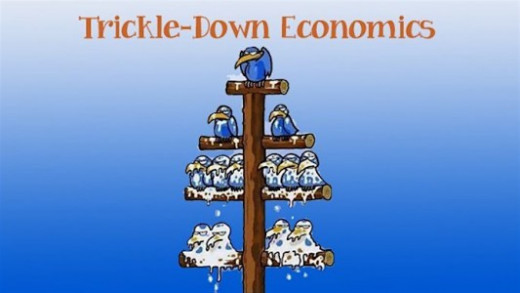
Trickle-Down Economics: Myth or Reality?
Picture this: a wealthy few at the top of society, showering their riches upon the masses below. The concept of "trickle-down economics" promises that as the rich get richer, everyone else will benefit from their prosperity. But is it truly a golden ticket to economic growth and equality? In this thought-provoking blog post, we'll dive into the history, pros and cons, and ultimately answer the burning question: does trickle-down economics really work? Get ready to challenge your assumptions and uncover the truth behind this controversial theory. Let's jump right in!
What is Trickle-Down Economics?
At its core, trickle-down economics is a theory that posits economic benefits for all when wealth and prosperity flow from the top down. Advocates argue that by reducing taxes on the wealthy and businesses, they are incentivized to invest more, create jobs, and ultimately stimulate economic growth. The idea is that as these investments and job opportunities increase, the benefits will "trickle down" to lower-income individuals and households.
However, critics of this theory raise valid concerns about its efficacy. They argue that instead of trickling down, wealth tends to accumulate at the top while leaving little impact on those at the bottom. Critics also point out that lowering taxes for the rich may disproportionately benefit them without guaranteeing any substantial gains for society as a whole.
Trickle-down economics has been championed by various politicians throughout history as a means to spur economic development. It gained significant traction during Ronald Reagan's presidency in the 1980s with his emphasis on tax cuts for corporations and high earners.
While proponents believe it can unleash entrepreneurial spirit and drive investment, opponents argue that it exacerbates income inequality by widening the gap between the rich and everyone else.
In essence, trickle-down economics rests upon an assumption: if we pour resources into those at the top of society's ladder, eventually everyone below will reap rewards. However, whether or not this promise holds true remains a subject of intense debate among economists and policymakers alike. In our quest for answers, let's examine both sides of this contentious argument before drawing any conclusions.
The History of Trickle-Down Economics
Trickle-Down Economics, a term coined in the 1980s, has its roots firmly planted in the Reagan era. President Ronald Reagan and his administration championed this economic theory as a way to promote growth and prosperity for all. The idea behind Trickle-Down Economics is that by giving tax breaks and incentives to businesses and wealthy individuals, they will invest more, create jobs, and ultimately benefit everyone.
However, the origins of this theory can be traced back even further. It draws inspiration from classical economists like Adam Smith who believed in laissez-faire capitalism - where government interference is minimal or non-existent. This concept gained traction during times of economic downturns when policymakers were searching for solutions to stimulate the economy.
Throughout history, Trickle-Down Economics has been both praised and criticized. Supporters argue that it encourages entrepreneurship and investment, leading to job creation and overall economic growth. Critics counter that it exacerbates income inequality by disproportionately benefiting the rich while neglecting the needs of lower-income individuals.
In recent decades, there have been several instances where Trickle-Down Economics was put into practice with varying outcomes. The Reagan era saw mixed results: some argue that it led to economic expansion while others believe it widened income disparities.
Today's ongoing discussions about wealth distribution are evidence of how contentious this topic remains. As societies strive for inclusive growth and social welfare programs gain popularity worldwide, questions arise about whether Trickle-Down Economics truly benefits society as a whole or if alternative approaches should be considered.
The history of Trickle-Down Economics provides valuable insights into its development over time but leaves us pondering its effectiveness in addressing long-standing issues such as income inequality and equitable wealth distribution without conclusive answers
Pros and Cons of Trickle-Down Economics
Trickle-down economics is a concept that has sparked much debate and controversy. Supporters of this theory argue that it can lead to economic growth by incentivizing the wealthy to invest, which in turn benefits the overall economy. They believe that when the rich have more money, they will spend and invest, creating jobs and opportunities for everyone.
On the other hand, critics point out several flaws in this approach. One major concern is income inequality. The wealthier individuals tend to benefit disproportionately from tax cuts or other policies aimed at stimulating economic growth. This can result in a wider gap between the rich and poor, potentially leading to social unrest.
Another criticism is that trickle-down economics may not always deliver on its promises. While proponents argue that tax breaks for businesses and high-income earners will stimulate job creation, there is no guarantee this will happen. In some cases, companies might prioritize profits over hiring new workers or investing in their communities.
Moreover, opponents highlight how trickle-down economics tends to overlook those at the bottom of society who are struggling financially. Critics say that focusing solely on providing benefits to top earners neglects programs like affordable housing or education initiatives which could help uplift lower-income individuals.
While trickle-down economics may have its proponents who argue it can boost economic growth, there are valid concerns about income inequality and whether it truly benefits all members of society equally. It's important to consider both sides before drawing any conclusions about its effectiveness as an economic theory
Does Trickle-Down Economics Work?
Trickle-down economics, often touted as a solution for economic growth and prosperity, has long been a source of debate among economists and policymakers. The theory behind trickle-down economics is that by cutting taxes on the wealthy and businesses, they will have more money to invest and create jobs, ultimately benefiting everyone in society.
However, critics argue that this approach primarily benefits the rich while failing to address income inequality or stimulate sustainable economic growth. They point out that instead of trickling down wealth to lower-income individuals, it often ends up concentrated at the top.
Furthermore, studies have shown mixed results when it comes to the effectiveness of trickle-down economics. While some research suggests a positive correlation between tax cuts for the wealthy and overall economic growth, others find minimal impact or even negative consequences.
Critics also highlight how trickle-down policies can exacerbate wealth disparities by reducing funding for public services such as education or healthcare – areas that directly benefit those in need.
Whether trickle-down economics works depends on various factors such as implementation strategies and country-specific circumstances. It's an ongoing discussion with no definitive answer but one thing remains clear: ensuring fair distribution of resources and supporting policies that promote inclusivity are vital aspects of any successful economic system.
In conclusion, after examining the history, pros, and cons of trickle-down economics, it is clear that this economic theory remains a subject of debate among economists and policymakers. While proponents argue that it promotes growth and job creation by incentivizing investment in businesses, critics contend that it exacerbates income inequality and fails to reach those at the bottom of the economic ladder.
While there may be instances where trickle-down economics has led to positive outcomes for certain sectors or individuals, its overall effectiveness in achieving widespread prosperity is questionable. The reality is that economic Economic Stimulus Packages Unraveled should strive for a balance between promoting business growth and ensuring equitable distribution of wealth.
Whether trickle-down economics works or not depends on various factors such as government regulations, taxation policies, and social safety nets. It cannot solely rely on market forces alone to address systemic issues such as poverty and inequality.
As society continues to grapple with these complex economic challenges, it becomes evident that a more comprehensive approach—one that incorporates both top-down measures like investments in education and infrastructure along with bottom-up strategies like targeted social programs—is necessary for fostering sustainable growth while also addressing societal disparities.
In conclusion (oops!), while some may still hold onto faith in the concept of trickle-down economics as an effective means of promoting prosperity for all members of society, its practicality remains uncertain. As we move forward into an increasingly interconnected world where inequality persists as a pressing issue, it becomes imperative to explore alternative approaches aimed at creating inclusive economies where everyone can thrive. Only through thoughtful analysis and open dialogue can we hope to shape truly impactful economic policies moving forward.
Economic Stimulus Packages Unraveled
Economic Stimulus Packages Unraveled
In the vast and ever-evolving world of economics, terms such as 'economic stimulus package' frequently bounce around. You might have skimmed over it in a news headline or heard it discussed on a finance podcast but never fully grasped its meaning. Today, we pull back the curtain on this economic jargon, unraveling what an economic stimulus package is all about. We'll delve into their different types, pros and cons, how they've been used historically, and what we can anticipate from future packages. Buckle up for an enlightening journey through fiscal policy!
What is an Economic Stimulus Package?
An economic stimulus package is quite the financial marvel. This tool of fiscal policy, deployed by governments worldwide, aims to invigorate a sluggish economy or prevent an impending recession.
Think of it as a shot in the arm for the economy. It's designed to stimulate growth and restore consumer confidence during tough times.
These packages often involve government spending on public works projects, tax cuts or direct payments to individuals and businesses. The overarching goal? To increase demand by putting more money into consumers' hands.
In essence, when you hear "economic stimulus package," imagine a booster rocket propelling an economy back towards prosperity!
The Different Types of Stimulus Packages
When it comes to economic stimulus packages, there are various types that governments can implement. These differ based on the specific goals and needs of a country's economy. One commonly used type is fiscal stimulus, which involves increasing government spending or reducing taxes to boost consumer demand and stimulate economic growth.
Another type is monetary stimulus, which focuses on manipulating interest rates or implementing quantitative easing measures by central banks to encourage borrowing and investment. This helps promote business activity and overall economic expansion.
In addition, there are targeted stimulus packages that aim to address specific sectors or industries facing challenges. These could include providing financial assistance or tax incentives for businesses in key areas such as renewable energy, infrastructure development, or technology innovation.
Furthermore, during times of crisis like the recent COVID-19 pandemic, emergency stimulus packages may be introduced. These often involve direct cash payments to individuals or financial support for affected industries like tourism and hospitality.
Each type of stimulus package has its own advantages and disadvantages depending on the circumstances at hand. It's important for policymakers to carefully consider the potential impacts before implementing them.
Understanding the different types of stimulus packages allows us to comprehend how governments can respond effectively to economic challenges while promoting growth and stability in their respective countries' economies.
Pros and Cons of Stimulus Packages
Stimulus packages, like any economic tool, come with their own set of advantages and disadvantages. Let's delve into the pros first.
One significant advantage is that they inject money directly into the economy. This cash infusion creates demand for products and services which stimulates business activity. Stimulus packages also have a knack for boosting consumer confidence during tough times, encouraging spending rather than hunkering down in fear.
On the flip side, these packages are not without their drawbacks. The funds needed for such schemes typically come from government borrowings leading to increased debt or raised taxes in future to repay them - both scenarios can potentially strain an already burdened economy.
Also, while stimulus measures may give immediate relief, they don't necessarily address long-term structural issues within an economy nor ensure sustainable growth in the aftermath of a crisis.
Thus, while helpful as a temporary fix-it tool during economic crises, one must be mindful of potential pitfalls associated with stimulus packages too.
How Have Stimulus Packages Been Used in the Past?
Stimulus packages have been used in the past as a way to jumpstart struggling economies and provide relief during times of crisis. One notable example is the American Recovery and Reinvestment Act of 2009, implemented in response to the global financial crisis. This package aimed to create jobs, invest in infrastructure projects, and provide tax incentives for businesses.
In Australia, the government introduced stimulus measures during the 2008-2009 global financial crisis as well. The Economic Security Strategy included cash payments to households and increased funding for infrastructure projects. These measures were intended to boost consumer spending and stimulate economic growth.
During times of recession or economic downturns, countries like Japan have also employed stimulus packages. In response to their prolonged deflationary period in the 1990s, Japan implemented various fiscal policies including public works projects and quantitative easing.
Stimulus packages have been used as a tool by governments around the world to combat economic challenges. While they can be effective in providing short-term relief and boosting economic activity, there are debates about their long-term sustainability and potential for creating dependency on government aid.
It's important for policymakers to carefully consider how stimulus funds are allocated and ensure they are targeted towards areas that will have maximum impact on job creation and sustainable growth. As we look ahead at future challenges such as climate change or technological disruption, it will be crucial for governments to adapt their stimulus strategies accordingly.
What can we Expect from Future Stimulus Packages?
As the global economy continues to grapple with the impacts of the COVID-19 pandemic, many are turning their attention to what can be expected from future stimulus packages. While it is challenging to predict the exact measures that will be implemented, there are several key areas that policymakers may focus on.
One potential area for future stimulus packages is infrastructure investment. As governments look to jumpstart economic growth and create jobs, investing in infrastructure projects such as transportation systems, renewable energy initiatives, and digital connectivity could be a priority. Not only would this provide an immediate boost to employment rates but also lay the groundwork for long-term economic development.
Another aspect that may feature prominently in future stimulus packages is support for small businesses. These enterprises have been particularly hard hit by lockdowns and restrictions imposed during the pandemic. Stimulus measures targeting small businesses could include access to affordable credit, grants or subsidies for innovation and expansion efforts, and enhanced training programs.
Additionally, given growing concerns about inequality exacerbated by the crisis, it's likely that future stimulus packages will also prioritize social welfare programs. This could involve increased funding for healthcare systems, education initiatives aimed at bridging learning gaps created by remote schooling or improved access to affordable housing.
Furthermore, as countries continue their transition towards a greener economy, we can expect stimulus packages to incorporate sustainable development goals into their strategies. Investments in clean technologies like renewable energy sources or incentives for eco-friendly practices within industries might become more prevalent.
While these suggestions offer some insight into what we might see in upcoming stimulus packages around the world; it's important to remember that each country's response will vary depending on its unique circumstances and priorities. Nonetheless: one thing remains certain - policymakers will need innovative solutions tailored specifically towards recovery from this unprecedented crisis.
In conclusion, economic stimulus packages have become a crucial tool in the hands of governments and central banks to combat economic downturns and promote growth. These packages come in various forms, such as tax cuts, infrastructure spending, and direct cash transfers.
While there are pros and cons associated with stimulus packages, they have proven to be effective in stimulating economic activity during times of crisis. By injecting funds into the economy, these measures help create jobs, boost consumer spending, and encourage business investment.
Looking back at history, we can see how stimulus packages have been utilized successfully to pull countries out of recessions. From Franklin D. Roosevelt's New Deal during the Great Depression to the recent measures undertaken by governments worldwide amidst the COVID-19 pandemic, these initiatives have played a vital role in reviving economies.
As we move forward into an uncertain future shaped by ongoing challenges like climate change and technological advancements, it is expected that future stimulus packages will prioritize sustainable development initiatives. Governments will likely focus on green infrastructure projects and investments in renewable energy sources as part of their efforts to stimulate both economic growth and environmental sustainability.
In conclusion (without explicitly stating it), economic stimulus packages are here to stay as a critical instrument for policymakers when faced with economic crises. While they may not be a panacea for all problems or without potential drawbacks, these interventions continue to play an essential role in restoring confidence among businesses and consumers alike.
So next time you hear about an economic stimulus package being rolled out by your government or central bank – whether through tax breaks or funding for public works – remember that it's part of a larger strategy aimed at jumpstarting our economy towards recovery and prosperity!
Trade Wars Unveiled: Analyzing Protectionist Policies
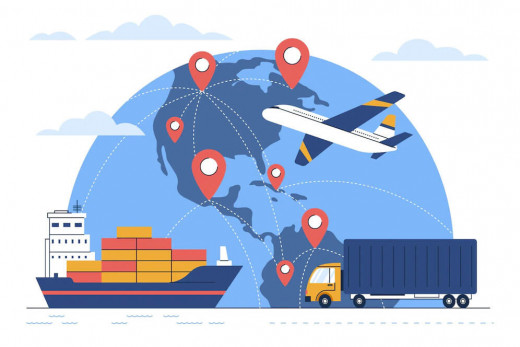
Trade Wars Unveiled: Analyzing Protectionist Policies
Welcome, curious readers! Today, we embark on a journey into the perplexing world of trade wars. A battle not fought with guns and swords, but one that rages in boardrooms and across international borders. Trade wars have dominated headlines in recent years, causing both excitement and anxiety among economists, politicians, and business leaders alike.
But what exactly are trade wars? Why do they happen? And more importantly, how do they impact our global economy? Buckle up as we dive deep into this fascinating topic to uncover the secrets behind protectionist policies. Get ready for an engaging exploration of winners and losers, causes and effects – all aimed at unraveling the complex web woven by these economic warfare tactics.
So grab your thinking caps because it's time to decode the mysteries of trade wars together! Let's begin by understanding their very essence – what makes them tick – in order to navigate through this intricate terrain with clarity and insight. Are you ready? Let's go!
What is a Trade War?
At its core, a trade war is like a high-stakes game of economic chess. It's when countries engage in tit-for-tat measures to protect their domestic industries and gain an advantage in the global marketplace. Picture two heavyweight boxers circling each other, throwing jabs and counterpunches to assert dominance.
The weapons of choice in this battle are tariffs, quotas, subsidies, and other barriers that hinder imports or boost exports. These protectionist policies aim to shield domestic industries from foreign competition and safeguard jobs at home. But just like any conflict, there are consequences – both intended and unintended.
Trade wars often start with one country imposing tariffs on specific goods or sectors imported from another country. Then retaliation ensues as the targeted nation retaliates with their own set of punitive measures. The cycle continues until it becomes an escalating spiral of trade restrictions and economic tensions.
The goal behind these tactics is to achieve favorable terms of trade for one's own country while simultaneously weakening rivals' positions. However, the impacts can ripple far beyond national borders into global supply chains and financial markets alike.
In recent times, we've witnessed how these battles unfold: nations slapping tariffs on steel and aluminum imports or engaging in currency manipulation to gain a competitive edge in international trade relationships. As tensions rise between major economies such as the United States and China or Europe grappling with Brexit uncertainties – trade wars have become more than just buzzwords; they're shaping our economic landscape.
Stay tuned as we dive deeper into understanding what fuels these conflicts – exploring causes that range from protecting strategic industries to addressing imbalances in trading relationships – all while uncovering who stands triumphant amid these turbulent tides of commerce.
What are the Causes of Trade Wars?
Trade wars are not a random occurrence; they stem from various underlying causes. One of the major causes is protectionist policies implemented by countries to safeguard their domestic industries. When governments impose tariffs or other trade barriers on imported goods, it can lead to retaliatory actions and escalate into a full-blown trade war.
Another cause is the perception of unfair trade practices, such as intellectual property theft or currency manipulation. Countries may resort to aggressive measures in an attempt to rectify these perceived imbalances.
Additionally, political factors play a significant role in triggering trade wars. Changes in leadership or shifts in geopolitical dynamics can result in policy changes that prioritize national interests over global cooperation.
Economic disparities between nations also contribute to tensions. When one country consistently runs a large trade surplus with another, it can create resentment and prompt the affected nation to take protective measures.
Moreover, rising nationalism and populism fuel the flames of protectionism by appealing to domestic sentiment and advocating for economic self-sufficiency.
There isn't a single cause for trade wars but rather a combination of factors that converge under specific circumstances. Understanding these causes is crucial for policymakers and analysts seeking solutions that promote fair and sustainable international trade relationships.
Who Wins and Loses in a Trade War?
Who comes out on top and who takes a hit in a trade war? It's a complex question with no easy answer. While some may argue that protectionist policies can benefit domestic industries, others believe that the overall impact is more harmful than helpful.
On one hand, proponents of protectionism argue that it allows domestic industries to thrive by shielding them from foreign competition. By imposing tariffs or quotas on imported goods, local companies are given an advantage as consumers have limited choices and are forced to turn to domestically produced alternatives.
However, this view overlooks the potential consequences. When countries engage in retaliatory measures, it becomes a game of tit-for-tat where everyone loses. Industries reliant on exports suffer as they face barriers and reduced demand for their products abroad. This can lead to job losses and economic downturns.
In addition, consumers often bear the brunt of higher prices resulting from protectionist policies. Imported goods become more expensive due to tariffs or supply disruptions caused by trade restrictions. As a result, individuals have less purchasing power and may be unable to afford certain goods or services.
Furthermore, trade wars can strain diplomatic relations between nations. Trust erodes as countries resort to aggressive tactics instead of open dialogue and negotiation. This creates an atmosphere of uncertainty and instability which negatively impacts global economic growth.
While there may be short-term winners in specific industries during a trade war, the long-term effects tend to be detrimental for all parties involved - including businesses, workers, consumers, and global stability itself.
How do Trade Wars Affect the Global Economy?
Trade wars have a profound impact on the global economy, affecting countries, industries, and individuals in various ways. One of the primary consequences is increased prices for imported goods. When tariffs are imposed on foreign products as part of protectionist policies, it becomes more expensive for businesses to import these goods. Consequently, consumers end up paying higher prices.
Moreover, trade wars can disrupt supply chains and hinder international cooperation. As countries engage in retaliatory actions by imposing tariffs on each other's exports, it creates an environment of uncertainty and instability. Companies may find it difficult to plan their business strategies amidst this turbulence.
Additionally, trade wars can lead to reduced economic growth and job losses. With higher costs of production due to increased tariffs and limited access to certain markets, businesses may struggle financially. This could result in layoffs or even closures.
Furthermore, trade tensions can create market volatility and negatively impact investor confidence. Uncertainty surrounding future trade policies makes investors hesitant about making long-term investments or expanding operations globally.
Developing nations often bear the brunt of trade wars disproportionately compared to developed economies with stronger domestic industries. These countries heavily rely on exports for economic growth and development; therefore, any disruptions caused by protectionist measures severely affect their economies.
In conclusion (not concluding), trade wars have far-reaching implications that extend beyond individual industries or nation-states but deeply impact the interconnectedness of our global economy
What are Some Recent Examples of Trade Wars?
Recent years have witnessed a surge in trade tensions, leading to the outbreak of several high-profile trade wars. One notable example is the ongoing trade dispute between the United States and China. The conflict began when the US imposed tariffs on Chinese goods, accusing China of unfair trade practices and intellectual property theft.
In retaliation, China retaliated with its own tariffs on American products, creating a tit-for-tat escalation that has had far-reaching consequences. Industries such as agriculture and manufacturing in both countries have been significantly affected by these measures.
Another recent example is the trade war between Japan and South Korea. This conflict erupted after Japan tightened export controls on key materials used in South Korean tech industries. In response, South Korea initiated boycotts against Japanese products while also filing complaints with international organizations.
The European Union has also found itself embroiled in various trade disputes recently. For instance, there was a heated disagreement over subsidies given to aircraft manufacturers Airbus (EU) and Boeing (US). This led to reciprocal tariff impositions on goods ranging from whiskey to cheese.
These examples demonstrate how protectionist policies can quickly escalate into full-blown trade wars with significant economic repercussions for all parties involved. As nations continue to grapple with complex global dynamics, it remains crucial for stakeholders to seek diplomatic solutions that promote fair and balanced international trade agreements.
In conclusion, trade wars have emerged as a significant challenge in today's global economy. While they may initially appear to be a means of protecting domestic industries, the reality is far more complex. The causes of trade wars can range from political differences to economic imbalances, and their consequences extend beyond individual nations.
It is crucial to understand that no one truly wins in a trade war. While protectionist policies may provide short-term benefits for some industries or countries, the long-term repercussions can outweigh any initial gains. Trade wars disrupt supply chains, increase prices for consumers, and hinder global economic growth.
The effects of trade wars on the global economy are far-reaching. They create uncertainty and instability in financial markets, leading to reduced investment and sluggish growth worldwide. Moreover, escalating tensions between trading partners can strain diplomatic relations and undermine international cooperation efforts.
Recent examples such as the US-China trade war demonstrate how detrimental these conflicts can be. Both economies suffered losses due to increased tariffs on goods traded between them, impacting businesses and consumers on both sides. The ripple effect was felt across other countries heavily reliant on these two economic powerhouses.
To avoid further escalation of trade disputes, it is essential for nations to prioritize dialogue over protectionism. Open communication channels allow for negotiation and compromise rather than resorting to punitive measures that harm all parties involved.
In conclusion (without using those words), it is clear that trade wars do not offer a sustainable solution for addressing economic concerns or promoting fair competition among nations. Instead of erecting barriers through protectionist policies, governments should focus on fostering an environment conducive to free trade while addressing legitimate concerns through bilateral negotiations or multilateral platforms like the World Trade Organization.
By working together instead of engaging in destructive conflicts, countries can foster stronger economies built upon mutually beneficial relationships—a path towards shared prosperity in an interconnected world.
The Powerhouse Effect: China's Dominance in Global Manufacturing
The Powerhouse Effect: China's Dominance in Global Manufacturing
Welcome to the world of manufacturing, where China has emerged as an undeniable powerhouse! From electronics and apparel to automobiles and furniture, it seems that everything comes with a "Made in China" label these days. But how did China ascend to such unrivaled dominance in global manufacturing? And what does this mean for industries around the world?
In this blog post, we will explore the rise of China as a manufacturing superpower and delve into the impact it has had on the global stage. Get ready to uncover the secrets behind China's unstoppable force in shaping our modern consumer landscape!
The Rise of China as a Manufacturing Powerhouse
The rise of China as a manufacturing powerhouse has been nothing short of extraordinary. Over the past few decades, this once-sleepy nation has transformed itself into an industrial juggernaut, revolutionizing the way products are made and distributed worldwide.
One key factor behind China's rapid ascent is its vast pool of cheap labor. With a population exceeding 1.4 billion people, there is no shortage of workers eager to take on manufacturing jobs at lower wages than their counterparts in other countries. This abundance of labor has attracted multinational corporations seeking to cut costs and maximize profits.
In addition to low-cost labor, China also boasts an impressive infrastructure network that supports its booming manufacturing industry. From expansive ports and efficient transportation systems to state-of-the-art factories equipped with advanced machinery, China has invested heavily in creating a conducive environment for production on a massive scale.
Furthermore, the Chinese government's policies have played a significant role in fostering the country's manufacturing prowess. By offering tax incentives and subsidies to both domestic and foreign companies, China has positioned itself as an attractive destination for investment in various industries.
Another crucial aspect contributing to China's manufacturing dominance is its ability to adapt quickly to changing market demands. The country possesses remarkable flexibility when it comes to ramping up production or shifting focus based on global trends. Whether it be smartphones or solar panels, Chinese manufacturers demonstrate agility by swiftly capitalizing on emerging markets.
It is important not to overlook the entrepreneurial spirit that permeates throughout China's business landscape. The country fosters innovation through research and development initiatives while nurturing a culture that encourages risk-taking and experimentation within the manufacturing sector.
With all these factors combined - abundant cheap labor force, robust infrastructure network, favorable government policies, adaptability, and innovation - it becomes evident why China stands tall as an unrivaled manufacturing powerhouse today.
The Effect of China's Dominance on Global Manufacturing
China's dominance in global manufacturing has had a profound impact on the industry worldwide. With its vast population, abundant resources, and low labor costs, China has become the go-to destination for many multinational corporations seeking to outsource their production.
One of the major effects of China's dominance is the shift in global supply chains. Many companies have moved their manufacturing operations to China in order to take advantage of lower costs and increased efficiency. This has led to a decline in manufacturing jobs in other countries, particularly those with higher labor costs.
China's dominance has also fueled international trade imbalances. The country's exports far surpass its imports, leading to trade deficits for many nations around the world. This imbalance can create tension between trading partners and affect geopolitical relationships.
Additionally, China's ability to produce goods at such large volumes and low prices has put pressure on manufacturers from other countries to compete. As a result, some industries have struggled or even faced extinction as they are unable to match Chinese productivity levels.
However, it is important to note that China's dominance is not without challenges. Rising labor costs within the country coupled with increasing environmental regulations pose potential threats to its competitiveness. Additionally, intellectual property theft remains an ongoing concern for foreign companies operating in China.
Looking ahead, there will be continued competition among countries as they strive to remain competitive in the global manufacturing landscape. While China currently holds a strong position, other emerging economies may present new challenges and opportunities moving forward.
In conclusion (as per your instructions), China's dominance in global manufacturing cannot be ignored or underestimated. Its impact reaches far beyond just economic considerations and extends into areas such as geopolitics and international trade dynamics. As we move forward into an increasingly interconnected world economy, understanding this power shift will be crucial for businesses and policymakers alike.
The Challenges Facing China's Manufacturing Industry
The challenges facing China's manufacturing industry are diverse and complex. One of the main challenges is increasing labor costs. As China's economy has grown, so too have wages, making it less competitive in terms of low-cost labor compared to other emerging economies like Vietnam and Bangladesh.
Another challenge is the shifting global demand for high-tech products. With advancements in technology, there is a growing need for more sophisticated and innovative goods. China needs to adapt its manufacturing capabilities to meet this demand or risk losing market share to countries that can offer more advanced products.
Environmental concerns also pose a significant challenge for China's manufacturing industry. The country has long struggled with pollution issues, particularly in heavy industries such as steel production. Efforts have been made to address these issues through stricter regulations and investment in clean technologies, but more still needs to be done.
Additionally, intellectual property rights protection remains an ongoing challenge for Chinese manufacturers. Foreign companies often express concerns about counterfeiting and IP theft when considering doing business in China. Strengthening legal frameworks and enforcement mechanisms will be crucial in addressing these concerns and fostering trust among international partners.
Despite these challenges, it is important not to overlook the resilience and adaptability of Chinese manufacturers. The government has recognized the need for transformation within the sector and has implemented various initiatives aimed at promoting innovation, upgrading technology infrastructure, and supporting small-to-medium-sized enterprises (SMEs).
In conclusion (as per instructions), while there are indeed challenges ahead for China's manufacturing industry, it would be premature to write off its dominance just yet. By embracing technological advancements, focusing on sustainable practices, protecting intellectual property rights effectively, and nurturing a culture of innovation within their factories - Chinese manufacturers may continue their reign as a global powerhouse well into the future!
The Future of China's Manufacturing Industry
The future of China's manufacturing industry holds both exciting possibilities and potential challenges. As the country continues to evolve and adapt, it is poised to maintain its dominance in global manufacturing.
One key area where China is investing heavily for the future is in advanced technologies. With a focus on innovation and research, China aims to develop new products and processes that will keep its manufacturing sector at the forefront of global competition. From artificial intelligence and robotics to renewable energy solutions, Chinese manufacturers are embracing technology to drive efficiency and productivity.
Another factor that will shape the future of China's manufacturing industry is sustainability. As environmental concerns become increasingly important worldwide, there is a growing demand for eco-friendly products and practices. To meet this demand, Chinese manufacturers are proactively implementing sustainable measures such as reducing waste, using renewable materials, and adopting greener production processes.
Additionally, the shift towards consumer-centric manufacturing presents new opportunities for China's manufacturing industry. With rising disposable incomes in domestic markets as well as increasing middle-class populations globally, there is a growing appetite for customized products tailored to individual preferences. This trend opens up avenues for Chinese manufacturers to explore personalized mass production techniques that can cater to diverse consumer needs.
However, despite these promising prospects, challenges lie ahead for China's manufacturing industry. Rising labor costs within the country may lead some companies to seek cheaper alternatives elsewhere in Southeast Asia or Africa. Additionally, geopolitical tensions could impact international trade dynamics which could have implications on supply chains and export markets.
In conclusion (not conclusive!), while uncertainties exist regarding the future trajectory of China's manufacturing industry - including technological advancements, sustainability efforts,and shifting market dynamics - one thing remains clear: with its vast resources,population,and continued commitmentto innovation,the powerhouse effectofChina'smanufacturingdominanceis likelyto endurefor years-to-come!
In conclusion, China's rise as a manufacturing powerhouse has had a profound impact on the global manufacturing landscape. With its vast resources, skilled labor force, and commitment to innovation, China has become the go-to destination for companies looking to produce goods at competitive prices.
The dominance of Chinese manufacturing has not come without challenges. The country faces increasing competition from other emerging economies and must address issues such as rising labor costs, environmental concerns, and intellectual property rights protection. However, with its strong infrastructure and government support, China is well-positioned to adapt and overcome these obstacles.
Looking ahead, it is clear that China's manufacturing industry will continue to play a pivotal role in the global economy. As the country continues to invest in advanced technologies like artificial intelligence and automation, it will further solidify its position as a leader in high-tech manufacturing sectors.
Moreover, China's Belt and Road Initiative aims to enhance connectivity between Asia, Europe, Africa, and beyond through massive infrastructure projects. This initiative will undoubtedly boost trade opportunities for Chinese manufacturers while strengthening their global influence.
In conclusion (without using "In conclusion"), China's dominance in global manufacturing is undeniable. Its ability to provide cost-effective production solutions coupled with technological advancements positions it as an unrivaled power player in this field. While challenges persist for the industry moving forward – from increasing competition to sustainability concerns – one thing remains certain: China's influence on the world of manufacturing shows no signs of diminishing anytime soon.
The Powerhouse Effect: China's Dominance in Global Manufacturing
The Powerhouse Effect: China's Dominance in Global Manufacturing
Welcome to the world of manufacturing, where China has emerged as an undeniable powerhouse! From electronics and apparel to automobiles and furniture, it seems that everything comes with a "Made in China" label these days. But how did China ascend to such unrivaled dominance in global manufacturing? And what does this mean for industries around the world?
In this blog post, we will explore the rise of China as a manufacturing superpower and delve into the impact it has had on the global stage. Get ready to uncover the secrets behind China's unstoppable force in shaping our modern consumer landscape!
The Rise of China as a Manufacturing Powerhouse
The rise of China as a manufacturing powerhouse has been nothing short of extraordinary. Over the past few decades, this once-sleepy nation has transformed itself into an industrial juggernaut, revolutionizing the way products are made and distributed worldwide.
One key factor behind China's rapid ascent is its vast pool of cheap labor. With a population exceeding 1.4 billion people, there is no shortage of workers eager to take on manufacturing jobs at lower wages than their counterparts in other countries. This abundance of labor has attracted multinational corporations seeking to cut costs and maximize profits.
In addition to low-cost labor, China also boasts an impressive infrastructure network that supports its booming manufacturing industry. From expansive ports and efficient transportation systems to state-of-the-art factories equipped with advanced machinery, China has invested heavily in creating a conducive environment for production on a massive scale.
Furthermore, the Chinese government's policies have played a significant role in fostering the country's manufacturing prowess. By offering tax incentives and subsidies to both domestic and foreign companies, China has positioned itself as an attractive destination for investment in various industries.
Another crucial aspect contributing to China's manufacturing dominance is its ability to adapt quickly to changing market demands. The country possesses remarkable flexibility when it comes to ramping up production or shifting focus based on global trends. Whether it be smartphones or solar panels, Chinese manufacturers demonstrate agility by swiftly capitalizing on emerging markets.
It is important not to overlook the entrepreneurial spirit that permeates throughout China's business landscape. The country fosters innovation through research and development initiatives while nurturing a culture that encourages risk-taking and experimentation within the manufacturing sector.
With all these factors combined - abundant cheap labor force, robust infrastructure network, favorable government policies, adaptability, and innovation - it becomes evident why China stands tall as an unrivaled manufacturing powerhouse today.
The Effect of China's Dominance on Global Manufacturing
China's dominance in global manufacturing has had a profound impact on the industry worldwide. With its vast population, abundant resources, and low labor costs, China has become the go-to destination for many multinational corporations seeking to outsource their production.
One of the major effects of China's dominance is the shift in global supply chains. Many companies have moved their manufacturing operations to China in order to take advantage of lower costs and increased efficiency. This has led to a decline in manufacturing jobs in other countries, particularly those with higher labor costs.
China's dominance has also fueled international trade imbalances. The country's exports far surpass its imports, leading to trade deficits for many nations around the world. This imbalance can create tension between trading partners and affect geopolitical relationships.
Additionally, China's ability to produce goods at such large volumes and low prices has put pressure on manufacturers from other countries to compete. As a result, some industries have struggled or even faced extinction as they are unable to match Chinese productivity levels.
However, it is important to note that China's dominance is not without challenges. Rising labor costs within the country coupled with increasing environmental regulations pose potential threats to its competitiveness. Additionally, intellectual property theft remains an ongoing concern for foreign companies operating in China.
Looking ahead, there will be continued competition among countries as they strive to remain competitive in the global manufacturing landscape. While China currently holds a strong position, other emerging economies may present new challenges and opportunities moving forward.
In conclusion (as per your instructions), China's dominance in global manufacturing cannot be ignored or underestimated. Its impact reaches far beyond just economic considerations and extends into areas such as geopolitics and international trade dynamics. As we move forward into an increasingly interconnected world economy, understanding this power shift will be crucial for businesses and policymakers alike.
The Challenges Facing China's Manufacturing Industry
The challenges facing China's manufacturing industry are diverse and complex. One of the main challenges is increasing labor costs. As China's economy has grown, so too have wages, making it less competitive in terms of low-cost labor compared to other emerging economies like Vietnam and Bangladesh.
Another challenge is the shifting global demand for high-tech products. With advancements in technology, there is a growing need for more sophisticated and innovative goods. China needs to adapt its manufacturing capabilities to meet this demand or risk losing market share to countries that can offer more advanced products.
Environmental concerns also pose a significant challenge for China's manufacturing industry. The country has long struggled with pollution issues, particularly in heavy industries such as steel production. Efforts have been made to address these issues through stricter regulations and investment in clean technologies, but more still needs to be done.
Additionally, intellectual property rights protection remains an ongoing challenge for Chinese manufacturers. Foreign companies often express concerns about counterfeiting and IP theft when considering doing business in China. Strengthening legal frameworks and enforcement mechanisms will be crucial in addressing these concerns and fostering trust among international partners.
Despite these challenges, it is important not to overlook the resilience and adaptability of Chinese manufacturers. The government has recognized the need for transformation within the sector and has implemented various initiatives aimed at promoting innovation, upgrading technology infrastructure, and supporting small-to-medium-sized enterprises (SMEs).
In conclusion (as per instructions), while there are indeed challenges ahead for China's manufacturing industry, it would be premature to write off its dominance just yet. By embracing technological advancements, focusing on sustainable practices, protecting intellectual property rights effectively, and nurturing a culture of innovation within their factories - Chinese manufacturers may continue their reign as a global powerhouse well into the future!
The Future of China's Manufacturing Industry
The future of China's manufacturing industry holds both exciting possibilities and potential challenges. As the country continues to evolve and adapt, it is poised to maintain its dominance in global manufacturing.
One key area where China is investing heavily for the future is in advanced technologies. With a focus on innovation and research, China aims to develop new products and processes that will keep its manufacturing sector at the forefront of global competition. From artificial intelligence and robotics to renewable energy solutions, Chinese manufacturers are embracing technology to drive efficiency and productivity.
Another factor that will shape the future of China's manufacturing industry is sustainability. As environmental concerns become increasingly important worldwide, there is a growing demand for eco-friendly products and practices. To meet this demand, Chinese manufacturers are proactively implementing sustainable measures such as reducing waste, using renewable materials, and adopting greener production processes.
Additionally, the shift towards consumer-centric manufacturing presents new opportunities for China's manufacturing industry. With rising disposable incomes in domestic markets as well as increasing middle-class populations globally, there is a growing appetite for customized products tailored to individual preferences. This trend opens up avenues for Chinese manufacturers to explore personalized mass production techniques that can cater to diverse consumer needs.
However, despite these promising prospects, challenges lie ahead for China's manufacturing industry. Rising labor costs within the country may lead some companies to seek cheaper alternatives elsewhere in Southeast Asia or Africa. Additionally, geopolitical tensions could impact international trade dynamics which could have implications on supply chains and export markets.
In conclusion (not conclusive!), while uncertainties exist regarding the future trajectory of China's manufacturing industry - including technological advancements, sustainability efforts,and shifting market dynamics - one thing remains clear: with its vast resources,population,and continued commitmentto innovation,the powerhouse effectofChina'smanufacturingdominanceis likelyto endurefor years-to-come!
In conclusion, China's rise as a manufacturing powerhouse has had a profound impact on the global manufacturing landscape. With its vast resources, skilled labor force, and commitment to innovation, China has become the go-to destination for companies looking to produce goods at competitive prices.
The dominance of Chinese manufacturing has not come without challenges. The country faces increasing competition from other emerging economies and must address issues such as rising labor costs, environmental concerns, and intellectual property rights protection. However, with its strong infrastructure and government support, China is well-positioned to adapt and overcome these obstacles.
Looking ahead, it is clear that China's manufacturing industry will continue to play a pivotal role in the global economy. As the country continues to invest in advanced technologies like artificial intelligence and automation, it will further solidify its position as a leader in high-tech manufacturing sectors.
Moreover, China's Belt and Road Initiative aims to enhance connectivity between Asia, Europe, Africa, and beyond through massive infrastructure projects. This initiative will undoubtedly boost trade opportunities for Chinese manufacturers while strengthening their global influence.
In conclusion (without using "In conclusion"), China's dominance in global manufacturing is undeniable. Its ability to provide cost-effective production solutions coupled with technological advancements positions it as an unrivaled power player in this field. While challenges persist for the industry moving forward – from increasing competition to sustainability concerns – one thing remains certain: China's influence on the world of manufacturing shows no signs of diminishing anytime soon.
Green Economy Revolution: Balancing Prosperity and Sustainability
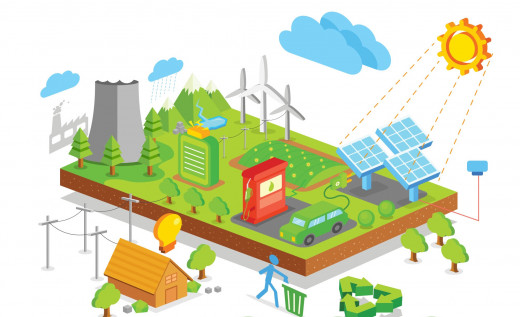
Green Economy Revolution: Balancing Prosperity and Sustainability
Welcome to the era of the green economy revolution, where prosperity and sustainability intertwine in a harmonious dance. As we witness the repercussions of climate change and environmental degradation, it becomes increasingly crucial to embrace new ways of doing business that prioritize both economic growth and ecological preservation.
In this blog post, we will explore what exactly constitutes a green economy, delve into its numerous benefits, discuss sustainable development goals that guide our path forward, examine strategies for achieving this transformative shift, highlight countries leading by example in their transition towards a greener future, and ultimately inspire you to become part of this global movement.
So fasten your seatbelts as we embark on an exhilarating journey towards balancing prosperity with sustainability!
What is the Green Economy?
What exactly do we mean when we talk about the green economy? Well, put simply, it refers to an economic system that aims to foster sustainable development and environmental well-being. It's all about finding innovative ways to meet our present needs without compromising the ability of future generations to fulfill their own.
In a green economy, every aspect of production and consumption is carefully evaluated through an environmental lens. This means minimizing waste and pollution, promoting renewable energy sources, conserving natural resources, and prioritizing the well-being of ecosystems.
But it's not just limited to environmental considerations; social equity is also a key component of the green economy. It strives for fair distribution of wealth and opportunities while ensuring that no one is left behind in this transition towards sustainability.
The beauty of the green economy lies in its potential for creating new jobs and industries. By embracing clean technologies and sustainable practices, we open up avenues for innovation and entrepreneurship that can drive economic growth while reducing our ecological footprint.
The green economy represents a fundamental shift in how we view progress - from a narrow focus on GDP growth to a holistic approach that embraces social inclusivity, environmental stewardship, and long-term prosperity. It challenges us to rethink traditional economic models and embrace solutions that benefit both people and planet. So let's dive deeper into its numerous benefits!
What are the Benefits of a Green Economy?
The benefits of a green economy are far-reaching and encompass both environmental and economic advantages. One significant benefit is the reduction in greenhouse gas emissions, which contributes to mitigating climate change. By transitioning to renewable energy sources, such as solar and wind power, we can decrease our reliance on fossil fuels and reduce air pollution.
Moreover, a green economy promotes resource efficiency through sustainable practices. This includes recycling materials, reducing waste generation, and implementing circular economy models. These measures not only conserve natural resources but also create new opportunities for businesses and industries.
In addition to protecting the environment, a green economy stimulates job creation. The shift towards renewable energy sectors creates employment opportunities in areas like manufacturing solar panels or installing wind turbines. Furthermore, investing in sustainable infrastructure projects can improve living conditions while generating jobs in construction or engineering.
Furthermore, a green economy fosters innovation by encouraging research and development of clean technologies. This opens up avenues for entrepreneurs to develop innovative solutions that address sustainability challenges while driving economic growth.
Embracing a green economy offers numerous benefits ranging from environmental preservation to economic prosperity. It allows us to achieve sustainable development goals while creating inclusive societies where people can thrive without compromising the health of our planet
What are Some Sustainable Development Goals?
Sustainable development goals, also known as SDGs, are a set of global objectives that aim to address pressing social, economic, and environmental challenges facing our world today. These goals were adopted by the United Nations in 2015 and provide a blueprint for achieving a more sustainable future.
One key sustainable development goal is to end poverty in all its forms everywhere. This involves reducing income inequality, ensuring access to basic services such as education and healthcare, promoting inclusive economic growth, and providing opportunities for all individuals to thrive.
Another important goal is to promote responsible consumption and production patterns. This means encouraging sustainable practices throughout the supply chain – from resource extraction to waste management – in order to minimize environmental impact.
Ensuring gender equality is another crucial SDG. This involves eliminating discrimination against women and girls, empowering them economically and politically, ending violence against them, and promoting their full participation in decision-making processes.
Protecting biodiversity on land and underwater is yet another vital sustainable development goal. It entails preserving ecosystems, conserving endangered species' habitats, combating illegal wildlife trade, and promoting sustainability in agriculture practices.
Achieving these sustainable development goals requires collaboration between governments at all levels (national/local), civil society organizations (NGOs), businesses (corporate responsibility), communities (social innovation), academia/research institutions (knowledge-sharing) - everyone has a role to play!
By working together towards these common objectives we can create a greener economy that not only balances prosperity but also ensures the well-being of people while safeguarding our planet's resources for future generations.
How can we Achieve a Green Economy?
One of the key steps towards achieving a green economy is promoting renewable energy sources. By shifting away from fossil fuels and investing in solar, wind, and hydro power, we can reduce greenhouse gas emissions and mitigate climate change. Governments can incentivize the use of renewable energy by offering tax breaks or subsidies to individuals and businesses who adopt these cleaner technologies.
Another important aspect is sustainable agriculture practices. This involves reducing chemical pesticide use, implementing crop rotation techniques, and supporting organic farming methods. By prioritizing soil health and biodiversity conservation, we can ensure that our food production systems are both environmentally friendly and resilient to climate change impacts.
Efficient resource management is also crucial for attaining a green economy. This means reducing waste generation through recycling initiatives, encouraging responsible consumption patterns among individuals, businesses, and industries alike. Additionally, implementing circular economy principles such as reusing materials instead of disposing them will help minimize resource depletion.
Furthermore, it's essential to promote sustainable transportation options. Encouraging the use of electric vehicles or improving public transportation infrastructure can significantly reduce carbon emissions from the transport sector.
Lastly but not least importantly - education plays a vital role in achieving a green economy. Raising awareness about environmental issues through schools and community programs helps foster a sense of responsibility towards our planet among future generations.
By adopting these strategies collectively at national as well as international levels while involving all stakeholders - governments organizations civil society private sectors local communities), we can work towards transitioning to a greener economy that balances prosperity with sustainability
What are Some Examples of Countries that have Transitioned to a Green Economy?
Norway is a shining example of a country that has successfully transitioned to a green economy. With its abundant natural resources, particularly hydropower and oil reserves, Norway has managed to balance prosperity with sustainability. The Norwegian government has implemented various policies and initiatives to promote renewable energy sources and reduce carbon emissions.
One notable success story is Costa Rica, which aims to become the world's first carbon-neutral nation by 2050. Through investments in renewable energy, reforestation efforts, and sustainable tourism practices, Costa Rica has made significant strides towards achieving its green goals.
Germany is another country that stands out for its commitment to the green economy. Despite being an industrial powerhouse, Germany has been able to significantly increase its share of renewable energy in the power sector. The country's Energiewende (energy transition) strategy focuses on phasing out nuclear power while promoting wind and solar energy.
In Africa, Rwanda is leading the way in sustainable development. After experiencing devastating environmental damage during the genocide in 1994, Rwanda prioritized conservation efforts as part of its recovery process. Today, it boasts one of the highest forest cover percentages in Africa and promotes eco-tourism as a means of economic growth.
These examples demonstrate that transitioning to a green economy is not only possible but also beneficial for both people and the planet. By investing in clean technologies, implementing effective policies, and fostering international collaboration, countries can pave the way towards a more sustainable future.
In conclusion, the green economy revolution is not just a buzzword or a passing trend—it is the path towards a sustainable future for our planet. By balancing prosperity and sustainability, we can create an economy that benefits both people and the environment.
Transitioning to a green economy offers numerous benefits. It promotes clean energy production, reduces greenhouse gas emissions, and conserves natural resources. It also fosters innovation and creates new job opportunities in renewable industries. Moreover, it addresses social inequalities by promoting inclusive growth and improving access to basic services like healthcare and education.
To achieve a green economy, we need to set clear sustainable development goals at both national and global levels. These goals should encompass areas such as clean energy production, efficient resource use, biodiversity conservation, poverty eradication, and social equality.
Achieving these goals requires collective efforts from governments, businesses, communities, and individuals alike. Governments play a crucial role in implementing policies that support renewable energy adoption and circular economic practices. Businesses need to embrace corporate sustainability measures while developing innovative solutions for greener products/services. Communities must actively participate in eco-friendly practices such as recycling or adopting public transportation options.
Several countries have already made significant strides towards transitioning to a green economy. For instance:
- Germany has become one of the world leaders in renewable energy with its ambitious Energiewende (energy transition) program.
- Costa Rica generates nearly 99% of its electricity from renewable sources such as hydroelectricity.
- Denmark aims to be carbon-neutral by 2050 through investments in wind power technology.
- Bhutan focuses on Gross National Happiness rather than Gross Domestic Product (GDP), emphasizing well-being over material wealth.
Carbon Pricing Strategies Demystified
Carbon Pricing Strategies Demystified
Welcome to the world of carbon pricing, where reducing greenhouse gas emissions goes hand in hand with economic incentives! If you're curious about how businesses can contribute to a greener future while staying profitable, you've come to the right place.
In this blog post, we will demystify carbon pricing strategies and explore their benefits for both the environment and the bottom line. So grab your eco-friendly beverage of choice and join us on this enlightening journey into the realm of sustainable business practices!
What is Carbon Pricing?
What is carbon pricing, you ask? Well, imagine a world where the costs of emitting greenhouse gases are no longer an afterthought but instead integrated into business operations. Carbon pricing is a policy tool designed to put a price on carbon emissions and encourage companies to reduce their environmental impact.
There are two main types of carbon pricing: carbon taxes and cap-and-trade systems. Carbon taxes involve setting a fixed price per ton of emitted CO2, providing a clear incentive for businesses to decrease their emissions or face higher costs. On the other hand, cap-and-trade systems establish a limit (or cap) on total emissions and issue permits that can be bought and sold within that limit. This creates financial value for companies that reduce their emissions below the allocated amount.
But how does it actually work in practice? Well, with carbon pricing initiatives in place, businesses must factor in the cost of emitting greenhouse gases when making decisions about production processes and investments. By internalizing these previously externalized costs, companies have more incentives to adopt cleaner technologies, optimize energy efficiency, or even shift towards renewable energy sources.
The benefits of carbon pricing extend beyond just reducing greenhouse gas emissions. It also stimulates innovation by encouraging research and development into low-carbon solutions. Additionally, it can generate revenue for governments which can be reinvested in sustainability projects or used to support vulnerable communities affected by climate change.
It's important to acknowledge that there may be drawbacks as well. Some argue that carbon pricing could lead to increased operational costs for businesses or result in job losses if not implemented carefully. However, many studies suggest that these concerns can be mitigated through appropriate policy design and adequate support measures for affected industries.
So how can businesses prepare themselves for this new era? One key step is adopting sustainable practices early on by investing in renewable energy sources or improving resource efficiency within their operations. Businesses should also stay informed about evolving regulatory frameworks related to carbon pricing both domestically and internationally.
The Two Main Types of Carbon Pricing
The two main types of carbon pricing are carbon taxes and cap-and-trade systems.
Carbon taxes, as the name suggests, involve placing a tax on greenhouse gas emissions. The idea behind this approach is to make polluters pay for the environmental damage caused by their activities. The tax can be levied based on the amount of emissions produced or the carbon content of fossil fuels.
On the other hand, cap-and-trade systems set a limit (or cap) on the total amount of greenhouse gases that can be emitted within a certain jurisdiction. Companies are then allocated permits or allowances that allow them to emit a specified amount of CO2 or other greenhouse gases. If they exceed their allocated allowance, they must purchase additional permits from those who have surplus allowances.
Both approaches aim to create economic incentives for reducing emissions and transitioning towards cleaner technologies. However, they differ in terms of how costs are distributed and how targets are achieved.
Carbon taxes provide certainty about the price per tonne of CO2 emitted but do not guarantee specific emission reductions. Cap-and-trade systems offer greater certainty about emission reductions but may lead to more volatile carbon prices.
It's important to note that these two strategies can also complement each other when implemented together as part of an overall climate policy framework
How does Carbon Pricing Work?
How does carbon pricing work? Carbon pricing is a market-based approach to reducing greenhouse gas emissions. It puts a price on carbon dioxide and other greenhouse gases, encouraging businesses and individuals to reduce their emissions or pay for the privilege of polluting.
There are two main types of carbon pricing: cap-and-trade systems and carbon taxes. In a cap-and-trade system, the government sets an overall limit, or cap, on the amount of emissions allowed in a certain period. Companies are then allocated permits that represent their share of the total allowable emissions. They can buy and sell these permits in a marketplace, creating incentives to reduce emissions efficiently.
On the other hand, carbon taxes directly put a price on each tonne of CO2 emitted by companies or individuals. The tax rate can be set based on various factors such as desired emission reductions or social costs associated with climate change impacts.
Both approaches aim to create economic incentives for businesses and individuals to reduce their greenhouse gas emissions by making it more expensive to pollute. By putting a price tag on pollution, carbon pricing helps internalize the environmental costs associated with emitting greenhouse gases into production decisions.
The benefits of carbon pricing are numerous. It provides clear signals about which activities emit high levels of greenhouse gases and encourages investment in cleaner technologies and practices.
Secondly, carbon pricing generates revenue that can be used to fund renewable energy projects or support vulnerable communities affected by climate change impacts.
However, there are also some concerns about its implementation. Critics argue that low-income households may bear a disproportionately higher burden due to increased prices for goods and services resulting from carbon pricing policies.
Moreover, some industries might face competitiveness challenges if they operate in countries without equivalent measures in place.
Businesses can prepare for future carbon pricing by understanding their own emission footprint, identifying opportunities for efficiency improvements, and exploring options such as investing in renewable energy sources or implementing sustainable practices.
It's important for businesses not only to comply with carbon pricing regulations but also to leverage the transition towards a low-car
What are the Benefits of Carbon Pricing?
The benefits of carbon pricing are numerous and wide-ranging. It provides a financial incentive for businesses to reduce their greenhouse gas emissions. By putting a price on carbon, companies are motivated to find innovative ways to cut down on their pollution levels.
Carbon pricing helps create a level playing field for all industries. It ensures that the cost of carbon emissions is accounted for in the market, encouraging businesses across sectors to consider sustainable practices and technologies.
Furthermore, implementing carbon pricing can lead to cleaner air and improved public health. By discouraging high-polluting activities through higher costs, we can reduce harmful pollutants such as sulfur dioxide and particulate matter, which have detrimental effects on human health.
In addition, revenue generated from carbon pricing mechanisms can be reinvested into renewable energy projects or used to support vulnerable communities affected by climate change impacts. This not only aids in transitioning towards a more sustainable future but also fosters social equity.
By adopting effective carbon pricing strategies globally, we can collectively address climate change at an unprecedented scale. Carbon markets facilitate international cooperation and encourage countries worldwide to take responsibility for reducing emissions.
The benefits of carbon pricing extend beyond environmental considerations - it drives innovation, promotes fairness across industries while improving public health and fostering global collaboration in tackling climate change challenges head-on!
Are there any Drawbacks to Carbon Pricing?
While carbon pricing has been hailed as an effective tool for combating climate change, it is not without its drawbacks. One potential drawback of carbon pricing is the burden it can place on certain industries and sectors of the economy. For example, businesses in energy-intensive industries like manufacturing may face increased costs due to the higher prices associated with carbon emissions.
Another concern is that carbon pricing alone may not be enough to achieve significant emissions reductions. While putting a price on carbon can provide economic incentives for businesses to reduce their emissions, other complementary policies and measures are necessary to drive long-term sustainability.
Furthermore, there is a risk that carbon pricing could lead to "carbon leakage," where companies move their operations to countries or regions with lower or no carbon pricing in order to avoid paying additional costs. This could result in shifting emissions rather than reducing them globally.
Additionally, there may be political challenges associated with implementing and maintaining effective carbon pricing strategies. Some politicians and industry groups may oppose such policies due to concerns about potential negative impacts on competitiveness or job losses.
Ensuring fairness and equity in the distribution of costs and benefits from carbon pricing can also present challenges. Low-income households or disadvantaged communities could bear a disproportionate burden if careful consideration is not given during policy design.
While there are drawbacks associated with carbon pricing, these should not overshadow its potential benefits in driving emission reductions and transitioning towards a low-carbon economy. Addressing these concerns through careful policy design and considering complementary measures will be crucial for successful implementation.
Disruptive Innovations in Healthcare Technology: Transforming Patient Care

Disruptive Innovations in Healthcare Technology: Transforming Patient Care
Welcome to the exciting world of healthcare technology, where disruptive innovations are revolutionizing patient care as we know it. From cutting-edge advancements in artificial intelligence and telemedicine to breakthroughs in wearable devices and genomics, the possibilities for transforming healthcare seem limitless.
In this blog post, we will explore what exactly disruptive innovations are, delve into some game-changing examples within the healthcare industry, and peek into a future that holds immense potential for improving patient outcomes. So buckle up and get ready to discover how these technological disruptions are reshaping the landscape of healthcare!
What are Disruptive Innovations?
Disruptive innovations, in essence, refer to the groundbreaking advancements that disrupt existing industries or practices by introducing new and more efficient ways of doing things. These innovations often challenge traditional norms and transform entire sectors by offering improved solutions that were previously unheard of.
In the context of healthcare technology, disruptive innovations are those revolutionary ideas and technologies that have the potential to significantly improve patient care, outcomes, and overall efficiency within the healthcare system. They can range from breakthrough medical devices to innovative software applications or even novel approaches to delivering care.
What sets disruptive innovations apart is their ability to fundamentally change how healthcare is delivered. Instead of merely improving upon existing methods or technologies, these disruptions completely redefine the way patients interact with their caregivers and access services.
One key characteristic of disruptive innovations is their affordability and accessibility. By leveraging technological advancements such as mobile devices or cloud computing, many disruptive healthcare technologies have become more affordable than traditional alternatives. This has opened up opportunities for individuals who may not have had access to quality healthcare before.
Disruptive innovations are reshaping the landscape of modern medicine by challenging established practices and introducing transformative solutions. As we continue exploring this fascinating world of healthcare technology disruptions in subsequent sections, be prepared to witness some remarkable examples that are revolutionizing patient care across the globe!
Disruptive Innovations in Healthcare Technology
Disruptive innovations in healthcare technology have revolutionized the way patients receive care and has paved the way for improved outcomes. These innovative technologies challenge traditional models, creating new opportunities for healthcare providers to deliver more efficient and patient-centered care.
One example of a disruptive innovation is telemedicine, which allows patients to consult with doctors remotely through video conferencing or phone calls. This eliminates the need for in-person appointments, reducing travel time and costs for patients while increasing access to healthcare services.
Another groundbreaking technology is wearable devices, such as smartwatches and fitness trackers. These devices not only track physical activity but also monitor vital signs like heart rate and blood pressure. Patients can now take control of their own health by continuously monitoring their conditions, leading to early detection of any abnormalities and proactive management of chronic diseases.
Artificial intelligence (AI) is also making waves in the healthcare industry. AI-powered systems can analyze vast amounts of medical data quickly and accurately, aiding in diagnosis, treatment planning, and drug discovery. Machine learning algorithms are constantly evolving based on real-time data inputs, improving accuracy over time.
Robotic surgery is another area where disruptive innovations have transformed patient care. With robotic-assisted surgical systems like da Vinci Surgical System®, surgeons can perform complex procedures with enhanced precision and minimal invasiveness. This results in shorter recovery times for patients and reduced risk of complications compared to traditional open surgeries.
The integration of big data analytics into healthcare decision-making processes has further propelled disruptive innovations forward. By analyzing large datasets containing patient information from various sources like electronic health records (EHRs), genetic profiles, lifestyle habits, social determinants of health etc., researchers gain valuable insights into disease patterns, treatment effectiveness, population health trends etc., ultimately leading to personalized medicine approaches tailored specifically to each individual's unique needs.
Disruptive innovations continue to shape the future landscape of healthcare technology by prioritizing convenience, accessibility ,and affordability without compromising quality or safety. As technology advances, we can expect even more transformative developments that will improve patient
The Future of Healthcare Technology
The future of healthcare technology holds immense promise for transforming patient care in ways we can hardly imagine. With rapid advancements in fields like artificial intelligence, robotics, and genomics, the possibilities seem endless.
Imagine a world where wearable devices constantly monitor our health indicators and alert us to any potential issues before they become serious. Picture hospitals equipped with smart machines that can diagnose diseases with greater accuracy and speed than human doctors. Envision surgeries being performed by robotic systems with precision and minimal invasiveness.
In the coming years, we can expect significant breakthroughs in personalized medicine tailored to each individual's unique genetic makeup. This will enable more targeted treatments for complex conditions like cancer or autoimmune disorders, leading to improved outcomes and fewer side effects.
Furthermore, telemedicine is set to revolutionize how healthcare services are delivered. Patients will have access to virtual consultations from anywhere in the world, reducing barriers to care for those living in remote areas or with limited mobility.
Data analytics will play a crucial role in driving evidence-based decision-making and improving patient outcomes. By analyzing vast amounts of medical data quickly and accurately, healthcare providers can identify patterns, predict disease progression, and develop personalized treatment plans.
As technologies continue to evolve at an exponential rate, it is essential that regulatory frameworks keep pace to ensure patient safety while fostering innovation. Additionally, addressing concerns around data privacy and security will be paramount as more interconnected devices collect sensitive medical information.
While challenges certainly lie ahead on this transformative journey towards the future of healthcare technology, there is no doubt that these innovations hold great potential for advancing patient care worldwide. As we look forward with anticipation, let us embrace these disruptive technologies as tools that empower patients and enhance their overall well-being.
In conclusion, innovation in healthcare technology has revolutionized the way patient care is delivered. Disruptive innovations have emerged as game-changers, transforming the industry and improving outcomes for patients around the world.
We have explored some of the most impactful disruptive technologies that are reshaping healthcare. From telemedicine and wearable devices to AI-powered diagnostics and precision medicine, these innovations are empowering patients, enhancing accessibility, and enabling personalized treatment plans.
The future of healthcare technology holds even more promise. As advancements continue at an unprecedented pace, we can expect to see further integration of AI, IoT devices, robotics, and virtual reality in patient care. The use of big data analytics will also play a crucial role in predicting disease patterns and optimizing treatment strategies.
However, it's essential to acknowledge that along with these exciting developments come challenges such as privacy concerns, ethical considerations surrounding AI-driven decision-making processes, and ensuring equitable access to innovative technologies for all individuals.
As we navigate through this ever-evolving landscape of disruptive innovations in healthcare technology, collaboration between medical professionals, engineers, researchers, policymakers becomes crucial. By working together towards a common goal - providing effective and efficient patient-centered care - we can truly transform the future of healthcare.
So let us embrace these disruptive innovations with open arms while addressing potential obstacles responsibly. Together we can create a healthier tomorrow where every individual has access to cutting-edge technologies that enhance their well-being!
Keynes vs Keynes vs Hayek: Battle of Economic Theories

Keynes vs Hayek: Battle of Economic Theories
Step right up, ladies and gentlemen, as we witness an epic clash between two towering figures in the world of economics. In one corner, we have John Maynard Keynes, the advocate of government intervention and spending to stimulate economic growth. And in the other corner stands Friedrich Hayek, a staunch believer in free markets and limited government interference.
This is not your typical boxing match; it's an intellectual showdown that has captivated economists and policymakers for decades. So buckle up as we delve into the fascinating world of Keynesian and Hayekian economics - exploring their core principles, real-world applications, pros and cons, ultimately seeking answers to which theory reigns supreme.
Get ready for a ringside seat to witness this clash like never before! This battle will leave you with a deeper understanding of economic theories while igniting sparks of curiosity within your mind. Let's dive straight into the ring!
What are Keynesian and Hayekian Economics?
Keynesian and Hayekian economics are two prominent schools of thought that offer contrasting perspectives on how economies function and should be managed.
Keynesian economics, named after the influential economist John Maynard Keynes, emphasizes the role of government intervention in stabilizing economies. Keynesians argue that during times of economic downturns or recessions, governments should increase public spending and lower taxes to stimulate demand and boost economic growth. They believe that by injecting money into the economy, it can create a multiplier effect where increased consumer spending leads to more business activity and job creation.
On the other hand, Hayekian economics takes its name from Friedrich Hayek, a Nobel laureate economist known for his advocacy of free markets. Hayekians maintain that market forces are best left alone without excessive government interference. They assert that individuals acting in their own self-interests within competitive markets will result in efficient resource allocation and optimal outcomes for society as a whole.
While both theories share some common ground – such as recognizing the importance of savings - they diverge significantly when it comes to issues like inflationary control and fiscal policy. Keynesians tend to support active monetary policies (such as adjusting interest rates) while Hayekians favor rules-based monetary systems with minimal interventions.
These two economic theories have been central players in shaping policy decisions around the world since their inception. From Franklin D. Roosevelt's New Deal in response to the Great Depression employing Keynesian principles to Reaganomics' emphasis on tax cuts influenced by Hayek's ideas – each theory has found application at different points throughout history.
The Key Differences Between the Two Theories
Keynesian and Hayekian economics are two distinct schools of thought that have shaped the field of economics. While both theories seek to understand and explain economic phenomena, they differ in their approach and policy recommendations.
One key difference between Keynesian and Hayekian economics lies in the role of government intervention. Keynesians advocate for active government involvement to stabilize the economy during times of recession or depression. They believe that through increased public spending and monetary policies, such as lowering interest rates, governments can stimulate demand and promote economic growth.
On the other hand, Hayekians argue for limited government intervention in the economy. They emphasize the importance of free markets and individual liberty, asserting that excessive government interference hampers economic efficiency. According to this view, market forces should be allowed to allocate resources naturally without distortion from government interventions.
Another distinction lies in how each theory views money supply and its impact on inflation. Keynesians suggest that an increase in money supply can help boost economic activity by stimulating consumer spending. In contrast, Hayekians caution against excessive money creation as it may lead to inflationary pressures and distortions within an economy.
Additionally, these theories differ when it comes to understanding recessions or downturns in business cycles. Keynes argued that aggregate demand fluctuations are primarily responsible for recessions; thus, counter-cyclical policies like fiscal stimulus can help restore equilibrium. Conversely, Hayek believed that disruptions often stem from misallocations caused by previous expansions; therefore, allowing prices to adjust freely would enable a more efficient recovery process without governmental interference.
In practice, economies around the world have employed elements from both theories depending on specific circumstances or ideological inclinations prevailing at different times. For instance, during periods of financial crisis or deep recession (such as 2008), many countries adopted Keynesian-like policies aimed at boosting aggregate demand through increased public spending or tax cuts.
However, there has also been a resurgence of interest in Hayekian ideas, particularly in recent years. Advocates argue for reducing government regulation
How Keynesian and Hayekian Economics Have Been Applied in the Real World
Keynesian and Hayekian economics have both been applied in the real world, each with varying degrees of success.
In the aftermath of the Great Depression, Keynesian economics gained widespread acceptance as governments implemented policies aimed at stimulating demand through increased government spending and lower interest rates. This approach was exemplified by Franklin D. Roosevelt's New Deal in the United States.
On the other hand, Hayekian economics found its application in countries such as Chile under Augusto Pinochet's regime. The focus here was on free-market principles, deregulation, and privatization.
However, it is important to note that these applications were not without their challenges and criticisms. Keynesian policies have been criticized for potentially leading to inflationary pressures or creating unsustainable levels of public debt. In contrast, Hayek's emphasis on limited government intervention has faced criticism for exacerbating inequality and social disparities.
Despite these criticisms, both theories continue to be influential in shaping economic policy around the world today. Governments often adopt a mix of Keynesian and Hayekian approaches depending on specific circumstances or prevailing economic conditions.
Understanding how these different economic theories have been applied provides valuable insights into their strengths and weaknesses when put into practice across diverse global contexts.
The Pros and Cons of Each Approach
Pros and cons are inherent in every economic theory, and Keynesian and Hayekian economics are no exception. Both approaches have their strengths and weaknesses, which have been debated by economists for decades.
One of the main advantages of Keynesian economics is its focus on government intervention during economic downturns. By increasing government spending or cutting taxes, Keynesians believe that demand can be stimulated, leading to increased employment and economic growth. This approach has been credited with helping countries recover from recessions and preventing prolonged periods of high unemployment.
On the other hand, one criticism of Keynesian economics is its reliance on deficit spending. Critics argue that excessive government borrowing can lead to inflationary pressures and impose a burden on future generations through higher taxes or reduced public services.
In contrast, Hayekian economics emphasizes free markets as the most efficient allocators of resources. The belief is that individuals acting in their own self-interest will create a more prosperous society overall. This approach promotes limited government intervention and argues against attempts to manipulate the economy through monetary or fiscal policy.
However, one drawback of this approach is its potential to exacerbate income inequality. Without any redistribution mechanisms in place, wealth can become concentrated among a few individuals or corporations while leaving others behind.
Furthermore, proponents of Hayek's ideas often overlook market failures such as externalities or monopolies that require some level of regulation to ensure fair competition and maximize societal welfare.
It's important to note that both theories have been applied in various real-world contexts with varying degrees of success. For example, Keynesian policies were implemented during the Great Depression in the 1930s but faced challenges during stagflation in the 1970s. Similarly, Hayek's ideas influenced policymakers during periods such as Reaganomics in the United States.
Determining which economic theory is better depends on various factors including specific circumstances, political considerations,and long-term goals for an economy.
The ideal solution may lie somewhere between these two approaches, incorporating elements of both to strike a balance that promotes stability, growth
Which Economic Theory is Better?
The question of which economic theory is better, Keynesian or Hayekian, has sparked intense debate among economists and policymakers. Both theories offer compelling arguments and have been applied in different contexts with varying degrees of success.
Keynesian economics emphasizes the role of government intervention in stabilizing the economy during times of recession. According to this approach, increased government spending and fiscal policies can stimulate aggregate demand and promote economic growth. Proponents argue that such interventions can help mitigate unemployment and stabilize market fluctuations.
On the other hand, Hayekian economics advocates for a more laissez-faire approach, emphasizing free markets and limited government intervention. Hayek believed that allowing prices to freely adjust would lead to efficient resource allocation and long-term economic stability. Supporters argue that excessive government interference could distort market signals and hinder entrepreneurship.
In practice, both theories have had their successes and shortcomings. Keynesian policies were widely implemented during the Great Depression in the 1930s, helping to spur economic recovery. However, critics contend that prolonged reliance on deficit spending can lead to inflationary pressures or create future public debt burdens.
Hayek's ideas gained prominence during the post-World War II period when many countries embraced free-market principles. These policies contributed to rapid growth but also led to income inequality disparities in some cases.
Determining which theory is "better" ultimately depends on various factors such as specific economic conditions, political ideologies, cultural values, and social goals. It may not be possible or appropriate to make a blanket statement declaring one theory superior over another without considering these nuanced considerations.
Instead of seeking an outright winner between Keynesianism or Hayekism as if it were a black-and-white choice between two extremes – we should strive for a balanced understanding of these theories' strengths as well as their limitations.
Inflation Unveiled: How Rising Prices Impact Our Daily Lives
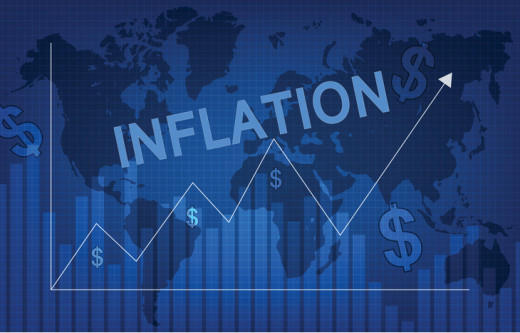
Inflation Unveiled: How Rising Prices Impact Our Daily Lives
Welcome to the world of rising prices and shrinking wallets! Have you ever found yourself scratching your head at the increasing cost of groceries, gas, or even that beloved cup of coffee? Well, my friend, you're not alone. Inflation is a sneaky little beast that affects every aspect of our daily lives - from what we eat to how we commute. But fear not!
In this blog post, we'll unveil the mysteries of inflation and explore its impact on our day-to-day existence. So grab a seat (and maybe a calculator), because it's time to dive into the wild rollercoaster ride known as inflation!
What is Inflation?
What exactly is inflation? Well, it's not just a term economists throw around to sound important. Inflation refers to the general increase in prices of goods and services over time. It's like watching your favorite ice cream cone melt away - but instead of deliciousness disappearing, it's the purchasing power of your hard-earned money.
At its core, inflation is driven by a variety of factors. One major player is the supply and demand dynamics within an economy. When demand for goods and services outpaces supply, prices tend to rise. Another culprit can be excessive government spending or printing more money than necessary, leading to an increase in overall prices.
Inflation impacts everything from basic necessities like food and clothing to bigger-ticket items like housing and healthcare. Imagine going grocery shopping one week only to find that your usual bag of apples now costs twice as much! Suddenly, budgeting becomes trickier as you struggle to make ends meet amidst these soaring prices.
But don't despair just yet! Inflation isn't all doom and gloom (though it might feel that way when you're paying extra at the checkout counter). There are some potential benefits too – though they may be few and far between. For example, if you owe debts with fixed interest rates, inflation can actually work in your favor by eroding the real value of what you owe over time.
So how do we navigate this tumultuous world of rising prices? Preparation is key! Start by keeping an eye on economic indicators such as consumer price index (CPI) reports which track changes in average retail prices over time. This information can help you anticipate future price increases and adjust your budget accordingly.
Additionally, consider diversifying your investments beyond traditional savings accounts or low-interest bonds. Explore options such as stocks or real estate which have historically shown resilience against inflationary pressures.
How Inflation Impacts Our Daily Lives
Inflation is not just some abstract economic concept that only affects big businesses and governments. It has a direct impact on our daily lives, from the prices we pay for groceries to the cost of filling up our gas tanks. Let's take a closer look at how inflation can affect us on a personal level.
One of the most obvious ways that inflation impacts us is through rising prices. As the overall price level increases, it means that we have to spend more money to purchase the same goods and services. This can put pressure on our budgets and make it harder to afford essential items.
For example, think about your monthly grocery bill. When inflation occurs, food prices tend to rise along with it. This means that you may have to spend more money each month just to buy your usual groceries. And if you're living paycheck-to-paycheck or on a fixed income, this increase in spending can be especially challenging.
In addition to higher costs for everyday necessities like food and utilities, inflation also affects things like housing expenses and healthcare costs. Rent or mortgage payments may go up as property values rise due to inflationary pressures. And medical expenses can become even more burdensome as healthcare providers adjust their prices upwards.
Furthermore, when there is high inflation, wages often fail to keep pace with rising prices. This means that even though you may still receive a regular paycheck, its purchasing power decreases over time due to increasing costs of goods and services.
While high levels of inflation certainly come with their fair share of challenges and drawbacks for individuals and families alike, it's important not overlook some potential benefits as well:
Firstly: moderate levels of inflation can actually stimulate economic growth by encouraging consumer spending and investment.
Secondly: debtors benefit from mild inflation because they are paying back loans with money that is worth less than what they borrowed.
Thirdly: higher wages might accompany periods of increased overall price levels, which can help offset some of the negative effects.
The Pros and Cons of Inflation
Inflation is a complex economic phenomenon that has both positive and negative effects on our daily lives. Let's explore the pros and cons of inflation.
On the upside, a moderate level of inflation can stimulate economic growth. When prices rise gradually, it encourages spending as consumers rush to make purchases before prices increase further. This boost in consumer spending can lead to increased production, job creation, and overall economic expansion.
Additionally, inflation can help reduce debt burdens for individuals and businesses alike. As the general price level increases over time, the real value of debts decreases. This means that borrowers may find it easier to repay their loans using future dollars that are worth less than today's dollars.
However, there are also downsides to inflation that we need to consider. One major drawback is its impact on fixed-income earners such as retirees or those living on pensions or social security benefits. When prices rise faster than incomes, these individuals may struggle to maintain their purchasing power and cover their expenses.
Another con is the erosion of savings' value caused by inflation. If interest rates fail to keep up with rising prices, savers may see their purchasing power diminish over time as they earn nominal returns but face higher costs for goods and services.
Moreover, high levels of inflation can create uncertainty in financial markets and decrease investor confidence. Businesses might hesitate to invest or expand due to uncertain profit margins caused by unpredictable price fluctuations.
Striking a balance between too much or too little inflation is crucial for maintaining a stable economy without burdening certain segments of society disproportionately while ensuring an environment conducive for investment and growth.
Understanding both the advantages and disadvantages allows us to navigate through periods of rising prices better while setting realistic expectations about our finances in an ever-changing economic landscape
How to Prepare for Inflation
Preparing for inflation is essential to safeguard our financial well-being. While we cannot control the rise in prices, there are steps we can take to mitigate its impact on our daily lives.
First and foremost, it is crucial to have a solid budget in place. Tracking your expenses allows you to identify areas where you can cut back and save more. By being mindful of your spending habits, you can better allocate funds toward necessary expenses and avoid unnecessary purchases.
Diversifying your investments is another strategy that can help protect against inflation. Consider investing in assets such as stocks, real estate, or commodities that tend to increase in value during periods of rising prices. Additionally, maintaining an emergency fund ensures that you have a cushion to rely on when unexpected expenses arise.
Another way to prepare for inflation is by considering alternative sources of income. This could mean exploring part-time job opportunities or starting a side business that generates additional revenue streams.
Staying informed about economic trends and developments is key. Keep up with news related to inflation rates and government policies that may impact the economy. This knowledge will enable you to make informed decisions regarding your finances and adjust your strategies accordingly.
By following these proactive steps, we can navigate the effects of inflation more effectively and ensure a more stable financial future for ourselves and our families.
In conclusion, it is clear that inflation has a significant impact on our daily lives. It affects the prices of goods and services we rely on, making them more expensive over time. This can squeeze our budgets and reduce our purchasing power.
While some level of inflation can be beneficial for economic growth, high levels of inflation can create instability and uncertainty in the economy. It erodes the value of savings and reduces the standard of living for individuals and families.
To prepare for inflation, there are several strategies you can adopt. Diversifying your investments, investing in assets that tend to perform well during inflationary periods (such as real estate or commodities), and considering alternative forms of currency like cryptocurrencies are all options worth exploring.
Additionally, staying informed about economic trends, monitoring price changes in essential goods and services, and budgeting wisely will help you navigate through times of rising prices.
Understanding how inflation works and its potential effects on your daily life is crucial for financial planning. By being proactive in managing your finances and taking steps to protect against the negative impacts of inflation, you can better secure your future financial well-being.
So stay informed, make smart choices with your money today; tomorrow will thank you!