Learn smarter with fresh insights from our tutors.
Practical study guides, course supplements, and learning resources curated to help you move faster through every subject.
Precision Agriculture Techniques That Revolutionize Farming

Precision Agriculture Techniques That Revolutionize Farming
Welcome to the future of farming! Precision agriculture is not just a buzzword; it's a game-changer that has revolutionized the way we cultivate crops and manage our land. Gone are the days of guesswork and one-size-fits-all approaches. With precision agriculture techniques, farmers can now optimize resources, increase yields, and minimize environmental impact like never before.
Imagine having real-time data at your fingertips, enabling you to make informed decisions about irrigation, fertilization, pest management, and more. This level of precision allows farmers to maximize productivity while reducing waste - truly a win-win situation for both growers and the planet.
In this blog post, we will explore what precision agriculture is all about, discuss its numerous benefits, delve into different types of precision agriculture techniques available today, and provide some practical tips on how to get started in this exciting field. So buckle up as we take you on an eye-opening journey through the world of cutting-edge agricultural practices!
What is Precision Agriculture?
What is precision agriculture, you ask? Well, it's an innovative approach to farming that utilizes technology and data analysis to optimize agricultural practices. In simple terms, precision agriculture aims to make farming more precise and efficient by providing farmers with detailed information about various aspects of their land.
One key component of precision agriculture is the use of remote sensing techniques such as satellite imagery and drones. These tools allow farmers to gather accurate data on crop health, soil moisture levels, nutrient deficiencies, and even pest infestations. By analyzing this information in real-time, farmers can take targeted action where it's needed most.
Another crucial aspect of precision agriculture is the use of GPS systems and mapping software. These technologies enable farmers to create detailed maps of their fields, identifying variations in soil composition or topography that may impact crop growth. Armed with this knowledge, farmers can apply fertilizers or irrigation precisely where they are needed - no more wasting valuable resources!
Precision agriculture also embraces automation through the use of smart machinery. Tractors equipped with sensors can now navigate fields autonomously while performing tasks like planting seeds or applying herbicides with pinpoint accuracy.
In essence, precision agriculture empowers farmers by giving them unprecedented insights into their operations. It allows for proactive decision-making based on real-time data rather than relying on guesswork or outdated methods. With these advanced techniques at their disposal, modern-day growers are taking farming to new heights!
The Benefits of Precision Agriculture
Precision agriculture offers numerous benefits that can revolutionize the farming industry. One of the primary advantages is increased efficiency and productivity. By using advanced technologies such as GPS, sensors, and drones, farmers are able to precisely monitor and control various aspects of their operations. This allows for optimized use of resources like water, fertilizers, and pesticides.
Another significant benefit is cost savings. With precision agriculture techniques in place, farmers can minimize waste by applying inputs only where they are needed most. This not only reduces expenses but also minimizes environmental impact.
Moreover, precision agriculture enables better crop management through data-driven insights. Farmers can collect real-time information about soil moisture levels, nutrient content, and pest infestations. Analysis of this data helps them make informed decisions regarding irrigation schedules, fertilization plans, and pest control strategies.
In addition to these practical advantages, precision agriculture contributes to sustainability efforts by promoting responsible resource usage. The precise application of inputs ensures minimal runoff into water bodies while preserving soil health for future generations.
The benefits of precision agriculture extend beyond just improving farm productivity; it encompasses environmental stewardship and sustainable practices that can shape the future of farming.
The Different Types of Precision Agriculture
The world of precision agriculture is vast and constantly evolving. Farmers now have access to a wide range of tools and techniques that can be used to enhance their farming practices. Here are some different types of precision agriculture that are being used in the industry:
1. Remote Sensing: This involves using satellites, drones, or aircrafts equipped with sensors to collect data about crops and soil conditions. By analyzing this data, farmers can make informed decisions about irrigation, fertilization, and pest control.
2. Variable Rate Technology (VRT): With VRT, farmers can apply inputs such as fertilizer or pesticides at different rates across their fields based on specific needs identified through mapping systems. This allows for more precise application and reduces waste.
3. Automated Machinery: Precision agriculture also includes the use of automated machinery like self-driving tractors or robotic harvesters. These machines utilize GPS technology and advanced sensing systems to perform tasks with greater accuracy and efficiency.
4. Data Analytics: Another aspect of precision agriculture is the analysis of large amounts of data collected from various sources such as weather stations, soil moisture sensors, or yield monitors. By utilizing sophisticated algorithms, farmers can gain valuable insights into crop performance and optimize their farming operations accordingly.
5. Integrated Pest Management (IPM): IPM combines multiple approaches to manage pests effectively while minimizing environmental impact. It involves monitoring pests' populations using traps or sensors and implementing targeted control measures only when necessary.
These are just a few examples of the diverse range of precision agriculture techniques available today. Each method offers unique benefits for optimizing farm management practices while reducing input costs and environmental impacts.
How to get Started with Precision Agriculture
Getting started with precision agriculture may seem overwhelming at first, but with the right approach and tools, it can be a game-changer for farmers. Here are some steps to help you embark on your precision agriculture journey.
Assess your goals and needs. What specific challenges are you facing on your farm? Are you looking to optimize fertilizer application or improve irrigation efficiency? Understanding your objectives will guide your decision-making process when selecting precision agriculture techniques.
Next, invest in the right technology. There is a wide range of tools available that can aid in data collection and analysis, such as GPS systems, remote sensing devices, and drones. These technologies provide valuable insights into soil conditions, crop health, and water usage patterns.
Once you have the necessary equipment in place, it's time to collect data. This includes gathering information about soil composition, nutrient levels, weather patterns, and crop performance over time. Be sure to keep this data organized and easily accessible for future analysis.
Data analysis is a critical step in leveraging precision agriculture effectively. Look for patterns or trends within the collected data that can inform decision-making processes. This could involve adjusting fertilizer application rates based on soil nutrient levels or implementing variable rate irrigation based on crop water requirements.
Stay updated with advancements in precision agriculture techniques by attending conferences or workshops related to the field. Networking with other farmers who have successfully implemented these practices can also provide valuable insights and guidance.
Remember that getting started with precision agriculture requires patience and experimentation; there is no one-size-fits-all approach. By taking small steps towards adopting these techniques while keeping an open mind towards innovation, you'll set yourself up for success in revolutionizing farming practices on your land.
Conclusion
Precision agriculture is revolutionizing the way farming is done, bringing a host of benefits to farmers and the environment alike. By utilizing advanced technologies such as GPS, sensors, and data analytics, precision agriculture allows for more accurate and efficient farming practices.
The benefits of precision agriculture are numerous. Farmers can optimize their use of resources such as water, fertilizers, and pesticides by applying them only where needed. This not only reduces costs but also minimizes environmental impact. Additionally, precision agriculture enables better crop management through real-time monitoring of plant health and growth patterns.
There are several types of precision agriculture techniques available depending on the specific needs of each farm. These include variable rate technology (VRT), which adjusts input application rates based on soil variability; remote sensing using drones or satellite imagery for detailed field analysis; and automated machinery that can perform precise tasks with minimal human intervention.
Getting started with precision agriculture may seem overwhelming at first, but it doesn't have to be. Start by assessing your farm's specific needs and goals. Identify areas where you could benefit from more precise data collection or resource management. Then explore the different technologies available in the market that align with your requirements.
Consider reaching out to agricultural experts or technology providers who specialize in precision agriculture for guidance and support during implementation. They can help tailor solutions to your unique circumstances and provide training to ensure you make the most out of these innovative techniques.
In summary, precision agriculture offers a promising future for farmers seeking greater efficiency, productivity, and sustainability in their operations. Embracing this transformative approach will not only benefit individual farms but also contribute towards a more sustainable global food system.
So why wait? Take advantage of these cutting-edge techniques today and join the growing community embracing precision agriculture!
Optimizing Nitrogen Usage for Enhanced Crop Performance

Optimizing Nitrogen Usage for Enhanced Crop Performance
Welcome to our blog! Today, we are diving deep into the fascinating world of crop performance optimization. Specifically, we will be exploring the important role that nitrogen plays in enhancing crop growth. Nitrogen is an essential nutrient for plants and understanding how to optimize its usage can lead to significant improvements in agricultural productivity.
So, if you're a farmer or anyone interested in maximizing crop yields while minimizing environmental impact, this article is for you! We'll explore the factors that impact nitrogen use efficiency and discuss methods to help you make the most out of this valuable resource. Get ready to unlock the secrets behind optimizing nitrogen usage and take your crops to new heights!
The Importance of Nitrogen for Crop Growth
Nitrogen is an essential nutrient for the growth and development of crops. It plays a crucial role in various physiological processes, including photosynthesis, protein synthesis, and cell division. Without adequate nitrogen supply, plants may exhibit stunted growth, reduced yields, and increased susceptibility to diseases.
One key aspect of nitrogen's importance lies in its involvement in chlorophyll production.
Chlorophyll is responsible for capturing sunlight energy used during photosynthesis. This process converts carbon dioxide and water into glucose for plant growth. Simply put, without sufficient nitrogen levels, plants cannot produce enough chlorophyll to efficiently convert sunlight into energy.
Furthermore, nitrogen also contributes to the formation of amino acids – the building blocks of proteins. Proteins are vital for numerous functions within plants; they serve as enzymes that catalyze biochemical reactions and act as structural components in cells.
Another benefit of sufficient nitrogen availability is enhanced root development. Nitrogen stimulates root elongation which allows crops to absorb water and nutrients more effectively from the soil.
It is clear that ensuring adequate nitrogen supply is critical for maximizing crop productivity. By understanding the importance of this essential nutrient in promoting healthy plant growth and optimizing its usage through proper management practices can lead to improved agricultural outcomes with higher yields and better quality crops.
Factors That Impact Nitrogen Use Efficiency
When it comes to optimizing nitrogen usage for enhanced crop performance, understanding the factors that impact nitrogen use efficiency is crucial. By identifying and addressing these factors, farmers can make informed decisions to maximize the benefits of nitrogen fertilizers while minimizing waste.
So, what are some of these key factors?
1. Soil Conditions: The health and fertility of the soil play a significant role in determining how efficiently crops can utilize nitrogen. Factors such as pH levels, organic matter content, and nutrient availability all influence nitrogen uptake by plants. It's important for farmers to regularly test their soil and make necessary amendments to create an ideal environment for nutrient absorption.
2. Crop Variety: Different plant species have varying abilities to access and utilize nitrogen from the soil. Some crops are more efficient at absorbing nutrients than others, so selecting appropriate varieties that match local conditions can greatly enhance nitrogen use efficiency.
3. Timing of Nitrogen Application: Proper timing of fertilizer application is critical for maximizing its utilization by crops. Applying nitrogen too early or too late in the growing season may result in reduced effectiveness or losses due to leaching or volatilization.
4. Nutrient Management Practices: Implementing good agronomic practices such as precision farming techniques, split applications of fertilizers, and incorporating cover crops can significantly improve nutrient management and reduce wastage.
5. Environmental Factors: External factors like temperature, rainfall patterns, drought stress, or extreme weather events also impact how effectively plants utilize applied nitrogen fertilizers. Adapting farming practices based on prevailing conditions helps optimize nutrient uptake under different environmental scenarios.
Understanding these factors allows farmers to implement targeted strategies tailored towards improving crop performance through optimized nitrogen use.
Methods to Optimize Nitrogen Use
When it comes to optimizing nitrogen use for enhanced crop performance, there are several methods that farmers can employ. These methods not only help in reducing nitrogen losses but also ensure that crops receive the right amount of nitrogen at the right time.
1. Soil Testing: Before applying any fertilizer, it is crucial to conduct soil tests to determine the nutrient levels and pH of the soil. This helps in understanding the exact nutrient requirements of the crops and enables targeted application of fertilizers.
2. Precision Application: Instead of blanket application, precision technology allows farmers to apply nitrogen precisely where it is needed most. This reduces wastage and enhances efficiency by avoiding over-application or under-application.
3. Split Application: Rather than applying all the nitrogen at once, split applications involve dividing the total required amount into multiple doses throughout the growing season. This ensures a steady supply of nutrients to meet crop demands during various growth stages and minimizes losses through leaching or volatilization.
4. Cover Crops: Planting cover crops after harvesting main cash crops helps in retaining residual nitrogen in soils by preventing its loss through runoff or erosion. The cover crops absorb excess nutrients from previous harvests and store them for future use by subsequent crops.
5. Crop Rotation: Rotating between different crop species can enhance overall nitrogen use efficiency as different plants have varied nutrient requirements and abilities to fix atmospheric nitrogen.
6. Enhanced Efficiency Fertilizers (EEFs): EEFs are specially formulated fertilizers designed to reduce nutrient losses while maximizing crop uptake efficiency. These include slow-release fertilizers, coated urea, nitrification inhibitors, and controlled-release technologies among others.
By implementing these methods, farmers can optimize their nitrogen usage effectively while minimizing environmental impacts such as water pollution or greenhouse gas emissions associated with excessive fertilizer use.
Conclusion
Optimizing nitrogen usage is essential for enhanced crop performance and sustainable agriculture. Nitrogen plays a crucial role in plant growth and development, but its efficient use is vital to minimize environmental impacts and reduce costs.
Several factors influence nitrogen use efficiency, including soil type, climate conditions, crop species, and management practices. By understanding these factors and implementing appropriate strategies, farmers can maximize the benefits of nitrogen while minimizing waste.
Various methods can help optimize nitrogen utilization in agricultural systems. These include precision application techniques such as split applications or variable rate technology to match nutrient supply with plant requirements. Additionally, incorporating cover crops or using organic fertilizers can enhance soil health and decrease the reliance on synthetic nitrogen inputs.
Furthermore, adopting advanced technologies like remote sensing tools or sensor-based irrigation systems allows for real-time monitoring of crop needs and precise nutrient delivery. Such innovation helps prevent over-application of nitrogen fertilizers leading to economic savings while protecting water quality from potential runoff.
It is important for farmers to regularly test their soils for nutrient levels, ensuring that they provide adequate amounts of other essential nutrients alongside nitrogen. A balanced approach will support overall crop health by preventing imbalances or deficiencies that could hinder productivity.
In conclusion (as per instructions), optimizing nitrogen usage requires a multi-faceted approach that takes into account various factors influencing nutrient uptake by plants. By employing smart management practices like precision application techniques and integrating advanced technologies into farming operations, farmers can achieve higher yields while minimizing environmental impact.
Striking a balance between providing sufficient nutrients without excesses will lead to not only healthier crops but also contribute towards sustainable agricultural practices for future generations.
Florida Business Startup Guide: Step-by-Step for Foreign Entrepreneurs

Introduction to starting a business in Florida
Florida is a land of opportunity, sunshine, and vibrant culture. For foreign entrepreneurs looking to make their mark in the business world, it offers a unique blend of favorable conditions. With its diverse population and booming economy, starting a business in Florida can be an exciting venture.
However, navigating the ins and outs of launching your own enterprise can feel overwhelming—especially if you’re new to the U.S. market. From understanding legal requirements to securing funding opportunities, there are many steps involved in turning your entrepreneurial dreams into reality. This guide aims to simplify that process by providing clear and actionable steps tailored for foreign entrepreneurs eager to establish themselves in this thriving state.
Ready to dive into the world of Florida entrepreneurship? Let’s get started!
10 Steps to Start a Business in Florida
1. Understand the Legal Requirements for Foreign Entrepreneurs
Starting a business in Florida as a foreign entrepreneur can be an exciting venture. However, navigating the legal landscape requires careful attention to detail.
First, identify your visa options. The E-2 Investor Visa is popular among those looking to start or invest in a U.S. business. Ensure that you meet the necessary investment and operational requirements.
Next, familiarize yourself with federal regulations governing businesses in the United States. This includes understanding employment laws if you plan to hire local staff.
Additionally, check state-specific regulations that may apply to your industry. Each sector has different compliance standards and licensing needs.
Don't overlook intellectual property protection as well. Securing trademarks or patents can safeguard your unique ideas against infringement.
Consider consulting with a legal expert who specializes in business law for foreign nationals. Their insights can help streamline the process and ensure you're on solid ground from day one.
2. Choose the Right Business Entity
Selecting the right business entity is crucial for your startup’s success. Each type has its own legal implications, tax structures, and operational flexibility.
If you're looking for simplicity and ease of management, a sole proprietorship might be appealing. However, it doesn't provide personal liability protection.
An LLC offers more security by separating personal assets from business liabilities. This can be particularly beneficial if you’re entering a competitive market.
For those seeking investment opportunities or planning to scale significantly, forming a corporation could make sense. It allows for shares to be issued but involves more regulatory compliance.
Consider your long-term goals when making this decision. Speak with legal professionals who understand both Florida laws and international business nuances to ensure you choose wisely.
3. Register Your Business with the State of Florida
Registering your business with the State of Florida is a crucial step in establishing your presence. It involves filing specific documents that officially recognize your company.
First, determine the appropriate registration form based on your chosen business entity. Whether you are setting up an LLC, corporation, or sole proprietorship, each has unique requirements.
Once you've selected the right paperwork, visit the Florida Division of Corporations website for guidance. This resource simplifies the process and provides necessary forms online.
You’ll need to provide essential information such as your business name, address, and details about ownership. Ensure that you have all documentation ready before submission to avoid delays.
After registering, you'll receive a confirmation from the state acknowledging your application. Keep this document safe; it's proof that you're legally operating within Florida’s regulations.
4. Obtain Necessary Permits and Licenses
Every business needs the right permits and licenses to operate legally. In Florida, this can vary significantly depending on your industry and location.
Start by researching what’s required for your specific business type. Some sectors might need health permits, while others may require zoning approvals.
Visit the Florida Department of Business and Professional Regulation (DBPR) website for comprehensive information. They provide a wealth of resources tailored to different industries.
Don’t forget about local regulations! Cities or counties often have additional requirements that you must meet before opening your doors.
Consider reaching out to local chambers of commerce or small business development centers. They can offer guidance and even help streamline the process for you.
Stay organized throughout this stage. Keep copies of all applications, payments, and correspondence related to your permits. This will save time if any issues arise later on.
5. Understand Tax Obligations and Incentives for Businesses in Florida
Navigating tax obligations is crucial for foreign entrepreneurs in Florida. The state has no personal income tax, which can be a significant advantage for business owners. However, corporate income taxes do apply.
Sales tax is another important consideration. Florida imposes a 6% sales tax on goods and certain services. Knowing what qualifies as taxable can save you money down the line.
Florida also offers various incentives to attract businesses. Programs like the Qualified Target Industry Tax Refund provide financial benefits to eligible companies in high-impact sectors.
Additionally, local governments may have their own incentives or exemptions that vary by county or city. Researching these opportunities could lead to substantial savings and growth potential.
Stay informed about deadlines and filing requirements to avoid penalties. Understanding your responsibilities will help pave the way for success in this vibrant market.
6. Set Up Business Banking and Accounting Systems
Setting up your business banking and accounting systems is crucial for a streamlined operation. Start by choosing a reliable bank that understands the needs of small businesses, particularly those owned by foreign entrepreneurs. Look for accounts with low fees and user-friendly online services.
Next, establish an accounting system that suits your preferences. You can opt for software like QuickBooks or FreshBooks, which simplifies tracking expenses and revenues while providing useful reports.
Consider hiring a local accountant familiar with Florida’s tax laws to ensure compliance. They can guide you through intricate financial regulations.
Separating personal and business finances is essential too. Open dedicated accounts to keep everything organized from the get-go. This clarity not only assists in accurate reporting but also helps build credibility with potential investors later on.
Invest time in setting these foundations right; they will pave the way for smoother operations as your business grows.
7. Create a Strong Business Plan
A strong business plan is your roadmap to success. It lays out your vision and goals clearly, guiding you through the complexities of entrepreneurship.
Start with an executive summary that captures attention. This should briefly outline what your business does and why it matters. Don’t forget to highlight your unique selling proposition.
Next, dive into market analysis. Understand who your customers are and analyze competitors in Florida’s vibrant landscape. Knowing the local market can give you a significant edge.
Financial projections are crucial too. Include startup costs, revenue forecasts, and potential challenges ahead. Investors will want to see how their money will grow.
Detail marketing strategies tailored for Florida's diverse demographics. Whether it's social media or community engagement, ensure you're reaching the right audience effectively.
Crafting this document thoughtfully can make all the difference as you embark on your entrepreneurial journey.
8. Find Funding Opportunities
Finding funding opportunities is crucial for your business's success. As a foreign entrepreneur in Florida, you have access to various resources tailored to different needs.
Start by exploring government grants and loans offered at both state and federal levels. The Small Business Administration (SBA) provides valuable financial assistance programs that cater specifically to new businesses.
Don’t overlook local investment groups or angel investors who are often eager to support innovative ideas. Networking events can be an excellent way to connect with potential backers.
Additionally, consider crowdfunding platforms like Kickstarter or Indiegogo. These platforms allow you to showcase your product while gaining initial capital from interested consumers.
Research community development financial institutions (CDFIs). They focus on helping underserved areas and may offer favorable terms compared to traditional banks. Finding the right mix of funding sources can set the stage for growth and sustainability in your venture.
9. Establish a Physical Presence in Florida
Establishing a physical presence in Florida is crucial for your business's success. This not only helps you connect with customers but also builds credibility.
Consider location wisely. Areas like Miami, Orlando, and Tampa offer diverse markets and access to resources. Each city has its unique advantages based on industry focus.
Leasing or purchasing property is the next step. Look into commercial real estate options that suit your needs, whether it’s an office space or a storefront.
Don't forget about local zoning laws. Ensure your chosen location complies with regulations specific to your type of business.
Creating an inviting atmosphere can also enhance customer experience. Invest in good signage and consider interior design that reflects your brand identity.
Networking within the community is essential too. Attend local events or join business groups to foster relationships with other entrepreneurs and potential clients alike.
Step 10: Launch the Business
The big day has arrived—it's time to launch your business in Florida. This moment is the culmination of countless hours of planning, strategizing, and fine-tuning your operations.
Before you open your doors or hit that “go live” button, ensure everything is in place. Double-check that all legal requirements are met and that permits are displayed prominently.
Engage with potential customers through social media and local events leading up to the launch. Creating buzz can help drive initial interest and foot traffic. Consider special promotions or an opening event to attract attention.
Once you're officially open for business, monitor customer feedback closely. This insight will be invaluable as you navigate the early days.
Stay adaptable; challenges may arise unexpectedly. Embrace them as opportunities to grow stronger and refine your vision moving forward.
Washington State Business Startup Guide: Step-by-Step for Foreign Entrepreneurs
Introduction
Washington State is a vibrant hub for innovation and entrepreneurship. With its stunning natural landscapes, booming tech scene, and a diverse economy, the Pacific Northwest offers foreign entrepreneurs an inviting atmosphere to turn their business dreams into reality. Whether you’re drawn in by Seattle's skyline or the tranquility of Spokane’s riverside parks, there’s something uniquely inspiring about this region.
Starting a business in Washington can be an exciting journey filled with opportunities. But navigating the process as a foreign entrepreneur may seem daunting at first glance. Fear not! This guide lays out essential steps to navigate your way smoothly through the startup landscape in Washington State. Let’s dive into what it takes to set up shop here and transform your vision into success.
7 Steps to Start a Business in Washington State
Step 1: Understand the Legal Requirements for Starting a Business in Washington State
Starting a business in Washington State requires navigating specific legal requirements. Familiarize yourself with federal and state laws that apply to your venture. This includes understanding regulations related to employment, health, safety, and environmental standards.
You'll need to decide whether you want to operate as an individual or form a partnership or corporation. Each choice has different implications for liability and taxes.
It’s essential to research visa options if you're a foreign entrepreneur. Some visas allow you to start a business legally in the U.S., while others do not.
Consulting with an attorney who specializes in business law can provide clarity on these matters. They can help ensure compliance with all local regulations, avoiding future complications down the road. Taking time at this stage will pave the way for smoother operations later on.
Step 2: Choose a Business Structure
Choosing the right business structure is crucial for your startup. It impacts everything from liability to taxes and management.
In Washington State, you have several options: sole proprietorship, partnership, limited liability company (LLC), and corporation. Each has its own set of advantages and disadvantages.
A sole proprietorship is simple and inexpensive but offers no personal liability protection. Partnerships allow for shared responsibilities but can complicate decision-making.
On the other hand, an LLC provides a shield against personal liabilities while offering flexibility in taxation. Corporations are more complex but may attract investors with their established framework.
Consider your long-term goals, potential risks, and how much control you wish to maintain when making this choice. Consulting with a legal or financial advisor can provide clarity as you evaluate each option's implications on your vision for success in Washington State.
Step 3: Register Your Business with the Washington Secretary of State
Registering your business with the Washington Secretary of State is a crucial step in establishing your venture. This process legitimizes your business and ensures compliance with state laws.
Start by visiting the official website. There, you’ll find useful resources tailored for new entrepreneurs. You can check if your chosen business name is available, which is essential before proceeding.
Once you've confirmed the name, fill out the required registration forms. Make sure all information is accurate to avoid delays. Depending on your chosen structure—be it an LLC or corporation—you may have different forms to complete.
After submitting everything online or via mail, pay attention to any confirmation emails from the Secretary of State's office. Keep these documents safe; they serve as proof that you're officially recognized in Washington State!
Step 4: Obtain Necessary Permits and Licenses
Navigating the maze of permits and licenses can feel overwhelming. Each business type comes with its own set of requirements. Research is vital to ensure you have everything in order.
Start by checking local regulations in your city or county. Many areas have specific rules tailored to different industries, from food services to construction.
The Washington State Business Licensing Service (BLS) is a useful resource. They offer guidance on what you need based on your business activities.
Don’t forget about federal regulations if applicable, especially for sectors like healthcare or finance. Compliance here can save you from legal headaches down the line.
Once you've identified your needs, gather necessary documentation promptly. This could include proof of identity, operational plans, and more depending on your industry requirements.
Step 5: Understand Tax Obligations for Businesses in Washington State
Navigating tax obligations is crucial for any business owner in Washington State. The state does not impose a personal income tax, which can be advantageous for entrepreneurs. However, businesses are still subject to various taxes.
You’ll encounter the Business and Occupation (B&O) tax, which is assessed on your gross receipts. This means that even if you didn’t make a profit, you may still owe this tax based on your revenue.
Sales tax is another important factor to consider. If you're selling goods or certain services, you'll need to collect sales tax from customers and remit it to the state.
Don’t ignore local taxes either; they can vary significantly by city or county. Familiarizing yourself with these requirements helps avoid penalties down the road and ensures compliance as your enterprise grows. Seek professional advice when needed—it pays off in the long run!
Step 6: Secure Funding for Your Business
Securing funding is a pivotal step for any entrepreneur, especially for those starting in Washington State. As a foreign entrepreneur, you have several options at your disposal.
Consider traditional avenues like banks and credit unions. They often provide loans tailored to small businesses. Having a solid business plan can greatly enhance your chances of approval.
Don’t overlook alternative financing methods. Crowdfunding platforms allow you to present your ideas directly to the public. This could not only secure funds but also validate your concept.
Angel investors and venture capitalists are other avenues worth exploring. They typically invest in innovative startups with high growth potential.
Keep an eye on local grants or programs specifically designed for international entrepreneurs. These resources can ease financial burdens while helping you integrate into the local market effectively.
Step 7: Launch the Business
Launching your business is an exhilarating moment. It's the culmination of countless hours of planning and hard work.
Before you hit that "go" button, ensure everything is in place. Double-check your marketing materials and website. Make sure your branding reflects your vision accurately.
Consider a soft launch to test the waters. This allows you to gather feedback from friends and family before going public.
When you're ready for the big reveal, create buzz on social media platforms. Engage with potential customers through interactive posts or promotions.
Hosting a launch event can also be impactful. Invite local influencers or community members to experience what you have to offer firsthand.
As orders start coming in, stay connected with your audience. Customer service will be critical during this phase as it sets the tone for relationships moving forward.
Share updates regularly; keeping momentum alive post-launch helps foster loyalty among early adopters.
Conclusion
Starting a business in Washington State can be an exciting venture, especially for foreign entrepreneurs. The state offers a vibrant economy, supportive resources, and a diverse community. By following the steps outlined in this guide, you will navigate the complexities of launching your business with greater confidence.
Understanding legal requirements is crucial as it lays the foundation for compliance and success. Choosing the right business structure impacts not just liability but also tax obligations and operational flexibility. Registering your business ensures that you're legally recognized while obtaining necessary permits keeps you compliant with local regulations.
Securing funding is another vital step that requires careful planning and research to explore various options available to you. Once everything is set up, launching your business becomes an exhilarating milestone that signifies all your hard work has paid off.
Remember, persistence is key on this entrepreneurial journey. Surround yourself with knowledgeable advisors or mentors who can provide guidance along the way. Building connections within local networks can also prove invaluable as you grow your presence in Washington State's thriving marketplace.
With determination and strategic planning, your dream of establishing a successful enterprise in Washington could soon become reality.
Innovate or Perish: Strategies for Driving Organizational Change

Innovate or Perish: Strategies for Driving Organizational Change
Innovate or perish! In today's rapidly evolving business landscape, this mantra has become more relevant than ever. Organizations that are resistant to change risk falling behind their competitors and becoming obsolete. The need for organizational change is no longer a luxury; it's a necessity for survival.
But what exactly drives organizational change? And how can you effectively innovate your organization to stay ahead of the curve? In this blog post, we'll explore the strategies and tactics that can help drive organizational change and ensure long-term success.
So buckle up and get ready to dive into the exciting world of innovation and transformation. It's time to unleash your organization's full potential and embrace the power of change!
The Need for Organizational Change
Change is the only constant in today's fast-paced business environment. The need for organizational change has become imperative, as companies must continuously adapt to stay relevant and competitive. In this ever-evolving landscape, organizations that cling to outdated practices and resist innovation risk being left behind.
One major driver of the need for organizational change is technological advancements. With each passing day, new technologies emerge that can revolutionize industries and disrupt traditional business models. Companies must be willing to embrace these innovations and integrate them into their operations in order to thrive.
Another factor pushing organizations towards change is shifting customer expectations. As consumer preferences evolve, businesses must respond by offering products or services that meet those changing needs. Failure to do so could result in losing market share to more agile competitors who are quick to anticipate and fulfill customer demands.
Additionally, globalization has increased the importance of organizational change. In an interconnected world, companies have access to a global talent pool, diverse markets, and international partnerships. To fully leverage these opportunities and expand their reach beyond borders, organizations must be adaptable enough to navigate different cultures, regulations, and trends.
Furthermore, economic conditions also play a role in driving the need for organizational change. Economic downturns or disruptions can force businesses to reevaluate their strategies and streamline operations in order to remain financially viable.
The need for organizational change stems from external factors such as technology advancements, changing customer expectations, globalization, and economic conditions. By recognizing these drivers of change, companies can position themselves proactively to innovate and drive growth rather than being forced into reactive measures when it may already be too late. Stay tuned as we explore how organizations can effectively implement innovative strategies to successfully navigate through periods of transformation!
What Drives Organizational Change?
Organizational change is driven by various factors that push companies to adapt, evolve, and stay competitive in today's fast-paced business landscape. One of the key drivers of organizational change is technology advancements. As new technologies emerge, organizations need to embrace these innovations to streamline operations, improve efficiency, and meet customer demands.
Market forces also play a significant role in driving organizational change. Changing consumer preferences, increased competition, and shifting market trends can all necessitate adjustments within an organization. Companies must be agile enough to respond quickly to these external influences by reevaluating their strategies and processes.
Internal factors such as employee feedback and engagement can trigger organizational change as well. When employees voice concerns or suggest improvements, it provides valuable insights for leaders to initiate changes that enhance productivity and job satisfaction.
Furthermore, regulatory requirements and compliance standards often drive organizational change. In order to remain compliant with industry regulations or legal obligations, companies may need to implement new policies or procedures.
The pursuit of excellence drives organizations towards continuous improvement initiatives. By constantly seeking ways to innovate and optimize performance across all areas of the business - from product development to customer service - organizations are able to maintain a competitive edge in the market.
There are multiple drivers of organizational change including technological advancements, market forces, employee feedback, regulatory requirements, and a commitment towards excellence. Each factor presents unique challenges that require proactive leadership and strategic planning for successful implementation of organizational change initiatives.
How to Innovate Your Organization
Innovation is the lifeblood of any organization. It's what propels businesses forward, fuels growth, and drives success in today's fast-paced world. So, how can you foster a culture of innovation within your own organization? Here are some strategies to help you innovate your organization and stay ahead of the curve.
Encourage creativity and collaboration among your team members. Create an environment where ideas can freely flow and be shared without judgment. Foster a culture that values diverse perspectives and encourages out-of-the-box thinking.
Invest in ongoing learning and development opportunities for your employees. Provide them with the tools they need to expand their knowledge base and acquire new skills. This could include workshops, training programs, or even online courses.
Embrace technology as an enabler of innovation. Stay up-to-date with the latest advancements in your industry and explore how emerging technologies can be leveraged to improve processes or create new products/services.
Additionally, establish feedback loops within your organization to gather insights from both customers and employees. Actively seek input from those who interact directly with your products or services on a daily basis – they often have valuable suggestions for improvement.
Lastly but not least important: empower individuals at all levels of your organization to take risks – failure should be seen as an opportunity for learning rather than something to fear. Encourage experimentation and provide support when things don't go according to plan.
By implementing these strategies, you'll create a culture that embraces change and fosters innovation throughout every level of your organization - ensuring long-term success in a rapidly evolving business landscape!
Overcoming the Barriers to Innovation
Organizational change and innovation are crucial for survival in today's rapidly evolving business landscape. However, many organizations face numerous barriers that hinder their ability to innovate effectively. Let's explore some common obstacles and strategies for overcoming them.
One major barrier is resistance to change. Employees may be comfortable with the status quo or fear the unknown, making it challenging to introduce new ideas or processes. To overcome this, leaders should communicate the benefits of innovation, involve employees in decision-making processes, and provide proper training and support.
Another impediment is a rigid organizational structure that stifles creativity and collaboration. Siloed departments can hinder information flow and discourage cross-functional teamwork. To address this, organizations should foster a culture of openness where diverse perspectives are valued, break down silos through interdisciplinary projects or task forces, and establish channels for knowledge sharing.
Limited resources can also pose a significant challenge when it comes to innovation efforts. Lack of financial investment or time constraints can restrict experimentation and exploration of new ideas. Organizations need to allocate dedicated resources specifically for innovation initiatives, create an environment that encourages risk-taking without fear of failure, and prioritize long-term gains over short-term profits.
Additionally, resistance from stakeholders outside the organization can impede progress towards meaningful change. Competitors may try to stifle innovative practices by spreading doubt or launching counter-strategies. To overcome external barriers, companies must build strong relationships with key stakeholders such as customers, suppliers, industry influencers etc., keep abreast of market trends and insights through continuous research efforts.
Lastly but not least importantly complacency within an organization itself can prevent true breakthroughs from happening.
Placing emphasis on maintaining current successes rather than seeking out disruptive innovations will ultimately lead to stagnation.
Maintaining curiosity both at an individual level as well as at organizational level keeps horizons broadened leading ultimately into innovative solutions.
In summary, to drive organizational change successfully requires addressing these barriers head-on. By fostering a culture that embraces change, breaking down silos, allocating
Implementing Organizational Change
Implementing organizational change requires careful planning and execution. It is not enough to simply have a great idea or strategy; you must also be able to effectively implement it throughout the organization. Here are some key steps to consider when implementing organizational change.
First, it is important to clearly communicate the need for change and the reasons behind it. This will help employees understand why the change is necessary and get their buy-in from the start. Additionally, providing regular updates on progress and addressing any concerns or questions along the way can help maintain transparency and trust.
Next, identify key stakeholders who will be impacted by the change and involve them in the process. By including these individuals early on, you can gather valuable insights, address potential roadblocks, and ensure that everyone feels heard and valued.
Develop a detailed plan outlining specific actions, timelines, and responsibilities. Breaking down larger goals into smaller tasks can make implementation more manageable and increase accountability among team members.
Once your plan is in place, provide training or resources needed for employees to successfully adapt to new processes or technologies. This may include workshops, online courses, mentoring programs, or access to relevant tools.
Finally - though this isn't concluding! - celebrate small wins along the way as milestones are achieved during implementation. Recognizing achievements boosts morale while reinforcing that progress is being made towards reaching broader goals.
Remember: implementing organizational change takes time! Be patient but persistent as you work towards creating lasting positive changes within your organization.
Conclusion
In today's rapidly evolving business landscape, the ability to adapt and innovate is no longer just a competitive advantage – it is essential for survival. Organizations that fail to embrace organizational change risk becoming stagnant, irrelevant, and ultimately obsolete.
To drive meaningful change within your organization, it is crucial to understand what drives innovation and how to overcome the barriers that may stand in its way. By fostering a culture of creativity, encouraging collaboration across departments, and embracing emerging technologies, you can position your organization for success in an ever-changing world.
Remember that organizational change starts from the top down. Leaders must be willing to challenge traditional thinking and take calculated risks in order to inspire their teams. By providing clear direction and support throughout the process of change implementation, leaders can cultivate an environment where innovation thrives.
Additionally, it is important not to underestimate the power of employee engagement during times of organizational transformation. Involve employees at every level in decision-making processes and empower them with resources necessary for success. This will foster ownership and enthusiasm among team members while driving momentum towards achieving desired outcomes.
While implementing organizational change can be challenging, staying complacent or resistant to change poses far greater risks. Embrace innovation as a fundamental part of your organization's DNA – one that constantly evolves with market demands and customer expectations.
Remember: Innovate or perish! The choice is yours.
Navigating Uncertainty: How to Develop Resilient Business Strategies

Navigating Uncertainty: How to Develop Resilient Business Strategies
In the ever-evolving world of business, uncertainty is a constant companion. Market fluctuations, technological advancements, and global events can all throw even the most well-established companies into disarray. But here's the secret: it's not about avoiding uncertainty; it's about embracing it with resilience and adaptability.
Uncertainty comes in various forms – from economic instability to regulatory changes, from shifts in consumer preferences to unexpected disruptions. Understanding and analyzing these different types of uncertainty is crucial for businesses looking to stay ahead of the curve.
So how do you measure uncertainty? And more importantly, how can you develop strategies that will help your business weather any storm? In this blog post, we'll explore answers to these questions and provide actionable insights on building resilient business strategies in uncertain times. Let's dive in!
What is Uncertainty?
Picture this: you're standing at a crossroads, and the path ahead is shrouded in mist. You can't predict what lies beyond, and that feeling of not knowing is uncertainty.
In the world of business, uncertainty refers to situations where outcomes are unpredictable or unknown. It's like sailing in uncharted waters without a compass – you're aware of potential risks but lack clear visibility into what the future holds.
Uncertainty comes in many forms. There's economic uncertainty, characterized by fluctuations in market conditions and consumer spending patterns. Then there's technological uncertainty, which arises from rapid advancements that disrupt industries and create new opportunities.
Regulatory changes also bring their fair share of uncertainty – businesses must navigate complex laws and regulations that could impact their operations. And let's not forget about political uncertainties resulting from global events such as elections or geopolitical tensions.
Uncertainty can be daunting for businesses as it introduces an element of risk. But here's the thing: while we can't eliminate uncertainty altogether, we can learn to manage and embrace it with resilience.
The Different Types of Uncertainty
Uncertainty comes in various forms, each presenting unique challenges for businesses. The first type is market uncertainty, which refers to fluctuations in consumer demand and market conditions. This can include changes in customer preferences, economic factors, or technological advancements that disrupt industries.
Another type of uncertainty is regulatory uncertainty. This occurs when there are changes in government regulations or policies that directly impact businesses. Such shifts can range from new tax laws to industry-specific regulations and guidelines.
Technological uncertainty is also a significant factor to consider. Rapid advancements in technology can introduce both opportunities and threats to businesses. Keeping up with emerging technologies and understanding their potential impact on operations is crucial for staying competitive.
Financial uncertainty involves unpredictable events that affect an organization's financial stability. These may include currency fluctuations, stock market volatility, or unexpected expenses such as natural disasters or lawsuits.
There's operational uncertainty - the day-to-day challenges faced by businesses due to factors like supply chain disruptions, employee turnover, or equipment failure. Adapting to unforeseen circumstances while maintaining smooth operations requires resilience and flexibility.
Understanding the different types of uncertainties allows business leaders to develop strategies tailored specifically for each challenge they may encounter along the way.
How to Measure Uncertainty
Measuring uncertainty in business is a crucial step towards developing resilient strategies. But how exactly can we measure something as intangible as uncertainty? Here are some effective ways to gauge the level of uncertainty your business is facing.
One way to measure uncertainty is by analyzing market volatility. Volatility refers to the degree of variation or fluctuation in market prices, and it can be an indicator of how uncertain the market environment is. By monitoring price movements and assessing their magnitude, you can get a sense of the level of uncertainty present.
Another method is through conducting surveys or interviews with stakeholders. This allows you to gather insights from employees, customers, suppliers, and industry experts about their perceptions of uncertainty. Their feedback can provide valuable information on potential risks and challenges that may impact your business.
Additionally, analyzing data trends and patterns can help identify potential sources of uncertainty. By examining historical data, you may uncover certain factors that have consistently influenced fluctuations in demand or supply chains. Understanding these patterns can give you insights into future uncertainties.
Moreover, staying informed about changes in regulations and policies relevant to your industry is essential for measuring uncertainty accurately. Government decisions often introduce new variables that businesses need to navigate effectively.
Considering external events such as geopolitical issues or natural disasters when measuring uncertainty provides a broader perspective on potential disruptions that could affect your operations.
In summary, measuring uncertainty requires a multifaceted approach. By utilizing methods like analyzing market volatility, conducting stakeholder surveys, analyzing data trends, monitoring regulatory changes, and considering external events, businesses can better understand the level of uncertainty they face. This knowledge enables them to develop resilient strategies that adapt proactively to changing conditions.
The Impact of Uncertainty on Businesses
Uncertainty can have a significant impact on businesses, affecting every aspect of their operations. One major area that is affected is decision-making. When faced with uncertainty, leaders may find it challenging to make informed and confident decisions. This can lead to delays in implementing strategies or even avoiding making decisions altogether.
Furthermore, uncertainty can also disrupt supply chains and create volatility in the market. Fluctuations in demand or changes in regulations can catch businesses off guard and disrupt their operations. This unpredictability makes it difficult for companies to plan effectively and allocate resources efficiently.
In addition, uncertainty often leads to increased risk aversion among businesses. Rather than taking bold actions, companies may choose to play it safe by sticking with familiar strategies or deferring investments until the future becomes clearer. While this cautious approach can mitigate short-term risks, it may hinder long-term growth opportunities.
Moreover, uncertain times often result in decreased consumer confidence and spending patterns. When people are unsure about the future, they tend to tighten their wallets and prioritize essential purchases over discretionary ones. As a result, businesses across various industries experience reduced sales volumes and revenue streams.
Employee morale may suffer during periods of uncertainty as job security becomes a concern. Employees value stability and certainty; therefore prolonged ambiguity within an organization can lead to anxiety and lower productivity levels.
The impact of uncertainty on businesses is far-reaching - from decision-making challenges to supply chain disruptions, increased risk aversion to reduced consumer spending patterns- navigating through these uncertainties requires resilience and adaptability from business leaders.
How to Develop Resilient Business Strategies
Developing resilient business strategies is essential in navigating uncertain times. It requires a proactive and adaptable approach to ensure your business can withstand unexpected challenges. Here are some key steps to help you develop resilient strategies.
It's crucial to assess and understand the potential risks and uncertainties your business may face. This involves conducting thorough research, gathering data, and analyzing trends in your industry. By identifying possible threats, you can better prepare for them.
Next, focus on building flexibility into your business model. This means being open to change and willing to adjust course when necessary. Embrace innovation and explore new opportunities that may arise during uncertain times.
Another important aspect of developing resilient strategies is fostering a culture of collaboration within your organization. Encourage teamwork, effective communication, and information-sharing among employees at all levels. This will enable swift decision-making and problem-solving when faced with uncertainty.
Furthermore, consider diversifying your revenue streams or expanding into new markets or products/services. This will help mitigate the impact of any potential disruptions in one area of your business.
Additionally, investing in technology can greatly enhance resilience by streamlining processes, improving efficiency, enabling remote work capabilities, and enhancing customer experiences.
Lastly - never underestimate the power of continuous learning and adaptation. Stay informed about market trends through industry publications or networking events; be receptive to feedback from customers; regularly evaluate the effectiveness of your strategies; learn from failures as well as successes.
By following these steps – assessing risks, building flexibility, fostering collaboration, diversifying revenue streams, investing in technology and embracing continuous learning – you'll be well-equipped to navigate uncertainty with resilience.
Conclusion
Navigating uncertainty is a key challenge for businesses in today's ever-changing world. The ability to adapt and thrive in the face of uncertainty is what sets successful companies apart from the rest. By understanding the different types of uncertainty, measuring its impact, and developing resilient business strategies, organizations can position themselves to not only survive but also grow during uncertain times.
Uncertainty comes in various forms – technological advancements, economic fluctuations, regulatory changes, and more. It is crucial for businesses to identify and analyze these uncertainties to make informed decisions that mitigate risks and leverage opportunities.
Measuring uncertainty allows businesses to assess their exposure and understand the potential consequences it may have on their operations. By using tools such as scenario planning or risk assessments, companies can gain valuable insights into how uncertainties may affect their business models, supply chains, customer preferences, or competitive landscape.
The impact of uncertainty on businesses cannot be underestimated. It can disrupt markets, shift consumer behaviors overnight, create unexpected challenges or open up new possibilities. However, with every challenge comes an opportunity for growth. Resilient business strategies involve embracing change rather than resisting it.
To develop resilient business strategies amidst uncertainty requires agility and flexibility. Companies need to foster a culture that encourages innovation and empowers employees at all levels to think creatively while adapting swiftly when faced with unforeseen circumstances.
Investing in technology is another critical aspect of building resilience. Leveraging digital solutions can help businesses streamline operations by automating processes or enabling remote work capabilities - ultimately increasing efficiency and reducing dependency on traditional methods vulnerable to disruption.
Collaboration within industry networks also plays a significant role in navigating uncertainties successfully. Sharing knowledge with peers provides access to different perspectives that can spark innovative ideas while establishing partnerships that support collective problem-solving efforts.
Building a Winning Team: Effective Leadership Strategies for Success

Building a Winning Team: Effective Leadership Strategies for Success
Welcome to our blog! Today, we are delving into the world of effective leadership strategies for building a winning team. In any organization, a strong and cohesive team is the backbone of success. It's not just about having talented individuals; it's about harnessing their collective potential and guiding them towards achieving common goals.
As a leader, you play a crucial role in shaping your team's direction and creating an environment that fosters growth, collaboration, and innovation. From defining your team's purpose to managing conflict effectively, we will explore various strategies that can help you navigate the challenges of leadership while empowering your team members to perform at their best.
So buckle up as we embark on this journey of discovering what it takes to build a winning team through effective leadership strategies. Let's dive right in!
1. Defining Your Team's Purpose
One of the first steps in building a winning team is to define its purpose. Without clarity on what your team aims to achieve, it becomes difficult for team members to align their efforts towards a common goal. Start by asking yourself and your team: What is our mission? What value do we bring to the organization or society?
A clearly defined purpose serves as a guiding light, providing focus and direction for every decision made and action taken. It helps ensure that all team members are working towards a shared vision, fostering synergy and collaboration.
To define your team's purpose effectively, involve everyone in the process. Encourage open discussions where ideas can flow freely. Consider each individual's strengths, passions, and skill sets when crafting the purpose statement.
Remember that your team's purpose should be inspiring yet realistic. It should motivate individuals to go above and beyond while remaining within reach of attainment.
By defining your team's purpose with input from all stakeholders involved, you lay the foundation for success by setting clear expectations and creating alignment among your team members' objectives
2. Developing a Compelling Vision
A compelling vision is the driving force behind any successful team. It provides direction, purpose, and motivation for everyone involved. Without a clear vision, teams can easily become disorganized and lose focus. So how can you develop a compelling vision that inspires your team to achieve greatness?
First, it's important to involve your team members in the process of developing the vision. This ensures that everyone has ownership and buy-in from the start. Encourage open dialogue and brainstorming sessions where ideas can flow freely.
Next, be specific about what you want to achieve with your team. A vague or generic vision will not inspire anyone. Instead, paint a vivid picture of what success looks like for your team – both short-term and long-term goals.
Furthermore, make sure that your vision aligns with the values and mission of your organization. It should be something that resonates with each member on a personal level.
Additionally, communicate the vision regularly to keep it at the forefront of everyone's minds. Use various platforms such as meetings, emails, or even visual reminders around the workspace to reinforce its importance.
Moreover, show enthusiasm and passion when talking about the vision; this will infectiously inspire others on board.
Lastly but crucially: revisit and revise your vision periodically as circumstances change or new opportunities arise.
3. Creating a Positive Team Culture
A positive team culture is essential for building a winning team. It sets the tone for collaboration, motivation, and productivity. But how do you create such an environment? Here are some strategies to foster a positive team culture.
Lead by example. As a leader, your behavior has a direct impact on the team's culture. Show respect, empathy, and fairness in all your interactions. This will encourage others to follow suit and create a supportive atmosphere.
Promote open communication within the team. Encourage everyone to share their ideas and opinions freely without fear of judgment or criticism. Actively listen to each other and value diverse perspectives.
Recognize and celebrate individual achievements as well as collective successes. Acknowledge hard work and effort regularly to boost morale and motivate team members.
Additionally, prioritize work-life balance by encouraging breaks and time off when needed. Create opportunities for socializing outside of work tasks through team-building activities or simply fostering camaraderie among colleagues.
Provide ongoing learning opportunities for personal growth and development within the team. Invest in training programs or workshops that can enhance skills while also boosting confidence levels.
By implementing these strategies consistently over time, you can cultivate a positive team culture that fosters collaboration creativity,and ultimately leads to success.
4. Hiring the Right People
Hiring the right people is crucial for building a winning team. It's not just about finding individuals with impressive resumes, but rather those who align with your team's values and goals.
To start, clearly define the skills, experience, and qualities you're looking for in potential candidates. Seek out individuals who possess a combination of technical expertise and soft skills like communication and teamwork.
When evaluating applicants, don't solely rely on their qualifications on paper. Conduct thorough interviews to get a sense of their personality, work ethic, and compatibility with your existing team members.
Consider cultural fit as well. Look beyond what someone can bring to the table professionally – assess if they will mesh well with your team's dynamic and contribute positively to the overall culture.
Don't be afraid to ask probing questions during interviews or even conduct practical assessments to gauge an applicant's problem-solving abilities or creativity.
Remember that diversity is also important in hiring. Embrace different backgrounds, perspectives, and experiences within your team as it can lead to greater innovation and adaptability.
Trust your instincts when making hiring decisions. If something feels off about a candidate or if there are red flags during the process, take them seriously – it may prevent future challenges down the line.
By investing time in selecting the right people for your team from the beginning stages of recruitment, you set yourself up for success in achieving shared goals together!
5. Leading with Emotional Intelligence
Emotional intelligence is a vital trait for effective leaders. It involves being aware of and managing your own emotions, as well as understanding and empathizing with the emotions of others. When leaders lead with emotional intelligence, they create an environment that fosters trust, collaboration, and productivity.
One key aspect of leading with emotional intelligence is self-awareness. Leaders who are self-aware understand their strengths and weaknesses, as well as how their emotions impact their decision-making. They take the time to reflect on their actions and responses in order to make more informed choices.
Another important component is empathy. Empathetic leaders have the ability to put themselves in others' shoes and truly understand their perspectives and feelings. This allows them to build strong relationships based on trust and mutual respect.
Furthermore, emotionally intelligent leaders are skilled at managing conflict effectively. Instead of avoiding or escalating conflicts, they approach them calmly and seek win-win solutions that benefit everyone involved.
In addition, these leaders prioritize open communication within their teams. They actively listen to their team members' concerns and ideas without judgment or interruption. By fostering a culture of open communication, they encourage innovation and creativity among team members.
Emotionally intelligent leaders recognize the importance of providing support and recognition to their team members. They celebrate successes together, acknowledging individual contributions while promoting a sense of unity within the team.
To sum up, leading with emotional intelligence enables you to create a positive work environment where individuals feel valued and motivated. It helps you build strong relationships based on trust, manage conflicts effectively, and foster open communication. By incorporating these practices into your leadership style, you can cultivate a winning team that thrives on collaboration and consistently achieves success
6. Managing Conflict Effectively
Conflict is a natural part of any team dynamic. When different personalities and perspectives come together, disagreements are bound to arise. However, it's how you handle these conflicts that can make or break your team's success.
First and foremost, open communication is key. Encourage team members to express their concerns in a respectful manner and listen actively to each person's point of view. By creating an environment where everyone feels heard, you can prevent conflicts from escalating into something bigger.
Another effective strategy for managing conflict is finding common ground. Help your team members identify shared goals and values that they can rally around. By focusing on what unites them rather than what divides them, you can foster collaboration and minimize conflict.
It's also important to address conflicts as soon as they arise instead of letting them fester. Ignoring or avoiding issues will only allow tensions to build up over time, potentially causing irreparable damage to relationships within the team.
When resolving conflicts, encourage compromise and find win-win solutions whenever possible. This shows respect for all parties involved while also ensuring that everyone's needs are met.
Remember that conflict does not have to be negative if managed properly. It can actually lead to growth and innovation when individuals challenge each other's ideas constructively.
By implementing these strategies for managing conflict effectively, you'll create a more harmonious work environment where differences are embraced rather than feared – ultimately leading your team towards greater success without compromising its unity or morale.
Beyond SWOT Analysis: Exploring Advanced Strategic Tools
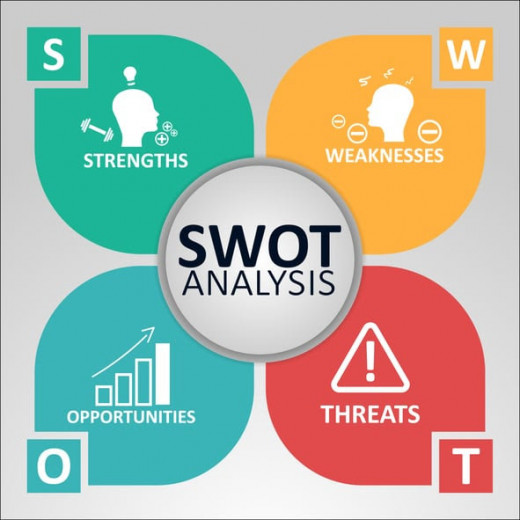
Beyond SWOT Analysis: Exploring Advanced Strategic Tools
Unleashing the full potential of your business requires more than just a simple SWOT analysis. While this classic strategic tool has proven its worth over the years, there are advanced tools that can take your strategic planning to new heights.
In this blog post, we'll dive deep into these innovative methods and explore how they can revolutionize your approach to strategy development. Get ready to discover a world beyond SWOT analysis, where you'll unlock insights and opportunities you never thought possible! So buckle up and let's embark on this exciting journey together!
What is SWOT Analysis?
SWOT analysis stands for Strengths, Weaknesses, Opportunities, and Threats. It is a widely used strategic tool that helps businesses assess their current position in the market and identify potential areas for growth or improvement.
The first step of SWOT analysis involves identifying the strengths of your business. These are internal factors that give you an advantage over your competitors. It could be things like a strong brand reputation, a talented workforce, or innovative products.
Next comes weaknesses - those internal factors that put you at a disadvantage compared to others in the market. This could be anything from limited resources to outdated technology or poor customer service.
Moving on to opportunities, these are external factors that can potentially benefit your business. It could be emerging trends in the industry, changes in consumer behavior, or new markets opening up.
Threats refer to external factors that pose risks to your business. This could include intense competition, economic downturns, regulatory changes, or even changing consumer preferences.
By conducting a SWOT analysis regularly, businesses gain valuable insights into their current situation and can make informed decisions about their future strategy.
The Different Types of SWOT Analysis
When it comes to strategic planning, SWOT analysis is a popular tool that businesses use to assess their internal strengths and weaknesses, as well as external opportunities and threats. However, there are different types of SWOT analysis that can be used depending on the specific needs and goals of your organization.
One type is the traditional SWOT analysis, which involves identifying and analyzing the strengths, weaknesses, opportunities, and threats in a straightforward manner. This basic approach provides a solid foundation for understanding your business's current situation.
Another type is the TOWS matrix analysis, which takes things a step further by focusing on how you can leverage your strengths to take advantage of opportunities or mitigate threats. It encourages you to think strategically about how you can use your existing resources to maximize potential benefits or minimize risks.
Additionally, there is also the SOAR framework (Strengths-Opportunities-Aspirations-Results), which shifts the focus from weaknesses and threats towards aspirations and results. With this approach, you identify your organization's core strengths and explore how they align with future opportunities in order to achieve desired results.
Some organizations opt for PESTLE analysis (Political-Economic-Social-Technological-Legal-Environmental) alongside their SWOT analysis. By examining these external factors separately from internal ones, businesses gain a comprehensive understanding of both microenvironmental forces (internal) and macroenvironmental forces (external).
Pros and Cons of SWOT Analysis
SWOT analysis, short for Strengths, Weaknesses, Opportunities, and Threats analysis, is a popular framework used by businesses to evaluate their current situation and plan for the future. Like any strategic tool, it comes with its own set of advantages and disadvantages.
On the positive side, SWOT analysis provides a structured approach to understanding internal strengths and weaknesses as well as external opportunities and threats. It helps organizations identify their competitive advantage by leveraging strengths and capitalizing on opportunities. By highlighting weaknesses and threats, companies can take proactive measures to minimize risks.
However, there are some limitations to consider when using SWOT analysis. It simplifies complex situations into four categories which may oversimplify reality. Additionally, it often lacks depth in terms of providing detailed insights or actionable strategies.
Furthermore, as SWOT analysis relies heavily on subjective assessments, it can be influenced by biases or personal opinions. Moreover, it doesn't prioritize factors or provide guidance on how to weigh them.
Lastly, SWOT analysis focuses mainly on the present situation and neglects future trends or changes in the market environment.
In conclusion (without using those words), while SWOT analysis is a useful starting point for strategic planning, businesses should be aware of its limitations and consider supplementing it with advanced strategic tools to gain deeper insights into their industry dynamics and develop more robust strategies that drive long-term success.
What are some Advanced Strategic Tools?
Advanced Strategic Tools go beyond the traditional SWOT Analysis and provide businesses with more in-depth insights to make strategic decisions. One such tool is PESTLE Analysis, which stands for Political, Economic, Social, Technological, Legal, and Environmental factors. This analysis helps organizations understand the external environment and identify potential opportunities and threats.
Another advanced tool is Porter's Five Forces Analysis. It examines five key forces that shape an industry: competitive rivalry, supplier power, buyer power, threat of new entrants, and threat of substitutes. By analyzing these forces, businesses can assess their competitiveness within the market.
Scenario Planning is another powerful tool that allows companies to envision multiple future scenarios based on different variables. This helps them prepare for various outcomes and make informed decisions accordingly.
Benchmarking is yet another effective strategic tool that involves comparing a company's performance with its competitors or industry best practices. This analysis highlights areas where improvements can be made or strategies adopted from successful players in the market.
Blue Ocean Strategy encourages companies to create uncontested markets by offering unique value propositions instead of competing in overcrowded industries with highly saturated competition.
These advanced strategic tools provide businesses with a broader perspective when formulating strategies and enable them to stay ahead of their competitors by identifying untapped opportunities while minimizing risks associated with decision-making processes. With these tools at their disposal, organizations are better equipped to navigate complex business landscapes successfully.
How to Use Advanced Strategic Tools
Advanced strategic tools can be powerful assets in helping businesses gain a competitive edge and achieve their goals. However, using these tools effectively requires careful planning and implementation. Here are some tips on how to make the most of advanced strategic tools.
It's important to clearly define your objectives before diving into these tools. What specific problem or opportunity are you trying to address? By having a clear goal in mind, you can better align your efforts and choose the right tool for the job.
Next, familiarize yourself with the available advanced strategic tools and understand their unique features and capabilities. Each tool has its own strengths and weaknesses, so it's crucial to choose one that suits your needs best.
Once you have selected a tool, gather all relevant data needed for analysis. This could include market research findings, financial reports, customer feedback, or any other information that is pertinent to your objective.
When using an advanced strategic tool, take time to explore its functionalities thoroughly.
Understand how different variables interact with each other and experiment with various scenarios to see what outcomes they produce.
One important aspect of utilizing advanced strategic tools is involving key stakeholders throughout the process. Seek input from team members who bring different perspectives or expertise to help generate more comprehensive insights.
Remember that using these tools is an ongoing process rather than a one-time event. Regularly evaluate results and adjust strategies as needed based on new information or changes in circumstances.
By following these steps when working with advanced strategic tools, businesses can enhance decision-making processes while uncovering valuable insights for future growth and success.
Conclusion
In today's competitive business landscape, it is crucial for companies to go beyond the traditional SWOT analysis and explore advanced strategic tools. While SWOT analysis provides a good starting point, it has its limitations and may not be sufficient in addressing complex challenges.
By leveraging advanced strategic tools such as PESTEL analysis, scenario planning, blue ocean strategy, and value chain analysis, businesses can gain deeper insights into their external environment and identify new opportunities for growth. These tools enable organizations to anticipate future trends, assess potential risks, and develop innovative strategies that give them a competitive edge.
However, it is important to remember that these advanced strategic tools are not one-size-fits-all solutions. Each tool serves a specific purpose and should be used in conjunction with other analytical frameworks to form a comprehensive understanding of the business landscape.
To effectively use these tools:
- Start by identifying the relevant factors or variables that impact your organization.
- Conduct thorough research to gather data on each factor.
- Analyze the data using the appropriate tool(s) to uncover insights.
- Use these insights to inform your decision-making process and formulate effective strategies.
Remember that strategic planning is an iterative process - constantly review and update your analyses as market conditions evolve.
While SWOT analysis remains a valuable tool for assessing internal strengths and weaknesses within an organization, there is much more beyond this framework that companies can explore. By utilizing advanced strategic tools alongside SWOT analysis, businesses can gain a comprehensive understanding of their external environment and make informed decisions that drive long-term success.
So why limit yourself? Embrace these advanced strategic tools today and unlock new possibilities for your organization's growth!
Embracing Digital Transformation: Strategies for Thriving in the Age of Technology

Embracing Digital Transformation: Strategies for Thriving in the Age of Technology
Welcome to the age of technology, where digital transformation has become a driving force in revolutionizing businesses across industries. In this era of rapid advancements and ever-evolving consumer expectations, embracing digital transformation is no longer a choice – it is an essential strategy for thriving and staying competitive.
From small startups to multinational corporations, organizations worldwide are realizing the importance of adopting digital technologies to streamline processes, enhance customer experiences, and drive innovation. But what exactly does digital transformation mean? And why is it so crucial in today's business landscape?
In this blog post, we will delve into the world of digital transformation – exploring its definition, understanding its significance, uncovering its benefits and challenges, and equipping you with strategies to effectively embrace this transformative journey. So buckle up as we embark on an exciting exploration into the realm of digitization!
What is Digital Transformation?
Digital transformation is the process of integrating digital technologies into all aspects of a business, fundamentally changing how it operates and delivers value to customers. It goes beyond simply digitizing existing processes; instead, it involves a complete shift in mindset, culture, and operations.
At its core, digital transformation is about leveraging technology to drive innovation and create new opportunities for growth. It encompasses various elements such as automation, artificial intelligence (AI), cloud computing, data analytics, Internet of Things (IoT), and more. These technologies enable organizations to collect and analyze vast amounts of data in real time, empowering them to make informed decisions and deliver personalized experiences.
Moreover, digital transformation enables businesses to enhance their agility by embracing flexible working models and breaking down silos within the organization. Collaboration tools and cloud-based platforms facilitate seamless communication among teams regardless of geographical locations or time zones.
Digital transformation is not just about implementing technology; it's about reimagining business models and processes to meet the ever-changing needs of customers in an increasingly digital world. It requires organizations to be proactive rather than reactive – constantly evolving their strategies and staying ahead of technological advancements.
In summary,
- Digital transformation involves integrating digital technologies across all aspects of a business.
- It requires a shift in mindset towards innovation.
- Technologies like AI, IoT,and data analytics play crucial roles.
- Agility is enhanced through collaboration tools and flexible working models.
- Organizations must proactively evolve with technological advancements.
Why is Digital Transformation Important?
In today's fast-paced, technology-driven world, digital transformation has become a vital aspect for businesses of all sizes. But why is it so important? Let's delve into the reasons behind the significance of embracing digital transformation.
First and foremost, digital transformation enables organizations to stay competitive in an ever-evolving market. By leveraging emerging technologies and innovative strategies, companies can enhance their efficiency, productivity, and customer experience. Embracing digitization allows businesses to adapt quickly to changes in consumer behavior and preferences.
Moreover, digital transformation opens up new avenues for growth and expansion. It provides opportunities to explore untapped markets and reach a wider audience through online platforms such as social media or e-commerce websites. This not only increases revenue potential but also strengthens brand presence in the digital realm.
Additionally, by implementing automation processes and data analytics tools, companies can gain valuable insights into their operations. This enables informed decision-making based on real-time data analysis rather than relying on gut instincts alone.
Furthermore, digital transformation facilitates seamless collaboration among teams regardless of geographical locations. Cloud-based solutions enable employees to work remotely while maintaining effective communication channels with colleagues and clients.
Lastly yet significantly, embracing digital transformation future-proofs businesses against potential disruptions or crises that may arise unexpectedly. By having robust technological infrastructure in place, organizations are better equipped to handle unforeseen circumstances without major disruptions to their daily operations.
In conclusion (as per writing instruction), understanding the importance of digital transformation is crucial for any business looking to thrive in this age of technology-driven advancements. It is not merely about keeping up with trends but rather staying ahead of the curve by harnessing the power of digitization across all aspects of your organization
The Benefits of Digital Transformation
Digital transformation offers numerous benefits for businesses that embrace it. One of the key advantages is increased efficiency and productivity. By automating manual processes and leveraging advanced technologies, companies can streamline their operations and reduce human errors. This allows employees to focus on more strategic tasks, leading to higher productivity levels.
Another benefit of digital transformation is improved customer experience. With the rise of digital channels, customers expect seamless interactions and personalized experiences. Through digital transformation initiatives, organizations can leverage data analytics to better understand customer preferences and behavior. This enables them to deliver tailored products or services, enhance communication channels, and provide superior support.
Additionally, digital transformation opens up new revenue streams for businesses. It enables companies to explore innovative business models such as subscription-based services or online marketplaces. By embracing technological advancements like artificial intelligence or Internet of Things (IoT), companies can create unique offerings that cater to evolving customer demands.
Furthermore, digital transformation enhances collaboration within organizations. Cloud-based platforms enable teams across different locations to work together in real-time on projects and share information effortlessly. This leads to improved decision-making processes and faster time-to-market for products or services.
Digital transformation empowers businesses with actionable insights derived from data analytics. By harnessing big data capabilities, organizations can gain valuable insights into market trends, customer behavior patterns, and operational performance metrics.
This allows them to make informed decisions based on data-driven evidence, ultimately driving growth and staying ahead of competitors. Overall, the benefits provided by digital transformation are significant,and forward-thinking businesses should fully embrace this journey towards a digitally-enabled future.
The Challenges of Digital Transformation
The challenges of digital transformation are inevitable, but not insurmountable. One of the biggest hurdles is resistance to change. People naturally feel comfortable with what they know and may be hesitant to embrace new technologies and processes.
Another challenge is the need for significant investment in technology infrastructure and resources. Implementing digital transformation requires financial commitment and a willingness to allocate resources towards training employees, upgrading systems, and implementing new tools.
Additionally, there may be internal barriers such as organizational silos or lack of collaboration between departments. Digital transformation often involves breaking down these barriers and fostering a culture of teamwork and cross-functional collaboration.
Data security is another major concern when it comes to embracing digital transformation. With an increasing amount of data being generated and stored digitally, organizations need robust cybersecurity measures in place to protect sensitive information from threats like hacking or data breaches.
Furthermore, ensuring employee buy-in can be challenging during this process. Proper communication about the benefits of digital transformation, along with providing adequate training opportunities, can help address any resistance or skepticism among employees.
Keeping up with rapidly evolving technology poses its own set of challenges. Organizations must stay abreast of emerging trends and continuously adapt their strategies to remain competitive in an ever-changing landscape.
While these challenges exist, organizations that proactively address them will have a better chance at successfully navigating the journey towards digital transformation. It requires leadership commitment, effective change management strategies, open communication channels throughout the organization,
and a willingness to learn from both successes and failures.
How to Embrace Digital Transformation
In today's rapidly evolving digital landscape, embracing digital transformation is crucial for businesses to stay competitive and relevant. But how exactly can organizations successfully navigate this journey of technological change? Here are some strategies to help you embrace digital transformation:
- Foster a culture of innovation: Encourage your team members to think creatively and embrace new ideas. Create an environment where experimentation is encouraged and failure is seen as an opportunity for growth.
- Invest in the right technologies: Conduct thorough research and invest in technologies that align with your organization's goals and objectives. Whether it's cloud computing, artificial intelligence, or data analytics, choosing the right tools can streamline processes and drive efficiency.
- Prioritize upskilling: Equip your employees with the necessary skills to thrive in a digitally-driven world. Offer training programs and resources to enhance their digital literacy, ensuring they have the knowledge needed to leverage new technologies effectively.
- Embrace agility: Digital transformation requires flexibility and adaptability. Embrace agile methodologies that allow for quick iterations, rapid prototyping, and continuous improvement.
- End-to-end customer experience focus : Digital transformation should not be limited solely to internal operations; it should also encompass enhancing the customer experience across all touchpoints- from initial engagement through post-purchase support.
By following these strategies, businesses can effectively harness the power of technology while minimizing disruption during their digital transformation journey.
Conclusion
In today's fast-paced and technology-driven world, embracing digital transformation is no longer an option but a necessity for businesses to thrive. This strategic shift can provide numerous benefits such as improved efficiency, enhanced customer experience, and increased competitiveness in the market.
However, it is important to recognize that digital transformation also comes with its fair share of challenges. It requires a change in mindset, organizational culture, and investment in new technologies. Businesses must be willing to adapt and evolve continuously to keep up with the ever-changing digital landscape.
To embrace digital transformation successfully, organizations need to start by developing a clear strategy that aligns with their business goals. They should invest in modern technologies that enable automation, data analytics, cloud computing, artificial intelligence (AI), and machine learning (ML).
Additionally, fostering a culture of innovation and collaboration among employees will drive creativity and adoption of new digital tools.
Furthermore, businesses should prioritize cybersecurity measures to protect sensitive data from potential threats. Implementing robust security protocols will not only safeguard information but also build trust among customers who rely on companies' online services.
It's vital for organizations to involve all stakeholders throughout the process of digital transformation – from top-level executives down to front-line employees. Training programs should be implemented to ensure everyone has the necessary skills and knowledge required for this technological shift.
Embracing digital transformation is not just about integrating new technologies; it's about leveraging them strategically for long-term success. By staying adaptable while keeping an eye on emerging trends and innovations within their industry, businesses can position themselves as leaders rather than followers.
So take charge now! Embrace the power of technology today! Digital transformation may seem daunting at first glance but once you embark on this journey towards digitization- there’s no turning back!
Remember - it's never too late or too early to start your organization's transformative journey into the age of technology!
The Rise of Artificial Intelligence in Financial Services

The Rise of Artificial Intelligence in Financial Services
Artificial Intelligence (AI) has revolutionized countless industries, and the financial services sector is no exception. From advanced data analysis to personalized customer experiences, AI is reshaping how banks, insurance companies, and investment firms operate.
In this blog post, we will explore the rise of AI in financial services and delve into its immense potential. So fasten your seatbelts as we embark on an exciting journey through the world of artificial intelligence and discover how it's transforming the way money moves!
What is Artificial Intelligence?
Artificial Intelligence, or AI for short, is a branch of computer science that focuses on creating intelligent machines capable of mimicking human behavior and decision-making. It involves the development of algorithms and systems that can process vast amounts of data, learn from it, and make predictions or take actions based on patterns and insights.
At its core, AI aims to replicate human intelligence by enabling machines to perceive their environment, reason about it, and respond appropriately. This includes tasks such as speech recognition, natural language processing, visual perception, problem-solving, learning from experience through machine learning techniques like neural networks.
In financial services specifically, AI plays an essential role in automating various processes traditionally performed by humans. From fraud detection to risk assessment and customer service chatbots - the applications are diverse.
By leveraging sophisticated algorithms and advanced analytics tools like predictive modeling or sentiment analysis software, AI enables financial institutions to make better-informed decisions faster than ever before. Additionally, it allows for highly personalized recommendations tailored to individual customers' needs while minimizing errors.
The underlying power behind AI lies in its ability to continuously learn from new data inputs, improve performance over time through pattern recognition. With each interaction or transaction processed by an AI-powered system, the algorithm becomes more refined and accurate.
Overall, AI presents a significant opportunity for the financial services industry. By harnessing the potential of this technology, organizations can enhance operational efficiency, reduce costs associated with manual labor-intensive tasks, and deliver superior customer experiences. As we move forward into the future, the role played by artificial intelligence will only continue to expand across all facets of finance
How AI is Being used in Financial Services
AI has revolutionized the financial services industry, transforming the way businesses operate and customers manage their finances. One of the key ways AI is being used in this sector is through chatbots and virtual assistants. These intelligent systems can provide personalized customer support, answer inquiries, and even perform transactions on behalf of users.
Another important application of AI in finance is fraud detection. Machine learning algorithms can analyze vast amounts of data to identify patterns and anomalies that indicate fraudulent activities. This helps financial institutions to proactively detect and prevent fraud, safeguarding both their own interests and those of their customers.
Furthermore, AI-powered robo-advisors have emerged as a popular alternative for investment advice. These platforms use complex algorithms to assess an individual's risk appetite, financial goals, and market conditions to offer tailored investment recommendations at a fraction of the cost compared to traditional human advisors.
Additionally, AI plays a crucial role in credit scoring models by analyzing various factors such as income levels, payment history, employment status etc., allowing lenders to make more accurate decisions when approving loans or extending credit lines.
Predictive analytics driven by AI enables financial institutions to forecast market trends with greater accuracy. By analyzing historical data alongside real-time information from multiple sources like news articles or social media feeds, these tools empower decision-makers with valuable insights for making informed investment strategies or predicting stock price movements.
This is just scratching the surface of how AI is transforming financial services - it’s clear that its impact will only continue to grow as technology advances further!
The Benefits of AI in Financial Services
The benefits of AI in financial services are numerous and significant. One major advantage is the ability to process large amounts of data quickly and accurately. With AI algorithms, financial institutions can analyze vast quantities of information in a fraction of the time it would take a human analyst.
This efficiency leads to more informed decision-making and allows for faster response times when it comes to market changes or customer needs. Additionally, AI can help identify patterns and trends that may not be apparent to humans, leading to more accurate predictions and better risk management.
Another benefit is improved customer service. AI-powered chatbots can provide instant support and assistance to customers, answering common questions or resolving simple issues without the need for human intervention. This not only saves time but also enhances the overall customer experience.
Furthermore, AI has the potential to reduce costs for financial institutions. By automating processes that were traditionally done manually, such as data entry or document processing, companies can save on labor expenses while increasing accuracy and efficiency.
AI enables personalized recommendations based on individual customer preferences and behaviors. This level of customization enhances cross-selling opportunities by suggesting relevant products or services tailored specifically to each customer's needs.
In summary, AI offers numerous benefits in the realm of financial services - from increased efficiency and improved decision-making capabilities to enhanced customer service and cost reduction opportunities. As technology continues to advance, we can expect even greater advancements in how AI is utilized within this industry."
The Risks of AI in Financial Services
The risks of AI in financial services are something that cannot be overlooked. While there is no denying the numerous benefits that AI brings to this industry, it also comes with its fair share of challenges and potential pitfalls.
One major risk is the issue of privacy and data security. As AI algorithms process vast amounts of sensitive financial information, there is always a concern about how this data will be protected from breaches or unauthorized access. The more we rely on AI systems to handle our finances, the more vulnerable we become to cyber attacks and other malicious activities.
Another risk lies in the potential for bias and discrimination. Despite advancements in machine learning algorithms, they are still programmed by humans who may have their own unconscious biases. This means that there is a possibility for these biases to be perpetuated through AI systems, leading to unfair treatment or decisions based on factors such as gender, race, or socioeconomic status.
Additionally, there is a concern about job displacement due to automation powered by AI.
As machines become more capable of performing complex tasks traditionally done by humans, certain jobs within the financial services sector could become obsolete. This can have significant implications for individuals whose livelihoods depend on those roles.
Furthermore, ethical considerations arise when it comes to using AI in financial services. For example, should an algorithm prioritize profit over ethical decision-making? How do we ensure transparency and accountability when it's difficult to fully understand how an AI system arrived at a particular decision?
Regulatory challenges need careful attention as well. As technology advances at a rapid pace, regulations struggle to keep up with these developments which can lead to legal uncertainties surrounding the use of AI in financial services.
In conclusion(never include this phrase), while artificial intelligence has tremendous potential in revolutionizing financial services(never summarize), it is crucial that we address these risks head-on(none conclusive). By actively working towards mitigating privacy concerns,(none definite) eliminating biases,(none conclusive) supporting reskilling and job transitions,(none definite) promoting ethical AI practices,(none conclusive)
The Future of AI in Financial Services
The future of AI in financial services holds immense potential for innovation and transformation. As technology continues to advance at a rapid pace, we can expect AI to play an increasingly prominent role in shaping the landscape of the financial industry.
One area where AI is likely to make significant strides is in customer service. With the help of chatbots and virtual assistants powered by artificial intelligence, financial institutions will be able to provide personalized and instant support to their customers. These intelligent systems will not only answer queries but also offer tailored advice based on individual needs and preferences.
Another aspect that could see major advancements is risk management. AI algorithms have the ability to analyze vast amounts of data quickly and accurately, enabling financial institutions to identify potential risks more effectively. This predictive capability can help them mitigate losses, make informed investment decisions, and improve overall operational efficiency.
Furthermore, AI has the potential to enhance fraud detection capabilities within the financial sector. By continuously monitoring transactions and patterns, machine learning algorithms can swiftly detect suspicious activities or anomalies that may indicate fraudulent behavior. This proactive approach can significantly reduce instances of fraud while providing greater security for both businesses and consumers.
Additionally, as blockchain technology gains wider adoption in financial services, AI can complement its capabilities by ensuring efficient processing and verification of complex transactions securely.
In summary, the future of AI in financial services looks promising with numerous possibilities for streamlining processes, improving decision-making, and enhancing customer experiences.
While there are challenges such as ethical concerns, data privacy issues, and regulatory compliance that need careful consideration, the benefits associated with leveraging artificial intelligence cannot be ignored. As we move forward into this new era, it's essential for businesses within the finance industry to embrace these technologies and explore how they can best leverage them to stay competitive in an ever-evolving digital landscape.
Mastering Mutual Funds: Investing Made Easy for Every Investor

Mastering Mutual Funds: Investing Made Easy for Every Investor
Welcome to the world of mutual funds, where investing becomes a breeze for every investor! Whether you're just dipping your toes into the investment pool or are an experienced investor looking to diversify your portfolio, mutual funds offer a simple and effective way to grow your wealth.
In this blog post, we will demystify mutual funds and show you how they can make investing easy and accessible for everyone. So get ready to master the art of mutual fund investing and unlock a world of financial opportunities!
What is a Mutual Fund?
A mutual fund is a type of investment vehicle that pools money from multiple investors to purchase a diversified portfolio of stocks, bonds, or other securities. Think of it as a basket filled with various assets, managed by professional fund managers on behalf of the investors.
When you invest in a mutual fund, you are essentially buying shares or units of the fund. Each share represents your ownership stake in the overall portfolio's performance. The value of these shares can fluctuate based on the performance of the underlying assets.
One key advantage of investing in mutual funds is their inherent diversification. By spreading your investments across different securities and asset classes, you reduce risk compared to investing directly in individual stocks or bonds. This diversification helps protect your investment against market volatility and potential losses.
Another benefit is accessibility - mutual funds make it easy for even beginner investors to get started. With relatively low minimum investment amounts and access to professional management expertise, anyone can participate and potentially benefit from market opportunities.
Additionally, mutual funds offer liquidity as they are typically open-ended investments that allow you to buy or sell shares at any time (subject to certain restrictions). This flexibility ensures that your money isn't locked up for extended periods and provides convenience when it comes to managing your investments.
Mutual funds provide an accessible way for investors to pool their resources together and gain exposure to diverse portfolios managed by professionals while enjoying benefits such as diversification and liquidity. Now let's dive deeper into understanding the different types of mutual funds available!
The Benefits of Investing in Mutual Funds
When it comes to investing, mutual funds offer a range of benefits that make them an attractive option for both novice and experienced investors. One key advantage is the diversification they provide. By pooling money from multiple investors, mutual funds can invest in a wide variety of assets such as stocks, bonds, and commodities. This diversification helps spread risk and reduce the impact of any single investment's performance on your portfolio.
Another benefit of investing in mutual funds is their professional management. With mutual funds, you have access to seasoned fund managers who diligently research potential investments and make informed decisions on your behalf. This expertise can be particularly helpful if you don't have the time or knowledge to actively manage your own investments.
Additionally, mutual funds offer convenience and accessibility. They are readily available through brokerage firms or directly from fund companies with varying minimum investment requirements. Moreover, many mutual funds allow for automatic contributions through regular deposits or payroll deductions, making it easy to consistently build your investment over time.
Furthermore, one of the advantages that makes mutual funds appealing is their liquidity. Unlike some other investments where accessing your money may be challenging or subject to penalties, most mutual funds allow you to buy or sell shares at any business day's end based on the net asset value (NAV) price.
Another notable benefit is flexibility in terms of choice. Mutual funds come in different types tailored for various goals and risk tolerances – whether you're looking for growth potential with equity funds or stability with bond funds - there's likely a fund out there suitable for your specific needs.
Investing in mutual funds offers several advantages including diversification, professional management convenience & accessibility, liquidity, and flexibility. These benefits combine to make them an excellent option for individuals seeking simplicity and ease when it comes to building wealth over time.
The Different Types of Mutual Funds
When it comes to mutual funds, there is a wide range of options available for investors. Each type has its own unique characteristics and investment strategies, catering to different risk appetites and financial goals.
One type of mutual fund is the equity fund, which primarily invests in stocks. These funds can be further categorized based on factors such as market capitalization (large-cap, mid-cap, small-cap), sector focus (technology, healthcare, energy), or geographical location (domestic or international). Equity funds are known for their potential high returns but also come with higher risks.
On the other hand, bond funds invest in fixed-income securities such as government bonds or corporate bonds. These funds provide steady income through regular interest payments and typically have lower volatility compared to equity funds.
For investors seeking a balanced approach, there are hybrid or balanced funds that mix both equities and fixed-income instruments. These types of mutual funds offer diversification while aiming for moderate growth and income generation.
Another popular category is index funds which aim to replicate the performance of a specific market index like the S&P 500. Index funds often have low expense ratios due to their passive management style.
Money market funds invest in short-term debt instruments such as Treasury bills or commercial paper. They are considered relatively safe investments with stable returns ideal for preserving capital.
Understanding the different types of mutual funds can help you align your investment strategy with your financial goals and risk tolerance. It's essential to do thorough research before choosing the right fund that suits your needs best!
How to Choose the Right Mutual Fund for you
Finding the right mutual fund that suits your investment goals and risk tolerance can seem like a daunting task. With so many options available, it's important to take the time to carefully evaluate each one before making a decision. Here are some key factors to consider when choosing a mutual fund.
Determine your investment objectives. Are you looking for long-term growth or regular income? Understanding your financial goals will help narrow down the types of funds that align with your needs.
Next, assess the fund's performance track record. Look at its historical returns over various time periods and compare them with its benchmark index or similar funds in its category. However, keep in mind that past performance does not guarantee future results.
Consider the fund's expenses as well. Expenses can eat into your overall returns, so opt for funds with lower expense ratios whenever possible. Additionally, check if there are any sales charges or loads associated with purchasing or selling shares of the fund.
Evaluate the fund manager's experience and expertise. A skilled and experienced manager is crucial to achieving consistent returns over time. Research their background and track record managing similar funds.
Diversification is another factor to consider when selecting a mutual fund. Ensure that the portfolio holds a mix of different asset classes such as stocks, bonds, and cash equivalents to reduce risk exposure.
Don't forget about fees and taxes! Mutual funds may have various fees such as redemption fees or 12b-1 fees for marketing expenses which can impact your overall returns. It's also important to be aware of any tax implications associated with investing in certain types of mutual funds.
Remember that finding the right mutual fund requires careful consideration of these factors along with understanding your own risk tolerance and investment goals.
Investing in Mutual Funds for Beginners
Investing in mutual funds for beginners can seem like a daunting task, but with the right guidance and knowledge, it can be an excellent way to start building your investment portfolio. One of the first things to understand is that mutual funds pool money from multiple investors to invest in a diversified portfolio of stocks, bonds, or other assets. This diversification helps spread out risk and potentially increases returns.
For beginners, it's essential to do thorough research before investing in any mutual fund. Start by evaluating your financial goals and risk tolerance. Determine whether you're looking for long-term growth or regular income. Once you have these factors figured out, you'll be better equipped to choose the right type of mutual fund.
There are various types of mutual funds available: equity funds that focus on stocks; fixed-income funds that invest in bonds; balanced funds that combine both stocks and bonds; index funds that track specific market indexes; sector-specific funds focusing on particular industries or sectors.
To make informed decisions as a beginner investor, consider consulting with a financial advisor who can help guide you through the process. Additionally, look for resources such as educational websites or books about investing in mutual funds specifically geared towards beginners.
Remember always to assess fees associated with different mutual fund options since expenses can erode your overall returns over time. Look for low-cost options like no-load index funds if cost-efficiency is important to you.
Investing in mutual funds is an accessible way for beginners to enter the world of investing and build wealth over time while minimizing risks through diversification strategies. With careful consideration of your goals and risk tolerance coupled with adequate research and professional advice when needed, anyone can successfully navigate this investment vehicle!
Venture Capital Funding Demystified: A Guide for Startups

Venture Capital Funding Demystified: A Guide for Startups
Welcome to the world of venture capital funding! If you're a startup founder or aspiring entrepreneur, this guide is here to demystify the intricacies of securing investment for your business. Venture capital has become synonymous with innovation and growth, propelling countless startups from obscurity to success. But what exactly is venture capital? How does it work? And most importantly, how can you raise venture capital for your own entrepreneurial endeavors? Get ready to dive into the exciting world of startup financing as we unravel the secrets behind venture capital funding! So grab your thinking cap and let's get started on this thrilling journey together!
What Is Venture Capital?
Venture capital is a form of financing that provides funding to early-stage or high-growth startups in exchange for equity ownership. It is typically provided by venture capital firms, which are specialized investment organizations looking for promising opportunities with the potential for significant returns.
In simple terms, venture capitalists invest in innovative and risky business ideas that have the potential to disrupt industries and generate substantial profits. Unlike traditional bank loans or other forms of financing, venture capital comes with a higher level of risk as these startups may not have established revenue streams or proven track records.
The primary goal of venture capitalists is to help startups grow rapidly and achieve their full potential. They provide not just financial support but also strategic guidance, industry connections, and valuable expertise. This holistic approach makes them more than just passive investors – they become active partners in the startup's journey towards success.
Venture capital investments are made through carefully structured deals involving multiple rounds of funding. Startups usually receive an initial seed round followed by subsequent rounds such as Series A, B, C, and so on. Each round brings in additional funds as the startup reaches specific milestones and demonstrates progress.
Venture capital plays a crucial role in fueling innovation and economic growth by supporting entrepreneurial ventures that might otherwise struggle to find funding from traditional sources like banks or personal savings. It allows startups to take calculated risks, scale their operations quickly, attract top talent, develop cutting-edge technologies/products/services while aiming for rapid market expansion.
To sum it up briefly: Venture capital is an investment model that empowers entrepreneurs with both financial resources and strategic guidance needed to transform groundbreaking ideas into successful businesses capable of disrupting entire industries!
The Venture Capital Process
Venture capital funding can be a game-changer for startups, but understanding the process is key. So, how does it all work? Let's break it down.
- Pitching your idea: It all starts with a compelling pitch. You need to sell your vision and convince venture capitalists that your startup has potential.
- Due diligence: If you pique their interest, they'll dig deeper into every aspect of your business - from market analysis to financial projections. Be prepared for thorough scrutiny.
- Term sheet negotiation: Once both parties are satisfied, a term sheet outlining the investment terms will be presented. This is where things like equity share and board representation are determined.
- Closing the deal: Assuming negotiations go smoothly, it's time to close the deal! Legal documents will be drawn up, funds transferred, and ownership stakes finalized.
- Post-investment support: The relationship doesn't end there; venture capitalists often provide strategic guidance and industry connections to help your startup succeed.
Remember that this process can vary depending on factors such as stage of funding or type of investor involved. Stay flexible and adapt accordingly.
Venture capital may not be suitable for every startup, but if you're ready to scale rapidly and willing to give up some control in exchange for growth opportunities – this might just be the right path for you!
Types of Venture Capital
When it comes to venture capital funding, there are different types that startups should be aware of. These various types cater to specific needs and stages of a startup's growth. Let's take a closer look at some of them.
- Seed Funding: This is the earliest stage of venture capital financing. Seed funding is usually provided by angel investors or early-stage venture capitalists who believe in the potential of the idea or concept behind the startup.
- Early-stage Financing: As the name suggests, this type of venture capital funding occurs during the initial stages of a startup's development when it has already gained some traction but still requires additional funds for expansion and product development.
- Expansion Financing: This type of funding is aimed at helping established startups scale their operations, enter new markets, or launch new products/services. It typically involves larger amounts compared to seed or early-stage financing.
- Mezzanine Financing: Mezzanine financing bridges the gap between private equity investments and an initial public offering (IPO). It provides a way for companies to access additional funds before going public.
- Strategic/Corporate Venture Capital: Strategic/corporate venture capital refers to investments made by established companies in promising startups within their industry verticals. These partnerships can provide not only financial support but also strategic guidance and access to key resources.
- Social Impact Investing: Social impact investing focuses on supporting ventures that aim to bring about positive social or environmental change while generating financial returns for investors.
It's important for startups seeking venture capital funding to understand these different types and identify which one aligns best with their goals and stage of growth.
Why Do Startups Need Venture Capital?
Startups are the lifeblood of innovation and progress, but they often face significant financial challenges. This is where venture capital comes in. So, why do startups need venture capital? Let's explore a few key reasons.
Startups require substantial funding to bring their ideas to life. Building a product or service from scratch requires significant investment in research and development, hiring talented individuals, marketing efforts, and operational expenses. Venture capital provides much-needed capital injection to fuel these endeavors.
Venture capitalists offer more than just money; they bring valuable expertise and guidance to the table. Many investors have extensive industry knowledge and experience that can help steer startups in the right direction. They can provide strategic advice on scaling operations, navigating market trends, and making critical business decisions.
Additionally, securing venture capital funding gives startups credibility in the eyes of potential customers and partners. It demonstrates that other experienced professionals believe in their vision and growth potential. This validation can open doors to partnerships with established companies or attract top talent who want to be part of an exciting startup journey.
Furthermore, venture capital enables startups to accelerate their growth trajectory significantly. With additional resources at hand, they can invest in expanding their customer base through aggressive marketing campaigns or enhancing their product offerings by investing in research and development.
Lastly (but certainly not least), venture capital allows entrepreneurs to focus on what they do best – turning innovative ideas into reality – without being burdened by constant fundraising efforts or bootstrapping every aspect of their business.
In conclusion (although I'm not supposed to say that!), access to venture capital funding is crucial for startups as it provides them with the necessary financial backing, expertise from seasoned investors, credibility within the industry ecosystem while enabling rapid growth opportunities - all pivotal factors for success!
How to Raise Venture Capital
Raising venture capital is a crucial step in the growth and success of many startups. While it can be an intimidating process, with the right approach and preparation, you can increase your chances of securing funding. Here are some key steps to consider:
- Build a solid business plan: Start by developing a comprehensive business plan that outlines your company's vision, market opportunity, competitive advantage, and financial projections. A well-thought-out plan will demonstrate your understanding of the market and convince investors that your startup has potential.
- Network with investors: Attend industry events, pitch competitions, and networking sessions to connect with potential investors. Building relationships takes time but can pay off in the long run.
- Prepare a compelling pitch deck: Create a visually appealing and concise presentation that highlights key aspects of your business such as market size, team expertise, product or service differentiation, revenue model, and growth strategy.
- Seek introductions from trusted connections: Leverage your network to get warm introductions to venture capitalists who may be interested in your industry or stage of development.
- Conduct due diligence on potential investors: Before approaching investors for funding discussions, research their investment focus areas and track record to ensure alignment with your startup's goals.
- Be prepared for investor meetings: Anticipate questions about scalability, monetization strategies,
- Be ready for negotiations: Understand valuation metrics used by VCs so you can negotiate terms effectively while still maintaining control over decision-making within your company.
- Consider alternative fundraising options: If traditional venture capital doesn't align with your needs or if it proves challenging to secure funding through this route alone,
- Explore other avenues like angel investing networks, crowdfunding platforms, private equity firms etc.
While raising venture capital is not an easy task, it is certainly possible with the right strategy, preparation, and perseverance.
Financial Planning Essentials - Achieving Your Short-Term and Long-Term Goals

Financial Planning Essentials - Achieving Your Short-Term and Long-Term Goals
Welcome to our blog post on financial planning essentials! Whether you're dreaming of a luxurious vacation, saving up for a down payment on your dream home, or preparing for retirement, having a solid financial plan is crucial. In this article, we will explore the key steps you need to take in order to achieve both your short-term and long-term goals. So grab a cup of coffee and let's dive into the exciting world of financial planning.
Please note that while we provide general advice in this article, it's always best to consult with a professional financial advisor who can tailor their recommendations specifically to your unique circumstances. Now, let's get started by identifying what exactly your goals are!
1. What Are Your Goals?
Setting clear goals is an essential part of financial planning. It's important to have a clear vision of what you want to achieve in both the short-term and long-term. Your goals will serve as your roadmap, guiding you towards financial success.
When identifying your goals, it's crucial to be specific and realistic. Think about what truly matters to you - whether it's buying a house, starting a family, or traveling the world. By clearly defining your goals, you can create actionable steps that will help you reach them.
Once you've identified your goals, it's time to prioritize them. Determine which ones are most important and align with your values and aspirations. This will help guide your decision-making process when it comes to budgeting and saving.
Remember that everyone's financial journey is unique, so don't compare yourself to others. Focus on what truly matters to YOU and work towards achieving YOUR goals at YOUR own pace.
In addition, consider breaking down larger long-term goals into smaller milestones or targets along the way. This can make the journey more manageable and provide a sense of accomplishment as each milestone is reached.
Regularly reviewing and reassessing your goals is also vital for staying on track. As life evolves, priorities may shift or new opportunities may arise – adaptability is key.
Setting clear financial objectives allows you to take control of your future and make informed decisions today that will benefit tomorrow! So take some time now to reflect on what truly matters to YOU financially – because achieving those dreams begins with setting the right goals!
2. How Much Money Do You Need to Save?
Determining how much money you need to save is an essential part of financial planning. It's important to have a clear understanding of your goals and what you're saving for, whether it's buying a house, starting a business, or sending your kids to college.
To begin figuring out how much money you need to save, start by creating a budget. This will help you track your income and expenses and identify areas where you can cut back on spending. By being mindful of where your money goes, you can allocate more towards saving.
Next, consider the timeframe in which you want to achieve your goals. Short-term goals may require smaller amounts saved over a shorter period of time, while long-term goals may necessitate larger savings over several years or even decades.
Once you have determined the amount and timeline for each goal, calculate how much money needs to be set aside each month. This will give you a clearer picture of what is achievable within your current financial situation.
Remember that saving takes discipline and commitment. Be realistic about what sacrifices are necessary in order to reach your desired savings target. Whether it means cutting back on dining out or finding ways to earn extra income through side hustles, every little bit counts towards reaching your financial goals.
Determining how much money you need to save involves creating a budget, considering the timeframe for achieving each goal, calculating monthly savings targets based on these factors, and maintaining discipline throughout the process. By having clarity around these aspects of saving, you can take proactive steps towards achieving both short-term and long-term financial success
3. What is Your Timeline?
When it comes to financial planning, having a clear timeline is essential. It helps you set realistic goals and create a roadmap for achieving them. So, what exactly do we mean by "timeline"?
Your timeline refers to the duration within which you want to achieve your financial goals. It could be short-term goals like saving for a vacation or purchasing a car, or long-term goals like buying a house or funding your child's education.
Having a specific timeline helps you determine how much money you need to save each month in order to reach your goal on time. For example, if you're planning to buy a house in five years and need $100,000 for the down payment, you'll have to save around $1,667 per month.
It's important to be realistic when setting your timeline. Consider factors such as your income level, expenses, and any potential changes that may affect your ability to save consistently.
Remember that everyone's timeline will be different based on their individual circumstances and priorities. Some people may have shorter timelines due to higher incomes or fewer expenses, while others may need more time due to lower incomes or larger financial commitments.
By understanding your own unique situation and establishing an achievable timeline for reaching your financial goals, you can stay motivated and focused on making consistent progress towards them.
So take some time today to evaluate where you stand financially and determine what needs are most pressing for you right now. This will help guide the creation of an effective timeline that aligns with both short-term aspirations and long-term objectives without overwhelming yourself along the way.
4. Investing for Your Future
When it comes to securing your financial future, investing is a crucial step. By putting your money to work, you have the potential to grow your wealth and achieve your long-term goals. But where should you start?
It's important to understand that investing involves risk. The value of investments can go up or down, so it's essential to diversify your portfolio and not put all of your eggs in one basket.
One option for beginners is to invest in mutual funds or exchange-traded funds (ETFs). These allow you to pool your money with other investors and access a diversified range of assets. Alternatively, if you're comfortable with taking on more risk, individual stocks could be an option.
Another key consideration is time horizon. If you have a longer timeframe until retirement or another major goal, you may be able to take on more risk and invest in higher-growth assets like stocks. However, if you're closer to retirement or need the money sooner for another purpose, a more conservative approach may be appropriate.
Don't forget about the importance of regular contributions as well. By consistently adding money into your investment accounts over time, even small amounts can compound into significant sums.
Keep an eye on fees when choosing investment options. High fees can eat away at returns over time and reduce the overall growth potential of your investments.
Remember that everyone's financial situation is unique, so it's always a good idea to seek personalized advice from a qualified financial advisor who can help tailor an investment strategy that aligns with your goals and risk tolerance.
In summary, investing for the future requires careful consideration and planning. It's important not only to think about what types of investments are right for you but also how much risk you're willing to take on and what timeframe will suit those investments best.
5. Retirement Planning
Planning for retirement is a crucial step in securing your financial future. It's never too early to start thinking about how you want to spend your golden years and what steps you need to take to get there.
First, consider your desired lifestyle during retirement. Will you be traveling extensively or staying close to home? Do you plan on downsizing or maintaining a larger residence? Understanding the kind of life you want will help determine how much money you will need.
Next, evaluate your current savings and investments. Are they sufficient to meet your retirement goals? If not, it may be time to explore additional ways to save and grow your wealth. Consider consulting with a financial advisor who specializes in retirement planning for personalized guidance.
One key aspect of retirement planning is diversifying your investments. Don't put all of your eggs in one basket – spread out risk by investing in different asset classes such as stocks, bonds, and real estate.
Furthermore, take advantage of tax-advantaged accounts like 401(k)s or IRAs that offer potential tax benefits while saving for retirement. Maximize contributions whenever possible.
Regularly review and adjust your retirement plan as needed. Life circumstances change over time, so it's important to stay flexible and make necessary adjustments along the way.
In summary, retirement planning requires careful consideration of both short-term needs and long-term goals. By starting early, diversifying investments, maximizing contributions, and regularly reviewing progress, you can ensure a more secure financial future during retirement.
Conclusion
In this fast-paced world, achieving our financial goals requires careful planning and disciplined saving. By taking the time to identify our short-term and long-term goals, determining how much money we need to save, and establishing a realistic timeline, we can set ourselves up for success.
Remember that investing is key to growing our wealth over time. Whether it's through stocks, bonds, real estate, or other investment vehicles, putting our money to work can help us reach our goals faster. However, it's important to do thorough research and seek professional advice before making any investment decisions.
Retirement planning is another essential aspect of financial planning. Start early by contributing regularly to retirement accounts such as 401(k)s or IRAs. Take advantage of employer matches if available and consider diversifying your investments based on your risk tolerance.
It's also crucial to periodically review your financial plan and make adjustments as needed. Life circumstances change, so it's important to adapt your strategy accordingly.
By following these essential steps in financial planning – setting goals, saving strategically with a realistic timeline in mind while maximizing investments – you'll be well on your way towards achieving both your short-term aspirations and long-term dreams.
Remember that everyone's journey is unique; what works for one person may not work for another. Be patient with yourself throughout the process but remain committed and focused on reaching those milestones along the way.
With dedication and determination, you have the power to take control of your finances and build a bright future filled with stability and abundance! Happy goal-setting!
Winning Big: Tales of Successful Traders

Winning Big: Tales of Successful Traders
Welcome to the thrilling world of successful traders! These fearless individuals have mastered the art of navigating the unpredictable waters of financial markets and emerged victorious. They epitomize the adage "fortune favors the bold," as they've managed to turn risk into reward, generating substantial profits along the way.
In this blog post, we will delve into their fascinating stories and uncover the secrets behind their triumphs. From humble beginnings to soaring heights, these traders have experienced it all – from nail-biting losses to jaw-dropping wins. So buckle up and prepare for an exhilarating ride through tales of perseverance, strategy, and sheer determination that will leave you inspired and hungry for success in your own trading endeavors. Let's dive right in!
The Early Days
Every successful trader has a humble beginning, and their journey often starts with curiosity and a thirst for knowledge. These individuals embark on a quest to understand the intricacies of financial markets, devouring books, attending seminars, and immersing themselves in online forums.
In these early days, they face numerous challenges and setbacks. The world of trading can be overwhelming, with complex terminology and ever-changing trends. But instead of discouraging them, these hurdles fuel their determination to succeed.
They begin by honing their analytical skills – studying charts, analyzing patterns, and learning how to interpret market indicators. They embrace the art of risk management: understanding that every trade carries inherent uncertainty while also recognizing the potential rewards.
Trial and error becomes their mantra as they experiment with different strategies – some more successful than others. They learn from both wins and losses, adapting their approach along the way.
As time goes on, they gain invaluable experience navigating various market conditions – bull runs or bear markets - developing an intuition that guides them through turbulent times. They become adept at identifying opportunities amidst chaos.
Above all else, in those early days as traders-in-training; patience is key. It takes time to master this craft; there are no shortcuts or overnight successes. But those who persevere eventually find themselves gaining confidence as they witness gradual improvements in their trades.
Stay tuned for the next chapter in our series – "The Big Score" where we delve into jaw-dropping success stories that will leave you inspired by what's possible when passion meets opportunity!
The Big Score
Picture this: a trader sitting in front of their computer screen, heart racing with anticipation. They've put in countless hours of research and analysis, carefully studying market trends and identifying potential opportunities. And then it happens – the big score.
In a matter of minutes or even seconds, their trade goes from red to green, profits skyrocketing as if by magic. It's an exhilarating feeling – one that can only be described as pure euphoria.
But make no mistake, the big score doesn't come without its fair share of risk. For every successful trade, there are countless others that don't pan out as expected. The key is being able to navigate through these ups and downs with resilience and composure.
Successful traders understand that patience is crucial when it comes to achieving the big score. They wait for the right moment to strike, seizing opportunities when they present themselves rather than chasing after quick wins.
Timing is everything in trading – knowing when to enter a position and when to exit can mean the difference between success and failure. This requires skillful execution and a deep understanding of market dynamics.
Another important aspect is risk management. Successful traders know how much they are willing to lose on any given trade and set appropriate stop-loss orders accordingly. This allows them to limit potential losses while maximizing profit potential.
It's not just about making money; it's about staying disciplined and sticking to your trading strategies even during turbulent times.
Emotions can run high in the world of trading, but successful traders have learned how to keep their emotions in check – letting logic guide their decision-making process instead.
They also constantly refine their strategies based on new information or changing market conditions. What worked yesterday may not work today or tomorrow, so adaptability is key for long-term success in trading.
Achieving the big score requires a combination of knowledge, skill, discipline, and perseverance. It's not something that happens overnight, but rather the result of years of experience and continuous learning.
Trading Strategies
When it comes to trading, having a well-defined strategy is crucial for success. Every trader has their own unique approach, but there are some common strategies that have proven to be effective in the world of trading.
One popular strategy is trend following. This involves analyzing the market and identifying trends that can be capitalized on. Traders who use this strategy will enter trades in the direction of the trend, hoping to profit from price movements.
Another commonly used strategy is breakout trading. This involves identifying key levels of support or resistance and entering trades when these levels are broken. Breakout traders aim to capture significant price moves as markets break out from established ranges.
On the other hand, some traders prefer a more contrarian approach. Contrarian traders look for opportunities where they can go against prevailing market sentiment. They believe that markets often overreact and look for opportunities to take advantage of these situations.
Scalping is yet another popular trading strategy where traders aim to make small profits from quick trades executed within seconds or minutes. This requires fast decision-making skills and a keen eye for spotting short-term price fluctuations.
Regardless of which strategy you choose, it's important to backtest your approach using historical data before implementing it with real money. It's also essential to constantly adapt your strategies based on market conditions and learn from both successes and failures along the way.
The Psychology of Trading
Trading is not just about numbers and charts, it's also about the mindset of the trader. The psychology of trading plays a crucial role in determining success or failure in the financial markets.
One of the key psychological aspects that traders need to master is emotional control. It's easy to get caught up in the excitement or panic when prices are moving rapidly, but successful traders know how to remain calm and make rational decisions based on their strategy.
Another important trait for traders is discipline. This means sticking to your plan even when things don't go as expected. Emotionally-driven trades often lead to losses, so it's essential to have a well-defined set of rules and follow them religiously.
Patience is another virtue that successful traders possess. Markets can be unpredictable, and there will be times when you have to wait for the right opportunity to enter or exit a trade. Impatience can lead to impulsive decisions and unnecessary risks.
Risk management is also closely tied with psychological factors. Traders must understand their risk tolerance and never put too much capital at stake on a single trade. A disciplined approach helps prevent irrational behavior born out of fear or greed.
Self-awareness plays an important role in trading psychology. Recognizing one's strengths and weaknesses allows traders to capitalize on their strengths while working on improving areas that need development.
Mastering the psychology of trading is just as important as having a profitable strategy. Emotional control, discipline, patience, risk management, and self-awareness are all critical elements for achieving long-term success in the markets.
What Does it Take to Win?
Achieving success in the world of trading is no easy feat. It requires a unique combination of skills, knowledge, and mindset. So, what does it take to win?
First and foremost, successful traders have a deep understanding of the markets they operate in. They spend countless hours researching trends, analyzing data, and staying up-to-date with the latest news that could impact their trades.
But knowledge alone isn't enough. Successful traders also possess strong analytical skills. They are able to interpret complex patterns and indicators to identify profitable opportunities others might miss.
In addition to technical expertise, emotional intelligence plays a crucial role in winning at trading. The ability to manage emotions such as fear and greed can mean the difference between making rational decisions or succumbing to impulsive actions that lead to losses.
Risk management is another key element of successful trading. Traders who excel understand how much they are willing to risk on each trade and implement strategies like stop-loss orders to protect their capital.
Flexibility is also important. Markets are constantly evolving, so being able to adapt quickly is essential for long-term success. Successful traders know when it's time to adjust their strategies or exit positions if market conditions change unexpectedly.
Discipline separates winners from losers in the trading world. Following a well-defined plan and sticking with it even during challenging times is crucial for achieving consistent profits over time.
In summary, winning big as a trader requires more than just luck; it demands dedication, continuous learning efforts, strategic thinking ability combined with emotional control & discipline while adjusting oneself according changing circumstances!
Conclusion
In the world of trading, success stories abound. Tales of traders who started with humble beginnings, honed their skills and strategies, and eventually made it big are both inspiring and instructive.
The early days of these successful traders were filled with hard work, dedication, and a thirst for knowledge. They understood that becoming a consistently profitable trader required continuous learning and improvement. They devoured books on technical analysis, attended seminars and workshops, and sought mentorship from experienced traders.
But it wasn't until they had their big score that their fortunes changed dramatically. This significant win gave them the confidence to continue pursuing trading as a career path. It validated all the hours spent analyzing charts, testing different strategies, and developing an understanding of market dynamics.
Trading strategies played a crucial role in the success of these individuals. Each trader had their own unique approach to the markets but shared some common principles. They focused on risk management first and foremost – protecting capital was paramount to staying in the game for the long haul. They also embraced technical analysis techniques such as trend following or breakout trading to identify high-probability trade setups.
However, beyond strategy lies another critical aspect: psychology. Successful traders knew how important it was to manage emotions like fear and greed when making decisions under pressure. They developed discipline over time – sticking to their plans even when faced with tempting opportunities or unexpected setbacks.
So what does it take to win in trading? It takes determination, resilience, patience, adaptability – traits that successful traders have cultivated through years of experience in the market trenches.
While there is no surefire formula for success in trading (if there were one everyone would be doing it!), these tales offer valuable insights into what separates winners from losers in this challenging field.
In conclusion (without using those words explicitly), winning big as a trader requires equal parts skillful strategy development, disciplined execution of trades based on sound analysis, and mental fortitude during both winning streaks and losing periods. It demands continuous learning, adaptation to changing.
Breakout or Fakeout? Identifying Key Chart Patterns

Breakout or Fakeout? Identifying Key Chart Patterns
Ready to dive into the exciting world of trading? Whether you're a seasoned investor or just starting out, understanding key chart patterns is crucial for making informed trading decisions. One important aspect of analyzing charts is deciphering whether a breakout or fakeout is occurring. But what exactly do these terms mean? And how can you identify them in your own analysis?
In this blog post, we'll explore the ins and outs of breakouts and fakeouts, uncovering their differences and providing tips on how to trade them effectively. So grab your favorite beverage, settle in, and get ready to master the art of chart pattern recognition!
What is a Breakout?
What is a breakout, you ask? Well, simply put, it's when the price of an asset breaks through a significant level of support or resistance on a chart. Imagine watching as the stock you're eyeing finally bursts through that stubborn barrier and reaches new heights. That exhilarating moment is what we call a breakout.
Breakouts can occur in various forms. For instance, if the price surpasses a long-term trendline or breaks above a consolidation pattern like a triangle or rectangle formation, it's considered a bullish breakout. On the other hand, if the price drops below support or breaks out of a bearish pattern, such as head and shoulders or double top formations, it's deemed bearish.
Identifying breakouts requires careful analysis of historical price data and volume indicators. Look for strong momentum accompanied by increasing trading volumes to confirm the validity of the breakout signal. Keep in mind that false breakouts do happen occasionally due to market manipulation or temporary shifts in sentiment.
Successful traders often wait for confirmation before entering trades based on breakouts. They may look for candlestick patterns like engulfing candles or doji formations near key levels to reinforce their decision-making process. Remember: patience is key when it comes to trading breakouts.
In our next section, we'll delve into another intriguing concept: fakeouts! Stay tuned as we explore this deceptive phenomenon and learn how to distinguish between genuine breakouts and false signals.
What is a Fakeout?
What is a fakeout? It's a term widely used in the world of trading and investing. Simply put, a fakeout occurs when the price of an asset appears to break out of a key chart pattern, only to quickly reverse course and move back within the pattern.
Fakeouts can be frustrating for traders because they can lead to losses if not recognized and managed properly. They often occur during periods of high volatility or when there is uncertainty in the market.
One common chart pattern where fakeouts are frequently observed is the triangle pattern. In this pattern, prices consolidate within two converging trend lines before eventually breaking out in either an upward or downward direction. However, sometimes the breakout turns out to be a fakeout as prices quickly retrace back into the triangle.
Another chart pattern prone to fakeouts is the head and shoulders formation. This reversal pattern consists of three peaks, with the middle peak being higher than the other two (the "head"). Traders often look for a breakdown below what's called "the neckline" as confirmation that prices will continue lower. However, occasionally this breakdown ends up being nothing more than a temporary shakeout before prices reverse higher once again.
It's important for traders to distinguish between genuine breakouts and fakeouts because it can significantly impact their profitability. One way to increase your chances of identifying potential fakeouts is by using additional technical indicators or confirming signals from other charts or timeframes.
To sum it up, recognizing and managing fakeouts is crucial for successful trading. By understanding how they occur within different chart patterns and using appropriate strategies for risk management, traders can minimize losses caused by these deceptive market moves.
Identifying Key Chart Patterns
When it comes to trading in the financial markets, understanding chart patterns is essential. These patterns can provide valuable insights into price movements and help traders make more informed decisions. By identifying key chart patterns, traders can potentially capitalize on breakouts or avoid falling for fakeouts.
One common chart pattern is the "head and shoulders" pattern. This pattern typically indicates a reversal in trend and consists of three peaks, with the middle peak being higher than the other two. Another popular pattern is the "double top" or "double bottom," which suggests a potential trend reversal as well.
Traders also pay attention to support and resistance levels on charts. Support refers to a level where buying pressure is strong enough to prevent prices from declining further, while resistance represents a level where selling pressure halts upward price movement.
Moving averages are another tool used by traders to identify trends and potential breakouts or fakeouts. For example, when an asset's price crosses above its moving average, it may signal an uptrend and possible breakout.
In addition to these patterns and indicators, volume analysis plays a crucial role in identifying key chart patterns. High volume during a breakout confirms its validity, while low volume could indicate weakness in the move.
By recognizing these key chart patterns along with other technical indicators mentioned earlier like moving averages or volume analysis – traders gain insights into potential breakouts or fakeouts—allowing them to enter positions at advantageous moments or exercise caution when necessary
The Difference Between a Breakout and a Fakeout
What sets a breakout apart from a fakeout? Understanding the key differences between these two chart patterns is essential for traders looking to make informed decisions. A breakout occurs when price moves above a significant level of resistance or below a significant level of support, indicating a potential trend continuation or reversal. On the other hand, a fakeout happens when price briefly breaks through a support or resistance level but quickly reverses, trapping unsuspecting traders.
One way to differentiate between the two patterns is by analyzing volume. In a genuine breakout, there is often an increase in trading volume as more market participants join in on the momentum. This surge in volume can provide confirmation that the breakout is legitimate and sustainable. Conversely, during a fakeout, there may be little follow-through buying or selling pressure after the initial break, resulting in lower volume levels.
Another crucial aspect to consider is time duration. Breakouts typically exhibit sustained price movement beyond the identified level of support or resistance over an extended period. This indicates true market conviction and participation from buyers or sellers who are driving the trend forward. In contrast, fakeouts tend to have shorter-lived moves before prices reverse quickly.
The behavior of price action around key levels also provides valuable clues about whether it's a breakout or fakeout scenario. A solid breakout will usually result in strong bullish (for upside breakouts) or bearish (for downside breakouts) candles that close decisively above/below important levels without retracing significantly back into prior territory. Fakeouts often produce weak candlestick formations with long wicks on either side of short-bodied candles – indicative of indecision and lackluster follow-through.
It's important not to solely rely on one indicator but instead assess multiple factors together to confirm if it's indeed a breakup or merely an imposter trying to deceive traders' expectations.
Trading Breakouts and Fakeouts
When it comes to trading, understanding how to navigate breakouts and fakeouts can make a significant difference in your success. Trading breakouts involves identifying a key chart pattern where the price breaks through a level of support or resistance, indicating a potential trend reversal or continuation. Traders often look for confirmation signals such as increased volume or strong momentum before entering a trade.
On the other hand, fakeouts occur when the price appears to break out but quickly reverses back within the previous range. These false breakout patterns can be frustrating for traders as they may lead to losses if not properly identified. Fakeouts are typically caused by market manipulation or lack of sustained buying/selling pressure.
To effectively trade breakouts and avoid falling victim to fakeouts, it is essential to combine technical analysis with other indicators and tools. This includes using moving averages, trendlines, oscillators like RSI (Relative Strength Index), and monitoring market sentiment.
Furthermore, setting clear entry and exit points based on your risk tolerance is crucial in managing potential risks associated with these trading strategies. Stop-loss orders can help protect against excessive losses during volatile periods while take-profit targets ensure you capitalize on favorable price movements.
Remember that successful trading requires continuous learning, adaptability, and disciplined execution of your strategy. Regularly reviewing your trades and analyzing their outcomes will provide valuable insights into refining your approach over time.
Though complex at times; understanding how to effectively trade breakouts while avoiding fakeout traps is an essential skill for any trader looking to maximize their profits in various financial markets around the world!
Conclusion
Understanding and identifying key chart patterns is crucial in the world of trading. It can mean the difference between a successful trade and a costly mistake. By recognizing breakouts and fakeouts, traders are better equipped to make informed decisions and maximize their profits.
A breakout occurs when a price moves above or below a significant level of support or resistance, indicating that there may be a sustained move in that direction. On the other hand, a fakeout is characterized by an initial price movement that appears to be breaking out but then reverses course, trapping unsuspecting traders.
To identify these patterns, traders often rely on various technical analysis tools such as trendlines, moving averages, and volume indicators. These tools help them spot key levels where breakouts or fake outs are likely to occur.
It's important to note that not all breakouts or takeouts lead to profitable trades. False signals can sometimes occur due to market manipulation or sudden shifts in sentiment.
Therefore, it's essential for traders to consider other factors such as fundamental analysis and risk management strategies before entering into any trades based solely on chart patterns.
When trading breakouts, it's vital to wait for confirmation before jumping into the market. This could involve waiting for the price to close above/below the breakout level or looking for supporting bullish/bearish candlestick patterns.
Similarly, when dealing with potential fakeouts, patience is key. Traders should look for signs of reversal confirmation before taking action. This might include waiting for multiple failed attempts at breaking out from a particular level or observing bearish/bullish divergence with oscillators like RSI (Relative Strength Index).
In conclusion (without using "in conclusion"), mastering the art of identifying genuine breakouts from deceptive fakeouts takes time and experience but can greatly enhance one’s trading success rate. By combining technical analysis with other forms of market research and maintaining discipline in risk management practices; traders increase their chances of making profitable trades while minimizing potential losses.