Learn smarter with fresh insights from our tutors.
Practical study guides, course supplements, and learning resources curated to help you move faster through every subject.
The Rise and Fall of Short Selling – Controversies and Strategies

The Rise and Fall of Short Selling – Controversies and Strategies
Step right up, ladies and gentlemen, as we delve into the intriguing world of finance and explore a practice that has both fascinated and bewildered investors for centuries – short selling! This controversial strategy has been the subject of heated debates, intense scrutiny, and even legal battles. But what exactly is short selling? How did it come to be? And why does it spark such strong reactions from those in the financial industry? Join us on this rollercoaster ride as we uncover the rise and fall of short selling, exploring its benefits, risks, controversies, and strategies that have shaped the course of history. Prepare yourselves for an exhilarating journey through Wall Street's most captivating tales!
What is Short Selling?
Picture this: You stumble upon a juicy piece of gossip about a company's imminent downfall. But instead of whispering it to your friends, you decide to put your money where your mouth is.
That's where short selling comes into play.
In simple terms, short selling is a strategy used by investors to profit from the decline in the value of an asset or security. Unlike traditional investing where you buy low and sell high, short sellers do things in reverse order – they sell high first and aim to buy back at a lower price later.
Here's how it works: let's say you believe Company XYZ is overvalued and will soon experience financial woes. You borrow shares of XYZ from someone who already owns them and immediately sell them on the market at their current high price. Now that you have cash in hand, you wait for the share price to drop (as anticipated) before repurchasing those same shares but at a lower cost. You return the borrowed shares to their rightful owner and pocket the difference as profit.
Short selling can be viewed as betting against a particular stock or asset; if done correctly, it allows savvy investors to make significant gains even when markets are spiraling downward.
However, like any investment strategy, short selling carries its fair share of risks too – we'll get into that shortly! So buckle up and prepare yourself for an exhilarating dive into the world of financial controversy!
The History of Short Selling
The history of short selling can be traced back to the early 17th century when it first emerged in the Dutch stock market. In those days, merchants used to gather at a specific location called "Beursplein" to trade shares of the Dutch East India Company. It was during this time that traders started engaging in what we now know as short selling.
Initially, short selling was viewed with suspicion and even considered illegal in some jurisdictions. However, over time it became more accepted and recognized as a legitimate trading practice. During the 18th and 19th centuries, short selling gained popularity in markets such as London and New York.
In fact, some notable historical figures such as Jesse Livermore made significant profits through their successful short-selling strategies.
Livermore is often referred to as one of the greatest speculators of all time due to his ability to profit from both rising and falling markets.
As financial markets evolved throughout the 20th century, so did short selling practices. With advancements in technology and regulation, investors had more tools at their disposal for executing effective short trades.
Today, while controversial at times, short selling plays an important role in maintaining market efficiency by providing liquidity and facilitating price discovery. It allows investors to express bearish views on certain stocks or sectors without actually owning them.
Understanding the history of short selling helps us appreciate how far this trading strategy has come since its inception centuries ago. From being seen as dubious or even illicit activity initially, it has gradually become an integral part of modern financial markets.
The Benefits of Short Selling
Short selling, despite its controversial nature, offers several benefits for investors. It allows them to profit from a declining market by betting against overvalued stocks. This can be particularly advantageous during economic downturns or when specific industries face challenges. Short selling provides an opportunity for investors to hedge their portfolios and mitigate potential losses. By taking short positions on certain stocks, they can offset any negative impact if the overall market declines.
Moreover, short selling plays a crucial role in price discovery and market efficiency. When investors identify overpriced stocks and initiate short positions, it puts downward pressure on those securities' prices. This helps to correct inflated valuations and fosters more accurate pricing in the market.
In addition to these benefits, short selling also promotes accountability among companies and management teams. It acts as a check on fraudulent or unethical practices by exposing weaknesses or discrepancies within businesses.
It is important to note that while there are advantages to short selling, it should be approached with caution as it carries inherent risks which will be discussed further in the following section of this blog post.
The Risks of Short Selling
Short selling can be a lucrative investment strategy, but it is not without its fair share of risks. Understanding these risks is crucial for any investor considering venturing into the world of short selling.
First and foremost, one of the primary risks of short selling is the potential for unlimited losses. Unlike buying stocks, which have a limited downside risk (the most you can lose is your initial investment), when you short sell a stock, there is no limit to how much money you could potentially lose if the stock price rises significantly.
Another risk associated with short selling is market volatility. Short sellers rely on stock prices dropping in order to profit from their trades. However, markets are inherently unpredictable and can experience sudden fluctuations that may work against a short seller's position.
Timing also plays a critical role in successful short selling. It can be challenging to accurately predict when a stock's price will decline or how long it will take before that happens. If timing goes awry, losses may mount quickly.
Additionally, short sellers face another significant risk - the possibility of being squeezed out by other investors who start buying up shares in an attempt to drive up the price and force them to cover their positions at higher costs.
Regulatory changes or intervention by governing bodies can also pose risks for those engaged in short selling activities. Governments sometimes implement measures aimed at curbing excessive speculation or protecting certain industries from heavy sell-offs.
While there are potential rewards associated with short selling as an investment strategy, it comes with inherent risks that should not be overlooked or underestimated. As with any form of investing, careful consideration and thorough research are essential before engaging in such activities
The Controversies Surrounding Short Selling
Short selling has long been a controversial practice in the world of finance. On one hand, proponents argue that it adds liquidity to the market and helps uncover overvalued stocks. They see short sellers as savvy investors who bring discipline to an otherwise irrational market. However, critics claim that short selling can be manipulative and exacerbate market downturns.
One major controversy surrounding short selling is its potential for price manipulation. Critics argue that unscrupulous short sellers can spread false rumors or engage in bear raids to artificially drive down stock prices for their own gain. These actions can harm innocent investors and destabilize financial markets.
Another contentious issue is naked short selling, which involves selling shares without actually borrowing them first. This practice is considered illegal by regulators in many countries because it can lead to excessive speculation and distort prices.
Additionally, some critics believe that short sellers have an unfair advantage over regular investors due to asymmetric information. Short sellers often conduct extensive research and analysis before taking a position, giving them insights not available to the general public. This knowledge asymmetry raises concerns about insider trading-like behavior.
Furthermore, there are debates surrounding the impact of short selling on overall market stability during times of crisis. Some argue that aggressive shorting during periods of economic turmoil can further exacerbate downward spirals by creating panic-selling cascades.
Despite these controversies, regulations on short selling vary widely across different jurisdictions. Some countries impose strict restrictions or even temporary bans during volatile periods, while others maintain more permissive frameworks allowing for greater flexibility.
Short Selling Strategies
Short selling strategies can be complex and require careful planning and execution. One common strategy is known as "naked short selling." In this approach, traders sell shares without actually borrowing them first. This tactic carries higher risks as it relies on finding shares to borrow at a later time.
Another popular strategy is called "pair trading." It involves simultaneously going long on one stock while shorting another in the same industry or sector. The idea behind pair trading is to profit from relative price movements between two related stocks, rather than relying solely on overall market direction.
Some investors also employ a technique called "short squeeze." This occurs when a heavily shorted stock experiences an unexpected increase in demand, causing the price to rise rapidly. Traders who have taken short positions may be forced to cover their positions quickly, leading to even more upward pressure on the stock's price.
Additionally, there are event-driven strategies that focus on taking advantage of specific events or news announcements. For example, some traders may choose to short a company's stock ahead of an anticipated negative earnings report or regulatory investigation.
Successful short sellers must carefully analyze market trends and individual stocks before implementing any particular strategy. It requires discipline and keen understanding of market dynamics to navigate potential pitfalls associated with these strategies effectively.
The Rise of Emerging Markets: Opportunities and Challenges

The Rise of Emerging Markets: Opportunities and Challenges
Welcome to the exciting world of emerging markets! As global economies continue to evolve and expand, investors are increasingly setting their sights on these promising opportunities. But what exactly are emerging markets? Why have they become so popular? And what do you need to know before diving into this dynamic investment landscape?
In this blog post, we will explore the rise of emerging markets, uncover the potential opportunities they offer, examine the challenges that come along with them, and provide you with some essential tips on getting started in this thrilling investment journey. So fasten your seatbelts and get ready for an exhilarating ride through the world of emerging markets!
What are Emerging Markets?
Emerging markets, also known as developing economies, are countries that are in the process of rapid growth and industrialization. These nations possess certain characteristics that set them apart from more developed economies. They often have a young and growing population, abundant natural resources, and favorable investment climates.
One defining feature of emerging markets is their potential for high economic growth rates. As these countries modernize their infrastructure, improve education systems, and embrace technological advancements, they create opportunities for businesses to flourish. This growth can lead to increased consumer spending power and rising middle-class populations.
Moreover, emerging markets offer an attractive landscape for investors seeking diversification. By allocating funds across different regions and asset classes, investors can potentially reduce risk while maximizing returns. Investing in emerging markets provides exposure to sectors such as technology, energy, finance, manufacturing – areas that are experiencing significant expansion.
However, investing in emerging markets comes with its share of challenges. Political instability or shifts in government policies can impact business operations and investor confidence. Currency volatility is another factor to consider when investing internationally since exchange rate fluctuations may affect returns.
Understanding the local culture and regulations is crucial before venturing into these markets. Conducting thorough research on specific countries' political climate, economic indicators and potential risks will help make informed investment decisions.
Why are they Gaining Popularity?
Why are emerging markets gaining popularity? Well, there are several reasons behind this trend.
First and foremost, emerging markets offer potential for high returns on investment. These economies are experiencing rapid growth rates, driven by factors like urbanization, rising middle-class populations, and technological advancements.
Additionally, many investors see emerging markets as untapped opportunities. As developed markets become saturated and competition increases, these investors are seeking new frontiers to diversify their portfolios and find higher-yielding assets.
Another factor contributing to the popularity of emerging markets is globalization. Improved connectivity has made it easier for businesses to operate across borders and tap into the vast consumer base in these regions.
Furthermore, emerging markets often have abundant natural resources that attract foreign direct investment. This creates opportunities for companies in sectors such as energy, mining, and agriculture.
Despite their attractiveness, investing in emerging markets also presents challenges. Political instability can create uncertainty for investors while regulatory frameworks may be less robust than those in developed countries. Currency fluctuations can also pose risks to investments.
To get started with investing in emerging markets:
- Conduct thorough research on specific countries or regions.
- Diversify your portfolio across different asset classes.
- Stay informed about economic trends and political developments.
- Consider partnering with local experts who have a deep understanding of the market dynamics.
- Be patient – investing in emerging markets requires a long-term perspective.
In summary, emerging markets offer exciting opportunities for investors due to their growth potential and untapped resources. However, they also come with challenges that need careful consideration before diving into these promising but dynamic economies. By staying informed and adopting a strategic approach to investment decisions within these evolving landscapes; one can potentially reap significant rewards from participating in the rise of these vibrant economies
What are the Opportunities and Challenges Associated with Investing in Emerging Markets?
Opportunities and challenges go hand in hand when it comes to investing in emerging markets. On one hand, these markets offer immense growth potential and the chance to tap into new consumer bases. With rising middle classes and increasing urbanization, emerging markets present unique opportunities for investors looking to diversify their portfolios.
Investing in emerging markets also brings its fair share of challenges. One key challenge is political instability, which can result in sudden policy changes or even regime shifts that impact business operations. Additionally, there may be a lack of transparency and regulatory frameworks that could hinder investment decisions.
Currency fluctuations are another challenge faced by investors in emerging markets. Volatile exchange rates can impact returns on investments and create uncertainty around profitability.
Infrastructure limitations can also pose significant challenges for investors entering emerging markets. Inadequate transportation systems, power shortages, and limited access to technology can hinder business operations and scalability.
To navigate these challenges while maximizing opportunities, thorough research is crucial. Understanding the local market dynamics, cultural nuances, legal frameworks, and political landscape is essential before making any investment decisions.
Furthermore, building strong partnerships with local companies or hiring knowledgeable advisors who understand the intricacies of the market can greatly mitigate risks associated with investing in emerging economies.
In conclusion (as per blog writing instructions), while investing in emerging markets offers exciting prospects for growth-minded individuals or organizations seeking diversification beyond established economies; careful consideration of the unique opportunities as well as challenges is necessary for successful outcomes!
How to get started in Investing in Emerging Markets
Getting started in investing in emerging markets can be an exciting and potentially lucrative venture. However, it is important to approach it with caution and a well-informed strategy. Here are some steps to help you get started.
Educate yourself about the specific emerging market you are interested in. Conduct thorough research on its economic indicators, political stability, infrastructure development, and regulatory environment. This will give you a better understanding of the potential risks and opportunities associated with that particular market.
Next, diversify your investments across different sectors within the emerging market. By spreading your investments across various industries such as technology, healthcare, finance, or consumer goods, you can mitigate the risk of relying solely on one sector's performance.
Consider investing through mutual funds or exchange-traded funds (ETFs) that focus on emerging markets. These investment vehicles pool together money from multiple investors to invest in a diversified portfolio of companies within those markets. This allows for greater diversification and professional management of your investments.
It is also crucial to stay updated on current events and news related to the emerging market you have invested in. Economic policies changes or geopolitical events can have a significant impact on these markets' performance. Regularly monitor news sources and financial reports for any relevant information that may affect your investments.
Consult with a financial advisor who specializes in emerging market investments before making any major decisions. They can provide valuable insights tailored to your individual goals and risk tolerance.
Remember that investing in emerging markets carries inherent risks due to their volatile nature but also offers tremendous growth opportunities if approached wisely! So take time to plan your investment strategy carefully while keeping an eye out for new possibilities that arise within these dynamic economies!
Conclusion
As the global economy continues to evolve, emerging markets have become a prominent player in the investment landscape. With their rapid growth potential and attractive returns, these markets offer unique opportunities for investors willing to take on some additional risk.
However, it is important to approach investing in emerging markets with caution. The challenges associated with these markets cannot be ignored – from political instability and economic volatility to regulatory hurdles and cultural differences. Successful investment requires thorough research, careful analysis, and a long-term perspective.
For those interested in getting started in investing in emerging markets, there are several avenues to explore. One option is to invest directly in individual stocks or bonds of companies located within these markets.
Another option is through mutual funds or exchange-traded funds (ETFs) that focus specifically on emerging market investments.
Additionally, seeking advice from financial professionals who specialize in emerging market investments can provide valuable insights and guidance throughout the process.
While investing in emerging markets presents both opportunities and challenges, it can be a rewarding endeavor for those who are willing to do their due diligence. By understanding the dynamics of these economies and carefully managing risks, investors can tap into the growth potential of these exciting regions around the world.
Strategy vs Tactics: Understanding the Difference for Effective Planning
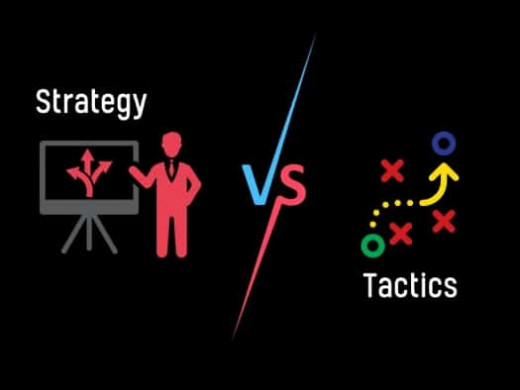
Strategy vs Tactics: Understanding the Difference for Effective Planning
Mastering the art of effective planning is crucial for achieving success in any endeavor. Whether you're running a business, managing a project, or even organizing your personal life, having a clear plan can make all the difference. But when it comes to planning, there are two key components that often get confused: strategy and tactics.
In this blog post, we'll dive deep into the world of strategic planning and uncover the true meaning behind these terms. We'll explore real-life examples of both strategy and tactics to help you understand their differences and how they work together. So grab your thinking cap and let's unravel the mystery of strategy vs tactics!
What is the Difference Between Strategy and Tactics?
When it comes to planning, understanding the difference between strategy and tactics is essential. Strategy refers to the overarching plan or approach that guides your actions toward achieving a specific goal. It's like the blueprint of a building, outlining the big picture and providing a roadmap for success.
Tactics, on the other hand, are the specific actions or steps you take to execute your strategy. They are like the tools in your toolbox that help you bring your strategy to life. Tactics focus on short-term actions and are often more concrete and tangible than strategies.
To put it simply, strategy is about making informed decisions based on analysis and long-term goals, while tactics involve implementing those decisions through practical action steps.
Let's say you're running a marketing campaign for a new product launch. Your strategy might be to create awareness and generate buzz among your target audience through various channels such as social media, email marketing, and content creation. Your tactics would then include creating engaging social media posts, sending out personalized emails to potential customers, and writing blog articles showcasing the benefits of your product.
While strategy sets the direction and defines what needs to be done overall,Tactics are focused on how it will be done by breaking down tasks into actionable steps..
Examples of Strategy and Tactics
Examples of strategy and tactics can vary greatly depending on the context and goal. In a business setting, for instance, a strategy might involve expanding into new markets or developing innovative products to gain a competitive advantage. Tactics, on the other hand, could include launching targeted advertising campaigns or offering discounts to attract customers.
In military operations, strategy encompasses the overall plan for achieving victory in a conflict. This might involve identifying key objectives and determining how to deploy resources effectively. Tactics in this context refer to specific maneuvers used during battles or engagements to gain an advantage over the enemy.
In sports, strategy might involve analyzing opponents' weaknesses and devising plays that exploit them. For example, in football (soccer), a team's strategy may be to maintain possession of the ball while keeping defensive pressure on their opponent. Tactics within this strategy would include passing patterns and positioning strategies used during gameplay.
These are just a few examples showcasing how strategies provide overarching direction while tactics focus on executing specific actions within that framework. Understanding the difference between them is crucial when it comes to effective planning and achieving desired outcomes.
How to Develop an Effective Strategy
Developing an effective strategy is the foundation of any successful endeavor. It sets the direction and defines what needs to be achieved. Here are some key steps to consider when developing a strategy.
Clearly define your objectives. What do you want to achieve? Be specific and set measurable goals that align with your overall mission or vision.
Next, conduct a thorough analysis of your internal and external environment. Understand your strengths, weaknesses, opportunities, and threats. This will help you identify potential challenges and opportunities that may impact your strategy.
Once you have a clear understanding of your objectives and environmental factors, it's time to develop strategies that will enable you to reach those objectives. Consider different approaches or courses of action that will help you overcome challenges or leverage opportunities.
It's important to prioritize these strategies based on their feasibility, impact, and alignment with your overall goals. Determine which strategies are most critical for success in the short term versus long term.
Create an action plan outlining the specific steps needed to implement each strategy effectively. Assign responsibilities, set deadlines, and establish metrics for measuring progress.
Remember that developing an effective strategy requires careful analysis, thoughtful planning,and strong leadership. By following these steps,you can increase the likelihood of achieving your desired outcomes
How to Implement Tactics Effectively
Implementing tactics effectively is crucial for the success of any strategy. Once you have developed a solid strategy, it's time to put it into action through tactical execution. Here are some key steps to follow when implementing tactics:
- Clearly define your objectives: Before you start implementing tactics, make sure you have clearly defined objectives that align with your overall strategy. This will help guide your decision-making process and ensure that your tactics are focused and targeted.
- Break it down: Take your overall strategy and break it down into smaller, actionable tasks or tactics. This will make it easier to assign responsibilities and track progress along the way.
- Assign roles and responsibilities: Clearly communicate who is responsible for each tactic and what their role entails. By assigning specific roles, everyone on your team will know what they need to do to contribute to the overall success of the implementation process.
- Set clear timelines: Establish deadlines for each tactic in order to keep things moving forward smoothly. By setting clear timelines, you can avoid delays or confusion about when certain tasks should be completed.
- Monitor progress: Regularly monitor the progress of each tactic to ensure they are being implemented effectively and on schedule. If any issues arise, address them promptly so they don't hinder the overall implementation process.
Remember, effective implementation of tactics requires careful planning, communication, and monitoring throughout the entire process.
The Importance of Monitoring and Evaluation
Monitoring and evaluation play a crucial role in any effective planning process. It allows organizations to assess the progress, effectiveness, and impact of their strategies and tactics. By continuously monitoring and evaluating their initiatives, businesses can identify what is working well and make adjustments where necessary.
One key benefit of monitoring is that it provides real-time information about the implementation of tactics. This allows organizations to track whether they are on track with their goals or if they need to course correct. For example, if a company implements an advertising campaign as part of its marketing strategy, monitoring metrics such as click-through rates or conversion rates can help determine its success.
Evaluation goes beyond just tracking metrics; it involves assessing the overall impact and outcomes achieved by implementing different tactics. This helps organizations understand whether their strategies are delivering the desired results or not. For instance, through customer surveys or feedback analysis, an organization can evaluate customer satisfaction levels after implementing a new service delivery strategy.
Regular monitoring also enables early identification of potential issues or risks that may arise during implementation. By closely observing performance indicators, companies can proactively address challenges before they escalate into bigger problems that could derail their plans.
Furthermore, monitoring and evaluation provide valuable insights for future decision-making processes. Lessons learned from previous strategies can inform future strategic choices by identifying what has been successful in the past and what needs improvement.
Monitoring and evaluation are essential components of effective planning as they enable businesses to track progress, assess outcomes, and make informed decisions for continuous improvement.
Conclusion
Understanding the difference between strategy and tactics is crucial for effective planning. While strategy focuses on long-term goals and overall direction, tactics are the specific actions taken to achieve those goals.
Developing an effective strategy involves analyzing the current situation, setting clear objectives, and identifying key priorities. It requires careful consideration of various factors such as market trends, competition analysis, and customer needs. By aligning your strategy with your business goals, you can create a roadmap to success.
Once you have a solid strategy in place, it's important to implement tactics effectively. This involves breaking down your strategic plan into actionable steps and allocating resources accordingly. Whether it's launching marketing campaigns or improving operational processes, tactics should be aligned with your strategic objectives.
Monitoring and evaluating both your strategy and tactics is essential for measuring progress towards your goals. Regularly assessing performance allows you to identify areas of improvement or necessary adjustments. By using data-driven insights from monitoring efforts, you can make informed decisions that will optimize results.
From Vision to Action: Crafting an Effective Strategic Plan

From Vision to Action: Crafting an Effective Strategic Plan
Welcome to our blog post on crafting an effective strategic plan! Whether you're a small business owner, a nonprofit leader, or an aspiring entrepreneur, having a clear and well-defined strategy is crucial for success. A strategic plan serves as the roadmap that guides your organization from vision to action, helping you navigate challenges and seize opportunities along the way.
But what exactly is a strategic plan? And how do you go about creating one that truly drives results? In this article, we'll dive deep into the key elements of a strategic plan and provide practical tips for crafting and implementing it effectively. So grab a cup of coffee, sit back, and get ready to take your organization's future by storm!
What is a Strategic Plan?
A strategic plan is more than just a document; it's a comprehensive blueprint that outlines the long-term goals, objectives, and action steps necessary for an organization to achieve its vision. It serves as a guidepost, providing clarity and direction in decision-making processes.
At its core, a strategic plan answers fundamental questions such as "Where are we now?" and "Where do we want to go?" It involves conducting an analysis of the internal and external environment, identifying strengths, weaknesses, opportunities, and threats. By understanding these factors, organizations can develop strategies that capitalize on their strengths while mitigating potential risks.
The elements of a strategic plan typically include:
- Vision statement: A concise description of the desired future state or end goal.
- Mission statement: A statement that defines why the organization exists and what it aims to accomplish.
- Goals and objectives: Concrete targets that align with the overall mission.
- Strategies: The approach or tactics employed to achieve those goals.
- Action plans: Detailed plans outlining specific tasks, responsibilities, timelines, and resources required for implementation.
Crafting an effective strategic plan involves involving key stakeholders from all levels of the organization – board members, executives, employees – in order to gain diverse perspectives, foster collaboration, and ensure buy-in throughout the process.
In addition, it's essential to conduct thorough research, gather data, and analyze trends in your industry or sector to make informed decisions about future directions.
By committing time and resources into developing a solid strategic plan upfront, you set yourself up for success by having clear priorities and actionable steps laid out before you begin implementation.
Remember, a well-crafted strategy sets your organization apart from competitors by positioning you for growth, innovation, and sustainability in today's ever-changing business landscape
The Elements of a Strategic Plan
When it comes to crafting an effective strategic plan, understanding the elements involved is crucial. These key components lay the foundation for a successful roadmap that guides your organization towards its goals.
First and foremost, a clear mission statement is essential. This statement defines the purpose of your organization and serves as a guiding light throughout the planning process. It should be concise, inspiring, and reflect your core values.
Next, conducting a thorough SWOT (Strengths, Weaknesses, Opportunities, Threats) analysis is vital. This assessment helps you identify internal strengths and weaknesses within your organization while also examining external opportunities and threats in the market.
Understanding these factors allows you to capitalize on strengths and address any areas of weakness or potential risks.
Setting specific goals and objectives comes next. Your goals should be SMART – Specific, Measurable, Achievable, Relevant, and Time-bound – ensuring they are well-defined targets that align with your overall vision.
Once goals are established, it’s important to develop strategies to achieve them. These strategies outline the actionable steps that will move you closer to success. Consider various approaches, such as expanding into new markets, improving operational efficiency, or enhancing customer engagement.
Lastly, a strategic plan must include a detailed implementation timeline and allocate resources effectively. Without proper execution, even the best-laid plans can falter. Ensure everyone understands their roles and responsibilities, and regularly communicate progress to keep everyone accountable and motivated.
Crafting an effective strategic plan requires careful consideration of these elements. By taking time to analyze your organization's strengths, weaknesses, opportunities, and threats; setting clear objectives; developing strategies; implementing diligently; you position yourself for long-term success in today's dynamic business landscape
Crafting an Effective Strategic Plan
Crafting an effective strategic plan is a crucial step towards achieving your organization's goals. It involves careful consideration of various elements that contribute to the overall success of your business. By taking the time to develop a solid strategy, you can set clear objectives and create actionable steps to reach them.
One important element of crafting a strategic plan is conducting thorough research and analysis. This includes evaluating market trends, customer behavior, and competitor strategies. By understanding these factors, you can identify opportunities for growth and anticipate potential challenges.
Once you have gathered all the necessary information, it's essential to define your vision and mission statements. These statements serve as guiding principles that align with your core values and purpose as an organization.
They provide clarity on what your company aims to achieve in both the short and long term.
Next, you need to establish measurable goals that are specific, achievable, realistic, and time-bound (SMART). Setting these goals will help you stay focused on what needs to be accomplished within a given timeframe.
After defining your vision, mission statements, and goals; it's time to outline the strategies required to achieve those goals. This involves identifying key initiatives or projects that will propel your organization forward. Each initiative should have clearly defined objectives along with action plans outlining specific tasks needed for successful execution.
It is also crucial during this stage of crafting a strategic plan to consider resource allocation wisely. Assessing available resources such as budgetary constraints or human capital limitations allows for realistic planning while maximizing efficiency.
Lastly but importantly when crafting an effective strategic plan include regular reviews at predetermined intervals according to organizational needs like quarterly or annually wherein progress towards goal achievement is assessed alongside any external changes influencing strategy adjustments if required - ensuring continuous improvement over time!
Implementing Your Strategic Plan
Now that you have crafted a well-thought-out strategic plan, it's time to put it into action. Implementation is the crucial step that transforms your vision into reality. To ensure successful implementation, follow these key steps.
Establish clear and specific goals for each objective outlined in your strategic plan. This will provide focus and direction for everyone involved in the execution process. Communicate these goals effectively to align all team members towards a common purpose.
Next, break down complex objectives into smaller tasks or milestones. This approach allows for better tracking of progress while keeping the momentum going throughout the implementation phase.
Assign responsibilities to individuals who possess the necessary skills and expertise needed to execute each task efficiently. By delegating responsibilities appropriately, you empower your team members and foster a sense of ownership over their assigned tasks.
Regular communication is essential during implementation. Schedule periodic meetings or check-ins to discuss progress, address challenges, and offer support when needed. This open line of communication ensures that any roadblocks are addressed promptly before they hinder progress.
To maintain accountability and track progress effectively, establish key performance indicators (KPIs) related to each goal or objective within your strategic plan. These metrics will allow you to assess whether you're on track or need adjustments along the way.
Lastly but importantly, celebrate milestones achieved during implementation! Recognize and reward the efforts of your team members as they bring your strategic plan closer to fruition. Positive reinforcement boosts morale and motivates continued dedication towards achieving long-term success.
Remember that implementing a strategic plan requires ongoing commitment from everyone involved; adaptability is also vital as unforeseen circumstances may arise during execution. Stay agile, be prepared to adjust course if necessary while staying focused on achieving your overall vision.
Monitoring and Adjusting Your Strategic Plan
Once you have crafted your strategic plan and implemented it, the work is not yet done. Monitoring and adjusting your plan is crucial to ensure that it remains effective in a rapidly changing business environment.
Regular monitoring allows you to track progress towards your goals and objectives. By regularly reviewing key performance indicators (KPIs) and other metrics, you can identify areas where the plan may be falling short or where adjustments need to be made.
It's important to establish a system of accountability within your organization. This could involve assigning responsibility for specific tasks or creating regular reporting mechanisms. By holding individuals accountable for their contributions to the strategic plan, you create a culture of ownership and commitment.
Additionally, seeking feedback from stakeholders both internal and external can provide valuable insights into how well the strategic plan is working. This feedback can help identify any blind spots or potential issues that may have been overlooked during the planning stage.
Flexibility is key when it comes to adjusting your strategic plan. As new opportunities arise or market conditions change, being able to adapt quickly will keep your organization agile and responsive. Regularly reassessing priorities, reallocating resources as needed, and making necessary course corrections will help ensure continued success.
Remember that monitoring doesn't mean micromanaging every aspect of the plan but rather keeping an eye on high-level progress while allowing flexibility at lower levels of implementation
.
Monitoring and adjusting your strategic plan should be an ongoing process throughout its lifespan. Regular review of KPIs, establishing accountability systems, seeking stakeholder feedback, staying flexible in response to changing circumstances - all these factors contribute to ensuring that your strategic plan remains effective in achieving its intended outcomes.
Exploring Different Approaches to Strategy Formulation
Exploring Different Approaches to Strategy Formulation
Welcome to our blog, where we dive into the exciting world of business strategy! Whether you're a seasoned entrepreneur or just starting out on your entrepreneurial journey, understanding different approaches to strategy formulation is key to achieving success in today's dynamic marketplace.
Strategy formulation is the process by which businesses identify their objectives and develop plans of action to achieve them. It involves analyzing internal and external environments, setting goals, and making decisions that will guide the organization towards its desired outcomes. In this blog post, we'll explore various approaches to strategy formulation and discuss their pros and cons. So let's get started and uncover the strategies that can propel your business forward!
Definition of Business Strategy
Business strategy is the blueprint that guides an organization's decision-making process and actions in order to achieve its long-term goals. It encompasses a set of choices and trade-offs that companies make to position themselves competitively in their industry.
At its core, business strategy involves understanding the organization's current capabilities and resources, evaluating market trends, identifying opportunities for growth, and formulating plans to leverage these opportunities effectively. It requires aligning internal strengths with external opportunities while also addressing potential threats.
Strategic decisions often involve making choices about target markets, product positioning, competitive advantage, resource allocation, innovation strategies, and operational efficiencies. These decisions shape how a company differentiates itself from competitors and creates value for customers.
A well-defined business strategy provides direction and clarity to all levels of an organization by outlining clear objectives and action plans. It helps align employees' efforts towards common goals while providing a framework for making informed decisions in uncertain environments.
Business strategy is more than just a plan; it is an ongoing process of adaptation that allows organizations to navigate through challenges while capitalizing on new opportunities. By continuously assessing their strategic direction based on changing market dynamics and internal capabilities, businesses can stay ahead of the curve in today's ever-evolving landscape.
The Formulation Process
The formulation process of a business strategy is a critical step that sets the foundation for success. It involves analyzing various internal and external factors to determine the best course of action for achieving long-term goals.
One key aspect of the formulation process is conducting a thorough analysis of the company's strengths, weaknesses, opportunities, and threats (SWOT). This helps identify areas where the organization can leverage its strengths and mitigate potential risks.
Another important element is defining clear objectives and goals. These should be specific, measurable, achievable, relevant, and time-bound (SMART). Setting SMART goals provides a roadmap for decision-making and ensures alignment throughout the organization.
Additionally, it's crucial to consider market trends and customer needs when formulating a strategy. This requires gathering market intelligence through research, surveys, or focus groups. Understanding consumer preferences enables businesses to tailor their products or services accordingly.
Moreover, seeking input from stakeholders at all levels within the organization promotes collaboration and fosters innovation. By involving employees in the formulation process, companies can tap into diverse perspectives that may lead to unique insights or ideas.
Lastly but importantly, regularly monitoring progress against strategic objectives allows for adjustments as needed. This iterative approach ensures that strategies remain relevant in an ever-changing business landscape.
In summary, the formulation process involves careful analysis, goal setting, market research, stakeholder engagement, and continuous monitoring. By following this comprehensive approach, businesses can devise effective strategies that drive growth and ultimately achieve their desired outcomes. So stay tuned!
Top-down vs. Bottom-up Approaches
Top-down and bottom-up approaches are two distinct methods used in strategy formulation. The top-down approach involves starting at the highest level of an organization, typically with top executives or management, and then cascading the strategy down to lower levels. This method allows for a centralized control over decision-making and ensures alignment with overall organizational goals.
On the other hand, the bottom-up approach takes a grassroots perspective by involving employees at various levels in the strategy development process. It encourages collaboration, empowers individuals to contribute their insights, and fosters a sense of ownership among employees.
Both approaches have their advantages and drawbacks. The top-down approach provides clear direction from leadership, ensuring consistency throughout the organization. However, it may lack input from those who are closer to day-to-day operations and customer interactions.
In contrast, the bottom-up approach taps into valuable front-line knowledge that can lead to innovative ideas and better understanding of customer needs. However, this method may result in fragmented strategies if not properly coordinated.
Which approach is best for your business depends on several factors such as organizational culture, industry dynamics, and strategic objectives. Some businesses may benefit from a combination of both approaches or even alternate between them based on specific circumstances.
By considering these different perspectives when formulating your strategy, you can harness collective intelligence within your organization while balancing overarching goals with detailed operational considerations. So whether you choose a top-down or bottom-up approach (or somewhere in between), remember that flexibility is key to adapting your strategy effectively in today's ever-changing business landscape
Inductive vs. Deductive Reasoning
When it comes to strategy formulation, the approach you take can greatly impact your business's success. One key aspect to consider is the type of reasoning used in the process – whether it be inductive or deductive.
Inductive reasoning involves gathering data and observations to draw general conclusions or patterns. It starts with specific instances and then works towards a broader understanding. This approach allows for flexibility and adaptation as new information arises, making it suitable for dynamic market environments.
On the other hand, deductive reasoning begins with general principles or theories and uses them to analyze specific situations. It follows a more structured and logical path, aiming to reach specific conclusions based on established knowledge. This approach provides a systematic framework that ensures consistency but may be less responsive to unexpected changes.
Both approaches have their merits depending on your business context and goals. Inductive reasoning offers room for creativity and innovation by allowing insights from various sources to shape strategy decisions. Deductive reasoning, however, provides a solid foundation built upon existing knowledge that can improve decision-making accuracy.
To determine which approach suits your business best, consider factors such as industry dynamics, available resources, risk tolerance levels, and desired outcomes. Finding the right balance between inductive and deductive reasoning will enable you to formulate strategies that align with your unique circumstances.
In this ever-evolving business landscape where adaptability is crucial yet grounded decisions matter just as much - exploring different approaches like inductive vs deductive reasoning becomes paramount! So why not embrace both sides of the coin?
Quantitative vs. Qualitative Analysis
Quantitative vs. qualitative analysis: Which approach should you take when formulating your business strategy? It's a question that many entrepreneurs grapple with. Let's explore the differences between these two approaches and how they can impact your strategic decision-making.
Quantitative analysis involves using numerical data to evaluate various factors such as market trends, customer preferences, and financial performance. This approach relies on statistical models, formulas, and calculations to provide objective insights into the business environment. By crunching numbers and analyzing trends, quantitative analysis can offer valuable insights into potential opportunities or risks.
On the other hand, qualitative analysis takes a more subjective approach by considering non-numerical information such as customer feedback, expert opinions, and case studies. Qualitative analysis allows for a deeper understanding of customers' needs and desires, industry dynamics, and competitive landscape. It offers rich insights that cannot be captured solely through numbers.
Both approaches have their merits. Quantitative analysis provides concrete data-driven evidence while qualitative analysis brings nuance to complex phenomena. However, it is crucial to recognize their limitations too.
One limitation of relying solely on quantitative data is that it may not capture all relevant variables or consider external factors that could influence outcomes. Additionally, quantifying certain aspects like brand reputation or organizational culture can be challenging but are vital in shaping strategies effectively.
Similarly, purely qualitative approaches may lack objectivity due to biases inherent in human judgment or limited sample size representation. While insightful anecdotes can guide decision-making processes qualitatively; without robust supporting data sets—strategic choices might become risky ventures driven by an untested intuition alone.
In reality though; most businesses find themselves utilizing both quantitative and qualitative methods interchangeably during their strategy formulation process since combining these two analytical tools often leads to more comprehensive results than relying on either one alone.
Ultimately; deciding which approach is best for your business depends on various factors including available resources (e.g., time constraints), research objectives (e.g., exploring new markets), and the specific problem or challenge at hand. A
Pros and Cons of Different Approaches
When it comes to strategy formulation, there are various approaches that businesses can take. Each approach has its own pros and cons, and understanding these can help determine the best fit for your business.
One approach is the top-down method, where strategy is formulated by senior management and then cascaded down to lower levels of the organization. This approach allows for a clear direction from leadership and ensures alignment throughout the company. However, it may result in less input from employees at lower levels who may have valuable insights.
On the other hand, the bottom-up approach involves gathering input from employees at all levels of the organization. This method encourages collaboration and allows for diverse perspectives to be considered. However, it can be time-consuming and may lack a cohesive overall vision if not properly managed.
In terms of reasoning, an inductive approach involves observing specific data or trends to form general conclusions about strategy. This allows for flexibility and adaptation based on real-world observations. Conversely, a deductive approach starts with general theories or principles which are then applied to specific situations. This provides structure but may limit creativity or innovation.
When it comes to analysis methods, quantitative analysis relies on numerical data to inform strategic decisions. It offers objectivity and precision but might overlook qualitative factors that could impact outcomes. On the other hand, qualitative analysis focuses on subjective information such as customer feedback or market trends which provides valuable insights but lacks statistical rigor.
From Procurement to Production: Streamlining Operations for Maximum Efficiency

From Procurement to Production: Streamlining Operations for Maximum Efficiency
Welcome to our blog where we uncover the secrets to streamlining your operations for maximum efficiency! In today's fast-paced business world, it is crucial for organizations to optimize their procurement and production processes. From sourcing materials to delivering a high-quality end product, every step of the way matters. Join us as we dive into the key areas that can transform your operation into a well-oiled machine. Get ready to discover how you can achieve greater productivity, reduce costs, and ultimately enhance customer satisfaction. Let's get started on this journey towards operational excellence!
The Procurement Process
The procurement process is the foundation upon which successful operations are built. It involves identifying, sourcing, and acquiring the necessary materials, services, or equipment needed for production. This step may seem straightforward at first glance, but it requires careful planning and execution to ensure efficiency.
To begin with, organizations must have a clear understanding of their requirements and specifications. This involves working closely with various departments such as engineering and manufacturing to determine exact needs.
By establishing effective communication channels between these teams, potential delays or misunderstandings can be minimized.
Once requirements are established, the next crucial step is supplier selection. Conducting thorough research on potential suppliers will help identify those that align with your organization's values and objectives. Factors such as quality standards, pricing structures, delivery schedules, and reliability should all be considered in this decision-making process.
Negotiating contracts is another essential aspect of procurement. Careful attention should be given to terms and conditions while ensuring fair pricing arrangements for both parties involved. With well-negotiated contracts in place, organizations can establish long-term relationships with reliable suppliers – fostering trust and reducing the risk of disruptions in the supply chain.
Efficient procurement also includes implementing robust systems for tracking orders and managing inventory levels effectively. By utilizing technology solutions like enterprise resource planning (ERP) software or inventory management tools, organizations can automate processes such as purchase order generation and real-time stock monitoring.
Production Planning
Production Planning is a critical aspect of streamlining operations for maximum efficiency. It involves creating a comprehensive plan that outlines how production resources will be allocated to meet the demand for products or services. This planning process takes into account factors like available resources, production capacity, and customer demand.
One key element of production planning is forecasting. By analyzing historical data and market trends, businesses can estimate future demand and adjust their production schedules accordingly. This helps prevent overproduction or underproduction, ensuring that customers' needs are met while minimizing costs.
Another important consideration in production planning is optimizing workflow. This involves designing efficient processes and sequences to maximize productivity. By carefully mapping out each step in the production process and identifying potential bottlenecks or inefficiencies, businesses can make informed decisions on how to improve overall productivity.
Additionally, effective communication between different departments within an organization is crucial in production planning. Departments such as procurement, sales, marketing, and operations need to work together seamlessly to ensure smooth execution of the plan.
Furthermore, technology plays a significant role in modern production planning strategies. Automated systems can help monitor inventory levels in real-time and trigger reordering when necessary. They can also provide insights into machine utilization rates and identify areas where improvements can be made.
Successful Production Planning requires careful analysis of data-driven forecasts combined with optimization of workflows through effective communication among departments within an organization. Embracing technology solutions further enhances this process by providing real-time monitoring capabilities for better decision-making.
Managing Inventory
One of the key elements in streamlining operations for maximum efficiency is effectively managing inventory. Having the right amount of stock on hand is crucial to meet customer demands while avoiding overstocking or stockouts.
To manage inventory efficiently, it's essential to have a clear understanding of demand patterns and lead times. By analyzing historical data and forecasting future demand, you can determine optimal reorder points and quantities. This helps prevent excessive holding costs or shortages that could disrupt production.
Implementing an automated inventory management system can greatly enhance efficiency. Such a system enables real-time tracking of stock levels, facilitates accurate record-keeping, and automates replenishment processes through alerts and notifications.
Regularly conducting physical audits is also important to ensure accuracy in your inventory records. By reconciling actual stock with recorded quantities, you can identify discrepancies, detect potential issues such as theft or damage, and take corrective action promptly.
Furthermore, adopting just-in-time (JIT) strategies can help reduce carrying costs by minimizing excess inventory. JIT involves receiving goods from suppliers exactly when needed for production rather than keeping large inventories on hand indefinitely.
Efficiently managing inventory not only optimizes cash flow but also improves order fulfillment rates and minimizes waste due to expired or obsolete items. It allows businesses to respond quickly to changing market trends while ensuring smooth operations throughout the supply chain.
In summary, managing inventory plays a vital role in streamlining operations for maximum efficiency. By accurately forecasting demand, implementing automated systems, conducting regular audits, and adopting JIT strategies where appropriate; businesses can optimize their stocking levels while reducing costs associated with excess or insufficient inventories. Efficiently managed inventories enable companies to meet customer expectations consistently by ensuring products are available when needed without tying up unnecessary capital in surplus stocks.
Quality Control
Ensuring that your products meet high-quality standards is essential for any business. Quality control plays a crucial role in streamlining operations and maximizing efficiency. By implementing effective quality control measures, you can identify and address any potential issues early on, preventing costly mistakes down the line.
One way to maintain quality control is through regular inspections and testing of raw materials and finished products. This ensures that they are up to the desired specifications before they reach customers' hands.
Additionally, establishing clear guidelines and standards for each step of the production process helps maintain consistency and minimize errors.
Another aspect of quality control is employee training. Providing your staff with proper training ensures they understand the importance of maintaining quality throughout every stage of production. It also empowers them to take ownership of their work and make necessary adjustments when needed.
Investing in technology can also greatly enhance your quality control efforts. Implementing automated systems for monitoring processes can help detect any deviations from expected outcomes quickly. These technologies enable real-time data analysis, allowing you to identify patterns or trends that may affect product quality.
Collaboration between different departments within your organization is vital in ensuring effective quality control. Encouraging open communication between procurement, production planning, inventory management teams enables timely identification and resolution of potential issues before they impact product quality.
An efficient operation relies heavily on robust quality control practices. By consistently striving for excellence in this area, businesses not only improve customer satisfaction but also reduce waste, minimize rework or returns, increase productivity levels—ultimately boosting profitability.
In summary, efficient operations require rigorous attention to detail throughout various stages like procurement processes; streamlined production planning; effective inventory management; strong emphasis on exceptional Quality Control practices – all working together harmoniously towards maximum efficiency!
Streamlining Your Operation
Streamlining your operation is crucial for maximizing efficiency and achieving success in today's competitive business landscape. By streamlining, you can eliminate unnecessary steps, reduce waste, and optimize resources to improve overall productivity.
One way to streamline operations is by implementing lean manufacturing principles. This involves identifying and eliminating any non-value-added activities or processes that do not contribute directly to the creation of value for the customer. By doing so, you can minimize costs, increase throughput, and enhance customer satisfaction.
Automation is another key aspect of streamlining operations. By automating repetitive tasks or utilizing technology-driven solutions, you can save time and reduce errors associated with manual labor. Whether it's using robotic process automation (RPA) in your procurement process or deploying advanced machinery on the production floor, automation can significantly boost operational efficiency.
Effective communication and collaboration among different departments within your organization are also vital for streamlined operations. By fostering a culture of transparency and open dialogue between teams responsible for procurement, production planning, inventory management, quality control, and other areas of operation; you can ensure smooth information flow and coordination.
Regularly reviewing your processes is essential as well. Continuously monitoring performance metrics such as cycle times, lead times, and defect rates allows you to identify bottlenecks or areas that need improvement promptly.
The Benefits of an Efficient Operation
A well-oiled machine runs smoothly. The same can be said for a business operation that is efficient and streamlined. But what are the benefits of achieving this level of operational excellence? Let's explore.
First and foremost, efficiency leads to cost savings. When your operations are running efficiently, you can minimize waste, reduce downtime, and optimize resource allocation. This means you're spending less on unnecessary expenses and maximizing the value of your investments.
Efficiency also translates into improved productivity. By eliminating bottlenecks and reducing inefficiencies in your processes, you enable your team to perform at their best. They can focus on their core tasks without being bogged down by unnecessary administrative work or redundant steps in the production line.
Moreover, an efficient operation allows for faster turnaround times. With streamlined processes in place, you can meet customer demands more quickly and effectively. This not only enhances customer satisfaction but also gives you a competitive edge in the market.
Another benefit is enhanced quality control. When every step of your operation has been optimized for maximum efficiency, it becomes easier to identify any potential issues or defects early on in the process. This ensures that products or services meet high-quality standards before reaching customers' hands.
Furthermore, an efficient operation promotes better collaboration within teams and across departments. Streamlined processes foster clear communication channels and facilitate seamless coordination between different functions within your organization.
Operating with maximum efficiency enables scalability and growth opportunities for your business. As demand increases or new opportunities arise, having systems in place that allow for smooth scaling up will ensure that expansion doesn't come at the cost of effectiveness or quality.
In summary, achieving operational efficiency brings numerous advantages to businesses; from cost savings to increased productivity, faster turnarounds to enhanced quality control – all leading to improved customer satisfaction and long-term growth prospects.
Building Competitive Advantage: How to Stay Ahead in a Crowded Marketplace

Building Competitive Advantage: How to Stay Ahead in a Crowded Marketplace
The business world is a bustling marketplace, filled with fierce competition and constant innovation. In order to thrive in this crowded landscape, companies must find ways to stand out from the crowd and gain a competitive advantage. But what exactly is competitive advantage, and how can businesses create it?
In this blog post, we will explore the key drivers of competitive advantage and provide strategies for building a sustainable edge over rivals. So strap in, because we're about to embark on a journey into the realm of strategic superiority! Are you ready to stay ahead of the game? Let's dive in!
What is Competitive Advantage?
In the cutthroat world of business, having a competitive advantage can mean the difference between success and failure. But what exactly does this term mean? Competitive advantage refers to the unique attributes or strategies that set a company apart from its competitors. It is what gives a business an edge in attracting customers, increasing market share, and ultimately achieving long-term profitability.
There are several types of competitive advantages that companies can leverage. One common form is cost advantage, where a company is able to produce goods or deliver services at a lower cost than its rivals. This allows them to offer more affordable prices without sacrificing quality.
Another type is differentiation advantage, which involves offering products or services that are distinct from those offered by competitors. By creating something unique and valuable in the eyes of consumers, businesses can attract loyal customers who are willing to pay premium prices for their offerings.
In addition to these two primary types, there are also niche-focused advantages where companies target specific markets with specialized products or services tailored to meet their needs.
Competitive advantage boils down to finding ways to create value for customers that cannot easily be replicated by others. It requires understanding your target audience's needs and preferences better than anyone else and delivering solutions that exceed their expectations.
By continuously innovating and adapting to changes in the marketplace, companies can maintain their competitive edge over time. In our next section, we will explore the key drivers of competitive advantage in further detail - so stay tuned!
The 5 Key Drivers of Competitive Advantage
The success of any business relies heavily on its ability to stand out in a crowded marketplace. This is where having a competitive advantage becomes crucial. But what exactly is competitive advantage? In simple terms, it refers to the unique qualities and strategies that give a company an edge over its competitors.
There are five key drivers that contribute to building and maintaining a competitive advantage. The first driver is innovation.
Companies that continuously innovate and develop new products or services have an upper hand in attracting customers who are always looking for something fresh and exciting.
Another important driver is quality. Providing superior quality products or services not only helps build customer loyalty but also sets a high standard for competitors to match.
Efficiency is another critical driver of competitive advantage. Streamlining processes, reducing costs, and improving productivity can give companies the ability to offer better prices or faster delivery times compared to their rivals.
Customer focus is also vital in gaining an edge over competitors. By understanding the needs and preferences of their target audience, businesses can tailor their offerings effectively, providing personalized experiences that keep customers coming back for more.
Brand reputation plays a significant role in establishing competitive advantage. A strong brand with positive associations can differentiate a company from its competitors and create trust among consumers.
By focusing on these five key drivers - innovation, quality, efficiency, customer focus, and brand reputation - businesses can create sustainable competitive advantages that help them stay ahead in the market race.
How to Create a Sustainable Competitive Advantage
In the fast-paced world of business, creating a sustainable competitive advantage is crucial for staying ahead in a crowded marketplace. But what exactly does it mean to have a sustainable competitive advantage? It refers to the unique qualities and strengths that set your business apart from competitors and allow you to maintain your position over time.
To create a sustainable competitive advantage, businesses must focus on several key factors. First and foremost, understanding your target market is essential. By deeply understanding their needs, preferences, and pain points, you can develop products or services that meet those demands better than anyone else.
Another important driver of competitive advantage is innovation. Continually finding new ways to improve products or processes not only keeps customers engaged but also allows you to stay one step ahead of the competition.
Building strong relationships with customers is also crucial for sustaining a competitive advantage. Providing exceptional customer service and personalized experiences creates loyalty and makes it harder for competitors to lure them away.
Additionally, investing in employee development plays a significant role in maintaining an edge over rivals. By empowering employees through training programs and fostering a positive work culture, they become more motivated and productive - ultimately leading to better outcomes for your business.
Leveraging technology effectively can give you an edge in today's digital era. Embracing digital tools and platforms enables faster communication, streamlined processes, data-driven decision-making - all contributing towards creating operational efficiencies that competitors may struggle with.
Creating a sustainable competitive advantage requires ongoing effort and strategic planning. It's about continuously adapting to changing market dynamics while staying true to what sets your business apart. By focusing on these key drivers - deep customer insights, innovation practices, customer relationships management (CRM), employee development initiatives,and effective use of technology - businesses can position themselves as industry leaders capable of outshining their adversaries.
Case Study: Apple Inc
Apple Inc. is undoubtedly one of the most successful and innovative companies in the world. With its revolutionary products like the iPhone, iPad, and MacBook, it has managed to create a strong competitive advantage that sets it apart from its competitors.
One key driver of Apple's competitive advantage is its focus on design and user experience. From sleek hardware to intuitive software interfaces, Apple products are known for their elegance and simplicity. This attention to detail not only enhances customer satisfaction but also creates a sense of brand loyalty.
Another factor contributing to Apple's success is its ecosystem strategy. By creating an interconnected ecosystem of devices, services, and apps, Apple encourages customers to stay within its ecosystem and rely on multiple products for their daily needs. The seamless integration between devices allows for a consistent user experience across different platforms.
Furthermore, Apple has built a strong brand image based on innovation and cutting-edge technology. Its reputation as an industry leader in terms of product design and technological advancements gives it a significant edge over competitors.
Additionally, Apple's strategic partnerships with suppliers have played a crucial role in maintaining its competitive advantage. By securing exclusive deals with key component manufacturers, such as Samsung for OLED displays or TSMC for advanced chipsets, it ensures access to top-notch technologies before others can catch up.
Apple's commitment to customer service sets it apart from other companies in the crowded marketplace. Its extensive support network includes physical stores worldwide where customers can receive personalized assistance or repairs quickly.
Conclusion
In today's crowded marketplace, building a competitive advantage is crucial for businesses to stay ahead and thrive. It allows companies to differentiate themselves from their rivals and attract customers in a meaningful way. By understanding the key drivers of competitive advantage and implementing strategies that focus on sustainability, businesses can position themselves for long-term success.
To recap, the five key drivers of competitive advantage are innovation, quality, cost leadership, customer experience, and brand reputation. These factors work together to create a strong foundation that sets businesses apart from their competitors.
Creating a sustainable competitive advantage requires careful planning and execution. Businesses must continually invest in research and development to drive innovation or find new ways to improve their products or services' quality. They should also focus on optimizing operational efficiencies to reduce costs without compromising on value.
A superior customer experience is another critical component of sustainable competitive advantage. Companies should strive to provide exceptional service at every touchpoint with customers, ensuring they feel valued and satisfied with their interactions.
Building a strong brand reputation is essential for creating trust and loyalty among consumers. Consistently delivering on promises while effectively communicating unique selling points will help establish credibility in the market.
A powerful example of an organization that has successfully built a sustainable competitive advantage is Apple Inc. Through continuous innovation (i.e., groundbreaking products like the iPhone), uncompromising quality standards across its product line-up, careful attention to detail during manufacturing processes, and strategic pricing strategies, Apple has maintained its position as one of the most valuable brands globally.
Moreover, the company's unparalleled customer experience through sleek designs, intuitive interfaces, and seamless integration between devices have further solidified its place at the top. The result? Loyal customers who eagerly await each new release create immense demand for Apple products setting them apart from competitors.
Leadership in Strategic Management: Inspiring Success through Effective Decision-Making

Leadership in Strategic Management: Inspiring Success through Effective Decision-Making
Welcome to our blog post on leadership in strategic management! In today's fast-paced and ever-changing business world, effective decision-making plays a crucial role in achieving success. Whether you're an aspiring leader or a seasoned executive, understanding the importance of strategic management and its impact on your organization is essential.
Join us as we delve into the key steps of the strategic management process, explore the role of leadership in driving it forward, and take a closer look at a real-life case study of Apple Inc.
Get ready to unlock insights that will inspire you to make impactful decisions and propel your organization toward greatness! So let's dive right in and discover how successful leaders navigate the complex landscape of strategic management.
What is Strategic Management?
Strategic management is the art and science of formulating, implementing, and evaluating decisions that enable organizations to achieve their long-term objectives. It goes beyond day-to-day operations and focuses on positioning the organization for sustainable success in a competitive marketplace.
At its core, strategic management involves analyzing the internal and external environment of an organization to identify opportunities and threats, as well as strengths and weaknesses. This information helps leaders develop strategies that align with the organization's mission and vision.
One key aspect of strategic management is setting clear goals and objectives. These serve as guiding principles for decision-making at all levels of the organization. By having a clear direction in mind, leaders can make informed choices that support the overall strategy.
Another important component is resource allocation. Strategic management requires leaders to assess available resources - including financial capital, human talent, technology, and more - and allocate them effectively to achieve desired outcomes.
Additionally, strategic management involves monitoring progress towards goals through regular evaluation. This allows leaders to track performance, identify areas for improvement or adjustment, and ensure alignment between actions taken by individuals or teams within the organization.
Strategic management provides a framework for making purposeful decisions that steer an organization toward its long-term aspirations while adapting to changing circumstances along the way. Successful implementation of this practice requires effective leadership that understands how various elements interconnect within an organizational context without losing sight of broader industry trends
The Importance of Leadership in Strategic Management
In today's dynamic and competitive business landscape, strategic management plays a pivotal role in ensuring long-term success. At the heart of this process lies effective leadership, which serves as the driving force behind making informed decisions that propel an organization towards its goals.
Leadership within strategic management is crucial for several reasons. Leaders possess the vision and foresight to identify opportunities and potential risks in the ever-changing market environment. Their ability to think strategically enables them to develop innovative strategies that align with the company's core values and objectives.
Strong leadership fosters collaboration among team members, creating an environment where diverse perspectives are valued and encouraged. Through effective communication and empowerment, leaders inspire their teams to contribute their unique insights towards problem-solving and decision-making processes.
Furthermore, leaders play a significant role in executing strategic plans by effectively allocating resources, managing timelines, and monitoring progress. They establish clear expectations for performance while providing guidance and support along the way.
Leaders serve as catalysts for change within organizations. By championing strategic initiatives and inspiring others through their actions, they encourage a culture of continuous improvement that drives innovation and adaptability.
Leadership is integral to successful strategic management as it provides direction during times of uncertainty while harnessing collective intelligence for making sound decisions. A leader's ability to motivate individuals towards a shared vision greatly impacts an organization's ability to navigate challenges successfully in pursuit of growth opportunities
The 5 Key Steps of the Strategic Management Process
The strategic management process is a crucial aspect of running a successful business. It involves setting goals, making decisions, and implementing strategies to achieve long-term success. To effectively navigate this process, there are five key steps that every leader should follow.
It's important to conduct a thorough analysis of the current business environment. This includes evaluating market trends, identifying competitors, and assessing internal strengths and weaknesses. By gaining a comprehensive understanding of the landscape in which your organization operates, you can make informed decisions about where to focus your efforts.
Next, it's time to set clear objectives for your organization. These objectives should be specific, measurable, achievable, relevant, and time-bound – commonly referred to as SMART goals. Setting clear objectives provides direction for decision-making and helps keep everyone focused on what needs to be accomplished.
Once objectives are established, it's essential to develop strategies that will help you achieve them. This involves brainstorming different approaches and selecting the ones that align best with your goals. Strategies may include expanding into new markets or product lines or improving operational efficiency within existing processes.
After developing strategies comes the implementation phase. This is where plans are put into action through effective communication and coordination among team members. Assigning responsibilities and creating timelines ensures that progress is made towards achieving organizational goals.
Finally comes the evaluation stage - regularly reviewing performance against set objectives allows leaders to assess whether their strategies are working effectively or if adjustments need to be made along the way.
These five steps form an iterative process - constantly analyzing results in order refine future initiatives based on lessons learned from past experiences.
By following these key steps in strategic management process , leaders can ensure their decision-making is aligned with organizational goals, leading ultimately leading leading ultimately leading ultimately towardssuccessful outcomes.
Tips for Effective Decision-Making
Effective decision-making is a crucial skill for leaders in strategic management. Making the right decisions can lead to success, while poor decisions can have significant consequences. Here are some tips to help you make effective decisions:
- Gather relevant information: Before making a decision, gather all the necessary information and facts related to the situation. This will provide you with a clear understanding of the options available and their potential outcomes.
- Consider different perspectives: Seek input from various stakeholders and team members who may offer unique insights or alternative viewpoints. Considering diverse perspectives enhances your decision-making process by incorporating different ideas and reducing bias.
- Analyze pros and cons: Evaluate the advantages and disadvantages of each option before making a choice. Assessing potential risks, costs, benefits, and long-term implications will assist in selecting the most viable solution.
- Trust your intuition: While data-driven analysis is important, don't discount your gut instinct or intuition when faced with complex decisions where no clear answer exists. Sometimes, trusting your instincts can lead to innovative solutions.
- Take calculated risks: Effective decision-making involves taking calculated risks rather than always playing it safe.
This allows for growth opportunities and encourages creativity within an organization.
By following these tips for effective decision-making, leaders in strategic management can navigate challenges more confidently while inspiring success within their organizations
Case Study: Apple Inc
Apple Inc. is a prime example of how effective leadership in strategic management can lead to unparalleled success. Under the visionary leadership of Steve Jobs, Apple revolutionized the technology industry with its innovative products and groundbreaking designs. By consistently making bold and strategic decisions, Apple has become one of the most valuable companies in the world.
One key aspect of Apple's success lies in their commitment to continuous innovation. From introducing iconic products like the iPod, iPhone, and iPad to constantly improving their operating systems and software, Apple has maintained its position at the forefront of technological advancements.
Another crucial factor behind Apple's triumph is their ability to anticipate consumer needs and preferences. Through meticulous market research and analysis, they have been able to develop products that cater to specific target audiences while still appealing to a wide range of consumers.
Furthermore, Tim Cook's leadership as CEO after Steve Jobs' passing has demonstrated effective decision-making in sustaining growth for the company. Cook has successfully navigated challenges such as increasing competition and changing market dynamics by focusing on diversification strategies such as expanding into services like iCloud and launching new product categories like wearables.
Apple Inc.'s case study exemplifies how effective leadership plays a pivotal role in driving success through strategic management. By staying ahead of industry trends, continuously innovating, understanding consumer demands, and making sound decisions even during challenging times; leaders can guide their organizations towards long-term growth and prosperity.
Conclusion
Effective leadership is crucial in strategic management as it plays a pivotal role in inspiring success through effective decision-making. Strategic management involves the process of setting goals, crafting strategies, implementing plans, and monitoring progress to achieve desired outcomes.
Leadership provides guidance and direction to teams, ensuring that everyone is aligned with the organization's overall vision and objectives. By promoting a culture of collaboration and open communication, leaders can foster innovation and creativity within their teams.
The 5 key steps of the strategic management process - environmental analysis, strategy formulation, strategy implementation, evaluation and control - require strong leadership at each stage. Leaders must have a clear understanding of market trends and business dynamics to make informed decisions that will propel their organizations forward.
Effective decision-making is critical for successful strategic management. Leaders should consider various factors such as risk assessment, cost-benefit analysis, stakeholder engagement, and long-term sustainability when making important choices for the organization.
A compelling case study in leadership-driven strategic management is Apple Inc. Under Steve Jobs' visionary leadership style, Apple revolutionized multiple industries by consistently delivering innovative products that captivated consumers worldwide. This exemplifies how effective leadership can shape an organization's trajectory towards success.
Navigating Through Uncertainty: Strategies for Managing Risk in Today's Business Environment

Navigating Through Uncertainty: Strategies for Managing Risk in Today's Business Environment
In today's fast-paced and ever-changing business landscape, uncertainty has become a constant companion. From economic fluctuations to technological advancements, there are countless factors that can tip the scales of success or failure for any organization. That is why understanding and managing risk has never been more crucial.
Risk, simply put, is the potential for loss or harm that can arise from an event or decision. It lurks around every corner, threatening to derail even the most well-laid plans. But fear not! In this blog post, we will delve deep into the world of risk management and equip you with effective strategies to navigate through uncertainty like a seasoned captain on stormy seas.
So grab your life jacket and join us as we explore the different types of risks businesses face, how to identify them within your own company, ways to mitigate and manage those risks effectively, and ultimately create a culture of risk management that propels your organization towards success amidst uncertain times. Are you ready? Let's dive in!
Defining Risk in the Business Environment
Risk is an inherent part of the business environment, like a shadow that follows every decision and action taken. It is the potential for negative outcomes or unforeseen events that can impact an organization's objectives, financial stability, reputation, and overall success. Risk comes in various forms and can arise from both internal and external factors.
One common type of risk is financial risk, which involves the possibility of losing money or facing cash flow issues due to market fluctuations, economic downturns, or poor financial management. Operational risk refers to threats arising from internal processes, systems failures, human error, supply chain disruptions - anything that could hinder day-to-day operations.
Then there's strategic risk - the danger of making decisions without considering long-term consequences or failing to adapt to changing market dynamics. Compliance risk entails non-compliance with laws and regulations governing the industry in which a company operates.
Other risks include reputational risk (potential damage to brand image), cyber-risk (threats posed by hackers and data breaches), environmental risks (such as climate change affecting supply chains), legal risks (lawsuits or regulatory actions), geopolitical risks (instability in certain regions affecting global operations), and more.
It's crucial for businesses to have a comprehensive understanding of these different types of risks they may face in order to effectively identify them within their own operational context. By recognizing potential sources of uncertainty early on, companies can better prepare themselves for potential challenges ahead.
The Different Types of Risk
When it comes to navigating through uncertainty in today's business environment, understanding the different types of risk is essential. Risk can manifest itself in various forms and can impact every aspect of your business operations. By identifying these risks, you can develop strategies to mitigate them effectively.
One common type of risk is financial risk. This includes factors such as market volatility, economic downturns, or unexpected expenses that could affect your company's profitability and cash flow. It's crucial to have a solid financial plan in place to weather potential storms and ensure stability.
Operational risk refers to risks associated with day-to-day activities and processes within your organization. These may include equipment failure, supply chain disruptions, or human error. Implementing robust quality control measures and contingency plans can help minimize operational risks.
Another significant category is strategic risk – the potential for external developments or internal decisions to negatively impact your company's long-term goals. This might include changes in consumer preferences, technological advancements that make your products obsolete, or ineffective marketing strategies.
Legal and regulatory risks are also important considerations for businesses operating in any industry. Non-compliance with laws or regulations specific to your sector could result in fines, lawsuits, damage to reputation, or even closure of the business.
Reputational risk should not be underestimated either – negative publicity or customer dissatisfaction can significantly harm a company's brand image and stakeholder relationships.
There are external risks beyond an organization's direct control: natural disasters like earthquakes or floods; political instability leading to sanctions; global pandemics impacting supply chains; etc. Being aware of these external factors allows companies better preparedness when they arise unexpectedly.
Understanding the different types of risk allows businesses not only to identify potential threats but also develop tailored strategies for managing them effectively. Each type requires its approach based on careful analysis of both internal operations and external factors affecting the industry at large.
By taking proactive steps towards mitigating these risks throughout all levels of the organization, businesses can create a culture of risk management.
Identifying Your Company's Risks
In today's dynamic business environment, it is crucial for organizations to identify and understand the risks they face. By proactively identifying potential risks, companies can develop strategies to mitigate them before they become a threat.
One way to identify your company's risks is through a thorough analysis of your operations and industry landscape. Conducting regular risk assessments allows you to pinpoint vulnerabilities and potential areas of concern. This could include anything from market fluctuations and regulatory changes to operational inefficiencies or cybersecurity threats.
Another valuable source of information is feedback from employees at all levels of the organization. They are often on the front lines, interacting with customers, suppliers, and other stakeholders who may provide valuable insights into potential risks.
Additionally, staying informed about industry trends and best practices can help you anticipate emerging risks in your sector. Engaging in industry forums or subscribing to relevant publications can provide invaluable information that will enable you to stay one step ahead.
Furthermore, leveraging technology solutions such as data analytics tools can help you uncover hidden patterns or anomalies that may indicate underlying risks. Analyzing historical data combined with real-time monitoring enables early detection of issues that might impact your business.
Remember that risk identification should be an ongoing process rather than a one-time exercise. As markets evolve rapidly, new technologies emerge, and regulations change – so must your risk assessment efforts.
By effectively identifying your company's risks, you equip yourself with the knowledge needed for proactive decision-making and implementation of effective risk management strategies.
Mitigating and Managing Risk
Mitigating and managing risk is a crucial aspect of running a successful business in today's uncertain environment. It involves identifying potential risks and taking proactive measures to minimize their impact on the company's operations and bottom line. So, how can businesses effectively mitigate and manage risk?
Conducting a thorough risk assessment is essential. This involves identifying the different types of risks that could potentially affect the business, such as financial, operational, legal, or reputational risks. Once these risks are identified, it is important to prioritize them based on their potential impact.
Next comes developing strategies to address each identified risk. This could involve implementing safeguards such as insurance policies or creating contingency plans for unexpected events. Regularly reviewing and updating these strategies is crucial to ensure they remain effective in an ever-changing business landscape.
Furthermore, fostering an open communication culture within the organization encourages employees at all levels to identify and report any potential risks they come across. This enables prompt action to be taken before these risks escalate into major issues.
Investing in training programs for employees can also help build a more resilient workforce capable of navigating through challenging situations with confidence. By equipping employees with the necessary skills and knowledge needed to handle various scenarios effectively, businesses can better manage unforeseen challenges.
Collaboration with external experts or consultants who specialize in risk management can provide valuable insights and guidance on best practices for mitigating specific risks related to your industry.
Lastly but most importantly, regularly monitoring key metrics allows early detection of any emerging trends that may pose new risks or exacerbate existing ones. By staying vigilant and adapting strategies accordingly when necessary ensures businesses stay ahead of potential threats.
Creating a Culture of Risk Management
Creating a culture of risk management is essential for businesses operating in today's uncertain environment. It involves creating an organizational mindset that values proactive identification and mitigation of risks at all levels.
One way to foster this culture is by promoting open communication and collaboration across departments. Encouraging employees to share their concerns, insights, and ideas regarding potential risks can help create a more comprehensive understanding of the company's overall risk landscape.
Additionally, providing training and education on risk management principles can empower employees to identify and address risks in their day-to-day activities. This can include workshops or webinars focused on topics such as risk assessment techniques, decision-making frameworks, and best practices for managing uncertainties.
Leadership plays a crucial role in setting the tone for risk management within an organization. By demonstrating a commitment to addressing risks proactively rather than reactively, leaders encourage others to follow suit. They should also establish clear roles and responsibilities related to risk management so that everyone understands their part in mitigating potential threats.
Embedding risk considerations into strategic planning processes is another important step toward creating a culture of risk management. By incorporating regular assessments of internal and external factors that may impact the business, organizations are better equipped to anticipate challenges before they arise.
It's important to recognize achievements related to effective risk management efforts within the company. Celebrating successful outcomes encourages employees' engagement with ongoing initiatives while reinforcing the importance of maintaining a vigilant approach towards managing risks.
Fostering a culture of risk management requires active participation from every level within an organization. By promoting open communication channels, providing relevant training opportunities, exhibiting strong leadership support, integrating risk considerations into strategic planning processes - companies can navigate through uncertainty effectively while reducing potential negative impacts.
Mastering the SWOT Analysis: A Key Tool in Strategic Decision-Making
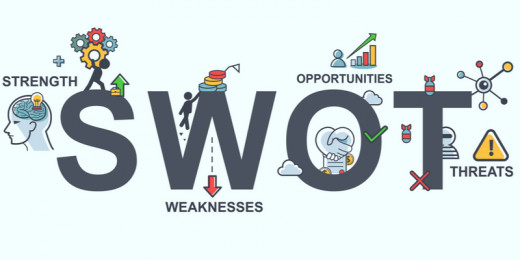
Mastering the SWOT Analysis: A Key Tool in Strategic Decision-Making
In today's fast-paced and competitive business world, making informed decisions is crucial for success. Whether you're a seasoned entrepreneur or a fresh-faced startup owner, having a clear understanding of your company's strengths, weaknesses, opportunities, and threats can be a game-changer. And that's where the mighty SWOT analysis comes in. This dynamic tool not only helps you identify internal factors that impact your organization but also uncovers external forces that may affect its growth. So grab your thinking cap and get ready to dive into the world of SWOT analysis – because it's time to take your strategic decision-making skills to new heights!
What is the SWOT Analysis?
The SWOT analysis, also known as the Strengths, Weaknesses, Opportunities, and Threats analysis, is a strategic framework that allows businesses to evaluate their current position and make informed decisions about future endeavors. It provides a comprehensive assessment of both internal and external factors impacting an organization.
Let's talk about strengths. These are the unique qualities or advantages that set your business apart from competitors. They can include a strong brand reputation, specialized expertise, or efficient processes. Identifying these strengths helps you leverage them to gain a competitive edge.
On the flip side, weaknesses refer to areas where your business may be lacking. Maybe it's limited resources or outdated technology. By acknowledging these weaknesses upfront and addressing them proactively, you can minimize potential risks and work towards improvement.
Moving on to opportunities - these are external factors that could positively impact your company's growth or profitability. Market trends shifting in your favor? New emerging markets opening up? Recognizing these opportunities gives you the chance to capitalize on them before your competitors do.
Threats are external factors that pose potential risks to your business success. This could include changing regulations or disruptive technologies entering the market. Understanding these threats allows you to develop effective strategies for mitigating their impact.
In essence, conducting a SWOT analysis provides valuable insights into all aspects of your business environment – from within its walls to beyond its borders! So buckle up and get ready for some serious strategic decision-making power with this indispensable tool by your side!
How to Use the SWOT Analysis
When it comes to using the SWOT analysis, there are a few key steps that can help you get the most out of this powerful tool. The first step is to gather information and conduct research on your business or organization. This includes identifying strengths, weaknesses, opportunities, and threats.
Next, you'll want to brainstorm and list all of the relevant factors under each category. Be thorough in your analysis and consider both internal and external factors that may impact your business.
Once you have identified these factors, it's important to prioritize them based on their level of importance or impact. This will help you focus on the areas where attention is needed most urgently.
After prioritizing the factors, it's time to develop strategies based on your findings. For example, if a weakness has been identified in customer service, one strategy could be providing additional training for staff members or implementing new technologies to improve efficiency.
It's crucial to regularly review and update your SWOT analysis as circumstances change. Business environments are dynamic and constantly evolving – what may have been a strength yesterday could become a weakness tomorrow.
By following these steps and continuously utilizing the SWOT analysis as part of your decision-making process, you can gain valuable insights into maximizing strengths while addressing weaknesses effectively. So grab a pen and paper – it's time to unleash the power of SWOT!
The Benefits of the SWOT Analysis
One of the key benefits of using a SWOT analysis is that it provides a comprehensive evaluation of your business or project. By examining the strengths, weaknesses, opportunities, and threats, you gain a clear understanding of where you stand in relation to your competitors and market trends.
By identifying your strengths, you can capitalize on them to gain a competitive advantage. Perhaps you have a unique product or superior customer service that sets you apart from others in the industry. This knowledge allows you to focus on building upon those strengths and positioning yourself as a leader in your field.
On the other hand, recognizing weaknesses through the SWOT analysis enables you to address any areas that may be holding your business back. It could be inefficient processes or lackluster marketing strategies. With this awareness, you can take steps to improve these weak points and ultimately enhance overall performance.
Opportunities are another aspect examined by the SWOT analysis. These are external factors that could potentially benefit your business if leveraged correctly. For example, emerging markets or new technologies may present exciting opportunities for growth and expansion. By identifying these opportunities early on through a SWOT analysis, you can seize them before others do.
Conducting a thorough assessment of potential threats helps protect against risks and challenges that may arise in the future. Whether it's new competitors entering the market or changing consumer preferences, being aware of potential threats gives you an opportunity to develop mitigation strategies proactively.
Utilizing a SWOT analysis offers numerous benefits such as better decision-making based on data-driven insights about internal capabilities (strengths/weaknesses) and external market dynamics (opportunities/threats). By taking advantage of its evaluative framework regularly within strategic decision-making processes - businesses can position themselves more effectively for success amidst today's ever-changing marketplace dynamics
The Limitations of the SWOT Analysis
Every tool has its limitations, and the SWOT analysis is no exception. While it is a valuable framework for strategic decision-making, it's essential to be aware of its constraints.
One limitation of the SWOT analysis is that it can oversimplify complex situations. It breaks down an organization into four categories - strengths, weaknesses, opportunities, and threats - but these categories may not capture all aspects and nuances of a business or market environment. It's important to keep in mind that real-world scenarios are often more intricate than what can be captured in four boxes.
Another limitation is that the SWOT analysis focuses primarily on internal factors (strengths and weaknesses) and external factors (opportunities and threats). However, it doesn't delve deep into causation or provide an understanding of how these factors interact with each other. Consequently, it might not offer a comprehensive picture of how different elements influence each other within a given context.
Furthermore, because the SWOT analysis relies heavily on subjective judgments from individuals involved in conducting the assessment, biases can come into play. Personal perspectives and opinions may shape how strengths, weaknesses, opportunities, and threats are identified or prioritized. This subjectivity introduces potential bias which could lead to flawed conclusions.
Additionally, while identifying strengths and opportunities is relatively straightforward for most organizations due to their positive nature; pinpointing weaknesses and threats accurately can pose challenges as they inherently involve acknowledging vulnerabilities or risks. This difficulty acknowledging shortcomings could result in overlooking critical areas that need improvement or underestimating potential dangers that should be addressed.
In summary, the SWOT analysis offers valuable insights into an organization's internal capabilities as well as external forces shaping its environment; however, it should be used cautiously considering its limitations: oversimplification, focus on surface-level interactions rather than causation, subjectivity leading to biased conclusions, and challenges associated with identifying weaknesses & threats accurately.
The Different Types of SWOT Analyses
When it comes to conducting a SWOT analysis, there are various approaches you can take depending on your specific objectives and requirements. Here, we will explore some of the different types of SWOT analyses that can be utilized in strategic decision-making.
Traditional SWOT Analysis: This is the most common type where you evaluate strengths, weaknesses, opportunities, and threats within your organization or industry. It provides a comprehensive overview of both internal and external factors affecting your business.
Competitor-focused SWOT Analysis: In this approach, the main focus is on analyzing the strengths and weaknesses of your competitors. By understanding their strategies and capabilities, you can identify potential areas for improvement or gain a competitive edge.
Market-focused SWOT Analysis: This type involves examining market trends, customer preferences, and emerging opportunities in order to identify how well-positioned your company is to meet customer needs.
Product-focused SWOT Analysis: If you want to assess the strengths and weaknesses of a particular product or service offering within your portfolio, this type of analysis allows you to delve deeper into its unique characteristics.
Risk-based SWOT Analysis: As the name suggests, this approach emphasizes identifying potential risks that could impact your business's performance. It helps prioritize risk mitigation strategies based on their likelihood and potential impact.
Geographic or Regional-specific SWOT Analysis: Useful for businesses operating in multiple locations or targeting specific geographic markets. This analysis considers regional factors such as cultural differences, regulatory environments, infrastructure availability etc., which may influence business operations differently across regions.
These are just a few examples highlighting the versatility of using different types of SWOT analyses depending on what aspect(s) you want to examine more closely. By tailoring your analysis approach accordingly, you can gain valuable insights that inform strategic decision-making processes effectively.
Beyond Profitability Metrics – Measuring Non-Financial Performance

Beyond Profitability Metrics – Measuring Non-Financial Performance
Are you tired of solely focusing on financial metrics to measure your business's success? While profitability is undoubtedly important, there's a whole world of non-financial performance indicators waiting to be explored. Welcome to the realm of beyond profitability metrics – where businesses go beyond just the numbers and dive deep into the intangible aspects that truly define their impact.
In this blog post, we'll uncover the benefits of measuring non-financial performance, explore how it can be implemented, and showcase real-life case studies that prove its value. Get ready to revolutionize how you evaluate your business because it's time to look beyond profit!
What is Beyond Profitability Metrics?
What exactly do we mean by "beyond profitability metrics"? Simply put, it refers to the practice of looking beyond traditional financial measures when evaluating the performance and impact of a business. While profitability is undeniably important for any organization, it only tells part of the story. Beyond profitability metrics delve into other factors that contribute to a company's success and overall value.
These non-financial performance indicators can include various aspects such as customer satisfaction, employee engagement, social responsibility initiatives, environmental sustainability efforts, innovation culture, brand reputation, and more. By considering these additional dimensions of performance measurement, businesses gain a more well-rounded understanding of their operations.
By incorporating beyond profitability metrics into your evaluation process, you can capture a richer picture of your organization's strengths and weaknesses. It allows you to take into account the intangible elements that may not directly translate into monetary terms but are crucial in building long-term success.
Measuring beyond profitability metrics also reflects an evolving mindset in business management – one that acknowledges the importance of sustainability and corporate social responsibility alongside financial gains. It demonstrates a commitment towards creating positive impacts on people and planet while driving growth.
So why limit yourself to just numbers? Embrace the broader perspective offered by measuring non-financial performance indicators – because true success goes far beyond profit margins alone!
The Benefits of Beyond Profitability Metrics
One of the key benefits of using beyond profitability metrics is that it provides a more comprehensive view of a company's performance. While financial metrics can provide valuable insights into the bottom line, they often fail to capture other important aspects of business success.
By incorporating non-financial metrics, such as customer satisfaction, employee engagement, and environmental impact, companies gain a more holistic understanding of their operations. This broader perspective allows for better decision-making and strategic planning.
Another benefit is that beyond profitability metrics can help drive innovation and long-term growth. By tracking indicators such as research and development investments or patents filed, businesses can evaluate their ability to adapt to changing market conditions and stay ahead of competitors.
Moreover, measuring non-financial performance can also enhance stakeholder relationships. Customers increasingly expect businesses to act ethically and responsibly. Demonstrating social responsibility through sustainability initiatives or community engagement efforts not only strengthens brand reputation but also fosters trust among customers and investors alike.
Incorporating beyond profitability metrics can lead to improved risk management. By monitoring factors like supply chain resilience or workplace safety incidents, organizations are better equipped to identify potential vulnerabilities before they become costly problems.
Utilizing beyond profitability metrics offers numerous advantages for businesses looking to thrive in today's complex marketplace. From gaining a deeper understanding of performance drivers to fostering stakeholder trust and mitigating risks – these measures go far beyond traditional financial indicators!
How to Implement Beyond Profitability Metrics
Implementing beyond profitability metrics can be a game-changer for organizations, allowing them to gain insights into their non-financial performance and make more informed decisions. Here are some key steps to effectively implement these metrics:
- Define your goals: Start by clearly identifying the specific non-financial aspects you want to measure and improve upon. This could include areas such as employee engagement, customer satisfaction, or environmental sustainability.
- Choose relevant metrics: Select metrics that align with your organization's goals and values. For example, if you prioritize social responsibility, consider measuring community impact or diversity within your workforce.
- Establish data collection methods: Determine how you will gather the necessary data for each metric chosen. This may involve surveys, interviews, monitoring systems, or other tools tailored to each specific aspect being measured.
- Set benchmarks and targets: Establish baseline measurements for each selected metric and set realistic targets for improvement over time. These benchmarks provide a reference point against which progress can be evaluated.
- Communicate internally: Ensure that all stakeholders understand the purpose of implementing beyond profitability metrics and how they contribute to overall organizational success. Encourage collaboration across departments in collecting data and analyzing results.
- Regularly review and analyze results: Consistently monitor progress towards the established targets using regular reporting cycles or dashboards designed specifically for tracking non-financial performance indicators.
- Take action based on insights gained: Use the information gathered from these metrics to inform decision-making processes at all levels of the organization – from strategic planning to day-to-day operations.
By following these steps, organizations can successfully implement beyond profitability metrics and unlock valuable insights into their non-financial performance areas while driving positive change throughout their operations.
Case Studies of Beyond Profitability Metrics
Let's delve into some real-life examples of companies that have successfully implemented beyond profitability metrics to measure their non-financial performance. These case studies highlight the power and effectiveness of looking beyond traditional financial indicators.
One such example is Patagonia, an outdoor apparel company known for its commitment to environmental sustainability. Patagonia developed a metric called the "Footprint Chronicles" which tracks the social and environmental impact of their products throughout their lifecycle. By openly sharing this data with customers, they not only demonstrate transparency but also encourage conscious consumerism.
Another interesting case study is Unilever, a multinational consumer goods company. They adopted the Sustainable Living Plan as their guiding framework, setting ambitious goals related to reducing waste, water usage, and greenhouse gas emissions across their supply chain. Through rigorous measurement and reporting on these metrics, Unilever has been able to drive positive change while maintaining profitability.
In the healthcare industry, Kaiser Permanente stands out for its holistic approach towards measuring non-financial performance. They developed a comprehensive set of metrics focused on patient care quality, employee satisfaction, community health programs, and environmental responsibility. By prioritizing these aspects alongside financial success, Kaiser Permanente has positioned itself as a leader in delivering value-driven healthcare services.
These case studies illustrate how organizations can go beyond profitability metrics to create meaningful change in various industries. By aligning business objectives with broader societal goals and leveraging innovative measurement tools, companies can drive positive outcomes while generating long-term value for all stakeholders involved.
Conclusion
In today's business landscape, measuring non-financial performance has become crucial for organizations looking to thrive in a rapidly changing world. Beyond profitability metrics, companies are starting to recognize the significance of evaluating their social and environmental impact.
By expanding their focus beyond traditional financial indicators, businesses can gain valuable insights into areas such as employee satisfaction, customer loyalty, community engagement, and sustainability practices. This holistic approach allows companies to understand the broader implications of their operations and make more informed decisions that benefit not only their bottom line but also society at large.
Implementing beyond profitability metrics requires a strategic approach. It involves identifying relevant key performance indicators (KPIs) specific to your industry and goals. These KPIs should align with your company's mission and values while capturing the intangible aspects of success that go beyond monetary gains.
Several case studies have demonstrated how adopting non-financial performance measurement strategies can lead to positive outcomes. Companies like Patagonia have successfully integrated environmental responsibility into their corporate DNA, resulting in increased brand loyalty and customer trust.
Similarly, Unilever's Sustainable Living Plan has helped them create sustainable supply chains while fostering meaningful partnerships with NGOs. These examples highlight how measuring non-financial performance can drive innovation, enhance reputation management, strengthen stakeholder relationships, and ultimately contribute to long-term success.
As we move forward into an era where consumers increasingly prioritize ethical practices when making purchasing decisions, it is clear that focusing solely on financial metrics is no longer sufficient for organizations aiming to stay competitive in the market.
The benefits of implementing beyond profitability metrics reach far beyond meeting regulatory requirements or public relations exercises; they enable businesses to become true agents of positive change within society by addressing pressing issues such as climate change or income inequality.
Transforming Logistics: Innovations Driving Competitive Advantage

Transforming Logistics: Innovations Driving Competitive Advantage
Revolutionizing the world of logistics, disruptive technologies are paving the way for a new era of streamlined operations and enhanced efficiencies. Gone are the days of manual processes, cumbersome paperwork, and wasted resources. In this fast-paced digital age, companies that harness these innovations stand to gain a significant competitive advantage in an increasingly crowded marketplace.
Logistics, the backbone of global trade and commerce, has always been plagued by inefficiencies. From delays in transportation to miscommunication between stakeholders, traditional logistics systems have struggled to keep up with growing demands. But now, innovative technologies are reshaping the industry landscape and transforming how goods are transported from point A to point B.
In this article, we will explore some of these game-changing technologies that are revolutionizing logistics as we know it. We will delve into real-life case studies of companies that have successfully implemented these innovations and reaped substantial benefits. So buckle up as we embark on a journey through the exciting world of transformed logistics!
The Current State of Logistics
The current state of logistics is a complex web of interconnected processes and systems. In many industries, logistics functions as the backbone that ensures goods are delivered to customers in a timely manner. However, this intricate network often suffers from various inefficiencies.
One common challenge is the lack of visibility throughout the supply chain. Many companies struggle to track shipments accurately, resulting in delays and lost packages. Moreover, manual paperwork and outdated communication methods slow down operations and increase the risk of errors.
Another issue is the reliance on traditional transportation methods. With congested roads and limited infrastructure capacity, delivery times can be unpredictable and prone to delays. Additionally, rising fuel costs contribute to escalating expenses for businesses relying heavily on transportation.
Furthermore, inventory management presents its own set of challenges within logistics. Overstocking or understocking products can lead to increased costs or missed sales opportunities respectively.
These inefficiencies hinder operational efficiency and limit growth potential for companies operating in today's fast-paced business environment. Fortunately, disruptive technologies are emerging as game-changers that have the potential to transform logistics operations significantly.
Inefficiencies in the Current System
Logistics is a critical component of any business, but unfortunately, the current system is riddled with inefficiencies. These inefficiencies not only lead to increased costs but also hinder overall productivity and customer satisfaction.
One major challenge in logistics is the lack of real-time visibility. This means that businesses often struggle to track shipments accurately and provide customers with up-to-date information on their orders. The result? Delays, unhappy customers, and missed opportunities for growth.
Another common inefficiency lies in manual processes and outdated technology. Many companies still rely on paperwork and spreadsheets to manage inventory, which can be time-consuming and prone to errors. This can lead to delays in order processing, inaccurate stock levels, and ultimately dissatisfied customers.
Additionally, limited collaboration between different stakeholders within the supply chain further contributes to inefficiencies. Lack of communication leads to misalignments between demand forecasting and production planning, resulting in excess inventory or out-of-stock situations.
Transportation routing inefficiencies are a significant pain point for many logistic providers. Inefficient route planning leads to longer delivery times and higher fuel costs – factors that directly impact profitability.
These inefficiencies highlight the urgent need for innovation in logistics management strategies. By leveraging disruptive technologies such as artificial intelligence (AI), blockchain, Internet of Things (IoT) devices, businesses can streamline operations from end-to-end while improving transparency throughout the supply chain.
These advancements have paved the way for exciting transformations within the logistics industry - we'll explore some compelling case studies later that showcase how companies have harnessed these innovations for competitive advantage.
Disruptive Technologies Transforming Logistics
Disruptive technologies are revolutionizing the logistics industry, transforming how goods are moved, stored, and delivered. These innovative advancements are driving efficiency, cost savings, and competitive advantage for companies across the globe.
One such technology is blockchain. This decentralized digital ledger ensures transparency and security in supply chain transactions. By recording every step of a product's journey on an immutable platform, blockchain eliminates the need for intermediaries and reduces instances of fraud or counterfeiting.
Another disruptive technology making waves in logistics is autonomous vehicles. The development of self-driving trucks and drones has the potential to significantly reduce transportation costs while improving delivery speed and accuracy. With no need for human drivers, these vehicles can operate around the clock without breaks or fatigue.
Internet of Things (IoT) devices have also become integral to modern logistics operations. These connected sensors provide real-time visibility into inventory levels, temperature control during transit, and predictive maintenance alerts for machinery. This data-driven approach enables businesses to optimize their supply chains by identifying bottlenecks or inefficiencies quickly.
Artificial intelligence (AI) algorithms are further enhancing logistical capabilities by analyzing vast amounts of data to identify patterns or forecast demand accurately. AI-powered systems can optimize routes based on traffic conditions or weather forecasts, reducing fuel consumption and optimizing delivery times.
These disruptive technologies represent a paradigm shift in logistics management.
Companies that embrace these innovations gain a competitive edge through improved visibility into their supply chains, optimized operations, reduced costs, enhanced customer service experience—ultimately leading to increased profitability.
Case Studies of Companies Using These Technologies
Let's take a look at some real-world examples of companies that have embraced disruptive technologies to transform their logistics operations. These case studies highlight the potential for significant competitive advantage when innovative solutions are implemented.
First up is Amazon, the e-commerce giant known for its relentless focus on customer satisfaction. By leveraging advanced data analytics and artificial intelligence (AI), Amazon has revolutionized its supply chain management. Their predictive algorithms anticipate consumer demand, optimizing inventory levels and reducing delivery times. With the introduction of drone technology, they are even exploring the possibility of autonomous deliveries in certain areas.
Another impressive example is UPS, which has integrated smart sensors into their vehicles to improve efficiency and reduce costs. These sensors monitor factors like engine performance and fuel consumption in real-time, allowing proactive maintenance scheduling and reducing downtime. Additionally, UPS utilizes route optimization software powered by AI to optimize delivery routes based on various parameters such as traffic conditions and package size.
Walmart is also making waves in logistics innovation by incorporating blockchain technology into their supply chain processes.
This decentralized ledger system provides enhanced transparency and traceability throughout the entire product journey – from manufacturer to store shelf. By ensuring greater authenticity and minimizing fraud or counterfeiting risks, Walmart can enhance customer trust while streamlining operations.
Uber Freight deserves a mention for disrupting traditional trucking with its digital platform connecting shippers with carriers. Through this app-based service, Uber Freight simplifies load booking procedures while providing real-time tracking capabilities for both parties involved in transportation logistics.
These case studies demonstrate how embracing disruptive technologies can lead to transformative results in logistics management. By harnessing data analytics, AI-driven systems, sensors, blockchain technology or digital platforms like Uber Freight – businesses gain unprecedented insights into their supply chains while improving operational efficiencies across every touchpoint.
The possibilities offered by these innovations are endless; it's an exciting time for the world of logistics as companies continue to explore new ways to gain a competitive edge. Stay tuned for the next section where we'll dive deeper
The Competitive Advantage of Transformed Logistics
In today's highly competitive business landscape, companies are constantly seeking ways to gain a competitive edge. One area that holds immense potential is transformed logistics. By leveraging disruptive technologies and innovative strategies, businesses can achieve significant advantages over their competitors.
One of the key benefits of transformed logistics is increased efficiency. Traditional supply chain operations often suffer from delays, bottlenecks, and manual processes that result in wasted time and resources. However, with advanced technologies like artificial intelligence (AI), blockchain, and Internet of Things (IoT), companies can optimize their logistical operations to minimize these inefficiencies.
Improved visibility is another advantage of transformed logistics. Real-time tracking systems enable companies to closely monitor the movement of goods throughout the entire supply chain process. This enhanced visibility allows for better decision-making and quicker responses to any disruptions or issues that may arise.
Transformed logistics also enables greater customer satisfaction by enhancing delivery speed and accuracy. With streamlined processes and optimized routes, businesses can ensure timely deliveries while minimizing errors or damages along the way. This translates into happy customers who are more likely to become repeat buyers.
Moreover, transformed logistics opens up new opportunities for collaboration within the industry ecosystem. Companies can leverage technology platforms that connect different stakeholders such as manufacturers, distributors, retailers, and transportation providers seamlessly. This collaborative approach fosters innovation while reducing costs through shared resources.
Furthermore, by embracing transformative logistics practices early on, companies position themselves as market leaders in their respective industries. They demonstrate a commitment to staying ahead of the curve when it comes to adopting cutting-edge technologies and operational models.
In summary, the competitive advantage gained from transforming logistics cannot be underestimated in today's fast-paced business environment. Companies that embrace disruptive technologies not only improve efficiency but also enhance customer satisfaction, increase collaboration within their industry ecosystem, and establish themselves as pioneers in this ever-evolving field.
Sustainability Matters: Green Practices in Value Chain Management

Sustainability Matters: Green Practices in Value Chain Management
Welcome to our blog post on sustainability in value chain management! In today's fast-paced world, businesses are increasingly recognizing the importance of adopting green practices throughout their operations. From sourcing materials ethically to minimizing waste and reducing carbon emissions, sustainable practices not only help protect the environment but also contribute to long-term business success.
In this article, we will explore the benefits of incorporating sustainability into value chain management and discuss some of the challenges that companies may face along the way. We will also provide insights on how organizations can successfully implement these green practices for a more environmentally-friendly future.
So, if you're ready to dive into the world of sustainability and discover how it can make a positive impact on your business, let's get started!
Green Practices in Value Chain Management
Green practices in value chain management encompass a range of initiatives aimed at reducing the environmental impact of each stage in the production and distribution process. It involves integrating sustainable principles into sourcing, manufacturing, logistics, and customer engagement.
One key aspect is sustainable procurement, which involves selecting suppliers who adhere to strict ethical and environmental standards. By partnering with eco-conscious suppliers, businesses can ensure that their inputs are sourced responsibly without compromising on quality or cost.
Another important green practice is optimizing energy consumption throughout the value chain. This can involve implementing energy-efficient technologies in manufacturing processes, using renewable energy sources where possible, and adopting smart transportation strategies to reduce fuel consumption.
Waste reduction is also crucial for sustainable value chain management. Implementing recycling programs, minimizing packaging materials, and promoting circular economy principles can all contribute to reducing waste generation and its associated environmental impacts.
Moreover, companies can integrate sustainability into their marketing efforts by highlighting eco-friendly features of their products or services. This not only appeals to environmentally conscious consumers but also helps build brand reputation as a responsible business entity.
Incorporating these green practices into value chain management requires collaboration among different stakeholders within an organization as well as across the supply chain. It necessitates setting clear goals and metrics for measuring progress towards sustainability targets while continuously monitoring performance.
By incorporating these green practices into value chain management processes, organizations can enhance their competitive advantage through reduced costs from resource efficiency gains while contributing positively towards a more sustainable future.
The Benefits of Sustainability
Sustainability is more than just a buzzword; it's a way of life that can have numerous benefits for businesses and the planet. By embracing sustainable practices in value chain management, companies can make a positive impact on the environment while also reaping several advantages.
One major benefit of sustainability is cost savings. Implementing energy-efficient measures, such as using renewable energy sources or reducing waste, can lead to significant financial savings over time. Additionally, adopting sustainable practices often results in improved resource utilization and increased operational efficiency.
Another advantage is enhanced brand reputation. Consumers are becoming increasingly conscious about the environmental impact of their purchasing decisions, and they are more likely to support businesses that prioritize sustainability. By demonstrating a commitment to green practices throughout their value chain, companies can attract environmentally conscious consumers and differentiate themselves from competitors.
Furthermore, sustainability fosters innovation and drives product differentiation. Companies that invest in sustainable technologies and processes often discover new ways to improve their products or develop innovative solutions that meet both customer needs and environmental standards.
Moreover, implementing sustainable practices helps mitigate risks associated with climate change and regulatory compliance. As governments worldwide tighten regulations around environmental protection, businesses that proactively adopt eco-friendly strategies will be better positioned for long-term success.
Embracing sustainability contributes to employee satisfaction and engagement. Many employees today want to work for socially responsible organizations that align with their values. By prioritizing sustainability initiatives within the company culture, businesses can attract top talent who share these values while also fostering greater employee loyalty and productivity.
In conclusion (without using those words), incorporating sustainable practices into value chain management offers numerous benefits ranging from cost savings to brand reputation enhancement, innovation opportunities to risk mitigation efforts along with increased employee satisfaction levels
The Challenges of Sustainability
The challenges of sustainability can be complex and multifaceted. One major challenge is the resistance to change, as many businesses are comfortable with their existing practices and may be hesitant to adopt new sustainable methods. This resistance can stem from concerns about increased costs or disruptions to established routines.
Another challenge is the lack of awareness and understanding surrounding sustainability issues. Some organizations may not fully grasp the long-term benefits of implementing green practices in their value chain management. It's important for businesses to educate themselves on the environmental impact of their operations and how sustainable practices can contribute to a healthier planet.
Additionally, there may be logistical challenges involved in incorporating sustainability into value chain management. This could include finding suppliers that meet environmentally friendly standards, ensuring efficient waste management systems, or integrating renewable energy sources into production processes.
Furthermore, measuring and tracking progress towards sustainability goals can also pose a challenge. It requires careful data collection and analysis to accurately assess the effectiveness of implemented initiatives.
Overcoming these challenges requires commitment from all levels of an organization. Leadership buy-in is crucial for driving change and setting clear sustainability objectives. Collaboration with suppliers, customers, and other stakeholders is also essential in order to create a holistic approach towards sustainable value chain management.
By addressing these challenges head-on, businesses have an opportunity not only to reduce their environmental footprint but also improve overall efficiency and profitability in the long run. Sustainability should no longer be seen as an optional add-on but rather as a necessary component for success in today's rapidly changing world.
Implementing Sustainable Practices in Value Chain Management
Implementing sustainable practices in value chain management is crucial for businesses looking to reduce their environmental impact and improve their long-term sustainability. By incorporating green practices throughout the entire value chain, companies can create a more efficient and environmentally friendly operation.
One way to implement sustainable practices is by conducting a thorough assessment of the current value chain. This involves identifying areas where waste can be reduced, energy consumption can be minimized, and resources can be used more efficiently. By pinpointing these opportunities, businesses can develop targeted strategies for improvement.
Another important step is to collaborate with suppliers and partners who share the same commitment to sustainability. By working together, companies can ensure that products are sourced responsibly and produced using eco-friendly methods. This collaboration also allows for knowledge sharing and innovation in finding new ways to enhance sustainability across the value chain.
Investing in technology is another key aspect of implementing sustainable practices. From utilizing renewable energy sources to automating processes, technology plays a vital role in reducing carbon emissions and optimizing resource utilization.
Training employees on green practices is also essential. Educating them about the importance of sustainability and providing them with tools and guidelines will empower them to make informed decisions that align with the company's environmental goals.
Monitoring progress regularly through data collection and analysis helps track performance against set targets. It enables businesses to identify areas where further improvements are needed or recognize successes achieved through sustainable initiatives.
Implementing sustainable practices in value chain management requires dedication, collaboration, technological advancements, employee involvement,and ongoing monitoring.
As society becomes increasingly aware of environmental issues,businesses must adapt their operations accordingly.
By adopting greener approaches throughout their value chains,firms not only contribute towards global efforts,but also stand out as leaders within their industries
Conclusion
Sustainability is no longer just a buzzword; it has become an essential aspect of value chain management. Businesses around the world are recognizing the importance of incorporating green practices into their operations to not only reduce their environmental impact but also drive long-term success.
By embracing sustainability, organizations can reap numerous benefits. They can lower costs through energy efficiency and waste reduction, enhance brand reputation as consumers increasingly prioritize eco-friendly products and services, attract top talent who align with their values, and foster innovation by finding creative solutions to complex challenges.
However, implementing sustainable practices in value chain management does come with its fair share of challenges. It requires a shift in mindset from traditional business models and may require upfront investment in technology and infrastructure. Additionally, companies need to navigate regulatory requirements and ensure supply chain transparency while considering the needs of various stakeholders.
Despite these obstacles, businesses must take proactive steps towards sustainability for the sake of our planet's future. By adopting greener practices throughout the entire value chain – from sourcing raw materials to distribution and disposal – they can make a significant difference.
To successfully implement sustainable practices in value chain management, organizations should start by conducting thorough assessments of their current processes and identifying areas where improvements can be made. Collaboration with suppliers is crucial for promoting responsible sourcing and reducing carbon emissions across the supply network. Investing in renewable energy sources such as solar or wind power can help reduce reliance on fossil fuels while showcasing commitment to sustainability.
Furthermore, integrating circular economy principles into product design allows for recycling or repurposing at end-of-life stages rather than disposing them as waste. Embracing digital technologies like data analytics can optimize resource utilization, minimize wastage, streamline logistics operations, and enable informed decision-making based on real-time insights.
In conclusion (without using "In conclusion"), sustainability matters more than ever before when it comes to value chain management. The benefits go beyond mere cost savings; they extend towards building resilient businesses that contribute positively to the environment and society.
From Idea to Execution: Mastering the Strategy Implementation Process
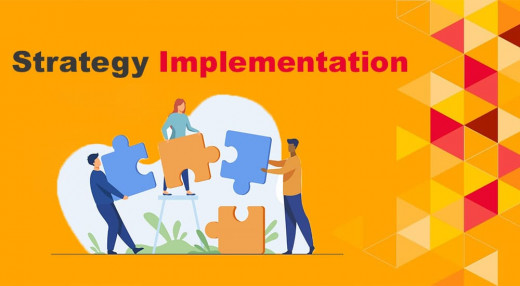
From Idea to Execution: Mastering the Strategy Implementation Process
Mastering the strategy implementation process is a critical skill for any business or organization. It's not enough to have a brilliant idea or a well-crafted strategy; success lies in executing that strategy flawlessly. But how do you go from an idea to execution? How do you ensure that your carefully laid plans come to fruition and deliver the desired results?
In this blog post, we will guide you through the four key steps of strategy implementation: defining your strategy, developing the implementation plan, implementing your strategy, and evaluating its effectiveness. Along the way, we'll share valuable tips and insights to help you navigate this journey with confidence.
So buckle up and get ready to dive into the world of strategic execution! Whether you're a seasoned executive looking for new ways to enhance your organization's performance or an aspiring entrepreneur aiming to turn your vision into reality, this article is packed with practical advice that will empower you to take action and achieve remarkable outcomes.
Are you ready? Let's embark on this exhilarating adventure together!
Defining Your Strategy
Strategy is the compass that guides your organization's actions and decisions. It's like a roadmap that lays out the direction you need to take to achieve your goals. But before you can start implementing, you must first define your strategy clearly.
To begin, gather key stakeholders and engage in thoughtful discussions about your organization's vision, mission, and values. These foundational elements will serve as guideposts for shaping your strategy. Consider external factors such as market trends, competition, and customer needs while also evaluating internal strengths and weaknesses.
Next, set specific objectives that align with your overall vision. These objectives should be ambitious yet attainable, providing a clear focus for everyone involved. Additionally, identify strategic initiatives or projects that will help accomplish these objectives.
Once you have defined your high-level strategy and identified key initiatives, it's time to establish performance metrics or KPIs (Key Performance Indicators). These metrics will enable you to measure progress towards your goals effectively.
Remember that defining a strategy is an iterative process; it requires flexibility and adaptability as circumstances change. Regularly review and refine your strategy based on new insights or shifts in the business landscape.
By taking the time to thoroughly define your strategy upfront, you set yourself up for success during implementation. Clarity of purpose ensures everyone is aligned towards a common goal while minimizing confusion or misdirection along the way.
Stay tuned as we delve into the next step of mastering the strategy implementation process: developing the implementation plan!
Developing the Implementation Plan
Developing the Implementation Plan is a crucial step in turning your strategy into reality. It involves identifying the specific actions and resources required to achieve your strategic goals.
First, start by clearly defining your objectives and desired outcomes. This will help guide the rest of your planning process and ensure everyone is on the same page.
Next, assess your current capabilities and identify any gaps that need to be addressed. Consider factors such as budget, human resources, technology, and timeframes.
Once you have identified these gaps, you can begin developing strategies to bridge them. This may involve hiring new talent, investing in training programs, or implementing new systems or processes.
It's important to involve key stakeholders throughout this process to gain their buy-in and ensure alignment with organizational goals. Their input will also provide valuable insights that can shape your plan.
Break down your implementation plan into manageable tasks with clear deadlines and assign responsibilities accordingly. Regularly review progress against these milestones to stay on track.
Consider potential risks and develop contingency plans to mitigate them. Anticipating challenges ahead of time will help minimize disruptions during execution.
By taking a systematic approach to developing an implementation plan, you set yourself up for success in executing your strategy effectively.
Implementing Your Strategy
Once you have defined your strategy and developed a solid implementation plan, it's time to put that plan into action. Implementing your strategy is where the rubber meets the road – it's where all of your planning and preparation comes to life.
The first step in implementing your strategy is to communicate it effectively throughout your organization. Make sure everyone understands the overall goal and their specific roles in achieving it. This will help create alignment and ensure everyone is working towards the same objective.
Next, break down your strategy into smaller, manageable tasks or projects. Assign responsibilities to individuals or teams who are best equipped to handle them. Set clear deadlines and milestones for each task so that progress can be tracked effectively.
During the implementation phase, it's important to monitor progress regularly and make any necessary adjustments along the way. Keep an eye on key metrics and indicators to gauge whether you're on track or if changes need to be made.
Communication remains crucial during this stage as well. Provide updates on progress, celebrate small wins, and address any challenges or obstacles that arise promptly.
Remember that implementing a strategy takes time – expect some bumps along the road. Stay flexible, adapt as needed, but remain focused on achieving your ultimate goal.
By following these steps and staying committed throughout the process, you'll increase your chances of successfully implementing your strategy and driving positive outcomes for your business.
Evaluating Your Strategy
Once you have implemented your strategy, it is crucial to evaluate its effectiveness. This evaluation process allows you to assess whether your strategy is achieving the desired outcomes and identify any areas for improvement.
One key aspect of evaluating your strategy is tracking relevant metrics and data. By measuring specific indicators, such as sales revenue or customer satisfaction rates, you can gauge how well your strategy is performing. Additionally, collecting feedback from stakeholders and customers can provide valuable insights into the strengths and weaknesses of your approach.
It's important to analyze both quantitative and qualitative data during the evaluation process. While numbers give you a clear picture of performance, qualitative information offers deeper insights into why certain outcomes are being achieved.
Another critical component of evaluating your strategy is comparing it against predetermined goals and objectives. Did you meet or exceed these targets? If not, what factors contributed to falling short? Reflecting on these questions will help refine future strategies.
Additionally, consider conducting a SWOT analysis (Strengths, Weaknesses, Opportunities, Threats) to gain a comprehensive understanding of where improvements can be made. This analysis allows you to capitalize on strengths while mitigating weaknesses or external threats that may impact success.
Regularly reviewing and assessing your strategy ensures that it remains relevant in an ever-changing business landscape. By identifying areas for improvement early on through effective evaluation processes, adjustments can be made promptly to maximize success moving forward
Tips for Successfully Implementing Your Strategy
- Clearly communicate your strategy: One of the key factors in successful strategy implementation is ensuring that everyone within your organization understands and supports the strategic goals and objectives. Clearly communicate your strategy to all employees, using language that is easy to understand and relatable to their roles and responsibilities.
- Break it down into actionable steps: A well-defined plan with specific action steps is essential for successfully implementing your strategy. Break down your strategy into smaller, manageable tasks that can be easily executed by different teams or individuals. This will help ensure progress and keep everyone accountable.
- Foster a culture of collaboration: Collaboration is crucial when it comes to implementing a strategy effectively. Encourage open communication, teamwork, and idea-sharing among employees at all levels of the organization. By fostering a collaborative environment, you can tap into diverse perspectives and expertise, leading to more innovative solutions.
- Provide resources and support: Ensure that you provide the necessary resources, tools, training, and support needed for executing the strategy effectively. Lack of resources or inadequate support can hinder progress and lead to frustration among employees.
- Monitor progress regularly: Regularly track and monitor the progress of each action step towards achieving your strategic goals. Establish clear metrics or key performance indicators (KPIs) to measure success along the way.
- Seek feedback from stakeholders: Engage stakeholders throughout the implementation process by seeking their input on potential challenges or opportunities they may identify related to executing the strategy successfully.
Remember that successfully implementing a strategy requires ongoing commitment, adaptability, constant evaluation, adjustments as needed based on feedback received during execution stages! Stay focused on long-term goals while remaining flexible enough t
Conclusion
Mastering the strategy implementation process is essential for any organization seeking to achieve its goals and objectives. It involves careful planning, effective execution, and continuous evaluation. By following the steps outlined in this article, you can ensure that your strategy is not just an idea but becomes a reality.
Defining your strategy sets the foundation for success by clearly identifying your goals and how you plan to achieve them. This step provides direction and focus, ensuring everyone understands what needs to be done.
Developing an implementation plan transforms your strategy into actionable steps. Breaking it down into smaller tasks helps manage resources effectively and ensures progress is made towards your overall goal.
Implementing your strategy requires strong communication, coordination, and collaboration among team members. Regularly reviewing progress allows for adjustments and keeps everyone aligned towards achieving desired outcomes.
Evaluating your strategy enables you to measure its effectiveness against set targets. Identifying areas of improvement helps refine future strategies and enhances organizational performance over time.
To successfully implement your strategy:
- Engage all stakeholders: Involve key individuals from different departments or teams throughout the process to foster buy-in and commitment.
- Communicate consistently: Clearly communicate expectations, progress updates, challenges faced, and celebrate achievements along the way.
- Provide necessary resources: Ensure that teams have access to adequate resources such as funding, technology tools, training programs or external expertise required for successful implementation.
- Foster a culture of agility: Embrace flexibility when unexpected obstacles arise so that adjustments can be made promptly without derailing the entire process.
- Recognize accomplishments: Motivate team members by acknowledging their efforts through rewards or recognition programs tied directly to strategic milestones achieved.
By mastering each stage of the strategy implementation process with attention to detail and adaptability when needed; organizations can maximize their chances of turning ideas into successful actions that drive growth and innovation at every level.
Remember, implementing a sound business strategy takes time – patience is key.
Unlocking Hidden Value: Leveraging Data Analytics in Business Value Chains

Unlocking Hidden Value: Leveraging Data Analytics in Business Value Chains
In today's ever-evolving business landscape, organizations are constantly seeking ways to gain a competitive edge. They invest in the latest technologies, embrace innovative strategies, and strive to optimize their operations from end to end. But what if there was another untapped source of value that could revolutionize how businesses operate? Enter data analytics.
Data analytics has emerged as a game-changer, providing invaluable insights that drive decision-making across all industries. It allows companies to harness the power of information and leverage it within their value chains – those intricate networks of activities that transform inputs into valuable products or services for customers.
In this article, we will explore why data analytics is crucial in business value chains and reveal how unlocking hidden value through its application can propel organizations towards unparalleled success. Join us on this journey as we delve into real-life case studies and offer recommendations for effectively leveraging data analytics. Get ready to uncover the secrets behind maximizing your business potential!
What is a Value Chain?
A value chain is the series of interconnected activities that businesses undertake to create and deliver products or services to customers. It encompasses everything from sourcing raw materials, production processes, distribution channels, all the way to after-sales service. Each activity in the value chain adds some form of value to the final product.
Think of it as a well-orchestrated symphony where every note plays a vital role in creating harmony. Similarly, each link within the value chain contributes to delivering a seamless customer experience.
It's important to understand that a value chain doesn't just include internal operations; it also involves external stakeholders such as suppliers, partners, and customers themselves. By analyzing each stage of this complex ecosystem, organizations can identify areas for improvement and optimization.
Furthermore, an effective understanding of your business's unique value chain allows you to gain insights into cost drivers and competitive advantages. This knowledge becomes invaluable when making strategic decisions about resource allocation and process enhancements.
In essence, having a clear grasp on your organization's value chain provides a holistic view of how different activities come together harmoniously – ultimately driving efficiency and enhancing overall performance.
Why Data Analytics is Important in Business Value Chains
Data analytics has become increasingly crucial in today's fast-paced and data-driven business environment. It plays a significant role in unlocking hidden value within business value chains, helping organizations make informed decisions and gain a competitive edge. Here's why data analytics is so important:
- Enhanced Decision-making: By analyzing large volumes of data, businesses can identify patterns, trends, and anomalies that may go unnoticed otherwise. This enables them to make more accurate and informed decisions based on real-time insights.
- Improved Operational Efficiency: Data analytics helps streamline various processes within the value chain by identifying bottlenecks or inefficiencies. Businesses can optimize their operations by leveraging these insights to enhance productivity and reduce costs.
- Customer Insights: Understanding customer needs and preferences is essential for any successful business. Data analytics allows organizations to analyze customer behavior, demographics, purchase history, and other relevant factors to tailor their offerings accordingly.
- Risk Management: Identifying potential risks before they escalate is critical for mitigating losses or disruptions in the value chain process. Data analytics enables businesses to detect early warning signs by monitoring key metrics or indicators.
- Innovation Opportunities: Analyzing market trends, competitor performance, and consumer demands through data analytics provides valuable insights into new product development opportunities or areas for improvement.
In today's digital age where data is abundant, harnessing its power through effective analysis has become imperative for businesses seeking growth and success in their respective industries.
How to Unlock Hidden Value in Business Value Chains
Unlocking hidden value in business value chains is a crucial aspect for organizations seeking to gain a competitive edge. By leveraging data analytics, businesses can uncover valuable insights and drive strategic decision-making that can significantly impact their bottom line.
The first step in unlocking hidden value is collecting and analyzing the right data. This includes not only internal data but also external sources such as customer feedback, market trends, and industry benchmarks. By combining these different datasets, businesses can gain a holistic view of their value chain and identify areas for improvement or optimization.
Once the relevant data has been collected, the next step is to apply advanced analytics techniques to extract meaningful insights. This may involve using predictive modeling algorithms to forecast demand patterns or identifying bottlenecks in production processes through process mining techniques. The goal here is to identify inefficiencies or opportunities within the value chain that have previously gone unnoticed.
Furthermore, collaboration across departments and functions is essential in unlocking hidden value. Data analytics should not be confined to specific teams or individuals but should be integrated into the overall decision-making process of an organization. This allows for cross-functional insights that can lead to innovative solutions and improvements throughout the entire value chain.
It's important for organizations to continually monitor performance metrics and adjust strategies accordingly. Leveraging real-time dashboards and automated reporting systems enables businesses to track key performance indicators (KPIs) at various stages of the value chain. Regular monitoring ensures that any deviations from expected outcomes are identified promptly so appropriate actions can be taken.
Unlocking hidden value in business value chains requires a combination of data collection, advanced analytics techniques, cross-functional collaboration, and ongoing monitoring of performance metrics. By embracing these practices, organizations can unleash untapped potential within their operations while gaining a competitive advantage in today's dynamic business landscape.
Case Studies
Case studies provide real-life examples of how businesses can unlock hidden value by leveraging data analytics in their value chains. One such case study is the retail giant, Walmart. By analyzing customer purchasing patterns and preferences, Walmart was able to identify opportunities for cost savings and improved inventory management. This allowed them to optimize their supply chain and reduce costs.
Another interesting case study is from the healthcare industry. The pharmaceutical company, Pfizer, used data analytics to analyze clinical trial results and patient feedback. This enabled them to identify potential side effects earlier in the drug development process, ultimately saving time and resources.
In the transportation sector, Uber revolutionized the taxi industry through its use of data analytics. By collecting extensive amounts of data on driver routes, passenger behavior, and demand patterns, Uber was able to dynamically adjust prices based on supply and demand fluctuations. This not only increased revenue but also improved overall customer satisfaction.
These case studies highlight how businesses across various industries have successfully leveraged data analytics to unlock hidden value in their value chains. It goes to show that with proper analysis of available data, organizations can make informed decisions that drive efficiency, reduce costs and improve customer experiences.
By learning from these successful examples, businesses can gain insights into ways they can leverage data analytics within their own operations for competitive advantage..
Recommendations
- Embrace a data-driven culture: To unlock hidden value in your business value chains, it is crucial to foster a culture that prioritizes and embraces data analytics. Encourage employees at all levels to become comfortable with using data to inform decision-making processes.
- Invest in advanced analytics tools: Having the right tools and technologies in place is essential for effective data analysis. Consider investing in advanced analytics software that can handle large volumes of complex data, provide real-time insights, and support predictive modeling.
- Enhance data quality and governance: Ensure that the data being collected is accurate, reliable, and up-to-date by implementing robust data quality controls and governance frameworks. This will help prevent errors or inconsistencies that could negatively impact analysis outcomes.
- Foster collaboration across departments: Break down silos within your organization by promoting cross-functional collaboration when analyzing business value chains. By involving stakeholders from different departments, you can gain diverse perspectives and uncover new insights that may have been overlooked otherwise.
- Prioritize continuous learning: Data analytics is an ever-evolving field, so it's important to stay updated on the latest trends and techniques. Encourage employees to participate in training programs or attend industry conferences to enhance their skills and knowledge in this area.
- Monitor key performance indicators (KPIs): Identify relevant KPIs for each stage of your value chain and regularly track them to measure progress towards goals. This will allow you to identify areas for improvement or potential bottlenecks more effectively.
- Leverage external expertise if needed: If you lack internal resources or expertise in data analytics, consider partnering with external consultants or experts who can provide guidance tailored specifically to your business needs.
By following these recommendations, businesses can leverage the power of data analytics throughout their value chains, unlocking hidden opportunities for growth, efficiency improvements, cost savings,
and enhanced customer experiences.
Conclusion
In today's rapidly evolving business landscape, leveraging data analytics in the value chain has become essential for organizations looking to stay ahead of the curve. By harnessing the power of data and applying analytical tools and techniques, companies can unlock hidden insights that drive operational efficiency, improve decision-making processes, enhance customer experiences, and ultimately create a competitive advantage.
Data analytics enables businesses to gain a deeper understanding of their value chains by uncovering patterns, trends, and opportunities that may have gone unnoticed otherwise. By analyzing vast amounts of structured and unstructured data from various sources such as sales transactions, supply chain operations, customer interactions, social media feedback, market research studies and more; organizations can identify areas for improvement or innovation.
Through case studies we have seen how data analytics has transformed different aspects of value chains across industries. From optimizing production processes to streamlining logistics operations; from personalizing marketing campaigns to improving risk management strategies; data-driven insights enable companies to make informed decisions that maximize efficiency while minimizing risks.
To fully leverage the potential of data analytics in business value chains:
- Establish a clear strategy: Define your objectives and align them with your overall business goals.
- Invest in technology infrastructure: Ensure you have robust systems in place for collecting, storing, managing and analyzing large volumes of data.
- Foster a culture of data-driven decision making: Encourage employees to embrace analytics by providing training programs and promoting collaboration between departments.
- Continuously monitor performance: Regularly assess key metrics related to your value chain activities using relevant dashboards or scorecards.
- Stay up-to-date with emerging technologies: Keep an eye on new developments in the field like artificial intelligence (AI), machine learning (ML), Internet of Things (IoT) etc., which could further enhance your analytical capabilities.
By integrating data analytics into every stage of the value chain - from sourcing raw materials to delivering products or services - businesses are poised not only to optimize their operations and enhance customer experiences but also to uncover hidden opportunities for growth.