Learn smarter with fresh insights from our tutors.
Practical study guides, course supplements, and learning resources curated to help you move faster through every subject.
Harnessing Technology: Revolutionizing Agribusiness Management

Harnessing Technology: Revolutionizing Agribusiness Management
Welcome to the world of Agribusiness Management 4.0 - a rapidly evolving landscape where cutting-edge technology meets the age-old practice of farming. Gone are the days when farmers relied solely on their instincts and experience to navigate through unpredictable weather, market fluctuations, and supply chain challenges. With the advent of advanced technologies, agriculture has witnessed a profound transformation that has revolutionized every aspect of this vital industry.
In this blog post, we will delve into how technology is reshaping agribusiness management and explore the myriad benefits it brings to farmers, businesses, and consumers alike. From precision farming techniques to data-driven decision-making processes, brace yourself for an eye-opening journey into Agricultural Management 4.0 - an era where innovation propels growth like never before! So let's dive right in and uncover the exciting ways in which technology is changing the face of agriculture as we know it.
The Agricultural Industry
The agricultural industry is the backbone of our society, providing us with essential food and resources to sustain our ever-growing population. It encompasses a diverse range of activities, including crop cultivation, livestock rearing, aquaculture, forestry, and more. From small-scale family farms to large commercial operations, agriculture plays a vital role in ensuring food security and economic stability.
However, it is no secret that farmers face numerous challenges in their daily endeavors. Unpredictable weather patterns can wreak havoc on crops and livestock; market fluctuations can impact profitability; pest infestations can devastate harvests. These uncertainties have always been part of farming life.
But now enter technology - the game-changer that has transformed the way we approach agriculture. With advancements like precision farming techniques utilizing GPS systems and remote sensing technologies such as drones and satellite imagery, farmers are equipped with real-time data to make informed decisions about irrigation schedules, fertilization practices, disease management strategies - all leading to increased yield optimization.
Moreover, digital platforms enable farmers to connect directly with suppliers and buyers through online marketplaces or mobile applications. This eliminates intermediaries while expanding reach beyond local markets - empowering farmers to negotiate better prices for their produce.
Technology also promotes sustainable agricultural practices by minimizing resource wastage through smart irrigation systems and precision application of fertilizers and pesticides based on soil analysis reports.
Technology in Agriculture
Technology has become an essential tool in almost every industry, and agriculture is no exception. With advancements in technology, the agricultural sector has seen a significant transformation over the years. From automated machinery to precision farming techniques, technology has revolutionized the way we approach agriculture.
One of the key areas where technology has made a tremendous impact is in crop production. Farmers can now use drones equipped with high-resolution cameras to monitor their crops' health and detect any potential issues early on. This allows for targeted interventions and reduces the need for widespread pesticide application.
Furthermore, smart irrigation systems have improved water management practices. These systems use sensors to measure soil moisture levels and weather data to determine appropriate watering schedules. By optimizing water usage, farmers can reduce costs while ensuring optimal crop growth.
Another aspect where technology plays a crucial role is livestock management. Automated feeding systems allow for precise portion control based on individual animal needs, improving efficiency and reducing waste. Additionally, wearable devices such as activity monitors help track animals' health status by monitoring their movement patterns or vital signs.
In addition to production processes, technology also aids in market analysis and logistics within agribusinesses. Advanced software solutions provide real-time data on market trends, enabling farmers to make informed decisions regarding pricing strategies or demand fluctuations.
The integration of technologies like artificial intelligence (AI) and blockchain further enhances transparency throughout agricultural supply chains. AI algorithms can analyze vast amounts of data collected from various sources – including weather forecasts or historical yield records – helping farmers optimize resource allocation more effectively.
As technologies continue to evolve at a rapid pace, we can expect even more innovations that will shape the future of agriculture positively. These advancements hold great potential for increased productivity while minimizing environmental impacts.
Technology's transformative power extends beyond simply improving existing methods; it opens up new possibilities previously unimaginable in agribusiness management.
Agricultural Management 4.0
Agricultural Management 4.0 is a term that refers to the integration of advanced technologies and data analytics into agribusiness management practices. It represents a new era in agricultural management, where digital tools and automation play a crucial role in optimizing productivity and efficiency.
One of the key components of Agricultural Management 4.0 is precision agriculture. This approach utilizes technologies like GPS, remote sensing, and drones to collect real-time data about soil conditions, crop growth, and weather patterns. By analyzing this data, farmers can make informed decisions regarding irrigation schedules, fertilizer application rates, and pest control measures.
Another aspect of Agricultural Management 4.0 is the use of smart machinery and robotics in farming operations. Automated equipment such as self-driving tractors or robotic harvesters can perform tasks with greater accuracy and speed than traditional methods. This not only reduces labor costs but also minimizes human error while increasing overall productivity.
Furthermore, AgTech startups are developing innovative solutions for inventory management systems using Internet-of-Things (IoT) devices connected to cloud-based platforms. These systems enable farmers to monitor their resources remotely in real-time – from tracking livestock health to managing feed supplies.
Agricultural Management 4.0 holds immense potential for transforming the way we manage agribusinesses today. With its ability to optimize resource allocation, minimize waste production, enhance decision-making processes based on accurate data analysis – it's no wonder why more farmers are adopting these technological advances.
The Benefits of Agricultural Management 4.0
With the rise of technology, agriculture has undergone a significant transformation. The advent of Agricultural Management 4.0 brings with it a multitude of benefits that are revolutionizing the way agribusiness is managed.
One of the key advantages of Agricultural Management 4.0 is increased efficiency and productivity. Through the use of advanced technologies such as precision farming and automation, farmers are able to optimize their operations and reduce waste. This not only results in higher yields but also reduces costs, making agricultural businesses more profitable.
Furthermore, Agricultural Management 4.0 allows for better resource management. With real-time data collection and analysis, farmers can make informed decisions regarding water usage, fertilizer application, and pest control. This precision leads to more sustainable practices that minimize environmental impact while maximizing output.
In addition to increased efficiency and resource management, Agricultural Management 4.0 also improves risk management for farmers. By leveraging technologies like remote sensing and predictive analytics, farmers can identify potential risks such as weather patterns or crop diseases before they become major issues.
Moreover, these advanced systems enable proactive measures to be taken in order to mitigate risks effectively – whether through adjusting planting schedules or implementing targeted treatments.
Another benefit worth noting is improved traceability throughout the supply chain. Through technologies like blockchain and IoT (Internet of Things), every step from farm to consumer can be tracked transparently - ensuring food safety standards are met while building trust among consumers who increasingly demand transparency about where their food comes from.
Lastly yet importantly,Agricultural Management 4.0 fosters innovation by encouraging collaboration between traditional farming methods and cutting-edge technology solutions. This ensures that agribusinesses stay at the forefront of technological advancements - allowing them to remain competitive in an ever-evolving industry.
Overall, Agricultural Management 4.0 brings numerous benefits including increased efficiency & productivity, better resource management, improved risk mitigation strategies, enhanced traceability, and fostering innovation through collaboration.
The Future of Agribusiness Management
As technology continues to advance at an unprecedented pace, the future of agribusiness management holds immense potential. With the advent of Artificial Intelligence (AI), Internet of Things (IoT), and Big Data analytics, farmers and agribusinesses are poised to make significant strides in efficiency, productivity, and sustainability.
One key aspect that will shape the future of agribusiness management is precision farming. By leveraging data collected from sensors and drones, farmers can gain valuable insights into soil health, crop growth patterns, weather conditions, and pest infestations. This information allows for targeted interventions such as precise application of fertilizers and pesticides, resulting in reduced costs and environmental impact.
Another exciting development on the horizon is vertical farming. As population growth puts pressure on arable land availability, vertical farms offer a sustainable solution by utilizing controlled environments with stacked layers for maximum production per square foot. Coupled with advanced automation systems that regulate temperature, humidity, lighting, and nutrient levels precisely tailored to each plant's needs – the possibilities for year-round high-yield crop production are endless.
Furthermore, blockchain technology is set to revolutionize supply chain transparency in agribusiness management. By creating a decentralized ledger system that records every step along the value chain – from seed to supermarket shelf – consumers can trace their food's journey while ensuring its authenticity and quality. This increased trust between producers and consumers fosters brand loyalty while addressing concerns about food safety.
In addition to these technological advancements within agriculture itself; there will also be a greater emphasis on collaboration across sectors. Agtech startups will partner with established companies in fields like finance or logistics to create comprehensive solutions that optimize resource allocation while reducing waste throughout the supply chain.
To fully harness these innovations' potential requires investment in infrastructure development such as broadband internet access for rural areas or smart grid systems that enable efficient energy usage within farms.
While challenges undoubtedly exist regarding cost barriers or knowledge gaps, the future of agribusiness management is undeniably bright.
Why Livestock Management is Crucial for Successful Farming Operations
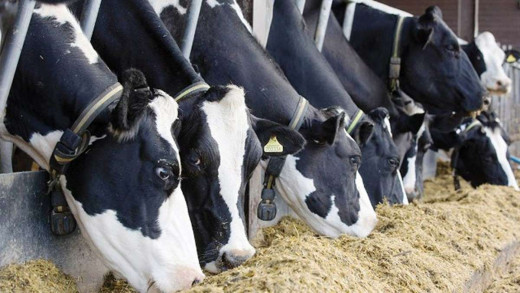
Why Livestock Management is Crucial for Successful Farming Operations
Welcome to the world of farming, where the earth meets the sky and nature's bounty flourishes. Whether you're a seasoned farmer or just starting out on your agricultural journey, one thing is clear: livestock management is crucial for successful farming operations. You may wonder what exactly livestock management entails and why it holds such importance in the realm of agriculture. Well, fear not!
In this blog post, we'll delve into all things related to livestock management – from its definition and benefits to different types and implementation strategies. So saddle up as we explore the fascinating world of livestock management and discover how it can be a game-changer for your farm!
What is Livestock Management?
Livestock management is the art and science of caring for, monitoring, and maximizing the productivity of animals raised on a farm. It involves a range of tasks such as feeding, breeding, health monitoring, disease prevention, and overall well-being of livestock.
At its core, livestock management aims to ensure that animals are provided with optimal conditions for growth and development while minimizing stress and disease risks. This requires an understanding of animal behavior, nutrition requirements, genetics, and proper facility design.
One aspect of livestock management is feeding. Farmers must carefully plan diets that meet the nutritional needs of each species or breed at different stages of life. This includes selecting appropriate feed ingredients and ensuring access to clean water.
Breeding is another critical component. By selectively choosing mating partners based on desired traits such as milk production or meat quality, farmers can improve their herds over time.
Health monitoring plays a vital role in livestock management as well. Regular check-ups by veterinarians help detect any signs of illness or infections early on – allowing prompt treatment to prevent further spread within the herd.
Effective livestock management is essential for maintaining healthy animals that yield high-quality products like meat, milk or wool. It promotes sustainability by conserving resources while maximizing productivity – benefiting both farmers and consumers alike!
The Benefits of Livestock Management
Livestock management plays a crucial role in the success of farming operations. By effectively managing livestock, farmers can reap numerous benefits that contribute to their overall productivity and profitability.
One of the key benefits of livestock management is improved animal health and welfare. Proper care and attention help prevent diseases, reduce stress, and promote overall well-being among the animals. This not only ensures higher survival rates but also enhances the quality of products derived from these animals, such as milk or meat.
Livestock management also enables farmers to optimize production efficiency. Through careful monitoring and control over breeding programs, nutrition plans, and herd health protocols, farmers can maximize their output while minimizing costs. This leads to greater productivity per animal, which translates into higher profits for the farm.
Furthermore, effective livestock management practices help mitigate environmental impacts associated with farming operations.
Implementing sustainable grazing strategies, proper waste management systems, and land conservation techniques all contribute to reducing pollution runoff and soil erosion. By adopting environmentally-friendly practices in their operations, farmers can protect natural resources for future generations.
Another advantage of livestock management is enhanced genetic improvement within the herd. Selective breeding programs allow farmers to choose superior traits for reproduction purposes. This helps develop stronger breeds that are better adapted to local conditions or possess desired characteristics like increased milk production or disease resistance.
Implementing proper livestock management practices fosters better relationships with consumers by ensuring food safety standards are met consistently. By adhering to regulations related to animal welfare standards and product traceability measures throughout the supply chain process – from farm to fork – consumer trust is maintained or even strengthened.
The Different Types of Livestock Management
Livestock management encompasses a range of practices aimed at ensuring the well-being and productivity of livestock on a farm. There are various types of livestock management that farmers can employ depending on their specific needs and goals.
One type is nutrition management, which involves providing animals with balanced diets tailored to their nutritional requirements. This includes selecting appropriate feed sources, monitoring intake levels, and considering factors such as age, breed, and production stage.
Another aspect is health management, which focuses on preventing diseases through vaccination programs, regular check-ups by veterinarians, and maintaining proper hygiene in animal housing areas. It also includes routine treatments for parasites and implementing biosecurity measures to prevent the spread of illnesses.
Reproductive management is crucial for maintaining herd or flock productivity. This involves monitoring heat cycles in females, utilizing artificial insemination if necessary, managing breeding schedules effectively, and ensuring optimal conditions for successful reproduction.
Housing management plays a significant role in livestock welfare. Providing suitable shelter that protects animals from extreme weather conditions while allowing proper ventilation ensures their comfort and reduces stress-related issues.
Additionally, record-keeping is an essential part of effective livestock management. Keeping accurate records allows farmers to track individual animal performance over time, identify any potential issues early on, make informed decisions regarding culling or breeding selection criteria based on historical data.
In summary, each type of livestock management serves a specific purpose within overall farming operations. By implementing these different approaches effectively adapted to their farm's needs – nutritionally balanced diets feeding plans; preventive healthcare; reproductive control methods like artificial insemination when required - farmers can optimize animal welfare standards while maximizing profitability
Why Livestock Management is Crucial for Successful Farming Operations
Livestock management plays a crucial role in the success of farming operations. It involves caring for and overseeing the well-being of livestock to ensure their health, productivity, and overall efficiency on the farm. But why is it so important?
Effective livestock management helps to optimize production and maximize profits. By monitoring the animals' nutrition, health, and breeding patterns, farmers can identify areas for improvement and make informed decisions to enhance productivity. This ultimately leads to higher-quality products that can be sold at premium prices.
Additionally, proper livestock management ensures animal welfare. Farmers who prioritize the well-being of their animals not only adhere to ethical standards but also create an environment conducive to better growth and development. Healthy animals are more resistant to diseases and have higher rates of reproduction – factors that directly impact profitability.
Moreover, efficient livestock management contributes to sustainable farming practices. By implementing waste management strategies such as composting or utilizing manure as fertilizer, farmers reduce environmental pollution while simultaneously enhancing soil fertility.
Furthermore, effective livestock management allows for risk mitigation against potential disease outbreaks or natural disasters. Through regular veterinary check-ups and vaccinations, farmers can prevent illnesses from spreading within their herds – safeguarding both animal populations and financial stability.
In conclusion (without concluding), it is clear that livestock management is essential for successful farming operations due to its ability to optimize production levels while ensuring animal welfare in a sustainable manner. By prioritizing efficient care practices alongside strategic decision-making processes, farmers can achieve long-term success in their agricultural endeavors
How to Implement a Livestock Management Plan
Livestock management is a critical aspect of successful farming operations. It involves the strategic planning and execution of various practices to ensure the health, well-being, and productivity of livestock. Implementing an effective livestock management plan can greatly contribute to the overall success and sustainability of a farm.
To begin implementing a livestock management plan, it is essential to assess the specific needs and requirements of your animals. This includes considering factors such as breed, age, nutrition, housing conditions, and healthcare. By understanding these unique aspects, you can tailor your management practices accordingly.
One key component of livestock management is providing appropriate nutrition for your animals. This involves formulating balanced diets that meet their nutritional requirements at different stages of growth or production. Regular monitoring and adjustment of feed quality and quantity are crucial in ensuring optimal animal health.
Proper housing facilities also play a significant role in livestock management. Providing clean and comfortable living spaces helps minimize stress on animals while reducing the risk of diseases spreading within the herd or flock. Adequate ventilation, temperature control, and access to clean water are essential considerations when designing animal housing structures.
Regular veterinary care is another vital aspect that should be included in your livestock management plan. Scheduling routine check-ups with a qualified veterinarian ensures early detection and prevention of diseases or infections that could impact animal welfare or productivity.
Implementing biosecurity measures is equally important in preventing disease outbreaks on farms. Strict protocols should be followed regarding visitor access restrictions, quarantine procedures for new animals entering the farm, proper waste disposal methods as well as cleaning and disinfection routines for equipment used around animals.
In addition to these practices mentioned above farmers must also establish clear records keeping systems which allows them monitor progress over time.
By implementing an effective livestock management plan encompassing these various components - from assessing individual animal needs to providing proper nutrition, housing facilities,and veterinary care - farmers can enhance their farming operations' productivity while ensuring sustainable practices for long-term success.
The Importance of Financial Planning in Agriculture Businesses

The Importance of Financial Planning in Agriculture Businesses
Picture this: a sprawling farm, basking in the warm glow of the sun, with rows upon rows of crops reaching towards the sky. It may seem idyllic, but behind every successful agriculture business is a well-thought-out financial plan.
Financial planning plays a crucial role in ensuring the growth and sustainability of agricultural ventures. From managing cash flow to making strategic investments, it sets the groundwork for success in an ever-changing industry. So today, we dive into why financial planning is not just another task on your agricultural to-do list – it's a game-changer that can make or break your farming dreams! Let's dig in and explore how financial planning can transform your agriculture business into a thriving enterprise.
What is Financial Planning?
Financial planning is more than just crunching numbers and balancing the books. It is a strategic process that helps agriculture businesses align their financial goals with their operational objectives. At its core, financial planning involves meticulously analyzing and forecasting income, expenses, and cash flow to ensure the business remains financially stable.
The first step in financial planning for agriculture businesses is assessing the current state of affairs. This includes evaluating assets, liabilities, revenue streams, and expenses. By understanding these key components, farmers can identify areas of strength and weakness within their operations.
Once armed with this knowledge, agricultural entrepreneurs can then set realistic short-term and long-term financial goals. These may include increasing profitability or expanding production capacity. Financial planning enables them to establish achievable targets that fuel growth while remaining mindful of market conditions.
Another critical aspect of financial planning lies in creating robust budgets. Carefully crafted budgets allocate resources efficiently by identifying necessary expenditures while minimizing unnecessary costs.
Additionally, risk management plays a vital role in agricultural finance planning. Farmers face numerous uncertainties such as fluctuating commodity prices or unexpected weather events that can impact yields dramatically.
By incorporating risk management strategies into their plans – such as insurance coverage or diversifying crops – farmers can safeguard against potential losses while maintaining stability during challenging times.
In essence, financial planning serves as a roadmap for agriculture businesses to navigate through the complexities of an ever-evolving industry. It empowers farmers to make informed decisions based on accurate data analysis rather than relying solely on intuition or guesswork.
Remember: whether you're cultivating acres upon acres of cornfields or tending to livestock on your family farm - having a solid grasp on your finances will undoubtedly lay the foundation for success! So let's explore further how implementing effective financial planning measures can revolutionize your agriculture business!
Why is Financial Planning Important for Agriculture Businesses?
Financial planning is a crucial aspect of running any business, and agriculture businesses are no exception. In fact, financial planning plays an even more significant role in the success and sustainability of agriculture businesses due to their unique challenges.
One key reason why financial planning is important for agriculture businesses is that it helps them manage the inherent risks associated with farming. Agriculture is heavily dependent on external factors like weather conditions, market fluctuations, and government policies. By having a well-thought-out financial plan in place, farmers can better anticipate and mitigate these risks.
Another benefit of financial planning in agriculture businesses is that it allows for effective resource allocation. Planning out finances helps farmers allocate funds strategically to different areas such as equipment maintenance, seed purchases, land improvements, or marketing efforts. This ensures that resources are used efficiently and maximizes profitability.
Furthermore, financial planning enables farmers to set realistic goals and track their progress towards achieving them. It provides clarity on expected revenues and expenses over specific periods which aids decision-making processes regarding investments or expansion plans.
Additionally, sound financial planning also enhances the ability of agricultural enterprises to secure loans or attract potential investors. Lenders or investors will be more likely to provide funding if they see a well-structured plan that demonstrates how their investment will be utilized effectively.
In conclusion (without using those words), implementing proper financial planning practices within agriculture businesses can lead to improved risk management capabilities, efficient resource allocation strategies; enhanced goal-setting abilities; increased access to financing options; ultimately contributing towards long-term success amidst various uncertainties faced by this industry sector.
What are the Steps Involved in Financial Planning?
Financial planning is a crucial process for any agriculture business to ensure its long-term success. It involves several important steps that help in managing financial resources effectively and making informed decisions.
The first step in financial planning is setting goals and objectives. This includes determining what the business aims to achieve financially, such as increasing revenue or improving profitability. Setting specific, measurable, attainable, relevant, and time-bound (SMART) goals helps provide clarity and focus.
Next comes the analysis of the current financial situation. This involves evaluating assets, liabilities, income sources, expenses, cash flow patterns, and debt levels. Understanding these factors provides insights into the overall financial health of the business.
With a clear understanding of the current situation in hand comes budgeting – creating a realistic plan for income generation and expenditure management. This involves estimating future incomes from sales or investments while accounting for various costs like equipment maintenance or labor wages.
Risk assessment is another critical step in financial planning. Identifying potential risks such as market fluctuations or natural disasters helps businesses develop strategies to mitigate them through insurance coverage or diversification of products/services.
Once risks are assessed, it’s essential to create contingency plans – alternative courses of action if unexpected situations arise that may impact finances negatively. These plans act as safeguards against unforeseen circumstances that could otherwise derail progress towards achieving financial goals.
Regular monitoring and review also play an integral role in successful financial planning. Businesses need to keep track of their actual performance compared to projected figures regularly. By doing so, they can identify any deviations early on and take corrective measures promptly.
In summary, the steps involved in financial planning for agriculture businesses are goal-setting, analysis of current finances, budgeting, risk assessment, creating contingency plans, and regular monitoring/review. Each step contributes significantly towards ensuring sound financial management practices within agricultural businesses.
How Can Financial Planning Help an Agriculture Business Succeed?
Financial planning plays a crucial role in the success of any agriculture business. By effectively managing their finances, agricultural enterprises can improve profitability, mitigate risks, and make informed decisions for long-term growth.
One way financial planning helps agriculture businesses succeed is by providing a clear understanding of their current financial situation. This includes assessing assets, liabilities, cash flow, and identifying areas where costs can be reduced or revenue increased. With this knowledge at hand, farmers can allocate resources wisely and make strategic investments that will yield higher returns.
Furthermore, financial planning allows agricultural businesses to create realistic budgets and set achievable financial goals. By setting specific targets for income generation and expense control, farmers can measure their performance against these objectives regularly. This not only helps them stay on track but also enables them to identify potential issues or opportunities early on.
Another significant benefit of financial planning is its ability to assist in risk management within the agriculture industry. Farmers face various risks such as unpredictable weather conditions or market fluctuations that can impact their profits significantly. Through proper planning and diversification strategies like crop insurance or hedging contracts, agricultural enterprises can safeguard themselves against unforeseen events.
Additionally, financial planning empowers farmers with valuable insights into investment opportunities for expansion or diversification. With comprehensive analysis of different options available – whether it's acquiring new land or investing in modern technology – they can evaluate the potential returns on investment more accurately before making any commitments.
Incorporating effective financial planning practices into an agriculture business strategy is essential for long-term success. It allows farmers to gain control over their finances while minimizing risks and maximizing profitability. By creating realistic budgets and setting achievable goals based on accurate data analysis, agricultural enterprises are better positioned to adapt to changing market conditions while ensuring sustainable growth in a highly competitive industry
Conclusion
Financial planning is an essential aspect of running a successful agriculture business. By carefully analyzing and managing your finances, you can make informed decisions that will impact the profitability and long-term sustainability of your operation.
Financial planning involves creating budgets, forecasting future expenses and income, setting financial goals, and implementing strategies to achieve those goals. It also requires regularly monitoring and reviewing your financial performance to ensure you stay on track.
By engaging in effective financial planning practices, agriculture businesses can improve cash flow management, reduce unnecessary expenses, plan for growth opportunities, secure necessary funding or loans when needed, and mitigate potential risks or challenges.
Additionally, financial planning provides a roadmap for making sound investment decisions in areas such as equipment upgrades or expansion projects. It allows farmers to allocate resources effectively while minimizing waste and maximizing returns on investment.
By prioritizing financial planning within their operations, agricultural businesses can enhance their overall efficiency and competitiveness in the market. Whether you're a small-scale farmer or a large agribusiness enterprise, taking control of your finances through strategic planning is crucial for long-term success.
So start today! Take the time to evaluate your current financial situation and develop a comprehensive plan that aligns with your business objectives. Seek professional assistance if needed from accountants or finance experts who specialize in the unique needs of farming operations.
Remember - proper financial planning not only helps sustain individual agricultural businesses but also contributes to the stability and growth of the entire industry as it plays an integral role in driving economic development within rural communities.
Investing time now into effective financial planning will pay dividends down the road by ensuring that your agriculture business remains resilient amidst various challenges while thriving towards future prosperity.
Building Strong Supplier Relationships: Key to Agribusiness Success

Building Strong Supplier Relationships: Key to Agribusiness Success
Welcome to our blog! Today, we are diving into the fascinating world of agribusiness and uncovering the secret ingredient to success: strong supplier relationships. In this fast-paced industry where every minute counts, building solid partnerships with suppliers can make all the difference in achieving sustainable growth and staying ahead of the competition.
Agribusiness encompasses a wide range of activities, from crop production and livestock farming to food processing and distribution. It is an industry that plays a crucial role in feeding our growing global population while managing limited resources responsibly. And at the heart of this complex web lies the key to unlocking untapped potential – forging strong bonds with suppliers.
Join us as we explore why nurturing these relationships is so important, how you can build them from scratch, and some tips for maintaining them over time. We'll also showcase real-life examples of agribusinesses that have leveraged robust supplier partnerships to achieve remarkable success. So grab your virtual pitchforks - let's get started on cultivating fruitful connections within your supply chain!
What is Agribusiness?
Agribusiness is more than just planting seeds and reaping the harvest. It's a multifaceted industry that encompasses various activities involved in food production, distribution, and processing. From farmers and ranchers to manufacturers, distributors, retailers, and even researchers – agribusiness brings together a diverse range of stakeholders working towards a common goal: feeding the world.
At its core, agribusiness focuses on maximizing efficiency and productivity while ensuring sustainable practices. It involves everything from managing crops and livestock to utilizing advanced technology for precision farming. Agribusiness also plays a vital role in addressing global challenges such as climate change, resource scarcity, and population growth.
One of the key characteristics of agribusiness is its integration across different sectors. This means that it extends beyond traditional farming operations to include input suppliers like seed companies or machinery manufacturers who provide essential resources to boost agricultural productivity.
Furthermore, agribusiness embraces value addition through processing and marketing activities. This includes transforming raw agricultural products into processed goods ready for consumption or further manufacturing processes.
In essence, agribusiness is a dynamic industry where innovation meets sustainability to ensure food security for present and future generations. With its vast scope spanning primary production all the way to consumer satisfaction - every step along the supply chain matters in this intricate ecosystem we call agribusiness.
The Importance of Strong Supplier Relationships
Strong supplier relationships are the backbone of any successful agribusiness. These partnerships play a crucial role in ensuring a steady supply of high-quality products and services, which ultimately leads to customer satisfaction and business growth.
One key importance of strong supplier relationships is reliability. When you have established trust with your suppliers, you can rely on them to deliver goods on time and in the right quantity. This is particularly important in the agriculture industry where timing is critical, such as when harvesting or planting crops.
Another benefit of strong supplier relationships is cost savings. By developing long-term partnerships, agribusinesses can negotiate better prices and terms with their suppliers. This not only helps reduce operational costs but also improves profit margins.
Additionally, strong supplier relationships foster innovation and collaboration. Suppliers who understand the specific needs of your business can provide valuable insights and suggestions for improvement. They may also be more willing to collaborate on research and development projects or introduce new technologies that could enhance productivity.
Moreover, building strong supplier relationships enhances reputation management. A reliable network of suppliers ensures consistent product quality, which helps maintain a positive brand image among consumers.
Cultivating strong supplier relationships brings numerous advantages to agribusinesses - reliability in delivery schedules, cost savings through negotiation power, opportunities for innovation through collaboration, and improved reputation management by maintaining product quality consistency.
How to Build Strong Supplier Relationships
Building strong supplier relationships is crucial for the success of any agribusiness. It not only ensures a steady supply of high-quality products but also fosters trust and collaboration, which can lead to long-term partnerships.
One key step in building strong supplier relationships is effective communication. Open and transparent communication helps establish clear expectations and resolves any issues that may arise. Regularly communicate with suppliers to discuss requirements, quality standards, delivery schedules, and pricing.
Another important aspect is mutual respect. Treat your suppliers as partners rather than just transactional entities. Show appreciation for their efforts and value their expertise. Building a sense of camaraderie will create a positive working environment and encourage suppliers to go above and beyond.
Additionally, it's essential to prioritize fairness in your dealings with suppliers. Ensure that contracts are fair and equitable, offering reasonable terms for both parties involved. Promptly address any payment or contractual disputes to maintain trust.
Furthermore, consider investing time in getting to know your suppliers better on a personal level. Attend industry events or arrange face-to-face meetings where you can learn more about their operations, challenges they face, and goals they aspire to achieve.
Continuously evaluate supplier performance by setting metrics for quality control, on-time deliveries, responsiveness, flexibility, etc., periodically review these measures with your suppliers so that both parties can identify areas for improvement collaboratively.
By following these steps diligently while adapting them according to the specific needs of your business; you can build strong supplier relationships that contribute significantly towards the overall success of your agribusiness!
Tips for Maintaining Strong Supplier Relationships
1. Communication is Key: Establish open lines of communication with your suppliers to ensure effective collaboration and problem-solving. Regularly check in, share updates, and address any concerns or issues promptly.
2. Foster Mutual Trust: Building trust is crucial in maintaining strong supplier relationships. Be transparent about your expectations, deadlines, and quality standards. Likewise, respect their expertise and capabilities.
3. Offer Incentives: Show appreciation for your suppliers by offering incentives such as extended contracts or early payments. This can motivate them to go the extra mile for your agribusiness.
4. Collaborate on Process Improvement: Seek feedback from your suppliers on ways to optimize processes or reduce costs without compromising quality. By involving them in continuous improvement efforts, you not only strengthen the relationship but also enhance overall efficiency.
5. Resolve Disputes Amicably: Conflicts may arise from time to time in any business relationship. It's important to handle disputes calmly and professionally through open dialogue and negotiation rather than resorting to legal action whenever possible.
6. Strive for Win-Win Solutions: Aim for mutually beneficial outcomes that consider both parties' interests when negotiating terms or making decisions together. This approach fosters a spirit of cooperation rather than competition between you and your suppliers.
7. Provide Feedback: Regularly provide constructive feedback on supplier performance so they know where they excel and where improvements can be made if necessary.
By implementing these tips consistently, you can maintain strong relationships with your suppliers that will contribute significantly to the success of your agribusiness.
Case Studies of Agribusiness With Successful Supplier Relationships
Case Study 1: Fresh Farms Co.
Fresh Farms Co. is a leading agribusiness that specializes in organic produce. They have built strong supplier relationships with local farmers, ensuring a steady supply of high-quality fruits and vegetables throughout the year.
Through regular communication and farm visits, Fresh Farms Co. understands the needs and challenges of their suppliers. This allows them to provide support such as training programs on sustainable farming practices and access to advanced technology for improved yields.
By offering fair prices and prompt payment terms, Fresh Farms Co. has gained the trust and loyalty of their suppliers. This has led to long-term partnerships based on mutual respect and shared values.
Case Study 2: Dairy Delights Ltd
Dairy Delights Ltd is a dairy processing company known for its range of delicious cheese products. They have established strong supplier relationships with local dairy farms to ensure a consistent supply of fresh milk.
To foster these relationships, Dairy Delights Ltd provides ongoing technical assistance to their suppliers, helping them improve milk quality through proper herd management practices.
Furthermore, they offer financial incentives tied to milk quality benchmarks, motivating farmers to continually strive for excellence in their operations.
As a result, Dairy Delights Ltd has created a network of dedicated dairy farmers who are committed to producing high-quality milk that meets the company's stringent standards.
Building successful supplier relationships requires time, effort, and commitment from both parties involved. These case studies highlight how agribusinesses can achieve great success by fostering strong connections with their suppliers.
Conclusion
Building strong supplier relationships is crucial for the success of any agribusiness. These relationships not only ensure a steady supply of high-quality inputs but also foster trust, collaboration, and mutual growth. By following the tips and strategies outlined in this article, agribusinesses can establish and maintain long-lasting partnerships with their suppliers.
Remember that communication is key in building strong supplier relationships. Regularly communicate your needs and expectations to your suppliers while also taking an interest in their challenges and goals. This will create a sense of partnership rather than transactional exchanges.
Additionally, prioritize transparency with your suppliers by sharing important information such as production schedules or changes in demand. This transparency will help them plan effectively and meet your requirements more efficiently.
Furthermore, consider developing win-win situations where both you and your suppliers benefit from the relationship. Look for opportunities to collaborate on product development or process improvement projects that can lead to cost savings or increased revenue for both parties involved.
Always show appreciation for your suppliers' efforts by acknowledging their contributions and giving credit where it's due. A simple gesture of gratitude goes a long way towards building loyalty and maintaining strong relationships.
In conclusion (without using "in conclusion"), investing time and effort into building strong supplier relationships should be seen as an essential component of overall business strategy for any agribusiness looking to thrive in today's competitive market. By prioritizing these partnerships, businesses can secure reliable supplies, reduce costs through collaboration, innovate together, adapt quickly to changing market conditions—and ultimately achieve long-term success.
So remember: cultivate those supplier relations!
Navigating Government Regulations: Compliance Made Easy for Farmers

Introduction to Government Regulations for Farmers
Navigating the vast landscape of government regulations can feel like traversing uncharted territory for farmers. From environmental standards to food safety requirements, staying compliant with these ever-changing rules and policies is crucial. But fear not.
In this blog post, we'll provide you with a comprehensive guide on how to make compliance easy and seamless for your farming operation. So saddle up and let's dive into the world of government regulations!
The Different Types of Compliance
When it comes to navigating government regulations, farmers face a multitude of compliance requirements. Understanding the different types of compliance can help them stay on top of their obligations and avoid potential penalties or legal issues.
One type of compliance that farmers must adhere to is environmental regulations. These regulations ensure that farms are operating in an environmentally responsible manner, taking measures to protect air and water quality, as well as manage waste and reduce pollution. This may involve properly storing and disposing of chemicals, utilizing conservation practices to prevent erosion, or implementing sustainable farming techniques.
Another important aspect of compliance for farmers is food safety regulations. These regulations aim to safeguard public health by ensuring that crops and livestock are grown and handled in safe conditions. Farmers may need to implement sanitation protocols, maintain records for traceability purposes, or undergo inspections by regulatory agencies.
In addition to environmental and food safety compliance, there are also labor laws that govern how farmers should treat their employees. This includes adhering to minimum wage requirements, providing safe working conditions, offering benefits where applicable, and complying with fair labor practices.
How to Ensure Compliance with Government Regulations
Navigating through government regulations can be a complex and challenging task for farmers. However, ensuring compliance is crucial to maintain the success and sustainability of their operations. So, how can farmers ensure they are meeting all the necessary requirements?
Staying informed is key. Keeping up-to-date with any changes or updates in regulations that may affect your farm is essential. This includes regularly checking government websites, attending industry conferences or workshops, and networking with other farmers.
Maintaining accurate records is vital for compliance. Farmers should keep detailed documentation of their activities such as pesticide use, livestock treatment plans, and soil management practices. These records not only help demonstrate compliance but also serve as valuable resources for monitoring and improving farm practices.
Additionally, seeking professional advice from experts in agriculture law or consulting firms specializing in regulatory compliance can provide invaluable guidance. These professionals have extensive knowledge of the specific rules and regulations applicable to farming operations and can assist in navigating through any complexities.
Implementing regular audits or self-assessments on your farm can further ensure compliance. By conducting periodic reviews of your operation's practices against relevant regulations, you can identify areas where improvements are needed and take corrective actions promptly.
Fostering open communication with regulatory agencies is essential. Building positive relationships with local authorities responsible for enforcing agricultural regulations fosters trust and helps to address any concerns or questions regarding compliance more effectively.
In summary, ensuring compliance with government regulations requires proactive efforts from farmers. Staying informed, maintaining accurate records, seeking professional advice, conducting regular audits, and fostering open communication are all important steps towards achieving this goal. By following these guidelines, farmers can navigate through the complexities of government regulations more easily and secure a sustainable future for their businesses.
The Benefits of Compliance for Farmers
Compliance with government regulations may seem like a daunting task for farmers, but the benefits far outweigh the challenges. By adhering to these regulations, farmers can ensure the safety and quality of their products while also protecting the environment and public health.
One of the key benefits of compliance is access to markets. Many buyers, including retailers, wholesalers, and restaurants, require proof of compliance before they will purchase agricultural products. By meeting these requirements, farmers can tap into lucrative markets and increase their profitability.
Compliance also helps build trust with consumers. Today's consumers are more concerned than ever about where their food comes from and how it is produced. By following regulations related to food safety and environmental stewardship, farmers can demonstrate their commitment to producing safe and sustainable products.
Furthermore, compliance can improve efficiency on farms. Regulations often include best practices that help optimize production processes while minimizing waste or resource use. This not only benefits the environment but also reduces costs for farmers in terms of inputs such as water or fertilizers.
Additionally, compliance with regulations ensures farm resilience in times of crisis. Being prepared for potential outbreaks or emergencies through biosecurity protocols or disaster response plans can help mitigate risks and protect both crops and livestock.
Complying with government regulations allows farmers to contribute positively to society by reducing pollution levels in air or water bodies surrounding farming operations; ensuring fair labor practices; promoting animal welfare standards; adopting sustainable land management techniques; among other aspects that benefit communities at large.
In summary-compliance brings numerous advantages: expanded market opportunities; consumer trust building; increased operational efficiency; risk mitigation during crises; positive impact on society
Conclusion
Navigating government regulations can be a daunting task for farmers, but it is necessary to ensure compliance and maintain the success of their operations. By understanding the different types of compliance required and implementing strategies to meet these obligations, farmers can avoid penalties and protect both their businesses and the environment.
Compliance with government regulations not only helps farmers stay on the right side of the law, but it also brings several benefits. It ensures that farming practices are sustainable, promoting environmental conservation and responsible land use. Compliance also fosters trust between farmers and consumers by ensuring safe food production methods.
To ensure compliance with government regulations, farmers should keep themselves updated about any changes in policies or requirements relevant to their industry. They should establish clear protocols within their operations to track records, monitor activities, and train employees on proper procedures.
Seeking assistance from experts or organizations specializing in agricultural regulatory matters can also prove invaluable.
Compliance is not just about ticking boxes; it's about being good stewards of our land while operating successful farms. By proactively navigating government regulations, farmers contribute to a more sustainable future for agriculture.
So remember: embrace compliance as an essential part of your farming journey. Stay informed, implement best practices, seek support when needed – all while keeping your eyes on the ultimate goal: running a thriving farm that meets all regulatory standards!
Cultivating Innovation: Driving Change within Agricultural Enterprises

Cultivating Innovation: Driving Change within Agricultural Enterprises
Welcome to the world of agriculture, where innovation is revolutionizing traditional practices and driving change within agricultural enterprises. From smart farming techniques to advanced technologies, the landscape of agriculture is evolving rapidly.
In this blog post, we will explore the need for innovation in agriculture, delve into the agricultural innovation process, discuss how to overcome barriers to innovation, and ultimately understand how cultivating innovation can transform agricultural businesses. So grab a cup of coffee (or tea!) and let's dive into the exciting world of agricultural innovation!
Agriculture's Changing Landscape
The world of agriculture is undergoing a profound transformation, shaping a changing landscape for farmers and agribusinesses alike. Gone are the days when farming was solely reliant on manual labor and traditional techniques. Today, technology has become an integral part of modern agriculture, revolutionizing the way crops are grown and harvested.
One significant change in the agricultural landscape is the adoption of precision farming techniques. Through the use of sensors, drones, and GPS technology, farmers can now monitor crop health, soil conditions, and weather patterns with remarkable accuracy. This data-driven approach allows for better decision-making regarding irrigation schedules, fertilization methods, and pest control measures.
Furthermore, advancements in genetic engineering have led to the development of genetically modified organisms (GMOs) that offer increased resistance to pests or tolerance to herbicides. These engineered crops have not only improved productivity but also reduced environmental impact by minimizing chemical usage.
Additionally, sustainable farming practices have gained momentum as consumers become more conscious about where their food comes from. Organic farming methods that prioritize soil health preservation and minimize synthetic inputs have gained popularity among both small-scale growers and large commercial operations.
Moreover, the rise of vertical farming has revolutionized urban agriculture by enabling year-round crop production in controlled environments without relying on vast expanses of land.
In summary, agriculture's changing landscape is driven by technological advancements like precision farming techniques, genetic engineering innovations, and sustainable practices. These changes are not only improving efficiency but also promoting sustainability within agricultural enterprises around the globe.
As we move forward into this new era of innovation-driven agriculture, it is crucial for farmers to embrace these changes and adapt their strategies accordingly in order to thrive in an ever-evolving industry.
The Need for Innovation in Agriculture
The agricultural industry is facing numerous challenges in today's rapidly changing world. Climate change, population growth, and resource scarcity are just a few of the factors that make innovation essential for the future of agriculture.
One key reason why innovation is needed in agriculture is to ensure food security for our growing global population. With an estimated 9 billion people to feed by 2050, traditional farming methods alone will not be sufficient to meet this demand. Innovation can help increase crop yields, improve farming practices, and develop sustainable solutions.
Another pressing need for innovation in agriculture lies in mitigating the effects of climate change. Rising temperatures, unpredictable weather patterns, and increased pest pressures threaten crop productivity. By embracing new technologies and practices such as precision agriculture and genetic engineering, farmers can adapt to these changes more effectively.
Innovation also has the potential to address environmental concerns associated with agricultural practices. Efficient water management systems, soil conservation techniques, and organic farming methods are all areas where innovation can contribute towards creating a more sustainable agricultural sector.
Moreover, technological advancements have opened up possibilities for automation and mechanization on farms. From autonomous vehicles to robotic harvesting systems, innovative technologies have the potential not only to reduce labor costs but also improve efficiency while minimizing waste.
Overall, the need for innovation in agriculture cannot be overstated. It plays a crucial role in ensuring food security, sustainability, and economic viability. In order to overcome the challenges ahead, it is imperative that we continue driving forward with innovative ideas, solutions, and collaborations. The time for change is now!
The Agricultural Innovation Process
In today's rapidly changing agricultural landscape, innovation is key to driving change and growth within agricultural enterprises. But what exactly is the process of agricultural innovation? How can farmers and industry professionals cultivate a culture of innovation within their organizations?
The agricultural innovation process involves identifying challenges or opportunities, generating ideas to address them, developing those ideas into tangible solutions, and implementing them in the field.
It starts with recognizing the need for change. Farmers must be aware of emerging trends in technology, environmental regulations, consumer demands, and market dynamics. By staying informed about these factors, they can identify areas where innovative solutions are needed.
Next comes idea generation. This step involves brainstorming new concepts or approaches that could solve existing problems or capitalize on untapped opportunities. Collaborative discussions among farmers, researchers, industry experts, and even consumers can lead to innovative ideas that have real potential for impact.
Once promising ideas have been generated, they need to be developed further through research and testing. This may involve conducting experiments on a small scale or seeking partnerships with research institutions or agritech startups who specialize in developing cutting-edge technologies.
After successful development comes implementation – putting the innovations into practice on farms or within agribusinesses. This stage requires careful planning and coordination to ensure a smooth transition from old practices to new ones. It may also involve training staff members on how to use new equipment or follow updated protocols.
Throughout this entire process of agricultural innovation – from identification to implementation – it’s crucial for farmers and industry professionals alike not only embrace creativity but also remain open-minded towards trying new things. The path towards sustainable agriculture lies in continuously improving farming methods by adopting novel technologies while still respecting traditional knowledge systems.
By fostering an environment that encourages experimentation and rewards risk-taking (though not reckless behavior), agricultural enterprises can drive positive change within their operations while contributing towards global food security goals.
Overcoming Barriers to Innovation
Innovation is a key driver of progress, but it can encounter obstacles within agricultural enterprises. Identifying and overcoming these barriers is crucial for cultivating innovation in the industry.
One major barrier to innovation in agriculture is the resistance to change. Many farmers and agricultural stakeholders are accustomed to traditional practices and may be skeptical about adopting new technologies or methods. Overcoming this barrier requires effective communication and education about the benefits of innovation, such as increased productivity, sustainability, and profitability.
Another challenge is the lack of access to resources. Innovations often require financial investment or specialized equipment that may not be readily available to all farmers. Collaborative efforts between government agencies, research institutions, and private sectors can help bridge this gap by providing funding opportunities, training programs, and access to technology.
Regulatory hurdles also pose a significant barrier to innovation in agriculture. Stringent regulations can stifle experimentation with new approaches or technologies due to concerns about compliance or potential risks. To overcome this obstacle, policymakers should create an enabling environment that promotes responsible innovation while addressing legitimate safety concerns.
Limited knowledge sharing among farmers can hinder innovative ideas from spreading across the industry. Encouraging collaboration through farmer networks, professional associations, or online platforms can facilitate knowledge exchange, allowing successful innovations to be replicated more widely.
Additionally, risk aversion plays a role in inhibiting innovation within agricultural enterprises. Farmers often hesitate to adopt novel approaches due to uncertainties regarding their efficacy or potential negative outcomes. By providing support mechanisms such as pilot projects or insurance programs specifically designed for innovative practices, farmers can feel more confident taking calculated risks.
In summary, overcoming barriers to innovation in agriculture requires concerted efforts from various stakeholders. By addressing resistance to change, lack of resources, regulatory challenges, limited knowledge sharing, and risk aversion, the agricultural sector can foster a culture of innovation that drives positive change. Through collaboration, education, and supportive policies, agricultural enterprises can embrace innovation and thrive in an ever-changing landscape.
Conclusion
Innovation is crucial for the growth and success of agricultural enterprises in today's rapidly changing landscape. As farmers navigate various challenges, embracing innovation can help them find new solutions and drive positive change within their operations.
By understanding the need for innovation in agriculture, businesses can actively seek out new ideas, technologies, and practices that have the potential to revolutionize their processes. The agricultural innovation process involves identifying opportunities, developing creative solutions, testing them in real-world scenarios, and implementing successful innovations on a larger scale.
However, there are often barriers that hinder the adoption of innovative ideas in agriculture. These may include financial constraints, resistance to change from traditional mindsets, lack of awareness or access to emerging technologies, and regulatory limitations.
Overcoming these obstacles requires collaboration between industry stakeholders such as farmers, researchers, technology providers, policymakers – all working together towards a common goal: cultivating innovation.
To foster a culture of innovation within agricultural enterprises:
1. Foster an open mindset: Encourage employees at all levels to think creatively and embrace new ideas. Create an environment where experimentation is encouraged without fear of failure.
2. Collaborate with others: Engage with fellow farmers or organizations within the industry to share knowledge and experiences. Collaboration can lead to valuable insights that spark innovative thinking.
3. Embrace emerging technologies: Stay up-to-date with advancements in technology relevant to farming practices such as precision agriculture tools or smart sensors for irrigation systems.
4. Invest in research and development (R&D): Allocate resources towards R&D efforts aimed at finding new ways to improve efficiency while reducing environmental impact.
5. Promote education and training: Provide opportunities for continuous learning among employees by offering workshops or courses focused on cutting-edge techniques or sustainable practices.
6. Be adaptable: Anticipate changes both within your enterprise as well as external factors impacting agriculture globally - adaptability will be key when navigating uncertainties ahead!
Cultivating innovation within agricultural enterprises requires dedication but offers immense rewards.
Sustainable Agriculture Techniques & Their Impact on Profitability

Sustainable Agriculture Techniques & Their Impact on Profitability
Welcome to our blog post on sustainable agriculture techniques and their impact on profitability! In today's world, where environmental concerns are at the forefront of discussions, sustainable agriculture has become a crucial topic. So, what exactly is sustainable agriculture? How can it benefit farmers and improve profitability? And what challenges does it present?
In this article, we will delve into the concept of sustainable agriculture and explore its various types. We'll also discuss the many advantages that come with adopting these practices on your farm. But be prepared - sustainability isn't without its obstacles! We'll address some common challenges faced by farmers as they strive to make their operations more environmentally friendly.
If you're eager to learn how you can contribute to a greener future while enhancing your bottom line, keep reading! We'll provide useful insights and practical tips for making your farm more sustainable. By implementing these techniques, you'll not only help protect our planet but also ensure long-term success for your agricultural business. Let's dive in!
What is Sustainable Agriculture?
Sustainable agriculture is an approach to farming that aims to meet the needs of the present generation without compromising the ability of future generations to meet their own needs. It goes beyond traditional agricultural practices by emphasizing environmental stewardship, social responsibility, and economic viability.
One key aspect of sustainable agriculture is a focus on soil health. This involves implementing practices such as crop rotation, cover cropping, and minimal tillage to improve soil structure and fertility. By maintaining healthy soils, farmers can reduce erosion, enhance water infiltration, and promote nutrient cycling.
Another important component of sustainable agriculture is biodiversity conservation. Farmers employ strategies like planting hedgerows or creating wildlife habitats within their farmland to support beneficial insects, birds, and other wildlife species. This helps maintain a balanced ecosystem where natural predators keep pests in check while reducing the need for chemical pesticides.
Water management also plays a crucial role in sustainable agriculture. Efficient irrigation techniques like drip irrigation or precision sprinklers help conserve water resources while minimizing waste. Additionally, integrated pest management (IPM) techniques are used to control pests using environmentally friendly methods rather than relying solely on synthetic pesticides.
Furthermore, sustainable agriculture promotes responsible use of natural resources by embracing renewable energy sources such as solar panels or wind turbines for powering farm operations. Moreover, it encourages efficient resource utilization through measures like recycling organic materials as compost or utilizing manure for biogas production.
Overall, rather than viewing sustainability as an added burden, cultivating sustainably can actually lead to better profitability and long-term success for farmers.
Incorporating these innovative techniques not only benefits the environment but also provides opportunities for cost savings, reduced input dependency, and improved market access.
Sustainable agriculture represents a shift towards more holistic and resilient farming systems that prioritize both people and planet.
With ever-increasing consumer demand for ethically produced food, farmers who embrace sustainability are well-positioned to thrive in today's evolving agricultural landscape.
So let's explore some practical steps you can take to make your farm more sustainable and reap the rewards of this progressive approach.
The Different Types of Sustainable Agriculture
The different types of sustainable agriculture encompass a wide range of techniques that prioritize ecological balance, social responsibility, and economic viability. These approaches aim to minimize negative impacts on the environment while maximizing productivity and profitability.
One type is organic farming, which relies on natural fertilizers like compost and avoids synthetic pesticides and genetically modified organisms (GMOs). This method promotes soil health, biodiversity, and water conservation.
Another approach is permaculture, inspired by natural ecosystems. Permaculture aims to create self-sustaining agricultural systems by designing landscapes that mimic nature's patterns. It focuses on using renewable resources efficiently while minimizing waste.
Regenerative agriculture goes beyond sustainability by actively restoring degraded soils through practices like cover cropping, crop rotation, and no-till farming. It aims to increase soil carbon sequestration, enhance water infiltration capacity, and promote biodiversity.
Agroforestry combines trees with crops or livestock in the same area. The trees provide shade for animals or act as windbreaks while also providing additional income through timber or fruit production.
Aquaponics integrates fish farming with hydroponic plant cultivation in a symbiotic relationship where nutrient-rich fish waste feeds plants while the plants purify the water for the fish.
These are just a few examples of the diverse range of sustainable agriculture techniques available today. Each method has its own unique benefits but ultimately shares a common goal: to ensure long-term food security without compromising environmental integrity or jeopardizing future generations' ability to meet their needs.
The Benefits of Sustainable Agriculture
Sustainable agriculture offers a multitude of benefits that extend beyond just the environment. One of the biggest advantages is its positive impact on profitability. By implementing sustainable farming practices, farmers can reduce input costs, increase yields, and tap into new markets.
Adopting sustainable agriculture techniques helps to minimize reliance on synthetic fertilizers and pesticides. This not only reduces production costs but also improves soil health in the long run. Healthy soils are more productive and require fewer inputs to maintain fertility.
Additionally, sustainable agriculture promotes biodiversity by encouraging the use of cover crops and crop rotation. These practices help control pests naturally and improve overall farm resilience. As a result, farmers spend less money on pest control measures while still ensuring high-quality crop yields.
Another benefit comes from resource conservation. Sustainable agriculture focuses on efficient water management through techniques like drip irrigation or rainwater harvesting systems. By reducing water waste and optimizing usage, farmers save money in terms of reduced water bills and increased productivity.
Moreover, sustainable agricultural practices often lead to improved market access for farmers. Consumers today are increasingly conscious about where their food comes from and how it is produced. By showcasing their commitment to sustainability, farmers can differentiate themselves in the marketplace and attract eco-conscious consumers who are willing to pay premium prices for sustainably grown products.
In conclusion (without using those words), embracing sustainable agriculture brings numerous benefits such as cost savings through reduced input use, increased yields due to improved soil health, enhanced pest control without costly chemicals, resource conservation leading to reduced expenses, and expanded market opportunities for environmentally mindful consumers.
The Challenges of Sustainable Agriculture
Sustainable agriculture is not without its challenges. As farmers strive to adopt more sustainable practices, they often face various obstacles along the way.
One of the major challenges in sustainable agriculture is the transition period. Moving from conventional farming methods to more sustainable ones requires time and effort. It can be difficult for farmers to break away from long-established routines and embrace new techniques.
Another challenge is the financial aspect. Implementing sustainable practices may require additional investments in equipment, infrastructure, or training. While these upfront costs can be daunting, it's important to recognize that they are an investment in the future health and profitability of the farm.
Additionally, pests and diseases pose a constant threat to agricultural production. Sustainable farmers aim to minimize their reliance on synthetic pesticides and focus instead on natural pest control methods. However, finding effective alternatives can be challenging, especially when faced with aggressive pest populations or emerging diseases.
Climate change also presents a significant challenge for sustainable agriculture. Changing weather patterns can disrupt planting schedules and impact crop yields. Farmers must adapt by implementing strategies such as crop diversification or irrigation systems that conserve water.
Market demand plays a crucial role in determining the success of sustainable agriculture practices. If there isn't sufficient consumer awareness or willingness to pay premium prices for sustainably produced goods, it becomes harder for farmers practicing sustainability to achieve profitability.
Despite these challenges, many forward-thinking farmers have successfully embraced sustainable agriculture techniques while maintaining profitable businesses. Through innovation, education, collaboration with other stakeholders like researchers and policymakers - we can overcome these hurdles and create a more resilient food system for future generations
How to Make your Farm More Sustainable
One of the key challenges in sustainable agriculture is finding ways to make your farm more environmentally friendly and economically viable. There are several techniques that farmers can employ to achieve this goal.
Implementing crop rotation practices can help improve soil fertility and reduce the risk of pests and diseases. By rotating crops, farmers can break pest cycles and prevent nutrient depletion from repeated planting of the same crops.
Additionally, utilizing cover crops is another effective method for improving soil health. Cover crops not only protect the soil from erosion but also add organic matter when they decompose, enhancing its structure and nutrient content.
Water management is another crucial aspect of sustainable farming. Implementing irrigation systems such as drip or micro-sprinklers can minimize water wastage by delivering water directly to plant roots where it's needed most.
Incorporating agroforestry practices within your farm can also have numerous benefits. Planting trees alongside traditional crops provides shade, prevents soil erosion, promotes biodiversity, and even generates additional income through timber production or fruit harvesting.
Furthermore, adopting integrated pest management (IPM) strategies helps minimize pesticide usage while still effectively controlling pests. This approach involves using biological controls like natural predators or employing alternative methods such as traps or pheromones to manage pest populations sustainably.
Embracing renewable energy technologies such as solar panels or wind turbines can significantly reduce a farm's carbon footprint by providing clean energy for various operations like irrigation pumps or electricity needs on-site.
By implementing these sustainable agriculture techniques on your farm, you not only contribute to environmental conservation but also enhance profitability in the long run through improved productivity and reduced input costs.
Digital Marketing Strategies That Work For Agriculture Businesses
Digital Marketing Strategies That Work For Agriculture Businesses
Welcome to the digital age, where technology has revolutionized almost every industry, including agriculture. Gone are the days when farmers relied solely on traditional methods to market their products and services. Today, in order to thrive in a competitive market, agriculture businesses need to embrace digital marketing strategies that can effectively reach their target audience and drive growth.
In this blog post, we will explore some powerful digital marketing strategies specifically tailored for agriculture businesses. From search engine optimization (SEO) techniques to content marketing and social media advertising, we'll cover it all. So grab your virtual pitchfork and let's dive into the world of digital marketing for agriculture businesses!
SEO Strategies for Agriculture Businesses
When it comes to SEO strategies for agriculture businesses, there are a few key areas you'll want to focus on. First and foremost, optimizing your website's content is crucial. This means incorporating relevant keywords throughout your pages, especially in titles, headings, and meta descriptions.
In addition to keyword optimization, link building plays a vital role in improving your website's search engine rankings. Seek opportunities to collaborate with other industry professionals or reputable websites by exchanging links or guest posting. Not only will this drive traffic from their audience but also boost your site's authority in the eyes of search engines.
Don't forget about the importance of local SEO as well. As an agriculture business targeting specific regions or communities, optimizing for local searches can give you an edge over larger competitors. Make sure your name, address, and phone number (NAP) information is consistent across all online directories and platforms.
Keep up with regular performance monitoring and analysis using tools like Google Analytics. This will help identify areas for improvement and allow you to make data-driven decisions when refining your SEO strategy.
By implementing these SEO tactics consistently and staying up-to-date with industry trends and algorithm updates from search engines like Google, you can position your agriculture business for increased visibility online. Remember that effective SEO takes time and effort but can yield long-term results for driving organic traffic to your website.
Content Marketing for Agriculture Businesses
When it comes to promoting your agriculture business online, content marketing plays a crucial role. By creating and sharing valuable, informative, and engaging content, you can establish yourself as an authority in the industry and attract potential customers.
One effective strategy is to start a blog on your website. This allows you to share insights about farming practices, trends in the agriculture sector, tips for better yields, or even success stories from fellow farmers. By consistently delivering valuable content through your blog posts, you can build trust with your audience and keep them coming back for more.
Another way to leverage content marketing is by creating educational videos or tutorials. You can showcase how certain agricultural equipment works or provide step-by-step guides on planting techniques. These videos not only educate your audience but also serve as a powerful marketing tool when shared across social media platforms.
Additionally, don't underestimate the power of visual content such as infographics or images showcasing different crops or livestock breeds. People are often drawn to visually appealing content that is easy to consume and understand.
Furthermore, consider guest blogging on reputable websites within the agriculture niche. This allows you to reach new audiences who may be interested in what you have to offer. Moreover, collaborate with other experts in the field by conducting interviews or hosting webinars together – this helps expand your network while providing valuable insights for your audience.
Lastly - engage with your audience! Responding promptly to comments on blog posts or social media platforms creates a sense of community around your brand and fosters trust among potential customers.
In conclusion: Content marketing offers immense opportunities for agriculture businesses looking to grow their online presence and connect with their target audience effectively. By investing time into creating high-quality content that resonates with farmers and agribusiness professionals alike – whether through blogs, videos, visuals like infographics/images -you can position yourself as an industry leader while attracting organic traffic that converts into loyal customers over time.
Social Media Marketing for Agriculture Businesses
Social media marketing has become an essential tool for businesses in all industries, including agriculture. With the power to reach a wide audience and engage with customers on a personal level, social media platforms offer unique opportunities for agricultural businesses to promote their products and services.
One of the first steps in implementing a successful social media strategy is determining which platforms are most effective for your target audience. For agriculture businesses, platforms like Facebook, Instagram, Twitter, and LinkedIn can be particularly useful. These platforms allow you to share updates about new products or services, showcase behind-the-scenes photos of your farm or operations, and even provide educational content related to agriculture.
When creating content for social media, it's important to strike a balance between promotional posts and valuable information. While it's understandable that you want to promote your business and increase sales, focusing solely on self-promotion can turn off potential customers. Instead, aim to create engaging content that educates or entertains your audience while subtly highlighting the benefits of choosing your products or services.
Another key aspect of social media marketing is actively engaging with your followers.
Responding promptly to comments and messages not only shows that you value their feedback but also helps build trust in your brand. Additionally, regularly sharing user-generated content can strengthen customer relationships by demonstrating that you appreciate their support.
In summary, social media marketing offers great potential for agriculture businesses seeking growth opportunities online. By utilizing various platforms effectively, agriculture businesses can connect with their target audience, build brand awareness, and ultimately drive sales.
Remember: authenticity is key when crafting content for any successful social media campaign. By staying true to your values as an agriculture business and consistently providing value through informative or entertaining posts, you'll be well-positioned to reap the benefits of this powerful digital marketing strategy!
Email Marketing for Agriculture Businesses
In today's digital age, email marketing has emerged as a powerful tool for businesses across various industries, including agriculture. It allows agricultural businesses to connect with their target audience directly and deliver personalized messages that resonate with their needs and preferences.
One of the key advantages of email marketing is its cost-effectiveness. Compared to traditional forms of advertising, sending emails is relatively inexpensive and can reach a large number of recipients instantly. This makes it an ideal strategy for agriculture businesses with limited budgets but big ambitions.
Furthermore, email marketing enables agriculture businesses to build strong relationships with their customers. By consistently delivering valuable content and relevant offers through emails, they can establish trust and loyalty among their audience. Whether it's sharing tips on crop management or informing about new products, these personalized communications help keep the business top-of-mind.
Segmentation is another crucial aspect of successful email marketing in the agriculture industry. By categorizing subscribers based on factors such as location, farming practices, or interests, businesses can tailor their messages to specific groups effectively. This increases the chances of engagement and conversion since recipients receive information that aligns closely with their individual needs.
To maximize the impact of email campaigns for agriculture businesses, it's essential to optimize them for mobile devices. With more people accessing emails on smartphones or tablets than ever before, ensuring that emails are mobile-friendly is critical in capturing attention and driving action.
In conclusion (without using those words), leveraging email marketing can be a game-changer for agriculture businesses looking to expand their customer base and improve sales performance. Through targeted messaging combined with segmentation techniques and mobile optimization strategies, this digital tactic proves its effectiveness time after time.
Pay-Per-Click Advertising for Agriculture Businesses
Pay-Per-Click (PPC) advertising is a powerful digital marketing strategy that can yield great results for agriculture businesses. By utilizing PPC, you can reach your target audience directly and drive high-quality traffic to your website.
One of the key advantages of PPC advertising is its ability to deliver immediate results. Unlike other forms of online marketing, where it may take time to see the impact, PPC allows you to start generating leads and conversions almost instantly.
Furthermore, with PPC ads, you have full control over your budget. You can set a daily or monthly spending limit and only pay when someone clicks on your ad. This ensures that you are getting value for every dollar spent.
Another benefit of PPC advertising is its ability to specifically target potential customers who are actively searching for agricultural products or services. Through keyword targeting, you can bid on relevant search terms related to your business and display ads at the top of search engine result pages (SERPs).
Additionally, with PPC campaigns, you have access to valuable data and insights about customer behavior. This information can help refine your overall marketing strategy by identifying which keywords are driving the most conversions or which ad copy resonates best with your audience.
In order to maximize the effectiveness of your PPC campaigns as an agriculture business, it's important to conduct thorough keyword research and optimize landing pages for conversion. Regular monitoring and performance analysis will also allow you to fine-tune your campaigns for optimal results.
Pay-Per-Click advertising offers agriculture businesses a targeted approach that delivers quick results while providing opportunities for optimization based on real-time data analysis.
The Role Of Data Analysis In Making Informed Decisions In Agriculture

The Role Of Data Analysis In Making Informed Decisions In Agriculture
Unlocking the secrets of data analysis has revolutionized countless industries, and agriculture is no exception. In today's digital age, farmers and agricultural professionals have access to an unprecedented amount of data that can provide valuable insights into their operations.
From crop yield predictions to soil health assessments, harnessing the power of data analysis can empower decision-makers in making informed choices that optimize efficiency, sustainability, and ultimately drive success in the field. Join us as we delve into the role of data analysis in agriculture and explore how it can transform traditional farming practices into smart and strategic endeavors!
The Importance of Data Analysis
In the vast world of agriculture, understanding and embracing the importance of data analysis is paramount. Why, you may ask? Well, let's dive in.
Data analysis allows farmers to gain valuable insights into their operations. By analyzing various parameters such as weather patterns, soil conditions, and crop performance metrics, they can uncover hidden patterns and trends that would have otherwise gone unnoticed. This knowledge empowers them to make informed decisions and take proactive measures to maximize productivity while minimizing risks.
Furthermore, data analysis helps identify areas for improvement. By examining historical data on yield fluctuations or pest infestations, agricultural professionals can pinpoint weak spots in their processes and implement targeted strategies for improvement. Whether it's adjusting irrigation schedules or implementing pest management techniques at specific stages of crop growth – access to accurate data makes all the difference.
Additionally, data analysis promotes sustainability practices by facilitating precision farming techniques. By collecting information on soil composition and nutrient levels through sensors or drones equipped with imaging technology - farmers can optimize fertilizer usage tailored specifically to each section of their fields. This precise application not only reduces waste but also improves overall crop health while minimizing environmental impact.
Moreover, harnessing the power of data analysis enables predictive modeling capabilities for better risk management. Farmers can use historical climate records combined with real-time sensor readings to forecast potential challenges like droughts or heavy rains accurately. Armed with this knowledge ahead of time allows them to take precautionary measures such as adjusting planting dates or exploring alternative crop options.
Lastly (but certainly not exhaustively), embracing data analysis opens doors for innovation in agriculture. As new technologies emerge - from Internet of Things (IoT) devices capturing real-time field measurements to machine learning algorithms predicting disease outbreaks - utilizing robust analytical tools ensures effective utilization of these advancements in everyday farming practices.
All in all, the importance of data analysis cannot be overstated when it comes to modern-day agriculture initiatives. From optimizing yields and reducing costs to fostering sustainable practices and embracing innovation - data analysis is the key that unlocks a world of possibilities.
How Data Analysis Can Help Make Informed Decisions in Agriculture
Data analysis plays a crucial role in making informed decisions in agriculture. By analyzing data, farmers and agricultural professionals can gain valuable insights that enable them to make more accurate predictions and optimize their practices.
One way data analysis can help is by providing information on weather patterns and climate conditions. By analyzing historical weather data, farmers can better anticipate droughts or heavy rainfall, allowing them to adjust their irrigation schedules or implement preventive measures. This not only helps conserve water resources but also improves crop yield.
Another area where data analysis proves invaluable is pest management. By monitoring the population dynamics of pests and diseases using various sensors and surveillance systems, farmers can identify hotspots and take timely action to control outbreaks. Analyzing this data enables them to choose the most effective treatment methods while minimizing the use of pesticides.
Furthermore, analyzing market trends allows farmers to make informed decisions about what crops to grow or livestock to raise based on consumer demand and profitability. By studying pricing patterns over time, they can determine when it's best to sell their produce for maximum profit.
In addition, financial data analysis helps in budgeting expenses such as fertilizer usage or equipment maintenance costs. It provides a clear picture of which areas are generating revenue and which ones need improvement.
Through careful examination of diverse datasets related to weather, pests, markets, finances,and more -data analysis empowers agricultural stakeholders with knowledge necessary for strategic decision-making.
Through this process, farmers are able ensure sustainable practices, optimize resource utilization, minimize risks, and ultimately achieve greater productivity.
The Different Types of Data Analysis
Data analysis is a crucial aspect of making informed decisions in agriculture. By examining and interpreting data, farmers and agricultural professionals can gain valuable insights into various aspects of their operations. There are several different types of data analysis techniques that can be employed to extract meaningful information from the vast amount of data collected in the agricultural sector.
One common type of data analysis is descriptive analysis, which involves summarizing and organizing large datasets to provide a clear picture of trends and patterns. This allows farmers to identify key factors that may impact crop yields or livestock health, such as weather patterns or nutrient levels in the soil.
Another type is diagnostic analysis, which aims to determine why certain outcomes occurred by analyzing historical data. For example, if a particular crop failed to yield expected results, diagnostic analysis could help identify potential causes, such as pest infestation or inadequate irrigation practices.
Predictive analysis utilizes statistical models and algorithms to forecast future outcomes based on historical data. By identifying correlations between variables like temperature and crop growth rates, farmers can make more accurate predictions about harvest yields or disease outbreaks.
Prescriptive analysis takes predictive analytics a step further by providing recommendations for action based on the predicted outcomes. For instance, prescriptive analytics might suggest adjusting fertilizer application rates based on projected rainfall amounts for optimal plant growth.
There is spatial analysis which focuses on understanding geographic relationships within agricultural systems. It involves mapping variables like soil composition or elevation levels to uncover spatial patterns that may influence farming practices.
In summary, the diverse range of data analytical methods available empowers those in agriculture with actionable insights needed for informed decision-making across all stages - from planting crops to marketing produce- ultimately resulting in improved productivity and sustainability throughout the industry.
The Benefits of Data Analysis
Data analysis in agriculture offers numerous benefits that can greatly impact decision-making processes. One of the key advantages is the ability to uncover patterns and trends within large sets of data, which would otherwise be difficult to detect. By analyzing this information, farmers and agricultural experts can gain valuable insights into crop yields, soil health, weather patterns, pest infestations, and much more.
With these insights at hand, farmers are able to make informed decisions regarding their farming practices. For example, they can adjust irrigation schedules based on predicted rainfall patterns or optimize fertilizer application based on soil nutrient levels. This not only maximizes crop productivity but also minimizes resource wastage.
Furthermore, data analysis allows for predictive modeling and forecasting in agriculture. By using historical data and advanced algorithms, farmers can anticipate future events such as disease outbreaks or market fluctuations. This enables them to take proactive measures to protect their crops or adjust production plans accordingly.
Another benefit of data analysis in agriculture is its role in improving sustainability practices. By analyzing environmental factors alongside crop performance metrics, farmers can identify areas where they can reduce water usage or minimize chemical inputs without compromising yield quality.
Additionally, data analysis facilitates better risk management strategies for agricultural operations. Farmers can assess potential risks associated with climate change impacts or market volatility by studying historical trends and current indicators. This helps them develop contingency plans and diversify their production methods to mitigate risks effectively.
The benefits of data analysis in agriculture are vast – from optimizing resource allocation to enhancing sustainability efforts – it plays a crucial role in making informed decisions that lead to improved productivity and profitability while minimizing environmental impact.
The Limitations of Data Analysis
While data analysis is a powerful tool that can provide valuable insights in agriculture, it's important to recognize its limitations. One limitation is the quality of the data itself. If the data used for analysis is incomplete or inaccurate, then the conclusions drawn from it may also be flawed.
Another limitation is that data analysis can only tell us what has happened in the past. It cannot predict future outcomes with certainty. While historical patterns and trends can provide some guidance, there are always factors outside of our control that can impact agricultural outcomes.
Additionally, data analysis often requires a large amount of time and resources. Collecting and organizing relevant data sets can be a complex process, and analyzing them accurately requires expertise in statistical methods and tools.
Furthermore, relying solely on quantitative data analysis may overlook important qualitative factors that influence decision-making in agriculture. Factors such as local weather conditions, soil composition, and farmer knowledge and experience cannot always be captured by numerical data alone.
Interpreting the results of data analysis requires human judgment. The same dataset can yield different interpretations depending on the context and assumptions made during analysis.
Despite these limitations, when used appropriately alongside other sources of information like expert knowledge and intuition, data analysis remains an invaluable tool for making informed decisions in agriculture.
Investing In Human Capital: Developing Leadership Skills On Farms

Investing In Human Capital: Developing Leadership Skills On Farms
Farms are not just about tending to crops and raising animals; they are also about cultivating a strong team of individuals who can lead with confidence and expertise. In the world of agriculture, human capital is the backbone that drives success. It's not enough to have fertile soil or advanced machinery - it takes skilled leaders to navigate challenges, inspire others, and drive innovation. So today, we'll explore the importance of leadership skills on farms and how investing in human capital can yield bountiful rewards. Get ready to unearth some valuable insights into developing leadership skills in this captivating industry.
What is Human Capital?
Human capital is a term that refers to the skills, knowledge, and experience possessed by individuals within an organization. In the context of farms, it encompasses the abilities and expertise of farmers, farm managers, and other agricultural professionals. Essentially, human capital is all about investing in people - recognizing their value as assets and nurturing their growth.
On farms specifically, human capital plays a crucial role in driving productivity and efficiency. It's not just about having workers who can physically perform tasks; it's about developing leaders who can make informed decisions, adapt to changing circumstances, and inspire others to achieve their best.
Leadership skills are an essential component of human capital on farms. Effective leaders have the ability to communicate effectively with team members at all levels while also demonstrating strong problem-solving skills. They possess a deep understanding of agriculture practices and stay updated with industry advancements.
Developing leadership skills on farms requires investment in training programs that focus on areas such as communication techniques, strategic thinking, conflict resolution, and cultivating a positive work culture.
Farmers should provide opportunities for employees to attend workshops or seminars related to leadership development. By investing in human capital through leadership skill development initiatives, farms can reap numerous benefits. These include improved employee satisfaction, increased productivity, enhanced innovation and ultimately higher profitability. When employees feel valued and empowered as leaders within the agricultural setting, they are more likely to be motivated to contribute their best efforts towards achieving common goals.
How to Develop Leadership Skills on Farms
Developing strong leadership skills is crucial for success in any industry, and agriculture is no exception. On farms, effective leaders are needed to oversee operations, manage teams, make important decisions, and drive growth.
One way to develop leadership skills on farms is through hands-on experience. Encourage farm workers to take on additional responsibilities and lead small projects or tasks. This will give them the opportunity to practice decision-making, problem-solving, and communication skills.
Another approach is providing training programs or workshops specifically focused on leadership development. These programs can cover topics such as effective communication techniques, conflict resolution strategies, team-building exercises, and goal setting.
Mentorship programs are also beneficial for developing leadership skills. Pair experienced farmers with younger individuals who show potential for growth and provide guidance and support. The mentor can share their knowledge and experiences while helping the mentee hone their leadership abilities.
Additionally, fostering a culture of continuous learning encourages the development of leadership skills on farms. Encourage employees to attend conferences or seminars related to agriculture or management. Investing in online courses or certifications can also enhance their skill set.
By actively investing in the development of leaders within your farming community, you not only strengthen your individual business but also contribute positively to the entire agricultural industry's future success.
The Benefits of Investing in Human Capital
Investing in human capital is crucial for the long-term success and growth of any organization, including farms. By focusing on developing the skills and knowledge of individuals within the farming community, farms can reap numerous benefits.
One major benefit of investing in human capital is increased productivity. When farmers have access to training programs and resources that enhance their skills, they become better equipped to handle various tasks efficiently. This leads to improved yields, reduced costs, and ultimately higher profits.
Furthermore, investing in human capital promotes innovation on farms. As farmers acquire new knowledge and perspectives through training programs or workshops, they are more likely to come up with creative solutions to challenges faced in agriculture. This spirit of innovation can lead to improved farming techniques, better use of technology, and overall advancements in the industry.
Another advantage of investing in human capital is enhanced team dynamics and collaboration. Leadership development programs help individuals develop effective communication skills, problem-solving abilities, and a deeper understanding of teamwork principles. These qualities foster a positive work environment where everyone feels valued and motivated to contribute their best efforts towards shared goals.
Moreover, by investing in their people's development both professionally and personally,farms can boost employee morale and engagement levels. This creates a supportive culture where employees feel appreciated which increases job satisfaction. Farmers who investin their workers' well-being build loyalty,and thus reduce turnover rates. Investing in your workforce not only strengthens individual performance but also cultivates strong relationships that will pay dividends over time.
The Importance of Leadership Skills on Farms
Leadership skills are essential in every industry, and the agricultural sector is no exception. On farms, strong leadership can make a significant difference in productivity, efficiency, and overall success.
One of the key reasons why leadership skills are so important on farms is because they help to establish clear goals and direction for the entire team. A skilled leader will have a vision for the farm's future and be able to communicate it effectively to their employees. This creates a sense of purpose and motivation among the workforce, leading to increased productivity.
Another reason why leadership skills matter on farms is because they contribute to effective decision-making processes. Leaders who possess good judgment and critical thinking abilities can analyze complex situations quickly and make informed decisions that benefit the farm as a whole.
Additionally, leaders with strong interpersonal skills can foster positive relationships with employees, creating a collaborative work environment where everyone feels valued and motivated. This not only improves employee satisfaction but also leads to better teamwork and communication.
Furthermore, leadership plays a crucial role in managing change on farms. In an ever-evolving industry like agriculture, being able to adapt to new technologies or market trends is essential for staying competitive. Strong leaders can guide their teams through these transitions smoothly by providing guidance, support, and training.
In summary, leadership skills are vital on farms as they enable effective goal-setting, decision-making, relationship-building, and change management. Investing in developing these skills not only benefits individual farmers but also contributes towards sustainable growth within the agricultural industry as a whole. By cultivating strong leaders within farming communities, we can ensure that our agricultural sector thrives now and into the future!
Conclusion
Investing in human capital, particularly in developing leadership skills on farms, is crucial for the success and sustainability of agricultural operations. While it may be tempting to solely focus on technological advancements and equipment upgrades, neglecting the development of leaders within the farming community can have detrimental effects.
By recognizing the importance of leadership skills and actively working towards their cultivation, farmers can unlock various benefits. Effective leaders not only drive productivity and efficiency but also foster a positive work culture that promotes teamwork, innovation, and continuous improvement.
Developing leadership skills on farms involves providing training opportunities, promoting mentorship programs, fostering a supportive environment for personal growth, and encouraging open communication among team members. These efforts contribute to creating a strong foundation for success in an ever-evolving agricultural landscape.
Investing in human capital pays off in numerous ways. It enhances overall farm performance by empowering individuals with valuable skills that enable them to make informed decisions and tackle challenges head-on. Furthermore, it cultivates a sense of ownership among employees who feel valued and motivated to contribute their best efforts towards achieving common goals.
In addition to boosting productivity and operational efficiency on farms, investing in human capital also has wider societal impacts. As future generations witness the value placed on leadership development within agriculture communities, they are inspired to pursue careers in this vital sector - ensuring its continued growth and prosperity.
In conclusion (without explicitly stating "in conclusion"), investing time, resources, and effort into developing leadership skills on farms is essential for long-term success. By nurturing capable leaders within our agricultural communities today, we secure a prosperous future for both individuals involved and the industry as a whole.
How To Build Brand Recognition And Loyalty For Your Farm Products

How To Build Brand Recognition And Loyalty For Your Farm Products
Welcome to the world of farming, where hard work and dedication go hand in hand with reaping the fruits of your labor. As a farmer, you pour your heart and soul into cultivating your land and producing top-quality farm products. But how do you ensure that your offerings stand out from the crowd? The answer lies in building brand recognition and loyalty.
In this blog post, we will explore what brand recognition and loyalty mean for farmers, as well as provide valuable insights on how to establish these vital elements for your farm products. We'll delve into case studies of successful farms that have mastered the art of branding, highlighting their strategies along the way. So let's roll up our sleeves and discover how you can make your mark in this competitive industry!
What is Brand Recognition?
What is brand recognition? It's the ability of consumers to identify and associate your farm products with your unique brand. In simple terms, it means that when people see your logo, packaging, or even hear about your products, they immediately recognize and connect them to your farm.
Brand recognition goes beyond just having a memorable logo or catchy slogan. It encompasses the overall image and reputation you create for yourself in the market. When customers can easily recognize and differentiate your farm products from others, it gives you an edge over competitors.
Building brand recognition requires consistency in all aspects of your business – from product quality and packaging design to marketing campaigns and customer interactions. By consistently delivering exceptional products and experiences, you establish trust with consumers who will then choose your offerings over others.
Your branding efforts should also extend to online platforms such as social media channels and websites. Maintaining a strong online presence helps increase visibility among potential customers who may not be familiar with traditional farming methods but are willing to support sustainable agriculture.
In short, brand recognition is about creating a lasting impression on consumers so that they remember you when seeking out farm-fresh produce. By investing time and effort into building this awareness, you set the foundation for long-term success in the farming industry. So let's explore how you can achieve just that!
What is Brand Loyalty?
Brand loyalty refers to the strong bond that customers have with a particular brand. It is when customers consistently choose and trust a specific brand over others in the market. This loyalty is built on positive experiences, quality products, and excellent customer service.
One key element of brand loyalty is trust. When customers trust a brand, they are more likely to remain loyal to it. Trust can be established through consistent delivery of high-quality farm products, transparent communication about sourcing and production methods, and maintaining ethical business practices.
Another important factor in building brand loyalty is creating an emotional connection with customers. By understanding their needs and preferences, brands can tailor their messaging and offerings accordingly. This personalization helps foster an emotional attachment between consumers and the farm products they purchase.
Providing exceptional customer service also plays a vital role in developing brand loyalty. Promptly addressing any issues or concerns that arise shows customers that their satisfaction matters. Going above and beyond expectations can leave a lasting impression on consumers, leading them to become loyal advocates for your farm products.
Building brand loyalty involves establishing trust, creating emotional connections with customers, and delivering outstanding customer service consistently. These factors contribute to long-term relationships with consumers who will continue to support your farm products over time.
How to Build Brand Recognition for Your Farm Products
Building brand recognition for your farm products is essential in today's competitive market. It helps you stand out from the crowd and creates a lasting impression on consumers. Here are some effective strategies to build brand recognition:
1. Define your brand: Start by clearly defining what sets your farm products apart from others. Identify your unique selling points, such as organic farming practices or sustainable production methods.
2. Create a compelling visual identity: Design a memorable logo and choose colors and fonts that reflect the essence of your brand. Consistency across all marketing materials, including packaging and website design, will help reinforce brand recognition.
3. Utilize social media: Leverage platforms like Instagram and Facebook to showcase the personality behind your farm products. Share photos of the picturesque countryside where your goods are produced or post behind-the-scenes glimpses into daily operations.
4. Engage with customers: Interacting with customers builds trust and loyalty towards your brand. Respond promptly to inquiries or comments on social media, host contests or giveaways, and encourage user-generated content related to your farm products.
5. Take advantage of influencer marketing: Collaborate with influencers who align with the values of your farm products to expose them to their audience while increasing visibility for both parties.
Remember, building brand recognition takes time and effort but can result in long-term success for your farm business!
How to Build Brand Loyalty for Your Farm Products
Building brand loyalty for your farm products is essential for long-term success. It not only helps you retain existing customers but also attracts new ones through positive word-of-mouth. So, how can you cultivate strong brand loyalty? Here are a few strategies to consider.
Deliver consistent quality. Your farm products should consistently meet or exceed customer expectations in terms of taste, freshness, and overall quality. This consistency builds trust and reliability among consumers.
Engage with your customers on a personal level. Interact with them through social media platforms or at farmers' markets to create a connection beyond just the product itself. Show genuine interest in their feedback and preferences.
Offer rewards and incentives to encourage repeat purchases. Loyalty programs that provide exclusive discounts or freebies can make customers feel valued and appreciated.
Fourthly, tell your farm's story effectively. Share information about sustainable farming practices or unique aspects of your production process to differentiate yourself from competitors.
Prioritize exceptional customer service by promptly addressing any issues or concerns raised by clients. A positive experience will leave a lasting impression on customers' minds.
By implementing these strategies consistently over time, you can establish strong brand loyalty for your farm products and develop a loyal customer base who will support your business for years to come.
The Benefits of Having Brand Recognition and Loyalty for Your Farm Products
Having brand recognition and loyalty for your farm products can bring numerous benefits to your business. It sets you apart from your competitors in the market. When consumers recognize and trust your brand, they are more likely to choose your products over others. This leads to increased sales and revenue for your farm.
Moreover, brand recognition and loyalty help foster long-term relationships with customers. By consistently delivering high-quality products that meet or exceed their expectations, you build trust and credibility. Satisfied customers become loyal advocates who not only continue purchasing from you but also recommend your farm products to others.
Another advantage of having strong brand recognition is that it creates a sense of familiarity and security among consumers. In an industry where food safety concerns are prevalent, a trusted brand gives reassurance that the product is safe for consumption.
Furthermore, building brand loyalty allows you to create a community around your farm products. Engaging with customers through social media platforms or events helps establish a personal connection with them. This sense of belonging fosters customer retention as people feel emotionally connected to the values and story behind your farm.
In addition, having loyal customers reduces marketing costs in the long run. Word-of-mouth referrals driven by satisfied buyers serve as free advertising for your farm products.
Investing time and effort into building brand recognition and loyalty can significantly benefit your farm business by increasing sales, fostering customer relationships, ensuring product safety perceptions from consumers' perspectives while creating a passionate community around what you offer.
Case Studies of Farms with Successful Branding
1. Green Acres Farm
Green Acres Farm is a prime example of how effective branding can lead to long-term success. By focusing on sustainable farming practices and promoting their commitment to organic produce, they have built a reputation for high-quality, eco-friendly products. Their logo featuring a vibrant green tree symbolizes their dedication to environmental stewardship.
2. Sunny Valley Dairy
Sunny Valley Dairy has established itself as a trusted brand in the dairy industry through its emphasis on animal welfare and superior product quality. They have implemented transparent labeling practices, allowing consumers to trace the source of their milk from farm to table. This level of transparency has fostered trust among customers who value ethical food production.
3. Harvest Fields Orchard
Harvest Fields Orchard stands out in the crowded market due to its unique approach towards fruit cultivation. They specialize in heirloom varieties and use traditional farming methods that prioritize flavor over mass production. Through engaging social media content and community events at their orchard, they have created an emotional connection with customers seeking authentic and flavorful fruits.
4. Cloverleaf Farms
Cloverleaf Farms has successfully differentiated itself by offering artisanal cheeses made from locally sourced ingredients.
Their cheese-making process involves time-honored techniques passed down through generations - resulting in exquisite flavors that cannot be replicated elsewhere.
They have also collaborated with local restaurants and chefs, solidifying their place as purveyors of gourmet cheese within the community.
These case studies demonstrate how strategic branding can elevate your farm products above competitors'. By establishing a unique identity rooted in values such as sustainability or craftsmanship, farms can cultivate loyal customer bases who appreciate not only what they produce but also what they stand for.
Managing Climate Risks And Its Implications On Crop Yields
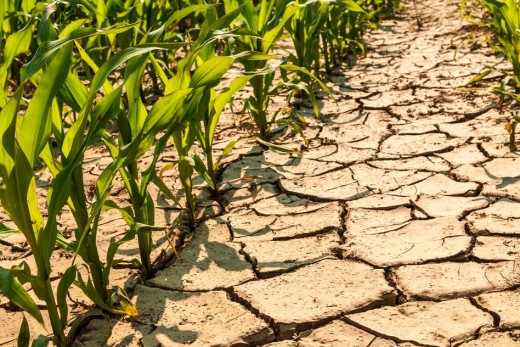
Managing Climate Risks And Its Implications On Crop Yields
Riding the waves of change, our planet is experiencing drastic shifts in climate patterns. From scorching heatwaves to torrential downpours, these weather extremes are leaving their mark on every aspect of our lives - including agriculture. As we delve into the realm of managing climate risks and its implications on crop yields, get ready to explore a world where farmers become adaptability champions and crops evolve to survive against all odds.
Join us as we uncover the impact of climate change on crop yields and discover how agricultural practices are evolving in response. Are you ready for a journey through resilient fields? Let's dive right in.
The Impact of Climate Change on Crop Yields
Climate change is no longer a distant threat; it's knocking on our doors and infiltrating every aspect of our lives. When it comes to agriculture, the impact is profound. Rising temperatures, erratic rainfall patterns, and extreme weather events are altering the playing field for farmers around the globe.
Crop yields are bearing the brunt of these changes. As temperatures rise, heat stress becomes a significant challenge for many crops. Heatwaves can cause wilting, reduced photosynthesis rates, and even plant death in extreme cases. Additionally, increased levels of carbon dioxide in the atmosphere may actually stimulate plant growth initially but can lead to decreased nutrient content in crops over time.
Erratic rainfall patterns pose another hurdle for crop production. Droughts leave fields parched and crops struggling to survive without sufficient water supply. Conversely, intense rainfall events can result in soil erosion and nutrient leaching - washing away valuable resources that plants need to thrive.
Extreme weather events such as hurricanes or floods can wreak havoc on agricultural lands by destroying entire harvests or damaging vital infrastructure like irrigation systems or storage facilities.
The implications are far-reaching not only for food security but also for rural livelihoods and economies dependent on agriculture. Farmers face uncertain futures as they grapple with changing conditions that threaten their ability to grow enough food to sustain themselves and their communities.
In this dynamic landscape, adaptation becomes crucial. Farmers must explore innovative techniques such as improved irrigation methods or crop diversification strategies tailored to their specific climatic realities. Research institutions play a pivotal role in developing resilient crop varieties through breeding programs that incorporate traits like drought tolerance or disease resistance.
While challenges loom large ahead of us, there is hope amidst adversity. By acknowledging and understanding the impact climate change has on crop yields today, we pave the way towards building a sustainable future where agriculture thrives despite challenging circumstances.
Agricultural Adaptation to Climate Change
As climate change continues to impact our planet, it is crucial for the agricultural industry to adapt and find innovative solutions. Farmers around the world are facing new challenges due to changing weather patterns and extreme events. In order to mitigate these risks and ensure food security, agricultural adaptation is essential.
One of the key strategies in adapting to climate change is diversifying crops. By growing a variety of crops, farmers can reduce their vulnerability to specific climatic conditions or pests that may affect one particular crop. This not only spreads the risk but also ensures a more stable income for farmers.
Another important aspect of adaptation is implementing sustainable farming practices. Conservation agriculture techniques such as minimal tillage, cover cropping, and crop rotation help improve soil health and water management. These practices enhance resilience against droughts, floods, and other climate-related disruptions.
Furthermore, investing in advanced technologies can greatly aid in agricultural adaptation efforts. Precision agriculture tools like drones and satellite imagery provide valuable data on soil moisture levels, plant health, and pest infestations. This allows farmers to make informed decisions regarding irrigation schedules, fertilizer application rates, and pest control measures.
Additionally, improving water management systems plays a vital role in adapting agriculture to climate change. Efficient irrigation methods such as drip irrigation or using precision sprinklers minimize water wastage while ensuring optimal hydration for crops.
Knowledge sharing among farmers is crucial for successful adaptation efforts. Farmer networks or community-based organizations facilitate information exchange on best practices for addressing climate risks specific to their region.
In conclusion (not concluding!), adaptive measures need continuous evaluation given the dynamic nature of climate change impacts on agriculture worldwide! Agricultural adaptation requires a multi-faceted approach involving diversified cropping systems; sustainable farming practices; adoption of advanced technologies; efficient water management; and collaboration among stakeholders at local levels! Through proactive actions towards agricultural adaptation now we can secure food production amidst changing climates!
Improving Crop Resilience to Climate Change
As the impacts of climate change continue to be felt across the globe, it is crucial for farmers and scientists to find ways to improve crop resilience. This means developing crops that can withstand extreme weather events such as droughts, floods, and heatwaves.
One approach is through the use of advanced breeding techniques. Scientists are working on developing new crop varieties that have traits such as increased tolerance to drought or resistance to pests and diseases. By selecting and crossbreeding plants with desirable characteristics, they aim to create crops that can better adapt to changing environmental conditions.
Another strategy involves improving agricultural practices. Farmers can implement conservation agriculture techniques such as no-till farming, which helps retain soil moisture and reduces erosion. They can also adopt precision farming methods using sensors and data analytics to optimize irrigation schedules and fertilizer application.
Furthermore, advancements in technology offer promising solutions for enhancing crop resilience. For instance, the use of drones equipped with thermal imaging cameras can help identify areas in a field experiencing heat stress so that appropriate interventions can be implemented promptly.
Additionally, innovative irrigation systems like drip irrigation or micro-sprinklers enable efficient water usage by delivering water directly at the root zone of plants while minimizing evaporation losses.
Collaboration between researchers, policymakers, farmers' associations, NGOs is essential for sharing knowledge and resources in order to develop effective strategies for improving crop resilience globally.
By investing in research and innovation aimed at enhancing crop resilience now we not only secure food production but also contribute towards building a sustainable future amidst an unpredictable climate scenario.
Case Studies
Let's dive into some real-life examples of how climate change is impacting crop yields and what farmers are doing to adapt. These case studies highlight the challenges faced by agricultural communities and shed light on innovative solutions being implemented.
In the arid regions of North Africa, rising temperatures have caused prolonged droughts, severely affecting crop production. Farmers in Morocco have turned to drip irrigation systems to conserve water and reduce losses. By delivering small amounts of water directly to plant roots, these systems improve water use efficiency and help crops survive during dry periods.
In Southeast Asia, where extreme weather events like typhoons are becoming more frequent, rice farmers in Vietnam have adopted a practice called "alternate wetting and drying." Instead of continuously flooding their fields with water, they allow the soil to dry out periodically. This not only reduces methane emissions but also saves water while maintaining high yields.
Moving across continents to South America, coffee growers in Colombia face the dual challenge of increasing temperatures and unpredictable rainfall patterns. To cope with these changes, farmers are using shade trees as natural buffers against temperature extremes and heavy rainfalls. The trees provide a microclimate that protects coffee plants from excessive heat or moisture stress.
These case studies demonstrate that proactive measures can mitigate climate risks for crop production. However, it is important to recognize that each region faces unique challenges requiring tailored adaptation strategies.
By sharing knowledge gained from these experiences globally, we can build resilience within agriculture systems worldwide – an essential step towards securing our future food supply amidst ongoing climate change.
Conclusion
Managing climate risks and their implications on crop yields is a daunting challenge that farmers, scientists, and policymakers face in today's world. The effects of climate change are evident in the erratic weather patterns, rising temperatures, and increasing frequency of extreme events. These changes pose significant threats to agricultural production and food security.
However, despite these challenges, there is hope for the future. Agricultural adaptation strategies such as implementing improved irrigation techniques, adopting resilient crop varieties, practicing agroforestry systems, and promoting sustainable farming practices can help mitigate the adverse effects of climate change on crop yields.
Furthermore, scientific advancements in breeding technologies like genetic engineering hold promise for developing crops that are more resistant to environmental stresses such as droughts or heatwaves. By enhancing crop resilience through improved genetics and innovative farming practices, we can better safeguard our food supply from the impacts of a changing climate.
Case studies from around the world have demonstrated how proactive measures can make a difference in adapting agriculture to climate change. Farmers utilizing efficient irrigation methods have managed to reduce water usage while maintaining productivity levels. Similarly, farmers growing drought-tolerant crops have been able to withstand dry spells without compromising their harvests.
In conclusion (not repeating "in conclusion"), addressing climate risks requires collaboration among various stakeholders – governments at all levels must support policies that incentivize sustainable farming practices; researchers need to continue studying and developing innovations that enhance crop resilience; farmers should be encouraged with financial incentives for adopting adaptive strategies; consumers must prioritize supporting local sustainable agriculture.
By working together towards shared goals of building resilient agriculture systems that can adapt to changing climates while ensuring food security for all people worldwide - we can create a more sustainable future where both humans and nature thrive side by side.
Supply Chain Logistics in Agribusiness
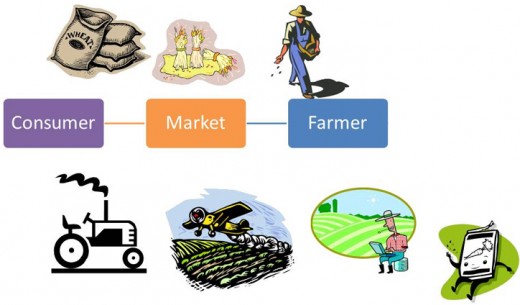
Introduction to Supply Chain Logistics in Agribusiness
Welcome to the world of agriculture, where supply chain logistics play a pivotal role in ensuring that fresh produce makes its way from farm to table. In this fast-paced industry, efficient management of the supply chain is essential for maintaining the quality and integrity of agricultural products. From planting seeds to harvesting crops, transportation and storage, every step must be carefully orchestrated to deliver goods in their optimal condition.
In this blog post, we will explore some best practices for managing supply chain logistics in agribusiness. We'll also delve into the importance of technology in streamlining these operations and take a glimpse into what the future holds for this vital aspect of the agricultural industry. So grab a cup of coffee or your favorite beverage and let's dive right in!
Best Practices for Managing Supply Chain Logistics in Agribusiness
When it comes to managing supply chain logistics in the agribusiness industry, there are several best practices that can help ensure smooth operations and maximize efficiency. One of the key aspects is establishing clear communication channels between all stakeholders involved in the supply chain. This includes farmers, distributors, retailers, and even consumers.
Another important practice is implementing proper inventory management techniques. This involves accurately tracking inventory levels at each stage of the supply chain and utilizing forecasting tools to anticipate demand fluctuations. This way, businesses can avoid stockouts or excess inventory sitting idle.
In addition to this, leveraging technology plays a crucial role in optimizing supply chain logistics.
Using advanced software systems can streamline processes such as order processing, transportation planning, and warehouse management. For instance, automated routing systems can help determine the most efficient delivery routes while reducing fuel consumption and carbon emissions.
Furthermore, fostering collaboration among all parties involved is essential for effective supply chain management. By sharing information on crop yields, weather patterns, market trends etc., stakeholders can make informed decisions which will ultimately benefit everyone along the value chain.
Lastly but importantly is continuous improvement through regular evaluation of performance metrics and identifying areas for optimization. Conducting periodic reviews helps identify bottlenecks or inefficiencies that may impact overall operations.
By adopting these best practices for managing supply chain logistics in agribusinesses not only enhances operational efficiency but also improves customer satisfaction by ensuring timely deliveries of fresh produce from farm to fork!
The Importance of Technology in Supply Chain Logistics
Technology plays a crucial role in the efficient management of supply chain logistics in agribusiness. With advancements in technology, traditional manual processes are being replaced with automated systems, leading to increased accuracy and productivity.
One key advantage of technology in supply chain logistics is improved visibility. Through the use of tracking and monitoring technologies such as GPS, barcoding, and RFID (Radio Frequency Identification), businesses can have real-time information about the location and status of their products during transportation. This level of visibility enables better planning, decision-making, and problem-solving throughout the supply chain.
Furthermore, technology also facilitates better communication between different stakeholders involved in the agribusiness supply chain. Collaborative platforms and cloud-based software enable seamless sharing of data among suppliers, distributors, manufacturers, and retailers. This streamlined communication ensures that everyone has access to accurate information at all times, reducing delays and improving overall efficiency.
Another important aspect where technology shines is inventory management. Automated systems can track stock levels accurately by integrating with sensors or using IoT (Internet of Things) devices. By optimizing inventory levels based on demand patterns and sales forecasts generated by sophisticated algorithms, businesses can minimize wastage while ensuring timely availability of products for customers.
Moreover, technological innovations like blockchain are revolutionizing supply chain transparency by securely recording every transaction or transfer along the entire journey from farm to fork. Blockchain provides an immutable record that enhances traceability while preventing fraud or tampering.
In summary, implementing appropriate technologies not only streamlines operations but also enhances customer satisfaction through faster delivery times, reduced costs, and improved product quality. Thus, it's imperative for agribusinesses to leverage technology effectively to stay competitive in today's fast-paced global market.
The Future of Supply Chain Logistics in Agribusiness
As the world becomes increasingly interconnected, the future of supply chain logistics in agribusiness holds immense potential for growth and innovation. With advancements in technology and a growing focus on sustainability, the agricultural industry is poised to undergo significant transformations.
One key aspect that will shape the future of supply chain logistics in agribusiness is automation. From autonomous vehicles for transportation to robotic systems for harvesting and sorting crops, automation has the potential to greatly streamline operations and increase efficiency.
Another area that will see significant developments is data analytics. By harnessing big data and predictive analytics, agribusinesses can gain valuable insights into consumer demand patterns, optimize inventory management, and make more informed decisions about production planning.
Additionally, sustainability will play a crucial role in shaping the future of supply chain logistics in agribusiness. Consumers are increasingly demanding transparency and environmentally friendly practices from companies. This has led to an emphasis on reducing carbon emissions throughout the supply chain, implementing sustainable packaging solutions, and adopting eco-friendly farming techniques.
Furthermore, blockchain technology is also set to revolutionize supply chain logistics in agribusiness by enhancing traceability and ensuring food safety. With blockchain's ability to provide immutable records of every transaction along the supply chain, consumers can have greater confidence in product authenticity while farmers can benefit from improved visibility into market demand.
In summary, the future of supply chain logistics in agribusiness looks promising as it embraces automation, data analytics, sustainable practices, and emerging technologies like blockchain. These innovations hold great potential for improving efficiency, reducing waste, and meeting consumer demands for transparency and environmental responsibility. By staying at the forefront of these trends, agricultural businesses can position themselves for success in an evolving global marketplace.
Conclusion
Effective supply chain logistics management is crucial for the success of agribusinesses. By implementing best practices such as optimizing transportation routes, using advanced technology, and fostering strong relationships with suppliers and customers, companies can streamline their operations and maximize efficiency.
Technology plays a vital role in improving supply chain logistics in agribusiness. From GPS tracking systems to inventory management software, innovative solutions are revolutionizing the way goods are transported, stored, and distributed. Embracing these technological advancements helps businesses gain real-time visibility into their supply chains, reduce costs, minimize errors, and ultimately deliver superior products to consumers.
Looking ahead, the future of supply chain logistics in agribusiness holds immense potential. As consumer demands continue to evolve and sustainability becomes increasingly important, it will be essential for companies to adopt eco-friendly practices throughout their supply chains. This includes reducing waste levels and implementing more efficient transport methods that have less impact on the environment.
In conclusion (without explicitly stating "in conclusion"), managing supply chain logistics effectively is critical for ensuring smooth operations within the agribusiness industry. By following best practices like optimizing transportation routes and leveraging technology solutions tailored for this sector's unique needs, businesses can stay competitive while meeting customer expectations efficiently. With ongoing innovation driving change within the industry landscape, the future of agribusiness logistics promises even greater efficiency, sustainability, and success.
Innovative Financing Options For Small-Scale Farmers
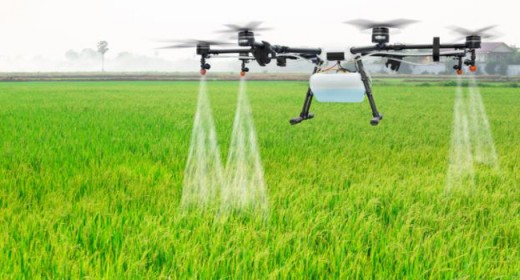
Innovative Financing Options For Small-Scale Farmers
Welcome to our blog post on innovative financing options for small-scale farmers! In today's world, where the demand for sustainable and locally-sourced food is on the rise, small-scale farming plays a crucial role. These hardworking individuals not only contribute to their local communities but also promote environmental sustainability.
However, small-scale farmers often face numerous challenges that hinder their growth and success. Limited access to capital and financial resources can make it difficult for them to invest in necessary equipment, expand their operations, or even weather unexpected setbacks.
But fear not! In this article, we will explore some exciting and game-changing financing options specifically designed to support these dedicated farmers. From microloans tailored to agricultural needs to crowdfunding platforms that connect investors with small-scale farming projects – we've got you covered!
So let's dive in and discover how innovation in finance is empowering small-scale farmers around the globe. Together, we can help create a more resilient and sustainable future for both farmers and consumers alike!
What is the Current State of Small-Scale Farming?
Small-scale farming, also known as family farming or smallholder agriculture, is a vital component of global food production. These farmers typically cultivate relatively small plots of land and rely on traditional methods to grow crops and raise livestock.
In many regions across the world, small-scale farming remains the backbone of local food systems. These farmers often prioritize sustainability over mass production, focusing on organic practices and preserving biodiversity. By doing so, they contribute to healthier ecosystems and promote long-term environmental resilience.
However, despite their essential role in feeding communities and promoting sustainable practices, small-scale farmers face numerous challenges. Limited access to resources such as capital, modern technology, and agricultural knowledge can hinder their productivity and profitability.
Additionally, changing climate patterns pose significant risks for these farmers. Extreme weather events like droughts or floods can devastate crops or destroy entire harvests. This vulnerability highlights the urgent need for innovative financing options that address the unique needs of small-scale farmers.
By understanding the current state of small-scale farming worldwide – its importance in providing local food security while facing various obstacles – we can better appreciate the significance of finding innovative financial solutions tailored specifically for these hardworking individuals.
The Challenges Faced by Small-Scale Farmers
Small-scale farmers face a myriad of challenges that hinder their ability to thrive in the agricultural industry. One of the major obstacles they encounter is limited access to finance. Unlike large commercial farms, small-scale farmers often lack collateral and formal credit histories, making it difficult for them to secure loans from traditional financial institutions.
Additionally, small-scale farmers often struggle with unstable income streams due to unpredictable weather patterns and market fluctuations. This makes it challenging for them to plan and invest in their farming operations effectively. Moreover, they may not have the resources or knowledge necessary to adopt modern technologies and farming techniques that could improve productivity and profitability.
Another challenge faced by small-scale farmers is inadequate infrastructure such as transportation networks and storage facilities. Without proper infrastructure in place, these farmers face difficulties in getting their produce to markets on time while minimizing post-harvest losses.
Furthermore, small-scale farmers often lack market access and bargaining power when dealing with middlemen or larger agribusinesses. This can result in lower prices for their products compared to what they would receive if they had direct access to consumers or more negotiating leverage.
In spite of these challenges, there are innovative financing options available for small-scale farmers that can help address some of these issues. For example, microfinance institutions provide tailored financial services specifically designed for this segment of the agricultural population. These institutions offer smaller loan amounts without requiring traditional collateral requirements.
Moreover, crowdfunding platforms have emerged as a viable option for small-scale farmers looking to raise capital directly from individuals who believe in supporting sustainable agriculture practices. Through these platforms, farmers can showcase their projects and attract funding from a wider network of supporters.
Innovative Financing Options for Small-Scale Farmers
Access to financing is one of the biggest challenges faced by small-scale farmers around the world. Traditional banking systems often do not cater to their needs, leaving them with limited options and hindering their growth potential. However, there are several innovative financing options that have emerged in recent years, helping small-scale farmers overcome these barriers and thrive in their businesses.
One such option is crowdfunding platforms specifically designed for agricultural projects. These platforms allow individuals or groups to contribute funds towards a specific farming project or initiative. This not only provides much-needed capital for small-scale farmers but also helps build a community of supporters who believe in sustainable agriculture and want to contribute towards its success.
Another innovative approach is peer-to-peer lending networks. These online platforms connect borrowers directly with lenders, cutting out the middleman and reducing costs associated with traditional loans. Small-scale farmers can present their business plans and loan requirements on these networks, opening up opportunities for funding from like-minded individuals who understand the challenges they face.
Microfinance institutions also play a crucial role in providing financial services tailored to the needs of small-scale farmers. They offer small loans at affordable interest rates without requiring collateral, enabling farmers to invest in equipment, seeds, or livestock that will generate income over time.
Furthermore, impact investors are increasingly recognizing the value of investing in agriculture as an opportunity for both financial returns and positive social impact. By directing funding towards small-scale farming enterprises that prioritize sustainability and fair trade practices, these investors help create long-term solutions for food security while generating profits.
Government support is essential when it comes to ensuring access to finance for small-scale farmers. Governments can establish dedicated funds or subsidy programs aimed at supporting agricultural initiatives led by local communities.
Additionally, implementing policies that encourage partnerships between banks and microfinance institutions can foster greater financial inclusion within rural areas.
In conclusion (while adhering strictly not summarizing), innovative financing options have opened up new possibilities for small-scale farmers, allowing them to obtain the capital they need to.
The Role of the Government in Supporting Small-Scale Farmers
The role of the government in supporting small-scale farmers is crucial for the growth and sustainability of this sector. Governments can play a significant role in providing financial support, technical assistance, and policy frameworks that enable small-scale farmers to thrive.
One way governments can support small-scale farmers is by offering financial assistance programs. This could include low-interest loans, grants, or subsidies to help cover input costs such as seeds, fertilizers, and equipment. By providing access to affordable capital, governments can help small-scale farmers overcome the initial barriers to entry and expand their operations.
In addition to financial support, governments can also provide technical assistance to small-scale farmers. This may involve training programs on best practices for crop production, livestock management techniques, or sustainable farming methods. By equipping farmers with knowledge and skills, governments empower them to improve productivity and enhance the quality of their products.
Furthermore, governments have a key role in creating supportive policy frameworks that prioritize the needs of small-scale farmers. This includes implementing fair trade policies that protect local markets from unfair competition from large agribusinesses or foreign imports. Additionally, governments can establish regulations that ensure food safety standards are met while also promoting sustainable agricultural practices.
The government's role in supporting small-scale farmers is instrumental in fostering an environment where these individuals can thrive economically and contribute to food security at both national and global levels. Through targeted financial support programs, technical assistance initiatives,and favorable policy frameworks,the government enables small- scalefarmers towards long-term success.
Conclusion
It is evident that small-scale farmers play a crucial role in our food systems and local economies. However, they often face numerous challenges when it comes to accessing financing options. Fortunately, innovative solutions are emerging to help bridge this gap.
Through initiatives like crowd-lending platforms and impact investing, small-scale farmers have more opportunities than ever before to secure funding for their operations. These alternative financing options not only provide the financial support needed but also promote sustainable agricultural practices and empower local communities.
Additionally, governments around the world can play a vital role in supporting small-scale farmers by implementing policies that prioritize their needs. This can include offering grants or subsidies for agriculture-related investments, providing technical assistance and training programs, and creating favorable market conditions for small-scale producers.
By combining the efforts of individuals, organizations, and governments alike, we can create an ecosystem where small-scale farmers have equal access to resources and financing opportunities. This will not only strengthen their businesses but also contribute to building resilient food systems that are better equipped to feed future generations.
It is important for all stakeholders involved – from financial institutions to policymakers – to recognize the invaluable contributions of small-scale farmers and work towards ensuring their success. By doing so, we can foster sustainable agriculture practices while empowering those who work tirelessly to put food on our tables.
Innovative financing options are just one piece of the puzzle when it comes to supporting small-scale farmers. Let us join forces in championing these unsung heroes of our global food system!
Creating Value-Added Products From Farm Produce

Creating Value-Added Products From Farm Produce
Are you a farmer looking to add value to your produce? Are you interested in exploring new avenues and increasing your profits? Well, look no further! In today's blog post, we're going to delve into the exciting world of value-added agriculture. This innovative approach allows farmers like yourself to transform their raw products into unique offerings that fetch higher prices in the market. Not only does it give you an edge over competitors, but it also opens up a whole new realm of possibilities for your farm business. So, get ready to discover how you can create value-added products from your farm produce and reap the rewards!
What is Value-Added Agriculture?
Value-added agriculture refers to the process of taking a raw agricultural product and transforming it into a higher-value product through processing, packaging, or other methods. In simple terms, it means adding value to your farm produce by creating something new and unique out of it.
There are several reasons why farmers choose to engage in value-added agriculture. It allows them to differentiate their products from competitors in the market. By offering something distinct and innovative, they can attract more customers and potentially charge higher prices.
Value-added agriculture opens up opportunities for direct marketing and building relationships with consumers. When you have a unique product that stands out on the shelves or online platforms, customers become more interested in learning about its origins and supporting local farmers.
Moreover, by creating value-added products, farmers can extend their selling season beyond just fresh produce. With processed goods like jams, sauces, or pickles made from their own crops or livestock products such as cheese or sausage made from milk or meat respectively- they can generate income year-round.
Additionally, value-added agriculture contributes to rural economic development by creating jobs within the community. As farms expand their operations to include processing facilities or hire additional staff for packaging and distribution purposes -they stimulate local employment opportunities.
Furthermore, creating added value also helps reduce waste on farms by utilizing surplus produce that may not meet fresh market standards but is still perfectly suitable for further processing into different products.
In summary, value-added agriculture presents an exciting opportunity for farmers to maximize profits while diversifying their offerings. By exploring creative ways to transform farm produce into distinctive products that capture consumer interest -the potential benefits are extensive: increased sales revenue; enhanced customer loyalty; extended selling seasons; job creation; reduced waste – the list goes on! So why wait? Start brainstorming ideas today and unlock the hidden potential within your farm's bounty!
Why Create Value-Added Products?
Why create value-added products? There are several reasons why farmers and producers may choose to create value-added products from their farm produce. It allows them to differentiate themselves in a competitive market. By transforming raw ingredients into unique and innovative products, they can stand out from the crowd and attract more customers.
Value-added products often command higher prices than raw commodities. This means that farmers can increase their profitability by adding value through processing or packaging their produce in a way that appeals to consumers.
In addition, creating value-added products can help reduce waste and utilize all parts of the harvest. For example, instead of discarding surplus fruits or vegetables that do not meet cosmetic standards for fresh consumption, these can be transformed into jams, sauces or pickles.
Moreover, producing value-added goods enables farmers to extend their selling season beyond the typical harvest period. Preserving fruits or vegetables extends their shelf life and allows them to be enjoyed year-round.
Furthermore, developing unique product lines also opens up new market opportunities for farmers. They may find niche markets where there is demand for specialty or artisanal items made with locally sourced ingredients.
Creating value-added products offers numerous benefits for farmers – from increasing profitability and reducing waste to expanding market reach – while providing consumers with diverse choices and supporting local agricultural economies
What are Some Common Value-Added Products?
Value-added products are a great way for farmers to maximize the potential of their produce and generate additional income. These products undergo processing or transformation, adding value to the raw materials they are made from.
One common value-added product is homemade jams and preserves. By utilizing fresh fruits from their farms, farmers can create delicious spreads that appeal to consumers looking for natural and artisanal food options. Another popular choice is pickled vegetables, which provide a tangy and flavorful addition to meals.
Farmers can also turn their farm produce into baked goods like pies, breads, and cookies. Using ingredients sourced directly from their fields ensures freshness and quality in these delectable treats. Additionally, dairy farmers often venture into making cheese or yogurt using milk produced on their farms.
Crafting herbal teas or essential oils is another avenue for value-added products. Farmers who grow herbs can dry them out, blend different varieties together, and package them as soothing drinks or aromatic oils.
There are numerous possibilities when it comes to creating value-added products from farm produce. From delicious jams to fragrant teas, farmers have the opportunity to expand beyond traditional farming practices by transforming their raw materials into unique offerings that cater to consumer preferences.
How to Create Value-Added Products
One of the most exciting aspects of value-added agriculture is the ability to create unique and innovative products from farm produce. By adding value to your crops or livestock, you can not only increase your profits but also cater to a wider range of customers.
So how do you go about creating these value-added products? It all starts with identifying the potential in your raw materials. Take a close look at what you have available and think outside the box. Can you turn your fresh fruits into jams or preserves? Or perhaps use excess milk to make artisan cheeses?
Once you have determined what product(s) you want to create, it's time to develop a recipe or production process that will showcase the best qualities of your ingredients. Experimentation is key here – don't be afraid to try different techniques and flavors until you find something truly special.
Next, consider packaging and branding. Your product should not only taste great but also look appealing on store shelves or online platforms. Invest in high-quality packaging materials and design eye-catching labels that reflect the uniqueness of your offering.
Marketing and distribution are crucial for success. Get creative with social media campaigns, local farmers' markets, or even partnerships with other businesses in related industries.
Remember, creating value-added products requires innovation, passion, and determination. It may take some trial-and-error before finding the right formula for success – but when done right, it can open up new opportunities for growth in your farming business.
Examples of Successful Value-Added Products
1. Fruit preserves: A small-scale fruit farmer decided to turn their surplus berries into delicious jams and jellies. By experimenting with different flavor combinations and using high-quality ingredients, they were able to create a range of unique and flavorful spreads that quickly gained popularity among local consumers.
2. Artisan cheese: A dairy farmer recognized the potential in adding value to their milk by producing artisanal cheeses. They invested in specialized equipment, learned about cheese-making techniques, and developed a variety of handcrafted cheeses with distinct flavors and textures. These high-quality cheeses appealed to gourmet food enthusiasts both locally and regionally.
3. Herbal skincare products: An herb grower discovered the healing properties of certain plants grown on their farm, such as lavender and chamomile. They began extracting essential oils from these herbs and used them as key ingredients in handmade soaps, lotions, and other skincare products. The natural formulations attracted customers seeking organic alternatives to commercial beauty products.
4. Farm-to-table meal kits: A vegetable farm embraced the farm-to-table movement by creating meal kits that included fresh produce straight from their fields along with recipe ideas for utilizing those ingredients creatively at home. This convenient option allowed busy individuals or families to experience the joy of cooking with seasonal produce while supporting local agriculture.
5. Craft beer made from locally-grown hops: A hop farmer partnered with a microbrewery to create craft beers showcasing the unique flavors imparted by locally-grown hops varieties cultivated on their farm. The collaboration resulted in distinctive brews that resonated with beer enthusiasts who appreciated supporting local farmers while enjoying creative new taste experiences.
These examples illustrate how farmers can transform raw agricultural commodities into value-added products that cater to niche markets or appeal to conscious consumers looking for quality, uniqueness, or sustainability in their purchases.
Conclusion
Creating value-added products from farm produce is not only a smart business strategy but also a way to maximize the potential of your agricultural endeavors. By adding value through processing, packaging, and branding, farmers can differentiate their products in the market and attract discerning consumers.
Value-added agriculture opens up opportunities for farmers to tap into niche markets, meet consumer demands for convenience and innovation, and ultimately increase profitability.
Whether it's turning fruits into jams or vegetables into pickles, there are numerous options for creating value-added products that cater to different tastes and preferences.
To successfully create value-added products, it's important to conduct market research, identify gaps in the market, understand consumer needs and preferences, develop unique recipes or processes, establish strong branding strategies, and ensure high-quality production standards.
Examples of successful value-added products range from artisanal dairy products like cheese and yogurt made from farm-fresh milk to specialty condiments like flavored honey or infused olive oils. These innovative creations have carved out their own space in the market by offering something distinctive that cannot be easily replicated.
In conclusion (without explicitly stating it), embracing value-added agriculture can unlock new revenue streams while making use of surplus produce or enhancing the shelf life of perishable goods. It allows farmers to take control over their product offerings by transforming raw materials into desirable finished goods. With careful planning and execution along with creativity and adaptability, exploring this realm of agriculture offers immense potential for growth in both agricultural businesses as well as local economies overall.