Learn smarter with fresh insights from our tutors.
Practical study guides, course supplements, and learning resources curated to help you move faster through every subject.
The Power of Collaboration: Driving Innovation through Partnerships

The Power of Collaboration: Driving Innovation through Partnerships
Unlocking the full potential of innovation is an ever-present challenge for businesses across industries. It requires thinking outside the box, breaking down barriers, and embracing new perspectives. One powerful way to accomplish this is through collaboration – harnessing the collective knowledge and skills of individuals and organizations coming together towards a common goal. Collaboration has the power to drive innovation like nothing else, fostering creativity, boosting efficiency, and accelerating growth.
In this blog post, we will explore how partnerships and collaborative environments can fuel innovation, discuss the role of technology in facilitating collaboration, glimpse into future trends shaping collaboration practices, and ultimately uncover why collaboration is key to unlocking endless possibilities for success. So grab a seat at our virtual roundtable as we dive deep into "The Power of Collaboration: Driving Innovation through Partnerships."
The Benefits of Collaboration
Collaboration is the ultimate catalyst for innovation. By bringing together diverse perspectives, experiences, and expertise, it creates a fertile ground for groundbreaking ideas to flourish. When individuals work together towards a common goal, they can pool their knowledge and skills, resulting in more comprehensive and robust solutions.
One of the primary benefits of collaboration is increased creativity. When people from different backgrounds collaborate, they bring unique viewpoints and approaches to problem-solving. This diversity sparks creativity by challenging traditional thinking patterns and encouraging out-of-the-box ideas.
Collaboration also improves efficiency by tapping into the strengths of each team member. By leveraging individual expertise, tasks can be completed more quickly and effectively than if done in isolation. Sharing resources and dividing responsibilities ensure that everyone's time is optimized for maximum productivity.
Furthermore, collaboration fosters learning opportunities. Working with others exposes individuals to new methodologies, strategies, and technologies that they may not have encountered otherwise. It promotes continuous growth through knowledge exchange and skill development.
Another significant benefit of collaboration is enhanced decision-making. The collective intelligence of a group often leads to better-informed decisions as multiple perspectives are considered before settling on a course of action.
Collaboration helps build strong relationships among team members or partnering organizations. Trust is established through effective communication channels which foster open dialogue where ideas are freely shared without fear or judgment.
How to Create a Collaborative Environment
Creating a collaborative environment is crucial for driving innovation and fostering creativity within teams. Here are some key strategies to cultivate a culture of collaboration:
- Foster open communication: Encourage team members to share their ideas, opinions, and concerns freely. Create opportunities for both formal and informal discussions where everyone's input is valued.
- Build trust: Trust is the foundation of effective collaboration. Encourage transparency, honesty, and accountability among team members. Establish clear expectations and ensure that everyone feels comfortable taking risks and sharing their unique perspectives.
- Promote diversity: Embrace diverse backgrounds, experiences, and skills within your team. This diversity brings different viewpoints that can lead to more innovative solutions.
- Provide resources: Ensure that your team has access to the necessary tools, technologies, and training needed for collaboration to thrive.
- Recognize achievements: Celebrate individual contributions as well as collective accomplishments regularly. Acknowledging successes fosters a positive atmosphere that encourages further collaboration.
- Encourage cross-functional collaborations: Facilitate interactions between different departments or teams within your organization by organizing workshops or joint projects
By implementing these strategies in creating a collaborative environment , you can harness the collective intelligence of your team members , foster creativity , drive innovation ,and achieve remarkable results!
The Role of Technology in Collaboration
In today's digital age, technology plays a crucial role in fostering collaboration and driving innovation. With the advancements in communication tools and platforms, teams can now collaborate seamlessly across different locations and time zones.
One of the key ways technology aids collaboration is through real-time communication. Whether it's video conferencing or instant messaging apps, these tools enable team members to connect instantly, share ideas, and work together on projects regardless of their physical location.
Additionally, cloud-based storage solutions have revolutionized how teams collaborate on documents. Gone are the days of sending multiple versions back and forth via email. Now, team members can access shared files simultaneously, make edits in real-time, and track changes effortlessly.
Moreover, project management software has become an indispensable tool for collaborative work environments. These platforms offer features like task assignment, progress tracking, file sharing capabilities that streamline teamwork while ensuring everyone stays on the same page.
Furthermore,businesses are leveraging artificial intelligence (AI) to enhance collaboration even further. AI-powered chatbots assist with basic queries and automate routine tasks so that employees can focus more on creative problem-solving activities.
As technology continues to evolve at a rapid pace,such as virtual reality(VR), augmented reality(AR),and 5G connectivity,it will undoubtedly open up new possibilities for collaboration.
These emerging technologies will provide immersive experiences,promote better engagement,and facilitate seamless teamwork among remote colleagues.
Overall,the integration of technology into collaborative practices has transformed the way we work.
Creating an environment where individuals can easily connect,collaborate,and innovate has become paramount.
And with continued technological advancements,onward lies a future where collaboration knows no bounds!
The Future of Collaboration
The future of collaboration holds immense potential for driving innovation and progress across various industries. With the rapid advancements in technology, collaboration is expected to become even more seamless and efficient.
One key aspect that will shape the future of collaboration is the rise of virtual teams. As remote work becomes increasingly common, businesses are embracing digital tools and platforms that enable employees to collaborate effectively from anywhere in the world. This opens up new opportunities for diverse talent pool and global partnerships.
Another trend we can expect to see is the integration of artificial intelligence (AI) into collaborative processes. AI-powered tools can automate repetitive tasks, analyze big data, and offer valuable insights, allowing collaborators to focus on more strategic aspects of their work.
Furthermore, augmented reality (AR) and virtual reality (VR) technologies are poised to revolutionize collaboration by creating immersive experiences regardless of physical distance. Imagine architects or engineers working together in a shared virtual environment, enabling real-time design iterations and problem-solving.
In addition, blockchain technology has the potential to enhance trust and security in collaborative efforts by providing transparent record-keeping systems that cannot be easily tampered with. This could foster greater cooperation among organizations while ensuring data integrity.
As we look ahead, it's clear that collaboration will continue to evolve as technology advances further. The possibilities for cross-industry collaborations are endless – whether it’s healthcare professionals partnering with tech companies or fashion designers collaborating with sustainability experts.
In conclusion, collaboration has become a driving force in today's rapidly evolving world. The power of partnerships and the benefits they bring cannot be underestimated. By working together, organizations can tap into new ideas, share resources, and drive innovation like never before.
Creating a collaborative environment starts with fostering a culture that encourages teamwork and open communication. This includes promoting trust among team members, breaking down silos between departments, and providing platforms for collaboration to flourish.
Technology plays a crucial role in enabling collaboration across distances and time zones. Tools such as video conferencing, project management software, and cloud-based platforms facilitate seamless communication and information sharing. Leveraging these technologies allows teams to work together effectively regardless of physical location.
Looking ahead, the future of collaboration is promising. As technology continues to advance at an unprecedented pace, we can expect even more innovative ways for partners to collaborate on projects. Virtual reality may soon enable immersive virtual meetings where participants feel like they are physically present with one another.
The Power of Personalization in Modern Marketing

The Power of Personalization in Modern Marketing
Welcome to the era of personalization! In today's fast-paced and ever-evolving world, customers crave customized experiences that cater specifically to their unique preferences and needs. Gone are the days of generic mass marketing; it's time for businesses to embrace the power of personalization in modern marketing strategies. So, buckle up and get ready to explore how personalized marketing can revolutionize your business and leave a lasting impact on your target audience.
From increased customer satisfaction to higher conversion rates, we'll dive into the myriad benefits of personalization and provide you with actionable tips on how to implement it effectively in your own marketing efforts. Get ready to witness firsthand why customization is no longer just a luxury but a necessity in today's competitive marketplace!
What is Personalization?
In simple terms, personalization in marketing refers to tailoring your messages and offerings to meet the individual needs and preferences of your customers. It's about going beyond generic mass communication and creating a one-to-one connection with each person you engage with.
At its core, personalization is all about understanding who your customers are as individuals: their demographics, interests, behaviors, and buying patterns. Armed with this knowledge, you can deliver targeted content and recommendations that resonate on a deeper level.
By treating each customer as unique rather than just another faceless consumer, you can create a more personalized experience throughout the entire buyer's journey. From customized email campaigns addressing specific pain points to personalized product recommendations based on past purchases or browsing history – every touchpoint becomes an opportunity to build meaningful connections.
Personalization also extends beyond just delivering tailored content; it involves using data-driven insights to optimize the overall user experience across different channels such as websites, apps, social media platforms, and even physical stores. This could include anything from displaying relevant product suggestions based on previous interactions to offering location-based promotions or discounts.
Personalization allows businesses to foster stronger relationships with their customers by making them feel seen and understood. It shows that you care about their individual needs and are willing to go the extra mile to provide value specifically for them. And in today's crowded marketplace where attention spans are short-lived, this type of personalized approach can be a game-changer for capturing attention and driving conversions. So buckle up! We're just getting started on our exploration of the power of personalization in modern marketing!
The Benefits of Personalization
The benefits of personalization in marketing are immense. It allows businesses to create a tailored and unique experience for each individual customer. By analyzing their preferences and behaviors, companies can deliver personalized content that speaks directly to the needs and interests of each person.
This level of customization not only enhances the overall customer experience but also increases engagement and loyalty. When customers feel understood and valued, they are more likely to develop a strong connection with a brand and become repeat buyers.
Personalization also has the power to drive conversions. By presenting relevant offers or recommendations based on past purchases or browsing history, marketers can effectively guide customers towards making a purchase decision. This targeted approach is far more effective than generic promotions as it taps into the specific desires of each customer.
Furthermore, personalization helps marketers gather valuable data about their audience. With every interaction, businesses gain insights into consumer behavior patterns, allowing them to refine their strategies and improve future campaigns.
Personalization in marketing offers numerous advantages including enhanced customer experience, increased engagement and loyalty, higher conversion rates, and valuable consumer insights. Its ability to tailor messaging specifically for individuals makes it an indispensable tool for modern businesses looking to achieve success in today's competitive market landscape
How to Personalize Your Marketing
- Collect and analyze customer data: Start by gathering as much information as possible about your target audience. This includes demographics, preferences, browsing behavior, and purchase history. Use analytics tools to gain insights from this data.
- Segment your audience: Once you have collected the necessary data, segment your audience into different groups based on their characteristics and behaviors. This will allow you to tailor your marketing messages more effectively.
- Customize content and offers: Create personalized content that resonates with each segment of your audience. Tailor product recommendations, email newsletters, social media ads, and website experiences based on individual preferences or past interactions.
- Utilize automation tools: Take advantage of marketing automation software to streamline the personalization process. These tools can help automate tasks like sending customized emails or displaying targeted advertisements based on user behavior.
- Test and optimize: Continuously monitor the performance of your personalized campaigns through A/B testing and analytics tracking. Use these insights to refine your strategies for maximum impact.
- Cultivate relationships with customers: Personalization is not just about targeting individuals; it's also about building meaningful connections with them over time. Engage in two-way communication through social media platforms, respond promptly to inquiries, and nurture loyalty through exclusive offers or rewards programs
By implementing these steps, you'll be well on your way to creating a highly personalized marketing strategy that connects with individuals on a deeper level
Personalization Case Studies
Case studies are a powerful way to understand the impact of personalization in modern marketing. Let's take a look at some real-world examples that showcase the effectiveness of personalized campaigns.
In one case study, an e-commerce company implemented a personalized recommendation engine on their website. By analyzing customer browsing behavior and purchase history, they were able to deliver tailored product recommendations to each individual. This resulted in a significant increase in click-through rates and conversions, ultimately leading to higher sales and customer satisfaction.
Another case study focuses on email marketing personalization. A travel agency sent out targeted emails based on customers' previous destinations and interests. By providing relevant content and exclusive offers related to their preferences, they saw a notable rise in open rates and engagement levels. Customers felt more valued as individuals rather than just part of a mass mailing list.
Social media platforms have also witnessed the power of personalization. For instance, an online clothing retailer utilized Facebook ads with dynamic product ads that showed items recently viewed by users on their website or added to their shopping cart but not purchased yet. This strategy generated impressive results by reminding potential buyers about products they had shown interest in, boosting conversion rates significantly.
One more fascinating example comes from the streaming industry where personalized recommendations have become crucial for user retention. Streaming platforms like Netflix analyze user viewing patterns and preferences to suggest movies or TV shows tailored specifically for them. This level of customization keeps users engaged for longer periods while increasing overall satisfaction with the platform.
These case studies clearly demonstrate how personalization can enhance various aspects of marketing efforts such as website experience, email communication, social media advertising, and content suggestions.
The Future of Personalization
The future of personalization in marketing is filled with endless possibilities. With advancements in technology and the increasing availability of customer data, marketers have the opportunity to create truly personalized and tailored experiences for their audience.
One key aspect that will shape the future of personalization is artificial intelligence (AI). AI algorithms can analyze vast amounts of data to understand individual preferences and behaviors, enabling marketers to deliver highly targeted content and offers. This level of customization can lead to increased engagement, loyalty, and ultimately, conversions.
Another area where we will see significant developments is in omnichannel personalization. As consumers interact with brands across multiple touchpoints such as websites, social media platforms, email campaigns, and mobile apps – it becomes crucial for marketers to provide a seamless experience across all channels. By integrating data from various sources and using automation tools, businesses can deliver consistent messaging tailored to each individual's preferences.
Moreover, emerging technologies like augmented reality (AR) and virtual reality (VR) are also expected to play a role in personalization. These immersive technologies enable brands to create unique experiences by overlaying digital information onto the real world or simulating entirely virtual environments. Incorporating these technologies into marketing strategies can enhance personalization by providing customers with interactive and personalized experiences.
In addition to technological advancements, ethical considerations around privacy will also shape the future of personalization. As consumers become more aware of how their data is being used, there will be an increased demand for transparency and control over their information. Marketers must navigate this landscape carefully by implementing robust privacy policies while still delivering relevant personalized experiences.
The future holds immense potential for personalization in marketing. Brands that embrace innovative technologies while respecting consumer privacy concerns will be well-positioned to connect with their target audience on a deeper level than ever before.
In conclusion, personalization has become a key strategy in modern marketing, and for good reason. By tailoring your messaging and experiences to individual customers, you can create stronger connections, drive higher engagement, and ultimately increase conversions.
Throughout this article, we've explored what personalization is and the benefits it brings to businesses. We've also discussed some effective ways to personalize your marketing efforts, from using data-driven insights to leveraging automation tools.
Additionally, we've highlighted real-life case studies that demonstrate the power of personalization in action. From Spotify's curated playlists to Netflix's personalized recommendations, these examples show just how effective personalization can be in delivering relevant content that resonates with consumers.
Looking ahead, the future of personalization holds even greater potential. With advancements in technology like artificial intelligence and machine learning algorithms becoming more sophisticated every day, marketers will have even more opportunities to deliver highly targeted and personalized experiences across multiple channels.
In conclusion (without using those exact words), personalization is not just a trend; it's an essential element of successful marketing strategies today. By understanding your target audience on a deeper level and tailoring your communications accordingly, you can build trust with customers while driving business growth.
So don't underestimate the power of personalization – embrace it as a powerful tool that can take your marketing efforts to new heights! Start implementing personalized campaigns today and see firsthand how it transforms your relationship with customers for the better.
Design Thinking: A Guide to Solving Problems Creatively

Design Thinking: A Guide to Solving Problems Creatively
Welcome to the world of Design Thinking, where creativity meets problem-solving! In today's fast-paced and ever-changing landscape, traditional approaches to problem-solving often fall short. That's where Design Thinking comes in - a dynamic and innovative approach that empowers individuals and teams to think outside the box, challenge assumptions, and find unique solutions.
Whether you're an entrepreneur looking to disrupt your industry or a creative professional seeking fresh insights, this guide will take you on an exciting journey through the principles, process, and practical application of Design Thinking. Get ready to unleash your imagination and transform the way you approach problem-solving!
What is Design Thinking?
What exactly is Design Thinking? It's not just an art or design process, but rather a mindset and problem-solving approach that puts the user at the center. At its core, Design Thinking is about understanding people's needs and finding innovative ways to meet them.
Unlike traditional problem-solving methods, which often rely on logical analysis and linear thinking, Design Thinking encourages exploration, experimentation, and iteration. It embraces ambiguity and allows for multiple perspectives to drive creative solutions.
Design Thinking draws inspiration from various disciplines such as psychology, anthropology, and business strategy. By combining empathy with analytical thinking, it helps uncover deep insights into human behavior and motivations. This holistic approach enables designers to identify unmet needs that may have been overlooked using conventional approaches.
One of the key principles of Design Thinking is empathy - stepping into the shoes of your users or customers to gain a deeper understanding of their experiences. Through observation, interviews, or even immersive research techniques like ethnography, designers can gather valuable insights that inform their problem-solving process.
Another vital aspect of Design Thinking is prototyping - creating quick mock-ups or prototypes to test ideas early in the development process. This allows for rapid feedback loops where designers can learn from failures quickly and refine their concepts based on real-world interactions.
In essence, Design Thinking offers a fresh perspective on problem-solving by embracing creativity and focusing on human-centric solutions. It challenges assumptions and encourages collaboration across disciplines to tackle complex problems head-on. So whether you're designing products or services or looking for new ways to enhance customer experiences – Design Thinking can unlock endless possibilities!
The Design Thinking Process
The Design Thinking Process is a creative problem-solving approach that puts the user at the center of the design process. It involves five key stages: empathize, define, ideate, prototype, and test.
In the empathize stage, designers immerse themselves in the user's experience to gain a deep understanding of their needs and motivations. This often involves conducting interviews, observations, and empathy exercises.
Once designers have gathered insights from users during the empathize stage, they move on to defining the problem. This involves synthesizing research findings to clearly articulate the challenge or opportunity that needs to be addressed.
With a defined problem in hand, designers then enter into an ideation phase where they generate a wide range of possible solutions. Brainstorming sessions and other creative techniques are used to encourage out-of-the-box thinking and exploration of different ideas.
Next comes prototyping – building rough representations of potential solutions. These prototypes can take various forms such as sketches, storyboards, or physical models. The goal is to quickly bring ideas to life so they can be tested with users.
In the testing stage, designers gather feedback on their prototypes from real users. This iterative process helps refine and improve designs based on user insights until an optimal solution is achieved.
By following this iterative process of empathizing with users' needs before defining problems and generating multiple solutions through ideation and prototyping stages followed by rigorous testing cycles – design thinkers can uncover innovative ways to solve complex problems creatively while keeping user needs at heart.
Pros and Cons of Design Thinking
Design thinking is an innovative problem-solving approach that has gained popularity in recent years. Like any methodology, it comes with its own advantages and disadvantages. Let's take a closer look at the pros and cons of design thinking.
One of the main benefits of design thinking is its focus on empathy. By putting yourself in the shoes of your users or customers, you gain valuable insights into their needs and pain points. This user-centered approach helps create products and services that truly address real-world problems.
Another advantage is the emphasis on collaboration. Design thinking encourages interdisciplinary teams to work together, bringing different perspectives to the table. This diverse mix of skills and backgrounds can lead to more creative solutions as multiple viewpoints are considered.
Additionally, design thinking promotes experimentation and iteration. Instead of sticking to a rigid plan, this methodology encourages prototyping and testing ideas early on in the process. This allows for quick feedback loops, enabling teams to refine their concepts based on real-world data.
However, there are also some potential drawbacks to consider when using design thinking. One challenge is that it can be time-consuming due to its iterative nature. The process often involves multiple rounds of research, ideation, prototyping, testing, and refining before arriving at a final solution.
Another limitation is that design thinking may not always produce concrete outcomes or immediate results. It requires patience as well as a willingness to embrace ambiguity during the exploration phase.
Moreover, design thinking relies heavily on human-centric insights which might overlook technological constraints or economic considerations at times.
How to Use Design Thinking to Solve Problems
When it comes to problem-solving, design thinking offers a fresh and innovative approach. It encourages us to think outside the box and consider multiple perspectives in order to find creative solutions. Here are some steps you can take to apply design thinking in your problem-solving process.
Immerse yourself in the problem at hand. Take the time to understand all aspects of it – what is causing the issue, who is affected by it, and what potential solutions have already been tried.
Next, define the problem clearly and concisely. This step is crucial as it sets the foundation for finding effective solutions. Think about what specifically needs to be addressed and why.
Once you have a clear understanding of the problem, brainstorm ideas without any judgment or limitations. The goal here is quantity over quality – encourage wild ideas that may seem unconventional at first.
After generating a wide range of ideas, evaluate them based on their feasibility and impact. Consider how each idea addresses the root cause of the problem and its potential effectiveness in solving it.
Select one or more ideas that show promise and develop prototypes or small-scale experiments around them. This will help test out different approaches before committing fully.
Throughout this process, remember to continually gather feedback from stakeholders and iterate on your designs accordingly. Design thinking emphasizes collaboration and iteration as essential components for successful problem-solving.
By following these steps, you can leverage design thinking principles effectively in order to solve problems creatively while considering various perspectives along the way
Design Thinking Case Studies
Case studies provide real-life examples of how design thinking can be applied to solve a variety of problems. Let's take a look at some intriguing case studies that illustrate the power and versatility of this problem-solving approach.
In one case study, a global technology company used design thinking to develop an innovative solution for improving employee productivity. By empathizing with their employees' needs and pain points, the company identified key areas where improvement was needed. Through ideation and prototyping, they created a user-friendly software tool that streamlined workflows and increased efficiency across the organization.
Another fascinating case study involves a healthcare organization looking to improve patient experiences in hospitals. They employed design thinking methods such as observation, interviews, and journey mapping to gain deep insights into patients' emotions, frustrations, and desires during their hospital stay. Armed with these valuable insights, they redesigned various touchpoints within the hospital environment, resulting in reduced wait times, improved communication between staff and patients, and overall enhanced patient satisfaction.
A retail company facing declining sales turned to design thinking as a means of revitalizing its brand image. Through extensive research on consumer preferences and behaviors, they discovered that customers desired personalized shopping experiences tailored to their individual tastes. Using this knowledge as inspiration for innovation workshops with cross-functional teams, they developed new store layouts focused on creating immersive shopping environments that catered specifically to different customer segments. This strategic shift led to increased foot traffic and ultimately boosted sales.
These cases demonstrate how design thinking can be applied across diverse industries—technology companies seeking operational improvements; healthcare organizations aiming for better patient care; retailers adapting to changing consumer demands—and yield successful outcomes by placing human needs at the core of problem-solving efforts.
In conclusion, design thinking is a powerful approach that encourages creative problem-solving and innovation. By focusing on empathy, collaboration, and iteration, design thinking allows individuals and teams to tackle complex problems in a human-centered way.
Throughout this article, we explored what design thinking is and how it can be applied to solve various challenges. We discussed the different stages of the design thinking process: empathize, define, ideate, prototype, and test. Each stage plays a crucial role in understanding users' needs, generating ideas, building prototypes for testing purposes, and refining solutions based on feedback.
While there are many benefits to using design thinking—such as increased user satisfaction and improved product development—it's important to acknowledge its limitations too. Design thinking may not always provide immediate solutions or guarantee success in every situation. It requires time, resources, and open-mindedness from all stakeholders involved.
To effectively use design thinking in problem-solving scenarios:
- Foster an environment of empathy by actively listening to users' needs.
- Define the problem clearly before diving into brainstorming sessions.
- Encourage diverse perspectives during ideation stages for generating innovative ideas.
- Build low-fidelity prototypes quickly to gather valuable feedback.
- Iterate constantly based on user insights until optimal solutions are achieved.
Through real-life case studies like IDEO's work with healthcare providers or Airbnb's redesign of their website interface using design principles—we witnessed how organizations have successfully implemented design thinking methodologies to overcome challenges creatively.
In conclusion (without explicitly stating it), embracing design thinking as a mindset can empower individuals and teams alike with the tools they need to approach problems differently—to think outside the box with creativity while keeping end-users at the forefront of their decision-making processes.
So why wait? Start incorporating design thinking into your problem-solving toolkit today!
From Traditional to Digital: Adapting Your Marketing Mix
From Traditional to Digital: Adapting Your Marketing Mix
Welcome to the digital era, where traditional marketing strategies are being revolutionized by the power of technology and connectivity. In today's fast-paced world, businesses have shifted their focus from print ads and billboards to online platforms and social media campaigns. It's time to adapt your marketing mix and embrace the endless possibilities that come with digital marketing!
Gone are the days of relying solely on traditional methods to reach your target audience. The rise of smartphones, social media networks, and e-commerce has opened up a whole new realm of opportunities for businesses to connect with customers like never before. Digital marketing not only offers a wider reach but also allows for more personalized and targeted communication.
But don't be fooled into thinking that digital marketing is all rainbows and unicorns. Alongside its many benefits come risks that need careful consideration. From data breaches to ad frauds, navigating through the digital landscape requires strategic planning and constant vigilance.
In this blog post, we'll explore both sides of the coin - delving into the advantages of digital marketing while addressing some potential pitfalls along the way. We'll guide you through creating an effective digital marketing plan tailored specifically to your business needs as well as provide insights on measuring success in this dynamic environment.
So buckle up! It's time to dive headfirst into the world of digital marketing and discover how it can elevate your brand presence in ways you've never imagined before!
Traditional Marketing vs. Digital Marketing
In the battle of traditional marketing versus digital marketing, there are distinct differences that can make or break a brand's success. Traditional marketing relies on offline channels such as print ads, television commercials, and billboards to reach its audience. It's a tried-and-true approach that has been around for decades.
On the other hand, digital marketing leverages online platforms like social media, search engines, and email campaigns to connect with customers in real-time. With the ability to target specific demographics and track engagement metrics, it offers unparalleled opportunities for customization and data-driven decision making.
One key advantage of traditional marketing is its tangible nature. Print advertisements allow consumers to physically hold an ad in their hands or see it displayed prominently on a billboard. This can create a sense of trust and authenticity that is harder to achieve through digital means alone.
However, when it comes to cost-effectiveness and efficiency, digital marketing takes the crown. Unlike traditional methods which often require large budgets for production and distribution, digital campaigns can be launched quickly with minimal costs involved. Plus, they offer instant feedback through analytics tools that provide valuable insights into customer behavior.
Another major difference lies in targeting capabilities. Traditional marketing casts a wide net hoping to capture the attention of potential customers within a broad demographic range. In contrast, digital marketing allows businesses to narrow down their focus by age group, location interests or even browsing history - ensuring messages are delivered directly to those who are most likely interested.
While both approaches have their merits depending on your target audience and objectives - embracing digital strategies provides brands with an edge in today's technology-driven world where consumers spend more time online than ever before.
The Benefits of Digital Marketing
Digital marketing has revolutionized the way businesses reach and engage with their target audience. With its numerous benefits, it has become an essential part of any successful marketing strategy.
One of the key advantages of digital marketing is its ability to reach a global audience. Unlike traditional methods, digital marketing allows businesses to connect with customers from all over the world. This opens up new opportunities for expansion and growth.
Another benefit is the cost-effectiveness of digital marketing. Traditional forms of advertising can be expensive, especially for small businesses with limited budgets. Digital marketing offers more affordable options such as social media advertising and email campaigns that can yield high returns on investment.
Digital marketing also provides better targeting capabilities. Through data analytics and tracking tools, businesses can gather insights about their customers' preferences and behaviors. This enables them to tailor their messaging and promotions to specific segments, resulting in higher conversion rates.
Furthermore, digital marketing offers real-time results tracking. With traditional methods like print or television ads, it's difficult to measure how many people actually saw or responded to your campaign. In contrast, digital platforms provide detailed metrics that allow you to analyze the success of your campaigns in real-time.
Digital marketing provides ample opportunities for engagement and interaction with consumers. Social media platforms enable direct communication between brands and customers through comments, messages, and reviews. This fosters relationships built on trust and loyalty which are crucial for long-term business success.
The Risks of Digital Marketing
Digital marketing has undoubtedly revolutionized the way businesses reach their target audience. However, like any strategy, it comes with its own set of risks that marketers need to be aware of. Understanding these risks can help you navigate the digital landscape more effectively and make informed decisions for your marketing campaigns.
One major risk is the potential for negative online reviews and feedback. In today's interconnected world, a dissatisfied customer can quickly voice their grievances on social media or review platforms, potentially damaging your brand reputation. This highlights the importance of providing exceptional customer service and promptly addressing any issues that arise.
Another risk is cybersecurity threats. With an increasing number of data breaches occurring each year, protecting sensitive customer information should be a top priority. Implementing robust security measures and staying up-to-date with industry best practices can mitigate this risk.
In addition, digital marketing requires constant adaptation to ever-changing algorithms and trends. What works today may not work tomorrow, making it essential to stay updated and agile in your approach.
There is always a risk of investing resources into ineffective strategies or platforms that yield little ROI. Conducting thorough market research and continuously analyzing campaign performance can minimize this risk.
By recognizing these risks and taking proactive steps to address them, you can leverage the power of digital marketing while minimizing potential pitfalls along the way.
Creating a Digital Marketing Plan
A strong digital marketing plan is essential for businesses looking to thrive in the modern era. With the rapid growth of technology and online platforms, it's crucial to adapt your marketing efforts accordingly. But how do you go about creating an effective digital marketing plan? Here are a few key steps to get you started.
Clearly define your goals and objectives. What do you hope to achieve through your digital marketing efforts? Whether it's increasing brand awareness, driving website traffic, or generating leads, having specific goals will help guide your strategy.
Next, identify your target audience. Who are you trying to reach with your digital campaigns? Understanding their demographics, interests, and behaviors will enable you to tailor your messaging and choose the most appropriate channels.
Once you have defined your goals and identified your target audience, it's time to develop a content strategy. This involves creating compelling and relevant content that resonates with your audience. Whether it's blog posts, videos, infographics or social media updates - quality content is king!
In addition to content creation, consider incorporating search engine optimization (SEO) techniques into your plan. By optimizing keywords on your website and ensuring proper meta tags are in place, you'll increase visibility on search engines like Google.
Another important aspect of any digital marketing plan is social media engagement. Utilize different platforms such as Facebook, Twitter, and Instagram, to connect with customers directly, promote new products/services,and build brand loyalty.
Lastly, don't forget about analytics! Measuring the success of each campaign allows for continuous improvement by identifying what works best for achieving desired results.
With tools like Google Analytics, you can track website traffic, social media engagement,and conversion rates helping fine-tune future strategies.
In summary, a well-crafted digital marketing plan incorporates goal-setting, target audience analysis, content creation(SEO), social media engagement, and data analytics.
With careful planning, time investment, and ongoing evaluation, your business can successfully navigate the digital landscape and reach your desired marketing outcomes. So, don't
Implementing Your Digital Marketing Plan
Now that you have your digital marketing plan in place, it's time to put it into action. Implementing your plan requires careful execution and attention to detail.
First and foremost, ensure that you have the necessary resources and tools in place to effectively carry out your digital marketing activities. This may include hiring skilled professionals or investing in software and platforms that will help streamline your efforts.
Next, be sure to allocate a sufficient budget for each component of your digital marketing plan. Whether it's search engine optimization (SEO), content creation, social media advertising, or email marketing, having a designated budget will allow you to track expenses and measure return on investment.
Once you've established the logistical aspects of implementation, focus on creating engaging and compelling content that aligns with your target audience's needs and interests. This can include blog posts, videos, infographics, or podcasts – whatever resonates most with your audience.
Additionally, take advantage of various digital channels such as social media platforms (Facebook, Instagram) or paid advertising networks (Google Ads) to expand the reach of your content. Be strategic about where you choose to promote yourself online – select platforms frequented by potential customers rather than casting a wide net across all channels.
Lastly but importantly make sure you regularly monitor the performance of your campaigns using analytics tools like Google Analytics or Facebook Insights. These insights will provide valuable data on how well each element is performing so adjustments can be made if needed.
By implementing these steps confidently while staying adaptable throughout this process, you'll set yourself up for success in achieving measurable results through effective digital marketing strategies!
Tapping Into Niche Markets: Strategies for Reaching Untapped Audiences
Tapping Into Niche Markets: Strategies for Reaching Untapped Audiences
Welcome to the world of niche markets, where untapped audiences are waiting for you to make your mark! In today's competitive business landscape, finding a unique and targeted market segment can be the key to success. By focusing on a specific group of customers with distinct needs and preferences, you can tailor your products or services to meet their demands perfectly. But how do you tap into these niche markets effectively?
In this blog post, we will explore strategies that will help you reach untapped audiences and unlock new opportunities for business growth. So let's dive in and discover the power of niche marketing!
Defining Your Niche Market
When it comes to tapping into niche markets, the first step is to define your target audience. A niche market is a specific segment of consumers who share common characteristics or interests. To identify your niche market, you need to dig deep and understand what sets them apart from the broader market.
Start by asking yourself questions like: Who are they? What are their needs and desires? What problems do they face that you can solve? By gaining a clear understanding of your ideal customer, you can tailor your offerings to cater specifically to their wants and needs.
To further narrow down your niche, consider factors such as demographics (age, gender, location), psychographics (interests, values, lifestyle), and behavior patterns (buying habits). This will help you create an accurate profile of your target customers.
Remember, defining your niche doesn't mean excluding other potential customers. It simply means focusing on a specific group that you can serve exceptionally well. By honing in on this smaller segment, you'll be able to differentiate yourself from competitors and establish a strong presence in the marketplace.
So take some time to research and analyze various segments within your industry. Look for gaps or underserved areas where you can provide unique value. The more precise and targeted your niche market definition is, the better equipped you'll be to develop effective marketing strategies that resonate with this audience.
Researching Your Niche Market
Understanding your niche market is essential before you can effectively reach and engage with them. This step involves diving deep into research to gather valuable insights about your target audience. Here are some strategies to help you in this process.
First, identify the specific characteristics of your niche market. Look at factors such as demographics, interests, behaviors, and pain points. By understanding these key aspects, you'll be able to tailor your marketing efforts accordingly.
Conduct keyword research related to your niche market. Use tools like Google Keyword Planner or SEMrush to find relevant keywords that resonate with your audience's search queries. Incorporate these keywords into your website content and blog posts for better visibility in search engine results.
Additionally, analyze competitor websites and social media platforms within your niche market. Observe their messaging tone, content types they share, engagement levels, and customer feedback. This will give you valuable insights on what works well in reaching this specific audience.
Furthermore, consider conducting surveys or interviews with individuals who belong to your target niche market segment. Ask open-ended questions that allow them to share their thoughts and opinions on topics related to your industry or product/service offerings.
Monitor online forums and communities where people from your niche market gather. Take note of the discussions happening there - the questions asked by community members may hint at pain points or needs that aren't being addressed by current solutions available in the market.
Remember: researching a niche market requires thorough investigation and analysis of various data sources relating specifically to that particular audience segment.
Creating Content for Your Niche Market
When it comes to tapping into a niche market, creating content that resonates with your target audience is crucial. You need to understand their interests, pain points, and what motivates them. This will allow you to tailor your content specifically for them.
One effective approach is to conduct thorough research on your niche market. Dive deep into online forums and social media groups where they hang out. Pay attention to the questions they ask and the discussions they have. This will give you valuable insights into what type of content would be most helpful and engaging for them.
Once you've gathered this information, it's time to start creating high-quality content that speaks directly to your niche audience. Whether it's blog articles, videos, podcasts, or social media posts, make sure each piece provides value and addresses their specific needs.
Remember, in order to capture the attention of your niche market, your content should be unique and original. Avoid regurgitating generic information that can be found anywhere else on the internet. Instead, strive to offer fresh perspectives or dive deeper into topics that are relevant to your audience.
Another important aspect of creating content for a niche market is consistency. Develop a consistent publishing schedule so that your audience knows when they can expect new content from you. This will help build trust and keep them coming back for more.
Furthermore, don't forget about visual appeal! Use eye-catching images or infographics alongside your written content whenever possible. Visuals not only enhance engagement but also make complex concepts easier to understand.
Lastly but importantly: interact with your audience! Encourage comments on blog posts or engage in conversations on social media platforms related to the topic at hand.
This will help foster a sense of community around your brand within the niche market.
By putting effort into creating tailored content for your niche market, you'll position yourself as an authority figure who understands their unique needs.
Furthermore, it increases chances of your content getting shared and recommended among them, expanding your reach to unt
Promoting Your Business to Your Niche Market
When it comes to reaching your niche market, promotion is key. You need to get the word out about your business and what makes it unique in order to attract and engage with your target audience. But how do you effectively promote your business to a specific niche? Here are some strategies that can help.
It's important to understand where your niche market spends their time online. Are they active on social media platforms like Instagram or Facebook? Do they frequent certain forums or blogs related to their interests? By identifying these channels, you can tailor your promotional efforts accordingly.
Once you've identified the platforms where your niche market hangs out, it's time to create content specifically for them. This means speaking directly to their needs, interests, and pain points. Show them how your product or service can solve their problems or enhance their lives in a meaningful way.
In addition to creating tailored content, consider collaborating with influencers who have a strong presence within your niche market. These individuals have already built trust and credibility with your target audience, making them valuable partners in promoting your business.
Another effective strategy is leveraging targeted advertising campaigns. Platforms like Google AdWords and Facebook Ads allow you to narrow down the audience for whom your ads will be displayed based on factors such as demographics, interests, and browsing behavior.
Don't underestimate the power of word-of-mouth marketing within niche communities. Encourage satisfied customers from within your niche market segment to share their positive experiences with others who may benefit from similar solutions.
By using these strategies effectively when promoting your business within a specific niche market segment, you'll increase visibility among potential customers who are genuinely interested in what you have to offer.
Converting Your Niche Market into Customers
Now that you have identified your niche market and created compelling content tailored to their interests, it's time to focus on converting them into loyal customers. This step is crucial for the success of your business as it determines whether your efforts in reaching out to this specific audience will translate into actual sales.
To convert your niche market into customers, you need to implement effective strategies that resonate with their needs and desires. One powerful approach is personalization - showing your audience that you understand them on a deeper level and can provide solutions tailored specifically for them.
Another tactic is building trust through social proof. Encourage satisfied customers within your niche market to share testimonials or reviews, highlighting the benefits they have experienced by using your product or service. Social media platforms are an ideal avenue to showcase these positive experiences and engage with potential customers directly.
Additionally, offering exclusive promotions or discounts exclusively targeted at your niche market can be highly effective in driving conversions. By creating a sense of exclusivity, you are providing an incentive for individuals within this segment to take action and make a purchase.
Furthermore, establishing clear calls-to-action (CTAs) throughout your website or marketing materials is essential for guiding potential customers towards making a purchase decision. Whether it's signing up for a newsletter, requesting more information, or making a direct purchase, CTAs help streamline the conversion process and make it easier for users to take the desired action.
Remember that consistency is key when converting your niche market into customers. Continuously monitor their feedback and adapt accordingly based on their preferences and evolving needs. By staying attuned to what resonates with this specific audience segment, you can continuously refine your approach in order to drive higher conversion rates.
In conclusion, converting your niche market into paying customers requires careful planning and execution. It involves personalization, building trust, offering special incentives, clearly communicating calls-to-action, and maintaining consistency.
Understanding Consumer Behavior in a Digital Age

Understanding Consumer Behavior in a Digital Age
Welcome to the digital age, where technology has transformed the way we live, work, and shop. As consumers embrace the convenience of online shopping, companies are racing to understand and predict their behavior in order to stay ahead of the competition.
In this blog post, we will dive deep into the fascinating world of consumer behavior in a digital age. We'll explore various theories that explain why consumers make certain choices, discuss how digital marketing influences their decisions, examine how companies utilize consumer behavior data for strategic advantage, and even take a glimpse into what the future holds for consumer behavior. So buckle up as we embark on an exciting journey into understanding what makes today's tech-savvy shoppers tick!
Theories of Consumer Behavior
Understanding why consumers make certain decisions is a complex task. Over the years, researchers have developed various theories to unravel this mystery. One such theory is the Theory of Reasoned Action (TRA), which suggests that consumer behavior is driven by rational thinking and conscious decision-making. According to TRA, individuals consider their attitudes towards a product or service and evaluate its consequences before making a purchase.
Another widely recognized theory is the Maslow's Hierarchy of Needs. This theory proposes that consumers are motivated by different needs at different levels, ranging from basic physiological needs like food and shelter to higher-level needs such as self-esteem and self-actualization. Marketers often tap into these needs by positioning their products or services as solutions to fulfill specific desires.
On the other hand, Cognitive Dissonance Theory argues that individuals strive for consistency between their beliefs, attitudes, and behaviors. If there is inconsistency or conflict between these elements after a purchase decision, consumers may experience cognitive dissonance – an uncomfortable feeling that motivates them to seek reassurance about their choice.
Furthermore, Social Learning Theory emphasizes the influence of social interactions on consumer behavior. It suggests that people learn through observation and imitation of others' actions. For example, seeing influential figures endorsing a particular brand can significantly impact consumers' perceptions and choices.
In addition to these theories, there are many more frameworks used in studying consumer behavior - from psychological models like Freudian theory to sociological approaches like reference groups’ influence.
Understanding these theories provides valuable insights for businesses looking to develop effective marketing strategies tailored to their target audience's motivations and behaviors.
Digital Marketing and Consumer Behavior
In today's digital age, consumer behavior plays a crucial role in the success of any marketing campaign. With the rise of technology and online platforms, marketers have more opportunities than ever to understand and analyze consumer behavior.
One way that digital marketing has revolutionized consumer behavior is through targeted advertising. By leveraging data analytics, companies can gather insights into consumers' preferences, interests, and purchasing habits. This enables them to create personalized marketing messages that resonate with their target audience.
Furthermore, social media platforms have become an integral part of people's lives, offering marketers valuable information about consumers' behaviors and attitudes. Through social listening tools, companies can monitor conversations happening online and gain valuable insights into what customers are saying about their brand or industry.
Digital marketing also allows for real-time interaction between brands and consumers. Social media channels provide a platform for instant feedback from customers, allowing companies to address concerns promptly and improve customer satisfaction.
Additionally, e-commerce has transformed the way consumers make purchase decisions. Online reviews play a significant role in influencing buying choices as customers rely on others' opinions before making a purchase. Marketers can leverage this by encouraging positive reviews or addressing negative ones effectively.
Digital marketing has opened up new avenues for understanding consumer behavior like never before. With access to vast amounts of data and advanced analytical tools at their disposal, companies can now tailor their strategies according to individual preferences while gaining deeper insights into customer needs.
How Companies Use Consumer Behavior Data
In today's digital age, companies have more access to consumer behavior data than ever before. This valuable information allows businesses to better understand their customers and tailor their marketing strategies accordingly.
One way that companies use consumer behavior data is by analyzing purchase patterns. By tracking what products or services consumers are buying, businesses can identify trends and preferences. This helps them make informed decisions about product development, pricing, and promotion.
Another way that companies utilize consumer behavior data is through targeted advertising. By understanding the demographics, interests, and online behaviors of their target audience, businesses can create personalized ads that resonate with potential customers. This not only increases the chances of conversion but also enhances the overall customer experience.
Consumer behavior data also plays a crucial role in customer relationship management (CRM). Companies can track customer interactions across various touchpoints such as social media platforms, websites, and email campaigns. With this information at hand, they can provide customized recommendations and offers based on individual preferences and past behaviors.
Moreover, consumer behavior data enables companies to optimize their website design and user experience. By analyzing how visitors navigate through a website, where they spend the most time or abandon certain pages, businesses can make necessary improvements to enhance usability and drive conversions.
Furthermore, companies use consumer behavior data for market research purposes too. By collecting feedback from customers through surveys or online reviews, businesses gain insights into what drives purchasing decisions and how they can improve products or services. This valuable feedback loop helps foster brand loyalty and build long-lasting relationships with customers.
Overall, the ability for companies to harness consumer behavior data informs decision-making processes across all aspects of business operations. From product development to marketing strategies, understanding how consumers behave in a digital environment is essential for staying competitive in today's fast-paced market.
As technology continues to advance, we can expect even more sophisticated methods of gathering and analyzing this invaluable information.
The Future of Consumer Behavior
As we move forward into the digital age, consumer behavior is constantly evolving. With advancements in technology and the rise of social media, companies now have more access to consumer data than ever before. This wealth of information allows them to gain valuable insights into how customers think, behave, and make purchasing decisions.
One trend that is likely to shape the future of consumer behavior is personalization. Consumers are increasingly demanding personalized experiences from brands. They want products and services that cater specifically to their needs and preferences. Companies that can effectively leverage data analytics and artificial intelligence will be able to provide highly targeted marketing campaigns tailored to individual consumers.
Another important aspect of future consumer behavior is sustainability. As awareness about environmental issues continues to grow, consumers are becoming more conscious about the impact their purchases have on the planet. Brands that prioritize sustainability practices will attract a larger customer base who values ethical consumption.
Furthermore, with the increasing integration of virtual reality (VR) and augmented reality (AR) technologies into our daily lives, these immersive experiences are likely to influence consumer behavior in significant ways. Imagine being able to virtually try on clothes or test drive a car without leaving your home! These interactive experiences will not only enhance convenience but also allow consumers to make more informed purchase decisions.
In addition, as voice-activated devices such as smart speakers become ubiquitous in households worldwide, voice search optimization will become crucial for businesses looking to stay competitive. Understanding how consumers interact with voice assistants like Amazon Alexa or Google Assistant can help companies tailor their marketing strategies accordingly.
It's clear that technology will continue transforming consumer behavior in unprecedented ways. To stay ahead of the game, businesses must adapt their strategies by embracing personalization initiatives, sustainable practices, immersive technologies like VR/AR,and optimizing for voice search.
Consumer behavior is an ever-evolving field driven by changing societal trends and technological advancements.
In conclusion, understanding consumer behavior in the digital age is crucial for businesses looking to thrive in an increasingly competitive market. As technology continues to evolve and shape our daily lives, it has become essential for companies to adapt their marketing strategies accordingly.
By exploring various theories of consumer behavior, businesses can gain valuable insights into why consumers make certain purchasing decisions. From the psychological factors that influence decision-making processes to the social and cultural influences that shape consumer choices, these theories provide a comprehensive framework for understanding consumers' needs and preferences.
Digital marketing plays a vital role in capturing and analyzing consumer behavior data. With the help of advanced analytics tools, companies can gather information about customers' online activities, shopping habits, and preferences. This wealth of data allows businesses to develop targeted strategies tailored specifically to individual customer segments.
Companies leverage this understanding of consumer behavior by personalizing their marketing efforts. By delivering tailored messages based on individual preferences, companies can create more meaningful connections with their target audience. Additionally, they can use predictive modeling techniques to anticipate future trends and stay ahead of changing customer behaviors.
Looking towards the future, we can expect even greater integration between technology and consumer behavior analysis. Artificial intelligence (AI) and machine learning algorithms will continue to advance rapidly, providing deeper insights into customer behaviors based on vast amounts of data.
However, as technology becomes more sophisticated and personalization becomes more prevalent in advertising campaigns, privacy concerns may also rise among consumers. Companies must strike a balance between gathering valuable data for business purposes while respecting individuals' privacy rights.
Creating Buzzworthy Contests and Giveaways That Drive Engagement

Creating Buzzworthy Contests and Giveaways That Drive Engagement
Are you ready to take your online presence to the next level? If so, then get ready to create some buzz! Contests and giveaways are a powerful way to engage with your audience, generate excitement around your brand, and drive traffic to your website.
In this blog post, we will guide you through the process of creating buzzworthy contests and giveaways that will leave your audience wanting more. From brainstorming ideas to promoting your campaign, we've got you covered. So buckle up and let's dive into the world of exciting contests and irresistible giveaways!
What is a Contest or Giveaway?
Contests and giveaways are popular marketing strategies used by businesses to engage their audience and create a buzz around their brand. Essentially, a contest or giveaway involves offering prizes or rewards in exchange for participation from your target audience.
A contest typically requires participants to complete certain tasks or challenges, such as submitting creative content, answering trivia questions, or sharing social media posts. The winners are then usually selected based on specific criteria established by the organizer.
On the other hand, giveaways involve randomly selecting winners from a pool of entrants who have completed simple actions like following your social media accounts, signing up for newsletters, or leaving comments on blog posts.
Both contests and giveaways serve multiple purposes. They not only generate excitement among your existing followers but also attract new ones who may be interested in winning the prizes you offer. Additionally, contests and giveaways help increase brand awareness as participants spread the word about your campaign through sharing and tagging friends.
By hosting these interactive promotions online, businesses can collect valuable user data that can be used for future marketing efforts. Whether it's collecting email addresses for future newsletters or gaining insights into customer preferences through survey responses — contests and giveaways provide an opportunity to connect with your audience on a deeper level.
Now that we've covered what exactly contests and giveaways entail let's move on to why they should be an essential part of any business strategy!
Why Run a Contest or Giveaway?
Running a contest or giveaway can be an incredibly effective way to engage your audience and generate buzz for your brand. But why should you bother? Well, there are several compelling reasons to run a contest or giveaway.
It's a fantastic way to increase brand awareness. By offering something of value in exchange for participation, you're able to reach new potential customers who may not have been aware of your brand before. Plus, when people enter the contest or giveaway, they often share it with their friends and family, spreading the word even further.
Contests and giveaways can help you build a loyal community around your brand. When people participate in these types of promotions, they feel like they're part of something special and exclusive. This fosters a sense of loyalty towards your brand and encourages repeat engagement.
Moreover, running contests or giveaways can also provide valuable insights about your target audience. By requiring participants to fill out a form or answer specific questions during entry, you can gather data that will enable you to better understand their preferences and needs.
Lastly (but certainly not least), contests and giveaways create excitement! People love the chance to win prizes or receive freebies – it taps into our innate desire for fun and reward. So by giving them this opportunity through your promotion, you'll be able to capture their attention and keep them engaged with your brand.
How to Create a Buzzworthy Contest or Giveaway
When it comes to creating a buzzworthy contest or giveaway, there are several key strategies that can help you attract attention and engagement from your audience. First and foremost, you need to determine what type of prize will excite your target demographic. Whether it's a high-value product, an exclusive experience, or something unique and unexpected, the prize should be one that people genuinely want.
Next, make sure the entry process is simple and user-friendly. People are more likely to participate if they don't have to jump through hoops to enter. Consider using social media platforms as entry points since they provide easy access for users.
Another important factor in creating a buzzworthy contest or giveaway is generating excitement around the event itself. This can be done by building anticipation leading up to the launch date with teasers and sneak peeks. Utilize captivating visuals and compelling copywriting techniques to grab attention.
Furthermore, consider incorporating elements of gamification into your contest or giveaway. Adding interactive features such as quizzes or challenges not only increases engagement but also encourages participants to share their progress on social media.
Remember that promoting your contest or giveaway is just as crucial as planning it. Leverage all available channels including social media platforms, email marketing campaigns, influencer partnerships, and even paid advertising if budget allows.
By implementing these strategies effectively when creating a buzzworthy contest or giveaway, you'll increase the likelihood of attracting enthusiastic participation from your audience while generating valuable brand exposure at the same time
Tips for Promoting Your Contest or Giveaway
Promoting your contest or giveaway is essential to ensure maximum participation and engagement. Here are some effective tips for getting the word out:
- Leverage social media: Utilize platforms like Facebook, Instagram, Twitter, and LinkedIn to create buzz around your contest or giveaway. Share visually appealing graphics and compelling captions to capture the attention of your followers.
- Collaborate with influencers: Partnering with influencers in your industry can significantly boost visibility and reach. Identify relevant influencers who align with your brand values and ask them to promote your contest or giveaway on their channels.
- Create engaging content: Develop blog posts, videos, or podcasts that provide value to participants while promoting the contest or giveaway simultaneously. Share these pieces of content across different platforms to attract a wider audience.
- Email marketing: Leverage your existing email list by sending out newsletters dedicated to announcing the contest or giveaway. Provide clear instructions on how participants can enter and share it with their network.
- Run targeted ads: Use paid advertising on social media platforms like Facebook Ads or Google AdWords to specifically target audiences who would be interested in participating in contests or giveaways similar to yours.
- Utilize hashtags: Incorporate relevant hashtags related to the theme of your contest or giveaway when posting about it on social media platforms. This will help increase discoverability among users searching for similar content.
- Host live events: If feasible, organize live events where participants can engage directly with you and experience the excitement surrounding the contest or giveaway firsthand.
Remember that promotion is key – invest time and effort into spreading awareness about your contest or giveaway through various channels!
Examples of Successful Contests and Giveaways
- Social Media Photo Contest: A popular example is a social media photo contest where participants are encouraged to share their best photos related to a specific theme or topic. The winner can receive a prize, such as a gift card or product related to the theme. This type of contest not only generates user-generated content but also encourages engagement and brand awareness.
- Referral Contest: Another successful giveaway idea is running a referral contest where participants earn entries for referring friends or family members to your business. Each referral increases their chances of winning the grand prize, which could be a trip, exclusive event tickets, or even cash incentives. This approach helps expand your customer base while rewarding loyal customers.
- Comment-to-Enter Giveaway: In this type of giveaway, entrants must comment on a post or article with their thoughts, opinions, or answers to specific questions related to your business or industry. The winner is then randomly selected from the comments received. This not only boosts engagement but also provides valuable feedback and insights from your audience.
- Caption Contest: A caption contest involves sharing an image and asking participants to come up with creative and witty captions for it in the comments section. The most entertaining caption wins a prize! This fun and interactive format can be used across various platforms like social media channels, blogs, or newsletters.
- Answer & Win Quiz: Create an exciting quiz related to your industry that allows participants to showcase their knowledge on the subject matter while having fun at the same time! Offer prizes for those who answer correctly within a certain timeframe; this will keep them engaged throughout!
Remember that these are just some examples of successful contests and giveaways; feel free to get creative with your own ideas! By understanding what resonates with your target audience and aligning it with your brand values, you can create buzzworthy contests that drive engagement and enhance brand visibility without breaking the bank.
In conclusion, running contests and giveaways can be a powerful way to engage your audience, generate buzz, and drive traffic to your website or social media pages. By following the tips outlined in this article, you can create a buzzworthy contest or giveaway that captures attention and encourages participation.
Remember to keep your goals in mind when planning your contest or giveaway. Whether it's increasing brand awareness, growing your email list, or boosting sales, tailor your promotion strategy accordingly. Leverage the power of social media platforms and influencers to reach a wider audience and maximize visibility.
Be creative with the prizes you offer, ensuring they align with your target audience's interests. Design an easy-to-enter process that requires minimal effort from participants but still generates excitement. And don't forget about the importance of promoting your contest or giveaway through various channels like email marketing campaigns, blog posts, press releases, and social media ads.
To inspire you further, here are some examples of successful contests and giveaways:
- Coca-Cola: The "Share-a-Coke" campaign encouraged people to find bottles with their names on them and share photos on social media using #ShareaCoke for a chance to win personalized merchandise.
- Airbnb: They ran a contest where participants had the opportunity to spend Halloween night inside Dracula's Castle in Transylvania by answering one simple question - "What would you say if Dracula showed up at his castle unexpectedly?"
- Starbucks: Their annual Red Cup Contest invited customers to decorate their iconic red holiday cups creatively for a chance to win free drinks for a month.
By taking inspiration from these examples while staying true to your brand identity and objectives, you can create memorable experiences that leave lasting impressions on participants.
In conclusion (without explicitly stating so), running buzzworthy contests and giveaways is not only fun but also highly effective in driving engagement towards reaching specific business goals. So don't hesitate – start brainstorming ideas today!
Navigating the World of Affiliate Marketing Like a Pro

Navigating the World of Affiliate Marketing Like a Pro
Are you ready to dive into the exciting world of affiliate marketing? If so, then this blog post is your ultimate guide! Whether you're a beginner looking to dip your toes or an experienced marketer wanting to level up, we've got you covered.
In this article, we'll explore what affiliate marketing is all about, discuss the different types of programs available, weigh the pros and cons, and provide valuable tips on how to navigate this thriving industry like a pro. So buckle up and get ready for some insider secrets that will help you maximize your earnings and reach new heights in affiliate marketing success! Let's jump right in.
What is Affiliate Marketing?
Affiliate marketing is a dynamic and lucrative business model that allows individuals to earn commissions by promoting other people's products or services. It's like being a middleman between the merchant (the product owner) and the consumer. Here's how it works:
First, you sign up for an affiliate program of your choice. This can be done through popular platforms such as Amazon Associates, ClickBank, or Commission Junction.
Once approved, you'll receive a unique affiliate link that tracks all the sales made through your promotion efforts. This link contains your special ID so that you get credit for any purchases made by customers who clicked on it.
Next comes the fun part - promoting! You can promote your affiliate links through various channels like social media, blog posts, email campaigns, or even YouTube videos. The key is to reach as many potential customers as possible and entice them with compelling content.
When someone clicks on your affiliate link and makes a purchase within a specified timeframe (usually 30-60 days), you earn a commission based on the agreed-upon percentage or fixed amount set by the merchant.
The beauty of affiliate marketing lies in its scalability and flexibility. You have control over when and how much time you invest in promoting products. Plus, there are countless niches to explore – from fashion to fitness, technology to travel – ensuring there's something for everyone!
Ready to embark on this exciting journey? Let's delve deeper into different types of affiliate programs available next!
The Different Types of Affiliate Programs
When it comes to affiliate marketing, there is no shortage of options when it comes to the types of programs you can join. Whether you're a beginner or a seasoned pro, understanding the different types of affiliate programs available can help you make informed decisions about which ones are right for you.
One common type of affiliate program is the pay-per-click (PPC) model. With PPC programs, affiliates earn a commission every time someone clicks on their unique tracking link and visits the merchant's website. This type of program is popular because it allows affiliates to generate income without necessarily making sales.
Another popular option is the pay-per-sale (PPS) model. As the name suggests, with PPS programs, affiliates only earn a commission when they refer customers who make a purchase. While this means that affiliates may have lower conversion rates compared to other models, each sale has the potential for higher earnings.
There are also hybrid models that combine elements of both PPC and PPS programs. These hybrid models often offer tiered commissions where affiliates earn different rates based on their performance.
In addition to these traditional affiliate programs, there are also influencer networks that connect brands with social media influencers who promote products or services in exchange for compensation. These networks often provide additional resources and tools to help influencers track their performance and optimize their campaigns.
Choosing the right type of affiliate program depends on your goals as well as your personal preferences and strengths as an affiliate marketer. By exploring different options and experimenting with various strategies, you can find what works best for you in navigating the world of affiliate marketing like a pro!
Pros and Cons of Affiliate Marketing
Affiliate marketing has gained popularity in recent years as a lucrative way to earn passive income. However, like any business model, it has its pros and cons.
One of the biggest advantages of affiliate marketing is the potential for high earnings. As an affiliate marketer, you have the opportunity to promote products or services from various companies and earn a commission on each sale you generate. This means that your earning potential is virtually limitless.
Another advantage is the flexibility that comes with affiliate marketing. You can work from anywhere with an internet connection, allowing you to set your own schedule and be your own boss. Additionally, there are no inventory management or customer support responsibilities since those tasks are handled by the merchant.
On the flip side, one of the challenges of affiliate marketing is competition. With so many people diving into this field, it can be difficult to stand out among other affiliates promoting similar products or services. It requires creativity and strategic thinking to differentiate yourself from others in order to attract customers effectively.
Another potential drawback is that success in affiliate marketing doesn't happen overnight. It takes time and effort to build up a loyal following and establish trust with your audience before seeing significant results. Persistence and consistency are key when it comes to succeeding in this industry.
What to Look for in an Affiliate Program
When it comes to choosing an affiliate program, there are a few key factors that you should consider. First and foremost, you want to look for a program that is relevant to your niche or audience. This will ensure that the products or services you promote align with the interests of your readers or followers.
Another important factor to consider is the commission structure. Different programs offer different commission rates, so be sure to compare and choose one that offers competitive compensation for your efforts.
You'll also want to take into account the reputation and reliability of the affiliate program. Look for programs that have been around for a while and have positive reviews from other affiliates. It's also worth checking if they provide reliable tracking systems and timely payments.
Ease of use is another crucial aspect when selecting an affiliate program. You want a platform that provides user-friendly dashboards, intuitive tools, and comprehensive reporting features. This will make it easier for you to track your performance and optimize your marketing strategies.
Don't forget about support and resources offered by the affiliate program. A good program should provide adequate support through email or chat as well as useful resources like banners, product descriptions, and promotional materials.
By considering these factors before joining an affiliate program, you can ensure that you're partnering with a reputable company offering relevant products/services at competitive commissions with excellent support – all essential ingredients for success in the world of affiliate marketing!
How to Promote Your Affiliate Links
L
When it comes to promoting your affiliate links, there are several strategies you can employ to maximize your chances of success. The key is to create compelling content that resonates with your target audience and drives them to click on your affiliate links.
One effective way to promote your affiliate links is through content marketing. This involves creating high-quality blog posts, articles, or videos that provide valuable information or entertainment for your audience. Within this content, you can seamlessly integrate your affiliate links, making sure they are relevant and add value to the reader's experience.
Another strategy is social media promotion. Utilize platforms like Facebook, Instagram, Twitter, or LinkedIn to share engaging posts that include your affiliate links. Be strategic in choosing the right hashtags and targeting specific groups or communities where potential customers might be found.
Email marketing can also be a powerful tool in promoting affiliate products. Build an email list of subscribers who have shown interest in similar topics or products related to what you're promoting. Craft persuasive emails that highlight the benefits of the product and include clear call-to-action buttons directing readers to click on the affiliated link.
Additionally, consider leveraging influencers within your niche who already have a dedicated following. Collaborate with these influencers by offering them unique promotions or exclusive discounts for their followers through personalized tracking URLs linked back to your affiliate program.
Remember always disclose any affiliations when sharing those links! By being transparent about earning commissions from purchases made through these links builds trust with your audience.
In conclusion, affiliate marketing offers several benefits such as high earning potential and flexible working hours but also presents challenges like fierce competition and a need for patience before seeing substantial returns on investment (ROI). To excel in this field, aspiring marketers must develop unique strategies while being prepared for long-term commitment towards building their online presence.
The Power of Micro-influencers: Building Authentic Brand Partnerships
The Power of Micro-influencers: Building Authentic Brand Partnerships
Unlocking the power of influencer marketing has become a top priority for brands looking to connect with their target audience in an authentic and impactful way. While mega-influencers may grab headlines, it's the rise of micro-influencers that is truly revolutionizing the industry. These everyday individuals with dedicated online followings are proving to be a force to be reckoned with when it comes to building genuine brand partnerships.
In this blog post, we'll delve into the world of micro-influencers, exploring why they hold such power and how your brand can harness their influence for maximum impact. Get ready to discover the game-changing potential of these social media dynamos!
What is a Micro-influencer?
Micro-influencers are individuals who have a niche or specialized following on social media platforms such as Instagram, YouTube, or TikTok. Unlike mega-influencers with millions of followers, micro-influencers typically have a smaller but highly engaged audience ranging from 1,000 to 100,000 followers. These influencers are seen as trusted experts within their specific communities and often have an authentic and relatable connection with their followers.
What sets micro-influencers apart is the genuine relationship they build with their audience. They are more accessible and approachable compared to larger influencers who may seem distant or unrelatable. Micro-influencers tend to share personal stories, provide honest reviews, and act as real-life advocates for brands they genuinely believe in.
Furthermore, micro-influencer content tends to be more focused and tailored towards specific interests or industries. Whether it's fashion, fitness, beauty, gaming or food - you name it! Their expertise allows them to create high-quality content that resonates deeply with their followers.
In today's era of ad saturation and skepticism towards traditional advertisements, consumers value authenticity above all else. This is where micro-influencers truly shine. Due to their smaller follower count and close-knit community interaction, these influencers enjoy higher levels of trust from their audience compared to celebrities or big-name influencers.
By partnering with micro-influencers whose values align with your brand's message and target market demographics can help foster meaningful connections between your brand and potential customers. Their ability to authentically showcase products through storytelling can lead to increased brand awareness and drive conversions.
So now that we've explored the power behind micro-influence marketing let's dive into how brands can effectively collaborate with these online dynamos! Stay tuned for our next blog section on "How can brands work with micro-influences?"
Why are Micro-influencers Powerful?
Micro-influencers have emerged as a powerful force in the world of social media marketing. With their smaller but highly engaged and loyal following, they hold immense potential for brands looking to build authentic connections with their target audience.
One of the key reasons why micro-influencers are so powerful is because of their niche expertise. They often focus on specific topics or industries, allowing them to develop a deep understanding and credibility within their chosen field. This specialized knowledge resonates with their followers, who trust their recommendations and opinions.
Another advantage of micro-influencers is their ability to foster genuine relationships with their audience. Unlike celebrity influencers with millions of followers, micro-influencers typically have a more personal approach. They engage directly with their followers through comments, messages, and even collaborations. This level of interaction creates a sense of community and trust that is hard to replicate on a larger scale.
Moreover, micro-influencer content tends to be more relatable and authentic. Their posts often showcase real-life experiences rather than staged promotional material. This authenticity helps establish an emotional connection between the influencer and the audience, making it easier for brands to weave themselves into these narratives naturally.
In addition to authenticity, working with micro-influencers can also be cost-effective for brands compared to partnering with major influencers or celebrities. Micro-influencers may charge lower fees or might even be open to product exchanges or affiliate programs as compensation for promoting products or services.
Furthermore, collaborating with several micro-influencers allows brands to reach diverse audiences across different niches simultaneously. By tapping into various micro-communities that align with brand values and target markets, companies can expand their reach far beyond what traditional advertising methods could achieve alone.
The power of micro-influence has been demonstrated by numerous successful campaigns where brands leveraged the influence of these individuals effectively. From fashion labels teaming up with style bloggers showcasing everyday outfits styled from affordable options in relatable ways,to health and wellness brands partnering with fitness enthusiasts to promote their products, the possibilities are
How can Brands Work with Micro-influencers?
Brands can leverage the power of micro-influencers by establishing genuine and meaningful partnerships. Here are some effective strategies for working with micro-influencers:
- Identify relevant influencers: Research and identify micro-influencers who align with your brand's values, target audience, and niche. Look for individuals who have a strong following within your industry.
- Build relationships: Take time to engage with potential influencers on social media platforms. Like their posts, comment on their content, and share their work to show genuine interest in what they do.
- Collaborate creatively: Work closely with micro-influencers to develop authentic content that resonates with their followers while effectively promoting your brand message or product. Encourage them to create engaging sponsored posts or reviews that highlight the value of your offering.
- Offer incentives: Provide incentives such as free products, exclusive discounts, or personalized discount codes for their followers as an incentive for collaborating with you. This not only encourages participation but also helps drive sales.
- Measure results: Track the performance of each influencer campaign using metrics like engagement rates, reach, conversions, or website traffic generated through unique tracking links. This data will help you assess the effectiveness of each partnership and make informed decisions moving forward.
Working with micro-influencers allows brands to tap into highly targeted audiences while maintaining authenticity in marketing efforts—a win-win situation! By cultivating these collaborations strategically, brands can amplify their reach and build lasting customer connections organically
What are the Benefits of Working with Micro-influencers?
Working with micro-influencers can bring a multitude of benefits for brands, both big and small. One major advantage is the authenticity that micro-influencers offer. Unlike celebrity influencers who may have millions of followers but lack personal connections, micro-influencers have smaller but highly engaged audiences. This allows them to establish genuine relationships with their followers, making their recommendations more trustworthy.
Another benefit is cost-effectiveness. Micro-influencers often charge lower fees compared to macro influencers or celebrities. This makes it easier for brands with limited budgets to collaborate with multiple micro-influencers at once, reaching different niche markets simultaneously.
Micro-influencer campaigns also tend to generate higher engagement rates as they target specific interest groups or demographics. Their focused following ensures that the content they share resonates well with their audience's preferences and interests.
Furthermore, working with micro-influencers can boost brand awareness within niche communities. These influencers hold significant influence over a particular topic or industry, allowing brands to tap into these communities and gain exposure among relevant consumers.
Partnering with micro-influencers enables brands to access valuable user-generated content (UGC). Micro-influencer collaborations often involve creating unique and authentic content such as product reviews, tutorials, or testimonials which can be repurposed by the brand across various marketing channels.
Case Studies of Successful Micro-influencer Campaigns
Case studies of successful micro-influencer campaigns serve as a testament to the power and effectiveness of collaborating with these influencers. One such case study is the partnership between a skincare brand and a micro-influencer with a small but highly engaged following on Instagram.
The micro-influencer created engaging content featuring the brand's products, sharing her personal experience and genuine love for them. Her audience resonated with her authenticity, leading to increased brand awareness and engagement. The campaign resulted in a significant boost in sales for the skincare brand.
Another successful example is seen in an athletic apparel company that partnered with a micro-influencer who had expertise in fitness training. With his knowledge and credibility, he provided valuable tips and advice to his followers while showcasing the brand's products in action. This strategic collaboration not only generated buzz around the brand but also drove traffic to their website, resulting in conversions.
In yet another compelling case study, a food delivery service collaborated with several local food bloggers who were considered experts within their niche communities. These micro-influencers shared enticing images of delicious meals delivered by this service, creating strong social proof among their dedicated followers. As a result, there was an increase in orders placed through the platform.
These case studies highlight how working with micro-influencers can yield impressive outcomes for brands when executed thoughtfully and authentically. By leveraging their niche expertise, relatability, and loyal followings, brands can tap into untapped markets while building stronger connections with consumers.
How to Find and Contact Micro-influencers
Finding and contacting micro-influencers can be a game-changer for brands looking to build authentic partnerships. But how do you go about finding these influential individuals who have the power to sway their followers' purchasing decisions?
One way to start is by leveraging social media platforms. Instagram, in particular, is a goldmine when it comes to discovering micro-influencers. Use relevant hashtags related to your industry or niche and explore the profiles of users who use those tags frequently. Look for accounts with an engaged following, high-quality content, and genuine interactions.
Another method is through influencer marketing platforms. These online platforms connect brands with influencers of all sizes, including micro-influencers. Simply create an account, set your campaign objectives and budget, and browse through a database of potential influencers that match your criteria.
Additionally, don't underestimate the power of networking within your industry or reaching out directly via email or direct message on social media. Attend industry events or join online communities where you can connect with like-minded individuals who may be interested in collaborating.
When reaching out to micro-influencers, it's crucial to personalize your approach. Show genuine interest in their content by mentioning specific posts that resonated with you or highlighting why you believe they would be a great fit for your brand.
Remember that building relationships takes time; patience is key! Be prepared for rejection as not all micro-influencers will be interested or available for collaborations at any given time. Keep testing different approaches until you find what works best for your brand.
In summary, finding and contacting micro-influencers requires creativity and persistence but can yield significant results in terms of building authentic brand partnerships and reaching new audiences organically.
Social Listening 101: How to Use Social Media Monitoring Tools Effectively
Social Listening 101: How to Use Social Media Monitoring Tools Effectively
Are you truly listening to what your customers are saying? In today's digital age, social media has become the go-to platform for people to express their thoughts, opinions, and experiences. And as a savvy marketer or business owner, it's crucial that you tap into this wealth of information. That's where social listening comes in.
In this blog post, we'll dive deep into the world of social listening and explore how you can use powerful monitoring tools to effectively track conversations about your brand, industry trends, and customer sentiment. By harnessing the power of social listening, you can gain valuable insights that will help inform your marketing strategies and drive business growth.
So buckle up and get ready to uncover the secrets behind effective social media monitoring!
What is Social Listening?
Social listening is more than just monitoring mentions of your brand on social media. It's about tuning in to the conversations happening across various platforms and gaining a deeper understanding of what people are saying about your industry, competitors, and even your own products or services.
By actively listening to these online discussions, you can uncover valuable insights that go beyond simple engagement metrics. Social listening allows you to tap into the pulse of your audience, helping you identify emerging trends, key influencers, customer pain points, and opportunities for growth.
One aspect of social listening involves tracking brand mentions and sentiment analysis. This means keeping an eye on when people mention your brand name or relevant keywords associated with it. By analyzing the sentiment behind these mentions (whether positive, negative, or neutral), you can gauge how customers perceive your brand and make informed decisions based on this feedback.
Another crucial element of social listening is competitor analysis. By monitoring conversations about your competitors in real-time, you can gain a competitive edge by identifying their strengths and weaknesses. This information can help shape your own marketing strategies and allow you to position yourself as a strong contender in the market.
Furthermore, social listening extends beyond just monitoring direct mentions or hashtags related to your business. It also involves staying up-to-date with industry news and trends by following thought leaders and participating in relevant discussions within online communities.
In essence, social listening empowers businesses to be proactive rather than reactive. It provides valuable insights that enable brands to tailor their messaging effectively while delivering exceptional customer experiences based on genuine needs expressed by their target audience.
The Benefits of Social Listening
Social listening is not just a buzzword in the marketing world, it's an essential tool for businesses looking to stay ahead of their competition. By monitoring and analyzing conversations happening on social media platforms, businesses can gain valuable insights about their target audience, industry trends, and even competitor strategies.
One of the major benefits of social listening is that it helps businesses understand what people are saying about their brand. By tracking mentions and sentiment analysis, companies can identify customer pain points, address negative feedback promptly, and build strong relationships with their customers.
Additionally, social listening allows businesses to tap into real-time conversations. This means they can keep up with the latest trends and news in their industry. Whether it's staying updated on new product launches or understanding consumer preferences, this real-time information enables companies to make informed business decisions.
Another advantage of social listening is its ability to provide valuable competitive intelligence. By monitoring competitor mentions and campaigns, businesses can gather insights on what works well for others in the market. This information can be used to refine marketing strategies or even uncover untapped opportunities.
Moreover, by leveraging social listening tools effectively, brands can enhance their customer service efforts. They can identify potential issues before they escalate by proactively addressing customer concerns shared on social media platforms.
How to Use Social Listening Tools
Social listening tools are a powerful resource for brands looking to understand and engage with their target audience on social media. But how exactly do you use these tools effectively? Here are some tips to help you get started.
It's important to choose the right social listening tool for your needs. There are many options available, each with its own strengths and features. Take the time to research different tools and consider what specific metrics and data points are most important to your brand.
Once you have selected a tool, familiarize yourself with its interface and capabilities. Most social listening tools offer features like keyword tracking, sentiment analysis, influencer identification, and real-time monitoring. Explore these features and experiment with different search queries to uncover valuable insights about your audience.
When using social listening tools, it's crucial to set clear objectives for your monitoring efforts. What are you hoping to achieve? Are you looking for feedback on a recent product launch or trying to identify potential customer pain points? Having defined goals will help guide your research and make it easier to measure success.
Regularly review the data provided by your chosen tool. Look for trends, patterns, or sudden shifts in sentiment that can inform your marketing strategy or highlight areas where improvement is needed. Use this information as a basis for making data-driven decisions that align with your brand's goals.
Remember that social listening is not just about collecting data; it's also about taking action based on those insights. Use the information gathered from social listening tools as a springboard for engaging with customers online, addressing concerns or inquiries promptly, and creating content that resonates with their interests.
The Best Social Listening Tools
The world of social media is constantly evolving, and as a business owner or marketer, it's important to stay ahead of the game. One way to do this is by utilizing social listening tools that can help you monitor and analyze what people are saying about your brand on various platforms.
There are countless social listening tools available today, each with its own unique features and benefits. Here are a few of the best ones:
- Hootsuite: This popular tool allows you to monitor mentions of your brand across multiple social media channels in real-time. You can also schedule posts, engage with followers, and track analytics all from one convenient dashboard.
- Brandwatch: With powerful sentiment analysis capabilities, Brandwatch helps you understand how people feel about your brand online. It also offers comprehensive data visualization options so you can easily interpret the information gathered.
- Mention: As its name suggests, Mention lets you keep tabs on any mention of your brand or keywords across different platforms including blogs, forums, and news sites. It provides real-time alerts so you never miss an opportunity to engage with your audience.
- Sprout Social: This all-in-one platform not only allows for social listening but also offers robust publishing and engagement features. With detailed reports and customizable dashboards, Sprout Social gives you valuable insights into how well your campaigns are performing.
Remember that choosing the right tool depends on factors such as budget, scope of monitoring needed, and specific goals for using social listening tools.
How to Measure the Success of Your Social Listening Strategy
Measuring the success of your social listening strategy is essential to understanding its effectiveness and making informed decisions. But how exactly do you go about it? Here are a few key steps to consider when measuring the impact of your social listening efforts.
Establish clear goals and objectives for your social listening strategy. What specific outcomes do you hope to achieve? Whether it's improving brand reputation, identifying customer pain points, or tracking industry trends, defining your goals will help you determine which metrics to focus on.
Next, identify the relevant metrics that align with your goals. This could include metrics like sentiment analysis (positive/negative/neutral), engagement rates, reach and share of voice. By monitoring these metrics over time, you can gauge changes in consumer perception and measure the impact of your actions.
Utilize analytics tools provided by various social media platforms to track performance quantitatively. These tools offer valuable insights into audience demographics, reach, engagement levels and more - all critical factors in assessing the success of your social listening efforts.
In addition to quantitative data, don't forget the importance of qualitative feedback from customers. Take note of their comments and opinions shared during online conversations related to your brand or industry. Such insights provide a deeper understanding of customer sentiments beyond just numbers.
Regularly review and analyze the data collected from social media monitoring tools. Look for patterns or trends that indicate progress towards achieving your goals. Make adjustments as necessary based on these findings to continuously improve your strategy moving forward.
Remember that successfully measuring the success of a social listening strategy requires an ongoing effort rather than a one-time assessment. It's an iterative process that allows you to refine strategies based on real-time feedback from consumers across multiple channels – ultimately leading towards better decision-making for long-term success.
Social Media Monitoring vs. Social Media Listening
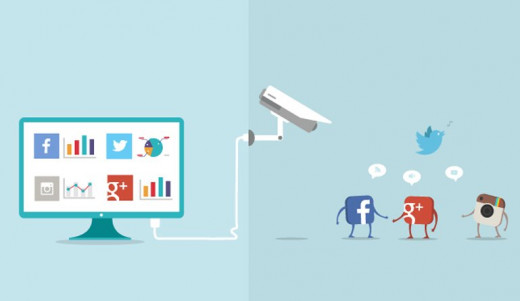
Social Media Monitoring vs. Social Media Listening
Are you keeping an eye on social media for your business? Well, it's not just about scrolling through the latest memes or checking out what your friends had for lunch. Social media has become a powerful tool for businesses to connect with their audience and build brand reputation. But how do you make sense of all the noise in the digital world? That's where social media monitoring and social media listening come into play!
In this blog post, we'll dive deep into these two strategies, uncovering their differences, pros and cons, and ultimately helping you determine which one is right for your business. So buckle up and get ready to navigate the vast ocean of social media like a pro!
What is Social Media Monitoring?
In the fast-paced world of social media, monitoring your brand's online presence is crucial. Social media monitoring involves keeping a close eye on various social platforms to track mentions, conversations, and trends related to your business. It helps you stay updated on what people are saying about your brand, products, or services.
With social media monitoring tools, you can gather valuable data and insights about customer sentiment, engagement levels, reach of your posts, and even competitor analysis. This information allows you to assess the impact of your marketing efforts and make informed decisions for better targeting and messaging.
By actively monitoring social media channels like Facebook, Instagram, Twitter, LinkedIn etc., businesses gain a real-time understanding of how their audience perceives them. Whether it's addressing customer complaints promptly or leveraging positive feedback for testimonials - social media monitoring empowers brands to respond effectively in a timely manner.
So don't miss out on any opportunities! Dive into the world of social media monitoring and unlock powerful insights that will help elevate your brand's online presence.
What is Social Media Listening?
Social media listening refers to the practice of monitoring and analyzing online conversations, discussions, and mentions related to a particular brand, topic, or industry. It involves tracking social media platforms such as Facebook, Twitter, Instagram, and LinkedIn for relevant keywords or hashtags.
Through social media listening, businesses can gain valuable insights into customer sentiments, preferences, trends, and opinions. It goes beyond simply monitoring brand mentions; it focuses on understanding the context and sentiment behind those mentions.
By actively listening to what customers are saying about their brand or industry on social media channels, businesses can identify areas for improvement in their products or services. They can also uncover new opportunities for innovation or marketing campaigns based on consumer needs and desires.
In addition to identifying potential issues or opportunities through social media listening tools like sentiment analysis and keyword tracking filters help brands stay informed about public perception in real-time. This allows them to respond promptly to customer feedback – both positive and negative – which can enhance customer satisfaction and loyalty.
Overall, social media listening is an essential component of any effective digital marketing strategy. By actively engaging with customers' thoughts and opinions expressed on various social platforms, businesses can better understand their target audience's needs and adapt their strategies accordingly. It enables companies not only reach out but also connect with users at a more personal level-building trust, establishing relationships, and ultimately driving business growth.
So if you're looking to optimize your online presence- don't underestimate the power of social media listening!
The Difference Between Social Media Monitoring and Social Media Listening
Social media monitoring involves tracking mentions, comments, and engagements on various social platforms. It focuses on gathering quantitative data such as the number of likes, shares, or impressions a post receives. This information helps businesses assess their brand reputation, track competitors' activities, and measure campaign performance.
On the other hand, social media listening goes beyond just numbers. It involves analyzing qualitative data to understand customer sentiments, preferences, trends, and pain points. By paying attention to conversations surrounding your brand or industry keywords across different channels like blogs or forums - you gain valuable insights into what people are saying about your business.
While social media monitoring provides you with tangible metrics and real-time updates on engagement levels - it lacks depth when it comes to understanding consumer opinions at a deeper level. Social media listening allows you to tap into the emotional side of your audience by identifying patterns in sentiment analysis or uncovering emerging trends that might impact your business.
Pros and Cons of Social Media Monitoring and Social Media Listening
When it comes to social media monitoring and social media listening, there are both pros and cons to consider. Let's take a closer look at each.
Social media monitoring allows you to track mentions of your brand, products, or services in real-time. This can be incredibly valuable for managing your online reputation, quickly addressing customer complaints or issues, and identifying trends or patterns in consumer behavior. With monitoring tools, you can stay on top of what people are saying about your business across various social platforms.
However, one downside of social media monitoring is that it tends to focus on the quantitative aspect – the numbers of mentions, likes, shares - rather than delving into the qualitative insights behind those metrics. It may give you a snapshot view but doesn't provide deep understanding or context.
On the other hand, social media listening goes beyond just tracking keywords or hashtags. It involves actively seeking out conversations related to your industry or target audience and gaining meaningful insights from them. By analyzing sentiment analysis and customer feedback through listening tools, businesses can gain a better understanding of their customers' needs and preferences.
Yet, one drawback with social media listening is that it requires more time and effort compared to monitoring alone. Actively engaging in conversations means dedicating resources towards interpreting data accurately as well as responding promptly when necessary.
In summary, both approaches have their advantages and limitations when it comes to harnessing the power of social media for business purposes. The right choice depends on your specific goals - whether you need immediate responses through active monitoring or deeper insights gained from attentive listening!
Which One Should You Use?
When it comes to choosing between social media monitoring and social media listening, there isn't a one-size-fits-all answer. It really depends on your specific goals and objectives.
Social media monitoring is great when you want to keep track of what people are saying about your brand or industry in real-time. It allows you to monitor mentions, hashtags, and keywords related to your business. This can be helpful for measuring the impact of your marketing campaigns, identifying customer service issues, or staying updated on industry trends.
On the other hand, social media listening goes beyond just tracking mentions. It involves analyzing conversations and understanding the underlying sentiment behind them. By actively listening to what people are saying about your brand or industry, you can gain valuable insights into customer preferences, pain points, and emerging trends. This information can then be used to inform product development strategies, improve customer experience, or even identify new market opportunities.
Both social media monitoring and social media listening have their advantages. Monitoring is more focused on immediate feedback and engagement with customers directly talking about your brand. Listening provides a broader perspective by tapping into the wider online conversation around your industry.
So instead of thinking in terms of either/or options, consider using a combination of both approaches based on your specific needs at any given time. By incorporating elements from both social media monitoring and social media listening into your strategy, you'll be able to harness the power of real-time data while also gaining deeper consumer insights for long-term success in today's digital landscape.
In conclusion, in today's digital landscape, where social media plays a vital role in shaping brand perception and customer engagement, both social media monitoring and social media listening are valuable tools for businesses. While they may sound similar, these approaches have distinct differences that can greatly impact your marketing strategy.
Social media monitoring focuses on tracking and analyzing mentions, interactions, and sentiment around your brand or keywords. It provides real-time data that allows you to respond promptly to customer queries or complaints. This method is more transactional in nature as it seeks to track specific metrics and measure the effectiveness of campaigns.
On the other hand, social media listening takes a broader approach by not only capturing conversations about your brand but also understanding the underlying context behind them. It involves analyzing trends, identifying influencers, and gaining insights into consumer preferences. Social media listening helps you gain a deeper understanding of your audience's needs and desires so that you can develop targeted strategies accordingly.
Both methods have their pros and cons. Social media monitoring offers immediate feedback on campaign performance while allowing for quick response times to address customer concerns effectively. However, it may miss out on valuable insights from non-direct interactions or fail to grasp the bigger picture of consumer sentiment.
Social media listening provides a holistic view of your brand reputation by uncovering emerging trends or potential issues before they become full-blown crises. Its ability to capture indirect mentions across various platforms enables better decision-making based on comprehensive market intelligence. However, it requires more resources in terms of time investment due to its analytical nature.
So which one should you use? The answer depends on your unique business goals and priorities. If you're primarily focused on measuring campaign success rates or providing timely customer support, then social media monitoring might be the right choice for you. But if gaining deep insights into consumer behavior patterns or staying ahead of industry trends is crucial for driving long-term growth opportunities, then incorporating social media listening as part of your strategy becomes imperative.
A combination of both approaches can yield the best results. By leveraging the power.
How Technology is Revolutionizing Modern-Day Innovations?
How Technology is Revolutionizing Modern-Day Innovations?
Welcome to the age of innovation, where cutting-edge technology is revolutionizing every aspect of our lives. From the workplace to education, healthcare to retail, advancements in technology have transformed the way we live, work, and interact with the world around us.
In this blog post, we will explore how technology is driving these modern-day innovations and shaping a future that was once only imaginable in science fiction novels. So fasten your seatbelts and get ready for a thrilling ride into the world of technological wonders!
Technology in the Workplace
The modern workplace has undergone a massive transformation thanks to advancements in technology. From communication tools to project management software, technology has revolutionized the way we work.
One of the most significant changes brought about by technology is improved collaboration and communication. With tools like video conferencing, instant messaging apps, and project management platforms, teams can easily connect and collaborate regardless of their physical location. This has allowed for greater flexibility and remote work opportunities.
Automation is another area where technology has made a huge impact on the workplace. Repetitive tasks that used to take up valuable time can now be automated through various software solutions. This not only increases efficiency but also frees up employees' time to focus on more critical and creative tasks.
Data analytics is yet another game-changer in the modern workplace. With the help of advanced data analysis tools, companies can gather insights into customer behavior, market trends, and internal processes. These insights enable businesses to make informed decisions that drive growth and improve overall performance.
Moreover, cloud computing has transformed how businesses store and access data. Instead of relying on bulky physical servers, companies are now able to securely store their information on remote servers accessible from anywhere with an internet connection. This allows for easy collaboration among team members who may be located across different locations or even countries.
In addition to these advancements, technology has also revolutionized employee training programs through e-learning platforms and virtual reality simulations. Employees can learn at their own pace using interactive modules tailored to their specific needs.
Technology continues to shape the workplace for the better by enhancing communication, streamlining processes through automation, providing valuable data insights,and improving learning opportunities for employees
Technology in Education
The integration of technology has revolutionized the way education is delivered and received. From online learning platforms to digital textbooks, technology has enabled students to access educational resources anytime, anywhere.
One major benefit of incorporating technology into education is the personalized learning experience it offers. With adaptive learning software and intelligent tutoring systems, students can learn at their own pace and receive targeted feedback to enhance their understanding. This individualized approach ensures that no student gets left behind.
Furthermore, technology has expanded educational opportunities beyond traditional classrooms. Virtual reality (VR) and augmented reality (AR) have transformed the way subjects like history or science are taught by providing immersive experiences that engage students on a whole new level.
Collaborative tools such as video conferencing and cloud-based platforms have also facilitated communication between teachers, students, and parents. These tools enable real-time collaboration on projects, making distance education more interactive while fostering teamwork skills.
Moreover, advancements in artificial intelligence (AI) have led to the development of intelligent chatbots and virtual assistants that provide instant support to learners when they encounter difficulties or need clarification on concepts.
Technology in Healthcare
In today's rapidly evolving world, technology has become an indispensable part of our lives. And the healthcare industry is no exception to this digital revolution. With advancements in technology, healthcare professionals now have access to innovative tools and solutions that are transforming the way they deliver care.
One significant advancement is electronic health records (EHRs). Gone are the days of paper-based patient files, as EHRs provide a comprehensive and easily accessible record of a patient's medical history. This not only improves efficiency but also enhances collaboration among healthcare providers.
Another area where technology is making waves is telemedicine. Through video consultations and remote monitoring devices, patients can now receive quality care from the comfort of their homes. This not only saves time but also reduces costs associated with unnecessary hospital visits.
Furthermore, wearable devices such as fitness trackers and smartwatches are empowering individuals to take control of their own health. These devices monitor vital signs, track physical activity levels, and even remind users to take medications on time.
Artificial intelligence (AI) is yet another game-changer in healthcare. AI-powered systems can analyze large amounts of data to identify patterns and predict potential health issues more accurately than ever before. This enables early detection and intervention for conditions ranging from cancer to heart disease.
In addition, robotic surgical systems have revolutionized surgical procedures by offering precision-guided assistance to surgeons during complex operations. These systems minimize invasiveness while maximizing accuracy – leading to improved outcomes for patients.
It's clear that technology has opened up new possibilities within the realm of healthcare. From electronic health records to telemedicine, wearables to AI-powered diagnostics – these innovations are enhancing patient care delivery at every step of the way.
Technology in Retail
In today's digital world, technology is transforming every aspect of our lives, and the retail industry is no exception. With the rise of e-commerce giants like Amazon and Alibaba, traditional brick-and-mortar retailers are forced to adapt and embrace new technologies to stay competitive.
One major innovation in retail is the use of artificial intelligence (AI) and machine learning algorithms. These powerful tools enable retailers to analyze vast amounts of data about consumer behavior, allowing them to personalize customer experiences and make more informed decisions. From targeted advertisements to personalized product recommendations, AI has revolutionized how retailers interact with their customers.
Another exciting development in retail technology is the implementation of augmented reality (AR) and virtual reality (VR). By using AR or VR headsets, customers can now virtually try on clothes or visualize furniture placements before making a purchase. This immersive experience not only enhances customer satisfaction but also reduces return rates by ensuring that shoppers make confident buying decisions.
Furthermore, mobile payment solutions have transformed the way we shop. With options like Apple Pay and Google Wallet, consumers can now make purchases with just a tap on their smartphones. This convenience eliminates the need for physical wallets or cards while providing enhanced security measures such as biometric authentication.
Additionally, advancements in inventory management systems have enabled retailers to streamline supply chain operations efficiently. Real-time tracking allows for better stock management while minimizing out-of-stock situations. Furthermore, automated reordering ensures that products are always available when needed without excessive manual intervention.
Social media platforms play an integral role in modern-day retail marketing strategies. Retailers utilize various social media channels to connect directly with consumers through engaging content campaigns and influencer collaborations. Social media provides an excellent platform for brands to build relationships with their target audience while fostering brand loyalty.
In conclusion, in this fast-paced digital era, technology has undeniably revolutionized modern-day innovations across various industries. From the workplace to education, healthcare, and retail, advancements in technology have brought about countless benefits and opportunities.
In the workplace, technology has streamlined productivity and efficiency. With tools like project management software, communication platforms, and cloud storage solutions, teams can collaborate seamlessly regardless of their physical locations. Remote work has become more feasible than ever before thanks to video conferencing tools that enable face-to-face interactions from anywhere in the world. Automation technologies have also taken over repetitive tasks, freeing up time for employees to focus on more complex and creative endeavors.
Education has witnessed a significant transformation through technology as well. Traditional classroom settings have expanded to include virtual classrooms where students can access lectures online at their convenience. E-learning platforms offer interactive learning experiences with multimedia content and personalized feedback systems. Furthermore, artificial intelligence-powered chatbots are changing the way students seek information by providing instant responses to queries.
The healthcare industry has benefited greatly from technological advancements too. Electronic health records make patient data accessible across different care providers while ensuring privacy and security measures are in place. Telemedicine services allow patients to consult with doctors remotely without having to travel long distances or wait for appointments. Medical imaging technologies such as MRI scanners provide accurate diagnoses quickly while minimizing invasive procedures.
Retail is another sector that has been transformed by technology-driven innovations. Online shopping platforms allow consumers to browse through a vast array of products from the comfort of their homes and make purchases with just a few clicks or taps on their devices. Artificial intelligence algorithms track consumer behavior patterns and preferences to offer personalized recommendations that enhance customer satisfaction.
As we move forward into an increasingly technologically advanced future, it is essential for businesses across all industries to embrace innovation continually. By leveraging the power of technology effectively, organizations can stay competitive while delivering improved products/services tailored specifically for evolving consumer demands.
Technology continues its rapid evolution, and it is exciting to think about the possibilities that lie ahead.
How to Stand Out in a Saturated Market

How to Stand Out in a Saturated Market
Welcome to the wild world of business, where competition is fierce and markets are saturated. In today's fast-paced digital age, standing out from the crowd has become more challenging than ever before. But fear not! With a strategic approach and a dash of creativity, you can carve your own space in even the most crowded industries. So get ready to unlock the secrets of success as we delve into how to stand out in a saturated market. Whether you're a budding entrepreneur or an established business owner looking for new ways to shine, this blog post will provide you with valuable insights and actionable tips that will set you apart from your competitors. Let's dive in!
1. Define Your Niche
Every successful business starts with a clear understanding of its niche. Defining your niche is like putting on a pair of custom-made shoes – it fits you perfectly and sets you apart from the rest. To define your niche, start by identifying your target audience. Who are they? What are their needs, desires, and pain points? Conduct thorough market research to gain insights into what makes them tick.
Once you have identified your target audience, narrow down your focus even further. Don't try to be everything to everyone – instead, aim to serve a specific group of people exceptionally well. This narrowing will help you establish yourself as an expert in that particular area.
Next, evaluate the competition within your chosen niche. What unique value can you offer that others don't? Perhaps it's superior customer service, innovative product features, or specialized knowledge. Whatever it may be, find that special something that sets you apart from the sea of competitors.
Remember, finding your niche doesn't mean limiting yourself; rather, it allows you to differentiate yourself effectively in a crowded market. By defining your niche and understanding what makes you unique within it, you position yourself for success and attract customers who resonate with what you have to offer.
2. Do Your Research
When it comes to standing out in a saturated market, doing your research is key. This step is often overlooked, but it can make a world of difference in helping you find your unique position and target audience.
Start by analyzing the current state of the market. Who are your competitors? What products or services are they offering? How do they differentiate themselves? Look for gaps and opportunities that you can capitalize on.
Next, dive deep into understanding your target audience. Who are they? What are their pain points and needs? How can your product or service address those needs better than anyone else?
Conduct surveys, interviews, and focus groups to gather valuable insights directly from potential customers. Use social media listening tools to monitor conversations related to your industry and identify trends.
Additionally, keep an eye on emerging technologies or advancements that could impact your market. Stay up-to-date with industry news and attend relevant conferences or events to stay ahead of the curve.
By conducting thorough research, you'll be equipped with knowledge that will guide all aspects of your business strategy - from product development to marketing campaigns. It's an essential step towards finding success in a crowded marketplace.
3. Find Your Unique Selling Proposition (USP)
In a saturated market, it's crucial to find your unique selling proposition (USP) that sets you apart from your competitors. Your USP is what makes your brand different and appealing to potential customers. It's the reason why they should choose you over others in the market.
To discover your USP, start by understanding your target audience and their needs. What problem are they trying to solve? How can your product or service provide a solution that is better than what others offer?
Next, evaluate your competition. Identify their strengths and weaknesses, and find ways to differentiate yourself based on those insights. Perhaps there is an area where they fall short, and you can excel.
Consider highlighting the features or benefits of your product or service that no one else offers. This could be a unique feature, exceptional quality, superior customer service, or even a specific niche focus.
Another approach is to tap into emotions and create an emotional connection with potential customers. Show them how choosing you will make them feel special or solve their pain points like no one else can.
Remember that finding your USP isn't just about being different; it's about providing something valuable and relevant in the eyes of consumers. Once you've identified it, make sure all aspects of your marketing strategy reflect this uniqueness consistently.
By finding and leveraging your USP effectively in a saturated market, you'll have a greater chance of standing out from the crowd and attracting loyal customers who appreciate what makes you special.
4. Create a Marketing Plan
Once you have defined your niche and done thorough research, it's time to create a solid marketing plan. This is where you will outline the strategies and tactics you will use to stand out in the saturated market.
Start by identifying your target audience. Who are they? What are their needs and pain points? Understanding your audience is crucial for crafting effective marketing messages that resonate with them.
Next, consider the channels and platforms that will best reach your target audience. Will social media be most effective? Or would email marketing or content creation work better for reaching them?
Set specific goals for your marketing efforts. Whether it's increasing brand awareness, generating leads, or driving sales, setting clear objectives will help guide your strategy.
Outline the steps you'll take to achieve these goals. Will you run targeted ad campaigns on social media? Develop valuable content that positions you as an expert in your niche? Collaborate with influencers or industry partners to expand your reach?
Allocate a budget for each tactic and channel in order to make sure resources are being used effectively.
Remember to monitor the performance of each tactic regularly and adjust as needed based on data-driven insights.
A well-crafted marketing plan provides structure and direction for all of your promotional activities. By consistently implementing this plan while staying adaptable, you can carve out a unique position in even the most saturated markets.
5. Execute Your Plan
Now that you have defined your niche, done thorough research, and found your unique selling proposition (USP), it's time to put your marketing plan into action. Execution is where the real work begins.
Start by implementing all the strategies outlined in your marketing plan. This may include creating compelling content for your website or blog, running targeted ads on social media platforms, reaching out to influencers in your industry, or hosting webinars or workshops. The key here is consistency and persistence.
Don't be afraid to experiment with different tactics and channels to see what works best for you. Keep track of the results and make adjustments as necessary. Remember that success rarely happens overnight, so stay committed and patient.
In addition to executing your marketing plan, it's crucial to monitor its progress regularly. Use analytics tools to track website traffic, engagement metrics, lead conversions, and sales data. This will help you identify areas of improvement and determine which strategies are yielding the best results.
As you execute your plan, don't forget about building strong relationships with your target audience. Engage with them through social media interactions, respond promptly to inquiries or comments on your website/blog posts/videos/podcasts etc., provide valuable resources or exclusive offers they can benefit from.
By consistently executing a well-defined marketing plan while monitoring its effectiveness along the way, you can position yourself as an authority in a saturated market while standing out from competitors who may not have such a strategic approach.
Remember: execution is everything! So get started today and watch as you start making waves in even the most crowded marketplaces!
6. Monitor and Adjust
Monitoring and adjusting your marketing strategy is crucial in a saturated market. It allows you to stay on top of changing trends, consumer preferences, and competitor activities. Here are some key steps to effectively monitor and adjust your approach:
- Track your metrics: Regularly analyze data such as website traffic, conversion rates, social media engagement, and customer feedback. This will help you identify which strategies are working well and which ones need adjustment.
- Stay updated with industry trends: Keep an eye on what's happening in your niche by following industry blogs, news sites, forums, and attending relevant conferences or webinars. This will give you insights into emerging opportunities or potential threats that may require adjustments to your marketing plan.
- Monitor competitors: Study how your competitors are positioning themselves in the market and what tactics they're using to attract customers. By understanding their strengths and weaknesses, you can make informed decisions about where to differentiate yourself or improve upon their strategies.
- Seek customer feedback: Actively listen to what your customers are saying through surveys, reviews, social media comments, or direct interactions. Their input can provide valuable insights into areas where you may need to adjust messaging or offer additional features/services.
- Test new ideas: Don't be afraid to experiment with different approaches based on the information gathered from monitoring efforts. A/B testing campaigns or launching pilot projects can help determine which adjustments yield the best results.
Remember that monitoring and adjusting should be an ongoing process rather than a one-time task. Continuously evaluate the impact of any changes made while striving for improvement based on real-time data analysis.
Advancements In Digital Wallets For Safe Online Transactions

Advancements In Digital Wallets For Safe Online Transactions
Welcome to the era of digital wallets, where convenience and security come together to revolutionize online transactions! Gone are the days of rummaging through your physical wallet or anxiously typing in credit card numbers. With advancements in technology, digital wallets have emerged as a game-changer in the world of e-commerce. Whether you're shopping online, paying bills, or sending money to friends and family, these virtual pockets offer a safe and seamless way to manage your finances with just a few taps on your smartphone.
In this blog post, we'll explore what exactly digital wallets are, how they work their magic behind the scenes, different types available in the market today, their numerous benefits for users like you and me, as well as some top contenders that you can trust for hassle-free online transactions. So grab your virtual keychain and let's dive into this exciting new realm of financial innovation!
What is a Digital Wallet?
What exactly is a digital wallet, you ask? Think of it as your virtual money holder, accessible through your smartphone or computer. Just like a physical wallet stores your cash and cards, a digital wallet securely holds your payment information and allows you to make online transactions with ease.
But here's the beauty of it: unlike its tangible counterpart, a digital wallet eliminates the need for carrying around multiple cards or worrying about misplacing them. It acts as an encrypted vault that safely stores your credit card details, debit card information, bank account numbers, and even loyalty program memberships.
So how does this virtual magic work? When you make an online purchase using a digital wallet, instead of manually entering all those lengthy card details each time (phew!), the transaction process becomes streamlined. Your stored payment information is automatically retrieved by the digital wallet platform and shared securely with the merchant. This not only saves time but also reduces the risk of exposing sensitive financial data during online transactions.
Digital wallets come in various forms - some are linked directly to specific financial institutions while others operate independently. They can be categorized into three main types: mobile wallets (used on smartphones), web-based wallets (accessed via browsers), and hardware wallets (physical devices that connect to computers).
With endless possibilities at our fingertips today, utilizing a digital wallet offers numerous benefits beyond convenience. It provides heightened security against unauthorized access since most platforms use advanced encryption techniques to protect user data. Additionally, many digital wallets offer features such as transaction history tracking and budgeting tools that help users stay on top of their spending habits.
Intrigued yet? Stay tuned as we delve deeper into this innovative realm where technology meets finance!
How do Digital Wallet Work?
Digital wallets have become increasingly popular in recent years, revolutionizing the way we make online transactions. But how exactly do they work? Let's delve into the fascinating world of digital wallets.
At its core, a digital wallet is a software application that securely stores your payment information for convenient and quick online payments. Think of it as an electronic version of your physical wallet, but with added security measures.
When you set up a digital wallet, you typically link it to your bank account or credit card. This allows you to add funds to your wallet or make purchases directly from those accounts without having to enter your payment details each time.
To initiate a transaction using a digital wallet, you simply select the option at the checkout page and authorize the payment through various methods such as entering a PIN code or using biometric authentication like fingerprint recognition.
The beauty of digital wallets lies in their versatility. They can be used not only for online shopping but also for peer-to-peer payments and even contactless payments via smartphones or wearable devices at physical retail locations.
Security is paramount when it comes to digital wallets. Most reputable providers employ advanced encryption techniques and multi-factor authentication protocols to keep your personal information safe from hackers and fraudsters.
While there are numerous types of digital wallets available today - including mobile-based wallets like Apple Pay and Google Pay, as well as web-based ones like PayPal - they all aim to streamline our financial transactions by providing convenience, speed, and enhanced security measures.
In conclusion (not concluding): Digital wallets offer great convenience by securely storing our payment information for seamless online transactions. Whether you prefer mobile-based or web-based options, these innovative tools continue to evolve alongside advancements in technology. So next time you shop online or pay someone digitally, consider utilizing one of these remarkable applications for an effortless experience!
The Different Types of Digital Wallets
Digital wallets come in various types, each offering unique features and functionalities. One popular type is the mobile wallet, which allows users to store their payment information on their smartphones. With just a few taps on the screen, users can make secure and convenient online transactions.
Another type of digital wallet is the web-based wallet. This type of wallet is accessed through a web browser and does not require any additional software installation. Users can simply log in to their accounts from any device with internet access and manage their funds effortlessly.
For those who prefer more security, hardware wallets are an excellent choice. These physical devices store private keys offline, making it nearly impossible for hackers to gain unauthorized access to your funds. Hardware wallets provide an extra layer of protection that gives peace of mind.
There are also software wallets available for both desktop and mobile devices. These wallets offer a user-friendly interface and allow users to send and receive cryptocurrencies easily.
No matter which type you choose, digital wallets have revolutionized online transactions by providing convenience, speed, and enhanced security measures. With the rise of e-commerce platforms and the increasing number of online transactions worldwide, having a digital wallet has become essential for individuals looking for safe ways to shop or transfer money digitally.
Digital wallets come in various types such as mobile wallets, web-based wallets, hardware wallets, and software wallets. Each type offers different features but shares the common goal of enabling safe online transactions.
The Benefits of Using a Digital Wallet
Digital wallets have become increasingly popular in recent years, and it's not hard to see why. There are numerous benefits to using a digital wallet for online transactions.
Convenience is a major advantage of digital wallets. Gone are the days of fumbling through your purse or wallet to find the right card or cash – with a digital wallet, all you need is your smartphone. This makes paying for goods and services quick and easy, saving you time and hassle.
Digital wallets offer enhanced security compared to traditional payment methods. When making a purchase with a digital wallet, your personal information is encrypted and securely stored. This reduces the risk of fraud or identity theft as sensitive data is not exposed during transactions.
Another benefit of using a digital wallet is that it allows for seamless integration with various apps and platforms. Many retailers now accept payments from popular digital wallets such as Apple Pay or Google Pay, making online shopping even more convenient.
In addition to these advantages, using a digital wallet can also help you keep track of your spending habits. Most digital wallets provide transaction history and expense tracking features, allowing you to monitor where your money goes easily.
Utilizing a digital wallet brings convenience, enhanced security measures,and better financial management capabilities when conducting online transactions
The Best Digital Wallets for Online Transactions
When it comes to conducting online transactions, having a reliable and secure digital wallet is essential. With so many options available, it can be overwhelming to find the best one for your needs. Here are some of the top digital wallets that offer convenience, security, and user-friendly features.
One popular choice is PayPal. Known for its widespread acceptance and seamless integration with various e-commerce platforms, PayPal allows users to store their payment information securely and make online purchases with just a few clicks.
Another great option is Google Pay. This digital wallet not only allows you to make payments using your stored credit or debit cards but also offers added convenience through its ability to store loyalty cards and gift cards digitally.
For those who prefer a more decentralized approach, cryptocurrency wallets like Coinbase provide a safe place to store your Bitcoin or other cryptocurrencies while allowing easy access for making transactions when needed.
Apple Pay is another leading player in the digital wallet space. Designed specifically for Apple devices, this mobile payment service enables users to make contactless payments both in-store and online using their iPhone or Apple Watch.
Amazon Pay provides a streamlined checkout experience by allowing users to pay directly from their existing Amazon accounts on participating websites. It offers fast checkouts with enhanced security measures such as two-step verification.
Remember that choosing the best digital wallet depends on your specific needs and preferences. Consider factors such as ease of use, compatibility with your devices or preferred merchants, as well as security features before making your decision.
How to Keep Your Digital Wallet Safe
When it comes to keeping your digital wallet safe, there are a few key steps you can take to ensure the security of your online transactions. First and foremost, it is important to choose a reputable digital wallet provider that has robust security measures in place. Look for features such as two-factor authentication and encryption protocols.
Another important aspect of safeguarding your digital wallet is setting strong passwords. Avoid using easily guessable information such as birthdays or simple combinations like "123456". Instead, opt for complex passwords that include a mix of letters, numbers, and symbols.
Regularly updating your software is also crucial in maintaining the safety of your digital wallet. Software updates often contain patches for any vulnerabilities that may have been discovered since the last update.
Phishing scams are another common threat to digital wallets. Be cautious of emails or messages asking for personal information or login details. Always verify the source before providing any sensitive data.
Regularly monitoring your transactions and account activity can help identify any suspicious behavior early on. If you notice anything out of the ordinary, report it immediately to your digital wallet provider.
By following these best practices, you can significantly reduce the risk of unauthorized access and ensure the safety of your digital wallet transactions.
Web Design Best Practices To Impress Your Visitors
Web Design Best Practices To Impress Your Visitors
Welcome to the digital age, where first impressions are made in a matter of seconds. With countless websites vying for attention, how can you ensure that your website stands out from the crowd and captivates your visitors? The answer lies in effective web design practices.
In this blog post, we will explore the art of creating a lasting impression through impeccable website design. From the do's and don'ts to practical tips, get ready to impress your visitors and leave them wanting more. So grab a cup of coffee, sit back, and let's dive into the world of web design best practices!
The Importance of First Impressions
You know what they say - you only get one chance to make a first impression. And when it comes to your website, that statement couldn't be more true. In the vast sea of cyberspace, your website has mere seconds to captivate and engage visitors before they move on to the next shiny thing that catches their eye.
Think about it - when you stumble upon a new website, what's the first thing that grabs your attention? Is it the sleek design? The striking visuals? Or perhaps it's the intuitive navigation that effortlessly guides you through the site?
Whatever it may be, these initial impressions are crucial in determining whether or not a visitor will stick around and explore further. It's like meeting someone for the first time - if they don't leave an impression within those few fleeting moments, chances are we'll forget about them just as quickly.
But why exactly is this so important? Well, studies have shown that users form opinions about websites within milliseconds of landing on them. That means you have an incredibly narrow window of opportunity to capture their interest and convince them that your website is worth their time.
Not only do first impressions set the tone for how visitors perceive your brand or business, but they also play a pivotal role in establishing trust and credibility. A well-designed website reflects professionalism and attention to detail – qualities that can greatly influence a visitor’s decision-making process.
So ask yourself: What kind of impression does my current website give off? Does it instill confidence and entice visitors to stay awhile? Or does it leave them feeling underwhelmed and eager to click away?
In our fast-paced digital world where attention spans are shorter than ever, creating a positive first impression with your web design is absolutely essential. With so much competition out there clamoring for attention, don't let potential visitors slip through your fingers because of lackluster design choices.
Now let's explore some effective strategies for making sure that your website leaves a lasting impression on every visitor who comes its way.
Creating a Lasting Impression
When it comes to web design, creating a lasting impression is crucial. You want your visitors to not only stay on your site but also come back for more. But how can you achieve this? Here are some tips to help you create that long-lasting impact.
First and foremost, focus on the overall aesthetics of your website. A clean and visually appealing design will catch the visitor's attention immediately. Use high-quality images, choose a color scheme that aligns with your brand, and ensure that the typography is easy to read.
Next, make sure that your website is user-friendly. Navigation should be intuitive and straightforward so that users can easily find what they're looking for. Remember, if visitors have trouble finding information or navigating through your site, they won't hesitate to leave.
In addition to being user-friendly, optimize your website for speed. Slow loading times can frustrate visitors and discourage them from exploring further. Compress images, minimize code files, and use caching techniques to improve page load times.
Another way to create a lasting impression is by incorporating interactive elements into your design. This could include sliders or carousels showcasing featured content or products, engaging animations or videos that tell a story about your brand.
Lastly - don't forget about mobile responsiveness! With the majority of internet users browsing on their phones or tablets nowadays; it's essential to ensure that your website looks great across all devices.
By implementing these best practices in web design; you'll be well on your way towards impressing visitors and keeping them coming back for more exciting experiences on your site! So take these tips into consideration when designing or redesigning yours.
The Do’s and Don’ts of Web Design
When it comes to web design, there are certain do’s and don’ts that can make or break the user experience. Let’s start with the do’s.
Do prioritize a clean and intuitive layout. Users should be able to easily navigate your website without feeling overwhelmed. Clear navigation menus and well-organized content are key.
Do optimize your site for mobile devices. With more people accessing the internet on their smartphones and tablets, it's crucial that your website is responsive and mobile-friendly.
Next, do pay attention to page load times. Slow-loading websites frustrate users and they're more likely to leave before even seeing what you have to offer. Optimize images, minify code, and use caching techniques to improve speed.
Now let's move on to the don'ts of web design:
Don't overload your website with excessive ads or pop-ups. Not only will this distract users from your content but it can also slow down page load times.
Don't go overboard with flashy animations or fancy fonts. While they may seem cool at first glance, they can actually hinder readability and distract users from important information.
Avoid using complicated forms that require too much personal information from visitors. Keep them simple and concise for a smoother user experience.
By following these do’s and avoiding these don’ts in web design 2022
Design Tips to Impress Your Visitors
- Keep it Simple: When it comes to web design, simplicity is key. Avoid cluttering your website with too many graphics or text. Stick to a clean and minimalist layout that allows for easy navigation.
- Use High-Quality Images: Visuals play a crucial role in capturing your visitors' attention. Invest in high-quality images that are relevant to your content and reflect the tone of your brand.
- Choose the Right Color Palette: Colors have a significant impact on how users perceive your website. Select a color palette that aligns with your brand identity and conveys the desired mood or emotion.
- Optimize for Mobile Devices: With more people accessing websites through their smartphones, it's essential to ensure your design is mobile-friendly. Test your site on different devices and screen sizes to create an optimal user experience across all platforms.
- Pay Attention to Typography: Typography can greatly enhance the readability and visual appeal of your website. Choose fonts that are easy on the eyes, legible at various sizes, and consistent throughout the site.
- Incorporate White Space: Don't be afraid of white space! It helps reduce visual noise and gives elements room to breathe, improving overall clarity and focus.
- Add Clear Call-to-Action Buttons : Encourage visitor engagement by incorporating clear call-to-action buttons strategically placed throughout your website's pages - whether it's signing up for a newsletter, making a purchase, or contacting you directly.
- Prioritize Page Loading Speed: Slow-loading websites frustrate visitors and lead them to abandon ship quickly! Optimize image sizes, minimize code bloat , use caching techniques ,and choose reliable hosting providers
By implementing these design tips intoyourweb presence ,you will be sureto impressyourvisitorsfromthe moment they arriveonyourwebsite.
Enhancingtheuserexperienceandcreatingan engagingvisualpresentationwill help drive conversions,and ultimately, contribute to the success of your online business.
In conclusion, in today's digital age, where attention spans are short and competition is fierce, it is crucial for businesses to create a website that impresses visitors from the moment they land on the page. A well-designed website not only captures attention but also keeps users engaged and encourages them to explore further.
To make a lasting impression, it is important to focus on several key aspects of web design. First impressions matter, so ensure that your website has an appealing visual design that reflects your brand identity and resonates with your target audience. Pay attention to colors, fonts, images, and overall layout to create a cohesive and visually pleasing experience.
Additionally, usability plays a significant role in user satisfaction. Make sure your website is easy to navigate with clear menus and intuitive navigation elements. Avoid cluttering the page with excessive information or overwhelming visuals - simplicity often leads to better user experiences.
Responsive design is another essential factor in web design best practices. With mobile usage continuing to rise, it is imperative that your website looks great across all devices – from desktops to smartphones and tablets. A responsive design ensures seamless functionality and optimal viewing experience regardless of screen size.
Loading speed should never be underestimated either – slow-loading pages can lead visitors astray before they even get a chance to see what you have to offer. Optimize images, minify code files, leverage caching techniques, and choose reliable hosting options for faster loading times.
Lastly but certainly not least importantly; always prioritize accessibility in web design by ensuring compliance with accessibility guidelines such as WCAG 2.1 (Web Content Accessibility Guidelines). This allows people with disabilities or impairments equal access to information presented on websites.
By following these web design best practices consistently throughout your site's development process will help you create an impressive online presence that captivates visitors while delivering an exceptional user experience.
Remember: Your website acts as the face of your business in the virtual world – make sure it leaves a lasting impression!