Learn smarter with fresh insights from our tutors.
Practical study guides, course supplements, and learning resources curated to help you move faster through every subject.
A New Era for Aquaculture: Innovations Driving Sustainable Seafood Production

Innovations Driving Sustainable Seafood Production
Welcome to a new era of aquaculture, where innovative technologies and approaches are driving sustainable seafood production like never before. Aquaculture 2.0 is here, revolutionizing the way we farm fish and other marine organisms to meet the growing global demand for seafood.
In this blog post, we will explore the need for more sustainable practices in aquaculture, delve into the exciting new advancements in technology, and discuss what lies ahead in the future of this industry. So grab your diving gear as we dive into the deep blue sea of innovation!
Introducing Aquaculture 2.0
Aquaculture 2.0 marks the dawn of a new era in seafood production, challenging traditional methods and embracing cutting-edge technologies to ensure sustainability. This innovative approach recognizes the importance of protecting our oceans while meeting the ever-growing demand for seafood.
Gone are the days of overcrowded fish pens and excessive use of antibiotics. Aquaculture 2.0 emphasizes responsible farming practices that prioritize animal welfare, environmental conservation, and efficient resource management. By implementing advanced monitoring systems, farmers can closely track water quality parameters, ensuring optimal conditions for marine life.
One key aspect driving Aquaculture 2.0 is the development of recirculating aquaculture systems (RAS). These closed-loop systems recycle water within tanks by removing waste and maintaining optimal oxygen levels. Not only does this minimize pollution risks associated with traditional open-net pens but it also allows for more precise control over growth rates and feeding schedules.
Another exciting innovation is offshore aquaculture, which utilizes spacious floating structures located further out at sea. This not only reduces conflicts with coastal activities but also takes advantage of stronger currents to promote healthier fish growth without relying on additional feed or medications.
Furthermore, genetic research plays a crucial role in Aquaculture 2.0 by enhancing disease resistance traits in farmed species through selective breeding programs. By producing robust stock less susceptible to common diseases, farmers can reduce their reliance on antibiotics and chemicals while ensuring healthy yields.
Aquaculture 2.0 represents a paradigm shift towards sustainable practices that protect our fragile marine ecosystems while providing high-quality seafood for consumers worldwide.
The Need for More Sustainable Seafood Production
The global demand for seafood is on the rise, with people around the world enjoying an array of delicious dishes from the ocean. However, this growing appetite comes at a cost - unsustainable practices in traditional fishing methods are putting immense pressure on our oceans and marine ecosystems.
Overfishing, habitat destruction, pollution, and climate change are all contributing to dwindling fish populations and threatening biodiversity. It's clear that we need to find new ways to meet the demand for seafood without depleting our natural resources.
This is where sustainable aquaculture comes into play. By cultivating fish and other aquatic organisms in controlled environments such as ponds, tanks, or cages, we can ensure a more reliable supply of seafood while minimizing negative impacts on wild populations.
Sustainable aquaculture practices focus on reducing waste and pollution through improved feed formulations and efficient resource utilization. Innovative technologies like recirculating aquaculture systems (RAS) allow for better water management and minimize the release of harmful pollutants into surrounding ecosystems.
Furthermore, responsible farming practices prioritize species diversity by avoiding monocultures – raising multiple species together can help maintain balanced ecosystems. Additionally, implementing stringent monitoring measures ensures that diseases don't spread from farmed fish to wild populations.
Incorporating alternative feeds made from sustainable sources like algae or insects reduces reliance on wild-caught feedstocks such as small fish or krill – which are crucial food sources for many marine species. This move towards plant-based diets also helps alleviate pressure on land resources used for agriculture.
Collaboration between scientists, farmers, policymakers, and environmental organizations is essential in driving progress towards more sustainable seafood production. By sharing knowledge and expertise across sectors, we can develop innovative solutions that benefit both people and nature.
As consumers become increasingly aware of these issues, they have a vital role to play too. By choosing sustainably sourced seafood options, we can support companies that adher to responsible fishing or farming practicesa andcreate a demand for more sustainable seafood production.
New Technologies and Approaches in Aquaculture
The world of aquaculture is rapidly evolving, with new technologies and approaches paving the way for a more sustainable seafood production. These innovations are not only improving efficiency but also addressing environmental concerns associated with traditional fish farming methods.
One such technology gaining traction is Recirculating Aquaculture Systems (RAS). RAS allows for the efficient reuse of water by continuously filtering and treating it, which reduces water consumption and minimizes waste discharge. By controlling key parameters like temperature, oxygen levels, and waste removal, RAS creates an ideal environment for fish growth while minimizing their ecological impact.
Another exciting development is the use of alternative feeds in aquaculture. Traditionally, farmed fish have been fed diets high in wild-caught fishmeal and oil. However, this practice puts pressure on already depleted marine resources. To combat this issue, researchers are exploring plant-based feeds as well as novel protein sources like insects or microorganisms that can provide essential nutrients to farmed fish without relying on wild fisheries.
Advancements in genetics have also made significant contributions to sustainable aquaculture practices. Selective breeding programs enable farmers to develop strains of fish that exhibit desirable traits such as disease resistance or fast growth rates. This reduces the need for antibiotics or other chemicals while increasing productivity.
Furthermore, automation plays a crucial role in modernizing aquaculture operations. Robotic systems can monitor water quality parameters, feed distribution, and even harvest activities with precision and efficiency. Automation not only improves accuracy but also reduces labor costs associated with manual tasks.
Incorporating integrated multi-trophic aquaculture (IMTA) systems shows promise for enhancing sustainability within the industry. IMTA involves cultivating multiple species at different trophic levels within a single system where they interact symbiotically - nutrient-rich waste from one species becomes food for another species higher up the food chain.
The Future of Aquaculture
As we look ahead to the future of aquaculture, it's clear that innovation will continue to play a crucial role in driving sustainable seafood production. With increasing global demand for fish and declining wild fish populations, the need for more efficient and environmentally friendly methods is greater than ever.
One area where significant advancements are being made is in the use of technology. From automation systems that monitor water quality and feed distribution to underwater drones that can inspect cages and collect data, these tools are revolutionizing how aquaculture operations are managed. Not only do they improve efficiency and reduce costs, but they also minimize environmental impacts by optimizing resource usage.
Another key aspect of the future of aquaculture is the development of alternative feeds. Traditionally, farmed fish have been fed with wild-caught fishmeal and oil, which puts additional pressure on marine ecosystems. However, researchers are now exploring innovative solutions such as using insects or plant-based ingredients as substitutes. These new feeds not only have less impact on natural resources but also offer health benefits for both consumers and farmed fish.
In addition to technological advancements and alternative feeds, there is a growing focus on diversifying species farmed in aquaculture. While salmon and shrimp remain popular choices due to their high market value, efforts are underway to farm other species like seaweed, shellfish, or even freshwater finfish like tilapia or catfish. By expanding our range of cultivated species, we can reduce pressure on overexploited stocks while providing consumers with a wider variety of sustainably sourced seafood options.
Furthermore, collaboration between industry stakeholders including governments, scientists, and NGOs will be essential in shaping the future trajectory of aquaculture. Together, we can address challenges related to regulation frameworks, environmental stewardship, and consumer education. By working together towards common goals, we can ensure that aquaculture continues to evolve into an increasingly sustainable practice.
Conclusion
In today's fast-paced world, where the demand for seafood is steadily increasing, it is crucial to find innovative and sustainable solutions to meet this demand without compromising our oceans. Aquaculture 2.0 represents a new era in seafood production, harnessing cutting-edge technologies and approaches to ensure a more sustainable future.
By shifting towards more responsible aquaculture practices, such as land-based recirculating systems and offshore installations, we can reduce environmental impacts while still providing high-quality seafood products. These advancements not only address concerns about water pollution and disease transmission but also offer increased control over the production process.
Additionally, the integration of digitalization and automation into aquaculture operations allows for real-time monitoring of parameters like water quality, feeding patterns, and fish health. This data-driven approach enables farmers to optimize their processes efficiently while minimizing waste and resource consumption.
Furthermore, innovations like alternative feeds made from plant-based ingredients or insect proteins help lessen pressure on wild fish stocks by reducing reliance on traditional fish meal sources. Cultured species that have a smaller ecological footprint are being explored as well.
The future of aquaculture holds immense promise for meeting global protein demands sustainably. As technology continues to advance at an unprecedented rate, we can expect even greater breakthroughs in areas such as genetics research for disease resistance breeding programs or selective breeding techniques that enhance growth rates.
However, it is essential to acknowledge that these developments must be implemented with careful consideration of potential risks and unintended consequences. It's crucial to prioritize responsible practices that protect biodiversity and minimize negative impacts on local ecosystems.
In conclusion, Aquaculture 2.0 offers us hope for a brighter future where sustainable seafood production can coexist harmoniously with our natural environment. By embracing innovation hand-in-hand with responsible stewardship of our oceans, we can ensure abundant seafood supplies for generations to come while preserving marine ecosystems' integrity.
From Waste to Resource: Emerging Trends in Circular Economy within Agriculture
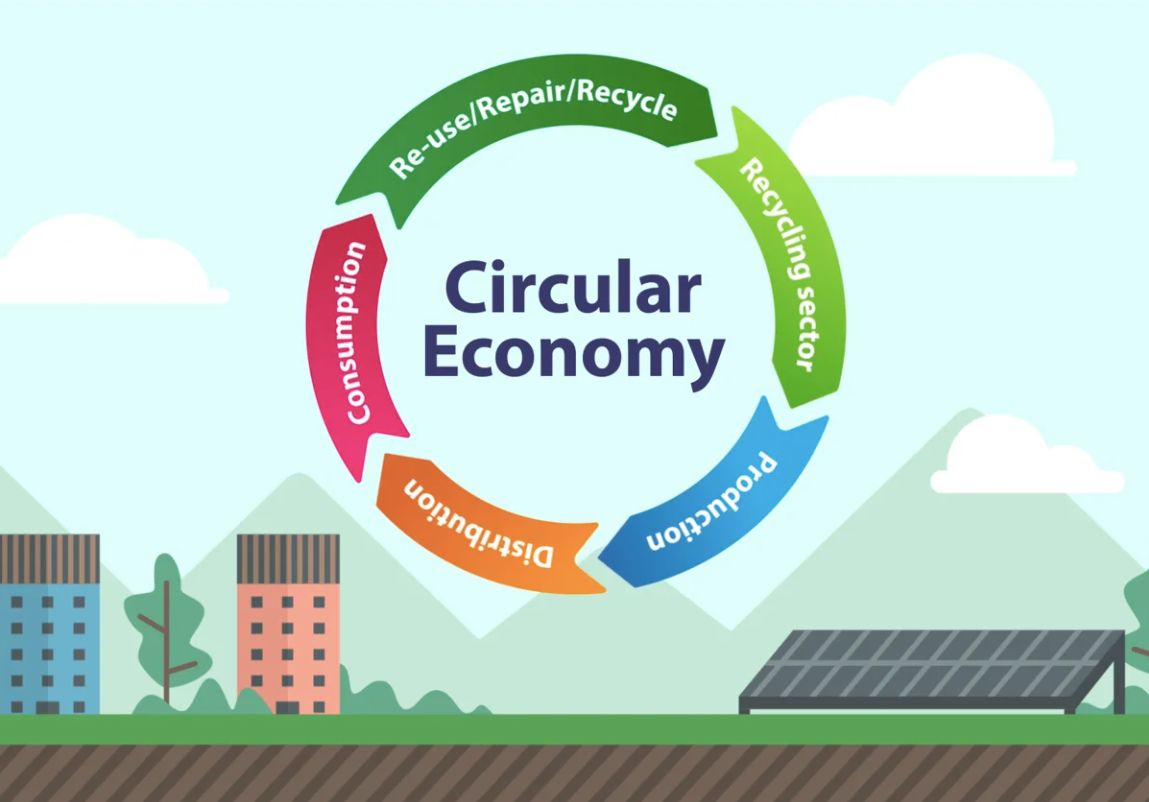
Emerging Trends in Circular Economy within Agriculture
Welcome to our blog, where we delve into the fascinating world of agriculture and explore innovative solutions that are transforming waste into valuable resources. In today's post, we will be diving into the concept of circular economy within the agricultural sector. So, grab a cup of coffee and get ready to embark on a journey that showcases how waste can be turned from burden to benefit!
The circular economy is a revolutionary approach that aims to eliminate waste by promoting reuse, recycling, and regeneration. It focuses on extracting maximum value from resources while minimizing environmental impact. This concept has gained significant traction in various industries including fashion, technology, and now even in agriculture.
Speaking of agriculture, this sector generates immense amounts of waste ranging from crop residues and food scraps to manure and packaging materials. Traditionally viewed as nothing more than a nuisance or an expense for farmers, these byproducts are now being recognized for their untapped potential. With innovative strategies emerging around the globe, it is becoming increasingly clear that there is great promise in turning agricultural waste into valuable resources.
In this blog post, we will explore some exciting case studies highlighting how forward-thinking individuals and organizations are leveraging the principles of circular economy within agriculture. From converting organic residues into bioenergy to repurposing packaging materials for sustainable farming practices – you'll discover inspiring examples that prove sustainability can go hand-in-hand with profitability.
So without further ado, let's jump right in!
The Circular Economy
The circular economy is a transformative approach that challenges the linear "take-make-dispose" model of production and consumption. Instead, it aims to create a closed-loop system where resources are used efficiently and waste is minimized. In this regenerative system, products are designed with longevity in mind, materials are reused or recycled, and natural systems are respected.
One of the key principles of the circular economy is to prioritize the reduction of waste at its source. This means designing products that can be easily repaired, upgraded, or disassembled for recycling. By extending the lifespan of products through repair and refurbishment, we can reduce the need for new resource extraction and manufacturing.
Another important aspect is recycling and reusing materials whenever possible. Rather than sending waste to landfill or incineration facilities, efforts should be made to recover valuable resources from these materials through recycling processes. This not only conserves raw materials but also reduces energy consumption associated with extracting new resources.
Furthermore, embracing renewable energy sources plays a crucial role in achieving a sustainable circular economy within agriculture. Transitioning from fossil fuels to renewable energy helps minimize greenhouse gas emissions while powering innovative solutions like biogas digesters that convert organic waste into clean energy.
In order for the circular economy to thrive within agriculture, collaboration among stakeholders across the value chain is essential. Farmers can adopt practices such as composting crop residues or implementing precision farming techniques that optimize resource use. Food processors can explore ways to repurpose byproducts into animal feed or bio-based packaging materials.
Embracing a circular economy mindset presents immense opportunities for agriculture – both economically and environmentally. It allows us to reimagine our relationship with agricultural waste by transforming it into valuable resources instead of viewing it as an inconvenient burden.
Keep reading as we delve deeper into some inspiring case studies showcasing how forward-thinking individuals and organizations have successfully implemented circular economy principles within their agricultural practices!
Agricultural Waste
Agricultural waste is a significant challenge that the industry faces today. With large-scale farming practices and increased food production, there is also an increase in the amount of waste generated. This waste includes crop residues, animal manure, discarded packaging materials, and more.
One innovative way to tackle this issue is through composting. By turning agricultural waste into compost, farmers can create a valuable resource that improves soil health and fertility. Composting not only reduces greenhouse gas emissions but also helps to close the nutrient cycle within agriculture.
Another approach gaining traction is bioenergy production from agricultural waste. Biomass such as crop residues or animal manure can be converted into biogas or biofuels through anaerobic digestion or thermal processes. This renewable energy source not only provides power for farms but also reduces reliance on fossil fuels.
Furthermore, some organizations are exploring ways to upcycle agricultural waste into new products. For example, companies are using discarded plant fibers to make sustainable packaging materials or converting fruit peels into natural dyes for textiles.
The potential of circular economy principles applied to agriculture holds promise for reducing environmental impact while creating economic opportunities. By viewing agricultural waste as a valuable resource instead of a burden, we can find innovative solutions that benefit both the industry and the planet.
Case Studies
Case studies offer real-world examples of how the circular economy is being implemented within the agricultural sector. These examples showcase innovative solutions that turn waste into valuable resources, demonstrating the economic and environmental benefits of embracing a circular approach.
One such case study is the use of food waste to create compost for organic farming. Instead of sending food scraps to landfills, some farmers are collecting this waste and using it as a nutrient-rich fertilizer for their crops. This not only reduces landfill waste but also eliminates the need for chemical fertilizers, promoting soil health and sustainability.
Another example involves the repurposing of agricultural byproducts. For instance, in some regions, leftover plant material from crop harvesting is used as animal feed or biomass fuel. By finding new uses for these materials instead of discarding them, farmers can reduce both waste and reliance on external inputs.
Furthermore, there are cases where wastewater from agriculture operations is treated and reused for irrigation purposes. This not only conserves water resources but also minimizes pollution by preventing contaminated water from entering nearby rivers or lakes.
These case studies highlight how adopting circular practices can lead to multiple benefits in terms of resource efficiency, cost savings, and sustainability within agriculture. They demonstrate that what was once considered waste can now be seen as a valuable resource with untapped potential.
By learning from these successful examples and implementing similar strategies on a wider scale, we can move closer towards achieving a truly circular economy within agriculture – one that maximizes resource use while minimizing environmental impact.
Conclusion
The emerging trends in circular economy within agriculture are transforming the way we view waste and resources. Through innovative practices, farmers and researchers are finding new ways to minimize waste and maximize resource utilization, creating a more sustainable and efficient agricultural system.
By adopting principles of the circular economy, such as recycling organic waste into compost or bioenergy production, farmers can reduce their environmental impact while also generating additional revenue streams. Examples like Re-Nuble's nutrient recovery system or Olio's food sharing app showcase how technology can play a crucial role in facilitating these transitions.
Furthermore, collaborations between different sectors of the agricultural industry are vital for the success of circular initiatives. By working together, farmers, food processors, retailers, and consumers can create a closed-loop system where resources circulate efficiently without being wasted.
However, there is still much work to be done to fully embrace circularity within agriculture. Barriers such as lack of awareness or financial constraints need to be addressed for widespread adoption. Governments should provide incentives and support policies that encourage sustainable practices while promoting research and development in this field.
In conclusion, transitioning towards a circular economy within agriculture holds great potential for solving pressing environmental issues while enhancing productivity and profitability. With continued innovation and collaboration across all stakeholders involved in the food supply chain – from farm to fork – we can move closer to achieving a truly sustainable future for our planet's most essential sector: agriculture.
Beyond Organic: Exploring Innovative Approaches to Chemical-Free Farming

Exploring Innovative Approaches to Chemical-Free Farming
Unlocking the secrets of nature's bounty, beyond organic farming is revolutionizing the way we approach agriculture. In a world where chemical-laden crops dominate our plates, more and more farmers are embracing innovative approaches to grow food that is truly pure and natural. But what exactly does it mean to go "beyond organic"? And how can you join this growing movement?
Join us as we explore the fascinating world of chemical-free farming and discover how you too can cultivate a healthier future for both your plate and the planet. Get ready to dig in!
What is Beyond Organic Farming?
Beyond organic farming goes beyond the traditional methods of organic agriculture. While organic farming focuses on avoiding synthetic pesticides and fertilizers, beyond organic takes it a step further by embracing holistic and regenerative practices that prioritize soil health, biodiversity, and ecosystem preservation.
At its core, beyond organic farming seeks to establish a harmonious relationship between nature and agriculture. It involves utilizing natural processes to promote plant growth while minimizing external inputs. This approach recognizes the interconnectedness of all living organisms within an ecosystem and aims to create a sustainable balance where each element contributes positively to the whole.
One key aspect of beyond organic farming is building healthy soil. Instead of relying on chemical fertilizers, farmers focus on enhancing soil fertility through techniques like cover cropping, crop rotation, composting, and mulching. These practices not only provide essential nutrients for plants but also improve soil structure, water retention capacity, and overall microbial activity.
Another important component is biodiversity conservation. Beyond organic farmers understand that diverse ecosystems are more resilient against pests and diseases. They encourage beneficial insects like ladybugs or lacewings as natural predators to control pest populations instead of resorting to chemical insecticides.
Additionally, beyond organic farming emphasizes the importance of preserving natural habitats within agricultural landscapes. By creating wildlife corridors or planting native vegetation around fields, farmers can support pollinators such as bees and butterflies while providing refuge for other beneficial species.
In essence,"beyond organic" signifies an evolutionary leap in sustainable agriculture - one that actively works towards restoring ecological balance while producing nutritious food for a growing population. It's about reconnecting with nature's wisdom and reimagining our role as stewards rather than exploiters of the land we depend upon.
Different Approaches to Beyond Organic Farming
There are several innovative approaches to beyond organic farming that farmers can explore. These methods go beyond traditional organic practices and strive for even higher levels of sustainability and environmental stewardship.
One approach is biodynamic farming, which takes a holistic view of the farm as an interconnected ecosystem. Biodynamic farmers not only avoid synthetic chemicals but also utilize various strategies like crop rotation, composting, and companion planting to promote soil health and biodiversity.
Another approach is permaculture, which aims to create self-sustaining agricultural systems that mimic natural ecosystems. Permaculture incorporates principles such as diversity, interdependence, and efficiency in design and management practices. By carefully observing nature's patterns and cycles, permaculturists seek to maximize resource utilization while minimizing waste.
Regenerative agriculture is another emerging approach that focuses on rebuilding soil health through techniques like cover cropping, conservation tillage, and rotational grazing. The goal is not just avoiding harm but actively improving the land by increasing organic matter content and sequestering carbon.
Aquaponics combines aquaculture (fish farming) with hydroponics (growing plants in water). In this system, fish waste provides nutrients for plant growth while plants filter the water for the fish. It's a closed-loop system that eliminates the need for synthetic fertilizers or pesticides.
These different approaches offer unique benefits but also have their limitations. While biodynamic farming promotes biodiversity conservation, it may require more labor-intensive practices. Permaculture requires careful planning and design upfront but can result in highly productive systems over time.
These innovative approaches showcase how farmers can go beyond organic certification to create sustainable agroecosystems that benefit both people and planet. Each method has its own set of advantages depending on factors like climate conditions or available resources.
Pros and Cons of Beyond Organic Farming
Beyond organic farming is gaining popularity as more people become aware of the potential harm caused by conventional agricultural practices. However, like any approach, it has its pros and cons.
One major advantage of beyond organic farming is that it promotes soil health. By using natural methods such as cover cropping, composting, and crop rotation, farmers can improve soil fertility over time. This leads to healthier plants with higher nutrient levels in their produce.
Another benefit is the reduction in chemical inputs. Beyond organic farmers focus on using biological controls and natural pest management techniques instead of relying heavily on synthetic pesticides and herbicides. This not only minimizes chemical residues in food but also helps protect beneficial insects and pollinators.
Furthermore, beyond organic farming often prioritizes biodiversity conservation. By creating diverse ecosystems on their farms through maintaining hedgerows or planting native species, farmers support a wider range of plant and animal life that contributes to overall ecological balance.
On the other hand, one challenge faced by beyond organic farmers is potentially lower yields compared to conventional methods. Without the use of chemicals or genetically modified organisms (GMOs), they may have to contend with increased weed competition or insect damage which can reduce crop productivity.
Additionally, transitioning from conventional to beyond organic practices can be costly for farmers due to investments required for infrastructure changes or new equipment needed for alternative pest control methods.
While there are challenges associated with beyond organic farming such as potential yield limitations and initial costs involved in transitioning from conventional systems; the benefits include improved soil health, reduced reliance on harmful chemicals, enhanced biodiversity conservation efforts – all contributing towards a more sustainable form of agriculture. It's important for consumers to understand these trade-offs when considering supporting this innovative approach to chemical-free farming.
What Crops are Best Suited for Beyond Organic Farming?
When it comes to beyond organic farming, the choice of crops can play a crucial role in the success of your endeavor. While traditional organic farming focuses on avoiding chemical inputs, beyond organic farming takes it a step further by utilizing innovative approaches that enhance soil health and promote ecological balance.
One crop that is well-suited for beyond organic farming is heirloom tomatoes. These varieties are known for their exceptional taste and nutritional value. By growing heirloom tomatoes using regenerative practices such as cover cropping and composting, you not only produce delicious fruits but also improve soil fertility and biodiversity.
Leafy greens like kale, spinach, and lettuce are also ideal choices for beyond organic farming. They thrive in healthy soil systems and provide a wealth of vitamins and minerals to consumers. By employing techniques like crop rotation and companion planting, you can maintain the vitality of these greens while minimizing pests naturally.
Another crop worth considering for beyond organic farming is berries. Strawberries, blueberries, raspberries – these juicy delights flourish when grown in nutrient-rich soils without synthetic fertilizers or pesticides. Utilizing techniques like mulching and biological pest control can help ensure bountiful harvests while nurturing the environment.
In addition to these specific crops, many other vegetables and fruits can be successfully cultivated through beyond organic methods. The key lies in understanding your local climate conditions, choosing appropriate varieties adapted to your region's unique challenges, implementing sustainable practices tailored to each crop's needs.
So whether you decide to grow melons bursting with sweetness or vibrant peppers ready for salsa-making adventures – exploring different crops suitable for beyond organic farming opens up an exciting world where nature thrives alongside human cultivation efforts!
How to get Started with Beyond Organic Farming
Getting started with beyond organic farming may seem daunting at first, but with the right knowledge and approach, it can be a rewarding journey. Here are some steps to help you embark on your chemical-free farming adventure.
First and foremost, educate yourself about the principles and practices of beyond organic farming. Understand the importance of soil health, biodiversity, natural pest control methods, and sustainable crop rotation techniques. There are numerous resources available online, such as books, websites, and forums dedicated to this topic.
Next, assess your land or potential farm location. Consider factors like sunlight exposure, soil type and quality, water availability, and local climate conditions. It's important to choose a site that is suitable for growing a wide variety of crops without relying on harmful chemicals.
Once you have identified your land or plot for beyond organic farming, develop a detailed plan. This should include what types of crops you want to grow based on market demand or personal preference. Determine how much space each crop will require and design an efficient layout for planting.
Invest in high-quality seeds or seedlings from reputable suppliers who specialize in non-GMO varieties suited for chemical-free cultivation. Start small initially so that you can learn from any mistakes along the way without overwhelming yourself.
Implement good record-keeping practices from day one by documenting everything related to your farm operations – from planting dates to harvest yields – as this data will prove valuable in refining your techniques over time.
Lastly but most importantly: patience! Beyond organic farming requires time and dedication before reaping significant rewards. Be prepared for challenges and setbacks but stay committed to sustainable practices that nurture both the environment and produce healthy food options!
Remember that every journey starts with a single step; take that step today towards chemical-free farming!
Farming for the Future: Exploring Regenerative Agriculture Methods

Exploring Regenerative Agriculture Methods
Welcome to the future of farming! In a world where sustainability and environmental consciousness are becoming increasingly important, regenerative agriculture is emerging as a game-changing solution. This innovative approach not only aims to produce food but also seeks to restore and improve our ecosystems. From replenishing soil health to promoting biodiversity, regenerative agriculture offers an exciting glimpse into a more sustainable future for our planet.
But what exactly is regenerative agriculture? How does it work? And what foods can be grown using these methods? Join us on this enlightening journey as we explore the different types of regenerative agriculture techniques, weigh their pros and cons, discover delicious recipes made with regeneratively grown foods, and even delve into alternative farming practices. So roll up your sleeves and let's dig deeper into the fascinating world of regenerative agriculture!
What is Regenerative Agriculture?
Regenerative agriculture is a holistic approach to farming that goes beyond traditional methods of cultivation. It focuses on restoring and enhancing the health of soil, promoting biodiversity, and minimizing environmental impact. Unlike conventional farming practices that often deplete soil nutrients and rely heavily on chemical inputs, regenerative agriculture seeks to create a self-sustaining ecosystem.
At its core, regenerative agriculture recognizes the intricate relationship between plants, animals, soil microorganisms, and the environment. By harnessing natural processes rather than relying solely on external inputs, this method aims to build resilient agricultural systems.
One key aspect of regenerative agriculture is soil health. Healthy soils are teeming with beneficial microorganisms that help break down organic matter into vital nutrients for plants. Through techniques like cover cropping, crop rotation, composting, and reduced tillage practices - farmers can improve soil structure and fertility while reducing erosion.
Another important principle of regenerative agriculture is biodiversity conservation. By encouraging diverse plant species in fields or integrating livestock into farming systems through rotational grazing - farmers can mimic natural ecosystems' resilience while improving nutrient cycling.
While there isn't one strict definition or set of guidelines for regenerative agriculture – it encompasses various methods tailored to specific landscapes and contexts – all these approaches share a common goal: working with nature instead of against it.
So now that we have a basic understanding of what regenerative agriculture entails let's dive deeper into some specific methods used within this exciting field!
The Different Types of Regenerative Agriculture Methods
Regenerative agriculture encompasses a wide range of methods that aim to restore and enhance the health of our soil, water, and ecosystems. There are several different approaches within regenerative agriculture, each with its own unique focus and techniques.
One method is known as cover cropping. This involves planting crops like clover or rye during fallow periods to protect the soil from erosion and nutrient loss. These cover crops also add organic matter to the soil, improving its fertility.
Another approach is agroforestry, which combines trees or shrubs with traditional agricultural practices. By integrating woody plants into farming systems, farmers can improve biodiversity, provide shade for livestock or crops, and even produce additional income through timber or fruit production.
Holistic planned grazing is another regenerative method that focuses on managing livestock in a way that mimics natural herd movements. By moving animals frequently across pastureland and allowing for ample recovery time between grazing periods, this method promotes healthy grass growth while reducing erosion risks.
No-till farming is yet another technique embraced by regenerative farmers. Instead of plowing or tilling the soil before planting seeds, they leave it undisturbed. This helps retain moisture in the soil and preserves beneficial organisms like earthworms that contribute to healthier plant growth.
These are just a few examples of the diverse array of methods used in regenerative agriculture. Each approach offers its own set of benefits when it comes to building resilient food systems while preserving our natural resources.
The Pros and Cons of Regenerative Agriculture
Regenerative agriculture has gained significant attention in recent years as a more sustainable and environmentally friendly approach to farming. Like any other agricultural method, regenerative agriculture comes with its own set of pros and cons.
One of the major advantages of regenerative agriculture is its focus on soil health. By employing practices such as cover cropping, crop rotation, and minimal tillage, this method helps improve soil fertility and structure over time. As a result, farmers can achieve higher yields without relying heavily on synthetic fertilizers or pesticides.
Another benefit is the potential for carbon sequestration. Regenerative agriculture practices promote the capture of carbon dioxide from the atmosphere and store it in the soil through increased plant growth and organic matter decomposition. This contributes to mitigating climate change by reducing greenhouse gas emissions.
Furthermore, regenerative agriculture promotes biodiversity by creating diverse habitats for native plants and animals. By avoiding monocultures and promoting natural pest control mechanisms, farmers can support a healthier ecosystem on their land.
However, there are also some challenges associated with adopting regenerative agricultural methods. Transitioning from conventional farming practices requires time, effort, and financial investment. Farmers may need to acquire new knowledge or equipment to implement these techniques effectively.
Additionally, managing pests and weeds without relying on chemical inputs can be demanding initially but becomes more manageable with time as ecological balance is restored.
While regenerative agriculture shows great promise for sustainable food production systems globally; each farm's success depends on various factors such as climate conditions (e.g., rainfall), market demand for products produced under this method etc.
What Foods Can Be Grown with Regenerative Agriculture?
Regenerative agriculture is not only beneficial for the environment but also produces a wide variety of delicious and nutritious foods. By focusing on building healthy soil, regenerative farming methods can enhance the quality and flavor of crops. So, what foods can be grown with regenerative agriculture?
One of the key principles of regenerative agriculture is diversification. This means that a range of different crops can be grown using these practices. From fruits and vegetables to grains and legumes, regenerative farmers have successfully cultivated a vast array of food.
In terms of specific examples, let's start with fruits. Apples, berries, citrus fruits - you name it! Regenerative farming techniques provide an ideal environment for fruit trees to thrive and produce bountiful harvests year after year.
Vegetables are another category that benefits from regenerative practices. Leafy greens like spinach and kale grow beautifully in nutrient-rich soils created by these methods. Other veggies such as tomatoes, carrots, peppers, and cucumbers also flourish in this sustainable approach to farming.
Grains play a crucial role in our diets too! With regenerative techniques like cover cropping and crop rotation, farmers are able to grow staple grains like wheat, rice, corn or barley while improving soil health at the same time.
And let's not forget about legumes! Peas, beans (including soybeans), lentils - all thrive under regenerative agriculture systems. These protein-packed plants not only nourish our bodies but also help fix atmospheric nitrogen into the soil naturally.
So whether you're craving fresh salad greens or dreaming about biting into a juicy apple straight from the tree – there’s no shortage of delectable options when it comes to foods grown through regenerative agriculture practices!
Remember: enjoying nature's bounty doesn't mean compromising its future; rather it means embracing sustainable methods that benefit both us humans and Mother Earth alike!
Recipes for Regeneratively Grown Foods
When it comes to regeneratively grown foods, the possibilities are endless. The beauty of this farming method is that it focuses on enhancing soil health and biodiversity, which in turn leads to nutrient-rich crops bursting with flavor. So, let's dive into some delicious recipes using these regenerative goodies!
First up, we have a vibrant salad featuring freshly harvested greens like spinach and kale. Toss them with juicy cherry tomatoes, crisp cucumbers, and creamy avocado slices for a refreshing meal packed with vitamins and minerals.
For those craving something heartier, how about a farm-to-table vegetable stir-fry? Sauté an assortment of colorful vegetables like bell peppers, carrots, snap peas, and broccoli in a tangy soy-ginger sauce. Serve over fluffy quinoa or brown rice for a complete meal.
If you're looking for comfort food with a nutritious twist, try making regeneratively grown sweet potato gnocchi. These pillowy dumplings pair perfectly with sage butter sauce or roasted garlic tomato sauce.
And let's not forget dessert! Whip up a batch of homemade berry crumble using plump berries sourced from regenerative farms. Top it off with an oat pecan streusel for added texture and enjoy the natural sweetness of these fruits at their peak ripeness.
The key is to let the flavors shine by keeping the preparation simple yet flavorful – allowing the quality ingredients to take center stage. By supporting regenerative agriculture methods through our recipe choices, we can contribute to building healthier food systems while delighting our taste buds along the way!
Alternatives to Regenerative Agriculture
While regenerative agriculture is gaining popularity as a sustainable farming method, it's important to explore other alternatives that also promote environmental conservation and food security.
One such alternative is organic farming. Organic farmers prioritize natural inputs and avoid the use of synthetic fertilizers and pesticides. This helps maintain soil health, preserve biodiversity, and reduce chemical pollution in our ecosystems.
Another approach is permaculture - an ecological design system that aims to create self-sustaining agricultural systems. By mimicking patterns found in nature, permaculturists strive for diverse and resilient food production while minimizing negative impacts on the environment.
Agroforestry combines both trees and crops in a symbiotic relationship. By integrating woody perennials into agricultural landscapes, agroforestry enhances ecosystem services like carbon sequestration, water filtration, and habitat creation.
Aquaponics brings together aquaculture (fish farming) with hydroponics (soilless plant cultivation). In this closed-loop system, fish waste provides nutrients for plants while the plants filter the water for the fish. It's a resource-efficient method that maximizes space utilization whilst reducing water consumption.
Vertical farming uses controlled-environment agriculture techniques to grow crops indoors using artificial lighting. By stacking layers of plants vertically in urban areas or disused buildings, vertical farms can produce high yields year-round without relying on large expanses of land.
These are just a few alternatives to consider alongside regenerative agriculture when seeking sustainable farming practices. Each has its own benefits and limitations depending on factors such as climate conditions, available resources, and market demand. Exploring these options allows us to maximize our efforts towards building a more resilient food system for future generations.
The Role of Artificial Intelligence in Optimizing Crop Yield

The Role of Artificial Intelligence in Optimizing Crop Yield
Welcome to the future of agriculture! In this era of rapid technological advancements, Artificial Intelligence (AI) has emerged as a game-changer in optimizing crop yield. Gone are the days when farming relied solely on traditional methods and guesswork. Now, with the power of AI, farmers can harness data-driven insights to make informed decisions and revolutionize their farming practices.
From increasing productivity to conserving resources, AI is paving the way for a more sustainable and efficient agricultural industry. So let's delve into how this cutting-edge technology is transforming the world of crops and cultivation!
What is Artificial Intelligence?
What is Artificial Intelligence (AI)? Simply put, AI refers to the development of computer systems that can perform tasks that would typically require human intelligence. These systems are designed to simulate human thinking and decision-making processes by analyzing large amounts of data, identifying patterns, and making predictions.
In the context of agriculture, AI enables machines to understand and interpret complex agricultural data to provide valuable insights for farmers. By leveraging algorithms and machine learning techniques, AI empowers farmers with real-time information about soil health, weather conditions, crop diseases, pest infestations, and more.
One key aspect of AI in agriculture is its ability to automate various farm operations. For instance, autonomous drones equipped with AI technology can monitor crops from above and collect vital data on plant health or identify areas requiring attention. Similarly, smart sensors embedded in fields can capture precise information regarding soil moisture levels or nutrient content.
Furthermore, AI-powered robots can handle labor-intensive tasks such as planting seeds or harvesting crops. These robots are capable of navigating through fields autonomously while using computer vision technology to detect ripe produce for picking.
The possibilities offered by AI in agriculture are virtually endless. From precision farming practices like targeted irrigation and fertilizer application to predictive analytics for yield optimization – this transformative technology has the potential to revolutionize how we cultivate crops.
As we move forward into a future driven by innovation and sustainability in agriculture,
it becomes increasingly important for us to embrace the power of Artificial Intelligence.
By harnessing its capabilities effectively,
we can unlock new opportunities for higher crop yields, reduced environmental impact,
and ultimately ensure food security for our growing global population. AI is not just a buzzword; it's a tool that holds immense promise to drive progress in agricultural practices and propel us towards a greener tomorrow!
What are the Benefits of Using Artificial Intelligence in Agriculture?
Artificial Intelligence (AI) has revolutionized various industries, and agriculture is no exception. The integration of AI technologies in farming practices has opened up a world of possibilities, offering numerous benefits for farmers and the entire agricultural sector.
One significant advantage of using AI in agriculture is its ability to enhance efficiency and productivity. AI-powered systems can analyze vast amounts of data from weather patterns, soil conditions, crop health, and more. This data-driven approach enables farmers to make informed decisions regarding irrigation schedules, fertilizer application rates, and pest control measures. By optimizing these factors based on real-time information, farmers can maximize their crop yields while minimizing resource wastage.
Moreover, AI brings automation to the field by employing robotic systems capable of performing tasks such as planting seeds or harvesting crops with precision and speed. This not only reduces the physical labor required but also ensures accuracy in the execution of farming activities. With AI's assistance in automating repetitive tasks, farmers have more time to focus on higher-level decision-making processes that require human expertise.
In addition to improving efficiency, AI also plays a crucial role in sustainable agriculture practices. By monitoring environmental conditions closely through sensors and satellite imagery analysis, AI can help identify potential threats like disease outbreaks or nutrient deficiencies at an early stage. Consequently, this enables timely intervention with targeted solutions instead of resorting to blanket treatments that may harm both crops and ecosystems.
Furthermore,' smart farming' powered by AI promotes resource conservation by precisely allocating water resources during times of drought or scarcity. It optimizes energy usage by suggesting optimal timing for operations like irrigation or machinery use based on weather forecasts.
The advantages offered by incorporating Artificial Intelligence into agriculture are diverse-ranging from increased productivity through improved efficiency to promoting sustainable practices that protect our environment while meeting growing demand for food production worldwide.
How does Artificial Intelligence Optimize Crop Yield?
Artificial Intelligence (AI) has revolutionized the agriculture industry by offering advanced tools and techniques to optimize crop yield. One way AI achieves this is through data analysis. By collecting vast amounts of information on weather patterns, soil conditions, pest infestations, and plant health, AI algorithms can identify trends and make predictions.
Additionally, AI-powered sensors and drones are used to monitor crops in real-time. These devices capture data on temperature, humidity levels, nutrient deficiencies, and disease outbreaks. This information enables farmers to take immediate action to prevent or mitigate potential problems.
Another key role of AI in optimizing crop yield is automated irrigation systems. With the help of sensor technology and machine learning algorithms, these systems determine when plants need water based on factors such as soil moisture levels and evaporation rates. This precise watering technique ensures that crops receive adequate hydration without wasting resources.
Furthermore, AI assists with precision farming practices such as targeted spraying of pesticides or fertilizers only where necessary. By analyzing images captured by drones or satellites and using computer vision algorithms, AI can detect specific areas requiring treatment while minimizing environmental impact.
In summary, the integration of artificial intelligence into agriculture holds immense potential for optimizing crop yield. Through data analysis, real-time monitoring systems, automated irrigation methods,and precision farming practices,AI helps farmers make informed decisions resulting in higher productivity while reducing resource wastage. The continued development and adoption of these technologies will further enhance food production capabilities worldwide.
What are the Challenges of Using Artificial Intelligence in Agriculture?
Implementing artificial intelligence (AI) in agriculture comes with its own set of challenges. One major hurdle is the lack of data and connectivity in rural areas where farming takes place. AI requires a large amount of data to train models and make accurate predictions, but many farmers do not have access to reliable internet or advanced technology.
Another challenge is the cost associated with implementing AI technology on farms. Purchasing and maintaining the necessary equipment can be expensive, especially for small-scale farmers who may already operate on tight budgets.
Additionally, there is often a knowledge gap when it comes to understanding and utilizing AI tools in agriculture. Many farmers may not have the technical expertise needed to fully leverage AI technologies or interpret the insights generated by these systems.
Privacy and security concerns are also significant challenges when it comes to utilizing AI in agriculture. Farmers need assurances that their data will be kept confidential, as sensitive information about their crops could potentially be exploited by competitors or used for malicious purposes.
There can be resistance from some farmers towards adopting new technologies like AI due to traditional farming practices deeply ingrained within their communities. Convincing them to embrace change and trust in AI may require extensive education and outreach efforts.
Despite these challenges, however, the potential benefits of implementing AI in agriculture make it worth pursuing solutions that overcome these hurdles. By addressing these obstacles head-on through collaboration between researchers, policymakers, and farmers themselves, we can unlock the full potential of artificial intelligence for optimizing crop yield.
Conclusion
Artificial Intelligence has emerged as a powerful tool in optimizing crop yield and revolutionizing the agricultural industry. By utilizing advanced algorithms and machine learning techniques, AI can analyze vast amounts of data to provide valuable insights and make informed decisions that improve farming practices.
The benefits of using Artificial Intelligence in agriculture are abundant. It enables farmers to make accurate predictions about weather conditions, pest infestations, and disease outbreaks, allowing for proactive measures to be taken to protect crops. AI also helps optimize irrigation systems by monitoring soil moisture levels and adjusting water usage accordingly, reducing waste and conserving resources.
Moreover, AI-powered drones equipped with sophisticated imaging technology can capture high-resolution images of fields, detecting early signs of plant stress or nutrient deficiencies. This allows farmers to address these issues promptly before they impact overall crop yield.
Through the use of precision farming techniques facilitated by AI technologies like Internet of Things (IoT) sensors and smart devices, farmers have greater control over factors such as temperature, humidity, light exposure, and fertilization schedules. This level of precision ensures optimal growing conditions for crops throughout their lifecycle.
Despite its numerous advantages, there are challenges associated with implementing Artificial Intelligence in agriculture. One major hurdle is the lack of access to reliable data in some regions or among small-scale farmers.
Creating a Smarter Food System through IoT (Internet of Things)

Creating a Smarter Food System through IoT (Internet of Things)
Welcome to the exciting world of IoT (Internet of Things), where technology not only connects devices but also transforms entire industries. One such industry that is experiencing a significant revolution is the food industry. With the power of IoT, we now have the ability to create a smarter and more efficient food system.
Imagine a world where you can track every step of your food's journey, from farm to table. Where sensors communicate with each other, providing real-time data on temperature, humidity, and freshness. Where supply chains are optimized for maximum efficiency, reducing waste and ensuring that every morsel reaches its destination in perfect condition.
In this blog post, we will explore how IoT is reshaping the food industry and discuss the benefits it brings. We'll also dive into how businesses can implement IoT solutions to streamline their operations and deliver higher quality products. So let's dig in and discover how we can build a smarter future for our global food system through IoT!
The Benefits of an IoT-enabled Food System
The benefits of an IoT-enabled food system are vast and far-reaching. By leveraging the power of interconnected devices, sensors, and data analytics, we can create a smarter and more efficient food supply chain.
One major advantage is increased visibility and traceability. With IoT technology, every step in the production and distribution process can be monitored in real time. From field to fork, we can track the movement of goods, monitor storage conditions, and ensure freshness at every stage. This not only improves food safety but also reduces waste by enabling proactive inventory management.
Another benefit is improved operational efficiency. IoT devices can automate routine tasks such as temperature monitoring or equipment maintenance, freeing up valuable resources for more important activities. For example, smart refrigerators equipped with sensors can adjust cooling settings based on demand patterns or alert staff when supplies need replenishing.
IoT also enables predictive analytics which helps optimize production processes. By analyzing data from various sources like weather forecasts or consumer trends, companies can anticipate demand fluctuations ahead of time. This allows for better planning and allocation of resources leading to higher productivity levels. Moreover, customer engagement is enhanced through personalized experiences using connected devices.
Furthermore, the integration of IoT into agricultural practices leads to precision farming techniques that improve yields while minimizing environmental impact.
Additionally, IoT-enabled systems enable remote monitoring reducing the need for physical presence at each location saving time and money.
Furthermore, by utilizing IoT solutions farmers have access to real-time information about livestock health ensuring timely intervention if needed.
Overall, the implementation of IoT in the food industry brings numerous advantages ranging from increased traceability to improved operational efficiency and optimized production processes. It's clear that embracing this technology has the potential to revolutionize our current food system making it smarter and more sustainable than ever before.
How the IoT is Revolutionizing the Food Industry
The Internet of Things (IoT) has revolutionized various industries, and the food industry is no exception. With IoT technology, the way we grow, distribute, and consume food is being transformed into a smarter and more efficient process.
One major area where the IoT is making an impact in the food industry is in supply chain management. By embedding sensors and trackers into products and packaging, companies can monitor temperature, humidity levels, and other environmental factors throughout the entire journey from farm to table. This real-time data allows for better quality control, reducing waste and ensuring that consumers receive fresh and safe products.
In addition to supply chain management, IoT devices are also improving inventory management in restaurants and grocery stores. Smart shelves equipped with sensors can automatically track stock levels and send alerts when items need to be replenished. This not only saves time for staff but also prevents out-of-stock situations or expired products.
Furthermore, IoT-enabled devices like smart refrigerators are helping consumers manage their groceries more efficiently. These appliances can keep track of expiration dates, create shopping lists based on what's inside them, or even suggest recipes using ingredients that are about to spoil. This reduces food waste at home while saving consumers money by avoiding unnecessary purchases.
Another way the IoT is transforming the food industry is through precision agriculture. Farmers can now use connected devices such as soil moisture sensors or drones equipped with cameras to gather data about crop health conditions remotely. This allows farmers to make informed decisions about irrigation schedules or pest control measures without physically inspecting every field regularly.
It's clear that the IoT has brought significant advancements to the food industry by streamlining processes at every stage of production and consumption. From monitoring freshness during transport to optimizing inventory management in stores or empowering individuals with smart kitchen appliances – these innovations are creating a smarter food system that benefits both businesses and consumers alike.
Implementing an IoT Solution in the Food Industry
Implementing an IoT solution in the food industry has the potential to revolutionize how we grow, produce, distribute, and consume our food. By connecting various devices and systems through the internet, we can create a smarter and more efficient food system.
One way IoT is being used in the food industry is through smart farming techniques. Sensors placed in fields can monitor soil moisture levels, temperature, and other environmental factors in real-time. This data can then be analyzed to optimize irrigation schedules and ensure crops receive the right amount of water at the right time. Farmers can also remotely monitor their fields and make adjustments as needed.
In addition to smart farming, IoT technology is improving supply chain management. With sensors attached to products or packaging materials, companies can track their inventory from farm to fork. This not only helps reduce waste by preventing spoilage but also enables better traceability during product recalls or quality control issues.
Restaurants are also benefiting from IoT solutions by using connected kitchen appliances that streamline operations. For example, smart ovens equipped with temperature sensors can automatically adjust cooking times based on recipes or ingredient weights. Inventory management systems linked to suppliers' databases ensure ingredients are always available when needed.
Consumers themselves are empowered by IoT-enabled devices such as smart refrigerators that alert them when certain foods are running low or nearing expiration dates. They can even order groceries online directly from their fridge!
Implementing IoT solutions in the food industry brings numerous benefits including improved efficiency, reduced waste, enhanced transparency throughout the supply chain, and convenience for consumers. As this technology continues to evolve and become more accessible for businesses of all sizes within the industry- it's clear that a smarter future for our food system lies ahead!
Conclusion
The Internet of Things (IoT) has tremendous potential to transform the food industry and create a smarter, more efficient food system. By connecting devices and systems through IoT technology, companies in the food industry can benefit from real-time data collection, enhanced traceability, improved operational efficiency, and increased sustainability.
With an IoT-enabled food system, farmers can monitor crop conditions remotely and make informed decisions about irrigation or pest control. Food manufacturers can ensure product quality by tracking temperature and humidity throughout the supply chain. Retailers can optimize inventory management with automated ordering based on real-time sales data. And consumers can have greater transparency into where their food comes from and how it was produced.
Implementing an IoT solution in the food industry does come with its challenges - ensuring data security and privacy being one of them. However, with proper protocols and safeguards in place, these concerns can be addressed effectively.
As we move towards a future where our world is increasingly interconnected through technology, embracing IoT in the food industry will undoubtedly lead to a smarter way of producing, distributing, and consuming food. The possibilities are endless when it comes to harnessing the power of IoT to improve efficiency, reduce waste, enhance sustainability practices, and ultimately provide better quality products for everyone involved in the global food system.
So let's embrace this technological revolution as we work together towards creating a smarter future for our entire planet'sfood system!
Disruptive Technologies Transforming the Face of Agribusiness

Disruptive Technologies Transforming the Face of Agribusiness
Welcome to the future of agribusiness, where disruptive technologies are revolutionizing the way we farm and cultivate our crops. Gone are the days of traditional farming methods; today, innovative solutions are taking center stage in optimizing productivity, efficiency, and sustainability in agriculture. From drones soaring through the sky to automated machinery working tirelessly on the fields, these cutting-edge advancements are transforming the face of agribusiness like never before.
Join us as we explore some of these game-changing technologies that are reshaping the agricultural landscape and paving the way for a brighter and more sustainable future!
Agricultural Drones
Imagine a flock of drones buzzing through the air, diligently surveying vast stretches of farmland with pinpoint accuracy. These agricultural drones are no ordinary gadgets; they are revolutionizing the way farmers monitor and manage their crops. Equipped with high-resolution cameras and sensors, these flying marvels capture invaluable data about soil health, crop growth, and pest infestations in real-time.
The information collected by agricultural drones is instrumental in making informed decisions regarding irrigation schedules, fertilization plans, and pest control measures. By identifying problem areas early on, farmers can take proactive steps to mitigate potential risks and optimize crop yields.
But it's not just about data collection—agricultural drones have also proven to be effective at delivering targeted treatments directly to specific areas of the field. With precision spraying capabilities, these unmanned aerial vehicles help reduce chemical usage while improving overall efficiency.
Furthermore, the use of drones minimizes labor-intensive tasks that were once time-consuming and physically demanding for farmers. Instead of manually walking through fields for inspection purposes or monitoring livestock from afar, drone technology enables quicker assessments without compromising accuracy.
While there may be concerns surrounding privacy and safety regulations associated with drone usage in agriculture, it's hard to deny the immense benefits they bring to agribusiness. From optimizing resource allocation to enhancing productivity levels – agricultural drones continue to soar above traditional farming practices with their boundless possibilities.
Automated Farm Machinery
In the ever-evolving world of agribusiness, technology continues to play a vital role in revolutionizing traditional farming practices. One such disruptive technology is automated farm machinery. These advanced machines are reshaping the way farmers operate and increasing efficiency like never before.
Gone are the days when farmers had to spend hours manually tending to their fields. With automated farm machinery, tasks that were once labor-intensive can now be completed with minimal human intervention. From planting seeds and fertilizing crops to harvesting and packaging produce, these machines handle it all!
What sets automated farm machinery apart is its ability to perform tasks accurately and precisely. Equipped with sensors, cameras, and GPS systems, these machines can navigate through fields seamlessly while analyzing data on soil conditions, moisture levels, and crop health.
Additionally, these smart machines can automatically adjust their operations based on real-time information received from various sources like weather forecasts or market demands. This level of automation not only saves time but also reduces waste by optimizing resource usage.
Furthermore, automated farm machinery comes with cutting-edge features such as remote monitoring capabilities that allow farmers to keep an eye on their operations even when they're away from the field. With just a few taps on a smartphone app or computer dashboard, farmers can monitor machine performance and make adjustments as needed.
As technology continues to advance at an unprecedented pace in agribusiness, we can expect even more innovative developments in automated farm machinery. From autonomous tractors capable of plowing vast expanses of land effortlessly to robots performing delicate tasks like fruit picking - the possibilities seem endless!
The integration of artificial intelligence (AI) into automated farm machinery holds immense potential for improving productivity further. AI algorithms can analyze vast amounts of data collected by sensors embedded within these machines to provide valuable insights for decision-making processes.
With each new advancement in this field comes increased precision and efficiency - ultimately leading towards a more sustainable future for agriculture worldwide.
GPS Technology in Agriculture
One of the most revolutionary advancements in agribusiness is the use of GPS technology. Gone are the days when farmers had to rely solely on their intuition and experience to navigate vast fields. With GPS, they can precisely track their movements and activities, improving efficiency and reducing human error.
By integrating GPS into agricultural operations, farmers can accurately map out their fields and create digital boundaries for planting or spraying crops. This not only saves time but also optimizes resource utilization by ensuring that no area goes overlooked or receives excessive treatment.
Moreover, GPS enables real-time tracking of farm equipment such as tractors, sprayers, and harvesters. Farmers can monitor the location of these machines remotely, ensuring that they are being used efficiently and effectively across different areas of the field.
Furthermore, with GPS-guided precision agriculture techniques, farmers have access to detailed data about soil conditions and crop health. By analyzing this information alongside environmental factors like weather patterns or pest outbreaks, they can make informed decisions regarding irrigation schedules or pesticide applications - ultimately leading to higher yields and reduced costs.
In summary, the integration of GPS technology in agriculture has undoubtedly transformed traditional farming practices. From optimized resource management to improved decision-making processes based on accurate data analysis – it has revolutionized how we grow crops today! As technology continues to advance rapidly in this field, we can expect even more exciting developments that will further boost productivity while minimizing environmental impact. The future looks bright for agribusiness!
Indoor Farming
Indoor farming is a revolutionary concept that is transforming the way we grow and produce food. By utilizing advanced technologies and controlled environments, indoor farming allows crops to be grown year-round, regardless of external weather conditions.
One of the key benefits of indoor farming is its ability to maximize crop yields in limited spaces. With vertical farming systems, multiple layers of plants can be stacked on top of each other, optimizing space utilization and increasing overall production capacity.
Additionally, indoor farming eliminates the need for pesticides and herbicides as crops are grown in a closed environment with strict control over factors like temperature, humidity, and lighting. This not only ensures healthier and safer food but also reduces environmental impact.
Furthermore, indoor farming has the potential to significantly reduce water consumption compared to traditional agriculture methods. Through hydroponics or aeroponics systems, plants are supplied with precise amounts of water directly to their roots without any wastage.
Moreover, by bringing food production closer to urban areas through vertical farms or converted warehouses, indoor farming reduces transportation costs and carbon emissions associated with long-distance shipping.
Indoor farming holds immense promise for sustainable agriculture by addressing challenges such as land scarcity, climate change impacts on traditional agriculture practices while ensuring efficient resource utilization for future generations.
Mobile Apps in Agriculture
The rapid advancement of technology has not left the agriculture industry untouched. Thanks to mobile apps, farmers now have a wealth of information and tools at their fingertips. These apps are revolutionizing the way farmers manage their crops, livestock, and overall operations.
One key benefit of mobile apps in agriculture is improved crop management. Farmers can access real-time data on weather patterns, soil conditions, and pest outbreaks through these apps. This enables them to make informed decisions about irrigation schedules, fertilization needs, and disease prevention measures.
In addition to crop management, mobile apps also play a crucial role in livestock management. Farmers can track animal health records, monitor feeding schedules, and even detect diseases early with the help of these applications. This ensures better care for the animals and increased productivity for the farm.
Furthermore, mobile apps provide valuable market insights for farmers. They can gather information on commodity prices, market trends, and demand forecasts instantly using these platforms. This helps them make strategic decisions regarding pricing strategies and product diversification.
Moreover, mobile apps simplify record-keeping tasks such as inventory management, financial transactions, and employee scheduling. Gone are the days of relying on pen-and-paper methods that were prone to human errors. With just a few taps on their smartphones or tablets, farmers can streamline these processes and improve overall efficiency.
While there are numerous mobile apps available for different agricultural purposes,
it's important for farmers to choose wisely.
They should opt for reliable applications that offer accurate data and have a user-friendly interface. It's also essential to consider factors like compatibility with existing farm systems and customer support provided by app developers.
As technology continues to advance at an unprecedented rate, the potential impact of mobile apps in agriculture is only set to grow further. With constant innovation driving new features and functionalities, these applications hold tremendous promise for improving productivity, sustainability, and profitability within agribusinesses all around the world.
The Future of Agribusiness
The future of agribusiness looks promising, with numerous disruptive technologies poised to transform the industry. Advancements in technology are driving innovation and creating new opportunities for farmers and other stakeholders in the agriculture sector.
One area that holds great potential is precision agriculture. The use of drones equipped with sensors and cameras can provide real-time data on crop health, soil conditions, and pest infestations. This allows farmers to make more informed decisions regarding irrigation, fertilization, and pesticide application.
Automation is another game-changer in the field of agribusiness. Automated farm machinery such as robotic harvesters and autonomous tractors are revolutionizing farming operations by increasing efficiency and reducing labor costs.
GPS technology is also making its mark in agriculture, enabling farmers to precisely track equipment location, optimize field planning, and monitor yield variability. This helps maximize productivity while minimizing waste.
Indoor farming is an emerging trend that could significantly impact agribusiness in the future. By growing crops in controlled environments using vertical farming techniques and hydroponics or aeroponics systems, growers can produce high-quality crops year-round without being dependent on weather conditions or arable land availability.
Mobile apps have become indispensable tools for modern farmers. These apps provide access to valuable information ranging from market prices to weather forecasts and even allow remote monitoring of livestock through smart sensors. They empower farmers with knowledge at their fingertips for better decision-making.
As we look ahead into the future of agribusiness, it's clear that technology will continue to play a pivotal role in shaping the industry's landscape. From drones to automation to GPS tracking systems - these disruptive technologies hold immense potential for optimizing agricultural processes while ensuring sustainable practices.
So buckle up! The future holds exciting possibilities for those involved in agribusiness as they embrace these transformative technologies that promise greater efficiency, productivity, profitability and ultimately a brighter future for all stakeholders involved!
Sustainable Solutions for a Greener Agriculture Industry

Sustainable Solutions for a Greener Agriculture Industry
Welcome to our blog post on sustainable solutions for a greener agriculture industry! In today's world, the need for environmentally conscious practices in agriculture has never been more pressing. With the current state of agriculture having significant impacts on the environment, it is crucial that we explore and implement sustainable solutions.
From reducing greenhouse gas emissions to conserving water resources, there are numerous ways we can make our agricultural practices more eco-friendly. Join us as we dive into this important topic and discover how you can contribute to a greener future in the agricultural industry. Let's get started!
The Current State of Agriculture and the Environment
The current state of agriculture and its impact on the environment is a topic that demands our attention. Across the globe, traditional farming methods have undergone significant changes to meet the growing demand for food. However, these changes have come at a cost.
One major concern is the excessive use of chemical fertilizers and pesticides in conventional agriculture. While they may increase crop yields in the short term, they also contribute to soil degradation, water pollution, and harmful effects on human health.
Another pressing issue is deforestation caused by expanding agricultural land. Forests are being cleared to make way for large-scale farming operations, leading to biodiversity loss and increased greenhouse gas emissions.
Furthermore, intensive livestock farming produces enormous amounts of methane gas - a potent greenhouse gas that contributes to climate change. The improper management of animal waste can also lead to water contamination in nearby rivers and streams.
Additionally, monoculture practices - where vast areas are dedicated solely to one type of crop - deplete soil nutrients and disrupt natural ecosystems. This results in decreased biodiversity and an increased vulnerability to pests and diseases.
It's evident that modern agriculture has taken a toll on our environment. However, there is hope for change as we explore sustainable solutions for a greener future in the agricultural industry.
The Need for Sustainable Solutions in Agriculture
The need for sustainable solutions in agriculture has become more pressing than ever before. With the growing population and increasing demand for food, our current agricultural practices are taking a toll on the environment. The excessive use of chemical fertilizers and pesticides is polluting our soil, water, and air, while deforestation for farming is contributing to climate change.
It's clear that we cannot continue down this path if we want to ensure a greener future for agriculture. Sustainable solutions offer an alternative approach that takes into account both environmental conservation and long-term productivity. This means adopting practices such as organic farming, which eliminates the use of harmful chemicals and promotes biodiversity.
Another key aspect of sustainability in agriculture is efficient water management. By implementing drip irrigation systems or using precision technology to monitor moisture levels in the soil, farmers can reduce water wastage significantly.
In addition to these practices, integrating agroforestry systems can contribute to both environmental restoration and improved crop yields. Planting trees on farmland helps combat erosion, enhance carbon sequestration, provide shade for livestock or crops, and even diversify income streams through timber production or agroforestry products.
Investing in renewable energy sources like solar panels or wind turbines can also help make agricultural operations more sustainable by reducing reliance on fossil fuels.
Sustainable solutions are crucial not only for mitigating the negative impact of conventional farming but also for maintaining healthy ecosystems that support food production in the long run. By embracing these practices today, we can pave the way towards a greener future where agriculture coexists harmoniously with nature without compromising productivity.
What are Some Sustainable Solutions for a Greener Agriculture Industry?
Sustainable agriculture is crucial for a greener future. Thankfully, there are several innovative solutions available to make the agriculture industry more environmentally friendly.
One sustainable solution is the use of precision farming techniques. By using advanced technology like GPS and sensors, farmers can optimize their resource usage. This includes applying fertilizers and pesticides only where they are needed, reducing waste and minimizing environmental impact.
Another solution is crop rotation and diversification. Instead of continuously growing the same crops year after year, farmers can rotate different crops to improve soil health and prevent disease outbreaks. Diversifying crops also helps maintain biodiversity in agricultural landscapes.
Water conservation practices play a significant role in sustainable agriculture as well. Implementing efficient irrigation systems such as drip irrigation or using rainwater harvesting techniques can reduce water usage while still ensuring healthy plant growth.
The adoption of agroforestry practices is another effective solution. Planting trees alongside crops provides shade, improves soil fertility, conserves water, and enhances overall ecosystem resilience.
Incorporating organic farming methods eliminates synthetic fertilizers and pesticides from agricultural processes. Organic farming promotes healthier soils, protects biodiversity, reduces chemical runoff into water bodies, and enhances food quality.
Embracing regenerative agriculture principles focuses on restoring degraded ecosystems through practices like cover cropping, minimal tillage cultivation methods, composting organic matter back into the soil to promote carbon sequestration that mitigates climate change impacts.
These sustainable solutions not only benefit the environment but also contribute to long-term productivity for farmers by preserving natural resources essential for continued success in agriculture without compromising the needs of future generations.
Why Sustainable Solutions are Important for the Future of Agriculture
The future of agriculture is at a crossroads. With increasing concerns about climate change, soil degradation, and water scarcity, it has become imperative to find sustainable solutions that can help mitigate these challenges. Sustainable practices in agriculture are important not only for the environment but also for the long-term viability of the industry.
One key reason why sustainable solutions are crucial for the future of agriculture is their ability to protect and preserve natural resources. By adopting techniques like organic farming, agroforestry, and precision irrigation systems, farmers can reduce water consumption, prevent soil erosion, and minimize chemical runoff into nearby ecosystems.
Moreover, sustainable practices promote biodiversity by creating habitats for beneficial insects and wildlife. This helps maintain ecological balance within agricultural landscapes while reducing reliance on synthetic pesticides.
Another advantage of sustainable solutions is their potential to improve food security. By adopting regenerative farming practices such as cover cropping or crop rotation, farmers can enhance soil health and fertility over time. This leads to increased crop yields without relying heavily on chemical fertilizers or genetically modified organisms (GMOs).
Sustainable approaches also contribute to economic resilience in the agricultural sector. Diversifying crops through agroecology methods helps farmers adapt to changing climatic conditions while reducing dependence on expensive inputs like synthetic fertilizers or pesticides.
Additionally, implementing renewable energy sources such as solar panels or wind turbines on farms reduces carbon emissions associated with traditional energy production methods.
How can you Implement Sustainable Solutions in your Own Agricultural Business?
Implementing sustainable solutions in your own agricultural business is crucial for the future of both your industry and the planet. By adopting greener practices, you can not only reduce your environmental impact but also increase efficiency and profitability.
One way to implement sustainability is through water management. Efficient irrigation systems such as drip irrigation or precision sprinklers can minimize water waste by delivering water directly to the roots of plants. Additionally, rainwater harvesting systems can help capture and store rainfall for later use during dry periods.
Another aspect to consider is soil health. Implementing regenerative agriculture practices like cover cropping, crop rotation, and organic fertilizers can improve soil fertility, enhance biodiversity, and reduce erosion. These methods promote healthier crops while minimizing chemical inputs that harm ecosystems.
Incorporating renewable energy sources into your operations is another way to go green. Solar panels or wind turbines can power farm equipment, reducing dependence on fossil fuels and lowering carbon emissions.
Furthermore, integrating agroforestry techniques can have multiple benefits. Planting trees around fields helps prevent soil erosion, provides shade for crops, creates habitats for beneficial insects and birds while sequestering carbon from the atmosphere.
Adopting sustainable packaging options like biodegradable materials or reusable containers is also essential in reducing waste throughout the supply chain.
Moreover, implementing precision farming technologies allows for more accurate monitoring of crop conditions which leads to optimal resource usage – whether it's water consumption or pesticide application - thus reducing waste significantly.
By embracing these sustainable solutions in your agricultural business today, you will contribute towards a greener future while ensuring long-term success and resilience within an ever-changing industry.
Conclusion
The agriculture industry plays a crucial role in our society, providing us with food and resources. However, it also has a significant impact on the environment. It is high time for us to shift towards sustainable solutions that can help minimize this impact and create a greener future.
By adopting sustainable practices such as organic farming, precision agriculture, agroforestry, and water conservation techniques, we can reduce the use of harmful chemicals and promote biodiversity in agricultural lands. These practices not only benefit the environment but also improve soil health and crop productivity.
Investing in renewable energy sources like solar power or wind turbines can help agricultural businesses become more self-sufficient and decrease their carbon footprint. Additionally, integrating innovative technologies such as IoT devices or data analytics can optimize resource utilization and make farming operations more efficient.
Education and awareness are key components in driving change within the agriculture industry. Sharing knowledge about sustainable practices through workshops, seminars, or online platforms can empower farmers to make informed decisions regarding their farming methods.
By implementing these sustainable solutions in our own agricultural businesses today, we contribute to building a greener tomorrow. Let's prioritize sustainability for the well-being of both our planet and future generations.
Remember: small changes add up over time! Together we can make a difference!
The Rise of AgTech Startups and Their Impact on Food Production

Introduction to AgTech
Welcome to the era of AgTech - where cutting-edge technology meets agriculture to revolutionize food production. In recent years, there has been a significant rise in the number of startups dedicated to harnessing the power of technological advancements in farming and crop management. These AgTech startups are redefining traditional agricultural practices, paving the way for a more sustainable and efficient future.
Gone are the days when farmers solely relied on their intuition and experience to cultivate crops. With AgTech solutions gaining momentum, we now have an array of innovative tools at our disposal that optimize yields, minimize waste, and enhance overall productivity. From precision farming techniques to automated harvesting systems, these startups are leveraging everything from drones and sensors to artificial intelligence and machine learning algorithms.
In this blog post, we will delve deep into the world of AgTech startups - exploring their different types, understanding their impact on food production, weighing their pros and cons, pondering if they hold the key to future food production methods. So strap yourselves in for an exciting journey as we unravel how these ground-breaking ventures shape the landscape of modern agriculture!
The Different Types of AgTech Startups
The world of agriculture has been revolutionized by the emergence of AgTech startups, which are leveraging technology to transform food production. These startups can be categorized into different types based on their areas of focus and the problems they aim to solve.
We have precision farming startups that utilize sensors, drones, and data analytics to optimize crop yields. By monitoring soil conditions, weather patterns, and plant health in real-time, farmers can make informed decisions about irrigation schedules, fertilizer application, and pest control. This not only improves productivity but also reduces resource waste.
There are livestock management startups that leverage IoT devices and AI algorithms to monitor animal behavior, track health indicators like heart rate or temperature fluctuations remotely. This helps farmers detect signs of illness earlier and prevent disease outbreaks before they spread throughout the herd.
Additionally, there are supply chain optimization startups that use blockchain technology for greater transparency and traceability in the food supply chain. With blockchain's decentralized ledger system ensuring immutability and accuracy of records at each stage from farm to fork; it becomes easier to identify any potential issues such as contamination or fraud.
Furthermore, indoor farming startups are using vertical farming techniques with LED lights optimized for photosynthesis – enabling crops to grow year-round without relying on traditional outdoor growing seasons. This not only saves space but also reduces water usage since nutrient-rich water is recycled within closed-loop systems.
Lastly but certainly not least important is agri-robotics; these innovative companies develop autonomous robots capable of performing various tasks like harvesting fruits or vegetables autonomously while minimizing labor costs associated with manual labor-intensive processes.
These different types of AgTech startups bring novel solutions impacting various aspects of food production ranging from optimizing crop yields through precision farming techniques; improving animal welfare through advanced livestock management systems; enhancing transparency along the entire supply chain via blockchain-based platforms; implementing sustainable practices through indoor farming methods & reducing manual labor requirements thanks largely due advancements within agri-robotics.
The Impact of AgTech Startups on Food Production
AgTech startups have made a significant impact on food production in recent years. By leveraging technology and innovation, these companies are revolutionizing the way we grow and produce our food.
One major area where AgTech startups are making waves is in precision agriculture. Using advanced sensors, drones, and data analytics, farmers can now monitor their crops more closely than ever before. This allows for better resource management, as farmers can precisely apply irrigation water, fertilizers, and pesticides only where they are needed. As a result, not only is there less waste of valuable resources but also a reduction in environmental pollution.
Another key area of impact is vertical farming. AgTech startups have developed innovative solutions that enable crops to be grown indoors using hydroponics or aeroponics systems. This method eliminates the need for traditional soil-based farming and significantly reduces water usage while maximizing crop yield per square meter of space. Vertical farms can be set up in urban areas, bringing fresh produce closer to consumers and reducing transportation costs.
In addition to improving efficiency and sustainability, AgTech startups are also addressing challenges related to climate change and food security. With innovations such as drought-resistant seeds or genetically modified crops that require fewer inputs like water or pesticides; these startups are helping farmers adapt to changing climatic conditions while ensuring stable yields.
Moreover, AgTech startups play a crucial role in increasing access to nutritious food globally by promoting rural development through mobile apps that provide information on market prices or weather forecasts - empowering small-scale farmers with knowledge previously inaccessible.
The impact of AgTech startups on the future of food production cannot be understated – they hold great promise for addressing pressing global issues such as population growth, climate change impacts on agriculture industry along with other factors contributing towards sustainable development goals related diseases caused due malnutrition deficiencies across continents alike!
Pros and Cons of AgTech Startups
AgTech startups have been making waves in the agricultural industry with their innovative solutions and cutting-edge technologies. While they bring numerous benefits to food production, there are also certain drawbacks that need to be considered.
One of the major advantages of AgTech startups is their ability to increase efficiency in farming practices. Through the use of automation, data analysis, and precision agriculture techniques, these startups can optimize resource allocation, reduce waste, and improve overall productivity.
Additionally, AgTech startups provide farmers with valuable insights and data-driven decisions. By harnessing technology such as sensors and drones, they can collect real-time information about crop health, soil conditions, weather patterns, and more. This allows farmers to make informed choices regarding irrigation schedules or pest control measures.
Another positive aspect of AgTech startups is their potential for sustainable farming practices. With a focus on reducing chemical usage and minimizing environmental impact through organic methods or vertical farming techniques, these startups contribute towards a greener future for agriculture.
However, it's important to acknowledge some of the drawbacks associated with AgTech startups. For instance, implementing new technologies often requires significant upfront costs for farmers who may already be struggling financially. This could potentially create barriers to entry for small-scale farmers looking to adopt these innovations.
Moreover, there are concerns about job displacement within traditional farming communities as automation continues to advance. While technological advancements aim to streamline processes, it's crucial not to overlook the human element.
In conclusion, it is clear that AgTech start-ups have both pros and cons when it comes
to revolutionizing food production.
While they offer increased efficiency,
data-driven decision-making,
and sustainability improvements; economic challenges and potential job displacement warrant careful consideration. As we continue on this trajectory towards a tech-enabled agricultural future.
Are AgTech Startups the Future of Food Production?
AgTech startups have been making waves in the agricultural industry with their innovative solutions and cutting-edge technologies. But are they really the future of food production? Let's explore this question.
One of the main advantages that AgTech startups bring to the table is increased efficiency. Through automation, precision farming, and data analytics, these startups are able to optimize crop yields and reduce resource waste. By using advanced sensors and AI algorithms, farmers can now monitor soil moisture levels, detect plant diseases early on, and make informed decisions about irrigation and fertilization.
Another benefit of AgTech startups is their ability to address global food security challenges. With a growing population and limited arable land, there is an urgent need for sustainable farming practices. AgTech companies offer vertical farming systems that utilize space more efficiently by growing plants indoors without soil or natural light. This allows for year-round production while minimizing water usage.
Additionally, AgTech startups contribute to reducing chemical inputs in agriculture through biological pest control methods such as pheromone traps or biopesticides derived from naturally occurring substances. These alternatives not only minimize environmental pollution but also safeguard human health by avoiding exposure to harmful chemicals.
However, it's important to acknowledge some potential drawbacks of relying solely on AgTech for food production. One concern is the cost factor - implementing high-tech solutions can be expensive initially, which may limit access for small-scale farmers in developing countries who lack financial resources.
Moreover, there's an ongoing debate about whether technology could replace traditional knowledge and skills accumulated over generations in agriculture. While new innovations undoubtedly enhance productivity and efficiency, it's crucial not to overlook the invaluable expertise passed down through generations of farmers.
In conclusion (as you requested no concluding remarks), while AgTech startups hold immense promise in revolutionizing food production by increasing efficiency and sustainability; they should be seen as complementary rather than exclusive solutions alongside conventional farming practices; blending old wisdom with new technologies will pave the way towards a more sustainable and secure future of food production.
Conclusion
AgTech startups are revolutionizing the way we approach food production. With their innovative technologies and solutions, these companies are addressing some of the biggest challenges facing agriculture today. From increasing crop yields to reducing environmental impact, AgTech startups have a significant role to play in shaping the future of our food system.
While there are undoubtedly benefits to embracing AgTech, it is important to acknowledge that there may be drawbacks as well. The reliance on technology can pose risks such as increased vulnerability to cyber attacks or data breaches. Additionally, there could be concerns about the potential loss of jobs in traditional farming practices.
Nevertheless, it is clear that AgTech startups hold immense potential for improving food production efficiency, sustainability, and resilience. By harnessing cutting-edge technologies like AI, robotics, and IoT devices, these companies are paving the way for a more sustainable and secure global food supply chain.
As we continue to face growing population pressures and climate change impacts on agriculture, it becomes increasingly crucial to embrace technological advancements in order to feed our planet sustainably. AgTech startups offer promising solutions that can help us navigate these complex challenges.
In conclusion, while there may be pros and cons associated with this emerging industry sector, the rise of AgTech startups presents exciting opportunities for transforming how we produce food. By combining innovation with sustainable practices, these companies have the potential to shape a more resilient and efficient agricultural landscape. With continued investment in research and development, and collaboration between traditional farmers and tech entrepreneurs, we can ensure that AgTech truly becomes an integral part of our future food production systems. So let's embrace this transformative wave of technology-driven agriculture and work towards creating a healthier, more sustainable world for generations to come!
Cultivating Change: How Urban Agriculture is Reshaping Cities

How Urban Agriculture is Reshaping Cities
Welcome to the concrete jungles where towering skyscrapers meet thriving green spaces! As urbanization continues to reshape our cities, there is a growing movement that is revolutionizing the way we think about food production – urban agriculture. From rooftop gardens to community plots nestled between buildings, this innovative practice is breathing new life into cityscapes around the world.
In this blog post, we will delve into the history of urban agriculture, explore its countless benefits and shed light on some of the challenges it faces. So grab your gardening gloves and join us as we uncover how urban agriculture is cultivating change in our ever-evolving cities!
The History of Urban Agriculture
The history of urban agriculture dates back to ancient civilizations, where city-dwellers found innovative ways to grow their own food within limited spaces. In Mesopotamia, one of the earliest known urban centers, rooftop gardens were a common sight. These elevated gardens utilized mud brick terraces and irrigation systems to cultivate crops such as barley and wheat.
Fast forward to the Middle Ages, when monastic gardens played a vital role in sustaining cities across Europe. Monasteries became hubs for agricultural knowledge and experimentation, with monks tending to orchards, vineyards, and herb gardens.
During World War I and II, victory gardens became popular in many cities around the world. These community plots allowed citizens to contribute to the war effort by growing their own fruits and vegetables. The movement not only provided much-needed sustenance but also fostered a sense of unity among city residents.
In recent decades, there has been a resurgence of interest in urban agriculture driven by concerns over food security and sustainability. Rooftop farms have sprouted up on buildings in major metropolises like New York City and Singapore – utilizing hydroponic or aeroponic systems for efficient plant growth without soil.
Today's urban agriculture practices are diverse and dynamic – encompassing everything from vertical farming using LED lights to aquaponics that combines fish farming with plant cultivation. As our cities continue evolving at an unprecedented pace, so too does our approach towards cultivating food within these concrete landscapes.
The Benefits of Urban Agriculture
Urban agriculture is not just a passing trend; it's a movement that is reshaping our cities and bringing numerous benefits to communities around the world. One of the most significant advantages of urban agriculture is its positive impact on food security. By cultivating crops in urban areas, we can reduce our reliance on long-distance transportation and ensure access to fresh, nutritious produce for all residents.
In addition to enhancing food security, urban agriculture also promotes environmental sustainability. Instead of vacant lots or unused rooftops gathering dust, these spaces are transformed into vibrant gardens and farms. This transformation helps combat the heat island effect in cities by reducing temperatures and improving air quality. Urban farms also contribute to biodiversity conservation by providing habitats for pollinators such as bees and butterflies.
Another key benefit of urban agriculture lies in its potential to foster community engagement and empowerment. These green spaces serve as gathering places where people from diverse backgrounds come together to learn about gardening, share knowledge, and build relationships with their neighbors. In this way, urban agriculture nurtures social cohesion while promoting healthy living.
Furthermore, engaging in agricultural activities within an urban setting can have positive impacts on physical and mental health. Gardening has been shown to reduce stress levels while increasing physical activity through tasks like digging, planting, and harvesting. The act of nurturing plants also provides a sense of purpose and accomplishment that boosts overall well-being.
Lastly but certainly not least important is the economic aspect of urban farming. By growing food locally instead of importing it from distant regions or countries, we create opportunities for entrepreneurship and job creation within our own communities. From farmers selling their produce at local markets to restaurants sourcing ingredients directly from nearby farms, there are countless ways in which urban agriculture stimulates economic growth.
With all these benefits combined – improved food security; enhanced environmental sustainability; increased community engagement; better physical health; boosted mental well-being; stimulated local economies – it's no wonder that more cities are embracing the practice of urban agriculture.
The Challenges of Urban Agriculture
As urban agriculture continues to gain momentum and reshape cities, it is important to recognize the challenges that come along with this innovative movement. One of the primary obstacles faced by urban farmers is limited space. In densely populated areas, finding available land for cultivation can be a real struggle. However, creative solutions such as rooftop gardens and vertical farming systems have emerged to maximize space utilization.
Another challenge is the lack of access to affordable resources. Urban agriculture often requires specialized equipment, irrigation systems, and high-quality soil or compost. These resources can be expensive and difficult to obtain in urban environments where there may be limited options for purchasing supplies.
Furthermore, urban farmers face potential conflicts with zoning regulations and neighborhood associations. Many cities have strict rules regarding land use which may not always align with the goals of urban agriculture initiatives. Obtaining necessary permits and navigating bureaucratic processes can be time-consuming and frustrating for those looking to establish or expand their operations.
Additionally, pests pose a significant challenge in urban farming due to the proximity of buildings and other sources of food waste that attract rodents and insects. Maintaining pest control without resorting to harmful chemicals can require careful planning and ongoing monitoring.
Securing consistent funding presents an ongoing challenge for many urban agriculture projects. Without financial support from grants or community partnerships, it can be difficult for these initiatives to thrive long-term.
While these challenges exist within the realm of urban agriculture, they should not deter us from pursuing its potential benefits. By addressing these hurdles head-on through innovation, collaboration, and policy changes - we can continue cultivating change in our cities!
The Future of Urban Agriculture
As cities continue to grow and populations increase, the future of urban agriculture looks promising. With more people becoming aware of the importance of sustainable food production, urban agriculture is expected to play a significant role in feeding communities and reducing environmental impact.
One exciting development is the use of technology in urban farming. Vertical farms equipped with advanced hydroponic systems are already being implemented in some cities, allowing for year-round crop cultivation without relying on traditional soil-based methods. These high-tech farms can also be located closer to densely populated areas, reducing transportation costs and carbon emissions.
Another trend we can expect to see is an increase in rooftop gardens and green spaces integrated into buildings. Not only do these provide fresh produce locally, but they also enhance air quality and reduce heat island effects in urban areas. Additionally, innovative concepts like aquaponics - combining fish farming with hydroponics - have the potential to revolutionize urban agriculture by creating closed-loop systems that maximize resource efficiency.
In terms of policy changes, there will likely be a push for more incentives and regulations supporting urban agricultural initiatives. Governments may offer tax breaks or grants for individuals or organizations involved in growing food within city limits. Furthermore, zoning laws may be adjusted to allocate space specifically for urban farming purposes.
The future of urban agriculture holds great promise as cities strive for sustainability and self-sufficiency. By embracing technological advancements, fostering community involvement, and implementing supportive policies, we can reshape our cities into vibrant hubs where food is grown right at our doorstep.
Conclusion
Urban agriculture is a powerful force that is reshaping cities across the globe. From its humble beginnings in ancient civilizations to its resurgence in modern times, urban agriculture has proven to be more than just a trend - it's a movement.
The benefits of urban agriculture are undeniable. Not only does it provide access to fresh, nutritious food for communities that may otherwise be food insecure, but it also promotes sustainability and resilience in the face of climate change. Urban farms can reduce carbon emissions by eliminating the need for long-distance transportation of produce and can even help mitigate heat island effects in cities.
However, urban agriculture does come with its fair share of challenges. Limited space, contaminated soil, and lack of funding are just a few obstacles that farmers must navigate. Additionally, there is still work to be done in terms of policy support and education to ensure that urban agriculture can thrive on a larger scale.
Looking ahead, the future looks bright for urban agriculture. With advancements in technology such as vertical farming and hydroponics, we are seeing new possibilities emerge for growing food in even the most limited spaces. As more people become aware of the importance of sustainable food systems and local production, we can expect to see an increase in community gardens, rooftop farms, and other innovative solutions popping up throughout our cities.
In conclusion, urban agriculture has proven itself as an effective tool for cultivating change within our cities. By reconnecting people with their food sources and transforming vacant lots into vibrant green spaces bursting with life, this movement is not only improving physical health but also revitalizing communities socially and economically.
As we continue to embrace this agricultural revolution within our concrete jungles, let us remember the power lies not only in what we cultivate but also how we nurture relationships between people and nature. Together we can create greener cities where everyone has access to fresh produce while fostering environmental stewardship along the way.
Embracing Automation: Robotics in Modern Farming Practices

Introduction to Robotics in Farming
Welcome to the exciting world of modern farming, where technology and innovation are transforming age-old practices. In recent years, there has been a remarkable shift towards embracing automation in agriculture, with robotics taking center stage. Yes, you heard it right - robots on the farm! But hold your horses (or should we say tractors), this isn't some sci-fi fantasy; it's the reality of today's farming landscape.
Gone are the days when farmers relied solely on manual labor and guesswork to tend their crops and livestock. Thanks to advancements in robotics, farmers now have access to a whole new arsenal of automated tools that can revolutionize how they operate. From precision planting and harvesting to monitoring crop health and managing herds, these cutting-edge machines are changing the game for everyone involved in agriculture.
So fasten your seatbelts as we take you through the incredible benefits of robotics in farming and delve into the different types of robots used in agricultural settings. Get ready to witness firsthand how this technology is reshaping traditional farming practices for good. It's time to embrace automation – let’s dive right in!
The Benefits of Robotics in Farming
In today's rapidly advancing world, the use of robotics is revolutionizing various industries, and farming is no exception. The integration of robots in the agricultural sector brings forth a wide array of benefits that contribute to increased efficiency and productivity.
One major advantage of using robotics in farming is improved precision. Robots are equipped with advanced sensors and cameras that enable them to perform precise tasks such as planting seeds or harvesting crops with utmost accuracy. This precision not only ensures optimal plant growth but also minimizes wastage by reducing human error.
Additionally, robots can operate 24/7 without the need for breaks or rest, leading to enhanced productivity levels on farms. They can tirelessly carry out repetitive tasks like weeding or spraying pesticides, allowing farmers more time to focus on other crucial aspects of their operations.
Moreover, robotic automation reduces labor costs significantly. As technology advances and robots become more sophisticated and affordable, they offer an efficient alternative to manual labor. Farmers can save both time and money by utilizing these machines instead of hiring large numbers of seasonal workers.
Another benefit lies in the potential for data collection and analysis. Robots integrated with smart sensors gather valuable information about soil conditions, weather patterns, crop health, and yield predictions. This data helps farmers make informed decisions regarding irrigation schedules, fertilizer application rates, pest control strategies - ultimately optimizing farm management practices for better outcomes.
Furthermore, incorporating robotics promotes sustainability in agriculture by minimizing environmental impact. Precision-guided robotic systems allow for targeted pesticide application only where needed while reducing chemical usage overall. This approach not only protects crops from pests but also safeguards local ecosystems from unnecessary exposure to harmful substances.
As robotics continues its rapid advancement within the agricultural industry,
the benefits it offers are clear: increased precision, enhanced productivity,
reduced labor costs, data-driven decision-making opportunities, and sustainable practices. Farmers who embrace this technological transformation stand poised to reap substantial rewards as they navigate towards a more efficient and
profitable future.
The Different Types of Robotics Used in Farming
When it comes to robotics in farming, there are a variety of different types that are being used to revolutionize the industry. One type is autonomous tractors, which have the ability to navigate fields and perform tasks such as plowing, planting, and harvesting without any human intervention. These tractors use advanced GPS technology and sensors to ensure precise movements and maximize efficiency.
Another type of robotics used in farming is drones. Drones equipped with cameras and sensors can be used for crop monitoring, disease detection, and even spraying pesticides or fertilizers on crops. Their ability to cover large areas quickly makes them an invaluable tool for farmers looking to optimize their operations.
Robots designed specifically for harvesting fruits and vegetables have also become increasingly popular. These robots are capable of identifying ripe produce, picking it gently without causing damage, and sorting it based on size or quality. This reduces the need for manual labor-intensive harvesting processes and ensures that only the highest quality products make it onto store shelves.
In addition to these specialized robots, there are also robotic systems being developed for tasks such as weeding, irrigation management, soil analysis, and livestock monitoring. Each of these technologies plays a vital role in increasing productivity while reducing labor costs.
As technology continues to advance at a rapid pace, we can expect even more innovative types of robotics to emerge in the agricultural sector. From robotic milking machines for dairy cows to robotic systems capable of autonomously managing entire farms - the possibilities are endless.
Overall, the integration of robotics into modern farming practices represents a major shift towards increased automation
in agriculture. This not only improves efficiency but also allows farmers to focus on higher-level decision-making tasks rather than mundane repetitive work. With its potential benefits ranging from increased productivity and reduced labor costs, it's clear that embracing automation through robotics is essential for ensuring sustainable growth in the agriculture industry.
So let's welcome this exciting future where man meets machine, and watch as our farms become smarter, more efficient, and better equipped to feed the world.
How Robotics is Changing Farming Practices
The advancements in robotics technology have brought about a revolution in the field of farming. With the integration of robots into agricultural practices, farmers are now able to streamline their operations and achieve higher efficiency levels.
One significant aspect where robotics has made a tremendous impact is in crop management. Robots equipped with sensors and cameras can monitor crops on a real-time basis, detecting any signs of disease or nutrient deficiencies. This allows farmers to take immediate action, preventing potential yield losses.
Furthermore, robotic systems can automate repetitive tasks such as planting seeds, weeding, and harvesting. By taking over these labor-intensive processes, robots not only save time but also reduce the need for manual labor significantly. This ultimately leads to cost savings for farmers while ensuring precision and accuracy throughout the entire process.
Another area where robotics is transforming farming practices is livestock management. Automated systems can monitor animal health conditions by analyzing data collected from wearable devices attached to each animal. This enables early detection of illnesses or abnormalities and ensures prompt veterinary intervention if needed.
Additionally, drones equipped with specialized sensors are being used for aerial surveys and monitoring vast fields efficiently. These unmanned aerial vehicles capture high-resolution images that help identify areas requiring attention such as pest infestations or irrigation needs.
The integration of robotics into farming practices offers immense benefits ranging from increased productivity to reduced costs and improved sustainability. As technology continues to evolve rapidly, it's safe to say that agriculture will continue embracing automation as an integral part of modern farming practices.
The Future of Robotics in Farming
As technology continues to advance at a rapid pace, the future of robotics in farming looks incredibly promising. With the ability to automate various tasks and improve efficiency, robots are poised to revolutionize the agriculture industry.
One area that holds significant potential is autonomous vehicles. These self-driving machines have already started making their way into the field, helping farmers with planting, spraying pesticides, and harvesting crops. By using sensors and advanced algorithms, these robots can navigate fields with precision while reducing human error.
Another exciting development is robotic crop monitoring systems. These devices use cameras or drones equipped with imaging technology to monitor plant health and detect diseases early on. This allows farmers to take timely action by targeting specific areas instead of treating entire fields unnecessarily.
Furthermore, swarm robotics is a concept gaining traction in farming practices. Instead of relying on one large robot for all tasks, multiple small robots work together as a team to accomplish complex operations efficiently. This approach not only increases productivity but also offers greater flexibility in managing different aspects of farm operations simultaneously.
In addition to these advancements, machine learning algorithms are being integrated into agricultural robotics systems. This enables robots to learn from data collected over time and make more accurate decisions based on patterns and trends observed on farms.
Moreover, as artificial intelligence continues to evolve, we can expect even more sophisticated robots capable of performing intricate tasks such as selective harvesting or delicate pruning techniques without causing damage.
The future of robotics in farming holds immense potential for transforming the way we produce food globally. From improving efficiency and reducing labor costs to enhancing sustainability through precise resource management – there's no doubt that embracing automation will play a crucial role in shaping modern agriculture practices moving forward.
Conclusion
It is clear that robotics has revolutionized farming practices in ways we could never have imagined. From automating repetitive tasks to improving efficiency and productivity, robots are transforming the agricultural industry.
The benefits of using robotics in farming are numerous. Farmers can now streamline their operations, reduce costs, and increase yields with the help of advanced technologies. Robots eliminate the need for manual labor while ensuring precision and accuracy in every task performed.
Different types of robots are being employed across various aspects of farming. Whether it's autonomous drones for crop monitoring or robotic arms for harvesting, these machines bring a new level of precision and speed to traditional agricultural practices.
Moreover, robotics is not just changing how we farm; it is also addressing some critical challenges facing agriculture today. With the increasing global population and climate change affecting food production, automation offers sustainable solutions by maximizing resources and minimizing waste.
Looking ahead, the future of robotics in farming appears promising. As technology continues to advance rapidly, we can expect even more sophisticated robots capable of performing complex tasks with minimal human intervention. These advancements will further enhance efficiency while allowing farmers to focus on strategic decision-making rather than mundane activities.
While there may be concerns about job displacement due to increased automation in agriculture, embracing this technological shift ultimately benefits both farmers and consumers alike. By leveraging robotic capabilities efficiently, we can ensure a more sustainable food supply chain that meets growing demands without compromising quality or sustainability.
Integrating robotics into modern farming practices brings immense advantages such as increased productivity, reduced costs, improved resource management.
From Farm to Lab: Exploring Agricultural Biotechnology

Exploring Agricultural Biotechnology
Welcome to our blog, where we take you on a fascinating journey from farm to lab as we delve into the world of agricultural biotechnology. In an era where innovation and advancements are shaping every aspect of our lives, it's no surprise that even agriculture is undergoing a remarkable transformation.
Agricultural biotechnology, also known as agri-biotech or simply ag-tech, is the application of scientific techniques and technologies to improve crops, livestock, and other agricultural products. Through this cutting-edge field, researchers are finding innovative ways to enhance food production, increase crop yields, and address various challenges faced by farmers around the globe.
With its potential to revolutionize the way we cultivate food and protect our environment, agricultural biotechnology holds immense promise for a sustainable future. However, like any technological advancement, it also raises concerns regarding safety and ethical implications. As we explore the benefits and risks associated with this field of study in more detail later in this article.
So buckle up as we dive into the exciting realm of agricultural biotechnology! Let's uncover how science is reshaping farming practices worldwide – from traditional fields under open skies to high-tech laboratories buzzing with groundbreaking ideas. Are you ready? Let's get started!
What is Agricultural Biotechnology?
Agricultural biotechnology is a branch of science that focuses on harnessing the power of genetics, molecular biology, and other scientific tools to improve agricultural practices. It involves using techniques such as genetic engineering and tissue culture to enhance crop traits, increase yields, and develop resistance against pests and diseases.
Through genetic modification, scientists can introduce specific genes into plants or animals to enhance their desired characteristics. This may include traits like drought tolerance, disease resistance, or increased nutritional value. By doing so, agricultural biotechnology aims to create crops that are more resilient in the face of climate change and capable of feeding an ever-growing global population.
Another aspect of agricultural biotechnology is tissue culture. This technique allows researchers to propagate plants from small pieces of tissue under sterile conditions. Tissue culture enables mass production of disease-free plantlets with identical genetic makeup for efficient crop multiplication.
Additionally, agricultural biotechnology plays a crucial role in animal agriculture by improving livestock health and productivity. Through selective breeding methods or gene editing techniques like CRISPR-Cas9 technology, scientists can enhance desirable traits in animals while reducing the incidence of diseases.
Agricultural biotechnology offers immense potential for sustainable food production by utilizing scientific innovations to overcome traditional limitations faced by farmers worldwide. As we continue on this journey exploring ag-tech further in this article let's now turn our attention toward its many benefits!
The Benefits of Agricultural Biotechnology
Agricultural biotechnology has revolutionized the way we produce food, offering a range of benefits that cannot be ignored. One of the key advantages is increased crop yield. By genetically modifying plants to resist pests, diseases, and harsh weather conditions, farmers can cultivate more crops on the same amount of land.
Another benefit is improved nutritional value. Through biotechnology, scientists have developed crops that are fortified with essential nutrients like vitamins and minerals. This means that consumers can enjoy a healthier diet without making any significant changes to their eating habits.
Biotechnology also plays a crucial role in reducing environmental impact. Genetically modified crops require less water and fewer pesticides than conventional varieties. By using these modified seeds, farmers can minimize their contribution to pollution while still maintaining high yields.
Furthermore, agricultural biotechnology offers solutions for global challenges such as climate change and population growth. With changing climatic conditions and an ever-growing population, it is vital to find sustainable ways to feed everyone. Biotech crops provide drought tolerance and enhanced productivity.
In addition to these benefits, agricultural biotechnology has the potential to create economic opportunities for farmers by increasing their profitability through higher crop yields and reduced production costs.
The advantages offered by agricultural biotechnology are undeniable - from increasing crop yield and improving nutritional value to reducing environmental impact - this technology has immense potential in shaping the future of agriculture.
The Risks of Agricultural Biotechnology
When it comes to agricultural biotechnology, there are certainly risks that need to be considered. One major concern is the potential for unintended consequences. By manipulating genes and introducing new traits into crops, we could unknowingly disrupt delicate ecosystems or create unforeseen environmental impacts.
Another risk involves the concentration of power in the hands of a few large corporations. As genetically modified seeds become more dominant in agriculture, farmers may find themselves increasingly dependent on these companies for their livelihoods. This can lead to decreased diversity and resilience in our food system.
Furthermore, there are concerns about the long-term health effects of consuming genetically modified organisms (GMOs). While studies have been conducted, some argue that more research is needed to fully understand any potential risks associated with GMO consumption.
Additionally, ethical considerations come into play when it comes to agricultural biotechnology. Critics question whether it is morally right to manipulate nature and alter the genetic makeup of living organisms.
It's important not to overlook these risks as we continue to explore and develop agricultural biotechnology. Proper regulation and careful monitoring are essential in order to mitigate any negative impacts that may arise from this technology.
The Future of Agricultural Biotechnology
As technology continues to advance at an unprecedented pace, the future of agricultural biotechnology holds immense promise. With the growing global population and increasing challenges in food production, innovative solutions are needed to ensure sustainable agriculture.
One exciting development is the use of genetic engineering to enhance crop traits such as disease resistance, drought tolerance, and nutritional content. By introducing specific genes into plants, scientists can create crops that are more resilient and nutritious. This could help address food insecurity and improve nutrition in developing countries.
Another area of potential growth is precision farming using advanced sensors, drones, and artificial intelligence. These technologies can gather real-time data on soil conditions, weather patterns, and plant health. Farmers can then make informed decisions about irrigation schedules, fertilizer application, pest control measures, leading to higher yields with reduced environmental impact.
Biotechnological innovations also offer opportunities for reducing post-harvest losses through improved storage methods and efficient transportation systems. Genetic modification techniques may be employed to extend shelf life or enhance resistance against pests during storage.
Furthermore,Precision breeding techniques like CRISPR-Cas9 hold great promise in revolutionizing crop breeding by allowing precise modifications without introducing foreign DNA into plants or animals.
This has a wide range of applications including developing disease-resistant varieties, crop improvements, and even creating new biofuels sources from non-food crops
In summary, the future of agricultural biotechnology looks incredibly promising.
We have only begun scratching the surface when it comes to harnessing the power of genetics, drones, sensors, and AI in agriculture. These advancements have the potential not only to increase productivity but also contribute towards sustainability goals while addressing global challenges.
Conclusion
Agricultural biotechnology holds great promise for addressing the challenges we face in feeding a growing global population while minimizing the negative impacts on our environment. Through innovative techniques such as genetic engineering and precision breeding, scientists are able to develop crops that are more resilient to pests, diseases, and climate change.
The benefits of agricultural biotechnology cannot be ignored. It has the potential to increase crop yields, improve nutritional content, reduce pesticide usage, and enhance food security. By harnessing the power of science and technology, we can ensure a sustainable future for agriculture.
However, it is important to acknowledge and address the potential risks associated with agricultural biotechnology. The unintended consequences on biodiversity and ecosystems must be carefully monitored and managed. Additionally, ethical considerations regarding genetically modified organisms (GMOs) need to be taken into account.
As we move forward into the future of agricultural biotechnology, it is crucial that we strike a balance between innovation and responsibility. Collaborative efforts between scientists, policymakers, farmers, consumers, and environmentalists will play a key role in shaping this field in an ethical manner.
By embracing scientific advancements while maintaining transparency and accountability throughout the process of developing genetically modified crops or other forms of biotechnologies used in agriculture; we can ensure that these technologies serve as tools for sustainable development rather than causes for concern.
In conclusion, by continuing to explore agricultural biotechnology responsibly; we have the opportunity to revolutionize farming practices worldwide – creating a more efficient food system that supports both human needs and environmental stewardship.
Discovering New Markets: Expanding Agricultural Reach Locally and Globally

Expanding Agricultural Reach Locally and Globally
Expanding agricultural reach - a journey of growth and opportunity! In today's blog post, we will explore the exciting world of discovering new markets for agricultural expansion. Whether it's within our own borders or across oceans, the agriculture industry is constantly evolving, seeking fresh horizons to cultivate and nurture.
As we delve into this topic, we'll uncover the potential for increased exports both locally and globally, as well as strategies to successfully tap into emerging markets. So grab your farmer's hat and let's embark on an adventure that promises bountiful harvests and fruitful endeavors!
Agricultural Expansion in the United States
The United States, known for its vast agricultural landscapes and fertile soil, has long been a powerhouse in the industry. From the sprawling cornfields of the Midwest to the sun-kissed vineyards of California, American farmers have been instrumental in feeding not only their own nation but also contributing significantly to global food supplies.
With advancements in technology and ever-increasing demands, agricultural expansion within the United States has become a constant endeavor. Farmers are constantly seeking innovative ways to increase productivity while maintaining sustainability practices. This includes adopting precision agriculture techniques that utilize data analytics and automation to optimize crop yields.
Furthermore, there has been a growing trend towards diversification of crops grown across different regions of the country. Farmers are exploring new varieties and niche markets that can cater to changing consumer preferences and dietary trends. For example, there is an increasing demand for organic produce as more people prioritize health-conscious choices.
In addition to crop cultivation, livestock farming plays a significant role in agricultural expansion within the United States. Cattle ranching remains prevalent throughout various states like Texas and Nebraska, while poultry farms dot the landscape from Georgia to Arkansas.
To support this continuous growth trajectory, government initiatives such as subsidies for research and development help drive innovation within the agriculture sector. Furthermore, educational programs at universities provide aspiring farmers with knowledge on best practices and emerging technologies.
As we observe ongoing efforts towards agricultural expansion in America's heartland, it becomes evident that this industry's resilience knows no bounds! The United States continues its commitment towards providing quality produce both domestically and internationally through sustainable farming practices combined with technological advancements.
Increasing Agricultural Exports
Agricultural exports play a vital role in expanding the reach of farmers and producers, allowing them to tap into new markets both locally and globally. The United States has been seeing steady growth in its agricultural exports over the years, bolstered by advancements in technology and transportation.
One of the key drivers behind increasing agricultural exports is the growing demand for high-quality food products around the world. Consumers are becoming more conscious about what they eat, seeking out safe and nutritious options. This presents an opportunity for American farmers to showcase their produce on international platforms.
To effectively increase agricultural exports, it is crucial for farmers to understand market trends and consumer preferences in different regions. By conducting thorough research, they can identify potential export markets that align with their product offerings. This knowledge allows them to tailor their marketing strategies accordingly.
Collaboration between government agencies, industry associations, and individual farmers also plays a significant role in boosting agricultural exports. These partnerships provide resources such as trade missions, market intelligence reports, and financial assistance programs that help facilitate access to global markets.
Furthermore, maintaining strong relationships with importers and distributors is essential for sustained export success. Building trust through consistent quality control measures ensures reliability and customer satisfaction across borders.
Expanding agricultural exports requires adaptability to meet varying regulatory requirements imposed by different countries or regions. Knowledge of these regulations helps exporters navigate compliance procedures smoothly while adhering to international standards.
Lastly but importantly, investing in infrastructure improvements like cold storage facilities or efficient packaging solutions can enhance the competitiveness of agricultural products on the global stage.
In conclusion (not summarizing), increasing agricultural exports opens up opportunities for American farmers to diversify their customer base beyond domestic boundaries. By understanding market dynamics, fostering collaborations at different levels,and meeting regulatory requirements diligently along with necessary infrastructure development will set a solid foundation for successful expansion into new territories.
Entering Emerging Agricultural Markets
As the global population continues to grow, so does the demand for food and agricultural products. To meet this increasing demand, farmers and agribusinesses are constantly seeking new markets in which to expand their reach. One area of focus is emerging agricultural markets.
Emerging agricultural markets refer to countries or regions that are experiencing rapid economic growth and industrialization, resulting in a rising middle class with higher purchasing power. These markets present unique opportunities for farmers to tap into new consumer bases and increase their profitability.
When entering emerging agricultural markets, it's essential for farmers and agribusinesses to conduct thorough market research. This includes understanding local customs, preferences, and regulations regarding agriculture. By adapting their products or production methods to suit these specific market requirements, businesses can position themselves as leaders in these growing economies.
Another crucial aspect of entering emerging agricultural markets is building strong partnerships with local distributors or suppliers. These partnerships not only help navigate through any language or cultural barriers but also provide valuable insights into the nuances of doing business in these regions.
Furthermore, investing in technology and innovation can give businesses a competitive edge when venturing into emerging agricultural markets. Adopting modern farming techniques such as precision agriculture or vertical farming can help increase productivity while minimizing environmental impact - factors that resonate well with environmentally-conscious consumers.
It's important for farmers expanding into emerging agricultural markets to be adaptable and open-minded. Each market will have its own set of challenges and opportunities; therefore flexibility is key when tailoring strategies for success.
By embracing technological advancements, forging strategic alliances, conducting thorough market research, and being adaptable - businesses can successfully enter emerging agricultural markets while capitalizing on the growing demand for food worldwide.
Strategies for Successful Agricultural Expansion
Expanding agricultural reach, whether locally or globally, requires careful planning and strategic implementation. Here are some key strategies to consider for successful agricultural expansion:
1. Market Research: Before venturing into new markets, it's crucial to conduct thorough market research. Understand the demand, consumer preferences, and competition in each target market. This will help you tailor your products or services to meet specific needs and gain a competitive edge.
2. Partnerships and Collaborations: Collaborating with local farmers, distributors, or even government agencies can provide valuable insights and resources when expanding into new markets. Seek partnerships that align with your business goals and leverage their expertise and networks to accelerate growth.
3. Adaptation: Every market is unique in terms of regulations, climate conditions, cultural nuances, etc. Be prepared to adapt your farming practices accordingly while ensuring compliance with local laws and regulations.
4. Technology Adoption: Embrace technological advancements to enhance efficiency and productivity in your operations. From precision farming techniques to IoT-based monitoring systems, technology can streamline processes while reducing costs.
5. Marketing Strategies: Develop targeted marketing campaigns tailored specifically for each new market segment you're entering. Utilize digital platforms such as social media channels or online marketplaces to increase brand visibility among potential customers.
6. Sustainability Initiatives: With growing concerns about environmental impact in agriculture today, adopting sustainable practices not only benefits the environment but also appeals to conscious consumers who prioritize eco friendly choices.
Successful agricultural expansion requires a well-thought-out plan coupled with flexibility in adapting strategies based on evolving market dynamics. By implementing these strategies effectively, you'll be well-positioned for success as you expand your agricultural reach both locally and globally!
Conclusion
Expanding agricultural reach, both locally and globally, presents immense opportunities for farmers and agribusinesses. The United States has witnessed remarkable growth in its agricultural sector, with advancements in technology and infrastructure playing a crucial role. By leveraging these resources, American farmers have not only increased their domestic production but also ventured into international markets.
The rise in agricultural exports from the United States reflects the country's commitment to meeting global demand while ensuring food security at home. Through strategic partnerships and trade agreements, American farmers have been able to tap into emerging markets and establish themselves as reliable suppliers of high-quality produce.
Entering new agricultural markets requires careful planning and implementation of effective strategies. Understanding local customs, preferences, regulations, and supply chain dynamics is vital for success. Additionally, investing in research and development to address specific market needs can give businesses a competitive edge.
To successfully expand agricultural reach locally or globally, it is essential to prioritize sustainability practices that protect natural resources while promoting long-term profitability. Embracing innovative technologies like precision farming techniques or vertical farming can enhance productivity while minimizing environmental impact.
Furthermore, collaboration between industry stakeholders such as farmers' cooperatives or government agencies plays a pivotal role in supporting agricultural expansion efforts. Sharing knowledge, expertise, and resources fosters collective progress towards achieving common goals.
In summary, expanding agricultural reach opens doors to new opportunities for growth and economic prosperity. With the right strategies in place – including understanding local markets' nuances – American farmers can continue contributing significantly to feeding communities both at home and abroad. By harnessing innovation alongside sustainable practices , they are poised for continued success on their journey towards expanding their footprint in the dynamic world of agriculture.
Crafting Compelling Content for Your Agri-Website or Blog

Crafting Compelling Content for Your Agri-Website or Blog
Welcome to the world of agriculture, where every seed sown and every harvest reaped shapes our lives and sustains our existence. As an agricultural enthusiast or professional, you understand the importance of sharing knowledge, experiences, and insights with others in this ever-evolving industry. And what better way to do so than through a captivating agri-website or blog?
In today's digital age, content is king. It has the power to inform, inspire, and ignite conversations that can drive positive change within the agricultural community. Whether you're looking to promote your own products or services, provide educational resources for farmers and enthusiasts alike, or simply share stories from working fields - crafting compelling content for your agri-website or blog is essential.
But how exactly do you create content that grabs attention? How do you ensure that your words resonate with your audience? Fear not! In this article, we will dive into the art of writing engaging content specifically tailored for agri-websites and blogs. So grab a cup of coffee (or maybe a glass of milk if it's morning chores time) as we embark on this journey together!
Why Content is Important for Your Agri-Website or Blog
In the vast digital landscape, where information is just a click away, content plays a crucial role in establishing your agri-website or blog as an authoritative source. It serves as the foundation upon which you can build meaningful connections with your audience, nurture their trust, and ultimately drive engagement.
Compelling content helps to educate and inform. By sharing valuable insights, tips, and best practices related to agriculture, you position yourself as a knowledgeable resource within the industry. This not only attracts visitors but also keeps them coming back for more.
Well-crafted content has the power to inspire. Through stories of success and resilience in farming communities or by shedding light on innovative techniques and technologies transforming agriculture today – you have the ability to motivate readers to explore new possibilities and push boundaries.
Furthermore, engaging content fosters conversation among like-minded individuals passionate about agriculture. By creating thought-provoking pieces that encourage comments and discussions on your website or social media platforms, you cultivate a sense of community while amplifying your reach.
Lastly (but certainly not least), quality content is essential for search engine optimization (SEO). When strategically incorporating relevant keywords throughout your articles or blog posts while providing value-driven information – search engines are more likely to rank your website higher in search results leading to increased organic traffic.
So whether it's attracting visitors through education and inspiration or optimizing for improved visibility online – crafting compelling content is vital for ensuring that your agri-website or blog thrives amidst fierce competition.
How to Write Compelling Content
Writing compelling content for your agri-website or blog is essential to attract and engage readers. But how do you create content that stands out from the crowd? Here are some tips to help you write compelling content that captivates your audience.
It's important to understand your target audience and their interests. Conduct research, gather feedback, and stay updated with industry trends. This will enable you to tailor your content specifically for them.
Next, focus on creating catchy headlines that grab attention and make people want to click through and read more. Make sure your headlines are clear, concise, and intriguing.
When writing the body of your content, keep it informative yet interesting. Use a conversational tone and avoid jargon or technical terms that may confuse readers. Break up the text with subheadings, bullet points, or numbered lists to make it easier to read.
Remember to include relevant visuals such as images or videos in your content. Visuals not only enhance the overall appeal but also aid in conveying information effectively.
Additionally, incorporate storytelling elements into your writing. People connect with stories on an emotional level, so use anecdotes or examples related to agriculture to make the information relatable.
Always proofread and edit your content before publishing it online. Check for grammar errors, spelling mistakes, or any inconsistencies in style or tone of voice.
By following these guidelines on how to write compelling content for your agri-website or blog, you can ensure that visitors are engaged from start to finish!
What Types of Content to Include on Your Agri-Website or Blog
When it comes to creating compelling content for your agri-website or blog, there are several types of content that you should consider including. These different types of content will not only help to keep your website or blog interesting and engaging but also attract a wider audience.
One type of content to include is informative articles. These can cover a range of topics related to agriculture, such as tips for successful crop cultivation, the latest trends in farming techniques, or updates on agricultural regulations. Providing valuable information will position you as an authority in the industry and build trust with your readers.
Another type of content to consider is case studies or success stories. By showcasing real-life examples of farmers who have achieved great results using certain methods or products, you can inspire and motivate others within the agricultural community.
Including multimedia elements like photos and videos is also important for capturing attention and making your content more visually appealing. You could feature farm tours, product demonstrations, or even interviews with experts in the field.
Don't forget about interactive features such as quizzes or polls. This not only encourages engagement from your audience but also provides valuable insights into their preferences and opinions.
By incorporating these various types of content into your agri-website or blog, you can create a dynamic platform that offers something for everyone in the agriculture community - whether they're seeking information, inspiration, visuals, or interaction. So start crafting compelling content today!
How Often to Update Your Agri-Website or Blog
Keeping your agri-website or blog updated with fresh content is essential for attracting and retaining visitors. But how often should you update? Well, there's no one-size-fits-all answer to this question as it depends on various factors such as the nature of your content, target audience, and resources available.
In general, aim to provide new content at least once a week. This ensures that your website remains active and relevant in the eyes of search engines like Google. Regular updates also give visitors a reason to keep coming back for more.
However, quality should always take precedence over quantity. It's better to have fewer high-quality posts than frequent mediocre ones. Take the time to research and write well-crafted articles that offer valuable insights or practical advice related to agriculture.
Apart from written content, consider incorporating other forms of media such as videos or infographics. These can be engaging alternatives that diversify your website's offerings and attract different types of users.
Remember that consistency is key when it comes to updating your agri-website or blog. Set realistic goals based on your capacity and stick to them consistently rather than sporadic bursts of activity followed by long periods of inactivity.
By regularly updating your agri-website or blog with compelling content, you'll not only enhance user experience but also improve search engine rankings – leading to increased visibility and organic traffic.
Conclusion
Crafting compelling content for your agri-website or blog is crucial in order to engage your audience, establish credibility, and drive traffic. By following the tips outlined in this article, you can create content that resonates with your target audience and helps you achieve your goals.
Remember that content is not just about information – it's about creating a connection with your readers. Be authentic, share personal anecdotes, and provide valuable insights to build trust and loyalty among your readership.
Additionally, don't be afraid to experiment with different types of content such as articles, videos, infographics, or podcasts. Variety keeps things interesting and allows you to cater to different learning preferences.
Consistency is key when it comes to updating your agri-website or blog. Set a realistic schedule for publishing new content and stick to it. Whether it's once a week or once a month, regular updates will keep visitors coming back for more.
Remember that crafting compelling content takes time and effort. Don't get discouraged if you don't see immediate results – stay consistent and continue refining your skills as a writer.
So go ahead – start crafting compelling content for your agri-website or blog today! With the right approach and dedication, you'll be able to create an online presence that stands out from the competition while providing value to those interested in the world of agriculture.
Happy writing!
Leveraging Influencer Marketing in the Farming Industry

Leveraging Influencer Marketing in the Farming Industry
Welcome to the world of influencer marketing in the farming industry! Picture this: farmers and influencers coming together to create a powerful partnership that not only cultivates brand awareness but also yields fruitful results. It may sound surprising, but influencer marketing is not just for fashion or beauty industries anymore. In fact, it has found its way into the agricultural landscape with impressive success. So, if you're a farmer looking to grow your business and connect with a wider audience, you've come to the right place!
In this blog post, we will explore how influencer marketing can revolutionize your farming endeavors and share some inspiring examples along the way. Get ready to plow through new possibilities and reap bountiful rewards – let's dive in!
What is Influencer Marketing?
Influencer marketing is a strategic collaboration between brands and influential individuals who have a significant following on social media platforms. These influencers, often experts or enthusiasts in their respective fields, have the power to sway the opinions and purchasing decisions of their followers. By partnering with these influencers, businesses can tap into their established audience base and leverage their influence to promote products or services.
What sets influencer marketing apart from traditional forms of advertising is its authenticity. Unlike paid advertisements that consumers may view as intrusive or insincere, influencer marketing feels more like a trusted recommendation from someone they admire. This genuine connection helps build trust between the brand and its target audience.
The beauty of influencer marketing lies in its versatility. It's not just limited to big-name celebrities endorsing luxury items – it extends far beyond that! In fact, micro-influencers with smaller yet highly engaged followings often deliver exceptional results for niche industries like farming. These influencers are passionate about agriculture or related topics and have built communities around their expertise.
When farmers embrace influencer marketing, they open up new avenues for growth by tapping into untapped markets and connecting with potential customers who may not be reached through traditional advertising channels alone. Influencers can create compelling content showcasing your farm's unique offerings – whether it's organic produce, sustainable practices, or agritourism experiences – helping you stand out in an increasingly competitive industry.
By collaborating with influencers who align with your farm's values and target demographic, you can effectively reach your desired audience while also benefiting from increased brand visibility and credibility within the farming community.
So now that we've explored what influencer marketing entails let’s take a closer look at how farmers can harness this powerful tool to cultivate success in their own fields!
Why is Influencer Marketing Effective?
Influencer marketing has become a powerful tool for businesses across various industries, and the farming industry is no exception. But why exactly is influencer marketing so effective? Let's explore.
First and foremost, influencers have built a loyal and engaged following that trusts their opinions and recommendations. These influencers have established themselves as experts in their respective fields, including agriculture or farming. When they endorse a product or service related to farming, their followers are more likely to take notice and consider it.
Influencers are seen as authentic voices rather than paid advertisers. Their content often feels genuine and relatable, which resonates with their audience on a deeper level. This authenticity helps create an emotional connection between the influencer, the brand they promote, and their followers.
Furthermore, influencer marketing allows brands to reach highly targeted audiences. By collaborating with influencers who specialize in farming or agricultural topics, farmers can ensure that their message reaches individuals who are genuinely interested in what they have to offer.
Additionally ,influencers provide valuable insights into current trends within the farming industry. They often share tips, techniques,and innovations that can benefit other farmers looking to improve productivity or sustainability on their own farms.
Lastly, influencers have proven to be incredibly effective at driving consumer behavior. Because of trust factor mentioned earlier, followers of these key opinion leaders are more likely act upon recommendations made by them. This leads directly to increased sales, revenue, growth opportunities, and overall success for farm business owners
To sum up, influencer marketing offers unique advantages for farmers seeking greater visibility, sales growth, and connections within the industry. The power of trusted endorsements, massive reach, targeted audiences, valuable insights, and direct impact on consumer behavior makes this strategy undeniably worthwhile for those looking to leverage digital platforms effectively.
How can Farmers Use Influencer Marketing?
How can farmers use influencer marketing? Influencer marketing is not just for fashion or beauty industries. It has the potential to be a powerful tool for farmers as well. By leveraging influencers in the farming industry, farmers can reach a wider audience and build trust with potential customers.
One way farmers can use influencer marketing is by partnering with agricultural influencers who have a large following on social media platforms like Instagram or YouTube. These influencers can create engaging content about farming practices, sustainable agriculture, or even showcase products grown on your farm. This will help generate awareness and interest in your farm among their followers.
Another way to utilize influencer marketing is by collaborating with food bloggers or chefs who specialize in using locally sourced ingredients. These individuals often have loyal followers who are interested in supporting local farms and businesses. By working together, you can showcase how your farm provides high-quality produce that contributes to delicious meals.
Additionally, consider hosting events or workshops at your farm where you invite influential figures from the farming community to share their knowledge and expertise. This not only helps establish credibility but also attracts people who are passionate about farming and eager to learn more.
Influencer marketing presents an opportunity for farmers to expand their reach and connect with a broader audience of consumers interested in sustainable agriculture and locally sourced products. By partnering with influencers in the farming industry, creating compelling content, and showcasing what makes your farm unique, you can effectively promote your business while building trust among potential customers.
Case study: The #Farmertan Movement
In recent years, the farming industry has witnessed a unique and impactful influencer marketing campaign known as the #Farmertan movement. This creative initiative aimed to shed light on the hard work and dedication of farmers while also promoting sustainable farming practices.
The idea behind the #Farmertan movement was simple yet powerful – farmers would share photos of their tanned skin, showcasing their long hours spent working under the sun. These images were then posted on social media platforms with the hashtag #Farmertan, creating a ripple effect that quickly gained traction.
By leveraging social media influencers who had an established following in various agricultural communities, this campaign successfully reached a wide audience interested in farming and sustainability. These influencers shared personal stories about their experiences in agriculture and encouraged others to join the conversation by posting their own farmertan pictures.
This grassroots approach not only created engagement but also fostered a sense of community among farmers and consumers alike. It highlighted the vital role that farmers play in our society while bringing attention to important issues such as food security and environmental sustainability.
Through this case study, it becomes evident how influencer marketing can be leveraged effectively within the farming industry. By collaborating with influential individuals who have an authentic connection to agriculture, farms can amplify their message and reach audiences beyond their immediate network.
Furthermore, campaigns like #Farmertan demonstrate that authenticity is key when it comes to influencing consumer behavior. People are more likely to trust recommendations from relatable individuals rather than traditional advertising methods.
Influencer marketing provides a valuable tool for farmers looking to promote their brand or advocate for important causes within the industry. By harnessing its power creatively and authentically, farms can create meaningful connections with consumers while making a positive impact on society at large.
Other Ways to Market your Farm
In addition to leveraging influencer marketing, there are several other effective ways for farmers to market their farms and connect with consumers. These strategies can help you reach a wider audience and build brand awareness.
1. Social Media Presence: Create profiles on popular social media platforms like Facebook, Instagram, and Twitter. Share photos of your farm, crops, animals, and behind-the-scenes glimpses of life on the farm. Engage with your followers by responding to comments and questions.
2. Local Farmers' Markets: Participate in local farmers' markets where you can directly interact with customers and showcase your products. Offer samples or special promotions to entice potential buyers.
3. Farm Tours: Organize guided tours of your farm for visitors who are interested in learning about agriculture firsthand. This not only provides an educational experience but also allows people to see the quality of your operations.
4. Community Events: Get involved in community events such as fairs or festivals where you can set up a booth or display showcasing your farm's produce and products.
5. Collaborations with Restaurants or Chefs: Partner with local restaurants or chefs who prioritize sourcing ingredients locally. This collaboration can lead to increased visibility and demand for your farm's products.
6. Traditional Advertising: Consider traditional advertising methods such as newspaper ads, radio spots, billboards, or direct mail campaigns targeting specific demographics within your community.
Remember that every farm is unique, so it's important to experiment with different marketing approaches to find what works best for you.