Learn smarter with fresh insights from our tutors.
Practical study guides, course supplements, and learning resources curated to help you move faster through every subject.
The Impact of Climate Change on Sales and Customer Behavior

Introduction to Climate Change and its Effects on Businesses
Welcome to a world where the effects of climate change are no longer a distant threat but a pressing reality. As businesses navigate the shifting landscape of consumer behavior and sales patterns, it becomes evident that sustainability is no longer just a buzzword – it's a necessity.
In this blog post, we will delve into how climate change is reshaping the way companies operate, how consumers make purchasing decisions, and what steps can be taken to adapt and thrive in an era defined by environmental consciousness. Let's explore together the impact of climate change on sales and customer behavior.
How Climate Change is Affecting Consumer Behavior
As the world grapples with the increasingly evident impacts of climate change, consumer behavior is also undergoing a significant shift. More and more customers are becoming conscious of their purchasing decisions, opting for sustainable and eco-friendly products. This growing awareness has led to an increased demand for environmentally responsible goods and services.
Consumers are now placing a higher value on businesses that prioritize sustainability practices, from sourcing ethically produced materials to reducing carbon footprints. Companies that align with these values are gaining favor among consumers who seek to support environmentally friendly initiatives.
The rise of social media and digital platforms has amplified consumer voices, allowing individuals to easily share information about companies' environmental practices. This transparency has put pressure on businesses to adapt and become more socially responsible in their operations.
In response to this shifting landscape, businesses must not only acknowledge but actively address climate change concerns in their strategies. By embracing sustainable practices and transparent communication, companies can not only meet consumer expectations but also contribute positively towards combating climate change.
The Impact on Sales and Revenue for Different Industries
Climate change is not just a distant threat looming on the horizon; it’s already reshaping industries worldwide. The impact on sales and revenue varies across different sectors, with some facing more significant challenges than others.
The agriculture sector is feeling the heat as changing weather patterns disrupt crop yields and increase production costs. Retailers are experiencing shifts in consumer demand for eco-friendly products, leading to changes in product offerings and supply chains.
The tourism industry is seeing fluctuations in travel patterns due to extreme weather events and environmental concerns. Energy companies are adapting to renewable energy sources amidst growing pressure to reduce carbon emissions.
It's clear that businesses need to adapt their strategies to mitigate the financial impacts of climate change. Those who proactively embrace sustainability practices may find new opportunities for growth amid these challenges.
Steps Businesses Can Take to Address Climate Change
Businesses play a crucial role in combating climate change by implementing sustainable practices. One step they can take is to reduce their carbon footprint by optimizing energy usage and investing in renewable energy sources. This not only helps the environment but also saves costs in the long run.
Another important action businesses can take is to minimize waste generation by adopting eco-friendly packaging materials and promoting recycling programs within their operations. By reducing waste, companies contribute to a healthier planet while also enhancing their brand image.
Moreover, businesses can engage with suppliers who prioritize sustainability and ethical practices. Partnering with like-minded suppliers ensures that the entire supply chain aligns with environmentally conscious values, ultimately leading to a more sustainable business model.
Furthermore, educating employees about environmental initiatives and encouraging them to participate in green initiatives can foster a culture of sustainability within the organization. Employee engagement plays a vital role in driving meaningful change towards addressing climate change challenges.
Case Studies of Companies Navigating Climate Change Successfully
In today's rapidly changing climate landscape, businesses are being challenged to adapt and innovate. Let's take a look at some inspiring case studies of companies that have successfully navigated the complexities of climate change.
One such company is Patagonia, a well-known outdoor apparel brand that has made sustainability a core part of its business model. By using recycled materials and reducing water usage in their supply chain, they have not only reduced their environmental impact but also attracted eco-conscious consumers.
Another example is IKEA, the Swedish furniture retailer known for its flat-pack designs. They have committed to sourcing 100% renewable energy for their operations and implementing sustainable practices throughout their production processes.
Unilever is another standout success story in addressing climate change. The consumer goods giant has set ambitious goals to reduce greenhouse gas emissions and promote sustainable living through its products.
These companies serve as beacons of hope in a world grappling with the effects of climate change. Their proactive approach demonstrates that it is possible for businesses to thrive while also making a positive impact on the planet.
The Role of Marketing in Raising Awareness and Promoting Sustainable Practices
Marketing plays a crucial role in raising awareness about climate change and promoting sustainable practices. Through strategic campaigns, companies can educate consumers on the importance of environmental conservation. By emphasizing the benefits of eco-friendly products and services, marketers can influence purchasing decisions towards more sustainable options.
Utilizing social media platforms, businesses can engage with their audience to spark conversations about sustainability. Creative content that highlights green initiatives and corporate responsibility helps build brand loyalty among environmentally conscious consumers. Collaborating with influencers or environmental advocates can amplify the message and reach a wider audience.
Incorporating sustainability into branding efforts not only attracts like-minded customers but also sets a positive example within the industry. Companies that prioritize ethical practices and transparent communication regarding their environmental impact are likely to gain competitive advantage in today's market. Marketing has the power to drive real change by encouraging individuals to make informed choices for a greener future.
The Need for Action in the Face of Climate Change
As the effects of climate change become more apparent, it is crucial for businesses to take action to mitigate their impact on the environment. The need for sustainable practices and eco-friendly initiatives has never been more pressing than now.
Businesses play a significant role in shaping consumer behavior and influencing societal norms. By adopting environmentally friendly policies and promoting sustainability, companies can lead by example and inspire others to follow suit.
The urgency of addressing climate change cannot be understated. From reducing carbon emissions to minimizing waste production, every effort counts towards creating a greener future for generations to come.
Collaboration among businesses, governments, and consumers is essential in combating climate change effectively. By working together towards common environmental goals, we can make a real difference in preserving our planet's resources for the future.
It is time for businesses to step up and embrace their responsibility in protecting the environment. Taking proactive measures today will not only benefit the planet but also contribute to long-term success and resilience in an ever-changing world.
Conclusion
In the face of climate change, businesses must adapt and evolve to meet the challenges posed by a changing environment. Consumer behavior is shifting towards more sustainable practices, impacting sales and revenue across various industries. By taking proactive steps to address climate change and promote sustainable practices, companies can not only mitigate risks but also seize opportunities for growth.
Case studies have shown that companies embracing sustainability are not only reducing their carbon footprint but also enhancing their brand reputation and attracting environmentally-conscious consumers. Marketing plays a crucial role in raising awareness about climate change issues and promoting sustainable solutions to customers.
As we move forward into an uncertain future, it is imperative for businesses to take action now. The effects of climate change are already being felt, and the time to act is now. By incorporating sustainable practices into their operations and engaging with customers on environmental issues, businesses can position themselves as leaders in a changing world.
Together, we can make a difference in combating climate change and creating a more sustainable future for generations to come. Let's work together towards a greener tomorrow!
The Benefits of Investing in Sustainable and Responsible Supply Chains

Introduction to Sustainable and Responsible Supply Chains
Welcome to a world where sustainability meets supply chains, and responsibility shapes the future of business. In an era where conscious consumerism reigns supreme, investing in sustainable and responsible practices is not just an option; it's a necessity.
Join us as we explore the myriad benefits that come with embracing ethical sourcing, reducing carbon footprints, and making a positive impact on both our environment and society. Let's delve into how businesses can thrive by aligning profit with purpose in today's dynamic marketplace.
The Importance of Ethical Sourcing in Supply Chains
Ethical sourcing in supply chains is crucial for ensuring that products are produced under fair and humane conditions. By prioritizing ethical practices, companies can uphold their values and protect the rights of workers involved in the production process.
When businesses commit to ethical sourcing, they contribute to creating a more sustainable and responsible global economy. This not only benefits the workers but also enhances trust among consumers who value transparency and social responsibility.
Moreover, ethical sourcing helps prevent issues such as child labor, exploitation, and environmental degradation. Companies that prioritize ethics in their supply chains demonstrate leadership in promoting positive change within their industries.
Investing in ethical sourcing goes beyond mere compliance; it reflects a commitment to making a positive impact on society and the environment.
Benefits for Companies: Cost Savings and Brand Reputation
Investing in sustainable and responsible supply chains offers significant benefits for companies. One major advantage is the potential for cost savings. By optimizing processes, reducing waste, and enhancing efficiency, businesses can lower their operational expenses over time. This not only improves the bottom line but also boosts competitiveness in the market.
Moreover, focusing on ethical sourcing practices can have a substantial impact on brand reputation. Consumers today are more conscious about where their products come from and how they are made. By aligning with sustainability principles, companies can build trust with customers, enhance brand loyalty, and differentiate themselves from competitors.
Incorporating sustainable practices into supply chains is no longer just a trend; it has become a necessity for businesses looking to thrive in a rapidly changing landscape. The benefits of cost savings and improved brand reputation make investing in sustainability a smart strategic move for long-term success.
Benefits for the Environment: Reduction of Carbon Footprint and Waste
In today's world, where sustainability is becoming increasingly important, investing in sustainable and responsible supply chains can have a significant positive impact on the environment. By focusing on reducing carbon footprint and waste throughout the supply chain process, companies can play a crucial role in mitigating climate change and promoting environmental conservation.
One of the key benefits for the environment is the reduction of carbon emissions associated with transportation and production processes. Implementing eco-friendly practices like using renewable energy sources or optimizing logistics can help minimize greenhouse gas emissions, leading to a healthier planet for future generations.
Additionally, by implementing waste reduction strategies such as recycling materials or adopting circular economy principles, businesses can minimize their environmental footprint while also creating more efficient and cost-effective operations. This not only benefits the environment but also contributes to long-term sustainability goals.
Prioritizing environmental initiatives within supply chains is essential for fostering a greener economy and ensuring that natural resources are protected for years to come.
Social Impact: Improving Working Conditions and Supporting Local Communities
When companies prioritize sustainable and responsible practices in their supply chains, they have the power to make a positive impact on working conditions for employees. By ensuring fair wages, safe working environments, and promoting employee well-being, businesses can create a more equitable workplace.
Supporting local communities is another crucial aspect of social impact within supply chains. When companies source locally, they contribute to the economic growth of the community by providing employment opportunities and investing in infrastructure development. This not only benefits the individuals directly employed but also has ripple effects on the overall prosperity of the area.
Moreover, by engaging with local suppliers and stakeholders, companies can foster relationships built on trust and collaboration. This leads to a more transparent supply chain where everyone involved feels valued and supported. In this way, businesses can play a significant role in building stronger communities that are resilient and thriving.
Case Studies of Successful Implementation
Let's take a closer look at some real-life examples of companies that have successfully implemented sustainable and responsible supply chains. One such example is Patagonia, an outdoor clothing company known for its commitment to environmental and social responsibility.
Patagonia has actively worked to reduce its carbon footprint by using recycled materials in their products and promoting fair labor practices throughout their supply chain. Another inspiring case study is Unilever, a global consumer goods company that has made significant strides in ethical sourcing.
Unilever has focused on sustainable agriculture practices, reducing waste, and supporting local farmers in their supply chain network. These success stories demonstrate that investing in sustainability not only benefits the planet but can also lead to long-term business success.
By following the footsteps of these industry leaders, other companies can learn how to integrate sustainability into their operations effectively. It's clear that businesses can thrive while making a positive impact on society and the environment through responsible supply chain management strategies.
Challenges and Solutions for Implementing Sustainable Supply Chains
Implementing sustainable supply chains comes with its fair share of challenges. One common obstacle faced by companies is the initial investment required to transition to more environmentally-friendly practices. It can be costly to overhaul existing processes and infrastructure.
Another challenge is ensuring transparency throughout the entire supply chain. Tracking and verifying the sustainability of each link in the chain can be complex, especially when dealing with global suppliers.
Companies also need to navigate regulatory compliance issues related to sustainability standards, which vary across regions and industries. This adds an additional layer of complexity to implementing sustainable practices.
To overcome these challenges, companies can leverage technology for better traceability and visibility into their supply chains. Collaborating closely with suppliers and setting clear sustainability goals are essential steps towards achieving a more responsible supply chain.
By addressing these challenges head-on, companies can not only mitigate risks but also create long-term value for their business while contributing positively to society and the environment.
Why Investing in Sustainability is the Future of Business
In today's rapidly evolving business landscape, sustainability has emerged as a key driver of success. Investing in sustainable practices is not just a trend but a strategic imperative for companies looking to thrive in the future.
Consumers are becoming increasingly conscientious about the environmental and social impact of their purchases. By aligning with sustainable values, businesses can attract and retain customers who prioritize ethical considerations.
Moreover, adopting sustainable supply chains can lead to cost savings through enhanced efficiency and resource optimization. Companies that invest in sustainability are better positioned to weather market fluctuations and regulatory changes.
Furthermore, embracing sustainability fosters innovation and resilience within organizations. By prioritizing responsible practices, companies can differentiate themselves in crowded markets and build long-term customer loyalty.
As we look ahead, it's clear that sustainability is not merely a choice but an essential component of successful business strategies moving forward.
Conclusion
In a world where consumers are increasingly conscious of the impact of their purchases, investing in sustainable and responsible supply chains is no longer just an option; it's a necessity. Companies that prioritize ethical sourcing not only reap cost savings and enhance brand reputation but also contribute to environmental preservation and social progress.
By reducing carbon footprints, minimizing waste, improving working conditions, and supporting local communities, businesses can create long-term value while positively impacting the world around them. The success stories of companies that have embraced sustainability serve as inspiration for others to follow suit.
Despite challenges in implementation, such as higher initial costs or resistance to change within organizations, there are viable solutions available. From leveraging technology for transparency to collaborating with suppliers on shared goals, there are ways to overcome obstacles on the path towards sustainable supply chains.
As we look towards the future of business, it is evident that investing in sustainability is not just a trend but a strategic imperative. Companies that fail to adapt risk falling behind in an evolving marketplace where ethics and responsibility play an increasingly significant role.
Embracing sustainable practices isn't just about doing what's right – it's about creating a better tomorrow for all stakeholders involved. As businesses continue to evolve and innovate, integrating sustainability into every aspect of operations will be key to long-term success and positive impact on society as a whole.
The Impact of Climate Change on Manufacturing and Supply Chains

Introduction to Climate Change and its Effects on the Environment
Welcome to a world where the effects of climate change are becoming increasingly apparent, impacting every corner of our lives. From extreme weather events to rising sea levels, the environment is undergoing profound changes that are impossible to ignore.
In this blog post, we will delve into how climate change is reshaping the landscape of manufacturing and supply chains, shedding light on the challenges faced by industries worldwide. Join us on this journey as we explore the critical intersection between environmental sustainability and business operations.
The Role of Manufacturing in Contributing to Climate Change
As we delve into the intricate web of climate change, it becomes evident that manufacturing plays a significant role in shaping its trajectory. The production processes involved in manufacturing industries often rely heavily on fossil fuels, emitting greenhouse gases like carbon dioxide into the atmosphere. This constant emissions contribute to the overall increase in global temperatures and exacerbate climate-related issues.
Moreover, the transportation of raw materials and finished products also adds to the carbon footprint of manufacturing operations. From shipping goods across continents to distributing them locally, each step involves energy consumption and emissions that further fuel climate change. Additionally, wasteful practices within manufacturing facilities lead to pollution and resource depletion, intensifying environmental degradation.
The need for sustainable practices within the manufacturing sector is more pressing than ever before. Companies are starting to realize the importance of adopting eco-friendly technologies and processes to reduce their impact on the environment. By implementing renewable energy sources, optimizing supply chains for efficiency, and prioritizing waste reduction initiatives, manufacturers can begin to mitigate their contribution to climate change.
It's crucial for stakeholders in the manufacturing industry to acknowledge their responsibility in combating climate change by embracing sustainability at every level of operation. Only through collective efforts towards greener practices can we hope to create a more environmentally conscious future for generations to come.
How Climate Change Affects Supply Chains
Climate change is reshaping the way supply chains operate across industries. Extreme weather events like hurricanes, floods, and wildfires disrupt transportation routes and cause delays in deliveries. These disruptions can lead to increased costs for businesses due to damaged goods or stalled production.
Rising global temperatures also impact agriculture, affecting the availability and quality of raw materials for manufacturing processes. This can result in shortages of essential components, leading to production slowdowns or stoppages altogether.
Furthermore, changing climate patterns affect demand forecasting as consumer behavior adapts to environmental shifts. Companies must now factor in unpredictable fluctuations in customer needs and preferences when planning their supply chain strategies.
To adapt to these challenges, businesses are incorporating sustainability practices into their supply chains by sourcing locally, investing in renewable energy sources, and implementing waste reduction initiatives. By embracing eco-friendly solutions, companies can not only mitigate the effects of climate change but also improve operational efficiency and reduce carbon footprints.
Supply chain management is evolving rapidly as companies recognize the importance of building resilience against climate-related risks while striving towards a more sustainable future.
Case Studies: Examples of Companies Dealing with the Impact of Climate Change on Manufacturing and Supply Chains
In recent years, companies across various industries have been grappling with the repercussions of climate change on their manufacturing and supply chain operations. One such example is Unilever, a global consumer goods company that has committed to reducing its environmental footprint by implementing sustainable practices throughout its supply chain. By investing in renewable energy sources and optimizing transportation routes, Unilever aims to minimize greenhouse gas emissions.
Another noteworthy case study is Apple Inc., which has set ambitious targets to decrease carbon emissions within its manufacturing processes. Through partnerships with suppliers focused on clean energy solutions and improved waste management practices, Apple is working towards achieving a more sustainable production model while reducing its overall environmental impact.
Similarly, IKEA has taken significant steps towards building a circular economy by recycling materials and designing products for longevity. By embracing innovative technologies like 3D printing and investing in renewable energy projects, IKEA demonstrates how companies can adapt their operations to mitigate the effects of climate change on manufacturing and supply chains.
Strategies for Mitigating Climate Change in Manufacturing and Supply Chain Processes
Implementing sustainable practices in manufacturing and supply chain processes is crucial for mitigating the impact of climate change. Companies can start by optimizing energy usage, reducing waste, and adopting renewable energy sources to lower carbon emissions. Investing in eco-friendly technologies like electric vehicles for transportation and solar panels for powering facilities can significantly reduce the environmental footprint.
Another strategy is to enhance transparency and traceability throughout the supply chain to identify areas where improvements can be made. Collaborating with suppliers who prioritize sustainability practices can lead to a more resilient and ethical supply chain. Embracing circular economy principles such as recycling, reusing materials, and designing products for longevity can also help minimize resource depletion.
Furthermore, conducting regular audits and assessments to monitor environmental performance metrics allows companies to track progress towards their sustainability goals. Engaging employees in sustainability initiatives through training programs and incentives fosters a culture of environmental responsibility within the organization. By continuously evaluating and adjusting strategies, businesses can actively contribute to combating climate change while maintaining operational efficiency.
Government Policies and Initiatives Addressing Climate Change in Manufacturing and Supply Chains
Government policies and initiatives play a crucial role in addressing climate change within manufacturing and supply chains. By implementing regulations and incentives, governments can drive industries towards more sustainable practices. These policies may include setting emissions targets, promoting renewable energy usage, or offering tax breaks for eco-friendly operations.
Furthermore, government initiatives often aim to support research and development of green technologies that can reduce carbon footprints in manufacturing processes. Collaborating with businesses, policymakers work towards creating a more environmentally conscious industry landscape.
Through partnerships with international organizations, governments can also align efforts on a global scale to combat climate change collectively. Cooperation across borders is essential for mitigating the impacts of climate change effectively in the manufacturing sector and throughout the entire supply chain network.
Incorporating sustainability into policy frameworks not only benefits the environment but also fosters innovation and competitiveness within industries. As governmental actions continue to evolve, it is clear that proactive measures are necessary to ensure a greener future for manufacturing and supply chains worldwide.
Moving Towards a Sustainable Future
As we look towards the future of manufacturing and supply chains, sustainability is no longer just a buzzword – it's a necessity. Companies are increasingly realizing the importance of minimizing their environmental impact and embracing eco-friendly practices. From reducing carbon emissions to implementing renewable energy sources, businesses are making significant strides in creating a more sustainable future.
Innovation plays a key role in this transition. Advancements in technology are enabling companies to streamline processes, reduce waste, and operate more efficiently. Whether it's through automation, IoT integration, or data analytics, these tools help organizations make smarter decisions that benefit both the environment and their bottom line.
Collaboration is also crucial on the journey towards sustainability. By partnering with suppliers, customers, and even competitors, companies can work together to address common challenges and drive positive change across industries.
By prioritizing sustainability in every aspect of their operations, businesses can not only reduce their ecological footprint but also build resilience against climate-related risks. As we continue moving towards a sustainable future, one thing is clear – the time for action is now.
Conclusion
Manufacturing and supply chains play a significant role in the global economy, but they also have a profound impact on climate change. As our planet faces increasing environmental challenges, it is crucial for companies to recognize the importance of sustainability in their operations.
By implementing strategies to mitigate the effects of climate change in manufacturing and supply chain processes, businesses can not only reduce their carbon footprint but also create more resilient and efficient operations. Government policies and initiatives are also instrumental in driving positive change towards a greener future.
As we move towards a sustainable future, it is essential for manufacturers and supply chain managers to prioritize environmentally friendly practices that will benefit both the planet and their bottom line. By working together towards common goals, we can pave the way for a more sustainable world for generations to come.
A Beginner's Guide to Sustainable Investing

A Beginner's Guide to Sustainable Investing
Welcome to the world of sustainable investing, where your financial decisions can make a positive impact on the planet! If you're looking to grow your wealth while supporting companies that are committed to environmental and social responsibility, you're in the right place. Sustainable investing goes beyond just making money - it's about creating a more sustainable future for generations to come. So grab a seat, let's dive into this beginner's guide together!
What is Sustainable Investing?
Sustainable investing, also known as socially responsible investing or ESG (Environmental, Social, and Governance) investing, is a strategy that considers not only financial returns but also the impact of investments on society and the environment. It involves selecting companies that are actively working towards sustainability goals, such as reducing carbon emissions, promoting diversity and inclusion, or implementing ethical business practices.
Investors who engage in sustainable investing seek to align their values with their investment choices. They prioritize supporting businesses that are making a positive impact on the world while still aiming for competitive financial performance. By integrating environmental and social criteria into their investment decisions, individuals can use their money to drive positive change in the world.
Sustainable investing offers a way for investors to contribute to building a more sustainable and equitable future while potentially earning attractive returns on their investments.
The Importance of Sustainable Investing
Sustainable investing is more than just a trend – it's a crucial approach for shaping a better future. By directing capital towards companies that prioritize environmental, social, and governance factors, investors have the power to drive positive change in the world. This not only benefits society and the planet but also has the potential to generate long-term financial returns.
Investing sustainably allows individuals to align their values with their investment decisions. It provides an opportunity to support businesses that are making a difference in areas such as renewable energy, diversity and inclusion, and ethical business practices. As more investors choose sustainable options, companies are incentivized to improve their sustainability efforts.
Moreover, sustainable investing can help mitigate risks associated with environmental challenges like climate change or social issues such as labor exploitation. By considering these factors alongside financial performance, investors can make more informed decisions that take into account both profit potential and societal impact.
In essence, sustainable investing goes beyond seeking monetary gains; it represents a commitment to creating a better world for current and future generations.
Types of Sustainable Investments
When it comes to sustainable investing, there are various types of investment options available for individuals looking to align their financial goals with their values. One common type is ESG (Environmental, Social, and Governance) investing, which involves selecting companies based on their performance in these areas.
Another type of sustainable investment is impact investing, where the focus is on generating positive social or environmental outcomes alongside financial returns. This could involve investing in projects related to renewable energy, affordable housing, or clean water initiatives.
Furthermore, thematic investing allows investors to target specific sustainability themes such as climate change mitigation, gender equality, or resource efficiency. By focusing on these themes, investors can support causes they are passionate about while also potentially earning a profit.
Additionally, green bonds are another popular form of sustainable investment that fund environmentally friendly projects like renewable energy infrastructure or sustainable agriculture practices. These bonds offer a way for investors to contribute directly to impactful initiatives while earning fixed income returns.
The variety of sustainable investment options available cater to different interests and values while promoting positive change in the world.
Benefits of Sustainable Investing
When it comes to sustainable investing, the benefits are not just limited to making a positive impact on the environment and society. By aligning your investments with companies that prioritize sustainability, you can also potentially enjoy financial gains in the long run.
Sustainable investing allows you to contribute to creating a more equitable and resilient world while still aiming for competitive returns. This approach enables you to support businesses that are committed to ethical practices, innovation, and responsible resource management.
Additionally, by incorporating environmental, social, and governance (ESG) criteria into your investment decisions, you can reduce risks associated with unsustainable business practices. Companies that focus on sustainability tend to have better risk management strategies in place which could lead to more stable returns over time.
Furthermore, as consumer preferences shift towards environmentally conscious products and services, companies embracing sustainable practices may be better positioned for long-term growth opportunities. Embracing sustainable investing is not only beneficial for the planet but also for your financial future.
How to Get Started with Sustainable Investing?
If you’re ready to dip your toes into sustainable investing, here’s how to get started.
First, educate yourself about the different types of sustainable investments available. This includes green bonds, ESG funds, and impact investing opportunities.
Next, define your investment goals and values. What causes or issues are important to you? This will help guide your decision-making process when choosing where to invest.
Consider working with a financial advisor who specializes in sustainable investing. They can provide valuable guidance and help tailor an investment strategy that aligns with your values.
Research companies and funds that prioritize sustainability practices. Look for transparent reporting on environmental, social, and governance factors.
Start small if you’re new to sustainable investing. You can gradually increase your investments as you become more comfortable with the process.
By taking these steps, you’ll be well on your way to building a portfolio that not only generates returns but also makes a positive impact on the world around you.
Common Misconceptions about Sustainable Investing
Many people believe that sustainable investing means sacrificing returns for the sake of environmental or social causes. However, this is a common misconception. In reality, numerous studies have shown that sustainable investments can perform just as well, if not better, than traditional investments over the long term.
Another misconception is that sustainable investing is only suitable for ethically-minded investors. While it's true that many individuals choose to invest sustainably based on their values, it's important to note that sustainability factors can also help mitigate risks and identify opportunities in various industries.
Some may also think that sustainable investing is limited to niche sectors like renewable energy or organic food. The truth is that there are a wide range of sustainable investment options across all industries, including technology, healthcare, and finance.
It's crucial to dispel these misconceptions and recognize the potential benefits of integrating sustainability into investment strategies. By understanding the true nature of sustainable investing, individuals can make informed decisions aligned with both their financial goals and values.
Conclusion
As you embark on your sustainable investing journey, remember that every dollar you invest has the power to shape a better future for both the planet and society. By aligning your investments with your values, you can not only drive positive change but also potentially achieve financial returns.
Take the time to research and understand different sustainable investment options available to you. Whether it's through ESG funds, green bonds, or impact investing, there are various ways to make a difference with your portfolio.
Sustainable investing is not just a trend; it's a movement towards creating a more sustainable world for generations to come. So seize this opportunity to invest in companies that share your vision for a brighter tomorrow. Together, we can build a more sustainable and equitable future through conscious investing choices.
Harnessing the Power of Big Data Analytics in Crop Management

Harnessing the Power of Big Data Analytics in Crop Management
Welcome to the era of Big Data Analytics, where massive amounts of data are collected, processed, and analyzed to gain valuable insights. While this technology has revolutionized various industries, its potential in agriculture is just beginning to be realized. In particular, the field of crop management stands to benefit immensely from harnessing the power of big data analytics.
Imagine being able to predict and prevent diseases that could devastate crops, optimize irrigation schedules for maximum efficiency, or even personalize fertilizer application based on specific soil conditions. With big data analytics at our fingertips, these possibilities become not only feasible but also highly effective strategies for improving crop productivity and sustainability.
In this blog post, we will delve into how exactly big data analytics can revolutionize crop management practices. We will explore the benefits it offers as well as some challenges that come along with implementing such advanced technologies in agriculture. So let's dive right in and discover the immense potential that lies within harnessing big data analytics in crop management!
What is Big Data Analytics?
Big Data Analytics refers to the process of collecting, storing, processing, and analyzing vast amounts of data in order to uncover valuable insights and patterns. It involves advanced techniques and technologies that enable us to extract meaning from complex datasets.
At its core, big data analytics is about finding meaningful correlations and trends within large volumes of information. This can include diverse data sources such as climate records, soil composition measurements, satellite imagery, crop yield data, market trends, and more.
The key advantage of big data analytics lies in its ability to identify hidden patterns or relationships that may not be immediately obvious. By leveraging sophisticated algorithms and machine learning models, it enables us to make informed decisions based on evidence rather than intuition alone.
In the context of crop management, big data analytics holds enormous potential. It allows farmers and agronomists to gain a comprehensive understanding of their fields' conditions by integrating various types of information. This holistic approach empowers them to optimize resource allocation strategies like irrigation scheduling or fertilizer application for optimal results.
Furthermore, big data analytics can help predict pest outbreaks or disease occurrences based on historical weather patterns or other relevant factors. By identifying early warning signs through predictive modeling techniques, farmers can take proactive measures to protect their crops before any significant damage occurs.
In essence, Big Data Analytics offers a powerful toolset for unlocking actionable insights from large-scale agricultural datasets. Its ability to process massive amounts of information efficiently provides an unprecedented opportunity for optimizing crop management practices at scale.
How Big Data Analytics Can Help Crop Management
Big Data Analytics has revolutionized various industries, and agriculture is no exception. With the growing population and increasing demand for food, farmers are facing numerous challenges in crop management. This is where Big Data Analytics steps in to provide invaluable insights that can help optimize crop production.
One of the key ways Big Data Analytics helps in crop management is through predictive analytics. By analyzing historical data on weather patterns, soil conditions, pests and diseases, farmers can make informed decisions about when to plant, irrigate or apply pesticides. This not only improves yields but also reduces costs and minimizes environmental impact.
Another way Big Data Analytics benefits crop management is by enabling precision farming techniques. By collecting data from sensors placed throughout fields, farmers can monitor variables such as moisture levels, nutrient content and temperature. This allows them to precisely tailor irrigation schedules and fertilizer applications based on specific areas of their fields' needs.
Furthermore, Big Data Analytics aids in disease detection and prevention. By continuously monitoring crops using remote sensing technologies or drones equipped with cameras, abnormalities or signs of stress can be detected early on. Farmers can then take immediate action to mitigate the spread of diseases or prevent yield losses caused by pests.
Moreover, through machine learning algorithms applied to large datasets collected over time, Big Data Analytics enables personalized recommendations for individual farms. These recommendations could include optimized planting schedules based on local climate conditions or customized fertilization plans according to field characteristics.
The potential benefits of incorporating Big Data Analytics into crop management are vast – from improved decision-making processes driven by predictive analytics to precise resource allocation enabled by precision farming techniques. However it’s important to note that implementing this technology comes with its own set of challenges that need careful consideration before widespread adoption across the agricultural industry.
The Benefits of Big Data Analytics in Crop Management
Big Data Analytics has emerged as a game-changer in various industries, and the field of crop management is no exception. The benefits it offers are immense, revolutionizing the way farmers approach their farming practices.
One major advantage of Big Data Analytics in crop management is its ability to provide valuable insights into weather patterns and climate changes. By analyzing large amounts of data collected from different sources such as satellites, sensors, and weather stations, farmers can make informed decisions about when to plant crops or apply pesticides.
Another benefit is improved resource allocation. With access to real-time data on soil conditions, moisture levels, and nutrient requirements, farmers can optimize their use of resources such as water and fertilizers. This not only reduces costs but also minimizes environmental impacts.
Big Data Analytics also enables predictive modeling for disease detection and pest control. By analyzing historical data on disease outbreaks or pest infestations in specific regions, farmers can take preventive measures before any damage occurs. This proactive approach helps protect crops from potential threats while minimizing the need for excessive pesticide use.
Moreover, Big Data Analytics facilitates better market analysis by providing insights into consumer preferences and demand trends. Farmers can analyze market data to identify profitable crops or adapt their production strategies accordingly.
Implementing Big Data Analytics in crop management promotes sustainable agriculture practices. By gathering data on farming techniques that have the least impact on the environment while maintaining productivity levels, farmers can work towards a more sustainable future.
In conclusion (as per your instructions), harnessing the power of Big Data Analytics in crop management brings numerous benefits that lead to increased efficiency, reduced costs,and improved sustainability in agriculture practices.
The Challenges of Implementing Big Data Analytics in Crop Management
Implementing Big Data Analytics in crop management comes with its fair share of challenges. One major challenge is the sheer volume and variety of data that needs to be collected and processed. With multiple sensors, drones, and other data-gathering tools being used on farms, there is an abundance of information to manage.
Another challenge lies in ensuring the quality and accuracy of the collected data. Even with advanced technology, there can still be errors or inconsistencies in the measurements taken. This means that careful validation and verification processes need to be put in place to ensure reliable results.
Additionally, integrating different systems and technologies can also pose a challenge. Farmers may already have existing software or equipment in place that they need to integrate with new analytics platforms. This requires compatibility between various technologies and smooth integration procedures.
Moreover, there is also a learning curve associated with implementing Big Data Analytics in crop management. Farmers may need training on how to use these new tools effectively and interpret the insights provided by them accurately.
Privacy concerns cannot be ignored when it comes to collecting large amounts of data on crops. Farmers must ensure that sensitive information about their operations does not fall into the wrong hands or compromise their competitive advantage.
While Big Data Analytics offers immense potential for improving crop management practices, addressing these challenges will be crucial for successful implementation within the agricultural industry.
Conclusion
Harnessing the power of big data analytics in crop management is revolutionizing the way farmers and agronomists approach their practices. With access to vast amounts of data, advanced algorithms, and machine learning capabilities, analyzing and interpreting this information has become more efficient and accurate than ever before.
By leveraging big data analytics, farmers can make informed decisions regarding planting schedules, irrigation methods, fertilizer application rates, pest control strategies, and much more. This means optimizing resource allocation while minimizing costs and environmental impact.
The benefits of embracing big data analytics in crop management are substantial. Farmers can maximize yields by making precise adjustments based on real-time insights rather than relying solely on intuition or historical knowledge. By identifying patterns within large datasets, they can predict disease outbreaks or insect infestations early on and take proactive measures to prevent extensive damage.
Moreover, using big data analytics allows for better risk assessment through predictive models that consider multiple variables such as weather conditions or market fluctuations. This helps farmers optimize their production plans accordingly while mitigating potential losses.
Despite these advantages, implementing big data analytics in crop management does come with its challenges. Data collection infrastructure must be robust enough to capture relevant information accurately from various sources such as sensors or drones. Additionally, there is a need for skilled professionals who can analyze the complex datasets generated by farming operations effectively.
Furthermore, ensuring data privacy and security is paramount when dealing with sensitive farm-related information. Strict protocols must be established to protect farmer's proprietary knowledge while allowing for collaboration amongst stakeholders within the agricultural sector.
In conclusion, harnessing the power of big data analytics in crop management holds immense promise for improving productivity and sustainability across the agricultural industry. As technology continues to evolve rapidly alongside agriculture practices worldwide it will play an increasingly vital role in shaping a smarter future for farming.
Unleashing Efficiency: The Potential of Robotic Farming Systems

The Potential of Robotic Farming Systems
Welcome to the future of farming! Imagine a world where fields are tended by tireless robots, precision and efficiency reign supreme, and agricultural productivity reaches unprecedented heights. This is not some far-fetched sci-fi fantasy; it's the reality of robotic farming systems. These cutting-edge technologies have the potential to revolutionize agriculture as we know it, offering solutions that address labor shortages, optimize resource utilization, and ultimately feed our growing global population.
In this blog post, we'll dive into the fascinating world of robotic farming systems – how they work, their advantages and disadvantages – and explore whether they truly hold the key to unlocking a more efficient future for agriculture. So buckle up and get ready to discover how robotics is reshaping our farms!
What are Robotic Farming Systems?
Robotic farming systems, also known as agricultural robots or agribots, are advanced technology-driven solutions designed to automate various tasks and processes in the agricultural industry. These systems utilize robotics, artificial intelligence (AI), and other cutting-edge technologies to perform a wide range of functions traditionally carried out by humans.
At their core, robotic farming systems aim to streamline and optimize agricultural operations by reducing reliance on manual labor while increasing efficiency. They can be used for tasks such as planting seeds, monitoring crop growth, applying fertilizers and pesticides with precision, harvesting crops, and even performing post-harvest activities like sorting and packaging.
These sophisticated machines are equipped with sensors that gather data about soil conditions, weather patterns, plant health indicators such as moisture levels or nutrient deficiencies. This information is then analyzed using AI algorithms to make informed decisions regarding irrigation schedules or pest control strategies.
One key component of robotic farming systems is autonomous navigation capabilities. Through GPS tracking and mapping technologies combined with obstacle detection mechanisms like cameras or lidar sensors; these robots can navigate through fields without human intervention safely.
By automating repetitive tasks that were previously time-consuming for farmers- allowing them more time focus on higher-value activities such as strategic planning yield optimization measures – it has the potential revolutionize agriculture practices across the globe.
How Do Robotic Farming Systems Work?
Robotic farming systems are revolutionizing the way agriculture is practiced. These advanced technologies combine robotics, artificial intelligence, and precision farming techniques to automate various tasks involved in crop production.
At the heart of these systems are autonomous robots equipped with sensors and cameras that allow them to navigate through fields and collect data on soil conditions, plant health, and weather patterns. This information is then analyzed by sophisticated algorithms that determine optimal planting locations, fertilizer application rates, and irrigation schedules.
Once the robots have gathered all the necessary data, they can perform a range of tasks such as seed planting, weed control, and harvesting with unparalleled accuracy. For example, robotic arms can be programmed to precisely place seeds at predetermined depths while minimizing waste.
Furthermore, these systems utilize machine learning algorithms that continuously improve their performance over time. By analyzing vast amounts of data collected from different farms around the world, they can adapt their strategies based on real-time conditions for maximum efficiency.
One notable advantage of robotic farming systems is their ability to work 24/7 without fatigue or breaks. Unlike human laborers who require rest periods and may be limited by unfavorable weather conditions or physical constraints when working in large-scale operations, robots can operate continuously under any circumstances.
Additionally, these automated systems help optimize resource management by reducing input waste. Through precise measurements and targeted applications of fertilizers or pesticides only where needed, farmers can minimize environmental impact while maximizing crop yield.
These advancements in agricultural technology do come with some challenges though. The initial cost of implementing a robotic farming system can be prohibitive for many farmers. Moreover ongoing maintenance costs must also be considered along with potential issues related to software updates or technical glitches during operation.
However despite these drawbacks it's clear that robotic farming systems have immense potential to transform agriculture as we know it today.
They offer increased efficiency, elevated productivity, and reduced dependency on manual labor.
By harnessing cutting-edge technology, farmers stand poised to reap significant benefits from this new era of farming.
The Advantages of Robotic Farming Systems
The advantages of robotic farming systems are plentiful and diverse. One major benefit is the potential for increased efficiency. With robots handling tasks such as planting, watering, and harvesting crops, human labor can be redirected towards more strategic roles in managing the farm.
Robotic farming systems also have the ability to operate around the clock without fatigue or breaks. This means that work can continue even during nights and weekends, maximizing productivity and ensuring timely completion of tasks.
Another advantage is precision agriculture. Robots equipped with advanced sensors and GPS technology can analyze soil conditions, monitor crop growth, and apply fertilizers or pesticides in targeted areas where they are needed most. This not only reduces waste but also minimizes environmental impact by minimizing chemical usage.
Moreover, robotic farming systems have the potential to greatly reduce physical strain on farmers. By automating repetitive and physically demanding tasks, such as lifting heavy loads or bending for long periods of time, robots help decrease the risk of injuries among agricultural workers.
In addition to these benefits, robotic farming systems offer scalability. As farms become larger or face labor shortages due to demographic changes or other factors, robots provide a flexible solution that can adapt to varying demands while maintaining consistent performance.
It's clear that robotic farming systems bring numerous advantages to modern agriculture - from increased efficiency and precision to reduced physical strain on farmers. As technology continues to advance in this field, we can expect these benefits to grow even further in importance for sustainable food production.
The Disadvantages of Robotic Farming Systems
As with any technology, robotic farming systems also come with their fair share of disadvantages. It's important to consider these drawbacks before fully embracing the potential of this innovative approach to agriculture.
One major concern is the high upfront cost associated with implementing a robotic farming system. The initial investment can be substantial, making it difficult for small-scale farmers or those with limited financial resources to adopt this technology. Additionally, ongoing maintenance and repair costs can add up over time.
Another drawback is the potential loss of jobs in traditional farming communities. As robots take on tasks previously performed by human laborers, there could be a negative impact on employment opportunities in rural areas. This may lead to social and economic challenges for individuals and communities dependent on agricultural work.
Furthermore, robotic farming systems are heavily reliant on electricity and complex machinery. In regions where reliable power supply is scarce or expensive, operating these systems may not be feasible or cost-effective. Additionally, technical glitches or breakdowns can disrupt operations and require specialized expertise for repairs.
There are also concerns about data security and privacy when using robotic farming systems that rely on advanced sensors and artificial intelligence algorithms. Farming data collected by these technologies could potentially be vulnerable to cyberattacks or misuse by third parties.
Some argue that relying too heavily on automation in agriculture may disconnect us from our food production processes. Traditional farming practices foster a deeper connection between humans and nature; however, automated systems remove us further from this intimate relationship with the land.
While there are clear disadvantages to robotic farming systems that need careful consideration, they should not overshadow the significant benefits they offer in terms of efficiency, sustainability, and productivity enhancement within the agricultural industry.
Are Robotic Farming Systems the Future of Agriculture?
The future of agriculture is constantly evolving, with new technologies and innovations shaping the way we grow our food. One such innovation that has garnered significant attention is robotic farming systems. These cutting-edge systems have the potential to revolutionize the agricultural industry by increasing efficiency and productivity.
Robotic farming systems utilize advanced technology, such as machine learning algorithms and sensors, to automate various tasks on the farm. From sowing seeds to harvesting crops, these robots can perform a wide range of activities traditionally done by humans. This not only reduces labor costs but also minimizes human error and increases precision in farming operations.
One of the key advantages of robotic farming systems is their ability to work tirelessly without fatigue. Unlike humans who may need breaks or rest periods, robots can operate 24/7, ensuring that no time is wasted in cultivating crops. Additionally, these machines are equipped with sophisticated sensors that can monitor soil conditions, detect pests or diseases early on, and optimize irrigation practices - leading to higher yields and healthier plants.
Moreover, robotic farming systems offer scalability options for farmers. Whether it's a small family-owned farm or a large agribusiness operation, these automated solutions can be tailored to fit different needs and scales of production. Farmers can save both time and resources by streamlining their operations using robotics.
However, there are also some disadvantages associated with this technology. The initial investment required for setting up a robotic farming system can be quite substantial for many farmers. Maintenance costs could also add up over time if proper care isn't taken regularly.
Furthermore, some argue that relying too heavily on automation may lead to job losses in rural communities where agriculture serves as a major source of employment.
In conclusion, while there are challenges associated with integrating robotic farming systems into mainstream agriculture practices, their potential benefits cannot be ignored. As technology continues to advance at an unprecedented pace, it's crucial for farmers and policymakers to explore how these systems can be effectively utilized to ensure
Embracing Automation: The Rise of Autonomous Tractors

Embracing Automation: The Rise of Autonomous Tractors
Revolutionizing the agricultural industry, autonomous tractors are driving into fields with efficiency and precision. These cutting-edge machines embody the future of farming, harnessing the power of automation to revolutionize traditional agricultural practices. With their ability to operate without human intervention, autonomous tractors offer a glimpse into a world where technology takes center stage in cultivating our sustenance.
In this blog post, we will delve into the fascinating realm of autonomous tractors – exploring how they work, their benefits, challenges faced during implementation, and how the agricultural industry is preparing for this groundbreaking shift. So fasten your seatbelts as we embark on an exciting journey towards embracing automation and witnessing firsthand the rise of autonomous tractors!
What is an autonomous tractor?
An autonomous tractor is a marvel of modern engineering, combining advanced technology and agricultural know-how. Unlike traditional tractors operated by human farmers, these autonomous machines are designed to perform tasks without direct human intervention. Equipped with state-of-the-art sensors, GPS systems, and intricate algorithms, they navigate fields with precision and carry out various farming operations.
At its core, an autonomous tractor is essentially a self-driving vehicle tailored specifically for agricultural purposes. It can plow the land, plant seeds in perfect rows, apply fertilizer or pesticides accurately, harvest crops efficiently - all while minimizing human error and maximizing productivity.
One key feature that sets autonomous tractors apart is their ability to constantly collect data from their surroundings. Using sensors such as LiDAR (Light Detection and Ranging) and cameras placed strategically on the machine's body, they gather information about soil conditions, crop health, weather patterns – all vital inputs for making informed decisions during farming operations.
Additionally, these intelligent machines rely on sophisticated software algorithms to process the collected data in real-time. These algorithms enable the tractor to make instant adjustments based on changing environmental factors like soil moisture levels or crop growth rates.
Through this integration of cutting-edge technology into agriculture practices emerges a new era where efficiency takes precedence over manual labor. Autonomous tractors offer unparalleled accuracy and consistency in performing tasks traditionally carried out by humans. As we delve deeper into understanding how these remarkable machines operate autonomously let us explore some more details about their inner workings.
How do autonomous tractors work?
Autonomous tractors are revolutionizing the agricultural industry by taking automation to a whole new level. These innovative machines are designed to perform various tasks without human intervention, making farming more efficient and productive.
So, how do autonomous tractors work? It all starts with advanced sensors and GPS technology. These tractors are equipped with an array of sensors that detect obstacles, monitor soil conditions, and track their position in real-time. This allows them to navigate fields safely and accurately.
Once the tractor is set up for operation, it uses its onboard computer system to analyze data from the sensors and make decisions based on pre-programmed instructions or artificial intelligence algorithms. This enables the tractor to perform tasks such as plowing, seeding, fertilizing, and harvesting with precision and consistency.
Additionally, autonomous tractors can communicate with other farm machinery through wireless networks. This interconnectivity allows for seamless coordination between different machines working together in the field.
Furthermore, these tractors can continuously gather data during operation, providing valuable insights into crop health and field conditions. Farmers can use this information to optimize their farming practices and improve overall productivity.
Autonomous tractors rely on advanced sensor technology, GPS systems, onboard computers, artificial intelligence algorithms,and wireless communication capabilities to operate autonomously in the field. With continuous advancements in technology,farmers can expect even greater efficiency gains from these intelligent machines in the future.
The benefits of using autonomous tractors
The benefits of using autonomous tractors are vast and wide-ranging. One of the biggest advantages is increased efficiency in farming operations. With autonomous tractors, farmers can optimize their time and resources by automating tasks such as plowing, planting, and harvesting. This allows them to cover more ground in less time, ultimately increasing productivity.
Another significant benefit is improved accuracy and precision. Autonomous tractors utilize advanced technologies like GPS tracking and sensors to ensure precise navigation and implement control. This reduces human error factors that could lead to uneven crop rows or overlapping passes during spraying or fertilizing.
Moreover, autonomous tractors offer enhanced safety for farmers. By removing the need for human operators on machinery in hazardous conditions, the risk of accidents or injuries is greatly reduced. Farmers can remotely monitor tractor performance from a safe distance while still maintaining control over their operations.
Additionally, these automated machines contribute towards sustainable agriculture practices. They can be programmed to minimize soil compaction by following specific paths within fields, reducing environmental impact. Furthermore, they enable targeted applications of inputs such as water or pesticides based on data analytics gathered from various sensors.
Adopting autonomous technology helps address labor shortages faced by many agricultural regions globally. Farmers can focus on managing multiple machines simultaneously while relying less on manual labor-intensive tasks.
In summary, the use of autonomous tractors brings numerous benefits to the agricultural industry including increased efficiency, improved accuracy and precision,
enhanced safety measures, support for sustainable farming practices,
and addressing labor challenges.
As technology continues to advance, we can expect even greater advancements in autonomous systems that will further revolutionize farming processes.
The challenges of implementing autonomous tractors
Implementing autonomous tractors in the agricultural industry comes with its fair share of challenges. One major obstacle is the cost associated with adopting this technology. Autonomous tractors are equipped with advanced sensors, GPS systems, and other high-tech components that can be quite expensive to install and maintain. This cost may deter some farmers from investing in autonomous tractors, especially those operating on a smaller scale.
Another challenge is the need for specialized training and expertise. Farmers who have been using traditional tractors for years may not possess the necessary skills to operate and troubleshoot autonomous machines effectively. It will require additional training programs and resources to educate farmers about the intricacies of autonomous tractor technology.
Furthermore, there are concerns surrounding data privacy and security when it comes to autonomous tractors. These machines collect vast amounts of data related to soil conditions, crop health, yield estimates, and more. Protecting this sensitive information from unauthorized access or cyberattacks becomes paramount.
Additionally, regulatory frameworks need to be developed or adapted to address issues specific to autonomous farming equipment such as safety standards, liability in case of accidents involving these vehicles, insurance coverage requirements, etc.
Lastly , infrastructure development poses another challenge for implementing autonomous tractors on a large scale. The availability of reliable network connectivity in rural areas is crucial for real-time communication between different farm machinery components and remote monitoring systems.
Overcoming these challenges requires collaboration between agricultural experts, technology developers,and policymakers.
Working together,the advancement of automation in agriculture can lead us towards more efficient,faster,and sustainable food production methods.
How the agricultural industry is preparing for the rise of autonomous tractors
As the world of technology continues to evolve, the agricultural industry is eagerly embracing the rise of autonomous tractors. These cutting-edge machines are revolutionizing farming practices and offering a multitude of benefits for farmers around the globe.
One way that the agricultural industry is preparing for this shift is by investing in research and development. Companies are working tirelessly to improve the capabilities and efficiency of autonomous tractors, ensuring they can handle various tasks with precision and accuracy.
In addition, organizations within the industry are also focusing on training programs to equip farmers with the skills needed to operate these advanced machines. By providing comprehensive training courses, farmers can confidently embrace automation and maximize its potential on their farms.
Furthermore, partnerships between tech companies and agricultural organizations are being formed to drive innovation in this field. This collaboration allows for valuable insights from both sectors, resulting in advancements that cater specifically to the needs of farmers.
Moreover, regulatory bodies are actively working on developing guidelines and safety standards for autonomous tractors. It's crucial to ensure that these machines adhere to strict regulations so they can be safely integrated into existing farm operations without posing any risks or hazards.
There is a growing emphasis on connectivity within the agricultural sector. Farmers are leveraging data-driven technologies such as IoT (Internet of Things) sensors and cloud-based platforms to optimize their farming practices. This connectivity paves the way for seamless integration between autonomous tractors and other smart farming systems.
The agricultural industry recognizes that embracing automation through autonomous tractors holds immense potential for increased productivity, reduced labor costs, improved sustainability efforts, and enhanced crop yields. As we move forward into an era where technology plays a pivotal role in agriculture, it's crucial for all stakeholders involved - from manufacturers to regulators -to collaborate closely towards realizing this transformative vision.
Conclusion
As we can see, the rise of autonomous tractors is revolutionizing the agricultural industry. These advanced machines are changing the way farmers operate and bringing numerous benefits to the table. With their ability to navigate fields, perform tasks with precision, and optimize resources, autonomous tractors are streamlining farming operations like never before.
The implementation of autonomous tractors does come with its fair share of challenges, such as initial setup costs and potential job displacement. However, these obstacles can be overcome through proper planning, training programs for workers transitioning into new roles, and government support.
The agricultural industry is eagerly preparing for this technological shift by investing in research and development to enhance autonomous tractor capabilities. Manufacturers are continuously improving sensor technology, connectivity options, and software algorithms to ensure safety and efficiency on farms.
Farmers themselves are also embracing automation by adopting precision agriculture techniques that integrate seamlessly with autonomous tractors. They are leveraging data analytics tools to make informed decisions about crop management practices and maximize yields while minimizing environmental impact.
In summary, the rise of autonomous tractors represents a significant step forward in modernizing agriculture. By harnessing cutting-edge technology in the form of self-driving vehicles tailored specifically for farming needs, we can expect increased productivity levels while reducing labor requirements.
As more farmers recognize the advantages offered by autonomous tractors – from improved operational efficiency to reduced input costs – their adoption will become increasingly widespread across global agricultural landscapes. It's an exciting time for both farmers and consumers alike as we witness firsthand how automation is transforming traditional farming practices into more sustainable and productive systems.
Hydroponics vs Aeroponics: Which Soil-less Cultivation Method Reigns Supreme?

Hydroponics vs Aeroponics: Which Soil-less Cultivation Method Reigns Supreme?
Welcome to the ultimate battle of soil-less cultivation methods! In one corner, we have hydroponics, a tried and true technique that has revolutionized farming. And in the other corner, we have aeroponics, a cutting-edge approach that is gaining popularity among plant enthusiasts. Both methods offer unique benefits and drawbacks, making it difficult to determine which one reigns supreme. So buckle up as we dive into the world of hydroponics vs aeroponics and uncover the secrets behind these innovative growing systems. Get ready for some green thumbs-up action!
Hydroponics
Hydroponics, the OG of soil-less cultivation, has been around for centuries and continues to be a go-to method for indoor gardening. Instead of relying on traditional soil, hydroponics involves growing plants in a nutrient-rich water solution. With this technique, plants are able to absorb nutrients directly from the water, resulting in faster growth and higher yields.
One major benefit of hydroponics is its ability to conserve water. Compared to traditional farming methods that rely on excessive irrigation, hydroponic systems use up to 90% less water. This not only saves precious resources but also reduces the risk of overwatering and drowning your plants.
Another advantage lies in the precise control you have over plant nutrition. In hydroponics, you can customize the nutrient solution based on specific plant needs at different growth stages. This allows for optimal nutrient uptake and eliminates common issues like nutrient deficiencies or excesses.
Furthermore, since there is no need for soil in hydroponic setups, it minimizes the risk of pests and diseases often associated with traditional gardening practices. So say goodbye to pesky weeds invading your garden beds or harmful insects destroying your crops!
The versatility offered by hydroponics is truly remarkable as well. Whether you want to grow leafy greens like lettuce or fruit-bearing crops like tomatoes, this method can accommodate a wide variety of plant species with ease.
While hydroponics may require some initial investment in equipment and setup costs compared to conventional gardening methods; its numerous benefits make it an attractive option for both commercial growers and home gardeners alike. It's time to take your green thumb game up a notch with this innovative approach!
Aeroponics
Aeroponics is a soil-less cultivation method that takes the concept of hydroponics to new heights, quite literally. In this innovative technique, plants are suspended in air and their roots are misted with nutrient-rich water. The absence of soil allows for optimum oxygenation, leading to faster growth and healthier plants.
One major benefit of aeroponics is its efficiency in water usage. Compared to traditional farming methods, aeroponic systems use up to 95% less water while still delivering impressive yields. This makes it an ideal choice for regions facing drought or limited access to freshwater resources.
Additionally, aeroponics eliminates the risk of soil-borne diseases and pests since there is no contact between the plant roots and any potentially harmful substances found in the ground. This reduces the need for pesticides and herbicides, making it a more environmentally friendly option.
Another advantage of aeroponics is its ability to promote rapid growth due to increased oxygen levels around the roots. With nutrients delivered directly to the root system through misting, plants can absorb them more efficiently, resulting in accelerated development and higher crop yields.
However, like any other cultivation method, aeroponics does have some drawbacks. It requires specialized equipment such as misters or foggers which can be costly initially. Additionally, maintaining proper humidity levels within an enclosed environment can be challenging without careful monitoring and adjustment.
In conclusion (Oops! Sorry about that!), although both hydroponics and aeroponics offer unique benefits for soil-less cultivation, it ultimately depends on specific needs and preferences when deciding which method reigns supreme. Aeroponics may be favored by those looking for water-saving solutions or seeking faster growth rates thanks to improved oxygenation around plant roots. Nevertheless (I did it again!), both techniques showcase innovation in sustainable agriculture practices that aim towards a greener future!
The Benefits of Hydroponics
Hydroponics is a soil-less cultivation method that has gained popularity in recent years. It involves growing plants in nutrient-rich water instead of traditional soil. This innovative technique offers several benefits for both commercial growers and home gardeners.
One major advantage of hydroponics is its ability to maximize space utilization. By eliminating the need for soil, hydroponic systems can be set up vertically, allowing for more plants to be grown in a smaller area. This makes it ideal for urban farming or small-scale gardening where space is limited.
Another benefit of hydroponics is its efficient use of water. Traditional agriculture requires large amounts of water to irrigate crops, but hydroponic systems use up to 90% less water due to recirculation and better control over nutrient delivery. This not only reduces water waste but also lowers the overall cost of irrigation.
Additionally, hydroponics provides precise control over nutrient levels and pH balance, ensuring optimal plant growth and higher yields. The carefully calibrated nutrient solutions deliver essential elements directly to the roots, resulting in faster growth rates and healthier plants.
Moreover, since hydroponic systems are typically indoors or protected from external factors like pests and extreme weather conditions, growers have better control over their crops' health and quality. This means fewer pesticides or herbicides are needed compared to conventional farming methods.
Furthermore, by eliminating the reliance on soil as a medium for plant growth, hydroponics minimizes the risk of soil-borne diseases or pests that can harm crops. Growers can avoid using harmful chemicals by implementing integrated pest management techniques specific to indoor environments.
In summary, hydroponics offers numerous advantages such as maximizing space utilization, efficient water usage, precise nutrient control, reduced pesticide dependence, and protection against soil-borne diseases. These benefits make it an attractive option for those looking to grow healthy plants with higher yields while conserving resources effectively.
The Benefits of Aeroponics
Aeroponics, the soil-less cultivation method that takes gardening to new heights! With its innovative approach, it offers a wide array of benefits for both novice and experienced growers.
Aeroponics allows plants to receive an optimal amount of oxygen. By suspending the roots in a misted environment, plants can absorb nutrients more efficiently and grow faster. This ensures healthier and more robust plant growth compared to traditional methods.
Moreover, aeroponics conserves water like no other! Since it uses a misting system instead of flooding or submerging roots in water, it drastically reduces water consumption. This makes aeroponics not only eco-friendly but also cost-effective in the long run.
Additionally, this method provides precise control over nutrient delivery. The nutrient solution is delivered directly to the root zone through fine mists or sprays at regular intervals. This targeted approach eliminates any risk of over- or underfeeding your plants while maximizing their potential for uptake.
Furthermore, aeroponic systems are highly scalable and versatile. They can be easily customized and adapted to fit various spaces – from small indoor setups to large commercial operations. Whether you have limited space or want to expand your growing capacity, aeroponics has got you covered!
In conclusion - Oops! Sorry about that slip-up on my concluding remark there! I hope these insights into the benefits of aeroponics have piqued your interest in this exciting cultivation method. Stay tuned as we explore further comparisons between hydroponics and aeroponics in our next blog section!
The Drawbacks of Hydroponics
While hydroponics offers numerous benefits, there are also some drawbacks to consider. One major drawback is the initial setup cost. Setting up a hydroponic system can be expensive, especially if you opt for advanced equipment or technology.
Another downside is the need for constant monitoring and maintenance. In traditional soil cultivation, plants have access to natural nutrients in the soil. However, in hydroponics, all nutrients must be carefully measured and added to the water solution. This requires regular testing and adjustment to ensure optimal nutrient levels for plant growth.
Additionally, there is a risk of system failure in hydroponics. If any component of the system malfunctions or if there is a power outage, it can lead to serious consequences for your plants. Without proper backup systems or fail-safes in place, this could result in crop loss.
Furthermore, some growers argue that hydroponically grown produce may lack certain flavors compared to traditionally grown crops due to differences in nutrient composition and growing conditions.
Dependence on artificial lighting can increase energy consumption costs when growing indoors using hydroponics.
Despite these drawbacks, many growers still find success with hydroponic systems by addressing these challenges through careful planning and management techniques.
The Drawbacks of Aeroponics
Aeroponics, while a promising soil-less cultivation method, is not without its drawbacks. One of the main challenges with aeroponics is the complexity and cost associated with setting up and maintaining the system. Unlike hydroponics, which can be relatively simple to set up, aeroponic systems require specialized equipment such as misters or foggers to deliver nutrient-rich water directly to plant roots.
Another drawback of aeroponics is its susceptibility to power outages or equipment failures. Since plants in an aeroponic system rely heavily on a continuous supply of oxygenated water droplets, any interruption in this delivery can have detrimental effects on plant health.
Additionally, maintaining proper humidity levels in an aeroponic system can be challenging. High humidity levels can lead to increased risk of fungal diseases while low humidity levels may cause plants to dry out and become stressed.
Furthermore, because the roots are exposed to air in an aeroponic system, they are more vulnerable to drying out if there is a disruption in water supply or if the misting/fogging mechanism malfunctions.
Despite these drawbacks, many growers still find success with aeroponics due to its ability for faster growth rates and increased nutrient absorption by plants' root systems. However, it's important for growers considering this method to carefully weigh the benefits against these potential challenges before diving into their own aeroponic adventure.
Which Soil-Less Cultivation Method is Right for You?
When it comes to choosing the right soil-less cultivation method, it ultimately depends on your specific goals and resources. Let's explore two popular options: hydroponics and aeroponics.
Hydroponics is a system that involves growing plants in nutrient-rich water without the use of soil. This method allows for precise control over nutrient levels, pH balance, and water delivery. It is ideal for those who want maximum control over their plant's environment and are willing to invest in equipment like pumps, reservoirs, and grow lights.
On the other hand, aeroponics takes things a step further by suspending plant roots in air while delivering a fine mist of nutrient solution directly to them. This technique promotes rapid growth and efficient nutrient absorption. Aeroponics requires less water compared to hydroponics but may require more specialized equipment such as misters or foggers.
Consider your available space, budget, and desired level of involvement when making your decision between these two methods. Both hydroponics and aeroponics offer unique advantages that can help you achieve impressive results.
Whether you choose hydroponics or aeroponics will depend on which factors are most important to you: precision control or efficient growth? Take some time to weigh the pros and cons before diving into this exciting world of soil-less gardening!
Conclusion
After examining the benefits and drawbacks of both hydroponics and aeroponics, it's clear that choosing between these soil-less cultivation methods ultimately depends on your specific needs and preferences. Both offer unique advantages that can enhance your gardening experience.
Hydroponics provides a versatile solution for growing plants without soil. It allows for precise control over nutrient levels, water supply, and environmental conditions. This method is ideal for those who want to maximize space utilization or grow plants in areas with limited access to traditional soil-based farming.
On the other hand, aeroponics takes things to another level by using misting systems to deliver nutrients directly to plant roots suspended in air. This technique promotes faster growth and higher yields while using less water compared to hydroponics. If you're looking for an efficient way to cultivate plants while conserving resources, aeroponics may be the better choice.
The decision between hydroponics and aeroponics comes down to personal preference, available resources, and desired outcomes. Whether you prioritize flexibility or efficiency, there's no denying that both methods have revolutionized modern agriculture.
So go ahead and explore these exciting alternatives to traditional soil-based farming! With either hydroponic or aeroponic systems in place, you'll have the opportunity to experiment with different crops throughout the year with impressive results. Happy cultivating!
Agri-Weather Forecasting Apps – Taking Guesswork out of Farm Planning
Agri-Weather Forecasting Apps – Taking Guesswork out of Farm Planning
Welcome to the world of agri-weather forecasting apps, where farmers are saying goodbye to guesswork and hello to precision planning! In an industry heavily reliant on weather conditions, having accurate forecasts at your fingertips can make all the difference between a bountiful harvest and a disappointing season. These innovative apps combine cutting-edge technology with real-time data, empowering farmers to make informed decisions about their crops, irrigation schedules, pest management strategies, and so much more. If you're ready to take your farm planning game to the next level, join us as we explore the fascinating world of agri-weather forecasting apps and uncover how they are revolutionizing agriculture for good.
What are Agri-Weather Forecasting Apps?
Agri-weather forecasting apps are powerful tools that bring together the worlds of agriculture and meteorology. These innovative applications provide farmers with up-to-the-minute weather information tailored specifically to their location and farming needs. Gone are the days of relying on generalized weather forecasts that may not accurately reflect the conditions in your specific area.
These apps work by collecting data from a variety of sources, including weather stations, satellites, and sensors placed directly on farms. This data is then processed using advanced algorithms to generate highly accurate forecasts for temperature, precipitation, wind speed, humidity levels, and other crucial factors affecting crop growth.
The benefits of using agri-weather forecasting apps are numerous. They enable farmers to make more informed decisions about when to plant and harvest crops based on reliable predictions of upcoming weather patterns. This allows for better resource allocation and improved planning efficiency.
Additionally, these apps help farmers optimize irrigation schedules by providing insights into upcoming rainfall forecasts. By avoiding unnecessary watering during periods of expected precipitation or adjusting irrigation plans during dry spells, water usage can be minimized while maximizing crop yield.
Furthermore, agri-weather forecasting apps assist in pest management strategies by alerting farmers to potential outbreaks or favorable conditions for pests and diseases. With this knowledge at hand, proactive measures can be taken to protect crops without resorting to excessive pesticide use.
With an abundance of agri-weather forecasting apps available today, it's essential to choose one that suits your specific requirements. Some popular options include FarmLogs Weather App (which offers customizable alerts), Agroclimatic Advisory Services (providing region-specific forecasts), Rain Alarm (focused on rain prediction), among others.
To utilize these apps effectively for farm planning:
1) Input your farm's location accurately.
2) Customize settings according to your specific farming practices.
3) Regularly check forecast updates and notifications.
4) Adjust planting dates or irrigation plans accordingly.
5) Stay proactive with pest management based on app alerts.
How do Agri-Weather Forecasting Apps Work?
Agri-weather forecasting apps are powerful tools that provide farmers with up-to-date weather information and forecasts specific to their location. But have you ever wondered how these apps actually work? Let's dive into the fascinating world of agri-weather forecasting technology.
These apps gather data from various sources, including satellites, weather stations, and ground sensors. They combine this data with sophisticated algorithms to generate accurate and localized weather predictions. The algorithms take into account factors like humidity levels, wind speed, temperature fluctuations, and precipitation patterns.
One key feature of agri-weather forecasting apps is their ability to provide hyperlocal forecasts. By using GPS technology on smartphones or tablets, these apps can determine the user's precise location and deliver tailored weather forecasts for that area. This level of accuracy enables farmers to make more informed decisions when it comes to planting, harvesting crops, applying fertilizers or pesticides, and managing irrigation systems.
Additionally, some agri-weather forecasting apps offer alerts and notifications based on specific conditions or events that may impact farming operations. For example, if there is a risk of frost in your area overnight or heavy rainfall expected in the next few hours – you'll receive an alert straight to your device.
Furthermore, many agri-weather forecasting apps allow users to access historical climate data for their region. This information can be valuable for long-term planning purposes such as crop selection or predicting disease outbreaks.
Agri-weather forecasting apps utilize advanced algorithms coupled with real-time data from multiple sources to provide accurate localized weather forecasts for farmers. With these invaluable insights at their fingertips 24/7, farmers can optimize their farm management strategies while minimizing risks associated with unpredictable weather patterns.
What are the Benefits of Using Agri-Weather Forecasting Apps?
Agri-weather forecasting apps have revolutionized the way farmers plan and manage their crops. These innovative tools provide up-to-date information on weather conditions, helping farmers make informed decisions about planting, irrigation, and pest control.
One of the biggest benefits of using agri-weather forecasting apps is their ability to predict weather patterns with a high degree of accuracy. Farmers can rely on these apps to get detailed forecasts for their specific location, allowing them to plan their farming activities accordingly. This helps in avoiding unnecessary risks and maximizing crop yields.
Another advantage is that these apps provide real-time alerts for severe weather events such as storms or frost. This allows farmers to take immediate action to protect their crops and minimize potential damage. By receiving timely notifications, they can implement strategies like covering plants or adjusting irrigation schedules, ensuring optimal crop health.
Furthermore, agri-weather forecasting apps offer historical data analysis. Users can access long-term climate trends for better decision-making regarding crop selection and timing. They also enable users to track changes over time and identify any emerging patterns or shifts in weather patterns that may impact agricultural practices.
Additionally, many agri-weather forecasting apps integrate pest and disease management features. By providing insights into favorable conditions for pests or diseases, farmers can take proactive measures such as applying appropriate treatments at the right time. This not only prevents significant losses but also reduces the need for excessive pesticide use.
Utilizing agri-weather forecasting apps offers numerous advantages for farmers in planning their agricultural activities more effectively while mitigating risks associated with unpredictable weather conditions. These powerful tools empower growers by providing accurate forecasts tailored specifically to their farm's location along with real-time alerts for severe weather events - all contributing to improved crop yield and reduced environmental impact through optimized resource utilization.
What are Some of the Best Agri-Weather Forecasting Apps Available?
When it comes to agri-weather forecasting apps, there are several options available that can help farmers make informed decisions about their farming activities. These apps provide accurate and reliable weather data specific to each user's location, allowing them to plan and manage their farm operations effectively.
One of the top agri-weather forecasting apps is Weather Underground. This app offers hyperlocal weather forecasts by collecting data from thousands of personal weather stations around the world. It provides detailed information on temperature, humidity, wind speed, precipitation chances, and more.
Another popular choice among farmers is AgWeatherNet. Developed by Washington State University, this app provides real-time weather updates tailored for agricultural purposes such as crop growth stages and disease management. It also offers historical climate records and pest alerts.
Farmers can also benefit from using MyRadar Agricultural Edition. This app presents radar images overlayed with soil moisture maps, helping users visualize rainfall patterns across their fields. Additionally, it includes features like storm tracking and lightning detection for enhanced safety measures.
For those looking for a comprehensive solution, Farmers Edge Weather delivers precise field-level forecasts combined with agronomic insights. The app uses advanced analytics to predict growing conditions based on factors like soil type and crop stage.
With these innovative agri-weather forecasting apps at your disposal, you no longer have to rely on guesswork when planning your farming activities. Stay ahead of Mother Nature's whims by harnessing the power of technology!
How to Use Agri-Weather Forecasting Apps for Farm Planning
Using agri-weather forecasting apps for farm planning can be a game-changer for farmers looking to optimize their operations. These apps provide valuable information about weather patterns and conditions specific to your location, allowing you to make data-driven decisions.
To start using these apps, first download and install the app on your smartphone or tablet. Once installed, open the app and enter your farm's location or allow it to access your device's GPS to automatically detect your location.
The app will then provide you with a detailed forecast tailored to your exact area. You can view current weather conditions, hourly forecasts, extended forecasts, and even receive notifications when significant changes occur.
But it doesn't stop there – these apps offer much more than just basic weather information. They often include features such as pest alerts, disease risk assessments, crop growth models, soil moisture monitoring, and irrigation scheduling tools.
By utilizing these additional features along with the accurate weather forecasts provided by the app, you can plan your farming activities more effectively. For example, if a heavy rainstorm is predicted in the coming days, you may choose to postpone any outdoor spraying or harvesting until after the storm passes.
Furthermore, some agri-weather forecasting apps also integrate with other smart devices on your farm like sensors or automated irrigation systems. This allows for real-time adjustments based on changing weather conditions without manual intervention.
Overall (Oops! Sorry!), agri-weather forecasting apps empower farmers by providing them with timely and accurate information necessary for efficient decision-making in their day-to-day operations. So why rely on guesswork when you have technology at hand? Give these apps a try and take control of your farm planning today!
Enhancing Crop Yield with Automated Irrigation Systems

Enhancing Crop Yield with Automated Irrigation Systems
Are you tired of spending countless hours manually watering your crops, hoping that you're giving them just the right amount of water? Well, say goodbye to those days of uncertainty and hello to the world of automated irrigation systems! These innovative technologies are revolutionizing agriculture by providing farmers with a more efficient and precise way to irrigate their crops.
In this blog post, we'll explore what exactly automated irrigation systems are and how they can enhance crop yield. So, sit back, relax, and get ready to dive into the fascinating world of automated irrigation!
What is an automated irrigation system?
An automated irrigation system is a technology that takes the guesswork out of watering crops by automating the process. Instead of manually turning on sprinklers or hoses, farmers can rely on these systems to deliver water directly to their plants in a controlled and efficient manner.
At its core, an automated irrigation system consists of several key components. First and foremost is the controller, which acts as the brain of the system. This device allows farmers to set specific schedules for when and how much water should be delivered to their crops.
Next are the sensors, which monitor environmental conditions such as soil moisture levels, temperature, and humidity. These sensors provide real-time data that helps determine when irrigation is needed and in what quantity.
The heart of an automated irrigation system lies in its network of pipes or tubing that distribute water throughout the field. These pipes are equipped with valves that open and close according to instructions from the controller.
To ensure precise delivery of water, many systems also utilize emitters such as drip lines or sprinkler heads. Drip lines deliver water right at the base of each plant, minimizing evaporation and waste. Sprinkler heads disperse water over larger areas using a spray pattern.
An automated irrigation system revolutionizes crop watering by providing farmers with greater control over this essential task while conserving valuable resources like time and water itself.
How do automated irrigation systems work?
Automated irrigation systems revolutionize the way we provide water to our crops by using advanced technology and precision. These systems work on a set schedule, taking into account factors such as soil moisture levels, weather conditions, and plant types.
At the heart of these systems are sensors that measure the soil's moisture content. These sensors send data to a central control unit, which analyzes it and determines whether or not irrigation is necessary. If the system detects that the soil is dry below a certain threshold, it triggers valves or sprinklers to release water onto the plants.
The control unit also takes into consideration external factors like rainfall forecasts and temperature fluctuations. By integrating this information, automated irrigation systems ensure that plants receive just the right amount of water at optimal times for growth.
Some advanced systems even incorporate remote monitoring capabilities through mobile apps or web interfaces. This allows farmers to check on their fields' watering status in real-time from anywhere in the world.
Moreover, some automated irrigation systems utilize weather-based algorithms that adjust watering schedules based on forecasted evapotranspiration rates. This feature helps conserve water by preventing over-watering during periods of high humidity or rain.
Automated irrigation systems streamline crop watering processes by efficiently managing water resources while promoting healthy plant growth. Farmers can rest assured that their crops are receiving precise amounts of water when needed most – leading to higher yields and healthier produce in an environmentally friendly manner!
The benefits of using an automated irrigation system
Automated irrigation systems offer numerous benefits that can greatly enhance crop yield and simplify the process of watering plants. One major advantage is the ability to precisely control the amount of water delivered to crops, ensuring optimal moisture levels for growth. This not only promotes healthy plant development but also minimizes water waste.
Additionally, automated systems save farmers valuable time and effort by eliminating the need for manual watering. With preset schedules and sensors that monitor soil moisture levels, these systems deliver water exactly when and where it's needed without constant human intervention.
In terms of efficiency, automated irrigation systems are designed to minimize water loss through evaporation or runoff. By delivering water directly to plant roots through drip or micro-sprinkler methods, these systems maximize absorption while minimizing unnecessary wastage.
Moreover, automated irrigation systems can be programmed to adjust watering patterns based on weather conditions and specific crop requirements. This adaptability ensures that plants receive adequate hydration in response to changing environmental factors such as temperature or rainfall.
These advanced systems often come equipped with remote monitoring capabilities, allowing farmers to conveniently manage their irrigation system from anywhere using a smartphone or computer. This feature enhances convenience and enables timely adjustments if necessary.
Adopting an automated irrigation system offers multiple benefits including precise control over water delivery, time-saving convenience, efficient use of resources,and flexibility in adapting to varying conditions - all leading towards improved crop yields in a sustainable manner.
The disadvantages of using an automated irrigation system
While automated irrigation systems have many advantages, it's important to consider the potential disadvantages before investing in one. One of the main drawbacks is the initial cost of installation and setup. These systems can be expensive, especially if you have a large area to cover.
Another downside is the reliance on technology. If there are any technical glitches or power outages, your crops could suffer from lack of water or receive an excessive amount. This can lead to overwatering or underwatering, which can negatively impact crop growth and yield.
Maintenance and upkeep are also key considerations with automated irrigation systems. They require regular monitoring and adjustment to ensure optimal performance. Additionally, if any components break down or malfunction, they will need to be repaired or replaced promptly.
Furthermore, some farmers may find it challenging to understand and operate these complex systems effectively. It may take time and effort to learn how to program them correctly for specific crop needs.
There is always a risk of system failure due to factors such as clogged nozzles or leaks in pipes. Any issues that go unnoticed can result in significant crop loss.
Despite these disadvantages, many farmers still choose automated irrigation systems because their benefits often outweigh the drawbacks when properly maintained and managed.
How to choose the right automated irrigation system for your needs
When it comes to choosing the right automated irrigation system for your needs, there are several factors that you should consider. First and foremost, you need to assess the size of your crop or garden area. This will help determine the capacity and coverage requirements of the system.
Next, think about the specific watering needs of your crops or plants. Some systems offer customizable settings for different types of plants, allowing you to adjust variables such as water flow rate and frequency. This can be particularly beneficial if you have a diverse range of crops with varying water requirements.
Consider the type of terrain on which your crops are situated. If you have uneven ground or slopes, you may need a system that includes sensors to detect areas that require more water than others.
Another important consideration is whether you want a wired or wireless system. Wired systems tend to be more reliable in terms of connectivity but may require additional installation work. Wireless systems offer convenience but can be affected by signal interference.
Take into account your budget and long-term maintenance costs. Automated irrigation systems vary greatly in price depending on their features and capabilities.
By carefully considering these factors, you can choose an automated irrigation system that meets your specific needs and helps enhance crop yield effectively!
Conclusion
Automated irrigation systems have revolutionized the way we cultivate crops, enabling farmers to efficiently manage their water resources and enhance crop yield. These systems use advanced technology to monitor soil moisture levels and deliver water precisely where it is needed most. By automating the irrigation process, farmers can save time, reduce manual labor, and ensure optimal hydration for their plants.
The benefits of using an automated irrigation system are numerous. Farmers can experience increased productivity and improved crop quality due to consistent watering schedules and precise delivery of nutrients. Additionally, these systems help conserve water by preventing overwatering or wastage through evaporation.
However, there are also some disadvantages to consider when utilizing automated irrigation systems. The initial cost of installation can be high, especially for large farming operations. Maintenance and potential technical issues may require additional investment in terms of time and resources.
When choosing the right automated irrigation system for your needs, it's important to consider factors such as the size of your farm, types of crops grown, available budget, and specific environmental conditions. Consulting with experts in agricultural technology can provide valuable insights into selecting a system that will maximize efficiency while meeting your individual requirements.
In summary, automated irrigation systems offer significant advantages in terms of water conservation, increased productivity,
and streamlined cultivation processes. While there may be upfront costs and ongoing maintenance considerations,
the long-term benefits far outweigh these drawbacks. By harnessing the power of automation, farmers can optimize their crop yields and contribute towards sustainable agriculture practices. Investing in an automated irrigation system is a wise choice for any farmer looking to enhance their operations and secure a prosperous future in agriculture.
The Role of Machine Learning Algorithms In Disease Detection And Prevention

The Role of Machine Learning Algorithms In Disease Detection And Prevention
Welcome to the fascinating world of machine learning algorithms and their remarkable role in disease detection and prevention! In today's fast-paced and data-driven society, technology has become an indispensable tool in various sectors, including healthcare. With the advent of artificial intelligence (AI) and its integration with advanced algorithms, medical experts now have access to powerful tools that can revolutionize the way we identify, diagnose, and prevent diseases.
Machine learning algorithms are at the forefront of this technological revolution. These intelligent systems have the ability to analyze vast amounts of data, detect patterns, and make accurate predictions. By leveraging these algorithms' capabilities, healthcare professionals can enhance their understanding of complex diseases while improving early detection rates and optimizing preventive measures.
So buckle up as we delve into the different types of machine learning algorithms used in disease detection and prevention. We will explore how they work their magic behind the scenes while unraveling both their benefits and drawbacks. Get ready for a captivating journey into a future where cutting-edge technology meets compassionate care!
The Different Types of Machine Learning Algorithms
Machine learning algorithms come in various flavors, each with its unique characteristics and applications. One commonly used type is supervised learning. In this approach, the algorithm learns from labeled data, meaning it is provided with input-output pairs to make predictions. Supervised learning algorithms such as decision trees, support vector machines (SVM), and random forests are widely employed in disease detection tasks.
Another category is unsupervised learning. Unlike supervised learning, these algorithms work on unlabeled data to identify patterns or clusters without any predetermined output variable. Clustering algorithms like k-means clustering or hierarchical clustering can be utilized to group patients based on similar traits or symptoms.
Reinforcement learning takes a different approach by enabling an algorithm to learn through trial and error interactions with an environment. While often associated with robotics and game playing, reinforcement learning has great potential for optimizing treatment strategies tailored to individual patients.
Deep Learning is another powerful subset of machine learning that utilizes artificial neural networks inspired by the human brain's structure and functionality. Convolutional Neural Networks (CNNs) excel at image-based disease detection tasks like identifying cancerous cells from medical images.
Ensemble methods combine multiple base models to improve overall prediction performance. Bagging techniques like Random Forests create diverse sets of models while boosting methods such as AdaBoost focus on iteratively improving weak learners.
Each type of machine learning algorithm brings its own strengths and limitations when applied to disease detection and prevention tasks. Understanding these differences allows researchers and healthcare professionals to select the most appropriate algorithm for their specific needs.
How Machine Learning Algorithms are Used in Disease Detection and Prevention
Machine learning algorithms have revolutionized the field of disease detection and prevention. These powerful algorithms can analyze vast amounts of data with incredible speed and accuracy, allowing healthcare professionals to identify patterns and make informed decisions.
One way machine learning algorithms are used is in diagnosing diseases. By analyzing patient data such as symptoms, medical history, and test results, these algorithms can help doctors determine the likelihood of a particular disease. This not only saves time but also increases the chances of early detection.
Another application of machine learning algorithms is in predicting disease outbreaks. By analyzing various factors like weather patterns, population density, and travel data, these algorithms can provide valuable insights into the potential spread of diseases such as flu or dengue fever. This allows health authorities to take proactive measures to prevent outbreaks or allocate resources efficiently.
Machine learning algorithms are also invaluable in drug discovery and development. By analyzing molecular structures and genetic information, these algorithms can identify potential targets for new drugs or predict how existing drugs may interact with specific diseases.
Furthermore, machine learning algorithms play a crucial role in personalized medicine. By considering an individual's genetic makeup along with other relevant factors like lifestyle choices and environmental exposures, these algorithms can help tailor treatments specifically for each patient.
Overall, machine learning algorithms have transformed disease detection and prevention by enabling faster diagnoses,
predicting outbreaks, assisting in drug discovery, and personalizing treatment.
With continued advancements in technology
and access to more comprehensive datasets,
the role of machine learning will undoubtedly continue to grow in combating diseases worldwide. The possibilities are endless!
The Benefits of Using Machine Learning Algorithms in Disease Detection and Prevention
Machine learning algorithms have revolutionized the field of disease detection and prevention, offering a wide range of benefits that contribute to improved healthcare outcomes. One major advantage is their ability to analyze vast amounts of data quickly and accurately. By identifying patterns and correlations within complex datasets, machine learning algorithms can detect early warning signs or risk factors associated with various diseases.
Another benefit is their adaptability and scalability. Machine learning algorithms can be trained on different types of data, ranging from medical records to genetic information, enabling them to identify subtle indicators that may go unnoticed by human observers. This flexibility also allows for the development of personalized treatments tailored to individual patients' specific needs.
Furthermore, machine learning algorithms excel at predictive modeling. By analyzing historical patient data combined with real-time input, these algorithms can forecast disease progression or recurrence, helping doctors make informed decisions about treatment plans.
In addition to enhancing diagnostic accuracy and predicting outcomes, machine learning algorithms also play a crucial role in optimizing resource allocation in healthcare systems. By efficiently allocating resources based on predicted disease prevalence rates or identifying high-risk populations for targeted interventions, these algorithms help maximize the impact of limited resources while minimizing costs.
The continuous improvement cycle inherent in machine learning ensures that these algorithms become increasingly accurate over time as they learn from new data inputs. This iterative process enables healthcare professionals to stay ahead in their efforts against evolving diseases and emerging public health threats.
In summary, the benefits offered by machine learning algorithms are undeniable when it comes to disease detection and prevention. From faster analysis of large datasets to personalized treatment strategies and optimized resource allocation, these technologies pave the way for more effective healthcare interventions.
The Drawbacks of Using Machine Learning Algorithms in Disease Detection and Prevention
Machine learning algorithms have undoubtedly revolutionized the field of disease detection and prevention, but they are not without their drawbacks. One major concern is the potential for biased results. Since machine learning algorithms learn from existing data, any biases present in that data can be perpetuated and amplified by the algorithm. This could lead to inaccuracies or unequal treatment when it comes to diagnosing and treating diseases.
Another drawback is the issue of interpretability. Machine learning algorithms often provide accurate predictions, but they may struggle to explain how they arrived at those predictions. This lack of transparency can make it difficult for healthcare professionals to trust and fully understand the decision-making process behind a particular diagnosis or treatment recommendation.
Data privacy is also a significant concern when using machine learning algorithms in disease detection and prevention. These algorithms rely on large amounts of personal health data, which must be securely stored and protected from unauthorized access or breaches. Failure to adequately safeguard this sensitive information could result in serious consequences for individuals' privacy rights.
Additionally, there is always a risk of overreliance on machine learning algorithms in healthcare settings. While these algorithms can assist doctors in making more accurate diagnoses, they should never replace human judgment entirely. Doctors bring valuable expertise, empathy, and intuition that cannot be replicated by machines alone.
Despite these drawbacks, it's important to remember that machine learning algorithms have made significant advancements in disease detection and prevention. By leveraging vast amounts of data and patterns that humans might miss, these algorithms can help identify early warning signs of diseases such as cancer or diabetes before symptoms even occur.
The Future of Machine Learning Algorithms in Disease Detection and Prevention
The future of machine learning algorithms in disease detection and prevention holds immense potential for transforming healthcare as we know it. With advancements in technology and the exponential growth of data, machine learning algorithms are poised to play an even bigger role in improving patient outcomes.
One area where machine learning algorithms can make a significant impact is early disease detection. By analyzing large datasets containing medical records, genetic information, and lifestyle factors, these algorithms can identify patterns that humans may miss. This could lead to earlier diagnoses and interventions, ultimately saving lives.
Additionally, machine learning algorithms have the ability to personalize treatment plans based on individual patient characteristics. By considering factors such as genetics, demographics, and environmental influences, these algorithms can tailor treatment options to maximize efficacy while minimizing side effects.
Furthermore, the integration of wearable devices and health monitoring apps with machine learning algorithms has the potential to revolutionize preventive care. These technologies can continuously monitor vital signs and collect real-time data about an individual's health status. Machine learning algorithms then analyze this data to detect any deviations from normal patterns or predict potential health risks before they escalate.
However, there are challenges that need to be addressed for the widespread adoption of machine learning algorithms in disease detection and prevention. Privacy concerns surrounding sensitive medical data must be carefully managed to ensure patient confidentiality is maintained at all times. Additionally, regulatory frameworks need to adapt rapidly to keep up with technological advancements while ensuring safety standards are met.
In conclusion (!), while there are challenges ahead, the future of machine learning algorithms in disease detection and prevention looks promising. As research continues and technology evolves further,
these powerful tools have great potential not only in diagnosing diseases but also preventing them altogether through personalized interventions tailored specifically for each individual's unique needs!
Sensor Technologies Transforming Pest Control Strategies

Sensor Technologies Transforming Pest Control Strategies
Welcome to the fascinating world of pest control strategies! We all know how pests can wreak havoc on our homes, gardens, and even businesses. But fear not, because technology is here to save the day!
In recent years, sensor technologies have revolutionized the way we approach pest control. These cutting-edge advancements are transforming traditional methods into more efficient and effective solutions. So let's dive right in and explore how sensor technologies are shaping the future of pest control!
Pest Control Strategies
Pest control strategies come in many shapes and forms, each tailored to address specific pest-related challenges. One common approach is the use of chemical pesticides, which involve the application of chemicals to kill or repel pests. This method can be highly effective but may have adverse effects on humans, animals, and the environment.
Another popular strategy is biological control, where natural predators or parasites are introduced to combat pest populations. For example, ladybugs are often released into gardens to eat aphids. This method offers a more eco-friendly alternative and minimizes harm to non-target organisms.
Physical methods such as trapping and exclusion also play a significant role in pest control. Traps can capture rodents or insects while exclusion techniques like sealing cracks or installing screens prevent pests from entering buildings.
Integrated Pest Management (IPM) is a comprehensive approach that combines various strategies for long-term pest management. It involves monitoring pests' behavior using traps or sensors and implementing targeted solutions based on their population levels.
Each strategy has its own set of advantages and limitations. By understanding these approaches, we can better appreciate how sensor technologies enhance their effectiveness while minimizing potential drawbacks. So let's delve deeper into the world of sensor technologies!
The Different Types of Pest Control
Pest control strategies come in various forms, each with its own unique approach to addressing the issue of pests. From traditional methods to more advanced techniques, there are several options available to combat these unwanted visitors.
One common type of pest control is chemical-based treatment. This involves using pesticides or insecticides to eliminate pests. While this method can be effective in eradicating infestations quickly, it also raises concerns about potential harm to human health and the environment.
Another popular option is biological pest control. This approach utilizes natural predators or parasites that feed on specific pests, helping to reduce their population naturally without the use of chemicals. It is often considered a safer and more eco-friendly alternative.
Physical methods of pest control involve blocking entry points or physically removing pests from the premises. This could include sealing cracks or gaps in buildings, setting up barriers such as screens or nets, or using traps and baits.
Integrated Pest Management (IPM) combines multiple approaches for a comprehensive pest control strategy. It focuses on preventing infestations through monitoring and identifying potential risks before implementing targeted treatments when necessary.
Emerging technologies have also introduced innovative types of pest control. For instance, sensor technologies are being used in combination with smart devices to monitor and track pest activity in real-time. These sensors can detect changes in temperature, humidity levels, movement patterns, and even sound frequencies associated with certain pests.
By utilizing this data-driven approach, businesses and homeowners can take proactive measures against potential infestations before they become severe problems. They can identify high-risk areas within their property and implement preventive measures accordingly.
In conclusion (not conclusive), understanding the different types of pest control strategies helps us make informed decisions based on our specific needs while considering environmental impacts as well as safety concerns for humans and pets alike.
The Pros and Cons of Pest Control
Pest control is an essential aspect of maintaining a clean and healthy living environment. However, like any other strategy, it comes with its own set of pros and cons.
One advantage of pest control is the elimination or reduction of pests that can cause damage to property and belongings. By implementing effective pest control measures, homeowners can prevent structural damage caused by termites or rodents. Additionally, it helps in preventing diseases transmitted by pests such as mosquitoes and rats.
On the flip side, some people may be concerned about the potential health risks associated with certain pest control methods. Chemical-based pesticides used in traditional pest control strategies can pose a risk to human health if not handled properly. This has led to an increased interest in eco-friendly alternatives that prioritize safety without compromising effectiveness.
Another downside is that pests are adaptable creatures. They have developed resistance to many common pesticides over time, making it necessary for pest control strategies to constantly evolve and adapt as well.
Costs can also be a disadvantage when it comes to professional pest control services. Hiring experts or investing in specialized equipment for DIY solutions can add up quickly, especially if multiple treatments are required.
While there are certainly benefits to implementing effective pest control measures, it's important to carefully consider the potential drawbacks as well. Finding a balance between efficacy and safety is key when deciding on the most suitable approach for your specific circumstances.
What are the Different Types of Sensor Technologies?
In today's world, advancements in technology have revolutionized various industries, including pest control. One such innovation is the use of sensor technologies, which play a crucial role in transforming pest control strategies. These sensors come in different types and offer numerous benefits for effective and efficient pest management.
We have motion sensors, which are commonly used to detect any movement or activity within a designated area. When it comes to pest control, these sensors can be strategically placed to monitor the movements of pests such as rodents or insects. Once triggered by any motion detected, they send an alert or signal to prompt action.
Next on the list are temperature sensors that provide valuable information about changes in temperature levels. This is particularly useful when dealing with pests like termites that thrive in specific temperature ranges. By monitoring fluctuations through temperature sensors, professionals can identify potential infestations before they worsen.
Humidity sensors also play a significant role by measuring moisture levels in different environments. Certain pests require specific humidity conditions for survival and reproduction. With humidity sensors installed strategically throughout an area prone to infestation, experts can analyze data collected and take necessary preventive measures accordingly.
Another type of sensor technology widely used is acoustic or sound-based detection systems. These devices pick up sounds emitted by pests such as rodents moving around inside walls or ceilings and transmit alerts for immediate attention.
There are chemical sensing technologies that help identify traces of substances released by certain insects for communication purposes (e.g., pheromones). By detecting these chemicals accurately using specialized equipment, experts gain insights into their presence and devise targeted treatment plans accordingly.
These various types of sensor technologies work together seamlessly to detect signs of pests early on while providing real-time data for informed decision-making during pest control operations.
By harnessing the power of these cutting-edge technologies effectively, businesses and homeowners alike can mitigate risks associated with infestations more efficiently than ever before.
How do Sensor Technologies Work?
Sensor technologies play a crucial role in transforming pest control strategies, allowing for more efficient and targeted approaches. But how do these advanced technologies actually work?
At the heart of sensor technologies are, well, sensors! These small devices are designed to detect and measure various environmental factors that can indicate the presence of pests or potential infestations. The sensors can be placed strategically in different areas to monitor things like temperature, humidity levels, movement patterns, sound frequencies, and even chemical emissions.
Once installed, the sensors collect data continuously and transmit it wirelessly to a central monitoring system. This data is then analyzed using sophisticated algorithms that can identify patterns or deviations from normal conditions that may indicate pest activity.
One example is motion-sensing technology which uses infrared detectors to capture movement within a designated area. When an unexpected motion is detected—such as rats scurrying across the floor—the sensor sends an alert so action can be taken promptly.
Another example is acoustic sensor technology which listens for specific sounds made by pests such as termites chewing through wood or rodents scurrying behind walls. By analyzing these unique sound signatures, technicians can pinpoint problem areas and take appropriate measures.
All this information provided by sensor technologies allows pest control professionals to have real-time visibility into potential issues without having to physically inspect every nook and cranny—a time-consuming task!
In addition to detecting pests early on, these innovative solutions also help optimize resource allocation by targeting treatments only where they're needed most. This not only saves time but reduces pesticide usage as well—an environmentally friendly approach!
With continuous advancements in sensor technologies, we can expect even more precise detection methods in the future. From thermal imaging cameras that identify heat signatures indicating rodent nests or termite colonies hidden within walls—to smart traps equipped with sensors that notify technicians when they need emptying—these technological innovations are revolutionizing the way we approach pest control.
By harnessing the power of sensors alongside other integrated pest management strategies, we can achieve more effective and sustainable pest control outcomes.
Cowpea Farming and Management
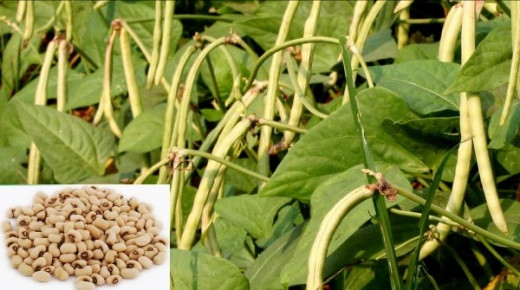
Cowpea Farming and Management
Cowpea is one of the crops which is grown in dry lands of different countries. It is an ideal dryland crop (pulse) in low rainfall areas because it is a drought resistant and provide excellent human nutrition and good rotational benefits. Cowpea can also be intercropped with maize.
Key facts of Cowpeas
- It is grown as pure stand or intercropped with Maize and Sorghum.
- It’s drought tolerant, performs well in a wide variety of soil types, and being a legume, replenishes low fertility soils when the roots are left to decay.
- Grown both as a leafy vegetable and for its grain
- Plant types can be classified as erect, semi- erect or trailing types.
- Rich in calcium, iron, zinc, and vitamin B complex.
Varieties and Cultivars
You should select a variety that is suited to your agroecological zone, based on its suitability for the prevalent climatic conditions and cropping systems. The choice of Cowpeas variety is based on maturity period, yield potential, drought tolerance, responsiveness to day-length, parasitic weed infestation, and pest and disease resistance.
There are two basic types of cowpeas: upright, bunch types, which is used mainly for grain production; and spreading types, which is used for grain, vegetable or fodder.
Climatic Requirements
Temperature
Cowpeas grow best during summer. It requires a germination temperature of 8.5°C and for leaf growth 20°C. It is a heat-loving and drought-tolerant crop. The optimum temperature for growth and development of Cowpeas, is around 30°C.
Water
Cowpea is a drought-tolerant crop, which can grow in low rainfall zone. It can grow under rainfall in areas which receive annual rainfall ranging from 400 to 700 mm per annum.
Cowpeas are also tolerance to waterlogging. Well-distributed rainfall is important for normal growth and development of cowpeas. The frequency and unreliability of rainfall pose problems to cowpea growth.
As a drought tolerant plants, Cowpeas utilise soil moisture efficiently and are more drought-tolerant than groundnuts, soya-beans and sunflowers.
Soil requirements
Cowpeas perform better on a wide range of soils, but it grow best on the sandy soils, which tend to be less restrictive on root growth. It is more tolerant to infertile and acid soils than many other crops. This adaptation to lighter soils is coupled with drought tolerance through reduced leaf growth, less water loss through stomata, and leaf movement to reduce light and heat load under stress during its growing stages.
Cowpeas are much less tolerant to cold soils than common beans and show a poor tolerance to waterlogging, as they are considered drought tolerant plants. They thrive in well-drained soil and less on heavy soils.
They requires an optimum soil pH of between 5,6 and 6,0. When selecting your site, consider the soil requirements discussed.
Cultivation Practices
1. Site selection
Proper site selection is very important. You should select a well-drained sandy loam soil for rainfed cowpea, and inland depressions or along the shores of a lake for a dry season Cowpeas crop using residual moisture. Cowpea does not tolerate excessively wet conditions or waterlogging and should not be grown on poorly drained soil.
2. Propagation
Cowpea is directly grown from seed.
3. Soil preparation
Having selected the site where you will grow your Cowpeas, the next step is to clear the site of shrubs and stubble.
The selected site should be prepared manually with the hand-hoe. Soils should be cultivated deeply enough to ensure that no barrier exists to penetration of the soil by the taproot. If using a tractor, plow and harrow the Cowpeas field to provide sufficient tilth for good root growth.
Well prepared site ensures good germination and reduces weed infestation. You should make ridges thereafter, if desired. Where the soils are more fragile and prone to erosion in your selected site, adopt minimum or zero tillage. The selected site should not be waterlogged but well drained.
4. Field layout and design
Both interrow and intrarow spacing will be determined by the type of variety and growing pattern. You should achieve a plant population of 200 000 to 300 000/ha at 30 to 50 cm interrow spacing.
5. Planting
You should plant your Cowpeas anytime from the first rains. In high rainfall regions, you should plant your Cowpeas late to avoid diseases when the crop reaches maturity.
6. Fertilisation
Cowpeas respond well to manure or low rates (100 to 200 kg per ha) of a compound fertiliser. Fertiliser application in cowpea production depends on anticipated yield and soil fertility. Before any application of fertilizer, you should conduct a soil test.
As a legume, cowpea fixes its own nitrogen, and does not need nitrogen fertiliser. Cowpeas Seed should be inoculated with the appropriate Rhizobium species for optimum nitrogen fixation.
7. Irrigation
Cowpeas are usually grown under dryland rather than irrigated conditions, this is why they are considered drought tolerant plants.
8. Weed Control
Annual grasses and some broadleaf weeds should be controlled by a pre-sowing application of herbicide. You can also eliminate weeds by hoeing or cultural methods.
9. Harvesting
Cowpeas harvesting can be carried out manually (hand harvesting) or by using a combine harvester in the case of large-scale production. You harvest when the pods are dry in a sunny day. To avoid field weathering or shattering, dry pods should not be left in the field longer than 2 weeks after full pod maturity.
Dairy Production Farming and Management Techniques

Dairy Production Farming
Dairy farming is one of the emerging profitable business to agribusiness farmers and it involves the production and processing of milk for human consumption in different countries. Milk from dairy cattle increases the digestibility of other types of food in the body and this accelerate the demand for the dairy products.
Breeds of Cows
The following are breeds for cattle:
Holstein
This breed has black and white colour. Holstein has a potential of weighting an average of 625 kg under good management. It is able to supply required milk, fat, and protein.
Jersey
Jersey under a good management, it weights a range of 400–500 kg. It is generally smallest breed and has a light brown colour. Jersey cows are able to provide butterfat and protein.
Milking Shorthorn
This breed is commonly known due to its skin colour. It is mostly red, white, and brownish in appearance.
Ayrshires
This breed is smaller than the Holstein and it has red and white markings. Ayrshires are commonly known by their light to deep cherry red with or without white markings on their body.
Guernseys
This breed looks similar to Ayrshires. It has light brown or red markings and white patches and this makes it to be easily recognized.
Brown Swiss
This breed is similar in size as Holsteins.
Crossbred cattle
This is the mating of animals having different characteristics to produce offsprings having a combined better characteristics i.e. improved on cattle performance. Holstein Friesian may be crossbred with Sahiwal to produce an offspring with a mixture of qualities of the two.
Production
Make sure you select and keep cows with promising better performances for high milks which in turn increase the profits.
Conformation
When selecting the breeds for mating make sure you select those with good conformation i.e. uniformity of its body among others.
Housing
Make sure you construct a good house for keeping your cows. Make sure the house is easy to clean and is easier to collect manures. A good house result in a better production. When constructing a cow house make sure you observe this spacing requirement of 1.2 x 2.4 m for each cow. Make sure you observe the temperature in a calf house to be around 10°C (50° F) having less than a humidity of 80%.
Ensure the house has good air movement or circulation all the time (good ventilation). Make sure you do not combine cows of different age as each of them has a different spacing requirement. Cows of different sizes has also different feeding program.
Dehorning
Make sure you dehorned calves at young age because there is less horn tissue which can make the calve to be in pain and prone to infection.
Removing extra teats
Extra teats make milking difficult, make sure you remove extra tits. Make sure you remove them when the calf is one to two months old.
Ruminant
A cow is a ruminant animal, which means is an animal having four chambers. And these chambers we are talking about being; rumen, reticulum, omasum, and abomasum. This is unlike humans who have a single stomach digestive system. Make sure cows feed has the following nutrient ingredients; Energy, Protein, Minerals, Water, Vitamins.
Creating a Balanced Diet
To create a balanced ration, make sure you know the following; the weight of the cow, the amount of forage the cow will consume among others.
Roughages and forages
Make sure you provide roughage and forages to cows. You can provide the following; Hay, corn silage, haylages, and greens. Take note that cows are ruminants, which allows them to break down hard-to-digest fiber found in plants so make sure you provide feeds enrich with fibers.
Hay
Hay is a common roughage made from legumes and is required by the cow for better performance. Examples of hay are alfalfa, and grasses like timothy grass. Make sure you cut hay and dried it in the sun. After the hay is sun dried, make sure you bale it and store it for future use.
Haylage
This is made from hay cut early in the season and is stored in a silo for future use. Make sure Haylage are green. It is known that Haylages are more nutritious than hays as haylage contains leaves, where most plant nutrients are found.
Concentrates
Concentrates are cow feeds, which are sources of energy. As a dairy farmer, make sure cows do not take these concentrates in larger amount than the required. These concentrates can be made at home or purchased. The following are examples; Grains (corn, oats, and barley etc.), Distillery and brewing byproducts, Oilseed meals (soybean, linseed, and canola meal etc.), Whole seeds (soybean and cotton seed) among others.
Calf feeding
Make sure the calf, is able to feed colostrum during its first three days. After this period, then you can feed your calves sour colostrum, whole milk, or milk replacer. You can feed your calves bottled milk just as human babies do. After a few days you start feeding your calves dry feeds. Make sure you prevent calves from starving or underfeeding as it can lead to underdeveloped calves or cause the calf to eat too fast when you provide the next meal. Make sure you prevent the calves from overfeeding too by considering and providing the right amount of feeds to calves. When feeding your calves, make sure the house is clean and well ventilated. Make sure all feeding and watering equipments are kept clean all the time. Where possible feed your calve at the same time each every day.
Weaning
Make sure you wean your calves when they are eating an average feed of 1 to 2 Kilograms of calf starter feed each day continuously in a row. You might be wondering as to what does this weaning means; Weaning means the calf moves from a liquid diet to dry feed only. Make sure Heifers are gaining 0.7 kg for small breed and 1 kg for large breeds a day to ensure they are ready to be bred around 14 months of age and calve out at 23 months as recommended.
Water
Make sure feed and clean water is available all the time as calves requires more water.
Feeding schedule
Make sure you feed your calves or cows several meals a day instead of one or two meals only.
Observe lead feeding
This is an increase in the amount of grain and protein, which a dry cow is able to eat throughout the two weeks before it calves to gain more energy for milking.
Health
Make sure your cows or calves are always in good health. Consult your local veterinary officers for assistance whenever the cows are sick. Make sure the cow house is clean always to avoid build up of diseases. Where necessary, observe biosecurity measures which aim at providing protection to your farm.
Pineapple Cultivation Farming
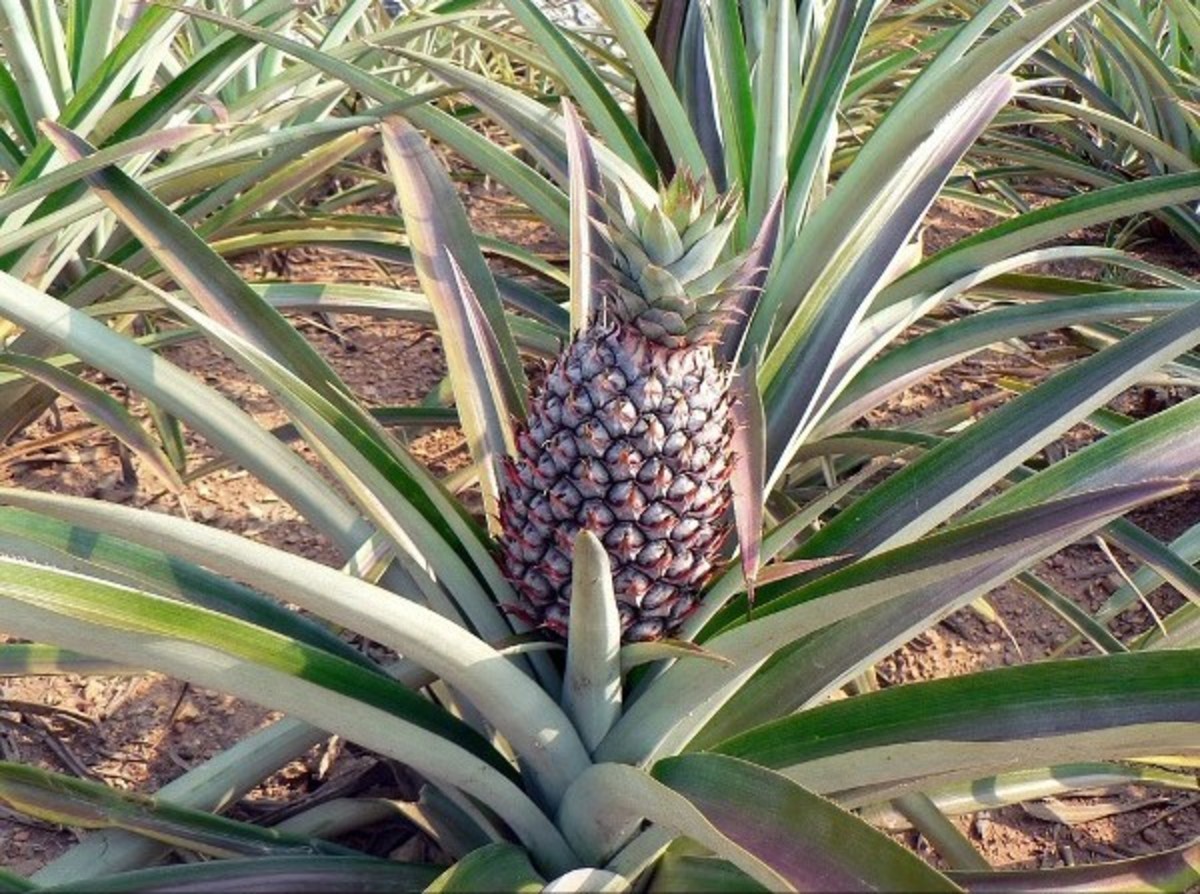
Pineapple Cultivation
Pineapple cultivation is becoming more profitable business in different countries in the world because of it mult-use. It is a perennial plant that produces multi-fruits and it requires an optimal temperature of 15.6 °C to 32.2 °C to give optimal yield. Pineapple has Vitamin A and C, and has good flavour and taste. It grows to a height of a range of 50 to100 cm.
The Pineapple performs well in different soils provided the soil has right moisture content, good drainage and aeration. The optimum soil pH for growing pineapple is known to be in a range of 5.0 to 6.0. This article will give in detail on how to grow Pineapple for optimal performance.
Pineapple Cultivars
Pineapple cultivars are vegetatively propagated and for this reason they are called "clone" and these clones are classified into 4 types which are; Pernambuco, Cayenne, Queen and Spanish. Large scale farmers who are in commercial business, most of them grow Cayenne.
Adaptability
Climatic requirements
Pineapple performs well in tropical and subtropical areas, and has an optimal temperature requirement of 21 °C to 27 °C with a relative humidity in a range of 70 to 80%.
Rainfall
Pineapples require well distributed annual rainfall in a range of 1200 to 1500mm and this is mostly the case in tropical and subtropical regions.
Soil
Pineapples do well in acidic soils having an optimal range of 5.0 to 6.5. They do well on clay sandy soil with good drainage and aeration. You can use soil management techniques to improve your soil to match the optimal requirement.
Cultural Practices
Soil preparation
Make sure the soil is well tilled in preparation for Pineapple planting. You can prepare the land manually using a hoe. After tillage, it is recommended to add manure to improve soil fertility for optimal performance. If the soil where you want to grow your Pineapple is prone to nematodes, make sure you fumigate the soil or treat the soil with nematicide. If the soil where you want to grow your Pineapple has poor drainage, make sure you prepare raised fieldbeds at least 20 cm in height.
Planting
Make sure you use suckers and slips for planting to be able to harvest your Pineapple earlier since they produce flowers early than a crown. Each slip can be in the size range of 45 to 50 cm and each sucker can be in a range of 55 to 60 cm.
Plant population
The recommended plant population for Pineapples per hectare is 58,700 plants.
Mulching
In commercial Pineapple production, 90 centimeters wide black polyethylene mulch is used.
Fertilizer
For optimal performance, Pineapple requires application of fertilizers to supplement its nutrient requirements. You can apply fertilizer to supplement it with nitrogen (N), potassium (K), and iron (Fe), but make sure any application of fertilizer is done after soil analysis is conducted to know the right amount of fertilizer and quantity to apply. You can apply 75 kg of phosphorus fertilizer per hectare but Pineapple requires more nitrogen fertilizer than phosphorus. It is recommended to apply N-P-K fertilizer for optimal production.
Irrigation
Make sure your soil has right required moisture when growing your Pineapple. In case of low moisture content, make sure you supplement water through Irrigation. The recommended type of Irrigation method to use is drip system, however, you can also use any other type of Irrigation system provided the soil will reach the optimal moisture content. In the absence of rainfall, make sure you Irrigation 47,000 to 94,000 litters of water in one hectare per week. During Irrigation make sure that the soil does not turn into waterlogging.
Weed Control
Make sure your Pineapple field is free from weeds, you can control weeds manually or mechanically, however, in most larger scale production, weeds are commonly controlled by black plastic mulch. In case you want to use herbicides to control the weeds, make sure you follow all the written instructions.
Earthing up
Make sure you provide supportive material to your Pineapple plant so that it can not lodged in case of heavy wind since its roots is shallow and cannot support itself.
Harvesting
Make sure you harvest your Pineapples in 15 to 18 months after planting day. Pineapples flowing starts at 10 to 12 months. Harvesting is done with a sharp knife by cutting matured and ripe Pineapple.