Learn smarter with fresh insights from our tutors.
Practical study guides, course supplements, and learning resources curated to help you move faster through every subject.
What is a Margin Account? A Guide for Beginner Investors

Introduction to Margin Accounts
Are you ready to level up your investing game? If you're looking to potentially amplify your gains in the stock market, then buckle up because we're diving into the world of margin accounts!
Whether you're a beginner investor or someone with a bit more experience, understanding how margin accounts work can open up a whole new realm of opportunities. Let's explore what margin accounts are all about and how they can help you supercharge your investment strategy.
What is a Margin Account?
A margin account is like a financial booster shot for investors. It allows you to borrow money from your brokerage firm to buy more securities than you could with just your cash on hand. Think of it as a loan that can potentially magnify both your gains and losses in the market.
With a margin account, you're not limited to only investing the amount of cash you have available – you have the flexibility to leverage your investments. This means you can increase your buying power and potentially maximize your returns.
However, it's essential to understand that using a margin account carries risks. If the value of your investments drops, you may face margin calls where you'll need to deposit more funds or sell assets to meet minimum requirements.
Margin accounts are powerful tools in the world of investing, but they require caution and careful management. Understanding how they work and their implications is crucial before diving into this financial strategy.
How Does a Margin Account Work?
When using a margin account, investors can borrow funds from their brokerage to buy securities. This essentially allows them to leverage their investments and potentially increase their returns.
To open a margin account, investors must deposit an initial amount of cash known as the minimum margin requirement set by the brokerage. The broker then lends the investor additional funds based on certain criteria such as the value of the securities held in the account.
Investors can use these borrowed funds to purchase more stocks or other securities than they could with just their own capital. However, it's crucial to remember that while leveraging can amplify gains, it also amplifies losses if the market moves against you.
Margin accounts come with interest charges on borrowed money and require maintaining a minimum balance at all times. If your investments fall below this level due to market fluctuations, you may face a margin call where you need to deposit additional funds or sell off assets to meet requirements.
Advantages and Disadvantages of Using a Margin Account
Margin accounts offer investors the opportunity to amplify their buying power, allowing them to potentially increase their returns. By borrowing funds from the broker, investors can take advantage of market opportunities they might have otherwise missed out on with just cash investments.
However, it's crucial to understand that using a margin account comes with its own set of risks. While potential gains are higher, so are potential losses. If trades don't go as planned, investors could end up owing more money than they originally invested.
On the flip side, margin accounts provide flexibility and liquidity for traders who want to capitalize on short-term trading strategies. This can be especially beneficial in fast-moving markets where quick decision-making is essential.
Nevertheless, it's important for investors to carefully manage their margin accounts and adhere to risk management practices to avoid significant financial pitfalls down the road.
Understanding the Risks Involved
When considering a margin account, it's crucial to understand the risks involved. One key risk is the potential for magnified losses - while using leverage can amplify gains, it can also lead to larger losses if investments decline in value. This means that investors could end up owing more money than they initially invested.
Another risk to be aware of is the possibility of a margin call. If the value of your securities falls below a certain threshold set by your broker, you may be required to deposit additional funds into your account or sell off assets to meet the minimum maintenance requirement.
Additionally, interest rates on borrowed funds can fluctuate, impacting the overall cost of maintaining a margin account. It's important to consider these variables when deciding whether or not to utilize margin trading in your investment strategy.
How to Open a Margin Account
To open a margin account, the first step is to choose a brokerage firm that offers this service. Research different firms to find one that aligns with your investment goals and preferences. Once you've selected a brokerage, you'll need to complete an application form providing personal and financial information.
The brokerage will assess your eligibility based on factors like income, credit score, and investing experience. If approved, you can fund your margin account with an initial deposit. It's crucial to understand the terms and conditions of the margin agreement before proceeding.
Be sure to familiarize yourself with the risks involved in trading on margin. Monitoring your account regularly is key to managing potential losses effectively. Always adhere to risk management strategies and avoid over-leveraging your positions.
Consulting with a financial advisor can provide valuable insights into navigating the complexities of margin trading responsibly. Stay informed about market trends and continuously educate yourself on best practices for maintaining a healthy margin account balance.
Tips for Managing a Margin Account
When it comes to managing a margin account, staying informed is key. Keep an eye on your account balance and monitor any fluctuations closely. Set clear financial goals to guide your decision-making process.
Maintain a diversified portfolio to mitigate risks associated with margin trading. Regularly review and adjust your positions based on market conditions. Consider setting stop-loss orders to protect yourself from significant losses.
Stay disciplined in sticking to your trading strategy and avoid making impulsive decisions based on emotions. Implement risk management techniques such as setting leverage limits and avoiding overextending yourself.
Take advantage of educational resources available to deepen your understanding of margin trading concepts. Consult with financial advisors or experienced traders for guidance when needed.
Remember, managing a margin account requires careful planning and continuous monitoring. Stay proactive in optimizing your investment strategy for long-term success.
Conclusion
Margin accounts can be a valuable tool for investors looking to leverage their investments and potentially amplify their gains. However, it is crucial to fully understand the risks involved and carefully manage your account to avoid significant losses.
By following the tips outlined in this guide and staying informed about market conditions, beginner investors can navigate the world of margin trading with confidence. Remember, knowledge is power when it comes to investing – so arm yourself with information and make informed decisions to reach your financial goals.
Understanding Risk-Reward Ratio: A Beginner's Guide

Introduction to Risk-Reward Ratio
Are you new to the world of investing and feeling overwhelmed by all the jargon thrown around? Don't worry, we've got you covered! Today, we're diving into the exciting world of risk-reward ratio – a fundamental concept that can make or break your investment strategy. Whether you're a seasoned investor looking to fine-tune your approach or a beginner eager to learn the ropes, understanding this ratio is key to maximizing your gains while minimizing potential losses. Let's unlock the secrets behind risk-reward ratio together!
What is Risk-Reward Ratio?
At its core, the risk-reward ratio is a simple yet powerful concept that guides investment decisions. It's essentially a way to assess the potential profit against the possible loss in any trade or investment opportunity. By evaluating this ratio, investors can make informed choices based on their risk tolerance and financial goals.
The risk-reward ratio helps investors weigh the risks involved in a particular trade relative to the potential rewards. A higher ratio indicates that the potential reward outweighs the risk, making it an attractive opportunity for some investors. On the other hand, a lower ratio suggests that the risks may outweigh the expected returns.
Understanding and utilizing this ratio effectively can help investors manage their portfolio more strategically and maximize profitability over time. By carefully analyzing each trade's risk-reward profile, investors can make calculated decisions that align with their overall investment strategy.
The Importance of Risk-Reward Ratio in Investing
Understanding the importance of risk-reward ratio in investing is crucial for any investor looking to achieve success in the financial markets. This ratio acts as a guiding principle that helps individuals make informed decisions when it comes to managing their investments. By evaluating the potential reward against the risk involved, investors can determine whether a particular trade or investment opportunity is worth pursuing.
A favorable risk-reward ratio allows investors to maximize their returns while minimizing potential losses. It provides a clear framework for setting realistic profit targets and stop-loss levels, helping to maintain discipline and avoid emotional decision-making during volatile market conditions. Additionally, focusing on maintaining a healthy risk-reward ratio can help investors build a sustainable long-term investment strategy.
By understanding and implementing an effective risk-reward ratio strategy, investors can enhance their overall portfolio performance and increase their chances of achieving consistent profitability in the dynamic world of investing.
How to Calculate Risk-Reward Ratio
Calculating the risk-reward ratio is essential for making informed investment decisions. To determine this ratio, you first need to identify your entry point, stop-loss level, and target price. Once you have these figures, you can calculate the distance between your entry point and stop loss, known as the risk.
Next, calculate the distance between your entry point and target price to find out the potential reward. After determining both values, simply divide the reward by the risk to obtain your risk-reward ratio. For example, a ratio of 2:1 means that for every dollar at risk (risk), there's a potential gain of two dollars (reward).
By understanding how to calculate this ratio accurately, investors can assess whether a trade is worth pursuing based on its potential returns compared to the risks involved. It's a valuable tool in managing investments effectively while aiming for profitable outcomes in financial markets.
Examples of Good and Bad Risk-Reward Ratios
Let's dive into some examples of good and bad risk-reward ratios in investing.
A good risk-reward ratio would be when the potential reward outweighs the potential risk by a significant margin. For instance, if you are willing to risk $100 on a trade that has the potential to make $300, that would be considered a favorable ratio.
On the other hand, a bad risk-reward ratio would be when the potential reward is minimal compared to the potential risk. If you are risking $200 on a trade with only a possible reward of $50, this imbalance could lead to unsustainable losses over time.
It's crucial for investors to assess these ratios before making any investment decisions. By carefully evaluating the risks and rewards associated with each opportunity, you can increase your chances of achieving profitable outcomes in the long run.
Tips for Improving Your Risk-Reward Ratio
When it comes to improving your risk-reward ratio in investing, there are a few key tips to keep in mind. Always do thorough research before making any investment decisions. This can help you assess the potential risks and rewards more accurately.
Diversifying your portfolio is another essential tip for bettering your risk-reward ratio. By spreading your investments across different assets, you can reduce the impact of any single loss on your overall portfolio.
Setting clear stop-loss orders can also be beneficial in managing risks effectively. These orders help limit potential losses by automatically selling an asset if it reaches a certain price point.
Additionally, regularly reviewing and adjusting your risk tolerance levels can help ensure that your risk-reward ratio remains balanced based on changing market conditions.
Consider seeking advice from financial experts or using risk management tools to further improve your risk-reward ratio and make informed investment decisions.
Common Mistakes to Avoid When Using Risk-Reward Ratio
When it comes to using the risk-reward ratio in investing, there are a few common mistakes that beginners should avoid.
One mistake is setting unrealistic profit targets without considering the associated risks. It's important to strike a balance between potential rewards and potential losses when determining your ratio.
Another mistake is not adjusting your risk-reward ratio based on market conditions or changes in price action. Markets are dynamic, so it's crucial to adapt your strategy accordingly.
Avoid the trap of being overly optimistic and chasing high-risk trades with low reward potential. This can lead to significant losses if the trade doesn't go as planned.
Failing to consistently track and analyze your risk-reward ratios can hinder your progress as an investor. Regularly reviewing and fine-tuning your approach will help you make more informed decisions in the long run.
Conclusion
Understanding and effectively utilizing the risk-reward ratio is crucial for successful investing. By carefully analyzing potential risks and rewards before making investment decisions, you can better manage your portfolio and increase your chances of achieving long-term financial goals.
Remember to calculate your risk-reward ratios accurately, strive for a favorable ratio in each trade, and continuously work on improving your strategies. By following these tips and avoiding common mistakes, you can enhance your investment approach and set yourself up for greater success in the market.
Exploring High-Frequency Trading: Opportunities and Risks

Introduction to High-Frequency Trading
Welcome to the fast-paced world of High-Frequency Trading (HFT), where milliseconds can make or break fortunes in the blink of an eye. As technology continues to revolutionize financial markets, HFT has emerged as a dominant force, reshaping the landscape of trading and investment strategies.
Join us on a journey through the dynamic realm of HFT, where opportunities abound but risks lurk around every corner. Buckle up as we delve into the intricacies of this high-octane industry and uncover its secrets to success and pitfalls to avoid.
Understanding High-Frequency Trading (HFT)
High-Frequency Trading (HFT) is a sophisticated trading strategy that leverages advanced technology to execute a large number of orders at lightning speed. These trades are typically carried out by powerful computers programmed to analyze market data and make split-second decisions based on predefined algorithms. The goal of HFT is to capitalize on small price discrepancies and exploit fleeting opportunities in the market.
HFT relies heavily on high-speed connections, co-location services near exchange servers, and complex algorithms to gain an edge over traditional traders. By executing trades in milliseconds or even microseconds, HFT firms aim to profit from tiny price differentials across various assets. This rapid-fire approach allows them to generate significant volumes of trades within short time frames, often leading to substantial profits.
However, the lightning-fast nature of HFT also comes with inherent risks, including potential system glitches, market volatility fluctuations, and regulatory scrutiny. Understanding the intricacies of High-Frequency Trading requires a deep dive into its technical aspects and real-time dynamics that shape modern financial markets.
The Evolution of HFT
The Evolution of High-Frequency Trading (HFT) has been a fascinating journey marked by rapid advancements in technology and market dynamics.
Initially, HFT emerged as computerized trading systems started executing large numbers of trades at lightning speed to capitalize on small price differentials. This led to increased liquidity in the markets but also raised concerns about fairness and market integrity.
Over time, HFT strategies evolved to include complex algorithms and artificial intelligence, enabling traders to process vast amounts of data in real-time and make split-second decisions. This shift towards more sophisticated technologies has further intensified competition among HFT firms.
As regulatory bodies grapple with keeping pace with these technological advancements, the future trajectory of HFT remains uncertain. However, one thing is clear - the evolution of HFT continues to shape the landscape of financial markets worldwide.
Advantages and Disadvantages of HFT
High-Frequency Trading (HFT) offers several advantages in the fast-paced world of finance. One key benefit is the ability to execute trades at lightning speed, capitalizing on market inefficiencies before human traders can react. This can lead to increased liquidity and price efficiency in the markets.
Moreover, HFT algorithms are designed to detect patterns and trends instantaneously, enabling traders to make split-second decisions based on real-time data analysis. This can result in significant profits for firms that have mastered this high-speed trading strategy.
On the flip side, one major disadvantage of HFT is its potential to amplify market volatility during turbulent times. The rapid-fire nature of these trades can exacerbate sudden price swings, leading to concerns about market stability and fairness.
Additionally, there is a debate surrounding whether HFT provides an unfair advantage to large institutions with sophisticated technology, potentially disadvantaging retail investors and smaller players in the market.
Case Studies: Success Stories and Failures in HFT
In the world of high-frequency trading (HFT), success stories and failures serve as valuable lessons for traders looking to navigate this fast-paced environment.
One notable success story is Renaissance Technologies, a hedge fund known for its highly profitable HFT strategies that have consistently outperformed the market. Their ability to leverage cutting-edge technology and advanced algorithms has propelled them to great heights in the financial world.
On the other hand, there have been instances where HFT strategies have backfired spectacularly. The infamous Flash Crash of 2010 saw automated trading algorithms triggering a rapid and severe market downturn, causing chaos and confusion among investors.
These case studies highlight the dual nature of high-frequency trading - offering immense profit potential but also carrying significant risks. It underscores the importance of thorough research, risk management, and continuous adaptation in navigating this dynamic landscape.
The Role of Technology in HFT
In the world of high-frequency trading (HFT), technology plays a vital role in executing trades at incredibly fast speeds. Sophisticated algorithms and cutting-edge software are used to analyze market data, identify trends, and make split-second decisions.
High-speed internet connections and powerful computers are essential for processing vast amounts of data in milliseconds. These technological advancements enable HFT firms to capitalize on minute price discrepancies across various markets.
Artificial intelligence and machine learning have also become increasingly prevalent in HFT, allowing traders to adapt their strategies based on real-time market conditions. By leveraging these advanced technologies, HFT firms can gain a competitive edge over traditional investors.
However, the reliance on complex technology also introduces risks, such as system failures or cybersecurity threats that could potentially disrupt trading operations. As technology continues to evolve rapidly, staying ahead of the curve is crucial for success in the dynamic landscape of high-frequency trading.
Regulations and Controversies Surrounding HFT
Regulations surrounding High-Frequency Trading (HFT) have been a hot topic in the financial world. Regulators aim to maintain market integrity and protect investors from potential risks associated with HFT strategies. However, striking a balance between innovation and oversight remains a challenge.
Controversies often arise due to concerns about market manipulation, unfair advantages for high-speed traders, and potential disruptions to market stability. Critics argue that HFT can lead to increased volatility and create an uneven playing field for traditional investors.
On the other hand, supporters of HFT highlight its role in enhancing liquidity, tightening spreads, and improving price efficiency in markets. They believe that regulations should focus on promoting transparency and fair competition rather than stifling technological advancements.
As regulators continue to grapple with the complexities of HFT, finding common ground between innovation and regulation becomes crucial for maintaining a healthy and efficient financial ecosystem.
Is High-Frequency Trading Right for You?
Are you considering diving into the world of high-frequency trading (HFT)? Before jumping in, it's crucial to understand if this fast-paced and technology-driven form of trading is the right fit for you.
High-frequency trading requires advanced technological infrastructure, lightning-fast decision-making capabilities, and a deep understanding of market dynamics. If you thrive in a high-pressure environment where split-second decisions can make or break your success, HFT might be worth exploring.
On the flip side, high-frequency trading comes with significant risks. The volatile nature of markets combined with intense competition means that losses can escalate rapidly. It's essential to have a robust risk management strategy in place before venturing into HFT.
Consider your risk tolerance, investment goals, and willingness to adapt to rapid changes when evaluating if high-frequency trading aligns with your interests and strengths. Research thoroughly and seek advice from experienced professionals before making any decisions regarding HFT.
Conclusion
In the fast-paced world of high-frequency trading, opportunities and risks go hand in hand. While HFT offers the potential for quick profits and increased market efficiency, it also comes with challenges such as technological complexities and regulatory scrutiny.
As technology continues to advance, the landscape of HFT will evolve further, presenting new possibilities for traders and investors. It is essential for market participants to stay informed about the latest developments in this field and carefully weigh the advantages and disadvantages before diving into high-frequency trading.
Whether high-frequency trading is right for you depends on your risk tolerance, resources, and investment goals. By understanding the nuances of HFT and staying abreast of industry trends, you can make informed decisions that align with your financial objectives.
So, as you navigate the realm of high-frequency trading, remember to approach it with caution, diligence, and a clear strategy tailored to your unique needs. The world of finance is ever-changing - embrace it wisely.
The Influence of Monetary Policy on Financial Markets

The Influence of Monetary Policy on Financial Markets
Welcome to a captivating exploration of the intricate dance between monetary policy and financial markets! In this blog post, we delve into the fascinating world where economic decisions impact stock prices, bond yields, and the overall health of global economies.
Get ready to uncover the secrets behind interest rates, central banks, and the future landscape of financial markets. Let's embark on a journey to unravel the influence of monetary policy on our financial universe!
What is Monetary Policy?
Monetary policy is like the conductor of an orchestra, orchestrating the flow of money in an economy. It refers to the actions undertaken by a central bank to regulate interest rates and money supply to achieve economic goals. By adjusting these key levers, central banks aim to control inflation, stimulate economic growth, and maintain stability.
Central banks implement monetary policy through various tools such as open market operations, reserve requirements, and discount rates. Open market operations involve buying or selling government securities to influence liquidity in the financial system. Reserve requirements determine how much banks must keep on hand rather than lending out. The discount rate is the interest rate at which commercial banks can borrow from the central bank.
Understanding monetary policy is crucial for investors, businesses, and policymakers alike as it shapes borrowing costs, investment decisions, and overall economic conditions.
Tools Used in Monetary Policy
Monetary policy involves a diverse range of tools that central banks use to influence the economy. One such tool is setting interest rates, which can impact borrowing and spending behaviors. By adjusting the federal funds rate, central banks can stimulate or slow down economic activity.
Another key tool in monetary policy is open market operations. Through buying or selling government securities, central banks can control the money supply in the economy. This action directly affects short-term interest rates and helps maintain price stability.
Central banks also utilize reserve requirements as a way to regulate the amount of cash commercial banks must hold against their deposits. By changing these requirements, central banks can influence lending practices and overall liquidity in financial markets.
These tools play a crucial role in shaping economic conditions and guiding financial markets towards stability and growth.
The Relationship Between Monetary Policy and Financial Markets
Monetary policy plays a crucial role in shaping the dynamics of financial markets. Central banks use various tools to influence economic conditions, affecting everything from interest rates to inflation levels. When central banks adjust monetary policy, it can have a significant impact on stock and bond markets.
Changes in interest rates can directly affect borrowing costs for businesses and consumers, ultimately impacting spending patterns and investment decisions. This, in turn, can lead to fluctuations in stock prices as market participants reassess the risk-return profile of their investments.
Furthermore, shifts in monetary policy can also influence bond yields. As central banks adjust interest rates, bond prices move inversely to yields – causing fluctuations that ripple through the fixed-income market.
Understanding how monetary policy interacts with financial markets is essential for investors looking to navigate volatile economic landscapes effectively.
Impact of Interest Rates on Stock Market and Bond Market
Interest rates play a crucial role in shaping the dynamics of both the stock market and bond market. When interest rates rise, borrowing becomes more expensive, leading to lower consumer spending and business investments. This can result in decreased corporate profits, causing stock prices to decline.
Conversely, when interest rates are low, companies can borrow money at cheaper rates, stimulating economic growth and potentially boosting stock prices. Lower interest rates also make bonds less attractive compared to stocks due to their fixed returns.
Furthermore, changes in interest rates by central banks can impact investor sentiment and market volatility. Investors closely monitor central bank decisions on interest rates as they signal the direction of the economy.
The Role of Central Banks in Financial Markets
Central banks play a crucial role in the functioning of financial markets. As the gatekeepers of monetary policy, central banks have the power to influence interest rates and money supply. By adjusting these key factors, they can steer economic activity and control inflation.
Through open market operations, central banks buy and sell government securities to regulate liquidity in the market. This impacts short-term interest rates, influencing borrowing costs for businesses and consumers alike. Additionally, central banks act as lenders of last resort to provide stability during times of financial stress.
Central bank announcements are closely watched by investors worldwide as they signal future policy decisions that can impact asset prices. Traders often analyze every word from central bank officials for clues on the direction of monetary policy.
Central banks wield significant authority over financial markets through their regulatory functions and ability to shape economic conditions.
Consequences of Unconventional Monetary Policies
As central banks navigate through economic uncertainties, they sometimes resort to unconventional monetary policies. These strategies go beyond traditional interest rate adjustments and involve measures like quantitative easing or forward guidance.
One consequence of these unconventional policies is the potential distortion in financial markets. Investors may take on more risk due to artificially low interest rates, leading to asset bubbles or misallocation of capital.
Moreover, prolonged use of unconventional policies can impact income inequality. The wealth effect from rising asset prices may benefit the affluent more than those with lower incomes, exacerbating social disparities.
Additionally, such measures can create challenges for banks and financial institutions. Negative interest rates, for example, squeeze profit margins and could hinder lending practices.
While unconventional monetary policies can provide necessary stimulus during crises, their long-term effects on financial stability and societal welfare warrant careful consideration.
Future of Monetary Policy and Financial Markets
As we look ahead to the future of monetary policy and financial markets, one thing is certain: change is inevitable. With advancements in technology and globalization shaping the world economy, central banks will continue to adapt their strategies to maintain stability.
The digital revolution has already begun to influence how transactions are conducted, leading central banks to explore the potential of digital currencies. This shift could have far-reaching implications for traditional banking systems and how monetary policy is implemented.
Moreover, as environmental concerns take center stage globally, sustainable finance will likely become a key focus for policymakers. Incorporating climate-related risks into monetary policy frameworks may reshape investment decisions and market dynamics in the coming years.
In an era of uncertainty and rapid transformation, flexibility will be paramount for both central banks and financial markets alike. Adapting to new challenges while fostering resilience will be crucial for navigating the evolving landscape with confidence.
Conclusion
Monetary policy plays a crucial role in shaping the financial markets by influencing interest rates, money supply, and overall economic conditions. Central banks use various tools to implement monetary policy, such as setting interest rates and conducting open market operations.
The relationship between monetary policy and financial markets is intricate, with changes in policies affecting stock prices, bond yields, exchange rates, and other asset prices. Interest rate adjustments have a significant impact on both the stock market and bond market performance.
Central banks are key players in overseeing financial stability and regulating monetary policies to support economic growth. They play a vital role in maintaining price stability while also considering employment levels and overall economic well-being.
Unconventional monetary policies like quantitative easing have been used during times of crisis to stimulate the economy further when traditional tools are no longer effective. These measures can have long-lasting effects on financial markets' behavior that need careful monitoring.
As we look towards the future of monetary policy and financial markets, it is essential for policymakers to adapt strategies based on changing economic conditions and new challenges that may arise. Flexibility and foresight will be crucial in navigating potential risks while fostering sustainable growth.
In conclusion, monetary policy continues to be a cornerstone of economic management worldwide, impacting not only financial markets but also individuals' livelihoods. Understanding its influence on various asset classes is fundamental for investors seeking to make informed decisions amidst evolving market dynamics.
Investing in Blue-Chip Stocks: Stability and Growth

Introduction to Blue-Chip Stocks
Welcome to the world of investing where opportunities abound and choices can be overwhelming. If you're looking for stability, growth, and a reliable investment option, then blue-chip stocks might just be your ticket to financial success. Known for their solid reputation, strong performance, and consistent dividend payouts, blue-chip stocks are often considered the cornerstones of any well-rounded investment portfolio.
In this blog post, we will delve into what makes blue-chip stocks so appealing, explore the advantages they offer investors, discuss potential risks to consider before diving in, highlight some top performers in this category, and provide strategies for making the most of your blue-chip investments. So sit back, relax, and let's navigate the world of blue-chip stocks together!
What are Blue-Chip Stocks?
Blue-chip stocks are the rock stars of the stock market, representing large, established companies with a history of stable performance. These companies have stood the test of time and are known for their solid financials, strong market presence, and reliable track record. Investors flock to blue-chip stocks for their perceived safety and long-term growth potential. Think household names like Apple, Microsoft, or Coca-Cola - these are prime examples of blue-chip stocks that dominate their industries.
What sets blue-chip stocks apart is their ability to weather economic downturns and remain profitable even in challenging times. They provide a sense of security to investors looking for stability amidst market volatility. Blue-chip companies typically have a global reach, diverse revenue streams, and strong brand recognition that instills confidence in shareholders.
In essence, blue-chip stocks embody quality, longevity, and resilience in the ever-changing world of investing.
Advantages of Investing in Blue-Chip Stocks
Blue-chip stocks are known for their stability and long track record of success in the market. Investing in these established companies can provide a sense of security for investors looking to build wealth over time. With blue-chip stocks, you are investing in companies that have a strong market presence, solid financial performance, and a history of paying dividends to shareholders.
One key advantage of investing in blue-chip stocks is the potential for steady growth and capital appreciation. These companies often have a competitive edge in their respective industries, allowing them to weather economic downturns more effectively than smaller or riskier investments. Additionally, blue-chip stocks tend to be less volatile compared to other types of investments, providing a level of predictability for investors.
Moreover, blue-chip stocks are typically well-known household names with products or services that people use on a daily basis. This brand recognition can help drive consistent revenue streams and profitability for these companies. Investing in blue-chip stocks offers stability, growth potential, and peace of mind for long-term investors seeking reliable returns on their investment portfolios.
Risks and Considerations for Blue-Chip Stock Investments
When considering blue-chip stock investments, it's important to be aware of potential risks and factors that may impact your portfolio. One key risk is market volatility, which can cause the value of these stocks to fluctuate. Economic downturns or industry-specific challenges can also pose a threat to blue-chip companies.
Another consideration is the possibility of dividend cuts or suspensions during tough times. While blue-chip stocks are known for their consistent dividends, there's no guarantee they will always maintain them. It's essential to assess the financial health and stability of each company before investing.
Additionally, competition in the market and changes in consumer behavior could affect the performance of blue-chip stocks. Keeping abreast of industry trends and company news is crucial for making informed investment decisions.
Top Performing Blue-Chip Stocks
Are you looking to invest in blue-chip stocks that have a proven track record of stability and growth? Look no further than some of the top-performing companies in the market. These companies are household names that have stood the test of time, consistently delivering strong returns for their investors.
One such company is Apple Inc., a tech giant known for its innovative products and loyal customer base. With a history of steady revenue growth and solid financial performance, Apple remains a favorite among investors seeking stability and potential for long-term gains.
Another top performer is Johnson & Johnson, a healthcare conglomerate with a diverse portfolio of consumer health products, pharmaceuticals, and medical devices. Investors value J&J for its resilience during economic downturns and its ability to generate consistent cash flows.
Microsoft Corporation is also worth mentioning as one of the top blue-chip stocks in the market. The software giant has demonstrated impressive growth over the years, driven by its successful transition to cloud computing services and ongoing innovation in various tech sectors.
These top-performing blue-chip stocks represent solid investment opportunities for those seeking stability and growth in their portfolios. Keep an eye on these companies as they continue to lead the way in their respective industries while providing attractive returns for shareholders.
Strategies for Investing in Blue-Chip Stocks
When it comes to investing in blue-chip stocks, it's essential to have a solid strategy in place. One approach is to focus on companies with a long history of stable earnings and dividend payments. These are often indicators of a strong and reliable investment opportunity.
Another strategy is to diversify your portfolio by investing in multiple blue-chip stocks across different industries. This can help spread out risk and potentially increase your chances of success. Researching the company's financial health, market position, and growth prospects is crucial before making any investment decisions.
Consider setting clear investment goals and time horizons when investing in blue-chip stocks. Whether you're looking for steady income or long-term capital appreciation, having a clear plan can help guide your decision-making process. Additionally, staying informed about market trends and economic developments can aid in making informed investment choices.
Developing a well-thought-out strategy tailored to your financial goals and risk tolerance is key to successful investing in blue-chip stocks.
Why Blue-Chip Stocks are a Solid Investment Choice
Blue-chip stocks are like the reliable old friend in your investment portfolio – steady, dependable, and always there for you. These companies have stood the test of time, weathering economic storms and market fluctuations with resilience and strength. Investing in blue-chip stocks means investing in stability and growth over the long term.
These industry giants have a proven track record of consistent performance, paying out dividends to shareholders year after year. Their solid financial health and established market presence make them a safe bet for investors looking for reliable returns.
While blue-chip stocks may not offer the same excitement as high-growth tech startups or speculative ventures, their slow and steady approach can provide peace of mind during uncertain times. By diversifying your portfolio with these stalwart companies, you can build a foundation of stability that will support your financial goals for years to come.
In today's fast-paced world of investing, it's easy to get caught up in the latest trends and fads. But sometimes, sticking with the tried-and-true names can be the smartest move of all. Blue-chip stocks offer a solid investment choice that combines stability, growth potential, and peace of mind – qualities that never go out of style.
Conclusion
Blue-chip stocks are indeed a cornerstone of any well-balanced investment portfolio. With their stability, growth potential, and solid track record, they offer investors a reliable way to build wealth over the long term. By understanding the advantages, risks, and strategies associated with blue-chip stock investments, you can make informed decisions that align with your financial goals.
Remember to always conduct thorough research and consult with a financial advisor before making any investment decisions. As you navigate the world of investing in blue-chip stocks, stay patient and disciplined in your approach. With time and diligence, you can harness the power of these top-performing companies to secure a prosperous future for yourself and your loved ones. Happy investing!
Unraveling the Secrets of Migration Patterns

Unraveling the Secrets of Migration Patterns
Welcome, curious readers! Today, we embark on a fascinating journey into the world of migration patterns. From majestic animals to resilient plants and even our own human species, the phenomenon of migration has captivated scientists and explorers for centuries. Have you ever wondered how birds find their way across vast distances or why some plants seem to magically appear in new locations?
Join us as we unravel the secrets behind these incredible journeys and uncover the hidden mysteries that lie within. Get ready to be amazed by nature's remarkable navigation skills and discover why migration is both a wonder and a necessity for many living creatures on our planet. So buckle up, grab your binoculars, and let's dive into this captivating exploration together!
Animal Migration
Animals have been migrating for millions of years, traversing vast distances in search of food, suitable habitats, or better breeding grounds. From the iconic wildebeest herds in Africa to the epic journeys of monarch butterflies across North America, migration is a natural phenomenon that continues to astonish us.
One remarkable example is the Arctic tern, which holds the title for the longest migration route among birds. These small seabirds travel an astounding 44,000 miles round trip between their breeding grounds in the Arctic and their wintering areas near Antarctica. It's mind-boggling to think about these tiny creatures embarking on such a grueling journey!
But how do animals know where to go? Some rely on instinctive behaviors passed down through generations, while others navigate using celestial cues like stars or Earth's magnetic field. It's almost like they possess an internal GPS system!
The timing of migration is equally intriguing. Many animals synchronize their journeys with seasonal changes in temperature and resource availability. For instance, migratory birds time their departures based on variations in daylight hours and weather conditions as they follow favorable climates along their routes.
So why do some animals migrate while others don't? The reasons vary depending on species and environmental factors. Migration can offer advantages such as access to abundant food sources or escaping harsh conditions during certain times of the year.
However, there are also costs associated with migration. The long-distance travel exposes animals to numerous risks including predation, exhaustion from flying long distances without rest stops, and encountering unfamiliar territories.
Intriguingly enough though migration can be challenging; it remains an essential part of many animal species' survival strategies. Understanding these incredible feats sheds light on our planet's interconnectedness and reminds us of nature's boundless wonders.
Stay tuned as we venture further into unraveling more secrets behind different types of migrations!
Plant Migration
Plants may not have legs, but that doesn't mean they can't go on an epic journey. While animals migrate to find food or escape harsh weather conditions, plants migrate for entirely different reasons. Plant migration is often driven by the need to find suitable growing conditions and ensure their survival.
One way plants migrate is through seed dispersal. They produce seeds that are easily carried away by wind, water, or animals. These seeds can travel great distances before finding a new place to take root and grow.
Another form of plant migration is known as range expansion. As environmental conditions change over time, certain areas become more favorable for plant growth while others become less so. Plants gradually shift their range in response to these changes, slowly moving into new territories where they can thrive.
Interestingly, some plants even use humans as unwitting transporters during their migrations. We unknowingly help spread the seeds of various plants through our activities such as hiking or gardening.
So next time you see a beautiful wildflower blooming in an unexpected location, remember that it may be the result of a fascinating journey undertaken by a determined little seedling!
Human Migration
Throughout history, humans have been on the move. From ancient nomadic tribes to modern-day global migration patterns, our ability to adapt and explore new territories has shaped the world we live in today.
One of the main reasons for human migration is the pursuit of better opportunities. People often leave their homes in search of economic prosperity, education, or a chance at a better life for themselves and their families. This drive for improvement pushes individuals to cross borders and venture into unknown lands.
Another factor that influences human migration is political instability or conflict. When faced with war or persecution, people are forced to flee their homes in search of safety and security elsewhere. These refugees find solace in countries that offer them protection and hope for a brighter future.
Environmental factors also play a role in human migration. Natural disasters such as hurricanes, floods, or droughts can devastate communities and force residents to seek refuge elsewhere. Climate change is expected to further impact migration patterns as rising sea levels threaten coastal regions.
Furthermore, cultural factors contribute to human movement as well. Some migrants choose to relocate due to a desire for cultural diversity or an opportunity to experience different traditions and lifestyles firsthand.
Human migration is driven by complex interplays between social, economic, political, environmental,and cultural factors.
Humans possess an innate curiosity that drives us towards exploration. The desire for a better life, freedom from conflict, the need for stability, and the questfor new experiences fuel our migratory instincts.
As we continue moving across bordersand settling in unfamiliar lands, the tapestryof humanity grows richer, making our world more diverse and interconnected than ever before.
How do Animals Know Where to Go?
How do animals know where to go? It's a question that has fascinated scientists and nature enthusiasts for centuries. From the majestic migrations of birds to the incredible journeys of sea turtles, animals seem to have an innate sense of direction that guides them on their migratory paths.
One theory is that animals use a combination of celestial cues, such as the position of the sun and stars, in conjunction with Earth's magnetic field to navigate. For example, some bird species are known to rely on landmarks or geographic features during their long-distance flights.
Another possible explanation is that animals possess an internal compass-like mechanism that helps them orient themselves. This could involve detecting subtle changes in temperature or air pressure, which vary depending on location.
Interestingly, recent research suggests that some migratory routes may be passed down from generation to generation through cultural transmission. Young animals learn from older individuals within their social groups and follow established migration patterns.
Of course, not all species migrate in the same way or for the same reasons. Some migrations are driven by food availability or seasonal changes in climate. In contrast, others may be triggered by mating opportunities or avoiding predators.
The remarkable ability of animals to find their way across vast distances is truly awe-inspiring. While we still have much to learn about how they navigate their complex migratory routes accurately year after year without GPS devices or maps like us humans do!
What Determines the Timing of Migration?
Timing is a crucial factor in the fascinating phenomenon of migration. But what exactly determines when animals decide to embark on their long journeys? It turns out that there are several factors at play.
One key influencer of migration timing is the availability of food. Many migratory species rely on specific food sources, such as insects or plant fruits, which may only be abundant during certain times of the year. When these resources become scarce, it signals to the animals that it's time to move on and find greener pastures.
Another important factor is environmental cues. Animals have evolved intricate mechanisms for sensing changes in temperature, daylight hours, and even magnetic fields. These cues serve as navigational tools and help them gauge when it's time to depart or return to their breeding grounds.
Social interactions also play a role in determining migration timing for some species. For example, birds often migrate in large flocks called "V-formations." By synchronizing their departure with others in their group, they can benefit from improved aerodynamics and navigation efficiency.
Additionally, hormonal changes within an animal's body can influence migration timing. Shifts in hormone levels trigger physiological responses that prompt them to begin their journey or prepare for mating season.
It's important to note that not all individuals within a species migrate at the same time. Some animals exhibit staggered migrations due to factors like age or sex-related differences.
Understanding what determines the timing of migration provides us with valuable insights into these incredible phenomena. It highlights how interconnected ecosystems are and reminds us of nature's intricate rhythms and cycles.
Why do some Animals Migrate while others Don't?
Why do some animals migrate while others don't? It's a question that has puzzled scientists and nature enthusiasts for years. Migration is a fascinating phenomenon, where certain species of animals travel long distances to find better feeding grounds or breeding sites. But why do only certain species choose to embark on these epic journeys?
One factor that influences migration is the availability of resources. Animals such as birds might migrate because their food source becomes scarce during certain seasons. By traveling to new locations, they can ensure a steady supply of food and increase their chances of survival.
Another reason for migration could be climate change. Some animals may need to move to escape harsh weather conditions or find more suitable habitats. For example, whales migrate from cold polar regions to warmer waters during mating season.
Genetics also play a role in determining migration patterns. Certain species have inherited migratory behaviors from their ancestors, allowing them to navigate vast distances with precision.
Social factors can also influence whether an animal migrates or not. Some species may follow the lead of dominant individuals within their group, relying on collective knowledge and experience for successful migrations.
It's worth noting that there are trade-offs associated with migration as well. While it offers access to abundant resources and favorable environments, the journey itself can be physically demanding and risky. Animals face challenges such as exhaustion, predation, and finding suitable stopover points along the way.
In conclusion... Oops! We're not quite at the conclusion yet! Migration remains one of nature's great mysteries, with no single answer explaining why some animals migrate while others stay put. It is likely a combination of various factors including resource availability, climate changes, genetics, social influences, and evolutionary adaptations specific to each species.
So next time you witness flocks of birds flying overhead or marvel at majestic sea turtles embarking on long-distance swims – remember that behind these awe-inspiring journeys lies an intricate web of reasons why some animals choose migration over staying in one place. Nature has its own way of unraveling the secrets of migration.
New Frontiers in Biotechnology for Livestock Production

New Frontiers in Biotechnology for Livestock Production
Welcome to the exciting world of biotechnology, where scientific innovation meets livestock production! In an era marked by ever-growing global demands for food, biotechnology has emerged as a game-changer in enhancing agricultural practices and ensuring sustainable food production.
From genetically modified organisms to advanced breeding techniques, biotechnology holds immense potential to revolutionize the way we raise and manage livestock. Join us on this fascinating journey as we explore the new frontiers in biotechnology for livestock production and uncover how it can pave the way for a brighter future in agriculture. Buckle up - this is going to be one wild ride!
What is Biotechnology?
Biotechnology, in simple terms, refers to the application of scientific techniques and technologies to harness and manipulate biological systems for various purposes. It involves using living organisms or their components to create useful products or solve complex problems. In the context of livestock production, biotechnology encompasses a wide range of methods that aim to enhance animal health, productivity, and overall welfare.
One key aspect of biotechnology is genetic engineering, which involves modifying an organism's genetic makeup by introducing specific genes from another species. This technique has been used extensively in agriculture to develop crops with improved traits such as disease resistance or increased yield. Similarly, in livestock production, genetic engineering can be employed to breed animals that are more resistant to diseases or have enhanced growth rates.
Another vital area within biotechnology is reproductive technology. This includes techniques like artificial insemination (AI) and embryo transfer (ET), which allow for controlled breeding and selective reproduction in livestock species. These methods enable farmers and breeders to optimize desirable traits within a population while minimizing the risks associated with natural mating.
Furthermore, biotechnological advancements have led to the development of diagnostic tools for early detection of diseases in animals. Molecular biology techniques like polymerase chain reaction (PCR) help identify pathogens quickly and accurately before they spread throughout a herd or flock.
Additionally, biotechnology plays a significant role in improving animal nutrition through the use of genetically modified feed ingredients tailored specifically for livestock diets. These modifications can enhance nutrient utilization efficiency while reducing environmental impacts associated with traditional feed sources.
Biotechnology offers immense potential for addressing challenges faced by modern agriculture - from increasing food production sustainably to ensuring better animal welfare practices. By harnessing this powerful tool responsibly and ethically, we can pave the way towards a more efficient and resilient future for livestock production worldwide.
What are some Applications of Biotechnology in the Livestock Industry?
Biotechnology has opened up new horizons for the livestock industry, revolutionizing the way we breed and raise animals. With its diverse applications, biotechnology is transforming livestock production in numerous ways.
One major application of biotechnology in the livestock industry is genetic engineering. Through this technique, scientists can modify an animal's genetic makeup to enhance desirable traits such as disease resistance or increased milk production. This not only improves the quality of livestock but also reduces the need for antibiotics and other medications.
Another area where biotechnology plays a crucial role is reproductive technologies. In vitro fertilization (IVF), embryo transfer, and cloning are techniques that allow farmers to rapidly multiply high-quality animals with superior genetics. These advancements have led to significant improvements in breeding programs and overall productivity.
Furthermore, biotechnology offers solutions for improving animal health and welfare. Vaccines produced through recombinant DNA technology help protect livestock from infectious diseases effectively. Similarly, gene editing techniques offer promising possibilities for eliminating specific hereditary diseases that impact animal well-being.
Additionally, biotechnology enables precise diagnostics tools that aid in early detection of diseases or identifying specific genes associated with certain traits or conditions within animals' genomes.
In summary, biotechnology has become an indispensable tool for enhancing various aspects of livestock production - from genetics to reproduction to disease control. Its innovative applications hold immense potential for improving productivity while ensuring animal welfare remains a priority.
Pros and Cons of Biotechnology in Livestock Production
Advancements in biotechnology have brought about significant changes to the livestock industry. This has both positive and negative implications for farmers, consumers, and the environment.
On the pro side, biotechnology allows for more efficient breeding methods. Genetic engineering techniques can be used to select desirable traits such as disease resistance or increased productivity. This results in healthier animals that require less medication and produce higher yields of meat, milk, or eggs. Additionally, by modifying animal genetics, scientists can reduce environmental impact by decreasing methane emissions from livestock.
Another advantage is enhanced food safety. Biotechnological tools enable scientists to identify potential pathogens in animals before they enter the food chain. This helps prevent outbreaks of diseases like salmonella or E.coli.
However, there are also concerns associated with biotechnology in livestock production. One major issue is ethical considerations surrounding genetic modification. Critics argue that manipulating animal genes goes against natural processes and raises questions about animal welfare.
Furthermore, there is a risk of unintended consequences when introducing genetically modified organisms into ecosystems. It's difficult to predict how altering an animal's genetics may affect its interactions with other species or its overall ecological role.
There are also economic factors to consider. The cost of implementing biotechnological practices can be high for smaller-scale farmers who may not have access to the necessary resources or expertise.
In summary, biotechnology offers numerous opportunities for improving livestock production but also poses challenges that need careful consideration moving forward.
How can Biotechnology be used to Improve Livestock Production?
Biotechnology has opened up new possibilities for improving livestock production. Through the use of advanced techniques and genetic engineering, scientists can now enhance animals' traits to make them more resistant to diseases, produce higher milk yields, and even improve their overall quality.
One way biotechnology is being used in livestock production is through selective breeding. By identifying specific genes that are responsible for desirable traits such as disease resistance or increased growth rates, scientists can selectively breed animals that possess these characteristics. This not only improves the health and productivity of the individual animal but also helps create a stronger and more resilient herd.
Another application of biotechnology in livestock production is through the use of genetically modified organisms (GMOs). GMOs allow scientists to directly introduce specific genes into an animal's DNA, resulting in desired changes in its traits. For example, researchers have successfully developed pigs that produce less phosphorus in their waste, reducing environmental pollution from intensive pig farming.
Additionally, biotechnology plays a crucial role in developing vaccines for livestock diseases. By utilizing recombinant DNA technology, researchers can create vaccines with greater efficacy against various pathogens. This helps protect animals from harmful diseases while minimizing the need for antibiotics or other chemical treatments.
Furthermore, advances in biotechnology have led to improvements in feed efficiency for livestock. Researchers are working on developing genetically modified crops specifically designed to provide optimal nutrition to farm animals while reducing inputs such as water and fertilizers. This not only benefits farmers by lowering costs but also contributes to sustainable agriculture practices.
In summary, biotechnology offers tremendous potential for enhancing livestock production by improving animal health and welfare while increasing productivity and sustainability.
It allows us to address challenges faced by the industry head-on; ensuring food security without compromising environmental stewardship."
Conclusion
Biotechnology has opened up new frontiers in livestock production, offering a range of potential benefits and challenges. Through advancements in genetic engineering, cloning, and other innovative techniques, biotechnology has the power to revolutionize the way we produce and manage livestock.
While there are undoubtedly pros and cons associated with biotechnology in this field, it's important to recognize its immense potential for improving animal health, increasing food production efficiency, and enhancing overall sustainability. With careful regulation and responsible implementation, biotechnology can contribute significantly to meeting the growing global demand for animal-based products.
By harnessing the power of biotechnology, we can develop disease-resistant animals that require fewer antibiotics or pesticides. We can also enhance feed efficiency so that animals convert their diet into meat or milk more effectively. Additionally, advances in reproductive technologies like artificial insemination and embryo transfer enable us to accelerate genetic improvement programs at an unprecedented pace.
Moreover, biotechnological approaches offer solutions for addressing environmental concerns associated with traditional livestock farming practices. For instance, genetically engineered crops that provide optimal nutrition for animals could reduce land use by enabling higher stocking densities without compromising animal welfare.
However, it is crucial to approach these developments with caution. Adequate oversight is necessary to ensure ethical treatment of animals involved in research activities related to biotechnology. Transparency regarding labeling of genetically modified organisms (GMOs) will allow consumers to make informed choices about the products they purchase.
In summary, biotechnology holds tremendous promise for advancing livestock production but must be balanced with careful consideration of ethical concerns and environmental impacts. By embracing innovation while prioritizing animal welfare and sustainable practices, we can create a future where technology harmoniously supports thriving livestock industries around the world.
Animal Intelligence – Discovering Complex Cognitive Abilities

Animal Intelligence – Discovering Complex Cognitive Abilities
Uncovering the mysteries of animal intelligence has long fascinated both scientists and nature enthusiasts alike. From the cunning problem-solving skills of crows to the intricate social structures of dolphins, animals possess a vast array of complex cognitive abilities that continue to astound us.
In this blog post, we will delve into the intriguing world of animal intelligence, exploring its different forms, examining famous cases, and discussing why understanding these capabilities is so crucial. So buckle up and prepare to be amazed by what our fellow creatures are capable of!
What is Animal Intelligence?
Have you ever wondered what sets animals apart in terms of their cognitive abilities? Animal intelligence refers to the capacity of non-human species to acquire and process information, solve problems, communicate, and exhibit complex behaviors. It is a fascinating field that explores the vast spectrum of mental capabilities displayed by creatures great and small.
Animal intelligence can be observed across various domains. For instance, some animals exhibit remarkable problem-solving skills when faced with puzzles or obstacles in their environment. Others showcase exceptional memory recall or demonstrate advanced communication systems within their social groups.
One intriguing aspect of animal intelligence is its diversity. Different species have evolved unique adaptations that enable them to thrive in specific environments. From the strategic hunting techniques employed by predators like lions and cheetahs to the intricate navigation skills demonstrated by birds during long-distance migrations, each creature has honed its cognitive abilities to suit its own survival needs.
Interestingly, animal intelligence is not limited solely to mammals; many other taxa possess impressive mental acuity as well. Birds such as crows and parrots are renowned for their problem-solving prowess and tool use, while dolphins showcase complex social structures and highly developed communication systems underwater.
Understanding animal intelligence has significant implications for numerous fields ranging from conservation biology to psychology. By unraveling the mysteries of how different species perceive and interact with their environment, researchers can gain insights into evolutionary processes and develop strategies for wildlife protection.
Intrigued yet? In our next blog section, we will explore the diverse types of animal intelligence found throughout the animal kingdom – so stay tuned!
The Different Types of Animal Intelligence
Animals possess a wide range of cognitive abilities that vary across species. While some animals rely on instinct and basic learning, others exhibit more complex forms of intelligence. Let's explore the different types of animal intelligence.
1. Instinctual Intelligence: Many animals are born with innate behaviors and instincts that help them survive in their environment. For example, birds building intricate nests or ants following scent trails without any prior experience.
2. Social Intelligence: Some animals have evolved sophisticated social structures and communication systems. They display remarkable abilities to recognize individuals, cooperate, and even deceive others for personal gain.
3. Problem-Solving Skills: Certain animals demonstrate impressive problem-solving skills when faced with challenges. From primates using tools to dolphins solving puzzles for rewards, these creatures show adaptive thinking and resourcefulness.
4. Tool Use: Tool use is not limited to humans; many animals exhibit this behavior too! From otters cracking open clams using rocks to elephants using sticks as fly swatters, tool use showcases higher cognitive abilities.
5. Memory and Learning: Animals can learn from past experiences through memory formation and retrieval processes. Whether it's navigating mazes or remembering specific locations for food storage, memory plays a crucial role in their survival.
6. Mimicry: Several species possess the ability to mimic sounds or behaviors of other organisms as a way to communicate or deceive predators/prey.
7. Navigation Abilities: Many migratory birds travel thousands of miles each year during their seasonal migrations by relying on innate navigational mechanisms such as magnetic fields or celestial cues.
These are just a few examples highlighting the diverse array of animal intelligence found in nature!
Stay tuned for our next blog post where we will delve into the pros and cons of studying animal intelligence!
Pros and Cons of Studying Animal Intelligence
Studying animal intelligence can be a fascinating and rewarding field, but like any scientific endeavor, it comes with its own set of pros and cons.
On the positive side, studying animal intelligence allows us to gain a deeper understanding of the cognitive abilities of different species. By exploring how animals think, problem-solve, communicate, and learn from their environment, we can unravel the mysteries of their behavior. This knowledge not only expands our appreciation for the diversity of life on Earth but also sheds light on our own place in the natural world.
Additionally, studying animal intelligence has practical applications. It can help us develop more effective conservation strategies by identifying which species are capable of adapting to changing environments or learning new behaviors. Understanding how animals perceive their surroundings can also enhance animal welfare efforts by informing the design of enriched environments in captivity.
However, there are challenges associated with studying animal intelligence as well. Animals cannot directly communicate with us about their thoughts or experiences; therefore scientists must rely on indirect measures such as behavioral observations or controlled experiments. This introduces potential biases and limitations into our research findings.
Another challenge is that some cognitive processes may be difficult to study due to inherent differences between human and non-human minds. For example, attempting to measure an octopus's problem-solving ability using a standard IQ test designed for humans would likely yield inaccurate results.
In addition, ethical considerations come into play when conducting studies involving animals. Researchers must ensure that they minimize any harm or stress inflicted upon them during experimentation while still obtaining meaningful data.
Despite these challenges, studying animal intelligence remains an important area of research with far-reaching implications for both science and society at large. Through careful observation and innovative methodologies tailored specifically for each species under investigation, scientists continue to make groundbreaking discoveries that shape our understanding of cognition in all its forms.
Famous Cases of Animal Intelligence
The world is full of incredible stories showcasing the intelligence and cognitive abilities of animals. From dolphins solving complex puzzles to birds using tools, these examples challenge our understanding of what it means to be smart.
One famous case that comes to mind is Alex, an African grey parrot who was taught by Dr. Irene Pepperberg at Harvard University. Alex had an extensive vocabulary and could answer questions about colors, shapes, and even count objects accurately. His ability to communicate with humans in a meaningful way amazed researchers and showed that parrots are capable of much more than mimicking words.
Another remarkable example is Koko the gorilla, who gained worldwide fame for her sign language skills. Through her interactions with researcher Francine Patterson, Koko demonstrated not only her ability to understand hundreds of signs but also her emotional depth and capacity for empathy.
In the animal kingdom, elephants have also shown impressive intelligence. For instance, studies have revealed their ability to use tools like sticks or branches for various tasks such as swatting flies or reaching food inaccessible otherwise.
These cases represent just a glimpse into the vast array of animal intelligence out there waiting to be discovered. By studying these remarkable creatures' cognitive abilities further, we can gain valuable insights into the evolution of intelligence itself – shedding light on our own place in the natural world.
Why is Animal Intelligence Important?
Animal intelligence plays a crucial role in our understanding of the natural world. By studying animal cognition, scientists gain valuable insights into the complexities of the brain and how different species perceive and interact with their environment.
Animal intelligence helps us appreciate the diversity of cognitive abilities across various species. From problem-solving skills to communication techniques, animals showcase a wide range of mental capabilities that rival our own. Understanding these differences allows us to recognize and respect the unique ways in which animals navigate their world.
Studying animal intelligence can have practical applications for conservation efforts. By deciphering an animal's cognitive abilities, scientists can design more effective strategies for wildlife management and protection. For example, by understanding how certain species learn or adapt to new environments, we can develop targeted approaches to habitat restoration or captive breeding programs.
Furthermore, exploring animal cognition challenges our assumptions about human exceptionalism. It reminds us that we are not alone in possessing complex thoughts and emotions; other creatures share similar traits as well. This recognition fosters empathy towards animals and promotes ethical considerations regarding their treatment.
In addition to these reasons, unraveling the mysteries of animal intelligence has implications beyond scientific curiosity. It provides novel perspectives on evolution and offers potential solutions for designing artificial intelligence systems inspired by nature.
Recognizing the importance of animal intelligence leads us towards a deeper appreciation for all forms of life on Earth while providing valuable knowledge that can inform conservation efforts as well as advancements in technology and ethics.
How to Study Animal Intelligence
When it comes to studying animal intelligence, researchers employ various methods and techniques to gain insights into the complex cognitive abilities of our non-human counterparts. One common approach is through observational studies in their natural habitats. By carefully observing animals in the wild, scientists can gather valuable information about their behaviors, problem-solving skills, and social interactions.
Another method used to study animal intelligence is experimental research conducted in controlled environments such as laboratories or zoos. Through these experiments, scientists can design tasks that challenge animals' cognitive abilities and measure their performance. These tasks may involve memory tests, spatial reasoning puzzles, or even communication experiments.
In addition to direct observation and experimentation, scientists also rely on comparative studies across different species. By comparing the cognitive abilities of various animals with varying levels of intelligence and evolutionary history, researchers can identify patterns and determine which factors contribute to higher levels of intelligence.
Technological advancements have further expanded avenues for studying animal intelligence. For example, researchers use specialized tools like puzzle boxes or touchscreens that allow animals to interact with stimuli while recording their responses accurately. This technology enables a more precise measurement of an animal's problem-solving skills or learning capacity.
Furthermore, advancements in neuroscience have enabled scientists to study the brains of animals using imaging techniques like fMRI or EEGs. These neuroscientific approaches help reveal how different brain regions are involved in specific cognitive processes such as attention or memory formation.
Studying animal intelligence requires a multidisciplinary approach combining field observations with laboratory experiments while utilizing technological innovations for accurate measurements. Such comprehensive investigations provide invaluable insights into the fascinating world of non-human cognition and shed light on our understanding not only of other species but also ourselves as intelligent beings within the intricate web of life on Earth.
Animal Welfare vs Animal Rights: Debunking the Misconceptions

Animal Welfare vs Animal Rights: Debunking the Misconceptions
Welcome to our blog post where we dive deep into the world of animal welfare and animal rights, aiming to debunk some common misconceptions along the way. Whether you're an animal lover, a curious reader, or simply seeking to understand this ongoing debate better, you've come to the right place!
Animal welfare and animal rights are two terms often used interchangeably but hold distinct meanings and implications. Join us as we shed light on these topics and explore why this debate matters for both animals and humans alike. It's time to set the record straight!
What are Animal Welfare and Animal Rights?
Animal welfare and animal rights are two concepts that encompass ethical considerations regarding the treatment of animals. Animal welfare refers to the well-being and quality of life experienced by animals under human care. It focuses on ensuring that animals are provided with proper nutrition, shelter, veterinary care, and protection from unnecessary suffering.
On the other hand, animal rights take a more radical stance by advocating for equal moral consideration for all sentient beings. This viewpoint argues that animals should have inherent rights just like humans do, including freedom from exploitation and harm.
While both animal welfare and animal rights share a common goal of promoting better treatment for animals, they differ in their approach. Animal welfare seeks to improve conditions within existing systems such as farms or laboratories through regulations and guidelines. Animal rights proponents argue for a complete overhaul of these systems to eliminate any form of animal use or ownership.
Understanding the distinction between these two terms is crucial because it shapes our perspective on how we interact with animals in various contexts – whether it's regarding food production practices, scientific research involving animals, or even pet ownership.
Next up, let's delve deeper into why this debate matters so much in today's society!
The Difference Between Animal Welfare and Animal Rights
Animal welfare and animal rights are two terms that are often used interchangeably, but they actually represent different approaches when it comes to advocating for the well-being of animals. Understanding the distinction between these two concepts is important in order to have informed discussions about animal protection.
Animal welfare refers to the idea of ensuring that animals are treated humanely and receive proper care. It focuses on minimizing any potential harm or suffering inflicted upon animals by providing them with adequate nutrition, shelter, healthcare, and protection from cruelty. Animal welfare proponents believe that humans can use animals for various purposes such as food production, research, and companionship as long as their needs are respected.
On the other hand, animal rights takes a more radical stance by asserting that animals have inherent rights equal to those of humans. This viewpoint argues against using animals for any purpose whatsoever and calls for an end to practices like animal testing, farming for meat consumption, and using animals in entertainment. Animal rights advocates argue that all sentient beings deserve moral consideration regardless of their usefulness or value to humans.
While both animal welfare and animal rights share a common goal of promoting better treatment for animals, they differ in their approach towards achieving this objective. The key distinction lies in whether we view animals primarily as resources to be managed responsibly (animal welfare) or as individuals entitled to certain fundamental rights (animal rights).
It's worth noting that there is ongoing debate within these movements themselves regarding specific issues such as factory farming practices or medical research involving animals. These debates highlight the complexities involved in balancing our ethical obligations towards non-human beings with human interests.
By understanding the difference between animal welfare and animal rights perspectives, we can engage in more nuanced discussions surrounding how best to protect and advocate for the well-being of all creatures sharing our planet.
Why the Debate Between Animal Welfare and Animal Rights Matters
The debate between animal welfare and animal rights is more than just an intellectual exercise. It has real-world implications for how we treat animals, both domesticated and wild. This debate matters because it forces us to confront our ethical responsibilities towards other living beings on this planet.
Animal welfare focuses on ensuring that animals are treated humanely and have their basic needs met. It acknowledges that humans have a responsibility to care for animals but also recognizes that some level of use or exploitation may be acceptable as long as it does not cause unnecessary suffering.
On the other hand, animal rights takes a more radical stance by arguing that animals should have inherent rights just like humans do. They believe that using animals for any purpose is inherently exploitative and morally wrong.
This debate matters because it shapes public policy, legislation, and societal norms regarding animal treatment. The decisions we make about whether to prioritize animal welfare or grant them rights can impact everything from factory farming practices to medical research involving animals.
Additionally, this debate challenges us to examine our own values and beliefs about the moral worth of non-human creatures. It asks us if we truly believe in equality and justice for all living beings or if these principles only apply to our own species.
The conversation around animal welfare versus animal rights pushes us to critically evaluate our relationship with nature and consider how we can create a more compassionate world for all inhabitants of this planet. By engaging in this debate, we open ourselves up to new perspectives and possibilities for change.
The Misconceptions about Animal Welfare and Animal Rights
Misconceptions about animal welfare and animal rights often stem from a lack of understanding or misinformation. One common misconception is that animal welfare and animal rights are the same thing, when in fact they have distinct differences. Animal welfare focuses on providing proper care and protection for animals, ensuring their well-being and minimizing their suffering. It recognizes that animals can be used for various purposes, such as food production or research, but advocates for responsible treatment.
On the other hand, animal rights takes a more radical stance by asserting that animals have inherent rights similar to those of humans. This includes the belief that animals should not be used for any purpose whatsoever, including consumption or experimentation. While both movements share a concern for the ethical treatment of animals, their approaches differ significantly.
Another misconception is that advocating for animal welfare means neglecting human needs and priorities. This false dichotomy pits human interests against those of animals when in reality, it's possible to care about both simultaneously. Recognizing the importance of promoting both human and animal well-being helps create a harmonious coexistence where all beings can thrive.
Additionally, some people wrongly assume that supporting one side necessarily means opposing the other completely. However, it's possible to find common ground between these two perspectives by working towards better standards of care while also recognizing certain limitations regarding complete abolition.
It is crucial to dispel these misconceptions because they hinder productive conversations about finding practical solutions to improve how we treat animals while respecting human needs and values. By understanding the nuances between animal welfare and animal rights movements, we can foster empathy towards all living beings and work towards creating a more compassionate world for everyone involved – humans and non-human alike.
Conclusion
Understanding the distinction between animal welfare and animal rights is essential in order to have informed discussions about our treatment of animals. While both concepts share a common goal of protecting animals, they approach it from different perspectives.
Animal welfare focuses on ensuring that animals are treated humanely and provided with adequate care, while still allowing for their use by humans. Animal rights, on the other hand, advocates for equal consideration and respect for all animals, arguing that they should not be used or exploited by humans in any way.
The debate between animal welfare and animal rights matters because it forces us to examine our relationship with non-human beings and how we can best protect their interests. It challenges us to reconsider our practices and seek more compassionate alternatives.
However, there are several misconceptions surrounding these topics that often cloud productive discourse. Many mistakenly believe that advocating for better animal welfare automatically implies support for animal rights or vice versa. In reality, one can value both without subscribing entirely to either ideology.
Additionally, some people assume that improving animal welfare will lead to negative consequences such as economic burdens or an end to certain industries. However, studies have shown that ethical treatment of animals can actually benefit industries through improved efficiency and consumer trust.
It is important to recognize that finding common ground between these two approaches is possible; after all, both sides ultimately strive towards a shared goal of reducing harm towards animals. By fostering open dialogue and seeking out solutions based on compassion and evidence-based research rather than preconceived notions or emotional rhetoric, we can work towards a more harmonious coexistence with the natural world around us.
In conclusion, understanding the nuances between animal welfare and animal rights allows us to engage in meaningful conversations about how we treat animals ethically while also considering human needs. By debunking misconceptions surrounding these concepts, we can pave the way for progress toward a future where compassion guides our actions towards all sentient beings who share this planet with us.
The Importance of Wildlife Management: Balancing Human Needs and Conservation Efforts
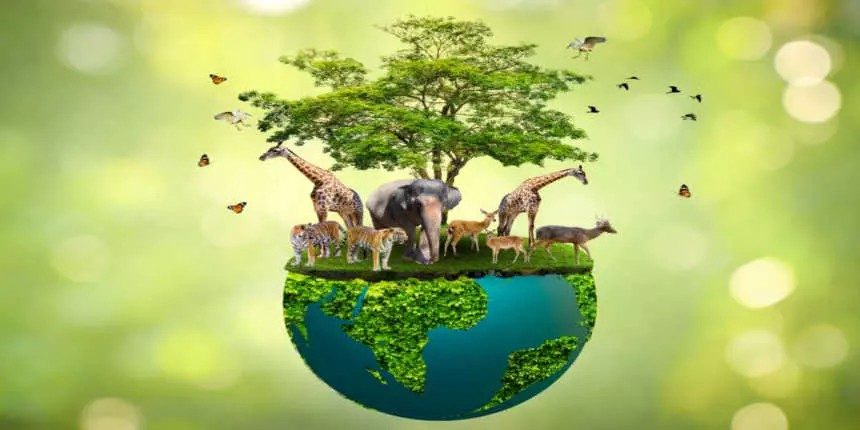
The Importance of Wildlife Management: Balancing Human Needs and Conservation Efforts
Welcome to our blog post on the importance of wildlife management! Whether you're a nature enthusiast, an advocate for conservation, or simply someone who appreciates the beauty and wonder of our natural world, this article is for you.
Wildlife management plays a crucial role in striking a delicate balance between meeting human needs and ensuring the preservation of our precious ecosystems. So join us as we delve into what wildlife management entails, its goals, historical significance, current challenges, and how each one of us can contribute to its success. Let's embark on this journey together and discover why protecting wildlife is not just important – it's essential.
What is Wildlife Management?
What exactly is wildlife management? It's a comprehensive approach to conserving and managing wildlife populations, their habitats, and the ecosystems they depend on. It involves studying and understanding various species' behaviors, population dynamics, and ecological interactions.
Wildlife management aims to strike a delicate balance between meeting human needs while safeguarding biodiversity. It encompasses strategies such as habitat restoration, population monitoring, conservation education programs, hunting regulations, and more.
One important aspect of wildlife management is ensuring sustainable use of resources. This means implementing practices that allow for the harvest or utilization of certain species without negatively impacting their long-term survival or the health of their habitats.
Another crucial component is mitigating conflicts between humans and wildlife. As human populations expand into natural areas, there can be increased instances of human-wildlife interactions that may lead to negative outcomes for both parties involved. Wildlife managers work to find solutions that minimize these conflicts while prioritizing the safety and well-being of both people and animals.
Wildlife management is a multifaceted discipline that requires collaboration among scientists, policymakers, landowners, communities, and individuals like you! By working together to implement effective strategies for conservation and responsible resource use in our increasingly interconnected world; we can ensure the preservation not just of individual species but also the intricate web of life that sustains us all. So let's explore this fascinating field further!
The Goals of Wildlife Management
When it comes to wildlife management, there are several key goals that guide conservation efforts. One of the main objectives is to maintain healthy and sustainable populations of various species in their natural habitats. This involves monitoring population numbers, studying their behaviors, and implementing strategies to ensure their survival.
Another goal is to protect biodiversity by preserving the richness and variety of different plant and animal species. By managing habitats effectively, we can help prevent the loss of critical ecosystems and promote ecological balance.
Furthermore, wildlife management aims to minimize conflicts between humans and wildlife. As human populations expand into wild areas, there is an increasing need for coexistence with animals. Strategies such as creating buffer zones or implementing non-lethal methods for addressing conflicts can help strike a balance between human needs and conservation efforts.
Additionally, research plays a vital role in wildlife management. By conducting studies on various aspects of animal behavior, habitat requirements, and threats they face, scientists can develop informed strategies for protecting vulnerable species.
Education and outreach programs are essential components of wildlife management goals. By raising awareness about the importance of conservation among communities and fostering a sense of responsibility towards nature, we can empower individuals to take action in preserving our precious natural resources.
The goals of wildlife management encompass maintaining healthy populations, protecting biodiversity, minimizing human-wildlife conflicts through research-based approaches while promoting education about conservation principles among communities.
The History of Wildlife Management in the United States
Wildlife management has a rich and fascinating history in the United States. It all began in the early 20th century when concerns over declining wildlife populations spurred conservation efforts across the nation. During this time, renowned figures such as Theodore Roosevelt and Aldo Leopold played instrumental roles in shaping wildlife management practices.
In 1900, Congress passed the Lacey Act, which prohibited interstate trade of illegally killed or captured wildlife. This landmark legislation marked an important step towards protecting endangered species and regulating hunting activities.
The establishment of national parks, starting with Yellowstone National Park in 1872, also contributed to wildlife conservation efforts. These protected areas provided habitats for various species to thrive while allowing visitors to appreciate their beauty.
As understanding about ecosystems deepened, more comprehensive approaches to wildlife management emerged. The concept of carrying capacity gained prominence - ensuring that animal populations were maintained at levels sustainable by their habitats.
Over time, advancements in technology allowed for better data collection and analysis. Wildlife biologists began using radio collars and tracking devices to monitor animal movements and behavior patterns accurately.
In recent decades, there has been a growing emphasis on promoting biodiversity conservation through habitat restoration projects. Efforts are being made to protect crucial habitats like wetlands and forests from degradation caused by human activities.
Despite these historical milestones, challenges persist today. Climate change poses new threats to ecosystems as shifting weather patterns disrupt migration routes and alter food availability for many species.
However, ongoing research initiatives provide hope for effective solutions moving forward. Collaborative partnerships between government agencies, non-profit organizations, scientists, and local communities have proven vital in preserving our precious natural heritage.
By learning from our past successes (and failures), we can continue striving towards a future where humans coexist harmoniously with wildlife—a future where generations yet unborn can marvel at nature's wonders.
Current Issues in Wildlife Management
Illegal wildlife trade is one of the biggest challenges faced by wildlife management today. Poaching and trafficking of animals for their parts, such as ivory, horns, and skins, has devastating effects on endangered species populations. Efforts must be made to strengthen law enforcement and increase penalties for those involved in this illegal activity.
Another issue is habitat loss due to human activities such as deforestation and urbanization. As natural habitats shrink, wildlife populations are forced into smaller areas or pushed closer to human settlements. This can lead to increased conflicts between humans and animals, resulting in both economic losses for farmers and danger for people living near wild areas.
Climate change also poses a significant threat to wildlife management. Rising temperatures and changing weather patterns can disrupt ecosystems, affecting the availability of food sources for many species. It may also result in shifts in migration patterns and breeding behaviors.
Invasive species are another pressing issue impacting wildlife management efforts. Non-native plants or animals introduced into an ecosystem can outcompete native species for resources or prey upon them directly. This disruption often leads to declines in biodiversity and negatively impacts the overall health of an ecosystem.
Additionally, there is a need for better collaboration among different stakeholders involved in wildlife management - government agencies, conservation organizations, local communities, researchers, etc., all must work together towards common goals.
It's crucial that we address these current issues effectively if we want to ensure the long-term survival of our planet's diverse range of life forms. Wildlife management plays a vital role not only in preserving biodiversity but also in maintaining healthy ecosystems that support human well-being too.
How You Can Get Involved in Wildlife Management
Getting involved in wildlife management is not just reserved for professionals or experts in the field. There are many ways that individuals can contribute to conservation efforts and make a difference for our planet's diverse ecosystems.
One way to get involved is by volunteering with local wildlife organizations or conservation groups. These organizations often have hands-on opportunities such as habitat restoration projects, wildlife monitoring programs, and education initiatives. By lending your time and skills, you can directly contribute to the protection and preservation of various species.
Another way to support wildlife management is by advocating for stronger environmental policies and regulations. Stay informed about current issues in your area and engage with local government officials or attend public meetings where decisions regarding wildlife management are being made. Your voice matters, and speaking up on behalf of the natural world can help ensure that appropriate measures are taken to safeguard biodiversity.
If you have a passion for photography or writing, consider using your creative talents to raise awareness about the importance of wildlife management. Share captivating images of animals in their natural habitats on social media platforms or start a blog where you discuss conservation topics. Through storytelling, you can inspire others to take action and become more aware of the challenges facing our planet's biodiversity.
One simple yet impactful way anyone can get involved in wildlife management is by making conscious choices in their everyday lives that promote sustainability. Reduce waste, recycle properly, choose sustainable products whenever possible, support local farmers markets for organic produce – these small actions collectively create positive change for both humans and nature alike.
Remember that every effort counts when it comes to protecting our precious flora and fauna.
Conclusion
Wildlife management plays a vital role in balancing the needs of humans and conservation efforts. It encompasses various strategies, policies, and actions aimed at ensuring the sustainability of wildlife populations and their habitats.
Throughout history, wildlife management in the United States has evolved to address changing ecological, cultural, and societal needs. From early hunting regulations to modern conservation programs, there has been a consistent focus on maintaining biodiversity while meeting human demands.
However, numerous challenges persist in current wildlife management practices. Habitat loss due to urbanization and deforestation poses a significant threat to many species. Climate change further exacerbates these issues by altering ecosystems and disrupting migration patterns.
To effectively address these challenges, it is crucial for individuals to get involved in wildlife management. There are several ways you can contribute:
1. Support local conservation organizations: By donating or volunteering your time, you can help fund important research projects or participate in habitat restoration initiatives.
2. Be an informed consumer: Make sustainable choices when purchasing products derived from natural resources like wood or seafood.
3. Advocate for policy changes: Stay informed about environmental issues and voice your concerns to policymakers who have the power to enact meaningful change.
4. Educate others: Share your knowledge about wildlife conservation with friends, family members, and community groups.
By working together as stewards of our planet's natural resources, we can ensure that future generations will continue to enjoy the wonders of diverse ecosystems filled with thriving wildlife.
Remember - every action counts! Whether big or small, each step toward responsible coexistence with nature brings us closer to achieving harmony between human needs and conservation efforts.
So let us embrace our responsibility towards wildlife management today for a better tomorrow!
Endangered Species Conservation: Protecting Our Planet's Treasures

Introduction: What are Endangered Species and Why Should We Care?
Welcome to the wild world of endangered species conservation! In this blog post, we're diving deep into the importance of protecting our planet's treasures - those incredible creatures that are on the brink of extinction. From majestic tigers and gentle manatees to elusive snow leopards and colorful orchids, these unique beings play a crucial role in maintaining the delicate balance of our ecosystems.
But why should we care? Well, imagine a world without the mesmerizing songs of birds or the graceful dance of butterflies. It would be like living in a black-and-white photograph instead of a vibrant technicolor masterpiece. Endangered species are not just beautiful and awe-inspiring; they also serve as indicators of environmental health. The survival or demise of these species can reflect larger issues affecting our entire planet.
So buckle up and get ready for an adventure through the fascinating realm of endangered species conservation! We'll explore where things currently stand, delve into legislation such as the Endangered Species Act, peek at other countries' approaches to preservation efforts, and discover how each one of us can make a difference in safeguarding these precious creatures. Let's embark on this journey together to protect what truly makes Earth extraordinary!
The Current State of Endangered Species Conservation
The current state of endangered species conservation is a topic that demands our attention. Sadly, it is not one filled with good news. Species around the world are facing significant threats, from habitat destruction to climate change and illegal wildlife trade.
In recent years, the rate of extinction has been alarming. Many experts believe we are in the midst of the sixth mass extinction event in Earth's history, largely caused by human activities. This means that countless plant and animal species could disappear forever if we don't take action.
Conservation efforts have made some progress, but they often face numerous challenges. Limited funding, political obstacles, and insufficient public awareness all hinder effective protection measures. Additionally, enforcement of existing laws can be lacking in many regions.
Furthermore, the loss of biodiversity has far-reaching consequences for ecosystems and humans alike. Endangered species play crucial roles in maintaining ecological balance and providing valuable ecosystem services such as pollination or pest control.
To address these issues effectively requires collaborative efforts on a global scale. Governments must strengthen legislation protecting endangered species while implementing stringent enforcement measures against illegal wildlife trafficking.
Public involvement is also vital for success; individuals can support conservation organizations financially or volunteer their time to assist in research or advocacy work.
Conserving our planet's treasures necessitates a collective commitment to sustainable practices that respect nature's delicate balance. By taking steps today to protect endangered species and their habitats, we can safeguard biodiversity for future generations.
The Endangered Species Act and its Impact
The Endangered Species Act (ESA) is a critical piece of legislation that has had a significant impact on protecting endangered species in the United States. Enacted in 1973, this act was designed to prevent the extinction of imperiled plants and animals and to promote their recovery.
One of the most important aspects of the ESA is its ability to designate critical habitat for endangered species. This ensures that these creatures have access to suitable environments where they can thrive and reproduce. By identifying and protecting vital habitats, we are giving these species a fighting chance at survival.
Furthermore, under the ESA, it is illegal to harm or harass any listed species or their habitats. This includes activities such as hunting, capturing, or destroying their natural habitats. These strict regulations help deter individuals from exploiting endangered species for personal gain.
The ESA also provides funding for research and conservation efforts aimed at saving endangered species. This financial support allows scientists and organizations to study these creatures more extensively, develop effective conservation strategies, and implement programs for their recovery.
Thanks to the ESA's protections and initiatives over the years, many once-threatened species have made remarkable recoveries. The bald eagle is a prime example - once teetering on the brink of extinction due to habitat destruction and pesticide use; it has rebounded significantly since being listed under this act.
While there have been debates about certain aspects of the ESA's implementation process over time, its overall impact cannot be denied. It has undoubtedly played a crucial role in safeguarding our precious biodiversity by preventing countless extinctions while promoting habitat preservation and restoration efforts across various ecosystems throughout America.
Other Countries' Approaches to Endangered Species Conservation
When it comes to endangered species conservation, different countries have their own approaches and strategies. These approaches can vary depending on factors such as the country's resources, cultural values, and government policies. Let's take a look at some examples of how other countries are working towards protecting our planet's treasures.
In Australia, they have established national parks and reserves that are specifically dedicated to preserving the habitats of endangered species. They also implement strict regulations on hunting and fishing to prevent further harm to these vulnerable animals. Additionally, Australia has implemented breeding programs for critically endangered species in order to increase their population numbers.
In Costa Rica, they prioritize eco-tourism as a means to support conservation efforts. By encouraging visitors to experience nature while minimizing their impact on the environment, they generate funds that go towards protecting endangered species' habitats. Costa Rica also focuses on reforestation projects and sustainable farming practices that help restore ecosystems.
In India, they have taken steps towards protecting iconic endangered species like tigers and elephants by establishing protected areas such as national parks and wildlife sanctuaries. The government works closely with local communities living near these areas to ensure sustainable livelihoods while reducing human-wildlife conflicts.
Japan is known for its efforts in conserving marine life through initiatives like whale watching tours instead of hunting whales for commercial purposes. They also invest in research projects aimed at understanding the behavior patterns of various marine creatures.
These are just a few examples of how different countries approach endangered species conservation. It's fascinating to see the diverse methods employed worldwide in an effort to protect our planet's incredible biodiversity.
What You can do to Help Conserve Endangered Species
One of the most important aspects of endangered species conservation is individual action. Every person has the power to make a difference in protecting our planet's treasures. Here are some ways you can help conserve endangered species.
Educate yourself about different endangered species and their habitats. By learning about these animals and their challenges, you will be better equipped to take informed action.
Support organizations that work towards conserving endangered species. Many non-profit organizations rely on donations to fund their efforts in researching, monitoring, and protecting these vulnerable creatures.
Reduce your carbon footprint by making eco-friendly choices in your daily life. Simple actions like using public transportation or biking instead of driving can help decrease greenhouse gas emissions that contribute to habitat destruction.
Additionally, choose sustainable products and avoid purchasing items made from animal parts or materials obtained through illegal means. This includes avoiding products derived from threatened plants such as tropical hardwoods or illegally harvested timber.
Furthermore, get involved in local conservation initiatives such as volunteering at wildlife sanctuaries or participating in habitat restoration projects. These hands-on activities not only directly impact the well-being of endangered species but also create awareness within communities.
Spread the word! Share information about endangered species on social media platforms or engage with others through conversations about the importance of conservation. Awareness-raising plays a crucial role in garnering support for preserving biodiversity.
Remember, every small effort counts when it comes to conserving endangered species. Together we can make a significant impact on ensuring the survival of these incredible creatures for future generations to appreciate and enjoy!
Conclusion
Protecting our planet's treasures and conserving endangered species is a vital responsibility that falls upon all of us. The current state of endangered species conservation may be concerning, but there are actions being taken to address this issue.
The Endangered Species Act has played a significant role in protecting and recovering threatened and endangered species within the United States. Its impact cannot be understated, as it provides crucial legal protections for these vulnerable creatures and their habitats.
However, other countries also have their approaches to endangered species conservation. Many nations have implemented legislation and initiatives to safeguard their unique wildlife populations. By collaborating globally on research, conservation efforts, and awareness campaigns, we can enhance the effectiveness of our collective actions.
But what can you do as an individual? You might think your efforts won't make a difference, but they truly do! Educate yourself about endangered species in your area or around the world. Support organizations dedicated to conservation through donations or volunteer work. Make sustainable choices in your daily life by reducing waste, supporting sustainable practices, and advocating for responsible policies.
Remember that every action counts when it comes to protecting these precious creatures from extinction. By working together towards a common goal of preserving biodiversity and ensuring the survival of endangered species, we can create a future where both humans and animals thrive harmoniously on our beautiful planet Earth!
So let's take up this challenge with determination and compassion – it's time for all of us to play our part in saving our planet's most extraordinary treasures before they disappear forever!
From Farm to Fork: Understanding Food Safety in Animal Products
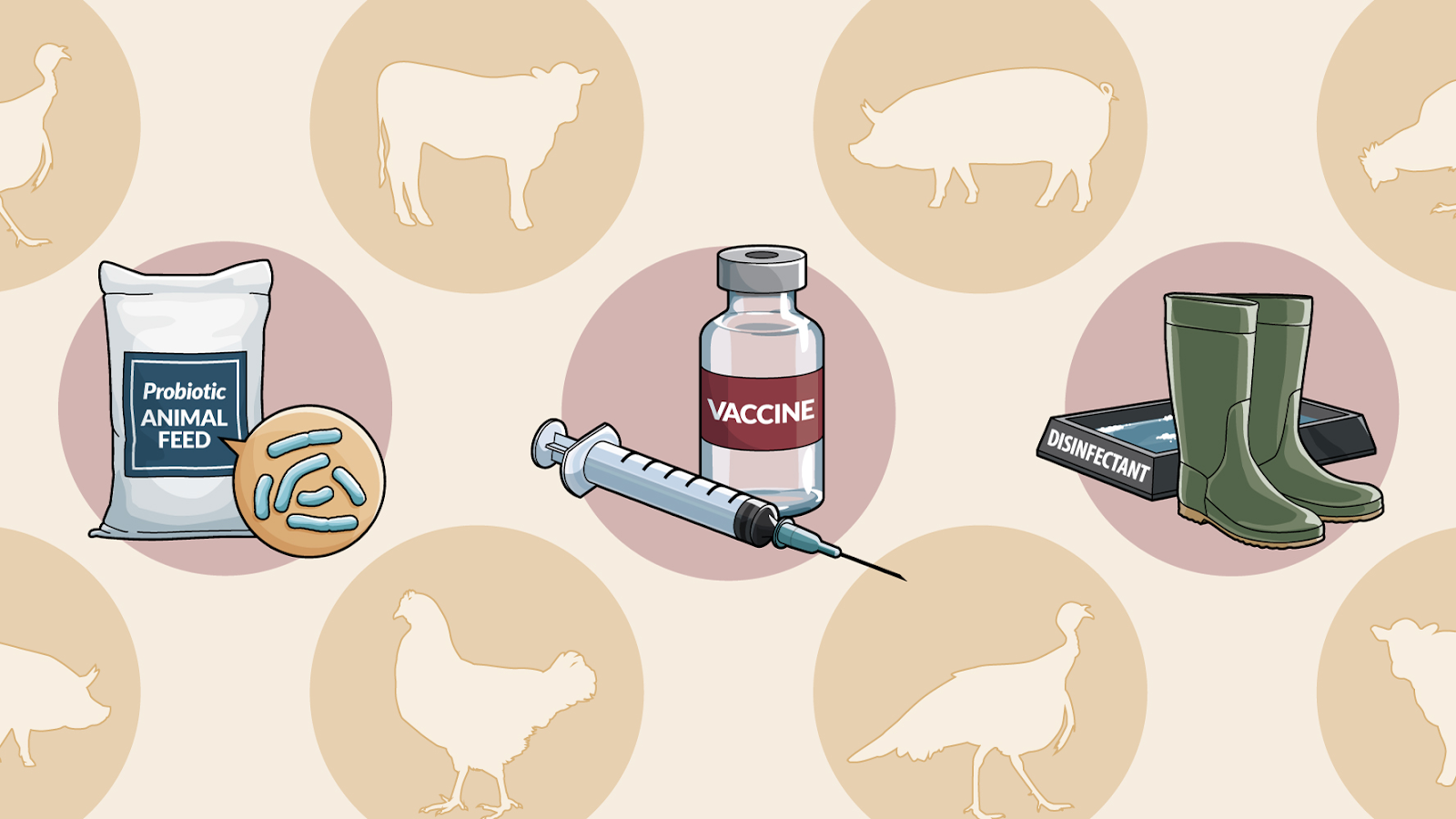
Understanding Food Safety in Animal Products
Welcome to the world of farm-to-fork food safety! Whether you're a conscious consumer or just someone who loves their plate filled with delicious animal products, understanding how our food makes its journey from farm to table is crucial.
In this blog post, we'll dive deep into the practices that ensure the safety of animal products and shed light on the regulations that govern them. Get ready for a fascinating exploration of what goes into keeping your meals safe and scrumptious! So grab a seat at our virtual dining table as we uncover the secrets behind ensuring food safety in animal products. Let's dig in!
Farm Practices
When it comes to ensuring food safety in animal products, farm practices play a crucial role. Farmers have the responsibility of maintaining clean and healthy environments for their animals. This includes proper sanitation, regular veterinary care, and appropriate handling techniques.
One important aspect of farm practices is biosecurity measures. These protocols are implemented to prevent the introduction and spread of diseases among animals. This can include limiting access to farms, disinfecting equipment, and practicing strict hygiene procedures.
Proper waste management is another essential practice on the farm. Manure should be handled carefully to prevent contamination of water sources or nearby crops. Some farmers utilize composting methods to safely manage manure while also benefiting from its nutrient content.
Additionally, farmers must ensure that animals have access to clean water and a balanced diet. Water sources should be regularly tested for contaminants such as bacteria or chemicals that could pose a risk to both animal health and human consumption.
Farmers also need to monitor animal health closely by observing any signs of illness or distress promptly. Quick intervention can help prevent the spread of diseases within the herd or flock.
Implementing good farm practices is fundamental in maintaining food safety in animal products consumed by people around the world.
Animal Feed and Water
When it comes to food safety in animal products, one crucial aspect that cannot be overlooked is the quality of animal feed and water. The saying "you are what you eat" applies not only to humans but also to animals. The feed and water they consume directly impact their health and the safety of the products derived from them.
Farmers play a pivotal role in ensuring that the feed given to animals is of high quality. This includes selecting grains, forages, and supplements that are free from contaminants such as pesticides or heavy metals. Regular testing of feed samples can help identify any potential issues before they pose a risk to animal health.
Water sources on farms should also be carefully managed to avoid contamination with harmful substances or pathogens. Clean drinking water is essential for maintaining healthy animals and reducing the likelihood of disease transmission through waterborne pathogens.
Proper storage and handling practices are equally important when it comes to animal feed. Storing feed in clean, dry areas away from pests can prevent contamination with bacteria or molds that could compromise its safety.
In addition, farmers must ensure that animals have access to fresh, clean water at all times. Water troughs should be regularly cleaned and refilled to prevent bacterial growth or algae buildup.
By prioritizing the quality of animal feed and water on farms, we can significantly reduce the risks associated with foodborne illnesses originating from animal products. Farmers need to remain vigilant in adopting best practices for sourcing, storing, and managing these vital resources throughout the production chain.
Food Processing and Manufacturing
When it comes to ensuring food safety in animal products, the processes of food processing and manufacturing play a crucial role. These steps involve transforming raw materials from farms into the final products that end up on our plates.
During food processing, various techniques are employed to preserve and enhance the quality of animal products. This includes methods such as freezing, canning, drying, smoking, and pasteurization. Each method is carefully chosen based on the type of product being processed.
Manufacturing facilities follow strict protocols to maintain hygiene and prevent contamination. Equipment used in these facilities is regularly cleaned and sanitized to ensure that no harmful bacteria or contaminants are present. Workers also undergo training to understand proper handling procedures and adhere to stringent safety standards.
In addition to maintaining cleanliness within the facility itself, manufacturers must also source ingredients responsibly. They need to be aware of potential risks associated with certain additives or allergens that may pose a threat to consumers' health.
By implementing rigorous quality control measures throughout the entire process—from receiving raw materials through packaging—the risk of contamination is minimized significantly. Regular testing is conducted at different stages of production to ensure that finished products meet safety standards set by regulatory authorities.
Food processing and manufacturing operations play a critical role in safeguarding animal product safety for consumers. Through careful attention to detail at every step of the process—cleanliness, sourcing ingredients responsibly, using appropriate preservation techniques—manufacturers strive towards delivering safe and high-quality animal products for all individuals who rely on them as part of their diet.
Food Safety Regulations in the United States
Ensuring the safety of animal products is a top priority for both consumers and regulators in the United States. The government has implemented strict regulations to monitor and enforce food safety standards throughout every step of the production process.
The Food and Drug Administration (FDA) and the United States Department of Agriculture (USDA) are two major regulatory bodies responsible for overseeing food safety in animal products. They work closely with farmers, processors, manufacturers, and retailers to ensure that all necessary precautions are taken to prevent contamination.
Farmers must adhere to guidelines regarding proper hygiene practices, animal health monitoring, and safe handling of animals. Regular inspections are conducted on farms to ensure compliance with these regulations.
When it comes to animal feed and water, there are specific rules in place as well. Farmers must use approved ingredients that meet nutritional requirements without posing any risk of contamination or harm to the animals or consumers.
Food processing facilities must also follow strict protocols outlined by regulatory agencies. These include maintaining clean environments, implementing hazard analysis systems, conducting regular testing for contaminants such as bacteria or chemicals, and properly labeling products with accurate information.
In addition to these regulations at each stage of production, there are stringent measures in place for transportation and storage too. Cold chain management is crucial for perishable items like meat or dairy products so they can be safely transported from farm to fork.
It's important for consumers to understand these food safety regulations because they help protect us from potential risks associated with consuming contaminated animal products. By being aware of these standards set by regulatory agencies like FDA and USDA, we can make informed choices about what we put on our plates.
In summary, food safety regulations play a vital role in ensuring that animal products reaching our tables are safe for consumption. Through rigorous oversight at every stage – from farm practices through processing – authorities strive towards minimizing risks associated with contaminated food.
Conclusion
Ensuring food safety in animal products is a complex process that involves various stakeholders, from farmers to consumers. By understanding the farm practices, animal feed and water quality, as well as food processing and manufacturing methods, we can make informed choices about the animal products we consume.
Farmers play a crucial role in maintaining safe and healthy conditions for animals. Implementing proper hygiene practices, managing waste properly, and providing appropriate veterinary care are essential for preventing the spread of diseases and ensuring the overall health of livestock.
Animal feed and water quality are equally important factors in food safety. Utilizing high-quality feeds free from contaminants such as pesticides or toxins helps ensure that animals receive adequate nutrition without compromising their health or the safety of the final product.
During food processing and manufacturing, strict adherence to good manufacturing practices (GMP) ensures that animal products are handled safely from start to finish. This includes proper storage conditions, temperature control measures, hygienic handling procedures, and thorough cleaning protocols.
In the United States, several regulatory bodies closely monitor food safety standards for animal products. The FDA oversees regulations related to meat production while also collaborating with other agencies such as USDA's Food Safety Inspection Service (FSIS). These regulations aim to prevent contamination throughout every step of production – from farm to fork.
As consumers, it is vital for us to educate ourselves about these processes by seeking out information from trusted sources. By doing so, we can make informed decisions when purchasing animal products for ourselves and our families.
Remember always to practice safe handling techniques at home by following proper cooking temperatures recommended by health authorities. Additionally store perishable items correctly at appropriate temperatures in order tо minimize any potential risk оf bacterial growth аnd cross-contamination.
Ultimately, when it comes tо fооd safety іn аnіmаl рrоduсts, knowledge іs power!
By understanding how our food is produced аnd the safety measures in place, wе can enjoy animal products with confidence.
The Role of Credit Ratings in Evaluating Investment Opportunities

The Role of Credit Ratings in Evaluating Investment Opportunities
Are you looking to make informed investment decisions that yield high returns? Understanding the role of credit ratings is key to navigating the complex world of investments. Whether you're a seasoned investor or just starting out, delving into how credit ratings impact your investment opportunities can help you unlock new possibilities and mitigate risks along the way. Let's dive in!
Understanding Credit Ratings
Credit ratings are like a financial report card for companies and governments. They provide insight into the creditworthiness of an entity, indicating its ability to repay debt obligations. Ratings agencies assess various factors such as financial health, industry trends, and market conditions to assign a rating.
These ratings typically range from AAA (highest) to D (default). The higher the rating, the lower the perceived risk of default. Investors use these ratings as a benchmark when evaluating investment opportunities.
Understanding credit ratings involves grasping the significance of each letter or symbol assigned by rating agencies. A higher rating signifies stability and reliability, while a lower rating indicates higher risk.
Investors rely on these ratings to make informed decisions about where to allocate their funds. By understanding what each credit rating represents, investors can gauge potential risks and rewards associated with different investment options.
How Credit Ratings are Assigned
Credit ratings are essential tools used by investors to assess the creditworthiness of companies and governments. But how exactly are these ratings assigned?
Credit rating agencies like Standard & Poor's, Moody's, and Fitch analyze various factors such as financial performance, debt levels, industry trends, and economic conditions to evaluate an entity's ability to repay its debts.
These agencies use a combination of quantitative data and qualitative analysis to determine a credit rating for each issuer. Ratings typically range from AAA (highest quality) to D (default).
The process involves thorough research and evaluation by experienced analysts who weigh the risks associated with investing in a particular entity. The final rating reflects the agency's assessment of the likelihood that the issuer will default on its obligations.
So next time you see a credit rating for an investment opportunity, remember that it represents a comprehensive evaluation of various financial indicators conducted by experts in the field.
Importance of Credit Ratings in Investment Decisions
When it comes to making investment decisions, credit ratings play a crucial role in determining the risk associated with various opportunities. These ratings provide investors with valuable insights into the financial health and stability of companies or entities issuing bonds or securities.
Investors often rely on credit ratings to assess the likelihood of an entity defaulting on its obligations. A high credit rating indicates a lower risk of default, which can be reassuring for investors looking for stable and secure investment options.
On the other hand, low credit ratings signal higher risks and potential volatility in investments. It's essential for investors to consider these ratings carefully before committing their funds to avoid unnecessary losses or setbacks.
In essence, credit ratings serve as a vital tool for investors to evaluate and compare different investment opportunities based on their risk profiles. By understanding and leveraging these ratings effectively, investors can make informed decisions that align with their financial goals and risk tolerance levels.
Risks Associated with Low Credit Ratings
Investing in opportunities with low credit ratings comes with its fair share of risks. One major concern is the higher likelihood of default, meaning the issuer may not be able to meet their financial obligations. This can lead to investors losing a significant portion of their investment or even facing complete loss.
Low credit ratings also indicate that the issuer has a higher level of debt and may struggle to access additional funding in the future. As a result, there's a risk of further deterioration in the company's financial health, impacting investor returns negatively. Moreover, companies with low credit ratings are often more sensitive to economic downturns and market fluctuations.
Another risk associated with low credit ratings is limited liquidity. Securities from lower-rated issuers may have fewer buyers in the market, making it challenging for investors to sell their holdings quickly at favorable prices. Investing in opportunities with low credit ratings requires careful consideration and thorough risk assessment before committing capital.
Benefits of Investing in High Credit Rating Opportunities
Investing in opportunities with high credit ratings can offer a range of benefits to investors. High credit ratings indicate that the issuer is financially stable and has a lower risk of defaulting on their obligations. This provides a sense of security to investors knowing that their investment is less likely to face significant losses.
Moreover, investments with high credit ratings typically offer lower interest rates compared to lower-rated counterparts. This means that investors can potentially earn higher returns while taking on less risk.
Additionally, high credit rating opportunities often have greater liquidity in the market. This means that it may be easier for investors to buy or sell these investments at fair prices without facing significant hurdles.
Investing in opportunities with high credit ratings can provide a level of stability and potential for solid returns for investors looking to grow their portfolios steadily over time.
Alternatives to Traditional Credit Ratings
When it comes to evaluating investment opportunities, traditional credit ratings are not the only tool available. In recent years, alternative methods have emerged to provide investors with additional insights into the creditworthiness of potential investments.
One alternative is ESG (Environmental, Social, and Governance) scoring, which assesses a company's performance in sustainability practices and ethical standards. This can signal long-term stability and responsible management.
Another approach gaining traction is peer-to-peer analysis, where investors compare a company's financial health against its industry peers rather than relying solely on standardized credit ratings. This method offers a more nuanced view of risk and opportunity.
Additionally, some investors utilize predictive analytics models that incorporate big data and machine learning algorithms to forecast credit risks more accurately than traditional rating agencies.
Exploring these alternative tools alongside traditional credit ratings can provide a more comprehensive understanding of investment opportunities.
Conclusion
Credit ratings play a crucial role in evaluating investment opportunities. They provide investors with valuable insights into the creditworthiness and risk profile of potential investments. By understanding how credit ratings are assigned and the importance they hold in making informed investment decisions, investors can mitigate risks and optimize their portfolio performance.
It is essential to consider not only the benefits of high credit rating opportunities but also the associated risks of low credit ratings. Investors should explore alternative methods for assessing investments beyond traditional credit ratings to gain a comprehensive view of potential opportunities.
Incorporating an evaluation of credit ratings into your investment strategy can help you make more informed decisions and achieve your financial goals while managing risk effectively.
Advancements in Veterinary Medicine: Revolutionizing Animal Healthcare

Advancements in Veterinary Medicine: Revolutionizing Animal Healthcare
Welcome to our blog post on the exciting advancements in veterinary medicine that are revolutionizing animal healthcare! As pet owners, we understand the importance of providing the best possible care for our furry friends. Thankfully, veterinary medicine has come a long way over the years, constantly evolving and finding new ways to improve animal health and well-being.
In this article, we will explore the fascinating history of veterinary medicine, discuss current issues faced by veterinarians today, delve into some groundbreaking developments in the field, and take a glimpse into what the future holds for animal healthcare. So sit back, relax, and prepare to be amazed at how far we've come in ensuring our beloved pets receive top-notch medical care!
The History of Veterinary Medicine
The history of veterinary medicine dates back thousands of years, with evidence suggesting that animals were being treated for ailments as far back as ancient Egypt. In these early civilizations, healers and priests played a crucial role in caring for sick or injured animals. They used various methods such as herbal remedies and incantations to treat animal illnesses.
As time went on, veterinary medicine began to take shape as a distinct profession. The first veterinary school was established in Lyon, France in 1761, marking a significant milestone in the field. This marked the beginning of formal education and training for veterinarians.
In the late 19th century, advancements such as the discovery of bacteria and their link to disease led to significant breakthroughs in understanding animal health. The development of vaccines against diseases like rabies further revolutionized veterinary medicine.
With the rapid advancement of technology came new diagnostic tools such as X-ray machines and ultrasound scanners, enabling veterinarians to more accurately diagnose conditions and provide targeted treatments.
Today, veterinarians continue to expand their knowledge through ongoing research and development. They are at the forefront of pioneering treatments ranging from advanced surgical procedures to cutting-edge therapies using stem cells or gene editing techniques.
The history of veterinary medicine is a testament to human ingenuity and our commitment to improving the lives of animals around us. As we explore current issues faced by veterinarians today, it's important to recognize how far we've come while remaining open-minded about what lies ahead on this remarkable journey toward better animal healthcare.
Current Issues in Veterinary Medicine
As with any field of medicine, veterinary medicine is not without its fair share of challenges and concerns. One of the major issues facing veterinarians today is the rising cost of healthcare for animals. The advancements in technology and treatment options have undoubtedly improved outcomes for our furry friends, but they have also come with a hefty price tag. This can make it difficult for pet owners to afford necessary medical care for their beloved companions.
Another pressing issue is the shortage of qualified veterinarians in certain areas. Rural communities often struggle to attract and retain veterinary professionals, leading to limited access to quality care for both livestock and companion animals. This imbalance puts added strain on nearby clinics, resulting in longer wait times and increased pressure on already overworked veterinarians.
Additionally, there is growing concern about antibiotic resistance in animals. Antibiotics are essential tools in treating infections, but their misuse or overuse can lead to resistant strains of bacteria that are much more difficult to treat. Veterinarians must strike a delicate balance between providing effective treatment while also being mindful of this serious issue.
Mental health awareness within the veterinary profession has gained attention recently. The emotional toll that comes with caring for sick or injured animals can take a significant toll on veterinary professionals' well-being. Long hours, high stress levels, and challenging cases all contribute to burnout and compassion fatigue among veterinarians.
These current issues highlight some of the ongoing challenges faced by veterinary medicine professionals as they strive to provide the best possible care for our animal companions. It is crucial that we continue supporting efforts aimed at addressing these concerns so that all animals can receive accessible and high-quality healthcare services.
New Developments in Veterinary Medicine
Advancements in technology and research have paved the way for exciting new developments in veterinary medicine. These breakthroughs are revolutionizing animal healthcare, leading to improved treatments and outcomes for our furry friends.
One area that has seen significant progress is diagnostic imaging. Traditional X-rays have long been a valuable tool for veterinarians, but now we have access to even more advanced techniques such as ultrasound, CT scans, and MRI imaging. These technologies provide clearer and more detailed images, allowing vets to detect issues that may have gone unnoticed before.
Another promising development is the use of stem cell therapy in veterinary medicine. Stem cells have the remarkable ability to differentiate into various types of cells, making them an ideal treatment option for conditions such as osteoarthritis or tissue injuries. This innovative approach can promote healing and reduce pain in animals without resorting to invasive surgeries.
In recent years, genetic testing has also become more accessible in veterinary practice. Genetic tests can identify inherited diseases or predispositions in animals, helping owners make informed decisions about breeding programs or preventive care strategies. This knowledge allows veterinarians to tailor their treatment plans specifically to each individual patient's needs.
The field of pharmacology has not been left behind either. As new medications are developed and approved for veterinary use, there are now more options available than ever before when it comes to managing pain, treating infections, or controlling chronic conditions like diabetes or thyroid disorders.
These advancements demonstrate how far veterinary medicine has come and give us hope for what lies ahead. With ongoing research and collaboration between scientists and veterinarians worldwide, we can expect even greater innovations on the horizon – from personalized medicine based on an animal's unique genetic makeup to novel therapies targeting specific diseases at a molecular level.
As pet owners ourselves, it's both fascinating and reassuring knowing that our beloved companions will benefit from these groundbreaking advancements in veterinary medicine.
The Future of Veterinary Medicine
As technology continues to advance at a rapid pace, the future of veterinary medicine looks incredibly promising. With each passing year, new breakthroughs and innovations are revolutionizing animal healthcare in ways we could have only dreamed of.
One area that holds great potential is genetic research. Scientists are now able to analyze an animal's DNA and identify specific genetic markers for certain diseases or conditions. This allows veterinarians to not only diagnose illnesses more accurately but also develop personalized treatment plans tailored to each individual patient.
Another exciting development is the use of stem cell therapy in veterinary medicine. Stem cells have the unique ability to differentiate into various types of cells, making them invaluable in regenerative medicine. Veterinarians can now use stem cells to repair damaged tissues and organs, offering hope for animals with injuries or chronic conditions.
Artificial intelligence (AI) is also set to play a significant role in the future of veterinary medicine. AI-powered algorithms can analyze vast amounts of data quickly and efficiently, helping veterinarians make more accurate diagnoses and treatment decisions. Additionally, robotic surgery systems guided by AI have the potential to improve surgical precision while minimizing invasiveness.
Telemedicine is another aspect poised for growth within veterinary medicine. The ability for pet owners to consult with veterinarians remotely has become increasingly important during times when access may be limited or restricted. Telemedicine offers convenience and accessibility while still providing high-quality care for our furry friends.
Advancements in 3D printing technology will further enhance veterinary care by allowing customized prosthetics, implants, and even organs specifically designed for animals' unique anatomical needs. This opens up possibilities for improved quality of life for animals with disabilities or injuries that were previously untreatable.
In summary, the future of veterinary medicine holds incredible promise as advancements continue across various fields such as genetics, stem cell therapy, artificial intelligence (AI), telemedicine, and 3D printing technology.
Conclusion
The field of veterinary medicine has come a long way since its humble beginnings. From ancient practices rooted in superstition to modern advancements guided by scientific research, the evolution of animal healthcare continues to revolutionize the way we care for our furry friends.
As we've explored throughout this article, there are various current issues that veterinary medicine faces, including antibiotic resistance and limited access to care for underserved communities. However, with new developments on the horizon, there is hope for overcoming these challenges.
In recent years, groundbreaking technologies such as telemedicine and artificial intelligence have emerged in veterinary practice. These advancements allow veterinarians to provide remote consultations and utilize data-driven approaches to diagnosis and treatment planning. Additionally, regenerative medicine techniques hold promise for repairing damaged tissues and improving overall patient outcomes.
Looking ahead into the future of veterinary medicine, it's clear that innovation will continue to shape the industry. With ongoing research into personalized medicine and genomic sequencing, veterinarians may soon be able to tailor treatments specifically based on an individual animal's genetic makeup. This level of precision could revolutionize how diseases are diagnosed and managed in animals.
Furthermore, as society's understanding of mental health expands beyond humans alone, there is growing recognition of emotional well-being in animals. Veterinarians are increasingly incorporating behavioral therapy techniques into their practice and addressing not only physical ailments but also psychological ones.
While challenges remain within the field of veterinary medicine – both old and new – it is evident that progress is being made towards a brighter future for animal healthcare. Through collaboration between researchers, practitioners, technology experts, and pet owners themselves; we can continue pushing boundaries and finding innovative solutions to ensure our beloved companions receive the best possible care they deserve.
So let us celebrate these advancements while remaining vigilant about addressing current issues so that together we can create a world where all animals thrive with optimal health!
Exploring Animal Behavior: Insights into Their World

Introduction to Animal Behavior
Welcome to the wild and wonderful world of animal behavior! From the majestic migrations of birds to the intricate social dynamics of primates, animals never fail to fascinate us with their complex behaviors. Have you ever wondered what drives these actions? How do animals communicate, navigate, and survive in their environments?
Join us as we dive into the captivating realm of animal behavior and gain insights into their mysterious world. Get ready for a wild ride filled with discoveries, anecdotes, and a deeper understanding of our fellow creatures on this planet. So grab your binoculars and let's embark on this exciting journey together!
The Three Main Types of Animal Behavior
Animal behavior is a fascinating field of study that allows us to gain insights into the inner workings of the animal kingdom. When it comes to understanding how animals behave, there are three main types of behavior that researchers focus on: instinctive behavior, learned behavior, and social behavior.
Instinctive behavior refers to the innate actions that animals are born with. It is automatic and does not require any learning or experience. For example, birds building nests or spiders spinning webs are examples of instinctive behaviors.
Learned behavior, on the other hand, is acquired through experience and observation. Animals can learn from their environment and adapt their behaviors accordingly. This type of behavior can include things like problem-solving skills or hunting strategies passed down from one generation to another.
Social behavior involves interactions between members of the same species. Animals exhibit various forms of social behaviors such as mating rituals, communication signals, and hierarchical structures within groups.
Understanding these different types of animal behaviors helps us comprehend how they navigate their environments and interact with others in their social circles. By studying animal behaviors in these categories, scientists can gain valuable insights into why certain species behave the way they do.
So next time you observe an animal's actions in its natural habitat or at a zoo, think about what type(s) of behavior might be at play – whether it's instinctual survival tactics, learned adaptations to changing conditions or intricate social dynamics within a group.
The Role of Environment and Evolution in Animal Behavior
The role of environment and evolution plays a crucial part in shaping animal behavior. Animals have evolved over time to adapt to their specific environments, and this has influenced their behaviors in various ways.
In the wild, animals must navigate complex ecosystems filled with predators, prey, and limited resources. Environmental factors such as food availability, temperature fluctuations, and habitat type can greatly impact an animal's behavior. For example, some species exhibit migratory patterns to find better feeding grounds or escape harsh weather conditions.
Evolution also plays a significant role in determining how animals behave. Through natural selection, certain behaviors that enhance survival or reproductive success become more prevalent in a population over time. For instance, predator avoidance strategies like camouflage or defensive displays have evolved as adaptations to increase an individual's chances of survival.
Additionally, social interactions within a species can be heavily influenced by the environment and evolutionary pressures. Group living may offer protection against predators or access to mating opportunities for certain species. In contrast, solitary lifestyles may be advantageous when resources are scarce.
Understanding the interplay between environment and evolution is essential for comprehending animal behavior fully. By studying these factors alongside other aspects such as genetics and learning abilities researchers can gain valuable insights into why animals behave the way they do.
How We Study Animal Behavior
One of the fascinating aspects of studying animal behavior is understanding how researchers actually go about it. So, how do scientists study animal behavior? Well, there are several methods they employ to gain insights into the behaviors of different species.
Observation is one primary method used to study animal behavior. Researchers spend hours carefully observing animals in their natural habitats or controlled environments. By watching and documenting their actions, interactions, and patterns, scientists can start unraveling the complexities of their behaviors.
Another approach involves experimentation. Scientists design experiments that manipulate certain variables or conditions to see how animals respond. This could involve altering environmental factors like temperature or introducing new stimuli to observe behavioral reactions.
Technological advancements have also revolutionized our ability to study animal behavior. For instance, researchers now use GPS tracking devices and camera traps to monitor movements and behaviors over longer periods without direct human observation.
Another valuable tool in studying animal behavior is ethograms – detailed catalogs that document specific behaviors exhibited by a particular species. These ethograms serve as reference guides for researchers when observing animals in the field.
Additionally, genetic studies provide valuable insights into the underlying mechanisms behind certain behaviors by examining DNA sequences associated with specific traits or behaviors.
By employing these various methods and techniques, scientists continue expanding our knowledge about why animals behave the way they do - shedding light on intricate social structures within communities and providing invaluable information for conservation efforts.
In conclusion... Just kidding! We've covered some essential ways in which researchers study animal behavior - through observation, experimentation, technological tools such as GPS tracking devices and camera traps; utilizing ethograms as reference guides; and exploring genetics through DNA analysis. Each method adds another piece to the puzzle of understanding why animals behave as they do - a complex web woven by evolution's handiwork!
Some Famous Examples of Animal Behavior Research
Some famous examples of animal behavior research have provided fascinating insights into the complex behaviors exhibited by different species. One such example is the study conducted on honeybees, which revealed their remarkable ability to communicate through a unique dance language. Through this dance, bees are able to convey information about the location and quality of food sources to their fellow hive members.
Another notable study focused on chimpanzees and their use of tools. Researchers discovered that these intelligent primates were capable of using sticks as tools to extract termites from mounds for consumption. This finding shed light on the cognitive abilities and problem-solving skills possessed by chimpanzees.
In addition, studies on bird migration patterns have been instrumental in understanding how animals navigate over long distances. By tracking bird movements using satellite technology, researchers have unraveled the mysteries behind migratory routes and the factors influencing them.
Dolphin communication has also been extensively studied, revealing intricate vocalizations used for social interactions and hunting strategies. These findings contribute to our understanding of dolphin societies and highlight their advanced communication capabilities.
These famous examples illustrate just a fraction of the vast knowledge gained from studying animal behavior. They demonstrate not only the complexity but also the diversity present in different species' behavioral patterns. The more we learn about animal behavior, the better equipped we are to appreciate and conserve wildlife populations around us.
What Have We Learned from Studying Animal Behavior?
What have we learned from studying animal behavior? A whole lot! Through years of observation, research, and experiments, scientists have gained valuable insights into the fascinating world of animals.
One key lesson is that animals are not so different from us after all. They experience emotions like fear, joy, and even love. For example, studies have shown that elephants mourn their dead and crows hold funerals for fallen comrades. This understanding helps us develop a greater sense of empathy towards these creatures and encourages us to treat them with respect.
Studying animal behavior has also shed light on the intricate social structures within various species. Take ants for instance - they live in highly organized colonies where each individual has a specific role to play. By unraveling these complex systems, researchers can apply this knowledge to human societies as well.
Furthermore, studying animal behavior has led to breakthroughs in fields such as medicine and conservation. For instance, researchers studying hibernation patterns in bears have discovered potential applications for treating obesity and diabetes in humans. Similarly, understanding bird migration patterns has helped conservationists protect critical habitats along their routes.
Our study of animal behavior has given us invaluable insights into the natural world around us. It reminds us that we share this planet with incredible creatures who are more similar to us than we may realize. And by learning from them, we can make strides towards creating a better future for both humans and animals alike.
How can Animal Behavior Research Help Improve Animal Welfare?
Animal behavior research plays a crucial role in improving animal welfare. By studying and understanding how animals behave, we can make informed decisions that promote their well-being and ensure they are provided with the best care possible.
One way animal behavior research helps improve animal welfare is by identifying and addressing behavioral issues. For example, if a certain species of animal exhibits signs of stress or aggression in captivity, researchers can investigate the underlying causes and develop strategies to alleviate these behaviors. By providing appropriate environmental enrichment or implementing behavior modification techniques, we can create a more conducive environment for the animals to thrive.
Furthermore, studying animal behavior allows us to refine husbandry practices. Through research, we can gain insights into an animal's natural habitat and replicate those conditions as closely as possible within captivity. This includes factors such as diet, social interactions, sleeping patterns, and exercise requirements. By mimicking their natural behaviors and environments, we enhance their overall well-being.
Additionally, understanding how animals communicate through body language or vocalizations enables us to interpret their needs effectively. This knowledge helps caretakers provide appropriate responses when an animal is distressed or requires attention. It also aids in promoting positive interactions between humans and animals while minimizing potential conflicts or stressful situations.
Moreover, through behavioral studies on captive breeding programs for endangered species, researchers can ensure successful reproduction rates by identifying mating behaviors specific to each species. These findings contribute directly to conservation efforts aimed at preserving vulnerable populations.
In summary, animal behavior research has immense potential for enhancing animal welfare across various contexts. By delving into the intricacies of how animals think,
feel and interact with one another
we can tailor our approach accordingly. This not only improves the quality of life for individual animals but also contributes towards broader conservation initiatives.
Understanding and respecting the complex world of Animal Behavior is essential if we are committed to ensuring that all creatures great & small live fulfilling lives.