Learn smarter with fresh insights from our tutors.
Practical study guides, course supplements, and learning resources curated to help you move faster through every subject.
Understanding Different Types of Headaches and Their Causes

Understanding Different Types of Headaches and Their Causes
Headaches are a common ailment that affects almost everyone at some point in their lives. They can range from mild discomfort to debilitating pain and can be caused by various factors, such as stress, dehydration, or underlying medical conditions. With so many different types of headaches and causes, it can be challenging to know how to treat them effectively.
In this blog post, we will explore the different types of headaches you may experience, their potential causes and effective treatments for each type. We'll also provide tips on how to prevent future headaches and when it's best to seek professional medical advice. So grab a cup of tea (or whatever helps alleviate your headache) and let's dive into understanding the ins-and-outs of headaches!
Different Types of Headaches
Headaches come in all shapes and sizes, but they generally fall into four categories: tension headaches, migraines, cluster headaches and sinus headaches. Tension headaches are the most common type of headache and are often caused by stress or muscle tension in the neck, shoulders or scalp. They usually feel like a band squeezing around your head.
Migraines on the other hand are characterized by throbbing pain that is often accompanied by sensitivity to light and sound. Some people also experience nausea during an attack. Migraines can last for hours or even days.
Cluster headaches occur in cycles over time, with severe pain on one side of the head accompanied by watery eyes and nasal congestion. These types of headaches can be extremely debilitating but thankfully they're relatively rare.
Sinus headaches result from inflammation in the sinuses - small air-filled spaces at the front of your skull - which can cause pressure behind your eyes and forehead along with a stuffy nose.
It's important to identify what type of headache you're experiencing so that you can determine how best to treat it.
Causes of Headaches
One of the most common causes of headaches is tension. Tension headaches are often brought on by stress or anxiety, which leads to muscle tightness in the neck and scalp. Another type of headache that can be linked to stress is migraines.
Certain foods and drinks can also trigger headaches, such as alcohol, caffeine, processed meats, and aged cheeses. Skipping meals or dehydration can also lead to a headache.
Physical factors like poor posture or eye strain from staring at screens for extended periods of time can cause tension headaches as well.
Other possible causes include hormonal fluctuations during menstruation or menopause, sinus infections, head injuries or concussions, and certain medications.
Identifying the underlying cause of your headache will help you determine how best to treat it moving forward.
How to Treat Different Types of Headaches
When it comes to treating headaches, the approach varies depending on the type of headache and its underlying cause. For tension headaches, over-the-counter pain relievers like aspirin or ibuprofen can be effective in reducing pain. Additionally, applying heat or cold compresses to the affected area can also provide relief.
Migraine headaches may require prescription medications such as triptans or anti-nausea drugs. It's important to take these medications at the first sign of a migraine attack for maximum effectiveness. Avoiding triggers like bright lights or certain foods can also help prevent migraines.
Cluster headaches are often treated with high-flow oxygen therapy and preventative medications such as verapamil or lithium. Acupuncture and nerve stimulation have also shown promising results in managing cluster headaches.
In some cases, relaxation techniques such as deep breathing exercises, meditation, and yoga can be helpful in reducing stress-related headaches. And for cervicogenic headaches caused by neck problems, physical therapy is often recommended to address muscular imbalances and improve posture.
It's important to note that self-diagnosing and self-treating severe or chronic headaches without consulting a medical professional can be dangerous. Always seek advice from your doctor if you're experiencing frequent or severe headaches that interfere with daily life activities.
Prevention Tips for Headaches
Preventing headaches is essential for anyone who experiences them frequently. Here are some tips to help prevent headaches:
First, it's important to maintain a healthy lifestyle. This includes getting enough sleep, eating a balanced diet, and staying hydrated throughout the day.
Another prevention tip is to manage stress levels. Stress can trigger tension headaches or migraines in some people. Practicing relaxation techniques such as yoga or meditation can help reduce stress levels.
Avoiding triggers that cause headaches is another preventive measure you can take. For example, if certain foods like chocolate or caffeine trigger your headache, avoid consuming them.
Regular exercise also helps prevent headaches by improving blood flow and reducing stress levels in the body.
It's also important to maintain good posture when sitting or standing for long periods of time as poor posture can lead to tension-type headaches.
Make sure you are taking breaks from electronic devices as prolonged screen time has been linked with causing eye strain which may result in a headache.
When to See a Doctor for a Headache
Headaches can be uncomfortable, but most of the time they are not a cause for concern. However, if you experience severe headaches or ones that occur frequently, it is important to seek medical attention.
If your headache is accompanied by other symptoms such as nausea, vomiting or dizziness, it could be indicative of an underlying condition that requires treatment. Additionally, if you experience sudden and intense headaches or ones that interfere with your daily activities like work or school, then it's important to see a doctor.
Another reason to seek medical attention is if over-the-counter pain medications don't provide relief from your headaches. Your doctor may prescribe stronger medication or suggest alternative therapies such as acupuncture or massage therapy.
If you have a history of migraines and notice changes in their frequency or severity, it's best to discuss this with your healthcare provider. They can help determine the underlying cause and provide appropriate treatment options.
Remember- never ignore persistent and severe headaches. It’s always better to get them checked out by a professional before they exacerbate into something more serious!
In conclusion, headaches can be a real pain, quite literally. Understanding the different types of headaches and their causes is crucial in finding relief from this discomfort. From tension headaches to migraines, each type has its own unique characteristics and treatment options.
It's important to remember that prevention is key when it comes to headaches. Maintaining a healthy lifestyle through regular exercise, proper hydration, and managing stress levels can go a long way in preventing these painful episodes.
If you do experience frequent or severe headaches that disrupt your daily life, don't hesitate to seek medical attention. A healthcare professional can help diagnose any underlying conditions contributing to your headache symptoms and provide appropriate treatment.
We hope this article has shed some light on the various types of headaches and how you can manage them effectively. By understanding the causes behind your head pain and taking steps towards prevention and treatment, you can minimize the impact of headaches on your life.
How AI is Revolutionizing Healthcare

How AI is Revolutionizing Healthcare
The healthcare industry is constantly evolving to provide better and more efficient care for patients. One of the most significant advancements in recent years is the integration of artificial intelligence (AI) and robotics into healthcare systems. From personalized medicine to virtual consultations, AI has revolutionized how we approach healthcare.
In this blog post, we will explore the various applications of AI in different sectors of healthcare and discuss how it has impacted patient care in the wake of a pandemic. Get ready to learn just how much AI is transforming the world of healthcare as we know it!
AI and Robotics Transforming Healthcare
AI and robotics are transforming healthcare in ways that were once thought to be impossible. With the help of these technologies, we can now diagnose diseases more accurately and treat patients with greater precision. Robotics has also become a crucial tool for surgeries, allowing for less invasive procedures and faster recovery times.
In addition to improving patient outcomes, AI and robotics have also made healthcare systems more efficient. By automating routine tasks such as appointment scheduling and medical record keeping, doctors and nurses can focus on providing quality care to their patients.
Another area where AI is making waves is drug development. By analyzing vast amounts of data from clinical trials, scientists can identify potential treatments faster than ever before. This technology is already being used to develop new drugs for cancer treatment, Alzheimer's disease, and other illnesses.
It's clear that AI and robotics are transforming the way we approach healthcare. As these technologies continue to improve, we can expect even more exciting advancements in the years ahead!
AI Applications in Different Sectors of Healthcare
AI applications in different sectors of healthcare are transforming the way we perceive medical technology. Data analysis, pattern recognition and machine learning algorithms can be applied to many areas of healthcare including drug discovery, personalized medicine, clinical decision making and more.
One area where AI is particularly useful is radiology. Machine learning models are being developed which can analyze X-rays, CT scans and MRI images with greater accuracy than humans. This means that doctors can receive faster diagnoses with less risk of error.
Another application for AI in healthcare is drug development. By analyzing vast amounts of data from previous trials, researchers can identify potential new drugs or repurpose existing ones for other conditions. This could lead to more effective treatments being available sooner for patients who need them.
In addition to these applications, AI is also helping improve patient care by predicting readmissions and preventing hospital-acquired infections. It's clear that this technology has the potential to revolutionize all aspects of healthcare as we know it today
AI Healthcare Revolution in the Pandemic's Wake
The COVID-19 pandemic has been a gamechanger for the healthcare industry, and AI technology has played a crucial role in revolutionizing it. The pandemic has increased the demand for virtual healthcare services and remote patient monitoring, which was made possible by AI-powered tools.
AI algorithms have helped healthcare professionals in identifying patients who were at high risk of developing severe health complications due to COVID-19. It has also enabled them to monitor patients remotely, reducing their exposure to the virus while still receiving quality care.
Furthermore, AI-enabled chatbots and virtual assistants have become increasingly popular during the pandemic as they help reduce unnecessary physical contact between patients and healthcare workers. Patients can now receive medical advice from these automated systems without having to visit hospitals or clinics physically.
AI technology is also being used extensively in drug discovery research related to COVID-19 treatments. Machine learning algorithms analyze large amounts of data on potential drug candidates that could be effective against coronavirus strains.
AI technology's vital role in revolutionizing healthcare cannot be overstated - especially during this pandemic. As we continue navigating through these challenging times ahead, there is no doubt that further advancements will emerge as we find more ways where AI can enhance our response and treatment capabilities against future pandemics or outbreaks.
Personalized Healthcare
Personalized healthcare is one of the most promising applications of AI in healthcare. By using machine learning algorithms, doctors can predict diseases before they occur and personalize treatment plans for patients based on their genetic makeup, lifestyle, and medical history.
One example of personalized healthcare is precision medicine. This approach to patient care takes into account each individual's unique genetics, environment, behavior, and lifestyle to provide tailored diagnoses and treatments that are more effective than traditional approaches.
AI-powered predictive analytics tools also have the potential to revolutionize how doctors diagnose and treat diseases like cancer. By analyzing large amounts of data from electronic health records (EHRs), lab tests, imaging studies, genomic sequencing results, and other sources of information about a patient's health status over time doctors can identify patterns that suggest a higher risk for certain conditions.
Moreover, AI helps clinicians make faster decisions by providing real-time insights into a patient's condition or trajectory based on data collected by wearable devices such as smartwatches or health monitoring apps. With these tools at their disposal physicians can take proactive steps to prevent disease progression before it becomes severe which ultimately improves outcomes while lowering costs.
Personalized care has shown great promise in improving outcomes for patients with chronic illnesses including diabetes heart disease arthritis Alzheimer's among others. As AI continues to evolve so will its application in personalizing healthcare thereby ensuring better quality care delivery!
Digital Diagnostics
Digital diagnostics is one of the most exciting applications of AI in healthcare. With AI, it is now possible to develop algorithms that can accurately analyze medical imagery and provide accurate diagnoses.
The use of digital diagnostics has transformed the way doctors diagnose diseases and conditions. Instead of relying on their experience alone, doctors can now use advanced imaging techniques and AI-powered tools to obtain more detailed information about a patient's condition.
AI-assisted diagnosis provides greater accuracy than traditional methods since it identifies patterns that would be difficult for humans to detect. This helps doctors make faster decisions, which can save lives in critical situations.
One area where digital diagnostics are making a big impact is radiology. The technology makes it possible for radiologists to quickly analyze large volumes of images with increased precision and speed. Digital diagnostic tools have also been developed for other fields such as cardiology, dermatology, and ophthalmology.
Digital diagnostics have revolutionized how healthcare professionals diagnose patients by providing fast and accurate results using advanced AI algorithms. As technology continues to evolve at an unprecedented pace, we will see even more innovative solutions emerge in the future!
AI in Virtual Healthcare
AI has also been making significant strides in the virtual healthcare sector. Telemedicine and remote consultations have become more prevalent due to the pandemic, and AI is now being utilized to enhance these services further.
One of the key benefits of AI in virtual healthcare is its ability to improve diagnosis accuracy. Through machine learning algorithms, AI can analyze vast amounts of medical data and assist doctors in identifying potential health issues accurately.
In addition, AI-powered chatbots are becoming common tools for triage services. Patients can use them to describe symptoms or ask questions about their health before seeing a doctor in person or virtually. These chatbots provide patients with quick responses while reducing wait times for appointments.
Moreover, Virtual reality (VR) technology combined with AI is paving new ways for innovative therapy options. VR simulations designed by physicians allow patients to experience therapies firsthand during their remote sessions; this allows doctors better insight into treatment effectiveness as well as increases patient engagement and satisfaction levels.
It's clear that virtual healthcare will continue playing an important role post-pandemic, especially since there has been a notable increase in demand for telemedicine services worldwide. With advanced technologies like AI powering these solutions forward, we could see even greater advancements towards personalized care delivery through our screens!
AI in Gen Z's Personalized Digital Skincare
Gen Z is a generation that grew up with technology at their fingertips. It's no surprise then that they are leading the way in personalized digital skincare powered by AI. With the help of machine learning algorithms, AI analyzes skin types and creates custom skincare routines tailored to individual needs.
One popular example of this is the "Skin Advisor" tool developed by L'Oreal. The app uses facial recognition software to scan your face and identify any problem areas or concerns you may have regarding your skin health. Based on this analysis, it provides customized product recommendations for a personal care routine.
Another innovative company using AI technology to revolutionize skincare is Proven Skincare. Their platform uses a questionnaire to gather information about an individual's lifestyle habits, environment, diet, and skin type to create personalized formulas for customers based on data-driven insights.
With Gen Z becoming increasingly interested in self-care and wellness practices, it's no surprise that personalized digital skincare powered by AI has become so popular among them. As more companies embrace this technology, we can expect even greater advancements in the industry in years to come.
The Importance of Thinking Outside the Box for Innovation and Creativity

The Importance of Thinking Outside the Box for Innovation and Creativity
Do you ever find yourself stuck in a rut when it comes to generating new ideas? Are your brainstorming sessions feeling stale and unproductive? It's time to break out of the box and unleash your creative potential! In today's fast-paced business world, innovation is key to staying ahead of the competition. But how do we foster creativity and come up with truly groundbreaking ideas?
In this blog post, we'll explore why thinking outside the box is critical for success, strategies for unlocking your creative potential, real-world examples of successful innovation, and tips for driving digital transformation through creative thinking. So put on your thinking caps - it's time to get innovative!
Understanding the Difference Between Creativity and Innovation
Creativity and innovation are often used interchangeably, but they are not the same thing. Creativity is the act of generating novel ideas or concepts that have value. It's about coming up with original thoughts that can solve problems or improve a product or service in some way.
Innovation, on the other hand, is all about putting those creative ideas into action. It involves taking an idea and turning it into a tangible product or service that provides value to customers.
To put it simply: creativity is about ideation while innovation is about execution. You can be incredibly creative, but if you don't follow through with implementing your ideas, you won't see any real results.
It's important to understand this distinction because both creativity and innovation play crucial roles in driving business success. By fostering a culture of creativity within your organization, you'll be more likely to generate innovative solutions that set you apart from competitors.
Ultimately, it takes both creativity and innovation working together seamlessly to drive real change and make a lasting impact on your industry.
Why Thinking Outside the Box is Critical for Business Success
In today's fast-paced business world, innovation is key to staying ahead of the competition. However, true innovation can only come from thinking outside the box and exploring alternative perspectives.
When businesses limit themselves to conventional thinking and solutions, they become stagnant and fail to adapt to changing market conditions. By embracing creative thinking, companies can generate new ideas and approaches that lead to growth and success.
Creativity allows businesses to see problems in a different light and find unique solutions that may have otherwise gone unnoticed. It allows for experimentation and risk-taking without fear of failure because it is seen as an opportunity for learning rather than a setback.
Thinking outside the box also promotes collaboration among team members who bring diverse experiences and skill sets to the table. This creates an environment where everyone feels empowered to contribute their ideas for creating positive change within an organization.
Ultimately, those who think creatively are better equipped at identifying opportunities before others do; they take calculated risks when necessary; they anticipate future trends with ease; they understand how customers' needs will evolve over time - all skills critical in any competitive marketplace.
Strategies for Thinking Creatively: Brainstorming, Reframing Challenges, and Exploring Alternative Perspectives
In today's fast-paced and ever-changing business landscape, creativity is becoming increasingly important for companies to stay ahead of the competition. However, being creative isn't always easy, especially when it feels like you've exhausted all your ideas. That's where thinking outside the box comes in.
One strategy for thinking creatively is brainstorming. This involves gathering a group of people and generating as many ideas as possible without judgment or criticism. The goal is to come up with a wide range of options that can be refined later on.
Another approach is reframing challenges. Instead of looking at problems in the same old way, try shifting your perspective by asking different questions or exploring alternative angles. This can help unlock new solutions and possibilities that were previously overlooked.
Exploring alternative perspectives can expand your thinking beyond what you know or believe to be true. By considering viewpoints from different cultures, industries or disciplines, you may discover fresh insights that lead to innovative ideas.
Ultimately, these strategies are about breaking free from conventional ways of thinking and embracing new approaches to problem-solving. By incorporating them into your daily routine - whether it's through team meetings or personal reflection - you'll not only increase your own creativity but also improve collaboration within your organization as well as customer satisfaction and engagement.
Unlocking Your Creative Potential: Tips for Cultivating Innovation in Yourself and Your Organization
Unlocking your creative potential is crucial for cultivating innovation in yourself and your organization. Here are some tips to help you tap into your creativity:
- Embrace a Growth Mindset: Adopting a growth mindset means viewing challenges as opportunities for growth rather than obstacles. This can change how you approach problems, making it easier to come up with creative solutions.
- Take Breaks: Stepping away from work can be beneficial for sparking creativity. Taking breaks gives your mind time to rest and process information, which can lead to new insights.
- Explore New Experiences: Trying new experiences outside of work can broaden your perspectives and inspire fresh ideas.
- Collaborate with Others: Collaboration allows you to bounce ideas off others, gain feedback, and see things from different angles.
- Keep an Open Mind: Be willing to listen without judgment or preconceptions when brainstorming or receiving input from others.
By putting these tips into practice, you'll be better equipped to cultivate innovation in both yourself and your organization!
Innovation and Creativity in Real-World Examples
Innovation and creativity are not just buzzwords; they have real-world implications that can make or break a business. One example of successful innovation is the Starbucks Frappuccino, which revolutionized the coffee industry with its cold, blended drink. This idea was born out of experimentation and a willingness to take risks.
But it's not just big corporations that can benefit from creative thinking. Ride-hailing services like Uber and Lyft disrupted the traditional taxi industry by using technology to connect riders with drivers in real-time. Cellphones transformed communication and made it possible for people around the world to stay connected like never before.
These examples demonstrate that innovative ideas don't always come from within an organization but can be found by looking outside of traditional frameworks. Whether it's exploring alternative perspectives or reframing challenges, businesses must foster an environment where creativity thrives to remain competitive in today's fast-paced world.
Innovation and creativity are essential components for success in any field – whether you're running a small business or leading a multinational corporation. It takes courage to think outside of the box, but those who do stand to reap significant rewards both personally and professionally.
The Starbucks Frappuccino: An Example of Successful Innovation
In 1994, Starbucks introduced the world to its now iconic Frappuccino. It's hard to imagine a time before this blended coffee drink was available in every corner of the globe, but it wasn't until Howard Schultz, then CEO of Starbucks, traveled to Italy and experienced the country's gelato culture that he had the idea for a similar cold beverage option.
The Frappuccino was an instant hit with customers who were looking for something more than just plain coffee. The creamy texture and sweet flavors made it an indulgent treat that people couldn't resist. The company continued to innovate by introducing new flavors and variations, such as the popular Pumpkin Spice Frappuccino during fall months.
What makes this innovation so successful is not only its delicious taste but also how well it aligns with Starbucks' brand identity. The company has always been about providing customers with high-quality coffee experiences and creating a warm atmosphere where people can gather and connect.
By introducing a new product that fit seamlessly into their existing brand image, Starbucks was able to expand their customer base while still maintaining their core values. Today, the Frappuccino remains one of Starbucks' top-selling products and serves as an inspiring example of how innovation can drive business success when done right.
Ride Hailing, Cellphones, and Other Innovations Driven by Creative Thinking
Ride-hailing services like Uber and Lyft have revolutionized the transportation industry in just a few short years. These innovations were driven by creative thinking, as entrepreneurs saw a need for more convenient and affordable transportation options. By leveraging technology to connect drivers with passengers, these companies disrupted traditional taxi services and changed the way people get around cities.
Another example of innovation that has transformed our daily lives is the cellphone. Before cellphones became ubiquitous, communication was limited to landlines or pay phones. But with the invention of mobile devices, we can now communicate with anyone from anywhere at any time. The evolution of cellphones has been marked by constant improvements in design and functionality, such as high-resolution screens, touchscreens, voice assistants and more.
Other examples of innovative ideas include social media platforms like Facebook that enable users to connect with friends across distances; streaming services like Netflix which allow viewers access to their favorite TV shows and movies on demand; artificial intelligence (AI) technologies that are being used today in many industries ranging from healthcare to finance.
Innovation is not only about creating new products but also improving existing ones through creativity – making them faster, cheaper or easier to use while still delivering value to customers. Ultimately it's about finding ways to meet customer needs better than anyone else can while remaining adaptive enough so you can continue iterating based on feedback from your audience
Putting Concepts into Action: Driving Digital Transformation through Creative Thinking
In today's rapidly evolving digital landscape, businesses must continuously adapt to stay relevant and competitive. While new technologies can offer significant advantages, they also require creative thinking to be effectively implemented and leveraged.
Digital transformation is the process of incorporating digital technology into all aspects of a business. This requires a shift in mindset that encourages innovation, experimentation, and risk-taking. By embracing new ideas and technologies, companies can streamline operations, improve customer experiences, and gain an edge over competitors.
The key to driving digital transformation through creative thinking is to foster a culture that values creativity and empowers employees to think differently. This involves providing resources for training and development in areas such as design thinking or agile methodologies.
Organizations should also encourage collaboration across departments by creating cross-functional teams dedicated to specific projects or initiatives. These teams should include individuals with diverse backgrounds and skill sets who can bring fresh perspectives to problem-solving.
Another essential element of driving digital transformation through creative thinking is keeping up with emerging trends in technology. By staying informed about the latest innovations, businesses can anticipate changes in the market and identify opportunities for growth.
Ultimately, successful digital transformation requires both creative thinking and strategic planning. By putting concepts into action with innovative approaches tailored specifically to their unique needs, organizations can position themselves for long-term success in an increasingly connected world.
In conclusion, thinking outside the box is a key factor in innovation and creativity. By utilizing strategies such as brainstorming, reframing challenges, and exploring alternative perspectives, innovators can tap into their creative potential to come up with novel solutions that are both practical and inspiring. With these tips in hand, you’re now better equipped to think creatively and cultivate an innovative mindset for yourself or your organization. So what are you waiting for? It’s time to get creative!
Harnessing Creativity in Innovation - Key Strategies For Thinking Outside The Box

Harnessing Creativity in Innovation - Key Strategies For Thinking Outside The Box
Creativity is the lifeblood of innovation. Without it, businesses stagnate and fall behind in a rapidly evolving marketplace. The ability to think outside the box and come up with fresh ideas is what makes some companies stand out from the rest. But how do you harness creativity? How can you encourage your team to think differently and bring new perspectives to old problems?
In this article, we will explore key strategies for unlocking creativity in innovation, as well as examples of companies that have succeeded by embracing their creative side. So let's dive into the world of creativity and discover how it can transform your business!
The Importance of Creativity in Innovation
Innovation is the lifeblood of any successful business. It allows companies to stay ahead of their competitors and adapt to changing market conditions. However, innovation cannot exist without creativity. Creativity is what drives new ideas and fresh perspectives that can transform a business.
Without creativity, businesses become stagnant, relying on old ideas and outdated strategies that are no longer effective. In contrast, companies that embrace creativity are able to explore new opportunities and create innovative solutions to complex problems.
Creativity also helps businesses stand out in a crowded marketplace. By coming up with unique ideas and approaches, companies can differentiate themselves from their competitors and build a strong brand identity.
Moreover, fostering a culture of creativity within your organization can have numerous benefits beyond just innovation. It can boost employee morale by providing them with an outlet for self-expression and generating excitement about work projects.
The importance of creativity in innovation cannot be overstated. It is essential for businesses looking to create lasting success in today's rapidly changing world economy.
Key Strategies for Harnessing Creativity
To harness creativity in innovation, it is important to create an environment that fosters experimentation and risk-taking. This means embracing failure as a necessary step towards success and encouraging employees to take risks without fear of negative consequences. One way to achieve this is by offering rewards for innovative ideas, such as bonuses or recognition.
Another strategy is to diversify the team. Bringing together individuals with diverse backgrounds, experiences, and perspectives can lead to unique solutions and approaches that may not have been considered otherwise. It's also important to provide opportunities for collaboration and brainstorming sessions where everyone has a chance to contribute their ideas.
Encouraging mindfulness practices can also help unlock creativity in individuals. By setting aside time for meditation or other relaxation techniques, employees can clear their minds of distractions and tap into their inner creativity.
Leadership plays a crucial role in fostering creativity within an organization. Leaders need to provide support and resources while allowing room for autonomy among employees. They should encourage open communication channels so that all members of the team feel comfortable sharing their ideas without judgment.
Creating a culture of continuous learning can also inspire creativity in innovation. Encouraging ongoing education, training programs or workshops related directly or tangentially with your industry will inspire new ways on how things are done which could result in innovative approaches leading you far ahead from competitors
The Role of Leadership in Encouraging Creativity
Leadership plays an essential role in encouraging creativity within a company. A leader must foster a culture that values innovation and rewards creative thinking. To do this, leaders should encourage their team to experiment and take risks without fearing failure.
It's important for leaders to create an environment where employees feel comfortable sharing their ideas without the fear of judgment or criticism. They should actively listen to feedback from employees, make changes accordingly, and recognize those who contribute unique ideas.
Leaders must also lead by example. By embracing new technologies or methods themselves, they inspire others to do the same. Additionally, they can provide resources such as training programs or tools that support innovative thinking.
It's crucial for leaders not to stifle creativity by micromanaging or setting strict guidelines. Instead, they should trust their team members' abilities and give them autonomy over projects while providing guidance when necessary.
Leadership is critical in creating a work environment that encourages creativity within a company. Leaders who value innovation will ultimately drive progress and success through their teams' unique insights and contributions.
Case Studies of Companies That Have Succeeded Through Creativity
Companies that have succeeded through creativity have demonstrated the power of innovation. Apple is a prime example of a company whose success is built on creative thinking. The brand has always been at the forefront of technological advancements, and this can be attributed to their culture of creativity.
Another company that has thrived through innovative thinking is Netflix. Their decision to pivot from mailing DVDs to streaming content online was a game-changer for the industry. This shift in focus was driven by their desire to provide better value to customers, and it paid off immensely.
Tesla's approach towards electric cars also exemplifies how an unconventional idea can disrupt an entire industry. By believing in his vision and challenging traditional automotive companies' norms, Elon Musk created one of the most valuable car companies globally, which continues to push boundaries with its cutting-edge technologies.
Patagonia's sustainability efforts are another testament that doing good while making money is possible through creativity in business strategy. The outdoor clothing retailer has committed itself not only towards environmental responsibility but also ethical marketing practices.
Companies who embrace creativity as part of their core values tend to innovate continuously, resulting in unprecedented growth opportunities and customer loyalty. These four examples demonstrate that incorporating fresh perspectives into your business model can lead you on a path towards greater success – something all businesses should strive for!
To conclude, creativity is an essential ingredient for innovation. It enables individuals and organizations to think outside the box and come up with groundbreaking ideas that can impact industries positively. By harnessing creativity through various strategies like encouraging diversity of thought, embracing failure, and fostering collaboration, businesses can achieve significant success in innovation.
Leadership also plays a vital role in nurturing creativity by creating an environment where employees feel empowered to share their ideas without fear of judgment or rejection.
In today's fast-paced business world, companies must continually innovate to stay ahead of the competition. Therefore, it is crucial for organizations to embrace creativity as a core value and invest in resources that help foster creative thinking among their workforce.
By doing so, they not only drive innovation but also create a culture that attracts top talent who are passionate about making a difference through innovative solutions. With these key strategies in place, any company can unleash its creative potential and reap the benefits of successful innovation.
How IoT revolutionize Agriculture Industry?
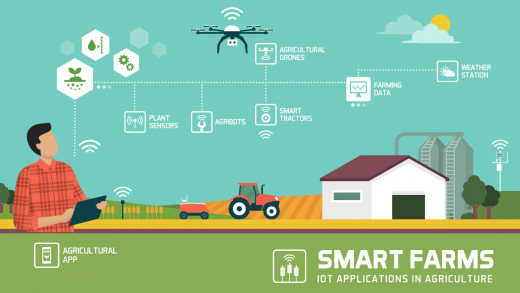
How IoT revolutionize Agriculture Industry?
As technology continues to advance, it has become essential in every aspect of our lives. One industry that is embracing the power of technology like never before is agriculture. With the help of IoT (Internet of Things), farmers can now get real-time information about their crops and livestock, enabling them to make informed decisions that lead to improved yields and better profits.
In this blog post, we will explore how IoT is revolutionizing the agriculture industry and changing the way we produce food for a growing population. So sit back, grab a cup of coffee, and let's dive into this exciting topic!
What is IoT?
IoT, or the Internet of Things, is a term that refers to a network of physical objects connected to the internet. These objects could be anything from sensors and cameras to machines and devices.
The main purpose of IoT is to enable these objects to communicate with each other and exchange data in real-time. This allows for more efficient processes, better decision-making capabilities, and increased automation.
One key feature of IoT is its ability to collect vast amounts of data from various sources. This data can then be analyzed using advanced algorithms and used to make informed decisions about everything from crop management in agriculture to inventory control in retail.
Another important aspect of IoT is its connectivity. By connecting previously isolated devices, businesses can create new opportunities for innovation and efficiency gains that were not possible before.
IoT has the potential to revolutionize many industries by providing greater insights into operations and enabling more automated processes.
How IoT Affects Agriculture Industry?
The Internet of Things (IoT) is a game-changer in the agriculture industry, providing farmers with real-time data, insights and control over their operations. By embedding sensors into soil, crops and farm equipment, IoT enables precision farming that can boost productivity and reduce waste.
One major way that IoT affects agriculture is by optimizing crop growth through monitoring environmental factors like temperature, humidity and soil moisture. With this information at hand, farmers can adjust irrigation systems accordingly to provide the optimal conditions for plant growth. This not only saves water but also helps increase yield.
IoT also allows for more efficient use of resources such as fertilizers and pesticides by enabling targeted application based on specific areas or even individual plants within a field. Furthermore, IoT-enabled machinery provides predictive maintenance alerts to avoid costly breakdowns during critical times like harvest season.
However, there are challenges that come along with implementing IoT in agriculture such as high costs associated with installation and maintenance of technology infrastructure. Nonetheless, despite these challenges it's clear that IoT has immense potential to revolutionize the agriculture industry both now and in the future.
The Pros and Cons of IoT in Agriculture
IoT technology has a significant impact on the agriculture industry, but like any other technology, it comes with its pros and cons.
On the positive side, IoT can help farmers monitor their crops' growth continuously. With sensors installed in fields, they can collect data about soil moisture, temperature, and humidity levels. This information allows for better crop management decisions and helps farmers optimize water usage.
Moreover, IoT can also improve livestock farming practices by monitoring animal health conditions through wearable devices that track vital signs such as heart rate or body temperature.
However, there are also some downsides to the use of IoT in agriculture. One potential drawback is that small-scale farmers may face difficulties adopting this technology due to its high costs and complex setup process.
Additionally, using connected devices might raise concerns around privacy issues since data collected from farms could potentially fall into the wrong hands if not secured correctly.
While there are both advantages and disadvantages to incorporating IoT into agriculture practices - it's clear that many benefits exist when implemented properly without sacrificing security or consumer safety!
The Future of IoT in Agriculture
The future of IoT in agriculture is promising as it has already shown its potential to revolutionize the industry. Farmers can expect more advancements and innovations that will optimize their productivity, profitability, and sustainability.
One of the key areas where IoT technology will have a significant impact is precision farming. With advanced sensors and analytics platforms, farmers can monitor their crops' health status, soil moisture levels, temperature changes, and other critical variables in real-time. These insights enable them to make data-driven decisions that enhance crop yields while reducing input costs.
Another exciting development is the integration of AI with IoT devices used in agriculture. This combination creates intelligent machines capable of predicting weather patterns or detecting pests before they cause damage to crops. Such technologies help farmers take proactive measures to prevent losses rather than reactively managing problems after they occur.
IoT also offers new opportunities for sustainable farming practices by enabling efficient use of resources such as water and fertilizer through smart irrigation systems that only apply water when needed or autonomous drones that spray precise amounts of fertilizer on crops based on need.
IoT's future in agriculture looks bright as it continually evolves into more sophisticated solutions for farmers around the world aiming towards sustained food production while taking care of natural resources like land and water bodies adequately.
In conclusion, the Internet of Things has undoubtedly transformed the agriculture industry in numerous ways. From enhancing crop yields to reducing water wastage and optimizing resources, IoT has made farming more sustainable and profitable than ever before. However, with every technological advancement comes its own set of challenges such as data privacy concerns and cybersecurity issues.
Despite these challenges, it is clear that IoT will play a critical role in shaping the future of agriculture. As farmers continue to face new obstacles such as climate change and resource scarcity, they need all the help they can get. And this is where IoT technology comes into play - by offering precision agriculture solutions that enable farmers to make data-driven decisions for better outcomes.
We can expect to see even greater adoption of IoT technology among farmers in the coming years as they seek ways to improve their efficiency while minimizing environmental impact. With more investment in research and development, we may witness an even higher level of innovation within this space that could revolutionize not just how we grow our food but also how it gets distributed across borders globally.
How AR/VR Are Reshaping Education & Learning Experience?

How AR/VR Are Reshaping Education & Learning Experience?
Are you tired of the traditional education system that often seems dull and uninspiring? Do you want to immerse yourself in a world where learning is fun, interactive, and exciting? Then welcome to the world of AR/VR! Augmented Reality (AR) and Virtual Reality (VR) are transforming the way we learn by offering immersive experiences that engage our senses like never before.
In this blog post, we will explore how AR/VR is reshaping education and enhancing the learning experience for students worldwide. From its benefits to challenges and future possibilities, let's dive into this exciting topic together!
What is AR/VR?
AR stands for Augmented Reality, a technology that enhances real-world environments by overlaying digital information on them. VR, on the other hand, refers to Virtual Reality, which immerses users in a simulated world. Both technologies require headsets or devices to interact with virtual objects and scenarios.
Using AR/VR in education allows students to experience subjects they may have never been exposed to before. For instance, geography lessons can take students on "field trips" around the world without ever leaving their classrooms! Meanwhile, history classes can bring ancient civilizations back to life through immersive experiences that transport students back in time.
Moreover, AR/VR helps learners retain information better than traditional methods because it creates an emotional connection between them and what they learn. By engaging multiple senses simultaneously (sight, sound, touch), these technologies provide more immersive learning experiences and stimulate critical thinking skills.
Incorporating AR/VR into education has shown positive results by increasing engagement levels among students who were previously disinterested in certain topics. It also encourages collaboration as teams work together virtually and share ideas easily across different locations.
How is AR/VR Being Used in Education?
AR/VR technologies have opened up new opportunities for education. They allow students to explore and experience complex concepts in an engaging and interactive way, making learning more enjoyable and effective.
One application is the use of AR/VR simulations that create immersive environments which help learners understand abstract or difficult topics such as astronomy, physics, or biology. These simulations can also be used to train students in practical skills like surgery or engineering.
Another use case is virtual field trips. With AR/VR technology, students can visit historical sites, museums, and other locations from around the world without leaving their classrooms. This helps to bring learning to life by allowing learners to experience different cultures and environments first-hand.
AR/VR can also improve accessibility in education by providing inclusive learning experiences for people with disabilities. For example, blind students can listen to audio descriptions of visual content within VR environments using text-to-speech technology.
AR/VR offers a range of innovative solutions that are transforming traditional educational practices into dynamic experiences that foster engagement and curiosity among learners of all ages and abilities.
The Benefits of Using AR/VR in Education
The benefits of using AR/VR in education are numerous and varied. One of the most significant advantages is that these technologies allow for a highly immersive learning experience. Students can interact with digital objects in a way that was previously impossible, gaining a deeper understanding of complex concepts.
AR/VR also provides educators with new tools for teaching difficult subjects such as science and math. By allowing students to explore abstract concepts through interactive simulations, teachers can make these topics more accessible and engaging.
Another benefit is that AR/VR allows for personalized learning experiences. Students can learn at their own pace and according to their own interests, while still receiving guidance from teachers or mentors.
Furthermore, AR/VR makes it possible to bring remote experts into the classroom via virtual lectures or demonstrations. This opens up a whole world of possibilities for schools operating in areas without access to specialist resources.
The benefits of using AR/VR in education go beyond simply enhancing traditional methods of teaching; they offer an entirely new approach to learning that has the potential to revolutionize education as we know it.
The Challenges of Using AR/VR in Education
While the use of AR/VR in education has many benefits, it also presents a few challenges. Firstly, not all schools and institutions have access to the necessary equipment and technology required for AR/VR integration. This can create an uneven playing field where only certain students are able to benefit from this learning experience.
Moreover, there is still a lack of research on how effective AR/VR truly is in improving educational outcomes. It's important that educators don't simply jump onto the latest trend without first assessing whether or not it's actually making a difference in student performance.
Another challenge is ensuring that AR/VR content aligns with educational standards and curriculum requirements. Without careful planning and consideration, educators run the risk of introducing irrelevant or distracting material into their lessons.
There is always the potential for technical difficulties when using new technology like AR/VR. Teachers will need to be trained on how to troubleshoot common problems so they can continue teaching without interruptions or delays.
Despite these challenges, however, it's clear that AR/VR has enormous potential as an innovative tool for enhancing student engagement and learning experiences. As we continue to explore its capabilities further, we'll undoubtedly find ways to overcome these obstacles and unlock even greater possibilities for education in the future.
The Future of AR/VR in Education
The future of AR/VR in education is bright and promising. As technology continues to advance, we can expect more sophisticated versions of these tools that will enable educators to create even more immersive and engaging learning experiences for their students.
One area where AR/VR is likely to make a big impact is in the field of remote learning. With so many students now studying from home, there has never been a greater need for effective online teaching tools. AR/VR offers an exciting opportunity for teachers to deliver high-quality educational content remotely that feels as though it's happening right in front of the student.
Another potential use case for AR/VR in education is personalized learning. By creating customized virtual environments tailored specifically to each student's needs and interests, educators can help them develop a deeper understanding of complex topics while keeping them engaged and motivated.
As more data becomes available on how people learn best with AR/VR technologies, we can expect new innovations that take advantage of this knowledge. For example, machine learning algorithms may be used to analyze student behavior within VR environments and provide real-time feedback or suggest new areas for exploration.
The future looks bright for AR/VR in education - its potential applications are limitless!
In conclusion, AR/VR technology is transforming the education sector by offering immersive learning experiences that were previously impossible. It has revolutionized how students learn and retain knowledge while making the educational process engaging, interactive, and fun.
The benefits of using AR/VR in education outweigh the challenges, which are mostly associated with cost and equipment maintenance. With increased adoption and advancements in technology, these challenges will gradually become less significant.
As schools look for ways to improve student engagement while delivering quality education remotely or on-campus, integrating AR/VR into their curriculum may be an excellent place to start. However, it is essential to ensure that educators receive adequate training on how to use this technology effectively.
In summary, AR/VR is not a magic bullet but a powerful tool that can enhance traditional classroom teaching methods while providing exciting new opportunities for educators who embrace it. The future looks promising as more educational institutions continue incorporating this technology into their programs; we can expect even more innovative applications of AR/VR in education shortly.
Social Media Trends Every Digital Marketer Should Watch

Social Media Trends Every Digital Marketer Should Watch
Are you a digital marketer looking to stay ahead of the game? Then it's time to keep an eye on the latest social media trends. From TikTok taking over as the new favorite platform for Gen Z, to Facebook's decline in popularity among younger users, there are plenty of changes happening in the world of social media marketing.
In this blog post, we'll highlight some key trends that every digital marketer should watch out for and how they can leverage them to boost their brand's online presence. So let's dive right in!
The Rise of TikTok
TikTok has taken the social media world by storm, and it's not just for dancing teenagers anymore. With over 1 billion active users worldwide, this short-form video app has become a marketing powerhouse that can't be ignored.
One of TikTok's biggest strengths is its ability to capture Gen Z's attention like no other platform. With a focus on creativity, humor, and authenticity, brands are finding new ways to engage with younger audiences through branded challenges and influencer partnerships.
But it's not just for consumer-facing brands - B2B companies are also jumping on the TikTok bandwagon by leveraging the platform's duet feature to showcase their expertise or industry-specific knowledge in a creative way.
As with any social media platform, staying up-to-date with trends is crucial on TikTok. The key is to remain authentic while experimenting with new ideas that align with your brand values. So if you're looking to reach younger audiences in an engaging way, it may be time to consider incorporating TikTok into your digital marketing strategy.
The Decline of Facebook
Facebook was once the king of social media with over 2 billion monthly active users. However, in recent years, its popularity has started to decline, especially among younger generations. Many young people are now turning towards other platforms such as Instagram and TikTok.
One reason for this decline is Facebook's aging user base. The platform is mostly used by older generations who prefer a more traditional social media experience. Younger generations crave more visually appealing content and prefer platforms that prioritize images and videos over text-based posts.
Another factor contributing to Facebook's decline is the increase in privacy concerns among users. With numerous data breaches and scandals, many people have become wary of sharing their personal information on the platform.
Moreover, the algorithm changes made by Facebook have made it difficult for businesses and brands to reach their target audience organically without paid advertising. This has caused frustration among marketers who now need to invest heavily in ads to get noticed on the platform.
It seems that unless Facebook adapts quickly to changing trends and addresses these issues effectively, its decline will continue into the foreseeable future.
The Resurgence of Snapchat
Snapchat, the once-popular social media platform that seemed to have lost its appeal, is now making a comeback. While it faced stiff competition from Instagram and Facebook in recent years, Snapchat has managed to stay relevant by introducing new features and improving user experience.
One of the key reasons behind Snapchat's resurgence is its focus on personal communication. Unlike other platforms where users are often bombarded with ads and promotional content, Snapchat places greater emphasis on one-to-one interactions between friends. The app's unique interface also allows for more playful forms of expression such as filters and lenses.
Snapchat has also been quick to adapt to changing trends in social media usage. For instance, it recognized the growing popularity of short-form video content early on and launched "Stories", which allows users to share videos that disappear after 24 hours. This feature has since been adopted by many other social media platforms including Instagram.
Moreover, influencers have started using Snapchat as a way of connecting with their followers in a more authentic manner. By sharing exclusive content or behind-the-scenes glimpses into their lives, they can build stronger relationships with their audience compared to traditional advertising methods.
While Snapchat may not be as dominant as it once was, its ability to innovate and adapt has allowed it to remain relevant in an increasingly crowded social media landscape. Its unique approach towards personal communication combined with creative features keeps users coming back for more.
The Growth of Instagram Stories
Instagram Stories have become a massive trend in the world of social media. They allow users to share quick, live updates with their followers that disappear after 24 hours. In recent years, Instagram has made several changes and improvements to its Stories feature, making it even more popular among digital marketers.
One significant change was the introduction of customizable stickers and filters, allowing brands to create unique content that aligns with their branding. With over 500 million daily active users on Instagram Stories alone, businesses can use this tool as an effective way to reach out to potential customers.
Another aspect that makes Instagram Stories stand out is its engagement rate compared to regular posts. Users are more likely to view stories than scroll through their feeds nowadays since they appear at the top of the page. Plus, features like Polls and Q&A boxes encourage viewers' participation by providing opportunities for interaction with your brand.
Instagram Stories provide tremendous value for businesses looking to connect with their audience effectively. It's essential always to stay updated on new features and trends within social media platforms like Instagram so you can maximize your business's potential reach online!
The Power of LinkedIn
LinkedIn is a powerful platform for digital marketers to connect with other professionals in their industry. It has become the go-to place for job seekers, recruiters and businesses looking to expand their network. With over 700 million registered users, LinkedIn offers a wide range of opportunities for businesses to grow and succeed.
One of the key benefits of using LinkedIn as a digital marketer is its targeting capabilities. The platform allows you to target specific groups based on job title, company size, location and more. This means that you can reach your ideal audience with ease and drive more relevant traffic back to your website.
Another advantage of using LinkedIn is its content marketing potential. The site offers various options such as articles, posts or videos that allow marketers to showcase their expertise in their field while also building brand awareness.
LinkedIn’s advertising features are highly effective in generating leads. Its sponsored content feature allows businesses to promote their services directly through user feeds thereby increasing visibility among prospects.
Mastering the power of LinkedIn can help digital marketers establish meaningful connections within their industry while also driving growth for their business.
In conclusion, in the fast-paced world of digital marketing, staying on top of social media trends is essential to stay ahead. By keeping an eye on emerging platforms like TikTok and leveraging powerful tools like LinkedIn, businesses can make sure they're reaching their target audience where they are.
While Facebook may be declining in popularity with certain demographics, Snapchat and Instagram Stories have gained traction as engaging storytelling channels that allow brands to interact more intimately with their followers. As these platforms continue to grow and evolve, marketers must adapt their strategies accordingly.
Ultimately, success in digital marketing depends on continually learning about new technologies and platforms while remaining focused on building meaningful connections with customers. By incorporating these social media trends into your overall strategy, you'll be well-positioned for ongoing growth and success in the years to come.
Quantum Computing vs Traditional Computing – What's the Difference?

Quantum Computing vs Traditional Computing – What's the Difference?
Quantum computing is not just a buzzword anymore. It's one of the most revolutionary technologies that could change the way we compute in the future. But what exactly is quantum computing, and how does it differ from traditional computing?
In this blog post, we'll explore the ins and outs of both quantum and traditional computing to help you understand their differences and how they work. So get ready to dive into the world of quantum mechanics because things are about to get interesting!
What is Quantum Computing?
Quantum computing is a form of computing that uses quantum mechanics principles to process and store information. Traditional computing operates on binary bits, which can only be either 0 or 1. Quantum computing, however, utilizes quantum bits (qubits) which can exist in multiple states at once known as superposition.
One of the most intriguing aspects of quantum computing is its ability to perform certain computations exponentially faster than classical computers. This is due to the phenomenon called entanglement where two qubits become interdependent on each other despite being separated by distance.
The potential applications for quantum computing are vast and exciting with areas such as cryptography, finance, medicine and machine learning among many others already showing great promise.
Despite this promise, there are still significant technical challenges involved in developing practical quantum computers capable of solving complex problems efficiently. However, companies like IBM, Google and Microsoft are investing heavily in research towards realizing commercializable machines.
In summary, Quantum Computing represents a fundamental shift from traditional methods of computation that could have far-reaching implications for technology across industries if it continues to develop at the current pace.
What is Traditional Computing?
Traditional computing, also known as classical computing, is what most people are familiar with in terms of computers. It involves the use of binary digits or bits to represent data and uses a series of mathematical operations to manipulate this data.
The process begins with inputting data into a computer system through various input devices such as keyboards or mice. This data is then processed using software programs that execute instructions based on predefined algorithms. The output is produced by displaying the result either on screen or through other output devices like printers.
Classical computers use transistors that switch between two states (on/off) to perform calculations in binary code. Each bit can only be in one state at a time – either 0 or 1 – which limits its processing capabilities when dealing with complex problems.
While traditional computing has been successful in improving productivity and making our daily lives more convenient, it still faces limitations when it comes to solving certain problems such as optimization, cryptography and simulation among others.
The Difference Between Quantum and Traditional Computing
Quantum computing and traditional computing are two different approaches to processing information. Traditional computers use bits that have a value of either 0 or 1, while quantum computers use qubits that can be in multiple states at once.
Traditional computing is based on the binary system, where each bit represents a simple yes or no answer. Information is processed through logical gates and circuits that manipulate these bits according to predefined rules. In contrast, quantum computing uses superposition and entanglement to perform computations on many different possible values simultaneously.
Another major difference between the two types of computing is their scalability. While traditional computers scale linearly with the number of transistors on a chip, quantum computers are designed to scale exponentially as more qubits are added.
Despite their differences, both kinds of computation have their strengths and weaknesses. Traditional computing excels at tasks requiring precise calculations and deterministic outcomes, while quantum computing has shown promise in solving complex optimization problems and simulating physical systems beyond the reach of classical computation.
In summary, while traditional computing relies on binary data manipulation using logic gates; Quantum Computing provides an entirely new way for us to approach complex computational problems with its unique properties such as superposition and entanglement among others.
Pros and Cons of Quantum Computing
Quantum computing is an emerging technology that has the potential to revolutionize the way we solve complex problems. However, like any new technology, it also comes with its own set of advantages and disadvantages.
One of the biggest advantages of quantum computing is its ability to perform calculations much faster than traditional computers. This means that it can be used to solve extremely difficult mathematical problems in fields such as cryptography, finance, and science.
Another advantage is quantum computing's ability to handle massive amounts of data simultaneously. This makes it ideal for tasks such as machine learning and artificial intelligence.
However, there are also some downsides to this technology. One major challenge faced by researchers in this field is building a reliable quantum computer that can maintain coherence long enough to make meaningful computations.
Another issue is the cost involved in developing and maintaining these systems. Currently, only a few organizations have access to this technology due to its high costs.
In addition, there are concerns about security risks associated with quantum computing since they could potentially break current encryption methods used for secure communication over the internet or even threaten national security if misused.
While quantum computing holds great promise for solving complex problems at lightning speed ,it still faces several challenges before becoming widely accessible and adopted by businesses or households alike.
What Does the Future Hold for Quantum Computing?
Quantum computing is still in its infancy, but it has the potential to revolutionize the way we process information. In recent years, researchers have made significant progress in developing quantum computers that are more stable and reliable than ever before. As a result, many experts believe we could see practical applications of quantum computing within the next decade.
One area where quantum computing could have a major impact is cryptography. Quantum computers can perform certain types of calculations much faster than traditional computers, which means they could potentially be used to crack even the strongest encryption methods currently in use.
Another potential application for quantum computing is drug discovery. Traditional computer simulations are limited by their ability to accurately model complex chemical reactions. But with a quantum computer's ability to handle large amounts of data simultaneously, scientists might be able to develop better drugs more quickly and at lower cost.
There's also the possibility that quantum computers will help us solve some of society's most pressing problems related to climate change or energy production. By using advanced simulations powered by these machines, researchers may find new ways to reduce our carbon footprint or generate clean energy sources.
As research into this field continues and technology improves over time, there's no telling what kind of breakthroughs may emerge from this exciting field in the future!
In conclusion, the world of computing is rapidly evolving and quantum computing is at the forefront of this change. While traditional computers have been efficient in processing data for several decades now, they may not be able to keep up with the needs of modern technology.
Quantum computing presents a new frontier that could revolutionize how we process information. With its ability to perform complex calculations at lightning speed, it has the potential to transform industries such as finance, healthcare and energy.
However, there are still limitations to quantum computing that need to be addressed before it can become widely adopted. These include issues around scalability and stability.
Despite these challenges, researchers from across the globe are working tirelessly towards making quantum computing more widely available and practical for everyday use.
As technology continues to advance at an unprecedented rate, it's exciting to think about what discoveries might lie ahead with developments in quantum computing. Only time will tell where this revolutionary technology will take us next!
Finding Happiness Within Yourself: A Journey Towards Self-Discovery

Finding Happiness Within Yourself: A Journey Towards Self-Discovery
Are you tired of constantly searching for happiness outside of yourself? It's time to embark on a journey towards self-discovery and find true happiness within. There are various types of happiness, and it's important to understand what brings you genuine joy.
In this article, we'll explore the different stages of happiness, its benefits, and how to kick-start your journey towards finding inner peace. So grab a cup of tea and let's delve into the world of self-discovery!
The Different Types of Happiness
Happiness is a complex emotion that can be triggered by various sources. One of the most common types of happiness is fleeting joy, which comes from external factors such as material possessions or accomplishments. This type of happiness can give us a temporary high but doesn't last long.
Another type of happiness is contentment, which stems from being at peace with yourself and your life circumstances. It's more stable than fleeting joy and provides a deeper sense of satisfaction.
There's also transcendent happiness that comes from spiritual experiences like meditation or prayer. It leads to feelings of transcendence beyond oneself and connects us to something greater.
There's meaningful happiness that arises when one’s actions align with their values and purpose in life. It gives individuals a sense of fulfillment because they know they are living authentically according to what matters most to them.
Understanding these different types of happiness allows you to identify what truly brings you joy so you can prioritize it in your life accordingly.
The Journey Towards Happiness
The journey towards happiness can be a long and winding road. It's not always easy to find joy in our daily lives, especially when we are faced with challenges and obstacles.
One of the first steps towards finding happiness is recognizing that it is an ongoing process. Happiness isn't something that we achieve once and then forget about; it requires constant effort and attention.
Another important aspect of the journey towards happiness is being mindful of our thoughts and emotions. We need to learn how to recognize negative patterns of thinking so that we can challenge them and replace them with more positive ones.
It's also important to surround ourselves with positivity, whether it be through supportive friends or uplifting activities. When we spend time doing things that bring us joy, our overall sense of well-being increases.
At times, the journey towards happiness may require some self-reflection and introspection. This could involve exploring our values, beliefs, or spirituality in order to gain a deeper understanding of ourselves.
Ultimately, the journey towards happiness is unique for each individual. There are many different paths one can take on this journey - what matters most is finding what works for you personally.
The Different Stages of Happiness
Finding happiness within yourself is a journey that goes through different stages. The first stage is recognizing the need for happiness and understanding what it means to you. This could involve introspection, reflecting on past experiences, and understanding the things that bring you joy.
The second stage involves identifying your sources of happiness. This could be relationships, hobbies, work or anything else that brings positivity into your life. Recognizing these factors will help you create a plan to increase their presence in your daily routine.
The third stage is cultivating an attitude of gratitude towards everything in your life. Focusing on the positive aspects rather than dwelling on negative ones can have profound effects on mental health and overall well-being.
The fourth stage of happiness involves giving back to others and spreading positivity wherever possible. By sharing kindness with those around us, we create a ripple effect that not only benefits others but also enhances our own sense of fulfillment.
Finding true happiness within ourselves requires effort and dedication but reaps rewards far beyond what we can imagine!
The Benefits of Happiness
Being happy is not just a fleeting emotion, but it also has numerous benefits for our overall well-being. When we're happy, our bodies release endorphins that reduce stress and boost our mood. This can lead to improved physical health as lower stress levels are linked with better heart health and immune function.
Furthermore, happiness promotes positive social relationships. People who are generally happier tend to be more outgoing and have stronger connections with others. These meaningful relationships have been shown to increase life expectancy and improve mental health.
Happiness can also enhance productivity at work or school. People in positive moods tend to be more creative, motivated, and focused on their tasks compared to those in negative moods. Being happier means having more energy which results in being able to accomplish more during the day.
Happiness contributes greatly towards personal growth by helping us develop resilience when dealing with challenges or setbacks. By maintaining a positive outlook through hard times, we become better equipped mentally and emotionally for future obstacles that may come our way.
The benefits of happiness are numerous- from improving physical health all the way down to increasing personal growth by developing resilience during tough times. It's essential that individuals take time out of their busy schedules or lives daily/weekly/monthly/yearly (however often they need)to prioritize their own happiness as it truly does make such an impact!
How to Find Happiness Within Yourself
Finding happiness within yourself can be a daunting task, but it is an essential one for living a fulfilling life. Here are some tips to help you on your journey towards self-discovery and inner joy.
Start by getting to know yourself. Take time to reflect on your values, passions, and goals. Ask yourself what makes you happy and what brings meaning to your life. Write down your answers in a journal or notebook so that you can refer back to them when needed.
Practice gratitude daily. Focus on the positive aspects of your life rather than dwelling on the negatives. Expressing gratitude has been shown to increase happiness levels and overall well-being.
Find ways to incorporate mindfulness into your daily routine. This could include meditation, yoga, or simply taking a few deep breaths throughout the day. Mindfulness helps us stay present in the moment and reduces stress and anxiety.
Connect with others who share similar interests or values as you do. Join clubs or groups that align with your passions or volunteer for causes that are important to you. Building meaningful relationships with others can bring immense joy and fulfillment.
Remember that finding happiness within yourself is not a destination but rather an ongoing journey filled with ups and downs. Be patient with yourself and practice self-compassion along the way!
In conclusion, finding happiness within yourself is a journey that requires patience and self-discovery. It involves recognizing the different types of happiness, understanding the various stages of happiness, and identifying how to achieve inner joy.
Remember that true happiness comes from within and cannot be found in external factors such as possessions or other people's opinions. The benefits of being happy are vast; it can improve your mental health, physical well-being, relationships with others, and overall quality of life.
By taking small steps towards discovering yourself and what brings you joy, you will embark on a fulfilling journey towards lasting happiness. Remember to practice gratitude for what you have in your life right now while also striving for growth and personal development.
Ultimately, by prioritizing your own well-being and investing time into discovering who you truly are at your core- values, beliefs- only then will you be able to find true happiness within yourself.
Creating Content That Converts: Tips and Tricks

Creating Content That Converts: Tips and Tricks
Are you struggling to generate leads and conversions from your content? Creating content is one thing, but creating content that actually converts is a whole different ballgame. With the rise of digital marketing, it's more important than ever to produce high-quality, engaging and effective content.
In this blog post, we'll explore the different types of content and what makes good content. We'll also show you how to write killer copy that will turn your readers into customers. So grab a cup of coffee or tea and let's dive in!
The Different Types of Content
When it comes to content creation, there are many different types of content that you can produce. Each type of content serves a specific purpose and can be used in different ways to achieve your business goals.
One popular type of content is blog posts. Blogging allows you to provide valuable information that your audience is interested in while also establishing yourself as an authority in your industry.
Another type of content is videos, which can be incredibly effective at engaging viewers and conveying complex ideas or messages quickly and easily. Videos can be shared on social media platforms like YouTube, Facebook or Instagram for maximum exposure.
Infographics are another great way to present data or information visually. They're easy to digest and shareable on social media channels, making them ideal for driving traffic back to your website.
E-books are a longer-form piece of content that provides in-depth knowledge about a particular topic. They're often offered as gated resources where users have to fill out a form before downloading the e-book, allowing businesses to capture lead information.
Podcasts allow businesses to connect with their audiences through audio interviews or discussions around relevant topics within their niche. It's an excellent opportunity for brands who want more intimate conversations with listeners looking for something new beyond traditional marketing techniques.
What Makes Good Content?
Good content is the backbone of any successful digital marketing campaign. But what exactly makes content "good"? First and foremost, good content should be relevant to your target audience. It should address their pain points, answer their questions, or provide them with valuable information.
Another important aspect of good content is that it should be well-written and easy to read. This means using short sentences and paragraphs, breaking up text with headers and subheaders, and avoiding overly technical jargon or industry-specific language (unless you're writing for a specialized audience).
In addition to being informative and well-written, good content should also be visually appealing. Incorporating images, videos, infographics or other visual elements can help break up text-heavy pages and make your content more engaging.
Good content should leave readers wanting more - whether that's additional resources on the topic at hand or simply an invitation to engage further with your brand through social media or email newsletter signups.
Creating high-quality content takes time and effort but it's worth investing in as part of a comprehensive digital marketing strategy.
How to Write Content That Converts
When it comes to writing content that converts, there are a few key elements you should keep in mind. First and foremost, make sure your content is relevant and adds value to your target audience's lives. This means understanding their pain points, desires and needs.
Once you have that figured out, focus on creating engaging headlines that draw readers in. Your headline should be clear, concise and descriptive of the content within the article or blog post.
Next up is formatting - use short paragraphs with subheadings throughout your piece so readers can easily scan through and find what they're looking for. Bullet points can also be effective at breaking up long sections of text.
In terms of tone, aim for conversational yet professional language that speaks directly to your target audience. Avoid technical jargon unless you know your audience will understand it.
Always include a call-to-action (CTA) at the end of your piece whether it's directing them to another page on your site or encouraging them to sign up for a newsletter. By following these tips and tricks when writing content, you'll increase the chances of converting readers into customers or clients.
Case Studies
Case studies are a powerful way to showcase the effectiveness of your content. They allow you to demonstrate how your content has helped clients achieve their goals and provide evidence that the strategies you're proposing work in practice.
When creating a case study, it's important to focus on delivering engaging and informative content. Start by identifying the key metrics that demonstrate success for your client and use these as the basis for your case study. This could include things like increased traffic, higher conversion rates or improved search engine rankings.
Once you have identified your metrics, gather data from before and after implementing your strategy. Use this data to tell a story about how your content made an impact on those metrics. Be sure to include any challenges faced along the way and how they were overcome.
One effective approach is to structure the case study around specific examples of successful tactics used during implementation. For example, highlight how you optimized headlines or calls-to-action in order to increase engagement.
Be sure to tie everything together with concrete results achieved through implementing these strategies. By using clear language and visual aids such as graphs or charts where appropriate, make it easy for readers to understand exactly what kind of benefits can be expected when working with you.
To sum up, creating content that converts is not an easy task. It requires a lot of effort and time investment to get it right. However, with the tips and tricks discussed in this article, you are now equipped with valuable insights on how to create effective content.
Remember to understand your audience's needs and preferences before crafting your content strategy. Always aim for quality over quantity when creating any type of content, be it blog posts or videos.
Never forget the importance of analyzing your results regularly to identify what works and what does not work for your audience. With patience and consistency, you can create compelling content that drives conversions and builds lasting relationships with your customers.
Unleashing Your Creativity: Tips and Tricks

Unleashing Your Creativity: Tips and Tricks
Creativity is a superpower we all possess, yet many of us struggle to tap into it. Whether you're an artist, writer, or just someone looking to add more spark and innovation in your daily life, unleashing your creativity can open doors you never thought possible. Not only does it allow for personal growth and self-expression, but studies show that being creative can boost productivity and improve mental health.
In this blog post, we'll explore the benefits of being creative and provide tips and tricks on how to unleash your own inner creativity. So get ready to unlock your full potential!
Why We All Need to be More Creative
Our world is constantly changing, and it demands that we adapt in order to keep up. Being creative helps us do just that. Creativity allows us to come up with innovative solutions and unique ideas that can make a difference in our lives.
When we're faced with challenges, being more creative can help us find new ways of approaching problems. It encourages us to think outside the box and consider unconventional methods of achieving our goals.
Furthermore, creativity has been shown to have numerous benefits for mental health. Engaging in creative activities such as writing or painting can reduce stress levels and improve overall mood.
In addition, creativity provides an outlet for self-expression. It allows individuals to convey their thoughts and emotions through various mediums such as music or art.
There are many reasons why we all need to be more creative. From problem-solving to improving mental health, unlocking our creativity can lead to endless opportunities for personal growth and success.
The Benefits of Being Creative
Being creative can bring a lot of benefits to our lives that we may not even realize. For starters, it allows us to express ourselves in unique and meaningful ways. This expression can help boost self-confidence and overall well-being.
Creativity also helps us problem solve more effectively. When we think outside the box, we are able to come up with solutions that may have otherwise been overlooked. Additionally, being creative has been shown to reduce stress levels and improve mental health.
Another benefit of creativity is that it stimulates our brains and keeps them active. Just like physical exercise keeps our bodies healthy, exercising our creative muscles can keep our minds sharp as we age.
Being creative can lead to new opportunities both personally and professionally. It opens doors for networking with like-minded individuals or showcasing talents in various industries such as art or design.
Incorporating creativity into daily life offers numerous benefits beyond just creating something beautiful or unique.
How to Unleash Your Creativity
Unleashing creativity can be challenging, especially if you are feeling stuck or uninspired. However, with a few simple techniques and practices, anyone can tap into their creative potential.
Firstly, it's important to create space for yourself to think and ideate. This means setting aside dedicated time each day or week to focus solely on your creative pursuits without any distractions. It could be anything from painting to writing poetry - whatever allows you to express yourself freely.
Secondly, try experimenting with new ideas and approaches that challenge your usual way of doing things. This could involve trying out a different art medium or brainstorming new concepts outside of your comfort zone.
Thirdly, don't be afraid to collaborate with others who have different skills and perspectives than yours. Collaborating can help spark fresh ideas and push boundaries in ways that working alone might not achieve.
Remember that creativity is not always about producing something perfect or polished. Sometimes the most inspiring work comes from embracing imperfections and allowing room for experimentation along the way.
Unleashing your creativity requires patience, dedication and an open mind but the rewards are well worth the effort!
Tips and Tricks for Being More Creative
Here are some tips and tricks that can help you unleash your full potential:
- Practice brainstorming: Set aside time every day or week to generate ideas without judging them. Let your mind wander freely, and write down anything that comes to mind.
- Embrace failure: Don't be afraid of making mistakes or having bad ideas. Failure is an opportunity for growth and learning.
- Surround yourself with creativity: Immerse yourself in creative environments by attending art exhibits, reading books, watching films, or listening to music.
- Try new things: Challenge yourself by trying something new outside of your comfort zone – whether it's a new hobby or a different way of approaching a project.
- Take breaks: Stepping away from a task can actually boost creativity by giving your brain space to relax and recharge.
By incorporating these tips and tricks into your daily routine, you'll be on the path towards unlocking endless possibilities within yourself!
In conclusion, creativity is not just an innate talent that some people are born with. It's a skill that can be developed and honed over time with the right mindset and tools. Unleashing your creativity can bring many benefits to your personal and professional life, from enhancing problem-solving skills to boosting self-confidence.
By incorporating the tips and tricks discussed in this article into your daily routine, you'll be on your way to unlocking your full creative potential. Remember to stay curious, experiment freely without fear of failure, take breaks when needed, surround yourself with inspiration, and most importantly have fun!
So go ahead and unleash your creativity today – who knows where it may take you!
Top Secrets for Saving Money on Groceries

Top Secrets for Saving Money on Groceries
We all know that groceries can be a major expense in our monthly budgets, but did you know there are secrets to saving money on your grocery bill? With a little bit of planning and strategy, you can cut down on your grocery expenses without sacrificing the quality or quantity of the food you buy.
In this blog post, we'll reveal some top secrets for saving money on groceries that will help you shop smarter and stretch your dollars further. Get ready to revolutionize the way you approach grocery shopping!
1. Planning Ahead is Key
The first secret to saving money on groceries is simple: plan ahead. By taking a little bit of time to think about what you need before heading to the store, you can avoid impulse buys and make sure that everything you purchase will be used.
One way to plan ahead is by creating a meal plan for the week. This will help you determine exactly what ingredients you need and prevent last-minute trips to the store for forgotten items. Plus, it'll also save you time during busy weekdays when dinner needs to be prepared quickly.
Another benefit of planning ahead is being able to take advantage of sales or deals at different stores. By knowing in advance what's on your shopping list, you can compare prices at multiple retailers and choose where to shop based on which one offers the best value.
Planning ahead allows for more efficient grocery shopping trips. Instead of wandering aimlessly around the store trying to remember what's needed, a pre-made list helps shoppers stay focused and get in and out with only necessary purchases- no more overspending!
2. Make a Grocery List and Stick to it
When it comes to saving money on groceries, making a list and sticking to it is crucial. Without a plan in place, you're more likely to make impulse purchases that can quickly add up. Here are some tips for creating an effective grocery list:
Firstly, take stock of what you already have at home before heading out to the store. This will help you avoid buying unnecessary items and ensure that you use up any perishables before they go bad.
Next, plan your meals for the week ahead and make a list of all the ingredients you'll need. Be sure to check your pantry and fridge as well so that you don't end up buying duplicates or forgetting something important.
Organize your list by section based on how your grocery store is laid out - this will save time and prevent backtracking through aisles unnecessarily.
Stick to your list once you're at the store! Avoid temptation by avoiding sections where items not on your list are displayed prominently.
By taking these steps, creating a grocery list can be an incredibly helpful tool in keeping costs down while ensuring that healthy food options are always available at home.
3. Compare Prices Before You Shop
One of the simplest ways to save money on groceries is by comparing prices before you shop. Many people tend to go to the same store every week out of habit, but taking a few extra minutes to compare prices can make a big difference in your grocery bill.
Start by checking out ads and flyers from different stores in your area. You don't have to physically go to each store; many retailers now offer online shopping options with home delivery or curbside pickup. Look for items that are on sale or offered at discounted prices.
When comparing prices, pay attention not only to the price tag but also the size and quality of the item. Sometimes an item might seem cheaper at one store, but if it's smaller or lower quality than what you usually buy, it may not actually be a better deal.
Another great way to compare prices is through smartphone apps like Flipp or ShopSavvy. These apps allow you to scan barcodes and find out which nearby stores offer that product and at what price. Some even show customer reviews of products so you can decide whether something is worth purchasing.
Remember that saving money doesn't mean sacrificing quality or convenience; it just means being more intentional about where and how you spend your money. By taking a little time each week to compare prices before hitting the grocery store, you can keep more money in your pocket without compromising on taste or nutrition!
4. Use Coupons and Take Advantage of Discounts
Using coupons and taking advantage of discounts is a great way to save money on groceries. Many stores offer weekly sales and promotions that can help you stretch your budget further. To make the most of these deals, it's important to stay organized and plan ahead.
One tip when using coupons is to keep them in one place so they don't get lost or forgotten. You can use a coupon organizer or even just an envelope labeled with the store name. Also, be sure to check expiration dates so you don't miss out on savings.
Another way to take advantage of discounts is by signing up for loyalty programs at your favorite stores. These programs often offer exclusive deals and rewards points that can be redeemed for future purchases.
Don't forget about apps like Ibotta or Checkout 51 which allow you to earn cash back on select products after purchasing them at specific stores. Just scan your receipt within the app and watch the savings add up!
Using coupons and taking advantage of discounts requires some effort but can lead to significant savings over time. It just takes a little bit of planning ahead!
5. Buy in Bulk When Possible
Buying in bulk can be a great way to save money on groceries. Many stores offer discounts when you purchase items in larger quantities, making it an attractive option for those looking to cut down their grocery bills.
However, before buying in bulk, it's important to consider if the item is something that will last long enough for you to use all of it before it spoils or expires. Buying perishable items in large quantities may not be the best idea unless you plan on freezing them.
Non-perishable items such as grains and canned goods are perfect for buying in bulk as they have a longer shelf life. These types of purchases require less frequent trips to the store which saves time and gas money.
Another benefit of buying in bulk is reducing packaging waste, especially with products like cleaning supplies or personal care products where there can be a lot of excess plastic involved with smaller sizes.
It's also important to remember not to get caught up in the excitement of getting more for your money and only buy what you need. Buying too much could lead to wasted food and ultimately negate any savings made from purchasing in bulk.
Buying certain non-perishable items like grains or canned goods can be a smart way to save money while reducing packaging waste at the same time. It’s essential always evaluating whether purchasing an item in larger quantities makes sense based on your needs without sacrificing quality over quantity.
6. Know What You're Really Paying for
When it comes to saving money on groceries, knowing what you're really paying for is crucial. It's not just about the price tag - there are often many factors that can affect the overall cost of a product.
One important thing to keep in mind is packaging. Sometimes, products may come in smaller packages but with a higher price tag compared to their larger counterparts. Always check the unit prices and compare them before making your purchase.
Another factor that affects pricing is branding. Popular brands tend to be more expensive than generic or store-brand products, even if they have similar ingredients and quality. Don't be swayed by fancy packaging or advertising – always read the labels carefully and opt for cheaper alternatives when possible.
Additionally, consider where you're shopping from as different stores may offer different prices for the same product due to varying overhead costs and profit margins.
Always pay attention at checkout so you don't get overcharged or miss any discounts/coupons that apply to your purchase.
By being mindful of these factors when grocery shopping, you can make smarter choices and save money without sacrificing quality or quantity.
In conclusion, saving money on groceries is not rocket science. With these top secrets in mind, you can easily reduce your grocery bills and save some cash for other expenses. Remember that planning ahead, making a grocery list and sticking to it, comparing prices before you shop, using coupons and taking advantage of discounts, buying in bulk when possible and knowing what you're really paying for are the most effective ways to cut down your food costs without sacrificing quality or quantity. So why not give them a try? Your wallet (and your stomach) will thank you!
Small Scale Business Ideas in Mozambique

Small Scale Business Ideas in Mozambique
Mozambique is a land of opportunity, brimming with natural beauty and vibrant culture. Nestled on the southeastern coast of Africa, it offers a unique business environment ripe for small-scale entrepreneurs. As the country continues to develop, many are recognizing its potential as an emerging market.
Whether you’re a local looking to capitalize on your skills or an expat eager to dive into Mozambique’s rich landscape, starting a small business can be both rewarding and lucrative. With untapped resources and growing interest from tourists, now is the perfect time to explore what this beautiful nation has to offer.
From agriculture that thrives in its fertile soils to bustling tourism hotspots filled with adventure seekers, let’s delve into some profitable small-scale business ideas waiting for passionate individuals ready to make their mark in Mozambique.
Understanding Mozambique and its business climate
Mozambique is a nation rich in resources, culture, and potential. With its stunning coastline along the Indian Ocean and diverse landscapes, it draws attention from both locals and international investors.
The business climate here has evolved significantly over recent years. The government aims to encourage entrepreneurship through various incentives and initiatives. This creates an environment where small businesses can thrive.
However, challenges remain. Infrastructure development is still catching up with demand, particularly in rural areas. Access to finance can also be tricky for new entrepreneurs looking to launch their ventures.
Despite these hurdles, the local market shows great promise. A young population eager for innovation combined with growing urbanization sets the stage for dynamic business opportunities across different sectors. Understanding this unique landscape is key for anyone considering entering Mozambique's thriving entrepreneurial scene.
Advantages of starting a small scale business in Mozambique
Starting a small scale business in Mozambique presents numerous advantages for entrepreneurs. The nation is rich in natural resources, providing ample opportunities in agriculture and mining.
Mozambique’s growing economy attracts foreign investment, creating a dynamic market environment. This growth translates into rising consumer demand, ideal for new businesses to thrive.
Additionally, the government has shown commitment to supporting small enterprises through various initiatives and incentives. Such support can ease the financial burden on startups.
The country boasts a strong sense of community and local collaboration. Building relationships with fellow business owners and customers fosters loyalty and trust.
With its diverse culture and stunning landscapes, there are unique niches waiting to be explored. Entrepreneurs can tap into these cultural elements to create distinctive products or services that resonate with both locals and tourists alike.
Top 5 profitable small scale business ideas in Mozambique:
Agriculture and farming hold immense potential in Mozambique. The rich soil and favorable climate make it ideal for cultivating crops like maize, cassava, and various fruits. Small-scale farms can thrive by focusing on organic produce or niche markets.
Tourism is another booming sector. With breathtaking landscapes, vibrant culture, and pristine beaches, starting a small lodge or tour guide service can attract both local and international visitors eager to explore the country’s wonders.
Handicrafts also offer great opportunities. Artisanal products such as woven baskets, pottery, and traditional clothing appeal to tourists looking for authentic souvenirs while supporting local artisans.
The import/export business thrives due to Mozambique's strategic location along major shipping routes. Entrepreneurs can capitalize by importing goods that are in demand locally or exporting unique Mozambican products.
A mobile food truck or cart business taps into urban growth trends. Offering delicious local cuisine in busy areas ensures steady foot traffic while catering to diverse tastes.
- Agriculture and Farming
Agriculture and farming represent a cornerstone of Mozambique's economy. With fertile land and favorable climates, the country is poised for agricultural growth.
Small-scale farmers can capitalize on local crops such as cassava, maize, and beans. These staples are not only in high demand but also vital to communities. Engaging in sustainable practices ensures long-term productivity while benefiting the environment.
The rise of organic produce has opened new markets too. Consumers increasingly seek fresh, healthy options that are locally sourced and environmentally friendly. This trend creates opportunities for small businesses focused on organic farming.
Additionally, livestock farming offers diverse avenues for income generation. Raising poultry or goats can be rewarding ventures with minimal initial investment.
Embracing modern techniques alongside traditional methods can enhance yields significantly. Farmers who adopt innovation will likely see their efforts pay off handsomely over time.
- Tourism and Hospitality
Mozambique is a gem on the southeastern coast of Africa, offering stunning beaches and rich cultural experiences. Its diverse landscapes attract tourists from around the globe, eager to explore.
The tourism sector presents numerous opportunities for small scale businesses. From quaint guesthouses to unique tour guides, entrepreneurship can thrive in this vibrant industry. Local cuisine plays a pivotal role too; food stalls or restaurants showcasing traditional dishes can entice visitors looking for an authentic taste of Mozambique.
Investing in eco-tourism has become increasingly popular as awareness grows about preserving natural resources. Activities like snorkeling, diving, and wildlife tours are in high demand.
With friendly locals and captivating traditions, hospitality ventures that emphasize genuine experiences will naturally draw travelers seeking connection rather than just relaxation. This combination makes the tourism and hospitality sector a promising area for budding entrepreneurs aiming to make their mark in Mozambique's economy.
- Handicrafts and Artisanal Products
Handicrafts and artisanal products are a vibrant part of Mozambique’s culture. The country is rich in traditional crafts that reflect its diverse heritage. From intricate beadwork to beautiful woven textiles, these items tell stories of the communities that create them.
Local artisans often work with natural materials like wood, clay, and fibers. This not only promotes sustainability but also supports local economies. Tourists and residents alike appreciate unique handmade goods as souvenirs or home decor.
Starting a business focused on handicrafts offers an opportunity to tap into both local markets and international demand. By showcasing authentic Mozambican artistry, entrepreneurs can connect with consumers looking for meaningful purchases.
Creating partnerships with skilled artisans can enhance product offerings while ensuring fair compensation for their craft. This approach fosters community development and preserves cultural traditions at the same time.
- Import/Export Business
The import/export business in Mozambique presents a unique opportunity for aspiring entrepreneurs. With its strategic location along the Indian Ocean, Mozambique serves as a gateway to various markets in Southern Africa and beyond.
Importing goods can be lucrative. Local demand exists for electronics, machinery, and consumer products not readily available domestically. Understanding local needs is crucial for success.
Exporting offers its own advantages. Mozambique is rich in natural resources like minerals and agricultural produce. Export-oriented ventures focusing on cashew nuts or prawns can thrive with proper market research.
Navigating regulations is vital when starting this type of business. Familiarize yourself with customs laws and trade agreements to streamline operations.
Building strong relationships with suppliers and buyers will enhance your credibility in the marketplace. Networking within the industry could open doors to valuable partnerships that drive growth.
- Mobile Food Truck/Cart Business
The mobile food truck or cart business is a vibrant opportunity in Mozambique’s bustling urban areas. With the rise of street culture, there’s an insatiable appetite for diverse culinary experiences.
Imagine serving local delicacies like piri-piri chicken or fresh seafood right on the streets. The convenience factor attracts both locals and tourists alike, creating a steady stream of customers.
Starting this venture requires minimal investment compared to traditional restaurants. It also allows for flexibility in location and menu offerings based on customer preferences and seasonal ingredients.
Permits are necessary but often straightforward to obtain. Engaging branding can help you stand out in a competitive market filled with unique flavors.
Leveraging social media will create buzz around your food truck, drawing crowds wherever you park it. As people seek quick yet delicious meals, your mobile kitchen could become their favorite stop!
How to start a small scale business in Mozambique: steps and requirements
Starting a small scale business in Mozambique requires careful planning and understanding of local regulations. First, identify your business idea based on market demand. Research potential competition and customer preferences to refine your concept.
Next, register your business with the appropriate government authorities. This includes obtaining a tax identification number and securing any necessary licenses or permits specific to your industry.
After that, create a detailed business plan outlining goals, budgets, and strategies for growth. This document will be essential when seeking funding from banks or investors.
Consider setting up a reliable accounting system early on. Keeping track of expenses will help you stay organized and informed about your financial health.
Network within the community. Building relationships can lead to partnerships and valuable insights into local consumer behavior as well as potential challenges in running your venture.
Challenges and potential solutions for small business owners
Small business owners in Mozambique face various challenges that can hinder their growth. Access to finance is often a significant barrier. Many entrepreneurs struggle to secure loans due to strict lending criteria. This limits their ability to expand or invest in necessary resources.
Another common issue is the lack of infrastructure. Poor road conditions and unreliable electricity can disrupt operations significantly, making logistics difficult for small businesses.
Competition from larger companies poses additional hurdles. Small enterprises may find it hard to compete with established brands that offer lower prices due to economies of scale.
To combat these issues, building strong community networks can be beneficial. Collaborating with other local businesses allows sharing of resources and knowledge.
Seeking alternative funding sources such as microfinance institutions or crowdfunding platforms may also help bridge financial gaps, enabling entrepreneurs to thrive despite external challenges.
How to Start a Business in Mozambique: A Step-by-Step Guide

How to Start a Business in Mozambique: A Step-by-Step Guide
Starting a business can feel like stepping into uncharted territory, especially in an emerging market like Mozambique. With its rich culture and abundant natural resources, this southern African nation offers unique opportunities for entrepreneurs willing to navigate the complexities of its business landscape. From vibrant urban centers to picturesque coastal towns, Mozambique is ripe for innovation and investment.
But where do you begin? What legal hurdles must you overcome? How do you truly understand your target audience? This step-by-step guide aims to demystify the process of starting a business in Mozambique. Whether you're a local entrepreneur or an international investor looking to make your mark, we’ve got the insights you need to turn your vision into reality. Let’s dive into the essentials that will set you on the path toward success!
Overview of the Business Climate in Mozambique
Mozambique is experiencing a dynamic shift in its business environment. As one of the fastest-growing economies in Africa, it attracts attention from investors worldwide.
The country is rich in natural resources like gas and minerals, which are driving growth across various sectors. Agriculture also plays a significant role, providing opportunities for startups focused on food production and processing.
Despite challenges such as infrastructure gaps and bureaucratic hurdles, the government has made strides to improve the ease of doing business. Reforms aimed at enhancing transparency and reducing red tape have begun to take shape.
Entrepreneurs will find a youthful population eager for innovation and technology. This demographic factor can serve as a springboard for modern enterprises looking to tap into new markets.
Networking remains essential here, with local partnerships often paving the way for success. The vibrant culture encourages collaboration, fostering an environment where creative ideas can flourish amidst emerging challenges.
Legal Requirements and Procedures for Starting a Business
Starting a business in Mozambique requires navigating several legal requirements. First, you must register your company with the Ministry of Industry and Commerce. This step secures your business name and ensures compliance with local regulations.
Next, obtaining a tax identification number from the Mozambican Tax Authority is essential. This number allows you to fulfill tax obligations and operate legally within the country.
Licenses vary depending on your industry. Research specific permits needed for activities like construction or food services to avoid penalties later on.
Additionally, consider opening a bank account under your company's name. Many banks will require documentation proving registration and tax compliance.
Don't forget about labor laws if you plan to hire employees. Familiarize yourself with hiring procedures, contracts, and employee rights to ensure smooth operations from day one.
Choosing the Right Business Structure
Choosing the right business structure is crucial for your venture in Mozambique. It can affect everything from taxes to liability and operational flexibility.
You may consider different options, such as sole proprietorships, partnerships, or corporations. Each has its advantages and drawbacks. For example, a sole proprietorship offers simplicity but comes with unlimited personal liability.
On the other hand, forming a corporation can protect your personal assets but involves more complexity in governance and compliance requirements.
Partnerships are another option that allows shared responsibility but requires strong trust among partners to avoid conflicts down the line.
Before making a decision, analyze how each structure aligns with your long-term goals. Consult local legal experts who understand Mozambican regulations to ensure you choose wisely. Taking this step seriously will set a solid foundation for your business growth and sustainability in an evolving market.
Conducting Market Research and Developing a Business Plan
Conducting market research is the backbone of your business strategy in Mozambique. It provides insights into customer needs, preferences, and trends. Start by identifying your target audience and understanding their buying behaviors.
Utilize surveys, interviews, and online tools to gather data. Local resources can be beneficial too; consider engaging with community groups or local chambers of commerce for deeper insights into consumer patterns.
Once you've gathered sufficient information, it’s time to develop a solid business plan. This document should outline your objectives, strategies, financial projections, and operational plans.
Make sure it's clear and concise. A well-structured plan not only guides you but also attracts potential investors or partners who want to see a roadmap before committing funds.
Regularly revisiting this plan helps adapt to changing market conditions while keeping your goals in check. Stay flexible; the Mozambican landscape evolves rapidly.
Securing Financing and Funding Options
Securing financing is a crucial step when starting a business in Mozambique. Various options are available, each with its own merits.
Local banks often provide loans tailored for small and medium enterprises. Building a solid relationship with your bank can enhance your chances of securing favorable terms.
Microfinance institutions also play an essential role in the funding landscape. They cater to entrepreneurs who may not qualify for traditional loans. Their flexible repayment plans make them attractive for startup founders.
Investors are another avenue worth exploring. Angel investors or venture capitalists might be interested if your business model shows promise and innovation.
Crowdfunding platforms have gained traction recently as well. They allow you to present your idea to potential backers from around the globe, turning visions into reality through community support.
Consider government grants aimed at fostering entrepreneurship too; they can provide invaluable financial backing without strings attached.
Hiring Employees and Understanding Labor Laws
Hiring employees in Mozambique involves navigating a unique landscape of labor laws. Understanding these regulations is crucial for any new business owner.
The first step is to familiarize yourself with the Labor Law, which governs employment contracts, working hours, and employee rights. It's important to know that written contracts are mandatory for most positions.
When recruiting talent, consider local job boards and universities as great resources. They can connect you with skilled candidates eager to contribute to your business.
Moreover, be aware of the minimum wage standards set by the government. Ensuring compliance will help foster goodwill among your workforce.
Remember that Mozambican law emphasizes social security contributions. These are essential for protecting both your employees’ welfare and your business reputation in the community.
Navigating Tax Laws and Regulations
Understanding Mozambique's tax landscape is crucial for any new business. The country has a range of taxes, including income tax, value-added tax (VAT), and corporate tax. Each type comes with specific rates and regulations that can impact your profitability.
Registering with the Tax Authority is one of the first steps you must take. This ensures compliance and helps avoid penalties later on. Familiarize yourself with deadlines for filing returns to stay ahead of potential issues.
It’s also wise to consult a local accountant or tax advisor who understands the nuances of Mozambican laws. They can help navigate deductions, exemptions, and available incentives.
Keeping accurate records is essential too. Detailed documentation not only simplifies your accounting but also prepares you for audits when they occur.
Taxation in Mozambique may seem complex at first glance, but staying informed will empower you to manage it effectively as part of your business strategy.
Marketing and Promoting Your Business
Marketing your business in Mozambique requires an understanding of local culture and preferences. Tailor your strategies to resonate with the community.
Use social media platforms that are popular in the region, such as Facebook and WhatsApp, to reach potential customers. Engaging content can create buzz around your brand.
Consider partnerships with local influencers who can introduce your products or services to a wider audience. Their established trust can significantly boost your visibility.
Participate in community events or markets to connect directly with consumers. Face-to-face interactions often build stronger relationships than online ones.
Don’t overlook traditional advertising methods like radio and print media, which still hold value in many areas. A diverse marketing approach helps you cover all bases.
Monitor what works and adjust accordingly. Flexibility is key in finding the right mix for promoting your unique offerings effectively.
Challenges and Opportunities in the Mozambican Market
Mozambique presents a mix of challenges and opportunities for entrepreneurs. The country’s infrastructure can be underdeveloped, making logistics difficult. Poor transportation networks can delay shipments and increase costs.
On the flip side, Mozambique is rich in natural resources. Industries like agriculture and mining are ripe for investment. This creates potential avenues for those willing to navigate local regulations.
Political stability has improved in recent years, fostering a more favorable business environment. However, corruption remains a concern that requires vigilance from new business owners.
The growing middle class increasingly demands goods and services, offering startups an expanding market base. Embracing innovation can set businesses apart in this competitive landscape.
Understanding cultural nuances is also key to success here. Building relationships with local communities often leads to stronger brand loyalty and trust over time.
The Importance of Patience, Persistence
Starting a business in Mozambique can be an exhilarating yet challenging journey. It demands more than just a solid idea or capital; it requires patience and persistence.
Many entrepreneurs encounter obstacles that can feel insurmountable. Navigating bureaucracy, securing permits, or even understanding local market dynamics can test your resolve.
Yet, every setback is an opportunity for growth. Adapting to the landscape and learning from mistakes builds resilience. Success rarely happens overnight in any environment, especially one as complex as Mozambique's.
Staying committed to your vision while being open to adjustments makes all the difference. Each small victory compounds over time into significant achievements.
Patience allows you to appreciate the process while cultivating lasting relationships within the community. Meanwhile, persistence ensures you're always moving forward—no matter how gradual that progress may seem. Embracing both qualities will set you on a path toward sustainable success.
Starting Small But Achieving Much - Lessons From Young Entrepreneurs

Starting Small But Achieving Much - Lessons From Young Entrepreneurs
Are you dreaming big but feeling overwhelmed by the challenges ahead? It's easy to get discouraged when starting a business or pursuing a passion project, but take inspiration from young entrepreneurs who have achieved remarkable success by starting small.
In this blog post, we'll explore valuable lessons from these trailblazers on thinking big, overcoming fears and doubts, and never giving up. Whether you're just starting out or looking for motivation to keep going, read on to discover how you can achieve great things with perseverance and determination.
The Power of Thinking Big
One common trait among successful young entrepreneurs is their ability to think big. They don't settle for mediocrity or limit themselves with small ideas. Instead, they dream big and aim high.
Thinking big allows you to see beyond your current limitations and envision a future that's bigger and better than your present reality. It gives you the courage to take risks, try new things, and pursue opportunities that others might consider too risky or impossible.
When you think big, you open yourself up to endless possibilities and potential for growth. You're not afraid to challenge the status quo or push boundaries because you have a clear vision of where you want to be in the future.
Of course, thinking big doesn't mean ignoring practical considerations like budget constraints or market demand. Rather, it means using these factors as tools rather than limitations – finding creative solutions that enable you to achieve your goals even within these constraints.
In short, thinking big is about having a visionary mindset – one that sees opportunity where others see obstacles and has the courage and determination to pursue those opportunities no matter what challenges come along the way.
Importance of a Good Support System
One of the key factors that contribute to the success of young entrepreneurs is having a good support system in place. Entrepreneurship can be challenging and stressful, which is why it's crucial to have people who believe in you and your vision.
Firstly, family members and close friends are often the first line of support for young entrepreneurs. They may provide emotional encouragement, moral support or even financial assistance when required. It's essential to surround yourself with positive individuals who will lift you up during difficult times.
Secondly, networking opportunities are also an excellent way for young entrepreneurs to meet like-minded individuals who share their passion for business and innovation. Attending events such as conferences or seminars can help build relationships with potential mentors or investors.
Thirdly, joining a startup accelerator program can also provide valuable networking opportunities as well as access to resources, funding and mentorship from experienced industry professionals.
Having a strong support system helps ensure that young entrepreneurs stay motivated on their journey towards success. Whether it's through personal connections or professional networks, having people who encourage them along the way makes all the difference in achieving their goals.
Overcoming Fear and Doubt
Starting a business can be daunting. As an entrepreneur, you are responsible for your own success or failure. It's easy to doubt yourself and fear the unknown. However, successful young entrepreneurs have learned to overcome these fears and doubts.
One of the first steps in overcoming fear and doubt is to acknowledge them. Don't ignore your feelings; instead, address them head-on. Identify what exactly it is that you're afraid of or doubtful about.
Next, seek support from others who have been through similar experiences or those who believe in you and your vision. Surrounding yourself with positive influences can help alleviate some of the stress that comes with starting a new venture.
Another important aspect of overcoming fear and doubt is developing a plan for success. Set realistic goals and create actionable steps towards achieving them.
Remember to celebrate small victories along the way as they will boost confidence which helps overcome self-doubt.
Stay motivated by focusing on why you started this journey in the first place - passion! Remind yourself regularly of how far you've come since beginning this journey while keeping an eye out for opportunities ahead.
By following these tips from successful young entrepreneurs who overcame their fears & self-doubts, anyone could do just start small but achieve much!
Pursuing Your Passions
Pursuing your passions is a crucial part of achieving success as a young entrepreneur. When you're passionate about something, it's easier to stay motivated and dedicated even when things get tough.
One of the biggest advantages of pursuing your passion is that it doesn't feel like work. It’s more like doing what you love every day and getting paid for it. You'll be more creative, innovative, and willing to go the extra mile since you genuinely care about what you’re working on.
However, passion alone isn't enough to ensure success in entrepreneurship. You also need discipline and hard work to turn your dreams into reality. Passion gives you the spark while discipline helps keep the fire burning throughout your journey.
Another benefit of pursuing your passion is that it allows you to find meaning in what you do beyond just making money or gaining fame. Being fulfilled by one’s work can bring greater happiness than any material possession ever could.
Ultimately, pursuing passions means being true to yourself and following through with goals that align with who are as an individual rather than trying to fit into someone else's mold or expectations. When we follow our own path instead of others’, we pave the way for greatness in both ourselves and our businesses alike
Never Give up
One of the most significant qualities that young entrepreneurs possess is their ability to persist and never give up. Starting a business or pursuing a dream can be challenging, but they understand that obstacles will arise.
It's easy to get discouraged when things don't go as planned, but successful entrepreneurs see setbacks as opportunities for growth and learning.
When faced with failure or rejection, it's crucial not to lose sight of your goal. It may take longer than expected, but eventually, you will achieve success if you keep pushing forward.
In addition to persistence, adaptability is also essential. If one approach isn't working, try another. Be open-minded and willing to make changes along the way.
Remembering why you started in the first place can also provide motivation during difficult times. Reflect on your passion and purpose frequently; it'll remind you why giving up isn't an option.
Perseverance is key when starting small yet achieving much. By refusing to give up despite challenges and failures while staying adaptable and remembering your purpose - success can be achieved no matter how big or small the endeavor may seem at first glance.
In conclusion, starting small is a powerful strategy for achieving great success. Young entrepreneurs have shown us that with the right mindset, passion and support system, anything is possible. It's important to remember that every journey has its ups and downs and it's essential to stay focused on your goals despite any obstacles that may come your way.
The lessons learned from young entrepreneurs show us that thinking big can take you far but the key is to start by taking small steps towards your vision. You don't need all the resources or expertise at once - just begin with what you have and keep learning along the way.
Remember to surround yourself with people who believe in you and will support you throughout your journey. Overcoming fear and doubt will be easier when you're surrounded by positivity.
Always pursue your passions because this will give you an unwavering drive even in tough times. And never give up! Persistence pays off eventually so keep pushing forward until you achieve what seems impossible today.
Start small but dream big - greatness awaits those who are willing to work hard for it!