Learn smarter with fresh insights from our tutors.
Practical study guides, course supplements, and learning resources curated to help you move faster through every subject.
How to Start a Business in Nepal

How to Start a Business in Nepal
Are you thinking of starting a business in Nepal? Congratulations, you're on the right track! Nepal is one of the fastest-growing economies in Asia, with a vibrant market and ample opportunities for entrepreneurs. However, setting up a business in a foreign country can be challenging, especially if you don't know where to start.
In this blog post, we will guide you through the essential steps that will help turn your dream into reality. From registering your business to marketing it effectively, we have got everything covered. So grab a cup of coffee and read on to learn how to start your own successful venture in Nepal!
Registering Your Business in Nepal
Starting a business in Nepal requires proper registration with the government. The first step is to choose a unique name for your company and register it with the Company Registrar's Office. You can do this online or by visiting the office in person.
Once you have registered your company, you need to obtain a PAN (Permanent Account Number) from Inland Revenue Department. This number is necessary for opening bank accounts, paying taxes, and conducting other financial transactions.
Next, you need to register for VAT (Value Added Tax) if you plan on selling goods or services in Nepal. You must also apply for a tax clearance certificate before starting any business operations.
Moreover, depending on your type of business and industry sector, additional permits and licenses may be required from various government agencies such as local municipalities or provincial governments.
It is important to ensure that all legal requirements are met before commencing operations so that there are no regulatory issues later on down the line. By following these steps carefully, you can be sure that your business will operate legally within Nepal's regulatory framework!
Getting the Proper Licenses and Permits
Getting the proper licenses and permits is essential for starting a business in Nepal. It can be a complex process with many different requirements depending on the type of business you plan to start.
First, research which licenses and permits your specific business requires. This information can be found online or by contacting the Department of Industry or relevant government agencies. Once you have this information, gather all necessary documents such as identification, citizenship certificates, and tax registration.
Next, submit your application to the appropriate agency along with any required fees. Be sure to double-check that all forms are filled out accurately and completely before submitting them.
It's important to note that some licenses may require inspections or additional documentation before approval. Make sure to follow up regularly with the agency until your license has been approved and issued.
Remember that operating without proper licensing or permits can result in fines and legal action against your business. So take the time to do it right from the beginning.
By obtaining all necessary licenses and permits beforehand, you can ensure smooth operations for your business while also staying compliant with Nepali laws and regulations.
Finding the Right Location
One of the most crucial decisions you have to make when starting a business in Nepal is finding the right location. This decision can significantly impact your success, so it's essential to take your time and consider various factors before settling on a spot.
Firstly, consider the type of business you want to start. A retail store may require a storefront located in a busy commercial area while an office-based business may thrive best in quieter suburban areas.
Secondly, think about accessibility for both customers and employees. If you are opening up shop, ensure that there is ample parking space nearby or easily accessible public transportation options.
Thirdly, research the competition in the area. Are there similar businesses offering comparable products or services? Will they help bring traffic to your location or will they be stiff competition?
Factor in costs such as rent prices and utilities expenses into your budget plan when choosing where to set up shop.
With these considerations taken care of, you will find yourself with an ideal location that suits all aspects of your business needs.
Hiring Employees
When starting a business in Nepal, it is important to hire employees who can contribute to the growth of your company. The process of hiring employees may seem daunting, but with proper planning and execution, you can find the right people for your team.
Firstly, determine the roles and responsibilities that need to be filled. It is crucial to have a clear job description and requirements so that candidates understand what is expected of them. This will also help filter out unqualified applicants.
Once you have shortlisted potential hires, conduct interviews and assessments to gauge their skills and fit within your company culture. Look beyond qualifications and experience; consider soft skills such as communication, teamwork, adaptability and problem-solving abilities.
It is important to offer competitive salaries and benefits packages to attract qualified candidates. Be transparent about compensation packages during the hiring process.
Ensure legal compliance by obtaining necessary documents such as tax identification number (TIN) or citizenship certificates from Nepalese citizens before onboarding them as employees.
Invest in training programs for new hires so they can perform their jobs effectively from day one. Employee satisfaction should be prioritized because happy employees lead to increased productivity which ultimately contributes towards achieving business success in Nepal.
Marketing Your Business
Once you have set up your business, the next step is to make sure that potential customers know about it. This is where marketing comes into play.
Firstly, identify your target market and develop a marketing strategy based on their needs and preferences. Use social media platforms such as Facebook and Instagram to create brand awareness among the younger generation. Make sure that your website is SEO-optimized so that it appears at the top of search engine results when people search for products or services similar to what you offer.
Consider hosting promotional events like opening ceremonies or giveaways in order to attract more customers. Attend industry events where you can network with other professionals in your field.
Use traditional forms of advertising such as flyers, billboards, and posters as these are still effective ways of getting attention from people who may not be active on social media.
Remember that marketing involves building relationships with customers through consistent messaging and targeted promotions tailored towards their interests.
Financing Your Business
One of the most important aspects of starting a business is securing adequate financing. In Nepal, there are several options available for entrepreneurs to finance their businesses.
Firstly, you can consider self-financing your business by using personal savings or borrowing from friends and family. This option is often the easiest and quickest way to get started but comes with its own risks.
Another option is to seek funding from financial institutions such as banks or credit unions. These institutions offer various loans that cater to different types of businesses. However, it's important to ensure that your business plan meets their criteria before applying.
Crowdfunding is another popular method where individuals or groups pool money together in support of a common goal or project. This approach has gained popularity in recent years due to its accessibility and potential for exposure through social media platforms.
You can approach angel investors or venture capitalists who invest in startups with high growth potential in exchange for equity ownership. This option requires thorough preparation and presentation of your business plan as these investors usually receive countless pitches from other entrepreneurs.
Securing adequate financing may be challenging, but it's crucial for any startup's success. Weighing all options carefully while keeping an open mind will help you choose the best course for your enterprise's long-term sustainability and profitability.
Running Your Business
Now that your business is up and running, it's time to focus on managing its day-to-day operations. One of the most important things you can do as a business owner is to keep track of your finances. This means regularly reviewing your expenses, income, and profit margins.
Another key aspect of running a successful business in Nepal is maintaining good relationships with customers and clients. Be sure to provide excellent customer service and respond promptly to any feedback or concerns they may have.
It's also important to stay on top of industry trends and changes in the market so that you can adjust your strategy accordingly. Attend conferences or networking events whenever possible, read industry publications, and keep an eye on what competitors are doing.
As your business grows, consider delegating tasks to employees or outsourcing work when necessary. This will allow you more time to focus on big-picture goals for the company.
Always be willing to adapt and evolve as needed. Don't be afraid to pivot if something isn't working out or try new approaches if old ones aren't bringing in the desired results. By staying flexible and open-minded, you can ensure long-term success for your business in Nepal.
In conclusion, starting a business in Nepal can be an exciting and challenging journey. As we have seen, it involves several steps such as registering your business, obtaining the necessary licenses and permits, finding the right location, hiring employees, marketing your business, financing it and running it.
While this may seem like a lot of work at first glance, with determination and perseverance you can turn your dream into reality. Remember to do thorough research before embarking on any venture so that you are well prepared for what lies ahead.
Starting a business in Nepal requires careful planning and execution. It is important to stay focused on your goals while being flexible enough to adapt to changes along the way. With hard work and dedication success is within reach!
From Smart Homes to Connected Cities: IoT Explained

From Smart Homes to Connected Cities: IoT Explained
Welcome to the world of IoT! Have you ever heard about the Internet of Things and wondered what it means? If so, you're not alone. The term "Internet of Things" has been buzzing around for a while now, and it's becoming more relevant as technology advances day by day.
In this blog post, we'll explain everything you need to know about IoT - from how it works to its advantages and disadvantages. Get ready to discover how smart homes, connected cities, and other futuristic technologies are all part of the Internet of Things revolutionizing our lives!
What is the Internet of Things?
At its core, the Internet of Things (IoT) refers to a network of physical objects embedded with sensors, software, and other technologies that allow them to collect and exchange data. These objects can be anything from simple devices like smart thermostats or fitness trackers to more complex systems such as self-driving cars or entire smart cities.
The main idea behind IoT is to connect everyday things to the internet so they can communicate with each other without human intervention. This creates a world where everything is interconnected and accessible through digital means - giving us greater control over our environment than ever before.
IoT technology has been around for decades, but it's only in recent years that advancements in hardware and software have made it possible on a large scale. As more companies invest in developing IoT solutions, we're seeing new applications emerge every day - from industrial automation to healthcare monitoring.
The Internet of Things represents a fundamental shift in how we understand and interact with our surroundings. By harnessing the power of connected devices, we are creating a future where information flows freely between people and machines alike.
How Does the Internet of Things Work?
The Internet of Things (IoT) is a complex network of devices, sensors, and software that communicate with each other via the internet. These connected devices can range from smart home appliances to surveillance cameras in public spaces. The way IoT works is through a combination of hardware and software technologies.
At the heart of the IoT are tiny computer chips embedded within everyday objects, such as light bulbs or thermostats. These chips contain sensors that collect data on temperature, humidity, movement, and more. This data is then processed by software algorithms that use machine learning techniques to make sense of it all.
The processed information flows through gateways or hubs that act as intermediaries between these devices and cloud-based servers where all this data is stored. From there it can be accessed remotely by users who interact with their smart homes using mobile apps or voice assistants like Amazon's Alexa.
In addition to user control over individual devices in their homes or workplace, IoT networks also allow for automation based on pre-set conditions established by users themselves. For example, if your home security system detects motion outside while you're away at work; It could send an alert to your smartphone immediately so you can take action.
The workings behind how IoT operates might seem complicated - but they're essential for creating an interconnected world full of possibilities!
What are the Benefits of the Internet of Things?
The Internet of Things (IoT) has brought about many benefits to our daily lives. One major advantage is the convenience it provides. With IoT devices connected to the internet, we can control and access them remotely via smartphones or other gadgets.
Moreover, IoT technology has improved energy efficiency in many areas including transportation, manufacturing and home appliances. Smart thermostats can learn our behavior patterns and adjust temperature settings accordingly, saving energy bills by up to 10%. In addition, smart lighting systems allow us to monitor electricity consumption and reduce waste.
Another benefit of IoT is its ability to enhance public safety through security cameras that use facial recognition software or sensors that detect hazardous levels of pollutants in the air. This information can be used by local authorities to prevent crime or dangerous situations from occurring.
IoT devices offer a wide range of healthcare applications such as wearable fitness trackers that monitor vital signs like heart rate and blood pressure. These technologies are particularly beneficial for elderly people who may require constant monitoring but cannot afford regular hospital visits.
In short, IoT offers numerous advantages such as convenience, energy efficiency, enhanced safety measures and healthcare applications which have greatly impacted our daily lives for the better.
What are the Disadvantages of the Internet of Things?
While the Internet of Things (IoT) has a lot of potential to make our lives easier and more convenient, there are also some disadvantages that need to be considered. One major concern is privacy. With so many devices connected to the internet and collecting data, it can become difficult to keep all that information secure.
Another disadvantage is the potential for hacking. If someone gains access to your smart home or other IoT device, they could potentially control everything from your thermostat to your security system. This not only compromises your privacy but also puts you at risk for physical harm.
In addition, IoT devices can be expensive and require frequent updates or replacements. This means that only certain individuals or communities may have access to these technologies, creating an even wider gap between those who have and those who do not.
There's the issue of compatibility. Many IoT devices are created by different manufacturers with varying protocols and standards which can lead to interoperability issues when connecting them together.
It’s important for us as consumers and creators alike to consider these challenges as we continue developing new technologies in this space.
The Future of the Internet of Things
As the Internet of Things continues to evolve and expand, we can expect to see even more connectivity between devices and systems. Smart home technology will become increasingly commonplace, as will connected cities, transportation networks, healthcare systems, and more.
However, with this increased reliance on technology comes a need for greater security measures to protect against cyber attacks and data breaches. Companies must be proactive in implementing safeguards that protect both their own business interests as well as the privacy of consumers who use their products.
While there are certainly challenges associated with the IoT revolution, there is also great potential for innovation and positive change. By leveraging smart technologies in new ways, we can create safer communities, healthier environments, and more efficient systems that benefit everyone. The future of the Internet of Things is bright - it's up to us to make the most of it.
In conclusion, the world is quickly becoming more connected and IoT technology is at the forefront of this transformation. We have seen how smart homes are just the beginning, with cities also adopting IoT solutions to improve our daily lives.
These innovations are changing the way we live and work, making everything from transportation to healthcare more efficient and effective. With data being collected from sensors all around us, machine learning can analyze patterns and identify areas for improvement that we may not have even considered before.
As exciting as these advancements are, there are also concerns about privacy and security. As a society, we must ensure that these technologies are used responsibly to protect personal information while still reaping their benefits.
IoT has transformed our world into a more connected one where devices communicate with each other seamlessly to make our lives easier. It's an exciting time for technology enthusiasts who want to see what else is possible in this ever-evolving field of innovation!
Invest Like Warren Buffet: Lessons From The World's Greatest Investor

Invest Like Warren Buffet: Lessons From The World's Greatest Investor
Warren Buffett, the Oracle of Omaha, is widely regarded as one of the greatest investors in history. With a net worth of over $100 billion and an impressive track record spanning several decades, his investment philosophy has become a blueprint for many aspiring investors. But what sets him apart from others?
In this blog post, we will delve into Warren Buffet's early years, his investing philosophy, his biggest hits and mistakes, and take a look at his current portfolio to uncover some valuable lessons that every investor can learn from. So sit back and get ready to invest like Warren Buffett!
The Early Years
Warren Buffett was born in Omaha, Nebraska, in 1930. From a young age, he showed an interest in business and investing. At the age of 11, he made his first investment when he bought three shares of Cities Service Preferred for himself and three more for his sister.
Buffett attended the University of Nebraska but transferred to the University of Pennsylvania after two years. He graduated from Wharton School with a degree in economics at just 19 years old.
After graduation, Buffett went on to study under Benjamin Graham at Columbia Business School where he developed his value investing philosophy.
In 1956, Buffett formed a partnership with seven limited partners that would go on to become Berkshire Hathaway. Initially focused on textiles and later diversified into various industries like insurance and retail.
Despite early setbacks such as losing money during the stock market crash of 1962-63; Warren Buffet continued to persevere due to his strong belief system towards value investing which has now become widely popular among investors today.
The Investing Philosophy
Warren Buffet's investing philosophy is grounded in a few core principles. He believes that investors should focus on the long-term prospects of a company, rather than getting caught up in short-term market fluctuations. This means looking at things like the quality of management, the strength of the brand and competitive advantage.
Another key aspect of Buffet's approach is his emphasis on value investing. This involves searching for stocks that are trading below their intrinsic value based on factors like earnings potential and asset values. By buying these undervalued stocks, he can achieve good returns over time as their true worth becomes recognized by the market.
Buffet also emphasizes the importance of patience when it comes to investing. While some investors may be tempted to jump into hot new companies or trends, he advises taking a step back and waiting for opportunities to present themselves. This allows him to take advantage of situations where other investors have become overly pessimistic about a particular stock or sector.
Buffet's investing philosophy stresses discipline and rationality above all else. By focusing on fundamentals rather than chasing fads or trying to predict short-term market movements, he has been able to achieve exceptional results over many decades – making him one of history's greatest investors!
The Greatest Hits
Warren Buffet's investment strategy has been nothing short of remarkable. His success can be attributed to his ability to identify great companies and hold them for the long term. Here are some examples of Warren Buffet's greatest hits.
One of his most notable investments was in Coca-Cola. In 1988, he purchased $1 billion worth of shares in the company. Today, that stake is worth over $20 billion! This investment alone highlights Buffet's commitment to investing in high-quality companies with a strong brand and competitive advantage.
Another example of one of Buffet's greatest hits is The Washington Post Company (now known as Graham Holdings). He first invested in this newspaper company back in 1973 when it was struggling financially. However, he saw potential and continued to invest over time. By 2013, his initial $10 million investment had grown into a stake worth nearly $1 billion!
Buffet also made a shrewd move by investing heavily in American Express during the early 1960s when the company faced significant challenges due to an unauthorized cardholder scandal. Despite these issues, Buffett saw value where others didn't and ended up making a fortune on this investment.
Warren Buffet's greatest hits demonstrate how important it is to have faith in your investments even during difficult times. His ability to spot opportunities before they become obvious has helped him earn billions throughout his career as an investor!
The Biggest Mistakes
Despite Warren Buffett's success and reputation as a brilliant investor, he has made his fair share of mistakes. Here are some of the biggest ones:
One mistake was investing in companies that were on the verge of bankruptcy or had poor prospects. This included investments in General Motors, Freddie Mac, and Fannie Mae right before they became insolvent. While he did make some profits from these stocks beforehand, the ultimate losses were significant.
Another mistake was avoiding technology companies for too long. Buffett famously avoided investing in tech during the dot-com boom of the 1990s because he couldn't understand their business models. He missed out on huge gains by not investing in companies like Microsoft and Google until much later.
Buffett also made a bad bet on energy company ConocoPhillips in 2008, just before oil prices plummeted. His investment lost over $2 billion within two years.
Perhaps one of his most notable recent mistakes is Berkshire Hathaway's investment in Kraft Heinz Company. The stock price dropped significantly after its acquisition spree left it with high levels of debt and weakened brands.
Even though Buffett is known for making fewer mistakes than most investors do, it's important to remember that nobody is perfect when it comes to investing – even someone as successful as Warren Buffett himself!
The Current Portfolio
The current portfolio of Warren Buffet is always a closely watched subject in the investing world. As of 2023, Buffet's Berkshire Hathaway has invested in a diverse range of companies across various industries.
One notable addition to his portfolio is Apple Inc., which has been the largest holding for Berkshire Hathaway since 2018. Other technology stocks that have made their way into Buffett's portfolio include Amazon, IBM, and Verizon Communications.
Buffett also has significant investments in financial services companies such as American Express, Bank of America, and JPMorgan Chase. However, he sold off all his stakes in airline companies due to the COVID-19 pandemic's negative impact on air travel.
Aside from these big-name brands, Berkshire Hathaway also invests heavily in consumer goods and retail businesses like Coca-Cola Company and Walmart.
Warren Buffet's current portfolio reflects his investment philosophy: invest in stable and growing businesses with strong fundamentals that can weather market downturns.
In conclusion, Warren Buffett is indeed one of the greatest investors of all time. His approach to investing has proven successful over several decades and his track record speaks for itself. By following his principles and studying his investments, we can learn valuable lessons that will help us become better investors.
Some key takeaways from Buffett's investment philosophy include being patient, focusing on long-term gains rather than short-term fluctuations, investing in companies with strong fundamentals and competitive advantages, and avoiding excessive risk-taking.
It's also important to remember that even the world's greatest investor makes mistakes. But what sets Buffett apart is his ability to learn from those mistakes and adjust his strategy accordingly.
By incorporating these lessons into our own investing strategies, we can make sound decisions based on solid research and analysis rather than just relying on speculation or hearsay. So let us all strive to invest like Warren Buffet – not only for financial gain but also for personal growth as well.
Rise Of Robotic Process Automation In Businesses And Its Benefits

Rise Of Robotic Process Automation In Businesses And Its Benefits
In the world of business, time is money. And every minute counts when it comes to completing tedious and repetitive tasks. This is where Robotic Process Automation (RPA) comes in – a game-changing technology that has revolutionized the way businesses handle their workflows. With RPA, companies can now automate mundane tasks with ease and speed without compromising on quality or accuracy.
In this blog post, we'll explore what RPA is all about and how it's transforming businesses for the better. Join us as we delve into the world of RPA and discover its benefits!
What is Robotic Process Automation?
Robotic Process Automation (RPA) is a technology that leverages software bots to automate repetitive and time-consuming tasks in business processes. It enables organizations to streamline their workflows by automating manual activities such as data entry, record keeping, and customer service requests. The beauty of RPA lies in its ability to mimic human actions within digital systems, making it an ideal solution for companies looking to optimize their operations.
Unlike traditional automation tools that require complex integrations with legacy systems, RPA integrates seamlessly with existing applications without the need for any coding or significant changes to the infrastructure. This makes it easy for businesses of all sizes and industries to adopt RPA quickly.
In essence, RPA acts as a virtual workforce that can work 24/7 without getting tired or making errors while reducing operational costs significantly. By freeing up valuable resources from mundane tasks, employees can now focus on more strategic and creative tasks that drive innovation and growth in the company.
How Can Businesses Benefit from Robotic Process Automation?
Robotic Process Automation (RPA) has become an increasingly popular tool for businesses to manage their processes in a more efficient and cost-effective manner. By automating repetitive tasks, RPA allows employees to focus on higher-value activities that require human decision-making skills, resulting in increased productivity and improved customer service.
One of the key benefits of RPA is its ability to reduce errors and improve accuracy. With robots performing mundane tasks such as data entry or processing invoices, there is less chance of human error creeping into the process. This not only saves time but also ensures greater accuracy across all areas of business operations.
Another advantage of implementing RPA is the potential for significant cost savings. By automating routine tasks, employers can save money on salaries and other expenses associated with human labor. Additionally, by reducing errors through automation, companies can avoid costly mistakes that could ultimately hurt their bottom line.
Furthermore, RPA provides real-time analytics that allow managers to monitor performance metrics and identify areas where improvements are needed. This allows companies to make informed decisions based on accurate data rather than relying on guesswork or gut instincts.
With advanced machine learning capabilities built into many RPA platforms today, businesses can benefit from predictive analytics that help them anticipate future trends and upcoming challenges before they even occur. This enables them to stay ahead of the competition by reacting quickly when necessary while still maintaining high levels of efficiency throughout their operations.
Robotic Process Automation offers numerous benefits for businesses looking to streamline their operations and gain a competitive edge in today's rapidly changing market landscape
What are the Disadvantages of Robotic Process Automation?
While there are numerous benefits of Robotic Process Automation (RPA) implementation in businesses, it is also important to consider its disadvantages. One major disadvantage is the high initial cost of implementation and maintenance. Businesses have to invest in software, hardware, and employee training for RPA integration which can be expensive.
Another potential disadvantage of RPA is that it may result in job displacement for employees who were previously responsible for performing repetitive tasks. This can lead to a decrease in overall morale among employees and loss of valuable expertise within the company.
Moreover, since RPA technology relies on predefined rules and algorithms, any errors or exceptions outside the established criteria may not be identified by robots immediately leading to inefficiencies or even failure of processes.
Another challenge with RPA is ensuring compliance with data privacy regulations as bots manipulate sensitive information like personal identification numbers (PINs), credit card details etc., making them susceptible targets for cyber attacks from hackers trying to exploit vulnerabilities.
Businesses need to carefully weigh these drawbacks against their objectives before implementing an automated solution.
How to Implement Robotic Process Automation in Businesses?
Implementing Robotic Process Automation (RPA) in businesses requires careful planning and strategizing to ensure successful integration. The following steps can help guide the implementation process.
First, it is essential to identify which business processes are suitable for automation and prioritize them based on their potential impact on the organization. Once identified, it is important to evaluate existing technology infrastructure and determine if any upgrades or investments are necessary for RPA integration.
Next, a team of experts should be assembled with knowledge of both the business processes being automated as well as RPA technology. This team should work together to design an RPA solution that meets the specific needs of the organization.
Once a solution has been designed, it is crucial to thoroughly test it before full-scale implementation. Testing should include both technical aspects such as system compatibility and functionality as well as user acceptance testing.
Once implemented, ongoing monitoring and maintenance of the RPA solution should be conducted regularly to ensure optimal performance and make adjustments where necessary.
Effective implementation of Robotic Process Automation can lead to increased productivity, improved accuracy, cost savings, and increased competitiveness in today's rapidly evolving digital landscape.
Case Studies of Businesses that Have Implemented Robotic Process Automation
The implementation of Robotic Process Automation (RPA) has shown immense benefits in businesses across various industries. Let's take a look at some case studies of companies that have implemented RPA successfully.
One such company is AT&T, which used RPA to streamline its customer service operations. The company was able to automate various processes like order tracking, billing inquiries, and service activation, resulting in an improved response time for customers.
Another example is Coca-Cola Bottling Co., which utilized RPA to simplify its supply chain management process by automating data entry and report generation tasks. This resulted in a significant reduction in manual labor costs and errors.
In the healthcare industry, Kaiser Permanente implemented RPA to handle repetitive administrative tasks like appointment scheduling and claims processing. As a result, employees were freed up to focus on more complex tasks while patients experienced faster turnaround times for their medical needs.
These success stories prove that the integration of Robotic Process Automation into business operations can lead to increased efficiency, cost savings, and enhanced customer satisfaction.
In conclusion, the rise of Robotic Process Automation has revolutionized businesses in various industries. From cost savings to improved efficiency, RPA technology offers a multitude of benefits that can help companies maintain their competitive edge.
However, it is important for business owners and decision-makers to carefully evaluate whether RPA is suitable for their organization before implementing it. While there are many advantages to using RPA, there are also potential drawbacks such as job displacement and system integration issues.
With careful planning and strategic implementation, Robotic Process Automation can be a game-changer for businesses looking to streamline processes and increase productivity. As technology continues to advance at an unprecedented pace, embracing automation may become essential for staying relevant in today's ever-evolving market.
Advantages And Disadvantages Of Precision Farming

Advantages And Disadvantages Of Precision Farming
Precision farming, a technology-driven approach to agriculture, has revolutionized the way farmers grow crops and raise livestock. By utilizing advanced tools such as GPS mapping, sensors, drones and machine learning algorithms, precision agriculture promises increased crop yields, reduced waste and more sustainable practices. However, this innovative method also poses some challenges that must be addressed before it can become widely adopted.
In this blog post, we will explore the advantages and disadvantages of precision farming in terms of its economic impact on farmers' bottom line, social implications for rural communities and environmental concerns related to modern agriculture practices.
Precision Farming
Precision farming is also known as precision agriculture, site-specific crop management or satellite farming. It is a technology-driven approach to agriculture that enables farmers to optimize their yields and reduce waste by using data analytics tools and automation systems. Precision farming takes into account factors such as soil type, temperature, moisture levels, topography and other environmental variables that affect crop health.
One of the primary advantages of precision farming is increased efficiency in resource allocation. With real-time monitoring capabilities, farmers can make informed decisions about when and where to apply fertilizers, pesticides and water resources based on actual plant needs rather than blanket applications. This results in reduced costs for inputs while maximizing output.
Another benefit of precision farming is improved environmental stewardship through sustainable practices. By using sensors to detect soil nutrient levels or yield maps generated from harvesters' GPS tracking devices, farmers can identify areas with low productivity or high variability within fields. They then adjust planting density or use variable rate application techniques for better resource utilization.
The adoption of precision agriculture methods has also enabled rural communities to maintain economic viability by reducing the need for human labor while increasing yields per acreage used. By utilizing advanced technologies like automated tractors equipped with GPS mapping software or autonomous drones flying over farmland collecting data on crops' health conditions from above ground level; small-scale farms are able to remain competitive with larger operations.
Precision Farming holds great potential as an innovative approach towards sustainable agricultural production systems worldwide due its numerous benefits which include increased efficiency in resource allocation; improved environmental sustainability through more targeted applications according individual plant need instead general application rates; enabling rural communities maintain economic viability despite declining land availability thanks technological advancements making it possible automate many processes necessary successful farm operation without huge capital investments required traditional setups
Advantages of Precision Farming
Precision farming is a technique that uses advanced technology, such as GPS and sensors, to manage crops with more precision. The advantages of this method are numerous.
Firstly, precision farming allows farmers to optimize input usage on their land. This means they can apply the exact amount of fertilizer or pesticide needed for each crop, reducing waste and saving money in the process.
Secondly, precision agriculture enables farmers to monitor their crops' growth remotely. Through real-time data collection and analysis, it's possible to identify potential issues before they become significant problems. This results in less crop damage and higher yields.
Thirdly, by using precise planting techniques and monitoring soil moisture levels effectively through remote sensing technologies like drones or satellites farmers can reduce irrigation water usage significantly resulting in water conservation.
Lastly Precision Agriculture assists Farmers in making informed decisions based on accurate information from various sources at different stages of Crop life cycle.
This helps improving overall efficiency ,reducing resource wastage while increasing production which ultimately leads to a sustainable future for all stakeholders involved
Disadvantages of Precision Farming
While precision farming offers many benefits, it's not without its disadvantages. One of the main drawbacks is the high initial cost of implementing precision technology on a farm. Equipment such as GPS systems, drones and sensors can be expensive to purchase and maintain, which puts a strain on small-scale farmers with limited resources.
Another disadvantage is that precision farming requires a certain level of technical expertise. Farmers who lack knowledge or experience in using advanced technologies may find it challenging to operate precision equipment effectively. This can lead to decreased productivity and increased costs due to errors or mistakes.
Additionally, precision farming relies heavily on data collection and analysis which poses concerns around data privacy and cybersecurity threats. The amount of sensitive information that needs to be collected and stored about crops, soil quality, weather patterns etc., creates potential vulnerabilities for cyber attacks or breaches.
Furthermore, there are also environmental concerns associated with some aspects of precision agriculture practices such as overreliance on pesticides or fertilizers that may result in pollution or contamination risks if not managed properly.
While there are several disadvantages related to up-front costs, technical expertise requirements and potential security issues; these challenges can potentially be overcome through proper training/education programs for farmers along with effective management strategies for maintaining data privacy/security protocols during implementation stages.
Economic Advantages and Disadvantages of Precision Agriculture
Precision agriculture has proven to be a game-changer in the farming industry, providing farmers with various economic advantages and disadvantages. One of the significant benefits is that precision farming reduces wastage, which translates into cost savings for farmers. By using sensors and other technology-driven equipment, farmers can monitor their crops' growth progress closely. This allows them to only apply the right amount of fertilizers and pesticides as needed, which helps reduce production costs.
Another advantage is that precision farming enables higher yields per acre by identifying areas of low productivity within a farm. Precision agriculture's use of GPS mapping allows farmers to create detailed maps of their fields outlining soil variations and crop performance levels that they can use to make better planting decisions.
However, one major disadvantage is that implementing precision agriculture can be costly for some small-scale farms due to high equipment expenses required in adopting this type of technology-driven system. Additionally, there may also be a learning curve involved when transitioning from traditional methods to more advanced methods used in precision farming.
While there are some economic challenges associated with implementing smart agricultural systems like precision farming on smaller scales or farms without large capital investments available upfront; it's clear that many benefits come along with utilizing these technologies if done successfully!
Social Advantages and Disadvantages of Precision Agriculture
Precision agriculture has the potential to bring several social benefits. By incorporating advanced technology, it can provide farmers with more accurate information about crop yields and soil quality. This allows for better decision-making that can lead to increased productivity and higher income levels, which can benefit communities where farming is a significant source of employment.
Another advantage is that precision agriculture reduces labor needs since machines are used for tasks like seeding, spraying pesticides, and harvesting crops. This means fewer people need to work in harsh weather conditions or inhale harmful chemicals on the job.
However, there are also some social disadvantages associated with precision agriculture. One such disadvantage is that small-scale farmers may not have access to this technology due to high costs involved in purchasing equipment or lack of knowledge on how to use it effectively.
Additionally, large-scale farms that implement precision agriculture techniques may cause smaller farms in the area to go out of business since they cannot compete with larger operations’ production rates.
There might be concerns regarding data privacy as more personal information from farmers gets collected through various sensors and devices installed across their fields.
While there are many potential advantages associated with precision agriculture from a social perspective—like increasing efficiency—it’s important we consider its drawbacks as well before implementing these practices into our agricultural systems.
Environmental Advantages and Disadvantages of Precision Farming
Precision farming has its advantages and disadvantages in various aspects. The economic benefits of increased yields and reduced input costs are clear, while the social impacts may vary depending on the implementation methods used. However, it is important to consider the environmental implications of precision agriculture.
On one hand, precision farming can lead to more sustainable practices by reducing waste and minimizing soil erosion through precise application of inputs such as fertilizers and pesticides. This can contribute positively towards conservation efforts, soil preservation, and eventually mitigating climate change impact.
On the other hand, intensive use of technologies like GPS navigation systems or drones powered by fossil fuels for monitoring crop growth patterns could result in negative effects on air quality that may have far-reaching consequences in terms of human health and biodiversity loss.
Therefore when evaluating the pros and cons of implementing precision agriculture techniques at a large-scale level; it's essential to weigh all these different factors carefully before making any decisions. Farmers who choose this method should be prepared to adapt their farming practices as per local conditions with an eye toward preserving natural resources over time rather than maximizing short-term profits.
Debt Consolidation vs Bankruptcy: Which is Right For Me?
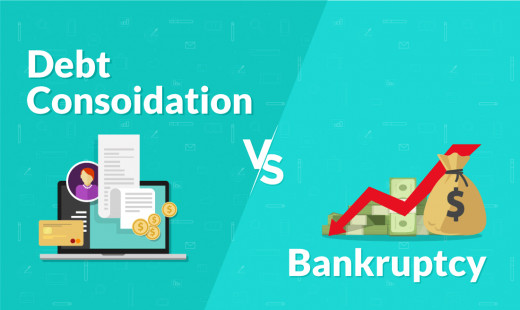
Debt Consolidation vs Bankruptcy: Which is Right For Me?
Are you struggling to keep up with your debt and wondering what options are available to you? Debt consolidation and bankruptcy are two common solutions that can help alleviate your financial burden. However, which one is the right choice for you may depend on several factors unique to your situation.
In this blog post, we will explore the pros and cons of both debt consolidation and bankruptcy so that you can make an informed decision about which option could work best for your individual circumstances.
What is Debt Consolidation?
Debt consolidation is a financial strategy for managing multiple debts. It involves combining all your outstanding debts into one single loan or credit card balance, ideally with lower interest rates and monthly payments than what you were previously paying. This can simplify the repayment process and ease the burden of keeping track of multiple payments.
There are different ways to consolidate debt, including balance transfer cards, personal loans, home equity loans or lines of credit. Each method has its own pros and cons depending on factors like your credit score, income level and amount of debt owed.
One potential advantage of debt consolidation is that it can help improve your credit score by lowering your overall utilization rate and reducing the risk for missed or late payments. Additionally, consolidating high-interest debts into a single account may help you save money in interest charges over time.
However, it's important to note that not everyone will be eligible for certain types of debt consolidation options, particularly if they have poor credit scores or too much existing debt. Moreover, some people who use this approach end up accumulating more debt because they haven't addressed underlying issues with spending habits or budgeting skills.
What is Bankruptcy?
Bankruptcy is a legal proceeding that allows individuals or businesses to have their debts discharged, meaning they are no longer obligated to pay them back. There are different types of bankruptcy, but the most common ones for individuals are Chapter 7 and Chapter 13.
Chapter 7 bankruptcy involves liquidating assets in order to pay off creditors. This means that some possessions may need to be sold in order to satisfy debt obligations. However, there are certain exemptions that allow you to keep essential items like your home or car.
Chapter 13 bankruptcy involves creating a repayment plan where you make monthly payments over a period of three to five years. This allows you to keep your assets while still paying off your debts.
It's important to note that not all debts can be discharged through bankruptcy, such as student loans or child support payments. In addition, filing for bankruptcy will negatively impact your credit score and remain on your credit report for up to ten years.
Declaring bankruptcy should only be considered as a last resort when other options such as debt consolidation have been exhausted. It's crucial to consult with a financial advisor or attorney before making any decisions regarding filing for bankruptcy.
Pros and Cons of Debt Consolidation
One of the biggest pros of debt consolidation is that it simplifies your financial situation. Instead of juggling multiple payments with different due dates and interest rates, you only have to worry about one monthly payment. This can help reduce stress and free up some mental energy for other tasks.
Another advantage of debt consolidation is that it can lower overall interest rates on your debts, resulting in savings over time. If you have high-interest credit card balances or personal loans, consolidating them into a lower rate loan can save you money in the long run.
However, there are also some potential drawbacks to consider when weighing the pros and cons of debt consolidation. For example, if you don't address the underlying reasons why you got into debt in the first place (such as overspending or not having an emergency fund), then consolidating your debts may not be enough to prevent future financial struggles.
Additionally, some forms of debt consolidation require collateral such as home equity which puts at risk important assets should default occur. Also keep in mind that depending on how much total owed amount has been reduced through negotiation by Consolidation Companies process; creditors may report this reduction negatively affecting credit score significantly.
While there are certainly benefits to pursuing debt consolidation options - like simplified management & possible interest savings - It's important weigh both sides before making any decisions based solely upon 'pros' alone without looking deeply at potential negative consequences too!
Pros and Cons of Bankruptcy
One of the biggest advantages of bankruptcy is that it allows you to discharge most or all of your debts. This means you won't have to pay back what you owe, giving you a fresh start financially. Additionally, filing for bankruptcy will put an immediate stop on creditor harassment and collection efforts.
However, one major downside of bankruptcy is that it can seriously damage your credit score. A bankruptcy filing will remain on your credit report for up to 10 years, making it difficult to obtain new lines of credit or loans during this time period. Additionally, certain assets such as homes and cars may be seized and sold off in order to repay creditors.
Another consideration when deciding whether or not to file for bankruptcy is the cost involved. Attorney fees and court costs can add up quickly, especially if your case becomes drawn out or complicated.
While bankruptcy may offer a quick fix for overwhelming debt situations, it's important to carefully weigh the pros and cons before proceeding with this option.
How to Decide Which is Right for Me
When it comes to deciding between debt consolidation and bankruptcy, there are a few factors you should consider to determine which option is right for you.
Firstly, take a look at your overall financial situation. If your debts are manageable but overwhelming, debt consolidation might be the best choice as it can help simplify payments and potentially lower interest rates. However, if your debts are simply too much to handle or if creditors are threatening legal action, bankruptcy may be necessary.
Secondly, examine your future financial goals. Debt consolidation allows you to pay off your debts over time while still maintaining good credit standing. On the other hand, bankruptcy will have a long-term impact on your credit score and may limit future borrowing opportunities.
Weigh the potential costs of each option. While debt consolidation typically involves little or no fees beyond interest charges and possible loan origination fees, bankruptcy can come with significant legal fees that vary depending on the complexity of the case.
Ultimately, the decision between debt consolidation and bankruptcy requires careful consideration of both short-term relief and long-term consequences in order to determine what's best for your unique financial situation.
In conclusion, after weighing the pros and cons of both debt consolidation and bankruptcy, it is clear that each option can be useful depending on an individual's unique financial situation. Debt consolidation may be a better choice for those with manageable debt who simply need to restructure their payment plan, while bankruptcy may offer relief for those with overwhelming amounts of debt and no feasible way to pay it off.
However, before making any decisions about how to handle your debts, it is important to consult with a trusted financial advisor or credit counselor. They can help you understand all available options and guide you towards the best solution tailored specifically to your needs.
Remember, whatever route you choose, taking action towards resolving your debts is always the first step towards achieving financial freedom.
Emerging Technologies Shaping E-Commerce

Emerging Technologies Shaping E-Commerce
The world of e-commerce is constantly evolving, and new technologies are shaping the way we shop online. From mobile commerce to artificial intelligence, these emerging trends are revolutionizing the way we interact with brands and make purchases.
In this blog post, we'll explore some of the most exciting technologies that are changing the face of e-commerce today. Get ready to discover how blockchain, personalization, augmented reality, and more are transforming the shopping experience as we know it!
E-commerce
E-commerce, or electronic commerce, refers to the buying and selling of goods and services online. It has become an increasingly popular way for consumers to shop, as it offers convenience, accessibility and a wider range of products than traditional brick-and-mortar stores.
One major advantage of e-commerce is its ability to reach a global audience. With just a few clicks, consumers can purchase items from anywhere in the world – opening up new markets for businesses that were previously limited by geography.
In addition to this, e-commerce allows for greater customization and personalization. Through data analysis and tracking tools, businesses can tailor their offerings to individual customers' preferences – providing them with recommendations based on previous purchases or browsing history.
Despite these benefits, however, there are still some challenges associated with e-commerce. One common issue is security concerns surrounding online transactions – particularly when it comes to sensitive information like credit card details.
It's clear that e-commerce has transformed the way we shop today – making it easier than ever before to find what we need at the click of a button.
Mobile Commerce
Mobile commerce, also known as m-commerce, is rapidly shaping the e-commerce industry. With the increasing use of smartphones and mobile devices, online shopping has become more accessible than ever before. A recent study showed that 79% of smartphone users have made a purchase via their device.
The convenience of mobile commerce allows consumers to shop on-the-go with just a few taps on their phone or tablet screen. Retailers are optimizing their sites for smaller screens by using responsive design and creating mobile apps to offer a seamless shopping experience.
Moreover, mobile technology has given rise to new payment methods such as digital wallets and one-click checkout options. These innovations provide an easier and faster way for consumers to make purchases while also improving security measures.
As mobile usage continues to grow globally, so does its impact on e-commerce. Retailers who neglect this trend risk losing out on potential customers and revenue opportunities. Therefore, it's crucial for businesses to incorporate a strong mobile strategy into their overall e-commerce plan in order to stay competitive in today's market.
Social Media Commerce
In today's world, social media platforms are not just for entertainment and communication but also for business transactions. Social media commerce is a form of e-commerce that allows businesses to sell their products or services directly through social media channels.
With the increasing number of users on various social media platforms like Facebook, Instagram, Twitter, etc., it has become easier for businesses to reach out to their target audience. Social media commerce provides an opportunity for companies to showcase their products and engage with customers in real-time.
Furthermore, many social networks have added features specifically designed for e-commerce such as clickable product tags or shoppable posts. These features allow users to purchase products directly from the platform without having to leave the app.
Another advantage of social media commerce is that it enables companies to leverage user-generated content like reviews and photos shared by customers. This builds trust among potential buyers and helps increase sales conversion rates.
Social media commerce is becoming an increasingly popular channel for businesses looking to expand their online presence and reach new audiences. With its ease-of-use and ability to provide a personalized shopping experience, it's no wonder why more brands are turning towards this emerging technology in e-commerce.
Blockchain in E-commerce
Blockchain technology has been making waves in various industries, including e-commerce. It is a decentralized ledger system that ensures secure and transparent transactions between parties without the need for intermediaries. In e-commerce, it can be used to eliminate fraud and streamline supply chain management.
One of the benefits of blockchain in e-commerce is its ability to provide better security. With the use of cryptography, every transaction made on a blockchain network is secured. This means that customer data such as personal information and payment details are encrypted and protected from hackers.
Another advantage of using blockchain in e-commerce is its efficiency in supply chain management. By using smart contracts, businesses can automate processes such as inventory tracking and order fulfillment which reduces human error and saves time.
Moreover, blockchain also offers transparency which helps build trust with customers by providing them with access to real-time information about their purchases such as origins of products or delivery status.
Integrating Blockchain technology into an online business operation enhances overall performance while providing enhanced security measures along with improved efficiencies throughout each step that occurs within a digital marketplace.
Artificial Intelligence in E-commerce
Artificial intelligence (AI) has been revolutionizing the e-commerce industry by providing smart solutions for various operational aspects. With AI, e-commerce businesses can predict customer behavior, personalize recommendations and provide a better shopping experience.
One of the most significant advantages of AI in e-commerce is predictive analytics. Retailers can analyze customers' browsing patterns to gain insights into their preferences and anticipate future buying behavior. This helps retailers make informed decisions about inventory management, pricing strategy, and promotions.
Another area where AI is making huge strides is personalization. By analyzing individual customer data such as past purchases, search history or clickstream data, retailers can offer personalized product recommendations that are tailored to each customer's unique interests.
Furthermore, chatbots powered by AI are becoming increasingly popular as more consumers expect instant support when shopping online. These chatbots use natural language processing technology to engage with customers on a conversational level while helping them navigate through different products or services offered on an eCommerce website.
Artificial intelligence offers numerous benefits to the eCommerce industry including improved efficiency in operations and enhanced customer experience. As more companies continue to adopt this technology it will become even more vital in shaping the future of ecommerce business models across industries globally.
Personalization
Personalization has become a buzzword in the world of e-commerce. It is the art of tailoring customer experiences based on their interests, behavior and purchase history. By providing personalized recommendations, promotions and communication, businesses can increase engagement and drive sales.
One way to personalize an online store is through product recommendations. Using data analysis algorithms, retailers can suggest products that are likely to interest customers based on their browsing and purchase history. This feature not only increases the chances of making a sale but also enhances customer satisfaction.
Another approach to personalization is through targeted marketing campaigns. By segmenting audiences by demographics or interests, businesses can send tailored content via email or social media platforms. This strategy nurtures relationships with existing customers while attracting new ones.
Moreover, personalization extends beyond digital channels – it can be incorporated into packaging design too! Customizing packaging according to each customer’s preferences adds a unique touch that makes them feel special and valued.
Personalization plays a crucial role in creating memorable shopping experiences for customers thereby driving brand loyalty and revenue growth for businesses willing to take advantage of this emerging technology trend in e-commerce industry.
Augmented Reality in E-commerce
Augmented reality (AR) technology is revolutionizing the e-commerce industry by providing an immersive and interactive shopping experience for consumers. AR allows shoppers to visualize products in their real-life environment, giving them a better idea of how the product will look and fit before making a purchase.
Many retailers are already implementing AR into their e-commerce platforms, allowing customers to preview furniture, clothing, and accessories in their homes using their smartphones or other devices. This innovative technology not only increases customer satisfaction but also reduces returns and improves brand loyalty.
With the use of AR technology, retailers can even create virtual stores where customers can browse through products as if they were physically present in the store. This provides convenience for shoppers who prefer online shopping but still want a personalized experience that traditional brick-and-mortar stores offer.
Moreover, AR has immense potential for marketing purposes by creating exciting campaigns that generate buzz around new products or services. Brands can leverage this technology to showcase exclusive content such as 3D models and animations featuring celebrities or influencers demonstrating products in unique ways.
Augmented reality is transforming e-commerce by bridging the gap between physical retail experiences and online shopping. Its ability to enhance customer engagement while reducing returns makes it an essential tool for any retailer looking to stay ahead of its competitors in today's digital age.
Conversational Commerce
Conversational commerce is a new trend in e-commerce that involves the use of chatbots and voice assistants to communicate with customers. These technologies allow online retailers to provide personalized recommendations, answer customer questions, and complete transactions without the need for human intervention.
Chatbots are computer programs designed to simulate conversation with human users. They can be integrated into messaging platforms such as Facebook Messenger or WhatsApp, allowing customers to interact with businesses directly from their mobile devices.
Voice assistants like Amazon's Alexa or Google Assistant take conversational commerce one step further by allowing customers to make purchases using just their voice. This technology has become increasingly popular in recent years as more people embrace smart speakers and other connected devices.
One major benefit of conversational commerce is its ability to provide personalized recommendations based on a customer's preferences and purchase history. By analyzing data about each individual user, chatbots and voice assistants can suggest products that are likely to appeal to them.
Another advantage is the convenience it offers customers who may not have time or interest in browsing through a website. Conversational interfaces make it easy for busy shoppers to find what they're looking for quickly without having to navigate complex menus or search functions.
Despite these benefits, there are also some challenges associated with conversational commerce. For example, ensuring that chatbots and voice assistants understand natural language commands can be difficult, requiring sophisticated machine learning algorithms.
However, conversational commerce represents an exciting new frontier in e-commerce that promises greater convenience and personalization for consumers while also helping businesses increase sales and improve customer engagement.
As we come to the end of this blog post, it is clear that emerging technologies are rapidly transforming the world of e-commerce. From chatbots and voice assistants to augmented reality and blockchain technology, these innovations are driving new levels of convenience, personalization, and security for online shoppers.
One key takeaway from this discussion is that businesses must stay on top of these technological advancements in order to remain competitive in the marketplace. By leveraging these tools effectively, they can offer frictionless shopping experiences that meet consumers' evolving needs and preferences.
Another important consideration is the role of data privacy and security in e-commerce. As more transactions move online, there is a growing need for robust cybersecurity measures to protect sensitive information from cyber threats like hacking and phishing attacks.
It's an exciting time for e-commerce as new technologies continue to revolutionize how we shop online. By embracing innovation while prioritizing consumer trust and safety, businesses can position themselves for success in today's digital landscape.
How Technology is Changing the Face of Stock Trading

How Technology is Changing the Face of Stock Trading
With the advent of technology, stock trading has undergone a significant transformation. Gone are the days when traders had to rely on manual analysis and intuition. Today, automated systems powered by artificial intelligence (AI) dominate the trading landscape. Social media platforms have also become a game-changer in how people buy and sell stocks.
In this blog post, we will explore how technology is changing the face of stock trading and what it means for both seasoned investors and those looking to get started in this exciting field. So buckle up and let's dive into the world of high-tech finance!
The Rise of Automated Trading
Automated trading, also known as algorithmic trading, is a technique of buying and selling securities using computer programs. This technology has revolutionized the stock market by enabling traders to execute trades at lightning-fast speeds with minimal human intervention.
The rise of automated trading can be attributed to several factors, including the increasing popularity of high-frequency trading (HFT) and advancements in AI. HFT uses complex algorithms to buy and sell stocks within fractions of a second, taking advantage of small price differences that occur throughout the day.
AI-powered systems have taken things further by using machine learning algorithms to predict stock prices based on historical data. These systems are capable of analyzing vast amounts of information in seconds, providing traders with valuable insights into market trends.
While there are many benefits to using automated trading systems such as increased efficiency and profitability, there are also potential risks. For example, these systems may malfunction or make incorrect predictions which could result in significant losses for investors.
Despite these challenges, it's clear that automated trading is here to stay and will continue shaping the future of stock trading for years to come.
The Impact of Social Media on Stock Trading
Social media has revolutionized the way we communicate, and it's no surprise that it has also had a significant impact on stock trading. With the rise of social media platforms such as Twitter, Facebook, and LinkedIn, traders now have access to real-time news updates and insights from market experts around the globe.
One example is Elon Musk’s tweet about Tesla's plans to go private in 2018 which caused a surge in company’s shares. Social media can move markets rapidly. Traders are constantly monitoring social media feeds for any information they can use to make informed decisions.
Furthermore, social media has become an essential tool for tracking investor sentiment. The ability to track what people are saying about a particular company or industry allows traders to get ahead of potential price movements before they happen.
In addition, many companies are leveraging social media as part of their investor relations strategy by using platforms like YouTube for earnings calls or hosting live Q&A sessions with executives on Twitter.
The impact of social media on stock trading cannot be understated. It provides traders with instant access to breaking news and expert opinions while also offering insights into overall market sentiment. As such, traders who ignore this valuable resource do so at their own peril.
The Future of Stock Trading
The future of stock trading looks promising with the advancement of technology. One major trend that is expected to shape the future of stock trading is Artificial Intelligence (AI). AI can analyze vast amounts of data and provide insights into market trends, making it easier for traders to make informed decisions.
Another important development in the future of stock trading is blockchain technology. Blockchain has great potential to transform how stocks are traded by providing a secure and transparent way to keep records and execute transactions. This will increase efficiency, reduce costs, and improve transparency in the stock market.
In addition, mobile applications are becoming increasingly popular among investors as they allow them to trade on-the-go. The use of mobile apps for investing will continue to grow as more people look for convenient ways to manage their investments.
There is also an increasing focus on sustainable investing or socially responsible investing (SRI), which involves investing in companies that prioritize environmental sustainability or social justice issues. This trend reflects changing consumer preferences towards ethical investment practices.
Technological advancements such as AI and blockchain will change how stocks are traded while mobile apps will make it easier for individual investors to participate in the markets. Additionally, SRI will continue its growth trajectory reflecting a broader societal shift towards conscious capitalism.
How to Get Started in Stock Trading
Getting started in stock trading can seem like a daunting task, but with the right approach and mindset, it can be a rewarding experience. The first step is to educate yourself on how the stock market works and understand key terms such as stocks, bonds, dividends and indexes.
Once you have gained knowledge of the basics, consider opening a brokerage account with a reputable online broker. This will give you access to trade stocks and other financial instruments directly from your computer or mobile device.
Before investing any money into the markets, it's important to create a trading plan that outlines your investment objectives and risk tolerance. This will help guide your decision-making process when choosing which stocks to invest in.
When selecting stocks to buy, research potential companies thoroughly by analyzing their financial statements and industry trends. It's also wise to diversify your portfolio by investing in multiple companies across various sectors.
Never invest more than you can afford to lose. Stock trading involves risks that could result in significant losses if not managed properly. With patience and discipline however, successful traders can reap substantial rewards over time.
In conclusion, technology has brought a significant impact on stock trading. Automated trading and social media have changed the face of investing forever. With these advancements, investors can now make trades faster and more efficiently than ever before.
The future of stock trading looks promising as well. As technology continues to advance, we can expect even more breakthroughs in the industry that will allow for greater profitability and accessibility for all investors.
If you're interested in getting started in stock trading, it's important to do your research and educate yourself on the basics. There are plenty of resources available online that offer tips for beginners looking to invest in stocks.
Technology has created a wealth of opportunities for savvy investors who are willing to take risks and stay up-to-date with the latest trends. By embracing these changes, traders can reap substantial rewards from this exciting industry.
Crypto vs Stocks-What Should You Invest In ?

Crypto vs Stocks-What Should You Invest In ?
Are you wondering whether to invest your hard-earned money in crypto or stocks? With the rise of cryptocurrency and the evergreen stock market, it's no surprise that most investors are finding it challenging to make a choice. While both investment options have their advantages and disadvantages, choosing one over the other can be overwhelming.
In this blog post, we'll explore the differences between Crypto and stocks, the pros and cons of each option, and help you decide which one is best suited for your investment portfolio. So buckle up as we take a deep dive into Crypto vs Stocks: What should you invest in?
What are Crypto and stocks?
Crypto, also known as cryptocurrency, is a digital or virtual currency that uses blockchain technology for security. Unlike the traditional currencies we use daily, cryptocurrencies are decentralized, meaning they're not controlled by any central authority like banks or government institutions.
On the other hand, stocks refer to shares of ownership in a public company. When you buy stocks of a particular company, you become one of its shareholders and have ownership over a percentage of their profits and assets.
Both crypto and stocks are investment options used to earn returns on investments. However, while cryptocurrencies operate outside the conventional financial system, stocks are regulated by established financial markets.
Investing in either option comes with risks; it's essential to do due diligence before investing your money. While some people prefer investing in both crypto and stocks diversify portfolios risk exposure; others choose one over the other based on personal preferences or market trends.
The Difference Between Crypto and Stocks
Crypto and stocks are two popular investment options that have gained a lot of attention in recent years. Despite their similarities, there are some key differences between the two.
Firstly, crypto is a digital currency that operates independently of central banks. It uses blockchain technology to ensure secure transactions and transparency. Stocks, on the other hand, represent ownership in a company and can be bought or sold on stock exchanges.
Another major difference is volatility. Crypto markets tend to be more volatile than stock markets due to their decentralized nature and lack of regulation. This means that while potential returns may be higher with crypto investments, so too is the risk.
When it comes to accessibility, investing in stocks tends to be easier for beginners as there are numerous brokerage firms available for online trading. Investing in crypto requires an understanding of how cryptocurrency wallets work along with knowledge about different exchanges.
It's important to note that both forms of investment come with fees such as transaction fees or commission charges from brokers. However, these costs can vary significantly depending on which platform you use.
While both crypto and stocks offer unique opportunities for investors, they each come with their own set of advantages and disadvantages which need careful consideration before making any investment decisions.
The Pros and Cons of Crypto and stocks
Crypto and stocks are two very different investment options, each with their own set of pros and cons.
One major advantage of investing in Crypto is its potential for high returns. The value of cryptocurrencies can fluctuate rapidly, which means that investors have the opportunity to make significant profits if they buy at the right time. Additionally, many people see crypto as a more secure option since it operates independently from traditional financial institutions.
On the other hand, one disadvantage of investing in Crypto is its inherent volatility. The market can be highly unpredictable, making it difficult to accurately predict future trends or price movements. Moreover, regulatory issues surrounding Crytpo can lead to restrictions on trading activities.
In contrast, stocks tend to provide steady returns over long periods. This makes them an attractive option for those who prefer a more conservative approach to investing. Furthermore, stock investments offer greater transparency and accountability due to stricter regulation by governing bodies.
However, one downside of Stocks is that they require a lot of research before making any investment decisions. It's important for investors to keep up-to-date with company news and market trends in order not lose money on poor investments.
Both Crypto and stocks have their advantages and disadvantages depending on how much risk someone wants to take when investing their hard earned money
Which One Should You Invest In?
When it comes to deciding between investing in crypto or stocks, there are several factors that you need to consider. Firstly, your investment goals and risk tolerance should be taken into account.
If you're looking for a potential high return on investment but are willing to take on a higher degree of risk, then investing in crypto might be the right choice for you. The cryptocurrency market is known for its volatility and can offer significant gains when prices surge.
On the other hand, if stability and long-term growth are more important to you, then investing in stocks may be better suited. Stocks have been proven over time to steadily increase in value despite occasional dips and crashes along the way.
Another factor is accessibility - while buying stocks requires opening a brokerage account and navigating complex financial jargon, purchasing cryptocurrencies can often be done with just a few clicks online.
Ultimately, the decision between crypto and stocks depends on your personal preference and financial situation. It's important to do thorough research before making any investments and always consult with a professional advisor if needed.
How to Invest in Crypto and Stocks
Investing in Crypto and stocks has become increasingly popular due to the potential for high returns. However, it's important to research before investing your hard-earned money. Here are some tips on how to invest in these assets.
For Crypto, you can start by choosing a reputable exchange platform that allows you to buy and sell cryptocurrencies such as Bitcoin, Ethereum or Litecoin. You will need to create an account and verify your identity before making any transactions.
It's also essential to do thorough research about the cryptocurrency you plan on investing in; check its price history, market capitalization and overall performance. Many experts recommend diversifying your investments across different types of Cryptocurrencies.
Regarding stocks, consider opening a brokerage account with a reputable firm that offers low fees or commission rates per trade made. Once opened, conduct extensive research about companies whose stock shares you’re interested in purchasing through online resources like Yahoo Finance or Google Finance.
Before making any investment decisions ensure that you're financially stable enough to take risks associated with the investment process while ensuring that all legal requirements have been met depending on your jurisdiction laws.
In conclusion, both Crypto and stocks have their own advantages and disadvantages. It is crucial to understand the nature of these investments before deciding where to put your money.
If you are looking for high-risk, high-reward investments with potentially massive returns, then Crypto may be the better option for you. However, if you prefer more stable and regulated investments that offer reliable dividends, then stocks might be a better fit.
Ultimately, the decision depends on your investment goals and risk tolerance level. Whichever path you choose to take, it is important to do thorough research beforehand and seek professional advice if necessary.
Remember that investing involves some degree of risk no matter what route you take. Therefore, it’s essential not only understanding how each works but also learning different strategies in managing risks when investing in either or both assets.
Finally,I hope this article has given you some insights into the world of Cryptocurrency vs Stocks. If so, don't hesitate to share with others!
Why Cybersecurity Should Be Your Top Priority in Today's Digital Age?

Why Cybersecurity Should Be Your Top Priority in Today's Digital Age?
Welcome to the digital age! We are living in a world where technology has taken over almost every aspect of our lives. With this rapid advancement, we have access to unlimited information and connectivity at our fingertips. However, with great power comes great responsibility - especially when it comes to cybersecurity. Cybersecurity should be your top priority in today's digital age for both personal and professional purposes.
In this blog post, we will explore the importance of cybersecurity, its different types, benefits as well as risks of not prioritizing it, and how you can improve your cybersecurity strategy. Are you ready to learn more? Let's dive in!
The Importance of Cybersecurity
In today's digital age, cybersecurity is of utmost importance. Cyber-attacks are becoming increasingly common and sophisticated, putting our personal information, businesses, and even governments at risk.
One of the primary reasons why cybersecurity is crucial is to protect sensitive data. With the rise of e-commerce and online banking, we store a lot of personal information like bank account details, social security numbers or other confidential data in digital form that can be accessed by cybercriminals if not secured properly.
Moreover, inadequate cybersecurity measures could lead to reputational damage for organizations. A single breach can cause significant harm that might affect their reputation permanently.
Another reason why cybersecurity should be a top priority is compliance with regulations. Many industries have legal requirements for protecting sensitive data; failure to comply may lead to legal action against them.
Implementing strong cybersecurity measures also promotes customer trust in your business operations. It shows that you take their privacy seriously and care about safeguarding it from potential threats.
Prioritizing cybersecurity has become more than just an option; it’s a necessary step towards preventing devastating consequences from cyber-attacks.
The Different Types of Cybersecurity
Cybersecurity is not a one-size-fits-all solution and requires multiple layers of protection to keep your digital assets safe. Here are the different types of cybersecurity that you should be aware of:
1. Network security - This type of cybersecurity protects your computer networks from unauthorized access, malware infections, and other network attacks.
2. Application security - It focuses on securing individual software applications against cyber threats such as SQL injections or cross-site scripting.
3. Cloud security - As more businesses move their data to the cloud, this type of cybersecurity ensures that sensitive information stored in the cloud is protected from unauthorized access.
4. Endpoint security - This refers to securing every device that connects to your network, including laptops, smartphones, and IoT devices.
5. Data security - Protecting sensitive data both at rest (stored) and in transit (moving over networks).
Each type of cybersecurity plays an important role in keeping our digital lives secure from cyber-attacks. Understanding these different types can help individuals and organizations develop a comprehensive approach towards protecting themselves online.
The Benefits of Cybersecurity
In today's digital age, cybersecurity has become increasingly important. But what are the benefits of implementing a strong cybersecurity strategy?
Firstly, cybersecurity protects your sensitive and confidential information from falling into the wrong hands. This includes personal data such as banking details and addresses, as well as corporate secrets like intellectual property or trade secrets.
Secondly, having a robust cybersecurity system in place can increase customer trust and loyalty. With so many high-profile cyber attacks making headlines, customers want to know that their information is safe when doing business with you.
Thirdly, investing in cybersecurity can actually save you money in the long run. The cost of dealing with a data breach or cyber attack can be astronomical - not just financially but also reputationally. By preventing these incidents from happening in the first place through proper security measures, you reduce your risk exposure significantly.
Prioritizing cybersecurity shows that you take your responsibilities seriously. It demonstrates that you're committed to protecting both yourself and your clients from potential harm - something that will reflect positively on your brand image.
The Risks of Not Prioritizing Cybersecurity
The risks of not prioritizing cybersecurity are immense and can have serious consequences for individuals, businesses, and even governments. One major risk is the potential loss or theft of sensitive information such as financial data, personal identification, and intellectual property. This type of breach can be costly to recover from both financially and in terms of reputation damage.
Another risk is that cyber attacks can disrupt daily operations by taking down critical systems like email servers or payment processing platforms. This kind of disruption can result in lost productivity, missed deadlines, and unhappy customers. In some cases, it may even lead to legal action if contractual obligations are not met.
Furthermore, a lack of cybersecurity measures also makes you vulnerable to ransomware attacks where hackers demand payment in exchange for returning access to your own files or systems. Ransomware has become increasingly common over the years with high-profile victims ranging from hospitals to municipalities.
There's also the risk of being held liable for any harm caused due to lax security practices when handling sensitive data belonging to others; this could include breaches leading up identity thefts or other forms of fraud committed using stolen information.
It’s important that we prioritize cybersecurity now more than ever before given how frequently cybercriminals target our digital lives at home and at work alike – so make sure that measures such as firewalls & anti-virus software are set up properly along with regular training programs implemented regularly!
How to Improve Your Cybersecurity Strategy
Improving your cybersecurity strategy is crucial in protecting yourself and your business from potential cyber attacks. Here are some tips to help you strengthen your security:
1. Stay Up-to-Date: Make sure that all software, operating systems, and applications are up-to-date. This ensures that any vulnerabilities or weaknesses in the system have been fixed.
2. Train Employees: Educate employees on the importance of cybersecurity and provide them with training on how to identify phishing scams, malicious links, and other common attack methods.
3. Use Strong Passwords: Encourage employees to use strong passwords with a combination of letters, numbers, symbols, and upper/lowercase characters.
4. Implement Multi-Factor Authentication (MFA): MFA adds an extra layer of protection by requiring users to provide multiple forms of identification before accessing sensitive information.
5. Backup Data Regularly: Backing up important data regularly can help prevent loss due to cyber attacks or hardware failure.
6. Hire Experts: Consider hiring a professional cybersecurity expert who can assess your current security measures and recommend improvements tailored specifically for your business needs.
By taking these steps to improve your cybersecurity strategy, you can better protect yourself from potential threats in today's digital age.
In conclusion, in today's digital age, cybersecurity should be your top priority. From personal information to business data, everything is vulnerable to cyber threats. Therefore, it is crucial to have a strong cybersecurity strategy in place and regularly update it.
The benefits of prioritizing cybersecurity are numerous – protecting sensitive data from theft or manipulation, avoiding legal issues and financial losses due to cyber attacks, and ensuring customer trust and loyalty.
On the other hand, not prioritizing cybersecurity can lead to devastating consequences such as reputation damage, loss of revenue or even bankruptcy.
It is essential for individuals and businesses alike to understand the different types of cyber threats that exist today and take proactive measures like using secure passwords, updating software regularly, implementing firewalls and antivirus software among others to mitigate these risks.
With all this said though – there’s no time like now! Don't wait until you become a victim of a cyber attack before taking action. Remember: prevention is always better than cure. So go ahead - prioritize your security today!
A Beginner’s Guide To Day Trading

A Beginner’s Guide To Day Trading
Are you fascinated by the world of trading but don't have much time for it? Well, day trading might be just what you need! Day trading is a type of short-term investment where traders buy and sell financial instruments within the same day. It requires quick decision-making skills, discipline, and knowledge about the market trends.
In this beginner's guide to day trading, we will explore everything you need to know to get started with this exciting venture! Get ready to learn about the different types of day trading, its pros and cons, and some effective strategies that can help you succeed in this dynamic field.
What is Day trading?
Day trading is a type of investment strategy where traders buy and sell financial instruments within the same day. This means that they don't hold onto their positions overnight, but instead aim to make quick profits by taking advantage of small price movements throughout the day.
The most commonly traded markets for day trading are stocks, currencies, futures contracts, and options. Traders use different strategies such as technical analysis or news-based events to identify potential trades.
One significant benefit of day trading is that it requires less capital compared to other long-term investment strategies. It allows traders with lower funds to participate in the market and potentially make profits quickly.
However, this also comes with several risks associated with high volatility and leverage used in this type of trading. Traders must have strict discipline and risk management skills while avoiding emotional decision-making.
In summary, day trading offers an exciting opportunity for investors who want a more dynamic approach to investing. With careful planning and execution, it can be a profitable venture for those willing to put in the effort needed to succeed.
The Different Types of Day Trading
Day trading is a broad term that encompasses several different types of trading strategies. Here are some of the most common types of day trading:
1. Scalping: This involves making multiple trades throughout the day in an attempt to profit from small price movements.
2. Trend Trading: This strategy involves identifying trends and buying or selling assets according to those trends.
3. Range Trading: In this type of day trading, traders look for assets that have established a clear range and buy at the bottom of that range and sell at the top.
4. News-Based Trading: Traders who use this strategy rely on breaking news stories to make quick trades based on market reactions.
5. High-Frequency Trading (HFT): HFT algorithms use complex computer programs to analyze markets and execute trades within milliseconds.
Each type of day trading has its own advantages and disadvantages, depending on factors such as risk tolerance, available capital, and time constraints. It's important for new traders to explore these different types before deciding which one suits their needs best.
Pros and Cons of Day Trading
Day trading is a popular form of investing that involves buying and selling stocks within the same day. Like any other investment strategy, it has its advantages and disadvantages.
One major advantage of day trading is the potential for high returns. With careful planning, research, and execution of trades, day traders can make significant profits in a short amount of time.
Another benefit is the ability to work from anywhere with an internet connection. Day traders are not tied down to a specific location or schedule, allowing them to have more freedom in their daily lives.
However, there are also several downsides to day trading. One major disadvantage is the risk involved. Since day traders rely heavily on market fluctuations and volatility, there is always a chance that they may lose money rather than gain it.
Additionally, because trades happen quickly throughout the day, there is little room for error or hesitation. This means that mistakes can be costly and can lead to significant losses if not handled properly.
While day trading can be lucrative when done correctly, it requires a great deal of skill and discipline to succeed consistently over time.
What Do You Need to Start Day Trading?
Before jumping into day trading, it's important to have the right tools and resources. Here are some things you'll need to start day trading:
Firstly, you need capital. Day traders require a considerable amount of money to invest in stocks or other securities. You should only use risk capital that you can afford to lose.
Next, you will need a broker account with low fees and commissions. Make sure your broker is trustworthy and has access to reliable data for up-to-date market information.
A fast and stable internet connection is also necessary for effective day trading. Since time is critical in this type of trading, a slow connection could mean missed opportunities or losses.
Another essential tool for day traders is a computer with multiple monitors. This setup allows you to keep track of different markets simultaneously without missing any crucial details.
Having solid knowledge about the fundamentals of finance and technical analysis skills are important but not mandatory at first - they can be developed along the way when engaging into continuous learning through reading books/articles or attending webinars/seminars on related topics
How to Get Started With Day Trading
Getting started with day trading can be overwhelming for beginners. Here are some steps you can take to start your journey in day trading:
1) Educate Yourself: Before jumping into the world of day trading, it's essential to educate yourself about the stock market and various trading strategies. There are plenty of resources available online, including books, courses, and webinars.
2) Start Small: It's crucial to start small when beginning your day trading journey. Begin by practicing with a virtual account or investing modest amounts in trades until you feel comfortable taking on more significant risks.
3) Choose a Brokerage Firm: Selecting a reliable brokerage firm is vital when starting your career as a trader. Look for firms that offer competitive fees and educational tools to help you learn along the way.
4) Develop Your Trading Plan: Develop a comprehensive plan outlining your strategy, risk management techniques, entry/exit points, and overall goals.
5) Practice Discipline: Day trading requires discipline in executing trades based on predetermined criteria rather than emotions or hunches.
By following these steps and continuing to learn through experience and education, you'll increase your chances of success as a day trader.
Day Trading Strategies
Day trading strategies are essential for traders who aim to generate profits from market fluctuations within a single day. There are many approaches to day trading, but they all have the same objective: profit maximization.
One popular strategy is scalping, which involves making multiple trades in a short period and aiming for small gains per trade. Another method is trend following, where traders analyze and follow the overall direction of the market over an extended period.
On the other hand, breakout trading focuses on identifying moments when stock prices break through significant levels of resistance or support. Contrarian trading involves taking positions that go against prevailing market trends.
Additionally, some traders use technical analysis tools such as moving averages and chart patterns to make informed decisions about entry and exit points.
It's crucial to note that no strategy can guarantee success in day trading. Therefore it's necessary for individuals to experiment with different methods until they find one that suits them best.
Now that you have a better understanding of day trading, it's important to remember that this type of investing is not for everyone. Day trading requires discipline, patience, and a willingness to take calculated risks. It can be an exciting way to make money in the stock market but it also comes with its own set of challenges.
If you're considering day trading as a potential career or simply want to try your hand at it, be sure to do your research and thoroughly educate yourself on the strategies and techniques involved. Remember, there is no one-size-fits-all approach when it comes to day trading.
Day trading can be both rewarding and challenging. With the right mindset and knowledge base, you may find success in this fast-paced world of investing. However, always keep in mind that any investment carries risk so never invest more than you are willing to lose.
Happy Trading!
Cutting-Edge Tech Tools for Entrepreneurs

Cutting-Edge Tech Tools for Entrepreneurs
Are you an entrepreneur looking to take your business to the next level? In today's digital age, there are countless tech tools available that can help streamline your workflow, increase productivity and boost profits. From project management software to social media automation tools, incorporating these cutting-edge technologies into your business strategy can make a world of difference.
In this blog post, we'll explore the latest and greatest tech tools for entrepreneurs and discuss how they can help you grow your business. So buckle up and get ready to revolutionize the way you work!
The Latest Tech Tools for Entrepreneurs
Staying up-to-date with the latest tech tools is crucial for entrepreneurs who want to keep their businesses ahead of the game. One of the most popular new technologies is AI-powered chatbots, which can save you time and streamline customer service. Chatbots use natural language processing to respond to customer inquiries and can handle a wide range of tasks, from answering FAQs to scheduling appointments.
Another cutting-edge technology that's gaining popularity among entrepreneurs is augmented reality (AR). AR allows users to overlay digital information onto real-world environments, creating an immersive experience. This technology has many applications in fields such as retail, where it can be used to create virtual try-on experiences or showcase products in 3D.
Cloud-based project management software is also becoming increasingly important for today's entrepreneurs. These platforms allow teams to collaborate seamlessly on projects from anywhere in the world and offer features like task tracking, file sharing and progress reporting.
Social media automation tools are essential for any entrepreneur looking to grow their online presence. These tools help schedule posts across multiple platforms while providing analytics on engagement data so you can fine-tune your strategy accordingly.
Incorporating these latest tech tools into your business strategy will not only help you stay competitive but also improve efficiency and productivity levels across your organization!
How to Use These Tools to Grow Your Business
As an entrepreneur, you may be wondering how to use these cutting-edge tech tools to grow your business. The key is to identify which tools align with your goals and objectives. Once you have selected the right ones, it's important to integrate them into your workflow effectively.
Firstly, take advantage of automation tools such as Zapier or IFTTT that can streamline repetitive tasks like social media updates or data entry. This will free up more time for you to focus on other aspects of growing your business.
Secondly, utilize analytics tools like Google Analytics or SEMrush to track website traffic and user behavior. These insights can help guide marketing strategies and improve user experience.
Thirdly, leverage collaboration tools like Trello or Asana to manage projects and team communication efficiently. This ensures everyone is on the same page and deadlines are met promptly.
Fourthly, incorporate customer relationship management (CRM) software such as Hubspot or Salesforce to organize leads and better understand customer needs. This helps tailor sales pitches and improve overall customer satisfaction.
Make sure you are keeping up-to-date with emerging technologies in your industry by attending conferences or networking events where new ideas are shared among peers.
By utilizing these tech tools effectively, entrepreneurs can increase productivity, optimize workflows, enhance customer experiences and ultimately grow their businesses in a competitive market.
The Benefits of Using These Tools
Using cutting-edge tech tools as an entrepreneur can bring a lot of advantages to your business. Not only does it help you stay organized and efficient, but it also allows you to keep track of various aspects of your business with ease.
One significant benefit is the ability to automate certain processes that used to be time-consuming tasks. Automating these tasks frees up more time for entrepreneurs to focus on other important areas such as developing new strategies or improving customer relations.
Tech tools also provide entrepreneurs with valuable insights into their industry and customers. With data analytics software, businesses can analyze sales trends, customer preferences, website traffic patterns and social media metrics. This information helps in decision-making which ultimately leads to better results.
Another advantage is the flexibility that comes with using tech tools. Entrepreneurs are no longer limited by geographical location or working hours when conducting meetings or collaborating on projects thanks to video conferencing apps which allow for remote communication.
Incorporating cutting-edge tech tools into entrepreneurial activities has numerous benefits such as saving time, providing valuable insights and increasing flexibility which make them indispensable assets for any growing business owner looking to stay ahead of the competition.
The Top 5 Tech Tools for Entrepreneurs
Here are the top 5 tech tools for entrepreneurs:
1. Asana - This project management software allows you to keep track of tasks, assign them to team members, and monitor progress in real-time.
2. Slack - Communication is key when it comes to running a successful business, and Slack provides a centralized platform where team members can communicate through instant messaging or video calls.
3. Hootsuite - Managing multiple social media accounts can be time-consuming, but Hootsuite simplifies the process by allowing you to schedule posts across all your platforms from one dashboard.
4. QuickBooks - Bookkeeping is an essential part of any business, and QuickBooks makes it easy by automating many accounting processes like invoicing and expense tracking.
5. Zoom - With more people working remotely than ever before, video conferencing has become crucial for collaboration among team members as well as meetings with clients.
These five tech tools will help take your productivity to the next level while also making it easier for your team to work together effectively regardless of location or time zone differences.
In conclusion, technology has made it easier than ever for entrepreneurs to run their businesses efficiently and effectively. With the latest tech tools at your disposal, you can streamline tasks, improve communication with customers and employees, manage finances more easily, and ultimately grow your business.
The top 5 tech tools we've discussed in this article are just a few examples of what's available out there. As an entrepreneur or small business owner, it's important to do your research and find the tools that work best for you.
By using these cutting-edge tech tools to their fullest potential, you'll be able to save time and money while also improving productivity and profitability. So why not give them a try? You might just be surprised by how much they can help take your business to the next level!
Debt-Free Living: Tips And Strategies That Really Work!

Debt-Free Living: Tips And Strategies That Really Work!
Are you drowning in debt and feeling like there's no way out? You're not alone. Millions of people struggle with the weight of financial burdens every day, but it doesn't have to be this way forever!
In this blog post, we'll dive deep into the world of debt-free living and explore tips and strategies that really work. By following these simple steps, you can break free from your financial chains and finally live a life unburdened by debt. So grab a cup of coffee (or tea), sit back, and let's embark on this journey towards financial freedom together!
The Dangers of Living with Debt
Living with debt can have a significant impact on an individual's overall well-being. One of the most prominent dangers associated with debt is the constant stress it brings. This financial pressure can lead to anxiety, depression, and even relationship issues as the strain takes its toll.
Moreover, carrying substantial debt often results in higher interest payments over time. These added costs make it harder for individuals to save money for important life goals such as buying a house or starting a family.
Debt also puts borrowers at risk of falling into a vicious cycle where they take on more loans just to pay off existing ones. This behavior not only exacerbates their financial situation but may eventually lead to bankruptcy if left unchecked.
Prolonged debt struggles can negatively impact credit scores. Poor credit ratings limit one's ability to access favorable loan terms in the future and could hinder employment opportunities since some employers run credit checks during hiring processes.
Living with unmanaged debt poses various challenges that affect multiple aspects of life beyond just finances.
The Benefits of Becoming Debt-Free
Becoming debt-free can bring numerous benefits to one's life. First and foremost, it provides financial stability and peace of mind. Without the burden of debt payments, individuals have more control over their income and are able to allocate funds towards other important areas such as savings or investments.
In addition to financial security, being debt-free allows for greater flexibility in career choices. Individuals no longer feel trapped in a job they dislike simply because it pays well enough to sustain their debt payments. Instead, they have the freedom to pursue careers that align with their passions and interests without fear of financial strain.
Moreover, becoming debt-free can improve personal relationships as well. Financial stress is often cited as a leading cause of marital problems or family tension. By eliminating this stressor, individuals may experience stronger bonds with loved ones and an overall improvement in mental health.
The benefits of becoming debt-free extend far beyond just monetary gains. It allows for greater freedom and flexibility in all aspects of life while also contributing positively towards personal wellbeing.
Tips for Becoming Debt-Free
Becoming debt-free is not an easy feat, but it's definitely achievable with the right strategies and mindset. Here are some tips to help you become debt-free:
1. Create a budget: The first step towards becoming debt-free is creating a budget. This will help you identify your expenses and determine where you can cut back on unnecessary spending.
2. Set goals: Setting realistic financial goals will motivate you to stick to your budget and pay off your debts faster.
3. Pay more than the minimum payment: If possible, try to pay more than the minimum amount due on your debts each month. This will reduce the interest charges and help you pay off your debts faster.
4. Prioritize high-interest debts: Focus on paying off high-interest debts first as they accumulate interest quickly and can lead to a significant amount of money owed over time.
5. Consider consolidating or refinancing: Consolidating multiple loans into one payment or refinancing at a lower interest rate could potentially save you money in the long run.
6. Seek professional advice if needed: Don't be afraid to seek advice from financial experts such as credit counselors or financial planners who can provide guidance specific to your situation.
Remember that becoming debt-free requires patience, discipline, and commitment but it's worth it in the end when you have financial freedom and peace of mind!
Strategies for Staying Debt-Free
Once you've achieved your goal of becoming debt-free, the next step is to stay that way. It's important to remember that staying debt-free requires as much effort and discipline as it took to become debt-free in the first place.
One strategy for staying debt-free is creating a budget and sticking to it. Set financial goals for yourself each month and track your expenses closely. Make sure you're not overspending on unnecessary items, and allocate any remaining funds towards savings or paying off debts.
Another helpful strategy is to avoid using credit cards unnecessarily. If you do use a credit card, be sure to pay off the balance in full each month so interest doesn't accumulate. Also, only use credit cards when necessary – don't rely on them for everyday purchases.
It's also important to build an emergency fund so unexpected expenses don't throw off your budget or force you back into debt. Be sure to regularly contribute money towards this fund until it's large enough to cover several months' worth of living expenses.
Surround yourself with supportive people who also prioritize financial responsibility. This can help keep you accountable and motivated towards maintaining a debt-free lifestyle.
In conclusion, becoming debt-free is a crucial step towards achieving financial freedom and stability. It may not be easy, but it's definitely worth it in the end. By following the tips and strategies outlined in this article, you too can start your journey towards living a debt-free life.
Remember to always create a realistic budget, prioritize paying off high-interest debts first, and consider alternative sources of income if necessary. Additionally, staying committed to your goal and avoiding temptations along the way are key to maintaining your progress.
By implementing these habits into your lifestyle consistently over time, you'll find yourself gradually building momentum as you tackle each challenge that comes with being debt-free. So take control of your finances today – there's no better time than now!
From Employee to Entrepreneur: The Journey to Becoming Your Own Boss

From Employee to Entrepreneur: The Journey to Becoming Your Own Boss
In today's world, being an entrepreneur is no longer just a pipe dream. With the rise of technology and access to resources, more and more individuals are taking the leap from employee to entrepreneur. It's not just about making money, but also about creating something meaningful that can make a difference in the world. However, this journey is not for everyone as it comes with its own set of challenges and rewards.
In this blog post, we'll explore what it takes to become your own boss and embark on the exciting journey of entrepreneurship.
The Rise of the Entrepreneurs
With the rise of technology and the global economy, entrepreneurship has emerged as a viable career path for many individuals. The traditional notion of job security is being challenged by the flexibility and autonomy that comes with running your own business.
Moreover, social media platforms have made it easier than ever to reach potential customers, while crowdfunding sites allow entrepreneurs to raise capital without relying on traditional funding sources. All these factors have contributed to an increase in entrepreneurship worldwide.
The growing trend towards remote work also makes it more feasible for individuals to launch their own businesses from anywhere in the world. With access to tools such as video conferencing, cloud-based collaboration software and virtual assistants, entrepreneurs can operate their businesses efficiently while maintaining a healthy work-life balance.
While some may argue that entrepreneurship is not for everyone due to its inherent risks and uncertainties, there’s no denying that it offers opportunities for growth both personally and professionally. As we move forward into a more dynamic future where innovation reigns supreme, it's likely that we'll see even more people taking the leap towards becoming their own boss.
The Journey to Becoming Your Own Boss
Becoming your own boss is a dream that many people have, but it can be a challenging journey. The first step in this journey is to identify what you're passionate about and what skills you possess. This will help you determine the type of business you want to start.
Once you've identified your passion and skills, do research on the market and competition for your chosen industry. This will give insight into possible challenges to overcome as well as potential customers.
Next, create a solid business plan that outlines your goals, strategies and financial projections. A good business plan should also include measures for contingencies like unexpected emergencies or slow sales periods.
Networking with other entrepreneurs in similar industries can be helpful too! They may provide valuable advice or support when things get tough.
Embrace the mindset of an entrepreneur – flexibility, perseverance and creativity are crucial traits for success in this field. It's important to stay positive during setbacks because they happen often!
The journey from employee to entrepreneur requires patience, hard work and dedication - but if done right it can lead to immense personal fulfillment!
Pros and Cons of Being an Entrepreneur
Being an entrepreneur can be both rewarding and challenging. It takes passion, perseverance, and a great deal of hard work to succeed in this field. Here are some pros and cons to consider before taking the leap into entrepreneurship.
Pros:
For starters, being your own boss means that you have complete control over your business decisions. You get to set the goals, make the plans, and execute them as you see fit. This sense of autonomy is incredibly appealing for those who want complete creative freedom.
Another perk is the potential for unlimited income. As an entrepreneur, there's no salary cap or ceiling on how much money you can earn if your business succeeds.
You also have the opportunity to create something unique that reflects your personal values and vision.
Cons:
Entrepreneurship is not without its challenges. One of which is financial risk. Starting a new business often requires significant capital investment with no guarantee of success.
Additionally, entrepreneurs must wear many hats - from marketing to finance to operations - which can lead to burnout.
Being an entrepreneur means working long hours with little time off initially.
Entrepreneurship offers both opportunities for growth as well as challenges along the way.
How to Make the Transition from Employee to Entrepreneur
Making the transition from being an employee to becoming your own boss and starting a business can be both exciting and daunting. There are different ways to make this change, but it requires careful planning, preparation, and courage.
Firstly, identify what kind of business you want to start and research everything about it. Find out if there is a market for your product or service by doing market research. Also, consider getting mentorship or partnering with someone who has experience in that field.
Secondly, develop a solid business plan that includes financial projections, marketing strategies and other important details like legal requirements. This will help you stay focused on specific goals as well as give investors confidence in your venture.
Next up is financing - determine how much money you need to get started and explore funding options such as loans from banks or private investors. Alternatively, saving money while working full-time might be another option before taking the leap into entrepreneurship.
Once all these steps are in place take action! Quitting your job may seem scary at first but remember that success doesn't happen overnight – It takes time, effort & commitment so always remain optimistic throughout the process.
Tips for Success as an Entrepreneur
As an entrepreneur, success isn't guaranteed. It takes hard work and dedication to make it in the business world. Here are some tips to help you increase your chances of succeeding:
1. Stay focused: When starting a new business venture, it can be easy to get sidetracked by other ideas or opportunities. However, staying focused on your initial goals and objectives is crucial for success.
2. Take calculated risks: Entrepreneurs need to take risks in order to succeed, but those risks should always be calculated ones. Don't gamble everything on one idea without properly assessing its potential ROI.
3. Build a strong team: No entrepreneur can do everything alone. Building a strong team with diverse skills will help you achieve more than what you could accomplish solo.
4. Adapt quickly: Entrepreneurship is all about adapting quickly to changing circumstances and market trends. Be flexible enough to pivot when necessary and adjust your strategy accordingly.
5. Network effectively: Developing relationships with investors, customers, suppliers, mentors and fellow entrepreneurs not only helps grow your business but also opens up opportunities for collaboration and learning from others' experiences.
6. Don’t forget about self-care : While being an entrepreneur requires hustle & grind mode constantly ,it’s important that they don’t neglect their own well-being . Taking time out for yourself , practicing mindfulness techniques like meditation , yoga etc., eating healthy & regular exercise routine would ensure that the person is able perform at his/her best consistently.
By following these tips as well as continuously educating oneself through books , podcasts etc., aspiring entrepreneurs can increase their chances of achieving lasting success in the ever-changing world of entrepreneurship!
In conclusion, becoming an entrepreneur is not for everyone, but for those who are willing to take the risk and put in the effort, it can be a rewarding journey. The rise of entrepreneurship has paved the way for many individuals to pursue their passions and turn them into successful businesses.
The journey from being an employee to becoming your own boss requires careful planning, hard work, and dedication. While there are pros and cons to being an entrepreneur, the freedom and flexibility that come with running your own business can make all the difference.
If you're considering making the transition from employee to entrepreneur, remember that success doesn't happen overnight. It takes time and patience to build a strong foundation for your business.
As you embark on this journey, keep these tips in mind: have a clear vision of what you want to achieve; be prepared to work long hours; stay focused on your goals; be flexible and open-minded; surround yourself with supportive people; continuously learn new skills; embrace failure as part of the learning process.
Remember that every successful entrepreneur once started out as an employee with a dream. With hard work, dedication, passion, and persistence – anything is possible. So go ahead – follow your dreams!
Entrepreneurial Lessons from Famous Business Leaders

Entrepreneurial Lessons from Famous Business Leaders
Entrepreneurship is not just about starting a business, but it's also about innovating and creating something extraordinary. It takes courage, determination, and passion to become a successful entrepreneur. Many famous business leaders have paved the way for aspiring entrepreneurs by sharing their experiences and lessons learned on their journey to success.
In this blog post, we will explore some of the most valuable entrepreneurial lessons from five of the world's most renowned business leaders: Bill Gates, Jeff Bezos, Warren Buffett, Steve Jobs, and Mark Zuckerberg. So grab your coffee mug or tea cup as we dive into these inspiring stories!
1. Bill Gates
Bill Gates is a name that needs no introduction in the world of technology and entrepreneurship. He co-founded Microsoft Corporation, which has become one of the wealthiest companies globally, transforming the way people use computers worldwide.
One of Bill Gates' most significant lessons for entrepreneurs is to focus on innovation and not just profit. His vision was always aimed at creating technological solutions that could improve people's lives, rather than solely generating revenue. This mindset allowed him to create innovative products such as Windows operating system, Office Suite software, and Xbox gaming consoles.
Gates also emphasizes the importance of staying ahead of the competition by constantly innovating and improving products. He believes that complacency can be detrimental to a company's success; therefore, it's crucial always to look for ways to innovate and stay relevant in today's fast-paced market.
Additionally, Bill Gates values teamwork over individual accomplishments when building a successful business. He encourages collaboration between employees since collective efforts are more effective than individual ones in achieving long-term goals successfully.
In short, Bill Gates' entrepreneurial approach is about focusing on innovation while striving for excellence through continuous improvement and teamwork- an excellent lesson for any aspiring entrepreneur looking to make their mark in this competitive field!
2. Jeff Bezos
Jeff Bezos is undoubtedly one of the most successful entrepreneurs of all time. He founded Amazon, which started as an online bookstore and has now grown into a multinational technology company that sells almost anything you can think of.
One valuable lesson we can learn from Jeff is to have a long-term vision. He didn't start Amazon with just the goal of selling books; he had a much bigger picture in mind. Today, Amazon provides countless services and products that go beyond retail.
Another crucial lesson from Jeff is his willingness to take risks and embrace failure. When launching new ventures or expanding existing ones, there's always a risk involved, but Bezos isn't afraid of taking those chances. In fact, he encourages experimentation within his company culture.
Furthermore, Jeff emphasizes customer satisfaction above everything else in his business practices. His focus on delivering outstanding customer service ensures that customers keep coming back to Amazon for their shopping needs.
One key takeaway from Bezos' success story is never resting on your laurels. Even when things are going well for you or your business venture seems secure, don't get too comfortable because it could all be gone tomorrow if you're not continually innovating and improving upon what you've already built.
3. Warren Buffett
Warren Buffett, also known as the "Oracle of Omaha," is one of the most successful investors in history. His investment philosophy centers on long-term value investing and buying undervalued stocks with strong fundamentals.
One valuable lesson we can learn from Warren Buffett is to invest in what you know. He recommends that individuals should only invest in companies they understand and have knowledge about. This approach allows for informed decision-making and reduces risks.
Another key takeaway from Warren Buffett's success story is his emphasis on patience and discipline. He believes that investing requires a disciplined approach, and impulsive decisions can lead to significant losses.
Additionally, Warren Buffett advises against following market trends or making investments based solely on short-term gains. Instead, he suggests focusing on long-term growth potential and holding onto investments for an extended period to reap maximum benefits.
Warren Buffett offers excellent insights into successful investing strategies that entrepreneurs can apply to their business ventures for long-term success.
4. Steve Jobs
Steve Jobs was a true visionary and is often considered one of the greatest entrepreneurs of our time. He co-founded Apple Inc. in 1976, which went on to become one of the most valuable companies in the world. One of Steve's biggest strengths was his ability to think differently and challenge conventional wisdom.
Jobs believed that innovation was not just about inventing new products but also about improving existing ones. He famously said, "Innovation distinguishes between a leader and a follower." This mindset led him to create products like the iPod, iPhone, and iPad that revolutionized their respective industries.
Another key trait that set Steve apart from others was his relentless pursuit of perfection. He had an unwavering focus on design, believing that every detail mattered when it came to creating great products. His attention to detail resulted in some of the most iconic designs ever seen in consumer electronics.
Despite facing setbacks throughout his career – including being fired from Apple at one point – Jobs never lost faith in himself or his vision for what technology could be. His unwavering belief in himself ultimately helped him achieve incredible success both personally and professionally.
There are many lessons we can learn from Steve Jobs' life and work as entrepreneurs ourselves. From thinking differently to pursuing perfection with unrelenting passion, he will always be remembered as an innovator who changed the world through technology.
5. Mark Zuckerberg
Mark Zuckerberg, the co-founder and CEO of Facebook, is a well-known entrepreneur who started his journey at a young age. He dropped out of Harvard to pursue his dream of creating the world's largest social media platform and has been successful in doing so.
One important lesson we can learn from Mark is to always be open to learning. Despite being the head of one of the most successful companies in the world, he continues to seek knowledge and growth by reading books, attending conferences and meeting new people.
Another important trait that Mark possesses is innovation. He constantly strives for innovation within his company by introducing new features on Facebook or acquiring other companies like Instagram and WhatsApp.
Mark also emphasizes on taking risks as an entrepreneur. When he launched Facebook, there were already established players in the market such as MySpace and Friendster. However, he believed in his idea and took a risk which paid off in spades.
Mark believes in giving back to society through philanthropy. He has pledged billions towards various causes including education reform and disease control.
Mark Zuckerberg teaches us valuable lessons about staying curious, embracing change, taking risks and making a difference through our work.
In conclusion, the journey of entrepreneurship is not an easy one, but it can be rewarding. The lessons learned from successful business leaders such as Bill Gates, Jeff Bezos, Warren Buffett, Steve Jobs and Mark Zuckerberg can help guide aspiring entrepreneurs towards success.
From perseverance to innovation to taking calculated risks, these traits are essential for any entrepreneur looking to make a mark in their respective industries. By following in the footsteps of these legendary business leaders and consistently working hard towards their goals, anyone can achieve entrepreneurial success.
However, it's also important to remember that every individual's path towards entrepreneurship is unique. While learning from others' successes and failures can be incredibly valuable, ultimately each person must find their own way.
So take inspiration from these famous business leaders and use their lessons as a starting point on your own entrepreneurial journey. With passion and determination driving you forward along with key insights gleaned from those who have come before you - there's no limit to what you can achieve!