Learn smarter with fresh insights from our tutors.
Practical study guides, course supplements, and learning resources curated to help you move faster through every subject.
From Siri To Alexa: The Evolution Of Voice Assistants In Tech Industry

From Siri To Alexa: The Evolution Of Voice Assistants In Tech Industry
In a world where technology is advancing at an unprecedented speed, voice assistants have become the latest trend in the tech industry. From Siri's introduction on iPhones to Alexa's integration into smart homes, the evolution of voice assistants has been remarkable. These intelligent virtual assistants are changing the way we interact with our devices and transforming our daily lives.
In this blog post, we'll take a closer look at how they've evolved over time and explore their impact on the future of technology. So sit back, relax, and let's dive into this exciting topic!
The Early Days of Voice Assistants: Siri
When Siri was introduced in 2011 as a feature on the iPhone 4S, it was revolutionary. The voice assistant allowed users to ask questions and perform tasks without typing or tapping their phone's screen. Siri quickly became a popular tool for setting reminders, sending messages, and finding information.
However, early versions of the technology were limited in terms of accuracy and functionality. Users often had to repeat commands or rephrase their questions for Siri to understand them properly. Additionally, the voice assistant could only perform certain tasks such as opening apps or making phone calls.
Despite these limitations, Siri paved the way for the development of more advanced voice assistants like Alexa and Google Assistant. Its introduction signaled that there was demand among consumers for this type of technology – one that could make our lives easier by simplifying everyday tasks through natural language interactions.
Today, many people use Siri not just on their iPhones but also on other Apple devices such as iPads and Macs. While it may have been rudimentary compared to today's standards, Siri remains an important piece of tech history that helped lay the foundation for future advancements in virtual assistants.
The Current Landscape of Voice Assistants
The current landscape of voice assistants is diverse and ever-growing. From Siri to Alexa, the competition in this market is fierce, with each company trying to outdo one another with new features and capabilities.
One major trend in the current landscape of voice assistants is their integration into smart home devices. With the rise of technology like Amazon Echo and Google Home, homeowners can control everything from their lights to their thermostat using just their voice.
Voice assistants are also being integrated into cars, allowing drivers to make calls, send messages, or get directions without taking their hands off the wheel. This added convenience has made them a popular choice for those who spend a lot of time on the road.
Another notable development in this space is multi-language support. As more people around the world adopt these technologies, companies are working hard to ensure that they can communicate effectively regardless of language barriers.
The current landscape of voice assistants continues to evolve rapidly as companies invest heavily in research and development. As such, we can expect even more exciting developments in this field over time!
The Future of Voice Assistants
The future of voice assistants is looking bright and exciting. With advancements in technology, we can expect to see improvements in the accuracy and intelligence of these virtual assistants. One area that will likely see significant growth is natural language processing – giving voice assistants the ability to understand subtle nuances and context.
As more people adopt smart home technology, there will be an increased demand for seamless integration between devices. Voice assistants like Alexa and Google Assistant are already making strides in this area; however, we can expect them to become even more integrated with our daily lives.
Another trend we may see is the emergence of specialized voice assistants designed for specific industries or tasks. For example, a doctor could use a medical-focused assistant to quickly access patient information hands-free during surgery or consultations.
As privacy concerns continue to grow, voice assistant companies will need to find ways to better protect user data while still providing personalized experiences. This could lead to new developments in on-device processing or other innovative solutions.
It's clear that voice assistants are here to stay and will only continue evolving as technology advances further. It'll be exciting to see what new uses cases emerge over time.
How Voice Assistants are Changing the Tech Industry
Voice assistants are revolutionizing the tech industry in ways that were unimaginable just a few years ago. They have changed our daily routines, allowing us to multitask and accomplish tasks with ease. In turn, this has brought about a shift in how companies approach their products and services.
One of the biggest changes is the way people interact with technology. Voice assistants allow users to communicate naturally, without having to learn complex commands or navigate through menus. This means that businesses need to create interfaces that are conversational, intuitive and user-friendly.
Moreover, voice assistants have opened up new possibilities for accessibility. People who may have difficulty using traditional interfaces can now access information and services simply by speaking out loud.
Additionally, voice assistants provide valuable data insights on user behavior and preferences which can help companies better understand their customers' needs and wants. With such information at hand, businesses can make more informed decisions on product development and marketing strategies.
Voice assistants also present opportunities for innovation by enabling integration across different platforms such as smart homes or cars – making them an integral part of our lives.
Voice assistants are transforming the tech industry by changing how we interact with technology while providing vast business advantages such as enhanced accessibility along with behavioral data insights leading towards innovation prospects for future advancements in this field.
In conclusion, voice assistants have come a long way since the arrival of Siri in 2011. As technology continues to evolve, it's clear that voice assistants are becoming more and more integrated into our daily lives. From playing music to setting reminders and controlling smart homes, these intelligent devices have made it easier than ever to multitask.
The future looks bright for voice assistants as they continue to become smarter and more intuitive. With advancements such as natural language processing, machine learning, and artificial intelligence, we can expect them to be even more helpful in our everyday lives.
As consumers continue to demand seamless integration between their devices and services, we can expect tech companies like Amazon, Google, Apple and Microsoft will keep innovating with their virtual assistant technologies.
Voice assistants are changing the way people interact with technology by making it simpler or effortless using only verbal commands. We're excited about what is in store for this exciting field.
Reinventing Traditional Businesses through Digital Technology

Reinventing Traditional Businesses through Digital Technology
In today's fast-paced digital world, traditional businesses are struggling to keep up with the times. The rise of technology has disrupted every industry, causing many old-school entrepreneurs to feel left behind. But fear not! With a little innovation and some strategic use of digital tools, these businesses can reinvent themselves for success in the modern age.
In this blog post, we'll explore how traditional businesses can embrace digital technology and share two inspiring case studies from the wine and retail industries that have done just that. So grab a glass of your favorite vintage or sit back with your online shopping cart at the ready – let's dive into the exciting possibilities of reinventing traditional businesses through digital technology!
Traditional Businesses Struggling to Keep up With the Time
In the past decade, digital technology has taken over every aspect of our lives – from how we communicate to how we shop and work. However, many small businesses are still operating with traditional methods that have been in place for decades. These old-school entrepreneurs often struggle to keep up with their competitors who have embraced the latest technological advancements.
One major challenge facing traditional businesses is attracting younger generations who are accustomed to having everything at their fingertips on smartphones and tablets. Without a strong online presence, these businesses risk losing out on potential customers who simply don't have the time or patience to visit physical stores.
Another issue is keeping up with evolving consumer preferences. As new technologies emerge and trends change rapidly, it can be difficult for traditional businesses to adapt quickly enough without disrupting established workflows or alienating loyal clientele.
Moreover, smaller companies may not always have access to the same resources as larger corporations when it comes to implementing digital solutions like e-commerce platforms or marketing automation tools. This disadvantage can make it challenging for them to compete effectively in today's fast-paced marketplaces.
While there are many challenges associated with modernizing traditional business models, doing so is critical for long-term success in an increasingly digital world.
Technology Disrupting Every Industry
It's undeniable that technology has disrupted every industry, causing a seismic shift in the way we conduct business. From agriculture to transportation, healthcare to finance, no sector has been left untouched.
The rise of digital technology has brought about new opportunities for businesses to connect with their customers and streamline operations. However, it also poses a threat to those who fail to adapt or innovate.
In industries such as retail and hospitality, online platforms have transformed the customer experience. Consumers can now make purchases from anywhere in the world at any time of day without leaving their homes.
Similarly, advancements in logistics and transportation have enabled faster delivery times and improved supply chain management. This has given rise to e-commerce giants like Amazon taking over traditional brick-and-mortar stores.
But it's not just consumer-facing industries that are being impacted by technology. In manufacturing and production, automation is replacing human labor while data analytics is allowing for more efficient decision-making processes.
Businesses must be willing to embrace change if they want to survive in an increasingly tech-driven world. Those who fail to do so risk being left behind as competitors utilize digital tools for competitive advantage.
How Traditional Businesses Can Use Digital Technology to their Advantage
In today's digital age, businesses need to adapt in order to stay relevant. Traditional businesses that have been around for decades are finding it difficult to keep up with the times. They must innovate and reinvent themselves using digital technology if they want to remain competitive.
One way traditional businesses can use digital technology is by establishing an online presence. By creating a website or social media accounts, they can reach new customers and expand their customer base beyond their local community.
Another way is by implementing e-commerce solutions. With more people shopping online than ever before, businesses that sell products should consider setting up an online store. This will allow them to sell their products globally while also providing convenience for customers who prefer shopping from the comfort of their own homes.
Using data analytics is another important aspect of utilizing digital technology for traditional businesses. By analyzing customer data, companies can gain insights into consumer behavior and preferences which can then be used to improve marketing strategies and product offerings.
Adopting cloud computing allows companies to streamline operations and reduce costs associated with physical infrastructure. Digital tools such as cloud-based software enable employees to work remotely while still being connected to the company's network.
By embracing these technological advancements, traditional businesses can not only survive but thrive in today's fast-paced business environment.
Case study: The wine industry
The wine industry has been around for centuries and is deeply rooted in tradition. However, the rise of digital technology has allowed wineries to expand their reach and attract new customers.
One way wineries are using digital technology is through social media. By creating a strong social media presence, wineries can showcase their products, engage with customers, and build brand loyalty. Some wineries even offer virtual tastings via video conferencing platforms like Zoom.
Another way that technology is transforming the wine industry is through e-commerce. Wineries can now sell their products online directly to consumers without the need for a physical storefront. This allows them to reach a wider audience and increase sales.
Additionally, some winemakers are using data analytics to improve their production processes and create more personalized experiences for customers. By collecting data on customer preferences and behaviors, they can tailor their offerings to better meet the needs of consumers.
The wine industry has been able to reinvent itself by embracing digital technology. It's exciting to see how these changes will continue to shape the future of this traditional business sector in years to come.
Case study: The retail industry
The retail industry has been around for centuries, but with the advent of technology and e-commerce, it has undergone a significant transformation. Traditional brick-and-mortar stores have seen a decline in foot traffic as consumers shift to online shopping.
However, some retailers have adapted to this change by incorporating digital technology into their businesses. One example is Walmart, which introduced its "Pickup Tower" concept in stores across the US. The tower allows customers to order items online and pick them up at the store using a unique code.
Another example is Nike's use of augmented reality (AR) technology in its app, allowing customers to see how shoes would look on their feet before making a purchase.
Retailers are also using data analytics to better understand customer behavior and tailor offers accordingly. This can range from targeted email campaigns based on past purchases or even personalized product recommendations while browsing online.
Traditional retailers who embrace digital technology are more likely to thrive in today's market than those who resist change. By adapting and evolving alongside technological advancements, they can continue to provide value for their customers while remaining competitive in an ever-changing landscape.
In conclusion, as we've seen, traditional businesses can greatly benefit from incorporating digital technology into their daily operations. From streamlining processes to reaching new customers, the possibilities are endless.
It's important for these businesses to recognize that the world is changing rapidly and they must adapt in order to survive and thrive. By embracing digital technology, these companies can stay competitive and even surpass their competitors who refuse to modernize.
By looking at case studies such as the wine industry and retail business, it's clear that digital transformation can lead to increased revenue, improved customer experience, and overall growth.
So if you're running a traditional business that's struggling in today's marketplace, don't be afraid of change. Embrace digital technology and explore its potential benefits for your company. You might just find yourself reinventing your business for success in the 21st century!
Breaking Down Barriers: Women Entrepreneurs Who Made it Big

Breaking Down Barriers: Women Entrepreneurs Who Made it Big
In recent years, there has been an increasing number of women entrepreneurs who have broken through barriers and made their mark in the business world. From fashion to cosmetics to media, these women have defied societal norms and shattered glass ceilings with their innovative ideas and unwavering determination.
In this blog post, we will highlight some of the most successful female entrepreneurs who have paved the way for future generations. Their stories are not only inspiring but also serve as a reminder that anything is possible with hard work and perseverance. So sit back, relax and get ready to be motivated by these trailblazing women!
1. Sara Blakely – Spanx
Sara Blakely is a self-made billionaire and the founder of Spanx, a shapewear company that has revolutionized the fashion industry. Her journey to success began with an idea that would solve her own problem - uncomfortable pantyhose.
Blakely spent two years researching and developing her product before launching it in 2000. Despite facing numerous challenges along the way, including rejection from manufacturers and retailers, she persisted and eventually found success.
One of the keys to Blakely's success was her ability to think outside of the box. She used unconventional marketing tactics such as sending samples directly to Oprah Winfrey without any prior contact, which ultimately led to Spanx being featured on "The Oprah Winfrey Show."
Not only did Blakely create a successful business but she also focused on giving back by starting The Sara Blakely Foundation which aims at empowering women through education, entrepreneurship and leadership programs.
Today, Spanx products are sold in over 50 countries worldwide with an estimated value around $1 billion dollars making Sara one of America’s richest self-made women entrepreneurs.
2. Oprah Winfrey – Harpo Productions
Oprah Winfrey is a household name and one of the most successful female entrepreneurs in media. She started her career as a television host, but soon expanded her brand to include various businesses such as Harpo Productions.
Harpo Productions was founded by Oprah in 1986 and produced popular shows like "The Oprah Winfrey Show," "Dr. Phil," and "Rachael Ray." The company also has its own publishing division which published books from top authors like Eckhart Tolle and Dr. Phil McGraw.
With her natural charisma, business savvy mind, and dedication to hard work, Oprah has built an empire that extends far beyond traditional media. Her influence extends into philanthropy with the creation of the Oprah Winfrey Leadership Academy for Girls in South Africa.
Through her many ventures, Oprah serves as an inspiration for aspiring entrepreneurs everywhere - particularly women who are often underrepresented in business leadership roles.
3. Anita Roddick – The Body Shop
Anita Roddick is a name that's synonymous with social activism and entrepreneurship. Born in Littlehampton, England in 1942, she founded The Body Shop in 1976. Her vision was to create beauty products using natural ingredients instead of harsh chemicals commonly used at the time.
Roddick's unconventional approach to business quickly caught on and her company grew rapidly. In addition to running a successful enterprise, she also championed various causes such as animal rights, environmentalism, and fair trade.
The Body Shop became known for its ethical practices long before it became fashionable for companies to do so. Roddick believed that businesses had a responsibility towards society beyond just making profits.
Her legacy lives on today through The Body Shop Foundation which supports various charitable causes around the world. Anita Roddick may have passed away in 2007 but her philosophy of doing good while doing well continues to inspire entrepreneurs everywhere.
4. Mary Kay Ash – Mary Kay Cosmetics
Mary Kay Ash was a true pioneer in the cosmetics industry, and her company Mary Kay Cosmetics is one of the biggest success stories in business. Her story began when she retired from another cosmetic company only to discover that despite all her hard work, she had been passed over for promotion due to gender discrimination.
With this experience as motivation, Mary set out on a mission to create a new kind of cosmetics company – one where women could succeed based on their merit and hard work alone. She started with just nine products and five employees, but her vision quickly caught on and grew into an empire.
What made Mary's approach unique was her focus on empowering women through sales opportunities. She believed that by helping women achieve financial independence and confidence, they could also become better mothers, wives, and community members.
Today, Mary Kay Cosmetics is still going strong under the leadership of Ash's son Richard Rogers. It continues to empower millions of women around the world while providing high-quality beauty products at affordable prices.
Mary Kay Ash will always be remembered as a trailblazer who broke down barriers for female entrepreneurs everywhere.
5. Ruth Handler – Mattel
Ruth Handler was the co-founder of Mattel, one of the largest toy companies in the world. She is best known for creating Barbie, which has become an iconic doll loved by millions of children worldwide.
Handler created Barbie during a time when dolls were only designed to resemble infants or young girls. But she wanted to create something different – a doll that could represent women in all their diversity and strength. And so, she came up with Barbie, a doll that represented not just beauty but also intelligence and independence.
Despite initial resistance from critics who didn't believe that such a doll would succeed, Handler persevered and managed to make Barbie into one of the most successful toys ever created. Her vision was simple – to empower girls everywhere by giving them a role model they could look up to.
Today, Mattel continues to be one of the biggest names in toys thanks largely to Ruth Handler's contributions. Even though she passed away over 15 years ago her legacy still lives on through everything from merchandise sales deals with Netflix shows like "Barbie Dreamhouse Adventures" where they continue telling stories about inspiring women pushing boundaries around the world!
Advice for Aspiring Female Entrepreneurs
To all the aspiring women entrepreneurs out there, these inspiring stories should serve as a reminder that with hard work, determination, and a little bit of creativity, anything is possible. Here are some pieces of advice to help you on your journey:
1. Believe in yourself: You have what it takes to be successful. Trust your instincts and don't let anyone else tell you otherwise.
2. Surround yourself with positivity: Connect with other like-minded individuals who will support and encourage you.
3. Don't be afraid to take risks: Sometimes taking that leap of faith can lead to incredible opportunities and growth.
4. Embrace failure: Failure is not the end; it's simply an opportunity to learn from mistakes and improve.
5. Stay true to your values: Building a business based on integrity and honesty will attract loyal customers and employees alike.
6. Keep learning: Continuously educate yourself through reading books, attending conferences or workshops, or seeking guidance from mentors in your field.
With these tips in mind, go forth fearlessly into the world of entrepreneurship! Remember that barriers may exist but they can always be broken down by those who dare greatly!
As we come to the end of this blog post, it's clear that women entrepreneurs are a force to be reckoned with. This article has highlighted some incredible trailblazers who have overcome obstacles and challenges in order to achieve success.
From Sara Blakely, who created Spanx from her living room floor, to Ruth Handler who co-founded Mattel, one of the largest toy companies in the world, these women have shown us what is possible when we refuse to give up on our dreams.
But their success didn't come without hard work and perseverance. Each of them faced unique challenges that could have stopped them in their tracks. However, they continued moving forward with determination and resilience.
Their stories serve as inspiration for all aspiring female entrepreneurs out there. We hope this article has opened your eyes to the endless possibilities available for those willing to take risks and follow their passions.
Remember: You can do anything you set your mind to!
Security Considerations While Moving Applications to Cloud

Security Considerations While Moving Applications to Cloud
As businesses increasingly rely on cloud technology to store and run their applications, security concerns have become a paramount issue. Cloud migration can leave sensitive data vulnerable to cyber attacks, making it essential for organizations to understand the potential risks and how they can be mitigated.
In this blog post, we'll explore some of the main security considerations when moving your applications to the cloud, along with best practices for safeguarding your data. By implementing these measures, you can ensure that your transition to the cloud is as safe and secure as possible!
What are the Security Risks of Moving to the Cloud?
Moving to the cloud can offer many benefits, including cost savings, scalability and flexibility. However, there are also several security risks that must be considered before making the transition.
One of the most significant risks is data breaches. When you store your information in the cloud, you're entrusting it to a third-party provider who may not have as robust security measures as your own organization. This puts sensitive data at risk of being accessed by unauthorized users.
Another potential risk is loss of control over your data. Once it's stored on a cloud server, it can be challenging to monitor or restrict access effectively. You may also face compliance issues if certain types of data cannot be stored off-premises.
Cloud providers themselves could pose a threat to security too if they suffer from vulnerabilities or are targeted by hackers seeking access to their customer's accounts.
There is always a possibility for service interruptions caused due to power outages or technical malfunctions with both hardware and software components leading towards an unplanned downtime event which could result in system unavailability and/or data loss.
These risks should not deter organizations from moving applications into the cloud; instead they should understand them thoroughly so that appropriate measures can be taken to minimize them!
How Can You Mitigate Those Risks?
When moving applications to the cloud, there are a number of security risks that need to be taken into consideration. However, these risks can be mitigated by implementing certain measures.
Firstly, it is important to choose a reputable and reliable cloud service provider with a strong track record in security. This will provide you with peace of mind knowing that your data is being stored securely.
Secondly, ensure that all sensitive data is encrypted both during transmission and at rest. This includes not only user credentials but also any proprietary information or intellectual property.
Thirdly, implement multi-factor authentication for all users accessing the application. This adds an extra layer of protection against unauthorized access even if login credentials have been compromised.
Fourthly, conduct regular vulnerability scanning and penetration testing to identify potential weaknesses in your system before they can be exploited by attackers.
Establish clear policies and procedures for incident response in case of a breach. Regular training should also be provided to employees on how to identify potential threats and how best to respond in such situations.
By following these steps you can substantially reduce the risk associated with moving applications to the cloud while still enjoying its many benefits.
What are Some Best Practices for Securing Cloud-based Applications?
Securing your cloud-based applications is of utmost importance as it can help you prevent data breaches, unauthorized access, and other cyber threats. Here are some best practices that can help you secure your cloud-based applications:
Firstly, always use strong passwords and multi-factor authentication to keep unauthorized users from accessing sensitive information. Additionally, regularly update your passwords and revoke access for former employees or contractors.
Secondly, encrypt all the sensitive data in transit and at rest using industry-standard encryption techniques like AES (Advanced Encryption Standard) or SSL/TLS (Secure Socket Layer/Transport Layer Security).
Thirdly, implement role-based access controls to ensure that only authorized personnel have access to specific parts of the application. This helps reduce the risk of internal security breaches.
Fourthly, regularly monitor logs and audit trails to detect any suspicious activities or anomalies. This will enable you to take proactive measures before a potential security breach occurs.
Fifthly, conduct regular vulnerability assessments and penetration testing on your cloud infrastructure to identify any weaknesses in your security posture. This will allow you to address these issues before an attacker exploits them.
Lastly but not least importantly: Always stay up-to-date with emerging threats by following industry news sources such as cybersecurity blogs or social media accounts relevant for cybersecurity topics.
To sum up, moving applications to the cloud can be a smart decision for businesses looking to cut costs, increase efficiency and improve flexibility. However, it's important not to overlook security considerations when making this move. The risks associated with storing data in the cloud are very real, but they can be mitigated by following best practices like encrypting data both at rest and in transit, using strong authentication measures and regularly monitoring your systems for suspicious activity.
By taking these steps and staying vigilant about new threats as they emerge, you can keep your cloud-based applications secure and protect your business from potentially devastating cyber attacks. So if you're thinking about making the move to the cloud or have already done so, make sure that security is a top priority every step of the way.
How to Recover a Hacked Facebook Account

How to Recover a Hacked Facebook Account
Facebook is a social media platform that has become an integral part of our lives. It's where we connect with friends and family, share pictures and stories, and even conduct business transactions. But what if one day you woke up to find that your Facebook account has been hacked? Your personal information could be compromised, or worse yet, used for malicious purposes.
In this blog post, we'll discuss how to tell if your Facebook account has been hacked, what to do if it happens to you, and most importantly - how to prevent it from happening again in the future! So sit tight and let's dive into the world of hackers and their tactics.
How to Tell if Your Facebook Account Has Been Hacked
It's essential to know how to tell if your Facebook account has been hacked. The first sign that someone may have accessed your account without permission is a change in your login credentials, such as your password or email address. If you receive an email notification indicating that these details have been altered, be wary.
Another indication that someone else has accessed your Facebook account is the appearance of suspicious posts or messages on behalf of you. These might include spammy links, explicit content, or requests for money from friends and family members.
If you notice any unusual activity on your Facebook profile that you didn't initiate yourself - it's time to take action! It's also worth checking if there are unrecognized devices logged into the platform under 'Settings' > 'Security and Login'.
Always keep an eye out for suspicious changes in login credentials and unexpected activity on your profile. Being vigilant could save you a lot of trouble in the long run; otherwise,' prevention is better than cure.'
What to Do if Your Facebook Account Has Been Hacked
If you suspect that your Facebook account has been hacked, there are some immediate actions you should take to secure it. First, change your password and make it a strong one with a combination of letters, numbers, and symbols. It is also recommended to enable two-factor authentication for added security.
Next, check your activity log to see if any unauthorized actions have been taken on your profile. If so, delete them immediately and then report the hack to Facebook. You can do this by going to the Help Center and filing a report under the "Report Compromised Account" section.
It's also important to inform your friends that your account has been hacked so they don't fall victim to any scams or malicious activities carried out in your name. Run a virus scan on all devices you use to access Facebook as well as updating their operating systems and software regularly.
How to Prevent Your Facebook Account from Being Hacked
Preventing your Facebook account from getting hacked is a crucial step you must take to ensure your online security. The following are some measures you can take to prevent hacking attempts.
First, always keep your password secure and change it regularly. Avoid using easily guessable passwords like birth dates or pet names. Use a combination of upper and lowercase letters, numbers, and symbols in creating a strong password.
Secondly, enable two-factor authentication on your Facebook account. This provides an added layer of security by requiring an additional verification code when signing into your account from an unknown device or location.
Thirdly, be cautious about the type of information you share online. Avoid posting sensitive personal details that could make it easier for someone to impersonate you or steal your identity.
Stay vigilant against phishing scams and suspicious emails claiming to be from Facebook. Always verify the legitimacy of any request before providing any personal information.
By implementing these preventive measures, you can significantly reduce the risk of having your Facebook account hacked while keeping yourself safe online.
Remember that prevention is key when it comes to protecting yourself from future hacks: avoid clicking on suspicious links or downloading unknown attachments; be cautious of phishing attempts; never share personal information online; and always keep an eye out for unusual activity on your accounts.
In conclusion, the security of our online accounts should be taken seriously. Hackers are constantly finding new ways to access personal information and use it for malicious purposes. Facebook, being one of the largest social media platforms in the world, is also a prime target for hackers.
If you suspect that your Facebook account has been hacked, do not panic. Follow the steps outlined in this article to regain control of your account and secure it from future attacks.
Remember to always keep your password strong and unique, enable two-factor authentication, and regularly check your login activity on all devices linked to your account.
By taking these simple precautions, you can protect yourself from falling victim to hacking attempts on Facebook or any other online platform. Stay safe!
The Dos And Don’ts Of Influencer Marketing
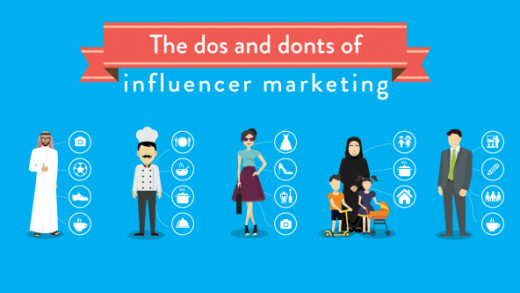
The Dos And Don’ts Of Influencer Marketing
In today's hyper-connected world, the power of social media has never been more apparent. Brands are constantly on the lookout for new and innovative ways to capture their target audience's attention. Enter Influencer Marketing - a game changer in the realm of digital advertising! With its ever-growing popularity, it's crucial for businesses to know how to navigate this exciting landscape effectively.
In this blog post, we'll take you on a journey through the fascinating world of influencer marketing, uncovering why it works so well and providing valuable tips on finding the perfect influencers for your brand. So buckle up and get ready to delve into our comprehensive guide that outlines the dos and don’ts of working with influencers – ensuring that your next campaign is nothing short of extraordinary!
What is Influencer Marketing?
Influencer marketing is a modern-day advertising strategy that leverages the power of social media personalities to promote products, services, or brand messages. These individuals, known as influencers, have amassed a substantial following on platforms such as Instagram, YouTube, TikTok and more – making them ideal partners for businesses looking to reach their target audience in an authentic and engaging way.
The key to influencer marketing lies in the strong relationships they've built with their followers. These devoted fans trust their opinions and are highly likely to act upon recommendations made by these digital tastemakers. As a result, influencer partnerships provide brands with valuable exposure while injecting credibility into their campaigns.
Unlike traditional advertisements where products are showcased directly by companies themselves; influencer collaborations involve creating bespoke content featuring the brand's offerings seamlessly integrated into the influencer's usual format. This approach resonates with audiences at a deeper level since it feels less intrusive and blends naturally within their preferred online spaces.
Why Influencer Marketing is Effective
Influencer marketing has become one of the most effective ways for brands to reach their target audience. The reason behind this is simple: people trust recommendations from those they admire and follow on social media platforms. Influencers have built a loyal following by sharing content that resonates with their followers, so when they endorse a product or service, it's seen as genuine.
Furthermore, influencers offer a unique opportunity for brands to tap into niche markets that may be difficult to reach through traditional advertising channels. For example, if your brand sells organic skincare products specifically designed for women over 50, you can work with an influencer who caters to that demographic and has already established trust and credibility within that community.
Another advantage of influencer marketing is its ability to generate high-quality content at scale. Influencers are experts in creating engaging and visually appealing content that aligns with their personal brand aesthetic. By partnering with them, brands can leverage this expertise to create authentic sponsored posts or ads without sacrificing quality or authenticity.
Influencer marketing campaigns can provide measurable ROI through various metrics such as engagement rates, click-through rates (CTR), conversions and sales generated from the campaign. With access to these data points, brands can evaluate the success of each campaign accurately while refining their strategies accordingly.
Influencer marketing is effective because it combines trusted recommendations from relatable personalities with targeted messaging aimed directly at specific demographics - providing meaningful results for both influencers and brands alike!
How to Find the Right Influencers for Your Brand
Finding the right influencers for your brand can be a daunting task, but it is essential to ensure that your influencer marketing campaign is successful. The first step in finding the right influencers is identifying your target audience. Who are they? What interests do they have? Which platforms do they use?
Once you've identified your target audience, start researching potential influencers who align with their interests and values. Look for influencers who have a genuine following and engagement on their social media channels.
It's also important to consider an influencer's content quality and authenticity. Check out their previous sponsored posts to see if their brand collaborations are authentic or forced.
Another key factor in finding the right influencers is assessing their reach and relevance. Consider how many followers and subscribers they have across all platforms - not just Instagram - and whether those followers fit within your target audience.
When reaching out to potential influencers, be sure to personalize your message. Explain why you think partnering with them would benefit both parties, rather than just asking for a paid collaboration.
In summary, finding the right influencers requires research into your target audience, assessing an influencer's content quality and authenticity, evaluating their reach and relevance beyond Instagram alone, as well as personalizing outreach messages when reaching out to potential partners.
The Dos and Don’ts of Working With Influencers
When it comes to working with influencers, there are a few important dos and don’ts to keep in mind. Here are some key guidelines:
DO collaborate with influencers who align with your brand values and target audience. Make sure their content fits seamlessly into your overall marketing strategy.
DON’T micromanage the influencer’s creative process. Remember that they have built their following based on their unique style and voice – give them the freedom to showcase that in your collaboration.
DO set clear expectations for deliverables, timelines, compensation (if applicable), and FTC compliance. This will help ensure that both you and the influencer are on the same page from day one.
DON’T forget about authenticity. Consumers can spot inauthenticity from a mile away, so make sure any sponsored content feels genuine and natural coming from the influencer.
DO prioritize long-term relationships over one-off collaborations. Building trust and rapport with an influencer can lead to more successful campaigns down the road.
By keeping these dos and don’ts in mind, you’ll be well-equipped to navigate the world of influencer marketing successfully!
How to Measure the Success of Your Influencer Marketing Campaign
Measuring the success of your influencer marketing campaign is crucial to understanding its impact and making data-driven decisions for future strategies. There are several metrics that can be tracked to evaluate the effectiveness of a campaign.
Engagement is one key metric you need to monitor closely. This includes likes, comments, shares, and clicks on content shared by influencers. High engagement indicates that their audience finds value in what they’re promoting, leading to better brand awareness and potential sales.
Another important metric is conversions. Track how many people from an influencer's audience took desired actions such as signing up for a newsletter or purchasing a product. Monitoring conversion rates helps assess the return on investment (ROI) of your campaign.
In addition to these quantitative metrics, consider gathering qualitative feedback from customers who were influenced by your chosen influencers. Look out for reviews or testimonials related specifically to their recommendations - this will give you valuable insights into consumer sentiment towards your brand.
Don’t forget about monitoring brand awareness changes during and after the campaign period. Surveys or social listening tools can help identify shifts in public perception resulting from your collaboration with influencers.
By keeping track of these various performance indicators, you'll gain a comprehensive understanding of how well your influencer marketing efforts resonated with audiences – allowing for informed decision-making in future campaigns.
In conclusion, influencer marketing is an effective way to promote your brand and products to a wider audience. By partnering with influencers who have a strong following in your niche, you can reach potential customers who may not have heard of your brand otherwise.
However, it's essential to approach influencer marketing strategically and avoid common pitfalls. By following the dos and don'ts outlined in this article, you can create successful partnerships with influencers that benefit both parties.
Remember always to research thoroughly before approaching an influencer, set clear expectations for the partnership, disclose sponsored content according to regulations, and measure the success of your campaign thoroughly.
By using these best practices for influencer marketing campaigns, you can build long-lasting relationships with influential figures in your industry while boosting engagement and sales for your brand.
From Analysis to Diagnosis: The Role of AI in Transforming Medical Testing

From Analysis to Diagnosis: The Role of AI in Transforming Medical Testing
The healthcare industry has been one of the most dynamic and ever-evolving industries, with technology playing a significant role in improving patient outcomes. Artificial intelligence (AI) is now at the forefront of revolutionizing medical testing, ranging from diagnosis to personalized treatment plans. With AI's ability to analyze large amounts of data quickly, it can significantly improve accuracy and speed up diagnosis times.
In this blog post, we'll explore how AI is transforming medical testing and its potential impact on the future of healthcare. So buckle up and get ready for an informative ride!
The Current State of Medical Testing
The landscape of medical testing has come a long way since the days of x-rays and blood work. Today, patients have access to advanced imaging techniques, genetic tests, and specialized lab analyses that can provide more detailed information than ever before. However, there are still many challenges in the field of medical testing that need to be addressed.
One major issue is the time it takes for results to be processed and analyzed. Patients often have to wait weeks or even months for accurate diagnoses, which can impede treatment options and prolong suffering.
Another challenge is the lack of standardization across different healthcare systems. Different labs may use different methods or equipment for analyzing samples, leading to inconsistencies in results.
Furthermore, there is also a growing concern about overtesting and overtreatment. With so many available tests and procedures, doctors may order unnecessary or redundant tests that do not improve patient outcomes but increase healthcare costs.
While advancements have been made in medical testing, there are still areas where improvement is necessary to ensure efficient and effective diagnosis processes for patients.
How AI is Changing Medical Testing
Medical testing has traditionally been a time-consuming and error-prone process. However, with the advent of AI technology, medical testing is being transformed in ways that were unimaginable just a few years ago. One of the most significant advantages of AI in medical testing is its ability to improve accuracy and speed in diagnosis.
AI-powered algorithms can sift through vast amounts of data from various sources such as electronic health records (EHRs), lab results, and imaging scans to assist physicians in making faster and more accurate diagnoses. This not only saves precious time but also improves patient outcomes by enabling earlier intervention.
Another way that AI is changing medical testing is by promoting personalized treatment through precision medicine. By analyzing genomic data, clinicians can identify specific patterns or markers associated with particular diseases or conditions and use this information to tailor treatments accordingly.
Moreover, AI-powered screening processes are capable of detecting early signs of disease before symptoms even appear. For instance, some researchers have developed algorithms that can detect Alzheimer's disease up to six years before clinical diagnosis using brain scans combined with machine learning techniques.
Predictive analytics powered by AI can help predict which patients may be at risk for certain conditions based on factors such as age, family history, lifestyle choices etc., allowing for earlier interventions that could prevent the onset or progression of chronic illnesses.
As we move into an era where data-driven healthcare becomes increasingly prevalent, it's clear that artificial intelligence will play a critical role in transforming medical testing for good.
Improving Accuracy and Speed in Diagnosis
Thanks to AI, medical diagnostics are becoming faster and more accurate than ever before. With access to vast amounts of data from electronic health records, clinical trials, and research studies, artificial intelligence can analyze patient symptoms and medical history in seconds with greater precision.
By using machine learning algorithms that learn from previous cases, doctors can receive a more comprehensive understanding of the potential illnesses or causes for their patients' symptoms. This not only speeds up diagnosis times but also reduces the likelihood of misdiagnosis.
AI-powered diagnostic tools have proven particularly useful in detecting rare diseases that may be overlooked by unaided human analysis. By comparing unknown cases against an extensive database of confirmed diagnoses, these systems can identify patterns and make suggestions based on relevant findings.
Moreover, AI-based systems provide doctors with detailed information about any possible treatments or therapies available for their patients’ diagnosed conditions. Together with genetic testing results and other forms of evaluations like blood tests or imaging scans – clinicians will have full control over decision-making related to personalized treatment plans that fit each patient's needs specifically - something unheard-of just a few years ago.
Personalizing Treatment through Precision Medicine
AI is transforming the way healthcare professionals personalize treatment through precision medicine. With AI-powered tools, doctors can analyze a patient’s genetic makeup and create a personalized treatment plan that addresses their unique needs. This process helps to identify the best course of action for each individual patient based on their specific genes, lifestyle, and medical history.
Precision medicine allows doctors to tailor treatments to patients with greater accuracy than ever before. By analyzing vast amounts of data about an individual patient's illness or condition, AI-enabled technology provides insights into how specific drugs will affect them. Doctors can then choose the right therapy at the appropriate dose for each patient.
This approach has revolutionized cancer treatment by allowing oncologists to target tumors with greater specificity while avoiding damage to healthy tissue. By identifying genetic mutations in tumors, doctors can select therapies that are more likely to be effective against these specific mutations.
Additionally, this approach offers hope for rare diseases where traditional methods have failed because there are too few cases available from which scientists could collect data and draw conclusions from it.
Precision medicine enabled by AI presents new opportunities for personalized treatments tailored specifically towards individuals' conditions and needs. The integration of this technology alongside medical expertise will continue driving progress within healthcare services; ensuring better health outcomes for everyone involved in receiving care or providing it!
Enhancing Screening and Testing Processes
AI has the potential to revolutionize screening and testing processes in medicine. One of the major benefits of AI technology is its ability to analyze vast amounts of data quickly and accurately. This can be particularly beneficial when it comes to medical imaging, such as X-rays and MRIs.
In traditional medical settings, radiologists would have to manually examine each image individually, often spending significant amounts of time searching for specific indicators that could indicate a disease or condition. However, with AI-powered imaging tools, doctors can now upload images into a program that will automatically highlight areas of concern.
This not only speeds up the diagnosis process but also reduces the likelihood of errors or missed diagnoses due to human error. Additionally, AI-powered screening programs can help identify individuals who are at higher risk for certain conditions based on their genetic makeup and other factors.
By enhancing screening and testing processes through AI technology, we can improve patient outcomes while reducing costs associated with manual labor-intensive methods. As this type of technology continues to evolve in healthcare settings around the world, we may see even more exciting developments in this area in the years ahead.
Predicting and Preventing Diseases
AI is also transforming medical testing by predicting and preventing diseases. By analyzing large amounts of data, AI algorithms can identify patterns and risk factors that may lead to various illnesses. This means that doctors can now predict the onset of a disease before it occurs, allowing for preventive measures to be taken.
For example, AI-powered tools are being developed to analyze genetic information and identify individuals who are at high risk of developing certain conditions such as cancer or heart disease. With this knowledge, doctors can proactively recommend lifestyle changes or screenings that could prevent the development of these diseases.
Another way in which AI is aiding in disease prevention is through its ability to monitor patients remotely. Wearable devices equipped with sensors can collect data on vital signs and other health metrics in real-time. Algorithms then analyze this data to detect any abnormalities or trends that could indicate an impending illness or exacerbation of an existing condition.
The use of AI in predicting and preventing diseases has immense potential for improving healthcare outcomes while reducing costs associated with treatment. However, more research needs to be done on how best to integrate these technologies into clinical practice while ensuring patient privacy and ethical concerns are addressed adequately.
The Impact of AI on the Future of Medical Testing
The impact of AI on the future of medical testing is enormous and far-reaching. With advancements in technology, AI has transformed healthcare as we know it, improving accuracy, speed, and personalization in diagnosis and treatment.
Opportunities abound with the use of AI in medical testing. Healthcare providers can now leverage AI to analyze vast amounts of data quickly and accurately to make informed decisions about patient care. Additionally, we are seeing a shift towards personalized treatments through precision medicine that tailors therapies based on individual genetic differences.
However, there are also challenges associated with implementing AI in healthcare settings. Ethical considerations regarding privacy, security breaches and access need to be addressed carefully before widespread adoption.
Despite these challenges though,the potential for enhancing screening processes,predicting diseases before they occur,and preventing them from taking root is exciting.
With continued investment into research,AI will undoubtedly continue revolutionizing healthcare for years to come.
How to Start a Business in Canada

How to Start a Business in Canada
Are you thinking about starting your own business in Canada? Congratulations! You're taking the first step towards becoming an entrepreneur and achieving financial freedom. However, starting a business can be overwhelming, especially if you don't know where to start. Don't worry; this blog post will guide you through the essential steps needed to get started with your Canadian-based business. From writing a solid business plan to registering your company legally, we'll cover everything that you need to know so that you can launch your successful venture confidently. So let's dive into it and explore how to start a business in Canada!
What Type of Business Do You Want to Start?
The first step in starting a business is to determine what type of venture you want to pursue. The possibilities are endless, and it's essential to find something that aligns with your passions and interests.
Consider your skills, experience, and education when choosing a business idea. Are there any gaps in the market? What products or services are in demand? These questions can help you narrow down your options and identify potential opportunities.
It's also important to consider the level of competition in your chosen field. Too much competition can make it challenging for a new business to gain traction.
Another factor to consider is the financial investment required. Some businesses require more upfront capital than others, so make sure you have realistic expectations about what kind of funding will be necessary.
Ultimately, the key is finding something that excites you while also being financially viable. Don't rush this process; take the time needed to research different ideas thoroughly before committing yourself fully.
Write a Business Plan
Writing a business plan is one of the most important steps to starting your own business in Canada. A well-written and detailed business plan will help you identify potential challenges, establish goals and objectives, determine your target market, outline financial projections and define your marketing strategies.
To begin writing your business plan, start by researching your industry thoroughly. This includes analyzing competitors, identifying trends and understanding market demand. Use this research to develop a unique value proposition for your business that sets it apart from others in the industry.
Once you have identified what makes your business stand out, create an executive summary which outlines these key points clearly and succinctly. In the body of the plan, provide detailed information about products or services offered, pricing strategies, staffing requirements and any other relevant details.
It's also important to include financial projections such as startup costs, revenue forecasts and cash flow statements. This will help you understand how much money you need to get started with your new venture.
Don't forget to review and update your business plan regularly as circumstances change over time. A solid plan can be instrumental in securing funding from investors or lenders who are interested in supporting promising new businesses across Canada.
Choose a Business Structure
Choosing the right business structure is critical to your success as a new entrepreneur in Canada. First, consider whether you want to operate as a sole proprietorship, partnership, corporation or cooperative.
A sole proprietorship requires no formal registration but provides no legal protection for personal assets. A partnership involves two or more people sharing ownership and profits while assuming shared responsibility for debts and liabilities.
Incorporation creates a separate legal entity with limited liability protection but requires compliance with federal and provincial laws. Cooperatives are owned and operated by their members who share in decision-making authority.
Consider factors such as taxation requirements, potential liabilities, transferability of ownership interests and funding needs when making your choice of business structure. Seek professional advice from an accountant or lawyer to ensure you make an informed decision that suits your specific needs and goals.
Remember that choosing the right business structure can impact everything from tax obligations to operational flexibility; take the time to choose wisely!
Register Your Business
Now that you have written your business plan and decided on the structure of your business, it's time to register it. This is an important step towards making your business official and legally recognized in Canada.
To register, you will need to choose a name for your business that is not already taken by another company. You can do this through the Canadian Intellectual Property Office website or by conducting a search at a provincial registry office.
Once you have chosen a name, you will need to register with the appropriate government agency based on your chosen legal structure. For example, if you are registering as a sole proprietorship or partnership, you would register with your province's corporate registry office. If registering as a corporation, registration takes place at the federal level with Corporations Canada.
Be prepared to provide information such as your proposed business activities and ownership structure during registration. You may also be required to pay fees depending on where and how you are registering.
After completing registration, make sure to obtain any necessary permits or licenses for operating in specific industries or locations within Canada. And don't forget to update any relevant authorities about changes in ownership or address over time!
Get a Business License
Once you've decided on the legal structure of your business, the next step is to obtain a business license. In Canada, most businesses require a license or permit from either the federal, provincial or municipal government.
The requirements for obtaining a business license can vary depending on several factors including your location and industry. It's important to research what specific licenses and permits are required for your particular type of business.
Some common types of licenses include general business licenses, trade-specific licenses (such as those required for contractors), health permits (for restaurants and food-related businesses) and zoning permits (for home-based businesses).
To apply for a license, you'll need to fill out an application form and submit it along with any necessary documentation such as proof of insurance or tax registration numbers.
It's important to note that operating without a valid business license can result in fines or even legal action. Therefore, it's crucial to ensure that all necessary licenses and permits are obtained before launching your business.
Open a Bank Account
Opening a bank account is a crucial step when starting your business in Canada. It's important to separate your personal and business finances, which can help you keep track of your spending and profits.
To open a bank account for your business, you will need to provide some documentation such as proof of identity, proof of address, and documents related to your business registration. Different banks may have different requirements so make sure to check with them beforehand.
When choosing the right bank for your business needs, consider their fees, services offered, accessibility and customer support. Look into their online banking features as well since it can save you time and effort when managing transactions remotely.
After opening your account, remember to keep accurate records of all financial transactions related to the business. This can help you keep track of expenses for tax purposes and avoid any accounting errors down the line.
Taking the necessary steps in opening a bank account early on in starting up a new company in Canada can make things much smoother later on.
Launch Your Business
You've got your business plan in hand, you're registered and licensed - now it's time to launch your business! There are a few key steps to consider when launching your business in Canada.
Firstly, make sure you have all the necessary equipment or inventory ready before opening. This will ensure that you can serve customers immediately without any delays or setbacks. It's also important to hire employees if needed and train them properly on company policies and procedures.
Next, consider having a grand opening event to create buzz around your new business. This could include promotions, giveaways, and inviting members of the community to come see what you have to offer.
Another crucial step is establishing an online presence through social media platforms and creating a website for customers to easily find information about your products or services. Utilize search engine optimization (SEO) techniques such as incorporating relevant keywords into website content so that potential customers can easily find you through online searches.
Remember, starting a business is not easy but with proper planning and execution it can be highly rewarding both financially and personally.
Start Marketing Your Business
Marketing your business is an essential aspect of getting it off the ground in Canada. It can be a daunting task, but with careful planning and execution, you can get your brand to reach its potential audience.
Firstly, identify your target market and understand their needs. Conduct market research by analyzing competitors' strengths and weaknesses to determine how best to position yourself in the industry.
Secondly, build a strong online presence through social media platforms such as Facebook, Instagram or LinkedIn. Create engaging content that resonates with your audience while maintaining consistency across all channels.
Thirdly, consider traditional marketing methods such as flyers or billboards depending on your budget. Participate in community events or trade shows where you can meet potential clients face-to-face.
Establish customer relationships by offering excellent service that exceeds expectations. Encourage word-of-mouth referrals from satisfied customers and reward loyalty programs for repeat business.
Starting a business requires more than just having an idea; it entails careful planning and execution backed up by effective marketing strategies. By implementing these tips into practice early on in the process of establishing a business in Canada will place you ahead of the competition from day one!
How to Start a Business in Zimbabwe

How to Start a Business in Zimbabwe
Are you looking to start a business in Zimbabwe but don't know where to begin? With its diverse economy and rich natural resources, Zimbabwe has become an attractive destination for entrepreneurs. However, starting a business in this country can be overwhelming without the right knowledge and guidance. That's why we've put together this comprehensive guide on how to start a business in Zimbabwe. From legal requirements to financing options and marketing strategies, we'll cover everything you need to know to turn your entrepreneurial dream into a successful reality in the land of opportunity!
The Zimbabwean Business Environment
The Zimbabwean business environment is a complex landscape, shaped by various factors such as political instability, economic challenges and social issues. Despite these challenges, the country offers immense opportunities for entrepreneurs looking to start a business.
One of the key strengths of Zimbabwe's economy is its diverse natural resources such as minerals, agriculture and wildlife. This has led to the growth of various sectors including mining, tourism and farming.
However, doing business in Zimbabwe requires an understanding of the unique cultural norms and practices that underpin society. Building relationships with local communities through corporate social responsibility programs can help businesses gain acceptance within their target markets.
Another factor affecting the Zimbabwean business environment is government policies which can impact taxation laws, import/export regulations and labor laws. It's important for entrepreneurs to keep up-to-date with changes in legislation so they can adapt their strategies accordingly.
Despite these challenges, many successful businesses have emerged from Zimbabwe due to their ability to innovate and find solutions within this dynamic environment. By staying aware of market trends and customer needs while being adaptable to change, entrepreneurs can thrive in this exciting African nation.
The Process of Starting a Business in Zimbabwe
Starting a business in Zimbabwe can be a challenging process, but with the right knowledge and resources, it can also be an exciting opportunity. The first step is to conduct thorough market research to identify potential gaps in the market and determine your target audience.
Once you have identified your business idea and conducted market research, the next step is to register your company with the Companies and Intellectual Property Commission (CIPC). This involves completing registration forms, paying fees, and submitting supporting documents such as identification documents.
After registering your company, you will need to obtain licenses or permits depending on the nature of your business. Different industries require different types of licenses from various regulatory bodies such as Ministry of Health for medical-related businesses or Zimbabwe Energy Regulatory Authority (ZERA) for energy-related businesses.
In addition to obtaining necessary licenses/permits; it's important that you comply with all relevant tax laws by registering for taxes like VAT if applicable. You should also set up a bank account specifically for your business transactions.
Consider obtaining insurance coverage tailored towards protecting yourself against any unforeseen events that may occur during operations. With these steps completed successfully one would have legally started their own Zimbabwean Business venture!
What Type of Business Should You Start in Zimbabwe?
When it comes to starting a business in Zimbabwe, one of the first questions you'll need to ask yourself is "what type of business should I start?" There are many different types of businesses that can be successful in Zimbabwe, depending on your skills, interests and resources.
One option is to consider a service-based business. In Zimbabwe, there is always demand for skilled professionals such as lawyers, accountants or consultants. Starting a service-based business could allow you to leverage your skills and expertise while meeting a critical market need.
Alternatively, you might choose to explore opportunities in the agriculture sector. Zimbabwe has long been known for its fertile soil and agricultural output. Starting an agribusiness could involve everything from crop farming or livestock rearing to food processing or exportation.
Another potential option is e-commerce. With more people turning online for shopping and services, setting up an online store or offering digital services such as website design or social media management could be a viable way forward.
Ultimately, choosing what type of business to start in Zimbabwe will depend largely on your own goals and vision for success. It's important that you take time researching various options before making any decisions about which direction best aligns with your personal aspirations and resources available at hand .
The Legal Requirements for Starting a Business in Zimbabwe
Starting a business in Zimbabwe comes with certain legal requirements that one must fulfill. These regulations are put in place by the government to ensure transparency, accountability, and protection of businesses and consumers alike. As such, it is important to familiarize yourself with these requirements before starting your business.
One of the first steps you need to take as an aspiring entrepreneur is registering your company with the Registrar of Companies. This process entails completing relevant forms and submitting them alongside other necessary documents such as proof of address, identity documentation, and payment of registration fees.
Another critical requirement for starting a business in Zimbabwe is obtaining licenses or permits specific to your industry or sector. Depending on what kind of business you intend to start; there may be additional permits required from various regulatory bodies.
As an employer looking to hire staff members for your new venture, it's essential to comply with labour laws governing issues like minimum wage rates, working hours per week/month/year etc., statutory deductions (PAYE), National Social Security Authority (NSSA) contributions among others.
Furthermore, tax compliance is mandatory for all businesses operating within Zimbabwean borders. This means registering for taxes like Value Added Tax (VAT), Income Tax among others depending on the nature of one’s operations.
While navigating through legal processes can seem daunting at first glance but once grasped effectively they will give you peace mind knowing that you are operating within the confines set by law which will ultimately lead towards establishing a successful enterprise.
Financing Your Zimbabwean Business
One of the most important aspects to consider when starting a business in Zimbabwe is financing. Without adequate funds, it can be challenging to get your business off the ground and keep it running smoothly.
The first step in financing your Zimbabwean business is to identify how much money you need. This will depend on various factors such as the type of business you want to start, location, marketing strategies and other operational costs.
Once you have identified how much funding you require, explore different sources for obtaining finance including banks loans, venture capitalists or angel investors. Moreover, there are also several government programs such as Youth Empowerment Fund (YEF) that provide grants and loans for startups.
Be sure to prepare a strong financial plan that outlines your projected revenue streams and expenses over a certain period of time. A well-prepared financial plan will increase the likelihood of securing funding from lenders or investors.
Always remember that securing finance is not easy but with hard work and determination anything is possible!
Marketing Your Zimbabwean Business
Marketing your Zimbabwean business is a crucial part of its overall success. In order to ensure that potential customers know about your business and what it has to offer, you need an effective marketing strategy.
Firstly, identify your target audience. This will help you tailor your messaging and choose the right advertising channels - for example, if you're targeting young people, social media might be the best option.
Secondly, establish a strong brand identity. A clear logo and consistent messaging across all platforms will help build recognition and trust with potential customers.
Thirdly, use both digital and traditional marketing methods. While online advertising can be cost-effective and reach a large audience quickly, don't forget about more traditional methods such as print ads or billboards.
Track your results using analytics tools so that you can adjust your strategy accordingly. By constantly refining your marketing approach based on data-driven insights, you'll improve its effectiveness over time.
In conclusion, starting a business in Zimbabwe can be a challenging but rewarding experience. The country's economy is slowly recovering, making it an excellent time to enter the market and establish your brand.
To start your business successfully, you need to understand the local business environment and legal requirements. You should also consider financing options and marketing strategies that will help grow your company.
Remember that there are many opportunities for entrepreneurs in Zimbabwe if you have the right mindset and determination. With hard work, persistence, and creative thinking, you can build a thriving business that contributes positively to Zimbabwe's economic growth.
So take action today! Research different industries and niches to find one that aligns with your skills and interests. Develop a solid business plan, secure funding or investors if necessary, comply with all legal regulations for starting your company in Zimbabwe, create effective marketing campaigns to reach potential customers - then launch!
The journey of starting a successful business requires patience as well as perseverance along the way; however, it is undoubtedly worth it when you see how much impact it has on people's lives while providing employment opportunities within our nation. Good luck!
How to Start a Business in France

How to Start a Business in France
Are you thinking about starting a business in France? Congratulations on taking the first step towards becoming an entrepreneur! As one of Europe's largest economies, France offers ample opportunities for new businesses to thrive. However, navigating the process of starting a business can be daunting, especially if you're unfamiliar with French regulations and procedures. But don't worry – we've got you covered!
In this article, we'll guide you through the essential steps to get your business up and running in France. So grab a croissant and let's begin!
Decide What Type of Business You Want to Start
The first step towards starting a business in France is to decide what type of business you want to start. Your decision will depend on several factors, such as your skills and experience, market demand, and personal preferences.
One option is to start a sole proprietorship or "entreprise individuelle." This type of business is the most straightforward and requires only one person to operate. However, keep in mind that you'll be personally liable for any debts or legal issues that arise.
Another option is to form a partnership with one or more individuals. Partnerships can offer additional resources and shared expertise but also require clear agreements on responsibilities and profit-sharing.
If you're interested in limiting your liability while benefiting from tax advantages, consider forming a limited liability company (LLC) or "société à responsabilité limitée" (SARL). An LLC is an independent legal entity separate from its owners, which can protect personal assets if the company faces financial troubles.
Ultimately, choosing the right type of business depends on your goals and circumstances. Take time to research each option thoroughly before making a decision.
Do Market Research and Choose Your Business Location
When starting a business in France, it's important to do thorough market research and choose the right location for your business. This will help you understand the demand for your products or services and identify potential competitors.
Begin by researching your target market. Who are they? What are their needs and wants? How can your business meet those needs better than existing businesses? Answering these questions will give you insight into the viability of your business idea.
Next, research potential locations for your business. Consider factors such as foot traffic, accessibility, competition in the area, and local regulations. It's also important to consider the cultural norms of different regions in France – what may work well in one area may not be successful elsewhere.
Once you've narrowed down potential locations, visit each site to get a feel for the community and assess whether it aligns with your brand values. Talk to locals and other small business owners in the area to gain insights about doing business there.
By doing comprehensive market research and choosing an ideal location for your new venture, you'll set yourself up for success from day one of opening doors!
Register Your Business With the French Government
Registering your business with the French government is an essential step to start a business in France. The process can be time-consuming, but it's necessary to ensure that your enterprise complies with all legal requirements.
To register your business, you need to decide on its legal structure first, whether it will be a sole proprietorship or a corporation. Once you have decided on the structure of your company, you must choose its name and check if it's available for registration.
After deciding on the legal structure and name of your company, you should obtain an SIRET number from INSEE (National Institute of Statistics and Economic Studies). This unique nine-digit number identifies businesses in France and is required for opening bank accounts or invoicing customers.
Next, register at the "Centre de Formalités des Entreprises" (CFE) responsible for overseeing businesses in your industry sector. You'll need to provide some documentation such as ID proof documents along with other details like ownership forms.
Don't forget about registering for social security contributions such as health care coverage which apply to both employees and employers alike. Registering for VAT may also be mandatory depending on factors like annual revenue turnover etc so do take this into account while registering.
Registering a business in France requires patience due to numerous formalities involved within layers of bureaucracy - however by ticking these boxes correctly will help guarantee success!
Obtain the Necessary Licenses and Permits
Once you have chosen the location for your business and determined what type of licenses and permits are required for your specific industry, it's time to begin the process of obtaining them.
Firstly, make sure that you have all necessary documents, such as identification papers and proof of address. Then, research where to go to apply for the appropriate licenses and permits in your area. It is important that you follow up on any additional requirements or paperwork needed during this process.
Depending on the type of business, some industries may require more complicated licensing processes than others. For example, if you plan to sell alcohol or tobacco-related products in France, there are stricter regulations that must be followed.
It's always a good idea to work with a legal professional specializing in French business law when navigating these complexities. They can provide guidance through every step of the process and ensure that all necessary documentation is submitted correctly.
Keep in mind that not having proper licensing or permits can lead to serious consequences such as fines or even shutting down your entire operation. Taking care of these details now will save headaches down the road so it’s worth taking seriously!
Find Financing for Your Business
Finding the necessary financing for your new business can be a daunting task, but it is essential to ensure that you have the resources to get started on the right foot. There are several ways in which you can acquire funding for your venture.
One option is to seek out investors who may be interested in backing your business concept. This could include family and friends or individuals within your industry who understand the potential of your idea. It's important to create a solid business plan and pitch deck to present to potential investors.
Another avenue for financing is through small business loans from banks or other financial institutions. These loans typically require collateral and come with interest rates, so it's important to do thorough research before applying.
Crowdfunding has also become an increasingly popular way for entrepreneurs to obtain funding. Platforms such as Kickstarter and Indiegogo allow individuals from around the world to donate money towards a project they believe in.
Regardless of which method you choose, remember that securing financing takes time and effort. Be persistent and continue seeking out options until you find the best fit for your needs.
Hire Employees and Open Your Doors for Business
Hiring the right employees is crucial to the success of any business. Whether you need help with marketing, sales or customer service, finding individuals who are passionate and skilled in their field will ensure that your company runs smoothly.
Start by creating job postings for the positions you need filled. Be clear about your expectations and requirements so that candidates know exactly what they're applying for. You can post on job boards or social media sites like LinkedIn to reach a wider pool of applicants.
Once you've received applications, take time to review them carefully. Look for candidates who have experience in your industry and share similar values with your company. Conduct interviews with potential hires either face-to-face or over video conferencing tools like Zoom.
When making final hiring decisions, think about how each candidate would fit into your team dynamic as well as their qualifications. Once new employees are hired, provide thorough training on company policies and procedures so they feel confident in their roles.
It's time to open your doors for business! Celebrate this milestone by hosting an opening event or promotion to attract customers and get people excited about what your business has to offer. Remember that offering excellent customer service from day one will help establish a positive reputation within the community.
In conclusion, starting a business in France can be an exciting and fulfilling journey for those who are willing to put in the time and effort. By following the steps outlined above, you will have a solid foundation on which to build your business.
Remember that starting a business is not easy, but it is also not impossible. With hard work, determination, and perseverance, anyone can succeed in creating their own successful enterprise.
So if you're ready to take the plunge into entrepreneurship and start your own business in France, go ahead and get started today! Good luck on your new venture!
How to start a Business in Italy

How to start a Business in Italy
Have you ever dreamed of starting your own business in Italy? Known for its rich history, delicious cuisine, and stunning landscapes, Italy offers a unique environment for entrepreneurs. However, the process of starting a business in Italy can be daunting if you don't know where to start. That's where we come in!
In this blog post, we'll guide you through the essential steps to get your business up and running in beautiful Italy. From research to registration and everything in between - let's dive right into it!
Decide What Type of Business You Want to Start
The first step in starting a business in Italy is to decide what type of business you want to start. You should choose a business that interests you and aligns with your skills, experience, and passion. There are several types of businesses that you can start in Italy, including sole proprietorships, partnerships, limited liability companies (LLCs), corporations, and more.
Consider the industry or sector you want to enter. Do some research on the current demand for products or services related to your chosen field. Determine if there's already an established market for it or if it's still emerging.
In addition to considering your personal interests and industry trends when choosing a business type, also think about legal requirements and tax implications. Each type has its own advantages and disadvantages regarding liability protection as well as taxes.
Once you have identified the right business idea for yourself – take time researching Italian laws around this particular niche. It’s important not only from a legal perspective but also from an economic standpoint as certain industries may require specific permits/licenses before opening up shop!
Research the Italian Market
Researching the Italian market is a crucial step in starting a business in Italy. It's essential to have an understanding of the local culture, consumer behavior and purchasing habits before investing time and resources into your venture.
To begin with, you need to identify potential competitors that operate within your industry. Analyze their products or services, pricing strategies, marketing tactics and overall business model. This will help you identify gaps in the market where your business can thrive.
It's also important to consider any legal or regulatory requirements for operating within your chosen industry. Some industries may require specific licensing or certifications that must be obtained before you can legally operate.
Additionally, researching the geographical location of your target audience is key. You want to ensure that there is enough demand for your product/service in the area you plan on setting up shop.
Keep an eye on macroeconomic trends such as changes in tax laws or shifts in consumer preferences. These factors can greatly impact how successful your business will be over time.
Conducting thorough research on the Italian market will not only inform how you approach launching a new business but also increase its likelihood of success by providing valuable insights into potential opportunities and challenges ahead.
Find the Right Location for Your Business
When it comes to starting a business in Italy, finding the right location can be crucial for your success. You need to take into consideration factors such as accessibility, local competition and target audience.
Firstly, consider the accessibility of the location. Is it easily accessible by public transportation or car? Will customers be able to find your business without difficulty? The last thing you want is for potential clients to struggle finding you.
Secondly, research the local competition. Are there already established businesses offering similar products or services in the area? If so, how can you differentiate yourself from them and attract customers?
Think about your target audience. Who are they and where do they spend their time? For example, if you're opening a trendy clothing store aimed at young professionals then locating near a university campus could be ideal.
Choosing the right location for your business requires careful consideration of various factors that will impact its success. Take your time and make an informed decision based on what's best for both you and your future customers.
Register Your Business With the Italian Government
When starting a business in Italy, it's important to register your company with the Italian government. This process can be quite complex and time-consuming, but it is necessary if you want to operate legally within the country.
To begin the registration process, you will need to obtain a tax identification number (TIN) from the Italian Revenue Agency. You'll also need to provide information on your business structure and activities.
Once you have obtained your TIN, you can then proceed with registering for VAT (value-added tax). This is typically required for companies that sell goods or services within Italy.
Depending on the type of business you are starting, there may be additional requirements for registration. For example, if you are opening a restaurant or bar, you will need to obtain a license from the local health department.
It's important to note that registering your business with the Italian government does come with certain costs and fees. Make sure you budget accordingly so that there are no surprises down the road.
By taking care of all necessary registrations upfront, you'll be able to focus on growing and developing your business without worrying about legal compliance issues.
Obtain the Necessary Permits and Licenses
Once you have decided on the type of business you want to start and researched the Italian market, it's time to obtain the necessary permits and licenses. This process can be complex and time-consuming, but it is crucial for ensuring that your business complies with all legal requirements in Italy.
The specific permits and licenses required will depend on the nature of your business. For example, if you plan to open a restaurant or bar, you will need a food service permit from the local health department. If you plan to sell products online, you may need an e-commerce license.
To obtain these permits and licenses, it's important to consult with local authorities or a lawyer who specializes in Italian business regulations. They can guide you through the process and ensure that everything is completed correctly.
Be prepared for this process to take some time - obtaining permits and licenses can often involve multiple trips to government offices or meetings with officials. But investing this effort upfront will save headaches down the line by ensuring your business operates legally in Italy.
Obtaining permits and licenses is one of many important steps when starting a new venture in Italy. Don't overlook this critical step - taking care of all legal requirements up front will set your businesses up for success in its early stages.
Hire Employees
Hiring employees for your business in Italy is an important task that requires careful consideration. The Italian labor market has its unique set of regulations and laws, which you must comply with while hiring.
Firstly, you should decide the type of employee you require for your business. You can choose between a full-time or part-time worker, temporary staff, interns or trainees. Each category has its benefits and drawbacks depending on the nature of your business and budget.
Once you have decided on the type of employee required, it's time to advertise job vacancies. There are many ways to do this such as through newspaper ads, online job portals or social media sites specifically designed for recruitment purposes.
After receiving applications and resumes from potential candidates, select those who meet your requirements based on qualifications and experience. Interview them personally to know more about their skills, knowledge and work ethics before making any final decisions.
It's crucial to follow all legal requirements when hiring employees in Italy such as obtaining necessary permits like work visas (for foreign nationals), registering workers' contracts with local authorities etc.
Lastly but most importantly always ensure that the salary offered is fair according to industry standards so that employees feel valued in their roles within the company working towards common goals together!
Open a Bank Account
Opening a bank account is an essential step for starting a business in Italy. It will allow you to receive payments, pay bills and manage your finances efficiently. To open a bank account, you need to choose the right bank that suits your needs and preferences.
Many Italian banks offer different types of accounts with varying fees and services, so it's important to do some research before making a decision. Start by comparing the interest rates, transaction fees and other charges of various banks.
To open a bank account, you'll need to provide some identification documents such as your passport or ID card. You may also need to show proof of address in Italy if you're not an Italian citizen.
The process can be time-consuming so it's advisable to book an appointment with the chosen bank ahead of time. Once at the appointment, make sure you understand all the terms and conditions before signing any documents.
It's worth noting that some banks require businesses to have already registered with the government before opening an account. However, others allow businesses in their early stages without registration papers but may impose higher fees or limit services until formalized documentation is submitted.
Remember that opening a bank account is just one part of starting a business in Italy - but it’s an important one!
How to Start a Business in Botswana

How to Start a Business in Botswana
Botswana is a country with vast business opportunities and an excellent entrepreneurial environment. If you're thinking of starting your own business in Botswana, you've made a smart choice. However, like any other country, there are legal requirements that must be met to start and run a successful business in Botswana.
In this blog post, we'll guide you through the crucial steps necessary to establish your business in Botswana successfully. From registering your company to creating a website and marketing it effectively, we will cover everything essential for starting and growing your business in this beautiful African country!
Register Your Business
Registering your business in Botswana is the first and most crucial step towards starting your own company. The process of registering a business is straightforward, and you can complete it within a few days. You'll need to visit the Registrar of Companies office and fill out an application form.
The registration process requires you to provide some essential information such as your company name, nature of the business, address, names of directors/shareholders, and other relevant details. Once you've submitted all the necessary documents along with your application fee, the Registrar will review them for approval.
It's important to note that before registering your business in Botswana; you must conduct extensive research on whether there are any existing companies with similar names or operating in similar fields. This will help avoid legal disputes later on down the road.
In addition to registering with the Registrar of Companies, businesses may also be required by law to register with other government agencies depending on their industry sector. For instance, businesses dealing in food products require registration from Botswana's Ministry Of Health.
Remember that failure to register your business properly could lead to severe consequences such as fines or even closure of operations!
Get a Business License
Getting a business license is an essential step in starting a business in Botswana. It is important to note that there are different types of licenses, depending on the nature of your business. The first thing you need to do is identify which license applies to your business.
To obtain a license, you will need to visit the local council or government office and complete an application form. You will also be required to provide supporting documents such as proof of address, ID copies and any relevant qualifications.
Once you have submitted your application, it will be reviewed by the relevant authorities in accordance with Botswana's laws and regulations. If all goes well, you should receive your license within a few weeks.
It is important to ensure that you comply with all licensing requirements as failure to do so can result in penalties or even closure of your business. This includes renewing your license annually and adhering to any regulations set out by the authorities.
Remember that obtaining a business license not only ensures compliance with legal requirements but also gives credibility and legitimacy to your enterprise.
Open a Corporate Bank Account
Opening a corporate bank account is an essential step in starting a business in Botswana. It allows you to keep your personal and business finances separate, which makes accounting much easier. Plus, having a dedicated bank account can give your business more credibility.
When choosing a bank for your corporate account, it's important to consider their fees and services. Some banks offer free transactions up to a certain limit or have lower fees for small businesses. You should also look into any additional features that the bank may offer such as online banking or mobile apps.
To open the account, you will need several documents including proof of identification (passport or ID card), company registration certificate, and proof of address (utility bill). The process typically involves filling out an application form and meeting with a representative from the bank.
Once your account is set up, make sure to keep accurate records of all transactions made through it. This will help you stay on top of your finances and make tax season less stressful.
Opening a corporate bank account is an important step towards establishing your new business in Botswana.
Choose a Business Structure
Choosing a business structure is one of the most crucial decisions you will make when starting a business in Botswana. The type of structure you choose will affect your taxes, liability, and operations. You have various options to consider: sole proprietorship, partnership, company (private or public), or cooperative.
A sole proprietorship is an unincorporated business owned by one person with no legal distinction between the owner and the business. This means that all profits are taxed as personal income and the owner assumes all liabilities.
In a partnership, two or more people share ownership of the business. Partnerships can be general partnerships or limited partnerships depending on how much control each partner has over decision-making. Taxation for partnerships is similar to that of sole proprietors.
A company provides limited liability protection to its owners but comes with more regulations than other structures. Private companies limit their shareholders while public companies offer shares to anyone who wishes to buy them.
Cooperatives are businesses formed by individuals coming together for mutual benefit where they share profits among themselves based on their contribution towards running it.
Consider consulting an expert before making your final decision on which structure works best for your specific needs and goals in Botswana's market environment
Develop Your Branding
Developing your branding is an essential part of starting a business in Botswana. Your brand represents who you are as a company and what you stand for, so it's important to create something that resonates with your target audience.
To start developing your branding, think about the message you want to convey through your logo, color scheme, and overall image. Consider what sets you apart from competitors and how you can communicate this visually.
Once you have a basic idea of what direction to take with your branding, consult with a professional graphic designer or marketing expert who can help bring your vision to life. They will work closely with you to ensure that all elements of your brand align with one another and accurately represent your company.
Your logo should be simple yet memorable, while also conveying the essence of what makes your business unique. The colors used in all aspects of branding should complement each other well while being visually appealing.
Remember that consistency across all platforms is key when it comes to building strong branding. Use the same fonts, colors and messaging across social media accounts, website design, printed materials such as brochures or business cards so customers know they're interacting with the same brand no matter where they see it.
Create Your Website
Creating a website is crucial for any business to have an online presence in today’s digital age. Your website will be the face of your business on the internet, and it's important to make sure that it looks professional and represents your brand accurately.
When creating your website, you should consider the design, layout, and functionality. If you don't have web development skills, there are many platforms available where you can build a site without coding knowledge. WordPress is one popular platform that allows users to create websites using pre-designed templates and themes.
The content of your website should also be carefully thought out. You want to provide information about your products or services as well as contact information for potential customers to get in touch with you.
It's important that your website reflects the branding of your company. This includes using consistent colors, fonts, and imagery across all pages of the site. Make sure that everything on your site has a purpose and adds value for visitors.
Make sure that your site is optimized for search engines like Google so potential customers can find you easily when searching online for businesses in Botswana. A well-designed website with high-quality content can help attract new customers and establish credibility for any business looking to start up in Botswana!
Set Up Social Media Accounts
Setting up social media accounts is a crucial step to starting a business in Botswana. With the majority of the population using social media, it provides an excellent platform for businesses to reach their target audience and build brand awareness.
When setting up your social media accounts, it's essential to determine which platforms are right for your business. Facebook and Twitter are popular choices in Botswana, while Instagram and LinkedIn are also gaining popularity.
Once you've chosen your platforms, create engaging content that resonates with your target audience. Share informative articles related to your industry or products, promotions or discounts you're offering, as well as behind-the-scenes glimpses into your business.
Using hashtags can also help increase visibility for your posts on social media. Research relevant hashtags within your industry or niche and use them consistently across all of your platforms.
Additionally, engage with other users by responding to comments and messages promptly. This helps foster relationships with potential customers and shows that you value their input.
Setting up social media accounts for your business is an effective way to connect with potential customers in Botswana. Don't overlook this critical step when starting out!
How to Start a Business in Mexico

How to Start a Business in Mexico
Mexico is a country of vibrant culture, rich history, and bustling economy. It's no surprise that many entrepreneurs are considering starting their own businesses in this promising market. However, navigating the process of setting up a business in Mexico can be overwhelming without proper guidance. That's why we're here to help! In this blog post, we'll guide you through everything you need to know about starting a business in Mexico - from the best locations for your venture to useful tips for making it successful. Let's dive right in!
Doing Business in Mexico
Mexico is a country that offers a wide range of opportunities for entrepreneurs looking to start their business ventures. The Mexican economy is the second-largest in Latin America, with significant strengths in industries such as manufacturing, mining, and tourism. Additionally, Mexico has established trade agreements with over 40 countries worldwide, making it an attractive location for international businesses.
However, doing business in Mexico can be challenging due to cultural and regulatory differences between countries. It's important to note that relationships are highly valued in Mexican culture - building personal connections and trust with potential partners or clients is crucial for success. Understanding these cultural nuances will help you navigate the local business landscape more effectively.
Another factor to consider when doing business in Mexico is the legal framework governing your industry. While starting a company is relatively straightforward compared to other Latin American countries, there are many regulations and requirements that must be met before beginning operations. Working with a reputable lawyer familiar with Mexican law can help streamline this process.
Language barriers may also pose challenges when conducting business transactions or negotiations with Spanish-speaking locals. Having translators on hand or learning some basic Spanish phrases can go a long way towards building relationships and communicating effectively.
While doing business in Mexico presents its own set of challenges and considerations unique from those found elsewhere around the world - it also offers tremendous opportunities for growth and success if approached strategically and thoughtfully!
The Best Locations for Starting a Business in Mexico
Mexico is a vast country full of opportunities for entrepreneurs and investors. The location you choose to start your business can have a significant impact on its success. Here are some of the best locations in Mexico that you should consider when starting a new venture.
Firstly, Mexico City is an excellent place to begin any business journey. It's the capital city and the largest city in Mexico with access to all kinds of resources, including finance, infrastructure, technology, talent pool etc.
Secondly, Monterrey has become one of the fastest-growing cities in Mexico due to its thriving industrial sector. The city is also home to many prestigious universities which provide excellent human resources and talent pool for businesses.
Thirdly, Guadalajara has emerged as another powerful economic hub with well-established sectors such as software development, biotechnology and electronics industries coupled with easy accessibility from major US cities like San Francisco.
Tijuana remains one of the most attractive places for foreign investment due to its unique geographical position bordering California state making it an ideal location for export-oriented manufacturing companies or those seeking proximity into North American markets.
Entrepreneurs who are looking forward to investing their money in Mexico need not worry about finding suitable locations because there are plenty available offering different advantages depending on what they require.
The Process of Registering a Business in Mexico
Registering a business in Mexico can seem daunting, but the process is relatively straightforward. The first step is to choose what type of company you want to establish. There are several options, including sole proprietorship, partnership or corporation.
Once you have decided on the legal structure for your business, you need to obtain a tax ID number from the Mexican government. This number will be necessary for all transactions related to your business in Mexico.
Next, you will need to register with the Public Registry of Commerce and obtain a notary public certification for your articles of incorporation. It's always best to hire an experienced attorney who can guide you through this process.
After completing these steps, it's time to register with the Tax Administration Service (SAT) and obtain a digital signature certificate that allows businesses to file taxes online.
Once all paperwork has been submitted and approved by various government agencies, it's time to officially start doing business in Mexico! Remember that starting any new venture takes patience and persistence- but registering your new business doesn't have be complicated or overwhelming if done correctly from the very beginning!
Useful Tips for Starting a Business in Mexico
Starting a business in Mexico can be an exciting and rewarding experience. However, it is important to have some knowledge of the local market, culture and laws before diving into the venture. Here are some useful tips for starting a business in Mexico.
Firstly, it is essential to do your research on the Mexican market and identify potential competitors. This will help you understand what products or services are already being offered and whether there is room for your venture.
Secondly, it is recommended that you hire bilingual staff who can communicate effectively with both Spanish-speaking customers and English speakers. This will also help ensure compliance with labor laws that require written employment contracts in Spanish.
Thirdly, networking plays a crucial role in doing business in Mexico. Attend trade shows, conferences and other events related to your industry to build relationships with potential partners or clients.
Fourthly, obtaining legal assistance from professionals familiar with Mexican law can go a long way towards ensuring compliance with regulations regarding taxes, permits and licenses necessary for operating a business.
Maintaining good relations with local authorities cannot be overemphasized as this could make all the difference when things get tough. By following these tips entrepreneurs can successfully navigate their way through starting up their businesses in Mexico's vibrant economy!
In conclusion, starting a business in Mexico can be both exciting and challenging, but with the right mindset and approach, it can also be very rewarding. From selecting the best location for your business to navigating the registration process, there are many factors to consider.
By taking advantage of the resources available to you and following these useful tips, you can successfully start a business in Mexico. Remember to do your research, seek professional advice when needed, and always stay focused on your goals.
Mexico offers great opportunities for entrepreneurs who are willing to put in the hard work. With its growing economy, talented workforce, and strategic location, now is a great time to start or expand your business in this vibrant country.
Best of luck on your entrepreneurial journey!
The Dos And Don'ts Of Starting A Podcast

The Dos And Don'ts Of Starting A Podcast
Are you considering starting a podcast but not sure where to begin? With the rise of audio content, it's no wonder more and more people are turning to podcasts as a way to share their ideas with the world. However, diving into this medium without proper preparation can lead to frustration and disappointment. That's why we've compiled a list of dos and don'ts for starting your very own podcast! From finding your niche to engaging with your audience, these tips will set you on the path towards creating successful audio content that resonates with listeners. So let's get started!
1. Do Your Research
Before you hit the record button and start recording your podcast, it's important to do your research. Researching not only helps you understand what makes a great podcast but also enables you to identify the target audience for your show.
Start by listening to other podcasts in your niche or industry. Take note of their format, tone, and delivery style as well as their strengths and weaknesses. This will help you come up with ideas on how to make your podcast unique.
Researching can also give you insights into the preferences of listeners that can shape the content of your show. You can conduct surveys or gather feedback from potential listeners through social media platforms like Twitter or Facebook Groups.
Moreover, researching about equipment and software is another crucial part when starting out in podcasting. Find out which microphone works best within your budget range and what editing software suits well for beginners.
By doing thorough research before launching a podcast, one can create effective strategies that could lead them towards success in creating engaging audio content!
2. Find Your Niche
When it comes to starting a podcast, finding your niche is crucial. Your niche should be something you're passionate about and have knowledge of. It's important to choose a topic that hasn't been covered extensively or has a unique angle. This will help set your podcast apart from others in the same category.
Take some time to research potential niches by looking at popular podcasts and their topics. Consider what kind of audience you want to attract and tailor your content towards them. Don't be afraid to experiment with different ideas until you find one that resonates with both yourself and your target audience.
Once you've found your niche, create an overall theme or mission statement for your podcast. This will give direction and structure when brainstorming episode topics and interviewing guests.
It's also important not to limit yourself too much within your chosen niche. Allow room for growth and evolution as new ideas come up or feedback is received from listeners.
Finding the right niche may take time but putting in the effort will lead to a successful podcast with engaged listeners who share similar interests as yours.
3. Choose the Right Format
Choosing the right format is essential when it comes to starting a podcast. The format you choose will determine the type of content you create and how your audience consumes it. There are various formats available, including solo shows, interview-style podcasts, co-hosted programs, and roundtable discussions.
The first step in choosing the right format is identifying your target audience and understanding what they want to hear. This way, you can tailor your content to meet their needs effectively. If you're planning on doing interviews or a discussion-based show, ensure that you have guests or co-hosts who can add value to each episode.
Additionally, consider how much time and resources you have at hand. A solo show may be more manageable than having multiple hosts or guests in every episode if time is an issue for you.
Another factor that could influence your decision-making process is whether video or audio-only suits your style better. Video podcasts require more preparation because visuals play a significant role in the overall experience.
Selecting the perfect podcast format largely depends on what works best for both yourself as well as its intended audience while keeping practicality factors into consideration such as time management and resource availability.
4. Keep it Consistent
When it comes to podcasting, consistency is key. Once you've established a schedule for your show, it's important to stick to it as closely as possible. This means releasing new episodes on the same day and time every week or month.
Consistency not only helps build trust with your audience but also ensures that they know when to expect new content from you. It takes time for listeners to get into the habit of tuning in regularly, so make sure you're giving them a reason to keep coming back.
One way to stay consistent is by planning ahead and creating an editorial calendar. This will help you stay organized and ensure that you have enough content ideas lined up for future episodes.
Another aspect of consistency is maintaining a similar format or structure for each episode. Whether it's starting with an introduction or ending with a call-to-action, having predictable segments can help create a sense of familiarity and comfort for your listeners.
Keeping things consistent shows that you take your podcast seriously and value your audience's time and attention. By doing so, you'll be more likely to build a loyal following who will eagerly anticipate each new episode.
5. Engage With yyour Audience
Engaging with your audience is one of the most important aspects of creating a successful podcast. After all, if you're not connecting with your listeners, it's unlikely that they'll tune in for very long. Here are some tips on how to effectively engage with your audience:
Firstly, make sure to encourage listener feedback and interaction. Ask for comments and questions on social media or during the episode itself. Responding to these messages shows that you value their input and can help build a loyal following.
Secondly, consider having guests on your show who can provide unique perspectives or expertise on topics related to your niche. This allows for fresh content while also providing an opportunity for listeners to hear from someone other than yourself.
Additionally, try hosting live events or meetups where you can connect with fans face-to-face. These types of events create a strong sense of community around your podcast and allow listeners to feel like they're part of something special.
Remember that engagement is a two-way street. Take time in each episode to share personal anecdotes or insights into what makes you passionate about your topic. By showing vulnerability and personality, you invite listeners into your world and create stronger connections between them and yourself as the host.
6. Don't Give up
Starting a podcast can be challenging and time-consuming. There might come a time when you feel like giving up, especially if your audience is not growing as fast as you expected or if creating content consistently becomes overwhelming.
However, it's essential to remember that building an audience takes time and effort. You're not going to become famous overnight, but with patience and persistence, success will come eventually. Here are some tips on how not to give up on your podcast:
Firstly, seek inspiration from other successful podcasts in your niche. Analyze their strategies for growth and engagement with their listeners. Use those insights to improve the quality of your content and build a better connection with your audience.
Secondly, take breaks whenever necessary without neglecting consistency. Podcast creation requires energy and creativity; therefore it's crucial to avoid burnout by taking some time off regularly.
Thirdly, always remind yourself why you started this podcast in the first place. Was it to share knowledge? To tell stories? To make people laugh? Whatever the reason may be – keep that motivation alive!
Surround yourself with supportive individuals who believe in what you're doing! Seek feedback from them regularly because constructive criticism can help shape new ideas for improvement.
Remember - don't get discouraged! Keep pushing forward towards success one episode at a time!
To sum it up, starting a podcast can be an exciting and rewarding journey. However, like any creative endeavor, it takes time and effort to build something great. The most important thing is to find your niche, choose the right format that suits you and your audience best, stay consistent with your content production schedule, engage with your listeners as much as possible and never give up.
Remember that there's no perfect formula for success in podcasting but if you follow these dos and don'ts along with other tips from experienced podcasters out there then you'll be well on your way! So go ahead and start planning today - the world is waiting for your voice!
The Ultimate Guide to Influencer Marketing
The Ultimate Guide to Influencer Marketing
Are you struggling to reach your target audience and get the word out about your brand? Influencer marketing might just be the solution you're looking for. By partnering with influencers in your industry, you can tap into their loyal following and gain exposure for your brand. But where do you start?
In this ultimate guide to influencer marketing, we'll cover everything from finding the right influencer for your brand to measuring the success of your campaign. So, grab a cup of coffee and let's dive in!
What is Influencer Marketing?
Influencer marketing is a form of social media marketing where brands collaborate with individuals who have a strong online presence and following. These individuals, also known as influencers, can range from celebrities to micro-influencers with niche audiences.
The goal of influencer marketing is to leverage the influencer's credibility and influence among their followers to promote your brand or product. By partnering with an influencer that aligns with your brand values, you can reach out to a wider audience that trusts the influencer's recommendations.
One of the key benefits of influencer marketing is its ability to create authentic content that resonates well with your target audience. Unlike traditional advertising methods, which can come across as forced or inauthentic, influencers are able to create relatable content that speaks directly to their followers' interests and needs.
In addition, influencer marketing campaigns can be tailored to meet specific goals such as driving sales or increasing brand awareness. With the right strategy in place, you can achieve great results by collaborating with influencers who share similar values and vision for your brand.
The Different Types of Influencers
When it comes to influencer marketing, there are different types of influencers that brands can work with. One type is the celebrity influencer, who has a large following due to their fame in fields like entertainment or sports. Brands often partner with them for brand awareness and reaching a wide audience.
Another type is the macro-influencers, who have between 100,000 to one million followers on social media platforms. They are experts in specific niches and can provide more targeted audiences for brands looking to reach certain demographics.
Micro-influencers typically have between 1,000-100,000 followers and offer higher engagement rates due to their smaller but loyal followings. They usually focus on niche areas such as health or beauty and are seen as more relatable by their followers.
Nano-influencers have less than 1k followers but possess strong expertise in particular fields such as lifestyle or fashion. Their small yet highly engaged following makes them ideal for local businesses trying to increase community engagement.
Knowing the differences among these types of influencers is crucial when selecting which ones align best with your brand's goals.
How to Find the Right Influencer for Your Brand
When it comes to finding the right influencer for your brand, there are a few key things you should consider. First and foremost, you want to make sure that the influencer's audience is aligned with your target demographic. You can use tools like Social Blade or HypeAuditor to get an idea of an influencer's demographics.
Another important factor to consider is engagement rate. An influencer may have a large following, but if their engagement rate is low, they may not be as effective in promoting your brand. Look for influencers who have high levels of engagement on their posts.
It's also important to look at the type of content an influencer creates. Make sure that their style and tone aligns with what your brand represents. For example, if your brand has a fun and playful personality, you'll want to partner with influencers who create lighthearted content.
Don't forget about authenticity. Consumers are savvy and can easily spot when an endorsement is disingenuous. Look for influencers who genuinely enjoy using your products or services - this will come across in their content and resonate more with their followers.
Finding the right influencer takes time and research but partnering with someone who shares similar values as your brand will lead to more authentic collaborations and successful campaigns
How to Collaborate with Influencers
Collaborating with influencers is not just about sending them free products and hoping they will post about it on their social media accounts. It requires a well-thought-out plan that aligns with your brand’s goals and the influencer's audience.
Firstly, establish clear expectations and goals for the collaboration. This includes defining the type of content you want the influencer to create, the timeline for posting, compensation, and whether or not there are exclusivity agreements in place.
Next, ensure that your brand's messaging is consistent across all platforms. Provide guidelines on how your product should be presented in order to maintain brand integrity.
It is also important to give influencers creative freedom so that they can produce content that resonates with their followers while still promoting your product. Give suggestions but ultimately let them have control over their own content creation process.
Once you've established a partnership with an influencer, make sure to nurture it by maintaining open communication throughout the campaign. Keep track of progress regularly and provide feedback when necessary.
By following these tips you can build strong relationships with influencers which will lead to successful campaigns that benefit both parties involved.
Measuring the Success of Your Influencer Marketing Campaign
Measuring the success of your influencer marketing campaign is crucial for determining whether you are meeting your goals and achieving a return on investment. The following metrics can help determine the impact of your campaign:
Engagement rates: By monitoring likes, comments, shares or clicks generated by an influencer's post, brands can gauge audience engagement.
Follower growth: Tracking follower count before and after a campaign can indicate if there was an increase in brand awareness.
Conversion rates: Brands should measure how many sales were made as a result of the influencer's promotion or discount code to determine ROI.
Brand sentiment analysis: Measuring social media mentions about the brand before, during and after a campaign helps understand how audiences perceive it.
Cost per acquisition (CPA): Calculating CPA will help brands understand how much they spent on each new customer acquired through their influencer marketing efforts.
The key takeaway is that measuring success goes beyond vanity metrics like follower count; it’s important to focus on tangible results. Only then can you refine future campaigns and optimize for better performance.
Influencer Marketing Case Studies
Influencer marketing has become a popular strategy for brands to reach their target audience. It allows them to tap into the influencer's network and leverage their credibility to promote their products or services. Here are some successful influencer marketing case studies that have caught our attention.
Firstly, Daniel Wellington collaborated with influencers on Instagram who shared pictures of themselves wearing the brand's watches. This helped create social proof and increase brand awareness, resulting in a significant boost in sales.
Secondly, Glossier used micro-influencers on YouTube to share tutorials using their beauty products. The videos garnered millions of views and resulted in increased sales for the company.
Coca-Cola partnered with Selena Gomez on Twitter for their #ShareACoke campaign which encouraged fans to share personalized Coke bottles with friends and family online. This resulted in over 170,000 tweets within hours of launching the campaign.
These case studies demonstrate how effective influencer marketing can be when executed correctly. By collaborating with influencers who align with your brand values and target audience, you can successfully increase your reach and drive conversions.
In conclusion, influencer marketing has become a powerful tool for businesses to reach their target audience, build brand awareness, and increase sales. With the right influencer and a well-planned strategy, your business can achieve significant success in this area of marketing.
Remember to focus on finding an influencer that aligns with your brand values and speaks to your target audience. Collaborate closely with them to create content that resonates with their followers while staying true to your brand's messaging.
Keep track of the performance metrics throughout the campaign so you can adjust as needed and measure its overall effectiveness. And don't be afraid to get creative – there are endless possibilities when it comes to collaborating with influencers!
By implementing these strategies and tactics outlined in this ultimate guide, you can leverage the power of influencer marketing for your own business. So go ahead, try it out – who knows what kind of success awaits!