Learn smarter with fresh insights from our tutors.
Practical study guides, course supplements, and learning resources curated to help you move faster through every subject.
Cost, Revenue and Profit Functions
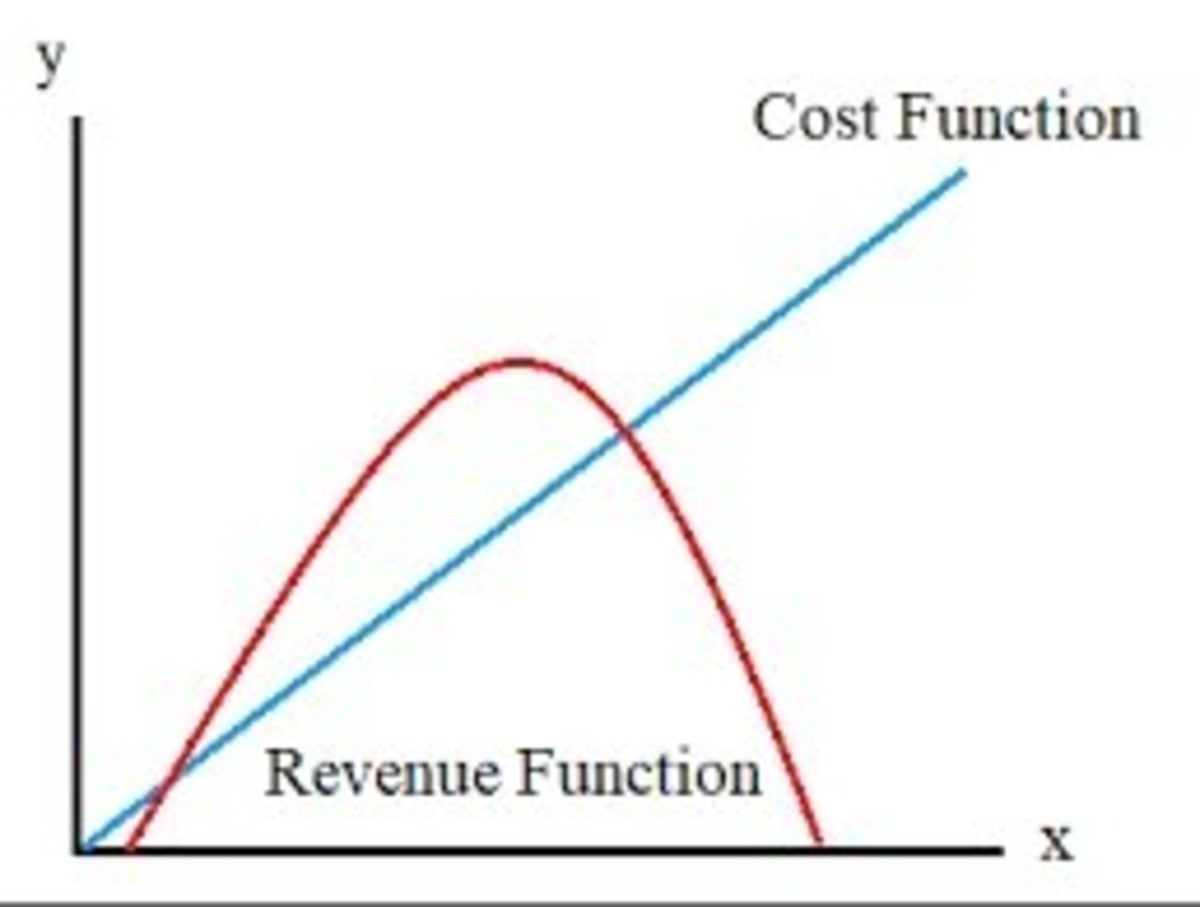
Cost, Revenue and Profit Functions
Profit function
The gross profit is a simple function of the difference between the revenue obtained from the sale of a number of products and the costs involved in their production. Thus, Profit (P) = Revenue (R) – Costs (C).
For example Profit from x items = Revenue from x items – Cost of x items. Both Cost and Revenue are functions of x (number of items demanded or supplied). So, the Profit function is given by: P(x) = R(x) – C(x) where:
- x is the quantity of items demanded (supplied or produced)
- P(x) is the profit function in terms of x
- R(x) is the revenue function in terms of x
C(x) is the cost function in terms of x Note that the demand is assumed to be identical to supply unless otherwise stated. The profit point can be found by solving the equation: dP/dx = 0 for x where:
- x is the quantity of items demanded (supplied or produced)
- P is the profit function in terms of x
Example: A manufacturer knows that if x (hundred) products are demanded in a particular week, the total cost function is 14 + 3x and the total revenue function ($ 000) is 19x - 2x²
a) Derive the total profit function.
b) Find the profit break even points.
c) Calculate the level of demand that maximises profit (maximum profit point) and the amount of profit obtained.
Solution:
a) Total Profit function is given by:
P (x) = R(x) – C (x)
P(x) = 19x - 2x² – (14+3x)
P(x) = 16x - 2x² - 14
b) The profit break even points are the levels of demand which make
P(x) =0 when 16x - 2x² – 14 = 0. Solving this quadratic equation gives x =1 and x =7. Therefore profit break even points are when x = 100 and when x =700
c) Profit is maximised when dP/dx = 0. The dP/dx of 16x - 2x² – 14 gives 16 – 4x. And putting 16 – 4x =0 yields x = 4
Note: d²P/dx²= -4 (<0) showing that x = 4 gives the maximum profit.
The maximum profit when x = 4 is: P = 16 (4) – 2(4)² – 14. This yields 18. The weekly demand is 400 and the maximum profit is $18000.
Cost Function
The costs involved in standard processes can normally be categorised as follows:
a. Fixed (set-up) costs—They are associated with the purchase, rent or lease of equipment and fixed overheads. They are independent of number of items produced.
b. Variable costs—They are normally associated with supply of raw materials and overheads necessary to manufacture each product. They depend on the number of items produced.
c. Special costs—They are optional and might cover storage, maintenance or deterioration costs.
-They are usually small in value.
The total Cost function is given by: C (x) = a + bx +cx² where
- x is the quantity of items demanded (supplied or produced)
- a is the fixed cost associated with the product
- b is the variable cost per item
- c is the (optional) special cost factor
Example: The variable costs associated with a certain process are $ 0.65 per item. The fixed costs per day have been calculated as $ 250 with special costs estimated as $ 0.02x² where x is the number of items produced (size of the production run).
a) Derive a function to describe cost per item for a day’s production
b) Calculate the size of the daily run that will minimise cost per item
c) Find the cost of a day’s production for a run that minimise cost per item
Solution:
a) Total cost function: TC = 250 + 0.65x + 0.02x².
The cost per item, C = (250 + 0.65x + 0.02x² ) / x. This gives: 250/x + 0.65 + 0.02x
b) The cost per item is minimised when dC/dx = 0. The dC/dx of 250/x + 0.65 + 0.02x gives -250x^- 2 + 0.02. And putting -250x^-2 + 0.02 = 0 yields x = 112 (the size of the daily run that minimises cost per item).
c) The cost of a day’s run which minimises cost per item is given by: 250 + 0.65 (112) + 0.02 (112)² and yields $573.68
Revenue and Price Function
The general form of a Revenue function is given by: R(x) = x . pr(x) where:
- x is the quantity of items demanded (supplied or produced)
- pr(x) is the price function associated with the product
Price functions are used to vary the price of an item according to how many items are being considered. The more the number of items, the less the price per item and vice versa. This is based on the economy of scale. The general form of a price function is given by: pr(x) = a + bx where:
- x is the quantity of items demanded (supplied or produced)
- pr(x) is the price function
- a, b are coefficients that can take any numeric value.
Example: Determine the linear price function given that the price of an item is 3.50 when 250 items are demanded, but when only 50 items are demanded, the price rises to 5.50 per item. Calculate also the price per item at a demand level of 115.
Solution
pr(x) = a + bx and
- Substituting for pr = 3.5 and x = 250 gives: 3.5 = a + 250b
Substituting for pr = 5.5 and x = 50 gives: 5.5 = a + 50bSolving the two equations simultaneously yield b = -0.01 and a = 6
Therefore pr = 6 – 0.01x
- At demand level of 115, pr = 6 – 0.01 (115) which yields 4.85 per item
Example: Given the price function pr = 10.4 – 1.3x (where x is in hundreds), find the level of production which maximises total revenue.
Solution
R(x) = x . pr(x)
R = x . (10.4 - 1.3x)
•R = 10.4x – 1.3x²
Revenue is maximised when dR/dx = 0. The dR/dx of 10.4x – 1.3x² gives 10.4 – 2.6x
When 10.4 – 2.6x = 0, x = 4.
Thus the level of production necessary to maximise revenue is 400
Marginal Cost and Marginal Revenue Functions
If for some processes, the total cost function, C, and the revenue function, R, are identified, where x is the level of activity, the dC/dx is the marginal cost function (the extra cost incurred of producing another item at activity level x). The dR/dx is the marginal revenue function (extra revenue obtained from producing another item at activity level x). The maximum profit point can be found by solving the equation: dR/dx = dC/dx where C is the total cost function and R is the total revenue function.
Example: The fertiliser manufacturer can sell all bags of fertilisers of a particular type that they can produce. The total cost of producing q bags of fertiliser per week is given by 300q + 200. The price function is estimated as 500 – 2q.
a) Derive the revenue function, R.
b) Obtain the total profit function.
c) How many units per week should be produced in order to maximise profit?
d) Show that the solution of the equation dR/dq = dC/dq gives the same value for q as in part c.
e) What is the maximum profit available?
Solution
a) Revenue function, R = (500-2q)q. Thus R = 500q - 2q²
b) Total Profit function, P = R – C = 500q - 2q² –(300q – 2000). Thus P = 200q - 2q² – 2000
c) Profit is maximised when dP/dq = 0. The dP/dx of 200q - 2q2 – 2000 gives 200 – 4q. When 200 - 4q = 0 it yields q = 50. Therefore 50 units should be produced per week to maximise profit.
d) dR/dq = 500 – 4q and dC/dq = 300. So if dR/dq = dC/dq, it gives 500 – 4q = 300 which yields q = 50 units per week. This result agrees to answer in part C.
e) The maximum profit is found by substituting 50 units into the profit function, P = 200q - 2q² – 2000.
P = 200(50) - 2(50)² – 2000. Thus P = 3000
The revenue and cost functions can also be identified by using Integration technique. Integration is the reverse process to differentiation. For example, Integrating 6x2 gives 2x3 + C; Integrating 6x -10 gives 3x² - 10x + C. And given y when x =0 we can calculate the value for C. Now, the integration of the Marginal Revenue (MR) gives a Revenue function {R(x)}. The integration of the Marginal Cost (MC) gives a Cost function {C(x)}.
Example: The total revenue obtained (in MK 000) from selling x hundred items in a particular day is given by R, which is a function of variable x. Given that dR/dx = 20-4x:
a) Determine the total revenue function R(x).
b) Find the number of items sold in one day that will maximise the total revenue and evaluate this total revenue.
Solution
a) Integrating 20 – 4x gives 20x - 2x2 + C but when x = 0, R is also (=) 0. Therefore R(x) = 20x - 2x²
b) The value of x that maximises Revenue is found by solving equation dR/dx = 0. That is 20 – 4x = 0; x = 5. The Maximum revenue is R (5) = 20(5) – 2(52 ) = 50, 000.
Beef Cattle Production and Management

Beef Cattle Production
In agribusiness, we can not talk about profitable animal farming without talking about beef cattle. Research has shown that the beef industry is one of the second largest industry when it comes to animal production. This is the case as a lot of people in different countries are able to consume beef meat almost every day.
Beef cattle are kept mainly for meat and may also be kept for feedstock purposes (also called animal breeding).
This article will provide in detail on the management in beef production which will help you to be more efficient in beef production.
Beef Cattle Production Systems
Three production systems are available as follows;
- Cow-calf beef cattle production system, which is used mainly to produce calves for marketing purposes.
- Purebred breeding beef cattle production system, which is used to produce bulls (male animals) which are used for the operation of cow calf.
- Slaughter beef cattle production system, which is used to fatten cows calf for slaughter.
Purchasing and Selecting Stock
A beef cattle farmer is supposed to make an important decision about a type of beef operation which he/she must undertake as there are two types of them.
The farmer can operate a cow calf farm which mainly focuses on breeding and raising calf until they reach certain stage (weaning stage) or the farmer can decide to take a finish operation farm system which aims at fattening and slaughter beefs for sales.
A farmer buys a weaned heifer or a steer. However, some beef cattle farmers are able to operate successfully a combination of the two.
Key point to take note as beef cattle (Heifer/Steer) farmer
- Heifers are slow growers but are able to fatten quickly than steers.
- Heifers beef cattle are active more than steers. Make sure you provide more energy to them.
- Chances are so high that a heifer could become pregnant.
- Heifer calves are cheaper than steers in most cases.
- Heifer calves are mostly used for breeding stock.
Crossbred or Purebred of Beef Cattle?
A beef cattle farmer has also to make another important decision when it comes to breeding his cattle as two options are available which are; crossing breeding (also called a mixture of breeding) or pure breeding (also called single breeding) and each of them has advantages and disadvantages.
The common difference between the two is that in pure breed has same parent breed while cross breeding has a mixture of parents having different characteristics which a calf may inherit. Most cross bred are known to have hybrid vigour and could perform better.
Places For Buying Beef Cattles
The next important decision which a beef cattle farmer has to make is where to buy or purchase his cattle as two options are available.
The farmer can purchase his cattle at auction or by buying them from a private seller and each of these has advantages and disadvantages.
Make sure you acquire more information about the past activities or the performance of the cattle which you are buying in either of the available options for buying.
Conformation
As a farmer, make sure that any beef cattle you are buying for breeding purpose has certain desirable characteristics which must be meant. One of the characteristics is that the body size (shape) of the animal which you are buying should have a body which is well distributed in size and is well shaped.
Under this conformation we focus much on body frame size, muscling, volume and performances among others. Make sure these qualities are well checked before you make an important decision to purchase any cattle for breeding.
Beef Breeds
When it comes to selecting beef breeds make sure you consider certain characteristics and purpose of keeping your beef or type of farm operation which you want to venture in as some beef are bred for them to have more carcases while others have different priorities. The following are Beef Breeds for Cattle:
Angus
This beef breed is known to endure harsh weather conditions and has potential to weight up to 1,045 kg for a bull and 568 kg (1,252 lbs) for a cattle. This breed is able to give an average milk yield of 1,820 kg. This breed is also known with early maturity and high carcass yield.
Charolais
This breed is commonly recognized by their medium to large body frame size and most of them have white coat or white to cream coat. Under good management a bull weights an average of 1,136 kg, while a cow could weight an average of 727 kg. Charolais produces an average milk yield of 1,818 kg.
Herefords
This breed is known by its red colour and medium frame body size and has potential to weight an average of 1,045 kg for the bull and an average weight of 682 kg for the cow. This breed gives an average milk of 1,588 kg.
Limousin
This breed commonly recognized for their reddish gold colour and medium framed body size. Under a good management Limousin can weight an average of 1,091 kg for a bull and an average weight of 727 kg for a cow. Limousin gives an average milk yield of 2,272 kg.
Shorthorn
This breed is commonly known for its red to roan to white colour and is also medium size breed and has a potential of weighing an average of 1,045 kg for a bull and a weight of 636 kg for a cow. Shorthorn is able to give an average milk of 1,814 kg.
Care and Management
As a beef farmer make sure you have a good care for your beef animal for them to have a good healthy and more efficient. Make sure enough feeds and water is available all the time and make you are able to call a local veterinary officer to check up whenever the animal is sick.
Make sure also that all the biosecurity measures which aims at restricting visitor's entry are in place and working.
Housing
Make sure you construct a beef cattle house which is strong and has good air circulation (well ventilated) while at the same time is easy to clean. This will result in high efficiency rate of production.
Make sure all beef cattle having different age sizes are kept at different sections. Make sure also that each cattle are given enough required space which would enable it to have freedom of movement. Avoid exposing your beef cattle to excessive sunlight all the time.
The 21-day cycle
The estrus cycle of the cattle is usually 21-days long which means you can successfully breed your beef animal within. After a successful mating, the cow will have a gestation period of 283 days (period of pregnancy).
Calves management
After successful mating and giving birth, make sure your calves are able to feed colostrum milk from their mother for them to have good immunity in their body which could help them to fight against diseases. They may be introduced to roughages and other feeds ration later.
Weaning
Make sure you wean your animal on a range of 90 to 100 days.
After weaning
Make sure you provide nutritious feeds, which will enable your animal to fatten quickly for sale. Make sure your beef cattle are gaining an average weight of 0.8 to 1.0 kg per day. Make sure you control your animal from gaining excessive fats and This can be done by providing low energy feed ration.
Dehorning
Make sure you remove the cattle horn while they are at a tender age. Various methods are available for dehorning, but the easiest is through breeding. Make sure you cross breed hornless bull for offering to have no horn. A dehorned cattle is easy to handle.
Castration
This is the removal of testicals on male beef cattle having undesirable characteristics and will not be used for breeding purposes. Make sure this is done as early as possible. You can castrate your male animal during its first week. You can seek help from your local veterinary officer.
Feeding
Cattles are known to be ruminant animal and have four chambers. This means they able to digest fibers which otherwise cannot be digested by human stomach. Make sure you provide roughages to your cattle. Make sure you also provide nutritious feed for your beef animal to fatten and mature early.
Health
Always ensure that your animals are healthy and strong, and whenever you notice strange things consultant a local veterinary officer immediately.
Healthy animal can easily be achieved through a good management system and also as well practicing biosecurity measures. Make sure your beef house is clean and dry all the time as this can be a source of diseases.
6 Tips for Managing Your Farm
6 Tips for Managing Your Farm
Welcome to the world of farming, where hard work and dedication meet Mother Nature's unpredictable ways. Owning a farm is truly an adventure that requires perseverance, patience, and a ton of knowledge about managing crops. Whether you're just starting out or looking for new tips to improve your yields, we've got some valuable advice on how to manage your farm like a pro. From crop rotation to pest control, read on for our top tips on how to keep your land thriving all year long!
6 Tips for Managing Your Farm
1. Crop Rotation
Crop rotation is a crucial aspect of managing your farm. It involves planting different crops each season in order to maintain soil health and fertility, as well as prevent the buildup of pests and diseases that may exist in monoculture systems.
The benefits of crop rotation are numerous. Planting diverse crops helps to improve soil structure by introducing varying root depths and nutrient requirements, which can lead to better water retention and reduced erosion.
In addition, rotating crops can help reduce pest damage since many insects are specific to certain plants. By alternating crops from different families or types, you can disrupt insect life cycles and limit their ability to establish themselves on your farm.
Furthermore, crop rotation allows for more efficient use of nutrients since some plant species will extract certain nutrients while others deposit them back into the soil. This way, you can avoid overuse or underuse of fertilizers that could harm your soil quality in the long run.
Implementing a crop rotation plan is an effective way to manage your farm sustainably while maximizing yields and minimizing risks associated with monoculture cropping systems.
2. Fertilization
Fertilization is an essential part of managing a farm. It involves adding nutrients to the soil, which helps plants grow stronger and healthier. The type of fertilizer you use will depend on the crops you are growing and the needs of your soil.
One common type of fertilizer is nitrogen-based, which promotes leafy growth in plants like lettuce or spinach. However, too much nitrogen can lead to problems with weed growth or plant diseases.
Phosphorus-based fertilizers promote root growth in plants like carrots or beets. They also help with flower and fruit development in other crops.
Potassium-based fertilizers support overall plant health by strengthening stems and improving disease resistance. This type of fertilizer is often used for fruits such as apples or strawberries.
It's important to test your soil regularly so that you know what types of nutrients it needs. You can do this through home testing kits or by sending samples to a lab for analysis.
When applying fertilizer, be sure not to overdo it; too much can cause harm rather than good. Follow instructions carefully and apply at the recommended times during each crop cycle.
By properly fertilizing your farm's soil, you'll give your crops a better chance at thriving throughout their lifecycle while avoiding potential issues caused by nutrient deficiencies.
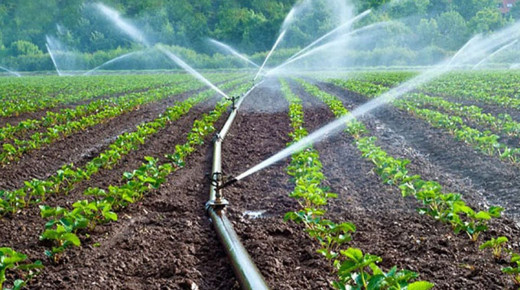
3. Irrigation
Irrigation is an essential part of managing a farm, especially during dry seasons. It involves the application of water to crops to promote growth and development. There are different types of irrigation systems farmers can use, including drip irrigation, sprinkler irrigation, and flood irrigation.
Drip irrigation is ideal for areas with limited water supply because it delivers water directly to the roots of plants in small quantities. Sprinkler systems are suitable for larger farms where overhead watering is necessary while flood irrigation works best on flat terrains.
When irrigating your farm, it's crucial to consider factors such as soil type, crop type, and weather conditions. You should also avoid overwatering or underwatering your crops as both can be detrimental to their growth.
In addition to traditional methods like furrow or surface flooding that rely on gravity flow from a source such as a well or river, farmers can use more advanced technologies such as automated drip lines that deliver precise amounts of water based on sensor feedback from moisture probes implanted into the soil at different depths.
Properly managed Irrigation provides uniform distribution of water required by crop which reduces chances of plant disease outbreaks due high humidity levels caused by poor drainage patterns which promotes fungal diseases among other problems associated with excess moisture in fields.
4. Weed Control
Weeds are the bane of any farmer's existence. They compete with crops for nutrients, water and sunlight, and can quickly take over if left unchecked.
One effective method of weed control is crop rotation. By rotating your crops each season, you can disrupt the growth cycle of many common weeds. This helps to prevent them from becoming established in your fields and reduces their overall impact on crop yield.
Another important aspect of weed control is fertilization. Properly fertilized soil will promote healthy plant growth and make it more difficult for weeds to gain a foothold in your fields.
Irrigation also plays a role in weed management. Overwatering can encourage weed growth, while under-watering can stress crops and make them more susceptible to competition from weeds.
When it comes to actually removing weeds from your fields, there are several methods available. Mechanical removal involves physically pulling or cutting out individual plants or using tools like cultivators to uproot large areas at once.
Chemical herbicides are another option but should be used sparingly and only when necessary as they may harm beneficial plants or wildlife.
Effective weed control requires a multi-faceted approach that takes into account crop rotation, proper fertilization and irrigation practices along with specific methods for removing unwanted plants from your fields.
5. Pest Control
Pest control is an essential aspect of managing a farm. Pests can cause significant damage to crops, resulting in financial losses for farmers. There are various methods that farmers can use to control pests on their farms.
One method is the use of pesticides. However, it's important to note that pesticides should be used with caution as they may harm beneficial insects and have adverse effects on the environment. Farmers should always follow instructions when using these chemicals and dispose of containers properly.
Another effective way of controlling pests is by utilizing natural predators. This biological pest control involves introducing predators such as ladybugs or praying mantis into the fields to feed on the pests. This method helps reduce pesticide usage and promotes a healthier ecosystem.
Farmers should also consider crop rotation as a means of pest management. Crop rotation breaks up pest life cycles by changing crops every season, reducing the buildup of pests over time.
Practicing good sanitation habits on farms reduces pest infestation by eliminating potential breeding grounds for them. Removing any debris from fields after harvest prevents harboring places for pests during winter months.
Pest control plays an integral role in ensuring successful farming operations while minimizing environmental impacts and promoting sustainable agriculture practices.
6. Harvesting
Harvesting is the culmination of months of hard work and dedication that farmers put into their crops. It's an exciting time, but it can also be stressful as farmers need to make sure they harvest at the right time to maximize yields.
One important factor in harvesting is timing. Farmers need to carefully monitor their crops and ensure they are harvested at the peak of ripeness, otherwise they risk reducing yields or losing quality. This requires good planning, monitoring, and decision-making skills.
Another key element in harvesting is having the right equipment on hand. From tractors to combines and other specialized tools, farming equipment plays a critical role in making sure crops are harvested quickly and efficiently.
After harvesting, it's crucial that farmers store their products properly so they don't lose value or spoil before reaching market. The storage needs will vary based on crop type, so farmers should do some research beforehand.
In summary, successful harvesting involves careful planning and attention to detail throughout the growing season. By staying informed about best practices for timing and utilizing proper tools for efficient harvests along with appropriate storage methods after collection - farm management becomes much easier!
In conclusion, managing a farm can be a challenging task, but with the right strategies in place, it can also be very rewarding. By implementing crop rotation, fertilization schedules, proper irrigation techniques, weed and pest control measures, and effective harvesting methods you can ensure that your farm runs smoothly while maximizing yields.
Remember that every farm is unique and requires its own customized management plan tailored to meet specific needs. While there are some general guidelines for managing farms effectively as discussed in this article, always keep an open mind to new ideas and technologies that may arise over time.
By incorporating these tips into your farming routine along with hard work and dedication, you will undoubtedly see positive results in your operations. So go ahead and put them into practice today!
How to Save a Failing Business

How to Save a Failing Business
Is your business struggling to keep afloat? Are you feeling overwhelmed and unsure of what steps to take next? Don't worry, you're not alone. Many businesses face challenges at some point in their journey, but the good news is that there are ways to turn things around. In this blog post, we'll walk you through the warning signs of a failing business, as well as share practical tips on how to rescue it from sinking further. So grab a cup of coffee and get ready to learn how to save your failing business!
Warning Signs That Your Business is Struggling
If you're a business owner, it's important to stay vigilant and aware of any warning signs that your business may be struggling. By being proactive and identifying these red flags early on, you can take action before it's too late.
One common sign is declining revenue or profits. If you notice a downward trend in sales or income, it could mean that your business model needs to be re-evaluated. Other signs include increased customer complaints or negative reviews, high employee turnover rates, cash flow problems, and difficulty retaining customers.
Another warning sign is if your competitors are outperforming you in the market. Keeping an eye on what other businesses in your industry are doing can help you identify areas where you need to improve.
If employees seem disengaged or unmotivated at work, this could suggest underlying issues with company culture or leadership.
Being mindful of these warning signs can help ensure that your business stays healthy and continues to thrive over time.
Reasons Why Businesses Fail
There are many reasons why businesses fail, and it's important to understand them if you want to avoid the same fate. One of the main reasons is a lack of market demand for your product or service. If there isn't a need for what you're offering, then it will be difficult to generate sales and revenue.
Another common reason is poor financial management. It's essential to have a solid understanding of your business finances, including cash flow, expenses and profits. Without this knowledge, you may overspend or mismanage funds, leading to financial difficulties.
In addition to these factors, ineffective leadership can also contribute to business failure. Leaders who are unable to motivate their employees or make tough decisions can hinder growth and success.
Competition is another major factor that can lead to business failure. If there are too many competitors in your industry or niche, it can be challenging to stand out and attract customers.
Failing businesses often neglect marketing efforts. You could have an excellent product or service but without effective marketing strategies; nobody will know about it!
There are many factors that contribute towards business failure; however with proper planning and execution from experienced leaders along with sound financial management practices followed by smart networking initiatives companies could avoid such outcomes!
Steps to Take to Save Your Business
When your business is struggling, it can be difficult to know where to start in order to save it. Here are some steps you can take:
1. Assess the Situation: Take a step back and analyze what went wrong with your business. Identify the root cause of why your business is failing.
2. Cut Costs: Look for areas where you can reduce expenses without sacrificing quality or productivity. Can you negotiate better deals with suppliers? Can you streamline processes?
3. Increase Revenue: Find ways to generate more revenue by expanding products or services, targeting new markets, or improving sales techniques.
4. Develop a Plan: Create a strategic plan that outlines specific goals and objectives for turning around the business.
5. Execute Your Plan: Implement your plan with clear timelines and action items, keeping track of progress regularly.
6. Monitor Performance: Regularly assess whether your efforts are making an impact on the bottom line of the business.
7. Stay Committed: Saving a failing business takes time and effort – stay committed and remain focused on achieving success despite setbacks along the way.
By taking these steps, you will be able to create a solid foundation for turning around your struggling business into one that thrives again!
When to Call in Outside Help
Sometimes, despite your best efforts and the steps you've taken to turn things around, your failing business may still be struggling. At this point, it may be time to consider calling in outside help.
One sign that it's time to bring in outsiders is if you're not seeing any improvements or progress after implementing changes and strategies on your own. This could mean that you need a fresh perspective from someone with more experience.
Another reason to consider hiring outside help is if you don't have the necessary skills or expertise in certain areas of your business. For example, if you're struggling with finances or marketing, bringing in an expert can provide valuable insight and guidance.
Additionally, seeking external assistance can also alleviate some of the stress and pressure on yourself as a business owner. It allows you to delegate tasks and responsibilities while focusing on other important aspects of running your company.
However, it's important to choose the right kind of outside help for your specific needs. Consider consulting with industry experts or professional consultants who specialize in businesses similar to yours. Make sure they have a proven track record of success helping struggling businesses like yours.
Recognizing when it's appropriate to call upon outside resources can ultimately save your failing business from further decline and potentially lead towards future growth and prosperity.
Making Difficult Decisions
When a business is failing, it's essential to make some tough decisions. These choices can be challenging for any entrepreneur, especially if you've invested your time and resources into the company. However, inaction or delaying these difficult decisions will only lead to further problems down the line.
One of the first things that business owners must consider when making difficult decisions is which options align with their long-term goals. It's important to weigh all options carefully and choose what's best for your company in the long run rather than opting for quick-fixes.
Another aspect to keep in mind while making hard calls is involving other stakeholders such as employees, investors or consultants who can provide valuable insights into different perspectives on how situations should be handled. This way, you'll have more diverse and informed opinions before finalizing any decision-making.
It's also vital not to let emotions cloud judgment while navigating through crucial moments within a failing business scenario. Decisions based on fear or attachment could lead to unintended consequences that may hurt rather than help.
Every entrepreneur must understand that making difficult decisions comes with running a business – no matter how successful one may seem at times. Therefore it’s necessary always remember your end goal when contemplating these steps forward towards success!
In conclusion, saving a failing business is not an easy task, but it's possible. The first step is to identify the warning signs that your business is struggling and take action immediately before it's too late. Remember that businesses fail for various reasons such as poor cash flow management, lack of innovation, ineffective marketing strategies and many more.
To save your business from failing, you need to be proactive in taking corrective actions such as cutting costs wherever necessary, rebranding or diversifying your products/services line among others. Sometimes it may require making difficult decisions such as laying off employees or closing some branches.
When all these steps seem overwhelming or complicated, seek outside help from experts who can provide valuable insights and practical solutions tailored to your specific situation.
While there is no guarantee of success when it comes to saving a failing business, being knowledgeable about the common pitfalls and taking decisive action can give you an edge over competitors who are content with mediocrity. So don't wait until things get worse; act now!
The Future of Learning: How Technology is Changing Education

The Future of Learning: How Technology is Changing Education
Are you curious about how technology is transforming the way we learn and educate ourselves? As technology continues to advance, it's no surprise that the education industry is also being impacted. From online learning platforms to interactive classrooms, technology has revolutionized the way students consume information and interact with their teachers. In this blog post, we'll explore how these changes are shaping the future of education and what it means for students everywhere. Get ready to dive into a world where traditional textbooks are being replaced by tablets and lectures are being delivered from across the globe!
Technology in the Classroom
Technology in the classroom has become a common sight in today's schools. With the introduction of digital devices, students are now able to access information from anywhere at any time. This has allowed for more personalized learning experiences and increased student engagement.
Interactive whiteboards have replaced traditional blackboards, allowing teachers to create more dynamic presentations that incorporate images and videos. Students can also participate by using interactive tools and applications during lessons.
Laptops and tablets are also commonly used in classrooms, providing students with instant access to information online. With just a few clicks, they can research topics or find answers to questions posed by their teachers.
Moreover, educational software such as adaptive learning platforms uses artificial intelligence algorithms to personalize lesson plans according to individual student needs. These platforms use data analysis and machine learning techniques so that each student can progress at his or her own pace.
Technology is changing education for the better by making it more accessible, engaging, and personalized than ever before!
Online Learning
Online Learning has become increasingly popular in recent years, and the COVID-19 pandemic has only accelerated this trend. With more and more universities offering online courses, it's easier than ever for students to access education from anywhere in the world.
One of the main advantages of online learning is flexibility. Students can study at their own pace and on their own schedule, making it possible to balance coursework with work or family obligations. This means that even those who might not have been able to pursue higher education before due to geographical restrictions or time constraints now have an opportunity to do so.
Another advantage of online learning is accessibility. It allows people with disabilities or health conditions that make attending traditional classes difficult or impossible to participate fully in educational programs.
However, some drawbacks still exist concerning online learning. Not all students are self-motivated enough to stay on track without regular class meetings and face-to-face interaction with instructors and peers. Additionally, technical difficulties can arise unexpectedly during virtual lectures which may hinder one's ability to learn effectively.
Despite these challenges, it seems clear that Online Learning will continue its exponential growth over time as technology advances even further into remote teaching techniques
The Impact of Technology on Education
The impact of technology on education has been significant in recent years. Technology has opened up a world of opportunities and possibilities for both teachers and students alike. With the use of smartboards, tablets, online learning platforms, and other digital tools, educators now have more resources available to them than ever before.
One major advantage technology brings is accessibility. Students can access educational materials from anywhere at any time as long as they have an internet connection. This eliminates the need for physical textbooks or classroom attendance.
Moreover, technology also allows for personalized learning experiences tailored to each student's unique needs. Teachers can track individual progress through data analysis and provide targeted support where necessary.
Technology also helps make classrooms more interactive by facilitating real-time communication between teachers and students using video conferencing tools like Zoom or Google Meet.
However, it's important to note that while technology has revolutionized education in many ways, it should not replace human interaction entirely. Face-to-face interactions with peers and educators are still crucial elements of the learning process that cannot be replicated digitally.
The impact of technology on education is vast and beneficial when used appropriately. It provides greater accessibility to educational resources while allowing personalized learning experiences tailored to each student's needs. Nonetheless, we must remember that balance is key – incorporating digital tools into traditional teaching methods enhances rather than replaces face-to-face interactions with peers and educators which are essential aspects of the learning journey.
The Future of Technology in Education
The future of technology in education is promising, with new advancements and innovations continuously being introduced. One of the most significant developments is the use of virtual reality (VR) and augmented reality (AR) to enhance learning experiences. Students can immerse themselves in virtual simulations that provide a realistic environment for them to learn.
Another trend is the increasing focus on personalized learning, where technology helps identify individual students' strengths and weaknesses. This approach allows educators to tailor their teaching methods to suit each student's unique needs, enabling them to learn at their own pace.
Artificial Intelligence (AI) has also become an essential part of education systems worldwide. AI-powered tools are used for everything from grading papers automatically, tracking student progress over time, recommending personalized study materials based on performance data analysis.
As we move forward into the future, it's clear that technology will continue playing a crucial role in transforming how students learn. With constant innovation comes more opportunities for students worldwide access quality education regardless of their location or background - all thanks to advancements in educational technology!
As we have seen, technology is changing the landscape of education. With online learning platforms, virtual classrooms, and personalized learning tools, students can now access education from anywhere in the world at any time. Teachers are no longer confined to traditional teaching methods but can now offer their students customized lessons that cater to individual needs.
The future of education looks bright with technology leading the way. It promises to change not just how we learn but what we learn and who teaches us. The rise of artificial intelligence and machine learning will enable educators to deliver even more personalized content that adapts to each student's unique needs.
However, it is important for us as a society to keep in mind that while technology has its advantages in terms of accessibility and convenience, it cannot replace human interaction or face-to-face communication entirely. There must always be a balance between technological advancements and interpersonal relationships when it comes to educating our youth.
The integration of technology into education provides opportunities for advancement and growth beyond anything previously thought possible. By embracing this new era of learning, we can create a brighter future where knowledge is accessible for all regardless of location or circumstance.
Innovative Teaching Strategies That Will Transform Your Classroom

Innovative Teaching Strategies That Will Transform Your Classroom
Are you tired of the same old classroom routine? Do you want to inspire and engage your students in new ways? Look no further because we have gathered some innovative teaching strategies that will transform your classroom! These strategies are designed to make learning more exciting, interactive, and meaningful for both you and your students. From project-based learning to technology integration, get ready to take your teaching game to the next level. Let's dive in!
Cooperative Learning
Cooperative learning is a teaching strategy that focuses on collaboration and teamwork among students. It involves breaking students into groups to work together towards a common goal, often with each student contributing their unique strengths and abilities.
One of the biggest benefits of cooperative learning is the opportunity for social interaction and relationship building amongst peers. Students learn to communicate effectively with one another, resolve conflicts, and build trust over time.
Another advantage is its ability to enhance critical thinking skills by promoting discussion and debate within groups. This helps students develop higher-order thinking skills such as analysis, evaluation, and synthesis.
Cooperative learning also fosters accountability among group members. Each individual’s success or failure directly affects the entire group’s outcome which motivates them to stay focused on the task at hand.
Incorporating cooperative learning in your classroom can lead to improved academic performance, social development, communication skills, critical thinking abilities while promoting an inclusive environment where everyone feels valued for their unique contributions.
Project-Based Learning
Project-Based Learning (PBL) is a student-centered approach that focuses on hands-on learning experiences. Instead of just memorizing information, students work collaboratively to solve real-world problems through projects. PBL allows students to take ownership of their learning by giving them the chance to explore topics in-depth and at their own pace.
In project-based learning, teachers act as facilitators rather than lecturers. They guide students as they research, design, and present their projects. Students are encouraged to think critically and creatively while developing problem-solving skills.
One important aspect of PBL is the emphasis on interdisciplinary learning. Projects can incorporate subjects such as science, math, history, literature and more into one cohesive experience for students.
Another benefit of project-based learning is that it encourages self-reflection and evaluation of progress throughout the process. This helps develop metacognitive skills which are essential for lifelong learning.
Project-Based Learning offers a unique opportunity for students to gain valuable knowledge beyond traditional classroom settings while developing crucial 21st-century skills necessary for future success in today's rapidly changing world!
Inquiry-Based Learning
Inquiry-based learning is a student-centered approach that promotes critical thinking and problem-solving skills. It involves asking questions, exploring ideas, and discovering new knowledge through hands-on experiences.
This teaching strategy encourages students to take an active role in their own learning process by allowing them to investigate topics of interest. Students are encouraged to ask questions, research information, and form their own conclusions based on the evidence they gather.
By engaging in inquiry-based learning activities, students develop important skills such as creativity, collaboration, communication, and critical thinking. They learn how to work independently as well as in groups while developing a deeper understanding of the concepts being explored.
Teachers who implement this approach must be willing to act more like facilitators than traditional instructors. They guide students through the learning process rather than simply lecturing or providing answers. This allows for greater student engagement and a more meaningful educational experience overall.
Inquiry-based learning provides opportunities for students to explore topics in depth while developing essential life skills that will benefit them long after they leave the classroom.
Differentiated Instruction
Differentiated Instruction is a teaching approach that recognizes and accommodates the diverse learning needs of students. It involves designing lessons in a way that allows every student to learn at their own pace and level based on their individual strengths, weaknesses, interests, and preferences.
One key aspect of differentiated instruction is the use of flexible grouping strategies. This means dividing students into small groups based on similar abilities or skills so that teachers can tailor their teaching methods to meet each group's specific needs.
Another strategy used in differentiated instruction is providing multiple ways for students to access information and demonstrate understanding. For example, visual learners may benefit from using diagrams or graphic organizers while kinesthetic learners may prefer hands-on activities.
Teachers who implement differentiated instruction must also be aware of various assessments techniques that allow them to monitor each student's progress accurately continually. By doing so, they can adjust lesson plans accordingly to ensure mastery for all students.
Differentiated Instruction provides an effective approach for creating inclusive classrooms where every student has equal opportunities for success.
Technology in the Classroom
Technology has been transforming our lives in ways we never thought possible. And the classroom is no exception. With the advent of modern technology, teachers now have access to a wide range of tools that can make learning more fun and engaging for students.
One way technology has transformed teaching is through interactive whiteboards. These boards allow teachers to display content on a large screen, making it easier for students to follow along and participate in class discussions. Interactive whiteboards also enable teachers to use multimedia presentations, videos, and animations as part of their lessons.
Another technological innovation that's transforming education is online learning platforms. These platforms offer learners from all over the world access to high-quality educational resources at an affordable cost or even free of charge! Online courses provide flexibility and convenience; learners can pick up new skills anytime they want with just an internet connection.
Additionally, educational apps are becoming increasingly popular among educators as they help promote independent learning among students while adding an element of fun into their studies. Gamification helps children learn by turning boring subjects into exciting games where they earn points or rewards for completing tasks successfully.
Technology offers endless possibilities when it comes to innovative teaching strategies and methods that promise better student engagement in classes worldwide!
In conclusion, innovative teaching strategies are essential for transforming your classroom into a dynamic and engaging learning environment. By incorporating cooperative learning, project-based learning, inquiry-based learning, differentiated instruction, and technology in the classroom, you can create an exciting atmosphere that promotes critical thinking and active participation.
Cooperative learning encourages students to work together towards a common goal while developing interpersonal skills such as communication and teamwork. Project-based and inquiry-based learning offer hands-on experiences that allow students to explore real-world problems while fostering creativity and curiosity.
Differentiated instruction is key to accommodating diverse learners by providing individualized support that caters to their specific needs. Integrating technology in the classroom offers endless possibilities for engaging lessons that enhance student engagement with interactive tools such as videos, games, social media platforms among others.
By implementing these innovative teaching strategies into your curriculum design, you can drive meaningful academic growth in your students while cultivating lifelong learners who are equipped with the necessary skills required for future success in both academics and beyond!
Sustainable Farming Practices You Need to Know About
Sustainable Farming Practices You Need to Know About
Are you passionate about agriculture and the environment? Do you want to make a positive impact on the planet while still enjoying high yields from your farm? Then sustainable farming is for you! Sustainable farming practices are not just eco-friendly, they also boost productivity and profitability.
In this blog post, we will explore what sustainable farming is all about, its benefits, different types of sustainable farming, and how to get started. Get ready to revolutionize your farm with these innovative techniques that will help preserve our planet for future generations!
What is Sustainable Farming?
Sustainable farming is a method of agriculture that prioritizes environmental conservation, social responsibility, and economic viability. It involves the production of crops or livestock using techniques that maintain soil health, reduce pollution, conserve water resources and support biodiversity. Unlike conventional farming practices that rely heavily on synthetic inputs such as fertilizers and pesticides, sustainable farming focuses on natural processes to improve soil fertility.
One key aspect of sustainable farming is crop rotation. Crop rotation involves growing different types of crops in one field over time to prevent soil depletion and disease buildup. This process also helps to control pests by disrupting their habitat while avoiding the use of harmful chemicals.
Another important element is integrated pest management (IPM). IPM combines cultural practices like crop rotation with biological controls like predator insects to manage pests without harming the environment or non-target organisms.
Sustainable farming also emphasizes animal welfare by promoting ethical treatment for livestock through grazing management strategies and reducing antibiotic use in feed animals.
In summary, sustainable farming takes into consideration more than just short-term gains but instead focuses on preserving natural resources for future generations while maintaining profitability.
The Benefits of Sustainable Farming
Sustainable farming practices provide enormous benefits for the environment, society, and economy. By implementing sustainable agricultural techniques, farmers can reduce their environmental impact while still producing high-quality crops. Here are a few of the top benefits of sustainable farming:
Firstly, sustainable agriculture contributes to soil health. By using crop rotations and cover crops, farmers can improve soil quality and fertility without relying on chemical fertilizers that release harmful pollutants into the air.
Secondly, it reduces greenhouse gas emissions by promoting carbon sequestration in soils through conservation tillage or no-till methods that minimize soil disturbance.
Thirdly, sustainable farming promotes biodiversity by supporting natural habitats for wildlife and pollinators like bees and butterflies.
Additionally, it supports local economies by reducing transportation costs associated with importing food from other countries or regions. Small-scale farms also help keep money within local communities instead of large corporations.
Sustainable agriculture creates healthier ecosystems which ultimately lead to healthier human populations as well. Through regenerative practices such as agroforestry systems that incorporate trees with annual crops; this helps build resilience against climate change impacts while improving food security at scale.
Overall,sustainable farming provides numerous social environmental economic benefits making it an ideal practice for any farmer looking to improve their operations while contributing positively towards our planet’s future sustainability efforts
The Different Types of Sustainable Farming
When it comes to sustainable farming practices, there are various approaches that farmers can take. Here are some of the different types of sustainable farming:
1. Organic Farming: This is a type of farming that avoids the use of synthetic fertilizers and pesticides. Instead, organic farmers rely on natural methods such as composting and crop rotation to maintain soil health.
2. Agroforestry: This is a practice where trees or shrubs are grown alongside crops or livestock. The trees provide shade for animals and help prevent soil erosion while also providing an additional source of income from timber or fruit production.
3. Permaculture: This approach involves designing agricultural systems based on natural ecosystems. By mimicking nature's patterns, permaculture aims to create self-sustaining food systems with minimal inputs while maximizing yields.
4. No-Till Farming: As the name suggests, this practice involves planting crops without tilling the soil first. It helps reduce soil erosion and water runoff while preserving beneficial microorganisms in the soil.
5. Biodynamic Farming: This method focuses on holistic management practices that treat farms as living organisms rather than just production sites for crops or livestock.
Each approach has its own benefits and challenges depending on factors like climate, terrain, and available resources but they all contribute positively towards sustainability in agriculture!
How to Get Started With Sustainable Farming
If you're interested in getting started with sustainable farming, there are a few key steps you can take to begin your journey. First and foremost, it's important to do some research on the different types of sustainable farming practices that exist. This will help you determine which methods might be best suited for your particular farm or garden.
Once you have an idea of the types of sustainable practices that interest you, it's time to start planning out how they can be implemented on your land. This may involve making changes to the layout of your crops or creating new systems for irrigation and fertilization.
One thing many farmers find helpful when starting out with sustainable practices is seeking guidance from experienced professionals or organizations in their area. These resources can provide valuable advice and support as you work towards more environmentally-friendly farming methods.
It's important to approach sustainability as a long-term goal rather than a quick fix solution. It may take time and effort to fully transition over to sustainable farming techniques, but by staying committed and focused on this goal, we can create healthier environments for ourselves and future generations.
In conclusion, adopting sustainable farming practices is not just a trend; it's a necessity. We need to ensure that we protect our planet and produce food in an environmentally responsible way. Sustainable farming practices help farmers take care of the soil, reduce greenhouse gas emissions, conserve water resources, and promote biodiversity.
By adopting sustainable farming practices, farmers can improve their yields while reducing costs in the long run. They also contribute to healthier ecosystems and better public health outcomes.
Whether you're a small-scale or large-scale farmer, there are different types of sustainable farming practices that you can adopt. From crop rotation to agroforestry and conservation tillage, each method has its unique benefits but contributes towards ensuring food security for future generations.
As consumers become more conscious about what they eat and where it comes from, it's essential for farmers to embrace sustainability as part of their operations. The journey towards sustainable agriculture may be challenging at first but with time will prove beneficial both to the earth’s ecosystem and your bottom line.
Embracing sustainable agriculture requires a mindset shift - one that prioritizes environmental stewardship alongside productivity goals. By doing so now than later means securing our food systems' resilience for ourselves and future generations while protecting natural resources such as water sources, forests, pollinators among others. It starts with us!
The Future of Farming: How Technology is Changing Agriculture
The Future of Farming: How Technology is Changing Agriculture
Farming has come a long way since the days of manual labor and horse-drawn plows. Thanks to advancements in technology, agriculture is rapidly evolving into an industry that blends tradition with innovation. From drones monitoring crop growth to automated irrigation systems and AI-powered soil analysis, farming is becoming more efficient, productive, and sustainable than ever before. In this blog post, we'll explore how technology is changing the face of farming and what it means for farmers and consumers alike. So grab a cup of coffee (or tea) and let's dive in!
How is Technology Changing Farming?
Technology is changing the way farming operates from top to bottom. One of the most significant changes has been in precision agriculture, where farmers use data and analytics to tailor their approach to each individual field. By using sensors and GPS technology, farmers can monitor factors like soil moisture, temperature, and nutrient levels with greater accuracy than ever before.
Another area where technology is having a big impact on farming is automation. For example, automated irrigation systems are becoming increasingly common on farms around the world. These systems use sensors to determine when crops need water and automatically turn on sprinklers or drip lines accordingly.
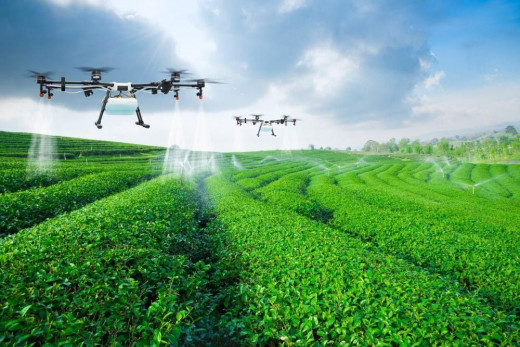
Drones are also being used more frequently in agriculture. With high-resolution cameras and thermal imaging capabilities, drones can provide valuable insights into crop health and help identify areas that may require attention.
Advancements in genetics research have given rise to new plant varieties that are better suited for specific growing conditions or have desirable traits like disease resistance or increased yield potential.
Technology has enabled farmers to become more efficient by reducing waste, minimizing input costs like fertilizer and pesticides while maximizing output yields at higher quality standards.
What are Some Specific Examples of New Technology Being Used in Agriculture?
Technology is transforming the agriculture industry. Farmers are now able to use drones and other advanced technologies to monitor crop health, soil moisture levels, and weather patterns in real-time. This helps farmers make data-driven decisions that improve efficiency and yields while reducing waste.
One example of technology being used in agriculture is precision farming. Precision farming uses GPS mapping technology to create highly accurate maps of fields for planting, fertilizing, harvesting, and more. This reduces the amount of fertilizer and pesticides needed while increasing plant growth rates.
Another example of new technology used in agriculture is automated irrigation systems. These systems help farmers manage water usage by using sensors to determine when crops need watering based on soil moisture levels. This saves time for farmers who no longer have to manually check each field or crop individually.
In addition, mobile applications are also playing a significant role in the agricultural sector by providing farmers with useful information such as weather forecasts, market prices for commodities, tips on pest control methods among others right from their smartphones.
It's clear that modern-day technologies like these can significantly increase farm production while also helping reduce environmental damage caused by traditional farming methods - making them an essential aspect of today's ever-evolving agricultural industry!
How Will These Changes Benefit Farmers and Consumers?
The advancements in technology are transforming farming, benefiting both farmers and consumers. With the help of new technologies, farmers can increase their productivity and efficiency while producing higher quality crops. Consumers will benefit from this by being able to purchase fresher produce that is more affordable due to increased output.
One significant change technology has brought to farming is precision agriculture. Precision agriculture uses sensors, drones, and other tools to gather data on soil moisture levels, nutrient content, and plant growth rates. This data helps farmers determine precisely when they need to water or fertilize their crops.
Another way technology benefits both parties is through automation. Automated equipment such as tractors equipped with GPS systems can work faster than humans while also reducing labor costs for farmers.
Moreover, advances in biotechnology have led to plants that are resistant to pests and diseases without relying on harmful chemicals like pesticides or herbicides. It results in safer products for consumers while minimizing environmental impact.
The technological advancements adopted by the agricultural industry bring numerous benefits for both farmers and consumers alike. From increasing crop yield through precision agriculture techniques to improving product safety with biotechnology innovations - these changes ultimately lead towards a sustainable future for all stakeholders involved in food production chains.
Are There Any Downside to this Increased Reliance on Technology in Farming?
While technology has brought about numerous benefits to the agriculture industry, there are also some downsides that farmers have to consider. One major concern is the cost of implementing new technologies on farms. High-tech equipment and machinery can be expensive, making it challenging for smaller farms to keep up with larger operations.
Another issue is the potential loss of jobs in rural areas as automation becomes more prevalent. As machines replace human labor, many farm workers could find themselves out of work or needing to learn new skills.
There are also concerns about data privacy and security when using precision farming techniques. Farmers need to ensure that their sensitive information remains secure from cyber-attacks or unauthorized access by third parties.
Furthermore, an over-reliance on technology may lead to a decrease in diversity within crops and livestock breeds. Farmers may choose only the most high-yielding varieties instead of preserving traditional ones that may be better suited for local conditions or have unique qualities.
While technology offers tremendous opportunities for increased efficiency and productivity in farming, it's important for farmers and policymakers alike not to overlook its potential downsides. These issues must be addressed carefully as we continue towards a future where technology plays an increasingly significant role in agriculture.
In conclusion, technology is revolutionizing the farming industry and making it more efficient than ever before. From precision agriculture to drones and robots, the future of farming looks bright.
Farmers are now able to use data analysis tools to make informed decisions about their crops, resulting in increased yields and improved crop quality. The use of drones for aerial surveillance has also enabled farmers to detect potential issues with crops early on, preventing losses due to disease or pests.
Moreover, advancements in biotechnology have led to genetically modified crops that can withstand harsh weather conditions and resist pests without using harmful pesticides. This not only benefits farmers but also consumers who can enjoy safer food products.
However, it's important to acknowledge that there may be drawbacks associated with this increased reliance on technology. For example, some critics argue that these innovations could lead to job loss for traditional farmworkers as machines take over tasks previously done by humans.
It's clear that technological advancements are transforming farming into a more sustainable and productive industry. As we look ahead towards the future of farming, we can expect even more exciting developments in this space.
The Secret Life of Bees: Everything You Need to Know About Beekeeping
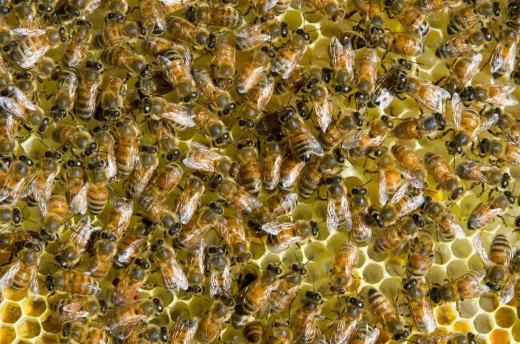
The Secret Life of Bees: Everything You Need to Know About Beekeeping
Have you ever stopped to appreciate the buzzing sound of bees on a warm summer day? These tiny creatures play an incredibly important role in our ecosystem, pollinating plants and providing us with delicious honey. But did you know that beekeeping is not just a hobby for some, but a way of life? In this blog post, we'll explore the fascinating world of beekeeping – from its ancient origins to the benefits it offers both bees and humans. Whether you're interested in starting your own hive or simply curious about these incredible insects, read on to discover everything you need to know about beekeeping!
What are Bees and Why are they Important?
Bees are fascinating little creatures that belong to the insect family Apidae. They are known for their characteristic buzzing sound and black and yellow striped bodies, which make them easy to identify.
But despite their small size, bees play a big role in our ecosystem. In fact, they are one of the most important pollinators on the planet! Bees help plants reproduce by carrying pollen from flower to flower as they collect nectar. This process not only ensures that flowers bloom year after year but also helps produce fruit and vegetables.
But bees aren't just important for humans – they also support other wildlife by providing food sources for birds and insects. Without these tiny pollinators, entire ecosystems could collapse!
In addition to their role in pollination, bees also produce honey – a delicious natural sweetener enjoyed by people all around the world. But beekeeping isn't just about harvesting honey; it's about preserving a vital species and contributing to a healthy environment.
Whether you're interested in beekeeping or simply want to learn more about these incredible insects, understanding their importance is crucial for appreciating all that they do for us and our planet.
The History of Beekeeping
The history of beekeeping dates back thousands of years. The earliest recorded evidence of humans keeping bees comes from ancient Egypt, where they were kept in cylindrical hives made of palm leaves and straw. The practice then spread across the Mediterranean to Greece and Rome.
In Europe during the middle ages, beekeeping became an important part of monastic life as monasteries produced honey for medicinal purposes and as a sweetener for food. By the 17th century, beekeeping had become widespread throughout Europe and was introduced to North America by European settlers.
Beekeeping has played an important role in many cultures throughout history. For example, Native Americans have long considered honeybees to be sacred creatures that connect them with their spiritual ancestors.
Today, beekeeping is a popular hobby around the world with many people enjoying it for its environmental benefits or simply because it's rewarding to watch these industrious insects at work. It has also gained importance due to concerns over declining populations of pollinators like bees which are responsible for helping plants reproduce through their pollination efforts.
The Process of Beekeeping
Beekeeping is a fascinating craft that requires patience, dedication, and an understanding of the honey bee. The process of beekeeping can be broken down into several steps, each crucial to the health and productivity of the hive.
Firstly, you will need to acquire your bees either through purchasing a packaged swarm or by capturing a wild colony. Once you have your bees safely housed in their new home, it's important to regularly inspect and maintain their hive.
This involves checking on the colony's health, food stores, and overall cleanliness. You'll need to ensure that they have enough space for expansion as well as proper ventilation to prevent overheating during hot weather.
Feeding your bees during times when nectar flow is low is also essential for their survival. This can involve providing sugar syrup or pollen patties if necessary.
Harvesting honey from your hives should only be done once there's excess beyond what’s needed by the colony itself - usually around 30-40 pounds per year on average per hive. A smoker may be used during this process to calm the bees while removing frames carefully not hurting them.
Beekeeping demands both knowledge and skill but with time and practice it can be highly rewarding!
The Benefits of Beekeeping
There are numerous benefits of beekeeping that many people may not be aware of. For starters, bees play a vital role in pollinating plants and crops, which is beneficial for the environment and our food supply. Beekeepers can also enjoy a variety of products produced by their bees, including honey, propolis, and beeswax.
Beekeeping can also provide opportunities for education and community involvement. Many schools offer beekeeping programs as part of their science curriculum, while local communities often have beekeeping clubs or associations where members can share knowledge and resources.
In addition to these benefits, beekeeping has been shown to have therapeutic effects on mental health. The act of caring for bees requires mindfulness and focus, which can help reduce stress levels. Some even consider it a form of meditation.
Furthermore, supporting local honeybee populations through beekeeping helps promote biodiversity in the ecosystem. This is especially important considering the decline in global honeybee populations due to factors such as habitat loss and pesticide use.
There are countless benefits to starting your own hive or joining a local club. From environmental impact to personal well-being, beekeeping offers something for everyone interested in helping support these incredible creatures and all they do for us.
How to Get Started in Beekeeping
Beekeeping can be a rewarding and educational hobby for those interested in the environment and sustainability. However, getting started may seem daunting at first. Here are some tips on how to start your own beekeeping journey.
Firstly, it's important to do thorough research before diving into beekeeping. This includes understanding the needs of bees, equipment required for beekeeping, local regulations and laws regarding keeping bees, and potential risks such as allergies or stings.
Next, join a local beekeeper's group or association to gain knowledge from experienced individuals within your community. They can provide guidance on where to purchase bees and equipment needed for starting out.
When purchasing your first hive and bees, opt for a package deal that includes all necessary equipment such as protective gear, tools and frames. Starting with one hive is recommended until you gain more experience.
Proper location selection is crucial when setting up hives - choose an area with access to water sources that are not heavily chlorinated or polluted. Additionally, ensure there is ample sunlight but also shade throughout the day.
Be patient! Beekeeping takes time and effort to become proficient in- don't expect immediate results but enjoy learning along the way while helping our vital pollinators thrive.
Tips for Successful Beekeeping
Here are some tips for successful beekeeping:
1. Start slow: Don't try to take on too many hives at once, especially if you're new to beekeeping. It's important to start small and learn as much as you can before expanding.
2. Invest in good equipment: Having the right tools and protective gear is crucial when working with bees. Make sure you invest in quality equipment that will keep both you and your bees safe.
3. Know your bees: Bees have distinct personalities, and it's important to get to know your hive so you can better anticipate their behavior. Spend time observing them so you can spot any issues or changes early on.
4. Keep a clean hive: Maintaining a clean hive is essential for healthy bees. Regularly inspect your hives for pests or diseases, and make sure they have enough food and water.
5. Educate yourself: Beekeeping is an ongoing learning process, so it's important to stay up-to-date on industry trends, best practices, and emerging threats like colony collapse disorder.
By following these tips, aspiring beekeepers can set themselves up for success in this rewarding hobby that also benefits our environment by increasing pollination rates!
In conclusion, beekeeping is a fascinating and rewarding activity that not only provides us with delicious honey but also plays a critical role in our ecosystem. By preserving bees, we're not only supporting the environment but also ensuring that the food chain remains intact.
In this blog post, we've explored everything you need to know about beekeeping from its history to the process of starting your own hive. We've discussed how beekeeping can benefit your garden and community as well as tips for successful beekeeping.
Now that you have all the information you need, it's time to start your journey in beekeeping. Remember to always practice safety measures when handling hives and be mindful of seasonal changes that may impact your bees' health.
With proper care, attention to detail, and patience, anyone can become a successful beekeeper! So go ahead and take the first step towards enjoying nature's sweetest gift while helping preserve our planet's biodiversity - Start Beekeeping Today!
From Seed to Harvest: A Farmer's Journey
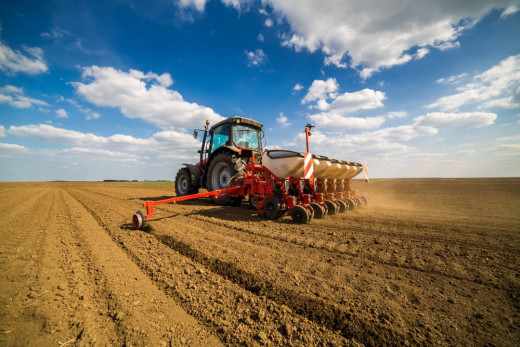
From Seed to Harvest: A Farmer's Journey
Farming is a journey that starts with a seed and ends with a harvest. And who better to tell this story than the farmers themselves? Their hard work, dedication, and love for the land are what keep our plates full. Join us as we take a deep dive into the world of farming - from planting to harvesting, we'll follow one farmer's journey and gain insight into this essential industry. So grab your overalls and come along!
The Farm
The farm is more than just a plot of land. It's a way of life - one that involves early mornings and late nights, hard work and dedication. For farmers, the farm is both their livelihood and their passion.
At the heart of every successful farm are healthy soil, clean water, and good weather. Without these basic elements, crops will struggle to grow and thrive. That's why farmers spend countless hours testing their soil, monitoring rainfall levels, and taking other measures to ensure optimal growing conditions.
But farming isn't just about tending to the land; it also involves caring for animals if you're running an animal husbandry operation. From feeding them properly to providing safe spaces for them to rest in at night or when the weather gets bad- there are many factors involved in keeping livestock healthy.
Despite all the hard work involved in maintaining a farm's health, there is something truly magical about watching your crops sprout from tiny seeds into towering plants ready for harvest. And that sense of satisfaction only grows stronger as you watch those same crops make their way into kitchens around your region through local markets or grocery stores - knowing you had a hand in nourishing people with wholesome food straight from your farm!
The Crops
The crops are the heart of any farmer's journey. From planting to harvest, each crop has its own unique needs and challenges. It takes careful planning and attention to detail to ensure a bountiful harvest.
One of the first decisions a farmer makes is what crops to plant. This decision can be influenced by factors such as climate, soil type, market demand, and personal preference. Some farmers choose to focus on one or two cash crops while others prefer a more diverse selection.
Once the seeds are planted, it's important for farmers to monitor their growth regularly. This includes checking for pests and diseases as well as providing necessary nutrients through fertilization.
As the plants mature, they may require additional support such as staking or trellising. And when it comes time for harvesting, proper timing is crucial in order to maximize yield and quality.
Harvesting can be done by hand or with specialized machinery depending on the crop and scale of operation. Regardless of method used however, care must be taken not damage or bruise the produce during collection.
Growing crops requires both knowledge and skill from start to finish. But with hard work and dedication farmers can reap great rewards from their labor come harvest season!
The Harvest
The harvest is the most crucial period for any farmer. It's when all their hard work finally pays off, and they reap the fruits of their labor. After months of nurturing and caring for their crops, farmers must ensure that every plant is gathered at its peak ripeness to maintain quality.
During the harvesting season, farmers often wake up early to start working before sunrise. They inspect each crop carefully to determine if it’s ready for picking or not. The process requires patience and skill as not all plants mature at the same time.
Once a crop reaches full maturity, it's harvested using specialized tools such as combine harvesters or hand-held equipment like sickles or scythes. Farmers have to be careful during this stage to avoid damaging the crops while collecting them.
After collection, the farmer stores them in cool and dry spaces until they are transported or sold in local markets. Depending on factors like weather conditions, soil fertility, seed quality among others; yields can vary from one farming season to another.
In summary, the harvest marks an essential milestone in a farmer's journey - it represents months of hard work culminating into tangible rewards. Harvesting requires skills such as attention-to-detail which ensures high-quality produce that meets market standards without compromising on quantity. With modern technology advancements today more than ever some parts of manual labour involved with agriculture are being automated making farming easier but still requiring human intervention and expertise for quality control purposes
The Market
After the harvest, comes the exciting part of selling what was grown. Farmers have different avenues to sell their products, such as farmers markets or directly to restaurants and grocery stores. The market can be unpredictable, but it is essential for a farmer's livelihood.
One popular way for farmers to reach customers is through community-supported agriculture (CSA) programs. These programs allow customers to buy a share of the farm's produce in advance, providing income for the farmer and fresh produce for the customer throughout the growing season.
Another trend in farming markets is organic certification. Many consumers are looking for food that has been grown without synthetic pesticides or fertilizers. Organic certification requires strict adherence to guidelines set forth by various organizations.
Farmers may also choose to sell their products online through e-commerce platforms like Shopify or Etsy. This allows them to reach customers beyond their local area and provides a convenient option during times of social distancing.
Selling at market can be challenging yet rewarding work for farmers. It provides them with an opportunity to connect with consumers and showcase their hard work while contributing fresh produce options in our communities' diets.
In conclusion, farming is a noble profession that brings food to our tables. Through the hard work of farmers, we are able to enjoy fresh produce all year round. From planting the seed to harvesting, every step is crucial in ensuring a bountiful harvest.
We have followed the journey of a farmer from seed to harvest and it's clear that farming requires dedication, passion, and hard work. The process involves careful planning, wise decision-making, and constant monitoring of crops.
Despite the challenges faced by farmers such as unpredictable weather patterns or pests invading their farms; they remain committed to providing food for us. We should appreciate their efforts by supporting local agriculture or even starting small gardens ourselves.
Farming plays a vital role in our lives and communities. It's important that we recognize and support farmers who tirelessly work towards feeding us while also taking care of the environment around them. Let us continue celebrating these unsung heroes who ensure that there's always food on our table!
9 Ways to Reduce or Get Rid of Phone Addiction

9 Ways to Reduce or Get Rid of Phone Addiction
Are you constantly checking your phone, even when you don't have any notifications? Do you find yourself mindlessly scrolling through social media for hours on end? If so, you may be struggling with phone addiction. Don't worry, though - it's a common problem in today's society. The good news is that there are plenty of ways to reduce or get rid of this addiction altogether.
In this blog post, we'll cover 9 effective strategies to help you overcome phone addiction once and for all!
9 Ways to Reduce or Get Rid of Phone Addiction
1. Admitting You Have a Problem
The first step to overcoming phone addiction is admitting that you have a problem. This may seem obvious, but it's not always easy to do. It can be tempting to brush off your phone usage as normal or even necessary, especially in today's world where we rely so heavily on technology.
However, it's important to take a step back and reflect on your behavior. Do you find yourself constantly reaching for your phone throughout the day? Are you spending more time scrolling through social media than engaging with those around you? If so, these could be signs of an addiction.
Once you acknowledge that there is an issue, don't beat yourself up about it. Remember that phone addiction is a common problem and one that many people struggle with. The fact that you're taking steps to address the issue is already a positive sign.
It can also be helpful to talk to friends or family members about your concerns. They may have noticed changes in your behavior before you did and can offer support as you work towards reducing your phone usage.
Ultimately, admitting that there's a problem is the first step towards breaking free from phone addiction and living more mindfully in the present moment.
2. Putting Your Phone Away
Putting your phone away can be a great way to reduce or get rid of phone addiction. When you are addicted to your phone, it's easy to spend hours scrolling through social media feeds or playing games without even realizing how much time has passed.
One of the best things you can do is put your phone in a different room when you're not using it. This will help break the habit of constantly checking for notifications and messages.
Another helpful tip is to set specific times during the day when you allow yourself to use your phone. For example, only allowing yourself 30 minutes in the morning and 30 minutes at night can greatly reduce the amount of time spent on your device.
If you find that putting your phone away completely isn't realistic for you, try turning off notifications for apps that tend to distract you the most. This will help prevent constant interruptions throughout the day.
Make an effort to engage with real-life activities instead of relying solely on digital ones. Spend time outside, read a book, or have face-to-face conversations with friends and family members.
Incorporating these strategies into daily life can help break bad habits associated with phone addiction and ultimately lead to a healthier relationship with technology.
3. Letting Go of FOMO
Letting go of FOMO, or the fear of missing out, can be a difficult task when it comes to phone addiction. It's easy to get caught up in social media and constantly checking for updates on what others are doing. However, it's important to remember that people only share the highlights of their lives online and not everything is as perfect as it seems.
One way to let go of FOMO is by focusing on your own life and goals instead of comparing yourself to others. Spend time doing things you enjoy and find fulfilling instead of scrolling through social media feeds.
Another helpful tip is limiting your exposure to social media altogether. Consider taking breaks from Instagram or Twitter every once in a while so you don't feel like you're constantly missing out on something.
It's also important to remember that saying "no" doesn't mean you're missing out on anything. Prioritize your time and commitments based on what truly matters most to you.
By letting go of FOMO, we can reduce our reliance on our phones for validation and entertainment purposes. Instead, we can focus more on living in the present moment and connecting with those around us without distractions from our devices.
4. Finding a Support Group
Finding a support group can be an effective way to reduce or get rid of phone addiction. It's important to surround yourself with people who understand your struggles and provide encouragement when you need it most.
There are various ways to find a support group. You can start by asking friends or family members if they know of any groups that focus on technology addiction. You can also search online for local support groups or join virtual communities where people share their experiences and tips on how to overcome phone addiction.
Joining a support group not only provides accountability, but it also gives you the opportunity to learn from others who have successfully reduced their phone usage. Many times, these groups offer valuable resources such as workshops and seminars that cover topics like mindfulness practices, stress management techniques, and healthy habits.
Being part of a community that shares the same goals as you helps you stay motivated in achieving your goal of reducing phone usage. With constant encouragement and positive reinforcement from peers who understand what you're going through, finding a support group might just be the key in helping you break free from your phone addiction habits.
5. Putting Healthy Boundaries in Place
Putting healthy boundaries in place is a crucial step towards reducing phone addiction. First, it's important to define what these boundaries are and why they matter. Healthy boundaries refer to the limits we set for ourselves regarding our phone use. It means creating rules around when we can and cannot use our phones.
One way to put healthy boundaries in place is by setting designated times for phone usage. For example, you could decide that your phone will only be used during work hours or turn off notifications after a certain time of day.
Another way is by identifying specific situations where you tend to overuse your phone and creating rules around those scenarios. For instance, if you find yourself always scrolling through social media before bed, make a rule not to check your social media accounts after 8 pm.
Additionally, putting healthy boundaries in place also involves respecting other people's time and attention. This means avoiding using your phone during conversations with others or while attending meetings or events.
By putting healthy boundaries in place, we begin to take back control of our lives from the constant distractions of technology. It allows us to create more meaningful connections with those around us while improving our mental health and overall well-being.
6. Tracking Your Screen Time
Tracking your screen time can be an eye-opening experience. It's easy to lose track of how much time we spend mindlessly scrolling through social media or playing games on our phones. By tracking your screen time, you can get a better understanding of how much time you're really spending on your phone.
There are many apps available that allow you to track your screen time. These apps will show you how much time you're spending on each app, as well as which apps are taking up the most of your attention. Seeing this data in black and white can be a wakeup call for many people.
Once you've tracked your screen time for a few days or weeks, it's important to analyze the data. Are there certain times of day when you tend to use your phone more? Are there specific apps that are eating up too much of your attention? Use this information to make changes in your behavior.
One way to reduce phone addiction is by setting limits on certain apps or activities. For example, if social media is taking up too much of your attention, set a timer for 20 minutes and then put away the phone once the timer goes off.
By tracking and analyzing our screen time, we can take concrete steps towards reducing phone addiction and living a more balanced life.
7. Taking a Digital Detox
Taking a digital detox is an effective way to reduce phone addiction. This involves taking a break from all forms of technology, including your smartphone, tablet, and laptop. By disconnecting from the digital world for a few hours or even days, you can give yourself a chance to recharge and reset.
During your digital detox, focus on engaging in activities that do not require the use of technology. This could include reading books, going for walks outdoors, or spending time with loved ones face-to-face. It's important to create boundaries during this time so that you're not tempted to check social media or emails.
It's also important to let others know about your digital detox plans so they can respect your decision and support you in achieving it. Turning off notifications or putting your phone on airplane mode can help avoid distractions while achieving clarity of mind.
A successful digital detox will help you realize how much time you spend on technology each day and encourage healthy habits moving forward. It may seem challenging at first but remember that small steps lead to big progress!
8. Set Time Limits for Phone Use
Setting time limits for phone use is a great way to reduce addiction. You can start small by setting short intervals such as 30 minutes or an hour, and gradually increase the duration as you get more comfortable. It's important to stick with your time limit and resist the urge to check your phone outside of that set period.
One effective technique is using an app or feature on your phone that allows you to track usage and set timers. This will give you a clear picture of how much time you're spending on your device each day, and help you make informed decisions about when it's appropriate to use it.
Another useful tip is avoiding phone use during specific times of the day, such as meal times or before bed. This helps create healthy habits and boundaries around phone usage.
Try finding alternative activities to replace screen time such as reading a book, going for a walk or spending quality time with loved ones. By incorporating these activities into your routine, you'll be less likely to rely on your phone as a source of entertainment or distraction.
9. Get rid of Social Media Apps
Social media has become an integral part of our lives. It's hard to imagine a day without scrolling through your Facebook feed or checking your Instagram notifications. However, these apps can also be the reason behind our phone addiction.
One way to reduce or get rid of phone addiction is by getting rid of social media apps altogether. This may seem extreme, but it can be effective in helping you break free from the constant need to check your phone.
Firstly, deleting social media apps will remove the temptation that comes with seeing notifications on your screen. Without constantly receiving updates and messages, you'll have more time to focus on other activities and hobbies that don't involve staring at a screen for hours on end.
Secondly, removing social media apps can help improve mental health by reducing feelings of comparison and FOMO (fear of missing out). Scrolling through perfect pictures and posts often leads us to compare ourselves negatively with others which only serves as a distraction rather than an escape.
If completely getting rid of all social media does not sound appealing or realistic then consider limiting their usage instead. Set designated times during the day when you allow yourself access to these platforms ensuring they do not serve as continuous distractions throughout one’s life.
Ultimately making small changes like this gradually lead towards developing healthier habits around technology use!
In conclusion, we've covered a lot of ground in this blog post, exploring nine different strategies to help reduce or eliminate phone addiction. From setting boundaries and limiting screen time to finding alternative activities and seeking support from friends and family, there are many ways you can take control of your relationship with technology.
Remember that breaking free from phone addiction is not an easy process – it takes commitment, patience, and persistence. But the rewards are well worth the effort: more meaningful connections with loved ones, increased productivity and focus at work or school, improved mental health and overall well-being.
So if you're struggling with phone addiction, don't give up hope! Try implementing some of these tips into your daily routine one step at a time. You may be surprised by how much happier and fulfilled you feel without being tethered to your device all day long. Good luck on your journey towards a healthier relationship with technology!
The Secrets That Financial Advisors Don't Want You To Know

The Secrets That Financial Advisors Don't Want You To Know
Are you thinking of hiring a financial advisor to help manage your money? Before handing over your hard-earned cash, there are some secrets that these advisors don't want you to know. From hidden fees and commissions to conflicts of interest, it's important to understand the reality behind the glossy brochures and promises of high returns.
In this blog post, we'll expose the truth about financial advisors and help you make an informed decision on whether they're worth the cost. So sit back, grab a cup of coffee, and get ready for some eye-opening revelations!
The Fees that Financial Advisors Charge
When you hire a financial advisor, one of the first things you'll notice is that they come with fees. These can include upfront charges, ongoing management fees, and performance-based compensation. While it's important to compensate your advisor for their time and expertise, it's crucial to understand exactly what you're paying for.
Some advisors charge a percentage of your assets under management (AUM), meaning the more money you have invested with them, the more they make. This can be beneficial if your investments are growing rapidly, but can also lead to conflicts of interest if your advisor is incentivized to push certain investment products over others.
Another type of fee charged by some advisors is commission-based. This means that they earn a percentage of every trade they execute on your behalf. While this may seem like a fair way for an advisor to earn their keep, it could lead to churning - frequent buying and selling in order to generate commissions at the expense of your overall returns.
It's important to ask any potential advisor about their fee structure upfront so there are no surprises down the line. Make sure you understand not just how much you'll be paying but also what services those fees cover. A good financial advisor should be transparent about their costs and help you determine whether or not hiring them makes sense for your unique financial situation.
The Commissions that Financial Advisors Earn
Financial advisors not only charge fees for their services, but they also earn commissions on the financial products they recommend. This can create a conflict of interest because the advisor may be incentivized to steer clients towards investments that generate higher commissions for them.
For example, an advisor may suggest investing in mutual funds with high expense ratios or annuities with steep surrender charges because these products pay out generous commission fees. However, there may be cheaper and more transparent investment options available that are better suited for the client's needs.
Commission-based compensation structures can also lead to biased advice and recommendations. Rather than putting their clients' best interests first, some advisors might prioritize earning larger commissions over recommending suitable investments.
It is important for investors to understand how their financial advisor is compensated and whether this structure could impact the advice they receive. Clients should feel comfortable asking questions about any potential conflicts of interest and seeking out fee-only or fiduciary advisors who are legally obligated to act in their clients' best interests.
The Hidden Costs of Investing With a Financial Advisor
When investing with a financial advisor, it's important to be aware of the hidden costs that can add up over time. One such cost is the expense ratio of mutual funds or exchange-traded funds (ETFs) recommended by your advisor. This fee covers the fund's operating expenses and is deducted from your investment returns. However, some advisors may recommend high-cost funds with higher expense ratios that eat away at your earnings.
Another hidden cost to watch out for are transaction fees charged by brokerage firms when buying or selling securities on behalf of clients. These fees can vary widely and quickly add up if you trade frequently.
In addition, some financial advisors may charge annual account maintenance fees or other administrative charges on top of their advisory fees, which can further erode your investment returns.
It's also worth noting that some financial advisors receive incentives for recommending certain products or services, which could lead to conflicts of interest and potentially harmful recommendations for clients.
While working with a financial advisor can offer many benefits, it’s essential to understand all the costs involved beforehand so you can make informed decisions about how best to invest your money.
The Conflicts of Interest that Financial Advisors Have
Financial advisors are professionals who provide advice and guidance on financial matters to clients. However, there is often a hidden conflict of interest that may impact the advice they give.
One of the most common conflicts of interest for financial advisors is related to the products they recommend. Some advisors receive commissions or other incentives from product providers or companies, which can influence their recommendations. This means that an advisor may be more likely to recommend a product because it benefits them financially, rather than because it is in their client's best interests.
Another conflict of interest arises when financial advisors work for large institutions that offer proprietary products. In these cases, advisors may be incentivized to promote their company's products even if better options are available elsewhere.
Additionally, some advisors have conflicting goals with their clients. For example, an advisor might prioritize generating high fees over helping clients achieve long-term financial goals like saving for retirement.
It's essential for investors to understand these conflicts of interest when working with a financial advisor. To avoid potential issues, look for fiduciary duty and fee-only compensation structures when selecting an advisor as this will ensure your best interests take precedence over theirs.
Are Financial Advisors Worth the Cost?
One of the biggest questions that people have when it comes to hiring a financial advisor is whether or not they're worth the cost. After all, these advisors charge fees and earn commissions for their services, which can add up quickly.
On one hand, having a professional who can help you navigate complex financial decisions and create a solid investment plan can be incredibly valuable. They often have access to research and resources that you may not be able to find on your own.
However, there are also many DIY options available now that make it easier than ever before for individuals to manage their own investments. With online platforms like Robinhood and Wealthfront offering low-cost trading options and robo-advisors providing algorithm-based investment management at relatively low fees, some argue that there's no need to pay high costs for personalized advice.
Ultimately, whether or not a financial advisor is worth the cost depends on your individual needs and goals. If you're comfortable managing your finances on your own or using automated tools but want someone to bounce ideas off of from time to time or provide guidance during major life changes such as retirement planning then an FA might still be helpful without costing too much each month in advisory expenses
How to Find a Good Financial Advisor
Finding a good financial advisor can be a daunting task, but it's important to take the time to find someone who is both knowledgeable and trustworthy. Here are some tips on how to find a good financial advisor:
1. Know what you're looking for: Before you start your search, figure out what services you need from an advisor. Do you want help with retirement planning? Investment management? Debt reduction?
2. Ask for referrals: One of the best ways to find a good financial advisor is through word-of-mouth referrals from friends, family members or colleagues.
3. Check credentials: Look for advisors who hold reputable certifications like CFP (Certified Financial Planner) or ChFC (Chartered Financial Consultant).
4. Conduct interviews: Schedule meetings with potential advisors and ask them questions about their experience, investment philosophy and fees.
5. Understand their compensation structure: Make sure you understand how your advisor will be compensated - whether it's through commissions or fees - and how much those costs will be.
6. Trust your instincts: Ultimately, finding a good financial advisor comes down to trust. You should feel comfortable discussing sensitive financial matters with them and believe that they have your best interests at heart.
By following these guidelines, you'll be well on your way towards finding a trusted partner in managing your finances!
After delving into the secrets that financial advisors don't want you to know, it's safe to say that there are both pros and cons to working with a financial advisor. On one hand, they can provide valuable expertise and guidance for managing your finances. On the other hand, their fees, commissions, hidden costs, and conflicts of interest may not always align with your best interests.
When considering whether or not to work with a financial advisor, it's important to weigh these factors carefully. Do your research on potential advisors and make sure they have a fiduciary duty to act in your best interest. Negotiate fees upfront so you're aware of all costs involved.
Ultimately, taking control of your own finances through education and self-discipline is key. Be proactive in learning about investments and personal finance strategies so that you can make informed decisions about how to manage your money wisely.
Remember: no one cares more about your money than you do!
Breaking Down Budgeting: Strategies for Saving and Spending Wisely
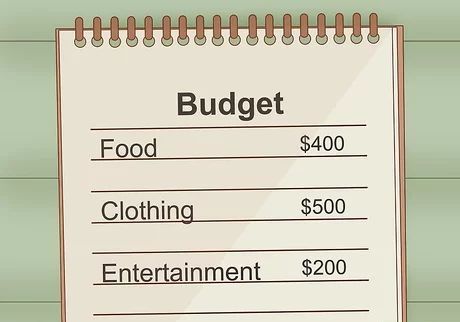
Breaking Down Budgeting: Strategies for Saving and Spending Wisely
Budgeting may not be the most exciting topic, but it's one of the most crucial skills for anyone who wants to manage their finances wisely. Whether you're saving up for a big purchase or simply trying to make ends meet, having a budget can help you stay focused and on track.
In this blog post, we'll break down everything you need to know about budgeting - from why it matters, to how to create and stick with a budget that works for you. So let's dive in!
Why is Budgeting Important?
Budgeting is an essential financial tool that helps individuals and families to manage their money effectively. It involves creating a plan for how much money should be spent on various expenses, such as rent or mortgage payments, utility bills, groceries, transportation costs, and entertainment.
One of the key reasons why budgeting is important is that it allows you to gain control over your finances. By keeping track of your income and expenses, you can identify areas where you might be overspending and make adjustments accordingly.
Another benefit of budgeting is that it helps you to save money. When you have a clear idea of how much money you need to cover your essential expenses each month, you can set aside any extra funds into savings accounts or investment portfolios. Over time, this can help build up a substantial nest egg for future needs.
Moreover, budgeting also enables people to prepare better for unexpected events like emergencies. You never know when an unforeseen expense could arise - a flat tire on the car or sudden medical bills - so having some savings set aside will give peace-of-mind knowing there are emergency funds in place.
In summary, by creating budgets regularly – weekly or monthly – one gains insight into his/her spending habits which leads towards achieving personal finance goals in life!
How to Create a Budget
Creating a budget might seem daunting, but it is essential to have a clear understanding of your financial situation and make informed decisions about saving and spending. Here are some simple steps you can follow to create an effective budget.
Firstly, determine your income sources. This includes your salary or wages, any side hustles or freelance work, as well as any passive income streams. Be sure to calculate the total amount earned in a month.
Next, list all of your regular expenses such as rent/mortgage payments, utilities bills, groceries and transportation costs. It's important to differentiate between fixed expenses (those that stay constant) and variable expenses (those that may fluctuate).
Once you have determined both your income and expenses for the month, subtract all of the necessary expenses from the overall monthly earnings. The remaining balance is what's left over for discretionary spending like entertainment or savings.
To better manage this balance effectively assign percentages or dollar amounts towards different categories such as emergency funds/savings accounts; vacation/holiday fund; investments etc.,
This process should now give you an initial idea on how much money you can spend each month while still maintaining a healthy financial profile!
Tips for Sticking to a Budget
Sticking to a budget can be challenging, especially when there are so many temptations around us. However, it's crucial if you want to achieve your financial goals and save money. Here are some tips that can help you stick to your budget:
1) Track Your Spending: Keep track of where every penny goes by creating a spending log or using a budget tracking app.
2) Review Your Budget Regularly: Review your expenses regularly and adjust your budget accordingly.
3) Set Realistic Goals: Make sure your financial goals are realistic and attainable within the given time frame.
4) Prioritize Expenses: Identify which expenses are necessary and which aren't. Cut back on non-essential items like dining out, shopping for clothes, or going on vacations.
5) Avoid Impulse Purchases: Think twice before making an impulse purchase. Ask yourself whether it fits into your budget and is essential for achieving your financial goals.
6) Find Free Alternatives: Look for free or low-cost alternatives that still meet your needs such as borrowing books from the library instead of buying them, cooking meals at home instead of eating out, etc.
By following these tips along with discipline and commitment, you'll be able to stick to your budget without feeling deprived or overwhelmed.
How to Save Money
One of the biggest challenges in budgeting is saving money. It's not always easy to resist impulse purchases or find ways to cut back on expenses, but there are several strategies that can help.
Firstly, consider setting a savings goal. Whether it's for a down payment on a house, an emergency fund or a vacation, having a specific target can motivate you to save. Then, look for areas where you can reduce your spending such as eating out less frequently or cancelling subscriptions you don't use.
Another effective way to save money is by automating your savings. This means setting up automatic transfers from your checking account into a high-yield savings account each month so the money is saved before you even have the chance to spend it.
Additionally, take advantage of discounts and coupons whenever possible. Shop around for sales and compare prices before making purchases online or in-store.
Consider ways to increase your income such as taking on side jobs or selling items you no longer need through online marketplaces like eBay or Facebook Marketplace.
By implementing these strategies and making saving part of your budgeting plan, you'll be well on your way towards achieving financial stability and security.
In conclusion, budgeting is an essential financial practice that can help you achieve your financial goals. By creating a budget and sticking to it, you can save money, reduce debt, and plan for the future. Remember to tailor your budget based on your income and expenses, track your spending regularly, prioritize savings and investments, and be flexible when necessary.
By implementing the strategies outlined in this article, you can take control of your finances and make informed decisions about where to spend or save your hard-earned money. Whether you're saving up for a down payment on a house or planning for retirement, creating a budget is the first step towards achieving those goals.
So start today by taking charge of your finances through effective budgeting practices!
The Future of Vertical Farming
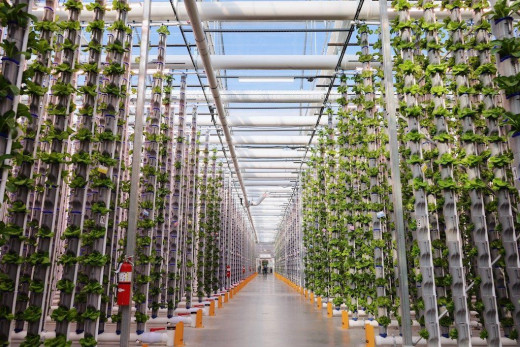
The Future of Vertical Farming
Are you ready for a farming revolution? Say hello to vertical farming! This innovative technique has been gaining popularity in recent years as a sustainable and efficient way of producing fresh produce. With this technology, we can grow crops without the need for vast amounts of land or sunlight. The question is, could vertical farming be the future of agriculture?
In this blog post, we'll take a closer look at what vertical farming is, how it works, its benefits and challenges and what the future holds for this exciting industry. So let's dive into the world of vertical farming!
What is Vertical Farming?
Vertical farming is a modern and innovative way of growing crops that involves stacking layers of plants on top of each other in a controlled environment. Unlike traditional farming methods, which rely on soil, sunlight and large plots of land, vertical farms use hydroponic systems to grow plants in nutrient-rich water solutions.
These indoor farms can be set up almost anywhere, from abandoned warehouses to urban rooftops. They utilize advanced technologies such as LED lighting and automated climate control systems to create the perfect conditions for plant growth 24/7.
One significant advantage of vertical farming is its ability to produce more food per square meter than traditional agriculture. With multiple rows of crops stacked on top of each other, the yield potential is much higher.
Another benefit is that it significantly reduces the environmental impact associated with conventional farming practices. Vertical farms use less water since they recycle what they have already used, eliminate the need for pesticides or herbicides because pests are kept out by closed environments.
Vertical Farming offers an exciting solution to some of our planet's most pressing challenges- lack space and resources while providing fresh and healthy produce year-round
How Does Vertical Farming Work?
Vertical farming is a relatively new concept that involves growing crops vertically, rather than horizontally. This means that instead of using large plots of land to grow crops, farmers use stacked layers of plants in multi-storey buildings.
The process begins with selecting the right location for the vertical farm. Ideally, it should be situated close to urban areas to reduce transportation costs and time as well as provide fresh produce year-round.
Once the location is selected, vertical farms utilize hydroponic systems or aeroponic systems to grow their crops. Hydroponics involve growing plants in water-based nutrient solutions without soil while aeroponics involve misting plant roots with nutrient-rich water.
Grow lights are also used extensively in vertical farming since natural light may not always be sufficient for optimal plant growth. These artificial lights simulate sunlight and can be controlled based on temperature and humidity levels inside each layer of the building.
Mechanization tools such as automated planting machines help optimize space utilization by ensuring every inch of space within a building is utilized efficiently.
Vertical farming represents an innovative solution for producing more food sustainably while minimizing environmental impact through efficient resource utilization.
The Benefits of Vertical Farming
Vertical farming is a revolutionary approach to agriculture that offers numerous advantages over traditional farming methods. One of the most significant benefits of vertical farming is its ability to conserve space, making it possible for crops to be grown in urban areas where land is scarce and expensive.
Another advantage of vertical farming is its ability to control environmental factors such as temperature, humidity, and lighting. This allows for year-round crop production regardless of weather conditions outside, which can help ensure a stable food supply throughout the year.
Moreover, Vertical farms use significantly less water than traditional farms because they recycle water used in hydroponic systems. This conservation technology conserves natural resources by recycling 70% more water than conventional farmers do. In addition, pesticide usage decreased dramatically since there are fewer pests problems inside controlled environments.
Furthermore, vertical farms make it possible to grow crops closer to their point of consumption reducing transportation costs decreasing carbon emissions associated with transportations. With this solution comes an opportunity for locally-grown foods within cities leading towards better access for fresh produce whilst minimizing food waste due to spoilage during long-distance transports.
Vertical farming offers numerous benefits when compared with traditional agricultural practices: increased crop yield per unit area; reduced need for pesticides; lower water usage; better climate control resulting in higher yields all-year-round while reducing dependence on fossil fuels or other non-renewable sources!
The Challenges of Vertical Farming
Vertical farming is an innovative solution to many of the challenges that traditional agriculture faces today. However, this method also comes with its own set of unique challenges.
One major challenge is the high initial investment required for setting up a vertical farm. The technology and infrastructure needed for indoor vertical farming can be expensive, especially if it involves using advanced systems such as hydroponics or aeroponics.
Another problem that arises in vertical farming is the need for skilled personnel who are knowledgeable about plant biology, engineering and software management. This can make it difficult to find qualified staff members who possess these diverse skill sets.
Furthermore, maintaining optimal environmental conditions within a controlled space can be challenging. Temperature control, humidity levels and lighting all have to be carefully monitored and adjusted regularly so that crops thrive.
In addition, pests and diseases pose another threat in vertical farms since insects and fungi are not present in their natural predators' absence. Thus farmers should rely on integrated pest management techniques instead of using harmful chemicals.
Lastly but not least, there has been concerns over energy usage associated with indoor vertical farms because they require a lot of electricity compared to outdoor fields under sunlight.
Despite these challenges each year more innovations arise making Vertical Farming more profitable while at same time lessening its negative impact thus increasing sustainability .
The future of Vertical Farming
The future of vertical farming is looking bright, with more and more people realizing the benefits of this innovative method. As technology continues to advance, we can only expect vertical farming to become even more efficient and cost-effective.
One potential area of growth is in automation. With the use of sensors, robotics, and AI, it's possible for indoor farms to operate 24/7 without human intervention. This would not only increase yields but also reduce labor costs significantly.
Another exciting development is the integration of renewable energy sources into vertical farms. By using solar panels or wind turbines to power their operations, these farms could drastically reduce their carbon footprint while still producing high-quality crops.
As urbanization continues at a rapid pace globally, there will be an increasing demand for locally sourced produce. Vertical farming has the potential to meet this need by growing fresh fruits and vegetables right in the heart of our cities.
It's clear that vertical farming has a bright future ahead of it. As long as farmers continue to innovate and adapt alongside advancing technologies, we can expect this industry to thrive for years to come.
In conclusion, vertical farming is a promising solution to the challenges of traditional agriculture. With its ability to maximize space, reduce resource consumption, and produce fresh food year-round, it has the potential to transform how we feed ourselves in the future.
However, there are still challenges that need to be addressed for vertical farming to become more widely adopted. These include high startup costs, energy consumption issues, and ensuring scalability without sacrificing quality.
Despite these challenges, many experts believe that vertical farming will play an increasingly important role in feeding our growing population sustainably while minimizing environmental impact. It offers countless possibilities for innovation and growth as technology advances over time.
Vertical farming presents a unique opportunity for sustainable food production that can potentially address some of our most pressing global problems such as climate change and food security. While it may take time to overcome certain obstacles before widespread adoption can occur on a large scale - with creativity and investment from stakeholders across industries - this innovative practice could soon revolutionize modern-day agriculture as we know it today.
The Benefits of Organic Farming
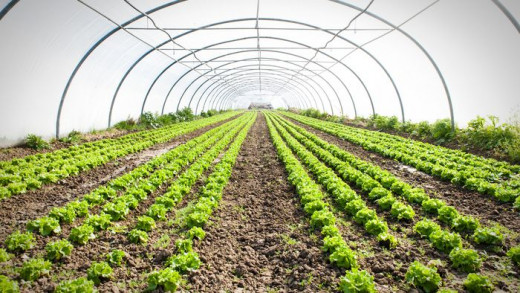
The Benefits of Organic Farming
Are you curious about the latest buzz in agriculture? Organic farming may just be what you're looking for! With its growing popularity, organic farming has become a hot topic in the world of sustainable agriculture. But what exactly is it and why are more farmers turning towards this method?
In this blog post, we will explore the benefits of organic farming, as well as its drawbacks and how to get started. Whether you're an experienced farmer or someone interested in learning more about sustainable food production, read on to discover why organic farming is worth considering.
What is Organic Farming?
Organic farming is a method of agriculture that focuses on producing crops and raising livestock without the use of synthetic chemicals, genetically modified organisms (GMOs), or irradiation. Instead, organic farmers rely on natural methods to maintain soil fertility and control pests.
One key principle of organic farming is maintaining soil health through practices like crop rotation and composting. By rotating crops, farmers can avoid depleting the nutrients in their soil while also reducing the risk of pests and diseases. Composting helps add organic matter back into the soil to improve its structure and water-holding capacity.
Another aspect of organic farming is avoiding synthetic pesticides and fertilizers. Instead, farmers may use natural pest control methods such as companion planting or releasing beneficial insects like ladybugs to prey on harmful pests.
In addition to environmental benefits, organic farming can also be socially responsible by providing fair wages for workers and promoting local food systems. It's a holistic approach that prioritizes sustainability over short-term profits.
The Benefits of Organic Farming
Organic farming has become increasingly popular in recent years due to its numerous benefits. One of the main advantages of organic farming is that it promotes environmental sustainability and reduces harmful effects on the ecosystem. Organic farmers use natural methods such as crop rotation, composting, and biological pest control to maintain soil health, reduce pollution caused by pesticides and fertilizers, and prevent erosion.
In addition to being environmentally friendly, organic farming also produces healthier crops. Organic fruits and vegetables contain higher levels of nutrients like vitamins C and E, calcium, iron, magnesium than conventional produce because they are grown in nutrient-rich soils using fewer chemicals.
Another benefit of organic farming is that it supports local economies by creating job opportunities for farmers while reducing dependence on imported goods. Since organic farms tend to be smaller than conventional ones, they often provide more diverse products which encourage a healthy food culture within communities.
Finally yet importantly, consumers who choose organic foods can have peace of mind knowing that their purchases align with ethical values such as fair trade practices or animal welfare standards since many small-scale farmers rely on other sources beyond monetary gain when deciding what businesses to buy from.
There are many reasons why people might prefer buying sustainably produced food over conventionally grown options – but perhaps most importantly: because we all depend upon these resources for our survival!
The Drawbacks of Organic Farming
While organic farming has its benefits for the environment and our health, there are also some potential drawbacks to consider. One of the biggest challenges is that organic farming often requires more land than conventional agriculture practices. This can be a problem in areas where farmland is scarce or expensive.
Another issue with organic farming is that it can be more labor-intensive and time-consuming than traditional methods. Because farmers cannot rely on synthetic pesticides or fertilizers, they may need to spend more time monitoring their crops and using natural alternatives. This can lead to higher costs for both farmers and consumers.
Additionally, organic crops may not always yield as much produce per acre as conventionally grown crops due to limitations on chemical inputs. This means that prices for organic products may be higher at the grocery store, which could make them less accessible to low-income families.
While organic practices aim to reduce environmental harm by avoiding artificial chemicals and promoting biodiversity, they do not guarantee perfect sustainability or zero environmental impact. Organic farms still require resources like water and energy for production processes.
While there are certainly advantages to choosing organically grown foods, it's important to weigh these against any potential downsides before making food choices based solely on labels like "organic."
How to Start Organic Farming
Starting an organic farm can be a challenging yet rewarding endeavor. Here are some tips on how to get started:
1. Research: Before starting your organic farm, research the different types of crops and farming methods that are suitable for your area. This will help you determine what resources you need and what challenges you may face.
2. Plan: Create a detailed business plan that outlines your goals, budget, and marketing strategy. A well-planned approach will help ensure the success of your organic farm.
3. Start small: It's important not to take on too much at once when starting an organic farm. Instead, start with a few acres or even just a small garden plot to gain experience and build momentum.
4. Build healthy soil: Organic farming relies heavily on building up healthy soil through natural means such as composting, crop rotation, cover cropping and using green manures.
5. Get certified: While certification is not mandatory many buyers want proof that their products were grown organically so it might be worth getting certified by one of the authorized agencies in order to add value to your produce.
By following these tips, you can start your own successful organic farm while promoting sustainable agriculture practices!
Tips for Success in Organic Farming
Organic farming is not an easy task, but it can be rewarding if done properly. Here are some tips for success in organic farming:
1. Soil preparation: The soil is the foundation of any successful farm. Organic farmers must ensure that their soil is healthy and fertile before planting anything.
2. Crop rotation: Rotating crops helps to maintain soil fertility by alternating nitrogen-fixing plants with other crops, which reduces pests and diseases.
3. Use natural pest control methods: Organic farmers don't use chemical pesticides or fertilizers; instead, they rely on natural methods like crop diversity, companion planting and beneficial insects to protect their crops from pests.
4. Keep records: Keeping detailed records of everything you do on your farm will help you track your progress over time and identify areas where improvements can be made.
5. Marketing strategy: Organic farmers need to have a solid marketing plan in place to sell their products at a fair price.
6. Networking with other farmers: Connecting with other organic farmers in the community can provide valuable insights into the industry that may prove helpful for newcomers starting out.
7. Continuous learning: Organic farming requires continuous learning about new techniques, practices and regulations from reliable sources such as agricultural publications or workshops offered by experienced specialists who share their knowledge freely through seminars or online courses dedicated specifically towards this type of farming practice.
In conclusion, organic farming is not only a sustainable way to grow food but also has numerous benefits for both the environment and human health. Organic farming methods prioritize soil health, reduce pollution, conserve water and biodiversity while producing nutrient-rich crops free from harmful chemicals.
Although there are some challenges associated with organic farming such as lower yields and higher labor costs compared to conventional agriculture, these can be overcome through proper planning and management practices.
If you're interested in starting your own organic farm, make sure to research extensively on best practices for soil management, pest control techniques and crop rotation strategies. With time and dedication, you can reap the rewards of growing healthy food that's good for both people and planet!