Learn smarter with fresh insights from our tutors.
Practical study guides, course supplements, and learning resources curated to help you move faster through every subject.
10 Reasons Why People Give Up in Life

10 Reasons Why People Give Up in Life
Life is full of hurdles, and often people find themselves overwhelmed and unable to continue. Whether it’s a difficult job, relationship, or other personal issues, it can be hard for some people to stay motivated and keep pushing forward.
In this article, we will discuss ten common reasons why people give up in life. From mental health challenges to lack of support from family or friends and beyond, these are all elements that can cause someone to feel like giving up is the only option. Read on for more information about why so many people throw in the towel and how you can overcome these obstacles in your own life.
10 Reasons Why People Give Up in Life
1. Lack of passion
Without passion, we cannot sustain the motivation needed to pursue our goals. We become easily discouraged when we don't feel strongly about what we're doing. A lack of passion can also lead to a sense of apathy, or feeling like nothing really matters leading to give up.
2. Fear of failure
Another reason why people give up is because they are afraid of failing. Failure is a part of life, but it's something that many people fear nonetheless. Some people are not ready to take any life risk because of fear of failures, as they aren't very sure about the outcome of the risks.
Some people may also give up because of fear of change. They might be comfortable with their current situation, even if it's not ideal, because it's familiar. But change can be scary, especially if it means leaving your comfort zone.
Some people may also be afraid of success: Believe it or not, some people are actually afraid of success! They might think that they won't be able to handle the responsibility or the pressure that comes with success. Or they might worry that they won't live up to other people's expectations.
3. Not knowing what they want in life
Not knowing what you want in your life is another reason why people give up in their life. Without a clear goal or direction, it can be difficult for them to stay motivated and keep going when things get tough and they end up giving up in their life.
4. Difficulty in making decisions
Difficulty in making decisions is considered another reason why people give up in their life. We all face choices every day, and sometimes it can be tough to know what to do. Indecision can lead to missed opportunities and regret, and it can also be a major source of stress. If you're finding it hard to make decisions, here are a few tips that may help:
- Define your goals. What do you want to achieve? When you know what you're working towards, it can be easier to make decisions that will help you get there.
- Consider the consequences. What are the potential outcomes of each choice? Weigh the pros and cons to help you make a decision.
- Get input from others. Talk to people you trust about your options and get their perspectives. Sometimes hearing from someone else can give you the clarity you need.
- Trust your gut. Ultimately, you have to make the decision that feels right for you. Go with your instinct and don't second-guess yourself too much.
Making decisions isn't always easy, but if you take the time to consider your options and listen to your intuition, you'll be more likely to make choices that are best for you in the long run.
5. Not taking risks
There are many reasons why people choose not to take risks in their lives. For some, it may be because they have experienced a traumatic event that has made them fearful of taking risks. Others may simply be comfortable with their current situation and see no need to take any risks.
However, not taking risks can lead to a number of problems in life. First, you may miss out on opportunities to improve your situation. Second, you may become stagnant and even lose the ability to adapt to change. And finally, you may become so used to living a risk-free life that you become unwilling to take any risks at all, even when they could lead to positive outcomes.
6. Being a perfectionist
People who are perfectionists often set themselves up for disappointment and failure because they expect too much from themselves and from life in general. Perfectionists tend to be their own worst critics and can be very hard on themselves when things don't go perfectly. This can lead to a feeling of inadequacy and discouragement, which can eventually lead to giving up entirely.
7. Having low self-esteem
A lot of people give up in life because they feel like they're not good enough. They compare themselves to others and feel like they'll never measure up. This can lead to a spiral of negative thinking that's hard to break out of. If you're struggling with low self-esteem, it's important to seek help from a therapist or counselor who can help you learn to love and accept yourself for who you are.
8. Procrastination
When we procrastinate, we put off doing things that we know we should be doing. This can be because we're afraid of failure, or because we don't think we can succeed. Either way, it leads to us not taking action and eventually giving up on our dreams.
If you're someone who tends to procrastinate, it's important to find ways to overcome this. Otherwise, you'll never achieve your goals. Here are some tips:
- Recognize your fear. What is it that's holding you back? Once you identify your fear, you can start to work on overcoming it.
- Believe in yourself. You need to believe that you can achieve your goals in order to actually take action and make progress.
- Take small steps. Trying to do too much at once will only lead to overwhelm and frustration. Instead, focus on taking small steps each day towards your goal.
- Get accountability from others. Find someone who will hold you accountable for taking action and reaching your goals. This could be a friend, family member, or even a coach or therapist.
- Reward yourself for progress. Celebrate each small victory along the way so that you stay motivated to keep going.
9. Not setting goals
One of the main reasons people give up in life is because they don't set goals. Without goals, it's easy to become overwhelmed and feel like you're not making any progress. It's important to set both short-term and long-term goals so that you have something to work towards. This will help you stay motivated and on track.
10. Not having role models
There are a lot of reasons why people give up in life, but one of the most common ones is not having role models. Without someone to look up to and learn from, it can be difficult to stay motivated and focused on your goals. This is especially true if you don't have anyone in your life who believes in you and is willing to help you achieve your dreams. If you find yourself in this situation, it's important to reach out to others for support and guidance. There are plenty of people out there who are willing to help – you just need to ask.
8 Best Gmail Alternatives
8 Best Gmail Alternatives
Gmail is one of the most popular email services out there, but that doesn’t mean it’s the best. With privacy concerns, data mining, and other issues in mind, many users are looking for alternatives to Gmail. The good news is that there are plenty of options available to those who want more control over their data and security.
In this article, we will take a look at 8 of the best Gmail alternatives that offer features such as greater privacy, better organization tools, and other helpful features. Whether you’re looking for an alternative to Gmail or just want to explore your options, these are some of the best choices out there.
8 Best Gmail Alternatives
1. Zoho Mail
The Zoho Mail is one of the best Gmail alternatives you can go for. This mail can be used by individuals for their personal users and it can as well be used by small scale businesses. When you create your mail account, you will find a full suite of organizational tools, like a calendar, storage drive, tasks, contacts, and bookmarks, making it the best Gmail alternative for your personal use or business use.
The interface is an easy to use and you can organize it neatly with the Streams feature: Streams in your mail account allows you to add comments to your email threads, exchange files, and assign tasks, and it's good if you want to use it for your business purposes. Pricing start as low as $1 per monthly user.
2. Mail.com
Mail.com is another Gmail alternative, which is free and easy to use. What is more interesting with this platform is that, it gives you an option up to 200 domains for you to choice one which suit your niche or personality. It’s a great platform for everyone who want l to look more professional without spending money on a custom domain. Mail.com also has powerful anti-virus tools that protect its users from any email threats. Other security features available for mail protection are 2FA (2-factor authentication), spam filters, and the use of secure US servers.
3. Airmail
Airmail is one of the most popular Gmail alternatives, and for good reason. It offers a clean, streamlined interface that makes managing your email a breeze. Plus, it integrates with a variety of third-party services, so you can get the most out of your email experience.
Airmail also offers excellent customer support, should you need it. And if you're looking for additional features, there's a robust selection of Airmail plugins available to customize your experience even further.
4. Tutanota
Tutanota is another best Gmail alternative you can go for and it offers you high protection over your mails. You can use Tutanota for free through its free mailing services, and you can also choice to upgrade at a lower rate. Once you create a user email account, you will have access to a beautiful online interface, and integrated calendars and contacts.
5. Postbox
If you're looking for an email service that's a little different from Gmail, Postbox might be a good fit for you. With Postbox, you can manage multiple email accounts from one place, get organized with customizable views and folders, and take advantage of powerful search features. Plus, Postbox integrates with a variety of productivity tools to help you get more out of your inbox.
6. Outlook
Outlook is another best Gmail alternatives in our list. Outlook offers a clean interface and powerful organization tools and it can be used as a stand alone email client or get integrated with Microsoft Office. It offers both free version and paid version. With Outlook you get extended storage space through OneDrive, a robust calendar with color-coding, contact management, and a task organizer, which is great. It also lets you assign your emails to categories, much like Gmail.
7. Polymail
Polymail is a great Gmail alternative for those looking for a more fully featured email client. Polymail includes features such as the ability to snooze emails, track when your emails are read, and schedule emails to be sent later. It also integrates with a number of popular productivity apps, such as Slack, Trello, and Evernote.
8. Mailfence
Mailfence is another best Gmail alternative you can use to access similar features for Gmail. It is free to use and it offers you high protections through its advanced security and privacy features, which gives you access to other essential tools. For instance, you can manage your appointments in a user-friendly calendar or store and edit documents in the cloud. You can use it for free and you have also an option to upgrade at as low as €7.50.
How to Rank Your Site Higher on Google Using Artificial Intelligence

How to Rank Your Site Higher on Google Using Artificial Intelligence
AI has changed the face of search engine optimization. Businesses can rank higher on Google using AI, resulting in more leads and conversions. But how does AI work with SEO? We will explain in this article how AI-powered SEO can boost your search engine rankings. We'll also share tips for getting started and maximizing your results.
What is Artificial Intelligence?
Artificial intelligence is a programming technique that enables computers to think and make decisions on their own. It generally involves utilizing algorithms, which are predetermined rules that guide the computer towards the right conclusion.
For example, if you were trying to decide what to have for lunch, an algorithm could consider your level of hunger, the time of day, and available options like sandwiches or salads to arrive at a conclusion.
However, artificial intelligence can also be used to make more complex decisions. For instance, it can be used to determine the best route to take when driving to a destination. To do this, the AI would need to consider traffic conditions, weather conditions, and construction projects along the way.
Overall, artificial intelligence is a powerful tool that can be used to automate decision-making processes. This can save time and improve efficiency in many different types of businesses and organizations.
How Can Artificial Intelligence be Used to Rank Higher on Google?
AI can be employed in multiple ways to enhance your website's ranking on Google. It can review your content and determine phrases that relate to the site's niche, which then should be featured in the title, tags and descriptions for Google to categorise your website.
Additionally, AI can assess the backlinks associated with your website, as these are integral for positioning. Good quality links from credible websites should be encouraged while any destructive ones should be eliminated.
And lastly, AI can diagnose technical problems such as broken connections, redundant material or missing headings which impede your search engine ranking; and easily rectify them enabling you to ascend the rankings more efficiently.
The Benefits of Using Artificial Intelligence to Rank Higher on Google
Artificial intelligence can help you rank higher on Google by optimizing your website for the search engine. With artificial intelligence, you can improve your website’s title, description, and keywords to better match the searcher’s intent.
In additional, using Artificial Intelligence you can use artificial intelligence to create content that is more likely to be clicked on and shared, which will also help your website rank higher on Google.
The Drawbacks of Using Artificial Intelligence to Rank Higher on Google
To date, there are a number of drawbacks to using artificial intelligence (AI) to rank higher on Google. First and foremost, AI potentially introduces bias into search results. Studies have shown that humans tend to be biased when it comes to making decisions – and this can extend to the algorithms we design.
Second, AI-based ranking systems can be gamed. That is, companies or individuals can create content or take other actions specifically designed to fool the algorithm into thinking their site is more relevant than it actually is. This not only harms the integrity of search results, but also wastes the time and resources of those who rely on Google for accurate information.
Finally, AI is still in its infancy, and as such is subject to a number of errors and bugs. While Google’s engineers are working hard to improve the quality of their algorithms, there’s no guarantee that they will be perfect. And in the meantime, users may end up seeing less-than-ideal results when they search for something on the world’s largest search engine.
How to Get Started With Using Artificial Intelligence to Rank Higher on Google
Here are some tips on how to get started:
- Define your objectives for using artificial intelligence for SEO. Do you wish to enhance your search engine visibility, draw more visitors to your website, or both?
- Then, explore the AI tools that best suit your requirements. There are a range of AI options to pick from, such as Mozine from Moz, Watson's SEO Assistant from IBM and RankBrain from Google. Experiment with different AI software to ascertain which one serves your needs the most.
- After getting hold of the appropriate AI tools, implement them into your SEO strattegy – this may involve altering content and keywords on your website, along with various other elements that affect your search engine ranking. Track progress regularly so as to tell how successful the AI is at helping you reach your objectives.
In conclusion AI technology has revolutionized the way businesses and websites rank on search engines. By using AI algorithms such as natural language processing, machine learning, and predictive analytics, businesses can now tap into the power of artificial intelligence to improve their rankings on Google. With a comprehensive understanding of how AI works, you can position yourself closer to the top of Google's Search Engine Results Pages (SERPs).
Investing in knowledgeable professionals who understand the complexities of digital marketing will help you maximize your ROI when it comes to utilizing AI for SEO purposes.
4 Trading Strategies for Beginners

4 Trading Strategies for Beginners
Trading might seem intimidating to newcomers. However, having the right skills and experience is only part of the equation; there are various strategies that one can take into consideration when trading.
This article provides information on 4 of the more popular approaches, such as long-term investments, short-term trades, day trading, swing trading,etc., so that beginners can select a strategy suited to their needs.
What is a Trading Strategy?
A trading strategy is a set of rules or guidelines used to decide when to purchase or sell an asset. There are numerous trading strategies and each trader usually has their own particular approach. When constructing a plan, traders generally think about factors such as the amount of risk they can accept, the level of return they aspire to, and the length of time for the investment.
When it comes to risk tolerance, some traders are more comfortable with higher levels of risk in order to potentially achieve greater returns. Others prefer to take a more conservative approach, sacrificing some potential upside in order to avoid potential losses. The level of risk tolerance is an important factor to consider when developing a trading strategy.
The desired level of return is another key consideration. Some investors are content with modest returns, while others seek to maximize their gains. Again, there is no right or wrong answer here – it all depends on the individual investor's goals and preferences.
Finally, the time horizon for the investment is also an important consideration. Some investors have a long-term outlook and are comfortable holding onto their positions for extended periods of time. Others prefer a shorter timeframe and may exit their positions as soon as they reach their profit targets.
Once these factors have been considered, traders can begin developing their trading strategy. There are endless possibilities here – so it's important to carefully consider all of the above factors before making any decisions.
The Different Types of Trading Strategies
There are four main types of trading strategies: day trading, swing trading, trend following, and position trading.
Day trading involves buying and selling a stock within the same day. Swing trading involves holding a stock for a period of days or weeks and then selling it. Trend following is a strategy where you buy a stock when it is trending upwards and sell it when it starts to trend downwards. Position trading is when you buy a stock and hold onto it for a long period of time, regardless of the ups and downs in the market.
Each type of trading strategy has its own advantages and disadvantages. Day trading is advantageous because you can make quick profits off of small price movements. However, day trading is also risky because you can lose money just as quickly as you make it.
Swing trading is less risky than day trading because you give yourself more time to see how the stock performs, but it can still be risky if the stock doesn’t perform as expected. Trend following is a relatively safe strategy because you are buying stocks that are already going up in price, so even if they do dip momentarily, they will likely rebound quickly.
Position trading is the safest strategy because you are investing for the long haul and ride out any short-term volatility in the market.
The best way to choose a trading strategy is to experiment with different strategies and see which one works best for you based on your risk tolerance and investment goals.
How to Choose the Right Trading Strategy for You
When it comes to trading strategies, there is no one-size-fits-all approach. The best way to find a strategy that works for you is to trial a few different ones and see which one gives you the best results.
Here are a few things to keep in mind when choosing a trading strategy:
- Your goals – What are you looking to achieve from trading? Are you looking to make some quick profits, or are you in it for the long haul?
- Your risk tolerance – How much risk are you willing to take on? Remember, the higher the risk, the higher the potential rewards – but also the greater the chance of losses.
- Your time frame – This ties in with your goals. If you're looking to make quick profits, then you'll need a shorter-term strategy; if you're in it for the long haul, then you can afford to take a more patient approach.
- Your experience level – If you're new to trading, then it's best to start with a simpler strategy; as you gain more experience, you can move on to more complex approaches.
Ultimately, developing an understanding of trading can be intimidating, nevertheless, you can use these 4 strategies as a starting point to establish your competence and expand your understanding. Trading must not be undertaken flippantly; remember to contemplate the potential risks involved with any investment decisions. Educate yourself and figure out which methods suit you best. With a bit of persistence and effort, anyone can become an adept trader. Best of luck!
How to Start a Side Hustle and Make Extra Money

How to Start a Side Hustle and Make Extra Money
We’ve all heard the stories of people who have made it big by starting a side hustle, and we’ve all fantasized about doing it ourselves. But how do you actually get started? Starting a side hustle can be intimidating – but the reality is that anyone can do it with enough motivation and the right steps.
In this blog post, we will explore how to start a profitable side hustle and make extra money. From researching your options to creating a business plan, read on to learn more about how you can build an income stream outside of your regular job.
What is a Side Hustle?
A "side hustle" is typically a part-time business venture that you pursue outside of your regular job. It can be a great way to make some extra money, gain new skills and experience, and even turn into a full-time business down the road.
There are endless possibilities when it comes to starting a side hustle. You could launch an online store, offer freelance services, start a blog or YouTube channel, or even become a pet sitting or dog walking service. The key is to find something that you're passionate about and then take the necessary steps to get started.
Side hustles offer diverse opportunities to make extra money, whether it's to pay off debt, to save for the future, or even as a potential source of full-time employment. Taking advantage of these jobs can prove beneficial both short and long term.
If you've been thinking about ways to supplement your income, why not launch a side hustle? With a little elbow grease and out-of-the-box ideas, you might soon find yourself with an additional source of money to help realize your financial objectives.
Why You Should Start a Side Hustle
Having a side hustle can be beneficial in many ways. It affords you the opportunity to increase your income, explore an interest or passion, and challenge yourself beyond the scope of your day job.
Additionally, it can open up new opportunities and give you an extra stream of revenue that could prove useful if ever needed. All in all, it’s a great way to expand your horizons and pad your wallet at the same time.
A side hustle isn't limited to monetary gain; it can also lead to development of new skills and growing your professional network. Through this endeavor, valuable opportunities present themselves to broaden your knowledge and meet interesting individuals. All of this can be immensely useful in aiding personal and professional growth.
So if you're considering starting a side hustle, don't hesitate! There are numerous benefits to pursuing this type of endeavor, so get started today and see what all the fuss is about.
How to Start a Side Hustle
First, you need to identify your skills and interests. What are you good at? What do you enjoy doing? Once you’ve identified your strengths, you can start brainstorming ideas for a side hustle that leverages your skills.
Once you have an idea for your side hustle, it is time to move into the planning and action phase. Establish what exactly you wish to obtain from this venture and how much money would you like to make. Assess when the goals must be attained. Crafting a plan and setting targets will empower you to remain focussed and driven as you work on your side hustle.
Of course, no matter how great your plans are, there will always be some level of risk involved when starting a new business venture. But don’t let that deter you! Embrace the challenge and remember that failure is part of the journey to success. Learn from your mistakes and keep moving forward. With hard work and dedication, you can achieve anything you set your mind to – including making
What are Some Popular Side Hustles?
Ridesharing with companies such as Uber or Lyft is becoming increasingly popular, allowing you to work flexible hours and earn money on your terms. Additionally, tutoring students can be an awesome way to monetize your skills and experience - both in-person or online.
Selling items on sites such as Etsy or Amazon can be a profitable venture for those with an eye for creativity and one-of-a-kind products. Pet sitting or dog walking could also be a great way to combine exercise with earning some extra money.
Tips for Making Extra Money With Your Side Hustle
To make the most of your side hustle and bring in extra cash, start by identifying what skills and activities you enjoy. Then, tell people about the services you provide and why they should choose you.
If experience is not your strong suit, offer a discounted rate or barter for goods or services instead of money. You could also consider online options like Fiverr and Upwork to generate income. As always, hard work pays off: put in the effort to exceed expectations and impress your clients!
To wrap up, starting a side hustle brings a lot of potential rewards. To give your business its best shot at success, you'll need to figure out what your skills and interests are, work out how to market yourself and plan ahead so that you don't overwhelm yourself with too much to do. With focus and hard work, the sky really is the limit!
Advantages and Disadvantages of Investing in Mutual Funds

Advantages and Disadvantages of Investing in Mutual Funds
Investing in mutual funds can provide a way to diversify a portfolio and may bring greater returns. This article presents comprehensive information on mutual funds, detailing their function, the risks and rewards involved, and more. Through reading it, you will be able to make an informed decision on whether investing in mutual funds is suitable for you.
What are Mutual Funds?
Mutual funds are a type of investment where people pool their money together in order to purchase stocks, bonds, and other securities. This allows individuals to benefit from the diversification of their portfolios without having to purchase each security individually. Investing in mutual funds offers many advantages compared to buying individual stocks or bonds, such as access to professional management and lower transaction costs.
Different Types of Mutual Funds
Different types of mutual funds are available to investors, each with its own set of advantages and disadvantages. The most common types of mutual funds are stock, bond, and money market funds.
Stock funds invest in stocks and can be further divided into subcategories such as large-cap, small-cap, international, and sector specific. Bond funds invest in bonds and can also be subcategorized by type of bond including government, corporate, and municipal bonds. Money market funds invest in short-term debt instruments and typically offer higher yields than savings accounts but with more risk.
Each type of mutual fund has different characteristics that make it more or less suitable for different types of investors. For example, aggressive investors may prefer stock funds while conservative investors may prefer bond or money market funds. It is important to understand the difference between these types of mutual funds before investing.
Advantages of Investing in Mutual Funds
There are many advantages of investing in mutual funds. Some of the key benefits include:
- Diversification: Mutual funds offer investors immediate diversification across a wide range of asset classes and sectors. This diversification can help reduce overall portfolio risk.
- Professional Management: Mutual funds are managed by experienced professionals who have access to extensive research resources. This professional management can help maximize returns and minimize investment risks.
- Mutual funds provide investors an easy avenue to invest in an array of assets while avoiding the need to purchase single securities. Further, many mutual fund companies offer automatic investment options, streamlining the investing process even more.
- Flexible: Mutual funds offer investors flexibility in terms of how they can be used. For example, mutual funds can be used to save for retirement, college tuition, or a rainy day fund.
- Affordable:Mutual funds are an affordable way to invest, with many Funds available with no initial investment minimums and low ongoing fees.
Disadvantages of Investing in Mutual Funds
There are a few potential disadvantages of investing in mutual funds to be aware of before making any decisions. Here are a couple of the main ones:
- Mutual funds come with a few drawbacks, one being fees and expenses. These may include management fees, operating expenses, and performance fees - all of which can impact your profits. Before investing in such a fund, it's wise to take the time to assess the fees involved.
- They can be risky. Like any investment, there's always a risk that you could lose money by investing in mutual funds. Be sure to research the fund and understand its investment strategy before investing to help mitigate this risk.
- Limited investment options: Another downside to mutual funds is that they typically only offer a limited number of investment options. This means that you may not be able to find a fund that perfectly suits your investment objectives.
- Capital gains taxes: When you sell your shares in a mutual fund, you may have to pay capital gains taxes on any profits. This can eat into your overall returns and make investing in mutual funds less advantageous than other types of investments.
In conclusion, investing in mutual funds is a great way to build wealth and diversify your portfolio. While there are risks involved, the potential rewards far outweigh them if you manage your investments properly. A solid understanding of the advantages and disadvantages of mutual funds will help ensure that you make wise decisions when making investments for the future. With this knowledge and some patience, investing in mutual funds can be a rewarding experience with potentially high returns.
Debt vs Equity Financing: Which One is Best For Your Business Venture?
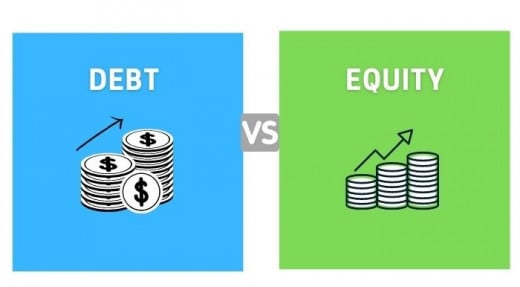
Debt vs Equity Financing: Which One is Best For Your Business Venture?
When it comes to financing a business venture, there are two main paths to take: debt or equity. Each has its own advantages and drawbacks, and the decision on which route to take depends on a variety of factors.
In this blog post, we’ll explore the differences between debt and equity financing and what each option can do for your venture. We'll also discuss which type of funding is best for different business scenarios so you can make an informed decision about which is right for you.
What is Debt Financing?
Debt financing is raising capital by borrowing from lenders. This can be done through loans, lines of credit, or bonds. On the plus side, debt financing is usually less expensive than equity funding. However, if payments cannot be met there may be a need to declare bankruptcy.
Companies may use debt financing in order to invest in new projects, pay for operations and expansions, or simply cover day-to-day costs. This form of financing requires a company to repay the borrowed funds with interest over a set period of time.
The advantage of this type of financing is that it offers no ownership stake, however, it carries the responsibility to repay the loan, with interest, regardless of outcomes.
What is Equity Financing?
Equity financing is when a business raises money by selling shares of ownership in the company. The advantage of this type of financing is that it can provide more capital than debt financing and doesn't require repayment if the venture fails. The downside is that giving up equity in your company means giving up some control over how it's run.
So, which type of financing is best for your business venture? It is difficult to decide which financing option is most suitable for your business problem. Variables such as the amount needed, personal viewpoint on taking debt or relinquishing shares, and the overall risk factor of the venture influence this decision. Hence, seeking advice from financial experts and going through all accessible alternatives will be important before finalizing the choice.
The Pros and Cons of Debt vs Equity Financing
As a business owner, you will inevitably face the decision of how to finance your business venture. Should you take out a loan and go into debt, or should you sell equity in your company to raise capital? Both options have their pros and cons, and the best option for your business will depend on your specific circumstances.
The Pros of Debt Financing
Debt financing gives you the opportunity to maintain control of your business. You don't have to transfer any ownership rights and don't need to answer to external investors. This flexibility can be beneficial if you are intent on expanding your company with no outside influence.
Another pro of debt financing is that it is often easier to obtain than equity financing. Banks and other lenders are typically more willing to lend money than investors are to invest money, so if you need capital quickly, debt financing may be the way to go.
Finally, debt financing is generally less expensive than equity financing in the long run. Interest payments on loans are tax-deductible, so you can lower your overall tax bill by taking out a loan instead of selling equity in your company.
The Cons of Debt Financing
The biggest downside of debt financing is that it puts your company at risk of default if you are unable to make your loan payments. This can result in seizure of
The pros of equity financing
- Equity financing can provide a business with the capital it needs to grow without incurring debt.
- Equity financing can be a less expensive way to raise capital than debt financing, especially if the business is able to offer stock at a discount to its fair market value.
- Equity financing can offer businesses the flexibility to use funds as needed, whether it's for working capital or to finance expansion.
- Equity investors may be more patient than lenders when it comes to repayment of their investment, giving the business time to achieve its growth potential.
- Equity financing can help build brand awareness and credibility, as well as providing access to new markets and customers.
The cons of equity financing
Before evaluating equity financing, entrepreneurs should understand that it may come with some downsides. Those used to overseeing their venture on their own must be cognizant of the potential impact of relinquishing some control.
Another downside to equity financing is that equity financing can be a tricky process. It is not easy to find the right investors who are interested in your business, and it will take effort to build bonds with these potential investors and proficiently present your business venture for funding. You could also end up surrendering more equity than expected to secure funding.
Finally, equity financing carries the risk that should your business not perform as anticipated, the value of your enterprise could decrease. This would consequently mean that investors earn less money on their investment. Unfavorable results such as these could sour relations with the investors and make subsequent funding hard to secure.
In conclusion, as a business proprietor, it is important that you take both debt and equity funding into consideration when assessing how to finance your company. Weigh the pitfalls and perks of each before deciding which path is suitable for you. With knowledge of financial matters and a wise strategy, either approach can be beneficial to the development of any budding enterprise.
5 Things You Need to Know When Investing in Mutual Funds

5 Things You Need to Know When Investing in Mutual Funds
When looking at investing, mutual funds are a great pick for the typical person. They give you the opportunity to diversify your holdings without having to devote substantial effort to studying single stocks and bonds. Yet, it's beneficial to comprehend precisely what a mutual fund is.
In this blog post, we'll explore 5 important facts about mutual funds that every investor should know before taking the plunge. From how to choose the right fund for you to understanding the different types and fees associated with them—this article has it all. Read on to get started on your journey towards becoming a smarter investor!
What is a Mutual Fund?
Mutual funds are investment vehicles that combine capital from many investors to create portfolios of securities, including stocks, bonds and short-term debt. The portfolio is looked after by a professional money manager, and the fund shares signify ownership in the underlying assets. As the value of those assets fluctuates, this influences the worth of the fund's shares.
When you buy mutual fund shares, you are buying into a professionally managed investment that offers the potential for diversification, liquidity, and economies of scale. You are also delegating the day-to-day management of your investment to the fund manager.
Various mutual funds are available, each with a different investment focus and approach. These include stock funds, bond funds, index funds, and money market funds.
Stock mutual funds invest primarily in stocks and aim to provide capital appreciation over time. Bond mutual funds invest primarily in bonds and aim to provide income and stability of principal. Index funds seek to track an index, such as the S&P 500 Index or the Dow Jones Industrial Average. Money market funds seek to preserve capital and generate income by investing in short-term debt instruments.
The Benefits of Investing in Mutual Funds
There are many benefits to investing in mutual funds, including:
- Diversification: When investing in mutual funds, you can diversify your portfolio, minimizing risk, by allowing your money to be allocated among a selection of different investments.
- Professional Management: Mutual fund managers possess the expertise and skill necessary to make smart investment choices, allowing you to achieve high yields and reduce your risk.
- Access to Expertise: When you invest in mutual funds, you have access to the expertise of the fund manager as well as the research team at the fund company. This can give you an advantage when making investment decisions.
- Convenience: Investing in mutual funds is convenient because you can do it through your broker or financial advisor. You don’t have to worry about buying individual stocks or managing your investments yourself.
- Affordability: Mutual funds are an affordable way to invest, especially if you start with a small amount of money. Some mutual funds have minimum investment requirements as low as $500 or $1,000.
The Different Types of Mutual Funds
There are four main types of mutual funds: equity funds, bond funds, money market funds, and balanced funds.
- Equity Funds: Equity mutual funds invest in stocks and other equity securities. They can be further divided into growth funds, which seek capital appreciation, and income funds, which seek to generate dividends and other forms of investment income.
- Bond Funds: Bond mutual funds invest in fixed-income securities such as government bonds, corporate bonds, and mortgage-backed securities. They can be further divided into short-term bond funds, intermediate-term bond funds, and long-term bond funds.
- Money Market Funds: Money market mutual fund investors seek preservation of capital and liquidity. These funds invest in short-term debt instruments such as Treasury bills, commercial paper, and certificates of deposit.
- Balanced Funds: Balanced mutual funds seek to achieve a balance between capital appreciation and current income by investing in both stocks and bonds.
How to Choose the Right Mutual Fund for You
When investing in a mutual fund, consider what you hope to gain from it. Would you like to grow your savings or maintain what you have? Additionally, assess the amount of risk you are willing to take on to potentially increase returns. Do you feel greater returns are worth possible risks or should you aim for a more secure fund?
Third, what is your time horizon? Are you investing for the long term (10 years or more), or do you need access to your money sooner? Fourth, what is your liquidity needs? Do you need to be able to withdraw your money at any time without penalty, or can you afford to lock up your funds for a longer period of time? Finally, what are the fees and expenses associated with the mutual fund? Make sure to compare these before making your final decision.
Risks Associated With Mutual Fund Investment
Mutual fund investments carry some potential risks that should be recognized. There is a chance of the fund not performing as well as other investments, which could result in a dip in your investment value while the market continues to rise.
Be mindful that fees related to mutual fund investments may reduce your overall return. Therefore, it is essential to thoroughly investigate funds and their associated fees before you invest.
Third, you run the risk of experiencing fluctuations in your mutual fund shares' value, which could result in significant losses, should you choose to sell at an inappropriate time.
Finally, investing in a mutual fund entails the risk of the company managing it making poor decisions that could result in shareholders suffering losses. Though this isn't a common occurrence, it is something to bear in mind.
5 Things You Need to Know About Mutual Funds Before Investing
1. How You Will Choose a Mutual Fund
There are many factors to consider when choosing a mutual fund, such as your investment objectives, risk tolerance, and time horizon. You should also research the fund's fees, performance history, and manager tenure.
2. How Much Should You Invest in Mutual Funds
There is no universal answer to this inquiry - it's based on your own particular situation and financial aims. In general, though, most monetary advisors suggest investing at least 10% of your total assets in mutual funds.
3. When Should You Expect to See Results From Your Investments
The timeframe for seeing results from your investments will depend on the types of securities held in the fund's portfolio and the fund's overall strategy. For example, if the fund invests primarily in stocks, you may see more volatile returns in the short term but potentially higher returns over the long term.
4. Benefits of Investing in Mutual Funds to You
Mutual funds offer several advantages, including diversification, professional management, liquidity, and affordability.
5. Understand the Meaning of Mutual Funds
You should always remember that a mutual fund is an investment vehicle that pools money from many investors and invests it in a variety of securities, such as stocks, bonds, and short-term debt. The fund's portfolio is managed by professional investors.
In conclusion, mutual funds are a great way to broaden your portfolio and should always be weighed in terms of one's investment strategy. Do your due diligence before settling on one and this guide should have provided you with more than enough knowledge to make a wise decision.
13 Ways to Effectively Promote a New Product or Service

13 Ways to Effectively Promote a New Product or Service
Launching a new product or service is exciting, but it can also be a bit overwhelming – especially if you’re not sure how to effectively to promote it. You want to make sure that your message reaches the right people and resonates with them so that your product or service can takes off.
Knowing the best ways to promote something new isn’t always easy, but with the right strategies, you can make sure that your message gets out there and sticks in the minds of potential customers.
In this blog post, we’ll explore 13 ways to effectively promote a new product or service, from social media campaigns to traditional marketing techniques. Read on for some helpful tips on launching your next big idea!
13 Best Ways to Promote a New Product or Service
1. Create a Brand Story
Creating a great brand story can certainly be beneficial when introducing a new product or service. Stories have the power to stick in the mind and create an emotional bond with the recipient. So, what do you need to make an effective story? Here are some pointers:
- Your brand story should be relevant to your target audience. It ought to speak directly to their desires, needs and challenges.
- A compelling brand narrative should be captivating and enthralling. It should capture the reader's attention right away and maintain their interest until the very end.
- To make it credible, a great brand narrative should be rooted in facts and figures that validate its claims.
- Your brand story should be distinctive, setting you apart from other businesses in your sector. Make it special and you'll stand out from the crowd.
- A great brand story should be motivating and empower readers to take action. It should leave them feeling energized and inspired.
2. Identify Your Target Market
When you are promoting a new product or service, it is important to identify your target market. This can be done by considering who your potential customers are, what needs they have that your product or service can fill, and what motivates them. Once you have a good understanding of your target market, you can tailor your marketing efforts to reach them more effectively.
If you are selling a new fitness product, your target market is likely to be those who value health and fitness. To reach them, you should promote your item on platforms they would use, such as fitness magazines and websites. Utilizing language that resonates with them would also be beneficial; stressing how the product can help them achieve their wellness objectives is one way to do this.
3. Develop a Marketing Plan
Formulating a marketing plan is essential when it comes to business success. It sets out the goals and objectives of your venture, outlines strategies, and lays out the processes and systems that will help execute the plan. Crafting a plan can be challenging but is key to realizing profits.
4. Get the Word Out with Publicity
Making sure the public is aware of your business and its offerings is an important part of success. Advertising and public relations are two key tools for getting the word out. Advertisements help to inform potential customers about products and services, while PR helps build goodwill among the public.
You can create a buzz around your new product or service by partnering with a local PR firm, reaching out to media outlets directly, or leveraging social media.
5. Use Social Media
Social media is an invaluable resource for engaging with your followers. It can easily be used to foster relationships and stay up-to-date with those who support you and your work. Exploiting social media offers the potential to expand your fan-base, as well as strengthening ties with already loyal supporters.
As a business owner, you understand the need to advertise any new product or service in order to guarantee its success. Yet, with all the current marketing avenues available, selecting which one you ought to go with could be difficult.
Using social media is an effective way to promote a new product or service. Platforms like Twitter, Facebook and Instagram provide the opportunity to reach a multitude of people quickly and effortlessly. For successful advertising, consider these helpful tips:
- Create a strong social media presence for your business before launching your new product or service. This will ensure that you have a built-in audience ready to hear about your latest offering.
- Use eye-catching visuals when promoting your new product or service on social media. People are more likely to engage with content that is visual in nature, so make sure your posts stand out.
- Use hashtags liberally when promoting your new offering on social media. Hashtags help people discover your content, so use them wisely!
- Be active and engaging on social media. If you're constantly posting great content and engaging with your followers, they'll be more likely to pay attention when you launch something new.
6. Build a Sales Team
Assembling a sales team is essential to the success of introducing a new product or service. It is important to choose individuals with the necessary abilities and knowledge for selling the item.
Furthermore, suitable training should be provided to ensure that they can do it successfully. It is imperative to keep the sales team motivated and suitably remunerate them for their efforts. It is also paramount to supervise their progress and hold them accountable for their results in order to make any required modifications.
7. Hold an Event or Webinar
When it comes to marketing a new product or service, throwing an event or hosting a webinar is one of the most powerful strategies. It enables you to get people pumped up about what you have to offer and display ample information. Additionally, you can further boost anticipation for its launch by offering an advance peek into what's in store.
For your event or webinar to be a success, be sure to craft a succinct and focused message. Make it captivating, but not aggressive in its sales-orientation. Above all, give your audience something of value that they will not be able to find elsewhere.
By following these tips, you can hold a successful event or webinar that will effectively promote your new product or service.
8. Offer a Free Sample or Trial
When first taking off, it can be a challenge to get people to try out your new product or service. One viable way to overcome this is by providing a free sample or trial. This allows potential customers to explore your offering without the need for any risk or commitment.
If you're not sure how to go about this, here are a few tips:
- Make sure your free sample or trial is high quality. This will give people a positive impression of your product or service and make them more likely to purchase it in the future.
- Promote your free sample or trial in a variety of ways, such as through social media, email marketing, or online ads.
- Keep the free sample or trial period short so that people feel like they need to take advantage of it while they can.
- Collect contact information from those who take part in your free sample or trial so that you can follow up with them later on.
By following these tips, you can effectively promote your new product or service and get people interested in what you have to offer.
9. Give a Discount or Incentive
To capture interest in your new product or service, you need to provide an incentive. A discounted rate or giveaway will do the trick. When first starting out, make sure that the incentive is attractive enough to get attention; this can also be adjusted later. There are many ways to go about this – it could be a percentage off regular pricing, complimentary trial period, or a freebie with purchase.
You should also try to promote your incentive as much as possible – through store signs, online ads, and informing employees. The more people who know about it, the more likely they are to use it.
10. Do Your Research
When you're ready to promote a new product or service, the first thing you need to do is your research. This will help you determine your target market, craft your messaging, and choose the most effective channels for reaching your audience.
To start, take a look at your existing customer base. Who are they? What do they need or want that your new product or service can provide? What are their buying habits and preferences? This information will be invaluable as you develop your promotional strategy.
Next, reach out to your networks - personal and professional - and see if anyone has any insights into your target market. Ask around for recommendations of where to research further. The more you know about your audience, the better equipped you'll be to reach them where they are and give them what they need.
11. Make It Easy to Buy
There are a few key things you can do to make it easy for your customers to buy your new product or service. First, make sure you have a clear and concise call to action on your website or other marketing materials. Second, provide multiple purchase options and make it easy for customers to find the one that best suits their needs.
12. Collaborate With Other Brands
This can be done in a number of ways such as sponsoring an event together, running joint promotions or simply sharing each other's content.
By collaborating with other brands, you can tap into their customer base and expose your brand to a whole new audience. This can be an extremely effective way to promote a new product or service as you are essentially getting free marketing and exposure.
13. Make a Good First Impression
When you’re launching a new product or service, first impressions matter. You want potential customers to see your brand in a positive light from the start, and to have a good feeling about doing business with you.
You only have one chance to make a first impression, so it’s important to make it count. take the time to ensure that your branding is on point, and that your website, marketing materials, and social media channels all reflect the same message and visual style. First impressions matter online too – if your website is hard to navigate or doesn’t look professional, visitors are likely to click away quickly.
In conclusion, it’s important to make sure you have an effective promotional strategy in place. Without proper promotion, your potential customers may never even know about your product or service! Fortunately, there are plenty of ways you can promote your new offering.
From leveraging digital channels to traditional marketing tactics and more, this article has taken a look at 13 effective ways to promote a new product or service.
Top 10 Money Saving Tips

Top 10 Money Saving Tips
"Are you tired of constantly struggling to make ends meet? Do you want to save money but just don't know where to start? Look no further! Today, we're sharing our top 10 money-saving tips that will help you take control of your finances and achieve your goals. From cutting down on unnecessary expenses to finding creative ways to stretch your dollar, these tips are tried-and-true methods for saving big. So grab a pen and paper and let's get started!"
Top 10 Money Saving Tips
1. Make a Budget
Creating a budget is the first step in saving money. Tracking your spending for a month can help you understand where your income goes, and this will aid you in allocating it towards unavoidable expenses like rent, food and transportation.
Make sure there is some left over for savings and discretionary spending, then review and adjust this budget to accommodate any future needs.
2. Live Below Your Means
If you want to save money, you need to live below your means. That means spending less than you earn and investing the difference. It sounds simple, but it’s not always easy to do.
Here are some tips to help you live below your means:
- Make a budget and stick to it. Track your spending so you know where your money is going. Then, make adjustments to ensure you’re spending less than you’re bringing in.
- Automate your savings. Set up automatic transfers from your checking account to your savings account so you’re automatically saving each month. This will help you make headway on your financial goals without having to think about it.
- Live like a student. If you’re used to a certain lifestyle, it can be tough to adjust to living on a tight budget. But if you can get used to living like a student – eating ramen noodles and cheap meals, wearing clothes from thrift stores, etc. – then you’ll be able to save a lot of money each month.
- Cut out unnecessary expenses. Take a close look at your budget and see where you can cut back. Do you really need that expensive cable package? Could you cook more meals at home instead of eating out? Little changes can add up to big savings over time.
3. Invest in Yourself
It is essential to keep in mind that your career is an extended process, and the choices you make today will influence your future. That is why investing in yourself, learning wise and professionally building your skills, is a must if you wish to draw investors' attention.
Investing in your education can significantly increase your earning potential. According to the U.S. Bureau of Labor Statistics, those with a bachelor's degree earn 65% more than those with a high school diploma, while those with a master's degree or higher make twice as much. If you're looking to up your wages, investing in yourself through higher education is an excellent way to do just that.
Developing professionally is another way to invest in yourself. Taking classes, participating in conferences, and connecting with other professionals can expand your knowledge and abilities, which can lead to more opportunities and increased earnings in the future.
Investing in yourself is a wise move if you want to save money and put yourself on the path for success. Enhancing your education and professional growth can lead to better earnings opportunities and a prosperous future.
So, if you want to save money and set yourself up for success, investing in yourself is a smart place to start. By boosting your education and professional development, you'll be positioning yourself for greater earnings potential and a bright future ahead.
4. Automate Your Savings
If you're looking to save more of your hard-earned money, you should consider automating your savings. This will ensure that a portion of your income goes towards a savings goal each month, without having to remember to transfer the money yourself or hoping that you have enough left over after bills and other expenses.
In addition, it eliminates the temptation to spend it on something else as quickly as it arrives. Automating your savings is an easy and convenient way to grow your future financial security.
There are a few strategies for automatically saving money. You could set up an automatic transfer from your salary into a savings account, or use Mint or Acorns to move funds from your checking account into savings based on your budgeting practices.
Whichever method you choose, automating your savings is a great way to ensure that you always have some money set aside for your future.
5. Invest in Quality over Quantity
It's no secret that the high-end stuff usually costs more money. But shelling out a little extra cash upfront for something of better quality can actually save you money in the long run. That's because higher quality items tend to last longer than their cheaper counterparts, meaning you won't have to replace them as often.
So next time you're considering whether to go for the cheap option or spend a bit more on something nicer, think about how long it will last and how much use you'll get out of it. Chances are, it's worth investing in the better quality item.
6. Cut Out Unnecessary Expenses
We all have discretionary spending that we can Live without. Gym memberships, Eating out, and New clothes are just a few things we can cut back on to save money. If you’re trying to save, take a hard look at your budget and see where you can cut back. Even small changes can make a big difference over time!
7. Negotiate Your Bills
If you want to save money, don't just settle for the first price. Negotiate with your suppliers and providers to get a better deal. It's worth the effort because it can result in significant savings. Put in the time and make an effort to haggle down the costs of your bills.
For many, receiving the monthly bills in the post is not the most exciting of times. Yet, by negotiating your bills, you could easily start to cut costs. Here are some helpful ideas on how you can go about this:
- Begin by phoning your service provider and inquiring about a reduced rate. Generally, they will be likely to accommodate you if you have been faithful.
- If they're unwilling to lower your rate, consider requesting some extra advantages or benefits instead. For instance, many cell phone companies will offer you a complimentary month of service if you agree to sign a two-year agreement.
- If other strategies don't work, consider changing to another provider. It's often enough to get them to offer a better deal.
By taking the time to negotiate your bills, you can easily save yourself hundreds of dollars each year. So don't be afraid to pick up the phone and haggle!
8. Shop Around for Insurance
You should never just accept the first insurance quote you receive. Always shop around and compare rates from multiple insurers to make sure you're getting the best deal possible.
There are a few different ways to do this. You can use an online comparison tool, like the one on The Zebra's website. Or, you can contact different insurers directly and get quotes from them.
Whichever method you choose, just make sure you're getting quotes for the same coverage so you can accurately compare apples to apples. And don't forget to factor in things like customer service and claims process when making your decision - not just price.
9. Use Cashback Apps
There are a number of great cashback apps available that can help you save money on your everyday purchases. Simply download the app and link your credit or debit card to start earning cashback rewards. Some of the best cashback apps include Rakuten, Ibotta, and Swagbucks.
Be sure to read the terms and conditions of each app before linking your card, as some have minimum spending requirements or only offer cashback on certain categories of purchases. But if used correctly, cashback apps can be a great way to save money on your everyday expenses.
10. Get Rid of Subscription Services You Don't Use
If you're like most people, you probably have a few subscription services that you don't use. Whether it's a gym membership or a streaming service, we often let these things slide because we forget about them or we think we'll use them eventually. But letting these subscriptions go unused is wasted money. So take a look at your subscription services and get rid of the ones you don't use.
It's important to be mindful of your streaming services as they can become expensive if you're not using them. If you find yourself with multiple subscriptions, it might be beneficial to cancel the ones you don't use in order to save on costs.
The same approach applies to gym memberships - if you're never making it to the gym, there's no reason for you to keep paying for something that isn't benefiting you. It's also important to consider other subscription services such as magazines or online content providers when assessing your budget.
If you realise that you're not making the most use of these services, think about cancelling them and saving yourself some money each month.
In conclusion, saving money is essential for building wealth. Fortunately, there are many simple and effective ways to reduce your spending and save more money each month. With these top ten money saving tips in mind, you can get started on the path to financial freedom. From setting up a budget to taking advantage of discounts and rewards programs, there are plenty of strategies that anyone can use to start saving smarter today. So what are you waiting for? Get started on your journey towards improving your finances now!
10 Reasons Why University Education Should be Free

10 Reasons Why University Education Should be Free
Higher education is a cornerstone of any society. It provides an opportunity to learn and grow, as well as the chance to gain valuable skills and knowledge that can be used in all aspects of life – both professionally and personally.
Unfortunately, for many people around the world, accessing university education is becoming increasingly out of reach due to skyrocketing tuition fees. This makes it difficult for those from lower-income backgrounds to get the same opportunities as those from more privileged backgrounds.
In this article, we will discuss 10 reasons why university education should be free so that everyone has a fair chance at achieving their dreams.
10 Reasons Why University Education Should be Free
1. Education is a Human Right
It is a human right because it is essential to the exercise of all other human rights. It is a right to which everyone is entitled, regardless of race, gender, nationality, or social status.
Education is a fundamental human need. It is as important as food, shelter, and clothing. Everyone has a right to an education that meets their basic needs and helps them develop to their fullest potential.
2. It Would Increase Social Mobility
It has long been recognized that free university education could potentially expand social mobility, since it would permit those from lower-income households the opportunity to benefit from higher education.
University education has become increasingly significant in recent years and research indicates that attending university typically contributes to higher earnings and increased job satisfaction. If tuition was made free, it could contribute towards greater equality by promoting social mobility.
3. It Would Boost the Economy
It's clear that offering university without charge would be beneficial for both individuals and the nation's economic wellbeing.
An educated working population is a productive one, resulting in more employment opportunities and economic expansion.
Research also reveals that each dollar invested into public higher education produces around $7 in financial activity. Consequently, making higher education free of charge is advantageous for everyone involved.
4. More People Would go to University
If university education were provided without cost, it would enable greater numbers of people to achieve it. This could result in a more educated populace, providing a positive advantage for society as a whole - while also encouraging increased social mobility by allowing individuals from lower-income households to attend.
5. University Standards Would Improve
University standards would be enhanced if university education were no longer a paid commodity. Not only would this offer more people the chance to attend university, but it would also create a more competitive atmosphere which would consequently push standards higher. Moreover, universities could further invest in their services and resources if tuition fees weren't an issue, thus allowing for still greater standards and an even more educated society in general.
6. Universities Would be More Diverse
Universities should strive towards diversity for the sake of fostering a more educated society. Bringing in students from varied backgrounds and experiences would expand students’ knowledge of their surroundings and provide insight into different cultures.
Furthermore, inviting the most promising minds from all parts of the world would improve the standard of education within these institutions.
7. It would Reduce Student Debt
Student debt is one of the most oppressive types of debt an individual can face. It may take years to clear, meaning that those who have taken on such debt usually have to make considerable compromises with regards to their lives after graduating.
Eliminating costs associated with university education would bring significant relief to thousands of people each year and give them the chance to start their professional lives without the weight of financial anxieties, and more room to pursue their ambitions.
8. Everyone Would Have the Opportunity to Gain a Degree
If university education were free, everyone would have the chance to attain a degree. This would create more equitable circumstances and provide equivalent opportunities for all.
More students would be able to enroll in universities, thus resulting in a more learned labour force. Free university education would further benefit society by generating citizens who are more enlightened and take part in the political process with greater enthusiasm.
9. Education is a Key to Reducing Poverty and Inequality
Education gives people the knowledge and skills they need to find decent work and earn a good income. It also helps them participate fully in society and make informed decisions about their lives, therefore it needs to be free.
10. Free University Education Would Benefit Society as a Whole
It is often said that a society is only as strong as its weakest members. So, if we want to have a strong and prosperous society, we need to make sure that everyone has the opportunity to get a university education.
In conclusion, we have discussed 10 convincing arguments why higher education should be provided at no charge. Free availability of tertiary education has the potential to significantly raise the number of graduates and make it easier for those from disadvantaged backgrounds to access it. It can improve social mobility, lower student debt and enable everyone to pursue their dreams without being held back by costly fees. Thus, by freeing university tuition, individuals will be able to take advantage of educational openings without taking into account their financial circumstances or history.
How to Live Within Your Means

How to Live Within Your Means
Living within your means is more than just a financial goal. It's a lifestyle that can bring you peace of mind and help you achieve your dreams. Whether you're saving up for a vacation, paying off debt, or simply trying to make ends meet, learning how to live within your means is an essential skill. In this blog post, we'll explore the practical steps you can take to define your means, create a budget, cut expenses, increase your income, and follow through with your plan. Let's dive in!
1. Defining Your Means
The first step to living within your means is to define what that means for you. It's easy to get caught up in the comparison game and feel like you need to keep up with others, but it's important to remember that everyone's situation is different.
To start defining your means, take some time to assess your current financial situation. Look at your income, expenses, debts, and savings. This will give you a clear picture of where you stand financially.
Next, think about your long-term goals and priorities. Do you want to save for a down payment on a house? Pay off student loans? Take a dream vacation? Knowing what's most important to you will help guide your budgeting decisions.
It can also be helpful to track your spending for a month or two so that you can see exactly where your money is going. This will allow you to identify areas where you might be overspending or areas where there may be opportunities for savings.
Remember: Your means are unique and personal to YOU. Defining them requires taking an honest look at yourself and making choices based on YOUR priorities, not anyone else's expectations or assumptions.
2. Making a Budget
Making a budget is another step in living within your means and achieving financial stability. It involves determining your income, expenses, and spending habits to create a plan that works for you.
The first thing to do when making a budget is to track your spending for at least one month. This will give you an idea of where your money is going and where you can cut back. Use apps or spreadsheets to record every expense, no matter how small.
Next, determine your fixed monthly expenses such as rent/mortgage payments, utilities bills, transportation costs etc., which typically remain constant from month-to-month. Then note down any additional variable expenses like entertainment costs or dining out which vary each month.
Once you have these numbers in mind calculate the difference between income and all monthly expenses (fixed & variable). If the result shows negative then it's time to make some changes by cutting off unnecessary expenditures or increasing earning sources.
Remember that creating a budget is not about restricting yourself from enjoying life; rather it's about being mindful of what we spend so that we can prioritize our needs over wants without getting into debt or overspending!
3. Cutting Expenses
Cutting expenses is an essential step in living within your means. It may seem daunting at first, but with a little effort and creativity, anyone can find ways to save money.
One effective way to cut expenses is by reducing unnecessary subscriptions or memberships. Take a look at your monthly bills and consider canceling any services you don't use regularly. This could be anything from gym memberships to streaming services.
Another tip for cutting expenses is by shopping smartly. Look for deals and discounts on groceries and household items, especially when purchasing in bulk. Also, try to avoid eating out frequently as it can quickly add up over time.
Reducing energy consumption can also lead to significant savings on utility bills. Simple changes like turning off lights when leaving a room or unplugging electronics not in use can make all the difference.
Consider downsizing or selling unused items that are cluttering your home as well. Not only will this provide extra cash flow, but it will also free up space and reduce the temptation of buying more things unnecessarily.
In summary, cutting expenses requires some creativity and effort but it's worth it! By carefully reviewing your monthly expenditures with discipline you'll likely find areas where small adjustments here and there could lead to big savings over time - thereby allowing you greater financial freedom overall!
4. Increasing Your Income
One of the best ways to live within your means is to increase your income. While cutting expenses can be helpful, there's only so much you can cut before it starts affecting your quality of life.
There are many ways to increase your income depending on your skills and interests. One option is to look for a higher-paying job or ask for a raise at your current job. This may involve improving your skills through education or training.
Another option is to start a side hustle or freelance gig in addition to your primary source of income. With the rise of the gig economy, more people than ever are finding success in freelancing and entrepreneurship.
If you're not interested in starting something new, consider monetizing a hobby or selling items you no longer need online. You never know what could turn into a profitable venture.
Remember that increasing your income takes time and effort, but it can have a significant impact on living within your means and achieving financial stability.
5. Following Your Plan
Once you have defined your means, created a budget, and cut down on expenses or increased your income, the next step is to follow through with your plan. It can be challenging to stick to a budget, especially if it's not entirely realistic or too restrictive. Here are some tips for following through with your financial plan.
Firstly, set reminders to track progress regularly. This will help you stay accountable and keep up momentum towards achieving goals. Use tools such as mobile apps that allow you to view spending habits in real-time.
Secondly, avoid impulsive purchases by planning ahead of time what items are necessary versus discretionary spending. Limit nonessential expenses and prioritize bills over wants.
Thirdly, review and adjust the budget regularly based on changing circumstances like fluctuating income levels or unexpected expenses that arise.
Surround yourself with people who share similar values around saving money - such as family members or friends who encourage frugal living!
By following these guidelines consistently over time, it becomes easier and more natural for anyone willing to live within their means without sacrificing quality of life!
6. Making Adjustments
Once you have created and followed your budget plan, it's important to review it regularly and make adjustments as needed. This will help ensure that you are staying on track with your financial goals and living within your means.
One way to adjust your budget is by identifying any areas where you may be overspending. Maybe you're spending too much on dining out or entertainment expenses. By cutting back in these areas, you can free up money to put towards other things such as paying off debt or building up savings.
Another adjustment could involve finding ways to increase your income. Perhaps there are opportunities for overtime at work or freelance projects that align with your skills and interests. You could also consider selling items you no longer need or starting a side hustle.
It's important to remember that making adjustments doesn't mean giving up the things that bring joy into your life entirely; rather, it's about finding a balance between enjoying life now while also planning for the future. Regularly reviewing and adjusting your budget can help ensure this balance is achieved.
In conclusion, living within your means isn't always easy, but it's essential to achieving financial stability and security. By defining your means, making a budget, cutting expenses, increasing your income, and following your plan while making adjustments along the way, you can live a fulfilling life without falling into debt or overspending.
Remember that living within your means is not about depriving yourself of everything you enjoy; it's about being intentional with your spending habits to ensure that you have enough money for what truly matters in life. It requires discipline and patience to develop healthy financial habits that will benefit you in the long run.
Incorporating these tips into your daily routine may be challenging at first but stay committed to them over time as they become second nature. Keep reminding yourself why living within one’s means is important and how it will help achieve goals like financial freedom or early retirement.
By implementing these suggestions consistently while also being flexible enough to adapt when necessary-when unexpected expenses arise-You'll be well on track towards achieving financial success!
How to Change Domain Name Without Losing Traffic and SEO
How to Change Domain Name Without Losing Traffic and SEO
Are you planning to change your domain name but worried about losing your hard-earned search engine rankings? Well, fret not! We have got you covered.
In this blog post, we'll share tips that will help you seamlessly switch to a new domain without compromising on your website's SEO performance. Whether it's for rebranding or any other reason, follow these tried-and-tested methods to ensure minimal impact on your website traffic and ranking. So, let's dive in and learn how to make the transition as smooth as possible!
Keep the Old Domain Name Active
One of the most important things you can do when changing your domain name is to keep your old domain name active. This means redirecting visitors from your old domain to your new one, and keeping any existing backlinks pointing to your old domain.
Redirecting visitors is relatively easy to do; you can either set up a permanent (301) redirect from your old domain to your new one, or use a temporary (302) redirect while you make the switch.
Keeping backlinks pointing to your old domain is a little more tricky, but can be done by setting up a custom 404 page on your old domain that includes a link to your new site. By taking these steps, you can ensure that you won't lose any of your hard-earned search engine ranking when changing domains.
How to Use a 301 Redirect
Here's what you need to do:
- Set up a 301 redirect from your old domain to your new domain. This will tell Google (and other search engines) that your site has moved permanently.
- Update your sitemap and submit it to Google Search Console. This will help Google find your new pages and index them properly.
- Tell Google about your new domain in Search Console. You can do this by adding a new property or by changing the settings for your existing property.
- Monitor your traffic and rankings closely for any changes. If you see a drop in traffic or rankings, make sure to investigate and take action accordingly.
By following these steps, you can change your domain name without losing your search engine ranking. Just remember to be patient – it may take some time for Google to fully update its records and reflect the changes in your traffic and rankings
Update Your Google Analytics Tracking Code
Once you have changed the domain name, you will be required to update your Google Analytics tracking code. Otherwise, you'll lose all of your historical data. Updating your tracking code is a simple process:
- Log in to your Google Analytics account.
- Click on the Admin tab.
- In the Property column, click on Tracking Info > Tracking Code.
- Update the Tracking ID field with your new domain name.
- Save your changes.
Once you've updated your tracking code, all of your future data will be tracked under your new domain name.
In conclusion, changing domain names is a stressful process, but it doesn't have to be. With the right preparation and implementation of these tips, you can make sure that your search engine rankings don't suffer when you change your domain name. Remember that every website is unique, so while following all of these tips will set you in good stead to retain those all-important rankings, there could still be some unexpected bumps along the way. Good luck with the switch!
6 Ways to Determine Quality of Backlinks
6 Ways to Determine Quality of Backlinks
Are you tired of guessing which backlinks will improve your website's ranking? Do you struggle to determine whether a link is genuine, relevant, or spammy? If so, then this blog post is for you!
We have compiled 6 ways that can help you evaluate the quality of your backlinks and make informed decisions about link building. From analyzing anchor text to checking domain authority, these six ways will give you an accurate picture of the links pointing to your site. So without further ado, let's dive in and explore the world of backlink analysis!
The Different Types of Backlinks
There are three different types of backlinks that you need to know about in order to determine the quality of them. They are:
- DoFollow Backlinks
- NoFollow Backlinks
- Reciprocal Backlinks
1. DoFollow Backlinks
These are backlinks that pass on link juice from one site to another. Link juice is what helps your website rank higher in search engines. It's the equivalent of a vote of confidence from one site to another. The more DoFollow backlinks you have, the better.
2. NoFollow Backlinks
These are backlinks that don't pass on link juice. They're essentially worthless when it comes to helping your website rank higher in search engines. However, they can still be valuable for driving traffic to your site.
3. Reciprocal Backlinks
These are backlinks that are exchanged between two sites. For example, if you exchange links with another website, that's a reciprocal backlink. Reciprocal backlinks aren't as valuable as DoFollow backlinks, but they're still better than NoFollow backlinks.
How to Check the Quality of a Backlink
When it comes to backlinks, quality is much more important than quantity. A few high-quality backlinks can be far more valuable than a large number of low-quality links.
So, how can you tell if a backlink is high-quality? There are a few different factors you should consider:
- The PageRank of the linking site - The PageRank is a measure of the authority of a website. The higher the PageRank, the more authoritative the site is considered to be.
- The relevancy of the linking site - The relevancy of a site is determined by how closely its content matches up with your own site's content. A link from a relevant site will be much more valuable than one from an unrelated site.
- The anchor text of the link - The anchor text is the actual text that appears in the link itself. This text should be relevant to your site's content and keywords.
- The number of other links on the linking page - If a page has dozens or even hundreds of other links on it, that's generally a good sign that it's not a very high-quality page.
- Whether or not the link is followable - A "nofollow" link (one that has an attribute telling search engines not to follow it) isn't worth as much as a "dofollow" link (a regular link).
Google's Guidelines for Building High-Quality Backlinks
Google's primary focus is to grant its users the best potential experience. Pursuing this goal, the company strives to offer relevant, top-notch search results that are free from spam. A factor that Google considers when judging a website is the quality of the websites linked to it.
To assist website proprietors in constructing good backlinks, Google has come up with a set of instructions. These directions are intended to help site owners uncover chances for creating top-notch backlinks and evade regular link building errors.
Some of the key things Google looks for when assessing the quality of a backlink are:
- The relevance of the linking site's content to your site
- The authority and trustworthiness of the linking site
- Whether the link is placed in context on the linking site (for example, as part of an article or editorial section, rather than in a list of links)
- The quality and quantity of other links on the linking site
Examples of Good and Bad Backlinks
There are a number of ways to determine the quality of backlinks. Here are some examples of good and bad backlinks:
Good Backlinks
- Links from high-quality websites: Websites that are well-established and have a good reputation are more likely to provide good backlinks.
- Links from relevant websites: If the website linking to your site is related to your industry, it's more likely that the link is relevant and valuable.
- Links with anchor text that is relevant to your website: The anchor text is the text that appears underlined on a webpage when you hover over it with your cursor. If the anchor text is relevant to your website, it's likely that the link is also relevant and valuable.
- Links from websites with a high PageRank: PageRank is a metric used by Google to measure the quality of websites. A website with a higher PageRank is more likely to provide good backlinks.
Bad Backlinks
- Links from low-quality websites: Websites that are poorly designed, have little content, or are generally not well-respected are more likely to provide bad backlinks.
- Links from irrelevant websites: If the website linking to your site has nothing to do with your industry, it's likely that the link is not relevant and not valuable.
- Links with anchor text that is not relevant to your website: As mentioned
How to Remove Bad Backlinks
In order to determine the quality of your backlinks, you need to use a variety of tools. One way to do this is to use Google's Webmaster Tools. You can also check link popularity using Alexa or Majestic SEO. There are a number of other tools available as well, including Link Detox and Moz's Open Site Explorer.
Once you have determined which backlinks are bad, you need to remove them. This can be done manually by contacting the site owner and asking them to remove the link, or you can use a tool like Google's Disavow tool.
In conclusion, knowing the quality of your backlinks is an essential part of SEO, and these 6 ways can help you do just that. From comprehensive audits to quick-check services and even analytics-driven insights, these options give you the power to get a better idea of how well your links are doing and which pages need improvement. With this knowledge in hand, increasing traffic from search engines has never been easier!
11 Best Online Colleges and Universities
11 Best Online Colleges and Universities
Tired of searching for a quality education that fits your lifestyle? Look no further than our list of the 11 best online colleges and universities! These institutions provide accredited programs, flexible scheduling, and interactive learning opportunities.
From business administration to healthcare to technology, this selection covers it all! So take a break, brew a cup of coffee, and let us guide you through your educational journey from the comfort of home.
11 Best Online Colleges and Universities
1. Arizona State University
Arizona State University has earned its popularity as one of the top online colleges, and for good reason. With certificate, undergraduate, and graduate degree programs available, as well as a rare doctorate in Education, students have an abundance of curriculum to choose from.
Additionally, Arizona State University is known for its high-quality online classes led by experienced faculty members. Student success is a priority at ASU with many support services available to those enrolled in its online programs. If you're seeking an institution that will grant you a quality education while supporting your personal fulfillment throughout the process, Arizona State University is the perfect fit.
2. Liberty University
Liberty University is one of the top online colleges and universities in the United States. The school offers a variety of undergraduate and graduate programs, as well as an online Doctor of Education program. Liberty University's online programs are accredited by the Southern Association of Colleges and Schools Commission on Colleges. The school's distance learning program was ranked #1 in the nation by U.S. News & World Report in 2017.
Liberty University's tuition rates are some of the most affordable in the country. The school offers a variety of financial aid options, including scholarships, grants, and loans. Liberty University also has a military discount for active duty service members, veterans, and their families.
3. Colorado State University
Colorado State University, accredited and committed to student success, provides a wide array of degree programs for both undergraduate and graduate students. Options range from full online courses to some on-campus classes. Faculty are devoted to assisting students in meeting their academic aspirations, and the university offers numerous resources toward that end, such as tutoring and career services.
4. SUNY Online
SUNY Online is one of the top online colleges and universities in the country. With over 500 courses, a variety of degree programs, and certificate and non- degree opportunities, it has something to offer everyone. It has a great reputation, being accredited by the Middle States Commission on Higher Education.
In addition, its website makes accessing essential information - including the admissions process and financial aid - easier than ever before. If you're looking for a comprehensive educational experience from an esteemed institution, then SUNY Online is worth considering.
5. Florida International University
FIU offers over 100 fully online degree and certificate programs at the undergraduate and graduate levels. These programs are taught by the same experienced faculty who teach on-campus courses, ensuring that students receive a high-quality education no matter how they choose to learn. Online students also have access to a wide range of student services, including academic advising, tutoring, and library resources.
FIU is one of the most affordable colleges in Florida, with tuition rates that are very competitive with other state schools. Financial aid is available for those who qualify. Overall, FIU provides an excellent value for your educational investment.
Students who study online at FIU are highly satisfied with their experience. In surveys, they report feeling well prepared for their careers and appreciating the convenience and flexibility of online learning. With FIU's strong reputation as a top research university, you can be sure that an online degree from FIU will be respected by employers.
6. Northeastern University
Northeastern is highly-respected for its research expertise and commitment to experiential education. The university offers a diverse selection of undergraduate and graduate programs through its eight colleges, and has earned recognition as one of the most innovative and entrepreneurial universities in the world.
With 3,000 dedicated faculty members conducting research across multiple disciplines, Northeastern's online programs have been named among the best by many notable organizations.
Online courses are led by expert Northeastern faculty who provide students with academic advice, career counseling, tutoring, financial aid assistance and various other supports. Graduates from Northeastern's online program can expect to receive a first-rate education that is equal in quality to on-campus studies.
7. Rutgers University-New Brunswick
Rutgers University-New Brunswick is a renowned institution, boasting membership of the Ivy League and placing within the world's leading universities by international rankings.
Boasting an expansive catalogue of undergraduate, graduate, and professional courses - including online degrees and certificates - Rutgers' online programs are regarded highly in the country for their quality courses delivered by esteemed faculty.
Furthermore, the university provides ample opportunities for research to those eager to get involved on the cutting edge of studies.
8. Pennsylvania State University-Main Campus
Pennsylvania State University-Main Campus is a great option for those considering an online degree. Boasting over 150 undergraduate and graduate degree options, ranging from business to engineering to health sciences to liberal arts, Penn State offers something for everyone.
With world-renowned faculty teaching courses just like those found on the physical campus, students can be sure they will be receiving a quality education from wherever they will be studying. Plus, the university provides additional support services such as academic advising, tutoring, and technical support — so nothing gets in the way of achieving success!
Flexible scheduling options also enable students to study at their own pace—making Pennsylvania State University-Main Campus one of the top online colleges and universities.
9. Ohio State University-Main Campus
Ohio State University-Main Campus is one of the top online colleges and universities according to U.S. News & World Report. The school offers more than 190 undergraduate and graduate programs online. Students can also choose from a variety of specialized programs, such as the RN to BSN program or the Executive MBA program. Ohio State University-Main Campus is accredited by the Higher Learning Commission.
10. Drexel University
Drexel University is a private research university located in Philadelphia, Pennsylvania. The university was founded in 1891 as the Drexel Institute of Art, Science and Industry. The university offers over 200 degree programs at the undergraduate, graduate and doctoral levels through 15 colleges and schools.
Drexel University is accredited by the Middle States Commission on Higher Education. The university's cooperative education program is one of the oldest and largest in the United States. The program provides students with paid, full-time work experience related to their academic field of study.
Drexel University has been ranked among the top universities in the United States by several publications. In 2019, U.S. News & World Report ranked Drexel University tied for 103rd among national universities. Forbes magazine also ranks Drexel University among the top colleges and universities in the country.
11. The University of Alabama
Since its founding in 1831, The University of Alabama has grown into a world-class research university with an enrollment of over 38,000 students. Situated in Tuscaloosa, the school offers an abundance of undergraduate and graduate programs such as business, engineering, law, education, nursing and the arts and sciences.
UA is frequently ranked among the Top 50 public universities by U.S. News & World Report for its quality as well as value. There is also a wide range of support services available to ensure students achieve academic success - such as tutoring, advising and counseling. Moreover, extracurricular activities and organizations are open for students to join in, including Greek life intramural sports and student government.
Whether you’re looking for a large research university or a small liberal arts college experience – The University of Alabama has something special to offer everyone. Renowned for its excellent academic programs, esteemed faculty and relentless desire to see each student succeed – it's no surprise UA has earned top honors in the country.