Learn smarter with fresh insights from our tutors.
Practical study guides, course supplements, and learning resources curated to help you move faster through every subject.
How to Use SEO Tactics for Local Search Optimization
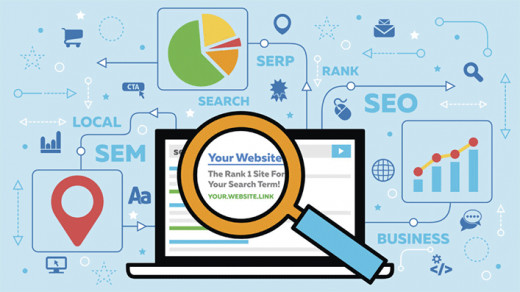
How to Use SEO Tactics for Local Search Optimization
Are you a business owner looking to boost your online presence and attract more local customers? If so, then local search optimization should be at the top of your priority list. Local SEO involves implementing specific tactics that help improve your visibility in search engine results pages (SERPs) for people searching within your geographic area. By optimizing for local search, you can increase traffic to your website and ultimately drive more foot traffic through your doors.
In this blog post, we'll explore the benefits of local search optimization and provide tips on how you can optimize your efforts to achieve maximum results. Let's dive in!
What is Local Search Optimization?
Local Search Optimization is a process that enables businesses to increase their visibility in local search engine results pages (SERPs). With more and more people using search engines to find nearby products and services, getting your business found through local search has become essential.
One of the main differences between traditional SEO and Local SEO is the inclusion of geographic location in keyword research and content optimization. For example, if you are a hair salon based in New York City, optimizing for "hair salon near me" or "best hair salon in NYC" would be critical for showing up higher on relevant SERPs.
By leveraging various tactics such as Google My Business listing optimization, citation building, review generation, and locally-focused content creation, businesses can improve their online presence within specific geographical areas.
The goal of Local SEO is to make it easier for potential customers to find your business when they're searching for relevant keywords related to your industry or niche.
The Benefits of Local Search Optimization
Local search optimization is a crucial strategy for businesses that want to increase their online visibility and attract more customers from their local area. It involves optimizing your website and content to appear in the top results of search engines when people search for keywords related to your business.
One of the biggest benefits of local search optimization is that it can help you reach your target audience more effectively. By appearing at the top of relevant searches, you can ensure that potential customers are seeing your business before they see your competitors.
Another benefit is that it can help improve customer trust and credibility. When people see your business listed at the top of Google or other search engines, they're more likely to trust that you're a reputable and reliable source. This can lead them to choose you over other businesses in the area.
Local SEO efforts also have a significant impact on foot traffic and sales conversions as well. Optimizing for local searches will make sure those who are looking for services or products like yours nearby will easily find them online; this makes it easier for them to visit physically, increasing sales conversions significantly.
Investing in local SEO tactics provides an excellent return on investment (ROI) because it's targeted towards specific demographics within certain geographical areas where competition may be less severe than national audiences- hence cost-effective!
How to Optimize Your Local SEO Efforts
When it comes to optimizing your Local SEO efforts, there are a few key things you can do that will make a big difference in your search rankings. One of the most important is making sure that your website is optimized for local keywords and phrases. This means including location-specific terms throughout your content.
Another way to optimize your Local SEO is by claiming and optimizing your Google My Business listing. This will ensure that when people search for your business on Google, they see accurate information about it right away.
You should also make sure that all of the information on your website, such as contact details and address, are up-to-date and consistent across all online directories. Inconsistent information can lead to confusion among customers and hurt your search rankings.
Don't forget about customer reviews! Encourage satisfied customers to leave reviews on sites like Yelp or Facebook as positive reviews can help improve both trustworthiness with potential clients and ranking performance in searches results.
Tips for Optimizing Your Local SEO
One of the most effective ways to optimize your local SEO is by claiming and optimizing your Google My Business listing. This free tool allows you to provide accurate information about your business, including your address, phone number, website URL, hours of operation, and more. Be sure to verify your listing and keep all information up-to-date.
Another important factor in local SEO is building citations or references for your business on other websites. These can include directories like Yelp or Yellow Pages as well as industry-specific sites such as TripAdvisor or Healthgrades. Make sure that all citations are consistent with the information provided on your Google My Business listing.
Customer reviews also play a crucial role in local search optimization. Encourage satisfied customers to leave positive reviews on platforms like Google, Facebook, or Yelp. Responding promptly and professionally to negative reviews can also demonstrate good customer service and improve overall reputation.
Consider implementing location-based keywords into website content and meta descriptions in order to signal relevance for nearby searches. Utilizing schema markup can also help search engines better understand the context of web pages for improved rankings in local results.
By utilizing these tips along with consistently creating quality content tailored towards a specific geographic area will greatly assist businesses in improving their Local Search Engine Optimization (SEO) efforts.
In conclusion, in today's digital age, local search optimization has become a crucial aspect of any business's online presence. It is essential to optimize your website and content for local searches to attract potential customers who are searching for products or services in their area.
By utilizing the tips provided in this article, you can improve your local SEO efforts and increase your visibility in search engine results pages. Remember to keep your website up-to-date with accurate information and use relevant keywords throughout your content.
Optimizing for local search takes time and effort, but it can pay off with increased traffic, leads, and ultimately sales. So make sure you take advantage of all the tools available to you when optimizing for local search, including Google My Business listings, social media platforms like Facebook and Instagram, review sites like Yelp or TripAdvisor.Keep tweaking these tactics as needed to ensure that you stay ahead of the competition!
Breaking Down Google Analytics: What You Need to Know
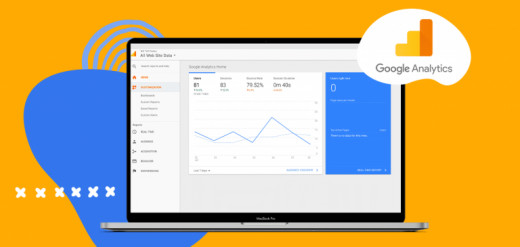
Breaking Down Google Analytics: What You Need to Know
Are you looking for a way to improve your website's performance? Do you want to know who visits your site, what they do while they're there, and how long they stay? If so, then Google Analytics may be just what you need.
This powerful tool allows you to collect valuable data about your website visitors and use it to make informed decisions about everything from content creation to marketing strategies. But with so many options and settings, getting started with Google Analytics can feel overwhelming. That's why we've created this guide – to break down the basics of Google Analytics and help you get the most out of this essential tool. So grab a cup of coffee (or tea!) and let's dive in!
What is Google Analytics?
Google Analytics is a free tool that allows website owners to track and analyze their website's performance. It provides valuable insights into who visits your site, how they got there, what pages they view, and how long they stay.
One of the most important features of Google Analytics is its ability to track conversions – actions that visitors take on your website such as filling out a contact form or making a purchase. By setting up goals in Google Analytics, you can measure the effectiveness of your marketing campaigns and make data-driven decisions about where to invest your time and resources.
Another key aspect of Google Analytics is its integration with other tools like AdWords and Search Console. This allows you to see how your paid advertising campaigns are performing in relation to organic search traffic on your site.
Google Analytics provides invaluable information for website owners looking to improve their online presence. With its robust reporting capabilities and user-friendly interface, it's not hard to see why it's one of the most popular analytics tools on the market today.
The Different Types of Data You Can Collect with Google Analytics
Google Analytics is a powerful tool that provides valuable insights into the performance of your website. With Google Analytics, you can collect different types of data to help you understand how visitors interact with your site.
One type of data that you can collect is demographic information about your audience, such as age and gender. This information can be used to tailor marketing efforts and create targeted content for specific groups.
Another type of data that Google Analytics tracks is user behavior on your website. This includes metrics like bounce rate, time on page, and pages per session. By analyzing this data, you can identify which pages are most popular with visitors and optimize them for better engagement.
Google Analytics also provides detailed information about traffic sources, including organic search results, paid advertising campaigns, social media referrals, and more. By understanding where your traffic comes from, you can adjust your marketing strategy accordingly.
In addition to these metrics, Google Analytics allows you to track e-commerce transactions if you sell products or services online. You can see purchase history by customer or product category as well as revenue generated from each transaction.
There are many different types of data that Google Analytics collects to provide a comprehensive view of your website's performance. By using this data effectively, businesses can make informed decisions about their digital strategy and improve their online presence over time.
How to Set Up Google Analytics
Setting up Google Analytics may seem daunting at first, but it's actually a straightforward process that anyone can do. The first step is to create a Google Analytics account if you don't already have one. Once you're logged in, click on the Admin tab and then select the appropriate account, property, and view.
Next, you'll need to add the tracking code to your website. This involves copying and pasting a snippet of code into your website's HTML. If you're not comfortable doing this yourself, there are plenty of tutorials available online or you can hire a developer to help.
After adding the tracking code, give it some time for data collection before checking your analytics reports. You should start seeing data within 24-48 hours after setting up the tracking code.
To make sure your analytics data is accurate and comprehensive, consider enabling additional features such as site search tracking or e-commerce tracking if applicable to your website.Setting up Google Analytics doesn't require any special technical skills and can be done by anyone with access to their website's backend.
What to Do with Your Google Analytics Data
Once you've set up your Google Analytics account and collected data, the next step is to analyze it. The first thing you should do is define your goals so that you know what metrics to focus on. For example, if your goal is to increase website traffic, then you'll want to pay attention to traffic sources and referral data.
Another important metric is bounce rate, which measures how long people stay on your site. If visitors are leaving quickly or not clicking through pages, then it might be time for a redesign or content adjustment.
You can also use Google Analytics data to track user behavior and engagement with specific pages or features of your website. This information can help guide decisions about what content to create or how to optimize certain areas of your site.
Additionally, tracking conversion rates and revenue generated from different marketing channels can help identify where to allocate resources for future campaigns.
There are countless ways that Google Analytics data can be used to improve website performance and inform business decisions. It's important to regularly review and analyze this information in order make informed choices moving forward.
In conclusion, Google Analytics is an essential tool in understanding the performance of your website. With its numerous features and functionalities, you can collect various types of data that will help you make informed decisions about your online presence.
By setting up Google Analytics correctly and knowing how to use it effectively, you can gain insights on visitor behavior, optimize your site's content and design, and ultimately achieve your business goals. So don't hesitate to explore what this powerful tool has to offer - start diving into your analytics data today!
Mastering Mobile Advertising: Best Practices for Success
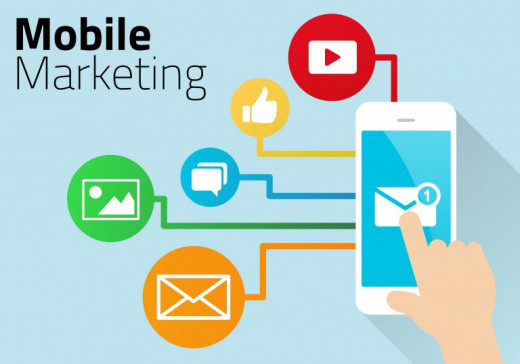
Mastering Mobile Advertising: Best Practices for Success
Mobile advertising has become a crucial aspect of digital marketing, with more and more people browsing the internet on their smartphones. In fact, according to recent statistics, 91% of smartphone users check their phones first thing in the morning! With such a huge portion of the population glued to their screens, it's no wonder that businesses are investing heavily in mobile advertising. But how can you ensure your mobile ads stand out from the crowd?
In this blog post, we'll explore best practices for mastering mobile advertising and share case studies of successful campaigns. Whether you're new to mobile advertising or looking to improve your existing efforts, read on for tips and tricks that will help you achieve success!
The Different Types of Mobile Ads
Mobile ads come in various formats and styles, each catering to different objectives and audiences. One of the most common types is display advertising, which involves placing banner ads on mobile websites or apps. These typically feature a clickable image that directs users to a specific landing page.
Another popular format is native advertising, which blends seamlessly into the look and feel of the app or website it appears on. This type of ad can take many forms – from sponsored posts to videos – but its main aim is to provide valuable content that leads users towards a specific product or service.
Interstitial ads are another form of mobile advertising that often appear between transitions in an app's user interface, such as during level changes in a game or after completing an action. They offer full-screen experiences with interactive elements like video previews, quizzes, surveys etc.
Lastly there are rewarded ads which give incentive for viewership by offering something valuable if they watch through it completely e.g points/coins within games/apps .
Choosing the right type of mobile ad depends heavily on your business's goals and target audience. By understanding these different types you can make informed decisions about how best to reach your customers while keeping their experience enjoyable and seamless.
Best Practices for Mobile Advertising
When it comes to mobile advertising, there are a few best practices that can help you achieve the success your business needs. First and foremost, ensure that your ads are relevant to the user's interests and context. This means understanding their location, behavior, and preferences.
Keep in mind the importance of visuals and design. Mobile screens are small and cluttered with information so make sure your ad is visually appealing, clear and concise.
Next up is targeting - make use of audience segmentation tools to deliver personalized messages to specific groups based on their demographics or behaviors.
Another important practice is testing different variations of an ad before launching a full campaign. By doing this you can gauge what works best with your target audience without wasting resources.
Always track results closely using analytics tools like Google Analytics or Facebook Insights to measure performance accurately. Understanding how users interact with your ads will allow you to refine them further for better results in future campaigns.
Case Studies of Successful Mobile Advertising Campaigns
Mobile advertising has become an essential element for marketers to reach their target audience. With the increasing use of mobile devices, it's imperative for brands to create compelling and engaging mobile ads that can capture the attention of consumers on-the-go. Let's take a look at some case studies of successful mobile advertising campaigns.
One prime example is Coca-Cola's 'Taste The Feeling' campaign, which targeted millennials through social media platforms like Instagram and Snapchat. The company created personalized GIFs featuring users' names and encouraged them to share these GIFs with friends. This campaign resulted in 2 billion impressions across various digital channels.
Another success story is Taco Bell's 'Snapchat Lens' campaign, where they launched a sponsored lens allowing users to transform themselves into a taco using augmented reality technology. In just one day, this campaign generated over 224 million views on Snapchat.
Nike ran a geo-targeted ad campaign called 'Unlimited You,' which utilized location-based data to provide personalized content tailored towards specific cities in America during the Olympics period. This led to higher engagement rates as customers felt more connected with the brand.
These case studies showcase how innovative approaches towards mobile advertising can lead to significant success in terms of engagement rates and increased brand awareness.
Tips for Creating Effective Mobile Ads
Creating effective mobile ads is crucial to the success of your advertising campaigns. Here are some tips for creating powerful and impactful mobile ads:
Keep it simple. Mobile screens are small, so make sure that your ad design is clean and uncluttered. Use clear images and concise copy that is easy to read.
Tailor your ad to fit the platform you're using. Different platforms have different specifications for their advertisements, so ensure that yours meets those requirements.
Use eye-catching visuals that grab attention right away. Bright colors and bold text can be used effectively in making an impression on viewers.
Fourthly, incorporate a call-to-action (CTA) into your ad. Make sure it's clear what action you want users to take after seeing the advertisement - whether it's clicking through to your website or downloading an app.
Always test multiple versions of your ad before launching a complete campaign. Conduct A/B testing with different designs or CTAs until you find what works best for your audience.
By following these tips when creating mobile ads, you'll be better equipped for success in reaching out to potential customers via their smartphones or tablets!
How to Measure the Success of Your Mobile Advertising Campaigns
Measuring the success of your mobile advertising campaigns is crucial for determining whether or not you're achieving your goals. There are several metrics and tools available to help with this process.
Tracking conversions can give great insight into how well your ads are performing. This could be in the form of app downloads, sign-ups, or purchases made through your ad. By measuring these actions taken by users after clicking on an ad, you can determine which ads are most effective and adjust accordingly.
Another important metric to track is click-through rate (CTR). CTR measures how many people clicked on your ad compared to how many times it was shown. A high CTR indicates that people were interested in what they saw and took action.
Additionally, monitoring engagement rates across social media platforms can provide valuable information about user behavior and preferences. Engagements such as likes, comments, shares, and follows show that users are actively engaging with your brand.
Using attribution models can help determine which channels or touchpoints had the biggest impact on driving conversions from mobile advertising efforts.
There are multiple ways to measure the success of mobile advertising campaigns ranging from conversion tracking to engagement rates across different platforms like social media sites etc., each providing unique insights into user behavior and preferences while allowing advertisers make informed decisions about their digital strategy going forward.
In conclusion, in today's digital age, mastering mobile advertising is crucial for any business looking to reach its target audience effectively. With the right strategies and best practices in place, businesses can create successful mobile advertising campaigns that drive results.
From understanding the different types of mobile ads available to measuring their success, there are plenty of ways to ensure your campaigns are effective.
By utilizing case studies of successful campaigns and creating compelling and engaging ad content, you can increase brand awareness, drive traffic to your website or app and ultimately boost revenue.
Remember that mobile advertising isn't a one-size-fits-all solution. It requires careful planning and execution tailored to your specific goals and target audience. Keep up with industry trends and stay open-minded about new approaches as they emerge.
As technology continues to evolve rapidly, so does the world of mobile advertising. Stay ahead of the curve by keeping these best practices top-of-mind when developing your next campaign strategy - you'll be sure to see a positive impact on your bottom line in no time.
Wearables for Health and Fitness Enthusiasts

Wearables for Health and Fitness Enthusiasts
Are you a health and fitness enthusiast looking to take your wellness journey to the next level? Look no further than wearables! These innovative devices are revolutionizing the way we approach our health, providing us with real-time data and analysis that can help us achieve our goals faster and more efficiently. From smartwatches to activity trackers, there's a wearable out there for everyone.
In this blog post, we'll explore what wearables are, their benefits, and the best options on the market for health and fitness enthusiasts. So strap on your favorite device and get ready to elevate your wellness game!
What are Wearables?
Wearables are electronic devices that can be worn on the body, often in the form of watches or bands. These gadgets come with a variety of sensors and functions that make them useful for tracking different aspects of our health and fitness.
In recent years, wearables have exploded in popularity as people become more interested in monitoring their wellness journey. They offer real-time data on things like heart rate, sleep patterns, steps taken, and calories burned - all from the convenience of your wrist.
There are many types of wearables available on the market today. Some focus solely on fitness tracking while others incorporate smartwatch features such as messaging and music control.
One thing to note is that not all wearables are created equal. While some may offer basic functionality at a lower price point, others come equipped with advanced features like GPS tracking and water resistance for use during swimming workouts.
Wearables provide an accessible way for people to take charge of their health by providing actionable insights into their daily activities. As technology continues to advance at a rapid pace, we can expect even more innovative developments in this exciting field!
The Different Types of Wearables
Wearables come in a variety of forms, each serving a unique purpose for health and fitness enthusiasts. Fitness trackers are the most common type, tracking steps taken, calories burned, heart rate and sleep patterns. These devices can be worn on the wrist or clipped onto clothing.
Smartwatches offer similar features to fitness trackers but also include smartphone connectivity, GPS tracking and access to apps that provide additional functionality such as workout routines and nutrition tracking.
Hearable devices track biometric data through sensors in earbuds or headphones. They can monitor heart rate, blood pressure and body temperature while providing audio feedback during workouts.
Smart clothing is a newer development in wearable technology. It includes shirts, pants and sports bras with embedded sensors that track movement and muscle activity to provide insights into form during exercise.
There are smart glasses which offer augmented reality experiences tailored towards workouts such as virtual coaching sessions or immersive training experiences.
Each type of wearable offers different benefits depending on personal preferences and needs. Choosing the right one requires research into features offered by each device category.
The Benefits of Wearables
Wearables have become increasingly popular among health and fitness enthusiasts over the years. These devices offer a range of benefits beyond simply tracking your steps or heart rate.
One of the main advantages of wearables is that they provide users with real-time data about their physical activity levels, such as calories burned and distance covered. This information can help individuals set goals and monitor progress towards achieving them.
In addition to monitoring physical activity, some wearables also track sleep patterns, providing insight into the quality and duration of your rest. This can be especially helpful for those who struggle with sleep issues or want to improve their overall sleep habits.
Another benefit of wearing these devices is that they can serve as motivation for individuals to stay active throughout the day. Seeing progress towards goals or receiving reminders to move after prolonged periods of inactivity can encourage people to make healthier choices throughout their daily routines.
Moreover, many wearables now come equipped with features such as GPS tracking and water resistance, making them suitable for outdoor activities like running or swimming.
Incorporating wearable technology into one's fitness routine offers numerous benefits beyond just tracking physical activity levels. They can serve as a motivating factor while providing valuable insights into one's health habits.
The Best Wearables for Health and Fitness Enthusiasts
When it comes to wearables for health and fitness enthusiasts, there are plenty of options on the market. From activity trackers to smartwatches, these devices can help you monitor your progress towards your fitness goals.
One popular wearable is the Fitbit Charge 4. This device not only tracks your steps and calories burned but also has built-in GPS for accurate outdoor workouts. It also monitors heart rate and sleep patterns, making it a great all-around option.
If you're looking for something with more advanced features, consider the Garmin Forerunner 945. This watch is designed specifically for runners and triathletes, with features like VO2 max tracking and training load balance analysis.
For those who enjoy swimming, the Apple Watch Series 5 is a great choice with its water-resistant design and swim-tracking capabilities. It also has an ECG app that can detect irregular heart rhythms.
Other notable options include the Samsung Galaxy Watch Active2 for its sleek design and comprehensive fitness tracking features, as well as the Whoop Strap 3.0 which provides in-depth analysis of recovery time between workouts.
Choosing the best wearable depends on your individual needs and preferences. Do some research before investing in one to make sure it aligns with your goals!
How to Use Wearables to Improve Your Health and Fitness
One of the most appealing aspects of wearables is their ability to provide you with real-time feedback and data about your health and fitness. But how do you use them effectively in order to improve your overall well-being? Here are some tips:
Set specific goals for yourself. Whether it's hitting a certain number of steps per day or monitoring your heart rate during workouts, having a clear objective will help keep you motivated.
Next, make sure that the wearable device you choose is compatible with your lifestyle. If you're someone who enjoys swimming or water sports, opt for a waterproof device.
When using your wearable device to track progress, don't just focus on one metric. For example, if weight loss is your goal then tracking both calorie intake and exercise output can give you a more comprehensive picture of how well you're doing.
Additionally, consider syncing up with friends or joining online communities centered around wearables. This not only helps hold yourself accountable but can also provide valuable support and encouragement along the way.
Be patient with yourself when utilizing wearables as part of improving health and fitness – Rome wasn't built in a day! By taking small steps towards achieving goals each day, however small they may seem at first glance , long-term change becomes possible over time!
In conclusion, wearables have revolutionized the world of health and fitness. From tracking your steps to monitoring your heart rate, these devices have made it easier than ever to stay healthy and active. With so many options available on the market today, there is a wearable for everyone, whether you're a seasoned athlete or just starting out.
By utilizing the features and tools that come with wearables, you can take control of your health like never before. Whether you want to lose weight, train for a race, or simply maintain an active lifestyle, these devices can help keep you accountable and motivated every step of the way.
So if you haven't already invested in a wearable device, now is the time to do so! With their countless benefits and advanced technology capabilities, they are sure to become an essential part of any health and fitness routine.
The Prevalence Of Deep Fakes On Social Media Today

The Prevalence Of Deep Fakes On Social Media Today
Have you ever seen a video or image online that seemed too good to be true? Well, it just might be. With the rise of technology and artificial intelligence, deep fakes have become increasingly prevalent on social media platforms. These manipulated videos and images are designed to deceive viewers into thinking they are real, often with dangerous consequences.
In this blog post, we'll delve deeper into what exactly deep fakes are, how they're being used on social media today, and what steps you can take to protect yourself from falling victim to them. So buckle up and get ready for a wild ride through the world of deep fakes!
What are Deep Fakes?
Deep fakes refer to manipulated videos, images or audio recordings that seem real but are actually fabricated using artificial intelligence technology. They're created by taking someone's face and superimposing it onto another person's body or mimicking their voice in a way that makes the recording seem authentic. The result is often a convincing fake video or image that can be used to spread misinformation or even cause harm.
Deep fakes have become increasingly sophisticated over time, making them harder and harder to detect with the naked eye. This has led to concerns about their potential impact on politics, journalism, and personal privacy.
One of the most famous examples of deep fakes was a video featuring former President Obama saying things he never actually said. While this video was designed as a warning about the dangers of deep fakes, it also showed just how easy it can be for people with malicious motives to create convincing fake videos.
As technology continues to advance at an alarming rate, there's no doubt that we'll continue seeing more deep fakes popping up online. It's important for everyone to stay informed about what they are and how they work so they can protect themselves from falling victim to these dangerous hoaxes.
The Prevalence of Deep Fakes on Social Media Today
In today's digital age, deep fakes have become a growing concern on social media platforms. These manipulated videos and images are created using advanced artificial intelligence algorithms that allow for the creation of lifelike content that can be nearly impossible to distinguish from real footage.
As the technology behind deep fakes continues to evolve, their prevalence has increased rapidly in recent years. From political propaganda to celebrity scandals, these fake videos and images are being used more frequently than ever before.
One major danger of deep fakes is their potential impact on public opinion. With so much information being shared online every day, it can be difficult for people to determine what is real and what is not. This makes it easier for malicious actors to spread disinformation and manipulate public sentiment through fake content.
Despite efforts by social media companies like Facebook and Twitter to address the issue, detecting deep fakes can still be challenging. However, there are some signs you can look out for such as unnatural facial movements or inconsistencies in lighting and shadows.
It's important to remain vigilant when consuming content online in order to avoid falling victim to misinformation campaigns fueled by deep fakes. As technology continues evolving at breakneck speed, we must remain aware of this growing threat in order to stay informed about what's truly happening around us.
The Dangers of Deep Fakes
The rise of deep fakes poses a serious threat to the integrity of information in our society. With the help of AI technology, anyone can create convincing videos that show people doing or saying things they never actually did or said.
These fake videos can be used to spread false information, deceive people and manipulate public opinion. In fact, some experts warn that deep fakes could be used as a weapon in political campaigns, causing irreversible damage to democracy.
Moreover, deep fakes have already been used for criminal purposes such as cyberbullying, revenge porn and fraud. They can also cause personal harm by damaging someone's reputation or livelihood.
Perhaps most concerning is the potential impact on national security. A realistic video showing a world leader making threatening statements could provoke an international incident or even lead to war.
As the technology behind deep fakes becomes more sophisticated and easier to access, it is imperative that individuals and organizations take steps to protect themselves from these dangers.
How to Spot a Deep Fake
Deep fakes are becoming more and more sophisticated, making it increasingly difficult to spot them. However, there are a few key things you can look out for that will help you identify if what you're seeing is real or fake.
Look closely at the person's facial expressions and movements. If they seem unnatural or robotic in any way, then it could be a deep fake. This is because creating realistic facial movements is one of the biggest challenges for deep fake creators.
Pay attention to the lighting and shadows in the video. Often times deep fakes have inconsistencies with lighting which can give away their true nature.
Listen to the audio carefully. Deep fakes often have poorly synced audio that doesn't match up with the speaker's mouth movements.
Do some research on the source of the video and its authenticity before sharing it online. Deep fakes are often spread quickly through social media without much thought given to their validity.
By being aware of these factors while watching videos online, we can all become better equipped at identifying deep fakes when we see them.
What to do if You Come Across a Deep Fake
If you come across a deep fake on social media, the first thing to do is to verify its authenticity. Check if the video or image has been manipulated using editing software. Pay attention to details such as lighting and shadows, which can give away subtle signs of tampering.
Another way to spot a deep fake is by examining the facial expressions and movements of people in the video. If their actions seem unnatural or out of sync with what they are saying, it could be an indication that something is amiss.
It's important not to spread misinformation by sharing a suspected deep fake without verifying its accuracy first. Doing so will only contribute to the problem and potentially harm others who may fall victim to false information.
Instead, report any suspected deep fakes directly through the social media platform's reporting system. This will alert moderators who can investigate and take appropriate action if necessary.
Stay informed about emerging technologies surrounding deep fakes and their potential implications for society at large. Knowledge is power when it comes to preventing malicious actors from deceiving us with falsified videos or images online.
Remember that prevention is key when encountering a deep fake on social media – taking steps towards verification before reacting can protect yourself and others from falling prey to disinformation campaigns.
In conclusion, it is clear that deep fakes pose a significant threat to our society, especially as the technology behind them continues to advance. From political campaigns to personal relationships, anyone can be targeted by these malicious videos.
As social media platforms become more aware of this issue and take steps to combat it, it is important for individuals to also educate themselves on how to spot a deep fake. By being vigilant and cautious about what we see online, we can help prevent the spread of misinformation and protect ourselves from potential harm.
In short, while the prevalence of deep fakes on social media today may seem overwhelming at times, there are ways we can all work together to mitigate their impact. It starts with awareness and taking action when necessary.
Creating Engaging Content Using Machine Learning Techniques

Creating Engaging Content Using Machine Learning Techniques
Are you struggling to create engaging content that captures the attention of your audience? Do you wish there was a way to predict what type of content will resonate with them and keep them coming back for more? Look no further than Machine Learning! This powerful technology has revolutionized the world of content creation, allowing marketers and writers alike to harness the power of data-driven insights.
In this blog post, we'll explore some common techniques used in Machine Learning and show you how they can be applied to create truly compelling content. So sit back, relax, and let's dive into the exciting world of Machine Learning!
What is Machine Learning?
Machine Learning is a subset of Artificial Intelligence that allows computer systems to automatically learn and improve from experience without being explicitly programmed. Essentially, it's all about enabling machines to "think" for themselves by analyzing data patterns and making predictions based on those patterns.
One of the key benefits of Machine Learning is its ability to handle vast amounts of complex data quickly and accurately. By using sophisticated algorithms, Machine Learning models can detect subtle correlations in large datasets that would be impossible for humans or traditional software programs to identify.
There are various types of Machine Learning techniques, such as supervised learning (where the system learns from labeled examples), unsupervised learning (where the system identifies patterns in unlabeled data), and reinforcement learning (where the system learns through trial-and-error feedback).
In recent years, advances in cloud computing have made it easier than ever before for businesses of all sizes to leverage the power of Machine Learning. With access to tools like TensorFlow, Scikit-Learn, and Keras, even small startups can use these advanced techniques to gain a competitive edge.
So whether you're looking to improve your marketing campaigns or develop cutting-edge products and services, understanding how Machine Learning works can help you unlock new levels of insight and innovation.
What are Some Common Techniques Used in Machine Learning?
Machine learning is a rapidly growing field that focuses on developing algorithms and models to improve the performance of computer systems. It involves training machines to learn from data without being explicitly programmed, which has numerous applications in various industries.
There are several common techniques used in machine learning, such as supervised learning, unsupervised learning, and reinforcement learning. Supervised learning involves feeding labeled data into a model so that it can make predictions or classifications based on new input data. Unsupervised learning, on the other hand, does not use labeled data and instead relies on finding patterns and relationships within the dataset itself. Reinforcement learning is focused on teaching an agent how to interact with an environment by providing rewards for desired actions.
Other common techniques include deep neural networks, decision trees, clustering algorithms, and Bayesian networks among others. Each technique has its strengths and weaknesses depending on the specific task at hand.
Understanding these common machine learning techniques is crucial for anyone looking to create effective models that can be used to solve real-world problems.
How Can You Use Machine Learning to Create Engaging Content?
Machine Learning is a powerful tool that can be used to create engaging content. One way it does this is by analyzing vast amounts of data and identifying patterns and trends that would not be possible for humans to do on their own.
This enables you to get a much more in-depth understanding of what your target audience wants, which will help you craft better content.
Another way Machine Learning can help create engaging content is through personalized recommendations. By analyzing user behavior such as browsing history, search queries, and social media interactions, machine learning algorithms can provide targeted suggestions for relevant content that users are likely to enjoy.
One exciting area where Machine Learning is being utilized to create engaging content is in the field of chatbots. Chatbots use natural language processing (NLP) techniques powered by Machine Learning algorithms to simulate human-like conversations with customers or website visitors. This creates a highly interactive experience that keeps users engaged while also providing valuable insights into customer needs and preferences.
The ability of Machine Learning algorithms to analyze images and videos opens up new possibilities for creating visually stunning and emotionally impactful content. From generating captions based on image recognition software to optimizing video thumbnails based on user engagement metrics, there are many ways in which Machine Learning can be leveraged for creative purposes.
There are countless ways in which Machine Learning can be used to create more interesting and engaging content across various types of platforms - websites, social media channels or even mobile applications- all essential tools needed by businesses today!
Some Examples of Using Machine Learning to Create Engaging Content
One example of using Machine Learning to create engaging content is by using natural language generation (NLG). NLG is the process of turning structured data into human-like text. By using NLG, you can automatically generate news articles, product descriptions, and customer reviews.
Another way to use Machine Learning for creating engaging content is by personalizing recommendations. With a vast amount of data available on user behavior and preferences, it becomes possible to personalize recommendations based on individual interests and likes. This will keep users engaged and interested in your content.
Image recognition technology also allows you to create targeted ads that are more likely to capture audience attention. By analyzing images and videos shared online or through social media platforms with image recognition tools like Google Cloud Vision API or Amazon Rekognition, companies can develop personalized ad campaigns that resonate with their target market.
Predictive analytics provides insights into future trends which can be used by marketers for creating timely blog posts or social media updates related to these trends. It helps brands stay relevant while tapping into popular topics at the right time.
Using machine learning techniques in content creation leads to higher engagement rates among audiences providing them with unique experiences tailored specifically for them.
To sum it up, Machine Learning techniques can be a great tool for creating engaging content. By analyzing data and understanding what resonates with your audience, you can tailor your content to better meet their needs and interests. From personalized product recommendations to targeted social media ads, the possibilities are endless.
However, it's important to keep in mind that while Machine Learning can provide valuable insights, it's still up to human creativity and expertise to turn those insights into compelling content. So don't rely solely on algorithms - make sure there's always a human touch involved.
With that said, we hope this article has given you some ideas on how you can incorporate Machine Learning into your content creation strategy. Experiment with different techniques and see what works best for your brand - who knows what kind of amazing content you'll come up with next!
Tech Innovations That Changed Retail Forever
Tech Innovations That Changed Retail Forever
Retail has come a long way since the days of cash registers and handwritten receipts. Thanks to technology, shopping has become easier, more convenient, and more personalized than ever before. From online shopping to in-store technologies, there have been numerous tech innovations that have transformed the retail industry forever.
In this blog post, we'll explore these game-changing advancements and discuss what they mean for the future of retail. So buckle up and get ready to discover how technology is shaping the way we shop!
Online Shopping
Online shopping has revolutionized the way we shop. No longer do we have to brave crowded malls or wait in long checkout lines. Now, with just a few clicks, we can purchase anything from anywhere in the world and have it delivered straight to our doorstep.
The convenience of online shopping is undeniable. It allows us to shop at any time of day or night, from the comfort of our own homes. Plus, with online reviews and product descriptions readily available, we can make more informed purchasing decisions than ever before.
Moreover, online shopping has opened up new opportunities for small businesses and entrepreneurs who may not have had access to traditional brick-and-mortar stores. With e-commerce platforms like Etsy and Shopify, anyone can set up an online store and start selling their products worldwide.
However, there are also downsides to online shopping such as delivery delays or receiving damaged goods. Despite this concern though most people still prefer buying things through e-commerce platforms due to its convenience above all else.
Mobile Point of Sale
Mobile Point of Sale (MPOS) systems have revolutionized the way transactions are done in retail. Gone are the days when customers would have to wait in long queues at the billing counter. With MPOS, store owners can easily make sales on-the-go and provide a seamless shopping experience to their customers.
One of the biggest advantages of MPOS is its flexibility. It allows retailers to take payments from anywhere within their stores, eliminating bottlenecks and making for a faster checkout process. With an MPOS system, there's no need for bulky cash registers or lengthy cables - all that's required is a handheld device like a smartphone or tablet.
Moreover, MPOS systems also come with advanced features like digital receipts and email invoicing that further enhance customer convenience while reducing paper wastage. By offering these modern conveniences through mobile devices, retailers can streamline their operations and increase efficiency.
MPOS has become increasingly popular among small businesses because it offers them access to payment processing technology without requiring large upfront investments. This means even smaller retailers can now offer cutting-edge technology solutions similar to those used by larger chains, giving them an edge over competitors.
Mobile Point of Sale has transformed retail by enabling fast-paced transactions with ease-of-use functionality incorporated into every element of each transactional process which enhances overall customer satisfaction levels while driving revenue growth for businesses that utilize this feature effectively
Customer Relationship Management
Customer Relationship Management (CRM) is a crucial tool that has revolutionized the retail industry. In simple terms, CRM refers to the strategies and technologies used by businesses to manage their interactions with customers and potential clients.
One of the key benefits of CRM is that it enables retailers to build strong relationships with their customers. By analyzing customer data, retailers can gain valuable insights into their buying habits, preferences, and behaviors. This allows them to tailor their marketing campaigns and product offerings accordingly.
Another advantage of CRM is improved communication between businesses and customers. With access to real-time customer data, retailers are able to respond quickly and efficiently to inquiries or complaints from customers.
Moreover, CRM software also streamlines business operations by automating tasks such as ordering inventory, tracking sales performance, managing customer feedbacks among others which makes running a store much simpler for both staff members as well as management team.
Customer Relationship Management remains one of the most important innovations in retail technology today; helping stores deliver better experiences while improving efficiency across all aspects of operations.
E-Commerce
E-commerce has become an essential part of our daily lives. It is a method of buying and selling goods and services over the internet, which has revolutionized the retail industry.
Online shopping provides customers with convenience and accessibility, allowing them to shop from anywhere in the world at any time.
One of the significant benefits of e-commerce is that it eliminates geographical barriers for businesses. Companies can now reach out to new markets beyond their physical stores' location, expanding their customer base globally.
Furthermore, e-commerce offers customers a personalized experience through recommendation engines based on browsing history and purchase behavior. This enables retailers to provide targeted marketing campaigns that improve customer engagement and loyalty.
With advancements in technology such as Artificial Intelligence (AI) integration in e-commerce platforms, online shopping experiences are becoming more interactive than ever before. AI technologies like chatbots have made it easier for businesses to interact with customers virtually by providing 24/7 support and assistance.
In addition, mobile commerce or m-commerce has enabled consumers to make purchases using smartphones or tablets anytime they want without having to be tied down by desktop computers or laptops.
E-Commerce creates endless possibilities for both buyers and sellers alike since it grants access to products around-the-clock while providing businesses with opportunities for growth far beyond what was possible with traditional brick-and-mortar stores alone.
In-Store Technologies
In-store technologies have revolutionized the way we shop. Retailers are constantly innovating to improve the shopping experience for their customers. One of the most notable advancements is self-checkout kiosks, which allow shoppers to scan and pay for items without needing assistance from a store employee.
Another technology that has changed retail forever is digital signage. Dynamic displays can be used to showcase products, sales promotions and even highlight customer reviews in real-time. These interactive screens provide an immersive shopping experience that engages customers at every touchpoint.
RFID (Radio Frequency Identification) tagging is another exciting technology making waves in retail stores worldwide. RFID tags help retailers keep track of inventory more efficiently than ever before by using radio frequency signals to transmit data about each product's location, status and other relevant information.
Augmented reality (AR) has emerged as a powerful tool in enhancing the overall customer experience by enabling shoppers to visualize how products would look or fit without having access to them physically.
Smart mirrors equipped with AI-powered software have become popular among fashion retailers who want their customers' opinions on clothing options while they try them on. Smart mirrors use augmented reality video feeds and computer vision algorithms that create 3D images of clothes superimposed onto a shopper's body frame which helps shoppers make informed purchase decisions quickly and easily!
The Future of Retail
The future of retail is an exciting, yet uncertain prospect. With the advent of AI and automation, it's hard to predict what the industry will look like in even just a few years. However, there are some trends that seem likely to shape the future.
One such trend is the continued rise of online shopping. As more people become comfortable with making purchases on their phones and computers, retailers will need to adapt by investing in e-commerce platforms and optimizing their online presence.
Another trend is increased personalization. Customers want a personalized experience when they shop, from product recommendations based on past purchases to tailored marketing messages. Retailers who can provide this level of customization will be at an advantage.
The use of augmented reality (AR) and virtual reality (VR) technologies also has potential for transforming the retail experience. Customers could try out products virtually before making a purchase or browse through stores remotely using AR technology.
While the future may be uncertain, one thing is clear - those retailers who are able to embrace new technologies and adapt quickly will be best positioned for success in the years ahead.
In conclusion, the retail industry has undergone a significant transformation with the advent of technology. From online shopping to in-store technologies, tech innovations have changed the way we shop and interact with retailers. The introduction of mobile point-of-sale systems and customer relationship management tools have enabled businesses to provide better services to their customers, while e-commerce platforms continue to offer convenience and accessibility.
As we move forward into the future, it's clear that technology will continue to play a vital role in shaping the retail landscape. With advancements such as artificial intelligence, virtual reality, and augmented reality already being implemented in some stores, there's no telling what exciting developments are on the horizon.
One thing is certain: retailers who embrace these changes can expect higher levels of engagement from their customers and increased sales opportunities. As consumers become more tech-savvy themselves, they're likely to demand even greater integration between digital experiences and physical stores.
It's an exciting time for both retailers and shoppers alike as new possibilities emerge for how we engage with each other through technology. By staying ahead of trends and adopting new innovations early on, businesses can look forward to continued growth for years to come.
IoT and Smart Homes: A Match Made in Heaven

IoT and Smart Homes: A Match Made in Heaven
Imagine walking into your home after a long day at work and being greeted by an environment that knows exactly what you need. The lights turn on automatically, the temperature is just right, and your favorite music starts playing without you having to lift a finger. Thanks to the Internet of Things (IoT) and Smart Homes, this dream scenario can become a reality.
In this blog post, we'll explore how IoT technology has revolutionized the concept of smart homes and how it's changing the way we live our lives. Get ready to discover why IoT and smart homes are truly a match made in heaven!
What is the Internet of Things?
The Internet of Things, or IoT for short, is a term used to describe the connection of everyday objects to the internet. These objects can be anything from smart home devices like thermostats and lighting systems to cars and even medical equipment. The idea behind IoT is that by connecting these devices, they can communicate with each other in order to provide us with more efficient and personalized experiences.
For example, imagine being able to check your fridge's inventory from your smartphone while at the grocery store so you know what items you need to buy. Or having your car automatically adjust its settings based on your personal preferences as soon as you get inside.
IoT technology relies heavily on sensors and data collection in order for these objects to interact with each other effectively. This means that privacy concerns around IoT are still prevalent but advancements in security measures are constantly being made. The potential applications of IoT are vast and exciting, creating endless possibilities for how we interact with our environment on a daily basis.
What are Smart Homes?
Smart homes are residences that use internet-connected devices to control and automate home systems. These devices can include security cameras, thermostats, lighting systems, appliances, and more. The goal of a smart home is to increase convenience and efficiency while reducing energy consumption.
One important aspect of smart homes is the ability to customize settings based on individual preferences. For example, homeowners can set their lights to turn off automatically when they leave the room or adjust their thermostat remotely before returning from vacation.
Smart homes also offer increased security measures with features such as motion sensors and remote monitoring through mobile apps. This allows homeowners to keep track of any activity in their home even when they're away.
In addition, many smart home devices are designed with sustainability in mind by using energy-efficient technology that helps reduce overall carbon footprint.
The integration of IoT technology into our daily lives has allowed for the development of innovative solutions like smart homes that offer numerous benefits not only for individuals but also for society as a whole.
How Do IoT and Smart Homes Work Together?
IoT and Smart Homes work together in a seamless manner to create an environment that is both efficient, convenient, and secure. Smart homes use various devices such as thermostats, lights, security systems, appliances and more to automate different tasks. IoT technology takes this automation further by connecting all these devices in one network.
Your smart home becomes even smarter when you add IoT components like voice assistants or virtual assistants which can control multiple devices at the same time. The result is an ecosystem where your smart home's security system notifies you immediately of any suspicious activities or if there's a breach in your network.
IoT sensors placed throughout your house help detect changes in temperature, humidity levels or motion that may indicate potential danger. For example, sensors on windows can inform you if they're left open during extreme weather conditions thereby preventing damage to property.
It’s clear that the integration of IoT into smart homes make everyday life easier for homeowners while providing exceptional convenience and better safety measures against unforeseen circumstances.
The Benefits of Using IoT in Smart Homes
IoT has revolutionized the way smart homes operate, offering numerous benefits to homeowners. IoT devices can be integrated with each other and controlled from a single platform. This means that you can control everything in your home from one device, making it incredibly convenient.
IoT devices are designed to learn your habits and preferences over time. As such, they become more efficient at performing tasks without any manual input from you. For instance, if you always switch off the lights when you leave a room, an IoT-enabled lighting system will eventually learn this behavior and automatically turn off the lights when it detects that no one is present.
IoT devices help reduce energy consumption by optimizing various systems in your home such as heating and cooling systems based on factors like weather conditions or occupancy patterns.
Smart homes equipped with IoT devices offer enhanced security features through remote monitoring capabilities. You can monitor your property even when away via mobile apps or web portals that provide real-time updates on events happening within your premises.
All these benefits show why integrating IoT into a smart home is indeed a match made in heaven!
The Disadvantages of Using IoT in Smart Homes
While IoT can bring a lot of convenience to our daily lives, there are also some potential downsides when it comes to using it in smart homes. One major disadvantage is the issue of privacy and security. With so many devices connected to the internet, there's always the risk that your personal information could be compromised or stolen.
Another concern is the potential for malfunctions or system failures. If one device goes down, it could potentially affect other devices in your home and cause them to malfunction as well. This could lead to costly repairs and downtime while you wait for everything to get back up and running again.
Additionally, with so many devices constantly sending data back and forth, there's also the potential for network congestion or bandwidth issues. This could result in slower speeds or even complete outages, which would be frustrating if you're trying to stream content or work from home.
Another downside of using IoT in smart homes is simply the cost involved. These devices can be expensive upfront, not to mention ongoing costs like maintenance and upgrades. Plus, depending on how many devices you have installed throughout your home, all those monthly subscription fees can really add up over time.
While there are certainly benefits to integrating IoT into a smart home setup, it's important to weigh these against the possible downsides before making any decisions about installation and usage.
Which Smart Home Devices are the Best for IoT?
When it comes to smart home devices, there are countless options available on the market. However, not all of these devices are created equal when it comes to functioning within an IoT ecosystem.
One great option for integrating with your smart home's IoT system is a voice assistant device such as Amazon Echo or Google Home. These devices allow you to control multiple other connected devices in your home through simple voice commands.
Another popular option is smart thermostats like Nest or Ecobee that can learn your habits and adjust the temperature accordingly, saving energy and money in the process.
Smart lighting systems like Philips Hue also make for excellent IoT-connected additions to any modern home. With these systems, you can remotely control lights from anywhere using an app or even set schedules so they turn on and off automatically at certain times.
Security cameras such as those by Ring or Arlo have become increasingly popular in recent years thanks to their ability to integrate into existing IoT networks and provide real-time video feeds straight to your phone no matter where you are in the world.
Selecting which smart home devices are best suited for integration with an IoT network largely depends on personal preferences and individual needs.
How to Secure Your IoT Devices in a Smart Home
Securing your IoT devices in a smart home is crucial for maintaining privacy and protecting against potential threats. One of the main ways to secure your devices is by ensuring they are always up-to-date with the latest firmware and security patches. Manufacturers often release updates that address known vulnerabilities, so it's essential to keep your devices updated regularly.
Another way to secure your IoT devices is by using strong passwords. Avoid using common or easy-to-guess passwords, such as "123456" or "password." Instead, create complex passwords with a mix of letters, numbers, and symbols.
Additionally, consider enabling two-factor authentication whenever possible.
It's also essential to restrict access to your network by setting up a guest Wi-Fi network separate from your primary one. This ensures that visitors cannot access sensitive data on your main network without permission.
Be mindful of which apps you download onto your connected devices. Only download reputable apps from trusted sources and read reviews before downloading anything new.
By following these tips and best practices for securing IoT devices in a smart home environment, you can help protect yourself against potential cyber attacks while enjoying all the benefits of living in a truly connected home.
As we come to the end of this blog post on IoT and smart homes, it's clear that these two technologies are a perfect match for each other. From controlling your thermostat with your voice to unlocking your front door from miles away, smart homes offer a level of convenience and ease that was once unimaginable.
But as exciting as all this technology may be, it's important to remember that with great power comes great responsibility. As we continue to rely more heavily on the interconnectedness of our devices, we must also take steps to protect our privacy and security.
The possibilities for IoT in the home are endless. It's only a matter of time before every aspect of our lives is connected in some way or another. Whether you're ready for it or not, the future is here - and it looks pretty darn smart!
Turkey Business Startup Guide: Step-by-Step for Foreign Entrepreneurs

Introduction to Starting a Business in Turkey
Starting a business in Turkey can be an exciting venture filled with promise. As one of the fastest-growing economies in Europe, Turkey offers a rich tapestry of opportunities for foreign entrepreneurs. The vibrant culture, strategic geographical location, and dynamic market make it an attractive place to launch your dream project.
However, navigating the intricacies of establishing a business here can be daunting if you’re unfamiliar with local regulations and practices. Understanding the Turkish market is crucial to finding success. Whether you're driven by innovation or looking to tap into traditional sectors, getting off on the right foot is essential.
This guide will walk you through each step needed to set up your business in Turkey. From understanding legal requirements to marketing strategies that resonate with locals, we’ve got you covered! Let's dive into what it takes to turn your entrepreneurial vision into reality in this captivating country.
Understanding the Turkish Market and Economy
Turkey boasts a dynamic economy, bridging Europe and Asia. This unique position provides access to diverse markets and cultures.
The Turkish market is characterized by its youthful population. A significant percentage of the populace is under 30, driving trends in technology, fashion, and entertainment. Entrepreneurs can tap into this demographic for innovative ideas.
Additionally, Turkey has a robust industrial sector alongside agriculture. Industries like textiles and automotive thrive here. Understanding these sectors can help foreign entrepreneurs identify lucrative opportunities.
Economic policies are also evolving to support foreign investment. Various incentives exist for startups aiming to penetrate local markets.
However, navigating cultural norms is essential for success. Building relationships and trust often precede business transactions in Turkey’s intricate social landscape.
Keeping an eye on economic indicators will aid in making informed decisions as you embark on your entrepreneurial journey in this vibrant country.
10 Steps to Start a Business in Turkey
1. Legal Requirements for Foreign Entrepreneurs
Navigating the legal landscape in Turkey is crucial for foreign entrepreneurs. Understanding the requirements can set the foundation for your business’s success.
It’s essential to ensure you have a valid residence permit. This allows you to operate legally within the country. You may explore several types of permits tailored to different needs, such as work or investment visas.
Next, familiarize yourself with corporate tax obligations. As a foreign entity, you'll need to comply with local tax regulations and may benefit from certain incentives available for investments in specific sectors.
Additionally, consider intellectual property rights protection. Registering trademarks or patents can safeguard your innovations and brand identity against infringement.
Consult local legal experts who understand Turkish law intricately. They can help navigate bureaucratic hurdles and ensure compliance across all areas of operation.
2. Choose the Right Business Structure
Choosing the right business structure is crucial for your entrepreneurial journey in Turkey. Various options exist, each with its own advantages and limitations.
One common choice is establishing a limited liability company (LLC). This protects personal assets while allowing flexibility in management.
Alternatively, a joint-stock company may suit larger ventures that plan to attract investors. While it involves more regulatory requirements, it can enhance credibility.
Sole proprietorships offer simplicity but come with personal liability risks. They work well for freelancers or small businesses starting out.
Consider partnership structures if you’re collaborating with others. These can be general or limited partnerships, depending on how much control and liability you're willing to accept.
Evaluate factors such as taxation implications, legal responsibilities, and growth potential before making a decision. Each business type has unique traits that will impact your operations down the line.
3. Register Your Business with the Trade Registry
Registering your business with the Trade Registry is a crucial step for any entrepreneur in Turkey. This process formalizes your venture and provides legal recognition.
First, gather all necessary documents, including your identification, business plan, and proof of address. The requirements may vary slightly depending on your chosen business structure.
Next, visit the local Trade Registry office where you intend to operate. Here, you'll submit your application and required documentation. Be prepared for a fee; this varies based on the type of entity you are registering.
Once approved, you’ll receive an official registration document that outlines essential details about your business. This certificate will be vital for future dealings with banks and government agencies.
After registration, ensure that you're compliant with ongoing reporting requirements to maintain good standing within Turkish regulations.
4. Obtain Necessary Permits and Licenses
Obtaining the necessary permits and licenses is a crucial step for any foreign entrepreneur in Turkey. Each business type has specific requirements, so understanding these is essential to avoid delays.
Start by identifying the licenses relevant to your industry. Different sectors may require health permits, environmental clearances, or special sector-specific authorizations. Researching beforehand can save you time.
Once you know what’s needed, gather all required documentation. This often includes proof of identity, company registration documents, and tax numbers. Ensure everything is accurate and complete before submitting applications.
Processing times vary widely depending on the permit's nature. Some might take weeks; others could be faster. Patience is key during this stage as bureaucratic procedures can sometimes be slow.
Utilizing local consultants can smooth out the process too. They understand the intricacies of Turkish regulations and can help streamline your application journey efficiently.
5. Set Up a Bank Account and Tax Registration
Setting up a bank account in Turkey is an essential step for foreign entrepreneurs. Start by selecting a local bank that suits your needs. Major banks like İş Bankası and Garanti BBVA offer services tailored for businesses, including English-speaking staff.
To open an account, you'll need documents such as your passport, residence permit, and business registration paperwork. Keep in mind that some banks may require proof of address or additional identification.
Tax registration follows closely behind. You’ll need to obtain a tax identification number from the local tax office. This process can be straightforward if you have all necessary documentation ready.
Understanding Turkish tax regulations is crucial for compliance. Be aware of corporate taxes, VAT rates, and any applicable incentives for foreign investments. Seeking advice from a local accountant can smooth this process significantly and ensure you’re on the right track with your obligations.
6. Hire Employees and Understand Labor Laws
Hiring employees in Turkey involves navigating a landscape of labor laws that protect both workers and employers. Understanding these regulations is crucial for foreign entrepreneurs aiming to build a successful team.
Familiarize yourself with the Turkish Labor Law, which governs employment contracts, working hours, salaries, and termination procedures. Contracts must be written in Turkish to ensure clarity for local employees.
Next, consider the social security requirements. Employers are responsible for registering their employees with the Social Security Institution (SGK) within 30 days of hiring. This includes contributions to health insurance and pensions.
Be mindful of minimum wage regulations as well. The Turkish government periodically adjusts this amount based on economic conditions.
Don't overlook cultural aspects when recruiting. Understanding local customs can enhance workplace harmony and improve employee satisfaction significantly.
7. Find Office Space and Equipment Suppliers
Finding the right office space is crucial for your business's success in Turkey. Start by considering your target market and location preferences. Istanbul, Ankara, and Izmir are popular choices, offering various commercial districts.
Explore co-working spaces if you're looking for flexibility. They provide networking opportunities and often come fully equipped with high-speed internet and meeting rooms. Traditional offices can also be found through local real estate agents who understand the market dynamics.
Once you've secured a location, turn your attention to equipment suppliers. Research local vendors that specialize in office furniture, technology, and essential supplies. Online platforms like sahibinden.com can also help you compare prices easily.
Don’t forget to assess service providers too! Reliable IT support is vital for maintaining productivity as you set up your operations.
8. Market Your Business in Turkey
Marketing in Turkey requires a deep understanding of local culture and consumer behavior. Tailoring your message to resonate with Turkish audiences is crucial for success.
Digital marketing has gained immense traction. Social media platforms like Instagram, Facebook, and Twitter are widely used by locals. Engaging content can help you build brand awareness effectively.
Consider leveraging influencer partnerships as well. Collaborating with popular figures can amplify your reach significantly and add credibility to your brand.
Traditional advertising still holds value too. Billboards, radio spots, and print ads remain effective channels in urban areas.
Networking plays a vital role in the Turkish market. Establishing relationships through events or trade shows can open doors to new opportunities.
Don’t overlook localization of products or services either. Adapting aspects such as language or packaging might enhance customer appeal tremendously.
9. Finance Options for Foreign Entrepreneurs
Securing financing is a crucial step for foreign entrepreneurs in Turkey. Various options are available to help you get started.
Local banks are an excellent place to begin. They offer various loan products tailored for small businesses. Establishing a relationship with a bank can be beneficial, especially if you're looking for favorable terms.
Venture capital firms and angel investors also play a significant role in the Turkish market. Many investors seek innovative startups with growth potential. Presenting your business plan effectively can attract their interest.
Government-backed programs may provide additional support as well. These initiatives often aim to encourage foreign investments and innovation within specific sectors.
Don't overlook crowdfunding platforms that cater specifically to entrepreneurs in Turkey. This alternative funding method allows you to raise money while building community support around your brand or project.
10. Launch the Business in Turkey
Launching your business in Turkey is the final and most critical step in turning your entrepreneurial vision into reality. After completing registration, securing permits, arranging financing, and implementing marketing strategies, it’s time to officially enter the market.
A successful business launch in Turkey involves building strong brand awareness through digital marketing, social media platforms, and localized SEO strategies that resonate with Turkish consumers. Focus on delivering high-quality products or services, maintaining competitive pricing, and providing excellent customer service to stand out in a dynamic and competitive market.
Monitoring performance, analyzing customer feedback, and adapting quickly to market trends will help ensure a smooth entry and sustainable growth. With the right execution, foreign entrepreneurs can effectively establish and scale their businesses in Turkey’s growing economy.
Conclusion
Starting and launching a business in Turkey offers significant opportunities for foreign entrepreneurs seeking access to a rapidly growing and strategically positioned market. By following a comprehensive Turkey business startup guide, you can navigate each step, from understanding the market and meeting legal requirements to securing funding and executing a successful launch. Long-term success depends on strategic planning, cultural awareness, and the ability to adapt to changing market conditions.
By investing in effective marketing, building strong local networks, and maintaining compliance with regulations, entrepreneurs can create sustainable and profitable businesses in Turkey’s vibrant economy.
Germany Business Startup Guide: Step-by-Step for Foreign Entrepreneurs
Introduction to Starting a Business in Germany
Germany is one of Europe’s most vibrant economies, attracting entrepreneurs from all over the globe. If you're considering starting a business in this dynamic country, you’re on an exciting journey filled with opportunities. The German market is known for its innovation and stability, making it a prime location for ambitious startup founders.
However, navigating the process can feel overwhelming at first. From legal requirements to finding the right office space, there are several steps you'll need to take to ensure your venture gets off on the right foot. This guide will walk you through each important step so that you can confidently launch your business in Germany and tap into its vast potential. Let’s dive into what it takes to transform your entrepreneurial dream into reality!
5 Steps to Launch a Business in Germany
Step 1: Understand the Legal Requirements
Starting a business in Germany requires navigating various legal requirements. Understanding these is crucial for your entrepreneurial journey.
First, you'll need to choose the right type of business entity. Options include sole proprietorships, partnerships, and corporations. Each has its own advantages and responsibilities.
Next comes registration. Every business must register with the local trade office (Gewerbeamt). This step officially recognizes your enterprise and grants you a Gewerbeschein.
Don't overlook taxes and permits either. Depending on your industry, you may require specific licenses or approvals before operating legally. Familiarize yourself with VAT obligations and corporate taxes as well.
Being informed about these regulations will not only keep you compliant but also set a strong foundation for growth in the German market.
A. Types of Business Entities
When starting a business in Germany, it’s essential to choose the right legal structure. Several options are available, each with its own implications for liability and taxation.
The most common type is the GmbH (Gesellschaft mit beschränkter Haftung), similar to a limited liability company. It protects personal assets but requires a minimum share capital of €25,000.
Another option is the AG (Aktiengesellschaft), or public limited company. This structure suits larger enterprises intending to raise funds through stock markets. The initial capital requirement here starts at €50,000.
For freelancers and sole proprietors, the Einzelunternehmen offers simplicity without complex regulations. However, this means personal assets aren’t protected from business liabilities.
Each entity type has unique advantages and disadvantages. Understanding these can help you make an informed decision that aligns with your business goals and risk appetite.
B. Registering your Business
Registering your business in Germany is a crucial step that sets the foundation for your operations. The process can vary depending on the type of entity you choose, but generally, it involves several key steps.
First, you'll need to file an application with the local trade office (Gewerbeamt). This includes providing essential documents such as your identification and proof of address.
Once registered, you will receive a trade license (Gewerbeschein), which allows you to operate legally. Don't forget about registering with the tax office (Finanzamt) shortly afterward. They will assign a tax number necessary for invoicing and conducting transactions.
Moreover, if you're planning on hiring employees or selling specific products, additional registrations may be required. It's wise to consult legal experts who specialize in German business law to ensure compliance every step of the way.
C. Taxes and Permits
Understanding the tax landscape is crucial for any business in Germany. The country has a comprehensive tax system that includes corporate taxes, trade taxes, and value-added tax (VAT). It's essential to familiarize yourself with these obligations early on.
You’ll need to register for a tax number at your local tax office after setting up your business entity. This number is necessary for filing annual returns and other official documents.
Permits vary based on your industry. Some sectors require specific licenses or certifications before you can operate legally. Be diligent about researching what applies to your venture.
Additionally, consider hiring an accountant familiar with German laws. They can guide you through the complex requirements and ensure compliance while minimizing liabilities. Understanding this aspect will set a strong foundation for your startup's financial health from day one.
Step 2: Determine Your Business Plan
Crafting a solid business plan is crucial for your success in Germany. Start with market research. Understand your target audience, competitors, and industry trends. This knowledge will shape your approach.
Next, focus on financial planning. Calculate startup costs and ongoing expenses. Explore funding options like grants or loans that are available to foreign entrepreneurs in Germany.
Once you have the numbers down, shift to creating a marketing strategy. Define how you'll reach potential customers using digital platforms or traditional methods. Be clear about your unique selling proposition—what sets you apart from others?
Consider logistics too; think about distribution channels and partnerships that could enhance your visibility in the market.
As each piece aligns, you'll find clarity and confidence in executing your vision effectively within this vibrant economy.
A. Market Research
Understanding your target audience is crucial. Conducting thorough market research helps you identify customer needs and preferences.
Use surveys, interviews, or focus groups to gather insights directly from potential clients. Analyze competitors to see what works for them and where they fall short.
Online tools can be invaluable here. Platforms like Google Trends offer data on popular search queries related to your industry. Social media also provides a wealth of information about consumer behavior.
Don’t overlook local demographics as well. Tailoring your approach based on specific regional trends can give you a competitive edge.
Remember, the goal is not just gathering data but interpreting it effectively. This foundation will guide many aspects of your business strategy moving forward, from product development to marketing efforts.
B. Financial Planning
Financial planning is a crucial aspect of launching your business in Germany. Begin by estimating your startup costs. This includes everything from equipment and supplies to initial marketing expenses.
Next, create a detailed budget that outlines your expected income and expenditures over the first year. Consider both fixed costs like rent and variable costs such as utilities.
Don’t forget to account for taxes, which can vary depending on the structure of your business entity. Be sure to set aside funds for these obligations.
It’s also wise to develop cash flow projections. This will help you anticipate periods when expenses might outpace income, allowing you to strategize accordingly.
Consider funding options like loans or investors if necessary. Having multiple financial avenues can provide security during uncertain times as you establish yourself in the market.
C. Creating a Marketing Strategy
Creating a marketing strategy is essential for your business's visibility and growth. Start by identifying your target audience. Understand their needs, preferences, and where they spend most of their time online.
Next, leverage various channels to reach them effectively. Social media platforms can be powerful tools for engagement. Consider which ones align best with your brand message.
Content is key in today’s digital landscape. Develop high-quality content that resonates with your audience—whether it’s blog posts, videos, or infographics.
Don’t forget about traditional methods as well. Networking events and local partnerships can enhance brand awareness within the community.
Set measurable goals to track the success of your efforts. Analyzing data will help you refine strategies and optimize campaigns over time.
Step 3: Obtain Necessary Visas and Permits
When starting a business in Germany, securing the right visas and permits is crucial. This step ensures you have legal permission to operate within the country.
The type of visa you need will depend on your nationality and the nature of your business. For non-EU citizens, an Entrepreneur Visa or Self-Employment Visa might be necessary. These allow you to set up shop legally while adhering to local regulations.
It's essential to gather all required documents before applying. This typically includes a solid business plan, proof of financing, and health insurance coverage.
Don't forget about potential work permits for any employees you may hire later on. Navigating through these requirements can feel overwhelming at first but getting this done early sets a strong foundation for your venture ahead.
Step 4: Find a Suitable Location and Office
Choosing the right location for your business in Germany is crucial. The setting can significantly affect your visibility, accessibility, and ultimately, your success. Consider bustling cities like Berlin or Munich if you're targeting a diverse clientele.
Evaluate the local competition as well. Understanding where similar businesses thrive helps you gauge market saturation and identify gaps that you can fill.
Once you've pinpointed potential areas, think about office space options. Co-working spaces are becoming increasingly popular among startups due to their flexibility and networking opportunities. If you prefer a dedicated office, research lease terms carefully to avoid any surprises.
Don't forget to assess transport links too—easy access via public transport or major roads can enhance employee satisfaction and client visits alike. Your chosen spot should reflect not only your brand but also be practical for day-to-day operations.
Step 5: Launch the Business
Launching your business in Germany is an exhilarating step. You’ve done the groundwork, and now it's time to bring your vision to life.
Start by announcing your business with a bang. Use social media platforms, local press releases, and even community events to spread the word. Engaging storytelling can catch potential customers' attention.
Consider setting up a launch event. Invite friends, family, and local influencers. This fosters connections while offering firsthand experience of what you offer.
Don't underestimate online presence either. A well-designed website should reflect your brand's personality and values. SEO optimization will help attract organic traffic from day one.
Ensure customer service is top-notch right from the start. Responding promptly to inquiries shows that you value feedback.
Keep refining based on initial responses and adapt strategies as necessary for future growth opportunities.
Qatar Business Startup Guide: Step-by-Step for Foreign Entrepreneurs
Introduction to Starting a Business in Qatar
Qatar is rapidly emerging as a hotspot for entrepreneurs looking to establish their businesses in the Middle East. With its robust economy, strategic location, and supportive government initiatives, starting a business here can be an exciting opportunity. Whether you're venturing into technology, hospitality, or retail, Qatar offers a vibrant market eager for innovation.
Navigating the process of setting up your business may seem daunting at first. However, with a clear roadmap and understanding of local regulations, you’ll be well-equipped to turn your entrepreneurial dreams into reality. This guide will walk you through each essential step—ensuring that you lay down solid foundations for success in this dynamic landscape. Let’s dive right in!
7 Steps to Start a Business in Qatar
Step 1: Determine the Type of Business Entity
Choosing the right business entity is crucial for your startup in Qatar. It shapes your legal structure, tax obligations, and liability.
In Qatar, several types of entities are available. You could opt for a Limited Liability Company (LLC), which is popular among foreign entrepreneurs. An LLC protects personal assets from business debts.
Alternatively, you might consider a sole proprietorship if you're looking to keep things simple. This allows one person to own and operate the business but exposes personal assets to risk.
For larger ventures or those seeking more investment options, establishing a Joint Stock Company may be suitable. This requires at least five shareholders and offers shares that can be publicly traded.
Evaluate each option carefully based on your goals and resources. Consulting with local experts can provide valuable insights tailored to your vision.
Step 2: Obtain Necessary Licenses and Permits
Once you’ve determined the type of business entity, it’s time to navigate the licensing landscape. Qatar requires specific permits depending on your industry and business activities.
Start by researching which licenses apply to your venture. The Ministry of Commerce and Industry (MOCI) is a crucial resource here. They provide comprehensive guidelines tailored to various sectors.
Gather all necessary documents like identification, proof of address, and business plans. Each license application may come with its own set of requirements, so attention to detail is essential.
Don’t forget about additional permits that could be required from other government bodies or municipalities. For example, if you are in food services or construction, health and safety regulations will also play a role in securing approvals.
Be prepared for processing times varying from days to weeks. Patience is key as each step brings you closer to launching your dream in Qatar's thriving market.
Step 3: Secure Funding and Prepare a Business Plan
Securing funding is a critical step in launching your business in Qatar. Start by assessing how much capital you need. This figure should cover initial expenses, operational costs, and unexpected challenges.
Explore various funding sources such as local banks, venture capitalists, angel investors, or even crowdfunding platforms. Each option has its pros and cons; choose what aligns best with your business model.
A comprehensive business plan will be your roadmap. Outline your vision clearly. Include market analysis, competitive landscape studies, and financial projections to showcase growth potential.
Don't forget about the executive summary—it’s often the first impression for potential investors. Make it compelling yet concise.
Prepare to adapt your plan as needed based on feedback from stakeholders or changing market conditions. Flexibility can enhance your chances of success in this dynamic environment.
Step 4: Choose a Location for Your Business
Choosing the right location for your business in Qatar can make a significant difference. A strategic site enhances visibility and accessibility, attracting more customers.
Consider areas that align with your target market. High foot traffic zones like malls or commercial districts often yield better results for retail businesses.
If you’re in the tech sector, look into innovation hubs or free zones that cater specifically to startups. These locations provide not just space but also networking opportunities with other entrepreneurs.
Think about logistics too. Proximity to suppliers and clients can streamline operations, making it easier for you to manage costs and efficiency.
Explore local regulations regarding zoning laws and restrictions specific to different areas. Your chosen spot should comply with these rules while fitting seamlessly into your business model.
Step 5: Register Your Business with the Ministry of Commerce and Industry
Once you've chosen a name for your business and gathered the necessary documentation, it’s time to register with the Ministry of Commerce and Industry (MOCI). This step is crucial for ensuring that your venture complies with Qatari laws.
Start by filling out the application form provided by MOCI. You’ll need to submit copies of your business plan, identification documents, and any licenses obtained in previous steps.
Keep an eye on processing times; they can vary based on several factors. After submission, MOCI will review your application to ensure everything is in order.
If approved, you’ll receive a commercial registration certificate. This document legitimizes your business operations in Qatar and is essential for opening bank accounts or signing contracts. It lays the foundation for all future legal dealings within the country.
Step 6: Hire Employees and Understand Labor Laws
Hiring the right talent is crucial for your business success in Qatar. Start by defining roles and responsibilities clearly. This helps attract candidates who align with your vision.
Understanding labor laws is equally important. Familiarize yourself with the Qatar Labor Law to ensure compliance and protect both your business and employees. Key regulations include working hours, overtime pay, annual leave, and termination processes.
You can either recruit locally or hire expatriates. For expatriate workers, you’ll need to navigate work visa processes carefully. The Ministry of Interior oversees these applications; it's wise to stay updated on any changes in policies.
Creating a positive workplace culture will help retain talent in this competitive market. Offer training programs that not only enhance skills but also boost employee morale.
Investing time into understanding labor dynamics will foster a supportive environment that benefits everyone involved.
Step 7: Launch the Business
Launching your business is the moment you’ve been preparing for. All those plans and strategies come to life now.
Start by creating a buzz about your brand. Use social media platforms, local advertising, or even word of mouth to get people excited. A strong launch can capture attention.
Consider hosting an event or offering promotions that attract customers right away. This not only builds interest but also encourages foot traffic to your location.
Make sure everything is in place before you open doors: inventory stocked, staff trained, and systems operational. This readiness instills confidence in both your team and potential clients.
Stay flexible during those initial days; feedback from early customers can provide valuable insights that help refine operations quickly.
Remember, this phase sets the tone for future success—so embrace it fully!
Conclusion
Starting a business in Qatar presents an exciting opportunity for foreign entrepreneurs. The country is known for its thriving economy, strategic location, and supportive government initiatives aimed at fostering entrepreneurship. By following the steps outlined above, you can navigate the process more smoothly and set your venture up for success.
From understanding the types of business entities to securing funding and registering with relevant authorities, each step plays a crucial role in establishing your presence in this vibrant market. Remember that being well-informed about local laws, regulations, and cultural nuances will serve as an invaluable asset during your entrepreneurial journey.
As you prepare to launch your business, keep your goals clear and remain adaptable to changes along the way. With careful planning and execution, you can turn your vision into reality in one of the most dynamic regions of the world. Embrace this adventure; it's not just about building a business but also about becoming part of Qatar’s growing landscape.
Mexico Business Startup Guide: Step-by-Step for Foreign Entrepreneurs
Introduction to Starting a Business in Mexico
Starting a business in Mexico can be an exciting venture. With its vibrant culture, dynamic economy, and welcoming community, the country offers countless opportunities for entrepreneurs from around the world. Whether you're looking to tap into the local market or introduce innovative products and services, understanding how to navigate this landscape is essential.
As a foreign entrepreneur, you may have questions about legal requirements, market dynamics, and operational logistics. This guide will walk you through each step of launching your business in Mexico. From identifying your target audience to securing funding and hiring employees, we’ll cover everything you need to know for a successful startup experience. Let’s dive into this journey together!
7 Steps to Start a Business in Mexico
Step 1: Understand the Legal Requirements
Starting a business in Mexico involves navigating various legal requirements. First, it’s crucial to understand the types of business entities available. Options include sole proprietorships, partnerships, and corporations. Each has distinct implications for liability and taxation.
Next comes registration and permits. You’ll need to register your business with the Public Registry of Commerce (Registro Público de Comercio). Depending on your industry, additional local permits or licenses may be required.
Taxation is another critical area to grasp. Familiarize yourself with both federal and state tax obligations. Mexico operates on a progressive tax system that can vary significantly based on your entity type.
Understanding these elements ensures compliance and paves the way for smooth operations as you embark on your entrepreneurial journey in this vibrant market.
A. Types of Business Entities
When starting a business in Mexico, selecting the right legal structure is crucial. There are several types of business entities to consider.
A sole proprietorship (Persona Física) is the simplest option. It requires minimal paperwork and allows full control over operations. However, personal liability remains a concern.
For those seeking limited liability, an LLC (Sociedad de Responsabilidad Limitada) is popular among entrepreneurs. This entity separates personal assets from business obligations, offering some protection.
Another option is the corporation (Sociedad Anónima). Ideal for larger ventures, it allows for easy transfer of shares and can attract investors more easily than other models.
Joint ventures or partnerships can be considered when collaborating with local firms. Each entity type has its pros and cons; understanding these will guide your decision-making as you embark on your entrepreneurial journey in Mexico.
B. Registration and Permits
When starting a business in Mexico, understanding the registration and permits process is crucial. The first step involves registering your company with the Public Registry of Commerce. This formalizes your business existence.
Next, securing an electronic signature (FIEL) from the Tax Administration Service (SAT) is essential for various tax-related activities. It streamlines communication and ensures compliance.
Depending on your industry, specific operational licenses may be required. These can include health permits, environmental clearances, or zoning approvals. Researching these requirements beforehand saves time later.
Don't overlook local regulations that may apply to your area or sector. Each municipality might have unique demands based on its economic landscape.
Staying organized during this phase helps prevent delays in launching operations. Having all necessary documentation ready will smoothen interactions with authorities and pave the way for success.
C. Taxation
Understanding taxation is crucial for any entrepreneur setting up a business in Mexico. The tax system can be complex, but familiarizing yourself with it will help you navigate financial responsibilities.
Businesses are generally subject to income tax, which varies based on the entity type and revenue levels. It's essential to know the specific rates that apply to your chosen structure.
In addition to income tax, there are other obligations like Value Added Tax (VAT) on goods and services. This rate typically stands at 16%, but certain regions may have reduced rates or exemptions.
Don't forget about local taxes as well. Depending on where you establish your business, municipal fees might apply too.
Consulting with a local accountant or legal expert can save you headaches down the line. They’ll ensure compliance and help optimize your tax strategy effectively.
Step 2: Identify Your Target Market
Identifying your target market is crucial for any business, especially in a diverse country like Mexico. The right audience can make or break your venture.
Start by defining who would benefit from your products or services. Consider demographics such as age, gender, income level, and location. In Mexico, cultural nuances play a significant role in consumer behavior; understanding these will help tailor your approach.
Next, explore psychographics—what motivates their purchasing decisions? Knowing their interests and lifestyle preferences can offer deeper insights into how to engage them effectively.
Utilizing social media platforms popular in Mexico can provide valuable data about potential customers' likes and dislikes. Conduct surveys or focus groups to gather direct feedback from locals.
Be adaptable during this process. Your initial assumptions may need refining as you learn more about the market landscape and its unique characteristics.
Step 3: Conduct Market Research and Create a Business Plan
Conducting market research is a vital step in starting your business in Mexico. Understanding the landscape will inform your decisions and strategies.
Start by analyzing who your customers are. What do they need? How can you serve them better than competitors? Look into demographics, buying habits, and preferences specific to the region where you'll operate.
Next, study your competition. Identify their strengths and weaknesses—this insight will help you carve out your niche. Don’t just look at local businesses; consider international players too.
Once you've gathered this data, it's time to create a solid business plan. Your plan should outline goals, financial projections, marketing strategies, and operational plans. A well-crafted document not only guides you but also attracts potential investors or partners.
Keep it dynamic; adjust as necessary based on ongoing research findings or shifts in consumer behavior.
Step 4: Secure Funding for Your Business
Securing adequate funding is a crucial step in bringing your business vision to life. Various options are available, and finding the right fit for your needs can make all the difference.
Consider traditional bank loans if you have a solid credit history. These institutions offer competitive interest rates but often require substantial documentation.
Venture capitalists and angel investors might be more appealing for startups with high growth potential. They can provide not just funds, but also mentorship and valuable industry connections.
Alternatively, crowdfunding has gained popularity in recent years. Platforms like Kickstarter allow you to showcase your idea directly to potential customers who believe in it enough to invest.
Don’t overlook government grants specifically aimed at foreign entrepreneurs looking to start businesses in Mexico. Researching these opportunities could save you significant costs while giving credibility to your project.
Step 5: Find a Suitable Location
Choosing the right location for your business in Mexico can make all the difference. The area you select should align with your target market's preferences and habits.
Consider foot traffic, accessibility, and proximity to competitors. High visibility spots often attract more customers but come at a premium price.
Think about whether you'll operate online or need physical storefronts. If you're focusing on e-commerce, a warehouse might suffice over retail space.
Don’t forget to research local regulations regarding zoning and permits. Each municipality has its own set of rules that can affect where you establish your venture.
Additionally, network with local entrepreneurs to gain insights into neighborhoods that are thriving or declining. Their experiences can provide invaluable context as you weigh your options carefully before making this crucial decision.
Step 6: Hire Employees
Hiring the right employees is pivotal for your business's success in Mexico. Begin by determining the roles you need to fill and the skills required.
Understanding local labor laws is essential. Regulations around hiring, contracts, and employee rights can differ significantly from those in your home country. Familiarize yourself with these rules to ensure compliance.
Use various channels for recruitment: job boards, social media, and networking events are great places to start. Word of mouth can also be powerful; locals often know potential candidates who might not be actively seeking jobs.
Don’t overlook cultural fit during the hiring process. A team that aligns with your company values will foster a positive workplace environment.
Offer competitive salaries and benefits tailored to local expectations. This approach attracts top talent while helping you build a strong foundation for growth.
Step 7: Launch the Business
Launching your business is an exhilarating moment. It’s the culmination of all your hard work and planning.
Before you officially open, ensure everything is in place. Finalize your branding materials, from logos to signage, so customers recognize you immediately.
Consider hosting a launch event. This can draw attention and create buzz around your new venture. Inviting local influencers or media can amplify this effect.
Don't forget about online presence! Ensure that your website is live, optimized for search engines, and showcases what you offer clearly. Leverage social media platforms to reach potential customers directly.
Monitor customer feedback closely after launch. Adaptability will be key as you navigate initial challenges and opportunities alike.
With enthusiasm and perseverance, make sure every interaction reflects the values of your brand! Your journey has just begun; embrace it wholeheartedly.
Conclusion
Starting a business in Mexico offers exciting opportunities for foreign entrepreneurs. With its vibrant culture, growing economy, and strategic location, it’s an appealing destination for new ventures. As you navigate the steps outlined above, remember that thorough research and planning are crucial.
Each step plays a significant role in your journey—from understanding legal requirements to launching your business successfully. Embrace the challenges and adapt to local customs as you make connections within the community. Surround yourself with knowledgeable professionals who can guide you through processes like registration, taxation, and hiring employees.
As you embark on this adventure, stay open-minded about market trends and customer preferences. This flexibility will be key to thriving in this dynamic environment. Stay committed to your vision while being ready to pivot as necessary.
Your entrepreneurial spirit is what will ultimately drive success in Mexico's diverse marketplace. With determination and careful preparation, you'll find that starting a business here can be rewarding both personally and financially. Be bold; let your ideas take flight!
Russia Business Startup Guide: Step-by-Step for Foreign Entrepreneurs
Introduction to Starting a Business in Russia
Starting a business in Russia can be an exciting venture brimming with opportunities. With its vast market and diverse consumer base, the country offers foreign entrepreneurs a unique landscape to explore. However, navigating this environment is not without its challenges. Understanding local customs, legal requirements, and market dynamics is crucial for success.
Whether you’re considering opening a small café in Moscow or launching a tech startup in St. Petersburg, thorough research and careful planning are essential steps on your journey. This guide will walk you through every stage of starting your business in Russia—from understanding the market to launching your brand—ensuring you're well-prepared to make informed decisions along the way.
Let’s dive into what it takes to turn your entrepreneurial dreams into reality on Russian soil!
10 Steps to Start a Business in Russia
1. Research and Planning: Understanding the Russian Market
Understanding the Russian market requires thorough research and strategic planning. Start by identifying your target audience. What are their preferences, behaviors, and pain points? This insight will guide your business decisions.
Next, explore industry trends and competitors. Analyze what successful businesses are doing. Look for gaps in the market that you can fill with your unique offerings.
Regulations play a crucial role in shaping consumer behavior as well. Familiarize yourself with local laws related to marketing and product distribution.
Consider cultural nuances too; they influence purchasing habits significantly. Tailoring your approach to align with these differences can enhance customer engagement.
Don't overlook economic indicators like inflation rates or currency fluctuations. They affect pricing strategies and overall profitability directly. By combining these elements, you'll be better equipped to navigate Russia's complex landscape effectively.
2. Legal Requirements for Foreign Entrepreneurs
Starting a business in Russia requires navigating a complex legal landscape. Foreign entrepreneurs must first ensure compliance with local laws and regulations.
One key step is obtaining the appropriate visas and permits for doing business. This often involves securing an investor visa or work permit, depending on your plans.
Additionally, registering your company is essential. You'll need to provide documentation like your passport, proof of address, and details about your intended activities.
It's also crucial to understand property rights if you're leasing or purchasing real estate. Be aware of any restrictions that may apply to foreign ownership as these can vary by region.
Engaging a local attorney familiar with Russian law can be invaluable. They’ll help you avoid potential pitfalls and streamline the registration process while ensuring all legal aspects are covered accurately.
3. Choosing the Right Business Structure
Choosing the right business structure is crucial for foreign entrepreneurs in Russia. It impacts your liability, tax obligations, and operational flexibility.
The most common options include Limited Liability Companies (LLCs), Joint Stock Companies (JSCs), and representative offices. An LLC is often favored due to its straightforward setup and limited personal liability for owners.
A JSC might suit larger ventures looking to raise capital through shares. However, it comes with stricter regulations and reporting requirements. If you want a presence without full commitment, a representative office allows you to explore the market while limiting risks.
Consider your long-term goals when deciding on a structure. Think about how each option aligns with your vision for growth and risk management. Consulting with local experts can provide insights tailored specifically to your business needs.
4. Registering Your Business and Obtaining Licenses
Registering your business in Russia is a pivotal step. Start by choosing a unique name that reflects your brand. Ensure it complies with Russian regulations to avoid any complications.
Next, gather necessary documents like your passport and proof of address. If you plan on operating as a limited liability company (LLC), specific paperwork will be needed to establish the entity legally.
Once everything is ready, submit your application to the Federal Tax Service. This can often be done online, streamlining the process considerably.
Don’t forget about licenses! Certain industries require special permits or licenses before you can start operations. These could range from health certifications for food businesses to specific industry-related permits.
Research thoroughly which licenses apply to your venture and ensure they are secured before launching officially. Being proactive here saves time down the line and keeps operations running smoothly.
5. Navigating Taxes and Accounting in Russia
Navigating the tax landscape in Russia can be complex. Foreign entrepreneurs may face different regulations than local businesses. Understanding these nuances is crucial for compliance and financial success.
The Russian tax system includes corporate income tax, value-added tax (VAT), and various regional taxes. The standard corporate income tax rate is 20%. Familiarize yourself with any exemptions or incentives available to your sector.
Accounting practices must align with Russian standards, which differ significantly from international norms. Hiring a knowledgeable accountant familiar with local laws can save you time and prevent costly mistakes.
Keep diligent records of all transactions. This simplifies reporting obligations and helps during audits by the Federal Tax Service.
Consider using specialized accounting software designed for the Russian market to streamline operations. This tool can help ensure accuracy while saving valuable resources as you grow your business in this dynamic environment.
6. Hiring Employees and Understanding Labor Laws
Hiring in Russia can be a complex process for foreign entrepreneurs. It's essential to understand the local labor laws that govern employment relationships.
Start by familiarizing yourself with the Russian Labor Code. This legal framework outlines worker rights, employer obligations, and procedures for hiring and terminating employees.
When recruiting talent, consider using online job portals or partnering with local recruitment agencies. They can help navigate cultural nuances and find candidates who align with your company’s vision.
Ensure compliance with mandatory contracts and workplace regulations. Employees typically sign an employment agreement outlining their roles, responsibilities, salary, and benefits.
Remember to factor in social security contributions—a necessary expense when hiring staff. These funds support healthcare and retirement benefits for employees.
Stay informed about changes in labor laws that may affect your business practices. Laws can evolve quickly; being proactive helps maintain smooth operations.
7. Finding Funding and Financial Resources
Finding funding in Russia can be a crucial step for foreign entrepreneurs. Various avenues exist to explore, each with its unique advantages.
Start by looking into local banks and financial institutions that offer loans tailored for small businesses. Many have programs specifically designed for foreign investors.
Venture capital firms are also worth considering. They often seek innovative ideas and may provide not just funds but valuable mentorship too.
Government grants and subsidies might be available depending on your sector. Research the specific initiatives aimed at promoting entrepreneurship in Russia.
Crowdfunding has gained popularity recently as well, allowing you to reach potential backers directly through online platforms.
Networking is essential in the Russian business landscape. Attend industry events or join expat groups to find connections that could lead to investment opportunities or partnerships.
8. Marketing and Advertising Strategies in Russia
Marketing in Russia requires a nuanced approach. Understanding local culture and consumer behavior is essential. Russians value authenticity and connections, so storytelling can be an effective strategy.
Digital marketing is on the rise. Social media platforms like VKontakte and Odnoklassniki are popular among users. Tailor your campaigns to engage audiences where they spend their time.
Content localization goes beyond translation. Use idiomatic expressions and cultural references that resonate with your target demographic.
Collaborating with local influencers can enhance brand visibility. They have established trust within their communities, making them valuable allies for promoting your products or services.
Traditional advertising still holds weight as well. Billboards in urban areas capture attention effectively, especially when combined with digital strategies for maximum reach.
Experimenting with various channels will help you discover what works best for your specific audience segment in Russia's diverse market landscape.
9. Cultural Considerations for Doing Business in Russia
Understanding cultural nuances is essential for success in Russia. Relationships are paramount. Building trust can take time, and face-to-face meetings often hold more weight than emails or phone calls.
Communication style tends to be direct but also layered with subtlety. Russians may not express agreement outright; instead, they expect open dialogue and negotiation.
Punctuality is important in business settings, as it reflects respect for others’ time. Arriving late can be seen as unprofessional.
Gift-giving is a common practice during meetings or negotiations. Simple gestures like flowers or good quality chocolates are appreciated and help foster goodwill.
Hierarchy plays a significant role in Russian businesses. Decisions usually come from the top down, so understanding your contact’s position within the company structure will guide your interactions effectively.
10. Launching your Business
Once your business setup is complete, it's time to launch. This stage is exhilarating and crucial for establishing your presence in the Russian market.
Start by creating a buzz around your brand. Utilize social media platforms popular in Russia, like VKontakte and Odnoklassniki, to engage with potential customers. Share content that resonates with local audiences.
Consider organizing an opening event or promotion. This can help attract attention and draw initial foot traffic.
Networking is also vital at this stage. Attend industry-related events to connect with other entrepreneurs and potential clients.
Monitor feedback closely after launching. Customer insights can guide necessary adjustments quickly, ensuring you meet market expectations effectively.
Your ongoing efforts post-launch will set the tone for long-term success in Russia's dynamic economy. Each step forward builds credibility within this diverse landscape.
Conclusion
Starting a business in Russia presents both challenges and opportunities for foreign entrepreneurs. The journey involves thorough research, careful planning, and understanding the local market dynamics. Navigating legal requirements can be complex, but with the right support, it becomes manageable.
Choosing an appropriate business structure is vital to ensure compliance while setting a solid foundation for growth. Registration processes may seem daunting; however, obtaining necessary licenses will pave the way towards legitimacy in your new venture.
Taxation and accounting might appear intricate at first glance. Still, familiarizing yourself with these systems will allow you to focus on what matters most: growing your business. Hiring employees comes with its own set of rules that must be respected to create a harmonious workplace environment.
Finding financial resources often requires creativity and persistence but is essential for sustaining operations during critical phases of growth. Effective marketing strategies tailored to Russian consumers can significantly amplify brand presence and customer engagement.
Acknowledging cultural nuances when doing business is crucial as it fosters relationships built on respect and understanding. As you prepare to launch your enterprise in Russia, remember that adaptability combined with strategic foresight will increase your chances of success in this vibrant market landscape.
France Business Startup Guide: Step-by-Step for Foreign Entrepreneurs
France Business Startup Guide: Step-by-Step for Foreign Entrepreneurs
Dreaming of launching your own business in the heart of Europe? France, with its rich culture, stunning landscapes, and vibrant economy, is an alluring destination for entrepreneurs from around the globe. Whether you envision a chic café in Paris or a tech startup in Lyon, the opportunities are boundless. But before diving into this exciting venture, it’s essential to navigate the unique landscape of French business regulations and market dynamics.
Starting a business abroad can be daunting, but fear not! This guide will walk you through each step to ensure you're well-equipped for success. From understanding consumer behavior to securing funding and finally launching your dream project—let's explore how foreign entrepreneurs can thrive in France.
Why Consider Starting a Business in France?
France is more than just a picturesque travel destination. It's an economic powerhouse with a diverse market ripe for innovative ideas. With its strategic location in Europe, France offers easy access to both EU and international markets.
The French government actively supports entrepreneurship through various incentives, making it easier for foreign investors to establish their businesses. The country's strong emphasis on research and development also fosters innovation across multiple sectors.
Culturally, the French appreciate quality and craftsmanship, which opens doors for unique products and services. Moreover, France boasts a highly skilled workforce that can contribute valuable expertise to your venture.
The lifestyle here encourages work-life balance while still maintaining high productivity levels. This harmonious environment attracts not only local talent but also skilled professionals from around the world who are eager to be part of something extraordinary in this beautiful country.
5 Steps to Launch a Business in France
Step 1: Understand the French Market
To successfully establish a business in France, you must first grasp the nuances of its market. The French economy is diverse and dynamic, encompassing industries like technology, fashion, food, and renewable energy.
Understanding your target audience is crucial. French consumers value quality and authenticity. They tend to be brand-loyal but are also open to innovative products that align with their lifestyle choices.
Dive deeper into consumer behavior. Preferences vary significantly across regions; for instance, urban areas may prioritize sustainability while rural communities often seek practicality over trends.
Additionally, research local competitors thoroughly. Identifying gaps in the market can lead to unique opportunities tailored specifically for French customers.
Stay updated on economic trends and government policies that could impact your industry—this knowledge will prove invaluable as you navigate challenges ahead.
- Economic overview
France boasts one of the largest economies in Europe, characterized by its diversified sectors. From technology and finance to agriculture and tourism, there’s a wealth of opportunity for new ventures.
The country has a strong infrastructure that supports business operations. Quality transportation systems and advanced telecommunications streamline logistics and communication. This connectivity is vital for entrepreneurs looking to expand their reach.
Moreover, France is part of the European Union, granting businesses access to a massive single market with over 450 million consumers. This membership opens doors for trade across borders while benefiting from reduced tariffs.
Additionally, France's skilled workforce adds value to any startup. With numerous universities producing graduates equipped with modern skills, finding talent becomes less daunting. Entrepreneurs can tap into this reservoir of knowledge as they build their teams.
Understanding these economic dynamics will lay a solid foundation for your entrepreneurial journey in France.
- Target audience and consumer behavior
Understanding the target audience in France is crucial for any foreign entrepreneur. The French market is diverse, with distinct cultural nuances influencing consumer preferences.
French consumers are known for their appreciation of quality and authenticity. They often favor local products over international brands, valuing craftsmanship and heritage.
Age plays a significant role as well. Younger generations tend to gravitate towards sustainability and ethical practices. Meanwhile, older demographics might prioritize tradition and reliability when making purchasing decisions.
Shopping habits differ too; many prefer boutiques or artisanal shops over large retail chains. Online shopping has surged but remains influenced by the desire for personalized experiences.
Social media also shapes consumer behavior significantly here. Engaging content can sway opinions and drive purchases across platforms commonly used in France, like Instagram and Facebook.
Being attuned to these behaviors will help tailor your marketing strategies effectively within this vibrant landscape.
Step 2: Legal Requirements for Foreign Entrepreneurs
Starting a business in France involves navigating various legal requirements. Understanding the different types of business structures is crucial for foreign entrepreneurs. Options include sole proprietorships, limited liability companies, and partnerships. Each has its own advantages and drawbacks.
Next comes the paperwork. As an entrepreneur, you’ll need specific documents such as proof of identity, residency permits, and a well-defined business plan. Additionally, certain sectors may require special licenses or approvals.
Don’t forget about registration with the French Commercial Court (greffe du tribunal de commerce). This step makes your business officially recognized within the country’s legal framework.
It’s also wise to familiarize yourself with tax obligations that apply to your chosen structure. Navigating these complexities can seem daunting but ensures compliance and stability for your venture in France.
- Types of business structures
When starting a business in France, choosing the right structure is crucial. The most common types include Société à Responsabilité Limitée (SARL), Sociétés par Actions Simplifiées (SAS), and Entreprise Individuelle (EI).
The SARL is popular among small to medium-sized businesses. It offers liability protection for owners while allowing flexibility in management.
For those seeking more complexity, the SAS provides greater freedom in terms of corporate governance. This structure can be ideal for startups looking to attract investors.
If you prefer simplicity, an EI might suit your needs. It’s easy to set up and requires minimal administrative overhead but comes with personal liability risks.
Each type presents unique benefits and responsibilities. Understanding these options helps align your business goals with legal requirements effectively.
- Required documents and permits
Starting a business in France as a foreign entrepreneur requires navigating through specific legalities. First, you’ll need to gather essential documents including proof of identity and your professional qualifications.
A detailed description of your business activities is crucial. This includes defining what products or services you plan to offer. It helps establish the scope of your venture.
You must also secure a valid residence permit if you're not an EU citizen. Depending on the nature of your business, additional permits might be necessary, particularly for regulated industries like food or health care.
Don’t forget about tax registration documents. These will keep you compliant with French tax laws from day one.
Ensure that you have access to local banking facilities for smooth financial operations. Each document plays a pivotal role in establishing credibility and legality within the French market.
Step 3: Creating a Business Plan for France
Crafting a business plan for France means focusing on key components tailored to the local market. Start with an executive summary that highlights your vision and mission. This is crucial for catching investors’ interest.
Next, delve into market analysis. Understanding French consumer behavior is essential. Highlight trends and preferences specific to the region you’re targeting.
Include a marketing strategy section detailing how you'll reach potential customers. Think about digital marketing avenues popular in France, like social media platforms or influencer collaborations.
Financial projections are also critical. Outline expected revenues, costs, and funding requirements over at least three years.
Adapt your plan’s tone and style to align with French norms—be concise yet thorough while emphasizing clarity in every detail.
- Key components of a business plan
A business plan is your roadmap. It guides your venture and helps you stay on track.
Start with an executive summary. This brief overview highlights the essence of your business, including your mission and vision.
Next, define your products or services. Clearly outline what you offer and how it stands out in the market.
Market analysis follows. Research competitors, identify trends, and understand consumer needs to position yourself effectively.
Your marketing strategy should be detailed as well. Explain how you'll attract customers through various channels like social media, advertising, or events.
Financial projections are crucial too. Include forecasts for revenues, expenses, and profits over a specified period to demonstrate viability.
Consider the operational plan. Describe daily operations—everything from staff roles to supply chain logistics that will keep things running smoothly every day.
- Differences between French and American business plans
Business plans in France often differ significantly from their American counterparts. French plans tend to emphasize detailed financial projections and market analysis. This focus reflects a cultural inclination toward thoroughness and precision.
In contrast, American business plans frequently prioritize a strong narrative around the entrepreneur’s vision. They aim to inspire investors with bold ideas rather than dwelling too much on numbers upfront.
Additionally, French entrepreneurs may incorporate more regulatory considerations into their plans. Understanding local laws and compliance is vital in France, while U.
S. entrepreneurs might concentrate primarily on market opportunities.
Another key difference lies in the expected length and format of these documents. While American business plans can be concise and flexible, French versions are often more formalized, requiring structured sections that align with specific guidelines set forth by banks or government agencies for funding applications.
Step 4: Finding Funding Sources
Finding the right funding sources is crucial for your business in France. Various options exist, each with its unique benefits and challenges.
Consider traditional bank loans. They are reliable but often come with strict requirements. A solid business plan can make a significant difference in securing these funds.
Venture capitalists also present an opportunity. They seek innovative ideas and may offer not just money but valuable mentorship as well. Be prepared to pitch your vision clearly.
Crowdfunding has gained popularity too. Platforms like KissKissBankBank allow you to raise small amounts from many backers, perfect for creative projects or startups with community engagement.
Don’t overlook government grants and subsidies designed for foreign entrepreneurs entering the French market. Researching local programs can uncover hidden gems that provide financial support without repayment obligations.
Networking plays a key role too. Connect with other entrepreneurs, attend workshops, or join online forums to discover potential investors who share your passion.
Step 5: Launching the Business in France
Launching your business in France is the moment where planning transforms into real market presence. After completing legal registration, securing funding, and developing a strong business plan, it’s time to execute your business launch in France with precision.
Focus on building brand awareness through digital marketing, social media platforms popular in France, and localized SEO strategies to reach your target audience effectively.
A successful launch also involves delivering high-quality products or services that align with French consumer expectations of quality and authenticity. Monitor your performance closely, gather customer feedback, and adapt your strategies to improve user experience and market fit. By combining strong branding, customer-centric approaches, and continuous optimization, foreign entrepreneurs can successfully establish and grow their businesses in the competitive French market.
Conclusion
Starting and launching a business in France offers exciting opportunities for foreign entrepreneurs seeking access to the European market. By following a structured France business startup guide, you can navigate essential steps such as understanding the market, meeting legal requirements, securing funding, and executing a successful launch. The key to long-term success lies in careful planning, cultural awareness, and adaptability to evolving market trends. With the right strategies, strong networking, and a commitment to quality, entrepreneurs can build sustainable and profitable ventures in France’s dynamic economy.
United Kingdom (UK) Business Startup Guide: Step-by-Step for Foreign Entrepreneurs
Introduction to Starting a Business in the UK
Starting a business in the United Kingdom can be an exciting adventure, especially for foreign entrepreneurs. The UK offers a vibrant marketplace filled with opportunities across various sectors. With its dynamic economy and diverse culture, it’s no wonder that many people from around the globe are drawn to set up shop here.
But navigating the process of launching a business can feel overwhelming without proper guidance. From understanding legal requirements to securing funding, each step is crucial for your success. This guide will walk you through everything you need to know to make your entrepreneurial journey smooth and rewarding. Whether you're dreaming of opening a trendy café or starting an innovative tech company, we’ve got you covered as we explore each essential step required to launch your business in the UK effectively. Let's dive in!
8 Steps to Start a Business in United Kingdom (UK)
Step 1: Research and Identify Your Business Idea
Starting your journey begins with a clear business idea. This initial step is critical for success in the UK market.
Explore industries that interest you. Pay attention to trends and gaps where your skills can shine. Passion fuels persistence, so keep that in mind as you brainstorm options.
Market research is essential. Analyze competitors and target audiences to understand what works and what doesn’t. Surveys or interviews can provide valuable insights into customer needs.
Consider feasibility too; assess potential challenges like costs, regulations, and logistical hurdles ahead of time. This groundwork will shape your vision into something viable.
Don’t rush this phase; it’s okay to take your time refining ideas until one stands out as the best fit for you and the market landscape.
Step 2: Understand the Legal Requirements and Regulations
Understanding the legal framework is crucial for any foreign entrepreneur in the UK. The country has specific laws that govern business operations, and being aware of these can save you from potential pitfalls.
Start by familiarizing yourself with the Companies Act 2006, which outlines how businesses should be run in England and Wales. This legislation covers everything from company formation to duties of directors.
Next, consider regulations related to your industry. Different sectors have unique compliance requirements. Whether you're in hospitality or technology, it's essential to know what applies to you.
Don't forget about tax obligations as well. Registering for VAT may be necessary depending on your revenue threshold.
Consult a local solicitor or business adviser who specializes in startup law. Their expertise can guide you through complexities and ensure you're operating within legal boundaries right from day one.
Step 3: Determine Your Business Structure
Choosing the right business structure is crucial for your startup. In the UK, you have several options: sole trader, limited company, or partnership.
A sole trader is simple and straightforward. You run everything yourself but are personally liable for any debts. This option offers full control and minimal paperwork.
Setting up a limited company provides liability protection. Your personal assets are separate from your business liabilities. However, this route involves more regulation and governance.
Partnerships allow two or more individuals to share responsibilities and profits. It's vital to draft a clear agreement outlining each partner's role to avoid future disputes.
Consider tax implications as well; they vary based on structure choice. Assess what fits your vision best—each has its pros and cons tailored to different needs. Take time with this decision; it sets the foundation for your entrepreneurial journey in the UK.
Step 4: Register Your Business and Obtain Necessary Permits and Licenses
Registering your business is a crucial step that establishes your company legally in the UK. You will need to choose a unique name and ensure it’s not already in use. This process typically involves submitting registration documents to Companies House.
Next, assess what permits or licenses you might need based on your industry. Some businesses require specific approvals, especially those involved in food, health care, or transport sectors. Research local regulations carefully.
Once you've identified the necessary licenses, gather all required documentation for applications. It may include proof of identity and address as well as details about your business activities.
Remember that this process can take time. Stay organized to avoid delays with applications and approvals. It's essential to comply with regulations from the outset; this sets a solid foundation for future growth.
Step 5: Create a Solid Business Plan
A strong business plan is your roadmap to success. It outlines your vision and sets clear goals for the future.
Start with an executive summary that captures the essence of your venture. Make it compelling; this is often the first impression investors will have.
Next, dive into market analysis. Understand your target audience, their preferences, and how you fit into the competitive landscape.
Detail your marketing strategy as well. Explain how you'll attract customers and retain them over time.
Financial projections are crucial too. Include budgets, forecasts, and funding needs to provide a realistic picture of profitability.
Don’t forget about operational plans either—clarify day-to-day operations, location details, staffing requirements, and suppliers to ensure smooth functioning.
Your business plan should be a living document. Regularly review it to adapt to changing market conditions or new opportunities that arise along the way.
Step 6: Secure Funding for Your Business
Securing funding is a crucial step for any entrepreneur. It can be the difference between an idea and a thriving enterprise.
Explore various options tailored to your business needs. Consider personal savings, as this shows potential investors your commitment. Family and friends may also provide initial support, but ensure you maintain clear boundaries.
For larger amounts, think about bank loans or government grants designed for startups. Research local initiatives that encourage foreign entrepreneurs to invest in the UK market.
Another avenue is venture capitalists or angel investors who are always on the lookout for promising ideas. Prepare a compelling pitch to attract their interest; they’re not just investing in numbers but in your passion and vision.
Crowdfunding platforms can also be effective. Presenting your concept online could engage many individuals eager to support innovative projects while gaining early access to products or services.
Step 7: Set Up a Bank Account and
Setting up a bank account is a crucial step for your business. It helps you manage finances and keeps personal and business funds separate.
Start by researching banks that offer services tailored to businesses. Look for accounts with low fees, good customer service, and online banking options. Many major UK banks have specific accounts for startups.
You’ll need several documents: proof of identity, your business registration details, and evidence of your address. Some banks may ask for additional paperwork depending on the type of business structure you've chosen.
Consider meeting with a banker to discuss your needs and get personalized advice. They can guide you through the process and help you choose the best account features.
Once set up, keep track of all transactions diligently to maintain clear records from day one. This habit will benefit both day-to-day operations and future financial planning.
Step 8: Launch the Business
Launching your business is an exhilarating moment. You’ve put in the hard work, and now it’s time to unveil your vision to the world.
Start by creating a buzz around your launch. Utilize social media platforms, engage with potential customers, and consider hosting a launch event. This will help draw attention.
Prepare for day one operations. Ensure your products or services are ready, staff is trained, and customer service protocols are established. A seamless experience can make all the difference.
Monitor everything closely once you go live. Track sales data and customer feedback diligently to gauge initial reactions. Learn from this information; it’s invaluable for making adjustments quickly.
Stay adaptable as you navigate this new territory. The early stages can be unpredictable but remain focused on delivering value consistently while building relationships with your clientele.
Conclusion
Starting a business in the UK can be an exciting venture for foreign entrepreneurs. Understanding each step of the process is crucial to your success. From conducting thorough research on your business idea to registering and launching your business, every action you take shapes your entrepreneurial journey.
The UK offers a welcoming environment for new businesses, with various resources available to support you along the way. By adhering to legal requirements, creating a solid business plan, and securing adequate funding, you set yourself up for growth.
Remember that building relationships within the local community and understanding market dynamics will enhance your chances of success. Embrace this opportunity with confidence as you navigate through challenges and celebrate milestones in establishing your presence in this vibrant economy.
Your dream of entrepreneurship is just steps away from becoming reality—take them one at a time!