Learn smarter with fresh insights from our tutors.
Practical study guides, course supplements, and learning resources curated to help you move faster through every subject.
How to Stay Cybersecure in the Digital Age

How to Stay Cybersecure in the Digital Age
Welcome to the digital age, where everything is just a click away. With the rise of technology comes the need for cyber security - protecting ourselves from online threats that can compromise our personal information and even financial stability.
In this blog post, we will delve into the importance of cyber security and provide you with tips on how to stay safe in today's digital world. So buckle up, grab your devices, and let's get started!
What is Cyber Security?
Cyber security refers to the practice of safeguarding digital devices, networks, and sensitive information from unauthorized access or malicious attacks. It involves protecting systems against threats such as viruses, worms, malware, ransomware, cyber espionage and other forms of cybercrime.
Today's digital landscape is constantly evolving with new technologies emerging every day. With the increasing reliance on technology comes an increase in potential vulnerabilities that can be exploited by hackers and criminals.
Cyber security is essential because it protects our personal information including banking details, social media accounts login credentials and other confidential data we share online from being stolen or compromised. In a world where almost everything is conducted through digital means - shopping online for groceries or clothes; communicating with friends via social media platforms; paying bills electronically- securing our data has become more important than ever before.
In summary,Cybersecurity plays a crucial role in keeping us safe while we use the internet for daily activities. By learning about different types of cyber threats and how to protect ourselves from them -we will ensure that our online presence remains secure at all times!
The Importance of Cyber Security
Cyber security is a critical aspect of our digital lives. With technology advancing at an exponential rate, cyber threats have become more sophisticated and common than ever before. As such, it is important to acknowledge the significance of maintaining strong cyber security measures.
The importance of cyber security cannot be overstated as it helps protect against potential attacks from hackers and other malicious actors who seek to steal sensitive information or cause damage to systems. Cybersecurity also ensures the safety and privacy of personal data, including financial records, medical records, and social media profiles.
A successful cyber attack can result in significant losses for businesses or individuals alike - everything from reputational damage to financial ruin. Hackers can easily access your network if you don't take steps to safeguard it properly. That's why every individual should prioritize their online protection with sufficient investments in cybersecurity solutions.
Furthermore, companies must ensure that they are meeting regulatory requirements regarding data protection laws by implementing appropriate cybersecurity protocols that meet industry standards.
Whether you're an individual or a company owner seeking ways to secure your networks optimally – investing time and resources into effective cyber security solutions is essential in this day and age. Remember: prevention is always better than cure when it comes to protecting yourself from the dangers lurking online!
The Dangers of Not Being Cyber Secure
With the rise of technology, our lives have become increasingly digital. We rely on computers and smartphones for communication, entertainment, and even financial transactions.
However, this convenience also comes with a risk: cyber threats that can compromise our personal information.
The dangers of not being cyber secure are numerous. One major danger is identity theft, where hackers steal your personal information such as social security numbers or credit card details to commit fraud. This can lead to significant financial loss and damage to your credit score.
Another danger is malware attacks which infect your device with malicious software that can harm or destroy important files or even access sensitive data without you knowing it.
Furthermore, lack of cybersecurity measures increases the probability of hacking attempts on businesses' networks - leading to compromised customer data and damaging the reputation of companies.
Failing to prioritize cybersecurity exposes individuals and businesses alike to potential risks that could result in devastating consequences. It's crucial we take proactive steps towards ensuring our safety online through taking necessary precautions like using strong passwords, two-factor authentication methods among others.
How to be Cyber Secure
Being cyber secure is crucial in today's digital age. Here are some tips on how to stay safe online:
Make sure your passwords are strong and unique for each account. Avoid using the same password across multiple accounts as this can leave you vulnerable to hackers.
Be cautious of suspicious emails or messages asking for personal information such as login credentials or bank details. Always verify the legitimacy of the sender before providing any sensitive data.
Keep all software up-to-date with the latest security patches and updates. This will ensure that any vulnerabilities are addressed promptly and won't leave you exposed to potential threats.
Fourthly, use antivirus software to protect your devices from malware and other malicious attacks. Be sure to regularly scan your system for viruses and remove any threats promptly.
Enable two-factor authentication wherever possible as an additional layer of security for your accounts. This requires a second form of verification (such as a code sent via text message) before allowing access to your account.
By implementing these measures into your online behavior, you can greatly reduce the risk of falling victim to cybercrime and protect yourself from potential harm.
Cyber Security Tips
Cybersecurity threats are rampant, and anyone can fall victim to them. However, you can take measures to stay safe while online. Here are some cybersecurity tips that will help keep your personal information secure.
Use strong passwords: Your password is the first line of defense against cyber attacks. Always use a strong mix of characters that include uppercase letters, lowercase letters, numbers and symbols.
Install antivirus software: Antivirus software helps protect your computer from malicious attacks such as viruses, worms or Trojan horses. Ensure you have the latest version installed on all devices that connect to the internet.
Update your operating system regularly: Software updates often contain security patches designed to fix vulnerabilities in previous versions. Regularly updating your operating system ensures it's up-to-date with the latest security features.
Be careful when clicking links or downloading attachments: Be wary of emails or texts containing suspicious links or attachments as they could be phishing attempts aimed at stealing sensitive data like login credentials.
Protect sensitive data: Avoid sharing personal information such as account passwords over unsecured networks (public WiFi). Use encrypted connections (HTTPS) whenever possible when browsing websites.
By following these simple cybersecurity tips alongside others not mentioned here, you'll go a long way towards securing yourself from potential cyber-attacks.
In conclusion, in today's digital age, staying cyber secure is crucial to protect our personal and professional lives. Cyber threats are constantly evolving, and it's important to stay informed of the latest risks and best practices for preventing them.
By understanding what cyber security is, why it's important, and the dangers of not being secure online, we can take steps to be more aware of potential threats. Implementing simple yet effective measures like using strong passwords, updating software regularly, avoiding suspicious links or attachments in emails or messages can go a long way in protecting ourselves from attacks.
Staying safe online requires constant vigilance and education about emerging cyber threats. By following these tips and implementing good habits when using technology devices that connect us with others on a daily basis will help keep ourselves protected against potential harm.
Pakistan Business Startup Guide: Step-by-Step for Foreign Entrepreneurs

Introduction to Starting a Business in Pakistan
Pakistan is rapidly emerging as a vibrant hub for business and innovation. With its strategic location, youthful population, and growing economy, the country offers a wealth of opportunities for foreign entrepreneurs looking to make their mark. However, starting a business in Pakistan can feel like navigating uncharted waters. From understanding legal requirements to choosing the right structure and marketing your products effectively, there are many steps involved in establishing your venture.
If you’re ready to dive into the Pakistani market but don’t know where to start, this guide will walk you through each essential step. Whether you're interested in launching a tech startup or opening a local restaurant, we've got you covered with insights that will help smooth your entrepreneurial journey. Let’s embark on this exciting adventure together!
Understanding the Legal Requirements for Foreign Entrepreneurs
Navigating legal requirements is essential for foreign entrepreneurs in Pakistan. Understanding the local laws can save you from potential pitfalls.
First, familiarize yourself with the Foreign Investment Promotion Act. This legislation outlines incentives and protections for investors entering the market.
Next, consider obtaining a business visa or work permit to ensure your stay is compliant with immigration regulations. The government has specific guidelines regarding duration and eligibility.
Additionally, you may need to register your investment with the Board of Investment (BoI). This step facilitates access to various benefits designed to encourage foreign investments.
Don’t overlook labor laws either; understanding worker rights and employer obligations will help create a harmonious workplace environment.
Consulting with a local attorney who specializes in business law can provide tailored guidance throughout this process.
9 Steps to Start a Business in Pakistan
1. Choose the Right Business Structure
Choosing the right business structure is a critical step for any entrepreneur. In Pakistan, foreign investors have several options including sole proprietorships, partnerships, and limited companies.
A sole proprietorship is straightforward but carries personal liability. This means your personal assets could be at risk if the business faces financial issues.
Partnerships allow you to share responsibilities and resources with others. However, conflicts can arise between partners that may complicate operations.
Limited companies offer protection by separating personal and corporate liabilities. They require more compliance but provide credibility in the market.
Consider your goals, financial situation, and risk tolerance before making a decision. Each structure has its pros and cons depending on your specific needs as an entrepreneur in Pakistan’s dynamic landscape.
2. Register Your Business with the Securities and Exchange Commission of Pakistan
Registering your business with the Securities and Exchange Commission of Pakistan (SECP) is a critical step for foreign entrepreneurs. This process legitimizes your venture in the eyes of local authorities.
To start, gather essential documents like your business plan, identification proof, and any previous registrations. Each document plays a vital role in establishing credibility.
Next, choose an appropriate name for your company. Ensure it aligns with SECP guidelines to avoid delays. Once you have that settled, fill out the registration forms available on their website or at their offices.
Submit these along with all required documents and pay the applicable fees. The processing time can vary but typically takes around 15 days.
After approval, you'll receive a Certificate of Incorporation. This certificate marks an important milestone as it allows you to operate legally within Pakistan's market landscape.
3. Obtain Necessary Permits and Licenses
Obtaining the necessary permits and licenses is a critical step for foreign entrepreneurs in Pakistan. Each business type has specific requirements set by local authorities, so understanding these is vital.
Start by visiting the relevant government offices or portals to gather information about what’s needed for your industry. Common permits include trade licenses, import/export registrations, and sector-specific approvals.
It's essential to prepare all required documentation meticulously. This may involve submitting forms, financial statements, or even undergoing inspections depending on your business activities.
Engaging with a local legal advisor can help navigate this process smoothly. They are familiar with regulations and can expedite your application submissions.
Remember that obtaining these permits isn’t just bureaucratic red tape; it establishes your legitimacy in the market and builds trust with customers and partners alike.
4. Open a Bank Account and Secure Funding
Opening a bank account in Pakistan is a crucial step for foreign entrepreneurs. It establishes your business's financial presence and enables smooth transactions.
Start by choosing a local bank that understands the needs of international clients. Many banks offer specialized services tailored for businesses, making it easier to manage finances.
Gather necessary documents like your passport, visa, and proof of business registration. Each bank may have specific requirements, so check their guidelines ahead of time.
Once your account is set up, explore funding options available in Pakistan. Local banks often provide loans or credit lines aimed at startups. Additionally, consider seeking investment from venture capital firms that are increasingly looking to support new ventures.
Networking with other entrepreneurs can also uncover potential investors or grants designed to boost foreign investments in the region. Building relationships will be key as you navigate this process.
5. Hire Employees and Understand Labor Laws
Hiring employees in Pakistan requires a clear understanding of labor laws. These regulations protect both the employer and employee, ensuring fair practices.
First, familiarize yourself with the Employment Ordinance. It outlines workers' rights regarding hours, wages, and termination procedures. Violating these laws can lead to penalties or legal issues.
When recruiting talent, consider various channels like local job boards or recruitment agencies. Be sure to craft an appealing job description that reflects your company culture.
Once you select candidates, drafting employment contracts is essential. This document should specify terms of employment clearly—covering salary, benefits, and notice periods.
Also important are social security contributions for your employees. Registering them ensures they receive health benefits and retirement support.
Cultivate a positive workplace environment that values diversity and inclusion. Such an approach not only enhances productivity but also attracts top talent eager to contribute to your business growth.
6. Navigate Taxation and Accounting Procedures
Understanding Pakistan’s taxation system is crucial for any foreign entrepreneur. The country operates on a self-assessment basis, meaning businesses must accurately report their income and expenses.
Start by familiarizing yourself with the Federal Board of Revenue (FBR) guidelines. This will help you grasp tax rates applicable to your business model. Corporate tax rates can vary, so it’s essential to determine which category your venture falls under.
Keep meticulous records of all financial transactions. This not only aids in filing accurate returns but also saves you from potential audits or penalties later on.
Consider hiring a local accountant familiar with Pakistani laws and regulations. Their expertise can streamline processes like Value Added Tax (VAT) registration and annual filings.
Stay updated on changes in tax legislation, as they can impact your business operations significantly over time. Knowledge is power when it comes to navigating this complex landscape.
7. Market Your Business in Pakistan
Marketing your business in Pakistan requires a tailored approach. Start by understanding the local audience. Preferences can vary widely based on region, culture, and demographics.
Digital marketing is booming. Social media platforms like Facebook and Instagram are popular for reaching potential customers. Engaging content that resonates with local values will capture attention.
Consider influencer partnerships to boost credibility. Local influencers can help you connect authentically with their followers.
Traditional advertising still holds value too. Billboards and print ads in newspapers reach audiences who may not be online frequently.
Word-of-mouth remains powerful in Pakistani culture. Encourage satisfied customers to share their experiences within their networks.
Participate in community events or sponsor local initiatives to build goodwill and brand recognition among residents. Establishing trust is crucial for long-term success in this vibrant market environment.
8. Deal with Cultural Differences
Cultural differences can significantly impact your business experience in Pakistan. Understanding local customs and traditions is crucial for building relationships.
Respect for hierarchy is essential here. Recognizing seniority within companies can affect communication and decision-making processes.
Another key aspect is the importance of personal connections. Networking plays a vital role in business dealings, so invest time in developing trust with potential partners or clients.
Communication style varies too; indirect approaches are often preferred over bluntness. Be mindful of non-verbal cues, as gestures hold different meanings across cultures.
Moreover, religious practices influence daily life and business hours in Pakistan. Being aware of holidays like Eid or Ramadan can help you navigate scheduling challenges effectively.
Embrace these cultural nuances to foster stronger partnerships and enhance your overall experience as a foreign entrepreneur in this vibrant market.
9. Launch your Business
Launching your business in Pakistan is an exciting yet challenging endeavor. Once you've set up everything, it's time to bring your vision to life.
Start by creating a launch plan that outlines your goals and key performance indicators. This will help you measure success as you progress.
Utilize social media platforms popular in Pakistan, such as Facebook and Instagram, for promotional campaigns. These channels allow direct engagement with potential customers.
Host a soft launch event or invite local influencers to generate buzz around your brand. Word-of-mouth can be incredibly effective in the Pakistani market.
Consider partnerships with local businesses for cross-promotions or collaborations that align with your values. Building relationships within the community can give you an edge.
Stay flexible and ready to adapt based on customer feedback after launching. The initial days are crucial for understanding how well your product resonates with consumers.
Day Trading: How to Get Started
Day Trading: How to Get Started
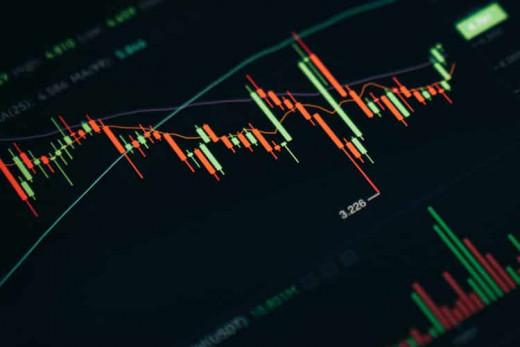
Are you interested in making money from the stock market? If yes, then day trading might be a perfect match for you. Day trading is all about buying and selling stocks within a single trading day to make profits. However, it's not as easy as it seems and requires discipline, knowledge, and skills to succeed.
In this article, we'll guide you through on how to get started with the day trading so that you can avoid common mistakes while maximizing your chances of success. So let's dive into the world of day trading!
What is Day Trading?
Day trading is a popular form of short-term investing in which traders buy and sell financial securities within the same day. Day traders aim to make profits by taking advantage of small price fluctuations in stocks, currencies, or other assets. The goal is to earn a profit on each trade without holding any positions overnight.
Unlike long-term investors who hold onto their investments for months or years, day traders focus on making quick profits by capitalizing on market volatility. They use technical analysis tools and fundamental analysis techniques to identify potential trades that have favorable risk-reward ratios.
Day trading requires discipline, patience, and a solid understanding of the markets. It's not uncommon for beginners to experience losses when they start out as day traders due to lack of experience and knowledge about the market dynamics.
Successful day trading relies heavily on skill development rather than luck or guesswork. With practice and dedication, anyone can learn how to become a proficient day trader with consistent profitability over time.
The Different Types of Day Traders
Day trading is a type of short-term investment strategy where traders buy and sell securities within the same day, hoping to make profits from market fluctuations. There are different types of day traders who use various techniques and tools to identify potential opportunities in the market.
Scalpers are one type of day trader who focus on making small but frequent profits by buying and selling securities quickly. They aim to take advantage of price movements that occur within seconds or minutes. Scalping requires quick reflexes, precise timing, and strict discipline.
Momentum traders look for stocks that have strong upward or downward momentum, hoping to ride the trend for as long as possible. They use technical analysis tools like moving averages and relative strength index (RSI) to identify potential breakouts or breakdowns.
Contrarian traders take an opposite approach compared to momentum traders by looking for stocks that have been oversold or overbought. They believe that these stocks will eventually revert back to their mean value and try to profit from this reversal.
There are different types of day traders with unique approaches in identifying profitable trades. It's important for aspiring day traders to understand their own risk tolerance, preferred trading style, and level of expertise before choosing a specific approach.
Pros and Cons of Day Trading
Day trading is a highly volatile and risky endeavor that can yield great rewards, but it also comes with significant risks. As such, it's important to understand both the pros and cons of day trading before embarking on this journey.
One of the primary benefits of day trading is its potential for high returns. Day traders who are able to consistently make profitable trades can earn substantial profits in a short amount of time. Additionally, day traders have the ability to quickly enter or exit positions as market conditions change, allowing them to take advantage of even small price movements.
However, one major downside to day trading is its high level of risk. The fast-paced nature of day trading means that mistakes can be costly, and losses can add up quickly if a trader isn't careful. Moreover, many inexperienced traders may fall victim to their emotions when making trades which could lead them losing money.
Another con worth considering is that successful day traders require an enormous amount of focus and discipline. A lackadaisical approach or distractions from outside factors not only cause financial loss but mental stress as well leading amateur investors being burnt out over time.
Understanding these pros and cons will help you determine whether or not day trading aligns with your investment goals and risk tolerance levels.
What Markets to Trade in Day Trading?
When it comes to day trading, there are a variety of markets you can trade in. Each market has its own unique characteristics and risks, so it's important to understand them before diving in.
One popular market for day traders is the stock market. This includes buying and selling shares of publicly traded companies. The stock market offers a wide range of opportunities for day traders, from large blue-chip stocks to small-cap penny stocks.
Another option for day traders is the foreign exchange (forex) market. This involves trading one currency against another with the goal of profiting from changes in exchange rates. Forex trading can be highly volatile but also potentially lucrative.
Futures markets are yet another option for day traders. These involve buying or selling contracts that obligate you to buy or sell an asset at a predetermined price at a future date. Futures markets include commodities like oil, gold, and agricultural products.
Options trading allows traders to speculate on the direction of an underlying asset without actually owning it outright. Options contracts give buyers the right but not the obligation to buy or sell an asset at a certain price by a certain date.
Choosing which market(s) to trade in depends on your individual preferences and risk tolerance levels as well as your goals as a trader.
How to Start Day Trading?
Day trading can be an exciting and lucrative way to make a profit on your investments, but it's important to approach it with caution. If you're interested in getting started with day trading, there are a few key steps you should take.
First, do your research. Learn as much as you can about the markets you want to trade in, and familiarize yourself with the different strategies that successful day traders use. Consider taking classes or finding a mentor who can guide you through the process.
Next, set up a brokerage account specifically for day trading. Look for brokers that offer low fees and high-quality tools and platforms for analyzing data and executing trades.
Once you've chosen your broker and funded your account, start by making small trades to get comfortable with the process. It's important not to jump in too quickly or risk more than you can afford to lose.
Be patient. Day trading requires discipline and focus, so don't expect overnight success. Keep learning from both successes and failures along the way.
By following these steps and approaching day trading with care, patience, and diligence, anyone can learn how to successfully navigate this exciting world of investing!
In conclusion, day trading can be a profitable and exciting endeavor if done properly. By understanding the dos and don'ts of day trading, you can minimize your risks and increase your chances of success.
Remember to always have a solid strategy in place, never risk more than you can afford to lose, stay disciplined with your trades, continuously learn and adapt to market trends, and most importantly - stay patient. Day trading is not a get-rich-quick scheme but rather an ongoing process that requires dedication and hard work.
If you are willing to put in the effort, day trading can provide opportunities for financial freedom. So take these tips into consideration before diving headfirst into this fast-paced world of trading. Good luck!
A Beginner's Guide to Technical Analysis
A Beginner's Guide to Technical Analysis
Are you a beginner in forex trading and feeling overwhelmed by all the technical terms and analysis? Don't worry! Technical analysis is an essential tool for successful trading, and we're here to guide you through it step-by-step.
In this article, we'll cover everything you need to know about technical analysis, including its definition, types of indicators, pros and cons, how to use it for forex trading, as well as tools and resources available. By the end of this post, you'll have a better understanding of technical analysis and be ready to apply it confidently in your trades. So let's get started!
What is Technical Analysis?
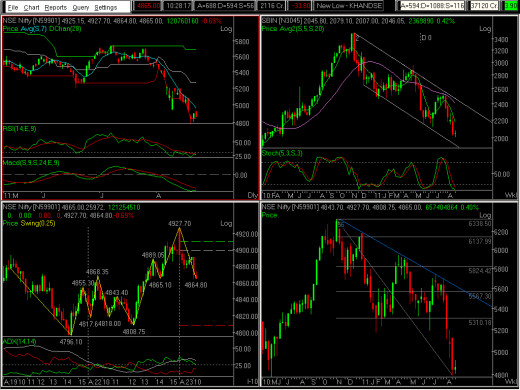
Technical analysis is a way of evaluating securities by analyzing statistics generated from market activity, such as price and volume. This type of analysis is based on the assumption that past trading activity can predict future price movements.
The basic premise behind technical analysis is that all available information about an asset's value is already reflected in its price. Therefore, investors can use charts and other tools to analyze patterns and trends in historical prices to identify potential buying or selling opportunities.
One of the most common types of indicators used in technical analysis are moving averages, which show the average price over a specific period of time. Other popular indicators include relative strength index (RSI), stochastic oscillator, MACD (moving average convergence divergence), Bollinger Bands, Fibonacci retracements, and more.
It's important to note that while technical analysis can provide valuable insights into potential market movements, it should not be relied upon entirely for making investment decisions. It's always necessary to consider fundamental factors such as economic data and company financials when making trades.
Technical analysis involves analyzing price charts and using different statistical tools to make predictions about future market movements based on past data. While this approach has its limitations, it remains a useful tool for traders looking to gain an edge in the markets.
The Different Types of Technical Indicators
Technical indicators are mathematical calculations that use past price and volume data to analyze market trends. There are many different types of technical indicators, each with a unique purpose and function.
One common type is trend-following indicators which help traders identify the direction of a trend in the market. Moving averages are an example of this type as they show traders whether prices are generally going up or down over a specific period.
Momentum indicators measure the speed at which prices move up or down. They can be used to determine whether a currency pair is overbought or oversold making it easier for traders to make decisions on when to enter or exit trades.
Volume-based indicators analyze trading activity by measuring the number of shares traded during different periods, helping traders understand if there's significant buying or selling pressure in an asset.
Oscillators reflect market conditions where prices fluctuate rapidly within a restricted range; these include Relative Strength Index (RSI) and Stochastic Oscillator (SO).
Traders should not rely solely on one indicator but rather try out various ones and choose those that complement their trading strategies best.
Pros and Cons of Using Technical Analysis
Technical analysis is a popular method used by traders to analyze market movements. It has its advantages, but it also has some disadvantages that traders need to be aware of.
One of the main benefits of technical analysis is that it helps traders identify trends in the market. This allows them to make informed decisions about when to enter or exit trades. Additionally, technical analysis can help traders spot potential support and resistance levels for a particular asset.
However, one major downside of using technical analysis is that it does not take into account fundamental factors such as economic news releases or political events. These can have a significant impact on the market and may cause sudden price movements that cannot always be predicted through technical analysis alone.
Another potential drawback of relying solely on technical analysis is that indicators are subjective and open to interpretation. This means different analysts may come up with different conclusions based on the same data set.
It's important for traders to keep in mind that no trading strategy or tool is foolproof. Technical analysis should only be used as part of an overall trading plan rather than relied upon exclusively for making trading decisions.
While there are pros and cons associated with using technical analysis in forex trading, understanding these advantages and limitations can lead to more successful outcomes over time.
How to Use Technical Analysis to Trade Forex
If you're interested in forex trading, technical analysis can be a powerful tool to help predict price movements. Here are some tips on how to use it effectively.
Identify trends by using moving averages or trend lines. This will help you determine the overall direction of the market and make more informed trades.
Use support and resistance levels to identify potential entry and exit points for your trades. These levels can act as barriers that prices tend to bounce off of. Pay attention to momentum indicators such as the Relative Strength Index (RSI) or Moving Average Convergence Divergence (MACD).
These can provide insight into whether a currency pair is overbought or oversold and indicate when a trend may be changing.
Always keep an eye on economic events and news releases that could impact the forex market. Technical analysis is just one piece of the puzzle – fundamental factors should also be taken into consideration before making any trade decisions.
By combining technical analysis with other tools and strategies, you can improve your chances of success in forex trading.
Technical Analysis Tools and Resources
Technical analysis tools and resources are essential for traders who want to make informed decisions based on market trends. One of the most popular technical analysis tools is charting software, which allows traders to view price movements over time and identify patterns.
Another important resource is economic calendars, which provide information on upcoming announcements and events that could impact the market. Many trading platforms offer access to these calendars, allowing traders to plan their trades accordingly.
In addition to charting software and economic calendars, there are also numerous technical indicators available for use in analyzing market data. Some common examples include moving averages, relative strength index (RSI), and Fibonacci retracement levels.
Traders can also benefit from online communities and forums where they can connect with other traders and share insights about technical analysis techniques. These communities often provide valuable resources such as educational materials, trading strategies, and expert commentary.
Having access to a range of technical analysis tools and resources can help traders gain a deeper understanding of market trends and make more informed decisions in their trading activities.
In conclusion, technical analysis is a useful tool for traders who want to make informed decisions about their investments. By analyzing past market data and identifying trends, technical analysts can predict future price movements with greater accuracy. However, it's important to keep in mind that technical analysis is not foolproof and should be used in conjunction with other forms of analysis.
When using technical indicators, it's essential to choose the right ones based on your trading strategy and risk tolerance. Experimenting with different indicators can help you find the ones that work best for you.
Always remember that successful trading requires discipline and patience. Technical analysis alone cannot guarantee profits but combined with sound money management practices; it can significantly improve your chances of success in forex trading.
Understanding Market Volatility: What It Is and How It Affects Your Trades

Understanding Market Volatility: What It Is and How It Affects Your Trades
Welcome to the exciting world of trading! As a trader, you know that every day in the market can be different. Some days prices go up while on others they go down. These fluctuations are what we call market volatility and understanding it is crucial if you want to make informed trades and maximize your profits.
In this blog post, we will take an in-depth look at what market volatility really means, how it affects traders like yourself, strategies for trading in volatile markets, and much more. So buckle up and get ready to dive deep into the fascinating world of market volatility!
What is Market Volatility?
Market volatility is a term that traders use to describe the changes in prices of financial instruments over time. It refers to the magnitude of price fluctuations and the frequency at which they occur. Volatility can be unpredictable and sudden, making it both exciting and risky for traders.
Volatility can have different causes, such as changes in market sentiment, economic news releases, geopolitical events, or unexpected company announcements.
The key point to understand about market volatility is that it affects all financial assets differently. Some assets are more volatile than others, depending on their liquidity and demand among investors. For instance, currencies tend to be less volatile compared to stocks or cryptocurrencies because they are traded in larger volumes by central banks around the world.
Traders need to keep an eye on market volatility constantly since it impacts trading decisions directly. High volatility may indicate higher risks but also potentially higher rewards while low volatility could mean lower profits but less risk too.
Understanding market volatility requires deep attention from a trader's perspective as its complexity varies considerably between each instrument being traded on various markets worldwide.
How Does Market Volatility Affect Traders?
Market volatility is a term that traders often hear, and it can have both positive and negative impacts on their trading. Volatility refers to the amount of uncertainty or risk involved in the price movement of an asset. High volatility means that prices are fluctuating rapidly, while low volatility indicates relatively stable prices.
While some traders thrive in volatile markets, others find it unsettling and challenging to navigate.
One way market volatility affects traders is by increasing the potential for sudden losses or gains. This can be exciting for those who enjoy taking risks but stressful for those who prefer more predictable outcomes.
Moreover, market volatility may affect trading strategies differently depending on factors such as time frames, leverage used, and risk tolerance levels. Short-term traders tend to benefit from high-volatility environments since they offer many opportunities for quick profits through fast-paced trades.
On the other hand, long-term investors may not be as affected by short-term fluctuations since they focus more on fundamentals than technical analysis. They should also consider factoring in stop-loss orders into their strategy to limit downside risk.
Market volatility has varying effects on traders depending on individual preferences and strategies used when trading assets such as stocks or forex pairs. It's essential to understand how this concept works so you can make informed decisions about your investments based on current market conditions rather than just blindly following trends or rumors circulating online.
How to Measure Market Volatility
Measuring market volatility is essential for traders to determine the level of risk for a particular investment. Two commonly used methods are standard deviation and beta coefficient. Standard deviation measures the dispersion of price movements around an average, while beta coefficient compares an asset's price movement to that of the broader market.
Another method is the Volatility Index or VIX, which calculates expected levels of market volatility over a 30-day period. The higher the index value, the greater expectation there is for significant fluctuations in prices.
Technical analysis tools such as Bollinger Bands can also help measure volatility by plotting two standard deviations above and below a moving average line. A wider band indicates higher volatility.
It's important to note that no single method can accurately predict future price movements with certainty. Therefore, traders should use multiple indicators when evaluating potential investments and adjust their trading strategies according to changing market conditions.
Strategies for Trading in a Volatile Market
When it comes to trading in a volatile market, having a solid strategy can make all the difference. The first step is to understand that volatility can be both good and bad for traders. While it can create opportunities for high returns, it also carries a greater risk of losses.
One approach is to use stop-loss orders to limit potential losses while still allowing room for profits. It's also important to maintain diversification by investing across different asset classes such as stocks, bonds and commodities.
Another strategy is to focus on long-term investments rather than trying to time the market through short-term trades. This allows investors to ride out temporary fluctuations and benefit from overall market growth.
For those who prefer active trading, technical analysis tools like moving averages or Bollinger Bands can help identify trends and potential entry and exit points. Additionally, keeping up with news events that may impact the markets can inform trade decisions.
Finding the right strategy depends on an individual's risk tolerance, investment goals and personal preferences. By staying informed about current events and utilizing proven strategies, traders can navigate volatile markets with confidence.
When is the Best Time to Trade?
Timing is everything in trading. You need to know when to enter and exit the market to maximize your profits. The best time to trade varies depending on the asset you are trading and your strategy.
For instance, if you're a day trader, the best time for you would be during market hours when there's high liquidity. This means that more traders are buying and selling at this time, resulting in tighter spreads and better price movements.
On the other hand, swing traders may prefer holding positions overnight or for days because they rely on long-term trends rather than short-term fluctuations.
It's also important to consider news events that can affect market volatility. For example, major economic announcements like non-farm payroll reports or central bank rate decisions can cause sharp moves in currency pairs.
As a rule of thumb, it's best to avoid trading during times of low liquidity such as holidays or weekends since these periods often result in wider spreads and unpredictable price movements.
Finding the best time to trade requires careful consideration of various factors such as your trading style, preferred assets, risk tolerance level, and current market conditions.
In conclusion, understanding market volatility is crucial to making informed trading decisions. It is a dynamic and inevitable aspect of financial markets that can cause both opportunities and risks for traders. By measuring market volatility, traders can identify the best times to trade and apply appropriate strategies to maximize their profits.
However, it's important to note that no strategy or approach guarantees success when dealing with volatile markets. It's essential to manage risk by diversifying your portfolio, setting stop-loss orders, and avoiding emotional decision-making.
As a trader, you should always be aware of the latest market news and trends as they may affect volatility levels. Keeping an eye on economic indicators such as interest rates, inflation rates, unemployment figures among other global events will help in predicting potential changes in market conditions.
Understanding how market volatility works is fundamental in making sound investment decisions. By monitoring the markets closely, being patient during periods of high fluctuations and applying well-thought-out trading strategies you will be better equipped to navigate this ever-changing landscape successfully.
United Arab Emirates (UAE) Business Startup Guide: Step-by-Step for Foreign Entrepreneurs
Introduction to Business Startups in the UAE
The United Arab Emirates (UAE) has emerged as a vibrant hub for business, attracting entrepreneurs from around the world. With its strategic location, modern infrastructure, and dynamic economy, it offers endless opportunities. Whether you dream of launching a tech startup or opening a cozy café in Dubai, the UAE provides an ideal landscape for your venture.
However, navigating the local business landscape can be complex. From understanding regulations to securing permits and finding partners, foreign entrepreneurs face unique challenges. But fear not! This guide is designed to walk you through each crucial step in establishing your business in this thriving nation.
Get ready to embark on an exciting journey as we explore how to turn your entrepreneurial dreams into reality right here in the UAE!
8 Steps to Start a Business in United Arab Emirates (UAE)
Step 1: Determine the Type of Business Entity
Choosing the right business entity is a crucial first step for any entrepreneur in the UAE. It shapes your legal structure, liability, and taxation.
You have several options to consider: sole proprietorship, limited liability company (LLC), or even a free zone establishment. Each type comes with its own set of advantages and regulations.
A sole proprietorship may be suitable if you want full control. However, it comes with unlimited personal liability. An LLC offers shared ownership while protecting personal assets from business debts.
Free zones are popular among foreign investors due to benefits like 100% ownership and tax exemptions. Yet they often restrict trading activities within the local market.
Take time to research each option thoroughly. Consulting with a local expert can provide valuable insights tailored to your specific needs and goals.
Step 2: Choose a Business Name and Get it Approved
Choosing a business name is a crucial step in your entrepreneurial journey. It’s not just about picking something catchy; it represents your brand identity and values.
Begin by brainstorming names that resonate with your target audience. Think about the message you want to convey. A strong name can attract customers and set you apart from competitors.
Once you've settled on a few options, check for availability. This means ensuring no other company has already registered the same or similar name.
In the UAE, you'll need to submit your chosen name for approval through the relevant authorities like the Department of Economic Development (DED). They have specific guidelines regarding language, cultural sensitivity, and trademark issues.
Patience is key here as this process can take some time. Securing an approved business name lays a solid foundation for everything else moving forward in establishing your startup.
Step 3: Obtain Necessary Licenses and Permits
To operate legally in the UAE, obtaining the right licenses and permits is crucial. This step varies based on your business type and location within the Emirates. Each emirate may have its own regulations.
Start by identifying what license you need—commercial, industrial, or professional. The Department of Economic Development (DED) in your chosen emirate will guide you through this process.
Prepare all required documents meticulously. These often include your business plan, passport copies, and tenancy contracts for office space. Missing paperwork can slow down approval.
Depending on your industry, additional permits might be necessary from regulatory bodies like health authorities or tourism departments. Researching these beforehand saves time later.
Once you've gathered everything, submit your application to the relevant authority. Patience is key; processing times can vary significantly between different types of licenses and jurisdictions across the UAE.
Step 4: Secure Funding for Your Startup
Securing funding is a crucial step in launching your startup in the UAE. Various options are available, each with its own advantages.
Consider traditional bank loans if you have a solid business plan and good credit history. Banks often provide competitive interest rates but may require collateral.
Venture capitalists can be another avenue, particularly for tech-based startups. They offer not just funds but also invaluable mentorship and networking opportunities.
Crowdfunding has gained popularity recently. Platforms allow you to present your idea to potential backers worldwide who believe in your vision.
Don't overlook government grants and programs aimed at supporting entrepreneurs in the UAE. These initiatives can provide financial backing without the need for repayment.
Personal savings or loans from family and friends might also help kickstart your journey. Each route requires careful consideration of terms and implications on ownership and control.
Step 5: Find a Local Sponsor/Partner
Finding a local sponsor or partner is crucial when starting a business in the UAE. This requirement mainly applies to foreign entrepreneurs wishing to establish their companies outside of free zones.
A local sponsor is typically a UAE national who holds at least 51% of your business shares. This partnership allows you to operate legally while benefiting from the local market's insights and connections.
Start by networking within your industry. Attend events, join entrepreneurial groups, or seek recommendations through established contacts. A good sponsor understands your vision and can contribute valuable expertise.
Ensure that you draft clear agreements outlining roles and responsibilities. Trust plays a vital role in this relationship; choose someone whose values align with yours.
While it may seem daunting initially, having the right local partner can significantly enhance your chances of long-term success in the thriving UAE market.
Step 6: Register Your Business with the Appropriate Authorities
Once you’ve acquired the necessary licenses and permits, it’s time to register your business with the relevant authorities. This is a crucial step in formalizing your operations.
In the UAE, registration varies by emirate. Typically, you'll need to approach either the Department of Economic Development (DED) or a free zone authority if you're operating within one of these areas. Each entity has its own set of regulations and requirements.
Prepare all required documents ahead of time—this often includes your trade license application, passport copies, and proof of address. Double-check everything; missing paperwork can delay your process significantly.
After submission, expect some processing time before receiving confirmation. Once registered, you’ll receive an official certificate that allows you to operate legally in the UAE market. This not only protects your investment but also builds credibility with customers and potential partners alike.
Step 7: Hire Employees
Hiring employees is a crucial step in your UAE business journey. The right team can elevate your startup to new heights.
Start by defining the roles you need to fill. Be clear about the skills and experience required for each position. This clarity will streamline your hiring process.
Next, tap into local job portals or recruitment agencies that specialize in the UAE market. They understand the nuances of hiring in this diverse landscape.
When interviewing candidates, focus on cultural fit alongside qualifications. The UAE's workforce is vibrant and multicultural, so embracing diversity can foster innovation within your team.
Don’t forget about compliance with labor laws during this phase. Ensure all contracts are well-drafted and adhere to local regulations to avoid future complications.
Once you've hired, provide comprehensive onboarding to integrate them effectively into your company culture. A strong start sets the tone for their engagement and productivity moving forward.
Step 8: Launch the Business
The moment you’ve been waiting for has finally arrived. It’s time to launch your business in the UAE. This step requires excitement, focus, and careful planning.
Before opening your doors, ensure everything is in place. Review your marketing materials and confirm that your website is functional. A strong online presence can attract customers even before you officially start trading.
Consider a grand opening event to create buzz around your startup. Engaging with potential clients and partners face-to-face can enhance relationships from day one. Whether it's through social media or local events, effective communication will set the stage for success.
Monitor customer feedback closely during this initial phase. Understanding their experience will help you refine operations quickly.
Keep an eye on market trends as well; adaptability can be key in these early days of launching a new venture!
Conclusion
Starting a business in the UAE can be an exciting venture. With its strategic location, robust economy, and supportive government policies for entrepreneurs, it offers numerous opportunities. Each step outlined here is essential to successfully launch your startup.
By carefully determining the type of business entity that aligns with your goals, you set a strong foundation. Choosing an appealing and compliant business name will help establish your brand identity from the start.
Obtaining necessary licenses ensures legal compliance while securing funding is crucial for operational stability. Finding a local sponsor or partner not only meets regulatory requirements but also provides valuable insights into the market landscape.
Registering with appropriate authorities cements your legitimacy as a business owner in the UAE. Hiring qualified employees helps build a capable team to drive growth and innovation within your company.
As you prepare to launch your business, remember that every effort contributes to its success. The journey may come with challenges, yet each step taken brings you closer to achieving your entrepreneurial dreams in this dynamic region. Embrace the process and enjoy building something remarkable in one of the world’s most vibrant markets.
Ukraine Business Startup Guide: Step-by-Step for Foreign Entrepreneurs
Introduction: The Growing Business Opportunities in Ukraine
Ukraine is quickly emerging as a hotspot for business opportunities, attracting foreign entrepreneurs eager to tap into its vibrant market. With a strategic location at the crossroads of Europe and Asia, Ukraine offers an array of resources and talent that can elevate your startup. The country boasts a rich cultural heritage, competitive operational costs, and a growing tech scene that has already caught the attention of global investors.
But diving into this landscape requires preparation and understanding. Whether you’re considering launching an innovative tech venture or opening a local cafe in Kyiv, navigating the Ukrainian business environment can be both exciting and challenging. This guide will walk you through each essential step to help turn your entrepreneurial dreams into reality in Ukraine’s dynamic marketplace. Get ready to discover how you can make your mark!
8 Steps to Start a Business in Ukraine
Step 1: Research and Understand the Ukrainian Market
Before diving into the vibrant entrepreneurial waters of Ukraine, take time to familiarize yourself with its market landscape. Understanding local consumer behavior is crucial. Analyze preferences and purchasing patterns that may differ from your home country.
Explore various sectors such as technology, agriculture, and services. Each has unique opportunities waiting for savvy entrepreneurs. Use reports and online databases to gather insights about competition and market trends.
Engage with local businesses or networks to gain firsthand knowledge. Attend workshops or seminars where you can connect with industry insiders. This will help you grasp the nuances of doing business in Ukraine.
Don’t ignore regional differences within the country itself; economic climates vary significantly between cities like Kyiv and Lviv compared to smaller towns. By immersing yourself in this research phase, you'll set a solid foundation for your venture ahead.
Step 2: Determine Your Business Structure and Register Your Company
Choosing the right business structure is crucial for your startup in Ukraine. It affects your taxes, liability, and overall management of the company. Options include sole proprietorships, limited liability companies (LLCs), or joint-stock companies.
Each structure has its own advantages and disadvantages. For instance, an LLC limits personal liability while allowing flexibility in ownership and taxation. A sole proprietorship is simpler but puts all assets at risk.
Once you’ve made your choice, it’s time to register your company with the State Registrar of Legal Entities. This process involves submitting necessary documents like founding charters and identification papers.
Be prepared for some paperwork! Ensure all documentation complies with Ukrainian laws to avoid delays. Registering properly will lay a solid foundation for future growth and opportunities within this dynamic market.
Step 3: Secure Necessary Permits and Licenses
Navigating the regulatory landscape is crucial when starting a business in Ukraine. Securing the necessary permits and licenses can be a complex task, but it’s essential for your operations.
Begin by identifying which specific permits apply to your industry. This could range from health and safety certifications to environmental clearances, depending on what you plan to offer.
Visit local government websites or consult with local legal experts who specialize in business regulations. They will provide guidance tailored to your sector. Engaging with professionals helps avoid common pitfalls that could delay your startup.
Once you've gathered all required documentation, submit them promptly. The processing time varies; staying proactive ensures you're not held back during launch preparations.
Remember, compliance isn’t just about legality; it builds trust with customers and partners alike. A well-prepared entrepreneur stands out in any market, especially one as dynamic as Ukraine's.
Step 4: Create a Business Plan
Creating a robust business plan is crucial for your startup's success in Ukraine. This document acts as your roadmap, guiding you through the initial stages and beyond.
Begin by outlining your business objectives. Clearly defined goals will help keep you focused and motivated. Think about what you want to achieve in the short term and long term.
Next, analyze your target market. Understand who your customers are and how they behave. This insight will shape your marketing strategies.
Don’t forget to include financial projections. Estimate costs, sales forecasts, and funding needs. Investors often seek this information before committing their resources.
Detail an operational plan that outlines processes from production to customer service. A well-organized approach can streamline efforts as you grow and adapt in the dynamic Ukrainian market.
Step 5: Obtain Funding for Your Business
Securing funding is a pivotal step in launching your business in Ukraine. Various options are available, so it's essential to choose the one that aligns with your vision and needs.
Consider traditional bank loans first. Many Ukrainian banks offer competitive rates for small businesses, especially those backed by solid business plans. However, be prepared for thorough scrutiny of your financials.
Another avenue worth exploring is venture capital. The startup ecosystem in Ukraine has been growing steadily, attracting investors looking for innovative ideas with high growth potential. Networking can play a crucial role here; attend events or join local entrepreneurial groups to connect with potential backers.
Crowdfunding platforms also present an attractive option. Websites specifically tailored for startups can help you reach out directly to consumers interested in supporting new ventures.
Governmental support programs may provide grants or low-interest loans designed to foster entrepreneurship within specific sectors. Research these initiatives thoroughly—they could offer invaluable assistance as you embark on this journey.
Step 6: Find the Right Location for Your Business
Choosing the right location for your business in Ukraine is crucial. It can significantly influence your visibility and access to customers.
Consider urban centers like Kyiv, Lviv, or Odesa. These cities offer a vibrant atmosphere with growing populations and established infrastructure. They are also hubs for various industries.
Think about your target audience when selecting a spot. Are they locals or tourists? Will you benefit from foot traffic? Understanding where your potential clients spend their time can guide you toward an ideal site.
Evaluate logistical aspects as well. Proximity to suppliers, transportation options, and accessibility for employees play vital roles in operational efficiency.
Don’t overlook online presence either. In today’s digital age, some businesses thrive without a physical storefront at all. Consider how a hybrid model might work best for you in this evolving landscape.
Step 7: Hire Employees and Establish HR Policies
Hiring the right employees is crucial for your business's success in Ukraine. Start by defining clear job descriptions that reflect the skills and qualifications needed.
Utilize local job portals, social media platforms, and recruitment agencies to reach a diverse talent pool. Networking events can also connect you with potential candidates.
Once you've selected your team, establishing solid HR policies is essential. Consider labor laws unique to Ukraine, including contracts, working hours, and employee rights.
Create an onboarding process that welcomes new hires while outlining company culture and expectations. Additionally, think about benefits packages – competitive perks will help attract top talent.
Regular training sessions can keep your team informed on industry trends and improve overall performance. A well-structured workforce fosters productivity and loyalty in your growing enterprise.
Step 8: Launch the Business
Launching your business in Ukraine is a thrilling moment. It’s the culmination of all your hard work and planning.
Start by creating buzz around your launch. Use social media, local events, or press releases to spread the word. Engaging with potential customers before opening can build anticipation.
Ensure that everything is ready for day one. Your products should be stocked, staff trained, and systems in place for smooth operations.
Consider hosting a launch event to attract attention. Invite local influencers and community members to experience what you offer firsthand.
Don't underestimate the power of feedback from early customers. Their insights can help refine your offerings right out of the gate.
Monitor every aspect closely after launching. Adjust strategies based on initial performance and customer reactions to optimize your approach moving forward.
Conclusion
Starting a business in Ukraine can be an exciting and rewarding venture for foreign entrepreneurs. With its rapidly growing economy and strategic location, the country offers numerous opportunities across various sectors. By following these steps, you can navigate the complexities of establishing your company with greater ease.
Understanding the local market is essential; it equips you with insights needed to thrive. Choosing the right business structure lays a solid foundation for your operations while ensuring compliance with legal requirements protects you from potential pitfalls.
Securing necessary permits helps avoid future complications, and a well-crafted business plan serves as your roadmap for success. Funding options are varied, but researching them thoroughly will aid in securing financial support that aligns with your goals.
Location matters significantly; choosing wisely ensures accessibility to customers and resources alike. Hiring skilled employees who resonate with your vision is crucial, along with implementing HR policies that foster a positive work environment.
Once everything is set up, launching becomes an exhilarating experience—one filled with possibilities and challenges ahead. Embrace each step of this journey as part of building something great in Ukraine's flourishing landscape. The road may have twists and turns, but perseverance will lead to growth and achievement in this vibrant market.
The Psychology of Successful Traders

The Psychology of Successful Traders
Are you interested in trading but struggling to find success? Look no further than the psychology behind successful traders. It's not just about reading charts and analyzing data, it's also about developing a positive mindset, managing risk, and controlling your emotions.
In this blog post, we will explore the key psychological traits that make successful traders stand out from the crowd. Get ready to dive into the world of trader psychology and take your trading skills to new heights!
The Importance of a Positive Mindset
A positive mindset is a crucial factor in trading success. It's easy to get discouraged when trades don't go as planned, but successful traders know how to maintain a positive attitude and focus on the bigger picture.
One way to cultivate a positive mindset is by setting realistic expectations. Don't expect every trade to be a winner - losses are inevitable in trading. Instead, focus on long-term goals and understand that setbacks are just part of the journey.
Another key aspect of maintaining a positive mindset is staying disciplined. Stick to your trading plan and avoid impulsive decisions based on emotions or market hype. By following your plan, you'll have confidence in your strategy even during periods of volatility.
Surround yourself with positivity. Connect with other traders who share your values and can offer support during challenging times. Remember that there's always something new to learn from others' experiences and perspectives.
Developing a positive mindset is essential for long-term success in trading. By setting realistic expectations, staying disciplined, and surrounding yourself with positivity, you'll be well on your way towards achieving your goals!
Overcoming Loss Aversion
One of the biggest challenges that traders face is dealing with the fear of losing money. This fear can often lead to a phenomenon known as loss aversion, causing them to hold onto losing trades for far too long.
To overcome this psychological hurdle, it's important to reframe how you view losses. Instead of seeing them as failures or mistakes, try viewing them as opportunities for learning and growth. By embracing losses in this way, you'll be more likely to learn from your mistakes and improve your trading strategies over time.
Another helpful tip is to focus on risk management rather than profits. By setting strict stop-loss orders and sticking to them, you can limit your potential losses and reduce the impact of emotions on your trading decisions.
It's also important to remember that losses are inevitable in trading - even the most successful traders experience setbacks from time to time. Rather than dwelling on these setbacks, focus on the bigger picture and stay committed to your long-term goals.
Overcoming loss aversion requires a shift in mindset towards viewing losses as opportunities for growth rather than failures. Practice sound risk management techniques and maintain a long-term perspective when faced with setbacks in order to stay focused on achieving success over time.
Developing a Trading Plan
Developing a trading plan is an essential step towards becoming a successful trader. A trading plan serves as your roadmap, guiding you through the ups and downs of the market. It helps you stay focused on your goals, manage risks effectively, and make informed decisions based on sound analysis.
The first step to developing a trading plan is setting realistic and measurable goals. These could be short-term or long-term objectives that align with your overall investment strategy. Once you have identified your goals, it's time to start analyzing the market.
Market analysis involves studying price trends, identifying patterns and indicators that can help predict future movements in the market. This information should inform your decision-making process when entering or exiting trades.
In addition to market analysis, it's important to determine what type of trader you want to be – scalper, swing trader or position trader – as this will influence how frequently you trade and what strategies you employ.
Risk management is also critical in developing a trading plan. You must identify potential risks associated with each trade and develop strategies for mitigating them before committing any capital.
Monitoring and evaluating performance are crucial steps in refining your trading plan over time. Keeping accurate records of trades allows traders to identify areas for improvement and adjust their strategies accordingly.
Developing a comprehensive trading plan takes effort but pays dividends in terms of increased profitability over time by helping traders stay disciplined amidst the volatile markets they operate within day-to-day
Managing Risk
Managing risk is a crucial aspect of successful trading. It's essential to understand that no trading strategy can guarantee profit, and there will always be some level of risk involved in any trade. However, managing risk effectively can help traders minimize losses and increase their chances of long-term success.
One way to manage risk is by setting stop loss orders. A stop-loss order allows traders to set a specific price at which they will automatically exit the trade if it goes against them. This helps limit potential losses and prevents emotions from driving decisions during volatile market periods.
Another important aspect of managing risk is diversification. Diversifying your portfolio across different assets classes, such as stocks, bonds, commodities or currencies can help spread out the risks associated with individual trades.
It's essential to have a clear understanding of your own risk tolerance levels when entering into trades. Traders must know how much they are willing to lose before exiting positions and avoid taking on too much leverage.
By following these tips for managing risk effectively while trading financial markets ensures longevity over time even when profitable opportunities may not seem evident enough initially
Emotional Control
Emotional control is one of the most important aspects of successful trading. When emotions run high, it can be easy to make hasty decisions that lead to losses. Fear and greed are two common emotions that can cloud a trader's judgment.
To maintain emotional control, traders must develop a set of rules and stick to them no matter what. This means having a clear exit strategy in place for each trade and being disciplined enough to follow it.
Another key factor in developing emotional control is self-awareness. Traders must recognize their own biases and tendencies towards certain emotions so they can take steps to counteract them.
It's also important for traders to have realistic expectations about their performance in the market. Trading involves both wins and losses, so learning how to accept losses gracefully will help prevent emotionally-driven decisions.
Taking breaks from trading when feeling overwhelmed or stressed can also help with emotional regulation. Stepping away from the screen and engaging in other activities can provide clarity and perspective before making any impulsive trades.
Emotional control is essential for successful trading as it allows traders to stay focused on long-term goals rather than short-term fluctuations driven by emotion.
In conclusion, successful trading requires more than just knowledge and skills in the markets. It also demands a strong psychological foundation that enables traders to manage their emotions, develop a positive mindset, and maintain discipline under pressure.
In this article, we have explored some of the key psychological traits and strategies that successful traders use to stay on top of their game. By adopting these practices, you can improve your chances of success in the markets while minimizing your risk exposure.
Remember: trading is not just about making money - it's about managing risk and cultivating a healthy attitude towards your trades. With practice, patience, and perseverance, you too can become a successful trader!
Mastering Emotional Intelligence as a Trader

Mastering Emotional Intelligence as a Trader
As a trader, making decisions based on logic and analysis is crucial for success. However, emotions can often cloud our judgment and lead to impulsive or irrational choices. This is where emotional intelligence comes into play. By mastering emotional intelligence, traders can learn to manage their emotions effectively and make better decisions in the fast-paced world of trading.
In this blog post, we will explore what emotional intelligence is, how it can benefit traders, the different types of emotions that impact trading, and most importantly - how you can develop your own emotional intelligence to become a more successful trader. So buckle up and get ready to take control of your emotions like never before!
What is Emotional Intelligence?
Emotional intelligence is the ability to recognize and understand our own emotions, as well as the emotions of others. It involves being able to manage these emotions effectively in order to make better decisions and build stronger relationships. While some people may be naturally more emotionally intelligent than others, it is a skill that can be developed over time with practice.
One key aspect of emotional intelligence is self-awareness. This means understanding your own emotions and how they affect your thoughts and behavior. By becoming more aware of your emotional triggers and reactions, you can learn to control them rather than letting them control you.
Another important component of emotional intelligence is empathy - the ability to understand and relate to other people's feelings. Empathy allows traders to build stronger relationships with colleagues, clients, and other stakeholders in their business.
Effective communication is also a crucial part of emotional intelligence. Being able to express yourself clearly while also listening actively can help prevent misunderstandings or conflicts that could impact trading decisions.
Developing emotional intelligence takes time and effort but can ultimately lead to greater success both personally and professionally for traders who are willing to put in the work.
How Can Emotional Intelligence Help Traders?
Emotional intelligence is a key attribute for any trader looking to achieve long-term success. By developing emotional intelligence, traders can learn to manage their emotions and stay focused on their goals even in the face of adversity. This is particularly important in the fast-paced world of trading, where split-second decisions can make all the difference between profit and loss.
Traders with high levels of emotional intelligence are better equipped to handle stress and uncertainty, which are common features of the markets. They are also more likely to be able to remain objective when making investment decisions, avoiding rash or impulsive actions that could lead to losses.
Moreover, mastering emotional intelligence can help traders build strong relationships with clients and colleagues. By being empathetic towards others' perspectives and feelings, traders can communicate more effectively and collaborate efficiently with those around them.
It's clear that emotional intelligence plays a crucial role in trading success. While it may take time and effort to develop this skill set fully, it's well worth investing in for anyone serious about achieving long-term financial gains through trading.
The Different Types of Emotions That Can Impact Trading
As a trader, it's important to understand the impact that emotions can have on your decision-making process. Here are some of the different types of emotions that can influence how you trade:
There's fear. Fear is a natural human response to uncertainty and risk, but in trading, it can lead to irrational decision making. When traders become afraid they may be more likely to sell off investments at a loss or miss out on opportunities for profit.
Greed is another emotion that can negatively affect trading decisions. Traders who let greed drive their actions often take bigger risks than they should and end up losing money as a result.
Overconfidence is an emotion that many traders struggle with. It's easy to get caught up in past successes and feel like you're invincible when things are going well. But this kind of thinking can cause traders to ignore warning signs or make risky trades without proper analysis.
Frustration is an emotion that many traders experience when things don't go according to plan. Frustration leads people into taking impulsive decisions such as closing profitable positions early just because something unexpected happened.
Understanding these emotions helps us identify them better while we are trading and reduce their impact on our decision-making processes as much as possible while keeping ourselves calm during improvising situations giving way for rational thoughts instead of emotional ones taking control over our judgement capabilities
How to Develop Emotional Intelligence as a Trader
Developing emotional intelligence as a trader can be a challenging task, but it is essential to become successful in the trading world. One way to do this is by practicing self-awareness. Understanding your emotions and how they affect your decision-making process is crucial when trading. Take some time to reflect on how you react emotionally during trades and identify any patterns.
Another key aspect of developing emotional intelligence as a trader is empathy. This involves being able to put yourself in someone else's shoes and understand their perspective. In the trading world, this means understanding the perspectives of other traders, market makers, and investors who may have different goals or strategies than you.
Communication skills are also important for building emotional intelligence as a trader. Being able to effectively communicate your thoughts and ideas with others can help build trust and rapport within the industry. It's also important to listen actively when communicating with others since active listening allows for better understanding of differing viewpoints.
It’s crucial for traders looking to develop emotional intelligence not only focus on their own personal development but also seek out feedback from others in order to continue growing professionally. Engaging with mentors or peers who have more experience in trading can provide valuable insights into areas where one could improve.
By focusing on self-awareness, empathy, communication skills, seeking out feedback from others- traders can begin developing their emotional intelligence which will ultimately lead them towards success in the competitive world of finance.
In conclusion, mastering emotional intelligence as a trader is not an easy task, but it's worth the effort. Emotional intelligence can help traders stay focused and make better decisions in high-pressure situations. By understanding their emotions, traders can manage their reactions and avoid making impulsive trades that could hurt their profits.
Developing emotional intelligence requires self-awareness, empathy, and practice. Traders must be willing to reflect on their feelings and learn from mistakes. They should also seek out resources like books or courses that teach emotional regulation techniques.
Mastering emotional intelligence will require patience and persistence - it won't happen overnight. But with time and effort, traders who prioritize developing this skill will find themselves more successful in the markets than those who don't. So start practicing today - your portfolio (and your mental health) will thank you for it!
Secrets to Successful Day Trading Revealed

Secrets to Successful Day Trading Revealed
Are you interested in making a quick buck from the stock market? Day trading might be just what you're looking for. But before jumping on the bandwagon, it's important to understand the intricacies of this high-risk, high-reward investment strategy.
In this blog post, we'll delve into everything you need to know about day trading: from its definition and types of strategies to its pros and cons. And if you're serious about becoming a successful day trader, stay tuned until the end because we've got some secrets that will set you apart from the rest!
What is Day Trading?
Day trading is a form of investing in which traders buy and sell financial instruments, such as stocks or forex, within the same trading day. The goal is to make profits from short-term fluctuations in market prices. Day traders rely on technical analysis tools and chart patterns to identify potential trade opportunities.
Unlike long-term investors who hold their positions for months or even years, day traders close out all their trades before the end of the day. This means that they have to be constantly monitoring the markets and making quick decisions based on real-time data.
One advantage of day trading is its potential for high returns since it allows traders to profit from both rising and falling markets. However, this comes with significant risks due to its fast-paced nature and dependence on volatile market conditions.
Successful day trading requires discipline, risk management skills, and a sound understanding of technical indicators. It can be a lucrative investment strategy for those willing to put in the time and effort required but should not be entered into lightly by novice investors without prior experience or knowledge of financial markets.
The Different Types of Day Trading Strategies
Day trading is a popular form of trading where traders buy and sell stocks within the same day, with the aim of making a profit. There are several different types of day trading strategies that traders can use to achieve this goal.
One common strategy is scalping, which involves buying and selling stocks quickly for small profits. This requires quick decision-making skills and can be risky if not done correctly.
Another strategy is momentum trading, which involves buying stocks that are trending upwards in price. Traders using this strategy will hold onto their positions until the stock reaches its peak before selling it off for a profit.
Range trading is another popular strategy where traders look for stocks that have reached their support or resistance levels. They then buy low and sell high as the stock bounces between these levels.
News-based trading involves taking advantage of breaking news stories to make profitable trades. This requires careful attention to current events and analysis of how they may impact particular stocks or industries.
Each type of day trading strategy has its own unique advantages and risks associated with it. It's important for traders to educate themselves on each one thoroughly before deciding which approach works best for them.
Pros and Cons of Day Trading
Day trading can be an exciting and profitable form of investing, but it's important to weigh the pros and cons before diving in. One advantage is that day traders have the potential to make quick profits by buying and selling stocks within a single trading day. This means they can take advantage of market fluctuations for short-term gains.
However, there are also some disadvantages to consider. For one, day trading requires a lot of time and attention as traders need to closely monitor the markets throughout the day. Additionally, with high potential for profits comes equally high risk - day traders may experience significant losses if their trades don't go as planned.
Another con is that not everyone has access to enough capital or resources required for successful day trading. It's also important to note that emotions can play a big role in decision-making during fast-paced trades which could lead to poor investment choices.
While there are certainly advantages to day trading such as potential profitability and fast returns, it's crucial to carefully consider the risks involved before jumping into this type of investing strategy.
What to Know Before You Start Day Trading
Before embarking on your day trading journey, there are a few things you should consider. It's important to understand that day trading involves high risks and requires discipline and patience. It's not for the faint-hearted or those looking for a quick buck.
Education is key when it comes to day trading. You need to have a solid understanding of financial markets, technical analysis tools such as candlestick charts and moving averages, and risk management strategies.
Having realistic expectations is crucial. Don't expect to make huge profits overnight or become an instant millionaire. Day trading takes time and effort to master.
Fourthly, choosing the right broker can make all the difference in your success as a day trader. Look for brokers with low fees and commissions, reliable customer support services and user-friendly platforms.
Before you start risking real money in day trading, practice using demo accounts offered by most brokers. This will help you get familiarised with the platform without putting any capital at risk.
Remember that successful day traders don't rely solely on luck but rather on their knowledge of market trends combined with sound decision-making skills based on research-backed information.
How to Start Day Trading
Day trading can be an exciting and profitable venture for those who have the discipline, knowledge, and patience to succeed. But before you start day trading, it's important to understand some basic concepts.
You need to determine your goals and risk tolerance. Day trading is a high-risk activity that requires quick decision-making skills based on market data analysis. Therefore, it's essential to set realistic expectations from the outset.
Choose a reputable broker with low commissions and fees. Look for a platform that offers real-time quotes and news feeds as well as technical indicators.
Practice with paper trading or demo accounts before risking your hard-earned money in live markets. This will help you refine your strategies without losing real money.
Fourthly, create a plan that defines your entry/exit points based on technical analysis of charts while keeping an eye on economic events calendars.
Lastly but not least importantly are education courses available online or offline that can provide in-depth insights into day trading techniques which you should take advantage of before starting out!
Secrets to Successful Day Trading Revealed
Day trading can be a lucrative venture if done right. It involves buying and selling financial instruments such as stocks, options, futures, and currencies within the same day to make profits.
One of the secrets to successful day trading is having a solid strategy in place that includes risk management. Without a plan, it's easy to get caught up in emotions and make impulsive decisions that can lead to losses.
Another key factor is staying disciplined and sticking to your strategy even when things don't go according to plan. Successful traders know how to control their emotions and avoid making rash decisions based on fear or greed.
Additionally, it's essential for day traders always to keep learning and adapting their strategies as market conditions change. This means keeping up with news events that could impact prices and being able to adjust positions accordingly.
Successful day traders understand the importance of patience. They don't try to force trades but instead wait for opportunities that fit their criteria before taking action.
Becoming a successful day trader takes hard work, discipline, knowledge, adaptability, and patience. By following these secrets revealed above along with proper risk management techniques can help you achieve success in this fast-paced world of investing!
In conclusion, day trading can be an exciting and potentially profitable venture for those who are willing to put in the time, effort, and discipline required. However, it is important to remember that day trading also carries significant risks and is not suitable for everyone.
Before starting day trading, it is crucial to understand what it entails, the different strategies involved, its pros and cons as well as some tips that can help you succeed. By doing this, you will increase your chances of making informed decisions while minimizing potential losses.
Remember that successful day traders continually educate themselves about market trends and remain disciplined in their approach. They also stay up-to-date with news events that could impact their trades.
With these secrets of successful day trading revealed in mind – such as keeping track of risk management techniques like stop-loss orders or focusing on high-probability setups – you’ll be ready to start your journey towards becoming a profitable day trader!
How to Make a Fortune Investing in Cryptocurrency

How to Make a Fortune Investing in Cryptocurrency
Cryptocurrency has been the buzzword in the investment world for a while now. With Bitcoin hitting an all-time high, everyone wants to know how they can make a fortune investing in cryptocurrency. But with so many options out there, it's hard to know where to start. Don't worry - we're here to help!
In this blog post, we'll guide you through the top five cryptocurrencies you should consider investing in and give you some tips on how to invest wisely. So sit tight and get ready to learn everything you need to know about making a fortune with cryptocurrency!
Bitcoin
Bitcoin is the first cryptocurrency that comes to mind when we talk about investing in digital currencies. It was created by an anonymous person or group of people under the name Satoshi Nakamoto in 2009. Bitcoin operates on a decentralized platform, meaning it's not controlled by any government or financial institution.
One unique feature of Bitcoin is its limited supply - only 21 million coins will be mined, and over 18 million have already been mined. This scarcity makes it a valuable asset for investors as demand continues to increase.
Another advantage of Bitcoin is its security measures. Transactions are recorded on a public ledger called the blockchain, making it virtually impossible to hack or manipulate data.
However, investing in Bitcoin also has its risks. The market can be volatile and unpredictable, leading to sudden fluctuations in value. Moreover, some countries have banned cryptocurrencies altogether due to concerns regarding money laundering and illegal activities.
While there are pros and cons associated with investing in Bitcoin specifically, if you're looking for a long-term investment option with potential high returns and low fees – then this cryptocurrency could be worth considering as part of your portfolio!
Ethereum
Ethereum is a blockchain-based platform that allows developers to build decentralized applications (dApps) on its network. Unlike Bitcoin, which was created solely for digital transactions, Ethereum’s primary focus is providing a platform for creating smart contracts and dApps.
One of the unique features of Ethereum is its use of Ether, the cryptocurrency used to pay for transactions and services on the network. This means that not only can you invest in Ethereum as a technology, but also in Ether as a currency.
Another advantage of Ethereum over other cryptocurrencies is its scalability. The ability to handle large amounts of data and high transaction volumes has made it an attractive option for businesses looking to implement blockchain solutions into their operations.
However, like any investment opportunity, there are risks associated with investing in Ethereum. The price volatility of cryptocurrencies makes them unpredictable investments, and regulatory changes or market fluctuations could impact their value at any time.
While investing in Ethereum may present exciting opportunities for investors seeking exposure to this emerging technology sector, it's important to approach these investments with caution and do your own research before making any decisions.
Litecoin
Litecoin is a cryptocurrency that operates similarly to Bitcoin, but with some key differences. For one, Litecoin transactions are processed faster than Bitcoin transactions due to its shorter block generation time. This makes it a more practical option for everyday use and smaller purchases.
Another advantage of Litecoin is its lower transaction fees compared to Bitcoin. This means that sending and receiving Litecoins can be more cost-effective than other cryptocurrencies.
Litecoin has also gained popularity in recent years due to the increasing adoption of cryptocurrency by mainstream companies like PayPal and Visa. As such, investing in Litecoin now could prove profitable in the future as demand continues to grow.
However, like all investments, there are risks involved when investing in Litecoin or any other cryptocurrency. It's important for investors to do their research and have a solid understanding of market trends before diving into the world of crypto investment.
While there may be some uncertainties surrounding the future of Litecoin and cryptocurrency as a whole, it remains an intriguing prospect for those looking to diversify their investment portfolios.
Ripple
Ripple is a digital currency that has gained popularity over the years due to its unique features and capabilities. Unlike other cryptocurrencies, Ripple was designed for use by financial institutions to facilitate international transactions. The Ripple platform uses blockchain technology to enable fast and secure cross-border payments.
One of the key benefits of Ripple is its speed. Transactions on the Ripple network take just a few seconds to complete, making it an ideal choice for businesses dealing with high volumes of transfers. Another advantage is low transaction fees compared to traditional banking methods.
Another unique feature of Ripple is its consensus algorithm. Rather than relying on proof-of-work like Bitcoin, the Ripple protocol uses a distributed agreement protocol which allows for faster validation times and reduces energy consumption.
While many investors focus on Bitcoin or Ethereum as their primary investment choices in cryptocurrency markets, Ripple offers unique advantages in terms of both speed and efficiency when it comes to facilitating cross-border payments. Whether you are looking for short-term gains or long-term investments, considering including Ripple in your portfolio might be worth exploring further
Bitcoin Cash
Bitcoin Cash, often abbreviated as BCH, is a cryptocurrency that was created in 2017 through a hard fork of the original Bitcoin blockchain. The main reason behind its creation was to improve upon the scalability issues that were hindering Bitcoin's growth and adoption.
One of the key differences between Bitcoin and Bitcoin Cash is their block size limit. While Bitcoin has a limit of 1MB per block, Bitcoin Cash increased it to 8MB per block which allows for more transactions to be processed at once, leading to faster confirmations times and lower transaction fees.
Another difference is their approach towards mining. Unlike Bitcoin's reliance on specialized mining hardware such as ASICs, BCH can be mined using regular consumer-grade hardware which makes it more accessible for individuals who want to participate in the network.
Despite some controversies surrounding its creation and adoption, Bitcoin Cash has managed to establish itself as one of the top cryptocurrencies in terms of market capitalization. Its community continues to work on improving its technology and expanding its use cases beyond just being a store of value or means of exchange.
Different Ways to Invest in Cryptocurrency
Investing in cryptocurrency can be done in a variety of ways. One of the most popular methods is through buying and holding, which involves purchasing a desired amount of a particular cryptocurrency and storing it for an extended period. This strategy is typically used by long-term investors who believe that their chosen cryptocurrency will increase in value over time.
Another way to invest is through trading on exchanges. Exchanges allow users to buy or sell cryptocurrencies using fiat currency, such as USD or EUR. This method requires more knowledge about market trends and price fluctuations but can potentially yield higher returns than simply buying and holding.
For those who prefer more passive investment strategies, there are also options such as mining or staking. Mining involves contributing computing power to verify transactions on the blockchain network in exchange for newly minted coins, while staking allows holders of certain cryptocurrencies to earn rewards for supporting the network's security.
Investing in cryptocurrency can also be done indirectly through traditional financial instruments like mutual funds or index funds that include exposure to digital assets.
Regardless of your preferred method, it's important to remember that investing carries inherent risks and should always be approached with caution and proper research.
The Risks of Investing in Cryptocurrency
Investing in cryptocurrency can be a risky business, with fluctuations and volatility being the major factors. The market is highly unpredictable, which means that you could either earn huge profits or suffer significant losses within a short period.
One of the biggest risks associated with investing in cryptocurrencies is security breaches. Hackers are always on the lookout for new opportunities to exploit digital assets, and many exchanges have fallen victim to cyber attacks over the years.
Another risk factor is regulation. Cryptocurrency regulations vary from country to country, making it complicated for investors to navigate through legal frameworks and requirements.
There's also no guarantee that governments won't tighten restrictions in the future.
Moreover, cryptocurrencies' value tends to fluctuate rapidly compared to traditional assets like stocks or bonds. It makes investing more challenging for individuals who lack knowledge about technical analysis or price trends.
There's always a possibility of scams related to initial coin offerings (ICOs) where some companies raise funds illegally by promoting fake projects without any actual product development plan.
Before venturing into investing in cryptocurrency markets – one must analyze thoroughly all possible scenarios and understand all potential risks involved with such investments.
In the end, investing in cryptocurrency can be a lucrative opportunity for those who are willing to do their research and take calculated risks. With so many options available, from Bitcoin to Ripple and beyond, investors have a variety of choices when it comes to where they want to put their money.
However, it is important to remember that there are also significant risks involved - as with any investment. Before diving into the world of cryptocurrency investing, take the time to educate yourself on best practices and potential pitfalls. By doing so, you may just find yourself reaping great rewards in this exciting and ever-changing market.
The Top Books Every Trader Should Read

The Top Books Every Trader Should Read
Are you interested in trading but don't know where to start? Or maybe you're already an experienced trader looking for some inspiration and guidance in your journey. Whatever your level of expertise may be, reading books on trading can provide valuable insights and strategies that can help take your skills to the next level.
In this blog post, we'll explore the top books every trader should read, covering a variety of topics from technical analysis to psychology. So grab a cozy spot and get ready to add these must-reads to your bookshelf!
What is Trading?
Trading is the buying and selling of financial instruments, such as stocks, bonds, currencies, and commodities. It's a way for individuals or organizations to make profits by betting on the price movements of these assets.
There are different types of trading that traders can participate in depending on their preferences and risk tolerance. Day trading involves buying and selling securities within a single day to take advantage of small fluctuations in prices. Swing trading focuses on holding positions for several days or weeks to capture larger market moves.
Many traders use technical analysis to identify potential entry points based on historical price patterns and indicators while others rely more heavily on fundamental analysis which examines economic data releases along with earnings reports from companies.
Successful trading requires discipline, patience, and a solid understanding of market dynamics. Reading books about trading can be an excellent way to gain knowledge about various strategies, techniques as well as mindset tips needed for successful trades
Different Types of Trading
Trading refers to the buying and selling of financial assets in a specified market. There are various types of trading, each with its unique characteristics and risks.
Day Trading involves opening and closing trades within one day, aiming for small profits from price movements in highly liquid markets. Swing Trading involves holding positions for days or weeks based on fundamental analysis or technical indicators.
Position Trading is a long-term strategy that aims to profit from major trends using fundamental analysis while ignoring short term fluctuations. Scalping is used by traders aiming to make quick profits by entering and exiting multiple trades within seconds or minutes.
Algorithmic trading relies on computer programs and mathematical models to make decisions about buying/selling orders based upon preset criteria like volume, momentum, volatility, etc.
Intraday Trading takes advantage of high leverage offered by brokers; traders enter positions at the start of the day and exit before end-of-day close.
Choosing the right type of trading depends on an individual's risk appetite, time commitment, investment capitalization skills as well as their understanding of market dynamics.
The Benefits of Reading for Traders
Reading is an essential tool for traders who want to improve their skills and knowledge. It offers numerous benefits that can help them become more successful in the world of trading.
Reading gives traders access to a wealth of information on a variety of topics related to trading. They can learn about different strategies, market trends, and economic indicators that impact the markets they trade in. This knowledge can be used to make informed decisions when buying or selling assets.
In addition, reading helps traders develop critical thinking skills by exposing them to different viewpoints and perspectives. By analyzing various sources of information, they can form their own opinions on what works best for them as individuals.
Moreover, reading also helps traders stay up-to-date with the latest developments in their field. With constant changes happening in the financial markets around the world, staying informed is crucial for success as a trader.
Reading books written by experienced traders allows newbies to gain insights into how professionals approach trading decisions and handle risk management situations.
Incorporating regular reading into one's routine reaps long-term benefits when it comes to trading success.
The Top Books Every Trader Should Read
As a trader, staying up to date with the latest strategies and techniques is crucial for success. And what better way to learn than through reading? With so many books out there on trading, it can be overwhelming trying to figure out where to start. That's why we've compiled a list of the top books every trader should read.
First on our list is "The Intelligent Investor" by Benjamin Graham. This classic book teaches you how to analyze stocks and make informed investment decisions. Next up is "Market Wizards" by Jack Schwager which features interviews with some of the most successful traders in history.
For those interested in technical analysis, "Technical Analysis of the Financial Markets" by John Murphy is a must-read while "Reminiscences of a Stock Operator" by Edwin Lefevre offers valuable insights into the mindset and psychology of successful traders.
If you're looking for more specific trading strategies, check out "Options as a Strategic Investment" by Lawrence McMillan or "Trading in the Zone" by Mark Douglas which focuses on mastering your emotions while trading.
Other notable mentions include "The New Market Wizards", "One Good Trade", and "Fooled By Randomness". Whether you're an experienced trader or just starting out, these books offer valuable insights that can help take your trading game to the next level.
How to Get Started Trading
Getting started with trading can be daunting, but it doesn't have to be. The first step is to choose the type of trading that interests you the most. Are you interested in stocks, forex or options? Each type has its own unique set of rules and strategies.
Once you've chosen your preferred type of trading, it's time to start learning the basics. There are plenty of free resources available online such as articles, videos and webinars that cover everything from basic terminology to advanced techniques.
Next up is finding a reputable broker who offers the tools and platforms necessary for your chosen type of trading. Do your research before committing to any one broker and make sure they are licensed and regulated by reputable authorities.
Practice makes perfect when it comes to trading so take advantage of demo accounts offered by many brokers. This will allow you to practice trading without risking any real money until you feel confident enough to do so.
Remember that successful traders never stop learning. Stay current on market trends and news related to your chosen area of expertise through reading books, attending seminars or joining online communities where other traders share their experiences and insights.
In conclusion, reading is a great way for traders to improve their knowledge and skills. With the right books, traders can learn from some of the most successful investors in history and gain insights into different trading strategies.
Whether you are new to trading or have been doing it for years, there is always something new to learn.
By taking advantage of the wealth of information available in these top 15 books every trader should read, you can gain valuable insights that will help you make more informed decisions and ultimately achieve greater success in your trading endeavors.
So what are you waiting for? Start building your library today and take your trading to the next level!
Why Password Managers are Crucial for Online Security
Why Password Managers are Crucial for Online Security
As technology continues to evolve, so do the threats to our online security. With more and more of our personal information being stored online, it's becoming increasingly important to ensure that we have strong passwords for all of our accounts. But with so many different logins to remember, it can be a challenge to keep track of them all. That's where password managers come in!
In this blog post, we'll explore why password managers are crucial for protecting your online security and how they work. So sit back, relax, and get ready to learn about the latest tool in your digital arsenal!
What is a Password Manager?
A password manager is a software application that helps you generate, store, and manage all of your passwords in one secure location. Instead of having to remember dozens (or even hundreds!) of different login credentials for various websites and services, a password manager enables you to create strong, unique passwords for each account that can be accessed with a single master password.
As the name suggests, these tools act as digital vaults where you can store your login information securely. Most reputable password managers use robust encryption algorithms to protect your data from prying eyes - this means that even if someone were able to access your stored passwords, they wouldn't be able to read them without first cracking the encryption.
Another key feature of many modern password managers is their ability to automatically fill in login forms on websites and apps. By integrating directly into your browser or device operating system, these tools make it easy to log into all of your favorite sites without ever typing out a username or password again!
How do Password Managers Work?
Password managers are digital tools used to manage and store passwords securely. They work by encrypting your login credentials, including usernames and passwords, in a virtual vault that can be accessed using one master password.
Once you create an account with a password manager, you only need to remember the master password to access all your stored passwords. The password manager will automatically generate strong and random passwords for each of your online accounts and save them for future use.
When you log into a website or app, the password manager will automatically fill in the login details for you. This not only saves time but also reduces the risk of accidentally entering incorrect information or falling victim to phishing attacks.
Most modern browsers come with built-in password managers, but they may not offer as many features as dedicated third-party services. Some advanced features of password managers include two-factor authentication (2FA), multi-device synchronization, and secure
sharing options for teams or family members.
Using a reliable password manager can greatly improve your online security posture by reducing the risks associated with weak or reused passwords.
The Benefits of Using a Password Manager
Using a password manager can bring numerous benefits to your online life. It saves you time and energy by eradicating the need for you to remember multiple passwords. Instead, all of your passwords will be securely stored in one place that only requires one master password for access.
A password manager ensures that your accounts are protected with strong and unique passwords which significantly reduces the risk of unauthorized access. This means hackers won't be able to use compromised login details from one account to gain access to others.
Using a reliable password manager enhances your overall security posture as you're less likely to fall victim to common attacks such as phishing scams or keyloggers since sensitive data is automatically filled in without requiring user input.
In addition, most reputable password managers also offer secure sharing options which allow users to share select login credentials with trusted individuals like family members or colleagues while still maintaining control over who has access.
Many password managers now include additional features like multi-factor authentication and dark web monitoring services that further enhance your overall cybersecurity hygiene.
The Best Password Managers
Password managers are an essential tool for anyone looking to strengthen their online security. With so many password managers available, it can be challenging to choose the right one. Here are some of the best password managers in the market.
First on our list is LastPass, a popular and widely-used password manager that offers robust features like two-factor authentication and secure sharing options. Next up is Dashlane, which boasts an easy-to-use interface and top-notch encryption.
If you're looking for a free option, KeePass is worth checking out - it's open-source software that provides excellent protection against hackers. 1Password also has a lot going for it with its intuitive design and support for multiple platforms.
We have Bitwarden - another open-source alternative that offers strong security features like end-to-end encryption while being affordable compared to other premium options.
Choosing the best password manager ultimately depends on your specific needs and preferences. These options all offer unique benefits that make them worth considering when deciding how to protect yourself online.
How to Set up a Password Manager
Setting up a password manager is fairly simple. First, you need to choose a reliable password manager that suits your needs. There are many options available in the market such as LastPass, Dashlane, and 1Password among others. Once you have made your choice, go to their website and create an account.
After creating an account with your chosen password manager software, download the app or browser extension on all of your devices for added convenience. The next step is to start adding passwords for every online account you have by utilizing the built-in tools provided by the password manager which will generate strong and unique passwords.
Additionally, if you already have saved passwords on different browsers or text files, import them into your new password manager software so they can be organized properly in one place.
Enable two-factor authentication (2FA) wherever it's possible since this adds another layer of security to ensure that nobody else can access your accounts even if they obtain access to your login credentials.
Setting up a new password manager might take some time initially but once done it offers increased levels of security than managing passwords yourself manually saving time and worries about misplacing sensitive information.
In conclusion, in today's digital age, online security has become a top priority for individuals and businesses alike. One of the simplest yet most effective ways to protect yourself from cyber threats is by using a password manager.
By storing your passwords in an encrypted database, you can rest easy knowing that your sensitive information is secure. Password managers also offer the convenience of auto-filling login forms and generating strong passwords for you.
With so many options available on the market, it can be overwhelming to choose which one to use. However, after researching some of the top password managers such as LastPass, Dashlane and 1Password - it becomes clear that they all provide reliable and user-friendly solutions.
Setting up a password manager may take some time initially but investing this effort will surely save you countless hours later trying to retrieve lost or forgotten passwords. The best part is that once set up properly, there isn't much maintenance required afterward.
Moreover, taking precautions like using two-factor authentication (2FA) along with a reliable password manager adds another layer of protection against unauthorized access attempts.
Implementing good cybersecurity practices should not be taken lightly given how important our online presence has become in our lives. Using a trusted password manager would certainly help us sleep better at night knowing we're doing everything we can do keep ourselves safe from prying eyes online!
How To Profit From The Rise of NFTs

How To Profit From The Rise of NFTs
Have you heard of NFTs? They're the latest buzz in the world of digital art and collectibles, and they're taking the market by storm. But what exactly are NFTs, how can you buy or sell them, and is it worth investing in this new trend?
In this blog post, we'll dive into everything you need to know about NFTs: from their definition to their potential benefits (and risks), as well as some tips on creating your own NFTs. So grab a cup of coffee (or tea), sit back and join us on this exciting journey into the rise of NFTs!
What are NFTs?
NFTs, or non-fungible tokens, are unique digital assets that represent ownership of a specific piece of content such as art, music, videos or other collectibles. Unlike cryptocurrency which has interchangeable value based on its market price, NFTs have a distinct and unchangeable value due to their uniqueness.
Think of it this way: while you can trade one Bitcoin for another without changing the overall worth of your investment (much like trading dollars for euros), an NFT represents something entirely different - it's more akin to owning a physical piece of artwork rather than exchanging currency.
The blockchain technology behind NFTs ensures that each token is verified and authenticated by recording transactions in a decentralized public ledger. This makes them secure and transparent for buyers and sellers alike.
As with any new trend, there are still many questions surrounding the potential uses and longevity of NFTs. However, their ability to bring real-world value to intangible digital creations could revolutionize not only the art world but various other industries as well.
How to Buy NFTs
So you've decided to take the plunge and invest in NFTs. Congrats! But how exactly do you go about buying them? Here are some tips:
First, decide on a platform to purchase from. There are various marketplaces out there such as OpenSea, Rarible, and SuperRare.
Once you have chosen your platform, create an account and link it with your digital wallet that stores cryptocurrencies like Ethereum or Bitcoin.
Now comes the fun part - browsing through all the unique NFTs available for sale. Make sure to read descriptions carefully and examine any accompanying visuals before making a decision.
When ready to buy an NFT, check if it is listed as an auction or fixed price sale. If it's an auction, set a maximum bid amount and wait until the auction ends to see if your offer was accepted.
If purchasing at a fixed price, simply click “buy now” and confirm payment from your linked digital wallet.
Remember that prices can fluctuate rapidly in this new market so always do thorough research before investing significant amounts of money into any particular NFT.
How to Sell NFTs
Selling your NFTs can be an exciting way to profit from the rise of digital art. Many online marketplaces exist where you can list and sell your unique tokens.
First, determine the value of your NFT by researching similar pieces that have sold in the past. This will help you set a fair price for potential buyers.
Next, choose a marketplace that fits your needs. Some popular options include OpenSea, Rarible, and SuperRare. Each platform has its own fees and requirements, so do your research before listing.
When creating your listing, make sure to include clear images or videos of the artwork along with a detailed description. The more information you provide about the creation process or inspiration behind the piece, the more valuable it may appear to potential buyers.
Once listed, promote your NFT on social media platforms or through word of mouth to increase visibility and attract potential buyers.
Be prepared to negotiate with interested parties and ensure secure payment methods are in place before finalizing any transaction.
How to Create Your Own NFTs
Creating your own NFTs can be an exciting and potentially profitable venture. To get started, you'll need to decide what type of content you want to use for your NFTs. This could include anything from digital art to music or even virtual real estate.
Once you have your content in mind, the next step is finding a platform to create and sell your NFT on. There are several options available such as OpenSea, Rarible, and SuperRare.
When creating your NFT, it's important to consider factors like rarity and uniqueness that will make it more valuable to potential buyers. You'll also need to set a price for your NFT based on its perceived value.
After creating and listing your NFT for sale, promoting it through social media channels or online marketplaces can help attract potential buyers. Additionally, participating in online communities centered around the specific niche of your creation can help build interest in your work.
While creating an NFT may seem daunting at first, with the right approach it can be a rewarding experience both creatively and financially.
The Benefits of Investing in NFTs
Investing in NFTs offers numerous benefits for those who are keen to explore the world of digital assets. One of the most significant advantages is that NFTs provide a great opportunity to diversify your investment portfolio.
Unlike traditional investments, such as stocks and bonds, which can be influenced by market fluctuations, NFTs offer an alternative asset class that isn't correlated with other financial instruments. This means that investing in NFTs can help mitigate risk and protect against losses during periods of market volatility.
Another benefit of investing in NFTs is their potential for strong returns on investment. As more people discover the value of owning unique digital assets backed by blockchain technology, demand for these types of investments will likely continue to grow over time.
Moreover, investing in NFTs allows you to support artists and creators whose work you admire while also potentially profiting from it. By purchasing an artist's original artwork or music as an NFT, investors can directly contribute to their success while gaining exposure to a new type of asset class.
There are many compelling reasons why investors may want to consider adding NFTs into their portfolios as part of a well-diversified investment strategy.
The Risks of Investing in NFTs
As with any investment, there are risks involved when it comes to NFTs. One of the biggest risks is volatility. The value of NFTs can fluctuate greatly based on market demand and other factors, making them a high-risk investment.
Another risk is fraud or scams. As the popularity of NFTs grows, so does the potential for fraudulent activity such as fake listings or counterfeit tokens. It's important to thoroughly research both the seller and the platform before investing in an NFT.
NFTs also come with legal concerns. Because they are a new and emerging asset class, there may be regulatory issues that arise in the future which could affect their value or legality.
There is always a chance that interest in NFTs will decline over time as new trends emerge within the blockchain space. This could cause investments to lose significant value if market demand decreases.
It's important to carefully consider these risks before investing in NFTs and ensure you have a solid understanding of their potential downsides alongside their potential benefits.
As we've explored throughout this article, the rise of NFTs presents numerous opportunities for both creators and investors to profit from this booming market. By understanding what NFTs are, learning how to buy, sell and create them, as well as recognizing the benefits and risks associated with investing in them, you can begin your journey into the world of digital art and collectibles.
It's important to remember that the world of cryptocurrencies and blockchain technology is ever-evolving. As such, it's crucial to stay informed about new developments within both these industries while remaining vigilant about potential risks involved. By doing so, you'll be better equipped to navigate the rapidly changing landscape of NFTs successfully – ultimately profiting from their continued growth.
Embrace innovation and creativity by exploring this exciting new frontier in digital assets but always exercise caution when making any investment decisions. Let your passion for art or collectibles guide your choices while keeping an eye on developing trends in order not just to survive but thrive within this burgeoning space. Good luck!
15 Tips For Successful Options Trading
15 Tips For Successful Options Trading
Are you ready to take your trading game to the next level? If so, options trading might be just what you need. Options provide a unique way for traders to manage risk and potentially increase returns. But as with any investment strategy, there are risks involved. That's why we've put together 15 tips for successful options trading that will help mitigate those risks and guide you towards profitable trades.
Whether you're new to options or an experienced trader looking for some fresh insights, these tips can benefit anyone seeking success in this exciting market. So buckle up and get ready to learn!
What are Options?
Options are a type of financial contract that give the buyer the right, but not the obligation, to buy or sell an underlying asset at a predetermined price and time. These assets can include stocks, commodities, currencies, and more.
There are two types of options: calls and puts. A call option gives the holder the right to buy an underlying asset at a certain price (strike price) within a specific period of time. On the other hand, a put option gives its holder the right to sell an underlying asset at a particular strike price within a predefined timeframe.
One significant benefit of options trading is their flexibility in managing risk. With options contracts acting as insurance policies for investors against downside market moves while still allowing for potential upside gains.
However, it's crucial to keep in mind that there are risks associated with options trading as well. The value of an option may decrease rapidly if market conditions change unfavorably or if expectations for future volatility do not materialize.
Options provide traders with unique opportunities that they wouldn't find elsewhere in traditional investing sources like stocks or bonds.
The Benefits of Trading Options
Trading options can offer a number of benefits to investors looking for an alternative way to invest their money. One such benefit is the flexibility that options trading provides, allowing traders to tailor their investments according to specific market conditions and price movements.
Another advantage of options trading is the potential for greater returns compared with other investment vehicles. This is because options allow traders to make profits even when the underlying asset's value remains unchanged or increases only slightly.
Options also provide a level of risk management, as traders can use various strategies such as hedging and spread betting to minimize losses in volatile markets. Additionally, unlike traditional stocks or bonds, option prices tend not be affected by interest rates or inflation.
For those seeking additional income streams, options trading can provide an opportunity for generating regular cash flow through premiums received from selling call options on owned shares.
While there are risks involved with any type of investing, the benefits of trading options cannot be overlooked for those willing to take on this exciting and potentially rewarding strategy.
The Risks of Trading Options
Trading options can be an exciting and lucrative way to invest your money, but it's important to understand the risks involved. The first risk is that options are complex financial instruments that require a level of knowledge and experience beyond basic stock investing. It's essential to educate yourself on how options work before diving in.
Another significant risk is the possibility of losing more than your initial investment. With options trading, you're essentially betting on what will happen with underlying assets like stocks or commodities. If your bet turns out wrong, you could lose all the money you invested plus additional fees.
Additionally, timing is everything in options trading. Unlike buying stocks where investors can hold onto them for long periods of time, option contracts have expiration dates ranging from weeks to months away. This means if the market doesn't move in your favor quickly enough, there might not be enough time left for things to turn around before your contract expires worthless.
It's essential to consider external factors like volatility and market conditions when making trades. Changes in geopolitical events or economic reports can significantly impact the value of underlying assets leading to unexpected losses or gains.
While there are many benefits associated with trading options such as flexibility and potential profits - these come at a cost; increased complexity compared with traditional investments; higher capital requirements; greater exposure through leverage (meaning greater potential losses); specific risks related specifically due expiry cycles etc., which need careful evaluation by individual investors before taking up this area as part thereof overall portfolio allocation strategy!
15 Tips for Successful Options Trading
Options trading can be a lucrative way to invest your money, but it's important to go in with a strategy and clear plan. Here are 15 tips for successful options trading:
- Understand the basics of options trading before you start.
- Choose the right platform or broker that suits your needs.
- Develop a clear investment plan and stick to it.
- Always have an exit strategy in place before entering any trade.
- Stay up-to-date on market news and trends, as they can greatly impact option prices.
- Learn how to read charts and use technical analysis tools effectively.
- Don't let emotions cloud your judgement - always make rational decisions based on data and research.
- Diversify your portfolio by investing in multiple types of options across different industries.
- Manage risk by setting stop-loss orders or utilizing hedging strategies if necessary.
- Pay attention to volatility levels when choosing which options to trade.
- Keep track of key financial ratios like P/E ratios, EPS growth rates, and dividend yields when evaluating companies for potential trades
- Optimize position size according to account size & risk tolerance
- Don’t underestimate the power of compound interest
- Don’t chase big payoffs overnight; aim for consistency first
- Be patient – Rome wasn’t built-in one day
By following these tips, you'll increase your chances of success in options trading while minimizing risks along the way!
How to Get Started in Options Trading
If you're intrigued by the idea of options trading and want to try your hand at it, here are some tips on how to get started.
Educate yourself. Learn about the different types of options available, including call and put options, as well as their respective risks and rewards.
Next, open a brokerage account with a reputable firm that offers options trading. Look for one that has low fees and commissions, as well as an intuitive platform that's easy to navigate.
Once you've set up your account, start practicing with virtual or paper trades before committing real money. This will allow you to test out strategies without risking any actual funds.
As you gain more experience and confidence in your abilities, consider attending seminars or webinars on options trading or joining online communities where traders can share their knowledge and insights.
Stay disciplined when it comes to managing risk - don't let emotions drive your decisions. Create a plan for each trade beforehand so that you have clear entry points and exit strategies in place.
Keep learning! Options trading is a complex field with many nuances that take time to fully understand. Stay up-to-date on market trends and news events that could impact your positions.
In conclusion, options trading is a complex but potentially rewarding investment strategy. It requires thorough research and careful consideration of the risks involved before taking any action. By following these 15 tips for successful options trading and implementing them into your overall trading plan, you can increase your chances of success while minimizing risk.
Remember to always stay disciplined with your approach to options trading by setting realistic goals and sticking to them. Don't let emotions override sound decision-making processes – remain level-headed at all times.
Keep in mind that learning how to trade options takes time and commitment. With patience, practice, and a willingness to learn from both successes and failures along the way, you can become a skilled options trader capable of achieving financial independence through this exciting investment vehicle.