Learn smarter with fresh insights from our tutors.
Practical study guides, course supplements, and learning resources curated to help you move faster through every subject.
8 Marketing Strategies That Will Blow Your Mind

8 Marketing Strategies That Will Blow Your Mind
Are you tired of using the same old marketing strategies that seem to have lost their spark? Look no further because we've got some mind-blowing tactics to take your marketing game to the next level! From content and social media, to SEO and PPC advertising - get ready for a fresh new approach. These innovative techniques will not only increase your brand's visibility but also boost your overall sales. So, buckle up and get ready for 8 Marketing Strategies That Will Blow Your Mind!
1. Content Marketing
Content marketing is a powerful tool for businesses to attract and retain customers through creating valuable and relevant content. It's not just about promoting products or services, but rather providing information that is useful to your audience. The key is to create content that resonates with your target market by focusing on their needs, interests, and pain points.
One of the benefits of content marketing is its ability to establish businesses as thought leaders in their industry. By producing high-quality content regularly, companies can position themselves as experts in their field and earn the trust of their audience.
Another advantage of content marketing is its cost-effectiveness compared to traditional advertising methods. While paid advertisements have a short lifespan, quality content continues to provide value long after it has been published.
However, creating effective content requires time and effort. Businesses must conduct research into what type of topics resonate with their audience while ensuring they maintain a consistent brand voice across all platforms where the material will be distributed.
When done right - Content Marketing has proven itself as an excellent way for businesses looking to generate leads while also building relationships with potential customers.
2. Social Media Marketing
Social media marketing has become an integral part of any successful marketing strategy. With billions of active users on social media platforms, it's no wonder that businesses are using these channels to reach and engage with their target audience.
One key advantage of social media marketing is the ability to build brand awareness. By creating engaging content and sharing it across social networks, businesses can increase their visibility and attract new customers.
Another benefit is the ability to interact with customers in real-time. Social media allows for two-way communication between brands and consumers, providing valuable insights into customer preferences, needs, and concerns.
In addition to organic reach, paid advertising on social media platforms offers a cost-effective way to target specific audiences based on demographics, interests or behaviors.
However, one must keep in mind that not all social channels are created equal. Each platform has its own unique user base and requirements for effective engagement. Therefore, it’s important for businesses to tailor their strategies accordingly.
Overall,social media provides immense opportunities for modern marketers who know how best utilize each platform effectively.
3. Search Engine Optimization
Search Engine Optimization, or SEO for short, is one of the most important marketing strategies when it comes to improving your website's visibility on search engines like Google. With over 3.5 billion searches per day on Google alone, optimizing your website for search engines can help you reach a wider audience and generate more traffic.
To start with SEO, it's essential to conduct keyword research and identify relevant keywords that match your business. Once you know what your target audience is searching for online, you can start creating content that includes those keywords naturally.
In addition to creating valuable content with targeted keywords, there are other essential aspects of SEO that shouldn't be overlooked such as optimizing page titles and meta descriptions. These elements appear in search engine results pages (SERPs), so they should be written in an engaging way to entice users to click through to your site.
Another crucial element of SEO is link building which means acquiring links from reputable websites back to yours. This will not only increase traffic but also improve the authority of your website.
Investing time into understanding and implementing proper SEO techniques can significantly boost the success of any business online.
4. Pay-Per-Click Advertising
Pay-Per-Click (PPC) Advertising is a digital marketing strategy that involves placing online ads and paying each time someone clicks on them. It's an effective way for businesses to drive traffic to their website and increase conversions.
One of the benefits of PPC advertising is that it allows you to target specific audiences based on factors like demographics, location, and interests. This means your ads will be more relevant to potential customers, increasing the chances they'll click through.
Another advantage of PPC advertising is its flexibility. You can set daily or monthly budgets depending on your needs and adjust them as necessary. Plus, with real-time analytics available, you can track how your campaigns are performing and make changes accordingly.
However, while PPC advertising can be a powerful tool for driving traffic and sales, it requires careful planning and management. Choosing the right keywords, crafting compelling and copy, optimizing landing pages - all these elements must work together seamlessly in order to achieve success.
If done correctly Pay-Per-Click advertising can result in significant ROI for businesses looking to boost their online presence.
5. Inbound Marketing
Inbound marketing is all about attracting potential customers to your brand, rather than pushing advertisements or promotions in their face. It's a subtle approach that uses content and value-based messaging to draw people towards your products or services.
One of the key components of inbound marketing is creating valuable content that speaks directly to your target audience. This could include blog posts, videos, social media updates, or email newsletters - anything that provides useful information and builds trust with your prospects.
Another important aspect of inbound marketing is search engine optimization (SEO). By optimizing your website and content for relevant keywords and phrases, you can improve your visibility on search engines like Google and attract more visitors who are actively seeking what you have to offer.
Social media also plays a big role in inbound marketing. By sharing valuable insights and engaging with followers on platforms like Facebook, Twitter, and LinkedIn, you can build relationships with potential customers over time.
Inbound marketing is a powerful strategy for building long-term relationships with customers through trust-building tactics such as providing helpful information instead of just selling at them.
6. Affiliate Marketing
Affiliate marketing is a type of performance-based marketing where a business rewards its affiliates for each customer brought to the business through their promotional efforts. It's essentially word-of-mouth advertising, but with a financial incentive.
One of the biggest advantages of affiliate marketing is that it allows businesses to expand their reach without having to invest in expensive advertising campaigns. By partnering with affiliates who have an established audience and influence, businesses can tap into new markets and demographics they might not have been able to reach otherwise.
For affiliates, it's an opportunity to monetize their online presence by promoting products or services they believe in. As long as they are transparent about their affiliation and only promote products that align with their values and interests, they can build trust with their audience and earn commissions on sales generated through their unique affiliate link.
However, successful affiliate marketing requires careful planning and execution. Businesses need to choose the right affiliates based on factors such as relevance, credibility, and audience fit. Affiliates need to create compelling content that encourages conversions while also adhering to guidelines set by the business.
Affiliate marketing has proven itself as a cost-effective way for businesses big and small to increase brand awareness and drive revenue growth while also providing opportunities for individuals looking for additional income streams online.
7. Email Marketing
Email marketing has been around for quite some time, but it remains one of the most effective marketing strategies today. It's a cost-effective way to reach out to your target audience and build relationships with them.
The key to successful email marketing is creating engaging content that resonates with your subscribers. You want your emails to be informative, entertaining or both. Keep in mind that people receive hundreds of emails every day, so yours should stand out from the crowd.
Personalization is also important when it comes to email marketing. Addressing recipients by name and tailoring messages based on their interests can significantly improve open rates and click-through rates.
Another crucial aspect of email marketing is ensuring that your emails are mobile-friendly as more than half of all emails are opened on mobile devices. So make sure that your designs are responsive and optimized for smaller screens.
In addition, regularly analyzing data such as open rates, click-through rates, unsubscribe rates, and conversion rates will help you refine and optimize future campaigns for even better results.Email marketing can be an incredibly powerful tool in any marketer's arsenal if done correctly!
8. Direct Mail Marketing
Direct Mail Marketing is a tried and true strategy that involves sending physical mail to potential customers. Although it may seem outdated in the age of digital marketing, direct mail still has its place in an effective marketing campaign.
One benefit of direct mail is its ability to target specific demographics. By using data analysis, businesses can send their mailers to households with similar characteristics as their current customers or those who have responded positively to previous campaigns.
Additionally, direct mail allows for more creative freedom than email marketing. Businesses can design unique brochures or postcards that stand out from other pieces of mail and leave a lasting impression on the recipient.
Direct mail provides tangible results through response rates and conversion tracking. This data can be used to refine future campaigns and improve overall ROI.
While it may not be the flashiest option available, Direct Mail Marketing should not be overlooked by businesses looking for new ways to reach potential customers. With careful planning and execution, it can provide significant returns on investment.
In conclusion, when it comes to marketing, there is no one-size-fits-all solution. The strategies that work for one business may not necessarily work for another. That's why it's important to constantly experiment and try new things until you find what works best for your brand.
The 8 mind-blowing marketing strategies we've shared in this article are just the tip of the iceberg. There are countless other tactics out there waiting to be discovered and implemented into your marketing plan.
Remember, success doesn't happen overnight. It takes time, patience, and a willingness to adapt and evolve with the ever-changing digital landscape. So don't give up if you don't see immediate results from these strategies – keep refining them until they become a powerful tool in your arsenal.
Use these 8 innovative techniques as inspiration to unlock new possibilities for your brand's marketing efforts. Be creative, take risks, and most importantly – have fun!
The Power of Persistence in Entrepreneurship

The Power of Persistence in Entrepreneurship
Are you an entrepreneur who's struggling to keep going? Do you feel like giving up because of the obstacles and challenges that come your way? Well, let me tell you something: persistence is key! Yes, you may have heard it before, but it's true. Persistence can make or break an entrepreneur. It's what separates successful entrepreneurs from those who give up too soon.
In this blog post, we'll discuss the power of persistence in entrepreneurship and how it can help you overcome any obstacle that comes your way. So sit back, relax, and get ready to be inspired!
The Power of Persistence
Persistence is the driving force behind successful entrepreneurship. It's what keeps you going when everything seems to be falling apart. The power of persistence lies in its ability to help you overcome obstacles that stand in your way. When you're persistent, you don't give up easily, and this mentality can make all the difference.
One of the most significant benefits of being persistent is that it helps build resilience. As an entrepreneur, there will be many times when things don't go as planned or problems arise unexpectedly. But if you have a persistent mindset, then these challenges won't faze you as much because you know that failure isn't final – it's just a temporary setback on the road to success.
Another important aspect of persistence is its impact on motivation. Being motivated is crucial for entrepreneurs because starting and running a business takes a lot of hard work and dedication. However, when faced with countless hurdles along the way, some people might lose their motivation and give up altogether. With persistence though, even during tough times where motivation may wane momentarily, individuals are able to keep pushing forward towards their goals.
If there's one lesson aspiring entrepreneurs must learn early on in their journeys - it’s persistence! The ability to stay committed even through challenging moments can lead them down roads they never thought were possible before; helping them reach heights they could only dream about at once upon a time!
The Importance of Passion in Entrepreneurship
Passion is the driving force that fuels an entrepreneur's journey. It gives them the energy to work hard and overcome obstacles. Without passion, entrepreneurship can become a tedious chore rather than a fulfilling experience.
When you're passionate about your business, it shows in every aspect of your work - from branding to customer service. Your enthusiasm will attract like-minded individuals who share your vision and beliefs, which leads to building a strong team.
Passion also helps entrepreneurs stay motivated during challenging times. Starting a new venture is never easy, but when you have unwavering passion for what you do, failure becomes just another stepping stone towards success.
Moreover, passion inspires creativity and innovation. Entrepreneurs with genuine passion are more likely to come up with unique ideas that stand out in crowded markets.
Having passion as an entrepreneur isn't optional - it's essential. Passion drives motivation, attracts talent and customers alike while fueling creativity and innovation within your business operations!
Overcoming Obstacles with Persistence
Obstacles are inevitable in entrepreneurship. It's not a smooth journey, and it never will be. However, what sets successful entrepreneurs apart from the rest is how they handle these obstacles. They use persistence to overcome them.
Persistence is the act of continuing despite difficulties or oppositions. A persistent entrepreneur doesn't give up when faced with challenges but instead looks for ways to overcome them. They remain focused on their goals and keep pushing forward.
One way to overcome obstacles with persistence is by having a positive attitude towards failure. Failure is only an opportunity to learn and grow as an entrepreneur. A persistent entrepreneur takes every setback as a lesson learned and uses it to improve their business strategies.
Another way that persistent entrepreneurs overcome obstacles is by seeking help when needed. No one knows everything, so asking for guidance or support from experienced individuals can provide fresh perspectives on how to tackle challenges.
It's also essential for persistent entrepreneurs always to have a plan B in case things don't go according to plan A. Flexibility helps adapt quickly when situations change unexpectedly, enabling them always ready for any challenge that comes their way.
Overcoming obstacles requires determination and perseverance from entrepreneurs who want success in their ventures through using different approaches coupled with self-discipline; this has been achieved successfully over time by many determined businessmen/women globally who were once where you are now - face-to-face with adversity!
The Benefits of Being a Persistent Entrepreneur
Being a persistent entrepreneur has numerous benefits that can help you achieve your goals and succeed in your business venture. Persistence enables you to stay focused on your vision despite the obstacles you may face along the way. With determination and perseverance, you will be able to overcome challenges that would have otherwise discouraged others.
Another benefit of being a persistent entrepreneur is that it helps build resilience. When things don't go as planned, it's easy to get bogged down and lose motivation. However, if you persist through these tough times by analyzing what went wrong and making adjustments accordingly, then next time around success may come easier.
Persistence also breeds creativity because when faced with problems or bottlenecks entrepreneurs are forced to look at things from different angles or try new approaches until they find something that works for them.
Persistence creates momentum towards achieving long-term goals by helping entrepreneurs develop habits of consistent action-taking even during challenging times. This constant push forward eventually leads them closer each day towards their ultimate goal regardless of how far away it might seem today
How to Be a More Persistent Entrepreneur
Being a persistent entrepreneur is not easy, but it's an essential trait for success in business. Here are some tips on how to be a more persistent entrepreneur:
Set clear goals for yourself and your business. Without clear goals, you may find yourself giving up when challenges arise. By having specific objectives to work towards, you can stay focused and motivated.
Don't let setbacks discourage you. Every successful entrepreneur has faced failure at some point in their journey. The key is to learn from those failures and keep pushing forward.
Surround yourself with positive influences. This includes other entrepreneurs who have achieved success through persistence, as well as friends and family members who support your dreams.
Fourthly, take care of yourself physically and mentally. Exercise regularly and make time for activities that help reduce stress levels such as yoga or meditation.
Celebrate small victories along the way. Recognize the progress made towards achieving your goals rather than solely focusing on the end result.
By implementing these strategies into your daily routine as an entrepreneur, you can become more persistent and ultimately achieve greater success in your business endeavors.
In conclusion, persistence is a powerful trait that can make or break an entrepreneur's journey. It takes passion and determination to overcome obstacles and achieve success in any venture. Being a persistent entrepreneur means being willing to adapt, learn from failures, and keep pushing forward towards your goals.
By understanding the benefits of persistence and implementing practical strategies like setting achievable goals, staying focused on your vision, seeking feedback from mentors and peers, celebrating small successes along the way, you too can become a more persistent entrepreneur.
Remember that every successful business was once just an idea. Don't be afraid to take risks or try new things because with persistence comes growth. So stay committed to your dreams and never give up!
Tips For Making Your Website More Accessible With Assistive Technologies

Tips For Making Your Website More Accessible With Assistive Technologies
In today's world, having an accessible website is crucial. Not only does it ensure that everyone has equal access to your content, but it also shows that you care about all of your users.
However, making a website accessible can be daunting, especially if you're not familiar with assistive technology. That's why in this blog post, we'll explore how to make your website more inclusive with the help of assistive technologies. Whether you're new to web design or just want to improve your existing site, these tips will help you create a better user experience for all visitors – no matter their abilities or disabilities!
What is Assistive Technology?
Assistive technology is a term used to describe the various devices, software, and equipment that are designed to help people with disabilities. These technologies can range from simple tools like magnifying glasses and hearing aids to complex computer systems that use specialized software.
The main goal of assistive technology is to make life easier for people with disabilities by enabling them to perform tasks that might otherwise be difficult or impossible. For example, someone who has difficulty seeing may use a screen reader program on their computer that reads out text aloud so they can still access information online.
There are many different types of assistive technologies available today, each tailored towards specific needs. Some examples include communication aids for those who have trouble speaking, mobility devices like wheelchairs and scooters for those with physical impairments, and cognitive aids such as memory apps for those with learning difficulties.
Assistive technology plays an important role in improving accessibility for individuals living with disabilities. It helps promote independence by allowing them greater control over their lives and providing new opportunities for personal growth.
Different Types of Assistive Technologies
Assistive technologies have revolutionized accessibility on websites. There are several types of assistive technologies, each with its unique advantages and disadvantages.
The first type is screen readers, which read the content of a website out loud to visually impaired users. They convert text into synthesized speech or braille output. Users can navigate through the site using keyboard commands.
Another type of assistive technology is magnification software that enlarges on-screen content for people with low vision. It can increase contrast and change color schemes based on user preferences.
Speech recognition software allows users to control their computers by voice command instead of typing or using a mouse.
There are also alternative input devices like joysticks, touchpads, and head-pointing devices that allow users who cannot use traditional input methods to interact with websites effectively.
There's closed captioning for videos and transcripts for audio files which provide access for deaf and hard-of-hearing people.
Understanding these different types of assistive technologies helps you make informed decisions about how to optimize your website's accessibility.
Implementing Assistive Technologies on Your Website
One of the best ways to make your website more accessible to people with disabilities is by implementing assistive technologies. These tools can help users who may have difficulty navigating or using your site due to vision, hearing, motor, or cognitive impairments.
There are many different types of assistive technologies available today that you can use on your website. Some include screen readers which read out content for visually impaired users and speech recognition software which allows users with mobility issues to navigate through voice commands.
Another option is alternative text (alt text) descriptions for images so that visually-impaired individuals can understand what’s being shown in an image even if they cannot see it.
Additionally, closed captions can be added to videos for those who are deaf or hard of hearing.Implementing these features on your website can greatly improve accessibility and user experience. It shows that you care about all your visitors regardless of their abilities and makes it easier for them to engage with your content.
Testing Your Website with Assistive Technologies
After implementing assistive technologies on your website, testing it is a crucial step to ensure that it's fully accessible to all users. It's important to remember that not all users will have the same disabilities or use the same assistive technologies.
One way to test your website is by utilizing screen readers. Screen readers are software programs that read aloud any text displayed on the screen, allowing visually impaired users to navigate and interact with the website. By using different types of screen readers, you can identify any issues with compatibility and adjust accordingly.
Another way to test for accessibility is through keyboard-only navigation. Some users may rely solely on their keyboard due to mobility impairments or other disabilities. Testing your website using only a keyboard can help identify any navigational issues or areas where additional focus states could be added.
Additionally, color contrast checkers can be used to ensure that users with visual impairments are able to distinguish between colors used on your website. This tool checks whether there is enough contrast between foreground (text) and background colors for optimal visibility.Testing your website with assistive technologies helps ensure a more inclusive online experience for all visitors.
In conclusion, making your website more accessible with assistive technologies should be a priority for every website owner. By doing so, you will not only improve the user experience for people with disabilities but also enhance the overall usability and functionality of your site.
Remember to choose the right assistive technology based on your target audience and their specific needs. Test your website regularly using these tools to ensure that all users can navigate and access everything they need without any barriers.
By implementing these tips and guidelines, you can help make your website inclusive to everyone, regardless of their abilities or disabilities. This is not only socially responsible but also makes good business sense as it broadens your reach to include a wider audience. So start today and build an accessible website that welcomes everybody!
The Anatomy of a Bull Market Run - And What Comes Next
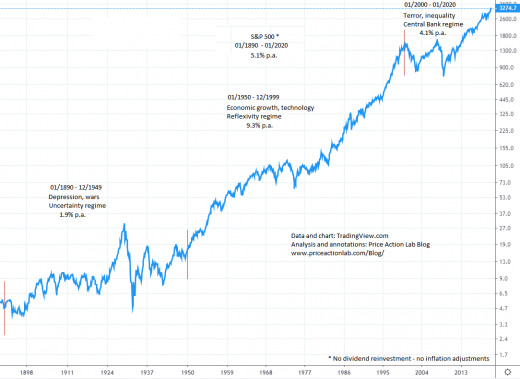
The Anatomy of a Bull Market Run - And What Comes Next
Welcome to the exhilarating world of bull markets! These are the times when stocks surge, investors rejoice, and dreams of financial success seem just within reach. A bull market is a period of rising stock prices, where optimism runs high and opportunities abound. It's like riding a wave of positive momentum that can lead to significant gains for those who know how to navigate it.
But what exactly fuels this incredible phenomenon? How does it all come together? And most importantly, what comes next after the dust settles? In this blog post, we'll dive deep into the anatomy of a bull market run and explore strategies on how to prepare for what lies ahead. So fasten your seatbelts because this roller coaster ride is about to begin! Let's uncover the secrets behind these bullish trends and uncover strategies for maximizing your profits along the way.
The Anatomy of a Bull Market Run
During a bull market run, several key factors come together to create the perfect storm of positive sentiment and upward momentum. It all starts with an overall optimistic outlook on the economy. When investors have confidence in economic growth and stability, they are more willing to pour their money into stocks.
Another crucial element is corporate earnings. Bull markets often coincide with periods of strong company earnings, as businesses thrive and generate substantial profits. This reinforces investor confidence and fuels further buying activity.
Additionally, interest rates play a significant role in shaping a bull market's trajectory. Lower interest rates make borrowing cheaper for businesses and consumers alike, stimulating spending and investment. As a result, companies can expand operations, hire more employees, and ultimately drive stock prices higher.
The psychology of investors also contributes to the anatomy of a bull market run. Positive news tends to breed optimism among traders who fear missing out on potential gains. This "fear of missing out" or FOMO mentality can lead to increased buying pressure as individuals scramble to get in on the action.
Furthermore, institutional investors such as pension funds or mutual funds often allocate significant portions of their portfolios towards equities during bullish periods. Their large-scale investments can amplify price movements even further.
Technological advancements have revolutionized how information flows within financial markets. The rise of social media platforms has given retail investors unprecedented access to real-time news updates, expert opinions, and fellow traders' experiences—creating an environment where trends spread like wildfire.
Understanding these interconnected components that contribute to the anatomy of a bull market run allows savvy investors to position themselves strategically for maximum profit potential while minimizing risks along the way.
What Comes next?
What comes next after a bull market run? This is the question that lingers on the minds of investors and traders alike. While it's impossible to predict with absolute certainty what will happen in the future, there are certain indicators and patterns that can provide insights into potential outcomes.
One possibility is a period of consolidation or sideways movement. After a prolonged bull market, it's not uncommon for prices to stabilize and trade within a range for some time. This can be seen as a healthy pause before the next leg up or as an indication of indecision among market participants.
Another potential scenario is a correction or pullback. Bull markets are often punctuated by periodic dips in prices, which serve as opportunities for profit-taking and rebalancing portfolios. These corrections can be short-lived and relatively shallow, providing buying opportunities for those who missed out on earlier gains.
On the other hand, there could also be signs of an impending bear market. Economic indicators such as slowing GDP growth, rising interest rates, or geopolitical tensions may start to weigh on investor sentiment, leading to a shift from optimism to caution.
What comes next depends on various factors such as economic fundamentals, central bank policies, corporate earnings guidance, and global events. It's crucial for investors to stay informed about these developments and adjust their strategies accordingly.
What comes next after a bull market run remains uncertain but could include periods of consolidation or pullbacks before another upward move. Alternatively though less desirable would be indications of an impending bear market due to negative economic indicators or geopolitical tensions weighing heavily upon investor sentiment
How to Prepare for the Next Bull Market Run
As investors, it's crucial to always be prepared for what the market has in store. And when it comes to bull markets, the key is to stay ahead of the game. So how can you prepare for the next bull market run?
First and foremost, arm yourself with knowledge. Stay informed about current market trends and economic indicators that may impact a potential bull market. Keep up with financial news and analysis from reputable sources, such as financial publications or trusted investment websites.
Next, diversify your portfolio. A well-diversified portfolio helps mitigate risk and allows you to take advantage of various opportunities that arise during a bull market run. Consider investing in different asset classes like stocks, bonds, real estate, or even alternative investments like commodities or cryptocurrencies.
Additionally, assess your risk tolerance levels before diving into any new investments. Bull markets can be exhilarating but also come with increased volatility. Make sure your investment strategy aligns with your risk appetite so that you can ride out any turbulence along the way.
Keep an eye on valuation metrics too.
As markets rise during a bull run, stocks may become overvalued relative to their earnings potential. Look for companies trading at reasonable valuations based on factors such as price-to-earnings ratio or price-to-sales ratio.
Have a plan in place for when the inevitable downturn arrives after a bull market run ends (because nothing lasts forever!). This could involve setting stop-loss orders on individual positions or having cash reserves ready to deploy when prices dip.
Preparing for the next bull market isn't just about timing; it's about being proactive and strategic with your investments. By staying informed, diversifying wisely, managing risk effectively,and planning ahead,you'll position yourself to make smart decisions no matter what lies ahead in this ever-changing investing landscape.
As we've explored the anatomy of a bull market run and discussed what may come next, it's important to remember that investing is never without risk. While historical patterns can provide us with insights, they do not guarantee future outcomes.
That being said, by staying informed and understanding the key indicators of a bull market, investors can position themselves to potentially benefit from the next upward trend in the stock market. Remember to diversify your portfolio, have a long-term investment horizon, and stay disciplined regardless of market conditions.
While no one can predict exactly when or how the next bull market will unfold, being prepared ahead of time can help you navigate through periods of volatility and take advantage of potential opportunities for growth.
So keep an eye on economic data, corporate earnings reports, and central bank policies. Stay up-to-date with industry trends and seek professional advice if needed. Flexibility and adaptability are crucial during times of change in order to capitalize on emerging possibilities.
In conclusion (without explicitly stating so), preparing for a bull market run requires knowledge, patience, discipline,
and vigilance. By understanding the anatomy of past bull markets and keeping an eye on future trends,investors can position themselves for success even in uncertain times.
Remember: Bull markets may rise and fall – but with careful planning
and strategy – your investments have the potential to thrive!
Keep learning,
Stay adaptable,
And good luck!
Trading Tools Unleashed: Must-Have Resources for Success
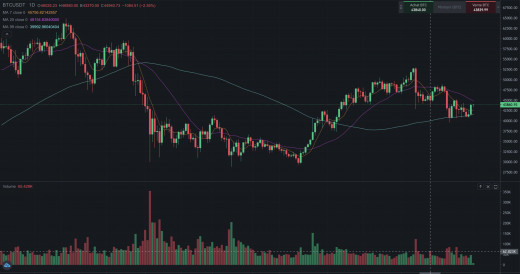
Trading Tools Unleashed: Must-Have Resources for Success
Unleash the power of trading with these must-have resources for success! Whether you're a seasoned trader or just dipping your toes into the world of finance, having the right tools at your disposal is crucial.
In this blog post, we'll explore some game-changing resources that can take your trading game to new heights. From cutting-edge software to insightful market analysis platforms, get ready to revolutionize your approach and maximize your profits. So strap in and get ready as we unveil the ultimate arsenal of trading tools that are sure to elevate your success!
What are the Must-have Resources for Success in Trading?
When it comes to trading, having the right resources is crucial for success. Here are some must-have tools that can make a significant difference in your trading journey.
- Reliable Trading Platform: A robust and user-friendly trading platform is essential for executing trades efficiently. Look for one with advanced charting capabilities, real-time data updates, and customizable features that suit your trading style.
- Market Research Tools: Keeping up with market trends and news is vital in making informed trading decisions. Utilize research tools that provide comprehensive analysis, economic calendars, and access to financial news sources to stay ahead of the game.
- Technical Analysis Software: Understanding price patterns and indicators can help identify potential entry and exit points. Use technical analysis software that offers charting tools, indicators, backtesting capabilities, and pattern recognition features to enhance your technical analysis skills.
- Risk Management Tools: Managing risk is crucial in trading to protect your capital from excessive losses. Implement risk management tools such as stop-loss orders or trailing stops to limit downside risks while maximizing potential profits.
- Educational Resources: Continuous learning is key to improving your trading skills. Access educational resources like webinars, online courses, eBooks or join communities where you can interact with experienced traders who can share insights and strategies.
- Trading Journals: Keeping track of your trades allows you to analyze past performance objectively and identify areas for improvement. Maintain a detailed trading journal where you record trade entries/exits, reasons behind each trade decision, emotions felt during the trade process etc.
- Supportive Community : Join online communities or forums where you can connect with fellow traders who share similar interests.
This provides an opportunity learn new strategies,tips,trading ideas as well as gain emotional support during challenging times.
Remember that these resources alone won't guarantee success; it's how you utilize them that matters most.Stay disciplined, diligent,and continuously adapt based on market conditions.
The combination of these must-have resources and your own dedication is what will ultimately lead to trading success.
How to Use these Resources to Your Advantage
Once you have identified the must-have resources for successful trading, the next step is to learn how to use them to your advantage. Here are some strategies to maximize the benefits of these tools:
- Educate yourself: Take the time to fully understand each resource and its functionalities. Read tutorials, watch videos, or attend webinars offered by experts in the field. This will ensure that you are utilizing these tools effectively.
- Set realistic goals: Determine what you want to achieve with each tool and set measurable goals accordingly. Whether it's improving your technical analysis skills or optimizing your risk management strategy, having clear objectives will help guide your actions.
- Practice regularly: Like any skill, trading requires practice and consistency. Dedicate regular time to using these resources and honing your skills. By doing so, you'll become more familiar with their features and develop a better understanding of how they can be applied in different market scenarios.
- Keep up with industry trends: The financial markets are constantly evolving, so it's crucial to stay updated on new developments and trends relevant to your chosen resources. Follow reputable news sources, subscribe to newsletters or join online communities where traders share insights and experiences.
- Analyze results: Regularly review your trading performance using the data provided by these tools. Identify patterns or areas for improvement based on historical data or backtesting results if available.
Remember that no single resource guarantees success in trading; it's about leveraging multiple tools together strategically while adapting them according to changing market conditions.
By following these strategies consistently over time, you'll increase your chances of making informed decisions that lead to profitable trades.
In conclusion, in the fast-paced world of trading, having the right resources at your fingertips is essential for success. With these must-have tools in your arsenal, you can navigate the markets with confidence and make informed decisions. From charting platforms to news aggregators, there are a plethora of resources available to help you stay ahead of the game.
To maximize their potential, it's important to use these resources strategically. Take advantage of advanced technical analysis tools to identify trends and patterns that can inform your trading strategies. Stay updated with real-time market data and news alerts to capitalize on opportunities as they arise. And don't forget about educational resources that can enhance your knowledge and skills in this ever-evolving field.
Remember, no tool alone guarantees success in trading. It takes practice, discipline, and a deep understanding of the markets. But by incorporating these tools into your trading routine and leveraging their capabilities effectively, you'll be setting yourself up for greater chances of success.
So go ahead and unleash the power of these trading tools! Explore different options, experiment with strategies, and find what works best for you. Keep learning from experts in the industry and adapt as needed.
Trading can be an exciting journey filled with ups and downs. But armed with the right resources, you'll have a better chance at reaching your goals while minimizing risks along the way.
Happy trading!
Risk vs Reward: Finding the Perfect Balance in Trading

Risk vs Reward: Finding the Perfect Balance in Trading
Welcome to the world of trading, where risks and rewards go hand in hand! Whether you're a seasoned investor or a curious newbie looking to dip their toes into the market, understanding the delicate balance between risk and reward is essential. After all, finding that sweet spot can make all the difference between striking gold and losing it all.
In this blog post, we'll dive deep into what exactly risk and reward mean in trading, and most importantly, how you can find that perfect equilibrium. So buckle up and get ready for an exhilarating ride as we explore the fascinating world of risk versus reward in trading!
What is Risk?
What is risk? When it comes to trading, risk refers to the potential for financial loss. It's the possibility that your investments may not perform as expected and you could end up losing money. In simple terms, risk is inherent in any investment because there are no guarantees of returns.
In trading, risks can come from various sources such as market volatility, economic factors, or even company-specific events. The key is to understand and assess these risks before making any investment decisions.
One common measure used to quantify risk is volatility. Volatility reflects the degree of fluctuation in an asset's price over time. Higher volatility generally indicates higher levels of risk.
Another factor to consider when evaluating risk is diversification. By spreading your investments across different asset classes or sectors, you can potentially reduce the impact of a single investment performing poorly.
It's important to note that while some level of risk is unavoidable in trading, it doesn't mean you should avoid it altogether. Risk and reward go hand in hand - higher potential rewards often come with higher levels of risk.
To manage and mitigate risks effectively, traders employ various strategies such as setting stop-loss orders or using hedging techniques. These approaches aim to limit losses and protect capital while still allowing for potential gains.
Understanding what constitutes risk in trading and finding a balance between taking on enough risk for potential rewards without exposing yourself too much requires careful analysis and informed decision-making.
What is Reward?
What is reward? It's that enticing outcome we all crave when taking risks. In the world of trading, reward refers to the potential gain or profit one can achieve from an investment or trade.
When it comes to trading, rewards can come in various forms. It could be a financial gain, such as a substantial return on investment. But it can also include other benefits like personal satisfaction, achieving goals, or gaining valuable experience and knowledge.
The concept of reward in trading is closely tied to risk. The higher the potential for reward, the higher the level of risk involved. Traders need to carefully assess and weigh both factors before making decisions.
To determine what constitutes a rewarding opportunity, traders analyze various indicators and factors such as market trends, historical data, and technical analysis. They calculate potential profits against possible losses and evaluate their risk tolerance.
Finding the perfect balance between risk and reward requires careful consideration and strategy. Traders must strike a delicate equilibrium that allows them to maximize their gains while minimizing their exposure to losses.
How to Find the Perfect Balance Between Risk and Reward
Finding the perfect balance between risk and reward is a crucial aspect of successful trading. It requires careful analysis, strategy, and decision-making. Here are some key steps to help you find that elusive sweet spot.
Assess your risk tolerance. Everyone has a different level of comfort when it comes to taking risks. Understanding your own limitations is essential in determining the amount of risk you are willing to take on.
Next, conduct thorough research and analysis before making any trades. This includes studying market trends, analyzing historical data, and staying up-to-date with relevant news and events that may impact the market.
Diversification is another vital factor in balancing risk and reward. By spreading your investments across different asset classes or sectors, you can limit potential losses while still leaving room for potential gains.
Implementing stop-loss orders is also an effective risk management technique. These orders automatically sell a security if its price drops below a certain predetermined level, helping to minimize losses in volatile markets.
Regularly review and adjust your trading strategies as needed. Markets are constantly changing, so it's important to adapt accordingly by evaluating your performance and making necessary adjustments to maintain the desired balance between risk and reward.
By following these steps consistently and remaining disciplined in your approach to trading, you can increase your chances of finding that perfect equilibrium between risk-taking and rewarding outcomes without compromising on long-term success.
In conclusion, achieving the perfect balance between risk and reward is a fundamental aspect of successful trading. By understanding the concept of risk and reward, traders can make informed decisions that align with their financial goals.
It's important to remember that risk is an inherent part of trading. It cannot be completely eliminated, but it can be managed effectively. Traders should assess their risk tolerance and implement strategies such as diversification, stop-loss orders, and proper position sizing to mitigate potential losses.
On the other hand, rewards in trading come from identifying profitable opportunities and executing well-planned trades. Traders can enhance their potential rewards by conducting thorough research, staying updated on market trends, utilizing technical analysis tools, and practicing disciplined decision-making.
Finding the perfect balance involves striking a harmonious relationship between risk and reward. This means finding a level of risk that allows for reasonable gains while protecting against excessive losses. Each trader will have different preferences based on their individual circumstances, goals, experience level, and time commitment.
To find this balance requires continuous learning and adaptation. Traders should regularly review their performance metrics to identify areas where adjustments may be needed. They should also stay open-minded to new strategies or approaches that could improve their overall trading outcomes.
In conclusion (without explicitly stating "in conclusion"), achieving the right mix between risk-taking behavior and potentially rewarding outcomes is both an art and a science in the world of trading. It requires careful consideration of personal circumstances alongside market dynamics. With practice, discipline, patience,and ongoing
education,traders can strive towards finding that sweet spot where risks are prudently taken while reaping substantial rewards in return.
Beyond Stocks and Bonds: Alternative Investment Opportunities

Beyond Stocks and Bonds: Alternative Investment Opportunities
Welcome to the world of alternative investments, where opportunity and excitement go hand in hand! While stocks and bonds have long been favored by investors, there is a whole universe of alternative options just waiting to be explored. Whether you're looking to diversify your portfolio or seek out potentially higher returns, venturing into alternative investments can open up a world of possibilities.
In this blog post, we'll delve into some intriguing alternatives beyond the traditional realm of stocks and bonds. From real estate to precious metals, hedge funds to collectibles, and private equity ventures - get ready to discover new frontiers for your investment journey! So fasten your seatbelts as we embark on an exciting exploration of uncharted territory in the realm of finance!
1. Real Estate
Real estate, a tangible and evergreen investment option, holds immense potential for investors seeking stability and long-term growth. Whether it's residential properties or commercial ventures, the real estate market offers a multitude of opportunities.
Investing in real estate provides several advantages. Property values tend to appreciate over time, offering potential capital gains. Additionally, rental income from properties can provide consistent cash flow, making it an attractive source of passive income.
One popular avenue in real estate investing is through rental properties. By purchasing residential or commercial units and leasing them out to tenants, investors can generate regular income while also benefiting from property appreciation over time.
Another alternative is investing in real estate investment trusts (REITs). These publicly traded companies pool funds from multiple investors to purchase and manage various types of properties. Investing in REITs allows individuals to access the real estate market without having to directly buy and manage properties themselves.
For those with a higher risk appetite, fix-and-flip strategies present an exciting opportunity. This involves buying distressed properties at lower prices, renovating them extensively before selling them at a profit.
The world of real estate presents numerous avenues for savvy investors willing to explore beyond traditional stocks and bonds. With careful research and strategic decision-making, one can unlock the potential for long-term wealth creation through this alternative asset class. So why not consider adding some bricks and mortar into your investment portfolio?
2. Precious Metals
When it comes to alternative investment opportunities, one shining option that often catches the eye is precious metals. From gold and silver to platinum and palladium, these timeless treasures have long been valued for their intrinsic worth.
Investing in precious metals can provide a sense of security during uncertain economic times. These tangible assets have stood the test of time and are known for their ability to retain value even when other investments falter.
One advantage of investing in precious metals is their global appeal. Gold, for example, holds universal recognition as a store of wealth across different cultures and countries. This makes it an attractive asset for diversifying your portfolio beyond traditional stocks and bonds.
Another benefit is the potential for capital appreciation. Precious metal prices are influenced by various factors such as supply and demand dynamics, geopolitical tensions, inflation concerns, and currency fluctuations. These market forces can lead to price increases over time.
Furthermore, investing in precious metals offers flexibility. Investors can choose between physical ownership through bullion bars or coins or opt for exposure through exchange-traded funds (ETFs) or mining company stocks.
However, like any investment opportunity, there are risks involved with precious metals too. Market volatility can impact prices significantly, making timing crucial when buying or selling these commodities.
Investing in precious metals provides an alluring alternative to traditional investment options. Their historical allure combined with their potential as a hedge against economic uncertainty makes them worthy contenders in any well-diversified portfolio.
3. Hedge Funds
Hedge funds, often seen as a mysterious and exclusive investment option, can offer unique opportunities for diversification and potential high returns. These alternative investment vehicles pool money from wealthy individuals or institutions and are managed by professional fund managers.
One of the main advantages of hedge funds is their ability to use different strategies to generate profits in various market conditions. They have the flexibility to invest in a wide range of assets, such as stocks, bonds, commodities, currencies, and derivatives.
Hedge funds also have the advantage of being able to go both long (buying an asset with the expectation that its value will increase) and short (selling an asset with the expectation that its value will decrease). This allows them to profit from not only rising markets but also falling ones.
Another characteristic of hedge funds is their use of leverage. By borrowing money to amplify their positions, they seek to maximize potential gains. However, it's important to note that leverage can also increase risk.
Due to their complex nature and limited regulation compared to traditional investments like stocks or bonds, investing in hedge funds requires careful consideration. It's crucial for investors to thoroughly research fund managers' track records and understand any associated fees before committing capital.
While hedge funds may not be suitable for all investors due to their higher risks and barriers-to-entry requirements (such as minimum investment amounts), they can provide opportunities for those seeking potentially higher returns through active management strategies tailored towards specific market conditions.
4. Collectibles
Collectibles have long been a popular alternative investment option for those looking to diversify their portfolios beyond traditional stocks and bonds. These unique items can range from rare coins and stamps to vintage comic books and sports memorabilia. The appeal of collectibles lies in their potential for appreciation over time, as well as the joy they bring to collectors.
One of the key advantages of investing in collectibles is that they tend to hold their value even during economic downturns. Unlike stocks or real estate, which can be influenced by market fluctuations, the value of a rare item is often determined by its scarcity and desirability among collectors. This makes it an appealing option for investors seeking stability.
However, it's important to approach collectible investments with caution. Because these items are often subject to subjective valuation and market trends, there is always a level of risk involved. It's crucial to thoroughly research any collectible before making a purchase and consider factors such as condition, provenance, and market demand.
Another aspect that sets collectibles apart from other alternative investments is the emotional connection many collectors have with their chosen items. For some enthusiasts, collecting isn't just about financial gain; it's about preserving history or showcasing personal interests. The passion that drives these individuals can contribute to increased demand for certain items and drive up prices.
When considering adding collectibles to your investment portfolio, it's essential to carefully assess your goals and risk tolerance. Some investors may choose to focus on specific niches within the world of collecting - such as art or antique cars - while others may prefer a more diversified approach.
Investing in collectibles offers an exciting opportunity for both financial returns and personal enjoyment. By doing thorough research, staying informed about current trends in the collecting community, and consulting with experts if needed, you can make informed decisions that align with your investment objectives
5. Private Equity
Private equity is an alternative investment opportunity that has gained significant popularity in recent years. This investment strategy involves pooling funds from high net worth individuals and institutions to invest in privately held companies or acquire controlling stakes in public companies.
One of the main attractions of private equity is the potential for higher returns compared to traditional investments like stocks and bonds. Private equity firms typically take a hands-on approach, working closely with portfolio companies to drive growth and improve operational efficiency.
Investing in private equity can be highly lucrative, but it also comes with its fair share of risks. The illiquid nature of these investments means that you may have limited access to your capital until the investment period ends, which can range from several years to more than a decade.
Another consideration when investing in private equity is the lack of transparency compared to publicly traded investments. Since these transactions occur behind closed doors, it's essential to conduct thorough due diligence before committing capital.
Private equity offers investors exposure to a wide range of industries and sectors, including technology, healthcare, real estate, and renewable energy. This diversification benefits investors by reducing risk through increased exposure across different asset classes.
Private equity presents an intriguing opportunity for sophisticated investors looking for potentially higher returns outside traditional markets. However, it's crucial to evaluate each opportunity carefully and consult with professionals who specialize in this area before making any investment decisions.
In conclusion, in today's ever-evolving investment landscape, it is crucial to consider alternative investment opportunities beyond the traditional stocks and bonds. Diversifying your portfolio with these unconventional options can potentially yield significant returns and provide a hedge against market volatility.
Real estate has long been a favorite among savvy investors for its potential to generate passive income through rentals or appreciate in value over time. Whether it be residential properties or commercial spaces, investing in real estate offers stability and tangible assets that can withstand economic downturns.
Precious metals like gold, silver, and platinum have always been regarded as safe-haven investments. These valuable commodities often retain their worth even during tumultuous times when other markets falter. Investing in precious metals can serve as an effective hedge against inflation while providing tangible assets that hold intrinsic value.
Hedge funds offer an intriguing avenue for experienced investors seeking higher returns by leveraging more sophisticated strategies than those available in traditional asset classes. With skilled fund managers at the helm, these investment vehicles aim to outperform the broader market by utilizing various techniques such as short-selling and derivatives trading.
Collectibles encompass a wide range of items including artwork, rare coins, vintage cars, stamps, and even sports memorabilia. While investing in collectibles requires deep knowledge of specific markets or niches, it can be immensely rewarding both financially and emotionally for collectors who are passionate about their chosen field.
Private equity presents an opportunity to invest directly into privately-owned companies that are not publicly traded on stock exchanges. This form of investment allows you to become a shareholder or partner in businesses across various sectors such as technology startups or established firms looking for expansion capital.
The Power of Patience: Long-Term Investing Strategies

The Power of Patience: Long-Term Investing Strategies
Investing in the stock market can be a thrilling rollercoaster ride. The ups and downs, the constant barrage of news and market fluctuations, it's enough to make even the most seasoned investor feel a bit queasy. But what if there was a way to navigate this unpredictable terrain with more ease and confidence? Enter long-term investing.
Long-term investing is not just about riding out short-term volatility; it's about harnessing the power of patience and reaping the rewards over time. In this blog post, we'll explore what exactly long-term investing entails, its benefits as well as risks, when to start investing for the long term, and how to develop an effective strategy that aligns with your financial goals. So sit back, relax (yes really!), and let's dive into the world of long-term investing together!
What is Long-term Investing?
Long-term investing is a strategy that involves holding onto investments for an extended period of time, typically years or even decades. It's the polar opposite of short-term trading, where investors aim to buy and sell assets quickly to capitalize on short-lived price movements.
The key principle behind long-term investing is the belief in the power of compounding. By staying invested over a longer timeframe, you give your investments more time to grow and benefit from compound returns. This means that not only do you earn returns on your initial investment, but also on any additional gains generated along the way.
One important aspect of long-term investing is having a diversified portfolio. Spreading out your investments across various asset classes like stocks, bonds, and real estate can help reduce risk and increase potential returns over time.
Patience is crucial when it comes to long-term investing. It requires resisting the urge to constantly check stock prices or make impulsive decisions based on market fluctuations. Instead, it focuses on buying quality assets with strong fundamentals and holding onto them through market ups and downs.
Long-term investing also allows you to take advantage of historical trends in the market. Over time, markets have shown a general upward trajectory despite occasional downturns and recessions. By staying invested for the long haul, you give yourself a higher chance of capturing those overall positive trends.
In essence, long-term investing is about playing the long game rather than trying to beat short-term market volatility. It requires discipline, patience, and a focus on fundamental analysis rather than reacting emotionally to daily news headlines or temporary swings in stock prices.
The Benefits of Long-term Investing
One of the key benefits of long-term investing is the potential for significant growth over time. By taking a patient and disciplined approach to investing, you give your investments the opportunity to weather short-term fluctuations and capitalize on long-term market trends.
When you invest for the long term, you have the ability to compound your returns. This means that as your investment grows, your earnings can also generate more earnings. Over time, this compounding effect can result in exponential growth that may not be possible with shorter-term investments.
Another advantage of long-term investing is that it allows you to ride out market volatility. Shorter-term traders often try to time their buys and sells based on short-lived trends or news events. In contrast, long-term investors focus on the overall performance of their portfolio over many years rather than trying to predict short-term movements.
Moreover, adopting a long-term perspective helps reduce transaction costs associated with frequent buying and selling. Instead of constantly trading stocks or other assets, which can incur fees and taxes each time, a buy-and-hold strategy minimizes these expenses while allowing investors to benefit from gradual appreciation.
Long-term investing also provides an opportunity for passive income generation through dividend payments or interest earned from bonds or other fixed-income securities. These steady cash flows can be reinvested or used as additional income streams during retirement.
By committing to a long-term investment strategy, individuals are forced into discipline when it comes to managing their finances. It encourages regular savings habits while discouraging impulsive decision-making based on short-lived market movements.
The Risks of Long-term Investing
The risks of long-term investing can certainly give investors pause. While the potential for high returns over an extended period is enticing, it's important to recognize that there are inherent risks involved.
One significant risk is market volatility. Over the long term, markets have historically shown growth, but they also experience periods of sharp declines. These fluctuations can be nerve-wracking for investors who may see their investment values temporarily decline. However, it's crucial to remember that staying invested and riding out these ups and downs has often proven rewarding in the long run.
Another risk is inflation eroding the purchasing power of your investments over time. Inflation refers to the increase in prices of goods and services over time, which means that your money may not stretch as far as you had anticipated years down the line. One way to combat this risk is by diversifying your portfolio across different asset classes such as stocks, bonds, and real estate.
Additionally, economic factors such as recessions or political instability can impact investment performance. During times like these, investor confidence tends to waver leading to market downturns. It's important not to panic during these periods but rather stick with your long-term strategy.
Individual company-specific risks must be considered when investing for the long term. Company bankruptcy or poor financial performance could result in a loss of value for specific stocks or investments held within a portfolio.
While there are indeed risks associated with long-term investing strategies, being aware of them and taking appropriate steps can help manage those risks effectively
When to Start Investing for the Long Term
When to start investing for the long term? This is a question that often crosses our minds, especially when we consider the potential benefits of long-term investing. While there may not be a definitive answer, starting as early as possible is generally recommended.
One key factor to consider is time. The power of compound interest means that the longer you have your money invested, the more it can grow over time. By starting early, you give your investments more time to weather market fluctuations and benefit from compounding returns.
Another important consideration is financial stability. It's generally advisable to build an emergency fund before embarking on long-term investing. Having a safety net in place ensures that you won't need to dip into your investment funds unexpectedly, potentially disrupting your long-term strategy.
Additionally, it's crucial to assess your personal goals and risk tolerance when deciding when to start investing for the long term. If you have specific financial objectives in mind, such as saving for retirement or purchasing a home in the future, it may be wise to begin investing sooner rather than later.
Keep in mind that no one has perfect timing when it comes to investing. Trying to predict market trends or waiting for optimal conditions can lead to missed opportunities. Remember that consistency and discipline are key elements of successful long-term investment strategies.
In summary (as per instructions), determining exactly when to start investing for the long term depends on various factors such as age, financial stability, goals, and risk tolerance. However, starting early gives you an advantage due to compound interest and allows ample time for growth potential. It's essential not only to prioritize building an emergency fund but also having clear objectives in mind while considering individual circumstances
How to Invest for the Long Term
When it comes to investing for the long term, there are a few key strategies that can help you maximize your returns and minimize risk. First, diversification is essential. By spreading your investments across different asset classes such as stocks, bonds, and real estate, you reduce the impact of any one investment performing poorly.
Another important factor to consider is time horizon. Investing for the long term means you have a longer period of time to ride out market fluctuations and take advantage of compounding returns. This allows you to potentially earn higher returns over time compared to short-term trading.
Additionally, it's crucial to do your research and stay informed about the companies or funds in which you're investing. Look for solid financials, strong management teams, and a track record of consistent growth.
Furthermore, patience is key when investing for the long term. It's important not to panic during market downturns but instead focus on the big picture and stick with your investment plan.
Regularly reviewing your portfolio and rebalancing if necessary will ensure that it stays aligned with your goals over time.
By following these strategies and staying disciplined in your approach, you can set yourself up for success when investing for the long term without having to constantly monitor every stock tick or economic news headline.
In conclusion, investing for the long term can be a powerful strategy for growing your wealth and achieving your financial goals. It requires patience, discipline, and a commitment to staying invested even during market downturns. While there are risks involved, such as market volatility and the potential for loss, the benefits of long-term investing far outweigh these concerns.
By taking a long-term approach to investing, you have the opportunity to benefit from compound interest and the power of time in the market. This means that even small contributions made consistently over many years can grow significantly over time. Additionally, by remaining invested through market cycles instead of trying to time the market or chase short-term gains, you reduce the risk of making costly mistakes.
The key is to start early and stay consistent with your investment plan. Whether you choose stocks, bonds, mutual funds or index funds as part of your portfolio diversification strategy will depend on your risk tolerance and investment goals. It's important to do thorough research or seek advice from a qualified financial advisor before making any investment decisions.
Remember that long-term investing is not a get-rich-quick scheme but rather a steady path towards building wealth over time. The journey may have ups and downs along the way but by staying focused on your goals and maintaining a disciplined approach, you increase your chances of success.
So embrace patience when it comes to investing – let compounding work its magic while you sit back knowing that you're on track toward achieving financial security in the future. Start today; invest wisely; reap rewards tomorrow!
From Novice to Pro: A Journey into Trading Mastery

From Novice to Pro: A Journey into Trading Mastery
Welcome, aspiring traders, to the exhilarating world of trading mastery! Whether you're a curious novice dipping your toes into the market or a seasoned investor looking to take your skills to new heights, this blog post is here to guide you on your journey towards becoming a pro trader.
Trading may seem like an enigmatic and complex endeavor, but fear not! In this article, we will demystify the art of trading and explore the different types of trading strategies. We'll also delve into both the advantages and challenges that come with being a trader. So buckle up and get ready for an exciting ride as we unlock the secrets behind achieving trading mastery!
Defining Trading
At its core, trading is the art of buying and selling financial instruments with the aim of generating profits. It's a dance on the ever-changing floor of markets, where traders navigate through price fluctuations to make strategic moves.
Every trade involves careful analysis, meticulous planning, and calculated execution. Traders study charts, track trends, analyze indicators, and scrutinize market news in order to make informed decisions. It's like being a detective piecing together clues to solve a puzzle - except this puzzle has real-world consequences for your bank account!
But trading isn't just about numbers and charts; it also requires mental fortitude. Emotions can run high when money is on the line. Greed tempts us to hold onto winning positions for too long while fear pushes us to exit prematurely. Successful traders learn how to manage these emotions and maintain discipline in their decision-making process.
Trading is all about adaptability. Market conditions change constantly, requiring traders to adjust their strategies accordingly. What worked yesterday may not work today or tomorrow. Traders must be flexible enough to embrace new ideas and approaches if they want to stay ahead in this dynamic landscape.
In essence, trading is a never-ending learning journey that challenges both our analytical skills and emotional resilience.
It’s an intricate blend of science and art – one part data-driven analysis and one part gut instinct honed by experience.
So buckle up as we embark on this thrilling adventure towards mastering the world of trading!
The Different Types of Trading
When it comes to trading, there are many different paths you can take. Each type of trading offers its own unique set of opportunities and challenges. Let's explore some of the different types of trading that exist in the financial markets.
First up is day trading. This is a fast-paced style where traders open and close positions within the same day. Day traders are constantly monitoring price movements and looking for short-term profit opportunities.
Swing trading takes a slightly longer-term approach. Traders hold positions for days or even weeks, aiming to capture larger price moves within trending markets. This type of trading requires patience and careful analysis.
For those who prefer a more hands-off approach, there's position trading. Position traders typically hold positions for months or even years, focusing on long-term market trends rather than short-term fluctuations.
If you're interested in taking advantage of global economic events, then news trading might be your niche. News traders closely follow economic data releases and central bank announcements to capitalize on market reactions.
Another popular form of trading is options trading. This involves buying or selling options contracts based on predictions about the future movement of an underlying asset's price.
We have algorithmic or automated trading, which relies on computer programs to execute trades based on predefined rules and algorithms. Each type has its own advantages and disadvantages depending on factors such as time commitment, risk tolerance, and personal preferences.
Now that you have an overview of the different types of trading available,it's important to do further research into each one before deciding which path aligns with your goals.
The key is finding a style that suits your personality,budget,and lifestyle.
Whichever path you choose,the journey towards mastery will require dedication,time,and continuous learning.
As with any skill,the road from novice to pro won't happen overnight,but with perseverance,you can develop into a master trader capable navigating through various market conditions. So, start exploring the world of trading and embark on an exciting journey that can lead to financial independence and personal fulfillment.
The Pros and Cons of Trading
Trading can be an exciting and potentially lucrative venture for those who are willing to put in the time, effort, and commitment. However, like any other endeavor, trading comes with its own set of advantages and disadvantages.
One of the main benefits of trading is the potential for financial freedom. With successful trades, traders have the opportunity to make significant profits and build wealth over time. Additionally, trading offers flexibility in terms of when and where you work. As long as you have access to a computer or mobile device with internet connection, you can trade from anywhere in the world.
Another advantage is that trading allows individuals to take control of their financial future. Instead of relying solely on traditional investments or employment income, traders have the ability to actively manage their own portfolios and make strategic decisions based on market trends.
However, it's important to note that there are also risks involved in trading. The most obvious con is the potential for losses. Trading involves uncertainty and volatility in markets which means there will be times when trades don't go as planned resulting in financial loss.
Furthermore, trading requires discipline and emotional resilience. It's easy to get caught up in emotions like fear or greed which can lead to impulsive decision-making - a recipe for disaster when it comes to successful trading.
In addition, not everyone has the necessary skills or knowledge required for profitable trading right off-the-bat; this learning curve could result into initial losses before becoming proficient at it.
How to Become a Master Trader
Becoming a master trader is the ultimate goal for anyone who wants to excel in the trading world. It takes time, dedication, and a deep understanding of the market. Here are some key steps you can take on your journey to becoming a master trader.
First and foremost, education is crucial. Take the time to learn about different trading strategies, technical analysis tools, and market indicators. Attend seminars or webinars, read books by successful traders, and follow reputable financial news sources.
Next, practice makes perfect. Open a demo trading account and start practicing with virtual money. This will allow you to test different strategies without risking any real capital. Analyze your trades and learn from both your successes and failures.
Additionally, it's important to develop discipline and stick to your trading plan. Emotions can often cloud judgment when it comes to making decisions in the market. Set clear entry and exit points for each trade based on solid analysis rather than letting emotions dictate your actions.
Furthermore, keep up with market trends by staying informed about current events that may impact financial markets. Economic data releases or geopolitical developments can have significant effects on prices.
Lastly but most importantly: patience is key! Trading mastery doesn't happen overnight; it requires consistent effort over time. Stay committed to continuous learning and improvement as you navigate through various market conditions.
By following these steps diligently while adapting them according to personalized needs or circumstances along the way - one can embark on an exciting journey towards becoming a master trader!
In conclusion, embarking on a journey to become a master trader is no easy feat, but with dedication, perseverance, and the right mindset, it is definitely achievable. Trading offers a world of opportunities for financial growth and independence, but it also comes with its own set of challenges.
Throughout this article, we have explored what trading entails and the various types of trading that individuals can engage in. We have also discussed the pros and cons of trading to give you a balanced perspective.
To become a master trader requires continuous learning and honing of skills. It involves understanding market trends, developing effective strategies, managing risk effectively, and maintaining discipline amidst market fluctuations.
One crucial aspect of becoming a successful trader is to constantly evaluate your performance and learn from both successes and failures. By keeping up with industry developments, attending workshops or training sessions by experienced traders, seeking guidance from mentors or joining communities where like-minded individuals share their knowledge – you will be able to adapt better to changing market conditions.
Remember that mastery in trading takes time; there are no shortcuts or overnight success stories. Embrace every trade as an opportunity for growth rather than solely focusing on monetary gains. Patience combined with consistent practice will gradually transform you from being a novice into a seasoned professional.
So if you're passionate about finance and intrigued by the intricacies of markets around the world – take that first step towards mastering the art of trading! With determination and persistence, who knows? You might just discover your hidden talent for analyzing charts or spotting potential investment opportunities.
Trading can undoubtedly be challenging at times; however, it also holds immense potential for personal growth along with financial rewards. So buckle up as you embark on this exciting journey into the realm of trade - remember: Rome wasn't built in one day!
Cracking the Code: Decoding Candlestick Patterns

Cracking the Code: Decoding Candlestick Patterns
Unlocking the secrets of successful trading can often feel like cracking a code. But fear not, fellow traders! Today, we are going to delve into the fascinating realm of candlestick patterns - powerful tools that can help you navigate the complex world of financial markets with confidence and precision.
Whether you're a seasoned trader or just starting out, understanding candlestick patterns is essential for making informed decisions. These visual representations of price movement offer invaluable insights into market sentiment and potential future trends. So, grab your metaphorical magnifying glass as we embark on an exciting journey to decode the mysteries held within these intriguing formations. Let's get started!
The Three Main Types of Candlestick Patterns
When it comes to candlestick patterns, there are three main types that traders need to be familiar with. These patterns provide valuable insights into the market sentiment and can help predict future price movements. Let's take a closer look at each of these three types.
- Reversal Patterns: As the name suggests, reversal patterns indicate a potential change in trend direction. One popular example is the "Hammer" pattern, characterized by a small body and long lower shadow. This pattern suggests that buyers have stepped in after a downtrend, signaling a possible reversal to an uptrend.
- Continuation Patterns: These patterns suggest that the current trend will continue rather than reverse. One common continuation pattern is the "Bullish Flag," which consists of two parallel lines sloping against the prevailing trend followed by a breakout in the same direction as before.
- Indecision Patterns: Also known as consolidation or neutral patterns, these formations occur when neither buyers nor sellers have control over price movement. The most well-known indecision pattern is called "Doji," where the opening and closing prices are virtually equal, creating a small-bodied candlestick.
By recognizing and understanding these three main types of candlestick patterns, traders gain an edge in their analysis and decision-making process. Each pattern provides unique information about market psychology and can help identify potential trading opportunities or signal caution during uncertain times.
How to Read Candlestick Patterns
When it comes to decoding candlestick patterns, understanding how to read them is essential. These patterns can provide valuable insights into market trends and potential price movements. So, let's dive in and explore the key steps for reading these intriguing patterns.
It's important to examine the shape of each individual candlestick. The body represents the opening and closing prices, while the wicks or shadows indicate the high and low points during a given time period. By observing these elements, you can start deciphering what message the market is sending.
Next, pay attention to the color of each candlestick. Typically, green or white candles signify bullishness or buying pressure, while red or black candles suggest bearishness or selling pressure. This color coding helps identify shifts in sentiment between buyers and sellers.
Another crucial aspect is analyzing the length of both the body and wicks/shadows. Longer bodies often indicate stronger price movements within a specific timeframe. Similarly, longer wicks/shadows may signal increased volatility or indecision in the market.
Furthermore, consider examining multiple candlesticks together to identify patterns such as doji formations (indicating indecision), engulfing patterns (suggesting trend reversal), or hammers (signifying potential bottoms). These combinations can provide additional confirmation when making trading decisions.
Remember that interpreting candlestick patterns requires practice and experience. It's important not to rely solely on one pattern but rather analyze multiple factors like support/resistance levels and volume indicators for a comprehensive assessment.
Now that you know how to read candlestick patterns effectively let's move on to exploring some common examples in our next section!
Examples of Candlestick Patterns
Candlestick patterns are a powerful tool that traders use to analyze market trends and make informed decisions. Let's take a closer look at some common candlestick patterns and understand what they mean.
- The Doji: This pattern represents indecision in the market. It occurs when the opening and closing prices are virtually identical, creating a small or non-existent body with long upper and lower shadows. Traders interpret this as a possible reversal signal, signaling potential change in direction.
- The Hammer: Shaped like its namesake, this pattern usually appears at the bottom of downtrends, indicating potential bullish reversals. It features a small body near the top of the trading range with a long lower shadow.
- The Engulfing Pattern: This pattern consists of two candles where one engulfs or "swallows" the previous one entirely. A bullish engulfing pattern occurs when an upward candle completely engulfs the prior downward candle, suggesting an upcoming uptrend.
- The Shooting Star: Opposite to its counterpart, this bearish reversal pattern signals potential downward movement after an uptrend. It has a small real body situated near the low end of its overall trading range with a long upper shadow.
- The Morning Star: This three-candle pattern often indicates an impending bullish trend reversal after a period of decline. It begins with a large bearish candle followed by smaller bodies representing decreasing selling pressure before ending with another large bullish candle breaking above resistance levels.
By understanding these examples of candlestick patterns and recognizing them on your charts, you can gain valuable insights into market sentiment and make more informed trading decisions based on historical price action data.
In conclusion, mastering the art of decoding candlestick patterns can be a game-changer for traders. These powerful tools provide valuable insights into market trends and potential price reversals, allowing traders to make informed decisions and maximize their profits.
By understanding the three main types of candlestick patterns - reversal, continuation, and indecision - traders can gain an edge in predicting future price movements. Learning how to read these patterns involves analyzing the body size, color, wicks, and overall shape of each candlestick.Throughout this article, we explored some common examples of candlestick patterns such as doji, hammer, engulfing pattern, shooting star, and spinning top. Each pattern has its own characteristics and implications for market direction.
However, it's important to note that while candlestick patterns are useful tools in technical analysis, they should not be used in isolation. It's always recommended to combine them with other indicators or techniques for a more comprehensive trading strategy.
Remember that practice makes perfect when it comes to interpreting candlestick patterns. Continuously studying charts and observing real-time market data will help you sharpen your skills over time.
So go ahead and dive into the world of candlestick patterns! With patience and dedication, you'll soon unlock their secrets and become a more confident trader.
Happy trading!
Quantum Leap : Harnessing AI and Machine Learning in Trading

Quantum Leap : Harnessing AI and Machine Learning in Trading
Welcome to the world of quantum leaps! In today's fast-paced and ever-evolving financial landscape, staying ahead of the curve is crucial. And what better way to do so than by harnessing the power of Artificial Intelligence (AI) and Machine Learning? These cutting-edge technologies have revolutionized various industries, including trading. By seamlessly blending advanced algorithms with vast amounts of data, AI and Machine Learning are opening up unparalleled opportunities for traders to make smarter decisions, optimize strategies, and maximize profits.
In this blog post, we will delve into the fascinating realm of AI and Machine Learning in trading. We'll explore how these groundbreaking technologies are used in the industry, discuss their benefits as well as potential risks, and provide insights on how you can get started on your own quantum leap towards success. So fasten your seatbelts because it's time to embark on a journey where innovation meets profitability!
How AI and Machine Learning are Used in Trading
AI and machine learning have revolutionized the world of trading. These powerful technologies are being used to analyze vast amounts of data and make predictions about market trends with incredible accuracy.
One way AI is utilized in trading is through algorithmic trading systems. These systems use complex mathematical models to identify patterns and trends in historical data, allowing traders to execute trades automatically based on predetermined criteria. This eliminates human error and emotion from the decision-making process, leading to more disciplined and consistent trading strategies.
Machine learning algorithms are also employed to continuously learn from new data and adapt their strategies accordingly. By analyzing real-time market data, these algorithms can detect subtle changes in market conditions that may not be obvious to human traders. This enables them to make quick adjustments and capitalize on emerging opportunities before others even realize they exist.
Furthermore, AI-powered tools can assist traders in conducting thorough research by processing large volumes of news articles, social media feeds, earnings reports, and other relevant information. These tools can quickly extract key insights from unstructured data sources, helping traders stay informed about important developments that could impact their investment decisions.
In addition, AI-driven risk management systems play a crucial role in ensuring the stability of trading operations. By constantly monitoring for potential risks such as sudden price fluctuations or abnormal trading activity, these systems can automatically trigger alerts or take corrective actions to mitigate losses.
The integration of AI and machine learning into the field of trading has brought numerous benefits such as increased efficiency, improved decision-making capabilities, enhanced risk management practices,and expanded access to global markets.
Benefits of Using AI and Machine Learning in Trading
AI and machine learning have revolutionized the trading industry, offering numerous benefits to traders. One major advantage is the ability to analyze vast amounts of data at incredible speeds. With AI algorithms, traders can quickly process market trends, news articles, social media feeds, and other relevant information that may impact stock prices.
Another benefit is improved decision-making. AI systems can identify patterns and correlations that humans might miss, enabling traders to make more informed choices based on historical data and predictive analytics. This helps reduce emotional bias and increases the likelihood of successful trades.
Furthermore, AI-powered trading systems can operate 24/7 without human intervention. This eliminates the need for constant monitoring by traders and allows for faster execution of trades across different markets worldwide.
Additionally, using AI in trading reduces costs associated with manual analysis and research. Instead of relying on large teams of analysts or expensive research tools, AI algorithms can automate these tasks efficiently.
Moreover, machine learning algorithms continuously learn from past trades and adapt their strategies accordingly. They can improve over time as they gather more data points and refine their models based on real-time market conditions.
Utilizing AI-based risk management models helps mitigate potential losses by accurately assessing market volatility levels while simultaneously identifying profitable opportunities.
Integrating AI and machine learning into trading practices offers significant advantages such as efficient data analysis capabilities leading to better decision-making processes; automated operations resulting in cost reduction; continuous improvement through adaptive strategies; enhanced risk management techniques ensuring minimized losses; all contributing towards increased profitability for traders.
Risks of Using AI and Machine Learning in Trading
While the use of Artificial Intelligence (AI) and Machine Learning (ML) in trading has its benefits, it is not without risks. One major risk is the potential for over-reliance on algorithms. Traders may become too dependent on automated systems, losing their ability to make independent decisions.
Another risk lies in the accuracy of data inputted into AI models. Garbage in, garbage out – if flawed or biased data is used as training material, it can lead to inaccurate predictions and flawed trading strategies.
Furthermore, there is a risk of model overfitting. If ML models are trained on historical market data that does not represent current market conditions accurately, they may fail when faced with real-time scenarios.
Cybersecurity is yet another concern. As AI/ML systems become more prevalent in trading operations, they also become attractive targets for hackers who could exploit vulnerabilities and manipulate markets.
Regulatory compliance poses a challenge. The evolving nature of AI/ML technology makes it difficult for regulators to keep up with potential risks and ensure fair practices within the financial industry.It's important for traders to be aware of these risks and implement proper risk management strategies when utilizing AI and ML technologies in their trading activities. Vigilance and constant monitoring are crucial to prevent any unforeseen negative consequences from arising.
How to get started with AI and Machine Learning in Trading
Getting started with AI and machine learning in trading may seem daunting at first, but with the right approach, it can be an exciting journey of discovery. Here are a few key steps to help you embark on this new path.Educate yourself about the basics of AI and machine learning. Understand the concepts and terminology involved, such as algorithms, data sets, and models. Familiarize yourself with different programming languages commonly used for implementing machine learning algorithms.
Next, gather relevant data for your trading strategy. Historical market data can be obtained from various sources like financial databases or online platforms. Cleanse and preprocess the data to remove any inconsistencies or outliers that could affect your model's performance.
Once you have your data ready, start experimenting with different machine learning models. There is no one-size-fits-all solution here – try out various algorithms like linear regression, decision trees, or neural networks to see which ones work best for your specific trading goals.
Remember that building a successful AI-based trading system takes time and iteration. Keep refining your models based on their performance against historical data as well as real-time market conditions.
Additionally, consider leveraging existing tools and platforms specifically designed for algorithmic trading using AI and machine learning techniques. These can provide valuable resources such as pre-built models or integrations with popular brokerages.
Never underestimate the importance of continuous learning and staying updated on advancements in AI and machine learning technologies within the trading industry. Attend webinars or conferences dedicated to this field to expand your knowledge base further.
By following these steps diligently while remaining open-minded about adapting strategies based on new insights gained along the way - you'll be well on your way towards harnessing AI and machine learning in trading effectively!
In conclusion, harnessing the power of AI and machine learning in trading has proven to be a game-changer for investors and traders alike. The ability to analyze massive amounts of data, make predictions, and execute trades with speed and precision has revolutionized the financial industry. However, it's important to recognize that using AI and machine learning in trading also comes with its own set of risks.
While AI algorithms can uncover patterns that humans may not detect, they are not infallible. It's crucial to continuously monitor and evaluate their performance to ensure accuracy and avoid potential pitfalls. Additionally, human oversight is essential in making informed decisions based on the insights provided by these technologies.
Getting started with AI and machine learning in trading might seem daunting at first, but there are resources available for individuals looking to explore this exciting field. Online courses, tutorials, research papers, and collaboration platforms provide valuable information that can help you gain the necessary knowledge and skills.
As technology continues to evolve rapidly, it's clear that incorporating AI and machine learning into trading strategies will become increasingly vital for staying competitive in the market. By embracing these tools wisely while understanding their limitations, traders can ride the wave of innovation towards greater success.
So why wait? Dive into this quantum leap today as you embark on an exhilarating journey towards harnessing the power of AI and machine learning in trading!
Social Media Spotlight : Leveraging Social Platforms for Financial Gains

Social Media Spotlight : Leveraging Social Platforms for Financial Gains
Unlock the hidden potential of social media and watch your financial gains soar! In today's digital age, social platforms have become more than just a means to connect with friends or share cute cat videos. They have evolved into powerful tools for businesses and individuals alike to leverage their reach, influence, and ultimately, their profits.
Welcome to the Social Media Spotlight - where we explore how you can harness the power of these platforms to maximize your financial gains. Whether you're a budding entrepreneur looking to establish your brand or an investor seeking new opportunities, this blog post will guide you through the different types of social platforms, their pros and cons, as well as provide practical tips on how to make money using these networks. Get ready for some game-changing insights that will transform the way you approach social media! So grab a cup of coffee (or your beverage of choice), sit back, and let's dive into this exciting world together!
What is Social Media Spotlight?
Social Media Spotlight is your go-to resource for all things related to leveraging social platforms for financial gains. It's a digital hub where we explore the untapped potential of social media and how you can harness its power to boost your bottom line.
Think of Social Media Spotlight as your personal tour guide through the ever-evolving landscape of social media. We break down the different types of platforms, from Facebook and Twitter to Instagram and LinkedIn, so you can understand their unique strengths and opportunities.But it's not just about knowing which platforms are out there – it's about understanding how they work, what strategies are effective, and how to navigate the ever-changing algorithms that govern our online interactions. We'll dive into topics like building a strong brand presence, creating engaging content, mastering influencer marketing, and much more.
Our aim is to provide actionable insights that you can implement right away. No fluff or vague promises here; we're all about practical tips backed by real-world experience. So whether you're a small business owner looking to expand your customer base or an individual hoping to monetize your passion project, Social Media Spotlight has got you covered. Stay tuned as we unravel the mysteries behind successful social media campaigns and help you unlock new avenues for financial growth in this fast-paced digital world. Get ready for eye-opening revelations that will empower you on your journey towards achieving greater financial gains through social media!
The Different Types of Social Platforms
Social platforms have become an integral part of our daily lives, offering various ways to connect and engage with others. But did you know that there are different types of social platforms? Each type serves a unique purpose and caters to different audiences.
First, we have the popular microblogging platform, Twitter. Known for its character limit per post, Twitter allows users to share quick updates and engage in real-time conversations. It is perfect for sharing news articles, industry insights, or promoting your business.
Next up is Instagram, a visually-oriented platform where users can share photos and videos with their followers. With features like filters and hashtags, Instagram is ideal for showcasing products or services and building brand awareness.
Another type of social platform is LinkedIn – a professional networking site. It focuses on connecting professionals from all industries, making it an excellent choice for job seekers or those looking to expand their network within their field.
Facebook needs no introduction – it's one of the most widely used social platforms worldwide. With various features like groups, pages, events, and messenger services; Facebook offers endless possibilities for personal connections as well as business growth.YouTube takes social media engagement even further by focusing solely on video content. Users can upload videos on any topic imaginable – entertainment, education tutorials or product reviews - allowing creators to build loyal audiences while monetizing their content through ads or sponsorships.
Snapchat adds another dimension to social media by providing ephemeral content that disappears after 24 hours. This makes it popular among younger audiences who enjoy sharing fun moments using filters and stickers.
Lastly but not least (a word I just made up!), Pinterest offers a visual discovery platform where users can save images known as "pins" onto themed boards. It's great for finding inspiration in areas such as fashion & style ideas , home decor concepts , recipes etc
Pros and Cons of Social Media Spotlight
Social media has become an integral part of our lives, and its importance cannot be denied. The rise of social platforms has given individuals and businesses alike the opportunity to connect with a global audience, share information, and build relationships like never before. However, along with these advantages come some drawbacks that need to be considered.
One of the biggest pros of using social media for financial gains is the vast reach it offers. With billions of active users on various platforms such as Facebook, Instagram, Twitter, LinkedIn, YouTube, etc., businesses can potentially reach a huge audience without investing a fortune in traditional advertising methods. This level playing field allows small businesses to compete with larger ones on equal footing.
Another advantage is the ability to target specific demographics effectively. Social media algorithms allow businesses to tailor their content to appeal directly to their desired customer base. By utilizing tools such as analytics and insights provided by these platforms, companies can gain valuable insights into their target market's preferences and behaviors.
Moreover, social media spotlight provides an excellent opportunity for engagement and interaction with customers or followers. It enables direct communication between brands and consumers through comments sections or direct messages. This personal touch helps build trust and loyalty among customers while providing valuable feedback for improvements.
On the flip side though there are some cons associated with leveraging social media spotlight for financial gains too! One major drawback is the potential negative impact on mental health due to excessive use or exposure to comparison-induced feelings of inadequacy from others' highlight reels online.
Furthermore,potential risks include reputational damage if not managed properly; one wrong tweet or controversial post could lead to backlash from audiences resulting in loss of customers or opportunities.
It might also require significant time investment which may divert resources away from other important business activities.
Social platform policies constantly evolve requiring continuous effort towards staying updated & compliant.This can be overwhelming especially for small business owners without dedicated digital marketing teams!While there are both pros and cons to using social media spotlight for financial gains, it ultimately boils
What Financial Gains can be Made from Social Media?
Social media has become more than just a platform for sharing personal updates and connecting with friends. It has also opened up new opportunities for financial gains. With the right strategies and approaches, individuals and businesses can leverage social media to generate income and make money online.
One of the main ways to achieve financial gains through social media is by building a strong online presence as an influencer or content creator. By creating engaging content that resonates with your target audience, you can attract followers who are interested in what you have to offer. This opens up possibilities for brand partnerships, sponsored posts, affiliate marketing, and even selling your own products or services directly to your audience.
Another avenue for financial gains on social media is through advertising revenue. Platforms like YouTube allow creators to monetize their videos through ads, while Facebook offers ad placements within its news feed. By consistently producing high-quality content that attracts viewership or engagement, creators can earn revenue based on the number of views or clicks their content receives.E-commerce businesses can also use social media platforms as powerful tools for driving sales and increasing revenue. Social networks like Instagram provide features such as shoppable posts and direct links to product pages, making it easier than ever for businesses to showcase their products and convert followers into customers.
Additionally, crowdfunding has gained popularity as a means of raising funds through social media platforms. Whether it's launching a new business venture or supporting a charitable cause, individuals can tap into the power of their network by leveraging platforms like Kickstarter or GoFundMe to reach potential backers who are willing to contribute financially.
How to Use Social Media for Financial Gains
With the rise of social media, individuals and businesses alike have recognized its potential to generate financial gains. But how exactly can you use these platforms to your advantage?
First and foremost, it's important to identify your target audience. Who are you trying to reach? Understanding their interests and preferences will help tailor your content accordingly.
Once you've pinpointed your audience, create valuable and engaging content that resonates with them. Whether it's informative articles, entertaining videos, or inspiring images, make sure it captures their attention and encourages interaction.Consistency is key when using social media for financial gains. Regularly post updates and engage with your followers through comments and messages. This not only builds trust but also establishes credibility in the eyes of potential customers.
Leverage social media advertising options available on various platforms such as Facebook Ads or Instagram Ads. These tools allow you to target specific demographics based on factors like age, location, interests, and more – increasing the chances of reaching those who are most likely interested in what you offer.
In addition to promoting products or services directly on social media platforms, consider collaborating with influencers in your industry. Influencer marketing has proven to be highly effective in boosting brand awareness and driving sales.
Track your progress by analyzing metrics such as engagement rates, click-through rates, conversions, etc., using analytics tools provided by each platform. This data will help inform future strategies for optimizing financial gains from social media efforts.
Remember that leveraging social media for financial gains takes time and effort; there is no overnight success formula here. However,cultivating a strong online presence combined with strategic targeting can lead to significant financial rewards over time.
In conclusion, social media provides various opportunities for individuals and businesses alike to achieve financial gains. Whether it's through influencer marketing, advertising revenue, e-commerce sales, or crowdfunding efforts, the key lies in understanding your target audience and delivering value through compelling content. By strategically utilizing different social platforms and staying consistent in your efforts, you have the potential to turn social media into a profitable venture.
Derivatives Demystified: Understanding Futures & Options

Derivatives Demystified: Understanding Futures & Options
Welcome to the exciting world of derivatives! If you've ever been curious about futures and options trading, then this blog post is for you. Derivatives may sound intimidating at first, but fear not! We're here to demystify these financial instruments and help you understand how they can potentially be a game-changer in your investment strategy.
Whether you're a seasoned investor looking for new opportunities or just starting out on your financial journey, understanding derivatives is essential. So grab a cup of coffee (or your preferred beverage), sit back, and let's dive into the fascinating realm of futures and options trading. Get ready to unlock new possibilities and take control of your financial future like never before!
What are Futures and Options?
Futures and options are two popular types of financial derivatives that are widely used for trading in the stock market. While they may sound complex, understanding their basic concepts can demystify these instruments.
Let's start with futures.
A futures contract is an agreement between two parties to buy or sell an asset at a predetermined price on a future date. This allows traders to speculate on the price movement of various assets such as stocks, commodities, or currencies without needing to own the actual underlying asset.
On the other hand, options provide traders with the right but not the obligation to buy (call option) or sell (put option) an asset at a specified price within a certain timeframe. Unlike futures contracts where both parties have obligations, options offer more flexibility as it provides choices based on market conditions.
Both futures and options enable investors to hedge against potential losses or amplify potential gains through leverage. However, it's important to note that derivatives trading involves higher risks compared to traditional investments due to its leveraged nature.
Before diving into derivative trading, it is crucial for beginners to thoroughly understand these instruments and their associated risks. Learning about different strategies and risk management techniques can help mitigate potential losses while maximizing profits.
Types of Derivatives
Derivatives come in various forms and cater to different investment strategies. Let's explore some popular types of derivatives:
- Futures Contracts: These are agreements to buy or sell an asset at a predetermined price on a future date. Investors use futures contracts to hedge against price fluctuations and speculate on the direction of prices.
- Options Contracts: Options provide the holder with the right, but not the obligation, to buy (call option) or sell (put option) an underlying asset at a specific price within a set time frame. They offer flexibility and can be used for hedging or trading purposes.
- Swaps: Swaps involve exchanging cash flows based on predefined terms between two parties. Common types include interest rate swaps, currency swaps, and commodity swaps.
- Forwards Contracts: Similar to futures contracts, forwards allow buyers and sellers to agree upon a future transaction at current prices without any standardization or exchange involvement.
- Binary Options: Binary options have gained popularity due to their simplicity; investors bet on whether an asset's value will rise or fall within a fixed timeframe.
- Commodity Derivatives: These derivatives are linked to commodities such as gold, oil, agricultural products, etc., allowing investors exposure without physically owning these assets.
- Index-Based Derivatives: These derive their value from underlying stock market indices like S&P 500 or NASDAQ-100 - providing traders with opportunities for broad market exposure rather than individual stocks.
It's essential for traders and investors alike first understand each derivative type thoroughly before engaging in derivative trading activities properly!
Pros and Cons of Derivatives Trading
Derivatives trading, like any other form of investment, comes with its own set of pros and cons. Understanding these can help you make informed decisions before entering the world of derivatives trading.
One major advantage of derivatives trading is the potential for high returns. Due to their leveraged nature, even a small investment can yield significant profits if the market moves in your favor. This makes derivatives an attractive option for those looking to maximize their gains.
Another benefit is the ability to hedge against risks. Derivatives allow investors to protect themselves against adverse market movements by taking positions that offset potential losses in their portfolio. This risk management tool can be particularly valuable during times of market volatility.
On the flip side, derivatives trading also carries inherent risks. The leverage involved amplifies both potential gains and losses, meaning that even a small price movement can result in substantial financial implications. It's crucial to have a solid understanding of how these instruments work before diving into derivative markets.
Additionally, derivative markets are complex and require careful analysis and research. They involve predicting future price movements accurately, which can be challenging even for experienced traders. Novice investors should approach derivatives with caution and consider seeking professional advice or education.
Liquidity can sometimes be an issue in derivative markets, especially for less popular contracts or during periods of low trading activity. Illiquid markets may lead to wider bid-ask spreads and difficulty executing trades at desired prices.
How to get started in Derivatives Trading
So you're interested in getting started in derivatives trading? That's great! Derivatives can be a lucrative and exciting way to invest and speculate on various financial markets. But before you dive in, it's important to have a solid understanding of how to get started.
Educate yourself. Take the time to learn about different types of derivatives such as futures and options. Understand how they work, their advantages, risks, and potential rewards. There are numerous online resources, courses, and books available that can help you grasp the fundamentals.
Next, choose a reliable broker or platform. Look for one that offers a user-friendly interface, competitive fees/commissions, robust risk management tools, and access to an array of derivative products across multiple markets.
Once you've chosen your broker or platform, open an account. This typically involves providing some personal information and funding your account with the required minimum deposit.
After opening your account comes practice! Start by paper trading or using virtual accounts offered by some platforms. This allows you to trade with virtual money without risking your own capital while honing your skills and strategies.When you feel comfortable with paper trading results (don't rush this step!), start small with real money trades. Start with smaller positions until you gain confidence in executing trades effectively.
Lastly – never stop learning! Markets are constantly evolving so staying up-to-date is crucial for success in derivatives trading. Follow financial news outlets regularly, read market analysis reports from experts and join relevant communities/discussion forums where experienced traders share insights.
Remember - patience is key when it comes to becoming proficient at derivatives trading. With dedication and continuous learning efforts along the way – who knows what heights you might achieve!
In conclusion, understanding derivatives can be a complex task, but by breaking down the concepts of futures and options, we hope to have demystified this fascinating area of trading.
Derivatives offer investors and traders unique opportunities to hedge against risks or speculate on market movements. The ability to leverage positions with relatively lower capital is one of the main reasons why these financial instruments attract so much attention.
However, it's crucial to remember that derivatives trading comes with its own set of risks. Volatility in the markets can lead to significant losses if not managed properly. It's essential for beginners to educate themselves thoroughly and seek professional advice before venturing into this exciting yet challenging world.
To get started in derivatives trading, consider learning from reputable sources such as books, online courses, or even attending workshops conducted by experts in the field. Opening an account with a reliable brokerage firm that provides access to derivative markets is another necessary step.
Always start small and gradually increase your exposure as you gain experience and confidence in your abilities. Keep track of market trends, stay informed about global economic events, and constantly evaluate your risk management strategies.
Remember that success in derivatives trading requires discipline, patience, and continuous education. Don't let short-term gains blind you; instead focus on long-term goals while managing risk effectively.
In conclusion (without using those exact words), mastering futures and options involves understanding how they work individually as well as their practical applications within different investment strategies. By having a strong grasp on these concepts, individuals can navigate the intricacies of derivative markets confidently while maximizing their potential for profit.
So go ahead - dive into the world of derivatives! With dedication and knowledge at your side, you may just find yourself riding waves of success amidst an ever-changing financial landscape.
Investing with Purpose – Impact Investing and Ethical Finance

Investing with Purpose – Impact Investing and Ethical Finance
Are you tired of investing your hard-earned money in companies that don't align with your values? Do you want to make a positive impact on the world while growing your wealth? If so, then it's time to explore the world of impact investing and ethical finance. This innovative approach allows investors like you to put their money where their heart is, supporting companies that prioritize social and environmental initiatives.
In this blog post, we will delve into what impact investing is all about, its benefits and risks, as well as how you can get started on this rewarding journey. Get ready to invest with purpose!
What is Impact investing?
Impact investing goes beyond traditional financial returns. It's about making a positive difference in the world while generating profits. In simple terms, it involves investing in companies or organizations that prioritize social and environmental goals alongside financial success.
Unlike traditional investment strategies where the sole focus is on maximizing profits, impact investors seek opportunities that align with their values and contribute to solving pressing global issues such as climate change, poverty alleviation, gender equality, and more.
The key distinguishing factor of impact investing lies in its intentionality - actively seeking out investments that generate measurable social or environmental impacts while delivering a financial return. This intentional approach sets it apart from other forms of responsible investment practices.
Impact investors may allocate funds to industries like renewable energy, sustainable agriculture, affordable housing initiatives, education programs for underserved communities, or healthcare advancements. The possibilities are vast and varied; it ultimately depends on individual preferences and desired areas of impact.
By directing capital towards businesses that promote positive change and sustainability, impact investors become catalysts for progress. They play an integral role in driving innovation within industries by rewarding companies committed to ethical business practices and societal well-being.
In essence, impact investing provides individuals with an opportunity to align their financial resources with their personal values – contributing not only to their own wealth but also to a better future for all stakeholders involved.
What are the Benefits of Impact Investing?
Impact investing offers a range of benefits that go beyond financial returns. One of the key advantages is the opportunity to create positive social and environmental change while still generating profits. By aligning your investments with your values, impact investing allows you to make a difference in areas such as renewable energy, affordable housing, healthcare access, and education.
Moreover, impact investing can provide diversification within an investment portfolio. By incorporating companies focused on sustainability and social responsibility, investors can mitigate risk by spreading their investments across different sectors. This strategy not only helps protect against economic downturns but also positions you for long-term growth in industries that are expected to thrive in the transition towards a more sustainable future.
Another benefit of impact investing is its potential for innovation and market disruption. As more capital flows into socially responsible businesses and initiatives, it creates opportunities for entrepreneurs to develop innovative solutions to pressing societal challenges. Impact investments can fund projects that address issues like climate change or income inequality while driving technological advancements and creating new markets.
Furthermore, impact investments have been shown to attract talent and customers who prioritize ethical practices. Companies with strong environmental or social records often see increased employee engagement and loyalty, which ultimately leads to higher productivity levels. Additionally, consumers increasingly prefer products and services from socially responsible brands—meaning impact investors have the potential for both financial success and positive brand recognition.
The benefits of impact investing extend beyond monetary gains by allowing individuals to align their portfolios with their personal values while contributing positively to society. It provides diversification opportunities within an investment portfolio while fostering innovation in addressing global challenges. Moreover it attracts top talent whilst building brand reputation among ethically-minded consumers.
What are the Risks of Impact Investing?
Risks are an inherent part of any investment, and impact investing is no exception. While it offers the potential for both financial returns and positive social or environmental outcomes, there are several risks that investors should be aware of.
One risk is the possibility of lower financial returns compared to traditional investments. Impact investments may require longer time horizons, as they often target sectors that undergo significant transformation over time. This can result in slower growth or higher volatility in the short term.
Another risk is market uncertainty. Impact investing is still a relatively new field, with evolving regulations and standards. As a result, there may be uncertainties around valuations, reporting frameworks, and liquidity options for impact investments.
Impact measurement and evaluation can also pose challenges. Determining the true social or environmental impact of an investment can be complex, requiring rigorous data collection and analysis. Without accurate measurement tools, it becomes difficult to assess whether an investment is truly achieving its intended goals.
Additionally, there may be reputational risks associated with impact investing. If an investment fails to deliver on its intended outcomes or faces criticism from stakeholders concerned about greenwashing or lackluster results, it could damage an investor's reputation.
Lastly - geopolitical factors such as changes in government policies or regulations can create uncertainties that affect impact investments negatively by altering incentives structures or driving shifts in market dynamics.
Overall, it's crucial for investors considering impact investing to carefully evaluate these risks alongside their personal objectives and risk tolerance to make informed decisions aligned with their values while being mindful of potential pitfalls along the way.
How to get started with Impact Investing
Getting started with impact investing may seem daunting at first, but it doesn't have to be. Here are a few steps you can take to begin your journey towards making a positive difference with your investments.
1. Educate Yourself: Start by learning about the different sectors and issues that align with your values. Research various impact investment opportunities and understand their potential social and environmental impacts.
2. Define Your Goals: Clarify what you hope to achieve through your investments. Are you passionate about renewable energy? Interested in supporting women-led businesses? Knowing your objectives will help guide your decision-making process.
3. Assess Risk vs Return: Like any investment, there are risks involved in impact investing. Evaluate the financial viability of the opportunities you're considering while also considering their potential for creating positive change.
4. Seek Expert Advice: Consulting with an experienced advisor who specializes in ethical finance can provide valuable insights and guidance as you navigate the world of impact investing.
5. Diversify Your Portfolio: Spread out your investments across different sectors or asset classes to minimize risk and maximize impact.
6. Monitor Performance: Regularly review the progress of your investments to ensure they align with both your financial goals and desired social outcomes.
By following these steps, you'll be well on your way towards building an impactful portfolio that generates both financial returns and positive change in society!
Conclusion
Impact investing and ethical finance offer individuals the opportunity to align their investments with their values and contribute to positive change in the world. By investing in companies that prioritize social, environmental, and governance issues, investors can make a difference while still seeking financial returns.
The benefits of impact investing are clear. Not only does it allow individuals to support causes they believe in, but it also has the potential for financial growth. As more investors recognize the importance of sustainability and responsible business practices, there is a growing demand for companies that embrace these principles. This increased demand can lead to higher market valuations and improved long-term performance for impact-focused investments.
However, it's important to acknowledge that impact investing also comes with risks. Investments in socially conscious businesses may not always deliver the same level of returns as traditional investments. Additionally, measuring impact can sometimes be challenging due to varying definitions and metrics used by different organizations. It's crucial for investors to carefully research opportunities and understand both the financial prospects and societal impacts before making any investment decisions.
If you're interested in getting started with impact investing, there are several steps you can take:
1. Define your objectives: Consider what issues or causes matter most to you personally.
2. Research opportunities: Look for funds or companies that align with your values.
3. Assess risk-return profiles: Evaluate potential returns alongside the associated risks.
4. Diversify your portfolio: Spread your investments across different sectors and asset classes.
5. Monitor performance: Regularly review how your portfolio is performing financially as well as its social/environmental impacts.
Remember that impact investing is a journey rather than a one-time decision – preferences may shift over time along with evolving global challenges and opportunities.
In conclusion, by incorporating purpose into our investment strategies through impact investing, we have an incredible opportunity not only to grow our wealth but also create positive change at scale – creating a better future for all.
Driving Operational Excellence Through Lean Six Sigma Principles

Driving Operational Excellence Through Lean Six Sigma Principles
Welcome to our blog post on driving operational excellence through Lean Six Sigma principles! In today's fast-paced and competitive business landscape, organizations are constantly striving for greater efficiency, productivity, and quality. One proven methodology that can help achieve these goals is Lean Six Sigma. Whether you're a small start-up or a large multinational corporation, embracing Lean Six Sigma can revolutionize your operations and drive sustainable success.
Join us as we explore the world of Lean Six Sigma and discover how it can transform your organization from average to exceptional!
What is Lean Six Sigma?
Lean Six Sigma is a powerful combination of two methodologies - Lean and Six Sigma - that aim to eliminate waste, reduce defects, and improve overall process efficiency. Let's break it down.
Lean focuses on streamlining processes by identifying and eliminating any activities or steps that do not add value for the customer. It emphasizes the concept of continuous improvement and encourages organizations to strive for perfection in their operations.
On the other hand, Six Sigma aims to minimize variation in processes by using statistical analysis tools and techniques. By doing so, it ensures that products or services meet or exceed customer expectations consistently. The ultimate goal is to achieve near-perfect performance levels with a defect rate of fewer than 3.4 parts per million opportunities.
When these two methodologies are combined into Lean Six Sigma, organizations can benefit from an integrated approach towards operational excellence. They can effectively identify inefficiencies, reduce errors and defects, enhance customer satisfaction, optimize resources utilization, increase profitability, and gain a competitive edge in their industry.
Lean Six Sigma provides organizations with a structured framework for problem-solving and process optimization. It empowers teams to make data-driven decisions based on facts rather than assumptions or guesswork. With its emphasis on continuous improvement and relentless pursuit of perfection, Lean Six Sigma helps drive operational excellence across all levels of an organization.
The Benefits of Implementing Lean Six Sigma
Lean Six Sigma is a powerful methodology that can drive operational excellence in organizations across various industries. By combining the principles of lean manufacturing and Six Sigma, companies can achieve significant improvements in efficiency, productivity, and quality.
One of the key benefits of implementing Lean Six Sigma is improved customer satisfaction. By streamlining processes and reducing defects or errors, businesses can deliver products or services that meet or exceed customer expectations. This leads to higher levels of customer loyalty and retention.
Another advantage is increased profitability. Lean Six Sigma helps eliminate waste and optimize resources, resulting in lower costs and higher profits. Through process improvement initiatives, organizations can reduce cycle times, improve productivity, and minimize rework or scrap material.
Furthermore, Lean Six Sigma promotes a culture of continuous improvement within an organization. This means that employees at all levels are encouraged to identify opportunities for enhancement and contribute to problem-solving efforts. As a result, employees become more engaged, motivated, and empowered to make positive changes in their work environment.
In addition to these benefits mentioned above, Lean Six Sigma also enables better decision-making by providing data-driven insights into business operations. It fosters collaboration among different departments by breaking down silos and encouraging cross-functional teams to work together on process improvement projects.
How to Implement Lean Six Sigma
Lean Six Sigma is a powerful methodology that can drive operational excellence and improve business performance. If you're looking to implement Lean Six Sigma principles in your organization, here are some key steps to guide you along the way.
1. Define your goals: Start by identifying the specific areas of improvement or problems within your processes that need addressing. Clearly define what success looks like for each goal.
2. Create a team: Assemble a dedicated team of individuals who will lead the implementation effort. Ensure that they have the necessary knowledge and skills in Lean Six Sigma methodologies.
3. Provide training: It's crucial to provide comprehensive training on Lean Six Sigma principles and tools for all members involved in the implementation process. This will empower them with the necessary skills to analyze data, identify root causes, and implement effective solutions.
4. Select projects strategically: Prioritize projects based on their potential impact on organizational goals and customer satisfaction. Start small with manageable projects to demonstrate quick wins and build confidence among stakeholders.
5. Use data-driven decision-making: Collect relevant data throughout the project lifecycle to measure progress, identify bottlenecks, and validate improvements made through Lean Six Sigma initiatives.
6. Foster a culture of continuous improvement: Encourage an environment where employees are empowered to suggest ideas for process improvement regularly. Implement feedback loops so that lessons learned from completed projects can be shared across teams.
7. Communicate effectively: Communication is vital throughout every step of implementing Lean Six Sigma principles – from explaining why changes are being made to celebrating successes achieved as a result of these efforts.
By following these steps, organizations can successfully implement Lean Six Sigma principles into their operations, leading to improved efficiency, reduced waste, increased customer satisfaction, and overall business excellence
Case Study: XYZ Corporation
XYZ Corporation, a leading manufacturing company, embarked on a journey to drive operational excellence through the implementation of Lean Six Sigma principles. By embracing this methodology, they aimed to eliminate waste and inefficiencies in their processes while improving overall quality and customer satisfaction.
One area of focus for XYZ was their production line. Through careful analysis and data-driven decision-making, they identified several bottlenecks that were causing delays and increased costs. With the help of Lean Six Sigma tools such as value stream mapping and root cause analysis, they were able to pinpoint the underlying causes behind these issues.
By implementing targeted process improvements based on their findings, XYZ was able to streamline their production line significantly. They reduced cycle times by 30%, eliminated unnecessary steps in the workflow, and improved overall productivity by 25%. This not only resulted in significant cost savings but also enabled them to meet customer demands more efficiently.
Moreover, XYZ Corporation ensured that all employees received proper training in Lean Six Sigma methodologies. By empowering individuals at every level of the organization with problem-solving skills and a continuous improvement mindset, they fostered a culture of operational excellence.
Through continuous monitoring and measurement of key performance indicators (KPIs), XYZ was able to sustain these improvements over time. Regular audits helped identify any deviations from standard practices promptly so corrective actions could be taken swiftly.
The successful implementation of Lean Six Sigma principles brought about tremendous benefits for XYZ Corporation. They experienced increased profitability due to reduced waste and improved efficiency across various departments. Furthermore, customer satisfaction levels soared as defects decreased substantially.
This case study illustrates how an organization like XYZ can achieve remarkable results by adopting Lean Six Sigma principles into its operations framework – transforming itself into a leaner, more agile entity capable of meeting market demands effectively.
Conclusion
In today's competitive business landscape, organizations are constantly striving to improve their operational efficiency and deliver exceptional value to their customers. Lean Six Sigma principles provide a proven methodology for achieving operational excellence by eliminating waste, reducing variation, and continuously improving processes.
By implementing Lean Six Sigma, companies can experience a wide range of benefits. These include increased productivity, improved quality control, reduced costs and cycle times, enhanced customer satisfaction, and higher profitability. It creates a culture of continuous improvement where employees at all levels actively contribute to problem-solving and process optimization.
To successfully implement Lean Six Sigma in your organization, it is important to follow key steps such as defining goals and objectives, training employees on the methodologies and tools involved in Lean Six Sigma projects (such as DMAIC), selecting suitable projects for improvement initiatives based on data-driven analysis, creating cross-functional teams for project execution, measuring progress through metrics and key performance indicators (KPIs), analyzing results using statistical techniques like hypothesis testing or regression analysis.
A real-life example of how Lean Six Sigma has driven operational excellence is demonstrated through XYZ Corporation. By integrating these principles into their manufacturing processes across multiple departments including production line setup time reduction efforts resulted in increased output capacity by 20%, leading to substantial cost savings over time while maintaining high product quality standards.
In summary, Lean Six Sigma provides organizations with a systematic approach to identifying areas for improvement within their operations whilst enhancing overall efficiency.
By incorporating this methodology into day-to-day practices businesses can streamline workflows resulting in tangible benefits across the board from cost reductions to optimized customer experiences. So why wait? Start leveraging the power of Lean Six Sigma today!