Learn smarter with fresh insights from our tutors.
Practical study guides, course supplements, and learning resources curated to help you move faster through every subject.
Analyzing Soil Moisture Data for Optimal Crop Yield
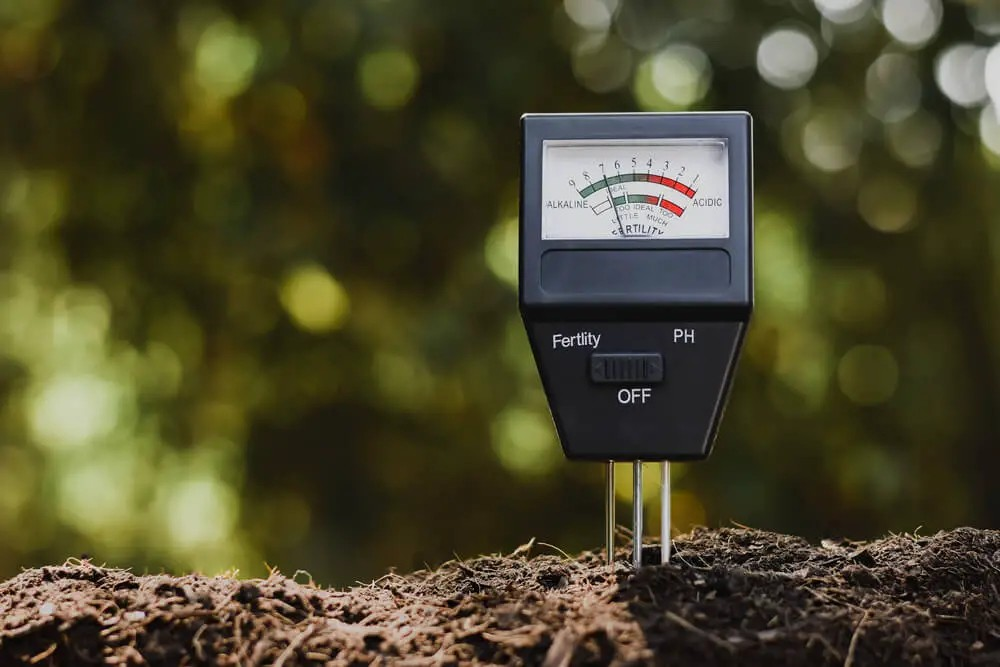
Introduction to Soil Moisture and Its Importance in Agriculture
Welcome to the world beneath our feet, where soil holds secrets that can unlock the potential of agricultural success. In the quest for optimal crop yield, understanding soil moisture is a crucial piece of the puzzle. From ancient civilizations to modern farmers, harnessing this knowledge has been key to thriving harvests and bountiful fields.
But what exactly is soil moisture and why does it matter? Imagine a delicate balance between water content and air pockets within the earth's crust. This delicate dance determines whether crops flourish or wither away. And that's where soil moisture sensors come into play – these remarkable devices help us monitor, analyze, and make informed decisions about irrigation schedules, nutrient application rates, and overall plant health.
So join us as we dive deep into the fascinating world of analyzing soil moisture data for optimal crop yield! Discover how different types of sensors work their magic underground, explore why using this data can revolutionize crop management practices, uncover factors that influence soil moisture levels like rainfall patterns or irrigation techniques – all leading towards an exciting future where technology meets agriculture in perfect harmony.
Are you ready? Let's dig in!
Types of Soil Moisture Sensors and How They Work
Soil moisture sensors play a crucial role in modern agriculture by providing valuable data about the water content in the soil. There are several types of soil moisture sensors available, each with its own unique way of measuring soil moisture levels.
One common type of sensor is the capacitance sensor. These sensors work by measuring changes in electrical capacitance as the soil's water content fluctuates. As water increases, so does the conductivity of the soil, leading to a change in capacitance that can be measured and interpreted.
Another type is the tensiometer sensor. Tensiometers measure the tension or suction force required to extract water from the soil. This information helps farmers understand how easy or difficult it is for plants' roots to absorb moisture from their surroundings.
There are also time domain reflectometry (TDR) sensors that operate based on electromagnetic waves propagating through and reflecting back from different layers of soil. By analyzing these reflections, TDR sensors can determine moisture content accurately.
Additionally, there are gypsum block sensors that rely on changes in electrical resistance due to variations in humidity within a porous ceramic material embedded within them.
Each type of sensor has its advantages and disadvantages depending on factors such as cost, accuracy, installation requirements, and measurement depth range. The choice depends on specific needs and preferences when it comes to monitoring soil moisture levels accurately.
By utilizing these various types of soil moisture sensors effectively, farmers can gather precise data about their field's water availability throughout different depths and make informed decisions regarding irrigation scheduling and crop management practices.
Benefits of Using Soil Moisture Data for Crop Management
Effective crop management is crucial for farmers to maximize their yields and optimize resource usage. One key tool in achieving this is the use of soil moisture data. By monitoring soil moisture levels, farmers can make informed decisions about irrigation, fertilization, and pest control.
One of the major benefits of using soil moisture data is water conservation. Over-irrigation can lead to water wastage and leaching of nutrients from the soil. With accurate information on soil moisture content, farmers can apply water precisely where it's needed, reducing waste and conserving this precious resource.
Another advantage lies in optimizing fertilizer application. Excessively dry or wet conditions affect nutrient availability to plants. By monitoring soil moisture levels, farmers can ensure that fertilizers are applied at the right time and in appropriate amounts, thereby avoiding nutrient deficiencies or excesses that could harm crop growth.
Moreover, pests and diseases often thrive under specific moisture conditions. Monitoring soil moisture allows farmers to identify potential hotspots where these issues may arise so they can take proactive measures such as adjusting irrigation schedules or implementing targeted pest control strategies.
Additionally, by utilizing real-time data on soil moisture levels through sensor technology integrated into their farming systems, farmers gain greater control over their operations while minimizing guesswork associated with traditional methods.
Incorporating soil moisture data into crop management practices brings numerous advantages including efficient water usage, optimized fertilizer application,and improved pest management capabilities - all leading towards enhanced yield productivity while minimizing environmental impact.
Factors Affecting Soil Moisture Levels
Soil moisture plays a crucial role in determining crop health and yield. To maximize agricultural productivity, it is essential to understand the various factors that can affect soil moisture levels. These factors are influenced by both natural and human activities.
One of the primary factors affecting soil moisture levels is climate. Precipitation patterns, temperature, and evaporation rates all contribute to variations in soil moisture content. Regions with high rainfall tend to have higher soil moisture levels, while arid areas experience lower levels due to water scarcity.
The type of soil also influences its ability to retain or drain water. Sandy soils have larger particles and drain quickly, leading to lower moisture retention. On the other hand, clay soils have smaller particles that hold onto water for longer periods.
Vegetation cover can significantly impact soil moisture as well. Plants absorb water from the ground through their roots, reducing available moisture content in the surrounding area. Conversely, dense vegetation cover can help conserve soil moisture by providing shade and reducing evaporation.
Human activities such as irrigation practices can heavily influence soil moisture levels too. Over-irrigation can lead to excessive saturation and leaching of nutrients from the topsoil layers. Improper drainage systems may also result in stagnant water accumulation which affects root development.
Land slope or topography plays a role in determining how effectively water infiltrates into the ground or runs off on slopes leaving less available for plant uptake.
Several interconnected factors impact soil moisture levels including climate conditions like precipitation rates and temperature fluctuations; type of soil ranging from sandy to clay-based; vegetation cover; human interventions such as irrigation practices; land slope/topography among others which directly impacts agriculture productivity if not managed properly.
Analyzing and Interpreting Soil Moisture Data
Analyzing and interpreting soil moisture data is a crucial step in optimizing crop yield. By understanding the moisture levels in the soil, farmers can make informed decisions regarding irrigation schedules and nutrient application. But how exactly do we analyze this data?
It's important to have reliable sensors in place that accurately measure soil moisture content. These sensors come in various forms, such as capacitance or tensiometer sensors, and can be placed at different depths in the soil. Once the data is collected from these sensors, it needs to be processed and interpreted.
One method of analyzing soil moisture data is by using trend analysis. By studying patterns over time, farmers can identify fluctuations in moisture levels and adjust their irrigation practices accordingly. For example, if there is a consistent decrease in soil moisture content over several weeks, it may indicate a need for additional irrigation.
Another approach is spatial analysis, which involves mapping out variations in soil moisture across a field or farm. This information helps farmers identify areas with high or low moisture levels and implement site-specific management strategies.
Furthermore, statistical analysis techniques like regression models can be used to understand relationships between various factors affecting soil moisture levels. This allows for more accurate predictions of future trends and enables proactive decision-making.
Interpreting the analyzed data requires knowledge of crop water requirements as well as local environmental conditions. By considering factors such as temperature, precipitation patterns, crop type, and growth stage – one can determine optimal irrigation timing and amounts.
Analyzing and interpreting soil moisture data provides valuable insights into plant-water relationships essential for effective agricultural management practices.
The Future of Agriculture with Soil Moisture Technology
Advancements in technology have revolutionized various industries, including agriculture. One area that has seen significant progress is the use of soil moisture technology for crop management. With the help of sophisticated sensors and data analysis tools, farmers can now optimize their irrigation practices and maximize crop yield.
One exciting aspect of the future of agriculture with soil moisture technology is precision farming. By collecting real-time data on soil moisture levels, farmers can precisely determine when and how much water should be applied to their crops. This targeted approach not only conserves water but also ensures that plants receive optimal hydration for growth.
Another potential development is the integration of soil moisture data with other agricultural systems, such as automated irrigation systems or drone technology. Imagine a scenario where drones equipped with soil moisture sensors fly over fields, collecting valuable information about plant health and water needs. This data can then be used to automate irrigation processes or identify areas requiring special attention.
Additionally, advancements in artificial intelligence (AI) are expected to play a crucial role in analyzing massive amounts of soil moisture data efficiently. AI algorithms can detect patterns and correlations between different variables like weather conditions, plant growth rates, and nutrient levels. This information will enable farmers to make more informed decisions regarding irrigation scheduling and fertilizer application.
Furthermore, remote monitoring capabilities offer immense potential for the future of agriculture with soil moisture technology. Farmers can access real-time soil moisture data from anywhere through mobile apps or web-based platforms. This allows them to stay connected with their crops even when they are away from the field, enabling timely interventions if necessary.
As we look ahead into the future of agriculture with soil moisture technology, it's clear that there are endless possibilities for innovation and improvement within this field. From precision farming techniques to AI-driven analysis and remote monitoring capabilities – these advancements promise increased efficiency, sustainability, and higher crop yields for farmers worldwide.
Integrating IoT Solutions for Real-Time Monitoring and Control of Sprinkler Systems

Introduction to IoT and its Applications in Agriculture
Imagine a world where sprinkler systems could be controlled and monitored in real-time, without the need for manual intervention. A world where farmers could optimize their irrigation practices, conserve water resources, and increase crop yields effortlessly. Thanks to the Internet of Things (IoT), this vision is no longer just a dream but a reality that is revolutionizing the agricultural industry.
In this blog post, we will explore how IoT solutions are transforming traditional sprinkler systems into intelligent and efficient tools for modern farming. Strap on your boots as we delve into the exciting realm of IoT-enabled sprinkler systems!
Benefits of Using IoT for Sprinkler Systems
In today's rapidly evolving world, technology has become an essential part of our lives. And when it comes to agriculture, embracing technological advancements can lead to significant benefits. One such innovation that is revolutionizing the way we manage irrigation systems is the Internet of Things (IoT).
By integrating IoT solutions into sprinkler systems, farmers can experience a multitude of advantages. Real-time monitoring allows for precise control over water usage. With sensors placed strategically in the fields, farmers can receive accurate data on soil moisture levels and weather conditions instantly.
This level of precision helps optimize water usage and ensures crops receive just the right amount of hydration they need - no more, no less. By avoiding excessive watering or under-irrigation, farmers can conserve precious resources while maximizing crop yield.
Furthermore, IoT-enabled sprinkler systems offer remote access and control capabilities. Farmers can monitor and adjust their irrigation system settings from anywhere using a smartphone or computer. This flexibility saves time and effort by eliminating the need for physical checks on each field.
Additionally, IoT integration enables proactive maintenance through predictive analytics. Sensors collect data about equipment performance and identify potential issues before they escalate into costly breakdowns. This preventive approach not only saves money but also minimizes downtime during critical growing seasons.
Another benefit worth mentioning is enhanced productivity due to automation features offered by IoT sprinkler systems. By automating irrigation schedules based on real-time data inputs, farmers are freed from manual intervention tasks related to irrigation management.
The ability to schedule watering cycles according to crop requirements eliminates guesswork while ensuring optimal growth conditions at all times. Consequently, this empowers farmers with more time and energy to focus on other important aspects like pest control or strategic planning.
Lastly but certainly not least, the use of IoT in sprinkler systems facilitates effective resource allocation across large agricultural areas. Farmers gain valuable insights into how different sections perform regarding water absorption rates or soil quality. Armed with this knowledge, they can make informed decisions on adjusting irrigation.
Real-Time Monitoring and Control Features of IoT Sprinkler Systems
The integration of IoT technology has revolutionized the way we monitor and control sprinkler systems in agriculture. With real-time monitoring capabilities, farmers can now stay connected to their irrigation systems at all times, allowing for more efficient water management and increased crop yields.
One key feature of IoT sprinkler systems is the ability to remotely monitor soil moisture levels. Sensors placed in the ground can provide accurate readings of soil moisture content, helping farmers determine when and how much water to apply. This eliminates guesswork and ensures that crops receive just the right amount of irrigation, avoiding both overwatering and underwatering.
In addition to soil moisture monitoring, IoT sprinkler systems also offer precise control over irrigation schedules. Farmers can create customized watering programs based on specific crop requirements or environmental conditions. For instance, if there is heavy rainfall predicted, the system can automatically adjust its schedule to skip a watering cycle.
Furthermore, IoT technology allows for real-time data analysis and alerts. Farmers can receive notifications on their mobile devices if any issues arise with their sprinkler system or if certain parameters go beyond optimal ranges. This enables prompt action to be taken in case of equipment malfunction or abnormal readings.
Another useful feature is remote access and control capability. Through a smartphone app or web interface, farmers have full control over their sprinkler system from anywhere at any time. They can turn it on/off, adjust settings, or even start an emergency watering session if needed – all without having to physically be present near the system.
These real-time monitoring and control features offered by IoT sprinkler systems provide immense convenience and efficiency for farmers in managing their irrigation needs. With instant access to data insights coupled with remote control capabilities, they are empowered with better decision-making tools while maximizing resource utilization – ultimately leading towards sustainable farming practices.horticulture.
Considerations for Implementing IoT Solutions for Sprinkler Systems
When it comes to implementing IoT solutions for sprinkler systems, there are several considerations that need to be taken into account. First and foremost is the compatibility of the existing sprinkler system with IoT technology. It's important to ensure that the system can support the integration of sensors, actuators, and other IoT devices.
Another crucial consideration is connectivity. Since real-time monitoring and control are key features of IoT sprinkler systems, a reliable internet connection is essential. Whether through Wi-Fi or cellular networks, strong connectivity will enable seamless communication between the various components of the system.
Security should also be a top priority when implementing IoT solutions. With data being transmitted wirelessly, it's vital to protect sensitive information from potential cyber threats. Employing robust security measures such as encryption protocols and authentication mechanisms can help safeguard against unauthorized access.
Scalability is another factor to consider. As agricultural operations expand or evolve over time, it's important that the chosen IoT solution has room for growth. The system should be capable of accommodating additional sensors or devices without compromising its performance.
Integration with existing farm management software or platforms should not be overlooked either. Compatibility between different technologies ensures smooth data sharing and enhances overall efficiency in managing irrigation schedules and water usage.
Considering maintenance requirements is crucial for long-term success with an IoT sprinkler system implementation. Regular updates and servicing will help ensure optimal performance while minimizing downtime due to technical issues.
By carefully considering these factors during implementation, farmers can harness the full potential of IoT technology in their sprinkle systems and reap its numerous benefits in terms of water conservation, cost savings, increased yields, and improved crop health.
Potential Challenges and Solutions
Implementing IoT solutions for sprinkler systems in agriculture comes with its own set of challenges. One of the main challenges is ensuring reliable connectivity in remote areas where these systems are typically located. Poor network coverage can lead to interruptions in data transmission, affecting real-time monitoring and control capabilities.
Another challenge is maintaining the security of the IoT system. With increasing instances of cyber attacks, protecting sensitive data and preventing unauthorized access becomes crucial. Implementing robust encryption protocols and regularly updating software can help mitigate these risks.
Interoperability between different devices and platforms is also a challenge when integrating IoT solutions for sprinkler systems. Different manufacturers may use proprietary technologies or communication protocols, making it difficult to integrate all components seamlessly. Adopting industry-wide standards and protocols can help address this issue.
Power supply is another potential challenge for IoT-enabled sprinkler systems, especially in areas with limited access to electricity. Implementing energy-efficient technologies like solar panels or using low-power consumption devices can help overcome this obstacle.
There may be concerns regarding the cost-effectiveness of implementing IoT solutions for smaller-scale agricultural operations. However, as technology advances and economies of scale come into play, costs are expected to decrease over time.
Addressing these challenges requires careful planning, collaboration among stakeholders, and continuous innovation within the industry. By overcoming these hurdles, farmers will be able to fully harness the benefits offered by IoT-enabled sprinkler systems for real-time monitoring and control.
Future Possibilities for IoT in Agriculture
The use of IoT in agriculture has already shown immense potential when it comes to optimizing processes and improving efficiency. However, the future holds even more exciting possibilities for this technology in the agricultural sector.
One area where IoT can make a significant impact is in crop monitoring and management. By integrating sensors into fields, farmers will be able to gather real-time data on soil moisture levels, temperature, humidity, and nutrient content. This data can then be analyzed to provide valuable insights into crop health and allow for precise irrigation and fertilization plans.
Another exciting possibility is the integration of drones with IoT technology. Drones equipped with sensors can be used to monitor large areas of farmland quickly and efficiently. They can collect data on plant health, pest infestations, or even detect water stress before it becomes visible to the naked eye. This information can help farmers make timely decisions regarding pesticide application or adjustments to irrigation schedules.
IoT also has the potential to revolutionize livestock management by enabling remote monitoring of animals' health and behavior patterns through wearable devices such as smart collars or ear tags. These devices could track vital signs, activity levels, or feeding patterns allowing early detection of illnesses or abnormalities.
Additionally fitting machinery like tractors with IoT enabled systems would enable farmers better control their operations from any location at any time. Farmers could remotely check fuel levels or machine performance without having physically present thereby reducing downtime significantly.
It's clear that the future possibilities for incorporating IoT into agriculture are vast.
The integration of advanced technologies like AI (Artificial Intelligence)and ML (Machine Learning)will further enhance its capabilities allowing precise decision making based on historical data trends.
In conclusion, the potential benefits offered by these advancements hold great promise for increasing productivity, reducing waste, and ensuring sustainable practices in farming industry.
Water Harvesting Techniques to Mitigate Drought Effects
Introduction to Drought and its Effects
Drought, the bane of farmers and communities alike, can wreak havoc on our landscapes and leave us parched for solutions. But fear not! There is hope in the form of water harvesting techniques that can mitigate the devastating effects of drought.
In this blog post, we will delve into the importance of water harvesting and explore various techniques that can help us combat this natural disaster head-on. So grab a glass of water (because hydration is key!) and let's dive into the world of water harvesting to quench our thirst for knowledge!
Importance of Water Harvesting in Drought Mitigation
Water Harvesting is a crucial technique in mitigating the effects of drought. In times of water scarcity, it provides an effective way to conserve and utilize every drop of rainwater. By collecting and storing rainwater, we can ensure that this precious resource doesn't go to waste.
One of the main reasons why water harvesting is so important is because it helps replenish groundwater levels. When rainfall occurs, instead of letting the water runoff or evaporate, we can capture it and direct it towards recharging aquifers. This helps maintain a sustainable supply of groundwater even during dry spells.
Another significant benefit of water harvesting is its ability to reduce dependency on external sources for water supply. Many regions heavily rely on rivers or lakes for their water needs, which are susceptible to drying up during droughts. By implementing rainwater harvesting techniques such as rooftop collection systems or surface runoff capture, communities can become more self-sufficient in meeting their own water requirements.
Moreover, by utilizing greywater recycling techniques alongside rainwater harvesting, we can further optimize our use of available resources. Greywater refers to wastewater generated from non-toilet plumbing fixtures such as sinks and showers. Instead of treating this wastewater as waste, it can be treated and reused for activities like irrigation or flushing toilets – reducing the strain on freshwater supplies.
Water harvesting also has environmental benefits beyond just addressing drought conditions. It promotes biodiversity by creating small pockets where plants and animals can thrive even during dry periods. It also reduces soil erosion by capturing rainfall before it hits the ground with force.
Adopting water harvesting techniques plays a vital role in mitigating the impact of droughts on both individuals and communities alike – ensuring access to clean drinking water while promoting sustainable development practices.
Types of Water Harvesting Techniques
Water harvesting techniques play a crucial role in mitigating the effects of drought. There are several methods that can be employed to collect and store water for future use. Let's explore some of the most effective techniques.
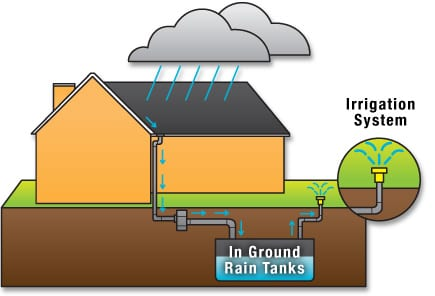
One common method is rainwater harvesting, which involves collecting rainwater from roofs or other surfaces and directing it into storage tanks or underground reservoirs. This collected water can then be used for various purposes such as irrigation, washing, and even drinking.
Another technique is greywater recycling, which involves treating wastewater from sinks, showers, and laundry machines so that it can be reused for non-potable purposes like watering plants or flushing toilets. Greywater systems can significantly reduce the demand on freshwater resources.
Groundwater recharge is another important technique where excess surface water is allowed to percolate into the ground to replenish groundwater levels. This helps maintain a sustainable supply of water during dry periods when surface water may not be available.
These different types of water harvesting techniques offer multiple benefits in drought-prone areas. They help conserve precious freshwater resources by maximizing their usage efficiency while also reducing dependence on external sources such as rivers or lakes.
However, implementing these techniques can come with challenges. Lack of awareness among communities about the importance and methods of water harvesting can hinder its widespread adoption. Additionally, proper infrastructure and maintenance are essential to ensure the effectiveness of these systems over time.
Despite these challenges, promoting and supporting water harvesting initiatives is crucial for sustainable development in drought-prone regions. By harnessing local rainfall and reusing wastewater effectively, communities can become more resilient to droughts while minimizing their impact on the environment.
Rainwater Harvesting
One of the most effective techniques for water harvesting is rainwater harvesting. It involves collecting and storing rainwater for future use, especially in areas that experience frequent droughts. Rainwater can be harvested from rooftops, pavements, and other surfaces through various methods.
One popular method is installing rain barrels or tanks to collect rainwater from rooftops. This collected water can then be used for gardening, irrigation, or even household purposes such as flushing toilets or doing laundry.
Another technique is building recharge pits or trenches to capture rainwater runoff and allow it to percolate into the ground. This helps replenish groundwater levels and prevents surface runoff during heavy rains.
In addition to these methods, there are more advanced systems like rooftop gardens with integrated water storage systems. These green roofs not only provide additional space for plants but also help retain and utilize rainwater effectively.
Rainwater harvesting plays a crucial role in mitigating the effects of drought by providing an alternative source of water during dry spells. It reduces dependence on freshwater sources like rivers and lakes while promoting sustainable water management practices.
By implementing these techniques on a larger scale, communities can become more resilient to drought conditions and ensure a steady supply of water even in times of scarcity.
Greywater Recycling
Greywater recycling is an effective water harvesting technique that can play a significant role in mitigating the effects of drought. Greywater refers to gently used water from household activities such as washing dishes, doing laundry, or taking showers. Instead of letting this water go down the drain, it can be collected and treated for reuse.
One commonly used method for greywater recycling is known as "laundry-to-landscape" system. This involves diverting the water from your washing machine to irrigate your landscape plants. By using biodegradable detergents and avoiding certain chemicals, you can ensure that the greywater doesn't harm your plants.
Another method is called "greywater diversion." In this approach, greywater is collected separately from black (toilet) water and then treated and filtered before being reused for non-potable purposes like flushing toilets or watering gardens.
Greywater recycling not only helps conserve precious freshwater resources but also reduces strain on municipal wastewater treatment facilities. It provides an additional source of irrigation during dry periods when rain may be scarce.
However, it's important to note that proper maintenance and regular monitoring are crucial to ensure the quality of recycled greywater. Implementing appropriate filtration systems and adhering to local regulations are essential steps in ensuring safe usage.
By incorporating greywater recycling into our daily lives, we can make a positive impact on both our environment and our communities' resilience in times of drought.
Groundwater Recharge
One effective technique for water harvesting and drought mitigation is groundwater recharge. This process involves replenishing the underground aquifers by allowing rainwater or surface runoff to infiltrate into the soil and seep into the ground.
There are various methods of groundwater recharge, including infiltration basins, percolation ponds, and injection wells. Infiltration basins are shallow depressions where water collects and slowly soaks into the ground. Percolation ponds are larger reservoirs that hold stormwater temporarily before it filters through the soil. Injection wells involve drilling deep boreholes to directly inject water into the aquifer.
Groundwater recharge has several advantages in drought-prone areas. By replenishing underground reserves, it helps maintain a sustainable supply of water even during dry periods. It also improves water quality by filtering contaminants as it percolates through layers of soil and rock.
Implementing groundwater recharge techniques does come with its challenges. The availability of suitable land for infiltration sites can be limited, especially in urban areas where space is scarce. Additionally, proper planning and management are necessary to prevent issues such as flooding or contamination.
Despite these challenges, groundwater recharge plays a crucial role in mitigating drought effects by enhancing local water resources resilience and reducing reliance on external sources like rivers or reservoirs.
Groundwater recharge techniques offer a promising solution for combating drought conditions while promoting sustainable development practices.
Benefits of Water Harvesting in Drought-Prone Areas
Water harvesting techniques play a crucial role in mitigating the effects of drought in areas that are prone to water scarcity. By capturing and storing rainwater, recycling greywater, and recharging groundwater, communities can ensure a more sustainable water supply during times of drought.
One of the key benefits of water harvesting is its ability to provide an alternative source of water for various purposes such as irrigation, livestock watering, and even household use. This reduces reliance on traditional sources like rivers or underground wells that may run dry during prolonged periods without rainfall.
Moreover, by implementing water harvesting techniques, communities can become more self-sufficient when it comes to meeting their water needs. They do not have to solely depend on external sources or expensive solutions such as desalination plants.
Another advantage is the positive impact on local ecosystems. Water harvesting helps replenish groundwater levels which in turn supports vegetation growth and maintains biodiversity in arid regions. It also reduces soil erosion by collecting rainwater runoff before it washes away valuable topsoil.
Furthermore, implementing these techniques promotes community resilience by ensuring access to clean drinking water during droughts when surface water sources may be contaminated or scarce. This has significant health benefits as it reduces the risk of diseases related to inadequate sanitation or consumption of unsafe drinking water.
Additionally, adopting these practices can lead to economic advantages for communities living in drought-prone areas. By reducing dependence on costly imported water supplies and increasing self-sufficiency through local resources, residents can save money in the long run while creating employment opportunities within their communities.
Innovative Approaches to Reduce Salinity Impacts on Crops

Introduction to Salinity and its Impact on Crops
Salinity, the presence of excess salts in soil or water, can wreak havoc on crop production and agriculture as a whole. The impact of salinity is far-reaching, affecting everything from plant growth to soil health. But fear not!
In this exciting blog post, we will delve into innovative approaches that promise to reduce the impacts of salinity on crops. Get ready to discover cutting-edge solutions that are revolutionizing the way we tackle this age-old problem! So grab your gardening gloves and let's dive in!
Traditional Methods of Managing Salinity
Salinity, the presence of excess salts in soil and water, poses a significant challenge for farmers worldwide. Over time, high salinity levels can hinder crop growth and reduce yields. To combat this issue, farmers have been implementing various traditional methods to manage salinity.
One common approach is leaching, which involves flushing out salt from the root zone by applying excess water. This method helps to lower the concentration of salts in the soil temporarily. However, it can lead to waterlogging and nutrient leaching if not managed properly.
Another traditional technique is using salt-tolerant crops or varieties that are adapted to thrive in saline conditions. These crops have developed mechanisms such as efficient ion transport and osmoregulation to withstand higher salt concentrations.
Crop rotation is another effective strategy employed by many farmers. By alternating between salt-sensitive and salt-tolerant crops, it helps break the cycle of increasing salinity levels in the soil while maintaining productivity.
In some regions with limited access to freshwater resources, utilizing brackish or saline water for irrigation has proven beneficial. Although this requires careful monitoring and management due to its potential impact on soil fertility over time.
Additionally, incorporating organic matter into soils through practices like green manure cover cropping or adding compost can improve soil structure and enhance its capacity to hold more moisture effectively reducing salinity impacts on crops.
While these traditional methods have been utilized for centuries with varying degrees of success depending on local conditions, they may not always be sufficient or sustainable solutions given today's rapidly changing agricultural landscape.
Innovative Approaches to Reduce Salinity Impacts on Crops
Salinity, the presence of excessive salts in soil or water, poses a significant challenge for crop production worldwide. As salt accumulates in the root zone, it can hinder plant growth and reduce overall yields. While traditional methods of managing salinity have been used for years, innovative approaches are now being explored to combat this issue.
One promising solution is the use of biochar and soil amendments. Biochar is a form of charcoal produced from organic matter that has been shown to improve soil structure and water-holding capacity while reducing salt levels. By incorporating biochar into saline soils or using specific soil amendments like gypsum or lime, farmers can enhance nutrient availability and mitigate salinity impacts.
Another innovative technique gaining popularity is hydroponic farming. In hydroponics, plants are grown without soil by providing essential nutrients directly through water solutions. This method allows farmers to control the nutrient composition precisely and adjust it according to plant requirements while minimizing exposure to saline conditions.
Technology-based solutions also play a crucial role in addressing salinity issues in agriculture. For instance, drip irrigation systems deliver precise amounts of water directly to plant roots while minimizing salt accumulation at the surface level where evaporation occurs. Additionally, remote sensing technologies enable farmers to monitor crop health more accurately by detecting early signs of stress caused by high salinity levels.
Looking ahead, future advancements hold even greater promise for managing salinity impacts on crops effectively. Scientists are exploring genetic engineering techniques that could enhance plants' tolerance towards high-salt environments through selective breeding or genetic modification.
In conclusion (not concluding), adopting innovative approaches such as utilizing biochar and soil amendments creating hydroponic systems implementing technology-based solutions offer hope in reducing salinity impacts on crops significantly.
The Use of Biochar and Soil Amendments
When it comes to reducing the impacts of salinity on crops, innovative approaches are essential. One such approach is the use of biochar and soil amendments.
Biochar, a form of charcoal derived from plant matter, has shown promising results in improving soil fertility and reducing salinity effects. When added to saline soils, biochar acts as a sponge, absorbing excess salt ions and preventing them from harming plants.
In addition to biochar, various soil amendments can also help mitigate salinity issues. These amendments include gypsum, compost, and organic matter-rich materials. By incorporating these substances into the soil, their high cation exchange capacity helps bind excessive salts and improve nutrient availability for plants.
The combination of biochar and soil amendments not only reduces salt stress but also enhances water holding capacity in the root zone. This allows plants to access moisture more efficiently during dry spells or irrigation periods.
Moreover, these methods have potential environmental benefits as well. Biochar sequesters carbon dioxide from the atmosphere while serving as a long-term carbon sink in agricultural soils.
Incorporating biochar and other suitable soil amendments presents an effective strategy for managing salinity impacts on crops while promoting sustainable agriculture practices.
Hydroponic Farming Techniques
Hydroponic farming techniques have gained significant attention in recent years as an innovative approach to reduce the impacts of salinity on crops. This soil-less method of growing plants allows for precise control over nutrient levels, water quality, and pH balance.
In hydroponics, plants are grown in a nutrient-rich solution instead of traditional soil-based methods. This eliminates the risk of salt build-up in the root zone, a common issue in saline-affected areas. Additionally, by using recirculating systems and carefully monitoring water sources, farmers can significantly reduce their reliance on freshwater resources.
One popular hydroponic technique is the deep-water culture system (DWC), where plant roots are suspended directly into oxygenated nutrient solutions. The constant exposure to nutrients allows for rapid growth and higher yields compared to conventional farming methods.
Another method gaining popularity is aeroponics – a system that utilizes misted nutrient solutions directed at plant roots suspended in air or within specialized chambers. This technique not only saves water but also provides ample oxygenation to promote healthy root development.
The controlled environment provided by hydroponics also reduces dependence on pesticides and herbicides due to fewer pest infestations commonly associated with open-field agriculture.
Furthermore, vertical farming – a form of hydroponics that stacks layers upon layers of crops vertically – maximizes space utilization while minimizing land requirements. This makes it especially suitable for urban areas where arable land may be limited.
By employing these hydroponic farming techniques, farmers can overcome salinity challenges without compromising crop quality or quantity. As technology continues to advance and research expands our understanding of optimal cultivation practices, we can expect even more innovative approaches to emerge in this field.
Technology-Based Solutions for Salinity Control
Advancements in technology have opened up new doors for addressing the issue of salinity in agriculture. These innovative approaches are designed to reduce the impacts of high salt levels on crops, improving their growth and productivity.
One such solution is precision irrigation systems, which use sensors and data analysis to optimize water usage based on crop needs. By monitoring soil moisture levels and salt concentrations, farmers can ensure that plants receive just the right amount of water without exacerbating salinity issues.
Another technology-based approach involves the use of remote sensing techniques. Satellites equipped with specialized sensors can provide valuable information about changes in vegetation health and soil conditions over large areas. This allows farmers to identify areas affected by high salinity levels and take targeted action to mitigate the problem.
Additionally, genetic engineering has shown promise in developing crops with increased tolerance to salt stress. Scientists are working on modifying genes responsible for regulating ion transport within plant cells, allowing them to thrive even in saline environments.
Furthermore, data-driven decision-making tools are being developed that integrate various sources of information such as weather patterns, soil composition, and crop performance. These tools help farmers make informed choices regarding irrigation scheduling, fertilization strategies, and land management practices that minimize salinity-related issues.
In summary, technology offers a range of solutions for managing salinity impacts on crops. From precision irrigation systems to remote sensing techniques and genetic engineering advancements – these innovations hold great potential for sustainable agriculture practices amidst increasing salinization challenges we face today.
The Future of Salinity Management in Agriculture
As the agricultural industry continues to face challenges due to increasing salinity levels, innovative solutions are being developed to address this issue. The future of salinity management in agriculture lies in the integration of advanced technologies and sustainable practices.
One such approach is precision agriculture, which utilizes data-driven techniques to optimize water usage and minimize salt buildup. Through the use of sensors and monitoring systems, farmers can accurately measure soil moisture levels and nutrient content, allowing for precise irrigation and fertilization strategies. This not only reduces water wastage but also helps prevent excessive salt accumulation in the soil.
Another promising avenue is genetic engineering. Scientists are working on developing crop varieties that have enhanced tolerance to high salinity conditions. By introducing specific genes into plants, researchers aim to create crops that can thrive even in saline environments. This could revolutionize agriculture by providing farmers with resilient plant varieties capable of withstanding elevated salt concentrations.
Additionally, advancements in desalination technology offer a potential solution for utilizing brackish or saline water sources for irrigation purposes. Desalination processes remove salts from seawater or brackish groundwater, making it suitable for crop production without contributing to soil salinization.
Furthermore, ongoing research is exploring the potential benefits of alternative farming methods like aquaponics and vertical farming systems. These approaches allow for controlled cultivation environments where water quality parameters can be closely monitored and regulated. By minimizing dependence on traditional soil-based farming techniques, these systems offer opportunities for more efficient resource utilization while reducing risks associated with salinity impacts.
In conclusion, the future of salinity management in agriculture looks promising as new technologies continue to emerge alongside sustainable practices aimed at mitigating the impact of high salt levels on crops. With precision agriculture techniques enabling optimal resource allocation and genetic engineering offering improved plant resilience against saline conditions, farmers stand poised to overcome this challenge successfully.
Irrigating Urban Landscapes: Balancing Aesthetics and Conservation

Irrigating Urban Landscapes: Balancing Aesthetics and Conservation
Welcome to our blog post on the fascinating world of irrigating urban landscapes! In today's bustling cities, green spaces are like oases amidst concrete jungles, providing much-needed respite and beauty. However, maintaining these vibrant landscapes comes with its own set of challenges. Balancing aesthetics and conservation is a delicate dance that requires careful planning and innovative solutions.
In this article, we will explore the importance of irrigating urban landscapes and delve into the difficulties faced when trying to strike a harmonious balance between aesthetics and conservation. We will also discuss various water conservation techniques, drought-resistant plants, sustainable irrigation systems, as well as the multitude of benefits that arise from achieving this equilibrium.
So join us in discovering how we can create stunning urban environments while still preserving one of our most precious resources – water! Let's dive right in!
The Importance of Irrigating Urban Landscapes
Urban landscapes play a crucial role in enhancing the quality of life for city dwellers. They serve as havens of tranquility, providing spaces for relaxation, recreation, and social interaction. However, without proper irrigation, these landscapes would wither away under the scorching sun, leaving behind barren patches of land.
The importance of irrigating urban landscapes cannot be overstated. Water is a precious resource that sustains all forms of life on our planet. By implementing efficient irrigation systems in urban areas, we can ensure that green spaces thrive while conserving water.
Irrigation not only keeps plants healthy and vibrant but also contributes to the overall well-being of urban ecosystems. Trees and vegetation act as natural air filters by absorbing carbon dioxide and releasing oxygen into the atmosphere. They help mitigate the heat island effect by reducing ambient temperatures through shade and transpiration.
In addition to their environmental benefits, irrigated urban landscapes have a positive impact on human health and happiness. Studies have shown that exposure to greenery can reduce stress levels and improve mental well-being. Well-maintained parks and gardens provide opportunities for physical activity, connecting people with nature amidst an otherwise concrete-dominated environment.
By recognizing the importance of irrigating urban landscapes, we acknowledge our responsibility to sustainably manage our natural resources while creating aesthetically pleasing environments for everyone to enjoy. Through thoughtful design choices and conservation practices, we can strike a harmonious balance between preserving water supplies and nurturing thriving green spaces within our cities.
Challenges of Balancing Aesthetics and Conservation
Creating a visually appealing urban landscape is often seen as a priority for many homeowners, businesses, and city planners. The aesthetic value of well-designed gardens and green spaces can enhance the overall look and feel of a community. However, striking the right balance between aesthetics and conservation can be quite challenging.
One of the main challenges is finding ways to minimize water usage while still maintaining an attractive landscape. Traditional irrigation systems tend to be inefficient, with significant amounts of water lost through evaporation or runoff. This not only wastes valuable resources but also contributes to water scarcity issues in urban areas.
Another challenge lies in choosing plants that are both aesthetically pleasing and drought-resistant. Many popular ornamental plants require large amounts of water to thrive, which is not sustainable in regions prone to droughts. Finding alternative plant species that are resilient enough to survive with minimal watering can be a daunting task.
Additionally, designing landscapes that incorporate sustainable practices requires careful planning and implementation. It involves considering factors such as soil type, sun exposure, slope gradient, and rainfall patterns. Implementing rainwater collection systems or using recycled wastewater for irrigation purposes may also face regulatory hurdles or logistical constraints.
Overcoming these challenges requires education and awareness about sustainable landscaping practices among homeowners, businesses, and municipalities alike. By promoting the use of native or adaptive plants that require less water and implementing efficient irrigation methods like drip irrigation or smart controllers, we can achieve beautiful landscapes while conserving our precious water resources.
Balancing aesthetics with conservation in urban landscapes is undoubtedly challenging but necessary if we want to create environmentally-friendly communities without compromising on visual appeal. It's an ongoing process that demands innovation and collaboration from all stakeholders involved – from landscapers to city officials – but the rewards will be worth it: greener cities where sustainability takes center stage!
Water Conservation Techniques for Urban Landscapes
One of the key challenges in maintaining urban landscapes is finding a balance between aesthetics and conservation. With water scarcity becoming increasingly prevalent, it is crucial to implement effective water conservation techniques in these areas.
One technique that can significantly reduce water usage is the installation of smart irrigation systems. These systems utilize advanced technology to monitor soil moisture levels and weather patterns, only watering when necessary. By eliminating overwatering, this technique not only conserves water but also promotes healthier plant growth.
Another approach to conserve water in urban landscapes is through the use of mulching. Applying a layer of organic material such as wood chips or straw around plants helps retain moisture in the soil, reducing evaporation and subsequently minimizing the need for excessive watering.
Additionally, implementing proper irrigation scheduling can greatly contribute to water conservation efforts. This involves adjusting watering frequencies based on climate conditions and seasonal changes. By adapting irrigation practices accordingly, we can optimize water usage while still maintaining visually appealing landscapes.
Incorporating native plants into urban landscapes provides numerous benefits for both aesthetics and conservation purposes. Native plants are adapted to local climates and require less supplemental watering compared to non-native species. They also provide habitat for local wildlife while enhancing biodiversity.
In conclusion (not concluding!), employing various water conservation techniques can help strike a balance between creating beautiful urban landscapes while conserving our precious resources. By making conscious choices about irrigation methods, utilizing mulching techniques, practicing appropriate scheduling, and incorporating native plants into designs – we can ensure sustainable landscaping practices that benefit both our cities' aesthetics and environment alike!
Drought-Resistant Plants and Landscaping Designs
When it comes to irrigating urban landscapes, finding the right balance between aesthetics and conservation is crucial. One way to achieve this delicate equilibrium is by incorporating drought-resistant plants and landscaping designs into your outdoor spaces.
Drought-resistant plants, also known as xerophytes, have adapted to survive in arid conditions with minimal water requirements. These hardy species can thrive even during times of limited rainfall or water restrictions. By choosing these types of plants for your urban landscape, you not only conserve water but also create a beautiful garden that withstands dry spells.
In addition to selecting the right plant species, implementing thoughtful landscaping designs can further enhance water efficiency. Strategic placement of plants based on their watering needs ensures efficient use of irrigation resources. Grouping together plants with similar requirements reduces wastage while providing them with optimal growing conditions.
Xeriscaping is another popular approach that focuses on creating low-maintenance landscapes using drought-tolerant vegetation, mulch, and efficient irrigation systems. This design technique not only saves water but also minimizes maintenance efforts and promotes sustainability in urban environments.
By embracing drought-resistant plants and innovative landscaping designs in your urban landscape, you contribute towards conserving precious water resources while still enjoying an aesthetically pleasing outdoor space for years to come. So go ahead and explore the multitude of options available – let nature's resilience inspire your creativity!
Incorporating Sustainable Irrigation Systems
Sustainable irrigation systems are crucial when it comes to maintaining the delicate balance between aesthetics and conservation in urban landscapes. These systems help ensure that plants receive the necessary amount of water while minimizing wastage and preserving this precious resource.
One approach to incorporating sustainable irrigation systems is through the use of drip irrigation. This method delivers water directly to plant roots, reducing evaporation and runoff. By avoiding overhead sprinklers, which can result in water loss due to wind or improper targeting, drip irrigation maximizes efficiency.
Another option is utilizing weather-based controllers or smart irrigation technology. These systems adjust watering schedules based on real-time weather data, ensuring that landscapes are irrigated only when needed. This not only conserves water but also prevents overwatering, which can lead to root rot and other plant health issues.
Incorporating rainwater harvesting into landscape design is yet another sustainable practice gaining popularity. Collecting rainwater from rooftops or other surfaces allows for its reuse in irrigating plants during dry periods. This reduces dependence on municipal water sources and promotes self-sufficiency within urban landscapes.
Moreover, integrating soil moisture sensors into the irrigation system helps monitor soil moisture levels accurately. These sensors provide valuable information about when to initiate or suspend watering cycles based on actual plant needs rather than a set schedule.
By incorporating these sustainable irrigation practices into urban landscapes, we can strike a harmonious balance between aesthetics and conservation. Not only do they minimize water waste but they also promote healthier plant growth by providing targeted hydration where it's most needed.
So let's embrace these innovative solutions for our urban environments! With sustainable irrigation systems at play, we can create stunning green spaces while preserving our planet's most precious resource.
Benefits of Balancing Aesthetics and Conservation in Urban Landscapes
Balancing aesthetics and conservation in urban landscapes can have numerous benefits for both the environment and the community. One of the key advantages is that it enhances the overall beauty of our cities while ensuring responsible use of resources.
By incorporating green spaces and well-designed landscaping, we create visually appealing environments that contribute to a sense of well-being among residents. Beautifully landscaped areas also attract visitors, boost property values, and promote economic growth in urban areas.
Furthermore, balancing aesthetics with conservation practices helps to preserve natural resources such as water. Implementing sustainable irrigation systems, using drought-resistant plants, and employing water-saving techniques all contribute to reducing water consumption in urban landscapes. This not only saves valuable resources but also reduces strain on local water supplies during times of drought or water scarcity.
Moreover, when we prioritize conservation in our landscaping efforts, we are actively contributing to environmental sustainability. Green spaces act as carbon sinks by absorbing pollutants from the air and promoting biodiversity. They mitigate heat island effects by providing shade and cooling effects through evapotranspiration.
Additionally, balanced landscapes improve air quality by filtering out harmful particles from dust or vehicle emissions. These environmental benefits translate into improved health outcomes for residents living near these green spaces.
Implementing eco-friendly landscaping practices creates opportunities for education and community engagement. It allows us to showcase sustainable design concepts that inspire others to adopt similar strategies in their own homes or businesses.
Finding a balance between aesthetics and conservation in urban landscapes offers a range of benefits beyond just visual appeal. By integrating environmentally responsible practices into our cityscapes, we can create healthier communities while safeguarding precious natural resources for future generations.
The Future of Smart Farming: AI-based Decision Support Systems

Introduction to Smart Farming
Welcome to the future of farming! Gone are the days of traditional agriculture methods. With the advent of technology, a new era has dawned upon us - Smart Farming. Imagine a world where farms are not just fields with crops, but intelligent systems powered by artificial intelligence (AI) that optimize every aspect of farming. From planting seeds to monitoring crop health, AI-based decision support systems are revolutionizing agriculture like never before.
In this blog post, we will explore how AI is reshaping the agricultural landscape and discuss the benefits, successful implementations, challenges, limitations, and future possibilities of using AI-based decision support systems in farming. So fasten your seatbelts as we embark on an exciting journey into the fascinating world of Smart Farming!
The Role of AI in Agriculture
Artificial Intelligence (AI) has become a game-changer in various industries, and agriculture is no exception. With the increasing population and declining arable land, farmers are turning to AI to enhance productivity and efficiency on their farms.
One of the key roles of AI in agriculture is its ability to analyze vast amounts of data collected from sensors, drones, satellites, and other sources. By processing this data using machine learning algorithms, AI can provide valuable insights into soil quality, weather patterns, crop growth rates, pest infestations, and more.
These insights enable farmers to make informed decisions about irrigation schedules, fertilizer application rates, optimal planting times for different crops, and even identify potential disease outbreaks before they spread. This helps reduce waste in resource usage while maximizing yields.
Another important role played by AI in agriculture is precision farming. Through the use of autonomous robots equipped with computer vision technology or drones fitted with multispectral cameras, AI can monitor crop health at a micro level. It can detect early signs of stress or nutrient deficiencies that may not be visible to the naked eye.
By pinpointing specific areas that require attention or treatment rather than applying chemicals uniformly across an entire field reduces costs as well as environmental impact. Farmers can target interventions precisely where they are needed most - saving time and resources while minimizing negative effects on ecosystems.
Moreover; predictive analytics powered by artificial intelligence allows farmers to anticipate market demand by analyzing factors such as historical sales data or consumer preferences. This enables them to plan their production cycles better - ensuring they grow what will sell well - helping reduce food waste along the supply chain.
In summary; The role of artificial intelligence in agriculture cannot be overlooked. From optimizing resource allocation through data analysis to enabling precise interventions for healthier crops; AI holds tremendous potential for shaping the future of farming industry!
Benefits of Using AI-based Decision Support Systems in Farming
One of the key benefits of incorporating these systems into agricultural operations is improved efficiency. With real-time data collection and analysis capabilities, farmers can make more informed decisions regarding crop management, irrigation schedules, and pest control measures. By leveraging AI algorithms, these systems can process vast amounts of data from various sources such as weather forecasts, soil sensors, and satellite imagery to provide actionable insights tailored to specific crops and conditions.
Another advantage lies in resource optimization. By utilizing AI-based decision support systems, farmers can minimize waste by precisely determining optimal fertilizer application rates based on plant nutrient requirements. Similarly, water usage can be optimized through smart irrigation techniques that consider factors like soil moisture levels and weather patterns.
Furthermore, these systems contribute to enhanced productivity. By automating certain tasks like monitoring crop growth or detecting diseases early on using computer vision technology and machine learning algorithms, farmers are able to detect issues promptly and take preventive actions before they escalate.
Moreover, AI-powered solutions enable better risk management by providing predictive analytics for disease outbreaks or adverse weather events. Farmers can proactively plan their strategies based on accurate predictions rather than relying solely on historical trends or guesswork.
Additionally, these decision support systems have economic benefits as well; they help reduce labor costs associated with manual data collection or physical inspections while simultaneously increasing yields through optimized resource allocation and timely interventions.
In summary, AI-based decision support systems hold immense potential for revolutionizing the future of smart farming. The benefits range from increased efficiency to optimized resource allocation—and everything in between—leading ultimately towards sustainable agriculture practices that meet global food demands while minimizing environmental impact.
Examples of Successful Implementation
1. Crop Monitoring and Disease Detection:
One successful implementation of AI-based decision support systems in farming is crop monitoring and disease detection. By utilizing image recognition technology, farmers can capture images of crops and analyze them using machine learning algorithms to detect any signs of diseases or pests. This helps farmers take timely action by treating affected areas, minimizing the spread, and ultimately improving crop yield.
2. Precision Agriculture: Precision agriculture is another area where AI has shown promising results. Through the use of sensors, drones, and satellite imagery combined with advanced data analytics, farmers can gather detailed information about soil moisture levels, nutrient content, temperature variations, etc., for different parts of their fields. With this data-driven approach, they can optimize irrigation schedules and fertilizer application rates to reduce waste while maximizing yields.
3. Livestock Management: AI technologies have also been employed in livestock management systems. For instance, smart collars equipped with sensors can monitor vital signs such as heart rate or body temperature to identify potential health issues in animals before they become severe. This early detection enables prompt veterinary intervention and prevents losses due to illness or disease outbreaks.
4. Automated Harvesting Systems: In some cases, AI-powered robots have been developed for automated harvesting processes that require delicate handling or precision tasks like picking fruits or vegetables without damaging them. These robots are capable of analyzing visual cues using computer vision techniques to identify ripe produce ready for harvest.
5. Genetic Modification: Another notable example is the use of AI algorithms in genetic modification research to enhance crop resilience against environmental stressors such as droughts or pests. By analyzing vast amounts of genomic data quickly and accurately,
These examples demonstrate how AI-based decision support systems have already made a significant impact on various aspects of farming operations worldwide – from monitoring crops' health status to optimizing resource utilization for maximum productivity.
Challenges and Limitations
While AI-based decision support systems hold great promise for the future of smart farming, there are also certain challenges and limitations that need to be considered. One major challenge is the availability and quality of data. These systems rely heavily on accurate and up-to-date data in order to make informed decisions. However, collecting this data can be a complex task, as it requires sensors, drones, or other monitoring devices to gather information from crops, soil, weather conditions, and more.
Another limitation is the cost associated with implementing AI technology on farms. The initial investment can be significant, especially for small-scale farmers who may not have the resources to adopt these advanced technologies easily. Additionally, ongoing maintenance and upgrades can add further financial strain.
Furthermore, there are concerns surrounding privacy and data security when using AI in agriculture. Farmers need assurance that their sensitive information will be protected from unauthorized access or misuse.
Integration with existing farm management practices is another challenge that needs to be addressed. Farmers must learn how to effectively incorporate AI-based decision support systems into their existing workflows without disrupting productivity or causing confusion among workers.
There may also exist a reluctance within some farming communities to fully embrace new technological advancements due to traditional methods being deeply ingrained in their practices.
Despite these challenges and limitations facing AI-based decision support systems in farming today; continuous research efforts combined with collaboration between agricultural experts and technology developers will help overcome them over time.
Future Possibilities and Predictions
The future of smart farming looks promising, with endless possibilities for innovation and advancement. As technology continues to evolve at a rapid pace, we can expect AI-based decision support systems to play an even more significant role in agriculture.
One potential area where AI could make a difference is in crop management. With the help of machine learning algorithms, farmers will be able to analyze vast amounts of data regarding soil composition, weather patterns, and plant health. This information can then be used to optimize irrigation schedules, detect diseases early on, and improve overall crop yield.
Another exciting possibility lies in the realm of precision agriculture. By combining artificial intelligence with GPS tracking and sensor technologies, farmers will have access to real-time data about their fields. This data can provide insights into optimal planting times, nutrient requirements, and pest control strategies – ultimately leading to more efficient resource allocation and reduced environmental impact.
Furthermore, as robotics technology advances further, we may see autonomous machines taking over tasks such as harvesting or weed removal. These robots would not only save time but also reduce labor costs while improving accuracy.
In terms of predictions for the future of smart farming powered by AI-based decision support systems include increased integration with Internet-of-Things (IoT) devices. This would enable seamless communication between various components on the farm – from sensors monitoring soil moisture levels to drones capturing aerial images for analysis.
Additionally,"farming-as-a-service" models could emerge wherein farmers would have access to cloud-based platforms that offer personalized recommendations based on their specific needs and conditions.
While there are undoubtedly challenges ahead – such as ensuring affordability and accessibility for all farmers – it's clear that AI has the potential to revolutionize agriculture in ways we haven't even imagined yet!
Implementing Low-Cost Micro-Irrigation Technologies

Implementing Low-Cost Micro-Irrigation Technologies
Welcome to our blog, where we dive into the world of agriculture and explore innovative solutions that can revolutionize farming practices. In today's post, we will be delving into the realm of micro-irrigation technologies – a game-changer for farmers looking to optimize water usage and boost crop yields.
Water scarcity is becoming an increasingly pressing issue in many parts of the world, making it essential for us to find efficient ways to irrigate crops while conserving this precious resource. Micro-irrigation offers a cost-effective solution that not only saves water but also enhances agricultural productivity. So, if you're ready to learn more about these low-cost marvels and how they can benefit your farming operations, let's jump right in!
Understanding Micro-Irrigation
Micro-irrigation, also known as localized irrigation or trickle irrigation, is a technique that delivers water directly to the root zone of plants in a precise and controlled manner. Unlike traditional flood irrigation methods that can result in significant water wastage due to evaporation and runoff, micro-irrigation systems ensure efficient water distribution by targeting the specific areas where crops need it most.
The concept behind micro-irrigation is simple yet effective. Water is delivered through a network of tubing or pipes with small emitters placed at regular intervals. These emitters release water slowly and steadily, allowing it to seep into the soil gradually instead of flooding the entire field. This approach not only reduces water consumption but also minimizes weed growth and nutrient leaching.
One key advantage of micro-irrigation is its flexibility in adapting to various terrain types and crop varieties. Whether you have uneven topography or different plant spacing requirements, these systems can be tailored to meet your specific needs. Additionally, they are suitable for both large-scale agricultural operations as well as small-scale backyard gardens.
By providing a consistent supply of moisture directly to plant roots, micro-irrigation helps prevent drought stress while promoting healthier growth and higher yields. It also enables farmers to optimize fertilizer application by incorporating nutrients into the irrigation system itself.
Understanding how micro-irrigation works lays the foundation for exploring its many benefits further. So let's continue our journey by delving into why this technology has gained so much popularity among farmers worldwide!
Benefits of Micro-Irrigation
Micro-irrigation offers numerous benefits to farmers and gardeners alike. One key advantage is water conservation. Traditional irrigation methods, such as flood or overhead sprinkler systems, tend to waste a significant amount of water due to evaporation and runoff. In contrast, micro-irrigation delivers water directly to the roots of plants in small quantities, reducing water loss.
Another benefit is improved plant health and growth. With micro-irrigation, plants receive a steady supply of moisture at regular intervals, which helps prevent under-watering or over-watering. This promotes healthier root development and overall plant vitality.
Furthermore, micro-irrigation can lead to higher crop yields and better quality produce. By ensuring that plants receive an adequate supply of water on a consistent basis, this method allows for optimal nutrient absorption and efficient use of fertilizers.
Additionally, micro-irrigation systems are highly adaptable and versatile. They can be customized based on specific crops or landscape designs by adjusting the flow rate or position of emitters or nozzles.
Moreover, using low-cost micro-irrigation technologies can also help reduce labor costs associated with manual watering tasks. Once installed properly, these systems require minimal maintenance compared to traditional methods.
In summary, the benefits offered by low-cost micro-irrigation technologies make them a practical choice for farmers and gardeners looking for sustainable irrigation solutions that save both time and resources while promoting healthy plant growth.
Types of Low-Cost Micro-Irrigation Technologies
When it comes to implementing low-cost micro-irrigation technologies, there are a few different types of systems that can be considered. One popular option is drip irrigation, which involves the slow and precise application of water directly to the roots of plants. This method not only conserves water by minimizing evaporation but also ensures that every drop goes where it's needed most.
Another common type of micro-irrigation technology is sprinkler irrigation. This system uses overhead sprinklers or sprayers to distribute water evenly across an area. While slightly less efficient than drip irrigation in terms of water usage, sprinkler systems are often more cost-effective and easier to install.
Choosing the right system for your needs and budget requires careful consideration. Factors such as the size and shape of your land, crop requirements, available water source, and budget will all play a role in determining which micro-irrigation technology is best suited for you.
Installation and maintenance are key aspects of ensuring the success of your micro-irrigation system. Proper installation techniques must be followed to ensure even distribution of water throughout the field or garden. Regular maintenance should include checking for leaks or clogs in pipes, cleaning filters regularly, and adjusting watering schedules based on weather conditions.
By implementing low-cost micro-irrigation technologies successfully, farmers around the world have seen significant improvements in their agricultural practices. These systems provide better control over moisture levels while reducing dependency on rainfall alone.
Moreover, these technologies offer environmental benefits by conserving one of our most precious resources – water! By using targeted methods like drip or sprinkler irrigation instead of traditional flood or furrow methods, we can minimize wastage through runoff or evaporation.
In conclusion (as per writing instructions), understanding different types of low-cost micro-irrigation technologies helps us make informed decisions about how we approach watering our crops sustainably without breaking our budgets.
Drip Irrigation
Drip irrigation is a low-cost micro-irrigation technology that has gained popularity in recent years. This method involves delivering water directly to the roots of plants through a network of tubes and emitters. Unlike traditional methods, drip irrigation reduces water wastage significantly by targeting the specific areas where plants need moisture.
One of the significant benefits of drip irrigation is its efficiency. By providing water directly to the plant's root zone, it minimizes evaporation and surface runoff, ensuring that every drop counts. This not only saves water but also reduces energy consumption associated with pumping and treating excess water.
Additionally, drip irrigation allows for precise control over watering schedules and amounts. Farmers can tailor their watering regimes based on crop requirements, soil conditions, and weather patterns. This level of precision eliminates under or over-watering issues common with other conventional systems.
Furthermore, drip irrigation promotes healthier plant growth as it prevents moisture-related diseases such as fungal infections or mold development on leaves. The consistent hydration provided by this system encourages robust root development leading to increased yields and better quality crops.
Another advantage of using drip irrigation is its versatility. It can be easily implemented in various agricultural settings – from small backyard gardens to large-scale farming operations – making it accessible to farmers across different regions worldwide.
Maintenance for a drip irrigation system is relatively straightforward compared to other forms of irrigation technologies. Periodic checks ensure proper functioning and prevent clogging or leaks in tubes or emitters.
Implementing low-cost micro-irrigation technologies like drip irrigation offers several advantages for farmers including improved water efficiency, enhanced crop productivity, reduced maintenance needs while minimizing environmental impact through responsible resource management.
Sprinkler Irrigation
Sprinkler irrigation is another popular low-cost micro-irrigation technology that offers several benefits for farmers. This system involves the use of sprinklers to deliver water directly to the plants in a uniform and controlled manner.
One of the key advantages of sprinkler irrigation is its versatility. It can be used for a wide range of crops, including vegetables, fruits, and field crops. The even distribution of water ensures that each plant receives sufficient moisture, promoting healthy growth and increasing crop yields.
Additionally, sprinkler irrigation helps conserve water by reducing evaporation and runoff. By delivering water directly to the root zone, it minimizes wastage and maximizes efficiency. This not only saves precious resources but also reduces water bills for farmers.
Another benefit of using sprinkler irrigation is its ability to cool down plants during hot weather conditions. The misting effect created by the spray helps lower air temperature around the plants, preventing heat stress and improving overall plant health.
Furthermore, sprinkler systems are relatively easy to install and maintain. With proper planning and design, they can be customized according to specific field requirements. Regular inspection and cleaning ensure optimal performance throughout the growing season.
In conclusion (as per instructions): Sprinkler irrigation is an effective low-cost micro-irrigation technology that offers numerous benefits for farmers. Its versatility, efficient water usage, cooling effect on plants during hot weather conditions make it an attractive option for agricultural practices worldwide.
Choosing the Right System for Your Needs and Budget
When it comes to choosing the right micro-irrigation system for your needs and budget, there are a few factors to consider. First, assess the size of your agricultural or gardening area and determine how much water coverage you require. This will help you decide between drip irrigation and sprinkler irrigation.
Drip irrigation is ideal for small areas with specific plant placement requirements. It delivers water directly to the roots of plants through a network of tubes or pipes with small holes or emitters. This method minimizes water wastage by ensuring that only the targeted plants receive moisture.
On the other hand, if you have a larger area that requires more extensive coverage, sprinkler irrigation may be more suitable. Sprinklers use pressurized systems to distribute water over a wider range. They work well for lawns, vegetable gardens, or orchards where even distribution is important.
Consider your budget as well when selecting a micro-irrigation system. Drip irrigation tends to be more cost-effective in terms of equipment and maintenance expenses compared to sprinkler systems.
Additionally, evaluate any special requirements such as automation options or compatibility with existing infrastructure like rainwater harvesting tanks.
Remember that each system has its advantages and limitations; therefore, taking into account your unique needs and financial constraints will guide you towards making an informed decision about which micro-irrigation solution is best suited for your circumstances!
Fostering Biodiversity on Farms through Wildlife-friendly Practices

Introduction to the Importance of Biodiversity on Farms
Welcome to our blog, where we delve into the fascinating world of sustainable agriculture and its impact on biodiversity. We are all connected in this delicate web of life, where every species plays a vital role. And when it comes to farms, fostering biodiversity is not just an idealistic notion - it's a necessity.
Traditionally, farming practices have often prioritized maximizing crop yields and profits at the expense of nature. Pesticides, monocultures, and habitat destruction have taken their toll on wildlife populations worldwide. But now, there is a growing realization that we can no longer ignore the importance of integrating wildlife-friendly practices into our agricultural systems.
Why should farmers care about biodiversity? The answer lies in the numerous benefits that come with embracing these practices. By creating habitats for native plants and animals on their land, farmers can reap rewards far beyond simply increasing crop productivity.
In this blog post, we will explore some wildlife-friendly farming techniques that promote biodiversity while still ensuring economic viability for farmers. From agroforestry to rotational grazing, these methods offer both environmental and financial advantages. So let's dive in and discover how our food system can coexist harmoniously with nature!
The Impact of Traditional Farming Practices on Biodiversity
Traditional farming practices have had a significant impact on biodiversity. The widespread use of chemical pesticides and fertilizers has led to the decline in populations of beneficial insects, birds, and other wildlife that play important roles in maintaining ecosystem balance. Monocropping, where farmers grow only one type of crop on their land year after year, also contributes to the loss of biodiversity.
The clearing of natural habitats such as forests and wetlands for agricultural purposes further reduces biodiversity by destroying the homes and food sources for many plant and animal species. Additionally, intensive tillage practices can lead to soil erosion and degradation, which negatively impacts soil health and decreases the ability of ecosystems to support diverse plant life.
These harmful effects on biodiversity are not sustainable in the long term. As we continue to rely heavily on traditional farming methods, we risk losing valuable species that provide essential ecosystem services like pollination or pest control.
However, there is hope for change. By incorporating wildlife-friendly practices into farming systems, we can promote biodiversity conservation while still meeting our agricultural needs. This means adopting approaches such as agroforestry - integrating trees with crops - which provides habitat for wildlife while simultaneously enhancing soil fertility.
Another effective practice is cover cropping - planting non-commercial crops during fallow periods - offering nesting sites for birds and attracting beneficial insects that prey on pests. Rotational grazing is yet another method that allows pasture areas sufficient time to recover before being grazed again while providing habitat opportunities for various animals.
Implementing these wildlife-friendly practices may pose some challenges initially but can be overcome through education programs targeting farmers' knowledge about their benefits. Providing incentives or financial assistance could also encourage more farmers to adopt these approaches.
Farmers play a crucial role in promoting biodiversity on farms through their choices and actions. It's up to them to embrace sustainable agriculture methods that protect ecosystems while producing food efficiently. The future lies in finding a balance between agriculture production and preserving nature's diversity—a path towards both food security and ecological sustainability.
Benefits of Incorporating Wildlife-friendly Practices
Incorporating wildlife-friendly practices on farms can bring a plethora of benefits, not just for the environment but also for farmers themselves. One major advantage is the promotion of biodiversity, which plays a vital role in maintaining ecosystem balance and resilience.
By creating habitats that support diverse species, farmers can help control pest populations naturally without relying heavily on chemical pesticides. This leads to reduced costs and potential health risks associated with pesticide use. Additionally, increased biodiversity increases pollination rates and improves soil fertility through natural processes like nutrient cycling.
Wildlife-friendly practices also contribute to improved water quality by reducing runoff and erosion. For instance, planting cover crops helps prevent soil erosion while providing habitat for beneficial insects such as bees and butterflies. These insects play a crucial role in pollinating crops, thus enhancing crop yields.
Furthermore, incorporating agroforestry techniques allows farms to create forested areas that provide shelter and food sources for various wildlife species. This not only adds aesthetic value but also supports the conservation of endangered or threatened species.
Implementing wildlife-friendly practices promotes ecological sustainability while benefiting farmers economically by reducing reliance on synthetic inputs like pesticides and fertilizers. It's a win-win situation where both nature and agriculture thrive harmoniously together on our farms!
Examples of Wildlife-Friendly Practices: Agroforestry, Cover Cropping, Rotational Grazing
Agroforestry, cover cropping, and rotational grazing are examples of wildlife-friendly practices that can greatly contribute to fostering biodiversity on farms.
Agroforestry involves integrating trees into agricultural landscapes, creating a diverse habitat for wildlife while also providing additional economic benefits for farmers. By planting trees alongside crops or as windbreaks, farmers can provide shelter and nesting sites for birds and other animals. The tree roots also help prevent soil erosion and improve water retention.
Cover cropping is another effective strategy that promotes biodiversity on farms. Rather than leaving fields bare during off-seasons, farmers plant cover crops such as legumes or grasses. These plants not only protect the soil from erosion but also attract beneficial insects like pollinators and predators of pests. Additionally, cover crops provide food sources for wildlife throughout the year.
Rotational grazing refers to moving livestock across different areas of pasture in a planned manner. This practice allows the vegetation time to recover before being grazed again while providing varied habitats for wildlife. Grazing animals help maintain healthy grasslands by preventing overgrowth and promoting nutrient cycling through their manure.
Implementing these wildlife-friendly practices does come with challenges though – it may require financial investment, changes in farming methods, or education about their benefits among farmers. However, various organizations provide support through grants, technical assistance programs or training workshops to encourage adoption.
By incorporating agroforestry, cover cropping, and rotational grazing into farming operations on a broader scale, we can create more sustainable and biodiverse agricultural landscapes that benefit both humans and wildlife alike.
Challenges and Solutions for Implementing Wildlife-Friendly Practices on Farms
Implementing wildlife-friendly practices on farms can come with its fair share of challenges. One major hurdle is the resistance to change from traditional farming methods. Many farmers are accustomed to conventional practices that prioritize maximum productivity, often at the expense of biodiversity.
Another challenge is the lack of knowledge and awareness about wildlife-friendly techniques among farmers. Without proper education and understanding, it can be difficult for them to embrace new approaches that may initially seem unfamiliar or risky.
Financial constraints also pose a barrier to adopting wildlife-friendly practices. Upgrading infrastructure or investing in new equipment and technologies can be costly, especially for small-scale farmers who may already operate on tight budgets.
Additionally, there may be logistical obstacles such as limited access to resources like water or suitable land for implementing certain wildlife-friendly practices.
Fortunately, there are solutions available to overcome these challenges. Education and outreach programs can play a crucial role in increasing awareness and providing training opportunities for farmers interested in transitioning towards more sustainable agricultural methods.
Financial incentives and government support programs can help alleviate some of the financial burdens associated with implementing wildlife-friendly practices. Grants or subsidies specifically targeted at promoting biodiversity conservation on farms encourage more farmers to adopt these approaches.
Collaboration between different stakeholders - including researchers, policymakers, NGOs, and local communities - is essential for sharing knowledge, developing best management practices, and creating supportive networks within farming communities.
Fostering biodiversity on farms requires a collective effort from all parties involved. By overcoming challenges through education, financial support systems,and collaboration,the future holds promise for widespread adoption of wildlife-friendly practices in agriculture.
The Role of Farmers in Promoting Biodiversity and the Future of Sustainable Agriculture
Farmers play a crucial role in promoting biodiversity and shaping the future of sustainable agriculture. With their knowledge, skills, and daily practices, they have the power to create a harmonious coexistence between farming operations and wildlife habitats.
By adopting wildlife-friendly practices on their farms, farmers can actively contribute to enhancing biodiversity. For instance, they can establish buffer zones or plant native vegetation around their fields to provide shelter and food for birds, insects, and other animals. This not only supports local ecosystems but also helps control pests naturally without relying on chemical pesticides.
Moreover, farmers can implement conservation measures such as maintaining hedgerows or creating wetlands within their agricultural landscapes. These features act as corridors for wildlife movement across fragmented areas while also improving soil health and water quality.
In addition to habitat preservation, farmers can adopt sustainable farming techniques like agroforestry or cover cropping. Agroforestry involves integrating trees with crops or livestock systems; this not only provides shade for livestock but also enhances carbon sequestration and boosts overall farm productivity. Cover cropping involves planting specific plants during fallow periods to improve soil fertility by preventing erosion and nutrient leaching.
Challenges may arise when implementing these practices due to financial constraints or lack of awareness about the benefits they bring. However, government support through incentives programs could help overcome these obstacles by providing funding assistance or training opportunities for farmers interested in transitioning towards more nature-friendly approaches.
The future of sustainable agriculture lies in the hands of farmers who are willing to embrace change and prioritize biodiversity conservation alongside crop production. By working closely with scientists, policymakers, and environmental organizations, they can continue developing innovative strategies that promote both environmental stewardship and economic viability.
In conclusion, farmers hold immense potential in fostering biodiversity on farms through wildlife-friendly practices. Their commitment towards sustainability will not only benefit them economically but also contribute significantly towards safeguarding our planet's natural resources for future generations. Through collaboration among stakeholders involved in agriculture- from farmers to consumers, policymakers to researchers- we can collectively pave the way towards
Optimizing Fertigation Strategies for Nutrient Delivery

Optimizing Fertigation Strategies for Nutrient Delivery
Welcome to our blog post on optimizing fertigation strategies for nutrient delivery! If you're a farmer or gardener looking to maximize the potential of your crops, then this article is for you. Fertigation, the process of combining irrigation and fertilization, offers numerous benefits that can significantly improve plant health and yield.
In this guide, we will explore the various factors to consider when choosing fertilizers for fertigation, different methods of implementing this technique, key considerations for optimal nutrient delivery, common mistakes to avoid, and ultimately why proper fertigation is crucial for crop growth and productivity.
So grab a cup of coffee (or tea!) and get ready to dive into the world of fertigation. Let's unlock its potential together!
Understanding Fertigation and Its Benefits
Fertigation, the ingenious combination of irrigation and fertilization, has revolutionized the way farmers and gardeners nourish their plants. Rather than relying solely on traditional methods of applying fertilizer separately from watering, fertigation allows for a more efficient and precise delivery system.
One of the key benefits of fertigation is its ability to provide nutrients directly to the plant's root zone. By mixing fertilizers with irrigation water, nutrients are immediately available to be absorbed by the plants' roots. This ensures that they are efficiently utilized, minimizing waste and optimizing nutrient uptake.
Another advantage of fertigation is its flexibility in adjusting nutrient application rates. With traditional methods, it can be challenging to control how much fertilizer reaches each plant. However, with fertigation systems such as drip or sprinkler systems equipped with injectors, it becomes possible to adjust nutrient levels according to specific crop requirements.
Additionally, fertigation offers improved uniformity in nutrient distribution throughout a field or garden. As the fertilizers dissolve in water during irrigation, they spread evenly across the soil surface and infiltrate into every nook and cranny where roots may grow. This results in consistent growth patterns within crops while reducing uneven nutrient deficiencies.
Furthermore, fertigation enables quick response times when adjustments are needed due to changing environmental conditions or crop demands. If there's a sudden increase in heat or moisture stress on plants, growers can easily modify their fertilizer applications through automated systems without disrupting regular watering schedules.
The time-saving aspect of this method cannot be overlooked either! Fertigating eliminates the need for separate manual fertilization processes after irrigation takes place since both tasks happen simultaneously. This not only reduces labor but also increases overall efficiency on farms large and small.
In summary, understanding how fertigation works provides valuable insights into its numerous benefits for plant health and productivity—precise nutrient delivery at root level; adjustable application rates; uniform distribution; quick response times; and time-saving efficiency.
Factors to Consider in Choosing Fertilizers for Fertigation
Choosing the right fertilizers for fertigation is crucial to ensure optimal nutrient delivery and promote healthy crop growth. There are several factors that should be considered when selecting fertilizers for this irrigation method.
It's important to assess the specific nutrient requirements of your crops. Different plants have different nutritional needs, so understanding their individual requirements will help you determine which fertilizers to use. Conducting soil tests can provide valuable insights into the existing nutrient levels and deficiencies in your soil.
Consider the solubility and compatibility of the fertilizers with your irrigation system. Fertilizer solubility determines how easily it dissolves in water, allowing for efficient uptake by plant roots. Compatibility refers to whether the fertilizer mixes well with other chemicals or additives without causing precipitation or clogging in the irrigation system.
Another factor to consider is the release rate of nutrients from the fertilizer. Some fertilizers release nutrients slowly over time, providing a steady supply throughout the growing season, while others deliver nutrients more quickly but may require more frequent applications.
Additionally, take into account environmental considerations such as leaching potential and nutrient runoff. Choose fertilizers that minimize leaching losses and avoid polluting nearby water sources.
Consider cost-effectiveness and availability of fertilizers within your budget constraints while ensuring they meet all necessary quality standards for agricultural use.
By carefully considering these factors when choosing fertilizers for fertigation, you can optimize nutrient delivery and maximize crop yields while minimizing negative impacts on both your plants' health and environmental sustainability.
Different Methods of Fertigation
1. Surface drip fertigation: This method involves placing drip lines or tapes on the soil surface near plant roots. It allows for precise application of nutrients directly to the root zone while avoiding foliage contact. Surface drip fertigation is suitable for row crops and orchards with well-established root systems.
2. Subsurface drip fertigation: In this method, the irrigation system is installed below the soil surface, delivering water and nutrients directly into the root zone. It reduces evaporation losses and minimizes weed growth compared to surface applications. Subsurface drip fertigation is particularly beneficial for high-value crops like vegetables and fruit trees.
3. Sprinkler fertigation: Commonly used in field crops, this method incorporates fertilizer into sprinkler irrigation systems that distribute water over a large area. The fertilizer mixes with water before being sprayed onto plants' leaves or soil surfaces. Sprinkler fertigation ensures uniform coverage but may have limitations regarding nutrient uptake efficiency.
4. Groundwater injection: This method injects liquid fertilizers directly into groundwater sources using specialized equipment such as deep-well injectors or pumps connected to wells or boreholes.
This approach can be effective in areas where access to clean water sources is limited but requires careful monitoring to avoid contamination risks.
5. Flood fertigation: Primarily used in paddy rice cultivation,flood irrigates fields by flooding them with water containing dissolved fertilizers.
The floodwater carries nutrients throughout the field, catering evenly distributed nutrition for rice plants. However, it may not be suitable for all types of crops due to excessive moisture levels required. It's crucial to evaluate your specific farming conditions when selecting a fertigation method. For example, consider soil characteristics, crop nutrient requirements, and irrigation system capabilities.
Key Considerations for Optimal Nutrient Delivery
When it comes to fertigation, the goal is to ensure that plants receive the right amount of nutrients at the right time. To achieve optimal nutrient delivery, there are several key considerations that farmers and growers need to keep in mind.
First and foremost, it's crucial to understand the nutritional requirements of your specific crops. Different plants have different needs when it comes to nutrients like nitrogen, phosphorus, and potassium. By conducting soil tests or consulting with agricultural experts, you can determine which nutrients are lacking in your soil and adjust your fertigation plan accordingly.
Timing is also a critical factor in nutrient delivery. Plants have specific growth stages where they require higher levels of certain nutrients. By timing your fertigation applications based on these stages, you can ensure that the nutrients are available when the plants need them most.
Another consideration is ensuring uniformity in nutrient distribution throughout the field or greenhouse. Uneven application can lead to inconsistent plant growth and yield variations. Using high-quality irrigation equipment, such as drip systems or sprinklers with precise calibration capabilities, can help achieve uniformity in nutrient delivery.
Water quality should not be overlooked either. Poor water quality containing excessive salts or contaminants can hinder nutrient uptake by plants. It's essential to regularly test your water source for pH levels and mineral content and make any necessary adjustments or treatments before using it for fertigation.
Managing fertilizer concentration is another critical aspect of optimizing nutrient delivery through fertigation. Over-concentration may lead to fertilizer burn while under-concentration could result in inadequate nutrition uptake by plants. Regular monitoring of EC (electrical conductivity) levels during fertigation helps maintain accurate concentrations for optimal results.
Proper maintenance of irrigation equipment is crucial for efficient fertilization practices. Clogged nozzles or poorly functioning injectors can disrupt even distribution of fertilizers leading to uneven plant growth patterns within a field or greenhouse setting.
Common Mistakes to Avoid in Fertigation
When it comes to fertigation, there are a few common mistakes that growers should be aware of and strive to avoid. These mistakes can have a significant impact on the effectiveness of nutrient delivery and ultimately, crop growth and yield. Let's explore some of these pitfalls:
1. Improper timing: One mistake often made is not synchronizing the fertigation schedule with the specific needs of the crops. It is crucial to understand when plants require certain nutrients in their growth cycle and adjust the irrigation accordingly.
2. Over or under-fertilization: Achieving a balance is key in fertigation. Applying too much fertilizer can lead to nutrient imbalances, leaching, or even plant toxicity. On the other hand, under-fertilization may result in nutrient deficiencies that hinder plant development.
3. Inaccurate measurements: Accurate measurement of fertilizers is essential for precise application rates during fertigation. Incorrect measurements can lead to over or under-dosing, affecting both plant health and financial costs.
4. Poor water quality management: Neglecting water quality can cause clogging in irrigation systems due to sedimentation or chemical reactions between fertilizers and minerals present in the water supply.
5. Lack of system maintenance: Regular maintenance ensures optimal performance of your fertigation system by preventing blockages, leaks, or malfunctions that could disrupt nutrient distribution.
By avoiding these common mistakes and adopting best practices for fertigation strategies, growers can maximize nutrient delivery efficiency while minimizing potential risks associated with improper techniques.
Wastewater Reuse Applications in Agricultural Production

Introduction to Wastewater Reuse in Agriculture
Welcome to our blog post on wastewater reuse applications in agricultural production! In today's world, where water scarcity is a growing concern, finding innovative solutions to maximize water resources is crucial. One such solution that holds tremendous potential is the reuse of wastewater for agricultural purposes. Yes, you heard it right - wastewater can be transformed into a valuable resource for enhancing crop growth and increasing agricultural productivity.
In this article, we will explore the benefits, challenges, and best practices associated with using wastewater in agriculture. So let's dive in and discover how this alternative approach could revolutionize the way we think about water usage in farming!
Benefits of Using Wastewater for Agricultural Production
Using wastewater for agricultural production can offer numerous benefits to farmers and the environment. One major advantage is the availability of a reliable water source, especially in regions where freshwater resources are limited or scarce. By utilizing wastewater, farmers can reduce their reliance on traditional sources such as rivers and underground aquifers.
In addition to improving water availability, using wastewater in agriculture also helps to reduce pollution and protect ecosystems. Instead of allowing untreated wastewater to be discharged into rivers or oceans, it can be treated and reused for irrigation purposes. This not only prevents contamination of natural water bodies but also helps to replenish soil moisture levels.
Wastewater contains essential nutrients that can benefit crop growth. By incorporating treated wastewater into irrigation systems, farmers can provide plants with additional nitrogen, phosphorus, and potassium – key elements required for healthy plant development. This reduces the need for synthetic fertilizers while promoting sustainable farming practices.
Furthermore, reusing wastewater in agriculture offers economic advantages by reducing water costs associated with conventional irrigation methods. In areas where access to clean water is expensive or restricted due to regulations, using treated wastewater can significantly lower operational expenses for farmers.
Harnessing the potential of wastewater in agricultural production presents a win-win situation by addressing water scarcity issues while promoting eco-friendly farming practices.
Types of Wastewater Used in Agriculture
Wastewater comes in many forms, and it can be used for various agricultural purposes. One type of wastewater commonly utilized is domestic wastewater, which includes water from household activities such as washing dishes and taking showers. This type of wastewater contains organic matter that can provide nutrients to crops when treated properly.
Another type of wastewater used is industrial wastewater, which originates from factories and manufacturing processes. While this water may contain contaminants that need to be removed before use, it can also contain valuable nutrients like nitrogen and phosphorus that are beneficial for plant growth.
Agricultural runoff is another source of wastewater used in agriculture. When rainwater or irrigation water flows over fields, it collects pesticides, fertilizers, and other chemicals along the way. While this runoff must be carefully managed to prevent contamination of water sources, it can also be collected and reused for irrigation purposes.
There is reclaimed or recycled water - treated sewage effluent that has undergone advanced treatment processes to remove contaminants. This highly purified water meets strict quality standards ensuring its safety for agricultural applications.
Each type of wastewater has its own set of challenges and requirements when it comes to reuse in agriculture. However, with proper treatment methods and careful management practices in place, these different types of wastewaters have the potential to significantly benefit farmers by providing a reliable source of irrigation while reducing reliance on freshwater resources.
In summary, the use of different types of wastewaters in agriculture offers a sustainable solution for farmers facing increasing demands on limited freshwater supplies. By implementing safe practices for treating and managing these waters effectively, we can harness their potential benefits while minimizing environmental risks associated with their use.
Challenges and Concerns Surrounding Wastewater Reuse in Agriculture
Wastewater reuse in agriculture offers numerous benefits, but it also presents several challenges and concerns that need to be addressed. One of the main challenges is ensuring the safety of using treated wastewater for irrigation purposes. While treatment processes can remove many contaminants, there is always a risk of residual chemicals or pathogens remaining in the water.
Another concern is the potential impact on soil quality. Over time, continuous use of wastewater may lead to an accumulation of salts and other minerals in the soil, which can affect plant growth and productivity. It's important for farmers to closely monitor their soil conditions and implement proper management practices to mitigate any negative effects.
Additionally, there are social perceptions surrounding the use of wastewater in agriculture that need to be considered. Some communities may have reservations about consuming crops grown with recycled water due to perceived health risks. Building public trust through education and transparent communication about the rigorous treatment processes involved can help address these concerns.
Furthermore, regulatory frameworks governing wastewater reuse vary from region to region. Lack of consistent guidelines can make it challenging for farmers and agricultural producers who want to implement wastewater reuse systems. Harmonizing regulations across different jurisdictions will promote widespread adoption while ensuring standards are met.
Infrastructure requirements pose another challenge when it comes to implementing large-scale wastewater reuse projects in agriculture. Developing adequate storage facilities, distribution networks, and irrigation systems can require significant investment upfront.
Despite these challenges and concerns surrounding wastewater reuse in agriculture, ongoing research efforts aim at finding innovative solutions that minimize risks while maximizing its benefits as a sustainable water resource for farming activities.
Best Practices for Safe and Effective Wastewater Reuse in Agriculture
When it comes to reusing wastewater in agriculture, implementing best practices is crucial to ensure both the safety of our food supply and the protection of our environment. Here are some key guidelines to follow for safe and effective wastewater reuse in agricultural production.
1. Adequate Treatment: Before utilizing wastewater for irrigation purposes, it must undergo proper treatment to remove contaminants such as pathogens, heavy metals, and chemicals. This can be achieved through various methods including filtration, disinfection, and advanced treatment technologies.
2. Monitoring and Testing: Regular monitoring and testing of both the treated wastewater and soil conditions are essential to assess its quality and determine any potential impacts on crops or groundwater. This helps farmers make informed decisions about irrigation schedules, nutrient management, and overall crop health.
3. Irrigation Management: Implementing efficient irrigation practices is vital when using reused wastewater. Techniques like drip or precision sprinkler systems help minimize water wastage while ensuring that crops receive an adequate amount of moisture.
4. Crop Selection: Carefully selecting the types of crops suitable for irrigating with reused wastewater is important. Certain plants have a higher tolerance for contaminants present in treated water compared to others. Consideration should also be given to local regulations regarding specific crop restrictions.
5. Public Awareness: Educating farmers, workers, consumers, and communities about the benefits of wastewater reuse in agriculture is essential for building acceptance and support for these practices. Open communication ensures that everyone understands the steps being taken to ensure safety throughout the process.
6. Water Quality Standards: Adhering to established water quality standards set by regulatory agencies plays a significant role in maintaining safe agricultural practices with reused wastewater.
These standards outline acceptable levels of contaminants based on human health considerations
By following these best practices consistently across agricultural operations utilizing recycled wastewater,it becomes possible not only contribute towards sustainable farming but also promote a circular economy where valuable resources are conserved.
The Future of Wastewater Reuse in Agricultural Production
As we look ahead, the future of wastewater reuse in agricultural production holds great promise. With growing concerns about water scarcity and environmental sustainability, finding innovative solutions to maximize water resources is crucial.
One area where we can expect to see significant advancements is in technology. Advancements in filtration systems and treatment processes will enable more efficient removal of contaminants from wastewater, making it safer for agricultural use. This will not only ensure the quality of crops but also protect the soil and surrounding ecosystems.
Furthermore, increased collaboration between industries such as agriculture, engineering, and environmental science will drive innovation forward. By bringing together different expertise and perspectives, we can develop comprehensive solutions that address both the challenges and potential risks associated with wastewater reuse.
In addition to technological advancements, policy changes will play a critical role in shaping the future of wastewater reuse. Governments around the world are recognizing the importance of sustainable water management practices and are implementing regulations that encourage or require wastewater recycling in agriculture.
Moreover, public awareness about water conservation is steadily growing. As consumers become more conscious about their choices regarding food production methods, there will be a greater demand for sustainably grown produce that includes responsible water usage. This consumer-driven demand can further incentivize farmers to adopt wastewater reuse practices.
By embracing cutting-edge technologies, fostering interdisciplinary collaborations,
and promoting regulatory support alongside consumer demand for sustainable practices,
the future looks promising for wastewater reuse in agricultural production.
With continued efforts towards research and development and an increasing focus on sustainable resource management, we have reason to believe that this practice will continue to grow as a viable solution to our global water challenges.
Bioengineering Solutions for Erosion Control along Riverbanks

Introduction to Erosion Control and Its Importance
Welcome to our blog post on bioengineering solutions for erosion control along riverbanks! If you've ever marveled at the power and beauty of a flowing river, you may also be aware of the challenges it can pose when it comes to erosion. Erosion is a natural process that occurs as water wears away soil and rocks, leading to loss of land, damage to infrastructure, and disruption of ecosystems. In order to combat this issue and protect our precious riverside landscapes, traditional methods have been used for decades. However, with advancements in technology and understanding of ecological systems, bioengineering techniques have emerged as an innovative approach to address erosion control more efficiently and sustainably.
In this article, we will explore the evolution of erosion control methods from conventional practices to cutting-edge bioengineering solutions specifically designed for riverbank protection. We will delve into the different types of bioengineering techniques that harness nature's own tools while promoting ecosystem restoration. Additionally, we'll discuss the benefits these approaches offer over traditional methods in terms of cost-effectiveness, environmental impact reduction, and long-term sustainability.
So let's dive in (pun intended!) and discover how bioengineering can provide effective solutions for managing erosions along riverbanks while preserving our natural environments!
Traditional Methods of Erosion Control
When it comes to protecting our riverbanks from erosion, traditional methods have been used for centuries. These time-tested techniques may not be as flashy as their modern counterparts, but they are still effective in their own right.
One commonly used method is the installation of riprap or rock armoring along the riverbank. This involves placing large rocks or boulders at the base of the bank to absorb and redirect the force of flowing water. Riprap can help stabilize the soil and prevent further erosion.
Another traditional technique is the use of vegetation planting. By strategically planting trees, shrubs, and grasses along riverbanks, their roots can anchor the soil and reduce erosion caused by water flow. This natural approach not only protects against erosion but also enhances biodiversity in riparian environments.
In addition to these methods, terracing is another way to control erosion along steep slopes. By creating a series of level steps on a hillside using retaining walls or other structures, this technique helps slow down runoff water and reduces its erosive power.
While these traditional methods have proven effective over time, they do have limitations. They require regular maintenance and can be costly to implement on larger scales. Additionally, they may not provide long-term solutions in areas with high water velocity or unstable soil conditions.
Despite these drawbacks, bioengineering offers innovative solutions that combine ecological principles with engineering techniques for more sustainable erosion control efforts along riverbanks.
The Advancement of Bioengineering Techniques
Bioengineering techniques have revolutionized the field of erosion control, offering innovative and sustainable solutions to protect riverbanks. These advancements in bioengineering have opened up new possibilities for managing erosion while also promoting ecological restoration.
One key advancement in bioengineering is the use of vegetation as a natural barrier against erosion. By strategically planting native species along riverbanks, their root systems help stabilize the soil and prevent it from being washed away by flowing water. This not only enhances the aesthetic value of riverbanks but also improves biodiversity by providing habitat for various flora and fauna.
Another remarkable technique is the implementation of biodegradable materials such as coconut coir or jute netting to reinforce soil structure. These materials act as temporary supports that gradually degrade over time, allowing vegetation to take root and establish a more permanent solution against erosion.
Additionally, bioengineers are exploring the use of living organisms like bacteria or fungi to strengthen soil stability. Through a process known as biocementation, these microorganisms bind soil particles together, creating a stronger foundation that can withstand erosive forces.
Furthermore, researchers are developing innovative techniques such as biofabrication using 3D printing technology to create structures that mimic natural root systems. These artificial structures provide immediate protection against erosion while promoting plant growth over time.
The advancement of bioengineering techniques offers numerous benefits compared to traditional methods. They are environmentally friendly since they utilize natural materials and processes rather than relying on chemicals or heavy machinery. They promote long-term sustainability by restoring ecosystems instead of merely mitigating damage caused by erosion.
However, despite these advancements, there are still challenges and limitations associated with implementing bioengineering solutions for riverbank protection. Factors such as site-specific conditions and variable climates can affect the effectiveness of these techniques. Additionally, maintenance requirements must be considered to ensure ongoing success.
Nonetheless, with continued research and development in this field, there is great potential for even more impactful applications of bioengineering in erosion control.
Types of Bioengineering Solutions for Riverbanks
When it comes to protecting riverbanks from erosion, bioengineering offers a range of innovative solutions. These techniques harness the power of nature to strengthen and stabilize vulnerable areas along waterways. Let's explore some of the different types of bioengineering methods that are being used for riverbank protection.
1. Vegetation-based techniques: One effective approach is using plants and trees with deep root systems to anchor the soil and prevent erosion. This can include planting native grasses, shrubs, or even willow cuttings along the riverbank. The roots act as natural reinforcements, holding the soil in place and absorbing excess water.
2. Coir geotextiles: Another popular bioengineering solution involves using coir geotextiles, which are mats made from coconut fibers. These mats are laid over exposed soil on riverbanks and secured in place with stakes or anchors. They provide immediate erosion control by preventing sediment runoff while allowing vegetation to establish itself through their porous structure.
3. Gabion walls: Gabions are wire mesh containers filled with rocks or concrete blocks that can be arranged into walls along riverbanks. These structures not only add strength but also dissipate wave energy, reducing erosive forces on the bank surface.
4. Biodegradable materials: Some bioengineering solutions utilize biodegradable materials such as jute netting or straw wattles. These products help retain moisture in the soil while preventing surface erosion until vegetation takes hold.
5. Retention ponds: Constructing retention ponds near vulnerable riverbank areas is another beneficial technique for mitigating erosion risk during heavy rainfall events or floods.
By implementing these various bioengineering approaches, we can effectively protect our precious river ecosystems while ensuring long-term stability for adjacent communities and infrastructure without relying solely on traditional methods like concrete barriers or riprap stones!
Benefits of Using Bioengineering for Erosion Control
Bioengineering solutions offer a range of benefits when it comes to erosion control along riverbanks. One major advantage is their ability to provide long-term stability and protection against erosion. Unlike traditional methods, which may require frequent maintenance and repairs, bioengineering techniques create natural systems that are self-sustaining.
Another benefit is the ecological value that bioengineering provides. These solutions often utilize locally sourced materials such as vegetation and biodegradable materials, minimizing the environmental impact. By promoting the growth of native plants, bioengineered riverbanks can also enhance biodiversity and habitat restoration for various wildlife species.
Bioengineering techniques also have aesthetic advantages. Rather than using rigid structures like concrete walls or riprap, they allow for more natural-looking landscapes that blend harmoniously with the surrounding environment. This can greatly improve the visual appeal of riverbank areas while still providing effective erosion control.
Furthermore, bioengineering solutions are cost-effective in the long run. Although initial installation costs may be higher compared to traditional methods, ongoing maintenance expenses tend to be significantly lower due to reduced need for repairs or replacements. Additionally, these techniques often require less heavy machinery during construction phases, resulting in potential savings in labor costs.
Incorporating bioengineering into erosion control efforts can help mitigate some of the negative impacts caused by conventional engineering approaches. By working with nature instead of against it, we can reduce disturbance to ecosystems and promote sustainable land management practices.
In summary, bioengineering offers numerous benefits for erosion control along riverbanks. From its ability to provide long-term stability to its eco-friendly approach,
and aesthetically pleasing results,
there are plenty of reasons why this innovative technique should be considered.
By embracing bioengineering solutions,
we not only safeguard our rivers but also contribute towards creating healthier ecosystems that will benefit both present and future generations.
Challenges and Limitations of Bioengineering for Riverbank Protection
While bioengineering solutions offer promising ways to control erosion along riverbanks, there are certain challenges and limitations that need to be considered. One challenge is the lack of long-term data on the effectiveness of these techniques. Since bioengineering is a relatively new field, there might not be enough evidence to support its long-term success in preventing erosion.
Another limitation is the dependence on specific environmental conditions. Bioengineering methods often require suitable soil types, water levels, and climate conditions for optimal growth and stability. In some cases, these conditions may not be present or may change over time, making it difficult to implement and maintain bioengineered structures.
Cost can also be a significant factor when it comes to using bioengineering for riverbank protection. The materials used in these techniques can sometimes be expensive or hard to obtain, especially if large-scale projects are involved.
Furthermore, the expertise required for implementing and maintaining bioengineered structures can pose a challenge. Proper training and knowledge are necessary for designing effective systems that will withstand natural forces such as strong currents or flood events.
While bioengineering offers eco-friendly solutions compared to traditional methods such as concrete walls or riprap, it still has potential impacts on local ecosystems. Introducing non-native plant species or altering natural habitats could have unintended consequences on native flora and fauna.
Despite these challenges and limitations, ongoing research efforts aim to address these issues by developing more sustainable materials and refining design principles. With continued advancements in technology and increased understanding of ecological systems, bioengineered solutions have great potential for enhancing erosion control along riverbanks in the future.
The Future of Agricultural Engineering: Innovations on the Horizon

Introduction to Agricultural Engineering
Picture this: a world where crops are grown with optimal efficiency, pests are controlled without harmful chemicals, and food production is not only sustainable but also highly productive. This may sound like something out of a science fiction novel, but thanks to advancements in agricultural engineering, this vision could soon become a reality.
In today's rapidly changing world, agriculture faces numerous challenges – from climate change and resource scarcity to population growth and shifting consumer demands. Traditional farming methods alone may not be able to meet these challenges head-on. That's where agricultural engineering comes into play.
By combining cutting-edge technology with scientific expertise, agricultural engineers are revolutionizing the way we grow our food. From drones that monitor crop health to precision irrigation systems that conserve water usage, these innovative solutions have the potential to transform the entire industry.
In this blog post, we'll explore some of the most exciting innovations in agricultural engineering and discuss their potential impact on farmers and consumers alike. So buckle up as we take you on a journey into the future of food production!
Current Challenges in Agriculture
The field of agriculture is facing numerous challenges that threaten the global food supply and the sustainability of farming practices. One of the biggest challenges is climate change, which brings unpredictable weather patterns, extreme temperatures, and increased pests and diseases. Farmers are struggling to adapt their cultivation methods to these changing conditions.
Another challenge is the growing population, which puts pressure on farmers to produce more food with limited resources such as land and water. As urbanization continues to expand, agricultural land is being converted into residential areas or industrial zones, reducing available space for farming.
Furthermore, there is a need for improved efficiency in resource management. Water scarcity remains a significant concern in many parts of the world. Finding ways to conserve water while maximizing crop yields is crucial for sustainable agriculture.
Additionally, there are increasing demands for safer and healthier food products. Consumers are becoming more conscious about where their food comes from and how it was produced. This requires farmers to adopt environmentally-friendly practices that minimize the use of pesticides and synthetic fertilizers.
Labor shortages pose a significant challenge in many countries as fewer people choose careers in agriculture. As aging farmers retire without successors, there is a need to attract younger generations into the industry through technological advancements and automation solutions.
In summary, the current challenges faced by agriculture highlight the urgent need for innovative solutions provided by agricultural engineering. By leveraging technology and adopting sustainable practices, we can overcome these obstacles while ensuring efficient production systems that meet both consumer demand and environmental concerns.
Role of Technology in Agricultural Engineering
Technology has become an indispensable tool in the field of agricultural engineering, revolutionizing the way farmers and industry professionals approach various tasks. From precision agriculture to automated machinery, advancements in technology have significantly improved efficiency, productivity, and sustainability.
One area where technology has made a profound impact is data collection and analysis. With the help of sensors, drones, and satellite imagery, farmers can gather real-time information about their crops' health and growth patterns. This allows them to make informed decisions regarding irrigation, fertilization, and pest control. Moreover, machine learning algorithms analyze massive amounts of data to provide personalized recommendations tailored to each farmer's specific needs.
Another crucial aspect is automation. The advent of robotic systems has transformed labor-intensive processes such as planting, harvesting, and weeding. These machines not only save time but also reduce human errors while ensuring uniformity across operations.
Technology also plays a vital role in resource management. Smart irrigation systems regulate water usage based on weather conditions and crop requirements. This helps conserve water resources while optimizing plant health. Similarly, advanced nutrient delivery systems precisely administer fertilizers based on soil composition for optimal plant nutrition.
Furthermore,a blockchain-based supply chain tracking system ensures transparency from farm to fork by recording every step involved in production processes - from seed selection to transportation logistics - enabling consumers to trace the origin of their food products accurately.
In conclusion, the integration of technology into agricultural engineering opens up exciting possibilities for the future. The continual development of innovative technologies will further enhance farming practices, enabling us to meet growing global food demands sustainably.
Examples of Innovative Technologies in Agriculture
The field of agricultural engineering has seen remarkable advancements in recent years, with innovative technologies revolutionizing the way farming is done. These technologies have not only increased efficiency and productivity but also addressed many challenges faced by farmers.
One such example is precision agriculture, which utilizes tools like GPS, sensors, and drones to gather data on soil conditions, weather patterns, and crop health. This information enables farmers to make informed decisions about irrigation schedules, fertilizer usage, and pest control methods. By applying these inputs precisely where needed, farmers can optimize resource allocation while minimizing waste.
Another exciting technology is vertical farming. With limited land availability and growing urbanization, vertical farming offers a solution by utilizing stacked trays or shelves to grow crops indoors using controlled environments such as LED lights and hydroponics systems. This approach allows for year-round production without being dependent on climate conditions or traditional farmland.
In addition to this, robotics technology has made significant strides in agriculture. Autonomous robots equipped with artificial intelligence can perform various tasks like planting seeds, harvesting crops, and even monitoring livestock health. These robots are designed to work efficiently and accurately while reducing labor costs and ensuring consistent quality throughout the process.
Furthermore, gene editing techniques like CRISPR-Cas9 hold immense potential for improving crop traits such as disease resistance, drought tolerance, and nutritional content. By selectively modifying genes within plant species, scientists can create more resilient varieties that thrive in challenging environments
or produce healthier food options.
Overall, these innovative technologies offer tremendous benefits for both farmers and consumers alike. Farmers can increase their yields, reduce resource use such as water and chemicals, improve sustainability practices, and ultimately achieve higher profitability.
Consumers benefit from access to a wider variety of fresh produce, enhanced food safety measures, reduced environmental impact, and potentially improved nutrition.
As we continue exploring new frontiers in agricultural engineering, the possibilities for innovation are endless.
Potential Impact on the Industry
The potential impact of innovative technologies in agriculture is immense. These advancements have the power to revolutionize the industry, making it more efficient, sustainable, and productive than ever before.
One major area that stands to benefit from new technologies is crop production. With precision farming techniques such as satellite imaging and GPS mapping, farmers can now accurately assess soil conditions, monitor crop growth, and apply fertilizers or pesticides only where they are needed. This not only reduces waste but also minimizes environmental harm.
Another significant impact can be seen in livestock management. Cutting-edge monitoring systems allow farmers to track animal health and behavior in real-time. This helps identify early signs of disease or distress, enabling prompt intervention and reducing the risk of widespread outbreaks.
In addition to improving productivity, these innovations also have positive implications for sustainability. For instance, vertical farming systems utilize controlled environments and hydroponics technology to grow crops vertically without soil. This approach requires significantly less land space while maximizing output – a game-changer for urban areas with limited arable land.
Moreover, automation plays a vital role in streamlining agricultural processes. Robots equipped with artificial intelligence (AI) can perform tasks like harvesting crops or milking cows efficiently and accurately. By replacing manual labor with automated systems, farms can reduce costs while increasing productivity.
Furthermore, advanced data analytics enables better decision-making by providing valuable insights into factors like weather patterns or market demand trends. Farmers can use this information to optimize their operations strategically – planting specific crops based on seasonal forecasts or adapting production levels according to consumer preferences.
Overall, the potential impact of innovative technologies on the agricultural industry cannot be overstated. From increased efficiency and sustainability to improved productivity and cost reduction, these advancements are shaping the future of food production. With further research
development and adoption, agricultural engineering has tremendous potential to address current challenges
and pave the way for a brighter
more sustainable and food-secure future.
Benefits for Farmers and Consumers
Farmers and consumers alike stand to benefit greatly from the innovations in agricultural engineering. For farmers, these advancements can lead to increased productivity, reduced labor costs, and improved efficiency. With the help of technology such as precision agriculture systems, farmers can optimize their operations by precisely monitoring soil conditions, water usage, and crop health.
This level of precision allows farmers to make data-driven decisions that maximize yields while minimizing waste. Additionally, automated machinery and robotics can take on repetitive tasks like planting or harvesting crops, freeing up valuable time for farmers to focus on other aspects of their business.
For consumers, the benefits are equally significant. As agricultural engineering continues to evolve, we can expect a more sustainable approach to food production. This means less reliance on harmful pesticides and herbicides while promoting environmentally friendly practices.
Furthermore, advanced technologies enable better traceability throughout the supply chain. Consumers will have access to information about where their food comes from – including how it was grown – giving them greater confidence in its safety and quality.
Additionally, advancements in agricultural engineering may contribute towards addressing global food security challenges. By increasing production efficiency through innovative techniques like vertical farming or hydroponics systems, we can potentially produce more food with fewer resources.
Automatic Weather Stations & Their Importance For Precise Irrigation Management
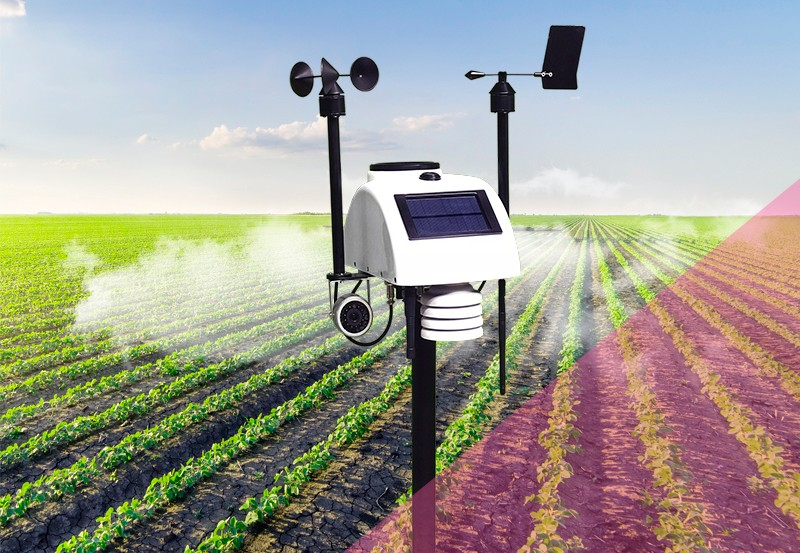
Introduction to Automatic Weather Stations (AWS)
Picture this: You're a farmer, tending to your vast fields with unwavering dedication. But as you stare out across the land, anxieties start creeping in. Are your crops getting enough water? Is the soil adequately nourished? How can you ensure efficient irrigation management without wasting precious resources?
Enter Automatic Weather Stations (AWS), the game-changer for modern-day agriculture. These technological marvels are revolutionizing how farmers approach irrigation, providing invaluable data and insights that lead to more precise and efficient farming practices. In this blog post, we'll dive into the world of AWS, exploring their inner workings and uncovering why they have become an indispensable tool for successful irrigation management.
So strap on your boots and join us as we venture into a realm where weather meets technology, paving the way for greener pastures and bountiful harvests!
How AWS Work
Automatic Weather Stations (AWS) are incredible devices that play a vital role in modern agriculture, particularly in precision irrigation management. But have you ever wondered how these stations actually work?
At the heart of an AWS is a network of sensors designed to measure various weather parameters such as temperature, humidity, wind speed and direction, rainfall, solar radiation, and more. These sensors are strategically placed within the station to ensure accurate data collection.
The collected weather data is then transmitted wirelessly or through cables to a central unit where it is processed and analyzed. This unit typically includes sophisticated software that interprets the information received from the sensors.
The software analyzes the data and provides valuable insights into current weather conditions such as evapotranspiration rates and soil moisture levels. Based on this analysis, farmers can make informed decisions regarding irrigation scheduling.
By using historical climate records combined with real-time weather updates from AWSs located on their farms or nearby areas, farmers can optimize their irrigation practices by ensuring water is applied only when necessary. This not only saves water but also reduces energy costs associated with pumping systems.
Furthermore, AWSs provide continuous monitoring capabilities throughout different stages of crop growth – from planting to harvesting. This allows farmers to adjust their irrigation strategies accordingly based on changing climatic conditions.
In addition to enabling precise irrigation management, AWSs also contribute to better overall farm management by providing early warnings for extreme weather events such as frost or heavy rainfalls. Farmers can take precautionary measures like covering crops or adjusting drainage systems well in advance.
Automatic Weather Stations revolutionize farming practices by bringing accuracy and efficiency into play when it comes to managing irrigation schedules for crops. With access to detailed real-time weather information at their fingertips through these automated systems, farmers can optimize resources while maximizing productivity.
Benefits of AWS for Irrigation Management
Automatic Weather Stations (AWS) offer numerous benefits when it comes to effective irrigation management. By providing real-time weather data, these stations enable farmers to make informed decisions about watering their crops. Here are some of the key advantages of using AWS for irrigation management.
1. Accurate and Timely Data: AWS collects precise data on temperature, humidity, wind speed, rainfall, and other relevant factors that affect crop growth. This information is updated regularly and can be accessed remotely, allowing farmers to monitor conditions in real time.
2. Improved Water Efficiency: With access to accurate weather data from AWS, farmers can optimize their irrigation schedules based on actual needs rather than relying on guesswork. This helps prevent over or under-watering, leading to significant water savings without compromising plant health.
3. Crop-Specific Recommendations: Some advanced AWS models include algorithms that analyze weather data alongside specific crop requirements. These systems provide tailored recommendations for optimal irrigation timing and duration based on the crop's stage of development.
4. Disease Prevention: The timely detection of adverse weather conditions through AWS allows farmers to take preventive measures against potential diseases or pests that thrive in certain climate patterns.
5. Cost Savings: By precisely managing irrigation with the help of AWS, farmers can reduce energy costs associated with pumping water unnecessarily and minimize expenses related to fertilizer application by adjusting it according to soil moisture levels indicated by the station's readings.
In summary, the integration of Automatic Weather Stations into agricultural practices has revolutionized precision farming techniques like irrigation management. By leveraging real-time weather data provided by these stations, farmers can make well-informed decisions regarding watering schedules and optimize resource usage while ensuring healthy crop growth. With increased efficiency in water usage along with cost savings and disease prevention capabilities offered by AWS technology, it is clear why more farms are embracing this innovative approach towards effective irrigation management. As technology continues advancing in agriculture, the future holds even greater possibilities for the integration of AWS into irrigation systems, benefiting farmers and promoting sustainable farming practices.
Enhancing Precision and Efficiency with AWS
When it comes to irrigation management, precision and efficiency are key factors in ensuring optimal crop growth and water usage. This is where Automatic Weather Stations (AWS) play a vital role. By providing accurate and real-time weather data, AWS enable farmers to make informed decisions regarding irrigation scheduling.
With AWS, farmers can monitor not only temperature and rainfall but also humidity levels, wind speed, solar radiation, and evapotranspiration rates. Having access to this comprehensive set of data allows them to adjust their irrigation schedules based on the specific needs of their crops.
By using AWS for precise irrigation management, farmers can avoid overwatering or underwatering their fields. Overwatering not only wastes valuable resources but also leads to nutrient leaching and soil erosion. On the other hand, underwatering can result in stunted growth and reduced yields.
The ability to remotely access weather data from an AWS further enhances efficiency by saving time spent manually collecting information from various locations on the farm. With just a few clicks, farmers can view detailed reports that help them optimize water usage while minimizing labor costs.
Moreover, many modern AWS systems come equipped with advanced software that uses algorithms to analyze historical weather patterns alongside current conditions. This predictive modeling enables farmers to plan ahead for future irrigation needs based on forecasted changes in weather patterns.
In addition to enhancing precision in irrigation management practices, AWS also contribute towards sustainable farming practices. By optimizing water usage through intelligent monitoring systems like these stations offer significant environmental benefits such as conserving water sources and reducing energy consumption associated with pumping excess amounts of water unnecessarily.
In summary, the integration of Automatic Weather Stations into agriculture has revolutionized how we manage our farms' watering needs effectively - enabling us as users not just save money but optimize our yields whilst reducing environmental impact too! So if you're ready for enhanced precision & efficiency within your own operations - invest now!
Choosing the Right AWS for Your Farm
When it comes to selecting an Automatic Weather Station (AWS) for your farm, there are several factors to consider. With a wide range of options available in the market, choosing the right one can be overwhelming. However, with some careful evaluation and understanding of your specific needs, you can make an informed decision.
First and foremost, consider the weather parameters that are essential for your irrigation management. Different AWS models offer various sensors to measure temperature, humidity, wind speed and direction, rainfall, solar radiation and more. Identify which parameters are crucial for effective water management on your farm.
Next, think about the connectivity options that suit your requirements. Some AWS systems rely on cellular networks or Wi-Fi connections to transmit data while others may require a direct connection through cables. Consider what type of network coverage is available in your area and choose accordingly.
Another important aspect is power supply. Determine whether you have access to reliable electricity or if battery-powered stations would be more suitable for remote locations. Additionally, assess the maintenance requirements of different AWS models as this can impact long-term costs.
Furthermore, look into compatibility with existing software or platforms that you use for irrigation management. Seamless integration between these systems will streamline data collection and analysis processes.
Don't forget about support services provided by manufacturers or suppliers. Look out for companies that offer technical assistance in case of any issues or provide regular updates to ensure optimal performance.
By carefully considering these factors before purchasing an AWS system for your farm's irrigation management needs, you can maximize efficiency and accuracy in water usage while minimizing costs and labor efforts required.
Case Studies: Successful Implementation of AWS in Agriculture
1. Improved Crop Yields and Water Efficiency
Several agricultural enterprises have witnessed remarkable results by integrating Automatic Weather Stations (AWS) into their irrigation management practices. By accurately monitoring weather conditions such as temperature, humidity, wind speed, and rainfall, farmers can make data-driven decisions to optimize water usage for their crops. This precision leads to improved crop yields and enhanced water efficiency.
2. Optimized Irrigation Schedules
One case study showcased how an AWS helped a farmer in California fine-tune their irrigation schedule based on real-time weather data. By receiving updated information about soil moisture levels and evapotranspiration rates, the farmer was able to adjust watering periods accordingly, reducing unnecessary water consumption while ensuring plants received adequate hydration.
3. Preventing Disease Outbreaks
Another successful implementation of AWS highlighted its role in preventing disease outbreaks in vineyards. With accurate weather forecasting from the station's sensors, farmers were alerted to potential fungal infections or pest infestations before they could spread extensively throughout the crops. Taking early action based on this knowledge helped preserve plant health and minimize crop losses.
4. Cost Savings through Efficient Resource Allocation
By using AWS systems that integrate with smart irrigation controllers, farmers have seen significant cost savings through efficient resource allocation. These stations provide real-time updates on local weather patterns which allows precise control over when and how much water is applied to fields or orchards.
5. Improved Decision-making with Historical Data Analysis
With historical climate data collected by AWS systems over time ,farmers are able to analyze trends, predict future weather patterns, and make informed decisions regarding planting schedules,fertilizer applications, and other crucial farming activities.
This approach helps them adapt proactively, to changing climatic conditions promoting sustainable agriculture practices
These case studies demonstrate how Automatic Weather Stations have revolutionized agriculture by empowering farmers with accurate real-time data for effective decision making leading to healthier crops,maximized yields,and optimized resource management.
Sustainable Drainage Systems (SuDS) - Promoting Eco-friendly Urban Development

Introduction to Sustainable Drainage Systems (SuDS)
Welcome to the world of Sustainable Drainage Systems (SuDS), where eco-friendly urban development takes center stage! In today's blog post, we'll delve into the fascinating realm of SuDS and explore how these innovative systems are revolutionizing the way we manage stormwater in our cities.
Gone are the days when traditional drainage systems were solely focused on keeping our streets dry. With SuDS, we're shifting gears towards a more sustainable approach that not only prevents flooding but also promotes biodiversity, enhances water quality, and creates beautiful green spaces within our concrete jungles.
So, buckle up as we embark on this enlightening journey through the world of SuDS and discover how they are paving the way for a greener future in urban development. Let's dive right in!
Problems with Traditional Drainage Systems
Traditional drainage systems have been the go-to method for managing urban stormwater runoff for decades. However, these conventional systems come with a host of problems that can negatively impact both the environment and communities.
One major issue is the increased risk of flooding. Traditional drainage systems often channel rainwater directly into rivers or sewers, which can quickly become overwhelmed during heavy rainfall events. This can lead to flash floods that damage homes, roads, and infrastructure.
Another problem is water pollution. As stormwater flows over impervious surfaces such as roads and parking lots, it collects various pollutants like oil, chemicals, and litter before entering traditional drainage systems. These pollutants then end up in our rivers and streams, harming aquatic ecosystems and compromising water quality.
Furthermore, traditional drainage systems contribute to the loss of natural habitats in urban areas. Paved surfaces replace green spaces where rain could infiltrate naturally into the ground. This disrupts the natural hydrological cycle and reduces opportunities for groundwater recharge.
Additionally, traditional drainage infrastructures are expensive to build and maintain. The construction of large underground pipes requires significant financial investment while ongoing maintenance costs continue to accumulate over time.
These problems highlight why it's crucial to explore alternative approaches like Sustainable Drainage Systems (SuDS) for managing stormwater runoff in urban environments effectively.
Benefits of SuDS for Urban Development
1. Improved Stormwater Management: Traditional drainage systems often struggle to handle excessive rainfall, leading to flooding and damage to urban infrastructure. SuDS, on the other hand, utilize natural processes such as infiltration and storage to manage stormwater effectively. This reduces the risk of flooding and protects both buildings and the surrounding environment.
2. Enhanced Water Quality: Traditional drainage systems can carry pollutants from roads, buildings, and industrial areas directly into rivers and streams. In contrast, SuDS techniques like constructed wetlands or bioretention basins help filter out contaminants from surface runoff before it enters water bodies. This promotes better water quality for both humans and wildlife.
3. Biodiversity Conservation: Traditional urban developments often result in the loss of natural habitats for plants and animals. However, SuDS incorporate green spaces such as rain gardens or swales that provide opportunities for vegetation growth while creating appealing environments for birds, insects, and other wildlife species.
4. Heat Island Mitigation: Urban areas tend to absorb heat during hot weather due to a lack of vegetation cover and abundance of concrete surfaces. By incorporating features like green roofs or permeable pavements into SuDS designs,
Key Components of SuDS
Sustainable Drainage Systems (SuDS) are designed to mimic natural water management processes, reducing flood risk and pollution in urban areas. To achieve this, several key components need to be considered when implementing SuDS.
Permeable surfaces play a crucial role in SuDS. These surfaces allow rainwater to infiltrate into the ground rather than running off into drains. By incorporating materials such as porous concrete or gravel on roads and pavements, surface runoff can be significantly reduced.
Another important component is green infrastructure. This includes features like rain gardens, swales, and detention ponds that help manage stormwater naturally. Rain gardens are planted areas specifically designed to collect and store rainfall temporarily before slowly releasing it back into the environment through evaporation or transpiration by plants.
Furthermore, storage systems are essential for effective SuDS implementation. These systems include underground tanks or reservoirs that can hold excess water during heavy rainfall events. The stored water can then be released at a controlled rate to prevent flooding downstream.
Additionally, flow control measures such as flow restrictors and attenuation devices should be installed within drainage networks to regulate the volume of water being discharged into rivers or sewers. This helps reduce peak flows during storms and minimizes flood risks in urban areas.
Maintenance plays a vital role in ensuring the longevity and effectiveness of SuDS components. Regular inspections must be carried out to check for any blockages or damage that could impair their functionality. Proper maintenance ensures that SuDS continue providing sustainable drainage solutions over time.
By considering these key components when designing and implementing Sustainable Drainage Systems (SuDS), cities can effectively manage stormwater runoff while promoting eco-friendly urban development.
Types of SuDS Techniques and Their Applications
SuDS offer a range of techniques that can effectively manage stormwater runoff while promoting eco-friendly urban development. These techniques vary in their design and application, ensuring flexibility and adaptability to different environments.
One common technique is the use of green roofs, where vegetation is planted on rooftops to absorb rainwater. This not only reduces runoff but also provides insulation benefits for buildings. Rain gardens or bioretention areas are another popular SuDS technique, consisting of shallow depressions filled with plants and soil that help filter pollutants from stormwater before it enters the drainage system.
Permeable pavements are an innovative solution that allows water to infiltrate through the surface into underlying layers instead of running off. They come in various forms such as porous concrete, permeable pavers, or gravel surfaces. These pavements reduce flooding risk while offering aesthetically pleasing alternatives to traditional impermeable surfaces.
Infiltration basins or trenches are commonly used SuDS techniques designed to capture and store excess water during heavy rainfall events. These basins allow gradual infiltration into the ground, replenishing groundwater supplies and reducing strain on existing drainage systems.
Constructed wetlands mimic natural wetland ecosystems by using vegetation and specific soil types to treat stormwater runoff. They provide effective pollutant removal capabilities while creating wildlife habitats within urban areas.
These diverse SuDS techniques have proven successful in managing stormwater runoff sustainably across various urban environments worldwide. Each technique has its advantages depending on site-specific conditions such as space availability, soil type, climate patterns, and local regulations.
By incorporating these SuDS techniques into urban planning strategies, cities can create more resilient communities that minimize flood risks, enhance water quality,
and promote greener living spaces.
Challenges and Solutions in Implementing SuDS
Implementing Sustainable Drainage Systems (SuDS) in urban areas can come with its fair share of challenges. One major obstacle is the lack of awareness and understanding among stakeholders about the benefits and importance of SuDS. Many people are still unfamiliar with this innovative approach to managing stormwater runoff.
Another challenge is the limited space available for implementing SuDS techniques, especially in densely populated cities. Finding suitable areas for rain gardens, green roofs, or permeable pavements can be a difficult task. Additionally, retrofitting existing infrastructure to incorporate SuDS features can be costly and time-consuming.
Regulatory frameworks and planning policies also pose challenges when it comes to implementing SuDS effectively. In some cases, there may be conflicting regulations or outdated guidelines that do not adequately support the integration of sustainable drainage practices into urban development projects.
However, despite these challenges, there are several solutions available to overcome them. Education and awareness campaigns play a crucial role in promoting the adoption of SuDS among stakeholders. This includes educating local communities on the benefits of SuDS as well as training professionals involved in urban development projects.
Collaboration between different departments within local authorities and agencies is essential for successful implementation of SuDS. By working together, they can ensure that planning policies are updated to include provisions for sustainable drainage systems.
Innovative design solutions such as underground storage tanks or modular systems can help address space limitations by maximizing land use efficiency while still allowing effective stormwater management through infiltration or detention methods.
Furthermore, financial incentives such as grants or tax breaks could encourage developers and property owners to incorporate SuDS features into their projects voluntarily.
By addressing these challenges head-on with creative solutions and fostering collaboration among stakeholders at all levels, we can pave the way towards widespread adoption of Sustainable Drainage Systems (SuDs) in our urban environments.
The Future of Eco-friendly Urban Development with SuDS
As cities continue to grow and urbanization becomes the norm, the need for sustainable solutions is more crucial than ever. Sustainable Drainage Systems (SuDS) offer a promising future for eco-friendly urban development. These innovative systems not only manage stormwater effectively but also contribute to a greener and healthier environment.
One key aspect of the future with SuDS is the integration of nature into urban spaces. Green roofs and walls, along with rain gardens and bioswales, can be implemented to absorb rainfall, reduce runoff, and provide habitats for wildlife. Imagine strolling down a city street lined with vibrant plants that filter pollutants from the air while simultaneously capturing rainwater.
Another exciting prospect is utilizing technology in SuDS implementation. Smart systems can monitor weather patterns and adjust drainage strategies accordingly, optimizing water management in real-time. This futuristic approach ensures efficient use of resources while minimizing environmental impact.
Furthermore, community engagement plays an essential role in driving eco-friendly urban development powered by SuDS. Educating residents about the benefits of these systems fosters awareness and encourages participation in their planning and maintenance.
The future holds immense potential for eco-friendly urban development through SuDS implementation. As technologies advance further, we can expect even smarter drainage systems that adapt seamlessly to changing climate conditions.
By embracing sustainable practices such as SuDS techniques, cities can pave the way towards a greener future where harmony between humans and nature thrives.
Evaluating the Performance of Irrigation Pumps: Key Metrics

Introduction to Irrigation Pumps
Welcome to our blog post on evaluating the performance of irrigation pumps! If you're a farmer, landscaper, or simply someone who relies on efficient irrigation systems, then this article is for you. Irrigation pumps play a crucial role in ensuring that water reaches crops and gardens effectively. However, not all pumps are created equal when it comes to performance. That's why understanding the key metrics for evaluating pump performance is essential.
In this blog post, we'll dive into the different types of irrigation pumps and explore the important factors to consider when assessing their efficiency. So let's get started and unlock the secrets to maximizing your pump's potential!
Types of Irrigation Pumps
When it comes to irrigation pumps, there are several types available on the market. Each type has its own unique features and benefits, making it important to choose the right one for your specific needs. Let's take a closer look at some of the most common types of irrigation pumps.
1. Centrifugal Pumps: These pumps work by converting rotational energy from an electric motor into kinetic energy that increases water pressure. They are highly efficient and widely used in agricultural irrigation systems.
2. Submersible Pumps: As the name suggests, submersible pumps are designed to be submerged in water. They are commonly used in deep wells or bodies of water such as lakes or ponds.
3. Turbine Pumps: Turbine pumps are ideal for high-flow, low-pressure applications such as flood irrigation or large-scale watering systems. They use multiple impellers to generate high volumes of water flow.
4. Diaphragm Pumps: Diaphragm pumps operate using a flexible diaphragm that moves back and forth to create suction and discharge cycles. They are often used for small-scale irrigation projects or garden watering.
5. Piston Pumps: Piston pumps rely on reciprocating pistons to draw in and push out water through valves with each stroke cycle. These pumps offer high pressure capabilities and can handle thick liquids like fertilizers or pesticides.
6. Solar-Powered Pumps: With growing focus on sustainable practices, solar-powered pumps have gained popularity in recent years.
They utilize solar panels to convert sunlight into electrical energy,to power up the pump motors.
Remember that choosing the right type of pump depends on factors such as desired flow rate, system requirements, and budget constraints among others.
So make sure you carefully evaluate your specific needs before making a decision!
Key Metrics for Evaluating Performance
When it comes to evaluating the performance of irrigation pumps, there are several key metrics that you should consider. These metrics will give you valuable insights into how well your pump is performing and help identify any areas for improvement. So, let's take a closer look at these important factors.
One crucial metric is the flow rate. This refers to the volume of water that the pump can deliver per unit of time. A higher flow rate indicates greater efficiency and productivity in your irrigation system.
Another essential metric is the pressure rate. This measures the force with which water is delivered by the pump. Higher pressure allows for better distribution of water across your fields or garden beds, ensuring optimal moisture levels for your crops or plants.
Power efficiency is also a vital aspect to consider when evaluating pump performance. It takes into account how effectively the pump converts electrical power into mechanical energy to move water. A more efficient pump will not only save on energy costs but also reduce environmental impact.
Maintenance and longevity are equally important metrics that should not be overlooked. Regular maintenance ensures smooth operation and prolongs the lifespan of your irrigation pump, saving you money in repairs or replacements in the long run.
Regular evaluation of these key metrics provides valuable information about how well your irrigation system is functioning overall. By monitoring and analyzing these performance indicators over time, you can make informed decisions about potential upgrades or adjustments needed to optimize efficiency and productivity.
Now that we understand why evaluating pump performance is crucial let's explore some tips on improving it even further!
Flow Rate
Flow Rate is a key metric for evaluating the performance of irrigation pumps. It refers to the volume of water that can be pumped through the system in a given amount of time. The flow rate is typically measured in gallons per minute (GPM) or liters per second (L/s).
A high flow rate is essential for efficient irrigation, as it ensures that an adequate amount of water reaches the crops or plants. Insufficient flow can lead to uneven watering and poor crop yield.
To determine the appropriate flow rate for your irrigation system, you need to consider factors such as soil type, crop type, and climate conditions. It's important to match the pump's capacity with your specific needs to avoid over- or under-watering.
Monitoring and measuring the flow rate regularly allows you to identify any issues or inefficiencies in your irrigation system. If you notice a decrease in flow rate over time, it could indicate clogged filters, worn-out impellers, or other maintenance issues that need attention.
Improving the flow rate can be achieved by optimizing pump size and design based on your specific requirements. Upgrading components such as pipes and valves can also help reduce friction losses and boost overall efficiency.
Monitoring and evaluating the flow rate of your irrigation pump is crucial for ensuring optimal performance and maximizing water distribution efficiency. Regular assessment allows you to identify any potential problems early on and take necessary steps to maintain an efficient irrigation system.
Pressure Rate
When it comes to evaluating the performance of irrigation pumps, one key metric that cannot be overlooked is the pressure rate. The pressure rate refers to the amount of force or pressure that a pump can generate to push water through the irrigation system.
A high-pressure rate is essential for ensuring that water reaches every corner of your fields or gardens, even in areas with high elevation or long distances. It ensures proper coverage and distribution of water, which is crucial for healthy plant growth.
On the other hand, a low-pressure rate can result in inadequate watering and uneven distribution. This can lead to dry patches or overwatered areas, both of which can negatively impact crop yield and overall plant health.
To determine the pressure rate of an irrigation pump, you need to consider factors such as pipe diameter, length of pipes used in your system, elevation changes within your irrigation network, and any additional accessories like sprinklers or nozzles.
Regularly monitoring and adjusting the pressure rate is vital for optimizing pump performance. If you notice fluctuations in pressure levels or inconsistent water delivery patterns, it may be time to assess your pump's efficiency and make necessary adjustments.
Improving the pressure rate involves several steps. Ensure that all pipes are properly sized according to flow requirements. Check for any leaks or blockages along the pipeline that could affect pressure levels. Consider installing a booster pump if needed to increase overall system capacity and maintain adequate pressure throughout.
In summary: Evaluating the performance of an irrigation pump requires careful consideration of various metrics such as flow rate, pressure rate, and power efficiency. Maintaining optimal pressure levels plays a critical role in ensuring uniform and efficient watering across your fields.
The right amount of pressue can prevent under-watering, dry spots, and
over-watering, flooding. Low pressure rates often signify inadequate watering while excessivep pressuremay lead to pipe bursts and wasted water.
Power Efficiency
One of the key metrics for evaluating the performance of irrigation pumps is power efficiency. This metric measures how effectively a pump converts electrical energy into mechanical work to deliver water to the fields. A highly efficient pump will require less power input to achieve the desired flow rate and pressure.
There are several factors that can affect power efficiency, including motor type, pump design, and operating conditions. Choosing a pump with a high-efficiency motor and an optimized impeller can significantly improve overall power efficiency.
Regular maintenance also plays a crucial role in maintaining optimal power efficiency. Keeping the pump clean, lubricating moving parts, and monitoring for any signs of wear or damage can help reduce energy consumption and prolong the lifespan of the equipment.
Monitoring power usage over time allows farmers to identify any changes or fluctuations in performance that may indicate inefficiencies or potential issues. By regularly evaluating power efficiency, farmers can make informed decisions about maintenance schedules, upgrades, or replacements as needed.
Improving power efficiency not only reduces energy costs but also contributes to environmental sustainability by minimizing electricity consumption. With advancements in technology, there are now more energy-efficient options available on the market that offer improved performance while reducing carbon footprint.
In summary, power efficiency is an essential metric when evaluating irrigation pumps' performance as it directly impacts both operational costs and environmental sustainability. Investing in high-efficiency pumps and regularly monitoring their performance can help farmers optimize their energy usage while ensuring effective water delivery for crop cultivation.
Maintenance and Longevity
Proper maintenance is essential for the longevity of irrigation pumps. Regular upkeep ensures that your pump continues to perform at its best, avoiding breakdowns and costly repairs. Neglecting routine maintenance can lead to decreased efficiency and a shortened lifespan for your pump.
One important aspect of maintenance is checking for any leaks or signs of wear and tear. Small leaks may not seem like a big deal, but they can result in significant water loss over time. Additionally, worn-out parts should be replaced promptly to prevent further damage.
Regular cleaning is also crucial for maintaining pump performance. Debris such as leaves, twigs, or dirt can clog the system and reduce flow rate. Inspect the intake screens regularly and clean them if necessary.
Furthermore, it's important to keep an eye on the motor temperature during operation. Overheating can indicate problems with cooling mechanisms or inadequate lubrication. Maintaining proper lubrication levels will help extend the life of your pump.
Consider scheduling regular professional inspections to identify any potential issues before they become major problems. A trained technician can assess overall performance, make necessary adjustments, and provide recommendations for optimal functioning.
By prioritizing maintenance tasks such as leak detection, cleaning filters, monitoring motor temperature, lubricating moving parts regularly, and seeking professional assistance when needed you'll ensure that your irrigation pump operates efficiently and stands the test of time.