Learn smarter with fresh insights from our tutors.
Practical study guides, course supplements, and learning resources curated to help you move faster through every subject.
Sustainable Solutions: Navigating Environmental Challenges in Agribusiness

Introduction to Agribusiness and Environmental Challenges
Welcome to our blog post on sustainable solutions in agribusiness! In today's fast-paced world, where environmental challenges are becoming increasingly pressing, it is crucial for the agricultural industry to adopt eco-friendly practices. Agribusiness plays a significant role in feeding the global population, but it also has a substantial impact on the environment. From climate change and water scarcity to packaging waste and energy consumption, these challenges call for innovative and sustainable approaches.
In this article, we will explore various strategies that can help agribusiness navigate these environmental hurdles while ensuring long-term sustainability. We'll delve into the effects of climate change on agriculture, discuss organic farming as a viable solution, examine water conservation practices and renewable energy options like solar and wind power. Additionally, we'll touch upon implementing sustainable packaging methods and highlight collaborative efforts towards building a greener future in agribusiness.
So let's dive right in and discover how we can make positive changes together!
The Impact of Climate Change on Agriculture
Climate change is a pressing issue that has far-reaching consequences for various sectors, including agriculture. Rising temperatures, erratic weather patterns, and extreme events like droughts and floods are posing significant challenges to farmers around the world.
One of the major impacts of climate change on agriculture is a decrease in crop yields. Changes in temperature and rainfall patterns can disrupt plant growth cycles and reduce productivity. This not only affects food security but also has economic implications for farmers who rely on their crops for livelihoods.
Additionally, climate change can lead to an increase in pests and diseases. Warmer temperatures create favorable conditions for the proliferation of pests, damaging crops and reducing yields further. Farmers have to invest more resources into pest control measures, which adds financial burdens.
Water scarcity is another consequence of climate change that directly affects agriculture. Droughts reduce water availability for irrigation purposes, making it difficult for farmers to maintain crop health and yield potential. Water management strategies such as efficient irrigation systems become crucial in mitigating these challenges.
Furthermore, extreme weather events like floods can wash away valuable topsoil from fields or damage crops beyond recovery. These events not only result in immediate losses but also degrade soil quality over time if proper remedial action is not taken.
Adapting to these challenges requires innovative solutions and sustainable practices within agribusinesses worldwide. From implementing precision farming techniques to using drought-resistant crop varieties or investing in greenhouse technology – there are numerous ways agribusinesses can mitigate the impacts of climate change on agriculture.
It's essential for stakeholders across the agricultural industry to recognize the urgent need for adaptation measures against climate change effects. By adopting sustainable practices at every level - from individual farms to large-scale operations - we can build resilient agribusinesses capable of navigating environmental challenges while ensuring food security for future generations.
Organic Farming: A Sustainable Solution
Organic farming has gained significant popularity in recent years as a sustainable solution to the environmental challenges faced by agribusiness. With its focus on natural and holistic practices, organic farming offers numerous benefits for both the environment and human health.
One key aspect of organic farming is the avoidance of synthetic pesticides and fertilizers. Instead, farmers rely on natural methods such as crop rotation, companion planting, and beneficial insects to control pests and enrich the soil. This not only reduces chemical pollution but also helps maintain biodiversity in agricultural landscapes.
Furthermore, organic farming promotes soil health by emphasizing the use of compost and manure to nourish crops. By avoiding synthetic chemicals that can degrade soil structure over time, organic farmers help retain moisture levels in their fields while preventing erosion.
In addition to promoting healthy soils, organic farming also prioritizes animal welfare. Organic livestock are raised without antibiotics or growth hormones and have access to outdoor spaces for grazing. This humane approach supports not only animal well-being but also produces high-quality meat products free from harmful residues.
Moreover, choosing organic products contributes directly to reducing our carbon footprint. Organic farms often employ techniques like cover cropping and conservation tillage that sequester carbon dioxide from the atmosphere into the soil. Additionally, by avoiding synthetic nitrogen fertilizers – which require substantial energy inputs for production – organic agriculture helps mitigate greenhouse gas emissions associated with conventional farming practices.
Embracing organic farming presents us with a sustainable path forward in agribusiness. By supporting environmentally friendly practices that promote biodiversity, conserve resources like water and energy,
and prioritize animal welfare; we can make positive changes towards a greener future for our food systems.
Water Conservation Practices for Agribusiness
Water is a precious resource, and in the face of increasing water scarcity, it is crucial for agribusinesses to adopt effective water conservation practices. By implementing sustainable irrigation techniques and embracing innovative technologies, farmers can minimize water usage while maximizing crop yields.
One such practice is drip irrigation, which delivers water directly to the roots of plants through a network of tubes with small emitters. This method reduces evaporation and ensures that every drop counts. Additionally, using moisture sensors or weather-based irrigation controllers can help optimize watering schedules based on real-time data.
Another strategy is rainwater harvesting. By collecting rainwater during rainy seasons and storing it in reservoirs or underground tanks, farmers can have access to additional water sources during periods of drought. This not only conserves valuable freshwater resources but also provides resilience against unpredictable weather patterns.
Furthermore, adopting precision farming techniques allows farmers to apply targeted amounts of water where it is needed most. Through the use of remote sensing technologies and data analytics, they can monitor soil moisture levels and adjust irrigation accordingly, minimizing waste.
Conservation tillage practices also play a significant role in preserving soil moisture content. By reducing or eliminating plowing and tilling operations, organic matter remains intact on the surface, acting as a natural mulch that helps retain soil moisture and prevent evaporation.
Implementing these various water conservation practices not only benefits agribusiness by saving costs associated with excessive water usage but also promotes sustainability by ensuring long-term availability of this vital resource for future generations.
Renewable Energy in Agriculture: Harnessing Solar and Wind Power
As the world grapples with the need for sustainable solutions, agribusinesses are increasingly turning to renewable energy sources like solar and wind power. These alternative energy sources not only reduce greenhouse gas emissions but also provide economic benefits for farmers.
Solar power has emerged as a popular choice among agribusinesses due to its versatility and reliability. By installing solar panels on their land or buildings, farmers can generate clean electricity to meet their farming needs. This includes powering livestock facilities, irrigation systems, and even charging electric vehicles used on the farm.
Similarly, wind power offers immense potential for agricultural applications. Many farms have vast open spaces where wind turbines can be installed to capture the energy of gusts and convert it into usable electricity. This renewable resource can help offset traditional fossil fuel consumption while lowering operational costs for farmers.
Harnessing both solar and wind power requires upfront investments; however, these expenses are often outweighed by long-term savings on utility bills. Additionally, government incentives and rebates make adopting renewable energy more financially feasible for agribusinesses.
Moreover, renewable energy in agriculture goes beyond cost savings. It contributes to a cleaner environment by reducing dependence on non-renewable resources such as coal or natural gas. By embracing solar and wind power technologies, agribusinesses play an active role in mitigating climate change while ensuring a secure future for food production.
In summary, harnessing solar and wind power is vital in promoting sustainable practices within the agricultural industry. Agribusinesses that invest in these renewable energy sources reap numerous benefits – from reduced operating costs to environmental conservation efforts.
Implementing Sustainable Packaging and Distribution Methods
In today's world, where environmental concerns are at the forefront of discussions, agribusinesses need to find innovative ways to reduce their carbon footprint. One area that holds great potential for sustainability is packaging and distribution methods.
Sustainable packaging involves using materials that have a minimal impact on the environment throughout their lifecycle. This can include utilizing biodegradable or compostable materials, reducing packaging waste, and implementing recycling programs. By adopting such practices, agribusinesses can significantly decrease the amount of plastic and other non-biodegradable waste that ends up in landfills or oceans.
Furthermore, optimizing distribution methods can also have a positive impact on the environment. Agribusinesses can explore options like local sourcing to minimize transportation distances and emissions associated with long-distance shipping. Additionally, investing in efficient logistics systems and using renewable energy-powered vehicles reduces greenhouse gas emissions while ensuring timely delivery.
Collaboration between different stakeholders within the agribusiness industry is crucial for successfully implementing sustainable packaging and distribution methods. By working together with suppliers, retailers, consumers, and regulatory bodies, businesses can share best practices and develop standardized guidelines to promote eco-friendly practices across the supply chain.
The benefits of sustainable packaging and distribution extend beyond just environmental considerations. Consumers are increasingly seeking out products that align with their values of sustainability; therefore adopting these measures can enhance brand reputation while attracting a wider customer base.
By incorporating sustainable packaging solutions into their operations - from farm to fork - agribusinesses not only contribute towards minimizing environmental impacts but also position themselves as leaders in responsible business practices. It's time for us all to embrace these changes collectively for a greener future.
The Importance of Proper Irrigation Design: A Step-by-Step Guide

The Importance of Proper Irrigation Design: A Step-by-Step Guide
Welcome to our blog, where we dive deep into the world of landscape design and help you create stunning outdoor spaces. Today, we're going to explore a critical aspect of any successful landscaping project – proper irrigation design. While it may not be the most glamorous topic, understanding the importance of irrigation design is essential for achieving lush green lawns and flourishing gardens.
Imagine this: you've spent hours planning your dream garden, carefully selecting beautiful plants and envisioning a vibrant oasis in your backyard. But without an effective irrigation system in place, all your hard work could go down the drain – quite literally! That's why having a well-designed irrigation system is crucial for maintaining healthy vegetation and conserving water.
In this comprehensive guide, we'll walk you through everything you need to know about designing an efficient and effective irrigation system. We'll discuss the impact of poor irrigation design on your landscape, provide step-by-step instructions for creating a proper design plan, highlight key factors to consider during the process, help you choose the right system for your specific needs, and offer tips on maintenance and upgrades.
So whether you're a seasoned gardener looking to enhance your existing setup or a newbie starting from scratch with a blank canvas – this guide has got you covered! Let's jump right in and discover how proper irrigation design can transform your outdoor space into something truly extraordinary.
Understanding the Role of Irrigation Design
Proper irrigation design is not just about keeping your plants hydrated. It plays a vital role in creating an overall sustainable and efficient landscape. The main goal of irrigation design is to deliver water precisely where and when it's needed, ensuring optimal plant growth while conserving water resources.
One key aspect of irrigation design is determining the appropriate watering schedule. Different plants have different moisture requirements, and understanding these needs can prevent under or over-watering, which can lead to plant stress or even death. By considering factors such as soil type, weather patterns, and plant species, you can create a tailored watering plan that promotes healthy growth without wasting precious water.
Another important role of irrigation design is maximizing water efficiency. A well-designed system takes into account factors like slope gradients, soil absorption rates, and precipitation levels to minimize runoff and evaporation. By delivering water directly to the root zone through techniques like drip irrigation or targeted sprinkler heads, you can avoid unnecessary waste while ensuring that every drop counts.
Furthermore, proper irrigation design also helps prevent issues such as erosion and flooding by managing the flow of water throughout your landscape. With careful planning and consideration for drainage patterns, you can ensure that excess water doesn't accumulate in unwanted areas or cause damage to structures.
In essence, understanding the role of irrigation design goes beyond simply quenching thirst – it's about fostering a harmonious relationship between nature's elements and human intervention. So whether you're aiming for a lush garden retreat or maintaining a sprawling commercial property – taking the time to understand how effective irrigation design contributes to your overall landscaping goals will undoubtedly yield fruitful results.
The Impact of Poor Irrigation Design
When it comes to irrigation design, the impact of poor planning and execution cannot be overstated. A poorly designed irrigation system can lead to a host of problems that negatively affect both plant health and water conservation efforts.
One major consequence of poor irrigation design is uneven water distribution. When certain areas receive too much water while others are left parched, plants can become stressed or even die. This not only wastes precious resources but also compromises the overall aesthetics of your landscape.
Another issue stemming from inadequate irrigation design is excessive runoff. If water is not effectively absorbed by the soil, it will simply flow off into other areas like sidewalks or driveways. This not only wastes water but also contributes to erosion and pollution as excess chemicals are carried away with the runoff.
In addition to these direct consequences, poor irrigation design can also have indirect effects on your landscape's health. Overwatering due to inefficient systems can create an environment conducive to weed growth and fungal diseases, further compromising plant vitality.
Furthermore, improper watering practices resulting from flawed designs may leave plants more susceptible to pests and diseases. For example, frequent shallow watering encourages shallow root development which weakens plants' ability to withstand stressors like drought or extreme temperatures.
Investing in proper irrigation design is crucial for maintaining a healthy landscape while conserving resources effectively. By considering factors such as soil type, slope gradient, plant needs, and climate conditions during the planning process, you can ensure optimal functionality and performance of your irrigation system for years to come. Don't let poor design hinder your landscaping goals - take proactive steps towards efficient irrigation today!
Step-by-Step Guide to Proper Irrigation Design
When it comes to proper irrigation design, there are several key steps you should follow to ensure optimal results for your landscape. Let's take a closer look at the step-by-step guide to help you design an effective irrigation system.
1. Assess Your Landscape: Start by evaluating your landscape and identifying its unique characteristics. Consider factors such as soil type, slope, sun exposure, and plant types. This assessment will help determine water requirements and layout options.
2. Calculate Water Needs: Next, calculate the water needs of your plants based on their species and size. This will help determine how much water each area of your landscape requires.
3. Determine Zone Layouts: Divide your landscape into zones based on similar watering needs and plant types. This allows for customized watering schedules that maximize efficiency.
4. Choose Irrigation Methods: Select the appropriate irrigation methods for each zone based on factors like plant type, soil conditions, and available water pressure. Options include sprinklers, drip systems, or a combination of both.
5. Designing Pipe Layouts: Create pipe layouts that efficiently deliver water to each zone while minimizing waste due to evaporation or runoff.
Factors to Consider in Irrigation Design
When it comes to designing an irrigation system for your landscape, there are several factors that need to be taken into consideration. These factors will determine the effectiveness and efficiency of your irrigation system, ultimately impacting the health and appearance of your plants.
One important factor is the type of soil in your landscape. Different soils have different water-holding capacities, so it's crucial to understand how well your soil retains moisture. This will help you determine the frequency and duration of watering needed for optimal plant growth.
Another factor to consider is the slope and topography of your landscape. If you have uneven terrain or areas with a steep slope, special attention should be given to ensure proper water distribution. Slopes can cause water runoff if not properly addressed in the design process.
The types of plants in your landscape also play a role in determining irrigation needs. Certain plants have higher water requirements than others, so it's important to group them accordingly and adjust irrigation zones accordingly.
Climate is another key factor that cannot be overlooked. Understanding rainfall patterns, temperature fluctuations, and evaporation rates will help you design an irrigation system that compensates for these environmental variables.
Budgetary constraints should also be considered when designing an irrigation system. There are various types of systems available with different costs associated with installation and maintenance. It's essential to find a balance between functionality and affordability.
By taking these factors into account during the design process, you can create an efficient irrigation system that meets the specific needs of your landscape while conserving water resources at the same time!
Choosing the Right Irrigation System for Your Landscape
When it comes to choosing the right irrigation system for your landscape, there are several factors to consider. First and foremost, you need to evaluate the specific needs of your plants and soil. Different plants have different water requirements, so it's important to select a system that can deliver the appropriate amount of water for each type of vegetation.
Another consideration is the size and layout of your landscape. If you have a large area to cover, you may want to opt for an automated sprinkler system that can reach all corners of your property. On the other hand, if you have a smaller space or only need to water a few plants, a drip irrigation system might be more suitable.
Additionally, take into account any environmental factors that could affect your irrigation system. For instance, if you live in an area with high wind or intense sunlight, you may need additional features such as windbreaks or shade structures to ensure efficient watering.
Don't forget about maintenance and efficiency. Look for systems that are easy to maintain and provide options for adjusting water flow and timing. This will not only help conserve water but also prevent overwatering which can lead to root rot and other plant diseases.
By carefully considering these factors and selecting the right irrigation system for your landscape's unique needs, you'll be able to ensure healthy growth while minimizing waste. So take the time to research different options before making a decision – your plants will thank you!
Maximizing Water Efficiency: Innovative Techniques for Irrigation Systems

Introduction to Water Efficiency and the Importance of Conservation
Water is a precious resource that sustains life on our planet. From quenching our thirst to nurturing the plants that provide us with oxygen and food, water plays a vital role in our everyday existence. However, as global populations rise and climate change alters rainfall patterns, it becomes increasingly important for us to maximize water efficiency and practice conservation.
In the realm of irrigation systems, traditional methods have often fallen short when it comes to efficient water usage. Sprinklers can lead to excessive evaporation and runoff, while manual watering can result in uneven distribution. These drawbacks not only waste valuable water but also contribute to higher utility bills and potential damage to landscapes.
Fortunately, there are innovative techniques available today that revolutionize how we irrigate our gardens and lawns. By adopting these methods, we can reduce water usage, save costs, ensure healthier plant growth, and contribute positively towards sustainable living.
Join us as we explore some of these groundbreaking techniques for maximizing water efficiency in irrigation systems!
Traditional Irrigation Methods and their Drawbacks
Traditional irrigation methods have been used for centuries to water crops and landscapes. However, these methods are not without their drawbacks. One of the main issues with traditional irrigation is the amount of water wasted through evaporation and runoff. When water is sprayed onto plants or poured onto the ground, a significant portion can be lost due to evaporation before it has a chance to reach the roots.
Another drawback of traditional irrigation systems is that they often apply water uniformly across an entire area, regardless of whether certain areas need more or less moisture. This can lead to overwatering in some areas, which not only wastes water but also increases the risk of diseases caused by excess moisture. Additionally, watering at inappropriate times - such as during peak daylight hours when evaporation rates are high - can further contribute to inefficient use of water.
Furthermore, traditional irrigation methods typically rely on manual monitoring and adjustment based on visual cues like wilting leaves or dry soil. This means that irrigating too little or too much can easily occur if someone forgets to check regularly or misinterprets plant needs.
While traditional irrigation methods have served us well in the past, they are no longer sustainable in today's world where efficient resource usage is crucial. It's time to explore innovative techniques that maximize water efficiency and optimize our landscapes' health while minimizing waste and costs associated with unnecessary watering practices.
Innovative Techniques for Efficient Irrigation
Innovative techniques for efficient irrigation have revolutionized the way we conserve water and maintain healthy landscapes. One such technique is drip irrigation, which delivers water directly to the plant roots, minimizing evaporation and runoff. With this method, water is released slowly through a network of tubes or pipes with small holes or emitters.
Another innovative approach to irrigation is the use of smart irrigation controllers. These devices utilize weather data and soil moisture information to automatically adjust watering schedules based on actual conditions. By optimizing watering times and amounts, smart controllers can significantly reduce water waste.
Soil moisture sensors are yet another tool in the arsenal of efficient irrigation techniques. These sensors measure soil moisture levels and provide real-time data that helps inform watering decisions. By only irrigating when necessary, plants receive just the right amount of water they need to thrive without wasting resources.
By adopting these innovative techniques for efficient irrigation, significant benefits can be realized. Water usage and costs are reduced as wastage is minimized. Additionally, healthier plants and landscapes are achieved due to more precise control over watering needs.
When implementing these techniques, it's important to consider factors such as installation requirements, compatibility with existing systems, maintenance needs, and cost-effectiveness. Regular monitoring of equipment performance will help ensure optimal results.
As we look towards the future of water-efficient irrigation methods continue to evolve rapidly. Advanced technologies like remote sensing capabilities may soon become commonplace in managing irrigation systems efficiently.
In summary, innovative techniques for efficient irrigation offer tremendous opportunities to maximize water conservation efforts, reduce costs, and promote healthier landscapes.
- Drip irrigation
Drip irrigation is a revolutionary technique that maximizes water efficiency in irrigation systems. Unlike traditional methods, which involve flooding the entire area with water, drip irrigation delivers water directly to the roots of plants through a network of tubes and emitters. This targeted approach ensures that every drop of water reaches its intended target, minimizing waste and maximizing plant health.
One of the major advantages of drip irrigation is its ability to deliver precise amounts of water to each plant. By adjusting the flow rate at each emitter, you can customize watering schedules for different plants based on their specific needs. This not only conserves water but also promotes healthier root development and reduces weed growth.
Another benefit of drip irrigation is its versatility. It can be used in various landscapes, from small home gardens to large-scale agricultural operations. Drip systems are easily scalable and can be adapted to fit any size or shape of planting area.
In addition to conserving water, drip irrigation also offers time-saving benefits. Once the system is set up, it requires minimal maintenance and allows for automated watering schedules through timers or smart controllers.
Drip irrigation is an innovative technique that revolutionizes how we approach watering our landscapes and crops. Its precision delivery system not only saves precious resources but also leads to healthier plants and more sustainable agriculture practices.
- Smart irrigation controllers
Smart irrigation controllers are revolutionizing the way we water our landscapes. These innovative devices use advanced technology to optimize watering schedules based on real-time weather data, soil moisture levels, and plant needs. With smart irrigation controllers, you no longer have to guess when and how much to water your plants.
One of the key advantages of smart irrigation controllers is their ability to adapt to changing environmental conditions. They can automatically adjust watering schedules during periods of rain or drought, ensuring that your plants receive just the right amount of water they need without wasting a drop.
Another great feature of these controllers is remote access and control. Many smart irrigation systems come with smartphone apps or web-based interfaces that allow you to monitor and adjust your watering schedule from anywhere at any time. Forgot to turn off the sprinklers before leaving for vacation? No problem! With a few taps on your phone, you can easily manage your system remotely.
Additionally, some models even have built-in sensors that detect leaks or pipe breakages, alerting you immediately so you can address the issue promptly and prevent water waste. This not only saves precious resources but also helps in cost savings by avoiding potential damages caused by undetected leaks.
Smart irrigation controllers offer convenience, efficiency, and sustainability in managing your landscape's watering needs. By utilizing cutting-edge technology and intelligent algorithms, these devices ensure optimal water usage while maintaining healthy plants and reducing unnecessary expenses in the long run
- Soil moisture sensors
Soil moisture sensors are a game-changer when it comes to efficient irrigation. These innovative devices provide real-time data about the moisture levels in the soil, allowing for precise and targeted watering. By measuring the amount of water present in the soil, these sensors help prevent overwatering, which is not only wasteful but can also lead to root rot and other plant diseases.
Using soil moisture sensors takes the guesswork out of watering your plants. Instead of relying on visual cues or sticking your finger into the soil, you can rely on accurate data provided by these sensors. This ensures that your plants receive just the right amount of water they need to thrive.
One of the benefits of using soil moisture sensors is reduced water usage. By only watering when necessary and avoiding overwatering, you can significantly decrease your water consumption and lower your utility bills. In addition to saving money, this also helps conserve precious water resources.
Another advantage is healthier plants and landscapes. With proper irrigation based on real-time data from soil moisture sensors, you can ensure that each plant gets sufficient hydration without drowning them in excess water. This promotes stronger root development and overall plant health.
Implementing soil moisture sensors requires some initial investment but provides long-term benefits. These devices are easy to install and integrate with existing irrigation systems. Regular maintenance involves checking sensor readings periodically and adjusting watering schedules as needed.
Using soil moisture sensors revolutionizes how we approach irrigation by providing vital information about our plants' needs in real time. By optimizing our watering practices with this technology, we can reduce costs while promoting healthier landscapes and conserving precious water resources.
Benefits of Using these Techniques
Using innovative techniques for efficient irrigation, such as drip irrigation, smart controllers, and soil moisture sensors can offer numerous benefits. One of the most significant advantages is reduced water usage and costs. With traditional irrigation methods, a substantial amount of water can be wasted due to evaporation or runoff. However, these new techniques allow for targeted watering directly at the root zone of plants, minimizing water loss.
By optimizing water usage, you not only save money on your utility bills but also contribute to conserving this precious resource. Additionally, using these techniques promotes healthier plants and landscapes. Drip irrigation ensures that each plant receives a consistent supply of moisture without overwatering or causing root rot.
Smart irrigation controllers use advanced technology to adjust watering schedules based on weather conditions and plant needs in real-time. This precision prevents under or over-watering while maintaining optimal growth conditions.
Soil moisture sensors play a crucial role in ensuring efficient watering by providing accurate data on soil moisture levels. By monitoring the soil's hydration status, you can avoid unnecessary watering when it's already adequately moist.
Implementing these techniques requires careful consideration and regular maintenance. Installation may involve retrofitting existing systems or designing new ones tailored to specific landscape needs.
Proper calibration of smart controllers and regular inspection and cleaning of drip emitters are essential for their effective operation.
The future looks promising for water-efficient irrigation as advancements continue to enhance these technologies further. For example, there is ongoing research into using artificial intelligence (AI) algorithms that analyze factors like temperature, humidity levels, soil types, crop requirements more accurately.
In summary, the benefits offered by utilizing innovative techniques for efficient irrigation cannot be overstated - from reducing water usage and costs to promoting healthier landscapes.
Innovation at its Core: Harnessing Technology in Agribusiness Optimization

Introduction to Agribusiness and its Importance
Welcome to the world of agribusiness, where innovation takes root and grows into bountiful opportunities! In today's fast-paced and ever-evolving agricultural landscape, harnessing the power of technology has become a game-changer for optimizing agribusiness operations. From increasing productivity to improving sustainability practices, technology is revolutionizing the way we cultivate and harvest our crops.
But why is innovation so crucial in agribusiness? The answer lies in its undeniable importance. Agribusiness plays a vital role in feeding our growing global population while also contributing significantly to economic growth. As demands for food continue to rise, it becomes imperative to find innovative solutions that can meet these challenges head-on.
This is where technology steps in as an invaluable partner. By leveraging technological advancements, farmers and businesses can streamline processes, maximize yields, reduce costs, minimize environmental impact, and ultimately thrive in an increasingly competitive market.
In this blog post, we will explore how technology is driving the optimization of agribusiness operations. We will delve into real-world examples of cutting-edge innovations that are transforming agriculture as we know it. Additionally, we will discuss the advantages and benefits of using technology in agribusiness while acknowledging the challenges and limitations that come with implementation.
So grab your virtual tractor seatbelt because we're about to embark on an exciting journey through the intersection of agriculture and technology! Let's discover how these two worlds collide to shape a more sustainable future for all.
The Need for Innovation in Agribusiness
Agribusiness is a vital sector that plays a crucial role in sustaining our global food supply. However, the traditional methods of farming and production are no longer enough to meet the growing demands of our population. This is where innovation becomes imperative.
The need for innovation in agribusiness stems from several factors. We must address the challenge of feeding a rapidly increasing population with limited resources. By embracing innovative technologies, we can optimize production processes, increase yields, and reduce waste.
Climate change poses significant threats to agriculture. Extreme weather events and shifting climatic patterns require us to adapt quickly and find innovative solutions to safeguard crops and livestock.
Furthermore, globalization has opened up new markets and opportunities for agribusinesses worldwide. To remain competitive in this dynamic landscape, businesses must constantly innovate to enhance productivity, streamline operations, and deliver high-quality products efficiently.
Innovation also enables agribusinesses to overcome challenges such as pest control, disease management, water scarcity issues,and soil degradation. By developing cutting-edge technologies like precision agriculture systems or drones equipped with sensors for real-time monitoring, tailored solutions can be implemented more effectively, resulting in optimized resource allocation.
Moreover, rural areas often face labor shortages due to migration trends.
Against this backdrop, the adoption of automation technology, such as robotics or AI-powered machines, becomes increasingly important.
These innovations not only improve efficiency but also alleviate the burden on farmers,reducing manual labor requirements while enhancing overall productivity.
Another aspect worth mentioning is how technology-driven innovations have revolutionized data collection, data analysis, and decision-making processes.
The integration of IoT devices, satellite imagery, and machine learning algorithms enable farmers and agribusinesses alike, to access real-time information on crop conditions, predictive analytics, and market trends. This empowers them to make informed decisions, facilitating better planning, strategizing and ultimately driving profitability across their operations.
Role of Technology in Agribusiness Optimization
Agribusiness optimization is crucial for the sustainable growth and development of the agriculture sector. With a growing global population and increasing demand for food, it becomes imperative to enhance productivity, efficiency, and profitability in agriculture. This is where technology plays a vital role.
Technology has revolutionized agribusiness by providing innovative solutions that optimize various processes involved in farming, livestock management, irrigation systems, crop monitoring, and more. One such example is precision agriculture, which utilizes advanced tools like drones or satellite imaging to gather data on soil composition, crop health, and water usage. This data helps farmers make informed decisions about fertilization, pest control measures, irrigation scheduling – ultimately leading to higher yields and reduced costs.
Moreover, technology enables better resource management through the implementation of IoT (Internet of Things) devices. These interconnected sensors measure factors like temperature, humidity and soil moisture levels – ensuring optimal conditions for plants' growth while minimizing wastage of resources such as water or energy.
Furthermore, agribusinesses can leverage artificial intelligence (AI) algorithms to analyze immense amounts of agricultural data collected from various sources like weather patterns or market trends. By doing so, farmers can predict potential risks or identify opportunities for improvement – empowering them with actionable insights that drive smarter decision-making.
Additionally, technology offers advancements in automation - reducing human labor requirements while improving accuracy and efficiency across different activities like planting seeds or harvesting crops using specialized machinery.
Overall, the integration of technology into agribusiness optimization brings multiple benefits: increased productivity through enhanced monitoring capabilities; improved sustainability by optimizing resource utilization; reduced costs through streamlined operations; minimized environmental impact; and ultimately enhanced profitability for farmers.
However, it's important to acknowledge that implementing technology also poses some challenges: high initial investment costs; limited access to internet infrastructure in rural areas; lack of digital literacy among farmers who may struggle with adopting new technologies without adequate support or training programs.
Examples of Technological Innovations in Agriculture
There are numerous examples of technological innovations that have made a significant impact in agriculture.
One example is precision farming, which involves using GPS technology and sensors to gather data about soil conditions, moisture levels, and crop health. This data allows farmers to make informed decisions regarding irrigation, fertilization, and pest control. By applying inputs precisely where they are needed most, farmers can minimize waste and maximize yields.
Another example is drone technology, which has transformed the way farms are monitored and managed. Drones equipped with cameras or multispectral sensors can provide aerial imagery of crops, helping farmers identify areas of stress or disease early on. This enables targeted interventions and prevents the spread of diseases across entire fields.
In addition to drones, robotics is another area where technology is making waves in agriculture. Robots can perform tasks such as planting seeds, harvesting crops, and even milking cows autonomously. These machines not only alleviate labor shortages but also enhance efficiency by working around the clock without tiring.
Furthermore, agricultural biotechnology has unlocked new possibilities for crop improvement. Genetically modified organisms (GMOs) have been developed to exhibit traits such as resistance to pests or tolerance to drought conditions. These genetically enhanced crops enable higher yields while reducing reliance on chemical pesticides or excessive water usage.
Blockchain technology is gaining traction in the agricultural sector by improving traceability and transparency in supply chains. With this decentralized digital ledger system in place, consumers can track each step of a product's journey from farm to table – ensuring food safety standards are met while promoting fair trade practices.
These examples illustrate how various technologies have contributed towards optimizing agribusiness operations at different stages – from cultivation techniques through harvesting methods all the way up until distribution channels reach consumers' hands.
Advantages and Benefits of Using Technology in Agribusiness
One significant advantage is increased productivity. With the use of modern technologies such as precision agriculture tools, farmers can optimize their operations by accurately monitoring soil conditions, weather patterns, and crop growth. This data-driven approach enables farmers to make informed decisions about irrigation schedules, fertilizer application rates, and pest control measures.
Furthermore, technology has enabled better resource management. Through the implementation of smart irrigation systems and sensor-based devices that monitor water usage in real-time, farmers can reduce water waste significantly. Similarly, automated machinery equipped with GPS navigation systems minimizes fuel consumption while maximizing field coverage.
Additionally, technology plays a vital role in improving crop quality. Advanced imaging techniques allow for early detection of diseases or nutrient deficiencies in plants before they become visible to the naked eye. This early intervention helps prevent yield losses while enhancing product quality.
Moreover, technology enhances traceability throughout the supply chain.
Farmers can track every step from planting to harvest to distribution using
barcode scanning or radio frequency identification (RFID) tags on products.
This not only ensures food safety but also builds consumer confidence by
providing transparent information about origin and production practices.
The adoption of automation technologies like robotic milking machines or drone surveillance also reduces physical labor requirements on farms while increasing accuracy. This allows farmers to focus on strategic decision-making rather than mundane
tasks.
Lastly, the use of technology promotes sustainability in agribusiness. By optimizing
resource efficiency through precise applications of fertilizers and chemicals,
farmers minimize environmental impact while reducing costs associated with excess inputs. Furthermore, data-driven farming practices enable better land management strategies, conserving soil health for future generations.
Challenges and Limitations of Implementing Technology
Implementing technology in agribusiness optimization comes with its fair share of challenges and limitations. One major challenge is the cost involved in acquiring and implementing these technologies. Many small-scale farmers may find it difficult to afford high-tech equipment or software solutions, which can restrict their access to the benefits that technology offers.
Another limitation is the lack of technical knowledge among farmers. Not everyone is tech-savvy or comfortable using digital tools. This can hinder the successful integration of technology into their daily farming practices.
Moreover, there are infrastructure constraints in certain regions, such as poor internet connectivity or limited electricity supply, making it challenging to fully utilize technological advancements.
Additionally, data privacy and security concerns pose a significant challenge when adopting new technologies. Farmers must ensure that their sensitive farm data remains safe from potential cyber threats or unauthorized access.
Resistance to change can be a limitation for some farmers who are hesitant to embrace new technologies due to fear of disruption or unfamiliarity with advanced systems.
Overcoming these challenges requires targeted efforts such as providing training programs on how to use agricultural technologies effectively and ensuring affordable access for all farmers regardless of scale. Collaboration between government agencies, private sector entities, and research institutions is also crucial for addressing infrastructure limitations and developing sustainable solutions that cater to diverse farming communities' needs.
Weathering Market Volatility: Strategies for Agribusiness Economic Stability

Weathering Market Volatility: Strategies for Agribusiness Economic Stability
Welcome to our blog, where we delve into the fascinating world of agribusiness and explore strategies to ensure economic stability in the face of market volatility. In today's ever-changing global economy, it is crucial for agribusinesses to navigate through unpredictable ups and downs with resilience and adaptability. Whether you are a farmer, rancher, or involved in any aspect of the agricultural industry, understanding how external factors can impact market volatility is essential for long-term success.
In this blog post, we will shed light on the various external factors that can influence market fluctuations within agribusiness. We will then explore effective strategies that can help mitigate risks and achieve stability amidst uncertainty. From diversification to utilizing technology and data analysis tools, we'll uncover key tactics that will empower you to predict and react swiftly to market changes. So let's dive in and discover how you can weather the stormy seas of market volatility!
Understanding Market Volatility in Agribusiness
Market volatility in agribusiness refers to the unpredictable and rapid fluctuations in prices, supply and demand, and overall market conditions that can significantly impact the profitability of agricultural operations. It is a complex phenomenon influenced by a myriad of factors that range from natural disasters, global economic trends, government policies, technological advancements to changing consumer preferences.
One key factor contributing to market volatility is weather patterns. The agriculture industry heavily relies on favorable climatic conditions for successful crop production. Extreme weather events such as droughts, floods or even unexpected frost can lead to reduced yields, scarcity of certain crops and increased prices. Similarly, changes in precipitation patterns or temperature variations can disrupt planting schedules and affect crop quality.
Another external force impacting market volatility is international trade policies. Agribusinesses are often subject to tariffs, export bans or subsidies imposed by governments worldwide as part of their trade negotiations or protectionist measures. These policy shifts directly influence farmers' ability to access foreign markets or compete with imported goods.
Furthermore, financial markets play a crucial role in agribusiness stability. Fluctuations in commodity prices due to speculations driven by investors seeking profits can have ripple effects throughout the entire value chain – from input suppliers and producers all the way down to consumers.
Lastly but not leastly (insert another word), consumer behavior influences market dynamics within agribusiness. Changing dietary habits towards healthier options or specific food trends like organic produce may create opportunities for some farmers while posing challenges for others who need time to adapt their production practices.
In conclusion (Oops! Sorry!), understanding market volatility requires an awareness of these external factors at play in agribusiness today is essential for success amidst uncertainty.
The Impact of External Factors on Market Volatility
External factors play a significant role in shaping market volatility, especially for agribusinesses. These factors can be unpredictable and have far-reaching impacts on the stability of agricultural markets. One such factor is weather conditions. Droughts, floods, or extreme temperatures can directly affect crop yields and livestock production, leading to price fluctuations.
Another external factor that influences market volatility is government policies and regulations. Changes in trade agreements or subsidies can disrupt supply chains and create uncertainty in the market. Political instability or conflicts in regions where agriculture is a major industry also contribute to market volatility.
Global economic trends are yet another external factor impacting agribusinesses' stability. Fluctuations in exchange rates, interest rates, or commodity prices can significantly impact input costs and export opportunities for farmers and producers.
Furthermore, consumer preferences also influence market volatility as they continually evolve over time. Shifts towards organic products or plant-based diets may lead to changing demands for certain crops or animal products.
Technological advancements have an undeniable impact on agribusinesses' stability. Innovations such as precision farming techniques and data analytics enable farmers to make more informed decisions but also require investments that could introduce new risks if not managed carefully.
Understanding these external factors that drive market volatility is crucial for agribusiness managers seeking economic stability. By keeping abreast of weather patterns, staying informed about policy changes, monitoring global economic trends, adapting to consumer preferences early on, and embracing technological advancements appropriately – businesses can better anticipate challenges and implement strategies accordingly.
Strategies for Mitigating Risk in a Volatile Market
In agribusiness, volatility is something that cannot be avoided. However, there are strategies that can help mitigate the risks associated with market fluctuations and ensure economic stability.
One such strategy is diversification. By spreading investments across different sectors or commodities, agribusinesses can reduce their exposure to any single market's ups and downs. This allows them to weather storms more effectively and maintain profitability even during periods of instability.
Another important approach is utilizing technology and data analysis to predict and react to market changes. With advancements in digital tools and analytics, farmers can now access real-time information on crop prices, weather patterns, supply chain logistics, and consumer demand. Armed with this knowledge, they can make better-informed decisions about planting schedules, pricing strategies, inventory management, and more.
Furthermore adapting an adaptable mindset is crucial for success in volatile markets. Being flexible means being open to change - whether it's embracing new technologies or adjusting business models as needed. Agribusinesses must constantly evaluate their operations against shifting market dynamics so they can adapt quickly when necessary.
Ultimately navigating through market volatility requires a combination of strategic planning skills along with an understanding of the industry landscape as well as external factors influencing price movements like government regulations or climate conditions.
By implementing these strategies alongside ongoing monitoring of key indicators such as commodity prices or exchange rates agribusinesses have a greater chance at achieving long-term stability amidst unpredictable markets.
Diversification: The Key to Long-Term Stability
In the world of agribusiness, market volatility can pose significant challenges. One effective strategy for mitigating risk and ensuring long-term stability is diversification. By diversifying their operations, agribusinesses can spread their risks across various sectors and reduce dependence on a single market or product.
One way to achieve diversification is by expanding into different crops or livestock. This not only helps mitigate the impact of price fluctuations in a particular commodity but also allows businesses to tap into new markets and take advantage of emerging trends. For example, if one crop faces a decline in demand due to changing consumer preferences, having other crops as part of the portfolio can help offset these losses.
Another aspect of diversification is geographic expansion. Agribusinesses can consider setting up operations in different regions or even countries. This approach reduces vulnerability to localized factors such as extreme weather events or regulatory changes that may impact specific areas.
Furthermore, exploring value-added opportunities within the supply chain can bring additional benefits from diversification. Agribusinesses can consider investing in processing facilities or developing unique products that cater to niche markets with higher profit margins.
It's important for agribusiness leaders to carefully assess potential risks and rewards associated with each diversification option before implementing any strategic changes. Understanding market dynamics, conducting thorough research, and consulting industry experts are crucial steps towards making informed decisions.
By embracing diversity in their operations, agribusinesses position themselves better for adaptability amidst turbulent times while maximizing growth potential over the long term.
Utilizing Technology and Data Analysis to Predict and React to Market Changes
In today's rapidly evolving agribusiness landscape, staying ahead of market changes is crucial for economic stability. Fortunately, advancements in technology have provided agribusinesses with powerful tools to analyze data and make informed decisions. By leveraging technology and data analysis, businesses can gain valuable insights into market trends and adjust their strategies accordingly.
One way technology aids in predicting market changes is through the use of predictive analytics. By analyzing historical data, patterns can be identified that help forecast future market conditions. This allows agribusinesses to anticipate shifts in supply and demand, enabling them to proactively adjust production levels or explore new markets.
Data analysis also plays a vital role in reacting swiftly to market changes. Real-time monitoring of price fluctuations, weather patterns, consumer preferences, and other relevant factors helps businesses make timely adjustments. For example, if a sudden increase in demand for organic products is detected through data analysis, an agribusiness can quickly shift resources towards organic farming methods.
Furthermore, technology enables precision agriculture practices that optimize resource allocation based on real-time information from sensors placed throughout fields. These sensors measure soil moisture levels, nutrient content, pest presence – providing farmers with actionable insights for optimizing crop yields while minimizing inputs.
Another key aspect of utilizing technology for better decision-making involves implementing robust farm management software systems. These platforms allow farmers to track expenses, manage inventories, schedule tasks, analyze profitability metrics, and much more – all in one centralized location accessible from any device with an internet connection.
Additionally, the integration of Internet-of-Things (IoT) devices such as drones or satellite imaging systems further enhances data collection capabilities by providing high-resolution imagery of crops or livestock conditions.
By harnessing the power of these technologies, agribusinesses are able to adapt quicker to changing market dynamics while minimizing risks.
The Role of Sensor Technology in Precision Irrigation Management

Introduction to Sensor Technology in Precision Irrigation Management
Welcome to the future of irrigation management! In an era where precision and efficiency are paramount, sensor technology has emerged as a game-changer in the world of agriculture. Gone are the days of indiscriminate watering and wasted resources. With sensors at our disposal, we can now optimize irrigation practices like never before. These tiny but mighty devices provide us with real-time data that enables us to make informed decisions about when, where, and how much water to apply to our crops. Are you ready to dive into the fascinating world of sensor technology in precision irrigation management? Let's explore its benefits, types of sensors used, challenges faced, and exciting advancements on the horizon. Get ready for a journey that will revolutionize how we grow food!
Benefits of Using Sensor Technology for Irrigation
Using sensor technology for irrigation offers numerous benefits that enhance the efficiency and effectiveness of water management in agricultural practices. One key advantage is the ability to monitor soil moisture levels in real-time. By placing sensors at various depths within the soil, farmers can accurately determine when and how much water needs to be applied to crops.
This precise monitoring helps prevent both over-irrigation and under-irrigation, which are common problems faced by farmers. Over-irrigating not only wastes water but also leaches nutrients from the soil, while under-irrigating leads to stunted growth and reduced yields. With sensor technology, farmers can ensure that their crops receive just the right amount of water they need for optimal growth.
Furthermore, using sensors allows for targeted irrigation strategies based on specific crop requirements. Different plants have different moisture needs at different stages of growth. Sensors provide valuable data on plant stress levels, allowing farmers to tailor their watering schedules accordingly. This targeted approach minimizes resource wastage and maximizes crop productivity.
In addition to conserving water and optimizing yield potential, sensor technology also enables proactive disease detection through early warning systems. Certain sensors can detect changes in leaf temperature or humidity patterns associated with common plant diseases before symptoms become visible to the naked eye. This early detection allows farmers to take preventive measures promptly, reducing crop losses caused by disease outbreaks.
Another benefit of using sensor technology is improved cost-efficiency in irrigation management. By precisely determining when irrigation is necessary based on accurate data from sensors rather than relying solely on manual observations or fixed schedules, farmers can save on energy costs associated with pumping water unnecessarily or irrigating during non-optimal periods.
Integrating sensor technology into precision irrigation management brings significant advantages such as optimized use of resources like water and energy, increased crop productivity through tailored watering strategies, early detection of diseases leading to better pest control measures - all contributing towards sustainable agriculture practices that foster environmental conservation while maximizing profitability for farmers.
Types of Sensors Used in Precision Irrigation
Sensor technology plays a crucial role in precision irrigation management by providing real-time data about soil conditions, moisture levels, and weather patterns. These sensors help farmers optimize water usage, minimize waste, and maximize crop yield. Let's explore some of the common types of sensors used in precision irrigation.
Soil Moisture Sensors
These sensors measure the amount of water content present in the soil. They can be buried at different depths to monitor moisture levels at various root zones. By accurately measuring soil moisture, farmers can determine when it's time to irrigate and how much water is needed.
Weather Sensors
Weather sensors gather information such as temperature, humidity, wind speed, and solar radiation. This data helps farmers make informed decisions regarding irrigation schedules based on current weather conditions.
Rainfall Sensors
Rainfall sensors detect precipitation levels and enable precise control over irrigation systems. They ensure that watering is automatically adjusted or paused during rainfall events to prevent overwatering.
Evapotranspiration (ET) Sensors
ET sensors measure the rate at which water evaporates from the soil surface and transpires through plants' leaves. By tracking ET rates accurately, farmers can calculate crop water requirements more efficiently.
Leaf Wetness Sensors
Leaf wetness sensors provide valuable insights into plant health by monitoring the presence of moisture on leaves' surfaces. This information allows farmers to take appropriate actions like adjusting irrigation timing or applying disease prevention measures if excessive leaf wetness persists.
Water Level Sensors
Water level sensors are commonly used in reservoirs or tanks where a reliable supply of water is essential for precision irrigation systems. These sensors ensure that there is enough water available for proper operation without any interruptions due to low water levels.
In summary, by utilizing these various types of sensor technology in precision irrigation management, farmers can gain better control over their watering practices. The accurate data provided by these sensors empowers them to make informed decisions regarding optimal watering schedules, leading to improved crop health and increased yield.
Challenges and Limitations of Using Sensor Technology in Precision Irrigation
While sensor technology has revolutionized precision irrigation management, it is not without its challenges and limitations. One of the main challenges is the cost associated with implementing sensor systems. The initial investment can be significant, especially for small-scale farmers or those operating on tight budgets.
Another challenge is the complexity of integrating multiple sensors into a comprehensive irrigation system. Each sensor may require different installation methods and calibration procedures, which can be time-consuming and difficult to manage effectively.
Furthermore, sensor accuracy can sometimes be compromised by external factors such as environmental conditions or technical malfunctions. For example, extreme weather events like heavy rain or high winds may interfere with readings, leading to inaccurate measurements.
Additionally, maintaining and calibrating sensors regularly requires expertise and resources that some farmers may not possess. This could potentially lead to improper functioning of the sensors over time if proper care is not taken.
There are limitations in terms of data interpretation and decision-making based on sensor readings. While sensors provide valuable information about soil moisture levels or plant water requirements, they do not take into account other vital factors like crop health or nutrient deficiencies that also impact irrigation needs.
Despite these challenges and limitations, ongoing research and technological advancements aim to address these issues for wider adoption of sensor technology in precision irrigation management systems. By overcoming these obstacles, farmers can optimize water usage while minimizing costs and environmental impacts.
Future Innovations and Advancements in Sensor Technology for Irrigation
As technology continues to advance at an astonishing pace, the field of precision irrigation is not left behind. Exciting innovations and advancements are being made in sensor technology, promising even more efficient and effective water management in agriculture.
One area that holds great potential is the development of wireless sensors. These sensors can be placed throughout a field without the need for extensive wiring or infrastructure. With their ability to transmit data wirelessly, farmers can easily monitor soil moisture levels, temperature variations, and even nutrient content remotely from their smartphones or computers. This level of convenience allows for timely decision-making and enables farmers to intervene before any issues arise.
Another exciting advancement is the use of artificial intelligence (AI) algorithms in conjunction with sensor technology. AI has the capability to analyze vast amounts of data collected by sensors quickly and accurately. By utilizing machine learning techniques, AI algorithms can identify patterns and trends that may be missed by human observation alone. This valuable information can then be used to optimize irrigation schedules based on real-time conditions, resulting in improved water efficiency.
Furthermore, nanotechnology has shown promise in revolutionizing sensor technology for irrigation management. Nanosensors have incredibly small dimensions which allow them to be embedded directly into plants or soil particles themselves! These tiny devices are capable of providing precise measurements such as soil moisture levels at specific locations within a field - making it possible to tailor watering regimes down to individual plant requirements!
In addition to these advancements, researchers are also exploring new ways to harness renewable energy sources such as solar power for sensor technologies. Solar-powered sensors eliminate the need for batteries or external power sources while ensuring continuous operation over long periods – saving both time and resources.
The future possibilities seem endless when it comes to innovations in sensor technology for precision irrigation management! As researchers continue pushing boundaries with new ideas and concepts, we can expect even greater efficiencies in water usage along with enhanced crop yields – all while conserving our precious natural resources.
Embracing the Future of Precision Irrigation with Sensor Technology
The future of precision irrigation lies in harnessing the power of sensor technology. With advancements in agriculture and a growing need for efficient water management, sensors have become an indispensable tool for farmers. These tiny devices are revolutionizing how we irrigate our crops, making it more accurate, cost-effective, and sustainable.
One of the key benefits of using sensor technology in precision irrigation is its ability to provide real-time data on soil moisture levels. Sensors embedded in the ground can measure moisture content at various depths, allowing farmers to adjust their irrigation schedules accordingly. By only watering when necessary, farmers can optimize water usage and prevent over- or under-watering.
Another advantage is that sensors help monitor other important factors such as temperature and humidity. This information enables farmers to fine-tune their irrigation plans based on environmental conditions and crop requirements. Additionally, some advanced sensors even measure nutrient levels in the soil, providing valuable insights for precise fertilization.
Different types of sensors are used in precision irrigation systems depending on specific needs. For example, electromagnetic sensors use electrical conductivity to determine soil moisture levels accurately. Tensiometers measure soil tension or suction force created by plants' roots drawing water from the ground.
Despite these benefits, there are challenges associated with using sensor technology in precision irrigation systems. Calibration and maintenance can be time-consuming tasks since accurate measurements rely heavily on properly functioning equipment. There may also be limitations due to variations across different soils or crops that require custom calibration methods.
However, with ongoing innovations and advancements in sensor technology for agriculture, exciting prospects lie ahead! Future developments aim to address current limitations while introducing new functionalities like wireless connectivity and remote monitoring capabilities.
In conclusion, sensor technology is transforming how we manage irrigation by providing real-time data on soil moisture levels and other crucial parameters affecting plant growth. With continued research efforts focused on improving accuracy and addressing challenges faced by farmers today, the future of precision irrigation with sensor technology looks promising.
Enhancing Crop Productivity with Drip Irrigation Systems

Introduction to Drip Irrigation
Welcome to the world of precision farming! In today's fast-paced agricultural landscape, farmers are constantly seeking innovative solutions to maximize crop productivity. And one such groundbreaking technology that has revolutionized the way we irrigate our crops is drip irrigation. The days of traditional overhead sprinklers are becoming a thing of the past, as drip irrigation takes center stage with its efficient and targeted water delivery system.
In this blog post, we will explore the numerous benefits of drip irrigation for crop productivity and delve into how it works. So buckle up and get ready to discover how this game-changing technique can take your agricultural endeavors to new heights!
Benefits of Drip Irrigation for Crop Productivity
Drip irrigation is a game-changer when it comes to enhancing crop productivity. Its numerous benefits make it an ideal choice for farmers looking to optimize their water usage and maximize yields.
One of the key advantages of drip irrigation is its ability to deliver water directly to the roots of plants, minimizing wastage. Unlike traditional sprinkler systems that spray water in all directions, drip irrigation ensures that every drop reaches its intended target. This targeted approach not only conserves water but also reduces weed growth and disease spread, as moisture is kept away from foliage.
Furthermore, drip irrigation allows for precise control over the amount of water delivered to each plant. By adjusting the flow rate and duration of watering sessions, farmers can tailor the irrigation system according to specific crop requirements. This level of precision eliminates under or over-watering issues, leading to healthier plants with improved nutrient absorption.
In addition to efficient water distribution, drip irrigation also helps in reducing fertilizer wastage. With traditional methods, fertilizers often get washed away by excessive watering or evaporate before being absorbed by plants' roots. Drip systems eliminate these concerns by delivering nutrients directly into the soil near plant roots where they are needed most.
Moreover, this method promotes better root development as plants are encouraged to seek out moisture at deeper levels rather than relying on surface-level watering typical in other systems like flood or overhead sprinklers. This encourages stronger and more robust root structures resulting in sturdy crops capable of withstanding environmental stresses such as droughts.
Lastly, drip irrigation can be easily automated using timers or sensors which monitor factors like soil moisture levels.
This automation means less manual labor involved in irrigating fields. And since it uses low pressure, it requires less energy compared to other conventional methods like center pivot systems.
Overall, the adoption of a well-designed drip irrigation system has proven time and again to significantly increase crop productivity while conserving resources. Farmers worldwide have embraced this technology, and its positive impact on sustainability and profitability continues to be recognized.
How Drip Irrigation Works
Drip irrigation is a highly efficient method of watering crops that delivers water directly to the root zone, ensuring that plants receive the right amount of moisture they need for optimal growth. But how does it actually work?
At its core, drip irrigation involves a network of tubes and emitters that distribute water slowly and evenly to individual plants or rows. These emitters are strategically placed near the base of each plant, allowing water to seep into the soil at a controlled rate.
The heart of any drip irrigation system is the main supply line, which connects to a water source such as a well or municipal supply. From there, smaller distribution lines branch off and deliver water to specific areas within the field.
Emitters come in various forms, including pressure-compensating drippers and micro-sprinklers. Pressure-compensating drippers ensure uniform flow rates regardless of changes in elevation or pressure, while micro-sprinklers provide broader coverage for larger plants.
To control the flow of water across different parts of the field, farmers can use valves and timers. Valves allow them to turn on or shut off sections of the system as needed based on crop requirements or weather conditions. Timers can be programmed to automatically activate the system at specific times for consistent watering.
One advantage of drip irrigation is its ability to minimize evaporation losses compared to traditional sprinkler systems. By delivering water directly where it's needed most – at ground level – less moisture is lost through evaporation before it reaches plant roots.
Furthermore, because drip irrigation delivers water slowly over an extended period, it promotes deep root growth by encouraging plants to seek out moisture deeper in the soil profile. This improves their resilience during dry spells and reduces reliance on frequent irrigations.
Understanding how drip irrigation works allows farmers not only conserve precious resources but also maximize crop productivity by providing tailored hydration solutions for their plants' needs.
Types of Drip Irrigation Systems
When it comes to drip irrigation systems, there are several types available in the market. Each type has its own unique features and benefits, allowing farmers to choose the system that best suits their needs.
1. Surface Drip Irrigation: This is one of the most common types of drip irrigation systems. It involves placing drip tape or tubing on or near the soil surface, delivering water directly to the root zone of plants. Surface drip irrigation is ideal for row crops like vegetables and orchards.
2. Subsurface Drip Irrigation (SDI): As the name suggests, SDI involves burying the drip lines below ground level. This type of system reduces water evaporation and minimizes weed growth since water is delivered directly to plant roots underground.
3. Micro-Spray/Micro-Jet Irrigation: This system uses small plastic emitters that spray a fine mist over a small area rather than dripping water directly onto plants' roots. Micro-spray/micro-jet irrigation is commonly used in greenhouses or nurseries where plants require overhead watering.
4. Inline Drip System: In this type of system, drippers are integrated into a thin-walled pipe at regular intervals. The inline design allows for easy installation and maintenance while ensuring uniform distribution of water along the entire length of the field.
5. Solar Powered Drip Irrigation: These innovative systems use solar energy to power pumps or controllers, making them an eco-friendly option for areas with limited access to electricity.
Choosing the right type of drip irrigation system depends on various factors such as crop type, soil conditions, climate, and available resources on your farm. Consulting with agricultural experts can help you make an informed decision based on your specific requirements.
With these different types available today, farmers can select a suitable drip irrigation system that maximizes efficiency while minimizing waste – ultimately leading to enhanced crop productivity!
Factors to Consider When Choosing a Drip Irrigation System
When it comes to choosing a drip irrigation system for your crops, there are several important factors to consider. You need to assess the size of your farm and determine the water requirements of your crops. This will help you determine the flow rate and pressure needed for an efficient system.
Another factor to consider is the type of soil on your farm. Different soils have different water-holding capacities, so you need to choose a drip irrigation system that can deliver water evenly throughout your fields.
The topography of your land is also crucial in selecting the right system. If you have sloping or uneven terrain, you may need a system that can handle changes in elevation and ensure uniform water distribution.
In addition, it's essential to consider the availability and quality of your water source. Some systems require higher-quality water than others, so make sure to choose one that matches the characteristics of your available water supply.
Furthermore, take into account any specific crop needs or constraints. Certain crops may require specialized emitters or spacing configurations for optimal growth and yield.
Don't forget about maintenance and cost considerations. Look for a drip irrigation system that is easy to maintain and repair if necessary, while also fitting within your budget constraints.
Considering all these factors will help ensure that you select a drip irrigation system that meets the unique needs of your farm while maximizing crop productivity without wasting resources.
Case Study: Successful Implementation of Drip Irrigation in Farming
In recent years, drip irrigation has gained significant popularity in the agricultural sector due to its numerous benefits for crop productivity. One such success story is the implementation of drip irrigation in farming by a small-scale farmer, Mr. Patel.
Mr. Patel was facing constant challenges with traditional flooding irrigation methods that led to uneven water distribution and excessive water wastage on his farm. Determined to find a more efficient solution, he decided to invest in a drip irrigation system.
The results were astounding! With precise water delivery directly to the plant roots, Mr. Patel noticed improved plant health and growth within weeks of installing the system. The controlled release of water also allowed him to optimize fertilizer application, resulting in higher nutrient absorption by plants.
Additionally, this innovative approach helped conserve water significantly as compared to flood irrigation methods. This not only reduced his overall water consumption but also lowered his operational costs associated with pumping and electricity.
Another advantage Mr. Patel experienced was weed suppression. By delivering water directly at root level, weeds had less access to moisture which inhibited their growth and minimized competition for nutrients among crops.
Moreover, the automated scheduling feature of his drip irrigation system saved Mr. Patel valuable time and effort as it could be programmed according to specific crop requirements without manual intervention.
Seeing these remarkable improvements firsthand convinced Mr. Patel about the effectiveness of drip irrigation systems in enhancing crop productivity while reducing resource wastage.
Inspired by his success, neighboring farmers have started adopting similar techniques on their farms too – further highlighting how successful implementation can create a ripple effect within communities!
Drip irrigation has transformed agriculture practices like never before - enabling farmers like Mr. Patel to overcome challenges while achieving sustainable farming practices for long-term success.
Overcoming Challenges in Canal Irrigation Projects: Lessons Learned

Introduction to Canal Irrigation Projects
Welcome to our blog post on overcoming challenges in canal irrigation projects. Canal irrigation is a crucial component of agricultural development, providing water to vast stretches of land and enhancing productivity. However, like any large-scale infrastructure project, canal irrigation projects are not without their fair share of obstacles.
In this article, we will explore the common challenges faced in canal irrigation projects and delve into some inspiring case studies that showcase successful implementations. We will then distill the lessons learned from these experiences and provide strategies for effectively tackling future hurdles in similar endeavors.
So grab a cup of coffee and join us as we navigate through the world of canal irrigation projects, discovering valuable insights along the way. Let's dive in!
Common Challenges Faced in Canal Irrigation Projects
Canal irrigation projects play a vital role in ensuring water availability for agriculture, but they are not without their fair share of challenges. From planning to implementation, various obstacles can arise that hinder the smooth functioning of these projects.
One common challenge faced in canal irrigation projects is the issue of water scarcity. In many regions, water resources are limited and demand exceeds supply. This can lead to conflicts among farmers and a struggle to allocate water fairly. Additionally, climate change and unpredictable weather patterns further exacerbate this problem.
Another challenge is the maintenance and upkeep of canals. Over time, sedimentation occurs which reduces the carrying capacity of the canal and affects its efficiency in delivering water to farms. Ensuring regular desilting operations becomes crucial to maintain optimal performance.
Furthermore, inadequate infrastructure poses a significant hurdle in canal irrigation projects. Insufficient or outdated equipment such as pumps or gates may lead to inefficiencies in controlling water flow or regulating distribution. The lack of proper infrastructure also hampers effective monitoring and management systems.
The socio-economic aspect cannot be overlooked either when discussing challenges in canal irrigation projects. Land fragmentation makes it difficult to implement uniform practices across different plots, often leading to disparities in usage patterns and inefficient utilization of available resources.
Coordination between stakeholders involved is crucial yet challenging due to conflicting interests and differing priorities among farmers, government agencies, and other parties involved.
These are just some common challenges faced by canal irrigation projects worldwide; however innovative strategies have been implemented with varying degrees of success to overcome these hurdles. These strategies include efficient management techniques like rotational crop scheduling for optimized use of water resources, adoption of modern technologies like remote sensing for real-time monitoring of canals' health status etc., integration with complementary farming practices such as agroforestry system etc., which collectively contribute towards sustainable development goals related specifically towards achieving food security through rationalized & equitable use while minimizing ecological impacts.
Case Studies of Successful Canal Irrigation Projects
In this section, we will explore some case studies of successful canal irrigation projects that have overcome various challenges. These projects serve as inspiring examples for others facing similar obstacles.
One such project is the Indira Gandhi Canal in India. This massive irrigation system stretches over 650 kilometers and has transformed barren land into fertile agricultural fields. By effectively utilizing water resources and implementing efficient management practices, the project has greatly improved water availability for farmers in the region.
Moving to a different part of the world, we find another success story - the Panama Canal Expansion Project. This ambitious undertaking aimed at widening and deepening one of the most important canals in maritime trade faced numerous technical challenges. However, through meticulous planning, innovative engineering solutions, and effective stakeholder engagement, it was completed successfully on time and within budget.
Closer to home, we have the Columbia Basin Project in Washington State, USA. This project involved extensive dam-building and canal construction to provide water for agriculture in an arid region. Despite initial skepticism about its feasibility due to geographical constraints, careful environmental considerations were taken into account throughout the planning process which resulted in a sustainable solution that benefits both farmers and ecosystems alike.
These case studies demonstrate that overcoming challenges in canal irrigation projects requires not only technical expertise but also effective collaboration between stakeholders including engineers, government bodies, local communities, and environmental organizations.
By learning from these successes and adopting best practices identified through these case studies – such as robust planning processes with thorough impact assessments; transparent communication channels; adaptive management approaches; regular monitoring of performance metrics – future canal irrigation projects can be better equipped to navigate their own unique set of challenges.
The key takeaway from these successful projects is that perseverance combined with innovation leads to positive outcomes even when faced with complex problems. Each project showcased here serves as inspiration for addressing issues related to infrastructure development while safeguarding ecological balance and social well-being along the way.
Lessons Learned from the Case Studies
One of the most valuable sources of knowledge in any field is learning from real-life examples. In the case of canal irrigation projects, studying successful ventures can provide invaluable insights into overcoming challenges and achieving optimal results. Let's delve into some important lessons learned from a few notable case studies.
Communication plays a crucial role in ensuring the success of canal irrigation projects. Effective collaboration between project stakeholders - including government bodies, engineers, farmers, and local communities - is vital for seamless implementation. Clear channels of communication help to address concerns promptly and ensure everyone involved is on the same page.
Proper planning and meticulous execution are key factors that contribute to positive outcomes. Successful projects demonstrate detailed analysis and feasibility studies before embarking on construction activities. This includes considering potential environmental impacts, assessing land availability, and determining water source sustainability.
Additionally, flexibility in project management proves to be essential during unforeseen circumstances. Adapting to changing conditions such as extreme weather events or unexpected technical issues requires quick thinking and agile decision-making.
Furthermore, involving local communities throughout various stages of project development fosters ownership and cooperation among all stakeholders. Engaging farmers who will directly benefit from canal irrigation helps build trust while ensuring long-term sustainability through their active participation in maintenance efforts.
Lastly but certainly not least importantly -- monitoring progress at regular intervals allows for timely identification of any deviations or inefficiencies that may arise during implementation phase. Thorough monitoring enables prompt corrective actions to be taken so as not to compromise functionality or delay completion timelines.
In summary, these lessons learned highlight several critical aspects necessary for successful canal irrigation projects: effective communication strategies; thorough planning coupled with adaptable project management; community involvement; and diligent monitoring throughout execution phases. By implementing these practices gleaned from case studies across different contexts around the world we can strive towards improved efficiency profitability reliability fairness social impact ultimately benefiting farmers agricultural productivity socio-economic development.
Strategies for Overcoming Challenges in Canal Irrigation Projects
When it comes to canal irrigation projects, challenges are inevitable. However, by adopting effective strategies, these challenges can be overcome and the projects can succeed.
One key strategy is ensuring proper design and maintenance of the canal system. This involves conducting thorough surveys and assessments to identify potential hurdles such as land slopes or water source limitations. By addressing these issues early on, project managers can prevent future problems.
Another crucial strategy is stakeholder engagement. Involving local communities, farmers, and government agencies from the beginning allows for better planning and implementation. It also fosters a sense of ownership among stakeholders which leads to increased cooperation and support throughout the project lifecycle.
Furthermore, employing modern technology plays a significant role in overcoming challenges. Utilizing Geographic Information System (GIS) mapping tools helps in accurate surveying while remote sensing aids in monitoring water flow rates and detecting leaks or breaches promptly.
Moreover, incorporating sustainable practices like water conservation techniques is vital for long-term success. Implementing drip irrigation systems or promoting crop rotation methods not only optimizes water usage but also improves soil quality over time.
Additionally, continuous monitoring and evaluation are essential strategies to ensure timely identification of any emerging issues during construction or operation phases. Regular inspections help detect structural weaknesses or operational inefficiencies that need immediate attention before they escalate into major setbacks.
Engaging experienced professionals with expertise in canal irrigation projects greatly increases the chances of success. Their knowledge will enable them to anticipate potential obstacles while offering innovative solutions based on their past experiences.
Overcoming challenges in canal irrigation projects requires a combination of careful planning, stakeholder involvement,
embracing technological advancements,
sustainable practices, continuous monitoring, and utilizing expert knowledge. By implementing these strategies effectively, canal irrigation projects can thrive even amidst various obstacles.
Importance of Proper Planning and Implementation
Proper planning and implementation are crucial aspects of any canal irrigation project. Without careful consideration and meticulous execution, even the most well-intentioned projects can encounter numerous challenges and setbacks.
One key aspect of proper planning is conducting a thorough feasibility study before initiating the project. This study helps identify potential obstacles such as land availability, water source sustainability, and environmental impact. By addressing these issues early on, project managers can mitigate risks and develop effective strategies to overcome them.
Once the planning phase is complete, it is essential to ensure that the implementation process follows a systematic approach. This involves coordinating with various stakeholders including government agencies, local communities, engineers, and irrigation experts. Open communication channels facilitate collaboration and keep everyone involved informed about progress or potential roadblocks.
Another critical factor in successful implementation is maintaining transparency throughout the entire process. Regular updates on timelines, milestones achieved, budgetary constraints, and any emerging challenges help build trust among all stakeholders.
Furthermore, incorporating modern technology into canal irrigation projects can greatly enhance efficiency. Utilizing remote sensing techniques for monitoring water flow rates or employing automated systems for regulating canal gates enables real-time data analysis and timely decision-making.
Proper planning lays a solid foundation for successful canal irrigation projects while efficient implementation ensures their smooth execution. This combination significantly increases the chances of overcoming challenges encountered along the way while achieving sustainable agricultural development through effective water management practices.
Sustainable Agriculture through Smart Irrigation Practices

Sustainable Agriculture through Smart Irrigation Practices
Picture a world where agriculture is not only productive and profitable but also sustainable and environmentally friendly. A world where farmers have access to smart tools that optimize water usage, reduce waste, and promote long-term ecosystem health. This is the vision of sustainable agriculture through smart irrigation practices.
In today's rapidly changing climate, water conservation has become more critical than ever before. As the demand for food continues to rise, it is essential to find innovative ways to ensure efficient use of this precious resource in agricultural practices. Smart irrigation systems offer a promising solution by combining technology with traditional farming methods.
In this blog post, we will explore what sustainable agriculture means and why water conservation plays a crucial role in achieving it. We will delve into the concept of smart irrigation systems and their benefits for both farmers and the environment. Additionally, we'll discuss some of the challenges associated with implementing these practices and how they may shape the future of sustainable agriculture.
Join us on this journey as we uncover how smart irrigation can revolutionize farming techniques while promoting ecological balance - paving the way towards a greener tomorrow!
What is Sustainable Agriculture?
Sustainable agriculture can be defined as a holistic approach to farming that seeks to meet the needs of the present generation without compromising the ability of future generations to meet their own needs. It takes into account not only economic factors but also environmental and social considerations.
At its core, sustainable agriculture aims to minimize the negative impact on ecosystems while maximizing productivity and profitability. This is achieved by adopting practices that promote soil health, conserve water resources, reduce chemical inputs, and protect biodiversity.
One key aspect of sustainable agriculture is maintaining soil quality through techniques such as crop rotation and cover cropping. These methods help prevent erosion, enhance nutrient cycling, and promote natural pest control. By nurturing healthy soils, farmers can optimize yields in a more environmentally friendly manner.
Water conservation is another crucial element in sustainable agriculture. With growing concerns about water scarcity worldwide, efficient irrigation practices are essential for minimizing waste and ensuring long-term availability of this vital resource. Smart irrigation systems play a significant role in achieving this goal by providing real-time data on soil moisture levels and weather conditions, allowing farmers to tailor their watering schedules accordingly.
Furthermore, sustainable agriculture emphasizes reducing reliance on synthetic fertilizers and pesticides by integrating biological controls and organic amendments into farming systems. This approach not only reduces chemical runoff but also promotes healthier ecosystems by supporting beneficial insects and microorganisms.
By embracing sustainable agricultural practices today, we pave the way for a more resilient food system tomorrow – one that balances economic prosperity with ecological integrity while nourishing both people and planet alike.
The Importance of Water Conservation in Agriculture
Water is a precious resource that sustains life on our planet, and its conservation is crucial in all aspects of our lives. In agriculture, water plays a vital role in ensuring the growth and productivity of crops. However, with increasing global population and changing climatic conditions, there is an urgent need for water conservation practices to be implemented in agriculture.
The importance of water conservation in agriculture cannot be overstated. By using efficient irrigation techniques, farmers can minimize water wastage and ensure that every drop counts. This not only helps preserve this valuable resource but also reduces the strain on freshwater sources such as rivers, lakes, and underground aquifers.
Moreover, adopting sustainable irrigation practices leads to better crop yields and quality. When crops receive just the right amount of water at the right time through optimized irrigation systems like drip or precision sprinklers, they are less prone to diseases caused by overwatering or underwatering. Additionally, smart irrigation technologies help prevent runoff and soil erosion by delivering water directly to plant roots.
Water scarcity is a pressing issue globally; hence it becomes imperative for farmers to implement efficient irrigation strategies such as scheduling irrigations based on weather patterns or using soil moisture sensors to accurately determine when watering is necessary. Conservation methods like rainwater harvesting can also significantly contribute towards reducing reliance on traditional freshwater sources.
By practicing effective water conservation techniques in agriculture today,
we can pave the way for future generations to have access to sufficient food supplies while preserving our natural resources for years to come.
Introduction to Smart Irrigation Systems
Smart irrigation systems have revolutionized the way farmers manage water resources in agriculture. These innovative technologies combine advanced sensors, weather data, and automation to optimize irrigation practices and ensure sustainable water use.
At its core, smart irrigation is about precision. Traditional irrigation methods often involve overwatering or under-watering crops, resulting in inefficient water usage and reduced crop yields. Smart irrigation systems address these challenges by delivering the right amount of water at the right time, based on specific crop needs and environmental conditions.
One key component of smart irrigation is soil moisture monitoring. Sensors are placed in the ground to measure soil moisture levels accurately. This real-time data helps farmers determine when and how much water should be applied to their crops. By avoiding excessive watering or drought stress, smart irrigation promotes healthier plants while conserving precious water resources.
Weather-based scheduling is another vital feature of smart irrigation systems. These technologies take into account local weather forecasts and adjust watering schedules accordingly. If rain is expected, for example, the system will automatically skip a scheduled watering session to avoid unnecessary use of freshwater.
Automation plays a significant role in smart irrigation as well. With remote control capabilities, farmers can monitor and manage their irrigations systems from anywhere using smartphones or computers. This level of convenience not only saves time but also allows for more efficient allocation of labor resources on farms.
In addition to optimizing water use efficiency, smart irrigation systems offer other benefits too such as reducing energy consumption associated with pumping water and minimizing fertilizer runoff that contributes to pollution in rivers and lakes.
Introducing smart irrigation technology into agriculture has great potential for improving sustainability by maximizing crop productivity while minimizing environmental impact through precise management of scarce water resources.
Benefits of Implementing Smart Irrigation Practices
Implementing smart irrigation practices in agriculture brings numerous benefits that not only enhance crop production but also contribute to sustainable water management. One of the primary advantages is efficient water usage. Smart irrigation systems use advanced technologies like soil moisture sensors and weather data analysis to determine the exact amount of water needed by plants, reducing wastage significantly.
By delivering precise amounts of water directly to the roots when and where it is needed, smart irrigation promotes healthier plant growth. This leads to improved yields, better quality crops, and reduced vulnerability to diseases and pests. Moreover, optimized watering schedules help prevent overwatering or underwatering, which can cause stress on plants and lead to yield losses.
Another benefit of implementing smart irrigation practices is the conservation of energy resources. Traditional irrigation methods often rely on energy-intensive pumps and inefficient distribution systems. In contrast, smart irrigation systems utilize automated valves, drip or micro-sprinkler technology, and control devices that minimize electricity consumption while ensuring targeted delivery of water.
Smart irrigation also offers economic advantages for farmers. By optimizing resource utilization through accurate monitoring and control mechanisms, it helps reduce operational costs associated with excessive water usage or manual labor requirements for maintaining traditional sprinkler-based systems.
Furthermore, adopting smart irrigation practices contributes towards environmental sustainability by conserving precious freshwater resources. With increasing concerns about global climate change leading to unpredictable rainfall patterns in many regions worldwide, utilizing innovative technologies becomes crucial for responsible agricultural practices.
In addition to these direct benefits mentioned above; there are indirect advantages as well such as reduced soil erosion due to controlled application rates; minimized weed growth resulting from targeted watering techniques; decreased leaching of nutrients into groundwater sources through regulated fertilizer applications; overall enhancement in farm productivity leading more prosperous farming communities.
Challenges and Limitations of Smart Irrigation
While smart irrigation systems offer numerous benefits, there are also challenges and limitations that need to be considered. One of the main challenges is the initial cost of implementing a smart irrigation system. The installation and setup can be expensive, making it difficult for small-scale farmers to adopt this technology.
Another challenge is the complexity of these systems. Smart irrigation requires sensors, weather data analysis, and advanced software algorithms to ensure efficient water use. Farmers may need training or support to understand how to operate and maintain these systems effectively.
Additionally, connectivity issues can pose a limitation for remote areas where internet access may not be readily available or reliable. Without a stable connection, monitoring and controlling the irrigation system remotely becomes challenging.
There are also limitations in terms of scalability. While smart irrigation works well on smaller farms with uniform crops, it may face difficulties in larger agricultural operations with diverse crop types or irregular field layouts.
Moreover, climate variability presents its own set of challenges. Changes in rainfall patterns or extreme weather events can impact the accuracy of predictive models used by smart irrigation systems, affecting their efficiency.
Finding solutions to these challenges will require ongoing research and development efforts from both technology providers and agriculture experts. By addressing these limitations head-on, we can unlock the full potential of smart irrigation for sustainable agriculture practices.
Hydroponics and Irrigation Engineering: A Perfect Match!

Introduction to Hydroponics and Irrigation Engineering
Welcome to the fascinating world where cutting-edge technology meets innovative agricultural practices. In this blog post, we'll explore how hydroponics and irrigation engineering come together to create a perfect match for efficient and sustainable crop cultivation.
Hydroponics, as you may already know, is a method of growing plants without soil. Instead, nutrient-rich water solutions are used to provide all the essential elements necessary for plant growth. On the other hand, irrigation engineering focuses on optimizing water usage for agricultural purposes.
When these two disciplines join forces, extraordinary results can be achieved – from increased crop yields to reduced water consumption and everything in between. So let's dive into the details and uncover the benefits of combining hydroponics with irrigation engineering!
Benefits of Combining Hydroponics and Irrigation Engineering
Combining hydroponics and irrigation engineering offers a multitude of benefits that can revolutionize the way we grow crops. By integrating these two disciplines, farmers and growers can maximize efficiency, conserve water resources, and enhance crop yields.
One of the key advantages of combining hydroponics with irrigation engineering is water conservation. Traditional farming methods often result in significant water wastage through evaporation or runoff. However, by using advanced irrigation techniques such as drip or precision watering systems in hydroponics, water usage can be optimized. This ensures that plants receive just the right amount of nutrients and moisture without any excess being wasted.
Another benefit lies in the improved control over nutrient delivery to plants. Hydroponic systems allow for precise monitoring and adjustment of nutrient levels in the growing solution. When coupled with smart irrigation technology, this enables growers to tailor nutrient delivery according to specific plant needs at different growth stages.
Furthermore, integrating hydroponics with efficient irrigation systems reduces reliance on external factors such as weather conditions. With traditional farming practices heavily dependent on natural rainfall patterns, unpredictable weather events can significantly impact crop production. In contrast, hydroponic setups equipped with automated irrigation ensure a consistent supply of water regardless of external climate conditions.
The combination also leads to increased productivity due to optimal resource utilization. Since hydroponics eliminates soil-based limitations on plant growth while advanced irrigation techniques provide optimum hydration levels throughout a plant's lifecycle, crops thrive in controlled environments conducive to their growth requirements - resulting in higher yields per unit area compared to conventional agriculture.
Additionally, integrating technology into both hydroponic systems and irrigation engineering further enhances efficiency gains. Sensors and data analytics can be utilized for real-time monitoring of crucial parameters like temperature,
humidity, and pH levels within the growing environment. This allows for prompt adjustments to maintain ideal growing conditions while minimizing manual labor
and reducing costs associated with potential crop losses due to suboptimal environmental factors.
Types of Hydroponic Systems
Hydroponics offers a wide range of systems that allow plants to thrive without soil. Each system has its own unique benefits and considerations, making it important to choose the right one for your specific needs.
1. Nutrient Film Technique (NFT)
In an NFT system, nutrient-rich water flows continuously over the roots of plants through a shallow channel. This provides a constant supply of nutrients while allowing oxygen to reach the roots easily.
2. Deep Water Culture (DWC)
DWC is one of the simplest hydroponic systems available. Plants are suspended in nutrient-rich water with their roots submerged, allowing for optimal nutrient absorption.
3. Drip System
With a drip system, nutrient solution is delivered directly to each plant via small tubes or drippers. This allows for precise control over the amount and timing of watering.
4. Ebb and Flow
Also known as flood and drain, this system periodically floods the growing tray with nutrient solution before draining it away again. It mimics natural irrigation cycles and promotes healthy root growth.
5. Aeroponics
Aeroponic systems mist or spray nutrient solution onto plant roots suspended in air rather than submerging them in water or soil medium. This method maximizes oxygen availability for rapid growth.
Each hydroponic system has its own advantages depending on factors such as space constraints, crop type, and desired level of automation.
Efficient Water Usage in Hydroponic Systems
When it comes to hydroponics, one of the key advantages is its ability to use water efficiently. Unlike traditional soil-based farming, hydroponic systems can recycle and reuse water, making them much more environmentally friendly.
In a hydroponic system, plants are grown without soil and instead rely on nutrient-rich water solutions. This eliminates the need for excessive watering that often leads to wastage. The controlled environment of a hydroponic system allows for precise management of water levels and delivery.
One method used in hydroponics to conserve water is through recirculating systems. These systems collect excess runoff and filter it before reusing it for irrigation purposes. By continuously cycling the same water throughout the system, growers can significantly reduce their overall water consumption.
Another technique employed in efficient water usage is drip irrigation. Drip lines deliver small amounts of water directly to the root zone of each plant, minimizing evaporation losses compared to traditional sprinkler systems.
Additionally, advanced technologies such as sensors and automation play a crucial role in optimizing water usage in hydroponics. These tools allow growers to monitor moisture levels accurately and adjust irrigation schedules accordingly. By ensuring that plants receive just the right amount of hydration when they need it most, this technology helps minimize waste while promoting healthy growth.
Efficient water usage is an essential aspect of successful hydroponic cultivation. With careful planning and smart implementation strategies like recirculation systems, drip irrigation, and technological advancements at our disposal today, we can continue harnessing the full potential of this sustainable agriculture practice without draining precious natural resources unnecessarily.
The Role of Technology in Improving Irrigation Engineering for Hydroponics
Technology plays a crucial role in advancing and improving irrigation engineering specifically tailored for hydroponic systems. With the help of innovative solutions, growers can optimize water usage, increase crop yields, and achieve better overall efficiency.
One example of technology's impact is the use of sensors and automation. These devices monitor essential parameters such as moisture levels, pH balance, nutrient concentration, and temperature. By collecting real-time data, farmers can make informed decisions about when and how much to irrigate their crops.
Furthermore, precision irrigation systems have become increasingly popular in hydroponics. These systems apply water directly to the root zone based on plant needs. Drip irrigation or micro-sprinklers are commonly used methods that deliver water precisely where it is needed most.
Another technological advancement is the integration of software applications with irrigation systems. Growers can now control their entire system remotely using smartphones or computers. This allows them to adjust settings on-the-go and receive alerts if any issues arise.
Moreover, some companies have developed smart fertigation systems that combine both nutrients and water delivery based on specific plant requirements. This automated approach ensures plants receive optimal nutrition while minimizing waste.
Research continues into new innovations like vertical farming techniques that maximize space utilization through stacking layers vertically using LED lights instead of natural sunlight for photosynthesis.
In conclusion (not conclusive), technology has revolutionized irrigation engineering by providing tools to enhance accuracy, efficiency, and productivity in hydroponics cultivation practices without compromising resource conservation efforts.
Challenges to Consider
1. Pest and Disease Management:
One of the challenges in hydroponics is maintaining a pest-free environment. Without soil as a natural barrier, pests can easily attack the plants, leading to crop losses. Effective pest management strategies must be implemented to prevent infestations and diseases from spreading throughout the system.
2. Nutrient Imbalances: Maintaining proper nutrient levels is crucial for healthy plant growth in hydroponics. However, it can be challenging to achieve the right balance of nutrients in the water solution consistently. Over or underfeeding can have detrimental effects on plant health and productivity.
3. pH Fluctuations: Another challenge faced by hydroponic growers is managing pH levels in the nutrient solution. Fluctuations in pH can affect nutrient availability, potentially causing deficiencies or toxicities in plants.
4. Water Quality: The quality of water used for hydroponics plays a significant role in successful cultivation. High levels of dissolved minerals, chlorine, or other contaminants can negatively impact plant growth and overall system performance.
5. System Failure Risks: Hydroponic systems rely on various components such as pumps, timers, sensors, and irrigation lines that are susceptible to failure due to mechanical issues or power outages. Regular maintenance and backup systems should be put in place to minimize downtime and potential crop loss.
6. Cost Considerations: Setting up a hydroponic system requires initial investment costs for equipment like grow lights, pumps, controllers, and growing media among others which may pose financial challenges for some growers.
7 . Knowledge & Experience: Successfully implementing hydroponics with effective irrigation engineering requires knowledge about plant nutrition requirements as well as expertise handling complex technology involved with controlling water supply within these systems
Overcoming these challenges through research, adaptation, innovation will pave way for more efficient use if this technique.
Conclusion
The combination of hydroponics and irrigation engineering presents a perfect match for modern agriculture. By harnessing the power of soilless cultivation and efficient water management, farmers and gardeners can achieve higher yields, conserve resources, and produce healthier plants.
The benefits of combining hydroponics and irrigation engineering are undeniable. From increased crop production to reduced water usage, this innovative approach to farming offers endless possibilities. With various types of hydroponic systems available, individuals can choose the one that best suits their needs and preferences.
Efficient water usage is a crucial aspect of successful hydroponic systems. Through careful monitoring, precise control mechanisms, and recycling techniques, growers can optimize their water consumption while minimizing waste. This not only saves valuable resources but also helps protect the environment.
Technology plays a vital role in improving irrigation engineering for hydroponics. Automated systems allow growers to regulate nutrient delivery and watering schedules with precision. Sensors provide real-time data on moisture levels in the growing media or air temperature within the greenhouse.
However, it's important to acknowledge that there are challenges associated with implementing hydroponics and irrigation engineering on a large scale. The initial investment costs can be significant, requiring careful financial planning by farmers or horticulturists interested in adopting these methods.
Additionally, proper training is necessary to fully understand how to operate sophisticated equipment effectively as well as troubleshooting potential issues that may arise along the way.
Despite these challenges, the integration of hydroponics and irrigation engineering has immense potential for revolutionizing agriculture worldwide. As we strive towards sustainable food production practices in an ever-changing climate scenario, innovations like these become even more critical.
By embracing this perfect match between soilless cultivation techniques such as hydroponics coupled with advanced irrigation engineering approaches, we have an opportunity to overcome limitations imposed by traditional farming methods. Together we can create a future where fresh produce is readily available year-round, water scarcity concerns are alleviated, and food production becomes more efficient.
Harnessing Solar Energy for Efficient Water Pumping in Agriculture
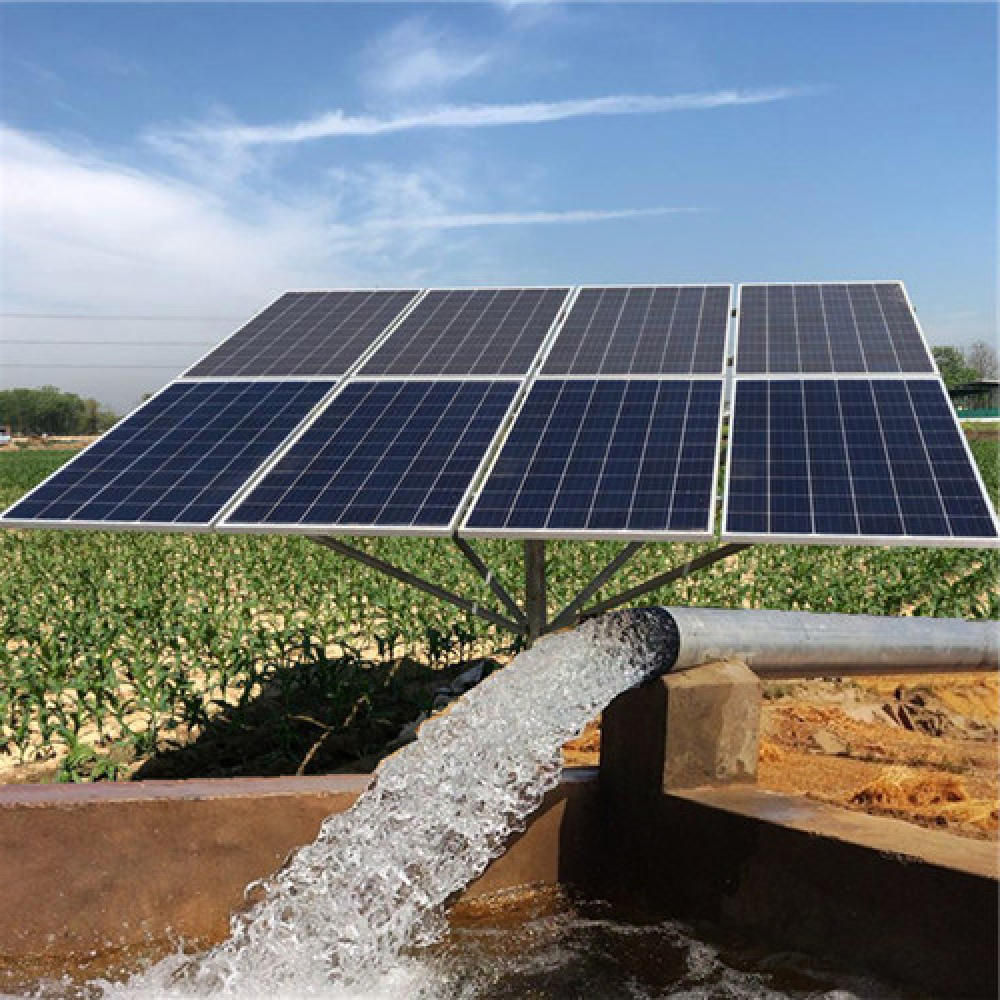
Introduction to Solar Energy and its Benefits for Agriculture
Welcome to the world of solar-powered agriculture! With the rising demand for sustainable farming practices, harnessing solar energy has become a game-changer in the agricultural sector. Not only does it offer numerous benefits for both farmers and the environment, but it also revolutionizes how we approach water pumping – a critical aspect of successful crop cultivation.
In this blog post, we will explore how solar energy can be harnessed to efficiently pump water in agriculture. From discussing the importance of efficient water pumping to exploring different types of solar-powered water pumps, we'll delve into all aspects necessary to make informed decisions when choosing the right system for your farm. So grab your sun hat and let's dive into this enlightening topic!
The Importance of Efficient Water Pumping in Agriculture
Efficient water pumping plays a crucial role in the success of agriculture. Water is a vital resource for crop growth and productivity, and without proper irrigation systems, farmers would struggle to provide their crops with the necessary hydration. That's where efficient water pumping comes into play.
By using advanced technology and solar energy, farmers can ensure that water reaches their crops effectively and efficiently. Solar-powered water pumps harness the sun's energy to power the pumps, eliminating the need for expensive electricity or fuel sources. This not only reduces operating costs but also makes it more environmentally friendly.
One of the key benefits of efficient water pumping is its ability to optimize water usage. With precise control over when and how much water is delivered to crops, farmers can avoid wastage and ensure that every drop counts. This not only saves money but also conserves this valuable resource.
Moreover, efficient water pumping improves crop yields by providing consistent watering throughout different stages of plant growth. Whether it's seed germination or fruit development, having a reliable source of irrigation ensures that plants receive adequate moisture at all times.
Additionally, an efficient system helps overcome geographical limitations by allowing farms located in remote areas to access groundwater or nearby rivers/lakes for irrigation purposes. By utilizing solar-powered pumps instead of relying on traditional infrastructure like diesel generators or grid connections, farmers gain independence from external energy sources while minimizing operational costs.
Efficient water pumping is essential for sustainable agriculture practices as it optimizes water usage, enhances crop yield potential, reduces dependency on fossil fuels or grid-based electricity supply networks while ensuring cost savings for farmers in both short-term and long-term scenarios.
Types of Solar-Powered Water Pumps
When it comes to harnessing solar energy for efficient water pumping in agriculture, there are several types of solar-powered water pumps available on the market. Each type offers its own unique features and benefits, catering to different agricultural needs.
One common type is the surface solar-powered pump, which is typically used for shallow wells or bodies of water. These pumps are designed to draw water from the surface and can be easily installed and maintained. They are ideal for small-scale irrigation systems or livestock watering.
Another type is the submersible solar-powered pump, which is specifically designed for deep well applications. These pumps are capable of drawing water from greater depths underground, making them suitable for larger agricultural operations that require a higher volume of water.
Additionally, there are also floating solar-powered pumps that can be deployed in ponds or reservoirs. These pumps float on the water's surface and extract sunlight through their integrated photovoltaic panels to power the pumping mechanism.
Some advanced solar-powered pumps even come with built-in storage systems that allow excess energy generated during peak sunlight hours to be stored and used later when sunlight is limited.
It's essential to consider factors such as location, depth of wells or bodies of water, required flow rate, and budget when choosing a suitable solar-powered pump system for your agricultural needs. Consulting with experts in this field will help you make an informed decision based on your specific requirements.
Solar technology has evolved significantly over recent years, offering more efficient and cost-effective solutions for farmers worldwide. As innovations continue to emerge in this sector, we can expect even more diverse options in terms of design and functionality when it comes to solar-powered water pumping systems tailored explicitly for agriculture.
Factors to Consider When Choosing a Solar-Powered Water Pump
When it comes to choosing a solar-powered water pump for your agricultural needs, there are several important factors to take into consideration.
First and foremost, you need to assess the specific water requirements of your farm or field. How much water do you need to pump on a daily basis? This will help you determine the size and capacity of the solar-powered water pump that is suitable for your needs.
Next, consider the location and positioning of your solar panels. Ideally, they should be installed in an area where they can receive maximum sunlight throughout the day. Additionally, make sure there are no obstructions such as trees or buildings casting shadows over the panels.
Another crucial factor is the lift height or total head that the water pump needs to achieve. This refers to how high the water needs to be lifted from its source up to its final destination. Different pumps have different lifting capabilities, so choose one that matches your requirements.
You should also evaluate if any additional equipment such as batteries or storage tanks are needed for efficient operation of your solar-powered system. These components can enhance performance and provide backup power during periods of low sunlight.
Consider maintenance and warranty options offered by different manufacturers. A reliable company will offer warranties on both their solar panels and pumps, ensuring peace of mind in case any issues arise down the line.
By carefully considering these factors when choosing a solar-powered water pump, you can ensure optimal performance and efficiency for your agricultural operations while harnessing clean energy from the sun!
Cost Comparison: Traditional vs. Solar-Powered Water Pumping Systems
When it comes to water pumping in agriculture, one of the most important considerations is the cost. Traditional water pumping systems typically rely on fossil fuels like gasoline or diesel, which not only contribute to air pollution but also require ongoing expenses for fuel procurement. On the other hand, solar-powered water pumping systems harness energy from the sun and provide a more sustainable and cost-effective solution.
In terms of upfront costs, traditional water pumps may appear cheaper initially. However, when you factor in long-term operational costs such as fuel expenses and maintenance, solar-powered pumps offer significant savings over time. Once installed, solar-powered pumps have minimal operating costs since they don't require any fuel to run.
Another advantage of solar-powered water pumping systems is that they have a longer lifespan compared to traditional pumps. With proper maintenance and care, solar panels can last up to 25 years or more. This longevity translates into fewer replacement costs over time.
Moreover, government incentives and grants are often available for installing renewable energy systems like solar panels for agricultural purposes. These incentives can further reduce the overall cost of implementing a solar-powered water pumping system.
It's essential to assess your specific needs before deciding on whether to invest in a traditional or solar-powered pump system. Factors such as daily water requirements, location accessibility, and budget constraints should all be taken into account when making this decision.
While upfront costs may seem higher for solar-based systems initially, their long-term benefits outweigh those associated with traditional pump systems. By investing in sustainable technologies like solar power for agricultural irrigation needs today, farmers can reap financial rewards while contributing towards a greener future.
The Future of Solar Energy in Agriculture
Solar energy has already made significant strides in the agricultural sector, but its potential for the future is even more promising. As technology continues to advance and costs decrease, solar-powered solutions are becoming increasingly accessible and efficient.
One area where solar energy holds immense potential is in powering irrigation systems. Water scarcity is a growing concern in agriculture, and solar-powered water pumps offer a sustainable solution. These pumps harness the power of sunlight to pump water from underground sources or rivers, providing farmers with a reliable source of irrigation.
In addition to powering irrigation systems, solar energy can also be used for other farming processes such as crop drying and ventilation. By utilizing renewable energy sources like the sun, farmers can reduce their reliance on fossil fuels and lower their carbon footprint.
Furthermore, advancements in battery storage technology enable farmers to store excess solar energy during peak production hours and use it when needed later. This not only ensures continuous power supply but also maximizes the efficiency of solar systems by minimizing wastage.
The integration of smart technologies with solar-powered agricultural equipment is another exciting development on the horizon. Sensors and automation systems can optimize resource allocation by monitoring soil moisture levels, weather conditions, and plant health data. This allows for precise application of water resources while minimizing waste.
As governments worldwide embrace renewable energy targets and incentivize sustainable practices through subsidies and grants, we can expect further adoption of solar energy in agriculture. The financial benefits coupled with environmental stewardship make it an attractive choice for forward-thinking farmers looking to secure their future while preserving our planet's resources.
In conclusion, the future prospects for using solar energy in agriculture are bright indeed! With ongoing technological advancements making these systems more affordable and efficient than ever before, it's clear that widespread adoption will continue to increase. By embracing clean energy solutions like solar power, farmers can contribute towards a greener tomorrow while reaping economic benefits through reduced operating costs.
Harnessing Solar Energy for Efficient Water Pumping in Agriculture
Introduction to Solar Energy and its Benefits for Agriculture
Welcome to the world of solar-powered agriculture! With the rising demand for sustainable farming practices, harnessing solar energy has become a game-changer in the agricultural sector. Not only does it offer numerous benefits for both farmers and the environment, but it also revolutionizes how we approach water pumping – a critical aspect of successful crop cultivation.
In this blog post, we will explore how solar energy can be harnessed to efficiently pump water in agriculture. From discussing the importance of efficient water pumping to exploring different types of solar-powered water pumps, we'll delve into all aspects necessary to make informed decisions when choosing the right system for your farm. So grab your sun hat and let's dive into this enlightening topic!
The Importance of Efficient Water Pumping in Agriculture
Efficient water pumping plays a crucial role in the success of agriculture. Water is a vital resource for crop growth and productivity, and without proper irrigation systems, farmers would struggle to provide their crops with the necessary hydration. That's where efficient water pumping comes into play.
By using advanced technology and solar energy, farmers can ensure that water reaches their crops effectively and efficiently. Solar-powered water pumps harness the sun's energy to power the pumps, eliminating the need for expensive electricity or fuel sources. This not only reduces operating costs but also makes it more environmentally friendly.
One of the key benefits of efficient water pumping is its ability to optimize water usage. With precise control over when and how much water is delivered to crops, farmers can avoid wastage and ensure that every drop counts. This not only saves money but also conserves this valuable resource.
Moreover, efficient water pumping improves crop yields by providing consistent watering throughout different stages of plant growth. Whether it's seed germination or fruit development, having a reliable source of irrigation ensures that plants receive adequate moisture at all times.
Additionally, an efficient system helps overcome geographical limitations by allowing farms located in remote areas to access groundwater or nearby rivers/lakes for irrigation purposes. By utilizing solar-powered pumps instead of relying on traditional infrastructure like diesel generators or grid connections, farmers gain independence from external energy sources while minimizing operational costs.
Efficient water pumping is essential for sustainable agriculture practices as it optimizes water usage, enhances crop yield potential, reduces dependency on fossil fuels or grid-based electricity supply networks while ensuring cost savings for farmers in both short-term and long-term scenarios.
Types of Solar-Powered Water Pumps
When it comes to harnessing solar energy for efficient water pumping in agriculture, there are several types of solar-powered water pumps available on the market. Each type offers its own unique features and benefits, catering to different agricultural needs.
One common type is the surface solar-powered pump, which is typically used for shallow wells or bodies of water. These pumps are designed to draw water from the surface and can be easily installed and maintained. They are ideal for small-scale irrigation systems or livestock watering.
Another type is the submersible solar-powered pump, which is specifically designed for deep well applications. These pumps are capable of drawing water from greater depths underground, making them suitable for larger agricultural operations that require a higher volume of water.
Additionally, there are also floating solar-powered pumps that can be deployed in ponds or reservoirs. These pumps float on the water's surface and extract sunlight through their integrated photovoltaic panels to power the pumping mechanism.
Some advanced solar-powered pumps even come with built-in storage systems that allow excess energy generated during peak sunlight hours to be stored and used later when sunlight is limited.
It's essential to consider factors such as location, depth of wells or bodies of water, required flow rate, and budget when choosing a suitable solar-powered pump system for your agricultural needs. Consulting with experts in this field will help you make an informed decision based on your specific requirements.
Solar technology has evolved significantly over recent years, offering more efficient and cost-effective solutions for farmers worldwide. As innovations continue to emerge in this sector, we can expect even more diverse options in terms of design and functionality when it comes to solar-powered water pumping systems tailored explicitly for agriculture.
Factors to Consider When Choosing a Solar-Powered Water Pump
When it comes to choosing a solar-powered water pump for your agricultural needs, there are several important factors to take into consideration.
First and foremost, you need to assess the specific water requirements of your farm or field. How much water do you need to pump on a daily basis? This will help you determine the size and capacity of the solar-powered water pump that is suitable for your needs.
Next, consider the location and positioning of your solar panels. Ideally, they should be installed in an area where they can receive maximum sunlight throughout the day. Additionally, make sure there are no obstructions such as trees or buildings casting shadows over the panels.
Another crucial factor is the lift height or total head that the water pump needs to achieve. This refers to how high the water needs to be lifted from its source up to its final destination. Different pumps have different lifting capabilities, so choose one that matches your requirements.
You should also evaluate if any additional equipment such as batteries or storage tanks are needed for efficient operation of your solar-powered system. These components can enhance performance and provide backup power during periods of low sunlight.
Consider maintenance and warranty options offered by different manufacturers. A reliable company will offer warranties on both their solar panels and pumps, ensuring peace of mind in case any issues arise down the line.
By carefully considering these factors when choosing a solar-powered water pump, you can ensure optimal performance and efficiency for your agricultural operations while harnessing clean energy from the sun!
Cost Comparison: Traditional vs. Solar-Powered Water Pumping Systems
When it comes to water pumping in agriculture, one of the most important considerations is the cost. Traditional water pumping systems typically rely on fossil fuels like gasoline or diesel, which not only contribute to air pollution but also require ongoing expenses for fuel procurement. On the other hand, solar-powered water pumping systems harness energy from the sun and provide a more sustainable and cost-effective solution.
In terms of upfront costs, traditional water pumps may appear cheaper initially. However, when you factor in long-term operational costs such as fuel expenses and maintenance, solar-powered pumps offer significant savings over time. Once installed, solar-powered pumps have minimal operating costs since they don't require any fuel to run.
Another advantage of solar-powered water pumping systems is that they have a longer lifespan compared to traditional pumps. With proper maintenance and care, solar panels can last up to 25 years or more. This longevity translates into fewer replacement costs over time.
Moreover, government incentives and grants are often available for installing renewable energy systems like solar panels for agricultural purposes. These incentives can further reduce the overall cost of implementing a solar-powered water pumping system.
It's essential to assess your specific needs before deciding on whether to invest in a traditional or solar-powered pump system. Factors such as daily water requirements, location accessibility, and budget constraints should all be taken into account when making this decision.
While upfront costs may seem higher for solar-based systems initially, their long-term benefits outweigh those associated with traditional pump systems. By investing in sustainable technologies like solar power for agricultural irrigation needs today, farmers can reap financial rewards while contributing towards a greener future.
The Future of Solar Energy in Agriculture
Solar energy has already made significant strides in the agricultural sector, but its potential for the future is even more promising. As technology continues to advance and costs decrease, solar-powered solutions are becoming increasingly accessible and efficient.
One area where solar energy holds immense potential is in powering irrigation systems. Water scarcity is a growing concern in agriculture, and solar-powered water pumps offer a sustainable solution. These pumps harness the power of sunlight to pump water from underground sources or rivers, providing farmers with a reliable source of irrigation.
In addition to powering irrigation systems, solar energy can also be used for other farming processes such as crop drying and ventilation. By utilizing renewable energy sources like the sun, farmers can reduce their reliance on fossil fuels and lower their carbon footprint.
Furthermore, advancements in battery storage technology enable farmers to store excess solar energy during peak production hours and use it when needed later. This not only ensures continuous power supply but also maximizes the efficiency of solar systems by minimizing wastage.
The integration of smart technologies with solar-powered agricultural equipment is another exciting development on the horizon. Sensors and automation systems can optimize resource allocation by monitoring soil moisture levels, weather conditions, and plant health data. This allows for precise application of water resources while minimizing waste.
As governments worldwide embrace renewable energy targets and incentivize sustainable practices through subsidies and grants, we can expect further adoption of solar energy in agriculture. The financial benefits coupled with environmental stewardship make it an attractive choice for forward-thinking farmers looking to secure their future while preserving our planet's resources.
In conclusion, the future prospects for using solar energy in agriculture are bright indeed! With ongoing technological advancements making these systems more affordable and efficient than ever before, it's clear that widespread adoption will continue to increase. By embracing clean energy solutions like solar power, farmers can contribute towards a greener tomorrow while reaping economic benefits through reduced operating costs.
Exploring the Potential of Remote Sensing in Agricultural Water Management

Introduction to Remote Sensing and Agricultural Water Management
Picture this: vast stretches of lush green fields, thriving crops reaching towards the sky, and bountiful harvests that sustain communities. This idyllic scene is not just a dream but a reality made possible through advancements in technology. One such innovative tool that has revolutionized agricultural practices is remote sensing.
Remote sensing, often associated with space exploration or scientific research, may seem like an unlikely hero in the world of agriculture. However, its potential for optimizing water management in this vital industry cannot be overlooked. In this blog post, we will explore how remote sensing can redefine agricultural water management by enhancing productivity, conserving resources, and overcoming challenges faced by farmers worldwide.
So fasten your seatbelts and join us on this journey as we delve into the fascinating realm where cutting-edge technology meets sustainable farming practices!
Benefits of Using Remote Sensing in Agriculture
Remote sensing has revolutionized the way we approach agricultural water management. By using advanced technologies to gather data from a distance, farmers and researchers can obtain valuable insights that were once impossible to access. The benefits of using remote sensing in agriculture are numerous and far-reaching.
Remote sensing allows for real-time monitoring of crop health and water usage. By analyzing satellite imagery or drone footage, farmers can identify areas of stress or disease early on and take corrective measures promptly. This not only saves time but also reduces the need for excessive pesticide use or irrigation.
Remote sensing enables efficient resource allocation. By accurately estimating soil moisture levels across large areas, farmers can optimize their irrigation schedules and conserve water. This is especially crucial in regions facing water scarcity or drought conditions as it ensures sustainable farming practices.
Furthermore, remote sensing provides valuable information for precision agriculture techniques such as variable rate application of fertilizers and pesticides. With detailed knowledge about plant nutrient needs based on spatial variability within fields, farmers can apply inputs more precisely, minimizing waste while maximizing yields.
Another benefit is the ability to assess crop performance over time through historical data analysis. Remote sensing allows for the creation of long-term records that track changes in vegetation health patterns or land use dynamics. Such insights aid decision-making processes related to crop selection, rotation planning, or even identifying potential pest outbreaks before they become widespread problems.
Lastly but significantly remotely sensed data facilitates effective land management strategies by providing accurate mapping information about soil types and topography at various scales which helps farmers make informed decisions regarding field leveling drainage systems placement etc
These advantages highlight how remote sensing technology empowers agricultural communities with improved decision-making capabilities leading to increased productivity sustainability reduced costs better resource allocation and ultimately contributing towards global food security.
Applications of Remote Sensing in Agricultural Water Management
One of the key applications of remote sensing in agricultural water management is irrigation scheduling. By utilizing satellite images and other remote sensing technologies, farmers can obtain real-time information about soil moisture levels, crop water requirements, and evapotranspiration rates. This allows them to optimize their irrigation practices and ensure that crops receive the right amount of water at the right time.
Remote sensing also plays a crucial role in drought monitoring and early warning systems. By analyzing vegetation indices derived from satellite data, scientists can identify areas experiencing water stress or drought conditions. This information helps policymakers and farmers make informed decisions regarding resource allocation and drought mitigation strategies.
Furthermore, remote sensing enables the mapping and monitoring of surface water resources such as lakes, rivers, and reservoirs. By regularly capturing high-resolution imagery from satellites or drones, researchers can track changes in water levels over time. This data is valuable for assessing water availability for agriculture as well as managing flood control measures.
Another application is precision agriculture, where remote sensing techniques are used to analyze crop health and nutrient content. Hyperspectral sensors mounted on aircraft or drones capture detailed spectral information about plants' reflectance patterns across multiple wavelengths. This data provides insights into plant stress levels, disease detection, nutrient deficiencies, allowing farmers to apply targeted interventions.
Moreover, remote sensing assists in land use planning by providing accurate maps of soil types and land cover classifications. These maps aid farmers in making informed decisions about suitable crops for specific soil types, reducing wastage of resources.
Additionally, remote sensing supports precision farming practices by enabling variable rate application (VRA) systems.
By combining real-time sensor data with GPS technology, farmers can precisely apply inputs such as fertilizers or pesticides based on field variability, maximizing yield while minimizing environmental impact.
In summary, the applications of remote sensing in agricultural water management are wide-ranging and have significant potential for improving resource efficiency and sustainability in agriculture.
Challenges and Limitations of Remote Sensing in Agriculture
While remote sensing has proven to be a valuable tool in agricultural water management, it is not without its challenges and limitations. One major challenge is the cost associated with acquiring remote sensing data. The technology and infrastructure required for collecting, processing, and analyzing this data can be quite expensive, especially for small-scale farmers or those operating in developing countries.
Another limitation is the accuracy of remote sensing measurements. While advancements have been made in improving the resolution and precision of satellite imagery, there are still factors that can affect the accuracy of these measurements. Cloud cover, atmospheric conditions, and sensor calibration all play a role in determining the quality of data obtained through remote sensing.
Furthermore, interpreting remote sensing data requires expertise and knowledge. Analyzing complex images captured from satellites or drones necessitates specialized skills to extract meaningful information relevant to agricultural water management decisions. This poses a challenge for farmers who may not have access to experts or lack training on how to effectively utilize this technology.
The availability of historical data can also pose limitations when using remote sensing for agricultural water management. In some cases, there may be gaps or inconsistencies in historical records which can impact decision-making processes based on long-term trends or patterns observed through time-series analysis.
While remote sensing provides valuable insights into crop health monitoring and irrigation scheduling at different scales (field-level to regional), it does not replace ground-based observations entirely. Field visits are necessary for ground-truthing purposes as well as assessing field-specific conditions that cannot always be accurately captured by satellite sensors alone.
While there are challenges and limitations associated with using remote sensing technology in agriculture water management systems; continuous research efforts coupled with technological advancements will likely help overcome these barriers over time.
Future Possibilities and Advancements in the Field
The field of remote sensing in agricultural water management is constantly evolving, with new advancements and possibilities emerging. One exciting area of development is the use of unmanned aerial vehicles (UAVs) or drones to collect high-resolution imagery. These UAVs can fly over large areas of farmland, capturing detailed information about crop health, soil moisture levels, and irrigation needs.
Another promising advancement is the integration of remote sensing data with other technologies such as artificial intelligence (AI) and machine learning algorithms. By combining these tools, researchers are able to analyze vast amounts of data more efficiently and accurately than ever before. This allows for better prediction models and decision-making processes when it comes to managing water resources in agriculture.
Furthermore, there is ongoing research into the use of hyperspectral sensors that can capture even more precise information about plant health indicators such as chlorophyll content and nutrient levels. These sensors have the potential to provide farmers with real-time data on crop conditions, enabling them to make timely adjustments to their irrigation practices.
Additionally, advancements in satellite technology continue to expand our capabilities in this field. New satellites equipped with advanced imaging systems allow for higher spatial resolution imagery which leads to better monitoring precision at a larger scale.
As technology continues to advance rapidly, there are also efforts being made towards developing cost-effective solutions that can be readily adopted by farmers around the world. The goal is not only to improve water management practices but also ensure accessibility for all users regardless of their location or resources.
In conclusion, the future holds immense promise for remote sensing applications in agricultural water management. With ongoing advancements such as drones, AI integration, hyperspectral sensors, and improved satellite technology; we can expect more accurate monitoring systems leading to higher crop output.
Conclusion
The potential of remote sensing in agricultural water management is vast and promising. The use of remote sensing technologies allows farmers to make informed decisions about irrigation practices, monitor crop health, detect water stress, and optimize water usage. By providing real-time data and analysis, remote sensing enables precision agriculture techniques that can lead to increased efficiency and sustainability.
While there are challenges and limitations to overcome in implementing remote sensing in agriculture, such as cost barriers and technical expertise requirements, advancements in sensor technology and data processing algorithms continue to improve accessibility and accuracy. With further research and development, we can expect even more innovative applications of remote sensing in agricultural water management.
By harnessing the power of satellite imagery, drones, sensors, and advanced analytics tools for monitoring crops' moisture levels or detecting early signs of drought stress or disease outbreaks remotely will revolutionize how we manage our precious water resources. This technology has the potential not only to increase food production but also to reduce environmental impacts by minimizing over-irrigation.
To fully unlock the benefits offered by remote sensing in agriculture requires collaboration between researchers, policymakers, farmers' associations, technology providers, and other stakeholders. By working together towards a common goal - sustainable agricultural water management - we can ensure a brighter future for both food production systems and our planet's limited natural resources.
So let us embrace this exciting field of study with open minds as we explore new possibilities for optimizing agricultural practices through the lens of remote sensing technology. Together we can pave the way towards a greener future where efficient use of water resources goes hand-in-hand with abundant harvests!
Floodplain Mapping and Its Significance in Flood Risk Assessment

Introduction to Floodplain Mapping
Picture this: heavy rain pouring down, rivers bursting at the seams, and water levels rising rapidly. These are scenes that unfold during a flood, a natural disaster that can cause significant damage to both property and human lives. In order to mitigate the impact of floods and effectively plan for future events, it is crucial to have accurate information about flood-prone areas. This is where floodplain mapping comes into play – an essential tool in assessing flood risk and ensuring better disaster management.
Join us as we dive deeper into the world of floodplain mapping and uncover its significance in safeguarding our communities against the destructive forces of nature!
The Importance of Floodplain mapping in Flood Risk Assessment
Floodplain mapping plays a crucial role in assessing the risk of flooding in a particular area. By accurately delineating floodplains, we can better understand which areas are prone to flooding and develop effective strategies for mitigating potential damage.
One key importance of floodplain mapping is that it helps identify areas at high risk of flooding, allowing authorities to implement appropriate measures to protect lives and properties. It provides valuable information about the likelihood and severity of floods, enabling communities to take proactive steps in disaster preparedness.
Furthermore, floodplain maps aid in land-use planning by highlighting areas where development should be restricted or regulated due to their proximity to water bodies or high susceptibility to flooding. This ensures that new infrastructures are built with resilience in mind and reduces future losses.
Moreover, floodplain mapping supports insurance companies in determining premiums based on the level of risk associated with different properties. This allows homeowners and businesses located within flood-prone areas to obtain adequate coverage tailored specifically for their needs.
Additionally, accurate floodplain maps facilitate emergency response efforts during times of crisis. They enable first responders and relief organizations to quickly identify vulnerable locations and focus resources where they are most needed.
The significance of floodplain mapping cannot be overstated when it comes to assessing flood risks. It empowers communities with knowledge about potential hazards, guides decision-making processes regarding land use planning and development regulations while assisting emergency management teams during natural disasters like floods.
Factors to Consider When Creating a Floodplain Map
When it comes to creating a floodplain map, there are several factors that need to be carefully considered. These factors play a crucial role in accurately assessing flood risks and ensuring the safety of communities living in vulnerable areas.
One important factor is the topography of the land. The elevation and slope of the terrain can greatly affect how water flows during a flood event. Mapping out these features helps identify low-lying areas prone to flooding and high ground that can serve as safe zones or evacuation routes.
Another factor is hydrological data, which includes information on rainfall patterns, river flow rates, and soil types. By analyzing this data, experts can estimate how much water will accumulate during heavy rainfalls or prolonged periods of precipitation. This knowledge is essential for predicting where floods are likely to occur and their potential severity.
Additionally, historical flood records provide valuable insights into past events and help identify recurring patterns. By studying previous floods, researchers can determine if certain areas are more susceptible to inundation than others. This historical perspective allows for better understanding of flood dynamics and aids in creating more accurate maps.
Furthermore, human activities must also be taken into account when mapping floodplains. Urbanization, deforestation, or changes in land use can all have significant impacts on local hydrology. For example, construction projects that alter natural drainage systems may increase the risk of localized flooding downstream.
Lastly, incorporating technological advancements such as remote sensing techniques, geographic information systems (GIS), and computer modeling plays an integral role in creating detailed and accurate floodplain maps. These tools enable professionals to analyze vast amounts of data efficiently, identify potential hazards, and predict future scenarios with greater precision. They also facilitate collaboration between different stakeholders involved
in disaster management planning.
In summary, creating an effective floodplain map requires careful consideration
of various factors such as topography,
hydrological data, historical flood records,
human activities, and the utilization of advanced technologies.
The Technology and Tools Used for Floodplain Mapping
Advancements in technology have revolutionized the field of floodplain mapping, making it more accurate and efficient than ever before. Gone are the days of relying solely on manual surveys and rough estimates. Today, a variety of tools and technologies are used to create detailed floodplain maps that aid in assessing flood risks.
One such tool is LiDAR (Light Detection and Ranging), which uses lasers to accurately measure distances between the sensor and surrounding objects. This data is then used to create highly-detailed elevation models, allowing for precise identification of areas prone to flooding.
Remote sensing techniques, such as aerial photography and satellite imagery, also play a crucial role in floodplain mapping. These images capture large-scale views of the landscape, providing valuable information about vegetation cover, land use patterns, and topography that can influence flood dynamics.
Geographic Information Systems (GIS) software is another key component in creating floodplain maps. GIS software allows for the integration and analysis of various spatial data layers, including elevation data from LiDAR or remote sensing sources. This enables experts to identify potential inundation areas during different rainfall events with greater accuracy.
Furthermore, computer modeling programs are utilized to simulate how water will flow through a given area during a flooding event. By incorporating factors like terrain slopes and channel networks into these models, researchers can predict how water will accumulate within a specific watershed or river basin.
While these technological advancements have greatly improved our ability to map floodplains accurately, it's important to note that no method is foolproof. The reliability of floodplain maps depends on several factors such as data quality/input accuracy and assumptions made during modeling processes.
In conclusion (not part of this section): As technology continues to advance at an unprecedented rate, we can expect even more sophisticated tools for floodplain mapping in the future. These advancements will undoubtedly enhance our understanding of floods' potential impacts on communities while enabling better disaster management strategies.
How Accurate are Floodplain Maps?
Floodplain maps play a crucial role in assessing flood risks and helping communities prepare for potential disasters. But how accurate are these maps? Can we rely on them to make informed decisions about flood management? Let's delve into this important question.
Accuracy is a key factor when it comes to floodplain mapping. These maps are created using various data sources, such as topographic surveys, satellite imagery, and historical flood records. The accuracy of the map largely depends on the quality and reliability of these inputs.
However, it's essential to remember that floodplain maps are not infallible. They provide an estimate of areas prone to flooding based on available information at the time of creation. Factors like climate change, land development, or changes in river flow patterns can impact the accuracy of these maps over time.
To improve accuracy, experts employ advanced modeling techniques that take into account multiple variables such as rainfall intensity, soil types, and watershed characteristics. This helps create more detailed and precise floodplain maps.
Despite efforts to enhance accuracy, there will always be some level of uncertainty associated with predicting floods. Local factors like man-made structures or natural obstructions may cause deviations from what is depicted on the map.
Therefore, while floodplain maps serve as valuable tools for understanding potential risks in an area prone to flooding; they should be used alongside other resources like local knowledge and expertise from hydrologists and engineers.
While modern technology has significantly improved our ability to accurately map floodplains; it is essential to recognize their limitations due to changing environmental conditions or localized variations within specific regions. Nonetheless,
floodplain mapping remains an invaluable tool for disaster planning and mitigation efforts.
Benefits of Using Floodplain Maps in Disaster Management and Planning
Floodplain maps play a crucial role in disaster management and planning, providing valuable information that helps mitigate the risks associated with flooding events. By accurately delineating flood-prone areas, these maps enable authorities to make informed decisions regarding land use, infrastructure development, emergency response strategies, and evacuation plans.
One significant benefit of using floodplain maps is their ability to identify high-risk zones. This knowledge allows policymakers to implement measures such as zoning regulations or building codes that prevent construction in vulnerable areas. It also enables them to prioritize resources where they are most needed during emergencies, ensuring an efficient allocation of manpower and equipment.
Moreover, floodplain maps help improve early warning systems by identifying potential inundation areas during different flood scenarios. This information empowers communities to anticipate the impacts of floods more effectively and take proactive measures like reinforcing critical infrastructure or relocating at-risk populations.
In addition to preparedness efforts, floodplain mapping aids post-disaster recovery initiatives. Accurate maps allow for better assessment of damage caused by floods and facilitate targeted relief efforts by highlighting affected areas that require immediate attention.
Furthermore, these maps promote transparency in decision-making processes related to land-use policies. By providing access to reliable data on flood hazards, stakeholders can engage in informed discussions about development projects that might impact existing floodplains adversely.
The benefits derived from utilizing floodplain maps extend beyond disaster management alone; they have long-term implications for sustainable urban planning as well. By integrating this valuable tool into their practices now, governments can ensure safer communities while harnessing their full potential for future growth and resilience against climate change-induced challenges.
Advancements in Automated Irrigation System Controls
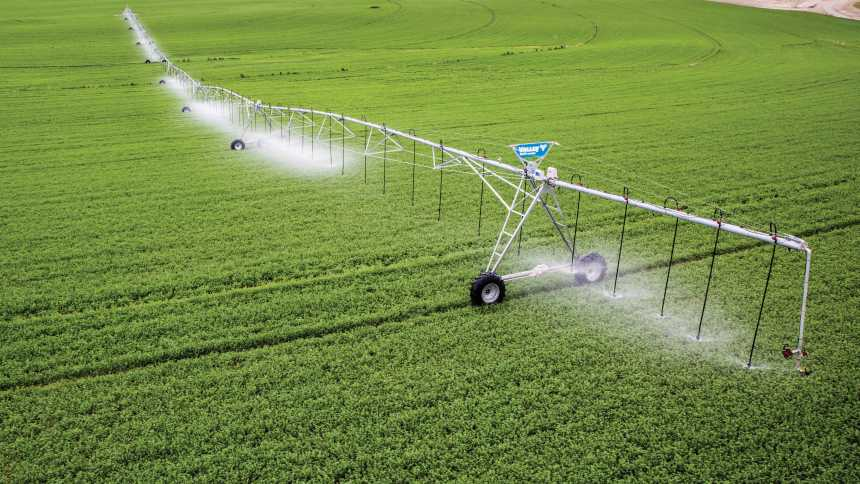
Introduction to Automated Irrigation Systems
Welcome to the world of automated irrigation system controls, where technology and innovation are transforming the way we manage water for our plants. Gone are the days of manual watering schedules and guesswork; with these advanced systems, precision and efficiency are at our fingertips.
Picture this: a lush garden or a thriving crop field that receives just the right amount of water, exactly when it's needed. No more wasted resources or overwatering mishaps. With automated irrigation system controls, this vision becomes a reality.
In this blog post, we'll delve into the benefits of using automated systems and explore the different types of controls available. We'll also take a closer look at exciting new technologies that are reshaping the industry. From cost savings to increased productivity, there's no denying that these advancements have revolutionized how we approach irrigation. So let's dive in and discover what lies ahead in this ever-evolving landscape!
Benefits of Using Automated Systems
Using automated systems for irrigation has numerous benefits that can greatly improve the efficiency and effectiveness of your watering practices. One of the biggest advantages is water conservation. With automated controls, you can optimize watering schedules based on factors such as weather conditions, soil moisture levels, and plant needs. This means you won't waste water by overwatering or watering during periods of rain.
Another benefit is time savings. Instead of manually turning valves on and off or moving sprinklers around, an automated system takes care of all these tasks for you. This frees up valuable time that can be spent on other important aspects of managing your garden or landscape.
Automated systems also ensure more consistent and uniform watering throughout your property. By evenly distributing water to each plant or section, you can prevent under- or over-watering, which can lead to plant stress or disease.
In addition to these benefits, automated systems provide precise control over irrigation timing and duration. You have the ability to program specific schedules tailored to the needs of different plants or zones within your landscape. This level of customization helps promote healthier growth and reduces the risk of damage caused by inconsistent watering practices.
Moreover, using automated controls allows for remote monitoring and adjustment capabilities through smart devices or computer software. This means you can easily check in on your irrigation system while away from home or make changes if necessary without physically being present.
Incorporating automated systems into your irrigation practices offers significant advantages in terms of water conservation, time savings, improved plant health, and ease-of-use through remote accessibility capabilities.
Types of Automated Irrigation System Controls
Automated irrigation systems have revolutionized the way we water our plants and crops. These systems employ various types of controls to ensure efficient and accurate watering, ultimately leading to healthier and more thriving vegetation.
One type of control commonly used in automated irrigation systems is the timer-based control. This control allows users to set specific time intervals for watering, ensuring that plants receive water at regular intervals throughout the day or week. This is particularly useful for gardeners who may not be able to manually water their plants consistently.
Another type of control is sensor-based control. These controls utilize sensors that measure soil moisture levels, temperature, humidity, and other environmental factors. Based on these measurements, the system automatically adjusts the watering schedule to meet the specific needs of each plant or crop. This ensures that water is only applied when necessary, reducing waste and conserving resources.
There are also weather-based controls available in automated irrigation systems. These controls use real-time weather data to adjust watering schedules accordingly. For example, if it's been raining heavily recently, the system may delay or skip a scheduled watering session since natural rainfall has already provided sufficient moisture.
Additionally, some advanced automated irrigation systems offer remote access capabilities through mobile apps or web interfaces. With this feature, users can monitor and control their irrigation system from anywhere with an internet connection. This provides convenience and flexibility as users can make adjustments on-the-go based on changing circumstances or unexpected events.
In summary, there are various types of automated irrigation system controls available today that cater to different needs and preferences of users. Whether you prefer a timer-based control for simplicity or a sensor-based control for precision, there's an option out there for everyone looking to streamline their watering process while saving time and resources!
New Technology and Innovations in Automated Controls
The field of automated irrigation system controls has seen significant advancements in recent years, thanks to new technology and innovative solutions. These developments have revolutionized the way we manage and optimize water usage for agricultural, residential, and commercial landscapes.
One exciting innovation is the integration of weather-based sensors into automated control systems. These sensors gather real-time data on temperature, humidity, rainfall, and evapotranspiration rates, allowing the system to adjust watering schedules accordingly. By utilizing this information, users can ensure that their plants receive just the right amount of water at any given time.
Another breakthrough is the use of soil moisture sensors. Instead of relying solely on preset timers or manual adjustments, these sensors measure soil moisture levels directly. This means that irrigation can be triggered only when necessary based on actual plant needs rather than predetermined schedules alone.
Additionally, remote access capabilities have become increasingly prevalent in modern automated control systems. With smartphone apps or web interfaces connected to your irrigation system's controller, you can easily monitor and make adjustments from anywhere at any time. Whether you're out of town or simply inside your home, controlling your irrigation settings has never been more convenient.
Furthermore, advancements in data analytics are proving invaluable for optimizing water usage efficiency. By collecting historical data on factors such as precipitation patterns and plant water requirements over time, these systems can provide valuable insights for better decision-making regarding irrigation scheduling and resource allocation.
Lastly but not leastly (if I may say so), technological innovations now allow for seamless integration with other smart devices within a property's ecosystem. For example, automated controls can communicate with rainwater harvesting systems or even connect with voice-activated virtual assistants like Amazon Alexa or Google Home to adjust watering schedules using simple voice commands.
These new technologies offer immense potential benefits such as improved water conservation efforts through precise scheduling based on real-time conditions; reduced costs by avoiding unnecessary overwatering, and increased convenience through remote access capabilities.
Cost Savings and ROI with Automated Controls
One of the significant benefits of using automated irrigation system controls is the potential for cost savings and a high return on investment (ROI). By leveraging technology to optimize water usage, farmers and gardeners can reduce their overall operating expenses.
Automated controls allow for precise control over when, where, and how much water is applied to plants. This level of precision ensures that no water is wasted through over-watering or inefficient distribution methods. As a result, users can expect to see reduced water bills and conservation of this valuable resource.
Furthermore, automated controls help minimize labor costs associated with manual watering tasks. With traditional systems, someone would need to physically monitor and adjust the irrigation schedule regularly. However, with automation in place, these tasks are taken care of automatically. This frees up time for other important farm or garden management activities.
In addition to saving on water usage and labor costs, investing in automated irrigation system controls can lead to increased crop yields and healthier plants. By providing consistent moisture levels tailored specifically to each plant's needs throughout the growing season, it promotes optimal growth conditions which ultimately translates into improved productivity.
Future Predictions for the Industry
As technology continues to advance at an unprecedented pace, the future of automated irrigation system controls looks promising. With increasing concerns about water scarcity and environmental sustainability, there is a growing demand for more efficient and intelligent irrigation solutions.
One prediction for the industry is the integration of artificial intelligence (AI) into automated system controls. AI has already shown great potential in optimizing various processes and decision-making tasks. By incorporating AI algorithms into irrigation systems, farmers will be able to have real-time data analysis on soil moisture levels, weather patterns, crop requirements, and other relevant factors. This will enable them to make informed decisions about when and how much water should be applied to their fields.
Another exciting development in the future of automated irrigation system controls is the use of Internet of Things (IoT) technology. IoT enables devices to communicate with each other through wireless networks, allowing for seamless connectivity across different components of an irrigation system. This means that farmers can remotely monitor and control their systems from anywhere using smartphones or tablets.
Furthermore, advancements in sensor technology are expected to play a significant role in shaping the future of automated irrigation systems. Sensors can provide critical information about soil conditions, plant health, humidity levels, and even detect leaks or malfunctions in the system automatically. These sensors can also send alerts or notifications directly to farmers' devices so that they can address any issues promptly.
Additionally, we anticipate further improvements in water-efficient technologies such as precision sprinklers or drip irrigation systems. These innovations aim to minimize water wastage by delivering water precisely where it is needed most - at the roots of plants rather than spraying it across large areas unnecessarily.
In summary, the future holds immense possibilities for automated irrigation system controls with AI integration, IoT connectivity, sensor advancements, and improved water-efficient technologies.
These developments will not only help conserve valuable resources but also enhance productivity and profitability for farmers worldwide.
Stay tuned as these exciting advancements continue transforming the way we manage and optimize water usage in agriculture.