Learn smarter with fresh insights from our tutors.
Practical study guides, course supplements, and learning resources curated to help you move faster through every subject.
Strategies for Successful Marketing of Agritourism Businesses

Introduction to Agritourism
Welcome to the exciting world of agritourism! If you're a farmer or rural business owner looking to diversify your income and attract visitors, then you've come to the right place. Agritourism combines agriculture with tourism, offering unique experiences that allow guests to connect with nature, learn about farming practices, and indulge in local produce.
But how do you ensure that your agritourism business stands out from the crowd? That's where successful marketing strategies come into play. In this blog post, we'll explore various techniques and tips that can help you effectively promote your agritourism venture and reach potential customers far and wide.
So grab your pitchforks (or smartphones) as we delve into the wonderful world of marketing for agritourism businesses! Let's get started!
Benefits of Marketing for Agritourism Businesses
Agritourism businesses have a lot to gain from effective marketing strategies. By reaching out to potential customers and showcasing the unique experiences they offer, these businesses can attract more visitors and increase their revenue.
One of the key benefits of marketing for agritourism businesses is increased visibility. Through targeted advertising and promotion, these businesses can reach a wider audience who may not have been aware of their offerings before. This can lead to an influx of new visitors who are excited to explore what the farm has to offer.
Marketing also helps in building brand awareness and loyalty. By consistently promoting their business through various channels, agritourism establishments can establish themselves as trusted and reputable destinations for tourists looking for authentic rural experiences.
In addition, marketing allows agritourism businesses to highlight their unique selling points. Whether it's organic farming practices, farm-to-table dining options or hands-on activities like fruit picking or animal feeding, effective marketing helps showcase what sets them apart from other tourist attractions.
Another benefit is that marketing efforts help agritourism establishments stay engaged with past visitors and build long-term relationships with them. By maintaining an active social media presence or sending out newsletters with updates on upcoming events or special offers, these businesses can keep previous guests informed about new opportunities for return visits.
Investing in marketing efforts is crucial for the success of agritourism businesses as it helps drive awareness among potential customers, build brand loyalty among existing ones and differentiate themselves from competitors in a crowded market.
Identifying Target Audience and Unique Selling Points
Understanding your target audience is crucial when it comes to marketing your agritourism business. By identifying who your potential customers are, you can tailor your marketing strategies to effectively reach them. Start by considering the demographics of your target market – their age, location, interests, and preferences.
Once you have a clear understanding of your target audience, it's time to identify the unique selling points of your agritourism business. What sets you apart from other similar businesses in the area? Is it the picturesque scenery, farm-to-table dining experiences, or hands-on activities for families? Highlighting these unique aspects will help attract visitors who are specifically interested in what you have to offer.
To effectively communicate with your target audience and showcase your unique selling points, utilize various marketing channels such as social media platforms like Instagram and Facebook. Share captivating photos and videos that depict the beauty of your farm or vineyard while highlighting the activities and experiences available.
Collaborating with local tourism boards and events can also be beneficial in reaching a wider audience. Participate in local fairs or festivals where you can set up booths to promote your agritourism business. This way, you not only gain exposure but also establish connections within the community.
Consider hosting farm-to-table experiences and tours where visitors can witness firsthand how their food is produced. This provides an immersive experience that appeals to those seeking educational opportunities or sustainable practices.
Offering special deals and packages tailored towards different customer segments will entice potential visitors even further. For example, create family-friendly packages that include discounted rates for children's activities or romantic getaway options for couples looking for a serene escape.
One aspect that cannot be overlooked is customer reviews and testimonials. Positive feedback from previous guests acts as social proof which builds trust among potential customers. Encourage satisfied customers to leave reviews on platforms such as TripAdvisor or Yelp so others can see their positive experiences.
Utilizing Social Media to Reach Potential Customers
In today's digital age, social media has become an essential tool for marketing any business, including agritourism. With millions of active users on platforms like Facebook, Instagram, and Twitter, it is the perfect opportunity to reach potential customers and showcase what your agritourism business has to offer.
One of the first steps in utilizing social media effectively is creating a strong online presence. This means setting up accounts on various platforms and optimizing them with accurate information about your business. Be sure to include eye-catching visuals such as high-quality photos of your farm or picturesque landscapes that highlight the unique experiences you provide.
Once your profiles are set up, it's time to engage with your audience. Regularly post content that is relevant and interesting to your target market. Share updates about upcoming events or promotions at your farm, share behind-the-scenes glimpses into daily life on the farm, or even ask followers for their input on new offerings or experiences they would like to see.
Don't underestimate the power of user-generated content either. Encourage visitors who have had positive experiences at your agritourism business to share their photos and stories using specific hashtags related to your brand. This not only increases engagement but also serves as free advertising as their network sees these posts.
Another effective strategy is partnering with influencers in the agricultural or travel industry who align with your brand values. These individuals have a loyal following who trust their recommendations and can significantly increase awareness about your agritourism business through sponsored posts or collaborations.
Don't forget about paid advertising options available on social media platforms. Utilize targeted ads based on location demographics or interests that will help you reach potential customers specifically interested in agrotourism activities.
Remember that building a successful presence takes time and consistency. Monitor analytics regularly to measure engagement levels and adjust strategies accordingly for optimal results.
Collaborating with Local Tourism Boards and Events
When it comes to marketing your agritourism business, one effective strategy is to collaborate with local tourism boards and events. These organizations are dedicated to promoting the attractions and experiences in their area, making them valuable partners for reaching a wider audience.
By working together with local tourism boards, you can tap into their existing networks and benefit from their expertise in promoting destinations. They often have established relationships with travel agencies, tour operators, and other businesses within the industry. This opens up opportunities for cross-promotion and joint marketing campaigns that can increase visibility for both parties involved.
In addition to tourism boards, participating in local events can also be a great way to market your agritourism business. Whether it's a farmers' market, food festival, or agricultural fair, these events attract people who are already interested in the farm-to-table experience.
Consider setting up a booth or offering samples of your products at these events. Engage with attendees by sharing information about your farm's story and what sets it apart from others. Encourage visitors to sign up for newsletters or follow you on social media so that you can continue building relationships beyond the event itself.
Remember that collaboration is key when working with local tourism boards and participating in events. Be proactive in seeking out partnerships and always look for ways to add value to these collaborations. By joining forces with like-minded organizations and engaging directly with potential customers at local events, you can effectively market your agritourism business while contributing positively to the community as well!
Hosting Farm-to-Table Experiences and Tours
Farm-to-table experiences and tours have become increasingly popular in recent years as people seek out authentic and immersive culinary adventures. Agritourism businesses can capitalize on this trend by offering unique farm-to-table experiences and tours that showcase their agricultural practices, local cuisine, and sustainable farming methods.
One of the key benefits of hosting farm-to-table experiences is that it allows visitors to connect with the source of their food. Guests can participate in harvesting fresh produce from the fields or gathering eggs from the chicken coop, giving them a hands-on experience they won't soon forget. These interactive activities provide a deeper appreciation for where our food comes from and how it is produced.
In addition to hands-on activities, agritourism businesses can also offer guided tours of their farms or vineyards. Visitors can learn about different crops, livestock breeds, or wine-making processes while exploring picturesque landscapes. These guided tours not only educate guests but also allow them to immerse themselves in the beauty of rural life.
To enhance the farm-to-table experience further, many agritourism businesses organize cooking classes or tasting events using ingredients grown directly on-site. Visitors get to savor delicious meals made with freshly harvested produce while learning about traditional recipes passed down through generations.
By showcasing their commitment to sustainable agriculture and locally sourced ingredients, agritourism businesses attract eco-conscious travelers who value supporting small-scale farmers and reducing their carbon footprint. Furthermore, these farm-to-table experiences create lasting memories for visitors who appreciate experiencing nature's bounty firsthand.
So whether it's picking apples straight from an orchard or enjoying a gourmet meal prepared with seasonal ingredients overlooking rolling hillsides, hosting farm-to-table experiences ensures that your agritourism business stands out among competitors while providing an unforgettable adventure for your guests.
Adapting to Climate Change: Resilience Planning for Farmers

Introduction to Climate Change and its Impact on Agriculture
Welcome to our blog post on adapting to climate change and resilience planning for farmers! Climate change is a pressing issue that affects every aspect of our lives, including agriculture. As global temperatures rise, extreme weather events become more frequent, and precipitation patterns shift, farmers are faced with new challenges in growing their crops and raising livestock. But fear not!
In this article, we will explore the concept of resilience planning for farmers and discuss strategies they can adopt to adapt to these changing conditions. So grab a cup of coffee (or tea!) and let's delve into the fascinating world of climate-resilient farming!
Understanding Resilience Planning for Farmers
As climate change continues to impact our planet, farmers are facing numerous challenges in adapting their practices to ensure the sustainability of their operations. Resilience planning plays a crucial role in helping farmers prepare and respond effectively to the changing climate.
Resilience planning involves understanding the potential risks and vulnerabilities that farmers may face due to climate change, such as extreme weather events, droughts, or shifts in growing seasons. By identifying these risks, farmers can develop strategies and implement measures that enhance their ability to withstand and recover from these disruptions.
One key aspect of resilience planning is building flexibility into farming systems. This means diversifying crops, adopting sustainable practices, and implementing innovative techniques that can mitigate the impacts of climate change. For example, instead of relying solely on one crop variety susceptible to a specific pest or disease, farmers can cultivate multiple varieties with different resistance levels.
Another important component is improving water management techniques. With changing precipitation patterns and increased risk of droughts or floods, efficient irrigation methods become crucial for optimizing water usage on farms. Implementing technologies like drip irrigation or rainwater harvesting can help conserve this precious resource while ensuring optimal plant growth.
Sustainable farming practices also play an integral role in resilience planning. By reducing reliance on synthetic fertilizers and pesticides through organic farming methods or integrated pest management (IPM), farmers can build healthier soil ecosystems that are more resilient against pests and diseases.
While resilience planning requires significant effort at the farm level, it's essential for governments and organizations to provide support through funding opportunities and resources specifically geared towards climate adaptation strategies for agriculture. These initiatives could include financial incentives for implementing sustainable practices or providing technical assistance in developing customized resilience plans tailored to individual farm needs.
In summary, resilience planning is a critical tool in helping farmers adapt to the challenges posed by climate change. By embracing flexible farming systems encompassing crop diversification, effective water management techniques, and sustainable practices, farmers can enhance their resilience and ensure the long-term viability of their operations.
The Importance of Adaptation in Agriculture
Adaptation is a vital aspect of agriculture in the face of climate change. As weather patterns become increasingly unpredictable, farmers must be prepared to adjust their practices to ensure the viability and productivity of their operations.
One reason why adaptation is so crucial in agriculture is because it allows farmers to mitigate potential losses caused by extreme weather events. By implementing strategies that can withstand droughts, floods, or heatwaves, farmers can protect their crops and livestock from devastating damage.
Furthermore, adaptation enables farmers to take advantage of new opportunities that may arise due to changing climatic conditions. For example, certain crop varieties that were once unsuitable for a particular region might now thrive under altered temperature and rainfall patterns. By adapting their farming methods and embracing innovative techniques, farmers can diversify their production and potentially increase profitability.
In addition to safeguarding against risks and capitalizing on emerging prospects, adaptation also plays a key role in preserving natural resources. Sustainable agricultural practices such as conservation tillage or precision irrigation not only promote resilience but also reduce environmental impact by conserving water resources, improving soil health, and reducing greenhouse gas emissions.
Adaptation is an essential component of agriculture in the face of climate change. It allows farmers to proactively respond to shifting conditions while minimizing vulnerabilities and maximizing opportunities for sustainable growth. By embracing adaptive strategies with an open mind and willingness to learn from each other's experiences across regions, we can build resilient farming systems capable of withstanding the challenges posed by our changing climate.
Strategies for Adapting to Climate Change on Farms
Agriculture is one of the sectors most affected by climate change. Farmers are facing increasingly unpredictable weather patterns, extreme temperatures, and changing precipitation levels. To ensure their livelihoods and protect food security, farmers must adapt to these challenges through resilience planning.
One effective strategy for adapting to climate change on farms is crop diversification. Planting a variety of crops can help mitigate the risks associated with changing climate conditions. By growing different types of crops that have varying tolerances to heat or drought, farmers can increase their chances of success even in uncertain climates.
Water management techniques are also crucial in adapting to climate change on farms. With changing rainfall patterns and increased evaporation rates, efficient irrigation methods become essential. Implementing technologies like drip irrigation or precision farming can help optimize water usage and reduce waste.
Sustainable farming practices play a significant role in building resilience against climate change impacts. Practices such as conservation tillage, cover cropping, and integrated pest management promote soil health and biodiversity while minimizing greenhouse gas emissions. These sustainable approaches not only contribute to adaptation but also support long-term environmental sustainability.
In addition to implementing individual strategies, collaboration among farmers is vital for collective adaptation efforts. Sharing knowledge about successful practices and experiences can enhance overall resilience within agricultural communities.
By employing these strategies – crop diversification, water management techniques, sustainable farming practices – farmers can better adapt to the challenges posed by climate change. It's crucial for them to proactively plan for the future while safeguarding their livelihoods and ensuring food security for generations ahead.
A. Crop Diversification
One strategy that farmers can use to adapt to climate change is crop diversification. This involves growing a variety of different crops rather than relying on just one or two. By planting diverse crops, farmers can reduce their vulnerability to changes in weather patterns and pests.
Crop diversification offers several benefits. It helps to spread the risk of crop failure. If one crop is affected by drought or disease, others may still thrive, providing a more stable source of income for farmers. Additionally, growing different types of crops can improve soil health and fertility as each plant has unique nutrient requirements.
Furthermore, diversified cropping systems often have better pest and disease management strategies due to reduced monoculture practices. By rotating crops and incorporating cover crops into the rotation cycle, farmers can disrupt pest life cycles and decrease the need for chemical pesticides.
Another advantage of crop diversification is its potential contribution to food security by increasing the availability of various nutritious foods in local communities.
Adopting crop diversification techniques can enhance farm resilience to climate change while promoting sustainable agriculture practices that benefit both farmers and consumers alike!
B. Water Management Techniques
Water management techniques play a crucial role in helping farmers adapt to the challenges posed by climate change. As weather patterns become more unpredictable and extreme, it is essential for farmers to have effective strategies in place to ensure water availability and optimize its usage.
One key technique is the use of irrigation systems. By implementing modern irrigation methods such as drip irrigation or precision sprinklers, farmers can efficiently deliver water directly to plants' root zones, minimizing wastage and maximizing crop yield.
Another important aspect of water management is rainwater harvesting. This involves collecting and storing rainfall during wet periods to be used during dry spells. Farmers can invest in infrastructure like storage tanks or reservoirs to capture rainwater runoff from rooftops or fields, ensuring a sustainable source of water for their crops.
In addition, adopting conservation practices such as proper soil management and mulching can help retain moisture within the soil profile for longer periods. These techniques reduce evaporation rates while enhancing soil health and fertility.
Furthermore, implementing efficient drainage systems is vital in areas prone to heavy rainfall or flooding events. Properly designed drainage systems prevent waterlogging by allowing excess water to drain away quickly without causing damage to crops or soil structure.
Promoting the use of wastewater treatment technologies can provide an alternative source of irrigation water while reducing pollution risks. Treating wastewater from households or industries ensures that it meets appropriate quality standards before being used for agricultural purposes.
By incorporating these various water management techniques into their farming practices, growers can enhance their resilience against climate change impacts on water availability. It allows them not only to adapt but also thrive amidst changing environmental conditions, safeguarding food production for present and future generations.
C. Sustainable Farming Practices
Sustainable farming practices play a crucial role in adapting to climate change and building resilience on farms. These practices focus on minimizing negative environmental impacts while maximizing productivity and profitability.
One important aspect of sustainable farming is soil health management. Farmers can implement techniques like cover cropping, crop rotation, and organic fertilizers to improve soil fertility, water retention, and nutrient cycling. By maintaining healthy soils, farmers can better withstand extreme weather events such as droughts or heavy rainfall.
Another key practice is efficient resource use. This includes optimizing water usage through techniques like drip irrigation or rainwater harvesting systems. Additionally, farmers can reduce energy consumption by implementing renewable energy sources such as solar panels or utilizing energy-efficient equipment.
Integrated pest management (IPM) is another essential sustainable practice. Instead of relying solely on chemical pesticides, IPM emphasizes the use of biological controls and cultural practices to manage pests effectively. This reduces the risks associated with pesticide resistance and minimizes harm to beneficial insects that contribute to ecosystem balance.
Furthermore, diversifying farm enterprises can enhance resilience against climate-related risks. By growing multiple crops or raising different livestock breeds suited for varying conditions, farmers spread their risk across diversified income streams.
Adopting agroforestry practices also contributes significantly to sustainability efforts in agriculture. Planting trees alongside crops not only provides shade but also offers windbreaks that protect against strong winds during storms.
Incorporating sustainable farming practices into resilience planning allows farmers to adapt proactively rather than reactively to climate change challenges they may face in their daily operations!
Breaking Down Barriers: Access to Finance in Rural Areas

Introduction to the Issue of Access to Finance in Rural Areas
Welcome to a world where access to finance is not just a luxury, but a necessity for individuals and businesses alike. While urban areas boast bustling financial districts and easy access to banking services, rural areas often find themselves facing an uphill battle when it comes to securing the funds they need.
Today, we delve into the issue of access to finance in rural areas: uncovering the challenges faced by those residing there, exploring the impact on economic growth and development, and discovering initiatives that aim to break down these barriers. So grab your coffee and join us as we embark on this journey towards inclusive financial systems!
Challenges Faced by Individuals and Businesses in Rural Areas
Living and operating a business in rural areas comes with its own set of challenges. One major hurdle faced by individuals and businesses alike is the limited access to finance. In these remote regions, financial institutions are often scarce, making it difficult for people to secure loans or obtain other forms of financial assistance.
The lack of physical bank branches means that individuals in rural areas may have to travel long distances just to access basic financial services. This not only consumes valuable time but also incurs additional transportation costs, which can be burdensome for those already facing economic constraints.
Moreover, traditional lending institutions tend to view rural residents as high-risk borrowers due to factors such as low income levels and limited collateral options. As a result, individuals and businesses struggle to get approved for loans or credit facilities needed for investment in their ventures or personal development.
Furthermore, the absence of adequate financial literacy programs poses another challenge in rural areas. Many individuals lack knowledge about banking services, savings mechanisms, or even how credit works. This lack of awareness restricts their ability to make informed decisions about managing their finances effectively.
Additionally, unreliable internet connectivity further exacerbates the problem by limiting online banking options available for those living in remote areas. The inability to access online platforms prevents them from taking advantage of digital payment systems or modern fintech solutions that could potentially improve their financial situation.
In conclusion (not conclusive), overcoming these challenges requires collaborative efforts from various stakeholders including government bodies, financial institutions themselves, NGOs and community organizations working together towards creating innovative solutions tailored specifically for rural areas' needs.
The Impact of Limited Access to Finance on Economic Growth and Development
Access to finance plays a vital role in driving economic growth and development. However, in rural areas, the limited access to financial services creates significant barriers for individuals and businesses. This lack of access hampers their ability to invest, grow, and contribute effectively to the local economy.
Without proper financing options, small businesses struggle to expand or even start their operations. They face difficulties in purchasing necessary equipment, hiring additional staff, or implementing new technologies that could enhance productivity. As a result, these businesses remain stagnant and unable to tap into their full potential.
Furthermore, individuals in rural areas often find it challenging to obtain loans for personal needs such as education or healthcare expenses. Without access to affordable credit facilities, they may have no choice but to resort to informal sources with higher interest rates and unfavorable terms.
The consequences of limited access extend beyond individual hardships; they also affect the overall economic landscape. Rural areas are deprived of potential investments that could spur job creation and income generation opportunities. As a result, employment rates remain low while poverty levels persistently high.
Moreover, restricted access inhibits innovation and stifles entrepreneurial spirit within rural communities. With limited resources available for research and development initiatives or business startups, the region misses out on potentially transformative ideas that could drive sustainable economic growth.
To overcome these challenges, collaborative efforts between governments, financial institutions, and NGOs are crucial.
It is imperative for these stakeholders to work together towards developing innovative solutions tailored specifically for rural communities. This might entail establishing mobile banking units, promoting microfinance schemes, and providing financial literacy programs.
These interventions can help bridge the gap between urban centers where most financial institutions operate and remote regions where people desperately need accessible financing options
In summary, the impact of limited access finance on economic growth and development cannot be underestimated.
Rural areas must not be left behind when it comes o inclusive financial systems.
To achieve equitable prosperity, it is essential that al members of society have equal opportunities toeconomically thrive.
Initiatives and Solutions for Improving Access to Finance in Rural Areas
1. Mobile Banking: One of the most effective solutions for improving access to finance in rural areas is through mobile banking. With the increasing penetration of mobile phones, individuals can now easily access financial services such as savings accounts, loans, and insurance through their smartphones. This technology-driven solution has revolutionized the way people conduct financial transactions in rural areas.
2. Microfinance Institutions: Microfinance institutions have played a vital role in providing financial services to individuals who are unable to access traditional banking systems. These institutions offer small loans and other financial products tailored specifically for the needs of rural communities. By promoting entrepreneurship and empowering individuals with capital, microfinance institutions have contributed significantly to economic development in these regions.
3. Financial Literacy Programs: Lack of awareness about financial management is one of the key barriers faced by individuals in rural areas when it comes to accessing finance. Implementing financial literacy programs can help educate people on topics such as budgeting, saving, and investment strategies. These programs equip individuals with necessary knowledge and skills required for making informed decisions regarding their finances.
4. Collaboration between Stakeholders: It is essential that stakeholders including government agencies, financial institutions, NGOs, and local community organizations collaborate closely to address this issue effectively. By pooling resources and expertise together, they can design comprehensive initiatives that cater specifically to the unique challenges faced by rural communities.
5. Innovative Financing Models: Exploring innovative financing models like peer-to-peer lending platforms or crowdfunding can also play a significant role in improving access to finance in rural areas.
Making use of technology platforms allows direct interaction between lenders and borrowers without going through traditional intermediaries.
This not only reduces costs but also increases transparency thereby enabling more people from remote locations get funding opportunities which were previously inaccessible.
These initiatives highlight some potential solutions for improving access to finance in rural areas; however,the road towards achieving inclusive financial systems is an ongoing process.
The Role of Government, Financial Institutions, and NGOs in Addressing the Issue
Governments, financial institutions, and non-governmental organizations (NGOs) have a crucial role to play in addressing the issue of limited access to finance in rural areas. These entities can work together to create an enabling environment for individuals and businesses in these underserved communities.
Governments can implement policies and regulations that promote inclusive financial systems. By removing barriers such as excessive paperwork requirements or high fees, they can encourage financial institutions to extend their services to rural areas. Governments can also provide incentives or subsidies for banks and microfinance institutions that establish branches or mobile banking units in remote regions.
Financial institutions themselves need to recognize the untapped potential of rural markets. They should tailor their products and services to cater specifically to the needs of rural customers. This may involve offering flexible loan terms, lower interest rates, or agricultural-specific financing options. Moreover, financial literacy programs targeted at rural populations are essential so that individuals understand how they can benefit from accessing formal financial services.
NGOs also have a significant role in bridging the gap between finance providers and rural communities. They often possess local knowledge and networks necessary for effective outreach efforts. NGOs can facilitate partnerships between financial institutions and grassroots organizations operating within these communities. Furthermore, they can offer capacity-building support through training programs on entrepreneurship skills or business development strategies.
Collaboration among government bodies, financial institutions, and NGOs is key for sustainable change. Together they can develop innovative solutions such as mobile banking platforms tailored for low-income populations with limited physical access to bank branches.
By working hand-in-hand with each other - sharing resources, expertise and leveraging technology - these stakeholders hold immense power in breaking down barriers faced by those living in remote areas when it comes to accessing finance opportunities!
Conclusion: Moving Towards Inclusive Financial Systems
It is evident that access to finance in rural areas remains a significant challenge. The lack of financial services and infrastructure has adverse effects on individuals and businesses in these areas, hindering their economic growth. However, there are initiatives and solutions being implemented to address this issue.
Governments play a crucial role in creating an enabling environment for inclusive financial systems by implementing favorable policies and regulations. Financial institutions must also step up their efforts to reach out to rural populations with tailored products and services that meet their specific needs.
Non-governmental organizations (NGOs) have been instrumental in bridging the gap between rural communities and formal financial systems through various innovative approaches such as mobile banking and microfinance. Collaborations between governments, financial institutions, NGOs, and other stakeholders are vital for sustainable progress towards inclusive finance.
It is important to recognize that achieving inclusive finance goes beyond providing access to basic banking services. It involves empowering individuals with knowledge about managing finances effectively, promoting entrepreneurship among the rural population, building capacity at the community level, and leveraging technology for greater outreach.
By breaking down barriers to access finance in rural areas, we can unlock countless opportunities for individuals and businesses alike. A more inclusive financial system will lead to increased productivity, job creation, poverty reduction, improved living standards, and overall economic development.
As we move forward on this journey towards inclusive financial systems in rural areas around the world let us remember that every individual deserves equal opportunities when it comes to accessing finance – regardless of where they live or work. Together we can create a future where no one is left behind when it comes to accessing the resources needed for growth and prosperity!
Understanding Consumer Preferences and Demand Patterns

Understanding Consumer Preferences and Demand Patterns
Unlocking the secrets to consumer preferences and demand patterns is like discovering a hidden treasure trove for businesses. In today's competitive market, understanding what your customers want and adapting to their changing needs is crucial for success.
From the products they prefer to the trends that captivate them, every insight into consumer behavior can be a game-changer. So, join us on this exciting journey as we explore how you can tap into these invaluable insights and stay ahead of the curve in meeting consumer demands! Get ready to dive deep into the world of consumer preferences and unravel their ever-evolving patterns. Are you excited? We certainly are! Let's get started!
The Importance of Understanding Consumer Preferences
Understanding consumer preferences is like having a secret weapon in your business arsenal. It gives you the power to tailor your products and services to meet their exact needs, thereby increasing customer satisfaction and loyalty. By delving into what drives their purchasing decisions, you can create targeted marketing campaigns that resonate with them on a deeper level.
Consumer preferences are not static; they evolve over time due to various factors such as changing trends, economic conditions, and cultural influences. Staying attuned to these shifts allows you to stay ahead of the competition by anticipating future demand patterns.
By understanding consumer preferences, businesses can also identify untapped market opportunities. This knowledge enables you to develop new products or modify existing ones based on what consumers truly desire. By aligning your offerings with their preferences, you increase the chances of acquiring new customers and expanding your customer base.
Moreover, understanding consumer preferences helps foster brand loyalty. When customers feel understood and catered to, they are more likely to become loyal advocates for your brand. Satisfied customers not only continue purchasing from you but also spread positive word-of-mouth recommendations.
In short, comprehending consumer preferences provides businesses with a competitive edge by enabling them to make informed decisions about product development, marketing strategies, and overall business direction. It empowers companies to anticipate changes in demand patterns while building strong relationships with their target audience.
Stay tuned as we explore the various factors that influence consumer preferences in our next section!
Factors that Influence Consumer Preferences
When it comes to consumer preferences, there are various factors at play that can sway their decisions. Understanding these factors is crucial for businesses looking to meet the needs and wants of their target audience effectively.
One key factor is culture. Culture shapes our beliefs, values, and norms, which in turn influence our preferences. For example, in some cultures, modesty and simplicity are highly valued, while in others, opulence and extravagance may be preferred.
Another influential factor is social class. People from different social classes often have distinct preferences based on their income level and lifestyle. For instance, someone from a higher socioeconomic background might prioritize luxury brands and high-end products.
Psychological factors also play a role in shaping consumer preferences. Personal experiences, emotions, attitudes, motivations - all of these contribute to what individuals desire or gravitate towards when making purchasing decisions.
Furthermore, external influences like advertising and marketing strategies can heavily impact consumer preferences. The way products or services are presented through advertisements can shape perceptions and create desires within consumers.
Lastly but certainly not least important is product quality and price point. Consumers tend to prefer products that offer value for money - something that meets their expectations without breaking the bank.
In summary, understanding the various factors that influence consumer preferences is essential for businesses aiming to stay ahead of the game in today's competitive market landscape. By recognizing cultural influences, social class dynamics, psychological aspects, and external stimuli such as advertising efforts – companies can tailor their offerings accordingly to cater precisely to consumers' changing desires.
How to Conduct Market Research for Consumer Preferences
In today's competitive business landscape, understanding consumer preferences is crucial for success. Market research plays a vital role in gaining insights into these preferences and tailoring products and services accordingly. But how exactly do you conduct market research to understand consumer preferences? Let's delve into the process.
It's important to define your target audience. Who are your potential customers? What demographics do they belong to? Conduct surveys, interviews, or focus groups to gather information about their needs and desires.
Next, analyze data from various sources such as social media platforms or online forums where consumers openly share their opinions. This can provide valuable insights into their likes and dislikes.
Quantitative research methods like surveys or questionnaires can help collect large amounts of data efficiently. You can use tools like Google Forms or SurveyMonkey to design and distribute surveys tailored to your specific research objectives.
Qualitative methods like interviews or observation allow for deeper understanding of consumer behaviors and motivations. By engaging directly with consumers through one-on-one conversations, you can gain rich insights that quantitative approaches may miss.
To ensure accuracy in your findings, consider utilizing both primary (directly collected) and secondary (existing) data sources. Secondary data such as industry reports or academic studies provide broader context for interpreting consumer preferences within the larger market landscape.
Once you have gathered relevant data, it's essential to analyze it effectively using statistical techniques or qualitative analysis methods like content analysis. Look for patterns, trends, correlations between variables – anything that helps uncover key insights about consumer preferences.
Remember that conducting market research is an ongoing process; consumer preferences evolve over time due to changing trends and societal influences. Continuously monitoring customer feedback through social listening tools can help identify emerging patterns early on so that businesses stay ahead of the curve when adapting their offerings.
By investing time and effort into understanding consumer preferences through thorough market research techniques mentioned above, businesses can make informed decisions regarding product development strategies, marketing campaigns, pricing models, and more – ultimately enhancing their competitive advantage in the market.
Analyzing Demand Patterns and Trends
Understanding demand patterns and trends is crucial for businesses looking to stay ahead in today's fast-paced market. By analyzing consumer behavior, preferences, and purchasing habits, companies can gain valuable insights into what drives demand for their products or services.
One way to analyze demand patterns is through market research. This involves collecting data on consumer preferences, buying habits, and demographics. Surveys, focus groups, and online analytics can all provide valuable information about consumer behavior.
Another approach to understanding demand patterns is by examining industry trends. By staying up-to-date with the latest developments in the market, businesses can identify emerging opportunities and adjust their strategies accordingly.
Technology also plays a significant role in shaping consumer preferences and demand patterns. With the rise of e-commerce platforms and mobile shopping apps, consumers now have more options than ever before. Businesses need to adapt to these technological advancements to meet customer expectations.
In addition to analyzing current demand patterns, it's essential for businesses to anticipate future trends as well. This proactive approach allows companies to develop new products or services that align with evolving customer needs.
Understanding demand patterns and trends requires constant monitoring of consumer behavior along with adapting business strategies accordingly. By staying informed about changing preferences and leveraging technology effectively, companies can position themselves for long-term success in an ever-changing marketplace.
Impact of Technology on Consumer Preferences and Demand
Technology has revolutionized the way consumers interact with products and services, dramatically shaping their preferences and demand patterns. With advancements in technology, consumers now have access to a wide range of options at their fingertips, allowing them to make informed decisions based on their individual needs and desires.
One significant impact is the rise of e-commerce platforms, which have transformed the shopping experience. Consumers can now browse and purchase products from the comfort of their own homes, eliminating the need for physical stores. This shift has led to an increased demand for convenience, quick delivery, and personalized experiences.
Furthermore, technology has enabled companies to gather vast amounts of data about consumer behavior through various digital channels. By analyzing this data using advanced analytics tools, businesses can gain valuable insights into consumer preferences and tailor their offerings accordingly.
In addition to online shopping trends, technology has also influenced consumer demand in other sectors such as entertainment. The rise of streaming platforms like Netflix or Spotify has changed how people consume media content – shifting from traditional cable subscriptions or physical music albums towards digital streaming services.
Moreover, technological advancements have given birth to new products entirely driven by consumer demands. Smartwatches that track fitness activities or voice-controlled virtual assistants are just a few examples where technology caters directly to specific consumer preferences.
As technology continues to evolve at a rapid pace, it is crucial for businesses to stay attuned to these changes in order to meet customer expectations effectively. Failing to adapt may result in losing relevance within an increasingly competitive market.
In summary, the impact of technology on consumer preferences and demand cannot be understated. It has transformed industries across multiple sectors by providing consumers with more choices while influencing how they engage with products and services.
Creating Value Chains: Collaborative Approaches to Agri-Food Systems

Collaborative Approaches to Agri-Food Systems
Welcome to our blog post on creating value chains in agri-food systems! If you've ever wondered how your food makes its way from farm to fork, this is the article for you. Agri-food systems play a vital role in ensuring that fresh and nutritious products reach consumers around the world. And at the heart of these systems are value chains – a collaborative approach that connects farmers, producers, distributors, and retailers to create a seamless flow of goods.
In this article, we'll explore the importance of value chains, discuss collaborative approaches to building them, and highlight the benefits and challenges involved. Let's dive in!
Understanding Agri-Food Systems
Agri-food systems encompass the entire journey of our food, from its production on the farm to its consumption at our tables. They are complex networks that involve various stakeholders and processes working together to ensure a steady supply of safe and nutritious food.
At the core of an agri-food system are farmers who cultivate crops or raise livestock. These farmers invest their time, knowledge, and resources into producing high-quality products. The next step in the system involves processing and packaging these raw materials into marketable goods.
Once processed, the products move through distribution channels – transportation networks, warehouses, and intermediaries – before reaching retailers such as grocery stores or restaurants. Consumers purchase these products for consumption.
Understanding agri-food systems is crucial because it allows us to appreciate the intricate relationships between different actors involved in bringing food to our plates. It helps us recognize how each stage of production impacts quality, sustainability, and accessibility.
By gaining insight into agri-food systems' dynamics, we can identify opportunities for improvement and collaboration along the value chain. This knowledge empowers us to make informed decisions about supporting local farmers, promoting sustainable practices in agriculture, and advocating for a fairer distribution of resources within these systems.
Agri-food systems are interconnected webs involving farmers, processors, distributors,and retailers working collaboratively to bring food from farms to consumers' tables. Understanding their intricacies enables us all to play a role in shaping more sustainable futures for both producers and eaters alike!
The Importance of Value Chains
Value chains play a crucial role in the success and sustainability of agri-food systems. They involve all the steps from production to consumption, including processing, packaging, distribution, and retailing. Each step adds value to the product as it moves along the chain. But why are value chains so important?
Value chains provide a systematic approach to understanding how different actors within the system contribute to its overall functioning. This allows for better coordination and collaboration among stakeholders such as farmers, processors, distributors, retailers, and consumers.
Value chains ensure that products reach consumers in a timely manner while maintaining their quality and safety standards. By minimizing waste and optimizing efficiency at each stage of the chain, producers can deliver fresh products that meet consumer demands.
Additionally, value chains create economic opportunities for small-scale farmers by connecting them with markets they may not have had access to otherwise. This helps improve their income-generating potential and contributes to poverty reduction in rural areas.
Moreover, value chains promote sustainable practices by encouraging environmentally friendly production methods throughout the supply chain. This includes reducing water usage during farming operations or adopting renewable energy sources for processing facilities.
Furthermore, value chains enable innovation by fostering collaboration between different stakeholders involved in research and development activities related to agricultural technologies or new product formulations.
In summary, value chains are vital for ensuring efficient functioning of agri-food systems. They enhance productivity, reducing waste, maintain quality standards, and connect farmers with market opportunities. Collaboration along these processes also promotes sustainability through eco-friendly practices. Value Chains truly hold immense importance when it comes to building strong food systems.
Collaborative Approaches to Building Value Chains
In today's interconnected world, collaboration has become a key factor in the success of various industries. This holds especially true for agri-food systems, where building strong value chains is vital to ensure efficiency and sustainability throughout the entire production process.
When it comes to building value chains, collaborating with different stakeholders is paramount. Farmers, processors, distributors, retailers – each member plays a crucial role in creating an integrated system that delivers high-quality products from farm to table.
One approach that has gained traction in recent years is the establishment of partnerships between these diverse actors. By working together towards common goals such as increased productivity and reduced waste, these collaborations enable all parties involved to benefit from shared knowledge and resources.
Through collaborative approaches, farmers can gain access to advanced farming techniques and technologies while also receiving support in marketing their produce effectively. Processors can develop stronger relationships with suppliers and secure a steady supply of raw materials. Distributors can improve logistics and delivery processes by sharing data with other stakeholders. And retailers can better meet consumer demands by understanding market trends through collaboration.
However, building collaborative value chains does come with its fair share of challenges. Communication barriers between different stakeholders may arise due to varying interests or conflicting priorities. Additionally, trust-building among participants takes time and effort.
To overcome these hurdles successfully requires open lines of communication, transparency about expectations and responsibilities, as well as regular engagement among stakeholders at every stage of the value chain development process.
Moreover, technology plays a significant role in facilitating collaboration within agri-food systems today. Digital platforms that connect producers with buyers have emerged as powerful tools for fostering partnerships across borders at lower transaction costs than traditional methods.
In summary, collaborative approaches are essential for building robust value chains within agri-food systems. By bringing together farmers, processors, distributors, retailers, and other relevant actors, these collaborations foster innovation and create win-win situations for all involved.
Benefits of Collaborative Value Chain Development
Collaborative value chain development offers a wide range of benefits for all stakeholders involved in the agri-food system. One major advantage is improved efficiency and productivity. By working together, different actors along the value chain can streamline processes, reduce waste, and enhance overall productivity.
Another benefit of collaboration is increased market access. Through forming strong partnerships and networks, participants in the value chain gain access to new markets both domestically and internationally. This diversification helps mitigate risks associated with relying on a single market or buyer.
Collaboration also fosters innovation within the agri-food system. When different stakeholders come together to exchange ideas and share knowledge, it sparks creativity and drives continuous improvement. This can lead to the development of new products, technologies, and practices that benefit everyone involved.
Furthermore, collaborative value chains promote sustainability by encouraging environmentally friendly practices. With joint efforts towards sustainable sourcing methods, resource conservation, and waste reduction, participants contribute to a more sustainable future for agriculture.
Collaboration strengthens relationships between actors in the agri-food system by fostering trust and mutual understanding. Building these connections creates opportunities for ongoing cooperation beyond just one specific project or initiative.
In conclusion (as per instructions), collaborative value chain development brings numerous advantages such as improved efficiency, increased market access, enhanced innovation capabilities, sustainability promotion, and strengthened relationships among stakeholders.
Challenges and Solutions in Implementing Collaborative Value Chains
Implementing collaborative value chains can bring numerous benefits to agri-food systems, but it is not without its challenges. One of the main hurdles faced is establishing trust among different stakeholders. Each participant in the value chain has their own interests and priorities, which can sometimes clash with others'. Building trust requires open communication, transparency, and a shared vision for the future.
Another challenge is coordinating activities and ensuring smooth flow of goods and information along the value chain. This involves aligning production schedules, managing logistics, sharing data effectively, and maintaining quality standards throughout the process. Without proper coordination, delays or disruptions can occur, impacting everyone involved.
Financial resources are also a key consideration when implementing collaborative value chains. Investing in infrastructure upgrades or technology advancements may be necessary to enhance efficiency and connectivity within the system. Securing funding or finding ways to distribute costs fairly among participants can be complex but essential for success.
Additionally, there may be cultural or social barriers that need to be overcome when working collaboratively across different regions or communities. These could include differences in language, customs, or even power dynamics between various stakeholders. Finding ways to bridge these gaps through cultural sensitivity training or inclusive decision-making processes can help foster stronger collaborations.
To address these challenges effectively requires solutions that promote collaboration rather than competition. Establishing clear governance structures with defined roles and responsibilities helps ensure accountability among all participants. Regular meetings or workshops where stakeholders come together to discuss issues openly can facilitate problem-solving as well as strengthen relationships.
Technological innovations such as digital platforms or blockchain technology offer opportunities for better traceability and transparency within collaborative value chains. These tools enable real-time tracking of products from farm to table while providing consumers with verified information about their food's journey.
Furthermore, capacity-building programs aimed at educating farmers about best practices in sustainable agriculture techniques can empower them to become active contributors within a collaborative value chain system. This knowledge-sharing can lead to improved productivity, quality, and environmental stewardship.
Innovative Financing Models Supporting Small-Scale Farmers

Introduction to the Challenges Facing Small-Scale Farmers
Small-scale farmers play a vital role in feeding communities, contributing to local economies, and ensuring food security around the world. However, they often face numerous challenges that hinder their ability to thrive. Limited access to finance is one of the major hurdles these farmers encounter, preventing them from investing in modern agricultural practices, purchasing quality seeds and fertilizers, or accessing essential resources.
In this blog post, we will explore the importance of access to finance for small-scale farmers and discuss traditional financing options available to them. Additionally, we will delve into innovative financing models that have emerged as game-changers for these hardworking individuals. From microfinance initiatives to crowdfunding platforms and impact investing schemes – there are various ways in which small-scale farmers can now secure the financial support needed to grow their businesses sustainably.
Join us as we uncover these innovative financing models that are revolutionizing the way small-scale farmers overcome obstacles and pave new paths toward success!
The Importance of Access to Finance for Small-Scale Farmers
Small-scale farmers play a crucial role in ensuring food security and promoting sustainable agriculture. However, they often face numerous challenges that hinder their productivity and growth. One of the key issues is the lack of access to finance.
Access to finance is vital for small-scale farmers as it enables them to invest in essential resources such as seeds, fertilizers, machinery, and irrigation systems. These investments not only increase their productivity but also improve the quality of their produce. Additionally, access to finance allows farmers to adopt new technologies and practices that can enhance efficiency and sustainability.
Unfortunately, traditional financing options are often inaccessible or unaffordable for small-scale farmers due to various reasons such as limited collateral, high interest rates, and complex application processes. This has led to a rise in innovative financing models specifically designed to cater to the needs of small-scale farmers.
Microfinance has emerged as an effective solution for providing financial services tailored towards small-scale farmers' unique requirements. Microfinance institutions offer small loans with flexible repayment terms, allowing farmers to manage cash flow effectively during different stages of production.
Another innovative financing model is crowdfunding which allows individuals or organizations from around the world to contribute funds directly towards specific farming projects or initiatives. Crowdfunding platforms provide a convenient way for small-scale farmers to raise capital while also building connections with potential customers who support their work.
Impact investing has gained traction among investors seeking both financial returns and positive social impact. Impact investors provide capital investment into agricultural enterprises focused on addressing social or environmental challenges faced by small-scale farmers.
Farmer cooperatives enable collective action where individual producers come together voluntarily forming an organization that pools resources including finances required for running operations efficiently while minimizing risks associated with individual farming endeavors.
While these innovative financing models have shown promising results in supporting small-scale farmers globally there are still some challenges involved such as limited awareness about these options amongst rural communities lack of suitable infrastructure etcetera necessitating concerted efforts from various stakeholders including governments financial institutions and NGOs to create an enabling environment for these models to thrive.
Traditional Financing Options for Small-Scale Farmers
Access to finance is crucial for small-scale farmers to invest in their operations, purchase equipment and seeds, and expand their businesses. While traditional financing options may not always be the most innovative or flexible, they still play a significant role in supporting small-scale farmers.
One common traditional financing option for small-scale farmers is bank loans. Banks offer various types of loans tailored specifically for agricultural purposes. These loans often require collateral such as land or livestock but can provide the necessary funds that farmers need to invest in their operations.
Another traditional financing option available to small-scale farmers is government grants and subsidies. Governments around the world recognize the importance of agriculture and provide financial assistance programs to support farmers. These grants and subsidies can help alleviate some of the financial burdens faced by small-scale farmers.
In addition, agricultural cooperatives are another traditional financing option that benefits small-scale farmers. Cooperatives allow multiple individuals or farms to pool their resources together, enabling them to access larger amounts of capital collectively.
Furthermore, trade credit is a commonly used form of traditional financing among small-scale farmers. This involves suppliers providing goods on credit with payment due at a later date after harvest or sale of products.
While these traditional financing options have been relied upon by many generations of small-scale farmers, it's important to note that they also come with limitations and challenges which will be discussed further in this article.
Innovative Financing Models for Small-Scale Farmers
A. Microfinance
Microfinance, a financial service that provides small loans and other financial services to individuals who lack access to traditional banking, has emerged as an innovative financing model for small-scale farmers. With its focus on inclusivity and empowerment, microfinance offers the opportunity for these marginalized farmers to grow their businesses and improve their livelihoods.
One of the key advantages of microfinance is its flexibility. Unlike traditional banks, microfinance institutions are willing to provide smaller loan amounts tailored specifically to the needs of small-scale farmers. This enables them to invest in seeds, equipment, or livestock without taking on excessive debt.
Another benefit of microfinance is its emphasis on building capacity and providing ongoing support. Microfinance institutions often offer training programs that equip farmers with essential skills in business management and agricultural practices. This not only improves their productivity but also enhances their ability to succeed in a competitive market.
Furthermore, microfinance promotes financial inclusion by extending services beyond credit provision. Many microfinance institutions also offer savings accounts and insurance products designed specifically for small-scale farmers. By helping them build savings and protect against risks such as crop failure or natural disasters, these additional services contribute to long-term stability and resilience.
However, it's important to acknowledge that microfinance models have limitations too. Interest rates charged by some microfinance institutions can be high due to operational costs associated with serving remote areas where small-scale farmers predominantly reside. Additionally, there is always a risk of over-indebtedness if borrowers are unable to generate sufficient income from their farming activities.
In conclusion (as per your instruction), while there are challenges associated with microfinancing for small-scale farmers, it remains a valuable tool in addressing the finance gap they face. Through its flexible approach and holistic support systems, this innovative financing model has the potential to empower millions of underserved farmers worldwide.
B. Crowdfunding
Crowdfunding is an innovative financing model that has gained popularity in recent years. It allows small-scale farmers to raise funds from a large number of individuals, typically through online platforms. This approach provides farmers with the opportunity to access capital without relying solely on traditional lenders.
One of the key benefits of crowdfunding for small-scale farmers is the ability to engage directly with potential investors and supporters. By showcasing their projects or initiatives, farmers can connect with like-minded individuals who are passionate about sustainable agriculture and want to contribute financially.
Through crowdfunding campaigns, small-scale farmers can not only raise funds but also create awareness about their work and build a community around their cause. This sense of collaboration and shared interest can be incredibly empowering for both the farmer and their supporters.
Moreover, crowdfunding allows for flexible funding options. Farmers can choose between different models such as donation-based crowdfunding, reward-based crowdfunding, or equity-based crowdfunding depending on their specific needs and preferences.
Another advantage of crowdfunding is its potential to generate additional exposure for small-scale farmers. Many online platforms have built-in marketing tools that help promote campaigns to larger audiences beyond just the immediate network of the farmer. This increased visibility can lead to more opportunities for partnerships or collaborations in the agricultural sector.
However, it's important to note that there are challenges associated with using crowdfunding as a financing model for small-scale farmers. Competition on popular platforms can be fierce, making it crucial for farmers to carefully plan and execute their campaigns in order to stand out among other projects vying for attention.
Additionally, while some successful campaigns have raised significant amounts of money, others may struggle to reach their funding goals due to various factors such as insufficient promotion or lackluster project descriptions.
In summary, crowdfunding presents an exciting opportunity for small-scale farmers looking for alternative financing options. Through this model, they can tap into a global network of supporters who are eager to contribute towards sustainable agriculture initiatives.
C. Impact Investing
Impact investing refers to investments made with the intention of generating social and environmental impact alongside financial returns. It is an innovative financing model that aligns with the values of many consumers today who want their investments to make a positive difference in society. Impact investors often focus on supporting sustainable farming practices and empowering small-scale farmers by providing them with access to finance, technical assistance, and market linkages.
D. Farmer Cooperatives
Farmer cooperatives facilitate collective action among small-scale agricultural producers by pooling resources and sharing risks and benefits collectively through democratic decision-making processes. These cooperatives provide members with access to credit facilities based on group collateral rather than individual assets, making it easier for small-scale farmers without substantial personal assets or collateral requirements.
These innovative financing models offer hope for small-scale farmers facing numerous challenges when it comes to accessing finance through traditional channels such as banks or government programs alone may not be sufficient anymore given changing dynamics within agriculture sector coupled with emerging trends like climate change impacts which further exacerbate challenges faced by our food system overall thereby necessitating exploration beyond conventional funding avenues.
Effective Leadership Practices for Agrifood Enterprises

Introduction to Agrifood Enterprises
Welcome to the world of agrifood enterprises, where innovation meets sustenance and leadership plays a vital role in shaping success. In this fast-paced industry, effective leadership practices are not just desirable, they are essential for growth and prosperity. Whether you're an aspiring entrepreneur or a seasoned industry professional, understanding the key characteristics and strategies of successful leaders can make all the difference in achieving your goals.
In this blog post, we will explore the importance of effective leadership in agrifood enterprises and delve into the specific qualities that set exceptional leaders apart from their peers. From communication and team-building techniques to fostering innovation and adaptability, we'll uncover powerful insights that can propel your enterprise towards greatness.
Get ready to discover real-life case studies of remarkable leaders who have made their mark on the agrifood industry. Through their stories, we'll gain valuable lessons on how effective leadership impacts every facet of an enterprise's operations - from supply chain management to marketing strategies.
So grab a cup of coffee (or perhaps some farm-fresh milk) as we embark on this journey through effective leadership practices for agrifood enterprises! Prepare to be inspired by tales of visionaries who have transformed their businesses with passion, resilience, and unwavering commitment. Let's dig deep into what it takes to thrive in this dynamic field where agriculture meets food production - because great leaders are born when nourishment becomes innovation!
Importance of Effective Leadership in the Industry
Effective leadership plays a crucial role in the success and growth of agrifood enterprises. In an industry that is constantly evolving and facing various challenges, strong leaders are needed to navigate through uncertainties and guide their teams towards achieving organizational goals.
One of the key reasons why effective leadership is important in the agrifood industry is because it sets the tone for the entire organization. A leader who can effectively communicate a clear vision and mission inspires employees to work towards common objectives. This sense of purpose creates a cohesive team that is motivated to overcome obstacles and seize opportunities.
In addition, effective leaders possess strong decision-making skills, which are essential in an industry where quick thinking and adaptability are necessary. They analyze data, assess risks, and make well-informed choices that drive innovation and growth. Their ability to make tough decisions not only impacts immediate outcomes but also shapes the long-term direction of the enterprise.
Furthermore, effective leaders foster a culture of accountability within agrifood enterprises. They set high standards for performance and hold themselves as well as their teams responsible for meeting them. By encouraging open communication channels, they create an environment where feedback is valued, mistakes are seen as learning opportunities, and continuous improvement becomes ingrained in the company's DNA.
Another aspect of effective leadership in this industry involves building relationships with stakeholders such as farmers, suppliers, customers, government agencies, and community members. Leaders who prioritize collaboration find ways to align interests among these diverse groups while maintaining transparency and trust throughout all interactions.
Lastly but certainly not least importantly, effective leaders continuously invest in their own personal development by staying up-to-date with market trends, technological advancements, and industry best practices.
They seek out opportunities for professional growth whether it be attending conferences or workshops or engaging with mentors.
They understand that keeping pace with change allows them to lead by example inspire confidence among employees, and ultimately drive business success .
Characteristics of Effective Leaders in Agrifood Enterprises
Effective leaders in agrifood enterprises possess a unique set of characteristics that enable them to navigate the challenges and complexities of the industry. One key characteristic is strong communication skills. These leaders are adept at clearly articulating their vision, goals, and expectations to their team members, as well as actively listening to feedback and ideas.
Another important trait is adaptability. Agrifood enterprises operate in a dynamic environment where market conditions, consumer preferences, and regulatory requirements can change rapidly. Effective leaders are able to quickly assess these changes and make necessary adjustments to ensure the success of their businesses.
Furthermore, successful agrifood enterprise leaders demonstrate a high level of resilience. They understand that setbacks and failures are inevitable in any business venture but use these experiences as opportunities for growth and learning.
In addition, effective leaders in this industry prioritize teamwork and collaboration. They foster an inclusive work culture where every team member feels valued and encouraged to contribute their insights and expertise.
Visionary leadership is crucial for success in agrifood enterprises. These leaders have a clear understanding of emerging trends in technology, sustainability practices, and consumer preferences. By staying ahead of the curve, they are able to identify new opportunities for innovation and drive positive change within their organizations.
Effective leadership plays a vital role in guiding agrifood enterprises towards sustainable growth amidst an ever-changing landscape.
Communication and Team Building Strategies for Leaders
Effective communication and strong team building are crucial elements for leaders in agrifood enterprises. In this fast-paced industry, clear and effective communication ensures that everyone is on the same page, working towards common goals. Leaders need to be able to articulate their vision clearly, whether it's to employees, suppliers, or customers.
One strategy for effective communication is active listening. This involves not only hearing what others have to say but truly understanding their perspective and acknowledging their input. By actively listening, leaders can build trust and create an open dialogue within their teams.
Another important aspect of communication is transparency. Leaders should strive to be transparent with their teams about company goals, challenges, and successes. This helps foster a sense of trust and accountability among team members.
Team building is another critical skill for agrifood enterprise leaders. Building a strong team starts with hiring the right people who are aligned with the company's values and mission. Once the team is in place, leaders should facilitate opportunities for collaboration and teamwork through regular meetings or workshops.
Encouraging open lines of communication between team members also fosters a supportive work environment where ideas can flow freely without fear of judgment or criticism.
Effective leadership in agrifood enterprises requires constant adaptation and improvement. By implementing these strategies for effective communication and team building, leaders can cultivate a collaborative culture that drives success in this dynamic industry.
Innovation and Adaptability for Success in the Industry
Innovation and adaptability are two key factors for success in the agrifood industry. With constantly evolving consumer demands, technological advancements, and market trends, it is crucial for leaders in this sector to embrace change and find innovative solutions to stay ahead.
Innovation involves thinking outside the box and finding new ways to address challenges or improve existing processes. This could include adopting cutting-edge technologies like precision agriculture or exploring alternative farming methods that are more sustainable. Successful leaders in agrifood enterprises are not afraid to take risks and encourage their teams to think creatively.
Adaptability is equally important as it allows businesses to respond quickly to changing circumstances. Agrifood enterprises must be flexible enough to adjust their strategies based on market conditions, weather patterns, or regulatory changes. Leaders who can navigate these uncertainties with agility will have a competitive edge.
Furthermore, innovation and adaptability go hand-in-hand as they enable organizations to explore new markets and capitalize on emerging opportunities. By staying open-minded and continuously seeking improvement, agrifood enterprise leaders can identify untapped areas for growth.
Those who prioritize innovation and adaptability will position themselves at the forefront of the industry's evolution. They understand that complacency leads nowhere in such a dynamic field where consumers' preferences shift rapidly. Thus, embracing change becomes essential for long-term success in agrifood enterprises.
Case Studies of Successful Agrifood Enterprise Leaders
Let's take a closer look at some real-life examples of successful leaders in the agrifood industry. These individuals have demonstrated exceptional leadership skills and achieved remarkable results in their respective enterprises.
One such leader is Sarah Thompson, CEO of a thriving organic farm. Under her guidance, the farm has experienced significant growth and profitability. Sarah's hands-on approach and deep understanding of sustainable farming practices have helped her implement innovative strategies that have set her enterprise apart from competitors.
Another inspiring example is Mark Johnson, founder of a successful food processing company. Mark's ability to identify emerging trends and adapt his business model accordingly has been instrumental in his company's success. By embracing technology and investing in research and development, he has consistently stayed ahead of the game while maintaining high-quality standards.
We also cannot overlook Maria Lopez, who transformed her small family-owned restaurant into a renowned regional chain. Maria's strong customer focus, coupled with effective team management skills, has enabled her to create memorable dining experiences for customers while fostering loyalty among employees.
Each case study highlights different aspects that contribute to effective leadership within agrifood enterprises - innovation, adaptability, customer-centricity, and team building. These leaders serve as role models for aspiring entrepreneurs looking to make their mark in the industry.
By studying their approaches and learning from their successes (and failures), we can gain valuable insights on how to navigate challenges inherent to this sector effectively. Aspiring agrifood leaders should draw inspiration from these pioneers' stories while developing their unique leadership styles tailored for success in today's ever-evolving market.
Remember: Effective leadership is not one-size-fits-all; it requires continuous learning, flexibility, strategic thinking – qualities that empower great leaders to thrive amidst uncertainty!
Optimizing Water Management Techniques in Agriculture

Optimizing Water Management Techniques in Agriculture
Water is the lifeblood of agriculture, essential for nourishing crops and sustaining livelihoods. As our global population continues to grow at an unprecedented rate, it becomes increasingly important to optimize water management techniques in order to meet the rising demand for food. Traditional methods of water management have served us well in the past, but as we face new challenges such as climate change and limited resources, innovative approaches are needed.
In this blog post, we will explore the importance of effective water management in agriculture, discuss traditional and modern techniques, examine their benefits and challenges, and envision a future where sustainable farming practices thrive. So grab a glass of water (or maybe even a jug!), sit back, and join us on this journey through optimizing water management techniques in agriculture!
The Importance of Water Management in Agriculture
Water management plays a crucial role in agriculture, acting as the backbone of crop production and sustenance. Without proper water management techniques, farmers would struggle to meet the growing demands for food worldwide. Water is not an infinite resource; it needs to be conserved and used efficiently to ensure its availability for future generations.
One of the key reasons why water management is vital in agriculture is because it directly affects crop yields. Different crops have distinct water requirements at each growth stage, from germination to harvest. By carefully managing irrigation systems and implementing precision watering techniques, farmers can optimize their water usage and provide crops with the right amount of moisture they need.
Furthermore, efficient water management helps prevent soil erosion and nutrient runoff. When excess irrigation or rainfall occurs without proper drainage systems in place, valuable nutrients are washed away along with the topsoil. This leads to reduced soil fertility and can negatively impact long-term agricultural productivity if not addressed promptly.
In addition to preserving precious resources like fresh groundwater reserves, effective water management also contributes towards mitigating environmental impacts associated with farming practices. By reducing excessive use of pesticides and fertilizers through controlled irrigation methods such as drip irrigation or pivot sprinklers, farmers can minimize chemical runoff into nearby rivers or streams that could potentially harm aquatic ecosystems.
Moreover, by optimizing water usage through modern technologies like remote sensing tools or automated irrigation systems based on real-time data analysis, farmers improve their economic viability by lowering input costs related to energy consumption while maximizing crop output per unit of land area cultivated.
Recognizing the importance of efficient water management strategies in agriculture leads us toward a more sustainable future where we can strike a balance between meeting our food needs and conserving natural resources for generations yet to come.
Traditional Water Management Techniques
Water management has been a crucial aspect of agriculture for centuries. Farmers have developed various traditional techniques to optimize water usage and ensure the sustainability of their crops. These methods, although time-tested, are still widely used today due to their effectiveness and practicality.
One common technique is flood irrigation, where fields are flooded with water to allow it to seep into the soil slowly. This method is simple yet effective in providing moisture evenly across large areas. However, it can lead to excessive water consumption and nutrient runoff if not carefully monitored.
Another traditional approach is furrow irrigation, where small channels or furrows are created between rows of plants. Water is then directed along these furrows, allowing it to reach the plant roots directly. This technique reduces wastage by targeting specific areas that need watering but may require more labor-intensive maintenance.
Terracing is another old but efficient method commonly used on hilly terrain. By creating level platforms on slopes, farmers prevent erosion while maximizing water retention within each terrace level. This technique helps conserve both soil nutrients and moisture while ensuring stable crop growth.
Furthermore, rainwater harvesting has long been practiced in many regions with limited access to freshwater sources. Farmers collect rainwater using various structures such as ponds or underground tanks for later use during dry spells or droughts.
These traditional techniques highlight the ingenuity and resourcefulness of farmers throughout history in managing one of our most precious resources: water. While modern technology has brought significant advancements in this field, these age-old practices continue to play a vital role in sustainable agriculture worldwide.
Innovations in Water Management Technology
Water scarcity is a growing concern in agriculture, but fortunately, advancements in technology have paved the way for innovative water management techniques. These technologies are revolutionizing how farmers use and conserve water to ensure sustainable agricultural practices.
One such innovation is precision irrigation systems. These systems utilize sensors and real-time data analysis to determine the precise amount of water needed by crops at any given time. By delivering water directly to the roots of plants, these systems minimize wastage and increase efficiency.
Another breakthrough technology is remote sensing. With the help of satellites and drones equipped with advanced imaging capabilities, farmers can monitor their fields' moisture levels, detect areas of over- or under-watering, and make informed decisions about resource allocation.
Furthermore, smart irrigation controllers have gained popularity among farmers. These devices use weather data inputs to adjust watering schedules accordingly. This not only saves water but also ensures that plants receive optimal hydration based on specific environmental conditions.
Additionally, innovative solutions like vertical farming and hydroponics allow growers to cultivate crops using significantly less water compared to traditional farming methods. Vertical farming involves vertically stacked layers of plants where nutrient-rich mist or complex hydroponic systems supply them with precisely measured amounts of water.
In summary, the integration of these cutting-edge technologies into agriculture has immense potential for optimizing water management practices. By utilizing precision irrigation systems, remote sensing techniques, smart controllers, vertical farming models, and hydroponics methods; farmers can reduce their reliance on freshwater sources while maximizing crop yields.
Benefits of Optimizing Water Management in Agriculture
Optimizing water management in agriculture brings a multitude of benefits that extend far beyond the farm. By efficiently using this precious resource, farmers can mitigate the environmental impacts associated with irrigation and make significant contributions to sustainable farming practices.
One key benefit of optimizing water management is increased crop yield. When farmers implement techniques such as precision irrigation or drip systems, they can provide plants with the exact amount of water they need at any given time. This helps to prevent over- or under-watering, which can negatively impact plant health and reduce productivity. With optimized water management, crops thrive and produce higher yields.
Another advantage is reduced water waste. Traditional flood irrigation methods often result in substantial amounts of runoff and evaporation, leading to significant loss of water resources. However, by utilizing advanced technologies like soil moisture sensors or automated irrigation systems, farmers can deliver precise amounts of water directly to plant roots while minimizing wastage.
Moreover, optimizing water management has positive economic implications for farmers. By reducing their dependence on excessive amounts of water or expensive chemical fertilizers associated with inefficient watering techniques, farmers can cut costs significantly. This allows them to earn higher profits while also minimizing their ecological footprint.
In addition to these direct benefits for agricultural operations themselves, effective water management also contributes to preserving ecosystems and maintaining healthy watersheds. Through responsible use and conservation strategies such as rainwater harvesting or rotational grazing practices that protect stream banks from erosion caused by livestock watering activities – farms become part of larger efforts towards sustainability.
By prioritizing efficient use of limited freshwater resources through various innovative approaches - including improved infrastructure designs like closed-loop systems - we are not only ensuring our future food security but also safeguarding the environment for generations to come.
Challenges and Solutions for Implementing Effective Water Management Techniques
Implementing effective water management techniques in agriculture is not without its challenges. One major obstacle is the lack of awareness among farmers about the importance of water conservation and efficient irrigation practices. Many farmers may be hesitant to adopt new methods due to a fear of increased costs or resistance to change.
Another challenge is access to reliable data on weather patterns, soil moisture levels, and crop water requirements. Without accurate information, it becomes difficult for farmers to make informed decisions regarding irrigation scheduling and optimization.
Additionally, limited infrastructure such as inadequate storage facilities or outdated irrigation systems can hinder efficient water use in agriculture. These infrastructure challenges often require significant investment and coordination between government agencies and stakeholders.
Fortunately, there are solutions available to overcome these challenges. Education programs that raise awareness about the benefits of proper water management can help address the reluctance among farmers to adopt new techniques. Providing training on best practices for irrigation efficiency can also empower farmers with the knowledge they need to implement effective strategies.
To tackle the issue of data availability, advancements in technology have made it possible for farmers to access real-time information through sensors placed in fields or remote sensing technologies. This enables them to monitor soil moisture levels more accurately and adjust their watering schedules accordingly.
Improving infrastructure is another crucial solution for optimizing water management in agriculture. Governments can provide financial incentives or subsidies for upgrading existing systems or investing in modern equipment that promotes efficiency.
While implementing effective water management techniques may present some challenges, there are viable solutions available that can help overcome these obstacles. By raising awareness, providing education and training opportunities, utilizing technology advancements, and improving infrastructure support from governments; we can move towards a more sustainable future where optimized water management plays a vital role in agricultural practices.
Addressing Land Rights Issues for Sustainable Farming

Introduction to Land Rights and Farming
Unlocking the potential of sustainable farming begins with addressing one crucial aspect: land rights. In a world where agriculture plays a vital role in feeding our growing population, it is essential to ensure that farmers have secure and equitable access to the land they work on. Without proper land rights, farmers face numerous challenges that hinder their ability to implement sustainable farming practices and thrive in their endeavors.
Join us as we delve into this pressing issue, explore successful models with secure land rights, discuss the challenges faced by those without such rights, examine the role of government in addressing these issues, highlight community efforts for change, and ultimately recognize why securing land rights is paramount for sustainable farming practices. Together, let's pave the way towards a more just and prosperous future for all farmers!
The Impact of Land Rights on Sustainable Farming
Land rights play a crucial role in ensuring the sustainability of farming practices. When farmers have secure land rights, they are more likely to invest in long-term sustainable strategies that benefit both the environment and their livelihoods. With ownership or legal access to land, farmers can make improvements such as terracing, irrigation systems, or agroforestry techniques that conserve soil fertility and water resources.
Secure land rights also provide farmers with the incentive to implement conservation practices. When farmers know they will continue benefiting from their efforts in the future, it encourages them to adopt methods like organic farming or crop rotation that promote biodiversity and reduce reliance on harmful pesticides or synthetic fertilizers.
Furthermore, when farmers have secure land rights, they are better positioned to negotiate fair prices for their products. This allows them to invest in quality inputs without fear of losing their land due to low returns on investment. As a result, they can focus on producing high-quality crops sustainably instead of resorting to unsustainable practices driven by short-term profit maximization.
In addition, secure land rights contribute to social stability within rural communities. By having legally recognized ownership over their lands, farmers gain a sense of security and stability that leads to improved well-being for themselves and their families. This stability promotes community cohesion and collaboration among farmers towards implementing sustainable farming methods.
On the other hand, insecure or unclear land tenure systems pose significant challenges for sustainable farming practices. Without secure land rights, farmers may be hesitant to invest time and money into long-term agricultural approaches since there is no guarantee they will reap the benefits in the future. Insecure tenure can also lead to conflicts over resource use among neighboring farms or between large-scale commercial operations encroaching on smallholder farmlands.
Addressing land rights issues is essential for promoting sustainable farming practices globally. Governments need robust policies that protect smallholders' access to productive lands while providing avenues for dispute resolution if conflicts arise regarding resource allocation. Additionally,
community efforts and collaborations with NGOs can help raise awareness about land rights.
Examples of Successful Farming Models with Secure Land Rights
Securing land rights is crucial for farmers to engage in sustainable farming practices. When farmers have secure land rights, they can invest in their farms, make long-term plans, and implement sustainable techniques that benefit both the environment and their livelihoods. Here are a few examples of successful farming models where secure land rights have played a significant role:
1. Community-supported agriculture (CSA): CSA programs connect consumers directly with local farmers by offering shares of the farm's harvest. In this model, farmers often have long-term leases or ownership of the land they cultivate, providing stability and enabling them to adopt sustainable practices.
2. Agroforestry systems: Agroforestry combines agriculture with forestry on the same piece of land. Farmers who have secure land tenure can plant trees alongside crops, creating a diverse ecosystem that enhances soil health, conserves water resources, and sequesters carbon.
3. Land cooperatives: Cooperative farming models involve groups of small-scale farmers collectively owning or leasing agricultural lands. With secure access to shared resources and decision-making power within the cooperative structure, these farmers can adopt sustainable practices while sharing costs and knowledge.
4. Indigenous traditional farming methods: Many indigenous communities around the world practice traditional farming methods that prioritize sustainability over short-term gains. These communities often maintain strong cultural connections to their ancestral lands through customary tenure systems which ensure preservation of biodiversity and ecological balance.
By highlighting these successful examples of farming models with secure land rights, we emphasize how critical it is for governments and communities to support policies that protect farmer's access to productive agricultural lands for present use as well as future generations' needs.
Challenges Faced by Farmers Without Secure Land Rights
For farmers without secure land rights, the challenges they face can be numerous and significant. These farmers often lack access to credit and financial support from banks or agricultural institutions. Without collateral in the form of secure land ownership, obtaining loans becomes a daunting task.
Additionally, farmers without secure land rights may struggle to invest in long-term sustainable farming practices. They are hesitant to make improvements or implement conservation measures on their land out of fear that it could be taken away from them at any time.
Furthermore, insecure land tenure can lead to disputes and conflicts with other individuals or even large corporations looking to acquire the land for their own purposes. Farmers may find themselves displaced from their homes and livelihoods if they cannot prove legal ownership of the land they have been cultivating for generations.
Lack of access to government programs and services is another challenge faced by farmers without secure land rights. Many agricultural initiatives require proof of ownership as a prerequisite for participation, leaving these farmers excluded from essential resources such as technical assistance, training programs, and subsidies.
Uncertain future prospects also pose a major challenge for farmers without secure land rights. The absence of legal protection makes it difficult for them to plan ahead effectively or make investments in infrastructure or equipment that would enhance productivity and sustainability.
Without secure land rights, farmers face an uphill battle when it comes to achieving sustainable farming practices. It is crucial that governments address this issue promptly through policy reforms and legislation that protect the interests of small-scale farmers while promoting long-term agricultural sustainability.
The Role of Government in Addressing Land Rights Issues for Sustainable Farming
Government plays a crucial role in addressing land rights issues and ensuring sustainable farming practices. By implementing effective policies and regulations, governments can help secure land tenure for farmers, promoting long-term sustainability in the agricultural sector.
One important way that governments can address land rights is by establishing clear legal frameworks that protect farmers' rights to their land. This involves creating laws that recognize and enforce property rights, ensuring that farmers have legal ownership or secure leases for the lands they cultivate.
Moreover, governments can also play a role in supporting small-scale farmers by providing access to credit and financial resources. This assistance allows farmers to invest in their farms, improve productivity, and adopt sustainable farming techniques.
Additionally, government agencies can facilitate the development of infrastructure such as irrigation systems and roads. These improvements enhance accessibility to markets while enabling efficient transportation of goods from farms to consumers.
Furthermore, governments have an essential role in enforcing environmental regulations related to agriculture. By imposing strict guidelines on pesticide use, water management practices, and soil conservation methods, authorities promote sustainable farming practices that safeguard ecosystems and natural resources.
Collaboration between different government departments is key towards effectively addressing land rights issues. Ministries of agriculture should work together with ministries responsible for rural development or land management to develop comprehensive strategies aimed at securing land tenure for all farmers.
In summary, the government's involvement is vital when it comes to addressing land rights issues for sustainable farming. Through legislation enforcement, financial support,
infrastructure development,
and environmental regulation implementation governments are instrumental in promoting secure tenancy arrangements needed for successful farm operations. Their commitment towards improving access to productive resources ultimately contributes towards achieving food security goals while maintaining ecological balance.
Community Efforts and Collaborations for Securing Land Rights for Farmers
When it comes to addressing land rights issues for sustainable farming, community efforts and collaborations play a vital role. Recognizing the importance of securing land rights for farmers, communities have come together to create innovative solutions.
One example is the establishment of farmer cooperatives, where farmers pool their resources and work collectively to secure land tenure. By joining forces, these cooperatives can negotiate with local authorities or landowners to lease or purchase agricultural land at affordable rates. This not only provides farmers with secure access to land but also empowers them economically.
Another effective approach is community-led advocacy campaigns. These initiatives raise awareness about the significance of land rights and mobilize support from various stakeholders including NGOs, policymakers, and the public. Through grassroots organizing and lobbying efforts, communities can influence policies that protect farmers' rights to their lands.
Collaborative partnerships between civil society organizations (CSOs), government agencies, and private sector entities are also crucial in securing land rights for farmers. CSOs often provide legal assistance and capacity-building programs while governments can implement supportive policies that promote equitable access to agricultural lands.
Furthermore, international organizations such as the Food and Agriculture Organization (FAO) play an important role in supporting community efforts through funding opportunities and technical expertise sharing. These collaborations help strengthen local initiatives by providing financial resources needed for implementing comprehensive strategies.
By working together, communities can address challenges related to insecure land tenure more effectively than individual efforts alone. They build solidarity among small-scale farmers who face similar struggles regarding access to productive farmland. Additionally, collective action ensures that voices are amplified when advocating for policy reforms at national levels.
In summary, community efforts and collaborations are essential components in securing land rights for farmers practicing sustainable agriculture. Through initiatives like farmer cooperatives, advocacy campaigns led by communities themselves along with collaborative partnerships between CSOs, governments agencies ,and international organizations; progress towards equitable access to agricultural lands is made possible.
Navigating Government Policies and Regulations as an Agripreneur

Introduction to Agripreneurship
Welcome to the exciting world of agripreneurship, where innovation and passion meet sustainable agriculture! Being an agripreneur means not only cultivating crops or raising livestock but also navigating the complex landscape of government policies and regulations. While it may seem overwhelming at first, understanding and complying with these policies is crucial for the success of your agricultural business.
In this blog post, we will explore why government policies and regulations are important for agripreneurs and how they impact your operations. We will delve into different types of policies that you need to be aware of, as well as the challenges you might face in navigating them. But fear not! We'll also provide you with practical tips on adapting to these regulations while staying true to your entrepreneurial spirit.
Join us as we dive deep into the world of government policies and regulations for agripreneurs. Let's empower ourselves with knowledge so that we can thrive in this dynamic industry!
The Importance of Government Policies and Regulations
Government policies and regulations play a crucial role in the world of agripreneurship. These guidelines are put in place to ensure fair practices, protect consumers, and promote sustainable agriculture. Without them, the agricultural industry could become chaotic and detrimental to both farmers and consumers.
One of the key reasons why government policies and regulations are important is because they provide a framework for agripreneurs to operate within. By setting standards for things like food safety, environmental protection, and fair trade practices, these policies help maintain integrity within the industry. They also create a level playing field for all participants by ensuring that everyone follows the same rules.
Moreover, government policies can have a significant impact on market dynamics. For example, subsidies provided by governments can influence pricing structures or support specific sectors of agriculture. Similarly, import/export regulations can affect international trade opportunities for agripreneurs.
Additionally, government interventions through policies and regulations can address social issues such as rural development or poverty reduction in agricultural communities. By implementing programs that support small-scale farmers or encourage sustainable farming practices, governments can foster long-term growth in the sector.
However beneficial they may be overall; navigating these policies and regulations often presents challenges for agripreneurs.
The complexity of legal jargon used in policy documents can make it difficult for entrepreneurs to understand their obligations fully.
Furthermore frequent changes or updates to existing laws add an additional layer of difficulty. Some agripreneurs may struggle with limited resources or expertise needed to comply with complex regulatory requirements,
To navigate these challenges successfully,
Agripreneurs must stay informed about current legislation relevant to their operations, Seek professional advice when necessary, And establish strong relationships with relevant agencies or departments responsible for overseeing compliance.
By understanding how different types of government policies apply specifically within their own business context,
Agriprenuers will be better equipped not only adapt but also capitalize on potential opportunities created by those polices.
Understanding the Different Types of Policies and Regulations for Agripreneurs
As an agripreneur, it is crucial to have a clear understanding of the various policies and regulations that govern your industry. These policies are put in place by the government to ensure fair practices, protect consumers, safeguard the environment, and promote sustainable agriculture.
One type of policy that agripreneurs need to be familiar with is agricultural marketing regulations. These regulations govern how agricultural products are marketed and sold. They may include rules on labeling requirements, quality standards, pricing mechanisms, and market access.
Another important set of policies relates to food safety and hygiene. Agripreneurs must comply with these regulations to ensure that their products meet certain safety standards before they can be sold to consumers. This may involve obtaining certifications or adhering to specific protocols during production and processing.
Environmental policies are also significant for agripreneurs as they aim to mitigate the negative impact of agricultural activities on natural resources such as soil, water, and air. These policies may address issues like pesticide use, waste management practices, or conservation measures.
Furthermore, there are often financial support programs available for agripreneurs through government schemes or grants aimed at fostering innovation or providing assistance during challenging times such as droughts or economic downturns.
By understanding these different types of policies and regulations relevant to their sector, agripreneurs can navigate them more effectively while ensuring compliance without compromising their business goals.
Challenges Faced by Agripreneurs in Navigating Government Policies and Regulations
Navigating government policies and regulations can be a daunting task for agripreneurs. The agricultural industry is heavily regulated, with various rules and guidelines in place to ensure food safety, environmental sustainability, and fair trade practices. However, these policies can often be complex and ever-changing, posing significant challenges for agripreneurs trying to comply.
One of the main challenges faced by agripreneurs is keeping up with the constantly evolving regulatory landscape. New laws and regulations are introduced regularly, which means that staying informed about any changes that may affect their operations is crucial. This requires continuous monitoring of government announcements and consultations.
Another challenge is understanding the intricacies of different policies and regulations. Agripreneurs must familiarize themselves with a wide range of requirements related to areas such as land use planning, water usage permits, labeling standards, pesticide use restrictions, labor laws, and export/import regulations. This can be overwhelming for individuals who may not have extensive legal or regulatory knowledge.
Additionally, compliance costs can pose a financial burden on agripreneurs. Meeting all the necessary requirements often involves investing in equipment upgrades or modifications to meet safety standards or implementing new farming practices that align with environmental regulations. These additional expenses can strain small-scale farmers' budgets.
Agripreneurs also face administrative burdens when dealing with paperwork involved in obtaining licenses or permits required by government agencies at local or national levels. Completing applications correctly and submitting them within deadlines while managing day-to-day farm operations can create logistical challenges.
Furthermore, agricultural businesses operating across borders encounter even greater complexities due to varying international trade agreements and import/export protocols. Understanding tariff rates, customs procedures and product certification requirements adds another layer of difficulty for agripreneurs seeking global market opportunities.
Tips for Adapting and Complying with Policies and Regulations
When it comes to navigating government policies and regulations as an agripreneur, there are several key tips that can help you adapt and comply effectively.
It is essential to stay updated on the latest developments in agricultural policies. This can be done by regularly checking government websites, attending relevant workshops or seminars, and networking with other agripreneurs who may have valuable insights.
Maintaining detailed records of your operations is crucial. This includes keeping track of financial transactions, inventory management, crop production data, and any certifications or permits required by regulatory bodies.
Building strong relationships with local authorities can go a long way in ensuring compliance. Regular communication with government officials can provide clarity on specific policies or regulations while also allowing you to address any concerns or seek guidance when needed.
Furthermore, seeking professional advice from legal experts or consultants specializing in agricultural laws can greatly assist agripreneurs in understanding complex regulations.
Fostering a culture of continuous learning within your business is vital. Encourage employees to attend training programs related to compliance and keep them informed about any policy changes that may impact their work.
By following these tips proactively and remaining adaptable in the face of evolving policies, agripreneurs can navigate the regulatory landscape more effectively while ensuring sustainable growth for their businesses.
Success Stories of Agripreneurs who have successfully navigated government policies
Meet Sarah, a passionate agripreneur who started her organic farm from scratch. When she began her journey, Sarah faced numerous challenges in understanding and complying with the government's policies and regulations. However, through perseverance and determination, she was able to navigate this complex landscape.
One of the key steps Sarah took was to educate herself about the specific policies that applied to her agricultural operations. She attended workshops and seminars organized by government agencies, where she gained valuable insights into compliance requirements.
Additionally, Sarah proactively reached out to local agricultural extension officers for guidance. These experts helped her understand how to obtain necessary permits and licenses for selling her organic produce in different markets.
Another inspiring success story is that of John, an agripreneur specializing in sustainable farming practices. He recognized early on that building strong relationships with relevant government officials could make a significant difference in navigating policies smoothly.
By actively engaging with policymakers at various levels - from local council members to state representatives - John was able to voice his concerns and offer suggestions for improving existing regulations. This proactive approach not only enhanced his knowledge but also resulted in positive changes within the regulatory framework itself.
Let's not forget about Maria, an innovative agripreneur who focused on vertical farming techniques. She faced unique challenges as this emerging technology did not fall clearly under any existing policy category initially.
Maria took matters into her own hands by collaborating with fellow entrepreneurs facing similar issues nationwide. Together they formed an industry association that advocated for tailored regulations specifically addressing vertical farming practices. Their efforts paid off when new guidelines were eventually developed by the government authorities based on their input.
These success stories highlight the importance of adaptability and persistence when it comes to navigating government policies as an agripreneur. By staying informed about regulations through active participation in educational programs or establishing connections within relevant governing bodies, aspiring agripreneurs can overcome obstacles along their path to success.
Scaling Up Organic Farming Practices: Opportunities and Challenges

Introduction to Organic Farming
Welcome to the world of organic farming, where Mother Nature takes the lead and farmers work hand-in-hand with her. Organic farming is not just a trend; it's an approach that prioritizes sustainability, health, and environmental responsibility. As more people become conscious about what they eat and how it affects our planet, the demand for organic produce continues to soar.
In this blog post, we will dive into the exciting realm of scaling up organic farming practices. We'll explore why increasing the scale of organic farms can have numerous benefits for both farmers and consumers alike. But we won't shy away from acknowledging the challenges that come with this endeavor. Fear not though! We'll also showcase successful examples of those who have conquered these obstacles and created flourishing organic enterprises.
So buckle up as we embark on a journey filled with opportunities, challenges, government support initiatives, future prospects, and most importantly - why scaling up organic farming practices is crucial for a sustainable future. Prepare yourself for eye-opening insights that might just change your perspective on agriculture forever!
The Benefits of Scaling Up Organic Farming Practices
Scaling up organic farming practices brings numerous benefits for both farmers and the environment. One of the key advantages is increased productivity. By expanding their operations, organic farmers can maximize their yield while maintaining sustainable practices. This not only helps meet growing consumer demand for organic products but also contributes to food security on a larger scale.
Furthermore, scaling up allows for greater efficiency in resource utilization. With larger farms, organic farmers can invest in advanced technologies and equipment that help optimize water usage, reduce energy consumption, and minimize waste generation. By adopting innovative techniques such as precision farming or drip irrigation systems, they can ensure optimal nutrient application and minimize environmental impact.
Another benefit of scaling up is improved profitability. As organic farms expand their production capacity, they can achieve economies of scale that lead to reduced costs per unit and higher profit margins. This enables them to compete more effectively with conventional agriculture and attract investment in sustainable farming practices.
Moreover, scaling up creates employment opportunities in rural areas. The expansion of organic farms requires a diverse range of skills, from farm management to marketing and distribution. This leads to job creation within local communities while promoting economic development in agricultural regions.
Additionally, by increasing the availability of organically grown produce through scaling up practices, consumers have access to healthier food options free from synthetic pesticides and genetically modified organisms (GMOs). Organic farming promotes biodiversity by avoiding the use of harmful chemicals that adversely affect ecosystems and wildlife populations.
In summary, scaling up organic farming practices offers substantial benefits ranging from increased productivity and profitability to improved sustainability outcomes. It presents an opportunity for farmers to meet rising market demand for organic products while contributing positively towards environmental conservation efforts.
Challenges Faced by Organic Farmers
Organic farming has gained immense popularity in recent years as people become more conscious of the environmental and health impacts of conventional agriculture. However, scaling up organic farming practices is not without its challenges.
One major hurdle that organic farmers face is the high cost of certification. Becoming certified organic requires adherence to strict standards and regular inspections, which can be financially burdensome for small-scale farmers. Additionally, the paperwork and record-keeping involved in maintaining certification can be time-consuming and overwhelming.
Another challenge is pest and weed management. Organic farmers rely on natural methods such as crop rotation, companion planting, and biological controls to manage pests and weeds. While these methods are effective, they require careful planning and monitoring to maintain a balance between pest control and crop yield.
Access to organic inputs such as fertilizers, seeds, and livestock feed can also pose a challenge for organic farmers. These inputs may be limited or more expensive than their conventional counterparts. Finding local sources for these inputs can help reduce costs but may still present logistical challenges.
Furthermore, marketing organic products can be challenging due to competition from larger farms or corporations that have better resources for distribution and promotion. Building relationships with local consumers through direct sales channels like farmer's markets or community-supported agriculture (CSA) programs can help overcome this barrier.
Weather extremes associated with climate change pose significant risks for organic farming practices. Increased frequency of droughts or floods can negatively impact crop yields, leading to financial losses for farmers who heavily rely on nature-based systems rather than synthetic inputs.
Despite these challenges faced by organic farmers when scaling up their operations, it is important to recognize the dedication they have towards sustainable agriculture practices that prioritize soil health preservation while minimizing chemical use.
Successful Examples of Scaling Up Organic Farms
One shining example of the successful scaling up of organic farming practices is Polyface Farm, located in Virginia, USA. This farm has gained international recognition for its innovative and sustainable approach to agriculture. By implementing regenerative farming techniques such as rotational grazing and using natural fertilizers, Polyface Farm has been able to increase its productivity while preserving the health of the soil.
In India, Sikkim became the first state to be fully organic in 2016. The government's commitment to transitioning all agricultural land into certified organic farms has led to significant growth in this sector. Farmers have been provided with training on organic farming methods and given financial incentives to adopt these practices. As a result, Sikkim now serves as an inspiring model for other regions looking to scale up their organic production.
Another noteworthy success story is Singing Frogs Farm in California, USA. Through intensive crop rotation and minimal tillage methods, this farm has managed to produce high yields without relying on synthetic inputs or large machinery. Their focus on building healthy soils rich in organic matter has not only increased productivity but also contributed positively towards climate change mitigation efforts.
In Brazil's Mato Grosso region, Fazenda da Toca showcases how large-scale conversion from conventional agriculture to fully organic operations can be achieved effectively. With over 2 million hectares under cultivation following agroecological principles, this farm demonstrates that it is possible for industrial-scale farmers to transition towards more sustainable practices.
These successful examples highlight that scaling up organic farming practices is feasible across diverse contexts and scales – from small family-owned farms like Polyface Farm and Singing Frogs Farm to entire states like Sikkim or vast commercial operations such as Fazenda da Toca.
By adopting these approaches globally, we can create a more resilient food system that prioritizes environmental stewardship while meeting the growing demand for nutritious food.
Government Initiatives and Support for Scaling Up Organic Farming
Governments around the world are increasingly recognizing the importance of organic farming for sustainable agriculture. As a result, they have been implementing various initiatives to support and encourage farmers to scale up their organic farming practices.
One example of government support is through financial incentives. Many governments provide grants, subsidies, or low-interest loans to help farmers transition from conventional to organic farming methods. These financial resources can be used for purchasing certified organic seeds, improving infrastructure such as irrigation systems or greenhouses, or investing in equipment necessary for organic production.
In addition to financial assistance, governments also play a role in providing technical guidance and training programs. They organize workshops, seminars, and educational campaigns where experienced experts share their knowledge about best practices in organic farming. This helps farmers enhance their skills and adopt new techniques that can improve productivity while adhering to ecological principles.
Furthermore, governments collaborate with research institutions and agricultural organizations to develop scientific studies on organic farming methods. By conducting research on topics like soil health management or pest control strategies specific to organic agriculture, governments aim at providing evidence-based information that can guide farmers towards successful scaling up of their operations.
To facilitate marketing opportunities for organic produce, some governments establish certification bodies that ensure compliance with national or international standards. Such certifications not only give consumers confidence in the authenticity of the products but also open doors for export potential by meeting global market requirements.
As part of larger sustainability goals, several countries have set targets for increasing the percentage of agricultural land dedicated to organic production within a given timeframe. These targets serve as an impetus for both small-scale and large-scale farmers alike who wish to capitalize on market demand while contributing towards environmental conservation efforts.
Overall, the commitment shown by various governmental bodies signifies a positive shift toward promoting sustainable agriculture through scaling up of organic farms.
Future Opportunities for Scaling Up Organic Farming Practices
As the demand for organic products continues to rise, there are numerous future opportunities for scaling up organic farming practices. One such opportunity lies in technological advancements that can revolutionize organic farming methods.
Incorporating precision agriculture techniques and smart farming technologies can help farmers optimize their resources and increase productivity while adhering to organic principles. Sensor-based systems, drones, and artificial intelligence-powered algorithms can assist in monitoring crop health, soil moisture levels, and pest infestations.
Furthermore, there is immense potential in developing sustainable packaging solutions for organic produce. The use of biodegradable materials or innovative alternatives can reduce the environmental impact associated with traditional packaging methods.
Another area of growth lies in expanding organic farming into urban areas through vertical farming and rooftop gardens. Utilizing unused spaces within cities not only maximizes land efficiency but also reduces transportation costs and emissions by bringing fresh produce closer to consumers.
Moreover, collaboration between small-scale organic farmers could lead to collective marketing efforts that promote local consumption of organically grown food. This would create a more robust market for these farmers while fostering community engagement around sustainable agriculture.
Investing in research and development is crucial for discovering new techniques and innovations that enhance the scalability of organic farming practices. By studying climate-resilient crops or natural pest control methods, scientists can provide valuable insights to help farmers adapt to changing environmental conditions.
The future holds promising opportunities for scaling up organic farming practices through technological advancements, sustainable packaging solutions, urban agriculture initiatives, collaborative marketing efforts among small-scale farmers,and increased investment in research and development.
This will ensure a sustainable food system that prioritizes health-conscious consumers' demands while preserving our planet's well-being.
Improving Post-Harvest Handling Techniques for Quality Assurance

Introduction to Post-Harvest Handling
Welcome to the world of agriculture, where the hard work of farmers and growers culminates in an abundant harvest. But wait! It's not just about reaping what you sow; it's also about how you handle those precious crops after they're harvested. Yes, my friend, we are talking about post-harvest handling – a crucial step that can make or break the quality of your produce.
In this blog post, we will delve into the fascinating realm of post-harvest handling techniques and explore how quality assurance plays a vital role in ensuring that every fruit, vegetable, or grain reaches consumers at its peak freshness and nutritional value. Get ready to discover some eye-opening insights and practical tips that will revolutionize your approach to post-harvest handling!
So grab your gardening gloves and let's dive right in!
The Importance of Quality Assurance in Post-Harvest Handling
Quality assurance plays a crucial role in post-harvest handling, ensuring that the produce maintains its freshness and quality from the moment it is harvested until it reaches the consumer's table. It involves implementing processes and techniques to minimize losses, preserve nutritional value, and enhance product shelf life.
One of the primary reasons why quality assurance is essential in post-harvest handling is to meet consumer expectations. Consumers today are increasingly conscious about the food they purchase and consume. They expect fresh, flavorful, and safe produce that meets their high standards for quality. By implementing rigorous quality control measures throughout the post-harvest process, farmers and distributors can ensure that only top-quality products reach consumers' hands.
Moreover, quality assurance also helps businesses build trust with their customers. When consumers consistently receive high-quality produce, they are more likely to become loyal customers who will return for future purchases. This loyalty can contribute to long-term business success by establishing a positive reputation within the market.
In addition to meeting consumer demands and building customer loyalty, effective quality assurance practices can also reduce waste and increase profitability for farmers and distributors. By minimizing losses due to spoilage or damage during storage or transportation, businesses can maximize their returns on investment.
Prioritizing quality assurance in post-harvest handling not only benefits consumers but also contributes to sustainable agricultural practices by reducing waste and ensuring efficient use of resources at every stage of production.
Common Challenges in Post-Harvest Handling
Post-harvest handling is a critical stage in the agricultural process, and it comes with its fair share of challenges. One common challenge faced by farmers and distributors is maintaining product quality during transportation and storage. As perishable goods are moved from the farm to the market, they are vulnerable to changes in temperature, humidity, and exposure to contaminants.
Another challenge arises from inadequate infrastructure for post-harvest handling. In many regions, especially rural areas, there may be limited access to proper storage facilities or transportation networks. This can result in delays and damage to the harvested crops.
Moreover, lack of knowledge about proper handling techniques can also hinder quality assurance efforts. Farmers who are not aware of best practices may mishandle their produce during harvesting or fail to implement effective preservation methods.
Additionally, pest control remains a significant concern during post-harvest handling. Insects and rodents can cause substantial losses if not properly managed. The use of chemical pesticides poses risks as well since residues left on crops could harm consumers' health.
Market demand fluctuations pose a challenge for farmers trying to maintain consistent quality standards throughout the supply chain. When demand exceeds supply or vice versa, there may be pressure to rush through post-harvest processes which can compromise quality.
In summary, addressing these common challenges requires a multidimensional approach that involves investing in infrastructure development, providing education and training opportunities for farmers, promoting sustainable pest control methods, and adopting technologies that improve monitoring and traceability throughout the post-harvest journey.
Best Practices for Quality Assurance
Ensuring quality in post-harvest handling is crucial to maintain the freshness and value of agricultural products. Implementing best practices can help minimize losses, increase profitability, and ensure customer satisfaction. Here are some key strategies for quality assurance:
1. Proper Harvesting Techniques: Harvesting at the right stage of maturity and using proper tools and equipment ensures minimal damage to crops. Gentle handling during harvesting reduces bruising or physical injury.
2. Sorting and Grading: Thoroughly sort harvested produce based on size, color, ripeness, or any other relevant criteria before packaging or processing. This helps maintain consistency in product quality.
3. Effective Cleaning Methods: Cleanliness is paramount when it comes to maintaining product integrity. Using appropriate cleaning agents and sanitizers will remove dirt, debris, pathogens, and pests.
4. Temperature Control: Maintaining optimal temperature conditions from harvest to storage is vital for preserving freshness and extending shelf life. Cooling produce immediately after harvest slows down physiological processes such as respiration that could lead to spoilage.
5. Packaging Innovations: Utilize packaging materials that provide adequate protection against moisture loss, physical damage, microbial contamination while allowing proper ventilation.
6. Distribution Efficiency: Minimize delays in transportation by ensuring timely loading/unloading procedures and selecting suitable transport modes like refrigerated trucks or containers when necessary.
7. Quality Monitoring Systems: Regularly inspect produce throughout the supply chain using visual checks or advanced technologies like spectroscopy devices or electronic nose sensors to identify potential defects early on.
By implementing these best practices consistently across the post-harvest handling process with attention to detail will lead growers towards achieving higher-quality standards.
Utilizing Technology in Post-Harvest Handling
The advancement of technology has revolutionized various industries, and post-harvest handling is no exception. The use of technology has brought about significant improvements in ensuring the quality and freshness of agricultural products.
One way technology is being utilized in post-harvest handling is through the implementation of automated systems. These systems help to streamline processes such as sorting, grading, and packaging. By automating these tasks, human error can be minimized, leading to more consistent results and higher product quality.
Additionally, sensor technologies have been developed to monitor environmental conditions during storage and transportation. These sensors can track temperature, humidity levels, and even detect gases that may affect the quality of the produce. Real-time data provided by these sensors allows for timely interventions to maintain optimal conditions.
Another technological advancement in post-harvest handling is the development of smart packaging solutions. Smart packaging utilizes active or intelligent materials that can interact with the product inside. For example, oxygen absorbers can be used to extend the shelf life of fresh fruits by reducing spoilage caused by oxidation.
Furthermore, digital platforms are now available for farmers and producers to manage their inventory more efficiently. These platforms enable them to track product quantities, monitor market demand trends, and make informed decisions on pricing strategies.
In summary, the utilization of technology in post-harvest handling offers tremendous benefits for ensuring product quality throughout the supply chain. From automated systems improving efficiency to sensor technologies enabling real-time monitoring - embracing technological advancements will undoubtedly lead us towards a future where food waste is reduced while maintaining high-quality standards.
Training and Education for Improved Techniques
Training and education play a crucial role in improving post-harvest handling techniques for quality assurance. By equipping farmers, harvesters, and handlers with the necessary knowledge and skills, we can ensure that best practices are followed throughout the entire process.
One aspect of training is teaching individuals about proper handling techniques. This includes understanding how to handle produce gently to prevent bruising or damage and ensuring that appropriate sanitation measures are taken to avoid contamination. Additionally, workers should be trained on sorting and grading methods to ensure consistency in product quality.
Education also extends beyond hands-on training. It involves raising awareness about the importance of quality assurance in post-harvest handling among stakeholders such as farmers, processors, distributors, and consumers. By educating these groups on the impact of poor handling practices on product quality and safety, they will be more motivated to implement improved techniques.
Furthermore, ongoing training programs can keep individuals updated on new technologies and advancements in post-harvest management. This ensures that handlers stay informed about innovative solutions that can enhance efficiency while maintaining high standards of quality assurance.
In order for training programs to be effective, they must be tailored to specific regions or crops. Localized training initiatives allow for addressing unique challenges faced by different communities or agricultural sectors. Customizing content based on local conditions fosters better understanding and application of improved techniques.
Collaboration between government agencies, educational institutions, industry associations, and research organizations is essential for developing comprehensive training programs. These partnerships bring together expertise from various fields to create well-rounded curricula that address both theoretical knowledge and practical skills needed for improved post-harvest handling.
Ultimately, the goal is not only providing basic knowledge but also instilling a culture of continuous improvement within the industry through ongoing education opportunities.
By investing in valuable resources like workshops, symposiums, and online courses, the sector will continue evolving towards excellence in post-harvest management.
The Future of Post-Harvest Handling and Quality Assurance
As we look ahead to the future, it is clear that advancements in technology will play a crucial role in improving post-harvest handling and quality assurance. With the rapid development of smart farming technologies, farmers are now able to monitor every aspect of their crops throughout the harvesting process.
One exciting innovation on the horizon is the use of drones for crop monitoring. These unmanned aerial vehicles can capture high-resolution images of fields, allowing farmers to identify any potential issues such as pest infestations or nutrient deficiencies. This early detection enables prompt action, resulting in improved crop health and higher yields.
Additionally, data analytics will continue to revolutionize post-harvest handling. By analyzing large sets of data collected from sensors placed throughout storage facilities, farmers can gain valuable insights into temperature and humidity levels, ensuring optimal conditions for preserving crop quality. Machine learning algorithms can then be used to predict potential spoilage or contamination risks before they occur.
Furthermore, blockchain technology shows great promise for enhancing traceability within supply chains. By recording every transaction and movement of produce on a decentralized ledger, consumers can have complete transparency regarding where their food comes from and how it was handled after harvest. This not only improves consumer trust but also allows for efficient recalls if necessary.
In conclusion, the future holds immense possibilities for post-harvest handling and quality assurance through technological innovations like drones, data analytics, and blockchain technology. The integration of these advancements will undoubtedly lead to better overall productivity, sustainability, and safety standards in our agricultural systems.
Bridging the Gender Gap in Agribusiness Leadership: Paving the Way for Equality and Empowerment!

Introduction to the Gender Gap in Agribusiness Leadership
When we think of leadership in agriculture, what image comes to mind? For many, it's a man overseeing vast fields, making critical decisions that shape the industry. But let me ask you this: where are all the women leaders? Why is there such a glaring gender gap in agribusiness?
In today's blog post, we're diving headfirst into this important issue and exploring ways to bridge that gap. We'll uncover eye-opening statistics and trends, shed light on the challenges faced by women in agribusiness leadership roles, and discuss strategies for creating a more level playing field.
So grab your virtual pitchforks because it's time to cultivate change! Together, we can break down barriers and empower more women to take their rightful place at the helm of agricultural industries. Let's get started!
Current Statistics and Trends
In order to bridge the gender gap in agribusiness leadership, it is important to first understand the current statistics and trends surrounding women's participation in this field. While progress has been made over the years, there are still significant disparities that need to be addressed.
According to recent studies, women make up about 43% of the agricultural labor force globally. However, when it comes to leadership positions within agribusinesses, their representation drops significantly. In fact, only around 30% of managerial roles in agriculture are held by women.
One trend that is worth noting is the increasing number of female-led farming operations. Women are taking charge not only as employees but also as entrepreneurs and business owners. This is a positive development that shows their determination and capability in driving change within the industry.
Another statistic worth considering is the pay gap between men and women in agribusiness leadership roles. Studies have shown that on average, male managers earn more than their female counterparts for performing similar job responsibilities.
It is clear from these statistics that there is still work to be done towards achieving gender equality in agribusiness leadership roles.
Challenges Faced by Women in Agribusiness Leadership
The agribusiness industry is known for its male-dominated leadership. Despite the significant contributions women make to this sector, they continue to face numerous challenges when it comes to attaining leadership positions.
One of the primary hurdles faced by women in agribusiness leadership is a lack of access to resources and opportunities. Many women struggle to secure funding or find mentors who can guide them through their career paths. Additionally, limited access to education and training programs further hinders their advancement.
Furthermore, cultural biases and gender stereotypes perpetuate the inequality within agribusiness leadership. Women often encounter prejudice and discrimination based on outdated perceptions that perceive agriculture as a male domain. These biases undermine their credibility and limit their chances for promotion.
Another significant challenge is work-life balance. The demanding nature of agribusiness roles often requires long hours, physical labor, and frequent travel - factors that may clash with traditional expectations placed on women as caregivers or homemakers.
Moreover, networking remains a challenge for many women in this field because existing networks are predominantly male-oriented. This limits opportunities for collaboration, knowledge-sharing, mentorship, and professional growth.
To address these challenges effectively, it is essential for organizations within the agribusiness industry to foster inclusive environments that value diversity at all levels of leadership. Implementing policies such as flexible working arrangements or mentorship programs specifically tailored towards supporting female professionals can go a long way in bridging the gender gap in agricultural industries.
In summary, by acknowledging and actively addressing these challenges faced by women in agribusiness leadership roles, we can create an environment where talent thrives regardless of gender identity. It's time for organizations across the agricultural sector to prioritize diversity and inclusion initiatives so that we can build a more equal future together!
Strategies for Bridging the Gender Gap
So, how can we bridge the gender gap in agribusiness leadership? While there is no one-size-fits-all solution, there are several strategies that have shown promise.
First and foremost, it is crucial to promote education and training opportunities for women in agriculture. By providing access to quality education and skills development programs, we can empower women with the knowledge and tools they need to succeed in leadership roles.
Additionally, mentorship programs play a vital role in empowering women in agribusiness. Pairing aspiring female leaders with experienced mentors can provide valuable guidance, support, and networking opportunities that help them navigate the challenges they may face along their career paths.
Furthermore, creating inclusive workplace cultures is essential. This involves challenging existing biases and stereotypes by fostering an environment where everyone feels valued regardless of their gender. Implementing diversity policies that promote equal representation at all levels of decision-making within agricultural organizations can also be effective.
Moreover, advocating for policy changes at both national and international levels is crucial. Governments should implement legislation that promotes gender equality in agriculture while also addressing issues such as land ownership rights for women farmers.
Lastly but not leastly (!), promoting entrepreneurship among women in agribusiness is paramount. Encouraging female entrepreneurs through funding initiatives or business development programs can enable more women to start their own ventures or climb higher on the corporate ladder.
By implementing these strategies collectively – promoting education, mentorship programs, inclusive workplace cultures, policy changes, and entrepreneurial support – we can begin narrowing the gender gap in agribusiness leadership while fostering a more diverse industry overall!
The Importance of Diversity and Inclusion in Agricultural Industries
Diversity and inclusion are not just buzzwords; they are essential for the growth and success of any industry, including agriculture. In agricultural industries, diversity refers to embracing individuals from different backgrounds, cultures, genders, and races. It means creating an environment where everyone has a seat at the table.
Why is diversity important in agriculture? Well, it brings fresh perspectives and innovative ideas to the table. When people with diverse experiences come together, they can tackle challenges from different angles and find unique solutions. This kind of collaboration leads to increased productivity and efficiency in agribusiness leadership.
Inclusion goes hand in hand with diversity. It is about fostering an environment where every individual feels valued, respected, and empowered to contribute their skills and expertise fully. By promoting inclusivity within agricultural industries, we create a sense of belonging that encourages creativity and nurtures talent.
Moreover, diversity and inclusion also align with changing consumer demands. As more consumers become conscious about sustainable farming practices or fair labor conditions in the supply chain, companies need leaders who understand these concerns intimately.
By embracing diversity as well as inclusive practices within agribusiness leadership roles – breaking down barriers based on gender or other factors – we pave the way for a more equal future. This creates opportunities for women who have historically been underrepresented in leadership positions within the agricultural sector.
In conclusion (as you requested no conclusions), by recognizing the importance of diversity and inclusion in agricultural industries' leadership roles – both environmentally responsible business practices can flourish while ensuring fairness across all levels of management!
Creating a More Equal Future for Agribusiness Leadership
Gender equality in agribusiness leadership is not just about fairness—it's also crucial for the growth and sustainability of the industry. With women making up almost half of the global agricultural workforce, it is essential that they have equal opportunities to lead and make decisions.
To create a more equal future, we need to address some key areas. First, there should be targeted efforts to break down gender stereotypes and biases that limit women's access to leadership positions. This can be achieved through education and awareness campaigns that promote gender equality in agriculture.
Providing mentorship programs and networking opportunities specifically designed for women in agribusiness can help bridge the gap. By connecting aspiring female leaders with experienced professionals, we can empower them with knowledge, skills, and valuable connections.
Another important aspect is fostering an inclusive work environment within agricultural organizations. This means implementing policies that promote diversity at all levels of leadership—ensuring that decision-making bodies reflect the demographics of their workforce.
Furthermore, supporting entrepreneurship among women farmers and agripreneurs is vital for creating economic empowerment. Accessible funding options tailored to their specific needs can go a long way in encouraging female-led businesses in the sector.
Governments and policymakers play a critical role by implementing supportive policies such as gender quotas or affirmative action measures. These can help level the playing field by ensuring equal representation of women in leadership roles across agribusiness sectors.
By taking these steps towards creating a more equal future for agribusiness leadership, we not only unlock untapped potential but also contribute to sustainable development goals such as poverty reduction and food security. It's time to recognize that diversity drives innovation—and inclusive decision-making processes will benefit us all!
Conclusion
Bridging the gender gap in agribusiness leadership is not just a matter of fairness and equality, but also essential for the growth and sustainability of agricultural industries. Women bring unique perspectives, skills, and experiences to the table that can contribute to innovation and success in this field.
Although progress has been made in recent years, there is still much work to be done. By addressing the challenges faced by women in agribusiness leadership and implementing strategies to promote gender diversity, we can create a more inclusive industry where everyone has an equal opportunity to succeed.
It is crucial for organizations and stakeholders within the agricultural sector to prioritize diversity and inclusion initiatives. This includes providing mentorship programs, training opportunities, networking events, and creating supportive environments that empower women leaders.
Furthermore, governments should play an active role by implementing policies that support gender equality in agriculture. This could include promoting access to education for girls in rural areas or supporting female entrepreneurship through targeted financial assistance programs.
By bridging the gender gap in agribusiness leadership, we can unlock tremendous potential for growth and innovation. When women have equal opportunities at all levels of leadership within agricultural industries – from farming cooperatives to corporate boardrooms – we will see greater productivity, profitability, and sustainability.
Let us strive towards a future where every individual's talents are recognized regardless of their gender. Together, we can create a more equal world where everyone has an opportunity to thrive in agribusiness leadership roles.
Boosting Your Harvest: Agribusiness Strategies for Maximizing Economic Returns

Introduction to Agribusiness
Welcome to the world of agribusiness, where seeds sow the potential for economic growth and harvests yield golden returns! In this fast-paced industry, farmers and entrepreneurs alike navigate through a bountiful landscape of opportunities. From analyzing market trends to harnessing technology's power, successful agribusiness strategies pave the way for increased profits and sustainable growth.
Whether you're an established farmer or considering investing in agriculture, understanding key strategies is crucial for maximizing your economic returns. In this blog post, we'll explore various techniques that can help boost your harvest and propel your agribusiness to new heights.
So grab your farming hat and get ready to delve into the exciting world of agribusiness strategies! Let's start by understanding market demand and trends.
Understanding Market Demand and Trends
In the world of agribusiness, staying ahead of market demand and trends is crucial to maximizing economic returns. By understanding what consumers want and which products are trending, farmers can strategically plan their production to meet the needs of the market.
Market demand refers to the quantity of a product or service that consumers are willing and able to purchase at a given price. To understand this demand, farmers need to conduct thorough market research. This involves analyzing consumer preferences, studying buying patterns, and monitoring industry reports.
Trends in agriculture are constantly evolving as new technologies emerge and consumer preferences change. For example, there has been an increasing trend towards organic produce due to growing health consciousness among consumers. Additionally, sustainable farming practices have gained popularity as people become more aware of environmental issues.
By keeping abreast of these trends, farmers can adapt their production methods accordingly. They may choose to invest in organic certification or explore environmentally friendly farming techniques such as hydroponics or vertical farming.
Another important aspect is identifying niche markets within the larger agricultural sector. These niche markets cater to specific segments with unique demands for certain crops or specialized products like heirloom vegetables or specialty meats.
Understanding market demand and trends allows agribusinesses to position themselves strategically in response to changing consumer preferences. By aligning production with market demands through careful analysis and adaptation strategies, farmers can maximize their economic returns while meeting customer expectations.
Analyzing Production Costs and Yields
When it comes to agribusiness, understanding the production costs and yields is crucial for maximizing economic returns. By carefully analyzing these factors, farmers can make informed decisions that will positively impact their bottom line.
Evaluating production costs involves identifying all expenses associated with farming operations. This includes not only direct costs such as seeds, fertilizers, labor, and machinery but also indirect costs like utilities and maintenance. By keeping a detailed record of these expenses, farmers can gain valuable insights into where they might be able to cut down on costs or optimize resources.
On the other hand, assessing yields refers to measuring the amount of output obtained from a given input. This helps in determining the efficiency of farming practices and identifying areas for improvement. For instance, by comparing different crop varieties or cultivation methods, farmers can identify which ones yield better results in terms of quantity and quality.
Furthermore, it is essential to analyze how production costs align with yields to ensure profitability. This involves calculating metrics such as cost per unit produced or return on investment (ROI). By comparing these figures across different crops or techniques used on the farm, farmers can make data-driven decisions about what strategies are most profitable.
Productivity depends not only on maximizing yield but also minimizing wastage during harvesting and transportation processes. Proper handling techniques reduce post-harvest losses significantly—a critical aspect often overlooked by many agribusinesses.
In summary, need arises for constant monitoring and analysis of both production costs and yields—an ongoing process that enables farmers to adapt their strategies accordingly based on real-time data insights rather than relying solely on intuition when making important business decisions.
Identifying Potential Investment Areas in Agribusiness
Agribusiness offers a range of investment opportunities that can yield substantial returns for those who are willing to identify and seize them. With the ever-increasing demand for food and agricultural products, it is crucial to identify potential areas that offer the most promising investment prospects.
One area worth considering is precision agriculture, which involves using technology such as drones, GPS systems, and sensors to optimize farming practices. By collecting data on soil moisture levels, crop health, and other key factors, farmers can make informed decisions about irrigation schedules, fertilizer application rates, and pest management strategies. Investing in precision agriculture can lead to increased efficiency and higher yields.
Another potential investment area is organic farming. As consumers become more conscious of their food choices and environmental impact, the demand for organic produce continues to rise. By investing in organic farming methods and obtaining certification from reputable organizations, farmers can tap into this growing market segment.
Investing in vertical farming is also gaining traction as an innovative solution to limited arable land availability. Vertical farms utilize techniques like hydroponics or aeroponics to grow crops in stacked layers indoors. This method not only maximizes space but also reduces water usage while providing optimal growing conditions year-round.
Furthermore, renewable energy solutions present another avenue for investment within agribusiness. Installing solar panels or wind turbines on farmland can generate clean energy while diversifying revenue streams for farmers.
Lastly,collaborating with local communities through community-supported agriculture (CSA) programs offers a unique opportunity for investment in agribusiness. CSAs involve individuals purchasing shares or subscriptions directly from the farmer which helps cover production costs upfront while guaranteeing customers access to fresh produce throughout the season.
In conclusion(though I'm not supposed conclude), identifying potential investment areas within agribusiness requires careful consideration of market trends,demand,and technological advancements. Agricultural technologies like precision agriculture enable efficient farm management. Organic farming caters to increasing consumer demands. Vertical farming addresses limited land availability and renewable energy integration can provide additional revenue streams.
Utilizing Technology for Efficient Farming
In today's fast-paced world, technology plays a crucial role in almost every industry, including agriculture. Farmers are increasingly embracing technological advancements to enhance their productivity and efficiency. By integrating cutting-edge tools and techniques into their farming practices, they can optimize production processes and maximize economic returns.
One major area where technology has made significant strides is precision farming. This involves the use of satellite imagery, GPS tracking systems, drones, and sensor-based technologies to monitor crops' health and growth patterns accurately. With this data-driven approach, farmers can make informed decisions about fertilization schedules, irrigation needs, pest control measures, and optimal harvesting times.
Moreover, automated machinery has revolutionized modern-day farming operations. From self-driving tractors to robotic milkers and fruit pickers equipped with artificial intelligence algorithms – these innovations have streamlined labor-intensive tasks while improving accuracy and speed.
The advent of smart irrigation systems has also been a game-changer in agricultural practices. These systems utilize weather sensors or soil moisture monitors to deliver water precisely when crops need it most. By avoiding over-irrigation or under-irrigation scenarios, farmers can conserve resources while ensuring maximum crop yield.
Another exciting development is the emergence of vertical farming techniques using hydroponics or aeroponics methods. In controlled indoor environments that mimic ideal growing conditions for plants without soil dependency; LED lighting systems provide specific light wavelengths necessary for photosynthesis; monitoring software captures data on nutrient levels; temperature management ensures optimal growth rates – all contributing towards increased yields within limited space.
Furthermore, digital platforms like farm management software applications offer comprehensive solutions for planning planting schedules, inventory management of inputs like seeds/fertilizers/pesticides/feedstuff/machinery maintenance records/livestock health records as well as forecasting sales projections based on market trends – enabling farm owners to streamline operations efficiently.
By combining these innovative technologies with traditional agronomic knowledge passed down through generations, farmers can revolutionize their agribusinesses and boost economic returns.
Effective Marketing Strategies for Increased Sales
In the competitive world of agribusiness, implementing effective marketing strategies is crucial to maximize sales and stay ahead of the game. Here are some key tactics to consider:
1. Targeted Advertising: Understand your customer base and tailor your advertising efforts accordingly. This could include online ads, social media campaigns, or even traditional methods like print ads in farming publications.
2. Branding and Packaging: Invest in creating a strong brand identity that resonates with customers. Develop eye-catching packaging that stands out on supermarket shelves, highlighting the quality and unique features of your products.
3. Relationship Building: Build long-term relationships with buyers by providing exceptional customer service and maintaining open lines of communication. Engage with potential customers through newsletters, email updates, or personalized offers.
4. Participation in Trade Shows: Attend relevant trade shows and exhibitions to showcase your products directly to industry professionals and potential buyers.
5. Online Presence: Establish an online presence through a website or e-commerce platform where customers can easily find information about your products, place orders, or contact you for inquiries.
6. Collaborations and Partnerships: Consider partnering with complementary businesses such as restaurants or local grocery stores to increase visibility and reach new markets.
7. Encourage Customer Feedback: Actively seek feedback from customers about their experiences with your products; this will not only help improve product quality but also build trust among prospective buyers.
By implementing these marketing strategies effectively, you can boost sales while also building a strong brand reputation within the agricultural industry.
The Future of Farming: Exploring the Potential of Precision Agriculture
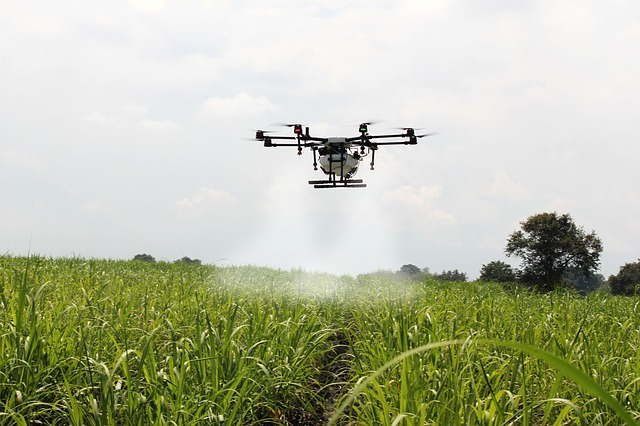
Introduction to Precision Agriculture
Welcome to the future of farming! In a world where technology is advancing at an unprecedented pace, it's no surprise that the agricultural industry is also embracing innovation. One such groundbreaking concept that holds immense promise is Precision Agriculture. By leveraging cutting-edge technologies and data-driven insights, this revolutionary approach has the potential to transform the way we grow crops and raise livestock.
Gone are the days of traditional farming practices where farmers relied on guesswork and intuition. With Precision Agriculture, every aspect of farming can be fine-tuned and optimized for maximum efficiency, productivity, and sustainability. From planting seeds with pinpoint accuracy to monitoring soil health in real-time, this new wave of agriculture aims to revolutionize food production while minimizing environmental impact.
Join us as we delve into the exciting realm of Precision Agriculture. We will explore its advantages, delve into some successful case studies, discuss potential challenges and limitations, examine its impact on sustainability, envision future opportunities for farmers – all while marveling at how far technology has come in shaping our agricultural landscape.
So buckle up as we take you on a journey through time and space – from humble farm fields to high-tech control centers – all in pursuit of a more efficient and sustainable future for farming. The possibilities are endless when precision meets agriculture!
Advantages of Precision Agriculture
Precision agriculture, also known as smart farming or digital farming, holds immense potential for revolutionizing the agricultural industry. By leveraging advanced technologies and data analytics, precision agriculture offers numerous advantages that can greatly benefit farmers.
One major advantage is increased efficiency. With precision agriculture techniques, farmers can optimize their use of resources such as water, fertilizers, and pesticides. By applying these inputs precisely where they are needed most, farmers can minimize waste and reduce costs while still maintaining crop productivity.
Another key advantage is improved yield and quality. Through precise monitoring and analysis of soil conditions, moisture levels, and plant health using sensors and drones equipped with cameras or laser scanners, farmers gain valuable insights into their crops. This enables them to identify issues early on and take targeted actions to prevent disease outbreaks or nutrient deficiencies before they impact yield or quality.
Additionally, precision agriculture allows for better planning and decision-making. By integrating real-time data from various sources like weather forecasts and satellite imagery with historical information about a field's performance over time, farmers can make informed choices regarding planting schedules, crop selection, and harvesting strategies. They can adjust plans according to changing circumstances, ultimately maximizing profits.
Moreover, precision agriculture enhances sustainability by minimizing environmental impacts. By adopting practices such as variable rate application (VRA) technology,
farmers can ensure that inputs are applied at optimal rates to avoid excessive use of chemicals or unnecessary irrigation.
This not only reduces pollution but also conserves precious natural resources.
Lastly, precision agriculture opens up new opportunities for collaboration between different stakeholders in the agricultural value chain. For instance, by sharing data collected through IoT devices
and collaborating with agronomists or researchers remotely via cloud-based platforms, farmers have access to expert advice tailored specifically to their fields' needs. This knowledge-sharing fosters innovation and helps drive continuous improvement across the industry.
Technologies Used in Precision Agriculture
1. Global Positioning System (GPS):
One of the key technologies used in precision agriculture is GPS, which allows farmers to precisely locate their equipment and monitor their field activities. By using GPS technology, farmers can create accurate maps of their fields, track the movement of machinery, and precisely apply fertilizers or pesticides.
2. Remote Sensing: Remote sensing techniques such as satellite imagery and drones are increasingly being used in precision agriculture. These technologies provide valuable real-time data about crop health, soil moisture levels, and weed infestations. Farmers can then use this information to make informed decisions regarding irrigation schedules, pest control strategies, and nutrient management.
3. Variable Rate Technology (VRT):
VRT enables farmers to vary the application rates of inputs like fertilizer or seeds across different areas of a field based on specific requirements identified through data analysis. This technology ensures that resources are applied optimally, reducing waste while maximizing yields.
4. Automated Machinery: Advancements in robotics have led to automated agricultural machinery that can perform tasks with utmost precision. For example, autonomous tractors equipped with sensors can navigate fields without human intervention while performing tasks like planting or harvesting crops accurately.
5. Data Analytics: The collection and analysis of vast amounts of data is crucial for making informed decisions in precision agriculture. Sophisticated software programs help process data gathered from various sources such as weather stations or sensor networks and translate it into actionable insights for better farm management practices.
6. Internet-of-Things (IoT) Integration:
IoT devices play a significant role in connecting different components within farms' ecosystems by collecting real-time information about soil conditions, weather patterns, crop growth stages etc., enabling farmers to monitor operations remotely and make timely adjustments if needed.
Innovative technologies continue to emerge at a rapid pace within the realm of precision agriculture; these advancements hold great promise for improving efficiency while minimizing environmental impact on farms around the world. By harnessing the power of these cutting-edge technologies, farmers can enhance productivity.
Case Studies: Successful Implementations of Precision Agriculture
One of the most exciting aspects of precision agriculture is seeing how it has already been successfully implemented in various farming operations around the world. These case studies highlight the potential and real-world benefits that precision agriculture can bring to farmers.
In a vineyard located in California, precision agriculture techniques have revolutionized grape production. By using GPS technology and remote sensing, farmers are able to monitor their crops more efficiently and make informed decisions about irrigation, fertilization, and pest control. This has resulted in higher yields, improved crop quality, and reduced water usage.
Another notable example comes from Brazil's soybean farms. Through the use of drones equipped with multispectral cameras, farmers are able to detect early signs of disease or nutrient deficiencies in their crops. This allows them to take proactive measures before the issues become widespread, leading to healthier plants and increased productivity.
In dairy farming, precision agriculture has also made significant advancements. Automated systems can now monitor individual cows' milk production levels as well as their health status. This data helps farmers identify any abnormalities sooner and provide targeted care when needed.
The implementation of precision agriculture techniques goes beyond traditional farming practices; it extends into aquaculture as well. In fish farms across Norway, underwater sensors collect data on factors such as water temperature and oxygen levels. Farmers can then adjust feeding schedules or even move fish populations based on these insights for optimal growth conditions.
These case studies demonstrate how precision agriculture is changing the game for farmers worldwide by improving efficiency, reducing costs, increasing yield quantity and quality while minimizing environmental impact.
Potential Challenges and Limitations
While precision agriculture holds great promise for the future of farming, there are certain challenges and limitations that need to be addressed. One of the main challenges is the initial cost involved in implementing precision agriculture technologies. The high upfront investment required for equipment such as sensors, drones, and GPS systems can be a barrier for many farmers, especially those operating on smaller scales or with limited financial resources.
Another challenge is the complexity of integrating different technologies into existing farm management systems. Farmers may face difficulties in collecting and analyzing large amounts of data generated by precision agriculture tools. Additionally, they may require specialized training to effectively utilize these technologies and interpret the data insights they provide.
Furthermore, there can be issues related to connectivity and access to reliable internet connections in rural areas where farms are often located. Limited or unreliable connectivity can hinder real-time monitoring and remote control capabilities offered by precision agriculture solutions.
Moreover, privacy concerns regarding data collection also pose a challenge. Farmers need assurance that their sensitive information will not be compromised or misused when utilizing these advanced technologies.
It is important to consider potential environmental impacts associated with increased use of technology-intensive farming practices. While precision agriculture aims to optimize resource usage through targeted application of inputs like fertilizers or pesticides, improper implementation could lead to overuse or environmental contamination if not managed carefully.
Addressing these challenges will require collaboration between agricultural experts, technology providers, and policymakers to ensure widespread adoption while mitigating potential drawbacks.
The Impact of Precision Agriculture on the Environment and Sustainability
Precision agriculture has a significant impact on the environment and promotes sustainable farming practices. By utilizing advanced technologies, farmers can optimize their use of resources such as water, fertilizers, and pesticides, reducing waste and minimizing their environmental footprint.
One major benefit is the precise application of inputs. With precision agriculture techniques like variable rate technology (VRT), farmers can apply fertilizers or chemicals only where they are needed most. This targeted approach not only increases efficiency but also reduces over-application that could harm soil health or contaminate nearby water sources.
Additionally, precision agriculture enables better irrigation management. Through sensor-based systems and remote sensing technologies, farmers can monitor soil moisture levels in real time. This data allows them to adjust irrigation schedules accordingly, preventing both water wastage and waterlogging issues that may affect crop growth.
Furthermore, precision agriculture helps minimize pesticide usage through integrated pest management (IPM). By employing satellite imagery or drones equipped with multispectral cameras, farmers can identify areas affected by pests or diseases early on. With this information in hand, they can take localized measures to control outbreaks rather than applying pesticides uniformly across entire fields.
Moreover, precision agriculture contributes to soil conservation efforts. Soil erosion is a major concern for many farmers worldwide due to improper land management practices. However, with tools like GPS-guided equipment or autonomous robots performing field operations precisely as planned without any overlap or gaps between passes—farmers can reduce cultivation-related erosion significantly.
In summary, continued advancements in precision agricultural technologies offer immense potential for improving environmental sustainability within the farming industry. As more farmers adopt these methods globally, we can expect reduced resource wastage, improved productivity while minimizing negative impacts on ecosystems surrounding farmlands – ultimately fostering long-term sustainability for our planet's agricultural system.