Learn smarter with fresh insights from our tutors.
Practical study guides, course supplements, and learning resources curated to help you move faster through every subject.
Content is King: Creating Engaging and Valuable Content for Your Website
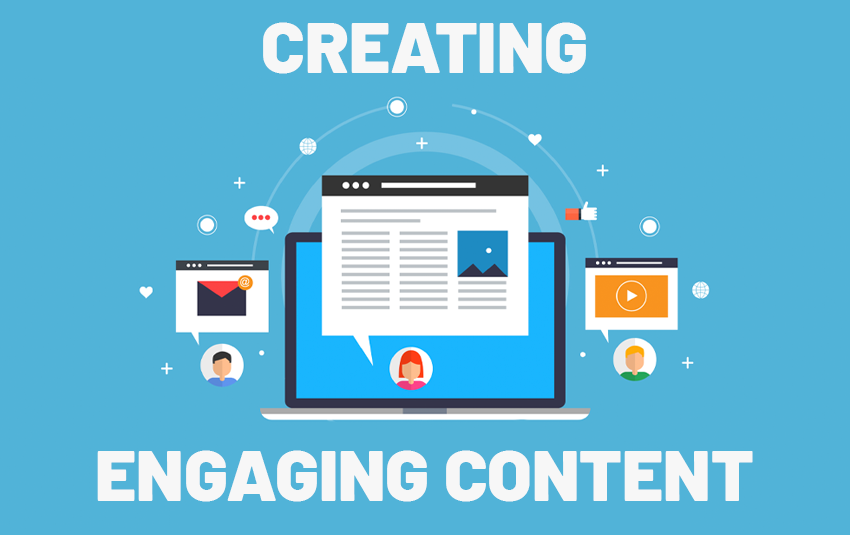
Content is King: Creating Engaging and Valuable Content for Your Website
Welcome to the digital kingdom, where content reigns supreme! In today's fast-paced and ever-evolving online landscape, having engaging and valuable content is vital for the success of your website. Gone are the days of simply slapping together a few keywords and calling it a day. Now, it's all about creating compelling content that captivates your target audience and keeps them coming back for more.
But what exactly does it mean to have engaging and valuable content? How can you ensure that your website stands out from the sea of mediocrity? Fear not, fellow digital adventurer! In this blog post, we will delve into the importance of content for your website, explore different types of content you should include, discuss how to craft captivating pieces that resonate with your audience, and provide tips on promoting your stellar creations.
So grab your quill (or keyboard) and get ready to take notes. It's time to unlock the secrets behind creating truly remarkable website content that will have visitors bowing at its brilliance!
The Importance of Content for Your Website
In the vast digital realm, your website is like a kingdom waiting to be explored. And at the heart of this kingdom lies its content – the crown jewel that holds the power to captivate and engage visitors. The importance of content for your website cannot be overstated. It serves as the gateway through which you connect with your target audience, establish credibility, and ultimately drive conversions.
First and foremost, quality content is what attracts visitors in the first place. When people stumble upon your website, they are seeking information or solutions to their problems. By offering valuable and relevant content that addresses their needs, you not only capture their attention but also earn their trust.
Furthermore, well-crafted content has a significant impact on search engine optimization (SEO). Search engines crave fresh and authoritative material that provides value to users. By consistently delivering high-quality content infused with strategic keywords, you increase your chances of ranking higher in search results.
But it's not just about attracting visitors; it's about keeping them engaged too. Engaging content keeps readers hooked from beginning to end by providing insightful information presented in a captivating manner. It sparks curiosity, encourages interaction through comments or social sharing, and ultimately builds a loyal community around your brand.
Moreover, content showcases your expertise in an industry or niche. It establishes you as an authority figure, telling potential customers why they should choose you over competitors.
Finally, content can help educate consumers about products, services, and industry trends. A well-informed customer is more likely to make confident purchasing decisions. So remember: when it comes to building a successful online presence, captivating and valuable content reigns supreme. Give careful thought, time, and effort into crafting pieces that resonate withyour target audience. Provide them with answers, solutions, and inspiration. Create engaging, break-through-the-noise articles, videos, podcasts-or whatever medium suits your brand. And above all, don't underestimate the power of great content-it truly is king!
Understanding Your Target Audience
To create engaging and valuable content for your website, it is crucial to have a deep understanding of your target audience. After all, they are the ones you want to attract and engage with through your content.
Start by researching and analyzing who your ideal customers or clients are. Consider their demographics, interests, needs, challenges, and preferences. This will help you tailor your content specifically to meet their expectations.
Once you have a clear picture of who your target audience is, you can begin crafting content that speaks directly to them. Use language that resonates with them and addresses their pain points. Provide solutions to their problems or answer the questions they may have.
Moreover, consider the format in which they prefer consuming information. Some people enjoy reading blog posts while others prefer watching videos or listening to podcasts. By knowing how your audience likes to consume content, you can cater to their preferences and make it more engaging for them.
In addition, don't be afraid to incorporate storytelling into your content strategy. People connect with stories on an emotional level, so weaving personal anecdotes or client success stories into your articles can make them more relatable and compelling.
Remember that understanding your target audience is an ongoing process as trends change and new insights emerge over time. Stay attentive to feedback from readers or customers so you can continuously refine and improve the quality of the content you provide.
By taking the time to truly understand who you're trying to reach with your website's content, you'll be able to create material that not only captures attention but also adds value for those consuming it.
Types of Content to Include on Your Website
When it comes to creating content for your website, it's important to have a variety of types that cater to different preferences and interests. This ensures that you engage with a wider audience and keep them coming back for more.
One type of content to include is informative articles or blog posts. These provide valuable information on topics related to your industry or niche. They can help establish you as an authority in your field and build trust with your audience.
Another type is how-to guides or tutorials. These step-by-step instructions are great for teaching your audience new skills or helping them solve specific problems. They can be presented in written format, but also consider incorporating videos or infographics for visual learners.
Case studies are another effective form of content. By showcasing real-life examples of how your products or services have helped others achieve success, you demonstrate the value you bring to the table.
Don't forget about interactive content! Quizzes, polls, surveys, and contests encourage engagement from your visitors and make their experience on your website more enjoyable.
User-generated content is worth considering. Encourage your audience to share their experiences with your brand through testimonials, reviews, or even guest blog posts. This not only adds credibility but also fosters a sense of community around your brand.
Incorporating these various types of content into your website will create a well-rounded experience for visitors while keeping them engaged and coming back for more fresh material.
Crafting Engaging and Valuable Content
When it comes to creating content for your website, it's important to focus on crafting engaging and valuable pieces that will captivate your audience. The key is to provide information or entertainment that is both interesting and useful, keeping visitors coming back for more.
One way to create engaging content is by telling a story. People love stories because they connect with them emotionally. Whether you're sharing a personal experience or weaving a narrative around your products or services, storytelling can be a powerful tool in capturing attention.
Another strategy is to incorporate visuals into your content. Humans are visual creatures, so including eye-catching images, videos, infographics, or other multimedia elements can significantly enhance the engagement level of your content.
Additionally, consider diversifying the types of content you publish on your website. Alongside written articles or blog posts, try incorporating other formats such as podcasts or webinars. This allows you to reach different segments of your target audience who may prefer consuming information in alternative ways.
Moreover, ensure that every piece of content provides value to your readers. Offer insights, tips, tutorials – anything that will help them solve problems or achieve their goals. By consistently delivering valuable content filled with actionable advice and relevant information, you position yourself as an authority in your niche while building trust with your audience.
Lastly but importantly - keep in mind consistency when posting and updating new content on your website . Regularly publishing fresh material not only keeps visitors engaged but also signals search engines that there’s continuous activity happening on the site making it more likely for users to find you organically through search results .
By thoughtfully crafting engaging and valuable content tailored specifically for our target audience we boost our chances of success online.
Utilizing Visuals and Multimedia
In today's digital age, it's no secret that visuals and multimedia play a crucial role in capturing the attention of website visitors. Incorporating engaging images, videos, infographics, and other multimedia elements can greatly enhance the user experience on your website.
Visuals have the power to convey information quickly and effectively. They can help break up large chunks of text and make your content more visually appealing. Whether it's a relevant photograph, an eye-catching graphic, or an informative chart, incorporating visuals can help communicate your message in a more engaging way.
Videos are another valuable tool for captivating your audience. By creating high-quality videos that provide valuable information or tell a compelling story related to your brand or industry, you can increase engagement and keep visitors on your site for longer periods of time.
Infographics are also highly effective in presenting complex data or concepts in an easily digestible format. With visually appealing designs and concise information, infographics allow users to grasp key points at a glance.
When utilizing visuals and multimedia on your website, it's important to ensure they align with your brand identity. Consistency is key when choosing colors, fonts, graphics styles etc., as this will help create a cohesive look throughout all aspects of your online presence.
Remember that optimizing these visual elements for search engines is equally important. Be sure to include alt tags with relevant keywords for images so they can be properly indexed by search engines.
Integrating visuals and multimedia into your content strategy not only enhances user experience but also increases the likelihood of sharing across social media platforms – further expanding reach potential . So don't underestimate the power of visual storytelling - embrace it!
The Art of Link Building: How to Build High-Quality Backlinks

Introduction to Link Building
Link building is often referred to as the backbone of SEO, and for good reason. In the vast digital landscape, backlinks serve as powerful endorsements from other websites, signaling search engines that your content is trustworthy and valuable. But not all backlinks are created equal. Quality over quantity is key when it comes to building a strong link profile.
In this blog post, we will explore the art of link building and uncover strategies for acquiring high-quality backlinks that can elevate your website's visibility in search engine rankings. Whether you're a seasoned SEO expert or just dipping your toes into the world of digital marketing, understanding how to build effective backlinks is essential for driving organic traffic and boosting your online presence.
So grab your metaphorical paint-brushes and let's dive into the artful tactics behind successful link building!
Why Backlinks Matter for SEO
Backlinks play a crucial role in search engine optimization (SEO). They are like votes of confidence from other websites, telling search engines that your site is valuable and trustworthy. When reputable sites link back to yours, it signals to search engines that your content is relevant and worth ranking higher in their results.
Backlinks can significantly improve your website's visibility. Search engines use complex algorithms to determine the quality and relevance of a website when ranking it in search results. Backlinks act as endorsements from authoritative sources, indicating that your site has valuable content related to the topic at hand.
High-quality backlinks can drive more organic traffic to your site. When users come across a link on a reputable website or blog and click through to visit your page, they are likely already interested in what you have to offer. This targeted traffic not only increases the chances of conversions but also helps boost your overall online presence.
Furthermore, backlinks contribute to building credibility and establishing authority within your industry or niche. When other websites reference or cite information from your site with proper attribution through backlinks, it enhances the reputation and expertise associated with your brand.
In addition to these benefits, backlinking also encourages networking within communities of similar interests or industries. By reaching out for opportunities for collaboration or guest blogging on other sites, you can create mutually beneficial relationships while simultaneously gaining exposure.
Overall, understanding the importance of high-quality backlinks is essential for any successful SEO strategy. By actively seeking opportunities for link building through various techniques such as guest blogging, broken link building, and implementing strategies like the skyscraper technique, you can enhance both visibility and credibility for your website.
Remember: creating compelling content should always be at the forefront of any SEO efforts because great content naturally attracts quality links.
So keep focusing on producing valuable material that others will want to share,
and don't underestimate the power of high-quality backlinks in your SEO endeavors.
Types of Backlinks
When it comes to building backlinks, not all links are created equal. There are different types of backlinks that can impact your website's SEO in various ways. Understanding these different types is crucial for successful link building.
One type of backlink is the editorial or contextual link. These links are embedded within the content of a webpage and provide valuable information or resources to readers. They are considered high-quality because they indicate that other websites find your content useful and relevant.
Another type is the guest blogging link. Guest blogging involves writing and publishing articles on other websites in exchange for a backlink to your own site. This strategy allows you to reach new audiences while also increasing your website's authority.
Social media backlinks, as the name suggests, come from social media platforms like Facebook, Twitter, or Instagram. While these may not have a direct impact on SEO rankings, they help drive traffic to your site and increase brand visibility.
Additionally, there are directory backlinks which come from online directories or listing sites. These can be helpful for local businesses looking to improve their online presence.
We have profile backlinks which come from creating profiles on forums or discussion boards and including a link in your profile bio or signature.
Understanding the different types of backlinks available will allow you to create a diverse and balanced link profile that improves both your search engine rankings and overall online visibility!
Strategies for Building High-Quality Backlinks
When it comes to building high-quality backlinks, there are several strategies that can help you achieve your goals. One of the most effective techniques is guest blogging. By writing valuable content for other websites in your niche, you not only establish yourself as an expert but also gain the opportunity to include a link back to your own site.
Another strategy worth considering is broken link building. This involves finding broken links on reputable websites and reaching out to the website owner or administrator with a suggestion to replace the broken link with one of your own relevant resources. This not only helps them fix their website but also gives you a chance to secure a valuable backlink.
The skyscraper technique is another popular method for building high-quality backlinks. It involves finding popular content in your industry and creating something even better than what's already out there. Once you have created this superior piece of content, reach out to those who have linked to similar articles in the past and offer them yours as an updated resource.
These strategies require time and effort, but they can yield significant results in terms of improving your search engine rankings and driving organic traffic to your website. Remember that quality always trumps quantity when it comes to backlinks – focus on getting links from authoritative sites within your niche rather than going after any and every link opportunity.
Building high-quality backlinks requires strategic planning and execution. By implementing these strategies effectively, you can enhance your online presence, boost SEO performance, and ultimately drive more traffic to your website - all through the power of quality link building!
A. Guest Blogging
Guest blogging is a powerful link building strategy that involves writing content for other websites in your niche. It allows you to tap into an existing audience and showcase your expertise, while also earning valuable backlinks to your own site.
When approaching guest blogging, it's essential to choose reputable sites that align with your target audience. Look for blogs that have high domain authority and a strong online presence. This way, the backlinks you earn will carry more weight in search engine rankings.
Once you've identified potential blogs, reach out to the site owners or editors with personalized pitches highlighting why you're a valuable contributor. Be sure to provide samples of your previous work and explain how your content can benefit their readers.
When writing guest posts, focus on delivering high-quality, informative content that adds value to the host blog's readership. Avoid overly promotional language and instead aim to educate, entertain, or inspire their audience.
Remember that guest blogging isn't just about acquiring links; it's also an opportunity to build relationships within your industry. Engage with readers through comments and social media interactions both on the host blog and when promoting the post on your own channels.
By consistently pursuing guest blogging opportunities, you can gradually increase both the quantity and quality of backlinks pointing towards your website while simultaneously expanding brand awareness within relevant communities.
B. Broken Link Building
One effective strategy for building high-quality backlinks is broken link building. This technique involves finding broken links on other websites and reaching out to the site owners to suggest replacing the broken link with a link to your own content.
To start, you'll need to identify relevant websites in your niche that have broken links. You can use tools like Check My Links or Broken Link Checker to help with this process. Once you've found a website with broken links, you can then create valuable content that could replace those broken links.
Next, you'll want to reach out to the site owner or webmaster and let them know about the broken link on their site. Be polite and offer your replacement content as a solution. The key here is not only providing value but also establishing a relationship with the site owner.
If they agree to replace the broken link with yours, congratulations! You've successfully built a high-quality backlink. If not, don't be discouraged - keep searching for opportunities and reaching out to website owners who may be interested in linking to your content.
Remember, when implementing this strategy, it's important to focus on creating valuable and relevant content that adds real value for both users and website owners. By doing so, you'll increase your chances of successful broken link building and improve your overall SEO efforts.
C. Skyscraper Technique
The Skyscraper Technique is a powerful strategy for building high-quality backlinks that has gained popularity in the SEO world. This technique involves finding content in your industry that has performed well and creating something even better.
First, you need to identify popular content related to your niche. Look for articles or blog posts that have received a significant amount of shares, comments, and links from other websites. Once you have found this content, it's time to start crafting your own version.
Take the existing piece of content and make improvements on it. Add more valuable information, update statistics and data, include relevant images or infographics - basically anything that will enhance the quality of the original piece.
Once you have created your improved version, reach out to websites and influencers who linked to the original content. Let them know about your new and improved resource and why they should consider linking to it instead.
By utilizing the Skyscraper Technique effectively, you can increase your chances of earning high-quality backlinks from authoritative websites within your industry. Remember to always provide value with your content so others are motivated to link back to it naturally!
Building an Effective Landing Page That Converts Visitors into Customers

Introduction to Landing Pages
Welcome to the world of landing pages, where first impressions matter and conversions are king! In today's digital age, having a well-designed landing page can make all the difference in converting visitors into loyal customers. Whether you're selling a product, promoting a service, or simply looking to capture leads, an effective landing page is your secret weapon.
Think of your landing page as the virtual front door to your business. It's that crucial moment when someone arrives on your site and decides whether to take the next step or hit that dreaded "back" button. So how do you ensure that they not only stay but also convert? That's exactly what we'll explore in this blog post.
In this comprehensive guide, we'll dive into the key elements of building a high-converting landing page. From understanding your target audience to crafting attention-grabbing headlines and designing user-friendly layouts – we've got you covered. We'll also delve into optimizing for mobile devices and share tips on A/B testing for continuous improvement.
But before we jump right in, let's start by emphasizing why investing time and effort into creating an effective landing page is so important in today's competitive online landscape. Let's get started!
The Importance of a Well-Designed Landing Page
A well-designed landing page can make or break your online marketing efforts. It serves as the first impression for potential customers, and if it doesn't captivate their attention right away, they'll quickly move on to your competitors.
But why is a well-designed landing page so important? It establishes credibility and trust with visitors. A professional-looking design gives the impression that you are a reputable business worth doing business with. On the other hand, a poorly designed landing page can make you appear unprofessional and unreliable.
A well-designed landing page helps to communicate your message effectively. Your headline and subheadings should clearly convey what you're offering and why it's valuable to your target audience. The layout of the page should guide visitors through the content in a logical manner, making it easy for them to understand what action they need to take next.
Furthermore, an aesthetically pleasing design can enhance user experience. Visitors are more likely to stay on your landing page longer if it looks visually appealing and is easy to navigate. This increases the chances of them converting into customers.
In addition, search engines also favor well-designed landing pages that provide a positive user experience. By optimizing elements such as load speed and mobile responsiveness, you improve your chances of ranking higher in search engine results pages (SERPs).
Investing time and effort into creating a well-designed landing page is crucial for maximizing conversions and achieving success in your online marketing campaigns.
Understanding Your Target Audience
When it comes to building an effective landing page, one of the most crucial aspects is understanding your target audience. After all, how can you create a compelling and persuasive page if you don't know who you're trying to reach?
To truly understand your target audience, you need to dig deep and gather as much information as possible. Start by conducting market research to identify their demographics, interests, preferences, and pain points. This will help you tailor your messaging and design elements specifically for them.
Another important aspect of understanding your target audience is defining their goals and motivations. What are they looking for when they visit your landing page? What problems are they hoping to solve? By answering these questions, you can craft targeted content that addresses their needs directly.
Moreover, analyzing data from previous campaigns or customer interactions can provide valuable insights into their behavior patterns. This information will allow you to anticipate their actions on the landing page and optimize its layout accordingly.
Remember that every decision made in designing the landing page should be centered around appealing directly to your target audience. From choosing color schemes and fonts to writing persuasive copy - everything should be tailored specifically for them.
By taking the time to truly understand your target audience's needs, desires, fears,and motivations,you'll be able to build a highly effective landing page that resonates with them on a deeper level.
Crafting Attention-Grabbing Headlines and Subheadings
When it comes to crafting attention-grabbing headlines and subheadings for your landing page, creativity and clarity are key. Your headline should immediately capture the visitor's interest while providing a clear indication of what they can expect from your page.
Start by identifying the main benefit or unique selling point that your product or service offers. Use this as inspiration to create a headline that is compelling and relevant to your target audience. Keep it concise and impactful, using strong verbs or numbers to make it stand out.
Having an engaging subheading is just as important as the headline. It should expand on the promise made in the headline and provide additional context or information about what visitors will find on your landing page.
To ensure maximum impact, consider incorporating keywords that align with what people may be searching for when looking for products or services like yours. This will not only help improve your search engine rankings but also make it clear to visitors that they've come to the right place.
Remember, people have short attention spans online, so keep both headlines and subheadings focused and easy-to-read. Avoid jargon or complex language that might confuse or alienate potential customers.
By carefully crafting attention-grabbing headlines and subheadings, you can effectively communicate the value of your offering in a way that captures visitors' attention and encourages them to explore further down your landing page - ultimately increasing conversion rates!
Designing a User-Friendly Layout
When it comes to building an effective landing page, the layout plays a crucial role in keeping visitors engaged and converting them into customers. A user-friendly layout means creating a seamless experience for your audience, making it easy for them to navigate and find what they're looking for.
One essential element of a user-friendly layout is simplicity. Avoid cluttering your landing page with unnecessary elements or excessive text. Keep things clean and visually appealing by using plenty of white space and utilizing a clear hierarchy of information.
Another important aspect is the placement of key elements on your landing page. Ensure that important information, such as your headline, value proposition, and call-to-action buttons are prominently displayed above the fold where users can easily see them without scrolling.
Navigation should also be intuitive and straightforward. Make sure visitors can easily move between sections or pages without confusion. Consider using sticky navigation menus so that important links remain accessible no matter where users scroll on the page.
In terms of visuals, use eye-catching images or videos strategically to support your message and enhance engagement. However, be cautious not to overload the page with large files that could slow down load times – nobody likes waiting!
Don't forget about mobile optimization! With more people accessing websites from their smartphones or tablets than ever before, it's essential that your landing page design is responsive and adapts seamlessly across different devices.
By designing a user-friendly layout for your landing page, you create an enjoyable browsing experience that encourages visitors to stay longer and take action towards becoming valuable customers.
Incorporating Effective Calls to Action
When it comes to converting visitors into customers, effective calls to action (CTAs) play a vital role. A well-crafted CTA can guide users towards the desired action and drive them further down the sales funnel.
To create an impactful CTA, start by making it clear and concise. Use strong verbs that compel users to take immediate action. Whether it's "Buy Now," "Sign Up Today," or "Learn More," choose words that evoke a sense of urgency and excitement.
Placement is also crucial when incorporating CTAs. They should be strategically positioned on your landing page where they are easily noticeable and accessible. Consider placing CTAs above the fold or at the end of compelling content to maximize visibility.
Design-wise, make sure your CTAs stand out from other elements on the page. Utilize contrasting colors, bold fonts, or eye-catching graphics to grab attention. However, avoid overwhelming users with too many flashy elements as this might distract them from taking action.
Another important aspect is personalization - tailor your CTAs based on user behavior or demographics. For example, if someone has already added items to their cart but abandoned it before checkout, use a targeted CTA like "Complete Your Purchase" with a discount code incentive.
Don't forget about tracking and analyzing the performance of your CTAs through analytics tools like Google Analytics or heatmaps. This data will help you refine your approach over time and optimize conversions even further.
By incorporating effective calls to action into your landing page design strategy, you can motivate visitors to take that next step towards becoming loyal customers!
Optimizing for Mobile Devices
Optimizing for mobile devices is crucial in today's digital landscape. With more and more people accessing the internet on their smartphones and tablets, it's essential to ensure that your landing page is mobile-friendly.
When designing your landing page for mobile devices, keep in mind that screen space is limited. Make sure that your content is concise and easy to read. Use bullet points or numbered lists to break up text and make it easier for users to scan.
Another important aspect of optimizing for mobile is ensuring fast loading times. Mobile users expect pages to load quickly, so optimize images and minimize unnecessary elements that can slow down the loading speed.
Responsive design is also key when it comes to mobile optimization. Your landing page should automatically adapt its layout based on the device being used, whether it's a smartphone or tablet. This ensures a seamless user experience across different devices.
Don't forget about touch-friendly navigation as well! Make sure buttons are large enough for users with smaller screens to easily tap on them without accidental clicks.
Test your landing page thoroughly on various mobile devices and browsers to ensure compatibility across all platforms. A visually appealing and functional experience will greatly increase the chances of converting visitors into customers on mobile devices.
The Importance of User Experience (UX) in Web Design
The Importance of User Experience (UX) in Web Design
Welcome to the digital realm where user experience reigns supreme! In today's fast-paced online world, a website's success hinges on one crucial factor: User Experience (UX). But what exactly does that mean? Well, buckle up because we're about to take you on a thrilling journey through the ins and outs of UX in web design. From its definition to its importance and everything in between, this article will equip you with all the knowledge you need to create an unforgettable user experience. So grab a cup of coffee, sit back, and get ready to explore the captivating world of UX design!
What is User Experience (UX)?
User Experience (UX) is more than just a buzzword in the web design industry. It encompasses the overall experience that a visitor has when they interact with a website or digital product. It goes beyond aesthetics and focuses on how users perceive, navigate, and interact with every element on the screen.
At its core, UX aims to create seamless and intuitive experiences that leave visitors satisfied and wanting more. It takes into account factors such as ease of use, accessibility, speed, responsiveness, and visual appeal. By understanding user behavior patterns and preferences, designers can tailor their websites to meet the needs of their target audience.
Good UX design involves careful consideration of various elements like layout, typography, color scheme, navigation menus, buttons placement—all working together to deliver an exceptional experience. Designers strive to strike the right balance between functionality and aesthetics while keeping in mind the end goal: ensuring users find what they're looking for quickly and effortlessly.
By prioritizing UX in web design efforts from conception to implementation stages; businesses can drive higher engagement levels among users resulting in increased conversion rates; making it essential for staying ahead within today's competitive online landscape.
So next time you visit a website that delights your senses with its well-designed interface or smoothly guides you through your desired action without any hiccups; take a moment to appreciate the power of user experience at work!
The Elements of Good UX
User Experience (UX) is a critical aspect of web design that focuses on creating positive interactions between users and websites. To achieve good UX, several elements must come together seamlessly.
Usability plays a vital role in ensuring a good user experience. Websites should be easy to navigate, with clear labels and intuitive menus. Users should be able to find what they're looking for quickly and without confusion.
Another element of good UX is visual appeal. A well-designed website should have an attractive layout, visually pleasing color schemes, and high-quality images or graphics that enhance the overall aesthetic.
Additionally, website performance is crucial for a positive user experience. Pages should load quickly to prevent frustration and encourage visitors to stay engaged with the site.
Content readability also contributes to good UX. The text should be well-organized with appropriate headings, subheadings, and paragraphs. It's important to use legible fonts and ensure proper spacing between lines for optimal readability.
Furthermore, responsiveness is key in today's mobile-driven world. Websites must adapt seamlessly across various devices such as smartphones or tablets for a consistent user experience regardless of screen size.
Lastly but certainly not least important is accessibility in web design. Websites should be designed with consideration for individuals with disabilities by incorporating features like alt-texts for images or closed captions for videos.
In conclusion – sorry! I mean wrapping up this section – these elements collectively contribute to creating a positive user experience on websites by enhancing usability, visual appeal, performance, content readability, responsiveness across devices and accessibility considerations.
Benefits of Prioritizing UX in Web Design
When it comes to web design, prioritizing user experience (UX) is not just a nice-to-have; it's a must-have. In today's digital landscape, where users have countless options at their fingertips, providing a positive and seamless user experience can set your website apart from the competition.
One major benefit of prioritizing UX in web design is increased user satisfaction. By focusing on creating intuitive navigation, clear information hierarchy, and engaging visuals, you are ensuring that visitors to your site will easily find what they're looking for and have a pleasant browsing experience. This can lead to higher customer retention rates and repeat visits.
Another advantage of emphasizing UX is improved conversion rates. When users encounter friction or frustration while trying to complete tasks on your website – such as making a purchase or filling out a form – they are more likely to abandon the process altogether. However, by streamlining the user journey and simplifying key actions, you can significantly boost conversions.
Additionally, prioritizing UX has SEO benefits. Search engines like Google increasingly consider factors related to user experience when determining search rankings. A well-designed website that provides valuable content and engages users will be rewarded with better visibility in search results.
Furthermore, investing in good UX can result in cost savings over time. By conducting thorough usability testing during the design phase and continually gathering feedback from users post-launch, you can identify potential issues early on and make necessary improvements before they become costly fixes down the road.
Lastly but importantly, an exceptional user experience builds trust between your brand and its audience. When users feel comfortable navigating your site without any hiccups or frustrations, they are more likely to view your business as reliable, credible, and trustworthy. This ultimately leads to stronger brand loyalty.
In summary, prioritizing user experience (UX) in web design offers numerous benefits for both businesses ownersand their target audiences alike . From increased user satisfaction and improved conversion rates to better search engine visibility and long-term cost savings.
Common Mistakes to Avoid in UX Design
When it comes to user experience (UX) design, there are certain mistakes that can hinder the overall effectiveness of a website. Here are some common pitfalls to avoid:
1. Ignoring User Research: One of the biggest mistakes is not conducting thorough user research before designing a website. Understanding your target audience's needs and preferences is crucial for creating an intuitive and user-friendly interface.
2. Overcomplicating Navigation: Complex navigation menus can confuse users and make it difficult for them to find what they're looking for. Keep the navigation simple and organized, ensuring that important pages are easily accessible.
3. Neglecting Mobile Optimization: With the increasing use of mobile devices, optimizing your website for mobile is essential. Failing to do so can lead to a poor user experience on smaller screens, resulting in high bounce rates.
4. Slow Loading Speeds: Users expect websites to load quickly, and if they don't, they won't hesitate to leave. Optimize images and code, minimize HTTP requests, and utilize caching techniques to improve loading speeds.
5. Lack of Clear Call-to-Action (CTA): Without clear CTAs, users may struggle with how to proceed or take desired actions on your website. Make sure CTAs stand out visually and provide clear instructions on what action you want users to take.
6. Disregarding Accessibility Guidelines: Accessibility is often overlooked but plays a significant role in UX design . Ensure your website meets accessibility guidelines by providing alternative text for images, using descriptive link text,and implementing proper color contrast ratios.
7. Not Testing Your Design: It's essential always test your design before launching it live. Testing allows you identify potential issues or areas where improvements could be made, making sure visitors have a smooth experience from start end.
By avoiding these common mistakes, you'll be well on your way establishing a positive user experience that encourages visitors stay longer engage fully with your website.
Tips for Creating a Positive User Experience
1. Simplify Navigation: Make it easy for users to find what they're looking for by organizing your website's navigation in a logical and intuitive way. Use clear labels and minimize the number of clicks required to access important information.
2. Optimize Page Load Times: Slow-loading websites frustrate users and can lead to high bounce rates. Optimize your images, use caching techniques, and minimize the use of heavy scripts or plugins to improve page load times.
3. Mobile Responsiveness: With more people accessing the internet on their mobile devices, it's crucial that your website is fully responsive across different screen sizes. Ensure that all elements are easily viewable and clickable on smaller screens.
4. Quality Content: Engage your audience with informative, relevant, and well-written content that adds value to their experience on your website. Use headings, subheadings, bullet points, and visuals to break up text-heavy pages.
5. Clear Call-to-Actions (CTAs): Guide users towards desired actions by using prominent CTAs throughout your site. Make them stand out visually with contrasting colors so they're easily noticeable.
6. Test Usability Regularly: Conduct user testing sessions regularly to identify any usability issues or pain points for visitors navigating through your website. This will help you make necessary improvements based on real user feedback.
7. Personalization & Customization: Tailor the user experience based on individual preferences whenever possible - this could include personalized recommendations or customizable settings that allow users to adapt the interface according to their needs.
8. Provide Feedback & Support Channels:
Offer multiple channels for users to provide feedback such as contact forms or live chat support options.
Users should feel heard when they encounter issues or have suggestions about improving their experience on your site.
By implementing these tips into web design practices,you can create a positive user experience that keeps visitors engaged,content,and satisfied while exploring all aspects of your website.
How to Conduct a Comprehensive Website Audit

How to Conduct a Comprehensive Website Audit
Welcome to the world of website audits! In this digital era, where online presence is crucial for businesses to thrive, conducting a comprehensive website audit is like giving your virtual storefront a much-needed makeover. Whether you're a seasoned webmaster or just starting out, understanding the ins and outs of auditing your website can be the key to unlocking its full potential.
Think of it as peering through a magnifying glass into every nook and cranny of your site - uncovering hidden glitches, optimizing content, improving user experience, and ensuring seamless mobile responsiveness. A thorough website audit not only helps you identify areas that need improvement but also gives you valuable insights into how search engines perceive and rank your site.
So buckle up as we take you on an exciting journey through the process of conducting a comprehensive website audit. We'll explore everything from technical aspects to content analysis, user experience evaluation to mobile responsiveness and SEO. By the end of this blog post, you'll have all the tools and knowledge necessary to give your website the facelift it deserves!
Grab a pen (or open that note-taking app) because it's time to dive deep into the wonderful world of website audits!
Understanding the Importance of Website Audits
In today's digital landscape, where competition is fierce and attention spans are short, having a well-functioning website is crucial for success. But how do you know if your site is performing at its best? That's where website audits come into play.
A website audit serves as a comprehensive check-up for your online presence. It goes beyond just checking for broken links or outdated content; it delves deep into technical aspects, analyzes content quality, evaluates user experience, and ensures mobile responsiveness – all with the goal of enhancing your site's performance.
Website audits provide valuable insights into areas that may be hindering your site's visibility in search engine rankings. By identifying technical issues such as slow page loading times or improper indexing, you can make necessary optimizations to improve overall search engine optimization (SEO).
Furthermore, conducting regular website audits helps ensure that your content remains relevant and engaging to visitors. By analyzing keywords usage and evaluating the effectiveness of meta tags and headers, you can optimize your content for both users and search engines.
But perhaps one of the most significant benefits of a website audit is improving user experience. By assessing factors like page layout, navigation structure, and accessibility on different devices, you can create an intuitive browsing experience that keeps visitors engaged and encourages them to stay longer on your site.
Conducting regular website audits not only helps boost organic traffic but also enhances conversion rates by creating a seamless browsing journey for visitors. So don't neglect this essential aspect in maintaining an effective online presence - take the time to conduct comprehensive website audits regularly!
Preparing for a Website Audit
Before diving into the process of conducting a website audit, it is crucial to adequately prepare. This involves gathering all the necessary information and resources needed to conduct a comprehensive analysis.
Make sure you have access to all relevant data such as website analytics, search console reports, and any other performance metrics available. This will provide valuable insights into how your website is currently performing.
Next, create a checklist or roadmap outlining the key areas you want to assess during the audit. This could include technical aspects like page load speed and mobile responsiveness, content quality and optimization, user experience evaluation, and SEO factors.
Additionally, consider seeking input from different stakeholders within your organization. Their perspectives can offer valuable insights and help identify potential issues that may have been overlooked.
Allocate sufficient time for the audit process. It's important not to rush through it as this can lead to overlooking critical elements that need attention.
By taking these preparatory steps before starting your website audit journey, you'll be better equipped to identify areas for improvement and develop an actionable plan moving forward.
Technical Aspects to Check During an Audit
During a website audit, it is crucial to pay close attention to the technical aspects of your site. These factors can greatly impact its performance and overall user experience. Here are some key technical aspects that you should check during an audit:
1. Website Loading Speed: One of the first things to assess is how quickly your website loads. A slow-loading site can lead to high bounce rates and frustrated users. Use tools like Google PageSpeed Insights or GTmetrix to measure your site's loading speed and identify any areas for improvement.
2. Mobile Friendliness: With the increasing use of mobile devices, it is essential that your website is optimized for mobile viewing. Test how well your site performs on different screen sizes using tools such as Google's Mobile-Friendly Test.
3. Broken Links: Broken links can negatively affect user experience and harm your search engine rankings. Conduct a thorough scan of your website to identify any broken links and fix them promptly.
4. URL Structure: Ensure that your URLs are clean, descriptive, and easy for both users and search engines to understand. Avoid using long strings of numbers or irrelevant characters in your URLs.
5. Security Measures: Protecting sensitive user data should be a top priority for any website owner. Consider implementing SSL encryption (HTTPS) on all pages, regularly updating plugins/themes, and conducting routine security checks.
By thoroughly examining these technical aspects as part of a comprehensive website audit, you can identify issues early on and make necessary improvements. This will help enhance the performance, user experience, and overall success of your website in the ever-competitive online landscape.
Content Analysis and Optimization
When conducting a comprehensive website audit, one crucial aspect to focus on is content analysis and optimization. Your website's content plays a significant role in attracting and engaging your target audience, as well as improving search engine visibility.
Start by examining the quality and relevance of your existing content. Is it informative, valuable, and up-to-date? Does it align with your brand message? Ensure that each page has clear headings, subheadings, and meta tags for improved readability and SEO purposes.
Next, analyze keyword usage throughout your content. Are you targeting the right keywords for each page? Conduct thorough keyword research to identify high-ranking terms relevant to your industry or niche. Incorporate these keywords naturally into your content while avoiding overstuffing.
Evaluate the length of your articles or blog posts too. Long-form content tends to perform better in search results as it provides more value to readers. Aim for around 1000-2000 words per article but ensure that every word adds substance – avoid fluff.
Furthermore, pay attention to internal linking within your site's pages. This helps search engines understand the structure of your website while also guiding users towards relevant information they may find useful.
Don't forget about optimizing multimedia elements such as images and videos on your site. Compress images without compromising quality for faster loading times which can positively impact user experience and SEO rankings.
By thoroughly analyzing and optimizing the content on your website during an audit process regularly can significantly enhance its performance - increasing traffic volumes from organic searches while providing value to users seeking relevant information in their online journey.
User Experience Evaluation
When conducting a comprehensive website audit, it's crucial to evaluate the user experience (UX) of your site. After all, your website exists to serve your users and provide them with a seamless browsing experience.
Start by analyzing the navigation on your website. Is it intuitive and easy for visitors to find what they're looking for? Ensure that your menu structure is clear and logical, making it simple for users to navigate through different pages.
Next, take a close look at the overall design of your site. Is it visually appealing and consistent with your brand identity? Pay attention to factors such as color scheme, typography, and imagery. Aim for a clean and organized layout that enhances readability and engagement.
Another aspect of UX evaluation is page loading speed. Slow-loading pages can frustrate users and lead them to abandon your site altogether. Use tools like Google PageSpeed Insights or GTmetrix to identify any performance issues that may be causing delays.
Additionally, consider how accessible your website is across different devices. In today's mobile-centric world, ensuring mobile responsiveness is essential. Test how well your site adapts to various screen sizes and resolutions so that users can have an optimal experience regardless of their device.
Gather feedback from real users through surveys or user testing sessions. This firsthand input can provide valuable insights into areas where improvements are needed in terms of usability and overall satisfaction.
By evaluating these aspects of user experience during a website audit, you'll be able to identify any pain points or areas in need of improvement on your site – ultimately enhancing visitor satisfaction and driving better results for your business.
Mobile Responsiveness and SEO
In today's digital age, having a mobile-friendly website is not just an option – it's a necessity. With the increasing number of people accessing the internet through their smartphones and tablets, optimizing your website for mobile responsiveness has become crucial for both user experience and search engine optimization (SEO).
When conducting a comprehensive website audit, you need to pay special attention to how your site performs on different mobile devices. Start by checking whether your web pages are fully responsive and adapt seamlessly to various screen sizes. This ensures that users can easily navigate and interact with your site regardless of the device they're using.
Additionally, make sure that all content on your mobile version is properly formatted and displayed correctly. Text should be readable without zooming in or scrolling horizontally, images should be appropriately sized, and buttons or links should be easy to tap.
Another important aspect to consider is page load speed on mobile devices. Slow-loading pages can have a detrimental effect on both user experience and SEO rankings. Use tools like Google PageSpeed Insights or GTmetrix to analyze your site's performance on mobile devices and identify areas for improvement.
Furthermore, optimize your meta tags specifically for mobile search results. Craft concise yet compelling title tags and meta descriptions that accurately reflect the content of each page while enticing users to click through from search engine results pages (SERPs).
Ensure that your website follows best practices for responsive design when it comes to technical aspects such as CSS media queries or using responsive frameworks like Bootstrap or Foundation.
By prioritizing mobile responsiveness in conjunction with solid SEO strategies, you'll not only enhance the overall user experience but also improve visibility in search engine rankings – ultimately driving more organic traffic to your site.
Remember: Mobile responsiveness isn't just about accommodating smaller screens; it's about delivering an optimized browsing experience tailored specifically for smartphone users' needs. So take advantage of this trend by ensuring that every aspect of your website caters to the mobile audience.
From Anxiety to Zen: How VR Can Help Mental Health

Introduction to Virtual Reality and its potential impact on Mental Health
Step into a world where anxiety fades away, and peace prevails - welcome to the transformative realm of Virtual Reality (VR) in mental health. In this blog post, we will explore how VR technology is revolutionizing the way we approach and treat various mental health conditions.
Get ready to embark on a journey from anxiety to zen as we delve into the incredible potential of VR in enhancing mindfulness, overcoming phobias, and providing solace for those battling PTSD. Let's discover together how this cutting-edge technology is paving the way for a brighter future in mental health treatment.
The Connection between Anxiety and VR
Virtual Reality (VR) technology has shown promising potential in helping individuals struggling with anxiety. By immersing users in a simulated environment, VR offers a novel way to address the complex relationship between anxiety and mental health.
Anxiety often stems from feeling overwhelmed by real-life stressors and triggers. Through VR experiences, individuals can practice coping strategies in a controlled setting, gradually building resilience to manage anxious thoughts and feelings.
The interactive nature of VR allows users to confront their fears in a safe space, promoting desensitization and empowerment over time. This exposure therapy can help individuals confront their anxieties head-on, fostering gradual progress towards overcoming them.
Furthermore, the immersive nature of VR can engage multiple senses, providing a more holistic approach to managing anxiety compared to traditional methods alone. As technology continues to advance, so does its potential impact on mental health treatment for those experiencing anxiety.
Using VR for Mindfulness and Meditation
Virtual Reality (VR) is not just about escaping reality; it can also be a powerful tool for mindfulness and meditation. Imagine being transported to a serene virtual environment, where you can focus on your breath and let go of stressors from the real world. VR allows you to immerse yourself fully in the present moment, blocking out distractions and facilitating deep relaxation.
With VR technology, users can explore tranquil landscapes or engage in guided meditation sessions tailored to their specific needs. By incorporating soothing visuals and calming sounds, VR experiences can enhance feelings of peace and tranquility.
For those struggling with traditional meditation practices due to distractions or restlessness, VR offers a unique solution by providing a controlled setting conducive to mindfulness. Users can practice breathing exercises or visualization techniques in a virtual space free from external disturbances.
Using VR for mindfulness and meditation presents an innovative way to cultivate inner peace and mental clarity in today's fast-paced world.
How VR Can Help with Phobias and PTSD
Virtual Reality (VR) has shown promising results in helping individuals cope with phobias and post-traumatic stress disorder (PTSD). By immersing users in virtual environments that simulate their triggers, VR therapy can provide a safe space for exposure without the real-world risks.
For those struggling with phobias, such as fear of heights or flying, VR allows them to gradually confront their fears in a controlled setting. This gradual exposure can help desensitize individuals to their phobic stimuli over time. Similarly, for individuals dealing with PTSD from traumatic events, VR therapy can assist in processing and confronting distressing memories.
By offering a sense of presence and immersion, VR technology enables therapists to tailor treatment plans according to each individual's specific needs. The interactive nature of VR experiences can engage users more effectively than traditional therapies, making it a valuable tool in mental health treatment.
The Role of VR in Exposure Therapy
Virtual Reality (VR) has opened up new possibilities in exposure therapy for individuals dealing with phobias, PTSD, and other anxiety-related disorders. By immersing patients in simulated environments that trigger their fears or traumas, VR allows them to confront and process these challenges in a controlled setting.
Exposure therapy using VR can gradually desensitize individuals to their triggers by helping them build resilience and coping mechanisms. This innovative approach enables therapists to tailor scenarios specific to each patient's needs, offering a personalized and effective treatment option.
Through repeated exposure in virtual environments, individuals can learn to manage their emotional responses and reframe negative associations. This process of facing fears within a safe space can lead to significant progress in overcoming anxieties and traumatic experiences.
The role of VR in exposure therapy showcases its potential as a powerful tool for mental health professionals seeking alternative methods to support their clients on the path towards healing and recovery.
Limitations and Risks of Using VR for Mental Health
While Virtual Reality (VR) shows promise in mental health treatment, it's important to acknowledge its limitations and potential risks. One concern is the lack of long-term research on the effects of prolonged VR use on mental well-being. There may be unknown consequences that could arise over time.
Additionally, not everyone may respond positively to VR therapy. Some individuals might feel overwhelmed or disoriented by the immersive experience, which can exacerbate existing anxiety or phobias rather than alleviate them. It's crucial for therapists to carefully assess each patient's suitability for VR interventions.
Another limitation is the accessibility and cost of VR technology. Not all healthcare facilities or individuals have access to high-quality VR equipment, limiting its widespread adoption as a mental health tool. Moreover, there are concerns about data privacy and security when using VR platforms for sensitive therapeutic purposes.
Despite these challenges, ongoing research and advancements in technology aim to address these limitations and enhance the effectiveness of VR therapy in promoting mental wellness.
The Future of Virtual Reality in Mental Health Treatment
As technology continues to advance at a rapid pace, the future of virtual reality in mental health treatment looks promising. With ongoing research and development, VR has the potential to revolutionize how we approach mental health issues.
In the coming years, we can expect to see more sophisticated VR programs tailored to specific mental health conditions. These customized experiences will provide targeted interventions for individuals dealing with anxiety, phobias, PTSD, and more.
Moreover, as VR becomes more accessible and affordable, it is likely to be integrated into mainstream mental health care settings. This widespread adoption could make therapy more engaging and effective for patients seeking help.
Additionally, advancements in VR hardware and software will enhance the overall user experience. From improved graphics to interactive simulations, these developments will further immerse users in therapeutic environments designed to promote healing and well-being.
The future of virtual reality in mental health treatment holds great promise for transforming how we address psychological challenges. As researchers continue to explore its potential applications and benefits, we can look forward to a new era of innovative solutions for improving mental wellness.
Conclusion
Virtual Reality has proven to be a powerful tool in the realm of mental health treatment. From helping individuals manage anxiety and stress to aiding in overcoming phobias and PTSD, VR offers a unique and innovative approach to therapy. While there are limitations and risks associated with using VR for mental health purposes, the potential benefits it provides cannot be overlooked.
As technology continues to advance, so too will the capabilities of Virtual Reality in improving mental well-being. With further research and development, we can expect to see even more tailored applications of VR for various mental health conditions.
Virtual Reality holds immense promise as a therapeutic tool for enhancing mindfulness, managing anxiety, tackling phobias, and treating PTSD. As we look towards the future, it's clear that VR will play an increasingly significant role in shaping the landscape of mental health treatment.
The Virtual Comfort Zone: VR Therapy for Social Anxiety

The Virtual Comfort Zone: VR Therapy for Social Anxiety
Step into a world where fears fade away, and confidence blooms. Imagine a place where social anxiety loses its grip, and you can finally be your authentic self without hesitation. Welcome to the Virtual Comfort Zone: VR Therapy for Social Anxiety.
In this blog post, we will explore how cutting-edge technology is revolutionizing mental health treatment and providing new hope for those struggling with social anxiety.
Understanding Social Anxiety
Social anxiety is more than just feeling shy or nervous in social situations. It's an overwhelming fear of judgment, rejection, or embarrassment that can make even simple interactions feel like daunting challenges. People with social anxiety may experience physical symptoms like sweating, trembling, or a racing heart when faced with social settings.
This condition can significantly impact daily life, leading to avoidance of social events, difficulty forming relationships, and feelings of isolation. Understanding the root causes and triggers of social anxiety is crucial in developing effective treatment strategies to help individuals overcome their fears and regain control over their lives.
While it's normal to feel anxious at times, those with social anxiety struggle with intense and persistent worry that can interfere with work, school, and personal relationships. Seeking support from mental health professionals who specialize in treating anxiety disorders can provide valuable insights and tools for managing these challenging emotions effectively.
Traditional Therapies for Social Anxiety
Traditional therapies for social anxiety have long been the go-to approach for individuals seeking help in managing their symptoms. From cognitive-behavioral therapy (CBT) to exposure therapy, these methods aim to address underlying issues and gradually desensitize individuals to anxiety-provoking situations.
CBT, for instance, helps individuals identify and challenge negative thought patterns that contribute to their social anxiety. By reframing these thoughts, patients can develop healthier coping mechanisms and behaviors when faced with stressful social scenarios.
Exposure therapy involves gradually exposing individuals to feared situations in a controlled setting, allowing them to confront their fears head-on. Through repeated exposure and guidance from therapists, patients can learn to manage their anxiety responses more effectively over time.
While traditional therapies have shown effectiveness in treating social anxiety, some individuals may find them challenging or intimidating. This is where alternative approaches like virtual reality (VR) therapy come into play as a promising new option for those seeking a different path towards healing.
The Rise of Virtual Reality Therapy
Virtual Reality Therapy is revolutionizing the way we approach mental health treatment. With the rise of technology, traditional therapy methods are being complemented and enhanced by immersive virtual experiences. This innovative approach allows individuals to confront their fears in a controlled environment, gradually building confidence and resilience.
By simulating real-life scenarios in a virtual world, VR therapy offers a safe space for individuals to practice social interactions without the pressure of judgment or rejection. The interactive nature of VR engages multiple senses, making the experience more vivid and impactful for users. As a result, patients can develop coping strategies and skills that translate into real-world situations.
The adaptability of VR therapy makes it suitable for various mental health conditions, including social anxiety. It provides therapists with valuable insights into their patients' behaviors and responses in challenging situations. As technology continues to advance, the potential applications of VR therapy in mental health care are limitless.
How VR Therapy Works
Virtual Reality (VR) therapy works by immersing individuals in simulated environments that mimic real-life situations, allowing them to confront and navigate their fears in a controlled setting. Through specialized VR headsets and equipment, users can engage with various scenarios designed to challenge their social anxiety triggers.
The therapist can customize the experience by adjusting factors like the level of interaction, difficulty levels, and feedback mechanisms. By gradually exposing patients to anxiety-inducing situations within the virtual world, they can learn coping strategies and practice behavioral responses in a safe space.
This exposure therapy helps desensitize individuals to their fears over time, empowering them to manage social interactions more confidently outside of the virtual environment. The immersive nature of VR therapy enhances engagement and retention compared to traditional methods.
VR therapy harnesses cutting-edge technology to provide a unique approach towards treating social anxiety disorders effectively.
Benefits of VR Therapy for Social Anxiety
Virtual Reality (VR) therapy offers a safe and controlled environment for individuals with social anxiety to confront their fears gradually. Through immersive simulations, users can practice real-life scenarios in a virtual setting, helping them build confidence and develop coping strategies.
One of the key benefits of VR therapy is its ability to provide exposure therapy in a customizable way. Users can tailor their experiences based on their comfort levels, allowing for personalized treatment that suits individual needs and progress at their own pace.
Moreover, VR therapy offers a sense of anonymity that traditional therapies may lack. This anonymity can reduce feelings of judgment or scrutiny, creating a more relaxed environment for users to work through their social anxiety challenges without fear of negative evaluation.
Additionally, the interactive nature of VR therapy promotes active engagement and participation in sessions. By actively participating in simulated social situations, individuals can learn new skills, practice relaxation techniques, and receive immediate feedback within the virtual environment - all contributing to effective treatment outcomes for social anxiety disorders.
Success Stories and Testimonials
Picture this - a person who once struggled to make eye contact or engage in conversations now confidently navigating social situations with ease. Virtual Reality Therapy has been the game-changer for many individuals battling social anxiety. Success stories and testimonials flood in, showcasing the transformative power of VR therapy.
From timid and withdrawn to outgoing and self-assured, these personal accounts highlight the profound impact VR therapy can have on an individual's mental well-being. Clients express newfound confidence in their ability to interact with others, attend social gatherings, and conquer their fears head-on.
One particular success story shares how VR therapy helped them overcome panic attacks during group settings by gradually exposing them to challenging scenarios within a safe virtual environment. Another testimonial praises the immersive experience of VR therapy for providing a sense of control over anxiety triggers.
These narratives serve as inspiration for those considering embarking on their own journey towards overcoming social anxiety through innovative methods like Virtual Reality Therapy.
Criticisms and Limitations
While virtual reality therapy for social anxiety shows promise, it is not without its criticisms and limitations.
Some critics argue that VR therapy may lack the personal touch of traditional face-to-face therapy sessions. They question whether interacting with a computer-generated environment can truly replicate real-life social interactions.
Additionally, there are concerns about the accessibility and cost of VR technology. Not everyone may have easy access to this form of treatment, limiting its reach to those who could benefit from it.
Moreover, some individuals may experience discomfort or side effects when using VR headsets, which could potentially exacerbate their anxiety rather than alleviate it.
It's important to consider these criticisms and limitations as we continue to explore the potential of virtual reality therapy in treating social anxiety.
The Future of VR Therapy for Mental Health
As technology continues to evolve, the future of VR therapy for mental health looks promising. With ongoing advancements in virtual reality hardware and software, therapists will have even more tools at their disposal to create immersive and effective treatment programs for individuals struggling with social anxiety.
In the coming years, we can expect to see a wider range of VR experiences specifically tailored to target different aspects of social anxiety. From simulated social interactions to exposure therapy scenarios in realistic environments, the possibilities are endless.
Furthermore, as VR technology becomes more accessible and affordable, more people will be able to benefit from this innovative form of therapy. This could potentially lead to a significant shift in how mental health issues like social anxiety are treated on a larger scale.
The future of VR therapy for mental health holds great promise in revolutionizing traditional therapeutic approaches and providing individuals with new paths towards healing and personal growth.
Conclusion
The virtual comfort zone provided by VR therapy offers a promising and innovative approach to treating social anxiety. By immersing individuals in controlled environments where they can safely practice social interactions, VR therapy has shown great potential in helping people overcome their fears and improve their quality of life.
As technology continues to advance, we can expect VR therapy to play an increasingly important role in the field of mental health treatment. With more research and development, it is clear that virtual reality has the power to transform how we approach and manage social anxiety disorders.
The Future of Mental Health Diagnosis: VR and AI

Introduction to the Current State of Mental Health Diagnosis
Welcome to a groundbreaking exploration into the evolving landscape of mental health diagnosis! As we navigate through the complexities of understanding and treating mental health conditions, innovative technologies like Virtual Reality (VR) and Artificial Intelligence (AI) are revolutionizing the way we approach diagnostics.
Join us on this journey as we delve into the potential impact, benefits, challenges, and ethical considerations surrounding the fusion of VR and AI in mental health assessment. Let's uncover how these cutting-edge tools are shaping a brighter future for mental well-being assessment!
The Potential Impact of VR and AI on Mental Health Diagnosis
Imagine a world where mental health diagnosis is not limited by traditional methods but enhanced through the power of virtual reality (VR) and artificial intelligence (AI). VR can create immersive environments for patients to express their feelings more comfortably, enabling clinicians to observe behaviors in a more natural setting. AI algorithms can analyze vast amounts of data quickly and accurately, helping identify patterns and symptoms that might be missed by human observation alone.
By combining VR's immersive capabilities with AI's analytical prowess, mental health professionals may have access to a new level of insight into their patients' well-being. This innovative approach could lead to earlier detection of mental health issues, personalized treatment plans based on individual needs, and improved overall outcomes for those seeking help.
The potential impact of VR and AI on mental health diagnosis is not just about technological advancements; it's about revolutionizing how we understand and address mental wellness. As these technologies continue to evolve, the possibilities for enhancing mental health care are endless.
Benefits of using VR and AI in Mental Health Diagnosis
Imagine a world where mental health diagnosis is more accurate and accessible than ever before. Virtual Reality (VR) and Artificial Intelligence (AI) are revolutionizing the way healthcare professionals identify and treat mental health conditions.
One of the key benefits of using VR and AI in mental health diagnosis is the ability to create personalized treatment plans for individuals. By analyzing data gathered through VR simulations, AI algorithms can tailor interventions based on each patient's unique needs.
Moreover, these technologies have the potential to reach underserved populations who may not have access to traditional mental health services. Through virtual therapy sessions and AI-driven assessments, individuals can receive support from anywhere, at any time.
Additionally, VR environments provide a safe space for patients to confront their fears or anxieties in a controlled setting. This immersive experience allows therapists to observe reactions firsthand and adjust treatment strategies accordingly.
Incorporating VR and AI into mental health diagnosis not only enhances accuracy but also reduces stigma associated with seeking help. As these technologies continue to evolve, they hold promise in transforming the landscape of mental healthcare for the better.
Challenges and Concerns Surrounding the use of VR and AI in Mental Health Diagnosis
As we step into the realm of using Virtual Reality (VR) and Artificial Intelligence (AI) for mental health diagnosis, it's essential to acknowledge the challenges and concerns that come with this innovative approach.
One major concern is the potential lack of human connection in a field where empathy and understanding are crucial. How can technology truly grasp the complexities of human emotions?
Moreover, privacy and data security issues loom large - how can we ensure sensitive mental health information remains protected in a digital landscape prone to breaches?
There's also the risk of over-reliance on technology, potentially overshadowing the invaluable role of trained healthcare professionals in providing personalized care.
Additionally, there may be ethical dilemmas surrounding consent and autonomy when utilizing VR and AI for such intimate matters as mental health diagnosis. As we navigate these challenges, it's imperative to proceed cautiously while striving for innovative solutions that prioritize patient well-being above all else.
Case Studies and Success Stories
Imagine a world where mental health diagnoses are made with precision, thanks to the integration of virtual reality (VR) and artificial intelligence (AI). Case studies have shown remarkable results in using VR simulations to create tailored environments for patients with anxiety disorders.
Success stories abound as individuals report reduced symptoms and improved coping mechanisms after undergoing VR therapy sessions. AI algorithms analyze vast amounts of data to provide personalized treatment plans based on individual needs and responses.
In one instance, a patient struggling with PTSD found relief through exposure therapy in a simulated environment created by VR technology. Another case study revealed how AI-powered chatbots can offer support and guidance to those experiencing depressive episodes.
These real-life examples showcase the potential of combining innovative technologies with traditional mental health approaches to revolutionize diagnosis and treatment methods moving forward.
Ethical Considerations
When exploring the intersection of mental health diagnosis, VR, and AI, it's crucial to delve into the ethical considerations that come along with this innovative technology.
One significant point is ensuring patient privacy and data security in a digital landscape where personal information can easily be compromised. Additionally, there are concerns about the potential dehumanization of the therapeutic process when relying too heavily on technology for diagnosis.
Another aspect to ponder is the risk of overreliance on AI algorithms leading to misdiagnosis or overlooking important nuances in a patient's condition that may only be picked up by human intuition and empathy.
Furthermore, questions arise about equality in access to these advanced technologies – will everyone have equal opportunities to benefit from these cutting-edge diagnostic tools? These ethical dilemmas underscore the importance of approaching the integration of VR and AI into mental health diagnosis with careful thought and consideration.
The Role of Healthcare Professionals in Implementing VR and AI Technology
Healthcare professionals play a crucial role in the integration of VR and AI technology into mental health diagnosis. They are at the forefront of implementing these innovative tools to enhance patient care and treatment outcomes.
By staying updated on the latest advancements in virtual reality and artificial intelligence, healthcare providers can leverage these technologies to offer more accurate assessments and personalized interventions for individuals struggling with mental health issues.
Training programs that educate clinicians on how to effectively utilize VR and AI in their practice are essential. This ensures that healthcare professionals have the necessary skills and knowledge to navigate this new landscape successfully.
Collaboration among multidisciplinary teams is key in maximizing the potential of VR and AI in mental health diagnosis. By working together, healthcare professionals can combine their expertise to create comprehensive treatment plans tailored to each patient's unique needs.
A Promising Future for Mental Health Diagnosis with the Help of VR and AI
Imagine a future where mental health diagnoses are more accurate than ever before, thanks to the integration of Virtual Reality (VR) and Artificial Intelligence (AI). With VR simulations allowing healthcare professionals to observe patients in realistic environments, and AI analyzing vast amounts of data for patterns and insights, the possibilities are endless.
Patients could undergo virtual therapy sessions tailored to their specific needs, while algorithms continuously learn from patient responses to provide personalized treatment plans. The stigma surrounding mental health could diminish as technology bridges gaps in accessibility and understanding.
Healthcare providers would have powerful tools at their disposal to offer timely interventions and support. As research continues to evolve in this field, we can look forward to a future where mental health diagnosis is not only more efficient but also more compassionate and effective.
Conclusion
In a rapidly evolving digital landscape, the integration of VR and AI technologies in mental health diagnosis holds immense promise. The potential impact on improving accuracy, accessibility, and personalization of diagnostic processes is truly groundbreaking.
As we navigate through the challenges and uncertainties surrounding the use of VR and AI in mental health diagnosis, it is crucial to prioritize ethical considerations and ensure that healthcare professionals play a central role in implementing these innovative tools.
With compelling case studies showcasing successful applications of VR and AI in mental health diagnosis, it becomes evident that this technological advancement can revolutionize the way we understand and treat mental health conditions.
The future of mental health diagnosis appears brighter than ever with the seamless fusion of virtual reality and artificial intelligence. As we move forward into this new era, embracing these cutting-edge technologies will undoubtedly pave the way for more accurate assessments, timely interventions, and ultimately better outcomes for individuals struggling with their mental well-being.
The Virtual Therapeutic Relationship: Building Trust in VR

The Virtual Therapeutic Relationship: Building Trust in VR
Step into a world where therapy transcends traditional boundaries and embraces cutting-edge technology. Virtual Reality (VR) therapy is revolutionizing the mental health landscape, offering clients a unique and immersive experience like never before.
In this blog post, we delve into the realm of VR therapy, exploring its benefits, challenges, success stories, ethical considerations, and the exciting future it holds in store for mental health treatment. Buckle up as we embark on a journey to discover how trust can be built in the virtual therapeutic relationship!
Understanding Virtual Reality Therapy
Virtual Reality (VR) therapy utilizes immersive technology to create simulated environments that aid in therapeutic interventions. By donning a VR headset, clients are transported to virtual worlds where they can confront fears, practice coping strategies, and engage in therapeutic activities.
These digital environments can be tailored to each individual's needs and goals, offering a safe space for exploration and growth. Therapists can guide clients through scenarios designed to address specific issues such as anxiety disorders, phobias, PTSD, or social skills development.
The interactive nature of VR therapy allows for real-time feedback and adjustments based on the client's reactions and progress within the virtual world. This dynamic approach enhances engagement and promotes active participation in the therapeutic process.
Understanding how VR therapy works involves recognizing its potential to transform traditional talk-based therapies into experiential journeys that foster healing and personal transformation.
The Benefits of VR in Therapy
Virtual Reality (VR) in therapy offers a unique and immersive way to engage individuals in their healing journey. One of the key benefits is its ability to create a safe and controlled environment for clients to explore their thoughts and emotions. By simulating various scenarios, VR can help patients confront their fears gradually.
Moreover, VR therapy allows therapists to tailor treatment plans based on each individual's specific needs. This personalized approach enhances the effectiveness of therapy by providing targeted interventions that address the client's concerns directly. Additionally, VR technology enables therapists to track progress more accurately, making it easier to adjust strategies as needed.
Furthermore, the interactive nature of VR therapy fosters active participation from clients, promoting engagement and motivation throughout the therapeutic process. It also helps individuals develop coping mechanisms in real-time by practicing skills in simulated environments. The benefits of using VR in therapy are vast and promising for mental health treatment advancements.
Building Trust in a Virtual Therapeutic Relationship
Building trust in a virtual therapeutic relationship is crucial for the success of therapy sessions. In the digital realm, establishing trust may require additional effort compared to traditional face-to-face interactions.
To build trust in VR therapy, therapists need to create a safe and secure environment where clients feel comfortable expressing themselves openly. This can be achieved through clear communication, active listening, and empathy.
Engaging in regular check-ins with clients to assess their comfort levels and address any concerns they may have is essential in nurturing trust. Transparency about the technology being used and how it will benefit the client's mental health journey also plays a significant role.
Encouraging clients to provide feedback on their virtual therapy experience can help strengthen the therapeutic relationship by showing that their opinions are valued and taken into consideration. Trust is built over time through consistent support, understanding, and genuine connection between therapist and client in the virtual space.
Overcoming Challenges in VR Therapy
Navigating the world of Virtual Reality Therapy comes with its own set of challenges. One common hurdle is ensuring that clients feel comfortable and safe in the virtual environment. Technical glitches or malfunctions can disrupt the therapeutic session, impacting the client's experience negatively.
Another challenge is maintaining a strong internet connection for seamless interaction between therapist and client. Poor connectivity can lead to disruptions in communication and hinder progress in therapy sessions.
Ensuring data privacy and security is crucial when using VR technology for therapy. Clients must trust that their personal information will be kept confidential and protected from any breaches or unauthorized access.
Moreover, therapists need to continually update their skills and knowledge to effectively utilize VR tools in therapy. Staying abreast of technological advancements ensures that therapists can provide cutting-edge treatment options for their clients.
Despite these obstacles, overcoming challenges in VR therapy is possible through proper training, preparation, and ongoing support for both therapists and clients alike.
Success Stories: Real-life Examples of VR Therapy
Imagine a patient with social anxiety who struggled to interact in crowded places. Through VR therapy, they could gradually expose themselves to different scenarios and practice coping strategies in a safe environment.
Another success story involves a veteran suffering from PTSD. VR allowed them to revisit traumatic experiences under controlled conditions, helping them process and reduce the intensity of their flashbacks.
One more example is of a person with phobias who conquered their fears by facing virtual simulations that replicated triggering situations. This exposure therapy helped desensitize them over time.
These real-life stories showcase the transformative power of VR therapy in providing personalized, immersive experiences tailored to each individual's needs and challenges.
Ethical Considerations for Virtual Therapy
As virtual reality (VR) therapy becomes more prevalent in mental health treatment, it is essential to address the ethical considerations that come with this innovative approach. One primary concern is ensuring client confidentiality and data security in the virtual space. Therapists must guarantee that sensitive information shared during sessions remains protected from any breaches or unauthorized access.
Another critical aspect to consider is informed consent. Clients need to fully understand how VR technology will be used in their therapy and provide explicit consent before engaging in treatment. It's crucial for therapists to explain any potential risks or limitations associated with VR therapy upfront.
Moreover, maintaining boundaries within the virtual therapeutic relationship is paramount. Therapists must establish clear guidelines regarding communication outside of sessions and set appropriate boundaries to uphold professionalism and maintain a safe therapeutic environment.
Additionally, therapists using VR technology must continuously assess its effectiveness and suitability for each individual client's needs. Regular evaluation of the therapeutic process ensures that clients are benefitting from the use of VR in their treatment without compromising their well-being or progress.
Upholding ethical standards in virtual therapy requires ongoing vigilance and adaptation to ensure that clients receive high-quality care while navigating this new frontier of mental health treatment sensitively and responsibly.
Future of VR in Mental Health Treatment
As technology continues to advance, the future of virtual reality (VR) in mental health treatment looks promising. VR therapy has the potential to revolutionize how we approach and address various mental health conditions.
In the coming years, we can expect to see even more sophisticated VR applications tailored specifically for different therapeutic needs. From anxiety and PTSD to phobias and depression, VR therapy may offer personalized solutions that are both effective and immersive.
The integration of biofeedback mechanisms in VR platforms could provide therapists with real-time data on a patient's physiological responses during sessions. This valuable information can enhance treatment outcomes by allowing for targeted interventions based on individual reactions.
Furthermore, as accessibility to VR technology increases, more individuals will have the opportunity to benefit from remote therapy sessions without physical limitations or barriers. The convenience and flexibility offered by virtual therapy could potentially reach underserved populations who may not otherwise have access to traditional mental health services.
The evolving landscape of VR in mental health treatment holds great promise for improving therapeutic outcomes and expanding access to care for those in need.
Conclusion
In the rapidly evolving field of mental health treatment, virtual reality therapy has emerged as a powerful tool for helping individuals overcome various challenges. By immersing patients in simulated environments and providing interactive experiences, VR therapy offers unique benefits that traditional therapy may not always provide. From enhancing engagement and motivation to offering a safe space for exposure therapy, the potential of VR in mental health treatment is promising.
Building trust in a virtual therapeutic relationship is crucial for its success. Through empathy, clear communication, and creating a sense of safety within the virtual environment, therapists can establish strong connections with their clients even through digital means. Overcoming challenges such as technical issues or privacy concerns requires careful consideration and implementation of best practices to ensure effective delivery of care.
Real-life success stories highlight the transformative impact of VR therapy on individuals struggling with anxiety disorders, PTSD, phobias, and more. These testimonies underscore the potential of VR technology to revolutionize mental health treatment by providing innovative solutions that cater to diverse needs.
As we look towards the future, ethical considerations will play an increasingly significant role in shaping how virtual therapy evolves. Safeguarding patient confidentiality, ensuring informed consent, and addressing issues related to data security are paramount in maintaining trust and integrity within the therapeutic relationship.
The future holds immense possibilities for integrating virtual reality into mainstream mental health care practices. As technology continues to advance and research expands our understanding of its applications, VR stands poised to become an integral part of holistic treatment approaches aimed at improving psychological well-being.
In conclusion, the journey towards leveraging virtual reality in mental health treatment is just beginning – filled with endless opportunities for innovation and growth that have the potential to transform lives profoundly.
The Importance of Data Privacy in the Digital Age

Introduction to Data Privacy
Welcome to the digital age, where information is just a click away and data flows freely through cyberspace. In this era of technological advancements and interconnectedness, the concept of data privacy has taken center stage like never before.
As we navigate through the vast landscape of the internet, our personal information is constantly at risk of being exposed or exploited. Join us as we delve into the importance of safeguarding your data in today's digital world.
The Evolution of Data Privacy
Data privacy has come a long way since the early days of the internet. In the past, people freely shared personal information online without much thought about potential risks. However, as technology advanced and cyber threats increased, awareness around data privacy grew.
With the rise of social media platforms and e-commerce websites, individuals started to realize the importance of safeguarding their sensitive information. High-profile data breaches and scandals served as wake-up calls for both consumers and businesses alike.
As concerns over data privacy intensified, governments around the world began implementing regulations to protect individuals' personal information. Laws such as GDPR in Europe and CCPA in California set new standards for how companies handle data.
The evolution of data privacy continues to unfold as technology evolves at a rapid pace. It is crucial for individuals to stay informed about best practices for protecting their digital identities in this ever-changing landscape.
The Risks of Data Breaches
Data breaches are like a silent predator lurking in the digital realm, ready to strike when least expected. The consequences can be severe and far-reaching, impacting individuals, businesses, and even entire industries.
When sensitive information falls into the wrong hands, it can lead to identity theft, financial loss, or reputational damage. Imagine waking up one day to find your personal data exposed for the world to see – a nightmare scenario that many have unfortunately experienced.
Businesses also face significant risks from data breaches, including legal repercussions, loss of customer trust, and costly remediation efforts. The fallout from a breach can cripple even the most robust organizations if not managed swiftly and effectively.
As technology advances and cyber threats become more sophisticated, staying vigilant against data breaches is paramount. It's not just about protecting our own information but also safeguarding the integrity of our interconnected digital ecosystem.
Laws and Regulations on Data Privacy
In the digital age, laws and regulations on data privacy play a crucial role in safeguarding individuals' personal information. These regulations vary from country to country but generally aim to protect sensitive data from being misused or exploited.
One of the most well-known pieces of legislation is the General Data Protection Regulation (GDPR) in the European Union, which sets guidelines for how companies can collect and process personal data. In the United States, there are various laws such as the California Consumer Privacy Act (CCPA) that give consumers more control over their data.
These regulations not only benefit individuals by giving them more control over their information but also hold organizations accountable for how they handle data. Failure to comply with these laws can result in hefty fines and damage to a company's reputation.
Staying informed about data privacy laws is essential for both individuals and businesses operating in today's interconnected world.
Impact of Data Privacy on Businesses
In today's digital age, data privacy is a crucial aspect that businesses cannot afford to overlook. The impact of data privacy breaches on companies can be devastating, leading to financial losses, damaged reputation, and legal consequences.
Businesses that fail to prioritize data privacy risk losing the trust of their customers and stakeholders. In an era where information is power, safeguarding sensitive data has become a top priority for organizations across all industries.
Implementing robust security measures not only protects customer information but also demonstrates a commitment to ethical business practices. It can set businesses apart from competitors and build long-lasting relationships with clients who value their privacy.
By investing in secure technologies and enforcing strict data protection policies, businesses can mitigate the risks associated with cyber threats and regulatory non-compliance. Embracing a proactive approach towards data privacy is essential for sustainable growth and success in the digital landscape.
Steps to Protect Your Personal Information Online
In today's digital age, safeguarding your personal information online is crucial. One of the first steps you can take to protect your data is by creating strong and unique passwords for each of your accounts. Avoid using easily guessable passwords like "123456" or "password."
Another important step is enabling two-factor authentication whenever possible. This adds an extra layer of security by requiring a second form of verification in addition to your password.
Be cautious about the information you share on social media platforms. Limit the amount of personal details you disclose publicly, as this information can be used against you by cybercriminals.
Regularly update your devices and software to patch any potential vulnerabilities that could be exploited by hackers. Keep an eye out for any suspicious activity on your accounts and report it immediately to prevent further damage.
Educate yourself about phishing scams and how to identify them. Be wary of emails or messages asking for sensitive information or containing suspicious links.
By following these proactive measures, you can significantly reduce the risk of falling victim to cyber threats and keep your personal information safe online.
Why We Should All Care About Data Privacy
In today's digital age, data privacy is more crucial than ever. Our personal information is constantly being collected and stored by various online platforms. Without proper safeguards in place, this sensitive data can easily fall into the wrong hands.
By caring about data privacy, we are taking a stance against potential misuse of our information. Whether it's our financial details, medical records, or even just our browsing history, safeguarding this data is essential to protect ourselves from identity theft and other cybercrimes.
Moreover, advocating for data privacy ensures that companies and organizations are held accountable for how they handle our information. It encourages transparency and responsible practices when it comes to collecting and storing personal data.
Prioritizing data privacy empowers us as individuals to take control of our online presence and make informed decisions about who we trust with our valuable information.
Conclusion
In a world where data is constantly being collected, shared, and stored, it has become more important than ever to prioritize data privacy. As technology continues to advance at a rapid pace, the risks of data breaches are also on the rise. It is crucial for individuals and businesses alike to take proactive steps in safeguarding personal information online.
By understanding the evolution of data privacy, recognizing the risks associated with data breaches, staying informed about laws and regulations surrounding data protection, implementing security measures to protect personal information online, and advocating for greater transparency in how data is used and shared - we can all contribute towards creating a safer digital environment.
Data privacy is not just a matter of compliance or regulation; it is an essential aspect of maintaining trust between users and organizations. By valuing and respecting individual privacy rights, businesses can build stronger relationships with their customers while mitigating potential risks associated with cybersecurity threats.
Prioritizing data privacy in the digital age benefits everyone involved. It fosters accountability, enhances transparency, promotes trustworthiness in online interactions, and ensures that personal information remains secure from unauthorized access or misuse. Let us all work together towards upholding the importance of data privacy as we navigate through an increasingly interconnected digital landscape.
The Role of AI in Predictive Maintenance and Quality Control

Introduction to AI and its Applications in Industries
Welcome to the exciting world where artificial intelligence meets industrial maintenance and quality control! In today's fast-paced industries, the use of AI technology is revolutionizing how companies manage their equipment and ensure top-notch product quality.
Let's dive deep into the realm of predictive maintenance and quality control to uncover how AI is reshaping these crucial aspects of modern businesses.
The Need for Predictive Maintenance and Quality Control
In today's fast-paced industrial landscape, the need for predictive maintenance and quality control has become more crucial than ever. Companies are constantly striving to optimize their operations and minimize downtime, making proactive maintenance strategies essential.
Predictive maintenance allows businesses to anticipate potential equipment failures before they occur, ultimately saving time and money. By leveraging advanced technologies like AI, sensors, and data analytics, organizations can monitor the health of their machinery in real-time and schedule maintenance only when necessary.
Quality control is another vital aspect that directly impacts product reliability and customer satisfaction. Ensuring consistent quality throughout the production process is key to maintaining a competitive edge in the market.
By integrating AI into predictive maintenance and quality control processes, companies can achieve higher efficiency levels while reducing operational costs in the long run. This transformative approach not only enhances productivity but also fosters innovation within industries striving for excellence.
How AI is Revolutionizing Predictive Maintenance
AI has completely transformed the way predictive maintenance is approached in various industries. By leveraging advanced algorithms and machine learning, AI can analyze data in real-time to predict when equipment might fail or require maintenance.
Gone are the days of relying on manual inspections and scheduled check-ups. With AI, companies can now implement proactive maintenance strategies that help prevent costly downtime and unexpected breakdowns.
Moreover, AI enables predictive maintenance to be more precise and accurate by identifying patterns and anomalies that may go unnoticed by human operators. This allows for targeted interventions and resource allocation, ultimately optimizing operational efficiency.
The integration of AI in predictive maintenance not only improves equipment reliability but also extends the lifespan of assets. By detecting potential issues early on, businesses can avoid unnecessary wear and tear, leading to significant cost savings in the long run.
Benefits of Using AI in Quality Control
AI in quality control offers numerous benefits to industries worldwide. One key advantage is its ability to detect defects or anomalies with precision and speed, reducing the risk of faulty products reaching consumers. By analyzing vast amounts of data in real-time, AI can identify patterns and trends that may not be apparent to human inspectors.
Furthermore, AI-driven quality control systems can streamline processes and increase efficiency by automating repetitive tasks. This not only saves time but also minimizes errors, leading to improved product consistency and reliability.
Additionally, AI enables predictive maintenance by forecasting potential equipment failures before they occur. This proactive approach helps companies avoid costly downtime and unplanned maintenance, ultimately increasing productivity and profitability.
The integration of AI in quality control is revolutionizing how industries monitor product quality, enhance operational efficiency, and drive continuous improvement initiatives.
Case Studies: Real-Life Examples of Successful Implementation of AI in Predictive Maintenance and Quality Control
Let's dive into real-life examples where AI has revolutionized predictive maintenance and quality control.
In the manufacturing industry, Company X implemented AI algorithms to analyze equipment data in real-time. This proactive approach led to a significant decrease in unexpected downtime and improved overall operational efficiency.
In the aviation sector, Airline Y utilized AI-powered analytics to predict potential component failures before they occur. By doing so, they were able to schedule maintenance tasks efficiently, resulting in cost savings and increased safety standards.
Moreover, in the automotive industry, Car Manufacturer Z integrated AI systems for quality control inspections during production. This resulted in higher precision and accuracy levels compared to manual checks, ensuring that only top-notch products reach customers.
These case studies highlight how AI is transforming traditional maintenance practices into proactive strategies that optimize performance and enhance product quality.
Challenges and Limitations of AI in this field
Implementing AI in predictive maintenance and quality control comes with its own set of challenges and limitations. One major hurdle is the initial investment required to integrate AI systems into existing processes. Companies may face resistance from employees who fear job displacement due to automation.
Another challenge is the need for large amounts of high-quality data to train AI algorithms effectively. Without sufficient data, the predictive capabilities of the system may be compromised. Additionally, ensuring the accuracy and reliability of AI predictions poses a continuous challenge as models need to be constantly updated and refined.
Interpreting complex AI-generated insights can also be a challenge for non-technical users, requiring additional training and resources. Moreover, maintaining cybersecurity measures to protect sensitive data utilized by AI systems is crucial yet demanding.
Despite these challenges, overcoming them through strategic planning and collaboration can lead to significant improvements in operational efficiency and product quality.
Future Possibilities: Advancements in AI Technology for even more effective Predictive Maintenance and Quality Control
As we look towards the future, the possibilities for advancements in AI technology to enhance predictive maintenance and quality control are truly exciting. With ongoing developments in machine learning algorithms and data analytics, AI systems are becoming even more sophisticated and efficient at predicting potential equipment failures before they occur.
One key area of focus is the integration of IoT devices with AI algorithms to enable real-time monitoring and analysis of machinery performance. By harnessing the power of interconnected sensors and predictive models, companies can proactively address maintenance issues without experiencing costly downtime.
Moreover, as AI continues to evolve, we can expect to see a shift towards more autonomous decision-making processes. Imagine having AI systems that not only predict maintenance needs but also automatically schedule repairs or adjustments based on their assessments.
In addition, advancements in image recognition technology could revolutionize quality control processes by allowing AI systems to detect defects or anomalies with unparalleled accuracy. This level of precision has the potential to significantly improve product quality while reducing waste and production costs.
The future holds immense promise for leveraging AI technologies to streamline maintenance operations and elevate quality standards across industries. The ongoing innovation in this field is paving the way for a new era of efficiency and reliability in manufacturing and beyond.
Conclusion
AI is undeniably transforming the landscape of predictive maintenance and quality control in industries across the globe. With its ability to analyze vast amounts of data, identify patterns, and predict potential issues before they occur, AI is revolutionizing how businesses approach maintenance and quality assurance.
By leveraging AI technology, companies can not only increase efficiency and reduce downtime but also improve product quality and customer satisfaction. The real-life case studies mentioned earlier demonstrate the tangible benefits that organizations have experienced by integrating AI into their maintenance and quality control processes.
While there are challenges and limitations to overcome, such as data privacy concerns and algorithm biases, the future possibilities for advancements in AI technology hold promise for even more effective predictive maintenance strategies. As AI continues to evolve, we can expect further innovations that will enhance productivity, optimize resource allocation, and drive continuous improvement in industrial operations.
The role of AI in predictive maintenance and quality control is set to grow exponentially in the coming years. It's clear that embracing this technology is essential for businesses looking to stay competitive in a rapidly evolving market environment. By harnessing the power of AI-driven insights, companies can proactively address issues before they escalate while maintaining high standards of product integrity – ultimately leading to increased profitability and sustainability in the long run.
The Future of Marketing: The Rise of Account-Based Marketing

The Future of Marketing: The Rise of Account-Based Marketing
Welcome to the future of marketing – where personalized strategies reign supreme and one-size-fits-all approaches are a thing of the past. Account-Based Marketing (ABM) is taking the business world by storm, offering a targeted and tailored way to engage with key accounts.
In this blog post, we will delve into what ABM is all about, why it's gaining traction in the industry, its benefits, implementation strategies, successful case studies, challenges faced along the way, and most importantly - how ABM is reshaping traditional marketing methods. Get ready to revolutionize your marketing game with ABM!
What is Account-Based Marketing (ABM)?
Account-Based Marketing (ABM) is a strategic approach where businesses target specific high-value accounts with personalized marketing efforts. Instead of casting a wide net, ABM focuses on nurturing individual prospects and building strong relationships. This method flips the traditional lead generation model on its head by treating each account as a market of one.
In essence, ABM aligns sales and marketing teams to create hyper-targeted campaigns tailored to the unique needs and challenges of key accounts. By honing in on quality over quantity, companies can deliver highly relevant content and messaging that resonates with decision-makers at their target organizations.
The core principle behind ABM is to treat each account as a distinct market segment, catering to their specific pain points and goals. This customer-centric approach fosters deeper connections and drives more impactful engagement throughout the buyer's journey.
Why is ABM becoming more popular?
Account-Based Marketing (ABM) is gaining popularity in the marketing world for several reasons. Traditional mass marketing tactics often result in a one-size-fits-all approach, missing the mark with specific target accounts. ABM allows companies to tailor their strategies to individual accounts, creating personalized experiences that resonate with key decision-makers.
In today's competitive landscape, B2B marketers are looking for more effective ways to reach high-value customers. ABM enables organizations to focus their resources on prospects with the highest potential ROI, leading to better conversion rates and increased revenue.
Moreover, advancements in technology have made it easier to implement ABM strategies at scale. With tools like CRM systems and AI-powered analytics, marketers can identify and engage with key accounts more efficiently than ever before.
By aligning sales and marketing teams around common goals and account priorities, ABM fosters collaboration and drives alignment across departments. This targeted approach helps businesses build stronger relationships with clients and prospects, ultimately driving business growth.
The Benefits of ABM
Account-Based Marketing (ABM) offers a more personalized approach to reaching key target accounts. By focusing on specific companies, ABM allows marketers to tailor their messaging and strategies to meet the unique needs of each account. This level of personalization can lead to higher engagement and conversion rates compared to traditional mass marketing efforts.
Another benefit of ABM is its ability to align sales and marketing teams. With ABM, both departments work closely together towards the common goal of targeting high-value accounts. This collaboration ensures that efforts are coordinated and resources are optimized for maximum impact.
Additionally, ABM provides measurable results by tracking the success of campaigns at the account level. Marketers can easily see which tactics are working well and make data-driven decisions for future initiatives.
The benefits of ABM include increased ROI, stronger customer relationships, and a more efficient use of resources in targeting specific accounts with precision.
How to Implement an ABM Strategy
Implementing an Account-Based Marketing (ABM) strategy requires a strategic approach tailored to each target account. Start by defining your ideal customer profile and identifying key accounts that align with your business objectives. Personalize your messaging and content to resonate with the specific pain points and challenges of each account. Utilize data-driven insights to understand the behavior and preferences of decision-makers within the target organizations.
Collaborate closely with sales teams to align on account priorities, goals, and tactics. Develop a multi-channel outreach plan incorporating personalized emails, targeted ads, social media engagement, and personalized landing pages. Leverage marketing automation tools to streamline processes and track interactions throughout the buyer's journey.
Measure success through key performance indicators such as engagement rates, pipeline velocity, deal size increase, and customer retention rates. Continuously optimize your ABM strategy based on real-time data analytics to drive better outcomes for targeted accounts.
Case Studies of Successful ABM Campaigns
Picture this: a software company targeting enterprise-level clients. By leveraging ABM, they tailored personalized content for each key account, resulting in a 30% increase in conversion rates.
In another instance, a marketing agency utilized ABM to focus on high-value accounts within the healthcare industry. Through targeted outreach and customized campaigns, they saw a significant rise in engagement and ultimately closed deals with top-tier hospitals.
A cybersecurity firm took their ABM strategy to the next level by creating hyper-personalized experiences for each prospect. This approach led to not only increased conversions but also strengthened relationships with existing clients.
These success stories showcase the power of Account-Based Marketing in delivering tangible results for businesses across various industries.
Challenges and Limitations of ABM
Implementing an Account-Based Marketing (ABM) strategy comes with its own set of challenges and limitations. One common challenge is the need for close alignment between sales and marketing teams. Without proper collaboration, the ABM approach may not deliver the desired results. Additionally, identifying the right target accounts can be tricky, as it requires thorough research and understanding of your ideal customer profile.
Another limitation of ABM is that it can be resource-intensive. Creating personalized campaigns for each targeted account demands time, effort, and sometimes additional budget allocation. Moreover, measuring ROI accurately in ABM campaigns can be complex since success metrics may vary from traditional marketing strategies.
Furthermore, scaling ABM across a larger organization can pose logistical challenges. Maintaining consistency in messaging and personalization becomes more difficult as the number of targeted accounts grows. Despite these challenges and limitations, overcoming them through strategic planning and effective execution can lead to significant rewards in terms of customer engagement and revenue growth.
The Future of ABM and its Impact on Traditional Marketing Methods
As technology continues to evolve, the future of Account-Based Marketing (ABM) looks promising. With advancements in data analytics and AI, ABM is becoming more personalized and targeted than ever before. This shift towards hyper-personalization will revolutionize how businesses engage with their key accounts.
Traditional marketing methods may find it challenging to keep up with the level of customization that ABM offers. The ability to tailor content and messaging specifically for individual accounts sets ABM apart from broader marketing strategies.
As we look ahead, the integration of ABM into overall marketing strategies will likely become more prevalent. Companies are recognizing the value of focusing on high-value accounts and delivering tailored experiences that resonate on a deeper level.
The impact of ABM on traditional marketing methods will be significant as businesses prioritize quality over quantity in their approach. By honing in on key stakeholders within target accounts, companies can build stronger relationships and drive more impactful results.
Conclusion
As the marketing landscape continues to evolve, Account-Based Marketing is poised to play a significant role in the future of marketing strategies. With its personalized approach and focus on targeting high-value accounts, ABM offers a unique way for businesses to engage with their most valuable prospects and customers.
By understanding what ABM is, why it's gaining popularity, the benefits it offers, how to implement an ABM strategy effectively, successful case studies, as well as the challenges and limitations associated with it - marketers can better grasp the potential of this targeted approach.
The future of ABM looks promising as technology advances further enabling more precise targeting and personalization. While traditional marketing methods still hold value in certain scenarios, integrating ABM into overall marketing strategies can lead to more tailored campaigns and ultimately drive higher ROI.
Embracing Account-Based Marketing alongside traditional tactics can help businesses stay ahead in today's competitive market by fostering stronger relationships with key accounts and driving revenue growth. Stay tuned for what lies ahead in this exciting realm of marketing!
The Importance of Employee Experience in Business

The Importance of Employee Experience in Business
Welcome to a world where employee experience takes center stage in driving business success. Gone are the days when a paycheck was enough to keep employees satisfied. Today, companies need to prioritize creating a positive and engaging work environment that nurtures their most valuable asset – their employees.
In this blog post, we will delve into the importance of employee experience in business and explore how it can impact your organization's bottom line. So grab a cup of coffee and let's discover how investing in your employees can lead to greater success for your business!
What is Employee Experience?
Employee experience encompasses every interaction an employee has within the workplace, from their initial job application to their daily tasks and interactions with colleagues. It goes beyond traditional HR functions to focus on creating a positive, fulfilling, and meaningful work environment for employees. Employee experience is about how employees feel about their work, the organization, and its culture. It includes elements such as company values, leadership style, career development opportunities, work-life balance initiatives, and overall employee well-being.
A good employee experience can lead to increased engagement levels, higher retention rates, improved productivity, and ultimately better business outcomes. When employees feel valued and supported in their roles, they are more likely to be motivated to perform at their best. Organizations that prioritize employee experience tend to attract top talent and build a strong employer brand in the market.
The Link Between Employee Experience and Business Success
Employee experience plays a crucial role in the success of any business. Happy and engaged employees are more productive, creative, and loyal to their organization. When employees feel valued, supported, and motivated, they are likely to go above and beyond in their roles.
Businesses that prioritize employee experience tend to have lower turnover rates and higher levels of employee satisfaction. This leads to a positive work environment where collaboration thrives, innovation flourishes, and customers receive better service.
Moreover, a strong correlation exists between employee experience and overall company performance. Companies with satisfied employees often see improvements in key metrics such as revenue growth, profitability, and customer retention.
In today's competitive market landscape, businesses must understand the direct impact that employee experience has on their bottom line. By investing in creating a positive workplace culture and prioritizing the well-being of their employees, organizations can set themselves up for long-term success.
How to Improve Employee Experience
Improving employee experience is crucial for fostering a positive work environment. One way to enhance employee experience is by promoting open communication channels within the organization. Encouraging feedback and actively listening to employees' concerns can help create a more inclusive workplace culture.
Another effective method is investing in professional development opportunities. Providing training programs, workshops, and mentorship initiatives can boost employee morale and motivation. Employees who feel supported in their growth are likely to be more engaged and satisfied with their jobs.
Recognizing and rewarding employees for their hard work is also key to improving employee experience. Acknowledging achievements, both big and small, can increase job satisfaction and loyalty. Additionally, offering flexibility in work arrangements shows trust in employees' abilities to manage their workload effectively.
Prioritizing employee well-being and creating a supportive work environment are essential steps towards enhancing the overall employee experience within an organization.
The Role of Company Culture in Employee Experience
Company culture plays a vital role in shaping the overall employee experience within an organization. The values, beliefs, and behaviors that define a company's culture have a direct impact on how employees feel about their work environment. A positive company culture fosters collaboration, innovation, and employee engagement.
When employees feel supported and valued by their organization, they are more likely to be motivated and productive. Company culture sets the tone for how team members interact with one another, management styles, and decision-making processes. It influences everything from communication channels to performance evaluations.
A strong company culture can attract top talent who align with its values and mission. It can also help retain employees by creating a sense of belonging and purpose. Companies that prioritize cultivating a positive culture tend to have higher levels of employee satisfaction and lower turnover rates.
Fostering a healthy company culture is essential for creating a positive employee experience that leads to improved business outcomes in the long run.
Implementing Technology for a Better Employee Experience
In today's fast-paced digital age, technology plays a crucial role in enhancing employee experience within organizations. By implementing advanced tools and software solutions, companies can streamline processes, boost productivity, and foster collaboration among employees.
One way technology improves employee experience is through efficient communication channels. Platforms like Slack or Microsoft Teams enable seamless information sharing and real-time messaging across teams, regardless of physical location.
Moreover, automation tools help simplify repetitive tasks, allowing employees to focus on more strategic initiatives. This not only increases efficiency but also reduces burnout by minimizing mundane workloads.
Furthermore, remote work has become increasingly common, making it essential for companies to invest in technologies that support virtual collaboration. Video conferencing tools like Zoom facilitate face-to-face interactions even when teams are miles apart.
Measuring the Impact of Employee Experience on Business Performance
Measuring the impact of employee experience on business performance is crucial for companies looking to thrive in today's competitive landscape. By analyzing key metrics such as employee engagement, retention rates, and productivity levels, businesses can gain valuable insights into how their workforce is performing.
Employee feedback surveys are a common tool used to assess the overall satisfaction and sentiment of employees towards their work environment. These surveys provide organizations with tangible data that can be used to make informed decisions about improving the employee experience.
Another way to measure the impact of employee experience is through tracking key performance indicators (KPIs) related to business outcomes such as revenue growth, customer satisfaction, and innovation. When employees are engaged and motivated, they are more likely to contribute positively towards achieving these goals.
In addition to quantitative measures, qualitative feedback from employees through focus groups or one-on-one interviews can offer a deeper understanding of their experiences within the organization. This qualitative data can provide valuable context to complement the quantitative metrics being tracked.
Measuring the impact of employee experience on business performance requires a holistic approach that combines both quantitative and qualitative methods to paint a comprehensive picture of how employees' experiences directly influence organizational success.
Conclusion
Employee experience is not just a buzzword but a crucial factor for the success of any business. By focusing on improving employee experience, companies can enhance productivity, boost morale, and ultimately drive better business outcomes.
Investing in employee experience is investing in your company's future. It goes beyond providing perks and benefits; it's about creating a positive work environment where employees feel valued, supported, and motivated to do their best work.
By prioritizing employee experience through initiatives like fostering a strong company culture, leveraging technology effectively, and measuring impact on business performance, organizations can set themselves up for long-term success. Remember that happy employees lead to happy customers and ultimately contribute to the overall growth and sustainability of the business.
So, take the necessary steps today to enhance your employee experience because when employees thrive, so does your business.
The Benefits of Using Big Data in Supply Chain Management

Introduction to Big Data and Supply Chain Management
In today's fast-paced business world, staying ahead of the curve is crucial for success. When it comes to managing supply chains, harnessing the power of big data can be a game-changer. From improving demand forecasting to enhancing supplier collaboration, big data has revolutionized the way companies streamline their operations.
Let's dive into the benefits of using big data in supply chain management and how it can propel your business towards greater efficiency and profitability!
Improved Demand Forecasting and Inventory Management
In the fast-paced world of supply chain management, accurate demand forecasting is crucial. By utilizing big data analytics, companies can now tap into a wealth of information to predict customer demands more effectively.
Through analyzing historical sales data, market trends, and even social media signals, businesses can gain valuable insights into consumer behavior and preferences. This allows for better inventory planning and optimization.
With improved demand forecasting comes enhanced inventory management. Companies can avoid overstocking or understocking situations by aligning their inventory levels with anticipated demand patterns. This leads to reduced holding costs and minimized stockouts.
By leveraging big data technologies, organizations can also identify potential risks in the supply chain that may impact demand or disrupt operations. Proactive measures can then be implemented to mitigate these risks before they escalate.
Integrating big data into demand forecasting and inventory management processes empowers companies to make informed decisions that drive efficiency and profitability in their supply chains.
Streamlined Logistics and Transportation Processes
In the world of supply chain management, streamlined logistics and transportation processes play a crucial role in ensuring the seamless flow of goods from suppliers to customers. By harnessing big data analytics, companies can optimize their routes, reduce delivery times, and enhance overall efficiency.
Utilizing real-time data insights allows businesses to make informed decisions on route planning, vehicle maintenance schedules, and driver performance. This leads to cost savings and improved customer satisfaction through timely deliveries.
Big data enables companies to track shipments in transit accurately, identify potential bottlenecks or delays before they occur, and proactively address any issues that may arise. This level of visibility enhances operational agility and responsiveness in today's fast-paced business environment.
By leveraging advanced analytics tools to analyze historical shipping data alongside current market trends, organizations can create predictive models for demand forecasting and inventory replenishment. This proactive approach minimizes stockouts while optimizing inventory levels across the supply chain network.
The integration of big data into logistics operations empowers businesses with actionable insights that drive continuous improvement in transportation efficiency and resource utilization. Ultimately leading to enhanced competitiveness in the marketplace by delivering products faster at lower costs than ever before.
Enhanced Supplier Collaboration and Risk Management
Effective supplier collaboration is crucial in ensuring a smooth supply chain operation. By leveraging big data analytics, businesses can enhance communication with suppliers and proactively identify potential risks before they escalate. This proactive approach helps in mitigating disruptions and maintaining operational efficiency.
With real-time data insights, companies can strengthen relationships with suppliers by providing transparency and fostering trust. By analyzing historical purchasing patterns and market trends, organizations can make informed decisions that benefit both parties involved.
Furthermore, big data enables predictive analytics to anticipate supplier performance and assess their reliability accurately. This foresight allows businesses to strategize alternative sourcing options or negotiate better terms to minimize risks associated with supply chain disruptions.
Incorporating big data into supplier collaboration not only improves risk management but also drives innovation and continuous improvement within the supply chain ecosystem. The ability to adapt quickly to changing market conditions ensures resilience against unforeseen challenges while optimizing operational processes for sustainable growth.
Efficient Warehouse Management and Order Fulfillment
Efficient warehouse management is vital in ensuring timely order fulfillment. By utilizing big data analytics, companies can optimize their inventory levels to meet customer demands accurately. This technology enables real-time tracking of stock levels, leading to fewer instances of stockouts or overstocking.
Moreover, big data aids in determining the most cost-effective shipping methods and routes, reducing delivery times and costs. Enhanced visibility into the supply chain allows for better coordination between warehouses and distribution centers, resulting in smoother operations.
Automating processes through big data integration minimizes errors and speeds up order processing times. With accurate demand forecasting based on historical data analysis, businesses can anticipate customer needs and plan their inventory accordingly.
Incorporating big data solutions into warehouse management not only improves operational efficiency but also enhances overall customer satisfaction through prompt and accurate order fulfillment.
Cost Reduction and Increased Profitability
In the world of supply chain management, leveraging big data can lead to significant cost reduction and increased profitability. By analyzing data on a large scale, companies can identify inefficiencies in their operations and find ways to optimize processes, saving both time and money.
With access to real-time insights provided by big data analytics, businesses can make informed decisions that help cut down on unnecessary expenses. Whether it's reducing excess inventory levels or minimizing transportation costs through optimized routes, the benefits are tangible and impactful.
Moreover, by utilizing predictive analytics tools, organizations can forecast demand more accurately, leading to better resource allocation and reduced wastage. This proactive approach not only improves efficiency but also contributes directly to bottom-line savings.
Harnessing the power of big data in supply chain management is a game-changer for businesses looking to stay competitive in today's fast-paced market landscape.
Challenges of Implementing Big Data in Supply Chain Management
Implementing Big Data in supply chain management comes with its fair share of challenges. One common obstacle is the complexity of integrating various data sources and systems across different departments and partners. This can lead to compatibility issues and data inconsistencies that need to be addressed.
Another challenge is the need for skilled professionals who can effectively analyze and interpret the vast amounts of data generated. Without the right expertise, companies may struggle to derive meaningful insights from their data, hindering decision-making processes.
Furthermore, ensuring data security and privacy poses a significant challenge when dealing with sensitive information from multiple stakeholders. Companies must invest in robust cybersecurity measures to protect valuable data assets from potential threats or breaches.
Additionally, scaling up infrastructure to handle large volumes of real-time data can strain existing resources and require substantial investments in technology upgrades.
Overcoming these challenges requires a strategic approach that involves clear communication, stakeholder buy-in, continuous training programs, and a willingness to adapt as technologies evolve.
Conclusion
The integration of big data in supply chain management offers a multitude of benefits that can revolutionize how businesses operate. From improved demand forecasting to streamlined logistics and cost reduction, leveraging big data analytics can optimize operations and drive profitability.
While there may be challenges in implementing big data solutions, the potential rewards far outweigh the obstacles. By harnessing the power of data analytics, companies can gain a competitive edge, enhance efficiency, and mitigate risks in an ever-evolving marketplace.
By embracing big data technology and harnessing its capabilities effectively within supply chain management processes, organizations can pave the way for greater success and sustainability in today's fast-paced business environment.
The Role of IoT in Industrial Automation

Introduction to IoT and Industrial Automation
Welcome to the era where technology and industry intertwine seamlessly! Imagine a world where machines communicate with each other, optimize processes in real-time, and enhance productivity beyond imagination. This is the power of IoT in industrial automation.
In this blog post, we will delve into how IoT is revolutionizing traditional industrial practices, uncovering its benefits, exploring successful case studies, addressing implementation challenges, forecasting future trends, and providing insights on incorporating IoT into existing systems. Let's embark on this exciting journey together!
Benefits of IoT in Industrial Automation
The benefits of integrating IoT in industrial automation are vast and game-changing. By connecting devices and systems through a network, real-time data can be collected and analyzed to optimize operations. This leads to increased efficiency, reduced downtime, and improved productivity across the board.
IoT enables predictive maintenance by monitoring equipment conditions continuously. This proactive approach prevents unexpected breakdowns and minimizes repair costs. Additionally, automation of routine tasks streamlines processes while ensuring consistency in output quality.
Improved safety is another key advantage of IoT in industrial settings. Connected sensors can detect potential hazards promptly, enhancing workplace security for employees. Furthermore, energy consumption can be optimized through smart controls that adjust usage based on demand fluctuations.
The integration of IoT technology empowers industries to make data-driven decisions swiftly and adapt to changing market dynamics seamlessly—a transformation that drives competitiveness and innovation forward in the industrial landscape.
Case Studies of Successful Implementation
In the realm of industrial automation, real-world success stories showcase the transformative power of IoT integration.
One such case study involves a manufacturing plant that utilized IoT sensors to monitor equipment performance in real-time. By analyzing data insights, they were able to predict maintenance issues before they occurred, minimizing downtime and increasing overall efficiency.
Another example comes from a logistics company that implemented IoT devices to track inventory levels accurately. This streamlined their supply chain operations, reduced excess inventory costs, and improved order fulfillment accuracy.
Furthermore, a utility company upgraded its infrastructure with IoT technology to remotely monitor energy consumption patterns. This enabled them to optimize energy usage, reduce waste, and enhance sustainability efforts.
These case studies highlight the tangible benefits and competitive advantages that come with embracing IoT solutions in industrial automation settings.
Challenges of Implementing IoT in Industrial Automation
Implementing IoT in industrial automation comes with its fair share of challenges. One major hurdle is the integration of legacy systems with modern IoT technologies. Many existing industrial systems were not designed to be interconnected, making it difficult to seamlessly incorporate IoT solutions.
Another challenge is ensuring the security of data transmitted between devices and systems. With an increase in connectivity, there is a corresponding rise in potential vulnerabilities that hackers can exploit. Companies must invest in robust cybersecurity measures to safeguard their sensitive information.
Moreover, scalability poses a challenge as businesses look to expand their IoT implementations across various departments or locations. Ensuring compatibility and consistency across all these different areas can be complex and time-consuming.
Additionally, the sheer volume of data generated by IoT devices can overwhelm traditional data storage and processing capabilities. Companies need to invest in advanced analytics tools and cloud infrastructure to handle this influx of information effectively.
Overcoming these challenges requires careful planning, investment in technology upgrades, and a strong commitment from leadership teams towards embracing digital transformation within the industrial sector.
Future Outlook and Predictions for IoT in Industrial Automation
The future of IoT in industrial automation is brimming with exciting possibilities. As technology continues to advance, we can expect to see even greater integration of IoT devices and systems into the industrial landscape.
One prediction is the rise of smart factories, where interconnected machines communicate seamlessly to optimize production processes. This will lead to increased efficiency and cost savings for businesses.
Moreover, predictive maintenance enabled by IoT sensors will become more prevalent, allowing companies to anticipate equipment failures before they occur. This proactive approach can minimize downtime and maximize productivity.
Furthermore, as AI and machine learning algorithms improve, we can anticipate more sophisticated data analytics in industrial settings. These insights will empower decision-makers to make informed choices that drive innovation and growth.
The future outlook for IoT in industrial automation is bright, promising a revolutionized industry that embraces connectivity and intelligence like never before.
Steps to Incorporate IoT into Existing Industrial Systems
Incorporating IoT into existing industrial systems can seem daunting, but with the right approach, it can be a smooth process.
Start by conducting a thorough assessment of your current infrastructure to identify areas where IoT can add value. This step is crucial in understanding the specific needs and requirements of your operations.
Next, invest in reliable IoT devices and sensors that align with your goals. Ensure compatibility with existing equipment and systems for seamless integration.
Establish clear communication protocols and data management strategies to effectively collect, analyze, and utilize the vast amount of data generated by IoT devices.
Train employees on how to use new technologies effectively and empower them to leverage IoT capabilities for improved productivity and decision-making.
Regularly monitor performance metrics and continuously optimize your IoT implementation based on real-time feedback to maximize efficiency and ROI.
Conclusion
IoT has revolutionized industrial automation by enabling real-time data monitoring, predictive maintenance, and increased operational efficiency. As technology continues to advance, the integration of IoT into existing industrial systems will become essential for companies looking to stay competitive in the evolving landscape.
Embracing IoT not only streamlines processes but also opens up new opportunities for innovation and growth. By overcoming challenges and leveraging the benefits of IoT, businesses can pave the way for a more connected and intelligent future in industrial automation.