Learn smarter with fresh insights from our tutors.
Practical study guides, course supplements, and learning resources curated to help you move faster through every subject.
IoT Applications in Smart Greenhouses for Better Crop Management

Introduction to IoT and Smart Greenhouses
Welcome to the futuristic world of smart agriculture, where technology meets Mother Nature to revolutionize crop cultivation. In this digital age, Internet of Things (IoT) has emerged as a game-changer, transforming traditional greenhouses into cutting-edge hubs of innovation and efficiency. By seamlessly integrating sensors, actuators, and data analytics, IoT applications in smart greenhouses are optimizing crop management like never before. So grab your gardening gloves and join us on a journey through the exciting realm of IoT-driven farming!
Benefits of Using IoT in Greenhouse Farming
The adoption of IoT in greenhouse farming has revolutionized the way crops are grown and managed. This technology brings numerous benefits to farmers, enabling them to achieve better crop yields and quality while optimizing resource usage.
One key advantage of using IoT in greenhouses is real-time monitoring and control of environmental factors. Sensors placed throughout the greenhouse continuously collect data on temperature, humidity, light intensity, and CO2 levels. This information allows farmers to make timely adjustments to create an ideal growing environment for their plants.
Another benefit is the automated irrigation systems enabled by IoT. These systems use sensors to monitor soil moisture levels and deliver water precisely when and where it's needed. By avoiding over or under-watering, farmers can ensure optimal plant health while conserving water resources.
In addition, IoT technology aids in disease and pest detection and prevention. Connected devices can detect early signs of infestation or disease outbreaks through image recognition or environmental data analysis. Farmers receive alerts promptly so they can take necessary actions such as applying targeted treatments or adjusting environmental conditions.
Furthermore, the data collected from IoT devices provides valuable insights for improved crop management. Analyzing this data helps identify patterns, optimize growth cycles, predict yield outcomes, and enhance overall productivity.
Moreover, implementing IoT solutions in greenhouses promotes cost savings and sustainability. By automating processes like irrigation scheduling based on actual need rather than a fixed schedule reduces wastage of resources like water or energy consumption resulting in significant cost reductions.
Overall, the integration of IoT into greenhouse farming offers myriad advantages that enable farmers to have better control over their crops' environment leading to increased productivity, sustainability, and profitability.
Real-Time Monitoring and Control of Environmental Factors
In the world of greenhouse farming, maintaining optimal environmental conditions is crucial for the growth and health of crops. This is where IoT technology comes into play, offering real-time monitoring and control of various environmental factors.
With IoT sensors placed strategically throughout the greenhouse, farmers can monitor temperature, humidity levels, light intensity, and even CO2 levels remotely. These sensors provide accurate data that allows farmers to make informed decisions about adjusting conditions for optimal crop growth.
For example, if the temperature rises above a certain threshold, the system can automatically activate ventilation or cooling systems to bring it back down to an ideal range. Similarly, if humidity levels drop too low, irrigation systems can be triggered to maintain adequate moisture in the air.
The ability to monitor these factors in real-time ensures that any deviations from desired conditions are detected immediately. This proactive approach helps prevent potential damage or stress on plants before they become severe.
Moreover, having control over environmental factors means that farmers can create customized microclimates within their greenhouses. Different crops may require specific conditions for optimum growth. With IoT technology at their disposal, farmers have greater flexibility in creating these tailored environments.
Real-time monitoring and control of environmental factors through IoT technology revolutionizes greenhouse farming by providing precise data and enabling quick adjustments as needed. It maximizes crop yield potential while minimizing risks associated with unfavorable growing conditions.
Automated Irrigation Systems for Optimal Water Management
One of the key challenges in greenhouse farming is ensuring that plants receive the right amount of water at the right time. This is where automated irrigation systems powered by IoT technology come into play. These systems use sensors to monitor soil moisture levels, weather conditions, and even plant health indicators.
With this data, the system can adjust irrigation schedules and control water flow accordingly. It ensures that plants receive adequate hydration while avoiding overwatering, which can lead to root rot or nutrient leaching.
These automated systems not only save farmers precious time but also help conserve water resources. By providing precise measurements and calculations, they eliminate guesswork from manual watering methods.
Moreover, these systems can be controlled remotely through smartphone apps or computer interfaces. This allows growers to monitor and manage their irrigation system from anywhere at any time. Whether you're on vacation or simply away from your farm for a few hours, you can ensure your crops are getting the proper care they need.
Additionally, with real-time data on soil moisture levels and weather patterns, farmers can make informed decisions about when to irrigate their crops. They no longer have to rely solely on intuition or traditional calendars; instead, they have access to accurate information that leads to optimal water management practices.
In conclusion (not concluding), automated irrigation systems enabled by IoT technology revolutionize water management in smart greenhouses. They provide precise control over watering schedules based on real-time data analysis - resulting in healthier plants and increased crop yields! So why not embrace this innovative solution?
Disease and Pest Detection and Prevention
Disease and pest infestations can wreak havoc on crops, leading to significant losses for farmers. However, with the integration of IoT in smart greenhouses, detecting and preventing these issues has become much more efficient and effective.
By utilizing sensors throughout the greenhouse, farmers can monitor various environmental factors that contribute to disease and pest outbreaks. These sensors can measure variables such as temperature, humidity, air quality, and soil moisture levels. With this real-time data at their fingertips, farmers are able to detect any deviations from optimal conditions that may indicate the presence of pests or diseases.
Moreover, IoT systems can also be equipped with cameras that use computer vision technology to identify specific pests or signs of diseases on plants. This allows for early detection and immediate action to prevent further spread. Additionally, automated spraying systems connected to the IoT network can target affected areas precisely without wasting valuable resources.
The data collected from these monitoring systems not only helps in identifying current issues but also enables predictive analysis. By analyzing historical patterns and correlating them with external factors like weather conditions or crop rotations, farmers gain insights into potential risks ahead of time.
By harnessing IoT technology for disease and pest detection in smart greenhouses,
farmers benefit from timely intervention measures that minimize crop damage while reducing reliance on chemical pesticides. The result is healthier plants with higher yields – a win-win situation for both farmers and consumers alike!
Data Analysis for Improved Crop Yield and Quality
In the world of smart greenhouse farming, data analysis plays a crucial role in maximizing crop yield and ensuring quality. By harnessing the power of IoT sensors and connectivity, farmers can collect vast amounts of data on various environmental factors such as temperature, humidity, light intensity, CO2 levels, and soil moisture. But how does this data translate into improved crop yield and quality?
By analyzing historical data trends from previous growing seasons alongside real-time sensor readings, farmers can gain valuable insights into optimal growing conditions for specific crops. This information allows them to fine-tune environmental controls to create the ideal microclimate within the greenhouse.
Additionally, with advanced analytics tools and machine learning algorithms at their disposal, farmers can detect patterns or anomalies that may indicate potential issues or stress factors affecting plant growth. By identifying these problems early on through data analysis, corrective measures can be taken promptly to prevent widespread damage.
Moreover, data analysis enables precision irrigation techniques tailored to each plant's specific water requirements. Through real-time monitoring of soil moisture levels coupled with weather forecasts and evapotranspiration rates calculated from collected data points, automated irrigation systems can deliver precise amounts of water where it is needed most. This not only conserves water but also prevents overwatering or underwatering which could negatively impact crop health.
Furthermore, by analyzing nutrient uptake patterns based on sensor readings combined with historical performance records across different crops varieties or cultivars, farmers can optimize fertilizer application schedules. This ensures that plants receive adequate nutrients at the right time, resulting in healthier plants and improved crop yield.
Additionally, detection of nutrient deficiencies or imbalances early on allows for prompt corrections through targeted treatments such as foliar sprays or root zone fertilization.
Lastly, data analysis also helps farmers in monitoring the quality parameters of their crops. By tracking temperature and humidity levels as well as other environmental conditions during the growth and maturation stages, they can ensure optimal conditions for their crop.
Cost Savings and Sustainability with IoT in Greenhouse Farming
Implementing IoT technology in greenhouse farming not only enhances crop management but also brings significant cost savings and promotes sustainability. With real-time monitoring and control systems, farmers can optimize resource usage, leading to reduced operational costs.
One of the key areas where cost savings are realized is water management. Traditional irrigation methods often result in overwatering or under watering, leading to wastage of resources and decreased crop production. By utilizing automated irrigation systems connected through IoT, greenhouse farmers can ensure optimal water usage based on plant needs, saving both water and money.
Additionally, the ability of IoT devices to monitor environmental factors such as temperature, humidity, and light intensity allows for more precise control over growing conditions. This prevents energy waste by adjusting heating or cooling systems accordingly. The data collected from these sensors can be analyzed to identify patterns and make informed decisions about energy consumption optimization.
Moreover, disease prevention plays a crucial role in sustainable agriculture practices. With the help of IoT-based pest detection systems that use cameras or sensors to identify early signs of infestation or disease development in plants, farmers can take prompt action before it spreads throughout the greenhouse. This proactive approach reduces the need for excessive pesticide use while maintaining healthy crops.
Furthermore, data analysis plays a vital role in improving crop yield and quality while minimizing waste generation during cultivation processes. By analyzing sensor-generated data on factors like soil moisture levels or nutrient content within different zones of the greenhouse farm space enables growers to adjust their fertilization strategies effectively—resulting in better utilization of resources while reducing unnecessary expenses on fertilizers.
Incorporating IoT technology into smart greenhouses provides numerous benefits related to cost savings and sustainability initiatives within agricultural practices by optimizing resource utilization efficiently without compromising productivity—making it a win-win situation for both farmers' financial well-being as well as environmental stewardship.
The Future of Farm Equipment: Autonomous Machinery
Introduction to Autonomous Machinery
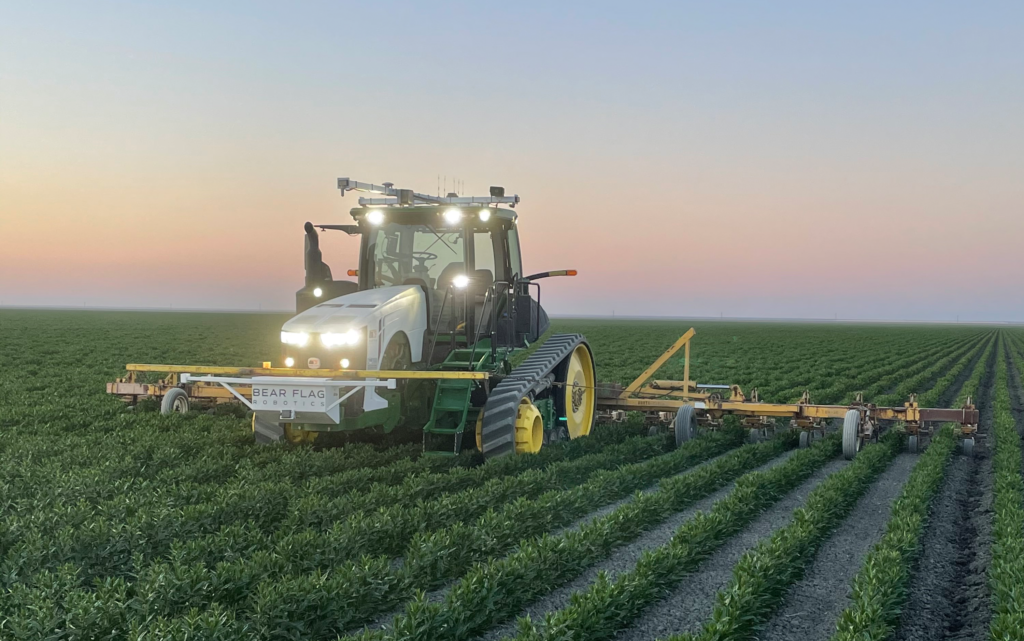
Welcome to the future of farming, where technology takes center stage and farm equipment becomes autonomous. Imagine a world where tractors plow fields on their own and robots diligently plant seeds with precision. This is not a scene from a sci-fi movie; it's the reality that awaits us in the agricultural industry. Autonomous machinery is revolutionizing farming practices, offering numerous advantages for farmers while also positively impacting our environment.
In this blog post, we will explore the exciting possibilities of autonomous farm equipment, delve into its benefits and limitations, discover key players in the field, and discuss how artificial intelligence plays a crucial role in shaping the future of agriculture. So sit back, grab your favorite gardening tool (or maybe just your smartphone), and join us as we embark on an insightful journey into what lies ahead for farming technology!
Advantages of Using Autonomous Farm Equipment
The utilization of autonomous farm equipment has revolutionized the agriculture industry, bringing with it a multitude of advantages. One major benefit is increased efficiency. With autonomous machinery, farmers can streamline their operations and complete tasks in a fraction of the time. This not only saves labor costs but also allows for more productive use of resources.
Another advantage is improved precision and accuracy. Autonomous equipment relies on advanced technologies such as GPS and sensors to navigate fields and carry out specific tasks with pinpoint accuracy. This level of precision ensures that crops are planted, fertilized, and harvested at optimal times, leading to higher yields.
Furthermore, autonomous machinery offers enhanced safety for both farmers and livestock alike. By removing human operators from dangerous situations or repetitive tasks, the risk of accidents or injuries is significantly reduced. Additionally, autonomous equipment can operate around the clock without fatigue or distraction, resulting in greater productivity.
Moreover, using autonomous farm equipment helps promote sustainable farming practices by minimizing resource wastage. These machines are designed to optimize inputs such as water usage and fertilizer application through data analysis and intelligent decision-making algorithms.
Embracing autonomous technology allows farmers to stay ahead in an increasingly competitive market. By adopting these innovative solutions early on, they gain a competitive edge by reducing operational costs while improving overall productivity.
Impact on Farming Industry and Environment
The impact of autonomous machinery on the farming industry and the environment cannot be overstated. With advancements in technology, farmers are now able to streamline their operations, reduce labor costs, and increase efficiency like never before.
One of the biggest advantages of using autonomous farm equipment is its ability to perform repetitive tasks with precision and accuracy. This means that farmers can now rely on machines to carry out time-consuming activities such as planting, watering, and harvesting crops. Not only does this save valuable time for farmers but it also reduces human error, leading to higher crop yields.
Moreover, autonomous machinery has a significant positive impact on the environment. By utilizing advanced sensors and GPS technology, these machines can optimize resource allocation by applying fertilizers or pesticides only where needed. This targeted approach minimizes waste while maximizing productivity.
In addition to improving farming practices, autonomous machinery also contributes to sustainability efforts. By reducing fuel consumption through optimized routes and minimizing soil compaction through precise navigation systems, these machines help minimize carbon emissions and protect soil health.
Furthermore, the use of autonomous machinery leads to cost savings for farmers in terms of reduced labor expenses. As fewer workers are needed for manual tasks traditionally performed by humans or animals, farming operations become more efficient and financially sustainable in the long run.
Overall, the adoption of autonomous farm equipment has far-reaching implications for both the agriculture industry and environmental conservation efforts. Its potential impact ranges from increasing food production while reducing resource usage, to enhancing operational efficiency, and ultimately promoting sustainable agricultural practices. The future certainly looks promising as we continue exploring new possibilities brought about by technological advancements.
Challenges and Limitations of Autonomous Machinery
While the concept of autonomous machinery holds great promise for the future of farming, it is not without its challenges and limitations. One major challenge is the initial cost involved in implementing such technology on a large scale. The price of autonomous farm equipment can be significantly higher than traditional machinery, making it difficult for small or medium-sized farms to afford.
Another limitation is that autonomous machinery may require specialized knowledge to operate and maintain. Farmers will need to adapt their skills and learn how to troubleshoot any technical issues that arise. This can be a steep learning curve for some farmers who are more accustomed to traditional methods.
Furthermore, there are concerns about data privacy and security when using autonomous machinery. As these machines rely on advanced sensors and algorithms, they collect vast amounts of data about soil conditions, crop health, and more. It's crucial that this data remains secure from unauthorized access or misuse.
Weather conditions also pose a challenge for autonomous machinery. Heavy rain, snowstorms, or extreme temperatures can affect the performance of sensors or even render them inoperable temporarily. Additionally, navigating complex terrains such as hilly landscapes or uneven fields can be challenging for these machines.
Societal acceptance plays a role in the adoption of autonomous technology in farming practices. Some individuals may have reservations about relying solely on machines instead of human labor for agricultural tasks.
Despite these challenges and limitations, researchers continue to work on improving the capabilities of autonomous farm equipment while addressing safety concerns and reducing costs associated with implementation. With further advancements in technology coupled with increased awareness among farmers about its benefits, we may see wider adoption of this innovative approach in agriculture soon.
Key Players and Innovations in the Field
The development of autonomous machinery has not only captured the attention of farmers but also sparked a wave of innovation among key players in the agricultural industry. Several companies have emerged as leaders in this field, each contributing their unique technologies and approaches.
One such player is John Deere, a renowned manufacturer of farm equipment. They have been at the forefront of incorporating autonomous features into their machinery, enabling precision farming techniques that optimize productivity and reduce waste. Their self-driving tractors are equipped with advanced sensors and GPS systems to navigate fields efficiently.
Another notable innovator is CNH Industrial, which has introduced autonomous combines that can harvest crops without human intervention. These machines use artificial intelligence algorithms to detect ripe fruits or grains and make precise cuts for an efficient harvest.
AGCO Corporation is yet another major player driving advancements in autonomous technology for agriculture. Their focus lies on developing intelligent sprayers that can accurately identify weeds or pests while minimizing chemical usage through targeted spraying.
In addition to these established companies, startups like Blue River Technology are making waves with robotic weeders capable of identifying weeds among crops and using computer vision technology to eradicate them selectively, eliminating the need for herbicides.
These key players continue to push boundaries by investing heavily in research and development efforts aimed at further enhancing automation capabilities within farm equipment. The result is machinery that offers increased efficiency, reduced labor costs, improved yields, and minimized environmental impact – all crucial factors for sustainable farming practices.
As competition intensifies within this rapidly growing sector, it's exciting to envision what future innovations will emerge from these key players as they strive towards creating more advanced autonomous solutions tailored specifically for various aspects of agricultural operations.
The Role of Artificial Intelligence in Farming
Artificial intelligence (AI) has become a game-changer across various industries, and farming is no exception. With the advent of AI, farmers now have access to advanced technologies that can revolutionize their operations.
One key role of AI in farming is data analysis. Through smart sensors and monitoring systems, AI can gather real-time data on soil quality, weather patterns, crop health, and more. This wealth of information allows farmers to make informed decisions about irrigation schedules, fertilizer application rates, and pest control measures.
Additionally, AI-powered robots are being developed to perform labor-intensive tasks such as planting seeds or harvesting crops. These autonomous machines use computer vision and machine learning algorithms to navigate fields efficiently while minimizing damage to crops.
Moreover, AI enables predictive analytics for better yield forecasting and risk management. By analyzing historical data along with current inputs like weather forecasts or market trends, farmers can optimize their production strategies and mitigate potential losses.
Furthermore, AI-powered drones equipped with high-resolution cameras help monitor large areas quickly and accurately detect any signs of disease or nutrient deficiencies in crops. This early detection allows for timely interventions before problems escalate.
In summary, artificial intelligence holds immense potential for transforming agriculture by increasing efficiency levels while reducing labor costs and environmental impacts traditionally associated with farming practices. As technology continues to advance rapidly in this field, we can expect even more innovative applications of AI that will shape the future of farming industry positively.
Future Possibilities and Predictions for Autonomous Farming
The future of farming looks bright with the emergence of autonomous machinery. As technology continues to advance, there are numerous possibilities and predictions for how autonomous farming will shape the industry.
One exciting possibility is increased efficiency on farms. With autonomous machinery, tasks such as planting, harvesting, and irrigation can be completed more quickly and accurately than ever before. This means higher crop yields and potentially lower costs for farmers.
Another prediction is a reduction in labor needs. As machines take over manual tasks, farmers may find themselves needing fewer workers on their farms. While this could lead to job displacement in some areas, it also opens up opportunities for workers to transition into new roles that require more specialized skills.
Additionally, autonomous farming has the potential to improve sustainability practices in agriculture. By utilizing AI technology, machines can optimize resource usage by monitoring soil conditions, weather patterns, and crop health. This data-driven approach allows farmers to make informed decisions about irrigation schedules or pesticide application levels.
In terms of environmental impact, autonomous machinery has the potential to reduce carbon emissions caused by traditional farm equipment. Electric-powered or hybrid autonomous vehicles produce less greenhouse gas emissions while carrying out essential farm operations.
Looking ahead even further into the future of farming technology, there are predictions that drones will play a significant role in agriculture as well. Drones equipped with sensors can collect valuable data about crops that help monitor growth rates or detect disease outbreaks early on – saving time and resources for farmers.
While these possibilities hold great promise for the agricultural industry's future development towards automation; it is important also to consider challenges such as high initial costs associated with implementing these technologies at scale or potential privacy concerns regarding the collection of sensitive data from farms.
In conclusion, the future possibilities and predictions for autonomous farming are vast and varied. As technology continues its rapid advancement, we can expect increased efficiency, reduced labor needs, improved sustainability practices,
and reduced environmental impact.
The Future of Farm Equipment: Autonomous Machinery
Introduction to Autonomous Machinery
Welcome to the future of farming, where technology takes center stage and farm equipment becomes autonomous. Imagine a world where tractors plow fields on their own and robots diligently plant seeds with precision. This is not a scene from a sci-fi movie; it's the reality that awaits us in the agricultural industry. Autonomous machinery is revolutionizing farming practices, offering numerous advantages for farmers while also positively impacting our environment.
In this blog post, we will explore the exciting possibilities of autonomous farm equipment, delve into its benefits and limitations, discover key players in the field, and discuss how artificial intelligence plays a crucial role in shaping the future of agriculture. So sit back, grab your favorite gardening tool (or maybe just your smartphone), and join us as we embark on an insightful journey into what lies ahead for farming technology!
Advantages of Using Autonomous Farm Equipment
The utilization of autonomous farm equipment has revolutionized the agriculture industry, bringing with it a multitude of advantages. One major benefit is increased efficiency. With autonomous machinery, farmers can streamline their operations and complete tasks in a fraction of the time. This not only saves labor costs but also allows for more productive use of resources.
Another advantage is improved precision and accuracy. Autonomous equipment relies on advanced technologies such as GPS and sensors to navigate fields and carry out specific tasks with pinpoint accuracy. This level of precision ensures that crops are planted, fertilized, and harvested at optimal times, leading to higher yields.
Furthermore, autonomous machinery offers enhanced safety for both farmers and livestock alike. By removing human operators from dangerous situations or repetitive tasks, the risk of accidents or injuries is significantly reduced. Additionally, autonomous equipment can operate around the clock without fatigue or distraction, resulting in greater productivity.
Moreover, using autonomous farm equipment helps promote sustainable farming practices by minimizing resource wastage. These machines are designed to optimize inputs such as water usage and fertilizer application through data analysis and intelligent decision-making algorithms.
Embracing autonomous technology allows farmers to stay ahead in an increasingly competitive market. By adopting these innovative solutions early on, they gain a competitive edge by reducing operational costs while improving overall productivity.
Impact on Farming Industry and Environment
The impact of autonomous machinery on the farming industry and the environment cannot be overstated. With advancements in technology, farmers are now able to streamline their operations, reduce labor costs, and increase efficiency like never before.
One of the biggest advantages of using autonomous farm equipment is its ability to perform repetitive tasks with precision and accuracy. This means that farmers can now rely on machines to carry out time-consuming activities such as planting, watering, and harvesting crops. Not only does this save valuable time for farmers but it also reduces human error, leading to higher crop yields.
Moreover, autonomous machinery has a significant positive impact on the environment. By utilizing advanced sensors and GPS technology, these machines can optimize resource allocation by applying fertilizers or pesticides only where needed. This targeted approach minimizes waste while maximizing productivity.
In addition to improving farming practices, autonomous machinery also contributes to sustainability efforts. By reducing fuel consumption through optimized routes and minimizing soil compaction through precise navigation systems, these machines help minimize carbon emissions and protect soil health.
Furthermore, the use of autonomous machinery leads to cost savings for farmers in terms of reduced labor expenses. As fewer workers are needed for manual tasks traditionally performed by humans or animals, farming operations become more efficient and financially sustainable in the long run.
Overall, the adoption of autonomous farm equipment has far-reaching implications for both the agriculture industry and environmental conservation efforts. Its potential impact ranges from increasing food production while reducing resource usage, to enhancing operational efficiency, and ultimately promoting sustainable agricultural practices. The future certainly looks promising as we continue exploring new possibilities brought about by technological advancements.
Challenges and Limitations of Autonomous Machinery
While the concept of autonomous machinery holds great promise for the future of farming, it is not without its challenges and limitations. One major challenge is the initial cost involved in implementing such technology on a large scale. The price of autonomous farm equipment can be significantly higher than traditional machinery, making it difficult for small or medium-sized farms to afford.
Another limitation is that autonomous machinery may require specialized knowledge to operate and maintain. Farmers will need to adapt their skills and learn how to troubleshoot any technical issues that arise. This can be a steep learning curve for some farmers who are more accustomed to traditional methods.
Furthermore, there are concerns about data privacy and security when using autonomous machinery. As these machines rely on advanced sensors and algorithms, they collect vast amounts of data about soil conditions, crop health, and more. It's crucial that this data remains secure from unauthorized access or misuse.
Weather conditions also pose a challenge for autonomous machinery. Heavy rain, snowstorms, or extreme temperatures can affect the performance of sensors or even render them inoperable temporarily. Additionally, navigating complex terrains such as hilly landscapes or uneven fields can be challenging for these machines.
Societal acceptance plays a role in the adoption of autonomous technology in farming practices. Some individuals may have reservations about relying solely on machines instead of human labor for agricultural tasks.
Despite these challenges and limitations, researchers continue to work on improving the capabilities of autonomous farm equipment while addressing safety concerns and reducing costs associated with implementation. With further advancements in technology coupled with increased awareness among farmers about its benefits, we may see wider adoption of this innovative approach in agriculture soon.
Key Players and Innovations in the Field
The development of autonomous machinery has not only captured the attention of farmers but also sparked a wave of innovation among key players in the agricultural industry. Several companies have emerged as leaders in this field, each contributing their unique technologies and approaches.
One such player is John Deere, a renowned manufacturer of farm equipment. They have been at the forefront of incorporating autonomous features into their machinery, enabling precision farming techniques that optimize productivity and reduce waste. Their self-driving tractors are equipped with advanced sensors and GPS systems to navigate fields efficiently.
Another notable innovator is CNH Industrial, which has introduced autonomous combines that can harvest crops without human intervention. These machines use artificial intelligence algorithms to detect ripe fruits or grains and make precise cuts for an efficient harvest.
AGCO Corporation is yet another major player driving advancements in autonomous technology for agriculture. Their focus lies on developing intelligent sprayers that can accurately identify weeds or pests while minimizing chemical usage through targeted spraying.
In addition to these established companies, startups like Blue River Technology are making waves with robotic weeders capable of identifying weeds among crops and using computer vision technology to eradicate them selectively, eliminating the need for herbicides.
These key players continue to push boundaries by investing heavily in research and development efforts aimed at further enhancing automation capabilities within farm equipment. The result is machinery that offers increased efficiency, reduced labor costs, improved yields, and minimized environmental impact – all crucial factors for sustainable farming practices.
As competition intensifies within this rapidly growing sector, it's exciting to envision what future innovations will emerge from these key players as they strive towards creating more advanced autonomous solutions tailored specifically for various aspects of agricultural operations.
The Role of Artificial Intelligence in Farming
Artificial intelligence (AI) has become a game-changer across various industries, and farming is no exception. With the advent of AI, farmers now have access to advanced technologies that can revolutionize their operations.
One key role of AI in farming is data analysis. Through smart sensors and monitoring systems, AI can gather real-time data on soil quality, weather patterns, crop health, and more. This wealth of information allows farmers to make informed decisions about irrigation schedules, fertilizer application rates, and pest control measures.
Additionally, AI-powered robots are being developed to perform labor-intensive tasks such as planting seeds or harvesting crops. These autonomous machines use computer vision and machine learning algorithms to navigate fields efficiently while minimizing damage to crops.
Moreover, AI enables predictive analytics for better yield forecasting and risk management. By analyzing historical data along with current inputs like weather forecasts or market trends, farmers can optimize their production strategies and mitigate potential losses.
Furthermore, AI-powered drones equipped with high-resolution cameras help monitor large areas quickly and accurately detect any signs of disease or nutrient deficiencies in crops. This early detection allows for timely interventions before problems escalate.
In summary, artificial intelligence holds immense potential for transforming agriculture by increasing efficiency levels while reducing labor costs and environmental impacts traditionally associated with farming practices. As technology continues to advance rapidly in this field, we can expect even more innovative applications of AI that will shape the future of farming industry positively.
Future Possibilities and Predictions for Autonomous Farming
The future of farming looks bright with the emergence of autonomous machinery. As technology continues to advance, there are numerous possibilities and predictions for how autonomous farming will shape the industry.
One exciting possibility is increased efficiency on farms. With autonomous machinery, tasks such as planting, harvesting, and irrigation can be completed more quickly and accurately than ever before. This means higher crop yields and potentially lower costs for farmers.
Another prediction is a reduction in labor needs. As machines take over manual tasks, farmers may find themselves needing fewer workers on their farms. While this could lead to job displacement in some areas, it also opens up opportunities for workers to transition into new roles that require more specialized skills.
Additionally, autonomous farming has the potential to improve sustainability practices in agriculture. By utilizing AI technology, machines can optimize resource usage by monitoring soil conditions, weather patterns, and crop health. This data-driven approach allows farmers to make informed decisions about irrigation schedules or pesticide application levels.
In terms of environmental impact, autonomous machinery has the potential to reduce carbon emissions caused by traditional farm equipment. Electric-powered or hybrid autonomous vehicles produce less greenhouse gas emissions while carrying out essential farm operations.
Looking ahead even further into the future of farming technology, there are predictions that drones will play a significant role in agriculture as well. Drones equipped with sensors can collect valuable data about crops that help monitor growth rates or detect disease outbreaks early on – saving time and resources for farmers.
While these possibilities hold great promise for the agricultural industry's future development towards automation; it is important also to consider challenges such as high initial costs associated with implementing these technologies at scale or potential privacy concerns regarding the collection of sensitive data from farms.
In conclusion, the future possibilities and predictions for autonomous farming are vast and varied. As technology continues its rapid advancement, we can expect increased efficiency, reduced labor needs, improved sustainability practices,
and reduced environmental impact.
The Future of Farm Equipment: Autonomous Machinery
Introduction to Autonomous Machinery
Welcome to the future of farming, where technology takes center stage and farm equipment becomes autonomous. Imagine a world where tractors plow fields on their own and robots diligently plant seeds with precision. This is not a scene from a sci-fi movie; it's the reality that awaits us in the agricultural industry. Autonomous machinery is revolutionizing farming practices, offering numerous advantages for farmers while also positively impacting our environment.
In this blog post, we will explore the exciting possibilities of autonomous farm equipment, delve into its benefits and limitations, discover key players in the field, and discuss how artificial intelligence plays a crucial role in shaping the future of agriculture. So sit back, grab your favorite gardening tool (or maybe just your smartphone), and join us as we embark on an insightful journey into what lies ahead for farming technology!
Advantages of Using Autonomous Farm Equipment
The utilization of autonomous farm equipment has revolutionized the agriculture industry, bringing with it a multitude of advantages. One major benefit is increased efficiency. With autonomous machinery, farmers can streamline their operations and complete tasks in a fraction of the time. This not only saves labor costs but also allows for more productive use of resources.
Another advantage is improved precision and accuracy. Autonomous equipment relies on advanced technologies such as GPS and sensors to navigate fields and carry out specific tasks with pinpoint accuracy. This level of precision ensures that crops are planted, fertilized, and harvested at optimal times, leading to higher yields.
Furthermore, autonomous machinery offers enhanced safety for both farmers and livestock alike. By removing human operators from dangerous situations or repetitive tasks, the risk of accidents or injuries is significantly reduced. Additionally, autonomous equipment can operate around the clock without fatigue or distraction, resulting in greater productivity.
Moreover, using autonomous farm equipment helps promote sustainable farming practices by minimizing resource wastage. These machines are designed to optimize inputs such as water usage and fertilizer application through data analysis and intelligent decision-making algorithms.
Embracing autonomous technology allows farmers to stay ahead in an increasingly competitive market. By adopting these innovative solutions early on, they gain a competitive edge by reducing operational costs while improving overall productivity.
Impact on Farming Industry and Environment
The impact of autonomous machinery on the farming industry and the environment cannot be overstated. With advancements in technology, farmers are now able to streamline their operations, reduce labor costs, and increase efficiency like never before.
One of the biggest advantages of using autonomous farm equipment is its ability to perform repetitive tasks with precision and accuracy. This means that farmers can now rely on machines to carry out time-consuming activities such as planting, watering, and harvesting crops. Not only does this save valuable time for farmers but it also reduces human error, leading to higher crop yields.
Moreover, autonomous machinery has a significant positive impact on the environment. By utilizing advanced sensors and GPS technology, these machines can optimize resource allocation by applying fertilizers or pesticides only where needed. This targeted approach minimizes waste while maximizing productivity.
In addition to improving farming practices, autonomous machinery also contributes to sustainability efforts. By reducing fuel consumption through optimized routes and minimizing soil compaction through precise navigation systems, these machines help minimize carbon emissions and protect soil health.
Furthermore, the use of autonomous machinery leads to cost savings for farmers in terms of reduced labor expenses. As fewer workers are needed for manual tasks traditionally performed by humans or animals, farming operations become more efficient and financially sustainable in the long run.
Overall, the adoption of autonomous farm equipment has far-reaching implications for both the agriculture industry and environmental conservation efforts. Its potential impact ranges from increasing food production while reducing resource usage, to enhancing operational efficiency, and ultimately promoting sustainable agricultural practices. The future certainly looks promising as we continue exploring new possibilities brought about by technological advancements.
Challenges and Limitations of Autonomous Machinery
While the concept of autonomous machinery holds great promise for the future of farming, it is not without its challenges and limitations. One major challenge is the initial cost involved in implementing such technology on a large scale. The price of autonomous farm equipment can be significantly higher than traditional machinery, making it difficult for small or medium-sized farms to afford.
Another limitation is that autonomous machinery may require specialized knowledge to operate and maintain. Farmers will need to adapt their skills and learn how to troubleshoot any technical issues that arise. This can be a steep learning curve for some farmers who are more accustomed to traditional methods.
Furthermore, there are concerns about data privacy and security when using autonomous machinery. As these machines rely on advanced sensors and algorithms, they collect vast amounts of data about soil conditions, crop health, and more. It's crucial that this data remains secure from unauthorized access or misuse.
Weather conditions also pose a challenge for autonomous machinery. Heavy rain, snowstorms, or extreme temperatures can affect the performance of sensors or even render them inoperable temporarily. Additionally, navigating complex terrains such as hilly landscapes or uneven fields can be challenging for these machines.
Societal acceptance plays a role in the adoption of autonomous technology in farming practices. Some individuals may have reservations about relying solely on machines instead of human labor for agricultural tasks.
Despite these challenges and limitations, researchers continue to work on improving the capabilities of autonomous farm equipment while addressing safety concerns and reducing costs associated with implementation. With further advancements in technology coupled with increased awareness among farmers about its benefits, we may see wider adoption of this innovative approach in agriculture soon.
Key Players and Innovations in the Field
The development of autonomous machinery has not only captured the attention of farmers but also sparked a wave of innovation among key players in the agricultural industry. Several companies have emerged as leaders in this field, each contributing their unique technologies and approaches.
One such player is John Deere, a renowned manufacturer of farm equipment. They have been at the forefront of incorporating autonomous features into their machinery, enabling precision farming techniques that optimize productivity and reduce waste. Their self-driving tractors are equipped with advanced sensors and GPS systems to navigate fields efficiently.
Another notable innovator is CNH Industrial, which has introduced autonomous combines that can harvest crops without human intervention. These machines use artificial intelligence algorithms to detect ripe fruits or grains and make precise cuts for an efficient harvest.
AGCO Corporation is yet another major player driving advancements in autonomous technology for agriculture. Their focus lies on developing intelligent sprayers that can accurately identify weeds or pests while minimizing chemical usage through targeted spraying.
In addition to these established companies, startups like Blue River Technology are making waves with robotic weeders capable of identifying weeds among crops and using computer vision technology to eradicate them selectively, eliminating the need for herbicides.
These key players continue to push boundaries by investing heavily in research and development efforts aimed at further enhancing automation capabilities within farm equipment. The result is machinery that offers increased efficiency, reduced labor costs, improved yields, and minimized environmental impact – all crucial factors for sustainable farming practices.
As competition intensifies within this rapidly growing sector, it's exciting to envision what future innovations will emerge from these key players as they strive towards creating more advanced autonomous solutions tailored specifically for various aspects of agricultural operations.
The Role of Artificial Intelligence in Farming
Artificial intelligence (AI) has become a game-changer across various industries, and farming is no exception. With the advent of AI, farmers now have access to advanced technologies that can revolutionize their operations.
One key role of AI in farming is data analysis. Through smart sensors and monitoring systems, AI can gather real-time data on soil quality, weather patterns, crop health, and more. This wealth of information allows farmers to make informed decisions about irrigation schedules, fertilizer application rates, and pest control measures.
Additionally, AI-powered robots are being developed to perform labor-intensive tasks such as planting seeds or harvesting crops. These autonomous machines use computer vision and machine learning algorithms to navigate fields efficiently while minimizing damage to crops.
Moreover, AI enables predictive analytics for better yield forecasting and risk management. By analyzing historical data along with current inputs like weather forecasts or market trends, farmers can optimize their production strategies and mitigate potential losses.
Furthermore, AI-powered drones equipped with high-resolution cameras help monitor large areas quickly and accurately detect any signs of disease or nutrient deficiencies in crops. This early detection allows for timely interventions before problems escalate.
In summary, artificial intelligence holds immense potential for transforming agriculture by increasing efficiency levels while reducing labor costs and environmental impacts traditionally associated with farming practices. As technology continues to advance rapidly in this field, we can expect even more innovative applications of AI that will shape the future of farming industry positively.
Future Possibilities and Predictions for Autonomous Farming
The future of farming looks bright with the emergence of autonomous machinery. As technology continues to advance, there are numerous possibilities and predictions for how autonomous farming will shape the industry.
One exciting possibility is increased efficiency on farms. With autonomous machinery, tasks such as planting, harvesting, and irrigation can be completed more quickly and accurately than ever before. This means higher crop yields and potentially lower costs for farmers.
Another prediction is a reduction in labor needs. As machines take over manual tasks, farmers may find themselves needing fewer workers on their farms. While this could lead to job displacement in some areas, it also opens up opportunities for workers to transition into new roles that require more specialized skills.
Additionally, autonomous farming has the potential to improve sustainability practices in agriculture. By utilizing AI technology, machines can optimize resource usage by monitoring soil conditions, weather patterns, and crop health. This data-driven approach allows farmers to make informed decisions about irrigation schedules or pesticide application levels.
In terms of environmental impact, autonomous machinery has the potential to reduce carbon emissions caused by traditional farm equipment. Electric-powered or hybrid autonomous vehicles produce less greenhouse gas emissions while carrying out essential farm operations.
Looking ahead even further into the future of farming technology, there are predictions that drones will play a significant role in agriculture as well. Drones equipped with sensors can collect valuable data about crops that help monitor growth rates or detect disease outbreaks early on – saving time and resources for farmers.
While these possibilities hold great promise for the agricultural industry's future development towards automation; it is important also to consider challenges such as high initial costs associated with implementing these technologies at scale or potential privacy concerns regarding the collection of sensitive data from farms.
In conclusion, the future possibilities and predictions for autonomous farming are vast and varied. As technology continues its rapid advancement, we can expect increased efficiency, reduced labor needs, improved sustainability practices,
and reduced environmental impact.
Innovations in Indoor Vertical Aquaculture Systems
Introduction to Indoor Vertical Aquaculture Systems
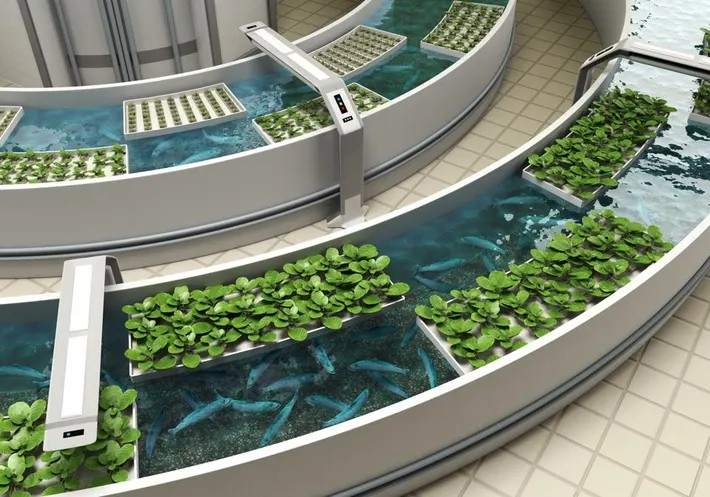
Dive into the future of aquaculture with the innovative world of Indoor Vertical Aquaculture Systems! Imagine a sustainable and efficient way to produce fish right in the heart of urban areas, without relying on vast expanses of land or traditional fisheries. These cutting-edge systems are revolutionizing the way we think about fish farming, bringing it indoors and vertically stacking it for maximum productivity. But what exactly are these systems, and why are they gaining so much attention?
Join us as we explore the exciting innovations in indoor vertical aquaculture and discover how they are shaping the future of seafood production. Get ready to be hooked!
Benefits of Indoor Vertical Aquaculture Systems
Indoor vertical aquaculture systems offer a range of benefits that are revolutionizing the way fish farming is conducted. One major advantage is their space-saving design, which allows for high-density fish production in limited areas. By utilizing vertical space, these systems can maximize production output without requiring vast amounts of land.
Another benefit is the ability to control and optimize environmental conditions. Indoor setups allow for precise monitoring and regulation of water quality, temperature, lighting, and feeding schedules. This level of control helps to ensure optimal growth rates and minimize disease outbreaks.
Additionally, indoor vertical aquaculture systems provide year-round production capabilities. Unlike traditional outdoor ponds or cages, these enclosed environments are not subject to seasonal limitations or adverse weather conditions. This enables consistent supply and reduces dependence on wild-capture fisheries.
Moreover, these systems have a reduced environmental impact compared to conventional aquaculture methods. The controlled environment minimizes the risk of effluent discharge into natural water bodies while also decreasing reliance on wild fish stocks for feed.
Furthermore, indoor vertical aquaculture offers potential economic benefits as well. With efficient use of resources and improved productivity through automation technologies like sensors and data analytics, farmers can achieve higher yields with lower operational costs.
In summary, indoor vertical aquaculture systems present numerous advantages – increased production capacity in limited spaces; precise control over environmental factors; year-round operation; reduced environmental impact; and potential economic gains through resource efficiency – making them an innovative solution with great potential for sustainable seafood production in the future!
Types of Fish Suitable for Indoor Vertical Aquaculture
When it comes to indoor vertical aquaculture systems, the types of fish that are suitable for this innovative method vary depending on various factors. However, certain species thrive better in these controlled environments compared to others.
One popular choice is tilapia, a freshwater fish known for its adaptability and fast growth rate. Tilapia can tolerate a wide range of water conditions and are relatively easy to care for, making them an ideal choice for indoor farming.
Another common option is trout, particularly rainbow trout. These fish require cool water temperatures and high oxygen levels, which can be easily maintained in an indoor system. Rainbow trout also have a delicate flavor that makes them highly sought after by consumers.
Salmon is another type of fish that can be successfully raised in an indoor vertical aquaculture system. With their rich flavor and high nutritional value, salmon has become increasingly popular among health-conscious consumers.
In addition to these options, other suitable species include catfish, barramundi, and bass. Each of these fishes has unique characteristics that make them well-suited for indoor farming.
By cultivating a variety of fish species indoors using vertical aquaculture systems, farmers have the opportunity to diversify their production and cater to different market demands. This not only ensures a sustainable source of seafood but also contributes positively to the overall growth of the aquaculture industry.
Technologies Used in Indoor Vertical Aquaculture Systems
Indoor vertical aquaculture systems rely on various technologies to create a controlled environment where fish can thrive. These innovative techniques ensure optimum conditions for growth and maximize production efficiency.
One key technology used is recirculating aquaculture system (RAS), which allows for water to be continuously filtered and reused, minimizing waste and conserving resources. RAS also helps maintain stable water quality parameters, such as temperature, pH levels, and oxygen levels, crucial for the health of aquatic species.
Another important technology is automated feeding systems that deliver precise amounts of feed at regular intervals. This reduces labor costs while ensuring that fish receive the necessary nutrients for growth.
Monitoring sensors play a vital role in indoor vertical aquaculture systems by constantly monitoring environmental variables like dissolved oxygen levels, ammonia concentrations, and water flow rates. This real-time data enables farmers to make informed decisions regarding adjustments in their farming practices.
LED lighting systems are also commonly utilized to simulate natural light conditions and promote photosynthesis in plants within the system. Additionally, LED lights can be adjusted according to different growth stages of fish or specific requirements of certain species.
Furthermore, advanced filtration systems are employed to remove solid waste particles from the water column effectively. This not only improves water quality but also prevents clogging in pipes and tanks.
Some indoor vertical aquaculture farms use smart control technologies that allow remote monitoring and management of farm operations through computer programs or mobile applications. These technologies enable farmers to have better control over their farms even when they are away physically.
These cutting-edge technologies contribute significantly to increasing productivity while reducing environmental impacts associated with traditional open-water aquaculture methods. By harnessing these advancements in indoor vertical aquaculture systems, we can meet growing demands for seafood sustainably while conserving precious resources.
Challenges and Solutions in Implementing Indoor Vertical Aquaculture
Implementing indoor vertical aquaculture systems comes with its fair share of challenges. One major challenge is the need for a controlled environment that mimics natural conditions for fish growth. Maintaining optimal water quality, temperature, and oxygen levels can be quite complex and requires constant monitoring.
Another challenge is the high initial investment required to set up an indoor vertical aquaculture system. The cost of constructing the facility, purchasing equipment, and implementing advanced technologies can be substantial. However, advancements in technology have led to more affordable options such as modular systems that are easier to install and operate.
Managing disease outbreaks is also a significant concern in indoor vertical aquaculture. Fish reared in close proximity are more susceptible to infections and parasites. Regular health checks, proper hygiene practices, and effective biosecurity measures are essential to prevent or control disease outbreaks.
Additionally, ensuring sufficient feed supply for the fish is crucial for their growth and overall health. Traditional fish meal-based feeds may not be sustainable in the long term due to environmental concerns related to overfishing. Developing alternative protein sources such as insect-based or plant-based feeds can help address this challenge while reducing reliance on wild-caught fishmeal.
To overcome these challenges, continuous research and development efforts are being made by scientists, engineers, and industry professionals alike. Innovations such as automated monitoring systems that regulate water parameters in real-time have been introduced to improve efficiency while minimizing labor requirements.
Furthermore, collaborations between academia, industry experts, policymakers, and investors play a vital rolein advancing indoor verticalaquaculturesystems. They facilitate knowledge sharing, promote innovationand provide financial support for further developments.
These partnerships enable continuous improvementof existing technologies and the explorationof new ones, such as recirculating aquaculture systems(RAS) and integrated multi-trophic aquaponics(IMTA).
Success Stories of Indoor Vertical Aquaculture Farms
Aquaculture has seen significant advancements in recent years, with indoor vertical aquaculture systems emerging as a game-changer. These innovative farms utilize vertical space to maximize production, leading to impressive success stories in the aquaculture industry.
One such success story is the Urban Greens Farm located in New York City. This urban farm combines hydroponics and aquaponics techniques to grow fish and vegetables simultaneously. By utilizing their limited space efficiently, they are able to produce over 10,000 pounds of tilapia and thousands of heads of lettuce each year.
Another remarkable example is Green Relief in Ontario, Canada. They have transformed an old tomato greenhouse into a state-of-the-art facility for growing medical cannabis using indoor vertical aquaculture systems. The waste generated by the fish provides nutrients for the plants while purifying the water at the same time.
The Edenworks farm in Brooklyn is yet another inspiring success story. They have developed a closed-loop system where fish waste feeds specially selected bacteria that convert it into plant-friendly nutrients. This allows them to grow high-quality greens without any chemical fertilizers or pesticides.
These success stories demonstrate how indoor vertical aquaculture systems have revolutionized farming practices by maximizing production while minimizing environmental impact. With these innovations, farmers can provide fresh and sustainable food options all year round, regardless of location or climate constraints.
As more farmers embrace this technology-driven approach, we can expect even more exciting success stories from around the world. From rooftop farms producing seafood on skyscrapers to underground facilities cultivating tropical species inland – possibilities are truly endless!
Innovations continue to shape this industry as entrepreneurs experiment with new techniques and technologies like automated feeding systems, advanced water filtration methods, and precision monitoring tools.
Indoor vertical aquaculture not only offers economic benefits but also contributes towards reducing pressure on wild fish stocks and minimizing carbon footprint associated with transportation. It’s an environmentally friendly and economically viable solution for the future of aquaculture.
How to Cultivate a Culture of Experimentation

How to Cultivate a Culture of Experimentation
In today's fast-paced business landscape, standing still isn't an option. Innovation is the name of the game, and one of the most effective ways to foster it is through a culture of experimentation. Imagine a workplace where ideas flow freely, risks are embraced, and every failure is simply another step toward success. Sounds appealing, right?
Cultivating such an environment isn’t just about throwing caution to the wind; it's about strategically navigating uncertainty with creativity and curiosity at your core. As companies around the globe pivot towards agile methodologies, understanding how to create this culture has never been more crucial.
So why should you care about fostering experimentation within your organization? Well, when teams feel empowered to test new concepts without fear of repercussions, incredible breakthroughs can occur—transforming not only products but entire industries in the process. Let's dive into what it takes to cultivate this vibrant atmosphere where innovation thrives!
The Importance of Experimentation in Business
Experimentation is the heartbeat of innovation in business. It allows organizations to test hypotheses, explore new ideas, and discover solutions that might not be immediately obvious.
In a rapidly changing market, relying solely on past successes can lead to stagnation. Embracing experimentation encourages teams to think outside the box and challenge the status quo. This proactive approach can unveil opportunities for growth that traditional methods may overlook.
Furthermore, experimentation fosters agility. Companies that experiment effectively can pivot strategies based on real-time feedback rather than assumptions. This adaptability often results in better products and services tailored to customer needs.
An experimental mindset nurtures creativity among employees. When team members feel free to propose bold ideas without fear of failure, they are more likely to contribute meaningfully toward collective goals while driving progress forward.
Common Barriers to Experimentation
Experimentation can be stifled by several barriers. Often, fear of failure looms large. Employees may hesitate to try new ideas if they worry about job security or criticism.
Another common issue is lack of resources. Time and budget constraints can make it difficult for teams to explore innovative solutions. Without proper support, the motivation to experiment dwindles.
Cultural norms also play a pivotal role. In organizations where conformity is valued over creativity, individuals may feel pressured to stick to the status quo.
Additionally, unclear goals can hinder experimentation efforts. When metrics are vague or non-existent, it's challenging for teams to gauge success or learn from their attempts.
Communication gaps within departments can create silos that prevent sharing insights and results from experiments across the organization.
Creating a Safe Environment for Experimentation
Creating a safe environment for experimentation is crucial for fostering innovation. Employees need to feel secure in their roles, especially when trying new ideas. Fear of failure can stifle creativity.
Encourage open dialogue where team members can share thoughts without judgment. Regular check-ins and feedback sessions help build trust among colleagues. Acknowledging contributions, regardless of the outcome, promotes risk-taking.
Physical space also matters. Design areas that inspire collaboration and brainstorming—think comfortable seating or whiteboards filled with doodles and notes. This setup invites exploration.
Celebrate small wins alongside lessons learned from unsuccessful experiments. Providing recognition fosters motivation to try again, reinforcing the idea that each attempt brings valuable insights.
When individuals know they have support behind them, they're more likely to push boundaries and innovate boldly. The freedom to experiment fuels growth both personally and within the organization as a whole.
Encouraging an Open Mindset
Cultivating an open mindset is essential for fostering a culture of experimentation. It begins with leadership setting the tone. When leaders demonstrate curiosity and willingness to explore new ideas, it paves the way for others to follow.
Encouragement should flow from all levels within the organization. Team members need reassurance that their thoughts and suggestions are valued. Open discussions can ignite creativity and innovation.
Providing opportunities for learning also plays a crucial role. Workshops or brainstorming sessions can inspire fresh perspectives while breaking down mental barriers.
Celebrate diverse viewpoints too; this promotes collaboration among teams with different skills and backgrounds. Acknowledging that differing opinions lead to richer solutions helps everyone feel included in the process.
Recognizing experimentation as a journey rather than merely results-oriented fosters resilience against setbacks, inviting even bolder risks in pursuit of growth.
Tools and Strategies for Successful Experimentation
Embracing experimentation requires the right tools and strategies. Start with data analytics platforms to gather insights. These can help you make informed decisions based on real-time feedback.
Next, consider A/B testing software. This allows teams to trial different approaches simultaneously and measure outcomes effectively. It’s a straightforward way to see what resonates best with your audience.
Collaboration tools are essential too. They foster communication among team members, making it easy to share ideas and results quickly.
Additionally, adopting agile methodologies can enhance your experimentation process. Agile encourages iterative development and rapid adjustments based on findings.
Don’t overlook documentation either; keeping track of experiments helps build a knowledge base for future initiatives. Learning from past attempts is crucial in refining methods over time.
Encouraging regular brainstorming sessions will also fuel creativity, leading to more innovative experiments that challenge the status quo.
Learning from Failures and Successes
Every experiment brings valuable insights, whether it leads to success or failure. Embracing both outcomes is crucial for growth.
When a project fails, it’s essential to analyze what went wrong. Was there a flaw in the hypothesis? Did execution falter? Digging deep into these questions helps uncover lessons that can steer future efforts.
On the flip side, successes should not just be celebrated but also scrutinized. Understanding why something worked can reveal best practices and strategies worth replicating.
Documenting these findings fosters an organizational knowledge base. This practice encourages continuous improvement and innovation across all levels of the company.
Regularly sharing stories of both triumphs and setbacks cultivates resilience within teams. It instills a sense of shared learning and motivates everyone to take calculated risks in their own projects without fear of judgment.
Implementing Changes Based on Experimentation Results
Implementing changes based on experimentation results can be a game changer for any business. It’s not just about collecting data; the real magic happens when you act on those insights.
First, analyze your findings thoroughly. Look for patterns and trends that can inform strategic decisions.
Then, prioritize which changes to make based on potential impact and feasibility. Sometimes small tweaks lead to significant improvements.
Communicate clearly with your team about these shifts. Everyone should understand why adjustments are being made and how they align with company goals.
Monitor the effects of these changes closely after implementation. Use this as an opportunity to gather further feedback and refine your approach continuously.
By embracing this iterative process, you foster a responsive culture that thrives on learning rather than simply reacting to challenges as they arise.
Sustaining a Culture of Experimentation
Sustaining a culture of experimentation requires ongoing commitment from all levels of an organization. It’s not just about launching projects; it’s about embedding experimentation into the company’s DNA.
Regularly celebrate small wins and learnings, regardless of whether they lead to success or failure. This keeps everyone engaged and motivated to contribute their ideas.
Incorporate feedback loops where teams can share insights and results from experiments openly. This transparency encourages collaboration across departments.
Investing in training helps employees develop the skills needed for effective experimentation. Workshops on data analysis or creative problem-solving techniques can empower your workforce.
Also, leadership should consistently model experimental behavior by sharing their own experiments and lessons learned. When leaders take risks themselves, it signals that such actions are valued throughout the organization.
Real-life Examples of Companies with Successful Experimental Cultures
Netflix stands out for its commitment to experimentation. The company constantly tests new features and content recommendations, using A/B testing to refine the user experience. This approach ensures they always meet consumer needs.
Amazon is another powerhouse of innovation through experimentation. Their culture encourages teams to take calculated risks, leading to successful initiatives like Amazon Prime and AWS. These offerings were born from iterative trials aimed at enhancing customer satisfaction.
Google fosters a similar environment with its 20% time policy, allowing employees to work on passion projects during their work hours. This has led to groundbreaking products such as Gmail and Google Maps.
Zappos emphasizes a strong experimental culture by empowering employees at all levels. They encourage innovative thinking, resulting in unique customer service strategies that set them apart in the retail industry.
Conclusion
Cultivating a culture of experimentation can pave the way for innovation and growth in any organization. Embracing an experimental mindset encourages creativity and adaptability, positioning businesses to navigate the challenges of today’s fast-paced environment.
Companies that prioritize experimentation not only stay ahead of their competitors but also empower their teams to think critically and embrace new ideas. By fostering an open atmosphere where employees feel safe to take calculated risks, organizations can unlock untapped potential.
As you integrate these principles into your business strategy, remember that both successes and failures offer valuable lessons. It's essential to analyze outcomes closely and implement changes based on what you learn.
The journey toward creating a robust culture of experimentation is ongoing. It requires commitment from leadership and engagement at all levels. With dedication, your organization can thrive through continuous improvement driven by exploration and discovery.
Embracing this dynamic approach will help create a resilient business capable of adapting to change while seizing opportunities for growth.
Innovations in Smart Agriculture Technology

Innovations in Smart Agriculture Technology
The landscape of agriculture is evolving rapidly. Gone are the days when farmers relied solely on traditional methods and guesswork to grow their crops. Today, smart agriculture technology is reshaping how we cultivate, manage, and harvest our food. Imagine a future where drones monitor crop health from above, sensors provide real-time data on soil conditions, and machine learning algorithms optimize irrigation systems for maximum yield.
This innovative approach not only increases efficiency but also addresses some of the most pressing challenges in farming today—climate change, resource scarcity, and population growth. As more people recognize these advancements' potential benefits, smart agriculture is becoming a game-changer in feeding the world's growing population sustainably. Let's explore what makes this technology so revolutionary and how it’s transforming farming practices around the globe.
Understanding Smart Agriculture Technology
Smart agriculture technology refers to the integration of advanced tools and data-driven solutions into farming practices. This approach leverages the Internet of Things (IoT), artificial intelligence, and big data analytics to optimize agricultural processes.
Farmers utilize sensors placed in fields that track moisture levels, temperature, and nutrient content. These insights allow for precise management of resources like water and fertilizers. With real-time information at their fingertips, decisions can be made swiftly based on actual conditions rather than outdated methods.
Drones have also emerged as a vital component in this transformation. They survey large expanses of land quickly, identifying areas needing attention or intervention.
This tech-savvy shift is not just about efficiency; it’s about sustainability too. By minimizing waste and maximizing productivity, smart agriculture aims to meet the demands of a growing global population while preserving our planet's resources.
Benefits of Using Smart Agriculture Technology
Smart agriculture technology brings numerous advantages to modern farming. One key benefit is increased efficiency. Innovative tools and systems streamline processes, allowing farmers to manage resources better.
Another significant advantage is improved crop yields. Precision farming techniques enable growers to monitor soil conditions and plant health in real time, ensuring optimal growth conditions are met.
Cost savings also play a crucial role. By utilizing data analytics and automated irrigation systems, farmers can reduce water consumption and cut down on fertilizer expenses.
Sustainability gains traction with smart agriculture too. By minimizing waste and maximizing resource use, these technologies contribute to environmentally friendly practices that support long-term agricultural viability.
Moreover, enhanced decision-making capabilities empower farmers with actionable insights derived from comprehensive data analysis. This leads to more informed choices about planting schedules, pest control measures, and market strategies.
Types of Smart Agriculture Technology
Smart agriculture technology encompasses a variety of tools and systems designed to enhance farming efficiency. One notable type is precision farming, which uses GPS and IoT devices to monitor crops in real time. This allows farmers to apply resources like water and fertilizers more intelligently.
Another innovative solution is drone technology. Drones can survey large areas quickly, capturing valuable data on crop health and soil conditions. This aerial perspective enables targeted interventions where needed.
Automated machinery also plays a crucial role in modern agriculture. Tractors equipped with AI can perform tasks such as planting or harvesting with minimal human intervention, increasing productivity significantly.
Then there's smart irrigation technology that optimizes water usage based on weather forecasts and soil moisture levels. Such systems not only conserve resources but also help maintain optimal growing conditions for plants.
Collectively, these technologies are transforming the agricultural landscape into a more efficient and sustainable industry.
Case Studies of Successful Implementations
One remarkable case study comes from a vineyard in California. By integrating drones equipped with multispectral sensors, the farm managed to monitor vine health more effectively. This technology allowed for precise irrigation and targeted pest control. As a result, grape yield increased by 30%.
In another instance, an innovative farmer in India utilized soil moisture sensors connected to an app. This system enabled real-time data access about field conditions. The farmer reported saving over 40% on water usage while boosting crop productivity.
Meanwhile, a large-scale corn operation in Brazil adopted automated machinery paired with GPS technology. This approach streamlined planting and harvesting processes significantly. The efficiency gained led to reduced operational costs and maximized harvest potential.
These examples illustrate how smart agriculture technologies can lead to impressive outcomes across various climates and crops.
Challenges and Limitations of Smart Agriculture Technology
Adopting smart agriculture technology isn’t without its hurdles. One significant challenge is the high initial investment required. Farmers may struggle to afford advanced equipment or software, hindering widespread adoption.
Data security also poses a concern. With increased connectivity comes the risk of cyberattacks that can compromise sensitive farm data and operations.
Moreover, not all regions have reliable internet access. This digital divide limits the benefits of smart farming in rural areas, where traditional methods still dominate.
Training and education represent another barrier. Many farmers might feel overwhelmed by new technologies, needing support to navigate these changes effectively.
Environmental factors like climate change can impact the effectiveness of certain technologies. Solutions must continuously adapt to shifting conditions for optimal results in agricultural practices.
Future Possibilities and Advancements
The future of smart agriculture technology holds immense promise. Innovations like AI and machine learning are set to revolutionize farming practices. These technologies can analyze vast datasets, enhancing decision-making for farmers.
Drones will become more sophisticated, providing real-time monitoring of crops and livestock. They can assess health conditions with precision that was previously unattainable.
Robotics is also on the rise. Automated machinery will handle tasks such as planting, weeding, and harvesting with remarkable efficiency.
Sustainable practices will gain traction through advanced sensors that optimize resource usage—water and fertilizers will be used more judiciously than ever before.
Blockchain technology could transform supply chain transparency, giving consumers confidence in food sourcing while helping farmers track their produce’s journey from farm to table.
As these advancements unfold, the potential for increased yields alongside environmental stewardship becomes a reality worth anticipating.
Conclusion
The realm of smart agriculture technology is rapidly evolving. Farmers now have access to tools that make their work more efficient and sustainable. With innovations like precision farming, drone monitoring, and data analytics, the agricultural landscape has been forever changed.
As challenges arise with climate change and population growth, these technologies provide solutions that can help meet global food demands while safeguarding natural resources. The benefits are clear: increased yields, reduced costs, and minimized environmental impact.
Real-world case studies demonstrate the effectiveness of these advances across various regions. Success stories from around the globe highlight how farmers are using technology to enhance productivity and resilience in their operations.
However, it’s important to recognize the hurdles that still exist. Issues such as high initial investment costs or a lack of digital literacy among some farmers can hinder widespread adoption. Addressing these barriers will be essential for maximizing the potential of smart agriculture.
Looking ahead, we see incredible possibilities on the horizon. Innovations continue to emerge at a rapid pace—ranging from AI-driven analytics to genetically engineered crops designed for specific climates—and they promise even greater advancements in efficiency and sustainability.
Smart agriculture technology isn't just about improving yields; it's about creating an ecosystem where both farms and communities thrive together harmoniously into the future.
Innovations in Smart Agriculture Technology
Innovations in Smart Agriculture Technology
The landscape of agriculture is evolving rapidly. Gone are the days when farmers relied solely on traditional methods and guesswork to grow their crops. Today, smart agriculture technology is reshaping how we cultivate, manage, and harvest our food. Imagine a future where drones monitor crop health from above, sensors provide real-time data on soil conditions, and machine learning algorithms optimize irrigation systems for maximum yield.
This innovative approach not only increases efficiency but also addresses some of the most pressing challenges in farming today—climate change, resource scarcity, and population growth. As more people recognize these advancements' potential benefits, smart agriculture is becoming a game-changer in feeding the world's growing population sustainably. Let's explore what makes this technology so revolutionary and how it’s transforming farming practices around the globe.
Understanding Smart Agriculture Technology
Smart agriculture technology refers to the integration of advanced tools and data-driven solutions into farming practices. This approach leverages the Internet of Things (IoT), artificial intelligence, and big data analytics to optimize agricultural processes.
Farmers utilize sensors placed in fields that track moisture levels, temperature, and nutrient content. These insights allow for precise management of resources like water and fertilizers. With real-time information at their fingertips, decisions can be made swiftly based on actual conditions rather than outdated methods.
Drones have also emerged as a vital component in this transformation. They survey large expanses of land quickly, identifying areas needing attention or intervention.
This tech-savvy shift is not just about efficiency; it’s about sustainability too. By minimizing waste and maximizing productivity, smart agriculture aims to meet the demands of a growing global population while preserving our planet's resources.
Benefits of Using Smart Agriculture Technology
Smart agriculture technology brings numerous advantages to modern farming. One key benefit is increased efficiency. Innovative tools and systems streamline processes, allowing farmers to manage resources better.
Another significant advantage is improved crop yields. Precision farming techniques enable growers to monitor soil conditions and plant health in real time, ensuring optimal growth conditions are met.
Cost savings also play a crucial role. By utilizing data analytics and automated irrigation systems, farmers can reduce water consumption and cut down on fertilizer expenses.
Sustainability gains traction with smart agriculture too. By minimizing waste and maximizing resource use, these technologies contribute to environmentally friendly practices that support long-term agricultural viability.
Moreover, enhanced decision-making capabilities empower farmers with actionable insights derived from comprehensive data analysis. This leads to more informed choices about planting schedules, pest control measures, and market strategies.
Types of Smart Agriculture Technology
Smart agriculture technology encompasses a variety of tools and systems designed to enhance farming efficiency. One notable type is precision farming, which uses GPS and IoT devices to monitor crops in real time. This allows farmers to apply resources like water and fertilizers more intelligently.
Another innovative solution is drone technology. Drones can survey large areas quickly, capturing valuable data on crop health and soil conditions. This aerial perspective enables targeted interventions where needed.
Automated machinery also plays a crucial role in modern agriculture. Tractors equipped with AI can perform tasks such as planting or harvesting with minimal human intervention, increasing productivity significantly.
Then there's smart irrigation technology that optimizes water usage based on weather forecasts and soil moisture levels. Such systems not only conserve resources but also help maintain optimal growing conditions for plants.
Collectively, these technologies are transforming the agricultural landscape into a more efficient and sustainable industry.
Case Studies of Successful Implementations
One remarkable case study comes from a vineyard in California. By integrating drones equipped with multispectral sensors, the farm managed to monitor vine health more effectively. This technology allowed for precise irrigation and targeted pest control. As a result, grape yield increased by 30%.
In another instance, an innovative farmer in India utilized soil moisture sensors connected to an app. This system enabled real-time data access about field conditions. The farmer reported saving over 40% on water usage while boosting crop productivity.
Meanwhile, a large-scale corn operation in Brazil adopted automated machinery paired with GPS technology. This approach streamlined planting and harvesting processes significantly. The efficiency gained led to reduced operational costs and maximized harvest potential.
These examples illustrate how smart agriculture technologies can lead to impressive outcomes across various climates and crops.
Challenges and Limitations of Smart Agriculture Technology
Adopting smart agriculture technology isn’t without its hurdles. One significant challenge is the high initial investment required. Farmers may struggle to afford advanced equipment or software, hindering widespread adoption.
Data security also poses a concern. With increased connectivity comes the risk of cyberattacks that can compromise sensitive farm data and operations.
Moreover, not all regions have reliable internet access. This digital divide limits the benefits of smart farming in rural areas, where traditional methods still dominate.
Training and education represent another barrier. Many farmers might feel overwhelmed by new technologies, needing support to navigate these changes effectively.
Environmental factors like climate change can impact the effectiveness of certain technologies. Solutions must continuously adapt to shifting conditions for optimal results in agricultural practices.
Future Possibilities and Advancements
The future of smart agriculture technology holds immense promise. Innovations like AI and machine learning are set to revolutionize farming practices. These technologies can analyze vast datasets, enhancing decision-making for farmers.
Drones will become more sophisticated, providing real-time monitoring of crops and livestock. They can assess health conditions with precision that was previously unattainable.
Robotics is also on the rise. Automated machinery will handle tasks such as planting, weeding, and harvesting with remarkable efficiency.
Sustainable practices will gain traction through advanced sensors that optimize resource usage—water and fertilizers will be used more judiciously than ever before.
Blockchain technology could transform supply chain transparency, giving consumers confidence in food sourcing while helping farmers track their produce’s journey from farm to table.
As these advancements unfold, the potential for increased yields alongside environmental stewardship becomes a reality worth anticipating.
Conclusion
The realm of smart agriculture technology is rapidly evolving. Farmers now have access to tools that make their work more efficient and sustainable. With innovations like precision farming, drone monitoring, and data analytics, the agricultural landscape has been forever changed.
As challenges arise with climate change and population growth, these technologies provide solutions that can help meet global food demands while safeguarding natural resources. The benefits are clear: increased yields, reduced costs, and minimized environmental impact.
Real-world case studies demonstrate the effectiveness of these advances across various regions. Success stories from around the globe highlight how farmers are using technology to enhance productivity and resilience in their operations.
However, it’s important to recognize the hurdles that still exist. Issues such as high initial investment costs or a lack of digital literacy among some farmers can hinder widespread adoption. Addressing these barriers will be essential for maximizing the potential of smart agriculture.
Looking ahead, we see incredible possibilities on the horizon. Innovations continue to emerge at a rapid pace—ranging from AI-driven analytics to genetically engineered crops designed for specific climates—and they promise even greater advancements in efficiency and sustainability.
Smart agriculture technology isn't just about improving yields; it's about creating an ecosystem where both farms and communities thrive together harmoniously into the future.
Innovations in Biotech: What’s on the Horizon?

Innovations in Biotech: What’s on the Horizon?
Biotechnology is revolutionizing the way we understand life itself. It's a field that merges biology and technology, aiming to harness cellular processes for innovative solutions in medicine, agriculture, and environmental sustainability. As we stand on the brink of groundbreaking discoveries, it's exciting to explore what lies ahead.
Recent advancements are reshaping our approach to disease treatment, genetic engineering, and even food production. With new tools like CRISPR making headlines, it’s clear that biotech is not just a buzzword—it's a catalyst for change across multiple sectors.
Curious about what's coming next? Join us as we delve into the latest innovations in biotechnology and what they mean for our future.
Understanding Biotechnology
Biotechnology is a fascinating intersection of biology and technology. It involves using living organisms or their components to develop products that improve our lives.
At its core, biotech manipulates cellular processes. This can range from harnessing microorganisms for fermentation in food production to engineering crops that resist pests.
The applications are vast and varied, touching industries like healthcare, agriculture, and environmental science. In medicine, biotechnology has led to the creation of vaccines and targeted therapies that were once thought impossible.
This field also emphasizes sustainability by developing biofuels and biodegradable materials. As we strive for greener solutions, biotech stands as a beacon of hope for future advancements.
Understanding this dynamic discipline opens doors to appreciating how interconnected life sciences are with everyday innovations shaping our world today.
Recent Advancements in Biotech
Recent advancements in biotechnology are transforming the landscape of medicine and agriculture. Researchers are now able to develop targeted therapies that address specific diseases with unprecedented precision. This is not just a leap forward; it’s a revolution.
Synthetic biology has gained momentum, enabling scientists to design new biological parts, devices, and systems. These innovations allow for more efficient production of biofuels and pharmaceuticals, pushing sustainability efforts further than ever before.
In diagnostics, rapid testing methods have emerged from biotechnological breakthroughs. They provide quicker results while maintaining accuracy, which is crucial for managing health crises effectively.
Moreover, biomanufacturing techniques continue to evolve. The shift towards using living organisms in producing materials offers an eco-friendly alternative to traditional manufacturing processes.
As these advancements unfold, they promise exciting possibilities across various sectors as we move into a future shaped by biotech innovation.
CRISPR Technology and Its Applications
CRISPR technology has revolutionized the field of genetics. This groundbreaking tool allows scientists to edit DNA with remarkable precision.
By harnessing a bacterial defense mechanism, researchers can target specific genes. They can either deactivate them or introduce new genetic material. The possibilities are expansive.
Applications range from agriculture to medicine. Crops can be engineered for better yield and resistance to pests, creating more sustainable farming practices. On the medical front, CRISPR holds promise in treating genetic disorders like sickle cell anemia and cystic fibrosis.
Ethical discussions also accompany these advancements. As we gain greater control over life at the molecular level, questions arise about potential misuse and long-term effects on ecosystems and human health.
With ongoing research, we’re just scratching the surface of what CRISPR can achieve across various fields—setting the stage for future innovations that could reshape our understanding of life itself.
Gene Therapy Breakthroughs
Gene therapy has made remarkable strides in recent years. This cutting-edge approach aims to correct genetic disorders by targeting the underlying causes at their source.
One notable breakthrough is the development of adeno-associated virus (AAV) vectors. These carriers deliver therapeutic genes directly into patients' cells, showing promise in treating conditions like spinal muscular atrophy and certain forms of inherited blindness.
Another exciting advancement involves CRISPR technology, enabling precise editing of DNA sequences. Researchers are now exploring its potential for tackling genetic diseases long deemed untreatable.
Clinical trials have also demonstrated significant improvements in patient outcomes, offering hope where traditional therapies failed. The success stories from these trials inspire further investment and research into gene therapy solutions across a spectrum of ailments.
As scientists continue to unlock the complexities of our genome, new possibilities emerge that could transform medicine as we know it.
Bioprinting and Tissue Engineering
Bioprinting represents a revolutionary leap in tissue engineering. Using 3D printing techniques, scientists can create living tissues layer by layer. This process involves bioinks made of cells and biomaterials that mimic the extracellular matrix.
One of its most exciting applications is in regenerative medicine. Imagine being able to print organs for transplantation or repair damaged tissues directly at the site of injury. This could dramatically reduce waiting lists and improve patient outcomes.
Moreover, bioprinted tissues serve as valuable models for drug testing. Researchers can observe how real human cells react to medications, leading to more effective treatments with fewer side effects.
As technology evolves, we might witness the creation of complex structures like vascular networks within printed organs. Such innovations could pave the way for truly functional organ transplants tailored to individual patients’ needs—an incredible prospect indeed!
Ethical Considerations in Biotech
Biotechnology holds immense promise, but it also raises significant ethical questions. One major concern revolves around genetic modification. Are we crossing a line by altering the DNA of organisms? The implications could be vast and unpredictable.
Another critical issue is equity in access to biotechnological advancements. As therapies become available, will they be accessible to all or just a privileged few? This disparity can deepen existing inequalities in healthcare.
Data privacy is another pressing topic. With personalized medicine on the rise, how do we protect sensitive genetic information? Patients must trust that their data won't be misused or exploited.
Public opinion matters too. Engaging communities in discussions about biotech innovations ensures transparency and fosters informed decision-making. Ethics should guide every step of biotechnology's evolution as society navigates this transformative landscape without losing sight of moral responsibilities.
Future Possibilities for Biotech
The future of biotechnology is a thrilling landscape filled with potential. Imagine personalized medicine tailored to your unique genetic makeup, where treatments are designed specifically for you.
Agricultural biotech could reshape food production. Enhanced crops resistant to pests and climate fluctuations promise food security in an ever-changing environment.
Then there’s the prospect of sustainable biofuels derived from algae or waste products, reducing our reliance on fossil fuels while minimizing environmental impact.
Moreover, advancements in synthetic biology may allow us to create entirely new organisms that can tackle pressing global challenges—think bacteria engineered to digest plastic pollution.
As we journey further into this innovative realm, collaboration among scientists, policymakers, and communities will be vital. The path ahead is not just about scientific breakthroughs; it's about ensuring these innovations benefit humanity as a whole.
Conclusion
The realm of biotechnology is expanding rapidly. With each breakthrough, we inch closer to solutions that could redefine healthcare and agriculture. The advancements in CRISPR technology offer exciting prospects for gene editing, while gene therapy continues to forge paths toward curing previously untreatable conditions.
Bioprinting and tissue engineering are revolutionizing regenerative medicine, promising a future where organ transplants may become obsolete. However, these innovations come with ethical dilemmas that society must navigate carefully. Balancing the benefits against potential risks will be crucial as we forge ahead.
As research progresses, the possibilities seem limitless. From personalized medicine tailored to individual genetics to sustainable agricultural practices addressing food security concerns, biotech holds immense promise. Staying informed about these developments will be vital as they unfold and reshape our world in profound ways.
The Potential of Blockchain Technology in Agricultural Supply Chains
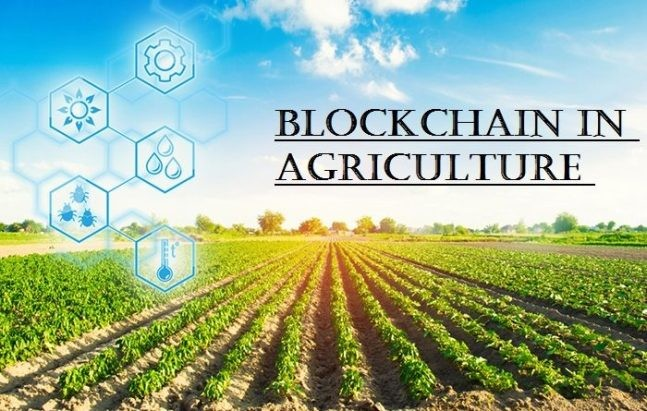
Introduction to Blockchain Technology
Imagine a world where every step of your food's journey, from farm to fork, is transparent and traceable. A world where consumers can have full confidence in the safety and quality of their food, while farmers and suppliers benefit from improved efficiency and increased trust. This may sound like a utopian vision, but with the emergence of blockchain technology, it could soon become a reality.
Blockchain has garnered attention for its transformative potential across various industries, but its impact on agricultural supply chains holds immense promise. From addressing current challenges to paving the way for exciting future developments, blockchain has the power to revolutionize how we produce, distribute, and consume our food. Let's dive deeper into this groundbreaking technology and explore its vast potential in agricultural supply chains.
Current Challenges in Agricultural Supply Chains
The agricultural supply chain is a complex network that connects farmers, distributors, retailers, and consumers. However, this system faces numerous challenges that can hinder its efficiency and transparency.
One of the main challenges is the lack of traceability. With traditional systems, it is difficult to track the origin of products throughout the entire supply chain. This makes it challenging for consumers to know where their food comes from and whether it meets quality standards.
Another challenge is the reliance on paper-based records. Many agricultural transactions still rely on manual paperwork, which increases the risk of errors and delays in processing information. Additionally, these records are susceptible to loss or damage over time.
Furthermore, there is a lack of trust among participants in the supply chain. Farmers may have concerns about fair pricing or payment delays, while retailers and consumers worry about product authenticity and safety.
Inefficiencies in logistics also pose significant challenges. Transportation costs can be high due to inefficient routes or inadequate storage facilities along the supply chain.
Poor communication between different stakeholders leads to misalignment and misunderstandings. Lack of real-time data sharing hampers decision-making processes at each stage of the agricultural supply chain.
Addressing these challenges requires innovative solutions such as blockchain technology. By leveraging blockchain's decentralized ledger system, agricultural supply chains can improve traceability by recording every transaction securely and transparently.
With blockchain implementation, all relevant parties involved in an agricultural transaction could access accurate records instantly without relying on cumbersome paperwork or intermediaries. This increased transparency would enable improved accountability for quality assurance purposes as well as address concerns related to fair pricing for farmers.
Moreover, smart contracts powered by blockchain technology could automate processes like payments based on predefined conditions agreed upon by both parties involved within an agreed timeframe – enhancing trust across all stages of agriculture's value-chain process flow!
By embracing blockchain technology's potential benefits in addressing current challenges faced within agricultural supply chains today; we can create a more efficient, transparent, and secure system that benefits everyone involved.
Benefits of Implementing Blockchain in Agriculture
Blockchain technology has the potential to revolutionize agricultural supply chains by bringing transparency, traceability, and efficiency to the industry. By implementing blockchain in agriculture, farmers, suppliers, and consumers can reap numerous benefits.
One of the key advantages of using blockchain in agriculture is increased transparency. With this technology, every transaction and movement within the supply chain can be recorded on an immutable ledger that is accessible to all participants. This means that farmers can track their products from farm to fork, ensuring that they are being handled properly and meeting quality standards.
Furthermore, blockchain can enhance traceability in agricultural supply chains. In cases where there is a food safety issue or product recall, it becomes easier to identify the source of contamination or problem areas within the supply chain. This not only helps protect consumer health but also minimizes losses for farmers and suppliers.
Another benefit of implementing blockchain in agriculture is improved efficiency. Traditionally, paperwork and manual processes have been time-consuming and prone to errors. Blockchain streamlines these processes by automating record-keeping tasks such as tracking shipments or verifying certifications. This not only saves time but also reduces administrative costs.
Additionally, blockchain technology allows for better market access for small-scale farmers who often face challenges in accessing markets due to lack of documentation or trust issues with buyers. By providing a transparent system for recording transactions and verifying product authenticity, blockchain opens up opportunities for these farmers to connect with larger markets.
In summary, the benefits of implementing blockchain technology in agriculture are vast. It has the potential to bring transparency, traceability, and efficiency
to agricultural supply chains. By leveraging this innovative technology, farmers can track their products more effectively, enhance food safety measures,
improve operational efficiencies,
and gain better market access. As we move towards a more sustainable and secure future, blockchain holds immense promise in transforming how our food reaches our plates.
Potential Future Developments and Opportunities
As technology continues to evolve, the potential for blockchain in agricultural supply chains is vast. The future holds exciting possibilities that could revolutionize how we grow, distribute, and consume food.
One promising development is the use of smart contracts within blockchain systems. These self-executing contracts have the potential to automate various processes in agricultural supply chains, such as payment settlements between farmers and buyers or tracking product certifications. By eliminating middlemen and reducing paperwork, smart contracts can streamline operations and increase transparency.
Another opportunity lies in traceability. Blockchain technology enables every step of a product's journey to be recorded on an immutable ledger. This means consumers can easily trace the origins of their food, ensuring its quality and ethical sourcing. Additionally, this level of transparency can help address issues like fraud or contamination by identifying problem areas quickly.
Furthermore, blockchain has the potential to empower small-scale farmers by providing them with access to global markets that were previously out of reach due to high transaction costs or lack of trust. Through decentralized marketplaces enabled by blockchain technology, farmers can connect directly with buyers worldwide while maintaining control over their products' pricing and distribution.
In terms of sustainability efforts, implementing blockchain in agriculture could support initiatives aimed at reducing waste and promoting eco-friendly practices. With transparent data on production methods, resource usage can be optimized more effectively while minimizing environmental impact.
The opportunities presented by blockchain are not limited solely to traditional farming practices but also extend into emerging fields such as urban agriculture or vertical farming. By leveraging innovative technologies alongside blockchain solutions, these sectors have even greater potential for growth while addressing challenges related to land scarcity or climate change resilience.
Overall, the future developments
and opportunities for blockchain in agricultural supply chains are immense. By embracing this transformative technology, we have the chance to create a more efficient, transparent, and sustainable agri-food system.
Addressing Concerns and Limitations of Blockchain in Agriculture
While blockchain technology holds immense potential for revolutionizing agricultural supply chains, there are certain concerns and limitations that need to be addressed. One major concern is the cost associated with implementing blockchain solutions. The initial investment required can be significant, especially for small-scale farmers or organizations operating on tight budgets.
Another challenge is the complexity of integrating blockchain into existing systems. Many agricultural supply chains rely on legacy systems that may not be compatible with blockchain technology. This could require significant changes to infrastructure and processes, which may pose a barrier to adoption.
Data privacy and security also remain valid concerns when it comes to using blockchain in agriculture. Farmers and other stakeholders may have reservations about sharing sensitive information such as crop yields or pricing details on a public ledger.
Moreover, scalability is another limitation that needs attention. As more participants join a blockchain network, the amount of data being processed increases exponentially. This could lead to slower transaction speeds and increased costs for maintaining the network.
Additionally, there are regulatory challenges surrounding the use of blockchain in agriculture. Different countries have varying regulations regarding data governance and ownership rights, which could complicate cross-border transactions within the supply chain.
To address these concerns, stakeholders must work together to develop standardized protocols for data sharing while ensuring privacy protections are in place. Collaboration between industry players, governments, and technology providers will be crucial in overcoming barriers to adoption.
In summary, while there are legitimate concerns surrounding the implementation of blockchain technology in agriculture supply chains, efforts should focus on finding innovative solutions that address these issues head-on. With collaborative efforts from all stakeholders involved,
the potential benefits offered by blockchain far outweigh its limitations.
By addressing concerns related to cost,
integration complexities, data privacy, scalability, and regulatory challenges, we can pave the way for a more transparent and efficient agricultural ecosystem powered by this transformative technology.
Conclusion
It is evident that blockchain technology holds immense potential for revolutionizing agricultural supply chains. The current challenges faced by the industry, such as traceability issues, lack of transparency, and inefficient processes can all be addressed through the implementation of blockchain.
By leveraging distributed ledger technology, farmers, suppliers, distributors, and consumers can have real-time access to accurate and tamper-proof information about every stage of the supply chain. This level of transparency not only ensures food safety but also builds trust among stakeholders.
The benefits of adopting blockchain in agriculture are numerous. From reducing fraud and counterfeiting to streamlining logistics and improving efficiency, this innovative solution has the power to transform how we produce, distribute and consume food.
Looking ahead, there are exciting opportunities for further development in this field. Integration with IoT devices can enable data collection at various points in the supply chain automatically. Smart contracts could automate transactions between parties while ensuring compliance with regulations.
However, it is important to address concerns surrounding privacy and data security when implementing blockchain solutions in agriculture. Striking a balance between transparency and confidentiality will require careful consideration.
Blockchain technology offers a promising future for agricultural supply chains. It has the potential to enhance productivity while promoting sustainability practices that benefit both producers and consumers alike. With continued advancements in this field and collaborative efforts from all stakeholders involved – from farmers to policymakers – we can harness the full potential of blockchain technology for a more transparent and resilient global food system.
The Future of Work: Technology and Workforce Dynamics

The Future of Work: Technology and Workforce Dynamics
The workplace is evolving faster than ever. Technology is reshaping the way we work, communicate, and collaborate. Gone are the days of rigid office hours and traditional job roles. A new era has emerged—one that blends human ingenuity with advanced tools to redefine productivity.
Imagine a world where artificial intelligence handles mundane tasks while creative minds focus on innovation. This shift brings countless opportunities but also presents unique challenges for workers and employers alike. As industries adapt to these changes, it’s crucial to understand how technology influences our careers and what skills will be essential in this rapidly changing landscape.
Join us as we explore the complex dynamics of technology in the workforce and uncover what lies ahead for professionals navigating this exciting yet uncertain future.
The Rise of Technology in the Workplace
Technology has become an integral part of our work lives. From cloud computing to collaborative software, these tools have transformed how we approach tasks.
Remote communication platforms allow teams to connect across time zones without missing a beat. Video calls and instant messaging have replaced long emails and in-person meetings, fostering quicker decision-making and collaboration.
Data analytics is another game-changer. Organizations now harness vast amounts of information to drive strategies and improve efficiency. This data-driven approach enhances productivity while minimizing costs.
Moreover, the rise of mobile technology means that work can happen anytime, anywhere. Employees enjoy increased flexibility as they balance personal commitments with professional responsibilities.
As innovative solutions continue to emerge, businesses must adapt or risk falling behind competitors who embrace change wholeheartedly. The workplace landscape will keep evolving as new technologies become available, setting the stage for what’s next in our careers.
Impact on Traditional Jobs and Industries
The rise of technology is reshaping traditional jobs and industries in profound ways. Many roles that were once essential are being redefined or phased out entirely.
Take manufacturing, for instance. Automated machines now perform tasks faster and more efficiently than human workers. This shift leads to a decline in demand for certain manual labor positions, creating uncertainty for many employees.
Service-based industries aren't immune either. With the advent of online platforms, businesses like retail have transformed significantly. Consumers increasingly prefer shopping from home, impacting brick-and-mortar stores deeply.
Yet, while some jobs disappear, new opportunities emerge. Roles focused on tech management and data analysis are rising as companies seek skilled individuals who understand these innovations.
Navigating this changing landscape requires both adaptability and foresight from workers and employers alike. The challenge lies not only in adjusting to change but also in embracing it as part of the evolution of work itself.
Automation and Artificial Intelligence
Automation and artificial intelligence are transforming the way we work. They streamline processes, reduce errors, and increase efficiency across various sectors.
Many tasks that were once tedious are now handled by machines. This shift allows human workers to focus on more complex and creative responsibilities. For example, AI can analyze vast amounts of data in seconds, uncovering insights that would take a team weeks to discover.
However, this evolution raises concerns about job displacement. As roles change, some positions may become obsolete while new opportunities emerge in tech-driven fields.
The key lies in harnessing these technologies wisely. Businesses must find the right balance between leveraging automation for productivity and maintaining meaningful human involvement in decision-making processes. Embracing this duality will be essential for future workplace dynamics as companies navigate an ever-evolving landscape driven by innovation.
Benefits and Challenges of Technological Advancements
Technological advancements bring a wealth of benefits to the workplace. They enhance productivity, allowing teams to accomplish more in less time. Automation can streamline repetitive tasks, freeing employees to focus on creativity and strategic thinking.
However, these innovations come with their own set of challenges. Job displacement is a significant concern as machines take over functions previously performed by humans. This shift can lead to anxiety and uncertainty among workers.
Additionally, technology often requires new skills that not everyone possesses yet. The learning curve can be steep for some individuals or organizations unprepared for rapid changes.
Moreover, reliance on technology may diminish personal interactions within teams. Striking a balance between efficiency and human connection becomes essential as workplaces evolve into tech-driven environments.
Preparing for the Future: Developing New Skills
As technology evolves, so must our skill sets. Adapting to new tools and methodologies is essential for staying relevant in any industry.
Learning isn't just a one-time event; it’s an ongoing journey. Courses, workshops, and online resources are abundant. Seek out opportunities that challenge your current understanding.
Soft skills like communication, teamwork, and adaptability are equally vital. These traits help bridge the gap between human interaction and technological advancements.
Networking can also play a crucial role in skill development. Engaging with professionals from diverse backgrounds opens doors to insights you might not encounter otherwise.
Remember to embrace curiosity. The willingness to explore unfamiliar areas can lead to unexpected career growth or shifts into emerging fields that pique your interest.
Remote Work and Flexible Work Arrangements
Remote work has transformed from a temporary solution to a long-term strategy for many organizations. Employees now enjoy the freedom of choosing their workspace, whether it's a home office or a cozy café.
Flexible work arrangements cater to diverse lifestyles and personal commitments. People can better manage family responsibilities while still meeting professional goals. This balance leads to increased job satisfaction and productivity.
Technology plays a vital role in this shift. Tools like video conferencing, project management apps, and instant messaging keep teams connected despite physical distances.
Employers benefit too. They gain access to talent pools beyond geographical limitations, fostering diversity within their workforce. Adapting to these changes is essential for companies aiming for growth in an evolving market.
However, challenges remain—ensuring effective communication and maintaining team cohesion are crucial aspects that need attention as remote working continues its rise.
The Importance of Adaptability and Lifelong Learning
Adaptability is no longer just a buzzword; it’s essential in the fast-evolving workplace. The ability to pivot quickly can set you apart from your peers. As industries shift under technological pressures, being open to change becomes crucial.
Lifelong learning complements this adaptability. It’s about cultivating an insatiable curiosity and seeking knowledge continuously. Whether through online courses, workshops, or self-study, every new skill learned adds value.
Embracing both concepts prepares individuals for unexpected challenges. Resilience comes from knowing that you can learn anything at any time. This mindset fosters innovation and creativity in problem-solving.
Moreover, organizations benefit immensely when their workforce embraces these principles. Teams that adapt swiftly can navigate hurdles with ease and maintain productivity levels.
In a world where the only constant is change, staying relevant requires commitment to personal growth and flexibility in thinking.
Balancing Human Connection with Technology
As technology permeates the workplace, maintaining human connection becomes increasingly vital. Virtual meetings can replace face-to-face interactions, but they often lack warmth and spontaneity.
Employees thrive on relationships. Collaboration fosters creativity and innovation. It’s essential to prioritize in-person gatherings or casual check-ins among teams whenever possible.
Encouraging open communication is key. Utilize platforms that allow for informal chats alongside structured discussions. This helps bridge the gap created by screens.
Moreover, leaders should model vulnerability and authenticity. Sharing personal stories builds trust and strengthens bonds within teams.
Finding a balance means leveraging technology while also nurturing those essential human connections. The goal isn't to eliminate traditional interactions but to enhance them through thoughtful integration of tech tools into our daily routines.
Ethical Considerations in the Use of Technology at Work
As technology permeates the workplace, ethical dilemmas emerge. Employees often find themselves navigating complex issues surrounding privacy and surveillance. With monitoring tools becoming commonplace, workers may feel a constant sense of being watched.
Data security is another pressing concern. Companies collect vast amounts of personal information, raising questions about how this data is used and stored. Transparency in these practices is crucial for building trust.
Bias in artificial intelligence also cannot be overlooked. If algorithms are trained on flawed data, they can perpetuate discrimination in hiring or promotions. Organizations must actively work to identify and mitigate such biases.
There’s the question of employee autonomy versus automation efficiency. While automated systems can optimize performance, they risk diminishing individual decision-making capabilities if not managed thoughtfully.
These considerations demand ongoing dialogue among all stakeholders to ensure technology serves everyone fairly.
Conclusion
The future of work is evolving rapidly. Technology continues to reshape our workplaces, influencing how we interact and perform tasks. As automation and artificial intelligence take center stage, many traditional roles face transformation or displacement.
However, this change presents opportunities as well. Embracing new technologies can lead to increased efficiency and creativity in various industries. Yet it also brings challenges that require careful navigation, particularly around workforce adaptation.
To thrive in this new landscape, developing new skills is essential. Continuous learning will empower workers to keep pace with advancements while ensuring they remain valuable assets to their organizations.
Remote work and flexible arrangements have become the norm for many professionals. This shift allows for better work-life balance but requires individuals to adapt their management styles and communication approaches effectively.
Adaptability itself becomes a crucial skill set as employees must be willing to evolve alongside technology. Lifelong learning fosters resilience and helps individuals stay relevant amidst changing demands.
While embracing technological tools enhances productivity, maintaining human connection remains vital. Finding the right balance is key; relationships should not be sacrificed on the altar of efficiency.
Ethical considerations are equally important as companies leverage technology in ways that impact their workforce profoundly. Navigating these complexities requires thoughtful leadership committed to doing what’s right for both employees and the organization at large.
As we move forward into this uncharted territory together, staying informed about trends while fostering an adaptable mindset will pave the way for success amid continual change.
The Potential of Blockchain Technology in Agricultural Supply Chains
Introduction to Blockchain Technology
Imagine a world where every step of your food's journey, from farm to fork, is transparent and traceable. A world where consumers can have full confidence in the safety and quality of their food, while farmers and suppliers benefit from improved efficiency and increased trust. This may sound like a utopian vision, but with the emergence of blockchain technology, it could soon become a reality.
Blockchain has garnered attention for its transformative potential across various industries, but its impact on agricultural supply chains holds immense promise. From addressing current challenges to paving the way for exciting future developments, blockchain has the power to revolutionize how we produce, distribute, and consume our food. Let's dive deeper into this groundbreaking technology and explore its vast potential in agricultural supply chains.
Current Challenges in Agricultural Supply Chains
The agricultural supply chain is a complex network that connects farmers, distributors, retailers, and consumers. However, this system faces numerous challenges that can hinder its efficiency and transparency.
One of the main challenges is the lack of traceability. With traditional systems, it is difficult to track the origin of products throughout the entire supply chain. This makes it challenging for consumers to know where their food comes from and whether it meets quality standards.
Another challenge is the reliance on paper-based records. Many agricultural transactions still rely on manual paperwork, which increases the risk of errors and delays in processing information. Additionally, these records are susceptible to loss or damage over time.
Furthermore, there is a lack of trust among participants in the supply chain. Farmers may have concerns about fair pricing or payment delays, while retailers and consumers worry about product authenticity and safety.
Inefficiencies in logistics also pose significant challenges. Transportation costs can be high due to inefficient routes or inadequate storage facilities along the supply chain.
Poor communication between different stakeholders leads to misalignment and misunderstandings. Lack of real-time data sharing hampers decision-making processes at each stage of the agricultural supply chain.
Addressing these challenges requires innovative solutions such as blockchain technology. By leveraging blockchain's decentralized ledger system, agricultural supply chains can improve traceability by recording every transaction securely and transparently.
With blockchain implementation, all relevant parties involved in an agricultural transaction could access accurate records instantly without relying on cumbersome paperwork or intermediaries. This increased transparency would enable improved accountability for quality assurance purposes as well as address concerns related to fair pricing for farmers.
Moreover, smart contracts powered by blockchain technology could automate processes like payments based on predefined conditions agreed upon by both parties involved within an agreed timeframe – enhancing trust across all stages of agriculture's value-chain process flow!
By embracing blockchain technology's potential benefits in addressing current challenges faced within agricultural supply chains today; we can create a more efficient, transparent, and secure system that benefits everyone involved.
Benefits of Implementing Blockchain in Agriculture
Blockchain technology has the potential to revolutionize agricultural supply chains by bringing transparency, traceability, and efficiency to the industry. By implementing blockchain in agriculture, farmers, suppliers, and consumers can reap numerous benefits.
One of the key advantages of using blockchain in agriculture is increased transparency. With this technology, every transaction and movement within the supply chain can be recorded on an immutable ledger that is accessible to all participants. This means that farmers can track their products from farm to fork, ensuring that they are being handled properly and meeting quality standards.
Furthermore, blockchain can enhance traceability in agricultural supply chains. In cases where there is a food safety issue or product recall, it becomes easier to identify the source of contamination or problem areas within the supply chain. This not only helps protect consumer health but also minimizes losses for farmers and suppliers.
Another benefit of implementing blockchain in agriculture is improved efficiency. Traditionally, paperwork and manual processes have been time-consuming and prone to errors. Blockchain streamlines these processes by automating record-keeping tasks such as tracking shipments or verifying certifications. This not only saves time but also reduces administrative costs.
Additionally, blockchain technology allows for better market access for small-scale farmers who often face challenges in accessing markets due to lack of documentation or trust issues with buyers. By providing a transparent system for recording transactions and verifying product authenticity, blockchain opens up opportunities for these farmers to connect with larger markets.
In summary, the benefits of implementing blockchain technology in agriculture are vast. It has the potential to bring transparency, traceability, and efficiency
to agricultural supply chains. By leveraging this innovative technology, farmers can track their products more effectively, enhance food safety measures,
improve operational efficiencies,
and gain better market access. As we move towards a more sustainable and secure future, blockchain holds immense promise in transforming how our food reaches our plates.
Potential Future Developments and Opportunities
As technology continues to evolve, the potential for blockchain in agricultural supply chains is vast. The future holds exciting possibilities that could revolutionize how we grow, distribute, and consume food.
One promising development is the use of smart contracts within blockchain systems. These self-executing contracts have the potential to automate various processes in agricultural supply chains, such as payment settlements between farmers and buyers or tracking product certifications. By eliminating middlemen and reducing paperwork, smart contracts can streamline operations and increase transparency.
Another opportunity lies in traceability. Blockchain technology enables every step of a product's journey to be recorded on an immutable ledger. This means consumers can easily trace the origins of their food, ensuring its quality and ethical sourcing. Additionally, this level of transparency can help address issues like fraud or contamination by identifying problem areas quickly.
Furthermore, blockchain has the potential to empower small-scale farmers by providing them with access to global markets that were previously out of reach due to high transaction costs or lack of trust. Through decentralized marketplaces enabled by blockchain technology, farmers can connect directly with buyers worldwide while maintaining control over their products' pricing and distribution.
In terms of sustainability efforts, implementing blockchain in agriculture could support initiatives aimed at reducing waste and promoting eco-friendly practices. With transparent data on production methods, resource usage can be optimized more effectively while minimizing environmental impact.
The opportunities presented by blockchain are not limited solely to traditional farming practices but also extend into emerging fields such as urban agriculture or vertical farming. By leveraging innovative technologies alongside blockchain solutions, these sectors have even greater potential for growth while addressing challenges related to land scarcity or climate change resilience.
Overall, the future developments
and opportunities for blockchain in agricultural supply chains are immense. By embracing this transformative technology, we have the chance to create a more efficient, transparent, and sustainable agri-food system.
Addressing Concerns and Limitations of Blockchain in Agriculture
While blockchain technology holds immense potential for revolutionizing agricultural supply chains, there are certain concerns and limitations that need to be addressed. One major concern is the cost associated with implementing blockchain solutions. The initial investment required can be significant, especially for small-scale farmers or organizations operating on tight budgets.
Another challenge is the complexity of integrating blockchain into existing systems. Many agricultural supply chains rely on legacy systems that may not be compatible with blockchain technology. This could require significant changes to infrastructure and processes, which may pose a barrier to adoption.
Data privacy and security also remain valid concerns when it comes to using blockchain in agriculture. Farmers and other stakeholders may have reservations about sharing sensitive information such as crop yields or pricing details on a public ledger.
Moreover, scalability is another limitation that needs attention. As more participants join a blockchain network, the amount of data being processed increases exponentially. This could lead to slower transaction speeds and increased costs for maintaining the network.
Additionally, there are regulatory challenges surrounding the use of blockchain in agriculture. Different countries have varying regulations regarding data governance and ownership rights, which could complicate cross-border transactions within the supply chain.
To address these concerns, stakeholders must work together to develop standardized protocols for data sharing while ensuring privacy protections are in place. Collaboration between industry players, governments, and technology providers will be crucial in overcoming barriers to adoption.
In summary, while there are legitimate concerns surrounding the implementation of blockchain technology in agriculture supply chains, efforts should focus on finding innovative solutions that address these issues head-on. With collaborative efforts from all stakeholders involved,
the potential benefits offered by blockchain far outweigh its limitations.
By addressing concerns related to cost,
integration complexities, data privacy, scalability, and regulatory challenges, we can pave the way for a more transparent and efficient agricultural ecosystem powered by this transformative technology.
Conclusion
It is evident that blockchain technology holds immense potential for revolutionizing agricultural supply chains. The current challenges faced by the industry, such as traceability issues, lack of transparency, and inefficient processes can all be addressed through the implementation of blockchain.
By leveraging distributed ledger technology, farmers, suppliers, distributors, and consumers can have real-time access to accurate and tamper-proof information about every stage of the supply chain. This level of transparency not only ensures food safety but also builds trust among stakeholders.
The benefits of adopting blockchain in agriculture are numerous. From reducing fraud and counterfeiting to streamlining logistics and improving efficiency, this innovative solution has the power to transform how we produce, distribute and consume food.
Looking ahead, there are exciting opportunities for further development in this field. Integration with IoT devices can enable data collection at various points in the supply chain automatically. Smart contracts could automate transactions between parties while ensuring compliance with regulations.
However, it is important to address concerns surrounding privacy and data security when implementing blockchain solutions in agriculture. Striking a balance between transparency and confidentiality will require careful consideration.
Blockchain technology offers a promising future for agricultural supply chains. It has the potential to enhance productivity while promoting sustainability practices that benefit both producers and consumers alike. With continued advancements in this field and collaborative efforts from all stakeholders involved – from farmers to policymakers – we can harness the full potential of blockchain technology for a more transparent and resilient global food system.
How to Leverage Technology for Market Expansion

How to Leverage Technology for Market Expansion
In today’s fast-paced business environment, the quest for market expansion is more relevant than ever. Companies are striving to reach new audiences and territories, embracing innovative strategies to stay ahead of the competition. But how can technology play a pivotal role in this journey? The answer lies in harnessing the power of digital tools and platforms designed to enhance visibility, streamline operations, and connect with customers around the globe.
Imagine tapping into markets you never thought possible or engaging consumers who may not have otherwise discovered your brand. With technology at your fingertips, these dreams can become a reality. Let’s explore how leveraging technological advancements can propel your business toward new horizons while maintaining meaningful relationships with existing customers.
Understanding the Importance of Market Expansion
Market expansion is crucial for sustained growth and profitability. It allows businesses to diversify their revenue streams and reduce dependency on a single market or product line. This strategy not only spreads risk but also opens doors to new opportunities.
Reaching new customers can invigorate a brand, bringing fresh ideas and perspectives that drive innovation. By tapping into different demographics or regions, companies can gain insights that help refine existing products or even inspire the development of entirely new ones.
Additionally, expanding into untapped markets helps establish a strong competitive edge. Companies that grow beyond their current boundaries are often more resilient during economic downturns, as they draw from multiple sources of income.
Embracing market expansion is an essential step towards long-term success in an ever-evolving business landscape.
The Role of Technology in Market Expansion
Technology plays a pivotal role in market expansion. It opens doors to new opportunities that were once unimaginable for businesses.
With the internet, companies can reach customers across the globe with just a few clicks. Geographic boundaries are no longer barriers; they’re merely challenges waiting to be tackled.
Digital tools enable organizations to streamline operations and enhance efficiency. Automation reduces manual tasks, freeing up resources for strategic initiatives. This agility is crucial for seizing emerging markets quickly.
Moreover, technology fosters better customer engagement through personalized experiences. Tailoring communication based on data analysis helps capture interest effectively and build lasting relationships.
Real-time insights derived from technology allow businesses to adapt their strategies promptly. Companies can pivot their offerings or marketing tactics based on consumer behavior trends and demands without missing a beat.
Embracing tech not only drives growth but also transforms how businesses connect with their audience in various regions.
Utilizing Social Media for Targeted Marketing
Social media is a powerful tool for businesses looking to expand their market reach. Platforms like Facebook, Instagram, and LinkedIn allow you to connect with specific audiences based on demographics, interests, and behaviors.
Creating targeted ads can significantly enhance your marketing efforts. You can tailor your messaging to resonate with different segments of your audience. This level of personalization fosters engagement and drives conversions.
Engagement doesn't stop at ads. Regularly posting valuable content keeps your brand top-of-mind for potential customers. It also encourages dialogue between you and your audience, building relationships that lead to loyalty.
Using analytics tools available on these platforms helps track the effectiveness of your campaigns. By analyzing which posts perform best or generate the most leads, you can continually refine your strategy for optimal results.
Remember that authenticity matters in social media interactions. Genuine connections often yield better outcomes than purely transactional approaches.
Leveraging E-commerce Platforms for Global Reach
E-commerce platforms have transformed the way businesses operate today. They provide a gateway to global markets, allowing companies of all sizes to reach international customers effortlessly.
With just a few clicks, you can set up an online store that showcases your products worldwide. These platforms often come with built-in tools for payment processing and shipping logistics, simplifying complex operations.
Moreover, many e-commerce sites offer marketing support and resources tailored for different regions. Understanding local preferences can enhance customer satisfaction and drive sales.
Adopting multi-language features on your online storefront helps break down barriers too. It makes shopping easier for diverse audiences and fosters a sense of trust.
Additionally, analytics provided by these platforms enable you to track performance across various regions. This data drives informed decisions about inventory management and targeted promotions tailored to specific markets.
Implementing Customer Relationship Management (CRM) Systems
Implementing a Customer Relationship Management (CRM) system can transform how businesses interact with their clients. It centralizes customer data, making it accessible for sales and marketing teams.
With all information in one place, companies can better understand client preferences and behaviors. This insight allows for personalized communication, which enhances customer satisfaction.
Automation features simplify processes such as follow-ups and appointment scheduling. Teams can focus more on building relationships rather than getting bogged down by administrative tasks.
Moreover, CRM systems often include analytics tools that track customer interactions over time. This enables identification of trends that inform future strategies.
The right CRM fosters collaboration among team members too. Shared insights lead to consistent messaging and cohesive efforts across departments, ultimately driving growth in new markets.
Utilizing Data Analytics to Identify New Markets
Data analytics offers businesses a powerful tool for identifying new market opportunities. By systematically collecting and analyzing data, companies can uncover patterns that reveal untapped customer segments.
Using sophisticated algorithms, organizations can assess consumer behavior across different demographics. This insight helps pinpoint where demand is growing or shifting.
Geographic information systems (GIS) further enhance analysis by visualizing market potential. They allow brands to see the geographical distribution of their customer base and identify areas ripe for expansion.
Moreover, predictive analytics can evaluate trends based on historical data. This foresight helps businesses prepare strategies tailored to prospective markets before competitors even enter.
Continuous monitoring ensures that companies stay ahead of changes in consumer preferences and market dynamics. With these insights at hand, decision-makers are empowered to take calculated risks with confidence.
Challenges and Solutions for Using Technology in Market Expansion
Market expansion through technology is not without its hurdles. One major challenge is the rapid pace of technological change. Businesses often struggle to keep up, risking obsolescence.
Another issue lies in data privacy regulations. As companies expand into new regions, they must navigate diverse laws that can complicate operations and marketing strategies.
Integration of new tools with existing systems can also pose significant problems. Companies might face compatibility issues, leading to inefficiencies and miscommunication within teams.
To overcome these challenges, businesses should invest in ongoing training for their employees. This ensures everyone remains informed about the latest trends and technologies.
Establishing partnerships with local experts can ease navigation through regulatory landscapes as well. It provides valuable insights into regional market dynamics.
Implementing flexible software solutions allows for easier integration and adaptation as needs evolve over time.
Conclusion
Market expansion can be a game changer for businesses looking to grow and thrive. Embracing technology is essential in this pursuit, as it opens up numerous opportunities. Social media platforms allow brands to connect with their audience on a personal level, while e-commerce offers the chance to reach customers across borders.
Implementing CRM systems enhances customer interactions, ensuring that relationships are nurtured effectively. Data analytics provides insights into market trends and consumer behavior, enabling informed decisions about where to focus efforts next.
While leveraging technology comes with its own set of challenges—such as data security concerns or adapting to new tools—these obstacles can often be overcome with proper planning and training. A proactive approach will keep your business agile in an ever-evolving marketplace.
Harnessing the right technological tools paves the way for strategic growth opportunities that were once unimaginable. By staying ahead of the curve and embracing innovation, businesses can confidently navigate their journey toward successful market expansion.
The Role of Technology in Disaster Recovery

The Role of Technology in Disaster Recovery
Disasters can strike when we least expect them, leaving chaos in their wake. Whether it's a natural calamity like an earthquake or a man-made crisis such as a cyberattack, the aftermath often feels daunting. But what if there were tools at our disposal to help us bounce back more effectively? Enter technology—an ever-evolving ally in the battle against disaster recovery.
From sophisticated software solutions to innovative communication systems, technology plays an increasingly vital role in restoring order after disruption. As we navigate through unpredictable times, understanding how these technological advancements can aid recovery is more important than ever. Let’s explore this intriguing intersection of technology and disaster management together.
Understanding Disaster Recovery and Technology
Disaster recovery involves the strategies and processes used to restore systems, data, and operations after a disruptive event. It's not just about bouncing back; it's about being prepared for the unexpected.
Technology has become an essential component of this process. It enables organizations to maintain continuity even during crises. From data backups to cloud storage solutions, tech ensures vital information is safeguarded.
Moreover, communication tools help teams coordinate effectively in real-time. This minimizes confusion and speeds up recovery efforts. Implementing these technologies can make a significant difference in how quickly an organization can return to normalcy.
Understanding the interplay between disaster recovery and technology empowers businesses to create resilient infrastructures capable of withstanding various challenges that may arise unexpectedly.
Advancements in Technology for Disaster Recovery
Technology has transformed the landscape of disaster recovery in remarkable ways. Innovations like cloud computing have enabled organizations to back up data off-site, ensuring critical information is safe even during catastrophic events.
Artificial intelligence plays a vital role too. It helps predict potential disasters by analyzing vast amounts of data, allowing businesses to prepare more effectively. Machine learning algorithms can identify patterns that might go unnoticed by humans.
Drones are emerging as invaluable tools for assessment and response. They provide real-time imagery of affected areas, making damage assessment faster and more accurate than ever before.
Furthermore, mobile applications now allow for seamless communication between teams on the ground and command centers. This instant connectivity ensures efficient coordination during crises when every second counts.
The rise of blockchain technology also promises enhanced security in data management, safeguarding sensitive information from unauthorized access or loss during disasters.
Real Life Examples of How Technology Has Helped in Disaster Recovery
In 2017, Hurricane Harvey devastated Houston, Texas. Technology played a crucial role in coordinating rescue efforts. Drones equipped with cameras provided real-time images of flooded areas, helping emergency responders prioritize their actions.
Another inspiring example is the use of mobile apps during the COVID-19 pandemic. These applications facilitated contact tracing and shared critical information about safety protocols. They helped communities stay informed and connected amid uncertainty.
After wildfires ravaged parts of California, satellite imagery was used to assess damage quickly. This technology allowed local governments to allocate resources effectively and expedite recovery processes.
The 2011 earthquake in Japan showcased how social media became a lifeline for communication when traditional networks failed. Platforms like Twitter enabled citizens to share vital updates on safe zones or available resources in real time.
These examples illustrate that innovation often emerges from adversity, proving technology's potential as a lifesaving resource during crises.
Potential Challenges and Limitations of Using Technology
While technology brings numerous advantages to disaster recovery, it isn’t without its challenges. One significant concern is the reliance on electricity and internet connectivity. In the aftermath of a disaster, these resources may be scarce or entirely unavailable.
Cybersecurity poses another risk. Systems can be vulnerable to cyberattacks during chaotic situations, where data breaches could compromise sensitive information.
Moreover, not all organizations have access to cutting-edge technology due to budget constraints. Smaller businesses may struggle with expensive software and hardware solutions.
Training personnel also presents a hurdle. Staff must understand how to use new systems effectively under pressure, which isn't always feasible in emergency scenarios.
There's the challenge of keeping pace with technological advancements. Rapid changes can leave existing systems outdated and ineffective when they are needed most.
The Importance of Having a Comprehensive Disaster Recovery Plan
A comprehensive disaster recovery plan is essential for any organization. It serves as a roadmap during crises, ensuring that critical operations can continue with minimal disruption.
Such a plan outlines clear steps to follow when disaster strikes. It identifies key personnel and their roles, helping teams act swiftly and efficiently.
Regular training sessions enhance preparedness. Employees become familiar with procedures, reducing confusion in high-pressure situations.
Moreover, an effective plan includes backup strategies for data and resources. In today’s digital age, losing vital information can be devastating.
Testing the plan regularly reveals potential weaknesses before they escalate into real issues. This proactive approach builds confidence among staff and stakeholders alike.
Aligning the disaster recovery strategy with broader business goals ensures resilience in every aspect of operations while safeguarding investments against unforeseen events.
Future Possibilities and Trends for Technology in Disaster Recovery
The future of technology in disaster recovery is vibrant and full of potential. Emerging tools like artificial intelligence are set to revolutionize how organizations prepare for and respond to crises. AI can analyze vast amounts of data quickly, predicting risks before they materialize.
Drones are also gaining traction in this space. They provide real-time imagery from affected areas, allowing responders to assess damage efficiently without putting themselves at risk.
Blockchain technology promises greater transparency and accountability in aid distribution. It can ensure that resources reach those who need them most while minimizing the chances of fraud.
Additionally, we’re seeing a rise in mobile applications designed for community engagement during disasters. These apps empower individuals with information and resources directly on their smartphones.
As we continue to innovate, collaboration across sectors will play a crucial role. The integration of various technologies may pave the way for more resilient communities facing natural disasters.
Conclusion
The integration of technology in disaster recovery is transforming how organizations respond to crises. As we navigate through evolving challenges, the role of innovative tools and systems becomes undeniable. They enhance our ability to prepare for, respond to, and recover from disasters effectively.
Looking ahead, advancements such as artificial intelligence and machine learning promise even greater improvements in predicting and managing disaster scenarios. The potential for drones in search-and-rescue operations or blockchain technology securing vital data showcases a future rich with possibilities.
While there are hurdles along the way—such as reliance on infrastructure that may itself be compromised—strategies can mitigate these issues. Developing comprehensive disaster recovery plans is crucial for leveraging technology's benefits while addressing its limitations.
Embracing these technological advances will not only aid immediate recovery efforts but also build resilience against future disasters. Through innovation, collaboration, and strategic planning, we stand better equipped to face whatever challenges lie ahead.
The Role of Technology in Enhancing Research

The Role of Technology in Enhancing Research
In today’s fast-paced world, technology has woven itself into almost every aspect of our lives. Research is no exception. Gone are the days when researchers relied solely on dusty books and lengthy processes to gather information. Today, a wealth of tools and platforms exist that can turn a simple inquiry into an extensive study in record time. Whether it’s employing sophisticated software to analyze data or collaborating with peers across the globe through virtual meetings, technology is transforming how we conduct research.
This shift not only enhances the efficiency of research but also expands its reach, making valuable insights accessible to more people than ever before. Curious about how technology is reshaping this vital field? Let’s dive into the multifaceted role it plays in enhancing research outcomes and what it means for future discoveries!
The Impact of Technology on Research
Technology has revolutionized the way researchers approach their work. With just a few clicks, data that once took weeks to gather is now available in seconds. This accessibility accelerates the pace of research and fosters innovation.
Online databases, digital libraries, and advanced search engines have made it easier than ever to locate relevant studies and articles. Researchers can tap into vast resources from around the world without ever leaving their desks.
Moreover, technology facilitates real-time collaboration among teams scattered across different time zones. Cloud-based platforms enable seamless communication and information sharing, leading to more robust findings.
The impact extends beyond mere convenience; it enhances accuracy as well. Sophisticated algorithms can process complex datasets with precision that human analysis might miss. As a result, research becomes not only faster but also smarter—opening doors to new possibilities in knowledge creation and application.
Technological Advancements in Data Collection and Analysis
Recent years have seen remarkable advancements in data collection and analysis technologies. These tools empower researchers to gather vast amounts of information quickly and efficiently.
Automated data collection methods, such as web scraping and mobile surveys, allow for real-time insights. Researchers can now reach broader audiences through online platforms, significantly increasing their sample sizes. This accessibility transforms how studies are conducted.
On the analysis front, machine learning algorithms have revolutionized our ability to process complex datasets. They uncover patterns that traditional methods might miss. With predictive analytics, researchers can forecast trends and behaviors with impressive accuracy.
Visualization tools also enhance understanding by turning raw data into engaging graphics. This makes it easier to communicate findings effectively to varied audiences.
These innovations are not just making research faster; they’re also enhancing its depth and reliability in ways we couldn't imagine a few decades ago.
Collaborative Research through Technology
Technology has revolutionized the way researchers collaborate. No longer confined to physical spaces, teams can now work together seamlessly across continents.
Tools like cloud-based platforms enable real-time sharing of data and ideas. Researchers can brainstorm, edit documents, and analyze results from virtually anywhere. This flexibility fosters creativity and innovation.
Video conferencing tools have become essential for virtual meetings. They allow face-to-face interactions that build rapport and strengthen team dynamics. It’s easier than ever to engage with experts in various fields.
Online forums and social media also play a role in collaboration. Researchers can connect with peers, share insights, and even crowdsource solutions to complex problems.
The blending of diverse perspectives drives groundbreaking discoveries. Collaborative research powered by technology not only enhances productivity but also enriches the overall quality of scientific inquiry.
Virtual Research Methods
Virtual research methods have transformed how scholars conduct studies. No longer tied to physical locations, researchers can gather data from diverse populations worldwide.
Online surveys and digital interviews enable access to participants who might otherwise be unreachable. This broadens the scope of research and enriches findings with varied perspectives.
Moreover, virtual tools like focus groups and discussion forums foster collaboration among participants without geographical constraints. Researchers gain insights in real-time, enhancing engagement and interaction.
The use of social media for data collection is also on the rise. It allows researchers to tap into public opinions and trends instantly.
However, it’s essential to consider privacy concerns when conducting research online. Ensuring participant anonymity remains a priority while leveraging these innovative approaches.
Access to Information and Resources
Access to information has undergone a radical transformation with the advent of technology. Gone are the days when researchers relied solely on physical libraries and printed journals. Today, vast online databases offer instant access to academic papers, articles, and various resources.
Researchers can now tap into digital archives, online repositories, and cloud storage solutions. This shift not only saves time but also broadens the scope of available data. Collaboration is easier than ever as teams around the globe share findings in real-time.
Moreover, open-access journals have democratized knowledge further. Scholars from diverse backgrounds can contribute their insights without financial barriers hindering their research efforts.
This accessibility empowers innovative thinking and allows for interdisciplinary approaches that were previously difficult to achieve. The wealth of information at our fingertips fosters creativity and inspires new avenues for exploration within countless fields.
Challenges and Limitations of Technology in Research
While technology has transformed research, it also presents challenges. One significant issue is data security. Researchers often handle sensitive information that can be vulnerable to breaches. Ensuring the integrity of this data is paramount.
Another concern lies in accessibility. Not all researchers have equal access to advanced technologies or high-speed internet, creating a digital divide. This inequality can hinder collaboration and skew results based on geographical location.
Dependence on technology poses its own risks as well. Over-reliance may lead to diminished critical thinking skills among researchers who might trust algorithms more than their intuition or expertise.
Moreover, the rapid pace of technological evolution means tools can quickly become outdated or require constant adaptation, adding stress to already busy research teams. Balancing innovation with practical application remains an ongoing struggle for many in the field.
Future Possibilities and Ethical Considerations
The future of research is exciting, with technology paving the way for innovative methods and approaches. Artificial intelligence may soon analyze vast datasets in minutes, unearthing patterns we couldn't previously see. Machine learning algorithms could enhance predictions and simulations across various fields.
However, this advancement raises important ethical questions. Who owns the data generated by these technologies? Privacy concerns become paramount as personal information becomes more accessible.
Moreover, there's a risk of bias in AI systems affecting research outcomes. Ensuring fairness and transparency will be crucial to maintain trust within the academic community.
As technology evolves, researchers must navigate these dilemmas carefully. Balancing innovation with ethical responsibility will shape not only how we conduct studies but also their impact on society at large. Engaging diverse perspectives can foster responsible technological integration in research practices moving forward.
Embracing Technology for Better Research Outcomes
Embracing technology opens new avenues for research. It allows researchers to tap into vast amounts of data effortlessly. With the right tools, analysis becomes faster and more accurate.
Automation plays a pivotal role here. By streamlining repetitive tasks, it frees up time for deeper exploration and creative thinking. Researchers can focus on what truly matters—insights that lead to innovation.
Cloud computing further enhances collaboration across geographic boundaries. Teams can share findings in real-time, fostering a culture of collective problem-solving.
Moreover, advanced software enables visual representation of complex data sets. This not only aids understanding but also communicates results effectively to diverse audiences.
Investing in technology equips researchers with powerful capabilities that drive impactful discoveries. Adopting these innovations isn't just beneficial; it's essential for staying relevant in an ever-evolving landscape.
Conclusion
The integration of technology in research has transformed the landscape dramatically. Researchers today have tools at their fingertips that were unfathomable just a few decades ago. This evolution fosters greater collaboration, allowing scholars from around the globe to connect and share insights seamlessly.
As we look ahead, embracing these technological advancements will be key to unlocking new potentials in various fields. However, it’s essential to remain mindful of the challenges they present and navigate them with care. Balancing innovation with ethical considerations ensures that our pursuit of knowledge continues responsibly.
In this ever-evolving environment, staying informed about emerging technologies can lead researchers toward more impactful findings and solutions. The future certainly holds exciting prospects for those willing to adapt and innovate in their methodologies. As research progresses hand-in-hand with technology, the possibilities are boundless.