Learn smarter with fresh insights from our tutors.
Practical study guides, course supplements, and learning resources curated to help you move faster through every subject.
The Potential of Blockchain Technology in Agricultural Supply Chains
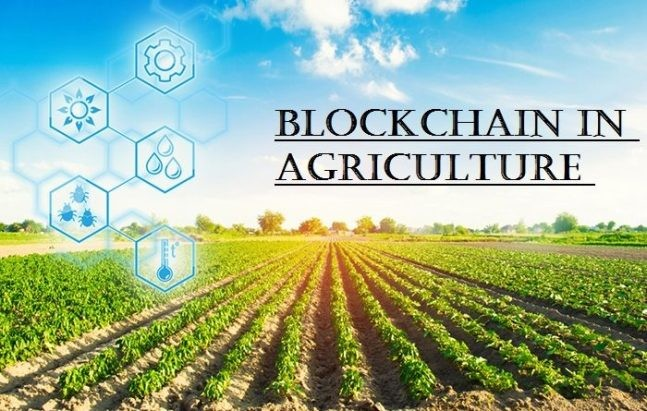
Introduction to Blockchain Technology
Imagine a world where every step of your food's journey, from farm to fork, is transparent and traceable. A world where consumers can have full confidence in the safety and quality of their food, while farmers and suppliers benefit from improved efficiency and increased trust. This may sound like a utopian vision, but with the emergence of blockchain technology, it could soon become a reality.
Blockchain has garnered attention for its transformative potential across various industries, but its impact on agricultural supply chains holds immense promise. From addressing current challenges to paving the way for exciting future developments, blockchain has the power to revolutionize how we produce, distribute, and consume our food. Let's dive deeper into this groundbreaking technology and explore its vast potential in agricultural supply chains.
Current Challenges in Agricultural Supply Chains
The agricultural supply chain is a complex network that connects farmers, distributors, retailers, and consumers. However, this system faces numerous challenges that can hinder its efficiency and transparency.
One of the main challenges is the lack of traceability. With traditional systems, it is difficult to track the origin of products throughout the entire supply chain. This makes it challenging for consumers to know where their food comes from and whether it meets quality standards.
Another challenge is the reliance on paper-based records. Many agricultural transactions still rely on manual paperwork, which increases the risk of errors and delays in processing information. Additionally, these records are susceptible to loss or damage over time.
Furthermore, there is a lack of trust among participants in the supply chain. Farmers may have concerns about fair pricing or payment delays, while retailers and consumers worry about product authenticity and safety.
Inefficiencies in logistics also pose significant challenges. Transportation costs can be high due to inefficient routes or inadequate storage facilities along the supply chain.
Poor communication between different stakeholders leads to misalignment and misunderstandings. Lack of real-time data sharing hampers decision-making processes at each stage of the agricultural supply chain.
Addressing these challenges requires innovative solutions such as blockchain technology. By leveraging blockchain's decentralized ledger system, agricultural supply chains can improve traceability by recording every transaction securely and transparently.
With blockchain implementation, all relevant parties involved in an agricultural transaction could access accurate records instantly without relying on cumbersome paperwork or intermediaries. This increased transparency would enable improved accountability for quality assurance purposes as well as address concerns related to fair pricing for farmers.
Moreover, smart contracts powered by blockchain technology could automate processes like payments based on predefined conditions agreed upon by both parties involved within an agreed timeframe – enhancing trust across all stages of agriculture's value-chain process flow!
By embracing blockchain technology's potential benefits in addressing current challenges faced within agricultural supply chains today; we can create a more efficient, transparent, and secure system that benefits everyone involved.
Benefits of Implementing Blockchain in Agriculture
Blockchain technology has the potential to revolutionize agricultural supply chains by bringing transparency, traceability, and efficiency to the industry. By implementing blockchain in agriculture, farmers, suppliers, and consumers can reap numerous benefits.
One of the key advantages of using blockchain in agriculture is increased transparency. With this technology, every transaction and movement within the supply chain can be recorded on an immutable ledger that is accessible to all participants. This means that farmers can track their products from farm to fork, ensuring that they are being handled properly and meeting quality standards.
Furthermore, blockchain can enhance traceability in agricultural supply chains. In cases where there is a food safety issue or product recall, it becomes easier to identify the source of contamination or problem areas within the supply chain. This not only helps protect consumer health but also minimizes losses for farmers and suppliers.
Another benefit of implementing blockchain in agriculture is improved efficiency. Traditionally, paperwork and manual processes have been time-consuming and prone to errors. Blockchain streamlines these processes by automating record-keeping tasks such as tracking shipments or verifying certifications. This not only saves time but also reduces administrative costs.
Additionally, blockchain technology allows for better market access for small-scale farmers who often face challenges in accessing markets due to lack of documentation or trust issues with buyers. By providing a transparent system for recording transactions and verifying product authenticity, blockchain opens up opportunities for these farmers to connect with larger markets.
In summary, the benefits of implementing blockchain technology in agriculture are vast. It has the potential to bring transparency, traceability, and efficiency
to agricultural supply chains. By leveraging this innovative technology, farmers can track their products more effectively, enhance food safety measures,
improve operational efficiencies,
and gain better market access. As we move towards a more sustainable and secure future, blockchain holds immense promise in transforming how our food reaches our plates.
Potential Future Developments and Opportunities
As technology continues to evolve, the potential for blockchain in agricultural supply chains is vast. The future holds exciting possibilities that could revolutionize how we grow, distribute, and consume food.
One promising development is the use of smart contracts within blockchain systems. These self-executing contracts have the potential to automate various processes in agricultural supply chains, such as payment settlements between farmers and buyers or tracking product certifications. By eliminating middlemen and reducing paperwork, smart contracts can streamline operations and increase transparency.
Another opportunity lies in traceability. Blockchain technology enables every step of a product's journey to be recorded on an immutable ledger. This means consumers can easily trace the origins of their food, ensuring its quality and ethical sourcing. Additionally, this level of transparency can help address issues like fraud or contamination by identifying problem areas quickly.
Furthermore, blockchain has the potential to empower small-scale farmers by providing them with access to global markets that were previously out of reach due to high transaction costs or lack of trust. Through decentralized marketplaces enabled by blockchain technology, farmers can connect directly with buyers worldwide while maintaining control over their products' pricing and distribution.
In terms of sustainability efforts, implementing blockchain in agriculture could support initiatives aimed at reducing waste and promoting eco-friendly practices. With transparent data on production methods, resource usage can be optimized more effectively while minimizing environmental impact.
The opportunities presented by blockchain are not limited solely to traditional farming practices but also extend into emerging fields such as urban agriculture or vertical farming. By leveraging innovative technologies alongside blockchain solutions, these sectors have even greater potential for growth while addressing challenges related to land scarcity or climate change resilience.
Overall, the future developments
and opportunities for blockchain in agricultural supply chains are immense. By embracing this transformative technology, we have the chance to create a more efficient, transparent, and sustainable agri-food system.
Addressing Concerns and Limitations of Blockchain in Agriculture
While blockchain technology holds immense potential for revolutionizing agricultural supply chains, there are certain concerns and limitations that need to be addressed. One major concern is the cost associated with implementing blockchain solutions. The initial investment required can be significant, especially for small-scale farmers or organizations operating on tight budgets.
Another challenge is the complexity of integrating blockchain into existing systems. Many agricultural supply chains rely on legacy systems that may not be compatible with blockchain technology. This could require significant changes to infrastructure and processes, which may pose a barrier to adoption.
Data privacy and security also remain valid concerns when it comes to using blockchain in agriculture. Farmers and other stakeholders may have reservations about sharing sensitive information such as crop yields or pricing details on a public ledger.
Moreover, scalability is another limitation that needs attention. As more participants join a blockchain network, the amount of data being processed increases exponentially. This could lead to slower transaction speeds and increased costs for maintaining the network.
Additionally, there are regulatory challenges surrounding the use of blockchain in agriculture. Different countries have varying regulations regarding data governance and ownership rights, which could complicate cross-border transactions within the supply chain.
To address these concerns, stakeholders must work together to develop standardized protocols for data sharing while ensuring privacy protections are in place. Collaboration between industry players, governments, and technology providers will be crucial in overcoming barriers to adoption.
In summary, while there are legitimate concerns surrounding the implementation of blockchain technology in agriculture supply chains, efforts should focus on finding innovative solutions that address these issues head-on. With collaborative efforts from all stakeholders involved,
the potential benefits offered by blockchain far outweigh its limitations.
By addressing concerns related to cost,
integration complexities, data privacy, scalability, and regulatory challenges, we can pave the way for a more transparent and efficient agricultural ecosystem powered by this transformative technology.
Conclusion
It is evident that blockchain technology holds immense potential for revolutionizing agricultural supply chains. The current challenges faced by the industry, such as traceability issues, lack of transparency, and inefficient processes can all be addressed through the implementation of blockchain.
By leveraging distributed ledger technology, farmers, suppliers, distributors, and consumers can have real-time access to accurate and tamper-proof information about every stage of the supply chain. This level of transparency not only ensures food safety but also builds trust among stakeholders.
The benefits of adopting blockchain in agriculture are numerous. From reducing fraud and counterfeiting to streamlining logistics and improving efficiency, this innovative solution has the power to transform how we produce, distribute and consume food.
Looking ahead, there are exciting opportunities for further development in this field. Integration with IoT devices can enable data collection at various points in the supply chain automatically. Smart contracts could automate transactions between parties while ensuring compliance with regulations.
However, it is important to address concerns surrounding privacy and data security when implementing blockchain solutions in agriculture. Striking a balance between transparency and confidentiality will require careful consideration.
Blockchain technology offers a promising future for agricultural supply chains. It has the potential to enhance productivity while promoting sustainability practices that benefit both producers and consumers alike. With continued advancements in this field and collaborative efforts from all stakeholders involved – from farmers to policymakers – we can harness the full potential of blockchain technology for a more transparent and resilient global food system.
Predictive Analytics for Optimal Decision Making in Agribusiness

Introduction to Predictive Analytics in Agribusiness
Unlocking the potential of predictive analytics has revolutionized industries across the board, and agribusiness is no exception. In this era of data-driven decision making, farmers and agricultural businesses are harnessing the power of advanced analytics to optimize their operations, boost productivity, reduce costs, and ultimately thrive in an increasingly competitive market. By leveraging cutting-edge technology and sophisticated algorithms, predictive analytics offers a glimpse into the future of agriculture like never before. So let's dive in and explore how this game-changing tool can transform your agribusiness!
Advantages of Using Predictive Analytics in Agriculture
Predictive analytics is revolutionizing the way agribusinesses make decisions and manage their operations. By harnessing the power of data and advanced algorithms, predictive analytics provides valuable insights that enable farmers to optimize their processes, increase efficiency, and maximize yields.
One major advantage of using predictive analytics in agriculture is improved resource allocation. With accurate predictions about weather patterns, pest infestations, and crop diseases, farmers can allocate resources such as water, fertilizers, and pesticides more effectively. This not only reduces waste but also minimizes environmental impact.
Another advantage is enhanced risk management. By analyzing historical data and current market trends, predictive analytics can help farmers identify potential risks and take proactive measures to mitigate them. For example, it can predict fluctuations in commodity prices or alert farmers about disease outbreaks so that they can adjust their planting strategies accordingly.
Furthermore, predictive analytics enables precision farming practices by providing real-time monitoring of crops. Through sensors placed throughout the fields or drones equipped with imaging technology, data on soil moisture levels, nutrient content, and plant health can be collected. This information allows farmers to intervene at the right time with targeted actions like irrigation or applying specific fertilizers for optimal growth.
Additionally, predictive analytics helps agribusinesses improve supply chain management by forecasting demand accurately. By analyzing market trends,
historical sales data, and external factors such as population growth or economic conditions, farmers can anticipate future demand for their products and plan production cycles accordingly. This prevents overproduction or shortage situations
and ensures a steady flow of products to meet customer needs.
Moreover, predictive analytics aids in reducing waste. By predicting harvest yields,
farmers can better plan storage facilities
and transportation logistics to avoid spoilage due to inadequate infrastructure. Similarly, predictive models help optimize harvesting schedules based on fruit ripeness predictions, ensuring timely picking while minimizing losses due to premature or overripe fruits.
Examples of Successful Implementation of Predictive Analytics in Agribusiness
Over the years, predictive analytics has been making a significant impact on various industries, and agribusiness is no exception. By harnessing the power of data analysis and machine learning algorithms, farmers and agricultural companies are able to make informed decisions that optimize their operations and increase productivity.
One successful example of implementing predictive analytics in agribusiness is using weather data to improve crop yield predictions. By analyzing historical weather patterns alongside other variables such as soil quality, seed type, and irrigation practices, farmers can accurately forecast potential yields for different crops. This allows them to allocate resources more efficiently and plan accordingly.
Another application of predictive analytics in agriculture is livestock management. By monitoring factors like animal behavior, feed consumption rates, temperature fluctuations, and health records over time, farmers can identify early signs of illness or stress in their animals. This enables them to take proactive measures to prevent disease outbreaks or mitigate potential losses.
In the realm of supply chain management for agribusinesses, predictive analytics has proven invaluable. Companies can analyze market trends in real-time along with demand forecasts based on historical sales data to optimize inventory levels and ensure timely delivery of products. This helps reduce waste while ensuring customer satisfaction.
Predictive analytics also plays a crucial role in pest control within the agricultural sector. By analyzing factors such as pest population dynamics, climate conditions favorable for infestation outbreaks, and crop vulnerability levels based on genetic traits or growth stage; farmers can implement preventive measures like targeted spraying or natural predator introductions at specific times during a growing season.
These examples highlight just a few ways that predictive analytics is revolutionizing agribusiness by providing valuable insights into decision-making processes across various areas including crop yield prediction, livestock management,
supply chain optimization, and pest control.
By leveraging data-driven intelligence through advanced analytical techniques,
agricultural professionals are equipped with powerful tools to enhance efficiency, maximize profits, and minimize risks. As technology continues to advance rapidly and more data becomes available, the potential for predictive analytics in agribusiness is limitless.
Challenges and Limitations of Predictive Analytics in Agriculture
Implementing predictive analytics in the field of agriculture can certainly bring numerous benefits, but it is important to acknowledge the challenges and limitations that come along with it. One major challenge is the availability and quality of data. Agricultural data can be quite complex, varied, and often incomplete or inconsistent. This poses a significant hurdle when trying to build accurate predictive models.
Another challenge is integrating different data sources. To make accurate predictions, it's crucial to gather information from various sources such as weather patterns, soil conditions, crop health status, market trends, and more. However, consolidating these diverse datasets into a unified platform can be challenging.
Furthermore, predictive analytics heavily relies on historical data for making future projections. In an ever-changing industry like agriculture where new technologies are constantly being introduced and farming practices evolve over time, relying solely on past data might not always capture the complexities of current scenarios accurately.
Additionally, there may be limitations regarding technological infrastructure in certain agricultural regions or farms. Limited access to high-speed internet or lack of advanced computing capabilities could hinder effective implementation of predictive analytics systems.
Moreover, the interpretation and application of predictive analytics results require skilled professionals who possess both domain knowledge in agriculture as well as expertise in statistical modeling and machine learning algorithms. Finding such individuals with a combination of skills can pose a challenge itself.
Lastly, regulatory constraints related to privacy concerns when dealing with sensitive farm-level data also need to be considered while implementing predictive analytics solutions.
Despite these challenges and limitations, the potential advantages offered by using predictive analytics in agribusiness make it worth exploring further. By addressing issues related to data quality, integration, technological infrastructure, expertise, and regulatory compliance, we can pave the way for more effective use of this powerful tool to optimize decision-making processes across various aspects of agriculture.
How to Get Started with Implementing Predictive Analytics in Your Agribusiness
Getting started with implementing predictive analytics in your agribusiness may seem like a daunting task, but with the right approach and mindset, it can be a game-changer for your operations. Here are some steps to help you get started:
1. Define Your Goals: Before diving into predictive analytics, clearly define what you want to achieve. Are you looking to optimize crop yields? Improve supply chain efficiency? Reduce costs? Identifying your goals will guide your data collection and analysis efforts.
2. Gather Relevant Data: To make accurate predictions, you'll need quality data. Collect information on weather patterns, soil conditions, seed varieties, machinery performance - anything that can impact your outcomes.
3. Choose the Right Tools: There are numerous software platforms and tools available for predictive analytics in agriculture. Research different options and select one that aligns with your needs and budget.
4. Build an Analytics Team: Assemble a team of experts who understand both agriculture and data analysis techniques. This interdisciplinary approach ensures effective interpretation of results.
5. Start Small: Begin by tackling specific challenges or areas where predictive analytics can have immediate impact. Scaling up gradually allows for learning from mistakes and optimizing processes along the way.
6. Test and Refine: Predictive models should be continuously tested against real-world outcomes to validate their reliability over time. Regularly refine these models based on new data insights.
Remember that implementing predictive analytics is an ongoing process that requires commitment from all levels of your organization! By leveraging this powerful tool effectively, you can make more informed decisions for better agribusiness outcomes!
Future Outlook for the Use of Predictive Analytics in Ag
As technology continues to advance at an unprecedented pace, the future of predictive analytics in agribusiness looks brighter than ever. With increasing access to big data and powerful machine learning algorithms, farmers and agricultural businesses have the opportunity to make more informed decisions and optimize their operations like never before.
One exciting area of growth is in precision agriculture, where predictive analytics can help farmers monitor crop health, predict yield potential, and identify areas that need attention. By analyzing historical data alongside real-time information from sensors and drones, farmers can proactively address issues such as pest infestations or nutrient deficiencies before they become major problems.
Another promising application is supply chain optimization. By leveraging predictive analytics tools, agribusinesses can better forecast demand patterns and adjust production accordingly. This not only reduces waste but also ensures a steady supply of high-quality products to meet consumer demands.
Furthermore, predictive analytics can play a crucial role in risk management for agribusinesses. By utilizing historical weather data along with other relevant factors such as market trends and government policies, farmers can assess potential risks associated with their operations and take proactive measures to mitigate them.
The integration of artificial intelligence (AI) into agricultural machinery is another area that holds immense potential for the use of predictive analytics. AI-powered robots equipped with advanced sensors can analyze vast amounts of data collected from fields, enabling precise planting techniques or targeted pesticide applications based on specific soil conditions or plant requirements.
However, despite its many benefits, there are still challenges when it comes to implementing predictive analytics in agriculture. Data collection infrastructure needs improvement in some regions while ensuring data privacy remains a concern for many stakeholders.
Nevertheless, the future looks promising for the use of predictive analytics in agribusiness. With continued advancements, it's clear that these technologies will revolutionize farming practices, increasing efficiency, sustainability, and profitability. Farmers who embrace this technology and adapt to the changing landscape will be well-positioned for success.
Breakthroughs in Plant Breeding Techniques using CRISPR-Cas9

Introduction to CRISPR-Cas9 and its Role in Plant Breeding
Imagine a world where we can cultivate crops that are resistant to pests, diseases, and extreme weather conditions. A world where we can enhance nutritional content and improve crop yield without relying solely on chemical interventions. Well, my fellow plant enthusiasts, this dream is becoming a reality thanks to an extraordinary breakthrough in genetic engineering - CRISPR-Cas9.
While you may have heard whispers about CRISPR-Cas9 in the realm of human gene editing, its potential impact on agriculture cannot be overstated. This revolutionary tool is rewriting the rules of plant breeding techniques, opening up endless possibilities for creating healthier and more resilient crops. So buckle up as we embark on a thrilling journey into the groundbreaking world of CRISPR-Cas9 and its role in transforming our agricultural landscape!
The Traditional Methods of Plant Breeding and their Limitations
Traditional methods of plant breeding have been used for centuries to improve crop varieties and increase yields. These methods involve crossing plants with desirable traits, selecting the offspring that exhibit those traits, and repeating the process over multiple generations. While this approach has been successful in creating new plant varieties, it is time-consuming and often relies on trial and error.
One limitation of traditional plant breeding is its reliance on genetic variation within a species. This means that breeders are limited to working with the genes already present in a particular crop or its wild relatives. In some cases, this can result in slow progress or constraints when it comes to introducing desired traits such as disease resistance or tolerance to environmental stresses.
Another limitation of traditional methods is their inability to target specific genes with precision. Breeders rely on natural genetic recombination during crossbreeding, which can lead to unpredictable outcomes. It may take several generations before the desired trait becomes fixed in the population.
Additionally, traditional breeding techniques can be hindered by long generation times in certain crops or limitations imposed by sexual compatibility between different species. This makes it difficult to introduce novel traits from distant relatives into cultivated crops.
Despite these limitations, traditional plant breeding has played a crucial role in agricultural development throughout history. However, recent advancements in biotechnology offer exciting possibilities for overcoming these constraints and accelerating the pace of crop improvement.
CRISPR-Cas9 technology has revolutionized plant breeding by allowing scientists to precisely edit an organism's DNA at specific locations without introducing foreign DNA from other organisms. This technique enables breeders to modify individual genes responsible for specific traits directly.
The use of CRISPR-Cas9 offers unprecedented control over gene editing compared to previous methods such as mutagenesis or transgenic approaches involving genetically modified organisms (GMOs). With CRISPR-Cas9, breeders have greater flexibility and efficiency when incorporating desired traits into crops while minimizing unintended changes elsewhere in their genomes.
How CRISPR-Cas9 is Revolutionizing Plant Breeding
Plant breeding has come a long way since the days of simply crossing two plants and hoping for the best. Thanks to groundbreaking advancements in technology, we now have a powerful tool at our disposal: CRISPR-Cas9. This revolutionary gene-editing technique is transforming the field of plant breeding, allowing scientists to make precise changes to an organism's DNA with unprecedented accuracy.
Gone are the limitations of traditional methods that relied on chance mutations or time-consuming cross-breeding techniques. With CRISPR-Cas9, scientists can target specific genes within a plant's genome and either delete them or introduce new ones. This level of precision opens up countless possibilities for improving crop traits such as yield, disease resistance, and nutritional content.
One major advantage of using CRISPR-Cas9 in plant breeding is its efficiency. Traditional methods often required multiple generations and years of experimentation to achieve desired results. With CRISPR-Cas9, these processes can be significantly accelerated, reducing both time and resources needed for crop improvement.
Additionally, CRISPR-Cas9 offers greater precision than other techniques like radiation mutagenesis or chemical-induced mutagenesis. By directly editing genes instead of relying on random mutations, scientists can ensure that only the desired changes are made without introducing any unwanted genetic alterations.
Furthermore, this technique allows breeders to overcome barriers imposed by sexual compatibility between different species or genera. Through targeted gene editing with CRISPR-Cas9, it becomes possible to transfer beneficial traits from one species into another more easily than ever before.
However, while there is tremendous potential in using CRISPR-Cas9 for plant breeding purposes, ethical concerns must also be considered. Questions about genetically modified organisms (GMOs) persist among consumers who may worry about long-term effects on human health or environmental impact.
Nevertheless, research continues, and many governments around the world have recognized the immense benefits offered by this technology while implementing strict regulations to ensure its responsible use.
Ethical Concerns Surrounding the Use of CRISPR-Cas9 in Agriculture
Ethical concerns surrounding the use of CRISPR-Cas9 in agriculture have sparked intense debate among scientists, policymakers, and the general public. One major concern is the potential for unintended consequences on ecosystems and biodiversity. As we manipulate genes to enhance desired traits in crops, there is a fear that these modified plants could crossbreed with wild relatives, leading to gene flow and potentially disrupting natural ecosystems.
Another ethical consideration revolves around safety and long-term effects on human health. Some worry that consuming genetically modified foods may have unforeseen consequences for our well-being. While extensive testing is conducted to ensure the safety of these products, critics argue that more research is needed before widespread adoption.
The issue of ownership and control over genetic resources also arises when discussing CRISPR-Cas9 technology. Corporations can patent specific genetically modified organisms (GMOs), which raises questions about access to affordable seeds by small farmers in developing countries.
Additionally, there are concerns regarding social justice implications. Will CRISPR-Cas9 exacerbate existing inequalities by favoring large-scale industrial farming over small-scale agriculture? Will it further concentrate power and wealth within a few corporations?
These ethical considerations highlight the need for transparency, dialogue, and careful regulation as we navigate this new frontier of plant breeding with CRISPR-Cas9 technology. It's crucial to weigh potential benefits against risks while ensuring adequate safeguards are in place to protect both human health and the environment. Only through ongoing conversation can we find ways to address these concerns responsibly while harnessing the full potential of this revolutionary tool for sustainable agriculture.
Future Implications and Potential for Further Advancements in Plant Breeding Using CRISPR-Cas9
The advancements made in plant breeding techniques using CRISPR-Cas9 have opened up a world of possibilities for the future. This revolutionary technology has the potential to address some of the most pressing challenges faced by agriculture, such as climate change, pests, and diseases.
One area where CRISPR-Cas9 holds great promise is in creating crops that are more resilient to environmental stresses. By selectively editing specific genes responsible for drought tolerance or disease resistance, researchers can develop plants that thrive even under adverse conditions. This could significantly increase crop yields and help ensure food security for a growing global population.
Another exciting application of CRISPR-Cas9 is in enhancing nutritional content in crops. With this tool, it is possible to modify genes involved in nutrient uptake or synthesis, leading to crops with higher levels of vitamins, minerals, or essential amino acids. This has immense implications for addressing malnutrition and improving human health.
Furthermore, CRISPR-Cas9 offers a pathway towards sustainable agriculture by reducing the need for chemical pesticides. By editing genes associated with pest resistance or introducing natural defense mechanisms into crops, scientists can create plants that are naturally protected against harmful insects without relying on harmful chemicals.
In addition to these immediate benefits, there is also tremendous potential for further advancements using CRISPR-Cas9 technology. As our understanding of plant genetics improves and more precise gene-editing tools are developed, we can expect even greater precision and efficiency in manipulating plant traits.
However, it's important to note that ethical concerns surrounding genetically modified organisms (GMOs) still persist. Transparency and rigorous safety evaluations will be crucial as we move forward with these advancements to ensure public trust and acceptance.
In summary, the breakthroughs achieved through plant breeding techniques using CRISPR-Cas9 have paved the way for an exciting future in agriculture.
Conclusion
The development of CRISPR-Cas9 has brought about significant breakthroughs in plant breeding techniques. This powerful tool has revolutionized the way scientists approach crop improvement by allowing for targeted and precise modifications to the plant's genetic makeup.
By using CRISPR-Cas9, researchers can now overcome many of the limitations posed by traditional methods of plant breeding. They are able to efficiently introduce desired traits into crops without relying on time-consuming and unpredictable crossbreeding processes. This not only saves valuable time but also accelerates the development of new varieties with improved yield, resistance to diseases, and nutritional content.
The use of CRISPR-Cas9 in agriculture does raise ethical concerns that need careful consideration. The potential for unintended consequences or misuse cannot be ignored. It is essential that regulations and guidelines are put in place to ensure responsible and safe application of this technology.
Looking ahead, there is great potential for further advancements in plant breeding using CRISPR-Cas9. Researchers continue to explore its possibilities, aiming to develop crops with increased tolerance to environmental stresses such as drought or extreme temperatures. Additionally, efforts are being made towards enhancing nutritional value and reducing dependence on synthetic pesticides.
As we move forward with these exciting developments in plant breeding techniques, it is crucial that we engage in open dialogue between scientists, policymakers, farmers, consumers, and other stakeholders. By fostering collaboration and addressing concerns surrounding safety and ethics appropriately, we can harness the incredible potential of CRISPR-Cas9 while ensuring sustainable agricultural practices for a brighter future.
So let us embrace these breakthroughs in plant breeding using CRISPR-Cas9 responsibly as we strive towards a more resilient food system capable of feeding our growing global population while minimizing environmental impact.
Breakthroughs in Plant Breeding Techniques using CRISPR-Cas9
Introduction to CRISPR-Cas9 and its Role in Plant Breeding
Imagine a world where we can cultivate crops that are resistant to pests, diseases, and extreme weather conditions. A world where we can enhance nutritional content and improve crop yield without relying solely on chemical interventions. Well, my fellow plant enthusiasts, this dream is becoming a reality thanks to an extraordinary breakthrough in genetic engineering - CRISPR-Cas9.
While you may have heard whispers about CRISPR-Cas9 in the realm of human gene editing, its potential impact on agriculture cannot be overstated. This revolutionary tool is rewriting the rules of plant breeding techniques, opening up endless possibilities for creating healthier and more resilient crops. So buckle up as we embark on a thrilling journey into the groundbreaking world of CRISPR-Cas9 and its role in transforming our agricultural landscape!
The Traditional Methods of Plant Breeding and their Limitations
Traditional methods of plant breeding have been used for centuries to improve crop varieties and increase yields. These methods involve crossing plants with desirable traits, selecting the offspring that exhibit those traits, and repeating the process over multiple generations. While this approach has been successful in creating new plant varieties, it is time-consuming and often relies on trial and error.
One limitation of traditional plant breeding is its reliance on genetic variation within a species. This means that breeders are limited to working with the genes already present in a particular crop or its wild relatives. In some cases, this can result in slow progress or constraints when it comes to introducing desired traits such as disease resistance or tolerance to environmental stresses.
Another limitation of traditional methods is their inability to target specific genes with precision. Breeders rely on natural genetic recombination during crossbreeding, which can lead to unpredictable outcomes. It may take several generations before the desired trait becomes fixed in the population.
Additionally, traditional breeding techniques can be hindered by long generation times in certain crops or limitations imposed by sexual compatibility between different species. This makes it difficult to introduce novel traits from distant relatives into cultivated crops.
Despite these limitations, traditional plant breeding has played a crucial role in agricultural development throughout history. However, recent advancements in biotechnology offer exciting possibilities for overcoming these constraints and accelerating the pace of crop improvement.
CRISPR-Cas9 technology has revolutionized plant breeding by allowing scientists to precisely edit an organism's DNA at specific locations without introducing foreign DNA from other organisms. This technique enables breeders to modify individual genes responsible for specific traits directly.
The use of CRISPR-Cas9 offers unprecedented control over gene editing compared to previous methods such as mutagenesis or transgenic approaches involving genetically modified organisms (GMOs). With CRISPR-Cas9, breeders have greater flexibility and efficiency when incorporating desired traits into crops while minimizing unintended changes elsewhere in their genomes.
How CRISPR-Cas9 is Revolutionizing Plant Breeding
Plant breeding has come a long way since the days of simply crossing two plants and hoping for the best. Thanks to groundbreaking advancements in technology, we now have a powerful tool at our disposal: CRISPR-Cas9. This revolutionary gene-editing technique is transforming the field of plant breeding, allowing scientists to make precise changes to an organism's DNA with unprecedented accuracy.
Gone are the limitations of traditional methods that relied on chance mutations or time-consuming cross-breeding techniques. With CRISPR-Cas9, scientists can target specific genes within a plant's genome and either delete them or introduce new ones. This level of precision opens up countless possibilities for improving crop traits such as yield, disease resistance, and nutritional content.
One major advantage of using CRISPR-Cas9 in plant breeding is its efficiency. Traditional methods often required multiple generations and years of experimentation to achieve desired results. With CRISPR-Cas9, these processes can be significantly accelerated, reducing both time and resources needed for crop improvement.
Additionally, CRISPR-Cas9 offers greater precision than other techniques like radiation mutagenesis or chemical-induced mutagenesis. By directly editing genes instead of relying on random mutations, scientists can ensure that only the desired changes are made without introducing any unwanted genetic alterations.
Furthermore, this technique allows breeders to overcome barriers imposed by sexual compatibility between different species or genera. Through targeted gene editing with CRISPR-Cas9, it becomes possible to transfer beneficial traits from one species into another more easily than ever before.
However, while there is tremendous potential in using CRISPR-Cas9 for plant breeding purposes, ethical concerns must also be considered. Questions about genetically modified organisms (GMOs) persist among consumers who may worry about long-term effects on human health or environmental impact.
Nevertheless, research continues, and many governments around the world have recognized the immense benefits offered by this technology while implementing strict regulations to ensure its responsible use.
Ethical Concerns Surrounding the Use of CRISPR-Cas9 in Agriculture
Ethical concerns surrounding the use of CRISPR-Cas9 in agriculture have sparked intense debate among scientists, policymakers, and the general public. One major concern is the potential for unintended consequences on ecosystems and biodiversity. As we manipulate genes to enhance desired traits in crops, there is a fear that these modified plants could crossbreed with wild relatives, leading to gene flow and potentially disrupting natural ecosystems.
Another ethical consideration revolves around safety and long-term effects on human health. Some worry that consuming genetically modified foods may have unforeseen consequences for our well-being. While extensive testing is conducted to ensure the safety of these products, critics argue that more research is needed before widespread adoption.
The issue of ownership and control over genetic resources also arises when discussing CRISPR-Cas9 technology. Corporations can patent specific genetically modified organisms (GMOs), which raises questions about access to affordable seeds by small farmers in developing countries.
Additionally, there are concerns regarding social justice implications. Will CRISPR-Cas9 exacerbate existing inequalities by favoring large-scale industrial farming over small-scale agriculture? Will it further concentrate power and wealth within a few corporations?
These ethical considerations highlight the need for transparency, dialogue, and careful regulation as we navigate this new frontier of plant breeding with CRISPR-Cas9 technology. It's crucial to weigh potential benefits against risks while ensuring adequate safeguards are in place to protect both human health and the environment. Only through ongoing conversation can we find ways to address these concerns responsibly while harnessing the full potential of this revolutionary tool for sustainable agriculture.
Future Implications and Potential for Further Advancements in Plant Breeding Using CRISPR-Cas9
The advancements made in plant breeding techniques using CRISPR-Cas9 have opened up a world of possibilities for the future. This revolutionary technology has the potential to address some of the most pressing challenges faced by agriculture, such as climate change, pests, and diseases.
One area where CRISPR-Cas9 holds great promise is in creating crops that are more resilient to environmental stresses. By selectively editing specific genes responsible for drought tolerance or disease resistance, researchers can develop plants that thrive even under adverse conditions. This could significantly increase crop yields and help ensure food security for a growing global population.
Another exciting application of CRISPR-Cas9 is in enhancing nutritional content in crops. With this tool, it is possible to modify genes involved in nutrient uptake or synthesis, leading to crops with higher levels of vitamins, minerals, or essential amino acids. This has immense implications for addressing malnutrition and improving human health.
Furthermore, CRISPR-Cas9 offers a pathway towards sustainable agriculture by reducing the need for chemical pesticides. By editing genes associated with pest resistance or introducing natural defense mechanisms into crops, scientists can create plants that are naturally protected against harmful insects without relying on harmful chemicals.
In addition to these immediate benefits, there is also tremendous potential for further advancements using CRISPR-Cas9 technology. As our understanding of plant genetics improves and more precise gene-editing tools are developed, we can expect even greater precision and efficiency in manipulating plant traits.
However, it's important to note that ethical concerns surrounding genetically modified organisms (GMOs) still persist. Transparency and rigorous safety evaluations will be crucial as we move forward with these advancements to ensure public trust and acceptance.
In summary, the breakthroughs achieved through plant breeding techniques using CRISPR-Cas9 have paved the way for an exciting future in agriculture.
Conclusion
The development of CRISPR-Cas9 has brought about significant breakthroughs in plant breeding techniques. This powerful tool has revolutionized the way scientists approach crop improvement by allowing for targeted and precise modifications to the plant's genetic makeup.
By using CRISPR-Cas9, researchers can now overcome many of the limitations posed by traditional methods of plant breeding. They are able to efficiently introduce desired traits into crops without relying on time-consuming and unpredictable crossbreeding processes. This not only saves valuable time but also accelerates the development of new varieties with improved yield, resistance to diseases, and nutritional content.
The use of CRISPR-Cas9 in agriculture does raise ethical concerns that need careful consideration. The potential for unintended consequences or misuse cannot be ignored. It is essential that regulations and guidelines are put in place to ensure responsible and safe application of this technology.
Looking ahead, there is great potential for further advancements in plant breeding using CRISPR-Cas9. Researchers continue to explore its possibilities, aiming to develop crops with increased tolerance to environmental stresses such as drought or extreme temperatures. Additionally, efforts are being made towards enhancing nutritional value and reducing dependence on synthetic pesticides.
As we move forward with these exciting developments in plant breeding techniques, it is crucial that we engage in open dialogue between scientists, policymakers, farmers, consumers, and other stakeholders. By fostering collaboration and addressing concerns surrounding safety and ethics appropriately, we can harness the incredible potential of CRISPR-Cas9 while ensuring sustainable agricultural practices for a brighter future.
So let us embrace these breakthroughs in plant breeding using CRISPR-Cas9 responsibly as we strive towards a more resilient food system capable of feeding our growing global population while minimizing environmental impact.
Innovations in Digital Payment Technologies

Innovations in Digital Payment Technologies
The world of money is changing faster than ever. Digital payment technologies have transformed the way we buy, sell, and interact with our finances. Gone are the days when cash ruled supreme; now, a simple tap on your smartphone can complete a transaction in seconds. From mobile wallets to cryptocurrencies, innovations abound in this dynamic landscape.
As consumers increasingly demand convenience and security, businesses feel the pressure to adapt or risk falling behind. But what exactly does this digital shift mean for all of us? Let’s dive into the intricacies of digital payment technologies and explore their evolution over time. We'll uncover both their advantages and disadvantages while highlighting groundbreaking innovations reshaping how we handle money today. Buckle up as we navigate through the future predictions that could redefine our financial experiences!
Understanding Digital Payment Technologies
Digital payment technologies encompass a wide range of systems that facilitate electronic transactions. They allow consumers to pay for goods and services online or in person without using cash.
At the core are mobile wallets, which store credit card information securely on smartphones. This convenience lets users make quick payments with just a tap or scan.
Another key player is blockchain technology, the backbone of cryptocurrencies like Bitcoin. It enables secure, decentralized transactions that eliminate intermediaries.
Then there’s contactless payment methods utilizing Near Field Communication (NFC). These solutions offer speed and efficiency at checkout counters.
As these technologies evolve, they adapt to changing consumer behaviors and preferences, making financial transactions more accessible than ever before. The landscape is continually shifting as new innovations emerge to meet emerging needs in our increasingly digital world.
The Evolution of Digital Payment Methods
Digital payment methods have come a long way since their inception. Initially, cash and checks dominated transactions. The introduction of credit cards in the 1950s marked a significant shift, allowing consumers more flexibility.
As technology advanced, so did payment options. The rise of the internet in the late 1990s paved the way for online banking and e-commerce platforms. Suddenly, people could shop from home with just a few clicks.
Mobile payments emerged next, spurred by smartphones' popularity. Apps like PayPal made transferring money seamless while services like Apple Pay and Google Wallet introduced contactless transactions.
Today, cryptocurrencies are challenging traditional methods altogether. They offer decentralized alternatives that promise security and anonymity for users worldwide.
Each innovation has shaped how we engage with money, making transactions faster and often more convenient than ever before. As digital wallets become commonplace, we continue to see exciting changes on the horizon.
Advantages and Disadvantages of Digital Payments
Digital payments offer several advantages that enhance convenience for users. Transactions can be completed in seconds, eliminating the need for cash handling or checks. This efficiency is a game changer for busy consumers and businesses alike.
Security is another major perk. Many digital payment platforms incorporate advanced encryption techniques, making it difficult for fraudsters to compromise sensitive information. Moreover, features like two-factor authentication add an extra layer of protection.
However, there are downsides to consider. Not everyone has access to the internet or smartphones, creating a barrier for some individuals. Additionally, reliance on technology can lead to issues during outages or technical failures.
Privacy concerns also loom large in the digital landscape. Users may feel uneasy about sharing financial data with various platforms and apps. Even with safeguards in place, the potential for breaches exists and can undermine trust among users.
Innovative Technologies in the Digital Payment Industry
The digital payment landscape is rapidly transforming thanks to groundbreaking technologies. Contactless payments have surged in popularity, allowing consumers to complete transactions with just a tap of their cards or smartphones. This convenience has reshaped how we view in-store shopping.
Blockchain technology is also making waves. It enhances security and transparency, enabling faster cross-border transactions without the need for traditional banking intermediaries. As cryptocurrencies gain traction, businesses are beginning to accept them as valid forms of payment.
Another game-changer is artificial intelligence (AI). AI algorithms analyze spending patterns and fraud detection methods, providing a safer environment for consumers. Personalized offers based on user behavior can also drive sales.
Mobile wallets are revolutionizing peer-to-peer transfers and online purchases by centralizing various payment options into one app. This seamless integration simplifies financial management for users across the globe.
Impact on Businesses and Consumers
Digital payment technologies have transformed the landscape for both businesses and consumers. For businesses, they provide an opportunity to streamline operations. Transactions can happen in real-time, reducing delays and improving cash flow.
Consumers enjoy heightened convenience. With just a few taps on their mobile devices, they can make purchases anytime and anywhere. This shift is reshaping shopping habits significantly.
Moreover, digital payments enhance security for both parties involved. Advanced encryption methods protect sensitive information during transactions. This fosters trust between customers and brands.
On the flip side, some small businesses may struggle with adapting to these technologies due to costs or lack of resources. Consumers also face challenges like digital fraud and privacy concerns.
Despite this, the overall impact is profound as both sides embrace change in pursuit of efficiency and ease in financial transactions. The evolution continues to shape modern commerce at its core.
Future Predictions for Digital Payment Technologies
The future of digital payment technologies looks promising and full of potential. Experts predict a significant shift toward decentralized finance (DeFi). This could empower users to manage their finances without intermediaries.
Artificial intelligence will play a crucial role in enhancing security. Advanced algorithms can detect fraudulent activities in real-time, providing peace of mind for consumers and businesses alike.
Wearable technology may become the norm for transactions. Imagine making payments just by tapping your smart watch or fitness tracker. The convenience factor is hard to ignore.
Cryptocurrencies are likely to gain more mainstream acceptance as regulations evolve. This transition may inspire trust among traditional financial institutions.
We can expect seamless integration across platforms. Payment systems will work together effortlessly, creating an ecosystem that enhances user experience while keeping transactions efficient and secure.
Conclusion
The landscape of digital payment technologies is evolving rapidly. Each innovation brings new opportunities and challenges for businesses and consumers alike. As we embrace contactless payments, blockchain solutions, and mobile wallets, the way we handle transactions has fundamentally changed.
Businesses are adapting to meet customer expectations for speed and convenience. Consumers enjoy enhanced security measures that come with these advancements. However, it's essential to remain aware of potential drawbacks like cybersecurity risks.
Looking ahead, the future promises even more exciting developments in this field. Artificial intelligence could further streamline processes while making transactions more secure than ever before. The rise of cryptocurrencies may also reshape how we think about money itself.
As we navigate this dynamic environment, staying informed will be crucial for both consumers and businesses looking to thrive in an increasingly digital world.
Breakthroughs in Plant Breeding Techniques using CRISPR-Cas9
Introduction to CRISPR-Cas9 and its Role in Plant Breeding
Imagine a world where we can cultivate crops that are resistant to pests, diseases, and extreme weather conditions. A world where we can enhance nutritional content and improve crop yield without relying solely on chemical interventions. Well, my fellow plant enthusiasts, this dream is becoming a reality thanks to an extraordinary breakthrough in genetic engineering - CRISPR-Cas9.
While you may have heard whispers about CRISPR-Cas9 in the realm of human gene editing, its potential impact on agriculture cannot be overstated. This revolutionary tool is rewriting the rules of plant breeding techniques, opening up endless possibilities for creating healthier and more resilient crops. So buckle up as we embark on a thrilling journey into the groundbreaking world of CRISPR-Cas9 and its role in transforming our agricultural landscape!
The Traditional Methods of Plant Breeding and their Limitations
Traditional methods of plant breeding have been used for centuries to improve crop varieties and increase yields. These methods involve crossing plants with desirable traits, selecting the offspring that exhibit those traits, and repeating the process over multiple generations. While this approach has been successful in creating new plant varieties, it is time-consuming and often relies on trial and error.
One limitation of traditional plant breeding is its reliance on genetic variation within a species. This means that breeders are limited to working with the genes already present in a particular crop or its wild relatives. In some cases, this can result in slow progress or constraints when it comes to introducing desired traits such as disease resistance or tolerance to environmental stresses.
Another limitation of traditional methods is their inability to target specific genes with precision. Breeders rely on natural genetic recombination during crossbreeding, which can lead to unpredictable outcomes. It may take several generations before the desired trait becomes fixed in the population.
Additionally, traditional breeding techniques can be hindered by long generation times in certain crops or limitations imposed by sexual compatibility between different species. This makes it difficult to introduce novel traits from distant relatives into cultivated crops.
Despite these limitations, traditional plant breeding has played a crucial role in agricultural development throughout history. However, recent advancements in biotechnology offer exciting possibilities for overcoming these constraints and accelerating the pace of crop improvement.
CRISPR-Cas9 technology has revolutionized plant breeding by allowing scientists to precisely edit an organism's DNA at specific locations without introducing foreign DNA from other organisms. This technique enables breeders to modify individual genes responsible for specific traits directly.
The use of CRISPR-Cas9 offers unprecedented control over gene editing compared to previous methods such as mutagenesis or transgenic approaches involving genetically modified organisms (GMOs). With CRISPR-Cas9, breeders have greater flexibility and efficiency when incorporating desired traits into crops while minimizing unintended changes elsewhere in their genomes.
How CRISPR-Cas9 is Revolutionizing Plant Breeding
Plant breeding has come a long way since the days of simply crossing two plants and hoping for the best. Thanks to groundbreaking advancements in technology, we now have a powerful tool at our disposal: CRISPR-Cas9. This revolutionary gene-editing technique is transforming the field of plant breeding, allowing scientists to make precise changes to an organism's DNA with unprecedented accuracy.
Gone are the limitations of traditional methods that relied on chance mutations or time-consuming cross-breeding techniques. With CRISPR-Cas9, scientists can target specific genes within a plant's genome and either delete them or introduce new ones. This level of precision opens up countless possibilities for improving crop traits such as yield, disease resistance, and nutritional content.
One major advantage of using CRISPR-Cas9 in plant breeding is its efficiency. Traditional methods often required multiple generations and years of experimentation to achieve desired results. With CRISPR-Cas9, these processes can be significantly accelerated, reducing both time and resources needed for crop improvement.
Additionally, CRISPR-Cas9 offers greater precision than other techniques like radiation mutagenesis or chemical-induced mutagenesis. By directly editing genes instead of relying on random mutations, scientists can ensure that only the desired changes are made without introducing any unwanted genetic alterations.
Furthermore, this technique allows breeders to overcome barriers imposed by sexual compatibility between different species or genera. Through targeted gene editing with CRISPR-Cas9, it becomes possible to transfer beneficial traits from one species into another more easily than ever before.
However, while there is tremendous potential in using CRISPR-Cas9 for plant breeding purposes, ethical concerns must also be considered. Questions about genetically modified organisms (GMOs) persist among consumers who may worry about long-term effects on human health or environmental impact.
Nevertheless, research continues, and many governments around the world have recognized the immense benefits offered by this technology while implementing strict regulations to ensure its responsible use.
Ethical Concerns Surrounding the Use of CRISPR-Cas9 in Agriculture
Ethical concerns surrounding the use of CRISPR-Cas9 in agriculture have sparked intense debate among scientists, policymakers, and the general public. One major concern is the potential for unintended consequences on ecosystems and biodiversity. As we manipulate genes to enhance desired traits in crops, there is a fear that these modified plants could crossbreed with wild relatives, leading to gene flow and potentially disrupting natural ecosystems.
Another ethical consideration revolves around safety and long-term effects on human health. Some worry that consuming genetically modified foods may have unforeseen consequences for our well-being. While extensive testing is conducted to ensure the safety of these products, critics argue that more research is needed before widespread adoption.
The issue of ownership and control over genetic resources also arises when discussing CRISPR-Cas9 technology. Corporations can patent specific genetically modified organisms (GMOs), which raises questions about access to affordable seeds by small farmers in developing countries.
Additionally, there are concerns regarding social justice implications. Will CRISPR-Cas9 exacerbate existing inequalities by favoring large-scale industrial farming over small-scale agriculture? Will it further concentrate power and wealth within a few corporations?
These ethical considerations highlight the need for transparency, dialogue, and careful regulation as we navigate this new frontier of plant breeding with CRISPR-Cas9 technology. It's crucial to weigh potential benefits against risks while ensuring adequate safeguards are in place to protect both human health and the environment. Only through ongoing conversation can we find ways to address these concerns responsibly while harnessing the full potential of this revolutionary tool for sustainable agriculture.
Future Implications and Potential for Further Advancements in Plant Breeding Using CRISPR-Cas9
The advancements made in plant breeding techniques using CRISPR-Cas9 have opened up a world of possibilities for the future. This revolutionary technology has the potential to address some of the most pressing challenges faced by agriculture, such as climate change, pests, and diseases.
One area where CRISPR-Cas9 holds great promise is in creating crops that are more resilient to environmental stresses. By selectively editing specific genes responsible for drought tolerance or disease resistance, researchers can develop plants that thrive even under adverse conditions. This could significantly increase crop yields and help ensure food security for a growing global population.
Another exciting application of CRISPR-Cas9 is in enhancing nutritional content in crops. With this tool, it is possible to modify genes involved in nutrient uptake or synthesis, leading to crops with higher levels of vitamins, minerals, or essential amino acids. This has immense implications for addressing malnutrition and improving human health.
Furthermore, CRISPR-Cas9 offers a pathway towards sustainable agriculture by reducing the need for chemical pesticides. By editing genes associated with pest resistance or introducing natural defense mechanisms into crops, scientists can create plants that are naturally protected against harmful insects without relying on harmful chemicals.
In addition to these immediate benefits, there is also tremendous potential for further advancements using CRISPR-Cas9 technology. As our understanding of plant genetics improves and more precise gene-editing tools are developed, we can expect even greater precision and efficiency in manipulating plant traits.
However, it's important to note that ethical concerns surrounding genetically modified organisms (GMOs) still persist. Transparency and rigorous safety evaluations will be crucial as we move forward with these advancements to ensure public trust and acceptance.
In summary, the breakthroughs achieved through plant breeding techniques using CRISPR-Cas9 have paved the way for an exciting future in agriculture.
Conclusion
The development of CRISPR-Cas9 has brought about significant breakthroughs in plant breeding techniques. This powerful tool has revolutionized the way scientists approach crop improvement by allowing for targeted and precise modifications to the plant's genetic makeup.
By using CRISPR-Cas9, researchers can now overcome many of the limitations posed by traditional methods of plant breeding. They are able to efficiently introduce desired traits into crops without relying on time-consuming and unpredictable crossbreeding processes. This not only saves valuable time but also accelerates the development of new varieties with improved yield, resistance to diseases, and nutritional content.
The use of CRISPR-Cas9 in agriculture does raise ethical concerns that need careful consideration. The potential for unintended consequences or misuse cannot be ignored. It is essential that regulations and guidelines are put in place to ensure responsible and safe application of this technology.
Looking ahead, there is great potential for further advancements in plant breeding using CRISPR-Cas9. Researchers continue to explore its possibilities, aiming to develop crops with increased tolerance to environmental stresses such as drought or extreme temperatures. Additionally, efforts are being made towards enhancing nutritional value and reducing dependence on synthetic pesticides.
As we move forward with these exciting developments in plant breeding techniques, it is crucial that we engage in open dialogue between scientists, policymakers, farmers, consumers, and other stakeholders. By fostering collaboration and addressing concerns surrounding safety and ethics appropriately, we can harness the incredible potential of CRISPR-Cas9 while ensuring sustainable agricultural practices for a brighter future.
So let us embrace these breakthroughs in plant breeding using CRISPR-Cas9 responsibly as we strive towards a more resilient food system capable of feeding our growing global population while minimizing environmental impact.
The Future of Work: Technology and Employee Relationships

The Future of Work: Technology and Employee Relationships
The world of work is evolving at an unprecedented pace. As technology leaps forward, the way we interact and build relationships with our colleagues is changing too. Remote offices, digital communication tools, and AI-driven processes are reshaping our professional landscapes. While these advancements can streamline operations and increase productivity, they also pose new challenges for employee connections.
How do we ensure that technology enhances rather than hinders our relationships? In this exploration of the future of work, we'll dive into the impact of technology on employee dynamics and discover strategies to maintain meaningful connections amid a backdrop of rapid change. Join us as we navigate this exciting yet complex terrain where human interaction meets technological innovation.
Changing Landscape of Work
The workplace has transformed dramatically over the past few years. Remote work, once a perk, is now a norm for many organizations. This shift has altered not just where we work but how we collaborate.
Flexible schedules and digital platforms have opened new doors for productivity. Teams can connect from anywhere in the world with just a click. The idea of an office as a physical space is evolving into something more fluid.
However, creating an environment where technology complements human interaction will ultimately lead to happier, more engaged employees who feel valued and connected. Embracing this duality may be the key to unlocking the full potential of your workforce in this new era. Transportation: Innovations to Watch
Transportation is on the brink of a revolution. As technology advances at breakneck speed, the way we move from point A to point B is evolving dramatically. Gone are the days when our choices were limited to cars, buses, and trains. Today’s innovations promise not just convenience but also sustainability and efficiency.
Imagine hopping into an electric vehicle that charges in minutes or gliding through the air in a personalized flying machine. These concepts may have once sounded like science fiction, but they are rapidly becoming realities. With each passing year, new developments reshape our understanding of mobility.
As we stand at this exciting crossroads, it’s essential to explore what lies ahead for transportation. What innovations should we be watching? How will these changes impact our daily lives? Join us as we delve into the future of transportation and uncover what tomorrow holds for travelers everywhere.
Understanding the Changing Landscape of Transportation
The transportation landscape is undergoing a remarkable transformation. Technological advancements are reshaping how we navigate through our cities and beyond. Traditional methods are giving way to more efficient, eco-friendly alternatives.
Urbanization plays a significant role in this shift. As populations grow, the need for smart solutions becomes increasingly urgent. Traffic congestion and pollution demand innovation that can keep pace with changing lifestyles.
Consumer preferences also influence this evolution. People today seek convenience and sustainability in their travel options. This desire drives the development of electric bikes, rideshare apps, and other innovative solutions tailored to modern needs.
Government policies are adapting as well. Cities worldwide are investing in infrastructure that supports new modes of transport while encouraging greener practices.As technology continues to advance, flexibility emerges as a key theme in shaping future mobility options across various regions and demographics.
The Rise of Electric Vehicles
Electric vehicles (EVs) are transforming how we think about transportation. With advancements in battery technology, they are becoming more efficient and accessible.
Governments worldwide are encouraging this shift with incentives and subsidies. Consumers are increasingly drawn to EVs for their lower operating costs and reduced environmental impact. Major automakers are investing heavily in electric models. From sedans to SUVs, the variety is growing rapidly. Charging infrastructure is also expanding, making it easier for users to switch from traditional fuel sources.
Public perception has shifted as well. People now see EVs not just as a niche market but as a viable alternative to gas-powered vehicles. This change bodes well for future adoption rates. As technology continues to evolve, the rise of electric vehicles paves the way for a cleaner, quieter urban landscape where sustainable options become the norm rather than an exception.
Self-driving Cars and their Potential Impact
Self-driving cars are no longer just a futuristic concept. They’re making their way into our everyday lives. With advanced sensors and artificial intelligence, these vehicles can navigate complex environments.
Imagine commuting without the stress of traffic or parking. Autonomous vehicles promise to redefine convenience on the roads. Passengers could use travel time for work or relaxation instead of focusing on driving. Safety is another significant advantage. Self-driving technology aims to reduce accidents caused by human error, which accounts for a large percentage of crashes today.
However, this transformation also brings challenges. Questions about liability in case of accidents arise, alongside concerns regarding cybersecurity risks that come with connected systems. Public acceptance remains crucial as well. Trusting machines to take over such an essential part of life is not easy for everyone. The future may hold both excitement and skepticism as we embrace this technological leap forward.
Hyperloop Technology and its Possibilities
Hyperloop technology is generating excitement across the globe. This innovative mode of transportation proposes to whisk passengers through sealed tubes at high speeds, potentially reaching over 700 miles per hour.
Imagine traveling from Los Angeles to San Francisco in under 30 minutes. That’s the vision many tech enthusiasts are rallying behind. The design relies on magnetic levitation and reduced air resistance, creating a smooth ride free from traditional road congestion.
Companies like Virgin Hyperloop are already conducting tests, showcasing prototypes that hint at what’s possible. While still in development, this system could redefine how we think about distance and travel times.
Moreover, hyperloop systems promise energy efficiency. By relying on renewable energy sources for operation, they present an eco-friendly alternative to planes and cars.
The implications extend beyond personal transport; freight movement could experience similar transformations, enhancing logistics worldwide while reducing carbon footprints significantly.
Personalized Flying Vehicles
Imagine a world where traffic jams are a thing of the past. Personalized flying vehicles could make this vision a reality.
These futuristic crafts promise to revolutionize how we navigate our cities. With the ability to bypass gridlock, they offer unmatched convenience and speed.
Designs range from sleek drones to compact air taxis. Users can summon these vehicles with just a tap on their smartphones. The idea is both thrilling and practical.
Safety systems are being prioritized in their development. Autonomous technology will play a significant role in preventing accidents and ensuring smooth flights.
Urban air mobility might reshape city landscapes too. Rooftop landing pads could become common sights, transforming skylines into bustling hubs of aerial activity.
As regulations evolve, public acceptance will be crucial for widespread adoption. The future of personal transport may well take to the skies sooner than we think.
Advancements in Public Transportation
Public transportation is evolving at a rapid pace. Cities around the globe are adopting smart technologies to enhance efficiency and user experience.
Contactless payment systems make it easier for riders to board buses and trains quickly, reducing wait times. Real-time tracking apps help passengers plan their journeys more effectively.
Sustainable options like electric buses are becoming common in urban areas. These vehicles not only cut down on emissions but also lower operating costs over time.
Additionally, integrated transport networks are gaining traction. Seamless transfers between different modes of transport create a smoother travel experience for commuters.
Investments in infrastructure improvements further bolster public transit systems. Upgraded stations and expanded routes provide better access to underserved neighborhoods, promoting inclusivity.
With these advancements, public transportation is poised to become an increasingly attractive option for daily commutes and long-distance travel alike. The future looks bright as innovation reshapes how we navigate our cities.
Combating Environmental Concerns with Sustainable Transportation Options
As urban areas expand, the environmental impact of transportation becomes increasingly critical. The need for sustainable solutions is paramount.
Electric vehicles (EVs) are gaining traction. They reduce greenhouse gas emissions and offer quieter rides. More manufacturers are investing in EV technology, making them accessible to a broader audience.
Public transport systems are also evolving. Cities worldwide emphasize electric buses and trains powered by renewable energy sources. This shift not only decreases pollution but encourages more people to opt for public transit over private cars.
Bicycles and e-scooters provide another layer of sustainability. These alternatives promote healthy lifestyles while cutting down on carbon footprints.
Innovative concepts like car-sharing further contribute to reduced congestion and resource efficiency. As we embrace these eco-friendly options, the path toward cleaner skies becomes clearer, paving the way for future generations to thrive in a healthier environment.
Challenges and Obstacles to Implementing these Innovations
Implementing innovative transportation solutions faces significant hurdles. One major challenge is regulatory approval. Each new technology must navigate complex laws that vary by region and country.
Infrastructure also poses a problem. Many cities lack the necessary frameworks to support electric vehicle charging stations or dedicated lanes for self-driving cars. Upgrading these systems requires substantial investment, which can deter progress.
Public perception plays a crucial role too. People often fear change, especially with technologies like flying vehicles or autonomous transport. Gaining public trust takes time and effective communication.
Funding remains an obstacle. Innovative projects demand capital that may not always be available through traditional means. Investors often hesitate when faced with uncertain returns on groundbreaking ideas.
These barriers require thoughtful strategies and collaboration among governments, industries, and communities to overcome effectively.
Predictions for the Future of Transportation
As we look ahead, the landscape of transportation seems poised for a radical transformation. Electric vehicles will become the norm rather than the exception, supported by an expanding network of charging infrastructure.
Self-driving technology could redefine personal mobility. Imagine a future where cars communicate with each other to optimize traffic flow and enhance safety.
Hyperloop systems may emerge as cutting-edge alternatives for long-distance travel. These high-speed tubes could drastically cut commute times between major cities.
Personalized flying vehicles might soon take to our skies, offering new possibilities for urban commutes and reducing congestion below.
Public transport is likely to evolve too, integrating smart technologies that provide real-time updates and tailored routes to meet individual needs efficiently.
Sustainability will dictate innovations in all sectors, prompting shifts toward greener energy sources and smarter designs that prioritize minimal environmental impact.
Conclusion
The future of transportation is brimming with potential and innovation. As we move forward, the landscape will continue to evolve dramatically. Electric vehicles are already making waves, promising cleaner air and reduced reliance on fossil fuels. Self-driving cars are not just a dream anymore; they have the power to reshape our cities and redefine mobility.
Hyperloop technology offers a glimpse into ultra-fast travel that could connect regions like never before. Personalized flying vehicles may soon transform urban commuting, making it faster and more efficient. Advances in public transportation systems also play a crucial role in this transformation, ensuring that everyone can benefit from these innovations.
Environmental concerns weigh heavily on our minds today. Thankfully, sustainable options are emerging to address these challenges head-on. However, obstacles such as regulatory hurdles, infrastructure needs, and public acceptance still pose significant challenges.
As predictions for the future unfold, one thing remains clear: transportation is about to undergo an extraordinary metamorphosis. With relentless advancements on the horizon, the ways we navigate our world will become smarter and more eco-friendly than ever imagined. The journey ahead promises excitement and unexpected changes that will shape generations to come.
The Future or Work : Technology and Employee Relationships
The future of work: technology and employee relationships
The world of work is evolving at an unprecedented pace. As technology leaps forward, the way we interact and build relationships with our colleagues is changing too. Remote offices, digital communication tools, and AI-driven processes are reshaping our professional landscapes. While these advancements can streamline operations and increase productivity, they also pose new challenges for employee connections.
How do we ensure that technology enhances rather than hinders our relationships? In this exploration of the future of work, we'll dive into the impact of technology on employee dynamics and discover strategies to maintain meaningful connections amid a backdrop of rapid change. Join us as we navigate this exciting yet complex terrain where human interaction meets technological innovation.
Changing landscape of work
The workplace has transformed dramatically over the past few years. Remote work, once a perk, is now a norm for many organizations. This shift has altered not just where we work but how we collaborate.
Flexible schedules and digital platforms have opened new doors for productivity. Teams can connect from anywhere in the world with just a click. The idea of an office as a physical space is evolving into something more fluid.
However, this change also brings challenges. Employees may feel isolated or disconnected without face-to-face interactions. Maintaining company culture becomes crucial as teams spread out geographically.
As businesses adapt to this changing landscape, they must find ways to foster connections among employees while leveraging technology effectively. Embracing these transformations requires creativity and openness to new ideas that prioritize both efficiency and relationships within the workforce.
Impact of technology on employee relationships
Technology has transformed the workplace, creating new avenues for communication and collaboration. Instant messaging apps and video conferencing tools allow teams to connect regardless of their location.
However, this shift can create a sense of distance. Employees may feel less connected on a personal level when interactions occur through screens rather than face-to-face. The human touch often gets lost in digital conversations.
Moreover, technology can lead to misunderstandings. Tone and intent are sometimes obscured in written messages, leading to conflict or confusion among colleagues.
Yet, there is potential for positive change as well. Employee engagement platforms foster feedback loops that strengthen relationships over time. Real-time recognition tools encourage appreciation among team members, enhancing morale.
Navigating these dynamics requires careful attention from leaders who understand both the benefits and pitfalls of technology in building strong employee connections.
Benefits and challenges of technological advancements in the workplace
Technological advancements have revolutionized the workplace, bringing numerous benefits. Increased efficiency is at the forefront. Automation of routine tasks allows employees to focus on creative and strategic work.
Collaboration tools enhance communication among teams, regardless of location. This flexibility contributes to better work-life balance and fosters a culture of inclusivity.
However, challenges also arise with these innovations. The constant influx of new technologies can lead to overwhelming confusion among employees. Training becomes essential yet time-consuming.
Moreover, there’s a risk of diminished personal interactions. Virtual meetings cannot fully replicate in-person connections, which are vital for building trust and camaraderie within teams.
As organizations embrace technology, they must navigate this delicate balance between leveraging its advantages while addressing potential pitfalls that could affect employee morale and engagement.
Strategies for Maintaining positive Employee relationships in a technological environment
Fostering positive employee relationships amidst technological advancements requires intention. Regular check-ins using video calls can help maintain a personal touch. These moments build rapport and allow for open communication.
Encouraging teamwork through collaborative platforms is essential. Tools like Slack or Microsoft Teams create spaces for casual conversations, mirroring water cooler chats in a digital format.
Investing in training programs not only enhances skills but also shows employees you value their growth. This builds trust and loyalty.
Recognition can’t be overlooked either. Celebrate achievements, big or small, through virtual shout-outs or personalized messages to boost morale.
Prioritize mental health by offering resources like counseling services or wellness apps. Supporting your team’s well-being strengthens bonds and fosters a culture of care within your organization.
The importance of human connection in the workplace
Human connection in the workplace is a vital ingredient for fostering a positive environment. When employees feel connected, they are more engaged and motivated. This sense of belonging can lead to higher productivity levels.
Relationships built on trust and open communication help reduce conflicts and misunderstandings. Colleagues who connect easily can collaborate more effectively, leading to innovation and creative solutions.
Moreover, emotional support from peers plays a significant role in mental well-being. It helps individuals navigate challenges with resilience.
The power of casual conversations or shared experiences cannot be underestimated. These moments create bonds that enhance teamwork and collaboration.
In an age dominated by screens, prioritizing face-to-face interactions becomes essential. Whether through team-building activities or simple check-ins, nurturing these connections makes all the difference in cultivating a thriving workplace culture.
Balancing technology and human interaction: tips for employers
Encourage regular check-ins. Schedule brief, one-on-one meetings to foster open communication. This helps employees feel valued.
Promote team-building activities. Create opportunities for face-to-face interactions, even in hybrid settings. Games and workshops can build stronger bonds.
Leverage collaboration tools wisely. Use technology that enhances teamwork without overwhelming staff. Aim for platforms that simplify connection rather than complicate it.
Set boundaries around tech use. Encourage employees to unplug after hours or during breaks. Respecting personal time boosts morale and productivity.
Celebrate achievements together. Acknowledge both individual and team successes publicly, whether through virtual shout-outs or office gatherings.
Remain adaptable to feedback from your team about their needs regarding technology versus human interaction in the workplace culture you create.
Conclusion
As we navigate the evolving landscape of work, technology continues to reshape how employees interact and collaborate. The integration of advanced tools can enhance productivity but also presents unique challenges in maintaining meaningful relationships.
Employers must focus on strategies that prioritize human connections while leveraging technological benefits. Balancing automation with interpersonal engagement is vital for a thriving workplace culture.
Creating an environment where technology complements human interaction will ultimately lead to happier, more engaged employees who feel valued and connected. Embracing this duality may be the key to unlocking the full potential of your workforce in this new era.
The Future Work : Technology and Employee Relationships

The future of work: technology and employee relationships
The workplace is evolving at an unprecedented pace. With rapid advancements in technology, the dynamics of how we work are shifting dramatically. Remote collaboration tools, AI-driven processes, and digital communication platforms have transformed traditional office environments into virtual hubs of productivity. But amidst these changes, one crucial element remains: human relationships.
As we embrace this new era of work, it’s essential to examine how technology influences our interactions with colleagues and managers alike. Are we fostering stronger connections or unintentionally creating barriers? The balance between leveraging tech for efficiency while nurturing employee relationships is delicate but vital.
Join us as we explore the impact of technology on the workplace and delve into strategies that can help maintain meaningful connections in a world driven by screens and algorithms. The future of work may be brightened by innovation, but it will always require a foundation built on trust and empathy. Let's take a closer look at what lies ahead.
The impact of technology on the workplace
Technology has revolutionized the workplace in countless ways. Remote work capabilities have become mainstream, allowing employees to thrive from anywhere. This flexibility can boost productivity and improve work-life balance.
Communication tools like Slack and Zoom have changed how teams interact. Instant messaging and video calls foster quick collaboration, breaking down geographical barriers that once hindered teamwork.
Automation plays a significant role too. Routine tasks are now handled by software, freeing up time for more strategic projects. Employees can focus on creativity rather than repetitive duties.
However, this shift also brings challenges. Over-reliance on technology can lead to feelings of isolation among team members. The human touch often gets lost in digital conversations.
As we embrace these changes, it’s essential to recognize both the opportunities and hurdles technology presents in our daily working lives.
Benefits and drawbacks of technology in the workplace
Technology has transformed the workplace in remarkable ways. It enhances productivity by automating mundane tasks, allowing employees to focus on creative and strategic initiatives. Communication has also improved; tools like video conferencing bring teams together, regardless of location.
However, this shift isn't without its challenges. Over-reliance on technology can lead to burnout. Employees may feel overwhelmed by constant notifications or pressure to be always "on."
Moreover, remote work can create feelings of isolation among team members. Building camaraderie becomes more difficult when interactions are limited to screens.
The balance between leveraging tech for efficiency and maintaining employee well-being is delicate. Organizations must navigate these waters carefully to foster a positive workplace culture while embracing innovation.
Maintaining human connection in a tech-driven world
In a world dominated by screens and algorithms, the essence of human connection can sometimes feel lost. Yet, it’s more crucial than ever to prioritize relationships amidst the digital noise.
Face-to-face interactions foster trust and camaraderie. Video calls can bridge distances, but they often lack the warmth of an in-person chat. Encourage team members to engage regularly in real conversations, whether it's coffee breaks or casual catch-ups.
Cultivating empathy is vital too. Technology provides tools for communication, yet emotional nuances may slip through the cracks. Regular check-ins allow managers to understand their employees' feelings better and build rapport.
Celebrate milestones together—virtual birthday parties or project achievements create shared experiences that strengthen bonds. Even small gestures make a difference; sending personalized notes shows that you care beyond work tasks.
Balancing technology with genuine human interaction lays a foundation for thriving workplace relationships.
Strategies for building positive employee relationships in the digital age
Creating positive employee relationships in a digital landscape requires intentionality. Start by fostering open communication channels through regular virtual check-ins. These interactions can help employees feel valued and connected.
Encourage collaboration by utilizing project management tools that promote teamwork, even when working remotely. Shared goals build camaraderie among team members.
Recognizing achievements is essential, too. Utilize digital platforms to celebrate milestones publicly, ensuring everyone feels appreciated for their contributions.
Promote flexibility in work schedules to accommodate individual needs. This approach nurtures trust and shows that you value each employee’s well-being.
Consider hosting informal virtual gatherings or team-building activities to strengthen bonds outside of work tasks. Even a casual coffee chat can make a difference in how employees relate to one another amid the technology-driven environment they navigate daily.
The role of emotional intelligence in managing technological advancements
Emotional intelligence (EI) plays a crucial role in navigating the rapidly evolving technological landscape of today's workplaces. As employees interact more with machines and digital tools, understanding human emotions becomes paramount.
Leaders with high EI can better manage the changes that technology brings. They recognize stress points within teams and respond empathetically, fostering resilience amidst uncertainty. This sensitivity helps maintain morale when automation threatens job security or alters workflows.
Moreover, emotional intelligence enhances communication in remote settings. Virtual interactions often lack non-verbal cues; thus, being emotionally aware enables clearer connections among team members despite physical distances.
As organizations adopt advanced technologies, nurturing EI will be vital for building cohesive work cultures. It encourages collaboration and trust—qualities essential for thriving in an increasingly automated world where human touch remains irreplaceable.
Predictions for the future of work and its effect on employee relationships
As we look to the future, several trends are shaping the workplace landscape. Remote work will likely become a norm rather than an exception. This shift impacts how teams connect and collaborate.
Virtual offices may replace traditional settings, fostering global talent acquisition. However, this can lead to challenges in building strong interpersonal relationships among employees.
Technological advancements such as AI and automation are set to redefine roles within organizations. While these tools increase efficiency, they also risk alienating employees if not managed properly.
Emotional intelligence will emerge as a critical skill for leaders navigating these changes. Understanding team dynamics becomes essential in maintaining positive employee relationships amidst rapid technological shifts.
Cultivating trust and communication will be key factors in sustaining healthy workplace environments as technology continues its relentless march forward.
Conclusion
The future of work is a dynamic landscape shaped by rapid technological advancements. As we navigate this new terrain, understanding how technology impacts workplace relationships is crucial. While it offers many benefits such as increased efficiency and flexibility, it also brings challenges like isolation and miscommunication.
Striking the right balance between leveraging technology and fostering human connection will be essential. Organizations that prioritize emotional intelligence in their leadership are likely to excel in managing these transitions effectively. By focusing on empathy, active listening, and collaboration, businesses can create an environment where employees feel valued and connected.
Looking ahead, the relationship between employees and employers will continue evolving alongside emerging technologies. Embracing change while maintaining authentic connections may well define successful workplaces of the future. As we adapt to new tools and methods, prioritizing genuine interactions could lead to healthier work cultures that benefit everyone involved.
Navigating this ever-changing landscape presents an opportunity for growth—both for organizations and individuals alike. The way forward involves not just adopting technology but using it thoughtfully to enhance employee relationships rather than diminish them.
How to Use Technology for Better Inventory Management

How to use technology for better inventory management
In today’s fast-paced business environment, effective inventory management can make or break a company. Imagine running a bustling store but constantly running out of stock at the worst possible moments. Or picture an online retailer with shelves overflowing with products that no one wants to buy. This juggling act is all too common in businesses of all sizes.
The good news? Technology is here to help streamline and enhance your inventory management processes. From software solutions that track stock levels in real-time to automated systems that reorder items before they run low, technology offers tools designed for efficiency and accuracy.
Curious about how you can harness these advancements to improve your operations? Let’s dive into the world of tech-driven inventory management and discover how it can revolutionize the way you do business.
The importance of inventory management
Look
Inventory management is the backbone of any successful business. It ensures that products are available when customers want them, creating a seamless shopping experience. Effective inventory control helps prevent stockouts and overstock situations, which can lead to lost sales or increased costs.
Proper management also allows businesses to optimize their supply chain operations. By understanding what sells and what doesn't, companies can make informed decisions about purchasing and production levels.
Moreover, efficient inventory practices improve cash flow by reducing excess capital tied up in unsold goods. This financial flexibility enables businesses to invest in growth opportunities rather than being bogged down by unnecessary stock.
In an era where consumer expectations are rising rapidly, mastering inventory management is essential for staying competitive and responsive to market demands. Balancing availability with cost efficiency has never been more critical for sustained success.
Traditional methods vs. technology
Traditional inventory management methods rely heavily on manual processes. This often involves spreadsheets, paper logs, and physical counts. While these approaches can work for smaller businesses, they are prone to human error.
In contrast, technology introduces automation and real-time data tracking. With software solutions, businesses can monitor stock levels continuously without the risk of discrepancies that come from manual entry.
Furthermore, tech-driven systems allow for more efficient forecasting based on historical data trends. They help in predicting demand fluctuations with greater accuracy.
Using technology also fosters better communication across departments. Instead of isolated records, all stakeholders have access to the same updated information anytime they need it.
As companies expand or face growing complexity in their supply chains, relying solely on traditional methods becomes increasingly burdensome and inefficient. Transitioning to technological solutions provides a clear path forward for improving operations and scalability.
Benefits of using technology for inventory management
Using technology for inventory management can transform the way businesses operate. It brings efficiency to processes that were once labor-intensive and time-consuming.
Real-time tracking is one of its significant advantages. Businesses gain instant visibility into stock levels, enabling quick decision-making. This responsiveness helps prevent overstocking or stockouts.
Automation plays a crucial role too. With automated systems, tasks such as reordering and auditing occur seamlessly without manual intervention. This reduces human error and saves valuable time.
Data analytics enhances forecasting capabilities. By analyzing sales patterns, companies can predict demand more accurately, aligning inventory with customer needs effectively.
Integration with other business systems streamlines operations across departments. When all parts work together harmoniously, it boosts productivity and profitability in ways traditional methods cannot achieve.
Types of Technology Used in Inventory Management
Inventory management has evolved significantly with the advent of various technologies. Barcode scanners are among the most common tools. They streamline data entry and help ensure accuracy in stock levels.
RFID (Radio Frequency Identification) technology takes this a step further, allowing for real-time tracking without direct line-of-sight scanning. This can drastically reduce human error and improve efficiency.
Cloud-based inventory systems have emerged as game changers, offering accessibility from anywhere at any time. These platforms often integrate smoothly with other business software to provide holistic insights into operations.
Mobile apps are also gaining traction, enabling managers to oversee inventory on-the-go. With features like alerts and analytics, they enhance decision-making processes.
Automation through AI and machine learning is transforming how businesses predict trends and manage restocking efficiently. The possibilities seem endless as technology continues to shape inventory management practices across industries.
Top Software and Tools for Inventory Management
When it comes to inventory management, choosing the right software can make all the difference. A range of tools is available tailored to different business needs.
One popular option is TradeGecko, now known as QuickBooks Commerce. It integrates seamlessly with e-commerce platforms and offers real-time tracking.
Another standout is Fishbowl Inventory. This robust tool provides comprehensive features for manufacturing and warehouse management, perfect for larger operations.
For small businesses, Square’s inventory management system simplifies processes with its user-friendly interface and mobile access.
If you’re looking for something more advanced, consider NetSuite ERP. Its cloud-based platform not only tracks inventory but also automates financials and customer relationship management.
Each tool has unique strengths that cater to various industries. Exploring these options can significantly enhance your efficiency in managing stock levels effectively.
Implementing technology in your business
Implementing technology in your business starts with understanding your specific needs. Assess what challenges you face in inventory management. This will guide you toward the right solutions.
Next, involve your team early in the process. Their insights can pinpoint essential features and help ease the transition. Training is crucial; everyone should feel comfortable with new tools to maximize efficiency.
Consider starting small. Pilot programs allow you to gauge effectiveness without overwhelming resources. Monitor progress closely and adjust strategies as needed.
Integration with existing systems often requires careful planning. Ensure compatibility to prevent disruptions in workflow or data loss.
Establish clear metrics for success. Tracking improvements fosters accountability and highlights areas needing further refinement, ensuring that tech truly enhances operations rather than complicating them.
Best practices for using technology in inventory management
To maximize the benefits of technology in inventory management, start with accurate data entry. Ensure that every product is recorded correctly from the outset. This minimizes errors and improves overall efficiency.
Regularly update your inventory system to reflect changes in stock levels. Implement real-time tracking to gain immediate insights into what’s available versus what’s sold. This visibility can transform decision-making.
Train staff thoroughly on using these technological tools. Knowledgeable employees are essential for leveraging systems effectively and identifying any issues early on.
Utilize analytics features within your software to forecast demand trends. Understanding seasonal fluctuations helps maintain optimal stock levels, reducing overstock and shortages.
Integrate your inventory management system with other business processes like sales and purchasing. Seamless communication between departments streamlines operations and enhances productivity across the board.
Common challenges and solutions
Inventory management isn’t without its hurdles. One common challenge is inaccurate data entry, which can lead to stock discrepancies. Automating data collection through barcoding or RFID technology significantly mitigates this risk.
Another obstacle is employee resistance to new systems. Training sessions and clear communication about the benefits of technology can ease this transition. Engaged employees are more likely to embrace change.
Integration with existing software also poses a challenge. Ensuring compatibility between inventory management tools and other business systems requires careful planning and sometimes customization.
Keeping up with technological advancements can feel overwhelming. Regularly scheduled reviews of your current system will help identify necessary upgrades while maintaining a balance between innovation and operational stability.
Future trends in inventory management technology
The future of inventory management technology is rapidly evolving, driven by advancements in artificial intelligence and machine learning. These innovations will enhance forecasting accuracy, allowing businesses to predict demand more effectively.
Automation is set to play a crucial role as well. Robotic process automation can streamline repetitive tasks, freeing up employees for higher-level decision-making. This shift will lead to increased efficiency across the board.
Blockchain technology promises enhanced transparency and security in supply chains. By providing an immutable record of transactions, it helps mitigate fraud and errors.
Moreover, the adoption of IoT devices will allow real-time tracking of inventory levels. Businesses can monitor stock movement closely and react swiftly to changes in demand or supply disruptions.
Augmented reality might reshape the way warehouses are managed. With AR tools guiding workers through complex storage systems, productivity could see significant boosts as a result.
Conclusion
Effective inventory management is crucial for any business, whether small or large. Embracing technology can transform your operations and streamline processes. By leveraging advanced tools and software, you not only enhance accuracy but also save time and reduce costs.
As the landscape of inventory management continues to evolve, staying informed about emerging technologies will be key. Companies that adapt early to these innovations will likely gain a competitive edge in their respective markets.
By implementing the right technological solutions while following best practices, businesses can navigate common challenges effectively. The future holds exciting possibilities for those willing to embrace change and invest in smarter inventory management systems.
Integrating technology into your inventory processes isn’t just an upgrade; it’s a strategic move towards greater efficiency and profitability.
The Role of Technology in Enhancing supply Chain Resilience

The role of technology in enhancing supply chain resilience
Supply chains are the backbone of global commerce. They connect manufacturers, suppliers, and consumers in a complex web of transactions. But what happens when that web is disrupted? Natural disasters, geopolitical tensions, or even pandemics can send shockwaves through these networks, causing delays and losses.
As we’ve seen over the past few years, disruptions are no longer just theoretical risks; they’re harsh realities. This has sparked a pressing need for resilience within supply chains—an ability to adapt swiftly and efficiently to unforeseen challenges.
Enter technology—a game changer in building stronger supply chain frameworks. With innovations like AI, IoT devices, and blockchain at our disposal, businesses can enhance their operational agility like never before. Let’s explore how technology is revolutionizing supply chain resilience and paving the way for more robust systems to weather any storm that comes their way.
Understanding supply chain resilience
Supply chain resilience refers to a system's ability to prepare for, respond to, and recover from disruptions. It’s more than just damage control; it’s about building robustness into operations.
At its core, resilience involves flexibility. Companies must be able to pivot quickly when faced with challenges such as supplier failures or unexpected demand spikes.
Another key aspect is visibility. Knowing where every component of the supply chain stands allows firms to make informed decisions in real-time. Without this clarity, risks can multiply exponentially.
Collaboration plays a critical role too. Strong relationships among partners enable faster problem-solving and better resource sharing during crises.
Understanding supply chain resilience means recognizing that disruptions are inevitable. The goal isn’t merely survival but thriving amidst uncertainty through proactive strategies and adaptive practices.
The impact of disruptions on supply chains
Disruptions in supply chains can be sudden and devastating. Events like natural disasters, pandemics, or geopolitical tensions throw operations into disarray. The ripple effects are often felt far beyond the immediate area.
When a factory shuts down due to unforeseen circumstances, production halts. This leads to shortages that affect retailers and consumers alike. Inventory becomes scarce, driving up prices and creating frustration.
Moreover, reliance on global suppliers adds another layer of vulnerability. A disruption in one region can have cascading effects across continents. Companies scramble to find alternative sources or reroute shipments.
Communication breaks down during crises, making it difficult for stakeholders to make informed decisions quickly. Transparency is compromised as information becomes fragmented and unreliable.
Understanding these impacts is crucial for businesses aspiring for resilience in increasingly unpredictable environments.
How technology is improving supply chain resilience
Technology is reshaping supply chains in remarkable ways. Innovative tools are paving the path toward greater resilience and agility.
Real-time data analytics play a pivotal role. Businesses can now monitor their supply chain operations continuously. This visibility allows for quicker responses to disruptions, ultimately reducing downtime.
Artificial intelligence enhances forecasting accuracy. By predicting demand fluctuations, companies can adjust their inventory management strategies accordingly, ensuring they meet customer needs without overstocking.
Blockchain technology increases transparency and trust among stakeholders. With secure records of transactions, businesses can trace products from origin to destination effortlessly.
Automation streamlines processes by minimizing human error and enhancing efficiency. Automated warehouses and robotic picking systems are just two examples where technology reduces reliance on manual labor.
These advancements collectively fortify supply chains against unforeseen challenges while enabling organizations to adapt swiftly in an ever-changing landscape.
Case studies: examples of technology in action
One striking example of technology enhancing supply chain resilience is Walmart's use of blockchain. By implementing this technology, the retail giant can trace food products from farm to shelf within seconds. This innovation not only improves transparency but also speeds up recalls when necessary.
Another notable case is Maersk’s partnership with IBM to create a digital shipping platform. Their solution leverages IoT and AI, allowing real-time tracking of shipments across the globe. This capability minimizes delays and enhances efficiency in logistics management.
On a smaller scale, local farms are adopting drones for crop monitoring. These devices provide immediate data on soil health and crop conditions, enabling farmers to make timely decisions that ultimately boost production reliability.
Each of these examples showcases how diverse technologies are being harnessed effectively, reshaping supply chains into more resilient systems capable of adapting to challenges swiftly.
Future trends in supply chain resilience and technology
The future of supply chain resilience is poised for transformation, driven by rapid technological advancements. Artificial intelligence and machine learning will play pivotal roles in predictive analytics. These tools can forecast disruptions and optimize inventory levels more accurately than ever before.
Blockchain technology promises transparency and traceability across every link in the supply chain. This fosters trust among stakeholders while streamlining processes to mitigate risks.
Moreover, automation through robotics is set to enhance operational efficiency. Warehouses will increasingly rely on automated systems for order fulfillment, reducing human error while speeding up delivery times.
Additionally, the rise of Internet of Things (IoT) devices will enable real-time monitoring of shipments. Companies can react swiftly to any irregularities that may arise during transit.
Sustainability will also be a key focus area. Eco-friendly technologies are becoming essential as businesses integrate environmental considerations into their operations.
Challenges and risks in implementing technology for supply Chain resilience
Integrating new technology into supply chain operations isn't without its hurdles. One significant challenge is resistance to change within an organization. Employees may feel overwhelmed or skeptical about adopting unfamiliar systems.
Data security also poses a risk. As companies rely more on digital solutions, they become prime targets for cyberattacks. Protecting sensitive information becomes paramount in this landscape.
Moreover, the cost of implementation can be daunting. Companies often face budget constraints that limit their ability to invest in cutting-edge technologies.
Another issue involves ensuring compatibility with existing systems. Integrating new solutions might lead to disruptions if not managed carefully, creating further complications in workflow.
There’s the potential for over-reliance on technology itself. While it enhances efficiency, too much dependence might result in vulnerabilities when tech fails unexpectedly or experiences downtime.
The importance of embracing technology in today’s supply Chains
Embracing technology is no longer optional for modern supply chains. It has become a vital component in achieving efficiency and adaptability.
With rapid changes in consumer demand and unexpected disruptions, organizations must leverage tech solutions to stay competitive. Automated systems can streamline operations, reducing human error while increasing speed.
Real-time data analytics offer insights into inventory levels and shipping logistics. This visibility allows businesses to respond swiftly to challenges, minimizing delays and losses.
Collaboration tools foster communication among stakeholders across the globe. Enhanced connectivity ensures everyone is on the same page—whether suppliers or distributors—leading to better decision-making.
Moreover, sustainability efforts are bolstered by smart technologies. They help reduce waste through optimized routing and resource allocation.
In this landscape of constant evolution, those who adopt innovative tools position themselves for long-term success. Technology isn’t just an enhancement; it’s the backbone of resilience in today's supply chain ecosystem.
Conclusion
Embracing technology in supply chain management is no longer optional; it's essential. As businesses face a myriad of disruptions, from natural disasters to global pandemics, the need for resilience has never been clearer. Technology offers innovative solutions that enhance visibility, streamline processes, and improve responsiveness.
Organizations are increasingly leveraging data analytics, automation, artificial intelligence (AI), and Internet of Things (IoT) devices to create adaptable supply chains capable of weathering unforeseen challenges. These advancements not only bolster efficiency but also empower companies to make informed decisions quickly.
However, as with any transformation journey, there are hurdles to overcome. Companies must address concerns regarding data security and integration while ensuring they have the right talent on board to navigate these changes effectively. The key lies in balancing technological adoption with strategic planning.
The future promises even more exciting developments in this space. With ongoing innovations and an ever-evolving landscape of risks and opportunities ahead, those willing to invest in resilient technologies will likely emerge stronger than their competitors.
In today's fast-paced business environment, organizations that prioritize technology within their supply chains will be better positioned for success amid uncertainty. Embracing change now can lead to sustained growth tomorrow.
How to Build a Strong Innovation Network

How to build a strong innovation network
Innovation is the lifeblood of any successful organization. It drives growth, fosters creativity, and keeps businesses ahead of the competition. But how do you cultivate a culture that inspires new ideas? One key component is building a strong innovation network.
Picture this: a vibrant community filled with diverse minds who share insights, challenge assumptions, and spark creativity. This network serves as an incubator for fresh ideas and collaborative projects. Whether you're an entrepreneur or part of a larger corporate structure, establishing such connections can be transformative.
As we dive deeper into the elements that make up an effective innovation network, you'll discover practical strategies to create your own ecosystem of innovators. Let's explore what it takes to build relationships that not only survive but thrive in today's fast-paced world. Your journey toward fostering groundbreaking ideas starts here!
Understanding innovation networks
At its core, an innovation network is a group of individuals and organizations that collaborate to share ideas, resources, and expertise. This interconnected web fosters creativity by bringing together diverse perspectives.
Understanding the dynamics of these networks is crucial for maximizing their potential. They can exist both formally—like structured partnerships—and informally through casual interactions among peers.
A successful innovation network thrives on trust and open communication. Members are encouraged to exchange thoughts freely without fear of criticism. This environment nurtures experimentation, allowing innovative concepts to flourish.
Moreover, the best networks leverage various skills from different fields. By including members from technology, marketing, design, and other disciplines, they create a rich tapestry of knowledge that propels forward-thinking solutions.
The benefits of having an innovation network
An innovation network opens doors to diverse perspectives. When individuals from various backgrounds collaborate, they bring unique ideas to the table. This diversity sparks creativity and can lead to groundbreaking solutions.
Access to resources is another significant advantage. Members share knowledge, tools, and connections that might otherwise be unavailable. This pooling of assets accelerates project development.
Networking also fosters a culture of continuous learning. Engaging with thought leaders and industry pioneers keeps you updated on trends and emerging technologies. It encourages experimentation while reducing the fear of failure.
Additionally, an innovation network enhances visibility within your field. Collaborating on projects showcases your skills and expertise, attracting potential partners or clients while strengthening your brand reputation.
These benefits create an environment ripe for growth—both personally and professionally—as members support each other’s journeys in innovation.
Identifying your network's purpose and goals
Before diving into building your innovation network, take a moment to clarify its purpose. Why do you want to create this network?
Consider the specific challenges you're facing or opportunities you're eyeing. Defining clear goals will help you stay focused and drive meaningful connections.
Are you looking for collaboration on projects, sharing knowledge, or perhaps seeking funding? Each goal requires a different approach and type of engagement within the network.
Once you've pinpointed your objectives, communicate them openly. This transparency attracts like-minded individuals who share similar aspirations.
Remember that your goals can evolve over time. Regularly reassess what’s working and what’s not as your needs shift in response to new trends or insights in your industry.
This adaptability will keep your network dynamic and relevant as it grows.
Finding the right people for your network
Finding the right people for your innovation network can be a game changer. Start by considering diverse backgrounds and skills. A mix of expertise fuels creativity.
Look for individuals who share your passion but also challenge your thinking. Seek out those with fresh perspectives; they can spark innovative ideas you hadn't considered.
Attend industry events, workshops, or networking functions to meet potential members. Online platforms like LinkedIn offer vast resources too; use them wisely to connect with thought leaders and innovators in your field.
Don’t forget about informal settings. Sometimes the best connections happen over coffee or casual conversations. Trust your instincts when evaluating compatibility.
Keep an open mind during these interactions. Your next collaborator might not fit the conventional mold but could bring invaluable insight to the table.
Cultivating relationships within Your network
Building a strong innovation network hinges on cultivating meaningful relationships. This isn't just about exchanging business cards; it's about genuine connections.
Start by actively engaging with your contacts. Share insights, offer help, and celebrate their achievements. A simple message or call can go a long way in nurturing these bonds.
Listening is equally vital. Take the time to understand their needs and aspirations. When you show that you care, trust naturally develops.
Consider organizing informal meetups or brainstorming sessions. These gatherings foster collaboration and open dialogue, allowing ideas to flow freely.
Be consistent in your efforts. Check in regularly, even if it’s a brief note or an interesting article related to their work.
Remember that reciprocity matters. Offer support when needed; this creates a sense of community within your network and promotes mutual growth.
Utilizing technology to enhance Your innovation network
Technology is a powerful ally in building and enhancing your innovation network. It provides tools to connect people across distances, breaking down geographical barriers.
Consider using platforms like Slack or Microsoft Teams for real-time communication. These tools allow for seamless collaboration on projects and ideas.
Social media can amplify your reach, too. LinkedIn is particularly effective for networking with industry professionals and sharing insights that spark conversations.
Don’t overlook project management software like Trello or Asana. They help organize tasks and track progress, ensuring everyone stays aligned with the group’s objectives.
Additionally, virtual meeting tools such as Zoom facilitate face-to-face interactions without the travel hassle. This fosters stronger relationships while saving time.
Embracing technology not only streamlines processes but also cultivates an innovative atmosphere within your network. It encourages creativity by providing diverse channels for idea exchange.
Overcoming challenges in building an innovation network
Building an innovation network isn’t always smooth sailing. One significant challenge is finding the right mix of individuals with diverse skills and perspectives. It’s essential to look beyond your immediate circle.
Trust issues can also arise, especially when collaborating on sensitive projects. Establishing transparency from the start fosters a sense of security among members.
Another hurdle may be overcoming geographical barriers. Virtual tools can bridge distances, yet they require commitment from everyone involved to stay engaged.
Time constraints often plague busy professionals too. Scheduling regular check-ins can help keep everyone aligned without overwhelming their calendars.
Adapting to changing dynamics within your network is crucial. People move on or shift focus; flexibility allows you to pivot and incorporate new voices that invigorate innovation efforts.
Measuring the success of your network
Measuring the success of your innovation network requires a multifaceted approach. Start by defining clear metrics that align with your goals. Are you looking at collaboration frequency, project outcomes, or even informal exchanges?
Feedback from members can provide invaluable insights. Regular surveys and feedback loops foster transparency and help identify areas for improvement.
Another essential factor is tracking tangible results. Have partnerships led to new products or services? Documenting these achievements showcases the real impact of your network.
Don’t forget qualitative measures too. Engagement levels in discussions and brainstorming sessions often reveal how invested members feel in the community.
Revisit and reassess these metrics periodically. As your network evolves, so will its success indicators, ensuring continued relevance in an ever-changing landscape.
Tips for maintaining a strong innovation network
To maintain a strong innovation network, prioritize open communication. Share ideas freely and encourage feedback. This creates an environment where everyone feels valued.
Regular check-ins are essential. Schedule meetings or virtual catch-ups to discuss progress and challenges. This keeps everyone engaged and aligned with shared goals.
Foster trust among members by being transparent about your own projects and hurdles. Vulnerability can strengthen relationships significantly.
Celebrate successes together, no matter how small. Acknowledging achievements boosts morale and reinforces the sense of community within the network.
Invest time in continuous learning opportunities like workshops or webinars. This keeps skills sharp and encourages knowledge sharing among members.
Remain adaptable to changes within the group or industry trends. Flexibility will help your network evolve while staying relevant in today's fast-paced world.
Conclusion
Building a strong innovation network can be transformative. It opens doors to new ideas, partnerships, and opportunities that you may not have considered before. By understanding the dynamics of your network and its purpose, you set the foundation for growth.
Finding the right people to join you on this journey is crucial. Focus on cultivating meaningful relationships; these connections will serve as your support system during challenging times. Embrace technology to streamline communication and collaboration within the group.
Challenges will arise, but with a proactive approach, they can be overcome. Keep track of your network's progress through measurable goals, ensuring that everyone involved benefits from their participation.
Maintaining an innovation network requires effort. Regular check-ins and updates help keep everyone engaged and motivated.
A vibrant innovation network fosters creativity and drives progress in ways you might never have imagined possible.
Innovations in Artificial Intelligence for Health care

Innovations in artificial intelligence for healthcare
Artificial intelligence is no longer a concept confined to science fiction. It's making significant strides in various sectors, and healthcare is at the forefront of this revolution. Imagine a world where machines help diagnose diseases faster than any doctor could, or algorithms predict patient outcomes with remarkable accuracy. This isn’t just a dream; it's happening right now.
The integration of AI into healthcare promises to enhance patient care, streamline processes, and reduce costs. From virtual health assistants to advanced diagnostic tools, innovation in this field is transforming how we approach medicine today. Let's dive deeper into the fascinating world of AI in healthcare and explore its profound impact on our lives.
Understanding artificial intelligence (AI) in healthcare
Artificial Intelligence (AI) refers to the simulation of human intelligence processes by machines. In healthcare, this means leveraging algorithms and software to analyze complex medical data.
At its core, AI relies on vast datasets, which include patient records, imaging studies, and research findings. By processing this information rapidly, AI can identify patterns that may escape even the most experienced clinicians.
Machine learning is a vital aspect of AI in healthcare. It enables systems to learn from new data continuously. As they do so, these systems improve their accuracy in diagnosing conditions or predicting outcomes.
Natural language processing also plays a role by helping computers understand clinical notes and unstructured data. This capability allows for better communication between machines and healthcare professionals.
While still evolving, the potential impact of AI in understanding diseases and personalizing treatment is immense. The journey has just begun but promises exciting developments ahead.
Benefits of AI in healthcare
Artificial Intelligence is transforming healthcare in remarkable ways. One of the key benefits is enhanced diagnostic accuracy. AI algorithms analyze vast datasets, identifying patterns that might elude human eyes. This leads to earlier detection of diseases and improved patient outcomes.
Another advantage lies in personalized treatment plans. AI can sift through individual health records, genetics, and lifestyle factors to tailor therapies that work best for each patient. This shift toward customization enhances the effectiveness of treatments while minimizing side effects.
Efficiency also sees a boost with AI integration. Automating administrative tasks allows healthcare professionals to focus more on patient care rather than paperwork. This not only improves workflow but also elevates the overall experience for patients.
Moreover, predictive analytics equips providers with insights into potential health risks before they escalate. Anticipatory measures can be taken, ultimately leading to better preventative care strategies across populations.
Applications of AI in healthcare
AI is transforming healthcare through various innovative applications. One prominent use is in diagnostic imaging. Algorithms analyze medical images, such as X-rays and MRIs, detecting anomalies faster than the human eye can.
Another area where AI shines is in personalized medicine. By examining genetic data, AI systems recommend tailored treatments that align with individual patient profiles. This enhances treatment effectiveness while minimizing side effects.
Virtual health assistants are also gaining traction. These chatbots provide patients with instant responses to common inquiries, improving engagement and accessibility. They help streamline administrative processes too.
Predictive analytics plays a crucial role in patient care management by forecasting health events before they escalate into emergencies. Hospitals utilize these insights to allocate resources more efficiently and improve patient outcomes.
Telemedicine platforms leverage AI for remote monitoring of chronic conditions, allowing real-time data analysis and timely interventions from healthcare providers.
Case studies on successful implementation of AI in healthcare
One notable case study comes from Mount Sinai Health System. They implemented an AI-driven predictive analytics tool to identify patients at high risk of readmission. By analyzing historical data, the system flagged individuals who might need extra support, leading to a significant reduction in readmissions.
Another example is Zebra Medical Vision’s imaging technology. This company uses deep learning algorithms to analyze medical scans and detect conditions such as pneumonia or cardiovascular issues. Hospitals that adopted this technology reported quicker diagnoses and improved patient outcomes.
In oncology, Tempus has made strides with its AI platform that analyzes clinical and molecular data for personalized treatment plans. Oncologists can make better-informed decisions tailored specifically to each patient's needs, enhancing overall care quality.
These diverse implementations showcase how AI is transforming healthcare practices across various specializations, driving innovation through tangible results.
Ethical considerations for AI in healthcare
The integration of AI into healthcare raises vital ethical questions. Patient privacy is paramount. With vast amounts of personal data processed, safeguarding this information is essential.
Bias in AI algorithms can lead to unequal treatment outcomes. If the training data isn’t diverse, certain populations may be at a disadvantage. This could exacerbate existing health disparities.
Moreover, the decision-making role of AI poses concerns about accountability. Who is responsible when an algorithm makes an error? Clear guidelines are necessary to address liability issues.
Transparency must also be prioritized. Patients deserve clarity on how their data is used and how decisions affecting their care are made by AI systems.
Informed consent remains critical as technology evolves rapidly. Ensuring patients understand what they’re consenting to regarding AI applications will build trust and uphold ethical standards in healthcare innovation.
Future possibilities and potential challenges for AI in healthcare
The future of AI in healthcare is filled with exciting possibilities. Imagine personalized treatment plans tailored to individual genetic profiles, enhancing patient outcomes significantly. Real-time data analysis could revolutionize how we detect diseases early, leading to timely interventions.
However, challenges loom large on the horizon. Data privacy becomes a paramount concern as AI systems require vast amounts of sensitive information. Ensuring that patient data remains secure while leveraging its potential is crucial.
Moreover, integrating AI into existing healthcare infrastructures can be complex and costly. Resistance from healthcare professionals who may fear being replaced by machines adds another layer of difficulty.
Balancing innovation with ethical considerations will shape the path forward for AI in this sector. As technology evolves, it’s essential to engage stakeholders at every level to foster trust and encourage adoption without compromising care quality or ethics.
Conclusion
The landscape of healthcare is transforming, driven by the relentless advancements in artificial intelligence. From streamlining administrative tasks to enhancing diagnostic accuracy, AI holds immense potential to reshape how we deliver and receive care.
As we've explored, the benefits are substantial—improved patient outcomes, reduced costs, and increased efficiency stand out as key advantages. Various applications showcase AI's versatility; from predictive analytics that anticipate patient needs to virtual health assistants that offer immediate support.
Successful case studies highlight real-world implementations where AI has made a difference. Institutions leveraging machine learning algorithms for early disease detection have seen remarkable improvements. These examples serve as beacons of what’s possible when innovation meets necessity.
Yet with all these advancements come ethical considerations that cannot be overlooked. Issues surrounding data privacy and algorithmic bias present challenges that require thoughtful dialogue among stakeholders in the healthcare sector.
Looking ahead, while possibilities abound for further integration of AI into healthcare systems, potential challenges remain on the horizon. Balancing technological advancement with ethical responsibility will be crucial in paving the way for effective solutions.
The journey through innovations in artificial intelligence is just beginning. As technology continues to evolve at a rapid pace, so too will our understanding and application within this vital field.
How to Use Technology for Effective Marketing Strategies

How to Use Technology for Effective Marketing Strategies
In today's fast-paced world, technology is reshaping how we connect with our audiences. Gone are the days when traditional marketing methods were enough to capture attention. Now, businesses must navigate a digital landscape teeming with opportunities and challenges.
From social media platforms buzzing with potential customers to sophisticated analytics tools that provide deep insights, embracing technology can significantly enhance your marketing strategies. Whether you're a seasoned marketer or just starting out, understanding how to harness these tools effectively can set you apart from the competition.
Join us as we explore innovative ways to leverage technology for impactful marketing strategies that resonate with your target audience and drive results. Let's dive in!
The Impact of Technology on Marketing
Technology has transformed the marketing landscape in profound ways. It has shifted how brands connect with consumers, creating new avenues for engagement.
Gone are the days of one-way communication. Today, businesses can interact directly with their audiences through various digital platforms. This instant feedback loop allows for more personalized and relevant messaging.
Data analytics is another game-changer. Marketers now have access to a wealth of information about consumer behavior and preferences. This insight enables them to tailor campaigns that resonate deeply with target demographics.
Moreover, technology fosters innovation in advertising formats—think interactive content and immersive experiences like AR and VR. These tools not only capture attention but also enhance brand storytelling.
As technology continues to evolve, so do marketing strategies, ensuring they remain fresh and engaging in an increasingly competitive environment.
Utilizing Social Media for Marketing
Social media is a game changer for marketing. It allows brands to connect directly with their audience in real-time.
Platforms like Instagram, Facebook, and Twitter enable companies to showcase products and services creatively. Engaging visuals can capture attention instantly.
User-generated content is another powerful tool. When customers share their experiences, it builds trust among potential buyers. Encourage your followers to post using specific hashtags related to your brand.
Additionally, social media advertising offers targeted reach. You can specifically tailor ads based on user demographics and interests, maximizing effectiveness while minimizing costs.
Regular interaction fosters community too. Responding promptly to comments or messages enhances customer loyalty and shows that you value their opinions.
Don’t forget analytics; they are essential for tracking the success of your campaigns. Use insights from social platforms to refine strategies continuously as needed.
Email Marketing Strategies
Email marketing remains a powerful tool for businesses. It's direct, personal, and cost-effective.
To maximize its potential, segmentation is key. Divide your audience into specific groups based on interests or behaviors. This allows you to tailor messages that resonate with each segment.
Personalization is another crucial strategy. Use the recipient's name and customize content to address their needs or preferences. Personalized emails tend to have higher open rates.
Timing matters as well. Experiment with sending times to find when your audience engages most effectively.
Don’t forget about mobile optimization. Many users check emails on their phones, so ensure your designs are responsive and visually appealing across devices.
Always include clear calls-to-action (CTAs). Encourage readers to click through by making it easy for them to understand what’s next after reading your email.
Content Marketing and SEO
Content marketing and SEO go hand in hand. Quality content is the backbone of effective online presence. It attracts visitors, engages them, and drives conversions.
Creating valuable content means understanding your audience's needs. Use keywords strategically to enhance visibility without compromising quality. This balance is crucial for climbing search engine rankings.
Incorporating multimedia elements—like videos and infographics—can enrich user experience. These formats often lead to higher engagement rates, keeping users on your site longer.
Regularly updating existing content ensures relevance. Search engines favor fresh information, so a well-maintained blog can work wonders for your SEO efforts.
Don’t overlook the importance of backlinks. They signal authority and trustworthiness to search engines while directing traffic from other sites back to yours.
Automation Tools for Efficient Marketing
Automation tools have transformed the marketing landscape. They streamline tasks, allowing businesses to focus on strategy rather than mundane processes.
From social media scheduling to email campaigns, automation saves precious time. This means that teams can invest their energy into creative and engaging content creation.
Tools like HubSpot and Mailchimp help manage customer relationships effectively. They enable personalized communication at scale, which enhances customer engagement.
Lead generation is another area where automation shines. Platforms such as Zapier connect various applications, making data collection seamless and efficient.
Analytics features in these tools offer valuable insights too. Understanding customer behavior becomes easier when you automate tracking metrics over time.
By embracing automation, marketers not only improve efficiency but also enhance overall productivity within their teams. As a result, they can adapt quickly to market changes while maintaining quality interactions with their audience.
Measuring Success with Analytics
Measuring success in marketing hinges on understanding analytics. Data provides insights into what strategies work and where adjustments are needed.
Start by identifying key performance indicators (KPIs) that align with your goals. These could include conversion rates, website traffic, or social media engagement metrics.
Utilize tools like Google Analytics to track user behavior on your website. This information can reveal which content resonates most with your audience and how they navigate through your site.
Social media platforms also offer robust analytics features. Dive into these metrics to see which posts generate the highest interaction or lead to more followers.
Regularly analyze email campaign results as well. Open rates and click-through rates will help you refine your messaging for better engagement over time.
The beauty of data lies in its ability to inform decisions, allowing marketers to pivot strategies based on real-world performance rather than guesswork.
Staying Up-to-Date with Technological Advancements
Staying current in the ever-evolving world of technology is essential for marketers. New tools and platforms emerge continuously, reshaping how brands connect with their audiences.
One effective approach is to follow tech blogs and podcasts. They provide insights into industry trends and innovations. Engaging with thought leaders on social media can also spark fresh ideas.
Attending webinars or workshops helps deepen your understanding. These events often showcase cutting-edge technologies that could enhance your marketing strategies.
Networking with peers offers valuable perspectives too. Conversations about what’s working—or not—can lead to actionable insights.
Experimenting with new tools allows you to see firsthand their potential impact on your campaigns. Don’t shy away from trial-and-error; it’s a part of growth in this fast-paced environment.
Conclusion
Effective marketing strategies are essential for businesses to thrive in today's competitive landscape. Technology provides numerous tools and methods that can enhance your marketing efforts.
By embracing social media, you connect directly with your audience. Email marketing helps maintain relationships and drive conversions. Content marketing paired with SEO ensures visibility in search engines while engaging potential customers.
Automation tools streamline processes, saving time and resources. Analytics measures the success of campaigns, enabling informed decisions based on data insights.
Staying updated with technological advancements keeps your strategy fresh and relevant. Embrace these changes to stay ahead of competitors and meet evolving consumer expectations. Your ability to adapt will ultimately determine your success in the digital marketplace.
Innovations in Smart City Technology

Innovations in Smart City Technology
Imagine a world where cities breathe and respond to their inhabitants. Where traffic flows smoothly, energy is used efficiently, and public services are tailored to meet the ever-changing needs of citizens. This vision isn't just a dream; it's becoming reality through innovations in smart city technology. As urban populations continue to swell, cities are leveraging cutting-edge tools and data-driven solutions to transform everyday living.
From intelligent transportation systems that minimize congestion to smart grids enhancing energy management, the advancements reshaping our urban landscapes are remarkable. Join us as we explore what makes these smart cities tick, the benefits they bring, and how they're paving the way for sustainable living in an increasingly interconnected world. The future of urban life is not just near—it's here!
Understanding Smart Cities
Smart cities integrate technology and data to create urban environments that are efficient, sustainable, and livable. At their core, they harness the Internet of Things (IoT) to connect infrastructure and services.
Sensors gather real-time information on everything from traffic patterns to energy usage. This data allows city planners to make informed decisions that directly benefit residents.
Public transportation becomes more reliable with smart scheduling systems. Waste management improves through intelligent bins that signal when they're full.
These interconnected solutions lead not only to improved efficiency but also enhance the quality of life for citizens.
In essence, smart cities turn traditional urban settings into dynamic ecosystems where innovation thrives and resources are optimized. As these technologies evolve, so too do the possibilities for reshaping our everyday experiences in city living.
Benefits of Implementing Smart City Technology
Smart city technology brings a multitude of advantages that enhance urban living. One primary benefit is improved efficiency in resource management. Cities can utilize data-driven insights to optimize energy use, waste disposal, and water distribution.
Enhanced public safety is another key advantage. Smart surveillance systems and real-time alerts help law enforcement respond swiftly to incidents. This fosters a safer environment for residents.
Moreover, smart cities promote sustainability. By integrating green technologies, such as solar panels and electric vehicle charging stations, urban areas reduce their carbon footprint while encouraging eco-friendly practices among citizens.
Additionally, they facilitate better transportation solutions. Intelligent traffic systems minimize congestion by adjusting signal timings based on real-time conditions. This not only saves time but also reduces emissions from idling vehicles.
Citizen engagement flourishes through accessible digital platforms that encourage feedback and participation in community decisions.
Examples of Successful Smart City Projects
Barcelona stands out as a pioneer in smart city initiatives. The city's implementation of the Smart City Platform integrates data from various sources, optimizing everything from traffic management to energy consumption. Real-time updates help residents navigate public transport efficiently.
Singapore has taken innovation further with its Smart Nation project. This initiative uses sensors and cameras across the city-state to enhance urban living through advanced analytics. Residents benefit from improved services such as faster emergency response times.
In India, Pune is transforming into a smart city by focusing on sustainable mobility solutions. Its bike-sharing program encourages eco-friendly transportation while reducing congestion.
Amsterdam showcases its commitment to sustainability through innovative green technologies like solar-powered streetlights and smart waste bins that signal when they need collection. Each project highlights unique approaches tailored to local needs, ultimately enhancing quality of life for residents.
Challenges and Solutions for Implementing Smart City Technology
Implementing smart city technology is not without its hurdles. One major challenge is the integration of legacy infrastructure with new systems. Many cities rely on outdated equipment that can't easily connect with advanced technologies.
Data privacy and security also pose significant concerns. With increased connectivity comes vulnerability to cyberattacks, raising fears among citizens about the safety of their personal information.
Funding can be another obstacle. Budget constraints often limit how much a city can invest in smart solutions. However, public-private partnerships have emerged as a viable solution, allowing for shared resources and expertise.
Additionally, fostering community engagement is crucial for success. Miscommunication can lead to resistance from residents who feel excluded from decision-making processes. Cities must prioritize transparent communication to build trust and support among citizens eager for innovation but wary of change.
The Role of Government in Developing Smart Cities
Governments play a pivotal role in the development of smart cities. They are not just facilitators but also visionaries, setting ambitious targets that shape urban landscapes.
Policy frameworks and regulations must evolve to accommodate new technologies. This can foster innovation and attract investment from tech companies.
Moreover, collaboration is essential. Local governments need to engage with citizens, businesses, and academia for insights on specific needs and challenges. Public-private partnerships can lead to solutions that address real-world issues effectively.
Funding is another critical aspect. Government grants or incentives can encourage sustainable practices while supporting technology adoption across various sectors like transportation and energy management.
Data privacy also falls under government responsibility. Ensuring secure data handling builds public trust as cities become more interconnected through digital platforms.
Future Predictions and Trends in Smart City Technology
The future of smart cities is brimming with possibilities. As technology evolves, so will urban landscapes. We can expect an increase in the use of artificial intelligence for traffic management and resource allocation.
Sustainability will take center stage. Renewable energy sources, such as solar and wind, will power more city infrastructures. This shift not only reduces carbon footprints but also enhances energy independence.
Data privacy concerns are likely to emerge alongside advancements. Striking a balance between innovation and citizen safety will become critical in shaping policies.
Moreover, 5G connectivity promises faster communication between devices, enabling real-time data exchange that could revolutionize public services like emergency response systems.
Community engagement through digital platforms may redefine governance. Residents could have a say in decision-making processes via apps or online forums, fostering transparency and collaboration within urban spaces.
The Impact of Smart Cities on the Future of Urban Living
Smart cities are reshaping urban living in profound ways. They harness technology to enhance the quality of life for residents. Real-time data collection allows for efficient traffic management, reducing congestion and pollution.
These innovations promote sustainability. Green energy solutions power services, while smart waste systems optimize collection routes. Urban spaces become more livable as parks and resources are better managed.
Community engagement also sees a boost through digital platforms that connect citizens with local governance. Residents can voice concerns or suggest improvements, fostering a sense of belonging.
Safety is enhanced too, with advanced surveillance and emergency response technologies ensuring quicker resolutions during crises.
As smart infrastructure develops, accessibility increases for all citizens—regardless of age or ability—transforming how people interact within their environments. The future promises interconnected neighborhoods where convenience and community thrive side by side.
Conclusion
The emergence of smart city technology is transforming urban living as we know it. By integrating advanced technologies such as IoT, AI, and big data analytics into everyday infrastructure, cities are becoming more efficient and responsive. This shift not only enhances the quality of life for residents but also addresses critical challenges like traffic congestion, pollution, and energy management.
Successful examples from around the globe showcase the potential of smart innovations. Cities like Barcelona and Singapore have implemented effective systems that improve public transport efficiency or optimize waste management processes. Such projects serve as blueprints for others looking to undertake similar initiatives.
However, navigating the complexities of implementing these technologies can be challenging. Issues surrounding data privacy, funding constraints, and technological interoperability often arise. Yet with strategic planning and collaboration between stakeholders—governments, private sectors, and citizens—many hurdles can be overcome.
Government involvement plays a pivotal role in fostering an environment conducive to smart city developments. Policymaking must adapt to encourage innovation while ensuring ethical standards are met in using citizen data responsibly.
Looking ahead, trends indicate a burgeoning focus on sustainability within smart cities. As urban centers continue to grow rapidly due to population shifts toward metropolitan areas, leveraging technology will become crucial in addressing environmental concerns alongside economic growth.
Smart cities represent a vision where technology seamlessly integrates into daily life making urban environments more livable for everyone involved. The ongoing advancements promise exciting possibilities that could redefine how communities interact with their surroundings for generations to come.