Learn smarter with fresh insights from our tutors.
Practical study guides, course supplements, and learning resources curated to help you move faster through every subject.
The Evolution of Augmented Reality in Event Experiences

Introduction to Augmented Reality (AR) and its Impact on the Events Industry
Welcome to the exciting world where reality meets imagination, where events come alive with a touch of magic – Augmented Reality (AR). Imagine attending an event where digital elements seamlessly blend with the physical environment, enhancing your experience in ways never thought possible.
In this blog post, we will delve into the evolution of AR in event experiences, from its humble beginnings to its current state of cutting-edge technology. Join us on this journey as we explore how AR is revolutionizing the events industry and shaping unforgettable moments for attendees worldwide.
The Early Use of AR in Events
The early days of augmented reality in events were marked by curiosity and experimentation. Event organizers began to see the potential of this technology to enhance attendee engagement and create memorable experiences.
Simple AR features like interactive maps and digital scavenger hunts were introduced, giving attendees a taste of what was possible. As AR continued to evolve, so did its applications in events.
Early adopters started incorporating more sophisticated AR elements such as virtual product demonstrations and 3D visualizations into their event setups. These innovations sparked excitement among participants and set the stage for even more immersive experiences.
While challenges existed in terms of cost and technical limitations, the early pioneers of AR in events paved the way for future advancements that would revolutionize how we interact with information at live gatherings.
Advancements in AR Technology for Events
Advancements in AR technology have revolutionized the way events are experienced. From basic overlays to sophisticated interactive elements, AR has come a long way in creating immersive event environments.
One significant advancement is markerless AR, which eliminates the need for physical markers and allows users to engage with digital content seamlessly. This technology opens up endless possibilities for creative event activations and brand experiences.
Moreover, the integration of real-time data feeds into AR applications enhances user engagement by providing personalized and dynamic content based on individual preferences or interactions.
With advancements in hardware such as lightweight headsets and powerful smartphones, attendees can now easily access AR experiences without cumbersome equipment, making it more accessible than ever before.
Case Studies of Successful AR Event Experiences
Picture this: attendees at a tech conference stepping into a virtual world through their smartphones, interacting with holographic displays of products and engaging in immersive brand experiences. Or imagine guests at a music festival using AR glasses to unlock hidden stages or personalized content, elevating their event experience to new heights. These are not just futuristic fantasies but real-life examples of how augmented reality has transformed events across various industries.
In another instance, a global product launch utilized AR to allow participants worldwide to virtually explore the features of the new release in real-time, creating buzz and anticipation like never before. Similarly, a corporate team-building event incorporated AR scavenger hunts, promoting collaboration and communication among employees in an innovative way.
AR has proven its ability to captivate audiences and leave lasting impressions by blending digital elements seamlessly into physical environments. As more brands and event organizers embrace this technology, the possibilities for creating unforgettable experiences continue to expand exponentially.
The Benefits of Using AR in Events
Augmented Reality (AR) has revolutionized the events industry by offering a unique and immersive experience to attendees. One of the main benefits of incorporating AR into events is its ability to enhance engagement and interaction among participants. By overlaying digital elements onto the physical world, AR creates an interactive environment that captivates audiences and keeps them engaged throughout the event.
Another advantage of using AR in events is its potential to boost brand visibility and recognition. Brands can leverage AR technology to create memorable experiences that leave a lasting impression on attendees, ultimately increasing brand awareness and loyalty. Moreover, AR provides event organizers with valuable data insights that can be used to personalize content and tailor experiences based on attendee preferences.
Additionally, integrating AR into events opens up endless possibilities for creativity and innovation. From gamified experiences to interactive product demonstrations, AR allows for limitless customization options that can set an event apart from competitors. Leveraging AR in events not only enhances the overall attendee experience but also offers numerous benefits for brands looking to stand out in a crowded marketplace.
Challenges and Considerations when Incorporating AR into Events
Incorporating AR into events comes with its own set of challenges and considerations that event planners need to navigate. One major challenge is ensuring seamless integration of AR technology into the event without disrupting the overall experience for attendees. It's crucial to strike a balance between incorporating AR elements and maintaining the core purpose of the event.
Another consideration is the cost involved in implementing AR, from developing custom content to investing in hardware like smartphones or tablets for attendees to access the augmented reality features. Event organizers also need to account for factors such as network connectivity and technical support to ensure a smooth AR experience for all participants.
Moreover, privacy issues may arise when collecting data through AR applications at events. Ensuring compliance with data protection regulations and safeguarding attendee information are essential aspects that cannot be overlooked when incorporating AR technology into events.
While there are numerous benefits to leveraging AR in events, addressing these challenges and considerations is fundamental to creating successful augmented reality experiences for attendees.
Future Possibilities for AR in Event Experiences
As technology continues to advance, the future possibilities for augmented reality (AR) in event experiences are truly exciting. Imagine attending a conference where AR glasses provide real-time translations of presentations in multiple languages, making information accessible to everyone regardless of their native tongue.
Guests at music festivals could use AR apps to navigate the venue effortlessly, locate restrooms or food vendors easily, and even see virtual pop-up performances from their favorite artists as they explore different stages.
Incorporating AR into trade shows could revolutionize how products are showcased. Attendees could interact with 3D models of products, visualize them in different settings using AR overlays, and even place orders right from the app without ever leaving the booth.
The potential for incorporating gamification elements into events through AR is also promising. Attendees could participate in scavenger hunts or interactive challenges that enhance engagement and create memorable experiences.
With technology evolving rapidly, it's thrilling to think about how AR will continue to shape the landscape of event experiences in ways we can't even imagine yet.
The Future is Bright for AR at Events
As we look towards the future of events, one thing is clear - Augmented Reality (AR) is set to revolutionize the way we experience and engage with gatherings. The potential for AR to create immersive, interactive experiences at events is truly exciting.
Imagine attendees being able to explore virtual worlds, interact with digital objects overlaid on their physical surroundings, or participate in gamified activities that enhance their overall event experience. This technology has the power to bring a new level of excitement and engagement to any event.
With ongoing advancements in AR hardware and software, we can expect even more seamless integration of this technology into events of all sizes. From conferences and trade shows to music festivals and product launches, AR holds endless possibilities for enhancing audience engagement and leaving a lasting impact on attendees.
The future of AR at events is not just about entertainment; it's also about creating meaningful connections between brands and participants. By leveraging AR technology effectively, event organizers can deliver personalized content, drive brand awareness, and increase attendee satisfaction like never before. So buckle up because the future is indeed bright for AR at events!
Conclusion
The future is bright for AR at events. With the continuous advancements in technology and the increasing demand for immersive experiences, augmented reality is set to revolutionize the events industry even further. Event planners and organizers who embrace AR will have the opportunity to create unforgettable experiences that captivate attendees and leave a lasting impression.
As we look ahead, it's clear that AR has the potential to transform how we plan, execute, and experience events of all kinds. By leveraging this innovative technology, event professionals can elevate their offerings, engage audiences in new ways, and stay ahead of the curve in an ever-evolving landscape.
So whether it's enhancing product launches with interactive displays or bringing historical sites to life through virtual tours, augmented reality is paving the way for a new era of event experiences. The possibilities are endless, and the time to embrace AR in events is now.
The Role of Technology in Sustainable Transportation Planning

The Role of Technology in Sustainable Transportation Planning
Are you tired of sitting in traffic jams, inhaling fumes from endless lines of cars? Sustainable transportation planning is the key to changing the way we move around our cities. In a world where environmental concerns are at an all-time high, it's time to explore how technology is revolutionizing the way we think about transportation.
From reducing carbon emissions to promoting eco-friendly modes of travel, let's dive into how innovative solutions are paving the way for a greener future!
Definition of Sustainable Transportation Planning
Sustainable transportation planning focuses on creating efficient and environmentally friendly ways for people to move from one place to another. It aims to reduce the negative impact of traditional transportation methods on the environment while promoting alternative modes of travel that are sustainable in the long run.
This type of planning takes into account factors such as reducing traffic congestion, cutting down air pollution, and improving public health outcomes. It involves designing transportation systems that prioritize walking, cycling, public transport, and electric vehicles over single-occupancy cars.
By integrating urban design principles with advanced technologies, sustainable transportation planning seeks to create a more livable and equitable community where people can easily access their destinations without harming the planet.
The Impact of Traditional Transportation Methods on the Environment
Traditional transportation methods have long been a staple in our daily lives, but their impact on the environment is undeniable. The reliance on fossil fuels for vehicles has led to increased greenhouse gas emissions, contributing to air pollution and climate change.
The extraction and burning of these fuels release harmful pollutants into the atmosphere, affecting both human health and ecosystems. Additionally, the infrastructure required for traditional transportation often leads to habitat destruction and fragmentation, further threatening biodiversity.
Moreover, the high levels of congestion caused by traditional transportation result in wasted time and fuel efficiency. This inefficiency not only increases carbon emissions but also poses economic challenges related to productivity and resource utilization.
As we navigate towards a more sustainable future, it's crucial to recognize the detrimental effects of our current transport systems on the environment. Embracing innovative solutions that prioritize eco-friendly alternatives is key to mitigating these impacts moving forward.
How Technology is Changing the Game
Technology is revolutionizing the way we approach sustainable transportation planning. With the rise of smart sensors, AI algorithms, and data analytics, cities can now optimize traffic flow, reduce emissions, and enhance overall efficiency.
One key aspect where technology is making a difference is in promoting alternative modes of transport such as electric vehicles and bike-sharing systems. These innovations not only help decrease carbon footprints but also improve mobility options for residents.
Moreover, advancements in real-time tracking and monitoring tools enable planners to make informed decisions quickly. By analyzing traffic patterns and air quality data in real-time, adjustments can be made promptly to mitigate congestion and pollution levels.
Furthermore, the integration of autonomous vehicles and ride-sharing services into transportation networks holds great potential for reducing traffic congestion while promoting sustainability. These technologies have the power to transform how people commute on a daily basis.
Case Studies: Examples of Sustainable Transportation Planning with Technology
In recent years, various cities worldwide have embraced sustainable transportation planning with the help of cutting-edge technology. One notable case study is Singapore, where they've implemented a smart traffic management system to reduce congestion and emissions. By utilizing real-time data and AI algorithms, they've optimized traffic flow efficiently.
Another inspiring example is Amsterdam's electric mobility initiatives. With an extensive network of charging stations and incentives for electric vehicle owners, the city has successfully reduced carbon emissions from traditional vehicles. This forward-thinking approach showcases how technology can drive positive change in urban transportation systems.
Furthermore, Barcelona stands out for its integration of bike-sharing programs and digital platforms for trip planning. By promoting cycling as a viable mode of transport through user-friendly apps, the city has encouraged citizens to embrace eco-friendly commuting options. These case studies demonstrate the transformative power of technology in shaping sustainable transportation solutions globally.
Challenges and Limitations of Implementing Technology in Sustainable Transportation Planning
As we embrace technology in sustainable transportation planning, challenges and limitations naturally arise. One major hurdle is the initial cost of implementing new technologies - from infrastructure upgrades to purchasing advanced vehicles. Additionally, integrating different types of technology systems can be complex and require extensive coordination among various stakeholders.
Another challenge lies in data management and privacy concerns. As transportation systems become more interconnected through technology, ensuring the security of sensitive information becomes paramount. Moreover, there may be resistance to change from traditional practices or lack of awareness about the benefits that technology can bring to sustainable transportation planning.
Furthermore, technological advancements evolve rapidly, making it challenging for planners to keep up with the latest trends and innovations. This fast-paced environment requires continuous learning and adaptability to stay ahead in creating efficient and eco-friendly transportation solutions.
The Future of Sustainable Transportation Planning with Technology
As we look ahead to the future of sustainable transportation planning, it's evident that technology will continue to play a crucial role in shaping how we move from point A to point B. With advancements in electric vehicles, autonomous driving systems, and smart infrastructure, the possibilities for creating greener and more efficient transportation networks are endless.
Imagine a world where electric buses autonomously navigate through city streets, reducing emissions and congestion while providing reliable public transport options. Picture interconnected traffic lights that adjust their timing based on real-time data to optimize traffic flow and minimize idling.
Additionally, ride-sharing platforms powered by algorithms can efficiently match riders heading in the same direction, maximizing vehicle occupancy and reducing the number of cars on the road. With the integration of renewable energy sources into charging stations and innovative urban design concepts like bike lanes and pedestrian-friendly pathways, our future cities could be transformed into thriving hubs of sustainable mobility.
The collaboration between governments, industry leaders, innovators,
and communities will be essential in realizing this vision of a more sustainable transportation landscape. By embracing technology as a catalyst for change
and innovation, we can create a brighter future where moving people and goods is not only efficient but also environmentally friendly .
Conclusion
In a world where environmental concerns are at the forefront of global discussions, sustainable transportation planning has become more crucial than ever. Technology is playing a pivotal role in revolutionizing the way we approach transportation, making it greener and more efficient.
By redefining traditional methods and embracing innovative solutions, such as electric vehicles, smart infrastructure, and data-driven decision-making, cities worldwide are striving towards a more sustainable future. Case studies like Singapore's smart mobility initiatives or Amsterdam's bike-friendly urban design showcase the power of technology in transforming transportation systems for the better.
However, challenges remain in implementing these technologies on a larger scale. Issues like high initial costs, infrastructure limitations, and regulatory hurdles need to be addressed to fully realize the potential of sustainable transportation planning with technology.
Looking ahead, the future holds immense promise for sustainable transportation planning with technology at its core. As advancements continue to drive progress in areas like autonomous vehicles, renewable energy integration, and real-time traffic management systems, we can expect even greater strides towards creating cleaner and more accessible transport networks for all.
In summary, the fusion of technology with sustainability offers a beacon of hope for building smarter cities that prioritize both people and planet. Let us embrace this transformative journey towards a greener tomorrow through innovative thinking and collaborative efforts across industries. Together, we can pave the way for a brighter future where sustainable transportation is not just an aspiration but a reality we live every day.
The Potential of IoT in Smart City Security

Introduction to Smart City Security and IoT
Welcome to the era where cities are becoming smarter and safer, thanks to the power of technology. In today's fast-paced world, ensuring the security of our urban spaces is more critical than ever. This is where the Internet of Things (IoT) comes into play, revolutionizing how we approach city security.
Imagine a city where streetlights automatically brighten up dim alleys, garbage bins alert authorities when they're full, and surveillance cameras can detect suspicious activities in real-time – all made possible by IoT integration.
Join us as we delve into the exciting realm of IoT in smart city security and discover its vast potential for creating safer urban environments.
Benefits of IoT in Smart City Security
The integration of IoT in smart city security systems brings numerous advantages that enhance safety and efficiency. By leveraging connected devices and sensors, cities can monitor various aspects in real-time, such as traffic flow, environmental conditions, and public spaces. This data allows for proactive decision-making to prevent potential security threats.
Furthermore, IoT enables quick response times to emergencies by automating alerts and notifications. Law enforcement agencies can receive instant information on incidents, enabling them to deploy resources promptly. Additionally, predictive analytics powered by IoT data help in identifying patterns and trends that could indicate potential security risks before they escalate.
Moreover, the automation capabilities of IoT streamline operations and reduce manual intervention in routine tasks like surveillance monitoring or access control. This not only improves overall system performance but also frees up human resources to focus on more critical security matters.
Case Studies of Successful Implementation of IoT in Smart Cities
Smart cities around the world are embracing IoT technologies to enhance security measures and improve overall quality of life for their residents. One successful case study is in Singapore, where sensors and cameras are strategically placed to monitor traffic flow, detect accidents, and even predict potential congestions in real-time.
Another example is Barcelona, which has implemented smart street lighting controlled by IoT devices. These lights adjust brightness based on the presence of pedestrians or vehicles, increasing safety while reducing energy consumption. Furthermore, emergency response times have significantly improved due to IoT-enabled systems that automatically alert authorities when unusual activity is detected.
In Amsterdam, IoT sensors are utilized to manage waste collection more efficiently. Garbage bins equipped with sensors notify waste management teams when they need emptying, optimizing routes and reducing unnecessary pickups. This not only saves time and resources but also contributes to a cleaner environment for residents to enjoy.
The success stories of these smart cities demonstrate the vast potential of IoT in enhancing security measures and improving urban living conditions.
Potential Challenges and Solutions
As IoT continues to revolutionize smart city security, there are potential challenges that need to be addressed. One major concern is the issue of data privacy and security. With vast amounts of data being collected and shared, ensuring that this information remains secure from cyber threats is crucial.
Another challenge is the interoperability of different IoT devices and systems. In order for smart cities to truly benefit from IoT technology, seamless communication between various devices must be guaranteed. This can pose a challenge when dealing with legacy systems or incompatible technologies.
Moreover, the sheer scale of implementing IoT in a smart city environment can also present logistical challenges. From infrastructure requirements to managing complex networks, ensuring smooth deployment and operation can be daunting.
To overcome these obstacles, collaboration between governments, tech companies, and cybersecurity experts is essential. Developing robust data protection measures, standardizing protocols for device communication, and investing in training programs for city personnel are key solutions to ensure the successful integration of IoT in smart city security.
Future of IoT in Smart City Security
The future of IoT in smart city security is full of exciting possibilities. With advancements in technology, we can expect to see even more sophisticated systems that can analyze data in real-time and respond to threats proactively.
Imagine a city where sensors detect unusual activity, cameras automatically zoom in on potential risks, and drones are deployed for surveillance - all thanks to IoT integration. This level of automation and intelligence will revolutionize how cities protect their citizens and infrastructure.
Furthermore, as 5G networks become more widespread, the speed and reliability of data transmission will greatly enhance the capabilities of IoT devices. This means faster response times during emergencies and better overall security measures.
The future holds great promise for IoT in smart city security. It's only a matter of time before these innovations become standard practice across cities worldwide.
Ethical Considerations
When it comes to implementing IoT in smart city security, ethical considerations play a crucial role. One major concern is the potential invasion of privacy that can arise from collecting and analyzing large amounts of data from residents. It's important to establish clear guidelines on what data is being collected, how it will be used, and who has access to it.
Another ethical consideration is ensuring that the technology benefits all members of the community equally. There should be measures in place to prevent discrimination or bias in decision-making processes based on the data collected by IoT devices.
Transparency is key when it comes to addressing ethical concerns related to IoT in smart cities. Residents should be informed about the types of technologies being implemented, how their data is being used, and what steps are being taken to protect their privacy.
Balancing technological advancements with ethical considerations is essential for creating sustainable and inclusive smart cities where residents feel safe and empowered.
Conclusion
The integration of IoT in smart city security is rapidly transforming urban landscapes by enhancing safety measures, improving efficiency, and creating more sustainable environments. As technology continues to advance, the potential for IoT to revolutionize how cities operate and protect their citizens is limitless. It is crucial for governments, businesses, and citizens to work together to overcome challenges, address ethical considerations, and embrace the future of IoT in smart city security. By harnessing the power of interconnected devices and data analytics, we can pave the way for safer and smarter cities that prioritize both security and sustainability in equal measure.
The Future of Cybersecurity: Advances in Behavioral Analytics

Introduction to Cybersecurity and Behavioral Analytics
In a digital world where cyber threats lurk around every corner, the need for robust cybersecurity measures has never been more critical. As hackers become increasingly sophisticated in their methods, traditional security approaches are no longer enough to safeguard sensitive data and networks. This is where behavioral analytics steps into the spotlight – offering a game-changing solution that goes beyond mere perimeter defense.
Join us on a journey through the future of cybersecurity as we explore how advances in behavioral analytics are reshaping the way we protect against evolving cyber risks.
The Importance of Behavioral Analytics in Cybersecurity
Cybersecurity is a constantly evolving field, with threats becoming more sophisticated every day. Traditional security measures like firewalls and antivirus software are no longer sufficient to protect against these advanced attacks. This is where behavioral analytics comes into play - by analyzing user behavior patterns, anomalies can be detected in real-time.
Behavioral analytics allows for proactive threat detection rather than the traditional reactive approach once an attack has already occurred. By monitoring user activity and identifying deviations from normal behavior, suspicious activities can be flagged before they escalate into full-blown security breaches.
This innovative approach offers a more dynamic and adaptive defense strategy that can keep up with the rapidly changing cyber landscape. It provides organizations with valuable insights into potential vulnerabilities within their systems while minimizing false positives.
In today's digital age, where data is king and cyber threats are rampant, leveraging behavioral analytics is crucial in staying one step ahead of malicious actors looking to exploit weaknesses in our interconnected world.
Current Challenges in Cybersecurity
Cybersecurity faces a multitude of challenges in today's digital landscape. One major issue is the constantly evolving nature of cyber threats, making it difficult for traditional security measures to keep up. Hackers are becoming more sophisticated, using advanced techniques to breach systems and networks undetected.
Another challenge is the sheer volume of data that organizations need to analyze to identify potential threats. This data overload can lead to alert fatigue, where security teams struggle to distinguish between actual threats and false alarms. Moreover, the lack of skilled cybersecurity professionals exacerbates this problem, as there is a shortage of experts capable of effectively managing and responding to cyber incidents.
Additionally, the rise of remote work has expanded the attack surface for cybercriminals, with employees accessing sensitive information from various locations and devices. This decentralized environment presents new vulnerabilities that threat actors can exploit. As technology continues to advance at a rapid pace, addressing these challenges requires innovative solutions that go beyond traditional security approaches.
How Behavioral Analytics Addresses these Challenges
Behavioral analytics plays a critical role in addressing the challenges faced by cybersecurity professionals today. By analyzing user behavior patterns, it can detect anomalies and potential threats more effectively than traditional security measures.
One key way behavioral analytics helps is by identifying insider threats within an organization. It can flag unusual activities that may indicate malicious intent or compromised credentials, allowing for preemptive action to be taken.
Moreover, behavioral analytics enables continuous monitoring of network traffic and user activities in real-time, providing a proactive defense against evolving cyber threats. This dynamic approach ensures that any suspicious behavior is detected promptly before it escalates into a full-blown security breach.
Additionally, by correlating data from various sources and applying machine learning algorithms, behavioral analytics enhances the accuracy of threat detection and minimizes false positives. This level of precision saves valuable time and resources that would otherwise be spent investigating non-threatening incidents.
In essence, the adaptive nature of behavioral analytics empowers organizations to stay one step ahead of cybercriminals by leveraging insights derived from human behavior analysis to fortify their defenses effectively.
Case Studies: Real-Life Examples of Behavioral Analytics in Action
Imagine a large financial institution facing increasing cybersecurity threats. By implementing behavioral analytics, they were able to detect anomalies in user behavior and prevent a potential data breach.
In another scenario, a healthcare organization utilized behavioral analytics to identify unauthorized access attempts to patient records. This proactive approach helped them safeguard sensitive information and maintain compliance with industry regulations.
A global e-commerce giant successfully leveraged behavioral analytics to combat fraudulent activities on their platform. By analyzing patterns of user behavior, they were able to flag suspicious transactions and protect both customers and the company from financial loss.
These real-life examples highlight the tangible impact of utilizing behavioral analytics in cybersecurity strategies. Stay tuned for more innovative applications of this technology as organizations continue to prioritize proactive security measures.
Emerging Technologies and Advancements in Behavioral Analytics
As technology continues to evolve at a rapid pace, so do the advancements in behavioral analytics within cybersecurity. One emerging technology making waves is Machine Learning, which enables systems to learn and adapt without being explicitly programmed. This allows for more accurate detection of abnormal behaviors that could indicate potential security threats.
Another exciting development is User and Entity Behavior Analytics (UEBA), which focuses on monitoring user activities and identifying deviations from normal behavior patterns. UEBA can help detect insider threats or unauthorized access more effectively by analyzing vast amounts of data in real-time.
Blockchain technology is also being explored for enhancing cybersecurity through decentralized and secure data storage. By leveraging blockchain in behavioral analytics, organizations can ensure tamper-proof logs of user activities, creating an additional layer of protection against cyber attacks.
These emerging technologies are revolutionizing the way we approach cybersecurity by providing more sophisticated tools to proactively identify and mitigate potential risks before they escalate into full-blown security breaches.
Future Predictions for the Role of Behavioral Analytics in Cybersecurity
As technology continues to evolve, so does the landscape of cybersecurity. Behavioral analytics is set to play a crucial role in safeguarding digital assets in the future. By analyzing user behavior patterns and anomalies, organizations can stay one step ahead of cyber threats.
In the coming years, we can expect behavioral analytics to become even more sophisticated. Advancements in artificial intelligence and machine learning will enable systems to detect subtle deviations from normal behavior with greater accuracy.
This predictive capability will allow cybersecurity teams to proactively identify potential security breaches before they occur, minimizing damage and reducing response times. The integration of automation tools will streamline incident response processes, enabling quicker mitigation of threats.
Moreover, as businesses increasingly rely on cloud services and IoT devices, behavioral analytics will need to adapt to these dynamic environments. This shift towards a more interconnected digital ecosystem will require innovative approaches to cybersecurity that leverage behavioral insights for enhanced protection.
The future looks promising for behavioral analytics in cybersecurity as it continues to evolve and strengthen defenses against ever-evolving cyber threats.
Conclusion
The future of cybersecurity lies in the hands of behavioral analytics. As technology advances and cyber threats become more sophisticated, organizations must leverage innovative solutions to stay ahead of potential breaches. Behavioral analytics offers a proactive approach to identifying and mitigating security risks by focusing on user behavior patterns. By understanding normal behaviors and detecting anomalies, companies can strengthen their defense mechanisms and protect sensitive data effectively.
As we look towards the future, it is clear that behavioral analytics will play a crucial role in shaping the cybersecurity landscape. With continuous advancements in artificial intelligence, machine learning, and predictive modeling, this technology will only become more powerful in safeguarding against cyber threats. Organizations that embrace behavioral analytics as part of their security strategy will be better equipped to prevent attacks, detect intrusions early on, and respond swiftly to incidents.
The evolution of cybersecurity is intertwined with the evolution of behavioral analytics. By harnessing the power of data-driven insights and predictive algorithms, businesses can proactively defend against ever-evolving cyber threats. The future is bright for those who are willing to adapt and innovate in this dynamic digital age where staying one step ahead means everything when it comes to protecting valuable assets from malicious actors online.
The Future of Digital Solutions: Trends and Insights from AES Global Solutions

The Future of Digital Solutions: Trends and Insights from AES Global Solutions
In a world where technology is rapidly advancing, the demand for innovative digital solutions has never been greater. Enter AES Global Solutions, a pioneering force in this dynamic landscape. Founded by visionary entrepreneur Robert Gomani from Malawi, AES Global Solutions is transforming how we approach education, agribusiness, and entrepreneurship through its extensive network of over 50 websites. Among these initiatives lies Schools Online—a platform dedicated to revolutionizing education with cutting-edge digital resources.
As we delve into the future of digital solutions, it's essential to explore the trends shaping industries and discover how AES Global Solutions is leading the charge with creativity and purpose. Join us on this journey as we unveil insights that highlight both the company's mission and its impact on communities worldwide.
Understanding AES Global Solutions and Schools Online
AES Global Solutions stands at the forefront of digital innovation, bridging gaps in various sectors through technology. With a vision rooted in accessibility and empowerment, the organization works tirelessly to provide tailored solutions that meet diverse needs.
Schools Online is an essential component of this network. It focuses on enhancing educational experiences by offering platforms that connect learners, educators, and resources seamlessly. This initiative aims to create equitable access to quality education for everyone.
As part of AES Global Solutions' expansive reach, Schools Online embodies a commitment to fostering knowledge sharing and collaboration among its users. By harnessing the power of digital tools, it paves the way for new learning opportunities across borders.
Together with its sister sites under AES Global Solutions, Schools Online exemplifies how integrated digital environments can transform traditional approaches into dynamic learning ecosystems.
The Founder of AES Global Solutions: Robert Gomani from Malawi
Robert Gomani, an ambitious entrepreneur from Malawi, is the visionary behind AES Global Solutions. His journey began with a deep-seated passion for technology and innovation. Growing up in a developing nation, he witnessed firsthand the limitations faced by local businesses and educational institutions.
Gomani's determination led him to create solutions that bridge gaps in various sectors. Under his leadership, AES has evolved into a powerhouse of digital solutions tailored for diverse industries.
His commitment to empowering others is evident in every initiative launched through the network. With each step forward, he aims to uplift communities and foster sustainable development across continents. Robert’s story serves as an inspiration for aspiring entrepreneurs everywhere.
What is AES Global Solutions?
AES Global Solutions is a pioneering digital platform that aims to reshape industries through innovative technology. Founded by Robert Gomani, an entrepreneur from Malawi, the company embodies a vision of accessibility and empowerment across various sectors.
With over 50 interconnected websites, AES Global Solutions serves as a hub for diverse digital solutions. It provides tools and resources tailored to meet the needs of businesses and individuals alike.
The emphasis on collaboration fosters a community where knowledge-sharing thrives. Users can access valuable insights in areas such as agribusiness, online learning, entrepreneurship, innovation, and engineering.
By embracing cutting-edge technologies and methodologies, AES Global Solutions stands at the forefront of transforming traditional practices into modern approaches that cater to today’s challenges. This commitment positions them as key players in advancing global progress through strategic digital initiatives.
The Network of Sites under AES Global Solutions
AES Global Solutions boasts an impressive network of over 50 dedicated websites. Each site serves a unique purpose, addressing various sectors and audiences worldwide.
From agribusiness to online learning, the range is vast. This diversity allows AES Global Solutions to meet specific needs across different industries.
Each site is tailored with innovative features that enhance user experience. The focus remains on delivering practical solutions that empower users in their respective fields.
The interconnectedness of these sites fosters collaboration and knowledge sharing among users globally. As technology evolves, so does this expansive network, adapting to new trends while remaining committed to excellence.
Through this extensive framework, AES Global Solutions positions itself as a leader in digital innovation and problem-solving for diverse challenges around the world.
Digital Solutions Offered by AES Global Solutions
AES Global Solutions is at the forefront of digital innovation. With a diverse range of products and services, this network caters to various sectors.
From agribusiness to online learning, AES delivers tailored solutions that meet unique needs. The emphasis on entrepreneurship fosters a culture of creativity and growth.
In addition to education, the platform champions technology-driven initiatives across industries. Engineering and innovation find a home within its offerings, pushing boundaries further than ever before.
Each solution is designed not just for efficiency but also for sustainability. This commitment ensures that users can thrive in an increasingly digital world while making responsible choices.
With over 50 websites under its umbrella, AES Global Solutions empowers individuals and organizations globally. Its impact reaches far beyond borders, transforming how people engage with technology every day.
Focus on Schools Online: A Part of AES Global Solutions
Schools Online stands out as a key component of AES Global Solutions, amplifying the organization's mission to provide accessible educational resources. This platform serves students and educators alike, bridging gaps in traditional learning through digital innovation.
With a user-friendly interface, Schools Online offers an array of courses tailored to diverse learning needs. From foundational subjects to specialized skills, it caters to various age groups and academic levels.
The flexibility of online learning allows users to progress at their own pace. This aspect is particularly beneficial for those balancing education with other responsibilities.
Moreover, Schools Online fosters collaboration among learners globally. Through forums and interactive tools, students can connect and share insights across borders.
The commitment of Schools Online extends beyond just content delivery; it aims to inspire lifelong learning and adaptability in an ever-evolving world.
How Schools Online is Revolutionizing Education through Digital Solutions
Schools Online is transforming the educational landscape by harnessing digital solutions that cater to diverse learning needs. With an extensive array of online resources, students can access quality education anytime, anywhere.
Interactive tools and platforms facilitate personalized learning experiences. This adaptability allows educators to tailor their teaching methods effectively. Students engage with content at their own pace, fostering a deeper understanding of subjects.
Collaboration is another key feature of Schools Online. The platform connects learners and teachers globally, promoting knowledge exchange across borders. Such interactions enrich the academic experience and expand cultural awareness.
Incorporating technology into classrooms also enhances critical skills essential for future success. Students are not only consumers of information but active participants in their educational journey through project-based learning and innovative assessments offered by Schools Online.
This shift towards digital solutions empowers both educators and students to thrive in an ever-evolving world. Education is no longer confined within physical walls; it has become a dynamic global network accessible to all.
Success Stories from Schools Online Users
Across the globe, Schools Online has become a transformative force for many learners. Students who once struggled to access quality education are now thriving through innovative digital courses.
One success story features Maria, a young woman from rural Zambia. With limited resources in her village, she turned to Schools Online for assistance. Today, Maria is not only excelling academically but also inspiring others with her newfound confidence.
Then there's David from Malawi, who always dreamed of becoming an engineer. Through tailored programs offered by Schools Online, he gained critical skills and landed an internship at a leading tech firm.
These stories illustrate the power of accessible education. They reflect resilience and determination among users who have harnessed digital solutions to change their lives for the better. Each narrative reinforces that opportunity can arise even from challenging circumstances when we embrace technology effectively.
The Role of Entrepreneurship
Entrepreneurship is a powerful catalyst for innovation and change. It drives individuals to solve problems, create jobs, and foster economic growth.
In today’s digital landscape, entrepreneurs are at the forefront of technological advancements. They harness new tools to develop solutions that address real-world challenges in diverse fields such as education and agribusiness.
Moreover, entrepreneurship cultivates resilience and adaptability. Entrepreneurs learn quickly from failures, refining their approaches until they find success. This mindset not only benefits them but also inspires others to pursue their own ventures.
The synergy between entrepreneurship and digital solutions amplifies impact on communities worldwide. By embracing this dynamic relationship, we unlock potential that can transform societies for the better.
As more individuals embark on entrepreneurial journeys, they contribute to a vibrant ecosystem where ideas flourish—leading to groundbreaking innovations that shape our future.
Conclusion
The digital landscape is evolving rapidly, and AES Global Solutions stands at the forefront of this transformation. Founded by Robert Gomani from Malawi, the organization encapsulates a vision that transcends geographical boundaries. Under his leadership as the acting Chief Executive Officer, AES has become a vibrant hub for innovation and development.
With its extensive network of over 50 websites, AES Global Solutions offers diverse digital solutions tailored to meet global needs in agribusiness, online learning, entrepreneurship, technology, and more. Schools Online represents a significant part of this initiative. It exemplifies how education can be revolutionized through accessible digital platforms.
Success stories abound from users who have benefited from Schools Online's resources. Students gain access to quality educational materials while educators find new ways to enhance their teaching methods. This synergy fosters an environment where knowledge thrives.
Entrepreneurship remains central to AES’s mission. By encouraging innovative thinking and providing tools for success, they empower individuals and communities across various sectors.
AES Global Solutions is indeed shaping the future with its commitment to delivering impactful digital solutions worldwide. The journey continues as they embrace further advancements in technology and education for generations to come.
Navigating Market Volatility: Tools for Risk Management

Navigating Market Volatility: Tools for Risk Management
Navigating the ups and downs of the stock market can sometimes feel like riding a roller coaster. One day, your investments are soaring high with excitement, and the next, they come crashing down faster than a plummeting freefall. This wild ride is what we call market volatility – the unpredictable nature of price swings in financial markets.
But fear not! While market volatility may leave you feeling dizzy and uncertain, there are tools available to help you manage risk along the way. In this blog post, we'll explore some strategies that can guide you through these turbulent times and keep your portfolio on track. So fasten your seatbelt, tighten your grip on those trading reins, and let's venture into the world of risk management together!
What is Market Volatility?
Market volatility refers to the rapid and significant price fluctuations that occur in financial markets. It is a measure of the rate at which an asset's price moves up or down within a given period. When market volatility is high, prices can quickly swing from one extreme to another, creating uncertainty and potential risks for investors.
There are various factors that contribute to market volatility. Economic indicators, geopolitical events, changes in interest rates, and company-specific news can all trigger fluctuations in stock prices and other financial instruments. Market sentiment and investor behavior also play a role in driving volatility.
To navigate market volatility effectively, it is essential to have tools for risk management at your disposal. These tools can help you mitigate potential losses while still taking advantage of profitable opportunities.
One such tool is diversification. By spreading your investments across different asset classes, sectors, and geographical regions, you reduce the impact of any single investment on your overall portfolio performance.
Another important tool is setting stop-loss orders. These allow you to automatically sell a security if its price falls below a predetermined level. Stop-loss orders help protect against downside risk by limiting potential losses.
Additionally, having a long-term investment strategy can help weather short-term market fluctuations. Investing with a focus on fundamentals rather than chasing short-term trends allows you to ride out temporary downturns with confidence.
It's worth noting that trying to time the market perfectly is extremely difficult if not impossible. Instead of attempting to predict when prices will rise or fall precisely, it's often more prudent to take a disciplined approach based on your investment goals and risk tolerance.
In summary, understanding what market volatility means and having effective tools for risk management are crucial for navigating uncertain times in the financial markets successfully. By diversifying your portfolio through asset allocation strategies, using stop-loss orders intelligently (but don't solely rely on them), and maintaining a long-term perspective, you can
Tools for Risk Management
When it comes to navigating market volatility, having the right tools for risk management is essential. These tools can help investors make informed decisions and protect their investments in uncertain times.
One popular tool is diversification. By spreading your investments across different asset classes, sectors, and geographies, you can reduce the impact of a single investment's performance on your overall portfolio. Diversification helps mitigate risk by ensuring that if one investment underperforms, others may offset the losses.
Another effective tool is stop-loss orders. These are instructions given to brokers or trading platforms to automatically sell an investment if it falls below a certain price level predetermined by the investor. Stop-loss orders provide downside protection by limiting potential losses during market downturns.
Risk assessment tools are also crucial in managing risk effectively. These tools analyze various factors such as historical performance, volatility measures, and correlations to evaluate the risk associated with specific investments or portfolios. They enable investors to identify potential risks and adjust their strategies accordingly.
Furthermore, setting realistic goals and maintaining a long-term perspective can be powerful risk management tools. By aligning your expectations with market realities and staying focused on your investment objectives over time, you can avoid making impulsive decisions based on short-term fluctuations.
Staying informed through research and analysis is vital for effective risk management. Keeping up-to-date with financial news, monitoring economic indicators relevant to your investments, and leveraging insights from trusted experts can give you an edge when making important investment decisions.
In summary, having access to these tools for risk management empowers investors to navigate market volatility with confidence. While no strategy guarantees success or eliminates all risks entirely; utilizing these tools in combination will likely enhance decision-making abilities while reducing exposure to unnecessary risks
When to Sell
Knowing when to sell your investments can be just as important as knowing when to buy. Selling at the right time can help you protect your profits and minimize losses during periods of market volatility.
One key indicator to consider is the performance of the stock or asset you’re invested in. If it has reached its target price or has consistently underperformed compared to other investments, it may be a good time to sell. Remember, it’s better to take profits while they're still there than hold on for too long and risk losing them.
Another factor to consider is any significant changes in the company or industry that could impact its future prospects. For example, if a company loses a major contract or faces regulatory issues, it may be wise to sell before these challenges significantly affect its value.
Additionally, paying attention to market sentiment can provide valuable insights into when it might be a good time to sell. If there is widespread pessimism and negative news surrounding an investment, it could be an indication that selling would be prudent.
Deciding when to sell requires careful analysis of various factors such as performance, changes in the business environment, and market sentiment. It's important not only to rely on one indicator but rather use a combination of indicators along with your own judgment.
Remember that investing involves risks and no strategy guarantees success. Consulting with a financial advisor can also provide guidance tailored specifically for your individual circumstances and goals
When to Buy
Timing the market can be a challenge, but there are some strategies you can employ when it comes to deciding when to buy. One approach is called dollar-cost averaging. This involves investing a fixed amount of money at regular intervals, regardless of market conditions. By consistently buying shares over time, you reduce the impact of short-term volatility and potentially benefit from lower prices during market downturns.
Another strategy is to look for value opportunities. When markets experience significant declines, certain stocks or sectors may become undervalued. Conducting thorough research and analysis can help identify these opportunities and enable you to make informed investment decisions.
Additionally, keeping an eye on economic indicators and trends can provide insights into potential buying opportunities. For example, if there are positive indications of economic growth or industry-specific developments that could drive stock prices higher in the future, it might be a good time to consider buying.
Determining when to buy requires careful consideration of your own financial goals and risk tolerance. It's important not to let emotions drive your decision-making process but instead rely on informed strategies that align with your long-term investment objectives.
Conclusion
Navigating market volatility can be a daunting task, but with the right tools for risk management, you can protect your investments and even find opportunities to capitalize on market fluctuations. Understanding what market volatility is and how it affects your portfolio is crucial in developing a solid risk management strategy.
By using various tools such as stop-loss orders, diversification, trailing stops, and options strategies like buying protective puts or selling covered calls, you can mitigate potential losses and take advantage of potential gains. These tools provide you with flexibility and control over your investments in volatile markets.
Knowing when to sell or buy during periods of high volatility requires careful analysis.
Consider factors such as market trends, economic indicators, company fundamentals, and investor sentiment before making any decisions. It's essential to have a clear plan in place based on your investment goals and risk tolerance.
Remember that managing risk is an ongoing process. Stay informed about current events that may impact the markets and regularly review your portfolio to ensure it aligns with your objectives. Monitor key indicators closely but also avoid getting caught up in short-term noise or emotional reactions.
While no one can predict or fully control market movements, being prepared with effective risk management strategies will help you navigate through challenging times more confidently. Remember that investing involves risks; however, by employing these tools for risk management intelligently, you'll be better equipped to weather the storm while seeking long-term success.
So stay focused on your goals, keep learning about different approaches to managing risks effectively, and always consult with professionals if needed - because successful investing is all about finding balance between taking calculated risks and protecting what matters most: Your financial future!
Investing Ethically: Opportunities in Socially Responsible Investin

Investing Ethically: Opportunities in Socially Responsible Investing
Investing with a purpose. That's what socially responsible investing (SRI) is all about. It’s a way to make your money work for both financial returns and positive change in the world. If you're someone who wants to align your investments with your values, then SRI might just be the perfect fit for you.
In this blog post, we'll explore the ins and outs of socially responsible investing – from understanding what it entails to evaluating its pros and cons. We’ll also dive into different types of SRI funds, ethical investment screens, and how you can get started on this impactful journey. So, if you’re ready to learn how your investments can make a difference, read on!
What is Socially Responsible Investing (SRI)?
Socially responsible investing, or SRI for short, refers to an investment strategy that considers both financial gain and positive societal impact. It involves putting your money into companies and funds that align with your values and contribute to social, environmental, or governance causes. In other words, it's about investing in a way that reflects your ethics.
SRI aims to avoid supporting industries or organizations deemed harmful or unethical. Instead, it seeks out opportunities in sectors such as renewable energy, sustainable agriculture, healthcare advancements, fair labor practices, diversity initiatives – the list goes on! The goal is to invest in businesses that are actively working towards creating a better world.
One key aspect of SRI is engagement. Investors who practice SRI often use their influence as shareholders to push for change within companies by advocating for more ethical practices. This can include promoting transparency in reporting environmental impacts or calling for increased diversity on corporate boards.
It's important to note that socially responsible investing isn't limited to individual stocks; there are also mutual funds and exchange-traded funds (ETFs) specifically designed with SRI principles in mind. These funds allow investors to diversify their portfolios while still staying true to their values.
The concept of socially responsible investing has gained significant traction over the years as individuals become more conscious of the impact their investments can have on society and the environment. By choosing where they allocate their capital wisely, investors have the power not only to generate wealth but also drive positive change worldwide.
The Different Types of SRI Funds
When it comes to socially responsible investing (SRI), there are various types of funds that investors can consider. Each type has its own unique approach to selecting investments based on specific environmental, social, and governance (ESG) criteria.
One type of SRI fund is the exclusionary or negative screening fund. These funds focus on excluding companies involved in controversial industries such as tobacco, weapons manufacturing, or fossil fuels. By avoiding these industries altogether, investors can align their investments with their values.
On the other hand, positive screening funds actively seek out companies that have a positive impact on society and the environment. These funds invest in businesses that prioritize sustainability practices or contribute to renewable energy solutions. Investors can support companies making a difference while potentially earning financial returns.
Another type of SRI fund is community investment funds which target local communities by providing financing for affordable housing projects or small businesses in underserved areas. Investing in these funds allows individuals to directly support initiatives that benefit their own communities.
Impact investing focuses on generating measurable social and environmental benefits alongside financial returns. This approach involves funding projects aimed at solving global challenges like poverty alleviation, clean energy access, or healthcare improvement worldwide.
Thematic investing allows investors to concentrate their portfolios around specific themes such as gender equality or sustainable agriculture. These thematic-focused funds provide an opportunity for investors to make targeted contributions towards causes they care about deeply.
There isn't just one size fits all when it comes to socially responsible investing – different types of SRI funds exist to cater to various investor preferences and priorities. Whether you want your portfolio aligned with your personal values or desire impactful change through your investments – there's likely an SRI strategy suited for you!
The Pros and Cons of SRI
Socially Responsible Investing (SRI) has gained significant traction in recent years as investors increasingly seek to align their financial goals with their ethical values. Here are some key pros and cons to consider when it comes to SRI.
One of the major advantages of SRI is that it allows individuals to invest in companies that are making a positive impact on society or the environment. By supporting businesses actively working towards sustainability, renewable energy, or social justice initiatives, investors can contribute to positive change while potentially earning returns on their investments.
Another benefit of SRI is the potential for long-term financial performance. Some studies have shown that companies with strong environmental, social, and governance (ESG) practices tend to perform well financially over time. This means that investing ethically doesn't necessarily mean sacrificing returns.
However, there are also drawbacks associated with SRI. One concern is the lack of standardized criteria for what constitutes a socially responsible investment. Different funds may have different screens and criteria for inclusion or exclusion, making it challenging for investors to navigate this space effectively.
Additionally, some critics argue that focusing on ESG factors may divert attention away from other important aspects of company performance such as profitability and growth potential. It's important for investors considering SRI to carefully research funds and ensure they align with both their ethical values and financial objectives.
While socially responsible investing offers many benefits such as contributing to positive change and potentially achieving competitive returns, it also presents challenges related to varying standards and potential trade-offs between ethics and financial performance.
Understanding these pros and cons will help individuals make informed decisions about incorporating SRI into their investment strategy
How to Get Started with SRI
Getting started with Socially Responsible Investing (SRI) may seem daunting at first, but it's actually quite straightforward. Here are a few simple steps to help you embark on your SRI journey.
Educate yourself about the different types of SRI funds available. Understand what each fund focuses on and how they align with your own values and beliefs. This will help you make informed decisions when selecting which funds to invest in.
Next, assess your financial goals and risk tolerance. Just like any other investment strategy, SRI involves risks and potential returns. Determine how much risk you are comfortable taking on and set realistic financial goals for yourself.
Once you have a clear understanding of the different SRI options and your own financial situation, it's time to research reputable financial institutions or advisors who specialize in SRI. Seek out professionals who can provide guidance tailored to your specific needs.
When investing ethically, be sure to review the investment screens used by each fund or company you consider. These screens determine which industries or activities are excluded from their portfolios based on ethical considerations such as environmental impact or labor practices.
Regularly review and monitor your investments to ensure they continue to align with your values over time. Stay up-to-date with news related to companies in which you have invested so that you can make adjustments if needed.
Remember that embarking on an SRI journey is a personal decision that reflects both financial aspirations and ethical beliefs. By following these steps, you'll be well-equipped to start investing ethically while making a positive impact in line with your values without compromising potential returns!
Ethical Investment Screens
When it comes to socially responsible investing (SRI), ethical investment screens play a crucial role in determining which companies are eligible for inclusion in SRI funds. These screens act as filters that help investors align their portfolios with their values and beliefs.
One common type of screen is the negative screen, which excludes companies involved in activities such as tobacco production, weapons manufacturing, or environmental degradation. By excluding these industries from their investments, individuals can ensure that their money is not supporting activities they find ethically objectionable.
On the other hand, positive screens focus on identifying companies that exhibit strong environmental stewardship practices or have a commitment to social justice. Investors who prioritize these issues can select SRI funds that actively seek out and support businesses making a positive impact.
In addition to negative and positive screens, there are also norm-based screens. These screens use specific guidelines or standards established by organizations like the United Nations Global Compact to evaluate company behavior. This helps investors identify businesses that adhere to principles related to human rights, labor standards, anti-corruption efforts, and more.
Some SRI funds even employ multiple layers of screening criteria to create well-rounded portfolios that reflect an investor's values across various dimensions – be it environmental sustainability, gender equality, or community development.
By utilizing ethical investment screens effectively when selecting SRI funds, investors can make conscious choices about where they allocate their capital. In doing so, they contribute to shaping a future economy based on sustainable practices and impactful change – all while achieving financial returns.
Remember: Ethical investment screening is just one aspect of socially responsible investing. There are many other factors worth considering before diving into this realm of investing opportunity - but it's certainly an important step towards building a portfolio aligned with your personal values!
The Art of Strategic Thinking: Unleashing Your Inner Visionary

Unlock Your Inner Visionary: The Art of Strategic Thinking
Do you ever wonder how some people seem to effortlessly navigate through challenges and uncertainties, always staying one step ahead of the game? It's as if they possess a secret superpower that enables them to see beyond the surface and into the very heart of success. Well, my friend, I am here to let you in on that secret – it's called strategic thinking.
Strategic thinking is more than just planning or problem-solving; it is a mindset – an approach to decision-making that allows you to envision the big picture while still considering all the intricate details. It empowers you to anticipate future trends, identify opportunities, and make well-informed choices that propel your personal and professional endeavors forward.
In this blog post, we will dive deep into the art of strategic thinking – its definition, benefits, techniques for honing this skillset, overcoming barriers that hinder your visionary potential, and ultimately how implementation plays a crucial role in turning ideas into reality. So buckle up because this journey toward unleashing your inner visionary starts now!
Defining Strategic Thinking
Strategic thinking is the ability to approach challenges and opportunities with a forward-thinking mindset. It goes beyond simply reacting to immediate circumstances; it involves analyzing, synthesizing, and considering various factors before making decisions.
At its core, strategic thinking is about understanding the bigger picture. It requires zooming out from day-to-day tasks and examining the broader context in which your actions take place. This includes evaluating market trends, anticipating future changes, and identifying potential risks or opportunities.
A strategic thinker takes into account both internal and external factors that may impact their goals. They consider the strengths and weaknesses of their organization or project while also keeping an eye on external forces such as competition, technological advancements, regulatory changes, or societal shifts.
This type of thinking requires a holistic perspective that embraces complexity rather than seeking simplistic solutions. It involves looking at problems from different angles, challenging assumptions, and exploring innovative approaches.
In essence, strategic thinking is like being a chess player who plans several moves ahead instead of just focusing on the present move. It's about envisioning multiple scenarios and developing flexible strategies that can adapt to changing circumstances.
By cultivating this mindset of strategic thinking, you can elevate your decision-making abilities and become better equipped to navigate uncertainties while staying aligned with your long-term vision. So let's dive deeper into how you can develop this invaluable skillset!
The Benefits of Strategic Thinking
The benefits of strategic thinking are vast and impactful. When we engage in strategic thinking, we gain a clearer understanding of our goals and objectives, enabling us to make better decisions that align with our long-term vision. Strategic thinking allows us to anticipate potential challenges and opportunities, therefore improving our ability to navigate complex situations.
One of the primary benefits of strategic thinking is its ability to foster innovation and creativity. By looking at the bigger picture and considering various possibilities, we can come up with fresh ideas and unique solutions that may have otherwise been overlooked. This type of forward-thinking helps organizations stay ahead in competitive markets by continuously adapting and evolving.
Strategic thinking also enhances problem-solving skills. It encourages us to analyze situations from different perspectives, identify root causes, evaluate risks, weigh pros and cons, and develop effective strategies for addressing challenges. Rather than reacting impulsively or relying on short-term fixes, strategic thinkers take a proactive approach that leads to more sustainable solutions.
In addition, strategic thinking promotes effective resource allocation. By assessing available resources against organizational priorities, leaders can optimize their use for maximum impact. This includes allocating time efficiently among tasks or projects based on their importance towards achieving overall objectives.
Furthermore, strategic thinking fosters strong leadership skills. Leaders who think strategically inspire others by communicating a clear vision for the future while empowering individuals within their teams to contribute meaningfully towards shared goals.
Lastly but not leastly, embracing strategic thinking allows individuals to become more adaptable in an ever-changing world. With this mindset ingrained into their way of work or life (Since I'm avoiding repetitive words), they are better equipped to handle unexpected disruptions or shifts in circumstances without losing sight of their ultimate destination.
In summary, adopting a mindset rooted in strategic thinking offers numerous advantages - from fueling innovation and solving problems effectively; enhancing leadership capabilities; maximizing resource utilization; fostering adaptability, to ultimately achieving long-term success. So why wait? Unleash your
How to Think Strategically
Thinking strategically is a skill that can be developed and honed over time. It involves looking at the bigger picture, considering multiple perspectives, and anticipating potential outcomes. Here are some tips on how to think strategically:
- Define your goals: Before you can think strategically, it's important to have a clear understanding of what you want to achieve. Identify your long-term objectives and break them down into smaller, actionable steps.
- Gather information: Strategic thinking requires comprehensive knowledge about your industry, competitors, market trends, and customer needs. Stay informed through research, data analysis, networking events, and ongoing learning.
- Analyze the situation: Take stock of your current position by conducting a SWOT analysis (strengths, weaknesses, opportunities, threats). This will help you identify areas where you can leverage strengths or mitigate weaknesses.
- Embrace creativity: Strategic thinking often involves finding innovative solutions to complex problems. Foster creativity by brainstorming ideas with others or exploring different approaches outside of your comfort zone.
- Consider alternatives: Don't settle for the first solution that comes to mind; instead explore multiple options before making decisions. Evaluate pros and cons as well as risks associated with each alternative.
- Anticipate consequences: Think beyond immediate results and consider the potential impact of your actions in the long run. Assess both intended and unintended consequences to make more informed choices.
- Collaborate effectively: Engage colleagues or team members in strategic discussions to gain diverse insights and challenge assumptions collectively.
- Communicate clearly: Articulate your strategic vision clearly so that everyone involved understands their role in achieving it.
Remember that strategic thinking is an ongoing process - constantly reassessing goals based on new information - rather than a one-time exercise!
Overcoming Barriers to Strategic Thinking
When it comes to strategic thinking, there can be a number of barriers that prevent us from fully unleashing our inner visionary. These barriers can hinder our ability to think critically, see the bigger picture, and make informed decisions.
One common barrier is the fear of failure. Often, we are afraid to take risks or step outside of our comfort zones because we worry about making mistakes. However, without taking calculated risks and exploring new possibilities, we limit our potential for growth and innovation.
Another barrier is a narrow mindset. If we approach problems with a rigid perspective or preconceived notions, it becomes difficult to consider alternative viewpoints or creative solutions. Embracing an open-minded attitude allows us to challenge assumptions and explore new ideas.
Time constraints also pose a significant obstacle to strategic thinking. In today's fast-paced world, it's easy to get caught up in the urgency of day-to-day tasks and lose sight of long-term goals. By setting aside dedicated time for reflection and planning, we can overcome this barrier and prioritize strategic thinking.
Additionally, lack of information or incomplete data can impede effective strategic thinking. It is essential to gather accurate information from various sources before making critical decisions. Seeking diverse perspectives and conducting thorough research helps us gain valuable insights necessary for informed decision-making.
Resistance within teams or organizations can hinder strategic thinking efforts. If there is a culture that discourages innovative ideas or limits collaboration among team members, it becomes challenging for individuals to contribute their unique perspectives freely. Creating an environment that fosters creativity and encourages active participation will help break down these barriers.
In summary, overcoming these barriers requires self-awareness as well as intentional effort on both an individual and organizational level. By recognizing the obstacles that hold us back from strategic thinking, we can develop strategies to overcome them and unlock our full potential as visionary thinkers. Remember, strategic thinking is not just a skill, it's an art form that can be cultivated and honed.
The Importance of Implementation
Implementing a strategic plan is where the rubber meets the road. It's not enough to just have a great vision and ideas; you need to put them into action. Without effective implementation, all your strategic thinking efforts will be in vain.
One key reason why implementation is crucial is that it brings your strategy to life. It transforms abstract concepts into tangible results. When you take actionable steps towards achieving your goals, you create momentum and progress.
Another vital aspect of implementation is accountability. By setting deadlines, assigning responsibilities, and monitoring progress, you ensure that everyone involved stays on track. This level of accountability helps maintain focus and keeps everyone accountable for their roles in executing the strategy.
Moreover, implementing a strategy allows for adjustments along the way. As you start putting your plan into action, new insights may arise or unforeseen challenges might appear. Being adaptable and open to making necessary changes ensures that your strategy remains relevant and effective.
Furthermore, implementation provides valuable feedback loops. Through regular evaluation and measurement of outcomes, you can assess whether your approach is working as intended or if modifications are needed. These feedback loops help fine-tune your strategy over time based on real-time data.
In addition to these reasons mentioned above, successful implementation also boosts morale within an organization or team. Seeing progress being made towards shared goals increases motivation and fosters a sense of accomplishment among individuals involved.
The Role of Engineering Economics in Project Management

Introduction to Engineering Economics
Welcome to our blog post on the intriguing intersection of engineering economics and project management! If you're a curious mind eager to explore the fascinating world where numbers meet strategy, then you've come to the right place. Engineering economics plays a crucial role in ensuring successful project outcomes, as it helps us make informed decisions by considering both financial implications and long-term value. So, fasten your seatbelts as we take a deep dive into this dynamic discipline that keeps projects on track and budgets in check! Let's get started, shall we?
Importance of Engineering Economics in Project Management
Engineering economics plays a crucial role in project management. It involves analyzing the financial aspects of various engineering projects to determine their feasibility and profitability. By considering cost-benefit analysis, time value of money, risk assessment, and other evaluation techniques, engineers can make informed decisions that have long-term impacts on project success.
One of the key reasons why engineering economics is important in project management is because it helps identify potential risks and uncertainties associated with a project. By conducting a thorough analysis of costs and benefits, engineers can assess the potential risks involved and develop contingency plans to mitigate them. This ensures that projects are not only financially viable but also sustainable in the long run.
In addition to risk assessment, engineering economics also allows for effective resource allocation. By understanding the time value of money, engineers can evaluate different investment options and determine which one offers the highest return on investment. This enables efficient allocation of resources such as manpower, materials, equipment, and finances throughout each phase of the project.
Furthermore, by utilizing techniques like net present value (NPV), internal rate of return (IRR), payback period analysis, and sensitivity analysis; engineers can objectively evaluate competing projects or alternative solutions within a single project. These evaluation methods provide valuable insights into which option will yield greater economic benefits or minimize potential losses.
Real-world examples further illustrate the importance of engineering economics in project management. For instance, consider a construction company deciding between two building designs: one using traditional construction methods while another incorporating sustainable technologies like solar panels or rainwater harvesting systems. Through careful cost-benefit analysis using engineering economic principles; they would be able to determine whether investing in eco-friendly features outweighs initial costs based on projected savings over time.
In summary: Engineering Economics plays an integral role in every stage of project management from planning to execution through closeout phases ensuring successful outcomes while effectively managing resources amidst risks inherent during this process.
Cost-Benefit Analysis
Cost-Benefit Analysis is a crucial tool in project management that helps determine the feasibility and profitability of a project. It involves comparing the costs incurred with the benefits gained from implementing a particular project or investment.
In this analysis, all relevant costs and benefits are identified, quantified, and compared to make informed decisions. This process allows project managers to understand if the benefits outweigh the costs, making it easier to prioritize projects based on their economic viability.
The main objective of cost-benefit analysis is to maximize value by selecting projects that deliver positive net benefits. It helps in evaluating different scenarios and alternatives before making any financial commitments. By considering both tangible and intangible factors, such as increased revenue or improved customer satisfaction, decision-makers can gain insights into potential risks and rewards.
However, conducting an accurate cost-benefit analysis requires careful consideration of various factors such as time horizon, discount rates for future cash flows, risk assessment techniques, and sensitivity analysis. These considerations ensure that all possible outcomes are taken into account when assessing the net benefit of a project.
By utilizing cost-benefit analysis effectively in project management processes, organizations can optimize resource allocation while minimizing risks associated with poor investment choices. This analytical approach provides decision-makers with valuable insights into which projects will yield significant returns on investment – ultimately leading to overall success for businesses or industries involved.
Time Value of Money
When it comes to project management, understanding the concept of time value of money is crucial. This concept recognizes that a dollar today is worth more than a dollar in the future. Why? Because money has the potential to earn interest or investment returns over time.
To illustrate this, let's consider an example. Imagine you have two options: receiving $100 today or receiving $100 one year from now. Which option would you choose? Most people would opt for the $100 today because they can invest it and potentially earn additional income.
The time value of money helps project managers assess the profitability and feasibility of a project by accounting for factors such as inflation, interest rates, and opportunity costs. By considering these factors, they can determine whether investing in a project will generate enough returns to justify its cost.
Furthermore, when evaluating different projects with varying cash flows over several years, using techniques like discounted cash flow analysis allows project managers to compare them on an equal footing by bringing all future cash flows back to their present value.
Understanding the concept of time value of money enables project managers to make informed decisions about investments and allocate resources efficiently. By incorporating this economic principle into their decision-making processes, they can maximize profits and minimize risks in their projects.
Risk and Uncertainty in Project Management
Risk and uncertainty are inherent in every project, regardless of its size or complexity. These factors can greatly impact the success or failure of a project, making it essential for project managers to consider them from the very beginning.
One major aspect of risk management is identifying potential risks and uncertainties that may arise during the course of a project. This involves conducting thorough analyses and evaluations to anticipate any unforeseen challenges or obstacles that could impede progress. By doing so, project managers can develop contingency plans to mitigate these risks and ensure smooth operations.
Another important factor is assessing the probability and potential impacts of identified risks. This allows project managers to prioritize their efforts in addressing high-risk items that have significant consequences if they occur. By allocating resources strategically, projects can minimize potential damages while maximizing opportunities for success.
In addition to risk identification and assessment, effective communication plays a vital role in managing uncertainties within a project. Clear and consistent communication channels allow team members to openly discuss concerns, propose solutions, and seek guidance when needed. Regular updates on progress also help stakeholders stay informed about any changes or shifts in priorities caused by uncertainties.
Furthermore, ongoing monitoring throughout the duration of a project helps identify emerging risks promptly so that appropriate actions can be taken immediately. Project managers must remain agile and adaptable as new information becomes available or circumstances change unexpectedly.
Successful management of risk and uncertainty requires proactive planning, continuous evaluation, open communication channels, flexibility in decision-making processes throughout the entire lifecycle of a project.
Techniques for Evaluating Projects
When it comes to evaluating projects, there are several techniques that project managers can employ to make informed decisions. One such technique is the payback period method. This involves calculating how long it will take for a project's cash inflows to equal its initial investment. The shorter the payback period, the more favorable the project.
Another technique is net present value (NPV) analysis. NPV takes into account the time value of money by discounting future cash flows back to their present value. If the calculated NPV is positive, it indicates that the project will generate more value than its costs and would be considered a good investment.
A similar approach is internal rate of return (IRR). IRR calculates the discount rate at which an investment breaks even, i.e., where NPV equals zero. Projects with higher IRRs are generally preferred as they offer better returns.
Additionally, sensitivity analysis can help assess how changes in key variables impact a project's feasibility and profitability. By varying inputs like costs or revenues within certain ranges, managers can identify potential risks and make contingency plans accordingly.
Decision trees provide a visual representation of different possible outcomes and associated probabilities for each decision branch in a project. This helps evaluate alternative courses of action based on their expected monetary values or utilities.
Each evaluation technique has its strengths and weaknesses and may be used depending on the specific context of the project being assessed. It is crucial for project managers to carefully consider these techniques before making any critical decisions regarding resource allocation or investments in order to maximize efficiency and success.
Real World Examples of Engineering Economics in Project Management
Let's take a look at some real-world examples where engineering economics plays a crucial role in project management.
One example is the construction of a new bridge. Before starting this project, engineers must consider various factors such as the estimated cost, potential benefits, and risks involved. By conducting a cost-benefit analysis, they can determine if the financial investment required for the bridge outweighs its expected returns.
Another example is the implementation of renewable energy systems. Companies often evaluate projects like installing solar panels or wind turbines based on their long-term cost savings and environmental impact. Engineering economics helps assess whether these projects are financially viable by considering factors like installation costs and ongoing maintenance expenses.
In manufacturing industries, optimizing production processes is key to improving efficiency and reducing costs. Engineers use techniques like break-even analysis to identify when it becomes profitable to invest in new technologies or equipment that can enhance productivity.
Furthermore, engineering economics plays an essential role in infrastructure development projects such as building highways or airports. These large-scale ventures require careful evaluation through methods like discounted cash flow analysis to ensure that they generate sufficient economic value over time.
In today's digital age, technology companies constantly face decisions regarding software development and product upgrades. Through engineering economics principles, businesses can analyze whether investing in new features or functionalities will yield higher profits compared to alternative options.
From building bridges to implementing sustainable energy solutions, from optimizing manufacturing processes to developing infrastructure projects – engineering economics guides decision-making throughout numerous industries worldwide.
By using quantitative tools and analytical techniques provided by engineering economics methodologies effectively; project managers make informed decisions about resource allocation while considering profitability aspects closely tied with each endeavor's economic feasibility.
Cost-Benefit Analysis: A Key Tool for Engineers

Introduction to Cost-Benefit Analysis (CBA)
Are you an engineer looking to make informed decisions about your projects? Then, it's time to unlock the power of Cost-Benefit Analysis (CBA)! In today's fast-paced world, where every penny counts and efficiency is paramount, CBA emerges as a key tool for engineers.
By weighing the costs against the benefits of potential actions or investments, engineers can ensure they are making sound choices that maximize results while minimizing financial risks. So, let's dive into the fascinating world of CBA and discover how it can revolutionize your engineering projects! Get ready to unleash your analytical prowess and elevate your decision-making process like never before! Let's get started on this exciting journey together!
The Importance of CBA in Engineering Projects
Cost-Benefit Analysis (CBA) is a crucial tool used by engineers to evaluate the economic feasibility and potential benefits of various projects. By systematically assessing the costs associated with implementing a project against its anticipated benefits, engineers can make informed decisions that lead to optimal outcomes.
One major significance of conducting a CBA is that it helps engineers identify and quantify both tangible and intangible costs and benefits. Tangible costs include expenses such as labor, materials, equipment, and energy consumption. On the other hand, intangible costs may encompass aspects like environmental impact or social consequences. By considering these factors comprehensively, engineers gain a holistic understanding of their projects' implications.
Furthermore, CBA allows for the comparison of alternatives before making any investment decisions. Engineers can explore different options and weigh their respective advantages against their drawbacks. Such analysis aids in selecting the most cost-effective solution while maximizing societal welfare.
Moreover, incorporating CBA into engineering projects enables risk assessment and management strategies to be implemented effectively. It assists in identifying potential risks associated with each alternative option considered during decision-making processes. This information empowers engineers to develop contingency plans or implement mitigation measures accordingly.
In addition to financial considerations, CBAs also consider non-monetary factors such as time savings or improved safety standards when evaluating different options for engineering projects. This broad perspective ensures that all relevant aspects are taken into account during decision-making processes.
By utilizing Cost-Benefit Analysis throughout engineering projects' lifecycle from planning through implementation stages - professionals can make well-informed choices regarding resource allocation while ensuring maximum returns on investments.
Cost-Benefit Analysis plays an indispensable role in helping engineers navigate complex decision-making scenarios by providing them with comprehensive insights into the potential impacts of their choices on both financial viability and broader societal well-being.
Steps to Conduct a CBA
When it comes to engineering projects, conducting a Cost-Benefit Analysis (CBA) is an essential step in determining the feasibility and potential success of an undertaking. This systematic process helps engineers evaluate the costs associated with a project against its expected benefits, allowing them to make informed decisions.
To conduct a CBA effectively, engineers follow several key steps. The first step involves identifying all relevant costs and benefits that will arise throughout the lifespan of the project. This may include direct costs like equipment and labor expenses, as well as indirect costs such as maintenance and operational expenditures.
Once all costs and benefits have been identified, the next step is to assign monetary values to each item. Engineers analyze market prices and utilize economic models to determine these values accurately. It's important to consider both short-term and long-term impacts while assigning values.
After assigning monetary values, engineers must calculate the net present value (NPV) of the project by subtracting total costs from total benefits over time. By discounting future cash flows based on their time value, NPV accounts for inflation rates and ensures accurate financial evaluation.
In addition to NPV calculations, engineers also assess other quantitative measures like payback period or return on investment (ROI). These metrics provide valuable insights into how quickly a project can recover its initial investment or generate profits respectively.
After analyzing all available data and crunching numbers through various techniques, engineers interpret their findings objectively. They carefully weigh all calculated metrics along with qualitative factors before making recommendations or final decisions regarding whether or not to proceed with the project.
By following these steps diligently during a CBA process, engineers can gain valuable insights into potential risks and rewards associated with their projects. Armed with comprehensive information about cost implications vis-à-vis anticipated outcomes; they are better equipped for effective decision-making in order to ensure efficient resource allocation within budgetary constraints.
Real-World Examples of Successful CBAs
When it comes to engineering projects, cost-benefit analysis (CBA) plays a crucial role in decision-making. Let's take a look at some real-world examples where CBA has been successfully applied.
One notable example is the construction of a new bridge in a busy city. Before proceeding with the project, engineers conducted a thorough cost-benefit analysis to evaluate whether the benefits of improved transportation outweighed the financial costs and potential disruptions during construction. The CBA revealed that the bridge would significantly reduce traffic congestion and travel time, leading to increased economic productivity and improved quality of life for residents. As a result, they decided to move forward with the project.
Another successful application of CBA can be seen in renewable energy projects. For instance, when considering installing solar panels on public buildings, engineers assessed the costs involved in purchasing and installing these systems against potential long-term savings in energy bills. By conducting this analysis upfront, they were able to determine that investing in renewable energy was not only environmentally friendly but also economically beneficial over time.
Furthermore, CBA has proved valuable in evaluating infrastructure improvements such as wastewater treatment plants or highway expansions. Engineers consider factors like initial investment costs versus projected operational savings and anticipated environmental impacts before making decisions on such projects.
These real-world examples highlight how cost-benefit analysis empowers engineers by providing them with quantifiable data to make informed decisions regarding various aspects of their projects.
By employing CBA methodologies effectively, engineers can ensure that resources are allocated wisely and ultimately achieve optimal outcomes for both stakeholders and society as a whole.
Limitations and Criticisms of CBA
While cost-benefit analysis (CBA) is a valuable tool for engineers, it is important to understand its limitations and be aware of the criticisms surrounding its use. One limitation of CBA is that it relies on quantifiable measurements, which means that certain intangible factors may not be fully captured or considered in the analysis. For example, the impact on community well-being or environmental sustainability might not always have a clear monetary value.
Another criticism of CBA is related to the time horizon used in the analysis. Often, CBAs focus on short-term costs and benefits without fully considering long-term implications. This can lead to decisions that prioritize immediate gains over sustainable outcomes.
Additionally, there is potential for biases in CBA due to subjective judgments made during the process. Different individuals may assign different values to costs and benefits based on their own perspectives or interests. This subjectivity introduces an element of uncertainty into the analysis.
Furthermore, critics argue that relying solely on economic measures neglects ethical considerations and societal impacts. The emphasis on financial metrics may overshadow broader social concerns such as equity or justice.
Some skeptics question whether CBA truly accounts for all relevant costs and benefits. It can be challenging to identify and measure every factor accurately within complex engineering projects.
It's essential for engineers utilizing CBA to acknowledge these limitations and actively work towards addressing them when making decisions about project viability and feasibility.
Future Applications and Advancements in CBA
The field of engineering is constantly evolving, and so too are the applications and advancements in cost-benefit analysis (CBA). As technology continues to advance at a rapid pace, engineers are finding new ways to utilize CBA to make more informed decisions and optimize project outcomes.
One exciting future application of CBA is in the realm of sustainable engineering. With growing concerns about climate change and environmental sustainability, engineers are increasingly looking for ways to assess the long-term costs and benefits of green initiatives. By incorporating factors such as carbon emissions reductions or energy savings into their analyses, engineers can determine whether these sustainable projects are financially viable in the long run.
Another area where we can expect to see advancements in CBA is through the use of artificial intelligence (AI) and machine learning. These technologies have the potential to greatly enhance the accuracy and efficiency of cost-benefit analyses by analyzing vast amounts of data quickly. By leveraging AI algorithms, engineers can identify patterns and trends that may not be immediately apparent, leading to more robust decision-making processes.
Additionally, as society becomes more interconnected through digital platforms, there is an opportunity for CBA tools to become more accessible and user-friendly. Engineers may soon have access to interactive software that allows them to input project parameters easily while generating real-time cost estimates. This shift towards user-friendly interfaces could democratize access to CBA tools across industries, empowering a wider range of professionals with valuable decision-making information.
In summary, the future holds great promise for cost-benefit analysis in engineering projects. Whether it's applying CBA principles towards sustainable initiatives or harnessing the power of AI for smarter decision making, there are numerous opportunities for innovation in this field. As technology advances further and our understanding deepens, we can expect even greater precision and applicability from CBAs moving forward. By staying abreast with these developments, engineers will continue making well-informed decisions that drive progress and success in their projects.
Understanding Life Cycle Costing in Engineering Projects
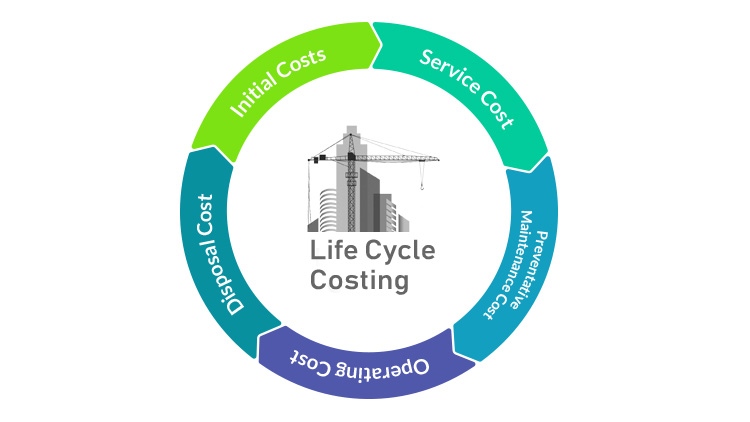
Introduction to Life Cycle Costing
Welcome to the world of engineering projects, where innovation meets practicality and creativity is coupled with precision. As engineers, we are constantly striving to find the most efficient solutions that not only deliver exceptional performance but also prove cost-effective in the long run. This is where Life Cycle Costing comes into play - a powerful tool that allows us to analyze and evaluate the financial implications of our decisions throughout the entire lifespan of a project.
In this blog post, we will dive deep into understanding Life Cycle Costing and explore its significance in engineering projects. We will uncover its key components, advantages, disadvantages, as well as discuss some common challenges faced during implementation. So buckle up your seatbelts because we are about to embark on an exciting journey through the fascinating realm of Life Cycle Costing!
Why is Life Cycle Costing Important in Engineering Projects?
Life Cycle Costing is a critical aspect of engineering projects that should not be overlooked. It provides a comprehensive analysis of the costs associated with a project throughout its entire life cycle, from conception to disposal. This approach considers not only the initial investment but also ongoing operational and maintenance costs, as well as potential future expenses.
One key reason why Life Cycle Costing is important in engineering projects is that it allows for better decision-making. By considering all costs involved over the project's lifetime, engineers can make more informed choices about materials, equipment, and design options. This helps minimize long-term expenditures while maximizing efficiency and sustainability.
Additionally, Life Cycle Costing enables accurate cost forecasting. By accounting for potential maintenance and replacement expenses down the line, engineers can develop realistic budgets and financial plans. This prevents any unexpected financial burden during the project's operation phase.
Furthermore, Life Cycle Costing promotes accountability. By understanding the full cost implications of their decisions upfront, engineers are motivated to prioritize quality and longevity in their designs rather than opting for cheaper short-term solutions.
This approach aligns with sustainable development goals by encouraging environmentally friendly practices. Engineers can assess how different design choices impact energy consumption or waste generation over time and make adjustments accordingly.
Life Cycle Costing plays a vital role in engineering projects by providing a holistic view of costs incurred throughout an asset's life cycle. Through better decision-making capabilities and improved cost forecasting accuracy, engineers can optimize resource utilization while ensuring long-term viability.
The Components of Life Cycle Costing
When it comes to understanding the true cost of an engineering project, life cycle costing plays a crucial role. It involves considering all the costs associated with a project from its inception to its disposal. Let's take a closer look at the components that make up this comprehensive approach.
There are the initial costs, which include everything from research and development expenses to procurement and installation costs. These upfront expenditures set the foundation for the entire project and need careful consideration.
Next, we have operating costs. These encompass ongoing expenses such as maintenance, repairs, energy consumption, and labor costs throughout the lifespan of the project. By factoring in these operational expenses early on, engineers can better estimate long-term financial implications.
Another important component is replacement or upgrade costs. Over time, technology advances rapidly; therefore, equipment may become obsolete or require upgrades to remain efficient and compliant with regulations. Including these future expenses in life cycle costing helps avoid unexpected financial burdens down the line.
Furthermore, we must consider downtime costs caused by interruptions in production or service delivery due to equipment failure or maintenance work. These disruptions can result in lost productivity and potential revenue loss if not accounted for during planning stages.
Lastly but equally significant are disposal or decommissioning costs when a project reaches its end-of-life stage. This includes environmental cleanup measures as well as safe removal and disposal of any hazardous materials used during construction or operation.
By taking into account all these components – initial costs, operating expenses,
replacement/upgrades fees , downtime losses ,and disposal/decommissioning expenditures – engineers gain a holistic view of a project's total cost over its entire lifecycle.
Advantages and Disadvantages of Life Cycle Costing
When it comes to engineering projects, considering the life cycle costing can offer several benefits. First and foremost, this approach ensures that all costs associated with a project are taken into account from its inception to its retirement. By accounting for costs throughout the entire life cycle, decisions can be made based on a comprehensive understanding of long-term implications.
One major advantage of life cycle costing is that it helps identify cost-saving opportunities. By analyzing different alternatives over the entire life span of a project, engineers can pinpoint areas where savings can be achieved. This proactive approach allows for informed decision-making early on in the project's development, leading to more efficient use of resources.
Furthermore, life cycle costing encourages sustainability considerations. It prompts engineers to evaluate not only financial costs but also environmental impacts associated with each stage of a project's lifecycle. This holistic perspective fosters environmentally conscious decision-making and promotes sustainable practices.
However, there are some potential disadvantages to consider as well when implementing life cycle costing in engineering projects. One challenge is accurately forecasting future costs due to uncertainties such as inflation rates or changes in technology. Predicting these factors with certainty can be difficult and may introduce inaccuracies into cost estimates.
Another drawback is that conducting an extensive analysis spanning multiple years requires time and resources which may not always be readily available during tight deadlines or budget constraints. The comprehensive nature of life cycle costing demands meticulous data collection and analysis which could potentially delay decision-making processes if not managed efficiently.
While there are advantages to employing life cycle costing in engineering projects such as identifying cost-saving opportunities and promoting sustainability consideration; challenges like accurate cost forecasting and resource requirements need careful consideration before implementation.
Challenges and Solutions for Implementing Life Cycle Costing in Engineering Projects
Implementing life cycle costing in engineering projects can present certain challenges, but there are also solutions available to overcome them. One challenge is the complexity of gathering accurate data throughout the entire project lifecycle. This can involve collecting information from various sources and ensuring its reliability. To address this challenge, implementing standardized data collection methods and utilizing advanced technology such as automated data capture systems can greatly improve accuracy and efficiency.
Another challenge is the uncertainty surrounding future costs and variables that may impact the project over time. Factors like inflation rates, market fluctuations, and changing regulations can all affect cost projections. One solution to mitigate this challenge is conducting thorough research and analysis to identify potential risks and develop contingency plans accordingly. Regular monitoring of relevant external factors during the project's lifespan will also help adjust cost estimates as needed.
Additionally, resistance or lack of awareness among stakeholders about life cycle costing principles can hinder successful implementation. Education and communication play a crucial role here by raising awareness about the benefits of life cycle costing and demonstrating how it aligns with long-term goals such as sustainability or profitability.
Furthermore, integrating life cycle costing into existing project management processes might require changes in workflows or additional training for team members involved. By providing clear guidelines on how to incorporate life cycle costing practices into daily operations, organizations can facilitate smooth adoption without disrupting ongoing projects.
Obtaining sufficient financial resources upfront for comprehensive analysis throughout a project's duration may be seen as challenging by some organizations due to budget constraints or competing priorities. However, highlighting the potential return on investment through improved decision-making based on accurate cost assessments could help secure necessary funding.
While implementing life cycle costing in engineering projects presents challenges related to data collection complexity, uncertainty regarding future costs,
stakeholder resistance or lack of awareness
integration into existing processes
and securing adequate resources,
there are solutions available including standardizing data collection methods
utilizing advanced technology
conducting thorough research and analysis
raising awareness through education and communication.
Conclusion
Life cycle costing is a crucial tool in engineering projects that helps businesses make informed decisions about their investments. By considering not only the initial costs but also the costs throughout the entire life cycle of a project, companies can better understand the financial implications and potential risks associated with their decisions.
Throughout this article, we have explored the importance of life cycle costing in engineering projects. We have discussed its components, advantages, disadvantages, as well as challenges and solutions for implementing it effectively.
By adopting life cycle costing practices, businesses can accurately assess the total cost of ownership of assets or projects. This allows them to optimize resources allocation, minimize expenses over time, and ensure long-term profitability.
However, implementing life cycle costing comes with its fair share of challenges. It requires accurate data collection and analysis at each stage of a project's life span. Additionally, there may be resistance from stakeholders who are more focused on short-term gains rather than long-term benefits.
To overcome these challenges, organizations should invest in robust data management systems and establish clear communication channels between all parties involved in decision-making processes. Training programs can also help educate employees about the importance of considering all relevant costs throughout a project's lifetime.
In conclusion (Oops! I meant to say "to wrap things up"), understanding life cycle costing is essential for successful engineering projects. By taking into account all costs associated with an asset or project from conception to disposal or decommissioning stages while considering uncertainties such as maintenance needs and market changes – businesses can make informed choices that align with their strategic objectives.
So next time you embark on an engineering project or consider investing in new equipment or infrastructure - remember to think beyond just upfront expenditures! Life cycle costing will guide you towards making financially sound decisions that promote sustainability and maximize returns on investment.
Effective Techniques for Financial Analysis in Engineering Ventures

Introduction to Financial Analysis in Engineering Ventures
Welcome to our blog post on effective techniques for financial analysis in engineering ventures! If you're an engineer or involved in the world of engineering, you know that running a successful venture requires much more than technical expertise. Understanding and analyzing the financial aspects of your projects is crucial for making informed decisions that can drive growth and profitability.
In this article, we will explore the importance of financial analysis in engineering ventures and delve into some powerful techniques that can help you evaluate and optimize your projects. Whether you are a seasoned professional or just starting out, these techniques will provide valuable insights into the financial health of your ventures.
So grab a cup of coffee, sit back, and let's dive into the world of financial analysis in engineering ventures!
Importance of Financial Analysis in Engineering Ventures
When it comes to engineering ventures, financial analysis plays a crucial role in ensuring the success and profitability of the project. It goes beyond just crunching numbers; it provides valuable insights into the financial health and viability of the venture.
One of the key reasons why financial analysis is important in engineering ventures is that it helps in assessing and mitigating risks. By thoroughly analyzing the cash flow, break-even point, and return on investment (ROI), engineers can identify potential risks and take necessary measures to minimize them.
Financial analysis also aids decision-making by providing accurate information about costs, revenue projections, and profitability. This enables engineers to make informed choices regarding budget allocation, resource utilization, pricing strategies, and investment opportunities.
Furthermore, financial analysis allows for effective monitoring of progress throughout different stages of an engineering project. It helps track actual expenses against projected costs and identifies any deviations or areas where cost-cutting measures can be implemented.
Moreover, when seeking external funding or loans for an engineering venture, having a comprehensive financial analysis report becomes essential. Lenders and investors want assurance that their money will be used wisely with good prospects for returns.
In conclusion (!), conducting thorough financial analyses should be considered an integral part of every engineering venture. It not only ensures sound decision-making but also enhances risk management capabilities while attracting potential investors or lenders who are confident in your ability to deliver a successful project within budgetary constraints.
Types of Financial Analysis Techniques
Financial analysis is a crucial aspect of any engineering venture, as it helps in evaluating and understanding the financial health and viability of the project. There are several types of financial analysis techniques that can be employed to gain valuable insights into the project's financial performance.
One such technique is cash flow analysis, which involves examining the inflow and outflow of cash within a specific time period. This analysis helps in determining whether there is enough cash available to cover expenses and meet financial obligations. It also aids in identifying potential cash shortages or surpluses.
Another important technique is break-even analysis, which determines the point at which revenue equals expenses - essentially when a project starts generating profit. By analyzing fixed costs, variable costs, and pricing strategies, engineers can ascertain how many units must be sold or services rendered to achieve breakeven.
Return on investment (ROI) analysis assesses the profitability of an engineering venture by comparing its gains from investments against its costs. This allows decision-makers to weigh potential risks against expected returns before committing resources.
These are just a few examples of the various financial analysis techniques available for engineers. Each technique provides unique insights into different aspects of a project's finances, enabling informed decision-making throughout its lifecycle.
Cash Flow Analysis
One of the most crucial aspects of financial analysis in engineering ventures is cash flow analysis. This technique helps assess the movement of money within a business, ensuring that there is enough cash on hand to meet obligations and sustain operations.
A thorough cash flow analysis involves examining both inflows and outflows of funds. Inflows may include revenue from sales, investments, or loans, while outflows encompass expenses such as operating costs, loan repayments, and taxes. By analyzing these factors over a specific period, engineers can gain valuable insights into their venture's financial health.
The primary goal of cash flow analysis is to ensure positive cash flow - having more money coming in than going out. A positive cash flow indicates that the venture has sufficient liquidity to cover its ongoing expenses. Moreover, it allows for reinvestment in growth opportunities or building emergency reserves.
By regularly conducting a comprehensive cash flow analysis, engineering ventures can identify potential issues before they become critical problems. It enables them to make informed decisions about budgeting and resource allocation while highlighting areas where cost-cutting measures may be necessary.
In addition to assessing current performance, cash flow analysis also aids in forecasting future financial trends. Engineers can use historical data to predict fluctuations in revenue and anticipate periods when additional working capital might be required.
Incorporating a robust cash flow analysis strategy into financial planning ensures the long-term sustainability and success of engineering ventures. With this technique at their disposal, engineers are better equipped to navigate challenges confidently while maximizing profitability.
Break-Even Analysis
Break-Even Analysis is a crucial tool in financial analysis for engineering ventures. It helps businesses determine the point at which their revenue equals their costs, resulting in neither profit nor loss. By analyzing the break-even point, companies can gain insights into how much they need to sell or produce to cover all expenses.
In simple terms, the break-even point represents the minimum amount of sales needed to cover fixed and variable costs. Fixed costs include rent, utilities, salaries, while variable costs are directly related to production or service delivery. These may include raw materials, labor costs, or packaging expenses.
Calculating the break-even point involves dividing fixed costs by the contribution margin per unit. The contribution margin is calculated by subtracting variable costs from revenue per unit sold.
The benefit of utilizing break-even analysis lies in its ability to inform decision-making processes within an engineering venture. It allows business owners and managers to assess pricing strategies and evaluate potential changes in cost structure that might impact profitability.
Moreover, a thorough understanding of the break-even point enables companies to plan for future growth and expansion effectively. By identifying when profits will exceed losses based on different sales volumes or price points, businesses can take strategic actions such as increasing marketing efforts or reducing overhead expenses.
However useful it may be; there are some caveats associated with using break-even analysis alone. This technique assumes that all products produced will be sold at a uniform price and does not consider external factors like market demand fluctuations or competition dynamics.
Nonetheless, Break-Even Analysis remains an essential tool for financial planning in engineering ventures since it provides valuable insights into achieving profitability goals while minimizing risk exposure.
Return on Investment (ROI) Analysis
Return on Investment (ROI) Analysis is a crucial financial technique used in engineering ventures to evaluate the profitability of an investment. It helps engineers and project managers determine whether an investment will yield positive returns or not.
One key aspect of ROI analysis is measuring the ratio between the net profit generated from an investment and the initial cost incurred. By calculating this ratio, engineers can assess how efficiently their resources are being utilized and make informed decisions about future investments.
Additionally, ROI analysis provides insights into the time it takes for an investment to generate returns. Engineers can compare different projects based on their ROI values and prioritize those with shorter payback periods.
Moreover, ROI analysis allows for benchmarking against industry standards. Comparing the ROI of similar projects within the engineering sector helps identify areas where improvements can be made to enhance profitability.
It's important to note that while ROI analysis is a powerful tool, it has limitations too. It doesn't take into account factors such as inflation or changes in market conditions that may impact returns over time. Hence, engineers should consider these variables when interpreting results.
Return on Investment (ROI) Analysis plays a vital role in evaluating financial viability and profitability in engineering ventures. Its ability to measure efficiency, predict payback periods, and facilitate benchmarking makes it indispensable for decision-making processes within this field.
Common Mistakes to Avoid in Financial Analysis
When it comes to financial analysis in engineering ventures, there are several common mistakes that should be avoided. These errors can have a significant impact on the accuracy and reliability of the analysis, potentially leading to poor decision-making and negative consequences for the project.
One common mistake is relying solely on historical data without considering future trends or market conditions. While past performance can provide valuable insights, it is essential to take into account potential changes and uncertainties that may affect the project's financial outlook.
Another mistake is overlooking key assumptions or inputs used in the analysis. Failing to accurately identify and incorporate these factors can lead to flawed calculations and misleading results.
Additionally, many individuals make the error of not conducting sensitivity analyses. This technique involves testing different scenarios by varying key variables such as sales forecasts or cost estimates. By neglecting this step, decision-makers may miss out on crucial information about how sensitive their project's profitability is to various factors.
Furthermore, another pitfall lies in underestimating risks associated with an engineering venture. It is vital to thoroughly assess potential risks such as regulatory changes, market competition, or technological advancements that could impact the project's financial viability.
One must avoid making decisions based solely on quantitative factors while disregarding qualitative aspects of a project. Factors like reputation management or customer satisfaction cannot be ignored since they can significantly influence long-term success.
By being aware of these common pitfalls and avoiding them during financial analysis processes within engineering ventures will ensure more accurate results and better-informed decision-making moving forward.
Exploring Capital Budgeting Methods in Engineering Decision Making

Introduction to Capital Budgeting in Engineering
Welcome to the world of engineering decision making, where every choice has the potential to shape the future. As engineers, we are tasked with not only designing innovative solutions but also navigating the complex realm of capital budgeting. In simple terms, capital budgeting refers to the process of evaluating investment opportunities and determining which projects are worth pursuing based on their financial viability.
In this blog post, we will delve into the various methods used in capital budgeting specifically tailored for engineering projects. We'll explore how these methods can aid in making informed decisions that maximize returns while minimizing risks. So fasten your seatbelts and get ready to dive deep into this fascinating subject!
Types of Capital Budgeting Methods:
Capital budgeting is a crucial process for engineering decision making, as it helps determine the financial viability of potential projects. There are several methods used in capital budgeting that can provide valuable insights and aid in making informed investment decisions.
One commonly used method is the payback period. This method calculates the time it takes for an investment to generate enough cash inflows to recover the initial cost. It is a simple and intuitive approach that provides information on how quickly an investment will recoup its costs.
Another widely used method is Net Present Value (NPV). NPV considers both the timing and magnitude of cash flows by discounting future cash flows back to their present value. This allows engineers to assess whether an investment will result in positive or negative net returns over its life span.
Internal Rate of Return (IRR) is yet another important capital budgeting method. It measures the rate at which discounted cash inflows equal the initial investment outlay. Essentially, IRR indicates what return an engineer can expect from investing in a particular project.
Each of these methods has its advantages and disadvantages when applied in engineering decision-making scenarios. The payback period, for example, provides quick insight into liquidity risks but fails to consider long-term profitability. On the other hand, NPV accounts for time value of money but relies on accurate estimation of discount rates and future cash flows.
Incorporating risk analysis into capital budgeting decisions is essential to account for uncertainties associated with investments. Techniques like sensitivity analysis or Monte Carlo simulation can help engineers evaluate different scenarios under varying market conditions or project outcomes.
Looking ahead, there are some intriguing trends emerging in capital budgeting practices within engineering industries. For instance, there's a growing emphasis on incorporating sustainability metrics into evaluation frameworks as companies recognize the significance of environmental impact assessment alongside financial considerations.
To summarize briefly without using concluding phrases: Capital budgeting involves various methods such as payback period, NPV, and IRR. Each method has its advantages and disadvantages, and incorporating risk analysis is crucial.
A. Payback Period
The Payback Period is a commonly used capital budgeting method in engineering decision making. It measures the length of time required for an investment to generate enough cash flows to recover its initial cost. In other words, it helps determine how quickly an investment will pay for itself.
One advantage of the Payback Period method is its simplicity. It provides a straightforward way to assess the liquidity and risk associated with an investment. By focusing on recovering the initial investment, engineers can evaluate whether a project aligns with their desired timeframe.
However, there are limitations to using this method alone. The Payback Period does not consider the time value of money or take into account all future cash flows beyond the breakeven point. This can lead to incomplete analysis and potentially overlook more profitable projects that have longer payback periods.
Another drawback is that it ignores potential profitability after recovery of costs, which may be important when evaluating long-term investments. Additionally, it fails to incorporate risk factors such as inflation or interest rates that could impact future cash flows.
Despite these limitations, the Payback Period can still serve as a useful tool within a broader framework of capital budgeting methods. Engineers should weigh its simplicity against other sophisticated techniques like Net Present Value (NPV) or Internal Rate of Return (IRR) when making informed decisions about resource allocation and project viability.
B. Net Present Value (NPV)
Net Present Value (NPV) is a popular capital budgeting method that takes into account the time value of money. It measures the profitability of an engineering project by calculating the present value of its expected cash flows. This method considers both inflows and outflows over the life of the project, discounting them back to their current value using a predetermined rate.
One advantage of NPV is its ability to provide a clear picture of the financial viability of an engineering project. By considering all cash flows and applying appropriate discount rates, it allows decision-makers to assess whether an investment will generate positive or negative returns.
Another benefit is that NPV accounts for changes in purchasing power due to inflation. By adjusting future cash flows for inflation, it provides a more accurate assessment of potential profits.
However, there are also some limitations to consider when using NPV as a capital budgeting tool. For instance, determining the appropriate discount rate can be challenging as it requires estimating future interest rates or cost-of-capital values accurately.
Additionally, NPV does not consider non-financial factors such as environmental impact or social benefits associated with engineering projects. Therefore, decision-makers must carefully evaluate these aspects separately before making final investment decisions.
Net Present Value (NPV) offers valuable insights into project profitability by considering both timing and magnitude of cash flows. However, it should be used alongside other methods and considerations to make informed decisions in engineering capital budgeting processes.
C. Internal Rate of Return (IRR)
Internal Rate of Return (IRR) is another commonly used capital budgeting method in engineering decision making. It measures the profitability or potential return on investment of a project by calculating the discount rate at which the present value of cash inflows equals the initial investment.
The IRR method takes into account both the timing and magnitude of cash flows, which makes it a popular choice among engineers. By considering the time value of money, IRR provides a more accurate assessment of a project's profitability over its entire life cycle.
One advantage of using IRR is that it allows for easy comparison between different projects or investments. Engineers can simply compare the IRRs to determine which option would provide a higher return on investment.
However, there are some limitations to consider when using IRR as well. One disadvantage is that it assumes all cash flows generated by a project will be reinvested at the same rate as the calculated IRR. This may not always be realistic in practice.
Additionally, when evaluating mutually exclusive projects with different sizes or durations, IRR may lead to ambiguous results or even incorrect decisions. In these cases, engineers should consider other factors such as Net Present Value (NPV) to make informed decisions.
Internal Rate of Return (IRR) is an important capital budgeting method that helps engineers assess and compare potential investments based on their projected returns over time. By incorporating this methodology into their decision-making process, engineers can make more informed choices about resource allocation and project feasibility within their organizations without overlooking any critical financial aspects!
Advantages and Disadvantages of Each Method
Payback Period
The payback period method is a simple and straightforward way to evaluate the profitability of a project. One advantage is its simplicity, as it provides a clear indication of how quickly an investment will be recovered. This can be particularly useful for smaller projects or when cash flow is limited. However, one major disadvantage is that it does not take into account the time value of money, which means that future cash flows are not considered in determining the investment's overall profitability.
Net Present Value (NPV)
The NPV method takes into account the time value of money by discounting future cash flows back to their present value. This allows for a more accurate assessment of an investment's profitability over its entire life span. One advantage is that it considers all relevant cash inflows and outflows throughout the project's duration. However, one potential drawback is that it requires estimation of discount rates and future cash flows, which can introduce uncertainty into the analysis.
Internal Rate of Return (IRR)
The IRR method calculates the rate at which a project's net present value equals zero, indicating its level of return on investment. A key advantage here is that it accounts for both timing and magnitude of expected cash flows. It also provides insight into whether an investment meets or exceeds a company’s required rate of return. Nonetheless, one limitation may arise when comparing multiple projects with different sizes or durations since IRR assumes reinvestment at the calculated rate.
Incorporating Risk Analysis into Capital Budgeting Decisions
When making capital budgeting decisions, it is crucial to consider the associated risks. After all, investments in engineering projects involve a degree of uncertainty and potential for adverse outcomes. In order to make informed decisions, engineers must incorporate risk analysis into their evaluation process.
One method commonly used for risk assessment is sensitivity analysis. This involves testing different scenarios by adjusting key variables such as project costs or revenue projections. By examining the impact of these changes on the project's financial metrics, engineers can gain a better understanding of its overall risk profile.
Another approach is probabilistic analysis, which assigns probabilities to various outcomes based on historical data or expert judgment. This allows decision-makers to quantify the likelihood of success or failure and assess the range of potential returns.
Furthermore, incorporating Monte Carlo simulation can provide a comprehensive view of risk by generating thousands of possible future scenarios. This technique takes into account multiple variables and their interdependencies to simulate a wide range of possible outcomes.
To enhance risk analysis in capital budgeting decisions, engineers should also consider external factors such as market conditions or regulatory changes that may affect project viability over time.
By integrating risk analysis techniques into capital budgeting decisions, engineers can make more informed choices that align with their organization's objectives while considering potential risks that could impact the success and profitability of an engineering project without compromising its overall quality and integrity.
Evaluating Risk and Uncertainty in Engineering Investments

Introduction to Risk and Uncertainty in Engineering Investments
Investing in engineering projects can be a complex and challenging endeavor. With the ever-changing landscape of technological advancements, economic fluctuations, and regulatory uncertainties, there is no denying that risks and uncertainties are inherent in every decision we make. But fear not!
In this blog post, we will delve into the intriguing world of risk assessment and uncertainty evaluation in engineering investments. Get ready to unlock the secrets behind mitigating risks, leveraging data and technology, and ultimately making informed decisions that lead to success. So buckle up your seatbelts because we're about to embark on an exhilarating journey through the realm of risk management in engineering investments!
Understanding Risk Assessment in Engineering Projects
When it comes to engineering projects, risk assessment plays a crucial role in ensuring success and preventing potential disasters. It involves identifying, analyzing, and evaluating the risks associated with a project to make informed decisions and develop effective mitigation strategies.
One of the key aspects of risk assessment is understanding the different types of risks that can arise during an engineering project. These risks can be categorized as technical, financial, operational, or external factors that have the potential to impact project objectives. By thoroughly examining each aspect of a project and considering all possible scenarios, engineers can proactively plan for any uncertainties that may arise.
Risk assessment methods used in engineering projects vary depending on the nature and complexity of the endeavor. Some commonly employed techniques include probability analysis, sensitivity analysis, failure mode and effects analysis (FMEA), and Monte Carlo simulations. Each method provides valuable insights into potential risks and helps prioritize them based on their likelihood of occurrence and severity.
In addition to identifying risks through these methodologies, it is essential for engineers to continuously monitor progress throughout a project's lifecycle. Regular evaluations allow for early detection of emerging risks or changes in circumstances that may introduce new uncertainties.
Effective risk management also requires collaboration among various stakeholders involved in an engineering investment. Transparency between team members fosters better decision-making by incorporating diverse perspectives from experts across disciplines.
Moreover, advancements in data analytics technology have revolutionized risk management practices within engineering projects. With access to vast amounts of data from previous projects or industry benchmarks at their fingertips, engineers are now able to leverage predictive models powered by machine learning algorithms.
By harnessing this technology-driven approach alongside traditional risk assessment techniques like brainstorming sessions or expert judgment reviews engineers can gain deeper insights into potential uncertainties while reducing subjectivity biases inherent in manual assessments alone.
In summary, understanding risk assessment is vital when it comes to managing uncertainties effectively throughout an engineering investment journey.
Methods for Evaluating Risk and Uncertainty
When it comes to evaluating risk and uncertainty in engineering investments, there are several methods that can be employed. These methods serve as valuable tools for project managers and engineers to assess potential risks and uncertainties and make informed decisions.
One common method is the use of qualitative analysis, which involves identifying and categorizing risks based on their impact and likelihood. This method relies on expert judgment, experience, and knowledge to evaluate risks subjectively. It provides a high-level understanding of potential risks but may lack precision.
Quantitative analysis, on the other hand, involves assigning numerical values to different variables such as cost, timeframes, or probabilities. This approach allows for more precise calculations when assessing risk levels. Techniques like Monte Carlo simulation can help generate multiple scenarios by considering various inputs simultaneously.
Another useful method is sensitivity analysis, which aims to determine how changes in certain factors affect project outcomes. By adjusting input variables one at a time while keeping others constant, project managers can identify critical areas where small changes could have significant impacts.
Furthermore, decision trees provide a visual representation of different possible outcomes based on specific decisions made throughout the project lifecycle. This method helps stakeholders understand the potential consequences of their choices under varying circumstances.
Scenario analysis entails developing different hypothetical situations that could occur during a project's lifespan. By exploring these scenarios in detail - including best case, worst case, or most probable scenarios - decision-makers gain insights into how various conditions might impact the investment.
These methods offer diverse approaches for evaluating risk and uncertainty in engineering projects. Each has its strengths and limitations depending on factors such as available data or complexity of the investment being assessed. Therefore employing a combination of these techniques enables comprehensive evaluation that aids effective decision-making processes within engineering investments.
Mitigating Risks and Managing Uncertainty
When it comes to engineering investments, mitigating risks and managing uncertainty are crucial factors that can make or break a project's success. It is essential to identify potential risks early on and develop strategies to minimize their impact.
One way to mitigate risks is through thorough planning and analysis. This involves conducting comprehensive feasibility studies, identifying potential hazards, and developing contingency plans for unforeseen events. By addressing these risks upfront, engineers can proactively manage uncertainties that may arise during the course of the project.
Another effective method for managing uncertainty is through collaboration with stakeholders. Engaging with clients, contractors, regulatory bodies, and other relevant parties allows engineers to gain valuable insights and perspectives. By actively involving stakeholders in decision-making processes, engineers can better anticipate potential challenges and work towards finding viable solutions.
Additionally, utilizing technology can significantly aid in risk management efforts. Advanced modeling software enables engineers to simulate different scenarios accurately, allowing them to assess the likelihood of various outcomes. This data-driven approach helps inform decision-making by providing quantitative assessments of risk levels associated with specific actions or investments.
Furthermore, implementing robust monitoring systems throughout the project lifecycle ensures timely identification of emerging risks or uncertainties. Regular monitoring allows for prompt intervention when necessary while maintaining flexibility in response strategies.
In conclusion (since I must conclude here), effectively mitigating risks and managing uncertainty requires a proactive approach from engineering professionals. By employing careful planning techniques along with leveraging stakeholder collaborations and technology advancements in risk assessment tools; projects stand a higher chance of overcoming obstacles successfully while achieving desired outcomes.
The Role of Data and Technology in Risk Management
In today's fast-paced world, data and technology play a crucial role in the evaluation and management of risk. With the abundance of information available at our fingertips, engineers can now make more informed decisions when it comes to assessing potential risks in their projects.
Data collection and analysis have become integral to risk management processes. By gathering relevant data from various sources, engineers can identify patterns, trends, and potential risks that may arise during the project lifecycle. This allows them to proactively address these risks before they escalate into major issues.
Furthermore, advancements in technology have revolutionized risk management practices. Various software tools are now available that can analyze complex data sets and simulate different scenarios to assess potential outcomes. These technologies provide engineers with valuable insights into the likelihood and impact of specific risks.
Additionally, real-time monitoring systems enable continuous tracking of project parameters, providing early warnings for any deviations or anomalies that may indicate increased vulnerability or potential risks. This proactive approach allows for timely interventions to mitigate risks before they materialize.
Moreover, technology facilitates better communication among stakeholders involved in engineering investments. Collaborative platforms enable seamless information sharing across teams, ensuring everyone is on the same page regarding identified risks and mitigation strategies.
The integration of data-driven approaches and technological solutions enhances risk assessment capabilities within engineering investments. It enables engineers to make well-informed decisions based on accurate information rather than relying solely on intuition or past experiences alone.
Importance of Proper Evaluation and Management of Risk and Uncertainty in Engineering Investments
The importance of proper evaluation and management of risk and uncertainty in engineering investments cannot be overstated. Engineering projects often involve significant financial investments, as well as potential safety risks and environmental impacts. Therefore, it is crucial to thoroughly assess the risks involved and develop effective strategies for managing them.
Conducting a comprehensive risk assessment allows engineers to identify potential hazards or uncertainties that could impact the success of a project. This involves evaluating factors such as technical feasibility, market conditions, regulatory compliance, and stakeholder expectations. By carefully considering these aspects, engineers can anticipate challenges that may arise throughout the project lifecycle.
Once risks are identified, appropriate mitigation measures can be implemented to minimize their impact. This could include designing redundant systems to prevent failures or implementing safety protocols to protect workers on-site. Additionally, contingency plans should be developed to address unexpected events or changes in circumstances.
Furthermore, technology plays a vital role in effective risk management. With advancements in data analytics and predictive modeling tools, engineers now have access to real-time information that can help inform decision-making processes. By leveraging technology-driven solutions like artificial intelligence (AI) algorithms or machine learning models, engineers can evaluate risks more accurately and make informed choices based on data-driven insights.
Proper evaluation and management of risk also contribute towards ensuring project success by enhancing cost-effectiveness and improving overall efficiency. By identifying potential risks early on during the planning stage itself helps avoid costly delays or rework later down the line.
Maximizing Profitability through Value Engineering Strategies

Maximizing Profitability through Value Engineering Strategies
Welcome to our blog post where we dive into the world of value engineering and its incredible potential to boost profitability in construction projects. In today's competitive market, it is crucial for businesses to find innovative ways to maximize their bottom line without compromising quality or efficiency. And that's where value engineering comes in.
Value engineering is not just a buzzword; it is a strategic approach that focuses on improving the value of products, services, or processes while reducing costs. By identifying unnecessary expenses and finding alternative solutions, companies can achieve greater profitability without sacrificing customer satisfaction.
In this article, we will explore the importance of value engineering in construction projects and discuss steps you can take to implement successful strategies. We'll also address potential challenges along the way and how you can overcome them. Additionally, we'll touch upon future trends and innovations in value engineering that could revolutionize the industry as we know it.
So whether you're an architect looking for ways to optimize your designs or a project manager aiming to increase profit margins, keep reading! The insights shared here will provide valuable guidance on harnessing the power of value engineering for improved outcomes and long-term success.
Let's begin by understanding what exactly value engineering entails and why it holds such significance in construction projects today!
Understanding Value Engineering
Value engineering is a systematic approach that aims to identify and eliminate unnecessary costs in a project while maintaining or even improving its quality. It involves scrutinizing every aspect of the construction process, from design to materials, with the goal of finding alternative solutions that offer equal or greater value at a reduced cost.
At its core, value engineering challenges traditional thinking by encouraging creative problem-solving and out-of-the-box ideas. It goes beyond simply cutting expenses; it strives for innovation and optimization. By questioning assumptions and exploring different possibilities, value engineering enables businesses to find more efficient ways of achieving their objectives.
One key aspect of value engineering is the focus on function rather than form. Instead of getting caught up in aesthetic considerations alone, this approach emphasizes practicality and performance. The aim is to deliver maximum functionality at an optimal cost.
Another important principle in value engineering is the concept of "value." This term refers not only to monetary worth but also encompasses factors such as durability, sustainability, energy efficiency, and user experience. By broadening our definition of value, we can uncover additional opportunities for improvement.
To successfully implement value engineering strategies, collaboration among all stakeholders is crucial. Architects, engineers, contractors, suppliers - everyone involved in the project should work together towards a common goal: maximizing overall value while minimizing costs.
Now that we have a basic understanding of what value engineering entails let's explore its importance specifically within construction projects!
The Importance of Value Engineering in Construction Projects
Value engineering plays a crucial role in the success of construction projects. It involves analyzing every aspect of a project to identify opportunities for cost reduction, improved efficiency, and increased value without compromising quality.
One major benefit of value engineering is its ability to optimize resources. By examining different materials, methods, and processes, construction professionals can find innovative solutions that not only save money but also enhance the overall performance and functionality of the project.
Additionally, value engineering helps mitigate risks associated with budget overruns and delays. Through a systematic approach, potential issues are identified early on and alternative measures are proposed to ensure timely completion within budget constraints.
Moreover, by incorporating value engineering into the planning phase of construction projects, stakeholders can align their goals more effectively. This collaborative process fosters communication among team members leading to enhanced decision-making and ultimately delivering higher customer satisfaction.
Furthermore, implementing value engineering strategies promotes sustainability in construction. By finding ways to reduce waste generation or energy consumption while maintaining structural integrity, companies contribute positively towards environmental conservation efforts.
In summary, value engineering is an essential aspect of construction projects as it optimizes resources,
mitigates risks, improves collaboration among stakeholders, and supports sustainable practices. By embracing these strategies from inception through completion, companies can maximize profitability while delivering high-quality structures that meet client expectations.
Steps to Implementing a Successful Value Engineering Strategy
When it comes to implementing a successful value engineering strategy in construction projects, there are several key steps that need to be followed. These steps can help ensure that the project not only meets its objectives but also maximizes profitability.
The first step is to establish clear goals and objectives for the project. This includes defining what success looks like and identifying any specific challenges or constraints that need to be addressed. By clearly articulating the desired outcomes, it becomes easier to identify areas where value engineering can make a significant impact.
Next, it's important to assemble a team of experts who can contribute their knowledge and expertise throughout the process. This might include architects, engineers, contractors, and other stakeholders who can provide valuable insights into potential cost-saving opportunities.
Once the team is in place, a comprehensive analysis of the project needs to be conducted. This involves examining every aspect of the design, materials selection, construction methods, and more. The goal is to identify areas where changes or improvements can be made without compromising quality or functionality.
After analyzing all aspects of the project, brainstorming sessions should be held with team members to generate innovative ideas for improving value while reducing costs. It's crucial during this stage not only to focus on immediate cost savings but also consider long-term sustainability and efficiency.
Once potential solutions have been identified during brainstorming sessions; they need further evaluation through detailed feasibility studies or prototyping if applicable before implementation begins - ensuring practicality as well as financial viability from start till end!
To effectively implement these value engineering solutions; careful planning must occur alongside regular monitoring & control mechanisms so adjustments may take place when necessary based on real-time data collected throughout execution phases thereby optimizing resource allocation accordingly achieving maximum profitability!
By following these steps carefully and consistently throughout each phase of your project you will maximize your chances at successfully implementing a valuable engineering strategy resulting in increased profitability!
Potential Challenges and How to Overcome Them
Value engineering is a powerful tool that can help construction projects maximize profitability. However, like any strategy, it comes with its own set of challenges. Here are some potential obstacles you may encounter when implementing value engineering strategies and ways to overcome them.
One common challenge is resistance from stakeholders who may be hesitant to change established plans or designs. To address this, it's crucial to communicate the benefits of value engineering clearly and involve all relevant parties in the decision-making process. By showing how value engineering can lead to cost savings without compromising quality or functionality, you can gain buy-in from stakeholders.
Another challenge lies in identifying suitable alternatives that maintain or enhance project objectives while reducing costs. This requires a thorough understanding of the project requirements and leveraging expertise across different disciplines. Collaborating with architects, engineers, suppliers, and contractors can uncover innovative solutions that optimize both performance and budget.
Budget constraints may also pose difficulties during the implementation of value engineering strategies. It's essential to constantly evaluate cost-saving opportunities throughout each phase of the project lifecycle. This includes regularly reassessing priorities, exploring alternative materials or methods, negotiating pricing with suppliers, and seeking out competitive bids for subcontracted work.
Furthermore, time constraints can hinder effective value engineering implementation. To mitigate this challenge, proper planning is paramount. Start early by incorporating value engineering into the design stage rather than waiting until construction has begun. Establish a clear timeline for analysis and decision-making processes as well as regular progress reviews to ensure timely execution.
Maintaining open lines of communication among all project team members is key for successful implementation of value engineering strategies. Effective collaboration ensures everyone is aligned on goals and objectives while fostering an environment where ideas can be shared freely.
Overcoming these challenges requires proactive problem-solving skills combined with effective communication techniques throughout every stage of the project development process.
Future Trends and Innovations in Value Engineering
As the construction industry continues to evolve, so too does the field of value engineering. With advancements in technology and a focus on sustainability, future trends and innovations in value engineering are poised to shape the way projects are approached and executed.
One significant trend emerging is the integration of Building Information Modeling (BIM) into value engineering processes. BIM allows for more precise planning and coordination, resulting in better decision-making throughout a project's lifecycle. By leveraging 3D modeling software, teams can identify potential conflicts or inefficiencies early on, saving time and reducing costs.
Another innovation gaining traction is the use of prefabrication techniques. Prefabricated components offer multiple benefits such as improved quality control, reduced labor requirements, and faster assembly times. Value engineers can explore how implementing off-site fabrication methods can enhance project efficiency while maintaining cost-effectiveness.
Sustainability is also becoming an increasingly important consideration in value engineering strategies. As green building practices gain prominence, incorporating sustainable materials and energy-efficient systems into projects will be crucial for both environmental responsibility and long-term cost savings.
In addition to these technological advancements, collaboration among stakeholders is key for successful implementation of value engineering strategies in the future. Integrated Project Delivery (IPD) methods foster open communication between designers, contractors, suppliers, and owners from project inception through completion – ensuring that everyone's expertise contributes to maximizing overall project value.
By staying abreast of these trends and embracing innovative approaches within their discipline, professionals practicing value engineering can position themselves at the forefront of industry advancements – ultimately leading to greater profitability for their firms.
Impact: The incorporation of future trends such as BIM integration, prefabrication techniques,
sustainability considerations,
and collaborative approaches will undoubtedly have a profound impact on how construction projects are planned, executed, and optimized. Understanding these upcoming developments and adopting them within a strategic framework is essential for individuals seeking long-term success in optimizing profitability through effective value engineering strategies.