Learn smarter with fresh insights from our tutors.
Practical study guides, course supplements, and learning resources curated to help you move faster through every subject.
The Advantages Of Remote Working And How It Can Benefit Your Business

The Advantages Of Remote Working And How It Can Benefit Your Business
Are you tired of the daily commute to work? Do you find yourself daydreaming of working from your couch in your pajamas? Well, remote working might just be the solution for you! Remote working is becoming an increasingly popular option for businesses and employees alike.
In this blog post, we'll explore the advantages of remote working and how it can benefit your business. From increased productivity to cost savings, we'll show you why remote working might just be the way forward for your company. So sit back, relax and let's dive into the world of remote working!
What is Remote Working?
Remote working, also known as telecommuting or teleworking, refers to working from a location outside of the traditional office environment. This could include working from home, a co-working space or even while traveling. The rise of technology has made remote work easier than ever before with many businesses now offering this option to their employees.
Remote working is becoming an increasingly popular trend that offers numerous benefits for both individuals and businesses alike.
The Advantages of Remote Working
Remote working has become increasingly popular in recent years, and for good reason. One of the main advantages of remote working is the flexibility it provides to both employees and employers.
For employees, remote working allows them to work from anywhere with an internet connection. This means they can avoid long commutes and spend more time with their families or pursuing hobbies. It also allows them to create a comfortable workspace that suits their individual needs.
For employers, remote working can result in increased productivity as employees are able to focus on their work without distractions from colleagues or office noise. Additionally, companies can save money on overhead costs such as rent and utilities by allowing employees to work remotely.
Another advantage of remote working is that it can lead to a happier workforce. Studies have shown that employees who are given the option to work remotely experience less stress and burnout than those who don't have this option.
Remote working also enables companies to hire talent from all over the world instead of being restricted by geographical location. This opens up opportunities for businesses looking for specialized skills and expertise not available locally.
There are many advantages to implementing a remote working system in your business which should be carefully weighed against any disadvantages before making any decisions about adopting this approach fully within your organization.
How Remote Working Can Benefit Your Business
One of the biggest benefits of remote work is increased productivity. When employees are given the freedom to work from home, they can avoid distractions such as office chatter, interruptions, and meetings.
Remote workers tend to be more focused on their tasks since they have fewer distractions around them. This focus results in higher quality output and quicker turnaround times. Moreover, it can help businesses save money on overhead costs such as rent, utilities and office equipment.
Another significant advantage of remote working is access to a larger pool of talent without geographical limitations. Companies can hire professionals from all over the world with various skillsets who may not have been available otherwise because of distance or relocation issues.
By having remote workers with diverse backgrounds and experience levels, companies can also benefit from different perspectives which could lead to innovative ideas that give them an edge over competitors.
Remote work provides flexibility for both employees and employers alike. Remote workers often have better work-life balance where they are able to manage their personal lives while being productive at work resulting in greater job satisfaction leading to lower turnover rates within organizations.
The Disadvantages of Remote Working
While remote working has many benefits, it also comes with its own set of drawbacks. One of the biggest disadvantages is the lack of face-to-face interaction. Remote workers may feel isolated and disconnected from their colleagues, which can negatively impact team dynamics and productivity.
Another disadvantage is the potential for distractions at home. Without a designated workspace and clear boundaries between work and personal life, remote workers may find it difficult to stay focused during work hours.
Communication can also be a challenge in remote working setups. Misunderstandings or delays in communication can occur due to time zone differences, technical issues or simply not being able to read body language cues during virtual interactions.
There are concerns around security when employees access sensitive information remotely using personal devices or unsecured networks.
Despite these challenges, businesses can mitigate them by setting clear expectations around communication protocols, providing training on best practices for remote working and implementing secure technology solutions.
How to Set up a Remote Working System
Setting up a remote working system is crucial for businesses that want to take advantage of the benefits it offers. Here are some steps you can take to set up an effective remote working system:
- Determine which tools and software you need: Before setting up a remote work system, identify the necessary tools and software that your team will need to communicate, collaborate, and manage tasks remotely.
- Establish clear communication channels: Communication is key when it comes to remote work. Make sure everyone knows how they can reach each other throughout the day—whether through chat apps or video conferencing platforms.
- Set expectations: Clearly outline what’s expected of employees who work remotely in terms of hours worked, availability, response time, etc.
- Invest in cybersecurity measures: As more people are working from home than ever before, cyber attacks have become increasingly common. It's important to invest in cybersecurity measures such as firewalls and VPNs.
- Monitor performance regularly: Keep track of employee productivity and progress towards goals with regular check-ins so you can quickly address any issues that arise.
By following these tips for setting up a remote working system, your business can reap the rewards of increased productivity while keeping things running smoothly even when not everyone is physically together in one location!
To sum up, remote working has numerous benefits for both employees and employers. It allows for greater flexibility, increased productivity, and cost savings. With advancements in technology, setting up a remote working system is easier than ever before.
However, it's important to remember that remote working also has its disadvantages such as isolation and the potential for communication issues. It's crucial to have a well-established plan in place that addresses these concerns.
In today's fast-paced world where work-life balance is becoming increasingly important, offering remote work options can be a major advantage for businesses looking to attract top talent while improving their bottom line.
With careful planning and implementation of best practices, businesses can successfully adopt remote work policies that benefit everyone involved.
8 Financial Mistakes You Need to Avoid in Your Twenties

8 Financial Mistakes You Need to Avoid in Your Twenties
start building your future, pursuing your dreams, and exploring new opportunities. However, it's also a period where many financial mistakes can happen that could affect your long-term financial stability.
In this blog post, we'll discuss 8 common financial mistakes that you should avoid in your twenties. Whether you're just starting out or have been in the game for a while now, these tips will help you make better decisions about money so you can enjoy all the amazing things life has to offer without sacrificing your financial well-being!
1. Not Saving for Retirement
Retirement may seem like a far-off concept when you're in your twenties, but it's never too early to start planning for it. One of the biggest financial mistakes that people make at this age is failing to save for retirement. Many young adults prioritize short-term expenses over long-term saving goals, which can have serious consequences down the road.
One reason why saving for retirement is so important is because time is on your side. The earlier you start investing in a retirement account, the more time your money has to grow and compound through interest and dividends. This means that even small contributions made now can add up significantly over several decades.
Another mistake people often make is assuming that Social Security will be enough to support them in their golden years. Unfortunately, with Social Security benefits decreasing and life expectancy increasing, it's becoming less likely that this safety net will provide enough income to live comfortably.
To avoid this financial pitfall, consider opening an individual retirement account (IRA) or contributing to a 401(k) plan if offered by your employer. Even if you can only afford to contribute a small amount each month, every little bit helps when it comes building wealth for your future self.
2. Not Investing in Yourself
One of the biggest financial mistakes that people in their twenties make is not investing in themselves. It's important to remember that you are your own greatest asset, and neglecting personal growth can have serious long-term consequences.
Investing in yourself doesn't necessarily mean spending a lot of money on education or training programs. It can be as simple as taking the time to read books, attend seminars or conferences, or even just practicing a new skill regularly.
By continuously improving your knowledge and skills, you increase your earning potential and open up more opportunities for career advancement. This can lead to higher salaries, bonuses, and better job security down the line.
But investing in yourself isn't just about boosting your income potential; it's also about improving your overall quality of life. By learning new things and exploring different interests, you gain a sense of fulfillment that money simply cannot buy.
So take some time each week to invest in yourself. Whether it's signing up for an online class or attending a networking event, prioritize personal growth above all else – because ultimately it will pay off both financially and personally.
3. Not Creating a Budget
One of the biggest financial mistakes that young people make is not creating a budget. It's easy to get caught up in day-to-day spending without realizing how much money you're actually using. However, failing to create a budget can lead to overspending and potential debt.
Creating a simple monthly budget doesn't have to be overly complicated. Start by tracking all your expenses for at least one month, including rent/mortgage, groceries, transportation costs, entertainment expenses etc.
Once you have an idea of how much money you're typically spending each month, categorize them and set limits for each category based on your income. This will help ensure that you don't overspend in any given area.
In addition to preventing overspending and potential debt, having a budget can also help with long-term financial goals such as saving for emergencies or investments. By knowing where your money is going each month it can be easier to identify areas where you may need to cut back in order to achieve these goals.
Creating and sticking with a realistic monthly budget is crucial when it comes to managing personal finances effectively and avoiding common financial pitfalls later down the line.
4. Overspending on Housing
One of the biggest financial mistakes that people in their twenties make is overspending on housing. It’s understandable to want a nice place to live, but sometimes people end up renting or buying more than they can realistically afford.
For instance, if you’re spending more than 30% of your income on rent or mortgage payments, then it may be time to downsize. You don’t need a big house or fancy apartment when you’re just starting out in life.
In addition, there are other expenses associated with housing that you need to consider. For example, property taxes and homeowners insurance can add significant costs to your monthly budget. And if you’re renting, don’t forget about utility bills and renters insurance.
If you find yourself struggling with housing expenses, take a step back and reevaluate your priorities. Consider downsizing or finding roommates to split the costs. Remember that having a comfortable home is important, but not at the expense of your long-term financial stability.
5. Not Tracking Your Spending
One of the biggest financial mistakes people make in their twenties is failing to track their spending. It's easy to lose track of where your money goes, especially if you're using credit cards or digital payments.
Without tracking your expenses, it's impossible to know how much money you have left at the end of each month and whether you're overspending in certain areas. This can lead to a vicious cycle of debt and financial stress.
Luckily, there are many tools available that can help you keep tabs on your spending. You can use budgeting apps like Mint or YNAB, or even just create a spreadsheet to manually input your expenses.
By regularly tracking your spending, you'll be able to identify areas where you may be overspending and adjust accordingly. This will help you stay on top of your finances and avoid falling into debt.
Don't let careless spending hold back your financial future – start tracking today!
6. Forgetting About Student Loans
Forgetting about student loans is a common financial mistake that many people make in their twenties. It's easy to get overwhelmed with the amount of debt and choose to ignore it, but this can lead to serious long-term consequences.
One big issue with forgetting about student loans is the potential for missed payments and accruing interest. Even one missed payment can have a negative impact on your credit score, making it harder to qualify for loans or credit cards in the future.
Another problem with ignoring student loan debt is that it can become unmanageable over time. Interest rates can cause the total amount owed to balloon, making repayment even more difficult down the road.
It's important not only to remember your student loans but also to actively work towards paying them off as soon as possible. This may mean creating a budget specifically focused on loan repayment or finding ways to increase your income through side hustles or additional education.
Don't let forgetting about your student loans derail your financial future. Take action now and create a plan for tackling this debt head-on.
7. Not Building an Emergency Fund
Life is full of surprises, some good and others not so much. One way to prepare for the unexpected is by building an emergency fund. An emergency fund provides a cushion in case of job loss, medical emergencies, or any other unforeseen circumstances.
Not having an emergency fund can put you in a difficult financial situation. Without one, you might have to turn to credit cards or loans which can lead to debt if not handled correctly. It's important to start building your emergency fund as soon as possible.
Start small and work your way up gradually until you have enough saved for at least three months of living expenses. This amount can vary depending on your lifestyle and financial obligations.
One way to make saving easier is by setting up automatic transfers from your checking account into a separate savings account designated for emergencies only. This will help ensure that you're consistently adding money without even thinking about it.
Remember that an emergency fund isn't just for sudden unemployment or medical bills - it can also provide peace of mind during times of uncertainty like natural disasters or unexpected car repairs.
Building an emergency fund should be a top priority in your twenties. By taking the time now to save money, you'll be better prepared for whatever life throws your way in the future.
8. Failing to Invest in Good Health Insurance
When you're in your twenties, it can be easy to neglect the importance of health insurance. Many young people are generally healthy and may not see the need for comprehensive coverage. However, failing to invest in good health insurance can be a costly mistake.
Without proper coverage, medical expenses can quickly add up and leave you struggling financially. A single trip to the emergency room or unexpected illness could result in thousands of dollars in bills.
Furthermore, with rising healthcare costs across the country, even routine check-ups and preventative care can become expensive without insurance. This is especially true if you have an ongoing condition that requires regular medical attention.
Investing in good health insurance means having peace of mind knowing that you'll receive necessary care without breaking the bank. It's also important to research different plans and providers to ensure that you're getting the best coverage for your needs at an affordable price.
In addition to traditional health insurance plans offered by employers or on government exchanges, there are alternative options such as short-term plans or healthcare sharing ministries. Whatever route you choose, make sure it aligns with your specific healthcare needs and budget.
Ultimately, investing in good health insurance is an essential part of financial planning during your twenties. Don't let unexpected medical expenses derail your financial goals – take steps now to protect yourself and your wallet later on down the line.
As we come to the end of this article, it’s important to note that financial mistakes are common and can happen at any age. However, making these mistakes in your twenties can have a significant impact on your future financial stability. By avoiding the eight mistakes outlined in this post – from overspending on credit cards to failing to invest for retirement – you’ll be setting yourself up for success.
It’s worth emphasizing that establishing good financial habits early on is crucial. As you grow older and take on more responsibilities, such as buying a house or starting a family, having a solid foundation will make those transitions much smoother.
Of course, everyone’s financial situation is different and what works for one person may not work for another. It’s important to take the time to evaluate your own finances and understand where improvements can be made.
Remember: being financially responsible doesn’t mean sacrificing all fun and enjoyment. Rather, it means finding balance between spending wisely now while also planning ahead for your future goals and aspirations.
So go forth with confidence knowing that by avoiding these common financial pitfalls in your twenties, you’re already well on your way towards achieving long-term success!
Why Minimalism Is The Key To A Happier Life

Why Minimalism Is The Key To A Happier Life
Are you feeling overwhelmed, stressed out, and constantly bogged down by the clutter in your life? Maybe it's time to embrace minimalism. Minimalism is a lifestyle that has been gaining popularity over the years as more people realize that less really can be more. It's about living intentionally and focusing on what truly matters in life.
In this blog post, we'll explore why minimalism is the key to a happier life and how you can start living a minimalist lifestyle today. Get ready to declutter your mind, simplify your surroundings, and find true happiness within yourself!
What is Minimalism?
Minimalism is not just about getting rid of things or living with fewer possessions. It's a mindset and lifestyle that embraces simplicity, purposeful living, and intentionality. At its core, minimalism is about focusing on the things that truly matter in life while letting go of excess baggage that weighs us down.
Minimalists seek to live intentionally by choosing what they bring into their lives carefully. They prioritize experiences over material possessions and focus on quality over quantity. By doing so, they create more space for the people and activities they love most.
Living a minimalist lifestyle means decluttering your life physically, mentally and emotionally – eliminating anything unnecessary or harmful from your surroundings and thought patterns. This can be achieved through various practices such as meditation, journaling or mindfulness exercises.
Minimalism is a way of life that encourages individuals to embrace simplicity in all areas of their lives – from their possessions to their thoughts. Instead of chasing after more stuff, minimalists choose to find happiness within themselves by prioritizing meaningful relationships and experiences above all else.
The Benefits of Minimalism
Minimalism is more than just a design trend or a simple way of decluttering your home. It's an intentional lifestyle that focuses on living with less, both physically and mentally. Embracing minimalism can have numerous benefits for your overall well-being.
Minimalism can reduce stress and anxiety by eliminating the excess in our lives. By getting rid of physical clutter, we can clear our minds and focus on what truly matters. This leads to increased productivity and better mental health.
Embracing minimalism also means being mindful about what we consume. We learn to prioritize experiences over material possessions, which can lead to greater satisfaction in life.
Another benefit of minimalism is financial freedom. By living within our means and avoiding unnecessary purchases, we save money that can be used towards achieving our long-term goals.
Minimalism encourages us to live sustainably by reducing waste and consumption. This not only benefits the environment but also helps us feel more connected to the world around us.
Adopting a minimalist lifestyle has numerous benefits for both personal growth and environmental sustainability.
How to Live a Minimalist Lifestyle
Living a minimalist lifestyle may seem daunting at first, but it's easier than you might think. One of the first steps to living minimally is decluttering your space. Start by going through your belongings and getting rid of anything that doesn't serve a purpose or bring you joy.
Next, focus on quality over quantity when purchasing new items. Instead of buying multiple cheap pieces, invest in one high-quality item that will last for years to come. This not only reduces clutter but also saves money in the long run.
Another key aspect of minimalism is simplifying your daily routine. Consider adopting a capsule wardrobe with versatile pieces that can be mixed and matched easily, reducing decision fatigue in the morning.
When it comes to food and household products, opt for natural and eco-friendly options rather than buying excessive amounts of packaged goods.
Embrace experiences over material possessions. Prioritize spending time with loved ones and creating memories rather than accumulating more stuff.
Living minimally can lead to less stress and more contentment in life as you learn to appreciate what truly matters most.
Minimalist Living Tips
Minimalist living is not just about decluttering your physical space, but also about simplifying your life in general. Here are some minimalist living tips to help you achieve a happier and more fulfilling life.
Start by evaluating the items you own. Ask yourself if each item serves a purpose or brings joy into your life. If it doesn't fit either of those criteria, consider letting go of it.
Practice mindfulness when buying new things. Before purchasing something ask yourself if it aligns with your values and if it's really necessary.
Learn to appreciate experiences over material possessions. Spend time outdoors or try new hobbies instead of constantly buying things that will only provide temporary satisfaction.
Fourthly, avoid comparing yourself to others and their possessions. Remember that happiness comes from within and cannot be bought with money.
Focus on building meaningful relationships with people rather than acquiring things. Invest time in cultivating friendships and connecting with loved ones regularly.
By implementing these minimalist living tips into your daily routine, you can create a more intentional lifestyle focused on what truly matters most in life – happiness and fulfillment.
To sum it up, minimalism is not just about getting rid of unnecessary stuff. It's a way of life that can bring you peace, happiness, and fulfillment. By simplifying your surroundings, schedule and mindset, you can focus on what truly matters in life.
Minimalism is not an overnight fix to all your problems but it is a process that takes time and patience to implement. Start by decluttering one area at a time and slowly incorporate minimalist habits into your daily routine.
Remember that being a minimalist doesn't mean sacrificing things you love or need but rather finding balance in the things that add value to your life. So take small steps towards living with less and see how it positively affects every aspect of your life.
Incorporating minimalism into our lives may seem daunting at first but once we begin living intentionally and mindfully - free from cluttered thoughts - we can truly find joy in everything around us!
Why We Need More Women in Tech

Why We Need More Women in Tech
Technology is a rapidly growing industry that has reshaped every aspect of our lives. From smartphones to social media and robotics, technology is the driving force behind many modern innovations. However, there's one issue plaguing this industry: the lack of diversity. It's no secret that women are underrepresented in tech jobs worldwide, but why does it matter?
In this blog post, we'll delve into the reasons why we need more women in tech and explore what companies can do to encourage diversity. So buckle up and get ready for an interesting ride!
The Current State of the Tech Industry
The tech industry is growing at an unprecedented rate, with new innovations and technologies emerging every day. From artificial intelligence to blockchain, there's no doubt that technology is changing the way we live and work.
One of the most exciting developments in recent years has been the rise of cloud computing. This technology allows companies to store and access data remotely, making it easier than ever before for businesses to scale up their operations.
Another trend in tech is the increasing prominence of social media platforms such as Facebook, Twitter, and Instagram. These platforms have transformed how we connect with one another online, allowing us to form communities around shared interests and passions.
However, despite these exciting developments within the tech industry, there are still significant challenges that need to be addressed. One of these challenges is a lack of diversity among those working in tech jobs worldwide. While progress has been made in recent years towards closing this gap, there's still much work left to do if we want truly inclusive workplaces across all sectors of society.
The Lack of Women in Tech
Despite the massive growth of the tech industry, women remain underrepresented in this field. Women currently only hold 24 percent of all jobs in tech, and that number drops to just 11 percent for executive positions. This lack of diversity is a significant problem, as it limits the potential for innovation and creativity.
There are many reasons why there is a lack of women in tech. One reason is gender stereotypes that have been ingrained into our culture over time. Another factor may be the lack of female role models within the industry to inspire future generations.
Moreover, some studies suggest that workplace biases and discrimination play a key role in discouraging women from pursuing careers in tech. These biases can take various forms such as unconscious bias during recruitment processes or even outright hostility towards women at work.
The consequences of having fewer women working in technology extend beyond just missed opportunities for career advancement. It also means missing out on their unique perspectives and experiences which could help drive product innovation forward.
It’s crucial to address these issues by encouraging girls' interest early on through education initiatives while promoting diversity programs within organizations themselves. By doing so, we can create an inclusive environment where everyone has equal opportunities to thrive regardless of their gender identity or background.
The Consequences of the Lack of Diversify in Tech
The lack of diversity in the tech industry has far-reaching consequences that go beyond just gender inequality. When tech companies don't have a diverse workforce, they risk creating products and services that are biased towards certain groups and exclude others.
For example, facial recognition software has been shown to be less accurate for people with darker skin tones because it was developed using data sets made up mostly of lighter-skinned individuals. This is just one example of how a lack of diversity can result in technology that is inherently unfair.
In addition to creating biased products and services, the lack of diversity in tech also leads to homogeneous work cultures where new ideas are often dismissed or ignored if they don't fit within established norms. This can stifle innovation and limit growth potential for both individuals and companies.
Moreover, when women are underrepresented in leadership positions within tech companies, young girls may not see role models who look like them and may not consider careers in STEM fields as viable options.
The consequences of the lack of diversity in tech cannot be overstated. It's time for all stakeholders - from employers to educators - to take action towards building more inclusive workplaces so that we can create better technology solutions for everyone.
Why We Need More Women in Tech
Women are underrepresented in the tech industry, and this is a problem that needs to be addressed. There are several reasons why we need more women in tech.
Diversity leads to better innovation. When people from diverse backgrounds come together to solve problems, they bring different perspectives and experiences to the table. This can lead to more creative solutions and better products.
Having more women in tech means that there will be more role models for young girls who may be interested in pursuing careers in STEM fields. Seeing successful women working in tech can inspire them and show them that it's possible for them too.
Women make up half of the population, so it only makes sense that they should have equal representation in all industries, including tech. By excluding women from these fields, we're missing out on valuable skills and talents.
Having more women in tech can help combat gender bias and discrimination within the industry. Women can bring attention to issues such as unequal pay or harassment and work towards creating a more inclusive environment for everyone.
It's important that we work towards increasing diversity within the tech industry by encouraging young girls to pursue STEM careers and providing support networks for women already working within these fields.
How to Get More woymen Interested in Tech
One way to get more women interested in tech is by exposing them to it at a young age. This includes providing opportunities for girls in STEM (science, technology, engineering and math) fields through after-school programs and summer camps. By offering these programs early on, girls can develop an interest in technology and feel confident pursuing it as a career.
Another approach is to create mentorship programs that pair female students with successful women working in tech. Seeing other women succeed in the industry can be inspiring for those who may have previously felt discouraged or intimidated.
Companies should also work towards creating more inclusive environments where women feel valued and supported. This means implementing policies that promote diversity and inclusion, such as flexible work arrangements and equal pay.
Educational institutions can also play a role by ensuring their curriculum reflects the contributions of diverse individuals throughout history. Highlighting the achievements of female pioneers in tech can help inspire future generations of women to pursue careers in this field.
Getting more women interested in tech requires effort from all stakeholders – educators, companies, parents – to challenge stereotypes about gender roles and encourage young girls to explore their interests without limitations.
What Companies are Doing to Encourage Diversity in Tech
Many companies have recognized the need for diversity in their tech teams and are taking steps to encourage it. One approach is through targeted recruiting efforts, such as attending job fairs and conferences that cater specifically to women, people of color, and other underrepresented groups.
Others are implementing bias training for hiring managers to ensure that all candidates receive a fair evaluation regardless of their gender or ethnicity. Companies are also providing mentorship programs for women already working in tech positions, which can help them advance their careers and provide support along the way.
Some organizations have even established employee resource groups (ERGs) dedicated to supporting diverse employees. These ERGs often hold events and workshops aimed at promoting inclusivity within the company culture.
There's no one-size-fits-all solution when it comes to encouraging diversity in tech. It takes a combination of strategies tailored to each organization's specific needs and goals. However, by putting effort into creating more inclusive workplaces, companies can reap the benefits of having a varied team with unique perspectives that ultimately leads towards success.
In conclusion, the lack of diversity in the tech industry is a significant issue that needs to be addressed. Women are underrepresented in tech, and this has consequences not only for women but for the industry as a whole. It's time for change.
We need more women in tech because they bring unique perspectives and experiences that can help companies create better products and services. Additionally, having more women in tech will lead to better working environments that value inclusivity, collaboration, and creativity.
To get more women interested in tech, we need to start at an early age by encouraging girls to pursue STEM fields through education programs and mentorship opportunities. Companies also have a role to play by creating inclusive hiring practices and promoting gender diversity within their organizations.
There is progress being made with some companies taking initiative towards promoting diversity. However, much work still needs to be done if we want real change across the entire industry.
It's time for us all - individuals and companies alike - to step up our efforts towards achieving greater gender diversity within the tech sector. Only then can we create a truly innovative future where everyone has an equal opportunity to succeed regardless of their gender or background.
Tips for Optimizing Mobile Websites
Tips for Optimizing Mobile Websites
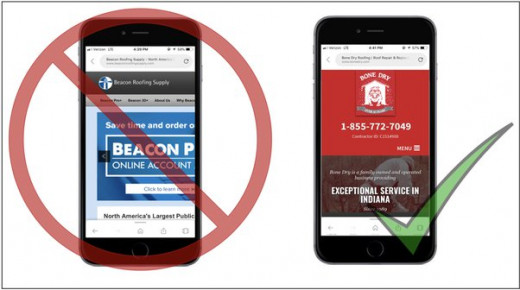
In today's digital age, having a mobile-friendly website is no longer an option but a necessity. With the increasing number of users accessing the internet through their smartphones and tablets, it has become vital for businesses to optimize their websites for mobile devices. However, simply having a mobile website is not enough. If you want to stand out from your competitors and provide an exceptional user experience on all devices, then you need to know how to optimize your mobile website effectively.
In this blog post, we'll be sharing some valuable tips that will help you optimize your mobile website like a pro!
The Importance of Mobile Websites
Mobile websites have become a crucial aspect of digital marketing in today's fast-paced world. With more and more users accessing the internet through their mobile devices, businesses can no longer ignore the importance of optimizing their websites for mobile.
One of the primary benefits of having a mobile-friendly website is that it provides an excellent user experience across all devices. Mobile-optimized websites load quickly, are easy to navigate, and offer clear and concise information on smaller screens.
In addition to providing an exceptional user experience, having a mobile website also helps improve your search engine rankings. Google has already shifted its focus to favoring sites that are optimized for mobile devices. Therefore, by ensuring that your site is responsive on all screens sizes, you can boost your online visibility and attract more visitors to your site.
Moreover, having a well-designed mobile website can help you build trust with potential customers who prefer browsing through web pages on their smartphones or tablets. A professional-looking website not only establishes credibility but also reflects positively on the brand image.
Having a mobile-friendly website is critical in today's digital age as it improves user engagement and experience while boosting search engine rankings - ultimately leading to increased conversions and revenue growth for any business!
How to Optimize Mobile Websites
To optimize a mobile website, there are several important factors to consider. It's vital to ensure that your website is responsive and mobile-friendly. This means that the site should be coded in such a way that it adapts seamlessly to different screen sizes and devices.
Another key consideration when optimizing a mobile site is page speed. Mobile users expect fast load times, so you'll need to minimize file sizes and compress images where possible.
In addition, it's important to keep your design simple and uncluttered. Mobile screens are smaller than desktop monitors, so you'll want to avoid overwhelming visitors with too much information or too many elements on each page.
It's also worth considering how users will navigate your site on their mobile device. Make sure buttons are large enough for fingers of all sizes and keep navigation menus concise.
Don't forget about SEO! Use relevant keywords in your content, meta tags and descriptions to help improve search engine rankings for your mobile site.
Tips for Optimizing Mobile Websites
Optimizing your mobile website is crucial for improving user experience and increasing traffic. Here are some tips to help you optimize your mobile website:
1. Design for Mobile First
Designing for mobile first means that you prioritize the design and functionality of your site on smaller screens before working on desktop versions. This approach ensures a seamless experience across all devices.
2. Use Responsive Design
Responsive design is an approach where the layout responds to different screen sizes and orientations, making it easy to view and navigate your site from any device.
3. Optimize Images
Images can significantly slow down load times, so it's essential to compress images without sacrificing quality or resolution.
4. Reduce HTTP Requests
Reduce the number of HTTP requests by reducing the number of elements on each page, combining files such as CSS and JavaScript into single files, or using a content delivery network (CDN).
5. Minimize Text Entry Requirements
Minimizing text entry requirements makes it easier for users to complete forms quickly without having to type in too much information.
By following these tips, you'll be able to optimize your mobile website effectively while providing users with a positive browsing experience regardless of their device choice or location.
In conclusion, optimizing your mobile website is crucial in today's digital landscape. With the majority of internet users accessing websites through their mobile devices, it's important to ensure that your website is user-friendly and accessible on all devices.
By following these tips for optimizing your mobile website, you can improve the user experience for your visitors and increase engagement with your content. Remember to prioritize speed, simplicity, and accessibility when designing and updating your mobile site.
With a well-optimized mobile website, you'll be able to reach more users than ever before and provide them with an enjoyable browsing experience that will keep them coming back for more. So don't wait any longer - start optimizing your mobile website today!
Scaling Up Your Business for Success
Scaling Up Your Business for Success
Are you ready to take your business to the next level? Scaling up may seem daunting at first, but it's a crucial step towards achieving long-term success and growth. Whether you're a small startup or an established company, scaling up can help you reach new heights of profitability and competitiveness in your industry.
In this blog post, we'll explore why scaling up is important, how to do it effectively, what factors to consider along the way, and how to mitigate the risks that come with rapid expansion. So buckle up and get ready for some valuable insights on scaling up your business for success!
Why You Need to Scale Up Your Business
Scaling up your business is essential for achieving sustained growth and staying competitive in today's fast-paced marketplace. By expanding your operations, you can increase your revenue streams, reach new customers, and improve your overall performance. Here are a few key reasons why scaling up is crucial:
Scaling up allows you to take advantage of economies of scale – as you produce more units or offer more services, the cost per unit decreases. This means that you can lower your prices without sacrificing profitability while also increasing profit margins.
Scaling up helps you diversify your customer base and reduce reliance on any one market or segment. By targeting new markets or demographic groups with different needs and preferences, you can spread out the risk of economic downturns or changes in consumer behavior.
Scaling up enables you to attract top talent by offering career advancement opportunities and other incentives that come with expansion. As your company grows its reputation and brand recognition through increased marketing efforts and outreach initiatives—it becomes a desirable place to work for high-performing individuals seeking job security at an established organization.
In short: Scaling up offers numerous advantages that help businesses thrive over time by improving their bottom line results while mitigating risks associated with rapid growth.
How to Scale Up Your Business
Scaling up your business can be a daunting task, but it’s essential for long-term success. Here are some tips to help you scale up your business effectively.
Evaluate the current state of your business and identify areas that need improvement. This could include upgrading technology systems, hiring additional staff or expanding product lines. Once you have identified these areas, create a plan with specific goals and timelines.
Consider partnering with other businesses or investors to fuel growth. Seek out like-minded companies that share your values and goals. Look into funding options such as grants or loans from financial institutions.
Focus on building strong relationships with customers by providing exceptional service and quality products. Word-of-mouth recommendations are powerful marketing tools that can help spread awareness about your brand.
Monitor progress regularly and make adjustments accordingly. Keep an eye on sales numbers, customer feedback and employee productivity to ensure everything is moving in the right direction.
Scaling up your business takes time and effort but implementing these strategies will put you on track for sustainable growth.
What to Consider When Scaling Up Your Business
When it comes to scaling up your business, there are several things you need to consider in order to ensure success. You need to have a clear understanding of why you want to scale up and what your goals are. This will help guide your decisions throughout the process.
It's important to assess whether or not your current infrastructure can support growth. Are your systems and processes streamlined enough? Do you have the necessary resources in place? If not, it may be time to invest in upgrading them.
Another key consideration is market demand. Is there sufficient demand for your product or service at scale? Conducting market research and analyzing industry trends can help give insight into this.
Furthermore, don't overlook the importance of hiring the right people. Scaling up requires a team effort and having motivated individuals with diverse skills sets can make all the difference.
Always keep an eye on finances when scaling up. It's easy for costs to spiral out of control during expansion so having a solid financial plan is crucial for sustainable growth.
The Benefits of Scaling Up Your Business
Scaling up your business can bring a multitude of benefits that may help you achieve success. One of the most significant advantages is increased profitability. As your business grows, economies of scale will kick in and allow you to reduce costs while increasing output, leading to higher profits.
Another benefit is increased brand recognition and market share. By expanding your operations, you'll be able to reach more customers and increase awareness about your brand. This, in turn, will give you an edge over competitors who have not scaled up their businesses.
Furthermore, scaling up can also lead to better talent acquisition and retention rates. With a larger operation comes greater career advancement opportunities for employees which can boost morale and loyalty within the team.
Additionally, when done correctly with proper planning and execution; scaling up can provide long-term stability for the company by diversifying its product or service offering along with revenue streams.
It's important to note that scaling up doesn't just benefit the business itself but also has positive impacts on society as well - including job creation opportunities which boost local economies while simultaneously promoting innovation through competition among firms within specific industries.
The Risks of Scaling Up Your Business
The decision to scale up your business comes with various risks that you need to be aware of before taking the plunge. One major risk is financial instability, which can occur if you're not able to generate enough revenue or secure funding for growth. You'll also face increased competition from other businesses in your industry as you expand, making it more challenging to maintain your market share.
Another significant risk of scaling up is losing control over quality and customer service. As your business grows, it becomes harder to oversee every aspect of operations, including product quality and customer satisfaction. This can lead to negative reviews, reduced customer loyalty and a damaged reputation.
Scaling up too quickly without proper planning can also result in operational inefficiencies such as poor inventory management and inadequate staffing levels. These issues could hurt productivity and profitability in the long run.
Expanding into new markets without understanding local regulations or cultural nuances could put your entire business at risk. If you don't conduct thorough research beforehand or partner with trusted local advisors, you may encounter unexpected legal obstacles or backlash from customers who feel like they've been misunderstood.
To mitigate these risks when scaling up your business, it's important to have a solid plan in place that includes realistic financial projections and timelines for expansion.
Conducting market research prior to launching new products or entering new markets will help ensure success while maintaining quality standards throughout all aspects of the business operations through ongoing employee training programs coupled with regular performance assessments will enable consistent delivery of excellent services/products even during times of rapid growth .
How to Avoid the Pitfalls of Scaling Up Your Business
Scaling up your business can be a daunting task. It requires careful planning and execution to avoid potential pitfalls that could derail the growth of your company. Here are some tips on how to avoid the common mistakes when scaling up your business.
Don't underestimate cash flow management. With rapid growth comes an increased demand for resources and investments in new systems, technology or staff. Make sure you have enough working capital to sustain expansion, especially during periods where revenue might not immediately increase with costs.
Maintain focus on customer satisfaction. As you scale up your operations, it's easy to become preoccupied with internal processes and lose sight of what really matters: happy customers who keep coming back! Ensure that customer service remains a top priority as you grow.
Beware of over-expansion too quickly without proper testing or proof-of-concept validation. Scaling too fast can burn through resources quickly and result in wasted efforts if something doesn’t work out as planned.
Lastly but importantly is retaining talent; as employees play a key role in ensuring success during the scaling-up phase make sure they're valued accordingly plus given support like training opportunities and clear career progression paths which will aid their retention within your organization during this exciting period of change!
In conclusion, scaling up your business is not an easy task, but it can be the key to achieving long-term success. By following the steps outlined in this article and considering all of the factors involved in scaling up, you can avoid common pitfalls and enjoy the benefits of growth.
Remember that scaling up does come with risks, so it's important to approach this process strategically and with a clear plan. Keep in mind that success will not happen overnight, but by taking calculated risks and staying focused on your goals, you can build a thriving business.
By continuing to learn from your experiences and adapting as needed along the way, you'll be well-equipped to navigate any challenges that arise during this exciting period of growth for your business.
So go ahead - take those first steps toward scaling up. With careful planning and execution, there's no limit to what you can achieve!
Bringing Sustainability into Entrepreneurship Practices

Bringing Sustainability into Entrepreneurship Practices
Entrepreneurship is all about creating innovative and profitable businesses, but it's time for entrepreneurs to consider something beyond profits – sustainability. Sustainability in entrepreneurship practices does not only benefit the environment, but it also ensures long-term success and profitability of a business.
In this blog post, we will discuss what sustainability means, why it is crucial for entrepreneurs to adopt sustainable practices, and how they can implement them into their business strategies. So if you're an entrepreneur looking to make a difference in the world while running your successful venture, keep reading!
What is Sustainability?
Sustainability is a concept that has become increasingly popular in recent years, especially in the business world. At its core, sustainability refers to the ability of individuals and organizations to meet their needs without compromising the ability of future generations to meet their own needs.
In relation to entrepreneurship, sustainability means conducting business operations in a way that minimizes negative impacts on the environment and society while still creating economic value. This involves taking into account long-term consequences of decisions made today and finding ways for businesses to operate more efficiently and responsibly.
Implementing sustainable practices can involve anything from reducing waste and greenhouse gas emissions, using renewable energy sources, sourcing materials ethically or supporting local communities. It’s important for entrepreneurs to understand that sustainability isn’t just about being eco-friendly but also encompasses social responsibility.
Practicing sustainability not only benefits the planet but also creates opportunities for innovation and cost-savings while enhancing brand reputation. By embracing this approach, entrepreneurs can contribute towards building a more resilient economy while creating positive change for people and planet alike.
Why is Sustainability Important for Entrepreneurs?
As entrepreneurs, we have the power to make a positive impact on the world. We can create new products and services that are environmentally friendly, socially responsible, and economically sustainable.
Sustainability is crucial because it ensures that our planet’s resources will be available for future generations. By embracing sustainability practices in our entrepreneurial ventures, we can reduce waste and conserve natural resources like water and energy.
Moreover, consumers today value businesses that prioritize sustainability. They want to buy from companies that demonstrate a commitment to environmental responsibility and social justice. A study by Nielsen found 81% of global respondents felt strongly about companies improving the environment.
Incorporating sustainable practices into your business model could also help you save money in the long run. Energy-efficient equipment reduces utility bills while reducing carbon footprint at the same time.
Prioritizing sustainability can lead to greater success in entrepreneurship as more customers embrace environmentally conscious decision-making processes when selecting products or services from businesses they support.
How to Implement Sustainability into Entrepreneurial Practices
Implementing sustainability into entrepreneurial practices requires a fundamental shift in mindset. This means thinking beyond short-term financial gains and focusing instead on long-term environmental, social, and economic impacts. Here are some tips to help entrepreneurs integrate sustainability into their business practices:
Conduct a sustainability audit of your business operations to identify areas where you can reduce waste and minimize your environmental impact. This could include sourcing sustainable materials or using renewable energy sources.
Engage with stakeholders such as customers, suppliers, employees and the wider community to understand their views on sustainable practices. Building relationships based on trust will be essential for implementing sustainable change.
Set clear goals that align with sustainability principles but also support the overall growth of your business. These goals should be measurable so that progress can be tracked over time.
Communicate your commitment to sustainable entrepreneurship through transparent reporting mechanisms such as an annual sustainability report or public disclosures about your company's carbon footprint.
Integrating sustainability into entrepreneurship is not only good for the planet but also provides a competitive advantage in today's market by demonstrating responsible leadership and building stronger stakeholder relationships.
To conclude, entrepreneurship is all about innovation and growth. But achieving sustainable development along with these goals will make the venture more purposeful and impactful for society. As an entrepreneur, it's your responsibility to think beyond just profits and focus on environmental, social, and economic sustainability. Incorporating sustainability into every aspect of your business practices can bring positive changes in society while also benefiting your own venture in the long run.
It may seem challenging at first to implement sustainable entrepreneurial practices but starting small with simple steps like reducing paper usage or implementing a recycling program can make a big difference. Remember that sustainability isn't just good for the planet; it's good for business too. Entrepreneurs who embrace this concept are likely to inspire others to follow suit as well.
So let's take action today towards building a brighter future by bringing sustainability into our entrepreneurial practices!
The Top 6 Tech Skills In Demand for Job Seekers

The Top 6 Tech Skills In Demand for Job Seekers
As the world of technology continues to rapidly evolve, job seekers must keep up with the latest trends and skills in order to stay competitive. With so many areas of expertise emerging, it can be overwhelming for individuals looking to enter or advance in the tech industry.
In this blog post, we'll explore the top tech skills that are currently in demand and provide insights on how you can develop these skills to enhance your career prospects. So buckle up and get ready to take your career to new heights!
1. Cloud Computing
Cloud computing has revolutionized the way we store and access data. It allows individuals and businesses to access their applications and files from anywhere in the world, as long as they have an internet connection. This technology has become increasingly popular in recent years due to its flexibility, scalability, and cost-effectiveness.
One of the most significant benefits of cloud computing is that it eliminates the need for on-premises hardware infrastructure. Instead, organizations can leverage third-party providers who offer services such as software-as-a-service (SaaS), platform-as-a-service (PaaS), or infrastructure-as-a-service (IaaS).
With this shift towards cloud computing, demand for skilled professionals who can manage these systems continues to grow. In addition to having a solid understanding of cloud architecture and deployment models, candidates should also possess skills in automation, security protocols, and continuous integration/continuous delivery (CI/CD) methodologies.
To keep up with the latest trends in cloud computing technologies like Amazon Web Services (AWS), Microsoft Azure or Google Cloud Platform , job seekers must stay updated with industry developments through online resources like webinars or blogs by experts.
2. Cybersecurity
Cybersecurity is one of the most in-demand tech skills today. With the rise of cyber attacks and data breaches, businesses are looking for experts who can protect their digital assets from such threats.
One of the key aspects of cybersecurity is understanding how hackers operate. Cybersecurity professionals need to be able to think like a hacker in order to anticipate their moves and prevent attacks before they happen.
Another important skill in cybersecurity is risk assessment. Professionals must be able to identify potential vulnerabilities within a system or network and take steps to eliminate them.
In addition, knowledge of encryption technologies is essential for cybersecurity experts. This includes both symmetric and asymmetric encryption methods as well as public-key infrastructure (PKI) systems.
Effective communication skills are vital for cybersecurity professionals since they often work with non-technical stakeholders such as executives or legal teams. Being able to explain complex technical concepts in simple terms can make all the difference when it comes to securing buy-in from these groups.
3. Data Science and Analytics
Data Science and Analytics has become one of the most sought-after skills in today's job market. With the increasing amount of data being generated every day, companies are looking for professionals who can help them make sense of that data and use it to inform business decisions.
To excel in this field, you need to have a strong foundation in statistics, mathematics, computer programming and data visualization tools. You should also be able to work with large datasets using technologies like Hadoop or Spark.
One of the key responsibilities of a Data Scientist is to find patterns in data by applying statistical models and machine learning algorithms. These insights can then be used to drive decision-making across various departments within an organization.
There are several roles within the Data Science field including Business Analysts, Data Engineers, Machine Learning Engineers and AI Specialists. Each role requires specific skill sets which may include knowledge of SQL databases, Python programming language or Tableau software for visualizing complex data sets.
If you're interested in pursuing a career as a Data Scientist or Analytic Expert – don't let yourself get intimidated by all the technical jargon! Start by taking online courses on topics such as Python Programming Language or Statistics Basics before diving headfirst into more advanced topics like Machine Learning Algorithms.
4. Artificial Intelligence and Machine Learning
Artificial Intelligence (AI) and Machine Learning (ML) are two of the most exciting areas in the tech world today. AI is a field of computer science that focuses on creating intelligent machines that can mimic human behavior, while ML is an application of AI that allows machines to learn from data without being explicitly programmed.
One major reason why these skills are in high demand is their potential to revolutionize industries. For example, businesses can use AI and ML to predict customer behaviors and preferences accurately. This information helps them make accurate business decisions, ultimately increasing profitability.
Another reason for the increased demand for these two skills is their ability to automate tasks previously reserved for humans entirely. With advancements in natural language processing and image recognition technologies, machines can now perform complex tasks like speech translation or identifying objects within images with remarkable accuracy.
Moreover, as more companies adopt cloud platforms like Amazon Web Services (AWS), Google Cloud Platform (GCP), or Microsoft Azure, there's a growing need for professionals who understand how AI algorithms work within those ecosystems.
Artificial Intelligence and Machine Learning have become essential tools across various sectors worldwide due to their potential to increase efficiency significantly by automating processes previously done manually or making smart predictions based on vast amounts of data.
5. User Experience and User Interface Design
In today's digital age, creating a seamless and user-friendly experience for customers is more important than ever before. This is where user experience (UX) and user interface (UI) design come into play.
A good UX designer understands the needs of the customer and designs an interface that meets those needs. They create wireframes, prototypes, and test their designs to ensure they are intuitive to use.
On the other hand, UI designers focus on the visual elements of a website or app such as color schemes, icons, typography etc. Their job is to make sure that users can easily navigate through the interface without getting lost or confused.
Both UX and UI design work together in creating a cohesive product that provides value to users while meeting business goals. As companies continue to invest in digital transformation initiatives, demand for skilled UX/UI designers will only increase.
If you have an interest in both technology and design then pursuing a career in UX/UI might be perfect for you!
6. Web Development
Web development is an essential skillset in the technology industry, and it's continuously evolving. With businesses shifting to online platforms, web developers are becoming increasingly important to create user-friendly websites that attract customers.
To become a successful web developer, one must have knowledge of various programming languages such as HTML, CSS, JavaScript and more. Additionally, web developers must keep up-to-date with the latest trends and technologies to stay ahead of the competition.
Moreover, there are many niches within web development such as front-end development focused on designing visually appealing interfaces or back-end development working behind-the-scenes with databases and servers. It's crucial for aspiring developers to determine where they want their focus to be.
Furthermore, experience in working with Content Management Systems (CMS) like WordPress or Drupal can also enhance one's skills for creating dynamic websites efficiently. In conclusion excelling in web development requires continuous learning and adaptation towards new developments in technology which makes this field both challenging yet rewarding for those interested in pursuing a career path in it.
To sum it up, the tech industry is constantly evolving and job seekers need to keep up with the latest skills in demand. Cloud computing, cybersecurity, data science and analytics, artificial intelligence and machine learning, user experience and user interface design, as well as web development are some of the top tech skills that employers are looking for.
Having these skills not only makes you a desirable candidate but also opens doors for various career opportunities in different industries. It's important to note that while having knowledge about these trends is essential, continuous learning and updating your skill set will make you stand out from other job seekers.
So start sharpening your skills now because the world of technology won't wait for anyone!
Think Outside the Box: Creative Marketing Strategies That Work
Think Outside the Box: Creative Marketing Strategies That Work
Are you tired of the same old marketing strategies that just don't seem to work anymore? It's time to think outside the box and get creative with your approach. In a world where attention spans are short and competition is fierce, standing out from the crowd is more important than ever. But how do you do it? That's exactly what we'll explore in this blog post. Get ready to discover innovative ways to reach your target audience, maximize ROI, and stay ahead of the game in today's ever-changing marketing landscape. Let's dive in!
1. Building Your Foundation
Building a strong foundation is essential for any successful marketing strategy. It all starts with understanding your target audience, which means defining your buyer personas. Who are the people you're trying to reach? What motivates them? What challenges do they face?
Once you have a clear picture of your ideal customers, it's time to identify your goals and resources. What do you hope to achieve through your marketing efforts? And what tools and assets do you have at your disposal?
Don't forget to audit your existing channels and assets as well. Take stock of what's working and what isn't, so that you can focus on the areas that will yield the greatest results.
By taking these steps early on in the process, you'll be able to build a solid foundation for all of your creative campaigns and tactics moving forward. So take the time to lay this groundwork – it will pay off in spades down the line!
2. Define Your Buyer Personas
Defining your buyer personas is a crucial step in developing effective marketing strategies. By creating detailed profiles of your ideal customers, you can better understand their needs, behaviors, and preferences. This information allows you to tailor your messaging and tactics to resonate with them on a deeper level.
To start defining your buyer personas, gather data from various sources such as customer surveys, website analytics, and social media insights. Look for patterns in demographics like age range, gender identity or cultural background that may affect purchasing decisions.
Once you have collected enough data on each persona - give them names! Personalizing these profiles will help keep the focus on individual people rather than just numbers.
Consider factors like job titles or hobbies when building out each persona's profile too. These details can reveal valuable insights into how they spend their time online and what types of content they are likely to engage with.
Ultimately defining your buyer personas helps ensure that all of the creative campaigns and tactics used later target the right audience for maximum impact.
3. Identify Your Goals and Resources
Identifying your goals and resources is crucial when it comes to developing marketing strategies. Your goals will guide you in determining the specific actions needed to achieve them, while your available resources will determine how you can execute those actions.
Start by defining what you want to accomplish with your marketing efforts. Are you looking to increase website traffic? Boost sales for a particular product or service? Build brand awareness? By clarifying your objectives, all of your future decisions can be based on whether or not they align with achieving these goals.
Next, take an inventory of what resources are at your disposal. This includes everything from financial budgets and staff members to technology platforms and existing content assets. Knowing what tools and support systems are already in place will help identify the gaps that need filling so that any necessary investments can be made.
It’s also important to consider any potential roadblocks or limitations that may affect the success of a campaign before diving into execution mode. By taking time upfront for thorough planning, marketers have a better chance of staying within budget while still delivering impactful results.
4. Audit Your Existing Channels and Assets
Before embarking on any creative marketing campaign, it is essential to audit your existing channels and assets. This involves taking an in-depth look at the current state of your website, social media platforms, email lists, and any other marketing materials you have.
The first step in auditing your existing channels is to identify which ones are performing well and which ones need improvement. For example, if you notice that your social media engagement rates are low compared to industry benchmarks, it may be time to reevaluate your content strategy or consider investing in paid advertising.
Next, take a closer look at the design and messaging of each channel. Are they consistent with your brand image? Do they effectively communicate what sets you apart from competitors? These questions will help ensure that all of your marketing materials align with one another.
Assess the usability and functionality of each channel. Is it easy for users to navigate through your website? Does every link work properly? Taking care of these details can make a big difference when it comes to converting leads into customers.
By conducting an audit of your existing channels and assets before launching a new campaign or initiative, you'll set yourself up for success by ensuring that everything is optimized for maximum impact.
5. Creative Campaigns and Tactics
Creative campaigns and tactics are a great way to capture the attention of your target audience. One effective strategy is collaborating with influencers. By partnering with individuals who have a strong following within your industry, you can leverage their credibility and reach to promote your brand.
Another creative tactic is hosting interactive webinars, which give potential customers an opportunity to engage with your brand directly. You can also create engaging video content that tells a story about your product or service in an entertaining way.
A memorable social media campaign can also be highly effective in generating buzz around your brand. Offering free resources and tools such as eBooks or templates is another great way to attract leads while providing value.
Email marketing can become more successful when approached in unique ways too such as incorporating personalized messaging, gamification elements or even augmented reality.
By embracing these creative marketing strategies, you'll be able to set yourself apart from the competition and achieve success in reaching new customers.
6. Collaborate with Influencers
Collaborating with influencers can be a powerful way to expand your reach beyond your existing audience. Influencers have established trust and credibility with their followers, making them an ideal partner for promoting your brand.
When selecting influencers to collaborate with, it's important to choose those who align with your brand values and target audience. Look for micro-influencers in particular, as they often have highly engaged followings within niche communities.
To make the partnership successful, provide clear guidelines and expectations for the collaboration. This may include content requirements or specific messaging that aligns with your marketing goals.
One effective approach is to offer influencers exclusive access or experiences related to your brand in exchange for promotion. For example, a beauty company might invite an influencer to try out new products before they are released in exchange for sharing their thoughts on social media.
Remember that authenticity is key when working with influencers - avoid micromanaging their content too much or trying too hard to control the narrative. Trusting the influencer's creative vision can lead to more natural and effective promotion of your brand.
7. Host Interactive Webinars
Webinars are an effective way to engage with your target audience and establish yourself as a thought leader in your industry. Hosting an interactive webinar can be a valuable marketing strategy because it provides a platform for you to showcase your expertise, share insights, and offer solutions to common problems faced by your potential customers.
To host a successful interactive webinar, start by identifying the topics that are relevant to your buyer personas and align them with their pain points. Next, select the right speakers who have experience in addressing these issues. They should also be able to deliver content in an engaging manner.
When promoting your webinar, make sure you use different channels like email campaigns and social media platforms effectively. Encourage attendees to participate actively through Q&A sessions or polls during the session. This will keep them engaged throughout the presentation.
After hosting the webinar, follow up with participants by sending out surveys or offering additional resources related to the topic discussed during the session. By doing so, you show that you value their time and effort invested in attending.
Webinars provide businesses with an opportunity for increased engagement opportunities while establishing themselves as thought leaders within their industries of choice.
8. Create Engaging Video Content
Video content has become an essential part of any marketing strategy. It engages your audience in a way that other forms of content can't. Creating engaging video content doesn't have to be expensive or complicated.
To start, identify what kind of videos would resonate with your target audience and align with your brand message. Think about how-to videos, product demos, customer testimonials, or even fun behind-the-scenes glimpses into your business.
When creating a video, keep it short and sweet - attention spans are shorter than ever nowadays! Be sure to include subtitles for those who prefer to watch without audio.
Make sure the production quality is high enough so that it looks professional but don't get bogged down by perfectionism; authenticity and personality go a long way.
Promote your video on all relevant channels such as social media platforms or email newsletters. Video content helps boost engagement rates across all digital channels if done correctly!
In conclusion, when it comes to marketing, creativity is key. By thinking outside the box and coming up with unique campaigns, you can capture people's attention and create a lasting impression. Whether it's using social media influencers or creating viral videos, there are countless ways to get creative with your marketing.
But being creative is only half of the battle; measuring the success of your campaigns is equally important. With analytics tools such as Google Analytics and social media insights, you can track engagement rates and conversion rates to see how well your campaign performed.
While traditional marketing strategies still have their place in today's world, getting creative can take your business to new heights. By pushing boundaries and trying new things, you can stand out from competitors and achieve greater success in reaching your target audience.
Traditional Marketing vs. Creative Marketing
Traditional Marketing vs. Creative Marketing
Marketing plays a crucial role in the success of any business. However, with the rise of digital marketing and social media, traditional marketing methods have taken a back seat. But are they completely obsolete?
In this blog post, we'll explore the differences between traditional and creative marketing strategies, their respective pros and cons, and which approach might be best suited for your business. So buckle up and get ready to discover how you can take your marketing efforts to new heights!
Traditional Marketing
Traditional marketing refers to the conventional methods of promoting products or services, such as advertising on radio and television, billboards, print ads in newspapers and magazines, direct mailings, and telemarketing. These strategies have been around for decades and are familiar to most consumers.
One of the advantages of traditional marketing is its ability to reach a broad audience. For example, a well-placed billboard can be seen by thousands of people who pass by it every day. Similarly, an ad on prime-time TV can attract millions of viewers.
However, traditional marketing does have some drawbacks. For one thing, it often requires a significant financial investment upfront. It's also difficult to measure the effectiveness of these campaigns accurately.
Another disadvantage is that traditional marketing tactics can sometimes feel intrusive or interruptive - think about how you react when someone tries to sell you something over the phone during dinner time!
Despite these challenges, many businesses continue to rely on traditional marketing because they believe it still has value in reaching certain demographics or industries where digital channels may not be as effective.
Creative Marketing
Creative marketing involves thinking outside the box and coming up with unique ways to promote products or services. It's about being innovative, different, and memorable in a way that captures people's attention.
One of the biggest advantages of creative marketing is that it can help businesses stand out from their competition. By doing something unexpected or unusual, they can create buzz around their brand and generate more interest from potential customers.
Another benefit is that creative marketing often results in better engagement rates than traditional marketing methods. This is because people are more likely to pay attention to something that stands out or makes them laugh or think.
However, there are also some challenges associated with creative marketing. For one thing, it can be difficult to come up with truly original ideas that haven't been done before. Additionally, some businesses may struggle with getting buy-in from stakeholders who aren't comfortable taking risks.
Despite these potential drawbacks, many companies have found great success by incorporating creative elements into their overall marketing strategy. From viral social media campaigns to experiential events and stunts, there are countless ways for brands to tap into the power of creativity and make a lasting impression on their target audience.
The Pros and Cons of Traditional Marketing
Traditional marketing refers to the conventional forms of advertising, such as print ads, TV commercials, billboards, and direct mail. Although traditional marketing methods have been around for a while and are still effective in certain industries or target markets, they also come with their own set of pros and cons.
One advantage of traditional marketing is that it can be easily understood by most people since it's widely used. It's easier for businesses to reach older demographics who may not use social media or other digital platforms frequently. Traditional methods are proven to be effective when building brand recognition among a wide audience.
On the other hand, traditional marketing can be costly compared to newer digital methods. Advertisements on television and radio often require significant investments which might not always result in an increase in sales or revenue. Additionally, measuring the success of traditional campaigns is more challenging than tracking data from online advertisements.
Another downside to traditional advertising is its inability to personalize messages based on individual preferences because these mediums broadcast one message towards a mass audience without any customization options.
Understanding both the advantages and disadvantages of traditional marketing can help you determine whether this approach will work best for your business objectives or if you should consider incorporating creative elements that allow more personalization with your target market.
The Pros and Cons of Creative Marketing
When it comes to creative marketing, there are both advantages and disadvantages to consider. One of the biggest pros is that it allows businesses to stand out from their competitors by offering unique and innovative campaigns that capture attention. Creative marketing also has the potential to connect with audiences on a more emotional level, leading to increased brand loyalty.
However, one major disadvantage of creative marketing is that it can be risky. Some campaigns may not resonate with all target audiences or could even offend them, potentially damaging a company's reputation. Additionally, creating effective creative marketing requires significant time and resources.
Another benefit of creative marketing is its potential for viral success through social media shares and engagement. This leads to greater exposure for a business without necessarily requiring a large budget.
On the other hand, relying solely on creativity can lead to inconsistent results as there may not be enough data-driven insights guiding decision-making processes.
While there are risks associated with creative marketing, when executed properly it can provide significant benefits in terms of building brand awareness and connecting with consumers in meaningful ways.
Which is Better for Your Business?
When it comes to choosing between traditional and creative marketing, there is no one-size-fits-all answer. The best approach for your business depends on a variety of factors, such as your target audience, industry, budget, and marketing goals.
If you're targeting an older demographic or working in a more conservative industry, traditional marketing methods like print ads or radio commercials may be the way to go. However, if you're trying to appeal to a younger generation who are constantly connected online, creative approaches like social media campaigns or influencer partnerships could be more effective.
Traditional marketing can provide a sense of familiarity and credibility with potential customers. It's tried-and-tested methods that have been around for decades. But they can also be expensive and difficult to measure their results accurately.
Creative marketing allows businesses to think outside the box and come up with unique ways to engage with audiences while being cost-effective at the same time. However, innovative campaigns carry risks because they might not resonate well with everyone in your target market.
Ultimately it is important for businesses to evaluate their specific needs when deciding which approach is better suited for them but don't forget that combining both strategies will result in stronger branding efforts overall!
How to Incorporate Traditional and Creative Marketing
Now that we've explored the pros and cons of traditional and creative marketing, it's time to discuss how to incorporate both strategies into your business. The key is finding a balance between the two approaches.
One idea is to use traditional marketing tactics for brand recognition while implementing creative marketing techniques for lead generation. For example, you could invest in billboard advertisements or print ads in industry publications to increase brand awareness. At the same time, create engaging social media campaigns or interactive website content to generate leads.
Another approach is to combine elements of both strategies within a single campaign. Consider creating visually appealing flyers or infographics with catchy taglines and distributing them at events or through direct mail campaigns. Alternatively, host an experiential event that engages potential customers through interactive experiences while also collecting their contact information for future follow-up.
The key is adapting your marketing strategy based on your target audience and specific goals. By incorporating both traditional and creative marketing approaches strategically, you can widen your reach while also generating meaningful engagement with potential customers.
In conclusion, both traditional and creative marketing have their advantages and disadvantages. Traditional marketing may still be effective for certain businesses, while creative marketing can provide a fresh approach that resonates better with modern consumers.
The key to success is finding the right balance between the two. By incorporating elements of both traditional and creative marketing strategies into your overall plan, you can maximize your reach and engagement across multiple channels.
Remember that every business is unique, so take the time to experiment with different approaches until you find what works best for you. Stay up-to-date on trends in digital marketing, keep refining your message, and always put your customers first.
By following these tips and staying flexible as things evolve over time, you’ll be able to build a strong brand presence that attracts loyal customers who love what you do. Good luck!
The Future of Workspaces: Innovations and Trends

The Future of Workspaces: Innovations and Trends
The way we work has been undergoing a major transformation in recent years. From remote working to coworking spaces, there are now more options than ever when it comes to choosing your workspace. As we look toward the future of workspaces, innovations are emerging that promise to make our working lives more flexible, sustainable, and community-driven than ever before. In this blog post, we'll explore some of these exciting developments and help you choose the right workspace for your needs.
The Rise of the Home Office
In recent years, the home office has become an increasingly popular option for remote workers and entrepreneurs alike. With the rise of technology that allows us to work from anywhere with an internet connection, more people are opting for the comfort and convenience of working from their own homes.
But it's not just about avoiding a commute - working from home also offers other benefits. For one thing, it can be easier to focus without distractions from coworkers or office noise. You can set up your workspace exactly how you like it, with personalized decor and comfortable furniture.
However, there are also potential downsides to consider when setting up a home office. It can be difficult to separate work life from personal life when they're taking place in the same space. There may be interruptions from family members or household chores that need attention.
While the rise of the home office is certainly a significant trend in today's workforce, it's important to carefully weigh both the advantages and challenges before making this choice for yourself.
The Popularity of Coworking Spaces
Coworking spaces have become increasingly popular in recent years, particularly among freelancers, entrepreneurs and small business owners. These shared workspaces provide a flexible alternative to traditional office environments, allowing individuals to work alongside like-minded professionals in a collaborative setting.
One of the primary benefits of coworking is the sense of community it fosters. Rather than working alone at home or in a coffee shop, members can connect with others who share similar interests and goals. This creates opportunities for networking, collaboration and idea-sharing that may not be possible otherwise.
Another advantage of coworking spaces is their flexibility. Members typically have access to amenities such as high-speed internet, printing services and meeting rooms on an as-needed basis. This means they only pay for what they use rather than committing to long-term leases or contracts.
Additionally, coworking spaces often offer events and workshops designed to help members develop new skills or expand their knowledge base. These opportunities can be particularly valuable for those who are self-employed or running their own businesses.
The popularity of coworking spaces reflects a growing trend toward flexible work arrangements and entrepreneurialism. As more people seek out alternatives to traditional 9-to-5 jobs, these shared workspaces are likely to continue evolving and expanding into new markets around the world.
The Trend Toward Sustainability
As society becomes more environmentally conscious, the trend toward sustainability in workspaces is becoming increasingly important. Many companies are implementing eco-friendly practices such as using renewable energy sources and reducing waste.
One way that workspaces are promoting sustainability is by using recycled or upcycled materials for their furniture and decor. Instead of buying new pieces, businesses can repurpose old items or purchase from sustainable brands to reduce their carbon footprint.
Another aspect of sustainable workspaces is focusing on energy efficiency. This can include using LED lighting, motion sensors to turn off lights when not in use, and upgrading to more efficient HVAC systems.
Additionally, many workspaces are encouraging employees to adopt eco-friendly habits by providing recycling bins and offering incentives for those who choose greener commuting options like biking or carpooling.
The trend toward sustainability in workspaces not only benefits the environment but also has positive effects on employee morale and well-being. As this trend continues to grow, we can expect even more innovations in creating eco-friendly workplaces that promote productivity while protecting our planet.
The Need for Flexibility
The need for flexibility is becoming increasingly important in today's workplace. With more people working remotely and needing to balance their personal and professional lives, traditional 9-to-5 schedules are no longer the norm.
Flexibility can mean different things to different people. For some, it may be the ability to work from home or choose their own hours. For others, it may mean being able to take time off for family obligations without fear of losing their job.
Employers who offer flexible work arrangements have been shown to benefit from increased productivity and employee satisfaction. It allows employees to better manage their workload and reduces stress levels.
Technology has played a major role in enabling flexibility in the workplace. Cloud-based software allows employees to access documents and collaborate with colleagues from anywhere at any time.
However, it's important for employers to set clear guidelines around flexible work arrangements so that expectations are understood by both parties. Communication is key in ensuring that everyone is on the same page when it comes to deadlines, availability, and responsibilities.
The need for flexibility will continue to grow as we move forward into a more connected world where remote work becomes more common. Employers who embrace this trend will have an advantage over those who resist change.
The Importance of Community
One of the most important trends in modern workspaces is the emphasis on community. In today's fast-paced, constantly evolving business world, maintaining a sense of connection and collaboration with others has become essential. This is particularly true for freelancers and remote workers who may otherwise feel isolated or disconnected from their peers.
A strong sense of community can provide many benefits to those who work in shared spaces. For one thing, it can foster a spirit of creativity and innovation, as people bounce ideas off each other and collaborate on projects. Additionally, being part of a supportive network can help individuals feel more motivated and productive in their work.
Moreover, building relationships with other professionals can lead to valuable networking opportunities that could open doors to new job prospects or partnerships down the line. Working alongside others also allows people to learn from one another by sharing knowledge and experiences.
For these reasons (and many more), creating an environment where coworkers feel connected and supported should be a top priority for any workspace provider. Encouraging regular social events or forums for discussion are just some ways this goal can be achieved so everyone feels like they belong within their workspace community.
How to Choose the Right Workspace for You
Choosing the right workspace is crucial for your productivity and job satisfaction. Here are some factors to consider when deciding on a workspace that suits you.
Think about the type of work you do. If you need quiet and minimal distractions, then a private office or home office might be suitable. However, if collaboration is important to your work, then a coworking space may be more beneficial.
Consider location and accessibility. A workspace close to home can save time and money on commuting. On the other hand, being in an area with good transport links can give you access to new opportunities and potential clients.
Evaluate the facilities available at each workspace option. Do they provide all of the resources necessary for your work? Are there meeting rooms available for client meetings?
Fourthly, take into account costs associated with each option including rent fees or membership prices as well as any additional costs such as internet connection fees or printing charges.
Lastly but importantly - trust your gut feeling! It's important that you feel comfortable in your chosen workspace so it’s best to visit them before making a final decision.
By taking these factors into consideration when choosing a workspace that fits your needs perfectly – it will help ensure a successful future career ahead!
In conclusion, the future of workspaces is constantly evolving to meet the changing needs and expectations of modern workers. From the rise of home offices to the popularization of coworking spaces, there are more options available than ever before.
As we move forward, it's clear that sustainability and flexibility will continue to be important factors in workspace design. Additionally, community building and collaboration will remain essential for fostering creativity and productivity.
When choosing a workspace that works best for you, consider your individual needs and preferences. Do you thrive in a collaborative environment or do you prefer solitude? Are you looking for somewhere sustainable or convenient?
By taking these factors into account when selecting a workspace, you can ensure that you find an environment where you can thrive both personally and professionally. With these innovations and trends shaping the future of workspaces, we can look forward to exciting new possibilities as we redefine what it means to work in today's world.
Traditional Marketing vs. Digital Marketing: Which One is Better for Your Business?
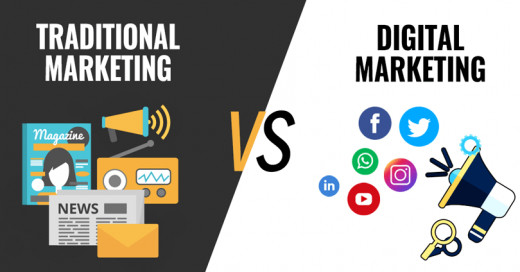
Traditional Marketing vs. Digital Marketing: Which One is Better for Your Business?
Marketing has been around for centuries, and it's constantly evolving. Today, we have two main types of marketing: traditional and digital. Traditional marketing includes methods like billboards, TV ads, and print media, while digital marketing utilizes social media, email campaigns, and search engine optimization (SEO). Both are effective in their own ways but choosing the right one for your business can be tricky.
In this blog post, we'll discuss the pros and cons of each type of marketing to help you decide which is best for your company's needs. We'll also explore how to effectively use both traditional and digital strategies together. So buckle up! It’s time to dive into the world of marketing!
Traditional Marketing
Traditional marketing is a broad term that encompasses many offline promotional methods. These include print ads, billboards, radio and TV commercials, direct mailers, flyers or brochures. While these strategies have been around for decades they still hold value in today's modern society.
Print advertising can be seen in newspapers and magazines as well as on posters displayed throughout the community. This form of advertising allows businesses to target specific audiences based on their interests through the use of specialized publications.
Billboard advertising has been around since the early 1800s and it’s still one of the most popular forms of traditional marketing used today. Billboards are strategically placed along highways where people drive past them frequently making them difficult to ignore.
Radio and television commercials are also effective traditional marketing tools used by advertisers targeting local communities or national audiences with engaging jingles and memorable taglines.
Direct mail campaigns offer an opportunity for more personal engagement between businesses and customers by sending customized postcards, catalogs or letters directly to their homes which could increase customer retention rates.
While digital marketing has risen in popularity over recent years traditional marketing techniques should not be overlooked due to its ability to reach a wider audience including those who may not yet embrace technology.
Digital Marketing
Digital Marketing is a broad term used to describe all marketing efforts that use digital technologies. This can include everything from social media advertising and email campaigns, to search engine optimization (SEO) and pay-per-click advertising.
One of the biggest advantages of digital marketing is its ability to reach a wider audience than traditional methods. With billions of people using the internet daily, there are endless opportunities for businesses to target potential customers online.
Digital marketing also offers more ways to measure success than traditional marketing. Marketers can track website traffic, click-through rates, conversion rates and even customer engagement on social media platforms.
Another benefit of digital marketing is its cost-effectiveness compared with traditional methods like television or radio ads. Digital channels allow businesses with smaller budgets to compete effectively against larger companies while still achieving similar results.
However, one challenge with digital marketing is the constantly evolving nature of technology. Companies must stay up-to-date with new trends in order to remain competitive in their industry.
Incorporating a strong digital strategy alongside traditional methods can give businesses an edge when it comes to reaching their target audience and achieving long-term growth.
The Pros and Cons of Traditional Marketing
Traditional marketing methods have been around for decades and include tactics such as print ads, billboards, radio commercials, TV spots, and direct mail. While these methods can be effective in reaching a large audience, they come with both pros and cons.
One of the biggest advantages of traditional marketing is that it has a wide reach. By leveraging mass media channels such as broadcast television or billboards along highways, campaigns can capture the attention of many people at once without relying on targeting specific demographics.
Another advantage is that traditional marketing often feels more familiar to consumers who may be less tech-savvy or prefer to consume information through more tangible mediums like print publications or physical advertisements.
On the other hand, traditional marketing can be costly and difficult to track ROI effectively. It's also harder to target specific audiences compared with digital advertising which uses data-driven strategies to deliver messages tailored directly towards individuals based on their behaviors online.
Moreover, traditional advertising requires a significant amount of time before seeing results due to lengthy production times required for each campaign iteration (e.g., filming a commercial takes weeks).
Ultimately whether you choose traditional or digital marketing depends on your business goals and audience preferences. However combining both approaches could achieve optimal exposure while ensuring maximum effectiveness by using relevant insights from modern analytics tools.
The Pros and Cons of Digital Marketing
Digital marketing has revolutionized the way businesses promote themselves online. There are several advantages of digital marketing, including its cost-effectiveness and ability to reach a wider audience.
One of the biggest benefits of digital marketing is that it allows businesses to target specific demographics with great precision. This helps reduce costs while increasing conversion rates since you're only targeting those who are most likely to be interested in your products/services.
Another advantage of digital marketing is its flexibility. With traditional methods like TV or print ads, once they're out there, there's no changing them. However, with digital ads, you can easily adjust your campaign as needed based on real-time data and insights.
However, there are also some downsides to digital marketing that need consideration. One major concern is privacy issues since customers’ personal information must be collected for targeted advertising purposes.
Additionally, competition for attention in the digital space is high due to an overwhelming amount of content being created daily. It takes time and effort to stand out from competitors through unique campaigns that resonate with audiences and build brand awareness.
While there are pros and cons associated with digital marketing strategy implementation , it remains an essential part of many successful business’s overall promotional approach today!
Which One is Better for Your Business?
Deciding which type of marketing is better for your business can depend on many factors. It's important to identify your target audience and their behavior. If they are more likely to respond to traditional methods such as television ads or billboards, then perhaps traditional marketing is the way forward.
On the other hand, if your target audience is more tech-savvy and spends a lot of time online, digital marketing could be a better fit. Digital campaigns also offer more precise targeting options and allow for easier tracking of results.
Another factor to consider is budget. Traditional methods can often be costly, whereas digital campaigns can be tailored to fit any budget - making them an attractive option for small businesses with limited funds.
Both types of marketing have their pros and cons depending on your specific business needs. A well-rounded approach that combines both traditional and digital elements may provide the best results in reaching various audiences through multiple channels. It’s worth experimenting with different strategies until you find what works best for you!
How to Use Traditional and Digital Marketing Together
Combining traditional and digital marketing strategies can be a powerful way to reach your target audience. One way to do this is by incorporating traditional advertising methods, such as print or TV ads, with digital elements like social media campaigns or email newsletters.
Another effective method is using QR codes on traditional advertisements that lead customers to your website or social media pages. These codes are scannable barcodes that customers can easily scan with their smartphones and instantly access more information about your business.
In addition, events can be an excellent opportunity to integrate both forms of marketing. You can use social media platforms to promote the event beforehand and then leverage traditional marketing tactics like flyers or billboards in the surrounding area.
It’s important not to overlook the power of word-of-mouth advertising. Encouraging satisfied customers to leave reviews on sites like Yelp or Google My Business can boost your online presence while also providing valuable feedback for future improvement.
In conclusion, after analyzing the pros and cons of both traditional marketing and digital marketing, it is clear that each has its own unique advantages and disadvantages.
Traditional marketing methods such as print ads, TV commercials, and billboards can be useful in reaching a wide audience quickly. However, these methods are often expensive to execute and lack the ability to track their effectiveness accurately.
On the other hand, digital marketing allows businesses to target specific audiences with cost-effective methods such as social media advertising and email campaigns. Digital marketing also provides valuable data insights that allow for continuous improvement of strategies.
The choice between traditional or digital should depend on your business's goals, budget, target market, industry trends among others factors. In most cases however combining both approaches will create an even more effective strategy especially when one compliments the other in terms of timing or message delivery.
While traditional forms of advertising still have a place in today’s world; embracing digital channels is now necessary for any business looking to remain competitive. The key takeaway should be finding a balance between the two approaches by selecting what works best based on your needs at different points during your customer journey funnel .
Mindset Shifts Every Entrepreneur Needs to Make

Mindset Shifts Every Entrepreneur Needs to Make
Are you an entrepreneur struggling to achieve success in your business venture? It's time for a mindset shift. Your fixed mindset may be hindering your growth potential, while a growth mindset can propel you forward towards achieving your goals.
In this article, we'll explore the differences between the two mindsets and explain why adopting a growth mentality is essential for entrepreneurial success. We'll also provide practical tips on how to make the shift from fixed to growth and discuss the numerous benefits of having a growth mindset as an entrepreneur. Let's dive in!
The Fixed Mindset vs. The Growth Mindset
The fixed mindset and growth mindset are two opposing viewpoints that can greatly impact an entrepreneur's success. A fixed mindset is characterized by the belief that skills and abilities are innate, unchanging traits, while a growth mindset believes that these qualities can be developed through hard work and dedication.
Entrepreneurs with a fixed mindset may become discouraged when faced with challenges or setbacks because they believe their abilities are limited. They may also avoid taking risks for fear of failure or criticism.
On the other hand, entrepreneurs with a growth mindset view obstacles as opportunities to learn and improve. They embrace challenges and take calculated risks in order to grow their businesses. They understand that failures provide valuable lessons on what not to do next time.
Adopting a growth mentality allows entrepreneurs to continuously innovate, adapt to changing circumstances, and stay motivated throughout their entrepreneurial journey. It enables them to see failure as temporary rather than permanent, thus increasing resilience in the face of adversity.
In short, shifting from a fixed to a growth mindset can set you on the path towards greater achievement in your business endeavors.
Why the Growth Mindset is Essential for Entrepreneurs
For entrepreneurs, having a growth mindset is essential to achieving success. A growth mindset is the belief that one's abilities can be developed through dedication and hard work. Entrepreneurs who have this type of mindset are more likely to take on challenges and persist in the face of obstacles.
Entrepreneurship involves taking risks, facing failures, and constantly adapting to changing circumstances. Having a fixed mindset can hinder an entrepreneur's ability to navigate these challenges effectively. Those with a fixed mindset believe their abilities are innate and unchangeable, so they may shy away from taking on new projects or avoid learning opportunities because they fear failure.
On the other hand, those with a growth mindset embrace challenges as opportunities for personal development. They view failures as learning experiences and use them as motivation to try again with newfound knowledge.
Having a growth mindset also enables entrepreneurs to be more innovative in their thinking. They are open-minded about different perspectives and ideas, which allows them to come up with creative solutions that can set them apart from competitors.
Having a growth mindset is crucial for entrepreneurs because it allows them to approach challenges with resilience and creativity while continuously developing their skills.
How to Shift Your Mindset From Fixed to Growth
Shifting your mindset from a fixed to growth mentality can be challenging but it's necessary for entrepreneurs who want to achieve success. Here are some ways you can make the shift:
- Acknowledge and embrace failure: Failure is not the end, it’s just an opportunity to learn and grow.
- Challenge yourself: Step out of your comfort zone and take on new challenges that will help you develop new skills.
- Believe in yourself: Having faith in your abilities is key to shifting from a fixed mindset to a growth one.
- Embrace learning opportunities: Instead of shying away from feedback or criticism, use these as opportunities for growth.
- Focus on progress, not perfection: The journey towards success is filled with ups and downs so celebrate every milestone along the way.
By implementing these strategies into your daily life, you'll begin to see changes in how you approach problems and challenges as an entrepreneur with a growth mindset - one that sees possibilities rather than limitations!
The Benefits of Having a Growth Mindset as an Entrepreneur
A growth mindset is essential for entrepreneurs who want to achieve their goals and succeed in business. Here are some of the benefits that come with having a growth mindset as an entrepreneur:
- Increased Resilience: Entrepreneurs with a growth mindset view challenges as opportunities for growth rather than setbacks, which makes them more resilient and capable of bouncing back from failures.
- Continuous Learning: A growth mindset allows entrepreneurs to embrace new experiences and learn from both success and failure, leading to continuous learning and development.
- Innovation: Entrepreneurs with a growth mindset are always looking for ways to improve their products or services, leading to innovation and differentiation in the market.
- Positive Attitude: Having a positive attitude helps entrepreneurs stay motivated during tough times, maintain focus on long-term goals, attract investors, customers or clients who share similar values without losing sight of reality.
- Greater Success Potential: Embracing a growth mindset can lead to greater success potential because it fosters creativity, resilience, adaptability and persistence - all key traits needed for entrepreneurial success.
In summary, growth mindsets equip individuals with skills like coping mechanisms during difficult circumstances , willingness to take risks while maintaining realistic expectations towards one's own progress . They also help us become better problem solvers by shifting our attention away from problems themselves towards solutions that can be found through trial-and-error experimentation or creative thinking processes .
In conclusion, mindset change is a crucial factor in the success of any entrepreneur. The ability to see challenges as opportunities and failures as learning experiences can make all the difference in achieving your goals. By adopting a growth mindset, entrepreneurs are empowered to take risks, learn from their mistakes and ultimately achieve greater levels of success.
Shifting from a fixed mindset to a growth mindset may not be easy, but it is definitely worth the effort. Remember that this is not an overnight process; it takes time and consistent practice to develop new ways of thinking.
Start by identifying areas where you have a fixed mentality and challenge yourself to approach those situations with curiosity and openness. Celebrate small victories along the way and stay committed to developing your growth mindset over time.
By embracing these changes, you will unlock your full potential as an entrepreneur, enabling you to create innovative solutions while overcoming obstacles with ease. Your business will thrive because you'll never stop growing!
Breaking Down Barriers for Women in Tech
Breaking Down Barriers for Women in Tech
Technology has become an integral part of our lives, shaping the way we work, communicate and live. However, for women in tech, it hasn't been a smooth ride. The industry has long been male-dominated with limited opportunities for women to thrive. But times are changing as more organizations recognize the value of diverse perspectives and experiences in driving innovation and growth.
In this blog post, we'll take a look at the history of women in tech, the challenges they face today and how we can break down barriers to create more opportunities for women in this dynamic field. So let's get started!
Women in Tech: The History
Women in tech have been trailblazers since the early days of computing. Ada Lovelace, who is considered the world's first computer programmer, wrote an algorithm for Charles Babbage's Analytical Engine back in the 1840s. Despite such contributions by women to the field of computing, it wasn't until World War II that women began to work as "computers" - people who performed complex mathematical calculations used in artillery and other military applications.
In the 1950s and 60s, with the advent of electronic computers, programming became a profession dominated by women. However, as technology evolved into a male-dominated industry where high-paying jobs were reserved for men while low-paying ones were given to women, more men entered tech fields pushing out their female counterparts.
Even today, despite advances made over recent years towards gender equality in STEM careers and initiatives aimed at attracting and retaining more girls/women in technical fields; there remains significant under-representation of female professionals working within these areas – particularly those engaged at leadership levels or engineering-oriented roles.
While there has certainly been progress made over time when it comes to gender diversity within technology sectors worldwide- we still have so much further left to go if we want our companies' cultures (and ultimately profits) reflect true inclusivity!
The Challenges Faced By Women in Tech
The field of technology has always been male-dominated and women have faced several challenges in this industry. One of the major hurdles is the gender pay gap, where women tend to earn less than their male counterparts for the same job. This not only affects their financial stability but also impacts their confidence and motivation to pursue a career in tech.
Another challenge is lack of representation, as there are fewer female role models in tech industries compared to men. This can make it difficult for women to find mentors or seek guidance from those who have faced similar experiences.
Furthermore, sexism and discrimination are still prevalent issues that many women face while working in tech. Women may feel undervalued or excluded when they encounter microaggressions or experience unequal treatment at work.
In addition, some studies suggest that unconscious bias plays a significant role in hiring processes which often leads companies to favor male applicants over female ones. As a result, women may face difficulties getting hired even if they possess equal qualifications as men.
These challenges create barriers that prevent many talented and capable women from entering into technology related fields which negatively impact diversity and innovation within workplaces.
Breaking Down the Barriers
One of the biggest obstacles for women in tech has been the lack of representation and inclusivity. This is evident not just in the gender pay gap but also in the underrepresentation of women at leadership levels.
To break down these barriers, we need to bring diversity and inclusion to the forefront by actively listening to diverse perspectives. By doing so, we can identify areas where we can improve our work environments, policies, and practices that will help enable more women to thrive in technology roles.
Mentorship programs that are specifically designed for women seeking a career in technology can also be helpful. These programs provide guidance on how to navigate through challenging situations such as discrimination or harassment while offering support throughout their professional development.
Another critical step towards breaking down barriers is creating safe spaces where female technologists can connect with one another. Such platforms should allow them opportunities to network, discuss common challenges and share experiences freely without fear being judged or dismissed.
Companies must ensure that they have policies and strategies aimed at eliminating any form of systemic bias against women within their recruitment processes or performance evaluations. They need to create equal opportunities for all employees regardless of gender identity.
Breaking down these barriers may take time – it's a journey – but progress will happen if everyone works together towards making this goal a reality
Creating Opportunities for Women in Tech
Creating opportunities for women in tech is essential to break down the barriers they face. Companies should prioritize diversity and inclusion initiatives, ensuring equal access to job openings and promotions. They should also implement mentorship programs that pair female employees with senior leaders who can provide guidance on career development.
Education is another important factor in creating opportunities for women in tech.
Providing scholarships and training programs specifically targeted towards girls and women can help them gain the necessary skills to succeed in this field. Additionally, companies could collaborate with universities to create internships or apprenticeships that give female students hands-on experience.
Flexible work arrangements can also play a role in creating more opportunities for women in tech. Offering remote work options or flexible schedules allows working mothers to balance their family responsibilities while pursuing their careers.
Another way companies can create more opportunities for women is by focusing on workplace culture. Training managers on how to recognize unconscious bias, promoting a respectful environment where everyone feels valued regardless of gender, race or background are all ways organizations could improve retention rates among female employees.
It's time we collectively commit ourselves as individuals and communities into supporting the growth of inclusivity both at home and at work if we want true gender parity within technology fields today!
The Future of Women in Tech
The future of women in tech is looking bright. With more and more initiatives being taken to break down the barriers that have held women back for so long, we can expect to see a significant increase in gender diversity within the industry.
Many companies are now actively seeking out female candidates for tech roles and offering programs designed specifically to encourage and support women in this field. This can include mentorship opportunities, training sessions, networking events, as well as flexible working arrangements that cater to the needs of working mothers.
Moreover, with technology becoming increasingly integrated into our daily lives there is a growing demand for new skills sets which will require diverse perspectives. The fact that women bring unique experiences and insights means they are extremely valuable assets in shaping innovative solutions for these emerging challenges.
Indeed, it's important not only to recognize the need for greater representation but also celebrate the achievements made by those already paving the way forward. By doing so we can inspire younger generations of girls who may have previously felt discouraged from pursuing careers in STEM fields due to societal pressures or lack of role models.
In short, while there is still much work left to be done when it comes improving gender equality within Tech - it's clear that progress has been made and momentum continues towards creating a fairer workplace where everyone has an equal opportunity regardless of their gender.
In conclusion, women have been underrepresented in the tech industry for far too long. However, with increased awareness and efforts to break down barriers and create opportunities, we are starting to see progress being made. It is important that companies continue to prioritize diversity and inclusion in their hiring practices and workplace culture.
Women bring valuable perspectives and skills to the table, making them an asset to any team or company. By fostering a supportive environment where all individuals feel valued and heard, we can help ensure that women in tech can thrive.
Let us work towards creating a future where gender does not limit one's potential success in the tech industry. Let us inspire more girls and women to pursue careers in technology by highlighting role models who have already achieved great things.
Together, let us break down the barriers for women in tech so they can achieve their full potential!
How Quantum Computing works – A Step-by-step Guide

How Quantum Computing works – A Step-by-step Guide
Welcome to the mind-bending world of quantum computing! While traditional computers operate on binary digits, or bits, which can only exist in one state at a time (either 0 or 1), quantum computers leverage the principles of quantum mechanics to process information using qubits that can exist in multiple states simultaneously. This revolutionary technology promises immense computational power and could potentially solve problems that are beyond the capabilities of classical computing.
In this step-by-step guide, we'll explore how quantum computing works, its benefits and drawbacks, and what the future holds for this exciting field. So fasten your seatbelts as we embark on an exhilarating journey into the realm of quantum computing!
What is Quantum Computing?
Quantum computing is a type of computing that uses the principles of quantum physics to perform calculations. Unlike classical computers, which use bits (zeros and ones) as the basic units of information, quantum computers use qubits (quantum bits), which can exist in multiple states at once.
This allows quantum computers to perform certain types of calculations much faster than classical computers. For example, they could be used to factor large numbers or simulate complex chemical reactions.
One key feature of quantum computing is superposition. This means that a qubit can exist in multiple states simultaneously until it is measured. Another key feature is entanglement, where two qubits become correlated with each other even when separated by large distances.
While still in its early stages, research into quantum computing has already yielded promising results and potential applications for fields such as cryptography and drug discovery. However, there are also challenges to overcome such as maintaining the delicate state of qubits during computation.
How Does Quantum Computing Work?
Quantum computing is a fascinating field that explores the principles of quantum mechanics to process information. In conventional computers, we use bits (0s and 1s) as the basic unit of data processing. However, in quantum computing, we use qubits that can represent both states at once.
These qubits can be manipulated by applying operations such as superposition and entanglement, which allows for parallel computation. This means that quantum computers can perform certain tasks exponentially faster than their classical counterparts.
In simple terms, if you have a problem with many possible solutions like factorizing large numbers or searching through vast databases, a quantum computer could find the solution much faster than traditional computers. Though this kind of processing power has potential applications in various fields like medicine or finance but it's still under development.
While there are challenges to building practical quantum computers such as maintaining coherence between qubits and minimizing errors during computation due to environmental noise factors; however significant progress has already been made in developing reliable ways of manipulating these elusive particles called qubits.
Quantum computing is an exciting area full of possibilities for advancing science and technology in numerous fields from cryptography to logistics optimization.
The Benefits of Quantum Computing
Quantum computing has the potential to revolutionize various industries by solving complex problems faster than traditional computers. Here are some of the benefits that quantum computing offers:
- Faster Problem-Solving: Quantum computers can solve problems exponentially faster than classical computers, making them ideal for tasks such as cryptography and simulation.
- Improved Data Analysis: With quantum computing's ability to process vast amounts of data at once, it could provide more accurate insights in fields like finance and medicine.
- Better Optimization: Quantum computing algorithms can optimize complex systems better than classical algorithms, which would be useful in areas like logistics and transportation planning.
- Enhanced Machine Learning: Quantum machine learning models could improve AI capabilities by providing more efficient training methods and better decision-making processes.
- Advancements in Material Science: By simulating molecular structures with greater accuracy, quantum computers could help identify new materials with unique properties for use in various applications.
While still in its early stages of development, quantum computing holds immense promise for transforming many aspects of our lives through faster problem-solving, improved data analysis and optimization techniques among others!
The Drawbacks of Quantum Computing
While the potential benefits of quantum computing are vast, there are also some significant drawbacks to consider. One of the main challenges is that quantum computers are incredibly complex and difficult to build, which makes them expensive and not scalable for widespread use.
Another issue is that quantum algorithms can be highly sensitive to errors, meaning that even small mistakes in calculations can have a significant impact on results. This could limit their usefulness in certain applications where precision is critical.
Moreover, current quantum computers still have limited processing power compared to traditional computers, making them unsuitable for many practical tasks at present. Additionally, there are concerns about the security implications of this technology as it may potentially render many encryption techniques obsolete.
It's worth considering whether investing heavily in advancing this technology will ultimately pay off since it remains unclear which industries or fields could benefit most from its development.
While there's no denying the exciting possibilities offered by quantum computing research today - we must also remain aware of these limitations if we're hoping for realistic expectations moving forward.
The Future of Quantum Computing
The future of quantum computing is both exciting and uncertain. Quantum computers have the potential to revolutionize industries such as finance, healthcare, and cybersecurity. With their ability to solve complex problems much faster than classical computers, they could lead to major breakthroughs in fields like drug discovery and climate modeling.
However, there are still many challenges to overcome before quantum computers become widely available. One major hurdle is the issue of error correction - quantum systems are extremely sensitive and prone to errors, which can quickly accumulate during a computation.
Despite these difficulties, researchers around the world are working hard to develop practical applications for quantum computing. Major tech companies like IBM and Google have built prototype machines with dozens or even hundreds of qubits (the basic unit of information in a quantum computer), while startups like Rigetti Computing are developing cloud-based platforms for users to experiment with quantum algorithms.
It's clear that we're only scratching the surface when it comes to what's possible with this revolutionary technology. The full potential of quantum computing may not be realized for decades or even centuries - but one thing is certain: it will continue pushing the boundaries of our understanding of physics and computation well into the future.
As we have seen in this step-by-step guide, quantum computing works by utilizing the principles of superposition and entanglement. These principles allow for qubits to represent multiple states simultaneously, increasing computational power exponentially.
The benefits of quantum computing include faster processing times, increased efficiency, and improved accuracy. However, there are also drawbacks such as high costs and technical limitations.
Despite these challenges, the future of quantum computing looks bright. With advancements being made every day in research labs around the world, we can expect to see more practical applications for this technology in areas like medicine, finance, cryptography and much more.
Quantum Computing will change how we approach problem-solving forever - enabling us not only solve current problems but uncover new ones too!