Learn smarter with fresh insights from our tutors.
Practical study guides, course supplements, and learning resources curated to help you move faster through every subject.
The Benefits and Drawbacks of Artificial Intelligence for Businesses

The Benefits and Drawbacks of Artificial Intelligence for Businesses
Artificial Intelligence (AI) has been a topic of discussion for years, but it's only recently that businesses have begun to fully embrace its potential. With AI-powered tools and algorithms becoming more accessible than ever, companies are starting to understand the benefits that this technology can bring to their operations. However, with any new technology comes drawbacks and concerns about its impact on business processes and employees.In this blog post, we'll explore both the advantages and disadvantages of using AI in businesses so that you can be able to make an informed decision on whether or not it's right for your organization.
What is Artificial Intelligence?
Artificial Intelligence (AI) is a field of computer science that focuses on creating machines and software that can perform tasks requiring human-like intelligence. The goal of AI is to create machines that can think, learn, reason, and make decisions like humans do.There are different types of AI technologies such as machine learning, natural language processing (NLP), neural networks, expert systems and robotics. Machine learning refers to the ability of computers to automatically learn from experience without being explicitly programmed. NLP involves teaching computers to understand human languages and respond appropriately. Neural networks are modeled after the structure of the brain and allow machines to recognize patterns in data.Expert systems use knowledge bases or rules-based decision making processes within specific domains while robotics involve creating robots that can interact with their environment autonomously.AI has great potential for businesses across industries but must be used responsibly with proper consideration given towards its limitations as well.
How Can Artificial Intelligence Help Businesses?
Artificial Intelligence (AI) is becoming an essential tool for businesses to stay competitive in today's digital age. AI can help businesses automate time-consuming and repetitive tasks, enabling employees to focus on more complex and creative work.One of the significant benefits that AI offers is improved customer service. With chatbots powered by AI, businesses can provide 24/7 assistance to their customers without the need for human intervention. Additionally, machine learning algorithms can analyze customer data patterns and personalize the shopping experience.AI-powered analytics tools allow organizations to collect large amounts of data from various sources seamlessly. This information helps them identify market trends, consumer preferences and make strategic decisions faster than ever before.Another way in which AI can benefit businesses is by optimizing operations through predictive maintenance techniques. By analyzing equipment performance data, companies can anticipate potential breakdowns, schedule repairs proactively and prevent costly downtime.Artificial Intelligence has proven itself as a valuable asset for any organization looking to boost efficiency levels while improving the quality of their products or services offered.
What are the Drawbacks of Using Artificial Intelligence for Businesses?
While Artificial Intelligence (AI) can help businesses boost productivity, efficiency, and profits, it also comes with several drawbacks. One of the major issues is that AI systems require a vast amount of data to operate effectively. This dependence on large amounts of data can be problematic for small businesses or those who deal with sensitive information such as personal health records.Another drawback is that AI technology still lacks human intuition and emotional intelligence which are essential qualities in many business settings. While an AI system may be able to analyze data and make decisions based on patterns and trends, it cannot replicate human creativity or empathy.Moreover, there is always a risk associated with relying too heavily on AI-powered decision-making processes without proper oversight. For instance, the use of biased algorithms could lead to discriminatory practices against certain groups of people due to flawed or incomplete training data sets.Implementing AI technologies requires significant investments in terms of time and money. Businesses have to train employees on how best to interact with these new tools while managing potential resistance from those who fear being replaced by machines.Despite its benefits in streamlining various aspects of business operations such as customer service management or supply chain optimization; companies need to weigh carefully whether adopting this technology aligns well with their goals before making any investment decisions.
How Can Businesses Overcome the Drawbacks of Artificial Intelligence?
While there are certainly some drawbacks to using artificial intelligence (AI) in business, savvy companies have found ways to overcome these challenges and reap the benefits of this powerful technology. Here are a few strategies businesses can use to make the most of AI while avoiding its pitfalls.First and foremost, it's important for businesses to recognize that AI is not a silver bullet. While it can be incredibly useful for certain tasks, it's not always the best solution. Companies should carefully evaluate their needs before implementing AI, ensuring that they choose the right tool for each job.Another key strategy is investing in high-quality data management. Since AI relies heavily on data inputs, having accurate and well-organized data is essential for success. Businesses should take steps to ensure their data sets are clean, accessible, and complete before incorporating them into an AI system.Companies must prioritize transparency when using AI. This means being upfront about how decisions are made by algorithms and providing clear explanations when necessary. By doing so, businesses can build trust with customers and employees alike while avoiding potential legal or ethical issues down the line.While there are certainly challenges associated with using artificial intelligence in business settings, careful planning and thoughtful implementation can help companies overcome these obstacles and unlock significant benefits from this exciting technology.
In conclusion, in today's fast-paced and technology-driven world, businesses are constantly looking for innovative ways to gain a competitive edge. Artificial Intelligence has emerged as one of the most promising technologies that can help businesses achieve this goal.As we have seen in this article, AI offers numerous benefits to businesses such as increased efficiency, improved decision-making capabilities, enhanced customer experience, and reduced costs among others. However, there are also some drawbacks such as job displacement and technical limitations that need to be addressed.To overcome these challenges and make the most out of AI technology, businesses must invest in appropriate training programs for employees to upskill them on new technologies. Additionally, they should embrace a culture of innovation that values experimentation with different tools and strategies.Artificial Intelligence has revolutionized the way modern businesses operate by enabling them to automate tasks, analyze data effectively and provide personalized experiences for their customers. As more companies continue to adopt AI-based solutions into their operations processes will become smarter than ever before – ultimately leading to better outcomes!
What Are Stock Dividends, And Why Do They Matter?

What Are Stock Dividends, And Why Do They Matter?
Are you looking for a way to earn passive income from your investments? Look no further than stock dividends. Stock dividends are one of the most effective ways to generate income without doing any extra work.In this blog post, we will explain what stock dividends are, how they are calculated, and why they matter. We'll also cover the benefits of investing in companies that pay out regular dividends and provide tips on how to reinvest those earnings for even greater returns. So sit back, relax, and get ready to learn about this powerful investment strategy!
What are Stock Dividends?
Stock dividends are a type of payment that companies make to their shareholders. Essentially, when a company pays out a dividend, it is distributing some of its profits to its investors. This can be an attractive option for investors because it allows them to earn money without having to sell their shares.
So how do stock dividends work? Companies will typically announce the amount of the dividend and the date on which it will be paid out. The dividend is usually expressed as a percentage of the company's share price, so if you own 100 shares and the company declares a 2% dividend, you would receive $2 per share in cash.
It's important to note that not all companies pay dividends - some choose instead to reinvest their profits back into the business. Generally speaking, larger and more established companies are more likely to pay dividends than smaller or newer ones.But why do companies pay out dividends in the first place? There are several reasons. For one thing, paying regular dividends can help attract and retain investors who are looking for steady income streams from their investments. Additionally, paying out cash can signal that management believes that there aren't better uses for those funds within the business at this time.
Stock dividends provide an opportunity for investors seeking passive income while also giving insight into how well-managed and profitable certain businesses may be performing over time through consistent payouts each quarter.
How Stock Dividends are Calculated
Calculating stock dividends is a crucial aspect of understanding the potential return on investment. The formula for calculating stock dividends involves dividing the total amount paid out in dividends by the number of outstanding shares.To determine how much money you will receive from a dividend payment, you need to know how many shares you own. Once you have this information, multiply your shareholding by the declared per-share dividend rate to calculate your total dividend payout.Companies usually announce their dividend payouts on a quarterly or annual basis. Therefore, it's essential to keep track of these announcements so that you can plan ahead and make informed decisions about reinvesting your dividends.It's important to note that not all companies pay regular dividends. Some prefer to retain earnings for future growth opportunities instead of paying out cash returns to shareholders. In such cases, investors may consider capital appreciation as an alternative way of generating returns on investment.In summary, calculating stock dividends requires knowledge of both the total payout and outstanding shares. Staying up-to-date with company announcements and considering alternative investment strategies are also essential factors in maximizing potential returns from stocks with regularly paid-out dividends.
The Benefits of Stock Dividends
Stock dividends are a portion of a company's profits that are distributed to its shareholders. The benefits of stock dividends go beyond just receiving extra income. First and foremost, they signify that the company is financially healthy enough to share its profits with investors.One significant advantage of receiving stock dividends is the potential for long-term growth. By reinvesting your dividends by purchasing additional shares in the same company, you can compound your returns over time. This means that you'll receive even more dividend payments on an increasingly larger number of shares.Another benefit is increased stability in your investment portfolio. Dividend-paying stocks tend to be less volatile than non-dividend paying stocks because they offer consistent income regardless of market fluctuations.Furthermore, dividend-paying companies often have strong fundamentals and stable cash flows, making them attractive investments for conservative investors who prioritize consistent returns over high-risk/high-reward speculation.
Receiving regular dividend payments can help provide passive income streams for retirees or those seeking supplementary financial support without needing to sell their assets.In summary, the benefits of stock dividends include long-term growth potential through reinvestment, increased stability in investment portfolios due to consistent payouts from profitable companies with strong fundamentals and cash flows, as well as providing passive income streams without having to liquidate assets.
Why do Stock Dividends Matter?
Stock dividends matter for a variety of reasons, both to the company issuing them and to the investors who receive them. For companies, offering stock dividends can be an effective way to attract new shareholders and retain existing ones. By regularly distributing profits in this way, a company can build trust with its investor base and demonstrate that it is committed to delivering long-term value.For investors, receiving stock dividends can be an attractive source of income. Unlike other forms of investment income such as interest or rental payments, which may fluctuate over time or be subject to taxes and fees, stock dividends are typically free from these constraints.Moreover, reinvesting dividend payments back into the underlying security can allow investors to leverage the power of compounding returns over time. This means that by continuing to hold onto shares in a company that offers regular dividend payouts, investors stand a chance of generating even greater returns on their initial investment down the line.Then, whether you're investing for short-term gains or long-term growth potential, paying attention to stocks that offer strong dividend yields could well prove beneficial in boosting your overall portfolio performance.
How to Reinvest Stock Dividends
Reinvesting stock dividends is a great way to make your money work for you. By reinvesting, you can use the dividend payments to purchase additional shares of the same company. This means that over time, your investment will grow even more.To start reinvesting, first check with your broker or financial advisor to see if they offer a dividend reinvestment plan (DRIP). Many large companies have DRIPs that allow investors to automatically reinvest their dividends without incurring any trading fees.If there is no DRIP available, you can still manually reinvest by using the cash dividends received to purchase additional shares through your brokerage account. Be sure to keep track of how many shares you own and calculate the total return on investment including both price appreciation and dividends.Reinvesting stock dividends can also help diversify your portfolio as it allows you to gradually increase holdings in strong performing stocks while reducing exposure in weaker ones. It's important to remember that investing always carries risk but with proper research and understanding of market trends, it can be a solid long-term strategy for building wealth.
In conclusion, stock dividends are a crucial aspect of investing in stocks. They represent the distribution of earnings made by a company to its shareholders and can be an attractive source of passive income for investors. Stock dividends can also provide stability to an investor's portfolio during market fluctuations.
It is important for investors to understand how stock dividends work, including how they are calculated and the benefits they offer. By reinvesting your dividend payments back into the same company or using them to purchase additional shares, you can compound your returns over time and potentially see significant gains.
However, it is always recommended that you consult with a financial advisor before making any investment decisions as there may be risks involved based on your individual circumstances.
Stock dividends matter because they give investors an opportunity for long-term growth while providing some degree of security against market volatility. With careful planning and research, adding dividend-paying stocks to your investment portfolio could help you achieve your financial goals over time.
The Importance Of Networking In Professional Development

The Importance Of Networking In Professional Development
Networking is one of the most valuable skills you can develop in your professional career. Whether you're just starting out or looking to advance, building a strong network can open doors and provide opportunities that might otherwise be missed. But networking isn't always easy – it takes effort, time, and a willingness to put yourself out there.In this blog post, we'll explore the power of networking for professional development and share tips on how to build your own network effectively. So sit back, grab a cup of coffee (or tea!), and let's dive into the world of networking!
The Power of Networking
Networking can be defined as the process of building and maintaining professional relationships with individuals in your field or industry. It's a powerful tool that can help you achieve your goals, whether it's finding a new job opportunity, expanding your knowledge base, or even landing new clients. When you build meaningful connections through networking, you gain access to valuable resources that can propel your career forward.One of the greatest benefits of networking is its ability to open doors and create opportunities for growth. By connecting with others in your industry, you may learn about job openings before they are advertised publicly or be introduced to potential mentors who can offer guidance and support.
Beyond tangible benefits like job leads and referrals, there are also intangible benefits to networking such as increased confidence and improved communication skills. As you become more comfortable speaking with other professionals in your field, you'll develop greater self-assurance when presenting yourself at interviews or client meetings.The power of networking lies in its ability to connect people from diverse backgrounds towards shared goals. Whether it's through attending events or participating in online forums related to your industry niche, taking an active approach towards building professional relationships will undoubtedly pay off over time.
How to Network
Networking is an art and requires a certain level of social skills. However, it's not something that you can't learn or improve upon with practice. Here are some tips to help you network more effectively.
- Attend events - Join professional organizations or attend networking events in your industry. These events provide opportunities for meeting new people and expanding your network.
- Introduce yourself - When attending these events, don't be afraid to introduce yourself to new people. It may feel awkward at first, but remember that everyone is there for the same reason as you: to make connections.
- Listen actively - Pay attention when others talk about their work or interests so that you can find common ground to build upon later on.
- Follow up - After meeting someone new, follow up with them via email or LinkedIn within 24-48 hours. Mention something specific from your conversation so they know it wasn't just a generic message.
- Give before taking - Networking isn't just about what other people can do for you; it's about building mutually beneficial relationships. Think of ways that you can help others before asking for anything in return.
By following these simple steps, you'll be on your way to growing your professional network and opening doors for future opportunities. Remember, networking takes time and effort but the rewards are worth it!
The Benefits of Networking
Networking can bring numerous benefits to your professional development. First and foremost, it allows you to expand your knowledge and expertise by interacting with people from different backgrounds and industries. By building relationships with like-minded professionals, you can learn about new trends, best practices, and innovative ideas in your field.In addition to gaining knowledge, networking can also lead to career opportunities such as job offers or promotions. This is because when you build a strong network of contacts who know your skills and experience, they may refer you for relevant positions within their organization or recommend you to others.Another benefit of networking is that it helps boost self-confidence and interpersonal skills. By attending events or joining groups related to your interests or industry, you have the chance to practice communication skills in a supportive environment. You will also gain confidence in presenting yourself professionally while building meaningful connections.Networking provides an avenue for collaboration on projects or initiatives that are outside of one's comfort zone. Networking opens up possibilities for potential partnerships that could lead to successful collaborations down the road.Investing time into growing your network pays off not only personally but also professionally in many ways throughout one's career journey.
The Different Types of Networks
When it comes to networking, there are various types of networks that you can tap into. Each type serves a different purpose and offers unique benefits.One common type is the industry-specific network. This type of network connects individuals working in the same industry regardless of their job position or company affiliation. Joining an industry-specific network can help you stay up-to-date with the latest trends, learn from experts in your field, and connect with like-minded professionals.Another type is social networks such as LinkedIn, Twitter or Facebook groups where people share ideas related to a specific topic or interest which goes beyond professional development but still provides opportunities for building relationships that may benefit your career later on.Professional organizations also offer networking opportunities for members within their respective industries as well as access to conferences and events that provide valuable education and training resources to enhance skills required by employers alike.Personal networks focus on individuals’ personal connections outside work colleagues and contacts made through business activities. These networks could be friends from school/college days or family members who have worked in similar fields before providing insights on how they navigated challenges while advancing professionallyWhether you join one or multiple types of networks available out there depends entirely upon what works best for you!
How to Grow Your Network
Growing your professional network takes effort and persistence. Here are some tips to help you expand your connections:
- Attend Events: Attend industry events, conferences, and seminars where you can meet new people in your field.
- Reach Out: Don't be afraid to reach out to people who work in the same industry as you or have similar interests. You never know what opportunities may arise from a simple conversation.
- Use Social Media: LinkedIn is an excellent platform for networking online, but don't forget about Twitter, Facebook groups, and other social media platforms.
- Volunteer: Volunteering for organizations or causes that align with your interests is an excellent way to connect with like-minded individuals who share similar values.
- Join Professional Associations: Joining professional associations related to your industry can provide great networking opportunities along with access to valuable resources such as job boards and educational resources.
- Follow Up: After meeting someone new, follow up with them by sending a personalized email or connecting on LinkedIn to stay connected over time.
Remember that growing your network takes time and patience; it won't happen overnight! But by consistently putting yourself out there and building genuine relationships with others in your field, you will reap the benefits of a strong professional network in no time!
In conclusion, networking is an essential aspect of professional development that should not be overlooked. It may seem daunting at first, but with practice and persistence, anyone can become a skilled networker. The benefits of networking are numerous and include expanding your knowledge base, gaining new clients or customers, finding job opportunities, and building lasting relationships.To get started on your networking journey, you can attend industry events or join online communities related to your field. Remember to always approach networking with a genuine interest in others rather than just focusing on what they can do for you.As you grow your network, keep in mind the different types of networks available to you such as formal organizations or informal groups of colleagues. Keep in touch with those in your network through occasional check-ins or by sharing useful information that aligns with their interests.Networking is crucial for professional success and growth. Building strong relationships within our industry helps us gain valuable insights into emerging trends while also providing opportunities for personal growth and career advancement. So take the time to develop meaningful connections today - it's worth it!
What Data Science Can Teach Us About Making Better Decisions
What Data Science Can Teach Us About Making Better Decisions
Making decisions is a crucial part of our daily lives, but have you ever wondered if there's a way to make better choices? Enter data science. With the rapid advancement of technology and availability of data, we can use data science to gain insights and knowledge that can help us make more informed decisions.
In this blog post, we will explore the role, process, benefits and limitations of data science in decision-making. Join us on this journey as we discover how to leverage data science to improve our decision-making skills!
The Role of Data Science
Data science is the field of study that combines statistical analysis, machine learning and computer programming to extract insights from data. Its role in decision-making lies in its ability to turn raw data into actionable insights. By analyzing large amounts of data, patterns can be discovered that might not have been apparent otherwise.One of the primary goals of data science is to use historical data to predict future outcomes. This allows us to make informed decisions based on evidence rather than intuition or guesswork. For example, if a company wants to know which products are likely to sell well during the holiday season, they can analyze sales trends from previous years and use this information to plan their inventory accordingly.
Another way that data science plays a crucial role in decision-making is by identifying potential risks and opportunities. By analyzing past performance metrics and customer behavior patterns, businesses can identify areas where they need improvement or investment.The role of data science in decision-making is about providing reliable information that can guide us towards better choices. As we move forward with more technology-driven processes, we will increasingly rely on these insights for making critical decisions at all levels – personal, professional and societal.
The Process of Data Science
The process of data science is a structured approach used to extract knowledge and insights from data. It involves various stages, including problem identification, data collection, preprocessing and cleaning, analysis, modeling and interpretation.Firstly, the problem identification stage requires defining the research question or objective that needs to be addressed. This step helps to ensure that all subsequent stages are aligned with achieving this goal.Secondly, in the data collection stage relevant datasets must be identified. These could be gathered through surveys or other forms of primary research or obtained from existing databases.
Thirdly in pre-processing and cleaning stage data is cleaned up so that it can be analyzed more effectively.
A common problem at this stage is missing values which need imputingFourthly ,the analysis phase involves exploring patterns within the datasets using statistical techniques such as regression or clustering methods.
Fifthly,the modeling phase uses machine learning algorithms based on supervised (e.g., prediction)or unsupervised(e.g.,clustering)Finally , Interpretation interprets findings generated by models which then inform decision-making processes.Overall,data science provides a systematic way for organizations to turn raw data into valuable insights for better decision-making.
The Benefits of Data Science
Data science has numerous benefits that can contribute to the success of organizations and individuals. One of the key advantages is that it helps in identifying patterns and trends within data sets. With this information, businesses can make informed decisions about their products or services, leading to better customer satisfaction.Another benefit of data science is its ability to predict future outcomes accurately. This predictive analysis assists companies in making proactive decisions regarding their operations and finances, resulting in more significant profits.Furthermore, data science enables businesses to personalize their marketing efforts by analyzing consumers' behavior history. By doing so, they can tailor marketing strategies specific to consumer preferences and interests.Additionally, data science allows for quick identification of potential issues before they turn into major problems. Businesses can use this insight to take corrective actions promptly while mitigating risks effectively.The benefits of data science are wide-ranging and have a positive impact on various aspects of business decision-making processes. Its analytical capabilities help identify opportunities for growth while minimizing risks, ultimately leading to increased efficiency and profitability for any organization or individual who utilizes it correctly.
The Limitations of Data Science
While data science provides us with valuable insights into the world around us, there are inherent limitations to its methods and techniques. One of the main challenges facing data scientists is the issue of bias. Data sets can be biased in a number of ways, such as underrepresenting certain groups or overemphasizing certain factors. This can lead to inaccurate conclusions being drawn from the data.Another limitation of data science is that it relies heavily on correlation rather than causation. While correlations can provide useful information about relationships between variables, they do not necessarily prove cause-and-effect relationships. It's important for data scientists to recognize this limitation and avoid making unwarranted assumptions based on correlational analysis alone.Additionally, data science often requires large amounts of high-quality data in order to produce meaningful results. However, gathering and cleaning this kind of data can be time-consuming and expensive, which may limit the scope and feasibility of certain projects.It's important for those using or interpreting data science findings to understand their limitations and potential shortcomings. Overreliance on these methods without critical evaluation could lead to incorrect decisions being made based on incomplete or inaccurate information.While there are limits to what we can learn from data science techniques alone, they remain an essential tool for understanding complex phenomena in our world today.
How to Use Data Science to Make Better Decisions
When it comes to making decisions, data science can be a powerful tool. Here are some ways that you can use data science to make better decisions.Firstly, start by identifying the problem that you are trying to solve. What decision do you need to make and what information do you need in order to make an informed choice? Be clear about your objectives and goals before diving into any data analysis.Next, gather relevant data from reliable sources. This may include internal company data or external market research. The key is ensuring that the data is accurate, up-to-date and unbiased.Once you have your dataset, it's time for exploration and analysis. Use statistical tools like regression models or clustering algorithms to identify patterns within the data that may inform your decision-making process. Visualization tools like scatter plots or heat maps can also help bring insights to light more effectively than raw numbers alone.After analyzing the available information, draw conclusions based on what the findings suggest. Consider multiple scenarios and outcomes before deciding on a course of action.Implement changes based on those decisions made using all available resources including human expertise as well as computational intelligence provided by machine learning algorithms if they were used during any part of this process.By following these steps with rigor, companies will improve their ability at leveraging analytics for better decision-making processes across various organizational functions such as marketing campaigns optimization strategies development customer service improvement supply chain management cost reductions plans design among others
In conclusion, data Science is a powerful tool that can help us make better decisions and improve our lives in countless ways. By leveraging data to gain insights, we can identify patterns and trends that would otherwise remain hidden. The process of Data Science involves collecting, cleaning, processing, analyzing, and visualizing data to uncover valuable insights.While there are certainly limitations to Data Science - such as the potential for bias or incomplete data sets - the benefits far outweigh these drawbacks. By using Data Science techniques to make better decisions in areas like healthcare, finance, education, marketing and more; we have the opportunity to transform entire industries with increased efficiency and accuracy.By embracing Data Science as a way of thinking about decision-making processes; we open ourselves up to new opportunities for growth and development across all aspects of society. Whether you're an entrepreneur looking to start your own business or simply someone who wants more accurate information before making big decisions in life; Data Science has something valuable to offer everyone!
Exploring the Dark Side of Social Media Algorithms
Exploring the Dark Side of Social Media Algorithms
Social media has become an integral part of our daily routine, with millions of people around the world using it to connect with others, share their thoughts and ideas, and keep up-to-date with the latest news. However, what many users may not realize is that social media algorithms play a significant role in shaping their online experience. From Facebook's News Feed Algorithm to Twitter's Timeline Algorithm, these algorithms determine what content we see and engage with on a daily basis. But have you ever stopped to consider the dark side of these algorithms?In this blog post, we'll explore the pros and cons of social media algorithms, how they work across different platforms like Instagram's Explore Page Algorithm and Twitter's Timeline Algorithm as well as offer some tips on how to opt-out if you feel uncomfortable about them. Join us as we delve into this fascinating topic!
Facebook's News Feed Algorithm
Facebook's News Feed Algorithm is responsible for showing users the content that they are most likely to engage with. This algorithm takes into account various factors such as a user's past interactions on Facebook, their interests, and even how long they spend looking at particular types of posts. The ultimate goal of this algorithm is to keep users engaged on the platform for as long as possible.
One advantage of the News Feed Algorithm is that it helps to tailor a user's experience based on their preferences. By only showing them content that they will be interested in, Facebook can ensure that its users remain engaged and active.However, there are some downsides to this algorithm too. For example, it may lead to an echo chamber effect where users only see content from people or pages whose views align with theirs. This can result in a lack of diverse perspectives and opinions being shared on the platform.
Another issue with this algorithm is that it can promote clickbait and sensationalist headlines over more informative or educational content. As these types of posts tend to generate more engagement, they are often prioritized by the algorithm even if they aren't necessarily adding value to the conversation.
While Facebook's News Feed Algorithm has its advantages in terms of personalization and engagement levels; there are also some negative consequences associated with it which need careful consideration when using social media platforms like Facebook
Instagram's Explore Page Algorithm
Instagram's Explore Page Algorithm is designed to help users discover new and relevant content that aligns with their interests. This algorithm analyzes a user's behavior, including the posts they like, comment on, and share.Based on this analysis, Instagram curates a personalized collection of posts from accounts the user doesn't follow but might be interested in. The Explore page can be accessed by clicking on the magnifying glass icon at the bottom of the screen.The Explore page also includes trending hashtags and popular posts within certain categories such as food or fashion. These features are constantly updated based on what is currently popular among Instagram users.While some people appreciate having easy access to fresh content and discovering new accounts through this feature, others find it invasive or overwhelming. However, users can tailor their experience by indicating when they want to see less of certain types of content or by clearing their search history.Instagram's Explore Page Algorithm has become an integral part of how many people use the app and has helped increase engagement for both individual users and businesses alike.
Twitter's Timeline Algorithm
Twitter's timeline algorithm is designed to show users the tweets that are most relevant and interesting to them. Unlike Facebook and Instagram, Twitter's algorithm is not as complex or controversial.
The timeline on Twitter works by showing users the most recent tweets from accounts they follow, but also takes into account other factors such as engagement, relevance, and recency. For example, a tweet that has received a lot of retweets or likes will appear higher up on a user's timeline than a tweet with little engagement.While some users have criticized Twitter for its use of an algorithmic timeline instead of a chronological one, others appreciate the way it helps surface content that they might have otherwise missed.
Twitter's algorithm strikes a balance between relevance and recency in order to provide users with the best possible experience while using the platform.
The Pros and Cons of Social Media Algorithms
Social media algorithms have both pros and cons. On the positive side, these algorithms help users discover new content that they might be interested in based on their past activity or behavior. This can increase engagement and improve user experience by showing them relevant content.
However, one of the biggest downsides is that social media algorithms can create echo chambers where users only see content that reinforces their beliefs and biases. This can lead to a lack of diversity in perspectives and opinions on social media platforms.Additionally, some argue that social media algorithms prioritize sensational or controversial content over more informative or educational posts because it generates more clicks and engagement. This can contribute to the spread of misinformation online.On the other hand, many creators benefit from these algorithms as they allow for increased visibility for their work through targeting specific audiences who are most likely to engage with their content.While there are benefits to social media algorithms such as personalized experiences and improved engagement rates, it's important to acknowledge its potential drawbacks including creating echo chambers and promoting sensationalized content at the cost of more informative material.
How to Opt Out of Social Media Algorithms
Are you tired of seeing the same content over and over on your social media feeds? Do you feel like the algorithms are controlling what you see and limiting your exposure to different perspectives? Well, there are ways to opt out of these algorithms and take control of your own social media experience.
One way is to turn off personalized ads based on your browsing history. You can do this by going into your settings and disabling ad tracking. This will limit the amount of data that companies collect about you, making it harder for them to target specific ads towards you.Another way is to unfollow or hide accounts that consistently post content that doesn't interest or align with your values. By doing so, the algorithm won't prioritize their posts in your feed anymore.You can also choose to follow a diverse range of accounts from different backgrounds and interests. This will expose you to new perspectives and content outside of what the algorithm thinks you want to see.Consider using alternative social media platforms that don't rely as heavily on algorithms such as Mastodon or Diaspora. These platforms operate more like message boards where users have more control over their feeds without relying on an algorithm dictating what they see.
By opting out of social media algorithms, we can create a more authentic experience tailored specifically for us instead of one curated by big tech companies.
In conclusion, social media algorithms play a vital role in our online experience. They are designed to personalize and enhance our interaction with the platforms. However, there's a dark side to these algorithms that we need to be aware of. They can create echo chambers, promote fake news and contribute to addiction.
As individuals, we have the power to take control of our social media experience by opting out of certain algorithms or limiting our usage altogether. It's essential for us not always blindly trust what is shown on social media because it might not accurately reflect reality.We must stay informed about how these algorithms work and their potential consequences so that we can make better decisions about how we use social media platforms going forward. As technology continues to evolve rapidly, it's crucial for users and developers alike to prioritize ethical considerations when creating and using new technologies like these algorithms for the benefit of all users.
Overcoming Challenges Faced as a Female Entrepreneur

Overcoming Challenges Faced as a Female Entrepreneur
As a female entrepreneur, you know that building your own business can be incredibly rewarding. However, there's no denying the unique challenges that come with being a woman in the world of entrepreneurship. From facing discrimination to struggling with self-doubt, it can be tough to stay motivated and focused on your goals. But don't worry - you're not alone!In this blog post, we'll explore some of the common challenges faced by female entrepreneurs and provide actionable tips for overcoming them. So let's get started!
The Challenges Faced By Female Entrepreneurs
As a female entrepreneur, you're likely to face unique challenges that your male counterparts may not experience. One of the biggest obstacles is discrimination and bias, which can come in many forms. You might find it difficult to secure funding for your business or have trouble being taken seriously by investors or customers.Another challenge is balancing work and family responsibilities. As women are often expected to take on more caregiving duties at home, it can be challenging to find time for both personal and professional pursuits.Mental health issues such as self-doubt and impostor syndrome are also common among female entrepreneurs. It's easy to feel like you don't belong in a male-dominated industry or that you're not qualified enough for success.There's the issue of societal expectations around gender roles and leadership styles. Women are often pressured to conform to certain stereotypes about how they should behave in business settings, which can make it harder to assert themselves and lead effectively.
While there are certainly challenges involved with being a female entrepreneur, these obstacles should never deter ambitious women from pursuing their passions and dreams.
The Role of Mentors and Support Networks
As a female entrepreneur, having mentors and support networks can be a game-changer. These individuals provide guidance, advice, and support that can help you navigate the challenges of entrepreneurship.
Mentors are experienced entrepreneurs or business professionals who have been through similar experiences as you. They offer practical advice and insights based on their own experiences. Mentors can also introduce you to industry contacts that may be valuable for your business.Support networks are groups of like-minded individuals who come together to share resources and ideas. Being part of such a network provides access to information, expertise, and support from people who understand what it's like to run a business.Both mentors and support networks are essential in helping female entrepreneurs overcome the unique challenges they face. From dealing with gender bias to balancing work-life demands, having people in your corner who understand these struggles is invaluable.If you're looking for mentorship or support networks as a female entrepreneur, there are many organizations dedicated specifically to providing these resources. Don't hesitate to seek out these opportunities – they could make all the difference!
Overcoming the Impostor Syndrome
As a female entrepreneur, it's not uncommon to feel like you don't belong or that you're not good enough. This feeling is often referred to as the impostor syndrome, and it can be a real roadblock to success.
The first step in overcoming this feeling is acknowledging that many successful entrepreneurs have experienced it before. You are not alone in feeling like an impostor!
It may also help to write down your accomplishments and remind yourself of all the hard work you've put in. Recognize that your successes are valid and deserved.Another way to overcome the impostor syndrome is by seeking out support from other entrepreneurs or mentors who have gone through similar experiences. Having someone who believes in you can make all the difference.Remember that failure is a natural part of entrepreneurship, and everyone makes mistakes along the way. Instead of dwelling on perceived shortcomings, try focusing on what you have learned from each experience.
By taking these steps and practicing self-compassion, you can push past feelings of inadequacy and realize your full potential as a female entrepreneur.
The Importance of Financial Planning
As a female entrepreneur, financial planning is crucial to the success of your business. It's important to have a clear understanding of your finances and make informed decisions about how you allocate funds.
One key aspect of financial planning is creating a budget. This involves tracking your expenses and income on a regular basis, so you can identify areas where you may be overspending or opportunities for growth in revenue. By having a solid budget in place, you can make strategic investments that will help your business thrive.Another important element of financial planning is managing debt. As a small business owner, it's not uncommon to take out loans or credit lines to finance operations or expansion efforts. However, it's essential to have a plan in place for paying off these debts over time so they don't become overwhelming.
In addition to budgeting and debt management, it's also wise to establish an emergency fund that can cover unexpected expenses or cash flow challenges. This safety net will provide peace of mind during lean times and allow you to weather any storms that come your way.Effective financial planning requires discipline and diligence but can pay dividends over time by setting up your business for long-term growth and stability.
Building a Personal Brand
Building a personal brand is crucial for any entrepreneur, but it's especially important for female entrepreneurs who are trying to break through the barriers and make a name for themselves in their industries. Your personal brand should serve as a representation of your values, beliefs, and expertise. Here's how you can start building your own personal brand.Define what makes you unique. Think about what sets you apart from others in your industry and highlight those qualities in your branding strategy. This could be anything from your educational background to your work experience or even just your personality traits.
Utilize social media platforms to establish yourself as an expert in your field. Share valuable content related to your niche and engage with other professionals in discussions on relevant topics.
Showcase testimonials from satisfied clients or customers on your website or social media pages to build trust and credibility with potential clients.Don't be afraid to experiment with different branding strategies until you find one that resonates with both you and your target audience. Remember that authenticity is key when building a strong personal brand that people will remember and trust over time.
In conclusion, being a female entrepreneur comes with its own set of unique challenges. However, these obstacles can be overcome by building a strong support network and seeking guidance from mentors who have already walked the same path. It is also important to tackle the impostor syndrome head-on and believe in oneself.Furthermore, financial planning plays a crucial role in ensuring that your business stays afloat in the long run. And lastly, building a personal brand can help you stand out in an increasingly competitive market.
Remember that success doesn't come overnight, but through hard work and determination. Stay focused on your goals and don't give up even when faced with setbacks or failures. With the right mindset and approach, every challenge can be turned into an opportunity for growth and development. So go ahead – take that leap of faith into entrepreneurship!
The Surprising Ways Technology Affects Our Mental Health

The Surprising Ways Technology Affects Our Mental Health
In today's fast-paced world, technology has become an integral part of our daily routine. From smartphones to laptops and social media apps, we are deeply immersed in the digital age. While technology offers us numerous benefits, it also affects our mental health in surprising ways. Studies have found that excessive use of technology can lead to depression, anxiety, loneliness, and addiction.
In this blog post, we will explore how technology affects our mental health and provide you with tips on how to limit its negative effects. So sit back and get ready to learn about the unexpected impact of technology on our well-being!
Technology and Depression
Depression is a common mental health issue that affects millions of people worldwide. While there are many factors that can contribute to depression, studies have shown that technology use can play a significant role in its development.One reason for this is that social media platforms often create unrealistic expectations and comparisons with others, leading to feelings of inadequacy and low self-esteem. Additionally, excessive screen time can disrupt sleep patterns, which has been linked to depression.
Moreover, technology addiction often leads to isolation from real-life interactions and experiences. The dopamine rush from using technology becomes the sole source of pleasure, causing individuals to lose interest in other activities they once enjoyed.It's important to prioritize mindfulness practices like meditation or yoga over mindless scrolling on social media feeds or binge-watching TV shows. Seeking professional help if experiencing symptoms of depression is also essential for improving mental well-being.
Technology and Anxiety
Technology has brought incredible advancements and made our lives easier in many ways. However, it has also led to an increase in anxiety among individuals. Social media platforms have become a major source of anxiety for many people, especially younger generations who feel the pressure to constantly compare themselves to others.The fear of missing out (FOMO) is another aspect that contributes significantly to anxiety levels. With constant notifications and updates from social media sites, people often feel the need to stay connected all the time, leading to heightened levels of stress and anxiety.Moreover, online harassment or cyberbullying can cause significant emotional distress and lead to symptoms of anxiety such as panic attacks and insomnia. The anonymity provided by technology makes it easier for people to bully others without facing any consequences.Another way technology can trigger anxious feelings is through its ability to provide us with endless information at our fingertips. While access to knowledge is important, too much information can be overwhelming for some individuals which may lead them into developing decision fatigue - a state where decision-making becomes exhausting due to overload of information available on the internet.
While technology certainly offers numerous benefits that enhance our daily life routines; we must also acknowledge its potential downsides like triggering anxious thoughts among users if overused or used improperly.
Technology and Loneliness
In today's world, it's easy to feel connected with friends and family through social media and messaging apps. But ironically, technology can also contribute to feelings of loneliness.One reason for this is that spending excessive time on social media platforms can lead to a false sense of connection. We may have hundreds or thousands of online "friends," but how many of them do we actually talk to or spend time with in person?
Additionally, constant notifications and alerts from our devices can create a sense of FOMO (fear of missing out) if we're not constantly plugged in. This pressure can lead us to prioritize our screens over real-life interactions.Moreover, the rise of remote work has further isolated people from their colleagues and coworkers. Without regular face-to-face interactions in the office, it's all too easy to feel disconnected from others.It's important to recognize these potential downsides and take steps to combat them – such as limiting screen time, prioritizing real-life connections, and finding ways to stay connected with coworkers even when working remotely.
Technology and Addiction
Technology and addiction have become a growing concern in the digital age. With the constant use of smartphones, social media platforms, and video games, people are finding it hard to disconnect from technology. The dopamine hit we get when receiving notifications or likes on our posts can be addictive.
Studies have shown that excessive use of technology can lead to behavioral addiction similar to drug addiction. It affects the brain's reward system and causes changes in mood, behavior, and thinking patterns.This can result in increased anxiety levels and decreased mental health.Moreover, with access to online gaming platforms such as Fortnite or World of Warcraft at our fingertips, it's easier than ever for individuals to develop problematic gaming habits leading them down a path towards addiction.
It's important for individuals who find themselves struggling with technology addiction to seek help before it becomes deeply ingrained into their daily lives. Limiting screen time or taking breaks throughout the day is one way of managing this issue. Seeking professional support is also recommended if necessary.
While technology has many benefits that improve our quality of life; overusing it may cause severe issues regarding mental health which must not be ignored but rather addressed timely by limiting its usage before becoming too late..
How to Limit the Negative Effects of Technology on Mental Health
In today's digital age, technology has become an integral part of our daily lives. From smartphones to social media platforms, we are constantly connected to the digital world. While technology can be beneficial in many ways, it can also have negative effects on our mental health.Here are some tips on how to limit the negative effects of technology on mental health:Set boundaries and limits for your use of technology. This means taking breaks from screens and setting aside time for other activities such as exercise or spending time with friends and family.Practice mindfulness when using technology. Focus on being present in the moment and avoid multitasking while using devices.Consider taking a break from social media platforms or limiting your usage to specific times of day. Social media can often contribute to feelings of anxiety and loneliness.
Seek support if you feel that your use of technology is negatively impacting your mental health. This could involve talking to a therapist or seeking advice from a healthcare professional.By implementing these strategies into your daily routine, you can limit the negative effects that technology can have on your mental health.
To sum it up, technology has brought undeniable benefits to our lives, but we cannot ignore its impact on our mental health. The constant use of social media and other digital platforms can affect our mood, increase anxiety levels, promote loneliness and even lead to addiction.However, there are ways to limit the negative effects of technology on your mental health. Set boundaries for yourself when it comes to screen time and prioritize real-life interactions with people you care about. Use apps that help manage stress or provide mindfulness exercises. Seek professional help if you feel overwhelmed by your emotions.It's important to remember that we have control over how we interact with technology and how much influence it has in our lives. By being aware of its potential impact on our mental health and taking active steps towards a healthier relationship with tech, we can ensure that the benefits outweigh the drawbacks.So let's embrace technological advancements while also prioritizing self-care and maintaining a healthy balance between virtual connections and real-life experiences.
The Art of Hustling: How Successful Entrepreneurs Make It Happen

The Art of Hustling: How Successful Entrepreneurs Make It Happen
Are you ready to learn the art of hustling? Successful entrepreneurs know that it takes more than just hard work and a good idea to make it happen. It’s about having the right mindset, taking calculated risks, and executing with precision.In this blog post, we’ll explore what it means to hustle like a pro and share our top tips for success. From maximizing your productivity to avoiding burnout, we’ve got you covered. So get ready to take your hustle game to the next level!
The Definition of Hustling
Hustling is a term that’s commonly used in the world of entrepreneurship, but what does it actually mean? At its core, hustling is all about taking action and doing whatever it takes to achieve your goals. It requires a combination of hard work, determination, and creativity.
Successful entrepreneurs understand that hustling isn’t just about working harder than everyone else. It’s also about working smarter by constantly seeking out new opportunities and finding ways to maximize your time and resources.Hustling involves taking calculated risks and being willing to fail in order to learn from your mistakes. It means staying focused on your vision even when faced with obstacles or setbacks.
The art of hustling comes down to having a mindset that’s dedicated to achieving success no matter what challenges may arise along the way.
The Mindset of a Successful Entrepreneur
The mindset of a successful entrepreneur is often the driving force behind their success. It's the way they approach challenges, view opportunities and adapt to change that sets them apart from others.
One key aspect of this mindset is a willingness to take risks. Entrepreneurs know that without taking chances, there can be no reward. They're not afraid to fail because they understand that failure is just part of the process.Another important trait is persistence. Successful entrepreneurs don't give up easily when faced with obstacles or setbacks. They keep pushing forward until they achieve their goals.
Entrepreneurs also have a clear vision for what they want to accomplish and are able to focus on it relentlessly. They're not distracted by shiny objects or new ideas unless it aligns with their ultimate goal.
They possess an insatiable desire for knowledge and self-improvement. They seek out mentors, read books and attend conferences in order to learn as much as possible about their industry and how best to succeed within it.Developing an entrepreneurial mindset requires risk-taking, persistence, clarity of purpose and continuous learning. By cultivating these traits within yourself, you too can set yourself on the path towards success in your own ventures!
The 5 Best Tips for Hustling Like a Pro
To hustle like a pro is to make the most out of every opportunity that comes your way. Here are five tips for successful hustling:
- Set goals: Hustling without a clear direction will eventually lead to burnout and disappointment. To avoid this, it's essential to set specific and achievable short-term goals that align with your long-term objectives.
- Be consistent: Consistency is key when it comes to hustling like a pro. This means showing up regularly, putting in the work, and staying focused on what matters most.
- Build relationships: Networking is crucial in any business venture, so don't be afraid to put yourself out there and connect with others who can help you achieve your goals.
- Embrace failure: Failure is a natural part of the journey towards success; it's how we learn and grow from our mistakes that counts.
- Stay motivated: Staying motivated during tough times can be challenging but essential for successful hustlers; try setting daily or weekly motivational reminders or finding an accountability partner who can keep you on track when things get tough.
By incorporating these five tips into your hustle routine, you'll create more opportunities for growth while avoiding burnout along the way!
How to Avoid Burnout When Hustling
When you are hustling to achieve your goals, it's easy to become consumed by your work and forget everything else. This can lead to burnout, which is a state of emotional, physical, and mental exhaustion. Burnout can negatively impact your productivity, motivation, creativity and overall well-being. So how do successful entrepreneurs avoid burnout when hustling? Here are some tips:
- Take breaks: It's important to take regular breaks throughout the day. Whether it's going for a walk outside or taking a power nap in the afternoon – make sure you give yourself permission to recharge.
- Prioritize self-care: Self-care should be an essential part of your hustle routine. Practice good sleep habits, eat healthy food that fuels your body and mind.
- Learn to say "no": Successful entrepreneurs know their limits and they don't overcommit themselves with things that would add more stress than value on their plate.
- Set boundaries: Set clear boundaries between work life & personal life so that you have time for family & friends without being interrupted by work-related tasks
- Practice mindfulness: Mindfulness practice helps us tune into our thoughts & feelings without judgment.
This will help increase focus & awareness helping one stay grounded even during stressful times
By incorporating these practices into their daily routines, successful entrepreneurs prioritize their health while still making progress towards achieving their goals!
In conclusion, hustling is not just about working hard and pushing yourself to the limit. It's also about having a strong mindset, setting clear goals, and taking consistent action towards your dreams. Successful entrepreneurs know how to hustle like pros and make it happen.In this article, we've explored what hustling really means in the context of entrepreneurship. We've talked about the mindset that successful entrepreneurs have when they're hustling, as well as some practical tips for getting more done and avoiding burnout.If you want to be a successful entrepreneur yourself, I encourage you to adopt these strategies into your own life. Start by identifying your goals and creating a plan of action that will help you achieve them. Then focus on developing a positive attitude toward challenges and setbacks so that you can stay motivated even when things get tough.Remember: Hustling isn't just about working harder than everyone else; it's also about working smarter. By following these tips and staying committed to your vision, you can start living the life of an unstoppable entrepreneur today!
From Waking Up to Going to Bed: How Technology Shapes Our Daily Routines

From Waking Up to Going to Bed: How Technology Shapes Our Daily Routines
In today's world, technology has become an integral part of our daily routines. From the moment we wake up to the time we go to bed, it shapes and influences every aspect of our lives. Whether it's checking emails on our smartphones or using smart home devices, technology has changed the way we function in almost every activity.In this blog post, let's explore how technology impacts our waking hours, workday, commute, leisure time and even sleeping patterns. We'll also delve into the pros and cons of its impact on our daily routines. So sit tight and get ready for a tech-driven ride!
How Technology Affects Our Waking Hours
With the advent of technology, our waking hours have changed dramatically. Gone are the days when we woke up to an alarm clock or a rooster's crow. Today, most of us wake up to the sound of our smartphones buzzing with notifications from various apps.As soon as we open our eyes, we check our phones and scroll through social media feeds or news updates. We might even use meditation apps to help us start off the day on a positive note.Moreover, wearable technology like fitness trackers has become increasingly popular in recent years. They monitor everything from sleep patterns and heart rate to calorie intake and steps taken throughout the day.While these technological advancements have their benefits for some people, they can also lead to addiction and over-dependence on devices that can negatively impact mental health and productivity levels. It's important to find a balance between using technology to enhance your mornings while not letting it consume your entire waking hours.
How Technology Affects Our Work Day
The introduction of technology has revolutionized our workday routines. From communication to productivity, it has streamlined various aspects of the workplace. However, with great power comes great responsibility. Let's take a closer look at how technology affects our workday.Digital devices and software have made it easier for employees to stay connected from anywhere in the world. Work-related emails and messages can be sent and received on-the-go, allowing individuals to respond quickly and efficiently.Moreover, collaboration tools such as video conferencing and virtual meeting spaces enable geographically dispersed teams to communicate seamlessly, saving valuable time that would otherwise be spent traveling for face-to-face meetings.On the downside, constant connectivity through mobile phones means that we are always "on-call," blurring the lines between personal time and work hours. This can lead to burnout or stress among workers who feel like they cannot switch off from work.Additionally, with advancements in automation technologies like artificial intelligence (AI), some jobs may become obsolete over time while others require new skill sets altogether.Technology continues to transform our daily routines at an unprecedented pace but it is up to us as individuals and organizations how we manage this change so that we can reap its benefits without compromising on our well-being.
How Technology Affects Our Commute
Technology has revolutionized the way we commute. Gone are the days of relying on paper maps and asking for directions from strangers. With GPS navigation systems, we can easily find our way around even in unfamiliar territories.Moreover, transportation apps like Uber and Lyft have made it easier than ever to get a ride when we need one without having to hail a taxi or wait for public transport. These apps even allow us to track the driver's progress towards our location, which saves us time and reduces stress.Another great thing about technology is that it allows us to work remotely while commuting. With laptops, tablets, and smartphones at our disposal, we can be productive no matter where we are. This means that instead of wasting hours stuck in traffic or waiting at bus stops, we can use that time more efficiently by working on projects or catching up on emails.However, technology also has its downsides when it comes to commuting. For instance, texting while driving is becoming an increasingly dangerous problem as many people continue to do so despite knowing how risky it is.In addition, some experts argue that reliance on GPS systems may lead to decreased spatial awareness skills over time since individuals become too reliant on these tools rather than developing their own internal map sense.Nevertheless, overall technology has made our commutes faster and less stressful while allowing us greater flexibility with remote work options making life for commuters much simpler today than ever before!
How Technology Affects Our Leisure Time
Technology has revolutionized the way we spend our leisure time. We no longer have to rely on traditional forms of entertainment like reading a book or watching TV. Nowadays, there is an abundance of options available at our fingertips.One significant impact technology has had on our free time is the rise of social media platforms such as Facebook, Instagram and Twitter. These platforms allow us to connect with friends and family from all over the world, share photos and videos, and keep up-to-date with news and trends.
Additionally, streaming services such as Netflix and Amazon Prime Video provide us with endless hours of entertainment in the form of movies, TV shows and documentaries that can be watched anytime, anywhere.
Gaming is also another area where technology plays a significant role in shaping our leisure time routines. From mobile games like Candy Crush to highly immersive console games like Red Dead Redemption 2 - gaming offers an escape into virtual worlds filled with adventure and excitement.Furthermore, technology has made it easier than ever before to plan trips or vacations by using travel apps like Airbnb or Tripadvisor which offer personalized recommendations based on user preferences.While technology provides many advantages when it comes to entertainment choices during our leisure time; it's essential not to get too consumed by digital devices because spending outdoor activities instead can also lead us towards healthier lifestyles.
How Technology Affects Our Sleeping Patterns
The impact of technology on our sleeping patterns cannot be overstated. With the rise of smartphones, tablets, and laptops, it has become common for people to check their devices before going to sleep. The blue light emitted by these devices can disrupt our natural sleep cycle.Furthermore, social media notifications and emails can keep us up late at night as we feel compelled to respond immediately. This leads to a lack of quality sleep which can have negative effects on our mental and physical health in the long run.In addition, binge-watching TV shows or movies on streaming services has also become prevalent in recent years. People often find themselves staying up late watching episode after episode, leading to a decreased amount of restful sleep.However, technology also offers solutions such as meditation apps or white noise machines that can improve our overall quality of sleep. These tools help us relax and tune out any distractions that may prevent us from getting a good night's rest.It is important for individuals to recognize the potential negative effects of technology on their sleeping patterns and take steps to mitigate them while still utilizing its benefits for better quality rest.
The Pros and Cons of Technology's Impact on Our Daily Routines
Technology has completely transformed the way we live our daily lives, from how we wake up to how we go to bed. It has made us more productive, efficient and connected than ever before. However, there are also downsides to this constant connectivity.One of the biggest advantages of technology is that it saves time. With smartphones, for instance, you can easily set reminders for important tasks or events and stay organized without having to remember everything yourself. Similarly, smart home devices like thermostats and lighting systems allow you to automate your living space according to your preferences.On the flip side, technology can also be a major source of distraction. Social media notifications and endless scrolling through news feeds can take away precious hours from your day if not managed properly.Another advantage is that technology allows us to work remotely or flexibly, making it easier for people with different lifestyles or responsibilities (like parenthood) to balance their professional commitments with personal ones.However, technology's impact on work-life boundaries can also be negative - blurring lines between work and leisure time means people may feel they have no choice but respond outside office hours which in turn leads them towards burnout; leading stress-related health problems such as anxiety disorders at its core.In summary, while there are numerous benefits of using advanced technologies in our daily routines as well as some drawbacks associated with overdependence on these gadgets/devices/. There’s no denying that it makes many aspects of life much more convenient – yet every individual should strive toward establishing balance when integrating tech into their regular schedules so they do not get trapped under its control all day long!
In conclusion, technology has played a significant role in shaping our daily routines. From the moment we wake up to the time we go to bed, technology is always present in our lives. It has made our work more efficient and convenient, simplified our commutes, and provided us with endless entertainment options.
However, as with any other invention or innovation, there are drawbacks to relying solely on technology. It can lead to addiction and dependency which may affect an individual's mental health. The constant exposure to screens can cause eye strain and disrupt sleep patterns.
Therefore it is important that while enjoying the benefits of technology in daily life, one must also be mindful of its impact on their well-being. We should strive for balance by disconnecting from devices occasionally and engaging in outdoor activities or hobbies that don't require screen time.
It's crucial not only to embrace technological advancements but also adopt healthy habits that promote physical and emotional well-being for a fulfilled life experience.
How Virtual Reality is Changing the Way We Experience Music Festivals

How Virtual Reality is Changing the Way We Experience Music Festivals
When it comes to music festivals, the experience is everything. The feeling of being immersed in a crowd of thousands, the thumping bass vibrating through your body, and the bright lights dazzling above you all contribute to an unforgettable event. But what if you could enhance that experience even further? Enter virtual reality - a technology that's changing the way we interact with music festivals.In this blog post, we'll explore how virtual reality is transforming the festival scene and examine both its pros and cons. Get ready for a whole new dimension of musical euphoria!
What is Virtual Reality?
Virtual Reality, also known as VR, is a technology that allows users to experience computer-generated environments in a fully immersive way. It simulates the user's presence in a virtual world through the use of specialized equipment such as headsets and controllers.The concept of Virtual Reality has been around for decades, but it's only recently that the technology has advanced enough to provide truly realistic experiences. With high-quality graphics and lifelike sound effects, users can feel like they're actually present in another world.VR applications vary widely from gaming to education and training simulations. The possibilities are endless when it comes to this innovative technology.One of the most exciting areas where VR is being used currently is at music festivals. By using special cameras and recording equipment, festival-goers can have a 360-degree view of performances on stage as if they were right there!
How Virtual Reality is Being Used at Music Festivals
Virtual reality is making its way into the music festival experience, providing attendees with a new level of immersion and interactivity. With virtual reality technology, music lovers can attend festivals from the comfort of their own homes or relive past festival experiences.Many festivals are incorporating VR experiences into their lineups. For example, Coachella partnered with a VR company to create an immersive 360-degree experience that allowed fans to feel like they were on stage with some of their favorite artists. Other festivals have created virtual stages that showcase live performances in real-time using high-quality cameras.In addition to experiencing live performances in a more dynamic way, virtual reality technology also allows attendees to explore different areas of the festival grounds and interact with various installations and exhibits. This not only enhances the overall festival experience but also provides greater accessibility for those who may not be able to physically attend due to mobility or financial limitations.However, there are some potential downsides to relying too heavily on virtual reality at festivals. It could potentially take away from the communal aspect of attending a live event and diminish social interaction between attendees if everyone is engrossed in their own individual VR experiences.While there are pros and cons associated with using virtual reality at music festivals, it's clear that this technology has already begun transforming how we experience these events – providing us with exciting new ways of engaging both online and offline!
The Pros and Cons of Using Virtual Reality at Music Festivals
Virtual Reality has revolutionized the way we experience music festivals. However, just like any other technology, it comes with its own set of pros and cons.On the one hand, Virtual Reality can provide access to a music festival for people who cannot physically attend due to geographical or financial limitations. This means that a greater number of people can enjoy live performances from their favorite artists without leaving their homes.Additionally, Virtual Reality allows attendees to have an immersive experience by creating a 360-degree view of the concert stage. It makes them feel as if they are actually present at the venue and gives them an opportunity to see every detail up close.However, there are also some downsides to using Virtual Reality at music festivals. For instance, it may take away from the unique social aspect of attending live events where thousands gather together for a shared experience.Moreover, Virtual Reality experiences require expensive equipment such as headsets which not everyone can afford or have access to.While Virtual Reality enhances our ability to connect with music in new ways by providing accessibility and immersion; it is important not forget about the value of physical presence and community building that comes with live events.
As we have seen, Virtual Reality is changing the way we experience music festivals. It has introduced a new level of immersion and interactivity to the festival-going experience. With virtual reality, people can attend their favorite festivals from anywhere in the world.Despite its many advantages, it's essential to recognize that Virtual Reality is not perfect. There are some cons associated with using VR technology at music festivals such as feeling isolated from others and being physically disconnected from your surroundings.However, these drawbacks pale in comparison to what VR brings to the table. As technology continues to advance and become more accessible, we can expect even more exciting innovations for music lovers worldwide.Virtual Reality has revolutionized how people enjoy live events like music festivals. The immersive experience it provides allows attendees to feel like they're right there on stage with their favorite artists while also connecting them with other fans globally. This trend will continue as technology advances further into our daily lives!
Innovation Starts with Empathy: Why Understanding Customers Matters

Innovation Starts with Empathy: Why Understanding Customers Matters
Empathy is a vital skill when it comes to innovation. It's the ability to understand and share in the feelings of others, which can lead us to create products and services that truly meet their needs. Without empathy, we risk creating solutions that miss the mark entirely. So if you want to be an innovator who makes a real impact, understanding your customers on a deep level should be your top priority!
In this blog post, we'll explore why empathy matters so much for innovation and offer some tips on how you can increase your own empathy quotient. Let's get started!
What is Empathy?
Empathy is the ability to understand and share in the feelings of others. It involves putting yourself in someone else's shoes, seeing things from their perspective, and experiencing what they're going through as if it were happening to you.
There are several different types of empathy that people can experience. Cognitive empathy refers to our ability to understand another person's perspective or mental state. Emotional empathy, on the other hand, involves feeling the same emotions as another person. Compassionate empathy combines both cognitive and emotional empathy - not only do we feel what others are feeling, but we also have a desire to alleviate their suffering.While some people might be naturally more empathetic than others, it's important to remember that this isn't a fixed trait - it's something that can be developed with practice over time. By honing your empathetic skills, you'll be able to better connect with your customers and create solutions that truly meet their needs.
The Importance of Empathy in Innovation
Empathy is crucial to innovation. It allows us to understand our customers' problems, needs and feelings on a deeper level. When we empathize with our customers, we can create products and services that truly meet their needs.Without empathy, innovation becomes disconnected from the people it is meant to serve. Companies may focus solely on creating new technologies or features without considering whether they are actually useful or desirable for their target audience.By embracing empathy in the innovation process, companies can gain a competitive advantage by truly understanding what their customers want and need. This leads to better design solutions that address real pain points and provide value to consumers.
Furthermore, empathy also helps in fostering customer loyalty by building trust between companies and their target market. Customers appreciate when businesses show care towards them through understanding their unique situations, which leads them into engaging more positively with brands over time.
Incorporating empathy into the innovation process is essential for any company looking to stay ahead of the curve in today's rapidly changing marketplace.
How to Increase Your Empathy Quotient
Empathy is not just a feeling, it's a skill that can be developed and improved over time. Here are some tips on how to increase your empathy quotient:
- Practice active listening - when someone is speaking, give them your full attention and try to understand their point of view without interrupting or judging.
- Put yourself in another person's shoes - imagine what it would be like to experience life from their perspective. This will help you better understand their feelings and motivations.
- Read literature or watch movies about different cultures and experiences - this can broaden your understanding of the world around you and improve your ability to empathize with others.
- Take time for self-reflection - by examining our own thoughts and emotions, we become more aware of how they might affect our interactions with others.
- Volunteer or get involved in community service projects - helping those in need can give us a greater appreciation for the struggles that others may face.
By practicing these strategies regularly, we can develop greater empathy towards those around us and enhance our capacity for innovation through deeper insights into customer needs.
The Benefits of Empathy
Empathy is not only essential for building strong relationships, but it also has several benefits. First and foremost, empathizing with customers helps businesses understand their needs better. This understanding allows companies to create products and services that meet those needs more effectively.
Furthermore, empathy can increase customer loyalty. When people feel understood and valued by a company, they are more likely to remain loyal to that brand over time. Happy customers also tend to share their positive experiences with others, which can lead to new business opportunities.
Empathy can also improve communication within an organization. Employees who have high levels of empathy are better able to understand one another's perspectives and work collaboratively towards common goals.Moreover, cultivating empathy in the workplace leads to a more positive culture overall. When employees feel heard and validated by their colleagues and superiors alike, they are happier at work and more productive as a result.Practicing empathy on a personal level brings about its own set of rewards - including stronger friendships, deeper connections with loved ones, increased self-awareness, reduced stress levels, among other things.
In conclusion, empathy is a crucial component of innovation. By understanding and empathizing with our customers, we can create products and services that truly meet their needs and desires. Empathy allows us to connect with others on a deeper level, gaining insights that would otherwise be impossible.
Increasing your empathy quotient takes time and effort, but it's certainly worth it. The ability to put yourself in someone else's shoes not only helps you become a better innovator but also makes you a more compassionate human being.
By valuing empathy as an essential part of the innovation process, businesses can improve customer satisfaction while simultaneously achieving their goals. Emphasizing empathy will provide long-term benefits for both companies and customers alike – making the world just a little bit better one step at a time.
How to Turn Your Passion into Profit

How to Turn Your Passion into Profit
Are you tired of working a nine-to-five job that leaves you feeling uninspired and unfulfilled? Do you have a passion for something that makes your heart sing, but don't know how to turn it into a profitable venture? The good news is that with the right mindset, skills, and strategy, anyone can transform their passion into profit.
In this blog post, we'll share with you some actionable tips on how to make money doing what you love while creating a life of purpose and meaning. So get ready to unleash your inner entrepreneur and let's dive in!
1. Start With a Clear Goal and Vision
Starting with a clear goal and vision is key to turning your passion into profit. Without a clear direction, it's easy to get lost in the sea of possibilities and lose sight of what you truly want to achieve. Start by asking yourself some important questions like "What am I passionate about?", "What problems do I want to solve?" and "Who do I want to help?". These questions will help you clarify your goals and create a roadmap for success.
Once you have a clear sense of direction, write down your goals and keep them visible as a reminder of what you're working towards. Use visualization techniques such as creating vision boards or affirmations that align with your values and aspirations.
It's also important to be flexible in adjusting your goals when necessary. Life can throw unexpected challenges our way, so having the ability to adapt while still staying true to our core values is crucial.
Remember that starting small is okay! Starting with baby steps allows us to build momentum gradually over time which helps us stay motivated along the journey. Don't worry if things don't come together overnight; success takes time, patience, dedication, consistency, focus on strengths rather than weaknesses accompanied by hard work!
2. Identify a Problem You Are Passionate About
Identifying a problem that you are passionate about is crucial when turning your passion into profit. It's essential to have a clear understanding of what drives you and where your interests lie, as this will help guide you towards finding the right niche.
Start by reflecting on issues or challenges that matter most to you, whether it be in your personal life or something more widespread. Ask yourself what problems keep you up at night and why they matter so much. Identifying these areas can help spark ideas for potential business ventures.
Once you've identified a problem, start researching existing solutions and determine if there is room for improvement or innovation. This can involve conducting market research or reaching out to others who may share similar passions.
It's important also to consider how solving this problem aligns with your values and long-term goals. Starting a business should be more than just making money; it should feel fulfilling and purposeful.
Remember that identifying a problem doesn't mean it has to be solved immediately - take time to brainstorm creative solutions and test them out before committing fully. By staying focused on an issue that matters most to you, success will follow naturally over time.
2. Find a Mentor or Coach
One of the best ways to turn your passion into profit is by finding a mentor or coach. These experienced individuals can provide invaluable guidance and support as you navigate the challenges of starting your own business.
When looking for a mentor or coach, consider someone who has experience in your particular industry or niche. This person should be willing to share their knowledge and insights with you, but also challenge you to grow and push yourself beyond your comfort zone.
A good mentor or coach will help you identify areas where you need improvement, offer constructive feedback, and keep you accountable for reaching your goals. They can also connect you with other professionals in your field and provide valuable networking opportunities.
Remember that finding the right mentor or coach may take some time and effort – don't settle for just anyone who offers assistance. Look for someone who shares similar values and inspires you to become better every day. With the right guidance, turning your passion into profit is within reach!
3. Develop Marketable Skills and Expertise
One of the keys to turning your passion into profit is developing marketable skills and expertise. This means gaining knowledge and experience in a specific area that people are willing to pay for.
To start, identify areas within your passion where you can improve your skills. Take courses, attend workshops or seminars, read books, or find a mentor who can guide you along the way.
Practice those skills regularly until they become second nature. This will not only help you hone your craft but also build confidence and credibility within your industry.
Additionally, it's important to stay up-to-date with trends and changes in the market. Follow thought leaders in your field on social media or subscribe to newsletters that provide valuable insights related to your interests.
Don't be afraid to experiment with new ideas or techniques. Trying something different might lead you down an unexpected path of success. Embrace failure as part of the learning process and keep pushing forward towards achieving mastery of your skillset!
4. Create Digital Products or Services
Creating digital products or services is an excellent way to turn your passion into profit. With the advancement of technology, it has never been easier to create and sell digital products that people are willing to pay for.
One great option is creating online courses where you can teach others about something you're passionate about. You can use platforms like Udemy or Teachable to create and host your course.
Alternatively, if you have a talent for writing, consider writing e-books on topics that interest you. Self-publishing through Amazon or other platforms has made it easy for anyone to become an author.
Another option is creating software programs or mobile apps that solve a problem in your niche market. If you don't have programming skills yourself, consider hiring a developer who shares your vision and passion.
If none of those options suit you, why not offer consulting services? Use your expertise and knowledge to help others achieve their goals by offering one-on-one coaching sessions or hosting webinars.
There are many ways to create digital products or services using the skills and passions that drive us. With some effort and creativity, turning our passion into profit has never been more accessible than it is today!
5. Build Your Brand and Community
Building a brand and community is essential for turning your passion into profit. Your brand is what will differentiate you from other businesses or individuals in the same niche. It's not just about creating a logo, but also about developing a unique voice and personality that resonates with your target audience.
To start building your brand, think about what values are important to you and how they align with your passion. Then, create content that reflects those values and speaks directly to your audience's needs.
Consistency is key when it comes to branding. Use the same color scheme, fonts, tone of voice across all platforms so people can easily recognize you. Social media presence plays an essential role in establishing yourself as an expert in your field and connecting with potential customers.
Creating a community around your brand takes time but it’s worth it! Consider hosting events or webinars related to topics that interest them; this helps build trust between both parties involved!
Remember: Building a strong online presence requires patience & effort - focus on being authentic while providing value to others!
6. Network and Connect with Like-minded People
Networking and connecting with like-minded people can be a game-changer when it comes to turning your passion into profit. By surrounding yourself with people who share your interests, you can gain valuable insights, advice and support.
One way to connect with like-minded individuals is by attending events or joining groups related to your field of interest. You can find such communities on social media platforms, forums or in person at conferences, workshops or meetups.
When networking, aim for quality over quantity. Instead of trying to meet as many people as possible, focus on building meaningful relationships based on mutual respect and shared values. Don't be afraid to reach out to others for help or collaboration opportunities.
Another great way to network is through mentorship programs where successful entrepreneurs in your industry offer guidance and support. By learning from their experiences and mistakes, you can avoid common pitfalls and accelerate your progress towards success.
Remember that networking is not just about what others can do for you – it's also about how you can add value to their lives. Be generous with your time, knowledge and resources, and always look for ways to give back.
Building strong connections with like-minded individuals is crucial when turning your passion into profit. Seek out communities related to your interests both online and offline while focusing on building authentic relationships based on shared values. Network wisely but generously by offering value first before expecting anything in return!
7. Outsource Your Weaknesses
One of the biggest obstacles to turning your passion into profit is trying to do everything yourself. It's important to recognize that you can't be good at everything, and that there will always be tasks or areas where you are weaker than others.
Instead of trying to tackle these weaknesses head-on, consider outsourcing. Outsourcing involves delegating tasks or responsibilities to someone else who has more expertise in a particular area.
There are many benefits to outsourcing. First, it allows you to focus on your strengths and what you're truly passionate about. By letting someone else handle the things that don't come naturally to you, you'll have more time and energy for the things that do.
Outsourcing can help improve the quality of your work overall. When you delegate tasks to experts in those areas, they can often produce higher-quality work than if you were doing it yourself.
Outsourcing can save time and money in the long run. Although it may seem like an added expense upfront, hiring someone with specialized skills could actually end up being more cost-effective over time by avoiding costly mistakes and reducing stress levels.
Recognizing your weaknesses and seeking out opportunities for delegation through outsourcing is an essential part of turning your passion into profit.
8. Launch Your Business
Starting your own business can be both exciting and daunting. It takes courage to turn your passion into a profitable venture, but with the right mindset and approach, you can achieve great success.
It's important to research and plan thoroughly before launching your business. Identify your target audience, competitors and create a solid business plan that outlines your products or services, marketing strategies and financial projections.
Next, establish an online presence by creating a website or social media accounts that showcase your brand identity and offerings. Consistency in branding is key to building trust among potential customers.
Networking is also crucial when starting a new business. Attend industry events or join professional organizations where you can connect with like-minded individuals who may offer valuable insights or collaborations.
Don't be afraid of failure. Starting a business comes with its ups and downs but learning from mistakes will help you grow stronger as an entrepreneur. With hard work, dedication and perseverance - turning your passion into profit is possible!
As we come to the end of this article, it's important to remember that turning your passion into profit is a journey. It takes time, effort, and dedication to see success in any entrepreneurial venture.
One key takeaway from this article is that starting a business requires planning and execution. It's not enough to have an idea or passion; you need a solid strategy for launching your business and attracting customers.
Another important aspect of turning your passion into profit is staying true to yourself. Don't compromise on what you believe in or what sets you apart from other businesses in your industry. Authenticity can be a powerful tool for building a loyal customer base.
Additionally, don't be afraid to ask for help when needed. Seek out mentors or resources that can provide guidance and support as you navigate the challenges of entrepreneurship.
Always keep learning and adapting as the market evolves. Stay up-to-date with industry trends and listen carefully to feedback from customers. By remaining flexible and open-minded, you'll be better equipped to grow your business over time.
Remember: turning your passion into profit may not happen overnight, but with hard work and persistence, anything is possible!
Big Data Analytics – Turning Information into Insight
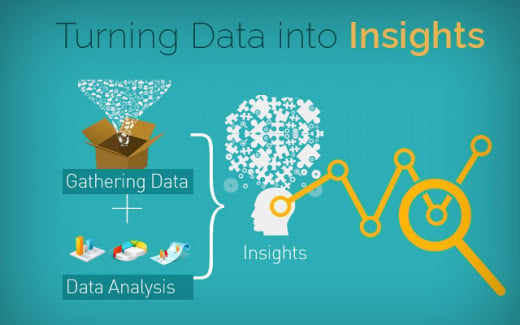
Big Data Analytics – Turning Information into Insight
In today's data-driven world, information is everywhere. From online shopping to social media, we generate massive amounts of data every day. But how can businesses make sense of this data overload? That's where Big Data Analytics comes in. By collecting and analyzing large sets of data, companies can turn information into insight that drives better decisions and improves overall performance.
In this blog post, we'll take a closer look at what Big Data Analytics is, the benefits it offers businesses, its challenges and the future implications for this rapidly evolving field. Get ready to dive into the exciting world of Big Data!
What is Big Data Analytics?
Big Data Analytics is the process of collecting, processing and analyzing large amounts of data to derive insights that can be used for making better decisions. It involves using advanced technologies and tools to extract meaningful information from massive datasets.
The term "big data" refers to vast quantities of structured and unstructured data that are generated by various sources such as social media, e-commerce sites, sensors, and more. Big Data Analytics provides valuable insights into customer behavior patterns, market trends, operational efficiency improvements and much more.
To effectively carry out Big Data Analytics tasks, businesses need powerful computing systems capable of processing huge amounts of data quickly. These systems use sophisticated algorithms which help in identifying important patterns in the data sets.
It's an incredibly useful tool for any organization looking to make informed business decisions based on reliable insights derived from real-time data analysis. With rapidly advancing technology capabilities driving this field forward at a fast pace - we can't wait to see what new developments come next!
Collecting and Storing Big Data
Collecting and storing big data is the first step towards gaining valuable insights from it. Data can come from various sources such as social media, customer transactions, or even sensors in machinery. Therefore, proper storage of this data is essential for future analysis.
One effective method for collecting and storing big data is through cloud computing services. Cloud providers offer scalable solutions that allow businesses to store large amounts of unstructured data without worrying about hardware constraints.
Another approach is using a distributed file system like Hadoop that allows businesses to collect and process massive amounts of raw unstructured data across multiple servers simultaneously. This makes it easier to manage big datasets while providing high availability, fault tolerance and scalability.
However, there are also challenges when it comes to collecting and storing big data. One challenge is dealing with privacy concerns; companies must ensure they comply with legal regulations regarding user information collection and storage.
Moreover, maintaining the quality of collected data poses another challenge – incomplete or inaccurate records may lead to incorrect conclusions being drawn from analyses later on down the line.
Nonetheless, by utilizing advanced technology tools such as machine learning algorithms or natural language processing (NLP), organizations can automate their processes for filtering irrelevant information out of big datasets more effectively than ever before - leading to invaluable insights into consumer behavior patterns at scale!
Analyzing Big Data
Analyzing Big Data is the most critical step in the big data analytics process. It involves examining vast quantities of unstructured and structured data to identify patterns, trends, and insights that can help businesses make informed decisions.
One of the biggest challenges companies face when analyzing big data is managing its sheer volume. With so much information available, it's challenging to determine which data points are relevant and which ones aren't. That's why companies invest in tools like machine learning algorithms that can sift through large amounts of information quickly.
Another challenge with analyzing big data is ensuring its accuracy. Often, datasets are incomplete or contain errors, leading to inaccurate results. Analysts must perform quality checks on the raw data before analysis begins to ensure they're working with reliable information.
Visualization tools like charts and graphs play a crucial role in analyzing big data by making it easier for analysts to identify patterns quickly. These visual aids also help communicate findings effectively across different departments within a company.
Analyzing Big Data requires skillful use of technology as well as human interpretation skills since humans need machines' aid while handling such huge chunks of unstructured raw material
The Benefits of Big Data Analytics
Big Data Analytics offers a wealth of benefits for organizations that can effectively harness this approach. One key advantage is the ability to identify trends and patterns in large datasets, which can help inform decision-making processes.
By leveraging Big Data Analytics, companies are able to gain deeper insights into customer behavior and preferences. These insights enable businesses to tailor their offerings more effectively, ultimately leading to increased customer satisfaction and loyalty.
Another major benefit of Big Data Analytics is its potential to drive innovation within an organization. By analyzing data related to market trends and consumer needs, companies can identify new opportunities for growth and development.
Additionally, Big Data Analytics has the power to improve operational efficiency by streamlining processes and reducing costs. With access to real-time data on inventory levels or supply chain disruptions, businesses can make informed decisions quickly – resulting in reduced downtime or loss of productivity.
Perhaps one of the most significant advantages offered by Big Data Analytics is improved risk management capabilities. By analyzing historical data points across various sectors – from financial markets through healthcare industries – analytics tools provide valuable insight into potential risks ahead enabling business leaders with necessary preparation time before disruptive events occur
The Challenges of Big Data Analytics
Big Data Analytics is a complex and challenging process that businesses need to overcome in order to extract insights from their data. One of the biggest challenges is collecting and processing overwhelming amounts of data. With so much data available, it can be difficult for companies to know what information to focus on.
Another challenge with Big Data Analytics is ensuring the accuracy and relevance of the data being analyzed. Inaccurate or irrelevant data can lead to faulty conclusions and ultimately poor decision-making.
In addition, Big Data Analytics requires specialized skills such as statistical analysis, machine learning, and programming languages like Python or R. Many organizations struggle to find employees with these skill sets.
Data privacy and security are also major concerns when it comes to Big Data Analytics. Companies must ensure they are protecting sensitive customer information while still using that information effectively.
One of the most significant challenges in implementing a successful Big Data Analytics strategy is selecting the right technology platforms for storing, managing, analyzing, visualizing, and sharing large volumes of structured or unstructured data.
Companies must carefully navigate through these challenges if they want to achieve meaningful insights from their big data investments.
The Future of Big Data Analytics
The future of big data analytics is exciting and filled with endless possibilities. With the constant evolution of technology, there's no doubt that we'll see more advancements in this field.
One key area where big data analytics will continue to thrive is in machine learning. As more businesses embrace artificial intelligence (AI), they'll need advanced algorithms to make sense of huge amounts of data. Machine learning can help identify patterns within large datasets much faster than humans ever could.
Another trend that will shape the future of big data analytics is edge computing. This involves processing information at the point where it's created, rather than sending all the raw data back to a central server for analysis. By doing so, organizations can reduce latency and improve response times, which is especially important for time-sensitive applications like autonomous vehicles or industrial automation.
Moreover, as more companies collect personal user data via mobile apps or connected devices, privacy concerns will become even more pressing. Big data analysts must be vigilant about protecting user privacy while still providing valuable insights to their clients.
New tools and platforms will emerge specifically tailored for big data analytics professionals such as Apache Hadoop and Apache Spark which are already popular among those working with massive datasets.
In short, Big Data Analytics has come far from its early days when it was used only by experts who understood it best but now it’s becoming mainstream day by day because of cost-effectiveness along with its expanding features allowing various small firms also to use them effectively regardless of their resources limitations making business growth possible like never before!
In conclusion, big data analytics has revolutionized the way businesses operate and make decisions. With its ability to turn vast amounts of information into valuable insights, it has become an essential tool for organizations across various industries.
The process of collecting, storing, and analyzing big data comes with both benefits and challenges. Companies that embrace this technology can gain a competitive advantage by making smarter, data-driven decisions. However, they also need to address issues such as data security and privacy concerns while ensuring that their analytical tools are effective in delivering accurate results.
Despite these challenges, the future of big data analytics looks promising as more companies continue to invest in this technology. As computing power increases and new tools are developed for handling complex datasets, we can expect even more significant advancements in this field.
Big data analytics is a game-changer for businesses seeking to leverage vast amounts of information to improve decision-making processes. By investing in the right tools and personnel needed for successful implementation of these strategies while mitigating risks associated with business intelligence solutions; organizations will be able transform themselves into agile innovators who stay ahead-of-the-curve!
The Power of Storytelling in Marketing

The Power of Storytelling in Marketing
Storytelling has been a part of human communication since the beginning of time. From ancient myths to modern-day novels, stories have captivated people's attention and inspired them to take action. In marketing, storytelling has become an increasingly popular tool for brands looking to connect with their audience on a deeper level. By crafting narratives that resonate with their target market, companies can create emotional connections and build brand loyalty.
In this blog post, we'll explore the power of storytelling in marketing and how you can use it to elevate your brand's message.
What is Storytelling?
At its core, storytelling is the art of communicating a message through a narrative. It's about creating an emotional connection with your audience and taking them on a journey that engages their imagination and leaves a lasting impression.
While stories can take many forms, they all share certain elements. A good story has characters that the audience can relate to, conflict that creates tension and keeps the audience engaged, and resolution or conclusion that satisfies their emotions.
In marketing, storytelling is used to create narratives around brands or products that resonate with consumers. By crafting compelling stories around their offerings, companies can humanize their brand and connect with people on an emotional level.
Effective storytelling in marketing requires understanding your target market's needs, desires, fears, and aspirations. This allows you to craft narratives that speak directly to them while building trust in your brand.
Storytelling is an essential tool for modern marketers looking to differentiate themselves from competitors by creating authentic connections with their audiences.
The Benefits of Storytelling in Marketing
Storytelling has become an essential part of marketing strategies in recent years, and for good reason. The benefits of incorporating storytelling into your marketing efforts are numerous.
Firstly, storytelling helps to create an emotional connection between a brand and its audience. By sharing relatable stories that evoke emotions such as joy, empathy or even sadness, brands can build trust with their consumers. This emotional connection often leads to increased customer loyalty and advocacy.
Secondly, storytelling allows brands to convey complex messages in a simple yet memorable way. A well-crafted story can help simplify difficult concepts or ideas while keeping the audience engaged throughout the process.
Moreover, storytelling is also an effective way to differentiate your brand from competitors by showcasing what makes you unique through compelling narratives. It enables brands to stand out in a crowded market by sharing stories that highlight what sets them apart from others in their industry.
Using storytelling in marketing can lead to increased engagement on social media platforms as people tend to share content that resonates emotionally with them. This amplifies the reach of your message further than traditional advertising methods.
Incorporating storytelling into your marketing strategy holds immense potential for creating authentic relationships with customers while differentiating yourself from competitors through powerful narratives that capture attention and leave lasting impressions on audiences.
How to Use Storytelling in Marketing
To effectively use storytelling in marketing, it's important to understand your target audience and what will resonate with them. Start by identifying the key messages you want to convey and how they connect with your brand or product. Then, consider the different elements of a story: characters, setting, conflict, and resolution.
When crafting your story for marketing purposes, focus on creating an emotional connection with your audience. Use relatable characters that embody the values and goals of your target market. Set the scene by describing their problems or needs and how they relate to what you're offering.
Use conflict as a way to build tension in your story that keeps readers engaged. This can be anything from a challenge faced by one of your customers or a problem solved through using your product/service.
Use resolution as an opportunity to showcase how your brand can solve problems for its customers in unique ways. Tie everything together into a cohesive narrative that conveys why people should choose you over competitors.
By following these guidelines when incorporating storytelling into marketing efforts, businesses can create more engaging content that resonates with their target audience while also helping to build strong relationships between brands/products and consumers.
Storytelling in Marketing Case Studies
Storytelling in marketing has been used by various brands to connect with their target audience and create a memorable experience. Let's take a look at some case studies that showcase the power of storytelling:
Nike's "Breaking2" campaign was an inspiring story about three runners attempting to break the two-hour marathon barrier. Nike created a documentary-style video, which showcased not only the athletes' journey but also the technology behind it. The campaign generated over 4 million views on YouTube and increased Nike's brand awareness significantly.
Coca-Cola's "Share A Coke" campaign personalized its products by printing popular names on their bottles and encouraging consumers to share them with friends or family members. By doing so, Coca-Cola created an emotional connection between its product and its customers, resulting in a 7% increase in sales within three months of launching.
Airbnb's "Belong Anywhere" campaign focused on showcasing real stories from people who have stayed at Airbnb properties around the world. By featuring authentic experiences, Airbnb was able to create trust among potential customers while differentiating itself from traditional hotels.
These case studies demonstrate how storytelling can be used effectively in marketing campaigns to create emotional connections between brands and their target audience while standing out from competitors.
To sum up, storytelling is a powerful tool for marketers to connect with their audience on an emotional level. By crafting a compelling narrative that resonates with the target audience, brands can create meaningful relationships and build brand loyalty.
Incorporating storytelling into your marketing strategy requires careful planning and execution. Start by understanding your target audience and identifying what motivates them. Then craft a story that aligns with your brand values while addressing their pain points or aspirations.
Remember to keep it simple, authentic, and relatable. Use visuals such as images or videos to enhance the impact of your story further.
The power of storytelling in marketing has been proven time and again through successful campaigns from various industries across the globe. From Coca-Cola's "Share A Coke" campaign to Nike's "Dream Crazy," these examples show how stories have helped these brands thrive in an increasingly competitive market.
So if you're looking for new ways to engage with your customers, try incorporating storytelling into your next marketing campaign—you might be surprised at how effective it can be!
How To Create Engaging Content for Your Blog
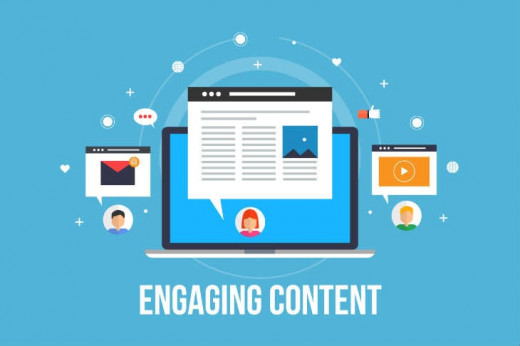
How To Create Engaging Content for Your Blog
Are you struggling to attract readers to your blog? Do you find it hard to keep them engaged once they land on your page? Creating engaging content is the key to retaining your audience's attention and growing your blog. But how do you create content that people will want to read, share, and come back for more?
In this blog post, we'll explore what engaging content means, why it's crucial for the success of your blog, and provide some tips on how to create content that hooks your readers from the very first sentence. Get ready to take notes!
What is Engaging Content?
Engaging content is any material that captures and holds the attention of your audience. It's not just about providing information, but also about creating an emotional connection with your readers. Engaging content can be anything from a blog post to a video or podcast episode.
To create engaging content, you need to know who your target audience is and what they're interested in. This means doing research and understanding their needs, pain points, and desires so that you can address them in your writing.
Another aspect of engaging content is being able to tell stories. People love stories because they're relatable and help us connect with others on a deeper level. Incorporating personal anecdotes or case studies into your writing can make it more compelling for readers.
One key element of engaging content is using visuals such as images or videos to break up the text and make it more visually appealing. Studies have shown that people are more likely to remember information presented in visual form than in plain text.
In summary, engaging content is all about capturing the interest of your audience by addressing their needs through storytelling while incorporating visuals to enhance their experience.
Why is Engaging Content Important for Your Blog?
Engaging content is the backbone of a successful blog. It is what captures and retains the attention of your readers, keeping them coming back for more. Without engaging content, your blog will fail to stand out in a sea of information available online.
One reason why engaging content is important for blogs is that it helps to establish credibility. When you provide valuable and interesting information, your readers are more likely to trust you as an authority on the subject. This can lead to increased engagement through comments, social media shares, and even backlinks.
Another benefit of engaging content is that it attracts new readers and followers. With so many blogs competing for attention online, creating unique and compelling content can help your blog get noticed by a wider audience. This can result in increased traffic and exposure for your brand or business.
Moreover, engaged readers are more likely to become loyal followers who keep coming back for more. They may even share your posts with their friends and family on social media or other platforms – spreading word about your site organically across the web.
Creating engaging content should be at the forefront of any blogger's strategy if they want their work to make an impact online. By providing value-added insights into topics people care about most along with entertainment factor will definitely engage users visiting repeatedly over time!
Tips for Creating Engaging Content
Creating engaging content is a critical aspect of running a successful blog. Your readers are looking for informative and entertaining content that keeps them engaged throughout the post. Here are some tips to help you create engaging content:
Firstly, start by identifying your target audience and what they want to read about. This will help you tailor your writing style and topics to appeal directly to them.
Secondly, focus on crafting catchy headlines that grab your reader's attention and make them want to click through and read more. A great headline can make or break the success of your post.
Thirdly, aim to provide value in every piece of content you create. Whether it's sharing helpful tips or offering an insightful perspective on a particular topic, providing value is essential for keeping readers coming back for more.
Fourthly, use visuals such as images, infographics or videos throughout your posts to break up long blocks of text and add visual interest.
Always keep your writing style conversational with an active voice that engages readers from the very first sentence. By following these simple yet effective tips, creating engaging content becomes much easier!
How to Make Your Content More Engaging
Now that you know what engaging content is and why it's important for your blog, let's explore some tips on how to make your content more engaging. The first step is to identify your target audience and understand their interests, behavior, and pain points.
Once you have a good understanding of your audience, use storytelling techniques to capture their attention. Start with an interesting hook or anecdote that relates to the topic at hand. You can also add visuals such as images or videos to help illustrate your point.
Another way to keep readers engaged is by using conversational language. Write in a tone that feels natural and relatable so that readers feel like they're having a conversation with you rather than reading an article.
Furthermore, try incorporating interactive elements into your content such as quizzes, polls or surveys. This encourages reader participation which increases engagement levels significantly.
Examples of Engaging Content
Examples of engaging content are abundant, and they can come in various forms. One example is storytelling that captures readers' attention and keeps them hooked until the end. When you tell a story, it's essential to make sure that it connects with your audience on an emotional level.
Another type of engaging content is infographics that present information visually. Infographics use pictures, charts, or graphs to convey complex data in an easy-to-understand format. They help break down information into bite-sized pieces so that readers can digest them quickly.
Lists are also popular among blog readers because they're easy to read and understand at a glance. Lists provide organized content that flows smoothly from one point to another without overwhelming the reader.
In addition, videos are also great examples of engaging content as they offer both visual stimulation and audio entertainment simultaneously. Videos provide an immersive experience for viewers by combining visuals with sound effects or music tracks.
Interactive quizzes or surveys create engagement through participation where people get involved more actively than just reading the article passively. These types of activities keep visitors engaged longer while providing valuable insights about their interests and preferences.
There are many different ways to create engaging content for your blog depending on what resonates best with your audience's needs & wants - whether through storytelling techniques like infographics/lists/videos/interactive tools etc., all forms have their unique benefits!
To sum up, creating engaging content isn't a cakewalk. It requires a lot of effort and creativity to come up with something that resonates with your audience. But remember, the key is to create value for your readers through your content.
By incorporating these tips into your writing process, you can create high-quality and engaging content for your blog that will keep readers coming back for more. Remember to always be original and authentic in your approach.
So go ahead and put these tips into practice today! With time and patience, you too can become an expert at crafting compelling content that connects with people on a deeper level.