Learn smarter with fresh insights from our tutors.
Practical study guides, course supplements, and learning resources curated to help you move faster through every subject.
How to Grow Hot Pepper: Hot Pepper Farming and Management

Hot pepper Farming and Management
Hot peppers are short-lived herbaceous perennial plants with a densely branched stem that is sometimes woody at the base. The plant reaches 0.5 – 1.5 m in height. Hot pepper fruit varieties are generally smaller and thinner than the sweet pepper.
Hot pepper as a fruit is used in raw salads, marinades and food garnishes or used together with other ingredients to produce a hot sauce (or ‘pepper sauce’) which is used as a condiment to impart a warm to hot pungency to food.
Hot peppers may also be canned, pickled, made into jellies and relishes, dried or smoked. Milder types of hot peppers may be used in much the same way as the hotter types to impart an aromatic ‘pepper’ flavour without too much pungency and is mostly preferred. Hot peppers can also be stir fried, pickled or stuffed with savory mixtures of meat or cheese.
Hot peppers are excellent sources of vitamin C, vitamin A and most of the B vitamins (particularly vitamin B6 ). They contain about 83% water, 3% protein, 7% fibre, 6% carbohydrate, 0.6% fat and where the highest levels are observed in the ripe fruit. Hot peppers also contain significant amounts of potassium, magnesium and iron.
Recommended Varieties
Only large varieties are grown for commercial purposes, which include the following:
(i) West Indies Red

The pepper is large, light green with a brilliant sheen at maturity, and gives excellent yields. This Hot pepper variety was developed in the Caribbean and therefore performs well with excellence in the region.
This hot pepper variety is highly resistant to a number of the diseases that normally affect peppers. The West Indies Red has commendable storage life and its thick walls make it excellent for export.
(ii) Scotch Bonnet

This is the most variable Hot pepper of domestic species and the most wide- spread within Latin America. Large-fruited, thick-walled types, which are used fresh, are common in the Caribbean, while in costal parts of the Andean region, this-walled types which are used dried, also occur. The Hot pepper Fruit can be extremely pungent and aromatic, with persistent pungency when eaten.
(iii) Caribbean Green
This Hot pepper variety has a fully developed berry which has a deep dark green color before it turns dark red. The length of the Hot pepper berry is 3.76 cm and the width is 3.32 cm resulting in a blocky shape. The fruit wall thickness is 2.6 mm and the number of locules per fruit is 4. It takes an average of 85 berries to weigh a kilogram.
(iv) Caribbean Red

This Hot pepper variety has a fully developed berry which is pale light green to cream color. The average Hot pepper fruit length is 4.2 cm and the average width is 2.8 cm giving the fruit an elongated shape. It takes an average of 89 berries to weigh a kilogram and the fruit wall thickness is 1.2 mm.
(v) Habanero

The habaneros Hot pepper varieties are high yielding varieties and are very adaptable to local tropical conditions. There are 4 basic Hot pepper varieties of habanero which are originally from the Caribbean and South America. The pepper vary enormously in size and shape according to the variety, ranging from berries ¼ inch in diameter and pods of up to 5 inches long. Caribbean habaneros Hot peppers are often flattened at the end and resemble a tam or bonnet. The Hot pepper pods are green at immaturity and range from red, orange, yellow or white at maturity. They have a distinct ‘apricot like’ fruit aroma and can hold their flavor, heat and aroma during storage.
Environmental Requirements
Just as Sweet peppers, Hot peppers are considered to be warm season and day-neutral plants that require about the same growing conditions as the other members of the Solanaceae family, for example, tomato and boulanger.
Climate
Hot peppers grow well at wide range of altitudes with rainfall between 600 to 1250 mm per annum. Most Hot pepper cultivars cannot tolerate flooded conditions. Seeds germinate best at 25-30 °C. Optimal temperatures for productivity of Hot pepper range between 18 to 30 °C. Excess rainfall and temperatures between 32°C - 35°C, cause severe loss of Hot pepper blossoms.
Soil
Hot peppers are tolerant to a wide range of soil conditions. However, it grow best when the soils are fertile medium loams and well-drained soils with a soil pH of 5.5 to 6.8.
Land Preparation
(a) Site selection
Hot peppers should be grown in open areas free from shade or overhanging trees. You should avoid areas heavily infested with nut-grass. Clay, sandy and stony soils should be avoided growing your Hot pepper, this is in addition to waterlogged areas or areas prone to flooding. Sandy loam or silt loam soils are best.
Your selected site should be free from flooding as hot pepper cannot tolerate water logging conditions. Accessibility to a good water source and road infrastructure will allow for greater efficiency in your Hot pepper farming as you can easily use machinery for land preparation and transport. The land should be located such that security can be carried out easily in order to prevent predial larceny during your farming period.
(b) Land preparation
Soils on your selected site for Hot pepper cultivation should be well ploughed to depths of 30 cm (12”). The addition of pen manure or organic matter to the soil assist the plants in early establishment and development. You should ensure the land is well drained. You should prepare ridges or raised beds along the contours.
Seedling production
You should always use healthy seeds to guarantee good germination of healthy, vigorous Hot pepper seedlings. One hundred grams of seed have approximately 20,000 seeds, enough to plant two and a half (2½) acres of your land. Hot pepper seeds germinate within 8 to 12 days. They grow slowly in the initial stages
Planting
Hot pepper planting should be planned taking into consideration the following:
- Time to harvest for the market.
- Availability of water and labor for planting and establishment.
Your Hot pepper seedlings should be at least four to six (4-6) weeks old at transplanting and should be best done in the afternoon. Hot pepper seedlings can be placed in holes filled with well cured manure to cover the root system of the plants. Care should be taken to avoid damage to the roots. The transplanted Hot pepper seedlings can be drenched with a soil insecticide. (e.g. Fastac) to prevent attack by mole cricket. A fertilizer e.g. 10:52:10 or 12:24:12 should be applied to encourage good rooting.
Spacing
Transplant seedlings onto raised beds or on ridge and furrow, should be spaced at 3ft between rows and 2ft within rows. Closer spacing can make the Hot pepper fruits difficult to harvest and also results in damaged plant.
Water requirements
Hot pepper plant require large amounts of water - 5 litres per plant per day. You should make sure the soil in your field remains moist as much as possible. As a general rule, watering should be on a ‘little and often’ basis during the period of establishment, and then in greater quantities as the plant develops. When Hot pepper harvesting begins, it is usual to reduce watering a little. Too much water facilitates bacterial and fungal diseases.
Fertiliser application
You should apply Urea - 66 kg/ha, Triple Super Phosphate (TSP) – 75 kg/ha and Muriate of Potash – 80 kg/ha, depending on soil test results.
Weed Control
Manual weed control should be encouraged in your Hot pepper field during the entire crop life, the use of plastic mulches depresses weed growth significantly. Care should be taken when spraying herbicides between plants from spray drifts.
Harvesting
Hot pepper harvesting starts at 2 ½ - 3 months and should be done on a weekly or bi-weekly basis depending on the market demand and can continue for up to 6-8 months.
Hot pepper fruit stalk should be pulled slightly in an upward motion at the point where the stalk is attached to the plant stem to minimize branch breakage and damage to the plant. Harvesting should be done in cool dry conditions with great care to ensure delivery of good quality produce.
How to be Successful in Cheating

How to be Successful in Cheating
It is of no secret that people do cheat in relationships. Even though majority of people cheat in different relationships, cheating is not for everyone. This article will take a look at tips and tricks, which will likely make your cheating successful.
6 Tips to be Successful in Cheating
1. Use uncommon social sites
Nowadays there are a lot of unpopular social sites which people barely use. These uncommon social sites can be used by two of you to communicate secretly. You should always make sure that the social sites which you are using to communicate with your secret lover, is very unpopular and this will decrease the chances of getting caught in your cheating journey.
What we are trying to mean here is that, using public social media like Facebook, X and WhatsApp, could make you caught overnight!
2. Act smart
Another way which can keep your relationship secret is by acting smart. You should avoid disclosing anything about your relationship to your friends, even your close friends. Thus, telling any person no matter how close the person is to you, is one way of making it publish.
Being smart also includes doing only what two of you have agreed to do. Which means, when two of you have agreed to meet at a place "X", you will have to meet at that place only. Which means when you meet suddenly while two of you have friends, you do not have to talk unnecessarily. In this case, you should act as if there is nothing between two of you, this will bold your relationship.
3. Utilize your meeting time
Utilizing meeting time involves doing many things within the short period of time, which two of you have agreed to do at a meeting time. Which means, if you have gifts to give each other, you should make sure you deliver them at this particular time. Thus, if you have lovely stories to share each other, make sure you utilize this meeting time as much as possible.
Similarly, in case you forget to give each other something or even telling each other a story, you should avoid making unnecessary calls to remind one another that you forgotten to do something when two of you met. This is so because you never know who is with the phone of your loved one at that particular time.
4. What you make a call, be silent first
To make your relationship stay secret for so long, you should utilize this advise two, which asks you to remain silent first every time you make a call. This is so because you never know who is with the phone of your loved one. Thus, you can make a call and start your sweet words, yet the phone is with someone else.
In case you are so sure that the phone is with your loved one, but to your surprise, you hears the voice of another person, you should try to change the subject as quick as possible.
5. Use fake names or unsafe numbers
Another way which can make your relationship stay secret is by using fake names or un-save numbers.
In this case, the best way you should do is to memorize the number of your loved one. This will help you in trouble time when you will call, and to your surprise you find out that you are talking to someone else.
6. Make it short
Whenever two of you meet, you should always make sure you do not stay so long together, as each and every hour two of you spends your time together, you have an increased probability of getting caught. Make sure you stick to the point when two of you meet.
In conclusion, this article has taken a look at 6 ways which can make your relationship stay secret for so long.
How to Win a Girl Heart Who Doesn't Like You

This article will take a look at 12 things you should do to win any girl or woman's heart, who you like, but is not interested in you.
12 Ways to Win a Girl's Heart Who is Not Interested in You
The following are some of the things you should do to win any girl of your choice.
1. Be Smart
Everyone on earth wants good things. Each and everyone girl wants his man to be smart in everything, ranging from school and life achievements, as this gives her assurance that you can be a supportive man to her. In this case, showing a certain level of intelligence when doing your things shows certain level of uniqueness which brings any girl closer to you.
Being smart can also include good dressing. You should always make sure you look representable, because each and everyone girl wants his man to look smart and handsome. Looking handsome partly relates how you are taking a good care of you.
2. Talk to her frequently
As a man who is interested to win a girl's heart, you should make her feel special when she is around you or far away from you, through text messages or any form of communication you can use. Talking to her frequently, makes her remember you most of her time, in this way she can start noticing certain feelings that you give her attention, that women want.
3. Be supportive man
On earth, no one can survive herself without any day requiring any form of support from someone else. When girls are in troubles, they need to be helped. You should make sure, you are always there for her in her difficult time and support her continuously without expecting anything in return. The support ranges from financial to anything she can need.
4. Be a hard worker
Working hard is different from working smart. Of course it is good to work smart, but you should also know that sometimes working smart goes with hard working. Sometimes we come up with brilliant ideas and start implementing, but because of our laziness we drop it, making your smartness yield nothing.
Each and every girl, always go for a man, who is smart and hard working. The combination of these two, is a powerful weapon to win any lady of your choice.
5. Be simple man
Girls always go for humble men. Some men are very boastful in each and every life achievement, girls do not like this. Being simple and humble makes you special, which can attract a beautiful woman. Let your action talk itself.
6. Be confident
When doing things and talking to her always make sure you are very confident. Girls do not want a man who can't gather courage himself when doing his things or a man who is too afraid to do new things or talking to women and strangers.
7. Take her on dates
Girls want good things. No girl can say no to good things. Most girls feel happy when taken on a date. Taking a girl on date makes her remember that you recognize her and make her special. In this way, you can easily win her heart.
8. Befriend to her friends
Being friends with her friends makes your bond tighten. You should make sure that, you do always good things to most of her friends to the level best. This will help them talk good things about you to her, and this can easily transform her heart to start liking you.
9. Buy her small gifts
All girls like to receive gifts. You should be trying to buy something for her birthday or Christmas as this makes her feel special and recognized. The gifts should not be promised, but should be an unexpected gift at a time she won’t expect.
10. Be a man of your word
No girl is interested in a flaky man. You should always make sure you do what you have promised. When you promise to buy her a new phone, make sure you buy her. If you promise to take her out, do it. Girls want a man she can count on.
11. Show her that you’re likable
Girls want a man who is valuable to many, not just herself. Always be smart and hard working to make more people find you as a man of importance. Girls are very vulnerable to other people’s approval. Once she knows other people like you, then you will win the girl’s heart easily.
12. Care more her parents and relatives
Any girl wants her parents and relatives to be recognized and valued. You should make sure, you are always there for them in their hard time and happy time.
In conclusion, this article has taken a look at 12 ways you should do to win a girl's heart who is not interested in you.
How to Win a Married Man

How to Win a Married Man
Nowadays, finding your own man is very difficult as such there are different ways you can use to win a married man's heart. This article will take you through different ways you should do to win a married man.
8 Ways to Win a Married Man
The following are the ways you should do and follow to win a married man's heart.
1. You should make a good use of meeting time
Meeting a married man, spending a time with him, look simple, but yet it isn't. When two of you agree to meet, make full use of your meeting time, in such a way that he always feels satisfied. If you buy him a surprise gift or something great, this is the right time to give him and satisfy him.
Once two of you meet and make love, you should avoid making unnecessary call or text until your next meeting as you will never know who can have his phone then.
2. Give him extra love and attention
Not each and every married man is happily married. Giving him extra love and attention, makes him value you more than his wife. You should always make him satisfied and happy. You should give or do everything, which you believe is the best for him.
3. Ask him about his family
Different families have issues. Some even more complicated, which can make partners breakup. When two of you meet, you should try to find out about his family issues and utilize his family challenges as your opportunity by being good at things the other woman is failing to do.
When two of you meet, ask him when two of you are getting married and always keep him reminded.
4. Get him pregnant
Getting a pregnant and giving birth to his child is another way to go to win your married man who is dating you. The child who will born, will tighten your bonds with him. He will always remember that he has a child with you. This puts you on better chance of winning him easily.
5. Always look smart and sexy
When two of you meet up, you should always make sure you are looking good and sexy. Most men develop sexual feelings when they see sexy ladies. Looking smart and sexy, makes your married man compare you with his wife, in this case, you will win if you are looking sexy and smart.
6. Be a woman of vision
Men go for visionary women. When two of you meet up, you should make sure what you speak or do should make him realize that you are not just a mere woman, but a woman of vision. This will attract him more.
7. Be industrious
Men go for hard working women. You should start a small scale business that will help you solve a few problems yourself, without always depending on him for support. This will make him love you more.
8. Say no to love potion
Giving your married man a love potion to love you more does not work to win him as this just drive him crazy. He will stop doing everything including his work, which brings him food on the table, and this will simply make two of you suffer. You should avoid this.
8 Signs of a Girl Not Interested in You

8 Signs of a Girl Not Interested in You
Understanding different signs that a girl doesn't like you help you save time and other resources. In this world, it is very difficult to impress everyone even if we do good things to everyone, still some individuals will hate us from unknown reasons.
As of today, the world has registered more girls than boys. Every though the population of girls is more than that of boys, it does not mean that each and every girl you come across likes you.
This article will take a look at 8 signs that shows a girl doesn't like you, and this will help you save your time and money. This will also help you spend time on girls who may be interested in you.
8 Signs of a Girl Not Interested in You
The following are some of the reasons which shows a girl does not want you.
1. Short answers
A person who is interested in you will try as much as possible to spend more time and give you more attention to everything you say and this becomes the same to girls who like you.
A girl who doesn't want you tries to avoid you by cutting your conversation. You can send a "how are you" message on WhatsApp or any social site, and her responses will always be short that "am fine", without necessarily asking you back that "how about you". In this case, she is trying to avoid you and it also means that she does not value your time, because a person who values and cares about you, will always show you through her attention and responses.
When you notice that she is making short answers, leave her alone and move on. You should focus on girls who value you.
2. She takes more time to respond
Another common sign which shows a girl doesn't like you is, shown on her response time. A girl who doesn't like you will see any of your messages as of important and she will respond to you at any time of her choice. You can for example all of you be online on WhatsApp or any social site, sending her a message, she will view it and choose not to respond it. Or she will respond to your messages after some hours, this just shows you that she does not care about you.
3. She refuses any of your gifts
A girl who doesn't like you will always refuse to receive any form of gift from you and her response is always simple, which is "no, thanks", this means she doesn't value any of your gifts.
Similarly, if you ask her out on a date, she will definitely reject it too. In this case, the best way is to move forward, by leaving her alone and focus on those who sees value in your gifts.
4. She doesn't share any of her personal problems or stories
On this earth, no one has no story to tell. This can range from life success stories or failures. In additional to this, no one can say does not have any life problems in any of her life.
A girl who doesn't want you will try as much as possible to avoid sharing with you her problems, as she sees you as a person of no value, the one not worth to solve any of her problems.
Similarly, a girl who doesn't like you, will try much to avoid sharing with you any of her personal stories. When you notice any of these signs, try to move forward and focus on those who sees you as a man of value.
5. She talks about other men
A girl who doesn't like you will, in most of your conversation talk much about other men, who she admires. You could start a story, with an aim of giving her attention to you, but she will divert it by talking or mentioning about other men. In this case, it just shows that she doesn't like you. If you notice in any of your chatting or talking that she mentions much about other men, move on, don't waste your time with her.
6. She gives you fake smile
A girl who doesn't like you, always pretend to be happy with you, but yet in actual sense she is not. You can keep on telling her awesome stories, but she will not smile or if she does, it will be a fake one. When you notice this sign on her, leave her alone and move on, she doesn't like you.
7. You text more than she does
A girl who is not interested with you, will try as much as possible to avoid you. She cannot start any conversation unless you do. When you do, it's always you who send more messages than her. Now it's time to check your conversation with her and ask you why you are always the one sending more messages than her, as this partly shows that she doesn't care about you. You should move on now!
8. She avoids making plans or projects with you
A girl who doesn't like you will not let you be in any of her life plans. Even if she has plans to start a new project, she will not include you, instead she will include those who she values. Even if you ask her to be in any of her plans or projects, she will make it straight that you will not. In this case, leave her alone and move on.
In conclusion, this article has taken a look at 8 signs that shows a girl doesn't want you.
4 Ways to Make a Narcissist Miserable

4 Ways to Make a Narcissist Miserable
In this article, we will explore 4 ways to make a narcissist miserable. From recognizing their tactics and refusing to be manipulated, to setting boundaries and refusing to cater to their whims, read on for some useful tips on how you can take control of the situation and protect yourself.
4 Ways to Make a Narcissist Miserable
1. Make plans without them
Making plans without them will upset a narcissist. They want to be included in everything and if you make plans without them, they will feel left out and powerless.
2. Make them feel inferior
One of the best ways to make a narcissist miserable is to make them feel inferior. There are many ways to do this, but some of the most effective include:
- Point out their flaws and shortcomings;
- Make them feel like they're not good enough;
- Compare them unfavorably to others;
- Make them feel worthless and unimportant.
Doing any of these things will usually result in the narcissist feeling upset, offended, or even humiliated. And that's exactly what you want - to see them suffer.
3. Expose their lies
If you want to make a narcissist miserable, the best thing you can do is expose their lies. Narcissists are constantly lying about who they are, what they've done, and what they're capable of. By exposure these lies, you can cause them a great deal of embarrassment and shame.
Narcissists will often lie about their accomplishments, skills, and talents. They will claim to be better than others at everything they do. When their lies are exposed, it shows them for the frauds that they are and makes them look foolish in front of others.
Narcissists will also often lie about their intentions. They may say one thing but do another. For example, they may say they're going to help you with something but then never follow through. Or they may act like they're interested in you but then never call or text after getting your number. If you expose these sorts of lies, it makes them look bad and feel foolish.
Finally, narcissists will often lie about their feelings. They may say they love you when they don't or claim to be sad when they're actually angry. Exposing these emotional lies can be very difficult for narcissists because it forces them to confront their true feelings which are often negative and unpleasant.
If you want to make a narcissist miserable, exposing their lies is the best way to do it.
4. Be independent
The best way to make a narcissist miserable is to be independent. This means having your own life, interests, and goals that don't revolve around them. It also means not being afraid to stand up for yourself or put yourself first. Narcissists thrive on control and attention, so by taking these things away from them, you'll really get under their skin.
When to Walk Away From a Narcissist
There are three main times when it is appropriate to walk away from a narcissist:
- When they are actively engaged in narcissistic behavior. This could be anything from gaslighting and manipulation to out-and-out verbal or physical abuse. If you're experiencing any form of abuse, it's time to walk away.
- When they refuse to take any responsibility for their behavior. A narcissist will never admit that they're at fault, no matter how obvious it is to everyone else. If they're unwilling to work on themselves, then there's no hope for the relationship.
- When you've given them multiple chances and they keep going back to their old ways. If you've tried everything and nothing has worked, then it's time to give up and move on. Narcissists rarely change, so don't waste your time trying to fix someone who's incapable of change.
In conclusion, making a narcissist miserable is not an easy task and it can be extremely difficult to attempt. However, having knowledge of the nine ways to make a narcissist miserable provided in this article can help you find effective strategies to deal with them. Remember that your goal should not be revenge or punishment, but rather setting healthy boundaries for yourself and those around you. With these tips in mind, we hope you have been able to learn how to make a narcissist miserable while also protecting your mental health and wellbeing along the way.
How to Take Care of Natural Hair
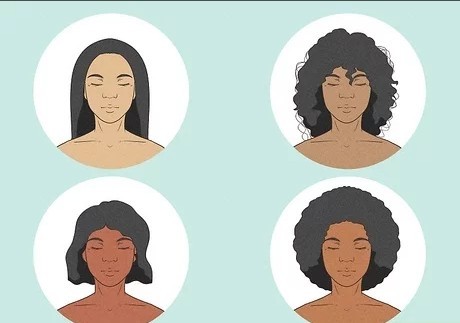
How to Take Care of Natural Hair
If you’re someone with natural hair, you know that achieving and maintaining healthy, beautiful locks isn’t always easy. Natural hair takes a lot of care and attention to keep it looking its best. From the right products to the right techniques, there’s a lot to learn when it comes to taking care of your natural hair.
In this article, we will look at all the necessary steps for natural hair care in order to ensure your tresses stay beautiful and healthy. We will discuss the importance of using high-quality products specifically designed for natural hair, as well as tips on styling and maintaining your locks. So let’s get started!
What is Natural Hair?
Assuming you are referring to human hair, natural hair is simply hair that has not been chemically altered. This means it has not been treated with dyes, straighteners, or any other type of harsh chemicals. Natural hair can come in all different textures, from very straight to very curly. The term “natural hair” is often used interchangeably with “black hair”, as black people generally have tighter curls than people of other ethnicities. However, anyone can have natural hair – regardless of their race or ethnicity.
There are many benefits to having natural hair. For starters, it is much healthier for your scalp and hair follicles. Chemically treated hair is often weak and brittle, and can even lead to scalp damage. Natural hair is also much easier to take care of than treated hair. It doesn’t require special products or hours of styling – you can simply let it air dry or put it in a low-maintenance style. Furthermore, natural hair is unique and beautiful in its own right. Embracing your natural texture is a great way to boost your confidence and feel proud of who you are.
The Best Products for Natural Hair
When it comes to finding the best products for natural hair, there are a few things you should keep in mind. First, your hair type will play a big role in determining which products work best for you. Second, remember that less is often more when it comes to styling products. And finally, don’t be afraid to experiment until you find a routine that works for you.
With those guidelines in mind, let’s take a look at some of the best products for natural hair:
For shampooing, we love the gentle cleansers from Shea Moisture or DevaCurl. If your hair is on the drier side, opt for a conditioner-only washing method (co-washing) a few times per week. This will help preserve your natural oils and keep your hair hydrated.
When it comes to styling, less is definitely more. A simple leave-in conditioner will do the trick for most people. But if you need a little extra help taming frizz or adding definition, try a curl cream or gel. We like Miss Jessie’s MultiCultural Curls and Marie Dean Curl Cream.
For those with particularly kinky or coily hair, an oil-based product can be helpful for adding moisture and shine. Try using just a small amount of an oil like coconut oil or argan oil – too much can weigh down your hair and cause build-up.
The best hairstyles for natural hair
There are a number of hairstyles that are perfect for natural hair. The key is to find styles that work with your particular hair type and texture. Here are some of the best hairstyles for natural hair:
- Braids: Braids are a great way to style natural hair. They can be worn in a variety of ways, from loose and casual to tight and formal.
- Buns: Buns are another versatile hairstyle for natural hair. They can be worn high on the head or low at the nape of the neck.
- Twist Outs: Twist outs are a great way to achieve definition and style natural hair without using heat or chemicals.
- Afros: Afros are the quintessential style for natural hair. They can be worn big and bold or small and subtle.
- Wash and Go’s: Wash and go’s are a simple, yet stylish way to wear natural hair. They require minimal styling and upkeep, making them perfect for busy ladies on the go!
How to Take Care of Natural Hair
Assuming you are referring to black natural hair, here are a few tips:
- Wash your hair once a week with a clarifying shampoo to avoid buildup
- Conditioner is key- use it every time you wash your hair and focus on the ends
- Deep condition at least once a month
- Be gentle when brushing and detangling your hair- use a wide tooth comb
- Protect your hair at night by wrapping it in a silk scarf or sleeping on a silk pillowcase
- Avoid heat styling whenever possible
- Trim your ends every 6-8 weeks to avoid split ends
In conclusion, taking care of natural hair can be challenging, but with the right knowledge and products, it is possible to maintain healthy locks. Incorporating a few simple steps such as using protective styling techniques to reduce manipulation and breakage, deep conditioning treatments on a regular basis for nourishment, and trimming split ends when needed can help promote long-term hair health. With an understanding of these tips and how best to groom your natural tresses, you’ll have beautiful flowing curls in no time!
5 Ways to Win a Man's Heart

5 Ways to Win a Man's Heart
We all want to be loved and wanted. We want to feel cherished and appreciated. That's why so many of us strive to win the hearts of the people we care about, especially the men in our life. But how exactly do you go about winning a man’s heart? The truth is, there is no one-size-fits-all answer when it comes to this question. Every man is different, with his own unique set of needs and desires. However, there are some common traits that can help you get closer to someone you care about and ultimately win his heart. Read on this article to learn more about how to win a man's heart!
Different Ways to Win a Man's Heart
1. Be yourself
The most important thing you can do when trying to win a man's heart is to be yourself. Be honest about who you are, what you like and don't like, and let him get to know the real you. It's also important to be confident in yourself and not try to be someone you're not. Men can sense when someone is being fake, and it's a major turn-off. Just relax and be yourself, and he'll fall head over heels for you in no time!
2. Listen to him
If you want to win a man's heart, you need to listen to him. This doesn't mean that you should agree with everything he says, but it does mean that you should be interested in what he has to say and willing to listen to his point of view. Active listening is a key part of communication, and it's something that all men appreciate. So if you want to win his heart, make sure you're paying attention when he's talking.
3. Show you care
If you want to win a man's heart, it's important to show that you care about him. This means being supportive and understanding when he needs it, and being there for him when he wants to talk. It also means being interested in the things he enjoys, and taking an active role in his life. By showing him that you care, you'll be able to build a strong relationship with him that will last.
4. Make him feel special
To make your man feel special, you have to first understand what makes him feel special. Every man is different, so you'll need to tailor your approach to fit your guy. However, there are some general tips that can help you make any man feel special. Just remember to be genuine, thoughtful, and attentive, and you're sure to win his heart.
5. Let him be the man
In order to win a man's heart, you need to let him be the man. This means letting him take the lead and being okay with following his lead. It also means giving him space to be himself and not trying to change him. Additionally, it means being supportive and understanding when he needs it. Lastly, it means trusting him and knowing that he has your best interests at heart.
In conclusion, winning a man's heart is an art that not many possess. But, with the right tools, you can easily master it. Show him respect and appreciation, take care of yourself and your looks, be honest and open-minded in conversations with him to create a strong connection between you two. Being kind, understanding his needs and spending quality time together are also essential elements of winning someone's love. Listen to your heart and follow its leadings - it will show the way towards true love!
6 Tips and Tricks to Get Your ex Boyfriend Back

Tips and Tricks to Get Your ex Boyfriend Back
This article will take a look at tips and tricks which you can use to get your ex boyfriend back. There is some hope of a reconciliation after you will finish going through this article. Thus, If you’re looking to get your ex-boyfriend back, this article is for you.
6 Tips and Tricks to Get Your ex Boyfriend Back
1. Work on yourself
If you want to get your ex boyfriend back, one of the best things you can do is work on yourself. This means improving yourself in all areas of your life, from your physical appearance to your mental and emotional health.
One way to start improving yourself is by paying more attention to your physical appearance. This doesn’t mean you need to go out and get a makeover – although that couldn’t hurt! – but it does mean taking care of yourself physically. Eat healthy foods, exercise regularly, and get enough sleep. Taking care of your body will help you feel better about yourself, which is an important first step in getting your ex boyfriend back.
It’s also important to focus on your mental and emotional health. If you’re feeling depressed or anxious after your breakup, see a therapist or counselor who can help you through these tough times. Working on yourself emotionally will make you stronger and more confident, two qualities that will be very attractive to your ex boyfriend.
2. Find a new hobby or activity to take up your time
Your ex boyfriend is probably used to you being available whenever he wants to see or talk to you. If you want to get him back, you need to show him that you're not just waiting around for him. Find a new hobby or activity that you can really invest yourself in. This will show your ex that you're not just sitting at home waiting for him and that you're capable of having a great time without him.
3. Spend time with your friends and family
One of the most important things you can do after a breakup is to spend time with your friends and family. These are the people who love and support you, and they can help you get through this tough time. Spending time with loved ones will help you feel better and may even take your mind off your ex for a while.
Assuming you don't have many friends, there are online forums and support groups for people going through breakups, and talking to others who understand what you're going through can be very helpful. You can also seek out professional help from a therapist or counselor if you're struggling to cope.
4. Do not talk badly about him to others
When your friends ask about your ex, do not say anything bad about him. This will only make you look bad and can potentially drive your friends away. If you must say something, keep it light and positive. For example, you could say something like, "He's just not the right person for me," or "We're better off as friends."
5. Make sure you are looking your best
It is human nature to want to look our best when we are trying to impress someone. This is especially true when we are trying to win back an ex boyfriend. You may be asking yourself, how can I make myself look better? The answer is simple. Just take care of yourself both physically and emotionally and you will see a dramatic difference in the way people, including your ex boyfriend, react to you.
Some basic tips on how to take care of yourself include:
- Eating healthy foods and getting regular exercise. This will help you to feel better physically and mentally.
- Getting enough sleep. Lack of sleep can lead to feeling cranky and stressed, neither of which are attractive qualities.
- Taking care of your skin and hair. Make sure you are cleansing, moisturizing, and protecting your skin daily. Also, take the time to style your hair in a way that makes you feel confident.
- Dressing in clothes that flatter your body type and make you feel good about yourself. Avoid wearing anything that is too revealing or sloppy looking.
By taking care of yourself, you will not only look better but also feel better about yourself. This increased confidence will be evident to those around you, including your ex boyfriend whom you are hoping to win back.
6. Give him space when he wants it
If your ex boyfriend is telling you that he needs space, it's important to respect his wishes. This doesn't mean that you have to disappear from his life completely. Simply give him the space that he's asking for, and don't try to force yourself into his life.
If he wants to talk to you, he'll reach out. In the meantime, focus on taking care of yourself and giving him the space that he needs.
4 Reasons Why Planning Ahead is Important in Business

4 Reasons Why Planning Ahead is Important in Business
Planning ahead matters, especially in this fast-paced world we live in. Proper business planning, when formulated ahead of time helps you focus better on your business growth and success, to execute business projects and fulfill your vision.
In this modern time, if you take time to set action orientated goals, you are more likely to achieve those business goals in a timely fashion.
Without proper planning, you allocate and use business resources in an inefficient way.
Without proper planning, it's nearly impossible to use your business resources cost-effectively. This article will give in detail reasons why planning ahead is important in the business world.
4 Reasons Why Planning Ahead Matters
1. Helps in risk assessment
As a business person, planning ahead helps you to assess risks and opportunities. Identifying any associated risks prepares you to weigh and categorise them, prioritise and create an effective response plan, thus changing risks to opportunities.
This accelerates your business performances. Many business owners during hard times might not succeed because they haven’t anticipated the risks and created a plan to cope with them.
It is essential to anticipate risks before they happen, so that you know how to cope with them should they arise. This helps you to reduce losses your business might have faced.
2. Makes you proactive
Planning ahead in your business helps you to become more proactive. Without proper planning, you may not be ready to respond to outside challenges.
This is where your business planning services come to the fore. As a business person and an entrepreneur, planning ahead helps you to create your own path which helps you control the fate of your business.
As an entrepreneur, proactivity helps you in seeking out new opportunities for the company and dealing with any threats of problems before they even emerge, which improves overall performance of your business.
3. Improve performance of your business
Planning ahead of time helps you improve the performance of your business. Through intelligent planning and preparation, you gain tremendous performance.
You can measure the level of preparation against the level of performance and you see that, there is a direct correlation.
The most effective business plans are revised and updated regularly as this is an effective way to keep you on track.
4. Short term and long term business success
By planning ahead, you will be planning for success both short term and long term. Planning ahead helps you align resources to meet your business objectives in the most efficient manner possible.
Planning ahead of time also ensures you reach the highest levels of customer satisfaction in your business.
Planning ahead helps you to be more efficient in managing your business resources and this boost your business performances both in the short and long run by having an improved level of productivity and the outcome of results.
In conclusion, this article has taken a look at 4 reasons why planning ahead is important in the business world. Among others, the article has uncovered that, risk assessment, proactivity, improved performance, are some of the reasons why you should consider planning ahead of time for your business to perform better in your local area.
How to start Investing: Steps Required to Start Investing

Steps Required to Start Investing
For you to be successful in investing, firstly you need to pick a strategy based on the amount you will invest, then you need to set a timeline for your investment goals, and the amount of risk that makes sense for you. This article will give in detail steps which you can follow for you to start investing in hope for financial gain after a certain period of time.
5 Steps Required to Start Investing
The following are some of the required steps which you should Know, and follow for you to start investing.
1.Define your risk tolerance
The first step is for you to understand the levels of risk you will likely go through. Each investment plan has a certain degrees of risks attached to it.
Knowing the chance that you may lose money while investing, makes you able to make a wise decision. For example, if your choice is to invest your money in stocks, you will meet ups and downs there. One of it could be fluctuation of stock prices.
Different types of stocks you may think of, have different level of risks attached to it. Once you determine your risk tolerance, you can set your investment sights on the stocks which you have chosen that complement it.
2. Decide how much to invest
The second step for successful investment is to think of how much money you need to invest and where to invest. Each and every amount which you want to invest has different returns on capital, and as well as different level of risks.
You need to decide an amount which you will be able to afford to lose in case of uncertainties and try as much as possible to avoid putting all money in one basket.
The amount you invest depends on your financial situation, investment goal and time you need to reach it.
One common investment goal you may choose of, is retirement and you may want to invest a total of 10% to 15% of your income each year as your retirement package. This means you can start small and work your way up to it over time.
Any investment strategy you can set, depends on your saving goals, the amount of money you need to reach, and your time horizon.
If retirement is not one of your investing goals, you can also choose other investment goals available such as education, purchasing a home, life-changing surgery and you need to consider your time horizon and the amount you need to invest, then work backwards to break that amount down into monthly or weekly investments.
3. Understand your investment options
Once you decide how much and where to invest, you will need to choose what to invest in.
Every investment plan has different level of risks, and it’s important to understand each instrument, how much risk it has and whether that risk is aligned with your investment goals or not.
The most popular investment goal is purchasing stocks. Stocks also known as equities, are shares of ownership in a single company.
You can purchase stock through mutual funds, which is a mix of investments packaged together, which allow investors to skip the work of picking individual stocks and bonds, and instead purchase a diverse collection in one transaction and is generally less risky than individual stocks.
4. Open an investment account
The fourth step is to create an investment account having decided amount and a place to invest.
If your goal is to raise money which will support you at your retirement time, then you need to open a retirement account and you will need to invest for retirement in your individual retirement account (IRA).
5. Start investing as early as possible
Having opened an investment account of your choice, the next step is to start investing as early as possible so that you can see solid returns on your money.
That's your investment returns start earning their own return by compound interest.
Compounding allows your account balance to snowball over time and it does not need much money to start with. If your final decision is to invests in stock, you need to expect ups and downs in the stock market, but you have to ride them out.
In conclusion, this article has taken a look at 5 steps required for you to start investing. Among others, the article has uncovered that determining your risk tolerance, deciding the amount to invest and understanding investment options, are some of the required steps you should know about.
8 Tips to Get a Healthy Sleep

8 Tips to Get a Healthy Sleep
Sleep is essential for a healthy lifestyle, yet many of us struggle to get the quality and quantity of sleep we need. According to the Centers for Disease Control and Prevention, a third of Americans don't get enough sleep. The consequences of a lack of rest can be far-reaching. From physical health problems such as obesity, diabetes, and heart disease, to mental health issues such as depression and anxiety, not getting enough shut-eye increases your risk for myriad health issues.
In this article, we’ll explore 8 tips for getting a healthy sleep each night so you can feel your best. From creating a routine to setting boundaries around your screen time, learn how to make more time for restful slumber here.
1. Follow a routine
A regular sleep schedule is one of the most important things you can do for your health. Your body likes consistency, and when you go to bed and wake up at the same time each day, it knows when it’s time to wind down and prepare for sleep. This can help you fall asleep more easily and get better quality sleep.
If you have trouble sticking to a regular sleep schedule, start small by picking two or three nights a week to stick to your chosen bedtime and wake up time. Then gradually increase until you’re following your routine every night. It may take some time to get used to, but eventually it will become second nature.
2. Keep a cool, comfortable environment
There are a few key things you can do to make sure your bedroom is the ideal environment for sleep. First, keep the room cool – between 60 and 67 degrees is typically best. You might also want to consider using a humidifier to add some moisture to the air, which can be helpful if you live in a dry climate. Additionally, make sure the room is dark – use blackout curtains or an eye mask to block out any light. And finally, create an inviting space that promotes relaxation by keeping it clean and tidy, adding some cozy blankets and pillows, and making sure there’s no noise pollution from outside or electronics inside.
3. Limit caffeine and alcohol
It's no secret that caffeine and alcohol can disrupt sleep. Caffeine is a stimulant that can keep you awake and alcohol is a depressant that can make you drowsy. Both substances can also interfere with the quality of your sleep. If you're having trouble sleeping, limit your intake of caffeine and alcohol.
4. Don't smoke
If you smoke, now is the time to quit. Smoking is not only bad for your overall health, but it can also disrupt your sleep. The nicotine in cigarettes is a stimulant, which can make it difficult to fall asleep and stay asleep. In addition, smoking can irritate your airways and cause coughing, which can also interfere with sleep. If you’re having trouble quitting, there are many resources available to help you including nicotine replacement therapies and support groups.
5. Get regular exercise
There are many benefits to getting regular exercise, including improving your sleep. Exercise can help you fall asleep faster and sleep more soundly. It also improves the quality of your sleep by helping you stay in deep sleep for longer periods of time. In addition, exercise helps to reduce stress and anxiety, which can also contribute to better sleep.
6. Manage stress
Your body responds to stress by releasing hormones that can interfere with sleep. To promote healthy sleep, it is important to find ways to manage stress. Some helpful tips include:
- Identifying sources of stress in your life and taking steps to reduce or eliminate them
- Practicing relaxation techniques such as deep breathing or meditation
- Exercising regularly
- Getting regular massages
7. Limit screen time
We all know that too much screen time can be bad for our health, but did you know that it can also impact your sleep? According to the National Sleep Foundation, exposure to blue light from screens can disrupt your body's natural sleep rhythm. So what can you do to limit screen time and get a healthy sleep?
Here are some tips:
- Set a bedtime for yourself and stick to it. This will help train your body to wind down at a certain time each night.
- Turn off all screens at least 30 minutes before your bedtime. This includes TVs, laptops, smartphones, and tablets.
- If you must use a screen before bed, try using an app like f.lux that filters out blue light or wear blue-light blocking glasses.
- Create a relaxing bedtime routine for yourself that doesn't involve screens. This could include reading a book, taking a bath, or meditating.
8. Establish a bedtime routine
There are a few key things you can do to establish a healthy bedtime routine that will help you get the restful sleep you need. First, try to go to bed and wake up at the same time each day. This will help regulate your body’s natural sleep rhythm.
Beef Production Farming
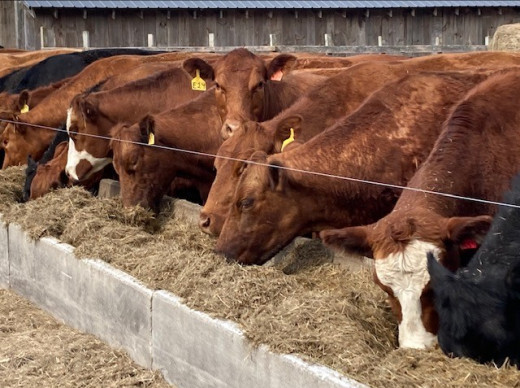
Beef Production Farming
Beef cattle are large ruminant animals that are raised for their meat. The beef industry is one of the second largest industry in animal production in the world because a lot of people consume beef meat in their daily meal. This article will have a look at the management in beef production that will help you to be more efficient in your beef production.
Beef Cattle Production Systems
There are three production systems available in Beef production and these are:
- Cow-calf beef cattle production system, that is used to produce Beef calves for marketing purposes.
- Purebred breeding beef cattle production system, that is used to produce bulls (male Beef cattle) which are used for the operation of cow calf.
- Slaughter beef cattle production system, that is used to fatten cows calf for slaughter.
Beef Breeds
When selecting beef breeds, you should consider certain characteristics and purpose of keeping your beef or the type of farm operation that you want to venture in as some beef are bred to have more carcases while others have different priorities. The following are Beef breeds available.
1. Angus

It is a beef breed that endures harsh weather conditions and has potential to weight up to 1,045 kg for a bull and 568 kg (1,252 lbs) for a cattle.
The breed gives an average milk yield of 1,820 kg and it matures early while at the same time giving a high carcass yield.
2. Charolais
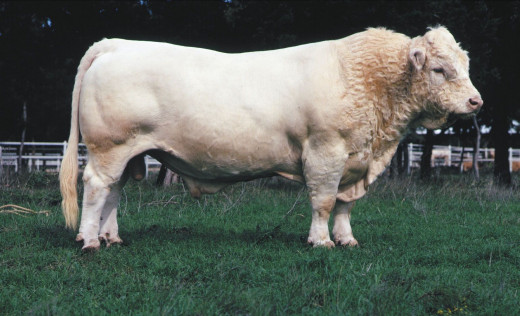
Charolais breed has a medium to large body frame size and most of them have white coat or white to cream coat. Under good management a bull of this Beef breed weights an average of 1,136 kg, while a cow could weight an average of 727 kg. They produce an average milk yield of 1,818 kg.
3. Herefords

Herefords breed has red colour and medium frame body size. The breed has a potential to weight an average of 1,045 kg for the bull and an average weight of 682 kg for the cow. This breed gives an average milk of 1,588 kg.
4. Limousin

The Limousin breed has a reddish gold colour and medium framed body size. Under a good management it can weight an average of 1,091 kg for a bull and an average weight of 727 kg for a cow. It gives an average milk yield of 2,272 kg.
5. Shorthorn
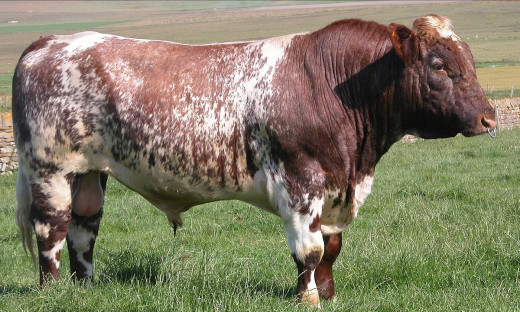
Shorthorn breed has red to roan to white colour and is of medium. It has a potential of weighing an average of 1,045 kg for a bull and a weight of 636 kg for a cow. Shorthorn is able to give an average milk of 1,814 kg.
Selecting an Animal
Purchasing and Selecting Stock
A beef cattle farmer is supposed to make an important decision about a type of beef operation which he/she must undertake as there are two types of them. The farmer can operate a cow calf farm which mainly focuses on breeding and raising of Beef calf until they reach weaning stage.
The farmer can also decide to take a Beef finish operation farm system that aims at fattening and slaughtering of beefs for sales. A farmer buys a weaned heifer or a steer. However, some beef cattle farmers are able to operate successfully a combination of these two.
As a Beef farmer you should keep the following points in mind when you are deciding between finishing a heifer or a steer for market:
- Heifers grow slower, but will fatten at a lighter weight than steers.
- Depending on the breed, heifers will likely finish approximately 70 kg (154 lbs) lighter than steers. So, if you finish a heifer and a steer at the same weight, the heifer will be fatter than steer.
- Heifers are often more active than a steer, so they require more energy per unit of grain and more feed per unit of weight gain than a steer.
- There is always the possibility the heifer may be or become pregnant.
- Heifer calves can often be purchased at a lower price than steers.
- Instead of being slaughtered, heifer calves may be bought as breeding stock.
Crossbred or Purebred?
Another decision you should make as a farmer is whether to buy a purebred (single breed) or a crossbred (mixture of breeds). A purebred calf is one whose parents are of the same breed, with no other breeds present in their background, while a crossbred calf has parents of different or mixed breeds. The calf will have characteristics of more than one breed, and, hopefully, the most desirable characteristics of each. Commercial breeders often prefer crossbred Beef animals for the following reasons:
- They may inherit the desirable characteristics of each breed, which make them prolific in Beef production industry.
- Crossbred calves often have hybrid vigour which make their performance greater than the average performance of their parents. Hybrid vigour is present if Beef traits are enhanced due to the mixing of parental genes. Most often, the greatest improvements are in fertility, growth rate, and feed conversion.
- Due to higher milk production, some breeds of cows have higher pre-weaning gains.
- Crossbred calves will finish earlier than some of the larger-framed purebred cattle.
Assessing an Animal’s History
A Beef cattle history and previous management will affect how your Beef grows, develops, and maintains its overall health. When building a comprehensive history of your Beef Cattle, you should consider the following:
- Date of Birth/Age Verification
- Ask for an age-verification certificate.
- Does the certificate match the tag number?
Places for Buying Beef Cattle
As a farmer you should also make an important decision on where to buy a good Beef breed, which will perform well snd give desired results. In answering where to buy question, two options are available.
The first option you have is to purchase your Beef cattle at auction or by buying them from a private seller and each of these has advantages and disadvantages.
You should acquire more information about the past history which relate to its performances.
Conformation
As a Beef farmer, you should buy beef cattle which have desirable characteristics. One of the desirable characteristics is the body size (shape) of your Beef animal. It should be well distributed in size and should be well shaped.
You should also well check these qualities such as body frame size, muscling, volume and performances among others.
Care and Management
As a beef farmer you should have a good care for your Beef cattle to have a good healthy and be more efficient. You should ensure enough feeds and water is available all the time.
Whenever you notice any sign of sickness in your animal, you should call a local veterinary officer immediately, to check up your animal and medicate them.
Housing
A beef cattle house should be strong and of good quality. It should have a good air circulation (well ventilated) while at the same time be easy to clean. This will result in high efficiency rate of your Beef production.
All your Beef cattle having different age sizes should be kept at different sections. You should ensure each Beef cattle is given enough required space which would enable it to have freedom of movement. You should avoid exposing your Beef cattle to excessive sunlight all the time.
The 21-Day Cycle
The estrus cycle of the cattle is usually 21-days. This means, you can successfully breed your beef animal within. After a successful mating, the cow will have a gestation period of 283 days (period of pregnancy).
Calves Management
After successful mating and giving birth, you should make sure your calves are able to feed colostrum milk from their mother for them to have a good immunity in their body which helps them fight against diseases. You should introduce roughages and other feeds ration later.
Weaning
You will likely wean your calves at around 90 to 100 days.
After Weaning
You should provide nutritious feeds, that will enable your Beef to fatten quickly for sale. Your Beef cattle should be gaining an average weight of 0.8 to 1.0 kg per day.
You should control your Beef animal from gaining excessive fats. This can be done by providing low energy feed ration.
Dehorning
You should remove the cattle horn while they are at a tender age. Various methods are available for dehorning, but the easiest is through breeding. You should cross breed hornless bull for offering to have no horn. A dehorned cattle is easy to handle.
Castration
This is the removal of testicals on male Beef cattle having undesirable characteristics and will not be used for breeding purposes. You should castrate your male Beef as early as possible. You can castrate your male Beef cattle during its first week. You should seek help from your local veterinary officer.
Feeding
Cattle are ruminant animal and have four chambers. This means they digest fibers which otherwise cannot be digested by human stomach. You should provide roughages to your cattle. You should make sure also to provide nutritious feed for your beef animal to fatten and mature early.
Health
You should ensure your Beef cattle are healthy and strong, and whenever you notice strange things consultant a local veterinary officer immediately.
Healthy animal can easily be achieved through a good management system and well practicing biosecurity measures. You should ensure your beef house is clean and dry all the time as this can be a source of diseases.
How to Grow Eggplant: Eggplant Cultivation Farming

Eggplant Cultivation Farming
Eggplant is a perennial crop which is grown both by small and large scale farmers throughout the year. It is a member of the Solanaceae family which includes Tomato, Potato, Black Nightshade, Sweet Pepper and Chili. The unripe Eggplant fruit is consumed as a cooked vegetable. It is low in calories and fats, and a good source of Vitamins and minerals.
Common Varieties
1. Black Beauty

- It has an oval to heart-shaped glossy purple fruit which is almost black.
- It has a maturity period of 100 days after transplanting.
- It has a good shelf-life, and is unsuitable in cold areas.
- It has an average yield of 4,500kg per acre.
2. Long Purple

- It is an early maturing variety, which grow tall & give high yields.
- Its fruit has an elongated shape & dark purple.
- It has a maturity period of 70 to 80 days after transplanting.
3. Florida High Bush

- It is an old variety bred in Florida in the 1940’s.
- It produces very large, dark purple and egg shaped fruits.
- It has a maturity period of 85 days after transplanting.
4. Ravaya

- It is an early maturing & high yielding variety.
- Its fruits are slender and purple coloured.
- It is popular in export market.
Adaptability
Climatic requirements
Eggplant is a warm-season crop and does not tolerate frost. A long growing season of 80 days is required for the transplanted Eggplant to reach maturity. It requires an optimal temperature of 26°C during the day and 20°C at night. Optimum temperatures are around 26 - 29°C.
When the temperature falls below 17 °C and rises above 35 °C the plant growth slows and pollination problems occur. Flowering is not affected by day length. Cooler temperature has potential to reduce fruit set.
Higher temperatures and high humidity levels also reduce yields in Eggplant. It can tolerate drought and excessive rainfall. Eggplant will not tolerate extended periods of saturated soil owing to the build-up of root-rotting pathogens.
Soil requirements
Eggplant grows best with a soil pH of 5,5 to 6,5. It performs well on a well drained loam to sandy loam soils, but will grow moderately well over a wide range of soil types. However, certain criteria have to be satisfied in relation to the soil structure and content to make it commercially viable. These factors include:
- Nutrient composition
- Compaction
- Effective soil depth
- pH
- Crop rotation
- Herbicide residues
- Water holding capacity
Cultivation Practices
Soil preparation
You need to prepare the site to create a growing conditions for Eggplants to develop the optimal root system in a specific soil profile. Soil preparation improves the potential for profitable production of eggplant. You should plough the site and incorporate a little manure to improve soil fertility.
In your field, you should ensure that the soil preparation is done to depths varying between 200 - 400mm. Ridging is highly recommended, and should be done according to the land contours.
The main advantage of ridging is to keep excess water away from the plant, improved oxygenation of the root zone, increased soil depth in the growing bed, to promote root development. All these support optimal yields.
Planting periods
The earliest period for Eggplants seedling establishment should be when the soil and air temperatures at least meet the minimum requirements for plant growth.
The latest Eggplants seedling establishment period should be after allowance has been made for the growth and harvest periods to be completed before adverse conditions sets in. Due to the effect of certain factors being prevalent at specific locations, within each of these areas the planting times may be earlier or later than the times.
Seedling Production
Eggplant can be established through the nursery or directly seeded. The Eggplants seed rate is about 200g per acre. The nursery should be sited on a plot that has not been planted with a member of the Solanaceae family for the last 3 years. The site should also be away from shade, should be flat or gently sloping. You should ensure your site has right soil moisture all the time not water logged.
Plant population and spacing
You should achieve a plant population of 20 to 25 000 plant p/ha. The between row spacing should be 1.8 to 2.5 meters.
Transplanting
Eggplant seedlings should be transplanted 3 – 4 weeks after sowing at which the height of seedling is about 10 – 15 cm. You should ensure transplanting is done either early in the morning or late in the evening.
The recommended spacing between transplants should range from 60 – 75 cm (between rows) by 40 – 60 cm (between seedlings) depending on the Eggplants variety. Plant population should be 8,888-16,666 per acre.
Irrigation
Under- or over irrigation can have a devastating effect on the outcome of your Eggplants. It is therefore very important to apply water at optimal times to avoid water logging conditions.
Weeds control
You should control the weeds easily by cultural methods or hoeing. When applicable, use herbicides.
Harvesting
Harvesting starts 60 to 90 days after transplanting your Eggplants depending on variety. Yields vary from 8,000 to 10,000kg per acre depending on the Eggplants variety and crop husbandry.
Secateur or any other tool is used to harvest fruits. When picking, 2.5 – 5 cm Eggplants fruit stalk is left attached to the fruit. Eggplant fruits should be harvested early in the morning when it is cool since the fruit temperature is low.
16 Facts About Crocodiles

16 Facts About Crocodiles
Crocodiles are large sized reptiles that are found in the tropics of the Americas, Australia, Africa and Asia. Antarctica and Europe are the only continents that don't have Crocodiles because of its climatic conditions. They are cold-blooded animals and need to live in a climate that has warm conditions. The cooling planet caused a reptilian retreat to warmer climate.
Some people confuse Crocodiles with alligators. Although the two have many similarities, there are several ways to tell the difference between the two. One of the differences that separate the two is that Crocodiles what large body size than alligators.
Crocodiles habitat in water most of the times, while Alligators theoretically stays on land. Alligators breathe air, and unlike amphibians, they do not have to keep their skin wet. When an alligator enters into water, it will have to come up onto the banks of their body of water often, to bask in the sun because it is a reptile and reptiles cannot regulate their own body temperature.
Another notable differences separating the two is that, crocodiles have a V-shaped snout, and alligators have a U-shaped snout.
Another common difference is that, crocodiles are olive green or light brown with a mottled pattern, and alligators are dark gray or black with a cream underside.
Having seen the notable differences between an alligator and a crocodile, now let's have a look at the interesting facts about crocodiles, let us learn more about them.
16 Crocodile Facts
The following are the facts about Crocodiles.
1. Crocodiles are carnivores
The first known fact is that all Crocodiles you see on earth, are carnivores, which eat only meat. However, a recent study has shown that Crocodiles eat fruit, and they enjoy the fruits.
2. Crocodile's bite is very strong
Research has shown that a Crocodile bite is 10 times more powerful than a great white shark. A crocodile’s jaws is capable of applying 5,000 pounds of pressure per square inch, which is the strongest bite of any animal in the world. A human’s jaw can only produce 100 pounds of pressure per square inch in comparison to Crocodiles, which produces 5,000 pounds of pressure per square inch.
3. Crocodiles have an average of 4000 teeth
Research has shown that Crocodiles can go through to an average of 4,000 teeth over a lifetime. Unlike other animals, when a crocodile loses a tooth, there is a small replacement already on standby, which replaces it. Crocodiles are capable of replacing each of their 80 teeth up to 50 times over their lifespan. A crocodile's mouth is lined with 68 to 72 sharp teeth, which they use to clamp down on prey.
4. Baby Crocodiles make noises inside their eggs before they hatch
Another study has shown that young crocodiles signal to their moms when they are prepared to hatch properly. The Crocodile mother will likely hear the baby’s tiny noises coming from inside the eggshell, which is frequently covered in sand. The mother crocodile then remove the eggs from the sand, protect the young until they are born, and bring them to the river so they can feast on insects.
5. Crocodiles are the biggest reptilep
As of today Crocodiles are considered the biggest reptiles known on earth. Adults Crocodiles can grow to more than 23 feet, making them the world’s longest reptiles. They are capable of attaining weights of up to 5000 kilograms.
6. Crocodiles eat without chewing
Crocodiles eat their food without chewing because their jaw operates in such a way that it cannot move sideways, which make them unable to grind down on food in a traditional chewing motion. Crocodiles swallow stones to help them digest and break down the food in their stomach.
7. Weak jaw opening muscles
Crocodiles have relatively weak jaw opening muscles, which can be held shut with just a rubber band, or bare hands. This has enabled scientists to study them closer easily.
8. Crocodiles don’t sweat
Crocodiles open their mouths to cool themselves. When a crocodile open its mouth to cool itself is called “mouth gaping,” which is very similar to panting.
9. Crocodiles swimming fast in water
Crocodiles are the best swimmers, they are extremely fast in the water, swimming up to speeds of 35 kilometers per hour (22 mph). They use their powerful tails to propel themselves through water, and their feet as rudders to steer.
10. Acute senses
Crocodiles have acute senses that makes them highly successful predators on earth. They are mainly nocturnal hunters and have excellent night vision. Their sense of smell and hearing are also extremely well developed.
11. Crocodiles cannibalize smaller Crocodiles
A Study has shown that some Crocodiles occasionally cannibalize smaller crocodiles. There have been recorded cases of larger crocodiles eating smaller, or younger crocs. There have also been cases where crocs will likely bite off limbs of other crocs by instinct
12. Crocodiles have the most acidic stomach
Studies have shown that Crocodiles have the most acidic stomach of any vertebrate, which allow them to dissolve and digest bones, hooves and horns or shells from their prey.
13. Crocodiles vocalize to communicate
The young Crocodiles of some species squeak and grunt, while adult crocs can growl, hiss or roar at each other. Many Crocodile species will also respond to other noises, such as engine noise, gun shots or even people mimicking crocodiles.
14. Crocodiles can sleep with one eye wide open
Crocodiles can sleep with one eye wide open, which make them extremely dangerous animals. Just as some some other reptiles, birds and dolphins can do the same.
15. Capable of staying for a year without a meal
Research has shown that larger crocodiles can go for over a year without eating a meal. Crocodiles are able to shut down and live off their own tissue for a long period of time.
16. The Temperature of a Crocodile egg will likely determine the gender of the baby Crocodile
Studies have shown that the egg of a male crocodile hatches at a temperature of 88.8 ℉. If the temperature is either higher or lower than this threshold, the egg of a female crocodile will hatch!