Learn smarter with fresh insights from our tutors.
Practical study guides, course supplements, and learning resources curated to help you move faster through every subject.
Guinea Fowl Production Farming
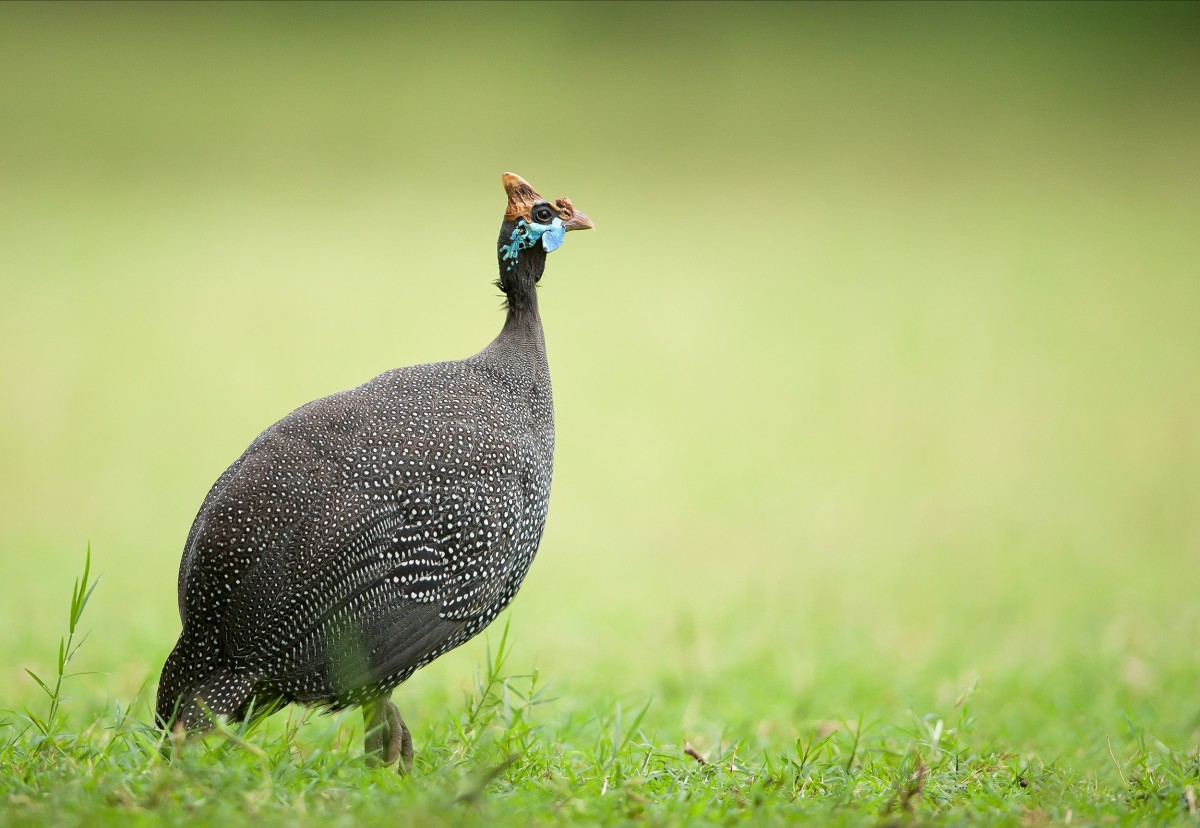
Guinea Fowl Production
Guinea fowl production is an emerging agribusiness which offers an opportunity for food and income in different countries. The set up capital for Guinea fowl production is very low since they can be kept under the free range system where they can be left to scavenge in searching for their feeds and a little additional feed can be provided in the form of maize grains. K
Comparing with other poultry birds, Guinea fowl are able to withstand adverse conditions much better and give a better results unlike other poultry birds.
Reasons for raising Guinea fowl
- Some people keep Guinea fowl to act as a natural alarm whenever something strange occurs on their farm.
- Ability of Guinea fowl to resist pests and diseases. If we compare Guinea fowl and chickens, Guinea fowl are able to withstand diseases which chickens can not be able to resist.
- Some people use Guinea fowl as a control tool since they are able to kill and eat pests like mice.
- The major reason is that people keep Guinea fowl for mean and market purposes.
- Guinea fowl are able to tolerate free range conditions which encourage farmers to keep them under small start up capital.
- Guinea fowl produces many eggs, about 100 of eggs each year on average, making them prolific layers.
Three main varieties of Guinea fowl
The three commonly kept Guinea fowl Varieties are; pearl, white and lavender. Pearl varieties are commonly raised by smallholder farmers and its feathers are used for ornamental purposes.
Management Systems
Guinea fowl can be kept under the three management system, namely; extensive, semi-intensive and intensive.
Extensive system (free range)
This system uses low input capital and Guinea fowl are left to scavenge. Guinea fowl sleeps in trees. Under this system, the birds are prone to predators.
Semi-intensive system
Under this system, a Guinea fowl house is provided and the birds are left free during the day and water may be provided. Supplement feeds are given under this system.
Intensive system
Under this system Guinea fowl are confined to a house and everything is provided to them, thus both feeds and water among others. The system offers full protection to Guinea fowl.
Housing
Make sure you provide a house which is able to provide shelter to your Guinea fowl against cold weather conditions and some predators.
Confined Guinea fowl should be given enough space to allow freedom of movement. Make sure you provide feeds to confirmed Guinea fowl.
A space of 2 to 3 square feet may be provided to confined Guinea fowls per Guine. Guinea can fly to a height of 400 to 500 ft, even at their early stage so make sure you monitor their movement.
Feeding
Mostly Guinea fowl are able to search their feeds themselves successfully on a free range system. On free range they are able to feed weeds, insects and arachnid among others.
When possible, you can provide them with supplemental feeds and clean water. The supplemental feeds can be in the form of maize grains, wheat, sorghum, just to mention a few.
You do not need to provide supplemental feeds in case, you are keeping them for pest controls and this will encourage them to eat your targeted pests.
If Guinea fowl are kept for marketing purposes, make sure you provide them with all required feeds and water and make sure your Guinea does not allow to go out scavenging. In Guinea fowl production, supplemental feeds in form of pellet is not recommended.
Under commercial Guinea fowl production, commercial feeds given to chickens are also given to Guinea fowl. Giving Guinea fowl broiler finisher mash is also not recommended.
Brooding and Rearing
During first two weeks Guinea fowl are prone to dampness after hatching, therefore, make sure you provide a similar brooding system to that of chickens. After two weeks they will be able to start withstanding most of the adverse conditions themselves.
Hatching your own keets
One male Guinea fowl can have 4 to 5 females for breeding. Guinea fowl are known to wander off in pairs for mating, make sure you collect eggs and you can use your local chickens to hatch the fertilized eggs. You can give your local chicken about 30 eggs and this will produce at least 25 keets.
Health
Despite their natural ability to withstand adverse conditions, Guineas are susceptible to the same diseases which attack chickens, same applies to parasites and other pests which attack poultry birds. For this reason you can provide a similar health care to those of chickens.
Kuroiler vs Local Chickens
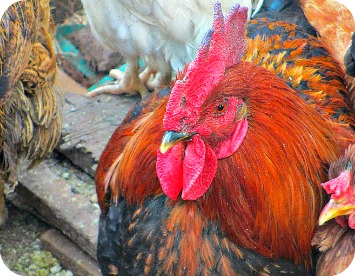
Kuroiler vs Local Chickens
Are you considering raising chickens in your backyard? If so, then you've probably heard of the Kuroiler chicken - a hybrid breed that's gaining popularity among poultry farmers. But how does it compare to the local chicken breeds that have been around for centuries?
In this blog post, we'll explore the pros and cons of both Kuroiler and local chickens to help you decide which one is right for your needs. So grab a cup of coffee and let's dive into the fascinating world of poultry farming!
What is a Kuroiler Chicken?
The Kuroiler chicken is a hybrid breed of chicken that was created by crossing two different breeds - the male broiler and the female indigenous chicken. This unique crossbreed originated in India but has ga6ined popularity in many African countries.
One of the primary benefits of the Kuroiler chicken is that it's a hardy bird that can thrive in various environments. It's also known to be disease-resistant, making it an excellent choice for small-scale farmers who may not have access to advanced veterinary care.
In addition to being sturdy birds, Kuroilers are also known for their high egg-laying capacity. They can lay up to 200 eggs per year, which is impressive compared to other local breeds' typical output.
Kuroilers are also fast-growing chickens with significant meat yields. Their meat quality and taste have been praised by many who've tried them before.
Kuroiler chickens are versatile birds that offer both meat and egg production benefits for backyard poultry farmers looking for a low-maintenance option.
History of Kuroiler Chickens
Kuroiler chickens are a relatively new breed of chicken that were developed in India in the early 2000s. Scientists at Keggfarms Private Limited, a poultry breeding company based in Gurgaon, Haryana, began crossbreeding Rhode Island Red roosters with female Coloured broiler chickens to create this hybrid bird.
The goal of creating this breed was to improve the meat and egg production capabilities of traditional local breeds while also being more resistant to common poultry diseases. With its high growth rate and impressive feed conversion ratio, the Kuroiler quickly gained popularity not only in India but also throughout Africa.
In African countries, Kuroilers have become increasingly popular among small-scale farmers as they provide an affordable way for them to increase their income through selling both meat and eggs. Additionally, these birds require minimal housing requirements making them ideal for rural areas where resources may be limited.
The history of Kuroiler chickens is one that highlights innovation by using selective breeding techniques to develop a hardy breed suited for modern farming practices while still respecting traditional methods.
Pros and Cons of Kuroiler Chickens
Kuroiler chickens have become a popular choice among farmers due to their fast growth rate and high egg production. However, like any breed of chicken, they come with their own set of pros and cons.
One of the main advantages of Kuroiler chickens is that they are hardy birds that can tolerate a variety of conditions, including extreme temperatures. They also grow quickly, reaching maturity at around 4-5 months old and laying eggs soon after.
Another advantage is that Kuroiler chickens are known for their excellent meat quality. Their meat is tender and flavorful, making them an ideal choice for those who want to raise poultry for both meat and eggs.
However, one downside to Kuroiler chickens is that they require more food than other breeds due to their fast growth rate. This means that farmers will need to invest more in feeding them properly if they want healthy birds with good productivity.
Additionally, some farmers may find it difficult to source Kuroiler chicks as they are not widely available in all areas. This may mean higher transportation costs or longer waiting periods before starting your flock.
While there are some challenges associated with raising Kuroiler chickens, the benefits make them a viable option for many smallholder farmers looking to increase poultry production on their farms.
Comparison of Kuroiler and Local Chickens
When it comes to comparing Kuroiler and local chickens, there are several factors that need to be considered. Firstly, Kuroilers are known for their fast growth rate compared to local breeds. They also have a higher egg production rate and can lay up to 200 eggs per year.
On the other hand, local chickens are known for being hardy and adaptable in different environments. They require less maintenance as they can survive on scavenging for food unlike the Kuroilers which require supplemental feed.
In terms of meat quality, the Kuroiler is preferred by many farmers due to its tender meat while some prefer local breed's firm texture.
Another factor worth mentioning is the cost of rearing each chicken type where locals become easier since they don't necessarily need a lot of inputs such as feeds or medication.
Ultimately, the choice between raising Kuroiler or local chickens will depend on individual preferences and priorities whether it's income generation or personal consumption interests among others.
In conclusion, after examining the differences between Kuroiler and local chickens, it's clear that both breeds have their advantages and disadvantages.
Kuroiler chickens are known for being hardy and producing high-quality meat and eggs quickly. They require less feed than local breeds, making them a more cost-effective option for farmers.
However, local chicken breeds are better adapted to the environment than Kuroilers, which makes them more resistant to diseases. Furthermore, they produce tastier meat with rich flavors preferred by many consumers.
Both Kuroiler and local chicken breeds offer unique benefits to poultry farmers. Choosing between these two options depends on individual preferences based on factors such as taste preference or ease of management. It is important to conduct thorough research before deciding which breed is best suited for your needs so that you can maximize your chances of success in this lucrative industry!
Broilers vs Layers: Key Differences, Profitability and Production
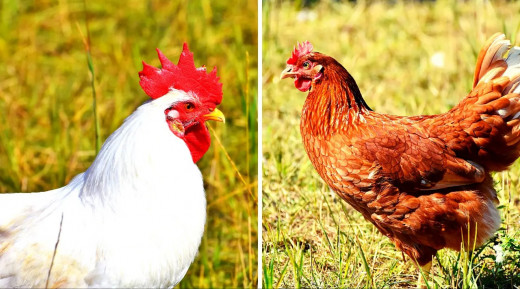
Broilers Vs Layers
Broilers vs Layers: Key Differences, Profitability and Production
As of today a lot of poultry farmers get confused on which poultry chickens are more profitable over the other. Some farmers could spend hours on which one is better over the other. This Agribusiness article will take a look at key differences, production techniques and profitability of of these two, and the knowledge gained in this article will help you make a right choice in your poultry farming career. The article will outline the advantages and disadvantages of rearing layers (for eggs) and broilers (for meat).
Broilers vs Layers
1. Marketing
In any poultry farming business marketing should be considered first. As Agribusiness farmer you can not rear chickens for sell while there is no market for your poultry birds. In poultry farming, a lot of people often start poultry farming without knowing how to market the final products and at the end they are forced to sell their chickens at cheap rates which often make them run their poultry farming business at a loss. To avoid failing in the poultry business, you should first know your target market or places where you are going to market your products.
In addition before starting your poultry farming business, you should learn a few marketing skills which will likely bring you a competitive advantages in poultry farming business. As an Agribusiness farmer you should have a practical Knowledge of the poultry market, not theories which will unlikely help you in your poultry business.
When possible, you should acquire marketing knowledge from experienced poultry farmers who have been in poultry farming business for at least 2 years.
If your final choice is to venture into broiler production, you should know where to buy day old chicks at a lower price and where to sell when they will be ready for market. This might require doing a little market research.
Another key issue of concern in broiler farming is failure to find a market for your broilers in their final weeks, this will likely result in a huge loss because at this time, your broiler chickens will be consuming more feeds, yet they could be sold. In business, this means you are making unnecessary losses which you could have avoided by finding a market earlier. This problem can alternatively be eliminated by keeping your slaughtered chickens in a frozen state while waiting for selling.
Layers on the other hand are easier to market as the eggs produced by the chickens can be stored without getting spoilt. However, even though this is the case, you should know that everything has an expiry date, including the layer eggs we are talking about. Thus, the earlier they are consumed the better.
In layer poultry business, layer eggs can be kept for a longer time at no cost and this means you can only sell the eggs when you are willing and you will not get desperate about them. Even though you will be feeding the chickens every day, they will continue laying more eggs which will be available for sell. The only challenge to poultry egg business is a fixed price within your local area. You will likely find similar prices for similar egg sizes.
2. Immunisations Cost
Broiler chickens attain market weight for about 42 days which is equivalent to 6 weeks. Which means they take a short period of time. Taking short period of time for selling them in poultry farming business means you will likely rear many batches of broiler chickens in one year.
Since you will likely rear more batches of broiler chickens within a year, when there is a poultry birds disease outbreak, which is uncertainty in poultry farming, you will lose some chickens and within 3 months, you will likely be back rearing another set of broiler chickens. This is not the case for layers. When there is a disease outbreak in layers and some die, you cannot start another set of layers again immediately, which means you will have to wait for about a year to recover from the loss.
In a situation of disease outbreak, the money you will likely spend on treating layer chickens affected by diseases will be more than for broilers because layers stay longer and hence you will have to spend money to buy their drugs, their vaccines and processes such as debeaking (cutting their beaks to reduce the rate at which they injure one another and also destroy their own eggs and drink it).
Almost everything will likely affect egg production in layer farming: if the feed given to your layers is not enough, they will likely reduce the egg size; Any infection or disease or even the debeaking affects their egg production. Treatment or prevention of chicken diseases by some drugs especially for coccidiosis affects their egg production. In layers we can certainly conclude that you will require a lot of knowledge on diseases and treatment options for layers before you even start.
3. Initial startup cost
Setting a broiler chicken farm cost lower than setting up a layer egg farm. Broiler requires light, clean water, space, few vaccines and food, and within 8 weeks (2months) they will be ready to sell them out and start another batch of broiler chickens, while in layers you will require all the management techniques required in broilers with additional vaccines, debeaking. Layers incur extra cost of feeding for months before the they start laying.
4. Level of skills for starting the Poultry farming
Broilers do not require more knowledge and skills compared to layers production. With a few basic skills, you can set up your broiler farm. This is so, because the broiler chickens need fewer vaccines as they do not stay for a long time as layers.
5. Cost of Feeding
Broiler feeding is more costly than layers as more energy and protein is required for broilers to quickly gain weight before attaining a selling point than it is required by layers. The more the amount of protein content in poultry feed, the costly the feed can get. However, it is easier to start a broiler poultry farm than a layer chicken farm because the initial cost of starting a broiler farm is cheaper and the expertise or skills required are minimal compared to layers that are more complex and costly initially.
6. Long Term Revenue
With more time, layers farming on a large scale will bring in more revenue than broilers because after laying of eggs, the layer chickens can be sold for cash as meat even though at lesser price compared to that of broilers. This means, when the layers grow old and the rate of their feed consumption is higher than the egg production, you should know it is time to sell them out to start another set of layers again. This selling out of old layers can be additional revenue added to the revenue generated from selling of the eggs they had been producing on your farm.
Broilers on the other hand can only generate more revenue than layers when you already have a large market demand that you cannot even satisfy all the demand. This can occur after conducting a market research which aim at finding potential buyers before venturing into broiler production. Finding buyers earlier, will enable you lower feeding cost at a point of sale.
In conclusion, broilers and layers poultry farming are both good and choosing one over the other depends on the factors stated above.
Broiler Farming Management Techniques
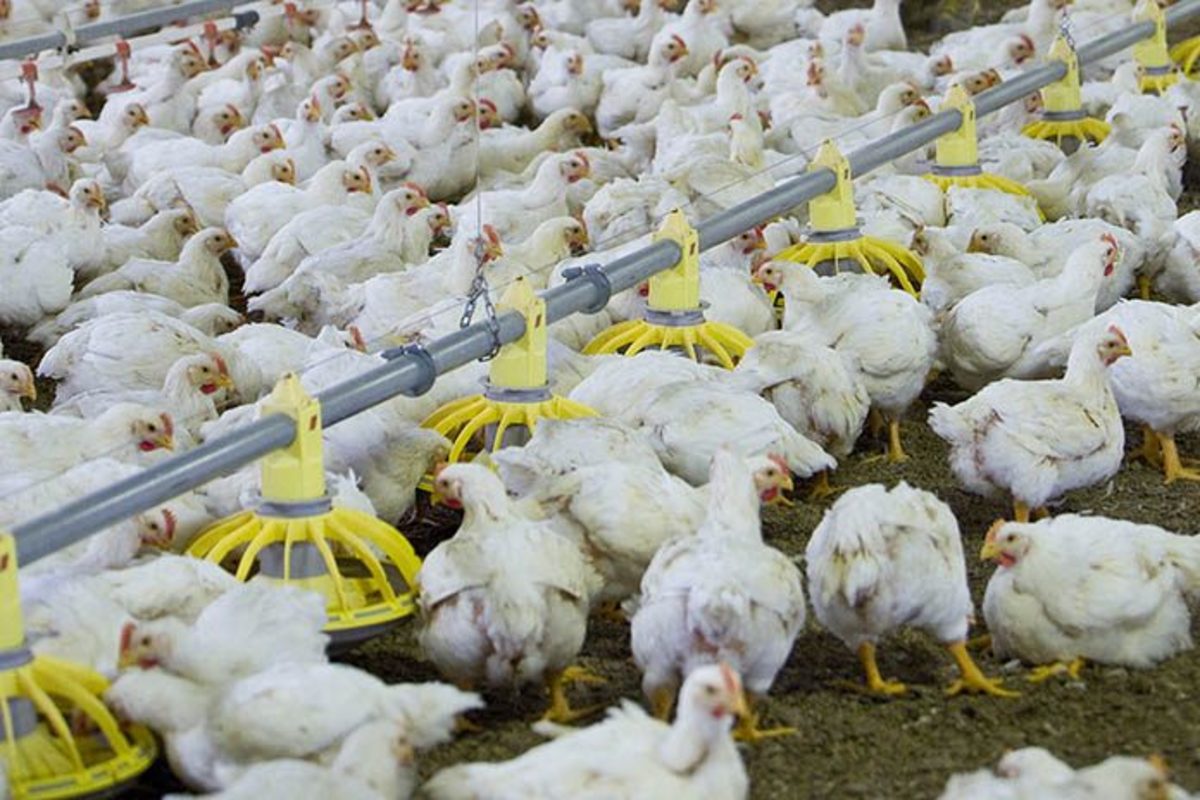
Broiler Farming
Broiler production is one of the profitable poultry farming, which is practiced both on large and small scale basis. For the broiler farmer who wish to get more profit in farming, he/she needs to pay more attention on the broiler chicks in the first 14 days. This first 2 weeks are very critical stage when it comes to broiler production.
The farmer must make sure that all the chickens are healthy and well vaccinated to reduce the high mortality rate. Broilers are able to attain an average weight of 2 Kilograms in the 6 to 8 weeks of age and for this to be achieved the farmer must observe good management all the time. A deep litter, wire floor or cage system can be used to keep broiler chickens and these are given in detail.
Broiler chickens can be kept either using all-in all-out system (single batch system) or multiple batches and these are given in detail.
All - in - all - out
Under this system one batch of broilers is kept on the farm, and the batch has same size of chickens belonging to the same hatch at any time.
All chickens grow on the same size and are all sold at the same time. This system has the following advantages; more hygienic, less mortality, high efficiency, better growth rate among others.
Multiple batch system
This system allows a farmer to keep more than one batch of chickens. The chickens can be of different age sizes and are marketed at a different rate. A batch interval of 1 to 4 weeks may be used depending on farm size and capital.
Cage rearing of broilers
Batches of broilers can be kept in cages. Make sure that you coat the bottom of cages with plastics materials to prevent the chickens from developing breast blisters.
This system has the following advantages; More broilers may be kept, reduced bruising as the chickens are caught up easily, chances for birds developing coccidiosis are very minimal, easy to clean and disinfect, high efficiency and growth.
The system has also the following disadvantages; higher chances for the chickens to develop breast of blisters, higher investment on cages among others.
Preparation for Chick Arrival
A week before delivery of chicks
- Make sure the chicken house is clean and disinfected.
- Pre-brood the brooder and make sure the house has right temperature and all equipments are set.
- Make sure the floor has fresh beddings.
A day before chicks arrival
- Make sure the house to keep the chicks is set at a temperature of 32 to 33 °C at chick level.
- Make sure drinkers and feeders are well set. They may be set 1 to 2 meters.
- Disinfect the house for the second time and make sure all the equipments are set and working normally.
Day of chick arrival
- Pre-heat the brooding area at a temperature range of 32 to 33 °C and keep on observing the temperature changes.
- Make sure all the equipments are working normally and this includes feeders and drinkers.
- Chicks should be placed quickly and check if they are healthy or for abnormalities.
- Make sure you give stress pack of minerals to chicks for the first 4 to 5 days and this act as a booster.
- Encourage the chicks to drink before eating.
Brooding Management
Brooding refers to the early growing period when young chicks are unable to maintain body temperature without the aid of supplemental heat. The following brooding systems may be used; Spot brooding, Whole house brooding and Brooding in surrounds.
Make sure high temperature is avoided as it can cause pasty vents. The lower temperature can cause pneumonia.
Feeding
Every chick consumes 0.8 Kilogram of starter mash, 1 Kilogram of grower mash and 1 kg of finisher mash. Where applicable a 0.4 Kilogram of post finisher mash may be given per chick as well. When feeding the chickens observe the following; make sure the starter feeder is in crumble form and the rest of feeds should be in pellets.
Diseases
The chickens are affected by the following common diseases; Red or bloody diarrhoea Coccidiosis, Grenish diarrhoea Newcastle disease, Whitish or pasty diarrhoea Gumboro/IBD, Swollen abdomen Ascites, Wheezing, coughing, Chronic Respiratory disease among others.
Broiler chickens drug and vaccination program
From first day to third day give the chicks Vitamins at the rate of 1 teaspoon per liter, from seven days give the chickens Newcastle (ND) through water and eye drop, from 14 days give the chickens Gumboro (IBD) through water and skimmed milk, from 21 days give the chickens Gumboro (IBD) through water and skimmed milk and from 28 days give the chickens Newcastle hitchner (ND) through Water or eye drop. Take note that 5 grams is equal to 1 teaspoon.
Consider the following before vaccination
Make sure the chick is healthy before giving the vaccine
- The chickens need to be on vitamins in last 2 days
- Make sure the water you use is not chrolinated
- Add skimmed milk in water 2g/L
Challenges in broiler farming
- Mortality rate
- Enough capital
- Nutrition and feedings
- Housing
- Animal husbandry practice
- Poor management mostly for untrained entrepreneurs
Poultry Farming Business Plan For Beginners
Poultry Farming Business Plan For Starters
Poultry farming is a very profitable agribusiness if you can run it properly under good management and conditions conducive for the poultry birds. In agribusiness, poultry farming means raising various types of domestic birds for commercial purposes, which specifically involves keeping them for meat, eggs and feather production.
For any type of farming to be profitable, it requires to follow specific operational principles for it to make more profit. In any farming business you do, when such operational principles are ignored by the farm management system, it results in serious loss to your farming business.
This article will take a look at poultry farming business plan for starters. In our business plan discussion, you will be required to have land, capital and equipment, for the success of your poultry farming. Thus, you cannot start your poultry production without land, capital and equipments, as these are basic requirements.
As a poultry farming beginner, you will need buildings where you will be raising your chickens. For your poultry farming buildings to be constructed, you will require a good start up capital and a piece of land, where you will build a poultry bird house. Having done this, you will need to have a land where you will have equipments and machinery ready to start your poultry production.
How to Start the Business
As a poultry farmer, you should follow the step by step process required for starting your new poultry farming business.
Starting your poultry farming is easy, but it will require a lot of regular work at your farm. Below is Poultry Farming Business Plan Guide.
1. Have your investment ready
Any poultry production requires investment. You cannot start any poultry business without any capital. You can get your starter up capital through a loan or any form of borrowing you could use. You might as well use your own money if you have a better chance of doing it.
As a poultry farmer who is new in poultry farming business, you are advised to start with a minimum number of birds which will cost you less money.
2. Production type
As a poultry farmer who is new to poultry production, you need to choose the type of poultry production for your poultry farm. You can venture into broiler chicken production for meat production purpose and alternatively you can also choose layers if you want to produce eggs commercially.
You can also choose to start your poultry farm mainly for selling poultry products and breeding stocks directly to your local customers. You can determine your poultry production purpose, select proper poultry bird breeds according to your desired poultry production and go for the detailed planning.
3. Set farm location
Selecting a good site for your farm is very important in poultry production. You should choose a site which has all required facilities favorable for your poultry production. You should avoid setting up your poultry farm in residential areas, because poultry farms produce offensive odor. While selecting the farm location, you should consider transportation system and medical facilities too.
4. Construct a poultry house
Having selected a good farm location, the next thing you should do is to construct a good house for your poultry birds. You should ensure all required facilities are available in the new poultry house.
There are three types of poultry housing system you can construct and use. These are; Extensive, semi intensive and intensive. For commercial poultry production, intensive system is most convenient for you. You can be raising your birds in the floor or in cage system.
On an average, broiler chickens require about 2.5 square feet space and layer poultry birds require about 4 square feet space. For example, if you want to raise 200 layers then you should have to ensure about 800 square feet space is available. About 4 square feet space is required per bird in cage system. Your poultry house should have proper lighting and ventilation system in the house.
5. Buy the required equipments
You are required to buy some equipment for your poultry farm. List of required equipments you should buy are listed below for running your poultry farm successfully.
- Feeders
- Waterers
- Nests
- Cages
- Coops
- Crates
- Incubator
- Egg tray
- Lighting instruments
- Perches
- Brooders or heaters
- Ventilation system
- Waste disposal system
6. Labour
The amount of labour you will require at your farm will depend on your farm capacity and capital. As a poultry beginner, if you start with a minimum number of birds (200-500) then you can manage your farm by yourself easily. If you plan for raising more birds (500+) then you will require additional labour to do some farming activities. You should ensure cheap labour is available in your selected area to lower cost of poultry production.
7. Buying chicks
After setting everything up and having everything ready on your farm, the next thing you should buy high quality chicks from trusted breeders in your area and start caring them.
You should set the brooder ready in preparation for day old chicks arrival on your farm. As a poultry beginner, it is wise to start with day old chicks instead of older chicks. If you are a complete beginner without any prior experience, you should keep the number of chicks to minimum, thus not more than 500.
8. Feeding
Feeding is the most important part of poultry production. It covers about 70% of the total cost of your poultry production. The success in the poultry farming business also depends on quality and adequate feeding. You should buy the feed ingredients from the market and prepare the feed by yourself or buy ready-made poultry feeds from the market. Preparing the feeds yourself lowers cost of production.
9. Health management
The success of any poultry farming also depends on the physical health of your poultry birds. You should ensure your poultry birds are in a good health all the time. If you notice unusual health conditions within your poultry birds, you should invite a veterinary expert for medication. Poultry birds are susceptible to various types of diseases and you should be ready to control them. Always remember ‘prevention is better than cure’.
10. Marketing
The success of any poultry farming business also depends on your marketing strategies. Good marketing strategies influence the profit from your farming business. If you can sell your poultry products in the market easily, then it will necessitate to increase production.
Therefore, you should always determine marketing facilities in your area before starting any farming business. Because your business will not be much profitable if you can’t market your products properly, it will result in losses.
21 Most Profitable Agribusiness Ideas to Try Out For Startups
21 Most Profitable Agribusiness Ideas to Try Out For Startups
In every Agribusiness it is not every agriculture business idea that is considered as an opportunity. Some ideas are just mere ones not viable enough to venture into. This article will take a look at 21 most profitable Agribusiness Ideas you should try out this year.
21 Most Profitable Agribusiness Ideas to Try Out this Year
1. Vegetable Farming
In the world, almost each and every household eats vegetables every day, which makes the demand for vegetables to be increasing. In this year you should try to grow any of these vegetables Spinach, lettuce, pumpkin, broccoli, cabbage, and cucumber et al.
All these vegetables we have mentioned are vegetables that are consumed in every part of the globe and can also be cultivated in every part of the world. You can set a home garden and grow any of these for market purpose and home consumption. This goes to show that there is a very large market for vegetables. So, if you are looking towards starting an agricultural crop cultivation business, then one of your options is to go into vegetable farming.
2. Mushroom Farming
Mushroom farming is one of the most profitable agricultural business ideas for young entrepreneurs. This business is more viable and has a turnaround period of only three weeks, making it more profitable Agribusiness.
Mushroom market demand is so high, as a lot of resultants and hotels are in need of high quality mushrooms on a daily basis. Mushroom export market is also so high, making it an Agribusiness idea with a huge profit potential.
3. Transportation Business For Farmers
Most farmers especially in rural areas are poor, with their small scale farm produce.These smallholder farmers lack means of transportation to get their farm produce from their farms to the market. As an entrepreneur who is always looking for opportunities you can start a farm transport business to help these farmers sort their transportation needs for a fee.
4. Livestock House Construction
Most people are in animal farming businesses with improper infrastructures. You can start addressing these challenges by constructing poultry houses, dairy farming cubicles and other farm structures for use by farmers to rear their livestock at a cost.
5. Poultry Equipment Manufacturing
A lot of poultry farmers are looking for different mechanisms which will likely make their poultry production more efficient. In most cases, these farmers are looking for skilled artisans who can construct various equipments needed on their poultry farm.
As an entrepreneur who is eager to make money, you should learn these skills and start solving poultry farming equipments challenges that these farmers are looking for.
6. Chicken and Egg Distribution Business
Chickens and eggs are consumed on a daily basis at home, schools, hotels and anywhere you can think of. In most cases people do not know where they can buy high quality chickens and eggs usually at a low price. As an entrepreneur, you can start bridging this gap between poultry farmers and the consumer market. It is very lucrative and requires relatively small capital to start-up. You can focus only on chicken, eggs or both.
You should start meeting poultry farmers, buying their stock and resell them in the market to wholesalers and retailers. It does not need any special skills, only your marketing abilities and a working vehicle.
7. Fertilizer Distribution Business
If you like the idea of making a profit by helping people work with the soil, you might enjoy being a part of the fertilizer industry by starting a fertilizer distribution business. It has a high profit margin and can be run in any location where there are farmers, who will likely buy.
You should find suppliers who are willing to do business at a suitable price in your area. Obtain quality products at a reasonable price from a reliable source. You can go for import also in the case of bulk purchase. In fertilizer distribution business, the source you choose will depend on your start-up budget.
8. Soil Testing Lab
Soil Testing is agronomically is a high rewarding unrealised Agribusiness. A lot of farmers do not know nutrients content of their soils and this makes them to apply more fertilizers or inappropriate ones. You can fill this knowledge gap at a cost by establishing a soil testing lab which is an ideal agriculture business idea.
9. Agriculture Consulting
Different companies and organizations who are in farming businesses are always looking for people with technical expertise to be offering them Agribusiness consulting services on their agriculture business. As an entrepreneur, you can set up your consulting company and start realizing money from this sector.
10. Livestock Feed Production
As an entrepreneur who is always looking for opportunities you can start this business, which does not always require millions of dollars. You can start with the little capital you can manage to raise in your local area.
11. Fodder Farming for Goats and Cows
Fodder is any agricultural foodstuff used specifically to feed domesticated livestock, such as chickens, horses, pigs, cattle and goats. The term refers to food given to animals, rather than the food they forage for themselves. Both large and small scale goat and care farmers are always looking feeds to give their animals. As an entrepreneur, you can set your Fodder and start addressing their challenges.
12. Vermicompost-Organic Fertilizer Production
Vermicompost organic fertilizer production has now become a major component of agro-business models across the country with a very low initial investment. As an entrepreneur who is always looking for opportunities you can start this business with the proper know-how of the production process.
13. Fish Farming
Commercial fish farming business is a lucrative investment that can spin money at any time of the year continuously across the globe. Fish consumption demand is always high. With the implementation of modern techniques and having owned space, you can start this business with moderate capital investment.
14. Piggery Production
Pig production is another highly rewarding Agribusiness you should consider venturing into. Pig meat demand is always high and you can utilise this opportunity as an entrepreneur. Compared to other animals, pigs are more efficient feed converters after the broiler. This business will not require you to raise more capital to start.
15. Planting Service
Planting services is another profitable business you can start this year especially tree planting services and breeding.
16. Agrotourism
If you have got a farm which is attractive, you could start offering a whole tourist experience at at a cost where people can come visit your farm and learn a few things.
17. Honey Business
Bee keeping is another rewarding Agribusiness. You don’t need to have your own bee farm for you to start a honey supply business. You can source for and purchase honey in big Jerry-cans from places and start selling in small quantities.
18. Firewood Production
Demand for firewood is always high. If you have trees on your land, you can start this business of selling the firewood to those who need it. The sustainability of this business will likely depend on you expanding the amount of land on which you can harvest trees and also systematic replenishment through continuous replanting.
19. Agricultural Equipment Rental
Farm equipments cost high to be hired. If you have one or more of farming machineries, you can start renting them at a cost.
20. Fruit juice-Jam-Jelly Production
Fruit juice-jam-jelly production is another Agribusiness you can venture into. This business is more viable as it has potential buyers. The most important thing with this business is the production process which is not that complex and can be initiated small-scale basis.
21. Worm Farming
Worm farming is another agribusiness you should think of starting. It is suitable for enriching farm soil and also to supply animal protein for fishes reared in ponds. This is a one of the very good agribusiness ideas worth trying.
Quail Farming
Quail Farming
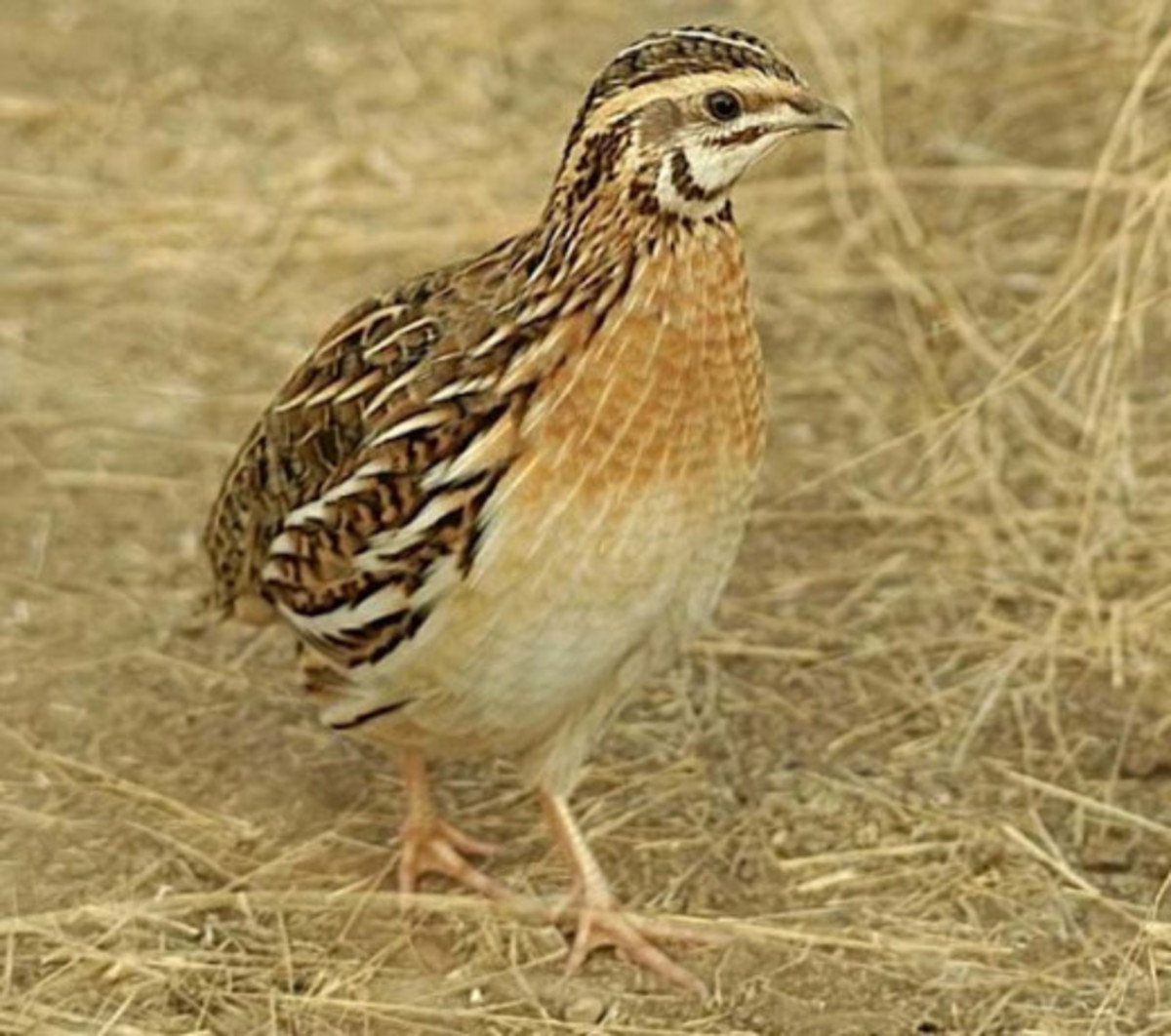
Quails are profitable species which are used for both meat and egg production. Quail farming is an economically very profitable venture and are known to have early sexual maturity as they requires six to seven weeks of age to produce eggs at a higher rate of lay for about 280 eggs per year.
Quail meat is tasty and nutritious while quail eggs are rich in vitamin B1, Vitamin B2, Iron, vitamin A and phosphorus.
Quails are very strong animals and are able to resist extreme conditions and diseases which reduces the risk in quail farming business. A space of 0.9 square meter is able to keep 6 to 8 quails and requires less investment capital.
Advantages of doing quail farming
The following are some of some of the advantages
- It does not require more space. A space of 1 square foot can house 5 to 6 quails.
- Less capital is required to start quail farming compared to chicken farming
- They are disease resistant and easily adapt to hardy conditions
- Matures early as they can only take 6 to 7 weeks of age to start laying eggs.
- They lay more eggs, which are about 280 eggs per year for each quail breed.
- Faster growth
- They do not need more feeds than chickens
Quail Breeds
There are of two types which are broiler and layer breeds. 18 species of quails are available in different countries and all achieves better results when it comes to efficiencies. Some breeds performs better in egg production while others performs well when it comes to meat production, therefore keeping a right breed is very important.
How to get best results on quail production?
- Buy good and healthy quails from a well known hatchery.
- Make sure the house keeping quails has the right temperature, lights, good feeds, waters among others. This has to be from the first day of quail birth.
- Make sure the quail house is well ventilated and is kept clean all the time
Types of Quail Production Systems
1. Deep litter production system of rearing quail
Under this system a square foot is able to accommodate 6 quails. After 2 weeks quails should be transferred to cages and this brings better results as it enables the quails to easily gain weight. It takes only 5 weeks for the broiler quails be ready for sale while for egg type breeds, it takes only 6 weeks to start laying eggs and could continue up to 24 weeks of age.
2. Cage System
Under this system cages are used and each unit has a length of 6 feet and width of 1 foot. Under this system the feeds and water troughs should be properly placed and the farmer should ensure the house is clean all the time.
How long does quails last ?
Quail are able to survive up to 4 years. An adult quail weights an average weight of 175 grams. Female quails start laying eggs at the age of 6 to 7 weeks and each egg weights an average weight of 12 grams. About 300 eggs are laid per year. During egg laying, the presence of light is very important.
Quail Farming Management
1. Housing
Good easy to clean quail house is very important to provide protections to quails against predators and adverse conditions. Both litter and cage systems can be used. A cage measuring 120 cm long, 60 cm wide and 25 cm height can be used to keep about 50 quails.
2. Brooding
Make sure good temperature is available for quail chicks since it is sensitive to temperature changes and can cause high mortality rate. The heat or warmth should be provided for around 3 to 4 weeks on quail breeds.
3. Feeding
Broiler pre-starter mash should be given to quail chicks and this should be followed by starter ration. 5 week old quails require about 500 grams of feeds. Quails having the age of 6 months, require about 30 to 35 grams of feed per day. Make sure good and fresh water is available all the time.
4. Egg production
Enough light is required during egg production for quails to perform better in the eggs. An artificial light or a 60 to 100 watts bub can be used. In additional to light, egg production is also affected by the following factors; temperature, feeding, water, care and management.
5. Raising quail chicks
Young chicks are produced through hatcheries as quails do not incubate their eggs. Quail has a shorter incubation period of 16 to 18 days compared to chicken. Make sure 16 hours of light is available each day for better egg production. Young quails should be given enough warmth during its 14 to 21 days and can be raised either in cages or litters.
Diseases
Quails are considered disease resistance compared to other poultry species. Make sure the house is kept clean to avoid build up of diseases which can increase the cost of production. Quails are not able to control temperature changes and you must keep on watch for temperature changes.
Hygienic practices in quail farming
- Make sure the quail house is kept clean and dry all the time
- The quail house should have good ventilation and good lighting.
- Quails of different ages should not be kept together.
- Quails which are affected by diseases should not be housed or kept together with healthy ones
- Restrict entry to the quail farm by unknown people.
- Make sure enough fresh water is available all the time
How to Improve Safety in Chemical Engineering

How to improve satety in chemical engineering
Chemical engineering is a fascinating field, pivotal in transforming raw materials into valuable products. However, with this power comes great responsibility. Safety should never be an afterthought; it must be at the forefront of every engineer's mind. The stakes are high when dealing with hazardous materials and complex processes.
Every year, accidents in the chemical industry remind us of the potential dangers lurking behind closed doors. But those incidents can serve as learning opportunities to foster a culture of safety that protects workers and communities alike.
In this blog post, we’ll explore ways to enhance safety practices within chemical engineering—from understanding common hazards to implementing cutting-edge technology and robust training programs. Join us on this journey to create a safer working environment for everyone involved in this vital industry.
The Importance of Safety in Chemical Engineering
Safety in chemical engineering is not just a regulatory requirement; it’s a fundamental aspect of ethical practice. Engineers often work with substances that can be highly toxic or reactive. Ensuring safety protects lives and the environment.
A single incident can have far-reaching consequences, impacting workers, communities, and ecosystems. Prioritizing safety mitigates risks associated with chemical spills, explosions, and other hazards.
Moreover, fostering a culture of safety enhances productivity. When employees feel secure in their working conditions, they are more engaged and focused on their tasks. This leads to better decision-making and reduces costly mistakes.
In an industry where innovation drives progress, maintaining rigorous safety standards allows for advancements without compromising well-being. Thus, integrating safety into every stage of design and operation becomes crucial for sustainable growth in the field of chemical engineering.
Common Hazards in the Chemical Industry
The chemical industry is rife with potential hazards that can pose serious risks to personnel and the environment. One of the most significant dangers is exposure to toxic chemicals. Many substances used in manufacturing processes can cause health issues if inhaled or absorbed through the skin.
Another common hazard is fire and explosion risk. Chemicals often have volatile properties, making them susceptible to igniting under certain conditions. Proper handling and storage are crucial in mitigating these threats.
Equipment failure presents another challenge. Aging machinery or poorly maintained equipment can lead to leaks, spills, or even catastrophic failures during operations.
Additionally, working within confined spaces poses its own set of dangers. Limited ventilation can create a buildup of hazardous gases, requiring strict safety protocols for workers who enter such environments.
Awareness of these hazards is vital for ensuring safety across all levels of operation in the chemical sector.
Strategies for Improving Safety in Chemical Engineering
Enhancing safety in chemical engineering begins with a proactive approach. Regularly assessing potential risks is essential. Implementing thorough risk assessments can identify vulnerabilities before they become critical issues.
Another effective strategy is promoting a strong safety culture within organizations. Employees should feel empowered to speak up about unsafe practices or conditions without fear of repercussions. Open communication fosters teamwork and accountability.
Standard operating procedures (SOPs) play a key role too. Clearly defined protocols ensure that all team members understand their responsibilities, minimizing the chance for errors during operations.
Investing in robust maintenance programs also cannot be overlooked. Equipment failures often lead to accidents, so regular checks are vital to maintaining operational integrity.
Involving employees in safety audits encourages ownership and vigilance regarding workplace hazards. This collective effort not only boosts morale but enhances the overall effectiveness of safety measures implemented across the board.
Training and Education for Chemical Engineers
Training and education are vital components in the realm of chemical engineering. They shape the future professionals who will navigate complex processes and ensure safety protocols.
University programs lay a foundation, covering essential subjects like thermodynamics, fluid mechanics, and process design. But knowledge alone isn’t enough.
Hands-on experience through internships or co-op placements allows engineers to apply theoretical concepts in real-world settings. This practical exposure helps identify potential hazards before they escalate.
Continuing education is equally important. Workshops, certifications, and seminars keep engineers updated on industry standards and innovations. The field evolves rapidly; staying informed is crucial for effective decision-making.
Mentorship plays a significant role as well. Experienced engineers can guide newcomers through challenges while sharing invaluable insights about best practices in safety management.
A well-rounded educational approach fosters both competence and confidence among chemical engineers, preparing them to tackle the industry's complexities head-on.
The Role of Technology in Enhancing Safety
Technology plays a transformative role in enhancing safety within chemical engineering. Advanced sensors and monitoring systems enable real-time tracking of hazardous materials. This capability allows for immediate responses to potential risks.
Automation has revolutionized processes, reducing the need for human intervention in high-risk environments. Robotic systems can handle dangerous tasks, minimizing exposure to harmful substances.
Data analytics also contributes significantly to safety improvements. By analyzing patterns and trends, engineers can identify potential hazards before they escalate into serious issues. Predictive modeling helps anticipate accidents and facilitates proactive measures.
Moreover, virtual reality (VR) is becoming an invaluable training tool. Engineers can simulate emergency scenarios without any real-world consequences, preparing them for challenging situations.
Cloud-based platforms enhance communication among teams working on site or remotely, ensuring that everyone is informed about safety protocols and changes instantly. This integration of technology fosters a culture of safety throughout the industry.
Case Studies: Examples of Successful Safety Measures in Chemical Engineering
One noteworthy case study is the implementation of a comprehensive safety management system at a major chemical plant in Texas. By adopting rigorous hazard analysis techniques, they identified potential risks early on and designed mitigation strategies that drastically reduced accidents.
Another example comes from an innovative facility in Germany. They integrated real-time monitoring technology that provides instant alerts about hazardous conditions. This quick response capability has led to a significant drop in incidents related to chemical spills.
In Japan, a company revamped its employee training program with virtual reality simulations. Workers engage with safe scenarios mimicking real-life challenges, allowing them to practice emergency responses without risk.
These examples illustrate how tailored safety measures can greatly enhance operational security within the industry, showcasing proactive approaches that set benchmarks for others to follow.
Conclusion
Safety in chemical engineering is not merely a regulatory requirement; it’s an essential aspect of every operation. As the industry continues to evolve, so must our commitment to creating secure work environments. By understanding the common hazards and implementing robust safety strategies, we can significantly minimize risks.
Training and education play a pivotal role in fostering a culture of safety. Chemical engineers need ongoing professional development to stay updated on best practices and new technologies that enhance safety measures.
The integration of innovative technology cannot be overlooked either—it offers tools that improve monitoring, risk assessment, and emergency response capabilities. Real-world case studies demonstrate that effective safety protocols can lead to remarkable improvements in workplace conditions.
As professionals continue to prioritize safety at every level, we pave the way for advancements while protecting those who contribute their expertise. Embracing these principles will ensure that the future of chemical engineering remains bright—and safe—for everyone involved.
A Beginner's Guide to Kuroiler Chicken Farming and Management

A Beginner's Guide to Kuroiler Chicken Farming and Management
Are you ready to dive into the rewarding world of chicken farming? If so, Kuroiler chickens might just be your golden ticket. These birds are not only resilient but also highly productive, making them a favorite among both new and seasoned farmers. With their unique blend of indigenous and exotic traits, Kuroilers thrive in diverse environments while providing ample meat and eggs.
Whether you're looking to supplement your income or simply embrace a sustainable lifestyle, raising Kuroiler chickens could be the perfect adventure for you. This guide will walk you through everything from understanding this remarkable breed to effective management practices that ensure success on your farm. Join us as we explore the ins and outs of Kuroiler chicken farming!
Understanding the Kuroiler Chicken Breed
The Kuroiler chicken breed stands out for its unique genetic makeup. Developed in India, it combines the hardiness of indigenous chickens with the productivity of broilers. This means they are not only robust but also efficient at converting feed into meat and eggs.
Kuroilers boast a striking appearance, typically featuring dark feathers interspersed with hues of gold or red. Their size is impressive; they grow quickly and can reach maturity faster than many other breeds.
These birds are known for their adaptability to various climates. Whether in humid areas or dry regions, Kuroiler chickens thrive, making them an excellent choice for diverse farming conditions.
In addition to their physical traits, Kuroilers possess a calm temperament. This makes handling easier and reduces stress during management practices like feeding and health checks. Their friendly nature contributes to a harmonious farming experience.
Benefits of Raising Kuroiler Chickens
Kuroiler chickens are a fantastic choice for both beginner and experienced farmers. One of their standout features is their remarkable growth rate. They can reach market weight in just a few months, making them an efficient option for meat production.
These birds are also known for their hardiness. They adapt well to various climates and are less susceptible to common diseases, which reduces veterinary costs over time.
Additionally, Kuroilers are excellent layers, producing a good number of eggs throughout the year. Their eggs have rich yolks and appealing flavors that many consumers appreciate.
Another benefit lies in their dual-purpose nature; they provide both meat and eggs, maximizing your farm's output without needing additional breeds.
Kuroiler chickens require minimal feed compared to other poultry varieties. This efficiency translates into lower feeding costs while still delivering quality products for your table or farm business.
Preparing for Kuroiler Chicken Farming: Essential Tools and Equipment
Getting started with Kuroiler chicken farming requires the right tools and equipment. First, consider the housing. A well-ventilated coop will keep your birds safe from predators and harsh weather.
Next, invest in feeders and waterers. These should be durable and easy to clean. Proper feeding ensures that your chickens get the nutrients they need for optimal growth.
Don't overlook bedding materials like straw or wood shavings. They provide comfort while helping control odors in your coop.
Temperature regulation is crucial too; a reliable heat source can keep chicks warm during colder months.
Have basic veterinary supplies on hand—things like antibiotics or first-aid kits are essential for addressing health issues promptly. With these preparations, you're setting yourself up for success in raising healthy Kuroiler chickens!
Choosing the Right Location for Your Farm
Selecting the ideal location for your Kuroiler chicken farm is crucial. Start by considering accessibility. Choose a site that’s easy to reach for both you and potential customers.
Next, think about space requirements. Kuroilers need adequate room to roam, ensuring they remain healthy and stress-free. An area with plenty of sunlight can help foster a better environment.
Water sources are another key factor. Access to clean water is essential for maintaining their well-being. Ensure your chosen spot has reliable water supply options nearby.
Consider local regulations related to farming practices. Familiarize yourself with zoning laws or any restrictions that could impact your operation. This awareness will save you headaches down the road as you establish your farm successfully in the right place.
Feeding and Nutrition Guidelines for Kuroiler Chickens
Feeding Kuroiler chickens properly is crucial for their growth and productivity. These birds thrive on a balanced diet that supports both meat and egg production.
Start with high-quality commercial feed designed for broilers or layers, depending on your focus. Ensure the feed contains adequate protein, usually around 18-22%, to promote muscle development and egg output.
In addition to commercial feeds, provide fresh greens like vegetables and kitchen scraps. This not only enhances their nutrition but also keeps them engaged.
Don’t forget about clean water! Fresh drinking water should always be available as it aids digestion and overall health.
Monitoring their body condition regularly can help you adjust feeding practices as needed. If they gain too much weight or show signs of underfeeding, tweak the portions accordingly.
Common Health Issues and How to Prevent Them
Kuroiler chickens are resilient, but they can still face health challenges. Common issues include respiratory infections, parasites, and nutritional deficiencies.
To combat respiratory problems, maintain proper ventilation in the chicken coop. This keeps the air fresh and helps prevent the spread of airborne diseases.
Parasites like mites or worms can thrive if not managed properly. Regularly check your flock for signs of infestation and use appropriate treatments as needed. A clean environment is key to prevention.
Nutrition plays a vital role in their overall health. Ensure your Kuroilers receive a balanced diet rich in vitamins and minerals to boost their immunity against illnesses.
Monitoring your birds daily allows you to spot any unusual behavior early on. Quick action often makes all the difference when it comes to recovery from minor ailments before they escalate into serious issues.
Marketing and Selling Your Kuroiler Chickens
Marketing Kuroiler chickens effectively can set you apart in a competitive market. Start by understanding your target audience. Are they local farmers, families looking for fresh eggs, or health-conscious consumers? Tailor your marketing strategies accordingly.
Utilize social media platforms to showcase the benefits of Kuroiler chickens. Share engaging content like feeding tips and success stories from other farmers. Create visually appealing posts that highlight their adaptability and resilience.
Consider establishing partnerships with local grocery stores or farmer's markets. Offering samples can entice potential customers to buy more than just one chicken.
Networking is crucial as well. Attend agricultural fairs and community events to connect directly with buyers. Building relationships within the farming community enhances trustworthiness around your brand while promoting word-of-mouth referrals.
Don’t overlook online marketplaces where you can reach broader audiences seeking quality poultry products without geographical limits.
Tips for Successful Kuroiler Chicken Farming
To thrive in Kuroiler chicken farming, start with proper planning. Create a structured schedule for feeding, cleaning, and health checks.
Invest time in understanding their behavior. These birds are social creatures; they thrive in groups. Ensuring a friendly environment will boost productivity.
Monitor their growth regularly. Keeping track of weight gain helps determine if your feeding regime is effective.
Utilize natural supplements to enhance immunity. Herbs or vitamins can strengthen their overall health without relying solely on medications.
Engage with local farmers or online communities. Sharing experiences and tips can lead to valuable insights that improve your practices.
Maintain clean living conditions to prevent diseases. Regularly change bedding and ensure good ventilation within the coop.
Stay informed about market trends for Kuroiler chickens. Understanding consumer preferences can maximize profits when selling your flock.
Conclusion
Kuroiler chickens represent a fantastic opportunity for both novice and experienced farmers. Their hardiness, rapid growth rate, and adaptability make them ideal for various farming environments. By investing time in understanding their needs and ensuring proper management practices, you can enjoy the benefits of this remarkable breed.
As you embark on your Kuroiler chicken farming journey, remember that continuous learning is key. Stay informed about best practices in feeding, health maintenance, and marketing strategies to maximize your success. Building a solid network with other poultry farmers can also provide valuable insights and support.
With patience and dedication, you have the potential to create a thriving farm that not only supports your livelihood but also contributes positively to your community’s food security. Embrace the adventure ahead as you nurture your flock of Kuroiler chickens into a productive venture!
How to Improve Safety in Chemical Engineering
How to improve satety in chemical engineering
Chemical engineering is a fascinating field, pivotal in transforming raw materials into valuable products. However, with this power comes great responsibility. Safety should never be an afterthought; it must be at the forefront of every engineer's mind. The stakes are high when dealing with hazardous materials and complex processes.
Every year, accidents in the chemical industry remind us of the potential dangers lurking behind closed doors. But those incidents can serve as learning opportunities to foster a culture of safety that protects workers and communities alike.
In this blog post, we’ll explore ways to enhance safety practices within chemical engineering—from understanding common hazards to implementing cutting-edge technology and robust training programs. Join us on this journey to create a safer working environment for everyone involved in this vital industry.
The Importance of Safety in Chemical Engineering
Safety in chemical engineering is not just a regulatory requirement; it’s a fundamental aspect of ethical practice. Engineers often work with substances that can be highly toxic or reactive. Ensuring safety protects lives and the environment.
A single incident can have far-reaching consequences, impacting workers, communities, and ecosystems. Prioritizing safety mitigates risks associated with chemical spills, explosions, and other hazards.
Moreover, fostering a culture of safety enhances productivity. When employees feel secure in their working conditions, they are more engaged and focused on their tasks. This leads to better decision-making and reduces costly mistakes.
In an industry where innovation drives progress, maintaining rigorous safety standards allows for advancements without compromising well-being. Thus, integrating safety into every stage of design and operation becomes crucial for sustainable growth in the field of chemical engineering.
Common Hazards in the Chemical Industry
The chemical industry is rife with potential hazards that can pose serious risks to personnel and the environment. One of the most significant dangers is exposure to toxic chemicals. Many substances used in manufacturing processes can cause health issues if inhaled or absorbed through the skin.
Another common hazard is fire and explosion risk. Chemicals often have volatile properties, making them susceptible to igniting under certain conditions. Proper handling and storage are crucial in mitigating these threats.
Equipment failure presents another challenge. Aging machinery or poorly maintained equipment can lead to leaks, spills, or even catastrophic failures during operations.
Additionally, working within confined spaces poses its own set of dangers. Limited ventilation can create a buildup of hazardous gases, requiring strict safety protocols for workers who enter such environments.
Awareness of these hazards is vital for ensuring safety across all levels of operation in the chemical sector.
Strategies for Improving Safety in Chemical Engineering
Enhancing safety in chemical engineering begins with a proactive approach. Regularly assessing potential risks is essential. Implementing thorough risk assessments can identify vulnerabilities before they become critical issues.
Another effective strategy is promoting a strong safety culture within organizations. Employees should feel empowered to speak up about unsafe practices or conditions without fear of repercussions. Open communication fosters teamwork and accountability.
Standard operating procedures (SOPs) play a key role too. Clearly defined protocols ensure that all team members understand their responsibilities, minimizing the chance for errors during operations.
Investing in robust maintenance programs also cannot be overlooked. Equipment failures often lead to accidents, so regular checks are vital to maintaining operational integrity.
Involving employees in safety audits encourages ownership and vigilance regarding workplace hazards. This collective effort not only boosts morale but enhances the overall effectiveness of safety measures implemented across the board.
Training and Education for Chemical Engineers
Training and education are vital components in the realm of chemical engineering. They shape the future professionals who will navigate complex processes and ensure safety protocols.
University programs lay a foundation, covering essential subjects like thermodynamics, fluid mechanics, and process design. But knowledge alone isn’t enough.
Hands-on experience through internships or co-op placements allows engineers to apply theoretical concepts in real-world settings. This practical exposure helps identify potential hazards before they escalate.
Continuing education is equally important. Workshops, certifications, and seminars keep engineers updated on industry standards and innovations. The field evolves rapidly; staying informed is crucial for effective decision-making.
Mentorship plays a significant role as well. Experienced engineers can guide newcomers through challenges while sharing invaluable insights about best practices in safety management.
A well-rounded educational approach fosters both competence and confidence among chemical engineers, preparing them to tackle the industry's complexities head-on.
The Role of Technology in Enhancing Safety
Technology plays a transformative role in enhancing safety within chemical engineering. Advanced sensors and monitoring systems enable real-time tracking of hazardous materials. This capability allows for immediate responses to potential risks.
Automation has revolutionized processes, reducing the need for human intervention in high-risk environments. Robotic systems can handle dangerous tasks, minimizing exposure to harmful substances.
Data analytics also contributes significantly to safety improvements. By analyzing patterns and trends, engineers can identify potential hazards before they escalate into serious issues. Predictive modeling helps anticipate accidents and facilitates proactive measures.
Moreover, virtual reality (VR) is becoming an invaluable training tool. Engineers can simulate emergency scenarios without any real-world consequences, preparing them for challenging situations.
Cloud-based platforms enhance communication among teams working on site or remotely, ensuring that everyone is informed about safety protocols and changes instantly. This integration of technology fosters a culture of safety throughout the industry.
Case Studies: Examples of Successful Safety Measures in Chemical Engineering
One noteworthy case study is the implementation of a comprehensive safety management system at a major chemical plant in Texas. By adopting rigorous hazard analysis techniques, they identified potential risks early on and designed mitigation strategies that drastically reduced accidents.
Another example comes from an innovative facility in Germany. They integrated real-time monitoring technology that provides instant alerts about hazardous conditions. This quick response capability has led to a significant drop in incidents related to chemical spills.
In Japan, a company revamped its employee training program with virtual reality simulations. Workers engage with safe scenarios mimicking real-life challenges, allowing them to practice emergency responses without risk.
These examples illustrate how tailored safety measures can greatly enhance operational security within the industry, showcasing proactive approaches that set benchmarks for others to follow.
Conclusion
Safety in chemical engineering is not merely a regulatory requirement; it’s an essential aspect of every operation. As the industry continues to evolve, so must our commitment to creating secure work environments. By understanding the common hazards and implementing robust safety strategies, we can significantly minimize risks.
Training and education play a pivotal role in fostering a culture of safety. Chemical engineers need ongoing professional development to stay updated on best practices and new technologies that enhance safety measures.
The integration of innovative technology cannot be overlooked either—it offers tools that improve monitoring, risk assessment, and emergency response capabilities. Real-world case studies demonstrate that effective safety protocols can lead to remarkable improvements in workplace conditions.
As professionals continue to prioritize safety at every level, we pave the way for advancements while protecting those who contribute their expertise. Embracing these principles will ensure that the future of chemical engineering remains bright—and safe—for everyone involved.
Quail Farming and Management

Introduction to Quail Farming and Management
Quails are prolific smallest avian species used for production of table eggs and meat.
Quail farming is an economically very profitable venture, which you should go for.
Quails are able to survive and performs well in most weather conditions, making Quail farming suitable and easy to start farming business. Quail farming can play a vital role in meeting the demand of food and nutrition.
Quail meat and eggs are very tasty and nutritious. Quail eggs contain comparatively more protein, phosphorus, iron, vitamin A, B1 and B2.
Quails are easy to handle poultry birds and can be raised along with your other poultry birds for meat or egg production. Quail generally survives for 3 to 4 years.
Unlike other poultry birds, Quails are very strong bird and diseases resistant and this makes the Quail farming business less risky unlike other poultry farming like broiler.
When it comes to capital requirements, Quail farming does not require much capital, unlike other poultry farming businesses. A small space of 0.91 squire meters can be used to keep 6 to 8 Quails.
Some Quail breeds are famous for egg production and some are popular for meat production. According to their production, quail breeds are of two types such as broilers and layers.
Layer Quails are mainly used for egg production. An example of Layer Quails used for egg production is Japanese Quails.
They lay yearly 250-300 eggs. Female quails start laying eggs from their 6 to 7 weeks of age. Each egg weights between 7 to 15 grams.
Broiler Quails are mainly used for meat production. They are used to produce soft and delicious meat.
Broiler Quail species are little bigger than layer birds and gain maximum weight quickly But, Farmers do not raise them for that long period of time.
They gain 450 to 460 grams at their adulthood. Although they are dedicated to meat production the average egg production of broiler bird raising is about 150-250 in a year.
Quail Rearing Systems
1. Deep litter system
Under this system 6 quails can be reared in a sq. foot of floor space. After 2 weeks, they can be transferred in cages.
This helps your Quails to gain good body weight, as unnecessary wandering off is avoided. With this system a broiler (meat purpose) quail can be sold at 5 weeks. Quails start laying eggs at about 6 weeks.
2. Cage system
Under this system each unit is about 6 feet in length and 1 foot in width, and subdivided into 6 subunits. There can be 4 to 5 cages in a row to save the space. Water troughs are placed at the back of the cages.
Management in Quail Farming
1. Housing
Housing is very important for quail farming. Quail can be raised in both litter and cage systems. But quail farming in cage system is more suitable than raising them in the deep litter system.
In your Quail cage or litter system, ensures a good air flows by making proper ventilation system. You can raise 50 quails in a cage measuring 120 cm long, 60 cm wide and 25 cm height.
2. Brooding
Quail chicks are very sensitive to temperature. An absence of adequate temperature leads to clustering of young Quail chicks and causes high mortality rate.
Brooding should be provided for the first 3-4 weeks of age for which heat lamps need to be used in Quail chicks house. The heat lamps providing brooding should be placed at least 18 inches above the floor.
The best guide for adjusting the heat is the behaviour of your Quail chicks-if they crowd near the heat source and seem cold, the temperature is low, if the Quail chicks tend to settle a few inches from the hottest area the temperature is about right.
And if the Quail chicks scatter far away from the heat source then it is too hot.
3. Feeding
Broiler Pre-starter followed by starter ration can be used. A 5 weeks old quail consumes about 500 grams of feed.
At 6 months old, Quail consumes about 30-35 grams of feed per day. Quails require about 400 grams feed for the production of 12 eggs.
4. Egg production
You should provide artificial light and heat by using an electric bulb or heater during egg laying period. You should use 40 to 100 watt bulb for this purpose.
For getting better egg production in your Quail farming business, select highly productive breeds and always keep their house dry and clean.
Egg production also depends on temperature, feeding , water, care and management.
5. Raising Quail chicks
Quails never incubate their eggs. For this reason, Quail chicks are produced by hatching their eggs through chickens or artificially through using incubators. Incubation period for quail egg is about 16 to 18 days.
An average of 16 hours of lighting period is required daily inside your quail house for maximum egg production. Always Keep newly born quail chicks in a brooder house.
Diseases
Quails are disease resistance as such diseases are less in quails, compared to other poultry birds. But you have to take good care and manage them properly to avoid adverse effect.
Always observe good Quail management to get optimal results in your Quail farming business.
Quail chicks can't tolerate weather change, and sudden temperature change. So they get affected by disease, if they experience sudden temperature or weather changes in your Quail house. Be very careful during this period.
The same diseases that attack chickens are also the ones affecting Quail farming industry. Diseases such as Coccidiosis are very harmful for the quails.
The Future of Space Engineering and Exploration

The future of space engineering and exploration
The cosmos has always intrigued humanity. From ancient stargazers to modern-day scientists, the allure of space beckons us to explore its mysteries. As we stand on the brink of a new era in space engineering and exploration, exciting possibilities await. The advancements happening today could reshape our understanding of the universe.
Imagine traveling beyond our planet, visiting distant moons, or even colonizing other worlds. With technology evolving at lightning speed, what once seemed like science fiction is becoming reality. But with great potential comes significant challenges and ethical considerations that must be addressed.
Join us as we dive into the future of space engineering and exploration—a journey filled with innovation, discovery, and endless wonder.
Understanding Space Engineering and Exploration
Space engineering is the backbone of our ventures into the cosmos. It encompasses the design, development, and deployment of vehicles that can withstand the harsh conditions of outer space. This field merges disciplines like mechanical engineering, materials science, and computer technology.
Exploration goes beyond simply sending rockets into orbit. It's about understanding other celestial bodies—planets, asteroids, and even distant galaxies. Every mission teaches us more about our own planet's history and future.
The quest for knowledge drives scientists to push boundaries. From robotic rovers on Mars to telescopes peering deep into space, each project reveals secrets once hidden in darkness.
As we enhance our capabilities through innovation, we're not just reaching for stars; we're redefining what it means to be human in an ever-expanding universe.
Advancements in Technology for Space Travel
The landscape of space travel is transforming rapidly thanks to groundbreaking technological advancements. Innovations in propulsion systems, such as ion and nuclear thermal engines, promise faster journeys beyond our planet's orbit. These technologies aim to reduce travel time to Mars and other celestial bodies.
Moreover, developments in reusable rocket technology have drastically cut costs. Companies like SpaceX have pioneered this approach by successfully landing and reusing boosters. This shift makes space missions more sustainable.
Artificial intelligence plays a crucial role too. It helps with navigation, data analysis, and even decision-making during long-duration flights. AI can monitor spacecraft health in real-time, ensuring safety for astronauts on deep-space missions.
Additionally, advancements in materials science are creating lightweight yet durable structures for spacecraft. These innovations enhance the efficiency of launches while also improving overall performance during exploration missions into uncharted territories.
Challenges and Risks of Space Exploration
Space exploration is fraught with challenges that can deter even the most ambitious missions. The harsh environment of space presents numerous risks, from cosmic radiation to extreme temperatures. Each mission must carefully mitigate these threats.
Human factors also play a significant role in the success of any venture into the cosmos. Astronauts face physical and psychological strain, which can affect decision-making and performance during long-duration missions.
Additionally, technical failures remain a constant concern. A single malfunction in spacecraft systems could lead to catastrophic outcomes for crewed missions or critical data loss on unmanned ones.
Budget constraints pose another challenge. Securing funding for innovative projects often competes against pressing issues on Earth, making it difficult to maintain momentum in space initiatives.
Political uncertainties further complicate international collaboration efforts necessary for expansive goals like Mars colonization or deep-space exploration. These complexities emphasize the delicate balance required in pursuing humanity's dream of exploring beyond our planet.
Potential Benefits of Space Engineering
Space engineering offers a plethora of potential benefits that extend beyond our celestial ambitions. One significant advantage is the advancement of technologies that can improve life on Earth. Innovations born from space research often lead to better telecommunications, enhanced weather forecasting, and breakthroughs in medical devices.
Additionally, exploring other planets may unlock vital resources. For example, asteroids could be rich in precious metals or rare minerals essential for technology production. Harnessing these resources could alleviate shortages on Earth.
The pursuit of knowledge also fuels education and inspiration. Engaging young minds with the wonders of space can spark interest in STEM fields, paving the way for future innovators and problem solvers.
Moreover, international collaboration through space missions fosters global partnerships. Working together towards common goals strengthens diplomatic ties and promotes peace among nations while tackling challenges like climate change collaboratively.
Current Projects and Missions in Space
NASA's Artemis program aims to return humans to the Moon by 20230. It plans to establish a sustainable presence with lunar bases for future Martian missions.
Meanwhile, the Mars Perseverance rover is actively exploring the Jezero Crater, searching for signs of ancient life and gathering samples for potential return to Earth.
The European Space Agency's Juice mission had started investigating Jupiter’s icy moons starting in 2023. Scientists hope to uncover secrets about habitability beyond our planet.
Private companies like SpaceX continue launching satellites and resupplying the International Space Station. Their Starship project envisions crewed missions to Mars within this decade.
China is also making strides with its Tiangong space station, aiming for full functionality by 20230 while conducting various research experiments in low Earth orbit. The race continues as nations collaborate and compete on unprecedented levels in space exploration initiatives.
The Role of Private Companies in the Future of Space Exploration
Private companies are reshaping the landscape of space exploration. They bring innovation and agility that government agencies often struggle to match. This means faster development times and new solutions for complex challenges.
Companies like SpaceX, Blue Origin, and Virgin Galactic are pushing boundaries. Their missions range from launching satellites to planning trips for civilians into orbit. With a growing focus on reusable technology, costs are decreasing significantly.
These firms also foster collaboration with national space organizations. Partnerships enable shared resources and expertise, amplifying the impact of each mission.
Moreover, private entities are venturing beyond Earth’s orbit. Plans for lunar bases or even Martian colonization highlight their long-term vision.
This competitive environment cultivates an atmosphere ripe for breakthroughs in engineering and science. It invites creative minds to think outside traditional frameworks while stimulating public interest in space travel.
Ethical and Environmental Considerations in Space Engineering
Space engineering opens up exciting possibilities. However, it also raises ethical questions that we must address.
The impact on celestial bodies is a major concern. As we explore and potentially colonize new worlds, preserving their natural state becomes crucial. Will we respect the integrity of Mars or other planets? This dilemma challenges our sense of responsibility as stewards of the universe.
Then there’s space debris. With increasing missions, the risk of collision grows. Poor management could lead to catastrophes in orbit, affecting satellites and future explorations.
Human life in space presents its own ethical quandaries too. How do we ensure safety for astronauts while pushing boundaries? Balancing ambition with care remains essential.
Environmental implications here on Earth can't be ignored. The resources spent on space exploration might divert attention from pressing issues at home like climate change and poverty. Addressing these concerns requires thoughtful dialogue among engineers, scientists, and ethicists alike.
Predictions for the Future of Space Exploration
The future of space exploration is set to be exhilarating. As technology evolves, we might witness humans landing on Mars within the next couple of decades. This will open doors for potential colonization and terraforming efforts.
Artificial intelligence will play a pivotal role in missions, enabling spacecraft to autonomously navigate distant worlds. Advanced robotics could also assist astronauts in performing complex tasks safely beyond Earth’s atmosphere.
Moreover, the commercialization of space travel may soon become mainstream. Companies are investing heavily in developing routine flights for tourists and researchers alike.
We can anticipate breakthroughs in propulsion systems as well, possibly shortening travel times between planets significantly. This would reshape our understanding of distance and accessibility within our solar system.
With these advancements comes the promise of discovering extraterrestrial life forms or habitable environments on other celestial bodies—a quest that has captivated humanity for centuries.
Conclusion
The future of space engineering and exploration is brimming with possibilities. As technology continues to advance, we are on the brink of breakthroughs that could redefine our understanding of the universe. The marriage between public agencies and private companies has sparked innovation like never before.
Challenges remain, including safety concerns and ethical dilemmas surrounding human presence in space. However, these issues are being actively addressed by experts dedicated to ensuring responsible practices.
As we venture into a new era of discovery, the potential benefits extend beyond just scientific knowledge. They encompass economic growth, technological advancements, and even solutions to challenges here on Earth.
With missions underway targeting Mars colonization and deep-space exploration, humanity stands ready for an exhilarating journey into the cosmos. Space engineering is not just about rockets; it’s about shaping our future among the stars. The next decade will be pivotal in determining how far we can go as explorers driven by curiosity and ambition.
Quail Farming and Management
Introduction to Quail Farming and Management
Quails are prolific smallest avian species used for production of table eggs and meat.
Quail farming is an economically very profitable venture, which you should go for.
Quails are able to survive and performs well in most weather conditions, making Quail farming suitable and easy to start farming business. Quail farming can play a vital role in meeting the demand of food and nutrition.
Quail meat and eggs are very tasty and nutritious. Quail eggs contain comparatively more protein, phosphorus, iron, vitamin A, B1 and B2.
Quails are easy to handle poultry birds and can be raised along with your other poultry birds for meat or egg production. Quail generally survives for 3 to 4 years.
Unlike other poultry birds, Quails are very strong bird and diseases resistant and this makes the Quail farming business less risky unlike other poultry farming like broiler.
When it comes to capital requirements, Quail farming does not require much capital, unlike other poultry farming businesses. A small space of 0.91 squire meters can be used to keep 6 to 8 Quails.
Some Quail breeds are famous for egg production and some are popular for meat production. According to their production, quail breeds are of two types such as broilers and layers.
Layer Quails are mainly used for egg production. An example of Layer Quails used for egg production is Japanese Quails.
They lay yearly 250-300 eggs. Female quails start laying eggs from their 6 to 7 weeks of age. Each egg weights between 7 to 15 grams.
Broiler Quails are mainly used for meat production. They are used to produce soft and delicious meat.
Broiler Quail species are little bigger than layer birds and gain maximum weight quickly But, Farmers do not raise them for that long period of time.
They gain 450 to 460 grams at their adulthood. Although they are dedicated to meat production the average egg production of broiler bird raising is about 150-250 in a year.
Quail Rearing Systems
1. Deep litter system
Under this system 6 quails can be reared in a sq. foot of floor space. After 2 weeks, they can be transferred in cages.
This helps your Quails to gain good body weight, as unnecessary wandering off is avoided. With this system a broiler (meat purpose) quail can be sold at 5 weeks. Quails start laying eggs at about 6 weeks.
2. Cage system
Under this system each unit is about 6 feet in length and 1 foot in width, and subdivided into 6 subunits. There can be 4 to 5 cages in a row to save the space. Water troughs are placed at the back of the cages.
Management in Quail Farming
1. Housing
Housing is very important for quail farming. Quail can be raised in both litter and cage systems. But quail farming in cage system is more suitable than raising them in the deep litter system.
In your Quail cage or litter system, ensures a good air flows by making proper ventilation system. You can raise 50 quails in a cage measuring 120 cm long, 60 cm wide and 25 cm height.
2. Brooding
Quail chicks are very sensitive to temperature. An absence of adequate temperature leads to clustering of young Quail chicks and causes high mortality rate.
Brooding should be provided for the first 3-4 weeks of age for which heat lamps need to be used in Quail chicks house. The heat lamps providing brooding should be placed at least 18 inches above the floor.
The best guide for adjusting the heat is the behaviour of your Quail chicks-if they crowd near the heat source and seem cold, the temperature is low, if the Quail chicks tend to settle a few inches from the hottest area the temperature is about right.
And if the Quail chicks scatter far away from the heat source then it is too hot.
3. Feeding
Broiler Pre-starter followed by starter ration can be used. A 5 weeks old quail consumes about 500 grams of feed.
At 6 months old, Quail consumes about 30-35 grams of feed per day. Quails require about 400 grams feed for the production of 12 eggs.
4. Egg production
You should provide artificial light and heat by using an electric bulb or heater during egg laying period. You should use 40 to 100 watt bulb for this purpose.
For getting better egg production in your Quail farming business, select highly productive breeds and always keep their house dry and clean.
Egg production also depends on temperature, feeding , water, care and management.
5. Raising Quail chicks
Quails never incubate their eggs. For this reason, Quail chicks are produced by hatching their eggs through chickens or artificially through using incubators. Incubation period for quail egg is about 16 to 18 days.
An average of 16 hours of lighting period is required daily inside your quail house for maximum egg production. Always Keep newly born quail chicks in a brooder house.
Diseases
Quails are disease resistance as such diseases are less in quails, compared to other poultry birds. But you have to take good care and manage them properly to avoid adverse effect.
Always observe good Quail management to get optimal results in your Quail farming business.
Quail chicks can't tolerate weather change, and sudden temperature change. So they get affected by disease, if they experience sudden temperature or weather changes in your Quail house. Be very careful during this period.
The same diseases that attack chickens are also the ones affecting Quail farming industry. Diseases such as Coccidiosis are very harmful for the quails.
How to Optimize Thermal Management in Electronics

How to optimize thermal management in electronics
In the fast-paced world of electronics, keeping cool isn't just a luxury—it's essential. As devices grow more powerful and compact, managing heat has become a crucial challenge for designers and engineers alike. Overheating can lead to performance issues, shortened lifespans, or even catastrophic failures.
But what exactly is thermal management? It’s the art and science of controlling temperatures within electronic systems to ensure optimal performance and reliability. Whether you're working on consumer gadgets or cutting-edge industrial equipment, understanding how to effectively manage heat can be the key differentiator in your projects.
Join us as we dive into the intricacies of thermal management in electronics. Discover why it matters so much, explore some common hurdles professionals face, and learn about innovative techniques that are pushing boundaries in this critical field. Let’s get started!
Understanding Thermal Management
Thermal management is the systematic approach to controlling heat within electronic devices. It involves understanding how different components generate, dissipate, and transfer heat.
Every electronic device produces some degree of thermal energy during operation. This can stem from various sources, such as resistive heating in circuits or friction in moving parts. Over time, accumulated heat can impact performance and reliability.
Effective thermal management ensures that temperatures remain within safe limits. This process encompasses a range of strategies—from passive techniques like thermal conduction to active methods involving cooling systems.
The goal is not just to prevent overheating but also to maintain optimal operating conditions for efficiency. By managing temperature effectively, designers can enhance device lifespan while maximizing functionality and user experience.
Why Proper Thermal Management is Important
Proper thermal management is crucial in electronics. Excessive heat can cause components to fail prematurely, leading to costly repairs or replacements.
When devices run hot, their performance may degrade. This affects efficiency and functionality, hampering user experience.
Thermal issues also pose safety risks. Overheating can lead to fires or other hazardous situations if not managed effectively.
Moreover, as technology advances, components become smaller and more powerful. This intensifies the need for effective cooling solutions in compact spaces.
Meeting regulatory standards becomes increasingly challenging when managing heat dissipation. Failure to comply can result in fines and loss of market credibility.
Investing in proper thermal management enhances reliability and extends product lifespan. It ultimately boosts customer satisfaction by ensuring devices perform optimally over time.
Common Challenges in Thermal Management for Electronics
Thermal management in electronics often presents several challenges that can hinder device performance. One prominent issue is heat dissipation. As components operate, they generate heat that must be efficiently removed to prevent overheating.
Another challenge lies in the compactness of modern designs. With smaller devices comes limited airflow and space for effective cooling solutions. This creates a dilemma for engineers who need to balance size without sacrificing thermal efficiency.
Material limitations also play a significant role. Not all materials conduct heat well, and selecting the wrong one can lead to inefficiencies or failures over time.
Additionally, varying operational conditions complicate matters further; ambient temperatures fluctuate, which impacts how systems handle excess heat during different scenarios.
Cost constraints often force compromises on thermal management strategies, leaving less room for innovative solutions or high-performance materials.
Techniques and Strategies for Effective Thermal Management
Effective thermal management requires a blend of innovative techniques and strategic planning. One popular method is the use of heat sinks. These devices dissipate heat away from critical components, ensuring they remain within safe operating temperatures.
Another approach involves active cooling systems, such as fans and liquid cooling. These systems can be tailored to fit various applications, enhancing performance when passive solutions fall short.
Thermal interface materials (TIMs) play a crucial role too. They improve heat transfer between surfaces by filling microscopic gaps that would otherwise trap air.
In addition, proper airflow design in enclosures can significantly impact thermal efficiency. Utilizing computational fluid dynamics (CFD) tools helps engineers visualize airflow patterns for better designs.
Implementing temperature sensors allows for real-time monitoring. This data-driven approach facilitates proactive management strategies that adapt to changing conditions and prevent overheating scenarios.
Materials and Technologies Used in Thermal Management
Thermal management relies on a variety of innovative materials and technologies. At the forefront are thermal interface materials (TIMs). These compounds bridge gaps between heat-generating components and heat sinks, enhancing efficient heat transfer.
Another key player is phase change materials (PCMs). They absorb and release thermal energy during phase transitions, providing effective temperature regulation in compact spaces.
Advanced ceramics also play an essential role. With excellent thermal conductivity and resistance to high temperatures, they offer durability in demanding environments.
Additionally, metal matrix composites combine metals with other materials for improved thermal performance while maintaining structural integrity. This makes them ideal for aerospace and automotive applications.
Emerging solutions include nanomaterials that promise superior conductive properties at reduced weights. The exploration of graphene as a thermal conductor showcases potential advancements on the horizon, pushing boundaries in electronics cooling technology.
Case Studies: Examples of Successful Thermal Management Solutions
One notable example of effective thermal management is found in high-performance computing. A tech giant developed a liquid cooling system that significantly reduced the temperature of server racks. This innovation not only improved performance but also extended the lifespan of critical components.
Another impressive case comes from electric vehicle manufacturers. They’ve implemented advanced phase change materials to manage battery temperatures during charging and discharging cycles. This approach optimizes efficiency while ensuring safety, leading to longer ranges for drivers.
In consumer electronics, a smartphone brand adopted graphite sheets as heat spreaders within their devices. This strategy allowed for efficient heat dissipation during heavy usage, enhancing user experience without overheating issues.
These examples showcase diverse approaches tailored to specific challenges in thermal management across different industries. Each solution highlights creativity and technical expertise in addressing complex thermal dynamics effectively.
Future Trends in Thermal Management for Electronics
The future of thermal management in electronics is promising and innovative. As devices become more compact, the demand for efficient heat dissipation strategies rises.
Advanced materials like graphene and phase change materials are gaining traction. These substances enhance thermal conductivity while minimizing weight.
Additionally, artificial intelligence plays a crucial role in optimizing thermal solutions. AI can predict temperature rise and adjust cooling systems proactively, increasing overall efficiency.
Another trend is the integration of passive cooling techniques with advanced electronic designs. This approach reduces reliance on traditional active cooling methods, leading to energy savings.
Moreover, 3D printing technology allows for customized heat sinks tailored to specific device geometries. This flexibility opens up new possibilities in design and performance optimization.
As industries embrace sustainability, eco-friendly thermal management practices will emerge as a priority. The shift towards greener technologies ensures that the next generation of electronics remains both high-performing and environmentally responsible.
Conclusion
Effective thermal management is crucial in the world of electronics. It ensures devices operate smoothly while prolonging their lifespan. As technology continues to evolve, so do the methods and materials used for managing heat.
Understanding the challenges associated with thermal management helps engineers make informed decisions when designing electronic systems. The strategies discussed can lead to innovative solutions that significantly enhance performance.
As we look ahead, future trends such as advanced cooling techniques and smart materials promise exciting possibilities in this field. Staying updated on these developments will empower designers to tackle new obstacles head-on.
Mastering thermal management isn't just a technical necessity; it's essential for creating reliable products that meet customer expectations in an ever-competitive market. Embracing these practices can make a significant difference in product quality and performance, ultimately driving success.
The Future of Hydropower Engineering

The future of hydropower engineering
As the world grapples with climate change and seeks sustainable energy solutions, hydropower engineering stands at a critical crossroads. This age-old method of harnessing water has evolved dramatically over the years, adapting to new challenges and technological advancements. With rivers flowing through our landscapes, they hold immense potential not just for power generation but also for innovation.
In an era where renewable energy sources are more important than ever, hydropower is making waves—literally. From large dams to small-scale projects, engineers are exploring ways to optimize this resource while minimizing environmental impact. But what does the future hold for hydropower? What innovations will reshape its landscape? Join us as we dive into the intricate world of hydropower engineering and uncover its promising path forward.
Understanding Hydropower Engineering
Hydropower engineering revolves around the conversion of flowing or falling water into electricity. It’s a discipline that combines principles of civil, mechanical, and electrical engineering. At its core, hydropower involves the construction of dams and turbines to capture energy from water.
Dams create reservoirs that store vast amounts of water. When released, this water flows through turbines, generating kinetic energy. This process can be observed in both large-scale hydroelectric plants and smaller run-of-the-river systems.
Sustainability is crucial within this field. Engineers must balance energy production with ecosystem preservation. Understanding local geology and hydrology plays a vital role in designing effective systems.
As demand for renewable sources grows, so does the need for innovative solutions in hydropower engineering. The future will focus on maximizing efficiency while minimizing environmental footprint—a challenge worth exploring deeply.
Advancements in Hydropower Technology
Recent breakthroughs in hydropower technology are reshaping the industry. Innovations such as improved turbine designs enhance efficiency and reduce environmental impact.
Smart grid integration allows for better management of energy distribution, adjusting to demand in real-time. This adaptability helps maximize output from existing facilities.
Floating solar panels on reservoirs are another exciting development. They capitalize on unused space while reducing water evaporation and algae growth.
Research into smaller hydro systems is also gaining traction. These micro-hydropower setups can serve remote areas, providing sustainable energy where traditional infrastructure falls short.
Automation and data analytics play a crucial role too. Advanced monitoring systems ensure optimal performance and predictive maintenance, minimizing downtime.
With continued investment in research and development, the future looks promising for hydropower technology advancements that align with sustainability goals.
Benefits of Hydropower Energy
Hydropower energy offers a range of compelling advantages. First and foremost, it is one of the most reliable sources of renewable energy available today. With water flow consistently providing kinetic energy, hydropower plants can generate electricity around the clock.
Another significant benefit is its low carbon footprint. Unlike fossil fuels, hydropower emits minimal greenhouse gases during operation. This makes it an essential player in combating climate change.
Additionally, hydropower installations often provide multiple functions. Beyond power generation, they help with flood control and irrigation support for agriculture.
Economically speaking, this form of energy can lower electricity costs over time. Once established, hydropower facilities typically require less maintenance than other power plants.
Moreover, local communities benefit from job creation related to construction and ongoing operations. Embracing hydropower not only supports green initiatives but also bolsters economic growth at a community level.
Challenges and Controversies Surrounding Hydropower
Hydropower is often praised for its renewable energy potential, but it comes with significant challenges and controversies. One major concern is the environmental impact on aquatic ecosystems. Dams can alter river habitats, disrupt fish migration patterns, and reduce biodiversity.
Local communities sometimes bear the brunt of hydropower projects too. Displacement due to dam construction raises ethical questions about land use and human rights. Many families find themselves uprooted without adequate compensation or support.
Furthermore, sedimentation in reservoirs leads to decreased efficiency over time. This not only affects power generation but also impacts water quality downstream.
Climate change introduces additional uncertainties. Altered precipitation patterns can affect water availability for existing hydropower facilities, potentially leading to reduced output during critical periods.
Debates around hydropower often highlight these complex trade-offs between clean energy goals and ecological preservation efforts.
Innovations and Solutions for Sustainable Hydropower
Innovations in hydropower are paving the way for a more sustainable future. New turbine designs, such as fish-friendly turbines, minimize ecological disruption while maximizing energy efficiency.
Floating solar panels integrated with hydropower systems offer another exciting avenue. These systems utilize water surfaces to generate additional renewable energy without requiring extra land.
Energy storage technologies are also evolving rapidly. Advances in battery storage allow excess power generated during peak times to be stored and utilized later, promoting grid stability.
Moreover, data analytics plays a crucial role too. Smart monitoring systems optimize water flow and predict maintenance needs, ensuring that operations run smoothly and sustainably.
The combination of these innovations can lead to a harmonious balance between energy production and environmental stewardship. As engineers continue to explore new methods, the potential for eco-friendly hydropower becomes increasingly attainable.
The Impact of Climate Change on Hydropower Engineering
Climate change poses significant challenges to hydropower engineering. Altered weather patterns affect precipitation and river flow, essential for consistent energy generation. Regions once abundant in water may experience droughts, diminishing reservoir levels.
Conversely, increased rainfall can lead to flooding, posing risks to infrastructure integrity. Engineers must adapt designs to withstand these extremes while optimizing resource use.
The rise in global temperatures also influences evaporation rates from reservoirs, potentially reducing usable water volumes over time. This scenario forces engineers to rethink traditional methods and explore innovative solutions.
Moreover, ecosystems are shifting due to climate impacts. Wildlife habitats might be disrupted as river systems change, complicating environmental regulations surrounding hydropower projects.
As a result, collaboration among scientists and engineers is more crucial than ever. Addressing the unique demands presented by climate change will require new strategies that balance energy needs with environmental stewardship.
The Potential for a Bright Future in Hydropower Engineering
The potential for hydropower engineering is immense. As the world shifts towards renewable energy, hydropower stands out as a reliable option. It harnesses nature’s power while minimizing carbon emissions.
Innovative technologies are emerging at a rapid pace. New turbine designs and smart grid integration enhance efficiency and output. These advancements ensure that existing plants can produce more energy with less environmental impact.
Moreover, small-scale hydro projects are gaining traction. They provide localized solutions while empowering communities to become energy independent. This grassroots approach fosters sustainable development.
As nations prioritize clean energy sources, funding for hydropower research is on the rise. Collaborative efforts between governments, industries, and researchers pave the way for groundbreaking discoveries.
With climate change posing significant challenges, investing in resilient hydropower systems becomes increasingly important. The future of this sector looks promising as engineers adapt to changing environmental conditions and push boundaries further than ever before.
Conclusion
Hydropower engineering stands at a pivotal moment in history. With growing energy demands and the urgent need for sustainable solutions, its role is more important than ever. The advancements in technology promise to enhance efficiency and reduce environmental impacts while addressing challenges like sedimentation and ecological balance.
The benefits of hydropower are clear: it provides renewable energy, supports job creation, and can help stabilize power grids. However, acknowledging the controversies surrounding water displacement and ecosystem alteration is essential for moving forward responsibly.
Innovations such as small-scale hydro systems offer exciting pathways towards less invasive energy generation. These developments hold potential not only for larger projects but also for localized applications that can empower communities.
As climate change continues to reshape our environment, hydropower's adaptability becomes a significant asset. Engineers are exploring ways to make existing facilities more resilient against extreme weather events while optimizing output during shifting rainfall patterns.
With all these factors considered, the future of hydropower engineering looks promising. It invites collaboration among engineers, policymakers, researchers, and communities to create solutions that honor both human needs and the natural world we depend on. Balancing progress with stewardship will define this journey ahead.