Learn smarter with fresh insights from our tutors.
Practical study guides, course supplements, and learning resources curated to help you move faster through every subject.
Fintech Innovations: Simplifying Financial Services

Fintech Innovations: Simplifying Financial Services
The world of finance is witnessing a seismic shift. Enter fintech—a term that has burst onto the scene, transforming how we manage our money. Gone are the days when banking meant long queues and endless paperwork. Today, your financial services can fit right in your pocket.
Fintech innovations have made it possible for anyone to access banking, investing, and payment solutions with just a few taps on their smartphone. This new wave of technology isn’t just convenient; it's also democratizing finance like never before. Whether you're looking to transfer funds instantly or explore investment opportunities without hefty fees, fintech is changing the rules of the game.
But what does this mean for consumers and traditional financial institutions? Join us as we delve into the fascinating realm of fintech innovations and uncover how they are simplifying financial services for everyone involved.
Understanding Fintech and its Impact on the Financial Industry
Fintech, short for financial technology, refers to the integration of technology into offerings by financial services companies. This innovation streamlines how consumers interact with their finances and enhances overall efficiency.
The impact on the financial industry is profound. Traditional banks face increasing competition from nimble fintech startups that challenge established norms. These companies leverage cutting-edge technology to offer faster, cheaper, and more user-friendly solutions.
Customer experience has taken center stage as a result. With intuitive apps and online platforms, users can manage accounts effortlessly anytime and anywhere.
Moreover, fintech fosters inclusivity by providing access to financial services for those previously underserved or excluded from traditional banking systems. It empowers individuals with tools for budgeting, saving, investing—and ultimately reshaping their financial futures in ways once thought impossible.
The Growth of Fintech Companies and their Advantages
Fintech companies have witnessed explosive growth in recent years. They are transforming the financial landscape with innovative solutions that cater to diverse customer needs.
These firms leverage technology to offer faster, more convenient services compared to traditional banks. Users can manage their finances on-the-go, thanks to mobile apps and online platforms.
One significant advantage is accessibility. Fintech solutions often target underbanked populations, providing them with opportunities previously out of reach. This democratization of finance has led to increased inclusion.
Moreover, cost efficiency plays a vital role in this growth story. Many fintech companies operate with lower overheads than conventional institutions, allowing them to offer competitive fees and rates.
The agility of these startups enables rapid adaptation to changing market demands as well. Their focus on user experience fosters loyalty among customers who seek seamless interactions without bureaucratic hurdles.
Types of Fintech Innovations: Payment Solutions, Digital Banking, and Investment Technologies
Fintech innovations have transformed traditional financial services into user-friendly solutions. Payment solutions like mobile wallets and peer-to-peer platforms simplify transactions, allowing users to send or receive money in mere seconds.
Digital banking has emerged as a game-changer. With online banks offering 24/7 access, customers can manage their finances without stepping foot in a physical branch. Features such as budgeting tools and personalized insights enhance the banking experience significantly.
Investment technologies are another exciting facet of fintech. Robo-advisors provide automated investment management at minimal costs, making wealth-building accessible to everyone. Additionally, blockchain technology is revolutionizing how assets are traded and secured.
These innovations not only streamline processes but also empower consumers with more control over their financial lives. The seamless integration of technology into finance is reshaping expectations across the board, paving the way for a more inclusive future.
Case Studies: Successful Fintech Companies and their Contributions
PayPal revolutionized online payments. By simplifying transactions, it opened the door for e-commerce growth. Users can send and receive money instantly, making online shopping more accessible.
Square transformed point-of-sale systems with its mobile card reader. Small businesses now accept credit cards easily, boosting their revenue potential. This innovation empowered countless entrepreneurs to thrive.
Robinhood disrupted investment by eliminating trading fees. It made stock market access available to a broader audience, especially younger investors keen on building wealth without barriers.
Stripe streamlined payment processing for internet businesses. With robust APIs, it allows seamless integration into websites and apps. Entrepreneurs gain flexibility in managing financial transactions effortlessly.
These companies illustrate how fintech is reshaping our financial landscape through convenience and accessibility, paving the way for a smarter economic future. Each story underscores innovation's role in enhancing user experience and driving industry change.
Challenges Facing the Fintech Industry
The fintech industry faces several challenges that could hinder its growth. Regulatory hurdles are among the most significant obstacles. Compliance with varying laws across countries can be a complex maze for startups and established companies alike.
Cybersecurity is another pressing concern. With increased digital transactions comes the risk of data breaches and fraud. Companies must invest in robust security measures to protect sensitive information.
Consumer trust also remains fragile. Many users are still wary of adopting digital financial services due to past scandals or lack of awareness about these technologies.
Additionally, competition is fierce in this rapidly evolving sector. Traditional banks are starting to innovate, creating an intense battle for market share that can stifle smaller players attempting to carve out their niche.
Access to funding can fluctuate dramatically, making it tough for new ventures to sustain themselves amid economic uncertainty.
Future Predictions for Fintech in the Financial Services Sector
The future of fintech holds immense promise. As technology advances, we can expect more personalized financial services tailored to individual needs. Artificial intelligence will drive this personalization by analyzing consumer behavior and preferences.
Blockchain technology is set to disrupt traditional banking systems further. Expect increased security and transparency in transactions, making it easier for consumers to trust their financial institutions.
We are also likely to see a rise in decentralized finance (DeFi). This shift could empower individuals by allowing them greater control over their assets without the need for intermediaries.
Regulatory frameworks will evolve alongside these innovations. Governments might adapt regulations that not only protect consumers but also foster innovation within the sector.
Sustainability will become a focal point for fintech companies as they strive to offer eco-friendly solutions. Green finance initiatives may begin gaining traction, attracting environmentally conscious investors and customers alike.
How Fintech is Revolutionizing the Way We
Fintech is transforming how we manage and interact with our finances. It's making financial services accessible to everyone, regardless of their background. With just a smartphone, users can perform complex transactions within seconds.
Digital wallets have replaced traditional cash, allowing for seamless payments at the swipe of a finger. This convenience enhances everyday shopping experiences.
Moreover, fintech apps empower individuals to take control of their investments. They provide tools that were once only available to financial experts.
The rise of robo-advisors simplifies wealth management by offering personalized strategies based on algorithms rather than human biases.
Peer-to-peer lending platforms are shaking up traditional credit systems too. They connect borrowers and investors directly, often resulting in better rates for both parties.
As these innovations continue to emerge, they redefine our approach to money management and investment opportunities across the globe.
Conclusion
Fintech innovations are reshaping the landscape of financial services in profound ways. They provide consumers with greater accessibility, efficiency, and control over their finances. From streamlined payment solutions to user-friendly digital banking platforms, these advancements cater to the needs of a tech-savvy generation.
The rise of fintech companies has disrupted traditional business models, driving competition and fostering creativity within the sector. As we observe established players collaborating with agile startups, it’s clear that innovation is at the forefront of this transformation.
While challenges such as regulatory hurdles and cybersecurity threats remain significant concerns, they also present opportunities for growth and improvement within the industry. Stakeholders must navigate these obstacles wisely while continuing to push boundaries.
Looking ahead, fintech is poised for even more impressive developments. Emerging technologies like artificial intelligence and blockchain promise to further enhance customer experiences and streamline operations across various sectors.
As we embrace this new era in finance, one thing remains certain: fintech will continue to play a pivotal role in simplifying our relationship with money—and that holds exciting potential for everyone involved.
Understanding Startup Mindset: A Guide for Entrepreneurs

Understanding Startup Mindset: A Guide for Entrepreneurs
Starting a business is an exhilarating journey. But it’s not just about having a great idea or the right funding; it's about adopting the right mindset. Enter the startup mindset—a blend of resilience, creativity, and adaptability that can make or break your entrepreneurial dream.
This unique way of thinking empowers entrepreneurs to navigate uncertainty and embrace challenges as opportunities for growth. Whether you're launching your first venture or scaling an established company, understanding this mindset is key to thriving in today's fast-paced business environment.
Throughout this guide, we’ll explore what defines a startup mindset, its critical characteristics, and how you can cultivate it for yourself. Get ready to unlock insights that could change the trajectory of your entrepreneurial path!
What is a Startup Mindset?
A startup mindset is more than just a buzzword. It’s a way of thinking that embraces innovation and risk-taking.
This mindset thrives on the belief that failure is not the end but a stepping stone toward success. Entrepreneurs with this mentality are willing to experiment, iterate, and pivot as needed.
Curiosity plays a crucial role in shaping this perspective. Those who adopt it constantly seek new knowledge and insights. They stay open to feedback, viewing criticism as an opportunity for growth rather than rejection.
Adaptability is another vital aspect. The business landscape changes rapidly; those with a startup mindset can adjust their strategies accordingly.
It’s about resilience—bouncing back from setbacks with renewed determination. This combination of traits creates a powerful foundation for anyone looking to make their mark in the entrepreneurial world.
Characteristics of a Successful Startup Mindset
A successful startup mindset is marked by resilience. Entrepreneurs face setbacks, but it’s their ability to bounce back that sets them apart.
Adaptability is another key trait. The business landscape evolves rapidly, and those who can pivot quickly are more likely to thrive.
Creativity fuels innovation. Thinking outside the box leads to unique solutions that address market needs in unexpected ways.
Additionally, a strong sense of purpose drives entrepreneurs forward. A clear vision helps maintain focus during challenging times and inspires teams to rally around shared goals.
Collaboration also plays a vital role. Building networks and fostering relationships support growth while enabling knowledge sharing and mentorship opportunities.
Commitment to lifelong learning fosters continuous improvement. Staying curious about industry trends ensures that entrepreneurs remain competitive in an ever-changing environment.
The Importance of a Growth Mindset in Entrepreneurship
A growth mindset is essential for entrepreneurs navigating the unpredictable waters of startup life. It fosters resilience and adaptability, qualities that are invaluable when faced with setbacks.
Embracing challenges becomes second nature. Obstacles transform into opportunities for learning rather than insurmountable barriers. This perspective encourages innovation, pushing founders to think creatively and explore new avenues.
Moreover, a growth mindset nurtures continuous improvement. Entrepreneurs who adopt this outlook seek feedback actively and view criticism as a chance to refine their strategies. They understand that every failure carries lessons that can lead to future success.
Networking also benefits from a growth-oriented approach. Entrepreneurs with this mentality are more likely to collaborate, share knowledge, and support one another in their journeys—building strong communities along the way.
Fostering a growth mindset enables entrepreneurs to thrive amidst uncertainty while inspiring those around them to do the same.
Common Challenges Faced by Entrepreneurs and How the Right Mindset Can Help
Entrepreneurs often face a myriad of challenges that can feel overwhelming. Financial uncertainty is one of the most pressing issues. Sales may fluctuate, and expenses can stack up quickly.
Another common hurdle is time management. Juggling multiple responsibilities while trying to stay focused on growth can lead to burnout.
Then there’s the fear of failure. This anxiety can paralyze decision-making and stifle creativity.
However, the right mindset transforms these obstacles into opportunities for learning and growth. Embracing a positive outlook allows entrepreneurs to pivot in response to setbacks rather than view them as insurmountable walls.
Cultivating resilience helps in handling criticism constructively, paving the way for improvement instead of discouragement. A proactive mental approach turns stressors into stepping stones toward success, making every challenge an integral part of the entrepreneurial journey.
Cultivating a Startup Mindset: Tips and Strategies
Cultivating a startup mindset begins with embracing curiosity. Ask questions and explore different perspectives. This will fuel innovation.
Next, practice resilience. Challenges are inevitable in entrepreneurship. Learn to bounce back quickly from setbacks, adapting your strategies as needed.
Networking is essential too. Connect with other entrepreneurs to share experiences and insights. These relationships can provide invaluable support and inspiration.
Embrace continuous learning. Stay updated on industry trends and seek out new skills through online courses or workshops.
Prioritize reflection time. Regularly assess your progress and decisions to understand what works for you and what doesn’t. This helps refine your approach over time, ensuring consistent growth in both personal and professional realms.
Real-Life Examples of Entrepreneurs with a Strong Startup Mindset
Elon Musk is a prime example of a strong startup mindset. His ventures, from PayPal to SpaceX, showcase his relentless pursuit of innovation. He embraces failure as part of the journey, using each setback to fuel future successes.
Sara Blakely, founder of Spanx, embodies resilience. With only $5,000 in savings and no formal training in fashion or business, she turned her idea into a billion-dollar empire. Her belief in herself and her product paved the way for women’s empowerment through shapewear.
Another notable figure is Richard Branson. Known for his adventurous spirit, he has launched over 40 companies under the Virgin Group umbrella. Branson thrives on risk-taking and believes that embracing challenges leads to groundbreaking ideas.
These entrepreneurs illustrate how a strong startup mindset can transform initial visions into reality by fostering creativity and perseverance along their journeys.
Why a Startup Mindset is Crucial for Success in Business
A startup mindset is essential for navigating the unpredictable waters of entrepreneurship. It fosters resilience, allowing entrepreneurs to bounce back from failures and setbacks.
Embracing uncertainty becomes second nature. When you accept that not everything will go as planned, you're better prepared to pivot or adapt your strategies. This flexibility can lead to innovative solutions.
Moreover, a strong startup mindset fuels creativity. Entrepreneurs with this perspective see opportunities where others see obstacles. They are driven by curiosity and a desire to explore new ideas.
Collaboration also thrives in this environment. A growth-oriented mindset encourages open communication among team members, fostering an atmosphere where diverse opinions are valued.
Cultivating a startup mentality cultivates relentless determination and passion for one's vision. The challenges faced become stepping stones rather than roadblocks on the journey toward success in business.
Conclusion
Developing a startup mindset is essential for anyone venturing into entrepreneurship. It's more than just having an idea; it's about embracing challenges, being adaptable, and maintaining a focus on growth. By understanding the characteristics that define this mindset and recognizing its importance in overcoming obstacles, entrepreneurs can set themselves up for success.
Cultivating a strong startup mindset involves continuous learning and resilience. With practice and dedication, you can shift your perspective to see opportunities where others see roadblocks. The stories of successful entrepreneurs serve as inspiration to forge ahead despite setbacks.
Remember, the journey of entrepreneurship is not just about achieving milestones but also about personal development along the way. A dynamic startup mindset will empower you to navigate the ever-changing landscape of business with confidence and creativity. Embrace it—your future self will thank you for it.
Entrepreneurial Mindset: Cultivating Resilience and Adaptability

Entrepreneurial Mindset: Cultivating Resilience and Adaptability
Entrepreneurship is more than just a career choice; it's a lifestyle that demands a unique mindset. The world of business is filled with challenges, uncertainties, and rapid changes. To thrive in such an environment, one must cultivate resilience and adaptability. These two traits not only help you navigate obstacles but also empower you to seize opportunities when they arise.
Imagine facing setbacks head-on while remaining flexible enough to pivot your strategy as needed. This blend of grit and open-mindedness can set successful entrepreneurs apart from the rest. Whether you're launching a startup or steering an established company through turbulent times, embracing this mindset will be crucial for your journey ahead.
Ready to dive deeper into what it takes to foster an entrepreneurial spirit? Let's explore how cultivating resilience and adaptability can transform both your professional endeavors and personal growth.
Understanding the Entrepreneurial Mindset
The entrepreneurial mindset is a way of thinking that embraces innovation, risk-taking, and problem-solving. It’s about seeing potential where others see obstacles.
At its core, this mindset thrives on curiosity. Entrepreneurs constantly ask questions and seek solutions to challenges they encounter. They are not afraid to challenge the status quo or explore uncharted territories.
Another key aspect is passion. Successful entrepreneurs are driven by a strong desire to make an impact. This enthusiasm fuels persistence, helping them push through tough times.
Adaptability also plays a vital role in this mentality. The ability to pivot quickly in response to changing market conditions can mean the difference between success and failure.
Understanding the entrepreneurial mindset requires embracing uncertainty while remaining focused on goals and vision. It's a continuous journey of learning and growth that transforms ideas into reality.
The Importance of Resilience in Entrepreneurship
Resilience is the backbone of entrepreneurship. The journey demands grit and determination, especially when faced with setbacks. Each challenge presents an opportunity for growth.
Entrepreneurs encounter hurdles—failed products, financial struggles, or shifting markets. Those who bounce back learn valuable lessons that shape their future decisions. Resilience transforms obstacles into stepping stones.
Moreover, resilient entrepreneurs inspire their teams. A leader's tenacity fosters a culture where challenges are met with creativity rather than fear. This collective spirit can drive innovation and enhance problem-solving capabilities within the organization.
It's also essential for maintaining mental well-being in high-pressure environments. By embracing resilience, entrepreneurs develop coping strategies that empower them to thrive amidst chaos while keeping stress at bay.
In the ever-evolving landscape of business, resilience isn’t just important; it’s essential for long-term success and sustainability in any venture.
Strategies for Building Resilience
Building resilience is essential for anyone navigating the entrepreneurial landscape. One effective strategy is cultivating a growth mindset. Embrace challenges as opportunities to learn rather than obstacles.
Another powerful tool is establishing a strong support network. Surround yourself with mentors, peers, and colleagues who inspire and uplift you during tough times. Sharing experiences can reduce isolation and open doors to new perspectives.
Practicing self-care also plays a crucial role in resilience. Prioritize physical health through regular exercise, balanced nutrition, and sufficient sleep. A healthy body fosters a sharper mind.
Mindfulness techniques are beneficial too. Incorporate practices like meditation or journaling into your routine to help manage stress levels and maintain focus amidst chaos.
Set achievable goals that encourage progress without overwhelming pressure. Celebrate small victories along the way; they serve as reminders of your capabilities during challenging moments.
Embracing Adaptability in Business
Adaptability is the lifeblood of modern business. In a world where change is constant, being able to pivot quickly can set you apart from your competition.
Embracing adaptability means welcoming uncertainty. It’s about recognizing that plans may need to shift and resources could be reallocated unexpectedly. Instead of fearing these changes, view them as opportunities for growth.
A flexible mindset encourages innovation. When you’re open to new ideas and alternative methods, creativity thrives. This not only helps in problem-solving but also fosters collaboration among team members who feel empowered to share their thoughts.
Regularly reassess market trends and customer feedback. The ability to learn from failures or unexpected outcomes will enhance your agility over time.
Cultivating an adaptable approach ensures resilience in the face of challenges while keeping your business aligned with emerging demands and expectations.
How to Foster an Adaptive Mindset
Fostering an adaptive mindset begins with embracing change. Instead of resisting new ideas, approach them with curiosity. Ask questions and seek to understand the potential benefits they may bring.
Next, practice flexibility in your thinking. When faced with obstacles, consider multiple solutions rather than fixating on one path. This mental agility allows you to pivot and explore alternatives more easily.
Cultivating a growth mindset is essential too. View challenges as opportunities for learning rather than setbacks. Celebrate small wins along the way; these reinforce your ability to adapt.
Surround yourself with diverse perspectives as well. Engaging with people from different backgrounds can spark innovative ideas and expose you to various approaches that enhance adaptability.
Take time for self-reflection regularly. Assess what worked well or didn’t in past situations and adjust accordingly moving forward. This ongoing process sharpens your adaptability skills over time.
Case Studies: Successful Entrepreneurs and Their Resilience and Adaptability
Elon Musk is a prime example of resilience. His ventures, from PayPal to SpaceX, faced numerous setbacks. Each challenge fueled his determination rather than stifling it. When SpaceX’s early rockets failed, he didn’t give up; he learned and iterated until success followed.
Oprah Winfrey's journey highlights adaptability in the face of adversity. Once facing significant personal challenges, she transformed her pain into motivation. Her ability to pivot from television to media mogul showcases how embracing change can lead to unprecedented opportunities.
J.K. Rowling also embodies this spirit. Rejected by multiple publishers before finding success with Harry Potter, she persevered against odds that would deter many aspiring authors.
These entrepreneurs illustrate the power of bouncing back and evolving with changing circumstances—traits every budding entrepreneur should aspire to cultivate for long-term success.
Implementing an Entrepreneurial Mindset in Your Life
Implementing an entrepreneurial mindset in your life starts with self-belief. Trust in your abilities to innovate and solve problems.
Next, set clear goals. Break them down into actionable steps that you can tackle daily. This clarity will keep you motivated.
Surround yourself with like-minded individuals who inspire growth. Networking can open doors and provide fresh perspectives.
Practice embracing failure as a learning opportunity rather than a setback. Each misstep brings valuable insights that contribute to your journey.
Maintain curiosity about the world around you. Stay informed about trends in industries of interest, as this knowledge can spark new ideas for personal projects or ventures.
Challenging the status quo will foster creativity and resilience within you over time. Make these practices part of your routine and watch how they transform not only your professional endeavors but also your everyday life.
Conclusion
Embracing an entrepreneurial mindset is essential for anyone looking to thrive in today’s fast-paced world. Cultivating resilience allows individuals to bounce back from setbacks and view challenges as opportunities for growth. Meanwhile, adaptability ensures that you can pivot and respond effectively to changing circumstances.
By implementing strategies such as reframing negative thoughts, setting realistic goals, and seeking support from mentors or peers, you can build a robust foundation of resilience. Adopting an adaptive mindset means being open to new ideas and willing to make changes when necessary.
Successful entrepreneurs exemplify these traits through their journeys. From overcoming failures to seizing unexpected opportunities, they demonstrate how resilience and adaptability are intertwined in the fabric of success.
Integrating this mindset into your own life involves ongoing practice. By fostering these qualities daily, you're better equipped not just for entrepreneurship but also for life's myriad challenges. Embrace the journey; it's where true growth happens.
The Future of Financial Services: Digital Payments

The Future of Financial Services: Digital Payments
The financial landscape is undergoing a dramatic transformation. With the rise of digital payments, traditional banking methods are rapidly becoming a thing of the past. Imagine paying for your morning coffee with just a tap on your phone or sending money to friends across the globe in seconds without stepping foot in a bank. This isn’t science fiction; it’s our new reality.
As we embrace this shift, understanding digital payments becomes crucial. The convenience they offer has captured consumer attention and reshaped how businesses operate. But what does this mean for the future of financial services? Let’s dive into this exciting world where technology meets finance, exploring its advantages, challenges, and what lies ahead as we navigate these uncharted waters together.
Understanding Digital Payments
Digital payments represent a seamless way to conduct transactions using technology. They eliminate the need for physical cash or checks, allowing users to pay with just a few taps on their devices.
At its core, digital payment systems rely on electronic networks. This can include everything from mobile wallets and online banking platforms to contactless cards. Each method leverages advanced encryption technologies to ensure secure transactions.
Consumers appreciate digital payments for their speed and efficiency. No longer do we wait in long lines at ATMs or deal with paper receipts cluttering our wallets.
Businesses benefit too. They can streamline operations, reduce costs associated with handling cash, and offer customers greater convenience. As more people adopt smartphones and internet access grows globally, digital payments continue expanding into new territories and demographics, shaping how we perceive money management today.
Advantages of Digital Payments
Digital payments have transformed how we handle transactions, making them quicker and more efficient. One significant advantage is convenience. With just a few taps on your smartphone, you can pay for goods or services anywhere, anytime.
Security is another crucial benefit. Advanced encryption technologies help protect sensitive information. This reduces the risk of fraud compared to traditional methods like cash or checks.
Moreover, digital payments offer better tracking capabilities. Users can easily monitor their spending through apps and online statements. This transparency aids in budgeting and financial planning.
Businesses also gain from lower operational costs associated with handling cash or processing checks. Digital solutions streamline operations, allowing merchants to focus on growth rather than cumbersome payment processes.
Digital payments foster inclusivity by providing access to banking services for unbanked populations worldwide. Everyone deserves the opportunity to participate in the global economy effortlessly.
Types of Digital Payment Methods
Digital payment methods have transformed the way we transact. They offer convenience and speed, catering to various needs.
Credit and debit cards remain popular. Users appreciate their widespread acceptance both online and in stores. Added security features make them a preferred choice for many consumers.
Mobile wallets are gaining traction as well. Apps like Apple Pay and Google Wallet allow users to store card information securely on their devices. With just a tap, payments can be made effortlessly.
Cryptocurrencies have entered the scene too. Bitcoin, Ethereum, and others provide decentralized options for transactions that appeal to tech-savvy individuals seeking privacy.
Peer-to-peer payment platforms such as Venmo or PayPal facilitate quick transfers between friends or family members without needing cash. This instant gratification is appealing in today’s fast-paced world.
As technology advances, new digital payment methods will emerge, addressing evolving consumer preferences while enhancing user experience.
The Rise of Cryptocurrency and its Impact on Financial Services
Cryptocurrency is reshaping the landscape of financial services. As decentralized digital currencies gain popularity, traditional banking systems are feeling the pressure to adapt.
The appeal lies in transparency and security. Blockchain technology ensures that transactions are recorded securely and cannot be easily altered. This builds trust among users who seek alternatives to conventional money transfers.
Moreover, cryptocurrencies offer a level of accessibility previously unseen. People without bank accounts can engage in global commerce through simple digital wallets. This opens doors for countless individuals around the world.
Financial institutions are taking notice, exploring ways to integrate crypto into their offerings. Some banks now provide custodial services for digital assets while others experiment with blockchain solutions for payment processing.
Yet, challenges remain as regulators grapple with how to manage this rapidly evolving space. The future of cryptocurrency within financial services promises disruption but also requires careful navigation through legal complexities and market volatility.
Challenges and Concerns Surrounding Digital Payments
As digital payments gain traction, several challenges emerge. Security remains a top concern for users and businesses alike. Cyber threats and data breaches can compromise sensitive financial information.
Another issue is accessibility. Not everyone has reliable internet or smartphones, which can leave certain demographics behind. This disparity creates an uneven playing field in the financial landscape.
Regulatory compliance also poses hurdles. Governments around the world are struggling to keep pace with rapid technological advancements. Regulations may lag, creating uncertainty for providers and consumers.
There's the matter of trust. New technologies often face skepticism from those accustomed to traditional banking methods. Building confidence in digital payment systems is essential for widespread adoption and success in this evolving space.
Future Predictions for the Digital Payments Industry
The digital payments landscape is poised for rapid evolution. As technology advances, we can expect seamless transactions to become the norm. Contactless payments will likely expand beyond retail environments into everyday experiences.
Artificial intelligence will play a crucial role in enhancing security measures. Fraud detection systems powered by AI could reduce risks significantly, fostering greater consumer trust.
Moreover, integration with emerging technologies like blockchain may redefine transaction processes. Faster settlements and reduced fees are on the horizon as traditional barriers are dismantled.
Social commerce is also set to gain traction, allowing consumers to make purchases directly through social media platforms. This fusion of shopping and payment methods could reshape how we think about buying online.
As global connectivity improves, cross-border transactions will become simpler. The world may see an increase in universal digital currencies that facilitate smoother international trade and travel experiences.
Embracing the Evolution of Financial Services
The evolution of financial services is not just a trend; it's a revolution. As technology advances, consumers are presented with new ways to manage their money.
Digital payment platforms have transformed how we transact. The ability to pay at the touch of a button has made transactions faster and more convenient. Businesses are adapting quickly, integrating these solutions into their operations.
Moreover, embracing this change means understanding customer expectations. Today’s users seek speed, security, and simplicity in their interactions with financial institutions.
Financial service providers that innovate will thrive while those who resist may struggle to keep pace. Collaboration between fintech companies and traditional banks can lead to groundbreaking solutions that benefit everyone involved.
As we navigate this digital landscape, staying informed about emerging technologies is vital for both consumers and businesses alike. The future holds endless possibilities for those willing to adapt and evolve alongside it.
Conclusion
The digital payments landscape is rapidly evolving. As technology advances, so do the methods and systems that govern financial transactions. The shift towards more streamlined, efficient solutions is not just a trend; it’s becoming the norm.
Consumers are increasingly opting for digital payment methods due to their convenience and security features. Traditional cash transactions are being overshadowed by mobile wallets, contactless cards, and automated bank transfers. This transformation enhances user experience while providing businesses with valuable data insights.
The rise of cryptocurrency adds another layer of complexity to financial services. While many embrace its potential for decentralization and increased accessibility, others remain cautious about its volatility and regulatory challenges.
Despite these advancements, there are hurdles to overcome in the realm of digital payments. Concerns surrounding cybersecurity threats and privacy issues loom large as reliance on digital platforms grows. Addressing these challenges will be essential for fostering consumer trust in the future.
Looking ahead, we can expect further innovations that will shape how we manage our finances daily. Fintech companies continue pushing boundaries with new technologies like artificial intelligence and blockchain integration into payment systems.
Embracing this evolution means recognizing both opportunities and risks within an ever-shifting landscape. Those willing to adapt will likely lead the way in redefining financial services for generations to come.
Artificial Intelligence in Finance: Benefits and Risks

Artificial Intelligence in Finance: Benefits and Risks
The world of finance is undergoing a seismic shift, driven by the relentless march of technology. At the forefront of this transformation is artificial intelligence (AI), which promises to revolutionize how we manage money, assess risk, and interact with financial institutions. Imagine transactions executed in an instant, personalized investment advice tailored to individual needs, and fraud detection that works around the clock.
Yet while AI brings undeniable benefits to the finance sector, it also raises important questions about data privacy and job displacement. As we navigate this new landscape, it's crucial to understand what AI means for our finances today and in the future. Buckle up as we delve into how artificial intelligence is reshaping financial services!
Understanding Artificial Intelligence in Finance
Artificial intelligence in finance refers to the use of advanced algorithms and machine learning techniques to analyze vast amounts of data. This technology interprets patterns, predicts outcomes, and automates decision-making processes.
Financial institutions have embraced AI for its ability to enhance efficiency. By processing transactions faster than any human could, it reduces wait times for customers. From credit scoring models to investment forecasting, AI's applications are limitless.
Moreover, AI’s capacity for continuous learning means it adapts over time. As new data pours in, these systems refine their predictions and recommendations.
The integration of AI isn’t just about speed; it's also about gaining insights that were previously unattainable. Financial analysts can leverage this information to make more informed decisions that drive profitability and growth.
How AI is Changing the Landscape of Financial Services
Artificial Intelligence is reshaping financial services at an unprecedented pace. From banking to investment management, AI technologies are becoming integral.
Robust algorithms analyze vast datasets quickly. They identify trends that human analysts might miss. This capability allows financial institutions to make informed decisions faster than ever before.
Chatbots and virtual assistants enhance customer interaction. They provide instant support for inquiries, simplifying processes like loan applications or account management. Customers appreciate the 24/7 accessibility.
Fraud detection systems have also evolved through AI. Machine learning models continuously learn from transactional data, flagging suspicious behavior in real time. This proactive approach reduces potential losses significantly.
Risk assessment has taken on a new dimension as well. By evaluating numerous variables simultaneously, AI offers more precise insights into creditworthiness and market risks, enabling smarter lending strategies.
These advancements underscore how technology not only streamlines operations but also enhances strategic decision-making across the industry.
Benefits of AI in Finance
AI is revolutionizing finance by automating processes that once took hours or even days. Tasks like transaction processing and report generation can now be completed in seconds. This automation allows financial professionals to focus on higher-level strategic decisions.
Another significant advantage lies in enhanced customer experience. AI chatbots provide instant support, answering queries around the clock. Personalized recommendations based on user behavior help clients feel valued and understood.
Moreover, AI minimizes human error—a common risk in finance. By analyzing vast datasets with precision, algorithms reduce mistakes that could lead to costly consequences. With fewer errors, organizations build trust with their clients and improve overall efficiency.
The ability of AI to analyze trends and predict market behaviors also offers a competitive edge. Financial institutions can make data-driven decisions faster than ever before, leading to smarter investments and optimized portfolios without waiting for traditional analysis methods.
A. Automation of Processes
Automation is transforming the finance sector at an unprecedented pace. Tasks that once consumed hours of manual work are now completed in seconds, thanks to AI technologies.
From transaction processing to compliance checks, automation streamlines operations. This efficiency allows financial institutions to reallocate resources and focus on strategic initiatives instead of mundane tasks.
For instance, robotic process automation (RPA) handles repetitive processes like data entry with remarkable precision. It not only speeds up transactions but also reduces costs significantly.
Moreover, automating workflows enhances accuracy by minimizing human errors that can lead to serious financial repercussions. The ripple effect of this reliability fosters greater trust among clients and stakeholders alike.
As a result, firms can respond more swiftly to market changes and client needs—allowing them to maintain a competitive edge in an ever-evolving landscape.
B. Improved Customer Experience
Artificial intelligence is revolutionizing customer interactions in finance. Chatbots and virtual assistants are now commonplace, providing instant support around the clock. Clients can get answers to their queries without waiting for a human agent.
Personalization has taken a giant leap forward with AI algorithms analyzing customer data. Financial institutions can tailor services and offers based on individual preferences and spending habits. This level of customization fosters stronger loyalty.
Furthermore, AI simplifies complex financial products. Through educational tools and interactive interfaces, users gain clarity on investment options or loan terms. They feel more empowered to make informed decisions.
Feedback loops driven by machine learning enhance service delivery continuously. Institutions adapt quickly based on real-time insights from customer interactions, ensuring satisfaction remains high amid changing needs. Enhanced experiences lead to lasting relationships between clients and financial providers.
C. Reduced Human Error
Human error is an inevitable part of any industry, including finance. Mistakes in calculations or data entry can lead to significant financial losses and reputational damage.
AI helps mitigate this issue by performing tasks with precision. Algorithms analyze vast datasets without the fatigue that often affects human workers.
For example, automated trading systems execute transactions at lightning speed based on predefined parameters. This minimizes the risk of errors that manual traders might encounter when under pressure.
Additionally, machine learning models continuously learn from past mistakes. They adapt and improve over time, further enhancing accuracy in decision-making processes.
By integrating AI into their operations, financial institutions can create a more reliable environment. The combination of technology and data-driven insights fosters trust among clients while streamlining operations.
Risks and Challenges of AI in Finance
The rise of AI in finance brings not only benefits but significant risks and challenges. One major concern is data privacy and security. Financial institutions handle vast amounts of sensitive information, making them prime targets for cyberattacks. A breach could lead to devastating consequences for both companies and their customers.
Another pressing issue is the lack of regulation surrounding AI technologies. The rapid pace of innovation often outstrips existing laws, creating a gray area where unethical practices can thrive without accountability.
Moreover, there's the fear of job displacement as automation becomes more prevalent. While AI can enhance efficiency, it may also render certain roles obsolete, leading to workforce disruptions that affect countless individuals.
These challenges must be addressed to harness the full potential of AI while safeguarding interests across the financial sector.
A. Data Privacy and Security Concerns
Data privacy and security are paramount in the finance sector. As financial institutions increasingly adopt AI technologies, they must handle sensitive customer information responsibly.
With vast amounts of data being processed, breaches can occur if systems aren’t adequately secured. Hackers target financial databases for personal data like social security numbers and banking details. The consequences of such breaches can be devastating.
Moreover, consumers are becoming more aware of how their data is used. They expect transparency from banks and fintech companies regarding their privacy practices. If these expectations aren't met, trust erodes quickly.
Regulatory frameworks like GDPR have emerged to protect consumer rights, but enforcement remains inconsistent across regions. Financial organizations face a delicate balance: leveraging AI's capabilities while safeguarding client information effectively.
As reliance on AI grows, so does the urgency to address these concerns proactively with robust cybersecurity measures and ethical guidelines that prioritize user privacy.
B. Lack of Regulation and Oversight
The rapid growth of AI in finance has outpaced regulatory frameworks. This creates uncertainty for both consumers and financial institutions.
Many technologies are advancing faster than lawmakers can comprehend them. Traditional regulations often fail to address the nuances of machine learning and algorithmic trading.
As a result, there’s a risk that unethical practices could slip through the cracks. Without proper oversight, biases embedded in AI algorithms may go unchecked, leading to unfair treatment of certain groups.
Moreover, accountability becomes murky when automated systems make decisions without human intervention. If something goes wrong, who is responsible?
This lack of clear guidelines fosters an environment ripe for misuse or unintended consequences. It highlights the urgent need for updated regulations tailored specifically to emerging technologies in finance.
C. Potential Job Displacement
The integration of AI in finance raises concerns about job displacement. As machines take over repetitive tasks, many fear that human roles will become obsolete.
Positions that involve routine data entry or basic analysis are particularly vulnerable. Automated systems can execute these jobs faster and with fewer errors than humans.
However, it's essential to note that AI also creates new opportunities. While some roles may vanish, others emerge as technology evolves. Skills in managing AI tools and interpreting complex data are now highly sought after.
Upskilling is crucial for professionals in the financial sector. Embracing change rather than resisting it can lead to career growth and innovation.
The challenge lies in balancing efficiency with employment stability. Financial institutions must navigate this transition thoughtfully to ensure a sustainable workforce while harnessing the benefits of artificial intelligence.
Real-Life Examples of AI in Finance
AI's presence in finance is tangible through numerous real-life applications. For instance, robo-advisors like Betterment and Wealthfront utilize algorithms to provide personalized investment advice. They analyze user data and market trends, making investing accessible for everyone.
Fraud detection systems also showcase AI’s prowess. Companies like PayPal employ machine learning models that scrutinize transactions in real-time, identifying anomalies that might indicate fraud.
Moreover, banks are leveraging chatbots for customer service. These virtual assistants can handle inquiries 24/7, providing instant responses while freeing up human agents for more complex issues.
Credit scoring has seen a transformation too. Firms such as Upstart use AI to assess creditworthiness beyond traditional metrics by incorporating alternative data sources.
These examples illustrate how AI fundamentally reshapes financial services across various sectors. The integration of technology not only improves efficiency but also enhances the overall customer experience.
The Future of Artificial Intelligence in Finance
The future of artificial intelligence in finance promises to be dynamic and transformative. As technology advances, we can expect even more sophisticated algorithms that predict market trends with remarkable accuracy.
Incorporating AI into decision-making processes will lead to enhanced investment strategies. Automated trading systems could react faster than ever, capitalizing on fleeting opportunities in the market.
Moreover, personalized financial services will become the norm. Clients may receive tailored advice based on their unique profiles and goals thanks to AI-driven analytics.
However, ethical considerations will remain vital as we navigate this evolving landscape. Balancing innovation with accountability will shape how institutions deploy these technologies moving forward.
As financial landscapes evolve, collaboration between humans and machines might redefine roles within organizations. Embracing change while addressing its implications could pave the way for a more efficient and responsive financial ecosystem.
Conclusion
The integration of artificial intelligence into finance is transforming the industry in remarkable ways. Automation streamlines processes, which boosts efficiency and reduces operational costs. Improved customer experiences are becoming the norm, with AI offering personalized services that cater to individual needs.
However, these advancements come with inherent risks. Data privacy concerns loom large as financial institutions handle vast amounts of sensitive information. The lack of robust regulation raises questions about accountability and oversight in an increasingly automated environment. Additionally, the potential for job displacement remains a significant concern for many workers within the sector.
Real-life applications demonstrate how AI can enhance decision-making through predictive analytics and fraud detection systems, illustrating its positive impact on both businesses and consumers alike.
As we look toward the future, it’s clear that AI will continue to play a pivotal role in reshaping finance. Balancing innovation with responsible practices will be crucial as we move forward into this new landscape—one that promises exciting possibilities along with considerable challenges yet to overcome.
Disruptive Innovation: Lessons from Finance and Tech

Disruptive Innovation: Lessons from Finance and Tech
Disruption is the name of the game in today’s fast-paced world. From finance to tech, industries are undergoing radical transformations that challenge traditional norms and practices. Have you ever wondered how some companies manage to turn established markets upside down? It all comes down to a concept known as disruptive innovation.
Think about it: just a decade ago, we relied heavily on banks for transactions and services. Now, fintech startups are revolutionizing how we save, invest, and transfer money — often with just a few taps on our smartphones. Meanwhile, technology giants continually push boundaries in ways that redefine entire sectors.
This blog post dives into the fascinating world of disruptive innovation. We’ll explore its impact across various industries while shedding light on what makes these innovators stand out from their more traditional counterparts. Whether you're an entrepreneur or simply curious about market trends, there's much to learn from those who dare to disrupt the status quo. Let’s embark on this journey together!
Understanding Disruptive Innovation
Disruptive innovation is more than a buzzword; it’s a powerful force reshaping industries. Coined by Clayton Christensen, this concept describes how smaller companies with fewer resources can challenge established businesses.
At its core, disruptive innovation introduces simpler solutions that appeal to overlooked customers. These innovations often start in niche markets before gradually gaining traction and moving upmarket.
Take streaming services as an example. They began by offering lower-cost alternatives to cable television, quickly attracting audiences who valued convenience over traditional viewing experiences. Over time, they disrupted the entire entertainment landscape.
Understanding this dynamic helps businesses recognize potential threats and opportunities within their sectors. It encourages them to rethink their strategies and stay ahead of emerging trends rather than clinging to outdated models. In essence, acknowledging disruptive innovation keeps organizations agile in an ever-evolving marketplace.
Examples of Disruption in Finance and Tech
The finance and tech sectors have witnessed remarkable disruptions over the past decade. Consider the rise of fintech companies like Square and PayPal. They revolutionized payments, making transactions seamless for consumers and businesses alike.
In banking, traditional institutions faced fierce competition from neobanks such as Chime and Revolut. These digital-first banks offer lower fees and user-friendly interfaces, appealing especially to younger customers.
Tech giants like Amazon have also made waves in retail finance through their lending options. By leveraging data analytics, they provide loans tailored to small businesses that would otherwise struggle with conventional financing.
Meanwhile, blockchain technology has introduced cryptocurrencies like Bitcoin into mainstream discussions about currency. This innovation challenges established financial systems by offering decentralized alternatives.
These examples illustrate how disruption reshapes industries rapidly, compelling legacy players to adapt or risk obsolescence in a fast-evolving landscape.
Key Characteristics of Disruptive Innovators
Disruptive innovators share several key characteristics that set them apart from traditional players. They tend to challenge the status quo with bold ideas. Their willingness to take risks often leads them down uncharted paths.
These innovators focus on underserved markets. By identifying gaps, they create solutions that resonate with niche audiences. This grassroots approach can upend established businesses.
Adaptability is another hallmark of disruptive innovators. They pivot quickly in response to market feedback and changing consumer needs, refining their offerings as they learn.
Collaboration also plays a vital role in their success. Disruptors often engage diverse teams and foster partnerships that enhance creativity and innovation.
A strong vision drives these pioneers forward. Their clarity of purpose motivates others to rally around their cause, creating powerful movements for change within industries.
The Impact of Disruptive Innovation on Traditional Industries
Disruptive innovation has forever altered the landscape of traditional industries. Companies that once dominated their sectors now face challenges from agile newcomers. This shift often leads to a reevaluation of established practices and consumer expectations.
Take retail, for example. E-commerce platforms have transformed how we shop, forcing brick-and-mortar stores to rethink their strategies. The rise of online shopping introduced unprecedented convenience, prompting many traditional retailers to invest heavily in digital solutions.
Similarly, the finance sector has witnessed significant upheaval due to fintech startups offering streamlined services at lower costs. These innovations not only enhance customer experiences but also pressure banks and financial institutions to adapt or risk obsolescence.
In many cases, traditional players may struggle with this rapid evolution. Embracing change becomes vital as they navigate an increasingly complex marketplace shaped by disruption.
How Companies Can Embrace Disruption
Embracing disruption starts with a mindset shift. Companies need to foster a culture that encourages experimentation and risk-taking. This creates an environment where innovative ideas can flourish.
Leadership plays a crucial role here. Leaders should inspire their teams to think outside the box, pushing boundaries while staying aligned with the company’s vision. Open communication is essential; sharing insights can spark creativity and collaboration.
Investing in technology is another key step. Adopting new tools not only streamlines processes but also opens doors for innovative solutions that challenge traditional models.
Furthermore, companies must keep an eye on emerging trends. Regularly analyzing market shifts helps identify potential disruptions early on.
Partnerships can enhance capabilities and expand reach. Collaborating with startups or tech firms injects fresh perspectives into established businesses, allowing them to stay ahead of the curve while navigating change effectively.
Challenges and Risks of Implementing Disruptive Strategies
Implementing disruptive strategies is not without its hurdles. One primary challenge lies in the resistance from within organizations. Employees and stakeholders often cling to traditional practices, fearing change.
Another risk involves misjudging market readiness. Companies may push innovative solutions too soon, only to find customers unprepared or uninterested. Timing is crucial; getting it wrong can lead to wasted resources.
Financial constraints also come into play. Disruptive initiatives require investment, and companies must balance innovation with their existing operations. Diverting funds can strain resources elsewhere.
Moreover, competition intensifies during disruption phases. Established players may retaliate aggressively, leveraging their market power against upstarts.
There's an inherent uncertainty associated with any new venture. Navigating this ambiguity requires a robust strategy that can adapt in real time as challenges arise and consumer preferences evolve.
Future Outlook for Disruptive Innovation
The future of disruptive innovation is vibrant and unpredictable. As technology advances at an unprecedented pace, we can expect to see new players emerge across various sectors. Startups are poised to challenge established norms with fresh ideas.
Artificial intelligence, blockchain, and the Internet of Things will continue reshaping industries. These technologies create opportunities for improved efficiency and customer experiences. We’re already witnessing how they empower smaller firms to compete on a global scale.
Consumer behavior also plays a crucial role in this evolution. As expectations shift towards personalization and convenience, companies must adapt quickly or risk obsolescence.
Collaboration between traditional businesses and tech innovators may become more common. This synergy could foster groundbreaking solutions while preserving essential elements of established practices.
Regulatory landscapes will evolve too, as governments strive to balance innovation with consumer protection. The interplay between regulation and creativity will define the next chapter in disruptive innovation's journey.
Embracing Disruption for a Competitive Advantage
Embracing disruption can transform a business from the inside out. Companies that harness this power often find themselves leading their industries rather than playing catch-up.
Being proactive is essential. Organizations should foster a culture that encourages experimentation and risk-taking. This openness to new ideas can yield unexpected breakthroughs.
Investing in technology is another key aspect. By adopting cutting-edge tools, businesses enhance efficiency and improve customer experiences. Staying ahead of technological trends ensures relevance in an ever-evolving marketplace.
Collaboration also plays a vital role. Partnering with startups or tech innovators allows established firms to tap into fresh perspectives and agile methodologies. These alliances often spark creativity and speed up implementation processes.
In today’s competitive landscape, those who resist change may find themselves left behind. Embracing disruption isn’t just an option; it’s a strategic necessity for enduring success in any industry.
Conclusion
Disruptive innovation is reshaping industries at an unprecedented pace. The finance and tech sectors provide clear evidence of how new ideas can upend established norms. Companies that harness the power of disruption are not just surviving; they’re thriving.
The key to success lies in understanding the characteristics of disruptive innovators. These trailblazers embrace change, challenge the status quo, and prioritize customer needs above all else. They take calculated risks and learn from failures along the way.
As traditional industries grapple with these changes, they face both challenges and opportunities. Embracing disruption doesn’t come without its hurdles, but those willing to adapt will find a path to growth. Strategies should be flexible enough to pivot when needed while fostering a culture that encourages innovation.
Looking ahead, the future is bright for disruptive innovation across various sectors. As technology continues to evolve rapidly, more avenues for creative solutions will emerge. Businesses must remain vigilant and proactive in their approaches if they hope to stay ahead of competitors.
Embracing disruption isn’t merely about survival; it’s about gaining a competitive edge in an ever-evolving landscape. Those who dare to innovate can redefine their industries while paving new pathways for others to follow.
Change is here—are you ready?
Intrapreneurship: Igniting Innovation in Corporate Environments

Intrapreneurship: Igniting Innovation in Corporate Environments
Welcome to the world of innovation within corporate walls! In today's fast-paced business landscape, staying ahead means embracing a culture of creativity and forward thinking. Enter intrapreneurship – the secret weapon for igniting innovation from within. Let's dive into the realm where entrepreneurial spirit meets corporate structure to drive growth, spark new ideas, and revolutionize industries.
What is Intrapreneurship?
Intrapreneurship is more than just a buzzword in the business world – it's a mindset, a philosophy, and a game-changer. It involves nurturing an entrepreneurial spirit within the confines of a larger organization. Think of it as planting seeds of innovation and creativity within the corporate garden, allowing them to grow and flourish.
Unlike traditional entrepreneurship, which focuses on starting new ventures from scratch, intrapreneurship leverages existing resources and infrastructure to drive change and bring fresh ideas to life. It empowers employees to think like owners, take risks, explore new opportunities, and challenge the status quo.
At its core, intrapreneurship is about fostering a culture that encourages experimentation, collaboration, and out-of-the-box thinking. It's about breaking free from silos, embracing cross-functional teamwork, and creating an environment where innovation thrives organically.
The Benefits of Intrapreneurship for Companies
Intrapreneurship brings a wave of fresh ideas and creativity into corporate environments, fostering innovation from within the organization. Companies embracing intrapreneurial initiatives often experience a boost in productivity as employees are encouraged to think outside the box and take risks.
By empowering employees to act like entrepreneurs within the safety net of their organization, companies can uncover untapped potential and capitalize on new opportunities. Intrapreneurship also helps companies stay competitive in rapidly evolving markets by adapting quickly to change and staying ahead of industry trends.
Moreover, fostering an intrapreneurial culture can enhance employee engagement and retention rates, as individuals feel more motivated when given the freedom to pursue innovative projects that align with their passions and skills. This sense of ownership over their work drives higher levels of commitment and satisfaction among employees.
The benefits of intrapreneurship extend beyond just financial gains; it cultivates a dynamic environment where creativity flourishes, driving continuous growth and success for companies willing to embrace this entrepreneurial mindset.
Characteristics of Successful Intrapreneurs
Successful intrapreneurs possess a unique blend of creativity and strategic thinking. They are not afraid to challenge the status quo and think outside the box when faced with obstacles. Adaptability is key for intrapreneurs as they navigate through corporate structures to bring their ideas to fruition.
Intrapreneurs are driven by a strong sense of initiative and ownership over their projects. They take calculated risks, learn from failures, and continuously seek opportunities for growth. Effective communication skills are also essential for intrapreneurs to rally support from colleagues and stakeholders.
Moreover, successful intrapreneurs exhibit resilience in the face of setbacks, staying committed to their vision despite hurdles along the way. They embrace ambiguity and uncertainty, viewing challenges as opportunities for innovation rather than roadblocks.
Characteristics such as creativity, adaptability, initiative, communication skills, resilience, and a willingness to take risks define successful intrapreneurs in corporate environments.
Steps to Implement Intrapreneurship in a Corporate Setting
Are you ready to ignite innovation in your corporate environment? Implementing intrapreneurship is the key. Here are some crucial steps to get started:
First, create a culture that encourages risk-taking and creativity. Foster an environment where employees feel empowered to think outside the box.
Next, establish clear goals and objectives for intrapreneurial projects. Provide resources and support to help employees bring their ideas to life.
Encourage collaboration among team members from different departments. Diversity of thought can lead to groundbreaking innovations.
Empower employees by giving them autonomy over their projects. Allow them the freedom to experiment and learn from both successes and failures.
Invest in continuous learning and development opportunities for your workforce. Encourage them to stay curious and open-minded towards new possibilities.
By following these steps, you can lay the foundation for a thriving intrapreneurial culture within your organization.
Real-Life Examples of Intrapreneurship in Action
Picture this: a software developer at a tech company proposing an innovative app idea that revolutionizes the industry. Or imagine a marketing specialist at a retail giant launching a new campaign that boosts sales by thinking outside the box. These are real-life examples of intrapreneurship in action - employees taking initiative, thinking creatively, and driving change within their organizations.
At Google, engineers were given "20% time" to work on passion projects which led to products like Gmail and AdSense. 3M's Post-it Notes were created when an employee saw potential in weak adhesive samples. And at Facebook, the Like button was introduced by an engineer who wanted to spread positivity online.
These stories highlight how fostering intrapreneurial spirit can lead to groundbreaking innovations and drive growth for companies willing to embrace it.
Challenges and Solutions for Encouraging Intrapreneurial Thinking
Embracing intrapreneurial thinking within a corporate environment can come with its own set of challenges. One common obstacle is the fear of failure – employees may hesitate to take risks for innovative ideas in fear of repercussions.
Moreover, resistance from traditional hierarchies and processes can stifle intrapreneurial initiatives before they even have a chance to blossom. It's essential for companies to create a culture that supports experimentation and learning from failures.
Another challenge lies in providing sufficient resources and autonomy for intrapreneurs to develop their ideas. Companies need to strike a balance between giving freedom for creativity while still aligning with overall business goals.
To overcome these challenges, fostering open communication channels where all team members feel empowered to share their ideas and concerns is crucial. Additionally, implementing structured support systems such as mentorship programs or innovation labs can help nurture intrapreneurial spirit within the organization.
Conclusion
Embracing intrapreneurship within a corporate environment can be a game-changer for fostering innovation and staying ahead in today's competitive business landscape. By empowering employees to think like entrepreneurs, companies can unlock new ideas, drive growth, and adapt to changing market dynamics with agility. It requires a shift in mindset, investment in resources, and creating a culture that values creativity and risk-taking.
As more organizations recognize the value of intrapreneurship, we can expect to see an increase in groundbreaking innovations that propel businesses forward. Encouraging intrapreneurial thinking is not without its challenges, but by addressing them head-on and providing support for employees to explore their ideas freely, companies can reap the rewards of a more innovative workforce.
Intrapreneurship has the potential to revolutionize how businesses operate and thrive in an ever-evolving marketplace. Embrace it wholeheartedly and watch your company soar to new heights of success.
Lessons from Successful Innovative Companies

Lessons from Successful Innovative Companies
Innovation is the lifeblood of successful companies. It drives growth, fuels creativity, and keeps businesses ahead of the competition. But what does it truly mean to be innovative? And how can other companies learn from those that have mastered it?
Take a look at industry giants like Apple and Google. Their stories are not just about products or services; they’re about a mindset—a culture that embraces change and challenges the status quo. By examining their journeys, we can uncover valuable lessons that any business can apply.
Whether you’re an entrepreneur looking to launch a startup or an established company seeking rejuvenation, understanding these key principles could alter your trajectory forever. Let’s dive into what makes these innovative powerhouses tick and discover how you too can harness their success strategies for your own business journey.
Understanding Innovation and its Importance
Innovation is more than just new ideas; it's about turning those ideas into reality. It's the spark that ignites progress and drives change across industries.
In today’s fast-paced world, innovation is crucial for survival. Businesses that embrace it can adapt quickly to market shifts and consumer needs. This adaptability often translates into a competitive edge.
Moreover, innovation encourages creativity within teams. When employees feel empowered to think outside the box, they contribute unique perspectives that can lead to groundbreaking solutions.
The importance of innovation extends beyond products or services—it influences company culture as well. A focus on innovative practices fosters collaboration and motivates staff, creating an environment where great minds come together to solve complex problems.
Understanding these dynamics helps organizations navigate challenges while seizing opportunities in an ever-evolving landscape.
Case Study 1: Apple Inc
Apple Inc. stands as a beacon of innovation in the tech industry. Its journey began with a vision to create user-friendly devices. The impact was immediate and profound.
From the launch of the Macintosh to the iPhone, Apple consistently redefined market standards. Each product not only showcased cutting-edge technology but also emphasized design aesthetics and seamless usability.
Their ability to predict consumer needs is remarkable. This foresight has allowed them to stay ahead of competitors while fostering customer loyalty that few brands can replicate.
Moreover, Apple's focus on an integrated ecosystem enhances user experience across its products. This strategy encourages customers to invest deeply within their brand universe.
Collaboration among teams fuels creativity at Apple. Diverse perspectives lead to innovative solutions that keep pushing boundaries in technology and design alike.
Key Lessons Learned from Apple's Success
Apple’s journey offers myriad insights into innovation. One key lesson is the power of design thinking. Their products seamlessly blend form and function, creating an emotional connection with users.
Another aspect is their relentless focus on customer experience. Apple doesn’t just sell products; it crafts ecosystems that enhance user engagement and loyalty.
Moreover, embracing failure as a stepping stone to success has been pivotal for Apple. The company encourages risk-taking among its teams, fostering a culture where innovative ideas can flourish.
Simplicity plays a crucial role in Apple's strategy. By stripping away complexity, they make technology accessible to everyone—an approach that resonates deeply with consumers worldwide. These principles illustrate how innovation isn’t merely about new ideas but about executing them effectively and meaningfully.
Case Study 2: Google LLC
Google LLC is synonymous with innovation. From its humble beginnings as a search engine, it has transformed into a tech giant that dominates multiple sectors.
What sets Google apart is its culture of experimentation. Employees are encouraged to think outside the box and explore new ideas without fear of failure. This mindset fosters creativity and leads to groundbreaking products like Gmail and Google Maps.
The company also understands the value of data. By harnessing vast amounts of information, Google creates personalized experiences for users. This data-driven approach helps in refining services continuously.
Collaboration plays a crucial role too. Google's open workspaces promote teamwork and cross-pollination of ideas, resulting in synergies that drive innovation forward.
Moreover, investing heavily in research and development maintains their competitive edge, ensuring they remain at the forefront of technology advancements while adapting swiftly to market changes.
Key Lessons Learned from Google's Success
Google's success is rooted in its culture of experimentation. The company encourages employees to test new ideas without fear of failure. This innovative spirit drives continuous improvement and creativity.
Another critical lesson is the importance of user-centric design. Google prioritizes understanding user needs, which shapes product development. Their commitment to enhancing user experience has cemented their position as a leader in technology.
Flexibility also plays a vital role in Google's strategy. The ability to pivot quickly based on data-driven insights allows them to stay ahead of trends. They adapt their services and features based on real-time feedback, ensuring relevance in an ever-changing market.
Fostering collaboration across teams fuels innovation at Google. When diverse minds come together, fresh ideas emerge that can transform industries and redefine standards for excellence. Emphasizing teamwork leads to breakthroughs no single individual could achieve alone.
Applying the Lessons to Your Business
To harness the power of innovation in your business, start by fostering a culture of creativity. Encourage your team to share ideas without fear of judgment. This openness can lead to breakthrough solutions.
Next, prioritize customer feedback. Understanding what your customers truly want allows you to develop products that resonate with their needs and desires.
Invest in research and development. Set aside resources specifically for exploring new technologies or improving existing processes. This commitment shows your dedication to growth.
Embrace agility. Being adaptable means quickly pivoting when faced with challenges or changing market conditions. Flexibility can be a game-changer in maintaining relevance and competitiveness.
By integrating these principles into daily operations, you'll create an environment where innovation thrives and drives success forward.
Conclusion and Final Thoughts
Innovation is a powerful driver in today's business landscape. The lessons learned from successful companies like Apple and Google offer invaluable insights for any organization looking to thrive.
Apple’s focus on user experience, design, and a robust ecosystem shows the importance of understanding customer needs deeply. Their ability to innovate continuously keeps them at the forefront of technology.
Google stands out with its emphasis on creativity, collaboration, and data-driven decision-making. This approach fosters an environment where groundbreaking ideas can flourish.
For businesses aiming to innovate effectively, these lessons are essential. Embrace customer-focused strategies while nurturing a culture that encourages experimentation and agility.
As you reflect on your own practices, consider how you can apply these principles tailored to your unique context. Innovation isn’t just about new products; it’s about creating value in ways that resonate with your audience. Remember that every step towards innovation is an opportunity for growth and transformation.
Intrapreneurship

Intrapreneurship
Imagine a workplace where employees aren’t just clocking in and out. Instead, they’re brimming with innovative ideas that could transform the business landscape. This dynamic concept is called intrapreneurship—a unique blend of entrepreneurship within established companies. It empowers individuals to think creatively, take risks, and drive change from within.
Intrapreneurs are like startup founders but operate under the umbrella of existing organizations. They have the freedom to explore new avenues while benefiting from the resources and support of their company. As businesses face rapid changes in technology and consumer behavior, fostering this spirit becomes essential for growth and sustainability.
Curious about how intrapreneurship can reshape your organization? Let’s dive deeper into what it entails, its significance for companies today, and how you can cultivate this culture right where you work.
What is Intrapreneurship?
Intrapreneurship is the practice of encouraging employees to think and act like entrepreneurs within an established organization. These individuals, known as intrapreneurs, are given the freedom to develop innovative projects while leveraging company resources.
Unlike traditional employees, intrapreneurs embrace risk-taking and creativity. They identify opportunities for growth and improvement that align with the company's goals. Their initiatives can lead to new products, services, or processes that enhance competitiveness.
This concept thrives in environments that promote autonomy and support experimentation. Intrapreneurs often work cross-functionally, collaborating with diverse teams to bring their ideas to life.
They play a vital role in driving innovation without needing to start from scratch in a new venture. This unique blend of entrepreneurial spirit within corporate structures creates a robust foundation for ongoing success and adaptability.
Why is Intrapreneurship Important for Companies?
Intrapreneurship drives innovation within established companies. It empowers employees to think like entrepreneurs while leveraging company resources. This blend can lead to groundbreaking ideas and products that keep a business competitive.
Encouraging intrapreneurial thinking fosters a culture of creativity. Employees feel more invested in their roles when they have the freedom to explore new concepts and challenge the status quo.
Moreover, it enhances employee satisfaction and retention. When team members are given autonomy, they are likely to be more engaged with their work.
Companies benefit from increased agility as well. In a rapidly changing market, being able to pivot quickly is crucial for survival.
Fostering intrapreneurship equips organizations with fresh perspectives and innovative solutions that enhance overall performance.
Examples of Successful Intrapreneurs
Some of the most recognized intrapreneurs have transformed their companies through innovative thinking.
One notable example is 3M's Art Fry. He developed Post-it Notes, a product that has become essential in offices worldwide. His idea emerged from a simple need for bookmarks that wouldn’t damage pages.
Another inspiring story comes from Google’s Larry Page and Sergey Brin. Their “20% time” policy allowed employees to use one-fifth of their work hours on personal projects. This led to the creation of Gmail and AdSense, products that reshaped online communication and advertising.
At Sony, Ken Kutaragi created the PlayStation while working as an engineer. His vision revolutionized gaming and expanded Sony's reach in entertainment.
These individuals harnessed opportunities within their organizations, proving that nurturing creativity can yield remarkable results. Their successes showcase how intrapreneurship drives innovation forward without needing to step outside corporate boundaries.
Characteristics of an Intrapreneur
Intrapreneurs stand out for their unique mindset. They possess a blend of creativity and practicality, always seeking innovative solutions within established frameworks.
Resilience is another key trait. These individuals navigate obstacles with determination, turning challenges into opportunities for growth.
Curiosity drives them. Intrapreneurs constantly ask questions, pushing boundaries to explore new possibilities that can benefit the organization.
They are also adept at collaboration. Building strong relationships across teams allows them to gather diverse perspectives and harness collective expertise.
Risk-taking is inherent in their roles as well. They embrace uncertainty while balancing it with informed decision-making, ensuring they contribute positively without jeopardizing stability.
Intrapreneurs exhibit a passion for continuous improvement. Their commitment inspires others around them and fosters an environment where innovation flourishes effortlessly.
How to Foster a Culture of Intrapreneurship in the Workplace
Creating a culture of intrapreneurship starts with open communication. Encourage employees to share ideas without fear of judgment. Regular brainstorming sessions can ignite creativity.
Empower your team by granting them autonomy in their projects. Allowing individuals to take ownership promotes accountability and innovation.
Provide resources such as training programs or access to mentorship. Support helps turn concepts into viable solutions.
Recognize and celebrate innovative efforts, regardless of the outcome. This reinforces the value of trying new things.
Foster collaboration across departments. Diverse perspectives often lead to groundbreaking ideas that might not arise in isolation.
Establish clear goals tied to intrapreneurial initiatives. Aligning personal aspirations with company objectives can drive motivation and engagement within your workforce.
Benefits of Intrapreneurship for Employees
Intrapreneurship offers a wealth of benefits for employees. It empowers them to take ownership of their ideas and projects, fostering creativity and innovation in the workplace.
Employees often feel more engaged when given the freedom to pursue their passions within a structured environment. They can test new concepts without the fear of failure that usually accompanies entrepreneurship.
This initiative leads to skill development as individuals tackle challenges beyond their typical roles. As they navigate these issues, they enhance their problem-solving abilities and expand their professional toolkit.
Moreover, intrapreneurs tend to experience increased job satisfaction. Their contributions are recognized, which boosts morale and encourages further participation in company initiatives.
This culture cultivates teamwork and collaboration among colleagues as they work together on exciting projects. The sense of community strengthens relationships while driving collective success within the organization.
Challenges and Solutions for Implementing Intrapreneurship
Implementing intrapreneurship can come with its own set of challenges. One significant hurdle is resistance to change. Employees may be accustomed to traditional structures and hesitant about new initiatives.
To combat this, companies should foster open communication. Providing clear information about the benefits of intrapreneurship can help alleviate concerns.
Another challenge is a lack of resources. Intrapreneurs often need time, funding, or mentorship to develop their ideas effectively. Allocating specific budgets for innovation projects can make a big difference.
Additionally, measuring success poses difficulties. Traditional metrics might not apply when evaluating creative endeavors. Organizations could benefit from developing tailored performance indicators that focus on growth and learning rather than just immediate results.
Creating an environment where risk-taking is encouraged also requires intentionality. Leaders must celebrate failures as valuable lessons rather than setbacks, promoting resilience among teams working on new concepts.
Conclusion
Intrapreneurship represents a powerful force that can transform organizations from within. By harnessing the creativity and drive of employees, companies can cultivate an environment ripe for innovation. This approach not only encourages personal growth among workers but also positions businesses to adapt and thrive in a competitive landscape.
The importance of fostering intrapreneurial spirit cannot be overstated. Companies that embrace this mindset often see enhanced employee satisfaction, increased motivation, and ultimately better performance overall. Employees feel valued when their ideas are considered, leading to a stronger sense of ownership over their work.
Successful examples abound, showcasing how intrapreneurs have led significant breakthroughs within well-established firms. These innovators challenge the status quo, pushing boundaries and creating new avenues for success. Their stories inspire others to think outside traditional frameworks.
For those looking to encourage this culture in the workplace, it’s essential to create an open atmosphere where ideas flow freely without fear of failure. Providing resources and support allows employees to explore their creative potential while ensuring alignment with business goals.
Nevertheless, implementing an intrapreneurial strategy comes with its own set of challenges. Organizations must navigate potential resistance from more conservative stakeholders who may prefer conventional methods over innovative approaches. Addressing these concerns through clear communication about the benefits can help bridge any gaps in understanding.
Embracing intrapreneurship paves the way for mutual growth—both for companies seeking adaptability and employees eager for meaningful engagement in their roles. As organizations continue evolving amidst rapid change, investing in this dynamic will remain crucial for long-term success.
10 Best Google Search Engine Alternatives

10 Best Google Search Engine Alternatives
Google is the undisputed king of search engines, but that doesn’t mean you don’t have other options. If you are tired of dealing with Google’s privacy policies and want to explore other ways to quickly find information on the web, then you might want to check out some of these alternative search engines.
In this article, we will take a look at 10 Google search engine alternatives that could help you find what you are looking for without having to give up any of your data in the process. From privacy-focused search engines to specialized content portals, there is something here for everyone. So read on and see which one works best for you!
10 Google Search Engine Alternatives
Here are the best Google search engine alternatives:
1. Startpage
There are a number of Google search engine alternatives available, each with its own unique features and benefits. StartPage is one such alternative that offers a private, secure, and anonymous search experience.
StartPage does not track your search history or share your personal information with advertisers. It also features a built-in proxy service that allows you to access blocked websites and browse the internet anonymously.
2. DuckDuckGo
DuckDuckGo is an Internet search engine that emphasizes protecting searchers' privacy and avoiding the filter bubble of personalized search results. DuckDuckGo distinguishes itself from other search engines by not profiling its users and by deliberately showing all users the same search results for a given query.
In addition to its privacy-protecting features, DuckDuckGo has several other advantages over Google and other major search engines. These include more robust filtering options (including the ability to filter out adult content), instant answers to some common queries, and a cleaner, simpler interface.
3. Gibiru
Gibiru is an uncensored search engine that claims to provide users with unfiltered search results. It was created in response to the growing concerns over internet censorship and government surveillance. The site has a simple interface and offers features like auto-suggestions and keyword highlighting. However, it does not have a dedicated website.
4. Ecosia
If you care about the environment, then you might want to consider using Ecosia as your search engine. This search engine plants trees with every search that you make. To date, they have planted over 51 million trees!
Ecosia is a social business that wants to make a difference. They are based in Berlin, Germany and they are committed to being carbon-neutral. They plant trees where they are needed most – in countries like Burkina Faso, Indonesia and Peru.
Ecosia makes money through ads and donates at least 80% of their profits to tree-planting projects around the world. So far, they have planted over 51 million trees! If you’re looking for a search engine alternative that gives back to the planet, then Ecosia is a great choice.
If you’re looking for an ethical alternative to Google, then Ecosia is a great option. Not only does it donate the majority of its profits to tree-planting initiatives, but it also offsets its carbon footprint and uses green energy sources. With over 65 million trees planted since 2009, Ecosia is making a significant impact on the environment.
5. Bing
Bing has a clean and simple interface that makes it easy to use. The search engine also offers some unique features, such as Bing Rewards, which allows users to earn credits for using the search engine, and Bing Maps, which provides detailed maps and directions.
While Bing doesn't have the same market share as Google, it is still a popular search engine, especially among Windows users.
6. Searx
Searx is an open source metasearch engine which consolidates the results from over 80 different search engines. It offers plugin privacy features such as disabling auto complete, encrypted searching, and blocking cookies and third-party trackers. Searx can be customized with themes and extensions, and it provides advanced features like filtering results by date or language.
6. Swisscows
Swisscows is a search engine that does not track its users and offers a great alternative to Google. It is powered by Swiss technology and offers many features including:
- A user-friendly interface
- No ads
- No personal data collection
- Fast and accurate results
If you are looking for a private search engine that offers great results, Swisscows is a great option.
7. Yahoo! Search
Yahoo! Search is a great alternative to Google and other major search engines. It has a clean interface and provides relevant results. You can also customize your searches to find exactly what you're looking for.
8. Qwant
Qwant is a search engine that was launched in 2013 with the mission of providing a private and respectful search experience. Qwant does not track its users and offers a secure connection by default.
9. Yandex
Yandex is a Russian multinational corporation specializing in Internet-related products and services. Yandex operates the largest search engine in Russia with about 65% market share in that country. It also develops a number of Internet-based services and products.
10. Lilo
Lilo is a search engine that allows you to search for websites, images, and videos. You can also use Lilo to find news articles and blog posts. The best part about Lilo is that it does not track your searches or show you targeted ads like Google does.
In conclusion, with the ever-growing number of search engines on the web, choosing one can be difficult. But with this list of ten sites alternative to Google search engine, you should have no trouble finding a new tool to meet your needs. Whether you’re looking for more privacy or just want to try something different from Google, these alternatives offer powerful features and impressive results. So take some time to check out all that these sites can do and find yourself a new go-to search engine!
A Complete Guide On Building & Launching Successful E-Commerce Store

A Complete Guide On Building & Launching Successful E-Commerce Store
Welcome to the world of e-commerce, where online shopping is just a few clicks away! In recent years, e-commerce has become increasingly popular and shows no signs of slowing down. With the power of technology at our fingertips, it's easier than ever to start an online business and make your mark in the digital world. However, building a successful e-commerce store takes more than just setting up a website and adding products – it requires strategy, planning, and execution.
In this complete guide on building and launching a successful e-commerce store, we'll walk you through everything you need to know from start to finish. So buckle up and get ready for an exciting journey into the world of e-commerce!
What is E-Commerce?
E-commerce, short for electronic commerce, refers to the buying and selling of products or services online. This means that transactions take place over the internet instead of in-person. e-commerce has revolutionized the way we shop and do business, providing customers with convenience and accessibility.
The Different Types of E-commerce Businesses
There are various types of e-commerce businesses, and each one has its own unique characteristics. One type is the B2B (business-to-business) e-commerce business, which involves selling products or services from one business to another. This can include raw materials or finished goods.
Another type is the B2C (business-to-consumer) e-commerce business, which sells products or services directly to consumers through an online store. This is the most common type of e-commerce business and includes everything from small boutique shops to large multinational retailers.
A third type of e-commerce business is C2C (consumer-to-consumer), where individuals sell items they no longer need or want to other individuals via online marketplaces like eBay and Etsy. These platforms enable people all over the world to connect and buy/sell goods without needing a physical location.
There's also D2C (direct-to-consumer), where manufacturers cut out middlemen by selling their products directly to consumers through an online storefront. This model has become increasingly popular in recent years as more brands seek greater control over their sales channels.
Each e-commerce model requires different strategies for success, but it's important for entrepreneurs to understand what options are available before launching their own store.
The Benefits of Starting an E-Commerce Business
Starting an e-commerce business has become more popular than ever as the internet continues to grow. The benefits of starting an e-commerce business are numerous and can be a great way to turn your passion into a profitable venture.
One major advantage of starting an e-commerce store is the low startup costs compared to traditional brick-and-mortar businesses. You don't need a physical storefront or inventory space, which means you can save money on rent and utilities.
Another benefit is the flexibility that comes with running an online store. With no set hours, you have complete control over your schedule and can work from anywhere in the world. This also allows for better work-life balance and more time for family or hobbies.
E-commerce stores also have access to a global market, expanding their customer base beyond just local shoppers. This opens up endless opportunities for growth and expansion.
Additionally, digital marketing tools such as social media advertising enable e-commerce entrepreneurs to reach targeted audiences at affordable rates, increasing brand awareness while boosting sales.
Starting an e-commerce business offers endless possibilities for success with minimal risk compared to traditional businesses.
How to Start an E-Commerce Business – The Complete Guide
Starting an e-commerce business requires careful planning and execution. Here is a complete guide on how to start your own successful e-commerce store.
First, determine what products or services you will be selling. Conduct market research to identify your target audience and their needs. This will help you decide on the type of products that would appeal to them.
Next, choose a domain name, web hosting provider and e-commerce platform like Shopify or WooCommerce. Customize your online store according to your branding guidelines and make sure it's user-friendly.
Create compelling product descriptions, images and videos that showcase the benefits of buying from your online store. Consider offering free shipping or other special promotions for first-time customers.
Set up payment gateways such as PayPal or Stripe for secure transactions. Implement marketing strategies using SEO techniques, social media channels, email campaigns and paid advertising to drive traffic to your site.
Track sales data regularly through analytics tools like Google Analytics or SEMrush so you can optimize marketing efforts accordingly. With these steps in mind, you'll be well on your way to launching a thriving e-commerce business!
The Key Components of a Successful E-Commerce Store
For an e-commerce store to be successful, it needs to have certain key components in place. The first and most important component is a well-designed website that is easy to navigate for potential customers. This means having clear categories, product descriptions, and high-quality images.
Another crucial component of a successful e-commerce store is reliable and secure payment processing options. Customers need to feel confident that their personal information will be protected when making purchases on your website.
Effective inventory management is also essential for the success of any e-commerce business. This includes regularly updating stock levels, tracking sales data, and managing returns or exchanges.
A strong customer service strategy can also make all the difference in creating a loyal customer base. This involves providing timely responses to inquiries or concerns through various channels such as email, phone support or live chat.
Marketing efforts are necessary for driving traffic and sales towards your e-commerce store. Utilizing SEO strategies like keyword research alongside paid advertising campaigns such as Google Ads can help you effectively reach potential customers across different platforms online.
By focusing on these key components of a successful e-commerce store while staying up-to-date with emerging trends within the industry – from new technologies like artificial intelligence (AI) to shifting consumer behavior – entrepreneurs can establish themselves as leaders in this ever-growing marketplace
How to Market Your E-Commerce Store
Marketing your e-commerce store is crucial for its success. Here are some effective strategies to help you reach your target audience and increase sales:
- Social Media Marketing: Utilize social media platforms like Facebook, Instagram, Twitter, and LinkedIn to create a strong online presence for your brand. Share engaging content, run targeted ads and promotions that cater to your audience's interests.
- Search Engine Optimization (SEO): Optimize your website’s content with relevant keywords so it ranks higher in search engines like Google and Bing. Use meta descriptions, titles tags, alt text on images & use internal linking techniques.
- Content Marketing: Produce high-quality blog posts or videos related to the products you sell on your site - this builds trust with potential customers while increasing traffic flow through SEO.
- Email marketing: Collect customer email addresses via newsletter signup forms or during checkout processes – then send personalized emails about new products, special offers etc..
- Influencer Marketing : Partner with influencers who have a large following within the same niche or industry as yours – they can promote your products & services by endorsing them via their channels.
By combining these marketing strategies together- you'll be able to drive more traffic and revenue for your e-commerce business!
In conclusion, in today's digital age, starting an e-commerce business has become more accessible than ever before. With the right tools and strategies in place, you can launch a successful online store that reaches a global audience. In this complete guide on building and launching a successful e-commerce store, we have covered everything from understanding what e-commerce is to creating an effective marketing plan.
Remember that success does not happen overnight – it takes time, effort and dedication to build and grow your e-commerce business. Focus on providing high-quality products or services, exceptional customer service and adopting innovative marketing tactics to stand out from your competitors.
With the tips outlined in this article as well as ongoing research of market trends and consumer behavior, you will be better equipped for building a thriving online business. So take action now and start turning your passion into profits with the power of e-commerce!
8 Ways to Make Money With Your Website

8 Ways to Make Money With Your Website
Do you want to start earning income from your website? Look no more! We've assembled a compilation of 8 ways for you to monetize your website and maximize its money-making potential.
Whether you're a long-time blog or e-commerce pro, or only just venturing into the digital space, these tactics will empower you to expand your earnings and make your online enterprise even more successful. Ready to learn how to make money with your website like never before?
8 Ways to Make Money With Your Website
1. Affiliate Marketing
You can make money from your website in various ways, but affiliate marketing is very widespread. This technique involves promoting products or services through your website and gaining commission when a sale is made.
To be successful in this arena, you would need to have a specific site which captures an audience's attention. When that happens, it's time to capitalise on it by offering products or services pertinent to your niche. By doing this right, you will find more customers accepting your offers and making sales!
To get started with affiliate marketing, sign up for an affiliate program like Amazon Associates. Once you've been accepted, it's time to start promoting products on your website with creative and effective tactics. With diligence and commitment, you can begin generating revenue with your site through this form of marketing.
2. Sell Products or Services
There are a few different ways that you can monetize your website by selling products or services. The first way is to sell physical products through your website. This could be anything from clothes to books to electronics. For your to be able to start selling, you will need to set up a shopping cart and payment gateway on your website in order to do this.
The second way you can monetize your website by selling product is by selling digital products through your website. This could be anything from e-books to software to music files. You will need to set up a payment gateway on your website in order to do this.
The third way to make money with your website is to sell services through your website. This could be anything from consulting services to web design services. You will need to set up a contact form or some other way for potential clients to get in touch with you in order to do this.
3. Accept Donations
If you manage a website that offers notable content or services, accepting donations from visitors could be an excellent revenue generator, especially if your following is large and devoted. There are numerous ways to do this.
A popular choice is to employ a third-party platform like PayPal or Stripe which will place a donation button on your site for people to click and make payments with. Alternatively, setting up a subscription service for exclusive access to content or features can be an advantageous means of monetizing if there's valuable materials users are willing to pay for.
Additionally, you may offer discounts on products and services available on the website as an incentive for donating. However you decide to go about it, making sure to let your visitors know why their donations are important and how they'll be used will help foster trust and motivate generous giving.
4. Offer Consultation Services
If you have expertise in a specific field, then why not use your website to offer consultation services? This could be done through video chats, audio calls, or even face-to-face meetings. Your website can also be used to promote your services and give potential customers an understanding of the assistance you are able to provide.
Furthermore, possessing a blog would be useful; post articles related to your expertise and refer to your consulting services as one way of aiding those readers who may struggle with the topics written about.
5. Google Adsense
Monetizing your website through Google Adsense is one way to money money on your website. This program allows the placing of ads on your site and provides the potential for earning money with each individual click from a user. Your profits will vary depending on the type, size, and positioning of the advertisement.
6. Become a Freelance Writer
Making money with your website is possible, particularly by becoming a freelance writer. This type of work requires writing ability and an aptitude for creating quality articles. A real bonus of this job is that it can be done from anywhere, provided you have an internet connection and a computer–thus allowing you to perform your tasks while at home, in a café or even on the beach! If you produce timely and good pieces, there's no reason why you won't become successful.
Freelance writing is unique in that you decide your own hours. Whether you need to focus on other obligations during the day or work primarily over the weekend, it's all up to you! Furthermore, when creating content, you have the opportunity to choose topics of personal interest which makes it more enjoyable.
7. Sell Online Courses
Creating and selling courses online can be highly profitable. Whatever your expertise, from cooking to programming, it's possible to create a course which you can then promote through your website and social media accounts. Investing knowledge and time into the creation of the course will result in you being rewarded with money!
8. Sell Website Templates
If you have an aptitude for web design, you can earn money by offering website templates. Places such as ThemeForest and TemplateMonster are great portals to sell your designs. Alternatively, you could open up shop on your own website.
For success in this area, it is critical to come up with concepts that are fresh and sought-after. Additionally, pricing the templates at a favourable rate is vital. You can check out sites like 99designs to get an idea of what competitors charge for similar products.
How to Make Money: Easy Ways to Make Money

How to Make Money
Nowadays a lot of people are looking for ways which could help them able to make a few dollars, which could help them sustain their lives while at the same time making them rich.
As the world is changing, a lot of things are happening, some people are getting richer, while others are getting poorer.
Being able to make a few dollars a day, partly relate to your thinking ability as to which opportunities are you pursuing within your local areas as well as which skills do you hold in this modern time, which could create a competitive advantage to you, as some skills and ideas become obsolete after a certain period of time.
This article will take a look at different ways which you could use to make money within your local area. Some opportunities which we are sharing in this article involves physical interactions, while some only require online participation.
6 Ways to Make Money
The following are some of the ways which you could use to make money within your local area.
1. Start small scale local manufacturing
Nowadays, with the coming in of Internet, life has become easier as it offers millions of opportunities to clever individuals. With the coming in of Internet, you can learn different skills on local manufacturing and start a small scale business within your local area, making a few dollars a day.
An example here could be learning basic skills on local soap manufacturing through different free YouTube videos and start a small scale business on local soap manufacturing.
You might be wondering as whether YouTube could offer you free online lessons in local manufacturing, you don't have to doubt about that, as YouTube has a lot of free video lessons on local manufacturing, ranging from local soap manufacturing to sugar manufacturing.
With just only 3 to 20 minutes online YouTube video participation on local soap manufacturing, you could be able to mix caustic soda, palm oil, dye, perfume and Jerry, and successfully start local soap manufacturing.
Similarly, with just 10-30 minutes online YouTube participation on local sugar manufacturing, you could be able to manufacture sugar locally, which just involve peeling, cutting, squeezing to extract the juice, boiling to evaporate water then cooling and crushing or pounding, and you can take this as your local opportunity.
This is not all, as you could also find a lot you free lessons on local manufacturing on peanut butter, among other products and this could act as your opportunity.
As an entrepreneur, you could also learn how to manufacture poultry feeds at home to lower the cost of production and take it as your next opportunity to start poultry production farming which is rewarding and promising.
2. Get employed
Nowadays there are a lot of physical and online job opportunities which require some interested individuals to join and be able to make a few dollars which could improve their lives.
With the coming in of internet, you could be able to find different online jobs, some of which do not require much experience and are able to pay you a lump sum of money, while you are at home working using your home computer or phone.
An example here could be that, if you searches on Google search about online data entry jobs, Google will display to you a lot of online jobs in data entry which you can apply and get paid.
3. Participate in surveys and get paid
Nowadays there are a lot of companies which are looking for data, which could help them make an informed decisions, on how they are able to perform on the market as well as measure the levels of satisfaction of its clients.
As of today, there are a lot of online survey sites which you could be able to participate online and get paid a few dollars, which can uplift you.
You might be wondering, as how could you be able to participate any of these online survey found at different sites, you don't have to worry, as what you have to do is simply go on Google search and compute "online paid survey sites" and you will be surprised with numerous survey sites which pays you through PayPal and other available payment options.
4. Join freelancing
Just as you could be able to make money through different online and physical jobs, similarly, you could be able to start a freelancing career within your local area, and start making lump some of money.
With freelancing, you could be able to join a lot of online sites which buys your articles, and there are a lot of them available on the internet.
All what you just have to do, is simply search them on the internet. Similarly, you could also join an article writing on hubpages and be able to get a few dollars based on the number of viewers on your article which you have successfully published.
5. Venture into Agribusiness
Just as other ways we have discussed above, which enables you to make a few dollars, you could also start your journey in agribusiness farming, which could change your life within a short period of time.
On earth, no one could stay for 15 days without eating food, which means food is a basic need for people, which means in any Agribusiness, which relates to foods, you will have higher chances of finding markets which could act as a weapon of transformation to you.
What you have to do, is simply gathering available materials and start your journey in Agribusiness which is rewarding.
6. Online tutoring
Just as other ways we have shared above, you could also use your home computer and phone, and start making money at home through online tutoring. As of today, there are a lot of online sites which accepts video courses of anything you are good at and you could make money with it.
An example here could be that, after successful manufacturing of your local soap, you could record your own video on local soap manufacturing, adding your knowledge and upload, and monetize it on udemy.com.
Similarly, you could also find a lot online tutoring sites which pay you based on your contributions.
In conclusion, this article has taken a look at ways which you could use to make money while you are within your local area. Some ways require physical interactions, while some, simply requires online participations.
Among others, this article has uncovered that learning skills on local manufacturing, is considered as a way to go.
This article has also uncovered that, getting employed and venturing in agribusiness, are also great opportunities worth taking.
13 Online Tutoring Sites Where You Can Get Online Job For Cash

13 Online Tutoring Sites Where You Can Get Online Job For Cash
Nowadays there are different ways people can get an online job and earn something for a living. This article will take a look at 13 best sites where you can join the online tutoring job and earn money. Online tutoring, is when you interact with students through students portals teaching live classes or uploading pre-recorded video lessons or any learning materials which are useful for online learners.
The mode of online teaching could be one to one or a single tutor could have an online class of up to 20-30. To compensate your time, which could have been used doing other things, you get paid hourly rate which could range from $10 to $100.
Online tutoring also involves helping students through questions and answers forum. Some students find it difficult to solve some questions and they seek tutor's assistance and are willing to pay a few dollars for any assistance which would lead them to understand and have a right answer to their questions which they find difficult. Websites, which host questions and answers, usually pays their tutors based on right approved answers and this depends on the difficulty of the question.
Some websites hires online tutors mainly for them (hired tutors) to be able to help online students by writing their assignments and research projects, which they pay per agreed page cost.
The following are the common sites where you can get online tutoring jobs, however, some websites may require taking online an test on your subject of expertise before you can start tutoring students or answering their questions which they find difficult.
1. MagicEars
MagicEars.com offers an online tutoring job opportunity for Canadian and American citizens. This site pays you through PayPal every 10 days and you get paid on an hourly rate. They pay $26 per hour. This site also offers you a referral program, which enables you get some bonus when you invite someone to their platform.
This site targets China students who want to learn basic English language. Each online class has 1-4 tutor to student ratio. For you to qualify to teach at MagicEars, you need to have a Bachelor's degree or anything which could be used as a proof which will support your ability to teach English.
2. Chegg Tutors
Chegg.com offers an online tutoring job on different subjects of your expertise. To get started, you first fill an application form and take an online test in a subject of your expertise. When you are successful, you can then start helping students by answering their questions or assignments which they find difficult. Chegg tutors teach students of all levels, starting from secondary, high school, college or university students.
The site is important to those perusing higher learning at masters level as well. This site offers online tutoring job to both college students and university graduates. They pay an average of $20 per hour and the payment are transferred to your PayPal account.
3. TutorMe
TutorMe.com is site which you can join in an easy way and get connected to online students and start offering your helping services to students at a cost.
During registration, the site will request you to provide a little information for you, which include your bios, education, subjects of expertise among others. After filling your personal details, the site connects you to online students who may require you to help them in their school assignment or homeworks, essays just to mention a few.
You get paid an average of $16 per hour and most subject are available which you can choose and start tutoring. Having previous skill in teaching, increases your chances. This site pays you on a weekly basis through your PayPal account which you provide.
4. Yup
Yup.com is a site which hires Mathematician to help its students who struggle in mathematics. To qualify, you apply online through its website and you need to pass a test first to prove yourself that you are indeed an expert. After being successful in an online test, then you attend an online training, then you get started with tutoring.
The site requires you to be an Us citizen and you can teach any branch of mathematics. The site pays based on your experience or expertise and payments are transferred into your bank account or your PayPal account.
5. Photomath
Photomath.com is a site for Mathematics lovers. This site enable tutors with the passion to solve Mathematics Questions to apply. For you to qualify, you need to pass online test which you choose on specific branches of mathematics which you want to be solving and this could range from algebra to calculus.
The site also allows you to solve different Mathematics questions of your choice, but you must pass a test first to prove that you are an expert. After passing a quiz, you need to attend an online training which guide you on how you will be presenting your Mathematics solutions.
The site also offers you a $10 bonus after passing each quiz which you choose to qualify for their site. The site claims that some tutors earn up to $300 weekly. Each tutor is paid based on number of mathematics questions solved and the difficulty of the question.
6. Bartleby
Bartleby.com offers online tutoring job to individuals who have a passion to help students across the globe and get paid. To qualify, you need to be an Indian and pass an online test which you can take only two times. You choose the field of your expertise and take a quiz.
Each quiz has a set of multiple choice which are 20 questions to be answered in 60 minutes. After being successful with the first quiz, you need to pass the second exam to qualify.
For you to pass the first quiz, you must pass at least 60%. This site once you are successful, you help students by answering their questions which they find difficult.
7. Transtutors
Transtutors.com is a site which enable tutors to join and work online, helping students solving their assignments or questions which they find difficult. To qualify, you need to pass an online quiz which has 10 questions in each subject you choose to tutor. Once successful, you fill up a form which request you to provide your bank details.
8. Study.com
Study.com also offers you an online tutoring job, which when successful you can have access of helping them in their assignments or answering their questions which they find difficult. An application form is available on its site and you fill the form. The form has also a few test questions which you need to fill with right answers to increase your chances. You need also to provide your resume.
9. Brainfuse
Brainfuse.com hires tutor to teach k-12 students and it has been in tutoring industry for at least 15 years. Once approved, you login at your scheduled free time to help learners. Your resume is required during the application process and they give feedback informing you whether you are hired or not. Those with teaching experience have a higher chance to be picked.
10. Tutor.com
Tutor.com hires tutor to teach k-12 students. To qualify or have a high chance to be selected, you need to have experience. To apply, you fill an online application form then take an online test, once you pass the quiz then you attend a teacher training.
11. Student Tutor
StudentTutor.com hires students with at least an accumulative GPA of 3.0 to tutor k-12 students. If you have a minimum Grade Average Point of 3.0, you stand with higher chances to be selected.
12. Course hero
Coursehero.com is a platform which college students and university graduates with amazing grades to help students at its website. During the application process, they ask you to upload your degree or documents showing your grades containing your name. They also ask you to upload your ID or passport and a picture of you holding it in your hand. During the registration process, they request you to select subjects, which you will be able to help students if your application is successful. Some subjects may require you to take a quiz, which you must pass to show that you are an expert in that subject.
13. Tutor ocean
Tutorocean.com is a site which is easy to apply. During the application process, they request you to upload your resume and attach a YouTube video link showing you teaching if you have one to increase your chances. The disadvantage with this site is that you need to bring the students mostly by yourself.
In conclusion, this article has uncovered sites which offer online tutoring jobs, where you can apply to help students online and earn money by sharing your knowledge.
8 Best Pay Per Click Sites to Make Money Online
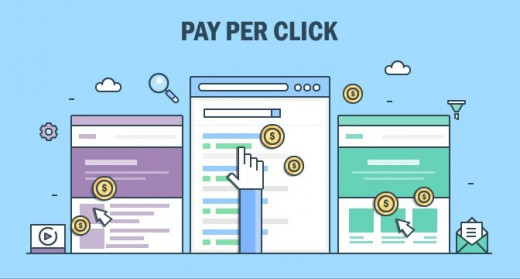
8 Best Pay Per Click Sites to Make Money Online
Pay-per-click (PPC) is one of the most popular ways to make money online. For those unfamiliar with the concept, it’s when you get paid for every click on an ad that you generate through your website or blog through valid traffic. If done right, it can even turn into a steady stream of revenue provided you have a high volume of web traffic.
If you’re looking to get started in pay-per-click marketing and want to know which sites are the best, look no further! This article will go over 8 of the best pay-per-click sites you should be sure to check out.
What is PPC?
PPC is an online advertising model in which advertisers pay publishers (usually website owners or operators) when their ad is clicked. Essentially, it’s a way of buying visits to your site, rather than attempting to “earn” those visits organically.
8 Best Pay Per Click Sites
1. Google Adsense
Google Adsense is a pay per click advertising network, which enables the publishers to get paid for every valid traffic which their sites or blog receives. Similarly, it allows advertisers to run any ad campaign of their choice which pays publishers per valid click.
As a giant advertising network, it pays publishers 68% of the revenue it generates. Thus, depending on the niche, the commission can range from $0.20 to $15, with an average of $3 per click for publishers.
To get started with AdSense, simply sign up for a free account and add the code to your website or blog. Once your account is approved, Google will start serving ads on your site.
2. AdCash
AdCash is one of the best PPC which you should go for. As a giant in Ads industry, it has ability to serve ads that target customers via their interests, and it delivers ads top 200M unique users every day through 10,000+ active Ads campaigns.
Adcash allows publisher to filter invalid traffic and forecast on inventory performance of various ad formats, including pop-ups, interstitial ads, and native ads. Which means publishers only get paid for valid traffic which their site or blog has drive. With Adcash, publishers get paid through their bank account or they can choice any available options including PayPal and Bitcoin. The minimum amount which publishers can withdraw is $25.
3. Bidvertiser
Bidvertiser is another best advertising network which can be used by publishers and advertisers who want to run any campaign of their choice which target per per click. It is the best for small to medium publisher sites, and it offers a quick and easy sign-up process without a minimum traffic requirement.
Once you sign up and your application gets approved, you are requested to copy and paste the Ads code on your site HTML for you to start earning for every click your site or blog get from valid traffic.
Comparing to Google Adsense and AdCash advertising network, Bidvertiser has a lower cost per click rate. In most cases, publishers get paid 0.05 to $1 per valid click.
4. ClickAdilla
ClickAdilla is another best cost per click advertising network available for publishers and advertisers. This advertising network it's a bit different in that, it is a self-serve ad network for publishers, that supports various ad formats such as PopUnder, banner, pre-roll, web-push, and native. As a self serve advertising network it connects publishers to partners, who are interested in running various Ad campaigns in a real-time bidding.
Since publishers are linked up directly with advertisers, they get paid fairy compared to other advertising network like Bidvertiser.
5. Infolinks
Infolinks is another cost per click advertising network that has over 100,000 publishers worldwide. It is a content-style ad platform that has higher ad layout optimization. What is more interesting is that, you can run Infolinks ads together with Google Adsense, maximizing your revenue. Which means, these two successfully work together for publishers.
To get started you need to visit its site through the link we have shared and sign up. Your application will likely get approved within 48 hours and there is no minimum traffic requirement for your site to get approved.
6. Microsoft Advertising
Microsoft Advertising formerly known as Bing Ads, is another best PPC ad network. It has a similar pay per click to Google Adsense and is considered strong Google Adsense Alternative. The CPC on Microsoft ads network is averaged at $2.20, which is slightly cheaper than Google Adsense.
7. Revcontent
Revcontent is another best advertising network that pays per valid clicks your site or blog generates. It is known for its excellent CPC, and PPC deals offered to publishers who want to serve native content ads on their sites or blogs. For publishers to get accepted their sites or blogs need to have at least 50,000 monthly traffic which is far higher for beginners. Payment is made every 30 calendar days via PayPal.
8. Adsterra
Adsterra is another best per per click advertising network, which priorities their publishers by paying them fairly good. The ad network enables publishers to monetize almost any kind of valid traffic, which their sites or blogs get. As a trending best advertiser, it offers publishers different ads format which will likely maximize publishers' revenue. Currently this advertising network is able to serve over 30 billion ad impressions per month worldwide and it works with 18K+ direct publishers and 12K+ brands.
In conclusion, pay per click sites can be a great way to make extra money online. With the right knowledge and strategies, you can maximize your income potential from these platforms. We hope that our list of the best pay per click sites has given you some inspiration for how to get started with this form of earning.