Learn smarter with fresh insights from our tutors.
Practical study guides, course supplements, and learning resources curated to help you move faster through every subject.
The Impact of Economic Policy on Financial Markets

The Relationship between Economic Policy and Financial Markets
Welcome to a world where financial markets dance in tune with economic policies. Picture this: decisions made by governments and central banks have the power to sway stock prices, interest rates, and currency values. It's a dynamic relationship that can send shockwaves through global economies or spark prosperity.
Join us as we delve into the captivating realm of how economic policy shapes the ever-evolving landscape of financial markets.
Types of Economic Policies that Affect Financial Markets
When it comes to economic policies that impact financial markets, there are a few key types to consider. Expansionary policies aim to stimulate economic growth by increasing money supply and lowering interest rates. On the other hand, contractionary policies focus on reducing inflation by decreasing money supply and raising interest rates.
Monetary policy involves actions taken by central banks to control the money supply and influence borrowing costs. Fiscal policy, on the other hand, refers to government decisions regarding spending and taxation. These policies play a significant role in shaping investor sentiment and market behavior.
Trade policies can also have a profound effect on financial markets as they impact global trade flows and currency exchange rates. Regulatory policies set by governments can influence market stability and investor confidence as well.
Understanding the different types of economic policies is essential for investors looking to navigate the ever-changing landscape of financial markets.
Expansionary vs. Contractionary Policies
When it comes to economic policies, there are two main approaches that governments can take: expansionary and contractionary. Expansionary policies aim to stimulate economic growth by increasing government spending and lowering taxes. This encourages consumer spending and investment, boosting overall demand in the economy.
On the other hand, contractionary policies focus on controlling inflation by reducing government spending and raising taxes. While this may slow down economic growth in the short term, it helps prevent overheating of the economy and reduces the risk of high inflation rates.
Both types of policies have their own implications for financial markets. Expansionary policies tend to drive up stock prices as companies benefit from increased consumer demand. Conversely, contractionary policies can lead to decreased investor confidence and lower stock prices due to reduced economic activity.
Understanding these different policy approaches is crucial for investors looking to navigate the ever-changing landscape of financial markets effectively.
Examples of Economic Policies and their Impact on Financial Markets
Let's dive into some real-world examples of how economic policies can sway the financial markets. Take tax cuts, for instance. When a government decides to reduce taxes, it often stimulates consumer spending and business investments. This boost in economic activity can lead to an uptick in stock prices and overall market optimism.
On the flip side, when central banks implement interest rate hikes to combat inflation, borrowing becomes more expensive. As a result, companies may scale back on expansion plans, leading to a potential dip in stock prices as investors become cautious about future growth prospects.
Trade policies also play a significant role. Tariffs imposed on imports can disrupt global supply chains and impact multinational corporations' bottom lines. This uncertainty can cause volatility in the stock market as investors reevaluate their portfolios based on changing trade dynamics.
These examples showcase how sensitive financial markets are to shifts in economic policy decisions made by governments and central banks worldwide.
Factors that Influence the Effectiveness of Economic Policies on Financial Markets
When it comes to economic policies impacting financial markets, various factors come into play that can influence their effectiveness. One key factor is the timing of policy implementation. Acting swiftly and decisively in response to economic conditions can have a more immediate impact on market sentiment and behavior.
Additionally, the credibility of policymakers and the transparency of their communication play a crucial role in shaping market expectations. Clear, consistent messaging helps build trust among investors and stakeholders, leading to smoother market reactions to policy changes.
Moreover, global economic trends and geopolitical events can also sway the effectiveness of economic policies on financial markets. Interconnectedness in today's world means that what happens internationally can reverberate through domestic markets quickly.
Furthermore, the resilience of financial institutions and regulatory frameworks can either support or hinder the transmission of economic policies into tangible market outcomes. A robust financial system is better equipped to absorb shocks and respond positively to policy interventions.
The Role of Government in Regulating Financial Markets
The role of government in regulating financial markets is crucial for maintaining stability and fairness. Governments establish rules and oversight to prevent fraud, manipulation, and excessive risk-taking. By setting guidelines for transparency and accountability, they aim to protect investors and ensure market integrity.
Regulatory bodies like the SEC in the U.S. or ESMA in Europe play a key role in supervising activities within financial markets. They monitor trading practices, enforce compliance with regulations, and investigate misconduct to uphold trust in the system.
Governments also intervene during times of crisis by implementing measures such as bailouts or stimulus packages to stabilize markets. Balancing between regulation and intervention is a delicate task that requires constant monitoring and adjustment to adapt to evolving market conditions.
Effective government regulation can help foster confidence among investors, promote healthy competition, and safeguard against systemic risks within financial markets.
Case studies: The Effects of Recent Economic Policies on Financial Markets
Let's dive into some real-world examples of how recent economic policies have impacted financial markets. One notable case study is the implementation of quantitative easing by central banks in response to the 2008 financial crisis. This policy involved buying government bonds to inject liquidity into the economy, leading to lower interest rates and boosting stock prices.
On a different note, the trade war between the U.S. and China saw fluctuations in global markets due to tariffs imposed on various goods. Investors reacted nervously to uncertainties surrounding international trade policies, causing volatility in stock prices and currency exchange rates.
Moreover, Brexit negotiations have had ripple effects on European financial markets as uncertainty over Britain's exit from the EU affected investor confidence. The fluctuating value of the British pound against major currencies reflected market sentiment towards ongoing political developments.
Each case study illustrates how economic policies can directly influence market behavior, highlighting the interconnected nature of economics and finance.
Predictions for the Future Impact of Economic Policy on Financial Markets
As we look ahead to the future, the impact of economic policy on financial markets remains a topic of great interest and speculation. With global economies constantly evolving, it's crucial to consider how upcoming policy decisions may influence market dynamics.
Predicting the exact outcome of economic policies on financial markets is no easy task. However, experts suggest that factors such as interest rates, inflation levels, and government spending will continue to play a significant role in shaping market trends.
Technological advancements and geopolitical events also have the potential to sway market behavior in unforeseen ways. As we move forward, staying informed and adaptable will be key for investors navigating an ever-changing landscape.
While uncertainty may loom large in the realm of economics and finance, proactive planning and strategic decision-making can help mitigate risks and capitalize on emerging opportunities. Stay tuned as we monitor developments in economic policy and their subsequent effects on financial markets.
Conclusion
Economic policy plays a significant role in shaping the performance of financial markets. Whether it's through expansionary measures to stimulate growth or contractionary actions to curb inflation, the decisions made by policymakers have far-reaching consequences on investors, businesses, and consumers alike.
As we look ahead to the future, it is clear that economic policies will continue to be a driving force behind market movements. With various factors at play such as global events, technological advancements, and changing consumer behaviors, governments must adapt their strategies to ensure stability and growth in financial markets.
By understanding the relationship between economic policy and financial markets, investors can make more informed decisions while policymakers can better anticipate potential challenges and opportunities. The dynamic interplay between these two realms underscores the importance of staying informed and adaptable in an ever-changing economic landscape.
The Impact of Political Uncertainty on Financial Markets

Introduction to Political Uncertainty and Financial Markets
Political uncertainty has a way of sending shockwaves through financial markets, leaving investors on edge and scrambling to make sense of the chaos. It's like a rollercoaster ride that nobody signed up for, with twists and turns dictated by global events and political decisions.
In this blog post, we'll delve into how political uncertainty can shake up financial markets, explore historical examples of its impact, discuss the current landscape, and provide some tips on how investors can weather the storm. So buckle up and get ready for a wild ride through the world of politics and finance!
Historical Examples of Political Uncertainty Affecting Markets
Political uncertainty has always been a key player in influencing financial markets throughout history. One notable example is the Great Depression of the 1930s, triggered by political events like protectionist trade policies and the stock market crash.
Moving forward to more recent times, Brexit serves as another prime illustration of how political uncertainty can create waves in financial markets. The prolonged negotiations and uncertainties surrounding Britain's exit from the European Union have led to fluctuations in currency values and stock prices.
Furthermore, the U.S.-China trade war has showcased how tensions between two major economies can impact global markets. Tariffs imposed by both sides have caused volatility in international trade and investments.
These historical instances emphasize that political events hold significant power over market movements, making it crucial for investors to stay vigilant and adaptable when navigating such uncertain waters.
The Current Landscape: Key Political Events and Their Impact on Markets
Political events around the world have always had a significant impact on financial markets. Whether it's elections, geopolitical tensions, trade wars, or policy changes, the uncertainty they bring can cause volatility in stocks, currencies, and commodities.
Recent key political events like Brexit negotiations, U.S.-China trade relations, and the upcoming presidential elections in various countries add layers of complexity to market dynamics. Investors closely watch these developments as they can influence investor sentiment and market trends.
The uncertainty surrounding these events often leads to fluctuations in asset prices as investors try to anticipate outcomes and adjust their portfolios accordingly. It's essential for investors to stay informed about political developments and understand how they might affect different sectors within the market.
While political uncertainty may create challenges for investors, it also presents opportunities for those who are willing to take calculated risks. By staying vigilant and adapting investment strategies to changing geopolitical landscapes, investors can position themselves advantageously amidst market turbulence.
How Investors Can Navigate Political Uncertainty
Navigating through turbulent times in the financial markets due to political uncertainty can be daunting for investors. However, there are strategies that savvy investors can employ to weather the storm and even capitalize on opportunities amidst the chaos.
It is crucial for investors to stay informed about geopolitical developments and how they may impact different asset classes. Keeping a pulse on global news and understanding the implications for various sectors can help make more informed investment decisions.
Diversification is key during uncertain times. Spreading investments across different industries, regions, and asset classes can help mitigate risk and protect your portfolio from extreme market volatility.
Furthermore, maintaining a long-term perspective and not succumbing to knee-jerk reactions based on short-term fluctuations is essential. Patience and discipline in sticking to your investment strategy can pay off in the long run when navigating through political uncertainties.
Being adaptable, proactive, and staying true to your investment goals are vital factors in successfully navigating through periods of political uncertainty in the financial markets.
Opportunities that Arise in Times of Political Uncertainty
Political uncertainty can create a sense of fear and hesitation among investors. However, amidst the chaos, there are opportunities waiting to be seized. During times of political turbulence, markets can experience significant fluctuations, presenting chances for savvy investors to capitalize on undervalued assets.
One opportunity that arises in times of political uncertainty is the chance to invest in safe-haven assets such as gold or government bonds. These assets tend to remain stable or even increase in value when traditional markets are volatile. Additionally, industries that thrive during uncertain times like cybersecurity or defense may present profitable investment options.
Furthermore, market downturns caused by political instability can open doors for long-term investments at lower prices than usual. Patient investors who see beyond short-term volatility can benefit from buying quality stocks at discounted rates and holding onto them as the market stabilizes.
In essence, while political uncertainty may bring challenges, it also offers unique opportunities for those willing to navigate the storm with a strategic mindset.
Mitigating Risk in a Volatile Market
Mitigating risk in a volatile market can be challenging but essential for protecting your investments. One strategy is diversifying your portfolio across different asset classes to reduce exposure to any single risk factor. It's important to stay informed about geopolitical events and economic indicators that could impact the markets. Implementing stop-loss orders can help limit potential losses by automatically selling a security when it reaches a predetermined price.
Another approach is hedging against downside risks through options or futures contracts, providing insurance against adverse market movements. Regularly reviewing and adjusting your investment strategy based on changing market conditions is crucial for managing risk effectively. Seeking professional advice from financial advisors or consultants can provide valuable insights and guidance on navigating volatile market environments.
Remember, no investment comes without risks, but taking proactive steps to mitigate them can help safeguard your financial future amidst uncertainty in the markets.
The Importance of Staying Informed and Diversifying Investments
Staying informed is crucial when it comes to navigating the complexities of financial markets. With political uncertainty looming, understanding how current events can impact investments is key. By staying up-to-date on global affairs, investors can make more informed decisions about their portfolios.
Diversifying investments across various asset classes can help mitigate risks associated with political fluctuations. A well-balanced portfolio that includes stocks, bonds, and other instruments can provide stability during turbulent times.
Being aware of market trends and geopolitical developments allows investors to adjust their strategies accordingly. This proactive approach can help capitalize on emerging opportunities while minimizing potential losses.
In a dynamic environment where change is constant, adaptability is essential for long-term financial success. By diversifying and staying informed, investors are better positioned to weather uncertainties and achieve their investment goals in the ever-evolving landscape of finance.
Conclusion
Navigating the waters of financial markets amidst political uncertainty can be challenging, but with the right knowledge and strategies, investors can weather the storms and even capitalize on opportunities that arise. By staying informed about key political events, diversifying investments, and being prepared to adjust their portfolios when needed, investors can mitigate risks and potentially benefit from market fluctuations.
Remember that while political uncertainty may introduce volatility into financial markets, it also brings opportunities for those who are well-prepared and proactive in their investment approach. By understanding how past events have impacted markets, recognizing current trends, and staying vigilant for new developments, investors can navigate uncertain times with greater confidence.
In conclusion, political uncertainty is a constant factor in global financial markets. While it may create challenges for investors, it also opens up avenues for growth and profitability. By adopting a strategic mindset, remaining adaptable to changing circumstances, and seeking out expert advice when needed, investors can position themselves to thrive despite the uncertainties that lie ahead.
The Impact of Trade Agreements on Global Financial Integration

Introduction to Trade Agreements and Global Financial Integration
Welcome to a world where trade agreements and global financial integration dance hand in hand, shaping the economic landscape on a grand scale. From historic alliances to modern-day negotiations, the impact of trade agreements reverberates far beyond borders, influencing economies, businesses, and individuals worldwide.
Join us on a journey through the intricate web of international trade deals and their profound effects on our interconnected financial systems. Let's explore how these agreements have evolved over time and what lies ahead in this ever-changing global economy.
The History of Trade Agreements and Their Impact on Economic Growth
Trade agreements have a long history dating back centuries, with nations coming together to facilitate trade and economic cooperation. These agreements have evolved over time, from simple bilateral treaties to complex multilateral deals involving multiple countries.
The impact of trade agreements on economic growth has been profound. By reducing barriers to trade such as tariffs and quotas, these agreements have facilitated the flow of goods and services across borders, stimulating economic activity and creating opportunities for businesses to expand globally.
Historically, trade agreements like the General Agreement on Tariffs and Trade (GATT) paved the way for increased international trade by promoting fair competition and non-discrimination among member countries. This led to significant boosts in global GDP and helped lift millions out of poverty.
As economies became more interconnected through trade agreements, the world witnessed unprecedented levels of prosperity and innovation. Countries that embraced free trade saw increased productivity, higher living standards, and enhanced overall economic resilience in times of crisis.
Advantages and Disadvantages of Trade Agreements
Trade agreements come with their fair share of advantages and disadvantages. On one hand, these agreements can lead to increased market access for countries, allowing them to expand their exports and boost economic growth. This can create job opportunities and drive innovation within industries.
However, trade agreements also have their downsides. Critics argue that these deals may result in job losses in certain sectors as companies shift production to take advantage of cheaper labor costs overseas. Additionally, some fear that such agreements could prioritize the interests of large corporations over those of smaller businesses or local economies.
Despite the mixed opinions on trade agreements, it is crucial for policymakers to carefully consider both the benefits and drawbacks when negotiating these deals. Striking a balance between promoting free trade and protecting domestic industries is key to ensuring a sustainable global economy.
Case Studies: NAFTA, TPP, and Brexit
Let's take a closer look at some notable case studies in the realm of trade agreements.
NAFTA, the North American Free Trade Agreement, was established between Canada, Mexico, and the United States to reduce barriers to trade and promote economic growth. It resulted in increased cross-border commerce but also faced criticism for its impact on certain industries and job displacement.
The Trans-Pacific Partnership (TPP) aimed to deepen economic ties among Pacific Rim countries. However, concerns over transparency and potential threats to national sovereignty led some countries like the US to withdraw from the agreement.
Brexit refers to the UK's decision to leave the European Union, impacting trade relations significantly. The uncertainties surrounding Brexit have caused fluctuations in financial markets and raised questions about future trade agreements.
Each case study offers valuable insights into the complexities of global trade dynamics and highlights both opportunities and challenges that arise from such agreements.
Current Trends in Global Financial Integration
Global financial integration is a dynamic landscape that continues to evolve rapidly in today's interconnected world. As technology advances and communication barriers diminish, the flow of capital across borders has become more seamless than ever before.
One noticeable trend in global financial integration is the rise of digital payment systems and blockchain technology, which have revolutionized how transactions are conducted internationally. This shift towards a more digital economy has opened up new opportunities for businesses to expand globally with ease.
Moreover, the increasing participation of emerging markets in the global financial system has also played a significant role in shaping current trends. Countries like China and India are becoming major players on the international stage, influencing trade agreements and investment flows worldwide.
Additionally, sustainable finance practices have gained traction as investors prioritize environmental, social, and governance factors when making decisions. This focus on sustainability not only benefits society but also contributes to more stable and resilient financial markets.
Staying informed about these trends can help individuals and businesses navigate the complexities of global financial integration successfully.
The Future of Trade Agreements and Its Potential Effects on Global Financial Integration
With the rapidly evolving global landscape, the future of trade agreements holds immense significance in shaping the trajectory of global financial integration. As countries seek to establish stronger economic ties, trade agreements will play a pivotal role in facilitating smoother cross-border transactions and fostering international cooperation.
In an era marked by technological advancements and shifting geopolitical dynamics, the future of trade agreements is poised to embrace digitalization and sustainable practices. These agreements are likely to adapt to emerging trends such as e-commerce and green initiatives, reflecting a more modernized approach towards international trade.
Furthermore, as economies become increasingly interdependent, the potential effects of future trade agreements on global financial integration cannot be underestimated. By promoting greater market access and harmonizing regulatory frameworks, these agreements have the power to spur economic growth and enhance financial stability on a global scale.
As we look ahead into the future of trade agreements, it becomes evident that their impact will transcend traditional boundaries, paving the way for enhanced collaboration among nations and driving forward greater financial interconnectedness across borders.
The Importance of Balanced Trade Agreements for a Sustainable Economy
Trade agreements play a crucial role in shaping the global economy. A balanced trade agreement is essential for ensuring fair competition and fostering sustainable economic growth. When countries engage in trade, it opens up opportunities for businesses to expand their markets and consumers to access a variety of products at competitive prices.
Balanced trade agreements help prevent monopolies and promote innovation by encouraging healthy competition among industries. This ensures that resources are allocated efficiently, leading to increased productivity and economic prosperity. Moreover, these agreements can also facilitate technology transfer and knowledge sharing between nations, driving advancements in various sectors.
By striking a balance between protecting domestic industries and promoting international trade, countries can create a win-win situation that benefits both parties involved. Additionally, having transparent rules within trade agreements fosters trust among trading partners and enhances overall economic stability.
In today's interconnected world, achieving balanced trade agreements is more important than ever to ensure long-term sustainability and shared prosperity among nations. By working together towards creating fair terms of exchange, countries can build stronger economies that benefit everyone involved.
Conclusion
As we navigate the complex landscape of trade agreements and global financial integration, it is clear that these interconnected mechanisms play a crucial role in shaping the world economy. The history, advantages, disadvantages, case studies, current trends, and future projections all point towards a need for balanced and sustainable trade agreements to foster economic growth while ensuring fair competition.
The impact of trade agreements on global financial integration cannot be underestimated. It is essential for countries to work together to create mutually beneficial partnerships that promote transparency, equality, and prosperity for all parties involved. By learning from past experiences and embracing new challenges with an open mind, we can pave the way for a more integrated and resilient global economy.
In this ever-evolving world of international commerce and finance, staying informed about trade agreements and their implications is key to making informed decisions as businesses or consumers. As we look ahead to the future of trade agreements and their potential effects on global financial integration, let us strive towards creating a more interconnected world where economic opportunities are accessible to all.
The Impact of Global Trade Wars on Financial Markets

Introduction to Global Trade Wars
Welcome to the turbulent world of global trade wars, where economic giants clash and financial markets sway in uncertainty. The battle for supremacy in international trade has far-reaching implications that reverberate across industries and investment portfolios.
Join us as we dive into the impact of these conflicts on financial markets and explore strategies for navigating through the storm.
Major Players in Current Trade Wars
The landscape of global trade wars is shaped by major players who are key actors in the ongoing economic tensions. Countries like the United States, China, and the European Union hold significant influence in these trade disputes, each vying to protect their own interests and industries.
The U.S., under former President Donald Trump's administration, initiated several trade conflicts with various nations, most notably China. The tariffs imposed by both countries have led to a tit-for-tat exchange impacting numerous sectors from technology to agriculture.
China, as one of the world's largest economies and a manufacturing powerhouse, has retaliated against U.S. tariffs with its measures affecting American goods. The EU also finds itself entangled in trade tensions with the U.S., particularly over issues like subsidies to aircraft manufacturers.
These major players continue to engage in negotiations and disputes that reverberate across global financial markets and industries alike.
Effects on Financial Markets
The ongoing global trade wars have created ripples in financial markets worldwide. Uncertainty stemming from tariffs and retaliatory measures has led to increased volatility in stock prices and currency values. Investors are closely monitoring the situation, trying to gauge the potential impact on their portfolios.
As tensions escalate between major players like the US, China, and the EU, market sentiment can shift rapidly based on news headlines and policy decisions. This environment of unpredictability poses challenges for both short-term traders and long-term investors alike.
The effects of trade wars extend beyond traditional equities, impacting commodities such as oil and agricultural products. Supply chains are being disrupted, leading to concerns about rising costs for businesses across various industries.
Central banks are also closely watching these developments as they assess the need for monetary policy adjustments to mitigate economic risks arising from prolonged trade disputes. As a result, interest rates may fluctuate in response to changing market conditions.
Navigating through this turbulent landscape requires a keen understanding of geopolitical dynamics and their implications for financial markets. Diversification strategies and risk management tools become essential during times of heightened uncertainty caused by global trade tensions.
Impact on Different Industries
Global trade wars have a ripple effect that extends beyond just the financial markets. Various industries feel the impact in different ways, depending on their reliance on international trade. The automotive sector may face higher costs due to tariffs on imported parts and materials, leading to increased prices for consumers.
The technology industry could see disruptions in their global supply chains, affecting production timelines and potentially impacting innovation. Agriculture is another sector vulnerable to trade disputes, as farmers may struggle with shifting export markets and fluctuating prices for their products.
On the other hand, some industries like domestic manufacturing might benefit from trade wars by seeing increased demand for locally produced goods. It's essential for businesses across various sectors to stay informed about changing trade policies and adapt their strategies accordingly to navigate these uncertain times effectively.
How Investors Can Navigate the Volatility
Navigating the volatility caused by global trade wars can be challenging for investors. It's essential to stay informed about the latest developments and how they may impact different industries. Diversifying your portfolio across various sectors and geographic regions can help mitigate risks associated with trade tensions.
Monitoring key economic indicators and geopolitical events is crucial for making informed investment decisions during uncertain times. Consider investing in companies with strong fundamentals and a proven track record of navigating market turbulence successfully.
Maintaining a long-term perspective and avoiding knee-jerk reactions to short-term market fluctuations is key to weathering the storm of trade wars. Working closely with a financial advisor or wealth manager can provide valuable insights and guidance tailored to your specific investment goals and risk tolerance.
Remember, while global trade wars may create short-term uncertainty in financial markets, staying focused on your long-term investment strategy is vital for achieving sustainable growth in your portfolio.
Long-term Implications of Global Trade Wars
The long-term implications of global trade wars are multifaceted and extend far beyond immediate market reactions. As countries impose tariffs and trade barriers, supply chains become disrupted, leading to higher production costs for businesses. This can ultimately result in inflated prices for consumers worldwide.
Additionally, prolonged trade tensions can erode trust between nations, potentially leading to a shift in geopolitical alliances and power dynamics. Countries may seek alternative trading partners or diversify their supply chains to reduce dependency on traditional allies.
Furthermore, ongoing trade disputes can hinder economic growth and dampen investor confidence in the stability of markets. Uncertainty surrounding future trade agreements can make long-term planning challenging for businesses, affecting investment decisions and overall economic performance.
In the face of these uncertainties, it becomes crucial for investors to stay informed about global trade developments and adapt their strategies accordingly to navigate potential risks and opportunities in the ever-changing landscape of international commerce.
Conclusion
As global trade wars continue to unfold, the impact on financial markets is undeniable. From tariffs and trade barriers to shifting alliances and market volatility, the repercussions are far-reaching. Major players such as the US, China, and the EU are at the forefront of this economic turmoil.
The effects on financial markets have been evident in fluctuating stock prices, currency valuations, and investor uncertainty. Different industries like technology, agriculture, and manufacturing have felt the brunt of these trade disputes through disrupted supply chains and increased costs.
Investors can navigate this volatility by diversifying their portfolios, staying informed on geopolitical developments, and considering long-term investment strategies. While short-term fluctuations may cause unease, maintaining a focus on fundamentals can help weather the storm.
In the long term, global trade wars could reshape international relations and redefine economic landscapes. The implications for businesses and consumers alike remain uncertain as negotiations continue to evolve.
As we look ahead to an increasingly interconnected world facing ongoing trade tensions, adapting to changing market conditions will be crucial for success. By staying vigilant, flexible, and informed amidst these challenges, investors can position themselves strategically for whatever comes next in this ever-evolving global economy.
The Impact of Political Events on Financial Markets

Introduction to Political Events and Financial Markets
Welcome to the intriguing world where politics and finance collide! Political events have a profound impact on financial markets, sending ripples of uncertainty and opportunity through the global economy. From unexpected elections to trade wars and geopolitical tensions, every twist and turn in the political landscape can sway stock prices, currencies, and commodities.
Join us as we delve into how these events shape the financial world, explore past examples of their effects, uncover strategies for investors to navigate choppy waters, and gaze into the crystal ball for future predictions. Let's unlock the mysteries of how politics moves markets!
Examples of Past Political Events that Affected the Financial Markets
Political events have historically played a significant role in shaping financial markets around the world. One notable example is the Brexit referendum, which caused volatility in global stock markets as uncertainty loomed over the UK's future relationship with the EU.
Similarly, the US-China trade war had a profound impact on financial markets, with fluctuating tariffs and tensions leading to market instability and affecting businesses reliant on international trade.
The 2008 financial crisis was another event triggered by political decisions, such as lax regulations on mortgage lending. This crisis sent shockwaves through global markets, leading to a recession that affected economies worldwide.
More recently, the COVID-19 pandemic led governments to implement unprecedented fiscal stimulus measures that influenced market reactions and investor sentiment. These examples highlight how political events can create both risks and opportunities for investors navigating turbulent financial waters.
Factors that Influence Financial Markets During Political Events
Political events have a significant impact on financial markets worldwide. The uncertainty surrounding elections, policy changes, and geopolitical tensions can lead to market volatility.
One of the key factors influencing financial markets during political events is investor sentiment. Positive or negative perceptions about government actions can drive buying or selling behaviors in the market.
Another factor to consider is economic policies implemented by governments. Tax reforms, trade agreements, and fiscal stimulus measures can directly affect stock prices, currency values, and interest rates.
Geopolitical events such as conflicts or diplomatic disputes also play a role in shaping market movements. The anticipation of potential disruptions to global trade or security can cause fluctuations in asset prices.
Moreover, central bank decisions during political turmoil can influence market stability. Interest rate adjustments and monetary policy changes are closely monitored by investors for signals about future economic conditions.
Understanding these factors is crucial for investors looking to navigate through turbulent times in financial markets affected by political events.
How Investors Can Prepare for Political Events
Political events are known to create turbulence in financial markets. To navigate these uncertain waters, investors must stay informed and be proactive in their approach. One way to prepare for political events is through diversification. By spreading investments across different asset classes, regions, and industries, investors can mitigate risks associated with sudden market shifts.
Additionally, staying updated on current events and understanding how they may impact specific sectors or companies is crucial. Conducting thorough research and analysis can help investors make more informed decisions when faced with political uncertainty. Seeking advice from financial advisors or experts can also provide valuable insights into potential strategies to weather the storm.
It's essential for investors to have a well-defined investment strategy that considers various scenarios that may arise from political events. Flexibility and adaptability are key traits that can help investors adjust their portfolios as needed based on changing market conditions driven by political developments.
Risks and Opportunities for Investment During Political Events
Political events can create uncertainty in financial markets, leading to both risks and opportunities for investors. During times of political turmoil, market volatility can increase, causing prices to fluctuate rapidly. This heightened risk may deter some investors from making significant moves.
On the other hand, these fluctuations can also present unique opportunities for those willing to take calculated risks. Some investors see political events as a chance to buy assets at lower prices or capitalize on sectors that are poised for growth in the midst of change.
It's essential for investors to stay informed and adapt their strategies accordingly during uncertain times. Diversification is key when navigating the potential risks associated with political events. By spreading investments across different asset classes, regions, and industries, investors can mitigate some of the inherent volatility in the markets.
Understanding how political events impact financial markets is crucial for making well-informed investment decisions amidst uncertainty.
Long-Term Effects of Political Events on Financial Markets
Political events can have lasting effects on financial markets that extend beyond immediate reactions. These events can shape investor sentiment, influence market trends, and impact the overall economic landscape.
Long-term implications of political events may include changes in government policies, regulations, and trade agreements. These factors can create uncertainties for investors and businesses alike, leading to fluctuations in stock prices and currency values.
In some cases, political instability can erode investor confidence and hinder long-term investment strategies. On the other hand, successful navigation of political risks can result in lucrative opportunities for those who are well-prepared and adaptable.
Understanding the historical context of how past political events have shaped financial markets is crucial for predicting future trends. By analyzing patterns and learning from previous experiences, investors can better position themselves to mitigate risks and capitalize on potential rewards in the long term.
Future Predictions
As we look ahead to the future, it's essential to consider how political events will continue to impact financial markets. With geopolitical tensions on the rise and global economic uncertainty persisting, investors must stay vigilant.
One potential trend is increased market volatility as a result of political instability. Sudden policy changes or unexpected election outcomes can trigger significant market fluctuations, presenting both risks and opportunities for investors.
Furthermore, technological advancements and regulatory shifts may shape the financial landscape in unforeseen ways. As governments adapt to evolving challenges, industries like renewable energy or healthcare could see substantial growth while others face disruptions.
Staying informed and diversifying investment portfolios remain crucial strategies for navigating uncertain times. By monitoring geopolitical developments and adjusting investment strategies accordingly, individuals can better position themselves for whatever the future holds in store.
Conclusion
In today's ever-changing global landscape, political events play a significant role in shaping financial markets. From elections and policy changes to geopolitical tensions, these events can create both risks and opportunities for investors.
By examining past examples like Brexit or the U.S.-China trade war, we see how political events can cause volatility in the financial markets. Factors such as uncertainty, government policies, and market sentiment all contribute to this impact.
Investors can prepare for political events by diversifying their portfolios, staying informed on current events, and having a long-term investment strategy in place. By being proactive and adaptable, investors can navigate through turbulent times with more confidence.
While there are risks associated with investing during political events, there are also opportunities for those who are willing to take calculated risks. By identifying undervalued assets or sectors that may benefit from certain policies or developments, investors can position themselves for potential growth.
The long-term effects of political events on financial markets are complex and multifaceted. While some impacts may be immediate and short-lived, others could have lasting implications that shape the market for years to come.
Looking towards the future, it is crucial for investors to stay vigilant and responsive to evolving political landscapes. By staying informed, maintaining a diversified portfolio, and being prepared for market fluctuations driven by political events – investors can better weather storms while capitalizing on emerging opportunities.
Overall, understanding the relationship between politics and finance is essential in managing investments effectively amidst uncertain times. By acknowledging the interconnected nature of these two realms, investors can make more informed decisions that align with their financial goals in an ever-changing world.
The Potential of Blockchain in Carbon Trading

Introduction to Blockchain Technology
Are you ready to dive into the exciting world of blockchain technology and its potential to revolutionize carbon trading? Picture a future where transparency, efficiency, and sustainability converge seamlessly through innovative solutions.
In this blog post, we'll explore how blockchain is reshaping the landscape of carbon trading, offering new possibilities for combating climate change. Let's embark on this journey together and uncover the transformative power of blockchain in creating a greener tomorrow.
Understanding Carbon Trading
Carbon trading is a mechanism designed to reduce greenhouse gas emissions by creating a market for companies to buy and sell carbon credits. These credits represent the right to emit a certain amount of CO2 or other greenhouse gases. The goal is to incentivize companies to lower their emissions by imposing a cost on polluting activities.
The concept behind carbon trading is based on the idea that reducing emissions should be an economically viable solution, encouraging businesses to invest in cleaner technologies and practices. By putting a price on carbon, companies are motivated to find innovative ways to cut their pollution levels and meet regulatory requirements.
Carbon trading can take different forms, including cap-and-trade systems where emission limits are set for industries, or voluntary markets where companies participate in offset projects like reforestation or renewable energy initiatives. This flexibility allows businesses to choose the most cost-effective way to reduce their carbon footprint.
Understanding how carbon trading works is crucial in tackling climate change and transitioning towards a more sustainable future.
Current Challenges in Carbon Trading
Carbon trading faces various challenges in the current landscape. One of the main issues is the lack of transparency and traceability in carbon offset projects, leading to doubts about their credibility. Additionally, the high costs associated with verifying emissions reductions and monitoring compliance pose a barrier for smaller organizations looking to participate in carbon trading.
Another challenge lies in ensuring the permanence of carbon offsets, as there is always a risk of reversal or non-additionality over time. Moreover, regulatory inconsistencies across different regions and countries create hurdles for establishing a standardized framework for carbon trading on a global scale.
Furthermore, the complexity of calculating and quantifying emissions from different sources adds another layer of difficulty to accurately measuring carbon footprints. Without accurate data, it becomes challenging to incentivize meaningful emission reductions through carbon trading initiatives.
How Blockchain Can Revolutionize Carbon Trading
Blockchain technology has the potential to revolutionize carbon trading by providing a transparent and secure platform for monitoring, verifying, and recording carbon transactions. Through blockchain, all parties involved in carbon trading can have access to real-time data on emissions reductions and credits.
By utilizing smart contracts, blockchain can automate the verification process of carbon credits, reducing the risk of fraud and ensuring compliance with regulations. This automation streamlines the entire process, making it more efficient and cost-effective for companies participating in carbon markets.
Moreover, blockchain's decentralized nature eliminates the need for intermediaries in carbon trading, reducing transaction costs and increasing trust among participants. This transparency fosters greater accountability in tracking emissions reductions accurately.
Integrating blockchain into carbon trading can enhance market liquidity and encourage more businesses to participate in sustainable practices to combat climate change effectively.
Real-world Examples of Blockchain in Carbon Trading
Blockchain technology has already started making waves in the world of carbon trading, offering transparency and efficiency like never before. One real-world example is the partnership between IBM and Energy Blockchain Labs in China, where blockchain is used to track carbon assets and ensure their authenticity.
Another noteworthy case is Nori, a startup based in Seattle that leverages blockchain to create a marketplace for carbon removal certificates. By using blockchain, Nori aims to streamline the process of buying and selling these certificates while ensuring trust and security for all parties involved.
In Europe, companies like ClimateCHECK are exploring how blockchain can improve the accuracy of emissions reporting. By recording data on a distributed ledger, they can enhance accountability and reduce the risk of fraud in carbon trading activities.
As more businesses and governments realize the potential of blockchain in transforming carbon markets, we can expect to see even more innovative applications emerge in the near future.
Potential Benefits of Implementing Blockchain in Carbon Trading
Implementing blockchain in carbon trading can bring a myriad of benefits to the table. It offers transparency by recording all transactions on a decentralized ledger, ensuring trust and accountability among participants. This increased transparency can help reduce fraud and errors in the carbon market.
Moreover, blockchain technology enables real-time tracking of carbon credits, enhancing efficiency and reducing administrative costs associated with manual verification processes. Smart contracts can automate compliance with regulations and streamline the trading process.
By using blockchain for carbon trading, companies can access new funding opportunities through tokenization of carbon assets. This opens up avenues for smaller players to participate in the market and promotes wider adoption of sustainable practices.
Integrating blockchain into carbon trading has the potential to revolutionize how we approach environmental sustainability efforts globally.
Potential Challenges and Limitations of Blockchain in Carbon Trading
While blockchain technology offers promising solutions for carbon trading, there are challenges and limitations that need to be addressed. One major concern is the scalability of blockchain networks; as more users join the platform, it can slow down transaction speeds and increase costs. Additionally, ensuring data accuracy and security poses a challenge as well - any errors or vulnerabilities in the system could have significant consequences for carbon trading activities.
Another limitation is regulatory uncertainty surrounding blockchain technology in the carbon market. Different jurisdictions may have varying regulations or lack clear guidelines on how blockchain can be used for carbon trading purposes. This ambiguity could hinder widespread adoption and integration of blockchain solutions in this industry.
Moreover, integrating traditional systems with blockchain technology can also present challenges due to compatibility issues and resistance to change from existing stakeholders. Overcoming these obstacles will require collaboration among industry players, regulators, and technology experts to create a seamless transition towards leveraging blockchain's full potential in carbon trading.
Future Outlook for Blockchain in Carbon Trading
The future outlook for blockchain in carbon trading is promising, with the potential to revolutionize how emissions are managed and traded globally. As technology continues to evolve, blockchain offers a secure and transparent way to track carbon credits and reduce fraud in the market.
With greater transparency and efficiency, blockchain can streamline the verification process for carbon offsets, making it easier for companies to participate in carbon trading schemes. This can ultimately lead to more accurate accounting of emissions reductions and increased participation from businesses looking to reduce their environmental impact.
As governments worldwide ramp up efforts to combat climate change, blockchain technology could play a crucial role in helping countries meet their emission reduction targets. By providing a decentralized platform for tracking carbon transactions, blockchain has the potential to create a more robust and trustworthy system for managing emissions on a global scale.
Conclusion
Blockchain technology has the potential to revolutionize carbon trading by providing transparency, efficiency, and security in a complex market. Through decentralized ledgers and smart contracts, blockchain can streamline transactions, reduce costs, and enhance trust among participants.
While there are challenges and limitations to implementing blockchain in carbon trading, such as scalability issues and regulatory concerns, the future outlook for this technology is promising. As more companies and governments explore the benefits of blockchain in mitigating climate change through carbon offsetting, we can expect to see continued growth in its adoption.
Blockchain has the power to transform the way we trade carbon credits by creating a more sustainable and transparent marketplace. By leveraging this innovative technology, we can work towards a greener future for our planet while driving economic incentives for businesses to reduce their carbon footprint.
The Future of E-commerce: The Expansion of Cross-Border Trade

Introduction to Cross-Border Trade
Welcome to the exciting world of cross-border trade! In a time where borders are becoming more fluid than ever before, e-commerce has opened up endless opportunities for businesses to expand globally.
The future of commerce lies in breaking down barriers and tapping into international markets with ease. Let's delve into the realm of cross-border e-commerce and explore how it is shaping the landscape of global trade.
Advantages of Cross-Border E-commerce for Businesses
Cross-border e-commerce offers businesses a world of opportunities beyond their local markets. By expanding globally, companies can tap into new customer bases and increase their revenue streams significantly. This diversification reduces dependency on a single market and enhances financial stability.
Moreover, entering international markets allows businesses to benefit from lower production costs in different regions. They can leverage economies of scale, access cheaper labor, or find more cost-effective raw materials abroad. This can lead to increased profitability and competitiveness in the long run.
Additionally, cross-border e-commerce enables brands to build a global presence and enhance brand awareness worldwide. Through strategic marketing efforts tailored to specific regions, businesses can create a strong international brand identity that resonates with diverse audiences.
Furthermore, by embracing cross-border trade, companies can stay ahead of the competition and adapt to ever-changing market dynamics. The ability to navigate different regulatory environments and consumer preferences fosters innovation and agility within organizations.
Challenges in Cross-Border E-commerce
Cross-border e-commerce presents a world of opportunities for businesses looking to expand their reach beyond domestic borders. However, it also comes with its fair share of challenges that companies must navigate to succeed in the global marketplace.
One major challenge is navigating complex international regulations and compliance requirements. Each country has its own set of rules governing e-commerce transactions, import/export duties, and consumer protection laws, making it crucial for businesses to stay informed and compliant at all times.
Another obstacle is managing logistics and shipping across different countries. Ensuring timely delivery, tracking packages accurately, and dealing with customs clearance can be daunting tasks that require careful planning and coordination.
Moreover, language barriers and cultural differences can pose communication challenges when dealing with customers from diverse backgrounds. Building trust and providing excellent customer service becomes even more critical in these scenarios.
Additionally, fluctuating exchange rates and payment processing fees can impact profit margins for businesses engaged in cross-border trade. Finding cost-effective solutions while ensuring secure transactions is key to financial sustainability.
Innovative technologies such as AI-powered translation tools, blockchain for secure payments, and data analytics for market insights are helping businesses overcome some of these challenges. By staying agile, adaptable, and proactive in addressing these obstacles head-on, companies can unlock the vast potential of cross-border e-commerce growth on a global scale.
The Role of Technology in Facilitating Cross-Border Trade
In the realm of cross-border trade, technology plays a pivotal role in breaking down barriers and connecting businesses with consumers worldwide. From advanced logistics solutions to secure payment gateways, technological innovations have revolutionized the way companies engage in international commerce.
E-commerce platforms equipped with AI algorithms provide personalized shopping experiences tailored to different regions and cultures. This level of customization enhances customer satisfaction and fosters brand loyalty across borders.
Moreover, blockchain technology ensures transparent transactions and secure supply chain management, boosting trust between parties involved in cross-border trade. Real-time tracking systems enable businesses to monitor shipments seamlessly, leading to greater efficiency and reduced shipping times.
With the rise of mobile commerce, smartphone applications empower customers to shop from anywhere at any time. This accessibility broadens market reach for businesses looking to expand globally.
Technology continues to be a driving force behind the growth of cross-border trade by streamlining processes, enhancing customer experiences, and fostering increased global connectivity.
Key Strategies for Successful Cross-Border E-commerce
When it comes to thriving in cross-border e-commerce, having a solid strategy is key. Understanding your target market is crucial – cultural nuances and consumer behaviors vary globally. Tailoring your marketing approach to resonate with international audiences can make all the difference.
Logistics play a significant role. Ensuring smooth shipping processes, reliable delivery timelines, and transparent tracking options will enhance customer trust and satisfaction. Partnering with reputable global carriers can streamline this aspect of your business.
Moreover, localization is paramount. Translating your website into multiple languages and accepting various currencies can improve accessibility for customers worldwide. Providing multilingual customer support further builds credibility.
Additionally, embracing digital marketing techniques like search engine optimization (SEO) and social media advertising tailored to each market can boost brand visibility. Engaging influencers or collaborating with local businesses can also help expand reach organically.
Staying agile and adaptable in an ever-evolving global marketplace is vital for sustained success in cross-border e-commerce.
Case Studies of Brands Successfully Expanding through Cross-Border Trade
Let's delve into some real-life examples of brands that have mastered the art of cross-border e-commerce expansion. Take, for instance, ASOS, a UK-based online fashion retailer that has successfully expanded its reach to over 200 countries worldwide. By offering localized shopping experiences and fast shipping options, ASOS has gained a competitive edge in the global market.
Another notable case is Alibaba, China's e-commerce giant. Through strategic partnerships and investments in logistics infrastructure, Alibaba has been able to connect Chinese sellers with consumers around the world through platforms like AliExpress and Tmall Global.
On the other hand, Swedish furniture retailer IKEA has leveraged its strong brand presence and innovative marketing strategies to tap into new markets across Europe, Asia, and beyond. By adapting its product offerings to suit local preferences and investing in user-friendly online platforms, IKEA continues to thrive in the realm of cross-border trade.
These success stories serve as inspiration for businesses looking to expand their horizons through cross-border e-commerce initiatives.
The Impact of Cross-Border Trade on the Global Economy
Cross-border trade has a profound impact on the global economy, shaping the way businesses operate and connect across borders. By breaking down barriers to trade, countries can tap into new markets, drive economic growth, and foster innovation. The exchange of goods and services between nations fuels competition, leading to improved quality and lower prices for consumers worldwide.
Moreover, cross-border trade creates job opportunities and boosts income levels in participating countries. It also promotes cultural exchange and understanding as people from different backgrounds interact through commerce. The flow of goods across borders stimulates investment in infrastructure and technology while encouraging collaboration between businesses on an international scale.
As economies become increasingly interconnected through cross-border trade, the potential for shared prosperity grows. This interconnectedness strengthens relationships between nations by fostering mutual dependency and cooperation. In essence, cross-border trade is not just about transactions; it's about building bridges that promote sustainable development and progress on a global scale.
Predictions for the Future of Cross-Border E-commerce
As we look ahead to the future of cross-border e-commerce, one thing is certain - it will continue to grow and evolve at a rapid pace. Technology will play a crucial role in shaping the landscape of international online trade, with advancements like AI and machine learning revolutionizing how businesses operate globally.
The rise of mobile shopping and social commerce will further enhance cross-border opportunities for brands looking to expand their reach beyond domestic markets. Personalization and localization strategies will become paramount as companies strive to connect with consumers on a more personalized level across borders.
Moreover, sustainability and ethical practices are expected to be key drivers in consumer purchasing decisions, influencing how businesses approach global trade. The development of efficient logistics solutions will also be critical in meeting the demands of an increasingly interconnected world economy.
The future of cross-border e-commerce holds immense potential for growth and innovation as businesses adapt to meet the evolving needs of consumers in a global marketplace.
Conclusion
In a rapidly evolving global marketplace, cross-border e-commerce is poised to revolutionize the way businesses operate and expand their reach. With advancements in technology and a growing demand for international products, the future of cross-border trade looks promising.
As businesses continue to leverage the advantages of cross-border e-commerce, they must also navigate challenges such as regulatory complexities and logistical hurdles. However, with the right strategies and tools in place, companies can overcome these obstacles and tap into new markets around the world.
By embracing innovative technologies like AI-driven data analytics and blockchain solutions, businesses can streamline their operations and enhance customer experiences across borders. These technological advancements not only facilitate transactions but also enable seamless communication and collaboration on a global scale.
Through case studies of successful brands expanding through cross-border trade, we see firsthand the immense potential that this form of commerce holds. From niche startups to established enterprises, companies are reaping the benefits of reaching customers beyond their local boundaries.
The impact of cross-border trade on the global economy cannot be understated. As more businesses engage in international commerce, economic growth is stimulated, creating opportunities for job creation and fostering cultural exchange between nations.
Looking ahead, predictions suggest that cross-border e-commerce will continue to grow exponentially as consumers become more accustomed to shopping from overseas retailers. This trend opens up endless possibilities for businesses willing to adapt and innovate in an increasingly interconnected world.
The expansion of cross-border trade represents a transformative shift in how business is conducted globally. By embracing this trend proactively and leveraging technology effectively, companies can position themselves at the forefront of a new era in e-commerce where borders are no longer barriers but gateways to untapped opportunities.
Breaking Down Barriers: Tips for Entering Emerging Markets

Breaking Down Barriers: Tips for Entering Emerging Markets
Are you looking to expand your business and break into new markets? Emerging markets may be the answer! These fast-growing economies offer exciting opportunities for businesses of all sizes, but entering them can seem daunting. Where do you start? How do you navigate cultural differences and regulatory hurdles?
In this blog post, we'll break down the barriers to entering emerging markets with tips and case studies to help guide your strategy. So buckle up and get ready to explore new frontiers!
What are Emerging Markets?
Emerging markets are economies that are rapidly growing and evolving. They have the potential to become important players in the global economy and offer lucrative opportunities for businesses looking to expand their reach beyond traditional markets.
These markets can be found all over the world, from Latin America to Asia, and they're characterized by a number of key factors. One of these is high economic growth rates, which often outpace those of developed countries.
In addition to rapid growth rates, emerging markets also tend to be home to large populations with rising middle classes. This means there's a growing demand for goods and services as more people move into higher income brackets.
But it's not just about population size - it's also about demographics. Many emerging market economies have relatively young populations compared with developed countries, which means there's a greater need for education, healthcare, and other essential services.
All these factors combine to create exciting opportunities for businesses willing to invest time and resources in breaking down barriers and establishing themselves in new territories.
Why Enter Emerging Markets?
Emerging markets are often overlooked by many businesses due to their perceived risks and uncertainties. However, entering an emerging market can provide businesses with significant opportunities for growth and expansion.
One of the main reasons why businesses should consider entering emerging markets is that these markets offer a large pool of untapped customers. Emerging economies such as China, India and Brazil have vast populations with growing middle classes who are increasingly demanding western-style products and services.
Another reason to enter emerging markets is the potential for higher returns on investment. Due to lower competition levels in these regions, there may be greater scope for profit margins. Additionally, operating costs in some emerging economies may be significantly lower than those in developed nations.
Furthermore, expanding into new territories can help diversify a business's revenue streams and reduce its reliance on domestic sales. This can improve overall financial stability during times of economic uncertainty or downturns in local markets.
While entering an emerging market carries risks, it also presents a wealth of opportunities for ambitious businesses looking to grow and expand their operations globally.
How to Enter Emerging Markets
When it comes to entering emerging markets, there are a few key steps you can take to ensure your success. First, do your research. Learn everything you can about the market you're interested in – its culture, economy, government regulations and policies.
Secondly, develop a local strategy that takes into account the unique needs of the market. This might mean adapting your product or service to meet local tastes and preferences or developing new marketing strategies tailored specifically for this audience.
Thirdly, find reliable partners who understand the local landscape and can help guide you through any challenges that may arise. This could be anything from finding suitable distributors to navigating complex legal requirements.
Fourthly, build strong relationships with key stakeholders such as customers, suppliers and industry associations in order to gain their trust and support.
Stay flexible and open-minded throughout the process. Emerging markets are constantly evolving so it's important to be able to adapt quickly if things don't go according to plan!
Case Studies
Case studies of successful entry into emerging markets are excellent resources to learn from. By studying how other companies have navigated the challenges of entering a new market, you can gain valuable insights and avoid making similar mistakes.
One example is Starbucks' entry into China. They initially struggled to compete with local tea culture and had difficulty finding suitable locations for their stores. However, they eventually adapted by introducing products tailored to Chinese tastes, such as green tea lattes, and opening locations in unconventional areas like office buildings.
Another case study is Netflix's expansion into India. In order to make their service appealing to Indian audiences, they offered low-cost plans that allowed users to watch content on mobile devices using slower internet speeds. They also produced original content in Hindi and partnered with local telecom companies for distribution.
These examples show that successful entry into emerging markets requires understanding the unique cultural nuances and adapting strategies accordingly. By studying these cases, you can gain insights into what approaches may work best for your own business when entering an emerging market.
In conclusion, entering emerging markets can be a daunting task for any business. However, with the right approach and strategies in place, it can also open up new avenues of growth and success. It's important to understand the unique challenges and opportunities presented by each market, as well as the cultural differences that may impact your business operations.
By conducting thorough research, building strong partnerships with local businesses and organizations, and adapting your marketing strategies to fit the needs of each market, you can break down barriers and establish a successful presence in emerging markets across the globe.
Remember that patience is key when entering these markets. Success will not happen overnight but through consistent efforts like providing quality products/services at affordable prices while maintaining high standards of customer service/support; eventually leading to brand recognition & loyalty among customers.
We hope this article has provided valuable insights on how to enter emerging markets successfully. Keep these tips in mind as you embark on your journey into new territories!
How to Start a Business in Indonesia
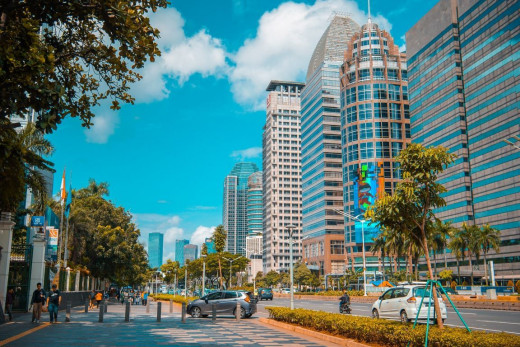
How to Start a Business in Indonesia
Indonesia, the world's fourth most populous country, has become a hotspot for foreign investors looking to start their own business. With its fast-growing economy and strategic location in Southeast Asia, Indonesia offers promising opportunities for entrepreneurs from all over the globe. However, starting a business in Indonesia can be tricky if you're not familiar with the local regulations and customs.
In this blog post, we'll guide you through everything you need to know about how to start a business in Indonesia – from understanding the Indonesian business environment to setting up your company and obtaining necessary documentation. So grab a cup of coffee and let's get started!
The Indonesian Business Environment
The Indonesian business environment is a dynamic and ever-changing landscape that presents both opportunities and challenges for entrepreneurs. As the largest economy in Southeast Asia, Indonesia has seen impressive growth over the past decade, driven primarily by domestic consumption and infrastructure development.
One of the key factors contributing to Indonesia's economic success is its strategic location – with access to multiple shipping lanes, it serves as an important trade hub connecting Asia-Pacific markets. This has led to increased foreign investment in recent years, particularly from neighboring countries such as China and Singapore.
However, doing business in Indonesia can also be a complex process due to bureaucratic regulations and cultural differences. It's important for entrepreneurs to understand the local customs and practices when conducting business transactions or negotiating deals.
Despite these challenges, there are several advantages of starting a business in Indonesia. The country boasts abundant natural resources including oil, gas, minerals, agriculture products among others which provides ample opportunities for businesses operating in these sectors.
Overall,the Indonesian business environment can be challenging yet rewarding if one does their research thoroughly before venturing into this market.
The Different Types of Business Entities in Indonesia
Indonesia offers several types of business entities to choose from when starting a new venture. The most common ones include sole proprietorship, partnership, limited liability company (PT), and cooperative.
Sole proprietorship is the simplest type of business entity which is owned and managed by one person. It requires minimal capital investment and no complex registration process.
Partnership businesses are owned by two or more individuals who share profits, losses and decision-making responsibilities. There are two types of partnerships; general partnership (CV) where all partners have unlimited liabilities or limited partnership (KP) where there's at least one partner with limited liability status.
Limited Liability Company (PT) offers protection for shareholders' personal assets while limiting their liabilities to the amount invested in the company's shares. This type of entity requires minimum two shareholders but can go up to maximum 50 shareholders.
Cooperatives are formed by a group of people with similar interests who work together towards achieving shared goals through democratic control over ownership, management and profits distribution.
Choosing the right business entity depends on various factors such as size, nature and growth potential of your business. It’s essential to seek professional advice before making any decisions.
Decide on the Type of Business You Want to Start
This may seem like an obvious step, but it's essential to have a clear understanding of what kind of business you want to run and what products or services you will offer.
One way to determine your business type is by identifying your passion and skills. Are you interested in fashion, food, technology, or hospitality? You can leverage your expertise and knowledge in these areas by creating a business that aligns with your interests.
It's also important to consider the market demand for certain types of businesses.
Conducting market research can help give insights into potential opportunities and challenges that come with each industry.
Another crucial factor is the legal structure of your company. Will it be a sole proprietorship, partnership, limited liability company (LLC), or corporation? Each has its pros and cons regarding taxes, liabilities, ownership structures etc., so do some research before deciding which one suits best for your needs.
Ultimately choosing the right type of business comes down to thorough planning and evaluation. Take time researching various options while weighing up factors such as personal preference; industry trends; competition levels; regulatory requirements; cost considerations etc., this will help ensure that you choose wisely!
Write a Business Plan
A business plan is a crucial step towards starting a successful business. It provides you with a roadmap to follow and helps you stay focused on your goals. To write an effective business plan, start by identifying your target market, competition, and unique selling proposition.
Next, detail the products or services that your company will offer and how they will be priced. You should also include information about your marketing strategy and sales projections for the next few years.
It's important to be realistic when creating financial statements for your business plan. Include income statements, balance sheets, cash flow statements, and break-even analysis to help you understand the profitability of your venture.
Make sure to outline the organizational structure of your company including roles and responsibilities of management positions as well as any legal considerations such as patents or trademarks.
Remember that writing a comprehensive business plan requires time and effort but it can greatly increase your chances of success in Indonesia's growing economy.
The Process of Setting up a Business in Indonesia
The process of setting up a business in Indonesia may seem daunting at first, but it is relatively straightforward. The first step is to determine the type of business entity you want to establish, which can be either a local company (PT), foreign-owned company (PT PMA), partnership (CV) or sole proprietorship.
Next, you need to obtain all necessary permits and licenses from the relevant government agencies. These include registering your company with the Ministry of Law and Human Rights, obtaining a tax identification number from the Directorate General of Taxes, and applying for any required industry-specific licenses.
Once all permits are secured, you must open a bank account in Indonesia under your company's name and deposit your minimum capital requirement. After that, you will receive your Deed of Establishment from a notary public. This document serves as proof that your company exists legally.
Register with BPJS Ketenagakerjaan for employee social security insurance and BPJS Kesehatan for health insurance coverage before hiring employees. With these steps complete, you can begin operating your business in Indonesia!
Required Documentation for Starting a Business in Indonesia
Starting a business in Indonesia requires proper documentation to ensure its legality. The following are the required documents for starting a business:
First, you need to obtain a Deed of Establishment or Article of Association from the Notary Public. This document includes information about the company’s name, address, objectives, capital structure and appointed directors.
Secondly, you have to register your company with the Ministry of Law and Human Rights by submitting an application form along with all supporting documents such as proof of identity card (KTP) and Tax Identification Number (NPWP).
Thirdly, you must apply for a Business Identification Number (NIB) which is mandatory for all businesses operating in Indonesia.
Fourthly, obtaining necessary licenses and permits is crucial before starting operations. Depending on your industry type and location, specific permits may be needed at both local and national levels.
It's important to keep track of any changes that occur within your business structure or ownership so as not to violate any regulations set forth by Indonesian law.
Compliance with these requirements ensures that new businesses operate legally in Indonesia while avoiding fines or penalties imposed by regulatory bodies.
Hire Employees
Once you have registered your company and obtained the necessary licenses and permits, it's time to start building your team. Hiring employees can be a daunting task, but with the right approach, it can also be an exciting opportunity to bring on board talented individuals who share your vision.
The first step in hiring employees is defining the roles that need to be filled. Consider what specific skills and experience are required for each position and create detailed job descriptions accordingly. It's important to also think about the company culture you want to foster and ensure that potential hires align with those values.
Next, develop a recruitment strategy that reaches a wide pool of candidates. This might involve posting job listings online or reaching out to personal networks for referrals.
When interviewing potential hires, ask open-ended questions that allow them to showcase their skills and experiences while also giving insight into how they would fit within the company culture. Don't forget to check references as well - this can provide valuable information about a candidate's previous work history.
Once you've found the right candidates, make sure you offer competitive compensation packages along with opportunities for growth and development within the company. Good employee retention starts with treating your staff well from day one!
Remember: Your employees are crucial assets in making your business successful!
Open a Bank Account
Once you have registered your business and obtained the necessary permits, it's time to open a bank account. This step is crucial as it will allow you to manage your finances, pay taxes and salaries, receive payments from customers or clients, and more.
The process of opening a bank account in Indonesia can vary depending on the type of business entity you have registered. For example, if you have established a limited liability company (PT), most banks will require certain documents such as copies of your ID card or passport, NPWP (tax registration number), company certificate of incorporation (AKTA), SIUP/TDP (business permit/license) and more.
It's advisable to research different banks' requirements before deciding where to open an account. Some banks may offer special packages tailored for small businesses with lower fees or other benefits that could be beneficial for startups.
Once you've chosen your preferred bank and gathered all the necessary documents, schedule an appointment with their representative at the branch office nearest to you. During this meeting, they'll guide you through the application process and answer any questions or concerns that arise.
Remember: having a dedicated business bank account is essential for managing and growing your enterprise in Indonesia!
Launch Your Marketing Campaign
After completing all the legal requirements to start your business in Indonesia, it's time to launch a marketing campaign. This is crucial as it helps you reach out to potential customers and create awareness about your brand.
One of the first things you should do is identify your target audience. Knowing who your ideal customer is will help you tailor your marketing efforts towards them. Conduct market research to understand their needs, preferences, and pain points.
Next, determine which communication channels are most effective for reaching out to your target audience. Social media platforms such as Facebook and Instagram are popular choices among Indonesians. You can also consider email newsletters, influencer partnerships or event sponsorships.
Make sure that your messaging aligns with your brand identity and resonates with consumers. Highlight what makes you unique from competitors while showcasing how you can solve their problems.
Track the success of each marketing activity by setting clear performance metrics (KPIs). Regularly analyze this data and adjust accordingly based on what works best for achieving business objectives.
Remember that launching a successful marketing campaign takes time so be patient yet persistent in executing strategies!
Useful Resources for Starting a Business in Indonesia
When it comes to starting a business in Indonesia, there are various resources available that can help you navigate the process. One of the most helpful resources is the Online Single Submission (OSS) system, which allows businesses to apply for licenses and permits online.
Another useful resource is the Indonesian Investment Coordinating Board (BKPM), which provides information on investment opportunities and regulations in various sectors. They also offer assistance with obtaining necessary licenses and permits.
The Ministry of Law and Human Rights is another important resource for those looking to start a business in Indonesia. They provide guidance on legal requirements for setting up different types of companies, such as limited liability companies (PTs) or partnerships (firmas).
Local Chambers of Commerce can also be valuable resources for those starting a business in Indonesia. These organizations often help connect entrepreneurs with potential partners or investors, as well as providing networking opportunities.
It's worth mentioning that consulting firms specializing in helping foreign businesses set up operations in Indonesia can be extremely beneficial. These firms have extensive knowledge of local regulations and customs, making them valuable partners when navigating the complex process of starting a new venture abroad.
In conclusion, starting a business in Indonesia can be an exciting and rewarding venture. With its rapidly growing economy, vast market opportunities, and supportive government policies, Indonesia is the perfect place for aspiring entrepreneurs to make their mark.
However, starting a business requires careful planning, research, and execution. By following the steps outlined in this guide - deciding on your business type, writing a plan, registering your company, obtaining licenses and permits, hiring employees, opening a bank account while launching your marketing campaign - you'll have everything you need to get started.
Remember that starting a business takes time and effort but with hard work and dedication success will come eventually. So take the leap of faith today!
Cloud computing - Simplifying IT

Cloud computing - Simplifying IT Infrastructure
In today's fast-paced digital world, traditional IT infrastructure can be a burden. Maintaining hardware and software requires significant investment in terms of time, money, and effort. But what if there was a way to simplify all of this? Enter cloud computing - the buzzword that has taken the tech industry by storm. Cloud computing has revolutionized the way we store and process data. It offers numerous benefits such as scalability, flexibility, reliability, and cost-effectiveness.
In this blog post, we will dive deeper into cloud computing - what it is, its benefits, types of services available in the market from top service providers and how you can get started with it!
What is Cloud Computing?
Cloud computing is a type of technology that uses remote servers to store, manage and process data over the internet. Instead of storing data on your computer's hard drive or local server, cloud computing stores it on off-site servers accessible over the internet. These servers are maintained by cloud service providers who take care of hardware, software and security.
Cloud computing has three primary models: Infrastructure as a Service (IaaS), Platform as a Service (PaaS), and Software as a Service (SaaS). IaaS provides virtual machines, storage space, and networking infrastructure for users to host their applications. PaaS provides developers with tools to build custom applications without worrying about underlying infrastructure issues like operating systems or network configurations. SaaS delivers complete software solutions hosted in the cloud accessible through web browsers.
The benefits of using cloud computing include flexibility - you can scale up or down resources based on demand -, cost-effectiveness - you only pay for what you use-, reliability - uptime guarantees provided by service providers- and global accessibility since all one needs is an internet connection.
Cloud Computing offers unmatched convenience compared to traditional IT infrastructure while providing access to sophisticated services at an affordable price point therefore simplifying IT operations for organizations big or small.
The Benefits of Cloud Computing
Cloud computing has revolutionized the way businesses operate by providing numerous benefits that traditional IT infrastructure cannot match. First and foremost, cloud computing eliminates the need for expensive hardware costs. Companies can access their data and applications from any device with an internet connection, rather than relying on bulky equipment to store information.
Another advantage of cloud computing is its flexibility. Businesses can quickly scale up or down their resources as needed without worrying about investing in new hardware or software licenses. This allows companies to respond rapidly to changes in demand, such as seasonal spikes in sales.
Moreover, cloud services offer increased collaboration and productivity among employees by allowing them to work on shared documents and projects remotely. This leads to greater efficiency and saves time that would otherwise be spent coordinating schedules for meetings.
Additionally, cloud computing provides enhanced security features compared to traditional IT infrastructure due to the ability of service providers' teams of cybersecurity experts who monitor threats around-the-clock.
These benefits make it clear why more businesses are choosing cloud solutions over traditional IT infrastructure as a cost-effective means of simplifying operations while increasing agility and security measures.
The Different Types of Cloud Services
When it comes to cloud services, there are several different types available. The type that you choose will depend on your specific needs and requirements. Here are some of the most common types:
1. Infrastructure as a Service (IaaS): This is where you rent out IT infrastructure such as servers and storage from a provider rather than purchasing them outright.
2. Platform as a Service (PaaS): Similar to IaaS, but with PaaS the provider also manages much of the software stack needed for running applications.
3. Software as a Service (SaaS): With SaaS, users access software over the internet instead of installing it directly onto their own devices.
4. Function-as-a-Service (FaaS): This provides an environment for developers to write code without having to worry about managing underlying server infrastructure.
5. Backup-as-a-Service (BaaS): As the name suggests, this involves backing up data offsite in case something happens to your primary copy.
Each type has its own benefits and drawbacks depending on your individual business needs, so it's important to carefully evaluate each option before making any decisions.
The Top Cloud Service Providers
The cloud computing market is dominated by some of the biggest players in the tech industry. Here are some of the top cloud service providers:
First on our list is Amazon Web Services (AWS), which offers a wide range of services including compute, storage, database, and analytics among others. AWS has been a leader in cloud computing for over a decade and it continues to innovate with new products and services.
Next up is Microsoft Azure, which provides similar services as AWS but also includes integration with other Microsoft products such as Office 365. Azure has gained popularity due to its strong focus on hybrid cloud solutions.
Google Cloud Platform (GCP) comes third on our list, offering customers access to Google's global infrastructure that powers Gmail, Google Maps and YouTube among other popular applications. Its unique strengths lie in machine learning and data analysis capabilities.
Other notable players include IBM Cloud for its enterprise-grade offerings; Oracle Cloud Infrastructure for its high-performance computing capabilities; and Alibaba Cloud for its dominance in China's market.
Ultimately, choosing the right cloud service provider depends on your specific business needs. It's important to do research and evaluate each provider's strengths before making a decision.
How to Get Started With Cloud Computing
Getting started with cloud computing may seem overwhelming at first, but it doesn't have to be. The first step is to identify your specific needs and goals. Do you need cloud storage for files? Are you looking for a way to streamline collaboration among team members? Once you've identified your needs, research the different types of services available.
Next, compare pricing and features between different cloud service providers. Some providers offer free plans or trials which can be useful when testing out a new service. Be sure to read customer reviews and ask colleagues or friends who have experience with cloud computing.
Once you've chosen a provider, create an account and start configuring the service based on your needs. Many services will require installation of client software on devices that will access the cloud data as well as setup of user accounts with appropriate permissions.
Keep in mind that migrating existing data into the cloud may take some time depending on how much data there is and what type of data it is (e.g., large files such as videos will take more time). It's important to plan ahead and allocate enough time for this process.
Make sure to stay up-to-date with best practices for using the selected cloud solution so that you can get maximum benefit from its capabilities while avoiding security issues like unauthorized access or loss of critical company information due to poor configuration or weak passwords
Cloud Computing Security Concerns
One of the biggest concerns with cloud computing is security. Storing data in a remote server can leave it vulnerable to cyber attacks, which can result in data breaches and loss of sensitive information. The following are some common security concerns associated with cloud computing.
Firstly, there is the issue of unauthorized access to data. Hackers may attempt to gain access to confidential information by exploiting vulnerabilities in the system or stealing login credentials. This can be mitigated through implementing strong passwords policies, multi-factor authentication and regular audits.
Secondly, there is also the possibility of insider threats by employees who have access to sensitive data stored on cloud platforms. To reduce this risk ensure that only authorized personnel have access to specific types of data and implement proper monitoring systems.
Compliance issues are another major factor when dealing with cloud security as many industries require strict adherence to regulations such as GDPR for personal data protection or HIPAA for healthcare industry privacy laws.
While these risks do exist facilities such as encryption technology and other advanced features provided by providers help minimize them greatly making Cloud Computing a secure option for most businesses today.
In conclusion, cloud computing has emerged as a game-changer for businesses of all sizes. It simplifies IT infrastructure and provides numerous benefits such as flexibility, scalability, cost-effectiveness and increased productivity. With the rise of cloud service providers like Amazon Web Services (AWS), Microsoft Azure, Google Cloud Platform and more, it has become easier than ever to adopt cloud computing.
However, there are also concerns regarding data security in the cloud. It is important to choose a reliable provider and implement robust security measures like encryption and access control.
With proper planning and implementation of best practices, businesses can reap the benefits of cloud computing while mitigating potential risks. As technology continues to evolve at an unprecedented pace, it is crucial for organizations to stay ahead of the curve by embracing new innovations. Cloud computing offers a great opportunity for businesses to do just that!
How to Start a Business in Taiwan

How to Start a Business in Taiwan
Taiwan, an island located in East Asia, has become a hub for business and innovation. With its developed infrastructure, highly skilled workforce, and friendly business environment, starting a business in Taiwan can be a lucrative opportunity. However, navigating the procedures and requirements of setting up your own company can be overwhelming.
In this blog post, we will guide you through the process of starting a business in Taiwan while also highlighting key aspects of the country's economy and business landscape to help you succeed as an entrepreneur. Let's dive into how to start a business in Taiwan!
Doing Business in Taiwan
Doing Business in Taiwan can be both exciting and challenging. As a small island nation, Taiwan has managed to become one of Asia's most dynamic economies thanks to its highly skilled workforce, advanced technology, and business-friendly environment.
One of the first things to consider when doing business in Taiwan is understanding the local culture. Taiwanese people value relationships and trust above all else. Building strong partnerships with your suppliers, customers, and employees is essential for success.
Another important factor is language proficiency. Although English is widely spoken in the business world, knowing some basic Mandarin or Taiwanese will make it easier to communicate with locals and gain their respect.
When setting up a company in Taiwan, there are several legal requirements that need to be met. These include registering your company with the Ministry of Economic Affairs (MOEA), obtaining necessary permits and licenses if applicable, opening a bank account for your business operations and appointing responsible persons who meet certain criteria.
It's also worth noting that Taiwan offers various types of incentives for foreign investors such as tax breaks and subsidies depending on the industry you operate within. This makes it an attractive destination for entrepreneurs looking to enter new markets or expand their existing businesses overseas.
Doing business in Taiwan requires careful planning but can offer great rewards for those who take the time to understand local customs while meeting legal obligations required by law!
Setting up a Company
Setting up a company in Taiwan can be a challenging process, but with the right information and guidance, it is achievable. The first step is to determine the type of business entity you want to establish. There are several options available, including sole proprietorships, partnerships, limited liability companies (LLCs), and corporations.
Once you have decided on the type of entity that best suits your needs, you will need to register your company with the government authorities. This involves obtaining an identification number and registering for taxes.
To do this, you will need to provide various documents such as proof of identity, proof of address, and documentation related to your business plan. It's important to note that all documents must be in Chinese or translated into Chinese by an authorized translator.
After completing registration procedures for tax purposes and acquiring necessary permits from relevant institutions; one may proceed with opening bank accounts under their new registered name while also creating official seals which serve as signatures for legal documents.
Setting up a company requires patience as well as attention-to-detail but once completed entrepreneurs will find they have plenty of opportunities in Taiwan’s business environment!
The Business Environment
Taiwan's business environment is highly conducive to growth and development. The country boasts a stable political climate, low crime rates, and a skilled workforce. Additionally, Taiwanese society places great emphasis on education, innovation, and entrepreneurship.
The government of Taiwan has implemented several policies aimed at promoting economic growth and attracting foreign investment. These include the establishment of free trade zones and tax incentives for companies that engage in research and development activities.
There are also numerous industry clusters throughout Taiwan that enable businesses to collaborate with each other to achieve economies of scale. These clusters focus on industries such as electronics, biotechnology, green energy, and precision machinery.
Moreover, Taiwan has an efficient transportation system that facilitates the movement of goods both domestically and internationally. This includes modern ports equipped with state-of-the-art facilities as well as airports offering direct flights to major cities around the world.
The combination of a supportive government policy framework alongside a favorable business environment makes Taiwan an attractive destination for entrepreneurs looking to start or expand their businesses in Asia.
Economic Overview
Taiwan is a highly developed economy and has become one of the world's major suppliers of high-tech products. In recent years, Taiwan's economy has been growing steadily at an average rate of 2-3%.
One of the main reasons for Taiwan's economic success is its focus on innovation and technology. The country is known for producing some of the most advanced electronics products, including semiconductors, LCD panels, and smartphones.
Taiwan also benefits from strong trade relationships with many countries around the world. It has free trade agreements with several key markets, including China and Japan.
In terms of industry sectors, electronics manufacturing remains a dominant force in Taiwan's economy. Other important industries include petrochemicals, machinery manufacturing, and biotechnology.
Despite these strengths, Taiwan does face some challenges in maintaining its economic growth. One significant issue is an aging population which could lead to labor shortages in certain industries.
Though, with its strong focus on innovation and technology combined with favorable trade relations and a diversified economy - Taiwan continues to be a promising destination for entrepreneurs looking to start their own business ventures.
Starting a Business
Starting a business in Taiwan can seem daunting, but with the right steps and mindset, it's definitely achievable. Here are some key tips to keep in mind when starting your own business:
Firstly, conduct thorough research on the market you want to enter. Understand the competition and potential demand for your product or service.
Next, create a solid business plan that outlines your goals and strategies. This plan should also include financial projections and timelines.
Thirdly, register your company with the appropriate government agencies. You will need to obtain a Business Registration Certificate (BRC) as well as register for taxes.
Fourthly, secure funding for your venture through loans or investment from partners or investors.
Build a strong network of contacts within the industry by attending trade shows and networking events.
Remember that starting a business requires patience and persistence. It may take time before you see significant results but remain focused on achieving success through hard work and dedication.
In conclusion, starting a business in Taiwan can be a challenging yet rewarding experience. With its thriving economy, strategic location, and favorable business environment, Taiwan has become an attractive destination for entrepreneurs looking to expand their businesses or start new ventures.
By following the steps outlined in this article, you can ensure that your business is set up correctly and has the best chance of success. Remember to do thorough research on Taiwanese culture and laws before diving into the market.
Starting any new venture comes with risks and challenges but being well-prepared will help mitigate those factors. With determination, hard work, and adherence to local regulations and customs your business should thrive in one of Asia's economic powerhouses - Taiwan!
Citrus Fruits Cultivation Farming

Citrus Fruits Cultivation Farming
Citrus is an important fruit which can be grown for revenue generating and is able to provide some nutrients which, among others, include the following; carbohydrate, fibre, vitamin C, potassium, calcium, vitamin B6, magnesium.
This article will provide in detail on how to get started in Citrus fruit cultivation. Cirrus farming needs to be taken as a lifetime investment and it requires a constant care.
Type of Citrus Fruits
1. Lime
Lime is one of the most cultivated Citrus fruits and is known to have originated from Malaysia. It is mostly cultivated in tropical regions and it has a shape which looks like lemons, but it's smaller and more acidic.
2. Orange
The Oranges have a round shape with orange-coloured and its plants can grow up to a height of 10 meters. The Orange plant has a dark green shiny leaves and is thought to have originated from South and Indo China.
3.Tangerine
Comparing with Oranges, Tangerines have less round shape and are smaller in sizes and are thought to have originated from Southeast Asia.
4. Grapefruit
Grapefruits are known with bitter yellow rind and a juicy somewhat and are thought to have originated from Asia. Grapefruits are able to give better results in subtropical regions.
5. Lemon
Lemons are rounded and slightly elongated in shape and are thought to have originated from North India or Burma.
Optimal Requirements of Citrus Cultivation
Climate
Citrus fruits do not give optimal results in frost areas, but the fruit is able to give optimal results in subtropical regions. The optimum performance for Citrus cultivation is achieved at an optimal temperature of 12 °C to 26°C.
Rainfall
Citrus cultivation requires annual rainfall of a range of 1250 to 1850 mm. You can also grow Citrus plants under irrigation and make sure you supply each plant with an equivalent amount of water.
Make sure the soil in the Citrus fruit field has the right amount of moisture content all the time whenever there is low moisture content, supplement it with irrigation water.
Soil
Citrus plants perform well in light soils with good drainage, but the Citrus fruits are able to give better results in a wide range of soils. The optimum soil pH for growing Citrus fruits is known to be in a range of 5.5 to 7.5. However, some Citrus fruits farmers are able to grow successfully in a soil pH of a range of 4 to 9 under a good management.
Land preparation
Land for growing Citrus fruits requires to be thoroughly ploughed and levelled and this can be achieved by manually or mechanically. In hilly areas, Citrus planting is done on terraces against the slopes.
Plant density
One hectare of land can have 277 Citrus plants, so make sure you have a plant population of within that range and each plant should be spaced at 6 x 6 m or 5m x 5m.
Planting
Make sure you dug a planting hole of a size of 1m x 1m x 1m for planting seedlings. Planting can be done anytime if the soil has a right soil moisture content and this can be achieved through Irrigation.
Irrigation
Citrus cultivation requires annual rainfall of 1250 to 1850 mm therefore, make sure you supplement water through Irrigation in areas having a low amount of rainfall.
When growing Citrus fruits, moisture stress during early spring while the tree is flowering has a negative effect as it could result in an excessive drop of flowers and this reduces the ability to bear fruits. Make sure you Irrigate your Citrus field twice a week during its first 6 weeks.
Fertilization
Make sure you apply nitrogen fertilizer every 2 months during its first year.
Harvesting
Citrus plants are ready for harvesting in 240 to 280 days from the day of the planting is done. You harvest by hand picking the ripe fruits and this can be done in an intervals of 10-15 days. Limes and lemons, reach maturity at 150-160 days.
A Beginner's Guide to Rice Cultivation Farming

A Beginner's Guide to Rice Cultivation Farming
Rice is more than just a staple food; it's a cornerstone of cultures around the globe. For many, cultivating rice is not merely about farming—it's an art form passed down through generations. Whether you're looking to start a small garden or considering large-scale production, understanding the intricacies of rice cultivation can be both rewarding and profitable.
Imagine walking through lush green fields swaying gently in the breeze, knowing that your hard work will yield delicious grains that nourish families worldwide. Rice farming may seem daunting at first glance, but with the right knowledge and tools, anyone can embark on this journey.
This beginner's guide will take you step-by-step through everything you need to know about rice cultivation—from its rich history to practical tips for successful harvesting. Ready to get your hands dirty? Let’s dive into the fascinating world of rice farming!
Understanding Rice Cultivation Farming
Rice cultivation farming is a dynamic process that requires careful planning and execution. At its core, it involves growing rice plants in flooded fields known as paddies. This method helps control weeds while providing the necessary water for growth.
Understanding the life cycle of rice is crucial. It typically starts with seed selection, followed by land preparation, planting, and then nurturing the plants until harvest time. Each stage demands attention to detail—soil quality, water management, and pest control all play significant roles in achieving a bountiful crop.
Moreover, different varieties of rice thrive under varying conditions. Selecting a type suited to your local climate can significantly influence yield. The interplay between traditional practices and modern techniques continues to shape this ancient agricultural art form into something innovative yet deeply rooted in history.
History and Origin of Rice Cultivation
Rice cultivation has a rich and fascinating history that dates back thousands of years. Evidence suggests it began in the fertile valleys of the Yangtze River in China around 10,000 years ago. This ancient grain was not just a food source; it became a cornerstone of civilization.
As societies developed, rice spread across Asia, adapting to various climates and cultures. Japan embraced rice farming as early as 300 BC, while Southeast Asian nations cultivated their unique varieties.
India also played a significant role in its propagation with diverse strains emerging throughout the subcontinent.
Along trade routes, rice traveled beyond Asia into Europe and Africa during the Middle Ages. Today, it stands as one of the world's most important staple foods, feeding billions and shaping culinary traditions globally.
Benefits of Growing Rice
Growing rice offers numerous benefits for both farmers and the environment. It is a staple food for over half of the world's population, making it an essential crop in global agriculture.
Rice cultivation can be economically rewarding as well. With proper management, a small plot can yield significant harvests. This provides income stability and helps support local communities.
Additionally, rice fields contribute to biodiversity. They provide habitats for various species, enhancing ecological balance while promoting sustainable farming practices.
Rice farming also plays a role in water conservation. When managed correctly, flooded fields can help recharge groundwater supplies and create natural filters that improve water quality.
Cultivating rice fosters cultural connections. Many traditions and festivals revolve around this versatile grain, enriching community ties and celebrating heritage through food.
Choosing the Right Location for Your Rice Farm
Selecting the right location for your rice farm is crucial. Rice thrives in specific climates and soil types, so thorough research is necessary.
Look for areas with a warm climate. Ideally, rice needs temperatures between 68°F and 100°F during its growing season. This warmth helps ensure proper growth.
Water availability is another key factor. Rice requires abundant water throughout its life cycle. Proximity to rivers or irrigation systems can make a significant difference.
Soil quality matters too. Choose land with clayey or loamy soil that retains moisture well while providing essential nutrients for healthy plants.
Evaluate local pests and disease pressure as well; certain regions may face more challenges than others. A bit of planning now will save you time later on when it comes to productivity and yield efficiency in your farming adventures!
Preparing the Land and Planting Methods
Preparing the land for rice cultivation is crucial. Start by clearing the area of weeds, stones, and debris. This ensures that your seedlings can grow without competition.
Next, plow the soil to a fine texture. A well-tilled field allows better root penetration and water absorption. Incorporating organic matter like compost enhances soil fertility too.
When it comes to planting methods, consider direct seeding or transplanting seedlings. Direct seeding involves sowing seeds directly into flooded fields, which saves time but requires careful management of water levels.
Transplanting involves starting seedlings in nursery beds before moving them to the main field. This method often yields more robust plants and better harvests.
Choose your planting method based on resources and local practices. Both approaches have their advantages; it's all about what works best for you and your environment.
Proper Water Management for Successful Rice Growth
Water management is crucial in rice farming. Rice plants thrive in flooded conditions, but finding the right balance is essential. Too much water can drown the roots, while too little may stunt growth.
Start by creating bunds around your fields to hold water. This helps maintain a consistent level of moisture throughout the growing season. Regularly monitor soil moisture and adjust irrigation accordingly.
Consider using alternate wetting and drying (AWD) techniques for efficient water use. This method involves allowing fields to dry partially before flooding again, promoting healthy root development and reducing methane emissions.
Also, invest in good drainage systems to prevent excess water accumulation after heavy rains. Effective drainage encourages healthy plant growth while minimizing disease risks that arise from stagnant water.
By implementing these practices, you’ll set your rice crops up for success without wasting valuable resources during cultivation.
Pest and Disease Management in Rice Farming
Pest and disease management is essential for a thriving rice farm. Various pests, like rice weevils and stem borers, can wreak havoc on your crops. Monitoring your fields regularly helps catch infestations early.
Implementing integrated pest management (IPM) strategies provides a holistic approach. This includes cultural practices such as crop rotation and maintaining healthy soil to strengthen plant resilience against diseases.
Natural predators also play a significant role in keeping pest populations in check. Encouraging beneficial insects can help control harmful species without relying solely on chemicals.
Fungicides might be necessary when diseases threaten yield, but they should be used judiciously to avoid resistance issues. Always follow guidelines for application rates and timing.
Proper sanitation is another key factor; clearing debris around the farm reduces hiding spots for pests and pathogens alike. Keeping your environment clean contributes significantly to healthier plants overall.
Harvesting, Drying, and Storing your Rice Crops
Harvesting rice is a crucial step that requires careful timing. The grains should be golden and firm, indicating they are ripe. Harvest too early, and you risk losing yield; too late, and quality could diminish.
Once harvested, the rice needs immediate attention. Drying is essential to reduce moisture content and prevent spoilage. Ideally, spread the grains under sunlight for several hours or use mechanical dryers. Proper drying enhances storage life significantly.
Storing your harvested rice properly ensures it remains fresh for months. Use clean containers that are airtight to keep pests at bay. A cool, dry place is optimal for storage conditions.
Regularly check on stored rice to monitor any signs of moisture or infestation. This proactive approach can preserve your hard work and ensure great quality when it comes time to sell or consume your produce.
Marketing and Selling Your Rice Produce
Marketing your rice produce requires a solid strategy. Start by identifying your target audience. Are you selling to local markets, grocery stores, or directly to consumers? Understanding who will buy your rice is crucial.
Create an engaging brand around your product. Use appealing packaging that highlights quality and sustainability. This can attract health-conscious buyers looking for organic options.
Leverage social media platforms to showcase your farm and its practices. Share stories about the cultivation process, as well as recipes featuring your rice. Engaging content builds trust with customers.
Participate in local farmers' markets or food fairs. These venues offer direct interaction with potential buyers and help establish a loyal customer base.
Consider collaborating with restaurants or chefs who prefer locally sourced ingredients. A partnership can promote both parties while enhancing visibility in the community—an excellent way to build brand reputation over time.
Tips for Maintaining your Rice Farm
Maintaining your rice farm is crucial for achieving a successful harvest. Start by regularly monitoring soil health. Test nutrient levels and pH to ensure optimal growth conditions.
Practice crop rotation to prevent soil depletion and control pests naturally. This technique boosts biodiversity, making your farm resilient against diseases.
Implement integrated pest management (IPM). Use beneficial insects to combat pests instead of relying solely on chemicals. They help maintain the ecosystem balance while safeguarding your crops.
Keep an eye on water quality too. Ensure that irrigation sources are free from contaminants that could harm plant health.
Regularly inspect fields for signs of stress or disease. Early detection can save time and resources in addressing potential issues before they escalate.
Engage with local farming communities or networks for shared knowledge and support. Learning from others' experiences can offer valuable insights into effective maintenance strategies.
Understanding the Impact of Trade Policies on Global Economies

Understanding the Impact of Trade Policies on Global Economies
Trade policies shape the backbone of global economies. They determine how countries interact with one another and influence everything from prices on store shelves to job availability in local markets. With the world more interconnected than ever, understanding these policies is crucial for businesses, consumers, and policymakers alike.
Every decision made regarding tariffs or subsidies reverberates across borders, impacting millions of lives. From farmers in developing nations to tech giants in major cities, trade policies create a complex web of connections that can uplift or hinder economic growth. As we dive into this topic, we'll explore the historical context that has shaped today’s landscape and examine how international organizations play a pivotal role in crafting trade agreements.
By unpacking various types of trade policies—like tariffs and quotas—we’ll reveal their consequences on domestic industries as well as their effects on developing countries. We can't ignore the controversies surrounding free trade versus protectionism either; they spark passionate debates around the globe. So buckle up as we embark on this journey through the intricate world of trade policy!
Understanding Trade Policies
Trade policies are the rules and regulations that countries implement to govern international trade. They dictate how goods and services move across borders, influencing everything from pricing to availability.
At their core, these policies aim to protect domestic interests while promoting economic growth. Countries must find a balance between encouraging imports and supporting local industries.
Understanding trade policies requires knowledge of various components, such as tariffs—taxes on imported goods—and quotas, which limit the quantity of certain products entering a market. These tools can boost domestic production by making foreign goods more expensive or less accessible.
Moreover, trade policies reflect broader geopolitical relationships. Alliances or tensions between nations often lead to shifts in policy aimed at either facilitating or restricting trade flows. As economies evolve, so too do the strategies behind these regulations.
Historical Context: Key Events and Policies That Shaped Today's Global Trade Landscape
The history of global trade is a tapestry woven with significant events and policies that have shaped economic relationships. The establishment of the General Agreement on Tariffs and Trade (GATT) in 1947 marked a pivotal moment, laying the groundwork for modern international trade rules.
During the post-World War II era, nations sought to rebuild economies through collaboration rather than conflict. This led to key agreements promoting free trade principles.
In the late 20th century, regional trading blocs emerged, like NAFTA and the European Union. These partnerships aimed at reducing barriers while enhancing cooperation among member states.
As technology advanced, globalization took center stage in the 1990s. Supply chains expanded across borders, creating interdependencies that transformed markets worldwide.
Controversial decisions also played their part—like China’s entry into WTO in 2001—which reshaped competitive dynamics on a global scale. Each decision has had lasting implications for how countries interact economically today.
The Role of International Organizations in Setting Trade Policies
International organizations play a crucial role in shaping trade policies worldwide. Institutions like the World Trade Organization (WTO) and regional bodies such as the European Union influence how countries interact economically. They set rules that govern international trade, promoting fairness and reducing barriers.
These organizations facilitate negotiations among member states. They aim to create agreements that benefit all parties involved. Through these dialogues, they address conflicts and foster cooperation on various trade issues.
Moreover, international organizations provide a platform for developing nations. These countries often struggle to compete globally but can gain support through initiatives aimed at capacity building and technical assistance.
In addition, they monitor compliance with established agreements. This oversight helps maintain transparency in global markets while encouraging adherence to best practices among nations.
Types of Trade Policies: Tariffs, Quotas, and Subsidies
Trade policies shape how countries interact in the global marketplace. Among these, tariffs, quotas, and subsidies play pivotal roles.
Tariffs are taxes imposed on imported goods. They increase prices for consumers but can protect domestic industries from foreign competition. A country may use tariffs to support local businesses while generating revenue for the government.
Quotas set a limit on the amount of specific goods that can be imported. This approach controls supply and demand dynamics. By restricting imports, governments aim to boost local production and maintain market stability.
Subsidies offer financial assistance to domestic producers. These funds help lower production costs, making local products more competitive against cheaper imports. While subsidies can encourage growth within an industry, they may also lead to disputes with trading partners.
Each policy has distinct implications for economies worldwide, influencing trade relationships and economic health significantly.
The Impact of Trade Policies on Domestic Industries
Trade policies significantly influence domestic industries. When tariffs are imposed, imported goods become more expensive. This can protect local producers from foreign competition, allowing them to grow and thrive.
However, protectionist measures also have downsides. Higher prices on imports may lead to increased costs for consumers. Additionally, domestic companies might lack the incentive to innovate if they face less competition.
On the flip side, free trade agreements open markets and provide access to a wider range of products at lower prices. Domestic industries can benefit from exporting their goods abroad as well.
Yet not all sectors experience equal advantages or disadvantages. Manufacturing often feels the brunt of these policies while technology-driven industries may flourish under global collaboration and investment opportunities. The balance between fostering growth and guarding against market fluctuations remains a challenge for policymakers navigating this complex landscape.
Effects on Developing Countries
Developing countries often feel the weight of trade policies more than their developed counterparts. These nations rely heavily on exports for economic growth and job creation. When tariffs are high or quotas are imposed, they struggle to compete in international markets.
Free trade agreements can provide opportunities, but they also come with challenges. Many developing economies face stiff competition from established industries in wealthier nations that benefit from subsidies and advanced technologies.
Moreover, the reliance on a narrow range of export commodities makes them vulnerable to price fluctuations. A drop in global demand or commodity prices can derail progress made over years.
Trade policies that favor local production may protect domestic jobs but can hinder access to essential goods at lower prices. As these countries navigate complex relationships with powerful trading partners, finding balance remains elusive yet crucial for sustainable development.
Controversies Surrounding Trade Policies: Free Trade vs. Protectionism
The debate between free trade and protectionism is as old as commerce itself. Free trade advocates argue that removing barriers to trade fosters competition, drives innovation, and ultimately benefits consumers through lower prices. They believe in a global economy where goods flow freely across borders.
On the flip side, protectionists emphasize the need to shield domestic industries from foreign competition. Their concerns often revolve around job security and national sovereignty. They advocate for tariffs and quotas, arguing these measures can protect local economies from being undermined by cheaper imports.
This clash of ideologies fuels intense discussions among policymakers and economists. Critics of free trade point out potential job losses in vulnerable sectors while proponents warn against stifling growth through excessive regulations. The stakes are high, making this an evergreen issue with profound implications for global economic stability.
Future Outlook: Potential Changes and Challenges in Global Trade
As we look ahead, the landscape of global trade is poised for significant shifts. New technologies are emerging, reshaping supply chains and influencing market dynamics. The rise of e-commerce continues to alter how goods flow across borders.
At the same time, geopolitical tensions loom large. Trade wars and tariffs can disrupt established relationships between countries. Nations may adopt more protectionist measures in response to economic uncertainties.
Sustainability also plays a crucial role in future trade policies. Environmental concerns push governments toward greener practices, which could impact traditional sectors significantly.
Moreover, developing economies face unique challenges as they navigate these changes. They must balance growth aspirations with adapting to new regulations while competing on a global scale.
All these factors hint at a complex journey ahead for international commerce, where adaptability will be key amid evolving trends and pressures.
Conclusion
Trade policies play a pivotal role in shaping global economies. The interconnectedness of markets means that decisions made by one country can have far-reaching effects on others. Understanding the nuances and implications of these policies is essential for businesses, governments, and consumers alike.
As we look to the future, it's clear that trade will continue to evolve amidst changing political landscapes and economic crises. Adapting to this dynamic environment requires awareness and flexibility from all involved parties.
The conversation around trade policy will undoubtedly remain heated as nations grapple with competing interests between protectionism and free trade ideals. As a result, ongoing dialogue among stakeholders is crucial for fostering sustainable growth while addressing the needs of diverse populations across the globe.
Navigating this complex web of international commerce demands insight into both historical context and current developments. By keeping informed about shifts in trade policies, individuals can better understand their impact on local industries, job markets, and overall economic health worldwide.
Engaging with these issues allows us to participate more meaningfully in discussions that shape our collective future.
Tariffs and Trade Wars: Navigating Economic Uncertainty

Tariffs and Trade Wars: Navigating Economic Uncertainty
In a world where economic landscapes shift like the tides, tariffs and trade wars have emerged as powerful forces shaping our financial reality. As nations grapple with their policies, businesses and consumers alike feel the ripple effects. With every tariff imposed or trade agreement renegotiated, uncertainty looms large over markets worldwide. Understanding these dynamics is crucial for anyone navigating today's economy.
But what exactly are tariffs? How do they influence our daily lives? This blog will explore the intricate web of tariffs and trade wars, revealing historical contexts and current scenarios that impact us all. Get ready to dive into an essential discussion about navigating through economic uncertainty in our ever-evolving global marketplace.
The Basics of Tariffs and Trade Wars
Tariffs are taxes imposed by a government on imported goods. They aim to protect domestic industries by making foreign products more expensive. When tariffs rise, consumers often face higher prices at the checkout.
Trade wars occur when countries retaliate against each other's tariffs. This can lead to escalating tensions and complications in international trade relationships. As nations impose tariffs, businesses must navigate these new costs while trying to remain competitive.
The motivations behind these actions vary, from protecting local jobs to addressing trade imbalances. However, the consequences often extend beyond economics; they can affect diplomatic relations and global cooperation.
Understanding these basics is key for anyone looking to grasp how economic policies shape our world today. With ongoing discussions about trade agreements and tariff adjustments, staying informed is essential for both individuals and businesses alike.
Historical Examples of Tariffs and Their Impact on the Economy
Throughout history, tariffs have played a significant role in shaping economies. The Smoot-Hawley Tariff of 1930 is a prime example. Designed to protect American farmers during the Great Depression, it resulted in retaliatory tariffs from other countries, leading to a sharp decline in international trade.
Another notable case is the Tariff Act of 1890, which raised duties on sugar and other goods. While it aimed to support domestic industries, it ultimately caused higher prices for consumers and strained relationships with trading partners.
In contrast, the post-World War II era saw reduced tariffs through agreements like GATT. This move fostered global cooperation and economic growth by promoting free trade.
These historical instances illustrate that while tariffs may aim to protect local interests, they can create ripple effects that impact economies at multiple levels. Understanding these past events helps us navigate current economic landscapes more effectively.
The Current State of Trade Wars in the Global Market
Trade wars have become a defining feature of today’s global economy. Nations are increasingly using tariffs as tools to protect domestic industries.
The tensions between major economies, particularly the U.S. and China, highlight shifting alliances and economic strategies. Each side imposes duties on various goods, creating ripples across supply chains worldwide.
Countries are feeling the effects in sectors like agriculture and technology. Farmers face uncertainty with fluctuating markets while tech companies grapple with rising production costs.
Emerging economies also find themselves caught in the crossfire. They must navigate these turbulent waters carefully to maintain trade relationships that could foster growth or lead to isolation.
As businesses adjust their strategies, many seek alternative markets or rethink sourcing decisions. The landscape is fluid, requiring constant vigilance from industry leaders and policymakers alike for adapting to this evolving situation.
Effects of Tariffs on Businesses and Consumers
Tariffs can have a profound impact on both businesses and consumers. When imposed, they increase the cost of imported goods. This means that companies may pass these costs onto customers through higher prices.
Small businesses often feel the pinch more acutely. Many rely on foreign suppliers for materials or products. Increased tariffs can squeeze their profit margins, leading to tough decisions about pricing or even layoffs.
For consumers, the effects are tangible. Everyday items become pricier as companies adjust to new costs. A simple grocery run can hit your wallet harder than before.
Moreover, tariffs can disrupt supply chains. Businesses might struggle to find alternative sources quickly enough without sacrificing quality or speed.
In such an environment, uncertainty reigns supreme. Companies must constantly assess their strategies while grappling with changing consumer behavior influenced by rising prices and reduced choices in the market landscape.
Strategies for Navigating Economic Uncertainty
Economic uncertainty can feel overwhelming, but there are ways to navigate through it. Diversification is key. By spreading investments across different sectors or markets, you reduce risk significantly.
Staying informed about market trends and policy changes helps you anticipate shifts. Knowledge empowers decision-making in uncertain times.
Building a financial cushion offers security during downturns. Having emergency savings can provide peace of mind when facing unexpected challenges.
Flexibility matters too. Businesses that adapt their strategies quickly are often more resilient. This might involve adjusting pricing models or exploring new markets.
Networking also plays a crucial role. Surrounding yourself with like-minded individuals can offer support and insights into best practices for coping with change.
Consider long-term objectives while being mindful of the present landscape. Balancing immediate needs with future goals allows for a strategic approach to economic fluctuations without losing sight of your vision.
Long-Term Consequences of Tariffs and Trade Wars
The long-term consequences of tariffs and trade wars can ripple through economies in unexpected ways. Companies may relocate manufacturing to countries with lower costs, leading to job losses in the original markets. This shift alters local economies and community dynamics.
Consumers often bear the brunt as prices for goods rise due to increased import taxes. The cost of living can escalate, impacting purchasing power and overall economic health.
Moreover, retaliatory measures from other nations can lead to a cycle of escalating tariffs that disrupt global supply chains. Such disruptions not only affect availability but also foster uncertainty among businesses planning future investments.
Innovation might suffer too; companies could become complacent when shielded from foreign competition, stifling growth and creativity over time. As industries adapt or struggle under pressure, the landscape shifts dramatically, reshaping how we understand commerce on a global scale.