Learn smarter with fresh insights from our tutors.
Practical study guides, course supplements, and learning resources curated to help you move faster through every subject.
The Importance of Market Research for New Entrepreneurs

The Importance of Market Research for New Entrepreneurs
Starting a new business can feel like stepping into uncharted waters. You have the passion, the drive, and maybe even an innovative idea that could change the market. But before you dive headfirst into entrepreneurship, there's one crucial step you can't afford to skip: market research. Many new entrepreneurs underestimate its importance, but it serves as your compass in this journey. Understanding your target audience, their preferences, and industry trends can mean the difference between success and failure. So let’s explore why market research is not just an option—it's a necessity for anyone looking to make their mark in today's competitive landscape.
Understanding Market Research
Market research is the systematic process of gathering, analyzing, and interpreting information about a market. It’s not just about numbers; it’s about understanding people. Entrepreneurs need to know who their customers are and what drives their purchasing decisions.
At its core, market research helps you identify potential opportunities and threats in your industry. By studying trends, consumer behavior, and competitors, you can make informed choices that align with market demands.
This process involves both qualitative insights—like customer opinions—and quantitative data—such as sales figures or demographic statistics. Each type offers valuable perspectives that can shape your business strategy.
Effective market research lays the groundwork for successful decision-making. It equips new entrepreneurs with the knowledge they need to navigate challenges confidently while setting them up for long-term growth.
The Benefits of Market Research for Entrepreneurs
Market research is a powerful tool for entrepreneurs. It helps you understand your target audience, their preferences, and behaviors. This insight allows you to tailor your products or services effectively.
Additionally, market research can identify gaps in the market. By recognizing unmet needs, you can create solutions that stand out from competitors. This differentiation boosts your chances of success.
Furthermore, it reduces risks associated with launching new ventures. Armed with data-driven insights, entrepreneurs make informed decisions rather than relying on gut feelings alone.
Effective market research also enhances marketing strategies. Knowing what resonates with customers enables better messaging and positioning in the marketplace.
It fosters innovation by revealing trends and emerging opportunities. Entrepreneurs who stay ahead of these trends are more likely to adapt successfully and thrive in changing environments.
Types of Market Research Methods
Market research can be approached through various methods, each tailored to uncover specific insights.
Qualitative research focuses on understanding consumer behaviors and motivations. This could involve interviews or focus groups where participants share their thoughts in a relaxed environment.
Quantitative research, on the other hand, dives into numbers and statistics. Surveys with closed-ended questions are common here, allowing for measurable data analysis.
Exploratory research is used when you’re venturing into unknown territory. It helps identify potential issues or opportunities without getting too deep into specifics right away.
Descriptive research aims to paint a clear picture of your market landscape. This method often involves gathering demographic information about your target audience.
Causal research investigates cause-and-effect relationships between variables. Experiments can reveal how changes in one area may impact another aspect of your business model. Each method has its strengths and applications depending on your goals.
How to Conduct Effective Market Research
Conducting effective market research starts with defining your goals. What do you need to know? Identifying specific questions helps narrow your focus.
Next, choose the right methods. Surveys and interviews can provide deep insights into consumer preferences. Online tools allow for quick data collection and analysis.
Engagement is crucial. Reach out to your target audience through social media or forums to gather genuine feedback. Their opinions will shape your understanding of the market landscape.
Don't forget about secondary research. Use existing reports, studies, and competitor analysis to complement first-hand data. This broadened perspective enhances overall findings.
Ensure that you analyze the information thoughtfully. Look for trends and patterns that emerge from the data collected; they often reveal hidden opportunities or challenges in your business strategy.
Analyzing and Utilizing Market Research Data
Analyzing market research data involves sifting through a mountain of information to extract actionable insights. Look for patterns and trends that can inform your business strategy.
Utilize visual tools like charts and graphs to make sense of the numbers. This way, complex data becomes easier to digest.
Next, segment your audience based on demographics, behaviors, or preferences. Understanding these segments helps tailor your marketing efforts effectively.
Don’t forget the importance of competitor analysis. Knowing what others in your industry are doing allows you to spot gaps in the market.
Once you've gathered insights, implement changes in product development or customer service strategies. Adaptation is key.
Revisit and reassess regularly as markets evolve swiftly. Staying agile ensures your decisions remain relevant over time.
Real-World Examples of Successful Market Research Implementation
Coca-Cola's introduction of Coca-Cola Zero Sugar is a prime example. The company used extensive market research to understand consumer preferences for lower-calorie beverages. By tailoring their product based on feedback, they successfully captured a significant market share.
Another noteworthy case is Airbnb. They utilized data analytics to identify trends in travel behavior and customer demographics. This allowed them to effectively target specific markets, enhancing user engagement and boosting bookings.
Spotify took it a step further with its Discover Weekly feature. Market research helped identify listener habits and preferences, leading to personalized playlists that keep users coming back week after week.
These examples showcase how targeted market research can directly influence product development and marketing strategies, making businesses more competitive in their respective industries.
Why Every New Entrepreneur Should Invest in Market Research
Investing in market research sets the foundation for a successful business. It provides crucial insights into customer preferences and industry trends. This knowledge can steer new entrepreneurs away from costly mistakes.
Understanding your target audience is vital. Market research uncovers their needs, desires, and pain points. When you know what resonates with your potential customers, tailoring products or services becomes much easier.
Additionally, it helps identify competitors and their strategies. Knowing who you’re up against allows for smarter positioning of your brand in the marketplace.
The data gathered through market research also aids in developing effective marketing strategies. You’ll learn which channels to use and how to communicate effectively with your audience.
Investing time and resources into market research can enhance decision-making processes. It empowers entrepreneurs to innovate confidently while minimizing risks associated with new ventures.
Conclusion
Market research is not merely a formality for new entrepreneurs; it’s a critical step that can make or break your business. By understanding your market, you empower yourself to make informed decisions. You gain insights into customer needs and preferences, which can guide product development and marketing strategies.
The benefits of thorough market research extend beyond immediate gains. It helps mitigate risks associated with launching a new venture by providing clarity on competition and trends. Entrepreneurs who engage in systematic research often discover untapped opportunities that set them apart from the rest.
Utilizing various methods—be it surveys, focus groups, or analyzing existing data—can yield valuable information about potential customers' behaviors and attitudes. Conducting effective market research involves asking the right questions and employing suitable methodologies tailored to your specific goals.
Analyzing the data collected allows you to draw actionable conclusions. It's essential to interpret this information wisely so you can adapt quickly as needed. Successful businesses thrive because they listen to their audience and adjust accordingly.
There are numerous examples of companies that have thrived due to sound market research practices. From tech startups developing innovative products based on user feedback to established brands rebranding themselves after studying changing consumer preferences—these real-world scenarios highlight just how pivotal this process is for growth.
Investing time and resources into market research equips every new entrepreneur with powerful tools for success in an ever-evolving marketplace. Understanding what drives consumers will always give you an edge over competitors who overlook this vital aspect of their business strategy.
How Exercise Can Help You Live Longer

How Exercise Can Help You Live Longer
Are you looking for a way to live longer and healthier? Look no further than exercise! Exercise has been proven time and time again to have numerous benefits for both physical and mental health. In fact, regular exercise can add years to your life by reducing the risk of chronic diseases such as heart disease, diabetes, and cancer. But how much exercise do you need? And what type of exercise is best? Keep reading to find out how incorporating exercise into your daily routine can help you live a longer, happier life!
The Benefits of Exercise
Regular exercise has a host of benefits for both physical and mental health. First and foremost, exercise can reduce the risk of chronic diseases such as heart disease, stroke, diabetes, and certain types of cancer. This is because regular exercise helps to lower blood pressure, improve cholesterol levels, and control blood sugar.
In addition to reducing the risk of chronic diseases, exercise also helps to maintain a healthy weight. When combined with a balanced diet, regular physical activity can help you lose weight or maintain a healthy weight over time.
Exercise also plays an important role in keeping muscles strong and flexible. Regular strength training exercises can help build muscle mass and increase bone density, which is particularly important as we age.
Mentally speaking, exercise has been shown to have significant mood-boosting effects. Physical activity triggers the release of endorphins - feel-good chemicals that promote happiness and reduce stress levels.
Incorporating regular exercise into your routine can have numerous positive effects on your overall health and wellbeing!
How Much Exercise Do You Need?
It's a common question: how much exercise do you really need to live longer? The answer is not one-size-fits-all, but there are some guidelines that can help.
The American Heart Association recommends at least 150 minutes of moderate-intensity aerobic activity or 75 minutes of vigorous-intensity aerobic activity per week. This can be broken down into shorter sessions throughout the week.
But experts also suggest incorporating strength training exercises for all major muscle groups at least two days a week. This helps maintain and build muscle mass, which becomes increasingly important as we age.
If you're just starting out with exercise, it's important to start slowly and gradually increase the duration and intensity of your workouts. You don't have to hit these exact recommendations right away – every bit counts towards improving your health.
Remember that any amount of physical activity is better than none at all. So even if you can only fit in a few short walks during the day, that still counts towards achieving a healthier lifestyle and potentially living longer.
What Type of Exercise is Best?
When it comes to determining the best type of exercise, there is no one-size-fits-all answer. Different types of exercises have different benefits and can be tailored to individual preferences and goals.
Aerobic exercises such as running or swimming are great for improving cardiovascular health, burning calories, and reducing the risk of chronic diseases like diabetes and hypertension. Strength training exercises like weightlifting or bodyweight workouts help build muscle mass, increase bone density, and improve balance.
Yoga practices offer a range of physical benefits including flexibility, balance, strength building while also helping with relaxation techniques. Pilates focuses on strengthening core muscles through controlled movements that develop muscular endurance over time.
Ultimately the best type of exercise is one that you enjoy doing regularly since consistency is key when it comes to reaping long-term health benefits from exercising. Mixing up your workout routine with a combination of aerobic exercise, strength training, yoga or Pilates can provide well-rounded fitness results that keep both your body and mind healthy!
How to Get Started With Exercising
Getting started with exercising can seem daunting, but it doesn't have to be. The key is to start small and gradually build up your workout routine over time. Here are some tips on how to get started:
- Set realistic goals: Start by setting achievable exercise goals that fit into your schedule and fitness level. This could mean committing to a short walk each day or aiming for 30 minutes of moderate-intensity exercise three times a week.
- Find an activity you enjoy: It's important to choose an activity that you actually enjoy doing so that you'll be more likely to stick with it long-term. Whether it's dancing, cycling or swimming, find something that makes you happy.
- Make it social: Exercising with friends or joining a group class can make working out more fun and motivating.
- Get the right gear: Comfortable shoes, breathable clothing and any necessary equipment will help make your workouts more enjoyable.
- Be patient with yourself: Don't expect immediate results – getting fit takes time and dedication! Celebrate small victories along the way as they will keep you motivated towards reaching your big goal in no time!
In conclusion, exercise is a critical factor in maintaining good health and increasing longevity. It helps to reduce the risk of chronic diseases such as heart disease, type 2 diabetes, and certain cancers. Exercise also improves mental health by reducing anxiety, depression, and stress while boosting self-esteem.
To get started with exercising, it's important to set achievable goals and find an activity that you enjoy doing. Whether it's going for a walk or jog around your neighborhood or trying out a new fitness class at the gym, finding something that works for you will increase your chances of sticking with it long-term.
Remember that any amount of exercise is better than none at all. Even small changes like taking the stairs instead of the elevator can make a big difference over time. So what are you waiting for? Start incorporating more physical activity into your daily routine today!
The Evolution of Wearable Technology in Healthcare

Introduction to Wearable Technology
Step into the realm where technology meets healthcare, paving the way for a revolution in how we monitor and manage our well-being. Wearable technology has transcended beyond just tracking steps; it now plays a pivotal role in transforming the landscape of healthcare.
Join us on this journey as we delve into the evolution of wearable tech in healthcare, exploring its impact, advantages, real-life applications, future possibilities, and ethical considerations. Let's explore how these innovative gadgets are changing the game in keeping us healthy and informed like never before!
Impact of Wearable Technology in Healthcare
The impact of wearable technology in healthcare has been nothing short of revolutionary. These devices have transformed the way patients and healthcare providers monitor and manage health conditions. By providing real-time data, wearables allow for proactive interventions and personalized treatment plans.
From tracking vital signs to monitoring activity levels, wearable devices empower individuals to take control of their health. Patients can now actively participate in their own care by staying informed about their well-being on a daily basis.
Healthcare professionals also benefit from wearable technology by gaining access to a wealth of data that was previously unavailable. This stream of information enables doctors to make more informed decisions, leading to improved patient outcomes and enhanced quality of care.
The impact of wearable technology in healthcare is paving the way for a more connected and efficient healthcare system. As these devices continue to evolve, we can expect even greater advancements in preventative care and chronic disease management.
Advantages and Disadvantages of Using Wearable Technology in Healthcare
Advantages of using wearable technology in healthcare are plentiful. These devices offer real-time monitoring, allowing for immediate intervention when needed. They promote patient engagement and empowerment by providing individuals with access to their own health data. Wearables enable remote patient monitoring, reducing the need for frequent hospital visits and enhancing convenience for both patients and healthcare providers.
On the flip side, there are also some disadvantages to consider. Privacy concerns may arise due to the sensitive nature of health data collected by these devices. Reliability issues can occur if the technology malfunctions or provides inaccurate readings, potentially leading to misdiagnosis or inappropriate treatment decisions. Additionally, not everyone may have equal access or proficiency in using wearable technology, creating disparities in healthcare delivery.
While wearable technology has its benefits in revolutionizing healthcare practices, it is essential to address the drawbacks and challenges that come along with its integration into mainstream medical care.
Top Wearable Devices Used in Healthcare
When it comes to wearable technology in healthcare, there are several cutting-edge devices that have revolutionized the industry. One of the top devices is the Apple Watch, known for its health tracking features such as heart rate monitoring and ECG capabilities. Another popular device is Fitbit, which tracks activity levels and sleep patterns to promote overall wellness.
Continuous glucose monitors like Dexcom G6 have transformed diabetes management by providing real-time glucose readings without the need for finger pricks. Smart clothing, such as Hexoskin's biometric shirts, can monitor vital signs like heart rate and respiratory rate seamlessly during daily activities or workouts.
Virtual reality headsets like Oculus Rift are being used for pain management and therapy sessions. With advancements in technology, these wearable devices continue to enhance patient care and improve outcomes across various healthcare settings.
Case Studies: Real-Life Examples of Wearable Tech in Healthcare
Imagine a world where wearable technology isn't just a trend but a life-saving tool in healthcare. One remarkable case study involves a patient with chronic heart conditions who used a smartwatch to monitor their heart rate in real-time. When the device detected irregularities, it alerted medical professionals immediately, leading to prompt intervention and saving the patient's life.
In another instance, a diabetic individual utilized a continuous glucose monitoring system integrated into their wearable device. This allowed for seamless tracking of blood sugar levels throughout the day, providing valuable data for treatment adjustments and preventing dangerous spikes or drops.
Furthermore, there's the story of how remote patient monitoring through wearables enabled elderly individuals to manage chronic conditions from the comfort of their homes. By transmitting vital signs to healthcare providers regularly, early signs of deterioration were detected promptly, resulting in timely interventions and improved outcomes.
Future Possibilities and Innovations in the Field of Wearable Technology in Healthcare
The future of wearable technology in healthcare holds endless possibilities and innovations. Imagine a world where smart sensors can continuously monitor vital signs, detect early warning signs of health issues, and even administer personalized treatment on the go. With advancements in artificial intelligence and machine learning, wearables could soon provide real-time analysis of data to help doctors make more accurate diagnoses and create tailored treatment plans for each patient.
Furthermore, the integration of virtual reality and augmented reality into wearable devices opens up new avenues for medical training, patient education, and even remote surgeries. Picture a scenario where surgeons can perform complex procedures from miles away using robotic arms controlled by wearable tech. This level of precision and efficiency could revolutionize how healthcare is delivered globally.
Moreover, as nanotechnology continues to advance, we may see the development of microscopic implants that can effectively target specific areas within the body for precise drug delivery or tissue repair. The potential for these tiny yet powerful devices to improve patient outcomes is unparalleled.
In essence, the future landscape of wearable technology in healthcare is brimming with exciting prospects that have the potential to transform medicine as we know it today. It's only a matter of time before these innovations become mainstream and reshape the way we approach healthcare on a global scale.
Ethical Considerations
When delving into the realm of wearable technology in healthcare, it's crucial to address the ethical considerations that come into play.
Privacy concerns arise as these devices collect sensitive data about an individual's health and activities. It's essential to ensure that this data is secure and used responsibly by healthcare providers.
Moreover, issues related to consent and autonomy surface when patients are monitored continuously without full awareness or understanding of how their data will be utilized.
Another aspect to ponder is the potential for discrimination based on health information gathered from wearable devices. Ensuring equitable access and treatment for all individuals becomes paramount in this scenario.
Furthermore, there is a fine line between empowering patients with valuable insights through wearable tech and potentially causing unnecessary anxiety or dependence on these devices.
Navigating through these ethical dilemmas requires a thoughtful approach to balance technological advancements with patient rights and well-being.
Conclusion
As wearable technology continues to advance, it is clear that its impact on healthcare is profound and far-reaching. From monitoring vital signs in real-time to promoting preventive care and improving patient outcomes, the benefits of wearable devices in healthcare are undeniable.
While there are challenges and ethical considerations to address, the future of wearable technology in healthcare looks promising. With ongoing innovation and research, we can expect even more sophisticated devices that revolutionize how we approach wellness and medical treatment.
As we move forward into this exciting era of digital health, it's crucial for stakeholders across the industry to collaborate effectively, ensuring that wearable technology is leveraged responsibly for the betterment of patient care. By staying mindful of ethical implications and embracing new possibilities for innovation, we can truly harness the full potential of wearable technology in transforming healthcare delivery worldwide.
The Science Behind Food Preservation Techniques

The Science Behind Food Preservation Techniques
Food preservation is an ancient art that has stood the test of time. From pickling cucumbers to drying fruits, humans have always sought ways to extend the life of their perishable goods. But beyond simply preventing spoilage, food preservation plays a crucial role in our health and culinary experiences.
Have you ever wondered why certain foods last longer than others? Or how some techniques maintain flavor while keeping nutrients intact? The science behind these methods is fascinating and integral to our daily lives. As we explore various food preservation techniques, you'll discover not just their historical roots but also the innovative approaches shaping how we store and consume food today.
Join us on this journey through time and science as we uncover the secrets behind preserving your favorite flavors for future enjoyment!
Understanding Food Preservation
Food preservation involves techniques that inhibit spoilage and extend shelf life. It is a fundamental practice that ensures we can enjoy seasonal foods year-round.
The process relies on several natural principles, including reducing moisture, controlling temperature, and altering pH levels. These factors play vital roles in preventing the growth of harmful bacteria and fungi.
Preservation not only safeguards food from waste but also helps maintain its nutritional value. By slowing down enzymatic activity, essential vitamins and minerals are kept intact for longer periods.
Culturally, food preservation has significant importance. It connects generations through traditional recipes passed down over time. Each method reflects regional practices shaped by climate and available resources.
In today’s fast-paced world, understanding these techniques allows us to make informed choices about our diets while minimizing environmental impact. Exploring this topic opens up avenues to appreciate both ancient wisdom and modern innovations in preserving what we eat.
History of Food Preservation
Food preservation has roots that stretch back thousands of years. Ancient civilizations discovered methods to enhance food longevity, primarily driven by necessity.
The Egyptians were among the first to use drying and salting techniques. They preserved fish, meats, and grains for extended periods, crucial in a time when food scarcity was common.
Fermentation emerged as another significant technique during this era. Cultures across the globe embraced it to create products like yogurt and sauerkraut, not just for preservation but also for flavor enhancement.
As trade expanded, so did preservation methods. The introduction of spices allowed for better preservation while enhancing taste—a win-win scenario.
Fast forward to the 19th century; canning revolutionized food storage. This method significantly impacted how we viewed perishables and transformed diets worldwide.
Each step in this journey reflects humanity’s relentless quest to combat spoilage and embrace flavors beyond seasons.
The Science Behind Different Preservation Techniques
Food preservation relies on various scientific principles to extend shelf life and maintain quality. One fundamental concept is reducing moisture. By removing water, bacteria and mold find it difficult to thrive.
Fermentation is a fascinating technique that uses beneficial microorganisms. These microbes convert sugars into acids or alcohol, creating an environment hostile to spoilage-causing organisms. This method not only preserves food but also enhances flavor.
Chemical methods often involve adding preservatives like salt or sugar. Salt draws out moisture through osmosis, preventing microbial growth while sugar acts similarly in jams and jellies.
Heat treatment is another cornerstone of preservation science. Processes like canning and pasteurization kill harmful pathogens by elevating temperatures for specific periods.
Refrigeration slows down enzymatic reactions that lead to spoilage. Cold temperatures inhibit bacterial growth without compromising the taste or texture of many foods. Each technique combines art with science, ensuring our meals last longer while retaining their nutritional value.
Common Preservation Methods and How They Work
Canning is a popular method that involves sealing food in airtight containers. By heating these jars, the process eliminates bacteria and enzymes that cause spoilage. This technique ensures long shelf life while preserving flavor.
Freezing is another common choice. It slows down enzyme activity and microbial growth by reducing temperatures significantly. Foods maintain their freshness for months, making it ideal for seasonal produce.
Dehydration removes moisture from food, inhibiting bacterial growth. Dried fruits and jerky are excellent examples of this method. The result? Concentrated flavors with a lightweight texture.
Fermentation transforms sugars into acids or alcohol using beneficial microorganisms. Think yogurt or sauerkraut—these foods not only last longer but also boast unique tastes and health benefits.
Pickling immerses items in vinegar or brine, creating an environment hostile to pathogens. With endless flavor combinations available, it's a delicious way to extend the lifespan of vegetables and fruits alike.
Pros and Cons of Various Preservation Techniques
Food preservation methods come with their own sets of advantages and drawbacks. Canning is a popular choice, extending shelf life while retaining flavor. However, it can lead to nutrient loss if not done carefully.
Freezing locks in freshness but may alter texture. Some fruits turn mushy after thawing, which could impact your recipes.
Dehydration effectively removes moisture, preventing microbial growth. Yet, this method can change the taste profile of certain foods, making them less enjoyable for some palates.
Fermentation offers unique flavors and health benefits through probiotics. On the flip side, it requires specific conditions and time commitment that might deter casual preservers.
Pickling enhances tanginess but often involves high salt or sugar content that doesn't suit everyone’s dietary needs. Understanding these pros and cons helps you choose the right technique for your culinary goals.
Modern Innovations in Food Preservation
Modern innovations in food preservation are transforming how we store and consume our food. One standout development is the use of smart packaging technology. These packages can sense changes in temperature, humidity, or gas levels to indicate spoilage.
Another exciting advancement is high-pressure processing (HPP). This technique uses pressure instead of heat to kill harmful bacteria while retaining nutrients and flavor. It’s becoming popular for juices and ready-to-eat meals.
Freeze-drying has also seen a resurgence. Unlike traditional drying methods, freeze-drying removes moisture without compromising taste or texture. This method retains more vitamins compared to other techniques.
Moreover, fermentation continues to gain traction as both a preservation method and a culinary trend. Foods like kimchi and kombucha not only last longer but also promote gut health due to their probiotic content.
These innovations reflect our growing desire for fresher options that align with healthy living principles while extending shelf life effectively.
Best Practices for Preserving Food at Home
To preserve food effectively at home, start with cleanliness. Always wash your hands and sanitize surfaces before handling any ingredients. This simple step helps prevent contamination.
Choose the right containers. Glass jars are excellent for canning, while vacuum-sealed bags work wonders for freezing. Make sure they’re airtight to keep out moisture and air.
Label everything clearly with dates. This practice prevents mystery meals from lurking in your fridge or freezer and helps you use older items first.
Monitor temperatures during storage. Refrigerators should be set below 40°F (4°C), while freezers should stay at 0°F (-18°C) or lower.
Experiment with seasonal produce. Buy fresh fruits and vegetables when they’re in season; this not only maximizes flavor but also enhances nutritional value when preserved properly.
Don't rush the process—allow time for flavors to develop in marinades or pickling brines before using them in meals.
Conclusion
Food preservation is a fascinating intersection of science, history, and everyday practicality. It has evolved significantly from ancient methods to modern innovations that cater to our fast-paced lives. By understanding the various techniques available, we can make informed choices about how best to store and enjoy our food.
Every method offers distinct advantages while also presenting certain challenges. From drying fruits to vacuum sealing meats, each technique serves a purpose based on the type of food being preserved and its intended use. Knowing these details empowers us as consumers and home cooks alike.
As technology advances, new preservation methods continue to emerge—keeping pace with our needs for convenience and sustainability. Smart technologies are making it easier than ever to maintain freshness while reducing waste.
Implementing best practices at home not only helps in extending shelf life but also enhances flavor profiles in many cases. Whether you're fermenting vegetables or freezing leftovers, every effort contributes positively toward reducing spoilage and saving money.
Embracing food preservation opens up opportunities for creativity in cooking as well as ensures we’re making the most out of what we buy or grow. The art of preserving isn’t just about longevity; it's an invitation into a world rich with flavors waiting to be explored at any time throughout the year.
How to Boost Your Productivity in Just One Week

How to Boost Your Productivity in Just One Week
Do you ever find yourself feeling like there aren't enough hours in the day? With work, errands, social obligations and everything in between, it can be difficult to stay on top of our productivity. Fortunately, with just a few simple changes to your daily routine, you can boost your productivity levels and accomplish more than you ever thought possible.
In this article, we will explore some practical tips that anyone can implement to increase their productivity in just one week. So let's dive right in!
1. Set Realistic Goals for the Week Ahead
Setting realistic goals is an essential step towards boosting your productivity. But what exactly does a realistic goal look like? It's important to remember that every person's situation is unique, so it's crucial to tailor your goals accordingly. For example, if you work full-time and have other commitments in the evenings, setting a goal to write a novel in one week might not be feasible.
A good way to set achievable goals is by breaking them down into smaller tasks. Let's say your ultimate goal is to run a marathon someday; it would be unrealistic and even dangerous for your body if you suddenly tried running 26 miles without proper preparation. Instead, start with small steps like running for 20 minutes each day or gradually increasing your distance over time.
It can also be helpful to prioritize which tasks are most important and schedule them accordingly throughout the week. By focusing on completing these priorities first, you'll feel more accomplished and motivated as you move onto other less critical tasks.
Remember that setting realistic goals doesn't mean settling for mediocrity - rather it means being honest with yourself about what you can realistically accomplish within a given timeframe while still maintaining balance in all areas of life.
2. Make a Daily to-do List and Stick to it
Making a daily to-do list is an excellent way to boost your productivity. It helps you prioritize and focus on the most critical tasks of the day while keeping track of what needs to be done. The first step in creating an effective to-do list is identifying all the tasks that need to be accomplished for the day.
Once you have identified your tasks, arrange them according to their level of importance or urgency. This will ensure that you tackle those essential and urgent responsibilities first before moving onto less important ones.
It's essential also not just to write down everything that comes into mind, but instead categorize them based on their level of priority and difficulty. Doing so can help create a more organized plan for completing each task effectively.
Make sure always stick with your plan, don't get sidetracked by distractions like social media notifications or emails; they can wait until later in the day when you've completed your tasks!
Don't forget also always readjust as necessary throughout the day since some things might come up unexpectedly which could impact how much time or energy is available towards completing certain items from within our lists.
3. Take Breaks Throughout the Day
Taking breaks throughout the day is essential to boost productivity. Many people think that working for hours without a break will make them more productive, but it's actually the opposite. Taking breaks can help you clear your mind, recharge your energy, and increase focus.
One effective way to take breaks is by using the Pomodoro Technique, which involves working for 25 minutes and then taking a five-minute break. Repeat this cycle four times before taking a longer break of 15-20 minutes. This technique has been proven to improve productivity and reduce burnout.
During your breaks, try stretching or doing some light exercise to get your blood flowing and release tension in your muscles. You can also meditate or practice deep breathing exercises to calm your mind and reduce stress.
It's important not to spend all of your breaks on social media or other distractions as they can drain your energy rather than replenish it. Instead, do something enjoyable like listening to music or reading a book that will refresh you mentally.
Incorporating regular breaks into your workday may seem counterintuitive at first but trust me; it'll make you more productive in the long run while also reducing stress levels!
4. Get Enough Sleep
Getting enough sleep is crucial to boosting productivity. Many people underestimate the importance of a good night's rest, but lack of sleep can lead to exhaustion and decreased motivation. To ensure you're getting enough quality sleep each night, it's important to establish a consistent bedtime routine.
Start by setting a regular bedtime for yourself and try sticking to it every day. Avoid using electronic devices before bed as they emit blue light that can interfere with your body's natural production of melatonin - the hormone responsible for regulating sleep-wake cycles.
Another way to improve your quality of sleep is by creating an environment conducive to relaxation. Keep your bedroom dark, quiet and cool, and invest in comfortable bedding that helps regulate temperature. You may also want to consider using aromatherapy oils such as lavender or chamomile which have been shown to promote relaxation.
If you struggle with falling asleep or staying asleep through the night, consider incorporating meditation or breathing exercises into your bedtime routine. These techniques have been proven effective in reducing stress levels which can contribute significantly towards better quality rest at night.
5. Eat Healthy and Exercise Regularly
Maintaining a healthy diet and exercising regularly are two essential habits that can help boost your productivity in just one week. When you eat nutritious food, you provide your body with the energy it needs to stay focused throughout the day. Moreover, when you exercise, you stimulate blood flow and oxygen delivery to your brain, which enhances cognitive function.
To start eating healthily, opt for fruits and vegetables as snacks instead of junk food or sugary treats. You can also pack yourself a lunch box filled with whole grain bread sandwiches, lean protein sources like grilled chicken or tofu and some fresh fruits on the side.
When it comes to exercising regularly, aim for at least 30 minutes of physical activity each day. This could be anything from running on a treadmill to practicing yoga or even taking short walks during breaks at work.
It's worth noting that getting fit doesn't have to be boring or time-consuming; try different workouts until you find something that suits both your schedule and interests. By adopting these healthy habits in your routine this week – eating well-balanced meals and staying active – not only will you increase productivity levels but also improve overall wellbeing too!
6. Stay Organized and Declutter Your Workspace
Staying organized and decluttering your workspace is essential for boosting productivity. A cluttered desk can lead to distractions, stress, and decreased efficiency. Here are some tips to help keep your workspace organized.
Firstly, start by getting rid of anything that you don't need or use regularly. This includes old papers, files, office supplies or any other items that are taking up space on your desk. Be ruthless in throwing away things that are no longer necessary.
Secondly, invest in storage solutions such as shelves, filing cabinets or drawer organizers that can help you keep everything in its place and easily accessible when needed.
Thirdly, develop a system for organizing paperwork such as labeling folders or color-coding them according to their importance or relevance.
Lastly but importantly make it a habit to clean up after yourself each day by putting everything back where it belongs before leaving the office. By doing so you will be able to start each day with a clean slate which helps boost efficiency and focus throughout the day.
Remember staying organized requires effort at first but once established it saves time later on by making tasks easier to accomplish because you know exactly where everything is located.
By following these simple tips, you can easily boost your productivity within just one week. Remember to set realistic goals and create a daily to-do list to stay organized throughout the day. Take breaks whenever necessary, get enough sleep, eat healthily and exercise regularly for optimal performance.
A clutter-free workspace will also help in keeping you focused on the task at hand. With these easy-to-implement changes in your routine, you'll find that your productivity levels are significantly improved by the end of the week.
So go ahead and give it a try – start implementing these techniques today, and enjoy increased productivity levels starting from tomorrow!
How to Make Powdered Milk at Home
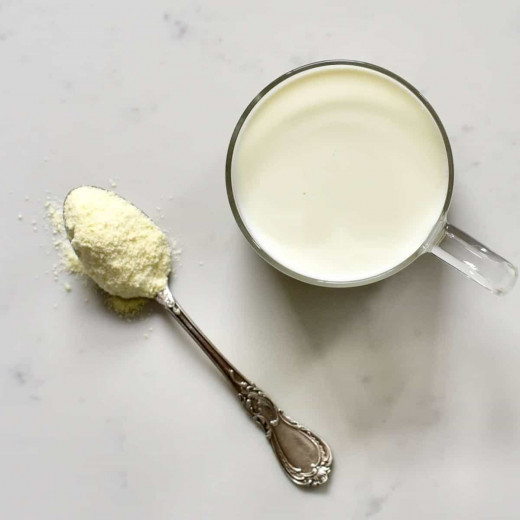
How to Make Powdered Milk at Home
Are you tired of running out of milk and having to make an extra trip to the store? Have you ever considered making your own powdered milk at home? Not only is it convenient, but it's also cost-effective and easy to do! In this blog post, we'll explore what powdered milk is and its benefits. We'll also share with you a step-by-step guide on how to make powdered milk at home along with some delicious recipes that use this versatile ingredient. Get ready to become a DIY master in the kitchen!
What is Powdered Milk?
Powdered milk, also known as dried milk, is a type of dairy product made by evaporating fresh whole milk until it has no more moisture content. The remaining powder is then packaged and sold in stores for consumers to use in various cooking and baking recipes or to reconstitute into liquid form.
One of the main benefits of powdered milk compared to regular liquid milk is its longer shelf life. Powdered milk can last up to several months or even years when stored properly in an airtight container at room temperature.
Another advantage of powdered milk is its convenience and versatility. It's lightweight, easy to store, and can be used in many different dishes such as breads, soups, sauces, desserts, and even coffee.
While some people may turn their nose up at the thought of using powdered milk instead of fresh liquid milk, it's important to note that there are high-quality options available on the market that taste just as good if not better than traditional liquid milk.
Powdered milk offers many benefits for those looking for a convenient and long-lasting alternative to regular liquid dairy products.
The Benefits of Powdered Milk
Powdered milk is a great alternative to fresh milk, especially when it comes to long-term storage. But what are the benefits of using powdered milk? Here are some reasons why you might consider adding this versatile ingredient to your pantry:
Firstly, powdered milk is an excellent source of protein and calcium. One cup of non-fat powdered milk contains approximately 8 grams of protein and 300 milligrams of calcium. These nutrients are essential for building strong bones and muscles.
Secondly, powdered milk can save you money in the long run. Fresh milk has a short shelf life and can spoil quickly if not used up in time. Powdered milk, on the other hand, can last for months or even years without spoiling.
Thirdly, powdered milk is also incredibly convenient to use. It dissolves easily in water making it perfect for cooking or baking recipes that require dairy ingredients like cakes and bread.
Powdered milk is an ideal option for people who have lactose intolerance since its lactose content is significantly lower than fresh cow's milks while still providing similar nutritional value.
There are numerous benefits associated with using powdered milks over fresh ones which makes them an obvious choice as a healthy food alternative!
How to Make Powdered Milk at Home
To make powdered milk, start by pouring fresh whole milk into a large pot or saucepan. Heat the milk over medium heat until it reaches a temperature of 180°F. Once the desired temperature has been reached, remove the pan from the heat source and allow it to cool down completely.
Next, pour the cooled down milk into a blender or food processor and blend until smooth. The goal is to create an even consistency throughout all of the liquid.
Then, line a baking sheet with parchment paper and pour your blended mixture onto it. Spread out evenly so that there are no clumps or uneven spots on your tray.
Place your tray in an oven set at 150°F for several hours (usually around six). Check occasionally to ensure that everything dries evenly without scorching or browning too much.
Once dry, you should be left with fine powdery flakes which you can store in an air-tight container for up to several months!
Recipes Using Powdered Milk
Powdered milk is not only a great alternative to fresh milk, but it's also versatile in cooking and baking. Here are some recipes that use powdered milk that you can try at home.
First up, homemade hot chocolate mix! Mix together powdered sugar, cocoa powder, and powdered milk for an easy-to-make hot chocolate mix. Just add hot water or warm milk.
Another recipe you can try is no-bake cookies with peanut butter and oats using powdered milk as a binding agent. This makes the cookies more nutritious too!
You can also make your own condensed milk by mixing equal parts of powdered sugar and powdered milk with warm water until smooth. This is perfect for making desserts like caramel slices or key lime pie.
For savory dishes, you can use powdered milk in creamy soups or sauces to add richness without adding extra fat. It's also great for making cheese sauces for macaroni and cheese!
In summary, there are plenty of ways to incorporate powdered milk into your cooking and baking repertoire. Give these recipes a try and let your creativity flow!
In conclusion, making powdered milk at home is simple and easy. It requires only a few ingredients, minimal equipment and can be done in just a few minutes. The benefits of homemade powdered milk are numerous; it saves money, reduces waste and ensures that you have fresh, high-quality milk powder on hand whenever you need it.
Whether you're using powdered milk for baking or to add to your coffee or tea, the recipes available online make it easy to incorporate into your daily routine. Plus, since homemade powdered milk has no added preservatives or chemicals like store-bought versions do, you can feel good about consuming a healthier product.
So why not give making your own powdered milk a try? You might be surprised by how easy and delicious it is!
8 Surprising Health Benefits of Drinking Coffee

8 Surprising Health Benefits of Drinking Coffee
If you're like many people, your day doesn't officially start until you've had that first cup of coffee. But did you know that this beloved drink offers more than just a pick-me-up? That's right – drinking coffee has been linked to a wide range of health benefits that may surprise you.
From boosting energy and brain power to reducing cancer risk and helping you live longer, the benefits of coffee are truly impressive. So grab a mug and settle in as we explore 8 surprising health benefits of drinking coffee!
8 Surprising Health Benefits of Drinking Coffee
1. Coffee Can Improve Energy Levels and Make You Smarter
If you're feeling sluggish and in need of a mental boost, coffee may be just what the doctor ordered. That's because caffeine, the primary active ingredient in coffee, is a natural stimulant that can help improve energy levels and brain function.
When you drink coffee, the caffeine travels to your brain and blocks the effects of adenosine, a neurotransmitter that makes you feel tired. As a result, you feel more alert and focused – perfect for those early morning meetings or late-night study sessions.
But that's not all: research has also shown that drinking coffee can enhance cognitive function by improving memory recall and reaction time. In fact, studies have found that regular coffee drinkers score higher on tests measuring cognitive performance than non-coffee drinkers.
So if you want to improve your energy levels and give your brain a boost at the same time, reach for a cup of joe!
2. Coffee Can Help You Burn Fat
Coffee is not just a delicious morning beverage, it can also help boost your metabolism and aid in weight loss. Studies have shown that caffeine found in coffee can increase the metabolic rate by up to 11%, resulting in more calories being burned throughout the day.
But how does this work? Caffeine helps stimulate the central nervous system, which leads to increased adrenaline levels. This process signals fat cells to break down body fat into free fatty acids, making them available as fuel for the body.
Moreover, coffee is an excellent source of antioxidants which can help reduce inflammation and improve insulin sensitivity. In turn, these benefits may lead to better blood sugar control and less risk of developing type 2 diabetes.
It's worth noting that while drinking coffee alone isn't a magic solution for weight loss, incorporating it into an overall healthy lifestyle with regular exercise and balanced nutrition can certainly enhance its effects on burning fat. So if you're looking for an extra boost to your weight loss journey or simply want to maintain a healthy metabolism, adding some black coffee without added sugars or creamers might just do the trick!
3. Coffee Can Help You Exercise Better
Coffee is not only a great way to start your day, but it can also help you exercise better. It contains caffeine which is a natural stimulant that helps to stimulate the central nervous system and increase metabolism. This means that when consumed before exercise, coffee can help improve your performance during workouts.
Research suggests that consuming coffee before exercising can lead to an increase in energy levels and endurance. This is because caffeine helps your body use fat as fuel instead of glycogen stored in muscles, which can delay fatigue and provide more sustained energy during long periods of exercise.
Moreover, studies have shown that people who drink coffee before working out tend to experience less muscle pain during their workout sessions compared to those who do not consume any caffeinated beverages.
However, it's important to note that excessive consumption of coffee may lead to negative side effects such as jitters or anxiety. Therefore, moderation is key when using coffee as a pre-workout supplement.
Incorporating moderate amounts of coffee into your pre-workout routine could potentially improve your athletic performance by providing increased energy levels and delaying fatigue during extended periods of physical activity.
4. Coffee Can Lower Your Risk of Death
If you're a coffee lover, here's some good news – drinking coffee can lower your risk of death. Studies have shown that regular consumption of coffee is associated with a reduced risk of premature death from various causes.
One study conducted over 16 years found that individuals who drank three to five cups of coffee per day had a 8% lower risk of premature death compared to those who didn't drink any coffee at all. Another study showed similar results, stating that people who consumed two to four cups daily had an 18% lower chance of early mortality than non-coffee drinkers.
But why does this happen? Coffee contains antioxidants and other beneficial compounds that help reduce inflammation in the body. Chronic inflammation has been linked to numerous health problems, including heart disease and cancer, which are among the leading causes of death worldwide.
Coffee also contains caffeine, which stimulates the central nervous system and helps improve cognitive function. It may also boost metabolism and promote weight loss by suppressing appetite.
While these findings are encouraging for those who enjoy their daily cup(s) o' joe, it's important to note that excessive intake can have negative effects on health as well. As with most things in life, moderation is key when it comes to reaping the benefits without harming yourself in the process.
5. Coffee Can Reduce Your Risk of Cancer
Drinking coffee has been shown to have some surprising health benefits, including a lower risk of developing certain types of cancer. Multiple studies have found that regular consumption of coffee is associated with a decreased risk of liver cancer, colorectal cancer, and breast cancer.
One study conducted in Japan showed that participants who drank three or more cups of coffee per day had significantly lower rates of liver cancer than those who drank less than one cup per day. Another study found that drinking four or more cups per day was associated with a 20% lower risk of developing colorectal cancer.
The antioxidants and anti-inflammatory compounds found in coffee are believed to be responsible for its potential protective effects against certain cancers. These compounds help to reduce inflammation and prevent DNA damage caused by free radicals.
It's important to note that while there is evidence supporting the belief that coffee can reduce the risk of some types of cancers, it should not be relied on as the sole method for preventing these diseases. Maintaining a healthy diet, exercising regularly, avoiding tobacco products and excessive alcohol consumption are also key factors in reducing your overall risk.
Incorporating moderate amounts (3-4 cups) into your daily routine may potentially offer protection against certain types of cancers. However, it’s always best to consult with your healthcare provider before making any significant changes to your diet or lifestyle habits.
6. Coffee Can Protect Your Brain
Coffee is not only a mind booster, it can also protect your brain. Research suggests that coffee may help prevent against neurological conditions such as Alzheimer's and Parkinson's disease.
Studies have shown that caffeine in coffee can boost brain function by blocking the inhibitory neurotransmitter adenosine. This increases other neurotransmitters like norepinephrine and dopamine, which helps improve cognitive functions like memory, mood, reaction time and overall mental performance.
Moreover, drinking coffee regularly has been linked to a reduced risk of developing Alzheimer’s disease. A study revealed that people who drink 3-5 cups of coffee per day had about a 65% decreased chance of developing dementia or Alzheimer’s compared to those who did not consume any caffeinated beverages.
Additionally, some studies have found that drinking coffee may lower the risk of Parkinson’s disease by up to 60%. The caffeine in coffee acts as a stimulant for the central nervous system which can reduce tremors and rigidity associated with this condition.
Incorporating moderate amounts of coffee into your daily routine could potentially provide protective benefits for your brain health over time. Just remember moderation is key!
7. Coffee Can Improve Your Mood
One of the most well-known benefits of drinking coffee is its ability to improve your mood. This is because caffeine, the primary active ingredient in coffee, stimulates the release of dopamine and other neurotransmitters that regulate mood and emotions.
When you drink coffee, you may feel more alert and focused than before. This can help increase your productivity and reduce feelings of stress or anxiety that may be weighing on your mind.
Moreover, studies have shown that people who drink coffee regularly are less likely to experience symptoms of depression. In fact, one study found that women who drank four cups of coffee a day had a 20% lower risk of developing depression compared to those who consumed little or no caffeine.
However, it's important to remember that moderation is key when it comes to consuming caffeine. Too much coffee can lead to jitteriness and increased heart rate which can negatively impact your mood instead.
Therefore, if you're looking for a quick pick-me-up during a busy workday or simply want an easy way to boost your spirits in the morning - go ahead and enjoy your cuppa joe!
8. Coffee Can Help You Live Longer
Did you know that drinking coffee can actually help you live longer? Studies have found a link between coffee consumption and a reduced risk of death from various causes, including heart disease, stroke, and diabetes.
One study conducted by Harvard University followed over 200,000 participants for up to 30 years and found that those who drank one to five cups of coffee per day had a lower risk of death from cardiovascular disease, neurological diseases such as Parkinson's and Alzheimer's, as well as suicide.
Another study published in the Journal of the American Medical Association found that people who drank at least four cups of coffee per day had an 18% lower risk of premature death compared to those who didn't drink coffee.
But how does coffee help us live longer? One theory is that the antioxidants present in coffee may play a role in reducing inflammation and preventing damage to our cells. This can ultimately lead to a decrease in chronic diseases that contribute to early mortality.
It's important to note that while these studies suggest a potential link between coffee consumption and longevity, it doesn't necessarily mean drinking more than your usual amount will guarantee a longer life. It's all about moderation - too much caffeine can cause negative side effects like anxiety or insomnia.
So go ahead and enjoy your morning cup of joe! Just remember not to go overboard with it.
As we've explored in this article, coffee is not just a delicious beverage that helps us wake up in the morning, but it also offers numerous health benefits. From boosting brain function to reducing inflammation, drinking coffee can have positive effects on our overall well-being.
However, it's important to note that everyone's body reacts differently to caffeine and too much of it can lead to negative side effects such as anxiety or insomnia. It's crucial to listen to your body and consume coffee in moderation.
In addition, not all types of coffee are created equal when it comes to their health benefits. Choosing high-quality beans and brewing methods can make a significant difference in the nutritional value of your cup of joe.
While enjoying a cup of coffee every day may offer several potential health perks, it's essential to be mindful of how much you're consuming and what kind you're drinking for optimal results.
Homemade Peanut Butter: Complete Step-by-Step Guide to Making Peanut Butter at Home Introduction to Homemade Peanut Butter

Homemade Peanut Butter: Complete Step-by-Step Guide to Making Peanut Butter at Home
Introduction to Homemade Peanut Butter
Peanut butter is one of the most popular and widely consumed food spreads in the world. It is commonly used on bread, sandwiches, biscuits, and in many cooking recipes. Apart from its delicious taste, peanut butter is also highly nutritious because it contains healthy fats, proteins, vitamins, and minerals that support overall body health.
In recent years, many people have developed an interest in homemade food production. Individuals are now learning how to produce simple household products such as soap, juice, cooking oil, and peanut butter from home. This trend has been influenced by the availability of information on the internet, including online articles, educational blogs, and YouTube videos that provide step-by-step guides for home production.
Making peanut butter at home has several advantages. First, it allows families to reduce the cost of buying commercial peanut butter from shops. Second, homemade peanut butter often contains fewer preservatives and artificial ingredients, making it healthier. Third, learning how to produce peanut butter at home can open opportunities for small-scale business ventures, especially for people who want to start home-based food businesses.
Groundnuts, also known as peanuts, are widely available in many countries and are relatively affordable. Because of this availability, producing peanut butter at home can be done easily using simple kitchen tools and ingredients.
This article provides a complete and practical guide on how to manufacture peanut butter at home. The steps explained in this guide are simple and do not require advanced knowledge or expensive equipment. By the end of this article, you will understand the entire peanut butter production process, from preparing groundnuts to packaging the final product.
Additionally, this guide will help you understand how homemade peanut butter production can be turned into a small-scale income-generating activity in your community.
Benefits of Making Peanut Butter at Home
Before learning the production steps, it is important to understand why many people prefer homemade peanut butter.
Health Benefits of Homemade Peanut Butter
Homemade peanut butter often contains natural ingredients without unnecessary additives. This makes it a healthier option compared to many commercial products.
Nutritional Advantages
Peanut butter contains important nutrients such as:
- Protein for muscle development
- Healthy fats for energy
- Vitamin E for skin health
- Magnesium for bone strength
- Fiber for digestion
Because homemade peanut butter contains fewer preservatives, it helps maintain these natural nutrients.
Cost Savings
Buying peanut butter regularly from shops can be expensive over time. Producing it at home using locally available groundnuts significantly reduces the cost.
Example of Cost Advantage
- Groundnuts are often cheaper when purchased in bulk.
- A small amount of salt and oil is required.
- The same ingredients can produce several jars of peanut butter.
This makes homemade peanut butter an economical option for families.
Opportunity for Small-Scale Business
Learning how to make peanut butter can also become a source of income.
Small Business Potential.
Once you master the process, you can:
- Package peanut butter in small jars
- Label your product
- Sell to local shops or markets
- Supply schools, restaurants, or households.
Many successful food businesses started from simple home production like this.
Materials Required for Making Peanut Butter at Home
Before starting the manufacturing process, it is important to gather all the required materials and ingredients.
Essential Ingredients
The primary ingredient for peanut butter production is groundnuts.
Ingredients List
- Raw groundnuts (peanuts)
- Salt
- Small amount of cooking oil (optional)
Salt improves flavor, while cooking oil helps create a smoother texture.
Tools and Equipment
You will also need a few basic tools for the production process.
Required Equipment
- Frying pan
- Heat source (charcoal stove, gas cooker, or electric stove)
- Powerful blender or crusher
- Spoons
- Clean containers or bottles for storage
These tools are commonly available in most households.
Steps Followed When Making Peanut Butter at Home
The following steps explain the entire peanut butter manufacturing process. Each step must be followed carefully to ensure the final product is smooth, tasty, and safe for consumption.
Step 1: Gather All Materials and Ingredients
Preparing for Production
The first step in manufacturing peanut butter at home is gathering all the required materials and ingredients.
Why Preparation is Important
Preparation helps ensure that the production process runs smoothly without interruptions.
You should ensure that:
- Groundnuts are clean and free from stones or dirt
- Equipment is properly washed and dried
- Containers for storage are clean
Maintaining hygiene is very important when producing any food product.
Step 2: Roasting the Groundnuts
Importance of Roasting
Roasting is one of the most important steps in peanut butter production.
Why Roasting is Necessary
Roasting helps to:
- Improve the flavor of groundnuts
- Reduce moisture content
- Make peeling easier
- Enhance aroma and taste
Without roasting, peanut butter will have a raw taste and poor texture.
How to Roast Groundnuts Properly
To roast groundnuts at home, follow these steps carefully.
Roasting Procedure
- Place the groundnuts in a frying pan.
- Put the frying pan on a moderate heat source.
- Stir the groundnuts continuously to prevent burning.
- Roast until the groundnuts become slightly brown and produce a pleasant aroma.
Avoid overheating the groundnuts because excessive heat can cause burning and bitterness.
After roasting, remove the groundnuts from heat and allow them to cool.
Step 3: Peeling the Groundnuts
What is Peeling?
Peeling is the process of removing the outer skin of roasted groundnuts.
Importance of Peeling
The outer skin can affect the texture and color of peanut butter. Removing it ensures that the final product becomes smooth and attractive.
Peeling Process
Once the roasted groundnuts have cooled, begin removing their skins.
How to Peel Groundnuts
- Rub the roasted groundnuts between your hands.
- The outer skins will separate from the nuts.
- Blow away or sift out the skins.
At the end of this process, you should have clean roasted groundnuts ready for grinding.
Step 4: Crushing the Groundnuts
Importance of Crushing
Crushing or grinding the roasted groundnuts is the stage where peanut butter begins to form.
Equipment for Crushing
You can use:
- A powerful blender
- A food processor
- A grinding machine
- A manual crusher
A powerful blender is the most common tool used at home.
Crushing Procedure
To crush the groundnuts effectively:
Grinding Process
- Place the roasted and peeled groundnuts in the blender.
- Turn on the blender for several seconds.
- Continue blending until the nuts begin forming a powder-like texture.
At first, the groundnuts will appear dry and crumbly. This is normal.
As blending continues, natural oils in the peanuts will begin to release, forming a paste.
Step 5: Mixing Ingredients
Adding Flavor Ingredients
Once the peanut powder begins turning into paste, you can add additional ingredients to improve taste and texture.
Ingredients to Add
- Salt (¼ spoon per 2 cups of groundnuts)
- Small amount of cooking oil (optional)
Salt improves flavor, while oil helps create smoother peanut butter.
Final Blending
After adding ingredients, continue blending.
Blending Process
- Turn on the blender again.
- Blend the mixture for about 1–2 minutes.
- Continue until the mixture forms a smooth, porridge-like consistency.
At this stage, the mixture has officially become peanut butter.
Step 6: Packaging the Peanut Butter
Removing the Peanut Butter
Once the desired consistency is achieved, remove the peanut butter from the blender.
Packaging Process
- Use a clean spoon to transfer peanut butter into containers.
- Fill the containers carefully.
- Close the containers tightly.
Proper packaging helps maintain freshness and prevents contamination.
Labeling for Business Purposes
If you intend to sell the peanut butter, proper packaging and labeling are important.
Labeling Information
Labels may include:
- Product name
- Production date
- Ingredients
- Contact information
This improves the professional appearance of your product.
Time Required for Homemade Peanut Butter Production
One of the advantages of making peanut butter at home is that the process is quick.
Estimated Production Time
The entire process typically takes about 20 minutes.
Time Breakdown
- Roasting and cooling: 10–15 minutes
- Peeling: 2–3 minutes
- Crushing and mixing: 3–5 minutes
This means peanut butter can be produced quickly whenever needed.
Tips for Producing High-Quality Peanut Butter
To produce peanut butter with excellent quality, consider the following tips.
Use Fresh Groundnuts
Fresh groundnuts produce better flavor and aroma.
Avoid Over-Roasting
Over-roasting can cause bitterness and dark color.
Maintain Clean Equipment
Clean equipment prevents contamination and improves product safety.
Adjust Texture
If peanut butter is too thick, add a small amount of oil and blend again.
Storage of Homemade Peanut Butter
Proper storage is important to maintain quality.
Storage Methods
Peanut butter can be stored in:
- Airtight containers
- Glass jars
- Plastic bottles
Shelf Life
Homemade peanut butter usually lasts:
- 2–3 weeks at room temperature
- Up to 2 months when refrigerated
Avoid exposing peanut butter to moisture or direct sunlight.
Business Opportunities in Peanut Butter Production
Learning how to produce peanut butter can open several income opportunities.
Small-Scale Production Business
You can start a small business by producing peanut butter in your home kitchen.
Possible Customers
- Local grocery shops
- Schools
- Restaurants
- Street vendors
- Households
Scaling Up Production
Once demand increases, production can be expanded.
Expansion Ideas
- Buy a larger grinding machine
- Improve packaging
- Register your brand
- Sell in supermarkets
Many successful food brands started with small home production.
Conclusion
Homemade peanut butter production is a simple and practical process that anyone can learn. By using basic kitchen tools and affordable ingredients, individuals can produce nutritious peanut butter within a short period of time.
The process mainly involves roasting groundnuts, peeling them, crushing them into powder, mixing ingredients, and packaging the final product. These steps are easy to follow and require very little technical knowledge.
Apart from helping households reduce food expenses, learning how to make peanut butter can also create small-scale business opportunities within local communities. Individuals who master this process can package their peanut butter professionally and sell it in local markets, shops, or schools.
With proper hygiene, quality ingredients, and good packaging, homemade peanut butter can become both a healthy food option and a profitable small business venture.
Homemade Peanut Butter Step by Step
Steps to Manufacture Peanut Butter at Home
Nowadays a lot of individuals are getting interested in learning a few steps which could make them able to manufacture different things are home and this could include home soap, home sugar among others.
Similarly, a lot of online articles and YouTube videos are getting published everyday which gives step by step details on home manufacturing.
This article will provide in detail on how you can manufacture peanut butter at home and does not require you to have any prior knowledge.
By the end of this article, you will be able to manufacture peanut butter at home, which will help you lower your home spending on food complements like peanut butter.
This article will also help you awaken your knowledge potential as you could easily start small scale peanut butter manufacturing in your local area which could make you earn a few dollars, which could improve your living.
Steps Followed When Making Peanut Butter at Home
The following are the key points which you must consider for you to successfully manufacture peanut butter at home. Make sure you understand each and every step as well as its specific requirements.
Step 1: Gather materials
The first step for successful manufacturing of peanut butter at home is to gather the required materials. In our manufacturing, we will need the following ingredients and tools; Groundnuts, powerful blender or any powerful crusher, salt, little cooking oil, spoons, frying pan, heat source among others.
Step 2: Roasting and Peeling
The second step to manufacture home peanut butter is to put the Groundnuts in a frying pan then place it on heat a little and remove it to allow it to cool. Make sure it just get warm, the purpose of doing this is to make peeling easy.
Once it gets cooled, you need to remove the outer skin of roasted Groundnuts and this process is called peeling, where by an outer layer (skin) of Groundnut is removed.
Step 3: Crushing and Mixing
The third step which is required during local manufacturing of peanut butter at home is crushing, which is a very crucial stage.
Having removed the outer skin through peeling process, you then need to transfer the roasted peeled Groundnuts into a crusher, and for successful results, it needs to be a powerful one which could successfully crush the peeled Groundnuts into a powder like structure.
At this stage, a few people are able to use a powerful blender which is able to crush the roasted peeled Groundnuts to powder like structure.
During this stage, make sure you crush for a few seconds until powder like structure starts to form, then you need to add a little salt, which is just quarter a spoon per 2 cups of peeled Groundnuts.
During this stage, you could also add a little oil which is just quarter a spoon per 2 cups of peeled Groundnuts.
Once you have added these ingredients, you need to turn on the powerful blender again to aid the mixing (blending) until the porridge like structure starts to form.
Once the porridge like structure has started to form, it's the time you need to turn off your crusher or blender and remove your porridge like structure, which is then called peanut butter and pack it, in containers ready for use.
It is also at this stage where you could package them in small bottles, which bear labelling of your choice ready for market, taking an opportunity within your local area.
It must be noted that the whole peanut butter local manufacturing process, takes an approximate time of 20 minutes since we include the process of roasting and peeling, which takes a little time.
The crushing and mixing process can only take an approximate time of 3 minutes.
In conclusion, this article has uncovered 3 steps which are used to locally manufacture peanut butter at home from Groundnuts. Among others the steps, it involves roasting and Peeling of Groundnuts, which is then followed by crushing and mixing.
The article has gone further to uncover an opportunity which can be created within your local area as during the last stage you could pack your peanut butter in small bottles, which are well labeled ready for marketing, making full use of your knowledge potential.
How to Make Sugar From Sugarcane at Home

Manufacturing Sugar Locally From Sugarcane
Nowadays a lot of people, especially in the developing countries are interested in learning a few production steps which could help them manufacture some goods which are costly while at the same time basic needs, such that a day cannot pass without consuming or using them.
Some individuals are able to take the knowledge gap which exists between less educated rural individuals to peri–urban or urban ones who are fairly educated in most cases, as their opportunity to learn a few production steps and start manufacturing essential things, which are in higher demand, such that a day cannot pass without a good number of them consuming or using it.
This blog will give in detail on how to make sugar locally and it will explain step by step processes which, when you follow them carefully, you will be able to manufacture your own sugar from sugarcane which will act as our raw material.
Making Sugar From Sugarcane Step by Step

To be able to manufacture sugar locally from sugarcane, the following steps need to be followed. In our steps, we assume the sugarcane which will act as our raw material is readily available for production of sugar. In our discussion, we have also assumed that the person in doing, does not have a juice extracting machine which cost around 300-1200 dollars.
Step 1: Peel the sugarcane
The first step to locally manufacture sugar from sugarcane is to peel the sugarcane which involves removing the outer skin of the sugarcane. This step is very important as it makes sugar juice extraction in subsequent steps, much easy. Peeling the sugarcane can be done by using a sharp knife and it can be done while the sugarcane is in small parts.
Step 2: Cut small pieces from peeled sugarcane

After the sugarcane which are in small parts, have been peeled, the next step is to cut the peeled sugarcane into small pieces and this can also be completed by a sharp knife. The purpose of cutting the peeled sugarcane into small pieces is to ease juice extraction in our subsequent steps.
Step 3: Pound peeled small pieces using mortar and pestle

After successfully making the peeled sugarcane into small pieces, the next step is to pound the small pieces in our local mortar, using a pestle. This process can also be completed using an electric blender. The purpose of pounding is to make the juice extraction much easy in our subsequent steps as well. Keep in mind that we are using our local way to manufacture sugar from sugarcane.
Step 4: Squeeze the pounded sugarcane to extract the juice

After successfully pounding the sugarcane which makes it very small pieces, the next step is to squeeze the sugarcane to extract juice. This process can involve you putting the pounded sugarcane on a clean cloth, and apply much force which will result the juice being extracted from the pounded sugarcane. This process can also be completed by putting the pounded sugarcane in a pot, adding a hot water and put them on fire for a few minutes, then allow them to cool and squeeze to remove the remaining juice which does not come out of the sugarcane during the heating.
Step 5: Separate juice from molasses using filtration method
After successfully squeezing which makes the juice to be extracted from sugarcane, the next step is to separate the juice from molasses through filtration method. With this method, the squeezed sugarcane which is a combination of juice and molasses are put on a permeable membrane which is made up of a loose cloth, to allow the juice to penetrate the membrane, leaving the sugarcane molasses only. The juice which is being separated needs to be collected in a pot, ready for heating in the next subsequent steps.
Step 6: Separate water from sugar in a juice through evaporation

After successfully collection of sugarcane juice in a pot, the next step is to put the juice on heat to separate water from sugar which is in Sugar juice. This process, enables the liquid (water) on the sugarcane juice to vaporize leaving the sugar. This process needs to be done carefully.
The time taken to complete this process depends on the quantity of sugar juice and the strength of heating source. Make sure the heating is completed when the juice has formed a porridge like structure, which does not turn completely to brown. When the porridge like structure has been formed, make sure you remove the pot and allow it to cool.
Step 7: Pound the cooled porridge like structure
After allowing the porridge like structure to cool, the next step is to put it in the mortar and pound it using a pestle. This process can also be completed using an electric blender. The purpose of this is to make small sugar pieces, which we use in our daily basis.
Step 8: Remove the pounded sugar and pack them

After successfully manufacturing of the sugar using the above steps, the next step is to remove the sugar from the mortar or blender and pack them ready for market. This process is very important as quality of packaging materials is known to have a direct relationship on selling.
Last but not on the list, after successfully packing your sugar which has been manufactured locally, the next step is to advertise your product in shops and potential places. When you get more orders than you initially expected, you could then buy the juice extraction machine which could have a capacity of processing 350kg of sugarcane per hour and this could make you able to produce on a large scale basis, matching your market demand. Electric juice extraction machines cost a range of $200– $1400.
In conclusion, this article has given in detail steps which are used to manufacture sugar from sugarcane using local methods. Among others, the steps can be summarized by, peeling the sugarcane, cutting to make them smaller, pounding, squeezing, filtration, evaporation, cooling and pounding again. The article has also given a tip which could enable you to make more sales on your sugar which has been manufactured locally.
8 Nutritional Benefits of Tomatoes

8 Nutritional Benefits of Tomatoes
As of today, some people are still confused about whether a tomato is a fruit or a vegetable. Strictly speaking, a tomato is considered a fruit because fruits are formed from the ovary in the base of the flower and contain the seeds of the plant.
The tomato is considered the most popular vegetable edible fruit. The tomato fruit is rich in lycopene. Lycopene is a carotenoid that is present in tomatoes, have beneficial health effects. Carotenoid lycopene is involved in cancer prevention, reducing the risk of cardiovascular disease, and limiting the mortality of other chronic diseases. This article will uncover 8 nutritional benefits of tomatoes.
Nutrients
Tomato fruit contains vitamins A, C, and K. It is also a good source of niacin, chromium, and potassium. Vitamin C from tomato fruit protects the body from free radicals, which destroy the healthy cells in the body. Niacin from tomato fruit helps to lower triglyceride, a fat present in our blood. Tomatoes are also rich in lycopene, a compound that gives tomatoes their color.
Different studies have shown that tomato and its tomato product consumption is associated with a reduced risk of; Ovarian cancer, especially in premenopausal women, digestive tract cancers (mouth, throat, esophagus, pancreas, colon and rectum) and cardiovascular disease.
8 Benefits of Tomatoes
The following are some of the benefits of consuming tomatoes.
1) Cancer protection
Tomato fruit is an excellent source of vitamin C and other antioxidants which help combat the formation of free radicals, which are known to cause cancer and heart diseases. Tomatoes provide potassium and the carotenoids alpha- and beta- carotene, lutein, and lycopene. These are known to decreased colorectal cancer risk.
2) Blood pressure
Tomato fruit and its product provide potassium, which promotes healthy blood pressure levels. Increasing potassium intake through tomato consumption is important because it helps in widening effect on the arteries.
3) Heart health
Tomatoes are rich in fiber, potassium, vitamin C, and choline, which support heart health. An increase in potassium intake through tomato consumption, along with a decrease in sodium intake, is the most important dietary change to reduce risk of cardiovascular disease.
Tomato fruit and its product contain folate, which helps to balance homocysteine levels. Homocysteine is an amino acid that results from protein breakdown. It is said to increase the risk of heart attacks and strokes. Tomato intake also protects the muscles.
4) Diabetes
Fresh, whole tomatoes have low glycemic index (GI) score, which make sugar to be slowly released into the bloodstream and is unlikely to trigger a blood sugar spike.
Studies have shown that people with type 1 diabetes who consume high-fiber diets from tomatoes have lower blood glucose levels, while people with type 2 diabetes may have improved blood sugar, lipids, and insulin levels. Research has concluded that taking one cup of cherry tomatoes provides about 2 grams of fiber.
5) Constipation
Tomato consumption helps preventing both constipation and diarrhea, by keeping the digestive system healthy. Eating foods that are high in water content and fiber, such as tomatoes, help you in hydration and support normal bowel movements of your body. Tomatoes are often described as a laxative fruit.
6) Eye health
Tomatoes are also rich in lycopene, which helps protect the eyes from development of age-related macular degeneration and cataracts. Tomato fruit and its product help protect the eyes from light damage.
Tomatoes are also a rich source of lycopene, lutein, and beta-carotene, which are powerful antioxidants that have been shown to protect the eyes against light-induced damage, the development of cataracts, and age-related macular degeneration (AMD).
Studies have shown that the lycopene present in ocular tissues helps prevent light-induced damage to the retina and other areas of the eye. Tomato fruit and its product also are an excellent source of vitamin C, another vision protector.
7) Skin
Tomato fruit and its product help reduce excess sebum on the skin's surface, preventing oil build up, which further reduces the chances of blackheads and whiteheads, due to their astringent properties. Tomatoes have pore-shrinking properties, which help tighten the skin, which greatly reduce chances of acne and pimples.
8) Pregnancy
Tomato consumption helps pregnant women deal with the stress of pregnancy. Pregnant women also benefit the foetus in their womb. Vitamin C in tomatoes helps in better absorption of iron that pregnant women need.
Storing Tomatoes
Tomatoes should not be refrigerated, instead it should be stored above 50°F to avoid flavor and quality loss. Handle your tomatoes with care to avoid bruising. Tomato products should be stored at room temperature unless the container states otherwise.
In conclusion, this article has taken a look at 8 health benefits of eating tomatoes. Among others, the article has uncovered that, prevention of cancer, good eyesight and helping pregnant women, are some of the healthy benefits of consuming tomatoes.
6 Ways to End or Reduce Poverty

How to Reduce or End Poverty
As the world is changing, a lot of things are happening, some individuals are getting rich while some the situation is getting worse everyday as they cannot be able to provide food, clothes and shelter themselves, which are considered as basic requirements in life.
As of today, a lot of studies have been conducted and a lot of theories have been derived which aims at finding possible ways of eliminating poverty in the world.
Much as this is the case, it is not all as a lot of online articles which target on reducing or offering complete end solutions to poverty are getting published everyday.
Some of these online theories and articles which offers an end to poverty have helped millions of individuals and organizations, while some do not help at all.
This article will try to incorporate new ways which can be used to alleviate poverty in your local areas or any related areas where people could not offer basic life requirement themselves.
6 Ways to End or Reduce Poverty
The following are the key points which could help you to end poverty in your local area.
1. Training the target group on local manufacturing
Nowadays a lot of organizations are able to offer donation to people who could not be able to provide basic needs for themselves. These donations keep their life on going, but they do not offer a permanent solution to end their poverty. Usually, most of the organizations run projects which target helping the poor, but the problem which is common is that almost each and every project has a time frame.
An example, could be a project which gives $15 a month to the people living in abject poverty for 5 years, which means after 5 years, the project would come to an end, leaving the affected individuals hopeless.
To end poverty, the best way to go should involve offering free training to people on local manufacturing and these people should be those who cannot be able to offer basic life requirement themselves.
You could for example train them on how they could be able to manufacture sugar locally, which involves peeling and cutting the Sugarcane, which is later followed by juice extraction and evaporation, and cooling process.
You could also train them on local manufacturing on homemade soap which requires, caustic soda, Palm oil, perfume, dye and Jerry and steps to manufacture home soap can be found on YouTube and other online articles and are simple and straight forward.
Having trained the target group, you could then support them with capital, which acts as an engine of transformation.
Offering training on local manufacturing and capital only to the target is not considered complete as you need also to train them on how they could market their products. Through this poverty in your local area can easily get eliminated.
2. Transformation
The second way of reducing poverty in your local area is through a transformation process which involves changing the mindset of a target group to realize the current existing potential which they already have. Some individuals are living in abject poverty, but yet they have hectares of land which are left idol.
Offering free training which targets of mindset change helps to awaken their minds to start realizing that, what they already have, could be used as a strong weapon to end their life problem.
3. Education
Education is considered a third way which can help alleviate poverty among the target group. When people are getting educated, their level of thinking and understanding of things changes, and some who were in abject poverty could start trying to find the possible solutions which could help them graduate from the poverty line as they could easily be inventive and innovative.
4. Re-location of affected group
Re-location of the target group is considered the third solution which helps to reduce the level of poverty as some people are living in abject poverty because of the geographical nature of their location. An example here, could be people who are highly knowledgeable about Agriculture, but the areas where they are staying does not have a good fertile land hence the re-location could be vital.
Another example, could be those areas with no any valuable resource which could be used as the weapon for transformation, the best way could be re-location.
Some people in rural areas are able to visit peri-urban or urban areas in search for the job as those areas are considered to have higher job opportunities, through this people get re-located too.
5. Improvement in health sector
The fifth way to reduce poverty is by having an improved health sector and try to make it free and accessible almost to everyone as it is known that people who are health, plays an important role in national development and it is these people too, who could be finding real solutions in there areas on how to mitigate the challenges of poverty in there areas.
6. Climate change solutions
The sixth way of alleviating the impact of poverty is by finding solutions which help to deal with climate change challenges.
Climate change relates to poverty in that, a good fertile land which is rich with fertile soil could easily be turned into a dessert due to human activities which are bad and this in turn may affect the rainfall pattern. Good fertile soil here, we assume the land has some trees which help in rain cycle.
In this way, finding solutions which target in climate change could also indirectly helps to minimize the extent of poverty, which affects some individuals in different countries and places.
In conclusion, this article has taken a look at the 6 ways which could be used to reduce or ends poverty in your area. Among others, the article has uncovered that education, training target group on local manufacturing, transformation, re-location are some of the possible solutions which could mitigate poverty.
7 Ways to Lose Weight Fast

7 Ways to Lose Weight Fast
Nowadays there are numerous information on the internet on what one needs to do for him/her to lose weight as fast as possible.
Some information is backed by scientific research while other information does not bring any positive results when it comes to weight losing.
This article will take a look at 7 scientific ways of losing weight fast which are backed by scientific research.
7 Ways to Lose Weight Fast
The following are some of the scientific ways which you should consider following if losing weight is what you wish.
1. Drinking lemon juice
As the name suggests, lemon juice is a juice which has been extracted from lemon through squeezing or any means which could extract the juice.
Probably, you have heard before that taking a cup of lemon juice everyday helps to improve your health in different ways, among others, it accelerate your weight loss and this is backed by scientific evidence.
You might be wondering as how could lemon juice really help you in losing weight. The following are the key ways how lemon helps you to reduce your body weight.
Ways How Lemon Juice Reduces Body Weight
The following are some of the points which you should consider knowing about how lemon juice reduces your body weight.
a. Lemon juice is low in calories
Lemon juice is significantly lower in calories than most juices and sodas.
A cup of lemon juice has approximately 8 calories, whereas a cup of orange juice of similar volume could have approximately 113 calories.
It is these calories, which accelerate or decelerate weight gain. When you take more of lemon juice during a day it lowers your daily calorie intake which slow down your weight.
b. Lemon juice increases fullness
Drinking a glass of lemon water everyday with your meals could help you feel fuller, and this could help you consume less calories, which in-turn could slow down your weight.
A scientific research has shown that drinking a cup of lemon juice with your meals could help you decrease hunger and increase feelings of satiety during and after a meal. Decreasing your hunger makes you to take in less calories, which makes your body weight loss in return.
c. Lemon juice boosts metabolism
Lemon juice accelerates the rate of metabolism. When you take a cup of lemon juice, it helps you to stay hydrated throughout the day, which promote weight loss by inducing increased lipolysis, which is breaking down of fat.
2. Eating regular meals
Another scientific way of losing weight is by eating at regular times during the day.
Research has shown that eating regularly helps in burning down of calories at a faster rate in the body and it also reduces the temptation to snack on foods high in fat and sugar, which helps in weight loss.
3. Eating plenty of fruit and vegetables
Research has shown that fruits and vegetables are low in calories and fat, but high in fiber content.
When you take more of fruit and vegetables everyday, it means you will have less of calories and fat in your body and this can make you lose weight.
4. Doing physical exercises
Being active by doing different physical exercises is key to losing weight and has numerous healthy advantages.
When you are doing physical exercise, your body burn off the excess calories, which gives you higher chances of losing weight, since it is these calories which are responsible for fattening.
You could be doing any physical health exercise of your choice, provided it has the potential of burning fats.
5. Drinking more water
Drinking more water makes your stomach to fill up with water and this creates small room for food intake which could contain calories and this gives you at a better chance of losing weight easily.
Drinking more water also increases your rate of metabolism, which involves burning off body fats, which is responsible for fattening and this puts you on a better stand for losing weight.
This is not all, as drinking more water suppresses your appetite for foods which could result in more of calories and fats, this puts you on a lower probability of having more calories and fats in your body hence more chances of losing weight.
6. Eating high fibre foods
Consuming foods which have high in fibre makes you to have a feeling of fullness, which is perfect for losing weight. You might be wondering as where can you get the fibrous foods, let's put it simply that foods like fruit and vegetables, oats, whole-grain bread, brown rice and pasta, and beans are rich in fibre content.
7. Cut down on alcohol
Alcoholic drinks contain many calories, which makes you gain weight easily. When you are alcohol drinker, cutting down on it can put you on a better chance of losing weight as it will mean less of calorie intake into your body.
In conclusion, this article has taken a look at 7 scientific ways which you should consider using when you want to lose weight. Among others, the article has uncovered that, drinking more lemon juice, drinking more water, and slowing down alcohol intake, are some of the ways which could help you lose weight.
5 Business Ideas for Ladies With Low Investment

Business Ideas for Ladies With Low Investment
Nowadays, it is a dream of everyone to be successful person in life. Some people make it through jobs, while some achieve more in their life through different viable businesses.
This article, will focus on 5 businesses which ladies with little capital can opt for, for them to earn passive income, which can support their families.
5 Small Scale Businesses for Ladies with Low Capital
The following are some of the businesses which you should consider doing in your local area.
1. Local manufacturing
Nowadays every lady has potential of acquiring different skills on local manufacturing through different free YouTube videos.
You could learn about how to locally manufacture some products, like home tablet soap, which requires you to mix, caustic soda, water and palm oil, as main ingredients, and you could take this as your opportunity to start a local manufacturing business, it works.
Similarly, you could also learn through different free YouTube videos on how to locally make sugar, glycerin, peanut butter, cement and other local products of your choice, and take it as your opportunity to embrace local manufacturing business.
This does not depend on gender, as you could be able to do and start local manufacturing in your area, with limited capital you have.
2. Hairdressing services
As a woman, you could open a local saloon and start offering hairdressing services to ladies and men, in exchange for money. This business does not require much capital for you to start.
Even with $100-$300, you could start offering hairdressing services and be able to earn passive income, which could improve your living.
3. Local farming
As a lady who is keen to make money, you could embrace farming business and be able to make money, which could improve your living.
Farming it's not only about growing crops, it also includes rearing animals. Which means, you have two choices, whether to start rearing animals for sell or growing crops for sell.
Farming business is very rewarding, as each and everyday people needs food to eat, and this food come from farming. Which means, there are high chances for finding a market for your farm product.
You could also be adding value to your farm produce, to increase its selling price, so that you can be able to maximize your rewards.
You do not need to have more capital as with limited capital, you could still start small scale farming business.
4. Tailoring
Just as hairdressing business, you could also start offering local tailoring services in exchange for money in your local area, and this business does not require more capital, and it's very rewarding, because each one of us needs clothes to wear, and the clothes which we put on, were once tailored before.
Which means, when you become an expert in tailoring, you will have higher chances for getting massive customers, which could boost your tailoring business in your local area.
This tailoring business, is a small scale business since it will not require you to invest more capital, unless you are opening a local manufacturing.
5. Local tutoring
Lastly, as a lady you could also start offering home tutoring services to students in your local area and earn passive income.
Similarly, you could also start online tutoring services which enable you to earn passive income.
With online tutoring, you will need to register a tutor account on the sites like Chegg, which offers online tutoring services to students.
During your registration process, you will be asked to take an online test to measure your knowledge and skills. Once you pass, then you will be working remotely offering tutoring services to students in exchange for money.
In conclusion, this article has taken a look at 5 small scale business ideas for ladies who have limited capital access. Among others, the article has uncovered that, hairdressing, tailoring, local manufacturing and local farming, are some of viable option which you can choose from.
10 Ways to Lose Weight Fast

10 Ways to Lose Weight
Losing weight can be a challenge, but it doesn’t have to be. With the right strategies and motivation, you can reach your goals and make a healthy lifestyle change. This article will provide 10 ways to help you lose weight and keep it off for good. From nutrition tips to exercise tricks, we will cover it all. So if you’re ready to get started on your weight-loss journey, read on for practical advice that will have you slimming down in no time!
10 Ways to Lose Weight
1. Cut out processed foods
Cutting out processed foods is one of the best ways to lose weight.Processed foods are loaded with unhealthy ingredients that can sabotage your weight loss efforts.Plus, they're often high in calories and low in nutrients, so they can contribute to weight gain.So, if you're trying to lose weight, it's best to avoid processed foods as much as possible. instead, focus on eating fresh, whole foods that are packed with nutrients.
2. Eat more protein and fiber
If you want to lose weight, you need to eat more protein and fiber. Protein helps you feel fuller longer and helps build lean muscle mass, which burns more calories than fat. Fiber helps fill you up and keeps you regular, so you're less likely to overeat. Good sources of protein include lean meats, fish, poultry, legumes, and eggs. Good sources of fiber include fruits, vegetables, whole grains, and beans.
3. Drink plenty of water
When it comes to weight loss, one simple piece of advice is to drink plenty of water. And for good reason – water can help to boost your metabolism, cleanse your body of toxins, and suppress your appetite.
But how much water should you be drinking? A general rule of thumb is to drink eight 8-ounce glasses of water per day. However, if you’re trying to lose weight, you may want to up your intake to 12-16 glasses per day.
Make sure to spread out your water consumption throughout the day, and drink a glass or two before each meal. This will help to fill you up so you eat less at meals. And if you find yourself snacking more often than usual, reach for a glass of water first – thirst can often be mistaken for hunger.
4. Avoid sugary drinks
It's no secret that sugary drinks are packed with empty calories. A can of soda, for example, contains around 140 calories and 38 grams of sugar. That's nearly 9 teaspoons of sugar! Not to mention, sugary drinks have been linked to an increased risk of obesity, type 2 diabetes, and heart disease.
So, if you're trying to lose weight, it's best to avoid sugary drinks altogether. Instead, opt for water or unsweetened tea or coffee. And if you're craving something sweet, reach for a piece of fruit instead.
5. Avoid high-calorie foods
When it comes to weight loss, one simple rule can make a world of difference: avoid high-calorie foods. These are the foods that are loaded with calories and sugar, and they can sabotage your weight loss efforts.
Instead, focus on eating healthy, whole foods that will fill you up without packing on the pounds. Fresh fruits and vegetables, lean proteins, and whole grains are all great choices for weight loss. And if you do indulge in a high-calorie treat from time to time, just be sure to balance it out with healthier choices throughout the day.
6. Exercise regularly
Exercising regularly is one of the most effective ways to lose weight. It burns calories and helps to build muscle, which in turn helps to burn more calories. It also helps to regulate your metabolism and keep your appetite in check.
7. Get enough sleep
If you’re looking to lose weight, one of the first things you should do is make sure you’re getting enough sleep. Sleep is essential for several reasons, including regulating your appetite. When you don’t get enough sleep, your body produces more of the hormone ghrelin, which tells your brain that you’re hungry. Getting enough sleep also helps your body burn more calories and keep your metabolism going strong. Aim for seven to eight hours of sleep per night.
8. Reduce stress
We all know that stress can have a negative impact on our health, but did you know that it can also lead to weight gain? When we're stressed, our bodies release the hormone cortisol, which can cause us to crave sugary and fatty foods. Not only that, but cortisol can also increase our appetite and make us feel hungrier than we actually are.
So, how can we reduce stress and avoid these unwanted side effects? Below are some tips:
- Get enough sleep: When we're tired, our bodies produce more cortisol. aim for 7-8 hours of sleep each night.
- Exercise: Exercise is a great way to relieve stress and boost your mood. A moderate amount of exercise is the key here - too much or too little can actually make stress worse.
- Eat healthy: Eating nutritious foods helps to keep our energy levels up and provides the nutrients our bodies need to cope with stress. Avoid processed foods and sugary snacks, which will only make you feel worse in the long run.
- Take breaks: When you're feeling overwhelmed, take a few minutes to yourself to relax and rejuvenate. Take a hot bath, read your favorite book, or take a walk outdoors - anything that will help you unwind and de-stress.
9. Manage your portion sizes
When it comes to weight loss, managing portion sizes is key. This means being mindful of the amount of food you're eating at each meal or snack. It's easy to mindlessly eat more than we realize, so paying attention to portion sizes can make a big difference in your weight loss journey.
There are a few simple ways to manage portion sizes. First, you can use smaller plates and bowls when serving yourself meals. This way, you'll automatically be eating less without even realizing it. You can also measure out portions ahead of time, so you know exactly how much you should be eating. And lastly, try not to eat straight from the package or container - this will help you avoid overeating.
If you're looking to lose weight, managing your portion sizes is a great place to start. By being mindful of how much food you're consuming, you can easily cut down on calories and see results on the scale. Give it a try today!
10. Try a weight loss supplement
If you're looking to lose weight, one option you may want to consider is a weight loss supplement. There are many different kinds of supplements on the market, so it's important to do your research and find one that's right for you. Some factors to consider include whether or not the supplement is FDA-approved, what ingredients it contains, and what side effects it may cause.
Weight loss supplements can be an effective way to help you reach your weight loss goals. However, they're not for everyone and should be used with caution. If you decide to try a supplement, be sure to talk to your doctor first and only purchase from a reputable source.