Learn smarter with fresh insights from our tutors.
Practical study guides, course supplements, and learning resources curated to help you move faster through every subject.
Technical SEO: A Beginner's Guide

Technical SEO: A Beginner's Guide
Welcome to the world of SEO, where Technical SEO plays a crucial role in boosting your website's visibility and ranking on search engines. If you're new to the term or looking to dive deeper into the technical aspects of optimizing your site for search engine success, you've come to the right place.
In this beginner's guide, we'll unravel the mysteries of Technical SEO, explore why it's essential for your website's performance, break down common elements you need to know about, and provide practical tips on how to implement and improve your Technical SEO strategy. So buckle up as we embark on a journey towards enhancing your website's digital presence!
What is Technical SEO?
Technical SEO focuses on optimizing your website's infrastructure to improve its visibility and accessibility to search engines. Unlike traditional SEO, which deals with content and keywords, Technical SEO delves into the backend aspects that impact how search engine crawlers interpret and index your site. It involves fine-tuning elements like website speed, mobile-friendliness, URL structure, metadata, schema markup, and more to ensure a seamless user experience and efficient crawling by search bots.
By addressing technical issues such as broken links, duplicate content, XML sitemaps errors, and canonical tags implementation, you can enhance your site's overall performance in organic search results. Implementing best practices in Technical SEO not only helps search engines better understand your website but also improves user satisfaction by delivering a smooth browsing experience.
Importance of Technical SEO for Website Ranking
When it comes to boosting your website ranking, Technical SEO plays a crucial role. It focuses on optimizing the infrastructure of your site to enhance its visibility and performance in search engine results. By implementing Technical SEO strategies, you can ensure that search engines can crawl and index your website effectively.
Technical SEO addresses various elements such as website speed, mobile-friendliness, URL structure, metadata optimization, and schema markup. These factors not only improve user experience but also signal search engines about the relevance and credibility of your site.
Having a strong technical foundation helps search engines understand your content better, leading to higher rankings in SERPs. Neglecting Technical SEO can result in poor indexing, decreased organic traffic, and ultimately lower visibility online.
Therefore, investing time and effort into optimizing the technical aspects of your website is essential for improving its overall performance and driving organic traffic to achieve better search engine rankings.
Common Technical SEO Elements
When diving into the world of Technical SEO, it's important to understand the common elements that play a crucial role in optimizing your website for search engines. One key element is website speed - ensuring that your site loads quickly can improve user experience and boost rankings. Another important factor is mobile-friendliness, as more users are accessing websites on their smartphones.
Having a secure website with HTTPS encryption is essential not only for protecting user data but also for ranking higher in search results. Properly structured URLs, XML sitemaps, and robots.txt files are also vital components of Technical SEO that help search engines crawl and index your site efficiently.
Optimizing meta tags, headings, and image alt text with relevant keywords can further enhance your site's visibility in search results. Additionally, fixing broken links and improving internal linking structure can contribute to better SEO performance. By addressing these common technical elements effectively, you can set your website up for success in the competitive digital landscape.
How to Implement Technical SEO on Your Website
Implementing Technical SEO on your website is crucial for improving its performance and visibility in search engine results.
Start by conducting a thorough audit of your site to identify any technical issues that may be affecting its SEO health. This includes checking for broken links, duplicate content, page loading speed, and mobile-friendliness.
Optimize your website's meta tags, including title tags and meta descriptions, with relevant keywords to improve click-through rates from search engine results pages.
Create an XML sitemap to help search engines crawl and index your site more efficiently. Submitting the sitemap to Google Search Console can further aid in this process.
Ensure proper implementation of structured data markup on your site to enhance how search engines display information about your web pages in search results.
Regularly monitor and analyze your website's performance using tools like Google Analytics and Google Search Console to track improvements over time and make necessary adjustments as needed.
Tools for Monitoring and Improving Technical SEO
When it comes to monitoring and improving your website's technical SEO, having the right tools can make all the difference. These tools provide valuable insights into how search engines view your site and what areas need optimization.
One essential tool is Google Search Console, which allows you to monitor your site's performance in search results, identify indexing issues, and receive alerts about potential problems. Another useful tool is Screaming Frog, a website crawler that helps you analyze key technical elements like broken links, duplicate content, and page speed.
For monitoring keyword rankings and tracking organic traffic trends, tools like SEMrush or Ahrefs can provide valuable data. Additionally, PageSpeed Insights by Google can help you optimize your site's loading speed for better user experience and SEO performance.
By utilizing these tools effectively, you can stay on top of your website's technical health and make informed decisions to boost its visibility in search engine results.
Best Practices for Technical SEO
When it comes to technical SEO, implementing best practices is crucial for optimizing your website's performance. One key practice is ensuring your site has a clear and organized structure that makes it easy for search engines to crawl and index. This includes creating XML sitemaps, using descriptive URLs, and avoiding duplicate content.
Another important aspect of technical SEO is optimizing page speed. Slow loading times can negatively impact user experience and rankings. Compressing images, minifying CSS and JavaScript files, and leveraging browser caching are effective ways to improve site speed.
Regularly monitoring your website's performance through tools like Google Search Console and Google Analytics is essential for identifying issues such as broken links, crawl errors, or mobile usability issues that may be affecting your SEO efforts.
Implementing structured data markup on your website can also help search engines better understand the content on each page, leading to enhanced visibility in search results. Additionally, optimizing for mobile-friendliness is paramount as more users access websites through their smartphones.
By following these best practices for technical SEO, you can ensure that your website is well-optimized for search engines and provides a seamless user experience.
Conclusion
Mastering the technical aspects of SEO is crucial for improving your website's visibility and ranking on search engines. By understanding and implementing technical SEO elements effectively, you can ensure that your site is optimized for both users and search engine crawlers.
Remember to regularly monitor and improve these technical aspects using various tools available to stay ahead in the competitive online landscape. With a solid foundation in technical SEO, you can enhance your digital presence and drive more organic traffic to your website.
The Importance of Page Speed in SEO

The Importance of Page Speed in SEO
How fast does your website need to be to rank higher on search engines? The answer lies in the often-overlooked yet crucial aspect of SEO – page speed. Picture this: you've crafted compelling content, optimized keywords, and built quality backlinks, but if your site takes ages to load, all those efforts could go down the drain.
In today's digital landscape where every second counts, understanding and prioritizing page speed is key to unlocking SEO success. Let's delve into why a lightning-fast website can make all the difference in your online visibility and user experience.
Understanding Page Speed and its Impact on SEO
Page speed refers to how quickly a web page loads its content, images, and interactive elements. It's not just about impatient users; search engines like Google consider it a critical ranking factor in their algorithms. When a website loads slowly, visitors are more likely to bounce off, leading to higher bounce rates and lower dwell times - both red flags for SEO.
The faster your site loads, the better the user experience and the higher the chance of retaining visitors. From desktops to mobile devices, ensuring swift loading times across all platforms is essential for SEO success in today's fast-paced digital world. By understanding the impact of page speed on SEO rankings, you can fine-tune your website performance for optimal results.
Why a Fast-Loading Website is Crucial for SEO Success
When it comes to SEO success, having a fast-loading website is non-negotiable. Picture this: you’re searching for something online, click on a link, and then wait…and wait…for the page to load. Frustrating, right? Well, search engines like Google think so too.
A slow website not only annoys visitors but also affects your search engine rankings. Google considers page speed as one of the ranking factors because they want to deliver the best user experience possible. If your site takes forever to load, users will bounce off quickly, signaling to search engines that maybe your content isn’t as valuable as they thought.
In today’s fast-paced digital world, attention spans are shorter than ever. People expect instant gratification when browsing online – if your site can’t keep up with that demand, you risk losing potential customers and hurting your SEO efforts in the process. So remember: speed matters!
Factors that Affect Page Speed
Page speed is influenced by various factors that can impact the overall performance of a website. One crucial element is the size and complexity of the webpage itself. Large images, videos, and other media files can slow down loading times significantly.
Another factor to consider is server performance. The hosting provider you choose plays a key role in how fast your website loads for visitors. A reliable and efficient server can make a significant difference in page speed optimization.
Additionally, the amount of CSS and JavaScript code on your site can affect loading times. Minifying these files by removing unnecessary spaces and characters can help streamline your website's performance.
Moreover, browser caching settings also influence page speed. By enabling caching, repeat visitors can load your site faster as their browsers store certain elements locally.
External scripts from third-party sources like ads or social media plugins can introduce delays in loading times if not optimized properly.
Techniques for Improving Page Speed
When it comes to improving page speed, there are several techniques that can make a significant difference in how fast your website loads for users. One effective method is optimizing images by compressing them without compromising quality. This reduces the file size and helps pages load quicker.
Another technique is minifying CSS, JavaScript, and HTML files by removing unnecessary spaces, comments, and characters. This streamlines the code and speeds up loading times. Utilizing browser caching allows frequently visited resources to be stored locally on a user's device, reducing the need to re-download them each time they visit your site.
Implementing lazy loading for images and videos ensures that only content above the fold is loaded initially, with additional elements loading as the user scrolls down the page. This prevents unnecessary data from being downloaded all at once.
Consider implementing these techniques to optimize your website's page speed and provide users with a faster browsing experience.
Tools to Measure and Monitor Page Speed
When it comes to optimizing your website for SEO, monitoring and measuring page speed is essential. There are various tools available that can help you analyze the performance of your website in terms of loading speed. Tools like Google's PageSpeed Insights, GTmetrix, and Pingdom provide valuable insights into how fast your website loads and offer suggestions on areas for improvement.
These tools give you detailed reports on different aspects impacting your page speed, such as image optimization, server response time, browser caching, and more. By regularly using these tools to monitor your site's performance, you can identify any issues affecting its loading speed and take necessary steps to address them promptly.
Additionally, some tools allow you to set up alerts so that you can be notified if there are sudden changes in your website's loading times. This proactive approach helps ensure that any potential issues are quickly addressed before they impact user experience or search engine rankings.
The Role of Mobile Optimization in Page Speed
As mobile usage continues to dominate internet traffic, the role of mobile optimization in page speed is more critical than ever. Mobile users expect websites to load quickly on their devices just as they would on a desktop. Failure to meet these expectations can result in high bounce rates and poor user experience.
Mobile optimization involves adapting website design and content for smaller screens and slower connections, ensuring that pages load swiftly without compromising functionality. By implementing responsive design, optimizing images, and minimizing code, website owners can enhance page speed on mobile devices significantly.
Google prioritizes mobile-first indexing, meaning that it assesses a website's mobile version before the desktop version when determining search rankings. Therefore, ensuring fast-loading times on mobile is essential for SEO success and overall user satisfaction. Emphasizing mobile optimization will not only improve page speed but also boost organic visibility and engagement levels.
Prioritizing Page Speed for Improved SEO Results
Prioritizing page speed is crucial for achieving improved SEO results. When your website loads quickly, it provides a better user experience and keeps visitors engaged. This leads to lower bounce rates and higher chances of conversion.
Search engines like Google also prioritize fast-loading websites in their rankings. By focusing on optimizing your page speed, you can improve your site's visibility and attract more organic traffic. Remember, every second counts when it comes to loading times.
Investing time and effort into optimizing the elements that affect page speed, such as image sizes, server response times, and code minification, can have a significant impact on your SEO performance. Take advantage of tools like Google PageSpeed Insights to identify areas for improvement and track your progress over time.
In today's competitive online landscape, prioritizing page speed is no longer just an option—it's a necessity for staying ahead in the search engine game. Keep refining your website's performance to enhance user satisfaction and boost your SEO success.
Conclusion
In the fast-paced digital world, page speed plays a critical role in determining the success of your SEO efforts. A website that loads quickly not only provides a better user experience but also boosts your search engine rankings. By understanding the impact of page speed on SEO and implementing techniques to improve it, you can stay ahead of the competition and drive more organic traffic to your site.
Remember, factors like optimized images, browser caching, and mobile responsiveness all contribute to enhancing your website's performance. Utilizing tools like Google PageSpeed Insights and GTmetrix can help you monitor and measure your page speed regularly to ensure optimal results.
So prioritize page speed optimization as a crucial aspect of your SEO strategy for improved visibility, higher conversion rates, and overall online success. Stay proactive in optimizing your website’s performance, and watch as it positively impacts both user satisfaction and search engine rankings. Your dedication to enhancing page speed will undoubtedly pay off in the long run.
On-Page SEO Checklist: A Step-by-Step Guide

On-Page SEO Checklist: A Step-by-Step Guide
Welcome to the ultimate guide on On-Page SEO! Are you ready to take your website's search engine rankings to the next level? If so, buckle up and get ready for a step-by-step journey into the world of optimizing your web pages for maximum visibility and traffic.
In this blog post, we will uncover the secrets of keyword research, title tag optimization, content creation, internal linking strategies, image optimization, mobile-friendly design, technical aspects like URLs, and much more. So grab a cup of coffee (or tea), sit back, and let's dive into the exciting realm of On-Page SEO together!
Understanding On-Page SEO
On-Page SEO is the art of optimizing individual web pages to rank higher and earn more relevant traffic in search engines. It involves various techniques and strategies that focus on improving elements directly on your website. Understanding On-Page SEO is crucial for enhancing your site's visibility and attracting potential visitors. By implementing best practices such as keyword optimization, content creation, and technical enhancements, you can boost your chances of ranking well in search results.
One key aspect of On-Page SEO is ensuring that each page targets specific keywords related to your business or industry. This helps search engines understand the relevance of your content to user queries. Additionally, optimizing title tags, meta descriptions, headings, and URLs with targeted keywords can improve your page's overall visibility online.
Remember that On-Page SEO is an ongoing process that requires continuous monitoring and adjustments to keep up with algorithm changes and industry trends. By mastering these optimization techniques, you can set a strong foundation for driving organic traffic to your website effectively.
The Importance of On-Page SEO for Your Website
In the vast digital landscape, having a strong online presence is crucial for businesses of all sizes. One key component to enhancing visibility and driving organic traffic to your website is through On-Page SEO. This practice involves optimizing various elements on your webpages to improve their search engine rankings and attract more visitors.
By focusing on On-Page SEO, you can effectively communicate the relevance of your content to search engines like Google, making it easier for potential customers to find you online. From keyword optimization to meta tags and internal linking, each aspect plays a vital role in ensuring that your website ranks well in search results.
Moreover, prioritizing On-Page SEO not only boosts your site's visibility but also enhances user experience by providing valuable and relevant information in a structured manner. Investing time and effort into optimizing your website's On-Page SEO can lead to increased organic traffic, higher conversion rates, and ultimately greater business success in the digital realm.
Keyword Research: Finding the Right Keywords to Target
When it comes to on-page SEO, one of the crucial steps is keyword research. Finding the right keywords to target can make a big difference in your website's visibility and ranking on search engines.
Start by brainstorming relevant keywords related to your business or industry. Put yourself in your audience's shoes and think about what terms they would use to search for products or services like yours.
Utilize keyword research tools such as Google Keyword Planner, SEMrush, or Ahrefs to expand your list of potential keywords. These tools provide valuable insights into search volume, competition level, and suggested variations of your initial keywords.
Focus on long-tail keywords that are more specific and have less competition. These phrases may have lower search volume but higher conversion rates as they target users with clearer intent.
Regularly revisit and update your keyword strategy based on performance data and changes in trends. Adaptation is key to staying competitive in the ever-evolving landscape of SEO optimization.
Optimizing Title Tags and Meta Descriptions for SEO
When it comes to on-page SEO, optimizing title tags and meta descriptions is crucial for improving your website's search engine visibility. Title tags are the clickable headlines that appear in search engine results, while meta descriptions provide a brief summary of the page's content.
Crafting compelling and keyword-rich title tags can help attract more clicks from users searching for relevant information. Make sure to include your target keywords naturally within the title tag to signal to search engines what your page is about.
Meta descriptions serve as a teaser for potential visitors, so make them enticing and informative. While they don't directly impact rankings, well-crafted meta descriptions can improve click-through rates and ultimately drive more traffic to your site.
Remember, both title tags and meta descriptions should accurately reflect the content on the page to ensure a positive user experience and avoid misleading visitors. Take the time to optimize these elements effectively for better SEO results.
Crafting High-Quality Content with Keywords in Mind
Crafting high-quality content with keywords in mind is essential for effective on-page SEO. When creating content, it's important to conduct thorough keyword research to understand what your target audience is searching for online. By incorporating these keywords naturally into your content, you can improve your website's visibility and organic traffic.
Focus on producing valuable and informative content that resonates with your readers while strategically placing relevant keywords throughout the text. Remember, quality should always come first – avoid keyword stuffing at all costs as it can harm your SEO efforts.
Additionally, consider including long-tail keywords to capture more specific search queries and attract a highly targeted audience. This approach not only enhances the user experience but also signals relevance to search engines, boosting your chances of ranking higher in search results.
Incorporating keywords seamlessly into well-crafted content is a winning strategy for optimizing on-page SEO and driving organic traffic to your website. Stay creative yet strategic in your approach to ensure that both users and search engines find value in what you have to offer.
Using Internal Links to Improve On-Page SEO
Internal linking is a powerful on-page SEO strategy that can significantly boost your website's visibility and rankings on search engines. By strategically linking relevant pages within your own site, you not only help users navigate through your content but also signal to search engines the importance and relevance of specific pages.
When implementing internal links, it's crucial to use descriptive anchor text that includes relevant keywords. This helps search engine crawlers understand the context of the linked page and its relationship to other content on your site.
Additionally, make sure to avoid over-optimizing with excessive internal links, as this can come across as spammy both to users and search engines. Focus on quality rather than quantity when interlinking your pages for maximum SEO benefit.
Regularly auditing and updating your internal links is essential for maintaining a strong on-page SEO strategy. Keep track of broken or outdated links and ensure all connections are functional and lead users to valuable resources within your website.
Image Optimization for Better Search Rankings
Images play a crucial role in enhancing the user experience on your website. But did you know that they can also impact your search rankings? Image optimization is not just about resizing or compressing images; it's about using them strategically to boost SEO.
When optimizing images for search engines, make sure to use descriptive filenames that include relevant keywords. This helps search engine crawlers understand the content of the image and improve its chances of ranking higher in image searches.
Alt text is another essential element for image optimization. It provides context to visually impaired users and search engines, helping them interpret the content of the image accurately.
Reducing image file sizes without compromising quality is key to improving website loading speed, which is a crucial factor in SEO rankings. Tools like TinyPNG or ImageOptim can help you achieve this efficiently.
Mobile-Friendly Design and Its Impact on On-Page SEO
With the rise of mobile usage, having a mobile-friendly website is crucial for SEO success. Mobile responsiveness not only improves user experience but also plays a significant role in search engine rankings. When your site is optimized for mobile devices, it loads faster and provides a seamless browsing experience, which can lead to lower bounce rates and higher engagement.
Search engines like Google prioritize mobile-friendly websites in their rankings, making it essential to ensure that your site is responsive across all devices. A responsive design allows your content to adapt to different screen sizes, ensuring that users can easily navigate and consume your information on any device they choose.
By focusing on creating a mobile-friendly design, you are not only catering to the needs of your audience but also signaling to search engines that your site is modern and user-friendly. So, take the time to optimize your website for mobile devices to improve both user experience and on-page SEO performance.
Technical Aspects: URL Structure
When it comes to on-page SEO, paying attention to the technical aspects of your URL structure is crucial. Your website's URLs should be descriptive and contain relevant keywords to help search engines understand the content of each page.
Avoid using generic URLs with random strings of numbers and letters. Instead, opt for clear and concise URLs that accurately reflect the topic of the page. This not only helps with SEO but also improves user experience by making it easier for visitors to navigate your site.
Another important aspect is ensuring that your URLs are static and readable. Dynamic URLs with multiple parameters can be confusing for search engines and users alike. Keep them simple, straightforward, and optimized for both humans and bots to easily comprehend.
Additionally, include hyphens between words in your URL structure instead of underscores or spaces. This practice is preferred by search engines as it enhances readability and ensures proper indexing of your pages.
Remember, a well-structured URL can make a significant difference in how your website ranks in search engine results pages (SERPs). So take the time to optimize this aspect of your on-page SEO strategy for better visibility online.
7 Reasons Why Grammar is Important

Reasons Why Grammar is Important
As of today, we cannot mention 5 languages commonly spoken world wide, without mentioning about the English language. For a person to be a good English speaker, it depends on grammatical knowledge he holds.
For any person, who communicates in written form or who chose to communicate with text messages, he has to have a certain level of grammar knowledge, which makes him to communicate in a better English with less mistakes.
This article will provide in detail 7 reasons why grammar is Important.
7 Reasons Why Grammar is Important
The following are considered reasons why using a good command of English is important.
1. Convey exact meaning through correct punctuation
When it comes to using a good command of English, correct punctuation allows a person to convey the exact meaning it intends to refer in an easy and smooth manner. Punctuation is used to allow writers to convey subtle and precise meaning to their readers.
In this article, punctuation is defined as a set of symbols used in writing to divide words and clauses, and also to show how the sentence should be read.
2) Makes writing easier to read
Accurate grammar makes writing easier to read along with allowing you to control the way your writing is interpreted. This is not all, accurate grammar also makes writing easier to read.
Bad grammar can easily change the meaning of the sentence, making it difficult to understand.
3) Good grammar increases credibility
Using right grammar in your communication is essential for meaning, and it also increases your credibility. This can be in any field, should it be in article writing, or E-book writing, among others.
A person who is able to write an error free business plan or any related field, is often selected over a person who do not really know how to use good command of English.
4. Increases your Google ranking if you are a blogger
Sometimes we do see a blogger who publish different online articles in different fields unable to use good grammar.
When it comes to Google ranking and indexing, Google is very clever nowadays as it prioritize error free content over grammatically incorrect articles.
Hence, knowing which command of English to use, put you at better chance for shinning on top of Google search over your friends, who could write similar articles.
5. Error free content makes writing more difficult to read
Writing a message which is simple and error free is considered the best as the reader does not have time to struggle to understand the exact meaning of the text message you have sent.
When your text messages or articles are full of grammatically incorrect words or any errors which violate grammar rules, it becomes difficult for the reader to understand what you are trying to communicate.
6. It alerts the reader that you are a reliable source
When you write error free content, it directly tells the reader that you are a good source, and this could make the reader to be engaged, unlike if your content is full of grammatically incorrect words and other related grammar errors.
In reality, you cannot hire an English teacher, who speak broken English, similarly, you cannot claim you are the best article writer, while you are not sure how to write good error free content.
7. Save money
Writing error free content makes you to save money which could be spent hiring an expert, who could proof read and correct grammar errors, your writing has.
Nowadays, there are a lot of online content error correctors, which makes different people able to pay subscription fee for them to get help through different grammar error corrector tools. Hence writing error free content has potential for you to save money.
In conclusion, this article has taken a look at 7 reasons why grammar error free content is important. Among others, the article has uncovered that, saving money, increasing Google ranking and keeping the reader engaged, are some of the reasons which you should consider knowing.
Ways to Rank Higher on Google
Ways to Rank Higher on Google
Every website fights hard to be on top of Google search and other search engines all the time. However, it is not easy for a site to be on top of Google search all the time. For your website to be ranked higher on Google search, there are a number of factors which need to be taken into consideration.
This article will give in detail on Search Engine Optimization (SEO) tips which will help your website to rank high on Google search and other search engines you can think of.
Ways to Rank Higher on Google Search
The following are some of things you should do to rank higher on Google search.
1. Focus on-page SEO
One of the ways you should do to rank higher on Google search is by focusing much of your time in optimizing your web pages. Web optimization means that your web page should have good headings, good content, page titles and image attributes among others.
Each and every web page should have unique content with at least 500 words. Meta titles should have unique key words and this should apply to meta descriptions.
2. Make your Web pages crawable
The second thing you should do is to make sure your technical SEO is good. This involves designing your pages in a such a way that Google can find and crawl your pages easily. Google crawlers allocate specific time on every page when when crawling web pages.
Taking so long your page to be crawled, makes it to be dropped. This means when Google crawlers are having troubles in crawling your pages, they will have to reschedule in the near future.
When designing your web pages, you should optimize all your web pages and they should be secured. All your web pages should not take much time to load.
You should avoid putting too many images on a single page which increases page loading time.
All the links you put on your website should be properly put and should be working. All your web pages should have HTTPS, which makes page viewers to have their information secured.
All your web pages should have good navigation, which will enable viewers or visitors to easily find the information they are looking for and this will help you reduce bounce rate on your website, which has a negative impact on Google ranking.
You should test each and every page to check page loading time, which will help you reduce the bouncing rate too.
3. Focus on creating unique content
Unique content is very important for any website to be ranked higher on Google search. Creating a unique content is strictly recommended if you want your pages to rank higher on Google search.
Having a thin content will result in your web pages not to be on top on Google search since Google punish websites having thin content. Thin Content is caused by writing plagiarized content, key word stuffing, low word content among others.
Writing unique content is very important because it makes visitors accessing your page able to share your content on different platforms and some will be willing to include your web page link in their articles and this can help you create an incoming links which will help your website rank higher on Google search.
4. Use Latent Semantic Indexing (LSI)
Latent Semantic Indexing (LSI) involves using phrases which Google search engine can use to understand your pages much better on the content of your page.
There are a lot of free online tools that you can use to generate free unique key words and phrases which will help your page rank higher on Google search.
5. Credibility
When writing content on your website, you should write content which shows a level of expertise and this will make your web visitors confident with the content they are viewing and this will make them spend more time on your website.
Making web page viewers spending more time on your site, send a good signal to Google, which help your site rank higher on Google search.
6. Create a Google My Business Profile
Creating Google my Business helps in generating local visitors, and this helps your site rank higher on Google search.
Google My Business Profile also helps you able to create a free backlink which helps your website to perform better on Google search.
7. Create Backlinks
Backlinks are very important for your website to rank higher on Google search.
Creating banklinks tells the Google that a lot of people are finding your website or web page helpful and this makes your site rank higher. There are a lot of free sites where you can sign up and create a free backlink.
Some sites such as hubpages.com, yahoo.com, pinintrest, Tumblr.com are suitable for free banklinks.
You can also use free questions and answers sites to create a free banklinks.
Similarly, you can write a guest blog on other sites and include a link pointing to your website.
In conclusion, this article has taken a look at 7 ways that will help your website rank higher on Google search.
SEO Tools: A Review

SEO Tools: A Review
Welcome to the exciting world of SEO tools! In this digital age, where online visibility is key, utilizing the right SEO tools can make all the difference in optimizing your website for search engines. Whether you're a newbie looking to boost your online presence or an experienced marketer aiming to stay ahead of the game, understanding and leveraging these powerful tools is essential for success.
Join us as we dive into the realm of SEO tools, exploring their benefits, top picks for beginners and advanced users, case studies of successful businesses using them, tips for maximizing their potential, and what the future holds for these indispensable resources. Let's unlock the secrets to enhancing your digital footprint together!
Understanding SEO Tools
SEO tools are like the Swiss Army knives of digital marketing, offering a plethora of functions to enhance your online presence. From keyword research to backlink analysis, these tools provide valuable insights into improving your website's visibility on search engines. Understanding how to interpret and utilize the data generated by SEO tools is crucial in developing an effective optimization strategy. With features such as site audits and competitor analysis, these tools empower you to make informed decisions that drive traffic and conversions.
As algorithms evolve, staying abreast of the latest trends in SEO is imperative for maintaining a competitive edge. By leveraging the capabilities of SEO tools, marketers can track performance metrics, identify areas for improvement, and fine-tune their strategies accordingly. Whether you're aiming to climb the ranks on Google or enhance user experience on your site, harnessing the power of SEO tools can propel your digital marketing efforts to new heights.
Benefits of Using SEO Tools
In today's digital landscape, leveraging SEO tools can offer a plethora of benefits for businesses looking to enhance their online presence. These tools provide valuable insights into how your website is performing in search engine results, allowing you to make data-driven decisions to optimize your content and improve visibility.
By using SEO tools, you can identify relevant keywords that resonate with your target audience, helping you create compelling and optimized content that ranks higher in search engine results pages. This not only drives organic traffic to your website but also enhances user experience by delivering valuable information to visitors.
Moreover, SEO tools enable you to track the performance of your competitors, uncovering strategies that work well in your industry and providing opportunities for improvement. With access to real-time analytics and reports, you can monitor the effectiveness of your SEO efforts and adjust your strategy accordingly for maximum impact.
Incorporating SEO tools into your digital marketing arsenal can significantly boost your online presence and drive sustainable growth for your business.
Top 5 SEO Tools for Beginners
Navigating the world of SEO can be overwhelming for beginners, but with the right tools, you can set yourself up for success. Here are five essential SEO tools that are perfect for those just starting out:
1. Google Search Console - This free tool from Google provides valuable insights into your website's performance on search engines. Monitor your site's indexing status, discover keyword opportunities, and track backlinks effortlessly.
2. Yoast SEO - A popular WordPress plugin, Yoast simplifies on-page optimization by providing real-time suggestions to improve your content’s readability and SEO-friendliness.
3. SEMrush - Ideal for keyword research and competitor analysis, SEMrush offers a comprehensive suite of features to help you understand your online visibility better.
4. Moz Pro - With Moz Pro, you gain access to powerful analytics tools like Site Crawl and Keyword Explorer to enhance your overall SEO strategy effectively.
5. Ahrefs - Known for its robust backlink analysis capabilities, Ahrefs is a must-have tool for monitoring link profiles and exploring new linking opportunities.
Advanced SEO Tools for Experienced Marketers
Advanced SEO tools cater to the needs of experienced marketers who are looking to take their digital strategies to the next level. These tools provide in-depth analytics, competitor insights, and advanced keyword research capabilities that can help optimize a website's performance.
One key tool for experienced marketers is Ahrefs, known for its comprehensive backlink analysis and site auditing features. It allows users to track their competitors' backlinks, monitor keyword rankings, and discover new link-building opportunities.
Another valuable tool is SEMrush, which offers detailed domain analytics, ad campaign management, and social media tracking functionalities. This tool helps marketers understand their online visibility across different platforms and fine-tune their marketing efforts accordingly.
Moz Pro is another popular choice among seasoned marketers due to its robust keyword research tools, site crawl capabilities, and rank tracking options. It provides actionable insights to improve search engine rankings and drive organic traffic growth.
For those focusing on content optimization, Surfer SEO offers advanced content analysis features that recommend specific improvements based on top-ranking pages for a given keyword. This data-driven approach helps marketers create high-quality content that resonates with both users and search engines.
In the ever-evolving landscape of digital marketing, staying ahead of the curve requires leveraging these advanced SEO tools to maximize efficiency and achieve tangible results.
Free vs Paid SEO Tools
When it comes to SEO tools, one common debate is between free and paid options. Free tools can be a great starting point for beginners or those on a tight budget. They often provide basic features like keyword research and site analysis.
On the other hand, paid SEO tools typically offer more advanced features, in-depth analytics, and comprehensive support. They can be beneficial for businesses looking to scale their SEO efforts and stay ahead of the competition.
While free tools may seem appealing initially, it's essential to consider the limitations they have compared to paid options. Paid tools often come with regular updates, customer service assistance, and additional functionalities that can significantly impact your SEO strategy.
Choosing between free and paid SEO tools depends on your business needs and goals. It's crucial to evaluate what features are essential for your success and invest in a tool that aligns with your objectives.
Case Studies of Successful Businesses Using SEO Tools
Case studies of successful businesses using SEO tools provide valuable insights into the real-world impact of implementing effective SEO strategies. One such example is a small e-commerce startup that saw a significant increase in organic traffic and sales after utilizing keyword research tools to optimize their website content.
Another case study showcases a local service-based business that leveraged backlink analysis tools to improve their search engine rankings, resulting in higher visibility among potential customers searching for services in their area. Additionally, a global corporation utilized competitor analysis tools to identify gaps in their online presence and develop targeted campaigns that outperformed industry rivals.
These success stories underscore the importance of leveraging SEO tools to stay competitive in today's digital landscape. By analyzing data, identifying trends, and making informed decisions based on actionable insights, businesses can achieve remarkable results and drive sustainable growth through strategic SEO practices.
How to Choose the Right SEO Tool for Your Business
When it comes to choosing the right SEO tool for your business, it's essential to consider your specific needs and goals. Start by identifying what aspects of SEO you want to focus on: keyword research, competitor analysis, backlink monitoring, or technical SEO.
Next, take into account your budget and level of expertise. Some tools are more user-friendly for beginners, while others offer advanced features suited for experienced marketers. Consider whether you need a tool that provides comprehensive reports or one that offers real-time data updates.
Research different tools and read reviews from trusted sources to gauge their effectiveness and reliability. Look for software that aligns with your business size and industry requirements.
Don't forget about customer support - having access to a responsive support team can make a significant difference when facing technical issues or needing assistance with the tool's functionalities.
Choose an SEO tool that not only meets your current needs but also has the flexibility to grow with your business as its SEO strategies evolve.
Common Misconceptions about SEO Tools
One common misconception about SEO tools is that they can magically boost your website's ranking overnight. In reality, SEO is a long-term strategy that requires consistent effort and optimization.
Another misconception is that using multiple SEO tools will guarantee success. While having the right tools can be beneficial, it's more important to understand how to effectively use them to improve your site's performance.
Some may believe that only paid SEO tools are effective, overlooking the value of free options available. There are plenty of reputable free tools that can still provide valuable insights and help optimize your website.
It's also a misconception that once you implement SEO strategies, you can sit back and relax. Search engine algorithms are constantly evolving, so staying updated on trends and adjusting your approach is crucial for long-term success.
Understanding these misconceptions can help marketers make informed decisions when utilizing SEO tools for their digital marketing efforts.
Tips for Maximizing the Use of SEO Tools
When it comes to maximizing the use of SEO tools, there are a few key tips that can help you get the most out of your efforts. First and foremost, familiarize yourself with the tool's features and functionalities; take the time to explore all its capabilities.
Additionally, regularly update yourself on the latest trends in SEO to ensure that you are using the tool effectively and efficiently. It's also important to set specific goals for what you want to achieve with the tool - whether it's improving website traffic or increasing conversions.
Moreover, don't be afraid to experiment with different settings and options within the tool. Testing different strategies can help you discover what works best for your business. Furthermore, make sure to track your progress and analyze data regularly so you can make informed decisions based on results.
Consider investing in training or tutorials to deepen your understanding of how to leverage the full potential of the SEO tool. Continuous learning is key to staying ahead in this ever-evolving digital landscape.
What Is SEO and Why Is It Important For Online Success
What Is SEO and Why Is It Important For Online Success
In this digital age, having a strong online presence is crucial for any business or individual. But how can you make sure that your website stands out among the millions of others on the internet? The answer lies in SEO – Search Engine Optimization.
In this blog post, we will explore what SEO is and why it's so important for your online success. From different types of SEO to optimizing your site, we'll cover everything you need to know to get started on improving your search engine rankings and driving traffic to your website. So buckle up and let's dive into the world of SEO!
What is SEO?
SEO stands for Search Engine Optimization. It is the process of optimizing your website to improve its visibility and ranking on search engine results pages (SERPs). When people search for something related to your business or industry, you want to appear as high up in the SERPs as possible.
There are many factors that can impact your website's SEO, including keywords, content quality, backlinks, and site structure. By understanding these factors and how they affect search rankings, you can make strategic changes to improve your SEO.
One important aspect of SEO is choosing the right keywords. These are the words or phrases that people type into search engines when looking for information or products related to your business. By incorporating relevant keywords into your website's content and meta data, you can increase its relevance and authority in the eyes of search engines like Google.
Another key element of SEO is creating high-quality content that provides value to users. This includes blog posts, videos, infographics, and other types of media that demonstrate expertise in your field while also engaging visitors.
SEO is an essential part of any successful online strategy. With strong optimization tactics in place,you're more likely to attract traffic from potential customers who are searching for what you have to offer!
The Different Types of SEO
There are different types of SEO that you should know to optimize your website and increase its visibility on search engines.
First, there's On-page SEO which involves optimizing the content on your website such as titles, headings, meta descriptions, URLs, images and internal links. It helps search engines understand the relevance of your web pages to specific keywords or topics.
Secondly, Off-page SEO focuses on building a strong online reputation through backlinks from other websites. This type of SEO strategy requires creating quality content that others will naturally link to.
Technical SEO is another type that ensures your website is optimized for crawling and indexing by Google bots. This includes site speed optimization, mobile responsiveness and proper use of structured data.
Lastly Local SEO targets local customers in a specific geographic area through citations or mentions in directories like Yelp or Google My Business listing. Optimizing for local search can help businesses appear in Google Maps results when users search for relevant terms within their vicinity.
Understanding these different types of SEO allows you to create an effective strategy tailored specifically for your website goals and target audience.
How to Optimize Your Site for SEO
To optimize your site for SEO, the first step is to conduct thorough keyword research. This involves identifying the keywords and phrases that your target audience uses when searching for products or services similar to yours. You can use tools like Google Keyword Planner or SEMrush to find relevant keywords.
Once you have a list of target keywords, it's time to incorporate them into your website's content. Make sure that each page on your site includes the targeted keywords in strategic places such as headlines, subheadings, meta descriptions and image alt tags.
Another crucial aspect of optimizing your site for SEO is ensuring that it's mobile-friendly and has a fast loading speed. Mobile responsiveness plays an important role in search engine rankings because more than half of all web traffic comes from mobile devices.
In addition to these technical aspects, creating high-quality content regularly is also essential for effective SEO optimization. Your website should offer valuable information that addresses common questions and concerns related to your industry.
Building backlinks from reputable sources will help improve search engine rankings over time by signaling credibility and authority within your industry niche.
What are the Benefits of SEO?
Investing in SEO can help your website rank higher on search engine results pages, which in turn will increase traffic to your site. But what are the specific benefits of SEO for online success?
Firstly, SEO helps build brand awareness by ensuring that your website appears at the top of search results when users search for keywords related to your business. This increased visibility can lead to more clicks and ultimately more conversions.
Secondly, optimizing your site for SEO also improves user experience. A well-structured and easy-to-navigate website is not only pleasing to users but also satisfies Google’s ranking criteria.
Furthermore, implementing good SEO practices can help you stay ahead of competitors in terms of rankings and attract new customers who may have otherwise gone unnoticed if they had difficulty finding you online.
Investing in SEO has long-term benefits that continue even after initial optimization efforts have been made. Unlike paid advertising campaigns that require continuous investment, good quality content optimized with relevant keywords stays relevant over time.
Incorporating strong SEO into your digital marketing strategy offers numerous benefits that contribute towards achieving online success.
The Different Types of Online Success
Online success can mean different things to different people. For some, it may be about driving more traffic to their website or increasing their social media following. While for others, it could mean generating higher sales revenue or building a solid brand reputation online.
One type of online success is achieving higher search engine rankings through effective SEO strategies. This means optimizing your website with targeted keywords and quality content that resonates with your target audience.
Another type of online success is having a strong presence on social media platforms such as Facebook, Twitter, Instagram and LinkedIn. By engaging with followers and creating valuable content, you can build a loyal community that shares your message across various channels.
E-commerce websites measure success in terms of conversions and sales revenue generated from their website visitors. The key here is to have an intuitive user experience that makes it easy for customers to find what they’re looking for and complete transactions smoothly.
Building a positive brand image by providing exceptional customer service experiences also counts as successful online branding efforts. A good reputation helps businesses stand out from competitors while attracting new customers who are searching for trustworthy products/services providers online.
There are several types of online successes businesses can achieve depending on their goals and objectives. It all boils down to choosing the right strategies that align with your business needs while staying consistent in implementing them over time.
In conclusion, in today's digital age, having a strong online presence is more important than ever before. And if you want your website to stand out from the competition, SEO is an essential tool in your arsenal.
By understanding what SEO is and how it works, you can optimize your website for higher search engine rankings and ultimately achieve greater online success. Whether you're looking to generate more traffic, increase conversions or build brand awareness, SEO can help you reach those goals.
So take some time to learn about the different types of SEO and how to optimize your site accordingly. With patience and persistence, you'll soon see the benefits of improved search engine visibility and increased organic traffic – both of which are key ingredients for long-term online success!
How to Get Out of Google Sandbox Quickly?
How to Get Out of Google Sandbox Quickly?
Are you sick of being held back by the Google Sandbox? Is it preventing your website from achieving the SEO ranking you want? If so, then check out our 4 strategies which will help you reduce sandbox effects and come out of it quickly.
From creating compelling content to optimizing meta tags and utilizing social media, you'll get all the tips and tricks necessary to take back control of your search engine optimization. So don't waste any time - use these sandbox-busting strategies today!
What is Google Sandbox?
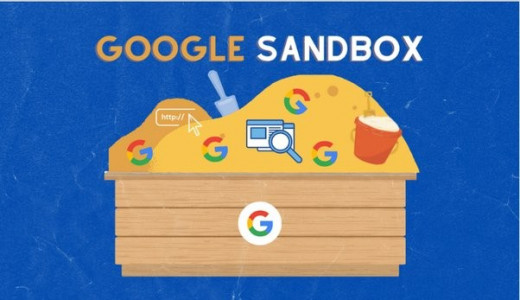
Google Sandbox is a filtering mechanism operated by AI technology that strives to keep lower-quality or suspicious websites out of their search results. This system puts newly created websites into an isolated environment, commonly referred to as the sandbox, for approximately six months. During this time, the website is not likely to rank as highly as it would if it were not in the sandbox.
To minimise the effect of Google Sandbox on your SEO rating, creating pertinent content that appeals to prospective customers and concentrating on key words related with your business is beneficial. Moreover, establishing links to your website from reputable sources can further improve the trustworthiness of your site and aid in elevating its rankings in Google's search results.
How Does Google Sandbox Work?
Google Sandbox is an experimental feature that may temporarily prevent new websites from appearing in Google Search results. When a website is sandboxed, it may be difficult to find even if you know the URL.
How to Reduce the Effect of Google Sandbox on Your SEO Ranking
There are a few things you can do to reduce the effect of the Sandbox on your SEO ranking:
- Publish high-quality content on a regular basis. This will help Google understand what your website is all about, and may help you avoid the Sandbox altogether.
- Promote your website through other channels such as social media and email marketing. This will help build up buzz around your site, which may help offset any negative effects of the Sandbox.
- Make sure your website is well-optimized for search engines. This includes things like having keyword-rich titles and descriptions, as well as making sure your site's structure is easy for Google to understand.
- Be patient! The best way to reduce the effect of the Sandbox is to wait it out. Eventually, Google will lift the filter and your website will start appearing in search results again.
Differences Between Google Sandbox and Google Penalties
If you're a website owner, it's essential to understand the difference between Google Sandbox and Google penalties. While both can impact your website's visibility and ranking on search engine results pages (SERPs), they have different causes, effects, and solution.
Google Penalties
There are a lot of confusion about Google Sandbox and Google penalties. Both are related to the way Google ranks websites, but they are not the same thing.
Google Sandbox is a temporary filter that is applied to new websites. It is designed to prevent sites from gaming the system and rising to the top of the SERPs too quickly. Once a site has established itself as a quality site, it will be released from the sandbox and will start appearing in search results.
Google penalties, on the other hand, are permanent and can be applied to both new and old sites. They are usually caused by manual actions taken by Google after a review of the site determined that it was violating Google's guidelines in some way. Penalties can range from a simple reduction in rankings to complete de-indexing from Google's search results.
There are also Algorithm penalties. Algorithmic penalties are applied automatically by Google's algorithm when it detects certain patterns of behavior that violate their guidelines. Both types of penalties can be devastating to a website's traffic and visibility, and both require different approaches to recovery.
How to Avoid Google Penalties
Google penalties can be a result of many things, but some of the most common include: spammy or low-quality links, keyword stuffing, and duplicate content. While it's impossible to completely avoid Google penalties, there are some things you can do to minimize your risk. Here are a few tips:
- Make sure your links are high quality. If you're unsure about a link, err on the side of caution and don't use it.
- Don't stuff your keywords. Use them sparingly and make sure they're relevant to the content on the page.
- Avoid duplicate content. If you have to use the same content on multiple pages, make sure to use different versions or rewrite it so it's not an exact match.
In conclusion, the Google Sandbox is a fact and can profoundly influence your SEO standings. Fortunately, there are numerous methods you can use to lessen its impact on Google search. By utilizing the top-notch tips for reducing the effects of Google Sandbox on your SEO Rating we have shared, it will help you to ensure your site's visibility in search engines is high and faster, and it will bestow you maximum online presence.
Mobile First Indexing- Why Google is Doing This?
Mobile First Indexing- Why Google is Doing This?
In the age of smartphones and tablets, it's no surprise that mobile search has surpassed desktop search. With more and more people accessing the internet Mobile First Indexing- Why Google is Doing This? their mobile devices, Google is taking steps to ensure that its search results are optimized for mobile users. That's where Mobile First Indexing comes in - a new approach from Google that prioritizes mobile-friendly content over desktop-only content. But why is Google doing this? And what does it mean for SEO? Keep reading to find out!
What is Mobile First Indexing?
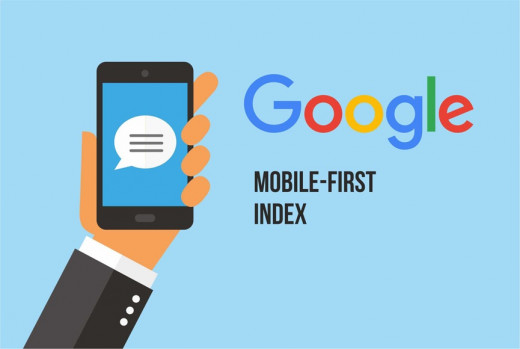
Mobile First Indexing is a new approach from Google that prioritizes mobile-friendly content over desktop-only content. In the past, Google primarily used desktop versions of websites to index and rank pages in search results. However, with more people using mobile devices to access the internet, this old approach became outdated.
With Mobile First Indexing, Google now uses the mobile version of a website as its primary source for indexing and ranking web pages. This means that if your website doesn't have a responsive design or isn't optimized for mobile devices, it may not rank well in search results.
It's important to note that even though Mobile First Indexing prioritizes mobile-friendly sites, desktop versions are still considered when determining rankings. Additionally, if your site only has a desktop version but no mobile version at all, it will still be indexed by Google.
Mobile First Indexing represents an important shift towards making the internet more accessible and user-friendly on smaller screens like smartphones and tablets.
Why is Google Doing This?
Google is making the shift towards Mobile First Indexing for a simple yet important reason: more and more people are using their mobile devices to browse the web. In fact, over 50% of internet traffic now comes from mobile devices. This means that Google needs to prioritize mobile-friendly content in order to provide the best user experience possible.
By prioritizing mobile-first indexing, Google is ensuring that the websites it displays in search results are optimized for viewing on smaller screens. This includes everything from font size and image resolution to website load time. If a site isn't optimized for mobile users, it's likely that visitors will quickly become frustrated and leave.
In addition, Google has also stated that it wants to reward websites with high-quality content rather than those with simply good SEO practices. By putting emphasis on user experience through mobile-first indexing, Google hopes to create a level playing field where all sites have an equal opportunity to rank well in search results.
While Mobile First Indexing may seem like a major shift for both SEO experts and website owners alike, it ultimately serves as a way for Google to adapt its algorithms according to growing trends among internet users – namely the preference towards accessing information via their smartphones or tablets.
What Does This Mean for SEO?
Mobile First Indexing is a significant shift that Google has made in its search algorithm. With more and more people using their mobile devices to access the internet, it only makes sense for Google to prioritize mobile content over desktop content.
As a result, this change means that websites need to be optimized for mobile viewing if they want to rank well on Google's search results pages. This includes ensuring that your website has responsive design, fast loading times, and easy-to-navigate interfaces.
Since Mobile First Indexing considers only the mobile version of a website when determining rankings, it's essential to ensure that all critical elements of your site appear correctly on smaller screens. If you're not sure where to start with optimizing your site for mobile-first indexing, consider working with an SEO expert who can help you make the necessary changes.
Ultimately, embracing Mobile First Indexing as part of your overall SEO strategy will help ensure that your website stays relevant and visible in today's ever-changing digital landscape.
How to Prepare for Mobile First Indexing
With mobile-first indexing, Google primarily use the mobile version of a website's content for ranking and indexing. This means that websites need to prioritize their mobile experience more than ever.
To prepare for mobile-first indexing, it is essential to have a responsive web design that automatically adjusts to different screen sizes. A responsive design ensures that your website looks great on any device and provides an excellent user experience.
You should also make sure that your website’s loading speed is optimized for mobile devices by compressing images and reducing server response time. Slow loading pages can negatively impact user experience, which can affect search engine rankings.
Another crucial factor in preparing for mobile-first indexing is ensuring that all of your site's content is accessible on both desktop and mobile versions. Avoid using features like pop-ups or interstitials as they can be frustrating for users on small screens.
You should implement structured data markup to ensure Google understands the structure of your content better. Structured data helps search engines identify important information such as contact details or business hours easily.
In summary, optimizing your website for mobile-first indexing requires a focus on responsive design, fast page speeds, accessibility across all devices, avoiding certain features like pop-ups or interstitials while implementing structured data markup.
In conclusion, mobile-first indexing is a major shift in how Google ranks websites. With more and more people using their smartphones to browse the internet, it's important for businesses to optimize their sites for mobile devices.
By understanding why Google is making this change and taking steps to prepare your website for mobile-first indexing, you can stay ahead of the competition and ensure that your site remains visible in search results.
Remember that optimizing for mobile isn't just about pleasing search engines – it's also about providing a better user experience for your visitors. By creating a responsive design that works well on any device, you'll be able to engage with customers no matter where they are or what device they're using.
So don't wait any longer – start preparing your site today for the future of search!
7 Ways to Rank Higher on Google
How to Rank Higher on Google
It is a dream of every website owner to be on top of Google search and other search engines all the time. Even though everyone having a website thinks in this way, surprisingly, it is not easy for a website to be on top of Google search all the time.
For any website to rank higher on Google search, there are a number of factors which needs to be taken into consideration. This article will uncover Search Engine Optimization (SEO) tips which if followed will help your website to rank high on Google search most of the time.
You might be wondering as to why ranking so high on Google search is a thing which should be taken into greater consideration. For the success of any website, it depends on traffic, which is the number of visitors to your website. These visitors could be coming to your website for different purposes.
The majority of traffic for most of the website comes from Google search, which has billions of websites and web pages, which means it is not easy to rank high on Google search. The following are tips which could help taking your website on top.
1. Focus on-page SEO
The first step and an easiest way to have a share on Google top search is by focusing much of your time in optimizing your web pages. Once you are successful in optimizing your web pages, the results could be seen quickly. You might be wondering as to what this web page optimization is all about.
When we say, you should optimize the web pages, it means that your web page should have good headings, good content, page titles and image attributes among others.
Make sure each and every web page has unique content which is at least 500 words. Make sure meta titles have unique key words and this applies to meta descriptions.
2. Make your Web pages crawable
Make sure that your technical SEO is good. This involves designing your pages in a such a way that Google can find and crawl your pages easily.
When crawling a web page, Google crawlers allocate specific time on it, so when it is having troubles in crawling your pages, it will have to reschedule in the near future. When designing your web pages, make sure that all the pages are optimized and secure. Make sure also that all the pages do not take much time to load.
Avoid putting too many images on a single page which would increase the loading time. Make sure all the links are properly put and works. Make sure your pages have HTTPS, which makes the page viewers to have their information secured.
Make sure your pages have good navigation, which will enable viewers or visitors to easily find the information which they want and this will help you reduce bounce rate which has a negative impact on Google ranking. Make sure you test each and every page to check page loading time, which will help you reduce the bouncing rate too.
3. Focus on creating unique content
Creating a unique content is strictly recommended if you want your pages to rank so high on Google search. Having a thin content which is caused by writing plagiarized content, key word stuffing, low word content just to mention a few, will result in your web pages not to be on top on Google search since Google punish websites having thin content.
Writing unique content makes your web page visitors to be sharing your content on different platforms and also some will be willing to include your web page link in their articles which help you to create an incoming links which will help you to rank high on Google search.
4. Make use of or Include Latent Sematic Indexing (LSI)
This involves using phrases which Google search engine and other search engine like Bing, Yahoo search among others, can use to understand your pages much better on the content of your page. There are a lot of free online tools which you can use to generate unique key words and phrases which will help your page rank higher on Google search and other search engines.
5. Credibility
When writing content, make sure that you write content which shows level of expertise and this will make the visitors to be confident that the content which they are viewing is written by a trustworthy person and this will make them spend more time on your website and this will send a good signal to Google for higher ranking.
6. Create a Google My Business Profile
Creating Google my Business helps you to have more local visitors, which in turn help you rank higher on Google search. It also helps you to create a backlinks which helps your website to perform better on Google search.
7. Create Backlinks
Backlinks are very important for your website to rank higher on Google search, as it tells Google that a lot of people are finding your website or web page helpful. There are a lot of websites where you can sign up and create a backlink.
Some of them are, hubpages.com, yahoo.com, pinintrest, Tumblr.com just to mention a few. You can also participate in free questions and answers site which allows you to create a do follow backlink on their answer box.
You can also write a guest blog on other people's websites and include a link pointing to your website.
In conclusion, this article has taken a look at some ways which, if followed, will help your website or web page rank higher on Google search and other search engines which will result your website having more web visitors.
Image Optimization for SEO

Image Optimization for SEO
Are you looking to boost your website's visibility on search engines? Image optimization for SEO might just be the missing piece of the puzzle!
In today's digital age, where visuals play a crucial role in capturing audience attention, optimizing your images can make a significant impact on your site's performance. Let's dive into the world of image optimization and discover how you can leverage it to enhance your SEO strategy.
The Importance of Image Optimization for SEO
In the realm of SEO, image optimization is often an overlooked aspect but holds immense potential in enhancing your website's visibility. Images not only make your content visually appealing but also contribute to improved user experience and engagement. When optimized correctly, images can drive organic traffic to your site by improving its ranking on search engine results pages.
By optimizing images with relevant keywords and descriptive alt text, you provide search engines with valuable information about the content of your page. This helps them understand the context of your visuals and index them appropriately. In turn, this can lead to higher visibility in image searches and boost overall SEO performance.
Neglecting image optimization means missing out on a valuable opportunity to attract more visitors to your site through visual content. So, if you're serious about maximizing your online presence and driving traffic organically, incorporating image optimization into your SEO strategy is a must-do!
Understanding the Role of Images in SEO
Images play a crucial role in SEO by enhancing the user experience and making web content more engaging. When optimized correctly, images can also help improve a website's visibility on search engines.
Search engines like Google not only look at text but also analyze images to understand the context of a webpage. By using relevant images with optimized alt text and file names, you can provide additional information to search engine crawlers, improving your chances of ranking higher in search results.
Visual content has the power to grab users' attention quickly and keep them engaged longer on your site. This can reduce bounce rates and increase dwell time, both of which are positive signals for SEO rankings.
Incorporating high-quality images that align with your content can also help establish credibility and trust with your audience. Remember, when it comes to SEO, every visual element matters in creating a well-rounded optimization strategy.
Best Practices for Image Optimization
When it comes to image optimization for SEO, following best practices can help improve your website's visibility and user experience. Start by choosing high-quality images that are relevant to your content and resonate with your audience. Avoid using stock photos that look generic or have been overused.
Optimize the file size of your images without compromising quality. Large image files can slow down page loading speed, affecting user engagement and search engine rankings. Use compression tools or plugins to reduce file sizes while maintaining clarity.
Include descriptive alt text for each image to provide context for search engines and visually impaired users. Alt text should be concise, descriptive, and include keywords related to the image content. Similarly, optimize file names by using relevant keywords separated by hyphens.
Consider responsive design when optimizing images for mobile devices. Ensure that images scale properly on different screen sizes to enhance user experience across devices. Test how images appear on mobile to guarantee they load quickly and display correctly.
By implementing these best practices, you can enhance your website's SEO performance through optimized images that attract both users and search engines alike.
How to Choose the Right Images for Your Website
When selecting images for your website, it's essential to consider your target audience. Understanding their preferences and interests will help you choose visuals that resonate with them.
Another crucial aspect is relevance. Ensure that the images you use align with your brand message and the content on the page. Consistency in visual style can enhance user experience and create a cohesive look across your site.
Quality matters. Opt for high-resolution images that are clear and visually appealing. Blurry or pixelated pictures can detract from the overall design of your website.
Don't forget about uniqueness. Stand out by using original photos or illustrations whenever possible. This can help differentiate your site from competitors and leave a lasting impression on visitors.
Keep in mind the technical aspects such as image size and format to ensure optimal loading speed without compromising quality.
Tips for Optimizing Image Alt Text and File Names
When it comes to optimizing images for SEO, paying attention to image alt text and file names is crucial. Alt text provides a textual description of an image for screen readers and search engines, so make sure it accurately describes the content of the image. Keep your alt text concise and relevant, incorporating keywords naturally without keyword stuffing.
File names also play a role in SEO as search engines look at them to understand what the image is about. Use descriptive file names that include relevant keywords separated by hyphens or underscores. Avoid using generic file names like "IMG001.jpg" which provide no context to search engines.
Remember that both alt text and file names should be unique for each image on your website. This helps search engines index your images correctly and improves overall SEO performance. By following these tips, you can enhance the visibility of your images online and drive more organic traffic to your website.
Tools and Plugins for Easy Image Optimization
When it comes to optimizing images for SEO, using the right tools and plugins can make a world of difference. These resources are designed to streamline the process and ensure your images are working in favor of your website's search engine rankings.
One popular tool for image optimization is "Smush" by WPMU DEV, which automatically compresses and resizes images without sacrificing quality. This plugin helps improve page load speed, a crucial factor in SEO performance.
Another handy tool is "TinyPNG", which reduces the file size of PNG and JPEG images while maintaining their visual appeal. By shrinking image files, you can boost site speed and user experience.
For those using WordPress as their CMS, plugins like "SEO Optimized Images" or "Imagify" offer features to optimize alt text, titles, and descriptions with ease. These plugins help search engines understand the context of your images better for improved ranking potential.
Experiment with different tools and plugins to find what works best for your website's needs. Investing time in optimizing your images will pay off in improved SEO results over time.
Common Mistakes to Avoid in Image Optimization
When it comes to image optimization for SEO, there are some common mistakes that website owners should avoid. One of the most prevalent errors is using images that are too large in file size, leading to slow loading times. This can negatively impact user experience and SEO rankings.
Another mistake is neglecting to include descriptive alt text and relevant file names for images. Alt text provides context for search engines to understand what the image is about, while meaningful file names help with indexing and ranking.
Using generic stock photos without customization or originality is also a misstep in image optimization. It's essential to choose unique and engaging images that resonate with your brand and target audience.
Failing to optimize images for mobile devices can hinder your SEO efforts. With the majority of internet users browsing on mobile, it's crucial to ensure that your images are responsive and load efficiently on smaller screens.
By avoiding these common mistakes in image optimization, you can enhance your website's visibility and improve overall user engagement.
The Impact of Mobile on Image Optimization
As mobile usage continues to rise, the impact on image optimization cannot be overlooked. With smaller screens and varying resolutions, ensuring your images are optimized for mobile is crucial. Responsive design plays a key role in adapting images to different devices seamlessly.
Mobile users expect fast-loading websites, making image optimization even more critical. Compressing images without compromising quality is essential to improve loading times on mobile devices. This not only enhances user experience but also positively impacts SEO rankings.
Utilizing lazy loading techniques can further enhance mobile performance by preventing all images from loading at once. This helps reduce page load times and creates a smoother browsing experience for mobile users.
Incorporating structured data markup for images can also benefit mobile SEO efforts by providing search engines with valuable information about your visuals. By embracing these strategies, you can optimize your website's images effectively for the growing number of mobile users browsing the web today.
Measuring the Success of Your Image Optimization Strategy
Measuring the success of your image optimization strategy is crucial to understanding its impact on your website's SEO performance. One way to track this is by monitoring changes in your site's ranking and visibility on search engine results pages after implementing image optimization techniques. Analyzing metrics such as organic traffic, bounce rate, and time spent on page can also provide valuable insights into how well-optimized images are enhancing user experience.
Another key aspect to consider when evaluating the effectiveness of your image optimization efforts is assessing the loading speed of your web pages. Tools like Google PageSpeed Insights can help identify any issues with image file sizes or compression that may be affecting load times. Additionally, tracking conversions and engagement levels related to image-rich content can give you a clearer picture of how users are interacting with visuals on your site.
By continuously monitoring these metrics and making data-driven adjustments to your image optimization strategy as needed, you can ensure that your website remains competitive in search rankings while providing a seamless user experience for visitors.
The Importance of XML Sitemaps in SEO

The Importance of XML Sitemaps in SEO
In the vast and ever-evolving realm of SEO, where algorithms reign supreme and rankings can make or break a business, one element stands out as a beacon of guidance: the XML sitemap. This seemingly humble tool holds immense power in helping search engines navigate your website effectively, ultimately boosting your online visibility. So, buckle up as we delve into the importance of XML sitemaps in SEO and uncover how this unsung hero can propel your digital presence to new heights!
Understanding SEO and its Elements
SEO, or Search Engine Optimization, is the strategic art of optimizing your website to rank higher in search engine results. It involves a multitude of elements working together harmoniously to enhance your online presence and attract organic traffic. Keywords play a crucial role in SEO, acting as the bridge between what users are searching for and the content on your site.
On-page optimization focuses on refining individual web pages to improve their visibility and relevance to specific keywords. This includes optimizing meta tags, headers, and content structure. Off-page SEO encompasses factors outside of your website that impact its ranking, such as backlinks from reputable sites.
Technical SEO involves optimizing the technical aspects of your website for search engines to crawl and index efficiently. This includes ensuring proper site speed, mobile-friendliness, and structured data markup. Understanding these fundamental elements of SEO is essential for crafting a robust digital marketing strategy that drives sustainable results.
What is an XML Sitemap?
An XML sitemap is like a roadmap for search engines, guiding them through the content of your website. It's a file that lists all the pages on your site, helping search engine crawlers discover and index your content more efficiently. Think of it as a table of contents for your website.
This structured format makes it easier for search engines to understand the organization of your site and prioritize crawling important pages. By providing metadata about each URL, such as when it was last updated or how often it changes, an XML sitemap helps search engines determine which pages to crawl and how frequently.
Without an XML sitemap, search engines may overlook certain pages on your site or take longer to discover new content. It's an essential tool for ensuring that all your valuable webpages are visible in search results and can be easily accessed by users.
Benefits of Using an XML Sitemap in SEO
When it comes to optimizing your website for search engines, using an XML sitemap can be a game-changer.
First and foremost, an XML sitemap helps search engines like Google crawl and index your site more efficiently. This means that your content is more likely to show up in relevant search results.
Additionally, having an XML sitemap can improve the overall user experience on your site. It makes navigation easier for visitors and ensures that all pages are accessible with just a few clicks.
Moreover, by including important metadata about each page in the sitemap, you're providing search engines with valuable information that can help boost your rankings.
Incorporating an XML sitemap into your SEO strategy is a smart move that can yield significant benefits for your website's visibility and performance.
How to Create and Submit an XML Sitemap
Creating and submitting an XML sitemap is a crucial step in optimizing your website for search engines. To start, you can use online tools or plugins to generate a sitemap automatically based on your website's structure. Alternatively, you can manually create one by listing all the URLs of your site in a structured format.
Once you have your XML sitemap ready, it's time to submit it to search engines like Google through their Webmaster Tools. This allows search engine crawlers to easily discover and index all the pages on your site, improving its visibility in search results.
Remember to regularly update and resubmit your XML sitemap whenever you make significant changes or add new content to ensure that search engines have the most up-to-date information about your website. By following these steps, you can help boost your site's SEO performance and attract more organic traffic.
Common Mistakes to Avoid when Using XML Sitemaps
When it comes to using XML sitemaps in SEO, there are some common mistakes that you should avoid to ensure optimal performance. One of the most frequent errors is forgetting to update your sitemap regularly. It's essential to keep it current with any changes made on your website.
Another mistake is including URLs that are non-indexable or irrelevant. Make sure only to include pages that you want search engines to crawl and index. Additionally, failing to prioritize important pages within your sitemap can hinder search engine bots from efficiently crawling and indexing them.
Incorrect formatting of the XML file can also lead to issues. Ensure proper syntax and structure when creating your sitemap for better readability by search engines. Not submitting your XML sitemap to search engines or updating robots.txt files can prevent search engines from finding and utilizing the information in your sitemap effectively.
The Future of XML Sitemaps in SEO
As the digital landscape continues to evolve, the future of XML sitemaps in SEO is promising. With search engines becoming more sophisticated, having a well-structured XML sitemap will be crucial for ensuring all your web pages are properly indexed and crawled.
Advancements in technology may lead to new ways of utilizing XML sitemaps, such as integrating them with voice search optimization or leveraging them for better mobile compatibility. This means that staying updated on SEO trends and best practices will be essential for maximizing the benefits of XML sitemaps.
Additionally, as algorithms become more intelligent, optimizing your XML sitemap to provide accurate metadata and relevant information will play a significant role in improving your website's visibility and ranking on search engine results pages.
Embracing the potential enhancements and innovations in XML sitemaps can give you a competitive edge in the ever-changing world of SEO.
Conclusion
XML sitemaps play a crucial role in enhancing the visibility and rankings of websites on search engines. By providing search engine bots with a roadmap of your site's structure and content, you can ensure that all your important pages are indexed efficiently. Utilizing XML sitemaps is not only beneficial for SEO but also improves user experience by making it easier for visitors to navigate your site.
As search algorithms continue to evolve, incorporating XML sitemaps into your SEO strategy will remain a valuable practice for ensuring the success of your online presence.
How to Stay Up-to-date with SEO Trends and Changes

How to Stay Up-to-date with SEO Trends and Changes
Welcome to the dynamic world of SEO, where staying relevant is key to online success! In this fast-paced digital landscape, keeping up with the latest trends and changes in search engine optimization can make all the difference between visibility and obscurity. So, buckle up as we dive into how you can stay ahead of the curve and ensure your website ranks high in search results. Let's navigate through the ever-evolving realm of SEO together!
Understanding SEO and its Importance
SEO, or search engine optimization, is the art and science of enhancing your website's visibility in search engine results. It involves optimizing your content and website structure to rank higher for relevant keywords that users are searching for. By understanding SEO, you can attract more organic traffic to your site and reach a wider audience.
The importance of SEO cannot be overstated in today's digital age. With millions of websites vying for attention online, having a solid SEO strategy is crucial for standing out from the competition. A well-optimized website can drive targeted traffic, increase brand awareness, and ultimately boost conversions.
In essence, SEO acts as a roadmap that guides both search engines and users to your content. By aligning your website with best practices and staying updated on industry trends, you can position yourself for success in the competitive online landscape.
Constantly Evolving Nature of SEO
In the fast-paced world of digital marketing, SEO is constantly evolving. What works today may not work tomorrow as search engines like Google update their algorithms regularly to provide users with the most relevant and high-quality results.
Keeping up with these changes is crucial for staying ahead in the game. It's essential to stay informed about the latest trends and best practices in SEO to ensure that your website ranks well in search engine results pages (SERPs).
From mobile-first indexing to schema markup, there are always new strategies and techniques emerging in the world of SEO. By staying proactive and adaptable, you can navigate these changes effectively and continue to drive organic traffic to your site.
Embracing innovation and being willing to experiment with new approaches will help you stay competitive in an ever-evolving landscape. Remember, flexibility is key when it comes to adapting to the dynamic nature of SEO.
Top 5 SEO Trends to Keep an Eye On
It's no secret that the world of SEO is constantly evolving. To stay ahead of the game, it's crucial to keep an eye on the top trends shaping the digital landscape.
First up, mobile-first indexing has become a priority for search engines. With more and more users browsing on their smartphones, ensuring your website is optimized for mobile devices is key.
Next, voice search continues to gain popularity. Optimizing your content for natural language queries can help improve your visibility in voice search results.
Video content is also on the rise in SEO strategies. Including videos on your website can increase engagement and attract more visitors.
AI and machine learning are revolutionizing how search engines deliver results. Understanding these technologies can give you an edge in optimizing your site for better rankings.
User experience plays a critical role in SEO success. By focusing on providing valuable and relevant content, you can enhance user satisfaction and boost your search engine rankings.
Adapting to Algorithm Changes
Adapting to algorithm changes in the world of SEO is crucial for staying ahead of the game. Search engines like Google are constantly updating their algorithms to provide users with the most relevant and high-quality content. This means that what worked yesterday may not work tomorrow.
To adapt effectively, it's essential to stay informed about any upcoming algorithm updates. Following reputable SEO blogs, attending webinars, and joining online communities can help you stay in the loop. Additionally, monitoring your website's performance regularly can give you insights into how algorithm changes may be affecting your rankings.
Flexibility is key when it comes to adapting to algorithm changes. Being willing to adjust your strategies and tactics based on new information will help you maintain a strong online presence. Remember, staying nimble and proactive will set you up for success in the ever-evolving landscape of SEO.
Utilizing Social Media for SEO
In today's digital landscape, social media has become a powerful tool for boosting SEO efforts. By leveraging platforms like Facebook, Instagram, Twitter, and LinkedIn, businesses can increase their online visibility and drive more traffic to their websites.
Sharing engaging content on social media not only helps in building brand awareness but also improves your website's credibility with search engines. When users interact with your posts by liking, sharing, or commenting, it sends positive signals to search algorithms.
Utilizing social media for SEO involves creating shareable content that resonates with your target audience. By understanding the preferences of your followers and tailoring your posts accordingly, you can attract more organic traffic to your site.
Engaging with followers through comments and messages not only enhances customer relationships but also signals to search engines that your brand is active and relevant. This interaction can lead to increased visibility in search results over time.
Incorporating social media strategies into your overall SEO plan can help you stay ahead of the competition and adapt to the ever-changing digital landscape. So don't underestimate the power of social media in boosting your SEO efforts!
The Role of Voice Search in SEO
Voice search is revolutionizing the way people seek information online. With the increasing popularity of virtual assistants like Siri and Alexa, optimizing for voice search has become crucial in SEO strategies. When users speak their queries instead of typing them, they tend to use more conversational language, impacting keyword optimization. This means that long-tail keywords and natural language phrases are gaining importance over traditional short keywords.
To adapt to this shift, businesses need to focus on creating content that answers specific questions concisely and clearly. Structured data markup can also enhance visibility in voice search results by providing search engines with context about your content. Additionally, ensuring that your website loads quickly and is mobile-friendly is essential for voice search success.
Staying ahead in SEO requires embracing the rise of voice search and adjusting strategies accordingly to meet the evolving needs of users seeking information through spoken queries.
Staying Ahead in the Ever-Changing World of SEO
As the digital landscape continues to evolve at a rapid pace, staying ahead in the ever-changing world of SEO is crucial for businesses looking to maintain their online presence and visibility. One key strategy to stay ahead is to consistently monitor industry news and updates from reputable sources to ensure that you are aware of any emerging trends or changes in search engine algorithms.
Additionally, conducting regular audits of your website's SEO performance can help identify areas for improvement and optimization. By analyzing data metrics such as keyword rankings, organic traffic, and user engagement, you can make informed decisions on how to adjust your SEO strategies accordingly.
Moreover, staying connected with other professionals in the field through networking events, webinars, and forums can provide valuable insights and perspectives on the latest SEO practices and techniques. Collaboration with peers can also offer opportunities for brainstorming new ideas and solutions to navigate the dynamic nature of SEO effectively.
In essence, proactive learning and adaptation are essential components of staying ahead in the ever-changing world of SEO. Embracing change with an open mindset will not only help you keep up with industry trends but also position yourself as a knowledgeable authority in the competitive digital space.
Conclusion
Staying up-to-date with SEO trends and changes is crucial for maintaining a strong online presence. By understanding the importance of SEO, recognizing its constantly evolving nature, keeping an eye on top trends, adapting to algorithm changes, utilizing social media effectively, and incorporating voice search optimization strategies, you can stay ahead in the ever-changing world of SEO.
Remember that SEO is not a one-time task but a continuous process that requires attention and adaptation. By staying informed and proactive in implementing new techniques and strategies, you can ensure that your website remains visible and competitive in search engine rankings.
As technology advances and consumer behavior evolves, so will SEO practices. It's essential to remain flexible and open to learning as new trends emerge. Stay curious, experiment with different approaches, analyze results, and adjust your tactics accordingly.
In conclusion, stay committed to educating yourself about the latest developments in the world of SEO. By staying proactive and adaptable in your approach to optimizing your online presence for search engines, you'll be better equipped to navigate the ever-changing landscape of digital marketing successfully.
The Importance of Mobile Optimization for SEO

The Importance of Mobile Optimization for SEO
In a world where smartphones have become an extension of our hands, it's crucial for businesses to adapt and optimize their websites for mobile devices. Mobile optimization is not just a trend but a necessity in today's digital landscape.
In this blog post, we will delve into the importance of mobile optimization for SEO and explore how you can ensure your website is primed for success on every screen size. Let's dive in!
Understanding Mobile Optimization
Mobile optimization refers to the process of ensuring that a website is designed and functions seamlessly on mobile devices such as smartphones and tablets. This involves creating a responsive design that adapts to different screen sizes, optimizing page load speed for mobile networks, and simplifying navigation for touchscreens.
In today's fast-paced digital world, more and more users are accessing websites through their mobile devices. As a result, search engines like Google prioritize mobile-friendly websites in their rankings. Failing to optimize your site for mobile can lead to higher bounce rates, lower search engine visibility, and ultimately loss of potential customers.
By understanding the importance of mobile optimization and implementing best practices, businesses can improve user experience, increase organic traffic from mobile searches, and stay ahead of the competition in the ever-evolving online landscape.
The Impact of Mobile Devices on SEO
In today's digital landscape, the impact of mobile devices on SEO is undeniable. With the majority of internet users accessing websites through their smartphones and tablets, search engines prioritize mobile-friendly sites in their rankings. This means that if your website isn't optimized for mobile, you could be missing out on valuable organic traffic.
Mobile optimization not only improves user experience but also plays a significant role in determining your site's visibility in search results. Search engines like Google consider factors such as responsive design, page loading speed on mobile devices, and overall usability when ranking websites.
Having a mobile-friendly website can lead to higher engagement rates, lower bounce rates, and ultimately better SEO performance. It's crucial to adapt to this shift towards mobile usage by ensuring that your site is optimized for various screen sizes and functionalities.
By focusing on optimizing your website for mobile devices, you are not only catering to the needs of modern consumers but also enhancing your chances of ranking higher in search engine results pages (SERPs). Stay ahead of the curve by prioritizing mobile optimization strategies and watch as your SEO efforts yield fruitful results.
Benefits of Mobile Optimization for SEO
Mobile optimization for SEO offers numerous benefits that can significantly impact your website's performance and visibility. By ensuring that your site is mobile-friendly, you enhance user experience, leading to increased engagement and lower bounce rates. This, in turn, boosts your search engine rankings as Google prioritizes mobile-responsive websites.
Additionally, mobile optimization improves loading speed, crucial for retaining impatient visitors who expect quick access to information. A faster website also contributes to a positive user experience and encourages users to explore more pages on your site.
Furthermore, having a mobile-optimized website increases the chances of attracting local traffic through location-based searches. With the growing number of people using smartphones for online searches, catering to mobile users can help you reach a broader audience and drive more organic traffic to your site.
Investing in mobile optimization not only enhances SEO but also future-proofs your online presence in an increasingly mobile-centric digital landscape.
Steps to Optimize Your Website for Mobile Devices
When it comes to optimizing your website for mobile devices, there are several key steps you can take to ensure a seamless user experience. Prioritize responsive design - make sure your site adapts to different screen sizes and resolutions. This will help improve loading times and overall usability on mobile devices.
Next, optimize images and videos for mobile viewing by compressing files without compromising quality. Users on mobile appreciate fast-loading media content. Additionally, simplify navigation by using intuitive menus and buttons that are easy to tap with fingers.
Don't forget about page speed optimization - minimize server response time, enable browser caching, and reduce redirects for a smoother browsing experience. Test your website across various devices and browsers regularly to identify any issues that may need fixing. Mobile optimization is crucial in today's digital landscape for better SEO rankings and user engagement.
Common Mistakes to Avoid in Mobile Optimization
When it comes to mobile optimization for SEO, there are some common mistakes that website owners should avoid at all costs. One of the most prevalent errors is not prioritizing mobile responsiveness. Failing to ensure your site looks and functions well on mobile devices can result in a poor user experience and lower search engine rankings.
Another mistake to steer clear of is ignoring page speed. Slow-loading pages frustrate users and negatively impact your SEO efforts. It's crucial to optimize images, reduce server response time, and leverage browser caching to improve loading times.
Additionally, overlooking the importance of responsive design can hinder your SEO performance. A responsive website adapts seamlessly to different screen sizes, providing a consistent experience across all devices.
Furthermore, neglecting to use Google's Mobile-Friendly Test tool can be detrimental. This tool evaluates how easily users can access your site on mobile devices and provides valuable insights for improvement.
Avoid these common pitfalls in mobile optimization to enhance user experience, boost search engine rankings, and stay ahead of the competition.
Future Trends and the Importance of Staying Ahead
As technology continues to advance at a rapid pace, the future of mobile optimization for SEO remains dynamic and ever-evolving. Stay ahead by keeping an eye on emerging trends such as voice search optimization, artificial intelligence integration, and the rise of progressive web apps.
Mobile-first indexing is becoming increasingly important for search engines, emphasizing the need for websites to prioritize their mobile user experience. Staying ahead in this landscape means adapting quickly to algorithm updates and shifting consumer behaviors.
User experience will continue to be a key focus in mobile optimization strategies. Ensuring fast loading speeds, intuitive navigation, and responsive design will be crucial in maintaining high rankings in search engine results.
With the increasing use of mobile devices worldwide, staying ahead by optimizing your website for mobile users can give you a competitive edge in reaching your target audience effectively. Embrace these future trends and adapt your strategy accordingly to stay relevant and visible in the digital realm.
Conclusion
As mobile usage continues to dominate the online landscape, optimizing your website for mobile devices is no longer just an option – it's a necessity. By understanding the importance of mobile optimization for SEO and implementing best practices, you can ensure that your website remains competitive in search engine rankings and provides a seamless user experience across all devices.
Remember, the digital world is constantly evolving, so staying ahead of trends and continuously improving your site's mobile performance will be key to maintaining visibility and engagement with your target audience. Embrace mobile optimization as a fundamental aspect of your SEO strategy, and watch as it propels your website to new heights in the ever-changing online realm.
The Role of SEO in Entrepreneurship

The Role of SEO in Entrepreneurship
Welcome to the digital age of entrepreneurship, where success is just a click away! In this fast-paced world, standing out from the crowd can be challenging. That's where SEO swoops in like a superhero for your business – boosting visibility, driving traffic, and skyrocketing sales. So, grab your cape as we dive into the dynamic realm of SEO and its pivotal role in propelling entrepreneurial ventures to new heights!
What is SEO and Why it's Important for Entrepreneurs
SEO, short for Search Engine Optimization, is the art and science of enhancing your online presence to rank higher in search engine results. It involves optimizing your website's content, structure, and performance to attract organic traffic from search engines like Google. For entrepreneurs, SEO is a game-changer that can make or break their digital success.
In today's competitive landscape, having a strong SEO strategy is crucial for standing out amidst the noise and connecting with your target audience. By aligning your website with what users are searching for online, you increase visibility and drive qualified leads to your business. This not only boosts brand awareness but also establishes credibility in the eyes of consumers.
Moreover, investing in SEO reaps long-term benefits by creating a sustainable flow of organic traffic to your website. Unlike paid advertising that stops once you pause campaigns, SEO continues working behind the scenes to bring potential customers directly to your virtual doorstep. So buckle up as we explore how mastering the art of SEO can be a game-changer for entrepreneurial ventures!
The Benefits of SEO for Businesses
SEO offers numerous benefits for businesses of all sizes. One key advantage is increased online visibility, as optimizing your website allows you to rank higher in search engine results. This heightened visibility can drive more organic traffic to your site, leading to potential customers discovering your products or services.
Moreover, SEO helps build credibility and trust with your audience. When your website appears at the top of search results, users are more likely to view you as a reputable and trustworthy source within your industry. This can result in higher conversion rates and customer loyalty over time.
Additionally, implementing SEO strategies can provide valuable insights into consumer behavior and preferences. By analyzing keyword data and user interactions on your site, you can tailor your content and offerings to better meet the needs of your target market.
Investing in SEO can lead to long-term success by boosting brand awareness, driving quality traffic, and ultimately increasing revenue for your business.
How to Implement SEO in your Business Strategy
One of the key aspects of implementing SEO in your business strategy is conducting thorough keyword research. By identifying relevant keywords that your target audience is searching for, you can optimize your website content to attract more organic traffic.
Creating high-quality and engaging content is essential for SEO success. Make sure your website provides valuable information that addresses the needs and interests of your audience. This will not only improve your search engine rankings but also enhance user experience.
Optimizing on-page elements such as title tags, meta descriptions, and headers can significantly impact your website's visibility on search engines. By including targeted keywords in these areas, you can increase the chances of ranking higher in search results.
Building backlinks from reputable websites within your industry can boost your website's authority and credibility in the eyes of search engines. Focus on creating valuable partnerships and producing shareable content to attract quality backlinks.
Regularly monitoring and analyzing performance metrics through tools like Google Analytics can help you track the effectiveness of your SEO efforts. Use this data to make informed decisions and continuously refine your strategies for optimal results.
Common Misconceptions about SEO
One common misconception about SEO is that it's a one-time task. In reality, SEO requires ongoing effort and monitoring to stay ahead of the competition. It's not just about optimizing your website once and forgetting about it.
Another misconception is that keywords are the only thing that matters in SEO. While keywords are important, other factors like quality content, user experience, and backlinks also play a significant role in ranking well on search engines.
Some people believe that SEO results will be immediate. However, SEO is a long-term strategy that takes time to see meaningful results. Patience and consistency are key when it comes to implementing SEO effectively.
It's also a myth that you need to understand complex algorithms to succeed at SEO. While having some knowledge of how search engines work can be helpful, focusing on creating valuable content for your audience should always be the priority.
Tools and Resources to Improve your SEO
When it comes to improving your SEO, having the right tools and resources at your disposal can make all the difference. There are a variety of tools available that can help you track keywords, analyze backlinks, monitor website performance, and more.
One essential tool is Google Analytics, which provides valuable insights into your website traffic and user behavior. Another useful resource is SEMrush, a comprehensive platform for keyword research and competitor analysis. Additionally, Moz offers tools like Moz Pro to help optimize on-page content and track rankings.
For those looking to enhance their link building strategy, Ahrefs is a popular choice with its extensive backlink analysis capabilities. And don't forget about Yoast SEO for WordPress users - this plugin makes optimizing content for search engines simple and effective.
By leveraging these tools and resources effectively in your SEO strategy, you can drive organic traffic to your website and improve your online visibility.
Case Studies of Successful Businesses Utilizing SEO
Case studies of successful businesses utilizing SEO can offer valuable insights into the power of search engine optimization. One such example is a small e-commerce startup that saw a significant increase in website traffic and sales after implementing an effective SEO strategy. By optimizing their product pages with relevant keywords and improving their website's user experience, they were able to rank higher on search engine results pages.
Another case study involves a local service-based business that utilized local SEO techniques to enhance their online visibility within their target market. Through creating location-specific landing pages, managing online reviews, and optimizing Google My Business profile, they were able to attract more customers searching for services in their area.
Additionally, a global tech company leveraged content marketing and link building strategies to establish authority in their industry and drive organic traffic to their website. By consistently producing high-quality content optimized for search engines and earning backlinks from reputable websites, they achieved sustainable growth in online presence.
These success stories highlight the importance of incorporating SEO into your business strategy to achieve long-term success and reach your target audience effectively.
The Future of SEO in Entrepreneurship
The future of SEO in entrepreneurship is continually evolving, adapting to changes in technology and consumer behavior. As search engines become more sophisticated, entrepreneurs will need to stay ahead of the curve by implementing innovative SEO strategies.
Voice search optimization is a growing trend that businesses must embrace. With the rise of virtual assistants like Siri and Alexa, optimizing content for natural language queries will be crucial for visibility online.
Artificial intelligence and machine learning are also shaping the future of SEO. Entrepreneurs can leverage AI tools to analyze data, personalize user experiences, and predict trends in search algorithms.
Mobile-first indexing is another key aspect that entrepreneurs should focus on. With mobile devices accounting for a significant portion of web traffic, ensuring that websites are mobile-friendly is essential for SEO success.
Conclusion
As entrepreneurs navigate the ever-evolving digital landscape, SEO remains a crucial tool in their arsenal. By understanding what SEO is and its importance, businesses can harness its benefits to increase visibility, drive organic traffic, and ultimately boost revenue. Implementing an effective SEO strategy requires time and effort but yields long-term results that can propel a business towards success.
Despite common misconceptions, SEO is not a one-size-fits-all solution. It requires continuous adaptation to algorithm changes and consumer behavior. Utilizing tools and resources tailored to improve SEO performance can provide invaluable insights for optimizing strategies.
Case studies of successful businesses showcase the power of SEO in driving growth and reaching target audiences effectively. As technology advances and search engines evolve, the future of SEO in entrepreneurship will continue to shape how businesses connect with consumers online.
Embracing SEO as a fundamental aspect of your entrepreneurial journey can set you apart from competitors and position your business for sustainable growth in the digital age. Stay informed, stay proactive, and watch your efforts translate into tangible results that pave the way for continued success.