Learn smarter with fresh insights from our tutors.
Practical study guides, course supplements, and learning resources curated to help you move faster through every subject.
6 Businesses Ideas for Ladies Sitting at Home

Business Ideas for Ladies
Nowadays, as the world is changing some people are full of different business ideas, which some are worth taking, while some are just mere ones, and they aren't opportunities.
This article will take a look at 6 business ideas for Ladies sitting at home, which could allow you to earn passive income, while you are at home.
6 Business Ideas for Ladies Setting at Home
The following are considered the 6 business ideas for Ladies sitting at home.
1. Article writing
The first easy way to make money while you are at home is by writing articles which you can monetize and be able to earn passive income, which can support your family.
There are a lot of online sites which enables you to publish articles for free and receive a revenue share based on number of ads viewers.
Sites like hubpages.com enable you to publish articles on topics of your choice which need to be of high quality for them to get featured and indexed.
Once your articles are indexed in sites like hubpages, you receive a lifetime revenue share based on the number of ad viewers.
What is most important with article writing is that, it enables you to earn money for lifetime while you are doing other things or sleeping.
You could write an article once, and be able to earn a revenue share for a lifetime, provided you are able to update your article to improve its Google ranking.
2. Online tutoring
Nowadays, there are a lot of sites which offer online learning, and are in need of online tutors, who work at home at their scheduled free time.
You could use your existing knowledge and skills to teach different students online and get paid.
Sites like Chegg, Tutorocean, Photomaths, Study.com, are all looking for online tutors, who should work at home and get paid.
With online tutoring, you will be able to teach different students in your selected courses and you could be able to help them in their assignments, and get paid, depending on the level of difficulty of the task you have worked on.
3. Online courses
Just as online tutoring, you could also earn passive income through online courses. There are different sites which allows you to publish an online course for free and get paid when it has been bought by students.
Sites like Udemy.com enable you to create an online course for free and you get paid when a person has subscribed to learn your published course.
What is quick interesting is that, you do not have to hold a bachelor's degree or any higher learning degrees for you to publish an online course. You could record a video in any field of your choice, which you know.
Even a video on "how to cook rice in a modern way" you could make thousand dollars with it.
4. Online consulting services
Just as with other ways of making passive incomes, you could also open a free site using WordPress free hosting services, and start offering online consulting services in any field of your expertise.
As of today, there are a lot of people who are in seek of help in different fields, and some they have a lot of questions, which they are eager to find answers.
You could take advantage of all that, offering your services in exchange for money.
5. E- book
Similar to the above ways of making money, you could also write a book, publishing it online, and be able to earn lifetime earnings whenever people are purchasing your book.
There are a lot of sites like Amazon.com, which enable you to publish your book, setting a price of your choice and you get paid, when someone has bought it. You could use this as an opportunity, if you are a good book writer.
6. Online real estate agent
As a woman who is eager to make money, you could also start offering online services on real estate and be able to earn passive income.
With this way of making money what you do is that, you connect two people between the seller and the buyer, and get paid a revenue share for rendering your services. In this way, you could be able to earn passive income of around 400,00 dollars yearly.
In conclusion, this article has taken a look at 6 ways, which you could use to make money while you are at home. Among others, the article has uncovered that, article writing, real estate agent and online tutoring, are some of the businesses, which could enable you to earn passive income as a lady.
Top 10 Best Universities in Europe

Top 10 Best Universities in Europe
Picking the perfect university can be a challenge, especially when you're looking to study overseas. With so many universities across Europe, it's hard to know where to start. We've taken out all the guesswork and rounded up the 10 greatest colleges in Europe! These schools are known for their exceptional academics and groundbreaking research - allowing you to get an education that's unparalleled. To help you make your decision, we'll go over each of these institutions in this article.
Top 10 Best Universities in Europe
1. University of Oxford
The University of Oxford is the oldest university in the English-speaking world and is considered one of the world's leading academic institutions. It is a member of the Russell Group, which comprises 24 of the United Kingdom's most research-intensive universities.
Oxford has produced many notable alumni, including 27 Nobel laureates, 26 British prime ministers, and numerous foreign heads of state. The university is also closely linked with the development of the world's first ever computer ( Colossus), as well as breakthroughs in stem cell research and genetic engineering.
2. University of Cambridge
The University of Cambridge, with roots dating back to 1209, is one of the oldest and most esteemed universities in Europe. Gaining a reputation as one of the foremost institutions worldwide, it has given the world some of its most renowned thinkers such as Isaac Newton, Charles Darwin and Stephen Hawking. Home to 31 Nobel Prize recipients, this celebrated university lies in the city of Cambridge, England.
3. ETH Zurich - Swiss Federal Institute of Technology
ETH Zurich is an amazing university that consistently ranks among the top in Europe and the world. It is renowned for its technological and engineering departments, with some of the most renowned scientists and inventions having come out of it.
Founded in 1854, this Swiss school has now over 18,000 students from more than 120 countries enrolled in its various degree programs, including science, engineering, architecture and mathematics. With a strong focus on research and education initiatives, its professors are leading pioneers in their field.
Dr. Albert Einstein himself was an ETH Zurich alumnus – as well as Werner Heisenberg, Richard Feynman and George de Mestral (inventor of Velcro). The university holds an impressive record of Nobel Prize winners too! If you’re thinking of studying science or engineering then ETH Zurich should be at the front of your mind!
4. UCL (University College London)
UCL is an internationally renowned institution of higher education located in one of the liveliest cities. With a student population from over 150 countries, UCL offers an unparalleled global experience.
It is also one of the UK's biggest and most diverse universities, providing an abundance of undergraduate and postgraduate programmes that span virtually every subject imaginable.
UCL is also home to world-leading researchers - it holds the record for producing more Nobel Prize winners than any other European establishment, and its research even has a positive impact on some of the world's most challenging problems. If you're seeking excitement and enrichment during your university years, UCL should undoubtedly be your top choice.
5. Imperial College London
Imperial College London is an internationally renowned institution with a great reputation for excellence in both teaching and research. It's situated in the heart of London and is a member of the Russell Group, as well as being a constituent college of the University of London – England's oldest and largest university.
Over 16,000 students from 130 countries come to study here, many holding first-class or upper second-class degrees. The college has achieved high rankings in various national and international league tables, placing it among the top 10 universities in Europe.
With around £700 million invested into research each year, it's no wonder why Imperial College London is home to some of the world’s most esteemed scientists and engineers! If you're looking for such opportunities, then Imperial College London should definitely be on your list!
6. King's College London
King's College London is a world-renowned institution situated in the middle of London. It is a member of the elite Russell Group, and has been ranked 4th in the UK for research power.
Boasting an outstanding teaching and research reputation, its graduates are highly sought after by employers. Spread across many disciplines, such as arts and humanities to science and engineering, King's is also home to various museums and galleries that are celebrated throughout the world.
7. The London School of Economics and Political Science (LSE)
Founded by Beatrice Webb, Sidney Webb, Graham Wallas and George Bernard Shaw in 1895, the London School of Economics and Political Science (LSE) has risen to become one of the most prestigious academic institutions for social sciences and public policy.
It initially offered evening classes for working men, yet soon became a full-time institute as it began to attract some of the most talented students from across the globe. LSE is one of Europe's top universities for its specialisms and consistently listed among the world's best 20.
Moreover, its alumni include Nobel laureates, political figures, academics and business tycoons.
8. Ecole Polytechnique Federale de Lausanne (EPFL)
EPFL is one of the two Swiss Federal Institutes of Technology, renowned worldwide for its excellence in natural sciences and engineering. Established in 1853 as the Academy of Sciences and Arts of Lausanne, the university was upgraded to federal status in 1969.
Over 10,000 students are currently enrolled, among which more than 2/3 are studying engineering. The campus is situated near Lake Geneva, concentrating an impressive array of modern buildings and a botanical garden.
Research at EPFL focuses on life sciences, nanotechnology, renewable energy, environmental engineering and materials science; also fostering a strong commitment to entrepreneurship and innovation that has spawned over 100 start-ups. Noteworthy former students encompass Sergey Brin (co-founder of Google), Marc Andreessen (co-founder of Netscape) and Bernard Schottlanders (inventor of Teflon).
9. Technical University of Munich (TUM)
The Technical University of Munich (TUM) is a major force in European higher education and regularly appears near the top of rankings for Germany's universities. Offering a comprehensive selection of degree programs, including engineering, computer science, business and medicine, TUM has a robust commitment to research and serves as home to several prestigious institutes worldwide – such as the Max Planck Institute for Solid State Research and the Fraunhofer Society.
In addition to its domestic recognition, TUM also holds membership in the esteemed League of European Research Universities (LERU).
10. National University of Ireland, Galway
As one of the leading universities in Europe, the National University of Ireland, Galway is renowned for its high level of research and teaching. It offers undergraduate and postgraduate programmes.
Located in Galway City, on the west coast of Ireland, the University has an international reputation and graduates are highly sought after by employers. It is a vibrant and friendly city with a wonderful student atmosphere.
In conclusion, Europe is home to some of the best universities in the world and all ten of those mentioned are indicative of that. They offer great academic opportunities, a wealth of knowledge resources and, most importantly, a vibrant student life. Investing in your education by attending one of these universities can open up many doors for you in terms of career prospects and personal growth. Whether it be Oxford University or Imperial College London—all ten are certainly worth considering if you’re looking for an unforgettable experience at a top-tier university.
Top 6 Best Ranked Universities in the US

Top 6 Best Ranked Universities in the US
The United States boasts some of the world's most prestigious and highly-ranked universities. From Ivy League schools to research universities, prospective students are presented with a wealth of choices when deciding on their perfect school. Read on this blog for 6 top-ranking universities in America, according to US News & World Reports rankings, plus some tips for choosing the best fit for your academic goals and interests.
The 6 Best Universities in the United State
1. Harvard University
Harvard University, renowned for its research, is situated in Cambridge, Massachusetts. With an acceptance rate of only 5.8%, and a student to faculty ratio of 7:1, it is rated the top university in the US. The extensive selection of undergraduate and graduate programs includes the celebrated Harvard Business School, while its library system is the biggest academic library globally.
2. Yale University
Founded in 1701, Yale University is a private Ivy League research university based in New Haven, Connecticut. Among the oldest American institutions of higher education, it was one of nine Colonial Colleges chartered before the War of Independence. Yale University is a renowned institution, known for its excellence in teaching and research. It has established itself as one of the leading universities in the US and around the world.
3. Princeton University
Princeton University, located in Princeton, New Jersey, is a private Ivy League research university. Founded in 1746 as the College of New Jersey, Princeton is the fourth-oldest institution of higher education in the United States and one of the nine colonial colleges chartered before the American Revolution.
The university has three schools—the School of Arts and Sciences, the School of Engineering and Applied Science, and the Woodrow Wilson School of Public and International Affairs—which offer undergraduate and graduate degrees. Princeton also has an independent academic department, the Princeton Theological Seminary.
As a research university, Princeton seeks to achieve distinction in many areas of scholarship through both discovery and teaching. It provides undergraduate students with a liberal arts education that emphasizes intellectual freedom and prepares them for lives of service and leadership.
Graduate students collaborate with faculty members to develop research projects that enrich the body of knowledge in their respective fields. As one of the leading institutions for scholarship, teaching and research, Princeton University is dedicated to making meaningful additions to humanity's intellectual legacy.
4. Columbia University
Columbia University is one of the oldest and most prestigious universities in the United States. Located in New York City, Columbia has produced some of the nation's greatest leaders, thinkers, and artists. The university is also home to a top-ranked medical center and renowned research facilities. Columbia students benefit from a rigorous academic experience and a wealth of opportunities for extracurricular involvement.
5. Massachusetts Institute of Technology
The Massachusetts Institute of Technology, or MIT, is one of the top-ranked universities in the United States. Located in Cambridge, Massachusetts, MIT is known for its strong science and engineering programs. In addition to its academic excellence, MIT is also home to a number of research centers and institutes, including the MIT Media Lab and the MIT Energy Initiative.
6. Stanford University
Stanford University is a private research university in Stanford, California. Founded in 1885 by Leland and Jane Stanford in memory of their only child, Stanford University is one of the world's leading research and teaching institutions. It enrolls approximately 7,000 undergraduate students and 11,000 graduate students from all 50 states and more than 90 countries.
With 31 Nobel laureates and over 30 Pulitzer Prize winners, Stanford is one of the world's most prestigious universities. It is also one of the top fundraising institutions in the country, bringing in over $1 billion per year in private donations. Located just outside Silicon Valley, Stanford has a long history of producing successful entrepreneurs and technology leaders.
Why these Universities are the Best
These universities stand out among others in the country because of their unequalled academic excellence. They have notable faculty members and a wide selection of courses and programs. Moreover, they have impressive facilities and resources that provide students with an incomparable learning experience.
These universities stand out for their research opportunities, which draw top scholars from across the globe. They equip their students with access to advanced facilities and resources, as well as partnerships with industry experts to offer invaluable real-world experience.
Finally, these schools offer a variety of extracurricular activities that allow students to explore their interests and meet new people. There are countless clubs and organizations to get involved in, and there are always events and activities happening on campus.
What Type of Students Attend These Universities
Students of various backgrounds flock to the most prestigious universities in the US; some seeking a first-rate education for their future, others for cost-effective alternatives to their hometown institutions. Then there are those who are eager to take in all that living in America has to offer.
Regardless of the motivation for attendance, pupils at the highest rated universities across America can anticipate an excellent academic experience. These institutions have skilled faculty and modern amenities and resources. Moreover, they provide opportunities for extracurricular activities, international studies, and research projects.
The Benefits of Attending a Top University
Attending a top university offers many advantages. Not only will you get an excellent education, but you'll also have access to exclusive resources and opportunities. At these renowned schools, the brightest minds from all over the world come together to push each other towards achieving great things.
State-of-the-art facilities and unique internship and research chances can open doors for those in search of success. Finally, graduates from top universities frequently go on to find more success than their peers from lower-ranked schools; investing in enrolling at one is sure to pay off!
In conclusion, choosing the best university in the US can be a daunting task. However, with this list of the 6 best ranked universities and all their features, we hope that you now have an easier time deciding which one to attend. With such excellent institutions available to choose from, it is never too late to pursue your academic ambitions or dreams while continuing your education at any of these top-notch universities. So take a chance on yourself and choose one that suits you best!
Top 10 Most Expensive Colleges and Universities in the World

Many of us dream of attending best high ranking universities, but often the cost can be too much to bear. If you have money to spare, however, there are some incredible universities and colleges around the world that offer a one-of-a-kind experience for their students.
In this article, we will be exploring some of the most expensive colleges and universities in the world and what makes them so special. From elite faculty members to beautiful campus architecture, these colleges and universities are sure to set you back financially but could be worth it if you’re looking for a first-class education. Read on to learn more!
Top 10 Most Expensive Colleges and Universities
1. University of Cambridge
University of Cambridge is one of the most expensive university in the world and its on position one. The undergraduate annual tuition fee at University of Cambridge in 2026-2026 is over $72,787, which is higher than any other universities. Its mission is to contribute to society through education, learning and research at the highest international level. If is located in United Kingdom.
Cambridge University has produced some finest persons in the world who have contributed in different fields in the world, one of famous people being Isaac Newton, who discovered the laws of gravity.
Studying at Cambridge University does not only give you an access of world class education, but also you start at a better chance for different scholarships that are available for students.
2. Columbia University
Columbia University is our second most expensive university in the world, with annual tuition fee of over $65,524 for undergraduate 2025-2026 intake. It is located in located in Upper Manhattan, New York City.
The university is known for its low students acceptance rate which is around 5.5% of total applicants. The college has 6,162 undergraduate students enrolled. The university also has a number of scholarships and financial aid programs available to help students cover the cost of attendance.
3. Colgate University
Colgate University is our third most expensive university in the world and has an annual undergraduate fee of over $63,904 in the 2025-2026 academic year. The university is located in New York and is known for producing the world's finest people including, Charles Evans Hughes, 11th Chief Justice of the United States and Claudia Tenney, U.S. representative for New York’s 22nd congressional district.
4. Vassar College
Vassar College is our fourth most expensive university in the world with an annual undergraduate fee of over $63,840 in the 2026-2026 academic year. Vassar college is commonly known to be one of the most selective schools in the US and is located in the rural town of Poughkeepsie, New York.
5. Tufts University
Tufts University is our fifth world most expensive university and has an annual undergraduate tuition fee of over $63,804 in the 2025-2026 academic year. The university is located in Medford and Somerville, Massachusetts. Notable alumni includes eBay founder Pierre Omidyar, figure skater Michelle Kwan and actor Hank Azaria.
6. Amherst College
Amherst College is our number six on the list of the most expensive universities in the world. This university has an annual undergraduate tuition fee of over $63,500 in the 2026-2026 academic year. It is a private liberal arts college in the American northeast, and was founded in 1821, and it only offers undergraduate programmes.
Amherst College has produced finest people in the world including, former US President Calvin Coolidge; two former Prime Ministers of Greece: Antonis Samaras and George Papandreou, and Golden Globe award-winning actor Jeffrey Wright.
7. University of Southern California
University of Southern California is our number seventh on the top ten lists of the most expensive universities in the world. University of Southern California has an annual undergraduate tuition fee of over $63,468 in the 2025-2026.
The notable alumni from University of Southern California are film director, producer, and screenwriter, George Lucas, known for Star Wars and Indiana Jones, Neil Armstrong, the first person to set foot on the moon also is an alumnus.
8. Boston college
Boston College is our number eight on the list of the most expensive universities and has an undergraduate tuition fee of over $62,950 in the 2026-2026. Boston College is a Roman Catholic private research university, which is well known for its athletics programmes.
9. Landmark College
Landmark College - University for people with disabilities is our ninth most expensive university in the world with an annual undergraduate tuition fee of over $62,720 in the 2025-2026 academic year. Landmark College is located in Putney, Vermont, and was founded in 1985.
Notable alumni from Landmark college includes James Stockwell, phlebotomist at Dartmouth-Hitchcock Medical Center.
10. Brown University
Brown University is our last university in our top ten lists of most expensive universities in the world and has an undergraduate annual fee of over $62,680 in the 2025-2026 academic year. The university has produced several notable alumni including, lawyers like John F. Kennedy Jr.
How to Rank #1 on Google
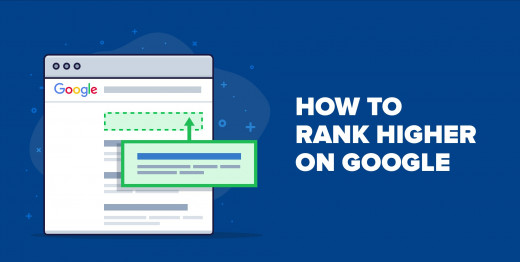
How to Rank #1 on Google
Everyone wants to rank higher on Google, but few know the secrets of success. So what are the steps it takes to boost your ranking on Google? It’s a combination of both organic and inorganic techniques that require time, effort, and resources to accomplish. In this article, we will go over some of the key ways to rank higher on Google, from optimizing content and leveraging SEO strategies to building quality backlinks and more. Read on to learn how you can make sure your website is found—and seen—on the world’s most popular search engine.
The Benefits of Ranking Higher on Google
If you’re a business, ranking higher on Google can bring a number of benefits.
- More traffic: By appearing higher up in search results, you’ll naturally attract more clicks and organic traffic to your website. This can lead to an increase in sales or enquiries.
- Improved brand awareness and recognition: Being visible on the first page of Google reinforces your brand and makes you more recognizable to potential customers.
- Greater trust and credibility: Google is the most popular search engine in the world, so appearing high up in their rankings gives your business an instant stamp of approval. This can lead to improved conversion rates as customers will be more likely to trust a website that appears high up on Google.
- Increased competition: As well as the benefits above, ranking higher on Google also puts you ahead of your competition. If two businesses are selling similar products or services, then the one that ranks higher is likely to get more sales.
How to Optimize Your Site for Google
On-Page SEO Tactics
There are a number of on-page SEO tactics that can be employed to help improve your website’s ranking on Google.
One such tactic is to ensure that your website’s title tags and meta descriptions are optimised for your target keywords. Another is to make use of header tags, which can help to break up your content and make it easier for search engines to digest.
It is also important to have well-written, keyword-rich content on your website. This includes both the body text and the alt text associated with images. Google’s algorithms are designed to favour websites that contain high-quality, relevant content.
Finally, you should also look at your website’s backlink profile. This refers to the other websites that link to yours. Google views links from high-quality websites as a signal of trustworthiness, which can help to boost your ranking.
Off-Page SEO Tactics
- Optimize your website for on-page SEO. This includes things like optimizing your title tags, meta descriptions, and header tags.
- Build high quality backlinks to your website. This can be done by guest blogging, forum posting, social media promotion, and other methods.
- Monitor your website's link profile and disavow any bad links that could hurt your ranking.
- Stay up to date with Google's algorithm changes and make sure you are using white hat SEO tactics only.
Measuring Your SEO Progress
It is important to measure your SEO progress in order to ensure that your efforts are paying off. There are a number of ways to do this, but some of the most important metrics to track include:
- Search engine rankings: Track where your website ranks for key keywords over time. If you see a consistent increase, it means your SEO efforts are working.
- Organic traffic: This measures the number of visitors coming to your website from organic search results. Again, an increase indicates that your SEO is effective.
- Leads and sales: If you're generating more leads and sales from your website, that's a good sign that your SEO is helping you achieve your business goals.
- Cost per acquisition: This metric measures how much it costs you to acquire a new customer or client through your website. A lower cost per acquisition means your SEO is more efficient and effective.
In conclusion, ranking higher on Google requires a lot of research and effort. You need to be aware of the ever-changing search engine algorithms, focus on content optimization and create relevant backlinks. By following these tips, you can ensure that your website stands out from the rest and ranks higher with Google. Also, it's important to keep track of your analytics so that you can stay ahead of the game and adjust your strategy if needed. With patience and dedication, ranking highly on Google is possible!
The Importance of Header Tags in SEO

Introduction to Header Tags
Header tags may seem like just another technical aspect of SEO, but they play a crucial role in helping your content stand out in the crowded online world. Imagine them as the signposts that guide both search engines and readers through your content jungle.
In this blog post, we will delve into the importance of header tags in SEO and how you can optimize them to boost your website's visibility and ranking. Let's unravel the mystery behind these tiny yet mighty elements!
What are Header Tags?
Header tags, also known as heading tags, are HTML elements used to structure and format the content on a webpage. They range from H1 to H6, with H1 being the most important and typically used for the main title of a page or post. Each subsequent header tag decreases in size and importance.
Think of header tags as a hierarchy that organizes your content into sections and subsections, making it easier for both search engines and readers to understand the context and relevance of each part.
Using header tags not only improves the readability of your content but also helps search engines crawl and index your pages more effectively. Properly structured headings can enhance user experience by providing clear navigation through your content.
In essence, header tags serve as signposts that guide visitors through your website's roadmap while signaling to search engines what each section is about - ultimately contributing to better SEO performance.
Understanding the Different Types of Header Tags: H1, H2, H3, and Beyond
Header tags play a crucial role in structuring your content for both readers and search engines. The most commonly used header tags are H1, H2, and H3, each serving a specific purpose in organizing the hierarchy of information on a webpage.
The H1 tag represents the main heading of a page, typically indicating the topic or theme of the content. It is essential for SEO as search engines use it to understand what the page is about.
Moving down the hierarchy, we have the H2 tag which serves as subheadings under the main title (H1). These help break down content into digestible sections for readers while also assisting search engines in comprehending your content's structure better.
Further down, we have H3 tags that can be used within H2 sections to provide additional subheadings if needed. Beyond these tags are others like H4, H5, and so on which offer even more granular organization options for complex content structures.
The Role of Header Tags in SEO
Header tags play a crucial role in optimizing your website for search engines. These HTML elements not only structure your content but also provide valuable information to search engine crawlers about the relevance and hierarchy of your page.
The H1 tag is typically used for the main heading of a page, signaling its primary topic to both users and search engines. Subsequent header tags like H2, H3, etc., help break down the content into sections, making it easier for readers to navigate through the information.
By utilizing header tags effectively, you can improve user experience by making your content more scannable and organized. This can lead to increased engagement on your site as visitors find it easier to consume and understand your message.
In terms of SEO, header tags provide an opportunity to include relevant keywords that can signal the topic of each section to search engines. This helps search algorithms understand the context of your content better and improves visibility in organic search results.
Best Practices for Using Header Tags in Your Content
When it comes to using header tags in your content, there are a few best practices that can help boost your SEO efforts. Make sure to use headers hierarchically - start with H1 for the main title of your page or post, followed by H2 for subheadings, and so on.
Keep your header tags relevant and descriptive. Use keywords naturally within your headers to give search engines a clear understanding of what your content is about. This not only helps with SEO but also improves user experience by guiding readers through the page.
Additionally, ensure that each header tag accurately reflects the content beneath it. Avoid clickbait titles or misleading headings as this can harm both SEO and user trust. Consistency in formatting and styling your header tags also plays a role in enhancing readability and overall website aesthetics.
Don't overuse header tags - prioritize quality over quantity. Each header should serve a purpose and contribute meaningfully to the structure of your content. By following these best practices, you can optimize your header tags effectively for improved SEO performance.
How to Optimize Your Header Tags for Maximum SEO Impact
Optimizing your header tags is crucial for maximizing your SEO impact. Start by using relevant keywords in your headers to signal search engines about the content of your page. This helps improve the visibility of your website in search results.
Make sure to use hierarchy correctly with H1 tags for main headings, followed by H2 and so on. Structuring your content this way makes it easier for both users and search engines to understand the information on your page.
Keep your header tags concise and descriptive. Avoid stuffing them with keywords as this can harm rather than help your SEO efforts. Aim for clarity and relevance when crafting header tags.
Additionally, ensure that each header corresponds to the content beneath it. Consistency between headers and actual content boosts user experience and signals credibility to search engines.
Regularly review and update your header tags as needed based on changes in keyword trends or alterations in page content. By staying proactive with optimizing your header tags, you can enhance the overall SEO performance of your website effectively.
Common Mistakes to Avoid when Using Header Tags
When it comes to using header tags for SEO, there are some common mistakes that many content creators make. One of the biggest errors is not utilizing header tags correctly by skipping them altogether or using them inconsistently throughout the content. This can hinder search engine crawlers from properly understanding the hierarchy and relevance of your content.
Another mistake is overusing H1 tags on a page. While H1 tags are crucial for indicating the main heading of a page, having multiple H1 tags can confuse search engines and dilute the importance of each heading. It's important to follow a logical structure with only one H1 tag per page.
Additionally, neglecting to include relevant keywords in your header tags can impact your SEO efforts negatively. Keywords help search engines understand the context and relevance of your content, so it's essential to incorporate them strategically within your headers.
Forgetting to optimize your header tags for mobile responsiveness can lead to a poor user experience on mobile devices. Ensuring that your headers display correctly across different screen sizes is key for both user engagement and SEO success.
Conclusion and Summary
Header tags play a crucial role in optimizing your content for search engines. By using H1, H2, and other header tags strategically, you can improve the readability of your content and enhance its SEO performance. Remember to follow best practices such as using relevant keywords, structuring your content logically, and avoiding common mistakes like keyword stuffing.
Header tags are powerful tools that should not be underestimated in your SEO strategy. When used effectively, they can help boost your website's visibility and ranking on search engine results pages. So make sure to incorporate header tags thoughtfully into your content to maximize their impact and drive organic traffic to your site.
SEO for WordPress Websites

SEO for WordPress Websites
Welcome to the world of WordPress websites and SEO – where your online presence can thrive or dive! In today's digital age, having a visually appealing website is just one piece of the puzzle. To truly stand out in the vast sea of websites, you need to master the art of Search Engine Optimization (SEO).
Whether you're a seasoned webmaster or just dipping your toes into the world of online marketing, this guide will help demystify the complexities of SEO for WordPress websites. Get ready to unlock the secrets to boosting your site's visibility and driving organic traffic like never before!
What is SEO and Why is it Important for WordPress Websites?
SEO, or Search Engine Optimization, is the strategic process of enhancing your website's visibility on search engine results pages. In simpler terms, it's all about making sure your site shows up when people search for relevant keywords. For WordPress websites, SEO plays a crucial role in attracting organic traffic and reaching a wider audience. Without proper optimization, your site might get lost in the vast online wilderness.
By implementing effective SEO practices on your WordPress site, you can improve its chances of ranking higher in search engine results and driving more valuable traffic. This means increased visibility, credibility, and ultimately more opportunities to connect with potential customers or readers.
In today's competitive online landscape, having a strong SEO strategy is essential for any WordPress website looking to succeed. It's not just about getting visitors to your site – it's about attracting the right kind of visitors who are actively searching for what you have to offer.
Understanding the Basics of SEO
Understanding the basics of SEO is crucial for the success of your WordPress website. SEO stands for search engine optimization, which involves optimizing your site to rank higher in search engine results pages.
It's all about making your website more visible and accessible to users who are searching for relevant information online. By implementing SEO strategies, you can increase organic traffic to your site and improve its overall performance.
Keywords play a significant role in SEO as they help search engines understand what your content is about. Including relevant keywords throughout your website's content can help boost its visibility and attract more visitors.
Additionally, factors like meta tags, headings, alt text for images, and internal linking also contribute to improving your site's SEO. By focusing on these fundamental aspects of SEO, you can enhance the online presence of your WordPress website and reach a wider audience effectively.
Setting up your WordPress Website for SEO Success
Setting up your WordPress website for SEO success is crucial in ensuring that your site ranks well in search engine results. Start by choosing a reliable hosting provider to ensure fast loading times and minimal downtime for your website. Next, install an SEO-friendly theme that is responsive and optimized for mobile devices.
Optimize your website's permalinks by including keywords related to your content in the URL structure. Create an XML sitemap to help search engines index all of your web pages efficiently. Utilize meta tags effectively by writing unique and compelling titles and descriptions for each page on your site.
Enable SSL encryption to provide a secure browsing experience for visitors and boost your site's credibility with search engines. Set up Google Analytics to track important metrics like traffic sources, user engagement, and conversion rates on your WordPress website.
Keyword Research and Optimization Techniques
Keyword research and optimization techniques play a crucial role in improving the visibility of your WordPress website. By understanding what terms your target audience is searching for, you can tailor your content to meet their needs effectively.
Start by brainstorming relevant keywords related to your niche or industry. Use tools like Google Keyword Planner, SEMrush, or Ahrefs to discover popular search terms that have high search volume and low competition.
Once you have identified your primary keywords, strategically place them in key areas of your website such as titles, meta descriptions, headers, and throughout your content. Remember to avoid keyword stuffing as it can harm rather than help your SEO efforts.
Additionally, consider long-tail keywords that are more specific and less competitive. These can help attract targeted traffic to your site and improve conversion rates. Regularly monitor keyword performance using analytics tools to make necessary adjustments for optimal results.
The Role of Content in SEO and How to Create Optimized Content for your WordPress Site
Quality content plays a crucial role in SEO for WordPress websites. When creating content, focus on providing value to your audience by addressing their needs and interests. Conduct keyword research to understand what users are searching for and incorporate those keywords naturally into your content.
Optimize your titles, headings, meta descriptions, and URLs with relevant keywords to improve visibility in search engine results. Utilize internal linking to guide users through your site and enhance the user experience.
Create engaging and informative blog posts, articles, or product descriptions that are well-structured with subheadings and bullet points. Use multimedia elements like images and videos to make your content visually appealing.
Regularly update your website with fresh content to keep visitors coming back for more. Consistency is key in maintaining a strong online presence and building credibility with both users and search engines.
Utilizing Plugins and Tools to Improve your Website's SEO
Utilizing plugins and tools is essential for enhancing your WordPress website's SEO. There are numerous plugins available that can help streamline the optimization process. One popular option is Yoast SEO, which provides valuable insights and suggestions for improving on-page SEO elements. Another useful tool is Google Analytics, which allows you to track important metrics like traffic sources and user behavior.
Additionally, tools such as SEMrush or Ahrefs can assist in keyword research and backlink analysis to further boost your site's visibility in search engine results. These resources provide valuable data that can guide your content strategy and optimization efforts.
By incorporating these plugins and tools into your SEO toolkit, you can stay ahead of the competition and continually improve your website's performance in organic search results. Remember to regularly monitor and analyze the data provided by these tools to make informed decisions about optimizing your WordPress site for maximum visibility online.
Tracking and Analyzing your Website's SEO Performance
Tracking and analyzing your website's SEO performance is crucial for understanding how well your WordPress site is ranking in search engines. By monitoring key metrics like organic traffic, keyword rankings, and conversion rates, you can identify areas for improvement.
Utilize tools like Google Analytics and Google Search Console to gather data on your website's performance. These platforms provide valuable insights into user behavior, popular keywords, and click-through rates.
Regularly review your analytics reports to spot trends and patterns that could indicate changes in search engine algorithms or user preferences. Use this information to make informed decisions about adjusting your SEO strategy accordingly.
Consider setting up custom dashboards or reports to track specific KPIs that align with your business goals. This will help you stay focused on the metrics that matter most for driving organic traffic and conversions.
Remember that SEO is an ongoing process, so it's essential to continuously monitor and analyze your website's performance to stay ahead of the competition.
Common Mistakes to Avoid when Implementing SEO on a WordPress Site
When it comes to implementing SEO on your WordPress site, there are a few common mistakes that you'll want to avoid. One of the biggest errors is neglecting to optimize your images properly. Make sure to use descriptive file names and alt text for all images on your site.
Another mistake is overlooking the importance of internal linking. Be sure to link related content within your website to improve navigation and help search engines understand the structure of your site.
Additionally, failing to regularly update your website's plugins and themes can hurt your SEO efforts. Keep everything up-to-date to ensure optimal performance.
Don't forget about mobile optimization. With more users browsing on mobile devices, having a responsive design is crucial for SEO success.
By avoiding these common mistakes, you can set yourself up for better visibility and rankings on search engines.
The Future of SEO for WordPress Websites
As technology continues to evolve, the future of SEO for WordPress websites is constantly changing. With advancements in artificial intelligence and voice search, optimizing your site will require adapting to these new trends.
Ensuring that your website is mobile-friendly will be crucial as more users browse on their smartphones. Additionally, creating high-quality content that answers users' queries effectively will be essential for ranking well in search engines.
Utilizing structured data and schema markup can also help your WordPress site stand out in search results by providing rich snippets of information to users.
Keeping up with algorithm updates from major search engines like Google and continuously monitoring your site's performance will be key to staying ahead in the ever-changing landscape of SEO.
Embracing new technologies and strategies while staying true to the fundamentals of SEO will be vital for the future success of WordPress websites.
The Impact of Artificial Intelligence on SEO

The Impact of Artificial Intelligence on SEO
Welcome to the exciting intersection of technology and digital marketing - where search engine optimization (SEO) meets artificial intelligence (AI). In this blog post, we will delve into how AI is revolutionizing the way websites are ranked on search engines, paving the way for more personalized and efficient online experiences.
Get ready to explore the impact of AI on SEO, uncover its benefits, tackle challenges, discover AI tools for optimizing your website, and glimpse into the future of these dynamic fields. Let's embark on a journey through the world of AI-powered SEO together!
Understanding SEO & Artificial Intelligence (AI)
SEO, or search engine optimization, is the practice of enhancing a website's visibility on search engine results pages. It involves optimizing content, keywords, and technical aspects to attract organic traffic.
Artificial Intelligence (AI) refers to machines mimicking human cognitive functions like learning and problem-solving. In SEO, AI technologies analyze vast amounts of data to understand user behavior and predict trends.
The marriage of AI and SEO has transformed how websites are ranked by search engines. AI algorithms can interpret complex patterns in user searches and deliver more relevant results.
Understanding the basics of SEO is crucial for leveraging AI tools effectively. By combining SEO strategies with AI capabilities, businesses can gain a competitive edge in the digital landscape.
Stay tuned as we explore further into the role of AI in shaping the future of SEO practices!
The Role of AI in SEO
Artificial Intelligence (AI) has revolutionized the world of Search Engine Optimization (SEO) by enhancing algorithms and data processing. AI plays a crucial role in analyzing user behavior patterns, understanding search intent, and predicting trends before they become mainstream.
By utilizing machine learning and natural language processing, AI can interpret complex search queries more accurately, leading to improved search results for users. This helps businesses tailor their content to meet the specific needs of their target audience, ultimately boosting organic traffic and conversions.
Moreover, AI-powered tools like chatbots and voice assistants are changing the way people interact with websites, providing instant answers to queries and improving overall user experience. These advancements not only streamline processes but also increase website engagement and retention rates.
In essence, the role of AI in SEO is all about leveraging technology to deliver relevant content efficiently while adapting to evolving search engine algorithms seamlessly.
Benefits of AI in SEO
Artificial Intelligence (AI) has revolutionized the way we approach Search Engine Optimization (SEO). One of the key benefits of AI in SEO is its ability to analyze vast amounts of data quickly and efficiently. This allows marketers to identify trends, patterns, and insights that can help optimize their websites for better search engine rankings.
AI-powered tools like natural language processing and machine learning algorithms can enhance keyword research and content optimization strategies. By understanding user intent and behavior, AI helps businesses create more relevant and engaging content that resonates with their target audience.
Moreover, AI assists in automating routine tasks such as monitoring website performance, analyzing competitors' strategies, and generating personalized recommendations for improving SEO efforts. This not only saves time but also enables marketers to focus on strategic initiatives that drive results.
The benefits of incorporating AI into SEO are undeniable - from enhancing user experience to boosting organic traffic and ultimately increasing conversions. It's clear that AI is a game-changer in the world of digital marketing.
Challenges and Concerns with AI in SEO
As with any new technology, the integration of AI in SEO comes with its own set of challenges and concerns. One major concern is the potential loss of control over how search engines interpret and display website content. There's a fear that AI algorithms could prioritize certain websites over others, leading to unfair advantages.
Another challenge is the need for constant monitoring and adjustment. Since AI is constantly evolving, SEO strategies may need to be adapted regularly to keep up with changing algorithms. This can be time-consuming and require specialized knowledge.
Additionally, there are concerns about data privacy and security when using AI tools for SEO. With sensitive information being processed by these systems, ensuring that data is protected from breaches or misuse is crucial.
On top of that, some worry about job displacement as automation becomes more prevalent in SEO tasks traditionally done by humans. It raises questions about the future role of professionals in the industry amidst increasing reliance on AI technologies.
AI Tools for SEO
AI tools have revolutionized the way SEO professionals analyze data and optimize websites. These tools use machine learning algorithms to provide valuable insights into keyword research, content optimization, and performance tracking.
One popular AI tool is MarketMuse, which helps identify content gaps and provides recommendations to improve search rankings. Another useful tool is BrightEdge, which uses AI to forecast trends and make data-driven decisions for SEO strategies.
SEMrush is a versatile platform that offers various AI-powered features like keyword research, site audits, and competitive analysis. Additionally, Chatbots can enhance user experience by providing instant responses to queries on websites.
As technology continues to advance, more sophisticated AI tools will emerge in the SEO industry. It's crucial for businesses to adapt and leverage these tools to stay ahead of the competition in the ever-evolving digital landscape.
How to Incorporate AI into Your SEO Strategy
Incorporating AI into your SEO strategy can revolutionize the way you optimize your website for search engines. One way to utilize AI is by using machine learning algorithms to analyze big data and identify patterns that can improve your keyword research and content optimization.
AI-powered tools like chatbots can enhance user experience by providing instant responses to queries, increasing engagement on your website. Additionally, natural language processing technology can help you understand how users search for information online, allowing you to create more targeted content that resonates with your audience.
Moreover, AI-driven analytics tools can track performance metrics in real-time, enabling you to make data-driven decisions quickly and stay ahead of the competition. By incorporating AI into your SEO strategy, you can streamline processes, increase efficiency, and ultimately drive better results for your website.
Future of AI and SEO
The future of AI in SEO is filled with endless possibilities. As technology continues to advance, we can expect AI to play an even more significant role in optimizing search engine results. With machine learning algorithms becoming more sophisticated, websites will be able to tailor content and user experiences like never before.
AI-powered tools will continue to evolve, offering marketers valuable insights into consumer behavior and trends. This data-driven approach will enable businesses to create more personalized and targeted SEO strategies that resonate with their target audience. Additionally, voice search optimization is expected to become increasingly important as virtual assistants like Siri and Alexa gain popularity.
As the digital landscape evolves, staying ahead of the curve by incorporating AI into your SEO strategy will be crucial for maintaining a competitive edge online. Embracing these advancements and adapting your approach accordingly will be essential for success in the ever-changing world of search engine optimization.
Conclusion
The integration of Artificial Intelligence into SEO is revolutionizing the way businesses optimize their online presence. As AI continues to evolve and improve its capabilities, it will become even more essential for staying ahead in the digital landscape.
Embracing AI tools and strategies can lead to improved search rankings, increased organic traffic, and better user experiences. By understanding the role of AI in SEO, addressing challenges proactively, and leveraging AI tools effectively, businesses can position themselves for success in the future of search engine optimization.
The synergy between artificial intelligence and SEO presents endless possibilities for enhancing online visibility and driving sustainable growth. Stay informed, stay innovative, and watch your digital footprint thrive with AI-powered SEO solutions at the forefront.
SEO for Bloggers

Introduction to SEO for Bloggers
Welcome, fellow bloggers! Are you ready to unlock the secrets of SEO and take your blog to new heights? In this digital age, where content is king, mastering Search Engine Optimization (SEO) can make all the difference in growing your audience and increasing your online visibility. So, grab a cup of coffee, sit back, and let's dive into the world of SEO for bloggers together!
What is SEO and Why is it Important for Bloggers?
SEO, or Search Engine Optimization, is the art of optimizing your content to rank higher in search engine results. It involves using strategic techniques to improve your website's visibility and attract more organic traffic.
For bloggers, SEO is crucial as it helps drive targeted traffic to your blog. By optimizing your content with relevant keywords and high-quality backlinks, you can increase your chances of being discovered by a wider audience.
When you implement effective SEO strategies, you make it easier for search engines like Google to understand what your blog is about and index it appropriately. This increases the likelihood of showing up in search results when users are looking for topics related to your niche.
By focusing on SEO, bloggers can enhance their online presence, reach a larger audience, and ultimately grow their blog into a successful platform that resonates with readers across the globe.
The Basics of SEO for Bloggers
When it comes to SEO for bloggers, understanding the basics is crucial.
A. Keyword Research
When it comes to SEO for bloggers, keyword research plays a crucial role in driving organic traffic to your blog. Understanding what keywords your target audience is searching for can help you create content that resonates with them.
Start by brainstorming topics relevant to your niche and then use keyword research tools like Google Keyword Planner or SEMrush to identify high-volume keywords related to those topics. Look for long-tail keywords as well, as they tend to have less competition but can still drive valuable traffic.
Consider the search intent behind each keyword – are users looking for information, ready to make a purchase, or seeking solutions to a problem? Tailor your content accordingly to meet their needs and provide value. Remember, quality over quantity when it comes to keywords - focus on relevance and user experience.
B. On-page Optimization
When it comes to on-page optimization for your blog, there are several key factors to consider in order to improve your search engine visibility.
Start by optimizing your meta tags, including title tags and meta descriptions, with relevant keywords that accurately describe the content of each page. This will help search engines understand what your blog is about and rank it accordingly.
Another important aspect of on-page optimization is creating high-quality, valuable content that engages readers and keeps them on your site longer. Make sure to use headings and subheadings to break up text, as well as internal links to other relevant pages within your blog.
Additionally, optimizing images with descriptive alt text can also improve SEO rankings, as search engines can't "see" images but rely on text descriptions. Ensure your website loads quickly and is mobile-responsive for a better user experience across all devices.
C. Link Building
Link building is a crucial aspect of SEO for bloggers. It involves getting other websites to link back to your blog, which can significantly boost your site's credibility and authority in the eyes of search engines.
One effective way to build quality links is by creating valuable and engaging content that other websites would naturally want to reference and link to. Guest posting on reputable sites within your niche is another great strategy for gaining backlinks.
Networking with other bloggers and website owners can also help you acquire valuable links. Building relationships in the online community can lead to opportunities for collaboration and link exchanges.
Remember, it's not just about quantity but also about the quality of the links pointing back to your blog. Avoid spammy tactics like buying links or participating in link schemes, as these can harm your SEO efforts in the long run.
By focusing on organic link building strategies and fostering genuine connections within your industry, you can strengthen your blog's online presence and improve its search engine rankings over time.
Mastering these basic SEO techniques can help bloggers increase their visibility online and reach a wider audience. It's essential to continuously educate yourself on SEO best practices to stay ahead in the ever-evolving digital landscape.
Common Mistakes to Avoid in SEO
When it comes to SEO, there are common mistakes that bloggers should avoid to ensure their content ranks well in search engines. One mistake is neglecting keyword research, leading to targeting irrelevant or highly competitive keywords. This can hinder your blog's visibility and reach.
Another mistake is overlooking on-page optimization practices such as optimizing meta tags, headings, and image alt text. These elements play a crucial role in helping search engines understand the context of your content. Ignoring them can result in missed opportunities for higher rankings.
Additionally, failing to build quality backlinks from reputable websites can limit your blog's authority and credibility in the eyes of search engines. It's important to focus on building relevant and natural links that add value to your content.
By avoiding these common pitfalls and staying updated on SEO best practices, bloggers can enhance their online presence and attract more organic traffic to their blogs.
Tools and Resources for Bloggers to Improve SEO
As a blogger looking to enhance your SEO game, having the right tools and resources at your disposal can make all the difference. One essential tool is Google Analytics, which provides valuable insights into your website's performance and audience behavior. By analyzing this data, you can optimize your content strategy for better results.
Another useful resource is SEMrush, a comprehensive SEO tool that offers features like keyword research, backlink analysis, and site audits. With SEMrush, you can identify new opportunities to improve your search engine rankings and drive more organic traffic to your blog.
For bloggers focusing on link building, tools like Ahrefs can be incredibly beneficial. This tool allows you to track your backlinks, analyze competitor strategies, and discover new linking opportunities in your niche. By leveraging these insights, you can strengthen your website's authority in search engines.
Importance of Regularly Updating Content for SEO
When it comes to SEO for bloggers, regularly updating your content is crucial. Search engines love fresh and relevant content, so by consistently adding new posts or updating existing ones, you signal to them that your website is active and valuable.
Updating your content also gives you the opportunity to incorporate new keywords or optimize existing ones. This helps improve your blog's visibility in search results and attract more organic traffic over time.
Moreover, fresh content keeps your audience engaged and coming back for more. By providing updated information or sharing recent insights, you show that you are a reliable source of knowledge in your niche.
In addition, regularly updating your blog can help boost your site's authority and credibility within your industry. It demonstrates that you are committed to staying current and delivering value to your readers on an ongoing basis.
Maximizing Social Media and SEO for Better Results
Social media and SEO go hand in hand when it comes to boosting your blog's visibility and reach. By strategically combining these two powerful tools, bloggers can significantly enhance their online presence.
One key aspect of maximizing social media for SEO is by sharing your blog posts across different platforms. This not only drives traffic to your site but also signals search engines that your content is valuable and relevant.
Engaging with your audience on social media can also improve SEO. Encouraging likes, shares, and comments on your posts sends positive signals to search engines about the quality of your content.
Utilizing hashtags effectively can help increase the discoverability of your blog posts on social media platforms. Research popular hashtags related to your niche and incorporate them into your posts for better visibility.
Remember, consistency is key when it comes to leveraging social media for SEO purposes. Regularly posting high-quality content and engaging with your followers will ultimately lead to better results for both organic search rankings and audience growth.
The Power of SEO in Growing Your Blog's Audience
SEO plays a crucial role in expanding your blog's reach and attracting a larger audience. By optimizing your content for search engines, you increase the visibility of your blog, making it easier for users to discover your posts. When people can easily find your blog through search engines like Google, you have the opportunity to connect with a wider audience who may be interested in what you have to offer.
Implementing effective SEO strategies can help drive organic traffic to your blog, resulting in more visitors reading and engaging with your content. By consistently producing high-quality posts that are optimized for relevant keywords, you improve the chances of ranking higher in search results and drawing in new readers.
SEO enables you to establish authority within your niche by showcasing your expertise and providing valuable information that resonates with your target audience. As more people discover and engage with your blog through search engine optimization, you have the potential to build a loyal following of readers who return regularly for fresh content tailored to their interests.
How to Increase Google Crawl Rate for Your Website
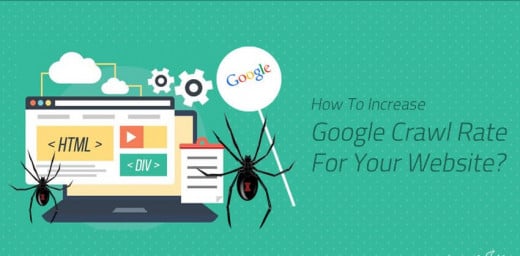
How to Increase Google Crawl Rate for Your Website
Are you looking to make your website more visible on Google? Increasing the crawl rate of your website is a great way to do just that. Crawl rate is the frequency at which Google bots search through your website's content and index it for their search engine.
Through increasing the crawl rate of your website, you can ensure that your content will be seen more easily by potential customers, resulting in increased visibility and better ranking on Google's SERPs.
In this blog post, we will explore simple ways to increase the crawl rate of your website and boost its visibility in no time. Read on to learn how you can get started today!
What is the Google Crawl Rate?
One of the most important aspects of SEO is the Google crawl rate, which is the speed at which Googlebot visits and indexes your website. A higher crawl rate means that your website will be indexed more frequently, and a lower crawl rate means that it will be indexed less often.
There are a number of factors that affect the Google crawl rate, including the size of your website, the number of pages on your website, and the number of outgoing links on your website. In general, a larger website with more pages and more outgoing links will have a higher crawl rate than a smaller website with fewer pages and fewer outgoing links.
How to Check Your Website's Crawl Rate
Assuming you have Google Analytics set up for your website (if not, here’s how to do that), checking your website’s crawl rate is relatively simple:
- Log in to your Google Analytics account and navigate to the Reporting tab.
- In the left sidebar, click “Behavior,” then “Site Content.”
- Click “All Pages.”
- Find the row labeled “Googlebot” and click it to expand the data.
- Check the box next to “Crawl Rate” in the list of Secondary Dimensions.
- Now you should see a graph of your website’s crawl rate over time!
To ensure that Google is crawling your website as often as possible, there are a few things you can do:
- Submit a sitemap: A sitemap is essentially a roadmap of your website that helps search engines index all of your site’s pages. You can generate a sitemap for free using XML Sitemaps Generator or similar tools, then submit it to Google through Search Console.
- Optimize your robots.txt file: Your robots.txt file tells Google (and other search engine bots) which pages on your site they should and shouldn’t crawl. By optimizing this file, you can help Google find and index more of your website’s content
Factors that Affect Your Website's Crawl Rate
There are many factors that affect your website's crawl rate. Here are some of the most important:
- The freshness of your content: Google loves fresh content, and will prioritize websites that regularly publish new and relevant information. If you want to increase your crawl rate, make sure to keep your content updated on a regular basis.
- The size of your website: A larger website will generally have a higher crawl rate than a smaller one, as there is more information for Google to index. If you're looking to increase your crawl rate, consider adding more pages and content to your site.
- The structure of your website: A well-structured website with a clear hierarchy is easier for Google to crawl and index than a site that is poorly organized. If you want to improve your crawl rate, make sure your site is easy to navigate and understand.
- The quality of your content: In addition to being fresh, your content must also be high-quality if you want Google to give it priority. Make sure all the information on your site is accurate and helpful if you want to improve your chances of being crawled frequently.
- Your website's loading speed: Googlebot crawls websites at a very fast pace, so if yours is slow to load, it may get left behind in the crawling process. You can increase your crawl rate by optimizing your site for speed, so make sure it loads quickly on all devices.
Ways to Increase Your Website's Crawl Rate
There are a number of ways to increase your website's crawl rate. Here are a few of the most effective:
- Submit your sitemap to Google. This will ensure that Google is aware of all the pages on your site, and will help them to be crawled more frequently.
- Use relevant keywords throughout your site. This will help Google to understand what your site is about, and will therefore result in it being crawled more often.
- Promote your site through social media and other online channels. This will generate links back to your site, which will help Google to find and crawl it more easily.
- Make sure your website is well-designed and easy to navigate. This will make it simpler for Google's crawlers to index your pages, and will result in a higher crawl rate overall.
We hope that the tips we have provided in this blog help you increase your Google crawl rate for your website. By optimizing your content and following best practices, such as having an XML sitemap and submitting URLs directly to Google, you can ensure that Google is able to crawl and index all of the pages on your website. Doing so will help you get more visibility in search engine results pages which, in turn, should result in more organic traffic for your site. Make sure to keep track of how well these tactics work by keeping an eye on both your overall rankings and individual page rankings over time.
Video SEO: A Guide

Introduction to Video SEO
Ready to take your video content to the next level and boost your online visibility? Video SEO is the key!
In a digital world where attention spans are shorter than ever, optimizing your videos for search engines can make all the difference. Let's dive into this comprehensive guide on Video SEO and learn how to skyrocket your videos up the rankings!
What is Video SEO?
Video SEO refers to the practice of optimizing your videos to rank higher in search engine results pages. Just like traditional SEO focuses on improving website visibility, Video SEO aims to enhance the discoverability of your video content online.
By implementing Video SEO strategies, you can increase the likelihood of your videos being found by users searching for relevant topics or keywords. This can lead to more views, engagement, and ultimately drive traffic to your website or channel.
Optimizing your videos involves various techniques such as keyword research, metadata optimization, and promoting your content across different platforms. Understanding how search engines index and rank videos is crucial in maximizing their visibility and reach.
In essence, Video SEO is about making it easier for both search engines and viewers to understand what your video is about, increasing its chances of appearing prominently in search results.
Understanding How Search Engines Rank Videos
When it comes to understanding how search engines rank videos, there are a few key factors to keep in mind. Search engines like Google and YouTube use algorithms to determine the relevance and quality of videos for specific search queries.
One important aspect is keyword optimization. Including relevant keywords in your video title, description, and tags can help search engines understand the content of your video better.
Additionally, engagement metrics play a significant role in ranking videos. Factors such as watch time, likes, comments, and shares all contribute to how well a video performs in search results.
Another factor that influences rankings is the overall quality of the video. This includes factors like video resolution, sound quality, editing techniques, and overall production value.
By paying attention to these key elements and optimizing your videos accordingly, you can improve their chances of ranking higher in search engine results pages.
Keyword Research for Video SEO
When it comes to Video SEO, keyword research is vital. Keywords are the words or phrases that people type into search engines when looking for content. To optimize your videos effectively, you need to understand what keywords your target audience is using.
Start by brainstorming potential keywords related to your video content. Use tools like Google Keyword Planner or SEMrush to find relevant and high-traffic keywords in your niche.
Look for long-tail keywords that are more specific and have less competition. These can help you target a more focused audience and rank higher in search results.
Consider the search intent behind each keyword. Are users looking for information, solutions, or entertainment? Tailor your video content to match their needs and interests.
Regularly update your keyword strategy based on trends and changes in user behavior. By staying up-to-date with popular keywords, you can stay ahead of the competition and attract more viewers to your videos.
Optimizing Your Video Title and Description for SEO
When it comes to optimizing your video title and description for SEO, you want to make sure you're using relevant keywords that accurately describe the content of your video. Think about what words or phrases someone might use when searching for a video like yours.
Your title should be attention-grabbing and concise, giving viewers a clear idea of what they can expect from watching your video. Avoid clickbait titles that don't accurately represent the content - this can lead to high bounce rates and lower search rankings.
In your description, provide a detailed summary of your video's content using natural language. Include relevant keywords naturally throughout the description to improve its visibility in search results. Be informative and engaging to entice viewers to watch your video.
Remember that search engines rely on both titles and descriptions to understand the context of your videos, so optimizing these elements is crucial for improving their visibility online.
Utilizing Tags and Categories for Better Visibility
When it comes to optimizing your videos for search engines, utilizing tags and categories is crucial for better visibility. Tags are keywords or phrases that describe the content of your video and help search engines understand what it's about.
By including relevant tags in your video metadata, you can increase the chances of your video being discovered by users searching for related content. Be strategic in choosing tags that accurately reflect the main topics covered in your video.
Categories allow you to group similar videos together, making it easier for viewers to navigate through your content. When categorizing your videos, choose a specific category that aligns with the overall theme of your channel.
Remember to use a mix of broad and specific tags and categories to reach a wider audience while still targeting niche viewers interested in your content. Consistency is key when it comes to tagging and categorizing your videos for optimal visibility online.
Creating Engaging and High-Quality Videos
When it comes to video SEO, creating engaging and high-quality videos is key to capturing your audience's attention. Start by understanding your target viewers and what they find interesting.
Focus on producing content that is visually appealing, informative, and entertaining. Keep your videos concise and to the point to maintain viewer engagement.
Utilize storytelling techniques to create a narrative that resonates with your audience. Incorporate elements like music, graphics, and animations to enhance the viewing experience.
Pay attention to audio quality as well; clear sound can make a significant difference in how professional your video appears.
Don't forget about optimizing for mobile viewing - ensure that your videos are compatible with various devices for maximum reach.
Experiment with different styles and formats until you find what works best for your brand. Remember, consistency is key when building an audience through video content creation.
Promoting Your Videos to Increase Views and Engagement
Once you've created your amazing video content, the next step is to promote it effectively. Sharing your videos on social media platforms can help increase visibility and engagement. Consider creating teaser clips or behind-the-scenes footage to generate interest before releasing the full video.
Engage with your audience by responding to comments and messages promptly. Encourage viewers to like, share, and subscribe to your channel for future updates. Collaborating with influencers or other content creators in your niche can also help reach a wider audience.
Utilize email marketing campaigns to notify subscribers about new video releases. Embedding videos in blog posts or on your website can drive traffic and improve SEO rankings. Don't forget to cross-promote across different platforms for maximum exposure.
Remember, consistency is key when promoting your videos. Stay active on social media, engage with your audience regularly, and continue experimenting with different promotion strategies to find what works best for you.
Measuring Success with Video SEO Analytics
Measuring success with video SEO analytics is crucial for understanding the performance of your videos online. By analyzing data such as views, watch time, and engagement metrics, you can track how well your videos are resonating with your audience.
One key metric to pay attention to is the click-through rate (CTR), which shows how many people clicked on your video after seeing it in search results. A high CTR indicates that your video's title and thumbnail are compelling enough to attract viewers.
Another important metric is the average view duration, which tells you how long viewers are watching your videos before dropping off. This can help you identify if there are any parts of your videos that may be losing viewer interest.
Furthermore, monitoring the number of likes, comments, shares, and subscribers gained from a particular video can give you insights into its impact on building a community around your content. Analyzing these metrics will help you refine your video SEO strategy for better results in the future.
Common Mistakes to Avoid in Video SEO
When it comes to video SEO, there are some common mistakes that can hinder your efforts in getting your videos noticed online. One of the biggest mistakes is neglecting keyword research. Without understanding what terms people are searching for, your videos may not reach the right audience.
Another mistake to avoid is using generic titles and descriptions. Be specific and include relevant keywords to improve visibility on search engines. Additionally, overlooking tags and categories can also impact how easily your videos can be found by users interested in your content.
Creating low-quality or unengaging videos is a surefire way to lose viewers' interest quickly. Make sure to invest time in producing high-quality and compelling content that keeps viewers engaged from start to finish.
Failing to promote your videos across different platforms can limit their reach. Utilize social media, email marketing, and other channels to increase views and engagement with your video content.
Conclusion
Video SEO is a powerful tool that can help boost your online presence and reach a wider audience. By understanding how search engines rank videos, conducting keyword research, optimizing titles and descriptions, utilizing tags and categories effectively, creating engaging content, promoting your videos strategically, and analyzing performance metrics, you can optimize your videos for better visibility and engagement.
Remember to avoid common mistakes such as neglecting SEO best practices or producing low-quality content. With dedication and attention to detail, you can harness the power of Video SEO to drive traffic to your website or channel. Keep experimenting with different strategies and stay updated on the latest trends in video marketing to stay ahead of the competition. Happy optimizing!
The Importance of Keyword Research

The Importance of Keyword Research
Are you ready to unlock the secrets to boosting your online presence and reaching your target audience effectively? Well, it all starts with one crucial element: keyword research.
In today's digital age, understanding the power of keywords is essential for any successful SEO strategy. So, let's dive into why keyword research is a game-changer and how you can harness its potential to propel your business forward.
Understanding Keyword Research
When it comes to digital marketing, understanding keyword research is like uncovering hidden treasures in a vast ocean of online content. Keywords are the words or phrases that users type into search engines when looking for information, products, or services. By conducting thorough keyword research, you can identify the specific terms that your target audience is using to find what they need.
Keyword research involves analyzing search volume, competition level, and relevance to your business. It's not just about selecting popular keywords but also considering long-tail keywords that may have less traffic but higher conversion rates. Additionally, understanding the intent behind each keyword is crucial for creating targeted and engaging content that resonates with your audience.
In essence, mastering keyword research allows you to align your website content with what users are searching for online. This strategic approach helps improve your visibility in search engine results pages and drive organic traffic to your site.
Why is Keyword Research Important?
Keyword research is the cornerstone of any successful SEO strategy. It's like a compass that guides you towards understanding what your target audience is searching for online. By identifying relevant keywords, you can tailor your content to meet their needs and attract more organic traffic to your website.
When you conduct thorough keyword research, you gain valuable insights into the language and terms that resonate with your audience. This allows you to create content that speaks directly to their interests, increasing the chances of ranking higher in search engine results pages.
Moreover, by targeting specific keywords, you can effectively optimize your website for search engines, making it easier for potential customers to find you online. In a competitive digital landscape, having a solid keyword research strategy can give you a significant edge over competitors who neglect this crucial step.
In essence, keyword research lays the foundation for building an effective SEO and content marketing strategy that drives targeted traffic to your site and ultimately helps grow your business.
Steps to Conduct Effective Keyword Research
When it comes to conducting effective keyword research, following a structured approach is key. The first step is to brainstorm relevant topics and themes that align with your business or content goals. Consider what your target audience may be searching for online.
Next, utilize keyword research tools such as Google Keyword Planner, SEMrush, or Ahrefs to generate a list of potential keywords. Look for high search volume and low competition keywords that are most relevant to your niche.
Once you have a list of keywords, analyze their performance metrics such as search volume, competition level, and click-through rates. This data will help you prioritize which keywords to target in your content strategy.
Continuously monitor the performance of your chosen keywords and adjust your strategy accordingly based on trends and changes in search behavior. Keyword research is an ongoing process that requires constant optimization for maximum impact on SEO and content visibility.
Tools to Help with Keyword Research
When it comes to conducting effective keyword research, having the right tools can make all the difference. There are several tools available that can help you identify relevant keywords and analyze search volumes and competition levels.
One popular tool is Google Keyword Planner, which allows you to explore keywords related to your business or industry and provides valuable insights into their performance. Another useful tool is SEMrush, which not only helps with keyword research but also offers competitive analysis and SEO recommendations.
For those looking for a more comprehensive approach, Ahrefs is a powerful tool that offers in-depth keyword data, backlink analysis, and site auditing capabilities. Additionally, Moz Keyword Explorer provides insights into keyword difficulty and SERP analysis to help prioritize your targeting efforts.
By utilizing these tools effectively, you can streamline your keyword research process and optimize your content strategy for better visibility in search engine results pages.
Understanding Search Intent and User Behavior
When it comes to keyword research, understanding search intent and user behavior is crucial. Search intent refers to the reason behind a user's search query – whether they are looking for information, wanting to make a purchase, or seeking a specific website. By analyzing search intent, you can tailor your keywords and content to align with what users are actively searching for online.
User behavior plays a significant role in how keywords should be chosen. It involves understanding how users interact with search engines and websites. Are they clicking on the first few results? Do they prefer video content over text? By diving into user behavior patterns, you can optimize your keyword strategy to meet the preferences of your target audience.
Incorporating an understanding of search intent and user behavior into your keyword research process will not only boost your SEO efforts but also enhance the overall user experience on your website.
The Impact of Keyword Research on SEO and Content Strategy
When it comes to SEO and content strategy, keyword research plays a pivotal role in driving organic traffic to your website. By identifying the right keywords that your target audience is searching for, you can optimize your content to rank higher in search engine results pages (SERPs).
Keyword research helps you understand the language and phrases your potential customers use when looking for products or services online. By incorporating these keywords strategically into your website content, you increase the chances of attracting qualified leads who are actively seeking what you offer.
Moreover, conducting thorough keyword research allows you to stay ahead of competitors by uncovering untapped opportunities and emerging trends in your industry. By regularly updating and refining your keyword strategy based on data-driven insights, you can continuously improve your SEO performance and adapt to changing consumer behavior.
In essence, the impact of keyword research goes beyond just ranking high on Google – it's about connecting with your target audience effectively and creating valuable content that resonates with their needs and interests.
Common Mistakes to Avoid in Keyword Research
Keyword research is a vital component of any successful SEO strategy, but it's easy to make mistakes that can hinder your efforts. One common mistake is focusing solely on high-volume keywords without considering their relevance to your content or target audience. Remember, quality over quantity!
Another mistake to avoid is neglecting long-tail keywords. While they may have lower search volumes, they often have higher conversion rates as they are more specific and capture users further along in the buying cycle.
Furthermore, failing to analyze keyword competition can lead to fierce competition for top rankings. Make sure to assess the competitiveness of keywords before committing to them in your content.
Ignoring user intent when selecting keywords can result in high bounce rates and low engagement. Understanding what users are looking for and aligning your keywords with their search intent is crucial for driving organic traffic.
By steering clear of these common pitfalls in keyword research, you'll be better equipped to optimize your content effectively and improve your SEO performance.
Utilizing Keyword Research for Business Success
Utilizing keyword research effectively can be a game-changer for businesses looking to boost their online presence and drive more traffic to their websites. By understanding what keywords your target audience is searching for, you can tailor your content to meet their needs and preferences.
Implementing the right keywords in your website's content, meta tags, and other digital marketing efforts can help improve your search engine rankings, making it easier for potential customers to find you online. This increased visibility can lead to higher click-through rates and ultimately more conversions.
Keyword research also allows you to stay ahead of trends in your industry and keep an eye on what competitors are doing. By monitoring keyword performance over time, you can identify opportunities for growth and adjust your strategy accordingly.
Incorporating keyword research into your overall business strategy is essential for staying competitive in today's digital landscape. Don't underestimate the power of leveraging relevant keywords to drive success and achieve your business goals.
Conclusion
Keyword research is a fundamental aspect of any successful SEO and content strategy. By understanding the importance of keyword research, conducting effective research using the right tools, and interpreting search intent and user behavior, businesses can optimize their online presence to attract more targeted traffic.
Avoiding common mistakes in keyword research and leveraging it for business success can lead to higher visibility in search engine results, increased website traffic, and ultimately more conversions. Remember that keywords are the bridge between what people are searching for online and the content you provide.
Stay updated with industry trends and continuously refine your keyword strategy to stay ahead in the competitive digital landscape. Embrace the power of keyword research to unlock potential opportunities for growth and impact in your online presence.
The Role of Backlinks in SEO

The Role of Backlinks in SEO
Backlinks - the secret sauce of SEO success. Ever wondered how top-ranking websites manage to stay on top? It's all about those elusive backlinks!
In this blog post, we're diving deep into the world of backlinks and unlocking the key to boosting your website's visibility and credibility online. Get ready to discover why backlinks are crucial for SEO and how you can harness their power to propel your site to new heights!
What are Backlinks?
Backlinks are like digital endorsements for your website. When another site links back to yours, it's a vote of confidence in your content and authority. These links act as pathways that connect different websites across the vast landscape of the internet. Think of them as bridges that help users navigate from one online destination to another seamlessly.
Quality backlinks not only drive traffic to your site but also signal to search engines that your content is valuable and trustworthy. They play a crucial role in determining your website's ranking on search engine results pages (SERPs). The more high-quality backlinks you have pointing to your site, the better chance you have of climbing up those coveted search rankings.
Building a diverse portfolio of backlinks from reputable sites within your niche is essential for establishing credibility and boosting SEO performance. It's not just about quantity; quality matters too when it comes to backlinking strategies. So, focus on cultivating relationships with authoritative websites that can vouch for the value you bring to the online community.
Why are Backlinks Important for SEO?
Backlinks are like the breadcrumbs that lead search engines to your website. They act as signals of credibility and relevance, telling Google that your site is worth showing in search results. The more quality backlinks you have from reputable websites, the higher your chances of ranking well in search engine results pages.
By having a strong backlink profile, you not only improve your SEO rankings but also increase your website's authority and trustworthiness. Backlinks essentially vouch for the quality of your content and can drive organic traffic to your site.
Without backlinks, it's challenging for search engines to determine the value of your website among millions of others on the internet. Building a diverse portfolio of high-quality backlinks is essential for enhancing your online visibility and attracting potential customers or readers to your site.
The Different Types of Backlinks
When it comes to backlinks, not all are created equal. There are different types of backlinks that can impact your SEO efforts in various ways.
First, we have natural backlinks. These are links that come to your site organically because other websites find your content valuable and link to it without any prompting from you.
Then, there are manual backlinks which you actively seek out by reaching out to other website owners or contributing guest posts on relevant sites.
Next, we have dofollow and nofollow links. Dofollow links pass on link equity and can positively impact your rankings, while nofollow links do not directly contribute to SEO but can still drive traffic.
There are internal links which connect pages within your own website, helping search engines understand the structure of your site better.
How to Build High-Quality Backlinks
Building high-quality backlinks is essential for boosting your website's SEO performance. One effective way to acquire quality backlinks is through creating valuable and engaging content that others will want to link to. This could be in the form of blog posts, infographics, videos, or guides that provide useful information to your target audience.
Another strategy is reaching out to reputable websites within your industry and offering them guest posts or collaboration opportunities. By contributing insightful content to authoritative sites, you can earn backlinks from credible sources that will positively impact your site's ranking.
Additionally, engaging with online communities and participating in discussions related to your niche can help you establish relationships with other website owners who may be willing to link back to your content. Networking and building connections within your industry can lead to natural link-building opportunities that are both valuable and sustainable in the long run.
The Dos and Don'ts of Backlinking
When it comes to backlinking, there are certain practices that can either make or break your SEO efforts. Let's dive into the dos and don'ts of building backlinks.
Do focus on quality over quantity. It's better to have a few high-quality backlinks from authoritative sites than numerous low-quality ones. Quality trumps quantity in the world of backlinking.
Do diversify your anchor text. Using varied anchor text helps search engines understand the context of your content better and improves your overall SEO strategy.
On the flip side, don't engage in black hat tactics like buying links or engaging in link schemes. These unethical practices can result in penalties from search engines and harm your website's reputation.
Additionally, don't ignore relevance when building backlinks. Make sure the websites linking to you are relevant to your niche for maximum impact on SEO rankings.
By following these dos and don'ts of backlinking, you can effectively boost your website's SEO performance and drive organic traffic to your site.
Measuring the Effectiveness of Backlinks
Measuring the effectiveness of backlinks is crucial in understanding their impact on your SEO efforts. One way to gauge this is through tracking the referral traffic coming from these links. By analyzing which backlinks are driving the most visitors to your site, you can determine their value.
Another metric to consider is domain authority. Backlinks from high-authority sites hold more weight and can positively influence your own site's credibility in the eyes of search engines.
Monitoring keyword rankings for targeted terms linked to specific backlinks can provide insights into how they are impacting your search visibility. If you notice a correlation between certain backlinks and improved rankings, it's a good indication of their effectiveness.
Regularly auditing your backlink profile using tools like Ahrefs or Moz can help identify low-quality or toxic links that may be harming your SEO efforts. Removing or disavowing these links can improve overall performance.
In essence, measuring the effectiveness of backlinks involves analyzing various metrics such as referral traffic, domain authority, keyword rankings, and conducting regular audits to ensure they are contributing positively to your SEO strategy.
The Power of Backlinks in SEO Success
Backlinks are the secret sauce to SEO success, propelling websites to the top of search engine results. They act as signals of credibility and authority in the vast online landscape. By earning high-quality backlinks from reputable sources, websites can boost their visibility and organic traffic.
These links serve as pathways that guide search engines to your site, signaling its relevance and trustworthiness. The more quality backlinks you have pointing towards your website, the better chance you have at climbing up the search engine rankings.
In a competitive digital world, leveraging the power of backlinks is crucial for standing out amidst the noise. They are like votes of confidence from other sites vouching for your content's value. When utilized strategically, backlinks have the potential to catapult your website ahead of competitors and drive substantial organic traffic.
Harnessing this power requires a strategic approach to link building – focusing on quality over quantity and cultivating relationships with authoritative domains in your niche. Remember, it's not just about accumulating backlinks but about earning them through valuable content that others naturally want to link to.
The power lies in understanding that each quality backlink acts as a stepping stone towards achieving SEO success – enhancing brand visibility, attracting targeted traffic, and ultimately boosting conversions.
Conclusion
Backlinks play a crucial role in SEO by enhancing the credibility and authority of a website. They act as signals to search engines, indicating that your content is valuable and worth ranking higher in search results.
By understanding the importance of backlinks and implementing effective strategies to build high-quality links, you can significantly improve your website's visibility and organic traffic. Remember to focus on creating relevant, authoritative, and natural backlinks while avoiding spammy tactics.
Regularly monitor the performance of your backlinks using tools like Google Analytics or Ahrefs to assess their effectiveness. By measuring key metrics such as referral traffic, domain authority, and anchor text diversity, you can optimize your link building efforts for better results.
Incorporating a well-rounded backlink strategy into your SEO initiatives can propel your website towards success in search engine rankings. Stay proactive, stay focused on quality over quantity, and watch as the power of backlinks transforms your online presence.
Understanding Search Engine Optimization

Understanding Search Engine Optimization
Welcome to the world of Search Engine Optimization (SEO), where digital magic meets strategic marketing! Have you ever wondered how some websites magically appear at the top of search engine results? Well, that’s the power of SEO in action..
In this blog post, we will delve into the fascinating realm of SEO, uncovering its importance, main elements, effective strategies, and future trends. So buckle up and get ready to unlock the secrets behind boosting your online visibility and attracting more organic traffic!
What is Search Engine Optimization (SEO)?
Search Engine Optimization, commonly known as SEO, is the art and science of optimizing your website to improve its visibility on search engines like Google. It involves implementing strategies that help your site rank higher in organic search results, driving more traffic and potential customers your way. Think of SEO as a digital roadmap that guides search engines to understand what your website is all about and how relevant it is to users’ searches.
By incorporating SEO best practices into your online presence, you increase the chances of appearing at the top of search engine results pages (SERPs) when users are looking for information related to your business or industry. This not only boosts brand awareness but also establishes credibility and trust among your target audience. In essence, SEO acts as a powerful tool that can propel your online success by ensuring that you're easily discoverable amidst the vast sea of websites on the internet.
Why is SEO Important?
In today's digital world, SEO plays a crucial role in ensuring that your website is visible to your target audience. Imagine having an amazing website with valuable content, but no one can find it online - that's where SEO comes into play.
SEO helps you improve your website's visibility on search engines like Google, Bing, and Yahoo. By optimizing your site for relevant keywords and implementing various strategies both on and off-page, you can increase organic traffic to your site.
With the majority of internet users relying on search engines to find information, products, and services, having a strong SEO strategy is essential for attracting quality leads and potential customers. It also helps in building credibility and trust with your audience.
By investing time and effort into SEO practices, you can stay ahead of competitors in the online space and establish a solid online presence for your brand.
The Main Elements of SEO
When it comes to Search Engine Optimization (SEO), understanding its main elements is crucial for success.
A. Keywords and their Importance
Keywords are the backbone of any successful SEO strategy. They act as the bridge between what users are searching for and the content you provide on your website. Choosing the right keywords is crucial because they determine whether your site will show up in search engine results or not.
It's essential to conduct thorough keyword research to understand what terms and phrases your target audience is using. By incorporating these keywords strategically into your content, meta tags, headers, and URLs, you increase the chances of ranking higher in search results.
Long-tail keywords can be especially beneficial as they cater to more specific search queries and have lower competition levels. Remember that keyword stuffing is a big no-no in SEO; focus on relevance and natural integration instead.
Keep track of keyword performance over time and adjust your strategy accordingly to stay ahead in the ever-evolving world of SEO.
B. On-page Optimization Techniques
On-page optimization techniques are crucial in SEO as they directly impact how search engines perceive your website. One key aspect is optimizing meta tags, including title tags and meta descriptions, to provide a clear understanding of your content.
Another important factor is creating high-quality, relevant content that incorporates targeted keywords naturally throughout the page. This helps search engines understand the topic of your page and rank it accordingly.
Improving website speed through image optimization, caching, and minimizing code can enhance user experience and boost rankings. Additionally, implementing internal linking structures allows for easier navigation for both users and search engine crawlers.
Utilizing schema markup to provide additional context about your content can also improve visibility in search results. By focusing on these on-page optimization techniques, you can enhance the overall performance of your website in organic search results.
C. Off-page Optimization Techniques
Off-page optimization techniques involve activities outside of your website that can impact your search engine rankings. This includes building backlinks from reputable sites to improve your site's credibility and authority. Guest blogging on relevant industry websites is a great way to showcase your expertise and attract more visitors to your site.
Social media engagement is another vital off-page SEO strategy. By sharing content across various platforms, you can increase brand visibility and drive traffic back to your website. Encouraging social shares and interactions can also boost your online presence and help with search engine rankings.
Online directory listings and local citations are essential for businesses targeting a specific geographic area. Ensuring consistent NAP (Name, Address, Phone number) information across different directories can enhance local SEO efforts and make it easier for potential customers to find you online.
Engaging in influencer marketing collaborations can also amplify your reach and connect you with new audiences interested in your products or services. Collaborating with influencers who align with your brand values can lead to increased visibility and credibility within your industry.
How to Create an Effective SEO Strategy
Crafting an effective SEO strategy requires a combination of research, planning, and implementation. Start by conducting thorough keyword research to identify relevant terms that your target audience is searching for online. This will help you tailor your content to match user intent and increase visibility in search results.
Next, optimize your website's on-page elements such as meta titles, descriptions, headings, and image alt text. Ensure that each page is structured in a way that makes it easy for search engines to crawl and index your content efficiently.
Incorporate off-page optimization techniques like link building to establish credibility and authority within your industry. Building high-quality backlinks from reputable websites can improve your site's ranking in search engine results pages.
Regularly monitor the performance of your SEO efforts using tools like Google Analytics to track key metrics such as organic traffic, bounce rate, and conversion rates. Analyzing this data will help you make informed decisions and continuously refine your strategy for optimal results.
The Role of Content in SEO
When it comes to SEO, content plays a crucial role in driving organic traffic to your website. High-quality and relevant content not only attracts visitors but also helps search engines understand what your site is about.
Creating engaging content that incorporates targeted keywords can improve your website's visibility in search results. By producing valuable and informative content, you can establish credibility and authority in your industry.
Incorporating multimedia elements such as images, videos, and infographics can enhance the user experience on your site. This, in turn, can increase dwell time and reduce bounce rates - both of which are important ranking factors for search engines.
Regularly updating your content with fresh information keeps visitors coming back for more while signaling to search engines that your site is active and relevant. Remember, quality always trumps quantity when it comes to content creation for SEO purposes.
Common Mistakes to Avoid in SEO
When it comes to SEO, avoiding common mistakes can make a significant difference in your website's visibility. One of the most prevalent errors is keyword stuffing – cramming keywords unnaturally into content that disrupts readability and user experience. Remember, search engines value quality over quantity.
Neglecting mobile optimization is another pitfall many businesses fall into. With more users browsing on smartphones, ensuring your site is mobile-friendly is crucial for ranking high in search results. Additionally, overlooking meta tags and descriptions can harm your click-through rates as these elements provide a snapshot of what your page offers.
Furthermore, failing to update content regularly can lead to a drop in rankings as fresh and relevant content signals to search engines that your site is active and valuable. Ignoring analytics and not tracking performance metrics hinders your ability to adjust strategies effectively based on data-driven insights.
Measuring the Success of your SEO Efforts
Measuring the success of your SEO efforts is crucial to understanding the impact of your strategies. One way to track progress is through monitoring keyword rankings. By regularly checking where your website ranks for targeted keywords, you can gauge if your SEO efforts are paying off.
Another important metric to consider is organic traffic. Analyzing the amount and quality of traffic coming to your site from search engines gives insight into how well your content resonates with users and search algorithms.
Conversion rates play a significant role in determining SEO success. Tracking how many visitors take desired actions on your site, such as making a purchase or completing a form, indicates if your optimization tactics are effective in driving valuable engagement.
Engagement metrics like bounce rate and time on page provide insights into user behavior once they land on your site from search results. Understanding these metrics helps refine strategies for improved user experience and content relevance.
On-page vs Off-page SEO

Introduction to SEO
Welcome to the ultimate guide on boosting your website's visibility in search engine results! Whether you're a seasoned digital marketer or just dipping your toes into the world of SEO, understanding the difference between on-page and off-page optimization is crucial for driving organic traffic to your site.
In this blog post, we'll dive deep into the intricacies of these two essential strategies and provide you with actionable tips to elevate your online presence. So grab a cup of coffee and let's unravel the mysteries of on-page vs off-page SEO!
Understanding SEO
SEO, or Search Engine Optimization, is the art and science of optimizing your website to improve its visibility in search engine results. It involves a combination of strategies aimed at enhancing both the quality and quantity of traffic to your site. By understanding how search engines work and what users are searching for, you can tailor your content to meet their needs effectively.
The primary goal of SEO is to increase organic (non-paid) traffic by ranking higher in search engine results pages (SERPs). This requires a comprehensive approach that encompasses various techniques such as keyword research, on-page optimization, link building, and more. Successful SEO efforts not only drive more visitors to your site but also help build credibility and authority in your industry.
In essence, SEO is all about providing valuable content that meets user intent while adhering to best practices set by search engines like Google. Mastering the fundamentals of SEO is essential for any business looking to establish a strong online presence and attract qualified leads.
On-page SEO: What is it and How does it Work?
When it comes to optimizing your website for search engines, on-page SEO plays a crucial role. But what exactly is on-page SEO and how does it work? Simply put, on-page SEO involves optimizing the content and HTML source code of your web pages to improve their visibility and relevance in search engine results.
One key aspect of on-page SEO is ensuring that your website's meta tags, titles, headings, and images are all optimized with relevant keywords. This helps search engines understand the content of your pages and rank them accordingly.
Additionally, creating high-quality, engaging content that provides value to your audience is essential for on-page SEO success. By incorporating relevant keywords naturally throughout your content, you can attract more organic traffic to your site.
Furthermore, structuring your website in a user-friendly manner with clear navigation and internal linking can also improve its ranking potential. Mastering the art of on-page SEO can significantly enhance your website's visibility and performance in search engine results pages.
Key Elements of On-page SEO
When it comes to on-page SEO, there are several key elements that play a crucial role in optimizing your website for search engines. One essential element is the use of relevant keywords throughout your content, meta tags, and headings. These keywords help search engines understand what your page is about and improve its visibility in search results.
Another important aspect of on-page SEO is creating high-quality and engaging content that provides value to your audience. This includes using proper formatting, incorporating multimedia elements like images and videos, and ensuring readability by breaking up text with subheadings.
Optimizing title tags and meta descriptions is also vital for on-page SEO success. Title tags should accurately reflect the content of the page while meta descriptions provide a brief summary that entices users to click through to your site.
Additionally, optimizing website loading speed, improving mobile responsiveness, and enhancing internal linking structure are all key elements of on-page SEO that contribute to overall site performance. By focusing on these elements, you can enhance user experience and boost your website's visibility in search engine results pages.
Benefits of On-page SEO
When it comes to boosting your website's visibility in search engine results, on-page SEO plays a crucial role. By optimizing various elements on your web pages, you can enhance their relevance and credibility in the eyes of search engines like Google.
One key benefit of on-page SEO is improved organic traffic. When your website ranks higher for relevant keywords, you're more likely to attract quality visitors who are genuinely interested in what you have to offer.
Another advantage is increased visibility and brand awareness. By optimizing your content with targeted keywords, meta tags, and headings, you make it easier for users to find and recognize your brand online.
Moreover, on-page SEO helps enhance user experience by ensuring that your website loads quickly, has high-quality content, and is easy to navigate. This not only pleases visitors but also sends positive signals to search engines about the value of your site.
Off-page SEO: Definition and Importance
Off-page SEO is a crucial aspect of digital marketing that focuses on activities outside of your website to improve its search engine rankings. It involves building backlinks from high-quality websites, social media engagement, and online reputation management. By establishing a strong off-page SEO strategy, you can enhance your website's credibility and authority in the eyes of search engines like Google.
The importance of off-page SEO lies in its ability to signal to search engines that your website is reputable and trustworthy. Backlinks from authoritative sites act as "upvotes" for your content, indicating to search engines that it is valuable and relevant to users' queries. This can lead to higher rankings in search results and increased organic traffic to your site.
Engaging in off-page SEO efforts not only improves your website's visibility but also helps establish relationships with other industry influencers and thought leaders. These connections can further boost your online presence and drive more traffic to your site over time.
Strategies for Off-page SEO
When it comes to off-page SEO, implementing effective strategies is crucial for improving your website's search engine rankings. One key strategy is building high-quality backlinks from reputable websites in your industry. These backlinks signal to search engines that your site is trustworthy and authoritative.
Another important off-page SEO strategy is engaging with social media platforms to increase brand visibility and drive traffic to your website. By creating shareable content and actively participating in online conversations, you can boost your online presence.
Collaborating with influencers or industry experts can also help enhance your off-page SEO efforts. When these influencers endorse or mention your brand on their platforms, it can lead to increased credibility and exposure for your website.
Additionally, submitting guest posts on relevant blogs and websites can expand your reach and attract new audiences to visit your site. By diversifying your link profile through various channels, you can strengthen the overall authority of your website in the eyes of search engines.
Common Misconceptions About On-page vs Off-page SEO
When it comes to SEO, there are common misconceptions about on-page and off-page strategies. One misconception is that only one of them is important for ranking well in search engines. In reality, both on-page and off-page SEO work together to improve your website's visibility.
Another misconception is that on-page SEO alone can skyrocket your rankings. While optimizing your website's content and structure is crucial, off-page factors like backlinks play a significant role in determining your site's authority.
Some believe that off-page SEO is all about building as many links as possible. Quality over quantity should be the focus when it comes to link building, as irrelevant or low-quality backlinks can do more harm than good.
It's also a misconception that on-page SEO doesn't require continuous effort once optimized. Search engine algorithms constantly evolve, so regularly updating and improving your on-page elements is essential for maintaining high rankings.
Conclusion
In the world of SEO, both on-page and off-page strategies play crucial roles in improving a website's visibility and ranking on search engines. On-page SEO focuses on optimizing content and technical aspects within your website, while off-page SEO involves building authority and credibility through external factors like backlinks.
By incorporating key elements of on-page SEO such as keyword optimization, meta tags, quality content, and user experience improvements, you can enhance your website's relevance to search engines and attract more organic traffic.
On the other hand, off-page SEO tactics like link building, social media marketing, influencer collaborations, and online reputation management help boost your website's authority and trustworthiness in the eyes of search engines.
While there are common misconceptions about which strategy is more important or effective between on-page and off-page SEO, it is essential to understand that both aspects complement each other to create a well-rounded digital marketing strategy for long-term success.
By implementing a holistic approach that combines both on-page and off-page SEO techniques effectively, you can maximize your website's potential to rank higher in search engine results pages (SERPs) and reach a wider audience online. Remember that staying updated with the latest trends in SEO practices is key to staying ahead of the competition in the ever-evolving digital landscape.