Learn smarter with fresh insights from our tutors.
Practical study guides, course supplements, and learning resources curated to help you move faster through every subject.
The Role of Stakeholders in Shaping Business Policies

The Role of Stakeholders in Shaping Business Policies
Welcome to our latest blog post, where we dive into the fascinating world of business policies and the key players who shape them - stakeholders. In today's dynamic and interconnected business landscape, it is crucial for companies to understand the importance of engaging with their stakeholders effectively. From employees and customers to investors and community members, these individuals or groups have a vested interest in the success or failure of an organization. So, let's explore who they are, why they matter, and how they influence business policies. Get ready for some enlightening insights that will surely leave you thinking differently about stakeholder management!
What are Stakeholders?
Stakeholders are individuals or groups that have a direct or indirect interest in a business and can potentially be affected by its activities, decisions, and outcomes. They go beyond just shareholders or owners of the company; stakeholders include employees, customers, suppliers, investors, government agencies, local communities, and even advocacy groups.
Each stakeholder brings their unique perspective to the table based on their relationship with the organization. Employees may be concerned about job security and fair treatment in the workplace. Customers want quality products or services at reasonable prices. Investors seek financial returns and stability. Local communities care about environmental impact and social responsibility.
Stakeholders can have both positive and negative effects on a business. Engaging with them effectively is crucial for building trust, managing expectations, minimizing conflicts, and maximizing opportunities for collaboration. By understanding stakeholders' needs and concerns through active communication channels like surveys, focus groups, or town hall meetings—organizations can tailor their strategies to meet those expectations while ensuring long-term success.
In today's interconnected world where reputation management plays a pivotal role in an organization's survival—ignoring stakeholders' voices would be detrimental to any business. Companies must adopt inclusive approaches when formulating policies that take into account diverse perspectives across different stakeholder groups—which leads us to the importance of stakeholder analysis
Who are the Stakeholders in a Business?
Stakeholders play a crucial role in shaping business policies. They are individuals or groups who have an interest or stake in the success of a business. While shareholders and employees may be obvious stakeholders, there are many others who also have a significant impact.
Customers, for instance, are key stakeholders as they directly influence a company's profitability. Their satisfaction drives sales and word-of-mouth referrals, so businesses must prioritize meeting their needs.
Suppliers too hold stakeholder status since they provide essential resources for operations. A reliable supplier ensures smooth production processes and timely delivery of goods or services to customers.
Government agencies can also be considered stakeholders due to their regulatory power over businesses. Compliance with laws and regulations is critical for avoiding penalties and maintaining good relationships with authorities.
Local communities where businesses operate can significantly affect their reputation and social license to operate. Businesses that engage positively with communities by supporting local initiatives can enhance their image while contributing to sustainable development.
Competitors cannot be overlooked as stakeholders since they shape market dynamics through competition. Understanding how competitors operate helps businesses stay relevant and adapt strategies accordingly.
Understanding who the stakeholders in a business are is vital for effective policy-making. By considering the diverse interests of these various groups, companies can develop policies that address concerns while driving overall success.
The Importance of Stakeholder Analysis
Stakeholder analysis plays a crucial role in shaping business policies. By understanding the importance of stakeholders and conducting a thorough analysis, businesses can make informed decisions that align with the needs and expectations of those who have a stake in their operations.
One key reason why stakeholder analysis is important is that it helps identify all relevant parties involved in or affected by a business. This includes not only shareholders, but also employees, customers, suppliers, communities, and even government bodies. Each stakeholder group has unique interests and concerns that must be considered when formulating policies.
Moreover, stakeholder analysis provides insights into the power dynamics within an organization's ecosystem. It allows businesses to assess which stakeholders hold more influence or have greater impact on their operations. Understanding these power dynamics enables companies to prioritize engagement efforts and allocate resources effectively.
Another benefit of conducting stakeholder analysis is that it helps identify potential risks and opportunities for collaboration or partnerships. By mapping out the interests, perspectives, and objectives of different stakeholders, businesses can anticipate conflicts or areas where cooperation may be mutually beneficial.
Furthermore, including diverse stakeholder perspectives through effective communication channels fosters trust and credibility with those who are impacted by business activities. Engaging stakeholders early on in policy development ensures transparency while reducing any negative impacts on various groups.
In summary, the importance of implementing stakeholder analysis cannot be overstated as it provides valuable insights into who should be involved in decision-making processes and how best to engage them.
It serves as an essential tool for shaping business policies that are inclusive, responsible, and sustainable.
Irrespective of industry or size, every organization stands to gain from understanding its stakeholders' needs, priorities, capabilities, and concerns.
Well-executed analyses offer clarity regarding what actions need to be taken while minimizing risks associated with overlooking influential voices.
From identifying potential partners, to avoiding reputational damage, stakeholders play a critical role at every step.
Following this approach will undoubtedly lead to better-informed decisions and ultimately contribute to the long-term success of businesses.
How do Stakeholders Influence Business Policy?
Stakeholders play a crucial role in shaping business policies. Their influence can range from minor adjustments to significant changes that shape the direction of an organization. So, how exactly do stakeholders exert their influence on business policy?
Stakeholders possess valuable insights and perspectives that businesses may not be aware of. By engaging with stakeholders through surveys, interviews, or focus groups, companies can gather feedback and ideas that help inform their policy decisions.
Stakeholders have a vested interest in the success of a business. This gives them motivation to advocate for policies that align with their interests and values. For example, employees may push for fair labor practices or environmentalists might advocate for sustainable policies.
Stakeholders also have the power to apply pressure on businesses through various means such as public opinion or legal actions. Negative publicity or boycotts initiated by consumers can significantly impact a company's reputation and bottom line.
Effective communication is key in understanding stakeholder concerns and incorporating them into policymaking processes. Businesses must establish channels for ongoing dialogue with stakeholders to foster trust and collaboration.
Stakeholders influence business policies by providing valuable insights, advocating for their interests and values, applying pressure through various means if necessary, and engaging in open communication with organizations. Understanding these dynamics is essential for businesses seeking to develop policies that are aligned with stakeholder needs while also driving long-term success.
Conclusion
As we have explored in this article, stakeholders play a crucial role in shaping business policies. They are individuals or groups that have an interest or influence over the operations and outcomes of a business. By conducting stakeholder analysis, businesses can identify and understand the needs and expectations of these key players.
Through their engagement and participation, stakeholders can influence business policies by providing valuable insights and perspectives. Their input can help shape decisions related to product development, environmental sustainability, employee welfare, community impact, and more.
Stakeholders bring diverse viewpoints to the table, ensuring that policy decisions consider multiple perspectives rather than being driven solely by profit or internal goals. This collaborative approach not only fosters trust but also helps businesses build positive relationships with their stakeholders.
It is important for businesses to actively engage with stakeholders throughout the policy-making process. This includes regularly seeking feedback from them, involving them in decision-making processes through consultations or advisory boards, and keeping them informed about any changes that may affect them.
By involving stakeholders in business policies, companies can gain several benefits such as improved reputation among customers and communities; increased innovation through shared knowledge; enhanced risk management by considering potential impacts on various stakeholders; better alignment between company values and stakeholder expectations; increased customer loyalty due to transparent practices; stronger partnerships with suppliers; reduced conflicts arising from misunderstandings or unmet expectations.
In summary, stakeholders are instrumental in shaping business policies because they provide diverse perspectives that go beyond traditional profit-driven approaches. Engaging with stakeholders allows businesses to make informed decisions that consider social responsibility alongside financial success. By recognizing their importance and actively involving them throughout the policy-making process companies can create mutually beneficial outcomes for both themselves and their stakeholders.
Harnessing Technology for Efficient Policy Implementation

Harnessing Technology for Efficient Policy Implementation
Welcome to the digital age, where technology is revolutionizing every aspect of our lives. From communication and entertainment to healthcare and education, innovation has left no stone unturned. And in this rapidly evolving landscape, it's no surprise that even policy implementation is getting a tech makeover!
Policy implementation may sound like a tedious bureaucratic process, but it plays a crucial role in turning laws and regulations into tangible actions that benefit society as a whole. But traditionally, this process has been marred by inefficiencies, delays, and red tape. That's where technology steps in - offering solutions that can streamline the policy implementation process like never before.
In this blog post, we will delve into the world of harnessing technology for efficient policy implementation. We'll explore how technology is transforming the way policies are executed and discuss its benefits as well as potential drawbacks. So fasten your seatbelts and get ready for an exciting journey through the intersection of policy and technology!
What is Policy Implementation?
Policy implementation refers to the process of putting into action the policies and decisions that have been formulated by government bodies or organizations. It is a crucial step in turning ideas and plans into tangible outcomes that can benefit society.
The policy implementation process involves a series of steps, including planning, organizing, coordinating, monitoring, and evaluating. Each stage requires careful attention to detail and effective communication among various stakeholders involved.
During the planning phase, policymakers identify objectives, develop strategies, and allocate resources necessary for successful implementation. The organizing stage involves assigning responsibilities to different individuals or departments within an organization. Coordinating efforts ensures collaboration between relevant parties and smooth execution of tasks.
Monitoring progress is essential to ensure that policies are being implemented as intended and achieving desired outcomes. Evaluation helps assess the effectiveness of policies in addressing societal challenges while providing insights for future improvements.
Policy implementation plays a vital role in translating vision into action. It requires coordination among various stakeholders and efficient management practices to successfully achieve desired goals without compromising on quality or efficiency.
The Policy Implementation Process
Policy implementation is a crucial step in the policy-making process. It refers to the translation of policies into action and ensuring that they are effectively carried out. This process involves several stages, each requiring careful planning and execution.
Policy formulation takes place where policies are developed based on research, analysis, and expert input. Once policies are formulated, they need to be communicated clearly to all stakeholders involved. This includes government officials, agencies responsible for implementation, and affected individuals or communities.
Next comes the stage of organizational preparation. This involves allocating resources, developing protocols and guidelines, training staff members who will be responsible for implementing the policy effectively.
Once preparations are complete, actual implementation begins. During this stage, the policies are put into practice through various activities such as monitoring compliance with regulations set by the policy framework or providing necessary services to those affected by it.
Evaluation is done to assess whether the implemented policy has achieved its desired outcomes or if any adjustments need to be made for better results in future implementations.
Understanding of these steps helps policymakers ensure a smooth transition from policymaking to effective implementation.
The Role of Technology in Policy Implementation
Technology plays a crucial role in the efficient implementation of policies across various sectors. With advancements in technology, governments and organizations are increasingly turning to digital solutions to streamline policy implementation processes and enhance outcomes.
One way technology aids policy implementation is by providing tools for data collection, analysis, and monitoring. Through the use of advanced software applications, policymakers can gather relevant data more efficiently and make informed decisions based on accurate information. Real-time monitoring systems allow for prompt identification of issues or gaps in policy execution, enabling swift corrective action.
Additionally, technology facilitates effective communication and collaboration among stakeholders involved in policy implementation. Online platforms and digital tools enable seamless sharing of information, facilitating coordination between government agencies, non-profit organizations, businesses, and individuals. This connectivity ensures that everyone involved remains updated on progress while minimizing delays caused by manual communication methods.
Moreover, technological solutions automate repetitive tasks associated with policy enforcement and compliance monitoring. This automation not only saves time but also reduces the risk of errors commonly associated with manual processes. By freeing up resources from mundane administrative work, policymakers can focus their efforts on strategic planning and decision-making.
Another significant advantage offered by technology is increased transparency throughout the policy implementation process. Digital platforms provide accessible information about policies to citizens as well as mechanisms for feedback or public consultation. This transparency fosters accountability among policymakers while empowering individuals to actively engage with policies that affect them directly.
In summary, harnessing technology effectively has the potential to revolutionize how policies are implemented across various sectors globally. From streamlining data collection to promoting transparency and enhancing stakeholder collaboration – there's no denying that technology plays an indispensable role in improving efficiency during this critical stage of policymaking
Benefits of Using Technology for Policy Implementation
In today's digital age, technology has become an integral part of our lives, transforming the way we work and interact. When it comes to policy implementation, harnessing the power of technology can bring about numerous benefits that significantly enhance efficiency and effectiveness.
One key advantage is automation. Technology allows for automated processes that minimize human error and save valuable time. Tasks such as data collection, analysis, and reporting can be streamlined through software applications specifically designed for policy implementation purposes.
Another benefit is increased transparency. With the use of technology, policymakers can create centralized platforms where information related to policies can be easily accessed by all stakeholders involved. This ensures a transparent process where everyone has access to relevant information in real-time.
Technology also enables better communication and collaboration among different stakeholders. Through online platforms or mobile apps, policymakers can effectively communicate with implementers and receive feedback promptly. This fosters a more participatory approach and encourages greater engagement from those involved in implementing policies.
Moreover, using technology facilitates data-driven decision-making. By collecting accurate data in real-time through various technological tools like sensors or surveys conducted via mobile apps, policymakers have access to up-to-date information on how well policies are being implemented on the ground. This allows for informed decisions based on actual evidence rather than relying solely on assumptions or outdated data.
Additionally, technology provides tools for monitoring and evaluation of policy implementation progress more efficiently. Digital dashboards or analytics software enable policymakers to track key performance indicators (KPIs) easily and measure the impact of their policies accurately over time.
Furthermore, cost-effectiveness is another significant advantage offered by technology in policy implementation efforts. Adopting digital solutions eliminates the need for extensive paperwork or manual processes that often come with additional costs associated with printing materials or hiring extra personnel.
Lastly but not leastly! The use of technology promotes scalability when it comes to policy implementation initiatives since digital systems allow for easy replication across different regions or sectors without compromising quality standards.
Technology plays a crucial role in enhancing policy implementation. From automation to transparency
Drawbacks of Using Technology for Policy Implementation
While technology has undoubtedly revolutionized policy implementation processes, it is not without its drawbacks. One major concern is the potential for technical glitches or malfunctions. No matter how advanced the system may be, there is always a risk of software bugs or hardware failures that can impede smooth operation.
Another drawback relates to data security and privacy concerns. With increased reliance on technology, there is an inherent need to protect sensitive information from unauthorized access or cyber threats. Adequate safeguards must be in place to ensure the integrity and confidentiality of data.
Furthermore, technological solutions often require significant upfront investments and ongoing maintenance costs. This financial burden may pose challenges for organizations with limited resources or tight budgets. It becomes crucial to weigh the cost-benefit analysis before adopting new technologies.
Additionally, there could be resistance from individuals who are less tech-savvy or resistant to change. Implementing new systems may require training and support for employees who are not familiar with the technology being implemented.
Overreliance on technology can lead to a lack of human interaction and judgment in decision-making processes. While automation can streamline tasks, certain situations may require subjective reasoning where human intervention would be more appropriate.
These drawbacks should not deter organizations from harnessing technology for efficient policy implementation but rather serve as cautionary points requiring careful consideration during planning and implementation phases
Case Studies
Let's take a look at some real-life examples where technology has played a significant role in policy implementation. These case studies demonstrate how harnessing technological solutions can lead to more efficient and effective policy outcomes.
In the healthcare sector, electronic health records (EHR) have revolutionized patient care and streamlined administrative processes. With EHR systems, medical professionals can access patient information instantly, reducing waiting times and improving coordination of care. This not only enhances efficiency but also ensures better patient outcomes.
Another example is the use of smart grids in energy management. By leveraging advanced metering infrastructure and data analytics, utility companies can monitor electricity usage in real-time and optimize distribution accordingly. This helps to minimize energy wastage, reduce carbon emissions, and lower costs for both consumers and providers.
Furthermore, technology has transformed tax administration by enabling online filing systems. Taxpayers no longer have to endure long queues or fill out numerous paper forms; they can simply submit their returns electronically from the comfort of their homes or offices. Such digital platforms enhance accuracy, speed up processing times, and enable governments to collect revenue more efficiently.
These case studies highlight just a few ways that technology has been successfully applied in policy implementation across various sectors. By embracing innovative solutions tailored to specific needs, policymakers can overcome challenges while maximizing operational effectiveness.
Understanding the Influence of Political Factors on Business Policy
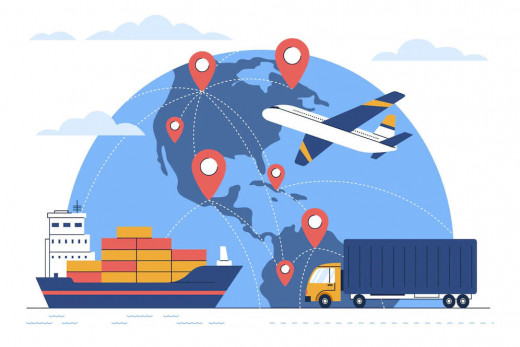
Understanding the Influence of Political Factors on Business Policy
Are you an entrepreneur or business owner looking to navigate the complex world of business policy? Well, buckle up, because in this blog post we are diving deep into the influence of political factors on business policy. Yes, you heard that right! Politics and business go hand in hand, whether we like it or not. Understanding how political systems can impact your company's policies is crucial for success in today's ever-changing landscape. So grab a cup of coffee and get ready to explore the fascinating connection between politics and business!
The Role of Government in Business Policy
Governments play a significant role in shaping business policies. They act as the regulatory bodies that establish rules and regulations to ensure fair competition, protect consumer rights, and promote economic growth. From small local governments to powerful national entities, their influence on business policy cannot be overstated.
At the local level, governments issue permits and licenses necessary for businesses to operate within their jurisdiction. These requirements help maintain safety standards and ensure compliance with relevant laws. Additionally, local authorities may provide incentives such as tax breaks or grants to encourage businesses to set up shop in their area.
Moving up the ladder, national governments have a broader impact on business policy. They create legislation addressing issues like labor rights, environmental protection, taxation rates, and trade agreements with other countries. Through these policies, governments can shape the playing field for businesses by either promoting entrepreneurship or imposing restrictions.
Moreover, government agencies are responsible for enforcing regulations and monitoring adherence to them. This oversight ensures that companies operate ethically while safeguarding public interest.
The role of government in business policy is multifaceted; it ranges from issuing permits at a local level all the way up to establishing comprehensive legislation at a national scale. Understanding how different levels of government influence your industry's policies is crucial for navigating through this dynamic landscape successfully.
The Different Types of Political Systems
When it comes to understanding the influence of political factors on business policy, it is crucial to be aware of the different types of political systems that exist around the world. These systems vary greatly in terms of governance and decision-making processes.
One type of political system is democracy, where power rests with the people. In a democratic system, citizens have the right to vote and participate in decision-making through elected representatives. This can lead to a more diverse range of policies as different parties and individuals hold varying views.
On the other hand, autocracy refers to a system where power is concentrated in one individual or group. Autocratic leaders make decisions without widespread input or opposition. This can result in policies that are driven by personal agendas rather than broader societal needs.
Another type is communism, which promotes collective ownership and centralized control over resources. In this system, businesses are often state-owned and decisions regarding policy are made by government authorities.
There are hybrid systems that combine elements from different types such as socialism or mixed economies. These systems aim for a balance between private enterprise and government intervention.
Understanding these various political systems helps businesses navigate the complexities they may face when operating internationally. Each system presents unique challenges and opportunities for companies seeking growth beyond their domestic markets.
By recognizing how political factors shape business policy within different contexts, organizations can tailor their strategies accordingly. It allows them to anticipate potential risks or obstacles while capitalizing on favorable conditions specific to each political environment.
In summary, the impact of political factors on business policy cannot be underestimated. By comprehending the nuances associated with various types of political systems, companies can better adapt their operations globally and develop effective strategies that align with prevailing norms within each jurisdiction they operate in
The Impact of Political Factors on Business Policy
The impact of political factors on business policy is undeniable. Governments have the power to shape and mold the rules and regulations that businesses must abide by. These policies can have a profound effect on how businesses operate, make decisions, and ultimately succeed or fail.
Political factors can come in many forms, such as changes in tax laws, trade policies, labor regulations, or environmental standards. For example, if a government decides to implement higher taxes on certain industries or products, it could significantly impact those businesses' profitability and competitiveness. Similarly, changes in trade policies could either open up new opportunities for companies to expand into foreign markets or create barriers that hinder their growth.
Furthermore, political stability or instability within a country can also affect business policy. In regions where there is ongoing conflict or political unrest, it becomes much riskier for businesses to invest and operate. Uncertainty about the future direction of government policies can make it difficult for companies to plan ahead and make long-term decisions.
Businesses need to stay informed about these political factors because they directly influence their strategies and operations. Understanding the current political landscape enables them to anticipate potential changes in policy that may impact their industry or market segment. By doing so, they can proactively adjust their business plans accordingly and stay ahead of any regulatory challenges.
In summary, political factors play a significant role in shaping business policy across different industries and countries worldwide. The ever-changing nature of politics means that businesses must continuously monitor developments at both national and international levels to adapt effectively. By understanding the influence of these factors on their operations promptly companies enable themselves not only survive but thrive amidst changing regulatory environments
The Importance of Understanding Political Factors for Businesses
Understanding political factors is crucial for businesses to thrive in today's dynamic and ever-changing environment. Political decisions and policies can have a significant impact on the operations, profitability, and sustainability of any business.
One key reason why understanding political factors is important for businesses is that government regulations can directly affect how they operate. For example, changes in tax laws or environmental regulations can increase costs for companies or require them to make significant operational changes. By staying informed about these potential changes, businesses can adapt their strategies accordingly and minimize any negative impacts.
Political stability is another factor that businesses need to consider. Instability in a country's political system can lead to economic uncertainty, which may deter potential investors or disrupt supply chains. Understanding the political landscape of different markets allows businesses to assess risks and make informed decisions when expanding into new territories.
Moreover, being aware of political factors helps businesses anticipate policy shifts that might impact their industry or target market. Governments often prioritize certain sectors or industries through subsidies, grants, or preferential treatment. By staying updated on such developments, companies can position themselves strategically to take advantage of new opportunities as they arise.
Additionally, understanding the socio-political climate is essential for maintaining positive relationships with customers and stakeholders. Consumers increasingly expect companies to align with their values and support causes that matter to them politically. Failing to grasp these nuances could lead to reputational damage and loss of trust among key audiences.
In conclusion (not a conclusion), it’s clear that comprehending political factors is vital for businesses seeking long-term success in today's globalized world. From regulatory compliance to market expansion opportunities and maintaining stakeholder relations – every aspect of business strategy must account for the influence politics has on shaping policies at local, national,and international levels.
Conclusion
Understanding and considering the influence of political factors on business policy is crucial for organizations operating in today's complex global landscape. Government plays a significant role in shaping policies that impact businesses, regardless of the type of political system in place.
From democratic to authoritarian regimes, each political system has its own set of rules and regulations that directly or indirectly affect business operations. Political stability, transparency, legal frameworks, taxation policies, trade agreements, and labor laws are just a few examples of how politics can shape business policy.
Political factors can have both positive and negative impacts on businesses. Favorable government policies can create opportunities for growth and innovation while unfavorable ones may hinder progress or introduce unnecessary barriers. Therefore, it is essential for businesses to monitor political developments closely and adapt their strategies accordingly.
The importance of understanding political factors goes beyond mere compliance; it enables businesses to identify potential risks and capitalize on emerging opportunities. By analyzing the current political environment at local, national, and international levels, companies can make informed decisions about investments, expansion plans, partnerships with governments or other stakeholders.
Additionally, keeping abreast with changing political trends helps organizations anticipate regulatory changes that may influence their industry or market segment. This proactive approach allows them to adjust their operations promptly while minimizing disruptions caused by sudden shifts in government policies.
Analyzing the Effects of Tax Policies on Small Businesses

Analyzing the Effects of Tax Policies on Small Businesses
Welcome to our blog, where we dive deep into the world of tax policies and their impact on small businesses. Taxes may not be the most exciting topic, but understanding how they affect entrepreneurs like you is crucial for making informed decisions. So grab a cup of coffee and let's explore the current tax system, proposed changes, and alternative solutions that could shape the future of your business!
The Current Tax System
The current tax system plays a crucial role in the functioning of small businesses. It is the framework within which these enterprises operate and thrive, or struggle to survive. However, like any complex system, it has its fair share of strengths and weaknesses.
One of the key strengths of the current tax system is its ability to provide incentives for investment and growth. Small businesses often benefit from various deductions and credits that can help reduce their tax burden. Additionally, the ability to deduct business expenses allows entrepreneurs to reinvest in their operations and fuel economic growth.
On the other hand, one major weakness of the current tax system is its complexity. Navigating through a myriad of rules and regulations can be daunting for small business owners who may not have access to professional assistance or resources. This complexity can lead to confusion, errors, or even unintentional non-compliance.
Moreover, another issue with the current tax system lies in its lack of flexibility. Tax policies are often slow to respond to changing economic conditions or emerging trends in entrepreneurship. As a result, small businesses may find themselves operating under outdated rules that do not align with their needs or objectives.
In addition to these challenges, there are also concerns about fairness within the current tax system. Some argue that large corporations exploit loopholes and take advantage of offshore havens while smaller businesses bear a disproportionate burden.
While there are benefits provided by our existing tax structure for small businesses – such as incentives for investment – there are also significant flaws that hinder growth opportunities due to complexity issues and inflexibility towards evolving economic dynamics
The Proposed Tax Changes
Small businesses have been closely watching the proposed tax changes that could potentially impact their bottom line. The government is considering various alterations to the current tax system, aiming to increase revenue and stimulate economic growth. While some of these changes may benefit small businesses, others may pose significant challenges.
One key proposal is a reduction in corporate tax rates. This change could provide small businesses with more financial flexibility and allow them to invest in expansion or hire additional staff. Lower taxes would also incentivize entrepreneurship and attract new investors, fueling innovation and job creation.
However, there are concerns about how these reductions will be balanced with other potential adjustments such as the elimination of certain deductions or credits that currently benefit small business owners. These changes could result in higher taxable income for entrepreneurs, impacting their ability to reinvest profits back into their businesses.
Another important aspect being discussed is tax simplification measures. Small business owners often struggle with complex regulations and reporting requirements associated with taxes. Simplifying the process can save time and resources for these enterprises, enabling them to focus on core operations rather than navigating through convoluted paperwork.
On the flip side, there are proposals suggesting an increase in personal income taxes for high earners – including many small business owners who report earnings on their individual returns rather than through corporations. This potential change raises concerns about reduced disposable income which may hinder investment opportunities or limit consumer spending power.
It's crucial for policymakers to weigh both short-term advantages and long-term implications when considering these proposed tax changes. Small businesses play a vital role in driving economic growth; therefore, it's essential that any modifications strike a balance between stimulating entrepreneurship while maintaining fair taxation practices.
While there are potential benefits from lower corporate tax rates and simplified processes under the proposed changes; caution is warranted regarding possible limitations on deductions/credits and personal income tax increases for high earners within this group of taxpayers (including small business owner/operators). It remains critical for policymakers to carefully analyze the effects of these changes on small businesses and consider alternatives
How will Small Businesses be Affected?
Small businesses play a vital role in our economy, providing jobs and contributing to local communities. As tax policies undergo changes, it is crucial to analyze how these adjustments will impact small businesses.
One potential effect of tax policy changes on small businesses is the alteration in their tax burden. Depending on the proposed changes, small businesses may experience either an increase or decrease in their overall tax liabilities. This can have significant implications for their ability to invest, grow, and remain competitive.
Furthermore, modifications to deductions and credits can also influence small business owners' decisions regarding investments and expenses. For instance, if certain deductions are eliminated or reduced, it could limit their ability to claim expenses related to equipment purchases or research and development activities.
In addition to direct financial impacts, changes in tax policies can also affect consumer spending patterns which indirectly impact small businesses. If taxes increase for individuals or households, they may have less discretionary income available for purchasing products or services from local enterprises.
Moreover, alterations in tax policies could potentially shape the competitive landscape for small businesses by favoring larger corporations with greater resources and economies of scale. Small business owners must carefully consider how these shifts might affect market dynamics within their industry.
As policymakers weigh different options for revising tax policies affecting small businesses, it's important that they consider the potential consequences on entrepreneurship and economic growth. By creating a favorable environment where entrepreneurs can thrive and succeed through reasonable taxation measures that balance revenue generation with support for innovation and job creation would be beneficial not only for individual enterprises but also society as a whole.
What are the Alternatives?
In light of the proposed tax changes, small businesses may be wondering what alternatives they have to mitigate any potential negative effects. While it is important to stay informed about the current tax system and proposed changes, it is equally crucial to explore alternative strategies that can help small businesses navigate through these uncertain times.
One option for small businesses could be to focus on diversifying their revenue streams. By expanding into new markets or offering additional products or services, small businesses can reduce their reliance on a single source of income. This not only helps in spreading risk but also provides opportunities for growth and sustainability.
Another alternative is exploring different legal structures for your business. Depending on your specific circumstances, you may find that changing from a sole proprietorship to an LLC or corporation offers certain advantages when it comes to taxes. Consulting with a qualified accountant or tax advisor can provide valuable insights into which structure would best suit your needs.
Additionally, implementing cost-saving measures within your business operations can help offset any potential increase in taxes. Reviewing expenses regularly and finding ways to streamline processes can lead to significant savings over time. It's essential for small businesses to identify areas where costs can be reduced without compromising quality or customer satisfaction.
Moreover, seeking out available government incentives and grants designed specifically for small businesses could prove beneficial in navigating the changing tax landscape. These programs often aim at promoting job creation, innovation, and growth within the sector by providing financial support or other resources.
Staying involved in advocacy efforts aimed at influencing tax policies is another alternative worth considering. Joining industry associations and participating in discussions with policymakers allows small business owners' voices to be heard directly by those who have decision-making power regarding tax legislation.
While each alternative has its own merits depending on individual circumstances, combining several approaches might offer a more comprehensive solution for mitigating potential impacts of proposed tax changes on small enterprises.
Conclusion
The effects of tax policies on small businesses are significant and can have a profound impact on their operations and overall success. The current tax system in place has its flaws and limitations, often burdening small businesses with high taxes and complex compliance requirements.
The proposed tax changes aim to address some of these issues by reducing rates for small businesses and simplifying the tax code. While this may seem like a positive step forward, it is important to carefully analyze how these changes will specifically affect different types of small businesses.
It is clear that there are no one-size-fits-all solutions when it comes to tax policies for small businesses. Each business operates under unique circumstances and faces different challenges. Therefore, alternative approaches should be explored that take into account the needs and realities of various industries.
One possible alternative could be implementing targeted incentives or exemptions for specific sectors or industries that are crucial for economic growth. This would encourage entrepreneurship, innovation, job creation, and overall economic development.
Additionally, more streamlined processes for compliance should be put in place to alleviate the administrative burden on small business owners. This would free up valuable time and resources that could be better utilized in growing their ventures.
Finding a balance between fair taxation and supporting the growth of small businesses is essential for a thriving economy. It requires careful consideration of both short-term benefits as well as long-term implications.
As policymakers continue to debate tax reform measures affecting small businesses, it is vital that they engage with stakeholders from various sectors to ensure an inclusive approach that considers all perspectives.
By creating an environment where entrepreneurs can thrive without undue financial strain from excessive taxes or burdensome regulations, we can foster innovation, job creation, and sustained economic growth – ultimately benefiting not only individual enterprises but society as a whole.
Contending with Antitrust Laws: A Guide for Businesses
Contending with Antitrust Laws: A Guide for Businesses
Welcome to our blog, where we dive into the intricacies of business laws and regulations that every entrepreneur should be aware of. Today, we tackle a topic that can make or break your company's success: antitrust laws. These laws are designed to promote fair competition in the marketplace and prevent monopolistic practices that could harm consumers.
Now you might be thinking, "Why do I need to know about antitrust laws? My business is small!" Well, my friend, size doesn't matter when it comes to complying with these regulations. Whether you're a small startup or an industry giant, understanding and adhering to antitrust laws is crucial for protecting your company's reputation and avoiding hefty fines.
In this article, we'll explore why businesses like yours need to familiarize themselves with antitrust laws. We'll also delve into the potential consequences if these regulations are violated. But fear not! We won't leave you hanging without some guidance on how to ensure compliance with these complex rules.
So grab a cup of coffee (or tea if that's more your style), sit back, and let's navigate through the world of antitrust together! Trust us; it'll be worth your while.
What are Antitrust Laws?
Antitrust laws, also known as competition laws, are a set of regulations that aim to promote fair competition and prevent anti-competitive practices in the marketplace. These laws are designed to protect consumers from monopolies, price-fixing schemes, and other unfair business practices.
At their core, antitrust laws seek to ensure that no single company or group of companies has too much power or control over a specific industry. They encourage healthy market competition by prohibiting agreements or actions that restrict trade and hinder competition.
Antitrust laws cover various areas such as mergers and acquisitions, pricing strategies, distribution channels, intellectual property rights, and more. They vary across jurisdictions but generally share the common goal of fostering free markets where businesses can thrive based on merit rather than manipulation.
These regulations not only benefit consumers by promoting lower prices and greater product choices but also create an environment where innovation can flourish. By preventing monopolistic behavior and encouraging fair play among competitors, antitrust laws help level the playing field for businesses of all sizes.
Understanding antitrust laws is essential for any business operator. It enables them to navigate the competitive landscape intelligently while avoiding potential legal pitfalls. Compliance with these regulations promotes ethical conduct within industries and helps build trust among customers who appreciate fair market practices.
Now that we have established what antitrust laws entail let's explore why it is imperative for businesses like yours to become well-versed in these regulations. Stay tuned!
Why Do Businesses Need to Know About Antitrust Laws?
Antitrust laws are a crucial aspect of business regulations that every company should be familiar with. So, why is it essential for businesses to have a solid understanding of these laws? Well, there are several reasons.
Antitrust laws aim to promote fair competition in the marketplace. By preventing monopolies and restraining anti-competitive behavior, these laws foster an environment where businesses can thrive based on their merits rather than unfair advantages. Understanding antitrust laws allows companies to navigate this landscape and ensure they operate within legal boundaries.
Violating antitrust laws can lead to severe consequences. Businesses found guilty of engaging in anti-competitive practices may face hefty fines and penalties. Additionally, such violations can damage a company's reputation and result in costly legal battles that drain resources.
Moreover, being knowledgeable about antitrust laws enables businesses to make informed decisions regarding mergers and acquisitions. These regulations require careful consideration when engaging in activities that may impact market concentration or restrict competition.
Furthermore, staying up-to-date with changes in antitrust legislation is crucial as these rules evolve over time. Businesses need to be aware of any amendments or updates that could affect their operations or industry dynamics.
Having knowledge about antitrust laws is vital for businesses as it ensures compliance with regulations promoting fair competition while minimizing the risk of legal repercussions and reputational damage. Being proactive by staying informed helps companies adapt their strategies accordingly and maintain a competitive edge while adhering to ethical business practices
What are the Consequences of Violating Antitrust Laws?
Violating antitrust laws can have serious repercussions for businesses. When companies engage in anti-competitive practices, they may face severe penalties and damage to their reputation.
One major consequence is the possibility of hefty fines. Regulatory bodies, such as the Federal Trade Commission (FTC) or the Department of Justice (DOJ), are responsible for enforcing antitrust laws. If found guilty, businesses could be fined significant amounts based on their revenue or profits.
In addition to financial penalties, violating antitrust laws can result in legal action. Competitors or consumers who have been harmed by anti-competitive behavior have the right to file lawsuits against offending companies. This can lead to costly litigation and potential damages awarded to plaintiffs.
Moreover, businesses that violate these laws often suffer reputational damage. Negative publicity surrounding anti-competitive practices can erode consumer trust and loyalty. This loss of goodwill may impact a company's bottom line and market position long-term.
Furthermore, regulatory authorities may impose structural remedies on offenders as part of enforcement actions. For instance, a merger that violates antitrust regulations might be ordered to divest certain assets or dissolve altogether.
It is crucial for businesses to understand and comply with antitrust laws to avoid these severe consequences that can harm their finances and reputation significantly.
How Can Businesses Comply With Antitrust Laws?
Complying with antitrust laws is crucial for businesses to avoid legal troubles and maintain a fair competitive landscape. Here are some key steps that businesses can take to ensure compliance:
1. Educate employees: It is essential to educate all employees about the basics of antitrust laws, including what behaviors and actions are prohibited. This can be done through training sessions or informational materials.
2. Establish clear policies: Businesses should develop comprehensive policies that outline their commitment to complying with antitrust laws. These policies should clearly define acceptable business practices and provide guidance on how to handle potential issues.
3. Monitor business activities: Regularly monitoring business activities is important in detecting any potential antitrust violations early on. By implementing internal controls, such as audits or reviews, businesses can identify any suspicious behavior promptly.
4. Seek legal counsel: Engaging the services of experienced antitrust attorneys can help businesses navigate complex legal requirements and ensure compliance with applicable regulations.
5. Foster a culture of compliance: Creating a culture where ethical behavior and adherence to regulations are prioritized is crucial for long-term success in complying with antitrust laws. This includes promoting transparency, accountability, and open communication within the organization.
Remember that compliance with antitrust laws is an ongoing process that requires constant vigilance and adaptation as regulations evolve over time. By taking proactive measures like those outlined above, businesses can mitigate the risk of violating these laws while fostering healthy competition in their respective industries.
Conclusion
Understanding and complying with antitrust laws is crucial for businesses of all sizes. These laws are in place to promote fair competition, prevent monopolies, and protect consumer interests. Violating antitrust laws can lead to severe consequences, including hefty fines and damage to a company's reputation.
To ensure compliance with antitrust laws, businesses should educate themselves about the regulations relevant to their industry. They should also establish clear internal policies that promote fair competition and prohibit anti-competitive behavior within their organization. Regular training sessions can help employees understand their obligations under these laws.
In addition, it is important for businesses to stay informed about any changes or updates in antitrust regulations. Consulting with legal experts specializing in antitrust law can provide valuable guidance on navigating complex issues and ensuring compliance.
By proactively adhering to antitrust laws, businesses not only avoid legal trouble but also foster an environment of healthy competition that benefits both consumers and the market as a whole.
Remember: Compliance with antitrust laws is not just a legal obligation; it is an ethical responsibility that contributes towards creating a level playing field for all businesses while safeguarding consumer rights!
So, keep these guidelines in mind as you navigate the competitive landscape – understanding your responsibilities under antitrust law will help your business thrive ethically while avoiding unnecessary risks!
Strategies for Managing Intellectual Property Rights

Strategies for Managing Intellectual Property Rights
Welcome to our blog post on Strategies for Managing Intellectual Property Rights! In today's fast-paced and highly competitive business world, protecting your intellectual property has never been more crucial. Whether you're an entrepreneur with a groundbreaking invention, a creative genius with original works of art or literature, or a brand owner striving to maintain the integrity of your trademark, understanding how to effectively manage and enforce your intellectual property rights is essential.
In this article, we will explore four key areas of intellectual property protection: patents, trademarks, copyrights, and trade secrets. We'll delve into the importance of each type of IP right and provide practical strategies for safeguarding your valuable creations. So grab a pen and paper (or open up that notes app) because we're about to dive deep into the exciting world of intellectual property management!
1. Patents
Patents are a powerful tool for protecting inventions and innovative ideas. They grant inventors exclusive rights to their creations, preventing others from making, using, or selling the patented invention without permission. Patents not only provide legal protection but also serve as a valuable asset that can be licensed or sold.
When it comes to managing patents, one crucial strategy is conducting thorough research before filing an application. This involves searching existing patents and technical literature to ensure your invention is truly novel and non-obvious. By doing so, you can avoid wasting time and resources on patent applications that may ultimately be rejected.
Another essential aspect of patent management is drafting a comprehensive and well-written patent application. A strong application should clearly define the scope of the invention while disclosing all relevant details necessary for someone skilled in the field to replicate it.
Once granted, actively enforcing your patents becomes paramount. Monitoring the market for potential infringements allows you to take prompt legal action when necessary. Working closely with intellectual property attorneys specialized in patent law can greatly assist in navigating complex infringement cases.
Remember that patents have limited lifespans – typically 20 years from the filing date – so regularly reviewing your portfolio is vital. Evaluating whether renewing or letting go of certain patents makes strategic sense helps optimize costs while prioritizing stronger assets.
Innovators must stay vigilant in protecting their inventions by staying up-to-date on changes within their industry and emerging technologies that could impact their IP landscape.
2. Trademarks
Trademarks play a crucial role in protecting a company's brand identity and reputation. A trademark is a unique symbol, word, or phrase that distinguishes one company's goods or services from those of others. It serves as a badge of origin and helps consumers identify and differentiate products in the marketplace.
Obtaining a trademark ensures exclusive rights to use that mark for specific goods or services within the jurisdiction where it is registered. This prevents others from using similar marks that may cause confusion among consumers. Registering a trademark provides legal recourse against any unauthorized use, infringement, or dilution of the mark.
Trademark protection extends beyond just words and logos; it can also include sounds, colors, shapes, and even scents if they are distinctive enough to serve as identifiers for certain brands or products.
It is essential for companies to conduct thorough research before choosing a trademark to avoid potential conflicts with existing trademarks. Once registered, businesses should actively monitor their trademarks to detect any infringements promptly.
Trademarks are vital assets that safeguard a company's brand image and help build consumer trust. By securing exclusive rights through proper registration and proactive monitoring, businesses can protect their valuable intellectual property.
3. Copyrights
Copyrights are an essential component of protecting intellectual property rights. They grant exclusive rights to creators and owners of original works, such as literary, artistic, musical, or dramatic creations. With a copyright in place, individuals have the power to control how their work is used and reproduced.
One key benefit of copyrights is that they provide legal protection against unauthorized use or distribution of copyrighted material. This means that others cannot simply copy or reproduce someone else's work without permission. It gives creators the ability to monetize their creations by selling licenses for others to use their work.
To obtain copyright protection, it is not necessary to register with a government agency; however, doing so can provide additional benefits in terms of enforcement options and damages in case of infringement. Displaying the copyright symbol (©), along with the author's name and year on the work itself also serves as a notice that the creation is protected by copyright.
In today's digital age where content can be easily shared and copied online, enforcing copyrights has become increasingly challenging. However, strategies such as monitoring for infringement through web searches and registering copyrighted material with relevant authorities can help deter potential violators.
Copyrights play a crucial role in safeguarding creative works from unauthorized copying or distribution. By understanding your rights as a creator and taking proactive steps to protect your intellectual property through copyrights registration and enforcement measures when necessary you ensure that your hard work receives the recognition it deserves.
4. Trade Secrets
When it comes to protecting intellectual property rights, trade secrets play a crucial role. Unlike patents, trademarks, and copyrights which are registered with government agencies, trade secrets rely on confidentiality and secrecy.
Trade secrets can range from formulas and processes to customer lists and pricing information. The key is that they give a company a competitive advantage by keeping valuable information hidden from competitors.
Managing trade secrets requires robust internal policies and procedures. Companies must have clear guidelines in place for employees regarding the handling of sensitive information. This includes restrictions on sharing confidential data with external parties or using it for personal gain.
To further safeguard trade secrets, companies should consider implementing access controls such as password protection or encryption for electronic files containing sensitive data. Regular training programs can also help educate employees about the importance of maintaining confidentiality.
In cases where trade secret theft occurs, legal action can be pursued against the offending party. However, proving misappropriation can be challenging without concrete evidence or documentation showcasing the stolen information.
Managing trade secrets requires constant vigilance and proactive measures to protect valuable proprietary assets. By prioritizing confidentiality practices within their organizations, companies can maintain their competitive edge in today's fast-paced business environment.
Enforcement of Intellectual Property Rights
Protecting your intellectual property is crucial, but it's equally important to enforce those rights when they are infringed upon. Without proper enforcement, all the time and effort put into developing and securing your intellectual property can be in vain.
To effectively enforce your rights, it's essential to stay vigilant and monitor for any potential infringements. Regularly search for unauthorized use or reproduction of your patented inventions, trademarked logos or copyrighted works. Additionally, keeping an eye on the market and competitors can help identify any instances of trade secret theft.
When you discover infringement, take swift action. Consult with a qualified attorney who specializes in intellectual property law to explore legal options available to you. This may include sending cease-and-desist letters, filing lawsuits or pursuing alternative dispute resolution methods.
In some cases, it may be necessary to involve law enforcement authorities or customs agencies if counterfeit goods are being produced or imported illegally. Working closely with these entities can help prevent further infringement and protect the integrity of your IP rights.
Remember that international protection requires additional measures due to varying laws across jurisdictions. Consider registering your intellectual property in relevant countries where you do business and work with local counsel knowledgeable about local regulations.
By actively enforcing your intellectual property rights, you not only protect yourself from financial losses but also send a strong message that infringement will not be tolerated. Stay proactive in monitoring for infringements and take appropriate action when needed – safeguarding what rightfully belongs to you!
Conclusion
Managing intellectual property rights is a crucial aspect of protecting and maximizing the value of your creative works. In today's digital age, where information can be easily shared and copied, it is more important than ever to have a strong strategy in place.
Patents are essential for inventors seeking exclusive rights to their inventions. By securing a patent, you can prevent others from making, using, or selling your invention without your permission.
Trademarks help businesses protect their brand identity by distinguishing their products or services from competitors. Registering a trademark not only safeguards your brand but also enables you to take legal action against any infringement.
Copyrights provide creators with the right to control how their original works are used and distributed. From music and literature to software code and website content, copyrights ensure that creators receive recognition and financial benefits for their creations.
Trade secrets involve confidential business information that gives companies a competitive advantage. Protecting trade secrets through non-disclosure agreements and security measures is vital in preventing unauthorized use or disclosure.
Enforcement of intellectual property rights requires vigilance and proactive measures. Promptly identifying potential infringements and taking appropriate legal actions will deter others from stealing or misusing your intellectual property assets.
Managing intellectual property rights is an ongoing process that demands careful attention and strategic planning. By understanding the different forms of IP protection available - patents, trademarks, copyrights, trade secrets - individuals and businesses can safeguard their valuable ideas while reaping the rewards of innovation in today's dynamic marketplace.
Adapting to Changing Consumer Protection Regulations

Adapting to Changing Consumer Protection Regulations
Adapting to changing consumer protection regulations may not be the most glamorous topic, but it's one that businesses simply can't afford to ignore. In today's ever-evolving marketplace, where customer expectations and legal requirements are constantly shifting, staying on top of these changes is crucial for both survival and success. While adapting to new regulations might seem like a daunting task, the benefits far outweigh the challenges. So buckle up and get ready as we dive into the world of consumer protection regulations and explore why adapting is not only necessary but also beneficial in more ways than you might expect!
The Challenges of Adapting to Changing Consumer Protection Regulations
Navigating the ever-changing landscape of consumer protection regulations is no easy feat. For businesses, it means constantly staying up-to-date with new laws, rules, and guidelines that govern how they interact with their customers. This can be a challenge in itself, as these regulations can vary from country to country or even state to state.
One of the main challenges businesses face when adapting to changing consumer protection regulations is the need for ongoing education and training. It's not enough to simply read up on new laws; companies must ensure that all employees are aware of and understand these regulations. This often requires investing time and resources into training programs or hiring legal experts who specialize in compliance.
Another obstacle businesses encounter is the potential impact on their existing processes and systems. Adapting to new regulations may require substantial changes in how products are marketed, sold, or serviced. This could mean overhauling internal procedures or even reworking entire business models.
Moreover, keeping pace with evolving consumer protection regulations can also strain financial resources. Compliance efforts can be costly - from conducting regular audits to implementing necessary technological upgrades - especially for small businesses operating on tight budgets.
Furthermore, adapting quickly enough poses its own set of difficulties. The regulatory landscape is constantly evolving due to advancements in technology and shifting societal expectations. Businesses must proactively monitor industry trends and engage in continuous monitoring of regulatory updates so as not to fall behind.
In short, while there are numerous challenges associated with adapting to changing consumer protection regulations – from ongoing education needs and operational adjustments through financial constraints – ignoring them simply isn't an option for any responsible business aiming for long-term success.
The Benefits of Adapting to Changing Consumer Protection Regulations
Adapting to changing consumer protection regulations can have numerous benefits for businesses. It allows companies to stay compliant with the law and avoid potential fines or legal consequences. By keeping up with and implementing the latest regulations, businesses demonstrate their commitment to ethical practices and build trust with consumers.
Adapting to changing consumer protection regulations can help improve customer satisfaction. When companies prioritize consumer rights and take steps to protect them, customers feel valued and respected. This leads to increased loyalty and positive word-of-mouth recommendations.
Furthermore, adapting to changing regulations also promotes fair competition in the marketplace. By ensuring that all businesses are held accountable for their actions, regulations create a level playing field where unethical practices are minimized. This encourages innovation as well as healthy competition among companies.
In addition, embracing new consumer protection regulations can drive business growth by opening up new opportunities. For instance, emerging trends such as data privacy laws present a chance for organizations to invest in secure data management systems or develop innovative products that cater specifically to privacy-conscious consumers.
Staying ahead of changing consumer protection regulations provides tangible benefits such as legal compliance, enhanced customer satisfaction, fair competition promotion, and business growth opportunities. It's crucial for organizations not only to understand but also embrace these changes in order to thrive in today's dynamic market environment
The Impact of Not Adapting to Changing Consumer Protection Regulations
The impact of not adapting to changing consumer protection regulations can be detrimental for businesses. Failing to keep up with these regulations puts companies at risk of legal repercussions, damage to their reputation, and loss of customer trust.
One major consequence is the potential for lawsuits or fines. Consumer protection laws are in place to ensure fair treatment and honesty in business transactions. Ignoring or disregarding these laws can result in costly legal battles and financial penalties that can cripple a company's finances.
Another significant impact is the damage to a company's reputation. In today's digital age, news spreads quickly through social media and online platforms. If consumers discover that a business is not adhering to consumer protection regulations, it can lead to negative reviews, boycotts, and a tarnished image that may be difficult to recover from.
Furthermore, ignoring consumer protection regulations undermines customer trust. Consumers want assurance that they will be treated fairly and honestly by businesses they engage with. When companies fail to adapt their practices according to changing regulations, customers may feel betrayed or deceived. This erodes loyalty and leads them towards competitors who prioritize consumer protection.
Failing to adapt to changing consumer protection regulations has serious consequences for businesses. Legal troubles, damaged reputation, and lost trust are just some of the impacts companies face when they do not comply with these regulations. It is crucial for businesses to stay informed about evolving requirements and make necessary adjustments promptly in order to protect themselves from these adverse effects.
How to Adapt to Changing Consumer Protection Regulations
As businesses navigate the ever-changing landscape of consumer protection regulations, it is crucial to adapt and stay ahead of the curve. Here are some practical steps businesses can take to effectively adjust and comply with these evolving regulations.
1. Stay informed: The first step in adapting to changing consumer protection regulations is staying informed about any new laws or updates. Regularly monitor industry news, attend conferences or webinars, and engage with regulatory bodies to gain insight into upcoming changes.
2. Conduct a compliance audit: Assess your current practices and procedures to identify any gaps or areas that need improvement. A compliance audit will help you understand what changes may be necessary for your business operations.
3. Update policies and procedures: Once you have identified areas that require attention, update your policies and procedures accordingly. This may involve revising terms of service agreements, privacy policies, warranty information, or customer complaint handling processes.
4. Train employees: Ensure all employees are aware of the updated regulations and their responsibilities in adhering to them. Provide comprehensive training sessions on relevant topics such as data protection, fair advertising practices, or product safety guidelines.
5. Implement monitoring systems: Put in place monitoring systems that track compliance with consumer protection regulations on an ongoing basis. This could include regular audits, customer feedback mechanisms, or internal reporting channels for potential violations.
6. Seek legal counsel if needed: If you have concerns about specific aspects of the new regulations or require clarification on how they apply to your business model specifically, consider seeking legal counsel from experts in consumer law.
By taking these proactive measures to adapt to changing consumer protection regulations promptly - businesses can ensure they not only meet their legal obligations but also build trust among consumers by demonstrating their commitment towards ethical practices.
Alternatives to Adapting to Changing Consumer Protection Regulations
As consumer protection regulations continue to evolve, businesses are faced with the challenge of keeping up and ensuring compliance. However, there may be alternative approaches that businesses can consider when it comes to adapting to these changes.
One option is to seek legal counsel or professional advice from experts in the field. By consulting with professionals who specialize in consumer protection regulations, businesses can gain a better understanding of the specific requirements and obligations they need to meet.
Another alternative is investing in technology solutions that automate compliance processes. With advancements in technology, there are now software programs available that can help businesses track and monitor their compliance efforts more efficiently. These tools can streamline processes and reduce the risk of human error.
Additionally, collaboration with industry peers can also provide valuable insights and strategies for navigating changing regulations. By sharing knowledge and experiences within an industry network or association, businesses can learn from others' successes and challenges.
Furthermore, staying informed about upcoming regulatory changes through regular monitoring of legislative updates is vital. This proactive approach allows companies to anticipate changes before they come into effect and make necessary adjustments ahead of time.
Exploring alternative business models or markets might offer some opportunities for avoiding certain regulatory burdens altogether. Adapting product offerings or targeting different demographics could potentially mitigate the impact of strict consumer protection rules on a business's operations.
While adapting to changing consumer protection regulations may seem challenging at first glance, considering alternatives such as seeking professional advice, utilizing technology solutions, collaborating with industry peers, staying informed about upcoming changes, and exploring new business avenues could present viable options for minimizing disruption while maintaining compliance.
Conclusion
In today's ever-changing business landscape, adapting to changing consumer protection regulations is not just a necessity but also a strategic advantage. Consumer protection laws are put in place to safeguard the interests of consumers and ensure fair business practices. As these regulations continue to evolve, businesses need to stay on top of the latest developments and make necessary adjustments to their operations.
By adapting to changing consumer protection regulations, businesses can benefit in several ways. It helps build trust with consumers. When customers know that a company abides by the rules and prioritizes their rights and safety, they are more likely to have confidence in its products or services.
Compliance with consumer protection regulations minimizes legal risks. Non-compliance can result in hefty fines or even lawsuits that could damage a company's reputation and financial stability. By proactively adapting to changes in regulations, businesses can avoid such pitfalls.
Moreover, adapting ensures competitiveness in the market. As new laws emerge, companies that quickly adjust their policies and practices gain an edge over competitors who may be slower to implement necessary changes. Adapting allows businesses to align themselves with evolving customer expectations while staying ahead of potential disruptions caused by non-compliance.
On the other hand, failing to adapt can have significant consequences for businesses. It could lead not only to legal repercussions but also tarnish brand reputation irreparably. In today's interconnected world where news spreads rapidly through social media platforms, one misstep regarding consumer protection issues could go viral within minutes.
To effectively adapt to changing consumer protection regulations:
1) Stay informed: Regularly monitor updates from regulatory bodies or seek professional advice if needed.
2) Conduct internal audits: Evaluate existing processes and procedures against new requirements.
3) Train employees: Provide comprehensive training on updated policies so everyone understands their roles.
4) Implement necessary changes promptly: Swift action is crucial when it comes to compliance; delays increase risks.
5) Seek feedback from customers: Actively listen to their concerns and expectations, incorporating their feedback into improvement plans.
Exploring Diversity and Inclusion Initiatives in Business Policy

Exploring Diversity and Inclusion Initiatives in Business Policy
Welcome to the fascinating world of diversity and inclusion initiatives in business policy! In an era where businesses are striving to create inclusive environments, these initiatives have become more crucial than ever. But what exactly does it mean to be diverse and inclusive? And how can businesses go about implementing such initiatives effectively?
Well, you're in luck because we're here to explore all that and more. In this blog post, we'll dive deep into the realm of diversity and inclusion in business policy. We'll uncover various types of initiatives that companies can adopt to foster inclusivity within their walls. From hiring practices that promote diversity to creating safe spaces for underrepresented groups, there's a whole range of strategies at play.
But why should businesses care about diversity and inclusion? It's simple - embracing different perspectives leads to innovation, creativity, and enhanced problem-solving abilities. When employees feel valued for who they are rather than solely based on their background or identity markers, magical things happen! Productivity soars while employee morale reaches new heights.
To give you some real-world inspiration, we'll also take a look at case studies from companies that have successfully implemented these initiatives. By highlighting their stories, we hope to show you just how transformative diversity and inclusion can be for both individuals and organizations alike.
Ready to embark on this enlightening journey towards building a truly inclusive workplace? Let's get started by exploring the various types of initiatives your company can undertake as part of its commitment towards fostering diversity and inclusion!
The Different Types of Initiatives Businesses Can Take to be More Inclusive
Businesses can take a variety of initiatives to promote diversity and inclusion within their organizations. One important step is to establish diverse hiring practices, ensuring that candidates from different backgrounds are given equal opportunities. This could include implementing blind resume reviews or conducting structured interviews to mitigate biases.
Another initiative is creating an inclusive work environment by fostering a culture of respect and acceptance. Businesses can achieve this by offering diversity training programs for employees, promoting open communication channels, and establishing employee resource groups that celebrate various cultures and identities.
Promoting diversity in leadership positions is also crucial for creating an inclusive workplace. Companies can implement mentorship programs or leadership development initiatives specifically targeted towards underrepresented groups, providing them with the necessary support and resources to advance their careers.
Additionally, businesses can collaborate with external organizations that focus on diversity and inclusion. This could involve participating in industry conferences or events centered around these topics or partnering with nonprofits working towards social change.
It's essential for companies to regularly assess their progress in terms of diversity and inclusion through metrics such as representation data, employee satisfaction surveys, or even conducting third-party audits to identify areas for improvement.
By taking these initiatives, businesses can create a more inclusive environment where individuals from all backgrounds feel valued and have equal opportunities to thrive professionally.
The Benefits of Implementing these Initiatives
Implementing diversity and inclusion initiatives in business policy can bring about numerous benefits. First and foremost, fostering a diverse and inclusive work environment leads to increased creativity and innovation. When people from different backgrounds come together, they bring unique perspectives and ideas that can drive the company forward.
Additionally, embracing diversity can enhance problem-solving capabilities within an organization. By encouraging employees with varying viewpoints to collaborate, businesses gain access to a wider range of solutions for complex challenges.
Moreover, having a diverse workforce helps companies better understand their customers. In today's globalized world, it is essential for businesses to have employees who reflect the demographics of their target audience. This understanding enables organizations to build stronger connections with customers and tailor their products or services accordingly.
Furthermore, promoting inclusivity fosters employee satisfaction and engagement. When individuals feel valued for their contributions regardless of their background or identity, they are more likely to be motivated and committed to their work.
Implementing diversity initiatives can also improve brand reputation. Consumers increasingly expect companies to demonstrate commitment towards social justice issues like equality and inclusion. By actively championing these values through policies and actions, businesses not only attract socially conscious consumers but also establish themselves as leaders in corporate responsibility.
In summary - by implementing diversity and inclusion initiatives in business policy, organizations can reap numerous benefits including increased creativity & innovation, enhanced problem-solving capabilities, better customer understanding, improved employee satisfaction & engagement, and bolstered brand reputation.
Case Studies of Businesses Which Have Successfully Implemented Diversify and Inclusion Initiatives
Let's take a closer look at some inspiring case studies of businesses that have successfully implemented diversity and inclusion initiatives. These companies understand the importance of fostering an inclusive workplace where everyone feels valued, respected, and empowered to bring their unique perspectives to the table.
One such company is Salesforce, a leading cloud-based software company. They have made incredible strides towards diversity by implementing various programs and policies aimed at promoting inclusivity. For instance, they conduct regular unconscious bias training for employees, ensuring that biases are recognized and addressed.
Another great example is Accenture, a global consulting firm committed to maintaining an inclusive workforce. They actively recruit individuals from diverse backgrounds through partnerships with organizations dedicated to supporting underrepresented groups. Furthermore, Accenture has established employee resource groups that provide support networks for different communities within the organization.
Tech giant Microsoft also deserves recognition for its efforts in building a diverse and inclusive workplace culture. The company has set ambitious goals related to increasing representation among women and people of color in leadership positions. Their initiatives include mentorship programs, scholarships for underrepresented students pursuing technology careers, and partnerships with nonprofits focused on empowering marginalized communities.
These case studies highlight how businesses can make significant progress by prioritizing diversity and inclusion in their policies. By creating an environment where everyone feels welcomed regardless of their background or identity markers, these companies reap numerous benefits including increased innovation, enhanced decision-making processes, improved employee satisfaction levels - all contributing to better business outcomes.
Through these examples alone we see just how important it is for organizations across various industries to embrace diversity as more than just a buzzword but rather as an essential element in driving success both internally and externally.
How to Get Started With Implementing Diversity and Inclusion Initiatives in Your Business
Getting started with implementing diversity and inclusion initiatives in your business can seem like a daunting task, but it doesn't have to be. By taking small steps and being intentional, you can begin creating a more inclusive workplace for everyone.
It's important to assess your current policies and practices. Take the time to review your hiring processes, promotion criteria, and employee benefits to identify any potential biases or areas where inclusivity may be lacking. This self-reflection will provide the foundation for meaningful change.
Next, consider forming a diversity and inclusion committee or task force within your organization. This group can help drive the implementation of new initiatives by conducting research, providing recommendations, and fostering open dialogue among employees. Having diverse perspectives at the table ensures that decisions are made with inclusivity in mind.
Additionally, training is key when it comes to cultivating an inclusive environment. Offer workshops on unconscious bias awareness or cultural competency to raise awareness among employees about their own biases and how these impact others. Encourage open discussions about diversity-related topics so that individuals feel comfortable sharing their experiences and learning from one another.
Another effective strategy is establishing partnerships with external organizations focused on promoting diversity and inclusion. Collaborating with these groups not only demonstrates your commitment to the cause but also provides valuable resources such as mentorship programs or networking opportunities for underrepresented individuals.
Don't forget about ongoing evaluation of your efforts. Regularly collect feedback from employees through surveys or focus group discussions to gauge the effectiveness of implemented initiatives and identify areas for improvement.
By taking these initial steps towards implementing diversity and inclusion initiatives in your business, you're setting yourself up for long-term success in creating a more equitable workplace where all employees feel valued and included – no matter their background or identity.
Conclusion
In a rapidly changing world, diversity and inclusion initiatives have become essential in business policy. Embracing diverse perspectives and fostering an inclusive environment not only aligns with ethical principles but also drives success and innovation.
By implementing various initiatives, businesses can make significant strides towards creating a more inclusive workplace. These initiatives may include promoting equal opportunities for all employees, providing training on unconscious bias, establishing employee resource groups, and actively seeking diverse talent through recruitment strategies.
The benefits of these initiatives are manifold. First and foremost, they create a sense of belonging among employees from different backgrounds. When individuals feel valued for their unique qualities and experiences, they are more likely to be engaged and motivated at work.
Moreover, embracing diversity leads to increased creativity and problem-solving abilities within teams as diverse perspectives bring fresh ideas to the table. This ultimately enhances productivity and competitiveness in the marketplace.
Several successful case studies highlight the positive impact of diversity and inclusion initiatives in businesses across industries:
1. Microsoft: The technology giant implemented an initiative called "DigiGirlz" that aims to inspire young girls to pursue careers in STEM fields by offering mentoring programs, workshops, and internships specifically tailored for them. This initiative has helped increase gender diversity within the company's workforce significantly.
2. Starbucks: Recognizing the importance of cultural competency in customer service delivery, Starbucks introduced racial bias training for its employees after a highly publicized incident involving racial profiling at one of its stores. This initiative highlighted the company's commitment to fostering an inclusive environment for both customers and employees alike.
Getting started with implementing diversity and inclusion initiatives requires commitment from top leadership along with active involvement from all levels within the organization:
1. Set clear goals: Define specific objectives related to diversity metrics or desired changes in policies or practices that will guide your efforts.
2. Develop awareness programs: Conduct trainings on unconscious bias to help employees recognize their own biases while promoting empathy towards others.
3. Establish employee resource groups: Encourage the formation of affinity groups where employees can connect.
Tackling Cybersecurity Challenges through Effective Policies

Tackling Cybersecurity Challenges through Effective Policies
Welcome to our blog, where we delve into the fascinating world of cybersecurity and explore the challenges that businesses face in navigating this ever-evolving landscape. In today's digital age, where technology is deeply intertwined with every aspect of our lives, ensuring effective cybersecurity measures has become a top priority for organizations worldwide.
Every day, we hear stories of cyber attacks targeting businesses large and small, resulting in significant financial losses and reputational damage. The importance of robust cybersecurity practices cannot be overstated – it is not just an option but a necessity for any organization looking to safeguard its sensitive data and protect itself from potential threats.
In this article, we will discuss some common cybersecurity challenges faced by businesses today and explore how implementing effective policies can help tackle these issues head-on. So let's dive right in!
The Importance of Cybersecurity
In today's digitally-driven world, the importance of cybersecurity cannot be emphasized enough. With technology advancing at an unprecedented pace, businesses are increasingly vulnerable to cyber threats that can wreak havoc on their operations and compromise sensitive data.
Cybersecurity is not just about protecting your organization from external attacks; it encompasses a wide range of practices aimed at preventing unauthorized access, ensuring data integrity, and maintaining the confidentiality of information. It involves implementing robust encryption protocols, regularly updating software and hardware systems, and educating employees on best security practices.
The consequences of a cybersecurity breach can be devastating for any business. Not only can it result in financial losses due to theft or ransom demands but also lead to reputational damage that takes years to recover from. Trust is hard-earned but easily lost in the digital realm.
Investing in strong cybersecurity measures is essential to safeguard your organization's reputation and maintain customer trust. By proactively addressing potential vulnerabilities and staying ahead of emerging threats, you demonstrate your commitment to protecting sensitive data – both yours and that entrusted by customers and partners alike.
Remember: Cybersecurity should never be seen as an afterthought or something that can be overlooked until a crisis occurs. It should be an integral part of your overall business strategy right from the start – woven into every aspect of your operations like a well-crafted tapestry.
Stay tuned as we explore some common challenges faced by businesses when it comes to cybersecurity - challenges that require effective policies for successful mitigation.
Common Cybersecurity Challenges
The digital landscape has transformed the way we live and work, but it has also given rise to numerous cybersecurity challenges. In today's interconnected world, no organization or individual is immune to cyber threats. Let's take a closer look at some of the common cybersecurity challenges that businesses face.
One of the biggest challenges is phishing attacks. These deceptive emails can trick users into sharing sensitive information or clicking on malicious links, leading to data breaches and financial loss. Another challenge is malware infections, where harmful software infiltrates systems and wreaks havoc by stealing data or disrupting operations.
Additionally, ransomware attacks have become increasingly prevalent in recent years. Hackers encrypt critical files and demand a ransom for their release, causing severe disruptions and financial implications for businesses. Social engineering attacks are another challenge whereby hackers manipulate individuals into divulging confidential information through psychological manipulation.
Furthermore, inadequate employee training poses a significant cybersecurity challenge. Employees who lack awareness about best practices can inadvertently compromise security measures by falling victim to scams or unknowingly exposing sensitive data.
Outdated software poses a major risk as it may contain vulnerabilities that hackers can exploit to gain unauthorized access to networks and systems.
In order to address these challenges effectively, organizations must implement robust cybersecurity policies and procedures.
By regularly updating software, educating employees on safe online practices, and implementing multi-factor authentication, businesses can significantly reduce their vulnerability to cyber threats. Cybersecurity should be viewed not just as an IT issue but as a crucial aspect of overall business strategy.
By staying proactive in identifying potential risks and continuously adapting security measures, organizations can stay one step ahead of cybercriminals and protect their valuable assets.
Effective Policies for Tackling Cybersecurity Challenges
In today's digital age, cybersecurity has become more crucial than ever. With the increasing number of cyber threats and attacks, organizations must prioritize protecting their data and systems from potential breaches. One of the most effective ways to address cybersecurity challenges is through implementing robust policies.
Organizations need to establish clear guidelines on password management. Weak passwords are one of the leading causes of security breaches. Implementing a policy that requires employees to create strong and unique passwords can significantly reduce the risk of unauthorized access.
Regular software updates should be made mandatory within an organization's cybersecurity policy. Outdated software often contains vulnerabilities that hackers can exploit. By keeping all systems up to date with the latest patches and fixes, organizations can minimize these risks.
Employee training plays a vital role in maintaining strong cybersecurity practices. Educating staff members about common phishing techniques, social engineering tactics, and other forms of cyber threats can help them identify potential dangers and take appropriate actions.
Furthermore, enforcing strict access controls is essential for safeguarding sensitive information within an organization. By limiting access privileges based on job roles or responsibilities, companies can prevent unauthorized individuals from accessing confidential data.
Moreover, backups should be included as part of any comprehensive cybersecurity policy. Regular backing up of critical data ensures that even if there is a breach or system failure, important information remains intact.
Incident response plans are key components in tackling cybersecurity challenges effectively. Organizations must have well-defined procedures in place to respond quickly and efficiently in case a breach occurs.
Implementing these policies requires commitment from both management and employees alike but investing time and resources into developing effective strategies will pay off enormously by mitigating risks associated with cyber threats.
Implementing Cybersecurity Policies
When it comes to cybersecurity, having effective policies in place is crucial. These policies serve as a roadmap for organizations to protect their data and systems from cyber threats. But implementing these policies can be challenging.
First and foremost, organizations need to ensure that their policies are comprehensive and up-to-date. This means staying informed about the latest threats and vulnerabilities and regularly reviewing and updating the policies accordingly.
Next, organizations should focus on creating a culture of cybersecurity awareness among employees. Training programs can help educate staff about best practices for handling sensitive information, recognizing phishing attempts, and using secure passwords.
Furthermore, organizations must establish clear roles and responsibilities for enforcing cybersecurity policies. This includes designating individuals or teams responsible for monitoring systems, conducting regular audits, and investigating any potential breaches or incidents.
In addition to employee training, technical measures such as firewalls, antivirus software, encryption tools should also be implemented as part of the overall cybersecurity strategy.
Lastly but importantly, regular testing and assessment of the implemented security measures are necessary to identify any gaps or weaknesses in the system. Penetration testing can simulate real-world attacks to evaluate how well the organization's defenses hold up.
By effectively implementing these cybersecurity policies within an organization's framework with continuous evaluation efforts being made consistently over time will greatly enhance its ability to combat cyber threats proactively rather than reactively.
Conclusion
In today's interconnected world, cybersecurity has become more important than ever. With the rising number of cyber threats and attacks, it is crucial for individuals and organizations to have effective policies in place to tackle these challenges head-on.
Throughout this article, we have explored some common cybersecurity challenges that many face on a daily basis. From phishing attacks to data breaches, these threats can have serious consequences if not addressed properly.
However, by implementing effective cybersecurity policies, we can mitigate these risks and protect our sensitive information. The key lies in having comprehensive security protocols that encompass all aspects of an organization's infrastructure - from network security to employee training.
One of the most important steps towards tackling cybersecurity challenges is creating a robust policy framework. This includes clearly defining roles and responsibilities within the organization, establishing guidelines for secure practices, and regularly updating systems with the latest security patches.
Additionally, fostering a culture of cybersecurity awareness among employees is essential. Regular training sessions should be conducted to educate staff about potential threats and how they can contribute to maintaining a safe digital environment.
Moreover, partnerships with trusted technology vendors or managed service providers can offer additional layers of protection against evolving cyber threats. These experts can provide specialized knowledge and tools needed to stay one step ahead of hackers.
Lastly but importantly, regular audits and assessments should be conducted to evaluate the effectiveness of implemented policies. This allows organizations to identify any vulnerabilities or gaps in their security measures so they can be promptly addressed.
By following these best practices for implementing effective cybersecurity policies, individuals and organizations alike will be better equipped to navigate today's digital landscape safely while safeguarding valuable assets from malicious actors.
Remember: Cybersecurity is not a one-time effort; it requires constant vigilance and adaptation as new threats emerge. Stay informed about current trends in cybercrime through reliable sources such as industry publications or government websites dedicated to online safety.
Analyzing the Impacts of Tariffs and Trade Wars on Global Markets
Analyzing the Impacts of Tariffs and Trade Wars on Global Markets
The world of international trade can be a complex and volatile place, where economic tensions and disputes often take center stage. In recent years, the rise of tariffs and trade wars has become a hot topic, leaving businesses and investors wondering about the potential impacts on global markets. But what exactly are these tariffs and trade wars? And how have they affected economies in the past? Join us as we delve into this intriguing realm to uncover the insights and implications that lie within. Strap yourselves in for a thrilling ride through the impacts of tariffs and trade wars on global markets!
What are Tariffs and Trade Wars?
Tariffs and trade wars are terms that have been dominating headlines in recent years, but what do they really mean? Let's start with tariffs. In simple terms, a tariff is a tax or duty imposed on imported goods by a country's government. Essentially, it increases the price of imported goods, making them less competitive compared to domestically produced products.
Trade wars, on the other hand, refer to economic conflicts between nations characterized by escalating retaliatory measures such as imposing tariffs or other trade restrictions on each other's goods. This tit-for-tat approach can create a cycle of protectionism and hinder global trade flows.
The motivations behind implementing tariffs and engaging in trade wars can vary widely. Some countries may use tariffs as a tool to protect domestic industries from foreign competition and boost their own economy. Others may argue that it is necessary to address unfair trading practices or safeguard national security interests.
However, while these measures may be implemented with good intentions, the consequences can be far-reaching. Trade wars often result in higher costs for businesses and consumers alike as prices rise due to increased taxes on imports. They can also disrupt supply chains and hinder economic growth not just for the countries directly involved but also for others indirectly affected.
Moreover, uncertainty caused by trade tensions can dampen investment confidence and lead to market volatility. Businesses may hesitate to make long-term plans or investments amidst an unpredictable environment where policies could change overnight.
In essence, tariffs and trade wars are complex phenomena with wide-ranging implications for global markets. Understanding their impacts requires careful analysis of historical events as well as an awareness of the potential future consequences they may bring about.
How Have Tariffs and Trade Wars Impacted Global Markets in the Past?
Tariffs and trade wars have had significant impacts on global markets throughout history. When countries impose tariffs on imported goods, it raises the prices for consumers and can lead to reduced demand for these products. This can result in lower profits for businesses involved in international trade.
Trade wars escalate tensions between nations and create an uncertain business environment. Companies may hesitate to invest or expand operations due to the unpredictability of future trade policies. This can slow down economic growth and hinder job creation.
In addition, trade wars often trigger retaliatory measures from affected countries. For example, if Country A imposes high tariffs on Country B's exports, Country B may respond by imposing its own tariffs on Country A's imports. This tit-for-tat approach can spiral into a cycle of escalating protectionism that harms both economies.
Global supply chains also bear the brunt of tariff increases and trade disputes. Many industries rely on components or raw materials sourced from multiple countries, making them vulnerable to disruptions caused by higher costs or restricted access.
Moreover, financial markets are not immune to the impacts of tariffs and trade wars. Uncertainty surrounding international trade policies can cause investors to become cautious and pull back from riskier investments, leading to market volatility.
Past experiences demonstrate that tariffs and trade wars have far-reaching consequences for global markets: higher consumer prices, decreased business confidence, disrupted supply chains, weakened economies - all contributing elements in a complex web with long-term effects.
What are the Potential Impacts of Tariffs and Trade Wars on Global Markets in the Future?
The potential impacts of tariffs and trade wars on global markets in the future are multifaceted and far-reaching. One significant impact is the disruption of supply chains, as countries impose tariffs on imported goods. This can lead to increased costs for businesses that rely on these imports, ultimately affecting their profitability.
Furthermore, tariffs can also result in retaliatory actions from other nations involved in the trade war. These tit-for-tat measures may escalate tensions and create a hostile environment for international trade. As a result, global markets could experience decreased demand and reduced consumer confidence.
In addition to disruptions in supply chains and declining demand, tariffs can have broader macroeconomic consequences. They can lead to inflationary pressures by increasing the prices of imported goods. This may negatively impact consumers' purchasing power and overall economic growth.
Moreover, trade wars often contribute to market volatility and uncertainty. Investors tend to become more cautious when faced with unpredictable shifts in international trade policies. This increased risk aversion can lead to capital flight from affected economies, further exacerbating market instability.
It is important to consider the long-term implications of protectionist measures like tariffs and trade wars. By restricting free trade, countries risk hindering innovation through limited access to foreign technologies or specialized expertise.
To navigate these potential impacts on global markets in the future effectively, businesses should diversify their supply chain sources geographically whenever possible. Developing partnerships with suppliers across different regions reduces reliance on any single country heavily impacted by tariffs or retaliatory actions.
Additionally, companies should closely monitor changes in tariff policies around the world while keeping an eye on emerging markets that may present new opportunities for growth amid shifting dynamics. Investors would benefit from staying informed about geopolitical developments relating to international trade negotiations which could influence market trends significantly. Ultimately though there exist no foolproof strategies that guarantee protection against unforeseen challenges associated with this uncertain landscape
How Can Businesses and Investors Prepare for the Potential Impacts of Tariffs and Trade Wars on Global mtarkets?
As businesses and investors navigate the turbulent waters of tariffs and trade wars, it is crucial to have a well-thought-out strategy in place. Here are some key steps they can take to prepare for the potential impacts on global markets.
Diversification is key. Businesses should strive to diversify their supply chains and explore alternative sourcing options. This will help mitigate risks associated with increased tariffs or disruptions in specific regions.
Staying informed is essential. Keeping a close eye on trade policies and geopolitical developments can provide valuable insights into potential market shifts. By monitoring news sources, industry publications, and participating in relevant forums or conferences, businesses can stay ahead of the curve.
Fostering strong relationships with suppliers and customers is vital. Open communication channels with key stakeholders can enable quick adaptability during uncertain times. Building long-term partnerships based on trust and reliability will prove invaluable when navigating tariff-related challenges.
Furthermore, conducting thorough risk assessments is crucial for investors. Analyzing various scenarios related to tariff increases or trade tensions allows them to make informed decisions about their portfolios' exposure.
In addition, exploring new markets and opportunities outside heavily affected sectors can be advantageous for both businesses and investors alike. Diversifying revenue streams across different industries or geographic regions helps spread risk more effectively.
Lastly but not least importantly: innovation! Embracing technological advancements such as automation or digitalization can help optimize operations amidst changing market dynamics caused by tariffs or trade wars.
By implementing these strategies proactively rather than reactively, businesses and investors position themselves better to withstand potential impacts from tariffs and trade wars on global markets.
Conclusion
As we have explored in this article, tariffs and trade wars can have significant impacts on global markets. These policies, aimed at protecting domestic industries and correcting trade imbalances, often lead to unintended consequences and disruptions in the global economy.
Looking back at historical examples, such as the Smoot-Hawley Tariff Act of 1930 or recent trade disputes between major economies like the United States and China, we can see how tariffs and trade wars have sparked retaliatory measures, affected supply chains, increased prices for consumers, and dampened economic growth.
In the future, if tariffs continue to escalate or new trade conflicts arise between nations with interconnected economies, there is a potential for even greater disruption. Global markets could experience reduced investment flows, increased uncertainty for businesses operating across borders, inflationary pressures due to higher import costs, reduced consumer purchasing power and overall slower economic growth.
To prepare for these potential impacts of tariffs and trade wars on global markets, businesses should consider diversifying their supply chains geographically. By spreading production facilities across different countries or regions with lower tariff exposure risks while maintaining cost efficiency levels. Additionally; staying informed about evolving trade policies through regular monitoring of international news sources will be crucial.
Investors should also stay vigilant by closely analyzing market trends related to specific industries that may be heavily impacted by changes in trading conditions. Diversification within portfolios by investing in a mix of asset classes across multiple countries could help mitigate risk associated with volatility caused by ongoing tariff disputes.
While it is impossible to predict exactly how tariffs and trade wars will play out in the future – one thing is clear: they are complex issues that require careful consideration from all parties involved. It is essential for policymakers around the world to pursue open dialogue and seek mutually beneficial resolutions rather than resorting to protectionist measures which ultimately harm everyone involved.
By understanding the past impacts of tariffs and trade wars on global markets while taking proactive steps towards preparedness, businesses and investors can navigate the challenges that lie ahead. It is through cooperation.
Innovative Approaches to Promote Competition among Industries

Innovative Approaches to Promote Competition among Industries
Welcome to our blog post on innovative approaches to promoting competition among industries! In today's rapidly evolving business landscape, competition plays a pivotal role in driving innovation and growth. It pushes companies to constantly improve their products, services, and strategies in order to stay ahead of the game. But how can we foster healthy competition without stifling progress?
In this article, we will explore different approaches that businesses can adopt to promote a competitive environment while considering the pros and cons involved. So let's dive in and discover some exciting ways to ignite the flames of rivalry among industries!
The Importance of Competition among Industries
Competition among industries is vital for the growth and development of any economy. It encourages innovation, drives down prices, and improves the quality of goods and services. When industries compete with each other, they are forced to constantly strive for improvement in order to stay ahead.
One of the key benefits of competition among industries is that it leads to increased consumer choice. When multiple companies offer similar products or services, consumers have more options to choose from. This not only gives consumers greater freedom but also puts pressure on businesses to differentiate themselves by offering better value or unique features.
Competition also fosters innovation as companies seek new ways to gain a competitive edge. In order to outperform their rivals, businesses invest in research and development, leading to advancements in technology and product offerings. This ultimately benefits both businesses and consumers by driving progress and raising standards across industries.
Moreover, competition helps drive down prices as companies vie for customers' attention through attractive pricing strategies. Lower costs mean greater affordability for consumers and can lead to increased demand overall. As a result, more people can access essential goods and services at reasonable prices.
In addition, competition promotes efficiency within industries by encouraging organizations to streamline their operations and improve productivity levels. Businesses need to find ways to operate more efficiently in order to reduce costs while maintaining quality standards – this focus on efficiency often results in improved business processes that benefit both stakeholders involved.
Competition among industries is crucial because it brings about positive outcomes such as increased consumer choice, innovation-driven progress, lower prices through enhanced efficiency practices – all contributing towards economic growth on a broader scale.
Different Approaches to Promote Competition
When it comes to promoting competition among industries, there is no one-size-fits-all approach. Each industry has its own unique characteristics and challenges that need to be addressed in order to foster a competitive environment. Here are a few innovative approaches that have been successful in promoting competition.
Deregulation is often seen as an effective way to encourage competition. By removing unnecessary regulations and barriers, new players can enter the market more easily, injecting fresh ideas and driving innovation. This not only benefits consumers with more choices but also encourages existing companies to stay on their toes and continuously improve.
Another approach is fostering collaboration between industries. By encouraging cooperation rather than direct competition, industries can share resources, knowledge, and expertise for mutual benefit. This can lead to the development of new technologies or solutions that would not have been possible otherwise.
Furthermore, providing incentives for research and development (R&D) can stimulate competition among industries. Governments or organizations can offer grants or tax breaks for companies investing in R&D activities. This encourages businesses to strive for innovation by constantly seeking out new ideas and improving their products or services.
Additionally, increasing transparency in markets fosters healthy competition by allowing customers access to information about prices, quality standards, and performance metrics of different products or services offered by various industries. This empowers consumers with knowledge so they can make informed decisions based on their preferences.
Promoting entrepreneurship through startup incubators plays a vital role in encouraging competitive environments across multiple sectors. These programs provide aspiring entrepreneurs with mentorship opportunities as well as financial support during the early stages of their ventures – helping them navigate the complexities of starting a business while introducing fresh perspectives into established markets.
In summary, promoting competition requires a multi-faceted approach tailored specifically for each industry's needs and dynamics:
1) Deregulation opens doors for new players.
2) Collaboration fosters shared growth.
3) Incentivizing R&D drives innovation and improvement.
4) Transparency empowers consumers
The Pros and Cons of Promoting Competition
Promoting competition among industries can have both positive and negative consequences. On the one hand, promoting competition can lead to increased innovation and creativity. When companies are forced to compete with each other, they are more likely to come up with new ideas and technologies in order to gain a competitive edge. This can result in the development of better products and services for consumers.
Additionally, competition can also lead to lower prices for consumers. When multiple companies are vying for customers' business, they will often lower their prices in order to attract more customers. This is particularly beneficial for individuals on a tight budget or those looking for affordable options.
However, there are also some drawbacks to promoting competition among industries. One potential disadvantage is that it can create an unstable market environment. Intense competition may lead some businesses to engage in unethical practices such as price-fixing or misleading advertising in order to gain an advantage over their competitors.
Furthermore, promoting too much competition could potentially result in monopolies or oligopolies dominating the market. If a few large companies emerge as winners from intense rivalry while smaller players struggle or go out of business, it could hinder fair and healthy market dynamics.
While promoting competition has its advantages such as fostering innovation and offering lower prices for consumers; there are also risks involved including unethical practices by businesses and potential dominance by a few powerful players within the industry. Striking a balance between healthy competition and preventing unfair practices should be considered when implementing strategies aimed at promoting competitiveness among industries.
Conclusion
Promoting competition among industries is crucial for fostering innovation, driving economic growth, and delivering better products and services to consumers. In today's fast-paced Successful Case Studies in Public-Private Partnerships ever-evolving business landscape, it is essential to explore innovative approaches that can effectively promote healthy competition.
By implementing measures such as deregulation, fostering collaboration between industry players, encouraging technological advancements, and providing support for startups and small businesses, we can create an environment that thrives on healthy competition. These approaches not only benefit the industries themselves but also have a positive ripple effect on society as a whole.
However, it is important to acknowledge that promoting competition also comes with its own set of challenges. Care must be taken to ensure fair practices are maintained so that no single entity gains undue advantage over others. Additionally, striking the right balance between regulation and free-market dynamics requires careful deliberation.
In conclusion (without using those specific words), promoting competition among industries holds immense potential for driving innovation and economic progress. By adopting innovative approaches tailored to the unique needs of different sectors, we can unleash the full power of healthy competition in shaping our future economy. It is through continuous efforts towards creating a level playing field that we can pave the way for sustainable growth and prosperity in all industries. So let us embrace these innovative methods of promoting competition as catalysts for positive change!
Successful Case Studies in Public-Private Partnerships

Successful Case Studies in Public-Private Partnerships
Welcome to our blog! Today, we're diving into the fascinating world of Public-Private Partnerships (PPPs) and exploring some truly successful case studies. PPPs have become a powerful tool for collaboration between government entities and private companies, unleashing immense potential for infrastructure development and innovation. From transforming transportation systems to revitalizing aging infrastructure, these partnerships have proven time and again that teamwork can achieve remarkable results. So, fasten your seatbelts as we embark on a journey through the triumphs of public-private collaborations!
What is a Public-Private Partnership (PPP)?
Public-Private Partnerships (PPPs) are dynamic collaborations between government entities and private companies. These partnerships bring together the strengths and resources of both sectors to tackle complex infrastructure projects that might be beyond the reach of either party alone.
In a PPP, the government typically provides regulatory oversight, while the private sector brings in expertise, funding, and efficiency. This unique combination allows for innovative solutions to pressing challenges in areas such as transportation, healthcare, energy, and more.
One key aspect of PPPs is risk-sharing. By sharing risks with private partners, governments can mitigate financial burdens and focus on their core responsibilities like policy-making. At the same time, private companies gain access to new markets and revenue streams through long-term contracts or concessions.
PPPs also promote accountability by establishing clear performance targets for all parties involved. The success of these partnerships depends on effective communication and collaboration throughout every stage - from project planning to execution and maintenance.
When properly structured and managed with transparency, PPPs have demonstrated their ability to deliver high-quality infrastructure projects on time and within budget. Through leveraging each other's strengths, public-private collaborations pave the way for economic growth while addressing critical societal needs.
The Benefits of PPPs
Public-Private Partnerships (PPPs) have gained significant attention in recent years as a strategy to address infrastructure challenges. The benefits of PPPs are vast, making them an attractive option for governments and private entities alike.
PPPs allow for the sharing of risks between the public and private sectors. By combining resources and expertise, both parties can mitigate potential financial burdens associated with large-scale projects. This risk-sharing aspect ensures that projects can move forward even in uncertain economic conditions.
PPPs promote innovation and efficiency. With private sector involvement, there is often a greater emphasis on finding innovative solutions to problems and optimizing project delivery. The profit-driven nature of the private sector encourages efficiency in all aspects of the project's lifecycle.
Moreover, PPPs offer increased access to funding sources that may not be available solely through government financing. Private investors bring capital investment to the table, reducing the burden on taxpayers while still allowing essential infrastructure development to take place.
Additionally, PPPs foster collaboration between public agencies and private companies. Through effective communication channels established during these partnerships, knowledge transfer occurs more readily – resulting in improved decision-making processes and ultimately better outcomes for communities.
By leveraging private sector skills and experience alongside government oversight, PPPs often lead to faster project implementation timescales compared to traditional procurement methods. Timely execution means citizens can benefit from improved infrastructure sooner rather than later.
In conclusion (not concluding), Public-Private Partnerships provide numerous advantages when it comes to addressing complex infrastructure needs efficiently. They enable risk-sharing arrangements while fostering innovation through collaboration between stakeholders from different sectors. Additionally, they widen access to diverse funding sources while expediting project delivery timelines – all contributing towards building sustainable communities for future generations.
Case Study 1: The Port of Miami Tunnel
The Port of Miami Tunnel is a prime example of a successful Public-Private Partnership (PPP) that has transformed transportation and commerce in Miami. This innovative project, which was completed in 2014, involved collaboration between the Florida Department of Transportation, Miami-Dade County, and private consortium MAT Concessionaire LLC.
One of the main objectives of this PPP was to alleviate traffic congestion in downtown Miami by providing an alternative route for trucks carrying goods to and from the port. The tunnel connects the MacArthur Causeway on Watson Island with Dodge Island, where the port is located. It consists of twin tunnels that are approximately four kilometers long and allow trucks to bypass city streets.
Thanks to this partnership, freight traffic no longer clogs up downtown streets, improving overall traffic flow and reducing air pollution caused by idling vehicles. Additionally, it has boosted economic growth by facilitating trade through faster and more efficient movement of goods.
The success of the Port of Miami Tunnel demonstrates how PPPs can effectively address infrastructure challenges while leveraging private sector expertise and funding. It serves as an inspiring case study for other cities considering similar projects to enhance their transportation systems and support economic development.
Case Study 2: The Tappan Zee Bridge
The Tappan Zee Bridge, located in New York, is a notable example of a successful public-private partnership (PPP). This project involved the construction of a new bridge to replace the aging Tappan Zee Bridge, which had become structurally deficient and congested.
The partnership between the New York State Thruway Authority and private consortium Tappan Zee Constructors proved to be highly effective. With an estimated cost of $3.98 billion, this massive infrastructure project was completed on time and within budget.
One key aspect that contributed to its success was the sharing of risks between the public and private sectors. By engaging with private partners who had expertise in large-scale infrastructure projects, such as design, engineering, construction, and finance, both parties were able to leverage their strengths for optimal results.
Moreover, innovative financing strategies played a crucial role in making this project financially viable. A combination of toll revenue bonds issued by the Thruway Authority and loans from federal agencies provided essential funding sources.
This PPP also emphasized sustainability by incorporating environmentally friendly features into the bridge's design. These included measures to reduce carbon emissions through efficient transportation systems and improved water quality management.
By leveraging each party's unique capabilities and resources while ensuring accountability through appropriate risk-sharing mechanisms, this PPP demonstrated how successful collaborations can deliver complex infrastructure projects efficiently.
As with any undertaking involving collaboration between different entities or sectors - challenges arose during implementation; however - proactive communication channels established from inception facilitated smooth decision-making processes throughout various phases of development
Case Study 3: High-Speed Rail in California
California is known for its traffic congestion and the need for efficient transportation options. In an effort to address this issue, the state embarked on a high-speed rail project that aimed to connect major cities with a fast and reliable mode of transportation.
The ambitious plan involved building a network of high-speed trains that would travel at speeds up to 220 mph, reducing travel time between San Francisco and Los Angeles to just under three hours. The project promised numerous benefits such as reduced greenhouse gas emissions, economic growth, and job creation.
However, the high-speed rail project in California has faced its fair share of challenges. One major obstacle has been securing funding for the project. The estimated cost of constructing the entire system has risen significantly over the years, leading to concerns about its financial viability.
Additionally, there have been legal battles and opposition from various stakeholders along the proposed routes. Environmental groups have raised concerns about potential impacts on local ecosystems, while property owners have fought against land acquisition for construction purposes.
Despite these challenges, some sections of the high-speed rail system are currently under construction or already operational. These smaller segments offer a glimpse into what could be possible once the entire network is completed.
It remains to be seen whether the California high-speed rail project will ultimately succeed in achieving its goals. However, it serves as an important case study in public-private partnerships and highlights both their potential benefits and inherent complexities when undertaking large-scale infrastructure projects like this one.
Why PPPs Fail
There are several reasons why public-private partnerships (PPPs) can fail to deliver the expected results. One common reason is a lack of clear objectives and accountability. When there is no clear definition of what success looks like or who will be responsible for achieving it, projects can easily veer off course.
Another factor that contributes to the failure of PPPs is inadequate risk assessment and management. If potential risks are not properly identified and addressed upfront, they can have serious consequences down the line. This includes financial risks, such as cost overruns or revenue shortfalls, as well as operational risks like delays or poor performance.
In addition, political interference can also undermine the success of PPPs. Political considerations may lead to changes in project scope or funding priorities, which can disrupt the progress and stability of a partnership. This highlights the importance of having strong governance structures in place to shield PPPs from undue political influence.
Furthermore, ineffective communication and coordination between public and private sector partners often hinders successful implementation. Misalignment in goals, expectations, and decision-making processes can create conflicts that impede progress.
Insufficient capacity within both public agencies and private companies involved in a PPP can hinder its success. Without proper expertise and resources on both sides, challenges related to project planning, execution, monitoring, and evaluation may arise.
Addressing these issues requires careful planning at every stage of a partnership – from project design to contract negotiations to ongoing monitoring – as well as continuous dialogue between all stakeholders involved.
By recognizing these potential pitfalls early on and taking proactive steps to mitigate them throughout the lifecycle of a partnership agreement could improve their chances for success.
Unraveling Blockchain Blockchain Technology

Unraveling Blockchain Technology's Potential Impact on Regulatory Compliance
Unlocking the potential of blockchain technology has been a hot topic in recent years. This revolutionary technology, originally associated with cryptocurrencies like Bitcoin, has now expanded its reach far beyond the realms of digital coins. One area where blockchain is making waves is in regulatory compliance. But what exactly is blockchain? And how can it be leveraged to navigate complex regulatory landscapes? In this blog post, we will unravel the mysteries of blockchain technology and explore its potential impact on regulatory compliance. Brace yourself for an eye-opening journey into the future of compliance!
What is Blockchain Technology?
Blockchain technology is a decentralized, distributed ledger system that allows for secure and transparent transactions. Unlike traditional databases, which are centralized and prone to manipulation or hacking, blockchain operates on a network of computers known as nodes. These nodes work together to validate and record each transaction in a block.
Each block contains a unique cryptographic hash that links it to the previous block, forming an unalterable chain of information. This immutability ensures the integrity and trustworthiness of the data stored within the blockchain.
One key feature of blockchain technology is its transparency. All participants in the network have access to the same information, creating an open and verifiable system. Transparency plays a crucial role in regulatory compliance by providing regulators with real-time visibility into transactions and activities.
Another important aspect of blockchain is its security. The decentralized nature of this technology makes it highly resistant to hacking or fraud attempts. Each transaction undergoes rigorous validation by multiple nodes before being added to the blockchain, ensuring its authenticity.
Additionally, blockchain offers efficiency benefits by eliminating intermediaries and reducing reliance on manual processes. Smart contracts can be implemented on top of blockchain networks, automating compliance procedures and streamlining workflows.
Blockchain technology harnesses decentralization, transparency, immutability,and security to revolutionize various industries including regulatory compliance. Its potential impact on increasing trust between stakeholders while improving efficiency makes it an exciting prospect for organizations navigating complex compliance requirements.
How can Blockchain be Used for Regulatory Compliance?
Blockchain technology has garnered significant attention in recent years, and for good reason. This innovative technology has the potential to revolutionize various industries, including regulatory compliance. But how exactly can blockchain be used for regulatory compliance?
One key aspect of regulatory compliance is transparency. Blockchain offers a decentralized and immutable ledger that provides an unalterable record of transactions or interactions. By leveraging this technology, regulators can have real-time access to data and verify its accuracy without relying on intermediaries.
Another important factor in regulatory compliance is trust. With blockchain's distributed nature, all participants within the network share a copy of the same ledger, ensuring consensus and eliminating the need for third-party verification. This helps establish trust among stakeholders and reduces the risk of fraud or manipulation.
Additionally, blockchain allows for greater automation through smart contracts – self-executing agreements with predefined rules encoded into them. These contracts can streamline compliance processes by automatically executing actions based on predetermined conditions.
Furthermore, blockchain's security features make it highly resistant to tampering or hacking attempts. Each transaction recorded on the blockchain is encrypted using advanced cryptographic algorithms, making it virtually impossible for unauthorized parties to alter or manipulate data.
Moreover, by utilizing blockchain technology in regulatory compliance processes such as Know Your Customer (KYC) requirements or Anti-Money Laundering (AML) checks, organizations can enhance efficiency while reducing costs associated with manual verification procedures.
Implementing blockchain technology in regulatory compliance holds great promise due to its transparency features that enable real-time access to trustworthy information without intermediaries; its ability to foster trust among stakeholders; automation capabilities through smart contracts; high-level security measures against tampering; as well as cost savings achieved through streamlined verification processes
Benefits of Using Blockchain for Regulatory Compliance
Blockchain technology has the potential to revolutionize regulatory compliance in various industries. One of the key benefits is its ability to enhance transparency and traceability. With blockchain, all transactions are recorded on a decentralized ledger that is accessible to multiple parties in real time. This ensures that every action can be easily tracked and verified, reducing the risk of fraud or manipulation.
Another advantage of using blockchain for regulatory compliance is increased efficiency. Traditional compliance processes often involve lengthy paperwork, manual verification, and complex record-keeping systems. By digitizing these processes on a blockchain platform, organizations can streamline their operations and reduce administrative burdens.
Additionally, blockchain technology offers enhanced security measures for sensitive data. The decentralized nature of blockchains makes it extremely difficult for hackers to tamper with or manipulate information stored on the network. This provides an added layer of protection against cyber threats and unauthorized access.
Moreover, by leveraging smart contracts - self-executing agreements stored on blockchains - organizations can automate compliance procedures and ensure adherence to regulations without human intervention. These smart contracts are programmable and enforce specific rules automatically when predefined conditions are met.
Furthermore, adopting blockchain technology can lead to cost savings for businesses involved in regulatory compliance efforts. By eliminating intermediaries such as auditors or third-party verifiers who traditionally verify transactions manually, companies can reduce operational expenses while maintaining trust within their ecosystems.
Utilizing blockchain technology for regulatory compliance brings numerous advantages such as improved transparency, streamlined processes, enhanced security measures,ncreased automation through smart contracts, and cost savings potential
Challenges of Implementing Blockchain for Regulatory Compliance
Implementing blockchain technology for regulatory compliance comes with its fair share of challenges. One major obstacle is the complexity of integrating existing systems with blockchain networks. Many organizations already have established systems and processes in place, making it difficult to seamlessly incorporate a new technology like blockchain.
Another challenge is the need for standardization and interoperability across different industries and jurisdictions. Regulatory requirements vary from sector to sector, as well as from country to country. This necessitates the development of universally accepted standards that can be applied across multiple domains.
Additionally, scalability poses a significant hurdle for widespread adoption of blockchain in regulatory compliance. As more transactions are added to the network, the size of the blockchain grows exponentially, potentially leading to slower processing times and increased resource consumption.
Security is also a concern when implementing blockchain for regulatory compliance. While blockchains offer inherent security features such as immutability and encryption, they are not immune to vulnerabilities or attacks. It's crucial to constantly assess and enhance security measures to protect sensitive data stored on the blockchain.
Furthermore, there may be resistance from stakeholders who are reluctant or skeptical about embracing this relatively new technology. Education and awareness initiatives will be necessary to overcome any doubts or misconceptions surrounding blockchain's effectiveness in ensuring regulatory compliance.
Overcoming these challenges requires collaboration between industry participants, policymakers, regulators, and technologists alike. By addressing issues related to integration complexity, standardization efforts, scalability concerns, security risks, and stakeholder skepticism head-on; we can unlock the full potential of blockchain technology in achieving robust regulatory compliance frameworks.
Conclusion
Blockchain technology has the potential to revolutionize regulatory compliance in various industries. Its decentralized and transparent nature provides a level of trust and security that traditional methods often lack. By utilizing blockchain for regulatory compliance, organizations can streamline processes, enhance data integrity, reduce costs, and ensure better accountability.
However, implementing blockchain for regulatory compliance also comes with its fair share of challenges. These include issues related to scalability, interoperability with existing systems, legal considerations, and resistance to change. Overcoming these hurdles will require collaborative efforts from governments, regulators, businesses, and technologists.
As blockchain technology continues to evolve and mature, we are likely to witness even more innovative use cases for regulatory compliance across diverse sectors. It holds the promise of transforming how businesses meet their obligations while ensuring transparency and efficiency throughout the process.
The future impact of blockchain on regulatory compliance is still unfolding. As more organizations recognize its potential benefits and address the associated challenges head-on, we can expect a significant transformation in how regulations are implemented and enforced.
So keep an eye on this space as we embark on an era where blockchain plays a pivotal role in shaping the future of regulatory compliance!
Evaluating Risk Management Frameworks for Sustainable Operations
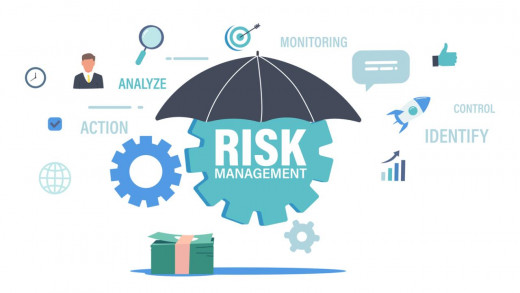
Evaluating Risk Management Frameworks for Sustainable Operations
Welcome to our blog post on evaluating risk management frameworks for sustainable operations! In today's rapidly changing business landscape, organizations are increasingly recognizing the need to adopt comprehensive and effective risk management frameworks. But with so many options available, how do you choose the right one for your organization? Well, fear not!
In this article, we will explore three popular frameworks – the triple bottom line, integrated risk management framework, and project management triangle – and provide insights on selecting the most suitable approach for your company. So grab a cup of coffee and let's dive in!
The Triple Bottom Line
The triple bottom line is a framework that goes beyond traditional financial measures of success and incorporates environmental and social considerations. It recognizes that business operations should not only focus on profitability but also be accountable for their impact on the planet and people.
At its core, the triple bottom line consists of three pillars: profit, planet, and people. Profit refers to the financial performance of an organization – its ability to generate revenue and sustain growth. Planet emphasizes environmental stewardship by encouraging sustainable practices such as reducing carbon emissions, conserving natural resources, and promoting eco-friendly initiatives.
The third pillar, people, highlights the importance of social responsibility. This includes aspects like employee well-being, community engagement, human rights compliance, diversity and inclusion efforts within the organization.
By adopting the triple bottom line approach in your risk management framework, you can create a more holistic view of your organization's impact. It enables you to identify potential risks related to finances (profit), environmental sustainability (planet), or stakeholder relationships (people). Through this lens, you can develop strategies to mitigate these risks while simultaneously driving positive change in all three dimensions.
However, it is important to note that implementing a triple bottom line approach requires buy-in from key stakeholders within your organization. It may involve changes in processes or resource allocation but has long-term benefits for both sustainability efforts and overall business success.
In summary, the triple bottom line framework offers a comprehensive perspective when evaluating risks in today's ever-evolving business landscape. By considering not just financial implications but also those related to the environment and society at large, organizations can better position themselves for long-term success while making meaningful contributions towards sustainable development goals. So don't limit yourself solely to profits; embrace the power of "People", "Planet", AND "Profit"!
The Integrated Risk Management Framework
The integrated risk management framework is a comprehensive approach that organizations can adopt to effectively identify, assess, and mitigate risks across all areas of their operations. This framework takes into consideration not only financial risks but also environmental and social risks, aligning with the concept of the triple bottom line.
By integrating risk management practices within various departments and functions, this framework ensures that risks are addressed holistically rather than in silos. It encourages collaboration among different stakeholders within an organization, fostering transparency and accountability.
One key aspect of the integrated risk management framework is its focus on proactive risk identification and prevention rather than reactive solutions. By identifying potential risks at an early stage, organizations can implement appropriate mitigation measures to minimize their impact or even prevent them from occurring altogether.
Another important feature of this framework is its emphasis on continuous monitoring and assessment of risks. This enables organizations to adapt their strategies and actions based on changing circumstances or emerging risks, ensuring sustainability in the long run.
Implementing an integrated risk management framework requires strong leadership commitment and engagement at all levels of the organization. It involves regular training programs for employees to enhance their understanding of various types of risks and how they can be managed effectively.
Adopting an integrated risk management framework can help organizations achieve sustainable operations by proactively addressing potential hazards while maximizing opportunities for growth. By considering not just financial factors but also environmental and social aspects, this holistic approach ensures a more comprehensive understanding of business risks in today's complex world.
The Project Management Triangle
The project management triangle, also known as the triple constraint or the iron triangle, is a fundamental concept in project management. It represents the relationship between three key factors: time, cost, and scope. These three elements are interconnected and can greatly impact the success of a project.
Time refers to the duration or timeline of a project. It encompasses deadlines, milestones, and critical path activities. Managing time effectively ensures that tasks are completed on schedule and within specified timelines.
Cost refers to the financial resources allocated for a project. This includes budgeting for various expenses such as labor costs, materials, equipment, and overheads. Effective cost management involves identifying potential risks and finding ways to minimize expenditures while still meeting project objectives.
Scope refers to the overall goals and deliverables of a project. It defines what needs to be accomplished and outlines specific requirements or specifications. Properly defining and managing scope helps ensure that all stakeholders have a clear understanding of what will be delivered at the end of the project.
The challenge with this triangle is that when one element changes – such as extending the timeline or increasing scope – it often has an impact on other aspects like cost or quality. For example, if you extend your deadline without adjusting your budget or adding more resources, you may risk compromising quality.
To successfully navigate this triangle, effective communication among team members is essential. Regularly assessing progress against each element allows for proactive problem-solving before issues become major setbacks.
In summary, the project management triangle serves as a valuable tool for evaluating trade-offs when faced with constraints in time, cost, and scope. It highlights how adjustments made in one area can affect others. If managed properly, this framework can help organizations achieve sustainable operations by striking an optimal balance between these interconnected factors.
How to Choose the Right Risk Management Framework for Your Organization
When it comes to choosing the right risk management framework for your organization, there are several factors to consider. First and foremost, you need to assess the specific needs and goals of your business. Are you primarily focused on financial risks or do you also want to address social and environmental risks? Understanding the triple bottom line – which encompasses economic, social, and environmental impacts – is crucial in selecting a framework that aligns with your organization's values.
Next, consider an integrated risk management framework that takes into account various aspects of your operations. This holistic approach allows for a comprehensive assessment of potential risks across different departments or projects. By integrating risk management processes throughout the organization, you can ensure consistency in identifying, evaluating, and mitigating risks.
Another important consideration is the project management triangle. This concept highlights the interconnectedness between time, cost, and scope in any project. When evaluating risk management frameworks, it's essential to choose one that effectively addresses these three elements. A robust framework will help identify potential risks that could impact timelines, budgets, or project deliverables.
Additionally, look for a risk management framework that offers flexibility and adaptability. Different organizations have unique challenges, and a one-size-fits-all approach may not be suitable. A customizable framework allows you to tailor risk assessments and mitigation strategies based on your specific industry, business model, or regulatory requirements.
Lastly, don't forget about collaboration. Your chosen risk management framework should facilitate effective communication and collaboration among stakeholders at all levels of the organization. This ensures that everyone has input into identifying potential risks and developing appropriate strategies for managing them.
Conclusion
In today's rapidly changing business landscape, organizations face numerous risks that can impact their sustainability and long-term success. To mitigate these risks effectively, it is crucial to have a robust risk management framework in place.
Throughout this article, we have explored three popular frameworks: the triple bottom line, the integrated risk management framework, and the project management triangle. Each of these frameworks offers unique perspectives on evaluating and managing risks for sustainable operations.
The triple bottom line approach emphasizes balancing financial performance with social responsibility and environmental stewardship. By considering the impacts of decisions across all three dimensions, organizations can make more informed choices that align with their values and contribute to a more sustainable future.
On the other hand, the integrated risk management framework provides a comprehensive and holistic view of risks by integrating them into day-to-day operations. This approach enables organizations to identify potential threats early on and develop proactive strategies to mitigate them effectively.
We discussed the project management triangle as a valuable tool for assessing risks within specific projects. By considering factors such as time constraints, scope limitations, and resource availability, project managers can better understand potential risks and allocate resources accordingly.
When it comes to choosing the right risk management framework for your organization, there is no one-size-fits-all solution. It depends on various factors such as industry sector-specific requirements or organizational culture.
Consider conducting an internal assessment to evaluate your organization's needs and objectives before selecting a suitable framework. Additionally, seeking advice from experts or engaging with industry peers who have implemented successful risk management practices can provide valuable insights.
Remember that implementing an effective risk management framework requires ongoing commitment from leadership teams at all levels within an organization. Regular monitoring of key performance indicators (KPIs) will help ensure continuous improvement in managing risks sustainably over time.
By adopting an appropriate risk management framework tailored to your organization's unique circumstances, you will be better equipped to navigate uncertainties while fostering sustainability in both short-term operations and long-term growth.
Addressing Income Inequality through Progressive Taxation Policies

Addressing Income Inequality through Progressive Taxation Policies
In a nation as prosperous and diverse as the United States, income inequality remains an ongoing concern. The gap between the wealthiest individuals and those struggling to make ends meet continues to widen, posing significant challenges for social cohesion and economic stability. While there is no single solution to this complex issue, one approach that has gained traction among policymakers and economists is progressive taxation. By implementing fairer tax policies that ask more from those who can afford it, we have the potential to create a more equitable society where everyone has access to opportunities and resources necessary for success.
In this blog post, we will explore how progressive taxation can help address income inequality, discuss some criticisms of this approach, look at examples of countries with progressive tax systems, and ultimately highlight the importance of finding a balanced solution in our quest for a fairer society. So sit back, grab your favorite beverage (mine's coffee!), and let's dive into this crucial topic together!
The Problem of Income Inequality in America
Income inequality is a pressing issue that plagues the United States, with far-reaching consequences for individuals and society as a whole. The gap between the rich and the poor has been steadily widening over the past few decades, leaving many Americans struggling to make ends meet while a small fraction enjoys unprecedented wealth.
This disparity not only affects people's financial well-being but also perpetuates social divisions and limits upward mobility. Those at the bottom end of the income scale often face barriers to education, healthcare, and housing opportunities. As a result, they find themselves caught in cycles of poverty that are difficult to break free from.
Moreover, income inequality can have detrimental effects on social cohesion and overall economic stability. When resources are concentrated in the hands of a few, it hampers equal access to opportunities for advancement and stifles innovation. This imbalance erodes trust within communities and fuels resentment towards those who hold substantial wealth.
Addressing income inequality requires recognizing its root causes: disparities in wages, unequal distribution of assets, systemic barriers faced by marginalized groups, among others. By focusing on policies that promote fair taxation practices and wealth redistribution mechanisms like progressive taxation systems can help level the playing field for all individuals regardless of their socio-economic background.
It is essential to acknowledge that tackling income inequality is an ongoing process that demands collaboration between policymakers, businesses, civic organizations, and citizens alike. Only through collective efforts can we build an inclusive society where everyone has an equal chance at success – because when one person succeeds or fails solely based on their economic circumstances alone; it undermines our shared values as Americans striving for equality in opportunity! So let's roll up our sleeves (figuratively speaking!) and work together towards creating a more equitable future where no one gets left behind!
How Progressive Taxation Can Help Address Income Inequality
Progressive taxation is a policy approach that can play a significant role in addressing income inequality. By implementing progressive tax systems, governments can ensure that individuals with higher incomes pay a larger percentage of their earnings in taxes compared to those with lower incomes. This helps to redistribute wealth and reduce the gap between the rich and the poor.
One way progressive taxation works is by utilizing different tax brackets based on income levels. Individuals who earn more fall into higher tax brackets and are taxed at higher rates, while those who earn less fall into lower tax brackets and are subject to lower rates. This ensures that those with greater financial means contribute more towards public services and social welfare programs.
In addition to leveling the playing field, progressive taxation also promotes economic stability. By redistributing wealth through taxes, governments have more resources available for investment in education, healthcare, infrastructure development, and other important areas. These investments help create opportunities for upward mobility among low-income individuals and stimulate overall economic growth.
Critics often argue against progressive taxation by claiming it discourages hard work or penalizes success. However, proponents argue that this system actually encourages fairness by ensuring everyone contributes according to their ability. Furthermore, studies have shown that moderate increases in top marginal tax rates do not significantly hinder economic productivity or entrepreneurship.
Many countries around the world have successfully implemented progressive tax systems as part of their efforts to address income inequality. For example, Denmark has one of the most progressive income tax structures globally, where high-income earners face much higher marginal tax rates than low-income earners. Similarly, France uses a tiered system where progressively higher percentages are applied to higher levels of income.
Incorporating progressive taxation policies into a country's fiscal framework can be an effective strategy for reducing income inequality while promoting economic stability and fairness. By ensuring that those who benefit most from society's resources contribute proportionately more back into them through taxes, we can take meaningful steps toward creating a more equitable society for all.
Some Criticisms of Progressive Taxation
While progressive taxation is often lauded as a solution to income inequality, it does have its fair share of critics. One criticism is that it discourages economic growth by disproportionately taxing the wealthy and reducing their incentive to invest and create jobs. Critics argue that high tax rates on top earners can stifle innovation and entrepreneurship, ultimately hampering economic progress.
Another criticism is that progressive taxation may not be as effective at addressing income inequality as proponents claim. Some argue that redistributing wealth through taxes alone may only provide temporary relief, without addressing the underlying causes of income disparity. They suggest focusing on policies such as improving education and access to opportunities for all individuals, which could result in long-term positive impact.
Additionally, opponents of progressive taxation argue that it unfairly penalizes success and dampens individual motivation. They contend that everyone should be entitled to keep a larger portion of their earnings since they worked hard for them.
Critics also point out potential loopholes in the system, where wealthy individuals can take advantage of complex tax codes or offshore accounts to minimize their tax liability. This undermines the intended goals of progressive taxation by allowing some wealthy individuals to effectively avoid paying higher taxes.
While there are valid criticisms against progressive taxation policies, it's important to consider alternative solutions rather than dismissing them entirely. By engaging in thoughtful discussions about how best to address income inequality while fostering economic growth, we can strive towards creating a fairer society for all.
Examples of Countries with Progressive Tax Systems
Many countries around the world have implemented progressive taxation systems as a means to address income inequality and promote social justice. These tax policies aim to redistribute wealth by taxing higher-income individuals at a higher rate than those with lower incomes.
One notable example is Sweden, often lauded for its strong welfare state and high standard of living. In Sweden, the tax system is highly progressive, with marginal tax rates that increase based on income levels. This allows for a more equitable distribution of wealth and helps fund robust social programs such as universal healthcare and free education.
Another country known for its progressive taxation policies is France. With multiple income brackets and varying tax rates, France ensures that the burden of taxes falls heavier on the wealthy. The revenue generated from these taxes supports comprehensive social services like affordable housing initiatives and public transportation infrastructure.
In Canada, there are federal and provincial income taxes that follow a progressive structure. Higher-income earners face steeper tax rates compared to those earning less money. The Canadian government uses this revenue to provide essential services like healthcare, education, and various forms of social support.
Germany also employs a progressive tax system where higher-income individuals contribute more in taxes proportionally than those with lower incomes. The funds collected help finance high-quality public services such as accessible healthcare and free university education.
These examples demonstrate how countries can use progressive taxation policies effectively to tackle income inequality by redistributing wealth from the top earners to benefit society as a whole. Each nation's approach may differ slightly, but they all share the common goal of creating fairer economic systems that prioritize equality.
It's important to note that while each country mentioned has found success in implementing these policies, there are ongoing debates about their effectiveness in addressing income inequality completely or potential negative impacts on economic growth. However, understanding how different nations have approached progressivity provides valuable insight into potential strategies for combating income disparity globally.
Conclusion
Addressing income inequality is a pressing issue in America, and one that requires thoughtful and effective solutions. Progressive taxation policies provide an avenue to tackle this problem by ensuring that those who can afford to contribute more do so, while also providing support for those who are less fortunate.
While some critics argue against progressive taxation, suggesting it stifles economic growth or unfairly penalizes the wealthy, evidence from countries with successful progressive tax systems suggests otherwise. These countries demonstrate that a fair distribution of wealth can lead to increased social mobility and overall economic prosperity.
By implementing progressive taxation policies, we have the opportunity to create a more equitable society where everyone has access to basic necessities and opportunities for success. It is crucial for policymakers to recognize the value of these policies in addressing income inequality and work towards their implementation.
It is time for us as a society to prioritize reducing income inequality through progressive taxation. By doing so, we can not only address the disparities between the rich and poor but also foster greater social cohesion and promote shared prosperity for all Americans. Let us join forces in advocating for progressive tax reforms as a means towards building a fairer future where no one is left behind.