Learn smarter with fresh insights from our tutors.
Practical study guides, course supplements, and learning resources curated to help you move faster through every subject.
The Role of Technology in Air Pollution Control

Introduction to Air Pollution and Technology
Are you breathing clean air? The fight against air pollution is more crucial than ever, with technology playing a pivotal role in the battle for cleaner skies. Let’s delve into the world of air pollution control and explore how innovative technologies are shaping our future for the better!
Types of Air Pollution and their Causes
Air pollution comes in various forms, each with its own set of causes and impacts on the environment and human health.
One common type is particulate matter, which includes tiny particles released from vehicles, industrial processes, and natural sources like wildfires. These particles can penetrate deep into our lungs, leading to respiratory issues.
Another major pollutant is nitrogen oxides (NOx), primarily produced by burning fossil fuels in vehicles and power plants. NOx contributes to smog formation and acid rain.
Sulfur dioxide (SO2) is another harmful gas emitted from burning coal and oil. It can react with other compounds in the atmosphere to form fine particulate matter that poses risks to human health.
Volatile organic compounds (VOCs) are chemicals found in products like paints and cleaning agents that evaporate into the air, contributing to ozone formation and indoor air pollution.
Understanding the different types of pollutants and their sources is crucial for implementing effective control measures to protect our environment.
Traditional Methods of Air Pollution Control
Traditional methods of air pollution control have been employed for decades to combat the harmful effects of pollutants on our environment and health. One common method is the use of scrubbers, which remove particulate matter from emissions by passing them through a wet solution that captures pollutants before they are released into the atmosphere.
Another traditional technique is electrostatic precipitators, which use electrically charged plates to attract and collect particles in industrial emissions. This helps reduce the amount of harmful substances being dispersed into the air we breathe.
Furthermore, catalytic converters in vehicles play a crucial role in reducing pollutants like nitrogen oxides and carbon monoxide from exhaust gases. By converting these harmful chemicals into less toxic compounds, catalytic converters help mitigate air pollution caused by transportation.
While traditional methods have proven effective to some extent, advancements in technology are continuously pushing for more innovative solutions to tackle air pollution challenges head-on.
The Emergence of Technology in Air Pollution Control
Technology has revolutionized the way we approach air pollution control. With advancements in science and engineering, innovative solutions are constantly being developed to combat harmful emissions. From sophisticated monitoring systems to advanced filtration technologies, the emergence of technology is reshaping the landscape of environmental protection.
One key aspect of this technological evolution is the focus on real-time data collection and analysis. By utilizing sensors and smart devices, industries can pinpoint sources of pollution more accurately and implement targeted strategies for reduction. This proactive approach allows for quicker response times and more effective mitigation measures.
Additionally, the integration of artificial intelligence (AI) has opened up new possibilities in optimizing air pollution control processes. AI algorithms can analyze vast amounts of data to predict trends, identify patterns, and suggest tailored solutions for emission reduction. This level of precision helps organizations streamline their operations while minimizing environmental impact.
As technology continues to advance at a rapid pace, we can expect even more groundbreaking innovations in air pollution control that will contribute to a cleaner and healthier environment for future generations.
Innovative Technologies for Reducing Emissions
Innovative technologies are revolutionizing the way we combat air pollution and reduce emissions. One such technology is carbon capture and storage (CCS), which captures CO2 emissions from industrial processes before they enter the atmosphere.
Another cutting-edge solution is the development of electric vehicles powered by renewable energy sources, reducing reliance on fossil fuels that contribute to air pollution. Additionally, advanced scrubbers in manufacturing plants can remove harmful pollutants from exhaust gases before releasing them into the air.
Furthermore, green roofs and walls are being implemented in urban areas to absorb pollutants and improve air quality. Drones equipped with sensors are also being used to monitor air quality in real-time, allowing for quick responses to potential sources of pollution.
These innovative technologies hold great promise for a cleaner and healthier environment for future generations.
Challenges and Limitations
Navigating the realm of air pollution control comes with its fair share of challenges and limitations. One significant challenge is the high cost associated with implementing advanced technologies to reduce emissions. Many industries may find it financially burdensome to invest in such solutions, especially smaller businesses.
Moreover, the effectiveness of certain air pollution control technologies can vary depending on factors like weather conditions or geographical location. This unpredictability poses a challenge in consistently maintaining clean air standards across different regions.
Another limitation is the potential for technological advancements to outpace regulatory frameworks. As new innovations emerge, policymakers must work swiftly to update regulations to ensure these technologies are effectively integrated into existing systems.
Additionally, public awareness and education play a crucial role in fostering support for air pollution control measures. Overcoming misconceptions and misinformation about environmental issues can be an uphill battle that requires concerted efforts from various stakeholders.
Addressing these challenges and limitations will require collaboration between governments, industries, and communities to develop sustainable solutions that prioritize both environmental protection and economic growth.
Future Possibilities and Solutions
As we look towards the future of air pollution control, advancements in technology continue to offer promising solutions. One exciting possibility lies in the development of more efficient and sustainable methods for reducing emissions from industries, transportation, and other sources.
Innovations such as carbon capture and storage technologies show great potential for capturing greenhouse gases before they are released into the atmosphere. Additionally, the use of renewable energy sources like solar and wind power can help reduce reliance on fossil fuels which contribute significantly to air pollution.
Furthermore, advancements in artificial intelligence and machine learning have opened up new opportunities for monitoring and controlling air quality in real-time. By utilizing data analytics and predictive modeling, we can better understand patterns of pollution and implement targeted strategies for mitigation.
Collaboration between governments, industries, researchers, and communities will be essential in driving forward these future solutions. By working together towards a cleaner environment, we can pave the way for a healthier planet for generations to come.
Conclusion
As technology continues to advance, the role it plays in air pollution control becomes increasingly crucial. From traditional methods to innovative solutions, the evolution of technology has significantly impacted our ability to reduce emissions and improve air quality.
While there are still challenges and limitations that need to be addressed, such as cost-effectiveness and scalability, the future looks promising with continuous research and development in this field. By leveraging cutting-edge technologies and collaborative efforts between governments, industries, and communities, we can work towards a cleaner and healthier environment for present and future generations.
It is imperative that we continue to prioritize sustainability and environmental protection in all aspects of our lives. Together, we can harness the power of technology to combat air pollution effectively and create a more sustainable world for all. Let's embrace innovation, drive positive change, and strive for a greener tomorrow.
The Role of Technology in Noise Pollution Control

Introduction to Noise Pollution
Welcome to a world where the hum of everyday life can sometimes become an overpowering cacophony. Noise pollution, often overlooked but ever-present, has a significant impact on our well-being and environment.
In this blog post, we delve into how technology is playing a crucial role in mitigating the effects of noise pollution and creating quieter, more peaceful spaces for all. Let's explore the innovative solutions that are revolutionizing the way we perceive sound in our surroundings.
The Negative Effects of Noise Pollution on Society
Noise pollution can have detrimental effects on society, impacting both physical and mental well-being. Constant exposure to loud noises can lead to increased stress levels, irritability, and even sleep disturbances. In urban areas, the persistent noise from traffic, construction sites, and industrial activities can disrupt daily life and affect overall quality of life.
Excessive noise has been linked to various health issues such as hearing loss, hypertension, and cardiovascular diseases. It can also impair cognitive function and productivity in workplaces or educational settings. Children exposed to high levels of noise may experience learning difficulties or developmental delays.
Furthermore, noise pollution can contribute to social isolation by hindering communication among individuals. It can diminish the sense of community and connection within neighborhoods. Addressing noise pollution is crucial for creating healthier and more harmonious living environments for everyone.
Technological Solutions for Noise Control
Technology has revolutionized the way we approach noise pollution control. One popular solution is the use of noise-canceling headphones and earplugs, which help individuals block out unwanted sounds in their environment. These devices work by actively reducing or eliminating incoming noises through advanced sound wave technology.
Another effective technological solution for noise control is the use of soundproofing materials and techniques. From acoustic panels to double-glazed windows, these innovations help dampen sound transmission and create quieter indoor spaces. Soundproofing not only benefits individual homes but also commercial buildings, offices, and public spaces.
Smart city initiatives have also played a significant role in reducing noise pollution levels. By implementing data-driven strategies and sensors, cities can monitor noise levels in real-time and take proactive measures to mitigate excessive noise from traffic, construction sites, or industrial areas.
As technology continues to advance rapidly, there are exciting possibilities on the horizon for even more innovative solutions to combat noise pollution effectively. Researchers are exploring new materials with enhanced sound absorption properties and developing cutting-edge algorithms for adaptive noise cancellation systems. The future of noise control looks promising with ongoing advancements in technology.
Noise-Cancelling Headphones/Earplugs
Noise-cancelling headphones and earplugs have become essential tools in today's noisy world. They work by actively reducing unwanted ambient sounds, allowing you to enjoy music or focus on tasks without distractions.
These innovative devices use technology to analyze surrounding noises and produce sound waves that counteract them, creating a peaceful environment for the wearer. Whether you're commuting on a loud train, working in a bustling office, or trying to relax at home, noise-cancelling headphones can make a significant difference.
By blocking out disruptive sounds, these gadgets not only enhance your listening experience but also protect your hearing from potential damage caused by prolonged exposure to high levels of noise. Additionally, they can help reduce stress and improve concentration levels in various settings.
Noise-cancelling headphones are versatile tools that offer comfort and convenience while combating noise pollution effectively. Whether you're a music lover, frequent traveler, or simply seeking some peace and quiet in a chaotic world, investing in quality noise-cancelling headphones is undoubtedly worth considering.
Soundproofing Materials and Techniques
When it comes to combating noise pollution, soundproofing materials and techniques play a crucial role in creating quieter environments.
Soundproofing materials like acoustic foam, soundproof curtains, and double-glazed windows are effective in reducing the transmission of noise from outside. These materials absorb or block sound waves, preventing them from entering a space.
Another popular technique is adding mass to walls and ceilings through the use of dense materials like drywall or mass-loaded vinyl. This helps to increase the barrier for sound transmission.
Sealing gaps and cracks around doors and windows with weatherstripping can also significantly reduce noise infiltration. By eliminating these entry points for noise, you can create a more peaceful indoor environment.
In addition, incorporating soft furnishings like carpets, rugs, and upholstery can help absorb excess noise within a room. These textiles act as natural sound absorbers, minimizing echoes and reverberations.
Implementing soundproofing materials and techniques not only enhances comfort but also promotes better concentration and productivity in spaces affected by excessive noise pollution.
Smart City Initiatives for Reducing Noise Pollution
Smart city initiatives are at the forefront of combating noise pollution in urban areas. These innovative solutions leverage technology to create a more peaceful and harmonious environment for residents. One approach involves implementing smart sensors throughout the city to monitor noise levels in real-time. By collecting data on noise hotspots, authorities can pinpoint areas that require intervention.
Furthermore, smart cities are exploring the use of adaptive traffic management systems to reduce honking and engine noises. By optimizing traffic flow and reducing congestion, these systems contribute to a quieter urban landscape. Additionally, green spaces and vertical gardens are being integrated into city planning to act as natural sound barriers.
Moreover, the implementation of quiet zones near residential areas or schools is gaining traction as an effective way to minimize disruptive noise. Through these initiatives, smart cities are paving the way for a quieter and more livable future for their inhabitants.
Future Possibilities and Innovations in Noise Pollution Control
As technology continues to advance, the future of noise pollution control looks promising. Researchers are exploring innovative solutions that go beyond traditional methods. One exciting development is the use of active noise control systems, which emit sound waves to counteract unwanted noise.
Artificial intelligence is also playing a significant role in predicting and mitigating noise levels in urban areas. By analyzing data from sensors and traffic patterns, AI algorithms can optimize traffic flow to reduce noise pollution effectively.
Furthermore, advancements in materials science have led to the development of new sound-absorbing materials that can be integrated into buildings and infrastructure. These materials not only block out external noises but also enhance indoor acoustics for better living environments.
In addition, urban planning strategies are evolving to include green spaces and buffer zones that act as natural barriers against noise pollution. By incorporating nature into city design, future developments aim to create harmonious environments where people can thrive without being overwhelmed by excessive noise levels.
Conclusion
In a world where noise pollution is becoming increasingly prevalent, technology plays a crucial role in combating this environmental issue. From noise-cancelling headphones and soundproofing materials to smart city initiatives, there are various technological solutions available to help control and reduce noise pollution.
As society continues to advance, it is essential for us to prioritize the implementation of these technologies in our everyday lives and urban environments. By doing so, we can create quieter, more peaceful surroundings that benefit both our physical health and overall well-being.
Let's embrace the power of technology in noise pollution control and work towards a quieter future for all.
The Potential of IoT in Smart Buildings

Introduction to IoT and Smart Buildings
Welcome to the era where buildings are getting smarter, more efficient, and seamlessly interconnected. The buzzword in the construction industry these days is IoT (Internet of Things), a game-changer that's revolutionizing how we design, construct, and manage buildings.
Imagine a world where your office not only knows when you arrive but also adjusts the lighting and temperature to your preferences automatically. Sounds futuristic? Well, it's happening right now – let's dive into the potential of IoT in smart buildings!
How IoT is Revolutionizing the Building Industry
The integration of IoT in the building industry is reshaping the way buildings are designed, constructed, and managed. By connecting various devices and systems through a network, IoT enables seamless communication and data exchange, leading to increased efficiency and productivity.
IoT sensors can monitor energy usage, occupancy levels, temperature fluctuations, and more in real-time. This valuable data allows building managers to make informed decisions to optimize resource utilization and reduce operational costs.
Innovative solutions like smart lighting control systems can adjust brightness based on natural light levels or occupancy patterns. This not only enhances occupant comfort but also contributes to energy savings.
Building maintenance has also been revolutionized with predictive analytics powered by IoT technology. Sensors can detect anomalies in equipment performance before they lead to costly breakdowns, enabling proactive maintenance strategies.
The impact of IoT on the building industry is undeniable as it paves the way for smarter, more sustainable buildings that prioritize efficiency and user experience.
Benefits of Implementing IoT in Smart Buildings
Implementing IoT in smart buildings offers a wide range of benefits that can significantly enhance the overall efficiency and functionality of the building. One major advantage is improved energy management, as IoT technology allows for real-time monitoring and control of energy usage throughout the building. This not only helps reduce utility costs but also contributes to sustainability efforts by optimizing resource consumption.
Another key benefit is enhanced security measures through IoT-enabled devices such as smart cameras, sensors, and access control systems. These interconnected devices provide advanced surveillance capabilities, enabling proactive threat detection and rapid response to potential security breaches.
Moreover, IoT integration enables predictive maintenance solutions that help identify equipment issues before they escalate into costly breakdowns. By collecting data from various building systems, maintenance schedules can be optimized based on actual usage patterns rather than fixed time intervals.
Furthermore, occupant comfort and productivity are improved with IoT-powered features like automated lighting, climate control, and personalized settings based on individual preferences. This creates a more pleasant environment for occupants while boosting overall productivity levels within the building.
In essence, leveraging IoT in smart buildings opens up a world of possibilities for creating smarter, more efficient spaces that cater to both operational needs and user experiences seamlessly integrated with cutting-edge technology.
Challenges and Concerns with IoT in Smart Buildings
As with any innovative technology, the integration of IoT in smart buildings comes with its own set of challenges and concerns that need to be addressed. One major concern is data security - ensuring that sensitive information collected by IoT devices remains protected from cyber threats.
Another challenge is interoperability among different IoT devices and systems, as they need to seamlessly communicate with each other to maximize efficiency. Additionally, the complexity of implementing IoT solutions in existing buildings without disrupting operations poses a hurdle for many organizations.
Moreover, the cost associated with installing and maintaining IoT infrastructure can be a barrier for some building owners looking to adopt these technologies. Managing vast amounts of data generated by IoT sensors also presents a challenge in terms of processing and deriving actionable insights.
Despite these obstacles, addressing these challenges will pave the way for more sustainable, efficient, and intelligent buildings powered by IoT technology.
Real-Life Examples of Successful IoT Integration in Buildings
Imagine walking into a commercial building where the lighting adjusts based on occupancy, temperature regulation is optimized, and security systems respond in real-time to potential threats. These scenarios are no longer just futuristic concepts but actual implementations made possible by IoT technology.
In smart buildings across the globe, IoT sensors monitor energy consumption, predict maintenance needs for equipment, and enhance occupant comfort by personalizing environments. For instance, in a smart office building in Singapore, sensors track employee movements to adjust climate control settings dynamically throughout the day.
Moreover, IoT integration has transformed healthcare facilities as well. Hospitals now utilize connected devices to monitor patient vitals continuously and automate medication dispensing processes efficiently.
The success stories of IoT integration in buildings serve as testaments to its immense potential in revolutionizing industries and improving quality of life for individuals worldwide.
Future Predictions for IoT in Smart Buildings
As technology continues to advance at a rapid pace, the future of IoT in smart buildings looks incredibly promising. With the integration of artificial intelligence and machine learning, smart buildings will become even more intuitive and efficient. Imagine a building that can predict maintenance issues before they occur or adjust energy usage based on real-time data.
In the coming years, we can expect to see increased connectivity among various devices within a building, leading to seamless automation and improved occupant experience. Smart sensors will play a key role in monitoring air quality, temperature, and occupancy levels to create healthier indoor environments.
IoT-enabled smart buildings will not only enhance sustainability efforts but also contribute towards reducing operational costs for building owners. The ability to analyze vast amounts of data collected from IoT devices will enable better decision-making processes for optimizing building performance.
The future of IoT in smart buildings is bright, with endless possibilities for creating safer, more sustainable, and intelligent built environments.
Embracing the Potential of IoT in Building Design and Management
Imagine a world where buildings can anticipate your needs and adapt to your preferences seamlessly. This vision is becoming a reality with the integration of IoT in building design and management. By harnessing the power of connected devices and sensors, smart buildings can optimize energy efficiency, enhance security measures, and improve overall occupant experience.
Embracing IoT in building design means embracing innovation at its core. From intelligent HVAC systems that adjust based on occupancy levels to predictive maintenance schedules for equipment, the possibilities are endless. With real-time data analytics driving decision-making processes, building managers can make informed choices that lead to cost savings and operational efficiencies.
The key lies in understanding how to leverage IoT technology effectively within the context of each unique building environment. It's about creating interconnected ecosystems that work together harmoniously to create sustainable, intelligent spaces for people to live and work in. As we continue to push boundaries and explore new horizons in smart building solutions, there is no doubt that embracing the potential of IoT will redefine our built environment for years to come.
Conclusion
Embracing the Potential of IoT in Building Design and Management opens up a world of possibilities for creating smarter, more efficient buildings. By leveraging the power of IoT technology, building owners and managers can optimize energy usage, enhance security measures, improve tenant experience, and streamline maintenance operations.
As we look towards the future of smart buildings, it is clear that IoT will continue to play a crucial role in shaping the way we design and manage our built environment. With advancements in sensor technology, data analytics, and connectivity solutions, the potential for innovation is limitless.
By staying informed on the latest trends and best practices in IoT implementation within smart buildings, stakeholders can ensure they are at the forefront of this digital transformation. Embracing change and adopting new technologies will not only drive operational efficiencies but also create sustainable environments that benefit both occupants and the planet.
In summary, as we navigate towards a more interconnected world through IoT integration in smart buildings, let us seize this opportunity to revolutionize our built environment for a more sustainable and intelligent future.
The Evolution of Virtual Reality in Healthcare Training

Introduction to Virtual Reality (VR) and its uses in Healthcare
Welcome to the immersive world of Virtual Reality (VR) in healthcare training! Imagine stepping into a digital realm where medical scenarios come to life, offering a hands-on learning experience like never before.
VR technology has transcended the boundaries of traditional education, revolutionizing how healthcare professionals are trained. Let's dive into the evolution of VR in healthcare and explore its incredible impact on patient care and medical training.
Advantages of Using VR in Healthcare Training
Virtual Reality (VR) has revolutionized healthcare training by providing an immersive and hands-on learning experience for medical professionals. One of the key advantages of using VR in healthcare training is the ability to simulate real-life medical scenarios in a controlled environment, allowing practitioners to practice complex procedures without putting patients at risk. This enhances their skills and confidence before performing surgeries or other critical tasks on actual patients.
Furthermore, VR enables trainees to learn at their own pace and repeat simulations as many times as needed to master techniques effectively. This personalized approach to learning can significantly improve retention rates and overall competency among healthcare professionals. Additionally, VR offers a cost-effective solution for training programs, reducing the need for expensive equipment or cadavers traditionally used in medical education.
Moreover, VR can be utilized to train healthcare providers remotely, overcoming geographical barriers and enabling access to high-quality education regardless of location. This flexibility not only enhances convenience but also ensures that all practitioners receive standardized training no matter where they are based.
Examples of VR Training Programs in the Medical Field
Virtual Reality (VR) technology has revolutionized healthcare training by offering immersive and interactive experiences for medical professionals. In the field of surgery, programs like Osso VR allow surgeons to practice procedures in a realistic virtual environment before operating on patients. This hands-on training enhances surgical skills and reduces the risk of errors during actual surgeries.
For medical students, platforms such as 3D Organon VR Anatomy provide a detailed look at human anatomy in 3D, allowing them to explore the human body from every angle. This visual learning tool improves understanding and retention of complex anatomical structures, leading to better diagnostic abilities in real-life scenarios.
In mental health treatment, applications like Psious use VR exposure therapy to simulate anxiety-inducing situations in a controlled environment. Therapists can guide patients through these scenarios safely, helping them confront their fears and manage symptoms effectively.
These examples showcase how VR is transforming medical education and training by offering innovative solutions that improve skills, knowledge retention, and patient outcomes.
Impact of VR on Improving Patient Outcomes and Reducing Medical Errors
Virtual Reality (VR) technology has made remarkable strides in the realm of healthcare training, significantly impacting patient outcomes and reducing medical errors. By immersing healthcare professionals in realistic scenarios, VR allows them to practice complex procedures in a safe and controlled environment. This hands-on experience enhances their skills and confidence, leading to more precise diagnoses and treatments.
Moreover, VR simulations enable practitioners to familiarize themselves with rare or life-threatening situations that they might not encounter frequently in real-life settings. This exposure prepares them to respond effectively under pressure, ultimately improving patient care quality.
In addition, by incorporating VR into training programs, medical professionals can refine their communication skills and teamwork abilities. Effective collaboration among healthcare teams is vital for providing comprehensive care and minimizing errors that could jeopardize patient safety.
The impact of VR on enhancing patient outcomes and reducing medical errors is undeniable. As technology continues to advance, we can expect even greater improvements in healthcare delivery through innovative virtual reality solutions.
Challenges and Limitations of VR in Healthcare Training
As with any innovative technology, Virtual Reality (VR) in healthcare training comes with its own set of challenges and limitations. One major challenge is the cost associated with implementing VR programs, from acquiring the necessary equipment to developing customized simulations. Additionally, ensuring that VR content is accurate and up-to-date requires constant maintenance and updates.
Another limitation is the need for specialized expertise to create high-quality VR experiences tailored to healthcare training needs. Not all healthcare professionals are familiar with VR technology, which can hinder widespread adoption. Moreover, issues related to user comfort and motion sickness may arise during prolonged VR sessions, impacting the effectiveness of training programs.
Furthermore, integrating VR into existing curricula and workflow processes within healthcare institutions can be a complex task that requires careful planning and coordination among various stakeholders. Despite these challenges, ongoing advancements in VR technology hold promise for overcoming current limitations and enhancing the overall effectiveness of healthcare training programs.
Future Possibilities and Advancements in VR Technology for Healthcare Training
As technology continues to advance at a rapid pace, the future of Virtual Reality (VR) in healthcare training holds immense potential for further growth and innovation. With ongoing developments in VR hardware and software, we can expect to see more realistic and immersive simulations that closely mimic real-life medical scenarios. This will enable healthcare professionals to practice complex procedures in a safe and controlled environment.
Moreover, AI integration with VR technology could enhance personalized learning experiences tailored to individual learner needs. Imagine virtual mentors guiding medical students through intricate surgeries or providing instant feedback on diagnostic skills. The possibilities are truly endless.
Furthermore, as 5G networks become more widespread, the latency issues currently associated with VR applications could be significantly reduced. This means smoother experiences for users engaging in VR-based training programs from anywhere around the globe.
In addition, advancements in haptic feedback technology may allow trainees to feel physical sensations during simulations, adding another layer of realism to their training experience. From surgical simulators to patient interaction scenarios, the future of VR in healthcare training is set to revolutionize how medical professionals learn and improve patient care outcomes.
The Potential for VR to Revolutionize Healthcare Education and Improve Patient Care
Imagine a world where healthcare professionals can practice complex surgical procedures in a virtual environment before ever setting foot in an operating room. Virtual Reality (VR) has the potential to revolutionize healthcare education by providing immersive and hands-on learning experiences like never before.
With VR technology, medical students and practitioners can simulate various scenarios, from diagnosing rare diseases to responding to emergencies, enhancing their skills and confidence. This interactive approach allows for repetitive practice without risks to real patients, leading to improved competency and performance.
Moreover, VR enables doctors to stay updated on the latest medical advancements through realistic simulations and case studies. By offering personalized training modules tailored to individual needs, VR has the power to enhance knowledge retention and clinical decision-making abilities among healthcare providers.
The integration of VR into healthcare education not only benefits professionals but also translates into better patient care outcomes. As healthcare workers become more proficient in their craft through immersive training experiences, they are better equipped to deliver accurate diagnoses, effective treatments, and ultimately improve overall quality of care for patients worldwide.
Conclusion
In the fast-paced world of healthcare, virtual reality has emerged as a game-changer in training and education. Its immersive experiences have revolutionized how medical professionals learn and practice their skills, ultimately leading to improved patient outcomes and reduced medical errors.
As VR technology continues to advance, the possibilities for its application in healthcare training are endless. From surgical simulations to patient interactions, VR is set to transform the way we train future healthcare providers.
With its ability to create realistic scenarios and provide hands-on experience in a safe environment, virtual reality is poised to revolutionize healthcare education and elevate the standard of patient care. The future of VR in healthcare training is bright, promising exciting developments that will shape the next generation of medical professionals.
The Future of Retail: The Integration of Online and Offline Channels

The Future of Retail: The Integration of Online and Offline Channels
Welcome to the dynamic world of retail, where traditional brick-and-mortar stores are embracing the digital revolution to stay ahead in today's competitive landscape. The fusion of online and offline channels has become a game-changer, reshaping how we shop and interact with brands.
Join us on a journey through the evolution of retail as we explore how businesses are adapting to meet the needs of modern consumers in this ever-changing industry.
The Evolution of Retail: From Brick-and-Mortar to E-Commerce
In the not-so-distant past, retail was synonymous with physical storefronts lining bustling streets, inviting customers to browse and buy in-person. The charm of brick-and-mortar stores offered a tactile shopping experience that online platforms struggled to replicate.
However, the rise of e-commerce in recent years has revolutionized the retail landscape, introducing convenience and accessibility like never before. With just a few clicks, consumers can explore endless products from the comfort of their homes and have them delivered right to their doorstep.
This shift has forced traditional retailers to adapt or risk falling behind. Many legacy brands have expanded their presence into the digital realm, creating seamless omnichannel experiences for shoppers who crave both virtual convenience and real-world engagement.
The Rise of Online Shopping and its Impact on Traditional Retailers
The rise of online shopping has revolutionized the retail landscape, transforming how consumers shop and interact with brands. Traditional retailers have felt the impact as more customers turn to the convenience of e-commerce platforms for their purchases.
Online shopping offers a level of convenience and accessibility that brick-and-mortar stores struggle to match. With just a few clicks, shoppers can browse through vast selections, compare prices, and make purchases from anywhere at any time.
This shift in consumer behavior has forced traditional retailers to adapt or risk being left behind. Many have invested in building their online presence and enhancing their digital capabilities to stay competitive in today's market.
Despite the challenges it presents, the rise of online shopping also opens up new opportunities for retailers willing to innovate and embrace change. By integrating their offline stores with online channels, traditional retailers can create a seamless omnichannel experience for customers.
The Importance of Omnichannel Retailing
In today's dynamic retail landscape, the importance of omnichannel retailing cannot be overstated. It goes beyond offering customers multiple ways to shop; it’s about providing a seamless and cohesive experience across all touchpoints.
Consumers now expect a consistent brand experience whether they are browsing online, visiting a physical store, or engaging on social media. Omnichannel retailing enables retailers to meet these expectations by integrating their online and offline channels.
By leveraging data analytics and technology, retailers can gain valuable insights into customer behavior and preferences. This information allows them to personalize interactions, tailor promotions, and optimize inventory management for a more efficient operation.
Embracing omnichannel retailing is not just an option but a necessity for staying competitive in the modern market. It’s about meeting customers where they are and creating meaningful connections that drive loyalty and sales.
Examples of Successful Integration of Online and Offline Channels
In today's dynamic retail landscape, successful brands are those that seamlessly blend the online and offline shopping experiences. Take Nike, for example. The athletic giant has created a harmonious connection between its e-commerce platform and physical stores by offering services like in-store pickups for online orders.
Another standout is Warby Parker, the eyewear company that started as an e-commerce business but now boasts brick-and-mortar locations where customers can try on glasses before purchasing them online. This hybrid approach caters to both digital-savvy shoppers and those who prefer traditional shopping methods.
Furthermore, Starbucks has mastered the art of integrating its mobile app with store visits through features like mobile ordering and loyalty rewards. By leveraging technology to enhance the customer journey across all touchpoints, Starbucks has solidified its position as a leader in omnichannel retailing.
These examples demonstrate how blending online convenience with in-person interactions can lead to increased brand loyalty and customer satisfaction. Retailers looking to thrive in this ever-evolving industry would be wise to take notes from these trailblazers.
How Technology is Shaping the Future of Retail
Technology is revolutionizing the retail landscape, reshaping how consumers shop and interact with brands. From AI-powered chatbots enhancing customer service to virtual reality changing the way we experience products online, technological innovations are driving a fundamental shift in the industry.
Mobile commerce has become increasingly prevalent, allowing customers to browse and purchase items on-the-go. Augmented reality apps enable shoppers to visualize products in their own space before making a purchase decision, bridging the gap between online and offline shopping experiences.
Big data analytics provide retailers with valuable insights into consumer behavior, preferences, and trends, enabling personalized marketing strategies tailored to individual customers. Additionally, IoT devices like smart shelves streamline inventory management processes for more efficient operations.
As technology continues to advance rapidly, retailers must adapt and embrace these changes to stay competitive in an ever-evolving market. The future of retail lies in leveraging technology to create seamless omnichannel experiences that blend the convenience of online shopping with the sensory engagement of physical stores.
Challenges and Opportunities for Retailers in the Digital Age
In the fast-paced digital age, retailers face both challenges and opportunities as they navigate the evolving landscape of consumer behavior. One of the main challenges is meeting the increasing demand for seamless online shopping experiences while maintaining a strong physical presence. Retailers must also keep up with ever-changing technology trends to stay relevant in a competitive market.
On the flip side, embracing digital tools can open up new avenues for reaching customers and personalizing their shopping journeys. Data analytics provide valuable insights into consumer preferences, allowing retailers to tailor their offerings and marketing strategies accordingly. Additionally, social media platforms offer powerful channels for engaging with audiences and building brand loyalty.
Adapting to changing consumer expectations and staying agile in response to industry disruptions are key factors that will determine a retailer's success in this dynamic digital landscape. By understanding these challenges and capitalizing on emerging opportunities, retailers can position themselves for growth and longevity in an increasingly digital world.
Embracing the Hybrid Model for Retail Success
In today's ever-changing retail landscape, embracing a hybrid model is key to staying competitive. By integrating online and offline channels seamlessly, retailers can provide customers with a cohesive shopping experience that meets their evolving needs.
Combining the convenience of e-commerce with the personalized touch of brick-and-mortar stores creates a powerful synergy. Customers can browse products online and make purchases in-store or vice versa, enhancing convenience and flexibility.
The hybrid model also allows retailers to gather valuable data on customer preferences and behavior across different touchpoints. This data can be leveraged to tailor marketing efforts, improve inventory management, and enhance overall customer satisfaction.
Moreover, by offering services like click-and-collect or buy-online-return-in-store (BORIS), retailers can bridge the gap between their digital and physical presence. This not only boosts sales but also fosters brand loyalty among consumers.
Adopting a hybrid approach enables retailers to adapt to changing consumer behaviors while maximizing opportunities for growth in an increasingly digital world.
Conclusion
As we navigate the ever-changing landscape of retail, it's evident that the future lies in the seamless integration of online and offline channels. The evolution from traditional brick-and-mortar stores to e-commerce platforms has revolutionized how consumers shop. Retailers must adapt by embracing omnichannel strategies to meet the demands of modern shoppers who expect a convenient and personalized shopping experience.
By leveraging technology and data insights, retailers can create a cohesive shopping journey that transcends physical and digital boundaries. Successful examples like click-and-collect services, experiential stores, and virtual try-on experiences demonstrate the power of blending online convenience with offline engagement.
While there are challenges ahead, such as maintaining brand consistency across channels and managing inventory effectively, there are also abundant opportunities for growth and innovation in this digital age. Embracing a hybrid model that combines the best of both worlds is key to staying competitive in today's retail landscape.
By recognizing the importance of integrating online and offline channels seamlessly, retailers can not only survive but thrive in an increasingly interconnected world where customer experience reigns supreme. The future of retail is bright for those willing to embrace change and harness the power of technology to deliver exceptional shopping experiences across all touchpoints.
The Impact of AI in Cybersecurity Defense

Introduction to AI and its Growing Role in Cybersecurity
In today's digital age, where cyber threats lurk around every virtual corner, the role of artificial intelligence in cybersecurity defense has become more vital than ever. As technology advances, so do the tactics of cybercriminals - making it crucial for organizations to leverage AI to stay one step ahead in safeguarding sensitive data and systems.
Let's delve into how AI is revolutionizing the realm of cybersecurity and enhancing defense mechanisms against evolving threats.
Benefits of AI in Cybersecurity Defense
AI in cybersecurity defense offers a range of benefits that are revolutionizing the way organizations protect their data and systems. One key advantage is its ability to analyze vast amounts of data at a speed beyond human capability, allowing for real-time threat detection and response. By leveraging AI algorithms, security teams can efficiently identify patterns and anomalies indicative of cyber threats.
Moreover, AI-powered systems can adapt and learn from new data continuously, enhancing their accuracy in detecting sophisticated attacks. This adaptive learning enables proactive threat prevention rather than reactive measures post-attack. Additionally, AI helps in automating routine tasks such as monitoring network traffic or patching vulnerabilities, freeing up cybersecurity professionals to focus on more strategic initiatives.
Furthermore, AI enhances incident response by providing insights into potential risks before they escalate into major breaches. Its predictive analytics capabilities enable organizations to stay ahead of emerging threats by forecasting potential attack vectors based on historical trends and current indicators. The integration of AI technology strengthens cybersecurity defenses by augmenting human expertise with advanced automation and intelligence.
How AI is Used in Identifying and Analyzing Threats
In the realm of cybersecurity defense, AI plays a pivotal role in identifying and analyzing threats with unmatched efficiency. By leveraging advanced algorithms and machine learning techniques, AI can swiftly detect anomalies and patterns that may indicate potential security breaches.
AI-powered systems continuously monitor vast amounts of data in real-time, enabling organizations to stay one step ahead of cyber threats. Through sophisticated data analysis, AI can quickly identify suspicious activities and flag them for further investigation by cybersecurity experts.
Moreover, AI enhances threat detection capabilities by automating the process of correlating disparate data points from various sources. This enables security teams to gain comprehensive insights into potential vulnerabilities and emerging attack vectors.
Furthermore, AI's ability to adapt and learn from new information allows it to evolve alongside evolving cyber threats. As malicious actors become more sophisticated in their tactics, AI-driven cybersecurity defenses can proactively anticipate and mitigate emerging risks before they escalate into full-blown attacks.
Machine Learning in Predicting and Preventing Attacks
Machine learning plays a crucial role in cybersecurity defense by predicting and preventing attacks before they can cause harm. By analyzing vast amounts of data, machine learning algorithms can detect patterns and anomalies that human analysts may overlook. These algorithms continuously learn from new information, enhancing their ability to identify emerging threats.
Predictive analytics powered by machine learning can anticipate potential cyberattacks based on historical data and trends. This proactive approach allows organizations to strengthen their defenses and mitigate risks before an attack occurs. Through real-time monitoring and analysis, machine learning models can detect suspicious behavior or unusual network activities indicative of a possible breach.
By leveraging advanced algorithms, cybersecurity teams can automate threat detection processes, enabling faster response times and reducing the likelihood of successful attacks. Machine learning algorithms also play a key role in developing adaptive security measures that evolve alongside evolving cyber threats.
Challenges Faced with Implementing AI in Cybersecurity Defense
Implementing AI in cybersecurity defense comes with its fair share of challenges. One major hurdle is the need for extensive data to train AI algorithms effectively. Without access to a wide range of high-quality data, the AI systems may not be able to accurately identify and respond to threats.
Additionally, there is also the challenge of keeping up with evolving cyber threats. As hackers continuously adapt their tactics, AI systems must be constantly updated and refined to stay ahead of new attack methods. This requires ongoing monitoring and adjustments, which can be resource-intensive for organizations.
Moreover, there are concerns around the potential biases in AI algorithms that could impact decision-making in cybersecurity defense strategies. Ensuring that AI remains unbiased and transparent in its operations is crucial for effective threat detection and response.
While implementing AI in cybersecurity defense offers significant benefits, overcoming these challenges is essential for maximizing its potential impact on protecting sensitive data and networks from malicious attacks.
The Future of AI in Cybersecurity Defense
As technology continues to evolve, the future of AI in cybersecurity defense looks promising. With advancements in machine learning and deep learning algorithms, AI can better detect and respond to cyber threats in real-time.
In the coming years, we can expect AI to play a more significant role in automating threat analysis and response, freeing up human experts to focus on more complex security challenges. Additionally, AI-powered tools will continue to enhance predictive capabilities, allowing organizations to proactively defend against emerging threats.
As cybercriminals become more sophisticated, the use of AI-driven solutions will be crucial in staying one step ahead. By leveraging AI technologies such as behavioral analytics and anomaly detection, organizations can strengthen their defense mechanisms and mitigate risks effectively.
The integration of AI into cybersecurity defense strategies will be essential for safeguarding sensitive data and ensuring business continuity in an increasingly digital world.
Conclusion
In a rapidly evolving digital landscape, the integration of AI in cybersecurity defense has become imperative. As cyber threats continue to advance in complexity, AI provides a powerful tool for organizations to enhance their security posture and stay ahead of potential attacks. By leveraging the capabilities of machine learning algorithms, businesses can proactively identify vulnerabilities, predict potential risks, and effectively mitigate cyber threats.
As we look towards the future, it is clear that AI will play an increasingly vital role in safeguarding sensitive data and protecting critical infrastructure from malicious actors. Embracing AI-driven cybersecurity solutions not only strengthens defenses but also enables organizations to adapt to emerging threats with agility and efficiency. With continuous advancements in AI technology and ongoing research efforts, the possibilities for enhancing cybersecurity defenses are endless.
The journey towards achieving robust cybersecurity through AI is ongoing. Organizations must remain vigilant, continuously assess their security strategies, and invest in innovative technologies to defend against evolving cyber threats effectively. By embracing AI as a strategic ally in cybersecurity defense efforts, businesses can fortify their resilience against sophisticated attacks and safeguard their digital assets for years to come.
The Impact of AI in Precision Medicine

Introduction to Precision Medicine and AI
Welcome to the cutting-edge intersection of healthcare and technology! In today's rapidly evolving medical landscape, precision medicine is revolutionizing patient care by tailoring treatments to individual characteristics. One of the key driving forces behind this transformative shift is artificial intelligence (AI).
Let's delve into how AI is reshaping the field of precision medicine, unlocking new possibilities for personalized healthcare solutions.
Benefits of AI in Precision Medicine
The integration of AI in precision medicine has revolutionized the healthcare landscape by enhancing diagnostic accuracy and treatment efficacy. One major benefit is the ability of AI algorithms to analyze vast amounts of data quickly, leading to more personalized and targeted therapies for patients.
AI also enables predictive analytics, helping healthcare providers anticipate potential health issues before they escalate, ultimately improving patient outcomes. Additionally, machine learning algorithms can identify patterns in genetic data that humans might overlook, paving the way for more precise diagnoses and treatment plans.
Moreover, AI-powered tools streamline administrative tasks, allowing medical professionals to focus more on patient care. This not only saves time but also reduces human error in decision-making processes. The benefits of AI in precision medicine are vast and promising for shaping a healthier future for all.
Examples of Successful Applications of AI in Precision Medicine
In the realm of precision medicine, AI has shown remarkable success in various applications. One notable example is the use of machine learning algorithms to analyze genetic data and predict a patient's response to specific treatments. By leveraging vast amounts of data, AI can identify patterns that human experts might overlook, leading to more personalized and effective treatment plans.
Another successful application is in medical imaging interpretation. AI-powered systems can quickly analyze complex imaging scans like MRIs or CT scans with high accuracy, aiding healthcare providers in diagnosing conditions such as cancer at an early stage. This not only saves time but also improves patient outcomes by enabling timely interventions.
Moreover, AI plays a crucial role in drug discovery and development by sifting through massive datasets to identify potential drug candidates faster than traditional methods. This accelerated process holds great promise for finding innovative treatments for challenging diseases.
These examples highlight how AI is revolutionizing precision medicine by enhancing diagnostic accuracy, treatment effectiveness, and ultimately improving patient care.
Challenges and Limitations of Using AI in Precision Medicine
Implementing AI in precision medicine comes with its set of challenges and limitations. One significant hurdle is the need for vast amounts of high-quality data to train AI algorithms effectively. Inaccurate or incomplete data can lead to biased results, impacting patient care. Additionally, ensuring the privacy and security of sensitive medical information is crucial when utilizing AI technologies.
Another challenge is the interpretability of AI-driven decisions in healthcare settings. Understanding how an algorithm reaches a specific recommendation can be complex, raising concerns about transparency and trust among healthcare providers and patients alike.
Moreover, integrating AI tools into existing clinical workflows poses logistical challenges. Healthcare professionals may require training to effectively use these technologies, highlighting the importance of seamless integration with current practices.
Despite these obstacles, addressing them head-on can lead to improved patient outcomes and revolutionize personalized healthcare delivery through enhanced decision-making support from AI systems.
Ethical Considerations Surrounding the Use of AI in Precision Medicine
As we delve into the realm of AI in precision medicine, it's crucial to address the ethical considerations that come hand in hand with this innovative technology. One major concern is patient privacy and data security. With AI analyzing vast amounts of sensitive medical information, ensuring confidentiality becomes paramount.
Another ethical dilemma revolves around transparency and accountability. How do we ensure that AI algorithms are unbiased and fair in their decision-making process? Who takes responsibility when errors occur due to algorithmic biases?
Moreover, there's the issue of informed consent. Patients need to understand how their data is being used and be given a choice in participating. It raises questions about autonomy and control over one's health information.
Furthermore, as AI continues to advance rapidly, there's a risk of widening healthcare disparities if access to these technologies isn't equitable for all populations. Balancing innovation with ethics is key as we navigate the complex landscape of AI in precision medicine.
The Future of AI in Precision Medicine
As we look towards the future of AI in precision medicine, it's clear that the possibilities are endless. With advancements in technology and machine learning, AI has the potential to revolutionize how we diagnose and treat diseases.
Imagine a world where algorithms can analyze vast amounts of data to personalize treatment plans for each individual patient, taking into account their genetic makeup, lifestyle factors, and more.
AI-powered tools like predictive analytics could help healthcare providers anticipate health issues before they even arise, leading to proactive interventions and improved outcomes. Additionally, AI can assist in drug discovery by quickly identifying potential compounds that could be effective in treating specific illnesses.
While there are still challenges to overcome, such as data privacy concerns and regulatory hurdles, the future of AI in precision medicine holds immense promise for enhancing patient care and advancing medical research.
Conclusion
The integration of AI in precision medicine has already shown tremendous potential in revolutionizing healthcare. By harnessing the power of artificial intelligence, healthcare professionals can make more accurate diagnoses, personalize treatment plans, and ultimately improve patient outcomes.
While challenges and ethical considerations remain, the future of AI in precision medicine is bright. Continued advancements in technology and data analytics will further enhance its capabilities, leading to a new era of personalized and effective healthcare delivery.
As we move forward, it's essential to embrace these innovations while also ensuring that they are used responsibly and ethically for the betterment of all individuals' health and well-being.
6 Asset Management Strategies That Will Help You Achieve Financial Success
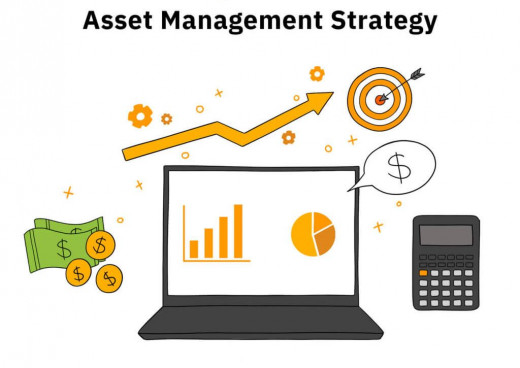
6 Asset Management Strategies That Will Help You Achieve Financial Success
Are you struggling with managing your finances? Do you find yourself constantly worrying about how to make ends meet? Asset management strategies could be the solution to all your financial problems. By investing in a diversified mix of assets and staying disciplined with your spending, you can achieve financial success.
In this blog post, we'll explore 6 asset management strategies that will help you take control of your finances and secure a brighter future. So sit back, relax, and let's dive into the world of asset management!
6 Asset Management Strategies That Will Help You Achieve Financial Success
1. Have Realistic Financial Goals
Having realistic financial goals is the first step towards achieving financial success. However, setting realistic financial goals requires a deep understanding of your current financial situation and future aspirations. It's important to set achievable short-term and long-term goals that are specific, measurable, attainable, relevant and time-bound.
When setting your financial goals, it's crucial to keep in mind your income level, expenses and debt obligations. You should also consider factors such as inflation rates and changing economic conditions that could impact your finances over time.
Additionally, it's vital to be flexible with your financial goals as life circumstances can change unexpectedly. Revisiting and adjusting your goals periodically will ensure you stay on track towards achieving them.
In summary, having realistic financial goals enables you to create a concrete plan for achieving lasting wealth. By focusing on what truly matters most to you financially while keeping things practical and flexible along the way – you'll be well on your way toward realizing those dreams!
2. Invest in a Diversified Mix of Assets
Investing in a diversified mix of assets is one of the most important asset management strategies for achieving financial success. Diversification means spreading your investments across different types of assets, such as stocks, bonds, real estate, and commodities. This helps to reduce risk and increase returns over the long term.
The goal of diversification is to minimize the impact that any single investment or market event can have on your portfolio. For example, if you only invest in tech stocks and the tech industry experiences a downturn, your entire portfolio could suffer significant losses. By diversifying across multiple industries and asset classes, you can buffer against these kinds of risks.
It's worth noting that diversification doesn't guarantee profits or protect against losses. However it does mitigate overall risk by reducing exposure to any one particular security or sector within an asset class.
One way to achieve diversification is through investing in mutual funds or exchange-traded funds (ETFs). These investment vehicles allow investors to buy small pieces of many different securities at once without having to purchase each individual stock separately.
Investing in a diversified mix of assets should be a key part of any investor's strategy. It helps protect against significant losses while allowing for potential gains over time.
3. Rebalance Your Portfolio Regularly
Rebalancing your portfolio is an essential asset management strategy that can help you achieve financial success. As market conditions change, the value of each of your investments will fluctuate. This means that the percentage of assets allocated to each investment will also shift and potentially become unbalanced.
To avoid this imbalance, it's important to regularly rebalance your portfolio by selling some investments and buying others. By doing so, you'll be able to keep your desired asset allocation on track and minimize risk.
The frequency at which you should rebalance depends on several factors such as investment goals, risk tolerance and market volatility. However, a common practice is to review and adjust your portfolio every six months or annually.
When rebalancing, consider not only the current performance of each investment but also their potential for future growth. It's important to maintain a diversified mix of assets across different industries and sectors in order to spread out risk.
In summary, regularly rebalancing your portfolio helps ensure that you stay aligned with your long-term financial goals while minimizing unnecessary risks along the way.
4. Consider Using Dollar-cost Averaging
One popular strategy for asset management is dollar-cost averaging. This method involves investing a fixed amount of money at regular intervals, regardless of the fluctuations in the market.
By using dollar-cost averaging, investors can avoid trying to time the market and potentially missing out on gains or losing money. Instead, they focus on building their portfolio over time through consistent investments.
This approach also helps reduce the impact of volatility since investors are buying more shares when prices are low and fewer shares when prices are high. Over time, this can result in a lower average cost per share.
However, it's important to note that dollar-cost averaging is not foolproof and won't guarantee profits. It's still important to research potential investments and diversify your portfolio.
If you're looking for a simple but effective way to invest consistently over time while minimizing risk from market fluctuations, consider using dollar-cost averaging as part of your asset management strategy.
5. Stay Disciplined With Your Spending
One of the most important aspects of asset management is staying disciplined with your spending. It can be tempting to splurge on a luxury item or go out for an expensive dinner, but these small expenses can add up over time and negatively impact your financial goals.
To help stay on track with your spending, it's essential to create a budget and stick to it. This means tracking your expenses and making sure they align with your income and goals. You may need to make sacrifices in certain areas, such as eating out less or cutting back on shopping sprees.
Another key strategy is avoiding debt whenever possible. High-interest credit card debt can quickly snowball into an unmanageable situation that hinders your ability to save for future investments or emergencies.
Additionally, consider automating bill payments and savings contributions. This ensures that you never miss a payment or forget to set aside money for long-term goals like retirement.
In summary, staying disciplined with your spending requires creating a budget, avoiding debt when possible, prioritizing necessary expenses over luxuries, and automating payments where feasible. By doing so consistently over time, you'll be well-positioned for achieving financial success through effective asset management strategies.
6. Invest in Yourself
Investing in yourself is one of the best asset management strategies that you can adopt. This involves dedicating time, effort and resources into improving your skills, knowledge and overall well-being.
There are different ways to invest in yourself. One way is through education. Pursuing further studies, attending seminars or workshops, or learning a new skill can improve your employability and increase your earning potential.
Another way is through self-care. Taking care of your physical health through exercise and proper nutrition can help reduce medical costs in the long run. Investing in mental health through mindfulness practices such as meditation or therapy can also have positive effects on productivity and overall well-being.
Personal growth should also be considered when investing in oneself. Setting realistic goals for personal development such as reading more books or traveling to new places stimulates creativity which enhances problem-solving capabilities.
Investing in oneself pays off by increasing opportunities for better employment prospects while ensuring an improved quality of life both personally and professionally.
In conclusion, managing your assets can be challenging, but it is crucial to achieving financial success. By implementing the strategies discussed in this article, you can take control of your finances and make informed decisions that will help you achieve your long-term goals.
Remember to set realistic financial goals, invest in a diversified mix of assets, regularly rebalance your portfolio, consider dollar-cost averaging, stay disciplined with spending habits and invest in yourself. These asset management strategies are simple yet effective ways to secure a prosperous future.
Moreover, keep educating yourself about different investment opportunities and market trends so that you can adapt accordingly. With time and effort invested into managing your assets effectively, you will see an improvement in both short- and long-term returns.
So start taking action today by putting these asset management strategies into practice for better financial health tomorrow!
Maximizing Your Money: Tips from Financial Experts

Maximizing Your Money: Tips from Financial Experts
Are you tired of living paycheck to paycheck? Do you feel like your hard-earned money is slipping through your fingers? If so, don't worry – you're not alone. Many people struggle with managing their finances and making the most of their money. But fear not!
We've compiled a list of tips from financial experts that will help maximize your money and set you up for success. From savings accounts to retirement planning, debt reduction to credit scores, we've got everything covered. So sit back, relax, and get ready to take control of your finances with these expert tips on maximizing your money!
Savings Accounts
Savings accounts are a great place to start when it comes to maximizing your money. But not all savings accounts are created equal. It's important to do your research and find a savings account that suits your needs.
First, consider the interest rate. You want an account with a high interest rate so you can earn more money on your savings.
Next, look at the fees associated with the account. Some banks charge monthly maintenance fees or transaction fees, which can eat into your savings over time.
Another factor to consider is accessibility. Do you need easy access to your funds? Or are you comfortable having them locked away for a set period of time?
Make sure the bank is FDIC insured. This will protect your deposit up to $250,000 in case something were to happen to the bank.
By taking these factors into consideration, you can open a savings account that will help maximize your money and set you up for financial success!
Investing
Investing is a powerful tool that can help you grow your wealth over time. However, it's important to understand that investing comes with risks and requires careful planning. Before making any investment decisions, consider your financial goals, risk tolerance, and time horizon.
One of the most popular forms of investing is buying stocks in companies. When you buy shares of stock in a company, you become a partial owner and have the potential to earn returns through dividends or capital gains when the value of the stock increases.
Another type of investment is bonds. Bonds are essentially loans made by investors to governments or corporations with interest paid periodically until maturity when the principal amount is returned.
Real estate investments involve buying properties such as rental homes or commercial buildings with hopes for long-term appreciation or rental income streams.
Alternative investments like hedge funds and private equity funds are also available for more experienced investors who want to diversify their portfolio beyond traditional assets like stocks and bonds.
Remember that investing involves taking on some degree of risk; however, smart investing strategies can lead to substantial returns over time if done properly.
Retirement Planning
Retirement planning is a crucial aspect of maximizing your money. It involves setting aside enough funds to support yourself during retirement, which can last for decades. The earlier you start planning for retirement, the easier it will be to achieve your financial goals.
One important factor in retirement planning is determining how much money you will need to maintain your lifestyle after retirement. Consider factors such as healthcare costs and potential changes in living expenses when creating a budget.
Another key element of retirement planning is choosing the right investment vehicles that align with your risk tolerance and financial goals. Options include stocks, bonds, mutual funds, and more. It's essential to diversify investments across different asset classes to minimize risk.
In addition to investing wisely, consider contributing to tax-advantaged accounts such as 401(k)s or individual retirement accounts (IRAs). These types of accounts offer additional benefits like tax deductions or deferred taxes on earnings until withdrawals are made.
It's critical not to overlook estate planning when considering retirements plans. Creating a plan for passing down assets can help ensure that loved ones are taken care of while minimizing taxes and associated costs.
Proper retirement planning requires careful consideration of various factors and early action toward achieving long-term financial security during golden years.
Debt Reduction
Debt reduction is a crucial topic when it comes to maximizing your money. Many people find themselves in debt due to student loans, credit cards, and other financial obligations. It can be overwhelming and stressful but with proper planning and execution, you can reduce your debt.
One of the first steps towards reducing debt is creating a budget. This will help you understand where your money is going each month and where you can cut back on unnecessary expenses. Once you have a budget in place, consider using any extra income or bonuses to pay off high-interest debts first.
Another strategy for debt reduction is consolidating multiple debts into one loan with a lower interest rate. This can make repayment more manageable as you only have one payment each month instead of multiple payments with varying interest rates.
If consolidation isn't an option, try negotiating with creditors for lower interest rates or payment plans that fit within your budget. You'll never know unless you ask!
Avoid accumulating additional debt while trying to reduce existing ones by cutting up credit cards or limiting their use altogether.
By taking these steps towards reducing your debt, not only will you feel less financially burdened but also improve your overall financial health in the long run.
Credit scores
Credit scores are a crucial aspect of personal finance and can greatly affect your ability to obtain loans, credit cards, and even housing. Your credit score is essentially a numerical representation of how well you manage debt – the higher your score, the more responsible you appear to potential lenders.
One important tip from financial experts when it comes to improving your credit score is to always make payments on time. Late payments can significantly damage your score and stay on your record for years.
It's also important to keep track of your credit utilization ratio – the amount of available credit you're using at any given time. Experts suggest keeping this ratio below 30% in order to maintain a healthy score.
Another way to boost your credit score is by regularly checking for errors or discrepancies on your report. If there are any inaccuracies, be sure to dispute them with the relevant authorities as soon as possible.
Ultimately, maintaining a good credit score requires consistent effort and attention. By staying organized, paying bills on time, managing debt responsibly, and monitoring reports for errors or inconsistencies regularly – you'll be well on your way towards maximizing your money!
Insurance
Insurance is an important aspect of personal finance that many people overlook. Whether it's health insurance, auto insurance, or homeowner's insurance, having the right coverage can protect you from financial disaster in case something unexpected happens.
When it comes to health insurance, it’s essential to understand what your policy covers and doesn't cover. Most policies have deductibles and co-pays that you’ll need to pay out of pocket before your coverage kicks in. It’s also important to note any exclusions or limitations on pre-existing conditions.
Auto insurance is another type of coverage that can provide peace of mind while driving. Liability coverage is required by law in most states and will cover damages if you’re at fault for an accident.
Comprehensive and collision coverage will help repair or replace your vehicle if it’s damaged in an accident or other covered event.
Homeowners’ insurance protects one of your biggest assets: your house. This type of policy typically includes liability protection as well as coverage for damage caused by natural disasters like hurricanes or fires.
In summary, having the right types and amount of insurance can help maximize your money by protecting against unforeseen circumstances that could cause significant financial strain without adequate protection.
In conclusion, maximizing your money isn't just about making more of it; it's also about managing what you have wisely. By following the tips from financial experts outlined in this article, you can make sure that your hard-earned dollars are working for you and helping you achieve your financial goals.
Remember to prioritize savings accounts, investments, retirement planning, debt reduction, credit scores and insurance. Make these areas regular parts of your financial routine to ensure that they're always up-to-date.
And most importantly – don't be afraid to seek professional advice when needed. Financial advisors have the knowledge and expertise to help guide you towards success with your finances. With a little discipline and dedication towards managing finances efficiently can go a long way in ensuring a secure future for yourself and those around you!
6 Pension Mistakes to Avoid in Life
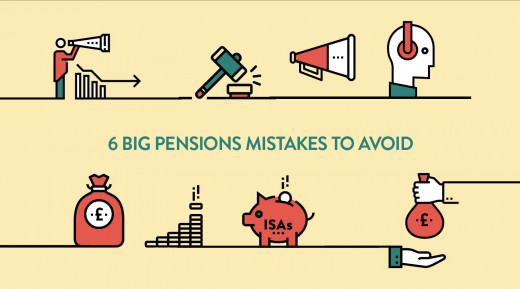
Pension Mistakes to Avoid in Life
Nowadays retirement planning looks simple but it isn't, especially with the ever-changing pension rules and regulations. This article will take a look at 6 common pension mistakes you should avoid when it comes to pensions. From not understanding the ins and outs of your employer’s retirement plan to not saving enough for retirement and more.
6 Pension Mistakes to Avoid in Life
1. Forgetting to take required minimum distributions
First pension mistake to avoid in life is forgetting to take required minimum distributions. If you have a traditional pension plan, you are required to take a minimum distribution (RMD) each year once you reach age 70½. The required minimum distributions (RMD) is the minimum amount that you are required to withdraw from your pension each year and is based on your life expectancy and the value of your pension account.
Failure to take an required minimum distributions (RMD) can result in a 50% tax penalty on the amount that should have been withdrawn. Therefore, it's important to be aware of the RMD rules and make sure that you take your RMD each year.
There are a few different ways that you can take your required minimum distributions. You can choose to receive it in a lump sum payment, or you can chose to have it paid out over a period of time. You can also choose to have your RMD reinvested into another retirement account, such as an IRA.
Whichever required minimum distributions method you choose, be sure to consult with a financial advisor to ensure that you are taking your RMD in the most tax-efficient way possible.
2. Don't cash out your pension
This should be avoided too! It may be tempting to cash out your pension early, but this is generally a bad idea. You'll incur penalties and will lose out on years of growth potential. You should wait until you're closer to retirement age before tapping into your pension savings.
3. Don't let your pension become a penalty
While you do want to grow your pension pot, don't take on too much risk in the process. You should make sure you have a mix of investments, including some that are more conservative, to help balance out the risk.
4. Don't make these asset allocation mistakes
Another pension mistake to avoid is making improper asset allocation mistakes. When it comes to your pension, there are a number of asset allocation mistakes that you need to avoid if you want to retire comfortably. Here are four of the biggest mistakes:
i). Not diversifying your assets
One of the biggest mistakes you can make is not diversifying your assets. With a pension, you’re typically limited to investing in just a few asset classes, such as stocks, bonds, and cash.
If you don’t diversify your assets, you’re missing out on the potential growth of other asset classes which could help you in your life, such as real estate or commodities. Additionally, you’re also exposing yourself to more risk than necessary.
ii). Investing too much in stock
Investing too much in stock using your pension fund is another life pension mistake you should avoid. While stocks have the potential to provide high returns over the long term, they’re also much more volatile than other asset classes. For this reason, it’s important that you don’t invest too much of your pension in stocks.
A good rule of thumb you should follow is to allocate no more than 20-30% of your pension to stocks. This will help ensure that your portfolio isn’t too risky and that you still have exposure to other asset classes with less volatility.
5. Do keep your pension in good shape
This may seem like an obvious one to most of us, but it's important to make sure your pension is well-funded and on track to pay out when you retire. A recent study by the Pew Charitable Trusts found that many state and local government pension plans are woefully underfunded, putting retirees at risk of not getting their full benefits.
To make sure your pension is in good shape, you should check with your employer or plan administrator to see how much money has been set aside for your benefit. If it's less than what you'll need in retirement, start working with your employer now to increase contributions or look for other ways to boost funding.
6. Not rebalancing your portfolio regularly
Failure to balance up your portfolio is another mistake you should avoid. This mistake is commonly done by investors. Thus, investors fail to rebalance their portfolios on a regular basis.
In conclusion, when it comes to pensions, you should be making sure that you make all the right decisions, which are essential for achieving financial security and peace of mind in your later years. By taking the time to familiarize yourself with these 6 pension mistakes that we have discussed that people commonly make in life, you can ensure that your retirement planning is on track and prepare for a comfortable future.
7 Worst Financial Mistakes

7 Worst Financial Mistakes
Are you struggling with your finances? Do you find yourself drowning in debt or living paycheck to paycheck? You're not alone. Many people make financial mistakes that can have serious consequences on their lives and well-being. From not saving enough money to borrowing too much, these errors can lead to stress, anxiety and even bankruptcy. But fear not!
In this blog post, we'll discuss the 7 worst financial mistakes that people make so you can avoid them and take control of your finances once and for all! So grab a cup of coffee and let's get started!
7 Worst Financial Mistakes
1. Not Saving Enough Money
One of the biggest financial mistakes people make is not saving enough money. Many people believe they can't afford to save, but the truth is that everyone can find ways to cut expenses and set aside some money each month.
The consequences of not saving enough can be dire. Without an emergency fund or savings for retirement, you're one unexpected expense away from financial disaster. You could end up with high-interest debt or have to work well into your golden years just to make ends meet.
So how do you start saving more? The first step is to take a hard look at your budget and identify areas where you can cut back on spending. Maybe it's eating out less often, cancelling subscriptions or downsizing your living space.
Another option is to increase your income through side hustles or negotiating a raise at work. Any extra money should go straight into savings accounts so you don't get tempted to spend it elsewhere.
Remember, even small amounts saved regularly add up over time - so start today and watch your nest egg grow!
2. Not Investing Early Enough
One of the biggest financial mistakes that people make is not investing early enough. Many people think they have plenty of time to start investing, but in reality, the earlier you start, the more time your money has to grow.
There are a variety of investment options available, such as stocks, bonds, and mutual funds. Each option carries its own level of risk and potential reward. It's important to research each option thoroughly before making any decisions.
Another common mistake with investing is putting all your money into one investment instead of diversifying your portfolio. Diversification can help protect against market fluctuations and reduce overall risk.
Additionally, it's important to regularly review and adjust your investments as needed based on changes in the market or personal circumstances.
Starting to invest early can greatly benefit your financial future. Don't wait until later in life - take advantage of compound interest by starting now!
3. Not Paying Attention to Your Credit Score
Your credit score may seem like an insignificant number, but it can make a huge difference in your financial life. Unfortunately, many people don't pay enough attention to their credit scores and end up making costly mistakes.
One common mistake is not checking your credit report regularly. Errors on your report can negatively impact your score and cost you money in the long run. Make sure to check for any errors or discrepancies at least once a year.
Another mistake is carrying high balances on your credit cards. This can increase your utilization ratio and lower your score, making it harder to get approved for loans or credit cards with favorable terms.
Closing old accounts can also hurt your score by shortening the length of time you've had credit and decreasing the amount of available credit you have.
Applying for too much new credit at once can signal to lenders that you're financially overextended and increase the risk of defaulting on payments.
By paying attention to your credit score and taking steps to improve it, you'll be better positioned for financial success in the future.
4. Not Having an Emergency Fund
Having an emergency fund is crucial but many people fail to realize its importance and end up regretting it later. Emergencies can happen at any time and having a backup plan in the form of an emergency fund can save you from financial turmoil.
Not having an emergency fund means that when unexpected expenses arise, you will have no choice but to rely on credit cards or take out loans, which can lead to debt accumulation and high-interest payments. This not only affects your current finances but also has long-term consequences.
It's recommended that everyone should have at least three months' worth of living expenses saved up in their emergency fund. This includes rent/mortgage payments, bills, groceries, transportation costs, etc.
But creating an emergency fund takes discipline and commitment. It requires putting aside a portion of your income every month towards this purpose alone. Some ways to make it easier include setting up automatic transfers into a separate savings account or reducing unnecessary expenses like eating out or subscription services.
Not having an emergency fund is one of the worst financial mistakes anyone can make. It's important to prioritize building one as soon as possible so that you are prepared for any unexpected situations life may throw your way.
5. Not Diversifying Your Investments
Investing is an essential part of building wealth and securing your financial future. However, making the mistake of not diversifying your investments can have serious consequences. When you put all your money into one investment or asset class, you are exposing yourself to a higher level of risk.
For example, if you invest all your money in stocks and there's a sudden market downturn, you could lose a significant amount of money. On the other hand, if you had diversified by investing in bonds or real estate as well, the impact would be less severe.
Diversification helps spread out your risk across different types of assets and reduces the impact that any single event or market movement might have on your overall portfolio. It also provides opportunities for growth in various sectors.
One way to diversify is by investing in mutual funds or exchange-traded funds (ETFs) which hold many different stocks or bonds within them. Another strategy could be to allocate some portion of your portfolio towards alternative investments like commodities or real estate.
Not diversifying investments can lead to unnecessary risks that can hurt long-term financial goals. Therefore it's crucial always to consider spreading out investment risks through proper diversification strategies tailored specifically for individual portfolios' needs and goals.
6. Not Tracking Your Spending
One of the worst financial mistakes that people make is not tracking their spending. It's easy to lose track of where your money goes, especially if you're not keeping a close eye on it. But failing to monitor your spending can have serious consequences.
For starters, when you don't know how much money you're spending each month, it's hard to create an effective budget. You might think that you have plenty of cash on hand, only to realize too late that you've overspent and are now short on funds for other expenses.
Additionally, when you're not tracking your spending, it's easy to fall into bad habits like impulse buying or making frivolous purchases. These small expenses may seem insignificant at first but can add up quickly over time and eat away at your savings.
To avoid falling into this trap, make sure that you keep a record of every penny that leaves your wallet or bank account. Use a budgeting app or spreadsheet to categorize all of your expenses so that you can see exactly where your money is going.
By taking the time to track your spending regularly, staying disciplined with yourself about unnecessary expenditures becomes easier. This will help ensure long-term financial success by allowing more conscious decision-making with how one spends their hard-earned income.
7. Not Creating a Budget
One of the biggest financial mistakes people make is not creating a budget. It's easy to think that you can just wing it and manage your money on a day-to-day basis, but without a clear understanding of your income and expenses, you're likely to overspend and end up in debt.
Creating a budget doesn't have to be difficult. Start by tracking your spending for a month or two so you can get an idea of where your money is going. Then determine what your fixed expenses are (like rent/mortgage payments) versus variable expenses (like entertainment)..
From there, set realistic goals for yourself based on how much you make each month and allocate funds accordingly. Make sure to leave some room for unexpected expenses like car repairs or medical bills.
By creating and sticking to a budget, you'll be able to save more money each month which will help you achieve long-term financial goals like buying a home or retiring comfortably. Don't let the fear of setting limits hold you back from taking control of your finances – start making changes today!
7. Not Staying Disciplined With Your Finances
One of the biggest financial mistakes people make is not staying disciplined with their finances. It's easy to get caught up in the excitement of spending money, especially when there are so many temptations around us. However, if you want to build a secure financial future for yourself and your family, it's important to stay disciplined with your finances.
The first step towards discipline is setting clear financial goals. Without specific targets for saving and investing, it can be hard to know where your money should go. Once you've set these goals, make a plan to achieve them by creating a budget that incorporates all of your expenses and income.
Sticking to this budget may mean making some sacrifices, but remember that every little bit counts in achieving long-term success. Avoid impulsive purchases and instead focus on prioritizing what really matters - like building an emergency fund or paying off debt.
Another way to stay disciplined is by regularly monitoring your spending habits. Use tools like tracking apps or spreadsheets to keep track of where every penny goes each month. This will help you identify areas where you might be overspending so that adjustments can be made accordingly.
Don't forget about the power of accountability! Share your goals and progress with someone who can help hold you accountable - whether it's a friend or family member - having someone else involved in your journey towards financial discipline can provide extra motivation.
By making small changes such as setting realistic goals, creating budgets, monitoring spending habits regularly and seeking accountability from others could lead anyone down the path toward better financial decisions over time!
How Can You Avoid Making These Mistakes?
To avoid making financial mistakes, you need to be mindful and proactive about your finances. Here are some tips on how to do so:
1. Create a budget: By creating a budget, you'll know exactly where your money is going each month. It will help you set realistic spending limits and prioritize your expenses.
2. Track your spending: Use an app or spreadsheet to track your spending daily and ensure that you're sticking to the budget you've created.
3. Avoid impulse purchases: Before making any purchase, ask yourself if it's something you really need or just want in the moment.
4. Build an emergency fund: Set aside funds for unexpected expenses such as medical bills or car repairs.
5. Plan for retirement early: Start planning for retirement as early as possible by contributing regularly into a 401(k) plan or IRA account.
6. Seek professional advice: If needed, seek out financial advisors who can provide guidance on investments, taxes, and other important financial matters.
By following these steps consistently over time, you can significantly reduce the risk of making costly financial mistakes that could negatively impact your future finances.
In conclusion, money is a sensitive and critical topic that can make or break our lives. It's essential to handle finances with care, but sometimes we slip up and make mistakes that cost us dearly. In this blog post, we've discussed the 7 worst financial mistakes you need to avoid at all costs. Avoiding financial mistakes is crucial to achieving long-term financial stability and success. By being mindful of your spending habits, creating a budget, prioritizing saving and investing in your future, you can avoid the 7 worst financial mistakes that many people make.
It's important to remember that managing your finances doesn't have to be overwhelming or confusing. With some effort and discipline, anyone can take control of their money and start making smart choices for their financial future.
So whether you're just starting out on your financial journey or looking for ways to improve your current situation, these tips will help you stay on track and work towards achieving your goals. Remember: every dollar counts!
9 Ways to Win an Argument

9 Ways to Win an Argument
In this article, we’ll provide 9 tips on how to win an argument every time. By following these tips, you’ll be able to come up with smart and clever arguments that will make your opponents think twice before they start another debate with you. So read on, and get ready to be the master of all debates!
9 Ways to Win an Argument
1. Understand the other person's perspective
Before you can win an argument, you must first understand the other person's perspective. What are their goals? What are their reasons for thinking the way they do? Only then can you begin to find common ground and build a convincing argument.
To really understand the other person's perspective, you need to ask questions and listen carefully to the answers. Pay attention to both the words they use and the tone of their voice. And don't be afraid to restate what you've heard them say to make sure you've understood it correctly.
Once you have a good understanding of where the other person is coming from, you can start to put together your own argument. Remember to stay calm and respectful throughout the discussion, even if you don't agree with what they're saying. If you can keep an open mind and truly listen to what they have to say, you'll be much more likely to win them over in the end.
2. Use evidence to support your claims
When you're trying to win an argument, it's important to back up your claims with evidence. This will make your argument more persuasive and convincing. Without evidence, your claims are just assertions that can be easily dismissed.
There are a few different types of evidence you can use to support your claims. Examples can be used to illustrate your point and show that what you're saying is true. Statistics can be used to back up your claims with hard data. And expert testimony can add credibility to your argument by showing that others agree with you.
Whatever type of evidence you use, make sure it is relevant and credible. Otherwise, it will do more harm than good. In particular, be careful not to cherry-pick data or selectively present information in a way that supports your position while ignoring information that contradicts it. This will make you look dishonest and will damage your credibility.
3. Avoid name-calling and insults
When engaging in an argument, it is important to remember to avoid name-calling and insults. This will only make the other person defensive and less likely to listen to your point of view. Instead, try to stay calm and respectful while still making your case clearly.
4. Be respectful
When engaging in argument, it is important to be respectful of your opponent. This means listening to their points, considering their perspectives, and responding thoughtfully. It can be tempting to try to score points or dominate the conversation, but doing so will likely only escalate the situation and make it harder to find common ground or reach a resolution. Instead, focus on understanding where the other person is coming from and work together to find a solution that works for both of you.
5. Use logic
When you're in an argument, it's important to be logical. This means using facts and evidence to support your claims. If you can back up what you're saying with solid proof, you'll be much more likely to win your argument. However, simply being right isn't enough. You also need to be able to communicate your points clearly and persuasively. If you can do both of these things, you'll be well on your way to winning any argument.
6. Be prepared
Before you even open your mouth to argue with someone, you need to be prepared. This means having a clear understanding of what you want to achieve from the argument, and what points you need to make in order to win. You also need to be aware of the other person's arguments, and have counter-arguments ready. If you're not prepared, then it's very likely that you'll lose the argument.
7. Know your audience
When engaging in any kind of argument, it is important to know your audience. This means understanding who you are arguing with and what their position is on the issue at hand. It is also important to be aware of any preexisting biases that your audience may have. Only by truly understanding your audience can you hope to win them over to your side.
8. Be aware of your body language
Your body language is a nonverbal form of communication. It can be either positive or negative and can influence the outcome of an argument. Make sure you are aware of your own body language and use it to your advantage.
Some things to keep in mind are:
- Eye contact is important. It shows confidence and that you are engaged in the conversation.
- Keep your posture open and relaxed. Avoid crossing your arms or legs, as this can make you appear defensive.
- Don’t fidget or play with objects. This shows that you are nervous and not fully present.
- Use gestures to emphasize points, but don’t overdo it. Too much movement can be distracting.
9. Choose your words carefully
In any argument, it is important to choose your words carefully. This is especially true if you are trying to win an argument. If you use the wrong words, you may come across as abrasive, confrontational, or even worse, wrong.
Here are a few tips for choosing the right words when you are trying to win an argument:
1. Avoid inflammatory language
When you are trying to make a point, it is important to avoid using language that will inflame the other person or people involved in the argument. Words like "never" or "always" can be seen as confrontational and can make the other person defensive. Instead of using these words, try to use more neutral language.
2. Use "I" statements
When you use "I" statements, you are taking responsibility for your own feelings and opinions. This can help to diffuse a potential argument because it shows that you are not trying to attack the other person. For example, instead of saying "You never listen to me," try saying "I feel like I'm not being heard."
3. Be specific
It is also important to be specific when you are making your points in an argument. This way, there is less room for misinterpretation and confusion. For example, instead of saying "You're always late," try saying "I would appreciate it if you could be on time more often."
5 Investment Strategies for Beginners

5 Investment Strategies for Beginners
Investing can be daunting for newbies. After all, with so many relevant details and components to take into account, it's understandable to feel apprehensive. But you don't have to let yourself get overwhelmed. With the correct understanding, you can expertly traverse the stock market and enjoy the benefits of your investments.
In this article, we will explore 5 investment strategies for beginners. From diversifying your portfolio to understanding risk management and more, read on to learn how you can get started with investing today!
What is Investing?
Investing is the process of allocating resources, usually money, with the expectation of generating an income or profit. investors generally expect to receive some type of return on their investment, which can include interest payments, dividend payments, or appreciation of the asset.
The Different Types of Investments
There are many different types of investments, each with its own advantages and disadvantages. The most common types of investments are stocks, bonds, mutual funds, and exchange-traded funds (ETFs).
Stocks represent ownership in a company and can be bought and sold on stock exchanges. They generally offer the highest potential return but also come with the highest risk.
Bonds are debt instruments that offer a fixed stream of payments. They are typically less risky than stocks but offer lower returns.
Mutual funds pool money from many investors and invest in a variety of assets, such as stocks, bonds, and cash equivalents. ETFs are similar to mutual funds but trade like stocks on an exchange.
Pros and Cons of Investing
When making decisions about investing, it's important to weigh up the pros and cons. On the one hand, there are plenty of benefits to investing - you could increase your wealth, gain financial freedom and watch your savings grow.
However, it is important to remember that investing does come with potential risks – you could lose money and put yourself in an uncomfortable financial position. It's essential to understand these potential pitfalls when making decisions about investing.
Before committing your money, there are several points to take into account. You must consider what objectives you hope to reach, how much risk you're comfortable taking and what timeline suits your situation best.
Once you understand the fundamentals, it's time to survey the different kinds of investments and see which ones align with your goals. In this article we're going to address some of the benefits as well as drawbacks associated with investing.
Now let’s look at some of the specific pros and cons of each type of investment:
Pros of Investing
When it comes to investing, there are a lot of pros and cons to take into consideration. However, at the end of the day, the pros usually outweigh the cons when it comes to investing.
The following are some of the biggest pros of investing:
- Investing can help you reach your financial goals sooner. Putting your money into investments can help you achieve your monetary objectives faster. If you have aspirations that necessitate financial resources, investing can get you closer to them quicker. Allocating some of your funds towards investment opportunity gives the chance for it to compound over time. Maximizing the amount of time those investments are held will result in greater returns, which could help you get to your goals much faster compared to using a savings account alone.
- Investing can help you build wealth over time. Investing is one of the best ways to build wealth over time. If you invest wisely, your investments will not only provide you with regular income but will also increase in value over time. This means that if you sell your investments later on down the road, you could potentially make a lot of money from them – more than enough to offset any initial losses and then some.
- Investing can offer diversification for your portfolio. Investing offers a great way to diversify your portfolio and reduce your risk. By investing in different asset classes, such as stocks, bonds, and real estate, you can spread out your risk so that if one market crashes, your entire portfolio does.
Cons of Investing
You should be aware that investing carries certain risks. Before you start putting your money into the market, it is important to consider the potential drawbacks. These may include:
- When investing, you should be aware of the potential of losing some or even all of what you put in. Hence, it is essential to only use resources that will not impact your way of life if you do not gain a return.
- It is important to familiarize yourself with the applicable fees and commissions prior to investing as they could take away from your profits. Make sure to review all the fees and charges in order to gain a clear understanding of how much it will cost you to begin investing.
- When making your investment decisions, remember that you may be required to pay taxes on any gains. This should be factored into your accounting of anticipated profits.
- On the stock exchanges, nothing is ever guaranteed, and even experienced traders can at times incur losses. If you aren't comfortable with the associated risk, then investing might be a poor choice for you.
How to Start Investing
If you're new to investing, the prospect of starting can be daunting. Where do you begin? What kind of investments are right for you?
Here are a few tips to get you started on the right foot:
- Do your homework. Before making any decisions, it's important to educate yourself on the basics of investing. Read books, talk to financial advisors, and learn as much as you can about the different types of investments available. This will help you determine what kind of investor you are and what strategies are best for you.
- Start small. Once you've done your research, don't go all-in with a large investment right away. Instead, start small and gradually increase your position as you become more comfortable with the process.
- Consider your goals. What are you hoping to achieve with your investments? Are you looking to grow your wealth over time or generate income in the short-term? Your answer will dictate what kinds of investments are right for you.
- Have a plan. Don't just wing it when it comes to investing; have a solid plan in place before putting any money down. Determine how much risk you're comfortable taking on, set investment goals, and establish a timeframe for reaching those goals. This will help keep you focused and disciplined throughout the process.
Investment Strategies for Beginners
If you're just starting out in the investing world, it's important to educate yourself on the different strategies that are available to you. Depending on your goals and risk tolerance, there is an investment strategy that's right for you.
Here are a few of the most common investment strategies for beginners:
- Buy and hold: This strategy involves buying stocks or other assets and holding onto them for the long term. The goal is to ride out the ups and downs of the market and ultimately end up with more money than you started with.
- Dollar-cost averaging: This strategy involves investing a fixed amount of money into a security or securities at regular intervals. By buying these securities over time, you average out the cost of each share and minimize your risk.
- Portfolio diversification: This strategy involves spreading your investment dollars across different asset classes in order to minimize your risk. For example, instead of investing all of your money in stocks, you might put some into bonds as well.
- Value investing: This strategy involves finding stocks or other assets that are undervalued by the market and buying them in hopes that their price will eventually go up.
- Growth investing: This strategy involves buying stocks or other assets that have the potential for above-average growth. These investments may be more volatile than others, but they also have the potential for greater rewards.
Where to Get More Information on Investing
There are many sources of information on investing, including books, magazines, newspapers, television, and the internet. When you are just starting out, it is important to get as much information as possible so that you can make informed decisions about where to invest your money.
We hope this article has given you useful information on the different types of investments available to beginners and some strategies that you can use to start investing. Remember, before making any investment decisions it is important to conduct thorough research and consult a financial advisor if necessary. With proper planning and forethought, investing can be an excellent tool for building wealth over time. Good luck!
8 Reasons to Invest in Real Estate

8 Reasons to Invest in Real Estate
Real estate is more than just a house. It’s an asset, a long-term investment, and the foundation of financial security.
Many people overlook the potential real estate has to offer, but in reality it should be considered one of the smartest investments you can make. Real estate can pay off in many ways: from improving income to diversifying your portfolio to making you feel more secure about your financial future.8 Reasons to Invest in Real Estate.
In this blog post, we will explore 8 reasons why investing in real estate could be one of the best decisions you ever make. Read on and learn why investing in real estate could be a great option for you.
8 Reasons to Invest in Real Estate
1. An Investment in Real Estate is an Investment in Your Future
There are many reasons to invest in real estate, but one of the most important is that it is an investment in your future. Real estate can be a great way to build wealth over time and can provide you with a solid financial foundation for your future. Not only is it a reliable option, but it typically provides greater returns than many other investments.
2. Real Estate is a Tangible Asset
When it comes to investing, real estate is often considered a more tangible asset than stocks and bonds. Real estate investing involves the purchase, ownership, management and/or sale of properties for profit. Income from real estate can come in the form of rental income, appreciation of the property value and/or through the sale of the property.
Unlike stocks and bonds, which are intangible assets, real estate is a physical asset that you can see and touch. This makes it a more concrete investment for many people.
3. Real Estate Provides Potential for Leverage
If you're looking to invest in real estate, one of the key things to consider is the potential for leverage. When you purchase a property with a mortgage, you're only paying a small percentage of the property's value upfront, which allows you to control a much larger asset. This can be an especially powerful tool if the property appreciates in value over time, as your equity will grow along with the value of the property.
When using leverage to invest in real estate, it's essential to understand the risks associated with it. Research and analyze the property you are investing in, so you are confident that it will appreciate in value and not decrease. Otherwise, you could end up owing more than what it's worth.
When looking at leverage, it is also essential to be aware that it can amplify your risks as an investor. Not fulfilling your mortgage payments can end with you losing your home and any accumulated equity. Thus, it is wise to ensure a sturdy financial footing before incorporating leveraged investments into your plan.
4. Real Estate is a Proven Investment
There are many reasons to invest in real estate, but one of the most compelling is that it is a proven investment. Over time, real estate has consistently outperformed other investment options, such as stocks and bonds.
Of course, there are no guarantees when it comes to investing. However, history shows us that investing in real estate is a smart move that can provide substantial returns. If you're looking for a solid investment that will help you build your wealth over time, real estate is worth considering.
5. Real Estate Offers Tax Advantages
Owning real estate offers a number of tax advantages that can save you money each year. These include the ability to deduct mortgage interest, property taxes, and repair and maintenance costs from your taxable income. Additionally, any profits you make from selling your property are typically taxed at a lower rate than other forms of income.
Another reason to invest in real estate is that it can provide a steadier stream of income than other investments. While stock prices can go up and down rapidly, rent payments from tenants tend to be more stable. This can provide peace of mind for investors looking for a more predictable return on their investment.
Of course, no investment is without risk and there are some potential downsides to investing in real estate. For example, the value of your property can go down as well as up over time. Additionally, being a landlord comes with its own set of challenges (e.g., dealing with difficult tenants). However, if you do your research and invest wisely, the potential rewards of investing in real estate make it an attractive option for many people.
6. Real Estate can Offer Cash Flow and Appreciation
Investing in real estate offers a number of advantages, such as the opportunity to make money through cash flow and appreciation.
Cash flow is the residual sum after all costs are paid out. This can be a great source of income that can then be used for various investments or expenses.
Appreciation refers to when the value of one's property increases over time, which can result in a large profit when the property is sold for more than it was bought for.
Both of these motivations can be strong incentives to purchase property. Nevertheless, it is essential to bear in mind that any investment involves some degree of risk, so it is important to do your due diligence before making a choice.
7. You Can Control Real Estate Investments
One of the best things about real estate investing is that you have a lot of control over your investment. You can hand-pick the properties you want to invest in, and you're in charge of how much money you want to put into each one. That means that if one property starts to underperform, you can choose to sell it or keep it and ride out the market. And, if you're looking for a higher return on investment, you can always reinvest in another property.
8. You Have the Option of Either Living in or Renting Out Your Real Estate Investment
Investing in real estate can offer many advantages. It is possible to either live in the property or rent it out. As an owner, you benefit from not having to concern yourself with maintenance and repairs. Additionally, renting out the real estate can produce income while still taking advantage of tax benefits of owning such a property.
To wrap up, investing in real estate has long been seen as a secure option with potential for great returns. In this post, we discussed 8 reasons that can motivate you to dive into the real estate market - from broadening your investment portfolio to taking advantage of some tax breaks.
8 Retirement Mistakes to Avoid in Life

8 Retirement Mistakes to Avoid in Life
Retirement is a time that everyone looks forward to, but for some of us, it can turn out to be quite stressful if we don't plan well. Making the right decisions now will guarantee you financial stability and peace of mind during your golden years. Unfortunately, many people make common pension mistakes that end up costing them dearly in their retirement.
In this blog post, we'll share with you 8 pension mistakes to avoid in life so that you can enjoy your hard-earned savings without any worries!
What is a Pension?
When it comes to pensions, there are a lot of moving parts and variables to consider. It's important to have a clear understanding of what a pension is and how it works before making any decisions about your own retirement planning.
A pension is a retirement savings plan that provides regular payments to an individual after they retire. The payments are usually based on factors such as length of service and salary history. Pensions can be sponsored by employers or government agencies, or they can be set up independently by individuals.
There are several different types of pension plans, but the most common are defined benefit and defined contribution plans.
In a defined benefit plan, the benefits you receive in retirement are predetermined based on a formula that takes into account your years of service and earnings history.
In a defined contribution plan, on the other hand, you (and/or your employer) make contributions into the plan during your working years, and the benefits you receive in retirement depend on how much has been contributed and how well the investments have performed over time.
Pensions can be an important part of your overall retirement planning, but there are some potential pitfalls to avoid. Here are 8 mistakes to watch out for:
8 Pension Mistakes to Avoid in Life
1. Taking Social Security Too Early
If you're like most people, you can't wait to retire and start collecting your hard-earned Social Security benefits. But did you know that taking those benefits too early could cost you thousands of dollars in the long run?
Here's what you need to know about taking Social Security too early:
You'll receive a lower monthly benefit: If you start collecting Social Security at age 62, you'll receive a lower monthly benefit than if you wait until your full retirement age (FRA). For example, if your FRA is 67 and you start collecting at 62, your benefit will be reduced by 30%.
You may not be able to collect all of your benefits: If you start collecting Social Security before reaching your FRA, your benefits may be reduced if you continue to work. For every $3 you earn over the yearly limit ($15,720 in 2020), $1 will be deducted from your benefits. Once you reach FRA, there is no limit on how much money you can earn and still collect your full benefit.
You'll deplete your benefits sooner: If you start collecting Social Security at age 62, you'll receive smaller monthly payments for a longer period of time. This means that your total lifetime benefits will be lower than if you wait to collect until later.
So, while it may be tempting to start collecting Social Security as soon as possible, it's important to consider the long-term implications of doing so. It
2. Not Investing in a Roth IRA
Saving for retirement is one of the most important things you can do, and investing in a Roth IRA can be hugely beneficial. Unfortunately, some people don't take this fundamental step to secure their future, with potentially severe repercussions.
There may be multiple reasons why investing in a Roth IRA is not the right choice for you. It could be that you're just starting out, and uncertain of the financial strain it will place on your budget.
Alternatively, if there is a pension in the picture then that could reduce your need to save in the account. Lastly, it could be because you do not grasp how they function.
Whatever the reason, not investing in a Roth IRA is a mistake. Here's why:
- You're missing out on valuable tax breaks. With a Roth IRA, your contributions are made with after-tax dollars. This means that when you retire and start withdrawing from your account, those withdrawals are tax-free. That can be a huge advantage, especially if you're in a higher tax bracket when you retire than you are now.
- Your money won't grow as much as it could. Investing in a Roth IRA allows your money to grow tax-deferred, which means that you won't have to pay taxes on any of the growth until you withdraw it in retirement. This can result in significant growth over time, especially if you start investing early and let your money compound for many years.
3. Not Diversifying Your Investments
If you don't diversify your investments, you're missing out on potential ways to expand your wealth. Diversifying can help you distribute your money across different asset classes, which can reduce the amount of risk and potentially increase what you earn.
When planning for retirement, diversification is essential. Constructing a blend of stocks, bonds, and cash will enable you to generate the income you need while safeguarding your portfolio from market fluctuations.
Diversification is key; investing in a variety of vehicles, like mutual funds, exchange-traded funds (ETFs) and index funds will give you exposure to multiple assets and minimize risk. Don't put all your eggs in one basket - spread out!
Periodically, remember to rebalance your portfolio. This requires selling off assets that have grown in value and investing more in those that decreased in value, which helps to maintain diversification and remain consistent with your investment plans.
4. Ignoring Estate Planning
If you're like most people, estate planning is probably not at the top of your list of priorities. After all, it's not something that we like to think about, and it can be complicated and expensive. Unfortunately, ignoring estate planning can have serious consequences for your loved ones.
Without a proper estate plan, your assets will be distributed according to state law, which may not be what you want. Additionally, if you have minor children, you need to make sure that they are properly taken care of in the event of your death. Without a will or trust in place, the court will decide who will raise them – and it may not be who you would choose.
Finally, estate planning can help minimize taxes and other expenses after your death. By taking the time to plan now, you can save your loved ones a lot of money and stress later on.
Don't make the mistake of ignoring estate planning – it's an important part of ensuring that your wishes are carried out and that your loved ones are taken care of after you're gone.
5. Not Reviewing Your Pension Plan
If you're like most people, you probably have a pension plan through your employer. But how much do you really know about it? Reviewing your pension plan regularly is an important part of ensuring that you're on track to meet your retirement goals.
There are a few key things to look for when reviewing your pension plan:
- Make sure you understand the contributions you and your employer are making. Are they sufficient to provide the level of income you'll need in retirement?
- Check to see if there are any changes in the vesting schedule or benefit formulas that could impact your benefits.
- Compare the performance of your pension fund to other similar funds. Is it keeping up with its peers?
- Review the expenses associated with your pension plan. Are they reasonable?
- Make sure you understand how your pension benefits will be paid out upon retirement. Will they be enough to cover your needs?
Taking the time to review your pension plan regularly will help ensure that you're on track to meet your retirement goals.
6. Forgetting to Consider Inflation
When making financial decisions, it is important not to overlook the potential impact of inflation. Many people forget to factor in inflation when making decisions involving money. People need to keep in mind that inflation has a significant effect on their plans and finances.
When it comes to retirement planning, many overlook the effects of inflation. Prices of products and services rise over time, meaning your dollars will not have the same purchasing power in the future as they do now.
In order to counteract inflation, it is a good idea to invest in assets that will grow at a rate faster than the rate of inflation. Stocks and real estate are often great choices for retirees due to their possibility of yield returns higher than inflation.
7. Not Staying Up to Date on Tax Laws
One of the biggest mistakes you can make when it comes to your pension is not staying up to date on tax laws. The tax code is constantly changing, and if you're not keeping up with the latest changes, you could be facing a hefty tax bill come retirement. Make sure you're regularly checking in with a tax professional or reading up on the latest changes to ensure you're not missing any important deductions or credits.
8. Letting Your Employer Manage Your Investments
Your employer can provide you with access to a variety of investment options. Instead of trying to manage your investments on your own, it might be a better idea to let your employer take the reins. Your employer can give you—the employee—access to a range of diverse portfolios and funds.
If you don't have the capacity to manage your pension, letting your employer take care of it is often a great alternative. This may be an especially attractive option if you haven't got the knowledge or resources to make investments yourself. Despite this, it would be beneficial to remember a few points.
Your employer may not always act with your best interests in mind, which could lead to them choosing lower risk investments that generate smaller returns. This could ultimately result in your pension being worth less than it potentially could be.
Second, if you leave your job, you may not be able to take your pension with you. This means that all the money you've contributed could be lost if you're not careful.
Third, fees can eat into your pension pot. Make sure you understand all the fees associated with letting your employer manage your pension before making a decision.
Fourth, remember that you're in control of your pension. If at any point you're not happy with the way it's being managed, or the performance of the investments, you can always make changes.
Overall, letting your employer manage your pension can be a convenient option, but be sure to do your research first and make sure it's right for you.
In conclusion, whether you’re new to pensions or a seasoned investor, there are many pitfalls to avoid. By remembering the mistakes discussed in this article, you can ensure that you make smart decisions when it comes to your retirement planning and investments.
Staying aware of pension issues and understanding how they could potentially impact your nest egg is key to making educated choices about your financial future. Taking steps now will help provide a more secure foundation for the golden years ahead!