Learn smarter with fresh insights from our tutors.
Practical study guides, course supplements, and learning resources curated to help you move faster through every subject.
The Future of Risk Reporting: Leveraging AI and Automation

Introduction to Risk Reporting
Welcome to the exciting world of risk reporting, where data meets decision-making! In this ever-evolving landscape, organizations are constantly seeking innovative ways to streamline their processes and enhance efficiency. One such avenue that is revolutionizing risk reporting is the integration of artificial intelligence (AI) and automation.
Join us as we delve into how these cutting-edge technologies are reshaping the future of risk reporting and unlocking new possibilities for businesses worldwide.
The Evolution of Risk Reporting
Risk reporting has come a long way from traditional manual methods to more sophisticated approaches over the years. Initially, risk reports were often static and backward-looking, providing limited insights for decision-making. However, with advancements in technology and data analytics, the evolution of risk reporting has been remarkable.
Today, risk reporting is dynamic and real-time, offering proactive insights into potential risks before they escalate. The integration of AI and automation has revolutionized how organizations identify, assess, and mitigate risks efficiently. By leveraging these technologies, companies can now analyze vast amounts of data rapidly to detect patterns and trends that may indicate emerging risks.
Moreover, the evolution of risk reporting has shifted towards predictive analytics, enabling businesses to forecast future risks accurately based on historical data and external factors. This transformation has empowered organizations to make informed decisions swiftly in response to changing market conditions or internal challenges.
In essence, the evolution of risk reporting continues to reshape how businesses manage uncertainties effectively in an ever-changing business landscape.
The Role of AI and Automation in Risk Reporting
As technology continues to advance, AI and automation are becoming integral in transforming risk reporting processes. These innovative tools have the ability to analyze vast amounts of data quickly and accurately, allowing for more efficient risk assessments. By leveraging AI algorithms, companies can identify potential risks in real-time and proactively address them before they escalate.
Automation streamlines repetitive tasks, freeing up valuable time for risk managers to focus on strategic decision-making based on actionable insights provided by AI systems. This combination enhances the overall effectiveness of risk reporting by minimizing human error and ensuring compliance with regulatory requirements.
Furthermore, AI-powered predictive analytics can forecast future risks based on historical data patterns, enabling organizations to anticipate threats and implement preventive measures. The role of AI and automation in risk reporting is not just about efficiency but also about empowering businesses to make informed decisions that mitigate potential risks effectively.
Benefits of Incorporating AI and Automation in Risk Reporting
Incorporating AI and automation in risk reporting offers a plethora of benefits to organizations. It enhances accuracy by eliminating human errors and biases that may occur during manual data analysis processes. This leads to more reliable and trustworthy risk assessments.
Additionally, AI algorithms can quickly process vast amounts of data, providing real-time insights into potential risks facing the business. This allows companies to proactively manage risks before they escalate into larger issues.
Moreover, automation streamlines the entire risk reporting process, saving valuable time and resources for employees who can then focus on strategic decision-making rather than tedious data entry tasks.
Furthermore, leveraging AI tools enables companies to identify patterns and trends in their risk data that may have otherwise gone unnoticed with traditional methods. This helps organizations make informed decisions based on predictive analytics rather than reactive measures.
Challenges to Adopting AI and Automation in Risk Reporting
Adopting AI and automation in risk reporting brings forth various challenges that organizations need to navigate. One major obstacle is the initial investment required to implement these technologies, which can be significant. Additionally, there may be resistance from employees who fear their roles will become redundant with the introduction of automated systems.
Another challenge is ensuring the accuracy and reliability of data processed by AI algorithms. Organizations must invest time and resources into training these systems effectively to minimize errors. Moreover, integrating AI and automation into existing risk reporting frameworks can be a complex task that requires careful planning and coordination across different departments.
Furthermore, data security concerns arise when sensitive information is being handled by automated systems. Organizations need robust cybersecurity measures in place to safeguard against potential breaches or attacks on their AI-driven risk reporting processes.
Future Trends in Risk Reporting with AI and Automation
As we look ahead, the future of risk reporting with AI and automation is set to revolutionize the way organizations manage risks. One emerging trend is the use of predictive analytics to forecast potential risks before they even occur. This proactive approach allows companies to mitigate threats more effectively.
Another exciting development is the integration of natural language processing technology, enabling risk reports to be generated in real-time from vast amounts of unstructured data sources. This not only saves time but also enhances accuracy by eliminating human error.
Furthermore, machine learning algorithms are being utilized to continuously improve risk assessment models based on evolving data patterns. This adaptive capability ensures that risk reporting remains dynamic and responsive to changing business landscapes.
Incorporating AI and automation in risk reporting opens up a world of possibilities for enhancing decision-making processes and driving strategic initiatives forward. The future holds endless opportunities for innovation in this space as technology continues to advance at a rapid pace.
Case Studies: Companies Successfully Utilizing AI and Automation in Risk Reporting
Let's delve into real-world examples of companies leveraging AI and automation for risk reporting. Company A, a global financial institution, implemented AI algorithms to analyze market trends in real-time, enabling proactive risk management strategies. Company B, a leading tech firm, utilized automation tools to streamline data collection processes and enhance accuracy in risk assessment.
Meanwhile, Company C in the healthcare sector integrated AI-powered predictive analytics to identify potential risks related to patient outcomes and regulatory compliance. These innovative approaches have revolutionized traditional risk reporting methods by providing actionable insights promptly.
Moreover, Company D within the manufacturing industry embraced robotic process automation (RPA) to automate routine tasks like data entry and report generation, freeing up valuable time for their team to focus on strategic decision-making.
These case studies illustrate how forward-thinking organizations are harnessing the power of AI and automation to transform their risk reporting practices successfully.
Conclusion
As we look to the future of risk reporting, it is clear that AI and automation will play a crucial role in shaping the way organizations identify, assess, and mitigate risks. The evolution of technology has paved the way for more efficient and effective risk management processes.
By leveraging AI algorithms and automation tools, companies can streamline their risk reporting practices, improve decision-making capabilities, and ultimately enhance their overall business performance. While there are challenges to overcome in adopting these technologies, the benefits far outweigh the obstacles.
As we move forward, it is essential for businesses to embrace innovation and incorporate AI and automation into their risk reporting strategies. Those who successfully leverage these advanced technologies will have a competitive edge in today's rapidly changing business landscape.
The future of risk reporting is here - are you ready to embrace it?
Risk-Based Decision-Making: Aligning Strategy and Execution

Risk-Based Decision-Making: Aligning Strategy and Execution
Are you tired of making decisions based on gut feelings alone? Do you wish there was a more strategic way to approach risk in your business endeavors? Enter the world of Risk-Based Decision-Making – a game-changer that aligns strategy with execution, paving the way for informed and calculated choices.
In this blog post, we will explore why adopting a risk-based approach is crucial for businesses looking to thrive in today's uncertain landscape. So buckle up and get ready to revolutionize the way you make decisions!
Understanding Risk-Based Decision-Making
Risk-Based Decision-Making revolves around the idea of assessing potential risks and uncertainties before making strategic choices. It involves identifying, analyzing, and prioritizing risks to make informed decisions that align with organizational goals. By incorporating risk management principles into decision-making processes, businesses can enhance their ability to anticipate challenges and capitalize on opportunities.
Understanding the nature of risks facing your business is crucial for effective decision-making. Risks come in various forms – from financial to operational, reputational, and regulatory. Each type of risk requires a tailored approach to mitigate its impact on business outcomes.
By embracing a proactive stance towards risk assessment, organizations can gain a competitive edge in dynamic market environments. Risk-based decision-making empowers leaders to navigate complexities with confidence by considering both potential rewards and pitfalls associated with different courses of action.
In essence, understanding Risk-Based Decision-Making is about embracing uncertainty as an inherent part of the decision-making process while leveraging tools and frameworks to minimize negative impacts and maximize positive outcomes.
Why It Is Important for Businesses
In the fast-paced and unpredictable business landscape, making informed decisions is crucial for success. Embracing a risk-based approach allows businesses to assess potential threats and opportunities effectively. By incorporating risk management into decision-making processes, companies can identify potential pitfalls before they escalate, leading to more resilient strategies.
Moreover, implementing a risk-based approach enables businesses to prioritize resources efficiently. By focusing on areas with the highest impact or likelihood of risks, organizations can optimize their efforts and investments towards mitigating potential threats while seizing opportunities proactively.
Additionally, adopting a risk-based decision-making framework promotes a culture of transparency and accountability within the organization. It encourages open communication about risks and uncertainties, fostering collaboration among stakeholders to address challenges collectively.
Embracing risk-based decision-making empowers businesses to navigate uncertainties confidently and adapt swiftly to changing market dynamics.
Key Components of a Risk-Based Approach
In a risk-based approach, the key components revolve around identifying potential risks that could impact business goals and objectives.
One essential component is risk assessment, which involves evaluating the likelihood and impact of various risks on the organization. This helps in prioritizing risks based on their severity.
Another crucial element is risk mitigation strategies. These are proactive measures put in place to reduce or eliminate potential threats to the business.
Risk monitoring is also vital as it involves continuously tracking identified risks and assessing their effectiveness over time.
Furthermore, communication plays a significant role in a risk-based approach. Effective communication ensures that all stakeholders are aware of potential risks and involved in decision-making processes.
Regular reviews and updates to the risk management plan are necessary to adapt to changing circumstances and ensure ongoing protection for the business.
Steps to Implementing Risk-Based Decision-Making
When it comes to implementing risk-based decision-making in your business, there are several key steps you can take to ensure a successful transition.
First and foremost, it is crucial to establish clear objectives and goals for this approach. This will help guide your decision-making process and align it with the overall strategy of the organization.
Next, identify and assess potential risks that could impact these objectives. Conducting a thorough risk assessment will enable you to prioritize which risks require immediate attention.
Once risks have been identified, develop strategies to mitigate or manage them effectively. This may involve creating contingency plans or investing in resources to address specific threats.
Communication is also vital during this process - ensure that all stakeholders are informed about the new approach and their roles in managing risks within their areas of responsibility.
Regularly monitor and review the effectiveness of your risk-based decision-making framework. Make adjustments as needed to continuously improve how risks are identified, assessed, and managed within your organization.
The Benefits and Challenges of Using This Method
Embracing a risk-based decision-making approach offers a multitude of benefits to businesses. By focusing on potential risks, companies can anticipate and mitigate issues before they escalate, leading to improved decision-making processes. Moreover, this method enables organizations to align their strategies with their risk tolerance levels, fostering a more proactive and strategic mindset within the company.
However, implementing a risk-based approach also comes with its own set of challenges. It requires dedicated resources and expertise to identify and assess risks accurately. Furthermore, there may be resistance from stakeholders who are accustomed to traditional decision-making methods or who fear change within the organization.
Despite these obstacles, the long-term advantages of adopting a risk-based approach far outweigh the initial difficulties. Businesses that prioritize risk management in their decision-making processes are better equipped to navigate uncertainties and capitalize on opportunities for growth in an ever-evolving marketplace.
Real-World Examples of Successful Implementation
Real-world examples of successful implementation of risk-based decision-making can be found across various industries. One such example is how a large retail chain used this approach to optimize its supply chain management. By identifying and assessing potential risks in their operations, they were able to proactively address issues before they escalated, leading to improved efficiency and cost savings.
In the healthcare sector, hospitals have leveraged risk-based decision-making to enhance patient safety protocols. Through careful analysis of potential risks such as medication errors or patient falls, healthcare providers were able to implement preventive measures that significantly reduced adverse events and improved overall quality of care.
Another notable example is seen in the financial services industry, where banks have utilized a risk-based approach to strengthen regulatory compliance. By prioritizing high-risk areas such as money laundering or fraud detection, financial institutions have been able to ensure adherence to strict regulations while minimizing financial losses.
These real-world success stories highlight the tangible benefits that businesses can achieve by adopting a strategic and proactive approach towards risk management.
How Risk-Based Decision-Making Can Help Your Business Succeed
Implementing a risk-based decision-making approach in your business can provide numerous benefits. By identifying and assessing potential risks, you are better equipped to make informed decisions that align with your strategic goals. This proactive mindset allows you to anticipate challenges and respond effectively, leading to improved performance and outcomes.
Moreover, prioritizing risks enables you to allocate resources more efficiently, focusing on areas that have the most significant impact on your business objectives. This targeted approach not only enhances decision-making but also fosters a culture of resilience within your organization.
Furthermore, embracing risk-based decision-making encourages continuous learning and adaptation. It empowers your team to think critically about uncertainties and opportunities, fostering innovation and growth. Integrating this methodology into your business strategy can help mitigate threats, capitalize on opportunities, and drive sustainable success in today's dynamic environment.
Conclusion
In today's fast-paced and unpredictable business environment, implementing a risk-based decision-making approach is crucial for organizations looking to align their strategy with execution successfully. By understanding the key components of this method and following the steps to its implementation, businesses can reap numerous benefits such as improved decision-making, enhanced performance, and better resource allocation.
While there are challenges involved in adopting a risk-based approach, the real-world examples of successful implementation demonstrate its effectiveness in driving sustainable growth and mitigating potential threats. By embracing risk-based decision-making principles, companies can navigate uncertainties with confidence and position themselves for long-term success.
Incorporating risk-based decision-making into your organization's processes can help you make informed choices that support your strategic objectives while minimizing potential negative outcomes. By prioritizing risk assessment and management throughout all levels of your business operations, you can enhance resilience, seize opportunities proactively, and achieve sustainable competitive advantage in today's dynamic marketplace.
Building Resilience: Preparing for Potential Business Risks

Building Resilience: Preparing for Potential Business Risks
In the ever-evolving landscape of business, adaptability and preparation are key. Picture your company as a sturdy ship navigating through unpredictable waters – resilience is the anchor that keeps you steady amidst turbulent waves.
Today, we delve into the realm of building resilience to fortify your business against potential risks and uncertainties. Join us on this journey towards safeguarding your success!
What is Resilience?
Resilience is not just a buzzword; it's a powerful concept that defines the ability of a business to bounce back from setbacks and challenges. It goes beyond mere survival – it's about thriving in the face of adversity.
At its core, resilience involves having the mindset and strategies in place to adapt to unexpected circumstances. It's about being flexible, resourceful, and innovative when confronted with obstacles. Resilient businesses are like bamboo – they bend but do not break under pressure.
Think of resilience as your company's armor against unpredictable events. It enables you to weather storms, pivot when necessary, and emerge stronger on the other side. In essence, resilience is the secret ingredient that separates successful businesses from those that falter in times of crisis.
The Importance of Resilience in Business
In the dynamic landscape of business, resilience is not just a desirable trait but a necessity for survival. The ability to adapt, recover, and thrive in the face of challenges can make or break a company's success.
Resilience enables businesses to weather unexpected storms, whether they come in the form of economic downturns, natural disasters, or sudden market shifts. It allows organizations to pivot swiftly and strategically when faced with adversity.
By fostering a culture of resilience within an organization, leaders empower their teams to be agile problem solvers and creative thinkers. This mindset shift can lead to innovative solutions that propel the business forward even in turbulent times.
Investing time and resources into building resilience pays off in the long run by safeguarding against potential risks and ensuring sustainability. Businesses that prioritize resilience are better equipped to navigate uncertainty and emerge stronger on the other side.
Identifying Potential Risks
Identifying potential risks is a crucial step in building resilience within your business. It involves recognizing and understanding the various threats that could impact your operations, finances, or reputation. Risks can come from internal factors such as employee turnover or outdated technology, as well as external factors like market fluctuations or natural disasters.
Conducting a thorough risk assessment helps you pinpoint vulnerabilities and develop proactive strategies to mitigate these risks. This process may involve analyzing historical data, conducting scenario planning exercises, and seeking input from key stakeholders across different departments.
By identifying potential risks early on, you can tailor your risk management plan to address specific challenges before they escalate into major issues. This proactive approach not only minimizes the impact of unforeseen events but also enhances your ability to adapt and thrive in an ever-changing business environment.
Remember that no business is immune to risks; however, by staying vigilant and responsive to emerging threats, you can strengthen your organization's resilience and ensure long-term success.
Creating a Risk Management Plan
Creating a risk management plan is crucial for businesses to mitigate potential threats effectively. It involves identifying, assessing, and prioritizing risks that could impact the organization’s operations.
Start by conducting a thorough risk assessment to understand the various internal and external factors that could pose a threat. This includes analyzing financial risks, market fluctuations, cybersecurity concerns, and more.
Once you have identified the risks, develop strategies to minimize their impact or likelihood of occurrence. This may involve implementing preventive measures, transferring risk through insurance policies, or creating contingency plans.
Assign responsibilities to key team members who will be in charge of monitoring and managing specific risks. Regularly review and update your risk management plan to adapt to changing business environments.
By proactively addressing potential risks through a well-structured risk management plan, businesses can enhance their resilience and safeguard their long-term success.
Implementing Strategies to Build Resilience
In today's ever-changing business landscape, it's crucial to proactively implement strategies that promote resilience. Building a robust framework to withstand potential risks is key in ensuring the longevity and success of your enterprise.
One effective strategy is diversifying your revenue streams. Relying on a single source of income can leave your business vulnerable to fluctuations in the market. By expanding into new markets or product lines, you can mitigate the impact of unforeseen disruptions.
Another vital aspect is fostering a culture of adaptability within your organization. Encouraging innovation and flexibility among employees enables quick pivots in response to challenges, enhancing your ability to navigate turbulent times.
Moreover, investing in technology and digital infrastructure can streamline operations and enhance efficiency. Embracing automation and data analytics can provide valuable insights for making informed decisions during crises.
By implementing these proactive strategies, businesses can fortify their resilience and emerge stronger from adversity.
Investing in Resilience for Long-Term Success
Investing in resilience for long-term success is a strategic move that can set businesses apart from their competitors. By proactively identifying potential risks and developing robust risk management plans, companies can safeguard themselves against unforeseen challenges.
Resilience is not just about bouncing back from setbacks; it's also about thriving in the face of adversity. Building a resilient business requires a combination of foresight, adaptability, and strategic decision-making.
Businesses that prioritize resilience are better equipped to weather economic downturns, natural disasters, or market fluctuations. They are agile enough to pivot when necessary and capitalize on new opportunities as they arise.
Incorporating resilience-building strategies into your business model may require upfront investments but will pay off in the long run by ensuring continuity, stability, and sustainable growth. Investing in resilience is an investment in the future viability and success of your business.
Conclusion
Building resilience is key to ensuring the long-term success and sustainability of any business. By understanding what resilience entails, identifying potential risks, creating a comprehensive risk management plan, and implementing strategies to build resilience, businesses can better navigate uncertainties and challenges that may come their way.
Investing in resilience is not just about preparing for the unexpected; it's about fostering a culture of adaptability and innovation within an organization. Businesses that prioritize building resilience are better equipped to weather storms and emerge stronger on the other side.
Embracing resilience as a core value can position businesses to thrive in an ever-changing landscape. By taking proactive steps towards building resilience, organizations can not only survive unforeseen challenges but also thrive amidst uncertainty, setting themselves up for sustained success in the long run.
11 Benefits of Outsourcing Work
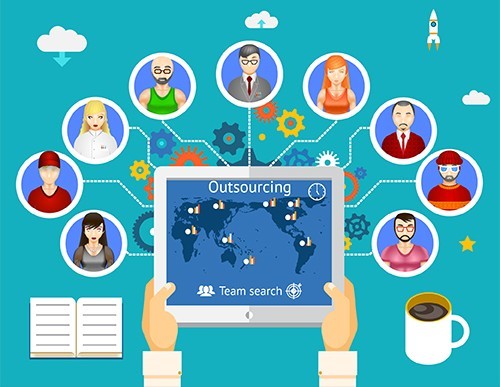
11 Benefits of Outsourcing Work
Outsourcing is a common practice for businesses of any size. It enables them to access the skills and resources that they need to grow without having to hire full-time employees. This can be an invaluable asset to many companies, as it allows them to focus on their core competencies while outsourcing the work that isn’t their expertise. But what are some of the benefits associated with outsourcing? In this article, we will explore 11 benefits of outsourcing work and how companies can maximize their efficiency and profits by leveraging external resources.
11 Benefits of Outsourcing Work
1. Cost-effective
Outsourcing can save your business money in a number of ways. Perhaps the most obvious way is that it can reduce your labour costs. If you outsource work to another company, you don’t have to pay for the salaries and benefits of the employees who do the work. You also don’t have to pay for space for those employees or for the equipment and supplies they need to do their jobs.
Another way outsourcing can save your business money is by helping you avoid the cost of hiring and training new employees. When you outsource work, you can be confident that the people doing the work are already trained and experienced. This can help you avoid the costly process of finding and training new employees.
Outsourcing can also save you money by helping you improve your efficiency and productivity. When you outsource work, you can focus on your core competencies and leave other tasks to experts. This can help you get more done in less time, which can save your business money.
2. Increased efficiency
The most obvious benefit of outsourcing is that it can help your business to become more efficient. This is because you will be able to focus on the core areas of your business, while leaving the non-core areas to be handled by someone else. This can help to save you time and money in the long run, as you will not have to waste time and resources on tasks that are not essential to your business.
3. Access to skilled labour
Outsourcing work to skilled professionals can save your business time and money. Skilled labour is in high demand and can be hard to find, so outsourcing work to a company that specializes in providing skilled labour can be a great solution for your business. When you outsource work to a skilled labour provider, you can be sure that the work will be done right and on time.
4. Improved quality
There are many benefits of outsourcing work, but one of the most important is improved quality. When you outsource work to a professional, you can be sure that the work will be of a high standard. This is because professionals have the skills and experience needed to produce high-quality work.
5. Increased flexibility
There are many benefits of outsourcing work, but one of the most important is increased flexibility. When you outsource work, you can often choose when and how much work to give to the contractor. This means that you can be more flexible with your time, as well as your budget.
6. Access to latest tools and technology
Organizations that outsource work to staff augmentation firms gain access to the latest tools and technologies. This is because these firms invest in the latest tools and technologies to enable their employees to be more productive. As a result, organizations that outsource work can benefit from the use of these latest tools and technologies without having to make a significant investment themselves.
7. Increased speed
There are a number of benefits that come with outsourcing work, but one of the most significant is increased speed. When you outsource work to a third-party provider, they can often get the job done more quickly than if you were to do it in-house. This is because they have access to more resources and personnel, and they’re often more efficient in their processes. This can free up your time so that you can focus on other areas of your business.
8. Reduced risks
There are many risks associated with running a business, from financial risks to operational risks. When you outsource work, you transfer some of these risks to the service provider. This can be a good thing or a bad thing, depending on the type of work being outsourced and the service provider you choose.
One of the biggest benefits of outsourcing is that it can help reduce financial risks. For example, if you outsource your accounting and bookkeeping, you don’t have to worry about maintaining in-house staff or paying for expensive accounting software. Instead, you can put that money towards other aspects of your business.
Outsourcing can also help reduce operational risks. For example, if you outsource your customer service needs, you don’t have to worry about training and managing in-house staff. Instead, you can focus on running your business and leave the customer service to the experts.
When done correctly, outsourcing can be a great way to reduce risks and improve your bottom line. Just be sure to do your homework and choose a reputable service provider.
9. Improved customer satisfaction
Outsourcing work can help improve customer satisfaction in a number of ways. First, it can free up your internal team to focus on other projects that may be more critical or have higher priorities. Additionally, outsourcing can also provide access to experts in specific areas who can help get the job done more efficiently and effectively. Finally, using an outside company can help to take some of the pressure off of your internal team, which can lead to improved morale and therefore better customer service.
10. Enhanced business reputation
There are many benefits of outsourcing work, but one of the most important is that it can enhance your business reputation. When you outsource work to a reputable company, you can be sure that the work will be of high quality. This can reflect positively on your business, and help to build up a good reputation over time. In addition, when you use a reputable outsourcing company, you can be sure that they will follow any ethical and legal standards that you set. This can help to protect your business reputation in the long term.
11. Improved work-life balance
It's no secret that the traditional 9-5 work day can be a grind. It can be tough to maintain a healthy work-life balance when you're expected to be at your desk for eight hours a day, five days a week. This is where outsourcing comes in.
When you outsource work, you have the flexibility to set your own hours and working schedule. You're not tied down to a rigid 9-5 schedule, which means you can take the time you need to take care of yourself and your family. This improved work-life balance can lead to reduced stress levels, improved mental and physical health, and increased productivity.
In conclusion, outsourcing is an effective and efficient way to manage business operations. It can help save time, money and resources which would be better used towards core competencies. With the right partner, you can benefit from access to new skills, improved processes and increased customer satisfaction. By carefully considering each of these 11 benefits of outsourcing work, you’ll be able to make more informed decisions about your own organization’s approach to getting things done.
The Cost of Ignoring Business Risks: Lessons from Case Studies

Introduction to Business Risks
In the fast-paced world of business, risks lurk around every corner like shadowy figures in a dimly lit alley. Ignoring these risks is akin to walking blindfolded through a minefield – sooner or later, disaster is bound to strike. From market volatility and cybersecurity threats to supply chain disruptions and regulatory changes, the landscape is rife with potential pitfalls for businesses of all sizes.
Join us as we delve into the cost of turning a blind eye to these dangers through real-life case studies that serve as cautionary tales for entrepreneurs and executives alike. Let's uncover the hidden perils that can spell doom for even the most promising ventures.
Common Types of Business Risks
Businesses are constantly exposed to various risks that can impact their operations and bottom line. One common type of risk is financial risk, which includes issues like cash flow problems, debt burdens, or fluctuations in the market.
Operational risks involve internal processes and systems that may fail due to human error, technology failures, or supply chain disruptions.
Reputational risks stem from negative publicity or public perception that can damage a company's brand and trust among customers.
Compliance risks refer to failing to adhere to laws and regulations, leading to legal consequences and penalties.
Cybersecurity risks have become increasingly prevalent with the rise of digital data breaches and hacking threats.
Market risks relate to changes in consumer preferences, competition dynamics, or economic conditions affecting sales and profitability.
Understanding these common types of business risks is crucial for organizations looking to navigate challenges effectively.
The Consequences of Ignoring Business Risks
Ignoring business risks can have severe consequences that ripple throughout an organization. It's like turning a blind eye to a ticking time bomb, hoping it won't explode. However, when risks are not addressed proactively, they tend to escalate and manifest into major issues.
Financial losses are one of the most common consequences of neglecting business risks. A small oversight today could lead to significant financial setbacks tomorrow. This can affect cash flow, profitability, and even the overall sustainability of the business.
Furthermore, ignoring risks can damage a company's reputation and erode customer trust. Once trust is lost, rebuilding it becomes an uphill battle that may take years to overcome. Customers want to do business with companies they can rely on and failing to manage risks jeopardizes that trust.
Operational disruptions are another fallout from disregarding potential threats. Whether it's a cyber-attack or supply chain disruption, these operational hiccups can grind productivity to a halt and impact service delivery.
In essence, the consequences of ignoring business risks go beyond just monetary losses; they encompass reputational damage and operational inefficiencies that can cripple even the most robust organizations in no time at all.
Case Studies on Businesses that Ignored Risks
Let's dive into some eye-opening case studies that highlight the repercussions of ignoring business risks.
One notable example is the downfall of Blockbuster, a giant in the video rental industry. Ignoring the shift towards digital streaming led to their demise as they failed to adapt.
Another case study involves Kodak, once a photography powerhouse. Their oversight of the digital revolution cost them dearly, ultimately leading to bankruptcy.
On a different note, Volkswagen faced severe consequences for ignoring emissions regulations. The scandal tarnished their reputation and resulted in hefty fines and legal battles.
These real-life scenarios serve as cautionary tales for businesses worldwide. It emphasizes how crucial it is to stay vigilant and proactive in identifying and addressing potential risks before they escalate beyond control.
Lessons Learned from Case Studies
Looking at case studies where businesses ignored risks can provide valuable insights into what not to do when it comes to risk management. One key lesson learned is the importance of proactive risk assessment and mitigation strategies. By identifying potential risks early on, companies can take steps to address them before they escalate.
Another lesson is the significance of having a contingency plan in place. Being prepared for unforeseen events or crises can make a significant difference in minimizing the impact on business operations. Additionally, these case studies highlight the critical need for effective communication within an organization regarding potential risks.
Moreover, learning from past mistakes and understanding the consequences of ignoring risks can help companies make better-informed decisions moving forward. It's essential for businesses to continuously evaluate their risk management practices and adapt as needed to avoid similar pitfalls in the future.
Ways to Identify and Mitigate Business Risks
When it comes to identifying and mitigating business risks, there are several key strategies that can help companies navigate potential challenges. Conducting a thorough risk assessment is crucial. This involves analyzing internal and external factors that could impact the business operations.
Additionally, staying informed about industry trends and regulatory changes can also help anticipate risks before they escalate. Developing contingency plans for different scenarios can be a proactive approach to minimize the impact of unforeseen events.
Moreover, fostering a culture of risk awareness within the organization can encourage employees at all levels to identify and report potential risks promptly. Implementing robust security measures to protect data and assets is essential in today's digital age.
Regularly reviewing and updating risk management strategies based on evolving threats is vital for long-term resilience. Collaboration with industry peers and experts can provide valuable insights into emerging risks that may not have been previously considered.
By adopting these practices consistently, businesses can enhance their ability to proactively manage risks and safeguard their sustainability in an ever-changing business landscape.
Conclusion
In the fast-paced world of business, ignoring risks can lead to dire consequences. The case studies highlighted in this article serve as stark reminders of what can happen when risks are overlooked or underestimated. From cybersecurity breaches to supply chain disruptions, businesses face a myriad of risks that must be identified and mitigated.
It is crucial for companies to proactively assess potential risks, develop strategies to address them, and continuously monitor and adapt their risk management practices. By learning from the mistakes of others and taking proactive steps to mitigate risks, businesses can safeguard their operations, reputation, and bottom line.
Remember, the cost of ignoring business risks far outweighs the investment required to manage them effectively. Stay vigilant, stay prepared, and prioritize risk management in your business strategy for long-term success.
Risk Management Metrics: Measuring Success and Effectiveness

Introduction to Risk Management Metrics
Welcome to the world of Risk Management Metrics, where success is not just a goal but a measurable outcome! In today's fast-paced business environment, organizations need more than just intuition and gut feelings to navigate risks effectively. By leveraging the power of data-driven metrics, companies can proactively identify, assess, and mitigate risks to safeguard their operations and enhance overall performance.
Join us on this journey as we delve into the realm of measuring success and effectiveness in risk management through key performance indicators (KPIs), best practices, and real-life case studies that showcase the power of strategic decision-making based on solid metrics. Let's dive in!
Types of Risk Management Metrics
When it comes to measuring success and effectiveness in risk management, there are various types of metrics that organizations can utilize. One common type is the Key Risk Indicator (KRI), which helps identify potential risks before they escalate. KRIs provide early warnings to prevent issues from turning into crises.
Another important metric is Loss Event Frequency (LEF), which measures how often loss events occur within a specific timeframe. By tracking LEF, companies can assess their risk exposure and take proactive measures to mitigate future losses.
Risk Appetite Frameworks are also crucial in determining an organization's tolerance for risk. These frameworks help establish boundaries for acceptable levels of risk-taking based on business objectives and stakeholders' expectations.
By understanding the different types of risk management metrics available, businesses can develop a comprehensive approach to managing uncertainties effectively.
Importance of Measuring Risk Management
Understanding the importance of measuring risk management is crucial for businesses aiming to thrive in today's dynamic landscape. By effectively tracking and analyzing risk metrics, organizations can proactively identify potential threats, seize opportunities, and make informed decisions that drive sustainable growth.
Measuring risk management enables companies to assess the effectiveness of their strategies, pinpoint areas of improvement, and optimize resource allocation. It provides a structured framework for evaluating risks across various business functions, ensuring alignment with organizational objectives and regulatory requirements.
Moreover, by establishing clear performance indicators in risk management processes, businesses can enhance transparency, accountability, and stakeholder confidence. This not only fosters a culture of risk-awareness but also empowers teams to respond swiftly to emerging challenges while capitalizing on emerging trends.
In essence, measuring risk management helps foster resilience amidst uncertainty and volatility while enabling firms to capitalize on strategic opportunities that propel them towards long-term success.
Key Performance Indicators (KPIs) in Risk Management
Key Performance Indicators (KPIs) in Risk Management are essential tools for organizations to gauge their progress and success in managing various risks. These metrics provide valuable insights into the effectiveness of risk mitigation strategies and help identify areas that require attention.
By establishing relevant KPIs, businesses can track key aspects such as financial performance, operational efficiency, compliance adherence, and reputation management. This data-driven approach enables decision-makers to make informed choices based on real-time information rather than relying on assumptions or intuition.
Some common KPIs used in risk management include loss exposure, risk tolerance levels, regulatory compliance rates, incident response times, and customer satisfaction scores. Each indicator serves a specific purpose in evaluating different facets of risk within an organization.
Leveraging KPIs allows companies to proactively manage risks, optimize resources effectively, and drive continuous improvement across all functions.
How to Choose the Right Metrics for Your Organization
Selecting the right metrics for your organization is crucial in effectively managing risks. Begin by aligning the chosen metrics with your company's overall goals and objectives. Consider what specific risks are most relevant to your industry and tailor the metrics accordingly.
Take into account the size and complexity of your organization when deciding on which metrics to measure. It's important to strike a balance between using too few or too many metrics; focus on quality over quantity. Consult with key stakeholders across different departments to ensure that the selected metrics provide a holistic view of risk management.
Look for leading indicators that can help predict potential risks before they escalate. Embrace flexibility in adjusting and refining your chosen metrics as needed based on evolving business conditions. Regularly review and reassess the effectiveness of these metrics to ensure they remain aligned with organizational priorities.
Remember, choosing the right risk management metrics requires thoughtful consideration and ongoing evaluation to support informed decision-making processes within your organization.
Best Practices for Implementing and Utilizing Risk Management Metrics
When it comes to implementing and utilizing risk management metrics, there are several best practices that can help organizations effectively measure success and effectiveness.
It's crucial to align the chosen metrics with the organization's strategic objectives and goals. This ensures that the measurements being tracked are directly contributing to overall success.
Regular review and updates of the selected metrics are essential. Business environments evolve, so adapting measurement criteria accordingly is key to staying relevant.
Additionally, fostering a culture of transparency and accountability within the organization encourages stakeholders at all levels to actively participate in risk management efforts.
Moreover, leveraging technology solutions can streamline data collection and analysis processes, making it easier to track and evaluate key performance indicators accurately.
Continuous communication among teams involved in risk management is vital for sharing insights and collaborating on strategies for improvement.
Case Studies: Successful Implementation of Risk Management Metrics
Let's dive into some real-life examples of successful implementation of risk management metrics in different organizations.
Company A, a global tech firm, improved its risk assessment process by implementing key performance indicators to measure the effectiveness of their cybersecurity protocols. This led to a significant reduction in data breaches and enhanced overall security.
In another case, Company B, a financial institution, utilized risk management metrics to monitor market fluctuations and optimize investment strategies. By consistently measuring their risk exposure and adjusting their portfolio accordingly, they were able to achieve higher returns while minimizing potential losses.
Company C, a healthcare organization, implemented risk management metrics to track patient safety incidents and compliance with regulatory standards. This proactive approach not only ensured better patient care but also mitigated legal risks associated with non-compliance.
These case studies highlight the tangible benefits of incorporating robust risk management metrics into business operations.
Embracing a Data-Driven Approach to Risk Management
In today's rapidly evolving business landscape, embracing a data-driven approach to risk management is crucial for staying ahead of potential threats. By leveraging data analytics and advanced technology, organizations can proactively identify risks, make informed decisions, and optimize their strategies.
Data-driven risk management enables companies to enhance their ability to predict and prevent potential issues before they escalate into crises. Through the analysis of historical data and real-time information, businesses can gain valuable insights that support effective risk mitigation strategies.
Utilizing key performance indicators (KPIs) and metrics allows organizations to monitor the effectiveness of their risk management initiatives continuously. By measuring success based on objective data points rather than subjective assessments, companies can improve their decision-making processes and drive sustainable growth.
Embracing a data-driven approach empowers businesses to adapt quickly to changing market conditions, regulatory requirements, and emerging risks. With access to timely and accurate information, organizations can respond proactively to challenges while capitalizing on new opportunities in an increasingly dynamic environment.
Conclusion
Implementing and utilizing risk management metrics is crucial for organizations to measure success and effectiveness in managing risks. By choosing the right metrics and key performance indicators, businesses can make informed decisions based on data-driven insights. It is essential to continuously assess and refine risk management practices to adapt to changing environments and mitigate potential threats effectively. Embracing a data-driven approach will not only enhance risk management processes but also drive overall business growth and resilience in the long run.
The Role of Leadership in Fostering a Risk-Aware Culture

Introduction to Risk-Aware Culture
Welcome to a world where risks are not feared but embraced as opportunities for growth and innovation. In today's fast-paced business environment, cultivating a risk-aware culture is paramount to success. This blog explores the pivotal role of leadership in shaping organizational mindsets towards risk, paving the way for sustainable growth and resilience. Join us on this journey as we delve into how effective leadership can steer companies towards embracing risks with confidence and foresight.
The Importance of Leadership in Creating a Risk-Aware Culture
In the dynamic and ever-evolving business landscape, fostering a risk-aware culture is crucial for long-term success. Leadership plays a pivotal role in shaping the mindset of an organization towards risk management. Effective leaders understand that embracing risks can lead to innovation and growth, but it must be managed strategically.
By setting the tone from the top, leaders instill a sense of accountability and responsibility throughout the organization. They demonstrate through their actions the importance of identifying, assessing, and mitigating risks proactively. Leaders who prioritize risk awareness empower their teams to make informed decisions with confidence.
Moreover, strong leadership fosters open communication channels where employees feel encouraged to raise concerns and share ideas without fear of retribution. This transparent approach promotes a culture where risks are viewed as opportunities for learning and improvement rather than threats to be avoided at all costs.
Characteristics of Effective Leaders in Promoting a Risk-Aware Culture
Effective leaders play a crucial role in promoting a risk-aware culture within organizations. They possess traits that inspire their teams to prioritize risk management and make informed decisions. One key characteristic is communication - they are transparent about potential risks and encourage open dialogue among team members.
Another important trait of these leaders is adaptability - they can pivot quickly in response to changing circumstances and guide their teams through uncertainty with confidence. Additionally, strategic thinking is essential; they can anticipate potential risks and develop proactive solutions before issues arise.
Furthermore, strong leaders exhibit resilience; they remain composed under pressure and lead by example when facing challenges. Empathy is also a vital quality as it allows them to understand the perspectives of others when assessing risks.
In essence, effective leaders embody a combination of communication skills, adaptability, strategic thinking, resilience, and empathy to foster a risk-aware culture within their organizations.
Strategies for Leaders to Foster a Risk-Aware Culture
To foster a risk-aware culture, leaders must lead by example. They should openly communicate the importance of risk management and embed it in all aspects of the organization's operations. Encouraging open dialogue about potential risks and being receptive to feedback is crucial.
Implementing regular training sessions on risk identification and mitigation for employees at all levels can help build awareness and empower staff to proactively manage risks within their roles. Creating clear policies and procedures around risk management sets a foundation for a proactive approach towards addressing challenges before they escalate.
Additionally, leaders should establish clear accountability structures where individuals understand their role in managing risks effectively. Encouraging collaboration across departments can help identify cross-functional risks that might be overlooked if siloed.
By integrating risk assessment into decision-making processes, leaders can ensure that risk considerations are always top of mind when evaluating strategic initiatives or operational changes. Promoting a culture where learning from mistakes is encouraged can drive continuous improvement in identifying and mitigating risks effectively.
Challenges and Solutions
Navigating through challenges when fostering a risk-aware culture can be daunting for leaders. One common obstacle is resistance to change within the organization. Employees may be comfortable with existing practices and hesitant to embrace new risk management processes.
Another challenge is the lack of awareness or understanding of risks at all levels of the company. Without proper education and communication, employees may not recognize potential threats or know how to address them effectively.
Additionally, competing priorities and limited resources can hinder efforts to prioritize risk management initiatives. Leaders must find ways to integrate risk awareness into existing workflows without overwhelming their teams.
To tackle these challenges, leaders can implement training programs to educate employees on identifying and managing risks in their respective roles. Open communication channels that encourage dialogue about potential risks are also essential for creating a transparent environment where issues can be addressed proactively.
Collaboration across departments and establishing clear accountability for risk management responsibilities are key solutions that promote alignment towards a common goal of building a robust risk-aware culture within the organization.
Success Stories from Companies with Strong Risk Management Cultures
In the world of business, success stories often revolve around companies with strong risk management cultures. One such example is Google, known for its innovative approach to risk-taking. By encouraging employees to experiment and learn from failures, Google has fostered a culture where calculated risks are embraced.
Another company that stands out for its robust risk management culture is Amazon. Through Jeff Bezos's leadership, Amazon has continuously pushed boundaries and disrupted industries by taking strategic risks in areas like cloud computing and e-commerce.
Netflix is also a prime example of a company that thrives on risk-taking. By investing in original content and expanding globally, Netflix has positioned itself as a leader in the entertainment industry.
These success stories highlight the importance of fostering a risk-aware culture within organizations to drive innovation and growth. Companies that embrace smart risks while learning from setbacks are better equipped to adapt to change and stay ahead of the competition.
The Impact of Leadership on Building a Strong and Sustainable Risk-Aware Culture
Leadership plays a pivotal role in shaping the culture of an organization, particularly when it comes to fostering a strong and sustainable risk-aware culture. When leaders prioritize risk management and demonstrate its importance through their actions, they set the tone for the entire company. Employees look up to leaders for guidance on how to approach risks and challenges within the organization.
Effective leadership not only involves setting clear expectations but also actively participating in risk assessment and mitigation strategies. By leading by example, managers show their teams that managing risks is everyone's responsibility, creating a proactive mindset within the company.
Moreover, strong leadership encourages open communication channels where employees feel safe raising concerns or sharing innovative ideas related to risk management. This transparency cultivates a culture of collaboration and continuous improvement when it comes to identifying and addressing potential risks before they escalate.
In essence, leaders who prioritize building a robust risk-aware culture instill confidence in their teams, drive better decision-making processes across all levels of the organization, and ultimately contribute to long-term success and sustainability.
Conclusion
In fostering a risk-aware culture, leadership plays a pivotal role in setting the tone and direction for an organization. Effective leaders not only recognize the importance of risk management but also actively promote it throughout all levels of the company. By embodying key characteristics such as integrity, transparency, and adaptability, leaders can instill a culture that values identifying and addressing risks proactively.
Through strategies like clear communication, leading by example, and providing adequate resources for risk management initiatives, leaders can create an environment where employees feel empowered to speak up about potential risks without fear of retribution. While challenges may arise along the way, such as resistance to change or lack of awareness about risk management practices, these obstacles can be overcome through continuous education, training programs, and reinforcing the importance of risk awareness.
Success stories from companies with strong risk management cultures demonstrate how effective leadership can drive sustainable growth and resilience in the face of uncertainty. By prioritizing risk awareness and integrating it into decision-making processes at all levels of the organization, these companies have been able to navigate challenges more effectively while seizing opportunities for innovation and growth.
The impact of leadership on building a strong and sustainable risk-aware culture cannot be overstated. Leaders who prioritize risk management set their organizations up for long-term success by fostering a proactive approach to identifying threats and capitalizing on opportunities. Through their guidance and commitment to promoting a culture that values transparency, accountability, and continuous improvement in managing risks effectively; they pave the way for a more resilient future ahead.
Efficient Risk Management for Startups and Entrepreneurs

Efficient Risk Management for Startups and Entrepreneurs
Risk management is like having a superhero cape for your startup or entrepreneurial venture. In the fast-paced world of business, being prepared for potential risks can make all the difference between success and setback. So, buckle up and get ready to dive into the world of efficient risk management for startups and entrepreneurs!
The Importance of Risk Management for Startups and Entrepreneurs
Launching a startup or pursuing an entrepreneurial dream is exhilarating and full of possibilities. However, with great opportunities come great risks. This is where risk management steps in as your trusty sidekick, helping you navigate the unpredictable waters of the business world.
Effective risk management allows startups and entrepreneurs to anticipate potential challenges before they escalate into major crises. By proactively identifying and addressing risks, you can safeguard your business from unexpected threats that could jeopardize its growth and sustainability.
Moreover, embracing risk management practices instills a culture of preparedness within your organization. It encourages proactive thinking, strategic planning, and a mindset geared towards problem-solving rather than firefighting. In essence, it empowers you to stay ahead of the curve and adapt swiftly to changing circumstances in the dynamic market landscape.
So buckle up! Efficient risk management isn't just a safety net; it's a strategic advantage that propels startups and entrepreneurs towards resilience and success in an ever-evolving business environment.
Identifying Potential Risks in Your Business
Running a startup or business venture is an exciting journey filled with possibilities and challenges. However, it's crucial to be aware of the potential risks that could impact your business. Identifying these risks early on can help you devise effective strategies to mitigate them.
One common risk for startups is financial instability. Limited capital and cash flow issues can hinder growth and sustainability. Another key risk is market competition - understanding your competitors' strengths and weaknesses can give you a competitive edge.
Operational risks such as technology failures, supply chain disruptions, or regulatory changes are also important to consider. Additionally, external factors like economic downturns or natural disasters can have unforeseen consequences on your business operations.
By conducting thorough risk assessments and staying vigilant, you can proactively address potential threats before they escalate into major problems.
Assessing the Impact of Risks on Your Business
When running a startup or business, it's crucial to assess the impact of potential risks that could affect your operations. Understanding how these risks can influence your business is key to developing effective risk management strategies.
By evaluating the possible consequences of different risks, you can prioritize areas that need attention and allocate resources accordingly. Whether it's financial risks, market volatility, or operational challenges, being aware of their potential impacts allows you to proactively plan for contingencies.
Assessing the impact of risks on your business involves looking at both short-term and long-term implications. This evaluation helps in making informed decisions and taking proactive steps to mitigate any negative outcomes before they escalate.
Having a clear understanding of how various risks can affect your business enables you to tailor specific risk mitigation measures that are aligned with your overall strategic objectives. It also helps in building resilience and strengthening your business against unforeseen events.
Remember, assessing the impact of risks is an ongoing process that requires regular review and adjustments as circumstances change in the dynamic business environment. Stay vigilant and proactive in managing potential threats to safeguard the stability and growth of your venture.
Mitigating Risks Through Planning and Preparation
Mitigating risks through planning and preparation is crucial for the success of startups and entrepreneurs. By identifying potential risks early on, businesses can develop strategies to minimize their impact. This proactive approach allows companies to stay agile in the face of challenges that may arise.
Creating a detailed risk management plan helps businesses outline specific actions to take when faced with different scenarios. It enables teams to act swiftly and decisively, reducing the likelihood of setbacks derailing progress. Preparation is key - having contingency plans in place ensures that there are solutions ready for unexpected obstacles.
Furthermore, regular reviews and updates of risk management strategies are essential as business landscapes evolve constantly. Staying ahead of potential risks requires ongoing assessment and adaptation. By prioritizing risk mitigation efforts, startups can increase their resilience and maintain a competitive edge in volatile markets.
Insurance Options for Startups
When it comes to managing risks in your startup, having the right insurance coverage is crucial. There are various insurance options available for startups to consider, depending on their industry and specific needs.
One common type of insurance for startups is general liability insurance, which provides protection against third-party claims of bodily injury or property damage. This can help safeguard your business from potential lawsuits that could arise.
Another important insurance option for startups is professional liability insurance, also known as errors and omissions insurance. This type of coverage can protect your business from claims of negligence or inadequate work performance.
Additionally, cyber liability insurance is increasingly vital for startups operating online. With the rise in cyber threats and data breaches, this type of policy can provide financial protection in case of a cyberattack on your business's sensitive information.
Consider discussing with an experienced insurance agent to determine which policies best suit your startup's needs and budget. Properly insuring your startup can provide peace of mind and financial security in the face of unforeseen events.
Utilizing Technology to Manage Risks
In today's fast-paced digital world, startups and entrepreneurs can leverage technology to effectively manage risks within their businesses. Utilizing advanced software and tools allows for real-time monitoring of potential threats, enabling proactive decision-making.
By implementing risk management platforms, businesses can streamline processes such as identifying, assessing, and mitigating risks across various operational areas. These tools provide valuable insights that help in developing strategies to safeguard against uncertainties.
Furthermore, utilizing cloud-based solutions enhances data security by storing critical information off-site and ensuring accessibility during unforeseen circumstances. Automation features also play a crucial role in reducing human error and increasing efficiency in risk management tasks.
Integrating technology into risk management practices not only improves overall business resilience but also fosters innovation and sustainable growth opportunities for startups and entrepreneurs alike.
Conclusion
In the fast-paced world of startups and entrepreneurship, efficient risk management is key to long-term success. By identifying potential risks, assessing their impact, and mitigating them through planning and preparation, you can safeguard your business from unforeseen challenges.
Utilizing insurance options tailored for startups can provide an extra layer of protection, while leveraging technology solutions can streamline risk management processes.
Remember, proactive risk management is not just a good practice but a strategic advantage that sets successful entrepreneurs apart. Stay vigilant, stay prepared, and pave the way for sustainable growth in your startup journey.
The Impact of Economic Risks on Business Performance

Introduction to Economic Risks
Welcome to our blog where we dive into the world of economic risks and their profound impact on business performance. In today's fast-paced and ever-changing market landscape, understanding and effectively managing economic risks is crucial for the success and sustainability of any business. So, buckle up as we explore the ins and outs of economic risks, how they can affect businesses, and strategies to navigate through turbulent times. Let's embark on this enlightening journey together!
Types of Economic Risks
Economic risks come in various forms, each posing unique challenges to businesses worldwide. One common type is market risk, arising from fluctuations in prices and demand for goods and services. Currency risk is another significant concern, especially for companies operating across borders, as exchange rate changes can impact profitability.
Political and regulatory risks are also crucial to consider since sudden policy shifts or geopolitical instability can disrupt operations and investments. Interest rate risk must not be overlooked either; changes in interest rates can affect borrowing costs and investment returns.
Furthermore, credit risk looms large when dealing with customers or business partners who may default on payments. And let's not forget about inflation risk - the gradual increase in prices eroding purchasing power over time.
In today's interconnected global economy, businesses must navigate these various economic risks strategically to safeguard their performance and sustainability.
Case Studies on the Effects of Economic Risks on Business Performance
Let's dive into real-life examples of how economic risks can impact business performance.
In 2008, the global financial crisis hit Lehman Brothers hard. The investment bank collapsed due to risky mortgage-backed securities, showcasing how economic instability can lead to dire consequences.
On a different note, during the COVID-19 pandemic, many small businesses faced closures and layoffs as consumer spending declined drastically. This highlighted the vulnerability of businesses to sudden economic shocks.
Furthermore, fluctuations in currency exchange rates have affected multinational corporations like Apple and Nike. Changes in exchange rates can significantly impact their profitability and competitiveness in global markets.
Even industries like tourism suffered during times of economic uncertainty. Travel restrictions and reduced disposable income led to decreased demand for travel services, affecting companies like airlines and hotels.
These case studies demonstrate that understanding and managing economic risks is crucial for sustaining business performance amidst unpredictable market conditions.
Mitigating Strategies for Economic Risks
Managing economic risks is crucial for businesses to thrive in an ever-changing market landscape. To mitigate these risks effectively, companies can implement various strategies tailored to their specific needs and circumstances.
One approach is diversifying revenue streams by expanding into new markets or offering a wider range of products and services. This can help spread risk across different sectors and reduce dependency on a single source of income.
Another strategy is maintaining strong relationships with suppliers and vendors to ensure continuity in the supply chain during economic downturns. By fostering partnerships built on trust and reliability, businesses can navigate uncertainties more smoothly.
Furthermore, keeping a close eye on market trends and regularly analyzing financial data can provide valuable insights for proactive decision-making. Adjusting pricing strategies or cost-cutting measures ahead of potential economic challenges can help mitigate negative impacts on business performance.
A comprehensive risk management plan that combines these strategies with effective financial planning is essential for businesses to safeguard against economic uncertainties.
The Role of Financial Planning in Mitigating Economic Risks
Financial planning plays a crucial role in helping businesses navigate through economic uncertainties. By establishing clear financial goals and developing strategic plans, companies can better anticipate and mitigate potential risks that may impact their performance.
One key aspect of financial planning is conducting thorough risk assessments to identify vulnerabilities within the business. This allows organizations to proactively address any potential threats before they escalate into significant challenges.
Moreover, creating robust contingency plans enables businesses to respond swiftly and effectively to sudden economic downturns or disruptions. Having a well-defined course of action in place can help minimize the negative impact on operations and finances.
Furthermore, effective financial planning involves setting aside reserves as a buffer against unexpected economic shocks. Building up cash reserves can provide companies with the necessary liquidity to weather difficult times without compromising their long-term sustainability.
In essence, integrating sound financial planning practices into business strategies is essential for safeguarding against economic risks and ensuring resilience in an ever-changing market environment.
How Businesses Can Prepare for and Adapt to Economic Risks
In today's dynamic business landscape, preparing for and adapting to economic risks is crucial for sustaining long-term success. Businesses can proactively manage economic uncertainties by conducting regular risk assessments to identify potential threats. By staying informed about market trends and financial indicators, companies can anticipate changes and adjust their strategies accordingly.
Diversifying revenue streams and customer bases can help mitigate the impact of economic downturns on business performance. Building strong relationships with suppliers, customers, and stakeholders can create a support network during challenging times. Investing in technology and innovation allows businesses to stay competitive and agile in evolving market conditions.
Developing contingency plans and stress-testing financial scenarios enables organizations to respond swiftly to unforeseen disruptions. Embracing flexibility within organizational structures promotes adaptability in navigating economic challenges effectively. By fostering a culture of resilience and agility, businesses can position themselves for sustainable growth amidst economic uncertainties.
Conclusion
Economic risks can have a significant impact on business performance. Understanding the types of economic risks, learning from case studies, and implementing mitigating strategies are crucial for businesses to thrive in an ever-changing market environment. By incorporating financial planning and being prepared to adapt to economic uncertainties, companies can navigate challenges effectively and seize opportunities for growth. Stay informed, proactive, and agile to safeguard your business against economic risks and ensure long-term success.
14 Best Sites For Selling Online Courses

14 Best Sites For Selling Online Courses
There are different ways for making money online and one of it is by selling online courses, that convert your knowledge and skills for cash. You can create a course in any field of expertise and take it online for cash to compensate your time spent in creating your course. The amount of money, that you make through selling your online courses depend on the price you set as a course owner and number of subscribers purchasing your course. When setting up your course price, you should match your course price against the value the learners will get, after attending your online course.
You should create a high quality course, as this puts you in a better position by building a good name in the online course selling industry. Creating a good course also make different students able to share a link of your online course because they see it as a course of value.
This article will give in detail 14 best sites where you can sell your online course and make money.
14 Best Sites For Selling Online Courses
The following are the sites where you should visit to sell your online course.
1. Udemy
Udemy.com is one of the best sites where you can create an instructor account and sell your courses for free. To upload your course, you first create an instructor account and submit your first recorded video course. The purpose of submitting your course for assessment is to check it up to see if it is of high quality and will perform well on the market.
When you submit your first video for testing, it takes a maximum of 24 hours to have a feedback ready. Once they give you a go ahead on your video recordings, then you can proceed with the rest of video recordings. Udemy video quality checkers verify the quality of your video, matching it with minimum quality requirements which have to be at least 720p. The team also checks if the video recording is getting interrupted with the noisy environment.
2. Thinkific
Thinkific.com is another known site where you can sell your online course and earns money. What differ from Udemy is that, at Udemy, you set up a course for free while at Thinkific you are given a one month free trial after that you need to purchase a subscription.
The platform has a full featured software which helps you set up your online course within shortest time. After setting your online course, every time your course is bought, you receive a text notification.
3. Teachable
Teachable.com is another best online site where you can sell your online course for cash. The site offers both free and premium plans depending on your financial situation. Teachable enables you to set a price of your choice for your course and it's the best site which has stayed in course selling industry for decades.
4. Ruzuku
Ruzuku.com is another site where you can sell your online course and earns money. The site has detailed steps which guide you through your course creation process. Any money that you make through selling your course is transferred into your PayPal account.
5. LearnDash
LearnDash.com is another site where you should visit to sell your course online for money. The site is commonly used by University of Michigan and Yoast, sharing their courses.
6. Podia
Podia.com is another best site where you can upload your course for cash. The site charges a transaction cost of 2.9% + 30¢ and this transaction fee replaces the subscription which you would be paying.
7. Click4Course
Click4Course.com is a paid subscription site, where instructors can join at a cost starting from $79 monthly. The site also allows the instructors to create courses in an easy way and publish them to earn money. The site also allows instructors to manually add learners in case they are not joining themselves.
8. WizIQ
WizIQ.com is another a paid subscription site for instructors to sell their online courses. The site has everything an instructor needs to create a course, from the start to the last step of publishing it. It is an easy to use site for instructors.
9. Pathwright
Pathwright.com is another paid subscription platform, which offers everything an instructor requires to create and sell an online course. The site enables the instructors to organize their courses that consist of lecture notes, videos, quizzes in an easy way. Pricing starts from $19 monthly.
10. Gumroad
Gumroad.com is another site where you can sell your online course for free. The site enables instructors to create their course and set the prices of their online courses for free.
Once you publish your online course, you have to put more effort in marketing your course, for you to get more revenue. The site also gives you an opportunity to upload and sell your learning materials such as school notes, study guides, questions and answers for cash.
11. EdLoud
EdLoud.com is another paid subscription site, where you can join and upload your online course for selling. The site enables instructors to organize and sell their courses easily. You should prepare a monthly subscription of $99 to join and sell your online course. The site claims to be the best knowledge sharing platform which enables instructors to easily turn their knowledge and skills into money.
12. Educadium
Educadium.com is another paid subscription site which has an instructor's easy to use features for creating online courses and publishing them. The the site charges a monthly subscription of $99. The site has features that allow instructors to be able to prepare online quizzes in an easy way.
13. Digital Chalk
DigitalChalk.com is a site with an instructor's monthly subscription of $25. The site enables instructors to easily create their online courses and published them at a monthly cost of $25. The site helps instructors in marketing their online courses. When setting up your course, you set a priced of your choice.
14. LearnWorlds
LearnWorlds.com is another known site where you can sell your online course for money. The site allows instructors to convert their knowledge and skills for cash through selling their courses, but it charges $24 monthly.
In conclusion, this article has uncovered 14 best sites where you can publish your online course and make money.
From Vision to Reality: Crafting a Compelling Mission Statement for Your Business

Crafting a Compelling Mission Statement for Your Business
Welcome to the exciting world of crafting a compelling mission statement for your business - where dreams meet strategy, and vision transforms into reality. A mission statement is more than just words on paper; it's the heartbeat of your company, guiding every decision and action towards a common goal.
Join us on this journey as we delve into the art of defining purpose, aligning values, and captivating audiences with a mission that speaks volumes about who you are as a brand. Let's unlock the power of clarity and direction together!
Understanding the Difference Between Vision and Mission
When building the foundation for your business, it's crucial to differentiate between your vision and mission. Your vision is the destination you aspire to reach in the long term - it’s where you see your company heading. On the other hand, your mission is the driving force behind what you do every day. It encapsulates why your business exists, its purpose.
While a vision statement focuses on future goals and aspirations, a mission statement delves into current objectives and actions. Your vision sets the direction while your mission guides daily operations towards that envisioned future. By understanding this distinction clearly, you can align both elements seamlessly to propel your business forward with purpose and clarity.
Crafting a powerful mission statement starts with recognizing how it differs from your overarching vision for sustainable growth and success. Let these two cornerstones shape a robust framework for organizational success - one that resonates internally with employees and externally with customers alike.
Steps Required When Crafting a Compelling Mission Statement for your Business
Step 1: Identify Your Company's Core Values
In the journey of crafting a compelling mission statement for your business, the first step is to delve deep into identifying your company's core values. These values serve as the guiding principles that shape your organization's culture and decision-making processes.
Core values are not just words on paper; they represent what your company stands for and believes in. They reflect the essence of who you are as a business entity and how you interact with employees, customers, and the community at large.
To identify your core values, consider what matters most to your organization. Is it integrity, innovation, teamwork, or customer satisfaction? Reflect on what sets you apart from competitors and resonates with stakeholders.
By defining your core values clearly, you lay a strong foundation for building a meaningful mission statement that aligns with your beliefs and aspirations. It's essential to ensure that these values are authentic and actionable, driving every aspect of your business operations.
Step 2: Define Your Business's Purpose
When it comes to defining your business's purpose, it's essential to dig deep and ask yourself why your company exists beyond just making a profit. What is the driving force behind what you do? Your purpose should be meaningful, inspiring, and set the direction for everything your business does.
Consider how your products or services impact the lives of your customers. How are you solving a problem or fulfilling a need in their lives? Understanding this will help you articulate your purpose more clearly and authentically.
Your business's purpose should align with your core values and reflect what sets you apart from competitors. It should resonate with both employees and customers, creating a sense of shared mission that drives everyone towards a common goal.
Defining your business's purpose goes beyond generating revenue; it's about making a positive impact on the world around you. When you define this clearly, it can guide decision-making, inspire innovation, and create lasting value for all stakeholders involved.
Step 3: Consider Your Target Audience and Market Positioning
Understanding your target audience is crucial when crafting a compelling mission statement for your business. Consider who your customers are, their needs, preferences, and values. This will help you align your mission with what resonates with them.
Market positioning plays a significant role in defining how you want to be perceived by your audience. Analyze where your business stands in the market and how you want to differentiate yourself from competitors. Your mission statement should reflect this unique positioning.
By understanding both your target audience and market positioning, you can tailor a mission statement that speaks directly to those you aim to serve. It should communicate why your business exists and what sets it apart in the marketplace.
Step 4: Crafting a Concise and Memorable Mission Statement
Crafting a compelling mission statement is like distilling the essence of your business into a few impactful words. It's about communicating your company's purpose and values in a way that resonates with both internal stakeholders and external audiences.
To create a concise and memorable mission statement, focus on clarity and simplicity. Use language that is easy to understand yet powerful in conveying your message. Avoid jargon or buzzwords that could dilute the impact of your statement.
Think about what sets your business apart from competitors - what makes you unique? Incorporate these distinguishing factors into your mission statement to showcase why customers should choose you over others.
Remember, brevity is key when crafting a mission statement. Aim for a sentence or two that captures the core essence of your business while inspiring action and connection with your target audience.
By carefully selecting each word in your mission statement, you can create a lasting impression that speaks volumes about who you are as a company and what you stand for.
Examples of Effective Mission Statements
Crafting an effective mission statement is vital for a business to convey its purpose and values succinctly. Let's explore some examples of compelling mission statements that have resonated with their audiences.
One shining example is Starbucks: "To inspire and nurture the human spirit – one person, one cup, and one neighborhood at a time." This statement encapsulates their commitment to community, quality, and connection.
Another noteworthy mission statement comes from Tesla: "To accelerate the world’s transition to sustainable energy." It clearly defines their goal of driving innovation towards a greener future.
Patagonia also stands out with their mission: "Build the best product, cause no unnecessary harm, use business to inspire and implement solutions to the environmental crisis." Their dedication to sustainability shines through in every aspect of their operations.
These examples demonstrate how a well-crafted mission statement can guide a company's decision-making while inspiring both employees and customers alike.
Utilizing Your Mission Statement in Marketing and Branding
Crafting a compelling mission statement is just the beginning of your journey towards establishing a strong brand identity. Once you have defined your company's core values and purpose, it's essential to leverage your mission statement in all aspects of your marketing and branding strategies.
Your mission statement should serve as the guiding light for every decision you make when it comes to communicating with your target audience. Incorporate key phrases from your mission statement into your marketing materials, website content, social media posts, and advertising campaigns to reinforce what sets your business apart.
By consistently integrating your mission statement into all touchpoints with consumers, you can build trust and loyalty among customers who resonate with your values. Use it as a foundation for creating authentic brand messaging that resonates with potential customers on an emotional level.
Incorporating your mission statement into branding efforts helps differentiate you from competitors while showcasing what makes your business unique. When used effectively, it can be a powerful tool for building brand awareness and attracting like-minded individuals who share in the vision set forth by the company founders.
Conclusion
Crafting a compelling mission statement for your business is not just about putting words on paper; it's about defining the essence of your company and guiding its direction. By identifying core values, defining purpose, considering target audience and market positioning, and crafting a concise statement, you can create a powerful tool that guides decision-making and inspires stakeholders.
Effective mission statements are clear, memorable, and reflective of what your business stands for. They serve as a beacon to align employees towards common goals and differentiate your brand in the marketplace. Utilize your mission statement in marketing efforts to communicate authenticity and connect with customers on a deeper level.
Remember, a well-crafted mission statement is more than just words; it's the embodiment of your company's vision brought to life. Embrace the process of creating one that resonates with both internal teams and external audiences alike, paving the way for success in achieving your business objectives.
Risk Identification Techniques: Uncovering Hidden Threats

Risk Identification Techniques: Uncovering Hidden Threats
Risk identification is like peeling back the layers of uncertainty in a project, revealing hidden threats that could potentially derail your plans. It's the art of foreseeing what lurks beneath the surface, preparing you to navigate through stormy waters with ease.
In this blog post, we will delve into various risk identification techniques that can help you uncover those lurking dangers and steer your ship towards smoother sailing. So buckle up and get ready to explore the world of risk management like never before!
Understanding Risk Identification
Understanding risk identification is like putting on a pair of glasses that allow you to see potential obstacles clearly. It's about acknowledging the uncertainties and vulnerabilities that could impact your project or business. By recognizing these risks early on, you can proactively address them before they escalate into major issues. Risk identification involves taking a proactive approach to foreseeing challenges rather than merely reacting to them when they arise unexpectedly.
It requires keen observation, critical thinking, and a forward-looking mindset to anticipate what could go wrong in the future. Identifying risks isn't about being pessimistic; it's about being realistic and prepared for any curveballs that may come your way. Understanding risk identification empowers you to make informed decisions and mitigate potential threats effectively.
The Importance of Identifying Risks
Identifying risks is like shining a light in the dark - it helps us see what might be lurking in the shadows. By understanding and uncovering potential threats, we can proactively prepare and mitigate any negative impacts they may have on our projects or businesses.
Risk identification provides us with valuable insights into areas that need attention or improvement. It allows us to anticipate challenges before they escalate into major problems, saving time, money, and resources in the long run.
Moreover, pinpointing risks enables us to make informed decisions and develop effective strategies to navigate uncertainties successfully. It empowers us to stay ahead of the curve, adapt to changing circumstances, and seize opportunities that others might overlook.
In essence, risk identification isn't just about avoiding pitfalls; it's about embracing a proactive mindset that fosters resilience and innovation in the face of adversity.
Types of Risk Identification Techniques
When it comes to identifying risks within a project or business, various techniques can be employed to uncover potential threats before they escalate. One commonly used method is brainstorming, where team members come together to generate ideas and identify possible risks that may not have been apparent initially.
Another effective technique is the SWOT analysis, which involves assessing strengths, weaknesses, opportunities, and threats related to a particular project or endeavor. This approach helps in understanding both internal and external factors that could pose risks.
The Delphi Method is a more structured approach where experts provide input anonymously on potential risks. This method allows for diverse perspectives without being influenced by group dynamics.
Scenario analysis involves creating different scenarios based on varying assumptions to anticipate potential risks and their impact on the project. It helps in preparing contingency plans for different situations that may arise.
Root cause analysis focuses on identifying the underlying causes of risks rather than just addressing symptoms. By getting to the root of an issue, organizations can implement long-term solutions instead of quick fixes.
A. Brainstorming
When it comes to identifying risks, brainstorming is a powerful technique that allows teams to tap into collective knowledge and creativity. By gathering diverse perspectives and ideas in a structured setting, potential risks can be uncovered that might not have been apparent otherwise.
Brainstorming sessions often involve open discussions where participants freely contribute their thoughts on possible risks related to a project or situation. This collaborative approach helps generate a wide range of risk scenarios, enabling teams to consider various angles and possibilities.
The key to successful brainstorming for risk identification lies in fostering an environment where all voices are heard and no idea is dismissed hastily. Encouraging out-of-the-box thinking can lead to the discovery of hidden threats that could impact the success of a venture.
By leveraging the power of collective intelligence through brainstorming, organizations can proactively address potential risks before they escalate into major issues.
B. SWOT Analysis
SWOT analysis, a widely used strategic planning tool, helps businesses identify internal strengths and weaknesses along with external opportunities and threats. By examining these four aspects, organizations gain valuable insights into their current position in the market.
Strengths highlight what sets a company apart from its competitors. These can be skilled employees, cutting-edge technology, or strong brand recognition. Weaknesses reveal areas that need improvement such as outdated processes or lack of resources.
Opportunities present potential avenues for growth like entering new markets or launching innovative products. On the other hand, threats are external factors that could negatively impact the business like economic downturns or increased competition.
Conducting a SWOT analysis allows companies to develop strategies that leverage their strengths while addressing weaknesses and preparing for potential challenges ahead.
C. Delphi Method
The Delphi Method is a unique approach to risk identification that involves gathering input from a panel of experts anonymously. This technique fosters unbiased opinions and allows for the exploration of various scenarios without external influences.
Participants provide feedback through multiple rounds of questionnaires, refining their responses based on the collective insights shared by the group. The anonymity ensures that individual biases are minimized, leading to more accurate risk assessments.
By leveraging the wisdom of diverse experts in different fields, the Delphi Method can uncover hidden threats that may not be apparent through traditional risk assessment techniques. It encourages collaboration and consensus-building among participants, resulting in robust risk identification outcomes.
The Delphi Method offers a structured and systematic way to uncover potential risks by tapping into the collective intelligence of knowledgeable individuals across various domains.
D. Scenario Analysis
Scenario Analysis is a powerful risk identification technique that involves creating hypothetical scenarios to assess potential threats and opportunities. By developing different scenarios based on varying factors, organizations can anticipate different outcomes and prepare accordingly.
In Scenario Analysis, teams consider various external influences like market trends, regulatory changes, or technological advancements to understand how these factors could impact their project or business operations.
Through this method, businesses can proactively plan for uncertainties by visualizing possible future situations and developing strategies to mitigate risks before they materialize.
Scenario Analysis enables stakeholders to think outside the box and explore unconventional possibilities that traditional risk assessment methods might overlook.
By examining multiple scenarios, organizations can enhance their decision-making processes and build resilience to adapt swiftly in dynamic environments.
E. Root Cause Analysis
Root Cause Analysis is a powerful technique used to dig deep into the underlying reasons behind a risk. It goes beyond surface-level issues to identify the root cause, allowing organizations to address problems at their core. By asking "why" repeatedly, Root Cause Analysis uncovers hidden factors that contribute to risks. This method helps in preventing future occurrences by tackling the fundamental issues head-on.
When applying Root Cause Analysis, it's essential to involve cross-functional teams and subject matter experts. Different perspectives can shed light on various aspects of the problem, leading to a comprehensive understanding of the root cause. Additionally, using data-driven insights can enhance the accuracy and effectiveness of this technique.
By delving into the root cause of risks, organizations can develop targeted solutions that address foundational issues rather than just symptoms. This proactive approach minimizes the likelihood of recurrent risks and fosters continuous improvement within an organization.
Real-World Examples of Successful Risk Identification Techniques
In the aviation industry, airlines conduct regular safety audits to identify potential risks before they escalate. By analyzing past incidents and near-misses, they can proactively address safety concerns.
Tech companies like Google use scenario analysis to anticipate potential cybersecurity threats. By simulating different attack scenarios, they can better prepare their systems and prevent data breaches.
Pharmaceutical companies employ root cause analysis to identify issues in drug manufacturing processes. This helps them ensure product quality and compliance with regulatory standards.
Construction firms utilize SWOT analysis to assess project risks such as budget overruns or delays due to unforeseen circumstances. This allows them to develop contingency plans and mitigate potential setbacks.
By implementing these risk identification techniques effectively, businesses across various industries can safeguard themselves against uncertainties and maintain a competitive edge in today's dynamic market landscape.
Challenges and Limitations of Risk Identification
Identifying risks is essential for any organization, but it comes with its fair share of challenges and limitations. One common challenge is the difficulty in foreseeing all potential threats due to the dynamic nature of business environments. Risks evolve, making it crucial to stay vigilant and adapt risk identification techniques accordingly.
Another limitation lies in the subjective nature of risk perception; what one individual sees as a significant threat may not be perceived the same way by others. This can lead to overlooking crucial risks that could have serious consequences if not addressed proactively.
Moreover, the lack of historical data or relevant information can hinder effective risk identification. Making informed decisions requires access to accurate data, which may not always be readily available.
Additionally, organizational biases and groupthink can cloud judgment and limit creativity when identifying risks. It's important to encourage diverse perspectives and foster an open-minded approach to uncover hidden threats effectively.
The Power of Competitive Advantage: Strategies for Outperforming Your Rivals

Introduction to Competitive Advantage
Welcome to a world where businesses are constantly vying for the top spot, striving to outshine their competitors. In this fast-paced environment, having a competitive advantage is like holding the key to success. It's not just about being good; it's about being better than the rest. So, how can you rise above the competition and carve out your own path to greatness? Join us as we explore the power of competitive advantage and reveal strategies that will set you apart from your rivals.
Understanding Your Rivals and Identifying Their Weaknesses
When it comes to gaining a competitive edge in the business world, understanding your rivals is crucial. By delving into what makes your competitors tick, you can uncover their weaknesses and areas where they fall short. This knowledge allows you to strategize effectively and position yourself for success.
Identifying your rivals' weaknesses doesn't mean focusing solely on their failures; it's about recognizing opportunities where you can excel. Whether it's in product innovation, customer service, or market positioning, pinpointing these weak spots gives you a clear advantage.
By conducting thorough research and analysis of your competitors, you can stay one step ahead in the game. Look at their strategies, customer feedback, and industry trends to identify patterns that could give you valuable insights.
Remember that understanding your rivals isn't about copying their every move—it's about learning from them while carving out your unique path to success. So dive deep into competitor analysis and leverage this knowledge to strengthen your own business strategy.
Leveraging Your Unique Strengths
In the competitive landscape of business, leveraging your unique strengths can set you apart from the crowd. It's about identifying what makes your brand special and using it to your advantage. Maybe you offer top-notch customer service, have a patented technology, or excel in a specific niche – whatever it is, own it.
Highlighting these strengths in your marketing efforts can attract customers who resonate with what makes you different. Showcasing authenticity and expertise builds trust and credibility in the eyes of consumers.
Don't be afraid to innovate and push boundaries based on what sets you apart. Embrace creativity to continuously enhance your offerings and stay ahead of competitors who may try to replicate your success.
Remember, playing to your strengths doesn't mean ignoring weaknesses but rather capitalizing on what makes you exceptional in the market. So, embrace those unique qualities that make your business shine brightly among rivals!
The Importance of Innovation and Adaptability
In today's dynamic business landscape, the importance of innovation and adaptability cannot be overstated. Companies that embrace change and continuously innovate are better positioned to outperform their competitors.
By fostering a culture of creativity and experimentation, businesses can stay ahead of market trends and meet evolving customer needs. Innovation allows companies to develop new products, services, or processes that differentiate them from rivals.
Furthermore, adaptability is crucial for responding swiftly to challenges and capitalizing on opportunities in the fast-paced marketplace. Companies that can pivot quickly in response to changing market conditions gain a competitive edge.
Embracing innovation and adaptability requires a willingness to take risks, experiment with new ideas, and learn from both successes and failures. Businesses that prioritize these qualities are more likely to thrive in an ever-changing business environment.
Building Strong Customer Relationships
Building strong customer relationships is the cornerstone of business success. When you establish trust and rapport with your customers, they are more likely to remain loyal and recommend your products or services to others.
One way to cultivate strong customer relationships is by providing exceptional customer service. Respond promptly to inquiries, address concerns with empathy, and go above and beyond to exceed expectations.
Personalization also plays a key role in building strong customer relationships. Tailor your interactions based on their preferences and purchase history, making them feel valued and understood.
Engage with your customers through various channels such as social media, email campaigns, or personalized messages. Show appreciation for their support and feedback regularly.
By prioritizing the needs and satisfaction of your customers, you can foster long-lasting relationships that benefit both parties in the long run.
The Role of Cost Leadership in Gaining an Edge
When it comes to gaining a competitive advantage, cost leadership plays a crucial role in setting your business apart from rivals. By effectively managing and minimizing expenses, companies can offer products or services at lower prices than their competitors. This strategy not only attracts price-sensitive customers but also helps in expanding market share.
Cost leadership is not just about cutting costs indiscriminately; it involves smart decision-making to streamline processes, negotiate better deals with suppliers, and optimize resources efficiently. Companies that excel in cost leadership are able to maintain profitability even while offering competitive prices.
By focusing on cost leadership, businesses can create barriers for new entrants trying to compete solely on pricing. Additionally, cost-effective operations enable companies to invest in research and development or marketing efforts, further strengthening their position in the market.
Embracing cost leadership as a strategic approach allows businesses to stay ahead of the competition by delivering value to customers without compromising profitability.
Real-World Examples of Companies with Competitive Advantage
When it comes to companies that have successfully leveraged their competitive advantage, one standout example is Apple. The tech giant's ability to innovate and create highly desirable products has set them apart in the fiercely competitive market. From the sleek design of their devices to their user-friendly interfaces, Apple continues to outperform its rivals.
Another company worth mentioning is Nike. Through its strong brand image and innovative marketing strategies, Nike has established itself as a leader in the athletic apparel industry. By collaborating with top athletes and constantly releasing cutting-edge products, Nike stays ahead of the competition.
Amazon is yet another prime example of a company with a competitive edge. Their focus on customer satisfaction, efficient logistics network, and continuous expansion into new markets have solidified Amazon's position as an e-commerce powerhouse.
These real-world examples demonstrate how strategic planning, innovation, and customer-centric approaches can help companies stay ahead in today's fast-paced business environment.
Why Having a Competitive Advantage is Essential for Business Success
Having a competitive advantage in the business world is like having a secret weapon that sets you apart from your rivals. It's not just about surviving but thriving in the market jungle where only the strongest survive. By having a unique edge over competitors, you position yourself as a leader rather than a follower.
A competitive advantage allows you to attract and retain customers who are looking for something special, something different that only your business can offer. It gives you the leverage to charge premium prices and still have loyal customers lining up at your door.
In today's fast-paced and ever-changing environment, having a competitive advantage is no longer an option but a necessity for long-term success. It's what keeps you relevant, resilient, and ready to face any challenges that come your way.
So, if you're serious about taking your business to new heights and staying ahead of the game, investing in building and maintaining a competitive advantage should be at the top of your priority list.
Conclusion
In the fast-paced and competitive business world, having a competitive advantage is crucial for long-term success. By understanding your rivals, leveraging your strengths, focusing on innovation, building strong customer relationships, and implementing cost leadership strategies, you can outperform your competition and stay ahead in the game.
Real-world examples of companies like Apple with their innovative products or Walmart with their cost leadership approach showcase how having a competitive advantage can lead to market dominance.
Remember, gaining a competitive edge isn't just about being better than your competitors; it's about continuously improving and staying adaptable to change. So, strive to identify what sets you apart from the rest and use that as fuel to propel your business forward. Embrace the power of competitive advantage and watch your business thrive in today's challenging landscape.
The Role of Risk Management in Crisis Recovery

The Role of Risk Management in Crisis Recovery
Risk management is like the unsung hero of crisis recovery – quietly working behind the scenes to save the day when chaos strikes. In a world where uncertainties loom large, understanding and implementing effective risk management strategies can be the difference between sinking or swimming during a crisis. So, buckle up as we dive into the realm of risk management and explore its pivotal role in navigating turbulent times.
Understanding Risk Management
Risk management is the art of identifying, assessing, and prioritizing potential risks that could impact an organization's objectives. It involves a systematic approach to analyzing uncertainties and developing strategies to mitigate or avoid them altogether. By understanding the various risks that can arise in different scenarios, businesses can proactively prepare for unexpected events and minimize their negative impact.
Effective risk management requires clear communication across all levels of an organization to ensure everyone is on the same page when it comes to identifying and addressing potential threats. Moreover, it involves continuous monitoring and reassessment of risks as circumstances evolve.
In essence, risk management is about being proactive rather than reactive – anticipating challenges before they materialize and having contingency plans in place to tackle them head-on. It's a strategic process that empowers organizations to navigate through uncertainty with resilience and agility.
Types of Risks in Crisis Situations
In times of crisis, various types of risks can arise, challenging the stability and success of businesses and organizations. One common risk is operational risk, which includes disruptions to regular operations due to unforeseen events such as natural disasters or cyber-attacks. Financial risk also plays a significant role during crises, involving potential losses in investments or revenue streams.
Reputational risk is another critical factor in crisis situations; any negative publicity or mishandling of a crisis can lead to long-term damage to an organization's reputation. Compliance risk must not be overlooked either; failing to adhere to regulations during a crisis can result in legal consequences and further complications.
Strategic risks are prevalent too, impacting the overall direction and goals of an organization when faced with unexpected challenges. Human resource risks should also be considered since employee safety and well-being are paramount during crises.
The Importance of Risk Management in Crisis Recovery
During times of crisis, the importance of risk management cannot be overstated. It serves as a crucial tool in navigating through uncertainties and mitigating potential threats to an organization's stability. By identifying and assessing risks proactively, businesses can develop strategies to minimize their impact during a crisis.
Effective risk management enables companies to anticipate challenges, make informed decisions, and allocate resources wisely when faced with unexpected disruptions. It provides a structured framework for evaluating vulnerabilities and implementing measures to enhance resilience in turbulent times.
Incorporating risk management practices into crisis recovery plans not only safeguards the organization's assets but also helps maintain stakeholder confidence. It demonstrates proactive leadership and commitment to managing uncertainties responsibly.
By prioritizing risk management in crisis recovery efforts, businesses can navigate challenges more effectively and emerge stronger on the other side.
Strategies for Implementing an Effective Risk Management Plan
When it comes to implementing an effective risk management plan during a crisis, there are key strategies that can make all the difference.
Conducting a thorough risk assessment is essential. Identifying potential risks and their impact on the organization is crucial for developing mitigation strategies.
Next, establishing clear communication channels is vital. Ensuring that information flows seamlessly among stakeholders can help in timely decision-making and response coordination.
Moreover, creating a dedicated crisis management team with defined roles and responsibilities can streamline the risk management process and enhance efficiency during recovery efforts.
Additionally, regular training sessions and drills can help in preparing staff to handle various crisis scenarios effectively. Continuous learning and improvement are fundamental aspects of successful risk management planning.
Furthermore, leveraging technology tools such as data analytics software or communication platforms can facilitate real-time monitoring of risks and enable quick responses when needed.
The Role of Technology in Risk Management
Technology plays a crucial role in risk management during crisis recovery. With the advancement of digital tools and software, organizations can now better assess, monitor, and mitigate risks efficiently.
One key aspect is the use of data analytics to identify potential risks early on. By analyzing large datasets, businesses can uncover patterns and trends that indicate possible threats to their operations.
Moreover, technology enables real-time monitoring of risks, allowing for immediate responses when issues arise. This proactive approach helps organizations address challenges swiftly before they escalate into full-blown crises.
Additionally, communication platforms and collaboration tools facilitate seamless information sharing among team members involved in risk management processes. This ensures that everyone is on the same page and can work together effectively towards mitigating risks.
Integrating technology into risk management practices not only enhances decision-making but also strengthens resilience during times of crisis.
Why Risk Management is Essential for Crisis Recovery
During times of crisis, having a solid risk management plan in place is crucial for effective recovery. Risk management allows organizations to identify potential threats and vulnerabilities before they escalate into crises. By proactively assessing risks, companies can develop strategies to mitigate the impact of unexpected events.
Effective risk management enables businesses to anticipate challenges and respond swiftly when faced with a crisis. It provides a framework for decision-making during turbulent times, helping leaders navigate uncertainties with clarity and confidence. Without proper risk management protocols, organizations may struggle to adapt to rapidly evolving situations and recover from setbacks efficiently.
Moreover, implementing robust risk management practices fosters resilience within an organization. By identifying key risks and developing contingency plans in advance, businesses are better equipped to handle disruptions and minimize damages during crises. Prioritizing risk management lays a foundation for sustainable growth by safeguarding against potential threats that could hinder progress or jeopardize success.
Case Studies: Successful Crisis Recovery through Risk Management
In times of crisis, the role of risk management cannot be understated. Let's explore some real-life case studies where effective risk management played a crucial part in successful crisis recovery.
One such example is the global financial crisis of 2008, where banks that had robust risk management frameworks in place were better equipped to weather the storm. By identifying potential risks early on and implementing mitigation strategies, these institutions were able to navigate through the turmoil more effectively.
Another noteworthy case study is Johnson & Johnson's handling of the Tylenol poisoning incident in the 1980s. Through swift action and transparent communication, the company not only managed to contain the crisis but also regained consumer trust by demonstrating their commitment to safety and accountability.
These examples highlight how proactive risk management can make all the difference in mitigating crises and ensuring successful recovery.
Conclusion
In times of crisis, effective risk management plays a crucial role in guiding organizations towards successful recovery. By understanding the various types of risks that can arise during a crisis and implementing strategies to mitigate them, businesses can navigate challenges more effectively.
The importance of risk management in crisis recovery cannot be understated. It helps organizations identify potential threats, assess their impact, and develop proactive solutions to minimize disruptions. Leveraging technology further enhances risk management capabilities by providing real-time data analysis and insights.
Through case studies showcasing successful crisis recovery through robust risk management practices, we have seen firsthand how proactive planning and decisive action can lead to resilience and long-term sustainability.
As businesses continue to face uncertainties in an ever-changing landscape, prioritizing risk management is essential for safeguarding operations and ensuring continuity. By embracing a proactive approach and investing in comprehensive risk mitigation strategies, organizations can emerge from crises stronger than before.
Remember, preparation is key to overcoming challenges – so start building your risk management plan today for a more secure tomorrow.
Cracking the Code: Decoding Market Trends for Successful Strategic Planning

Cracking the Code: Decoding Market Trends for Successful Strategic Planning
Are you ready to crack the code and uncover the secrets behind successful strategic planning? In today's fast-paced business landscape, staying ahead of market trends is key to thriving in an ever-evolving environment.
Join us on a journey as we delve into decoding market trends and discover how they can shape the future of your business strategy. Let's unlock the power of understanding, identifying, and predicting market trends for a competitive edge like never before!
Understanding Market Trends: What are they and why do they matter?
Market trends are like the heartbeat of the business world, reflecting the pulse of consumer behavior, industry shifts, and economic patterns. They provide valuable insights into what customers want, how competitors are moving, and where opportunities lie. By understanding market trends, businesses can anticipate changes before they happen and adapt their strategies proactively.
These trends encompass a wide range of factors, from technological advancements to cultural shifts to global events that impact consumer preferences and purchasing decisions. Keeping a finger on the pulse of these trends is crucial for staying relevant and competitive in today's dynamic marketplace.
In essence, market trends matter because they offer a roadmap for success - guiding strategic decision-making, product development, marketing efforts, and overall business direction. Embracing market trends isn't just about following the crowd; it's about harnessing valuable data to drive growth and innovation in an ever-evolving landscape.
Identifying Current Market Trends
In today's dynamic business landscape, staying ahead of current market trends is essential for success. Identifying these trends requires a keen eye and a deep understanding of your industry. Keep an ear to the ground by monitoring news, industry reports, and social media chatter.
Data analysis plays a crucial role in pinpointing emerging trends. Utilize tools like Google Analytics or market research reports to track consumer behavior patterns and preferences. Pay attention to shifts in demographics, buying habits, and technological advancements shaping the market.
Engage with your target audience through surveys, feedback forms, or focus groups to gain valuable insights into their needs and expectations. By listening to your customers' voices, you can anticipate changing demands before they become mainstream trends.
Collaborate with cross-functional teams within your organization to gather diverse perspectives on market dynamics. Encourage brainstorming sessions that foster creativity and innovation in identifying potential opportunities for growth.
The Impact of Technology on Market Trends
Technology has revolutionized the way businesses operate and how consumers engage with products and services. The impact of technology on market trends is profound, shaping consumer behavior, preferences, and expectations. With the rise of e-commerce platforms, mobile applications, and social media marketing, companies have unprecedented access to a global audience.
The integration of AI, data analytics, and automation tools has enabled businesses to streamline operations, personalize customer experiences, and make data-driven decisions. In turn, this has led to a shift in market dynamics as companies strive to stay competitive in a rapidly evolving digital landscape.
Furthermore, emerging technologies like blockchain, Internet of Things (IoT), and virtual reality are opening up new possibilities for innovation and disruption across industries. As technology continues to advance at a rapid pace, staying attuned to these developments is crucial for organizations looking to adapt proactively to shifting market trends.
Analyzing Data and Predicting Future Market Trends
In today's rapidly evolving business landscape, analyzing data to predict future market trends is crucial for staying ahead of the competition. By harnessing the power of big data and advanced analytics, companies can uncover valuable insights that drive strategic decision-making.
Through in-depth analysis of consumer behavior, purchasing patterns, and industry developments, businesses can identify emerging trends before they fully materialize. This foresight enables organizations to proactively adjust their strategies and offerings to meet changing market demands effectively.
Predictive modeling techniques allow businesses to forecast potential shifts in the market accurately. By leveraging historical data and employing predictive algorithms, companies can anticipate future trends with a high degree of accuracy, giving them a competitive edge in dynamic markets.
By continuously monitoring and interpreting relevant data points, organizations can adapt swiftly to changing market conditions and capitalize on new opportunities as they arise. Embracing a data-driven approach empowers companies to navigate uncertainty with confidence and make informed decisions that drive sustainable growth.
Incorporating Market Trends into Strategic Planning
Incorporating market trends into strategic planning is like navigating a constantly changing landscape. It involves keeping a keen eye on emerging patterns, consumer behaviors, and industry shifts. By analyzing data and staying ahead of the curve, businesses can position themselves for success in the ever-evolving marketplace.
Integrating market trends into strategic planning requires agility and adaptability. It's about being proactive rather than reactive, anticipating changes before they happen. This approach allows companies to innovate, stay competitive, and meet evolving customer needs effectively.
Successful strategic planning hinges on understanding not just where the market is currently but also where it's headed. By leveraging insights from current trends and forecasting future developments, organizations can make informed decisions that drive growth and sustainability.
Embracing market trends in strategic planning isn't just about following the crowd; it's about carving out a unique path that sets your business apart. It involves taking calculated risks, innovating boldly, and aligning your strategies with what lies ahead in the marketplace."
Case Studies: Companies that Successfully Adapted to Changing Market Trends
In the fast-paced world of business, companies that can adapt to changing market trends are the ones that thrive. Take Apple for example, a tech giant known for continuously innovating and staying ahead of consumer demands. By embracing trends like mobile technology and user-friendly design, Apple has maintained its position as a leader in the industry.
Another success story is Netflix, which started as a DVD rental service but quickly pivoted to streaming services as digital entertainment became more popular. By recognizing the shift towards online content consumption, Netflix transformed into a global powerhouse in the entertainment industry.
And let's not forget about Amazon, originally an online bookstore that expanded into various product categories and even cloud computing services. Through strategic acquisitions and investments in logistics and technology, Amazon capitalized on e-commerce trends to become one of the biggest companies worldwide.
These case studies show how adapting to market trends is crucial for long-term success. Companies that stay agile and innovative are better positioned to navigate changes and capitalize on new opportunities effectively without missing a beat.
Tips for Staying Ahead of Market Trends
Staying ahead of market trends is crucial for businesses looking to thrive in today's dynamic environment. To stay on top of what's coming next, it's essential to continuously monitor industry news, consumer behavior, and emerging technologies. Keep a close eye on social media platforms and industry publications to pick up on early signals of change.
Networking with industry experts and attending conferences can provide valuable insights into upcoming trends. By connecting with like-minded professionals, you can exchange ideas and gain different perspectives on where the market is headed. Additionally, investing in data analytics tools can help you identify patterns and make informed decisions based on real-time information.
Being agile and adaptable is key when it comes to staying ahead of market trends. Embrace innovation within your organization and encourage a culture that values experimentation and learning from failures. Remember, being proactive rather than reactive will set you apart from competitors who are slow to adapt.
By staying curious, open-minded, and willing to take calculated risks, you'll be better equipped to anticipate shifts in the market landscape before they happen. Stay proactive in seeking out new opportunities for growth while keeping a pulse on changing consumer preferences – this way, you'll position your business for success in the long run.
Conclusion
In today's fast-paced and ever-changing business landscape, staying ahead of market trends is crucial for strategic planning and long-term success. Understanding current market trends, analyzing data, and predicting future developments can give companies a competitive edge.
By incorporating market trends into strategic planning processes, businesses can adapt proactively to changing environments, seize opportunities, and mitigate risks effectively. Companies like Apple, Amazon, and Netflix have demonstrated the power of adapting to market trends through innovation and agility.
To stay ahead of market trends, businesses should continuously monitor industry developments, leverage technology for insights, prioritize customer needs, and foster a culture of flexibility and creativity within their organizations. By embracing change rather than resisting it, companies can position themselves for sustainable growth in dynamic markets.
Cracking the code on decoding market trends requires dedication to research,
flexibility in strategy execution,
and a commitment to ongoing learning.
Successful strategic planning hinges on the ability to anticipate shifts in the marketplace, adapt quickly, and capitalize on emerging opportunities. By mastering these skills, businesses can navigate uncertainty with confidence and chart a course towards sustainable success.