Learn smarter with fresh insights from our tutors.
Practical study guides, course supplements, and learning resources curated to help you move faster through every subject.
11 Best Sites Where Students Can Sell Their Notes or Study Materials

Best Sites Where Students Can Sell Their Study Materials
It is every student’s wish to make money online while at school. As a student, it is inevitable to find ways to solve the financial problems you face while pursuing your studies.
One way to minimize your financial challenges at school is by selling your study materials online. This article will detail the 11 best sites where you can sell school notes and earn cash quickly. As a student entrepreneur, taking notes involves sacrificing your time, which could otherwise be used for other productive activities. Therefore, there is a need to convert that time into money.
11 Sites Where Students Can Sell Their Notes
1. Docmerit
Docmerit.com is one of the best sites that enable students to upload their school learning materials in exchange for money. When uploading your study materials, you set the prices for your notes to compensate for the time spent preparing them. Any amount you earn can be withdrawn within 24 hours, unlike other similar sites.
As the owner of the study materials, you receive 85% of the total revenue generated, while the remaining 15% goes to the site for providing the selling platform.
2. Stuvia
Stuvia.com is one of the best sites where you can sell your school notes, study materials, and Q&A in exchange for cash, which is paid into your PayPal account.
To upload and sell your notes, first create a user account by filling out an online registration form with a few easy steps. Once registered, you can upload your school notes or any learning materials and start making money instantly.
The site claims that some individuals make an average of $103 a month. As the owner of the materials, Stuvia allows you to set your price to compensate for the time spent creating them. Once uploaded, Stuvia markets your notes on your behalf.
3. Nexus Notes
Nexusnotes.com is another site where you can sell your school notes in exchange for money. The site accepts almost all types of learning resources (essays, notes, Q&A, etc.) and helps you turn them into cash.
This site claims that most students uploading their materials make an average of $83.33 a month, with the potential to earn around $1,000 annually.
As a seller, you have two options:
- Exchange your notes for cash (sent to your chosen withdrawal method).
- Exchange your uploaded materials for free access to other students’ resources.
4. Oxbridge Notes
Oxbridgenotes.com is a UK-based notes-selling site that allows students worldwide to sell their notes for cash. To upload, apply to become a seller. Once approved, you can upload your materials and earn 50% of the sale. The site claims most sellers earn an average of $250 annually.
5. OneClass
Oneclass.com is another popular site where students upload study materials for money. You earn 25 points per upload, which can be converted to cash. Apply to become a note-taker for specific courses; if approved, you can earn up to $470 per class.
Additionally, you can earn points by answering student questions, which can be converted to cash or gifts.
6. GradeBuddy
Gradebuddy.com is another great site for selling study materials. It offers free uploads, and as the owner, you can earn up to $500 a week.
7. Notesale
Notesale.com is another well-known site where students sell their notes for cash. As the owner, you set the price and provide basic details like the title, course name, and description.
8. StudySoup
Studysoup.com is another top site for uploading notes and earning money. To sell your notes, apply to become an Elite Note Taker by providing basic information (school name, full name, etc.). Once approved, complete a 30-minute online training before uploading.
The site claims most students earn $5 per upload and can make up to $500 a month.
9. StudyPool
Studypool.com is another site where you can earn money by uploading study materials. Top sellers reportedly make up to $5,000 a month. After uploading, your notes are reviewed and approved within 0.5 to 48 hours.
10. Notesgen
Notesgen.com pays sellers 60% of the revenue generated from their notes. The site buys and sells notes, connecting students globally. Earnings are paid every Friday.
11. NoteXchange
Notexchange.com allows students to upload notes for cash. Sellers receive a 50% revenue share. Notes are reviewed and approved within a few hours before earning begins.
Conclusion
This article has covered the 11 best sites where students can sell their notes, study materials, and Q&A for cash.
10 Best Udemy Alternatives for Taking Online Courses

Options for Online Courses
Nowadays, a lot of students are shifting their mode of learning from physical to online. Much as this is the case, it is not easy to find the best site where you can find good courses that satisfy your needs.
In online learning, there are a lot of websites that offer online courses in different programs. Some online courses are taught by experts, which gives you a better chance of getting the knowledge you are looking for, while some courses are taught by self-proclaimed online tutors, who are just in the tutoring business but do not yet have any teaching experience that makes them able to share their knowledge online.
This article will uncover the 10 best sites offering online courses similar to Udemy, where you should go to take online courses. Taking online courses is very easy, as you learn in your free time anywhere in the world. With an easy-to-use student portal, some lessons are pre-recorded, which gives you a chance to take or watch the same course multiple times until you understand the concepts.
10 Best Udemy Alternatives
1. Coursera
Coursera.com is probably the most Udemy-like alternative, which is very popular among different students taking online courses. The site offers various online courses, which are both free and paid, and are taught by experts from different universities. These experts include college professors, doctors, or those with a master's degree. For these university lecturers to tutor or offer online courses at Coursera, they apply to publish their courses.
At Coursera, paid courses start from $15 and could go up to $200. One of the advantages of registering and taking online courses at Coursera is that you are assured that the course you are taking was or is taught by an expert who has experience in the teaching industry, which is quite good.
This site also offers degree programs, and you can pursue any program of your choice online. You will be given a certificate, which you can use to secure a job. The fact that this site can offer certificates to online students makes it unique and most preferred when it comes to the best online places for taking online courses.
2. Thinkific
Thinkific.com is also a common site where students should go for online courses. Courses on this site are both paid and free, depending on the choice of the publisher.
The paid courses at Thinkific range from $15 to $300. Courses on this site are taught by different individuals, and it's very difficult to tell whether the course you are taking is taught by an expert or not. But the site is quite good, with at least 10,000,000 online users.
3. Khan Academy
Khanacademy.org is one of the most popular free sites where you can join online courses for free. The site covers many different courses, ranging from mathematics to economics. The courses offered at Khan Academy are taught by experts, and you can trust them, unlike other websites where you cannot be sure whether the courses you are registering for are taught by verified experts.
As we have already said, all courses offered there are free. However, if you have a passion to support the site, which is a nonprofit organization, you can do so by donating a few dollars of your choice.
4. Podia.com
Podia.com is also one of the Udemy alternatives where you can find online courses in different fields. The platform makes it quite easy to enroll in online courses. However, most of the courses offered at this site are paid, and you should prepare a few dollars, ranging from $10 to $200, depending on the duration of the online course and other factors.
5. Gumroad
Gumroad.com is also a site where you can find online courses, which are published by different online tutors. This site is made for selling products, which include online courses. Some tutors publish their courses there, which are paid, and the cost of enrolling in a course ranges from $4 to $200, depending on the value of the course and the publisher's intention for their courses.
6. Udacity
Udacity.com is also a trending website that offers free online courses. This site is not very big, as it has around 100 free online courses that you can join to increase your knowledge. Unlike other sites with a majority of courses in the category of education, Udacity offers most courses on technology.
7. Lynda.com
Lynda.com is also a site where you can go for different online courses that are paid. Most of the courses offered at this site focus on employability. That is to say, you will learn different skills required at work. Most of the courses offered on this site are in the form of video recordings, unlike other sites where you can find online courses comprising video recordings, lecture notes, and online tests in a single course.
You might be wondering how much you should expect to pay to enroll in a course at this site. Most courses at this site range from $19.99 to $50.
8. Tutor Ocean
Tutorocean.com is also an online site where you can go to take online courses. What is different about Tutor Ocean is that you will have access to live classes through its virtual portal, and the classes may be on a one-to-one basis, which gives you a chance to understand and ask questions of the tutor through virtual interactions.
9. edX
edX.com is also a popular site for taking online courses, and it has been in the online courses industry for quite a long time. This site pools together different courses from different schools, and you can enroll in an online course for free.
The majority of courses offered here are from popular universities like Harvard, Berkeley, and MIT. This gives you confidence that the courses you will be taking are more likely taught by experts.
10. Alison
Alison.com is also a trending online course offering site where you can enroll in an online course for free and be given a certificate at the end. Most of the courses offered on this site are in the categories of business, health, and technology.
Conclusion
In conclusion, this article has uncovered the 10 best sites that are similar to Udemy. Some of the sites are paid, while others are free. Some sites will offer you certificates at the end, which you can use to secure a job.
11 Amazon.com Alternatives

11 Best Sites Very Similar to Amazon.com to Consider Visiting to Make a Purchase
As the world is going digital, a lot of people are shifting from buying their materials physically, by walking or traveling a short distance to places where they would find what they are interested in buying, to online mode, which enables them to buy almost everything they want while they are at home doing other activities.
This article will give in detail 11 sites that are very similar to Amazon.com, which you should consider visiting to get the same satisfaction level that you would if you were to buy your things on Amazon. The sites we are talking about offer free and low-cost shipment fees, which will make the product of your choice, the one you are interested in buying, reach you very quickly.
11 Amazon.com Alternatives
1. Alibaba
Alibaba.com is one of the best sites that achieves the same satisfactory level when one is buying or purchasing everything that one would get if they bought similar items on Amazon. What is more interesting about Alibaba.com is that the products available for sale are offered by verified suppliers. This e-commerce site also offers free shipment. The site has multinational users who are mostly satisfied.
2. AliExpress.com
AliExpress.com is also an e-commerce site that offers similar products to those you would find on Amazon. What is quite interesting about this site is that its online products are very cheap, which is probably what makes it a trending and well-liked site.
You might be wondering what makes most of its products cheaper than those you would find on Amazon. This site uses a factory-direct store model, which eliminates middlemen, who contribute to the increase in selling prices.
3. Target
Target.com is an online e-commerce site that you should consider for online purchases. The site offers similar products to those you would find on Amazon, with a small discount. The site also offers shipment services, which makes it possible to buy and get everything wherever you are through its site.
4. Overstock
Overstock.com is an online site where you can find and buy home-use materials like furniture, electronics, and home decor. The site also offers office materials like office furniture. It offers paid shipment services, which gives you the opportunity to buy and get a product of your choice while you are at home doing other things.
5. eBay.com
eBay.com is a site that has been operating for decades. The site is known for offering similar products to those you would find on Amazon. This e-commerce site also offers similar shipment services to those you would get on Amazon. What distinguishes Amazon from eBay is that eBay does not sell its own products; instead, it sells products that others give it to sell on their behalf, acting as a third party, unlike Amazon.
6. Newegg
Newegg.com is a popular site that offers high-quality tech products, and it’s a site you should consider visiting if you plan to buy any electronic or tech products. This site offers three-day free shipping, which is a rare opportunity offered by leading e-commerce sites.
7. BuyDig
Buydig.com is a leading electronics and tech products site that you should consider visiting. The site offers similar tech and electronic products to those you would find on Amazon. This e-commerce site also offers similar shipment services, which will make any purchased product reach you on time, wherever you are.
8. Hive
Hivebrands.com is a site that is popular among online buyers who are interested in purchasing household and beauty products. The site offers similar shipment services to those you would get on Amazon.
9. Better World Books
Betterworldbooks.com is a popular e-book site that will enable you to buy books of your choice, with services very similar to those you would find on Amazon. The site offers free shipping, which will help you get any book you buy on this site. What is more unique about this site is that it offers return services, which enable you to return any book if you find mistakes in it within 60 days, which is good.
10. Thrive Market
Thrivemarket.com is also one of the best e-commerce sites you should consider visiting to make a purchase. The site offers online shopping services for food and healthy products in a similar way to Amazon. The site is a bit different from other sites in that it requires its users to buy a monthly subscription to be able to buy any product on this site. The monthly subscription is $5. The site offers free shipping when you make a purchase of at least $49. Most of the products offered on this site are cheaper compared to other e-commerce sites.
11. Etsy
Etsy.com is also a popular site where you can buy unique homemade products. The site offers free shipping when you make a purchase of at least $35. The site claims that it contains most of the products you would need when it comes to homemade goods, ranging from jewelry to paper goods.
Conclusion
In conclusion, this article has uncovered the 10 best sites that are very similar to Amazon and that you should consider visiting if you want to make an online purchase. Some sites offer very similar products with similar services, while others offer similar products at a lower price.
How to Use Data Analytics for Startup Decision-Making

How to Use Data Analytics for Startup Decision-Making
In the fast-paced world of startups, decision-making can feel like navigating a maze without a map. Every choice—whether it’s choosing the right market to target or determining how to allocate resources—can significantly impact your business's trajectory. But what if there was a way to illuminate that path? Enter data analytics: the secret weapon that savvy entrepreneurs are harnessing to make informed decisions and drive growth.
With an ocean of information available at our fingertips, understanding how to sift through data is crucial for startup success. Leveraging insights from data analytics not only helps in recognizing trends but also allows founders to anticipate challenges before they arise. As we dive into this topic, you'll discover how embracing analytical tools can transform your approach to decision-making and set your startup on a course toward sustainable success. Whether you're just starting out or looking for ways to refine your strategy, mastering data analytics could be the game-changer you've been searching for.
What is Data Analytics and Why is it Important for Startups?
Data analytics is the process of collecting, processing, and analyzing data to extract meaningful insights. For startups, this means transforming raw numbers into actionable strategies that can guide growth.
In an era driven by information, making decisions based on gut feelings alone simply doesn’t cut it anymore. Startups operate in highly competitive environments where every advantage counts. Data analytics provides that edge by enabling founders to understand customer behavior, market trends, and operational efficiencies.
Moreover, utilizing data allows for more precise forecasting and smarter resource allocation. It helps identify potential risks early on while highlighting opportunities that may have otherwise gone unnoticed. In essence, data analytics equips startups with the clarity needed to navigate uncertainties while fostering a culture of informed decision-making within the organization. This foundation is crucial for scaling sustainably and achieving long-term success.
How Data Analytics Can Help with Decision-Making
Data analytics transforms raw data into actionable insights. For startups, this means informed decision-making grounded in facts rather than gut feelings.
By analyzing trends and patterns, founders can identify customer preferences. This helps tailor products to meet market demands effectively. Understanding user behavior allows businesses to refine marketing strategies that resonate with their audience.
Moreover, data analytics offers a way to track performance metrics over time. By measuring what works and what doesn’t, startups can pivot quickly when necessary.
Forecasting becomes more accurate with reliable data at hand too. Startups can anticipate market shifts and adjust accordingly—saving both time and resources.
In essence, leveraging data-driven insights fosters a culture of continuous improvement within the organization. It empowers teams to make smarter choices that propel growth forward without hesitation.
Types of Data Analytics Tools for Startups
Startups have a variety of data analytics tools at their disposal, each serving unique purposes.
Descriptive analytics tools help businesses understand historical performance by summarizing past data. Tools like Google Analytics and Tableau enable founders to visualize trends over time.
Predictive analytics goes a step further by forecasting future outcomes based on existing data patterns. Platforms such as IBM Watson and RapidMiner can provide insights that guide strategic decisions.
Prescriptive analytics helps startups determine the best course of action in various scenarios. Solutions like Optimizely or SAS offer recommendations tailored to specific business challenges.
Moreover, customer relationship management (CRM) systems integrate analytical features to enhance customer interactions, making platforms like HubSpot essential for efficient analysis of client behavior.
Choosing the right tool depends on your startup's needs, budget, and goals. Each option has its strengths but ultimately should align with your overarching strategy.
Case Studies: Successful Startups that Utilized Data Analytics
Airbnb is a prime example of leveraging data analytics to disrupt an industry. By analyzing user behavior and booking patterns, they tailored their platform to enhance customer experience. This approach helped them predict demand in various locations, leading to better pricing strategies.
Another standout is Slack. The messaging platform used data analytics to monitor user interaction within teams. By identifying which features were most popular, they optimized the app for improved engagement and retention.
Then there's Uber, which constantly analyzes ride patterns and traffic data. This allows the company not only to improve operational efficiency but also to anticipate surge pricing periods accurately.
These startups illustrate that understanding data can drive innovation and refine service offerings in meaningful ways. Their success stories highlight how strategic use of analytics transforms challenges into growth opportunities.
Common Challenges and Solutions in Implementing Data Analytics for Startups
Implementing data analytics in startups can be daunting. Many founders struggle with a lack of expertise and resources. This gap can lead to misinterpretation of data, causing poor decision-making.
Data privacy is another concern. Startups must navigate complex regulations while ensuring customer trust. Failing to do so can result in hefty fines and reputational damage.
Moreover, integrating new tools into existing workflows often proves challenging. Teams may resist changes or feel overwhelmed by the technology stack.
To address these issues, startups should prioritize training their teams on analytics tools. Investing in workshops or online courses fosters confidence and capability among staff.
Also, establishing clear data policies ensures compliance while safeguarding consumer information. Adopting user-friendly analytics platforms simplifies integration, making the transition smoother for everyone involved.
Best Practices for Using Data Analytics in Startup Decision-Making
Startups should prioritize data accuracy. Reliable data forms the backbone of sound decision-making. Ensure your data sources are credible and regularly updated.
Engage in continuous learning. The landscape of data analytics is ever-evolving, so staying informed about the latest tools and techniques can give startups a competitive edge.
Involve cross-functional teams in the analysis process. Different perspectives contribute to richer insights, leading to more well-rounded decisions.
Set clear objectives for what you want to achieve with your analytics efforts. Define key performance indicators (KPIs) that align with your business goals; this clarity will guide your focus.
Don’t be afraid to experiment. Use A/B testing or pilot programs to test hypotheses before full-scale implementation. Embracing a culture of experimentation helps mitigate risk while providing valuable insights into customer behavior and preferences.
The Future of Data Analytics for Startup Decision-Making
The landscape of data analytics is evolving rapidly, especially for startups. With advancements in artificial intelligence and machine learning, predictive analytics will become even more accessible.
Startups can leverage these technologies to glean insights from vast amounts of data quickly. This capability allows them to make informed decisions that were once reserved for larger companies with extensive resources.
Real-time data processing will also play a crucial role. Startups can adapt their strategies on the fly, responding promptly to market changes or customer feedback.
As tools continue to improve, user-friendliness will rise too. Entrepreneurs without deep technical knowledge will find it easier than ever to harness the power of analytics.
Moreover, ethical considerations around data privacy are gaining importance. Startups must navigate this terrain carefully as they build trust with consumers while utilizing their information effectively.
Conclusion
Data analytics is transforming the landscape for startups. By leveraging data, budding entrepreneurs can make informed decisions that drive growth and innovation. The insights gained from analyzing customer behavior, market trends, and operational efficiency are invaluable.
Startups that successfully implement analytics tools can pivot quickly when necessary. They become agile, adapting to changes in their environment with confidence. Case studies illustrate this transformation; many companies have risen to prominence by harnessing data-driven strategies.
Yet challenges remain. Startups often face resource constraints or a lack of expertise in analytics. However, these obstacles can be navigated with careful planning and the right support systems in place.
Best practices like setting clear objectives and continuously refining analytical methods empower startups to maximize their investments in data technology. As we look ahead, the role of data analytics will only grow more crucial as competition intensifies across sectors.
Embracing a robust approach to decision-making rooted in data not only enhances business outcomes but fosters an innovative culture within organizations. Startups willing to invest time and effort into understanding their metrics will find themselves better equipped for success amid uncertainty.
3 Free Platforms Where You Can Submit Your Sitemap
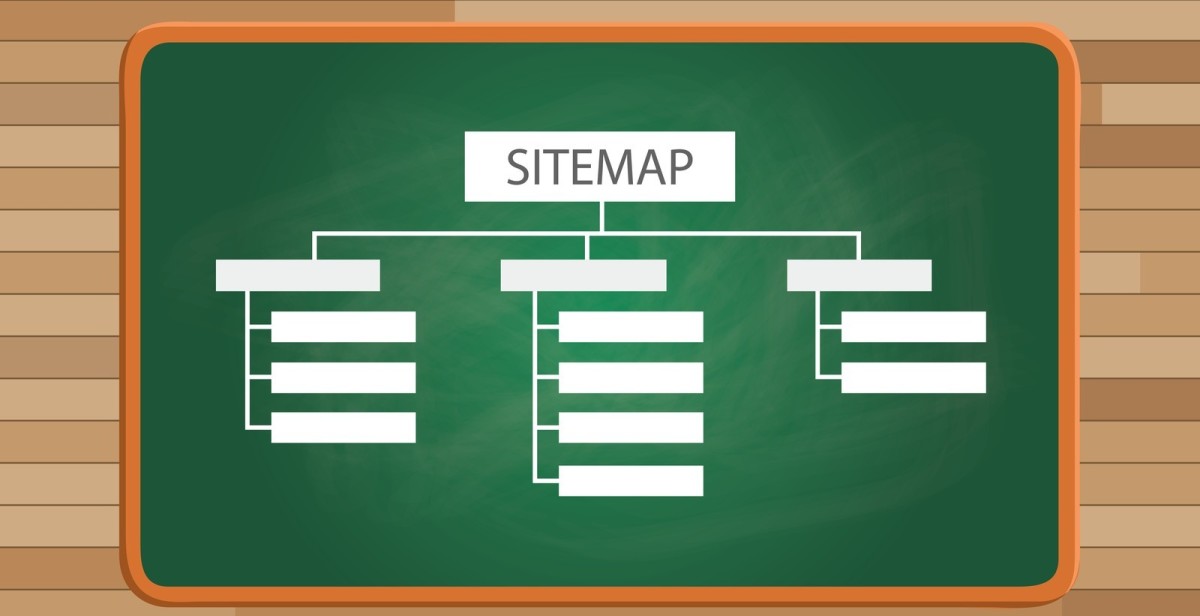
Submitting Your Sitemap: Why and How?
The success of any website depends greatly on the number of visitors your website receives, which can be categorized into organic and inorganic traffic. Organic web traffic is that which lands on your website from Google search, Bing, Yahoo, among others. On the other hand, inorganic traffic is that which lands on your webpage through a shared link where users directly land on your page.
For your website to succeed, it is very difficult to rely heavily on link sharing, which drives inorganic traffic to your website, since you cannot easily share a link with hundreds of individuals who may click the link.
Nowadays, the majority of the websites that are leading players depend on organic traffic, which is mainly derived from Google search, Bing, and Yahoo. For your website to receive traffic from these sites, you must first submit your sitemap, which will be used to index your pages.
Once you submit your web pages to Google search engines and other leading search engines like Bing, they get indexed, and if the pages have met certain factors like high-quality unique page content with good optimization, they rank your pages, giving them higher chances of appearing on top of their search result pages, which will most likely result in more clicks to your website.
This article will uncover three platforms where you can submit your website sitemap for free and the procedures that will help you in quick submission.
3 Places for Submitting Your Website Sitemap
1. Google Search Console
The majority of web traffic comes from Google since it is a platform that receives billions of monthly web visitors. If you want your website to perform much better when it comes to ranking, the first place we need to target is Google search. For your website to appear on Google search, you need to submit your website sitemap or individual links to Google Search Console. The links which you submit on Google Search Console are then crawled, and if the pages you have submitted have unique content and provide value to users, then Google indexes the page and ranks it higher, which makes it appear on top of Google Search, giving it higher chances of receiving clicks that redirect users to your website.
There are two ways available for submitting your URLs on Google Search Console. The first one is by submitting it through a sitemap, which may contain links to your entire website or the majority of them. The second way is by manual link submission, and we will give more details about these two.
For you to submit a sitemap on Google Search Console, the first step is to generate it. There are a lot of free online and paid site tools that help you generate a sitemap for your website, which may contain a few links to hundreds of them. The majority of the free tools are able to generate a maximum of 500 web link pages, and this gives you a better position for using them for free if your website is small with a few links.
Whenever your website has more than 500 link pages, these free online tools will simply generate a maximum of 500 web link pages for free and ask you to go for premium if you want the tool to generate a sitemap for the entire website.
You might be wondering what is an example of the site which you can go to for generating free online web links that form your sitemap. Websites like https://www.xml-sitemaps.com are very good when it comes to generating free sitemaps which have a maximum of 500 link pages. When your website has more than 500 web pages, it gives you an option to use the paid promotion part, which will give you access to an unlimited number of links your site has.
As we have said earlier, for your website to appear on Google search, you need to submit your sitemap on Google Search Console, and the first step is to generate a sitemap. Now that we have given in detail how your sitemap will be generated, the next step is to create and log in to your Google Search Console Account.
When you log in to your Google Search Console Account, you will see a dashboard that has some options which you can click, each performing a unique function or activity. Since our target is just submitting a sitemap, we will only consider talking about the part where you need to go and have your sitemap submitted.
To submit your sitemap, once logged in to your Google Search Console, go to Index, then click on Sitemaps. Once you click there, a sitemap submission page will appear, asking you to add a new sitemap or enter your sitemap URL. Below it, you will see a list of previous sitemaps which you have submitted. So, you click on Add a sitemap, enter your sitemap URL, and click Submit.
Once you have submitted your sitemap, it will then appear on a list of sitemaps that you have submitted, which will show you the sitemap links, type of sitemap, submitted date, last read date, status of your sitemap, and number of discovered URLs in your sitemap—all these to help you understand your submitted sitemap.
Once you have submitted, the Google algorithm will then schedule to crawl your pages submitted on Google Search Console at its own time. The key point which you should know is that submitting your web pages or sitemap does not guarantee indexing and ranking. This is so because, for Google to index and rank a page, it depends on a number of factors, which among others include: content quality of your web page and its uniqueness, on-page optimization, and keywords used. If your submitted pages have met Google's good-quality page standard, their algorithm will then crawl, index, and rank your pages, giving them higher chances of receiving clicks on top of Google Search.
Another way you can use to submit your web links on Google Search Console is by manual means. To do so, you log in to your Google Search Console Account and then click on URL Inspection. A column box will appear where you will type in your individual URL and click Submit. After that, it will show you if the submitted URL is indexed or not and also if it can be indexed or not. You then click Request Indexing if that particular URL is not available on a Google search. This manual submission will give you access to submitting up to 10 URLs per day, thus the maximum daily submission limit.
2. Bing
Bing is also one of the most common places where people go to search for information, and it has a search engine with millions of websites. What is more interesting with Bing is that when the sitemap is submitted through your Bing Webmaster Tool Account, it will also supply and make your website pages appear on Yahoo.com. This means the website links that are found on Yahoo.com are supplied by Bing, and you do not need to create a Yahoo.com account for you to appear on a Yahoo search.
Here are a few steps you need to follow to have your sitemap submitted for Bing. Firstly, you need to create your Bing Webmaster Tool Account and log in. Once logged in, you then click on the Sitemap section. A submission page will appear. You then enter a sitemap link and click Submit. After submission, you will receive an email letting you know that your sitemap was submitted or processed. On your Bing Webmaster Tool Account, you can also inspect your URLs on Bing through the URL Inspection tool, just as on Google Search Console.
3. Yandex
Yandex search is also a place you should consider for submitting your sitemap, especially if you want to drive traffic from Russia. Yandex search is mostly used by Russian citizens and is written in their language.
To submit your sitemap to Yandex search, first create your Yandex Webmaster Tool Account and log in. Then go to Settings and click on Add Sitemap File. You enter your sitemap URL and click on Add.
Conclusion
In conclusion, this article has uncovered three places where you can submit your sitemap, which will make your website appear on search engines and help you rank and start receiving organic traffic from Google search, Bing, Yahoo, and Yandex. However, the article has highlighted that submitting your sitemap will not guarantee you getting ranked and receiving web traffic, as this depends on several factors.
The Role of Blockchain in Startup Innovation

The Role of Blockchain in Startup Innovation
Imagine a technology that not only secures transactions but also revolutionizes entire industries. Blockchain is doing just that, and it’s quickly becoming the backbone of innovation for startups around the globe. From finance to supply chain management, its potential seems limitless. As more entrepreneurs explore this digital ledger system, they're discovering how blockchain can streamline operations, increase transparency, and foster trust among users.
But what exactly is blockchain? How does it work? And why should startup founders pay attention? This blog post will delve into these questions while examining the multifaceted role blockchain plays in sparking innovation within new ventures. Whether you're an aspiring entrepreneur or simply curious about emerging technologies, join us as we uncover how this revolutionary tool is shaping the future of startups.
What is Blockchain and How Does it Work?
Blockchain is a decentralized digital ledger that records transactions across multiple computers. This technology ensures that the recorded data cannot be altered retroactively without the consensus of all participants in the network.
At its core, blockchain consists of blocks containing transaction data. Each block is linked to the previous one, forming a chronological chain. When a new transaction occurs, it gets verified by network nodes through complex algorithms before being added to a block.
Each participant maintains their copy of this ledger, enhancing transparency and security. As every change requires majority approval from the network, fraud becomes nearly impossible.
Smart contracts can also run on blockchain platforms. These self-executing contracts automatically enforce agreements once specific conditions are met, streamlining processes even further for startups looking to innovate.
Benefits of Using Blockchain Technology in Startups
Blockchain technology brings transparency to startup operations. Each transaction is recorded on a decentralized ledger, ensuring that data remains immutable and easily verifiable. This builds trust among stakeholders.
Cost efficiency is another significant advantage. By eliminating intermediaries, startups can reduce operational costs associated with traditional processes. Smart contracts automate agreements, streamlining workflows without the need for extensive manual oversight.
Security also takes center stage in blockchain applications. The cryptographic nature of this technology safeguards sensitive information from unauthorized access or tampering.
Furthermore, blockchain fosters innovation by enabling new business models. Startups can explore decentralized finance (DeFi), tokenization of assets, and crowd-funding through initial coin offerings (ICOs). These avenues provide unique ways to raise capital while engaging users directly in the process.
Additionally, it offers global reach without geographical limitations. Startups can tap into international markets seamlessly using digital currencies or tokens.
Disrupting Traditional Industries with Blockchain
Blockchain technology is turning the tables on traditional industries. It empowers startups to challenge established norms and create new business models.
Take supply chain management, for instance. Blockchain enhances transparency by providing a tamper-proof ledger that tracks every transaction. This means businesses can verify product origins and ensure authenticity, reducing fraud significantly.
In finance, blockchain introduces decentralized finance (DeFi). Startups are offering financial services without intermediaries, enabling faster transactions with lower fees. Users gain more control over their assets while minimizing risks associated with traditional banking systems.
Healthcare is also feeling the impact of this innovation. Secure patient data sharing through blockchain improves care coordination while maintaining privacy and compliance standards.
As various sectors embrace this technology, the potential for disruption grows exponentially. Startups leveraging blockchain are not just adopting a trend; they’re reshaping entire landscapes in ways we have yet to fully realize.
Case Studies: Successful Startups Utilizing Blockchain
One standout example is Everledger, a startup revolutionizing the diamond industry. By utilizing blockchain, they create an immutable ledger that tracks the provenance of diamonds. This transparency combats fraud and unethical sourcing practices.
Another impressive case is Civic, which focuses on identity verification. Their platform empowers users to control their personal information while securely sharing it with service providers. This approach enhances security and simplifies user experience in various sectors.
Supply chain management has also seen innovation through VeChain. They provide businesses with tools to increase traceability and reduce inefficiencies by recording every step of a product’s journey on the blockchain.
These startups illustrate how diverse industries can harness blockchain technology for transformative solutions, enhancing trust and accountability across transactions without compromising efficiency or security.
Challenges and Risks of Implementing Blockchain in Startups
Implementing blockchain technology in startups can be a double-edged sword. While it holds vast potential, certain challenges often loom large.
One significant hurdle is the complexity of the technology itself. Many founders may struggle to grasp its intricacies or find skilled developers familiar with blockchain solutions. This knowledge gap can lead to costly missteps.
Moreover, regulatory uncertainty poses another risk. Governments around the world are still figuring out how to govern blockchain and cryptocurrencies. Startups might face unexpected legal obstacles that could derail their plans.
Scalability issues also emerge as a concern for growing businesses. Blockchain networks can experience slow transaction speeds during peak demand, limiting operational efficiency.
Security remains paramount. Although blockchain is inherently secure, vulnerabilities in smart contracts or user interfaces can expose startups to hacks and fraud risks if not managed properly.
Tips for Startup Founders Interested in Adopting Blockchain
Start by educating yourself. Understand blockchain's fundamentals and its various applications. This knowledge will empower you to make informed decisions.
Next, assess your business model. Not every startup needs blockchain. Identify the specific problems that this technology can solve for your venture.
Engage with experts in the field. Networking with blockchain professionals can provide valuable insights and guide your implementation strategy.
Consider starting small. A pilot project allows you to test ideas without heavy investment or risk.
Stay compliant with regulations as they evolve. The legal landscape around blockchain is complex, so ensure you're up-to-date on relevant laws affecting your industry.
Keep an eye on user experience. Blockchain solutions should enhance usability rather than complicate processes for customers or clients.
Future Outlook: The Impact of Blockchain on Startup Innovation
The future of blockchain in startup innovation is bright and full of potential. As technology evolves, startups will increasingly integrate blockchain to enhance transparency and security.
Imagine peer-to-peer transactions without intermediaries. This could revolutionize payment systems and eliminate high fees associated with traditional banking.
Moreover, smart contracts are set to reshape how agreements are executed. These self-executing contracts cut down on bureaucracy, making processes faster and more reliable.
As industries become more decentralized, innovation will accelerate. Startups can explore new business models that were previously unimaginable.
Collaboration across sectors may also increase through shared ledgers. Different organizations can work together seamlessly while maintaining data integrity.
Investors are keeping a close eye on this trend as well. They recognize the value that blockchain brings to agility and scalability within emerging companies.
With ongoing developments in regulatory frameworks, the pathway for adoption seems clearer than ever before.
Conclusion
The role of blockchain in startup innovation is undeniable. This transformative technology offers myriad benefits, from enhanced security to increased transparency. Startups have the unique opportunity to leverage blockchain to disrupt traditional industries and create entirely new business models.
As we’ve seen with successful case studies, startups across various sectors are making significant strides by adopting blockchain solutions. They’re addressing pain points that established companies often overlook. However, it's essential for founders to be aware of the challenges and risks associated with this technology.
For those considering integrating blockchain into their operations, understanding its intricacies is crucial. Proper planning, research, and a strong team can make all the difference in navigating potential pitfalls.
Looking ahead, the impact of blockchain on innovation within startups will likely continue to grow as more entrepreneurs embrace it. The future holds exciting possibilities for those who dare to explore this revolutionary frontier in their ventures.
How to Bootstrap Your Startup Successfully

How to Bootstrap Your Startup Successfully
Starting a business can be both thrilling and daunting. Many entrepreneurs dream of taking their ideas to the next level without relying on outside investors. This is where bootstrapping comes into play. Imagine building your startup from the ground up using your own resources, creativity, and grit. It’s not just a financial strategy; it’s a mindset that fosters innovation and resilience.
Bootstrapping offers an opportunity to maintain control over your vision while navigating the unpredictable waters of entrepreneurship. But what does it really mean to bootstrap? And why is this approach so crucial for startups today? Let’s dive into the world of bootstrapping—exploring its advantages, challenges, and everything in between as we equip you with tips for successfully launching your venture on a budget!
What is bootstrapping and why it's important for startups
Bootstrapping refers to the practice of starting and growing a business with minimal external funding. Entrepreneurs rely on personal savings, revenue generated from initial sales, or reinvesting profits back into the company. This approach emphasizes resourcefulness and creativity.
For startups, bootstrapping is crucial for several reasons. It allows founders to maintain full control over their vision without outside interference. There’s no pressure from investors demanding quick returns or drastic changes in strategy.
Moreover, it fosters a culture of lean operations. Entrepreneurs learn to prioritize essential expenditures and innovate under constraint. This often leads to more sustainable growth as businesses adapt quickly to market demands while avoiding unnecessary risks associated with heavy debt or equity dilution.
Starting small can pave the way for significant achievements in the long run, making bootstrapping an appealing option for many ambitious newcomers in today’s competitive landscape.
Advantages of bootstrapping your startup
Bootstrapping your startup offers a unique sense of control. You make the decisions without external pressures from investors or stakeholders. This freedom allows you to pivot quickly when necessary.
Financial independence is another significant advantage. By relying on personal savings and revenue, you keep ownership intact. Your vision remains unaltered by outside influences.
Additionally, bootstrapped startups often cultivate a lean mindset. Operating with limited resources encourages creativity and innovation. Founders learn to prioritize essential activities that drive growth.
Your brand also gains authenticity through this approach. Customers appreciate the hustle behind self-funded ventures, fostering loyalty and trust.
Building gradually can lead to sustainable growth. Without rushing for short-term returns expected by investors, you can focus on long-lasting success in your market niche.
Common challenges faced while bootstrapping
Bootstrapping can be a thrilling journey, but it comes with its own set of hurdles. One prominent challenge is managing cash flow. Limited funds often mean tight budgets, making every dollar count.
Time constraints also weigh heavily on bootstrapped entrepreneurs. With minimal resources, founders juggle multiple roles—be it marketing, sales, or customer support. This multitasking can lead to burnout.
Building a brand presence poses another struggle. Without significant marketing budgets, getting noticed in a crowded market may seem daunting.
The pressure to scale rapidly can create anxiety. Many bootstrappers wrestle with balancing growth and sustainability while remaining true to their vision. Each step taken feels critical in the quest for success amid limited financial backing.
Tips for successful bootstrapping
Start with a clear vision. Define your goals and what success looks like for you. A focused approach helps you allocate resources more effectively.
Embrace frugality. Cut unnecessary expenses and prioritize spending on essentials that drive growth. Lean operations mean every dollar counts.
Build a strong network. Surround yourself with mentors, advisors, and fellow entrepreneurs who can offer support and insight when challenges arise.
Leverage technology to automate processes. Tools for accounting, marketing, or customer service can save time and reduce overhead costs significantly.
Test your ideas quickly in the market before scaling up. Gather feedback early to refine your product or service without committing too much capital initially.
Stay adaptable as conditions change in the startup landscape. Flexibility allows you to pivot strategies based on real-time data rather than sticking rigidly to an original plan.
Case studies of successful bootstrapped companies
Mailchimp is a prime example of successful bootstrapping. Founded in 2001, it started as a side project while the founders ran a web design firm. Instead of seeking outside funding, they focused on growing their user base organically. Today, Mailchimp serves millions and was acquired for $12 billion.
Another notable case is Basecamp. The company launched its project management tool without external investment. By prioritizing customer needs and maintaining simplicity in its offerings, Basecamp has thrived since 1999.
Then there’s Balsamiq, which created wireframing tools with minimal resources. Their commitment to customer feedback helped them build a loyal following without venture capital.
These companies illustrate that with patience and creativity, bootstrapping can lead to remarkable success stories across various industries.
Alternative funding options for startups
When bootstrapping isn't enough, startups often explore alternative funding options. One popular choice is crowdfunding. Platforms like Kickstarter and Indiegogo allow entrepreneurs to pitch their ideas directly to potential customers, gathering funds from a community of supporters.
Angel investors can also provide significant financial backing. These individuals invest their personal funds in early-stage companies in exchange for equity. Their expertise can be just as valuable as the money they bring.
Another option is venture capital firms. They typically focus on businesses with high growth potential and are willing to take bigger risks for larger returns.
Grants offer another avenue worth considering. Many government programs and private organizations provide funding that doesn’t require repayment or equity exchange.
Consider peer-to-peer lending platforms where you can borrow money without traditional bank involvement, offering flexible terms tailored for your needs.
Conclusion
Bootstrapping your startup is more than just a financial strategy; it's a mindset. By taking the reins of your business and relying on your resources, you cultivate resilience and creativity. This approach allows entrepreneurs to build companies that reflect their vision without external pressures.
The path may be fraught with challenges, but overcoming them fosters growth and innovation. Remember, many successful companies started from humble beginnings through bootstrapping. Their journeys prove that determination combined with strategic planning can lead to remarkable outcomes.
As you embark on this adventure, keep exploring alternative funding avenues if needed. The key lies in striking the right balance between self-funding and seeking outside assistance when necessary.
Every startup journey is unique. Your dedication could very well shape the next success story in the entrepreneurial landscape. Embrace the process and stay committed to bringing your ideas to life.
How to Find a Co-Founder for Your Startup

How to Find a Co-Founder for Your Startup
Starting a business is an exhilarating journey, but doing it alone can feel daunting. The weight of decisions and responsibilities can quickly become overwhelming. This is where a co-founder comes in—a partner who shares your vision, complements your skills, and helps shoulder the challenges that arise along the way. Finding the right co-founder isn't just about filling a role; it's about forging a partnership that will shape the future of your startup.
So how do you find that perfect match? Let’s explore essential steps to help you navigate this crucial aspect of launching your venture. Whether you're at the idea stage or ready to take off, understanding what makes a great co-founder will set you on a path toward success.
The Importance of Having a Co-Founder
Launching a startup can be an exhilarating ride, but it’s also fraught with challenges. Having a co-founder by your side provides not only emotional support but also diverse perspectives. This partnership can spark creativity and innovation that you might miss alone.
A co-founder brings complementary skills to the table. For example, if you're great at coding, they might excel in marketing or finance. Together, you become more versatile and capable of tackling various aspects of the business.
Moreover, sharing responsibilities reduces burnout. The entrepreneurial journey is often unpredictable and stressful; having someone who understands your vision makes it easier to navigate tough times.
Additionally, investors often look for teams rather than solo founders. A strong partnership signals stability and commitment, which enhances credibility in the eyes of potential backers or clients. Finding a co-founder could transform your startup ambitions into reality while making the process far more enjoyable.
Steps to Find a Co-Founder for Your Startup
1. Assess Your Needs and Find the Right Fit
Before diving into the search for a co-founder, take time to assess your startup's unique needs. What skills or experiences are you lacking?
Consider areas where you excel and those that challenge you. This will help clarify what type of partner will complement your strengths and cover your weaknesses.
Think about the vision and goals of your startup. Make sure potential co-founders share similar aspirations. Alignment on values is crucial for long-term success.
Also, reflect on the working style you prefer. Do you thrive in fast-paced environments or require more structure? Understanding this can guide you toward someone who meshes well with your approach.
Don't overlook cultural fit. A shared philosophy can cultivate a harmonious partnership, making challenges easier to navigate together as a team.
2. Networking and Utilizing Resources
Networking is a cornerstone of finding the right co-founder. Connecting with like-minded individuals can open various doors. Attend startup events, workshops, and meetups in your area or online.
Leverage platforms like LinkedIn to reach out to potential candidates. Join industry-specific groups and engage in discussions. Sharing insights can help you identify those who resonate with your vision.
Don’t overlook local incubators or accelerators; they often host networking sessions tailored for entrepreneurs. These environments foster collaboration and innovation, making them ideal for scouting talent.
Online forums and communities are also valuable resources. Websites dedicated to startups allow you to connect with other founders seeking partners.
Remember that building relationships takes time. Approach conversations authentically—focus on genuine connections rather than simply searching for business partners. This approach will increase the likelihood of finding someone aligned with your mission.
3. Consider Best Qualities to Look for in a Co-Founder
When searching for a co-founder, specific qualities can make all the difference. Look for someone who complements your skill set. This balance enhances decision-making and fosters innovation.
Resilience is another key trait. The startup journey is filled with challenges. A partner who can weather storms will keep morale high and drive focus during tough times.
Shared values create a strong foundation. Ensure that you both envision similar goals for the business, including ethics and company culture.
Communication skills are vital too. You’ll face numerous discussions about strategy, roles, and responsibilities. Open dialogue promotes clarity and prevents misunderstandings.
Passion fuels motivation. Choose someone genuinely excited about your vision; their enthusiasm will inspire others to join your cause while keeping momentum alive in the early stages of growth.
4. Interview Potential Candidates
When interviewing potential co-founders, approach the conversation with openness. It’s not just about their skills; it’s also about compatibility.
Start by discussing your vision. Ask them how they envision the startup's future and gauge their enthusiasm. This helps you see if you're aligned in purpose.
Dive into past experiences too. Understand what challenges they've faced in previous ventures and how they navigated through them. Their problem-solving abilities can reveal a lot.
Don’t forget to explore values and work ethic. Questions about decision-making processes or handling failures can uncover essential traits that matter long-term.
Encourage candid dialogue during these interviews. Create an environment where they're comfortable sharing both successes and setbacks without fear of judgment.
Listen actively as they speak—body language and tone often provide insights beyond words alone. These nuances play a crucial role in determining whether they'll be a good fit for your journey together.
5. Negotiate Roles and Responsibilities
When you find a potential co-founder, it’s time to discuss roles and responsibilities. Clarity here is essential. Each person should know what they’re accountable for from the get-go.
Start by outlining your strengths and weaknesses. This conversation will help identify who thrives in specific areas. A tech-focused partner may handle product development, while someone with marketing expertise could spearhead outreach efforts.
Don’t shy away from discussing expectations regarding working hours, decision-making authority, and conflict resolution processes. Open communication fosters trust.
Document these agreements to avoid ambiguity later on. You might even consider drafting a formal partnership agreement that lays everything out clearly.
As your startup grows, be ready to revisit these roles periodically. Flexibility can lead to new opportunities or necessary adjustments as circumstances change within the business landscape.
6. Maintain a Strong Partnership
A strong partnership thrives on consistent communication. Regular check-ins can help both co-founders stay aligned with the vision and goals of the startup. Set aside time each week to discuss progress, challenges, and new ideas.
Trust is another cornerstone of a successful relationship. Be transparent about your expectations, strengths, and weaknesses. This openness fosters an environment where both partners feel valued.
Celebrate milestones together, no matter how small they may seem. Acknowledging achievements strengthens bonds and boosts morale within the team.
Conflict is inevitable in any partnership. Approach disagreements with empathy and a willingness to listen. Find solutions collaboratively rather than letting issues fester.
Always be receptive to feedback from one another. Constructive criticism can lead to growth for both individuals and the business as a whole. Embrace it as part of your journey together.
Conclusion
Finding the right co-founder can be a transformative step for your startup journey. The partnership you forge will not only influence the direction of your business but also shape its culture and success.
As you embark on this search, prioritize understanding what skills and qualities complement your own. Tap into your network, attend industry events, and leverage online platforms to expand your reach. Remember that strong communication is key from day one; it lays the foundation for trust and collaboration.
Choose someone who shares your vision while bringing unique strengths to the table. Look beyond just technical abilities—empathy, resilience, and adaptability can make all the difference in facing challenges together.
When interviewing candidates, focus on their mindset as much as their experience. Assess how they handle setbacks or conflicts; these moments reveal true character. Once you've found a potential match, clearly define roles early on to avoid confusion later.
Maintaining a healthy partnership requires ongoing effort from both sides. Regular check-ins about goals and expectations keep everyone aligned and motivated.
The journey of building a startup with a co-founder should feel like an exciting adventure rather than an uphill battle. By investing time into finding the right person to share this voyage with you, you're setting up for greater possibilities ahead.
How to Use Viral Marketing for Startup Growth

How to Use Viral Marketing for Startup Growth
In today's fast-paced digital landscape, capturing attention can feel like chasing shadows. For startups, the stakes are high. You need to stand out amidst a sea of competitors and make your mark quickly. That's where viral marketing comes into play. Imagine crafting a message so compelling that it spreads like wildfire across social media platforms and beyond.
Viral marketing isn’t just a buzzword; it's a powerful strategy that can propel your startup from obscurity to notoriety in no time. But how do you harness this elusive phenomenon? In this post, we’ll explore the ins and outs of viral marketing tailored specifically for startups eager to grow their audience and impact. Let’s dive into what makes content resonate with people, how to tap into emotional connections, and ways to turn your ideas into shareable gold. Ready? Let's get started!
Understanding Viral Marketing
Viral marketing is all about creating content that resonates deeply with people. It’s not just about spreading messages; it’s about sparking conversations and building connections.
At its core, viral marketing leverages the power of social sharing. When your audience finds something valuable or entertaining, they're likely to share it with their friends and family. This organic spread can lead to exponential growth in visibility.
The emotional factor is crucial. Content that evokes laughter, surprise, or even nostalgia tends to catch fire more easily. Think about the last video you couldn’t resist sharing—what made it so compelling?
Timing also plays a significant role in virality. Launching your campaign during trending events or cultural moments can amplify reach and engagement.
Understanding viral marketing means recognizing that it's not simply a tactic; it's an art form rooted in human behavior and connection.
Benefits of Viral Marketing for Startups
Viral marketing can be a game changer for startups. It offers the potential to reach massive audiences without hefty advertising costs. This is particularly beneficial when budgets are tight.
One of the standout advantages is brand awareness. A well-executed viral campaign can put your startup in front of thousands, even millions, within days. When people share your content, it amplifies your message beyond traditional channels.
Additionally, viral marketing fosters engagement. Consumers feel more connected to brands that create memorable and entertaining content. This connection often leads to loyalty—a critical asset for new businesses trying to establish their place in the market.
Another benefit lies in social proof. Seeing others engage with or endorse your product builds trust among potential customers. They are more likely to try something that’s already gained traction with their peers.
The ripple effect of virality can also lead to partnerships and collaborations as other brands notice the buzz surrounding you.
Examples of Successful Viral Marketing Campaigns
Think of the ALS Ice Bucket Challenge. It took social media by storm in 2014. People poured freezing water over their heads and challenged others to do the same, raising millions for ALS research. The fun format made it easy to share.
Then there’s Dove's Real Beauty campaign that redefined beauty standards. With powerful imagery and storytelling, it resonated with audiences worldwide, encouraging conversation about body positivity.
Another standout is Spotify Wrapped. This personalized annual recap showcases users' listening habits through engaging visuals and tailored playlists. The excitement around sharing these results creates a buzz each year.
The success of these campaigns lies in emotional connection and relatability. They sparked genuine interactions while promoting deeper messages or causes beyond just brand awareness.
Strategies for Creating a Viral Marketing Campaign
To create a viral marketing campaign, start with a compelling story. Stories resonate. They connect emotionally and encourage sharing.
Next, tap into current trends. Whether it’s memes, challenges, or social issues—align your message with what’s popular. This increases your chances of being noticed.
Incorporate visuals that captivate attention quickly. Eye-catching graphics or videos tell your story faster than text alone can.
Engagement is key. Encourage user-generated content by asking followers to share their experiences related to your brand. This fosters community and amplifies reach.
Create urgency through limited-time offers or exclusive access to promote sharing among friends. The fear of missing out drives action.
Make it easy for people to share your content across platforms. Simple buttons and clear calls-to-action help spread the word effortlessly.
Utilizing Social Media for Maximum Impact
Social media is a powerful tool for spreading your message. Start by identifying the platforms where your target audience spends their time. Each platform has its unique vibe and user expectations, so tailor your content accordingly.
Engagement is key. Create shareable posts that resonate with users emotionally or humorously. Use eye-catching visuals to capture attention quickly; people scroll fast!
Incorporate user-generated content into your strategy. Encourage customers to share their experiences with your product or service. This not only builds community but also acts as organic promotion.
Don’t forget about hashtags! They can expand the reach of your posts beyond just followers, tapping into larger conversations within relevant communities.
Stay consistent in posting frequency and style to build brand recognition over time. The more familiar you are, the more likely people will engage and spread the word organically through shares and mentions.
Measuring the Success of Your Viral Marketing Efforts
Measuring the success of your viral marketing efforts starts with clear metrics. Track engagement rates, shares, and likes across platforms. These numbers reflect how well your content resonates with audiences.
Next, monitor traffic to your website. A spike can indicate that your campaign is driving interest and curiosity about what you offer. Tools like Google Analytics provide valuable insights into user behavior.
Don't overlook conversion rates. Are viewers turning into customers? Analyzing this data can highlight the effectiveness of your messaging.
Sentiment analysis also plays a critical role. Understanding public perception through comments and feedback helps gauge overall impact.
Keep an eye on brand mentions across social media and news outlets. Increased visibility often correlates with successful campaigns—showing just how far-reaching your efforts have been in capturing audience attention.
Conclusion and Next Steps for Startups
Embracing viral marketing can be a game changer for startups. It’s about creating content that resonates deeply and encourages sharing among users. The potential reach is immense, often leading to rapid growth without the need for large budgets.
Startups should begin by understanding their target audience thoroughly. Crafting messages that appeal to emotions or offer value can spark interest and encourage sharing. Testing different formats—videos, infographics, or interactive content—can also help in identifying what works best.
Once a campaign is launched, monitoring its performance is crucial. Use analytics tools to track engagement metrics like shares, likes, and comments. This data will not only inform future strategies but also highlight what aspects of your current approach are resonating with audiences.
Maintaining momentum after an initial success is equally important. Keep engaging with your community through consistent updates and new campaigns based on feedback from previous efforts.
Viral marketing presents exciting opportunities for startups willing to think outside the box and take calculated risks. By leveraging creativity alongside strategic planning, you’re setting up your startup for sustained growth while leaving a memorable mark in the digital space. Embrace these principles as you chart your path forward; they could very well lead you to remarkable outcomes.
The Future of Decentralized Startups (DAOs)

The Future of Decentralized Startups (DAOs)
The world of startups is evolving at an unprecedented pace. Traditional models are giving way to innovative structures that challenge the status quo. Enter decentralized startups, also known as DAOs (Decentralized Autonomous Organizations). These organizations leverage blockchain technology to create a new era of business where power and decision-making are distributed among members instead of being concentrated in a few hands.
Imagine a company run not by a single CEO but by its community, where every participant has a voice and shares in the rewards. This shift is not just theoretical; it’s happening now. As more entrepreneurs embrace this model, we find ourselves on the brink of a revolution that could redefine how businesses operate.
But what exactly does it mean to be decentralized? What benefits do these organizations offer, and what challenges might they face? Join us as we explore the exciting future of decentralized startups and uncover how they might change our approach to entrepreneurship forever.
Understanding Decentralized Startups
Decentralized startups are a radical departure from traditional business structures. At their core, these organizations operate on blockchain technology, allowing participants to collaborate without central authority.
In this model, decision-making is democratized. Each member has an equal say, often facilitated through token-based voting systems. This structure fosters transparency and accountability in ways that conventional companies struggle to achieve.
Moreover, decentralized startups eliminate the need for intermediaries like banks or brokers. Transactions occur directly between members, reducing costs and speeding up processes.
Community engagement is vital here; the success of a DAO hinges on active participation from all its stakeholders. Ideas can flow freely among diverse contributors who share common goals.
As we delve deeper into this world, it becomes clear that decentralized startups represent not just a trend but a fundamental shift in how we define ownership and collaboration in entrepreneurship.
The Rise of DAOs
The rise of Decentralized Autonomous Organizations (DAOs) marks a transformative moment in the startup landscape. These entities operate on blockchain technology, allowing for collective decision-making without centralized control.
As traditional structures face criticism for their inefficiencies and lack of transparency, DAOs offer an innovative alternative. They empower communities to collaborate seamlessly across geographical boundaries.
Driven by smart contracts, DAOs can autonomously execute agreements based on the consensus of their members. This not only minimizes bureaucracy but also enhances trust among participants.
Recent trends show significant investment in DAO projects. Numerous startups now explore this model as they seek agility and inclusivity in governance.
With platforms like Ethereum paving the way, more creators are embracing decentralized frameworks. As technology evolves, so too will the potential applications for these organizations.
Benefits of Decentralized Startups
Decentralized startups offer a fresh approach to entrepreneurship. By leveraging blockchain technology, they eliminate intermediaries and streamline processes. This can lead to faster decision-making and improved efficiency.
Transparency is another key benefit. Every transaction is recorded on the blockchain, ensuring that all participants have access to the same information. This builds trust among stakeholders.
Moreover, decentralized structures foster innovation by empowering individuals. Team members can contribute ideas without hierarchical constraints, encouraging creativity and diverse problem-solving approaches.
Funding also becomes more accessible through decentralized models. With tokenization, startups can raise capital from a global pool of investors who believe in their vision.
These organizations often prioritize community engagement over profit maximization. By focusing on user input and collaboration, they create products that resonate with their audience's needs and values.
Challenges and Concerns
Decentralized startups, while innovative, face several significant challenges. One major concern is the lack of regulatory clarity. As DAOs operate outside traditional frameworks, navigating legal landscapes can be tricky.
Security issues also loom large. Smart contracts are often vulnerable to exploits. A single bug can lead to substantial losses for investors and participants alike.
Moreover, governance within DAOs poses its own set of difficulties. Decision-making processes may become bogged down in inefficiencies or factionalism among stakeholders.
Community engagement is another hurdle. Ensuring that all voices are heard and valued remains a challenge as members come from diverse backgrounds with varying interests.
Market volatility introduces uncertainty into funding and operations. The reliance on cryptocurrencies means that external factors can heavily influence a DAO's financial health at any moment.
Real-life Examples of Successful DAOs
One notable example of a successful DAO is MakerDAO. It governs the DAI stablecoin, which is pegged to the US dollar. Community members vote on critical decisions like collateral types and risk parameters, creating a decentralized financial system that operates without traditional banks.
Another inspiring case is The DAO Hacker House in San Francisco. This initiative supports developers working on various projects within the Ethereum ecosystem. By pooling resources and expertise, participants foster innovation while maintaining decentralization at their core.
Then there's Friends with Benefits (FWB), a social club built around shared interests in art and culture. Members hold governance tokens, enabling them to influence community events and initiatives actively.
These examples illustrate how DAOs can empower communities to innovate collectively while bypassing conventional structures traditionally seen in startups.
The Future of Decentralized Startups
Decentralized startups, or DAOs, are reshaping the entrepreneurial landscape. As technology evolves, so does their potential to disrupt traditional business models. Imagine a world where decisions are made collectively, not dictated by a single leader.
The future holds promise for these organizations. With blockchain as the backbone, trust and transparency can flourish. This paves the way for more inclusive participation from diverse stakeholders worldwide.
As regulations adapt to this model of governance, we may see new frameworks emerging that support decentralized entities. Investors will likely shift focus towards projects with community-driven approaches.
Moreover, innovations in smart contracts could revolutionize how agreements are formed and executed within these structures. The synergy of creativity and collaboration might lead to groundbreaking solutions we can't yet envision.
DAOs have just begun their journey into mainstream awareness; their evolution will undoubtedly be fascinating to watch unfold over the coming years.
Conclusion
The landscape of decentralized startups, particularly through DAOs, is transforming how we think about business and collaboration. The ability to operate without centralized control empowers individuals and fosters innovation in unprecedented ways.
As more entrepreneurs and investors recognize the potential of these decentralized models, we can expect a significant shift in traditional business practices. The benefits that come with transparency, community-driven decision-making, and enhanced security will continue to attract attention.
However, challenges remain. Issues like regulation, governance structure, and scalability present obstacles that need addressing as this movement grows. Awareness around these concerns is essential for the sustainable growth of DAOs.
Real-world examples show promise. Successful DAOs are paving the way for future projects by demonstrating viability within various industries—from art to finance—highlighting their adaptability across sectors.
Looking ahead, it's clear that decentralized startups have carved out a unique niche in the entrepreneurial ecosystem. As technology evolves and societal norms shift towards decentralization, it will be intriguing to see how these organizations adapt and flourish in an increasingly interconnected world. Embracing this change could lead us toward innovative solutions that redefine our understanding of work and collaboration on many levels.
How to Use PR to Boost Your Startup's Visibility

How to Use PR to Boost Your Startup's Visibility
In the bustling world of startups, getting noticed can feel like shouting into a void. With so many new companies emerging daily, how do you ensure that your startup stands out? Public relations (PR) could be the game-changer you need. It’s not just about press releases or media coverage; it’s about crafting a narrative that resonates with your audience and builds trust in your brand.
Imagine this: potential customers are searching for solutions to their problems. If they come across compelling stories about your startup, they’re more likely to engage and convert. PR provides the tools to shape those narratives and elevate your visibility. Whether you're launching a product or trying to build an audience, understanding how to leverage PR effectively is essential for growth.
Let’s explore how you can harness the power of public relations and take your startup from obscurity to prominence!
Understanding the Importance of PR for Startups
For startups, visibility is everything. In a crowded market, PR serves as the megaphone that amplifies your message. It helps you reach potential customers who may not otherwise know about your existence.
Effective public relations builds credibility. When your startup garners media attention, it signals to consumers that you’re worth their trust and investment. This third-party validation can be instrumental in establishing authority within your industry.
Moreover, PR is about storytelling. Every startup has a unique origin story or mission that deserves to be told. Sharing these narratives captivates audiences and creates emotional connections with them.
Additionally, good PR can lead to opportunities for partnerships and collaborations, opening doors you didn’t even know existed. This network effect enhances growth prospects and broadens your reach far beyond traditional marketing avenues.
Steps to Use PR to Boost Your Startup's Visibility
1. Develop a Strong Brand Message
A strong brand message sets the foundation for your startup’s identity. It encapsulates who you are and what you stand for. This clarity resonates with potential customers, making them more likely to engage.
Start by identifying your core values. What drives your business? What problems do you solve? Your answers shape the narrative of your brand.
Next, focus on simplicity. A concise and clear message is easier to remember and share. Avoid jargon; instead, use language that speaks directly to your audience's needs and desires.
Consider storytelling as a tool. People connect emotionally with stories, so weave elements of your journey into your messaging. Share challenges faced or milestones achieved along the way.
Ensure consistency across all platforms—be it social media or press releases. Uniformity strengthens recognition and trust among potential customers as they encounter your brand in various contexts.
2. Utilize Different PR Strategies
Startups can benefit from a variety of PR strategies. Each method has its unique strengths.
Press releases are a classic approach. They announce major milestones, product launches, or partnerships. This tactic can generate media coverage and create buzz around your brand.
Another effective strategy is event marketing. Hosting webinars, workshops, or networking events allows you to showcase your expertise and connect with potential customers directly.
Consider influencer collaborations too. Partnering with industry influencers can amplify your reach significantly. Their endorsement lends credibility to your startup.
Don’t overlook community engagement either. Participating in local events or supporting charitable causes builds goodwill and fosters connections that go beyond mere transactions.
Content creation plays a critical role in PR efforts. Write blog posts, articles, or white papers to establish authority in your field while providing value to readers at the same time.
3. Leveraging Social Media for PR
Social media is a powerful tool for startups looking to enhance their public relations efforts. It serves as an immediate platform for sharing news, updates, and stories that resonate with your target audience.
Start by identifying the right platforms where your potential customers spend their time. Whether it's Instagram, Twitter, or LinkedIn, tailor your messages accordingly. Engaging visuals and compelling captions can grab attention quickly.
Interactive content also fosters engagement. Polls, Q&As, and live sessions allow you to connect directly with your audience. This two-way communication builds trust and encourages loyalty.
Don’t underestimate the power of storytelling on social media. Share behind-the-scenes glimpses of your startup journey or highlight customer success stories. Authenticity can set you apart in a crowded market.
Collaborate with influencers who align with your brand values. Their established audiences can amplify your reach significantly while lending credibility to your message.
4. Build Relationships with Media Outlets
Building relationships with media outlets is essential for startups looking to enhance visibility. Start by identifying journalists and publications that align with your industry. Research their work to understand the stories they cover.
Reach out through personalized emails or social media messages. Share a compelling angle or story idea that fits their audience's interests. Avoid generic pitches; specificity shows you’ve done your homework.
Attend networking events, trade shows, or conferences where these professionals gather. Face-to-face interactions can foster trust and open doors for future collaborations.
Once you establish a connection, nurture it regularly without being pushy. Send updates about your startup’s milestones, product launches, or relevant news that might interest them.
Remember to express gratitude when they feature your story. A simple thank-you note goes a long way in solidifying those important connections over time.
5. Measure Success and Adjust Strategies
Measuring success in PR isn’t just about media mentions or follower counts. It’s crucial to track engagement metrics as well. Look at how your audience interacts with your content. Are they sharing it? Commenting on it?
Utilize tools like Google Analytics and social media insights to gather data. Analyze which strategies yield the best results and identify trends over time.
Be open to adjusting your approach based on this feedback. If a particular type of press release is resonating, consider focusing more energy there.
Experimentation can lead you toward new opportunities. Sometimes shifting gears slightly can make all the difference in visibility and outreach.
Continually reassessing what works will keep your PR efforts aligned with your startup's goals and audience needs. Adaptability is key in an ever-changing landscape, allowing for sustained growth and relevance.
The Power of PR for Startup Growth
Public relations can be a game changer for startups. It provides the visibility needed to stand out in crowded markets. When done right, PR creates trust and credibility, essential factors for attracting customers and investors alike.
A well-crafted PR strategy amplifies your brand's voice. It allows you to tell your story compellingly, making it relatable to your audience. This connection fosters loyalty and can turn casual users into devoted advocates.
Moreover, effective public relations opens doors to valuable partnerships. Collaborating with industry leaders enhances your reputation while expanding reach.
The ripple effect of positive media coverage cannot be underestimated. It elevates your startup’s profile and positions you as an authority in your niche.
Embracing the power of PR equips startups with the tools they need for sustainable growth and long-term success.
Conclusion
Harnessing the power of public relations can be a game changer for startups. It’s not just about getting your name out there; it’s about crafting a narrative that resonates with your audience and builds trust.
Startups thrive on visibility, and effective PR strategies can help you stand out in crowded markets. By developing a strong brand message, utilizing various PR tactics, and leveraging social media platforms, you create opportunities to connect with potential customers.
Building relationships with media outlets fosters credibility. When journalists trust you as a source, they’re more likely to cover your story. This exposure is invaluable for growth.
Measuring success allows you to see what works and where adjustments are necessary. Regularly evaluate your efforts to refine your approach continuously.
The role of PR in boosting startup visibility cannot be underestimated. With the right strategy in place, the sky truly is the limit for how far your business can go. Embracing these principles will set you on a path toward sustainable growth and recognition within your industry.
The Best Financial Management Tips for Startups

The Best Financial Management Tips for Startups
Starting a new business is an exhilarating journey filled with dreams, innovation, and, yes, financial hurdles. For startups, mastering the art of financial management can be the difference between soaring success and unexpected failure. Navigating this landscape requires more than just a good idea; it demands strategic planning and disciplined execution.
Imagine having full control over your resources while effectively predicting future trends. Picture maintaining healthy cash flow that allows you to seize opportunities as they arise. With sound financial practices in place, you won't just survive; you'll thrive.
Let’s dive into some essential tips that will help set your startup on the path to robust financial health. Whether you're just getting started or looking to refine your approach, these insights will empower you to make informed decisions for long-term success.
Importance of Financial Management for Startups
Financial management is the backbone of any startup. It shapes how a business operates and grows, influencing every decision from product development to marketing strategies.
For startups with limited resources, effective financial management ensures that funds are allocated wisely. This careful distribution helps prevent overspending and keeps operations running smoothly.
Understanding your financial position allows for better planning. Startups can forecast their needs, anticipate challenges, and seize opportunities when they arise.
Moreover, strong financial practices build credibility with investors and stakeholders. They want assurance that their money will be managed responsibly.
Tracking finances can reveal trends in performance. Recognizing these patterns enables informed adjustments to improve overall profitability and sustainability in an ever-evolving market landscape.
The Best Financial Management Tips for Startups
- Budgeting and Forecasting
Budgeting and forecasting are crucial tools for startups. They provide a roadmap for financial health and sustainability.
Creating a budget helps allocate resources wisely. It ensures that every dollar spent aligns with your goals. This structured approach can prevent overspending, keeping the company on track.
Forecasting goes hand in hand with budgeting. It involves predicting future revenues and expenses based on historical data and market trends. Accurate forecasts allow you to anticipate challenges before they arise.
Regularly revisiting both processes is essential as circumstances change rapidly in the startup world. Flexibility is key; adjustments may be needed due to unexpected costs or shifts in demand.
Invest time in understanding these concepts deeply. A solid grasp of budgeting and forecasting can empower better decision-making, ultimately leading to growth and success for your business.
- Cash Flow Management
Cash flow management is crucial for any startup. It’s the lifeblood that ensures operations run smoothly. When cash flows are tracked accurately, businesses can make informed decisions.
Understanding when money comes in and goes out helps prevent financial pitfalls. Utilize tools or software to monitor cash inflow from sales and customer payments alongside outgoing expenses like rent and salaries.
Anticipating potential shortfalls is key. Establishing a buffer can provide peace of mind during lean months. Regularly reviewing your cash position allows you to adapt swiftly to changing circumstances.
Moreover, prioritize invoicing promptly and follow up on overdue accounts diligently. Each dollar counts; timely collections ensure you're not left scrambling for funds later on.
Consider options such as negotiating better payment terms with suppliers or exploring alternative financing solutions if necessary. Keeping a close eye on your cash flow will empower your startup's growth journey.
- Cost Cutting Strategies
Cost-cutting is essential for startups aiming to stretch their resources. Identify areas where expenses can be trimmed without sacrificing quality.
Start by reviewing your operational costs. Evaluate subscriptions, software, and services. Cancel anything that's underutilized or unnecessary.
Negotiate with suppliers for better rates. Building strong relationships can lead to discounts or flexible payment terms that benefit both parties.
Embrace technology to automate routine tasks. This not only saves time but also reduces labor costs in the long run.
Consider remote work options if applicable. This can lower overhead expenses related to office space and utilities while expanding your talent pool.
Encourage a culture of frugality within your team. Involve employees in identifying cost-saving ideas; they often have valuable insights from day-to-day operations.
- Seeking Investment Opportunities
Finding the right investment opportunities can be a game-changer for startups. It’s vital to explore various funding sources that align with your business goals.
Consider angel investors and venture capitalists who are interested in innovative ideas. They often provide not just money but also valuable mentorship.
Crowdfunding platforms have gained popularity too, allowing you to reach potential backers directly. This method not only raises funds but also tests market interest.
Don’t overlook grants and competitions specifically aimed at startups. These can offer non-dilutive funding, meaning you don’t give away equity while supporting your vision.
Networking is key as well; attending industry events or joining startup communities can open doors to unexpected partnerships and funding avenues. Building relationships within these circles will enhance credibility and visibility among investors looking for promising ventures.
- Outsourcing vs In-house Finance Team
Choosing between outsourcing and building an in-house finance team can be a pivotal decision for startups. Each option has its own set of advantages.
Outsourcing finance functions often reduces overhead costs. It allows access to expert advice without the commitment of full-time salaries. This flexibility is particularly beneficial for new businesses still finding their footing.
On the other hand, an in-house team fosters deeper knowledge of your company’s specific needs. They’re available daily to make quick adjustments and strategic decisions that align with your goals. Building a dedicated team also enhances internal communication, creating a cohesive approach to finances.
Consider your startup's unique circumstances before making this choice. Evaluate factors like budget, growth stage, and operational complexity to determine which model fits best with your long-term vision.
- Effective Communication with Stakeholders
Effective communication with stakeholders is crucial for any startup. It fosters trust and builds relationships that can drive success.
Start by identifying your key stakeholders. This group often includes investors, employees, customers, and suppliers. Understand their needs and expectations to tailor your messages accordingly.
Use clear, concise language when conveying information. Avoid jargon that may confuse or alienate them. Regular updates are essential; they keep everyone in the loop about progress and challenges.
Utilize various communication channels suited to your audience—emails, newsletters, or even social media platforms can be effective tools.
Encourage feedback from stakeholders as well. Their insights can provide valuable perspectives that help refine strategies and improve operations.
Ensure transparency in all dealings. When stakeholders feel informed about decisions and changes within the company, it cultivates loyalty and encourages collaboration across the board.
- Regular Financial Reviews and Adjustments
Regular financial reviews are essential for startups to stay on track. They provide a clear picture of where your business stands financially.
Conducting these reviews allows entrepreneurs to identify trends, spot potential issues, and adjust strategies accordingly. It's not just about looking at the numbers; it's about understanding what they mean for your growth.
Setting a consistent schedule is crucial. Monthly or quarterly assessments can help catch discrepancies early. You’ll want to look at income statements, balance sheets, and cash flow reports thoroughly.
Adjustments based on these insights can lead to smarter decisions. Perhaps you need to tweak pricing models or reconsider marketing expenses.
Engaging with an advisor during these reviews can also add value. Fresh perspectives often uncover opportunities that may have been overlooked before.
Embrace this process as a proactive measure rather than a reactive one; it’s all part of building a resilient foundation for your startup's future success.
Conclusion
Navigating the financial landscape of a startup can be challenging but is essential for long-term success. By prioritizing effective financial management strategies, you set a strong foundation for your business to grow and thrive.
Embrace budgeting and forecasting to keep track of where every dollar goes. Regular cash flow management ensures that you have enough liquidity to meet operational needs. Don't forget about cost-cutting strategies—these can provide the much-needed cushion in lean times.
Exploring investment opportunities opens new doors for expansion, while weighing the benefits of an in-house finance team versus outsourcing helps optimize resources effectively. Establishing clear communication with stakeholders fosters trust and transparency, crucial elements when building relationships that matter.
Maintaining regular reviews allows you to pivot quickly based on what’s working—and what isn’t. By implementing these financial tips diligently, you're more likely to steer your startup toward sustainable growth and profitability. The journey may be complex, but with careful planning and strategic execution, your venture can achieve its full potential.
How to Build a Sustainable Startup

How to Build a Sustainable Startup
The world is changing, and so are the expectations of consumers. Today’s customers care deeply about sustainability. They want to support businesses that align with their eco-conscious values. If you’re thinking about starting a new venture, why not tap into this growing desire for sustainable practices? Building a startup that prioritizes sustainability can set you apart in a crowded marketplace while making a positive impact on the planet.
Imagine creating a business where profit doesn't come at the expense of our environment. Picture yourself innovating solutions that help reduce waste or using materials sourced ethically. It’s not just good for Mother Earth; it can also be incredibly rewarding personally and financially. Let’s dive deeper into how you can build a sustainable startup from the ground up!
The Importance of Sustainability in Business
Sustainability in business is no longer just a trend; it's a necessity. Companies that embrace sustainable practices often find themselves ahead of the curve, attracting customers who prioritize ethical consumption.
Consumers are becoming increasingly aware of their purchasing power. They seek out brands that demonstrate social responsibility and environmental stewardship. This shift means businesses must adapt to meet these expectations or risk losing relevance.
Moreover, sustainability can lead to cost savings. By optimizing resources and reducing waste, companies can improve efficiency and cut expenses in the long run. It's a win-win scenario for both profits and the planet.
Investors are also looking closely at sustainability metrics when deciding where to put their money. Businesses with robust sustainability strategies often attract more funding opportunities compared to those lagging behind in eco-friendly initiatives.
In essence, sustainable practices not only benefit the environment but also enhance brand loyalty and open new market possibilities.
Defining a Sustainable Startup
A sustainable startup goes beyond just profitability. It integrates environmental and social considerations into its core business model. This means prioritizing practices that minimize negative impacts on the planet.
At its heart, a sustainable startup seeks to create value while respecting natural resources. It embraces innovation to reduce waste and improve efficiency. For these businesses, sustainability isn't an afterthought; it's woven into every decision they make.
Such companies often focus on renewable materials or adopt circular economy principles. They aim for long-term growth by fostering relationships with their community and stakeholders.
The essence of a sustainable startup lies in balancing economic success with ecological responsibility. By doing so, it paves the way for a better future while engaging customers who care about their choices.
Why Choose to Build a Sustainable Startup?
Building a sustainable startup isn't just a trend—it's a vital choice for the future. Consumers are increasingly aware of environmental issues and prefer brands that reflect their values. By aligning your business with sustainability, you attract loyal customers who care about more than just products.
Moreover, sustainable practices often lead to cost savings in the long run. Implementing energy-efficient systems or reducing waste can lower operational costs significantly. This not only benefits the planet but also boosts your bottom line.
Investors are paying attention too. More funding is flowing into startups committed to sustainable practices. They see potential growth in businesses that prioritize eco-friendliness, making it an appealing option for financial backers.
Embracing sustainability fosters innovation within your company culture. It encourages creative problem-solving and attracts like-minded talent passionate about creating positive change in the world.
Steps to Building a Sustainable Startup:
Building a sustainable startup involves several key steps that lay the foundation for long-term success.
Begin by conducting thorough market research. Understand what your target audience values, especially when it comes to sustainability. This insight can guide your decisions and strategies moving forward.
Next, craft a mission and vision statement that reflects your commitment to sustainability. Your purpose should resonate with both customers and employees.
Now, focus on creating a business plan that integrates eco-friendly practices at every level. Detail how you'll minimize waste and optimize resources while outlining financial goals.
Implement sustainable practices in daily operations as well. From energy-efficient systems to reducing plastic use, every small action counts towards greater impact.
Seek out partnerships with suppliers who share your environmental values. Collaborating with eco-conscious vendors strengthens your supply chain while enhancing brand credibility.
A. Conducting Market Research and Identifying the Target Audience
Understanding your market is the first step in building a sustainable startup. Market research helps you identify who your potential customers are and what they truly value.
Start by gathering data on consumer behavior and preferences related to sustainability. Surveys, interviews, and focus groups can provide insights into what motivates eco-conscious buyers. Look for trends that indicate a growing demand for green products or services.
Additionally, analyze competitors in the sustainable space. What are they doing right? Where do they fall short? This information helps you carve out your niche.
Don’t forget to create customer personas based on demographics, interests, and shopping habits. These profiles guide your marketing strategies and product development efforts effectively.
The more detailed your understanding of the target audience, the better equipped you'll be to meet their needs with innovative solutions that align with sustainability principles.
B. Developing a Mission and Vision Statement with Sustainability in Mind
Creating a mission and vision statement is crucial for any startup, especially one focused on sustainability. Your mission should clarify your purpose and the impact you aim to make. It’s more than just profit; it's about contributing positively to the planet.
Incorporate sustainable values into your vision statement. This paints a picture of what your company aspires to achieve long-term. Think about how you want to influence both society and the environment.
Be specific in defining goals related to sustainability. Whether it’s reducing carbon emissions, supporting local communities, or promoting ethical sourcing, clear objectives guide decision-making.
Engage stakeholders in this process too. Employees and customers can offer valuable insights that reflect shared values around sustainability.
These statements serve as guiding principles that shape your strategies and culture while fostering accountability within the organization.
C. Creating a Sustainable Business Plan
Creating a sustainable business plan is crucial for your startup's long-term success. It’s not just about profitability; it’s equally about environmental and social impact.
Start by outlining your goals, focusing on sustainability as a core value. This will guide all decisions moving forward. Make sure to include specific metrics that measure progress in areas like waste reduction, energy efficiency, or community engagement.
Incorporate an analysis of potential risks related to sustainability challenges. Understanding these hurdles allows you to proactively address them rather than reactively scrambling when issues arise.
Don’t forget budget allocation for sustainable initiatives—be it eco-friendly materials or renewable energy sources. This investment pays off in building brand loyalty among conscious consumers who appreciate ethical practices.
Ensure that your business plan remains flexible. The landscape of sustainability is ever-evolving, and adaptability can be the key to staying relevant and effective in implementing green strategies.
D. Utilizing Sustainable Practices in Daily Operations
Incorporating sustainable practices into daily operations is essential for any startup aiming to make a positive impact. Start by assessing your resource usage. Identify areas where energy and materials can be conserved.
Consider going paperless wherever possible. Digital documentation not only reduces waste but also streamlines communication within the team.
Emphasize recycling and composting in the workplace. Provide clearly labeled bins to encourage employees to separate their waste properly.
Evaluate transportation methods, too. Encourage carpooling or biking among staff members. Offering incentives can foster a culture of sustainability while reducing carbon footprints.
Prioritize eco-friendly office supplies and equipment. Opt for products made from recycled materials or those that have minimal environmental impact. Small changes add up, leading to significant progress over time in your quest for sustainability.
E. Establishing Partnerships with Eco-Friendly Suppliers and Vendors
Building a sustainable startup goes beyond your internal practices. It extends into the network of suppliers and vendors you choose to work with. Establishing partnerships with eco-friendly businesses can strengthen your commitment to sustainability.
Look for suppliers that prioritize ethical sourcing, reduced emissions, and minimal waste in their operations. These partners not only align with your values but also help enhance your brand's credibility.
Consider engaging local vendors whenever possible. Supporting nearby businesses reduces transportation emissions and fosters community ties.
Transparency is key in these relationships. Ensure that potential partners share their sustainability practices openly. This will not only elevate your own efforts but create a ripple effect within the industry.
Networking at sustainability-focused events or forums can introduce you to like-minded companies eager to collaborate on eco-conscious solutions. Building this ecosystem enriches both parties while contributing positively to the planet.
Conclusion
Building a sustainable startup is not just about focusing on profits; it's about creating a positive impact. By integrating sustainability into your business model, you position yourself as a forward-thinking leader in today’s marketplace.
A commitment to sustainability can resonate with consumers who increasingly prioritize eco-friendly practices. This trend opens doors for innovative ideas and loyal customers.
As you embark on this journey, remember that every small step counts. From market research to developing partnerships with eco-conscious suppliers, each action contributes to a larger purpose.
Creating meaningful change takes effort and dedication. But the reward—a thriving business that benefits both people and the planet—is well worth it. Embrace sustainability as part of your core values, and watch your startup flourish in ways you never imagined possible.
The Role of AI in Personalized Customer Experiences

The Role of AI in Personalized Customer Experiences
Imagine walking into a store where every product feels like it was made just for you. The sales associate knows your name, remembers your preferences, and recommends items you'll love. This is the magic of personalized customer experiences, and artificial intelligence (AI) is at the heart of this transformation.
As technology continues to evolve, businesses are harnessing AI to craft interactions that resonate deeply with individual customers. Gone are the days of one-size-fits-all marketing strategies. Today’s consumers expect more tailored approaches that align with their unique needs and desires.
This blog post dives into how AI reshapes customer engagement through personalization. We’ll explore its benefits, real-world applications, challenges faced by companies adopting this technology, and what the future holds for AI in enhancing customer experiences. Join us on this journey as we uncover how smart algorithms create connections that matter in today’s competitive landscape.
Understanding AI and its Impact on Customer Experiences
Artificial Intelligence is revolutionizing the way businesses interact with customers. By analyzing vast amounts of data, AI can identify patterns and preferences that human analysts might miss. This capability allows companies to engage consumers on a more personal level.
At its core, AI enhances customer experiences by providing tailored recommendations and support. Chatbots deliver instant responses to inquiries, creating seamless interactions around the clock. Meanwhile, predictive analytics anticipate customer needs before they even arise.
The impact of AI extends beyond immediate interactions. It fosters loyalty as customers feel understood and valued. Personalization leads to increased satisfaction and higher retention rates, ultimately benefiting businesses in a competitive market.
As technology advances, the integration of AI continues to evolve. Companies are finding innovative ways to leverage this powerful tool for deeper connections with their audience while enhancing operational efficiency across various platforms.
Benefits of Personalized Customer Experiences
Personalized customer experiences transform the way brands connect with their audience. By tailoring interactions to individual preferences, companies can cultivate loyalty and trust.
When customers feel understood, they engage more deeply. A personalized approach increases satisfaction and encourages repeat business. It's about making each interaction meaningful.
Brands that utilize personalization often see higher conversion rates. Customers are more likely to purchase when recommendations align with their interests. This targeted strategy reduces friction in the buying process.
Moreover, personalized experiences lead to stronger emotional connections. When consumers receive tailored content or offers, they appreciate being valued as individuals rather than just numbers on a sales chart.
In today's competitive market, standing out is essential. Personalization not only enhances user experience but also drives brand advocacy through word-of-mouth referrals and social sharing among satisfied customers.
How AI is Used in Creating Personalized Customer Experiences
AI is revolutionizing how businesses interact with customers. Through data analysis, it can identify individual preferences and behaviors swiftly. By leveraging this insight, companies tailor recommendations to fit each customer's unique taste.
Machine learning algorithms play a crucial role here. They continuously learn from user interactions, refining suggestions over time. This ensures that content remains relevant and engaging.
Chatbots are another exciting application of AI in personalization. These virtual assistants offer real-time support while adapting their responses based on previous customer interactions. This creates a seamless and personalized experience for the user.
Moreover, AI helps brands analyze vast amounts of feedback quickly. Understanding sentiment allows them to adjust marketing strategies effectively, ensuring they resonate with target audiences in meaningful ways.
The integration of AI into customer experiences not only enhances satisfaction but also builds lasting relationships between brands and their audience.
Real-Life Examples of Companies Using AI for Personalization
Amazon is a pioneer in AI-driven personalization. Their recommendation engine analyzes user behavior, suggesting products tailored to individual preferences. This approach has significantly boosted sales and customer engagement.
Netflix excels in using AI to personalize viewing experiences. By examining users' watch history and ratings, the platform curates content suggestions that keep viewers hooked. This strategy enhances viewer satisfaction and retention rates.
Spotify employs machine learning algorithms to create personalized playlists like Discover Weekly. These curated selections resonate with listeners, fostering deeper connections with the music they love.
Sephora leverages AI for customized beauty recommendations through their mobile app. Users receive tailored product suggestions based on skin type, preferences, and past purchases—making shopping more enjoyable and efficient.
These companies showcase how effective AI can be when crafting unique experiences that cater directly to consumer needs while driving loyalty and revenue growth.
Challenges and Concerns with AI-Powered Personalization
While AI offers remarkable opportunities for personalization, it also brings challenges that companies must navigate carefully. One major concern is data privacy. Customers are increasingly wary of how their personal information is collected and used. Transparency can help alleviate some of these fears.
Another issue lies in the potential for bias in algorithms. If not properly managed, AI systems can reinforce existing stereotypes or overlook diverse customer needs. This may lead to a one-size-fits-all approach rather than true personalization.
Moreover, over-reliance on AI can create a disconnect between brands and customers. Authentic human interaction remains crucial for building trust and loyalty. Striking the right balance between automation and genuine engagement requires thoughtful strategy.
Implementation costs may deter smaller businesses from leveraging AI effectively. The technology demands investment but comes with no guarantee of immediate return, making careful planning essential.
The Future of AI in Customer Experiences
The future of AI in customer experiences is brimming with potential. As technology advances, businesses can anticipate even more sophisticated personalization.
Imagine chatbots that understand not just words but the emotions behind them. This could lead to interactions that feel genuinely human.
Moreover, predictive analytics will transform how companies cater to individual needs. By analyzing past behaviors, AI can suggest products or services before customers even realize they want them.
Voice recognition and natural language processing are set to enhance user engagement further. Customers may find themselves having seamless conversations with virtual assistants tailored specifically for their preferences.
As ethical considerations come into play, transparency will become crucial. Brands need to build trust while harnessing data responsibly.
With continuous innovation, the landscape of customer experience will evolve dramatically, making every interaction unique and meaningful.
Recommendations for Businesses Implementing AI-Powered Personalization
To successfully implement AI-powered personalization, businesses should start with a clear strategy. Identify your target audience and understand their preferences. This forms the foundation for tailored experiences.
Invest in quality data collection methods. Accurate and comprehensive data is crucial for effective AI algorithms to function properly. Ensure compliance with privacy regulations to build customer trust.
Test different AI tools before committing to one solution. Each tool offers unique features that may better suit specific business needs.
Encourage collaboration between teams, such as marketing and IT departments. A unified approach fosters innovation and maximizes the potential of personalized strategies.
Regularly evaluate performance metrics to adapt quickly based on feedback. Flexibility allows businesses to refine their approaches continually, enhancing customer engagement over time.
Prioritize transparency in how you use AI technology with customers—sharing insights about data usage builds stronger relationships and loyalty.
Conclusion
The integration of AI into personalized customer experiences is transforming how businesses interact with their audiences. As technology advances, the ability to tailor services and products to individual preferences becomes even more sophisticated. Companies that harness this power can build stronger relationships with customers, resulting in increased loyalty and satisfaction.
However, while the benefits are substantial, it’s crucial for businesses to approach AI implementation thoughtfully. Understanding customer data privacy concerns and ensuring ethical practices will be key in maintaining trust.
As we look ahead, the landscape of customer engagement continues to evolve rapidly. Embracing AI responsibly will not only enhance personalization but also foster a deeper connection between brands and consumers. The future holds great promise for those willing to innovate while keeping their customers' needs at heart.
How AI is Revolutionizing Medical Diagnostics

How AI is Revolutionizing Medical Diagnostics
The world of medicine is undergoing a profound transformation. Artificial Intelligence (AI) is at the forefront, reshaping how we understand and approach medical diagnostics. Imagine a future where machines can analyze vast amounts of data faster than any human could, leading to rapid and accurate diagnoses that save lives. This isn’t just science fiction; it’s happening right now.
From identifying diseases in their earliest stages to predicting patient outcomes with remarkable precision, AI technologies are turning the traditional diagnostic process on its head. As healthcare professionals embrace these advancements, patients stand to benefit immensely from quicker treatments and improved care.
Join us as we explore this exciting intersection of technology and healthcare—where algorithms meet empathy—and uncover how AI is revolutionizing the way we diagnose illness today.
Understanding AI in the Medical Field
AI in the medical field leverages machine learning, natural language processing, and data analytics to enhance patient care. It involves training algorithms on vast datasets, allowing these systems to identify patterns that may elude even experienced professionals.
Understanding AI requires recognizing its capabilities. It can process images from MRIs, CT scans, and X-rays with astonishing speed. This ability aids in detecting anomalies earlier than traditional methods often allow.
Moreover, AI systems can analyze electronic health records to predict potential health risks based on a patient's history. By doing so, they help healthcare providers make informed decisions swiftly.
The integration of AI also means continuous learning. As more data is collected over time, these systems improve their accuracy and efficiency—transforming diagnostics into a dynamic process rather than a static one.
Advancements in Diagnostic Tools Using AI
The integration of artificial intelligence into medical diagnostics has led to remarkable advancements. New algorithms analyze vast datasets, identifying patterns that often elude human experts.
Take imaging technology as an example. AI can now enhance MRI and CT scans by detecting subtle anomalies with impressive speed and accuracy. This capability allows radiologists to make more informed decisions faster than ever before.
Additionally, AI-driven tools are revolutionizing pathology. Machine learning models are trained on thousands of slides, enabling them to identify cancerous tissues at a level comparable to seasoned pathologists.
Wearable technology is another frontier where AI shines. Devices equipped with sensors monitor vital signs in real-time, alerting users and healthcare providers about potential health issues before they escalate.
These innovations not only improve diagnostic precision but also empower clinicians to focus on personalized patient care rather than routine analyses.
Accuracy and Efficiency of AI-Driven Diagnostics
AI-driven diagnostics are reshaping how we identify diseases. These systems utilize vast datasets to learn patterns that might elude human eyes. This ability significantly enhances diagnostic accuracy.
The technology can analyze medical images, lab results, and patient histories within seconds. This speed not only saves time but also allows healthcare providers to make informed decisions quickly.
Errors in diagnosis can have severe consequences. AI minimizes these risks by providing a second opinion backed by extensive data analysis. It sifts through more information than any clinician could realistically manage.
Moreover, AI can help prioritize cases based on urgency or complexity. This ensures that patients who need immediate attention receive it without unnecessary delays.
With continuous learning algorithms, the accuracy of these tools improves over time as they process new data, making them increasingly valuable in clinical environments.
Real-Life Examples of Successful AI Diagnoses
In the world of healthcare, artificial intelligence has already made remarkable strides. One standout example is IBM Watson’s collaboration with oncologists to identify cancer treatments. By analyzing vast amounts of data, it can recommend personalized therapies tailored to a patient's specific genetic makeup.
Another impressive case comes from Google Health's AI system. It has demonstrated an ability to detect breast cancer in mammograms with accuracy surpassing human radiologists. This innovation could lead to earlier diagnoses and better patient outcomes.
Furthermore, PathAI focuses on pathology slides for disease identification. Their algorithms help pathologists detect conditions like lymphoma more accurately, streamlining the diagnostic process while reducing errors.
These instances showcase how AI isn’t just enhancing diagnostics but also transforming lives by providing timely and precise medical insights that were previously unattainable.
Challenges and Ethical Considerations with AI in Medicine
The integration of AI into medicine raises significant challenges and ethical dilemmas. One primary concern is data privacy. Patient information must remain confidential, yet AI systems require vast amounts of data to learn and perform effectively.
Bias in algorithms is another pressing issue. If the training data lacks diversity, it can lead to inaccurate diagnoses for certain populations. This could exacerbate existing health disparities rather than alleviate them.
Furthermore, accountability becomes murky when an algorithm makes a mistake. Who should be held responsible—the developers, healthcare providers, or the technology itself? Establishing clear guidelines on liability is crucial.
There’s the potential for over-reliance on technology. While AI can enhance diagnostic capabilities, it's vital that human expertise remains central in medical decision-making processes to ensure comprehensive patient care.
Future Possibilities and Implications for Healthcare
The future of AI in healthcare is brimming with potential. Imagine personalized treatment plans crafted by algorithms that analyze genetic data and patient history. This could transform how we approach diseases, tailoring therapies to individuals.
As machine learning continues to evolve, predictive analytics will play a vital role. By assessing vast datasets, AI can foresee outbreaks or identify at-risk populations before issues escalate. This proactive stance could redefine public health strategies.
Moreover, the integration of wearable technology promises real-time monitoring. Devices equipped with AI capabilities may alert users about critical changes in their health status instantly, fostering timely interventions.
Collaboration between human expertise and artificial intelligence aims to reduce burnout among healthcare professionals too. Streamlined workflows and enhanced decision-making support allow doctors to focus more on patient care rather than administrative tasks.
With these advancements on the horizon, the possibilities seem limitless as we navigate a new era in medical diagnostics and treatment approaches.
Conclusion
As we look towards the future, it’s clear that artificial intelligence is not just a passing trend in the medical field. The integration of AI into diagnostics has already begun to reshape how healthcare providers approach patient care. With improvements in accuracy and efficiency, these tools are enhancing our ability to detect diseases earlier and more reliably.
However, as with any technological advancement, there are challenges on the horizon. Ethical considerations and potential biases need careful navigation to ensure fair access for all patients. Moreover, keeping human oversight at the forefront will be critical in safeguarding patient welfare.
The possibilities ahead are exciting yet complex. As AI continues to evolve, so too will its applications within medicine. We stand on the brink of a new era where innovation could lead to unprecedented breakthroughs in health outcomes worldwide.
The path forward is filled with promise but requires a thoughtful approach as we embrace these revolutionary changes in medical diagnostics. It’s an ongoing journey—one that holds great potential for transforming lives through improved healthcare solutions.