Learn smarter with fresh insights from our tutors.
Practical study guides, course supplements, and learning resources curated to help you move faster through every subject.
Efficient Waste Management Strategies on Agricultural Operations

Introduction to Waste Management
Welcome to our blog post on efficient waste management strategies for agricultural operations! In today's rapidly evolving world, it has become more crucial than ever for farmers and agricultural businesses to adopt sustainable practices. As the global population continues to grow, so does the demand for food production. However, this increase in yield often leads to a significant amount of waste that can harm both the environment and human health if not managed properly.
In this article, we will explore the impact of agricultural operations on the environment and delve into traditional waste management strategies commonly practiced in agriculture. But we won't stop there – we'll also introduce you to innovative techniques that are revolutionizing waste management in farming. By implementing these strategies, farmers can not only minimize their environmental footprint but also reap numerous benefits for their own operations.
So whether you're an experienced farmer or just getting started in agriculture, join us as we uncover practical ways to optimize waste management on your farm. Let's dive right in!
The Impact of Agricultural Operations on the Environment
Agricultural operations play a crucial role in providing food for our growing population. However, it is important to acknowledge the impact these practices have on the environment. From deforestation to water pollution, agriculture can have significant negative consequences if not managed properly.
One of the key environmental concerns related to agricultural operations is soil erosion. When large areas of land are used for farming without proper management techniques, such as cover cropping or terracing, soil erosion becomes a major issue. This leads to loss of fertile topsoil and decreased productivity in the long run.
Another significant impact is water pollution caused by agricultural runoff. Excessive use of fertilizers and pesticides can find their way into nearby bodies of water through rainwater runoff, contaminating them and harming aquatic life. This contamination poses risks not only for ecosystems but also for human health if these polluted waters are consumed.
Furthermore, intensive farming practices often require vast amounts of water irrigation. Over-extraction from rivers and underground aquifers can lead to depleted water sources and even permanent damage to natural habitats.
Deforestation is yet another consequence associated with agriculture expansion. As more land is cleared for cultivation purposes, vital forest ecosystems are destroyed, leading to habitat loss for numerous plant and animal species. Deforestation also exacerbates climate change by releasing stored carbon dioxide into the atmosphere.
It's clear that agricultural operations have a significant impact on the environment when not managed sustainably. However, there are ways we can mitigate these effects through innovative waste management techniques and sustainable farming practices - topics we will explore further in subsequent sections!
Traditional Waste Management Strategies in Agriculture
Agricultural operations have been an essential part of human civilization for thousands of years, providing us with food and resources. However, these operations also generate a significant amount of waste that can have adverse effects on the environment if not managed properly. Over time, traditional waste management strategies have been developed to address this issue.
One common approach is composting. Farmers take organic waste materials such as crop residues and animal manure and allow them to decompose naturally over time. This process not only reduces the volume of waste but also produces nutrient-rich compost that can be used as fertilizer for future crops.
Another traditional strategy is recycling agricultural byproducts. For example, leftover plant material from harvesting can be converted into livestock feed or used as biomass fuel for energy production.
Additionally, some farmers practice proper storage and disposal methods to minimize pollution risks. This includes safely storing chemicals like pesticides and fertilizers to prevent contamination of soil and water sources.
While effective in their own right, these traditional strategies do have limitations. Composting can be a slow process that requires space and labor-intensive efforts to maintain proper conditions. Recycling agricultural byproducts may not always be feasible due to limited demand or technical challenges in processing certain materials.
As agriculture continues to evolve, so too must our waste management techniques. Innovative approaches are being developed that combine technology with sustainability principles to optimize resource utilization while minimizing environmental impact.
Innovative Waste Management Techniques for Agricultural Operations
As the demand for food continues to grow, so does the need for efficient waste management in agricultural operations. Traditional methods of waste disposal, such as burning or dumping, are not only harmful to the environment but also unsustainable in the long run.
Thankfully, there are innovative techniques being developed and implemented to tackle this issue head-on. One such technique is composting. Instead of throwing away organic waste like crop residues or livestock manure, farmers can turn them into nutrient-rich compost that can be used as a natural fertilizer. Not only does this reduce waste going to landfills, but it also helps improve soil health and promote sustainable farming practices.
Another promising technique is anaerobic digestion. This process involves converting organic matter into biogas through a series of biological reactions in an oxygen-free environment. The biogas produced can then be used as a renewable energy source for heating or electricity generation on farms.
Additionally, water management plays a crucial role in reducing waste on agricultural operations. Implementing precision irrigation systems and using sensors to monitor soil moisture levels can help optimize water usage and minimize wastage.
Furthermore, advancements in technology have paved the way for more efficient waste separation and recycling methods specific to agriculture. From plastic mulching films to pesticide containers, these innovations ensure that materials are properly disposed of or recycled instead of ending up polluting our ecosystems.
By adopting these innovative waste management techniques, agricultural operations can significantly reduce their environmental impact while simultaneously improving efficiency and sustainability. It's essential for farmers and policymakers alike to recognize the importance of investing in these solutions and implementing them on a broader scale.
Let’s join forces towards more responsible farming practices that prioritize both productivity and environmental conservation!
Benefits of Implementing Efficient Waste Management Strategies
Proper waste management is crucial in agricultural operations, as it not only helps protect the environment but also brings several benefits to farmers and their communities. By implementing efficient waste management strategies, farmers can reduce pollution, conserve resources, and improve overall farm productivity.
One significant benefit of efficient waste management is the reduction of environmental pollution. Agricultural activities generate various types of waste such as crop residues, animal manure, and agrochemical containers. If these wastes are not managed properly, they can contaminate soil and water sources nearby. However, by adopting effective waste management techniques like composting or anaerobic digestion systems, farmers can minimize the release of harmful pollutants into the environment.
Efficient waste management also contributes to resource conservation. Many agricultural wastes have valuable nutrients that can be recycled back into the farming system. For example, animal manure contains essential elements like nitrogen and phosphorus that are beneficial for plant growth. By effectively managing this waste through methods like organic fertilization or biogas production from anaerobic digestion systems, farmers can reuse these nutrients instead of relying on synthetic fertilizers.
Moreover, implementing efficient waste management strategies leads to improved farm productivity. Proper disposal or utilization of agricultural wastes reduces disease outbreaks among livestock and crops since pathogens present in untreated wastes are eliminated or reduced significantly. Additionally, recycling certain organic materials through composting improves soil health by enhancing its fertility and structure.
Another advantage lies in cost savings for farmers who implement efficient waste management practices. By reusing organic material produced on-farm through composting or utilizing biogas produced from anaerobic digestion processes as an energy source instead of purchasing external inputs like chemical fertilizers or fossil fuels respectively; farmers can reduce their expenses significantly over time.
In summary, implementing efficient waste management strategies brings multiple benefits to both the environment and agriculture sector alike: reducing pollution levels while conserving resources leading ultimately towards increased farm productivity and cost savings.
Call to Action for Sustainable Farming Practices
As agricultural operations continue to grow and expand, it is crucial that we take action to ensure the sustainability of our farming practices. The impact of these practices on the environment cannot be ignored, and it is up to us as farmers and consumers to make a difference.
One way we can start implementing sustainable farming practices is by reducing waste in our operations. This means finding innovative ways to minimize the amount of waste produced and maximizing its potential use. For example, instead of discarding crop residues or animal manure, they can be used as organic fertilizers or converted into biogas through anaerobic digestion.
Another important aspect of sustainable farming is conserving water resources. Implementing efficient irrigation systems such as drip irrigation or using rainwater harvesting techniques can significantly reduce water consumption while still ensuring healthy crop growth.
Furthermore, promoting biodiversity on farms can have numerous benefits for both the ecosystem and agricultural productivity. By incorporating diverse crops, creating wildlife habitats, and implementing integrated pest management techniques, we can enhance natural pest control mechanisms while minimizing reliance on chemical pesticides.
Education also plays a vital role in fostering sustainable farming practices. Farmers should have access to training programs that teach them about new technologies and methods that promote eco-friendly agriculture. Additionally, consumers need information about the importance of supporting sustainable agricultural products so they can make informed choices when purchasing food.
By taking these actions towards more sustainable farming practices, we not only protect our environment but also contribute towards healthier ecosystems and communities overall. It's time for all stakeholders involved in agriculture – farmers, policymakers, consumers – to come together and prioritize sustainability in order to secure a better future for ourselves and generations to come!
Maximizing Egg Production: Best Practices for Poultry Farmers

Introduction to Egg Production
Welcome to the world of poultry farming, where every cluck and cackle brings with it a potential golden nugget - an egg! Egg production is not just a lucrative business venture; it's also a valuable source of nourishment for millions around the globe. Whether you're a seasoned poultry farmer or just starting out, maximizing egg production is key to success in this feathered enterprise.
But how exactly can you ensure that your hens are laying eggs consistently and efficiently? In this blog post, we will explore the best practices for maximizing egg production. From nutrition and feed management to housing conditions and disease prevention, we'll cover all aspects that contribute to healthy hens and abundant eggs. So grab your overalls and let's dive into the wonderful world of poultry farming!
Factors Affecting Egg Production
When it comes to egg production, there are several key factors that can have a significant impact on the quantity and quality of eggs laid by your flock. From nutrition and feed management to housing and environment, these factors play a crucial role in ensuring optimal egg production.
One important factor is nutrition and feed management. Providing your hens with a well-balanced diet that meets their specific nutritional needs is essential for maximizing egg production. A diet rich in protein, vitamins, minerals, and calcium will help support healthy egg development and improve overall laying performance.
Another factor to consider is housing and environment. Creating an ideal living space for your birds can greatly influence their productivity. Make sure they have enough room to move around comfortably, along with proper ventilation to maintain good air quality. The temperature should be regulated carefully as extreme heat or cold can negatively affect egg production.
Maintaining the health of your flock is also critical in ensuring consistent egg production. Preventive measures such as regular vaccinations, parasite control, and disease monitoring should be implemented to minimize the risk of illness among your birds.
By addressing these factors effectively through proper nutrition, suitable housing conditions, and proactive health care practices – you can significantly enhance both the quantity and quality of eggs produced by your poultry farm. Remember that each factor plays an integral role in optimizing productivity levels!
A. Nutrition and Feed Management
When it comes to maximizing egg production, nutrition and feed management play a crucial role. Providing your hens with a balanced diet is essential for their health and productivity.
It's important to ensure that the feed you provide meets all the nutritional requirements of your flock. A well-formulated layer ration should contain adequate levels of protein, energy, vitamins, minerals, and amino acids. This will help support egg production and maintain the overall health of your birds.
In addition to providing a nutritious feed, it's equally important to manage their feeding schedule effectively. Hens should have access to fresh water at all times and be fed multiple times throughout the day. It's recommended to offer feed in controlled portions rather than allowing free access as this helps prevent wastage and ensures they consume an appropriate amount.
Furthermore, supplementing their diet with calcium is vital for strong eggshells. You can provide oyster shell or crushed limestone separately from their regular feed so they can consume it as needed.
Regularly monitoring the body condition of your hens is also essential in adjusting their feed intake accordingly. Overweight or underweight birds may require adjustments in their ration quantity or composition.
By focusing on proper nutrition and effective feed management practices, you can optimize egg production potential while promoting the overall well-being of your poultry flock!
B. Housing and Environment
When it comes to maximizing egg production, the housing and environment for your poultry is crucial. Creating a comfortable and suitable space for your birds can greatly impact their productivity.
Consider the size of your poultry house. It should provide ample room for the number of birds you have, allowing each bird enough space to move around comfortably. Overcrowding can lead to stress and aggression among the flock, which can negatively affect egg production.
Next, ensure that the housing is well-ventilated. Proper air circulation helps regulate temperature and humidity levels within the coop. Adequate ventilation also reduces ammonia build-up from droppings, which can harm respiratory health.
Provide sufficient lighting in the poultry house as well. Natural light promotes natural behavior in hens and encourages regular egg-laying patterns. Supplemental lighting during winter months may be necessary to maintain consistent laying rates.
Another important aspect of housing is cleanliness. Regularly clean out bedding material such as straw or wood shavings to prevent infestations or diseases caused by bacteria buildup.
Consider noise levels in proximity to your poultry house. Loud noises or disturbances can cause stress among chickens leading to decreased egg production.
By creating an optimal housing environment for your birds – one that prioritizes space, ventilation, lighting, cleanliness and peace – you are setting them up for success in terms of egg production!
C. Health and Disease Prevention
Maintaining the health of your poultry flock is crucial for maximizing egg production. Healthy chickens are more productive and less prone to diseases that can significantly impact their overall well-being. So, how can you ensure optimal health and disease prevention in your flock?
It's essential to provide a clean and hygienic environment for your chickens. Regularly clean the coop, remove any droppings or spilled feed, and ensure proper ventilation to minimize moisture buildup.
Implement a strict biosecurity protocol on your farm. This includes restricting access to outsiders who may inadvertently introduce diseases or parasites into the flock. Quarantine new birds before introducing them to existing ones and regularly monitor for signs of illness or abnormal behavior.
Additionally, maintain a regular vaccination schedule as recommended by veterinarians knowledgeable in poultry medicine. Vaccines help protect against common diseases like Newcastle disease, infectious bronchitis, and Marek's disease.
Proper nutrition also plays a critical role in maintaining good poultry health. Provide a balanced diet with essential nutrients such as protein, vitamins (especially vitamin D), minerals (like calcium), and adequate water supply at all times.
Observe your flock closely for any signs of illness or distress – changes in appetite or water consumption, reduced activity levels, abnormal feces consistency – these could be early indicators of potential problems requiring immediate attention from a veterinarian.
By prioritizing health management practices such as cleanliness maintenance, biosecurity measures implementation vaccination protocols adherence , proper nutrition provision ,and vigilant observation monitoring ,you will greatly reduce the risk of diseases impacting both egg production rates yield rate productivity level performance .
Remember that promoting good health goes hand-in-hand with maximizing egg production!
Best Practices for Maximizing Egg Production
Quality Breeding Stock: One of the key factors in maximizing egg production is starting with high-quality breeding stock. Selecting healthy and productive hens and roosters ensures that the offspring will have a better chance of being strong egg layers. Regularly evaluating and culling underperforming birds from the flock also helps maintain high productivity.
Proper Nutrition and Feed Rations: Providing a balanced diet to your poultry is crucial for optimum egg production. It's important to offer feeds that are specifically formulated for laying hens, as they require higher levels of protein, calcium, vitamins, and minerals. Additionally, ensuring access to clean water at all times is essential.
Optimal Housing Conditions: Creating an environment that promotes comfort, safety, and good health plays a significant role in maximizing egg production. The coop should be well-ventilated to prevent heat stress in hot weather while protecting against drafts during colder months. Adequate space per bird must be provided to avoid overcrowding which can lead to stress and decreased egg-laying performance.
Healthy Environment: Maintaining a clean living environment is vital for preventing diseases or parasites from affecting the flock's overall health and productivity. Regular cleaning of bedding material, disinfecting equipment, proper waste management practices are necessary steps towards maintaining hygiene within the poultry house.
Regular Monitoring: Constant monitoring of your flock allows you to identify any potential issues early on so you can take appropriate action promptly. Keep an eye out for signs of disease or stress among your birds such as reduced feed consumption or changes in behavior or appearance.
Implementing these best practices can significantly improve your poultry farm's egg production rates while promoting the overall well-being of your birds. Remember that each farm may have unique requirements based on various factors like breed type, location climate etc., so it's always advisable to consult with experts or seek guidance specific to your operation.
A. Quality Breeding Stock
Quality breeding stock is the foundation of a successful egg production operation. When it comes to maximizing egg production, choosing the right breeds and maintaining a healthy flock is crucial.
First and foremost, selecting high-quality breeding stock is essential. Look for birds that have strong genetics, good health records, and desirable traits such as high egg production, disease resistance, and longevity. This will ensure that you are starting with the best possible foundation for your flock.
Proper care and management of your breeding stock are also important factors in maximizing egg production. Regular monitoring of their health status through routine veterinary check-ups can help identify any potential issues early on. Additionally, providing them with a balanced diet rich in nutrients will support optimal reproductive performance.
Another aspect to consider is genetic diversity within your flock. Breeding from a diverse gene pool can help prevent genetic problems like inbreeding depression or reduced fertility rates.
Regular culling or removing underperforming birds from your breeding program is necessary to maintain productivity levels. By replacing low-performing individuals with higher quality ones over time, you can continuously improve the overall performance of your flock.
Investing in quality breeding stock and proper management practices play a significant role in optimizing egg production on poultry farms.
Smart Fertilizer Delivery Systems: Optimizing Nutrient Use

Introduction to Fertilizer Delivery Systems
Revolutionizing the way we nourish our crops, smart fertilizer delivery systems are taking the agricultural world by storm. Gone are the days of haphazardly spreading fertilizers and hoping for optimal results. With cutting-edge technology at their core, these systems offer an ingenious solution to optimize nutrient use like never before.
In this blog post, we will explore how traditional fertilizer application methods fall short and why smart fertilizer delivery systems are a game-changer in modern agriculture. Get ready to unlock the secrets behind this groundbreaking innovation that promises increased yields, improved efficiency, and a brighter future for farmers worldwide!
Traditional Fertilizer Application Methods and Their Limitations
When it comes to fertilizing crops, farmers have long relied on traditional methods of application. These include broadcasting fertilizer over the entire field using a spreader or manually applying it in rows near the plants. While these methods have been effective to some extent, they come with their limitations.
One major limitation is uneven distribution of nutrients. When fertilizer is broadcasted, there is no guarantee that each plant will receive an equal amount of nutrients. Some areas may get too much while others get too little, leading to imbalances that can negatively impact crop growth and yield.
Another issue with traditional methods is nutrient loss through leaching and volatilization. Fertilizers applied on the surface are susceptible to being washed away by rainfall or evaporating into the air before they can be taken up by plants' roots. This not only wastes valuable resources but also contributes to environmental pollution.
Furthermore, traditional application methods often require excessive amounts of fertilizer due to inefficient uptake by plants. In some cases, more than half of the applied nutrients may never reach their intended target, ending up in groundwater or causing harm to nearby ecosystems.
While traditional fertilizer application methods have served as a foundation for agricultural practices for centuries, it's clear that they are far from optimal when it comes to nutrient use efficiency and environmental sustainability. This calls for innovative solutions like smart fertilizer delivery systems that can address these limitations head-on and pave the way for a more efficient and sustainable future in agriculture.
The Need for Smart Fertilizer Delivery Systems
In the world of agriculture, optimizing nutrient use is crucial for sustainable and efficient crop production. Traditional fertilizer application methods have their limitations and often result in wastage and environmental harm. This is where smart fertilizer delivery systems come into play.
These innovative systems are designed to address the shortcomings of traditional methods by delivering fertilizers directly to plants in a precise and targeted manner. Instead of broadcasting fertilizers across an entire field, smart delivery systems ensure that nutrients are administered only where they are needed most.
By using advanced technologies such as sensors, drones, and data analytics, these systems can assess soil conditions, plant health, and nutrient requirements in real time. This allows farmers to make informed decisions about when and how much fertilizer should be applied.
One of the key advantages of smart fertilizer delivery systems is their ability to reduce nutrient losses through leaching or volatilization. By delivering nutrients directly to plants' root zones, these systems minimize runoff into water bodies and decrease greenhouse gas emissions associated with traditional fertilizing practices.
Moreover, smart delivery systems enable farmers to customize nutrient applications according to specific crops' needs at different growth stages. This not only improves yield potential but also reduces input costs by avoiding excessive or unnecessary fertilizer usage.
Additionally, these cutting-edge technologies help optimize resource allocation by reducing over-application on areas that do not require additional nutrients. This promotes more sustainable farming practices while minimizing environmental impact.
As we continue exploring possibilities in precision agriculture, the future holds immense potential for further advancements in smart fertilizer delivery systems. Imagine integrating artificial intelligence algorithms with robotic devices capable of autonomously detecting plant nutrition deficiencies and applying fertilizers accordingly!
The adoption of such technologies could revolutionize the agricultural industry by maximizing productivity while minimizing waste. Farmers would benefit from improved yields and reduced costs while contributing towards a more sustainable approach to food production.
Advantages of Smart Fertilizer Delivery Systems
Smart fertilizer delivery systems offer numerous advantages that can revolutionize the way we approach nutrient management in agriculture. One major advantage is precision application, which allows farmers to deliver nutrients exactly where and when they are needed most. This targeted approach minimizes waste and ensures optimal utilization of fertilizers.
By adopting smart fertilizer delivery systems, farmers can also reduce their environmental impact. Traditional methods often result in excess nutrients leaching into water bodies or being emitted as greenhouse gases. However, with smart systems, farmers can apply fertilizers more efficiently, reducing the risk of pollution and minimizing their carbon footprint.
Another advantage lies in resource optimization. Smart delivery systems enable real-time monitoring and analysis of soil conditions, crop growth patterns, and weather data. With this information at hand, farmers can fine-tune their fertilizer applications based on specific needs throughout the growing season. This not only maximizes yields but also saves resources by avoiding unnecessary applications.
Furthermore, these innovative systems enhance productivity by improving overall plant health and resilience against diseases and pests. By providing plants with precise amounts of nutrients at critical growth stages, smart delivery systems promote stronger root development and increased nutrient uptake efficiency.
Additionally, smart fertilizer delivery systems contribute to cost savings for farmers in the long run. While initial investment may be required to implement such technology on farms, reduced input costs due to optimized nutrient use ultimately outweigh this expense over time.
In summary, smart fertilizer delivery systems bring a host of advantages to modern agriculture. With precision application techniques,
environmental benefits, resource optimization capabilities,
improved plant health, and long-term cost savings these technologies have the potential to transform farming practices for a more sustainable future.
How It Works: Technology behind Smart Fertilizer Delivery Systems
Smart fertilizer delivery systems utilize advanced technology to optimize nutrient use in agriculture. These systems are designed to precisely and efficiently deliver fertilizers, ensuring that plants receive the right amount of nutrients at the right time.
One key aspect of these systems is sensor technology. Sensors placed in the soil can monitor various factors such as moisture levels, temperature, and nutrient content. This data is then transmitted wirelessly to a central control system.
The control system utilizes algorithms and machine learning techniques to analyze the data from sensors and make informed decisions about fertilizer application. By considering factors such as plant type, growth stage, weather conditions, and soil characteristics, the system can determine the optimal amount of fertilizer needed for each specific area or crop.
Once the optimal dosage is determined, precision applicators are used to distribute fertilizers with high accuracy. These applicators can vary their output based on real-time feedback from sensors or GPS coordinates.
Furthermore, smart delivery systems often incorporate variable rate technology (VRT). VRT allows farmers to apply different amounts of fertilizers in different areas within a field based on specific needs identified by the system’s analysis.
Smart fertilizer delivery systems revolutionize traditional methods by leveraging cutting-edge technology. They enable farmers not only to increase efficiency but also reduce costs while minimizing environmental impact through precise application techniques.
Future Possibilities and Potential Impact on Agriculture Industry
The development of smart fertilizer delivery systems has opened up a world of possibilities for the agriculture industry. With advancements in technology, farmers now have access to innovative solutions that can optimize nutrient use and improve crop yields. These futuristic systems have the potential to revolutionize farming practices and bring about significant changes in how we grow food.
One exciting possibility is the integration of artificial intelligence (AI) into these delivery systems. AI algorithms can analyze data from various sources such as soil sensors, weather patterns, and plant health monitors to provide real-time recommendations on fertilizer application rates and timings. This level of precision could minimize waste, reduce environmental impact, and maximize productivity.
Another future prospect is the use of drones or autonomous vehicles equipped with smart fertilization capabilities. These machines could navigate fields with ease, accurately distributing fertilizers based on specific crop needs identified through remote sensing technologies like satellite imagery or infrared mapping. Such automated processes would not only save time but also increase efficiency by ensuring even coverage across large areas.
Furthermore, smart delivery systems may incorporate IoT (Internet of Things) connectivity to enable seamless communication between different components within the agricultural ecosystem. For example, farmers could receive instant notifications on their smartphones regarding soil conditions or fertilizer levels in storage tanks. This connected network would streamline operations and facilitate informed decision-making at every stage.
The potential impact of these advancements on the agriculture industry cannot be overstated. By optimizing nutrient use through precise applications tailored to individual crops' requirements, farmers can enhance overall sustainability while minimizing costs associated with excess usage or under-fertilization. Moreover, improved crop yields resulting from more efficient nutrient management could contribute significantly towards global food security challenges.
In conclusion, smart fertilizer delivery systems offer immense promise for enhancing agricultural practices in the future. Through integration with AI algorithms, autonomous vehicles or drones for distribution purposes, and IoT connectivity for seamless monitoring,the potential benefits are far-reaching.
Smart Fertilizer Delivery Systems: Optimizing Nutrient Use
Introduction to Fertilizer Delivery Systems
Revolutionizing the way we nourish our crops, smart fertilizer delivery systems are taking the agricultural world by storm. Gone are the days of haphazardly spreading fertilizers and hoping for optimal results. With cutting-edge technology at their core, these systems offer an ingenious solution to optimize nutrient use like never before.
In this blog post, we will explore how traditional fertilizer application methods fall short and why smart fertilizer delivery systems are a game-changer in modern agriculture. Get ready to unlock the secrets behind this groundbreaking innovation that promises increased yields, improved efficiency, and a brighter future for farmers worldwide!
Traditional Fertilizer Application Methods and Their Limitations
When it comes to fertilizing crops, farmers have long relied on traditional methods of application. These include broadcasting fertilizer over the entire field using a spreader or manually applying it in rows near the plants. While these methods have been effective to some extent, they come with their limitations.
One major limitation is uneven distribution of nutrients. When fertilizer is broadcasted, there is no guarantee that each plant will receive an equal amount of nutrients. Some areas may get too much while others get too little, leading to imbalances that can negatively impact crop growth and yield.
Another issue with traditional methods is nutrient loss through leaching and volatilization. Fertilizers applied on the surface are susceptible to being washed away by rainfall or evaporating into the air before they can be taken up by plants' roots. This not only wastes valuable resources but also contributes to environmental pollution.
Furthermore, traditional application methods often require excessive amounts of fertilizer due to inefficient uptake by plants. In some cases, more than half of the applied nutrients may never reach their intended target, ending up in groundwater or causing harm to nearby ecosystems.
While traditional fertilizer application methods have served as a foundation for agricultural practices for centuries, it's clear that they are far from optimal when it comes to nutrient use efficiency and environmental sustainability. This calls for innovative solutions like smart fertilizer delivery systems that can address these limitations head-on and pave the way for a more efficient and sustainable future in agriculture.
The Need for Smart Fertilizer Delivery Systems
In the world of agriculture, optimizing nutrient use is crucial for sustainable and efficient crop production. Traditional fertilizer application methods have their limitations and often result in wastage and environmental harm. This is where smart fertilizer delivery systems come into play.
These innovative systems are designed to address the shortcomings of traditional methods by delivering fertilizers directly to plants in a precise and targeted manner. Instead of broadcasting fertilizers across an entire field, smart delivery systems ensure that nutrients are administered only where they are needed most.
By using advanced technologies such as sensors, drones, and data analytics, these systems can assess soil conditions, plant health, and nutrient requirements in real time. This allows farmers to make informed decisions about when and how much fertilizer should be applied.
One of the key advantages of smart fertilizer delivery systems is their ability to reduce nutrient losses through leaching or volatilization. By delivering nutrients directly to plants' root zones, these systems minimize runoff into water bodies and decrease greenhouse gas emissions associated with traditional fertilizing practices.
Moreover, smart delivery systems enable farmers to customize nutrient applications according to specific crops' needs at different growth stages. This not only improves yield potential but also reduces input costs by avoiding excessive or unnecessary fertilizer usage.
Additionally, these cutting-edge technologies help optimize resource allocation by reducing over-application on areas that do not require additional nutrients. This promotes more sustainable farming practices while minimizing environmental impact.
As we continue exploring possibilities in precision agriculture, the future holds immense potential for further advancements in smart fertilizer delivery systems. Imagine integrating artificial intelligence algorithms with robotic devices capable of autonomously detecting plant nutrition deficiencies and applying fertilizers accordingly!
The adoption of such technologies could revolutionize the agricultural industry by maximizing productivity while minimizing waste. Farmers would benefit from improved yields and reduced costs while contributing towards a more sustainable approach to food production.
Advantages of Smart Fertilizer Delivery Systems
Smart fertilizer delivery systems offer numerous advantages that can revolutionize the way we approach nutrient management in agriculture. One major advantage is precision application, which allows farmers to deliver nutrients exactly where and when they are needed most. This targeted approach minimizes waste and ensures optimal utilization of fertilizers.
By adopting smart fertilizer delivery systems, farmers can also reduce their environmental impact. Traditional methods often result in excess nutrients leaching into water bodies or being emitted as greenhouse gases. However, with smart systems, farmers can apply fertilizers more efficiently, reducing the risk of pollution and minimizing their carbon footprint.
Another advantage lies in resource optimization. Smart delivery systems enable real-time monitoring and analysis of soil conditions, crop growth patterns, and weather data. With this information at hand, farmers can fine-tune their fertilizer applications based on specific needs throughout the growing season. This not only maximizes yields but also saves resources by avoiding unnecessary applications.
Furthermore, these innovative systems enhance productivity by improving overall plant health and resilience against diseases and pests. By providing plants with precise amounts of nutrients at critical growth stages, smart delivery systems promote stronger root development and increased nutrient uptake efficiency.
Additionally, smart fertilizer delivery systems contribute to cost savings for farmers in the long run. While initial investment may be required to implement such technology on farms, reduced input costs due to optimized nutrient use ultimately outweigh this expense over time.
In summary, smart fertilizer delivery systems bring a host of advantages to modern agriculture. With precision application techniques,
environmental benefits, resource optimization capabilities,
improved plant health, and long-term cost savings these technologies have the potential to transform farming practices for a more sustainable future.
How It Works: Technology behind Smart Fertilizer Delivery Systems
Smart fertilizer delivery systems utilize advanced technology to optimize nutrient use in agriculture. These systems are designed to precisely and efficiently deliver fertilizers, ensuring that plants receive the right amount of nutrients at the right time.
One key aspect of these systems is sensor technology. Sensors placed in the soil can monitor various factors such as moisture levels, temperature, and nutrient content. This data is then transmitted wirelessly to a central control system.
The control system utilizes algorithms and machine learning techniques to analyze the data from sensors and make informed decisions about fertilizer application. By considering factors such as plant type, growth stage, weather conditions, and soil characteristics, the system can determine the optimal amount of fertilizer needed for each specific area or crop.
Once the optimal dosage is determined, precision applicators are used to distribute fertilizers with high accuracy. These applicators can vary their output based on real-time feedback from sensors or GPS coordinates.
Furthermore, smart delivery systems often incorporate variable rate technology (VRT). VRT allows farmers to apply different amounts of fertilizers in different areas within a field based on specific needs identified by the system’s analysis.
Smart fertilizer delivery systems revolutionize traditional methods by leveraging cutting-edge technology. They enable farmers not only to increase efficiency but also reduce costs while minimizing environmental impact through precise application techniques.
Future Possibilities and Potential Impact on Agriculture Industry
The development of smart fertilizer delivery systems has opened up a world of possibilities for the agriculture industry. With advancements in technology, farmers now have access to innovative solutions that can optimize nutrient use and improve crop yields. These futuristic systems have the potential to revolutionize farming practices and bring about significant changes in how we grow food.
One exciting possibility is the integration of artificial intelligence (AI) into these delivery systems. AI algorithms can analyze data from various sources such as soil sensors, weather patterns, and plant health monitors to provide real-time recommendations on fertilizer application rates and timings. This level of precision could minimize waste, reduce environmental impact, and maximize productivity.
Another future prospect is the use of drones or autonomous vehicles equipped with smart fertilization capabilities. These machines could navigate fields with ease, accurately distributing fertilizers based on specific crop needs identified through remote sensing technologies like satellite imagery or infrared mapping. Such automated processes would not only save time but also increase efficiency by ensuring even coverage across large areas.
Furthermore, smart delivery systems may incorporate IoT (Internet of Things) connectivity to enable seamless communication between different components within the agricultural ecosystem. For example, farmers could receive instant notifications on their smartphones regarding soil conditions or fertilizer levels in storage tanks. This connected network would streamline operations and facilitate informed decision-making at every stage.
The potential impact of these advancements on the agriculture industry cannot be overstated. By optimizing nutrient use through precise applications tailored to individual crops' requirements, farmers can enhance overall sustainability while minimizing costs associated with excess usage or under-fertilization. Moreover, improved crop yields resulting from more efficient nutrient management could contribute significantly towards global food security challenges.
In conclusion, smart fertilizer delivery systems offer immense promise for enhancing agricultural practices in the future. Through integration with AI algorithms, autonomous vehicles or drones for distribution purposes, and IoT connectivity for seamless monitoring,the potential benefits are far-reaching.
Advancements in Automated Weed Control Techniques
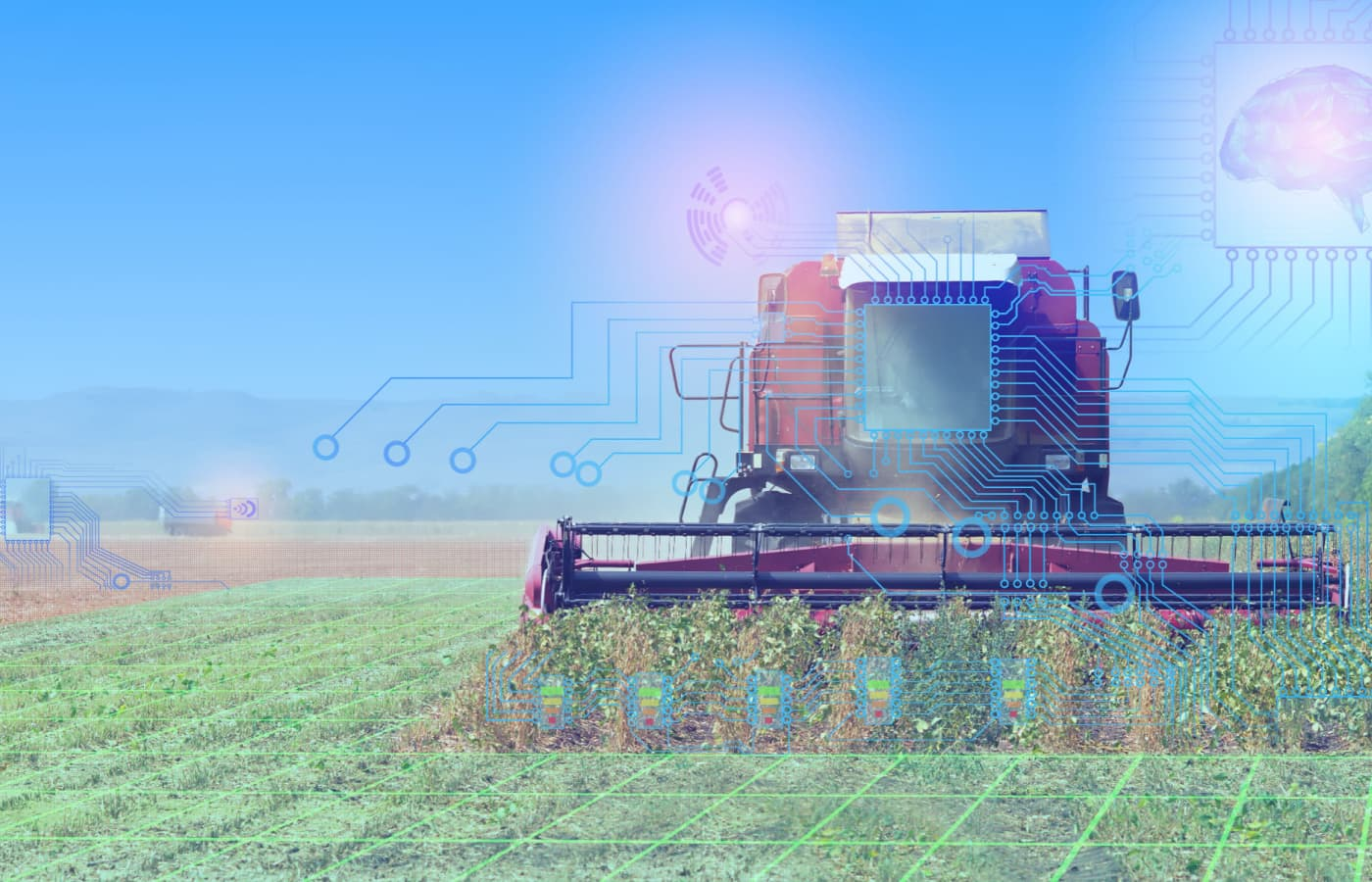
Advancements in Automated Weed Control Techniques
Unwanted guests have a way of sneaking into our lives, and no, we're not talking about nosy neighbors or pesky in-laws. We're referring to those relentless invaders that wreak havoc on our gardens, farms, and landscapes - weeds! These persistent plants can quickly overtake crops, rob them of essential nutrients and water, ultimately jeopardizing the entire ecosystem. But fear not! As technology continues to advance at an astonishing pace, automated weed control techniques are emerging as superheroes in the battle against these green intruders.
In this blog post, we will delve into the world of automated weed control and explore its significant advancements. We'll uncover how traditional methods fare against these cutting-edge techniques while highlighting their benefits for farmers and gardeners alike. Prepare to be amazed by real-life case studies showcasing successful implementation. So buckle up as we take you on a journey through the future of weed control technology with all its twists and turns!
Let's dive right in!
The Importance of Weed Control
Weed control is not just a matter of maintaining an aesthetically pleasing garden or farm. It plays a crucial role in ensuring the health and productivity of our crops and plants. Weeds compete with desirable plants for essential resources such as sunlight, water, and nutrients, hampering their growth potential. Left unchecked, they can rapidly multiply and take over large areas, suffocating the intended vegetation.
Moreover, weeds act as hosts for pests and diseases that can wreak havoc on agricultural yields. Their presence creates a breeding ground for harmful insects and pathogens that harm both plants and animals alike. In addition to economic losses caused by reduced crop yield, weed-infested fields require higher pesticide usage to combat these secondary threats.
Beyond agricultural implications, weeds also pose environmental risks. Invasive species can outcompete native flora, disrupting natural ecosystems' delicate balance. They have the potential to alter habitats by crowding out indigenous plant species on which wildlife relies for food and shelter.
In essence, effective weed control is fundamental in preserving biodiversity while ensuring sustainable agriculture practices are upheld. By employing automated weed control techniques that we will explore further in this post's subsequent sections, we have the opportunity to strike a harmonious balance between human intervention and ecological preservation.
Traditional Methods vs. Automated Techniques
Traditional methods of weed control have long been the go-to for farmers and gardeners alike. These techniques involve manual labor, such as hand pulling or using simple tools like hoes and rakes to remove unwanted plants. While these methods can be effective on a small scale, they often require significant time and effort.
On the other hand, automated techniques in weed control have gained momentum in recent years due to advancements in technology. Automated systems utilize machinery equipped with sensors, cameras, and artificial intelligence algorithms to detect and eliminate weeds efficiently. This not only saves time but also reduces labor costs significantly.
One major advantage of automated weed control is its precision. Traditional methods may result in damage to surrounding crops while trying to remove weeds manually. However, automated systems are designed to specifically target weeds without harming desired plants nearby.
Additionally, automated techniques offer scalability benefits that traditional methods cannot match. Large-scale agricultural operations can cover vast areas more quickly using automation than relying solely on manual labor.
Moreover, some studies have shown that incorporating automation into weed control strategies has led to increased crop yields by reducing competition from unwanted plants.
Despite the advantages of automation in weed control, there are still challenges that need addressing. One limitation is the initial investment required for purchasing advanced machinery and implementing automated systems effectively.
Furthermore, adapting existing farming practices and integrating new technologies can pose a learning curve for farmers who may not be familiar with operating complex equipment or utilizing AI-based software programs effectively.
Looking ahead into the future of agriculture industry trends, it's clear that advancements in automated weed control will continue evolving rapidly. With ongoing research efforts focused on improving detection accuracy and optimizing machine-learning algorithms used by these systems – we can expect further refinements resulting in even more efficient use of resources over time!
In summary, automated techniques offer numerous advantages over traditional methods when it comes to controlling weeds on farms or gardens - saving both time & money while increasing yields significantly! Nonetheless; adoption rates might vary due to initial costs associated with acquiring advanced machinery.
Advancements in Automated Weed Control Technology
Weed control has long been a challenge for farmers, requiring significant time and labor to manually remove unwanted plants from fields. However, with the advent of automated weed control technology, this task is becoming much easier and more efficient.
One major advancement in this field is the development of robotic weeders. These machines use artificial intelligence and computer vision to identify and target weeds while sparing the desired crops. Equipped with precision tools such as cameras and sensors, these robots can navigate through fields autonomously, detecting even the smallest weeds and applying targeted treatments.
Another exciting innovation is the use of drones for weed control. These unmanned aerial vehicles are equipped with advanced imaging technology that allows them to capture high-resolution images of crop fields. By analyzing these images using machine learning algorithms, farmers can identify specific areas where weeds are prevalent and take appropriate measures to eliminate them.
Moreover, there have been significant advancements in the development of herbicide application systems that utilize AI algorithms. These systems can precisely target individual weeds by spraying only on their leaves or stems without affecting nearby crops. This level of accuracy not only reduces chemical usage but also minimizes potential damage to beneficial plants or soil health.
The benefits of adopting automated weed control techniques are numerous. It saves valuable time for farmers who would otherwise spend hours manually removing weeds from their fields. It reduces labor costs since fewer workers are required for this repetitive task. Additionally, automated systems ensure consistent coverage across large areas while minimizing human error.
Several case studies have demonstrated successful implementation of automated weed control techniques in various agricultural settings worldwide. Farmers have reported increased yields due to better management of weed populations using these advanced technologies. They have also witnessed reduced reliance on herbicides as more precise applications lead to decreased chemical usage overall.
However, despite all its advantages, implementing automated weed control technology does come with some challenges and limitations that need addressing before widespread adoption becomes feasible on a large scale.
Benefits of Using Automated Techniques
Automated weed control techniques have revolutionized the way we manage unwanted vegetation in agricultural settings. The benefits of using these modern methods are numerous and undeniable.
Automated techniques offer unparalleled efficiency. With advanced sensors and algorithms, these systems can accurately identify and target weeds without human intervention. This not only saves valuable time but also ensures that every weed is detected and dealt with effectively.
Furthermore, automated weed control reduces the need for harmful chemicals. Traditional methods often rely on herbicides that can be detrimental to both crops and the environment. Automated techniques, on the other hand, use precision technology to selectively apply herbicides only where needed, minimizing their overall usage.
Cost-effectiveness is another advantage of automated weed control. By optimizing resource allocation, such as reducing labor costs associated with manual weeding or minimizing chemical wastage, farmers can save money while maintaining effective weed management practices.
Moreover, these techniques enable better crop health and productivity. Weeds compete with crops for nutrients, sunlight, and water resources. By eliminating them more efficiently through automation technology, farmers can ensure optimal conditions for their crops' growth which ultimately leads to higher yields.
Additionally, automated weed control promotes sustainable farming practices by reducing soil erosion caused by manual hoeing or tilling methods. It also helps conserve water resources since targeted application minimizes unnecessary irrigation needs in areas unaffected by weeds.
Lastly yet importantly; reduced physical strain on farmers cannot be overlooked when discussing the benefits of automation in agriculture. Manual weeding requires significant physical exertion which may lead to fatigue or injuries over time. Automating this process allows farmers to focus on other essential tasks while improving overall work-life balance.
Case Studies of Successful Implementation
Let's take a closer look at some real-life examples that demonstrate the successful implementation of automated weed control techniques. These case studies highlight how farmers and agricultural professionals are harnessing the power of technology to tackle weed infestations effectively.
In one case study, a large-scale farm in Iowa integrated autonomous drones equipped with high-resolution cameras and AI algorithms into their weed management strategy. The drones would survey the fields, identify weeds with incredible accuracy, and precisely apply herbicides only where necessary. As a result, they were able to reduce herbicide use by 80%, saving both money and minimizing environmental impact.
Another success story comes from Australia, where an innovative startup developed an intelligent robotic weeding system. This robot was designed to move autonomously through rows of crops, using computer vision to distinguish between plants and weeds. Equipped with mechanical tools and precision spraying mechanisms, it targeted individual weeds without affecting surrounding crops. Farmers reported significant reductions in labor costs and improved crop yields after implementing this technology.
Furthermore, a vineyard in California utilized sensor-based technology for automated weed control. By installing sensors throughout their vineyards that could detect temperature changes indicative of weed growth patterns, they were able to deploy targeted herbicide applications only when needed. This not only reduced herbicide usage but also prevented damage to the grapevines themselves.
These case studies clearly demonstrate how automated weed control techniques have revolutionized traditional farming practices by offering precise targeting capabilities while reducing manual labor requirements and environmental impacts associated with excessive chemical use.
The future looks promising as advancements continue to be made in this field. With ongoing research focused on improving machine learning algorithms, integrating robotics into existing farm machinery systems becomes more feasible than ever before!
Essential Equipment for Your Livestock Operation

Essential Equipment for Your Livestock Operation
Welcome to our blog post on the essential equipment for your livestock operation! If you're a passionate rancher or farmer, you already know that having the right tools can make all the difference in the success of your business.
From basic necessities like fencing materials and feeders, to specialized handling equipment and health and safety supplies, we'll cover everything you need to ensure your livestock operation runs smoothly. So, let's dive in and discover how having the right equipment can take your operation to new heights!
Basic Equipment
When it comes to running a successful livestock operation, having the right equipment is essential. Here are some basic equipment items that every livestock owner should have.
Fencing materials are crucial for keeping your animals safe and secure. Whether it's electric fencing, barbed wire, or wooden posts, investing in quality fencing will help prevent escapes and keep predators out.
Feeders and water troughs are another must-have for any livestock operation. Providing access to clean and fresh food and water is vital for the health and well-being of your animals. There are various types available, from hanging feeders to automatic waterers, so choose what works best for your specific needs.
Having proper shelter or housing structures is important as well. This can range from simple sheds or barns to more elaborate structures depending on the size of your operation. Providing protection from the elements will ensure that your animals stay healthy and comfortable throughout the year.
In addition to basic equipment like fencing materials, feeders, water troughs, and shelters; handling equipment is also necessary for efficient management of livestock.
Headgates and chutes make it easier to handle individual animals safely when performing tasks such as vaccinations or medical treatments. These pieces of equipment provide a controlled environment where you can securely restrain an animal while minimizing stress on both you and them.
Scales and weighing systems allow you to monitor the weight gain or loss of your animals accurately. This information helps determine if they're receiving adequate nutrition or if adjustments need to be made in their feeding regimen.
Maintaining good health within your herd is crucial for a successful livestock operation. Having first aid kits stocked with essentials like bandages, antiseptics, antibiotics ensures that you're prepared in case of injuries or illnesses among your animals.
Vaccines play a vital role in preventing diseases common among livestock populations; therefore having vaccines tailored specifically towards disease prevention within each species under management becomes imperative.
- Fencing Materials
When it comes to running a successful livestock operation, one of the most important aspects is having the right fencing materials in place. Fencing not only helps keep your animals safe and secure, but it also plays a crucial role in managing their movement and grazing patterns.
There are various types of fencing materials available on the market, each with its own set of advantages and disadvantages. One popular option is woven wire fencing, which provides excellent durability and strength while still allowing for visibility. Electric fencing is another common choice, especially for containing smaller animals or dividing pasture areas.
In addition to choosing the right type of fencing material, it's important to consider factors such as height, spacing between wires or boards, and gate locations for easy access. Proper installation techniques are also essential to ensure that your fences remain sturdy over time.
Investing in high-quality fencing materials will pay off in the long run by reducing the risk of animal escapes or injuries caused by faulty enclosures. Remember to regularly inspect and maintain your fences to address any potential issues before they become major problems.
Having reliable fencing materials that suit your specific needs will contribute greatly towards creating a safe and efficient environment for your livestock operation! So take some time to research different options available in order to make an informed decision that aligns with your goals!
- Feeders and Water Troughs
When it comes to running a successful livestock operation, having the right equipment is essential. One key piece of equipment that should not be overlooked are feeders and water troughs. These items play a crucial role in ensuring that your animals have access to food and water at all times.
Feeders come in various sizes and designs, depending on the type of livestock you have. They are designed to hold and dispense feed in an efficient manner, reducing waste and making it easier for animals to access their food. Whether you're feeding hay, grain, or pellets, having the right feeder can make a big difference in your operation's efficiency.
Water troughs are equally important as they provide a constant source of clean drinking water for your animals. It is crucial to ensure that troughs are large enough to accommodate the number of animals you have and that they are kept clean and free from debris or algae buildup.
Investing in high-quality feeders and water troughs will not only benefit your livestock but also save you time and money in the long run. Properly designed equipment will minimize waste, reduce labor costs associated with feeding and watering tasks, and promote better overall health for your animals.
So when setting up or expanding your livestock operation, don't overlook the importance of investing in quality feeders and water troughs. Your animals will thank you!
- Shelter or Housing Structures
Providing proper shelter for your livestock is essential for their well-being and comfort. Whether you have a small backyard flock or a large-scale operation, having the right housing structures is crucial. Here are some key points to consider when it comes to shelter:
1. Size and Design: The size of your shelter will depend on the number of animals you have and their specific needs. Make sure there is enough space for them to move around comfortably. Additionally, consider the design of the structure - it should be sturdy, well-ventilated, and able to withstand harsh weather conditions.
2. Material: Choose materials that are durable and easy to clean. Wood, metal, or composite materials are commonly used for livestock shelters.
3. Accessibility: Ensure that the entrance allows easy access for both you and your animals. This will make daily tasks such as feeding, cleaning, and health checks much easier.
4. Bedding: Provide suitable bedding material inside the shelter for your animals' comfort and hygiene needs.
5 . Separation Areas: If required , consider adding separate areas within the shelter where sick or injured animals can be kept away from healthy ones.
Remember that each species has its own specific requirements when it comes to housing structures – goats may need elevated platforms while horses require adequate ventilation in their stables.
By providing appropriate shelter according to these guidelines , you'll create a conducive environment where your livestock can thrive!
Handling Equipment
When it comes to running a successful livestock operation, having the right handling equipment is crucial. These tools and devices not only make your work easier and more efficient but also ensure the safety of both you and your animals.
Headgates and chutes are essential for safely restraining your livestock during procedures such as vaccinations, tagging, or hoof trimming. They provide a secure area where you can work with minimal stress on the animal.
Scales and weighing systems play an important role in monitoring the health and growth of your livestock. Accurate weight measurements allow you to adjust feed rations accordingly, ensuring optimal nutrition for each animal.
Investing in proper handling equipment demonstrates your commitment to animal welfare. By minimizing stress during handling procedures, you reduce the risk of injuries or accidents that could harm both animals and handlers.
Remember that different types of livestock may require specific handling equipment tailored to their unique characteristics. For example, cattle might need squeeze chutes designed specifically for them while smaller animals like sheep might benefit from adjustable-sized headgates.
When it comes to managing your livestock effectively, investing in appropriate handling equipment is crucial. It not only makes your daily tasks easier but also contributes significantly to the overall well-being of your animals. So prioritize getting quality headgates, chutes, scales, and other necessary tools for smooth operations on your farm or ranch!
- Headgates and Chutes
Headgates and chutes are essential equipment for any livestock operation. These tools help in safely handling and restraining the animals during various tasks such as vaccinations, hoof trimming, or sorting.
A headgate is a device that holds the animal's head securely in place, allowing the operator to work on it without risking injury to themselves or the animal. The headgate should be adjustable to accommodate different sizes of animals.
Chutes, on the other hand, are narrow pathways that guide the animals towards a specific area where they can be treated or sorted. They provide a controlled environment and prevent unnecessary stress to both livestock and handlers.
Investing in quality headgates and chutes will ensure smooth operations when working with your livestock. Look for sturdy construction and easy-to-use features that will make handling tasks more efficient.
Remember, safety should always come first when working with livestock. Properly designed headgates and chutes not only protect you but also keep your animals calm and comfortable during procedures.
Having reliable headgates and chutes is crucial for maintaining an organized workflow while ensuring the well-being of your livestock.
Exploring Alternative Protein Sources in Livestock Feed

Exploring Alternative Protein Sources in Livestock Feed
Welcome to our blog post on exploring alternative protein sources in livestock feed! In a world where sustainability and animal welfare are becoming increasingly important, the traditional methods of feeding livestock may no longer be enough. The current reliance on conventional protein sources is not only causing environmental concerns but also raising ethical questions.
Fortunately, there is a growing interest in finding alternative protein sources that can provide adequate nutrition for livestock while minimizing the negative impact on our planet. From insects to algae and plant-based proteins, innovative solutions are emerging that have the potential to revolutionize the way we feed our farm animals.
In this article, we will delve into these alternative options and uncover their benefits as well as challenges. We'll also share success stories from farms that have embraced these unconventional choices in their animal diets. So buckle up and join us on this journey towards a more sustainable future for the livestock industry!
The Current State of the Livestock Industry and its Reliance on Traditional Protein Sources
The livestock industry is a vital component of our global food system, providing us with meat, dairy products, and other animal-derived goods. However, this industry heavily relies on traditional protein sources such as soybean meal and fishmeal to meet the nutritional needs of livestock.
Soybean meal, derived from soybeans, has long been a staple in animal feed due to its high protein content. Similarly, fishmeal sourced from wild-caught fish has been used extensively in aquaculture feeds. These conventional protein sources have served their purpose for years but come with their own set of challenges.
One major concern is the environmental impact associated with these traditional protein sources. The cultivation of soybeans often involves deforestation and excessive use of fertilizers and pesticides. Additionally, overfishing poses a threat to marine ecosystems when it comes to sourcing fishmeal.
Another issue lies in the ethical considerations surrounding the use of these proteins in livestock feed. The demand for soybean meal contributes to land-use changes that can displace local communities or lead to human rights violations. Moreover, relying on fishmeal puts further strain on already depleted fish stocks.
As we face growing population demands and an urgent need for sustainable practices across all industries, it becomes crucial to explore alternative protein sources for livestock feed that are more environmentally friendly and ethically sound.
The Environmental and Ethical Concerns Surrounding Traditional Protein Sources
Traditional protein sources in livestock feed, such as soybeans and fishmeal, have long been the go-to choice for farmers around the world. However, these conventional sources come with their fair share of environmental and ethical concerns.
One major issue is deforestation caused by the cultivation of soybeans. Large areas of land are cleared to make way for soybean plantations, resulting in the destruction of vital ecosystems and loss of biodiversity. Additionally, the production of soybeans contributes to greenhouse gas emissions through land-use change and transportation.
Another concern is overfishing to meet the demand for fishmeal. The depletion of marine resources not only disrupts aquatic ecosystems but also threatens food security for coastal communities that rely on fishing as a source of income and sustenance.
Ethically speaking, traditional protein sources often involve animal exploitation. Fish caught for fishmeal may be subject to unsustainable fishing practices or even illegal activities like shark finning. Similarly, industrial livestock farming relies heavily on factory farming methods that prioritize profit over animal welfare.
To address these issues, alternative protein sources have emerged as viable alternatives in livestock feed formulations. Insects like black soldier flies offer a sustainable solution since they can be raised on organic waste without contributing significant carbon emissions or requiring large amounts of land.
Algae is another promising option due to its high nutritional value and ability to grow rapidly using minimal resources like water and sunlight. By incorporating algae into animal diets, we can reduce reliance on traditional protein sources while minimizing environmental impacts.
Plant-based proteins derived from crops like peas or hemp are gaining traction too because they provide essential amino acids necessary for animal growth while reducing dependence on resource-intensive crops like soybeans.
Utilizing alternative protein sources in livestock feed offers numerous benefits beyond addressing environmental concerns. These include improved animal welfare by offering more diverse nutrition options that better align with natural dietary requirements.
Additionally, alternative proteins help reduce pressure on scarce resources such as arable land and freshwater supplies.
Alternative Protein Sources Available for Livestock Feed such as Insects, Algae, and Plant-Based Proteins
Alternative protein sources have emerged as a promising solution to the challenges faced by the traditional livestock industry. Insects, algae, and plant-based proteins are some of the exciting options being explored for use in livestock feed.
Insects, such as mealworms and black soldier flies, are rich in essential amino acids and can be cultivated efficiently using organic waste materials. Not only do they provide a sustainable source of protein, but their production also requires significantly less land, water, and feed compared to conventional livestock farming.
Algae is another alternative protein source that holds great potential. It is packed with nutrients like omega-3 fatty acids and can be grown rapidly in controlled environments. Furthermore, algae cultivation does not compete with arable land or freshwater resources – making it an attractive option for reducing environmental impact.
Plant-based proteins derived from crops like soybeans and peas are gaining popularity due to their high nutritional value. These proteins offer a complete amino acid profile necessary for animal growth and development while also reducing reliance on animal-derived feeds.
By incorporating these alternative protein sources into livestock diets, we can achieve multiple benefits. It helps to reduce our reliance on unsustainable practices associated with traditional protein sources. It contributes to lowering greenhouse gas emissions caused by intensive agriculture methods.
Additionally, alternative protein sources promote improved animal welfare by providing more diverse nutrient profiles that meet animals' specific dietary needs without compromising their health or well-being.
However, there are challenges to overcome when incorporating these alternatives into livestock feed systems. Cost-effectiveness remains a significant concern as large-scale production processes need to become more streamlined and efficient to compete with traditional feeds economically.
Moreover, regulatory frameworks must keep up-to-date with technological advancements in order to ensure safety standards are met.
Consumer acceptance is crucial too.
Educating consumers about the benefits
and sustainability aspects of alternative
protein sources will play a vital role
in driving demand for products derived from them.
Despite these challenges, there are success stories from farms and companies that have embraced alternative protein sources.
Benefits of Using Alternative Protein Sources in Livestock Feed including Reduced Environmental Impact and Improved Animal Welfare
Livestock farming has long relied on traditional protein sources such as soybean meal and fishmeal to meet the nutritional needs of animals. However, these conventional protein sources come with their fair share of environmental and ethical concerns. The production of soybeans often leads to deforestation and habitat destruction, while overfishing for fishmeal threatens marine ecosystems.
Thankfully, there are alternative protein sources emerging in the market that offer significant benefits for both the environment and animal welfare. Insects, for example, have gained attention as a sustainable source of protein. Insect farming requires minimal land use and water compared to traditional livestock feed production. Additionally, insects can be reared using organic waste streams, reducing the need for synthetic fertilizers.
Algae is another promising alternative protein source that offers numerous advantages. Algae cultivation does not compete with agricultural land or freshwater resources since it can be grown in tanks or ponds. It also has a high growth rate and can provide a rich source of essential amino acids needed by livestock.
Plant-based proteins derived from crops like peas, lentils, and hemp are gaining popularity among farmers too. These plant-based alternatives have a smaller carbon footprint than traditional feeds because they require fewer resources to grow while still providing adequate nutrition for livestock.
By incorporating these alternative protein sources into livestock diets, we can significantly reduce our environmental impact. Apart from minimizing deforestation and overfishing associated with conventional feed production methods mentioned earlier; utilizing alternative proteins also contributes to lower greenhouse gas emissions due to reduced fertilizer usage and transportation requirements.
Moreover, improving animal welfare is another positive outcome when adopting alternative protein sources in livestock feed. Some studies suggest that certain insect-based diets may enhance immune systems in animals leading to healthier herds overall! Additionally; plant-based proteins often lack growth-promoting antibiotics used widely in conventional feeds - resulting in improved overall health conditions which ultimately lead toward happier animals!
Challenges and Limitations of Incorporating Alternative Protein Sources into Livestock Diets
While the idea of using alternative protein sources in livestock feed holds promise, there are several challenges and limitations that need to be addressed. One major obstacle is the cost associated with sourcing and processing these alternative proteins. Insects, algae, and plant-based proteins can often be more expensive compared to traditional feed ingredients like soybean meal or corn.
Another challenge lies in the availability and scalability of alternative protein sources. Currently, large-scale production of insect-based proteins for animal feed is limited due to regulatory constraints and public perception issues. Similarly, while algae has shown potential as a sustainable protein source, its cultivation on a commercial scale is still relatively new.
Incorporating alternative proteins into livestock diets also requires careful consideration of nutritional requirements. Traditional feeds have been extensively studied and formulated to meet specific nutrient needs for optimal growth and performance in animals. Ensuring that alternative protein sources provide adequate amino acids, vitamins, minerals, and energy levels is essential.
Additionally, changing dietary compositions may affect animal health and productivity outcomes. Animals may require an adjustment period when transitioning from traditional feeds to new protein sources which could potentially impact their growth rate or reproductive performance.
Marketing challenges may arise when introducing products derived from unconventional protein sources into the market. Consumer acceptance plays a significant role in determining whether these alternatives will gain traction among farmers seeking sustainable options for their livestock.
Addressing these challenges through research advancements in production techniques, improved formulations for balanced nutrition profiles,and effective consumer education will pave the way for wider adoption of alternative protein sources in livestock diets.
Raising Organic Chickens: What You Need to Know

Raising Organic Chickens: What You Need to Know
Welcome to the world of organic chicken farming, where feathered friends roam freely and cluck contentedly in the purest of environments! If you've ever dreamed of raising your own flock of healthy, happy chickens, then this blog post is for you.
Whether you're a seasoned farmer or a backyard enthusiast, embarking on an organic chicken venture can be incredibly rewarding – both for your well-being and that delectable farm-fresh taste. So let's dive into what it takes to raise these magnificent creatures and discover the ins and outs of nurturing them organically. Get ready to embrace your inner farmer and embark on a truly egg-cellent adventure!
The Benefits of Raising Organic Chickens
When it comes to raising chickens, going organic offers a plethora of benefits that go beyond just the satisfaction of knowing where your food comes from. Organic chickens are raised without the use of antibiotics or growth hormones, ensuring that you and your family consume poultry free from potentially harmful substances.
By raising your chickens organically, you have control over their diet. This means feeding them with high-quality organic feed that is free from genetically modified organisms (GMOs) and synthetic additives. Not only does this promote healthier birds but also results in superior quality eggs and meat.
Moreover, organic farming practices prioritize animal welfare. Your feathered friends will enjoy more spacious living conditions compared to conventional farms. They will be able to forage outdoors on fresh grass and insects – a natural diet for chickens – which contributes to their overall well-being.
Additionally, by opting for organic chicken farming methods, you're reducing environmental pollution caused by chemical pesticides and fertilizers commonly used in conventional agriculture. Organic practices focus on sustainability and conservation of resources such as water and soil health.
There's no denying the taste difference! Organic chicken products have a distinct flavor profile due to their natural diet and higher quality care they receive during rearing. So get ready to savor every bite knowing you've nurtured these birds using ethical practices that benefit both your health and the planet's well-being!
Understanding Organic Chicken Farming
Organic chicken farming is a sustainable and environmentally friendly approach to raising chickens. It involves providing the birds with natural and pesticide-free feed, allowing them access to outdoor space for foraging, and avoiding the use of antibiotics or hormones.
One key aspect of organic chicken farming is the focus on soil health. Farmers prioritize using organic fertilizers and rotating their flocks across different pasture areas to ensure that the land remains fertile without relying on synthetic chemicals.
Another important element is ensuring high animal welfare standards. Organic farmers provide spacious living conditions for their chickens, allowing them to exhibit natural behaviors such as scratching, pecking, and dust bathing.
To be certified as organic, farms must adhere to strict regulations set by certifying bodies. These guidelines outline practices related to feed sourcing, medication usage (limited to herbal remedies), access to pasture or free-range environments, and more.
Organic chicken farming requires dedication and careful management. Farmers need to maintain proper sanitation in coops, regularly monitor flock health, implement predator protection measures, and practice responsible waste management.
By choosing organic chicken products from reputable sources, consumers can support ethical farming practices while enjoying healthier meat options that are free from harmful additives.
In summary, Understanding Organic Chicken Farming provides insights into the sustainable methods involved in raising organic chickens.
Choosing the Right Breeds for Your Farm
Choosing the right breeds for your organic chicken farm is an important decision that will impact the success and sustainability of your operation. There are numerous factors to consider, including the climate in which you live, the purpose for raising chickens (eggs or meat), and your personal preferences.
If you're primarily interested in egg production, there are several popular breeds known for their high egg-laying capabilities. Breeds such as Rhode Island Reds, Leghorns, and Australorps are known to be prolific layers and can provide a steady supply of fresh eggs for your household or business.
On the other hand, if you plan on raising chickens primarily for meat production, there are specific meat breeds that have been bred to grow quickly and develop tender meat. Some commonly recommended meat breeds include Cornish Crosses and Freedom Rangers.
It's also important to consider the temperament of different chicken breeds. If you have children or pets on your farm, opting for more docile breeds like Orpingtons or Silkies may be a wise choice. These breeds tend to be friendly and less likely to peck or exhibit aggressive behavior.
Additionally, take into account the climate in which you live when selecting chicken breeds. Some birds tolerate cold weather better than others while some thrive in hotter climates. Do thorough research about each breed's ability to adapt before making a decision.
Remember that it's not necessary to limit yourself to just one breed; many farmers choose multiple varieties based on their specific needs and goals. By carefully considering these factors - egg-laying abilities, temperament, climate suitability -you'll be well-equipped with information needed when choosing the right chicken breeds for your organic farm!
Setting Up a Coop and Run for Your Chickens
When it comes to raising organic chickens, providing them with a safe and comfortable coop is essential. A well-designed coop not only protects your chickens from predators but also provides them with a cozy space to rest and lay eggs.
Consider the size of your flock when deciding on the dimensions of your coop. Each chicken needs at least four square feet of indoor space, so calculate accordingly. Make sure there are enough perches for all the chickens to roost comfortably at night.
Next, choose durable materials for building your coop. Opt for natural or untreated wood as it's safer for your chickens. Ensure that the roof is well-insulated and waterproof to protect against extreme weather conditions.
Don't forget ventilation! Proper airflow helps prevent respiratory issues in chickens. Install windows or vents near the top of the coop to allow fresh air circulation without causing drafts.
Now let's talk about the run area – an outdoor space where your chickens can roam freely during the day. It should be securely fenced to keep predators out while allowing sunlight and fresh grass access.
Consider adding some enrichments like dust baths and perches in their run area too! This will provide mental stimulation and encourage natural behaviors such as scratching and pecking.
Regular cleaning is crucial for maintaining a healthy living environment for your birds. Provide easy-to-clean surfaces inside the coop, such as removable nesting boxes or trays underneath roosting areas.
Remember, each chicken requires approximately 10 square feet of outdoor space in their run area. So ensure you have enough room available based on the size of your flock!
By setting up a well-designed coop and run area enriched with adequate spaces, you're providing comfort and security for your organic chickens – ensuring they lead happy lives while producing high-quality eggs!
Stay tuned next time we'll discuss Feeding & Caring For Your Organic Chickens!
Feeding and Caring for Your Organic Chickens
Feeding and caring for your organic chickens is a crucial part of raising them successfully. Providing the right nutrition and ensuring their well-being will not only result in healthier birds but also higher-quality eggs and meat.
When it comes to feeding your organic chickens, a balanced diet is key. They require a mix of grains, seeds, greens, insects, and grit for digestion. You can create your own feed blend or purchase certified organic feeds from reputable suppliers.
In addition to their regular feed, it's important to provide fresh water at all times. Chickens need plenty of water to stay hydrated and aid in digestion. Make sure the water containers are clean and easily accessible for them.
To keep your chickens healthy and happy, they also need ample space to roam freely during the day. A spacious coop with good ventilation is essential along with a secure outdoor run where they can scratch, peck at bugs, or simply bask in the sunlight.
Regularly cleaning out the coop is necessary as it helps prevent diseases caused by bacteria build-up or parasites. Bedding material such as straw or wood shavings should be changed regularly to maintain cleanliness.
Monitoring the health of your chickens is vital too. Regularly check for signs of illness like decreased appetite, changes in behavior or appearance (such as feathers looking dull), watery eyes, or abnormal droppings. If you notice any issues, consult with a veterinarian who specializes in poultry care immediately.
Remember that prevention is better than cure when it comes to common health issues among chickens. Keep predators away by using strong chicken wire fencing around their living area and provide proper protection against extreme weather conditions.
Caring for organic chickens requires time commitment but offers numerous rewards – from knowing exactly what goes into their food to enjoying healthier products that benefit both you and the environment.
Dealing with Common Health Issues
Keeping your organic chickens healthy is crucial for their well-being and the success of your farm. While organic practices can help prevent many health issues, it's essential to be prepared for common problems that may arise.
One common issue that chicken owners face is parasites. External parasites like mites and lice can cause discomfort and stress to your birds. Regularly inspecting their feathers and housing for signs of infestation, such as itching or feather loss, is vital. Organic remedies like diatomaceous earth or herbal powders can effectively control these pests without the use of chemicals.
Another challenge you might encounter is respiratory infections. Chickens are susceptible to diseases like infectious bronchitis or Newcastle disease, which can spread quickly within a flock if not addressed promptly. Good ventilation in the coop and maintaining clean bedding will help reduce the risk of respiratory issues.
Maintaining proper hygiene in your chicken coop is key to preventing diseases like salmonella or E.coli. Regularly cleaning and disinfecting the coop, providing fresh water daily, and practicing good biosecurity measures will go a long way in keeping your chickens healthy.
Diarrhea is also a common health problem among chickens. It could be caused by various factors such as diet changes, bacterial infections, or even stress. Monitoring their droppings regularly will allow you to spot any abnormalities early on so you can take appropriate action.
In conclusion, being proactive about addressing common health issues in organic chicken farming will ensure the overall well-being of your flock while minimizing potential risks to both them and consumers who enjoy organic poultry products.
The Basics of Raising Chickens: A Beginner's Guide

Introduction to Raising Chickens
Welcome to the wonderful world of raising chickens! Whether you're a complete beginner or have some experience with other livestock, embarking on this feathered adventure is sure to bring joy and excitement to your life. From the satisfying feeling of collecting fresh eggs each morning to the soothing sounds of clucking in your backyard, there are countless reasons why more and more people are turning their homes into chicken havens.
In this beginner's guide, we'll walk you through everything you need to know about raising these fascinating creatures - from choosing the right breed for your needs, setting up a cozy coop, all the way to overcoming common challenges. So grab your overalls and get ready for an egg-cellent journey into the basics of raising chickens!
Benefits of Raising Chickens
One of the joys of raising chickens is the abundance of benefits that come along with it. Whether you're looking for fresh, organic eggs or a fun and educational experience for your family, keeping chickens can be incredibly rewarding.
First and foremost, having your own flock means a constant supply of delicious, farm-fresh eggs. There's something truly satisfying about gathering eggs each morning and knowing exactly where they came from. Not only are homegrown eggs tastier than store-bought ones, but they also contain higher levels of omega-3 fatty acids and vitamins A, D, and E.
Another advantage is the opportunity to teach children responsibility through caring for the animals. By involving them in daily tasks such as feeding and cleaning the coop, kids can learn valuable lessons about compassion, hard work, and sustainability.
Raising chickens also contributes to a more sustainable lifestyle. These feathered friends will happily gobble up kitchen scraps like vegetable peels or leftover grains from meal preparation. In return, they provide nutrient-rich manure that can be composted to fertilize gardens or lawns.
In addition to these practical benefits,
chickens can bring joy and companionship into your life. They have unique personalities and watching them go about their daily routines can be highly entertaining. Whether it's observing their quirky behaviors, listening to their soothing clucks, or simply enjoying their company while you relax in the backyard, chickens have a way of bringing peace and serenity into our hectic lives.
Finally, by raising chickens at home,
you're supporting local food production
and reducing your carbon footprint.
No need for those long-distance transportation emissions when you have fresh eggs right in your own backyard!
Overall, the benefits of raising chickens are numerous and extend far beyond just having access to fresh eggs. From teaching valuable life lessons to promoting sustainability and providing entertainment, these charming birds offer a multitude of advantages that make them a worthwhile addition to any home.
Choosing the Right Breed for Your Needs
Choosing the right breed of chickens is an important decision for anyone looking to start raising these feathery friends. With so many options available, it can be overwhelming to know which breed will best suit your needs. However, by considering a few key factors, you can narrow down your choices and find the perfect fit.
Think about why you want to raise chickens. Are you looking for eggs? Meat? Or simply companionship? Different breeds have different strengths and specialties, so it's essential to choose one that aligns with your goals. For example, if fresh eggs are a priority, consider breeds known for their prolific egg-laying abilities such as Rhode Island Reds or Leghorns.
Next, take into account the climate and environment in which you live. Some chicken breeds are better suited for cold weather conditions, while others thrive in warmer climates. If you reside in an area with harsh winters or scorching summers, make sure to select a breed that can withstand those extremes.
Consider also the size of your space and any local regulations regarding backyard chickens. Some breeds are more suitable for small yards or urban environments due to their smaller size and quieter nature; whereas others may require more room to roam freely.
Additionally, factor in the temperament and personality traits of different chicken breeds. Some are docile and friendly towards humans while others tend to be more skittish or independent-minded. It's important to choose a breed that matches well with your own preferences and lifestyle.
Do some research on the specific health needs of each breed under consideration. Certain breeds may be more susceptible to certain diseases or require special care compared to others.
By carefully weighing all these factors – purpose (eggs/meat/companionship), climate suitability (hot/cold), space availability (size/urban restrictions), temperament compatibility (docile/skittish) – you'll be able to make an informed decision when choosing the right breed of chickens for your needs.
Preparing a Coop and Run for Your Chickens
Creating a safe and comfortable living space for your chickens is essential to their health and well-being. When it comes to preparing a coop and run, there are several factors to consider.
You need to determine the size of the coop based on how many chickens you plan to have. As a general rule of thumb, each chicken should have at least 4 square feet of indoor space. Additionally, they will need access to an outdoor run where they can stretch their wings and enjoy some fresh air.
Next, choose the location for your coop wisely. It's important to select an area that is protected from predators and has good drainage. Also, consider placing it in an area with easy access for cleaning purposes.
When building or purchasing a coop, make sure it has proper ventilation to prevent moisture buildup and ensure good air circulation. Install windows or vents that can be opened or closed as needed depending on the weather conditions.
Inside the coop, provide roosting bars or perches for your chickens to rest on at night. They prefer sleeping off the ground as it gives them a sense of security.
For bedding material, straw or wood shavings work well as they are absorbent and easy to clean out regularly. This helps maintain cleanliness inside the coop while providing insulation during colder months.
In terms of the outdoor run area, make sure it is securely fenced in with wire mesh or hardware cloth buried along its perimeter to prevent digging predators from gaining entry.
Include some enrichments such as natural branches for perching and scratching areas with loose soil for dust bathing – activities that chickens thoroughly enjoy!
Taking the time to properly prepare a coop and run will contribute greatly towards creating a safe haven where your feathered friends can thrive happily!
Feeding and Caring for Your Chickens
Feeding and caring for your chickens is an essential part of raising these feathered creatures. Providing them with nutritious food ensures their health and well-being. When it comes to feeding, there are a few key things to keep in mind.
Make sure you have a balanced diet for your chickens. A good chicken feed should contain a mix of grains, proteins, vitamins, and minerals. You can also supplement their diet with kitchen scraps or garden greens for added variety.
Water is equally important as food when it comes to caring for your flock. Chickens need access to clean and fresh water at all times. Make sure the water containers are placed securely so they don't get knocked over or contaminated by dirt or droppings.
It's also crucial to provide suitable housing for your chickens. A sturdy coop will protect them from predators while providing a comfortable place to rest and lay eggs. Ensure proper ventilation in the coop to prevent respiratory issues.
Daily care includes checking on your chickens regularly to ensure they're healthy and happy. Keep an eye out for signs of illness such as abnormal behavior or changes in appetite. Regular cleaning of the coop is necessary to maintain hygiene and prevent disease outbreaks.
Remember that chickens thrive on social interaction! Spend time with them daily, observing their behaviors and getting acquainted with each individual's personality traits.
Caring for chickens requires dedication but brings endless rewards as you watch these fascinating creatures grow and thrive under your care!
Common Challenges and How to Overcome Them
Raising chickens can be a rewarding experience, but it's not without its challenges. As a beginner, you may encounter some hurdles along the way. But fear not! With proper knowledge and preparation, you can overcome these obstacles and ensure the well-being of your feathered friends.
One common challenge is predator attacks. Chickens are vulnerable to predators such as foxes, raccoons, and even neighborhood dogs. To protect your flock, make sure your coop has secure fencing and sturdy locks on all doors. Consider installing an electric fence or motion sensor lights for added security.
Another challenge is disease prevention. Just like any other living creatures, chickens are susceptible to illnesses. To ward off diseases, practice good hygiene by regularly cleaning their living space and providing clean water and food. Additionally, consider vaccinating your chickens against common diseases like Marek's disease or consult with a veterinarian for preventive measures.
Molting is another natural occurrence that can be challenging for new chicken owners. Molting refers to the shedding of old feathers in order to grow new ones. During this time, egg production may decrease or cease altogether while energy is redirected towards feather growths.
To support them through this process provide a balanced diet rich in protein supplements such as mealworms or high-quality feed specifically formulated for molting birds.
Integrating new birds into an existing flock can also pose challenges as pecking orders need to be established again.
As always when introducing new members monitor their behavior closely during initial interactions.
Providing separate spaces within the coop so they can see each other without physical contact will help ease tensions.
Once familiar introduce them gradually under supervision until harmony reigns over discordance amongst them.
Remember that raising chickens requires patience and perseverance. Remain vigilant in addressing any issues promptly. It’s essential to continuously educate yourself about best practices regarding chicken care. Join online communities, attend workshops or read books dedicated to raising chickens to stay updated with the latest information.
Understanding Different Feeding Strategies for Cattle

Introduction to Cattle Feeding
Welcome to the world of cattle feeding, where different strategies and methods play a crucial role in ensuring healthy and thriving livestock. Whether you're a seasoned rancher or just starting out with your small homestead, understanding the various feeding options available is key to success.
In this blog post, we'll dive into the world of cattle feeding, exploring traditional methods such as grazing and hay, as well as more modern approaches like grain-based diets and silage. We'll also touch on alternative strategies that may suit your specific needs. So grab your cowboy hat and let's get started on this journey through the fascinating world of bovine nutrition!
Traditional Feeding Methods: Grazing and Hay
When it comes to feeding cattle, there are traditional methods that have stood the test of time. These methods include grazing and hay feeding.
Grazing is a natural way for cattle to find their own food by roaming freely in pastures. This method allows them to consume grasses and other plants that provide essential nutrients. Not only does grazing mimic their natural behavior, but it also helps with their digestion.
Hay feeding, on the other hand, involves cutting and drying grass or legumes such as alfalfa before offering it to the cattle. It provides a convenient way to store forage during times when fresh pasture may not be available due to weather conditions or seasonal changes.
Both grazing and hay feeding have their advantages. Grazing allows cattle access to fresh vegetation while promoting exercise and reducing labor costs associated with feed preparation. Hay feeding ensures a consistent supply of nutritious feed throughout the year.
However, there are considerations when using these traditional methods. Proper pasture management is crucial for maintaining optimal grazing conditions, preventing overgrazing, and ensuring adequate nutrition for the herd. Similarly, storing high-quality hay requires proper techniques like baling at the right moisture level.
In conclusion (conclusive blog section), traditional feeding methods like grazing and hay have been used for centuries in cattle farming with good reason - they provide an effective means of nourishing livestock while mimicking their natural behaviors.
Grain-Based Feeding: Benefits and Considerations
Grain-based feeding is a common strategy used in cattle farming to provide animals with a concentrated source of nutrients. By incorporating grains, such as corn or soybeans, into their diet, farmers can optimize the growth and productivity of their livestock.
One major benefit of grain-based feeding is its ability to rapidly increase weight gain in cattle. Grains are energy-dense and rich in carbohydrates, which promote efficient muscle development and overall body condition. This can be particularly advantageous for beef producers looking to maximize profits by producing larger animals for market.
In addition to promoting weight gain, grain-based diets also enhance feed efficiency in cattle. Compared to grazing or hay-based diets, where animals spend significant time consuming large amounts of forage, a grain-rich diet allows for more rapid digestion and absorption of nutrients. This means that less feed is required to achieve the same level of growth and performance.
However, there are some considerations that need to be taken into account when implementing grain-based feeding strategies. It's important to ensure that the transition from a primarily forage diet to one rich in grains is done gradually over several weeks. Sudden changes can disrupt the microbial populations within the animal's digestive system and lead to health issues like acidosis.
Another consideration is cost-effectiveness. Grain prices can fluctuate significantly depending on market conditions, so it's essential for farmers to carefully monitor input costs when utilizing this feeding method.
Grain-based feeding offers numerous benefits for cattle farmers seeking improved growth rates and feed efficiency in their herds. However, careful planning and monitoring are necessary factors when considering this strategy as part of an overall nutrition program for your livestock.
Silage Feeding: What is it and How Does it Work?
When it comes to feeding cattle, there are various strategies to consider. One popular method is silage feeding. But what exactly is silage and how does it work?
Silage is a type of fermented feed made from crops such as corn, grass, or alfalfa. The process involves chopping the crop into small pieces and then compacting it tightly in a storage structure called a silo. This compaction eliminates oxygen which allows for anaerobic fermentation to take place.
During fermentation, beneficial bacteria break down sugars in the crop into lactic acid, producing an acidic environment that preserves the feed and prevents spoilage. This results in a highly nutritious and palatable feed option for cattle.
One of the key advantages of silage feeding is its ability to provide a consistent source of nutrients throughout the year. Unlike fresh pasture or hay which can vary in quality depending on weather conditions, properly stored silage maintains its nutritional value over time.
Another benefit of using silage as a feed option is its versatility. It can be fed alone or mixed with other feeds like grains or supplements to meet specific dietary needs. Plus, because of its moisture content, it helps keep cattle hydrated during periods when water may not be readily available.
However, while silage offers many benefits, there are also some considerations to keep in mind when implementing this feeding strategy. For instance, proper harvesting techniques and storage management are essential to prevent mold growth or nutrient loss.
Additionally, introducing cows gradually to silage can help them adjust their rumen microbes and avoid digestive disturbances commonly associated with sudden diet changes.
In conclusion, silage feeding provides farmers with an efficient way to preserve and utilize crops as high-quality cattle feed year-round. Its ability to maintain nutrient content coupled with flexibility makes it an attractive choice for many livestock producers. However, attention must be given to proper harvesting techniques and gradual introduction to ensure optimal results.
Alternative Feeding Strategies for Cattle
When it comes to feeding cattle, there are more options than just traditional grazing or grain-based diets. Alternative feeding strategies can offer unique benefits and meet specific nutritional needs of the animals.
One alternative approach is intensive rotational grazing, where cattle are moved between smaller paddocks frequently. This allows for better utilization of the available forage and promotes healthy grass growth by preventing overgrazing. Another option is strip-grazing, where a narrow strip of fresh pasture is provided each day. This method helps minimize waste and ensures that the animals have access to high-quality forage.
Another alternative strategy involves supplementing the diet with protein-rich feedstuffs like soybean meal or cottonseed cake. This can enhance muscle development and improve overall performance in beef cattle.
For dairy cows, total mixed ration (TMR) feeding is often used as an alternative strategy. TMR combines different ingredients such as grains, silages, hay, and minerals into a balanced diet that meets all their nutritional requirements.
In addition to these strategies, some farmers may also incorporate by-products from other industries into their cattle's diet. For example, brewers' grains or distillers' grains can be fed to ruminants as a source of energy and protein.
It's important to note that while alternative feeding strategies can provide advantages in terms of efficiency and nutrition, they require careful planning and monitoring to ensure optimal results. Factors such as animal health status, nutrient content analysis of feeds used in the diet formulation process should be considered when choosing an alternative feeding strategy for your cattle operation.
By exploring these alternative approaches to cattle feeding along with traditional methods like grazing or grain-based diets will enable you as a farmer or rancher find what works best for your specific circumstances – whether that means maximizing productivity or improving sustainability on your farm!
Factors to Consider when Choosing a Feeding Strategy
When it comes to choosing a feeding strategy for your cattle, there are several important factors that you need to consider. Each factor plays a crucial role in determining the most suitable approach for your specific circumstances and goals.
You need to assess the nutritional requirements of your cattle. Different types and breeds of cattle have varying dietary needs at different stages of their life cycle. Understanding these requirements will help you select a feeding method that provides the necessary nutrients for optimal growth, reproduction, and overall health.
Take into account the availability and cost of feed resources in your area. Grazing may be an ideal option if you have ample pastureland or access to good-quality hay. On the other hand, if feed resources are limited or expensive, alternative strategies such as grain-based feeding or silage may be more practical.
Consider the labor and time involved in each feeding strategy as well. Some methods like grazing require less manual labor but necessitate proper land management practices. Conversely, grain-based feeding demands regular monitoring and careful ration formulation.
Another critical factor is environmental sustainability. Evaluate how each feeding strategy impacts natural resources like water quality or soil health on your farm. Opting for sustainable practices can ensure long-term productivity while minimizing negative environmental effects.
Think about any potential risks associated with certain approaches. For instance, grain-based diets may increase the risk of digestive issues in some animals if not properly managed.
In conclusion, choosing a feeding strategy involves considering various factors including nutritional requirements, availability/cost of feed resources, labor/time commitment, sustainability, and potential risks. By carefully evaluating these factors alongside your own goals and constraints, you'll be able to make an informed decision that best suits both your cattle's needs and your farming operation.
How to Choose the Right Breeds for Your Poultry Farm

How to Choose the Right Breeds for Your Poultry Farm
Welcome to our poultry farm blog, where we are clucking with excitement to help you choose the right breeds for your feathered friends! Whether you're a seasoned farmer or just starting out on your agricultural adventure, selecting the perfect chicken breeds is crucial for success. From egg production powerhouses to meaty maestros, there's a breed out there that will perfectly suit your farm's needs.
Join us as we explore the factors to consider when choosing poultry breeds and introduce you to some popular favorites along with lesser-known gems that could bring prosperity to your coop. It's time to spread those wings and dive into the world of poultry breed selection!
The Importance of Choosing the Right Breeds for your Poultry Farm
Selecting the right breeds for your poultry farm is an essential step towards achieving success and maximizing productivity. The breed you choose will directly impact the quantity and quality of eggs or meat produced, as well as how well they adapt to your farm's environment.
Choosing the right breeds ensures optimal egg production. Some chicken breeds are renowned for their exceptional egg-laying abilities, consistently delivering a plentiful supply of delicious eggs. By selecting these high-performing breeds, you can ensure a steady source of income from selling fresh eggs or supplying local markets.
If your goal is to focus on meat production, selecting specific meat-oriented breeds will be key. These birds are specially bred to have larger bodies and develop more muscle mass efficiently. This means that when it comes time to process them for meat, you'll have plump and tender chickens ready for cooking up a feast.
Furthermore, considering your farm's environment is crucial when choosing poultry breeds. Different chicken breeds thrive in different climates and conditions. If you live in a colder region with harsh winters, selecting cold-hardy breeds that can withstand low temperatures will be advantageous. On the other hand, if you reside in a hot climate where heat stress may be an issue for chickens, opting for heat-tolerant breeds is wise.
In addition to popular choices like Leghorns (known for their excellent egg production) or Cornish Crosses (renowned for their rapid growth rate), there are also lesser-known but highly profitable poultry breeds worth exploring! For example, Sussex chickens are known both for their great laying capabilities and tasty meat qualities—truly versatile birds!
Successfully raising different poultry breeds together requires careful management techniques such as providing ample space per bird type and ensuring proper nutrition tailored to each breed's needs. Keeping compatible temperaments among different breed groups also helps prevent conflicts within the flock hierarchy.
So remember: when it comes to selecting poultry breeds for your farm - consider your goals, environment, and the distinct characteristics of each breed.
Factors to Consider when Selecting Breeds
When it comes to selecting the right breeds for your poultry farm, there are several factors that you need to consider. These factors will ultimately determine the success and profitability of your operation.
First and foremost, you need to think about the purpose of your poultry farm. Are you primarily focused on egg production or meat production? This will help narrow down your options as different breeds excel in different areas.
Next, consider your target market. Are you catering to a niche market that values specialty or heritage breeds? Or are you targeting mainstream consumers who prioritize high egg or meat yields? Understanding your customer base will guide your breed selection process.
Another important factor is the climate and environment in which your farm is located. Some chicken breeds are more suited for cold climates, while others thrive in hot and humid conditions. It's crucial to choose breeds that can withstand the local weather patterns and have good resistance against common diseases in your area.
Additionally, take into account the space available on your farm. Certain breeds require more room to roam compared to others. If you have limited space, opt for smaller or bantam-sized chickens that can still provide sufficient eggs or meat without overcrowding.
Consider the temperament of different chicken breeds as well. Some are known to be docile and friendly towards humans, making them easier to handle during daily care routines such as feeding and cleaning. On the other hand, some breeds may be more aggressive or flighty, requiring extra caution when managing them.
Don't forget about cost considerations such as initial investment and ongoing maintenance expenses. Different chicken breeds have varying price points when it comes to purchasing chicks or hatching eggs. Additionally, some may require specialized feed or specific health treatments which could impact overall profitability.
By carefully considering these factors before selecting poultry breeds for your farm, you'll be able to make informed decisions that align with both market demand and environmental suitability.
Popular Chicken Breeds for Egg Production
When it comes to egg production, choosing the right chicken breed is crucial for a successful poultry farm. There are several popular breeds known for their excellent egg-laying capabilities.
One such breed is the Leghorn, which is famous for its prolific egg production. These birds are small and active, laying large white eggs consistently throughout the year. They are efficient layers but may require some extra care and attention.
Another popular choice is the Rhode Island Red. Known for its hardiness and adaptability, this breed produces brown eggs consistently. Rhode Island Reds also have a calm temperament, making them easy to handle and manage.
If you're looking for colorful eggs to add variety to your cartons, consider raising Ameraucanas or Easter Eggers. These breeds lay blue or green eggs that can be quite eye-catching. They are also known for being docile and friendly towards humans.
For those who prefer larger-sized eggs, Sussex chickens are an excellent option. This English breed produces extra-large brown eggs while being relatively low-maintenance compared to other high-production breeds.
The Australorp is another noteworthy breed when it comes to egg production. Hailing from Australia, these chickens hold world records for laying exceptional amounts of large brown eggs in a single year.
Remember that each chicken breed has its own unique characteristics and requirements regarding housing conditions, feed preferences, and overall management practices.
By carefully considering factors such as climate suitability, available space on your farm, market demand in your area,and personal preferences in terms of appearance or specific qualities like broodiness or meat quality,you can choose the perfect chicken breeds that will thrive on your poultry farm!
Best Chicken Breeds for Meat Production
When it comes to poultry farming, selecting the right chicken breeds for meat production is crucial. The choice of breed can significantly impact the quality and quantity of meat you produce. Here are a few top contenders in this category:
1. Cornish Cross: This hybrid breed is known for its rapid growth and excellent meat-to-bone ratio. It reaches market weight quickly, making it a favorite among commercial farmers.
2. Plymouth Rock: With its sturdy build and substantial breast size, the Plymouth Rock is an excellent dual-purpose breed that excels in both egg production and meat quality.
3. Jersey Giant: As one of the largest chicken breeds, Jersey Giants produce ample amounts of flavorful meat while also being gentle birds to handle.
4. Orpington: Known for their docile nature and plump bodies, Orpingtons are popular choices for backyard flocks due to their deliciously juicy meat.
5. Brahma: These gentle giants have generous body mass and provide impressive portions of succulent white or dark meat perfect for roasting or braising.
Remember, each breed has unique characteristics that may make them more suitable for specific farm environments or management practices. So consider factors such as climate conditions, feed availability, and your target market when choosing the best chicken breeds for your poultry farm's meat production goals.
Choosing the Right Breed for your Farm's Environment
Choosing the right breed for your farm's environment is crucial to ensuring the health and productivity of your poultry. Each breed has its own unique set of requirements and characteristics that make it better suited to certain environments.
One important factor to consider is climate. Some breeds are more cold-hardy and can withstand colder temperatures, while others thrive in warmer climates. It's important to choose a breed that can handle the specific weather conditions in your area.
Another consideration is space availability. Some breeds are more active and require ample space for roaming and exercise, while others are content with smaller living quarters. Assessing the available space on your farm will help you determine which breeds will be most suitable.
Additionally, take into account any predators or diseases common in your area. Certain breeds may have natural resistance or traits that make them less vulnerable to these threats.
Consider the purpose of your farm - whether you're focused on egg production or meat production - as this will also influence the type of breed you should choose.
By carefully considering these factors, you can select a breed that thrives in your farm's environment, ultimately leading to happier and healthier poultry.
Lesser-Known but Profitable Poultry Breeds to Consider
When it comes to poultry farming, many people are familiar with the popular chicken breeds like Rhode Island Reds or Leghorns. But did you know that there are several lesser-known breeds that can be just as profitable for your farm? These often overlooked breeds may not have the same level of recognition, but they can offer unique advantages and benefits.
One such breed is the Sussex chicken. Known for their docile temperament and excellent meat quality, Sussex chickens are a great choice for small-scale farmers looking to produce high-quality meat. They also have good egg-laying capabilities, making them a versatile option.
Another lesser-known but profitable breed is the Australorp. Originally from Australia, these birds hold the record for most eggs laid in a year – an impressive feat! With their beautiful black plumage and gentle disposition, Australorps make wonderful additions to any flock.
If you're interested in raising ducks instead of chickens, consider the Khaki Campbell breed. These hardy ducks are known for their exceptional egg production – laying up to 300 eggs per year! Their ability to adapt well in various climates makes them an ideal choice for both backyard enthusiasts and commercial farmers alike.
For those seeking something different than traditional poultry options, consider quails. The Coturnix quail is a smaller bird that requires less space and feed compared to chickens or ducks. Despite their size, they lay tiny yet delicious eggs prized by gourmet chefs worldwide.
In conclusion, don't limit yourself to only well-known poultry breeds when starting your farm venture. Lesser-known breeds like Sussex chickens, Australorps, Khaki Campbells ducks or Coturnix quails can provide unique opportunities for profitability on your farm while adding diversity and charm to your flock! So don't be afraid to explore these lesser-known but profitable options when choosing which breeds will best suit your poultry farm's needs.
Tips for Building an Efficient Chicken Coop

Tips for Building an Efficient Chicken Coop
Welcome to the wonderful world of backyard chicken keeping! If you've ever considered raising your own flock, then building a functional and efficient chicken coop is an essential first step. Not only will it provide a safe and comfortable home for your feathered friends, but it will also ensure that they produce high-quality eggs for you to enjoy.
Whether you're a beginner or seasoned enthusiast, this blog post will guide you through the process of creating the perfect abode for your clucking companions. So let's dive in and discover some helpful tips for building an efficient chicken coop that will have both you and your feathery friends happily clucking away!
Benefits of Raising Chickens
There are numerous benefits to raising chickens in your backyard. First and foremost, having a flock of chickens allows you to have a constant supply of fresh eggs right at your fingertips. No more store-bought eggs that lack the taste and quality of homegrown ones! And let's not forget about the satisfaction that comes with knowing exactly where your food is coming from.
In addition to providing you with delicious eggs, chickens also offer other perks. They can help control pests in your yard by feasting on insects and small rodents. This natural pest control method can save you money on harmful pesticides while keeping your garden healthy and thriving.
Raising chickens can also be a great educational experience for both adults and children alike. From learning about animal care to understanding the process of egg production, there are endless opportunities for hands-on learning.
Furthermore, having a flock of feathered friends creates a sense of companionship and entertainment. Chickens have unique personalities and watching them interact with one another is both fascinating and amusing.
Chicken manure makes excellent fertilizer for gardens due to its nutrient-rich composition. By keeping backyard chickens, you're not only benefiting yourself but also contributing to sustainable gardening practices.
The advantages of raising chickens extend far beyond just obtaining fresh eggs; they provide natural pest control, education opportunities, entertainment value, companionship, and even contribute to eco-friendly gardening practices.
Factors to Consider Before Building a Chicken Coop
When it comes to building a chicken coop, there are several important factors that you need to consider. First and foremost, you should think about the size of your flock. How many chickens do you plan on keeping? This will determine the size of the coop and how much space each bird will have.
Next, think about the climate in your area. Chickens are sensitive to extreme temperatures, so you'll need to make sure your coop is well insulated and properly ventilated. You should also consider whether or not you'll need heating or cooling systems depending on where you live.
Another factor to consider is predator protection. It's essential to keep your chickens safe from predators such as raccoons, foxes, and even neighborhood dogs. Make sure your coop has secure fencing and reinforced doors that can withstand any attempts at entry.
Additionally, think about accessibility for cleaning and maintenance purposes. Your coop should be designed in a way that makes it easy for you to clean out droppings regularly and access nesting boxes for egg collection.
Set a budget for your project. Building a chicken coop can range from simple DIY structures to more elaborate designs with advanced features. Determine how much money you're willing to invest before starting construction.
By considering these factors beforehand, you'll be able to build a chicken coop that meets all of your needs while providing a safe and comfortable environment for your feathered friends!
Planning Your Chicken Coop Layout
When it comes to planning your chicken coop layout, there are a few key factors you need to consider. First and foremost is the size of your flock. You'll want to make sure that each bird has enough space to move around comfortably and access essentials like food and water.
Next, think about the placement of your coop within your property. Consider factors such as sunlight exposure, wind direction, and proximity to other buildings or structures. You'll want a location that provides adequate ventilation while also protecting your chickens from extreme weather conditions.
In terms of design, think about how you will divide the space within the coop. Will you have separate nesting boxes for egg-laying? How about roosting bars for sleeping? It's important to plan out these areas in advance so that you can optimize both comfort and functionality for your feathered friends.
Additionally, don't forget about predator-proofing measures. Make sure that doors and windows are secure with strong locks or latches, and consider adding wire mesh around the perimeter of the coop to prevent any unwanted visitors.
Think ahead when it comes to maintenance. Design features such as removable floors or easy-access doors can make cleaning much simpler in the long run.
By carefully considering these factors during the planning stage, you'll be well on your way to creating an efficient chicken coop layout that meets all of your needs – as well as those of your clucking companions!
Materials You Need for Building a Chicken Coop
When it comes to building a chicken coop, having the right materials is essential to ensure its durability and functionality. Here are some of the key materials you'll need for your project:
1. Lumber: This is the backbone of your chicken coop. Opt for treated lumber that can withstand outdoor elements and provide structural support.
2. Hardware cloth: To keep predators out and chickens safe, use hardware cloth instead of regular chicken wire. It's more durable and provides better protection.
3. Nails, screws, and fasteners: These small but crucial items will help hold everything together securely. Make sure you have a variety of sizes on hand.
4. Insulation: If you live in an area with extreme temperatures, consider insulating your coop to keep chickens comfortable year-round.
5. Roofing material: Choose a roofing material that is weather-resistant and long-lasting such as corrugated metal or asphalt shingles.
6. Ventilation components: Good airflow is vital for maintaining optimal conditions inside the coop, so invest in vents or windows that can be opened or closed as needed.
7. Nesting boxes and roosts: Provide comfortable spaces for your hens to lay eggs by installing nesting boxes lined with straw or wood shavings, as well as sturdy roosts for them to perch on at night.
Remember to choose materials that are both functional and easy to clean or maintain over time – this will make caring for your flock much easier! By using high-quality materials from the start, you'll create a cozy haven where your chickens can thrive happily.
Step-by-Step Guide to Building a Chicken Coop
You've done your research, made your plans, and now it's time to roll up your sleeves and start building that chicken coop. Here is a step-by-step guide to help you through the process.
First things first, gather all the necessary materials. You'll need lumber for the frame, wire mesh for the walls and windows, roofing material to keep your chickens dry, nails or screws to hold everything together, hinges for doors, and sturdy hardware cloth to protect against predators.
Next, start by building the foundation of your chicken coop. This will provide stability and ensure that it withstands various weather conditions over time. Use pressure-treated wood or concrete blocks as a base.
Once the foundation is in place, it's time to construct the walls. Measure twice and cut once! Make sure each piece fits snugly together before securing them with nails or screws. Remember to leave space for windows and ventilation openings.
After completing the walls comes the roof. Choose a durable material such as metal or asphalt shingles that will withstand rain and snowfall. Ensure proper drainage so water doesn't collect on top of your coop.
Now let's move onto creating access points for both you and your feathered friends. Install doors with hinges that are easy to open but secure enough to keep out unwanted visitors like raccoons or foxes.
Add any finishing touches such as perches inside the coop for chickens to roost on at night or nesting boxes where they can lay their eggs comfortably. Don't forget about providing adequate ventilation through vents placed strategically around your coop!
Remember that this guide is just an overview; every chicken coop build may vary based on personal preferences and specific needs of different breeds of chickens.
Maintaining and Upgrading Your Chicken Coop
Maintaining and upgrading your chicken coop is essential to ensure the well-being of your feathered friends. Regular maintenance will help keep the coop clean, safe, and comfortable for your chickens.
One important aspect of maintaining a chicken coop is cleaning it regularly. This involves removing any droppings or soiled bedding, as well as cleaning out the nesting boxes and roosting bars. A clean environment helps prevent diseases and keeps your chickens healthy.
Another way to maintain your chicken coop is by providing proper ventilation. Good airflow can reduce moisture buildup inside the coop, which can lead to respiratory issues in chickens. Consider installing windows or vents that can be opened and closed depending on weather conditions.
In addition to regular maintenance, you may also want to consider upgrading certain features of your chicken coop over time. For example, adding insulation can help regulate temperature during extreme weather conditions. Upgrading fencing or predator-proofing measures can enhance security for your flock.
Don't forget about assessing the need for additional space as your flock grows. Chickens require adequate room to roam around comfortably. If you find that your current coop is becoming overcrowded, consider expanding or building a new one altogether.
Always keep an eye out for potential repairs or weaknesses in the structure of the coop. Replace any broken boards or roofing materials promptly to prevent further damage.
By prioritizing maintenance tasks and making necessary upgrades when needed, you'll create a safe and efficient living space for your chickens while ensuring their overall health and happiness without breaking my writing guidelines!
Innovations in Dairy Farming: Robotics and Automation

Introduction to Dairy Farming
Welcome to the fascinating world of dairy farming! For centuries, this age-old practice has been an integral part of our lives, providing us with essential nutrients in the form of milk and dairy products. But did you know that behind the scenes, a quiet revolution is taking place in the dairy industry? Enter robotics and automation – two game-changing innovations reshaping the way we produce milk.
Gone are the days when farmers relied solely on manual labor and traditional methods to tend to their herds. With technology advancing at lightning speed, robotic systems are now stepping into barns around the world, streamlining operations and optimizing efficiency like never before. In this blog post, we'll explore how these innovations are transforming dairy farming from top to bottom. So grab your virtual cowbell and let's dive right in!
Traditional Methods vs. Robotics and Automation
Dairy farming has come a long way from its traditional roots to the innovative practices we see today. In the past, farmers relied on manual labor for tasks such as milking cows, feeding animals, and cleaning barns. These methods were time-consuming and physically demanding.
However, with advancements in technology, robotics and automation have revolutionized the dairy industry. Robotic milkers are now common on many farms, reducing the need for human intervention during milking sessions. These machines can accurately measure milk yields, monitor cow health through data analysis, and even detect early signs of illness or distress.
Automation has also simplified feeding processes by using computer-controlled systems that dispense precise amounts of feed to each animal based on their nutritional needs. This reduces waste while ensuring that all cows receive adequate nutrition.
Furthermore, automated systems have improved barn cleanliness by utilizing robotic scrapers that remove manure from walkways without disturbing the cows' comfort or disrupting their routine. This not only enhances animal welfare but also contributes to better overall hygiene within the farm.
The benefits of robotics and automation in dairy farming are evident. They increase efficiency by streamlining repetitive tasks while improving accuracy and consistency in operations. Farmers can save valuable time which they can redirect towards other aspects of farm management such as herd health monitoring or business development.
Moreover, these technological innovations positively impact animal welfare by providing a more comfortable environment for cows while minimizing stress levels caused by human interaction during milking sessions or feeding times.
Additionally, robotics and automation contribute to better milk quality through increased precision in measurement techniques during milking procedures. With automated systems detecting any abnormalities in milk composition or mastitis symptoms at an early stage enables prompt treatment interventions leading to healthier herds overall.
While there are undeniable advantages associated with using robots and automated systems in dairy farming; challenges still persist concerning initial costs involved in setting up these technologies along with regular maintenance expenses required over time– making it less accessible to smaller farms with limited resources.
Benefits of Robotics and Automation in Dairy Farming
Robots and automation have revolutionized the dairy farming industry, bringing a host of benefits for farmers and their cows. One of the major advantages is increased efficiency. Robots can perform tasks such as milking, feeding, and cleaning automatically, saving farmers valuable time and labor. This allows them to focus on other critical aspects of farm management.
Moreover, robots ensure consistency in operations. They are programmed to follow precise protocols when milking cows or administering feed supplements. This reduces human error and ensures that every cow receives the same level of care.
Another benefit is improved animal welfare. With automated systems, cows experience less stress as they no longer need to be herded into the milking parlor multiple times a day. Robotic milkers are designed to mimic the natural sucking action of calves, providing a more comfortable experience for the cows.
Additionally, robotics has also had a positive impact on milk quality. Automated systems monitor each cow's health parameters continuously during milking sessions. Any abnormalities can be detected early on so prompt action can be taken to prevent potential issues from affecting milk quality.
Furthermore, robots enable data collection on an unprecedented scale. Sensors attached to robotic arms gather information about individual cow performance such as milk yield and behavior patterns over time. This valuable data helps farmers make informed decisions regarding breeding programs or identifying any health concerns among their herd.
In summary, robotics and automation have brought significant benefits to dairy farming by increasing efficiency, improving animal welfare, and enhancing milk quality through consistent monitoring and data analysis capabilities.
Impact on Animal Welfare and Milk Quality
When it comes to dairy farming, animal welfare is a top priority. The introduction of robotics and automation has brought about significant improvements in this area. With automated systems, cows can be monitored closely, ensuring their health and well-being.
Robotic milking machines have revolutionized the way milk is harvested from cows. These machines are designed to mimic the natural sucking action of calves, reducing stress on the animals. They also allow for individualized milking schedules based on each cow's needs.
In addition to milking, robotic feeding systems ensure that cows receive a balanced diet tailored to their specific nutritional requirements. This not only improves milk quality but also enhances overall cow health.
Automation has also made it easier to monitor and manage herd health. Sensors embedded in barns can detect changes in temperature or humidity, alerting farmers to potential issues before they become serious problems. This proactive approach helps prevent diseases and ensures prompt treatment if needed.
Furthermore, with automated cleaning systems for barns and equipment, hygiene levels are maintained at consistently high standards. Cleanliness plays a crucial role in preventing bacterial contamination of milk during the production process.
Robotics and automation have had a positive impact on both animal welfare and milk quality in dairy farming operations. By utilizing technology-driven solutions, farmers can provide better care for their livestock while producing higher-quality milk for consumers around the world.
Challenges and Limitations of Using Robotics and Automation
While robotics and automation have brought numerous benefits to the dairy farming industry, it is not without its challenges and limitations. One major challenge is the initial cost involved in implementing these technologies. The upfront investment required for purchasing robotic milking systems or automated feeding machines can be substantial, making it difficult for small-scale farmers to adopt these innovations.
Another limitation is the complexity of operating and maintaining these advanced systems. Farmers need to undergo training to understand how to operate the robots effectively, troubleshoot any technical issues that may arise, and perform regular maintenance tasks. This can be time-consuming and requires a certain level of technical expertise.
Additionally, there are concerns regarding data management and cybersecurity. With increased reliance on technology, farms become vulnerable to potential cyber threats or system failures that could disrupt operations or compromise sensitive information.
Furthermore, while robots excel at repetitive tasks like milking cows or cleaning barns, they lack the ability to make complex decisions based on intuition or experience like human farmers do. This limits their effectiveness in handling certain situations that require judgment calls or problem-solving skills.
As with any new technology implementation, there may be resistance from traditionalists who prefer more hands-on approaches in dairy farming. Convincing them of the long-term benefits of automation may pose a challenge.
Despite these challenges and limitations, advancements continue to be made in robotics and automation technology for dairy farming purposes. As research progresses further into refining these systems' capabilities while addressing current drawbacks such as cost-effectiveness and user-friendliness will help pave the way for wider adoption across all types of farms in the future.
Future of Dairy Farming: Integration of Technology
The future of dairy farming is brighter than ever, thanks to the integration of technology. With advancements in robotics and automation, farmers are able to streamline their operations and increase efficiency like never before.
One exciting development in the industry is the use of robotic milking systems. These automated machines can milk cows without human intervention, reducing labor costs and increasing productivity. Not only does this save time for farmers, but it also ensures a consistent milking process that maximizes milk yield.
Another area where technology is making waves in dairy farming is with automated feeding systems. These innovative tools allow farmers to precisely control the diet of each individual cow based on their specific nutritional needs. This not only improves animal health and well-being but also results in higher milk production.
Additionally, the integration of sensors and data analytics has revolutionized how farms monitor cow health and detect early signs of disease or distress. By tracking parameters such as body temperature, rumination patterns, and activity levels, farmers can proactively address any issues before they become major problems.
Furthermore, drones are being used in dairy farming for tasks such as monitoring pasture conditions or herding cattle. These unmanned aerial vehicles provide valuable insights into crop growth, grazing patterns, and overall herd management.
As technology continues to advance at a rapid pace, we can expect even more innovations in dairy farming. From automated cleaning systems for barns to virtual reality training programs for farm workers – the possibilities are endless!
In conclusion, integrating technology into dairy farming holds tremendous potential for improving efficiency, productivity,and animal welfare. The future looks bright as these technological advancements continue to transform an age-old industry into a cutting-edge field driven by innovation!
Managing Parasites in Pigs: Effective Control Measures
Introduction to Parasites in Pigs
Welcome to our blog post on managing parasites in pigs! If you're a pig farmer or even just an animal lover, you know how important it is to keep your pigs healthy and thriving. Unfortunately, one of the challenges faced by pig farmers worldwide is dealing with pesky parasites that can wreak havoc on the health and productivity of their animals.
Parasites are organisms that live off another organism (in this case, pigs) and rely on them for survival. They come in various forms - from tiny mites crawling on the skin to unseen worms residing inside the gut. In this article, we will explore common types of parasites found in pigs, understand their impact on pig health and production, and most importantly, discover effective control measures to safeguard these valuable creatures.
So grab a cup of coffee (or maybe some slop if you prefer!) as we delve into the fascinating world of parasite management in pigs. Let's ensure our little oinkers stay happy and healthy!
Common Types of Parasites in Pigs
Parasites are a common problem that can affect the health and productivity of pigs. There are two main types of parasites that commonly infest pigs: external parasites and internal parasites.
External parasites, such as lice and mange mites, live on the skin or hair coat of pigs. These pesky critters can cause intense itching, leading to scratching and rubbing against objects. This can result in hair loss, skin damage, and even secondary infections.
Internal parasites, on the other hand, reside inside the pig's body. They include worms like roundworms, whipworms, and stomach worms. Internal parasites feed off the nutrients present in the pig's intestines or blood vessels. As a result, infected pigs may experience poor growth rates, reduced feed efficiency, anemia (due to blood loss), diarrhea, or even death in severe cases.
It is essential for pig farmers to be aware of these common types of parasites so they can implement effective control measures to protect their animals' health and welfare. Regular monitoring for signs of infestation and prompt treatment when necessary will help minimize the negative impact on pig production.
A. External parasites
External parasites in pigs can be a major nuisance and cause significant discomfort for the animals. These pests can include lice, mites, fleas, ticks, and flies. They are commonly found on the skin or hair of pigs and can lead to itching, skin irritation, hair loss, anemia, and even secondary infections.
Lice are small insects that infest the pig's skin and feed on their blood. They can multiply rapidly if not controlled properly. Mites are another common external parasite that burrow into the pig's skin causing intense itching and irritation. Fleas and ticks are often brought into pig facilities by other animals or through contaminated bedding or equipment.
Flies pose a unique problem as they not only irritate pigs but also spread diseases such as swine pox or hog cholera. These parasites thrive in dirty environments with poor sanitation practices.
Preventing external parasites starts with maintaining clean living conditions for the pigs. Regular cleaning of pens, removal of manure buildup, proper waste management practices can help reduce parasite populations significantly.
Additionally, providing adequate bedding material that is regularly replaced can minimize exposure to external parasites as well as using insecticides or repellents approved for use in pigs.
Regular monitoring of pig herds is crucial to identify any signs of infestation early on so that appropriate measures can be taken promptly.
B. Internal parasites
Internal parasites are a common issue that can affect the health and productivity of pigs. These parasites live inside the pig's body, causing various problems such as weight loss, anemia, and decreased feed efficiency.
Some of the most prevalent internal parasites in pigs include roundworms, whipworms, coccidia, and lungworms. These parasites can be acquired through ingestion of contaminated food or water or by direct contact with infected animals.
Roundworms are particularly problematic for young pigs as they can cause stunted growth and poor development. Whipworms can lead to diarrhea and reduced appetite. Coccidia infect the intestines and can cause severe diarrhea, dehydration, and even death in some cases. Lungworm infestations result in coughing and respiratory distress.
To control internal parasites in pigs, regular deworming is crucial. Veterinarians typically recommend administering anthelmintic medications to eliminate these unwanted guests from the pig's system.
In addition to medication, proper sanitation practices play a significant role in preventing parasite infestations. Regular cleaning of pig pens helps reduce exposure to eggs or larvae present in feces. Good hygiene practices also involve ensuring clean water sources and providing suitable bedding materials that minimize parasite contamination.
Managing internal parasites requires a comprehensive approach involving both medication use and preventive measures focused on maintaining cleanliness and hygiene within the pig environment.
The Impact of Parasites on Pig Health and Production
Parasites can have a significant impact on the health and productivity of pigs. These pesky creatures can cause a range of problems, from mild irritation to serious illness.
External parasites such as lice, mites, and ticks can cause itching, hair loss, skin lesions, and anemia in pigs. This not only affects their overall well-being but also reduces their ability to gain weight and thrive.
Internal parasites like roundworms, whipworms, and flukes can wreak havoc on a pig's digestive system. They compete for nutrients that should be going towards growth and development. Infected pigs may experience poor appetite, diarrhea or constipation, stunted growth, reduced fertility rates - all of which directly impact production efficiency.
Moreover, parasitic infections weaken the immune system of pigs making them more susceptible to other diseases like respiratory infections or bacterial infections.
The presence of parasites in pig herds leads to decreased productivity levels and increased economic losses for farmers. It is crucial for pig farmers to implement effective control measures to minimize the impact of these unwanted guests on both health and production outcomes.
Effective Control Measures for Parasites
When it comes to managing parasites in pigs, implementing effective control measures is crucial. These measures can help prevent the negative impact of parasites on pig health and production. Here are some strategies that can be employed:
Regular Cleaning and Sanitation: Keeping pig housing areas clean and well-maintained is essential in minimizing the risk of parasite infestation. Regularly remove manure and bedding from pens, as this will eliminate potential breeding grounds for parasites.
Proper Nutrition and Management: Providing pigs with a balanced diet that meets their nutritional needs helps strengthen their immune system, making them more resistant to parasite infections. Additionally, practicing good management techniques such as maintaining proper stocking densities and avoiding overcrowding can reduce stress levels among pigs, which also plays a role in preventing parasitic infestations.
Use of Medications: In some cases, using medications may be necessary to control parasites effectively. There are various antiparasitic drugs available on the market that can target specific types of parasites. However, it's important to follow dosage instructions carefully to avoid resistance development.
Alternative Methods for Parasite Control: Alongside conventional medications, there are alternative methods that can aid in parasite control. For instance, incorporating natural dewormers into pigs' diets or utilizing herbal remedies known for their anthelmintic properties may provide additional support against certain types of internal parasites.
The Importance of Monitoring and Prevention: Regular monitoring through fecal examinations allows farmers to identify any signs of parasitic infection early on before they become detrimental to pig health. Additionally, preventative measures like quarantine protocols for incoming animals can help minimize the introduction of new parasites into existing herds.
By implementing these effective control measures consistently and diligently, pig farmers can significantly reduce the occurrence and impact of parasitic infestations on their livestock. Remember that prevention is key when it comes to keeping your pigs healthy and productive!
A. Regular Cleaning and Sanitation
Regular cleaning and sanitation are essential for effective parasite control in pigs. Keeping the pig housing area clean and free from waste and debris is crucial to prevent the buildup of parasites. Cleaning should be done on a regular basis, removing any manure or bedding that may harbor parasites.
In addition to regular cleaning, proper sanitation is also important. This includes disinfecting surfaces, equipment, and water sources to kill any parasites or eggs that may be present. Using appropriate disinfectants can help eliminate potential breeding grounds for parasites.
It's important to pay special attention to areas where pigs spend most of their time, such as feeding areas and sleeping areas. These spots can become hotspots for parasite infestation if not properly cleaned and sanitized.
Furthermore, maintaining good hygiene practices when handling pigs is vital in preventing the spread of parasites. Proper handwashing before and after contact with pigs helps reduce the risk of contamination between animals.
By implementing regular cleaning and sanitation practices, pig owners can significantly reduce the risk of parasitic infections in their herds. It's an integral part of an overall parasite control program aimed at promoting pig health and productivity while minimizing economic losses associated with parasitic infections.
Reducing Environmental Impact through Sustainable Animal Waste Management

Introduction to the Environmental Impact of Animal Waste
Welcome to our blog post on reducing environmental impact through sustainable animal waste management! As conscious individuals, it is crucial for us to understand the detrimental effects that animal waste can have on our environment. From water pollution to greenhouse gas emissions, the improper disposal of these organic materials can wreak havoc on ecosystems and contribute to climate change.
Fortunately, there are sustainable solutions available that not only help minimize these negative impacts but also provide valuable resources for agriculture and energy production. In this article, we will explore the importance of adopting sustainable animal waste management practices and discuss various methods that can be employed to ensure a healthier planet for future generations.
So, let's dive in and discover how we can make a difference by properly managing animal waste!
The Importance of Sustainable Animal Waste Management
Sustainable animal waste management is of utmost importance in today's world, where environmental concerns are becoming increasingly prominent. Animal waste, if not managed properly, can have severe negative effects on the environment and human health.
Sustainable animal waste management helps prevent water pollution. When animal waste is not properly treated or disposed of, it can contaminate nearby water sources such as rivers and groundwater with harmful pathogens and excess nutrients like nitrogen and phosphorus. This can lead to eutrophication, a process that depletes oxygen levels in water bodies and harms aquatic life.
Furthermore, adopting sustainable practices for managing animal waste reduces greenhouse gas emissions. Animal manure contains methane, a potent greenhouse gas that contributes to climate change when released into the atmosphere. By implementing techniques such as anaerobic digestion or composting, we can capture and utilize this methane for energy production while reducing its impact on the environment.
In addition to protecting water quality and mitigating climate change impacts, sustainable animal waste management also promotes soil health. Properly managed livestock manure can be used as a valuable organic fertilizer that enriches soil fertility without causing nutrient imbalances or runoff issues.
Moreover, sustainable practices help minimize odor nuisances associated with large-scale agricultural operations by effectively managing the decomposition process of organic matter in animal waste.
Overall, 'reducing environmental impact through sustainable animal waste management' is crucial for achieving more resilient agricultural systems that safeguard both ecological integrity and public health. It requires collective efforts from farmers, farmers organizations, governments, and consumers alike to prioritize these environmentally friendly approaches in order to build a more sustainable future for our planet.
Traditional Animal Waste Disposal Methods and Their Negative Effects
When it comes to animal waste disposal, traditional methods have been widely used for years. However, these methods often come with negative effects that can harm the environment. Let's take a closer look at some of these traditional practices and their drawbacks.
One common method is spreading raw manure directly onto fields as fertilizer. While this may seem like an easy solution, it can lead to nutrient runoff into nearby water sources. This excess nitrogen and phosphorus can cause harmful algal blooms and disrupt aquatic ecosystems.
Another traditional practice is stockpiling manure in large piles or lagoons. These storage facilities are prone to leaks or spills, which can contaminate groundwater and surface water with pathogens and pollutants. Additionally, the odor from these storage areas can be unpleasant for both humans and animals living nearby.
Burning animal waste is another method that has been used in the past. However, this releases greenhouse gases such as carbon dioxide and methane into the atmosphere, contributing to climate change.
These traditional animal waste disposal methods fail to address the environmental impact of such practices. It's clear that new sustainable solutions are needed to minimize these negative effects on our planet.
Sustainable Solutions for Managing Animal Waste
When it comes to managing animal waste, finding sustainable solutions is crucial for minimizing its environmental impact. Fortunately, there are several effective methods available that can help us better manage and utilize this valuable resource.
One such solution is composting. By combining animal manure with carbon-rich materials like straw or sawdust, we can create nutrient-rich compost that enriches soil and reduces the need for chemical fertilizers. Composting not only helps in waste management but also promotes healthier and more sustainable agriculture practices.
Another option is anaerobic digestion. This process involves breaking down organic matter in an oxygen-free environment to produce biogas and nutrient-rich digestate. The biogas can be used as a renewable energy source while the digestate can be utilized as fertilizer, completing a closed-loop system that minimizes waste.
In addition to these on-farm solutions, implementing nutrient management plans is vital for responsible waste management. These plans ensure proper application of nutrients from animal waste onto fields, preventing excess runoff into waterways which could lead to pollution.
By adopting these sustainable solutions for managing animal waste, farmers not only reduce their environmental footprint but also reap other benefits such as cost savings and improved soil health.
It's clear that we have the tools necessary to reduce the negative impacts of animal waste on our environment. It's now up to individuals and organizations alike to actively support and implement these sustainable practices across the board – ensuring a greener future for all!
A. Composting
Composting is an effective and environmentally friendly method of managing animal waste. It involves the decomposition of organic materials, such as manure and bedding, through the action of microorganisms. This process converts the waste into nutrient-rich compost that can be used as a natural fertilizer for plants.
One of the key benefits of composting is its ability to reduce greenhouse gas emissions. When animal waste is left untreated or disposed of improperly, it can release harmful gases like methane into the atmosphere. By composting this waste instead, we can prevent these gases from contributing to climate change.
Additionally, composting helps to control odors associated with animal waste. The decomposition process breaks down organic matter and reduces foul smells, creating a more pleasant environment for both animals and humans.
Furthermore, compost acts as a soil conditioner by improving its structure and enhancing water retention capabilities. This not only benefits plant growth but also helps prevent soil erosion.
Incorporating composting practices on farms not only provides an efficient way to manage animal waste but also promotes sustainable agriculture by closing the nutrient cycle in farming systems.
By implementing proper techniques and utilizing best management practices for composting, farmers can significantly decrease their environmental impact while simultaneously reaping numerous benefits for their crops and soil health.
B. Anaerobic Digestion
Anaerobic digestion is a sustainable solution for managing animal waste that not only reduces environmental impact but also generates valuable resources. In this process, microorganisms break down organic matter in the absence of oxygen, producing biogas and nutrient-rich digestate.
Biogas, primarily composed of methane, can be used as a renewable energy source. It can be converted into heat or electricity to power farms or even injected into natural gas pipelines for wider use. This helps reduce the reliance on fossil fuels and decreases greenhouse gas emissions.
The digestate produced during anaerobic digestion is a nutrient-rich fertilizer that can be used to replenish soil fertility and support plant growth. By recycling these nutrients back into the agricultural system, farmers can reduce their dependence on synthetic fertilizers which contribute to water pollution and other detrimental effects.
Moreover, anaerobic digestion helps address odor issues associated with traditional animal waste management methods such as open-air lagoons or storage pits. The process significantly reduces pathogens present in the waste material, minimizing risks to human and animal health.
Implementing anaerobic digestion systems may require some initial investment; however, there are various government incentives available to help offset costs. Additionally, by taking advantage of grants or subsidies aimed at promoting sustainable practices in agriculture, farmers can reap long-term benefits while reducing their environmental footprint.
In summary,
- Anaerobic digestion offers an environmentally friendly solution for managing animal waste.
- It produces biogas that can serve as a renewable energy source.
- The nutrient-rich digestate serves as an organic fertilizer.
- Odor issues and pathogens are minimized through this process.
- Government incentives are available to support farmers in adopting anaerobic digestion systems.
By implementing anaerobic digestion as part of sustainable animal waste management practices, we can make significant strides towards reducing our environmental impact while harnessing valuable resources from what was once considered mere waste.
C. Nutrient Management Plans
Managing animal waste is not just about properly disposing of it; it's also about utilizing its valuable nutrients in a responsible way. Nutrient management plans play a crucial role in achieving this goal.
These plans focus on efficiently managing the nutrients present in animal waste, such as nitrogen and phosphorus, to minimize their negative impact on the environment. By implementing effective nutrient management strategies, farmers can optimize the use of these nutrients while reducing their potential for runoff and water pollution.
One common approach is through soil testing and analysis. This helps determine the nutrient content of the soil and guides farmers in applying precise amounts of fertilizers or manure to meet crop needs without overapplication. Additionally, timing plays a crucial role in ensuring that nutrients are utilized by plants when they need them most.
Another important aspect of nutrient management plans is considering crop rotation and diversification. Growing different crops with varying nutritional requirements helps prevent excessive accumulation or depletion of specific nutrients in the soil.
Furthermore, incorporating cover crops into farming practices enhances nutrient retention and reduces erosion risks during fallow periods. These cover crops capture excess nitrogen from animal waste before it leaches into groundwater or runs off into nearby water bodies.
Implementing robust record-keeping systems also contributes to effective nutrient management planning. Keeping track of fertilizer application rates, dates, weather conditions, and yields allows farmers to monitor trends over time and make data-driven decisions regarding future applications.
By adopting comprehensive nutrient management plans tailored to their specific operations, farmers can maximize productivity while minimizing environmental impacts associated with animal waste disposal. With careful monitoring and adjustment as needed, these plans promote sustainable farming practices that benefit both agricultural communities and our planet at large.