Learn smarter with fresh insights from our tutors.
Practical study guides, course supplements, and learning resources curated to help you move faster through every subject.
Forex Fundamentals Made Easy

Forex Fundamentals Made Easy
Welcome to the exciting world of Forex trading! If you've ever been curious about how currencies are bought and sold on a global scale, then you're in for a treat. In this blog post, we'll unravel the mysteries of the Forex market and show you that understanding its fundamentals doesn't have to be rocket science.
Whether you're an aspiring trader looking to dive into the world of currency exchange or simply someone who wants to expand their financial knowledge, this article is for you.
We'll break down the basics, explore different types of markets, discuss pros and cons, and even share some handy strategies to help get your feet wet.So grab your notepad and get ready to embark on a journey through the thrilling realm of Forex trading. By the time you reach our conclusion, you'll have a solid foundation from which to navigate this dynamic market with confidence. Let's jump right in!
What is the Forex Market?
The Forex market, short for foreign exchange, is a decentralized marketplace where currencies are bought and sold. It's the largest and most liquid financial market in the world, with an average daily trading volume of around $6 trillion. Unlike traditional stock markets that have fixed business hours, Forex operates 24 hours a day, five days a week.
So how does it work? Well, Forex trading involves pairing up different currencies and speculating on their relative values. For example, if you believe the Euro will strengthen against the US Dollar, you would buy Euros and sell Dollars. The goal is to profit from changes in currency exchange rates.
One unique aspect of Forex trading is that there isn't a centralized location or exchange. Instead, it operates through an electronic network of banks, brokers, institutions, and individual traders all over the world. This means that no matter where you are located or what time zone you're in, you can participate in Forex trading.
As for why people trade Forex? There are several reasons. Some do it as a way to diversify their investment portfolio while others see it as an opportunity to potentially earn substantial profits due to leverage - which allows traders to control larger positions with smaller amounts of capital.
However exciting it may sound though - like any form of investing - there are risks involved in Forex trading as well. Volatility within the market can lead to significant gains but also substantial losses if not approached with caution and proper risk management strategies.
How the Forex Market Works
The Forex market, also known as the foreign exchange market, is a global decentralized marketplace where currencies are traded. It operates 24 hours a day, five days a week and is considered the largest financial market in the world.
So how does it work? Well, currency trading in the Forex market involves buying one currency while simultaneously selling another. These transactions are conducted through brokers or financial institutions who act as intermediaries between buyers and sellers.
Unlike other markets such as stocks or commodities, there is no central exchange for Forex trading. Instead, it relies on an interconnected network of banks and traders from around the world. This allows for continuous trading without any interruptions.
The value of different currencies fluctuates constantly due to various factors including economic indicators, geopolitical events, interest rates, and government policies. Traders analyze these factors to make informed decisions about when to buy or sell currencies.
One key feature of the Forex market is leverage. Leverage allows traders to control larger positions with a smaller amount of capital.
While this can amplify profits if used correctly, it also increases the risk involved in trading.
Understanding how the Forex market works requires knowledge of economic fundamentals and technical analysis techniques. Successful traders develop strategies based on their research and experience to navigate this dynamic marketplace effectively.
The Different Types of Forex Markets
The foreign exchange market, or forex market, is a decentralized global marketplace where currencies are bought and sold. Within the forex market, there are different types of markets that cater to various trading needs and strategies.
One of the most common types of forex markets is the spot market.
In this market, currencies are exchanged for immediate delivery at the current price. It's popular among traders who want to take advantage of short-term fluctuations in currency prices.
Another type of forex market is the forward market. Here, two parties agree to buy or sell a specific amount of currency at a predetermined future date and price. This allows traders to hedge against potential losses due to adverse currency movements.
Options markets also exist within the forex realm. These give traders the right but not the obligation to buy or sell currency at a specified exchange rate before a certain expiration date. Options can be used as insurance against unfavorable currency fluctuations or as speculative tools.
We have futures markets where contracts are traded for buying or selling currencies on a specific date in the future at an agreed-upon price. Futures contracts offer standardized terms and allow participants to speculate on price movements without actually owning the underlying asset.
Each type of forex market has its unique characteristics and appeals to different trading styles and objectives. As an aspiring trader, it's important to understand these distinctions so you can choose which one aligns with your goals and preferences.
Remember: The key here is engagement through concise yet informative paragraphs that provide value without overwhelming readers with unnecessary repetition!
Pros and Cons of Forex Trading
Forex trading, like any other investment opportunity, comes with its own set of pros and cons. Let's take a look at some of the advantages first.
One major advantage is that forex trading operates 24 hours a day, five days a week. This means you have the flexibility to trade whenever it suits your schedule. Additionally, the forex market is highly liquid, meaning there is always a buyer or seller available for any currency pair you wish to trade.
Another advantage is the potential for high profits. The forex market offers significant leverage, allowing traders to control larger positions with smaller amounts of capital. With proper risk management strategies in place, this can lead to substantial gains.
On the flip side, there are also some disadvantages to consider when engaging in forex trading. One notable disadvantage is the level of volatility in the market. Currency prices can fluctuate rapidly due to various economic and geopolitical factors, making it essential for traders to stay informed and adaptable.
Furthermore, forex trading carries inherent risks due to leverage. While leverage magnifies potential profits, it also amplifies losses if trades move against you. It's crucial for traders to manage their risk effectively and use appropriate stop-loss orders.
What You Need to Start Trading Forex
To start trading forex, you need a few essential things. First and foremost, you'll need a reliable internet connection. Since forex trading is done online, a stable and fast internet connection is crucial to ensure smooth execution of trades.
Next, you'll need to choose a reputable forex broker. Look for brokers that are regulated by recognized authorities to ensure the safety of your funds. Consider factors such as spreads, commissions, customer support, and available trading platforms when selecting a broker.
Once you've chosen a broker, you'll need to open an account with them. This typically involves providing some personal information and verifying your identity. Afterward, you can deposit funds into your trading account.
In addition to the above requirements, it's important to have a solid understanding of fundamental and technical analysis in order to make informed trading decisions. Familiarize yourself with economic indicators that impact currency values and learn how to interpret charts and patterns.
Having discipline and emotional control is crucial in forex trading. It's easy to get caught up in emotions like fear or greed when dealing with money but keeping calm will help prevent impulsive actions that can lead to losses.
Remember that forex trading carries risks so it's important not only to have the necessary tools but also educate yourself continuously about market trends and developments for ongoing success in this dynamic industry.
Forex Trading Strategies
When it comes to trading on the forex market, having a well-defined strategy is crucial for success. There are many different strategies that traders can employ, depending on their goals and risk tolerance. Here are a few popular strategies used by experienced forex traders.
- Trend Following: This strategy involves identifying trends in the market and following them until they reverse. Traders using this strategy will enter trades in the direction of the prevailing trend, hoping to profit from the continued price movement.
- Breakout Trading: With this strategy, traders look for key levels of support or resistance that price is likely to break through. When a breakout occurs, traders will enter trades in the direction of the breakout with hopes of capturing significant price moves.
- Range Trading: In range-bound markets where prices are moving between defined levels of support and resistance, range trading strategies come into play. These involve buying at support and selling at resistance until there is a clear breakout from the range.
- Carry Trade: This strategy involves taking advantage of interest rate differentials between currencies by borrowing in low-interest-rate currencies and investing in high-interest-rate currencies.
- Scalping: Scalpers aim to make quick profits by entering and exiting trades within seconds or minutes using high leverage positions.
Remember that no single strategy guarantees success in forex trading - it's important to test different approaches and find what works best for you based on your own risk appetite and financial goals.
Now that we've explored the world of Forex fundamentals, it's clear just how essential they are for success in the market. By understanding these key principles, you can navigate through the complexities of Forex trading with confidence and make informed decisions.
Remember, Forex fundamentals encompass a wide range of factors including economic indicators, geopolitical events, interest rates, and market sentiment. It's crucial to stay up-to-date with current news and developments that may impact currency values.
Additionally, developing a solid understanding of technical analysis can further enhance your ability to predict market trends and identify potential entry or exit points.While mastering Forex fundamentals takes time and practice, the rewards are well worth it. Armed with this knowledge, you'll be better equipped to manage risk effectively and seize profitable opportunities when they arise. So keep learning, keep exploring new strategies, and never stop refining your skills as a Forex trader. With dedication and perseverance, you have the power to unlock incredible possibilities in this exciting financial realm.
In conclusion (not really!), remember that forex trading is both an art and a science - combining fundamental analysis with technical analysis allows traders to make more accurate predictions about future price movements. So continue educating yourself on these important concepts while staying adaptable in response to changing market conditions. The journey towards becoming a successful forex trader is ongoing but incredibly rewarding! Happy trading!
The Contrarian Approach: Profiting from Going Against the Crowd

The Contrarian Approach: Profiting from Going Against the Crowd
Unleash your inner contrarian! In a world where following the crowd seems to be the norm, going against the grain can be an exhilarating and profitable endeavor. Welcome to the Contrarian Approach - a unique strategy that challenges conventional wisdom and unlocks hidden opportunities in the market.
While most investors flock to popular trends and consensus opinions, contrarians dare to question prevailing beliefs and seek out alternative paths. They swim against the current of public sentiment, often finding themselves at odds with popular opinion. But it is precisely this willingness to challenge conventions that sets them apart from the rest.
In this blog post, we will explore how you too can profit from going against the crowd. We will delve into strategies for identifying lucrative opportunities when everyone else is heading in one direction. Through real-life case studies of successful contrarian investors, we will reveal why this approach works so well. So buckle up and get ready for a thrilling ride through uncharted territory!
Ready to break free from conformity? Let's dive right in!
What is the Contrarian Approach?
What exactly is the contrarian approach, you ask? It's a mindset that challenges the status quo and embraces nonconformity. While others rush to join popular trends, contrarians take pleasure in going against the crowd. They question prevailing beliefs and seek out opportunities where others see only risks.
Contrarians are like mavericks in the investment world. Instead of blindly following consensus opinions or market hype, they rely on independent thinking and analysis. They have an uncanny ability to spot undervalued assets when everyone else is selling them off as worthless.
This approach requires courage and conviction. Contrarians must be willing to swim against the tide of public sentiment, knowing that their decisions may be met with skepticism or criticism from mainstream investors.
But why does this unconventional approach work so well? Well, by going against popular opinion, contrarians can often find hidden gems that others overlook. When markets become overly optimistic or pessimistic, there is potential for prices to deviate from intrinsic value - creating opportunities for contrarian investors to profit handsomely.
However, it's important to note that not every situation calls for a contrarian approach. Sometimes it's best to go with the flow and follow established trends if they are based on solid fundamentals. The key is finding a balance between being a contrarian thinker and recognizing when it's appropriate to ride along with the crowd.
So remember, being a successful contrarian investor requires discipline, research, and above all - an unwavering belief in your own convictions! Stay tuned as we explore how you can identify those golden opportunities while everyone else looks the other way.
How to Find Opportunities to Profit from Going Against the Crowd
If you want to profit from going against the crowd, it's important to think outside the box and look for opportunities that others may be overlooking. One way to do this is by conducting thorough research and analysis.
Start by staying informed about current trends and market conditions. This will help you identify areas where there may be a disconnect between popular opinion and reality. Look for industries or companies that are undervalued but have strong fundamentals.
Another approach is to pay attention to contrarian indicators. These can include things like extreme levels of bullishness or bearishness among investors, high levels of media coverage on a particular investment, or widespread consensus on a certain outcome. When everyone seems to be in agreement, it could be a sign that the market is getting overhyped or oversold.It's also important to trust your own instincts and not get swayed by herd mentality. Don't be afraid to go against popular opinion if you have done your due diligence and believe in your analysis.
Furthermore, consider looking for opportunities in sectors that are out of favor or experiencing temporary setbacks. Investors often overlook these areas because they are focused on short-term gains rather than long-term potential.
In addition, seeking advice from seasoned contrarian investors can provide valuable insights into how they identify profitable opportunities when going against the crowd. Learning from their experiences can help shape your own investment strategy.Remember, finding opportunities as a contrarian requires patience and discipline. It takes courage to swim against the tide but doing so can lead to significant rewards in the long run.
Case Studies of Investors Who Have Used the Contrarian Approach Successfully
Investing is often seen as a game of following the crowd, but there are some investors who have found success by going against the grain. These contrarians have been able to identify opportunities that others may have overlooked or dismissed. Let's take a look at a few case studies of investors who have used the contrarian approach successfully.
One such example is Warren Buffett, widely regarded as one of the greatest investors of all time. In times when everyone was panicking and selling stocks during market downturns, Buffett saw it as an opportunity to buy undervalued companies at discounted prices. By taking a long-term perspective and being patient, he has been able to reap significant profits from his contrarian investments.
Another notable case study is George Soros, known for his ability to predict major market shifts and profit from them. During the 1992 currency crisis in Europe, many investors were betting against the British pound. However, Soros took a contrarian stance and made substantial profits by investing heavily in the pound before its eventual devaluation.
Peter Lynch is another investor who successfully employed contrarian strategies during his tenure at Fidelity Investments. He believed in doing extensive research on individual companies and investing when they were out of favor with other investors. This approach allowed him to identify hidden gems that eventually led to significant returns.
These case studies highlight how successful contrarians are able to spot opportunities where others see only risks or losses. They understand that markets can be driven by emotions and irrational behavior which can create mispriced assets ripe for investment.
It's important to note though that not every attempt at contrarian investing leads to success. It requires careful analysis, thorough research, and conviction in your own judgment. Additionally, timing plays a crucial role - being too early or too late can significantly impact your results.
The examples provided here demonstrate that successful contrarions have been able to capitalize on market inefficiencies and profit from their unique perspectives. By going against the crowd.
Why the Contrarian Approach Works
The contrarian approach is a powerful investment strategy that goes against the grain of popular opinion. But why does it work? Well, one reason is that markets are driven by human emotions and psychology. When everyone is bullish on a particular stock or asset, prices tend to become overinflated as demand outstrips supply.
By taking the contrarian approach and going against the crowd, investors can capitalize on these market inefficiencies. They can identify opportunities where fear and pessimism have caused assets to be undervalued or overlooked. This allows them to buy low and sell high when sentiment eventually turns positive.
Additionally, the contrarian approach forces investors to think critically and independently. It encourages them to question prevailing narratives and seek out alternative viewpoints. By doing so, they may uncover valuable insights or information that others have missed.
Successful contrarians also understand that markets often overshoot in both directions.
They know that extreme optimism can lead to bubbles bursting, while excessive pessimism can create buying opportunities. By staying level-headed during market swings, they are able to take advantage of these mispricings.
It's important to note that the contrarian approach requires patience and discipline. Contrarians must be willing to withstand short-term fluctuations in order to reap long-term rewards. This strategy may not always produce immediate results, but those who stick with it often find themselves ahead of the pack in the long run.
In summary, the contrarian approach works because it takes advantage of human emotions driving market behavior, uncovers undervalued opportunities through independent thinking, recognizes market overshoots in both directions, and requires patience for long-term success.
When Not to Use the Contrarian Approach
While the contrarian approach can be a profitable strategy in many situations, there are times when it may not be the best course of action. It's important to recognize these scenarios and adjust your investment strategy accordingly.
One instance where you might want to avoid going against the crowd is during periods of extreme market volatility. When prices are fluctuating wildly and investor sentiment is highly uncertain, it can be difficult to accurately assess whether a particular asset is undervalued or overvalued. In such cases, following the herd may actually provide some stability and help protect your investments from significant losses.
Similarly, if there is overwhelming consensus among experts or analysts that a certain investment opportunity holds great potential, it might not be wise to take a contrarian stance. While it's always possible for experts to be wrong or for popular opinion to shift unexpectedly, betting against widespread confidence can carry significant risks.
Furthermore, if you lack sufficient knowledge or understanding of a particular industry or market sector, it would generally be unwise to adopt a contrarian approach. Going against the crowd requires careful analysis and research into underlying fundamentals and trends. Without this expertise, you may find yourself making uninformed decisions that could result in substantial financial losses.When considering using the contrarian approach on individual stocks, it's crucial to thoroughly evaluate their financial health and prospects for recovery before investing. Some companies facing major challenges may never bounce back despite appearing undervalued at first glance.
In conclusion, while going against the crowd can often lead to profitable opportunities in investing, there are circumstances where caution should prevail. Extreme market volatility, overwhelming consensus among experts, lack of knowledge about an industry, and inadequate assessment of individual stocks' prospects are all instances where adopting a more conventional investment approach could prove wiser. By recognizing these situations, investors can make informed decisions about when not to use the contrarian approach and potentially protect their portfolio from unnecessary risks.
Risk Management Techniques Every Trader Should Know

Risk Management Techniques Every Trader Should Know
Welcome to the thrilling world of trading! As a trader, you navigate through the highs and lows of financial markets, seeking opportunities for profit. But amidst this excitement lies an inherent risk that can make or break your success. That's where risk management techniques come into play – they are like a compass guiding you towards safer waters in the unpredictable sea of trading.
In this blog post, we will explore why risk management is crucial for traders and delve into some essential techniques that every trader should know. So buckle up, fellow traders, as we embark on this journey to master the art of managing risks!
What is Risk Management?
Risk management is the process of identifying, assessing, and controlling potential risks that may arise in trading activities. It involves analyzing and understanding the various factors that can impact your trades, such as market volatility, economic indicators, political events, and even psychological biases. By implementing risk management techniques, traders aim to minimize losses and protect their capital.
At its core, risk management is all about being proactive rather than reactive. It requires a disciplined approach to planning and decision-making. Traders must identify their risk tolerance level by considering factors like financial goals, investment horizon, and personal circumstances.Once you have established your risk tolerance level, it's important to diversify your portfolio. This means spreading your investments across different assets or markets to reduce the overall impact of any single trade or event.
Another crucial aspect of risk management is setting stop-loss orders. These are predetermined price levels at which you will exit a trade if it moves against you. Stop-loss orders help limit potential losses by enabling traders to cut their losses quickly before they escalate.
Moreover, proper position sizing is vital in managing risks effectively. This involves determining the appropriate amount of capital to allocate to each trade based on factors such as available funds and confidence in the trade setup.
Why is Risk Management Important for Traders?
When it comes to trading, risk management is a crucial aspect that should never be overlooked. Traders are constantly exposed to various risks in the financial markets, and without effective risk management techniques in place, they could easily find themselves facing significant losses.
One of the main reasons why risk management is vital for traders is because it helps them protect their capital. By implementing proper risk management strategies, traders can minimize their exposure to potential losses and preserve their investment funds.
Another reason why risk management is important for traders is that it allows them to maintain discipline and control over their trading activities. Without a structured approach to managing risks, emotions can easily take over during volatile market conditions, leading to impulsive decision-making and irrational behavior.
Furthermore, effective risk management enables traders to create consistency in their trading performance. By following sound risk management principles such as setting stop-loss orders or adhering to position sizing rules, traders can establish a consistent framework for executing trades and managing potential downside risks.Having robust risk management techniques in place not only helps protect against substantial losses but also ensures longevity in the trading journey. It provides a solid foundation on which successful trading strategies can be built while maintaining discipline and consistency amidst the inherent uncertainties of financial markets.
What are Some Risk Management Techniques that Every Trader Should Know?
One of the most crucial aspects of being a successful trader is implementing effective risk management techniques. With the volatile nature of financial markets, it is essential to have strategies in place that protect your capital and minimize potential losses.
Diversification is a key technique that every trader should be familiar with. By spreading your investments across different asset classes and sectors, you can reduce the impact of any single investment on your overall portfolio. This helps to mitigate risks associated with market fluctuations or unforeseen events.
Setting stop-loss orders is another valuable technique for managing risk. These orders automatically sell a security when it reaches a predetermined price level, limiting potential losses. Stop-loss orders provide traders with an exit strategy and prevent emotions from dictating their decisions during times of market volatility.Position sizing is also important in risk management. It involves determining how much capital to allocate to each trade based on factors such as account size, risk appetite, and anticipated market conditions. Proper position sizing ensures that no single trade has the potential to significantly impact your overall portfolio if it goes against you.
Additionally, hedging can be utilized as a risk management tool. Hedging involves taking offsetting positions in correlated securities to protect against adverse price movements. For example, if you are long on one stock, you may take a short position in another stock within the same industry to hedge against industry-wide downturns.
Regularly reviewing and adjusting your trading strategies is vital for effective risk management too. Markets are constantly changing, so it's important to adapt accordingly by analyzing past trades and evaluating their effectiveness over time.By implementing these risk management techniques into your trading routine, you can strive for consistent profitability while safeguarding yourself against unexpected losses or unfavorable market conditions
How Can Traders Implement Risk Management Techniques?
Implementing risk management techniques is crucial for traders to protect their investments and mitigate potential losses. There are several strategies that traders can employ to effectively manage risks in the market.
Diversification is a key technique that every trader should consider.
By spreading their investment across different assets or sectors, traders reduce the impact of any single investment's performance on their overall portfolio. This helps to minimize potential losses if one investment underperforms.
Another important technique is setting stop-loss orders. These orders automatically sell an asset when its price reaches a predetermined level. By using stop-loss orders, traders can limit their losses by exiting positions before they experience significant declines.
Furthermore, position sizing plays a vital role in risk management. Traders should determine the appropriate amount of capital to allocate to each trade based on factors such as risk tolerance and market conditions. Proper position sizing ensures that no single trade has the potential to significantly impact the overall portfolio.
Additionally, regularly monitoring and analyzing market trends and news is essential for effective risk management. Staying informed about economic indicators, geopolitical events, and industry developments allows traders to make well-informed decisions while minimizing unexpected risks.
Maintaining discipline is paramount in implementing risk management techniques successfully. Emotions such as fear and greed can cloud judgment and lead to impulsive trading decisions which increase the likelihood of financial loss. Following a carefully planned strategy with clear entry/exit points helps traders stay focused and avoid making irrational choices driven by emotions.By implementing these risk management techniques consistently, traders can enhance their chances of long-term success in volatile markets while safeguarding their investments from unnecessary risks.
In conclusion, in this fast-paced and unpredictable world of trading, risk management is an essential practice that every trader should prioritize. By implementing effective risk management techniques, traders can protect their capital, minimize losses, and increase the chances of long-term success.
Throughout this article, we have explored the concept of risk management and its significance for traders. We discussed how risk management involves identifying potential risks, assessing their impact, and implementing strategies to mitigate them.
We also highlighted some key risk management techniques that every trader should know. These include setting stop-loss orders, diversifying investments across different assets or markets, using proper position sizing techniques, conducting thorough research before making trades, and utilizing trailing stops to protect profits.
However, it's important to remember that no single strategy or technique guarantees success in trading. The market is inherently volatile and unpredictable. Therefore, it is crucial for traders to continuously monitor their positions and adapt their risk management strategies as needed.
By staying disciplined and adhering to sound risk management practices consistently over time, traders can improve their overall performance while minimizing the potential negative impacts of unexpected market events.
So whether you are a beginner or experienced trader embarking on your next trade journey,
make sure you prioritize risk management as an integral part of your trading plan.Remember: It's not about avoiding risks altogether; rather it's about managing them effectively to maximize your opportunities for success!Happy Trading!
Technology Trends Transforming Trading
Technology Trends Transforming Trading
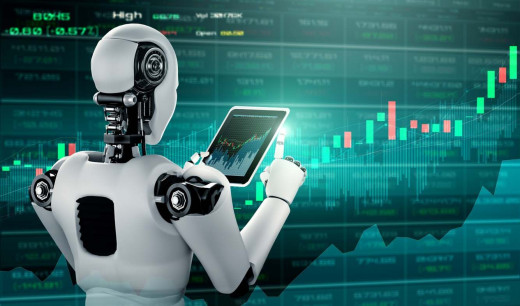
Welcome to the exciting world of trading, where technology is reshaping the landscape like never before! With each passing day, new technological advancements are revolutionizing the way we trade and invest. From big data analytics to artificial intelligence (AI) and blockchain technology, traders now have access to a wealth of tools that were once unimaginable.
In this blog post, we will explore some of the most impactful technology trends that are transforming the trading industry. Whether you're an experienced trader looking for insights or a curious beginner eager to learn more about these cutting-edge developments, this article will provide you with valuable knowledge and inspiration.So fasten your seatbelts as we dive into a world where innovation meets opportunity – let's explore the game-changing technologies shaping modern trading!
Big Data and Machine Learning in Trading
Big data and machine learning have revolutionized the world of trading, providing traders with unprecedented opportunities to analyze vast amounts of information and make informed decisions. With access to real-time market data and historical trends, traders can now identify patterns and predict market movements like never before.
By harnessing the power of big data, traders can gain insights into customer behavior, market sentiment, and economic indicators that were previously difficult to obtain. Machine learning algorithms are then applied to this data to automatically detect patterns and generate trading strategies based on statistical models.
These advanced technologies enable traders to make faster, more accurate decisions by removing human biases and emotions from the equation. By analyzing massive datasets in real-time, machine learning algorithms can quickly identify profitable trading opportunities or potential risks.
Furthermore, big data analytics combined with machine learning can also help automate routine tasks such as portfolio management or risk assessment. This allows traders to focus their time and energy on developing innovative strategies rather than getting bogged down in manual processes.
Big data and machine learning are transforming the way trading is conducted by providing powerful tools for analysis, prediction, automation, and decision-making. As these technologies continue to evolve at a rapid pace, we can expect even greater advancements in the field of trading in the future.
AI-based Trading Platforms
AI-based trading platforms are revolutionizing the way trades are executed in financial markets. These platforms leverage artificial intelligence algorithms to analyze vast amounts of data and make real-time trading decisions.
One key advantage of AI-based trading platforms is their ability to process large volumes of data at incredible speeds, enabling traders to identify patterns and trends that would be virtually impossible for humans alone. By using machine learning techniques, these platforms can continuously improve their performance by adapting to changing market conditions.
Furthermore, AI-based trading platforms eliminate human emotions from the decision-making process. Emotions like fear and greed often cloud judgment and lead to irrational investment decisions. With AI at the helm, trades are executed based solely on objective criteria derived from extensive historical data analysis.
Another benefit of AI-based trading platforms is their ability to automate trade execution. This means that once a set of predefined rules or strategies has been established, the platform will execute trades automatically without requiring constant monitoring or intervention from a human trader.
In addition, these platforms can also provide valuable insights through sophisticated analytics tools. They can generate detailed reports on portfolio performance, risk management, and potential opportunities for optimization.
AI-based trading platforms have transformed the landscape of financial markets by offering speed, accuracy, objectivity, automation,and advanced analytical capabilities that were previously unimaginable. As technology continues to advance rapidly in this field,the future holds even more promise for further advancements in AI-driven automated trading systems.
Blockchain in Trading
Blockchain technology has been making waves across various industries, and trading is no exception. Its decentralized nature and ability to securely record transactions have the potential to revolutionize the way trading is conducted.
One of the key benefits of blockchain in trading is increased transparency.
By utilizing a distributed ledger, all participants in a trade can view and verify transaction details in real-time. This eliminates the need for intermediaries and reduces counterparty risk.Another advantage is improved efficiency. Blockchain-based systems can automate processes such as settlement, reducing the time it takes to complete trades. Additionally, smart contracts can be utilized to automatically execute predefined conditions based on predetermined rules.
Security is also enhanced with blockchain technology. The tamper-proof nature of blockchain ensures that trade data cannot be altered or manipulated once recorded on the ledger. This provides a high level of trust and reliability in trading transactions.Moreover, blockchain enables greater accessibility for smaller investors by removing barriers to entry typically associated with traditional trading platforms. With lower fees and fewer restrictions, individuals from all walks of life can participate in global markets through tokenized assets.
Blockchain has immense potential to transform the world of trading by bringing transparency, efficiency, security, and accessibility to market participants. As this technology continues to evolve and gain acceptance within regulatory frameworks, we are likely just scratching the surface of its possibilities in reshaping how we buy and sell financial assets
Cloud-based Trading Infrastructure
Cloud-based trading infrastructure has revolutionized the way traders operate in the financial markets. By leveraging the power and scalability of cloud computing, traders can access their data and execute trades from anywhere in the world, at any time.
One of the key benefits of cloud-based trading is its ability to handle massive amounts of data in real-time. Traders can analyze market trends, perform backtesting, and execute complex algorithms without worrying about storage limitations or processing power. This enables them to make more informed decisions and react quickly to changing market conditions.
Furthermore, cloud-based trading infrastructure offers enhanced security measures compared to traditional on-premises systems. With data encryption, multi-factor authentication, and regular backups, traders can have peace of mind knowing that their sensitive information is protected from cyber threats.
Another advantage of cloud-based trading infrastructure is its cost-effectiveness. Instead of investing in expensive hardware and software licenses upfront, traders only pay for what they use on a subscription basis. This allows smaller players to compete with larger institutions by leveling the playing field.
Moreover, cloud-based solutions provide seamless integration with other technologies such as artificial intelligence (AI) and big data analytics. Traders can leverage AI algorithms to identify patterns or anomalies in market data that would be difficult for human traders alone to detect. Additionally, big data analytics enable traders to gain valuable insights into market sentiment and behavior.
In summary, cloud-based trading infrastructure has transformed the way trades are conducted by providing accessibility, scalability, security measures along with cost-effectiveness while integrating seamlessly with other cutting-edge technologies like AI and big data analytics.
The Role of Social Media in Trading
The role of social media in trading has become increasingly significant in recent years. With millions of users sharing information and opinions on various platforms, it has created a new avenue for traders to gather insights and make informed decisions.
One way social media is shaping trading is through sentiment analysis. By analyzing the sentiment expressed by users regarding specific stocks or markets, traders can gauge market sentiment and potential trends. This can provide valuable insights when making investment decisions.
Additionally, social media allows for real-time news dissemination. Traders no longer have to rely solely on traditional news sources; they can receive updates instantly from various social media platforms. This enables them to react quickly to breaking news that may impact their trades.Furthermore, social media provides a platform for traders to connect with each other and share ideas. Online communities focused on trading have emerged where individuals can discuss strategies, share tips, and learn from one another's experiences.
However, it is important for traders to exercise caution when using social media as a source of information. The abundance of misinformation and fake news circulating online makes it crucial for traders to verify the credibility of their sources before making any decisions based on the information obtained from social media platforms.
Social media plays an influential role in transforming the trading landscape by providing access to real-time information, facilitating sentiment analysis, and fostering collaboration among traders. As technology continues to evolve, we can expect further integration between social media and trading practices in the future.
The Future of Trading
The future of trading is an exciting and dynamic landscape that continues to evolve with emerging technologies. One key trend that is expected to shape the future of trading is the increasing use of artificial intelligence (AI) and machine learning algorithms. These advanced technologies have the potential to analyze vast amounts of data in real-time, helping traders make more informed decisions.
Another important development on the horizon is the integration of blockchain technology into trading systems. Blockchain offers transparent and secure transactions, reducing intermediaries and streamlining processes. This can lead to greater efficiency, lower costs, and increased trust among traders.Cloud-based trading infrastructure is also set to revolutionize how trades are conducted. By leveraging cloud computing power, traders can access their accounts from anywhere in the world, enabling faster execution times and improved flexibility.
In addition to these technological advancements, social media platforms are playing an increasingly prominent role in trading. Traders are using social media networks for market research, sentiment analysis, and even executing trades directly through social platforms.
Looking ahead, we can expect further innovations such as quantum computing and virtual reality (VR) entering the realm of trading. Quantum computing has the potential to solve complex calculations at unprecedented speeds while VR could provide immersive experiences for traders.It's clear that technology will continue driving significant transformations in the field of trading. As new trends emerge and existing technologies mature, traders must adapt to stay competitive in this ever-evolving landscape.
In conclusion, in the fast-paced world of trading, technology continues to reshape and redefine the way we approach investments. From AI-powered algorithms that analyze market trends in real-time to blockchain-based platforms that ensure transparent transactions, these advancements have brought about a new era of efficiency and accessibility.
As we explored the various technology trends transforming trading, it's evident that staying ahead requires embracing innovation. Traders who leverage these tools gain an edge by making data-driven decisions with speed and precision. The ability to analyze vast amounts of information quickly is crucial when every second counts in volatile markets.
Furthermore, automation has streamlined processes, reducing human error and allowing traders to focus on strategic thinking rather than mundane tasks. With artificial intelligence at their disposal, investors can uncover hidden patterns, identify opportunities, and mitigate risks more effectively.
The democratization of trading is another significant impact of technological advancements. Mobile apps make it possible for individuals from all walks of life to access global markets at any time. This level playing field allows retail investors to compete alongside institutional players like never before.
Breakout Trading Strategies That Deliver Results

Breakout Trading Strategies That Deliver Results
Welcome to the exciting world of breakout trading! If you're a trader looking for strategies that can deliver impressive results, then this blog post is tailor-made for you. Breakout trading is a popular approach that allows traders to capitalize on sudden price movements and potentially profit from market volatility.
In this article, we will delve into what breakout trading entails, explore its benefits, and uncover effective strategies that can help you navigate the markets with confidence. So buckle up and get ready to discover the thrilling world of breakout trading!
What is Breakout Trading?
What is breakout trading? It's a popular trading strategy used by investors to capitalize on the potential profits that can occur when price levels "break out" of established ranges or patterns. In simple terms, it involves identifying key levels of support and resistance, and then buying or selling when the price breaks through these levels.
One of the main goals of breakout trading is to take advantage of strong market momentum. When a stock or other financial instrument breaks out from a range, it often indicates increased buying or selling pressure, which can lead to significant price movement in the direction of the breakout.Breakout traders typically use technical analysis tools such as trend lines, chart patterns, and indicators to identify potential breakouts. They look for signs of consolidation or sideways movement in the price action before a breakout occurs.
Once they've identified a potential breakout setup, traders will usually set entry orders above resistance (for long trades) or below support (for short trades). This allows them to enter positions automatically if and when the price moves decisively beyond these levels.
It's important for breakout traders to manage their risk effectively by setting stop-loss orders at appropriate levels. This helps protect against sudden reversals in price after a false breakout occurs.
Breakout trading can be an effective strategy for capturing profits during periods of market volatility. However, like any trading strategy, it carries risks and requires careful analysis and execution. Successful traders combine technical expertise with disciplined money management principles to increase their chances of success.
The Benefits of Breakout Trading
Breakout trading, a popular strategy in the world of financial markets, offers traders numerous benefits. One of the key advantages is the potential for significant profits. When a breakout occurs, it indicates that there is strong momentum in one direction, providing an opportunity to ride that wave and make substantial gains.
Another benefit of breakout trading is its simplicity. Unlike other complex trading strategies that require extensive technical analysis or fundamental research, breakouts can be identified relatively easily. Traders only need to identify key levels of support or resistance and wait for the price to break through those levels before entering a trade.
In addition to simplicity, breakout trading also offers flexibility. Traders can apply this strategy across various time frames and markets - from stocks and forex to commodities and cryptocurrencies. This versatility allows traders to take advantage of opportunities in different assets and adapt their approach based on market conditions.
Furthermore, breakout trading provides clear entry and exit signals. Once a breakout occurs and confirms a new trend direction, traders can enter trades with confidence knowing they have identified a potential profit opportunity. Additionally, stop-loss orders can be placed just below or above the breakout level to manage risk effectively.
Breakout trading allows traders to capitalize on volatility. Breakouts often occur during periods of increased market volatility when prices are more likely to move significantly in one direction. By taking advantage of these volatile moments, traders have the chance to capture larger moves and maximize their profits.
Overall, the benefits offered by breakout trading make it an attractive strategy for both novice and experienced traders alike. Its simplicity, flexibility across markets and time frames, clear entry/exit signals,and ability to capitalize on volatility all contribute t
How to Trade Breakouts
Breakout trading is a popular strategy among traders, as it allows them to take advantage of significant price moves in the market. But how exactly do you trade breakouts? Here are some key steps to follow when implementing breakout trading strategies.
It's important to identify potential breakout opportunities by analyzing price charts and looking for patterns such as triangles, rectangles, or channels. These patterns indicate periods of consolidation before a potential breakout occurs.
Once you've identified a potential breakout, the next step is to set your entry point. This can be done by placing an order just above the resistance level if you're anticipating an upside breakout or below the support level if you're expecting a downside breakout.
To manage risk effectively, it's crucial to determine your stop-loss level. This is typically placed below the support level for upside breakouts and above the resistance level for downside breakouts.
As the market starts moving in your favor after a breakout, consider adjusting your stop-loss orders accordingly to lock in profits and protect against potential reversals.
Have realistic expectations and be patient. Breakout trading may not always result in immediate gains but can deliver significant profits over time if executed correctly.
By following these steps and constantly refining your approach through practice and analysis, you can improve your chances of success with breakout trading strategies. Remember that each trade is unique, so adaptability and flexibility are key traits for successful traders.
Breakout Trading Strategies
One common breakout strategy is the "breakout pullback" approach. This involves waiting for a breakout to occur, then patiently waiting for a pullback in price before entering the trade. By doing so, traders aim to enter at more favorable prices while still riding the momentum of the initial breakout.
Another popular technique is trendline breakouts. Traders draw trend lines on their charts to identify areas where prices have been consistently moving higher or lower. When the price breaks through these trend lines, it can indicate a change in market sentiment and present opportunities for profitable trades.
It's worth noting that breakout trading does come with its own set of risks and challenges. False breakouts can occur where prices briefly break out but quickly reverse back into their previous range. Additionally, timing entries and exits correctly can be challenging as markets can be volatile during periods of high activity.
To successfully trade breakouts, patience and discipline are key qualities to possess as you wait for clear confirmation signals before entering positions. It's also important to manage risk by setting stop-loss orders at appropriate levels.
In conclusion, breakout trading is a powerful strategy that can deliver impressive results for traders. By identifying key levels of support and resistance and waiting for a breakout to occur, traders can capitalize on significant price movements. Whether you're an experienced trader looking to refine your approach or a beginner seeking new strategies, breakout trading can be a valuable addition to your arsenal.
Remember, successful breakout trading requires discipline, patience, and careful analysis. It's essential to properly identify breakouts and confirm them with supporting indicators or patterns before executing trades. Additionally, risk management should always be prioritized to protect against potential losses.
As with any trading strategy, it's important to practice proper risk management techniques and continually educate yourself about the markets. The more knowledge and experience you gain in breakout trading strategies, the better equipped you'll be to make informed decisions.
Breakout trading offers an exciting opportunity for traders to profit from significant price moves in the market. By understanding what constitutes a valid breakout signal and implementing effective strategies tailored to different market conditions, you can increase your chances of success in this dynamic field.
Remember: Breakout trading may not necessarily guarantee profits every time but when executed correctly by following sound analysis techniques; it has the potential for substantial gains! So keep learning, practicing, and refining your skills as a breakout trader – who knows what opportunities await you in the ever-changing world of financial markets!
Trading on the News: Navigating Market Volatility

Trading on the News: Navigating Market Volatility
Welcome to the exciting world of trading! If you've been keeping an eye on the financial markets, you know that they can be as unpredictable as a summer thunderstorm. One minute, prices are soaring, and the next, they're plummeting faster than a rollercoaster ride. This wild fluctuation is what we call market volatility - the adrenaline rush that keeps traders on their toes and makes every day in this industry an exhilarating adventure.
But what exactly causes this market volatility? Why do prices go haywire at times? And most importantly, how can you navigate these choppy waters to make profitable trades? In this blog post, we'll dive into all of these questions and more. So fasten your seatbelts and get ready to ride the waves of market volatility like a pro trader!
What is Market Volatility?
Market volatility refers to the rapid and significant price fluctuations in financial markets. It's like a rollercoaster ride for traders, with prices swinging up and down within short periods of time. This phenomenon can occur in various assets such as stocks, bonds, commodities, or currencies.
Volatility is often measured by statistical indicators like standard deviation or beta. When these indicators are high, it signifies that prices are experiencing larger swings and greater uncertainty. On the other hand, when volatility is low, prices tend to be more stable.
There are several factors that contribute to market volatility. Economic news releases, geopolitical events, investor sentiment, and even unexpected natural disasters can all play a role in shaking up the markets. Additionally, changes in interest rates or government policies can also trigger volatility as they impact investors' expectations about future economic conditions.
While market volatility may sound intimidating to some traders, it actually presents opportunities for those who know how to navigate it effectively. Volatile markets provide ample chances for profit by capitalizing on price movements during both upward and downward trends.
However, it's important to remember that trading during volatile times comes with heightened risks.One wrong move could result in substantial losses if you aren't prepared.
In order to successfully manage risk while trading on volatile news, you must have a solid understanding of risk management techniques.
This includes setting stop-loss orders, taking smaller position sizes, and diversifying your portfolio across different asset classes.
Additionally, staying updated on current events through news sources, wire services, and social media platforms will help you stay ahead of potential market-moving developments.
Navigating market volatility requires discipline, patience, and adaptability.Successful traders carefully analyze charts, trends, and patterns.They keep emotions at bay and stick to their well-defined strategies.They understand that investing involves both gains and losses.It’s crucial not only to identify profitable opportunities but also accept when trades don’t go according to plan.By staying focused, researched, and disciplined, traders can make informed decisions and ride the waves of market volatility with confidence.
What Causes Market Volatility?
One of the key factors that contribute to market volatility is economic data. When important economic indicators, such as GDP growth, employment figures, or inflation rates are released, it can have a significant impact on the financial markets. Investors closely analyze this data and make trading decisions based on their interpretation of its implications for various assets.
Market sentiment also plays a crucial role in causing volatility. Uncertainty about political events or geopolitical tensions can create fear and panic among investors, leading to sharp price fluctuations. Additionally, unexpected news events like natural disasters or terrorist attacks can disrupt markets and cause increased volatility.
Changes in interest rates by central banks are another major driver of market volatility. When central banks raise interest rates to control inflation or stimulate economic growth, it can affect borrowing costs and investor behavior across different sectors.
Furthermore, corporate earnings reports and guidance from companies can significantly impact stock prices. Positive earnings surprises often result in price increases while negative surprises lead to declines.
External factors such as changes in global commodity prices or exchange rates can influence market volatility as well. Fluctuations in oil prices or currency valuations can have broad implications for different industries and countries around the world.
Understanding what causes market volatility is essential for traders looking to navigate turbulent markets successfully. By staying informed about these underlying drivers and their potential impacts on different asset classes, traders can better position themselves to take advantage of opportunities while managing risk effectively.
How to Trade on the News
Trading on the news can be an exciting and potentially profitable strategy for traders looking to capitalize on market volatility. By staying informed about current events and economic data, traders can identify trading opportunities that arise from significant news releases.
One key aspect of trading on the news is being able to react quickly to breaking headlines. This requires having access to real-time news feeds and utilizing technology that allows for fast execution of trades. It's important to have a plan in place before entering a trade, including setting clear entry and exit points, as well as stop-loss orders to manage risk.
Another important consideration when trading on the news is understanding how different markets may react to specific types of news. For example, certain economic indicators like unemployment rates or inflation data can have a significant impact on currency markets. Similarly, earnings reports or product announcements may lead to large moves in individual stocks.
Risk management is crucial when trading on the news, as market volatility can increase during these periods. Traders should always use proper position sizing techniques and set appropriate stop-loss levels to protect against potential losses. Additionally, it's important not to overtrade or chase after every piece of breaking news – focus on high-probability setups that align with your overall trading strategy.
Successfully trading on the news requires staying informed about current events while also maintaining discipline and managing risk effectively. By understanding how different markets may react to various types of news and implementing sound risk management practices, traders can navigate market volatility and potentially profit from these unique opportunities.
Identifying Opportunities During Volatile Markets
During periods of market volatility, it's natural for investors to feel anxious and uncertain about how to navigate the turbulent waters. However, volatile markets can also present unique opportunities for those who are able to identify them.
One way to identify opportunities during volatile markets is by keeping a close eye on the news. News events can have a significant impact on market movements, so staying informed about current events and their potential implications for various industries can help you spot trends and make informed investment decisions.
Another strategy is to look for stocks or sectors that have been disproportionately affected by the volatility. While some companies may be struggling during turbulent times, others may be better positioned to weather the storm or even thrive in uncertain conditions. By conducting thorough research and analysis, you can pinpoint these potentially undervalued assets and capitalize on their recovery when market conditions stabilize.
Additionally, monitoring technical indicators such as price patterns and volume levels can help you identify potential entry or exit points during volatile markets. These indicators provide valuable insights into market sentiment and can assist in timing your trades more effectively.
It's important to note that identifying opportunities in volatile markets requires a disciplined approach and careful risk management. Diversification across different asset classes, setting stop-loss orders, and being prepared for unexpected outcomes are all crucial elements of managing risk during periods of heightened uncertainty.
While investing in volatile markets may seem daunting at first glance, there are indeed opportunities waiting to be discovered. By staying informed about current events, conducting thorough research, monitoring technical indicators, and practicing sound risk management strategies; investors can position themselves advantageously amidst the turbulence of market volatility. Remember: with opportunity comes great responsibility - so tread carefully!
Managing Risk During Volatile Markets
Managing risk during volatile markets is crucial for traders looking to navigate the ups and downs of the market. Volatility can create both opportunities and risks, so it's important to have a strategy in place to manage potential losses.
One way to manage risk is by setting stop-loss orders. These orders automatically sell an asset when its price reaches a certain level, helping to limit potential losses. By setting these orders at strategic levels, traders can protect themselves from significant downturns while still allowing for some flexibility in their positions.
Another strategy for managing risk is diversification. Instead of putting all your eggs in one basket, spread out your investments across different assets or sectors. This helps reduce the impact of any single investment on your overall portfolio if there are sudden market swings.
Additionally, staying informed and keeping up with news and events that may affect the market can help you make more informed decisions about your trades. Economic indicators, earnings reports, political developments – all of these factors can contribute to market volatility and should be taken into consideration when deciding how much risk exposure you're comfortable with.
Consider using hedging strategies such as options or futures contracts. These instruments allow you to protect against potential downside moves by taking opposite positions in the market. While they do come with their own complexities and costs, they offer a way for traders to mitigate some of the risks associated with volatile markets.
Managing risk during volatile markets requires careful planning and execution. Setting stop-loss orders, diversifying your investments, staying informed about relevant news events, and considering hedging strategies are all ways that traders can protect themselves from excessive losses while still participating in potentially profitable opportunities presented by market volatility.
Breaking Barriers with Biotechnology: Advancements in Healthcare

Breaking Barriers with Biotechnology: Advancements in Healthcare
Unleashing the power of science to transform lives, biotechnology has emerged as a groundbreaking field that is revolutionizing healthcare in ways we never thought possible. From decoding our DNA to developing life-saving therapies, biotechnology is breaking barriers and opening doors to new possibilities.
In this blog post, we will delve into the world of biotechnology and explore its applications in healthcare, current and future trends, ethical considerations, and ultimately understand how it is shaping the future of medicine. So buckle up and get ready for an exciting journey through the realm of biotech!
What is Biotechnology?
Biotechnology, simply put, is the fusion of biology and technology to develop innovative solutions that enhance our understanding of living organisms and improve human health. It involves harnessing the power of scientific techniques to manipulate biological systems at a molecular level.
At its core, biotechnology encompasses a wide range of disciplines such as genetics, biochemistry, microbiology, and engineering. This interdisciplinary approach allows scientists to explore the intricacies of life itself – from studying DNA sequences to engineering proteins.
One key aspect of biotechnology lies in genetic engineering. By manipulating genes or introducing new ones into an organism's genome, scientists can create genetically modified organisms (GMOs) with desired traits or produce therapeutic proteins like insulin for diabetes management.
Another crucial application is in diagnostics. Biotechnological tools enable precise identification and monitoring of diseases by detecting specific biomarkers in blood samples or tissue specimens. This has revolutionized disease detection and has led to earlier intervention and improved patient outcomes.
Moreover, biotechnology plays a pivotal role in drug development.
Through extensive research and experimentation using advanced technologies like high-throughput screening and computer modeling, scientists can identify potential drug targets more efficiently than ever before. This accelerates the discovery process by narrowing down options for further investigation while reducing costs associated with traditional trial-and-error approaches.
In essence, biotechnology serves as a catalyst for innovation within healthcare by providing us with powerful tools to unravel the mysteries hidden within our own bodies. It opens up endless possibilities for personalized medicine tailored specifically to each individual's unique genetic makeup – leading us towards a future where treatments are not only effective but also closely aligned with patients' needs.
Applications of Biotechnology in Healthcare
Biotechnology has revolutionized the healthcare industry with its wide range of applications. From diagnosing diseases to developing new treatments, biotechnology is breaking barriers and improving patient outcomes.
One major application of biotechnology in healthcare is genetic engineering. Scientists can manipulate genes to produce proteins that are essential for treating various diseases. This technique has paved the way for the development of innovative therapies like gene therapy and personalized medicine.
Another significant application is the production of therapeutic drugs using biotechnological techniques. Through recombinant DNA technology, scientists can create genetically modified organisms that produce large quantities of specific proteins used as therapeutic agents. These drugs have transformed the treatment landscape by targeting specific disease-causing molecules, leading to more effective and targeted therapies.
Biotechnology also plays a crucial role in diagnostics. Techniques like polymerase chain reaction (PCR) allow rapid and accurate detection of pathogens like viruses or bacteria present in a patient's body. Additionally, advancements in biotechnology have led to the development of diagnostic tools such as genetic testing kits for identifying inherited disorders or predispositions to certain diseases.
Moreover, biotech innovations have greatly enhanced vaccine development processes. Through genetic engineering techniques, vaccines can be produced faster and more efficiently than traditional methods. This has proven invaluable during global pandemics by enabling swift production and distribution of life-saving vaccines.
Furthermore, biotechnology contributes significantly to regenerative medicine and tissue engineering. Stem cell research offers hope for repairing damaged tissues or organs by encouraging their natural regeneration capacity or through transplantation approaches.
The applications of biotechnology in healthcare are vast and diverse – from genetics to drug development, diagnostics to vaccine production, and regenerative medicine to tissue engineering. The ongoing advancements continue pushing boundaries within healthcare while promising better treatments for patients worldwide.
Current and Future Trends in Biotechnology
Biotechnology has come a long way, revolutionizing healthcare and opening up new possibilities for the future. From genetic engineering to stem cell therapy, advancements in biotechnology continue to break barriers and transform the medical landscape.
One of the current trends in biotechnology is personalized medicine. With advancements in DNA sequencing technology, doctors can now analyze an individual's genetic makeup to tailor treatments specifically for them. This targeted approach ensures better outcomes and reduces the risk of adverse reactions.
Another exciting trend is the development of gene editing techniques such as CRISPR-Cas9. This revolutionary technology allows scientists to modify genes with precision, offering potential cures for various genetic disorders. The ability to edit our own DNA brings hope for eradicating inherited diseases once considered untreatable.
In addition to personalized medicine and gene editing, regenerative medicine is also gaining momentum. Scientists are exploring ways to harness the power of cells and tissues to repair damaged organs or even grow new ones entirely. Imagine a future where we can simply regenerate a failing heart or replace diseased tissue with healthy alternatives!
Nanotechnology is another field that holds great promise for the future of biotech healthcare. By manipulating matter at its smallest scale - at nanometer levels - researchers are developing innovative drug delivery systems that can target specific cells or regions within our bodies more effectively than ever before.
The integration of artificial intelligence (AI) into biotechnology processes is yet another trend shaping the future landscape of healthcare. AI algorithms help analyze vast amounts of data quickly, enabling scientists and clinicians to make better diagnoses, predict disease progression, develop drugs faster, and improve patient care overall.
As we look ahead, it's clear that biotechnology will continue pushing boundaries in healthcare innovation. From 3D-printed organs to wearable biosensors monitoring our health in real-time – there seems no limit on what this rapidly evolving field can achieve! The ongoing advancements bring us hope for a healthier and more prosperous future, where diseases are conquered, and better
Ethical Considerations of Biotechnology
When it comes to the field of biotechnology and its applications in healthcare, there are several ethical considerations that need to be taken into account. One of the main concerns is the issue of privacy and confidentiality. As biotechnological advancements continue to grow, so does the amount of personal data that is being collected. This raises questions about who has access to this information and how it is used.
Another important ethical consideration is the potential for genetic discrimination. With advances in gene editing technologies, scientists now have the ability to alter or remove specific genes associated with certain diseases or conditions. While this brings hope for treating and preventing genetic disorders, it also opens up possibilities for discrimination based on an individual's genetic makeup.
Additionally, there are concerns surrounding consent and informed decision making. When participating in biotechnological research or procedures, individuals should have a clear understanding of what they are consenting to and how their data will be used. Informed consent ensures that individuals maintain autonomy over their own bodies and medical information.
Furthermore, socioeconomic disparities can arise from advancements in biotechnology if access to these treatments becomes limited due to cost or availability. It's crucial that these innovations reach all populations equally so as not to further widen existing health inequalities.
There is an ongoing debate about whether certain types of biotechnological interventions should be allowed at all. For example, some argue that altering germline cells (those passed down from generation to generation) raises moral questions regarding changing future generations' traits without their consent.
These ethical considerations highlight the importance of careful regulation and thoughtful dialogue surrounding developments in biotechnology. By addressing these issues head-on, we can ensure that progress in healthcare remains both innovative and ethically responsible.
The Impact of Biotechnology on Healthcare
The impact of biotechnology on healthcare has been nothing short of revolutionary. With the advancements in this field, we have seen groundbreaking breakthroughs that were once unimaginable. From personalized medicine to gene therapy, biotechnology has transformed how we approach and treat diseases.
One significant impact of biotechnology is the development of targeted therapies. By examining an individual's genetic makeup, scientists can identify specific genes or proteins that are related to a disease. This knowledge allows for the creation of drugs that specifically target these molecules, resulting in more effective and tailored treatments.
Another area where biotechnology has made a substantial impact is in diagnostics. Through techniques like DNA sequencing and molecular imaging, healthcare professionals can now detect diseases at much earlier stages than ever before. This early detection enables prompt intervention and treatment strategies, ultimately increasing survival rates and improving patient outcomes.
Furthermore, the integration of biotechnology into healthcare has also led to improved drug discovery processes. With advanced screening methods and computer modeling techniques, scientists can expedite the identification of potential drug candidates while reducing costs associated with traditional trial-and-error approaches.
In addition to these direct impacts on patient care, biotechnology has also revolutionized medical research. The ability to manipulate genes and study cells at a molecular level provides researchers with invaluable insights into disease mechanisms. These advances not only deepen our understanding but also pave the way for future innovations in prevention and treatment strategies.
It is evident that biotechnology's impact on healthcare cannot be overstated. It continues to push boundaries and break down barriers by providing novel solutions to complex medical challenges. As technology progresses further, we can expect even more remarkable advancements that will continue transforming our approach towards health and well-being.
In conclusion, in this exhilarating exploration of biotechnology's advancements in healthcare, we have witnessed the incredible power of science to break barriers and push boundaries. From unravelling the mysteries of our genetic code to developing innovative diagnostic tools and life-saving therapies, biotechnology is transforming how we understand and tackle diseases.
The field of genetics has undergone a revolution with the development of gene-editing technologies like CRISPR-Cas9. These breakthroughs hold immense promise for treating genetic disorders by correcting faulty genes at their source. The potential for personalized medicine tailored to an individual's unique genetic makeup is now within reach.
Diagnostics have also seen remarkable progress through biotechnology. Liquid biopsy, for instance, offers a non-invasive way to detect cancer and monitor its progression using blood samples instead of invasive procedures. This opens up new avenues for early detection and more effective treatment strategies.
In therapeutics, biotech innovations are providing hope for previously untreatable conditions. Monoclonal antibodies offer targeted therapies that can block specific molecules involved in disease processes, leading to improved outcomes for patients with conditions such as cancer or autoimmune diseases.
Regenerative medicine takes us even further into the realm of possibility by harnessing the body's own regenerative capabilities. Stem cell therapy holds tremendous potential for repairing damaged tissues or organs, offering renewed hope to those living with chronic illnesses or injuries.
As we conclude this journey through the advancements made possible by biotechnology in healthcare, it becomes clear that we are on the cusp of transformative change. With each new discovery comes endless possibilities – possibilities that were once unimaginable but are now becoming reality thanks to brilliant minds pushing past limitations in pursuit of better health outcomes.
Through breaking barriers with biotechnology, we have unlocked doors leading towards a future where diseases can be conquered and lives can be saved. It is an exciting time indeed – one filled with anticipation as scientists continue their tireless efforts towards improving human well-being through innovation and discovery. So, let us embrace this era of biotechnology and all the promise.
Drones Taking Flight - Unleashing Their Potential Across Industries

Drones Taking Flight - Unleashing Their Potential Across Industries
Drones, once considered a futuristic concept straight out of science fiction movies, are now taking flight and revolutionizing industries across the globe.
These unmanned aerial vehicles have quickly become an indispensable tool in various fields, from agriculture to filmmaking to delivery services. With their ability to navigate through even the most challenging terrains and capture high-quality images and data, drones are unleashing their potential like never before.
In this blog post, we will explore the different types of drones and how they are being utilized across industries. So fasten your seatbelts (or propellers!), because we're about to take off into the exciting world of drone technology!
Types of Drones
Drones come in all shapes and sizes, each tailored to serve different purposes. From compact quadcopters to large fixed-wing aircraft, there is a wide variety of drone types available on the market today.
One popular type is the quadcopter, which features four rotors arranged in a square formation. These drones are highly maneuverable and can hover in place, making them ideal for tasks such as aerial photography or videography. They are also commonly used for recreational purposes.
Another type of drone is the fixed-wing aircraft. Unlike quadcopters, these drones have wings that enable them to fly like airplanes. Fixed-wing drones are capable of covering long distances and staying airborne for extended periods of time, making them suitable for tasks such as surveying large areas or monitoring wildlife populations.
Additionally, there are hybrid drones that combine elements from both quadcopters and fixed-wing aircraft. These versatile machines can take off vertically like a quadcopter but then transition into forward flight mode like an airplane.
We have nano-drones which are small enough to fit in the palm of your hand. Despite their size, they still pack impressive capabilities and can be used for various purposes including indoor surveillance or search-and-rescue missions.
With advancements in technology continuing at a rapid pace, we can expect even more specialized types of drones to emerge in the future. From underwater drones to solar-powered ones - the possibilities seem endless! Exciting times lie ahead as these flying marvels continue to revolutionize industries across the board with their efficiency and versatility.
How Drones are Being Used Across Industries
Drones are revolutionizing industries across the board, offering innovative solutions and transformative possibilities. Their versatility and capabilities have made them indispensable in various sectors, from agriculture to construction.
In agriculture, drones are being used for crop monitoring and management. With high-resolution cameras and sensors, they can capture detailed images of fields, helping farmers identify areas that need attention. Drones also enable precision spraying of fertilizers or pesticides, reducing waste and ensuring targeted application.
The construction industry is another sector benefiting greatly from drone technology. Drones equipped with cameras provide aerial surveys of construction sites, allowing project managers to monitor progress more efficiently. They can also help inspect hard-to-reach areas such as roofs or tall structures without putting workers at risk.
In the field of filmmaking and photography, drones have opened up a whole new world of creative possibilities. They allow filmmakers to capture stunning aerial shots that were previously only possible with expensive helicopter rentals. Photographers can now easily take breathtaking images from unique perspectives.
Search and rescue missions have significantly improved with the use of drones. Equipped with thermal imaging cameras, these unmanned aircraft can quickly locate missing persons even in challenging terrains or during natural disasters.
These examples merely scratch the surface when it comes to how drones are being utilized across industries today. From package delivery to infrastructure inspection, their potential seems limitless as companies continue to explore new applications for this cutting-edge technology.
The Future of Drones
The future of drones holds immense potential and promises to revolutionize various industries. As technology continues to advance at a rapid pace, we can expect drones to become even more sophisticated and versatile.
One area where drones are expected to make significant advancements is in the delivery industry. Imagine ordering something online and having it delivered right to your doorstep within minutes by a drone! This could greatly improve efficiency and convenience for consumers while reducing traffic congestion on the roads.
In agriculture, drones have already proven their worth in crop monitoring and spraying pesticides. However, researchers are now exploring ways to further enhance their capabilities. For example, they may be equipped with advanced sensors that can detect plant diseases or nutrient deficiencies in real-time, enabling farmers to take immediate action.
Another exciting development is the use of drones in disaster management and search-and-rescue operations. These unmanned aerial vehicles can quickly reach areas that are inaccessible or too dangerous for humans, providing crucial assistance during emergencies.
Furthermore, the entertainment industry is also embracing drone technology. Drones equipped with high-definition cameras can capture breathtaking aerial shots for movies or sporting events, offering viewers a whole new perspective.
As regulations evolve and safety concerns are addressed, we may see an increase in personal use of drones as well. From capturing stunning photographs from above to recreational racing competitions, individuals will have endless opportunities for exploration and creativity with these flying machines.
In summary, the future of drones appears promising as they continue to push boundaries across various sectors. With ongoing technological advancements and innovative applications being discovered every day, it's only a matter of time before we witness even more incredible uses for these unmanned aircraft systems
In conclusion, drones have truly taken flight and are revolutionizing various industries in ways we never thought possible. From agriculture to construction, from photography to package delivery, these unmanned aerial vehicles have proven their potential for innovation and efficiency.
As technology continues to advance, we can only expect drones to become even more advanced and capable. With improvements in battery life, obstacle avoidance systems, and artificial intelligence integration, the possibilities are endless.
However, it is important to note that along with their immense benefits come ethical considerations and regulatory challenges. Privacy concerns and airspace regulations need careful attention as drones become more prevalent in our daily lives.
Drones have already made a significant impact across industries by providing solutions that were once considered impossible or highly costly. As we move forward into the future, it will be fascinating to see how these versatile devices continue to evolve and shape our world for the better. So fasten your seatbelts because the drone revolution is just getting started!
Environmental Innovation - How Technology is Saving our Planet

Environmental Innovation - How Technology is Saving our Planet
Welcome to our blog post on environmental innovation and how technology is playing a crucial role in saving our planet!
In today's fast-paced world, it has become more important than ever to find sustainable solutions that can protect and preserve the Earth for future generations.
Thankfully, advancements in green technology have paved the way for remarkable innovations across various sectors, from renewable energy to waste reduction and sustainable agriculture. Join us as we explore these exciting developments and learn how they are making a positive impact on our environment. Get ready to be inspired by the incredible ways technology is helping us create a greener, cleaner future!
Overview of Environmental Innovation
Environmental innovation refers to the creation and implementation of new technologies, practices, and solutions that aim to mitigate the negative impact of human activities on the environment. It encompasses a wide range of fields including energy, waste management, transportation, agriculture, and more.
One key aspect of environmental innovation is green technology. This term refers to any technology that is designed with minimal or no harm to the environment in mind. Green technologies focus on reducing carbon emissions, conserving natural resources, and promoting sustainable development. From solar panels and wind turbines to electric vehicles and energy-efficient appliances - these innovations are reshaping industries worldwide.
Renewable energy is another vital component of environmental innovation. As we strive towards a cleaner future, renewable sources such as solar power, wind energy, hydropower, geothermal energy are gaining prominence. These sources provide clean electricity while minimizing greenhouse gas emissions compared to fossil fuels.
Reducing waste is yet another area where innovative solutions are making a difference. Recycling programs have become widespread across many communities globally as a means to divert waste from landfills and promote resource conservation. Additionally,
technologies like composting systems help turn organic waste into nutrient-rich soil amendments rather than sending them off for disposal.
Sustainable agriculture also plays a significant role in environmental innovation by focusing on methods that minimize chemical inputs while maximizing crop yields using eco-friendly techniques such as organic farming and precision agriculture.
Green Technology: Paving the Way to a Sustainable Future
As our world grapples with the challenges of climate change and environmental degradation, there is an increasing need for innovative solutions that can help us build a more sustainable future. One such solution is green technology.
Green technology, also known as clean technology or eco-friendly technology, refers to the development and application of products, services, and processes that are designed to have minimal negative impact on the environment. It encompasses a wide range of fields including energy production, transportation, construction, waste management, and more.
In recent years, we have witnessed remarkable advancements in green technology. Renewable energy sources such as solar power and wind power have become increasingly accessible and affordable. These technologies harness the natural resources available to us without depleting them or emitting harmful greenhouse gases into the atmosphere.
Another area where green technology has made significant strides is in transportation. Electric vehicles (EVs) are becoming more prevalent on our roads as they offer a cleaner alternative to traditional gasoline-powered cars. EVs not only reduce carbon emissions but also contribute towards improving air quality in urban areas.
The construction industry has also embraced green technology through sustainable building practices. Energy-efficient designs combined with smart systems enable buildings to consume less energy while maintaining comfortable living conditions for occupants.
Waste management is another critical aspect where green technology plays a vital role. Recycling initiatives supported by advanced sorting technologies allow us to repurpose materials instead of sending them to landfills. Additionally, innovations in waste-to-energy conversion help generate electricity from organic waste while reducing methane emissions.
The potential benefits of embracing green technology are vast - reduced carbon emissions leading to slowing down climate change; improved air quality resulting in better health outcomes; conservation of natural resources ensuring their availability for future generations; job creation through new industries focused on sustainability; and increased resilience against environmental disasters.
However, it's important to acknowledge that adopting these technologies alone will not solve all our environmental challenges. A holistic approach involving policy changes, education, and individual responsibility is crucial
Renewable Energy
The world is facing a pressing challenge: how to meet our energy needs while reducing our impact on the environment. One solution that has gained significant momentum in recent years is renewable energy. Renewable energy sources, such as solar, wind, and hydro power, offer a sustainable alternative to fossil fuels.
Solar power harnesses the sun's rays to generate electricity through photovoltaic panels or solar thermal systems. With advancements in technology and decreasing costs, solar power is becoming an increasingly viable option for homeowners and businesses alike. In fact, many countries are now investing heavily in large-scale solar farms to meet their energy demands.
Wind power involves converting the kinetic energy of wind into electrical energy using turbines. Wind farms can be found across the globe, generating clean and abundant electricity without contributing to greenhouse gas emissions or air pollution.
Hydroelectric power utilizes flowing water from rivers or reservoirs to drive turbines and produce electricity. Hydropower plants provide a consistent source of renewable energy that can be scaled up or down depending on demand.
Another promising form of renewable energy is geothermal power which taps into the Earth's heat beneath its surface. Geothermal systems use hot water or steam from underground reservoirs to generate electricity or provide heating for buildings.
In addition to these well-known forms of renewable energy, there are also emerging technologies like tidal and wave power that harness the natural motion of oceans and seas.
By investing in renewable sources of energy, we can reduce our carbon footprint significantly while ensuring a sustainable future for generations to come. The continued development and adoption of these green technologies will play a crucial role in preserving our planet's resources.
Reducing Waste
One of the most significant challenges we face in our efforts to protect the environment is waste management. Traditional disposal methods, such as landfills and incineration, have a detrimental impact on our planet. Fortunately, innovative technologies are now being developed to help us reduce waste and create a more sustainable future.
One approach to reducing waste is through recycling initiatives. By turning used materials into new products, we can minimize the amount of waste that ends up in landfills. Many cities around the world have implemented comprehensive recycling programs that encourage residents to separate their recyclables from regular trash.
Another solution gaining traction is composting. Instead of throwing organic matter into landfills where it releases harmful gases like methane when decomposing, composting allows these materials to break down naturally and be reused as nutrient-rich soil for agriculture or gardening purposes.
Furthermore, advancements in packaging design are helping companies minimize unnecessary waste production. Lightweight and biodegradable packaging options not only reduce environmental impact but also lower transportation costs due to their lighter weight.
Additionally, digital innovations play a crucial role in reducing paper waste. With the rise of ebooks, online bill payment systems, and electronic document sharing platforms, we can significantly decrease our dependence on paper-based products.
Recycling
Recycling plays a crucial role in environmental innovation, as it helps reduce waste and conserve resources. By turning discarded materials into new products, recycling not only saves energy but also reduces the need for raw materials extraction. This process significantly lowers greenhouse gas emissions and decreases pollution levels.
One of the key benefits of recycling is its impact on reducing landfill waste. When items like plastic bottles or paper are recycled instead of being thrown away, they don't end up taking up space in landfills or incinerators. Landfills are not only unsightly but also emit harmful gases that contribute to climate change.
In addition to reducing waste, recycling also conserves natural resources. For example, when aluminum cans are recycled, it takes 95% less energy to produce new ones compared to using virgin materials. Similarly, recycling paper can save trees and water resources while reducing air pollution associated with paper production.
Another aspect of recycling that often goes unnoticed is its potential for job creation. Recycling programs require workers at various stages – from collection and sorting to processing and manufacturing industries that use recyclable materials as feedstock. These jobs help boost local economies while promoting sustainability.
To maximize the benefits of recycling even further, it's essential for individuals to participate actively by properly sorting their recyclables at home or work and supporting local recycling initiatives through community programs or businesses.By embracing the concept of "reduce, reuse, recycle," we can all play our part in protecting our planet's precious resources and building a more sustainable future for generations to come.
In conclusion, the development and adoption of technology-driven solutions are essential for addressing our global waste problem effectively. By implementing recycling programs at both individual and industrial levels while embracing innovative alternatives like composting and eco-friendly packaging options, we can make significant progress towards minimizing waste generation and creating a cleaner environment for future generations.
Tech Careers on Demand – Navigating Job Opportunities in a Digital Age
Tech Careers on Demand – Navigating Job Opportunities in a Digital Age
Welcome to the digital age, where technology reigns supreme and opportunities in the tech industry are on the rise. In today's fast-paced world, it seems like everyone is connected, constantly tapping away on their smartphones or laptops. But have you ever wondered about the people behind these technological marvels? The ones who shape our digital landscape and bring innovation to life?
Well, look no further because we're here to dive into the exciting world of tech careers! Whether you're a seasoned professional looking for a change or just starting out and curious about what lies ahead, this blog post will be your guide to navigating job opportunities in this dynamic and ever-evolving field. So buckle up and get ready for an exhilarating journey through the realm of tech – where possibilities are endless and dreams can become reality!
What is the Digital age?
Welcome to the digital age, a time where technology has become an integral part of our daily lives. It's a period marked by rapid advancements in communication, information sharing, and automation. In this era, digital devices like smartphones, tablets, and computers have revolutionized the way we connect with one another and access information.
The digital age is characterized by the internet's widespread availability and its ability to connect people across the globe instantaneously. Social media platforms have become virtual communities where individuals interact, share ideas, and express themselves freely.
Moreover, businesses are leveraging technology to streamline their operations and reach wider audiences. E-commerce has boomed as online shopping becomes increasingly popular. This shift towards a more digitized world has opened up numerous opportunities for tech-savvy professionals who possess skills in areas such as software development, data analysis, cybersecurity, artificial intelligence (AI), and cloud computing.
Additionally,the rise of smart homes filled with Internet of Things (IoT) devices is transforming how we live. From voice-controlled assistants that manage our schedules to connected appliances that optimize energy usage - technology is constantly reshaping our environments.
What are Some Popular Tech Careers?
Tech careers have become increasingly popular in the digital age, offering a wide range of opportunities for individuals with diverse skill sets. Here are some of the most sought-after tech careers that are currently in high demand:
- Software Developer: As technology continues to advance, software developers have become essential in designing and creating innovative applications and programs. They work closely with clients to understand their needs and develop customized solutions.
- Data Scientist: With the exponential growth of data, organizations rely on data scientists to analyze complex datasets and extract valuable insights. These professionals use statistical techniques and machine learning algorithms to uncover patterns and trends that can drive strategic decision-making.
- Cybersecurity Analyst: In an era where cyber threats are increasing in sophistication, cybersecurity analysts play a crucial role in protecting sensitive information from unauthorized access or attacks. They develop security protocols, monitor networks for potential vulnerabilities, and respond swiftly to any breaches.
- Artificial Intelligence Engineer: As artificial intelligence becomes more prevalent across industries, AI engineers specialize in developing intelligent systems capable of performing tasks that traditionally required human intelligence. Their expertise lies in machine learning algorithms, natural language processing, computer vision, and robotics.
- UX/UI Designer: User experience (UX) and user interface (UI) designers focus on creating intuitive interfaces that enhance user satisfaction when interacting with digital products or services. They conduct research on user preferences, design wireframes/mockups/prototypes following best practices while ensuring seamless navigation.
These tech careers offer exciting opportunities for professional growth as well as competitive salaries due to high demand but come with their own set of challenges as well.
What are the Pros and Cons of Working in Tech?
Pros of Working in Tech
- Exciting and Dynamic Industry: The tech industry is constantly evolving, making it an exciting field to work in. New technologies and innovations are introduced regularly, ensuring that you will always be challenged and engaged.
- High Demand for Skills: With the increasing reliance on technology in various sectors, there is a high demand for skilled professionals in the tech industry. This translates into numerous job opportunities and potentially higher salaries.
- Remote Work Opportunities: Many tech roles can be performed remotely, giving you the flexibility to work from anywhere in the world. This allows for a better work-life balance and eliminates commuting hassles.
- Continuous Learning: Technology is constantly changing, so working in tech offers endless opportunities for learning and growth. You will have access to training programs, conferences, and workshops that keep you up-to-date with the latest trends.
Cons of Working in Tech
- Fast-Paced Environment: Working in tech often means dealing with tight deadlines and rapid changes which can lead to increased stress levels. It requires individuals who thrive under pressure.
- Long Hours at Times: In order to meet project deadlines or handle critical issues, working long hours may become necessary occasionally. This could result in a poor work-life balance if not managed properly.
- Highly Competitive Field : Tech jobs attract talented individuals from around the world due to their lucrative nature. Landing your dream job might require intense competition with equally qualified candidates.
- Rapid Technological Obsolescence : Due to ever-evolving technologies, new skills may become obsolete quickly. It's important for professionals working in this field to stay up-to-date by continuously learning new skills.
Remember each pro has its con but overall working within this dynamic industry presents thrilling challenges that can be highly rewarding professionally!
How Can You Prepare for a Career in Tech?
Preparing for a career in the tech industry can be an exciting and challenging journey. With technology evolving at a rapid pace, it is essential to stay ahead of the curve and equip yourself with the necessary skills and knowledge. Here are some tips on how you can prepare for a successful tech career:
- Develop a Strong Foundation: Start by building a solid foundation in computer science fundamentals. This includes learning programming languages, algorithms, data structures, and software development principles.
- Pursue Relevant Education: Consider obtaining a degree or certification in computer science or related fields. Formal education provides structured learning experiences and helps you gain credibility in the industry.
- Stay Updated: Keep up with the latest trends and advancements in technology by following industry blogs, attending conferences, participating in online courses or webinars.
- Gain Practical Experience: Apply your theoretical knowledge through hands-on projects or internships. Building real-world applications will not only enhance your skills but also make your resume stand out to potential employers.
- Network and Collaborate: Engage with like-minded individuals through tech communities, forums, meetups or online platforms such as GitHub or Stack Overflow.
- Diversify Your Skill Set: Explore different areas within tech such as cybersecurity, data analysis, artificial intelligence, cloud computing etc., to broaden your skill set and increase job prospects.
Remember that preparing for a career in tech requires continuous learning and adaptability to keep up with changing technologies.
What are Some Common Mistakes People Make When Transitioning into a Tech Career?
Transitioning into a tech career can be an exciting and rewarding journey. However, it's important to be aware of some common mistakes that people often make along the way. Understanding these pitfalls can help you navigate your path more effectively and increase your chances of success.
One common mistake is rushing into a specific tech field without doing proper research or self-assessment. It's crucial to take the time to explore different areas within the tech industry, understand their demands and requirements, and identify which aligns best with your skills, interests, and long-term goals.
Another mistake is underestimating the importance of continuous learning and professional development. Technology evolves rapidly, so staying up-to-date with new tools, programming languages, and trends is essential. Investing in ongoing education will not only enhance your skillset but also demonstrate your commitment to growth and adaptability.
Overreliance on formal education is another pitfall. While obtaining a degree or certification in a relevant field can certainly boost your credentials, don't overlook the value of practical experience. Hands-on projects, internships, freelance work - all provide opportunities for real-world application of knowledge that employers highly value.
Networking plays a crucial role in any career transition but it's often overlooked by those entering the tech industry. Building connections with professionals already working in tech can provide valuable insights about job opportunities as well as mentorship possibilities that could greatly accelerate your progress.
Finally (not concluding!), one major mistake many individuals make when transitioning into a tech career is neglecting soft skills development. Yes! Tech jobs require technical expertise – no doubt about it! But effective communication skills, teamwork abilities,and problem-solving capabilities are equally important for success in this field.
By being mindful of these common mistakes during your transition period, you'll be better equipped to navigate potential challenges, demonstrate your value, and capitalize on the abundant opportunities in the ever-evolving tech industry.
In conclusion, the digital age has brought about a multitude of opportunities in the tech industry, making it an exciting and in-demand field to pursue a career in. From software development to data analysis, there are numerous paths you can take to carve out a successful tech career.
As we've explored, working in tech comes with its own set of pros and cons. On one hand, you have the chance to work on cutting-edge projects, collaborate with talented individuals from around the world, and enjoy competitive salaries. On the other hand, there may be long hours, high-pressure situations, and constant learning required to stay up-to-date with rapidly evolving technologies.
To prepare for a career in tech, it's crucial to gain relevant skills through education or training programs. Building a strong foundation in programming languages such as Python or Java can give you an edge when entering the job market. Additionally, gaining practical experience through internships or personal projects will bolster your resume and demonstrate your capabilities.
However, many people make common mistakes when transitioning into a tech career. Some underestimate the level of technical knowledge needed while others neglect soft skills like communication and teamwork. It's important to strike a balance between technical proficiency and interpersonal abilities for success in this field.
In conclusion (without using those words explicitly), navigating job opportunities in today's digital age requires adaptability and continuous learning - traits that are highly valued by employers within the tech industry. By staying abreast of emerging technologies and honing both technical skills and soft skills alike, you can position yourself for an exciting and rewarding career journey ahead.
So why wait? Take advantage of these lucrative job prospects offered by technology advancements - embrace this era of endless possibilities!
E-commerce Evolution: The Changing Landscape of Online Shopping

E-commerce Evolution: The Changing Landscape of Online Shopping
Welcome to the exciting world of e-commerce, where shopping has undergone a remarkable transformation! Gone are the days of crowded stores and long checkout lines; now, with just a few clicks or taps, you can have your desired products delivered right to your doorstep. The evolution of online shopping has been nothing short of extraordinary, revolutionizing the way we buy and sell goods.
From its humble beginnings to the rise of giants like Amazon, and the advent of mobile shopping, this blog post will take you on a journey through the changing landscape of e-commerce. So sit back, grab your favorite device, and let's explore how this digital phenomenon has reshaped our retail experience forever!
Early Days of E-commerce
Back in the early days of e-commerce, the concept of buying products online was a novelty. Internet technology was still in its infancy, and many people were hesitant to trust their credit card information with virtual retailers. However, a few pioneering companies saw the potential and took the plunge into this new frontier.
In those early years, e-commerce platforms were basic and clunky compared to what we have today. Websites were often slow to load and lacked user-friendly interfaces. Despite these limitations, consumers began to embrace this convenient way of shopping from the comfort of their homes.
At first, online retailers focused primarily on selling books and electronics. Companies like eBay paved the way for individuals to buy and sell used items through auctions or fixed-price sales. This allowed for greater accessibility as people could find unique items that weren't available at traditional brick-and-mortar stores.
One major challenge during this period was establishing trust between buyers and sellers. Online reviews became increasingly important as customers relied on them to make informed purchasing decisions. As more positive experiences were shared, confidence grew in this emerging industry.
As time went on, improvements in security protocols made shoppers feel more secure about entering their personal information online. Encryption technologies helped protect sensitive data and mitigate risks associated with cyber threats.
The early days of e-commerce laid the foundation for what would become a booming industry worth trillions of dollars today. Little did we know back then just how much it would transform our lives - from how we shop for groceries to how we indulge in leisure activities! Stay tuned as we dive deeper into the remarkable journey that led us here!
The Rise of Amazon
The rise of Amazon has completely transformed the e-commerce landscape. From its humble beginnings as an online bookstore in 1994, the company has grown into a global powerhouse that offers a vast array of products and services.
One of the key factors behind Amazon's success is its relentless focus on customer service. The company prioritizes delivering fast and reliable shipping, providing excellent customer support, and offering hassle-free returns. This commitment to customer satisfaction has earned Amazon a loyal following and helped it establish itself as the go-to destination for online shopping.
In addition to exceptional customer service, Amazon has also revolutionized the way we shop with innovations like one-click ordering and personalized product recommendations. These features have made it incredibly convenient for consumers to find what they're looking for and make purchases with just a few clicks.
Furthermore, Amazon's introduction of Prime membership has further solidified its dominance in e-commerce. With perks such as free two-day shipping, access to streaming services like Prime Video, and exclusive deals on select items, Prime members are incentivized to stay loyal customers.
Amazon's expansion into new markets such as groceries (through Whole Foods acquisition) and cloud computing (through Amazon Web Services) demonstrates its ability to adapt and diversify its offerings. This versatility ensures that Amazon remains at the forefront of innovation in e-commerce.
As other retailers strive to keep up with Amazon's success, some have turned to selling their products directly on the platform or partnering with the company through programs like Fulfillment by Amazon (FBA). By leveraging these partnerships, retailers can tap into Amazon's extensive reach while benefiting from their logistics infrastructure.
There is no denying that the rise of Amazon has reshaped how we buy goods online. Its commitment to exceptional customer service coupled with constant innovation continues to set new standards in e-commerce industry-wide. As technology evolves further in areas such as artificial intelligence and voice-activated shopping assistants like Alexa become more prevalent,the future of e-commerce is sure to be exciting and ever-evolving.
The Explosion of Mobile Shopping
The explosion of mobile shopping has completely revolutionized the way we shop online. With smartphones becoming an integral part of our daily lives, it's no surprise that more and more people are turning to their mobile devices to make purchases.
Gone are the days when you had to sit in front of a computer or laptop to browse through products and place orders. Now, with just a few taps on your smartphone screen, you can explore endless options and have your desired items delivered right to your doorstep.
Mobile shopping offers convenience like never before. Whether you're waiting for a bus, standing in line at the grocery store, or simply relaxing on the couch at home, you have access to countless online stores at your fingertips.
This accessibility has opened up new opportunities for retailers and made it easier than ever for consumers to find what they need.
Furthermore, mobile apps have played a significant role in this explosion of mobile shopping. These apps provide users with personalized recommendations based on their browsing history and preferences, making the shopping experience even more tailored and enjoyable.
Security measures have also improved greatly over time, easing concerns about providing sensitive information while making purchases via mobile devices. With the implementation of secure payment gateways and encrypted connections, shoppers can confidently complete transactions without worrying about their data being compromised.
As technology continues to advance rapidly, we can only expect further growth in the realm of mobile shopping. From augmented reality experiences that allow us to virtually try on clothes before buying them to voice-activated assistants helping us navigate through stores effortlessly - there is no shortage of innovative possibilities.
In summary, as consumer behavior shifts towards embracing mobile technology for everyday tasks including shopping (never summarize), retailers must adapt accordingly by optimizing their websites for mobile responsiveness (never list topics). By doing so (never start paragraph with "By"), they can tap into this expanding market segment while providing customers with seamless experiences across different devices
The Future of E-commerce
The future of e-commerce holds immense potential and exciting possibilities. With advances in technology and changing consumer behavior, online shopping is set to undergo a significant transformation.
One key aspect that will shape the future of e-commerce is the integration of artificial intelligence (AI) and machine learning. Retailers are already utilizing AI-powered chatbots to enhance customer service by providing personalized recommendations and assisting with purchase decisions.
Another trend that's gaining momentum is virtual reality (VR) and augmented reality (AR) in online shopping experiences. Imagine being able to try on clothes virtually or visualize furniture placement in your home before making a purchase - this level of immersion will revolutionize how consumers shop online.
Additionally, we can expect enhanced customization options as retailers strive to provide unique and tailored experiences. This could include personalized product recommendations based on individual preferences, as well as customizable products where customers have the ability to design their own items.
Furthermore, there's been a surge in social commerce, with platforms like Instagram introducing shoppable posts. As social media continues to evolve, we can anticipate more seamless integration between social platforms and e-commerce websites, creating new avenues for businesses to reach their target audience.
Logistics innovations such as drone delivery and same-day shipping will continue to improve convenience for shoppers. These advancements will ensure faster order fulfillment while reducing costs associated with traditional delivery methods.
In summary, the future of e-commerce looks promising with technological advancements driving innovation across various aspects of online shopping. From AI-powered assistance to immersive VR experiences, retailers are poised to elevate the overall customer journey. By staying ahead of these trends, retailers can harness the power of e-commerce evolution and thrive in an ever-changing landscape
What this Means for Retailers
The ever-evolving landscape of e-commerce has profound implications for retailers. As online shopping continues to gain popularity, traditional brick-and-mortar stores are facing increasing challenges in staying competitive.
One major change is the shift towards omnichannel retailing, where consumers expect a seamless experience across various platforms - from browsing products online to making purchases in-store or vice versa. This means that retailers must adapt and invest in technology that enables them to provide a consistent and personalized shopping experience across all touchpoints.
Another significant impact is the rise of customer reviews and ratings. With just a few clicks, shoppers can access feedback about products and services from other consumers, influencing their purchasing decisions. Retailers need to actively manage their online reputation by monitoring reviews, addressing customer concerns promptly, and leveraging positive feedback to build trust with potential customers.
Additionally, data analytics plays a crucial role in understanding consumer behavior and preferences. By harnessing the power of big data, retailers can gain valuable insights into trends, optimize product offerings, personalize marketing campaigns, and ultimately drive sales.
Furthermore, social media has become an integral part of e-commerce success. Retailers need to establish a strong presence on popular platforms like Instagram or Facebook while engaging with customers through compelling content and targeted advertising.
Lastly but equally important is the importance of efficient order fulfillment processes. Customers now have high expectations when it comes to delivery speed and flexibility. To compete effectively in this fast-paced environment, retailers must invest in logistics infrastructure that ensures timely shipping options such as same-day or next-day delivery.
In conclusion, as we reach the end of this blog post, it's clear that e-commerce has undergone a remarkable transformation. From its humble beginnings as a basic online marketplace to the sophisticated platforms we see today, online shopping has become an integral part of our lives.
The evolution of e-commerce has not only changed how we shop but also how businesses operate. With the rise of mobile technology and social media, companies have had to adapt their strategies to meet the demands of tech-savvy consumers. Personalization and convenience are key factors in attracting and retaining customers in this highly competitive market.
Furthermore, advancements in logistics and fulfillment have made it possible for us to receive our purchases at lightning-fast speeds. Same-day delivery, click-and-collect options, and hassle-free returns have become commonplace features that enhance the overall customer experience.
In addition to these changes, emerging technologies such as augmented reality (AR) and virtual reality (VR) are poised to revolutionize e-commerce even further. These immersive experiences allow customers to visualize products before making a purchase decision, bridging the gap between physical stores and online shopping.
While there may be challenges ahead - such as data security concerns or ethical considerations surrounding automation - one thing is certain: e-commerce will continue to evolve at an astonishing pace. The future holds endless possibilities for enhancing user experiences, streamlining operations, and expanding global reach.
So let's embrace this ever-changing landscape with open arms! Whether you're a consumer enjoying the convenience of doorstep deliveries or a business owner harnessing digital tools for growth – there's no denying that e-commerce has transformed our world in ways we never thought possible. So keep exploring new horizons within this dynamic realm because who knows what exciting developments lie just around the corner!
Game Changers in Gaming Technology: From Console Wars to Mobile Mayhem!

Game Changers in Gaming Technology: From Console Wars to Mobile Mayhem!
Welcome to the exhilarating world of gaming technology, where innovation and competition have shaped the landscape in ways we could never have imagined. From the fierce battles of the Console Wars to the explosive rise of Mobile Mayhem, this industry has undergone remarkable transformations over the years.
In this blog post, we will take a thrilling journey through time and explore how these game-changers have revolutionized our gaming experiences. Buckle up as we delve into the past, present, and future of gaming technology – it's going to be an adrenaline-fueled adventure! So grab your controller or tap on that screen because it's time to dive headfirst into all things gaming!
Console Wars
Console Wars have been the stuff of legends in the gaming industry. It's like watching two mighty titans battling it out for supremacy, each armed with their unique features and exclusive game libraries. From the early days of Sega vs. Nintendo to the more recent showdown between Xbox and PlayStation, these wars have captivated gamers worldwide.
In one corner, we had Sega Genesis with its iconic "blast processing" and a spiky blue hedgehog named Sonic who stole our hearts. On the other side, Nintendo's Super NES wowed us with its innovative Mode 7 graphics and unforgettable titles like Super Mario World.
Fast forward to today, where Xbox and PlayStation dominate the console market. These powerhouses offer stunning visuals, immersive gameplay experiences, and an ever-expanding library of games that cater to every taste.
But let's not forget about PC gaming either – a formidable contender in its own right! With customizable hardware configurations and access to an endless array of indie gems and blockbuster hits alike, PC gaming has carved out its own space in this fierce competition.
The Console Wars have not only pushed technological boundaries but also sparked friendly rivalries among gamers themselves. We proudly declare allegiance to our chosen brand while engaging in spirited debates over which console reigns supreme.
As we look to the future, it's clear that Console Wars will continue to shape gaming technology. The upcoming releases of next-gen consoles promise even more breathtaking visuals, lightning-fast load times, and cross-platform compatibility – blurring the lines between consoles as they strive for innovation.
So whether you're Team Xbox or Team PlayStation (or maybe even both), there's no denying that Console Wars have left an indelible mark on gaming history – fueling our passion for video games while pushing developers towards groundbreaking advancements. Stay tuned as we explore yet another game-changer in this thrilling saga: Mobile Mayhem!
Mobile Mayhem
The rise of mobile gaming has taken the gaming industry by storm. With smartphones becoming more powerful and accessible, millions of people now carry a portable gaming device in their pockets. Mobile games have become a cultural phenomenon, captivating players from all walks of life.
Gone are the days when gamers had to be tied down to a console or PC. Mobile devices offer unparalleled convenience, allowing users to play whenever and wherever they want. Whether it's waiting for a bus or relaxing on the couch, mobile gaming has become an integral part of our daily lives.
But it's not just about convenience; mobile games have also pushed boundaries in terms of gameplay and innovation. From addictive puzzle games like Candy Crush Saga to immersive multiplayer experiences like Fortnite, there is no shortage of options for every type of gamer.
Developers have embraced this new platform wholeheartedly, creating unique and innovative titles that cater specifically to mobile devices. They have tapped into touch controls and motion sensors, offering an interactive experience unlike anything seen before in traditional console gaming.
Furthermore, the widespread use of social media has transformed mobile gaming into a communal activity. Players can connect with friends through online platforms, compete against each other in real-time battles or even team up for cooperative missions. The sense of community adds another layer of excitement and engagement to the already thrilling world of mobile gaming.
As technology continues to advance at an astonishing pace, we can only imagine what lies ahead for mobile gaming. Virtual reality (VR) integration could take immersion levels even higher while augmented reality (AR) could blur the lines between digital worlds and reality itself.
In summary, "Mobile Mayhem" has revolutionized how we game by providing accessibility, innovation, interactivity,and connectivity like never before seen in traditional consoles or PCs.
The Future of Gaming Technology
The future of gaming technology is an exciting and ever-evolving landscape that continues to push the boundaries of what we thought possible. With advancements in virtual reality (VR) and augmented reality (AR), gamers can now immerse themselves in breathtaking worlds like never before. Imagine stepping into a game where you can physically explore ancient ruins or battle fierce creatures, all from the comfort of your own living room.
But it doesn't stop there. The rise of cloud gaming has also revolutionized the way we play, allowing us to stream games directly to our devices without the need for expensive hardware. This means that gamers no longer have to invest in high-end consoles or PCs to enjoy their favorite titles - they can simply access them through the power of the cloud.
Moreover, artificial intelligence (AI) is playing an increasingly significant role in video games, enhancing both gameplay mechanics and storytelling elements. AI-powered NPCs (non-player characters) are becoming more lifelike and responsive than ever before, creating truly immersive experiences where players can interact with dynamic and realistic virtual worlds.
And let's not forget about mobile gaming! As smartphones continue to become more powerful, mobile games have evolved from simple time-wasters into complex and visually stunning experiences. With millions of apps available at our fingertips, it's clear that mobile gaming is here to stay.
In summary, the future of gaming technology holds endless possibilities as developers continue to innovate and embrace new technologies. From VR and AR to cloud gaming and AI integration, gamers can look forward to a future filled with even more immersive, interactive, and thrilling experiences. So buckle up - because the best is yet to come!
In conclusion, as we look back at the history of gaming technology, it is evident that there have been significant game changers along the way. From the fierce battles in the console wars to the explosion of mobile gaming, these advancements have reshaped the landscape and brought new experiences to gamers worldwide.
The console wars fueled competition, innovation, and creativity among leading companies like Nintendo, Sony, and Microsoft. Each generation brought about improved graphics, realistic gameplay, and immersive storytelling. Gamers were given a chance to explore vast virtual worlds with breathtaking visuals that pushed boundaries and surpassed expectations.
However, with technological advancements came a shift towards mobile gaming. Smartphones became platforms for not only communication but also entertainment on-the-go. The rise of app stores allowed independent developers to showcase their creations alongside established studios. With millions of games available at our fingertips today, it's no wonder mobile gaming has become such a phenomenon.
But what does the future hold for gaming technology? Virtual reality (VR) has already made its mark in recent years by providing an even more immersive experience for players. As VR continues to develop and become more accessible to consumers, it is likely to revolutionize how we play games altogether.
Additionally, cloud-based gaming services are gaining traction as they offer instant access to a wide range of titles without needing high-powered hardware or physical copies of games. This accessibility can potentially open up gaming experiences to even more individuals who may not have had access before.
Furthermore, artificial intelligence (AI) is making its way into game development by enhancing non-player characters' behaviors or creating procedural content generation systems that produce unique game elements dynamically.
In this ever-evolving industry where change is constant and innovation drives progress forward relentlessly – one thing remains certain: Gaming technology will continue shaping our world as we know it.
So buckle up fellow gamers because exciting times lie ahead! Whether you're team console or team mobile or eagerly awaiting VR's full potential – there's no denying that the future of gaming technology will be nothing short of extraordinary.
Virtual Assistants Redefined - From Siri to Alexa, Who's Got Your Back?

Virtual Assistants Redefined - From Siri to Alexa, Who's Got Your Back?
In this fast-paced digital world, we all need a little help sometimes. Whether it's organizing our schedules, answering burning questions, or simply providing a comforting presence in the form of friendly banter – virtual assistants have become an integral part of our lives.
Gone are the days when they were just rudimentary voice-activated tools; today's virtual assistants are sophisticated and intuitive beings that can revolutionize the way you navigate through your daily tasks. So, grab your cup of coffee and prepare to dive into the fascinating realm of virtual assistants redefined!
Who are Virtual Assistants?
Virtual assistants, or VAs for short, are digital entities designed to provide personalized assistance and streamline your day-to-day activities. They can be found in the form of mobile apps or integrated into smart devices like smartphones, tablets, and even voice-enabled speakers.
These intelligent beings harness the power of artificial intelligence (AI) to understand and respond to human commands.
Gone are the days when virtual assistants were limited to simple tasks like setting alarms or reminding you about appointments. Today's VAs have evolved into sophisticated conversationalists who can engage in natural language processing and carry out complex functions. From checking the weather forecast and providing instant answers to trivia questions, to managing your emails and controlling smart home devices – they've got it all covered!
With their ability to learn from user interactions over time, virtual assistants adapt themselves according to individual preferences. This means that as you continue using them, they become better at understanding your unique needs and delivering customized results.
In essence, virtual assistants serve as a personal concierge right at your fingertips! They're ready 24/7 to help you stay organized, save time on mundane tasks, entertain you with jokes or music recommendations - all with just a few words spoken aloud or typed on a screen.
So whether you need someone by your side during late-night brainstorming sessions or simply crave some company while cooking dinner alone – virtual assistants are here for you!
What do Virtual Assistants do?
Virtual assistants have become an indispensable part of our lives, with their ability to handle a wide range of tasks and provide us with instant assistance. So, what exactly do these virtual helpers do? Well, the answer is quite simple – they do just about everything!
From managing calendars and scheduling appointments to answering emails and making phone calls on your behalf, virtual assistants are capable of handling administrative tasks that can free up your time for more important matters.
But it doesn't stop there! Virtual assistants can also help you stay organized by creating to-do lists, setting reminders, and even helping you plan your travel arrangements. Need help researching information or finding the best deals online? They've got you covered!
Another task that virtual assistants excel at is providing customer support. Whether it's through chatbots or voice commands, these intelligent helpers can assist customers in real-time and provide them with the information they need.
In addition to all these practical tasks, virtual assistants are also great companions who can entertain you with jokes and fun facts or simply play your favorite music playlists. Plus, they're constantly evolving as technology advances so that they can adapt to new challenges.
All in all, virtual assistants are like personal superheroes who save us time and effort by tackling various day-to-day responsibilities efficiently and effectively. With them by our side (or rather on our devices), we can navigate through our busy schedules smoothly while enjoying a seamless digital experience.
How to get started with Virtual Assistants
Getting started with virtual assistants is easier than you might think. Whether you're a busy professional looking to streamline your workflow or simply someone who needs a helping hand, virtual assistants can be incredibly useful tools. Here are some steps to help you get started.
First, decide what tasks you want your virtual assistant to handle. Are you looking for someone to manage your calendar and schedule appointments? Or do you need assistance with research or data entry? By clearly defining the tasks and responsibilities, you'll have a better idea of what type of virtual assistant will best suit your needs.
Next, it's time to choose the right virtual assistant app or platform. There are many options available, so take the time to research and read reviews before making a decision. Some popular choices include Siri, Alexa, Google Assistant, and Cortana.
Once you've selected an app or platform, it's important to set it up properly. This includes linking any necessary accounts (such as email or calendar), customizing settings to fit your preferences, and familiarizing yourself with the features and capabilities of the virtual assistant.
Start utilizing your new virtual assistant! Don't be afraid to experiment and try different commands or requests.
The more you use it, the more comfortable and efficient both you and your virtual assistant will become.Remember that getting started with a virtual assistant is just the first step – ongoing communication and regular updates are essential for ensuring that your relationship with your digital helper remains productive. So dive in today - let technology lend a hand!
The Benefits of Virtual Assistants
The benefits of virtual assistants are plentiful and can greatly enhance your productivity and efficiency. One of the main advantages is the ability to delegate repetitive and time-consuming tasks, allowing you to focus on more important aspects of your work or personal life.
Virtual assistants can handle a wide range of administrative tasks such as scheduling appointments, managing emails, making travel arrangements, and even conducting research. They can help streamline your workflow by taking care of these mundane responsibilities, freeing up valuable time for you to tackle more strategic projects.
Another major benefit is their availability 24/7. Virtual assistants never sleep or take breaks, meaning they are always ready to assist you whenever you need them. This round-the-clock accessibility ensures that no task goes unattended and enables seamless communication regardless of time zones or geographic locations.
Additionally, virtual assistants offer cost savings compared to hiring a full-time employee. With virtual assistance services, you only pay for the hours worked or specific tasks completed without having to worry about additional expenses like office space or equipment.
Furthermore, virtual assistants bring expertise in various areas such as social media management, graphic design, content writing, customer support – giving you access to specialized skills without having to hire multiple individuals.
Convenience is another advantage; with just a few clicks or voice commands using apps like Siri or Alexa,you can have instant access to information and perform numerous tasks hands-free while multitasking.
The Top Five Virtual Assistant Apps
The world of virtual assistants has expanded exponentially in recent years, with a plethora of apps now available to help simplify our lives. From managing schedules and organizing tasks to providing real-time information and even offering entertainment options, these digital helpers have become an indispensable part of many people's daily routines.
- Siri: Apple's Siri is one of the most well-known virtual assistant apps out there. With its voice recognition capabilities, it can perform a wide range of tasks, such as setting reminders, sending messages, making phone calls, and even answering trivia questions.
- Google Assistant: As Google's own virtual assistant app, Google Assistant offers similar features to Siri but with the added benefit of being deeply integrated into the Android operating system. It can also connect with other smart devices in your home for seamless automation.
- Alexa: Developed by Amazon for their line of Echo speakers and other compatible devices, Alexa is known for its versatility and vast skillset. You can ask it to play music from various streaming services like Spotify or control smart home devices like lights or thermostats.
- Cortana: Microsoft's virtual assistant app works across multiple platforms including Windows PCs and mobile devices running on Windows 10 Mobile OS. Cortana is adept at handling both personal tasks like scheduling appointments as well as business-related functions such as managing emails and creating presentations.
- Bixby: Samsung users are likely familiar with Bixby - Samsung's very own virtual assistant app that comes pre-installed on their smartphones. Bixby boasts advanced natural language processing capabilities which allow users to carry out complex commands through voice interactions or text inputs.
These top five virtual assistant apps offer a variety of features tailored to meet different needs while keeping us organized and productive throughout the day.
The Downside of Virtual Assistants
While virtual assistants have become increasingly popular and widely used, there are some potential downsides to relying on them for various tasks. One major concern is the issue of privacy. Virtual assistants often collect personal data in order to provide personalized services, but this raises questions about how that data is being stored and who has access to it.
Another drawback is the limitations of current technology. Despite their advancements, virtual assistants still struggle with understanding accents, complex commands or context-specific queries. This can lead to frustration when trying to communicate with them effectively.
Furthermore, the reliance on virtual assistants can sometimes hinder our own problem-solving skills and critical thinking abilities. Instead of figuring things out ourselves, we may simply rely on asking our virtual assistant for answers or solutions.
Additionally, there's the risk of becoming too dependent on these tools. When we delegate more and more tasks to virtual assistants, we might lose some essential human skills like time management or decision-making capabilities.
Let's not forget about technical glitches and connectivity issues that can disrupt the smooth functioning of a virtual assistant app or device!
Overall (not concluding), while there are definite benefits to using virtual assistants in our daily lives, it's important to be aware of these potential downsides as well!
The Future of Virtual Assistants
The future of virtual assistants holds immense possibilities and promises a world where technology seamlessly integrates with our daily lives. With advancements in artificial intelligence, machine learning, and natural language processing, virtual assistants are becoming more intelligent and intuitive than ever before.
In the near future, we can expect virtual assistants to become even more personalized, adapting to our unique preferences and habits. They will learn from our interactions and provide tailored recommendations that align with our individual needs. From suggesting the perfect playlist for a workout session to reminding us about important meetings based on our calendar, these digital companions will become indispensable in managing our day-to-day activities.
Moreover, virtual assistants will venture beyond smartphones and smart speakers into various devices around us. Imagine having a personal assistant embedded in your car dashboard or integrated into your home appliances! These smart devices will work together seamlessly, creating an interconnected ecosystem that simplifies tasks and enhances efficiency.
As technology progresses further, voice recognition capabilities of virtual assistants will continue to improve. We can anticipate more accurate speech-to-text translations enabling seamless communication across different languages. This opens up exciting opportunities for global connectivity as barriers of language are effortlessly overcome.
Furthermore, the integration of augmented reality (AR) or mixed reality (MR) could take virtual assistance to a whole new level. Picture yourself wearing AR glasses that not only display information but also have an AI-powered assistant guiding you through your surroundings – helping you navigate unfamiliar places or providing real-time translation when traveling abroad.
In summary, the future of virtual assistants is poised to revolutionize how we interact with technology on a daily basis. With their evolving capabilities ranging from personalized recommendations to enhanced connectivity through IoT devices and potential AR integration – there's no doubt that these digital helpers are redefining convenience and efficiency in every aspect of life.
In conclusion, as we have explored the fascinating world of virtual assistants, it is clear that their potential is limitless. From Siri to Alexa, these AI-powered helpers have become an integral part of our daily lives. They can answer our questions, play music on command, and even control smart home devices.
But what does the future hold for virtual assistants? As technology continues to advance at a rapid pace, we can expect them to become even more intelligent and intuitive. Imagine a virtual assistant that not only understands your voice commands but also anticipates your needs before you even ask.
With advancements in natural language processing and machine learning, this future may not be too far away.
Virtual assistants are no longer just gimmicks or novelties; they are becoming indispensable tools for productivity and convenience. Whether you need help with scheduling appointments or managing your inbox, these digital companions are there to lend a hand.
4 Tech Myths Busted - Debunking Common Misconceptions!

4 Tech Myths Busted - Debunking Common Misconceptions!
Are you tired of sifting through a sea of misinformation when it comes to technology? In a world where tech rumors spread like wildfire, it's time to set the record straight.
Get ready to have your mind blown as we debunk some of the most common tech myths out there! From viruses and antivirus software to browser history and EMF radiation, we're here to separate fact from fiction. So grab your favorite device and join us on this myth-busting adventure that will leave you feeling empowered and informed. Let's dive in!
1. The Truth About Viruses and Antivirus Software
When it comes to viruses and antivirus software, there are a lot of misconceptions out there. Let's set the record straight and debunk some common myths.
Many people believe that Macs are immune to viruses. While it is true that Macs have historically been targeted less frequently than Windows PCs, they are not invincible. In fact, as Mac usage has increased in recent years, so too have the number of attacks targeting them. So regardless of what device you use, it's important to have antivirus software installed.
Another myth is that antivirus software will slow down your computer. While it is true that some older or poorly designed programs can hog system resources and impact performance, modern antivirus software has come a long way. Most reputable antivirus solutions now have minimal impact on system performance while still providing robust protection against malware.
Some people also believe that if their computer isn't showing any signs of infection or strange behavior, then they don't need antivirus software. However, many types of malware operate silently in the background without showing obvious symptoms. By the time you notice something is wrong with your computer, it could already be too late.
Some individuals think that simply avoiding sketchy websites and not clicking on suspicious links will keep them safe from viruses. While practicing safe browsing habits is definitely important for reducing risk, cybercriminals constantly evolve their tactics and can infect legitimate websites or disguise malicious links as harmless ones.
In summary, it's essential to separate fact from fiction when it comes to viruses and antivirus software. Everyone should prioritize having reliable antivirus protection installed on their devices regardless of brand or operating system because no one is completely immune to threats online
2. You Don't Need to Regularly Delete Your Browser History
One common tech myth that often circulates is the idea that you need to regularly delete your browser history. Many people believe that clearing their browsing history will protect their privacy and keep their online activities hidden from prying eyes. However, this is not entirely true.
Deleting your browser history may provide a temporary sense of security, but it is not foolproof. Even if you clear your browsing history, there are still ways for others to access information about your online activities through various means such as network monitoring or using specialized software.
Moreover, deleting your browsing history can actually be counterproductive in some cases. Your browser uses cached data to help load websites faster and improve overall performance. By constantly deleting your browsing history, you may end up slowing down your browsing experience unnecessarily.
Instead of relying solely on deleting your browser history, it's better to take other measures to protect your privacy online. This includes using strong and unique passwords for all accounts, enabling two-factor authentication whenever possible, and being cautious about the websites you visit and the information you share.
Remember that while clearing your browser history might give a temporary feeling of relief, it is not a guaranteed method for maintaining complete privacy online. It's important to stay informed about current best practices for protecting yourself in the digital realm and adjust accordingly.
3. Your Passwords Aren't as Secure as You Think
In this digital age, passwords play a crucial role in keeping our personal information safe. We are often reminded to create strong and unique passwords for all our online accounts. But the truth is, even the most complex passwords may not be as secure as we think.
One common myth is that adding special characters and numbers to your password automatically makes it impenetrable. While these elements do add an extra layer of complexity, they don't guarantee complete security. Hackers have become adept at cracking passwords using sophisticated techniques such as brute force attacks or dictionary-based attacks.
Another misconception is that changing your password frequently ensures its safety. While it's good practice to update your password periodically, research suggests that constantly changing passwords can lead users to choose weaker ones or reuse old ones with slight modifications, ultimately compromising security.
Using the same password across multiple accounts is another dangerous habit many people fall into. If one account gets hacked, cybercriminals can easily gain access to other accounts using the same login credentials.
Moreover, relying solely on passwords for protection isn't enough anymore. Two-factor authentication (2FA) has emerged as a more reliable way of securing online accounts. By requiring users to provide two forms of identification (e.g., a password and a fingerprint), 2FA significantly enhances security measures.
It's important not to underestimate the threat posed by hackers who employ increasingly advanced methods to gain unauthorized access to sensitive data. To stay ahead of them, consider implementing additional layers of security like biometrics or utilizing reputable password managers that generate random and highly secure passwords for each account you own.
Remember: when it comes to protecting your personal information online, being proactive and staying informed about current cybersecurity practices goes a long way in ensuring your digital safety.
3. Your Phone Doesn't Cause Cancer
There's been a lot of fear and speculation surrounding the idea that using your phone can increase your risk of developing cancer. But let me set the record straight – it's just not true.
Numerous scientific studies have been conducted to investigate any potential link between cellphone use and cancer, and so far, there is no credible evidence to support this claim. The World Health Organization has classified radiofrequency electromagnetic fields emitted by cellphones as "possibly carcinogenic," but this classification doesn't mean they actually cause cancer.
The myth likely stems from the misconception that radiofrequency radiation emitted by cellphones is similar to ionizing radiation like X-rays or gamma rays, which are known to be harmful. However, these types of radiation are much more powerful than what cellphones emit.
Furthermore, research studies analyzing large populations over extended periods have failed to find any significant increase in cancer rates among regular cellphone users compared to non-users.
So you can put those worries aside – your phone isn't causing cancer. Of course, it's always a good idea to practice safe habits when using technology, such as limiting screen time and using hands-free options while driving. But rest assured that making calls or sending texts on your smartphone won't give you cancer.
4. You Don't Need to Worry About EMF Radiation
You may have heard some alarming claims about the dangers of EMF radiation from your electronic devices. But, before you start panicking and throwing away all your gadgets, let's bust this myth once and for all.
It's important to understand that EMF stands for Electromagnetic Fields, which are present in various forms around us. These fields are produced by both natural sources (like the sun) and man-made sources (such as power lines or Wi-Fi routers).
Now, let's address the concern regarding health risks associated with EMF exposure. The truth is that extensive scientific research has been conducted on this topic, and so far there is no conclusive evidence linking low-level EMF radiation from everyday devices to any adverse health effects.
Furthermore, regulatory bodies such as the World Health Organization (WHO) and the Federal Communications Commission (FCC) have set safety guidelines to ensure that our exposure to EMF radiation remains well within safe limits.It's also worth noting that many studies claiming harmful effects of EMF radiation have been debunked due to flawed methodologies or lack of replication by other researchers.
While it's always a good idea to limit unnecessary exposure to any type of radiation, there is currently no need for excessive worry about the low levels of EMF radiation emitted by our smartphones or other electronic devices.
So next time someone tries to scare you with tales of dangerous EMFs lurking in your home or office space, feel free to debunk their claims confidently. It's always important to rely on credible scientific research rather than unfounded fears when it comes to matters like these!
As we reach the end of this enlightening journey through common tech myths, it's clear that knowledge is power. By debunking these misconceptions, we have empowered ourselves with a deeper understanding of the digital world around us.
Remember, technology is constantly evolving, and so are our perceptions of it. It's important to stay curious and open-minded as new information emerges. Don't be afraid to question what you hear or read – always dig deeper and seek reliable sources.
By busting these tech myths, we've not only dispelled falsehoods but also paved the way for more informed decision-making. Whether it's about smartphone battery life or the dangers of electromagnetic radiation, having accurate information at our fingertips allows us to make better choices for ourselves and those around us.
So next time you come across a tech myth being perpetuated, don't hesitate to set the record straight! Arm yourself with knowledge and become an advocate for truth in this vast digital landscape.
The Dos and Don'ts of Pitching Your Business Idea

The Dos and Don'ts of Pitching Your Business Idea
Attention entrepreneurs and innovators! Have you ever had a brilliant business idea that you were dying to share with the world? Pitching your idea can be an exhilarating experience, but it's important to approach it strategically.
Whether you're seeking funding or simply trying to generate interest, mastering the art of pitching is crucial for success.
In this blog post, we'll explore the dos and don'ts of pitching your business idea. So buckle up and get ready to make a lasting impression on those who have the power to turn your dream into reality!
1. Do Your Research
One of the most important things you can do before pitching your business idea is to conduct thorough research. This will not only show that you are knowledgeable about your industry, but it will also help you anticipate any questions or concerns that potential investors may have.
Start by researching similar businesses or products in the market. Look at their strengths and weaknesses, as well as any opportunities or threats they may face. This will give you a better understanding of where your idea fits in and how it can stand out.
In addition to studying the competition, take the time to understand your target audience. Who are they? What are their needs and pain points? How does your business solve these problems in a unique way? By having this information at hand, you'll be able to tailor your pitch specifically for them.
Furthermore, research potential investors or funding sources that align with your business goals and values. Find out what types of investments they typically make and what criteria they look for in a successful pitch. This will allow you to customize your approach when reaching out to them.
Remember, doing thorough research shows dedication and commitment to making your business idea a success. It demonstrates that you have taken the time to truly understand the market landscape and have considered all relevant factors before presenting your pitch. So don't skip this crucial step – invest time into conducting comprehensive research before stepping foot into any pitch meeting!
2. Find the Right People to Pitch to
Finding the right people to pitch your business idea is crucial for its success. Whether you're seeking funding, partnerships, or customers, targeting the right audience is essential. So how can you go about finding these individuals?
Identify your target market. Who are the people most likely to be interested in your product or service? Conduct market research to understand their needs and preferences.
Once you have a clear picture of your target audience, start looking for networking events and industry conferences where they might gather. Attending these events will allow you to meet potential investors or collaborators who share an interest in your field.
Don't forget about online platforms! Social media groups and forums related to your industry can be goldmines for finding like-minded individuals who may be open to hearing about new business opportunities.
Additionally, consider joining professional organizations or associations that align with your niche. These communities often provide ample networking opportunities and access to decision-makers within specific industries.
Leverage personal connections. Tap into your network of friends, family members, colleagues, and acquaintances who may have valuable connections or insights that could help propel your business forward.
Remember: it's not just about finding any person; it's about connecting with the right ones who genuinely understand and appreciate what you're trying to accomplish with your business idea.
3. Keep it Simple
Keep it simple. When pitching your business idea, it's important to remember that simplicity is key. You don't want to overwhelm your audience with too much information or complicated jargon. Instead, focus on communicating the core essence of your idea in a clear and concise manner.
Avoid using technical terms or industry-specific language that may confuse your listeners. Remember, not everyone is familiar with the intricacies of your field, so keep things straightforward and easy to understand.
Streamline your pitch by highlighting the most important aspects of your business idea. What problem does it solve? How does it benefit potential customers? By focusing on these key points, you can capture the attention and interest of those you are pitching to.
Furthermore, consider using visual aids such as slides or diagrams to help illustrate your concept. Visuals can often convey information more effectively than words alone and make complex ideas easier for others to grasp.
Another aspect of keeping it simple is being mindful of time constraints. Keep your pitch concise and avoid rambling or going off on tangents. Stick to the main points and present them clearly and succinctly.
Remember that simplicity doesn't mean sacrificing passion or enthusiasm for what you're presenting. Maintain a genuine excitement about your idea while still keeping the message straightforward.
By keeping it simple in both content and delivery, you increase the likelihood that others will understand and connect with your business idea – ultimately increasing its chances for success!
4. Be Passionate
Be passionate. It's a phrase we often hear in relation to following our dreams and pursuing our goals. And when it comes to pitching your business idea, passion is absolutely essential.
Passion is what sets you apart from the rest. It's what fuels your drive and makes others believe in you and your idea. When you're truly passionate about something, it shines through in everything you do – from the way you speak to the way you present yourself.
When pitching your business idea, let that passion shine through. Show genuine enthusiasm for what you're proposing and convey why it matters so much to you. This will not only make a lasting impression on potential investors or partners but also inspire confidence in them that they are backing someone who truly believes in their vision.
However, be careful not to come across as overly zealous or unrealistic. While passion is important, balance it with professionalism and a realistic assessment of the challenges ahead.
Passion can be contagious – if people see how much something means to you, they are more likely to get excited about it too. So don't hold back – let your passion fuel both your pitch and those who listen to it!
5. Be Prepared for Questions
Pitching your business idea can be an exhilarating experience. You've done your research, found the right people to pitch to, and simplified your message. However, one crucial aspect that you should never overlook is being prepared for questions.
When you present your idea to potential investors or stakeholders, they will undoubtedly have questions. This is their way of assessing the viability and potential of your business venture. So, how can you ensure that you're ready to tackle any question that comes your way?
Anticipate the type of questions that may arise and prepare thoughtful answers in advance. Consider all aspects of your business plan - from market analysis to revenue projections - and think about what information would be important for others to know.
Practice answering these questions with a trusted friend or mentor who can provide feedback on both content and delivery. By rehearsing beforehand, you'll feel more confident when faced with challenging queries during a real pitch.
It's also essential to remain calm and composed when responding to questions. Take a moment before answering each query so that you can gather your thoughts and provide clear and concise responses.
Remember not to oversell or exaggerate claims if asked difficult or skeptical questions; instead, stay authentic and transparent in providing accurate information backed by solid evidence.
Keep an open mind during this process as well. Be receptive to feedback or suggestions that may come up through questioning – it shows flexibility in adapting ideas based on different perspectives.
Preparation is key when it comes to handling questions during a pitch presentation. Anticipate potential inquiries related to all aspects of your business plan while practicing articulating thoughtful responses with someone trustworthy prior t
6. Follow up
Follow up is an essential part of pitching your business idea. Once you've made your initial pitch, it's important to continue the conversation and stay on the radar of those you have pitched to. A well-timed follow-up can make all the difference in keeping your idea at the forefront of their minds.
One key tip for a successful follow-up is to be persistent but not pushy. You want to show that you are genuinely interested in their feedback and thoughts without becoming a nuisance. Send a polite email or make a phone call reminding them about your pitch and asking if they have any further questions or need additional information.
Another important aspect of following up is being patient. Recognize that decision-making processes can take time, especially when dealing with busy professionals who receive numerous pitches regularly. Give them some space while gently nudging them along with friendly reminders.
Additionally, personalization goes a long way in follow-ups. Take note of any specific points or interests discussed during your initial pitch and mention them again in your follow-up communication. This will demonstrate that you paid attention and took their feedback seriously.
Remember, following up shows determination and dedication to making your idea come alive. So don't shy away from reaching out after initially pitching - it may just be what sets you apart from others vying for their attention!