Learn smarter with fresh insights from our tutors.
Practical study guides, course supplements, and learning resources curated to help you move faster through every subject.
15 Reasons to Believe in God

15 Reasons to Believe in God
Believing in God is a personal decision that can bring about numerous benefits to one's life. Whether you are seeking guidance, comfort, or simply a sense of purpose, there are countless reasons why having faith in a higher power can be fulfilling.
In this blog post, we will explore 15 compelling reasons to believe in God and how it can positively impact your life. From finding inner peace to experiencing miracles firsthand, get ready to discover why faith can be the key to unlocking a more meaningful existence.
Belief in God is not something that should be taken lightly. It is a decision that should be made after careful thought and consideration. If you are unsure about your belief in God, there are resources available to help you make a decision. Talk to your religious leader, read religious texts, or speak with someone who has already made the choice to believe. Whatever you do, take your time and be sure that this is a decision you are comfortable with before moving forward. Below are 15 reasons why you should believe in God.
15 Reasons to Believe in God
1. Fulfillment of Purpose
The first reason to believe in God is that He provides fulfillment of purpose in life. This is not to say that everyone who believes in God will have their every desire fulfilled, but rather that He gives meaning and purpose to life. There are many things in this world that can leave us feeling empty and without direction, but when we put our trust in God, we can be confident that He knows what He is doing and has a plan for us. Even when things are tough, we can take comfort knowing that He is sovereign and in control.
2. Protection
When we look at the world, it’s easy to feel like we’re alone and unprotected. But when we believe in God, we know that we’re never alone. He is always with us, watching over us and protecting us. Here are some of the ways that God protects us:
- He protects us from evil. When we believe in God, we know that He is always with us and will protect us from evil. His love for us is so great that He will even sacrifice Himself to save us from harm.
- He protects our minds. When we believe in God, we know that our minds are safe from harm. We can trust Him to guide our thoughts and help us make wise decisions. His peace will guard our hearts and minds ( Philippians 4:7 ).
- He protects our bodies. When we believe in God, we know that our bodies are safe from harm. We can trust Him to heal our diseases and protect us from accidents and injury. His power will keep us safe ( Psalm 91:4 ).
3. Spiritual Growth
There are many reasons to believe in God, but one of the most important is spiritual growth. When we believe in God, we open ourselves up to a relationship with him that can help us grow spiritually. This relationship can provide us with guidance, strength, and hope as we journey through life.
God can help us grow in our faith and trust in him. He can also help us develop a deeper understanding of his Word and how we can apply it to our lives. As we grow closer to God, we will find that he meets us where we are at and helps us become the best version of ourselves.
4. Forgiveness of Sins
If you are a Christian, then you believe that Jesus died on the cross for your sins. This means that if you ask forgiveness for your sins, then God will forgive you. There is no limit to how many times you can ask for forgiveness, and there is no sin that God will not forgive.
This is a wonderful promise from God, and it gives us great hope. We all sin, and we all need forgiveness. But with God's forgiveness, we can be cleansed from our sins and start fresh again. If we confess our sins, He is faithful and just to forgive us our sins and to cleanse us from all unrighteousness (1 John 1:9). This is why we all should believe in him.
5. Prophecies Fulfilled
The Bible is full of prophecies that have been fulfilled. This is one of the biggest reasons to believe in God. When you read about all the things that were predicted in the Bible and then see them happen, it's impossible to deny that there is a God who knows the future.
Some of the fulfilled prophecies include:
- The birth of Jesus in Bethlehem (Micah 5:2)
- Jesus' ministry beginning in Galilee (Isaiah 9:1-2)
- Jesus being betrayed by Judas (Psalm 41:9)
- Jesus being crucified (Psalm 22:16)
- The disciples being scattered after Jesus' death (Mark 14:27)
There are many more fulfilled prophecies in the Bible, but these are just a few examples. When you see how accurately the Bible predicts future events, it's clear that there is a God who knows what He's doing.
6. Miracles
God has always been active in our world, displaying His power and love through remarkable events such as the Virgin Birth, the Resurrection and answered prayer. These miracles are powerful testimony to His reality and His care for us. When we witness them, faith and hope can increase within us.
7. The Goodness of God
The Goodness of God is one of the many reasons to believe in God. When we see the goodness in others, it is a reflection of the goodness of God. We see His goodness in the beauty of nature, in the love of a mother for her child, and in the sacrificial death of Jesus Christ. The Goodness of God is one evidence for His existence.
8. There is No Evidence that God Doesn't Exist
There is no denying that the existence of God is a controversial topic. But, despite what some may say, there is actually a great deal of evidence to support the existence of God. Here are just a few examples:
- The laws of nature point to the fact that there is an intelligent creator behind them.
- The incredible design of the universe points to the work of a master architect.
- The fact that we even exist at all is best explained by the fact that there must be a God who created us.
Some people may try to argue that there is no evidence for the existence of God, but that simply isn’t true. The next time someone tries to tell you that God doesn’t exist, be sure to share some of this evidence with them!
9. Believing in God Can Bring Comfort in Difficult Times
When life throws you a curveball, it can be comforting to rely on the belief that a loving God has your back. Even if the present is confusing, faith in a higher power can bring you peace. Difficult moments often feel more navigable when you believe that everything that happens is part of a greater plan.
10. Answered Prayers
When it comes to answered prayers, there are many reasons to believe in God. Here are just a few:
- Answered prayers show that God is listening.
- Answered prayers show that God cares about our needs and wants.
- Answered prayers give us hope that God will answer our other prayers as well.
- Answered prayers remind us of God’s power and sovereignty.
- Answered prayers can be used to encourage others to believe in God as well.
11. Salvation
The Christian gospel tells us that we are saved from our sins by grace through faith in Jesus Christ. This is a free gift from God, and it is available to everyone who believes in Him.
When we receive this free gift, we are forgiven and given new life. We are adopted into God’s family and become His children. We are also given the Holy Spirit, who dwells within us and helps us to grow in our relationship with God.
The benefits of salvation are many, and they include eternal life, peace with God, joy, hope, and much more. If you have not yet received this free gift of salvation, I invite you to do so today.
12. A Belief in God Can Provide Meaning and Purpose in Life
At times when we feel lost and directionless, faith in a higher power may offer us a sense of meaning and purpose. Believing that an all-loving, omnipotent being watches over us can provide comfort, while trusting in God can help us overcome difficult challenges and find hope, even in the bleakest of times.
Naturally, everyone's paths are different - not everyone requires belief in God to find purpose - but for those who do, faith can be their source of strength and guidance.
13. Belief in God can Inspire Altruism and Good Deeds
Belief in God is often seen as a great motivator for individuals to act with kindness and altruism. This is due to the thought that, if God has love and goodness, humans should do their best to replicate it in their own lives.
Many religious texts even promote this ideology, encouraging people to love their neighbor and carry out good deeds without any incentive. Although people who do not believe in a Higher Power can still strive towards these goals, the impetus usually comes from elsewhere instead of faith. Nevertheless, it is within religion that many believers find motivation to lead honorable lives.
14. Believing in God Can Promote Physical and Mental Health
When it comes to physical and mental health, believing in God can actually promote healing and improve overall well-being. Here are some ways that having faith can positively impact your health:
- Boosts immunity: People who believe in God have been found to have stronger immune systems. This is likely due to the fact that they tend to have less stress and anxiety in their lives, which can take a toll on the body.
- Reduces stress: Studies have shown that religious beliefs can help reduce stress levels. This is likely because when people feel like they have a higher power looking out for them, they worry less about the things going on in their lives.
- Improves mental health: Believe it or not, but mental health is closely linked to physical health. If you’re mentally healthy, you’re more likely to be physically healthy as well. And vice versa! People who believe in God tend to have better mental health overall thanks to the sense of peace and calmness that comes with having faith.
15. Believers in God Tend to Live Longer Than Non-believers
Believing in God can have multiple positive impacts on health and longevity. Studies have revealed that those who adhere to a faith often exhibit a strong sense of purpose and meaning in life, leading to greater mental and physical well-being.
Similarly, believers tend to be more social, with larger support networks where they receive emotional and spiritual sustenance. All these aspects culminate in longer lifespans; thus, belief in God is one of the most convincing arguments for doing so.
In conclusion, we hope that this article has shown you some of the many reasons why people believe in God. Whether it be through faith, a desire to understand our existence, or the need for purpose and meaning in life, believing in God can unlock an amazing source of inner strength and peace that many have found invaluable. Ultimately, it is up to each individual person to decide whether or not they want to embrace faith but hopefully we have provided enough evidence here for anyone curious about taking that journey into belief.
6 Reasons Why God Restored the Prosperity of Job

6 Reasons Why God Restored the Prosperity of Job
Have you ever wondered why bad things happen to good people? Look no further than the story of Job. Job was a righteous man who faced unimaginable suffering and loss, yet his faith never wavered. Through it all, God remained faithful and restored not only his health and family but also his prosperity.
In this blog post, we'll explore 6 reasons why God chose to restore the prosperity of Job – from demonstrating His sovereignty to teaching us about perseverance in hard times. So sit back, grab your Bible, and let's dive into the amazing story of Job!
6 Reasons Why God Restored the Prosperity of Job
1. Job's Faithfulness
In the book of Job, we see a man who was tested beyond what any person could endure. He lost his children, his health, and his wealth – all in one day. And yet, through it all, Job remained faithful to God.
This is an amazing testimony to the power of faith. Job knew that even though everything he had was taken away from him, God was still in control. He clung to this hope, and it sustained him through some of the darkest days of his life.
When we face trials in our own lives, we can take comfort in knowing that we have a God who is faithful to His promises. No matter what happens to us, He will never leave us or forsake us (Deuteronomy 31:6). We can trust Him to see us through whatever difficulties we may face.
2. Job's Humility
Job's humility is one of the main explanations for God restoring his prosperity. He had become so arrogant, and so convinced in his own righteousness to the point he would not admit his wrongdoings. But once humbled by his misfortunes, Job was sorry for his transgressions and devoted himself to God. And given that he did, God renewed all that Job had lost and bestowed more blessings than ever before.
God desires us to be humble like Job was. Instead of believing we are superior or needless of His assistance, He wants us to admit our faults and look towards Him for absolution and aid. By doing this, He will reward us generously as He did with Job.
3. God's Mercy
It is often difficult to understand why bad things happen to good people. This was certainly the case for Job, a blameless and upright man who was struck with unspeakable tragedy. But despite all that he suffered, Job never wavered in his faith or cursed God. And in the end, God restored Jobs prosperity. Why? Because of His great mercy.
No matter how much we suffer, no matter how dark our circumstances may become, we can always trust in God's mercy. He is always ready to forgive and to restore us to Himself. So let us never lose hope, but hold fast to the promise of His mercy.
4. Satan's Defeat
Satan may have thought he had won when he afflicted Job with all sorts of tragedies, but in reality, he lost big time. God restored Job's prosperity and then some, proving once again that He is in control, not Satan. This story is a great encouragement to all who suffer, knowing that God can and will restore us if we put our trust in Him.
5. Job's Family
When Job's wealth was destroyed, his family was also affected. His sons and daughters died, and his wife turned against him. But in the end, God restored Job's fortunes and blessed him with even more children.
This story serves as a reminder of God's power to restore even in times of loss. Difficult times may come into our lives; however, we can trust that God is always in control and will work all things out for our good.
6. Job's Health
One of the primary motivations behind God restoring Job's prosperity was to provide him with relief. Job had endured a great deal of stress, both on an emotional and physical level, so He required some respite. Time to recuperate mentally and physically was necessary in order for him to heal. God recognized that if His aid was not provided, Job would remain in distress.
In conclusion, the story of Job is a testament to the fact that God's love and mercy knows no bounds. Despite Job's undeserved suffering, God was ultimately able to restore his prosperity in miraculous ways. From this we can learn many valuable lessons about faith, perseverance, trust in the Lord, and above all else, unconditional love. May these 6 reasons why God restored the prosperity of Job be an inspiration for us all!
How to Find a True Soulmate: 5 Powerful Ways to Identify the Right Life Partner

How to Find a True Soulmate: 5 Powerful Ways to Identify the Right Life Partner
In today’s modern world, relationships have become both easier and more complicated at the same time. Social media, changing lifestyles, and modern expectations have influenced how people meet, communicate, and build relationships. While these changes have made it easier to meet new people, they have also increased the risk of misunderstanding, heartbreak, and unstable relationships.
Among young people, especially those between the ages of 18 and 35, relationship challenges have become increasingly common. Many young individuals enter romantic relationships hoping to find love, companionship, and emotional support. However, not every relationship turns out to be healthy or long-lasting.
In recent years, many countries have reported an increase in mental health challenges linked to relationship problems, including stress, anxiety, depression, and in extreme cases suicidal thoughts. This has led to the rise of counseling centers, relationship advisors, and mental health organizations that help individuals cope with emotional distress caused by relationship issues.
One of the most painful experiences many people face is discovering that their partner has been unfaithful or dishonest. Betrayal in relationships often causes emotional pain, loss of trust, and deep psychological stress. For this reason, choosing the right partner or soulmate becomes extremely important.
A soulmate is generally understood to be a person who deeply understands you, supports you emotionally, respects your values, and shares a genuine connection with you. While the idea of a soulmate may sound simple, identifying a true soulmate requires patience, observation, and emotional maturity.
Instead of rushing into relationships based only on attraction or excitement, individuals need to take time to understand the character, intentions, and values of the person they are dating.
This article explores five important ways that can help individuals identify a true soulmate and avoid unhealthy relationships. These tips can help people build stronger relationships based on honesty, trust, and genuine love.
Understanding the Meaning of a True Soulmate
Before discussing how to find a soulmate, it is important to understand what the term truly means.
What Is a True Soulmate?
A true soulmate is someone who connects with you on multiple levels including emotional, mental, spiritual, and sometimes even intellectual levels. Unlike casual relationships that may focus mainly on physical attraction, soulmate relationships are built on deeper values such as trust, loyalty, and understanding.
A true soulmate often:
- Accepts you for who you are
- Supports your goals and dreams
- Stands by you during difficult times
- Communicates honestly and openly
- Respects your personality and personal values
Soulmate relationships are not perfect, but they are usually characterized by mutual respect and commitment.
Why Choosing the Right Partner Is Important
Selecting the right partner plays a significant role in determining the quality of your emotional and personal life. The wrong partner can cause emotional pain, stress, and loss of confidence.
On the other hand, the right partner can:
- Improve your happiness and emotional stability
- Support your personal growth
- Encourage positive habits and decision-making
Because of this, taking time to carefully evaluate a relationship is essential before making long-term commitments such as marriage.
5 Ways to Know a True Soulmate
Below are five important strategies that can help individuals recognize a genuine soulmate and build stronger, healthier relationships.
Pretend You Have Nothing
Understanding the Real Intentions of Your Partner
One effective way to understand someone’s true intentions is by not displaying wealth, status, or personal advantages during the early stages of a relationship.
Some individuals enter relationships not because they genuinely love their partner, but because they are attracted to what the partner possesses. These benefits may include:
- Money or financial stability
- Social status or influence
- Physical appearance
- Intelligence or professional success
When someone is primarily attracted to these external factors, the relationship may not last when those benefits disappear.
Avoiding Materialistic Relationships
If a relationship is built mainly on material benefits, it becomes vulnerable to failure. For example, if a partner falls in love mainly because of financial resources, the relationship may collapse if those resources are no longer available.
By presenting yourself as a simple person without displaying wealth, you allow potential partners to appreciate your personality and character instead of your possessions.
How Simplicity Reveals Genuine Love
Living modestly during the early stages of a relationship helps filter out people who are only interested in personal gain. Those who remain interested despite the absence of material benefits are more likely to value you for your true self.
This method can help identify individuals who are genuinely interested in building a meaningful and long-lasting relationship.
Show Your True Character Early
Honesty Builds Strong Foundations
One of the biggest mistakes many people make in relationships is pretending to be someone they are not during the early stages of dating.
In order to impress their partner, individuals may hide certain habits, preferences, or personality traits. While this may initially make the relationship seem perfect, it often leads to problems later.
The Problem With Hiding Your Personality
It is impossible for anyone to hide their true character forever. Over time, natural behaviors and habits eventually become visible.
For example:
- Someone who naturally talks a lot may pretend to be quiet at the beginning.
- A person who enjoys socializing frequently may pretend to prefer staying home.
- Someone with strong opinions may hide them to avoid conflict.
When these hidden traits eventually appear, the partner may feel surprised or disappointed.
Why Authenticity Matters
Being honest about your personality from the beginning allows your partner to understand who you truly are.
If someone accepts your true character early in the relationship, it is more likely that they will continue accepting you in the future. This honesty reduces misunderstandings and builds stronger trust between partners.
Carefully Observe and Test Commitment
Evaluating Loyalty and Responsibility
Another way to understand your partner is by observing how they respond to difficult situations. Real relationships are tested during moments of uncertainty and challenge.
Although some people attempt dramatic “tests” in relationships, it is often safer to evaluate commitment through natural situations rather than extreme or deceptive scenarios.
Observing Behavior During Difficult Moments
For example, pay attention to how your partner behaves when:
- You are going through emotional stress
- You experience financial difficulties
- You face personal challenges
A genuine soulmate will usually show concern, empathy, and willingness to support you during these times.
Commitment Reveals True Character
True commitment is not shown only during happy moments but also during challenging situations. A partner who remains supportive and responsible during difficult times is more likely to be a reliable life companion.
Study Your Partner Carefully
The Importance of Observation in Relationships
Just as people study academic subjects or career opportunities, relationships also require careful observation and understanding.
Taking time to observe your partner’s behavior can reveal valuable information about their personality, priorities, and emotional maturity.
Paying Attention to Communication Patterns
Communication is one of the most important elements in a relationship.
Observe whether your partner:
- Responds respectfully during conversations
- Listens carefully to your opinions
- Shows genuine interest in your well-being
A person who consistently ignores or dismisses their partner may not be fully committed to the relationship.
Understanding Social Behavior
Social behavior can also reveal important aspects of a person’s character.
For example, you can observe:
- How they treat friends and family
- How they behave on social media
- How they interact with other people
Someone who shows respect and honesty in social interactions is more likely to maintain those values in romantic relationships.
Seek Spiritual Guidance and Personal Reflection
The Role of Spirituality in Relationships
For many people, spirituality and faith play an important role in life decisions, including relationships.
Praying, meditating, or seeking spiritual guidance can help individuals reflect deeply on their relationship choices and intentions.
Aligning Your Values With Your Partner
Spiritual reflection can help individuals determine whether a relationship aligns with their personal values and moral principles.
A strong relationship often develops when both partners share similar beliefs regarding:
- Honesty
- Respect
- Commitment
- Personal responsibility
Personal Growth and Self-Improvement
Seeking spiritual guidance also encourages individuals to improve themselves. Before expecting a partner to be honest and loyal, individuals should also strive to develop those qualities in their own lives.
A healthy relationship requires two individuals who are committed to personal growth and ethical behavior.
Additional Tips for Building a Healthy Relationship
While the strategies above help identify a soulmate, building a healthy relationship also requires continuous effort from both partners.
Communication
Open and honest communication helps partners resolve misunderstandings and build trust.
Respect
Mutual respect ensures that both individuals feel valued and appreciated.
Patience
Strong relationships develop gradually over time rather than through rushed decisions.
Conclusion
Finding a true soulmate is an important goal for many individuals seeking meaningful relationships and long-term happiness. However, identifying the right partner requires patience, careful observation, honesty, and emotional maturity.
The five strategies discussed in this article—pretending you have nothing, showing your true character early, observing commitment, studying your partner carefully, and seeking spiritual guidance—can help individuals recognize genuine partners and avoid unhealthy relationships.
While no relationship is perfect, a true soulmate relationship is usually built on trust, respect, honesty, and emotional support. When two people genuinely care for each other and share similar values, they are more likely to build a strong and lasting partnership.
Ultimately, choosing the right soulmate is not only about romance or attraction. It is about building a relationship that supports personal growth, emotional stability, and long-term happiness for both partners.
5 Ways How One Can Know a Right Soulmate
5 Ways to Know a Right Soulmate
Nowadays each and everyday we hear sad stories which relate to persons committing suicides because of relationship related issues which are very common in youths compared to aged ones who are fairly mature in thinking.
Recently, in different countries we have seen an increase in a number of organizations which offer free counseling services related to stress and anxieties which partly are caused by dating or marriage related issues. All this to at least lower the number of suicidal tendencies of some individuals who resort on ending their lives when their soulmates have been caught red-handed or in another form of cheating.
A part from consulting counseling service centers, knowing right partner plays an important role as it reduces the likelihood of being in a situation whereby your heart could easily get broken by your loved ones whom you have been loving unconditionally. This article will uncover 5 key points which could wake you up when it comes to dating or any form of relationship which probably ends in marriage.
5 ways of Knowing a True Soulmate
The following are useful tips deemed best which could help you waken your love journey which could help you save your life from heartbreak related issues.
1. Pretend you have nothing
You might be wondering as to how could pretending that you have nothing help a person secure a right soulmate, the key point here is that some individuals are interested not in you, because of the things which you have and this could be money or other talents which they want to benefit from you. This could even be your personal intelligence.
The problem with this kind of love is that when you fall in love with someone because you have something, should it be money or your personal talents or wisdom is that when your money or wisdom ends or become obsolete you are then rendered useless and your person whom you claim to be your true soulmate could easily dump you. And this could put your life at risks as you will be struggling to have everything work for you while at the same time getting dumped.
Pretending that you have nothing than your clothes which should also not be shown as expensive helps you to lose fake girlfriends or boyfriends who were interested in you because you had something which they deemed valuable and this helps to put you in a safe side when it comes to future break ups.
2. Show your true behaviours at an early stage
During the early days majority of individuals tends to hide their true characters which makes someone to increase his/her percentage level of loving him or her. It is surprising that this often leads to fake relationships or having the good beginning and sorrowful endings. It is very important for each and every person to disclose his or her true behaviours during early days which helps to reduce future relationship stress.
An example here could be a man who is very satisfied upon completion of 2 plates of rice or almost half a bread during breakfast, but is pretending to be a small amount of food eater. No one on earth could hide his or her true behaviours or characters forever, there comes a time whereby you could start revealing your true behaviours which makes you feel good, and it is at this time where your lover could not withstand the new behaviour which you have been hiding.
Another example could be a girlfriend who likes so much playing with boys or a girl who gossips a lot and feels normal or a boy who could not let an hour pass without talking to a girl, all these needs to be disclosed at an early stage, and this could help you have a true partner since when she or he will agree with it, it means she will most likely be okay with it too in the near future since it's your true colours.
3. Take a risk to test your boyfriend or girlfriend
When it comes to risks, even in business, we expect two things which is a win or a lose. Similarly, taking a risk to test your boyfriend or girlfriend could also result in two things, either positive side which could confidently increase your level of loving someone. You might be wondering as how you could test your girlfriend or boyfriend. On this we have already emphasized that it's a win-lose game, as it could end in tears.
An example here could be that a relationship whereby a man could sleep with his girlfriend unprotected, a lady pretending to be pregnant while she does not and letting a man know with an aim of knowing how the man could act or respond. If the man is fake one could refuse even by swearing that he is not responsible for it, thus when you know that this particular person could not help you in the time of actual pregnancy.
Another level of risk which could be a win-lose game could be pretending you are HIV positive while deep down you, you know that it's a fake one just to appreciate how your soulmate would react to it. Similarly, this could also end in tears as it is a 50-50 way of knowing a right partner you could tie a knot with.
Another 50-50 level of risk which a few some could take is coaching their best friend to try to show some level of green rights to their loved ones, this too could result in you losing your loved one too and this is why it is considered a risk.
4.Scrutiny
Just as we used to study other things or courses, sometimes it's worth to spare your time studying your loved ones just to appreciate his or her percentage level of love to you.
You could for example, check the percentage of attention he/she is giving you when all of you are online on social media as some relationships are so funny to the extent that your loved ones could be seeing you online and being so busy with someone else throwing away your worth. Some individuals could even ignore you online and be busy with your close friends which put your relationship at risk in future.
5. True prayer
The last way which helps a person to know the right partner is through true praying or fasting. This helps you to be connected to God who may unveil your true soulmate. For you to be able to communicate with God, it needs you to be true to yourself and seek his assistants or interventions.
You might be wondering as to what do we really mean when we say true to yourself, the key point here is that, you cannot be cheating on your partner and at the same time fasting and praying to God that you want him to show you a true soulmate. The first step for you to be close to God is free yourself through repenting and rebuilding your relationship with him through prayers and fasting.
In conclusion, this article has uncovered 5 ways which, when taken seriously could help you able to know your true soulmate whom you could easily tie a knot with. Some of the ways are risky as could result in you losing your already secured soulmate while others are fairly safe.
Soulmate Meaning and Importance: Why Finding a Soulmate Matters in Life

Introduction to the Concept of Soulmates
In today’s fast-changing world, young people face many choices and challenges in their personal lives. Social media, globalization, education, careers, and changing cultural values have greatly influenced how people form relationships. As individuals grow older, especially between the ages of 18 and 35, they begin to think seriously about companionship, love, and long-term relationships.
One of the most common concepts that appears in discussions about love and relationships is the idea of a soulmate. A soulmate is often described as a person who deeply understands you, supports you emotionally, and shares a strong connection that goes beyond ordinary friendship. Many people believe that meeting a soulmate brings meaning, stability, and happiness to life.
Although the concept of soulmates has existed for centuries, modern society has introduced new perspectives about relationships. Some people prioritize careers, financial stability, or personal independence before seeking a partner, while others still value traditional long-term relationships and marriage.
For many young people, finding a soulmate can provide emotional support, companionship, and a sense of belonging. Relationships built on mutual understanding and respect can positively influence mental health, personal development, and long-term happiness.
However, finding a soulmate is not simply about romance or attraction. It involves building a connection based on trust, communication, shared values, and emotional support. When two people support each other during difficult moments and celebrate achievements together, their relationship becomes stronger and more meaningful.
This article explores the importance of finding a soulmate and why many young people seek such relationships. It explains several key reasons why soulmates can play an important role in emotional well-being, personal growth, education, social recognition, and the continuity of family life.
Understanding these reasons can help individuals reflect on the importance of meaningful relationships and how healthy partnerships can positively shape their lives.
Understanding the Meaning of a Soulmate
Before discussing the reasons why people seek soulmates, it is important to understand what the term actually means.
What Is a Soulmate?
A soulmate is often described as a person with whom someone shares a deep emotional, spiritual, and psychological connection. This connection usually goes beyond physical attraction and involves strong compatibility in values, beliefs, and life goals.
A soulmate is typically someone who:
- Understands your emotions and personality
- Supports you during difficult moments
- Encourages personal growth
- Shares similar life values and ambitions
Although many people associate soulmates with romantic partners, some psychologists argue that a soulmate can also be a very close friend or life companion who shares a profound connection with you.
Characteristics of a Soulmate Relationship
Soulmate relationships often display several important characteristics that make them different from casual relationships.
Deep Emotional Understanding
Soulmates usually understand each other’s feelings and struggles without the need for extensive explanations.
Mutual Respect
Healthy soulmate relationships are built on respect for each other's individuality, beliefs, and personal goals.
Long-Term Commitment
Most soulmate relationships involve a long-term desire to build a future together, often leading to marriage or lifelong partnership.
Reasons Why Young People Seek Soulmates
Many young people actively look for meaningful relationships because companionship can influence their emotional well-being, life decisions, and personal development.
The following are some key reasons why finding a soulmate is often considered important.
Inner and Emotional Happiness
Importance of Emotional Well-Being
One of the main reasons people seek soulmates is the desire for emotional happiness and inner peace. Human beings naturally seek connection and companionship because relationships help reduce loneliness and emotional stress.
Money, material possessions, and career success can provide comfort and security, but they do not always guarantee emotional satisfaction. Many individuals who achieve financial success still experience loneliness or emotional emptiness if they lack meaningful relationships.
A soulmate can provide emotional support during both happy and difficult moments.
Emotional Support During Difficult Times
Life inevitably includes challenges such as:
- Career difficulties
- Academic stress
- Family problems
- Personal setbacks
During these moments, a supportive partner can help someone stay motivated and hopeful.
Encouragement and Motivation
A soulmate may offer:
- Words of encouragement
- Emotional reassurance
- Practical advice during stressful situations
Such support can significantly improve mental well-being and help individuals overcome difficult circumstances.
Reducing Mental Stress
Having someone who genuinely understands your emotions can help reduce stress and anxiety. Talking openly about personal challenges with a trusted partner can prevent feelings of isolation.
In extreme situations, emotional support from a soulmate may even help individuals avoid harmful decisions that might arise from overwhelming stress.
Physical and Spiritual Support
Physical Support in Daily Life
A soulmate can also provide physical and practical support in everyday life. This support may include helping with responsibilities, sharing resources, and assisting each other during times of need.
In some cases, physical support may include financial assistance, especially when one partner is facing temporary economic difficulties.
Financial Support During Difficult Moments
Although relationships should not be based purely on financial expectations, partners often help each other during emergencies.
Examples include:
- Paying school fees
- Helping with medical expenses
- Supporting career development
Such support can strengthen trust and cooperation within the relationship.
Spiritual Guidance and Moral Support
In many cultures, relationships also involve spiritual and moral influence. A soulmate can encourage positive habits such as:
- Practicing religious faith
- Developing discipline
- Avoiding harmful behaviors
For example, a partner may encourage the other to stop habits such as excessive drinking or unhealthy lifestyle choices. This positive influence can help individuals improve their personal character and overall well-being.
Educational Support and Motivation
Academic Encouragement
For young people who are still studying, having a supportive partner can positively influence educational success.
A soulmate may motivate their partner to:
- Study harder
- Focus on academic goals
- Maintain discipline in school
When both partners value education, they can support each other’s learning and intellectual growth.
Sharing Knowledge and Skills
Sometimes partners have different academic strengths. For example:
- One partner may be strong in mathematics.
- Another may be better in languages or sciences.
By helping each other understand difficult subjects, they can improve academic performance and develop stronger intellectual connections.
Emotional Stability for Students
Education can be stressful, particularly during examinations or major academic transitions. A supportive partner can help maintain emotional balance and motivation during these challenging periods.
Encouragement from a soulmate may help students maintain confidence and avoid giving up on their studies.
Continuity of Family and Future Generations
Importance of Family Continuity
Another reason many people seek soulmates is the desire to build a family and ensure the continuation of future generations.
Across many cultures, family life is considered an important part of personal identity and social stability. Building a family with a trusted partner allows individuals to create a supportive environment for raising children.
Building a Stable Family Structure
A strong partnership between two people often forms the foundation of a healthy family structure.
A stable relationship can provide:
- Emotional security for children
- Shared parenting responsibilities
- A supportive household environment
These factors contribute to the healthy development of future generations.
Cultural Significance of Family Legacy
In many societies, particularly in African cultures, family names and traditions are passed down through generations. For some individuals, finding a soulmate and starting a family is seen as a way of preserving family heritage and cultural identity.
This cultural expectation often motivates people to seek meaningful long-term relationships.
Social Recognition and Cultural Expectations
Social Identity and Relationships
In many communities, relationships play an important role in social identity. Being in a committed partnership is often seen as a sign of maturity and responsibility.
As individuals grow older, society sometimes expects them to establish stable relationships and build families.
Cultural Perceptions of Marriage and Partnership
In some cultures, individuals who remain single for a long time may face social pressure or questions from family members and community members.
People may wonder why someone has not chosen a life partner, especially when they reach a certain age.
Although such cultural expectations vary across societies, they often influence individuals’ attitudes toward relationships and marriage.
Building Respect Within Communities
A healthy and respectful relationship can enhance an individual’s social reputation. Couples who demonstrate mutual respect, cooperation, and stability often gain admiration within their communities.
Such recognition can strengthen social connections and improve community relationships.
Additional Benefits of Having a Soulmate
Beyond the main reasons discussed above, soulmate relationships can offer additional advantages.
Personal Growth
Healthy relationships often encourage individuals to become better versions of themselves. Partners may inspire each other to pursue goals, develop new skills, and improve personal behavior.
Shared Life Experiences
Experiencing life events together strengthens emotional bonds.
Examples include:
- Celebrating achievements
- Traveling together
- Supporting each other during challenges
These shared experiences create lasting memories and deepen emotional connection.
Long-Term Emotional Security
Having a trustworthy life partner can provide a sense of security and stability that helps individuals face life’s uncertainties with confidence.
Conclusion
Finding a soulmate is an important aspect of life for many individuals, particularly young people who are exploring relationships and building their futures. Soulmate relationships often provide emotional happiness, physical and spiritual support, educational encouragement, family continuity, and social recognition.
Although the concept of a soulmate may vary across cultures and personal beliefs, the underlying principle remains the same: meaningful relationships built on trust, understanding, and mutual respect can significantly improve a person’s quality of life.
Healthy partnerships help individuals navigate life’s challenges, celebrate successes together, and create supportive environments for personal growth and family development.
Ultimately, finding a soulmate is not simply about romance or attraction. It involves building a relationship that promotes emotional well-being, personal development, and long-term happiness. When two people support each other through life’s journey, their connection becomes a powerful source of strength, inspiration, and fulfillment.
5 Reasons Why Youth Needs to Find Soulmates
Finding Soulmates
In an ever changing world, a lot of things are happening and a lot of choices are made by youth on a daily basis, some of which are good while some of which are bad. These youths fall within the age range of 18 to 35. This article will give in detail 5 reasons why youth needs to find soulmates.
Reasons Why Youth Should Find Soulmates
Soulmates act as coolers in the tough situation which is inevitable to everyone's life, by helping you through the hard time through words of inspiration as they understand us much better probably than our friends.
1.Inner/ Physical happiness
In life, it is a dream of everyone to be happy. Being happy does not necessarily mean the person should have enough money, which could bring him/her inner happiness as sometimes a person could have everything but lacks the inner peace, so having a soulmate sometimes helps to bring this inner peace as she/he helps in comforting at the moment of hard time.
She/he also plays an important part when a person is really stressed up; a situation which could see one resorting to taking up his/her life.
2. Physical and spiritual support
Being in love with the person whom you really love sometimes helps him/her to be able to support you physically which could include financial support, which could help you solve a few problems in the moment of crisis whose solution is money for them to be addressed.
At the moment of hard time, a soulmate can understand you deeply about your personal problems or issues which you are going through and could be wishing to render any financial support which she/he could be able.
A soulmate also helps in spiritual support as some soulmates help their true lovers to be transformed by encouraging them to be praying continuously or helping them stop some awkward or risky behaviours which brings them far from God. With a soulmate, a drunkard can easily be transformed by his/her lover to non drunkard. Similarly, a prostitute could easily be transformed by his boyfriend as she understands and listen to him much better than any other close friend whose advises she can easily ignore.
3. Educational support
Some soulmates help encouraging their true lovers to be hard workers when it comes to education. In school, a boyfriend could help his girlfriend solving a few mathematics problems which he is good at, to her girlfriend who finds it hard in mathematics. A similar situation could apply if it's the girlfriend who is knowledgeable and wiser than her boyfriend. A boyfriend, could also ably provide other physical assistance which would help her girlfriend, have an easy life at her school, and this could be either through financial help or any kind of help one would need at school.
4. Continuity
The fourth reason as to why we need a soulmate is for continuity. In life, everyone wants to be recognized and plant a seed (bear a child) which would remain on earth after he or she is gone. For every man, for his surname to continue existing on earth, he needs to find a soulmate whom he can tie a knot and bear children. It is through this where his seeds could continue to exist even if he dies. A similar condition applies to girlfriends or women. When one is searching for a true soulmate, it is known that a good in and out a person he or she finds, the higher the chances that they would stay together forever.
5. Recognition
Another reason as to why we all need to find a soulmate is that, in every society, we all need to be recognized through various achievements we do in our daily lives. On top of being a successful person through wealth accumulation and others, there is a stage where a person is recognized as a true man when he or she finds a soulmate. In African countries, when one get older up to 45 or 50 without finding a soulmate whom he or she could tie a knot with, there are a lot of speculations which people talk about, which among others involve suggesting that the person is barred or a witchcraft. It is when one ably gets a soulmate, that he/she gets recognized that at least he/she is sexually active not barred and at the same time breaking the witchcraft myths.
In conclusion, this article has taken a look at 5 reasons as to why we all need to find a soulmate in our lives. Among others, the article has pointed out that getting recognition and physical support, are some of the reasons which need to be looked at when one does not want to find his/her cooler whom he or she could tie a knot with on earth.
The Role of Technology in Sustainable Packaging

Introduction to Sustainable Packaging
Welcome to the era where sustainability meets technology in the world of packaging! As consumers become more environmentally conscious, the demand for sustainable packaging solutions is on the rise.
In this blog post, we will delve into how technology is revolutionizing the way products are packaged and explore the innovative advancements that are shaping a greener future. Join us on this journey to discover how technology plays a pivotal role in creating a more eco-friendly packaging landscape.
The Need for Sustainable Packaging
Sustainable packaging is no longer just a trend; it's a necessity in today's world. With the increasing awareness of environmental issues and the push for more eco-friendly practices, there is a growing demand for packaging solutions that minimize waste and reduce carbon footprint.
Traditional packaging methods often contribute to pollution, resource depletion, and landfill overflow. This is where sustainable packaging comes into play, offering alternatives that are designed to be recycled, biodegradable, or reusable. By choosing sustainable options, businesses can not only meet consumer expectations but also make a positive impact on the planet.
The need for sustainable packaging extends beyond just reducing environmental harm; it also presents economic benefits. Companies that adopt sustainable practices can improve their brand image, attract environmentally-conscious consumers, and even save costs in the long run by optimizing resources and minimizing waste.
How Technology is Paving the Way for Sustainable Packaging
Technology plays a pivotal role in transforming the landscape of sustainable packaging. From advanced materials to smart design solutions, technology is revolutionizing the way products are packaged and distributed. Innovations like biodegradable packaging made from plant-based materials or recycled plastics are reducing environmental impact significantly.
Moreover, advancements in automation and robotics streamline production processes, leading to more efficient and eco-friendly packaging solutions. Cutting-edge technologies such as 3D printing enable customized packaging designs that minimize waste and optimize material usage.
Additionally, IoT-enabled sensors track product freshness and monitor supply chain efficiency, ensuring minimal food waste through intelligent packaging solutions. Virtual reality simulations allow companies to test various packaging scenarios without physical prototypes, saving resources while maximizing sustainability efforts.
Technology continues to drive innovation in sustainable packaging by offering creative solutions that benefit both businesses and the environment alike.
Examples of Innovative Sustainable Packaging Technologies
Let's delve into some examples of innovative sustainable packaging technologies that are reshaping the industry landscape. One such advancement is bio-based plastics made from renewable resources like cornstarch or sugarcane, offering a biodegradable alternative to traditional plastic. Another notable technology is edible packaging made from seaweed or other natural materials, reducing waste and providing a unique consumer experience.
Additionally, smart packaging incorporating QR codes or sensors enables tracking product freshness and authenticity while promoting transparency in the supply chain. Moreover, compostable packaging derived from plant fibers offers a sustainable solution that breaks down naturally without harming the environment.
Furthermore, reusable packaging systems using durable materials like glass or metal encourage repeated use and lessen single-use plastic consumption. Innovations like mushroom-based packaging provide eco-friendly alternatives by utilizing mycelium to create biodegradable protective materials.
These examples showcase how technology plays a crucial role in driving sustainability within the packaging industry, fostering creativity and environmental responsibility simultaneously.
Benefits of Using Technology in Sustainable Packaging
Technology has revolutionized the way we approach sustainable packaging, offering a myriad of benefits. One significant advantage is the ability to optimize material usage, leading to reduced waste and environmental impact. By utilizing cutting-edge software and machinery, companies can design packaging that minimizes resource consumption while maintaining functionality.
Another key benefit is increased efficiency in production processes. Automated systems streamline manufacturing, resulting in faster turnaround times and lower energy consumption. This not only reduces costs but also helps meet growing consumer demand for eco-friendly products.
Furthermore, technology enables real-time monitoring and tracking throughout the supply chain. This transparency ensures compliance with sustainability standards and allows for quick identification of areas needing improvement.
Integrating technology into sustainable packaging practices enhances brand reputation, attracts environmentally conscious consumers, and ultimately contributes to a more sustainable future for all.
Challenges and Limitations of Implementing Technology in Sustainable Packaging
Embracing technology in sustainable packaging comes with its fair share of challenges and limitations. One hurdle is the initial investment required to implement new technologies. Companies may hesitate due to the costs involved, despite long-term benefits.
Another challenge is the need for continuous innovation. Technology evolves rapidly, demanding constant upgrades to stay relevant. This can be labor-intensive and time-consuming for businesses already juggling various priorities.
Additionally, there are concerns about accessibility and scalability. Not all companies have access to advanced technologies, especially smaller businesses with limited resources. Ensuring that sustainable packaging solutions can be implemented on a larger scale remains a significant obstacle.
Moreover, compatibility issues between different systems pose a challenge when integrating technology into existing packaging processes. Streamlining operations without disruptions requires thorough planning and coordination.
Despite these challenges, addressing them head-on is crucial for the widespread adoption of technology in sustainable packaging practices. By overcoming these obstacles, we pave the way towards a more environmentally friendly future through innovative solutions.
Future Outlook: Advancements and Impact of Technology on Sustainable Packaging
As we look towards the future of sustainable packaging, advancements in technology continue to play a crucial role. Innovations such as biodegradable materials, smart packaging solutions, and recyclable designs are reshaping the way products are packaged and consumed.
With the integration of IoT (Internet of Things) sensors and RFID tags, companies can track their packaging throughout the supply chain, optimizing efficiency and reducing waste. The development of 3D printing technologies also allows for custom-designed packaging that minimizes material usage while maximizing protection.
Furthermore, AI algorithms help in predicting consumer behavior trends, enabling companies to create more tailored and eco-friendly packaging solutions. Nanotechnology is revolutionizing barrier coatings on packaging materials, extending shelf life without compromising sustainability goals.
The impact of these technological advancements on sustainable packaging is profound - they not only reduce environmental impact but also drive innovation and competitiveness within industries. As we move forward, it's clear that technology will continue to be a driving force behind creating a more sustainable future for packaging practices worldwide.
Conclusion
In a world where sustainability is becoming increasingly crucial, technology plays a vital role in revolutionizing the way we approach packaging. By leveraging innovative technologies, businesses can significantly reduce their environmental impact and meet the growing demand for sustainable practices. From biodegradable materials to smart packaging solutions, the possibilities are endless.
As we continue to witness advancements in technology, the future of sustainable packaging looks promising. By addressing challenges and limitations head-on, and embracing new opportunities for innovation, we can create a more environmentally friendly and efficient packaging ecosystem. With collaboration across industries and a commitment to sustainability, technology will undoubtedly continue to drive positive change in the realm of packaging.
Embracing sustainable packaging practices not only benefits businesses by reducing costs and enhancing brand reputation but also contributes to a healthier planet for future generations. As technology continues to evolve, so too will our ability to create impactful solutions that prioritize both functionality and environmental responsibility.
Together, let's harness the power of technology to shape a more sustainable future through innovative packaging solutions.
Innovations in Fashion Industry: Technology’s Influence on Sustainable Fashion

Innovations in Fashion Industry: Technology’s Influence on Sustainable Fashion
The fashion industry is evolving, and technology is at the forefront of this transformation. As consumers become more aware of their impact on the planet, the push for sustainable practices has never been stronger. Innovations in materials, production processes, and even retail experiences are reshaping how we think about clothing. From eco-friendly fabrics to smart manufacturing techniques, technology is paving the way for a greener future in fashion.
But what does this mean for designers, brands, and shoppers alike? How can we harness these advancements to create a positive change while still enjoying our love for stylish apparel? Join us as we dive deep into the innovations transforming the fashion landscape and explore how they’re driving sustainability forward. The journey toward responsible fashion starts here!
Understanding Innovations in Fashion Industry
The fashion industry has always been a playground for creativity. Today, it’s also becoming a hub of innovation, where technology meets artistry. Designers are leveraging advancements to push boundaries and redefine trends.
From 3D printing to augmented reality, these innovations are making waves. Brands can now create prototypes faster than ever, reducing waste in the process. Virtual fitting rooms allow customers to try on clothes from the comfort of their homes, minimizing return rates and promoting thoughtful purchasing.
Smart textiles offer another fascinating avenue. Fabrics that respond to temperature or change color based on environmental conditions open up exciting possibilities for functionality in fashion.
All these developments signal a shift towards a more conscious approach within an industry traditionally known for excess. As new technologies emerge, they challenge established norms while inviting consumers into a dialogue about sustainability and style.
The Impact of Fast Fashion on the Environment
Fast fashion has revolutionized the way we shop, but its impact on the environment is staggering. The industry thrives on rapid production cycles, resulting in massive textile waste. Each year, millions of tons of clothing end up in landfills.
Water consumption is another critical concern. Producing a single cotton shirt can require thousands of liters of water. This over-extraction leads to depletion of vital freshwater sources and disrupts local ecosystems.
Toxic chemicals used during manufacturing pollute waterways, harming wildlife and communities alike. Many dyes contain hazardous substances that often find their way into rivers and oceans.
Moreover, the increased carbon footprint from transporting these garments across the globe adds to climate change concerns. It's clear that fast fashion creates a chain reaction with dire consequences for our planet's health.
The Rise of Sustainable Fashion
Sustainable fashion is gaining momentum, reshaping our understanding of style and responsibility. Consumers are becoming increasingly aware of the impact their choices have on the planet.
This shift is driven by a desire for transparency. People want to know where their clothes come from and how they’re made. Brands that prioritize ethical practices are catching attention.
Additionally, eco-friendly materials are now more accessible than ever. From organic cotton to recycled polyester, designers are innovating with sustainable textiles that don’t compromise on quality or aesthetics.
Moreover, secondhand shopping has surged in popularity. Thrift stores and online resale platforms offer unique finds while promoting circular fashion.
As awareness grows, so does demand for sustainability certifications. Shoppers seek brands committed to reducing waste and carbon footprints—creating a new standard in the industry.
How Technology is Driving Change
Technology is reshaping the fashion landscape in profound ways. With advancements like AI and machine learning, brands can now predict trends with stunning accuracy. This allows them to produce collections that resonate with consumers, reducing waste.
3D printing is another game-changer. It enables designers to create intricate patterns and prototypes quickly. This not only speeds up production but also minimizes material waste.
Blockchain technology enhances transparency in supply chains. Consumers can track the journey of their garments from raw materials to finished products, fostering trust between brands and buyers.
Virtual fitting rooms are transforming online shopping experiences too. Shoppers can try on clothes digitally, helping reduce returns and associated environmental costs.
These innovations signal a shift towards more responsible practices within the industry. As technology continues to evolve, its influence will likely further redefine how fashion operates globally.
Examples of Innovative Technologies in Fashion
Wearable technology is transforming the way we interact with fashion. Smart textiles can monitor health metrics, such as heart rate and temperature, seamlessly blending style with functionality.
3D printing has revolutionized accessory design. Brands are creating intricate pieces that reduce waste and enable customization for consumers.
Artificial intelligence plays a vital role in trend forecasting and inventory management. By analyzing data patterns, AI helps brands produce what is truly needed, minimizing overproduction.
Sustainable materials like pineapple leather or mushroom-based fabrics are gaining traction. These innovative alternatives offer eco-friendly choices without compromising on aesthetics.
Blockchain technology enhances transparency in supply chains. Consumers can trace the origins of their garments, ensuring ethical practices throughout production.
Virtual fitting rooms powered by augmented reality allow shoppers to try before they buy from anywhere—reducing returns and promoting more mindful purchasing decisions.
Benefits and Challenges of Implementing Technology in Sustainable Fashion
Implementing technology in sustainable fashion brings a multitude of benefits. It enhances efficiency and reduces waste, allowing brands to produce garments more responsibly. Advanced systems can track the supply chain, ensuring transparency and ethical sourcing.
On the flip side, challenges also arise. The initial investment for new technologies can be substantial, which may deter smaller companies from adopting them. There’s also the issue of training staff to utilize these tools effectively.
Additionally, while tech can streamline processes, it may inadvertently contribute to overconsumption if not managed carefully. Brands must strike a balance between innovation and sustainability.
Consumer awareness is another hurdle; many shoppers still prioritize trends over eco-friendliness. Educating consumers about sustainable choices remains crucial as the industry evolves towards greener practices.
Future Possibilities and Predictions for the Industry
The future of fashion is brimming with potential. As technology evolves, we can anticipate a shift towards smarter materials that adapt to their environment. Imagine clothing that changes color based on mood or temperature.
Artificial intelligence will play a significant role in design and production. Brands may leverage AI to predict trends before they unfold, minimizing waste and maximizing efficiency.
Blockchain technology could revolutionize supply chains by enhancing transparency. Consumers will increasingly demand proof of sustainable practices, leading brands to embrace traceability from raw materials to finished products.
3D printing holds exciting possibilities too. It allows for customized pieces without the excess inventory that plagues traditional manufacturing methods.
As collaborations between tech companies and fashion designers grow, we’ll likely see innovative solutions emerge for recycling textiles and reducing water usage. This synergy could pave the way for a truly circular economy in fashion, transforming how we think about consumption and waste management.
Conclusion
The fashion industry is at a crossroads. Innovations in technology present an opportunity to reshape how we think about clothing and consumption. Sustainable practices are becoming more than just trends; they are essential for the future of our planet.
As brands embrace technological advancements, consumers also play a crucial role. Awareness around sustainability is growing, prompting demand for responsible sourcing, transparent supply chains, and eco-friendly materials. This shift points toward a collective desire for change that could redefine the industry's landscape.
While hurdles remain—such as cost implications and consumer behavior shifts—the potential benefits of integrating technology into sustainable fashion are immense. From reducing waste to enhancing recycling processes, these innovations pave the way for greener solutions.
The future brims with possibilities. The blend of creativity and technology might lead us to new paradigms in fashion design and production methods that prioritize environmental health without sacrificing style or quality. As we move forward, it’s clear: embracing innovation today can yield lasting impacts tomorrow, making sustainable fashion not merely an option but a necessity for generations to come.
The Benefits of a Plant-Based Diet

The Benefits of a Plant-Based Diet
Are you looking to improve your health, save money and reduce your environmental impact? Look no further than a plant-based diet! Contrary to popular belief, a plant-based diet doesn't have to be boring or restrictive. In fact, it can offer a wide variety of flavors and nutrients that will leave you feeling satisfied and energized.
Whether you're fully committed or just curious about the benefits of going plant-based, this article will guide you through everything you need to know. So sit back, relax, and let's explore the many advantages of embracing a plant-centric lifestyle!
What is a Plant-Based Diet?
At its core, a plant-based diet is centered around whole, minimally processed foods that come from plants. This includes fruits, vegetables, grains, legumes, nuts and seeds. The emphasis is on consuming nutrient-dense foods that provide the body with essential vitamins and minerals.
One of the primary benefits of a plant-based diet is that it tends to be lower in saturated fat and cholesterol than a typical Western-style diet. This can lead to improvements in heart health and may reduce the risk of chronic diseases like diabetes and obesity.
Another advantage of a plant-based diet is that it's often more environmentally sustainable than an animal-centric one. Raising livestock for food requires vast amounts of land, water and other resources which contribute significantly to greenhouse gas emissions.
It's important to note that there are many different variations of plant-based diets out there - some people choose to follow strict veganism while others incorporate small amounts of meat or dairy into their meals.
Ultimately, it's up to individuals to determine what works best for them based on their lifestyle goals and personal preferences.
The Different Types of Plant-Based Diets
The term "plant-based diet" can encompass a range of eating patterns. While all plant-based diets emphasize the consumption of fruits, vegetables, whole grains, and legumes, there are several variations within this category.
One popular type is the vegetarian diet which excludes meat but may include dairy products and eggs. Another variation is the vegan diet which completely eliminates animal-derived foods such as meat, dairy products, eggs and even honey.
There's also pescatarianism which includes fish in an otherwise vegetarian or vegan diet; flexitarianism that encourages occasional meat consumption while still mostly relying on plant-based foods; and finally raw foodism where only uncooked fruits, vegetables, nuts and seeds are consumed.
Each variation has its own unique benefits to offer depending on individual preference and nutritional needs. However one thing is for sure - incorporating more plants into your daily meals is a healthy choice that offers many health benefits!
Pros and Cons of a Plant-Based Diet
Plant-based diets have become increasingly popular in recent years, but like any other dietary choice, it has its pros and cons. Here are some of them:
Pros:
- A plant-based diet is generally high in fiber, vitamins, minerals, antioxidants and low in saturated fat.
- It can help to reduce the risk of chronic diseases such as heart disease, diabetes and certain cancers.
- Plant-baseddiets can be more environmentally sustainable than animal-based diets since they require fewer resources to produce.
- Eating whole plant foods can promote healthy digestion due to their high fiber content.
Cons:
- Plant proteins may not provide all the amino acids needed for building muscle or repairing tissues as efficiently as animal protein sources do.
- Some essential nutrients that are typically found in animal products might be harder to obtain on a plant-based diet without careful planning or supplementation. These include vitamin B12, iron, calcium and omega-3 fatty acids.
- Plant-based alternatives to meat products may contain added sugars or sodium which could be detrimental if consumed excessively.
Despite these potential drawbacks, many people find that adopting a plant-based diet brings numerous health benefits while contributing positively towards environmental sustainability.
What Foods to Eat on a Plant-Based Diet?
When following a plant-based diet, it's important to consume a variety of nutrient-dense foods. These include fruits, vegetables, whole grains, legumes, nuts and seeds.
Fruits and vegetables are essential sources of vitamins and minerals such as vitamin C, potassium and folate. Some great options to incorporate into your diet include leafy greens like spinach or kale, berries such as blueberries or strawberries and cruciferous vegetables like broccoli or cauliflower.
Whole grains provide fiber which helps with digestion and can lead to feeling fuller for longer periods of time. Examples of whole grain options include quinoa, brown rice and oats.
Legumes offer protein which is an important macronutrient in the body. Chickpeas and lentils are versatile options that can be added to salads or made into burgers.
Nuts and seeds contain healthy fats which aid in brain function as well as keeping skin looking supple. Almonds, chia seeds and flaxseeds are excellent choices when incorporating these types of foods into a plant-based diet.
By focusing on consuming these types of food groups regularly while avoiding processed foods high in saturated fat or sugar you'll be able to maintain optimal health on a plant-based diet!
Plant-Based Recipes
A common misconception is that a plant-based diet consists of bland and tasteless food. However, this couldn't be further from the truth! There are endless delicious recipes that use only plant-based ingredients.
One popular dish is a veggie stir-fry with tofu or tempeh. Simply sauté your favorite vegetables like broccoli, bell peppers and mushrooms in olive oil or vegetable broth, then add cubed tofu or tempeh for protein. Serve over brown rice for a filling meal.
Another great option is lentil soup. It's hearty, nutritious and easy to make. Saute onions, garlic and carrots in olive oil until soft, then add diced tomatoes and vegetable broth along with dried lentils. Simmer until the lentils are tender and serve with crusty bread.
For breakfast lovers, try making vegan pancakes using almond milk instead of dairy milk and flaxseed meal as an egg substitute. Top them off with fresh fruit or maple syrup for a sweet start to your day.
These are just a few examples of the many tasty plant-based recipes available online or in cookbooks. Don't be afraid to experiment with different flavors and ingredients – you may be surprised at how enjoyable eating a healthy plant-based diet can be!
Alternatives to the Plant-Based Diet
While a plant-based diet can provide numerous health benefits, it may not be the right fit for everyone. For those who are looking for alternatives to a plant-based diet, there are several options available.
One alternative is the Paleo diet, which consists of eating foods that were available during the Paleolithic era such as lean meats, fish, fruits and vegetables. The focus is on whole foods and avoiding processed foods.
Another option is the Mediterranean diet which emphasizes consuming healthy fats like olive oil and nuts, moderate amounts of dairy products and red wine in moderation. This way of eating also includes lots of fruits, vegetables and whole grains.
Ketogenic diets have become popular due to their ability to promote weight loss by restricting carbohydrates while increasing fat intake. However, this type of diet should only be followed under medical supervision due to potential risks.
Some people choose a flexitarian approach where they primarily eat plant-based but occasionally consume animal products in moderation.
It's important to note that every individual has unique dietary needs and preferences. It's essential to consult with a healthcare professional or registered dietician before making any significant changes in your food choices.
In conclusion, transitioning to a plant-based diet can provide numerous health benefits while reducing environmental impact. It may take time and effort to adjust to this lifestyle change, but there are plenty of resources available for those looking to make the switch.
Remember that a plant-based diet doesn't have to be all or nothing. Even incorporating more fruits, vegetables, and whole grains into your meals can make a significant difference in your overall health.
By choosing a plant-based diet, you're not only nourishing yourself but also contributing towards creating a more sustainable future. So why not give it a try? Your body and the planet will thank you!
Mushroom Storage and Processing Tips

Mushroom Storage and Processing Tips
People have been eating mushrooms since the dawn of time, and it's no surprise why: they are delicious and nutritious. But with mushrooms, there is more to the process than just picking them up and cooking them.
Proper storage and processing of mushrooms is crucial in order to ensure their freshness, safety and quality. This article will take a look at some mushroom processing and storage tips.
How can I extend the shelf life of my mushrooms?
Mushrooms are a delicate food and need to be handled with care to extend their shelf life. Here are some tips on how to extend the shelf life of your mushrooms:
- Store mushrooms in a cool, dark place. Avoid storing them in direct sunlight or in warm areas, as this will cause them to spoil faster.
- Place mushrooms in a paper bag or another breathable container. This will help them stay fresh for longer by allowing them to breathe.
- Refrigerate mushrooms if you will not be using them within a few days. Make sure to wrap them tightly in plastic wrap or place them in a covered container to prevent them from drying out.
- Freeze mushrooms if you want to store them for longer than a few days. Freezing helps preserve their flavor and texture, and they can be used directly from the freezer in many recipes.
What are some common processing methods for mushrooms?
There are four main processing methods for mushrooms: canning, freezing, drying, and pickling.
Canning is a popular processing method for mushrooms because it allows them to be stored for long periods of time without losing their flavor or texture. To can mushrooms, they must be first cleaned and then boiled in water for two minutes. After this, they are placed in jars with a tight-fitting lid and sealed. The sealed jars are then placed in a pressure cooker and cooked for the recommended time based on the size of the jar.
Freezing is another common processing method for mushrooms. To freeze mushrooms, they must first be cleaned and then boiled in water for two minutes. After this, they are placed in airtight containers or bags and frozen. Frozen mushrooms will last for several months before beginning to lose their flavor and texture.
Drying is a good option for processing mushrooms if you want to store them for an extended period of time or if you want to use them as ingredient in other dishes such as soups or stews.
To dry mushrooms, they must be first cleaned and then sliced thin. The sliced mushrooms are then placed on a wire rack over a baking sheet and put into an oven set at the lowest temperature possible (usually between 140-170 degrees Fahrenheit). The door to the oven should be left open during the drying process which can take anywhere from 6-12 hours depending on the type of mushroom being dried.
The benefits of mushrooms
- Mushrooms are a healthy and delicious addition to any diet, and there are many different ways to prepare them. They can be used in soups, stews, stir-fries, and even grilled or roasted.
- Mushrooms are a good source of protein, fiber, vitamins, and minerals. They are low in calories and fat, and they contain no cholesterol. mushrooms also have a high concentration of antioxidants.
- Mushrooms can help boost the immune system, fight cancer cells, improve heart health, and increase energy levels. They can also help you lose weight by making you feel fuller longer.
In conclusion, mushrooms are a versatile and delicious ingredient to have in the kitchen. But they must be stored and processed correctly to maintain their quality and avoid contamination. By following some simple steps such as storing mushrooms in the refrigerator or freezer, cleaning them before use, cooking them thoroughly, and drying them if necessary, you can ensure that your mushrooms will stay fresh for longer periods of time. With proper storage and processing techniques you can enjoy nutritious meals made with fresh mushrooms every day.
How to Grow Mushroom Indoor: Step by Step Mushroom Farming

Step by Step Mushroom Farming
Mushroom Farming is a profitable agribusiness due to the sophisticated horticultural technologies which are applied that makes the operation of Mushroom farming more efficient.
Growing Mushroom indoors, requires less time compared to the outdoors, this is so because when you grow your Mushroom indoors, you can easily control some environmental conditions necessary for optimal yields of your Mushroom.
This article will give in detail on the steps required to grow your Mushroom indoor. The article will fill up the knowledge gap that exists in Mushroom farming.
Before we get started, you should take note that the first step to consider for successful Mushroom cultivation, is to choose the right type of Mushroom which you want to grow indoors, and this is a most critical decision that you must make. Studies have shown that the following are an easy to grow Mushrooms; Oyster Mushrooms, Shitake and white Mushrooms.
Shitakes grow and give better yield on hardwood sawdust while Oyster Mushrooms give better yields when grown on straw or coffee. Compose manure are used to grow bottom Mushroom and it gives high yield. Studies have shown that all the three types of Mushrooms; Oyster Mushrooms, Shitake and white Mushrooms, can be grown on sawdust or in straw. Spawn is like plant seedlings that facilitates Mushroom growth.
Steps Required to Grow Mushroom Indoors
The following are the steps:
Step 1: Buy Mushroom Spawn

You should choose the type of Mushroom you would like to grow and buy Mushroom spawn. Spawn is a type of sawdust that is permeated with Mushroom mycelia, which is the root structure of the fungus.
The spawn acts like Mushroom plant seedlings which facilitates Mushroom rapid growth. Some retailer sells spores, that require more time and effort to grow, so you should ensure to buy a spawn that is easy to grow.
Step 2: Sterilize the Growing Substrate

The second step is to sterilize the mediums before inoculating it with the spawn. Whether the Mushroom will be grown in sawdust or straw at home, this should be considered.
This process will involve killing any microorganisms that may compete with the mycelia in the growing process. Thus, after buying the spawn, you can sterilize the substrate using a microwave. You should place it in a container and add a little water, and this will make your sawdust or straw dump. Once done, place it in a microwave and heat it on high flame.
The heating process should stop after the added water boils up and this can take 2 minutes or more. The main reason for doing this once again is to kill microorganisms and this will make it safe for the substrate to receive the mycelia.
Step 3: Heat the Substrate

After sterilizing the substrate, the next step is to heat the substrate so that the mycelia is able to spread. It is required for the mycelia to be thoroughly spread into the substrate before the Mushrooms are produced.
A warm temperature is required to fasten the growth. Once this process is completed, you should place the substrate in a shallow pan which has large surface area that will provide enough room for Mushroom to grow. Once this is done, you should add the spawn into a substrate using a sterilized utensil and then place it in a heated pan which has a temperature of 21 °C. This is an ideal required temperature for the growing of Mushroom. After this, you should leave it there for 3 weeks and you can as well place it in any dark place which has a warm temperature and this will enable the mycelia to permeate into the substrate.
Step 4: Place the Substrate into an Appropriate Environment
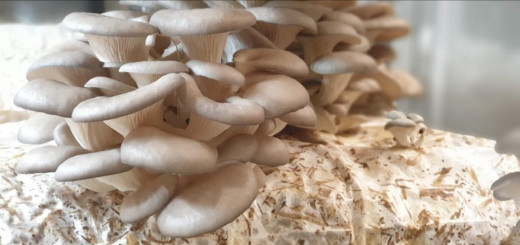
After two weeks or 14 days, you should check the substrate to see if it has been colonized fully. It is recommended to cover substrate with a white fuzzy if you are growing your Mushroom at home. After this, you should move the pan into a dark where there is a cool temperature if the substrate is already colonized.
Harvest the Mushrooms When They Are Fully Grown
After 3 weeks small Mushrooms will be be visible, but you should maintain it in a dark cool place. Once all the Mushrooms are grown up, you should pluck them using your hand figures.
Mushroom Storage and Processing

Mushroom Storage and Processing
Mushrooms are rich in the following nutrition; proteins, antioxidants and are known to have a low calorie source of fiber. Mushroom has zero sodium (or fats) and are also known to have zero cholesterol, which partly help a person to have lower chances of developing high blood pressure, stroke, and heart disease, which are caused by taking too much sodium and cholesterol.
This article discusses mushroom storage and processing methods. Mushrooms are known to have a high respiration rate, which continues the moment you harvest your Mushroom vegetable (Botanically classified as fungi, but considered as a vegetable).
For example, if we compare the respiration rate of oyster mushrooms with other fruits, we can see that it is three times greater, which agrees that Mushrooms have a higher respiratory rate. For this reason, you need to handle them with great care. What causes Mushroom spoilage when keeping or storing them are bacteria and fungi within the mushrooms.
In cold storage places, the Bacteria and enzyme activities within the mushrooms continue to increase and this has a negative effect. Mushrooms have 85 to 95% and this acts as a favorable condition for bacterial growth which is bad.
Mushroom also has no barriers to water loss from their surface. After harvesting, Mushroom lose much of its water through humidity and atmospheric pressure.
If we compare the fresh Mushroom with other crops, we can see that mushroom has a shorter shelf life, therefore, it is very important to preserve it with a special care or market it as soon as the harvesting is done. After harvesting, mushrooms can either be stored in cold storage or other places or environments where you are able to control it from spoilage.
The following are the commonly used methods to preserve your Mushrooms:
1. Short Term Storage
This is prolonging the shelf life of fresh mushrooms by refrigerating it at a temperature of 1 to 4℃. Cooling the mushrooms at such a lower temperature, resulting in lower rates of all the physiological process within the mushrooms (also called a lower respiration rate). Mushrooms' shelf life varies from 1 day to 2 weeks.
Cooling Mushroom under a temperature of 1 to 4 °C is considered as an effective short term preservation. This is done by retarding the growth of microorganisms, reducing the rate of post harvest metabolic activities of the mushroom tissues, among others.
After harvesting, Mushrooms have a metabolic rate temperature of a range of 15 to 18 °C and to stop this metabolic process rapidly, make sure mushrooms are cooled to a storage temperature of 0 to 2℃ within five hours of picking. Oyster mushroom can best be kept in a temperature range of 8-10℃ in packed container wrapped in plastic film.
2. Long Term Storage
For long-term storage of mushrooms, the following is used; canning, pickling and drying. Take note that these long term storage processes are not always suitable for all types of mushrooms.
(i ) Drying
Drying is best suitable preserving method for edible shiitake mushrooms. This method, is not necessarily used for button Mushrooms or Oyster Mushrooms, but oyster mushrooms can also be stored and marketed in dried form. After drying mushrooms are nearly 10% of total weight.
Drying is used to preserve the mushrooms by removing enough water and this is important as it inactivate the enzymes and microorganisms. Dried mushrooms are good for long-term storage and transportation. The following are the commonly used methods for preserving Mushrooms through drying.
a. Sun drying
Under this method, you spread your mushrooms on the shelves in such way that the gills face upward and are directly exposed to sunlight for drying.
Amount of time taken to dry under this method, it varies depending on weather conditions. Sun-dried Mushrooms have lower quality than thermal power drying or hot-air drying. The moisture content is also high under this method and this encourages the Mushroom to be susceptible to mold and pests.
b. Thermal power drying
Under this method, the process of thermal power drying, start on mushrooms at a relatively low temperature.
Make sure the Mushrooms are dried during sunny days at an initial temperature of 35℃, while during damp days, mushrooms should be dried at an initial temperature of 30℃. Thereafter, you increase the temperature gradually and then kept at 40-60℃ for 12-18 hours. This method is able to preserve Mushroom appearance and flavor.
c. Hot-air drying
Under this method, hot air is blown into the dryer and mushrooms on the shelves are exposed to hot air for drying. The heaters and recirculation are used to control temperature and air humidity to an optimal condition.
Make sure the drying chamber is heated to a temperature of 40 to 50℃ before loading the mushrooms. The size of the drying chamber depends on the production scale.
Under this method, Mushroom moisture content is absorbed to 20%. You can then store your hot-air dried Mushrooms in boxes or containers having a temperature of 2 to 5°C.
(ii) Canning and bottling
This method is commonly used in preserving Mushrooms. Canning process is divided into seven basic operations: cleaning, blanching, canning, sterilization, cooling, labeling, and packing.
Take note that if the Mushrooms are not canned immediately, they should be refrigerated until processing starts. Batch process can be used where the cans can be placed in an autoclave and sterilized for one hour 120-130℃.
The Art of Successful Team Building in Organizations

The Art of Successful Team Building in Organizations
In today’s fast-paced business landscape, the success of an organization often hinges on its ability to foster strong team dynamics. Imagine a workplace where collaboration flourishes, innovation thrives, and every member feels valued and empowered. This isn’t just a dream; it’s the result of effective team building.
Team building goes beyond mere bonding activities or icebreakers. It is an art that requires understanding human behavior, communication styles, and organizational goals. When done right, it transforms groups into cohesive units that drive results and create lasting impacts.
But what makes team building truly successful? What are the essential elements that lead to thriving teams within organizations? Let’s explore the nuances of this critical process and discover how you can cultivate a robust environment for teamwork in your workplace.
Understanding Team Building
Team building is often misunderstood as simply organizing fun activities or retreats. However, it encompasses much more than that. At its core, team building is about fostering collaboration and enhancing interpersonal relationships among team members.
It involves creating an environment where individuals feel safe to express their thoughts and ideas. Trust plays a pivotal role in this process. When trust flourishes, so does open communication, leading to better problem-solving capabilities.
Moreover, effective team building aligns the goals of individual members with those of the organization. This alignment ensures everyone works towards a common purpose while appreciating each other's unique strengths.
Understanding team building requires recognizing its foundational elements: connection, trust, and shared objectives. By grasping these components, organizations can lay the groundwork for successful teams that not only function but thrive together.
Why is Team Building Important in Organizations?
Team building is more than just an activity; it’s a vital component of organizational success. When teams bond, they communicate better and work more efficiently toward common goals.
A strong team fosters trust among members. This trust creates an environment where individuals feel safe to share ideas and take risks. It nurtures creativity and innovation, pushing the organization forward.
Moreover, effective team building reduces conflict. Teams that understand one another are less likely to experience misunderstandings or disagreements that can disrupt workflow.
Additionally, investing in team dynamics leads to higher employee satisfaction. Happy employees often translate into lower turnover rates, saving organizations time and resources on recruitment.
When teams function well together, productivity soars. Organizations can navigate challenges with agility while maintaining morale across all levels of staff.
The Characteristics of a Successful Team
A successful team thrives on trust. Team members must feel comfortable sharing ideas and providing honest feedback without fear of judgment. This openness fosters collaboration.
Effective communication is another hallmark of a winning team. Clarity in discussions ensures everyone understands their roles and responsibilities, minimizing confusion and conflict.
Diversity within the group can enhance creativity. Different perspectives lead to innovative solutions that may not emerge in a more homogeneous setting.
Adaptability is crucial as well. The ability to pivot when faced with challenges keeps teams resilient amid change.
Shared goals unite the team’s efforts. When every member knows they are working toward a common objective, motivation increases, driving performance higher than ever before.
Strategies for Building an Effective Team
Building an effective team starts with clear communication. Establish open channels where ideas and feedback flow freely. This fosters trust and collaboration.
Next, define roles clearly. Each member should understand their responsibilities and how they contribute to the bigger picture. This clarity drives accountability and purpose.
Encourage diversity within the team. Different perspectives lead to innovative solutions that a homogenous group might overlook. Celebrate these differences as strengths.
Regular team-building activities can also enhance relationships among members. Fun exercises break down barriers and create bonds beyond daily tasks.
Invest in professional development for your team members. Encouraging growth not only boosts morale but also enhances overall performance, creating a more dynamic work environment where everyone thrives together.
Common Challenges in Team Building and How to Overcome Them
Building a successful team often comes with its own set of challenges. One common hurdle is communication breakdown. Misunderstandings can cause friction and inhibit collaboration.
To combat this, establish clear channels for communication. Regular check-ins can foster transparency and keep everyone aligned.
Another challenge is varying personalities and work styles within the group. This diversity, while beneficial in many ways, can lead to conflict if not managed well.
Encourage open dialogue about individual strengths and preferences. Workshops on conflict resolution may also help the team navigate differences more effectively.
Lack of trust is another barrier that can hinder progress. Trust takes time to build but is essential for effective teamwork.
Implement team-building exercises that emphasize vulnerability and shared experiences. Creating an environment where members feel safe sharing opinions encourages deeper connections among teammates.
Implementing and Maintaining a Strong Team Culture
Creating a strong team culture starts with clear values. These values should resonate throughout the organization, guiding behaviors and decision-making.
Open communication plays a vital role. Encourage team members to voice their thoughts and ideas freely. This fosters trust and collaboration, as everyone feels valued.
Regular team-building activities are essential. They don’t have to be elaborate; even simple gatherings can strengthen bonds among colleagues.
Recognizing achievements is equally important. Acknowledgment can boost morale and reinforce desired behaviors within the team.
Leaders must model the culture they wish to see. Their actions set the standard for others, making it crucial that they embody the team's core values consistently.
Keep evolving your culture based on feedback and changing dynamics. Adaptability ensures that your team remains cohesive in an ever-shifting environment.
The Impact of Successful Team Building on Organizational Success
Successful team building creates a strong foundation for organizational success. When teams work well together, productivity soars. Collaboration leads to innovative solutions that might not emerge in isolated environments.
Moreover, engaged employees are more motivated. They take ownership of their roles and strive for excellence in their tasks. This enthusiasm often translates into better customer service, enhancing the organization's reputation.
Trust is another vital aspect fostered through teamwork. When team members rely on one another, it reduces conflict and increases harmony within the workplace. A cohesive unit can tackle challenges with confidence.
Additionally, effective communication flourishes in successful teams. Clear channels help ensure everyone stays aligned with goals and expectations, minimizing misunderstandings.
Organizations that prioritize team building set themselves up for long-term growth and sustainability. The synergy created by effective collaboration drives both individual fulfillment and company performance forward.
Conclusion
Successful team building is a dynamic process that requires intention, creativity, and commitment. Organizations thrive when they foster strong connections among their members. When teams understand each other’s strengths and work harmoniously toward common goals, the results can be transformative.
The impact of effective teamwork extends beyond just productivity metrics. It cultivates an environment where innovation flourishes and employees feel valued. By prioritizing team development strategies and cultivating a supportive culture, organizations position themselves for sustained success.
As we navigate the complexities of today’s workplace, investing in team building will continue to yield benefits not only for individual members but across entire organizations as well. Engaging in this art form opens doors to new possibilities—both professionally and personally—for everyone involved. The journey of creating exceptional teams is ongoing, yet incredibly rewarding for all who participate.
Nurturing Leadership Skills in Organizational Settings

Nurturing Leadership Skills in Organizational Settings
Leadership isn’t just a title; it’s an art. In today’s fast-paced organizational landscape, nurturing effective leaders is more crucial than ever. Strong leadership can drive innovation, foster teamwork, and propel organizations toward success. But how do we cultivate these vital skills within our teams?
This journey starts with understanding what makes a great leader and recognizing the potential that lies within your workforce. Whether you're managing a small team or steering a large corporation, investing in leadership development pays off in spades. Let’s explore how to identify budding leaders and provide them with the tools they need to thrive—ensuring your organization remains competitive and dynamic for years to come.
Understanding Leadership
Leadership is a multifaceted concept that extends beyond mere authority. At its core, it’s about influence and inspiration. Great leaders motivate their teams to achieve common goals while fostering an environment of trust.
Effective leadership involves emotional intelligence—the ability to understand and manage one’s own emotions as well as those of others. This skill helps leaders connect on a deeper level with their team members.
Moreover, adaptability plays a crucial role in successful leadership. The best leaders are flexible and open to change, able to pivot strategies when necessary while maintaining focus on the end goal.
Decision-making is at the heart of leadership. Strong leaders weigh options thoughtfully but act decisively, guiding their teams through challenges with confidence and clarity. In essence, understanding leadership means recognizing these diverse qualities that contribute to inspiring others toward shared success.
The Importance of Leadership in Organizations
Leadership is the backbone of any organization. It sets the tone for culture, motivation, and productivity. Leaders inspire teams to strive for excellence.
Effective leadership drives innovation. When leaders encourage creativity and risk-taking, organizations can adapt to changing markets swiftly. This adaptability often translates into competitive advantage.
Moreover, strong leaders foster collaboration among team members. They create an environment where everyone feels valued and heard. This inclusivity boosts morale, enhancing overall performance.
Leaders also play a critical role in crisis management. Their ability to navigate challenges with confidence reassures employees during turbulent times.
Effective leadership builds trust within the organization. Employees who trust their leaders are more likely to engage fully in their roles and contribute positively to organizational goals.
Identifying Potential Leaders
Identifying potential leaders is crucial for any organization. It begins with observing employees in action. Look for those who naturally take initiative and inspire others.
Pay attention to communication skills. Leaders often articulate ideas clearly and encourage open dialogue. They listen actively, fostering a sense of collaboration among their peers.
Consider emotional intelligence as well. Individuals who navigate challenges with empathy tend to connect better with team members, making them strong candidates for leadership roles.
Look at problem-solving abilities too. Those who tackle obstacles creatively demonstrate resilience—a key trait in effective leaders.
Assess the willingness to learn and adapt. Potential leaders embrace feedback and seek growth opportunities, showcasing a proactive mindset toward personal development.
Nurturing Leadership Skills through Training and Development Programs
Training and development programs are essential for cultivating leadership skills. They provide individuals with the tools they need to thrive in their roles.
These programs often combine theory with practical applications. Participants engage in workshops, simulations, and real-world projects. This hands-on experience fosters confidence and critical thinking.
Mentorship is another crucial component. Pairing emerging leaders with seasoned professionals creates rich learning opportunities. It allows knowledge transfer that benefits both parties.
Moreover, tailored training can address specific organizational needs. Whether it’s enhancing communication or strategic decision-making, focused skill-building helps align leaders with company goals.
Encouragement of continuous learning plays a vital role too. By promoting ongoing education through seminars or online courses, organizations nurture an environment where growth is always possible.
Investing in these initiatives strengthens the entire organization by ensuring a pipeline of capable leaders ready to face challenges head-on.
Creating a Culture of Leadership within the Organization
A strong culture of leadership thrives when every member feels empowered. Encourage open communication where ideas and feedback flow freely. This fosters trust and collaboration.
Recognizing achievements, both big and small, builds confidence among team members. Celebrating successes reinforces the idea that everyone plays a part in the organization's growth.
Encourage risk-taking within safe boundaries. When employees feel they can experiment without severe repercussions, innovation flourishes.
Mentorship programs are vital for cultivating future leaders. Pairing experienced staff with emerging talent creates a supportive environment for growth.
Lead by example. When management demonstrates commitment to leadership values, it inspires others to follow suit. A united front empowers individuals at all levels to step into roles of influence and responsibility.
Implementing Effective Feedback and Coaching Techniques for Future Leaders
Effective feedback is a cornerstone of leadership development. It helps future leaders understand their strengths and areas for improvement. Providing timely, specific, and actionable feedback can create an environment where growth is encouraged.
Coaching techniques play a vital role as well. Leaders should focus on guiding rather than simply instructing. This approach fosters critical thinking and problem-solving skills among potential leaders.
Active listening is essential in these interactions. By genuinely engaging with aspiring leaders' thoughts and concerns, mentors can tailor their coaching to meet individual needs.
Regular check-ins also help maintain progress. Consistent communication reinforces learning while allowing adjustments to be made when necessary.
Creating a safe space for dialogue encourages openness. When individuals feel comfortable sharing their challenges, they’re more likely to embrace the coaching process fully.
The Benefits of Nurturing Leadership Skills in Organizational Settings
Nurturing leadership skills within an organization brings a multitude of benefits. For starters, it fosters a strong sense of collaboration among team members. When leaders are equipped to guide and inspire, the entire workforce feels empowered.
Moreover, effective leadership can significantly boost employee morale. A supportive leader understands their team's needs and paves the way for personal growth. This results in higher job satisfaction and lower turnover rates.
Additionally, organizations that prioritize leadership development often see improved productivity. Skilled leaders streamline processes, motivate teams, and drive projects forward with clarity.
Another key advantage is innovation. Leaders who encourage creativity cultivate an environment where new ideas flourish. This not only keeps the organization competitive but also enhances problem-solving capabilities across all levels.
Nurturing future leaders ensures sustainability within the company by creating a pipeline of talent ready to tackle challenges head-on.
Conclusion
Nurturing leadership skills within an organization is not merely a strategy; it's a necessity for sustainable growth. Effective leaders inspire teams, drive innovation, and create a positive workplace culture. By understanding the various dimensions of leadership and investing in training programs, organizations can uncover hidden talents among employees.
Identifying potential leaders early on allows for tailored development paths that align with both individual strengths and organizational goals. Creating an environment where leadership is encouraged fosters engagement at all levels. This involves implementing feedback mechanisms that empower future leaders to learn from their experiences.
The ripple effects of nurturing these skills are profound. Organizations benefit from improved employee morale, increased productivity, and enhanced overall performance. As we cultivate the next generation of leaders, we pave the way for success—both now and in the future.
The Impact of Organizational Change Management

The Impact of Organizational Change Management
Change is inevitable in the world of business. Whether it's a shift in market dynamics, technological advancements, or evolving customer expectations, organizations must navigate these waters with precision and purpose. This is where Organizational Change Management (OCM) comes into play—a strategic approach that helps companies adapt and thrive amidst uncertainty.
Understanding OCM goes beyond mere implementation; it embodies a philosophy that recognizes the human aspect of change. As businesses embark on transformational journeys, fostering resilience and agility within teams becomes crucial. With effective OCM strategies, organizations can not only minimize resistance but also harness change as an opportunity for growth.
Join us as we explore the multifaceted impact of OCM on businesses today. From its importance to practical steps for success, this guide will illuminate how mastering organizational change can propel your company forward in a competitive landscape.
Understanding Organizational Change Management (OCM)
Organizational Change Management (OCM) is a structured approach that guides how organizations prepare for, implement, and manage change. It focuses on the people side of change, ensuring that employees are engaged and supported throughout the transition.
At its core, OCM recognizes that successful change isn’t just about new processes or technologies. It’s about mindset shifts and cultural adaptations within teams. This human-centric perspective helps reduce resistance and fosters acceptance.
Effective OCM involves clear communication strategies and strong leadership to align everyone on shared goals. By addressing concerns early on, organizations can create a more receptive environment for innovation.
Understanding OCM means acknowledging that every change initiative impacts individuals differently. Tailoring approaches based on these dynamics is essential for achieving lasting results in any organization.
Importance of OCM in Business
Organizational Change Management (OCM) plays a pivotal role in the evolving landscape of business. As companies adapt to market shifts, OCM ensures that changes are implemented smoothly and effectively.
A well-structured OCM approach minimizes resistance among employees. It helps them understand the need for change and how it benefits both the organization and their roles within it. When people feel involved, they are more likely to embrace new initiatives.
Moreover, OCM fosters communication across all levels of an organization. This transparency builds trust and encourages collaboration. Employees who feel informed are more engaged and productive during transitions.
Additionally, successful OCM reduces costs associated with disruptions or failures in implementation. By proactively addressing potential issues, businesses can maintain stability while pursuing growth opportunities.
Embracing OCM is not just about managing change; it's about harnessing it as a strategic advantage in today's competitive environment.
Common Reasons for Organizational Change
Organizations face various pressures that drive the need for change. One common reason is technological advancement. Companies must adapt to stay competitive in a rapidly evolving digital landscape.
Market dynamics also play a significant role. Shifts in consumer preferences can necessitate changes in strategy and operations to meet new demands effectively.
Another factor is regulatory compliance. New laws or guidelines often require organizations to adjust their processes, ensuring they operate within legal frameworks.
Mergers and acquisitions are frequent triggers for change as well. Integrating different cultures and systems can lead to significant organizational shifts.
Internal factors like employee feedback and performance issues can highlight areas needing improvement. Addressing these concerns can foster a healthier workplace culture while enhancing productivity.
The Process of Implementing OCM
Implementing Organizational Change Management (OCM) is a structured process that requires careful planning.
First, it’s essential to assess the current state of the organization. Understanding where you stand helps identify gaps and areas for improvement.
Next, engaging stakeholders is crucial. They need to understand why change is necessary and how it will impact them personally.
Once buy-in is achieved, develop a clear strategy with defined goals and timelines. This roadmap provides direction throughout the transition.
Communication plays a pivotal role at every stage. Keep information flowing to alleviate concerns and build trust among employees.
Training programs should also be established to equip staff with new skills needed post-change.
Continuous monitoring allows organizations to adapt as needed, ensuring they stay on track toward their objectives without losing momentum.
Key Strategies for Successful OCM
Successful organizational change management hinges on strategic planning. First, involve stakeholders early in the process. Their insights can shape the direction of changes and foster a sense of ownership.
Communication is vital. Clear messaging about the reasons behind changes can alleviate fears and uncertainties among employees. Regular updates keep everyone informed and engaged throughout the journey.
Training programs are essential too. Equip your team with necessary skills to adapt to new systems or processes, ensuring they feel confident moving forward.
Additionally, create feedback loops for continuous improvement. Encouraging open dialogue allows organizations to refine strategies based on real-time input from those affected by change.
Celebrate small wins along the way. Recognizing progress boosts morale and reinforces commitment to ongoing initiatives, making it easier for teams to embrace larger transformations ahead.
Measuring the Success of OCM
Measuring the success of Organizational Change Management (OCM) is crucial to understanding its effectiveness. Key performance indicators (KPIs) help gauge progress during and after implementation.
Employee engagement scores provide valuable insights into how well teams have adapted to changes. High satisfaction levels often reflect effective communication and support throughout the process.
Another important metric is productivity. By comparing output before and after OCM initiatives, organizations can assess whether changes positively impacted workflow.
Retention rates also serve as a barometer for success. A stable workforce indicates that employees are comfortable with new processes or structures in place.
Feedback mechanisms such as surveys or focus groups offer qualitative data on employee sentiments regarding change. Listening to voices from within the organization enhances future OCM efforts while reinforcing a culture of continuous improvement.
The Role of Leaders in OCM
Leaders play a pivotal role in Organizational Change Management (OCM). Their influence can set the tone for how change is perceived and embraced throughout the organization.
Effective leaders communicate clearly about the reasons behind changes. They create a narrative that connects employees to the vision. This transparency builds trust and reduces resistance.
In addition, leaders must be visible during transitions. Their presence reassures teams and demonstrates commitment to the change effort. Engaging directly with employees fosters an inclusive environment.
Moreover, leaders need to model desired behaviors. When they actively participate in changes, it encourages others to follow suit. Leading by example reinforces accountability across all levels of the organization.
Strong leaders listen actively. They are attuned to employee concerns and feedback. Addressing these points shows empathy and strengthens connections within teams during uncertain times.
Challenges and Solutions in Managing Organizational Change
Managing organizational change often brings a host of challenges. Resistance from employees is one of the most common obstacles. Many fear uncertainty and cling to familiar routines, making it crucial to address their concerns early on.
Communication plays a vital role here. Providing clear information about the changes can alleviate fears and build trust among team members. Creating open channels for feedback ensures everyone feels heard.
Another challenge is aligning change with company culture. If the new direction clashes with established values, friction may arise. Leaders need to model desired behaviors and integrate cultural elements into the change process.
Measuring progress can be tricky. Implementing key performance indicators helps track success and allows for adjustments as needed. Continuous evaluation keeps teams aligned with goals while fostering an adaptive mindset throughout the organization.
Real-life Examples of Successful OCM
One noteworthy example of successful Organizational Change Management is Microsoft's transformation under Satya Nadella. When he became CEO, the company shifted its culture from a competitive environment to one focused on collaboration and growth. This change revitalized innovation and employee engagement.
Another case is General Electric (GE), which embraced digital transformation through its “Brilliant Factory” initiative. By integrating advanced data analytics into manufacturing processes, GE improved efficiency and reduced costs significantly.
Additionally, Procter & Gamble (P&G) undertook an OCM journey when it streamlined operations by adopting agile methodologies. This shift allowed for faster product development cycles and enhanced market responsiveness.
These real-life examples illustrate how effective OCM can lead to remarkable improvements in performance, adaptability, and overall success in diverse industries. Organizations that embrace these strategies often find themselves better equipped to navigate challenges ahead.
Why OCM is crucial for business growth
Organizational Change Management (OCM) plays a pivotal role in driving business growth. In today's fast-paced market, adaptability is key. Companies that embrace change can seize new opportunities and stay ahead of competitors.
Effective OCM fosters a culture of innovation. It encourages employees to think creatively and share ideas without fear of failure. This not only enhances morale but also leads to groundbreaking solutions that propel the business forward.
Furthermore, OCM helps streamline processes during transitions. When teams are aligned with clear goals and strategies, they operate more efficiently. This improved productivity translates into better performance metrics.
Investing in OCM also strengthens stakeholder relationships. Clients, investors, and even employees feel more confident when they see a company navigating change smoothly and effectively.
Businesses equipped with robust OCM strategies are better positioned for sustainable success amid evolving landscapes.
Conclusion
Organizational Change Management (OCM) plays a vital role in shaping the future of businesses. As industries evolve, the ability to adapt becomes crucial. Companies that embrace OCM not only manage transitions more effectively but also foster resilience and innovation.
By understanding its importance and applying key strategies, organizations can create an environment conducive to growth. The involvement of leaders is essential; their vision and support drive successful change initiatives. Challenges will arise, but with proactive solutions and real-life examples as guides, navigating through these hurdles becomes manageable.
For businesses aiming for long-term success, prioritizing OCM isn't just beneficial—it's imperative. The landscape of work may shift constantly, yet those who master the art of change position themselves to thrive amid uncertainty. Embracing organizational change management today lays the groundwork for a brighter tomorrow.