Learn smarter with fresh insights from our tutors.
Practical study guides, course supplements, and learning resources curated to help you move faster through every subject.
The Role of Technology in Personalized Medicine

Introduction to Personalized Medicine
Welcome to the future of healthcare, where medicine is no longer one-size-fits-all but tailored precisely to your unique genetic makeup and lifestyle. Personalized medicine, also known as precision medicine, is a game-changer in the medical field.
Imagine treatments designed just for you based on your individual characteristics and needs. This revolutionary approach is made possible by cutting-edge technology that analyzes data like never before.
Let's dive into how advancements in tech are shaping the way we receive healthcare in a more personalized and effective manner!
The Advancements in Technology that have Revolutionized Personalized Medicine
Personalized medicine has seen a significant transformation due to advancements in technology. The ability to sequence an individual's genome quickly and cost-effectively has opened new doors for tailored treatments. This shift from a one-size-fits-all approach to personalized care is reshaping the landscape of healthcare.
Technological innovations like CRISPR gene editing have revolutionized the way we can target specific genetic mutations that contribute to diseases. High-throughput screening techniques enable researchers to analyze vast amounts of data efficiently, identifying potential drug targets with precision.
Moreover, the rise of wearable devices and health trackers allows real-time monitoring of patients' vital signs and behaviors. This continuous stream of data helps clinicians make informed decisions about their treatment plans, leading to better outcomes for individuals.
In essence, technology is propelling personalized medicine into a realm where treatments are uniquely tailored to each person's genetic makeup and lifestyle factors.
Data Collection and Analysis in Personalized Medicine
Data collection and analysis play a crucial role in personalized medicine, where patient-specific data is utilized to tailor treatments. With advancements in technology, healthcare professionals can gather vast amounts of individualized information ranging from genetic profiles to lifestyle habits. This data is then analyzed using sophisticated algorithms to identify patterns and predict outcomes.
By leveraging big data analytics, researchers can uncover correlations that may have previously gone unnoticed, leading to more targeted interventions. The integration of electronic health records and wearable devices further enhances the scope and accuracy of collected data. Machine learning algorithms are employed to sift through this wealth of information rapidly and efficiently.
The ability to interpret complex datasets enables healthcare providers to offer personalized treatment plans based on a patient's unique characteristics. The utilization of robust data collection methods ensures that medical decisions are evidence-based and tailored to each individual's needs.
The Impact of Artificial Intelligence in Precision Medicine
Artificial Intelligence (AI) has significantly transformed the landscape of precision medicine. Through its ability to analyze vast amounts of data at a rapid pace, AI has revolutionized how healthcare professionals diagnose and treat diseases tailored to individual patients. By utilizing machine learning algorithms, AI can identify patterns in genetic information, medical imaging, and patient records that were previously undetectable by human analysis.
Moreover, AI-driven tools enable predictive modeling for disease progression and treatment outcomes with higher accuracy than traditional methods. This not only enhances patient care but also optimizes resource allocation within healthcare systems. Additionally, AI-powered platforms facilitate the integration of diverse data sources such as genomics, proteomics, and lifestyle factors to provide a comprehensive understanding of individual health profiles.
The implementation of AI in precision medicine brings about new possibilities for personalized treatments based on specific genetic markers or biological characteristics unique to each patient. As technology continues to advance, the potential for AI to further enhance precision medicine remains promising.
Challenges and Ethical Considerations in Using Technology for Personalized Medicine
As we delve deeper into the realm of personalized medicine, it's crucial to address the challenges and ethical considerations that come hand in hand with utilizing technology in this field. One significant challenge is ensuring data privacy and security when dealing with sensitive patient information. The ethical dilemma of who owns the genetic data and how it should be used for research purposes is also a pressing issue.
Moreover, there are concerns about equitable access to personalized medicine technologies across different socioeconomic groups. It's essential to navigate these disparities ethically and ensure that advancements benefit everyone equally. Additionally, questions arise regarding the accuracy and reliability of AI algorithms in making medical decisions tailored to individuals.
Striking a balance between innovation and ethical principles is key to advancing personalized medicine responsibly. As we tackle these challenges head-on, it's imperative to prioritize transparency, accountability, and patient autonomy in technological advancements for personalized healthcare solutions.
Future Developments and Possibilities in the Field of Personalized Medicine with Technology
As technology continues to advance at a rapid pace, the future of personalized medicine holds exciting possibilities. With the integration of genomics, artificial intelligence, and big data analytics, healthcare providers can tailor treatment plans to individual patients with unprecedented precision.
Imagine a world where genetic testing can predict disease susceptibility with unparalleled accuracy. Researchers are exploring the potential for utilizing CRISPR gene editing technology to correct genetic mutations that predispose individuals to certain conditions.
In addition, wearable devices and health monitoring apps are becoming more sophisticated in tracking vital signs and collecting real-time data. This continuous stream of information allows for proactive interventions and personalized care strategies.
Furthermore, telemedicine platforms enable remote consultations and monitoring, breaking down geographical barriers and increasing access to specialized care. Virtual reality simulations may even revolutionize medical training by providing immersive learning experiences for healthcare professionals.
The intersection of technology and personalized medicine opens up a realm of untapped opportunities that have the potential to transform healthcare as we know it.
Conclusion
Personalized medicine is a rapidly evolving field that holds great promise for the future of healthcare. The integration of technology has played a pivotal role in advancing this area, allowing for more precise diagnosis, treatment, and prevention strategies tailored to individual patients.
With advancements in data collection and analysis techniques, as well as the implementation of artificial intelligence algorithms, personalized medicine has seen a significant shift towards more effective and targeted interventions. Despite challenges and ethical considerations that arise with the use of technology in healthcare, the benefits it provides cannot be overlooked.
Looking ahead, the future of personalized medicine with technology looks promising. Continued research and development will likely lead to even more innovative approaches to disease management and patient care. As we embrace these technological advancements responsibly and ethically, personalized medicine will continue to revolutionize how we approach health and wellness on an individual level.
The fusion of technology with personalized medicine represents a powerful force driving improvements in patient outcomes and quality of life. By harnessing the potential of cutting-edge technologies, we are shaping a new era where healthcare is truly tailored to meet each person's unique needs.
Tomato Cultivation Farming

Tomato Farming
Tomato farming is one of the most rewarding agribusiness due to a daily increase in demand on the consumer side. In each and every day almost each and every household are able to consume the tomato fruit (others call it vegetable).
Tomatoes does well at high temperatures compared to other crops. The minimum temperature for seed germination is known to be 10 °C with a maximum temperature of 35 °C. Tomatoes performs best in the optimal temperature range of 17 to 20 °C. When doing tomato farming make sure you avoid doing field transplanting during the frost period.
An optimum temperature for tomato growth is achieved at 22 °C. The tomato growth rate is reduce when the temperature is above 30 °C and below 12 °C. This article will give in detail on how to grow tomatoes for best results which can increase your profits.
Soil requirements
Tomatoes require well drained soils to give the best results. The soil has to be well supplied with organic matter. Sandy soils are suitable for early production while loam and clay loam soils are suitable for later production.
Crop Establishment
Seeding or Planting
Tomatoes require a long growing season, and for this reason try to start growing them in a greenhouse or hotbed. One hectare requires about 75 to 150 grams of tomato seed. One hectare of land may contain 11,000 to 18,000 tomato plants.
Make sure you sow the seeds eight weeks before plants are to be set in the field or tunnel and make sure the field has a temperature range of 27 °C for 1 to 2 weeks for good seed emergence. Tomato can also be directly sown in the rows of peat pots, module trays among others and this reduces the amount of time taken for tomato to grow. This system also reduces labour requirements and transplant shock.
Make sure you reduce water application two weeks before transplanting is done and this will reduce soil moisture and increases the air temperature from 13 to 16 °C. This makes the tomato to survive in adverse conditions easily.
Crop Management
Transplanting
Tomato transplanting should be done early in the morning and make sure you cover the translated seed with mulch covers to prevent direct sunlight which can delay the growth. Make sure two weeks before the transplanting is done water moisture should be reduced.
Mulching
Make sure you use black plastic mulch for weed control and higher yields. A clear plastic mulch gives best results and for early growth. Use herbicides to control the weeds.
Irrigation
Where applicable, apply water through irrigation, but you must make sure the tomato field is not waterlogged as this can be the source of pests and diseases which can reduce the yields.
Harvesting
During harvesting the ripe tomato fruit is picked and put in a container or baskets. Pink tomato requires about 21 °C to ripen in 1 to 2 days and mature-green fruits in 4 to 5 days. Take note that a prolonged exposure to temperatures above 30 °C can inhibit red pigment formation.
Storage and Conditioning
Make sure you keep the mature green tomatoes in a container or any place, having a temperature range of 13 °C to 21 °C. Take note that the optimal temperatures for ripening ranges from 18° C to 21 °C. Make sure you store, the firm ripe tomatoes in a place having a temperature range as low as 7 °C to 10 °C.
During storage make sure you observe the relative humidity in all cases and should be in a range of 90 to 95%. Take note that the Mature green fruit can be held 2 to 6 weeks while ripe fruit can only be held 1 week in conventional storage hence keep on monitoring to avoid losses.
How to Write a Successful Business Plan

Business Plan
A business plan is a database of information related to the details of a business. It is a valuable document when seeking credit and other support.
Business Idea
A business idea is the perception that a course of action is potentially profitable or value adding. An idea is however not synonymous with an opportunity. An idea is simply the conception of a possibility. You need to understand that ideas are an entrepreneur’s raw material.
In business idea generation, an entrepreneur opens up to new horizons and content. Without idea generation or opening up, an entrepreneur will not get an innovative part in the business idea. In a business idea generation, multitude of ideas is generated as the emphasis is initially on quantity and not necessarily quality.
People piggy back on ideas and create new combinations and modifications after first generating ideas at the individual level. Idea generation process, whether to find a significant solution to a problem or to generate solutions to a problem benefits from few restrictions and no evaluation or criticism.
The rationale is that either praising or criticizing an idea at this point might shut the flow of additional ideas or restrict the direction of thought too early in the process. There are many sources of ideas for an entrepreneur.
Sources of business ideas
- Existing situation that you may want to improve.
- Existing way of doing something that you want to improve.
- An existing product/service that you want to improve.
- A new way of doing things.
- A problem.
- Common needs.
- Mismatch between demand and supply.
- A gap in the market.
- A problem that needs to be addressed.
- A more efficient or effective way of doing business.
- New technology.
- Skills and expertise and aptitude.
Business opportunity
Entrepreneurship is all about opportunity. It is about identifying and evaluating an opportunity.
Entrepreneurs often have one or two things on their minds and these are how they will come up with a good business idea and they worry if the idea is good enough to make a successful business. There are many definitions of what an opportunity is all about.
A good idea is not necessarily an opportunity. An opportunity is a solution that is offered to address a problem and customers are willing to pay for it that the provider gets a profit.
The causal nature of opportunities needs to be assessed to understand what leads to the existence of an opportunity. It is important to know that an idea is not necessarily an opportunity. An idea becomes an opportunity if it is characterized as;
- Attractive: structure, size, capacity and cost structure in the market is attractive.
- Durable: it must continue in a particular condition and not wear out soon.
- Timely: presented to the market at the opportune time anchored in a product or service that creates or adds value for its buyer or end user.
Size of the market and timeframe are key in judging the attractiveness of an idea. It is important that for an idea to be an opportunity, it must have the power to please the consumers mind or eye and arouse his or her interest, thus drawing the consumer to purchase the good or service.
A viable business opportunity has a customer, and enables an entrepreneur to make profit, be creative, and meet a need within the market. A gap in the market or a marketing opportunity could exist as a result of;
- Existing unresolved problems.
- Unsatisfied and common customer needs.
- Shortcomings or weaknesses of possible competitors or suppliers to competitors.
- Changes in the environment that might create needs, such as political or economic changes or even changes in the international market.
- Shortcomings or weaknesses of possible competitors or suppliers to those competitors.
Industry/market analysis
The industry or market analysis is critical and the market will ultimately dictate how successful your business will be. You need to know what your target market is, and why they would be interested in buying from you and you need to be specific. Make sure you outline the strengths and weaknesses of your potential competitors, as well as strategies that will give you a competitive advantage.
In the venture feasibility analysis, it may be enough to prove that a sufficient market exists for the venture and, therefore, further in depth research is warranted. Study your competitors in the marketplace. Lessons learned from competitors will provide you opportunities to find the real unique distinctions in your own concept
Market segments
A market can be divided into different “market segments” and these can be;
- Geographic segments: e.g. local/urban, national/international.
- Demographic segments: young, old
- Income segments: poor, middle class, upper class.
- Psychographic segments: organic, fair trade, none of these (i.e. normal mass production).
Basic types of business plans
- Short business plan.
- Extended business plan.
- Operational business plan.
Structure of a Business Plan
- Cover page
- Table of contents
- Basic information
- Product/service
- Reasons for selecting the activity
- Raw materials
- Production
- Personnel (division of responsibilities).
- Technology and equipment
- Marketing
- Financial aspects
Be familiar with the format of the business Plan
Understanding Structure of a Business Plan
A business plan has the following elements: Basic information: About the company such as name and address of the company. It also includes the vision and mission statement of the organization.
1. Basic business information
This contains the name of business, address, village, traditional authority, district, country, tel. no, email address, total number of members, number of active members among others.
2. Vision and mission
Under this you tell the objective of forming the business.
Mission
This tells who we are, what we do, where we are now. Mission is not to make profit, but mission is what we will do to make a profit. An example is Microsoft its mission is to empower people through great software, anytime, any place, and on any device while Otis elevator its mission is to provide any customer a means of moving people and things up and down and sideways over short distances with higher reliability than any similar enterprise.
Vision
Vision shows the desired future state of the business and it shows what the business would be like to achieve by starting the business.
3. Details about business
This shows the type of business and what product /service is the business going to provide.
4. Raw materials
This provides details on the type of material required and Quantity
5. Production
This shows what is produced and all the production cycles involved. If the unit makes more than one product, each must be documented individually.
6. Personnel (division of responsibilities)
This shows the type of skills you expect the employees to have and how you will recruit these personnel. It also shows how much do you expect to spend on their salaries.
7. Technology and equipment
This shows the type of equipment you need in business and how much it cost.
8. Marketing
This shows who will be your customers, why they will buy your products, type of quality measures you do intend to follow and where you will locate your manufacturing unit and why. It also shows how the business will be prompted.
9. Financial aspects
This shows what your financial needs will be in your business.
10. Sales
This shows your anticipated sales forecast in your business.
11. Financial statements
This shows the profit and loss projection, cash flow projection, projected balance sheet and breakeven analysis.
Pig Production Farming and Management
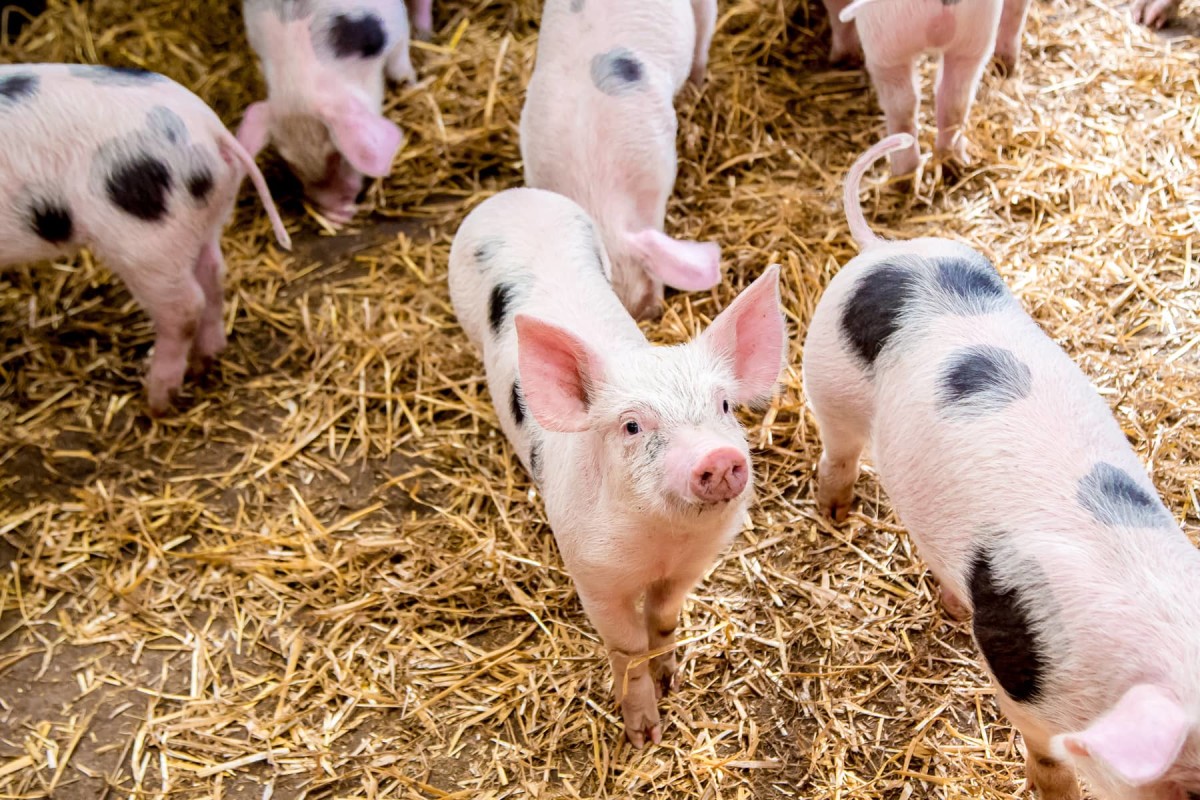
Pig Production
Pig production is one of the most rewarding agribusiness around the world. Pigs are easy to keep and you can keep them in different forms in different countries. Some small scale farmers, especially in rural areas keep pigs for meat and may sale some whenever there is a need and usually these pigs are left free to root and roam. This agribusiness article will provide in detail on management in pig production, which will enable you to perform better in your pig farming business.
Terminologies in Pig Production
Sow
A sow is a female pig, which has recently given birth to litters.
Gilt/Maiden
A female pig, which has not given birth to a litter yet, the same terminology is also used to refer to a female pig from the time it is weaned to the time before it farrow.
Boar
This refers to a male pig, which is not castrated and may be reserved for breeding purposes.
Farrowing
This refers to a female pig giving birth to litters.
Runt
This refers to the smallest piglet which is seen undersized in a litter.
Rig
This refers to a male pig, which has Cryptorchidism
Stag
This refers to the male pig, which is castrated because of its sexual characteristics which is observed during its secondary stage.
Barrow or Hog
This refers to a male pig, which is castrated prior to its sexual characteristics observed in secondary period.
Piglets or Sucklings
unweaned young pigs and can be male or female.
Pork
This refers to a pig meat which is fresh and has been made from a porker. It can weigh a range of 50 to 60 kg.
Bacon
This refers to a pig meat which is cured from a baconers. It can weight a range of 90 to 120 kg.
Creep feed
This refers to a pellet form of a meal which is given to piglets. They are given to them from day 10 of age.
Service crate
This refer to a crate which is made for mating pigs and it could keep 2 pigs ready for mating.
Heavy hogs
This refers to a pig, which has been fattened and is able to weigh a live weight of 120 going up.
Three Types of Pig Keeping Systems
Pigs can be kept under free range, semi-intensive and intensive system.
1. Free-range scavenging pig keeping
Under this system pigs is left free to scavenge to find their own food themselves. They may be allowed to rotate the pastured or any cropland. This system of piggery is cheap, but it makes the pigs to be prone to predators and diseases. The system is mostly practiced by small scale farmers who keep pigs mainly for meat purposes.
2. Semi-intensive pig keeping
Under this system a simple house may be constructed to house the pigs and a pig farmer should make sure he/she pays greater attention to the animal. Modest input may be used in semi- intensive system.
The system offers an efficient way and this makes a medium scale farmers to keep pigs in a few quantity and may sale them.
Under this system a pig farmer must provide the feed to the pigs, unlike in the free range where pigs are left to find their own food. Make sure you provide fresh feed and water. The system is able to offer a protection to the pigs.
3. Intensive pig keeping
This is keeping a greater number of pigs indoors for marketing purpose. The system is characterized by high efficiency rate. Feeds and water are provided all the time.
The system is able to offer 100% protection of pigs from predators and biosecurity measures can be easily applied. This system requires more capital investment, unlike the previous systems above.
What do we have to know about pigs?
- All pigs are monogastric animals
- Pigs are able to grow faster than other animals, making them perform better when it comes to pig farming business.
- Pigs are able to produce at least 2 litters in a year and these litters can range from 5 to 20 piglets.
- Pigs only take 21 days to be in heat.
- Pigs easily get stressed and are known to be social animals.
- Pigs have fats which offer insulation in it's body.
Factors Which One Should Consider Before Starting Pig Production
- Make sure you compare the pig profits with other enterprises to make a right choice.
- Type of system to use, i.e. free range or intensive depending on capital availability and type of breeds which you want to keep.
- Your knowledge and experience in pig production. The more you know about pig business the more likely you are going to succeed.
Pig Production
Pig production is one of the most rewarding agribusiness around the world. Pigs are easy to keep and you can keep them in different forms in different countries. Some small scale farmers, especially in rural areas keep pigs for meat and may sale some whenever there is a need and usually these pigs are left free to root and roam. This agribusiness article will provide in detail on management in pig production, which will enable you to perform better in your pig farming business.
Terminologies in Pig Production
Sow
A sow is a female pig, which has recently given birth to litters.
Gilt/Maiden
A female pig, which has not given birth to a litter yet, the same terminology is also used to refer to a female pig from the time it is weaned to the time before it farrow.
Boar
This refers to a male pig, which is not castrated and may be reserved for breeding purposes.
Farrowing
This refers to a female pig giving birth to litters.
Runt
This refers to the smallest piglet which is seen undersized in a litter.
Rig
This refers to a male pig, which has Cryptorchidism
Stag
This refers to the male pig, which is castrated because of its sexual characteristics which is observed during its secondary stage.
Barrow or Hog
This refers to a male pig, which is castrated prior to its sexual characteristics observed in secondary period.
Piglets or Sucklings
unweaned young pigs and can be male or female.
Pork
This refers to a pig meat which is fresh and has been made from a porker. It can weigh a range of 50 to 60 kg.
Bacon
This refers to a pig meat which is cured from a baconers. It can weight a range of 90 to 120 kg.
Creep feed
This refers to a pellet form of a meal which is given to piglets. They are given to them from day 10 of age.
Service crate
This refer to a crate which is made for mating pigs and it could keep 2 pigs ready for mating.
Heavy hogs
This refers to a pig, which has been fattened and is able to weigh a live weight of 120 going up.
Three Types of Pig Keeping Systems
Pigs can be kept under free range, semi-intensive and intensive system.
1. Free-range scavenging pig keeping
Under this system pigs is left free to scavenge to find their own food themselves. They may be allowed to rotate the pastured or any cropland. This system of piggery is cheap, but it makes the pigs to be prone to predators and diseases. The system is mostly practiced by small scale farmers who keep pigs mainly for meat purposes.
2. Semi-intensive pig keeping
Under this system a simple house may be constructed to house the pigs and a pig farmer should make sure he/she pays greater attention to the animal. Modest input may be used in semi- intensive system.
The system offers an efficient way and this makes a medium scale farmers to keep pigs in a few quantity and may sale them.
Under this system a pig farmer must provide the feed to the pigs, unlike in the free range where pigs are left to find their own food. Make sure you provide fresh feed and water. The system is able to offer a protection to the pigs.
3. Intensive pig keeping
This is keeping a greater number of pigs indoors for marketing purpose. The system is characterized by high efficiency rate. Feeds and water are provided all the time.
The system is able to offer 100% protection of pigs from predators and biosecurity measures can be easily applied. This system requires more capital investment, unlike the previous systems above.
What do we have to know about pigs?
All pigs are monogastric animals
Pigs are able to grow faster than other animals, making them perform better when it comes to pig farming business.
Pigs are able to produce at least 2 litters in a year and these litters can range from 5 to 20 piglets.
Pigs only take 21 days to be in heat.
Pigs easily get stressed and are known to be social animals.
Pigs have fats which offer insulation in it's body.
Factors Which One Should Consider Before Starting Pig Production
Make sure you compare the pig profits with other enterprises to make a right choice.
Type of system to use, i.e. free range or intensive depending on capital availability and type of breeds which you want to keep.
Your knowledge and experience in pig production. The more you know about pig business the more likely you are going to succeed.
Merits and Demerits of Pig Production
Pigs are known to be very good when it comes to feed conversion this is why they are prolific and are known to be more rewarding compared to other farm enterprises and this act as merits.
Pigs have a demerit of not being internationally recognized or accepted food and are known to cause pollution. This is not all, as the pigs are prone to parasites and diseases.
Housing
Make sure you construct a good pig house which is strong, but easy to clean and has a good air circulation (good ventilation). The house should offer a protection to your pigs.
Breeding
Make sure you select the best animals having good healthy characteristics for breeding to be able to produce good piglets. You can use records to select good breeds based on past performances.
Recognizing the Heat (Oestrus)
Make sure you check twice a day on your sow to see if it is on heat period. You can be doing this during feeding time.
Signs on Heat or Oestrus
A sow vulva turn red and stat swelling. This is easily seen in gilts unlike sows.
Your sows start mounting each other.
A sow on heat eat less feed.
A sow on heat becomes restless.
A sow on heat tries to contact a boar if it is close.
Weaned sow are able to come on heat again after one week while they shoe the signs of heat for 4 to 7 days.
Health and Hygiene
Mostly on pigs under free range systems, make sure your pigs are not eating human extras (faeces) as this can give a bad intention to buyers and those who do not eat pork. This is also good for the healthy of your animals.
Always observe that your pigs are in good healthy and whenever you observe something abnormal make sure you call your local veterinary officer for assistance.
Make sure all feed and water equipments are kept clean all the times. Make sure you provide a space of 40 to 50 centimeters to each sow. Fat pigs requires a space of 30 centimeters.
Make sure you keep pigs of different sizes in different sections. Avoid combining them as this can make your pigs to be less efficient.
Avoid bringing new pigs to your farm and apply biosecurity measures which aims at restricting visitor's entry.
Housing for a Sow and her Piglets
Make sure you offer a protection on your piglets from cold. Where possible, provide dry beddings on the floor. Make sure you keep piglets in a separate section. This will offer a protection for the piglets from being accidentally killed by their mother through crushing.
Birth and Care of Newborn Piglets
From the time a sow get pregnant, it gives birth to litters in 113 to 116 days and this is equal to 3 months and 3 weeks, adding 3 days on top. After successful mating your sow, you can easily calculate as to when will your sow give birth. Farrowing of pigs usually occurs at night.
Feeding management of pigs
Make sure you provide enough feed quantity of high quality to your lactating and nursing sow. Provide a range of 18 to 30 litters of water every day.
Flushing and gestation phase
Make sure you flush your sow after weaning to be in a good condition for mating (breeding) again in the season to come. You achieve flushing by providing feeds enrich with energy. During flushing be providing 9 to 18 litters of water each day and it has to be provided in ad libitum. Make sure you slow down the amount of feed to provide immediately after mating.
Management of Sow and Litter
Make sure you prepare for farrowing by doing the following; disinfect the pen and make sure it's clean in 4 to 6 weeks before farrowing. Remove all the old beddings during cleaning and replace them with fresh ones. Make sure the pen is allowed to dry for a week. Put a sow at farrowing pen 2 to 3 days before giving birth. Make sure you reduce the feed intake for the sow to make her bowl empty ready for farrowing.
Signs of farrowing
Restlessness of a sow. A sow, start to build her nest as well using her beddings.
Vulva starts enraging than ever before. Udders are seen to be full.
An abnormal contraction of a sow muscle.
Make sure the farrowing has a temperature range of 26 to 28 °C. It takes more time for the farrowing process to complete but on average you can be seeing a piglet coming out in 20 to 30 minutes. Make sure you do not disturb the sow during farrowing.
Artificial Rearing of Piglets
If your sow has given birth to many piglets make sure you give it to a foster mother having a good mothering ability. This artificial rearing, also becomes useful if there is a death of a sow soon after giving birth. Make sure you use artificial colostrum milk. Make sure you supplement iron to your piglets to prevent iron deficiency.
Feeding piglets
Make sure you feed your piglet colostrum milk from the first day to day 4. After day 4 provides feed milk. Make sure you start giving creep feeds from 9th to 10th day. Weaning can take place in week 8 after a birth day.
Castration
Make sure you castrate undesirable pigs 8 weeks after. This has to be done within the weaning time. Optimal results are obtained when you castrate piglets in 3 to 7 weeks from birth and the piglet feel less pain.
Merits and Demerits of Pig Production
Pigs are known to be very good when it comes to feed conversion this is why they are prolific and are known to be more rewarding compared to other farm enterprises and this act as merits.
Pigs have a demerit of not being internationally recognized or accepted food and are known to cause pollution. This is not all, as the pigs are prone to parasites and diseases.
Housing
Make sure you construct a good pig house which is strong, but easy to clean and has a good air circulation (good ventilation). The house should offer a protection to your pigs.
Breeding
Make sure you select the best animals having good healthy characteristics for breeding to be able to produce good piglets. You can use records to select good breeds based on past performances.
Recognizing the Heat (Oestrus)
Make sure you check twice a day on your sow to see if it is on heat period. You can be doing this during feeding time.
Signs on Heat or Oestrus
- A sow vulva turn red and stat swelling. This is easily seen in gilts unlike sows.
- Your sows start mounting each other.
- A sow on heat eat less feed.
- A sow on heat becomes restless.
- A sow on heat tries to contact a boar if it is close.
Weaned sow are able to come on heat again after one week while they shoe the signs of heat for 4 to 7 days.
Health and Hygiene
Mostly on pigs under free range systems, make sure your pigs are not eating human extras (faeces) as this can give a bad intention to buyers and those who do not eat pork. This is also good for the healthy of your animals.
Always observe that your pigs are in good healthy and whenever you observe something abnormal make sure you call your local veterinary officer for assistance.
Make sure all feed and water equipments are kept clean all the times. Make sure you provide a space of 40 to 50 centimeters to each sow. Fat pigs requires a space of 30 centimeters.
Make sure you keep pigs of different sizes in different sections. Avoid combining them as this can make your pigs to be less efficient.
Avoid bringing new pigs to your farm and apply biosecurity measures which aims at restricting visitor's entry.
Housing for a Sow and her Piglets
Make sure you offer a protection on your piglets from cold. Where possible, provide dry beddings on the floor. Make sure you keep piglets in a separate section. This will offer a protection for the piglets from being accidentally killed by their mother through crushing.
Birth and Care of Newborn Piglets
From the time a sow get pregnant, it gives birth to litters in 113 to 116 days and this is equal to 3 months and 3 weeks, adding 3 days on top. After successful mating your sow, you can easily calculate as to when will your sow give birth. Farrowing of pigs usually occurs at night.
Feeding management of pigs
Make sure you provide enough feed quantity of high quality to your lactating and nursing sow. Provide a range of 18 to 30 litters of water every day.
Flushing and gestation phase
Make sure you flush your sow after weaning to be in a good condition for mating (breeding) again in the season to come. You achieve flushing by providing feeds enrich with energy. During flushing be providing 9 to 18 litters of water each day and it has to be provided in ad libitum. Make sure you slow down the amount of feed to provide immediately after mating.
Management of Sow and Litter
Make sure you prepare for farrowing by doing the following; disinfect the pen and make sure it's clean in 4 to 6 weeks before farrowing. Remove all the old beddings during cleaning and replace them with fresh ones. Make sure the pen is allowed to dry for a week. Put a sow at farrowing pen 2 to 3 days before giving birth. Make sure you reduce the feed intake for the sow to make her bowl empty ready for farrowing.
Signs of farrowing
- Restlessness of a sow. A sow, start to build her nest as well using her beddings.
- Vulva starts enraging than ever before. Udders are seen to be full.
- An abnormal contraction of a sow muscle.
Make sure the farrowing has a temperature range of 26 to 28 °C. It takes more time for the farrowing process to complete but on average you can be seeing a piglet coming out in 20 to 30 minutes. Make sure you do not disturb the sow during farrowing.
Artificial Rearing of Piglets
If your sow has given birth to many piglets make sure you give it to a foster mother having a good mothering ability. This artificial rearing, also becomes useful if there is a death of a sow soon after giving birth. Make sure you use artificial colostrum milk. Make sure you supplement iron to your piglets to prevent iron deficiency.
Feeding piglets
Make sure you feed your piglet colostrum milk from the first day to day 4. After day 4 provides feed milk. Make sure you start giving creep feeds from 9th to 10th day. Weaning can take place in week 8 after a birth day.
Castration
Make sure you castrate undesirable pigs 8 weeks after. This has to be done within the weaning time. Optimal results are obtained when you castrate piglets in 3 to 7 weeks from birth and the piglet feel less pain.
Pig Farming and Management
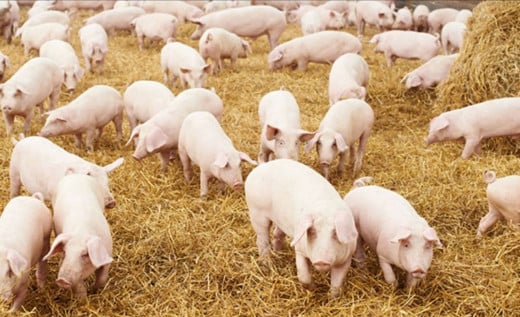
Pig Farming and Management
Pig farming has become a successful and profitable venture worldwide. It is vital to understand the management and selection of breeds, housing, and feed in order to make it successful. In this article, we will be offering a comprehensive guide to assist you; whether you are new or have years of experience in the industry. Keep reading for all of the details!
What is Pig Farming?
Pig farming is the raising and breeding of pigs primarily for meat production. Pigs are a widely-consumed form of meat, and pig farming has become a massive industry - from small farms that only house a small number of animals to massive business operations with hundreds of thousands of pigs.
Pigs are omnivorous by nature, so their diets can vary greatly according to the type of farm they inhabit. While some farms may solely provide feed for other animals, others may be devoted to human consumption. Whatever the purpose of the farm, it must always ensure that pigs have access to fresh water and a balanced diet to maintain their health.
Pig farming requires a great deal of effort and dedication as pigs need constant care and attention. Farmers need to ensure their pigs have suitable housing, nutritious food, and medical attention if necessary. Furthermore, they must be prepared to tackle any problems which arise when managing livestock, such as disease outbreaks or extreme weather conditions.
The Different Types of Pigs
Pigs come in a range of shapes and sizes, each boasting its own special qualities. Most farms raise one or two of the most popular pig breeds. The Yorkshire Pig is a favorite; these animals are large, muscular and boast white coats and long snouts. They're also known for their intelligence and trainability.
Another common breed is the Hampshire Pig. Though smaller than Yorkshires, these pigs seem to make up for it with strength. With their distinctive black-and-white fur, they are known for being friendly and agreeable as well.
If you're looking for a smaller pig breed, the Miniature Pot-Bellied Pig might be right for you. As their name suggests, these pigs are much smaller than other breeds, making them perfect for those with limited space. They're also known for being very affectionate and loving animals.
Pros and Cons of Pig Farming
The advantages of pig farming are varied and plentiful. Pigs tend to be easy to look after and can reproduce in large numbers. Their pregnancy period is short, so they’re able to proliferate rapidly. Furthermore, they provide smallholders with a source of sustenance and revenue.
On the other hand, pig farming has its drawbacks too. Pigs tend to create a lot of mess and, if not kept clean and tidy, their pens can become unhygienic fast. As inquisitive animals that need space to explore and graze, pigs are not ideal for small spaces either. Those same exquisite social tendencies also mean they're prone to stress and depression without enough companionship.
What Foods Do Pigs Eat?
Pigs are not picky eaters and have a wide array of food they enjoy. Fruits and vegetables, particularly root vegetables like carrots and potatoes, are very popular with them. Corn, wheat, and other grains are also on their menu. As well as these staples, pigs love chewing on insects and worms that can be found in the dirt.
How to Care for Pigs?
Pigs are relatively easy to care for and don't require a lot of space, making them a popular choice for small-scale farmers.
Here are some tips on how to care for pigs:
- Pigs need access to fresh water at all times. A water trough or automatic waterer is best, as pigs will often make a mess of a bowl of water.
- Pigs like to root around in the dirt, so their enclosure should have plenty of room for them to move around and explore.
- Pigs are social animals and do best when kept in groups. A minimum of two pigs is recommended, but four or more is ideal.
- Pigs require a diet high in carbohydrates and protein. Commercial pig feeds are available, or you can create your own feed mix using grains, legumes, and other supplemental ingredients.
- Pigs should be vaccinated against common diseases such as swine flu and erysipelas. Your vet can provide more information on which vaccinations are recommended for your area.
How to Breed Pigs?
Pigs are intelligent and social animals that can be trained and bred relatively easily. When breeding pigs, it is important to consider the sow’s age, health, weight, and reproductive history. Younger sows tend to have easier births and greater litter sizes than older sows. Sows should also be in good health and of a good weight prior to breeding. A sow’s reproductive history is also important to consider – sows that have had multiple successful births are more likely to have successful births again.
When ready to breed, the sow will be introduced to the boar. The boar will then mount the sow and mate with her. After mating, it is important to monitor the sow closely as she can develop a condition called “vaginal prolapse” which can be fatal if not treated immediately. Once the litter is born, the piglets will need to be kept warm and dry – a heated area or “creep feeder” is often used for this purpose. The piglets will also need to be fed frequently as they grow quickly – special “pig starter” feeds are available from most farming supply stores.
In conclusion, pig farming and management is an important part of animal agriculture that requires specialized knowledge and skills. With the right tools, resources, and support, you can be successful in this field. From ensuring good health for your pigs to creating a safe and efficient environment, proper pig farming and management practices are essential to keeping your business running smoothly. We hope this guide has given you a better understanding of what it takes to be a successful pig farmer.
11 Best Agribusiness Ideas
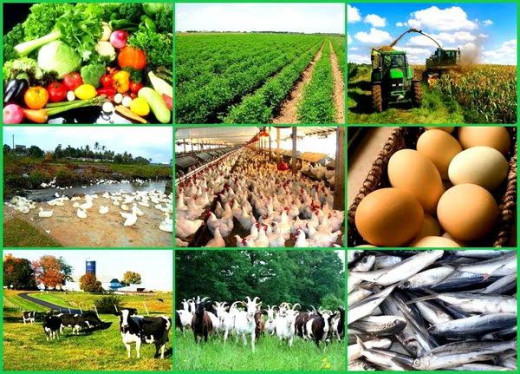
11 Best Agribusiness Ideas
Are you looking to make a positive environmental and social impact while also making a profit? Then agribusiness is your solution! This involves farming and agricultural production with the aim of generating income. Considering the recent surge in demand for sustainable and locally sourced food, now is the best time to start an agribusiness.
This article will provide detailed information on 11 great agribusiness ideas, along with tips on launching your business, benefits and potential challenges. Whether you possess prior knowledge about agriculture or have no experience whatsoever, there's something here for everyone! So don't hesitate to embrace your entrepreneurial spirit – let's get started!
What is Agribusiness?
Agribusiness is a term used to describe the industry that involves the production, processing, and distribution of agricultural products. It encompasses all aspects of farming, from growing crops to raising livestock and poultry. Agribusiness also includes food processing companies that turn raw materials into finished products such as packaged foods and beverages.
In recent years, agribusiness has become an increasingly important sector of the economy due to its potential for growth and job creation. This is particularly true in developing countries where agriculture remains a major source of income for many people.
One aspect that sets agribusiness apart from traditional farming is its focus on efficiency and profitability. In order to be successful in this industry, farmers must not only produce high-quality products but also manage their operations like any other business – with careful attention paid to costs, marketing strategies and supply chain management.
While agribusiness can present challenges such as weather-related risks or shifts in consumer demand patterns, it offers many benefits including opportunities for innovation, sustainable practices that protect natural resources like water or soil health while generating reliable revenue streams.
11 Best Agribusiness Ideas
Here are some of the best agribusiness ideas that you could consider for your venture.
1. Agro-tourism
Agro-tourism is a unique concept that has gained popularity in recent years. It involves inviting tourists to visit farms and experience the rural lifestyle, food, culture, and traditions of a particular region.
This type of business not only promotes local agriculture but also provides an opportunity for farmers to diversify their income streams. Tourists can participate in farm activities such as picking fruits and vegetables, feeding animals, or even learning how to make cheese or bread.
Agro-tourism can benefit both small-scale and large-scale farmers who want to showcase their products while boosting their sales. Farmers can offer accommodation facilities like cottages or tents for overnight stays and serve freshly-cooked meals made from locally-sourced ingredients.
In addition to providing an authentic agri-experience for tourists, agro-tourism also helps create awareness about sustainable farming practices by showcasing the importance of preserving natural resources while producing high-quality crops. It's a win-win situation for everyone involved!
2. Agricultural Consultancy Services
Agricultural consultancy services have emerged as a profitable agribusiness idea in recent years. These services provide expert advice and support to farmers, helping them optimize their crop yields, minimize input costs, and increase profits. The demand for agricultural consultancy services is on the rise due to the increasing complexity of modern farming techniques and the need for sustainable agriculture practices.
Consultancy service providers offer various specialized services such as soil testing, crop selection, pest management solutions, irrigation planning and design, among others. They also help farmers identify new market opportunities and assist with marketing strategies to enhance their profitability.
One major advantage of offering agricultural consultancy services is that it allows entrepreneurs to work closely with farmers while leveraging their expertise in agriculture technology innovations. This unique combination enables consultants to create customized plans tailored specifically for individual farms' needs.
Moreover, many governments across the globe are investing heavily in promoting sustainable agriculture practices through incentives programs that reduce input costs resulting from overuse of fertilizers/pesticides or inefficient resource utilization methods. Hence there's no better time than now for aspiring entrepreneurs looking towards venturing into Agricultural Consultancy Services!
3. Crop Farming
Crop farming is one of the most traditional agribusiness ideas that have been around for centuries. It involves growing crops such as grains, fruits, and vegetables on a large scale to meet the demands of consumers and industries.
One major benefit of crop farming is its versatility. Farmers can choose from various crops depending on their region's climate, soil type, and market demand.
Another advantage of crop farming is its scalability. With proper management practices and investments in technology, farmers can expand their operations to meet growing demand and increase profits.
However, successful crop farming requires careful planning and attention to detail. Farmers need to consider factors such as irrigation systems, pest control methods, soil testing procedures, harvesting techniques, transportation logistics, among others.
In recent years there has been an increased focus on sustainable agriculture practices that promotes soil conservation while reducing environmental impact. Crop rotation systems are becoming more common which helps maintain healthy soil conditions by alternating plant types grown in a specific area each season.
Success in this agribusiness idea depends highly upon strategic investment decisions made throughout all aspects of production - from choosing appropriate seed varieties or breeds through marketing channels selected for optimal reach with customers seeking quality produce at affordable prices!
4. Greenhouse Farming
Greenhouse farming is a modern and profitable way of growing crops in a controlled environment. Rather than relying on natural weather conditions, greenhouse farmers can manipulate the temperature, humidity levels, and light to achieve optimal plant growth.
One of the biggest advantages of greenhouse farming is that it allows for year-round crop production. By creating an artificial climate within the greenhouse, farmers can grow crops even during off-seasons or harsh weather conditions.
Another benefit of greenhouse farming is that it provides protection against pests and diseases. The enclosed space helps to keep out unwanted insects and other harmful organisms that could damage crops. This means less reliance on pesticides and other chemical treatments.
Greenhouses also offer flexibility when it comes to choosing what types of crops to grow. Farmers can cultivate plants like tomatoes, cucumbers, peppers or herbs all year round since these are highly sought after products in local markets.
This innovative agribusiness idea offers endless possibilities for those who have an interest in farming but want more control over their yields while enjoying high profits!
5. Livestock Farming
Livestock farming involves the rearing of animals for commercial purposes such as meat, milk, eggs or wool. This agribusiness idea has been around since the beginning of human civilization and continues to be one of the most profitable agricultural ventures.
In today's world, livestock farming is a highly specialized field that requires expert knowledge in animal care and management. Farmers need to take into account factors like breeding, feeding habits and health issues in order to produce high-quality products.
There are different types of livestock that can be farmed including cattle, pigs, sheep, goats and poultry. Each type requires specific conditions for optimal growth and production. For instance, cattle require grazing land while poultry can thrive in smaller spaces with proper ventilation.
One advantage of livestock farming is that it provides steady income throughout the year because animals continue to grow even during seasonal fluctuations in crop prices. Additionally, farmers have access to multiple streams of income from selling various parts of an animal such as hides or organs.
However, there are also challenges associated with livestock farming such as disease outbreaks which can lead to massive losses if not managed well. To mitigate these risks farmers must ensure strict biosecurity measures are implemented on their farms.
Livestock farming offers great potential for those interested in agribusiness ideas but success depends on careful planning and execution alongside extensive knowledge about animal husbandry practices.
6. Aquaculture
Aquaculture is a booming agribusiness idea that has gained popularity in the recent past. It involves breeding, rearing and harvesting of aquatic organisms such as fish, crustaceans, mollusks and other aquatic plants. Unlike commercial fishing which depletes natural fish stocks, aquaculture provides a sustainable solution to meet the increasing demand for seafood.
One of the most popular forms of aquaculture is fish farming. This involves raising fish in tanks or ponds until they reach maturity for sale or consumption. Fish like tilapia, trout and salmon are commonly farmed due to their high demand and profitability.
Another form of aquaculture is shellfish farming where mollusks like oysters, clams and mussels are raised in mesh bags suspended from rafts or trays on the seafloor.
While there are many benefits associated with aquaculture including providing employment opportunities and reducing reliance on wild-caught seafood; it also poses some challenges such as disease outbreaks among farmed species.
If done responsibly with proper management practices put into place to minimize environmental impacts; Aquaculture presents an excellent opportunity for entrepreneurs looking to venture into agribusiness.
7. Horticulture
Horticulture is the art and science of cultivating plants, flowers, vegetables, and fruits for human consumption or aesthetic purposes. It involves a wide range of activities such as planting, pruning, grafting, harvesting and maintaining landscapes. With the increasing demand for fresh produce and ornamental plants in various parts of the world, horticulture has become an attractive agribusiness idea.
One of the most popular forms of horticulture is greenhouse farming. Greenhouse farming allows farmers to extend their growing season by providing controlled climatic conditions that enhance plant growth even in unfavorable weather conditions. Farmers can grow crops like tomatoes, cucumbers or peppers all year round using greenhouses.
Another form of horticulture is landscaping which deals with designing outdoor spaces to create functional and aesthetically pleasing environments for people to enjoy. This includes installing irrigation systems, laying out walkways and paths and planting trees or flowers.
Ornamental gardening also falls under horticulture whereby gardeners grow flowers or foliage plants primarily for decorative purposes rather than food production. Popular ornamental gardens include rose gardens or botanical gardens where visitors come to admire different types of exotic plants from around the world.
Horticulture offers a variety of opportunities beyond just growing fruits and vegetables. From greenhouse farming to landscaping design to ornamental gardening – there’s plenty one can do within this field while contributing towards food security concerns on a global scale!
8. Forestry
Forestry is another lucrative agribusiness idea that involves the cultivation, management, and harvesting of forests for wood products. It's a vital sector that provides timber for construction purposes, paper production, furniture making and many other industries.
In addition to providing raw materials for various industries, forestry also offers ecological benefits such as preserving habitats for wildlife and maintaining biodiversity. Forests are also essential in mitigating climate change by absorbing carbon dioxide from the atmosphere.
Forestry requires careful planning and management strategies to ensure sustainability. Sustainable practices involve reforestation efforts through planting new trees after harvesting mature ones. This helps maintain the balance between economic gains and environmental conservation.
Investing in forestry can be done on a small or large scale depending on available resources. Small-scale forestry projects may include growing individual trees or establishing tree nurseries while large-scale projects may involve managing commercial forests.
Investing in Forestry presents an excellent opportunity for entrepreneurs who want to contribute positively to the environment while generating income sustainably through agriculture-focused investments.
9. Organic Farming
Organic farming is a method of agriculture that involves the use of natural resources and processes to grow crops and raise animals. Unlike conventional farming, which relies heavily on synthetic chemicals such as fertilizers and pesticides, organic farming emphasizes the importance of soil health, crop rotation, and integrated pest management.
One of the main benefits of organic farming is that it can help reduce environmental pollution by minimizing the use of harmful chemicals. Organic farmers also focus on preserving biodiversity by promoting natural habitats for beneficial insects, birds, and other wildlife.
Another advantage of organic farming is that it can produce healthier food with higher nutritional value compared to conventionally grown crops. Studies have shown that organically grown fruits and vegetables contain higher levels of vitamins, minerals, antioxidants, and other essential nutrients.
Moreover, organic farms tend to be more sustainable in the long run because they rely less on fossil fuels for transportation and energy. Instead, they focus on using renewable sources such as solar power or wind turbines to generate electricity.
Organic farming offers many benefits both for human health and environmental sustainability. By choosing organically produced foods over conventionally grown ones whenever possible you are supporting a more sustainable future for our planet while enjoying healthier food choices at the same time!
10. Genetically Modified Organisms (GMOs)
Genetically modified organisms, commonly known as GMOs, are crops or animals that have been altered through genetic engineering. This process involves inserting genes from other organisms to improve certain traits such as disease resistance and yield.
GMOs have sparked controversy in the agriculture industry due to concerns about their safety for consumption and environmental impact. Some argue that genetically modifying crops can lead to negative effects on biodiversity and contribute to the development of superweeds.
On the other hand, proponents of GMOs argue that they can help address food insecurity by increasing crop yields and reducing the use of harmful pesticides. They also point out that genetic engineering has been used successfully in medicine for decades.
Currently, there are strict regulations surrounding GMO production and labeling requirements vary across countries. It is important for consumers to educate themselves about GMOs and make informed decisions when purchasing products.
While there may be potential benefits to genetically modifying crops, it is important to continue researching their long-term effects on both human health and the environment.
11. Biotechnology
Biotechnology is a field of agriculture that involves the use of living organisms or parts of living organisms to improve crops, animals, and other agricultural products. This technology has been used for centuries in traditional breeding programs where farmers select plants with desired traits to produce offspring with those same traits.
With modern biotechnology techniques, scientists can manipulate genes directly to create plants and animals with specific desirable traits. For example, they can insert a gene that makes a crop resistant to pests or diseases, which increases yields and reduces the need for pesticides.
One controversial aspect of biotechnology is genetically modified organisms (GMOs). GMOs are created by inserting foreign genetic material into an organism's DNA. Supporters argue that this allows for more efficient and sustainable agriculture by creating crops that are drought-resistant or have higher nutrient content.
However, critics raise concerns about potential health risks and environmental impacts.
Despite controversy surrounding GMOs, biotechnology continues to be a promising field in agribusiness as it offers solutions to many problems faced by farmers today.
These are just a few options available within agribusiness which showcase how diverse this industry has become over time!
How to Start an Agribusiness
Starting an agribusiness can be a challenging but rewarding endeavor. Here are some tips to help you get started:
First, conduct thorough research on the market and demand for your chosen crop or livestock. This will ensure that there is a need for your product and give you insights into pricing and competitors.
Next, establish a business plan that includes financial projections, marketing strategies, and operational goals. Consider seeking advice from experienced professionals in the industry to help with this process.
Secure funding through loans or grants specifically designed for agricultural businesses. You may also want to consider partnerships or investors.
Invest in quality equipment and supplies, such as tractors, irrigation systems, seeds or animals feed. Remember that investing in high-quality products early on can save money in the long run by reducing maintenance costs.
Build relationships with suppliers of raw materials like fertilizers & pesticides while looking out for favorable distribution channels like Farmers' markets & supermarkets
By taking these steps towards starting an agribusiness venture cautiously yet decisively; you're setting yourself up for success!
The Benefits of Starting an Agribusiness
Starting an agribusiness can be a rewarding venture with several benefits. One of the most significant advantages is that it promotes food security, which is essential in today's world. By starting an agribusiness, you will be contributing to the production of food for local and global markets, ensuring that there is enough supply to meet demand.
Another benefit of starting an agribusiness is that it provides employment opportunities for individuals within the community. As your business grows, so does its capacity to provide more jobs for farmers and other workers involved in agriculture-related industries. This helps reduce unemployment rates and boost economic growth.
In addition to job creation and promoting food security, starting an agribusiness also presents opportunities for innovation and technology adoption. With advancements in agricultural technologies such as precision farming techniques, smart irrigation systems, and automated machinery, farmers can increase productivity while reducing costs.
Moreover, owning an agribusiness gives you control over your own work schedule since farm activities are often subject to seasonal changes. You have flexibility when deciding on when best to plant crops or harvest them based on market demands or weather patterns.
Realizing profits from your agribusiness can potentially lead to greater financial stability as well as wealth creation over time. Plus being able contribute towards feeding people all around the globe through sustainable practices should give one immense satisfaction!
The Challenges of Starting an Agribusiness
Starting an agribusiness can be a challenging endeavor, especially for those who are new to the industry. One of the biggest challenges faced by agribusiness owners is the unpredictable nature of farming. Weather conditions, pests, and diseases can all have a significant impact on crop yields and profitability.
Another challenge that agribusiness owners face is access to financing. Starting an agribusiness requires significant upfront costs for land, equipment, seeds or livestock. Securing funding from banks or other financial institutions can be difficult without a solid business plan and collateral.
Marketing agricultural products can also present challenges for new agribusiness owners. It takes time to build relationships with buyers and establish trust in your brand. Additionally, competition in the market may require you to price your products competitively while maintaining quality standards.
Regulations around agriculture practices and food safety are also strict which add another layer of complexity for start-ups in this field. Ensuring that crops follow environmental regulations as well as food safety guidelines set by government agencies is critical but comes at additional cost.
Starting any business requires dedication perseverance and hard work but when it comes to Agri-business one must always keep pushing forward despite these obstacles to reap its potential rewards.
In conclusion, agribusiness is a sector that has proven to be profitable and sustainable over the years. Starting an agribusiness requires planning, research, dedication, and hard work. With the right mindset and approach towards it, you can start an agribusiness that will not only provide for your family but also contribute positively to society.
We have outlined some of the best agribusiness ideas such as greenhouse farming, poultry farming, aquaculture among others. These ideas are just a starting point as there are numerous opportunities in this field.
Despite the challenges involved in starting an agribusiness such as capital investment requirements and market fluctuations. The benefits far outweigh these challenges when done properly.
With proper planning and execution using these best agribusiness ideas mentioned above alongside other viable options within your geographical location or niche interest area; you're on track to building a successful enterprise in agriculture!
The Link Between Economic Development and Financial Markets

The Link Between Economic Development and Financial Markets
Welcome to a world where economic development and financial markets intertwine in a dance of prosperity and growth. Understanding the dynamic relationship between these two pillars is crucial for navigating the complexities of our global economy. So, grab your seat as we delve into how GDP, employment rates, inflation, and financial markets all play a vital role in shaping the economic landscape. Let's embark on this enlightening journey together!
Key Indicators of Economic Development
Economic development is a complex puzzle, with key indicators serving as pieces that help us understand the bigger picture. One vital indicator is GDP, which measures the total value of goods and services produced within a country's borders. It reflects the overall economic health and growth trajectory.
Employment rates are another crucial indicator, shedding light on the labor market's strength. High employment rates indicate a robust economy with ample job opportunities for its citizens.
Inflation rates play a significant role in understanding how prices evolve over time. Monitoring inflation helps policymakers gauge purchasing power and adjust monetary policies accordingly.
By analyzing these key indicators collectively, we gain valuable insights into economic trends and potential challenges or opportunities on the horizon.
A. GDP
When it comes to understanding economic development, one key indicator that stands out is Gross Domestic Product (GDP). GDP represents the total value of goods and services produced within a country's borders over a specific period. It serves as a crucial measure of an economy's health and growth potential.
A rising GDP typically indicates a growing economy with increased production and consumption. This growth can lead to higher standards of living, job creation, and overall prosperity for the population. On the flip side, a stagnant or declining GDP may signal economic challenges that need attention.
Governments and businesses closely monitor GDP trends to make informed decisions on policies, investments, and strategies. Understanding the nuances of GDP data helps in predicting economic trends and planning for sustainable development in the long run.
B. Employment Rates
Employment rates are a crucial indicator of economic development. When more people are employed, it signifies a growing economy and increased consumer spending power.
High employment rates not only boost individual income but also contribute to overall societal well-being. Stable job markets lead to higher levels of confidence among consumers, encouraging them to invest and spend.
Moreover, lower unemployment rates often result in reduced government spending on social welfare programs as fewer individuals rely on financial assistance. This allows governments to allocate funds towards other areas such as infrastructure development or education.
In essence, employment rates serve as a barometer for the health of an economy. By understanding the dynamics of job creation and workforce participation, policymakers can implement strategies to foster sustainable growth and prosperity for all members of society.
C. Inflation Rates
Inflation rates play a significant role in the overall economic landscape. When prices of goods and services rise, it affects consumers' purchasing power. High inflation can erode savings and reduce real incomes, impacting people's standard of living.
Central banks closely monitor inflation to maintain price stability. By adjusting interest rates or implementing monetary policies, they aim to control inflation within a target range.
Inflation impacts different sectors unevenly. While some industries may benefit from rising prices, others may struggle with increased production costs.
Understanding inflation trends is crucial for businesses to make informed decisions on pricing strategies and revenue projections. It also influences government policies on fiscal measures and social welfare programs.
Keeping tabs on inflation rates helps investors assess risks and potential returns in financial markets. Inflation can affect asset values, interest rates, and investment portfolios diversification strategies.
Understanding Financial Markets
Financial markets play a crucial role in shaping the global economy. But what exactly are financial markets? Essentially, they are platforms where individuals and institutions trade financial securities like stocks, bonds, commodities, and currencies.
There are various types of financial markets including stock markets, bond markets, foreign exchange markets (Forex), and derivatives markets. Each market serves different functions but collectively contribute to the overall economic landscape.
These markets facilitate the flow of capital within an economy by providing opportunities for investors to buy or sell assets based on their risk tolerance and investment goals. They also help determine interest rates which impact borrowing costs for businesses and consumers alike.
Understanding how financial markets operate is essential for anyone looking to make informed investment decisions or comprehend broader economic trends. By staying informed about market dynamics and trends, individuals can better navigate the complexities of global finance.
A. Definition and Types of Financial Markets
Financial markets play a pivotal role in the global economy, serving as platforms where individuals and entities can trade financial securities. These markets are classified into primary and secondary markets. The primary market is where newly issued securities are bought directly from the issuing company, while the secondary market involves trading existing securities among investors.
Stock markets, one of the most well-known types of financial markets, allow companies to raise capital by selling stocks to investors. Bond markets facilitate the buying and selling of debt securities issued by governments or corporations. Meanwhile, commodities markets deal with raw materials like gold or oil.
Foreign exchange (Forex) markets enable the exchange of different currencies for international trade purposes. Derivatives markets involve contracts whose value is derived from an underlying asset like stocks or bonds. Understanding these various financial market types is crucial for anyone looking to navigate the complex world of finance effectively.
B. Role of Financial Markets in Economic Development
Financial markets play a crucial role in driving economic development. These markets act as the intermediary between savers and borrowers, facilitating the flow of funds throughout the economy. By providing a platform for companies to raise capital through issuing stocks and bonds, financial markets enable businesses to expand their operations and create jobs.
Moreover, financial markets help allocate resources efficiently by pricing assets based on supply and demand. This process ensures that capital flows towards its most productive uses, boosting innovation and growth in the economy. Additionally, these markets allow investors to diversify their portfolios, reducing risk and encouraging more investment.
Financial markets serve as the backbone of economic progress by fostering liquidity, promoting investment opportunities, and supporting sustainable growth.
The Impact of Economic Development on Financial Markets
Economic development plays a crucial role in shaping financial markets. As economies grow and prosper, the impact on financial markets is significant. One positive effect of economic development on financial markets is the increase in investment opportunities available to individuals and businesses.
With a thriving economy, there are more avenues for investments across various sectors like stocks, bonds, and real estate. This diversification enables investors to spread their risks and potentially earn higher returns. Additionally, as economies progress, access to capital improves.
Financial institutions become more willing to lend money due to the overall stability and growth prospects of the economy. This increased access to capital allows businesses to expand operations, innovate products/services, and create jobs - further fueling economic development. In essence, economic development acts as a catalyst for a robust financial market ecosystem where opportunities abound for all stakeholders involved.
A. Positive Impact
When it comes to economic development, the positive impact on financial markets cannot be overlooked. As countries experience growth and stability in their economies, financial markets tend to thrive as well. This symbiotic relationship paves the way for increased investment opportunities across various sectors.
With a flourishing economy, investors are more willing to put their money into different ventures, driving innovation and expansion. Moreover, improved access to capital allows businesses to secure funding for projects that contribute to overall economic progress.
As economic development continues on an upward trajectory, confidence in financial markets grows stronger. This leads to a cycle of prosperity where businesses can flourish and individuals can reap the benefits of a robust financial system.
I. Increased Investment Opportunities
Have you ever wondered how economic development can create more investment opportunities for individuals and businesses alike? Well, let's dive into it! When a country experiences growth in its economy, it often attracts investors looking to capitalize on the expanding market. This influx of investments can lead to new projects, businesses, and job opportunities.
Increased investment opportunities also mean that people have more options to diversify their portfolios. Whether it's investing in stocks, bonds, real estate, or startups, a thriving economy provides a fertile ground for financial growth. Moreover, with more investments flowing into different sectors of the economy, there is potential for innovation and technological advancements.
Understanding how economic development correlates with increased investment opportunities sheds light on the interconnected nature of finance and growth. So next time you hear about a booming economy, remember that it could be opening doors to exciting new ventures and profitable endeavors.
Ii. Improved Access to Capital
Access to capital is crucial for businesses looking to grow and expand. When economic development thrives, it paves the way for improved access to capital in financial markets. This means that companies have more opportunities to secure funding for their endeavors, whether it's through loans, investments, or other financial instruments.
With increased access to capital, businesses can take on new projects, hire more employees, upgrade equipment, or even enter new markets. This influx of funds allows companies to innovate and stay competitive in the ever-evolving business landscape.
Moreover, improved access to capital also benefits individuals looking to start their own ventures or invest in existing ones. As financial markets become more robust due to economic growth, individuals have a better chance of accessing funds needed for their entrepreneurial pursuits.
Enhanced access to capital catalyzed by economic development creates a fertile ground for business expansion and innovation in the financial realm.
The Future of Retail: The Rise of Seamless Shopping

Introduction to Seamless Shopping
Welcome to the future of retail, where shopping is no longer just a transaction but a seamless experience that blends technology with convenience. Imagine a world where you can browse, purchase, and receive your items without ever leaving the comfort of your home or while on-the-go. This shift towards seamless shopping is revolutionizing the way we interact with brands and making it easier than ever for consumers to get what they want when they want it. Let’s dive into how this transformation is reshaping the retail landscape as we know it.
The Benefits of Seamless Shopping
Picture this: you're browsing through your favorite online store, adding items to your cart with just a few clicks. No long lines, no crowded aisles – just the convenience of shopping from the comfort of your own home. That's the beauty of seamless shopping – it's all about making the buying process as smooth and effortless as possible.
One major benefit is the time saved. With seamless shopping, you can quickly find what you need and make a purchase in no time. No more wasting precious hours wandering around stores or waiting in line at checkout counters. It's all about efficiency and convenience.
Another advantage is the personalized experience. Seamless shopping allows retailers to tailor recommendations based on your past purchases and preferences, creating a more tailored and enjoyable shopping journey for customers.
And let's not forget about the flexibility it offers. Whether you prefer to shop online or in-store, seamless shopping bridges the gap between physical and digital retail channels, giving consumers more options to choose how they want to shop.
How Technology is Changing the Retail Landscape
Technology is revolutionizing the way we shop, transforming the retail landscape into a digital playground where convenience and efficiency reign supreme. From personalized recommendations to seamless checkout processes, advancements in AI and data analytics are reshaping the entire shopping experience.
Mobile apps allow customers to browse products, compare prices, and make purchases with just a few taps on their smartphones. Virtual reality technology is bringing immersive shopping experiences right into our living rooms, enabling us to try on clothes or visualize furniture in our homes before buying.
Retailers are leveraging big data to better understand consumer behavior and preferences, allowing them to tailor their offerings and marketing strategies accordingly. The rise of chatbots and virtual assistants has also streamlined customer service interactions, providing instant support 24/7.
As technology continues to evolve at a rapid pace, retailers must adapt or risk falling behind in this fast-paced digital era. Embracing innovation and staying ahead of tech trends will be crucial for businesses looking to thrive in the ever-changing retail landscape.
Examples of Seamless Shopping in Action
Imagine browsing products on your favorite retailer's app, adding items to your cart, and seamlessly checking out without ever having to leave the platform. This is the reality of seamless shopping in action. Retailers like Amazon have revolutionized the way we shop by offering features like one-click ordering and personalized recommendations based on our previous purchases.
Another example of seamless shopping can be seen in stores equipped with RFID technology that allows customers to grab items off the shelves and automatically pay for them as they walk out, eliminating the need for traditional checkout lines. Companies like Zara are leading this trend by implementing RFID tags in their clothing to enhance inventory management and provide a frictionless shopping experience for consumers.
Moreover, virtual fitting rooms powered by augmented reality enable customers to try on clothes virtually before making a purchase online, bridging the gap between online and offline retail experiences. These innovative technologies are reshaping the future of retail by creating more convenient and personalized shopping journeys for consumers worldwide.
The Challenges and Concerns with Seamless Shopping
As with any technological advancement, seamless shopping comes with its own set of challenges and concerns that retailers need to address. One major concern is the potential threat to traditional brick-and-mortar stores as more consumers shift towards online shopping experiences. This could lead to a decline in foot traffic and sales for physical retail locations.
Another challenge is data privacy and security issues. With seamless shopping relying heavily on customer data collection, there are valid concerns about how this information is being used and protected against cyber threats or breaches. Maintaining trust with customers regarding their personal information will be crucial for retailers moving forward.
Additionally, the digital divide presents a challenge as not all consumers have equal access to technology or the internet, creating disparities in who can fully participate in seamless shopping experiences. Retailers must find ways to bridge this gap while ensuring inclusivity for all customers.
Navigating these challenges will require careful planning and strategic decision-making from retailers looking to embrace the future of seamless shopping seamlessly.
Strategies for Traditional Retailers to Adapt to Seamless Shopping
Traditional retailers facing the wave of seamless shopping must embrace change to stay competitive. One strategy is to invest in digital technologies that enhance the customer experience, such as mobile apps for easy browsing and purchasing. Another approach is to integrate online and offline channels seamlessly, offering options like click-and-collect or in-store pickup for online orders.
Additionally, leveraging data analytics can help retailers understand consumer behavior better, allowing them to personalize offers and recommendations. Creating a strong omnichannel presence by aligning branding and messaging across all touchpoints is vital for capturing customers' attention throughout their purchase journey. Moreover, focusing on providing exceptional customer service both online and in-store can differentiate traditional retailers from pure e-commerce players.
Partnerships with tech companies or startups can bring fresh perspectives and innovative solutions to streamline operations and enhance the overall shopping experience. By adopting these strategies proactively, traditional retailers can adapt successfully to the evolving retail landscape driven by seamless shopping trends.
Embracing the Future of Retail
As the retail landscape continues to evolve rapidly, it's essential for businesses to embrace the future of shopping. This means adopting innovative technologies and strategies to stay competitive in an increasingly digital world.
One way retailers can embrace the future is by enhancing their omnichannel presence. By seamlessly integrating their online and offline channels, they can provide customers with a cohesive shopping experience across all touchpoints.
Personalization is another key aspect of embracing the future of retail. Utilizing data analytics and AI technology allows businesses to tailor their offerings to individual customer preferences, creating more meaningful interactions and driving loyalty.
Furthermore, investing in experiential retail concepts can help brands differentiate themselves in a crowded market. By providing unique in-store experiences that cannot be replicated online, retailers can attract and retain customers in an increasingly competitive environment.
Embracing the future of retail requires a willingness to adapt and innovate continuously. By staying ahead of trends and anticipating consumer needs, businesses can position themselves for long-term success in an ever-changing industry landscape.
Conclusion
As we look ahead to the future of retail, it's clear that seamless shopping is not just a trend but a transformative force reshaping the way consumers interact with brands. Technology continues to drive innovation in the retail landscape, creating new opportunities for businesses willing to adapt and evolve.
The benefits of seamless shopping are undeniable, offering convenience, personalization, and efficiency for both retailers and customers. From AI-powered recommendations to frictionless checkout experiences, the possibilities are endless.
While there are challenges and concerns associated with this shift towards seamless shopping, traditional retailers can embrace change by integrating technology into their operations, focusing on customer experience, and leveraging data insights to stay competitive in an increasingly digital world.
By understanding the impact of technology on consumer behavior and preferences, retailers can position themselves for success in an era where convenience and customization reign supreme. The future of retail is here - it's time to embrace the opportunities that seamless shopping presents.
Broiler Chicken Farming Business Plan
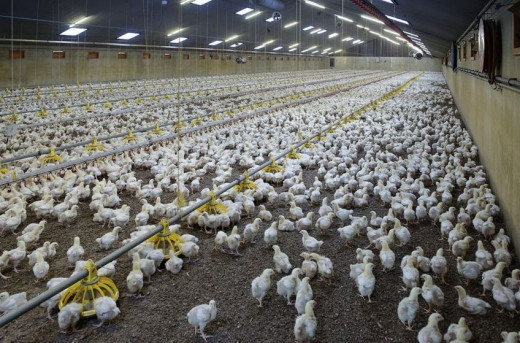
Broiler Chicken Farming Business Plan
Are you interested in starting a broiler chicken farming business but don't know where to begin? Look no further! In this article, we will provide you with a comprehensive guide on how to create your own business plan for broiler chicken farming. You'll learn about the different types of broiler chickens, what foods they need to thrive, and how to build a chicken coop that keeps them safe and happy. Plus, we'll give you tips on marketing your farm so that it can become profitable in no time. Keep reading to get clucking!
What is Broiler Chicken Farming?
Broiler chicken farming is a type of poultry farming that focuses on raising chickens for meat production. Unlike egg-laying hens, broiler chickens are bred to grow and put on weight quickly. This means they can go from chicks to market-ready birds in just six to eight weeks.
The demand for broiler chickens has been increasing over the years as more people consume chicken as their primary source of protein. As such, broiler chicken farming has become a profitable business venture for many farmers worldwide.
To start a successful broiler chicken farm, you need to have adequate knowledge about raising these birds and meeting their requirements. You should provide your chickens with clean water, balanced nutrition, and a comfortable living environment.
When starting out in this industry, it's essential to conduct thorough research on the different types of breeds available so that you can choose those best suited for your preferred market. Some popular breeds include Cornish Cross and Plymouth Rock.
In summary, broiler chicken farming involves breeding domesticated fowl designed specifically for meat production purposes. It's an exciting industry with significant potential if done correctly; hence it requires proper planning before embarking on any enterprise related activities like constructing housing or buying equipment needed at every stage of production which will be discussed further in this article.
The Different Types of Broiler Chickens
Broiler chickens come in different varieties, each with unique characteristics that make them suitable for different farming needs. Here are some of the commonly known types of broiler chickens:
1. Cornish Cross: This is one of the most popular breeds used in commercial broiler chicken farming due to its fast growth rate and meaty appearance.
2. White Leghorn: This breed is quite small compared to other broilers, but it's still a good choice for those who want tender meat.
3. Red Broilers: They grow at a slower pace than Cornish Cross, but they produce flavorful meat that has made them quite popular among backyard farmers.
4. Jersey Giants: Despite their name, these birds are not giants; they're just big enough to have more meat than other breeds like Leghorns.
5. Freedom Rangers: These birds can be raised on pasture and provide flavorful meat that many people find superior to factory-farmed chicken.
When choosing which type of broiler chicken will work best for your business plan or hobby farm, consider factors such as growth rate, feed requirements, and market demand for specific types of poultry products (e.g., white vs dark meat). Ultimately, knowing what you need from your flock will help you decide on which type suits your purpose better!
The Pros and Cons of Broiler Chicken Farming
Broiler chicken farming can be a lucrative venture, but it also comes with its challenges. Let's take a look at some of the pros and cons.
Pros:
- Broiler chickens are fast-growing birds that reach maturity in just six to eight weeks.
- There is always a high demand for broiler chickens in the market due to their meat being popular among consumers.
- The startup cost for broiler chicken farming is relatively low compared to other livestock ventures.
- Broilers require less space than other livestock animals such as cows or pigs, making them ideal for small-scale farmers.
- The return on investment (ROI) can be significant if done correctly.
Cons:
- Raising broilers requires constant monitoring and attention as they are prone to various diseases and health issues.
- Proper sanitation measures must be taken regularly to avoid disease outbreaks within the flock
- The production process involves slaughtering live animals which can be emotionally difficult for some individuals
- Market prices may fluctuate depending on various factors such as supply and demand, weather conditions, etc., leading to unpredictable earnings.
Despite these challenges, with proper planning and execution of strategies, one can establish a successful broiler chicken farm business.
What Foods to Feed Broiler Chickens?
Broiler chickens require a balanced diet to grow healthy and quickly. A nutritious feed is crucial in the broiler chicken farming business plan, as it directly affects their growth rate and overall health. The right combination of protein, carbohydrates, minerals, vitamins and fats is essential for optimal growth.
A starter feed with at least 20% protein content should be given to the chicks from day one until week four. After this period, growers' feed with at least 16% protein can be introduced until they reach maturity. Finisher feeds with reduced protein levels are recommended during the last weeks before slaughter.
Feeding broiler chickens with commercial feeds formulated by reputable companies ensures that they get all the necessary nutrients in correct proportions. However, some farmers prefer homemade diets or supplements like whole grains such as corn and soybean meal.
It is important to ensure that water is always available for your broilers throughout the day since they drink a lot of water when feeding on dry food. Clean drinking water free from contaminants should be provided regularly to avoid dehydration which may lead to stunted growth or death.
A proper feeding regime cannot be overstated in Broiler Chicken Farming Business Plan success story; hence providing quality feeds will enhance rapid growth rate leading high productivity rates ultimately increasing profits realized by poultry farmers.
How to Build a Chicken Coop
Building a chicken coop is an essential step in broiler chicken farming. When building a coop, it's important to consider the size of your flock and the space you have available. Here are some tips for building a functional and comfortable home for your birds.
Firstly, choose the right location for your coop. It should be on level ground with good drainage and protection from harsh weather conditions. Also, ensure that there's enough ventilation to keep the chickens healthy.
Next, decide on the design of your coop based on how many birds you'll be raising and any local regulations. You can either build one from scratch or purchase pre-made ones online or at farm stores.
When constructing your coop, use sturdy materials such as wood or metal mesh to provide adequate support and prevent predators from attacking. Ensure that there's enough space inside for nesting boxes, roosting perches, food/water containers and easy cleaning access.
Add any finishing touches such as insulation (if necessary) or painting/staining to protect against damage caused by weather elements over time.
By following these simple steps when building a chicken coop will help ensure that your chickens remain healthy while keeping them safe and secure!
How to Market Your Broiler Chicken Farm
Marketing your broiler chicken farm is essential to reach potential customers who are interested in buying your products. One of the most effective ways to promote your business is by creating a website that showcases the different types of broiler chickens you have and their prices.
Social media platforms such as Facebook, Instagram, and Twitter can also be used to expand visibility. You can post pictures of your poultry farm on these sites with relevant hashtags so that people looking for broiler chickens can easily find you.
Another way to market your broiler chicken farming business is by participating in local events such as farmers’ markets or agricultural fairs. This will give you an opportunity to showcase the quality of your products and interact with potential customers directly.
Word-of-mouth advertising through satisfied customers can also be useful when it comes to marketing your broiler chicken farm. Always ensure that you provide high-quality products at reasonable prices so that clients keep coming back for more.
Consider collaborating with other businesses in related fields such as egg farms or feed stores. By working together, both businesses benefit from cross-promotion while expanding customer base.
Marketing plays a significant role in growing any business including Broiler Chicken Farming Business Plan For Beginners; hence there must be conscious efforts made towards promoting this enterprise using various strategies highlighted above.
In conclusion, broiler chicken farming can be a profitable business if done correctly with the right planning and execution. It is important to choose the right breed of chickens, feed them properly, provide them with adequate housing and take care of their health needs. Marketing your farm well is also essential for success.
Creating a solid business plan that includes all aspects of your broiler chicken farming venture will help you stay on track towards achieving profitability. By following these steps, you can increase your chances of successfully starting and running a profitable broiler chicken farming business.
Remember to always keep yourself informed about industry trends and regulations so that you are equipped to make informed decisions for your farm. With dedication and hard work, you can turn your passion into a successful enterprise in the broiler chicken farming industry!
Innovations in Beauty Industry: Technology’s Influence on Skincare and Makeup

Innovations in Beauty Industry: Technology’s Influence on Skincare and Makeup
The beauty industry is undergoing a remarkable transformation. Gone are the days of traditional skincare routines and makeup applications. Today, technology plays a pivotal role in how we enhance our natural features and care for our skin. From smart devices that analyze your skin's needs to virtual consultations with experts, innovation has redefined what beauty means.
As consumers become more tech-savvy, brands have adapted by integrating advanced technologies into their offerings. This evolution not only empowers individuals to make informed choices but also revolutionizes the way products are formulated and applied.
Join us on this journey through the innovations that are shaping the future of beauty—where science meets artistry—and discover how these advancements can elevate your self-care routine to new heights.
Understanding the Changing Beauty Landscape
The beauty landscape is in flux, driven by shifting consumer preferences and technological advancements. Today’s consumers demand authenticity, sustainability, and personalization from their beauty products.
Social media plays a significant role in shaping trends. Platforms like Instagram and TikTok influence how brands market themselves and how customers discover new products. The rise of influencers has added a layer of transparency; users seek genuine recommendations over traditional advertising.
Moreover, inclusivity has become paramount. Consumers expect brands to cater to diverse skin tones and concerns, reflecting the rich tapestry of individual identities.
As we embrace these changes, technology emerges as a key player. It not only enhances our understanding of skincare but also fosters community engagement within the beauty realm. This evolving dynamic opens doors for innovation while challenging norms that have long defined the industry.
Impact of Technology on Skincare
The beauty industry is undergoing a remarkable transformation, driven by technology. Skincare has become more personalized and precise than ever before.
Smart skin devices are at the forefront of this evolution. These gadgets analyze skin conditions in real time, providing tailored recommendations based on individual needs. They empower users to take charge of their skincare routines with informed choices.
Virtual skincare consultations are another game-changer. Consumers can now connect with dermatologists from the comfort of their homes. This accessibility helps demystify complicated skincare concerns and provides expert guidance without geographical limitations.
Customized skincare products also reflect technology’s influence. Brands leverage data analytics to craft formulas that address specific issues like pigmentation or acne for each user. This level of personalization ensures that everyone can find solutions just for them, enhancing overall effectiveness and satisfaction in their skincare journey.
Innovations in Beauty Industry
A. Smart Skin Devices
Smart skin devices are revolutionizing how we approach skincare. These innovative tools use advanced technology to analyze your skin's unique needs.
Imagine a handheld device that scans your complexion, identifying issues like dryness or uneven texture. This personalized analysis allows for tailored recommendations and treatments.
Some smart devices even connect to apps, providing ongoing feedback on your progress. You can track improvements over time and adjust your routine as needed.
Moreover, features such as LED therapy and microcurrent stimulation deliver professional-grade treatments right at home. This level of convenience makes it easier than ever to maintain healthy skin without frequent salon visits.
As consumers become more informed, these gadgets empower them to take control of their skincare regimen in an entirely new way. The future looks bright for those seeking customized solutions with just the touch of a button.
B. Virtual Skincare Consultations
Virtual skincare consultations have revolutionized how we approach skincare. No longer do you need to trek to a clinic or store for advice. With a few clicks, you can connect with experts from the comfort of your home.
These appointments often utilize video calls, allowing professionals to assess your skin in real-time. They can analyze concerns like dryness, acne, or signs of aging while recommending tailored solutions. This personalized touch is invaluable.
Moreover, virtual consultations provide access to specialists who may not be available locally. You’re no longer limited by geography when seeking expert guidance.
Many brands also offer these services through their websites and apps. Clients receive product recommendations based on thorough assessments rather than guesswork at the drugstore aisle.
As technology continues to evolve, so does our understanding of skincare needs—making beauty more accessible than ever before.
C. Customized Skincare Products
The rise of customized skincare products is reshaping how we approach beauty. Personalized formulations cater to individual skin types and concerns, making skincare more effective.
Brands are now leveraging technology to analyze your unique needs. Skin assessments via apps or online quizzes help determine the best ingredients for you. This tailored approach can lead to better results than one-size-fits-all solutions.
Moreover, many companies allow consumers to mix their own products at home. With select ingredients, you create a formula that suits your lifestyle and preferences perfectly.
Sustainability also plays a role in customization. By producing only what you need, waste is reduced significantly compared to mass-produced items.
As consumer awareness grows, the demand for personalized skincare will likely continue its upward trajectory, transforming our beauty routines into highly personal experiences.
Influence of Technology on Makeup
The makeup industry is experiencing a remarkable transformation thanks to technology. Augmented reality (AR) has revolutionized how we try on products. Virtual mirrors allow users to experiment with various shades and styles from the comfort of their homes. This not only saves time but enhances accessibility.
3D printing is another game-changer, enabling brands to create customized makeup items tailored to individual preferences. Imagine having your foundation or lipstick designed specifically for your skin tone and texture. The possibilities are endless.
Artificial intelligence plays a significant role in color matching too. Advanced algorithms analyze skin tones and recommend perfect product matches, ensuring you always achieve that flawless look without guesswork.
These innovations make beauty more inclusive, catering to diverse needs while fostering creativity and personal expression in makeup application.
A. Augmented Reality Makeup Try-Ons
Augmented reality (AR) has transformed the way we experience makeup. Now, you can try on various products without ever touching them. Just point your camera at your face and watch as makeup brands bring their offerings to life.
This technology allows users to experiment with different shades of lipstick, eyeshadow, and even foundation in real time. It removes the guesswork often associated with choosing colors that suit your skin tone.
Brands like Sephora and L’Oréal have embraced AR features in their apps. This innovation provides a personalized shopping experience while saving time and reducing product waste.
With AR makeup try-ons, confidence is key. You get instant feedback on how each look complements your features—making it easier to find what works for you without stepping into a store or making a purchase first. It's beauty redefined through technology's lens!
B. 3D Printed Makeup
3D printed makeup is revolutionizing how we think about cosmetics. Imagine having the ability to create your own foundation or lipstick with just a few clicks. This technology allows for precise customization based on individual skin tones and preferences.
The process begins with digital design software, where users can experiment with colors and textures. Once satisfied, a 3D printer creates the product layer by layer, ensuring that every detail matches their vision.
This innovation not only promotes personalization but also minimizes waste. Instead of excess products sitting in landfills, consumers can print exactly what they need when they need it.
As this technology continues to evolve, the beauty industry may witness even more creative possibilities. The intersection of art and science offers an exciting future for makeup enthusiasts everywhere.
C. AI-Powered Color Matching
AI-powered color matching is revolutionizing the makeup experience. Imagine having a foundation or lipstick shade that perfectly complements your skin tone, all thanks to advanced algorithms.
These smart systems analyze your unique complexion through images taken on your smartphone. The technology considers various factors like undertones and lighting conditions. This means you can find shades that not only match but enhance your natural beauty.
No more guessing games at the cosmetics counter! With AI, customers enjoy a personalized shopping journey tailored just for them. Brands are leveraging this tech to improve customer satisfaction and reduce returns caused by mismatched products.
As we embrace these innovations, the application of AI in color matching may expand even further—potentially integrating into virtual try-on tools for an even richer experience.
Advantages and disadvantages of technology in the beauty industry
Technology has revolutionized the beauty industry, offering incredible advantages. Smart devices help consumers analyze their skin's needs in real-time. This personal touch promotes better skincare routines tailored to individual concerns.
Yet, with great power comes responsibility. The reliance on technology can sometimes overshadow basic skincare knowledge. Users might become overly dependent on gadgets instead of understanding what their skin truly requires.
Moreover, accessibility remains a challenge. Not everyone can afford advanced devices or high-tech consultations. This gap may widen the divide between those who can access these innovations and those who cannot.
On another note, while virtual try-ons enhance convenience and fun, they can't entirely replicate the experience of applying products in-store. A digital simulation lacks the tactile feedback that many people crave when selecting makeup shades or textures.
Balancing tech advancements with traditional approaches is essential for a harmonious beauty journey moving forward.
The Future of Beauty
The future of beauty is bright and filled with possibilities. As technology continues to evolve, so too does our approach to skincare and makeup.
Imagine a world where artificial intelligence predicts your skin's needs before you even know them. This could lead to tailored solutions that adapt as your skin changes throughout the year.
Sustainable practices are also on the rise. Brands are exploring eco-friendly materials for packaging and formulations that prioritize both effectiveness and environmental responsibility.
We may see advancements in ingredient transparency, allowing consumers to make informed choices about what goes on their skin. Personalized experiences will likely become the norm, enhancing customer engagement like never before.
Moreover, community-driven platforms might emerge where users share real-time feedback on products. This would facilitate genuine connections while driving innovation across brands globally.
Innovation in beauty isn’t just about aesthetics; it’s about health, sustainability, and empowerment for all individuals.
The Rise of the Digital Economy: How Technology is Reshaping Industries

How Technology is Reshaping Industries
Welcome to the era where bytes are as valuable as bricks, and algorithms wield more power than assembly lines. The digital economy is not just a buzzword; it's a seismic shift reshaping industries, economies, and societies worldwide.
From e-commerce giants revolutionizing retail to AI transforming healthcare, technology has become the cornerstone of modern business. Let's dive into how this digital disruption is redefining our world and creating new opportunities for innovation and growth.
Understanding the Digital Economy
In simple terms, the digital economy refers to the economic activities that are based on digital technologies and data. It encompasses everything from online shopping and digital marketing to cloud computing and artificial intelligence.
Unlike traditional economies reliant on physical goods, the digital economy thrives on intangible assets like software, information, and services. Companies leverage these assets to create value in ways unimaginable just a few decades ago.
Data is often dubbed as the new oil in this context, highlighting its critical role in driving innovation and decision-making. The ability to collect, analyze, and utilize data effectively has become a key differentiator for businesses looking to stay competitive in today's fast-paced digital landscape.
The Impact of Technology on Traditional Industries
Technology has revolutionized traditional industries, reshaping the way businesses operate. From manufacturing to retail, technology has disrupted established norms and pushed organizations to adapt or risk becoming obsolete.
In agriculture, precision farming techniques powered by data analytics and IoT devices have increased yields and optimized resource usage. The automotive industry is embracing electric vehicles and autonomous driving technologies, challenging the dominance of internal combustion engines.
Retail has shifted towards e-commerce platforms, offering personalized shopping experiences through AI-driven recommendations. Healthcare now leverages telemedicine for remote consultations and wearable devices for real-time health monitoring.
The financial sector has seen the rise of fintech companies offering innovative solutions like mobile payments and blockchain technology. Even education has transformed with online learning platforms providing accessible education globally.
Examples of Digital Disruption in Different Sectors
In today's rapidly evolving digital landscape, various industries have experienced significant disruption due to technological advancements. One prime example is the retail sector, where e-commerce platforms have revolutionized the way consumers shop, leading to traditional brick-and-mortar stores facing challenges in adapting to online competition.
Another sector greatly impacted by digital disruption is transportation. The rise of ride-sharing services like Uber and Lyft has transformed the taxi industry, offering consumers more convenient and cost-effective alternatives for getting around.
The media and entertainment industry has also undergone substantial changes with the emergence of streaming services such as Netflix and Hulu. This shift from traditional cable TV towards on-demand content has reshaped how audiences consume entertainment.
Furthermore, even healthcare is not immune to digital transformation. Telemedicine services now allow patients to receive medical advice remotely, reducing the need for in-person doctor visits in certain cases.
These examples demonstrate how technology continues to reshape various sectors, challenging established norms and driving innovation at an unprecedented pace.
Benefits and Challenges of the Digital Economy
The digital economy brings numerous benefits to businesses and individuals alike. One advantage is the ability to reach a global audience with minimal barriers. Companies can expand their market reach and connect with customers from different parts of the world, increasing sales potential.
Moreover, the digital economy allows for cost savings through automation and streamlined processes. Businesses can optimize their operations, reduce overhead expenses, and improve efficiency. This leads to higher profitability and competitiveness in the market.
However, along with these benefits come challenges that need to be addressed. Cybersecurity threats are a major concern in the digital age as data breaches can result in financial losses and damage to reputation. Companies must invest in robust security measures to protect sensitive information.
Additionally, there is a growing issue of digital divide where not everyone has equal access to technology or digital skills. This disparity can hinder inclusive growth and opportunity for all members of society. Finding ways to bridge this gap is essential for a truly equitable digital economy.
Opportunities for Job Growth and Entrepreneurship
In the digital economy, opportunities for job growth and entrepreneurship abound. With technology reshaping industries, new roles emerge, creating a demand for skilled professionals in fields like data analytics, cybersecurity, and digital marketing. Entrepreneurs can capitalize on this shift by developing innovative solutions to address evolving market needs.
The rise of e-commerce has opened doors for small businesses to reach global markets through online platforms. Freelancers also benefit from the gig economy, offering services remotely to clients worldwide. The flexibility and scalability of digital business models enable individuals to start ventures with minimal overhead costs.
As automation streamlines processes, companies seek talent capable of adapting to new technologies. Upskilling and reskilling programs cater to professionals looking to stay competitive in the job market. Embracing lifelong learning is essential for seizing emerging opportunities in the dynamic digital landscape.
The digital economy presents a fertile ground for both job seekers and aspiring entrepreneurs willing to embrace change and leverage technology's transformative power.
Embracing the Digital Economy: Tips for Businesses and Individuals
For businesses looking to thrive in the digital age, it's essential to prioritize innovation and adaptability. Stay ahead by investing in cutting-edge technologies that streamline processes and enhance customer experiences.
Moreover, fostering a culture of continuous learning within your organization can empower employees to embrace digital tools confidently. Encourage creativity and experimentation to discover new ways of delivering value in this dynamic landscape.
On an individual level, staying relevant in today's digital economy requires a commitment to ongoing skill development. Take advantage of online courses and resources to expand your knowledge base and stay up-to-date with industry trends.
Networking with professionals across different sectors can also offer valuable insights into emerging opportunities within the digital space. By building relationships with like-minded individuals, you can collaborate on innovative projects that drive growth and success.
Remember, embracing the digital economy is not just about using technology but leveraging it strategically to fuel progress and unlock new possibilities for both businesses and individuals alike.
The Future of the Digital Economy and Its Impact on Society
As we look ahead to the future, the digital economy is set to continue its rapid growth and transformation of various industries. With advancements in artificial intelligence, blockchain technology, and big data analytics, the landscape of business and society as a whole will undoubtedly evolve.
The impact on society will be profound, with increased connectivity leading to more efficient communication and collaboration. However, there are concerns about privacy and security that need to be addressed as well. As automation becomes more prevalent, there may be shifts in job roles which could lead to both challenges and opportunities for workers.
Moreover, as businesses adapt to this digital era by embracing innovation and agility, consumers can expect more personalized experiences and streamlined services. The integration of technology into everyday life will become even more seamless, shaping how we live, work, and interact with one another.
Conclusion
In a rapidly evolving digital landscape, the rise of the digital economy has transformed industries across the globe. Technology has become a driving force behind innovation and growth, reshaping traditional business models and creating new opportunities for businesses and individuals alike.
As we look towards the future, it is clear that embracing the digital economy is essential for staying competitive in today's fast-paced world. Businesses must adapt to technological advancements, harnessing data analytics, AI, and automation to streamline operations and enhance customer experiences. Individuals need to upskill themselves to thrive in this digital era, taking advantage of online learning platforms and networking opportunities.
The digital economy offers immense potential for job growth and entrepreneurship, opening doors to diverse career paths and innovative business ventures. By understanding its impact on society and actively participating in this transformation, we can all contribute to shaping a more connected, efficient, and inclusive future.
The journey ahead may be challenging at times but with perseverance and a willingness to embrace change, we can navigate through this exciting era of digitization and unlock endless possibilities for success.
Together, let us continue to adapt, innovate,
and thrive in the ever-expanding realm of the digital economy.
The Future of IT: The Rise of Cloud Computing and Cybersecurity

Introduction to Cloud Computing and Cybersecurity
Welcome to the digital era, where cloud computing and cybersecurity are at the forefront of IT innovation. As technology continues to evolve, businesses and organizations are embracing these advancements to stay competitive in a rapidly changing landscape.
In this blog post, we will explore the rise of cloud computing and cybersecurity, their benefits, challenges, and the exciting career opportunities they present. So buckle up as we dive into the future of IT!
The Benefits of Cloud Computing
Cloud computing offers a multitude of benefits that are shaping the future of IT. One major advantage is its cost-efficiency - organizations can reduce hardware and maintenance costs by utilizing cloud services. Additionally, scalability is a key benefit as businesses can easily adjust their resources based on demand.
Another perk is the flexibility it provides - employees can access data and applications from anywhere with an internet connection. This enhances collaboration and productivity within teams. Moreover, cloud computing promotes better security measures through data encryption and regular updates to protect sensitive information.
Furthermore, it enables seamless integration with other software systems, improving overall operational efficiency. Not to mention the environmental impact - by utilizing shared resources in data centers, companies contribute to reducing energy consumption and carbon footprint. In essence, the benefits of cloud computing extend far beyond just storage solutions.
The Role of Cybersecurity in the Digital Age
In the digital age, cybersecurity plays a crucial role in safeguarding sensitive information and protecting individuals, businesses, and organizations from cyber threats. With the increasing reliance on technology for daily operations, ensuring robust cybersecurity measures is essential to prevent data breaches and unauthorized access.
Cybersecurity professionals are tasked with developing strategies to detect, respond to, and mitigate cyber attacks effectively. By implementing encryption protocols, firewalls, and intrusion detection systems, they work tirelessly to keep data secure and maintain the integrity of digital assets.
As new technologies emerge and cyber threats evolve, staying ahead of potential risks requires constant vigilance and proactive measures. Cybersecurity experts must continuously update their knowledge and skills to adapt to ever-changing threat landscapes efficiently.
By emphasizing the importance of cybersecurity awareness training among employees and promoting a culture of security consciousness within an organization, businesses can enhance their overall resilience against cyber threats in today's interconnected world.
Challenges and Risks in Implementing Cloud Computing and Cybersecurity
As businesses transition to cloud computing, they face various challenges and risks that come with the territory. One major concern is data security, as storing information off-site may lead to potential breaches if not properly secured. Additionally, ensuring compliance with regulations while utilizing cloud services can be a daunting task for organizations.
Another challenge lies in the complexity of managing multiple cloud environments and integrating them seamlessly into existing IT infrastructure. This requires skilled professionals who can navigate these complexities effectively. Moreover, the reliance on third-party providers for cloud services introduces a level of dependency that can pose risks in terms of service disruptions or vendor lock-in.
Furthermore, addressing issues such as data privacy, encryption protocols, and access control are critical components in mitigating cybersecurity threats in the digital landscape. Continuous monitoring and proactive measures are essential to safeguard sensitive information from cyber attacks and unauthorized access.
The Impact on Businesses and Organizations
As businesses and organizations continue to embrace cloud computing and enhance their cybersecurity measures, the impact on their operations is profound. With the flexibility and scalability offered by cloud services, companies can streamline processes, reduce costs, and improve productivity.
By leveraging advanced cybersecurity technologies, organizations can safeguard sensitive data from cyber threats and ensure business continuity. This heightened focus on security not only protects valuable assets but also builds trust with customers and partners.
Moreover, the shift towards cloud-based solutions enables remote work capabilities, fostering collaboration among teams across different locations. This increased connectivity enhances communication channels within the organization and promotes innovation through shared resources.
The integration of cloud computing and robust cybersecurity practices empowers businesses to adapt to a rapidly evolving digital landscape while driving growth opportunities in a competitive market environment.
Career Opportunities in Cloud Computing and Cybersecurity
Are you looking for a stable and promising career path in the ever-evolving field of technology? Look no further than cloud computing and cybersecurity. With the increasing reliance on digital systems, professionals skilled in these areas are in high demand across various industries.
A career in cloud computing offers opportunities to work with cutting-edge technology, design scalable solutions, and optimize performance. Whether you're interested in cloud architecture, data management, or virtualization, there's a role for every passion.
In the realm of cybersecurity, protecting sensitive information has never been more critical. As cyber threats continue to grow in complexity, companies are seeking experts who can safeguard their networks from potential breaches. A career in cybersecurity allows you to stay ahead of malicious actors and defend against cyber-attacks effectively.
From ethical hackers to security analysts, the possibilities within these fields are endless. So if you have a knack for problem-solving and a passion for technology, consider pursuing a career in cloud computing or cybersecurity – your future is waiting!
Embracing the Future of IT
As technology continues to evolve at a rapid pace, the future of IT is becoming increasingly exciting and dynamic. Embracing this future means staying ahead of the curve and adapting to new trends in cloud computing and cybersecurity.
With cloud computing offering scalability, flexibility, and cost-efficiency, businesses are shifting towards cloud-based solutions to enhance their operations. This shift opens up opportunities for innovation and growth within organizations.
On the other hand, cybersecurity plays a crucial role in safeguarding sensitive data from cyber threats. As digital threats become more sophisticated, the demand for skilled cybersecurity professionals is on the rise.
By embracing the future of IT, individuals can tap into a wealth of career opportunities in cloud computing and cybersecurity. Whether it's developing advanced software solutions or protecting digital assets from malicious attacks, there are endless possibilities in this ever-evolving field.
Embracing the future of IT requires continuous learning and adaptation to stay relevant in an increasingly tech-driven world.
Conclusion
As we look ahead to the future of IT, it is evident that cloud computing and cybersecurity will continue to play a crucial role in shaping the digital landscape. Businesses and organizations must adapt to these technological advancements to stay competitive and secure in an increasingly connected world.
With the benefits of cloud computing enabling scalability, cost-efficiency, and flexibility, coupled with robust cybersecurity measures safeguarding data integrity and privacy, the potential for growth and innovation is limitless.
For those considering a career in IT, specializing in cloud computing or cybersecurity offers promising opportunities for professional development and advancement. As businesses invest more resources into securing their systems and leveraging cloud technologies, skilled professionals in these fields will be in high demand.
Embracing the future of IT means embracing change, innovation, and continuous learning. By staying informed about emerging trends, best practices, and evolving technologies within the realms of cloud computing and cybersecurity, individuals can position themselves for success in this dynamic industry.
As we navigate through this era of rapid technological transformation, embracing the power of cloud computing alongside robust cybersecurity measures will not only drive business growth but also ensure a secure digital ecosystem for all stakeholders involved. Let's seize this opportunity to shape a brighter future where technology serves as an enabler rather than a barrier to progress.
What is Commercial Law? A Beginner's Guide

Introduction to Commercial Law
Welcome to the exciting world of Commercial Law! Whether you're a budding entrepreneur, an established business owner, or simply curious about how laws govern commerce, this beginner's guide is here to demystify everything you need to know.
From the historical roots of commercial law to navigating complex legal issues in today's global marketplace, buckle up as we take a deep dive into the dynamic realm of commercial law. Let's embark on this enlightening journey together!
The History and Evolution of Commercial Law
Commercial law has a rich history that dates back centuries, evolving alongside trade and commerce. The roots of commercial law can be traced to ancient civilizations where rules governing business transactions were established.
As societies became more complex, the need for standardized regulations grew. Commercial law began to develop in Europe during the Middle Ages when merchants sought consistency in their dealings across different regions.
Over time, commercial law expanded globally as trade flourished. With the rise of industrialization and globalization, the complexity of business transactions increased, leading to further advancements and refinements in commercial laws.
Today, commercial law is a dynamic field that continues to adapt to new technologies and changing economic landscapes. Understanding its historical evolution provides valuable insights into how modern businesses operate within legal frameworks.
Key Concepts and Principles of Commercial Law
Commercial law encompasses a wide array of key concepts and principles that govern business activities. One fundamental concept is contract law, which regulates agreements between parties and ensures legal enforceability. Another crucial principle is the protection of intellectual property rights, safeguarding creations like trademarks and patents.
Moreover, competition laws aim to promote fair market practices by preventing monopolies and anti-competitive behavior. Understanding consumer protection laws is essential for businesses to ensure transparency and honesty in their dealings with customers. Additionally, corporate governance principles set guidelines for how companies should be managed ethically and responsibly.
Furthermore, international trade laws govern transactions between countries, regulating imports, exports, tariffs, and customs procedures. Compliance with tax laws is vital for businesses to fulfill their financial obligations while operating legally within the jurisdiction's tax framework. Grasping these key concepts and principles of commercial law is crucial for navigating the complex legal landscape of business operations effectively.
Types of Commercial Transactions Covered by Commercial Law
Commercial law encompasses a wide range of transactions that businesses engage in on a daily basis. One common type of commercial transaction is the sale and purchase of goods or services. This can involve contracts, warranties, and disputes over quality or delivery.
Another key area covered by commercial law is financial transactions such as loans, investments, and banking activities. Regulations governing these transactions aim to protect both parties involved and ensure transparency and fairness.
Intellectual property rights are also crucial in commercial law, including trademarks, patents, copyrights, and trade secrets. Businesses must navigate these laws to safeguard their innovations and creations.
Additionally, employment contracts fall under the purview of commercial law when it comes to hiring practices, employee rights, non-compete agreements, and termination procedures.
Understanding the various types of commercial transactions covered by commercial law is essential for businesses to operate smoothly within legal boundaries.
Importance of Understanding Commercial Law for Businesses
Understanding commercial law is crucial for businesses of all sizes. It provides a framework that governs various aspects of business operations, ensuring legality and protection. By familiarizing themselves with commercial laws, businesses can avoid legal pitfalls and costly disputes.
Commercial law covers areas like contracts, finance, intellectual property, and competition regulations. Having a solid understanding of these legal principles allows companies to navigate complex transactions confidently. Compliance with commercial laws also helps in building trust with customers and partners by demonstrating ethical business practices.
Moreover, staying updated on the ever-changing landscape of commercial law is essential for adapting proactively to new regulations or potential risks. Businesses that prioritize compliance can mitigate legal liabilities and safeguard their reputation in the marketplace. Investing time and resources into understanding commercial law is an investment in the long-term success and sustainability of any business endeavor.
Common Legal Issues in Commercial Law
When it comes to commercial law, businesses may encounter common legal issues that could impact their operations. One prevalent issue is contract disputes, where disagreements arise over the terms and obligations set forth in a business agreement. Resolving these disputes efficiently is crucial to maintain business relationships.
Another frequent legal concern involves intellectual property rights. Businesses must protect their trademarks, copyrights, and patents from infringement by competitors or unauthorized parties. Failure to do so can result in financial losses and damage to the company's reputation.
Employment law also plays a significant role in commercial operations. Ensuring compliance with labor laws regarding hiring practices, discrimination, wages, and working conditions is essential for avoiding costly lawsuits and maintaining a positive work environment.
Additionally, regulatory compliance poses challenges for businesses navigating complex laws and regulations at local, national, and international levels. Staying informed about changing legislation is key to avoiding penalties or legal repercussions that could harm the business's bottom line.
How to Ensure Compliance with Commercial Laws
Ensuring compliance with commercial laws is crucial for businesses to operate smoothly and avoid legal issues. To start, it's essential to stay informed about the latest regulations that may impact your industry. Regularly review and update your policies and procedures to align with current laws.
Train your employees on compliance requirements to mitigate risks of violations. Conduct regular audits to assess adherence to commercial laws within your business operations. Seek legal counsel when needed, especially in complex or ambiguous situations.
Maintain accurate records and documentation related to transactions and contracts as evidence of compliance efforts. Stay proactive by monitoring changes in legislation that could affect your business practices.
Collaborate with industry associations or peers to share insights on best practices for complying with commercial laws effectively. Remember, a proactive approach towards compliance can safeguard your business from potential legal troubles down the line.
Conclusion
Commercial law is a dynamic and vital aspect of the legal framework that governs business activities. Understanding its history, key concepts, and principles can provide businesses with the necessary knowledge to navigate complex commercial transactions successfully.
By being aware of common legal issues in commercial law and ensuring compliance with regulations, organizations can protect themselves from potential disputes or penalties. Businesses that prioritize understanding and adhering to commercial laws are better equipped to thrive in today's competitive marketplace.
Having a solid grasp of commercial law is essential for any business looking to operate ethically, efficiently, and within the boundaries of the law. By staying informed and proactive in addressing legal concerns, companies can safeguard their interests while fostering trust with partners and customers alike.
Digital Literacy 2.0: The Next Generation

Digital Literacy 2.0: The Next Generation
Welcome to the next chapter in the digital era! As technology continues to shape our world at a rapid pace, the need for digital literacy has evolved into its 2.0 version.
In this blog post, we will explore what Digital Literacy 2.0 entails, why it's crucial in today's society, and how we can equip ourselves with the necessary skills to thrive in this digital landscape. Join us on this journey of discovery and empowerment as we delve into the future of digital literacy!
The Evolution of Digital Literacy
Digital literacy has come a long way since its inception. Initially, it focused on basic computer skills and navigating the internet. As technology advanced, so did our understanding of what it means to be digitally literate.
The evolution of digital literacy now encompasses a broader range of skills, including critical thinking, media literacy, cybersecurity awareness, and data management. It's no longer just about knowing how to use a computer; it's about being able to analyze information critically and discern fact from fiction in an increasingly digital world.
With the rise of social media platforms and online communication tools, the ability to navigate these platforms responsibly and ethically has become essential. Digital literacy is not just about technical know-how; it's also about understanding the implications of our online actions and interactions.
In today's fast-paced digital landscape, staying informed and adaptable is key to staying ahead. The evolution of digital literacy reflects our need to constantly learn and grow alongside advancing technologies.
What is Digital Literacy 2.0?
Digital Literacy 2.0 represents the next phase in our ever-evolving digital landscape. It goes beyond basic computer skills and encompasses a deeper understanding of how to navigate, evaluate, and create content in the digital world. In this advanced era, being digitally literate means more than just knowing how to use technology; it's about critical thinking, problem-solving, and adapting to new technologies as they emerge.
Digital Literacy 2.0 is about harnessing the power of information while also being able to discern reliable sources from misinformation online. It involves not only consuming but also actively participating in creating digital content across various platforms. With the rapid advancements in technology, being digitally literate equips individuals with the tools necessary to thrive in today's fast-paced digital society.
In essence, Digital Literacy 2.0 is about staying curious, adaptable, and continuously learning in a tech-savvy world where innovation drives progress.
The Importance of Digital Literacy in Today's World
In today's fast-paced digital world, having strong digital literacy skills is crucial. It's not just about knowing how to use technology; it's about being able to navigate, evaluate, and create content effectively online. Digital literacy empowers individuals to think critically, communicate efficiently, and problem-solve in a tech-driven society.
With the vast amount of information available online, being digitally literate helps individuals discern between credible sources and misinformation. This skill is essential for making informed decisions in various aspects of life – from education and work to personal well-being.
Digital literacy also opens up a world of opportunities for learning and growth. By understanding how to use digital tools proficiently, individuals can enhance their productivity, creativity, and adaptability in an ever-changing technological landscape.
Embracing digital literacy isn't just a choice anymore – it's a necessity for thriving in the modern world.
Key Skills and Competencies for Digital Literacy 2.0
In the era of Digital Literacy 2.0, there are key skills and competencies that individuals need to thrive in a rapidly evolving digital landscape. Critical thinking is essential for evaluating information online and making informed decisions. Being able to discern credible sources from misinformation is crucial.
Adaptability is vital in navigating through various digital tools and platforms as technology continues to advance. Flexibility and openness to learning new technologies are necessary traits for staying relevant in the digital age.
Moreover, communication skills play a significant role in effectively conveying ideas across different digital mediums such as social media, emails, or video conferencing. Clear and concise communication is key to connecting with others digitally.
Additionally, problem-solving abilities are invaluable when troubleshooting technical issues or finding innovative solutions to challenges encountered in the digital realm. Being able to think creatively and analytically fosters successful problem resolution.
Furthermore, cybersecurity awareness is increasingly important as cyber threats become more sophisticated. Understanding how to protect personal data and recognizing potential risks online are fundamental aspects of digital literacy 2.0.
Integrating Digital Literacy 2.0 in Education
In today's fast-paced digital world, integrating Digital Literacy 2.0 in education is essential for preparing students to navigate the complexities of the digital age.
Educators play a crucial role in equipping students with the necessary skills and competencies to thrive in a technology-driven society.
By incorporating Digital Literacy 2.0 into curricula, schools can empower learners to critically evaluate information online, communicate effectively through various digital platforms, and utilize technology for problem-solving and innovation.
Through hands-on activities, interactive workshops, and real-world projects, students can develop practical digital skills that will benefit them both academically and professionally.
Furthermore, fostering a culture of continuous learning and adaptability within educational institutions is key to ensuring that students stay abreast of technological advancements and emerging trends in the digital landscape.
The Role of Technology in Enhancing Digital Literacy
Technology plays a pivotal role in enhancing digital literacy, pushing boundaries and opening up new possibilities for learning. With the rise of interactive educational apps and online platforms, individuals can now access information anytime, anywhere.
From virtual reality simulations to AI-powered tutors, technology offers innovative ways to engage learners and cater to diverse learning styles. These tools not only make learning more interactive but also help develop critical thinking and problem-solving skills.
Moreover, the integration of technology in classrooms creates a dynamic learning environment where students can collaborate on projects remotely or participate in real-time discussions with peers from around the world.
By leveraging technology effectively, educators can personalize learning experiences, track progress more efficiently, and provide immediate feedback to students – ultimately fostering a culture of continuous improvement and adaptability in the digital age.
Challenges and Solutions for Implementing Digital Literacy 2.0
Implementing Digital Literacy 2.0 comes with its set of challenges and solutions. One challenge is the rapid pace of technological advancements, making it challenging to keep up with the latest trends. In response, continuous learning and adaptability are essential.
Another obstacle is the digital divide, where not everyone has equal access to technology and resources. To address this, initiatives like providing internet access in underserved areas can help bridge the gap.
Additionally, misinformation online poses a significant hurdle for digital literacy. Teaching critical thinking skills and fact-checking methods can combat this issue effectively.
Furthermore, integrating digital literacy into curricula requires support from policymakers and educators alike. Training programs for teachers on incorporating digital skills into their teaching methods can be a solution.
Addressing these challenges through collaboration between stakeholders will pave the way for successful implementation of Digital Literacy 2.0 in education and beyond.
The Future of Digital Literacy
As we look ahead to the future of digital literacy, one thing is certain: it will continue to evolve at a rapid pace. With technology advancing every day, new skills and competencies will be required for individuals to thrive in the digital landscape.
The future of digital literacy may involve a greater emphasis on critical thinking and problem-solving abilities. As automation becomes more prevalent, humans will need to harness their creativity and adaptability to stay relevant in the workforce.
Additionally, with the rise of artificial intelligence and big data, understanding how to navigate and analyze vast amounts of information will be crucial. Digital citizens must also be equipped with strong cybersecurity knowledge to protect themselves from potential threats online.
The future of digital literacy holds exciting possibilities as we embrace new technologies and ways of learning. Staying adaptable and continuously upskilling will be key for individuals looking to succeed in an increasingly digitized world.
Conclusion
Digital literacy has come a long way from its inception to now encompassing a whole new set of skills and competencies in the digital age. With Digital Literacy 2.0, individuals are not only able to navigate the online world effectively but also critically assess information and leverage technology for personal and professional growth.
As we move forward, it is essential for educators, policymakers, and individuals alike to recognize the importance of digital literacy in today's fast-paced world. By integrating Digital Literacy 2.0 into education systems, addressing challenges with innovative solutions, and embracing technology as a tool for enhancing digital skills, we can empower the next generation to thrive in an increasingly digital society.
The future of digital literacy holds endless possibilities for those who are willing to adapt and learn. By staying curious, open-minded, and proactive in acquiring new skills, individuals can harness the power of technology to connect with others globally, access vast amounts of information instantaneously, and contribute meaningfully to the ever-evolving digital landscape.
In this rapidly changing world where technological advancements shape our daily lives more than ever before,
Digital Literacy 2.0 stands as a beacon guiding us towards a future where knowledge is not just about what we know but how effectively we can navigate through the complexities of the digital realm. So let's embrace this new era of digital literacy with enthusiasm and determination as we embark on this exciting journey together!
The Rise of Quantum Computing: What It Means for Business

Introduction to Quantum Computing
Step into the future of computing with us as we dive into the fascinating world of quantum computing. Imagine a realm where traditional bits are replaced by qubits, offering unparalleled processing power and capabilities. Quantum computing is not just a concept from science fiction; it's a reality that is revolutionizing the way businesses operate.
Join us on this journey to explore how quantum computing is shaping the landscape of technology and business innovation.
Key Differences Between Classical and Quantum Computing
When it comes to comparing classical computing with quantum computing, the differences are truly mind-bending. In classical computing, data is processed using bits that exist in a state of either 0 or 1. Quantum computing, on the other hand, utilizes qubits that can exist in multiple states simultaneously through superposition.
Another key distinction lies in the way these systems handle calculations. Classical computers perform operations sequentially, one after another. Quantum computers leverage principles such as entanglement and superposition to process vast amounts of information simultaneously.
Furthermore, classical computers rely on algorithms based on binary logic for problem-solving. Quantum computers utilize quantum algorithms like Shor's algorithm and Grover's algorithm to solve complex problems exponentially faster than traditional systems.
The shift towards quantum computing represents a paradigm shift in how we approach computation and opens up a world of possibilities for solving previously insurmountable challenges.
Applications of Quantum Computing in Business
Quantum computing is not just a buzzword; it's a game-changer for businesses across various industries. The applications of quantum computing in business are vast and promising. One key area where quantum computing excels is optimization problems. From supply chain management to financial portfolio optimization, quantum algorithms can find the most efficient solutions quicker than classical computers.
Another significant application is in machine learning and AI, where quantum computing can enhance data processing capabilities exponentially. This means businesses can analyze massive datasets faster and more accurately, leading to better insights and decision-making processes.
Additionally, cybersecurity is a critical aspect for any business today. Quantum cryptography offers unbreakable encryption methods that can safeguard sensitive information from cyber threats efficiently. It's evident that the potential impact of quantum computing on business operations is profound and transformative - companies embracing this technology early will gain a competitive edge in the future market landscape.
Advantages and Challenges of Adopting Quantum Computing
Quantum computing offers unparalleled advantages for businesses seeking to tackle complex problems at a scale previously unimaginable. The ability to perform calculations exponentially faster than classical computers opens doors to groundbreaking discoveries and innovations.
However, the adoption of quantum computing also presents challenges that cannot be overlooked. One major hurdle is the current state of technology, which is still in its early stages and lacks maturity compared to traditional computing systems. This means that transitioning to quantum solutions requires significant investment in research, development, and infrastructure.
Additionally, another challenge lies in the shortage of skilled professionals with expertise in quantum mechanics and programming languages tailored for quantum algorithms. Companies may face difficulties finding qualified individuals capable of harnessing the full potential of this revolutionary technology.
Despite these obstacles, the promise of quantum computing's capabilities continues to drive businesses towards exploring its potential benefits and overcoming associated challenges along the way.
Leading Companies Utilizing Quantum Computing
Quantum computing is not just a concept for the distant future; it's already being embraced by leading companies across various industries. Tech giants like IBM, Google, and Microsoft are at the forefront of developing quantum technologies that have the potential to revolutionize how businesses operate.
IBM's Quantum Experience platform allows users to access real quantum processors through the cloud, enabling them to experiment with quantum algorithms and applications. Google's Quantum AI team has made significant strides in achieving quantum supremacy – demonstrating computations impossible for classical computers. Microsoft is also investing heavily in quantum research through its Azure Quantum platform, offering tools for developers to build scalable quantum solutions.
These companies are paving the way for a new era of computing that could unlock unprecedented capabilities in areas such as cryptography, optimization problems, and machine learning. As they continue to push the boundaries of what's possible with quantum technology, we can expect even more innovative applications to emerge in the near future.
Potential Impact on Various Industries
Quantum computing has the potential to revolutionize various industries in ways we can't even imagine yet. In finance, it could optimize complex trading strategies and risk management algorithms with lightning speed. Healthcare could see breakthroughs in drug discovery and personalized medicine, leading to more effective treatments for patients worldwide.
In logistics and transportation, quantum computing may streamline supply chain operations by solving intricate optimization problems in real-time. The manufacturing sector could benefit from enhanced process control and materials design, resulting in more efficient production processes and innovative products.
The energy industry might harness quantum computing to optimize power grid distribution systems and advance renewable energy technologies further. Even entertainment and gaming sectors could leverage quantum algorithms for immersive virtual reality experiences or sophisticated game simulations that push the boundaries of creativity.
As quantum computing continues to evolve, its impact on various industries is bound to be profound — shaping the future of technology-driven innovation across diverse sectors.
Preparing for the Future of Quantum Computing
As quantum computing continues to advance at a rapid pace, businesses need to start thinking about how they can prepare for the future of this groundbreaking technology. One crucial aspect of preparing for quantum computing is investing in research and development to understand how it can benefit your specific industry.
Moreover, companies should begin exploring potential partnerships with leading quantum computing firms to stay ahead of the curve. It's essential to educate your team on the basics of quantum computing so that they are equipped with the knowledge needed to adapt when the time comes.
Additionally, staying informed about developments in quantum computing through conferences, webinars, and industry reports can provide valuable insights into how this technology may impact your business in the future. By taking proactive steps now, you can position your company as a pioneer in leveraging quantum computing for competitive advantage.
Conclusion
As quantum computing continues to advance at a rapid pace, businesses across various industries must start preparing for the potential transformation it may bring. The power of quantum computing lies in its ability to solve complex problems that are currently impossible with classical computers.
Although there are still challenges to overcome, such as error rates and scalability issues, the advantages and opportunities that quantum computing presents are immense. Companies that embrace this technology early on stand to gain a competitive edge in areas like optimization, cryptography, machine learning, and more.
It is clear that the rise of quantum computing will revolutionize how businesses operate and innovate in the future. By staying informed about developments in this field and exploring potential applications within their own operations, companies can position themselves for success in the era of quantum supremacy.