Learn smarter with fresh insights from our tutors.
Practical study guides, course supplements, and learning resources curated to help you move faster through every subject.
How to Start Bees Farming
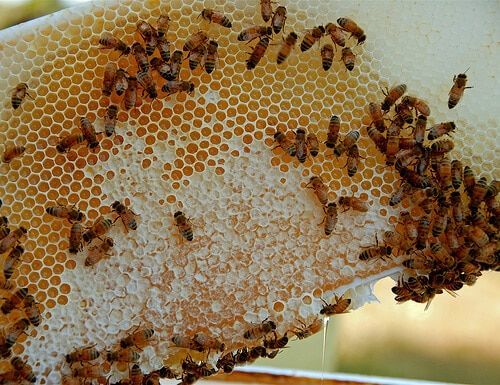
How to Start Bees Farming
Are you considering starting a new business venture or looking for a profitable hobby? Why not try bee farming? Not only does it provide an opportunity for an additional source of income, but it also benefits the environment and supports honeybee populations.
In this blog post, we'll cover everything you need to know about starting your own bees farming business - from equipment and land requirements to caring for your bees and harvesting honey. Let's dive in!
The Benefits of Bees Farming
Bees farming is an activity that has been gaining popularity in recent times, and it's easy to see why. There are many benefits associated with bees farming, both for the beekeeper and the environment.
One of the most significant benefits of bees farming is honey production. Bees produce natural honey, which can be used as a sweetener or added to tea for extra flavor. Honey also contains antioxidants and has antibacterial properties, making it an excellent natural remedy for sore throats and other ailments.
Apart from honey production, bees play a crucial role in pollination. They help to pollinate plants by carrying pollen from one flower to another during their search for nectar. This helps increase crop yields and sustain plant diversity in ecosystems.
In addition to boosting crop yields, bees contribute significantly to environmental conservation efforts by helping maintain biodiversity in ecosystems. As they collect nectar from various flowers, they spread pollen across different species of plants leading to more robust vegetation cover.
Another benefit of beekeeping is that it's relatively low maintenance compared to other forms of livestock keeping like cattle rearing or poultry farming. Beehives require little space meaning even small-scale farmers can keep them on their land without much difficulty or financial investment.
Overall ,bees farming offers numerous economic opportunities while promoting ecological balance through pollination services—truly a win-win situation for anyone interested in sustainable agriculture practices!
The Best Time to Start a Bees Farming Business
When it comes to starting a bees farming business, timing is key. While you might be eager to jump right into beekeeping as soon as possible, it's important to wait for the right moment.
One of the best times to start a bees farming business is in the early spring. This allows your bees sufficient time to build up their numbers and collect enough pollen and nectar for winter survival. Starting in mid-April or May is ideal because this marks the beginning of warmer weather.
Another good time to start a bees farming business is during fall when most commercial honey producers harvest honey and remove colonies that are weak or dead. You can take advantage of these available colonies by purchasing them at discounted prices.
It's also worth noting that starting during extreme weather conditions such as cold winters or hot summers can make things difficult for both you and your bees. Therefore, you should avoid these seasons if possible.
By taking into account factors like seasonality, colony availability, and climate conditions, you'll be able to choose the best time to start your own successful Bees Farming business!
How to Get Started in Bees Farming
Getting started in bees farming can be a bit daunting, especially if you are new to the field. However, it doesn't have to be difficult if you follow these simple steps:
1. Research: Before starting any business venture, it's important to do your homework and research as much as possible about bees farming. Read books on the subject, attend seminars or workshops and connect with other beekeepers in your area.
2. Choose Your Bees: There are different types of bees available for farming such as honeybees, bumblebees or solitary bees. Carefully consider which type is best suited for your environment and goals.
3. Purchase Equipment: You will need essential equipment like hives, protective gear including veils or jackets and gloves.
4. Find a Suitable Location: A good location should have access to water sources; trees that provide shade; pollen-rich flowers nearby; no chemical pollution from pesticides/herbicides usage; away from human disturbance such as noises that could scare the bees away.
5. Register Your Farming Business: Properly register your farm business with government agencies responsible for registering farms businesses because some states require a permit before setting up an apiary on private land.
By following these simple steps above, you'll be well on your way towards becoming a successful beekeeper!
What Equipment Do You Need for Bees Farming?
When it comes to starting a bees farming business, having the right equipment is crucial. Here are some of the essential tools and equipment you'll need:
Firstly, you'll need protective gear such as a bee suit, gloves and veil. This will protect you from getting stung by the bees while working with them.
Next up, you'll require hives for your bees to live in. Beehives come in different sizes and shapes depending on the number of colonies that can fit inside them. You may also want to invest in frames which hold honeycomb or foundation sheets for your bees to build their comb on.
You'll additionally need a smoker - this helps calm down bees when handling them by producing smoke that distracts them from potential threats.
Hive tools like hive scrapers and frame lifters help inspect hives - they allow easier access without disturbing too much of the colony's structure during inspections.
Extracting honey requires special tools like an uncapping knife or fork to remove wax caps off honeycomb cells before spinning out honey using an extractor machine.
Ensuring all these basic equipments are well-maintained will improve efficiency while reducing costs incurred due to damaged items during production phases.
What Type of Land Do You Need for Bees Farming?
When starting a bees farming business, one of the most important considerations is the type of land that you will need. Bees require access to a wide variety of nectar and pollen sources to thrive, so it's essential to choose a location with plenty of flowers and plants.
Ideally, your bees should have access to an area with diverse vegetation throughout the year. This can include wildflowers, fruit trees, and other flowering plants. For this reason, rural or semi-rural areas are often ideal for beekeeping.
It's also important to consider factors like water availability and exposure to direct sunlight when choosing a site for your apiary. Your bees will need access to clean water for drinking and cooling their hives during hot weather.
Ensure that any nearby agriculture doesn't use harmful pesticides as it may affect your honeybees' health in case they come into contact with them while pollinating crops.
Finding the right location for your beekeeping operation requires careful consideration of various factors such as plant diversity throughout seasons proximity from farms using pesticide etc.
How to Care for Your Bees
Caring for your bees is essential to ensure their good health and productivity. Here are some tips on how to care for your bees:
1. Monitor Hive Health: Regular inspection of the hive will help you identify any problems early on, such as pests or diseases.
2. Provide Adequate Food & Water: Bees require a lot of nectar and pollen to produce honey and feed their young. Ensure that they have enough access to food sources within the range of their flight path.
3. Keep the Hive Clean: Regular cleaning can prevent the buildup of debris that could attract pests or create unsanitary conditions in which bees might become sick.
4. Manage Temperature Control: The temperature inside the hive needs to remain stable between 32-35°C (90-95°F) throughout most of the year.
5. Protect Against Predators: Install mouse guards, wasp traps, and other protective measures around hives' entrances to keep predators away from your precious bees.
By following these simple steps, you'll be able to provide excellent care for your hive all year round!
How to Harvest Your Honey
Harvesting honey from your bees can be a rewarding and enjoyable experience. Here are the steps to follow when harvesting honey:
1. Wait for the right time: The best time to harvest honey is when approximately 80% of your frames are capped with wax.
2. Remove the supers: Once you have identified that most of your frames are ready, remove the supers from your beehive and transport them to a suitable location for extraction.
3. Uncap the comb: Using an uncapping knife or fork, carefully remove any wax caps that cover the cells containing honey.
4. Extract honey: Place each frame in an extractor machine and spin it until all of the honey has been extracted from both sides of each comb.
5. Filter out impurities: To ensure quality, filter out any impurities such as wax particles or bee parts using cheesecloth or other fine filters before storing in jars.
6. Store properly: After filtering, store your harvested honey in clean jars with tight-fitting lids at room temperature away from direct sunlight or heat sources.
Remember to leave enough stored food (honey) for your bees over winter!
In conclusion, starting a bees farming business can be a fulfilling and profitable venture. Not only does it provide you with fresh honey, but it also helps in the pollination of crops and gardens.
As we have seen, starting a beekeeping business requires proper planning, research, and investment in equipment. The best time to start is during spring when the bees are most active.
Make sure to choose the right location for your hives and ensure that they receive enough sunlight throughout the day. It's also important to inspect your hives regularly and maintain them properly to keep your bees healthy.
Be patient as it takes time for your bees to produce enough honey for harvesting. With dedication and hard work, you can establish a thriving beekeeping enterprise that provides both financial rewards and environmental benefits.
So what are you waiting for? Start buzzing towards success with beekeeping!
5 Secrets Which Excelling Agribusiness Farmers Use
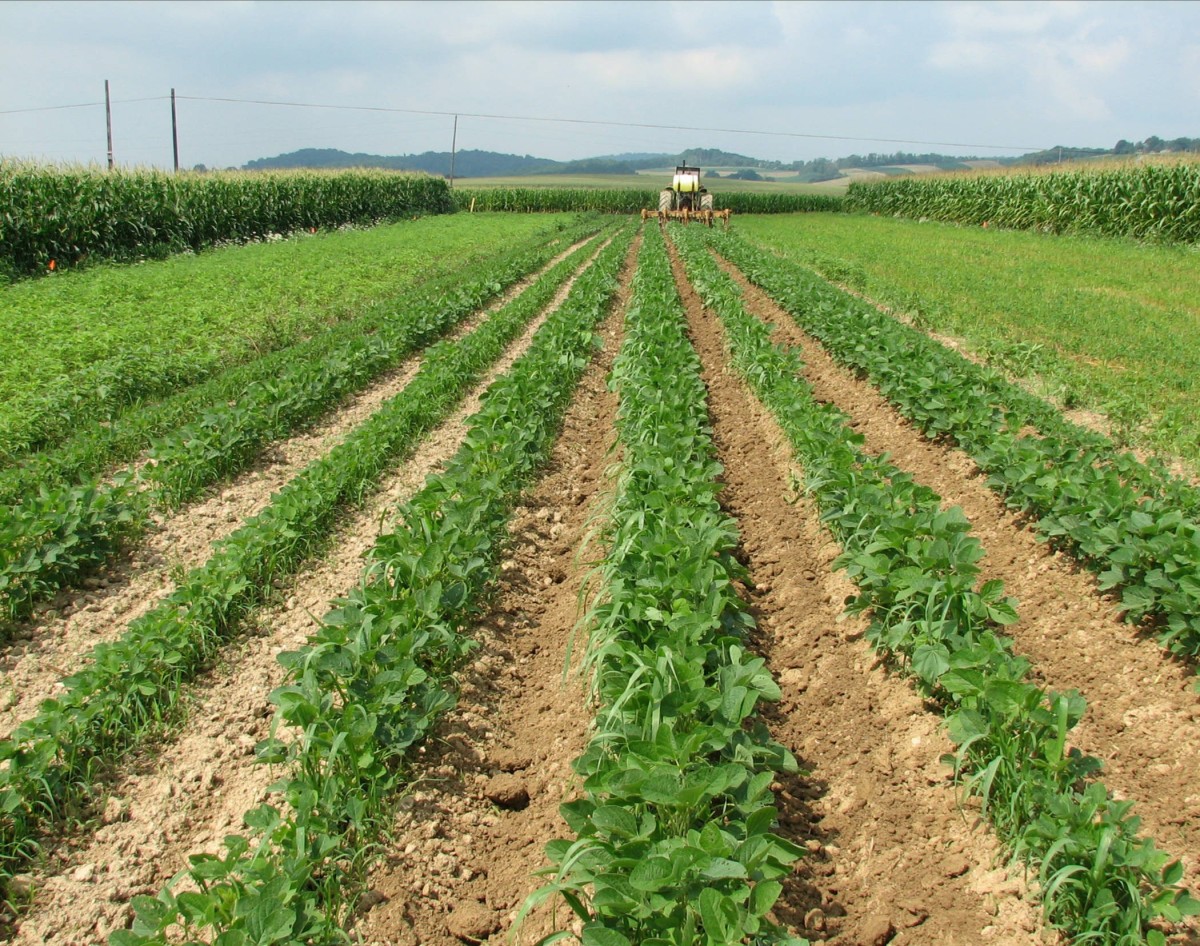
5 Secrets Which Excelling Agribusiness Farmers Use
In commercial crop or livestock production, it is the expectations for any agribusiness farmer to make enough profit, which will sustain his farming activities and at the same time motivate him to continue production. Much as this is the case, not every farmer who is in commercial production farming is able to obtain enough profits. This is the case because of several factors, which among others include; farmers' knowledge and skills, adaptability, agronomic practices, capital constraints, improper market. This article will give in details, the 5 secrets which excelling agribusiness farmers use to boost their farming production. To begin with, let's first look in detail on factors which makes majority of farmers fail to obtain the expected farming output.
Factors Which Make Farmers Fail to Get High Output
1. Farmers' knowledge and skills
In any farming business, farmers' knowledge and skills are key to obtain high yield as it makes him or her able to use available resources more efficiently which help to reduce cost of farming production. Farmers' knowledge and skills, also help farmers to be able to come up with a combination of crop varieties or animals which will give him or her higher profits and it also helps him or her to easily identify the risks involved in his farming activities, which can help him deal with risks and uncertainties through diversification among others.
2. Adaptability
Different places or locations have got different climatic conditions and soil nutrient content, and this makes some farming production to give more yield in one location than the others, under similar agronomic practices. Similarly, some animals are well adapted to other locations and gives optimal results than same animals given similar care in another location, having different climatic conditions.
3. Agronomic practices
Different farmers have got different agronomic practices, some of which makes the farming activities more efficient than others and this result in obtaining different farming output under similar climatic conditions.
4. Capital constraints
Some farmers are very brilliant and have good farming knowledge and skills, but they fail to produce high yield or increased livestock production, because of lack of enough capital and this makes them been seen as failed farmers, which is not necessarily the case.
5. Improper market
Some farmers obtain high yield, but are unable to make more profits than those who obtain a little yield because of the geographical nature of their location does not have good markets to sell their output. Lack of good market research may also contribute to this challenge.
Having looked at the factors which makes some farmers to obtain lower profits than others, now let's take a look at 5 secrets which excelling agribusiness farmers use to boast their farming production.
Secrets Which Agribusiness Farmers Use
1. Staying up to date with the latest farming technologies
Research has shown that modern farming equipments and technologies have the potential of making farming activities more efficiently which results in reduced cost of production and at the same time increased output.
The majority of excelling business farmers are able to learn different latest farming techniques and technologies which help them in their farming production.
2. They use modern equipments
Excelling agribusiness farmers are able to conduct a simple research which aims at discovering latest farming equipments which makes farming more efficient and while at the same time sustainable. Sustainability is coming in because some heavy farming equipments, have the potential to destroy soil structures which result in reduced yields in a few years or could result in increased cost of production in restoring the depleted soil.
3. They keep on learning to discover new ways of farming
Excelling agribusiness farmers do not stay idle, almost each and every time they have a desire to learn more on farming and they could join online farming lessons or joining physical classes teaching agribusiness farming techniques, which would help them making their farming more efficient.
An example here could be a poultry farmer who has desire to decrease cost of production by making his or her own feeds at home, this can make him or her able to join physical or online classes teaching how to make poultry feeds and this might help him to lower cost of production.
4. They hire specialists
Excelling agribusiness farmers are able to hire experts to help them with technical knowledge or solve certain farming problems.
They are able to hire agribusiness managers or agriculture economists to manage their farming activities in more efficient ways, which would result in high production and lower cost of production.
When it comes to livestock production, they could hire a veterinary officer to monitor the conditions of his or her animals, in case they are becoming abnormal and this result in avoiding losses he or she would incur.
5. They conduct simple market research
The majority of farmers are in commercial production, but not everyone is able to conduct successful market research or has one time conducted a research before selling his output, and also conducting a research to know if the customer or consumer are getting satisfied with the product he offers on the market.
This becomes a problem as it makes some people lose loyal customers, and also result in some farmers selling their output to the wrong people or buyers who deplete their farming profits.
In conclusion, this article has explained in detail the 5 secrets which excelling agribusiness farmers use in their farming production to maximize their profits.
How to be Successful in Poultry Farming Business
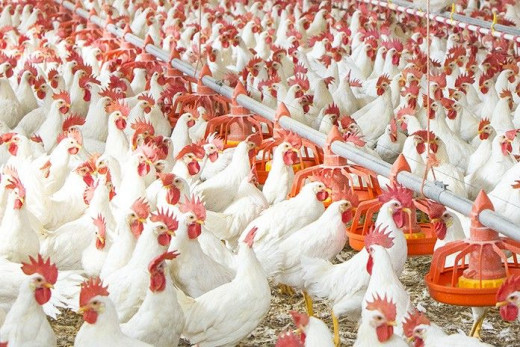
How to be Successful in Poultry Farming Business
Are you looking for a profitable business venture in the agricultural industry? Look no further than poultry farming! It's one of the most lucrative businesses that can yield high returns with proper planning and management. However, starting and running a successful poultry farm takes more than just raising birds; it requires adequate knowledge, investment, patience, and hard work.
In this blog post, we'll guide you on how to be successful in the poultry farming business by sharing tips on creating a solid business plan, marketing your products effectively, managing finances efficiently while ensuring healthy bird growth. So buckle up as we take you through this exciting journey of exploring opportunities in the world of poultry farming!
The Poultry Farming Business Plan
The key to success in any business is having a solid plan, and poultry farming is no exception. A well-crafted poultry farming business plan can help you focus your efforts, set realistic goals, and manage your resources effectively.
Firstly, start with researching the market demand for poultry products in your area. This will give you an idea of what types of birds to raise and how much to produce. Then determine the size and scope of operation that you want to have.
Next, identify the sources for funding or financing for the farm’s startup costs which includes buying land or facilities; purchasing equipment; and obtaining necessary permits/licenses.
Your business plan should also include information on how you will manage risks such as predators or disease outbreaks by ensuring biosecurity measures are stringent enough so that diseases don't spread easily among flock members.
It's important to remember that a good poultry farming business plan should be flexible since circumstances may change over time. Therefore it's essential to regularly update it with new information like customer feedback or changes in regulations.
Ultimately a successful poultry farming venture requires consistent hard work and dedication along with an effective strategy and implementation guided by a clear-cut business plan tailored specifically towards achieving long-term sustainability.
Marketing Your Poultry Farm
Marketing your poultry farm is an important aspect of its success. You need to make sure that you're promoting your business in the right way, so that you can reach potential customers and generate more sales.
One effective marketing strategy for poultry farming is to create a website or social media page where you can showcase your products and services. This will allow people to see what you have to offer and get in touch with you if they're interested.
Another great way to promote your poultry farm is through word-of-mouth advertising. Encourage satisfied customers to refer their friends and family members who might also be interested in buying from you.
You can also participate in local farmer's markets or other community events where people may be interested in buying fresh, locally-sourced poultry products. These events are great opportunities for networking and building relationships with potential customers.
Consider partnering with local restaurants or other businesses that may be interested in using your eggs or chicken meat as part of their menu offerings. This type of collaboration can help increase exposure for both parties involved while providing quality products for consumers.
By implementing these marketing strategies, you'll be well on your way to growing a successful poultry farm business!
Financial Considerations for Your Poultry Farm
One of the most crucial aspects to consider when starting a poultry farming business is your financial plan. It's important to have a clear understanding of the costs involved in setting up and running your farm, as well as how you'll generate revenue.
Firstly, you need to determine the start-up costs for purchasing land or leasing it, building coops and buying equipment like feeders and waterers. Then there are ongoing expenses such as buying feed, paying for veterinary care and electricity bills. Make sure that you budget realistically for these items.
In addition to this, it's essential to create a sales forecast based on your target market demand. Once you know how much chicken meat or eggs you can sell per week or month, work out what price point will be profitable without pricing yourself out of the market.
Another consideration is financing options available from banks or investors who may support your idea in return for equity shares in your company. Research these options thoroughly before making any final decisions about funding sources.
Keep an eye on cash flow throughout each season since some months tend to require more expenditure than others especially during winter when heating costs increase along with lower egg production rates due shorter days resulting from fewer daylight hours affecting chickens’ physiology impacting their laying rates leading into less revenue generation opportunities
By taking all these factors into account early on in the planning process, you can ensure that finances don't become an obstacle towards achieving success in poultry farming business!
Tips for Success in the Poultry Farming Business
When it comes to running a successful poultry farming business, there are a few tips that can help you along the way.
Firstly, proper planning is crucial for success in any business venture and poultry farming is no exception. Develop a detailed business plan outlining your goals, target market, marketing strategy and financial projections.
Secondly, ensure that you have adequate knowledge of the industry by researching extensively on best practices in poultry farming. Joining relevant associations or networks within the sector can also be beneficial as they offer an opportunity to learn from others who have been in the field for some time.
Thirdly, invest in high-quality equipment and facilities for your farm. This includes purchasing suitable housing structures for your birds and acquiring necessary feeding and watering systems. Proper sanitation measures should also be put in place to avoid disease outbreaks among your flock.
Fourthly, hire experienced staff if possible or provide training programs to equip them with skills needed to run operations smoothly including animal health management and record keeping.
Lastly but most importantly- always prioritize biosecurity measures since this plays an important role not only in safeguarding bird health but also production levels which are critical towards profitable returns on investment.
In conclusion, poultry farming can be a profitable business venture if done right. It requires dedication, hard work, and attention to detail in order to succeed. By following the tips outlined in this article and having a solid business plan in place, you can set yourself up for success.
Remember that marketing your poultry farm is just as important as caring for your birds. Utilize social media platforms and local marketplaces to get your products out there.
Furthermore, keeping track of your finances will help ensure that you are staying on top of expenses and maximizing profits.
Most importantly, always prioritize the health and well-being of your birds. Providing them with proper care ensures not only their longevity but also the quality of product produced by your farm.
We wish you all the best in starting or growing your poultry farming business!
Broiler Chicken Farming and Management
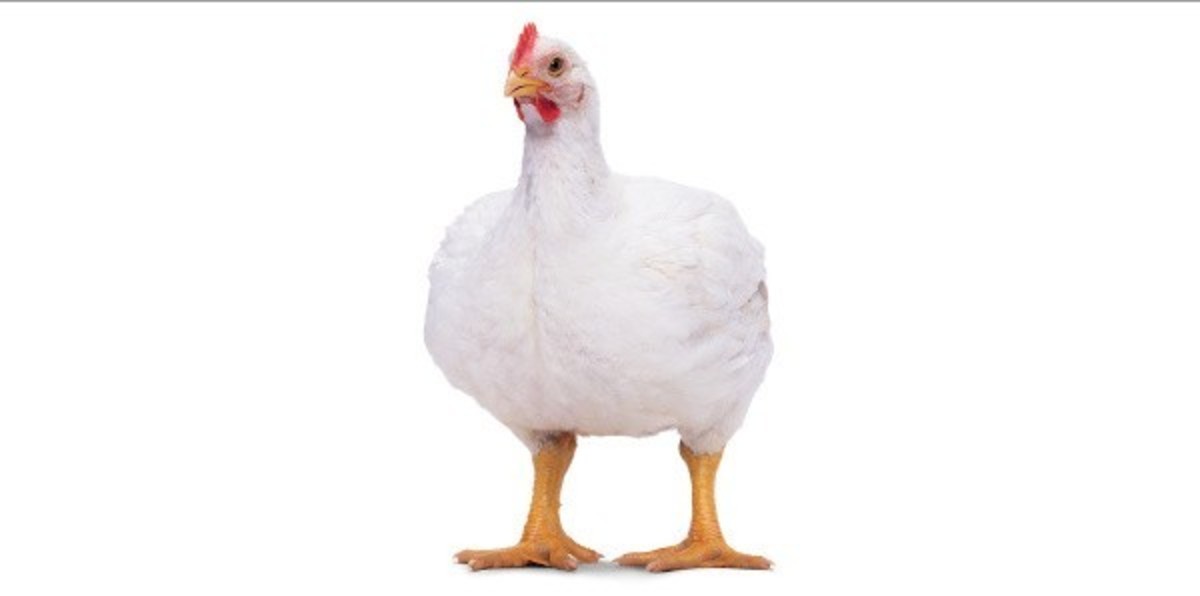
Broiler Chicken Farming
Broiler Chicken Farming and Management
It is a wish for any farmer to take farming as a business so that a reasonable profit can be obtained in any farming activities. For any farming in broiler production to be profitable a farmer needs to pay more careful to broiler chicks in the first 2 weeks as it remains a critical stage in broiler production for a reasonable profit to be realised .
Research has shown that broiler attain an average weight of 1.5 to 2Kg at about 6–8 weeks of age under good management system.Broiler can be housed on deep-litter, slatted or wire floor or cages. However, cage, slat and wire floor rearing of broilers are not as popular as litter floor rearing, due to problems like breast blisters, leg weakness and higher initial investment.
Broiler can be kept either in a single batch at a time (all-in all-out system) or multiple batches of brooding and rearing of broilers.
1. All-in all-out system
This system is used when a farm has a single batch, which belongs to the same hatch at a time. With this system, enough chicks are bought at once for the entire farm capacity. They are all reared at the same time and marketed in a single lot.
With this system, the rate of diseases spread among chickens is reduced as the system is hygienic and can have a rest period for disinfections. This system requires more capital and mostly is not suitable for large scale poultry business.
2. Multiple batch system
This system enables more batch to be bought at different times and reared at different times. You could have a batch interval of 1 to 4 weeks, when this system is used. With this system, you could be buying new chicks on every week and selling chickens every week depending on your farm capacity and capital availability. Usually, the broilers are able to attain a desired marketing age at around 5 to 6 weeks.
3. Cage rearing of broilers
Broilers can also be kept in cages in a system known as cage Rearing. It is similar to grower cages, but to prevent breast blisters from your broilers, you coast the bottom of the cages with plastic materials. The floor space with this system is just 50% needed in the deep litter system. With this system, there is no spending on litters and the system is known to reduce cannibalism.
Preparations for Chick Arrival
For optimal performance of your chickens, there are a few things which you must consider doing during the early days of your chickens. Below, we have outlined what you must do in each section, for you to be efficient in your broiler production.
A week before delivery of chicks
A week before the chicks arrive, make sure you consider doing the following activities:
- Cleaning and disinfecting cages or floor of the brooding area.
- Cleaning the building interior and all the poultry equipments to be used as well as the attached service areas.
- Checking the equipments to make sure each equipment is working properly and is adjusted to the correct height to match the height of the chicks.
- Make sure you determine the correct number of equipments, feeds and other materials to be used, to match the number of chicks.
- Disinfect the house and all materials and allow them to dry before the new feed comes.
What you must do a day before chick arrival
On a day before chicks arrival, make sure you do the following:
- Making sure that the heating system is set at 32 to 33 ℃ at chick level.
- Checking the water and feeding system to ensure that they are at the recommended height and are evenly spaced.
- Disinfect of the house and all the equipments for the final time and make sure you use Formalin 30% and Potassium Permanganate in a ratio of 1 to 3, respectively to fumigate.
Day of chick arrival
On a day of chick arrival, consider doing the following:
- Pre-heating the brooding area to a temperature about a range of 32 – 33℃ and make sure you check the brooder temperatures.
- Making sure the whole poultry system is operational and the water lines or troughs are full.
- Observing that the chicks in transit are not stressed up as this could increase mortality rate.
- Match the number of chicks and the required equipments, feeds and other materials used in broiler production.
- Make sure the chicks are evenly spread and the brooder has always the required temperature.
- Monitor the distribution and movement of the chicks during early hours.
Floor Space, Feeder Space and Waterer Space
The table below gives you a summary of floor space, feeder space and waterer space, required in your broiler production. The space depend on the size and age of bird at a time. Feeders and waterer space also depend on environmental temperatures and health conditions of your birds.
Table 1: Recommended spacing in broiler production
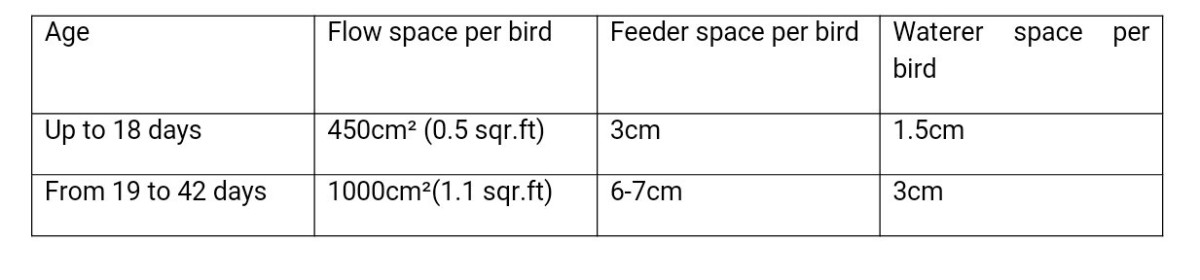
Table 1: Recommended Spacing in Broiler Chicken Production
Brooding Management
Brooding in poultry refers to the artificial provision of heat to birds during the early growing period when young chicks are unable to maintain body temperature without the aid of supplemental heat.
There are 3 systems for brooding chicks and these are described as
follows:
- Spot brooding: With this system, there are no surrounds, brooding zone is well lit for chicks.
- Whole house brooding: Hot air system in conjunction with fans and false ceiling.
- Brooding in surrounds: With this system a heater is placed above chicks and the birds are kept close to the source of heat by surrounds, which are gradually expanded as the chicks grow.
Temperature Management
Always make sure the brooder house has the required temperature to match the required level of chicks and you must take note that, the young chicks from a hatchery are unable to maintain constant body temperature and they need a summplementary heat. In transit, make sure the chicks are kept warm as well to decrease the mortality rate.
Lighting
During the early days of chicks in the open sided broiler house make sure you provide light 24 hours during the brooding period and this could be followed by 23 hour lighting with an hour darkening as chicks are growing till the marketing stage. The basis of an hour darkness is to prepare the birds in critical situations such as power failures in the chicken house. When birds are not prepared in an hour darkness training, a single blackout could cause panic and trampling in your broiler chickens.
Sex-separate Rearing of Broiler
It is advised to conduct sexing in broiler chicks, as the feeding requirements and amount of space required for male and female, is not the same. Males are known to grow faster than the females, hence it is recommended to keep them in separate. You can use feather sexing & vent sexing methods to separate males from females.
Feeding
Feed intake requirements for broiler
Broiler starter mash max feed intake 0.8Kg per bird, growers mash feed max intake 1Kg per bird, finisher mash max intake per bird 1Kg . If needs be post finisher max feed intake per bird 0.4Kg.
Key feeding points:
- The Starter must be in crumble form.
- The rest of the feed must be in pellets.
- The amount of feed per bird is just an indication, stick to the recommended feeding days indicated on the feeding table.
- For the first 10 days, feed should be on the pan feeders or on paper.
- From day 2, feed should also be put in the feeding troughs so that the chicks can learn to eat from it.
- Do not place feed or water directly under the heat source as this may cause the chicks to eat or drink less than they should.
- The second chick check should be a day after placement.•The crops of chicks should be checked the next morning to ensure they have found feed and water.
- At this time a minimum of 95% of the crops should feel soft and elastic, indicating chicks have successfully found feed and water.
- Hard crops show that chicks have not drank enough water, and water availability should be checked immediately.
- Swollen crops indicate chicks have drank enough water, but have not fed sufficiently. In this case, the availability and quality (smell, taste) of the feed should be immediately evaluated.
7-Day check
At 7 days, the weight of the chicks should ideally be 4 times their starting weight. If this is not achieved, something went wrong. You should go through the process and make sure that you find out what the cause of this is.
A Drug and vaccination program for broiler as provided for broiler by CP and PIAM
The table below provides you with the recommended vaccination program in broiler production.
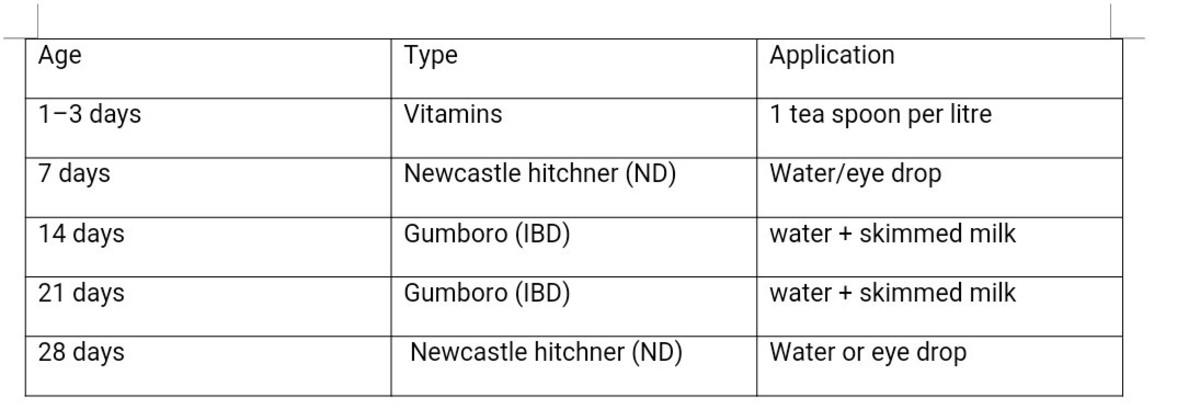
Broiler Chicken Vaccination Program
NB : 5g = 1 tea spoon
Things to take note when vaccinating
- Birds need to be heathy
- Birds need to be on vitamins in last 2 days
- Water needs to be non-chrolinated
- Skimmed milk needs to be added in water 2g/L
- Water needs to be boiled and wait 15–20mins to get cooled
- Open Vaccines in water and let it stabilise before giving
- Bury or burn the empty bottles
- Use the formula below to calculate quantity of water required
Volume = (# of birds x Age of birds in days )/1000
Challenges in Broiler Production
- Mortality rate
- Nutrition and feedings
- Housing
- Ventilation, disinfection, vaccination
- Animal husbandry practice
- Poor management (untrained entrepreneurs)
- High production costs due to poor management and
- High input costs such as feed costs (up to 85 % of total costs) and chick costs
- Imports of feed ingredients
- Market instability due to open borders and internal
- Competition between small and large scale producers
- Policy does not protect infant industry– These results in lower productivity, market uncertainty, high risks, delays in selling products and eventual abandoning the production
Advantages of Broiler Production
- High feed efficiency
- Fast return to the investment
- High return compared to feed costs
- Low land requirements
- Adaptability to both small- part time enterprises and large commercial enterprises
- The operations can be highly mechanized with high output per hour labour
Tips For Starting A Successful Small-Scale Farm Business From Scratch
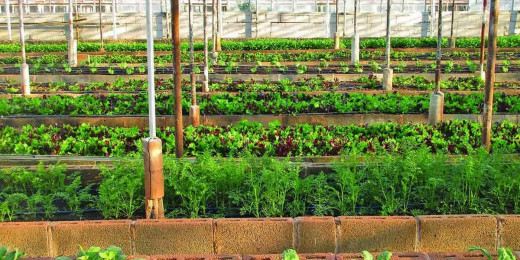
Tips For Starting A Successful Small-Scale Farm Business From Scratch
Are you dreaming of starting your own small-scale farm business but don't know where to begin? With the rising demand for locally grown and organic produce, it's a great time to turn your green thumb into a profitable venture. Starting from scratch can be daunting, but with the right approach and mindset, you can create a successful farm business that will not only provide fresh food for your community but also generate income for yourself.
In this article, we'll share some tips on how to get started on the path towards becoming a thriving small-scale farmer.
Decide What You Want to Grow
When it comes to starting a small-scale farm business, one of the first things you need to decide is what type of crops or livestock you want to focus on. This decision will impact everything from your location and infrastructure to your marketing strategy and customer base.
Consider choosing crops that are in high demand in your local area or have a niche market. For example, if there's a shortage of organic lettuce growers in your region, this could be an opportunity for you to fill the gap and cater to health-conscious consumers.
Another factor worth considering when deciding what to grow is your own experience and skills. If you're already familiar with growing tomatoes or raising chickens, it might make sense for you to start with those rather than trying something completely new.
It's also important to think about seasonality - which crops can grow well during different times of the year? This will affect both availability as well as pricing strategy.
Ultimately, the key is finding a balance between what you enjoy growing while being mindful of market trends and consumer demand.
Choose the Right Location
Choosing the right location is crucial for starting any small-scale farm business. The ideal location will depend on what you want to grow and how accessible it is to your target market.
Firstly, consider the climate in the area where you plan to start your farm. Different crops thrive in different climates so choose a location that suits your crop of choice. For example, if you're planning on growing citrus fruits then a Mediterranean climate may be ideal.
Secondly, accessibility is important when choosing a site for your farm business. You'll need easy access to transportation networks such as roads or railways and proximity to potential customers can also impact sales.
Thirdly, take into consideration local regulations and zoning laws before setting up shop. Check with local authorities about possible restrictions regarding farming activities or selling produce.
Think about the size of land required for farming operations and ensure that there's enough space available at the chosen location. This includes considerations like water availability, soil quality and drainage systems needed.
In summary, selecting an appropriate site plays a key role in determining the success of any small-scale farm business venture. Therefore careful research should be conducted before making any final decisions on the best place to set up shop!
Create a Business Plan
Creating a business plan is crucial for starting a successful small-scale farm business. A well-crafted plan can help you stay focused, set realistic goals, and anticipate potential challenges.
One of the first steps in creating a business plan is to identify your target market. Who will be buying your products? Will you be selling directly to consumers or working with restaurants and retailers?
Next, consider your financial projections. How much money do you need to get started? What are your expected expenses and revenue streams? It's important to have a clear understanding of these numbers before launching your farm business.
Another key component of a business plan is outlining your marketing strategy. How will you promote your products and reach new customers? This could include social media marketing, attending farmers' markets or trade shows, or partnering with local businesses.
Don't forget about contingency planning. Assess potential risks such as weather-related crop damage or supply chain disruptions, and develop solutions ahead of time.
By taking the time to create a detailed business plan that factors in all aspects of running a farm operation, you'll be setting yourself up for success from day one.
Build the Infrastructure
Building the right infrastructure is crucial for starting a successful small-scale farm business. You need to create a solid foundation that can support your crops, livestock, and equipment.
Firstly, consider getting the necessary permits and licenses before you start building any structures on your land. This step ensures that you comply with local zoning laws and regulations.
When it comes to building structures such as barns, greenhouses or storage sheds, ensure they are placed in an area that is easily accessible by vehicles. Additionally, make sure each structure has proper ventilation and insulation suitable for the weather conditions in your region.
Don't forget about installing irrigation systems like drip tape or sprinklers to keep moisture levels consistent throughout your fields. Consider investing in solar panels or wind turbines to power machinery while minimizing electricity costs.
Build fences around your property to protect crops from animals such as deer and rabbits. Also prioritize security measures like lighting fixtures and surveillance cameras to prevent theft of expensive agricultural equipment.
Constructing sturdy buildings alongside basic facilities such as water supply lines will ensure smooth operations on a small scale farm business venture while maximizing crop yields at minimum cost possible.
Market Your Farm Business
Marketing your small-scale farm business is crucial to ensure growth and success. Here are some tips on how you can market your farm effectively:
Firstly, identify your target market. Understand who would be interested in buying your products and why they would choose to buy from you instead of other farms.
Secondly, create a brand image for your farm that speaks to the values of both you as a farmer and the product that you grow. A strong brand image can help differentiate yourself from competitors.
Thirdly, utilize social media platforms such as Facebook or Instagram to showcase what you have to offer. Ensure that all posts feature high-quality images and engaging captions or descriptions.
Fourthly, consider attending farmers markets or local events where you can interact with potential customers face-to-face. This is an excellent opportunity for people to sample your produce and learn more about what makes it unique.
Word-of-mouth marketing goes a long way in building trust with consumers. Encourage satisfied customers to leave reviews online or recommend your farm business within their community network.
With these marketing strategies in place, promoting your small-scale farm business will become easier while attracting new customers along the way!
Hire the Right Employees
Finding the right employees is essential for any business, and small-scale farms are no exception. When hiring employees for your farm, it's important to keep in mind that farming requires hard work and dedication.
Look for people who have a passion for the industry and are willing to learn new skills. Experience is great but enthusiasm is equally valuable when it comes to working on a farm.
It's also important to find candidates who share the same values as your farm business. Be clear about what you expect from your employees and what they can expect from you in return.
Consider hiring part-time or seasonal workers first before taking on full-time staff members. This way, you can evaluate their skills and commitment level before making them permanent hires.
When posting job ads, be sure to highlight the physical demands of the job so that candidates know what they're getting into. Ask relevant questions during interviews such as their experience with manual labor or if they have worked outdoors previously.
Finding dependable, skilled employees who share your values will contribute greatly towards building a successful small-scale farm business from scratch.
In conclusion, starting a small-scale farm business from scratch can be challenging, but it is also rewarding. With the right mindset and proper planning, anyone can create a successful agricultural enterprise.
It all starts with deciding what you want to grow, choosing the right location, creating a solid business plan, building necessary infrastructure, marketing your farm products effectively and hiring the right employees to help you manage your operations.
Remember that running any small-scale farm business requires hard work and dedication. It may take time before you start seeing profits or achieving significant growth. However, if you stick with it and remain committed to your goals through thick and thin times - success will ultimately come knocking at your door.
We hope these tips have given you some valuable insights into starting and growing a profitable small-scale farming operation from scratch. Now go out there with confidence and make your dream of owning a successful farm business become a reality!
How to Grow Cassava: Cassava Farming

Cassava Farming
Cassava is a tropical woody perennial plant, that grow up to 5 metres in height. It has large, spirally arranged, lobed leaves of very variable forms.
During its growth stage, Cassava shrubs produce several tuberous roots which are made up to 35% starch, which may reach up to 1 m in length and together may weigh up to 40 kg per single cassava plant.
From the time of planting, it takes 8 to 10 months for you to harvest your Cassava tutors. This article will provide in detail on how you can grow your Cassava, from start to finish.
How to Grow Cassava
To grow Cassava make sure you follow the steps below.
1.Site selection
The first step to cultivate Cassava is to choose the best site where you will grow your Cassava. The site needs to have all nutrient requirements for Cassava to Grow and give optimal results.
When choosing the site to grow your Cassava, make sure the type of soil is light, sandy loams or on loamy sands which are moist, fertile and deep. It is this type of soil which enables Cassava to give optimal yield.
The selected site, needs to be pest and disease free based on past history, as some pest such as termites excessive damage to Cassava in all of its developmental stages. As earlier said, the site needs to have good soil fertility for you to obtain better yield.
2. Site preparation
After selecting the best site where you will grow your Cassava, the next step is to prepare the site, so that it becomes ready for planting your Cassava cultivars.
To prepare your site, you clear the land and dig the soil. In case of heavy soils, you carry out any mounding or ridging. It should be noted that, site selection also depends on the climate, soil type, vegetation and terrain.
In which case, the soil surface should be loosened, enriched with organic matter and the growth of weeds should be reduced. During site preparation, you establish planting holes, where you will plant Cassava cultivars.
3. Selection of cuttings
The best varieties of cassava to plant should be those well adapted to your local area and should be rich in dry matter, which could be stored in the ground.
It should be noted that Cassava is propagated exclusively from cuttings. You collect Cassava cuttings in the field during harvesting. Improved varieties may also be obtained from Agriculture research stations.
Make sure you collect the cuttings of 20 to 30 cm long from the central portions of the brown healthy stem Cassava at around 12 months old.
Avoid any significantly hardened or tender Cassava stems. You identify healthy cultivars by their strong stems and branches, lush foliage, stems and leaves showing little damage from diseases or pests.
To ensure uniform growth of your Cassava cultivars, harvest the Cassava stems about a week before setting and store them in the shade, in a well ventilated area. The cuttings should be taken at the time of planting or on the day before. Each Cassava cutting should have 5–7 dormant buds.
4. Planting
Once the site has been prepared and cultivars become ready for planting, the next step is to go to actual field and plant the cultivars. Planting needs to be at a density of between 6,000 and 10,000 plants per hectare or with spacing of between 1.5 x 1 m to 1 x 1 m for single cultivation and 2 x 2 m with intercropping, or 2,500 Cassava plants per hectare.
It should be noted that Cassava culture varies according to the purposes for which it is grown. The cassava can either be planted as a single crop or intercropped with maize, legumes, vegetables, rubber, oil palms or other plants.
It should also be noted that mixed planting reduces the danger of crop loss due to unfavourable weather conditions and pests as the risks are spread among plants with different susceptibilities.
Another key point to take note during planting is that, all missing plants need to be replaced as soon as possible or those with difficulties to sprout.
5. Weeding
After planting, the next step is weeding and this can be achieved by hoeing. If the land is large enough, you could hire human labour.
The first weeding needs to be 3 to 4 weeks after planting. Second weeding could be 1 to 2 months after the first weeding. The third weeding could be done at the start of the second year.
6. Fertilisation
With new or long-term fallow land, fertilisation in Cassava field is not necessary. However, under intensive or continuous cultivation, fertilisation is required to compensate for the plant’s absorption of mineral elements.
When preparing the soil, add dolomite lime at a ratio of 100 kg per hectare. Two months after planting your Cassava, add NPK fertiliser (10, 18, 18) at a rate of 300 kg per hectare, to produce at least 25 tonnes per hectare of urea (150 kg per hectare), tricalcium phosphate (100 kg per hectare) and KCl (250 kg per hectare), with a production target of at least 30 tonnes per hectare.
This will boost your Cassava yield. In Cassava production, organic fertiliser is recommended for the production of tubers.
When preparing the soil for planting your Cassava, you can add chicken litter or any other animal manure at a rate of 10 tonnes per hectare, or 15 or 20 tonnes per hectare if the soil is depleted, Be this will boost Cassava yield as well.
7. Irrigation
Cassava is considered drought tolerant crop and is rarely irrigated.
8. Pest & disease control
Cassava is considered one of disease resistant crop, and is not normally affected by diseases or pests. However, in other regions it may be attacked by the following pests and diseases.
Make sure you control pest and diseases by chemical, cultural, natural and combination of these methods.
9. Cassava harvesting
You harvest your Cassava when its tuber matures and it takes around 8 to 15 months for your Cassava tuber to be ready for harvesting, but this depends on type of variety you have planted as some variety matures early as early as 6-8 months.
To harvest mature Cassava tuber you cut the stems at a height of 25 to 34 cm from the ground using a panga knife or alternatives and remove the tubers. When cutting or removing the tubers, make sure you do not damage them.
In conclusion, this article has taken a look at 9 steps required for you to cultivate your Cassava. Among others, the article has uncovered that, site selection, site preparation and weeding, are some of the required steps you will go through when growing your Cassava.
How to Raise Local Chicken
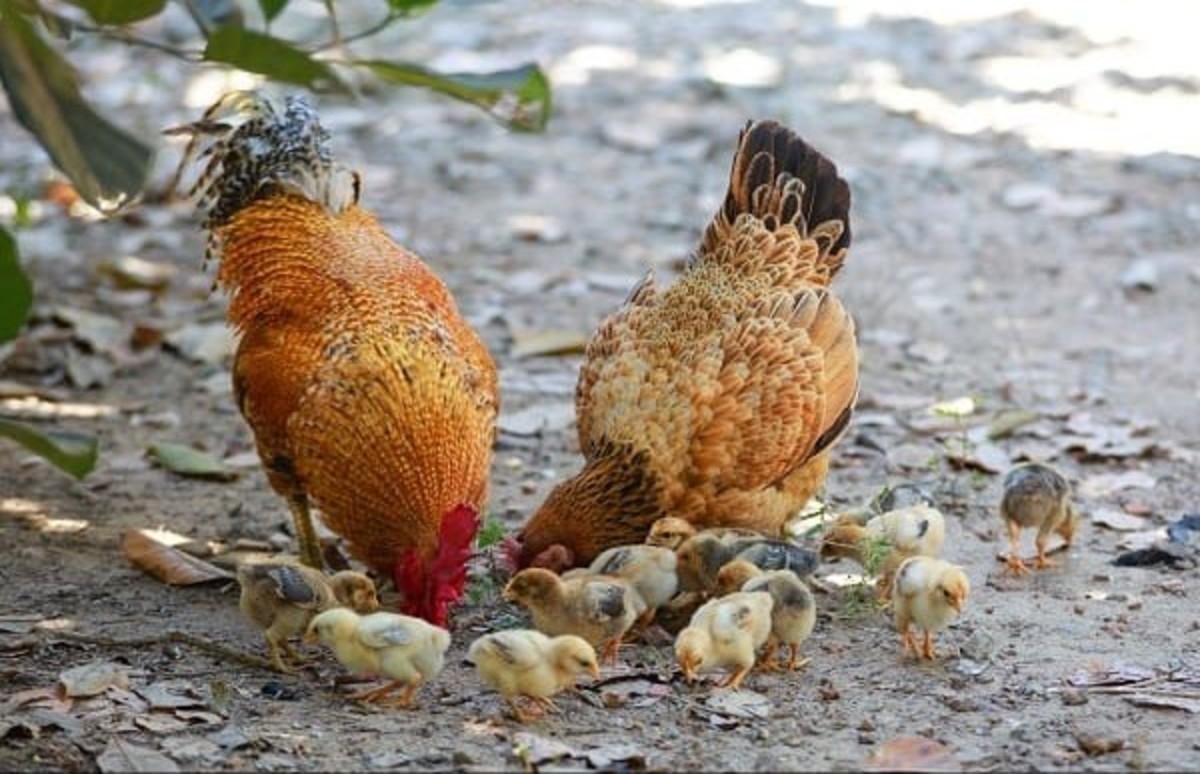
How to Start Local Chicken Farming
Local chicken is an indigenous type of chicken, which is considered disease resistance and is costless when it come to feeding requirements. This article will give in detail on how you can raise local chickens for optimal performance.
7 Steps to Raise Local Chickens
The following are considered best steps which you must consider when raising local chickens for optimal results.
1. Choose a right location
The first step to successfully raise local chickens, is to choose a right location, which has good environmental conditions fitting optimal requirements of that of chickens and this could be average daily temperature and other related environmental conditions.
Make sure, the location which you are choosing do not have a lot of predators, as mostly local chickens are raised in the free range type of system, where they are left free in search of water and feed themselves, especially in rural areas.
2. Construct local chicken house
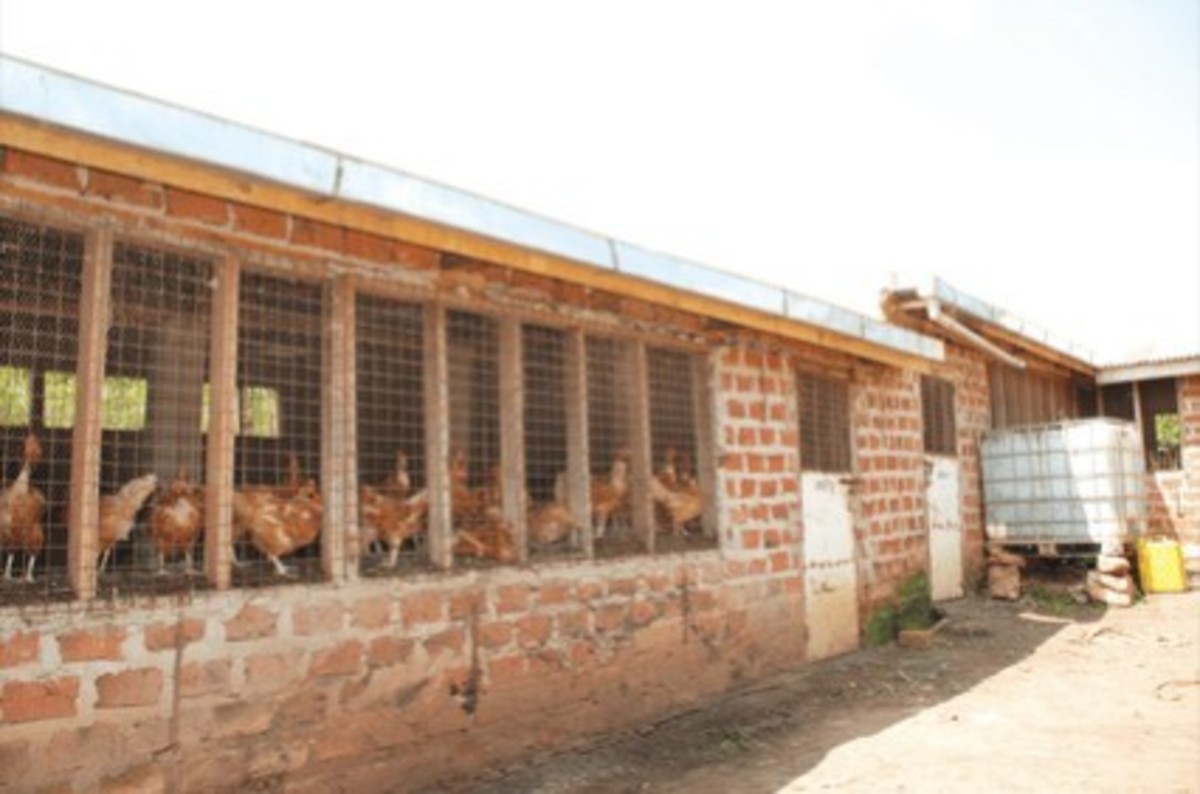
A Chicken House
For optimal performance, make sure you construct a local chicken house which will be used to offer a sleeping place for your local chickens at night. The same chicken house could also be used for egg laying, as you could reserve the other side, providing nesting boxes for local hens to lay eggs.
Make sure, the house is strong enough as chickens are prone to predators and thieves. Make sure the house is easy to clean and you disinfect it monthly.
In some rural areas, local chickens are raised on a free range where they are left to find their own feeds and water, and they sleep in trees at night, this type of system, does not support optimal results.
3. Provide supplementary feeds and water
After you have constructed a local chicken house, for optimal performance, make sure you make available supplementary feeds, which could boost growth of your local chickens. And this could be making Maize bran available, and locally manufacture local chicken feeds.
Providing good feeds and water, is key to faster growth and optimal performance of your local chicken and this can maximize your returns on local chicken farming.
4. Prepare for chicks arrival
In our case, we assume we do not have any local chicken on hand, such that we will require to buy local chicks, for us to start raising our local chicken.
In this case, we need to prepare for local chicken arrivals, which among others involves; Disinfecting the house which will hold our local chicken, making sure, the house has a right temperature, pre-brood the house, make sure the house is clean and feeds and water are available.
Bring in the local chicks and monitor them more closely during the early days. Make sure you give them vitamins and all required vaccines for them to withstand different poultry diseases.
Make sure the chicks are checked regularly and that the temperature in the chick house is monitored more closely.
5. Vaccination and disease control
The fifth step to successfully raise local chicken, is to make sure you follow a right vaccination schedule for your local chicken, and this will strengthen the immunity of your local chickens and could easily withstand to different poultry diseases and other environmental conditions, which could easily put your local chicken at risk.
6. Feeding
Make sure the old feeds are replaced regularly and fresh clean water is brought frequently and this should be done especially in the early days.
After about 3-5 weeks you could start keeping your chickens on the semi- intensive system, whereby you will be leaving them to move around in search of feeds and water. You could give in low quantity supplemental feeds.
Make sure, the surrounding areas where the local chicken will be moving around is free of predators and chickens parasites which could infect the local chicks.
7. Egg laying and incubation
After a few months, your local chickens will be ready for egg laying, make sure you provide nesting boxes. Make sure you maintain the ratio of one rooster to seven to ten hens for the eggs to be fertilized so that they could be hatched for maximum production.
Make sure all the fertilized eggs hatch in an electric incubator and the whole process in the above steps continues.
In conclusion, this article has taken a look at steps which you can use to raise your local chickens for optimal performance. Among others, the article has uncovered that, choosing the right location, constructing a chicken house, providing feeds and water, are some of the requirements, you needs to look at when you are starting a local chicken farming.
How to Keep Local Chicken
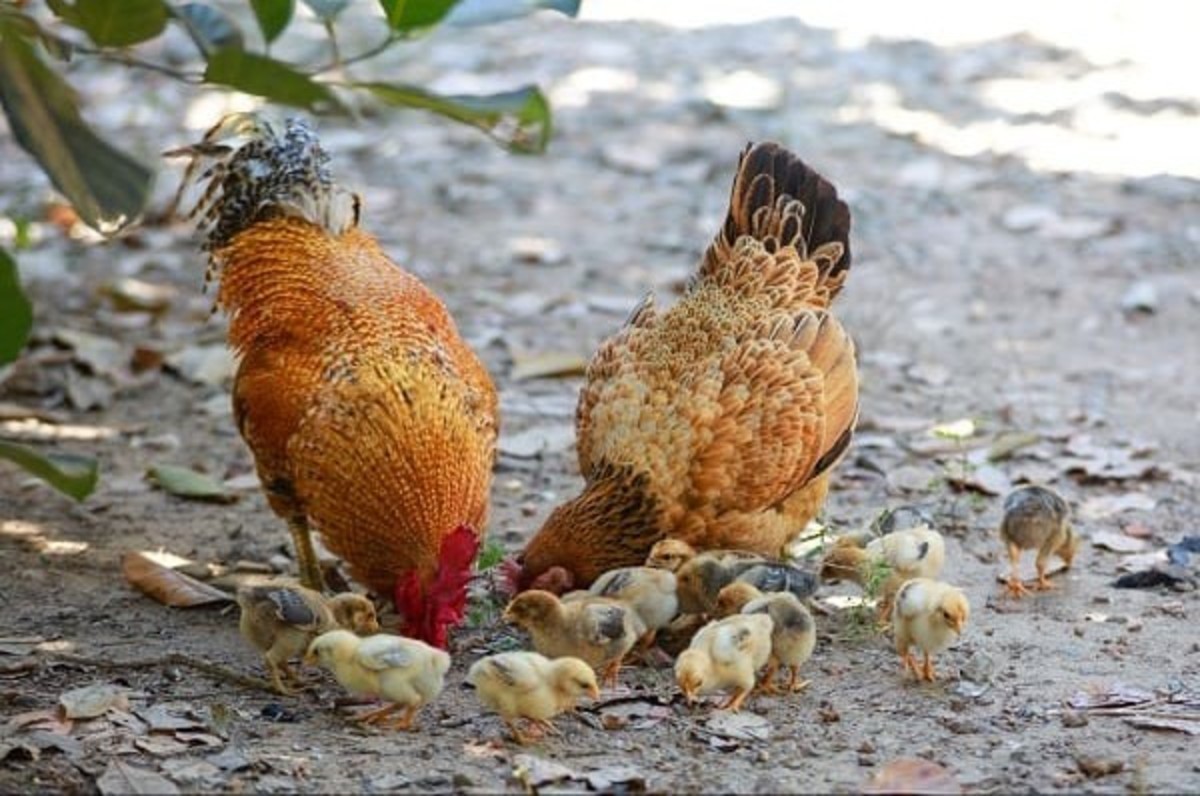
How to Keep Local Chicken
Local Chicken rearing is becoming common nowadays as majority of people are opting for local chickens over the hybrid. This article will give in detail on how you can keep local chicken.
How to Keep Local Chicken
The following are the steps which you should follow to keep your local chickens.
1. Site selection to build chicken house
The first step to keep local chicken is to find a good place to house your local chickens and the site needs to be free from predators and not prone to other environmental factors, which could interfere local chicken farming.
2. Housing
The second step to keep local chicken is to construct a chicken house, having chosen the best site, which is predator free. The chicken house needs to be easy to clean and should have good air flow.
The length and width of the chicken house will depend on the number of chickens, which you will keep.
3. Setting equipments and feed ready
The third step to keep your local chickens is to make sure chicken feed is available in enough quantity if you will be Keeping your local chickens under intensive system, whereby you will be providing all basic requirements to your local chickens.
Similarly, you need to make sure chicken drinkers, brooders e.t.c are all set and ready to receive day old chicks.
4. Buy day old chicks
The fourth step required to keep your local chicken, is to buy the chicks which will be used to start your local chickens farming.
Make sure you buy the day old chicks from reputable individuals or companies. You could also buy fertilized eggs and incubate them at lower cost.
Once you have bought, make sure you put them in a brooding house in their early days and that feeds and water are available in large quantities.
After a few weeks, you could start raising them on the semi- intensive system, if your wish is to lower the cost, and you have to have enough backyard for your chickens to wander.
5. Feeding
Feeding is very crucial as the type of feeding local chickens take, relate to their growth and body mass, which mean for your local chickens to grow fast, you need to give them feeds which is nutritious.
The table below has a feeding schedule for your local chickens.

Table 1: Local Chicken Feeding Program
6. Vaccination
Chickens are prone to different diseases, which among others include; Coccidiosis, Gumboro, Newcastle. Make sure you follow the vaccination schedule below to protect your chickens from these disease attacks.
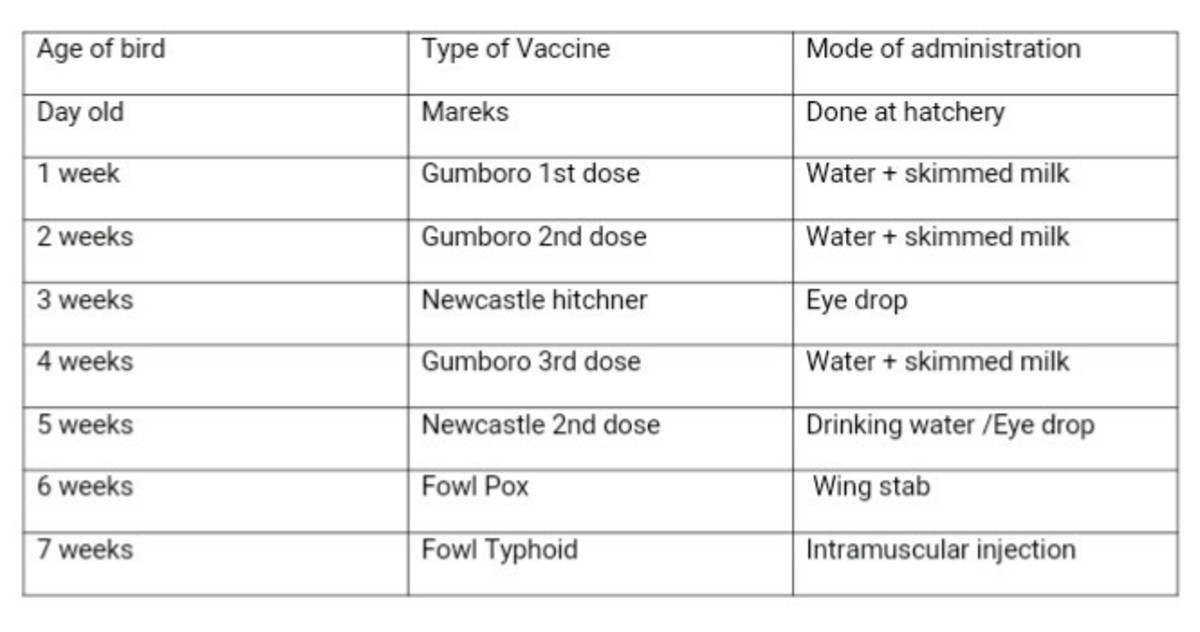
Table 2: Local Chicken Vaccination Program
7. Egg collection and hatching
After around 20 weeks, your local chicken hen, will start laying eggs, at this time make sure a ratio of 1 to 8-10 cock to hens ratio is maintained, so that the eggs should be fertilized ones.
Once laid, you need either to incubate them and start the whole process all over again. Similarly, you could also sell them for cash, as nowadays demand for local chicken fertilized eggs is becoming so high.
In conclusion, this article has uncovered 7 steps required for you to keep local chickens. Among others, the article has uncovered that, site selection, buying chicks, vaccination, are some of the steps required for you to keep local chicken.
Duck Production Farming
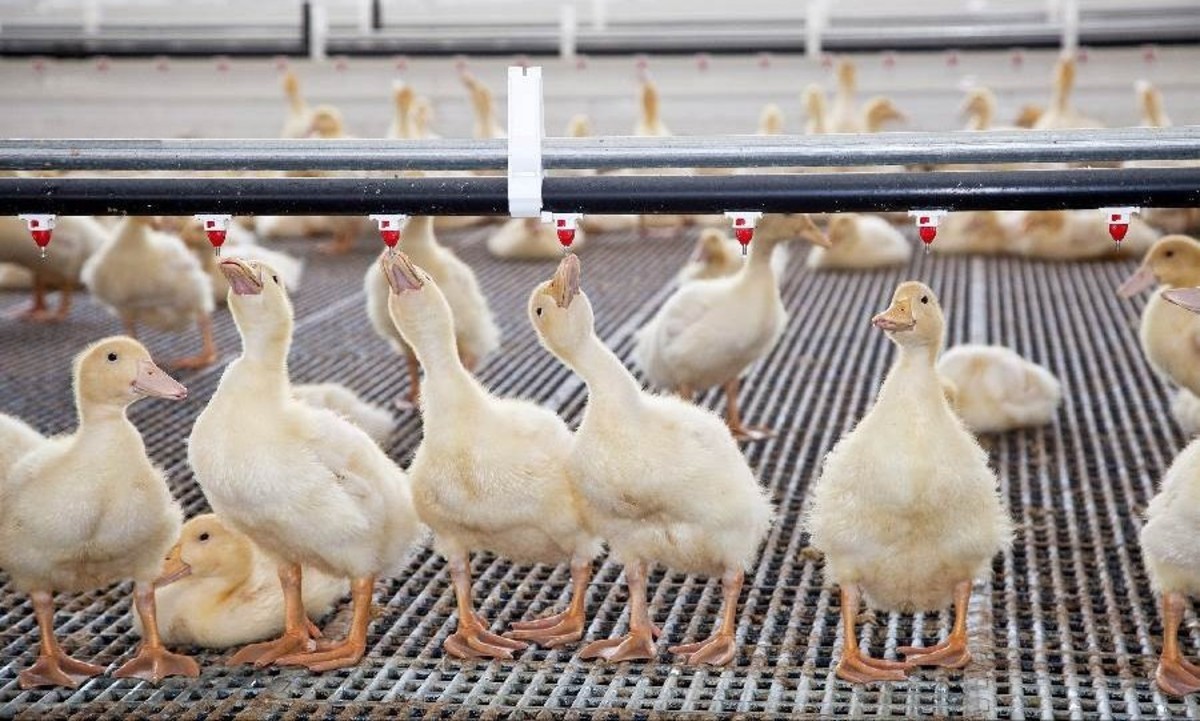
Duck Production Farming
Duck farming is one of profitable poultry farming business due to the fact that duck breeds are known to be disease resistant and are able to lay a range of 160 to 180 eggs annually, which can be incubated or sold.
Ducks can be kept under free range, semi-intensive and intensive system, depending on the purpose and capital availability, but they are able to perform better on a wide range of conditions compared to other poultry birds.
Regardless of the type of system under which ducks can be kept, there are some basic management skills which a farmer who is in commercial duck production or small scale duck farming must aware or consider.
This article will provide in detail on how to get started in duck farming as well as some management information.
Common Duck Breeds
Khaki campbell duck
This breed originated in England and is known due to its khaki colour. This breed performs better in tropical regions and has egg laying capacity of 250 to 300 per year and is known to be best duck egg producer. Each egg weighs an average of 75 grams. It's body weighs an average of 2.1 kg.
White pekin
This breed is very common in different countries for its table purpose and is known to be a fast growing Duck breed and has low feed consumption compared to other breeds. It's body weighs an average of 2.4 kg in 42 days.
Aylesbury
This breed is mainly used for meat purposes and originated from England. It weighs and average of 4.5 Kg for Drake and for Duck it weighs 4.0 Kg.
Muscovy
This breed weighs a range of 4.5 to 6.4 kg for both duck and Drake and is known to have originated from South America. The breed has egg incubation period of 35 days.
Management
Housing
Ducks can be kept on a free range where they can be able to search for their feeds themselves and they can be left to sleep outsides.
Much as this is the case, the Ducks are able to give better results if you provide them with a simple house which is able to provide a shelter and as well as protecting it from predators.
Ducks like to drink more water so make sure clean water is available all the time. It is not recommended to keep Ducks under litter system since Duck faeces contain more water and this makes them not suitable for litter system of Duck keeping.
Make sure your Duck house is slated for easy cleaning and always make sure the house used for Duck keeping, is kept clean and well ventilated all the time.
Incubation and hatching
Ducks have an incubation period of 28 days and hatching system is similar to that of chickens.
Feeding
Provide supplemental feeds in the form of pellets and this can be in the category of starter, grower and finisher mash depending on the type and purpose of the breed you are keeping.
The starter mash can be in a size of 0.3 to 0.5 cm and it's usually given to Ducklings. Make sure the feeds does not contain aflatoxin since Ducklings are prone to Aflatoxicosis.
Brooding (0 - 4 weeks)
Ducklings require a similar brooding system of management to that of chickens and they do not require to be provided with swimming water.
Ducklings can be under brooding for 3 to 4 weeks after that they may be transferred to a separate section. Make sure you maintain a temperature range of 28 to 31 °C during the first week of brooding your Ducklings and be reducing it by 3 °C each week for 4 weeks.
Water
Ducks require more water compared to other poultry birds as they release watery faeces. Make sure you provide a simple swimming pool as they prefer to swim as well. Make sure fresh water is available all the time for them to drink. During egg laying, make sure you reduces Duck swimming access.
Duck Health
Ducks likes to wander and peck, however, as other poultry birds, they are susceptible to same diseases which attack other poultry birds so make sure they are of good health all the time. Whenever you notice strange behaviors, call your local veterinary officer immediately.
How to Raise Ducks: Duck Farming and Management Tips
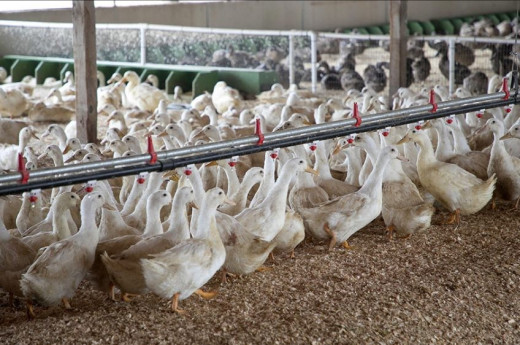
How to Raise Ducks: Duck Farming and Management Tips
Duck farming is a profitable poultry business due to the fact that duck breeds are disease resistant to diseases unlike other poultry birds. Ducks are able to lay 160–180 eggs annually, which can be incubated or sold. Just as other poultry birds, Ducks can be raised under a wide variety of conditions, ranging from a backyard for a few ducks to housing for large flocks on a commercial duck farm. Regardless of the category of duck keeping, there are certain basic requirements that must be met if ducks are to remain healthy. This article is intended to educate duck farmers with regard to meeting these basic requirements.
Common Duck Breeds
Some Duck breeds are special for meat, while others perform better in egg laying. Among the egg laying breeds, Khaki Campbell is the best producer. Egg laying Ducks can produce around 300 eggs annually. Egg size varies from 65 to 75 grams. White Pekin is the most popular duck in the world known for table purpose. It is fast growing and has low feed consumption with fine quality of meat. It attains about 2.2 to 2.5 Kgs of body weight in 42 days of age, with a feed conversion ratio of 1:2.3 to 2.7 Kgs
Management
Choosing a place to raise ducks
For successful Duck farming, firstly you must choose a best place where you will raise your Ducks. The place needs to be close where you can watch them easily. You should look for a place that has shade for your ducks on hot days. You need also to construct a Duck house where they should be going for protection from wind or on days when it is cold or wet.
The selected place should have enough food that ducks like to eat. It should be a good place, the one which is near to water where your ducks can easily get to water and where they can swim. Raising a flock of ducks is only one use for your land, which you have selected to do your Duck farming, so be careful not to choose a place for them that could be better used for something else, such as planting crops or growing a vegetable garden.
Remember, that ducks can live just about anywhere outside as long as they can find enough to eat and drink, as well as being protected from predators.
Housing
Ducks can be raised on free range where housing cannot be a big problem. However, they will live much better if they have a shelter. The main reason for building a shelter for your ducks is to keep them safe from predators at night when they are sleeping. Ducks, especially young ducks, have many enemies, which can attack your Ducks. These predators includes dogs, cats, mongoose, rats etc.
Ducks excrete more water in their faeces. For this reason, it is very difficult to raise your Ducks on litter system. Hence, slatted floor is preferred so that manure can be washed and floor can be dried. On concrete flooring, welded wire (1.25 cm x 1.25 cm of 8 gauge) can be fixed leaving a gap of 10 cm.
After brooding (4 weeks) your Ducks, they should be reared on welded wire (2.5 cm x 2.5 cm of 8 gauge). Where swimming facility can be provided, pond (usually made of concrete) dimensions can be 0.9 m wide, 20 to 30 cm deep and the length depending on the number of birds. Dimensions of a house should be calculated easily depending on the number and age of ducks with the floor space requirement given above. Similarly, you should estimate the number and size of feeders and drinkers required. Arrangement of feeders and drinkers is also similar to chicken.
Feeding
Ducks prefer pellet feeds because they can easily eat them. Pellet feed size generally used is 0.3 cm for starter ration and 0.5 cm for other categories. For meat-type ducks, Starter, Grower and Finisher rations should be given during first 2 weeks, 3 to 6 weeks and 7th week to market, respectively.
For egg-type ducks, Starter, grower and layer rations should be offered similar to that of chicken. Layer ration should be provided one month prior to the expected onset of Duck lay. Duck feed restriction program is also similar to chicken.
Brooding (0 - 4 weeks)
Brooding is similar to chicken and ducklings do not require swimming water. If swimming is provided to the ducks, care has to be taken to regularly clean and disinfect the pond to prevent them from early infection. Stagnant water should be avoided because it can cause diseases to your Ducks instead of giving comfort. If land is not a limitation, ducks can be reared in semi-intensive system with a night shelter.
The brooding period of egg laying Khaki Campbell ducklings is 3 to 4 weeks. For meat type ducklings such as Pekin, brooding for 2 to 3 weeks is sufficient. You should provide hover space of 90 to 100 sq.cms. per ducklings under the brooder. A temperature of 29 to 32 °C (85 to 90 °C) should be maintained during the first week. Then it should be reduced by about 3 °C per week till it reaches 24 °C (75 °F) during the fourth week. Ducklings may be brooded in wire floor, litter or batteries. A wire floor space of 0.046m² (1/2 sq, ft.) per Duck or solid floor space of 0.093 m² (1 sq.ft.) per Duck would be sufficient up to 3 weeks of age.
Debilling
Duck debilling is similar to beak-trimming in chicken. Pecking in Ducks generally begins around three weeks of age when the adult plumage begins to grow. Trimming the bill is stressful and probably causes some pain in Ducks. After trimming, lower Duck bill will be left longer than the upper one. Duck trimming can be done at the hatchery by cutting and cauterizing the nail of the upper bill with an electric beak trimmer. But, handling each duckling (newly hatched chick) is more stressful, bill will be quite small and it may re-grow. Hence, it may not be accurate. Duck trimming should be done at 7 to 21 days of age; but usually performed at 4 weeks of age by using electrical beak -trimmer.
Egg production
Ducks during egg laying should be housed in cages similar to chicken. But, the height at which feed and water are arranged should be suitably reduced. Ducks do not drink from nipples. Therefore, watering channel should be fixed all along the width of the cage in front above the feeding channel with a gap of 10 cm for feeding. Egg-type ducks reach more than 90% production within 5 weeks. Most of the eggs are laid before 7 am and hence they should be collected at around 7 am.
Incubation and hatching
Incubation of eggs in Ducks is similar to chicken except that, a relative humidity of 75% is required in Duck incubation period throughout the period and total incubation period is 28 days. Duck eggs should be transferred from setter into the hatcher on 25th day. If the eggs are held for more than one week before setting, they have to be turned daily. The incubation period of Khaki Campbell duck is known to be 28 days. In forced draft incubators satisfactory results are attained at a temperature of 37.5 to 37.2 °C (99.5 to 99 °F).
Rearing (15-16 Weeks)
Ducklings can be reared in intensive, semi-intensive or range system. Under intensive system, you should allow a floor space of 0.279m² (3 sq.ft.) up to 16 weeks of Duck age.
Under semi-intensive system, a floor space of 0.186 to 0.279m² (21/2 to 3 sq.ft) per bird is should be allowed in night shelter and 0.929 to 1.394 m² (10 to 15 sq.ft.) as outside run per Duck bird upto the age of 16 weeks.
Ducklings should be allowed to move to runs at the end of 3 to 4 weeks of age depending upon weather. Water in the drinkers should be 12.5 to 15 cm (5” to 6”) deep to allow minimum immersion of their heads.
Turkey Farming and Management
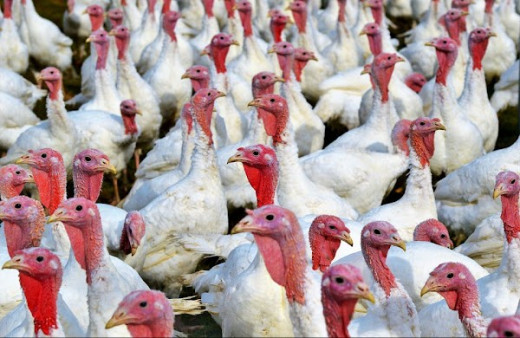
Turkey Farming and Management
Turkey farming is a profitable poultry bird and can act as an additional enterprise to many farms and can increase farm income. Turkeys can be grown in as little 12 weeks and for up to 24 weeks, depending on the requirements at point of sale.
Benefits of Turkey Farming
The turkey farming has the following benefits:
- Grows very fast and this makes them reach selling point easily
- They can be reared in free range system in the backyards
- They can be raised small and marginal farmers.
- Turkey egg weighs 1.3 times more than the chicken egg.
- Better forager than the chickens
- Turkeys are more resistance to diseases than the chickens.
- The turkey meat is a preferred meat especially during Easter and Christmas celebrations.
Common Breeds of Turkey
1. Belts Ville White
This breed is medium sized turkey having white feathers. It produces more eggs compared to Broad Breasted Bronze. The toms (male Turkey) weigh 10 to12 kg at maturity and hens weigh 7 to 8 kg at maturity period.
2. Broad Breasted Bronze
This is the most popular Turkey breed and heaviest. As the name indicates, it has broad and prominent chest region and bronze coloured feathers.
The males and females Turkeys at maturity weigh 15-18 kg and 12-13 kg, respectively.
As of today, the majority of the hybrid turkeys are crosses of different strains of Broad Breasted Bronze or Belts Ville White.
3. White Holland
This breed is a popular variety of turkey most commonly found in European countries. It was bred and developed in Holland.
4. CARI Virat variety of CARI
This Turkey breed has low fat and low cholesterol. It is suitable for backyard rearing.
Management of Turkey
Housing
Turkeys are large in size and for this reason they should invariably be reared on the floor and should be either completely inside a house on deep-litter or on semi-intensive system. Semi-intensive system is more common in Turkey farming. Turkeys are adaptable in most kinda of farm building.
Unlike other poultry birds, Turkeys grow and perform well in fairly low house temperatures (15-17°C).
From six weeks onwards, Turkeys can thrive well in lean-to buildings with good litter or bedding, such as chopped straw or white wood shavings unlike other poultry birds.
Brooding
Brooding in Turkey is similar to chicken. Turkey, as the other poultry species, is more susceptible to cold and you should provide enough brooding. Brooding period in Turkey should be extended till 6 to 8 weeks depending on temperature.
Temperature
Newly hatched turkeys require an incubator temperature of 38 °C due to their inability to maintain body heat (due to lack of feathering). Turkeys should be placed in a draught-free surroundings of 37°C for the first day.
The temperature should then be reduced by 0.5°C per day until they are approximately five weeks of age. At this stage, they are sufficiently well feathered to be able to thrive without the aid of artificial heat by brooding.
Feeding
Turkey chicks referred to as “Poults” should be given special care because they do not start eating as soon as they are left under the brooder.
Death due to starvation is the most common cause of mortality in poults. You should also watch legs of your poults, so that they should be in good strong health not weak.
You should administer vitamins in the water and ensure that your poults eat and drink properly. For Turkeys meant for meat and sold at around 16 to 20 weeks of age, broiler starter rations should be given till 8 weeks of age followed by broiler finisher ration till market.
If your Turkeys are meant for breeding and egg production, they should be offered layer ration after first egg is recorded at the farm.
Health Management
Turkeys are susceptible to diseases, for this this reason, they require much higher level of management and skill than other domestic fowls.
In Turkey, they are four primary causes of disease: genetic, nutritional, environmental and infection.
Layer Chicken Farming Business Plan
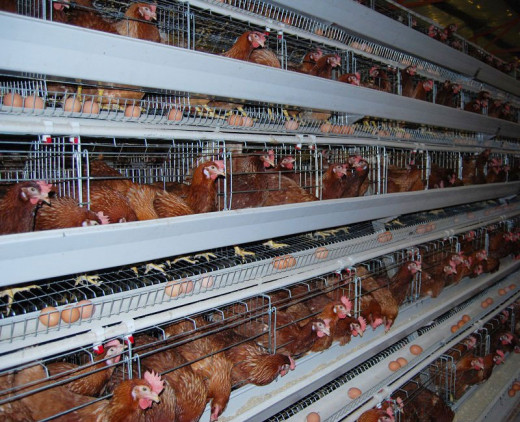
Layer Chicken Farming Business Plan
Are you interested in starting a profitable business in the agricultural industry? Consider layer chicken farming! layer chicken farming involves raising chickens for their eggs, which are in high demand around the world. However, like any business venture, success requires careful planning and execution.
In this blog post, we will provide you with a comprehensive guide on how to develop an effective layer chicken farming business plan that can help you achieve your entrepreneurial goals. So sit back, relax and get ready to learn how to take your first steps towards successful layer chicken farming!
The Business Plan
The business plan is a vital component of any successful layer chicken farming venture. It outlines the company's goals, strategies for achieving those goals, and how resources will be allocated to accomplish them. A well-written business plan serves as a roadmap that guides the management team towards success.
In creating a layer chicken farming business plan, it's essential to consider various factors such as location, target market, competition, production costs and revenue streams. These aspects must be thoroughly researched and analyzed before creating an outline for the entire document.
The business plan should have a clear executive summary that provides an overview of the company's objectives and strategies. The next section details information about the industry itself - market trends, size of potential customer base etc.
A crucial part of this type of farming involves understanding which products are in high demand within your demographic area. This should also be included in your business plan under ‘products’.
Another key element is outlining how you intend on marketing your product(s). This includes all forms of advertising such as social media ads or traditional print newspaper adverts.
Finally comes financial projections – including start-up capital requirements (if applicable), expenses per month/year projected income from sales etc., all presented with supporting data in easy-to-read tables/graphs/charts/etcetera.
All things considered; A robust layer chicken farming Business Plan can guide entrepreneurs through each step while starting their own farm operations successfully!
The Layer Chicken Farming Industry
The layer chicken farming industry is a crucial aspect of the agriculture sector. It involves rearing chickens specifically for egg production, with an emphasis on efficient and cost-effective methods that can lead to maximum profits. This industry has evolved over time, with farmers adopting modern techniques and technologies to increase productivity.
One of the benefits of layer chicken farming is that it requires relatively low startup costs, making it an attractive option for small-scale farmers. Additionally, there is always a demand for eggs in both local and international markets.
However, like any other business venture, there are challenges to be overcome in this industry. One key challenge is maintaining the health and well-being of the birds since diseases or infections can quickly spread within a flock leading to losses.
To address these concerns, many farmers have adopted good animal husbandry practices such as providing adequate nutrition and housing for their flocks while ensuring proper sanitation protocols are followed.
The layer chicken farming industry plays a significant role in food security by providing affordable protein sources to people worldwide. With careful planning and management strategies aimed at increasing efficiency without compromising quality standards or endangering bird health; this sector offers excellent potential profitability for investors willing to put in work towards success.
The Products
When it comes to layer chicken farming business, the products are quite straightforward. The primary product of a layer farm is eggs. Eggs are rich in protein and have various nutritional values, which makes them an essential part of our daily diet.
However, not all eggs are created equal. The quality of the egg depends on several factors such as breed, feed, handling practices and housing conditions. Therefore, it's important for layer farmers to ensure that their birds receive high-quality feed and proper care to produce healthy and nutritious eggs.
Apart from producing table eggs, some layer farms also sell hatching eggs or day-old chicks to other poultry farmers who want to start their own flocks. These products require specific handling and transportation protocols to ensure that they remain viable during transit.
In addition to these main products, some layer farms may also offer value-added products such as organic or free-range eggs that cater towards consumers who prioritize ethical treatment of animals or prefer healthier options.
While the core product of a layer chicken farming business is simple -eggs- ensuring their quality requires attention-to-detail at every step of production process from bird management practices down to packaging standards.
The Market
The market for layer chicken farming can vary depending on different factors. One of the primary considerations is the geographic location of your farm. In areas with high demand for eggs or where there are fewer competitors, it may be easier to penetrate the market and establish your business.
Another significant factor that affects the poultry industry's market is consumer preferences. As consumers become more health-conscious and environmentally aware, many people prefer organic or free-range eggs from chickens raised without antibiotics or hormones
.
Moreover, you'll also need to consider whether you want to focus on selling wholesale or retail. If you're targeting retailers, such as grocery stores, restaurants, and cafes, you'll need to identify their requirements and tailor your products accordingly.
Alternatively, if you plan on selling directly to consumers at farmers' markets or through an online store, conducting research into customer demographics will help determine what types of egg products are most in demand.
In summary, understanding the dynamics of your target market is crucial in running a successful layer chicken farming business. By identifying trends in consumer demands and preferences while considering local competition levels can give insight into pricing strategies that match supply with demand effectively.
The Management Team
A successful layer chicken farming business relies heavily on the management team in place. As such, it is crucial to have a competent and experienced team that can handle all aspects of the farm's operations.
The management team should be made up of individuals with diverse skill sets, including expertise in animal husbandry, finance, marketing, and logistics. Each member of the team must bring something unique to the table and work together towards a common goal.
Effective communication is also essential within the management team as it ensures everyone is on the same page regarding objectives and strategies for achieving them. All members need to be able to collaborate effectively while respecting each other's opinions.
The leader of the management team should possess strong leadership skills and be capable of making informed decisions quickly. They should also be able to inspire their colleagues towards success.
Having a well-rounded management team will set your layer chicken farming business up for success by fostering innovation and creativity while ensuring streamlined operations.
Financial Plan
The financial plan is a crucial aspect of any business, including the layer chicken farming industry. It involves creating a budget and projecting the revenue and expenses of your business over time.
When developing your financial plan, it's important to have a clear understanding of all costs associated with running your farm. This includes equipment, feed, labor costs, and overhead expenses such as rent or utilities.
You should also project your revenue based on factors such as egg production rates and market demand for eggs in your region. Consider setting realistic goals that take into account potential challenges you may face during the growth phase.
It's essential to regularly review and adjust your financial plan as needed to ensure you remain profitable over time. Your plan can help guide decision-making around investments in new equipment or changes in pricing strategies.
Be sure to explore financing options available to you when starting out or expanding operations. These might include loans from banks or government agencies that specialize in supporting small businesses like yours.
In conclusion, starting a layer chicken farming business can be a profitable venture with the right planning and execution. It is important to have a solid business plan that outlines your products, target market, management team, and financial projections.
Remember to conduct thorough research on the industry and seek advice from experienced farmers before embarking on this journey. Additionally, investing in quality equipment and ensuring proper care for your chickens will increase productivity and profitability.
With dedication, hard work, and patience, you can establish a successful layer chicken farming operation that provides high-quality products to consumers while generating income for yourself.
8 Causes of Egg Eating in Chickens (Poultry) and 6 Ways to Stop or Prevent it
8 Causes of Egg Eating in Chickens
Egg eating is a problem which is common in chickens, where hens eat their eggs and eggs of other chickens, causing reduction in the number of eggs available for sale or home consumption. If not taking preventive measures, this condition can likely cause a serious loss to your poultry farming business. This article will have a look at the causes of egg eating in chickens and ways to have this problem solved in your poultry birds.
8 Common Causes of Egg eating in Chickens
The following are the common causes of egg eating in chickens.
1. Overcrowding
The majority of smallholder farmers keep more chickens on a small space, violating the rule of thumb of 3 square feet per chicken. This makes your poultry birds to cramp together within the small space. This accelerates egg eating.
Overcrowding may force your laying hens to share nesting boxes , which will likely encourage egg eating. When this egg eating occurs, it becomes a huge loss since many eggs are lost.
2. Limited nesting boxes
Lack of enough nesting boxes cause laying hens to lay their eggs at inappropriate places rather than in their nesting boxes. This accelerates egg breakage during their egg laying time. When your hen sees a broken egg, it will likely eat it.
3. Stress
Stress in your chickens has a potential to reduce the egg quality and egg weight. When poor quality eggs are laid , they can get broken easily during the egg laying time, and these broken eggs will likely be eaten by your stressed hen.
Chicken stress put another threat to your birds as it can likely cause damage to the growing embryo of your chickens.
4. Poor diet
Lack of a balanced diet is another common cause of egg eating in chickens. Each hen requires a calcium intake of 4 grams to 5 grams every day during egg laying period. Therefore, hens are susceptible to eating their eggs when they lack calcium in their diets.
5. Dehydration and hunger
Lack of enough fresh drinking water and enough feeds is another cause of egg eating in poultry. An hungry hen, will likely crack and eat its eggs. Lack of enough fresh water and hunger, will likely result in egg drop, and this causes losses to your agribusiness.
6. Omnivorous characteristics
Chickens are omnivorous animals, which eat both eat plants and animal products. This partly explains why they crack and eat their own eggs.
7. Poor lighting
Hens prefer dark areas to lay their eggs and corners. Anything over 16-17 hours is too much light and will stress out the hen, and this will likely cause egg eating.
In dark areas, the laying hen, will unlikely see their laid eggs and will less likely eat it. However, it doesn’t mean that you should allow your hens to lay eggs in the dark throughout. You should provide at least 14-15 hours of lighting daily.
8. Young and inexperienced
When hens lay their first eggs, usually they are thin and weak-shelled eggs. Due to their eggs' softness, they will likely crack with the slightest impact. This will likely cause these young inexperienced layers to confuse their own eggs for food, resulting in breaking and eating them.
6 Ways to Stop Your Chickens from Eating Their Eggs
1. Feed your chickens balanced diet
You should provide your chickens enough feeds which is a well balanced diet. You should ensure your feeds, you are providing have enough calcium required.
2. Darken the nesting box
Dark areas will likely make your laying hen to crack and eat their own eggs. Chickens will unlikely see in the dark, so they are less likely to turn to their eggs if it’s dim or dark. You could install curtains in the nest box and keep them partially opened until the hens get used to the additional feature.
3. Frequent egg collection
You should ensure each and every egg laid is collected and kept. Chickens can’t eat eggs that they don’t have, so you should collect the eggs as soon as possible, especially if you want to stop the already developed egg-eating behavior.
4. Build slanted nesting boxes
You should build slanted nesting boxes which will make the chicken eggs disappear. This slanted item will allow the egg to roll away and get from the beak’s reach immediately after the hen lays.
5. Provide cushioned nesting spot
You should place soft materials like pads, straws, or hay in your nesting boxes, which will cushion the eggs from hitting hard materials, which could likely accelerate breakage. This will prevent egg breakage that can prompt egg-eating.
6. Pay attention to your chickens’ welfare
You should ensure, your chickens are getting enough fresh feeds, which has required nutrients. In addition, you should ensure the chicken house is well cleaned and has fresh water all the time. You should also consider factors like nesting space and stressors like the number of chickens in the coop.
How to Make Money From Local Chicken
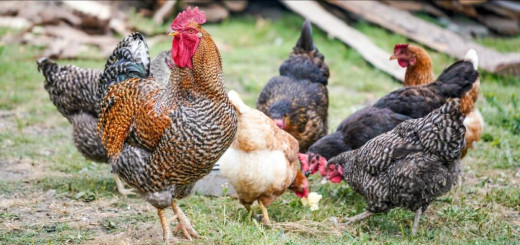
How to Make Money From Local Chicken
Local chickens are Indigenous chickens breeds that are cheap to be raised and provide proteins to rural people. These chickens are characterized by disease resistant and low cost of feeding. They can be raised on free range or semi-intensive system. This article will take a look at how you can make money from the local chickens.
To realize more money from local chicken farming, you should start with a minimum of 20 local chickens and by the end of twelve months you will likely have over 300 local chickens, which is quick great.
How 20 Local Chickens could give 300 Chickens
As we have said above, you should at least buy 20 local chickens. We recommend that all the 20 chickens should be hens that are ready to lay and on top of these 20 hens, you should add 3 mature cocks, totaling 23 local chickens as our start up number.
You should try to maintain the recommended cock to hen ratio of 1: 7–10 for fertilization purposes, so that the laid eggs could be hatched.
Summary on how our 300 chickens will be achieved
During the first month since we bought point of lay hens, they will likely lay eggs during their first month. Thus, month 1, they lay.
During their second month most of the hens will be incubating and hatching. Chickens only take 21 days for incubating eggs to get hatched.
During their third month, most of your hens will be taking care of the chicks they have hatched. They will likely rear the chicks for the period of one month.
After one month, you should separate the chicks from their mothers and rear them yourself by providing brooding and feeds for 2.5 months. The care you will be giving should be slowing down as they get old.
Since in this case you have separated the hens from the chicks, what it means is that, they will start laying eggs again and replicate the process for the period of 12 months. In this case, it also means that the chicks you have separated from their mother will grow and be added to the 23 chickens we started with, increasing the number.
Vaccination Program For Local Chicken
As a poultry farmer who knows what is doing, you should make sure you stick to this vaccination program for your local chickens to be protected from diseases.
Table 1: Showing Vaccination program for local chickens
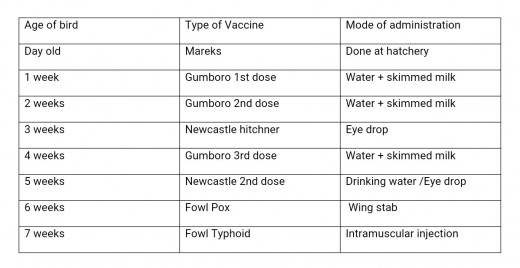
Local Chicken Feeding Program
For your local chicken agribusiness to be successful, you should homemade the following feeds using the formula we have given below:
Non laying (50 Kilograms of feeds)
For non laying local hens, you should buy and mix the following feed ingredients; 30 Kg of Maize, 4 Kg of Soya full fat, 9.55 Kg of Sunflower, 1 Kg of Stock feed lime, 5 Kg of wheat bran, 0.1 Kg of Standard layer Premix, 0.1 Kg of Iodised Salt, and Toxfin should be 0.05 kg
For laying birds
For local chickens, you should buy and mix the following ingredients; 30 Kg of Maize, 5 Kg of Sunflower, 9.9 kilograms of Soya cake, 3.35 kilograms of Stock feed lime, 1.425 kilograms of Limestone Grit, 0.1 kilograms of Standard layer Premix, 0.15 kg of Iodised Salt, 0.05 kilograms of Toxfin and 0.025 kilograms of Carophyll.
How to Make Poultry Feeds at Home to Lower the Costs of Production
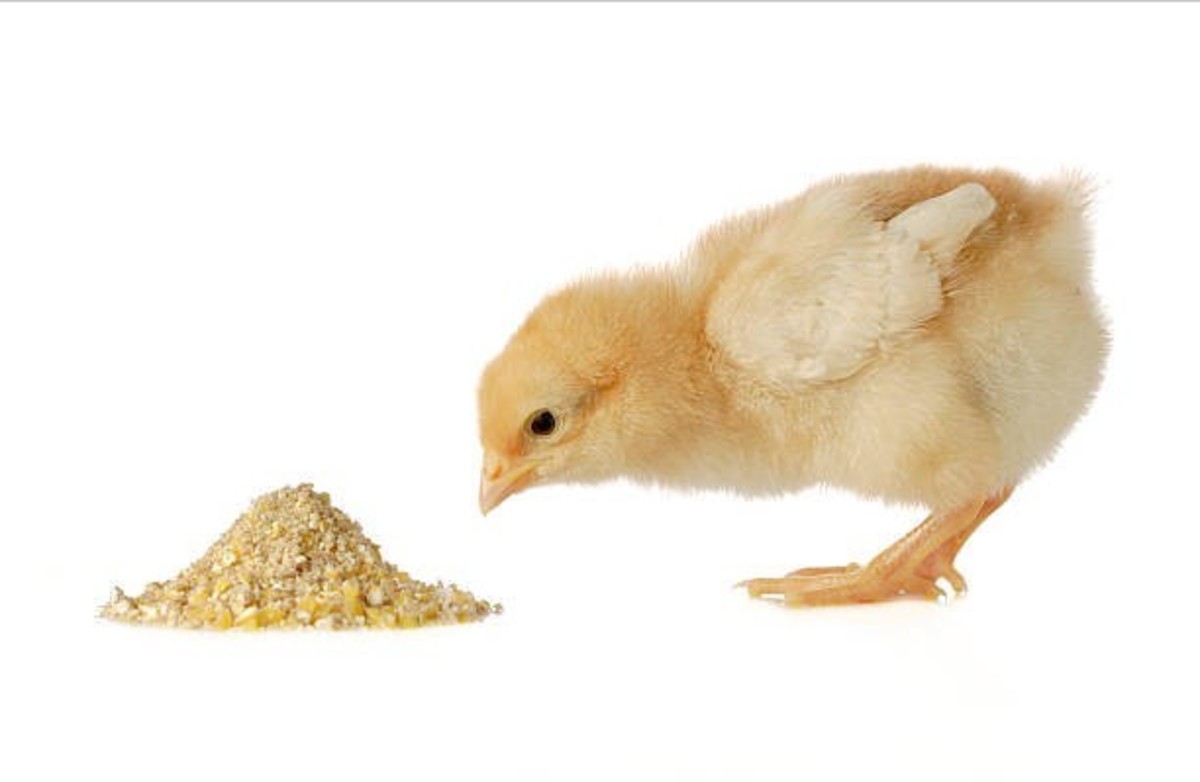
Homemade Poultry Feeds
This agribusiness article will provide you formulas on how you can make your poultry feeds at home and this will help you lower cost of feeding your poultry birds, which will maximize your farming profits in poultry.
Making Feeds for Broilers
Before we go further, firstly we should outline some of nutritional information which has to be taken into consideration
- Maize: Provides Carbohydrates
- Sunflower: Source of plant Protein
- Fish Meal: Provides animal Protein
- Methionine: Acts as growth promoters
- Lysine: Acts as Fattener
- DCP (DI-calcium phosphate): Used for bone development
- Broiler: Premix vitamins
- Stock Feed lime: Acts as blood promoters
- Iodised Salt: Provides Iodine
Broiler Feed Formulas
Broiler Starter (50KG)
To locally make your broiler starter 50 kilograms at home, you should firstly buy the required ingredients as indicated below and mix. You should mix the following ingredients after buying them;
- Maize 34kg
- Methionine 0.2kg
- Soya cake 10.5kg
- Broiler premix 0.2kg
- Fish Meal 4 kg
- Lysine 0.2kg
- DCP 0.3kg
- Stock feed lime 0.2kg
- Iodised Salt 0.4kg
Broiler growers (50KG)
To locally manufacture 50 kilograms of broiler growers, you should buy and mix the following ingredients;
- Maize 31kg
- Full Fat Soya 10kg
- Stock feed lime 0.25kg
- Sunflower 5kg
- Lysine 0.25kg
- Fish Meal 2kg
- Methionine 0.25kg
- DCP 0.5kg
- Broiler premix 0.5kg
- Iodised Salt 0.25kg
Broiler finisher
To make 50 kilograms of broiler finisher at home, you should buy and mix the following required ingredients;
- Maize 35kg
- Soya 6kg
- DCP 0.5kg
- Sunflower 8kg
- Salt 0.5kg
Much as we have given in detail as how you can produce 50 kilograms of broiler chickens at home, which will help you lower cost of feeding your poultry birds, it should be taken into consideration that this is not the only formula for producing these chicken feeds.
Now let's have a look on second formulas for achieving similar results of 50 kilograms of broiler chicken feeds.
Second Formula to Use
Broiler starter
To achieve similar results using the second formula for 50kg broiler starter feeds, you should buy and mix the following required chicken feds ingredients;
- Maize 30kg
- Broiler Premix 0.170kg
- Soya cake 17.5kg
- Methionine 0.335g
- Bone/Fish meal 0.12k g
- Stock feed lime 0.7g
- Lysine 0.2kg
- Iodised Salt 0.175g
- MCP 0.2kg
- Toxifin( Toxin Binder) 0.5kg
- Zinc Bacitracin 0.1kg
Broiler grower
For broiler growers, you should buy and mix the following ingredients using the second formula to achieve 50 kilograms of broiler growers;
- Maize 32kg
- Soya cake 17kg
- Toxifin( Toxin Binder) 0.05g
- Bone/Fish meal 0.06kg
- Stock feed lime 0.06kg
- Zinc Bacitracin 0.05g
- Lysine 0.1kg
- Methionine 0.15kg
- Iodised Salt 0.160kg
- MCP 0.2kg
- Broiler Premix 0.170kg
Broiler finisher
For the broiler finisher, you should buy and mix the following ingredients to produce a 50 kilograms;
- Maize 34.5kg
- Soya cake 13.88kg
- Broiler Premix 0.170kg
- Stock feed lime 0.7kg
- Lysine 0.130kg
- Methionine 0.145kg
- Iodised Salt 0.175kg
- MCP 0.2g
- Toxifin( Toxin Binder) 0.05g
- Zinc Bacitracin 0.05g
Storage
Having homemade your broiler feeds, you should always store your feeds in a dry cool place. Not in a plastic as this may reduce the quality of the feeds you have made.
For Ducks, Village Chickens and Guinea Fowl
Use any of the following ingredient formulas to homemade 50 kilograms.
First formula for achieving a 50 kilograms
Non laying
You should buy and mix the following required ingredients;
- Maize 30kg
- Wheat bran 5kg
- Soya full fat 4kg
- Sunflower 9.55kg
- Stock feed lime 1kg
- Standard layer Premix 0.1kg
- Iodised Salt 0.1kg
- Toxfin 0.25kg
Laying
For laying birds, you should buy and mix the following ingredients at home to achieve a 50 kilograms of feeds;
- Maize 30kg
- Sunflower 5kg
- Carophyll 0.025kg
- Soya cake 9.9kg
- Stock feed lime 3.35kg
- Limestone Grit 1.425kg
- Standard layer Premix 0.1kg
- Iodised Salt 0.15kg
- Toxfin 0.05kg
Using second formula
For non laying
You should buy and mix the following ingredients to achieve a 50 kilograms of homemade feeds
- Maize 24.1kg
- Maize bran or wheat bran 5kg
- Sunflower cake 4kg
- Soya cake 15kg
- Stock feed lime 1kg
- Chick starter/Grower Premix 0.1kg
- Toxfin 0,1kg
- Iodised Salt 0.2kg
- DCP 0.5kg
For three months onwards
You should buy and mix the following ingredients to achieve a 50 kilograms;
- Maize 30kg
- Carophyll 0.6kg
- Maize bran or wheat bran 7.5kg
- Sunflower cake 7.5kg
- Soya cake 2.5kg
- Stock feed lime 1kg
- Toxfin 0.1kg
- Iodised Salt 0.3kg
- DCP 0.5kg
Which Poultry Feeds to Give and When?
Broiler starter
This is given to your broiler birds from day 1 to 21st day to broiler chickens.
Broiler grower
This is given to broiler chickens from 22 days to week 5.
Broiler finisher
This is given from week 5 to point of sell of your broilers.
In conclusion, this agribusiness article has uncovered in detail home chicken feeds formulas which can be used at home for producing a 50 kilograms of chicken feed, which can lower the cost of production in your poultry farming business.