Learn smarter with fresh insights from our tutors.
Practical study guides, course supplements, and learning resources curated to help you move faster through every subject.
Optimizing Feed Formulation for Enhanced Animal Growth and Health

Optimizing Feed Formulation for Enhanced Animal Growth and Health
Welcome to our blog, where we dive into the fascinating world of animal nutrition and explore how optimizing feed formulation can lead to enhanced growth and health for our furry friends! As pet owners, farmers, or animal enthusiasts, we all want the best for our beloved companions. And one crucial aspect that plays a significant role in their overall well-being is their diet.
Feed formulation may not be a topic that immediately comes to mind when considering animal care, but it is a vital factor in ensuring optimal growth and health. In this article, we will unravel the importance of feed formulation and its various components. We will also delve into the significance of nutrition in animal feed and how it directly impacts their vitality.
So let's roll up our sleeves (or paws) and embark on this nutritional journey together as we explore the benefits of optimized feed formulation for your four-legged pals! Get ready to discover valuable insights on providing them with nourishment tailored specifically for their needs. Let's get started!
The Importance of Feed Formulation
When it comes to the well-being of our animals, feed formulation plays a crucial role. It involves carefully selecting and combining various ingredients to create a balanced diet that meets their nutritional requirements. One size does not fit all when it comes to animal nutrition, as different species have unique dietary needs.
Proper feed formulation ensures that animals receive the right combination of proteins, carbohydrates, fats, vitamins, minerals, and other essential nutrients. These nutrients are vital for their growth and development, immune function, reproductive health, and overall vitality.
By formulating feeds specific to an animal's needs, we can provide them with optimal nutrition while minimizing waste and cost. This tailored approach takes into account factors such as age, breed or species type, body weight or size, activity level, stage of production (such as lactation or gestation), and any special dietary requirements due to health conditions.
The art of feed formulation requires expertise in understanding nutrient requirements based on scientific research and staying up-to-date with advancements in animal nutrition. It also involves sourcing high-quality ingredients from trusted suppliers to ensure safety and consistency.
In summary - oops! Sorry about that slip-up - the importance of proper feed formulation cannot be overstated. By providing animals with precisely what they need through optimized diets tailored to their individual requirements at each life stage or production phase helps maximize growth potential while promoting overall health and longevity.
The Different Components of Animal Feed
Animal feed is made up of a variety of different components that work together to provide the necessary nutrition for animals. These components can include grains, such as corn or wheat, which provide energy in the form of carbohydrates. Protein sources like soybean meal or fishmeal are also important for muscle development and growth.
Vitamins and minerals are essential components of animal feed as well. They play a crucial role in maintaining overall health and supporting various bodily functions. For example, calcium is needed for strong bones and teeth, while vitamins A and D help with proper vision and immune function.
Fats and oils are another component of animal feed that serve multiple purposes. They not only provide a concentrated source of energy but also aid in the absorption of fat-soluble vitamins. Additionally, fats can enhance palatability, making the feed more appealing to animals.
Additives such as probiotics or enzymes may be included in animal feed formulations to improve digestion and nutrient utilization. These additives help optimize gut health by promoting beneficial bacteria growth or enhancing enzymatic activity.
Understanding the different components of animal feed is vital for optimizing formulation to meet specific nutritional requirements. By carefully selecting appropriate ingredients and proportions, producers can ensure their animals receive balanced diets that promote optimal growth and overall health.
The Role of Nutrition in Animal Feed
Nutrition plays a crucial role in animal feed formulation. It directly impacts the growth, development, and overall health of animals. Providing the right balance of nutrients is essential for optimizing their performance and productivity.
Proteins are one of the key components in animal feed nutrition. They are vital for muscle development and repair. Essential amino acids derived from proteins help support various physiological functions in animals, including enzyme production and hormone synthesis.
Carbohydrates are another important nutrient found in animal feed. They provide energy to fuel metabolic processes and promote healthy digestion. Complex carbohydrates like fiber also aid in maintaining proper gut health by promoting beneficial bacteria growth.
Fats or lipids serve as concentrated sources of energy, providing more calories per gram compared to proteins or carbohydrates. Additionally, certain fats contain essential fatty acids that play significant roles in cell membrane structure and function, immune response regulation, and hormone production.
Minerals such as calcium, phosphorus, magnesium, zinc, copper, iron are necessary for bone formation, enzyme activity regulation, and other physiological processes within an animal's body.
Lastly, vitamins are imperative for maintaining good health.
These organic compounds act as catalysts
for numerous biochemical reactions.
They contribute to immune system function, reproduction, disease prevention, and overall well-being.
A well-balanced diet with optimized levels of these essential nutrients ensures optimal growth rates, better reproductive performance, stronger immune systems, and increased resistance to diseases.
Such diets lead to improved weight gain, promote better feed conversion efficiency, and ultimately boost profitability for farmers.
It is therefore crucial that nutritionists work closely with veterinarians, farmers, and researchers, to continually refine animal feed formulations based on scientific research, data analysis, and industry insights.
The goal should always be to meet the specific nutritional needs of each species at different stages of life, in order achieve enhanced growth, sustainability, and overall animal welfare.
The Benefits of Optimized Feed Formulation
Optimizing feed formulation for animals can bring numerous benefits to their growth and overall health. By carefully selecting and balancing the different components of animal feed, we can provide them with the necessary nutrients they need to thrive.
One major benefit of optimized feed formulation is improved digestion. When the right combination of ingredients is used, it ensures that animals are able to efficiently break down and absorb nutrients from their food. This leads to better nutrient utilization and ultimately translates into enhanced growth rates.
In addition, proper feed formulation helps in maintaining a healthy immune system for animals. By including essential vitamins, minerals, and antioxidants in their diet, we can support their immune function and increase resistance against diseases. This means fewer sick days for our furry friends!
Furthermore, optimized feed formulation contributes to optimal weight gain in animals. With a well-balanced diet tailored to meet their specific nutritional needs at each stage of life, they are more likely to reach an ideal body condition score. This not only improves aesthetics but also has positive implications on reproductive performance and longevity.
Moreover, by optimizing feed formulation, we can reduce wastage of resources such as feed ingredients or excessive use of supplements. A properly balanced diet minimizes unnecessary costs while maximizing efficiency in terms of animal productivity.
Investing time and effort into optimizing feed formulation pays off by promoting enhanced growth rates, stronger immunity, optimal weight gain, reduced resource wastage,and increased profitability in animal production systems.
How to Optimize Feed Formulation for Enhanced Animal Growth and Health
One of the keys to ensuring enhanced animal growth and health lies in optimizing feed formulation. By carefully selecting and balancing the components of animal feed, farmers can provide their livestock with the essential nutrients they need to thrive.
To begin, it is crucial to understand the different components that make up animal feed. These include proteins, carbohydrates, fats, vitamins, minerals, and water. Each component plays a vital role in supporting various bodily functions such as growth, reproduction, immunity, and overall well-being.
Nutrition is at the heart of optimized feed formulation. Animals require specific amounts of each nutrient for optimal growth and development. For example, proteins are necessary for muscle development and repair while carbohydrates provide energy for daily activities.
Optimizing feed formulation brings numerous benefits for animals. It leads to improved weight gain and efficient conversion of food into body mass. Additionally, animals fed with properly balanced diets are more resistant to diseases due to strengthened immune systems.
So how can farmers optimize their feed formulations? First off is conducting regular nutritional analysis on animal feeds to determine their composition accurately. Utilizing this information allows farmers to adjust feeding strategies accordingly by adding or removing certain ingredients based on nutrient requirements.
Moreover, seeking guidance from nutritionists or veterinarians who specialize in animal nutrition can be immensely helpful in formulating customized diets tailored specifically for unique herd needs or individual animals' conditions.
In conclusion (note: not concluding), optimizing feed formulation plays a critical role in enhancing both animal growth and health. Through careful selection and balance of nutrients within animal feeds along with regular nutritional analysis coupled with expert advice when needed will undoubtedly lead farmers towards achieving healthier livestock populations capable of reaching their full potential.
Conclusion
Optimizing feed formulation is crucial for enhancing animal growth and health. By carefully considering the different components of animal feed and ensuring proper nutrition, farmers can significantly improve the overall well-being of their livestock.
Optimized feed formulation provides numerous benefits such as increased weight gain, improved immune function, enhanced reproductive performance, and reduced risk of disease. It plays a vital role in maximizing productivity and profitability in the agricultural industry.
To achieve optimal feed formulation, it is essential to analyze the specific nutritional requirements of each type of animal and adjust the ratios of protein, carbohydrates, fats, vitamins, minerals, and other additives accordingly. The use of advanced technologies like computer modeling software can greatly assist in this process.
Additionally, sourcing high-quality ingredients from reputable suppliers is paramount. Ensuring that the raw materials used are free from contaminants or toxins will help maintain animal health while minimizing any negative impacts on their growth.
Regular monitoring and evaluation are also necessary to assess how animals respond to different formulations. Adjustments can then be made based on observed outcomes to continually optimize feeding strategies.
By prioritizing optimized feed formulation practices that consider both nutrient composition and quality control measures throughout the production process will lead to healthier animals with improved growth rates - a win-win situation for farmers and consumers alike.
So remember: when it comes to raising healthy livestock for maximum growth potential – optimized feed formulation is key!
The Role of Genetics in Developing Disease-Resistant Animal Breeds

The Role of Genetics in Developing Disease-Resistant Animal Breeds
Welcome to our blog! Today, we are diving into the fascinating world of genetics and its role in developing disease-resistant animal breeds. Genetics is a field that has revolutionized the way we understand life itself. It holds the key to unlocking new possibilities and overcoming challenges in various aspects of our lives, including agriculture and animal breeding.
In this article, we will explore how genetics plays a crucial role in creating animals that are more resilient to diseases. We will also touch upon the concept of genetic engineering and discuss any ethical concerns associated with it. So, whether you're an animal lover or simply intrigued by scientific advancements, let's delve into this captivating topic together!
What is genetics?
Genetics is a captivating field that explores the hereditary information passed down from one generation to another. It involves studying genes, which are segments of DNA that carry specific instructions for various traits and characteristics. These instructions determine everything from our eye color to our susceptibility to certain diseases.
At its core, genetics examines how these genes interact and contribute to the development of an organism. Through complex processes like meiosis and recombination, genetic material is shuffled and combined during reproductive cell formation, resulting in unique combinations of traits in offspring.
By understanding genetics, scientists can identify the presence or absence of specific genes associated with disease resistance in animals. This knowledge allows them to selectively breed individuals who possess desirable genetic traits, ultimately creating populations more resilient against common illnesses.
In addition to natural selection through breeding programs, advancements in technology have expanded our ability to manipulate genetic material through techniques like gene editing or genetic engineering. These methods enable scientists to directly modify an animal's genome by inserting or altering specific genes related to disease resistance.
Understanding genetics opens up endless possibilities for improving animal health and welfare. By harnessing this knowledge responsibly, we can work towards developing breeds that are better equipped to combat diseases naturally without relying heavily on medications or interventions.
What role does genetics play in developing disease-resistant animal breeds?
Genetics plays a crucial role in developing disease-resistant animal breeds. The genetic makeup of an animal determines its susceptibility or resistance to various diseases. Certain genes can provide animals with natural defenses against specific pathogens, making them less likely to fall ill.
Researchers and breeders utilize genetics to identify these disease-resistant genes and incorporate them into breeding programs. By selectively breeding animals with desirable genetic traits, such as resistance to certain diseases, it is possible to create new generations of animals that are more resilient.
Through careful selection and analysis of an animal's DNA, scientists can also identify genetic markers associated with resistance or susceptibility to specific diseases. This knowledge allows breeders to make informed decisions about which individuals should be bred together in order to maximize the chances of producing disease-resistant offspring.
In addition, advancements in genetic engineering have opened up new possibilities for creating disease-resistant animal breeds. Scientists can now directly modify an animal's genome by introducing beneficial genes or editing existing ones. This technology holds great potential for developing highly resistant breeds that are better equipped to fight off diseases.
However, there are ethical concerns associated with the use of genetic engineering in breeding practices. Some worry about the long-term consequences and unintended effects on biodiversity and ecosystem stability. Additionally, there may be concerns regarding the welfare of genetically modified animals.
Despite these ethical considerations, genetics remains a powerful tool in enhancing the health and well-being of animal populations. By understanding how genetics influences disease resistance and employing responsible practices, we can continue developing robust animal breeds that are better equipped to withstand threats from infectious diseases.
How can genetic engineering be used to create disease-resistant animal breeds?
Genetic engineering has revolutionized the field of animal breeding, offering new possibilities for creating disease-resistant animal breeds. By manipulating an animal's genetic makeup, scientists can introduce specific genes that enhance its ability to fight off diseases. This process involves identifying the genes responsible for resistance and then inserting them into the DNA of targeted animals.
One approach is through gene editing techniques such as CRISPR-Cas9. Scientists can modify or remove specific genes associated with susceptibility to certain diseases and replace them with more resistant versions. By doing so, they aim to create animals that are naturally less prone to illnesses.
Another method is through selective breeding using genetic markers. Researchers identify genetic variations associated with disease resistance and use these markers to select individuals with desirable traits for reproduction. Over time, this results in a population that is better equipped to resist various diseases.
Despite the potential benefits of genetic engineering in developing disease-resistant breeds, ethical concerns have been raised. Critics argue that altering an animal's genetics interferes with nature and raises questions about animal welfare and biodiversity conservation.
However, proponents argue that by creating disease-resistant breeds, we can reduce the need for antibiotics and other interventions while improving overall animal health and welfare.
In conclusion,the role of genetics in developing disease-resistant animal breeds cannot be understated.
With advances in genetic engineering techniques, such as gene editing and selective breeding, it is now possible to create animals with enhanced resistance to various diseases.
However, the ethical implications surrounding these practices must be carefully considered as we strive towards a sustainable future for both humans and animals alike.
Are there any ethical concerns associated with using genetic engineering to create disease-resistant animal breeds?
Ethical concerns surrounding the use of genetic engineering to create disease-resistant animal breeds have been a topic of debate among scientists, researchers, and animal rights activists. While there are potential benefits to developing animals that can resist diseases, it is important to consider the ethical implications.
One concern is the potential for unintended consequences. Genetic engineering involves manipulating an organism's DNA, which can lead to unforeseen genetic mutations or changes in other traits. These unintended consequences could have negative impacts on the animal's health and well-being.
Another ethical concern is the welfare of the animals themselves. The process of genetic engineering often involves invasive procedures such as cloning or gene editing techniques like CRISPR-Cas9. These procedures can cause pain and stress to the animals involved.
There is also a broader question about whether it is ethically justifiable to alter an animal's natural genetic makeup for human purposes. Some argue that it goes against nature and compromises biodiversity, while others believe that it is our responsibility as stewards of these species to intervene and improve their overall health.
Additionally, there are concerns about corporate control over genetically engineered animals. Companies with proprietary technology may have exclusive control over these modified breeds, potentially leading to issues related to patents and intellectual property rights.
While genetic engineering holds promise in developing disease-resistant animal breeds, we must carefully consider its ethical implications before embracing this technology fully.
Conclusion
Genetics plays a crucial role in developing disease-resistant animal breeds. Through selective breeding and genetic engineering, scientists have been able to enhance the natural defenses of animals against various diseases. By identifying and utilizing specific genes that provide resistance to certain pathogens, breeders can create healthier animals that are less susceptible to illnesses.
Genetic engineering has revolutionized the field by allowing for targeted modifications in an animal's DNA. This technology enables scientists to introduce disease-resistant genes from other species into the genetic makeup of livestock or poultry, thereby enhancing their ability to fight off infections.
However, it is important to consider ethical concerns associated with using genetic engineering in creating disease-resistant animal breeds. Critics argue that manipulating an animal's genetics can be seen as unnatural and raises questions about potential unknown consequences. There are also concerns about the welfare of genetically modified animals and the long-term effects on biodiversity.
Genetics plays a vital role in developing disease-resistant animal breeds through selective breeding and genetic engineering techniques. These advancements have led to significant improvements in livestock health and productivity. However, careful consideration must be given to ethical implications when applying genetic engineering technologies for this purpose. Striking a balance between scientific progress and responsible use is essential for ensuring both human benefits and animal well-being in our pursuit of disease-resistant animal breeds.
Innovative Techniques in Artificial Insemination for Livestock Improvement

Innovative Techniques in Artificial Insemination for Livestock Improvement
Welcome to our blog post on innovative techniques in artificial insemination for livestock improvement! In the world of agriculture, staying ahead of the game is crucial, and one area that has seen significant advancements is artificial insemination. This groundbreaking technique has revolutionized livestock breeding by allowing farmers to enhance their herds' genetic potential and maintain healthier and more productive animals.
In this article, we will explore what artificial insemination entails, its applications in livestock improvement, as well as its advantages and disadvantages. We'll also dive into the process of performing artificial insemination so you can better understand how it works. So let's jump right in and discover how this cutting-edge technology is transforming the agricultural landscape!
What is Artificial Insemination?
Artificial insemination (AI) is a technique used in animal breeding to facilitate the process of fertilization without the need for natural mating. It involves manually introducing semen into the reproductive tract of a female animal, typically through the use of specialized equipment and techniques.
The primary goal of AI is to improve genetic traits within livestock populations by carefully selecting superior sires with desirable characteristics. This allows farmers and breeders to overcome limitations associated with natural mating, such as territorial behavior or risk of disease transmission.
AI offers several advantages over traditional breeding methods. It provides access to a wider range of high-quality genetics from around the world, enabling farmers to introduce superior traits into their herds more quickly and efficiently. Additionally, AI reduces the need for keeping costly and potentially dangerous male animals on-site.
Moreover, artificial insemination enables precise control over breeding schedules, allowing farmers to optimize herd management and reproduction cycles. This can result in improved efficiency and increased productivity within livestock operations.
In recent years, advancements in technology have further enhanced AI techniques. These innovations include improvements in semen collection and storage methods, as well as more accurate tools for monitoring animals' estrus cycles. As a result, precision has become one of the defining features of modern artificial insemination practices.
Artificial insemination plays a vital role in livestock improvement strategies by empowering farmers and breeders with greater control over their herds' genetics. By harnessing this innovative technique along with other advancements in agricultural science, we can continue pushing boundaries and building healthier herds that meet society's evolving needs.
How is Artificial Insemination Used in Livestock Improvement?
Artificial insemination (AI) has become a crucial tool in livestock improvement. It involves the collection of semen from genetically superior male animals and its transfer into the reproductive tract of female animals. This technique allows farmers to access high-quality genetics without having to physically transport or own expensive breeding stock.
In livestock improvement, AI offers several advantages over natural mating. It enables breeders to utilize sires with superior traits such as increased milk production, disease resistance, or meat quality. By carefully selecting the desired genetic traits, farmers can enhance their herd's overall productivity and profitability.
Moreover, AI helps reduce the risk of transmitting diseases among animals during mating since direct contact is not required. This is especially important in preventing sexually transmitted infections that can severely impact herd health and productivity.
Additionally, AI provides greater control over breeding programs by allowing breeders to precisely time inseminations for optimal conception rates. It also facilitates better record-keeping by enabling breeders to accurately track lineage and monitor genetic progress within their herds.
Artificial insemination has revolutionized livestock improvement strategies by offering enhanced genetic selection options while minimizing risks associated with natural mating methods. With continued advancements in technology and techniques, this valuable tool will undoubtedly continue to contribute significantly to sustainable agriculture practices around the world.
What are the Advantages of Artificial Insemination?
Artificial insemination (AI) has revolutionized the field of livestock improvement, offering a host of advantages for farmers and breeders alike. One major advantage is increased genetic diversity. Through AI, breeders can access high-quality semen from superior sires located anywhere in the world, widening their gene pool and introducing desirable traits into their herds.
Another advantage is improved animal health and safety. AI eliminates the need for natural breeding, reducing the risk of injuries to both animals involved. It also helps prevent the spread of diseases that can occur during mating.
AI also allows for more precise breeding control. Breeders have greater control over which animals are bred together, ensuring optimal pairings based on desired traits such as milk production or meat quality. This level of control leads to faster and more efficient genetic progress within a herd.
Furthermore, AI offers convenience and cost-effectiveness. It eliminates the need for owning or maintaining a bull, reducing expenses related to feeding and housing these large animals. Additionally, AI enables breeders to inseminate multiple females with one ejaculate from a single sire, maximizing efficiency while minimizing costs.
AI promotes reproductive success by increasing conception rates compared to natural mating methods. Semen used in artificial insemination undergoes rigorous testing before use, ensuring high fertility rates and increasing the chances of successful pregnancies.
In summary, the advantages offered by artificial insemination make it an invaluable tool in livestock improvement efforts worldwide. From expanding genetic diversity to enhancing animal welfare and facilitating controlled breeding programs – its benefits are undeniable for those seeking to optimize their herds' performance and productivity.
What are the Disadvantages of Artificial Insemination?
Artificial insemination (AI) has revolutionized the field of livestock improvement, offering numerous advantages. However, it is essential to also consider the potential drawbacks that come with this technique.
One significant disadvantage of AI is the requirement for skilled personnel to perform the procedure accurately. It involves delicate and precise manipulation of reproductive organs, which necessitates training and expertise. Inadequate or incorrect handling can result in unsuccessful inseminations or even harm to the animals.
Another drawback is the need for proper equipment and facilities. Maintaining a sterile environment during insemination is crucial to prevent infections and ensure success rates. This requires investment in specialized tools and infrastructure, which can be costly for small-scale farmers or those in remote areas with limited access to resources.
Additionally, artificial insemination relies on frozen semen from superior male animals. While this allows breeders to access genetic material from distant locations, it also carries risks such as reduced fertility due to freezing procedures or limited availability of high-quality semen.
Furthermore, AI may not always guarantee conception rates as high as natural mating methods. Some animals may experience lower pregnancy rates when using AI compared to traditional breeding practices. This could be attributed to various factors such as improper timing or compatibility issues between specific individuals.
Despite these disadvantages, artificial insemination remains an invaluable tool for livestock improvement programs worldwide. With proper training, adequate resources, and careful management of breeding programs, many challenges associated with AI can be overcome while reaping its benefits in terms of genetic progress and herd development.
How to Perform Artificial Insemination
Performing artificial insemination (AI) in livestock requires precision and skill. Here is a step-by-step guide on how to perform this innovative technique:
1. Preparation: Before beginning the procedure, ensure that all equipment is clean and sterile. This includes the AI gun, sheath, gloves, and any other necessary tools.
2. Collection of Semen: Obtain semen from a selected bull with desirable genetic traits. This can be done through natural or manual methods. The collected semen should be stored in a suitable container at an appropriate temperature.
3. Preparing the Female Animal: Clean the reproductive tract of the female animal using an approved disinfectant solution to minimize chances of contamination.
4. Insertion of AI Gun: Gently insert the AI gun into the cervix or reproductive tract of the female animal using proper lubrication for smooth entry.
5. Deposition of Semen: Slowly release the semen into the reproductive tract while maintaining steady pressure on the plunger of the AI gun.
6. Withdrawal and Disposal: Once deposition is complete, carefully remove the AI gun from inside without causing any harm to either party involved.
Remember, performing artificial insemination requires practice and expertise to achieve successful results consistently!
Conclusion
Artificial insemination has revolutionized the field of livestock improvement, providing farmers and breeders with a powerful tool to enhance genetic progress. Through this innovative technique, superior traits can be transferred more efficiently, leading to improved productivity and profitability in the agricultural industry.
By using artificial insemination, farmers are able to access high-quality genetics from elite sires around the world without the need for transportation or purchasing expensive breeding stock. This opens up opportunities for small-scale producers and allows them to diversify their herds by introducing new bloodlines. Moreover, it reduces the risk of disease transmission that can occur when animals are moved between farms.
The advantages of artificial insemination extend beyond convenience and disease control. It also enables breeders to select specific traits they want to improve in their livestock populations. By carefully choosing semen from bulls with desirable characteristics such as increased milk production or disease resistance, breeders can accelerate genetic progress within their herds.
However, like any other technology, artificial insemination does come with its disadvantages. Not all animals respond well to this technique due to anatomical variations or reproductive disorders. Additionally, there is a learning curve involved in performing successful inseminations which requires specialized training and skills.
Despite these drawbacks, ongoing advancements in reproductive technologies continue to refine and improve artificial insemination techniques for better outcomes. Researchers are constantly exploring new methods such as sex-sorted semen sorting or embryo transfer techniques that further enhance breeding programs' efficiency.
In summary, it is clear that artificial insemination plays an essential role in livestock improvement strategies today - offering numerous benefits such as accessing superior genetics globally while minimizing health risks associated with animal movement on farms.
The Importance of Selective Breeding: Maximizing Genetic Potential

The Importance of Selective Breeding: Maximizing Genetic Potential
Unlocking the potential of genetics has long been a fascination for humanity. From hybridizing plants to breeding animals with desired traits, selective breeding has played a pivotal role in shaping our world. But what exactly is selective breeding? And why is it so important?
In this blog post, we will delve into the captivating realm of selective breeding and explore its significance in maximizing genetic potential. So strap yourself in and get ready to embark on an enlightening journey through centuries of scientific innovation and ethical considerations!
What is Selective Breeding?
Selective breeding is a process by which humans intentionally choose certain individuals with desirable traits to reproduce, thus increasing the occurrence of those traits in future generations. It is essentially an accelerated form of evolution, where we take control over nature's genetic dice roll.
In selective breeding, the focus is on selecting individuals that possess specific characteristics such as increased size, resistance to disease, or improved productivity. These desired traits can be physical attributes like coat color or shape, behavioral tendencies such as trainability or aggression levels, or even physiological adaptations like milk production in livestock.
By carefully choosing mating pairs based on their desired traits and allowing them to produce offspring together, breeders aim to pass down these favored characteristics from one generation to the next. Over time and through successive generations of selected breeding, these desired features become more prevalent within a particular population.
This practice has been instrumental in shaping the world around us. From enhancing crop yields for food security to developing new breeds of domestic animals with superior performance capabilities – selective breeding has revolutionized agriculture and animal husbandry alike. It has also contributed significantly to advancements in science and medicine by enabling researchers to study genetically similar organisms with controlled variations.
However, selective breeding is not without its challenges and controversies. The selection for specific traits often leads to reduced genetic diversity within a population. This narrowing gene pool may make species more vulnerable to diseases and environmental changes since they lack variation that could potentially provide adaptability.
Moreover, ethical considerations come into play when selecting for extreme physical attributes that can negatively impact an individual's health or well-being. Breeding practices must always prioritize the welfare of the animals involved and ensure they lead fulfilling lives free from unnecessary suffering.
In conclusion (Never use "in conclusion"), selective breeding holds immense potential in maximizing genetic qualities desired by humans across various fields ranging from agriculture to pet breeding programs; however it necessitates careful consideration of both scientific principles and ethical values throughout its application.
Why is Selective Breeding Important?
Why is selective breeding important? It's a question that may come to mind when considering the practice of intentionally choosing certain traits in plants and animals. Selective breeding plays a crucial role in maximizing genetic potential, whether for agricultural purposes or to enhance specific characteristics in pets and livestock.
One key reason why selective breeding is significant is its ability to improve the overall quality and productivity of crops. By selecting plants with desirable traits such as disease resistance, higher yield, or improved taste, farmers can cultivate varieties that are more resilient and profitable. This process has been instrumental in ensuring food security and meeting the ever-growing global demand for sustenance.
In addition to agriculture, selective breeding also impacts the world of animal husbandry. Breeders carefully choose individuals with desired physical attributes or behavioral qualities to perpetuate those traits within a population. This helps create breeds specialized for specific tasks like herding livestock, guarding property, or providing companionship.
Moreover, selective breeding can contribute to advancements in medicine and scientific research. For instance, genetically modified organisms (GMOs) created through this process have led to breakthroughs in pharmaceutical production and disease prevention techniques.
Understanding the importance of selective breeding allows us to appreciate how it has shaped our world by harnessing nature's diversity for our benefit without compromising ethical considerations or risking biodiversity loss.
How Does Selective breed Breeding Work?
Selective breeding is a process that involves carefully choosing and mating individuals with desired traits to produce offspring with those same desirable characteristics. It works by controlling the genetic makeup of a population over generations, selecting for specific traits and excluding others.
In agriculture, for example, farmers may selectively breed plants or animals to enhance qualities such as yield, disease resistance, or even taste. This can be achieved by allowing only those individuals with the desired traits to reproduce and pass on their genes. Over time, this leads to an accumulation of these favorable traits within the population.
The process begins by identifying the desired trait or combination of traits that are sought after in the offspring. Breeders then select parent organisms that possess these desirable characteristics and mate them together. The resulting offspring are evaluated based on their phenotypic expression of the targeted trait(s). The best-performing individuals are selected as parents for subsequent breeding cycles.
Through continued selection and controlled mating practices, breeders can gradually refine a population's genetic potential. This allows for significant improvement in certain attributes over time compared to natural selection alone.
However, it's important to note that selective breeding does have its limitations. It relies heavily on existing genetic diversity within a population and cannot create entirely new traits from scratch. Additionally, there is always some degree of uncertainty involved in predicting which combinations will produce the most desirable outcomes.
Despite these challenges, selective breeding has been instrumental in shaping many aspects of our world today – from agricultural advancements to pet breeds tailored for specific purposes or appearances.
By harnessing nature's own mechanisms through careful manipulation and stewardship of genetic variation, selective breeding allows us to maximize genetic potential in ways previously unimaginable!
The History of Selective Breeding
The history of selective breeding dates back thousands of years, with humans recognizing the potential to improve desirable traits in plants and animals through controlled mating. Ancient civilizations such as the Egyptians and Babylonians practiced selective breeding to enhance crop yields and develop hardier livestock.
In medieval times, European farmers began selectively breeding their livestock for specific traits like size, strength, or milk production. This led to the establishment of distinct breeds that are still recognized today. The Industrial Revolution brought about significant advancements in selective breeding techniques, as scientists started applying more systematic approaches to achieve desired outcomes.
One notable example is Gregor Mendel's experiments with pea plants in the mid-19th century. His discoveries laid the foundation for understanding inheritance patterns and paved the way for modern genetics. As scientific knowledge advanced, so did our ability to manipulate genetic material through methods like artificial insemination and embryo transfer.
In recent decades, technology has revolutionized selective breeding even further. The advent of genetic engineering allows us to directly modify an organism's DNA, introducing precise changes that were previously unimaginable.
However, it is essential to recognize both the benefits and ethical considerations associated with this practice before embracing it wholeheartedly into every aspect of our lives.
Pros and Cons of Selective Breeding
Selective breeding, also known as artificial selection, has been practiced by humans for centuries in order to improve the genetic traits of plants and animals. There are several advantages to this method:
1. Increased productivity: Selective breeding allows us to develop crops that have higher yields, disease resistance, and improved nutritional quality. This helps ensure food security and can contribute to the overall well-being of a society.
2. Enhanced desirable traits: Through selective breeding, we can concentrate on specific characteristics such as size, color, or temperament in domesticated animals. This can lead to breeds that excel in certain tasks like herding or hunting.
3. Preservation of endangered species: Selective breeding plays a crucial role in conserving rare and endangered species by promoting genetic diversity within captive populations. It provides an opportunity for these species to recover their numbers before being reintroduced into the wild.
However, there are also some potential drawbacks associated with selective breeding:
1. Loss of genetic diversity: The focus on selecting for specific traits may inadvertently lead to a reduction in overall genetic variation within a population. This decrease in diversity could make them more vulnerable to diseases or environmental changes.
2. Health issues: In some cases, intense selective breeding can result in health problems for certain breeds due to the overemphasis on particular traits at the expense of others. For example, some dog breeds are prone to hip dysplasia or respiratory issues due to exaggerated physical features.
3. Impact on natural ecosystems: Introducing selectively bred organisms into natural environments can disrupt existing ecological balances and potentially harm native species through competition or predation.
It is essential when practicing selective breeding that careful consideration is given not only towards achieving desired outcomes but also towards minimizing any negative consequences it may bring about.
Ethical Considerations of Selective Breeding
When discussing the importance of selective breeding, it is essential to consider the ethical implications that come along with it. While selective breeding has undoubtedly led to advancements in various fields such as agriculture and animal husbandry, there are moral concerns that cannot be ignored.
One major ethical consideration is the potential for harm or suffering caused by selective breeding practices. When individuals focus solely on maximizing desired traits, they may inadvertently overlook the negative consequences that can arise. This could include health issues or reduced overall fitness in certain breeds or species.
Another concern is the limitation of genetic diversity that comes with selective breeding. By intentionally narrowing down gene pools, we run the risk of reducing resilience and adaptability to environmental changes. This lack of genetic variation can make populations more susceptible to diseases and other external threats.
Furthermore, ethics comes into play when considering whether humans have the right to manipulate nature for their own benefit through artificial selection. Critics argue that this interferes with natural processes and undermines biodiversity by favoring specific traits over others.
Additionally, there are questions surrounding consent and agency when it comes to selectively bred animals. Unlike humans who can voice their opinions or make choices based on their preferences, animals do not have a say in how they are bred or what characteristics are prioritized.
While selective breeding has its advantages in terms of advancing desired traits within populations, we must carefully consider these ethical considerations before proceeding further. It is crucial to strike a balance between achieving our goals through breeding practices while ensuring the well-being and sustainability of all living beings involved in this process.
The Future is Now: Exploring the Latest Trends in AgTech

Exploring the Latest Trends in AgTech
Welcome to the exciting world of AgTech, where innovation and technology are transforming the agricultural industry as we know it. Gone are the days of solely relying on traditional farming methods to meet the demands of a growing population. Today, farmers around the globe are embracing cutting-edge technologies that maximize efficiency, productivity, and sustainability.
In this blog post, we will delve into the latest trends in AgTech and explore how these advancements are revolutionizing farming practices. From drones and robots to precision agriculture and data analytics, let's uncover how technology is reshaping the future of agriculture. So buckle up and get ready to dive into a world where science fiction becomes reality – because in AgTech, the future is now!
The Agricultural Industry is Rapidly Changing
The agricultural industry, once characterized by traditional farming methods passed down through generations, is undergoing a rapid transformation. Advancements in technology and the ever-increasing global demand for food have spurred this change.
Farmers are now faced with the challenge of producing more crops using fewer resources, all while ensuring sustainable practices. This shift has led to a wave of innovation and experimentation within the industry. From smart irrigation systems that optimize water usage to genetic engineering techniques that enhance crop resilience, the possibilities seem endless.
One significant driver of change is precision agriculture - a practice that utilizes data analytics and GPS technology to make informed decisions about planting, fertilizing, and harvesting. By leveraging real-time information on soil conditions and weather patterns, farmers can optimize their operations for better yields while minimizing waste.
Another game-changer in AgTech is automation. Robots equipped with advanced sensors can perform labor-intensive tasks such as seeding or harvesting with remarkable precision and efficiency. This not only reduces reliance on manual labor but also allows farmers to focus on more strategic aspects of their operation.
Furthermore, drones have taken flight in the agricultural realm. These unmanned aerial vehicles (UAVs) provide valuable insights by capturing high-resolution images of fields from above. With thermal cameras or multispectral sensors attached, they enable farmers to monitor crop health by identifying issues such as pest infestations or nutrient deficiencies early on.
As technology continues to evolve at an unprecedented pace, so does our ability to gather data from various sources – be it climate models or satellite imagery – allowing us to gain deeper insights into crop performance and make informed decisions based on accurate predictions.
In conclusion? The agricultural industry is experiencing a seismic shift driven by technological advancements like never before seen. Embracing AgTech opens up new possibilities for increased productivity and sustainability while empowering farmers around the world to meet future challenges head-on.
The Latest Trends in AgTech
The Latest Trends in AgTech
Technology is revolutionizing every industry, and agriculture is no exception. In recent years, there have been exciting developments in Agricultural Technology (AgTech) that are transforming the way farmers work. From precision farming to automation and data analytics, these trends are paving the way for a more efficient and sustainable future.
One of the latest trends in AgTech is the use of drones in agriculture. These unmanned aerial vehicles can capture high-resolution images of crops, allowing farmers to detect crop health issues such as nutrient deficiencies or pest infestations early on. Drones can also be equipped with sensors to collect data on soil moisture levels and temperature variations across fields.
Another trend gaining traction is vertical farming. With limited arable land available, vertical farms utilize innovative techniques such as hydroponics and aeroponics to grow crops vertically instead of horizontally. This allows for higher yields per square foot while conserving water resources.
Artificial Intelligence (AI) and machine learning are also making their mark in AgTech. By analyzing vast amounts of data, AI algorithms can predict weather patterns, optimize irrigation schedules, and even automate tasks like planting or harvesting.
Furthermore, blockchain technology has found its way into agriculture by enhancing supply chain transparency. Farmers can now track their produce from farm to fork through a decentralized ledger system that records every transaction along the way.
Robotics plays an integral role in modern agriculture by automating labor-intensive tasks like weeding or harvesting crops. Robotic systems equipped with computer vision technology can identify ripe fruits or vegetables with precision accuracy and harvest them without causing damage.
These latest trends indicate that AgTech holds immense potential for improving productivity while minimizing environmental impact. As technologies continue to advance at an unprecedented pace, it's crucial for farmers to embrace these innovations to stay competitive in this ever-evolving industry.
How AgTech is Helping Farmers
AgTech, or Agricultural Technology, is revolutionizing the way farmers operate their businesses. With advanced tools and innovations at their disposal, farmers are now able to streamline processes and increase productivity like never before.
One of the key ways AgTech is helping farmers is through precision agriculture. By utilizing sensors and GPS technology, farmers can gather data on soil moisture levels, nutrient content, and even crop growth patterns. This valuable information allows them to make informed decisions about when to water crops, apply fertilizers or pesticides, ultimately optimizing yields while minimizing waste.
Another area where AgTech is making a significant impact is in livestock management. Farmers can now use wearable devices for animals that monitor health indicators such as heart rate and temperature. This real-time data helps identify potential issues early on so that appropriate actions can be taken promptly.
Additionally, drones have become an increasingly popular tool among modern-day farmers. These unmanned aerial vehicles equipped with high-resolution cameras provide a bird's eye view of fields and livestock. Farmers can quickly identify areas that need attention such as pest infestations or damaged fences without having to physically inspect every inch of their property.
Furthermore, advancements in robotics are changing the face of farming operations. Autonomous vehicles can plant seeds precisely at optimal depths while minimizing human error. Robotic milkers ensure cows are milked efficiently without placing additional strain on labor resources.
Lastly but certainly not leastly (and yes I made up this word), AgTech has enabled improved supply chain management systems for farmers by incorporating blockchain technology into traceability platforms. This ensures transparency throughout the entire journey from farm to consumer – allowing buyers to know exactly where their food comes from while reducing food fraud risks.
In conclusion (just kidding!), it's clear that AgTech plays a crucial role in transforming traditional farming practices into innovative ones fit for the future ahead! With its ability to enhance efficiency, reduce environmental impacts,and improve overall profitability - it’s no wonder why more and more farmers are embracing these technological advancements with open arms.
The Future of AgTech
In the ever-evolving world of agriculture, technology continues to shape and redefine the way farmers operate. As we look ahead, it's clear that the future of AgTech is brimming with exciting possibilities.
One trend that is likely to gain momentum in the coming years is precision farming. By utilizing advanced sensors, data analytics, and machine learning algorithms, farmers can optimize their use of resources such as water and fertilizers. This not only reduces costs but also minimizes environmental impact.
Another area poised for growth is robotic automation. Robots are already being used for tasks like harvesting crops and milking cows, but their capabilities are set to expand further. Imagine a fleet of autonomous drones monitoring fields or robots performing delicate tasks like pruning with incredible precision.
Furthermore, genetic engineering holds immense promise for enhancing crop yields and improving resistance to pests and diseases. With advancements in gene editing technologies such as CRISPR-Cas9, scientists can now make targeted modifications to plant genomes quickly and efficiently.
Additionally, vertical farming – growing crops indoors using artificial lighting – has gained traction in recent years due to its ability to produce food consistently regardless of weather conditions or geographical limitations. This method allows for year-round cultivation while minimizing water usage.
Blockchain technology may revolutionize supply chain management by providing transparency and traceability throughout every stage from farm to table. Consumers will have access to real-time information about where their food comes from while ensuring fair compensation for farmers.
As we delve into these exciting developments in AgTech's future landscape, one thing becomes abundantly clear: technology will continue playing a pivotal role in transforming agriculture as we know it today. The potential benefits are vast - increased productivity, resource efficiency, improved sustainability – all leading us towards a more secure food system that meets the needs of our growing global population without compromising our planet's health.
Conclusion
AgTech is revolutionizing the agricultural industry at a rapid pace, and its potential for growth and impact is virtually limitless. The latest trends in AgTech are transforming the way farmers operate, improving efficiency, sustainability, and profitability.
From precision farming to automation and artificial intelligence, these advancements are helping farmers make data-driven decisions that optimize their crop yield while reducing costs and environmental impact. With smart sensors gathering real-time information about soil health, weather conditions, pest infestations, and plant nutrition needs, farmers can now take precise action to ensure optimal growing conditions.
AgTech offers innovative solutions for challenges such as water scarcity by providing efficient irrigation systems that monitor moisture levels in the soil. By utilizing drones equipped with thermal imaging technology or satellite imagery analysis tools powered by machine learning algorithms, farmers can detect early signs of disease outbreaks or nutrient deficiencies across vast fields.
The integration of robotics into agriculture has also become increasingly prevalent. Autonomous vehicles equipped with sophisticated sensors can perform tasks like planting seeds or harvesting crops with greater accuracy and speed than traditional methods. This not only reduces labor costs but also enables farmers to maximize productivity during critical periods.
By embracing AgTech solutions, farmers have the opportunity to produce more food using fewer resources while minimizing waste. The future of AgTech holds even more exciting possibilities—nanotechnology may lead to enhanced fertilizers or pesticides targeted specifically at plants' individual needs; vertical farming could enable year-round cultivation in urban areas; blockchain technology could provide transparency throughout supply chains.
As we look ahead into the future of agriculture, it's clear that AgTech will continue to play a vital role in addressing global food security challenges sustainably. Embracing these technological innovations will be crucial for ensuring our ability to feed a growing population while preserving our planet's resources.
So let us celebrate this era where innovation meets agriculture! Let us embrace the latest trends in AgTech as they pave the way for a brighter future—a future where sustainable farming practices and cutting-edge technology coexist harmoniously to feed the world.
How Robotics is Transforming Farming Practices
How Robotics is Transforming Farming Practices
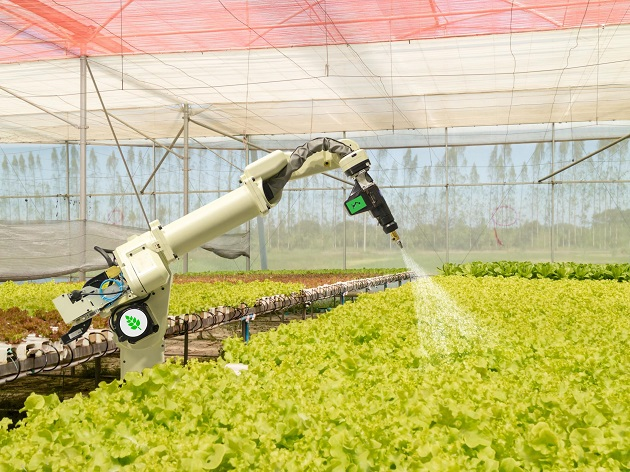
Robotic revolution has infiltrated almost every aspect of our lives, from manufacturing to healthcare. But have you ever wondered how it is changing the face of agriculture? That's right, robotics is not just for sci-fi movies anymore. It is now transforming farming practices in ways that were unimaginable just a few decades ago. From autonomous tractors to robotic harvesters, these advancements are revolutionizing the way we grow and produce our food.
In this blog post, we will delve into the history of robotics in agriculture, explore its current use cases, discuss the future possibilities, and weigh the pros and cons of this technological marvel. So buckle up and get ready to witness how robots are shaping the future of farming!
History of Robotics in Agriculture
The history of robotics in agriculture dates back several decades. In the 1980s, researchers and engineers began developing autonomous machines to assist with farming tasks. These early robots were primarily used for tasks such as weed control and crop monitoring.
However, it wasn't until the early 2000s that robotic technology really started to make an impact in agriculture. With advancements in sensors, artificial intelligence, and machine learning algorithms, robots became more capable of navigating through fields and performing complex tasks with precision.
One example of a significant milestone is the development of robotic milking systems for dairy farms. These machines automate the milking process by identifying individual cows, cleaning their udders, attaching milking cups, and monitoring milk production. This not only reduces labor costs but also improves overall efficiency.
Another breakthrough came with the introduction of autonomous tractors. These self-driving machines can handle plowing, seeding, fertilizing, and harvesting without human intervention. They use GPS technology along with sophisticated software to follow precise paths and optimize field operations.
As technology continued to advance rapidly over time, drones also entered into the realm of agriculture robotics. Equipped with cameras or infrared sensors, these aerial vehicles can capture high-resolution images or thermal data to detect crop health issues like nutrient deficiencies or pest infestations.
Overall, the history of robotics in agriculture has been marked by continuous innovation and improvement. These technological advancements have paved the way for a future where robots will play an increasingly vital role in feeding our growing population efficiently and sustainably. From humble beginnings to cutting-edge innovations, the evolution
of agricultural robotics has set a strong foundation for what lies ahead.
Current Use of Robotics in Agriculture
Robotic technology has made significant strides in recent years, and its impact can be seen across various sectors. One area where robotics has proven to be particularly transformative is agriculture. Farmers are now utilizing robots in a range of applications, revolutionizing traditional farming practices.
One current use of robotics in agriculture is automated harvesting. Traditionally, farmers relied on manual labor for tasks such as picking fruits and vegetables. However, with the introduction of robotic harvesters, these processes have become more efficient and cost-effective. These machines can accurately identify ripe produce and delicately harvest them without damaging the crops.
Another application of agricultural robotics is precision spraying. Robots equipped with advanced sensors and cameras can precisely target areas that require pesticide or fertilizer treatment, reducing waste and minimizing environmental impact. This level of precision ensures that only the necessary amount of chemicals is used while protecting plant health.
Robots are also being employed for monitoring crop health. With the help of cameras and sensors mounted on drones or ground-based robots, farmers can gather real-time data on factors like soil conditions, moisture levels, and pest infestations. This information allows them to make informed decisions about irrigation schedules or pest control measures promptly.
In livestock management too, robots play a vital role by automating time-consuming tasks such as feeding animals or cleaning barns. Robotic milkers have been introduced to streamline milking operations by ensuring efficiency and consistency while reducing physical strain on farm workers.
The current uses of robotics in agriculture have brought numerous benefits for farmers worldwide – increased productivity through streamlined processes; reduced labor costs due to automation; improved resource management by optimizing inputs like water or fertilizers; enhanced crop quality through precise treatments; better animal welfare via automated care systems—the list goes on!
As technology continues to advance at an unprecedented pace, we can expect even greater integration of robotics into agricultural practices moving forward! The possibilities seem limitless - from autonomous tractors navigating fields with ease to sophisticated artificial intelligence managing entire farms.
Future of Robotics in Agriculture
The future of robotics in agriculture is filled with endless possibilities. As technology continues to advance at a rapid pace, so does the potential for robots to revolutionize farming practices.
One exciting development is the use of drones in agriculture. These unmanned aerial vehicles can be equipped with sensors and cameras that allow them to monitor crops from above, identifying areas that require attention or treatment. With their ability to cover large areas quickly and efficiently, drones have the potential to greatly improve crop management and increase yields.
Another area where robotics holds promise is in autonomous farm equipment. Imagine tractors and harvesters that can operate without human intervention, guided by GPS systems and artificial intelligence algorithms. This could lead to significant improvements in efficiency as machines work around the clock, optimizing tasks such as planting, fertilizing, and harvesting.
Robotic weeding is also an area ripe for innovation. Traditional methods often involve manual labor or chemical herbicides which can be harmful to both people and the environment. However, robotic weeders equipped with advanced computer vision systems have shown great promise in accurately identifying weeds among crops and selectively removing them without damaging valuable plants.
Furthermore, indoor vertical farming using robotics has gained traction recently due to its potential for year-round production regardless of weather conditions. By utilizing robotic systems for seeding, watering, monitoring growth parameters like temperature and humidity levels within controlled environments becomes more efficient.
It's clear that the future of robotics in agriculture looks bright. From drones monitoring fields from above to autonomous farm equipment performing mundane tasks with precision - these advancements are set to transform farming practices as we know them!
Pros and Cons of Agricultural Robotics
When it comes to agricultural robotics, there are both advantages and disadvantages to consider. Let's explore the pros and cons of integrating robots into farming practices.
One major benefit of using robotic systems in agriculture is increased efficiency. Robots can work tirelessly, 24/7, without breaks or fatigue. They can perform repetitive tasks with precision and accuracy, leading to higher productivity levels. This not only saves time but also reduces labor costs for farmers.
Another advantage is that agricultural robots can improve crop quality by providing consistent care. They can monitor plant health, water levels, soil conditions, and even apply fertilizers or pesticides as needed. With this data-driven approach, farmers have better control over their crops' growth and yield.
Moreover, robotics technology enables farmers to optimize resource usage. By employing sensors and AI algorithms, robots can analyze environmental factors in real-time and adjust their actions accordingly. This leads to reduced water consumption, minimized chemical usage, and optimized energy utilization – all contributing to sustainable farming practices.
On the flip side of the coin are some drawbacks worth mentioning. One concern is the initial cost of implementing agricultural robotics systems on a farm. The high upfront investment required may pose a financial challenge for small-scale farmers who already face numerous expenses.
Additionally, there is potential job displacement due to automation in agriculture. As more tasks become automated through robotics technology, traditional farming jobs may decrease in demand. It raises questions about how these displaced workers will transition into other roles within the industry or find alternative employment opportunities.
How Robotics is Transforming Farming Practices
The use of robotics in agriculture has brought about significant advancements and transformations in farming practices. With the integration of cutting-edge technology, farmers are now able to streamline their operations and improve productivity like never before.
One area where robotics has had a profound impact is in harvesting crops. Autonomous robots equipped with advanced sensors can identify ripe fruits or vegetables and effectively pick them without causing damage. This not only saves time but also reduces labor costs associated with manual harvesting.
Another way that robotics is transforming farming practices is through the use of drones for crop monitoring. These unmanned aerial vehicles can capture high-resolution images of fields, allowing farmers to detect issues such as nutrient deficiencies or pests early on. By identifying problem areas quickly, farmers can take immediate action to prevent yield loss.
Robotic milking systems have revolutionized the dairy industry by automating the milking process. These machines are designed to clean, stimulate, and milk cows without human intervention. This technology not only improves efficiency but also ensures consistent milk quality and animal welfare.
In addition to crop harvesting and livestock management, robots are also being used for precision spraying of fertilizers and pesticides. Through precise mapping and targeted application, these robotic systems minimize chemical waste while maximizing effectiveness.
By embracing robotics in agriculture, farmers can benefit from increased efficiency, reduced labor costs, improved product quality, better resource management, enhanced sustainability . As we continue to advance in technology development it will be exciting to see how far we can push the boundaries of agricultural automation.
From Farm to Table: The Role of IoT in Agricultural Supply Chains
From Farm to Table: The Role of IoT in Agricultural Supply Chains
Welcome to the fascinating world where cutting-edge technology meets the age-old practice of agriculture. In recent years, there has been a revolutionary force shaping the way we grow and distribute our food - the Internet of Things (IoT). This groundbreaking concept is transforming agricultural supply chains, from farm to table, in ways never before imagined. So, if you're curious about how IoT is revolutionizing one of humanity's oldest industries, grab a seat and prepare to be amazed! We're about to dive into all things IoT and its role in agricultural supply chains. Get ready for an eye-opening journey that will leave you hungry for more knowledge!
The Agricultural Industry and the Internet of Things
The agricultural industry has always been a vital part of our society, providing us with the food we need to survive and thrive. But in order to meet the increasing demands of a growing population, farmers are faced with numerous challenges. This is where the Internet of Things (IoT) steps in.
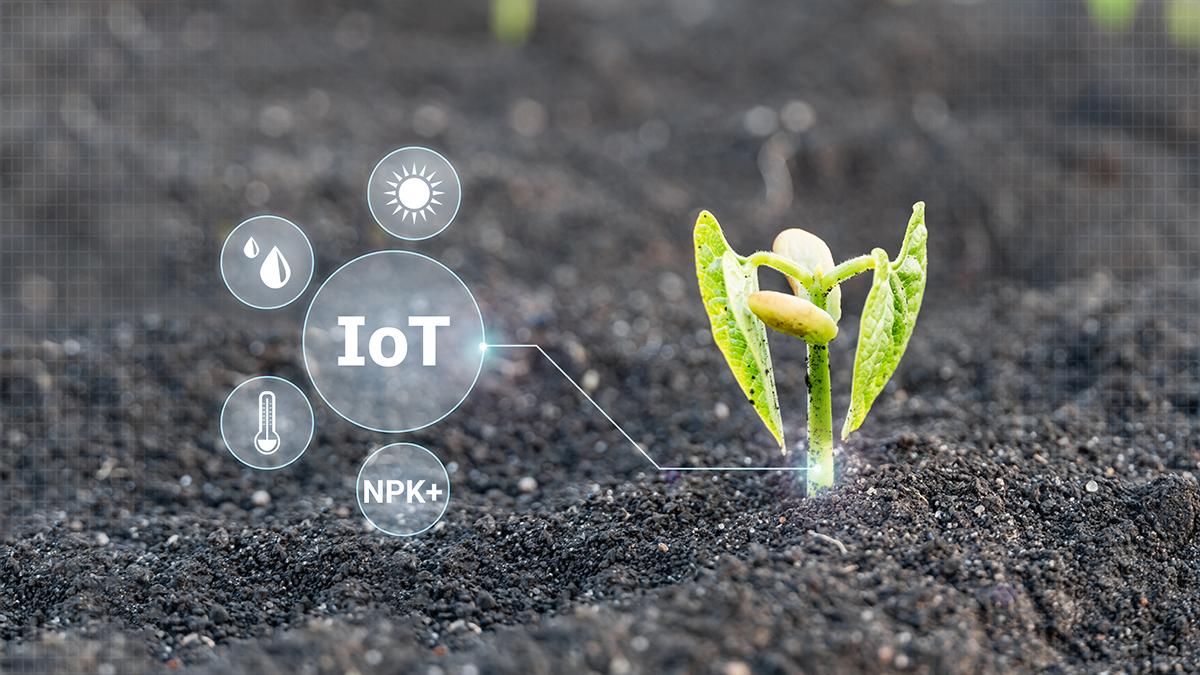
At its core, IoT refers to the network of physical objects embedded with sensors, software, and connectivity that enables them to collect and exchange data. In the realm of agriculture, this means that farmers can now harness technology to monitor their crops and livestock more efficiently than ever before.
Imagine a world where farmers receive real-time updates on soil moisture levels or temperature fluctuations in their fields. With IoT devices strategically placed throughout their land, they can gather valuable data that helps optimize irrigation schedules or detect possible pest infestations early on.
But it doesn't stop there - IoT also plays a crucial role in animal farming. Through wearable devices equipped with sensors, farmers can closely monitor the health and well-being of their livestock. From tracking body temperatures to monitoring milk production levels, these innovative technologies provide invaluable insights that enable proactive veterinary care.
Moreover, IoT facilitates seamless communication between different stakeholders within the agricultural supply chain. By integrating various systems such as inventory management and transportation logistics through interconnected IoT platforms, suppliers can ensure timely delivery while reducing waste and spoilage along the way.
With each passing day, advancements in IoT continue to revolutionize how we approach agriculture. From precision farming techniques driven by sophisticated algorithms to automated machinery guided by real-time data analysis - it's clear that technology is transforming this age-old industry into something truly extraordinary.
So buckle up because we're just scratching the surface! In upcoming sections we'll explore further how IoT is being used across agricultural supply chains and discuss both its benefits and challenges along the way. Trust me when I say you won't want to miss out on what's next!
How IoT is Used in Agricultural Supply Chains
In the realm of agriculture, the Internet of Things (IoT) has revolutionized supply chains. By integrating smart devices and sensors, farmers can monitor various aspects of their operations with ease. From field conditions to livestock health, IoT technology provides a wealth of data that helps optimize agricultural processes.
One way IoT is utilized in agricultural supply chains is through precision farming techniques. Sensors placed in fields collect data on soil moisture levels, temperature, and nutrient content. This information allows farmers to make informed decisions about irrigation schedules and fertilizer application, resulting in increased crop yield and reduced waste.
Livestock management also benefits from IoT implementation. Wearable devices equipped with sensors can monitor an animal's vital signs such as heart rate and body temperature. This real-time data enables farmers to detect early signs of illness or distress, allowing for prompt intervention and better overall animal welfare.
Furthermore, IoT plays a crucial role in inventory management within the agricultural sector. Smart tracking systems enable farmers to track the movement of goods throughout the supply chain accurately. This ensures optimal storage conditions for perishable items like fruits and vegetables while minimizing loss due to spoilage.
Another significant use case for IoT lies in fleet management for transporting agricultural products from farm to market. Connected vehicles equipped with GPS trackers provide real-time updates on delivery routes, vehicle performance metrics, fuel consumption rates, ensuring efficient logistics planning.
By harnessing the power of IoT technology throughout their supply chains,
agricultural stakeholders can streamline operations, improve productivity, reduce costs, and enhance sustainability efforts.
The integration of smart devices into every step - from cultivation to distribution - not only enriches decision-making processes but also paves the way for more innovative practices within this essential industry.
Benefits of IoT in Agricultural Supply Chains
The implementation of IoT in agricultural supply chains offers a multitude of benefits to farmers and the entire industry. One of the main advantages is increased efficiency. With sensors and connected devices, farmers can monitor their crops' growth, soil moisture levels, and temperature remotely. This real-time data allows for better decision-making, reducing waste and maximizing productivity.
IoT also enables precision agriculture, which means that farmers can tailor their practices to specific areas or even individual plants. By using data collected from sensors placed throughout the fields, they can optimize water usage, fertilizer application, and pest control measures. This targeted approach not only reduces costs but also minimizes environmental impact.
Another benefit of IoT in agriculture is enhanced traceability. From farm to table, consumers are increasingly interested in knowing where their food comes from and how it was produced. Through IoT-enabled systems that track every step of the supply chain – from seed selection to harvest time – transparency is improved.
Furthermore, IoT helps with predictive maintenance by constantly monitoring machinery such as tractors or irrigation systems for any signs of malfunctioning or potential breakdowns. Early detection allows for timely repairs or replacements before critical failures occur.
Incorporating IoT into agricultural supply chains revolutionizes traditional farming practices by streamlining processes through automation, improving resource management through precision agriculture techniques while ensuring transparency and sustainability throughout the entire production cycle.
Challenges of Implementing IoT in Agricultural Supply Chains
Challenges of Implementing IoT in Agricultural Supply Chains
Implementing IoT in agricultural supply chains is not without its challenges. One of the main obstacles is the cost associated with adopting and maintaining IoT technologies. While the benefits are clear, many farmers may struggle to justify the initial investment required to implement these systems.
Another challenge is connectivity. In remote areas or regions with poor internet infrastructure, it can be difficult to establish a reliable connection between devices and sensors on farms and data collection platforms. This lack of connectivity hampers the effectiveness of IoT solutions in agriculture.
Data security and privacy concerns also pose challenges for implementing IoT in agricultural supply chains. With large amounts of sensitive data being collected and transmitted, there is a need for robust security measures to protect against cyber threats and unauthorized access.
Furthermore, interoperability between different systems and technologies can be an issue. The integration of various sensors, devices, software platforms, and applications from different manufacturers requires careful planning and coordination to ensure compatibility.
There may be resistance from farmers who are reluctant to embrace new technologies or change their traditional farming practices. Education and training programs are essential to help overcome this resistance by demonstrating the value that IoT can bring to their operations.
While there are challenges associated with implementing IoT in agricultural supply chains, it is important to address them proactively as they arise so that the industry can fully leverage the potential benefits of these innovative technologies.
The Future of IoT in Agriculture
As technology continues to advance at a rapid pace, the future of agriculture looks promising with the integration of IoT. With sensors and smart devices becoming more affordable and accessible, we can expect to see even greater adoption of IoT in agricultural practices.
One area where IoT will play a significant role is in precision farming. Farmers will be able to gather real-time data on soil moisture levels, temperature, and nutrient content using various sensors placed throughout their fields. This information can then be used to optimize irrigation schedules, adjust fertilizer application rates, and improve overall crop yield.
Another exciting development is the use of drones equipped with cameras and sensors that can monitor crops from above. These drones can identify areas experiencing water stress or pest infestations before they become visible to the naked eye. By detecting these issues early on, farmers can take immediate action to mitigate potential crop loss.
IoT also has the potential to revolutionize livestock management. Sensors attached to animals can provide valuable insights into their health status by monitoring vital signs such as heart rate and temperature. This data allows farmers to detect illness or injury early on and provide timely medical intervention.
Furthermore, IoT-enabled supply chain management systems will streamline logistics processes by tracking inventory levels in real-time. From farm equipment maintenance schedules to monitoring product quality during transportation, every step along the supply chain becomes more efficient thanks to interconnected devices communicating seamlessly with one another.
While there are certainly challenges associated with implementing widespread IoT adoption in agriculture – such as connectivity issues and cybersecurity concerns – it's clear that the benefits far outweigh these obstacles. The future of agriculture lies in leveraging new technologies like IoT for sustainable food production that meets the demands of a growing global population while minimizing environmental impact.
In summary, we should embrace this technological revolution in agriculture as it holds immense potential for improving productivity, reducing waste, and ensuring food security for generations to come!
Harnessing Artificial Intelligence for Smarter Crop Management

Harnessing Artificial Intelligence for Smarter Crop Management
Welcome to the future of farming! In an era where technology is advancing at breakneck speed, it comes as no surprise that artificial intelligence (AI) has found its way into the agricultural landscape. AI holds immense potential for revolutionizing crop management and transforming traditional farming practices.
By harnessing the power of AI, farmers can unlock a world of possibilities, from optimizing resource allocation to predicting crop diseases with unprecedented accuracy. So, fasten your seatbelts as we delve into the realm of AI-powered agriculture and explore how this innovative approach can pave the way towards smarter and more sustainable farming methods. Get ready to witness firsthand how science fiction becomes reality on our fields!
What is AI and Why is it Important for Agriculture?
Artificial intelligence, or AI, refers to the ability of machines and computer systems to perform tasks that typically require human intelligence. It involves using algorithms and sophisticated data analysis techniques to mimic human thinking and decision-making processes. In agriculture, AI can play a crucial role in revolutionizing crop management practices.
One key reason why AI is important for agriculture is its ability to process vast amounts of data quickly and efficiently. With the help of machine learning algorithms, AI systems can analyze data from various sources such as weather patterns, soil conditions, historical crop yields, and even satellite imagery. This wealth of information enables farmers to make more informed decisions regarding planting schedules, irrigation strategies, pest control measures, and nutrient management.
Additionally, AI-powered technologies can greatly enhance precision farming techniques. By deploying sensors and drones equipped with cameras or thermal imaging capabilities over agricultural fields, farmers can gather real-time data on crop health indicators like nitrogen levels or plant stress. This allows for targeted interventions at specific locations within the field rather than blanket treatments across an entire area.
Moreover,AI's predictive capabilities are invaluable when it comes to detecting early signs of disease outbreaks or pest infestations in crops. By analyzing historical data alongside current environmental conditions,such as temperature or humidity trends,AI algorithms can accurately predict potential risksand alert farmers before significant damage occurs.
These timely warnings enable proactive responsesto prevent lossesand optimize yieldswith minimal useofchemicalsor pesticides.
In conclusion,AI holds immense promise for transforming agriculture by optimizing resource allocation,enabling precise interventions,and predicting problemsbefore they become catastrophic.
With its ability to analyze vast amounts of data and learning from it over time, the potential applications for AI in agriculture are simply limitless.
How Can AI be Used in Crop Management?
AI, or artificial intelligence, has the potential to revolutionize crop management in agriculture. By harnessing the power of AI technology, farmers can make more informed decisions and optimize their farming practices for better yields and reduced environmental impact.
One way AI can be used in crop management is through advanced data analysis. By collecting data from various sources such as satellite imagery, weather sensors, and soil sensors, AI algorithms can analyze this information to provide valuable insights about the health of crops. For example, AI can detect early signs of diseases or nutrient deficiencies that may not be easily noticeable to the human eye.
AI-powered drones are another tool that can be utilized in crop management. Drones equipped with cameras and sensors can fly over fields and capture high-resolution images that are then analyzed by AI algorithms. This allows farmers to quickly identify areas of pest infestation or stress within crops, enabling them to take proactive measures before significant damage occurs.
Additionally, AI-powered irrigation systems can help optimize water usage in agriculture. By continuously monitoring soil moisture levels and weather conditions, these systems can adjust irrigation schedules accordingly. This not only conserves water but also ensures that crops receive adequate hydration at the right time.
Furthermore, predictive analytics powered by AI can assist farmers in making informed decisions regarding planting dates and harvesting times based on historical data patterns. This helps increase efficiency throughout the entire crop cycle.
While there are numerous benefits of using AI in crop management, there are also challenges to consider. One major challenge is access to quality data for training AI models. It requires a large amount of diverse and accurate data for algorithms to learn effectively.
Another challenge is affordability and accessibility for small-scale farmers who may not have access to sophisticated technologies required for implementing AI solutions.
In summary, the use of artificial intelligence holds great promise for improving crop management practices in agriculture. With its ability to analyze vast amounts of data quickly and accurately, farmers will benefit from increased productivity, reduced costs, and enhanced sustainability. However,
it is important to address the challenges associated with it.
The Benefits of Using AI in Agriculture
The benefits of using AI in agriculture are numerous and far-reaching. One of the key advantages is the ability to optimize crop production. By analyzing data on weather patterns, soil conditions, and plant growth rates, AI algorithms can provide valuable insights to farmers. This information allows them to make more informed decisions about when to plant, irrigate, or harvest crops.
Another benefit is increased efficiency. With the help of AI-powered systems, farmers can automate tasks such as irrigation scheduling and pest detection. This not only saves time but also reduces costs associated with manual labor.
AI also has the potential to improve resource management in agriculture. By monitoring soil moisture levels and nutrient requirements in real-time, farmers can ensure that resources like water and fertilizer are used efficiently. This not only improves yields but also helps reduce environmental impact by minimizing waste.
Furthermore, AI can enhance disease detection and prevention in crops. By analyzing images or sensor data from fields, AI algorithms can identify early signs of diseases or pests that may affect crop health. Prompt intervention based on these insights can prevent widespread damage and increase overall yield.
AI enables predictive analytics for better decision-making in farming operations. By analyzing historical data along with current conditions, farmers can predict future trends and plan accordingly for maximum productivity.
Overall, the benefits of using AI in agriculture are immense – from optimizing production processes to improving resource management – it holds great promise for sustainable farming practices while increasing yields.
The Challenges of Using AI in Agriculture
Implementing artificial intelligence (AI) in agriculture brings numerous benefits, but it is not without its challenges. One of the primary challenges is the availability and quality of data. AI models require large amounts of diverse and accurate data to make accurate predictions or recommendations. However, collecting such data can be difficult due to factors like limited access to advanced technologies or lack of connectivity in rural areas.
Another challenge is the need for specialized skills and knowledge. Developing and deploying AI systems requires professionals with expertise in both agriculture and technology. Farmers may need training on how to use AI tools effectively, which can be time-consuming and costly.
Furthermore, there are ethical considerations surrounding AI usage in agriculture. For example, privacy concerns arise when personal information about farmers or sensitive agricultural practices are collected by AI systems.
Additionally, implementing new technologies often involves high upfront costs that may deter some farmers from adopting them. The initial investment required for hardware, software, sensors, and infrastructure upgrades can be a barrier for small-scale farmers who have limited financial resources.
Ensuring compatibility between different AI platforms or software can be challenging as various systems may use different formats or protocols to communicate with each other.
Despite these challenges faced in incorporating AI into agriculture practices today; ongoing research efforts aim to address these obstacles so that more farmers can benefit from the potential advantages offered by intelligent farming technologies.
How to Get Started With AI in Agriculture
Getting started with AI in agriculture may seem daunting, but there are a few key steps you can take to ease into the process. It's important to identify your specific needs and goals for implementing AI technology. This could include improving yield prediction, optimizing irrigation schedules, or detecting plant diseases.
Once you have a clear understanding of your objectives, the next step is to gather data. Collecting relevant and accurate data is crucial for training AI models that will ultimately drive decision-making processes on your farm. This could involve collecting information about soil composition, weather patterns, crop growth stages, and historical yield data.
After gathering the necessary data, it's time to choose an AI platform or solution that aligns with your needs. There are several options available in the market today that offer tools specifically designed for agricultural applications. It's important to evaluate these solutions based on factors such as ease of use, compatibility with existing systems, and scalability.
Once you've selected a suitable AI platform, it's time to start implementing it on your farm. Start small by testing the technology on a smaller section of your land or with a specific crop before scaling up. This allows you to assess its effectiveness and make any necessary adjustments before deploying it across larger areas.
Ongoing monitoring and evaluation are essential for successful implementation of AI in agriculture. Continuously analyze the results generated by the system and fine-tune its algorithms if needed. Regularly updating the dataset used for training will also help improve accuracy over time.
By following these steps and staying committed to learning from both successes and failures along the way, you can gradually integrate AI into your crop management practices for more efficient farming operations.
Understanding the Time Value of Money

Understanding the Time Value of Money
Are you ready to unlock the secrets of financial success? Buckle up because we're diving into the fascinating world of the Time Value of Money (TVM). Understanding TVM is like holding a powerful key that opens doors to maximizing your wealth. So, let's embark on this journey together and discover how time can truly be money!
What is the Time Value of Money?
The Time Value of Money (TVM) is a fundamental concept in finance that highlights the idea that a dollar today is worth more than a dollar in the future. It recognizes the fact that money has potential earning capacity over time due to factors like interest or inflation.
At its core, TVM emphasizes the principle that receiving money sooner rather than later allows for greater opportunities to invest and grow that money. This concept forms the foundation of many financial decisions, from investment strategies to loan agreements.
By understanding TVM, individuals can make informed choices regarding saving, investing, and borrowing. It helps in evaluating different options by considering not just the face value of money but also its potential growth or decline over time.
In essence, grasping the importance of TVM equips you with valuable knowledge to make wise financial decisions for both short-term and long-term goals.
The Importance of Understanding TVM
Understanding the Time Value of Money (TVM) is crucial for making informed financial decisions. It allows individuals to comprehend how the value of money changes over time due to various factors like inflation and interest rates.
By grasping TVM, people can make smarter choices when it comes to investing, saving, and borrowing. It helps in evaluating the profitability of different investment options and assessing long-term financial goals accurately.
Moreover, having a solid understanding of TVM empowers individuals to plan for their future effectively. It enables them to estimate how much their investments will grow over time or determine how much they need to save today to reach a specific financial target down the line.
In essence, comprehending TVM is not just beneficial; it's essential for anyone looking to secure their financial well-being and achieve their monetary objectives successfully.
The Components of TVM
When it comes to understanding the concept of Time Value of Money (TVM), it's essential to grasp its key components. These components play a crucial role in determining the value of money over time.
One fundamental component of TVM is the interest rate. The interest rate represents the cost of borrowing or the return on investment, influencing how money grows or depreciates over time.
Another significant component is the number of compounding periods. This refers to how frequently interest is calculated and added to the principal amount, impacting both present and future values.
Moreover, the length of time involved also plays a critical role in TVM calculations. The longer money remains invested or borrowed, the greater its potential growth or decline due to compounding effects.
Additionally, understanding inflation and purchasing power is vital when considering TVM. Inflation erodes the purchasing power of money over time, affecting its value in today's terms compared to future amounts.
These components work together dynamically to determine how money's value changes with time - an essential concept for making informed financial decisions.
Calculating the Present and Future Value
Calculating the present and future value of money is a fundamental concept in finance that helps individuals make informed decisions about their investments.
When calculating the present value, you are determining how much a sum of money today is worth in the future based on an assumed rate of return. This calculation considers factors like inflation and interest rates to give you a clear picture of the purchasing power over time.
On the other hand, calculating the future value allows you to understand how much an investment made today will grow into at a specified point in time. By factoring in variables such as compounding periods and interest rates, you can see the potential growth of your money over time.
These calculations play a crucial role in financial planning by helping individuals assess different investment opportunities and choose wisely based on their financial goals and risk tolerance.
Factors that Affect TVM
When it comes to understanding the Time Value of Money (TVM), there are several key factors that come into play. One significant factor is the interest rate, which directly impacts how much an investment will grow over time. The higher the interest rate, the greater the future value of your money.
Another crucial factor affecting TVM is inflation. Inflation erodes the purchasing power of money over time, meaning that a dollar today may not have the same value in the future. This highlights why considering inflation is essential when calculating TVM.
Moreover, the frequency of compounding plays a role in determining both present and future values. Compounding more frequently can lead to higher returns on investments as interest earns interest.
Additionally, risk is a factor to consider when evaluating TVM. Investments with higher risks typically require a higher return to compensate for that risk.
Furthermore, one should also take into account taxes and any additional fees associated with an investment when assessing its overall impact on TVM.
Applications of TVM in Personal Finance
Understanding the Time Value of Money (TVM) is crucial when it comes to personal finance. It enables individuals to make informed decisions about their money by considering the value of cash flow over time.
One common application of TVM in personal finance is retirement planning. By understanding how inflation and interest rates impact the future value of money, individuals can better prepare for their financial needs during retirement.
Another practical use of TVM is in budgeting for major purchases like a home or a car. By calculating the present value and future value of savings or loans, people can determine how much they need to save or borrow to reach their financial goals.
Moreover, TVM plays a role in investment strategies. Whether it's deciding on long-term investments or evaluating different saving options, knowing how to calculate present and future values helps investors maximize returns and minimize risks.
Applying the principles of TVM in personal finance empowers individuals to make sound financial choices that align with their short-term and long-term goals.
Conclusion
Understanding the Time Value of Money is essential for making informed financial decisions. By grasping the concept that money received today is worth more than the same amount in the future due to its potential earning capacity, individuals can better plan for their financial goals.
Recognizing the significance of TVM allows people to make smarter choices about saving, investing, and borrowing. It empowers them to evaluate investment opportunities, compare financing options, and budget effectively.
By breaking down TVM into its key components - present value, future value, interest rate, and time period - individuals can calculate how much an investment or loan will be worth in the future or determine how much they need to invest now to reach a specific goal later on.
Various factors such as inflation rates, interest rates fluctuations, and risk levels affect TVM calculations. Being aware of these influences enables individuals to adapt their financial strategies accordingly and mitigate potential risks.
Applying TVM principles in personal finance helps individuals make sound decisions regarding savings plans like retirement accounts or college funds. It also assists in evaluating loans by comparing different repayment terms and interest rates.
In conclusion, understanding the Time Value of Money is crucial for managing finances wisely. By comprehending how money's worth changes over time due to various factors like inflation and interest rates, individuals can make informed choices that align with their long-term financial objectives. So next time you're considering an investment or a loan opportunity, remember the power of Time Value of Money in shaping your financial future.
The Benefits of Investing in Real Estate

Introduction to Real Estate Investing
Are you looking for a lucrative investment opportunity that has the potential to bring in substantial returns? Real estate investing might just be the answer you've been searching for. With its wealth-building capabilities and diverse range of options, real estate offers exciting prospects for both seasoned investors and those looking to dip their toes into the market.
Let's explore the numerous benefits of investing in real estate and discover how you can make this dynamic industry work for you.
Advantages of Investing in Real Estate
Investing in real estate offers a multitude of advantages that make it an attractive option for many savvy investors. One key benefit is the potential for long-term appreciation, where your property's value can increase over time, allowing you to build wealth steadily. Additionally, real estate investments provide a reliable source of passive income through rental payments from tenants, offering financial stability and security.
Diversification is another advantage of investing in real estate as it allows you to spread risk across different assets in your portfolio. Unlike other forms of investment, real estate provides tangible assets that you can see and touch, giving investors a sense of control over their holdings. Moreover, real estate investments offer tax benefits such as deductions on mortgage interest and property taxes which can help reduce taxable income.
Furthermore, investing in real estate gives you the opportunity to leverage your investment by using borrowed funds to purchase properties. This allows you to amplify returns and potentially increase profits significantly. The advantages of investing in real estate are vast and varied, making it a popular choice among many investors looking to grow their wealth over time.
Different Types of Real Estate Investments
When it comes to real estate investments, there are various options to consider. One popular choice is residential real estate, which includes properties like single-family homes, apartments, and vacation rentals. Investing in residential properties can provide a steady rental income and potential for long-term appreciation.
Another type of real estate investment is commercial properties such as office buildings, retail spaces, and warehouses. Commercial real estate can offer higher returns but also comes with more risks due to factors like economic conditions and market trends.
For those looking for more hands-off investments, there's the option of investing in Real Estate Investment Trusts (REITs). REITs allow investors to own shares in large-scale commercial properties without having to manage them directly.
Vacant land is another type of real estate investment that some investors choose. While land doesn't generate immediate income like rental properties, it can appreciate significantly over time if located in a developing area or strategic location.
The key is to diversify your real estate portfolio by considering different types of investments based on your financial goals and risk tolerance.
How to Get Started in Real Estate Investing
Here are a few steps to guide you on your journey.
First, educate yourself on the market and various investment strategies. Understand the different types of properties available for investment - residential, commercial, or rental properties.
Next, set clear financial goals and establish a budget for your investments. Determine how much capital you can afford to invest without jeopardizing your financial stability.
Consider seeking guidance from experienced professionals such as real estate agents, financial advisors, or mentors who can provide valuable insights and advice based on their expertise.
Start small by investing in a single property initially before expanding your portfolio. This allows you to gain hands-on experience and learn the ropes of property management.
Stay informed about market trends and continuously evaluate and adjust your investment strategy as needed. Remember that success in real estate investing takes time, patience, and dedication.
Risks and Challenges of Real Estate Investing
Real estate investing comes with its own set of risks and challenges that investors should be aware of before diving in. One major risk is market volatility, where property values can fluctuate unpredictably based on various factors such as economic conditions or supply and demand dynamics. This can impact the profitability of your investment.
Another challenge is dealing with unexpected expenses like property maintenance costs or repairs, which can eat into your profits if not budgeted for properly. Additionally, managing tenants can sometimes be a headache, from late payments to damages to the property.
Moreover, financing issues such as mortgage rates or loan terms can also pose challenges for real estate investors. It's crucial to have a solid financial plan in place to navigate these potential hurdles effectively and minimize risks associated with real estate investing.
Tips for Successful Real Estate Investments
When it comes to real estate investments, there are several tips that can help you succeed in this competitive market. Do thorough research on the property market and location you're interested in. Understanding trends and potential growth areas is key to making informed decisions.
Consider working with a reputable real estate agent or investment advisor who has experience in the industry. Their expertise can provide valuable insights and guidance throughout the process.
Furthermore, always have a clear investment strategy and set realistic goals for your portfolio. Whether you're looking for rental income or long-term appreciation, having a plan will keep you focused on your objectives.
Additionally, don't overlook the importance of conducting due diligence before purchasing any property. This includes inspecting the condition of the property, reviewing financials, and assessing potential risks involved.
Stay informed about market updates and be adaptable to changes in economic conditions. Flexibility and continuous learning will help you navigate challenges and seize opportunities in the dynamic world of real estate investing.
Is Real Estate Investing Right for You?
Considering diving into real estate investing? It's essential to evaluate if it aligns with your financial goals and risk tolerance. Real estate can offer stable returns, potential tax benefits, and a hedge against inflation. However, it requires upfront capital, time commitment, and market knowledge.
If you prefer more hands-off investments, real estate may not be the best fit for you. Active involvement in property management is often necessary unless opting for passive options like REITs or crowdfunding platforms. Assess your willingness to handle property maintenance, tenant issues, and market fluctuations.
Moreover, real estate investing isn't always liquid – selling properties can take time. Patience is key when waiting for long-term appreciation or rental income growth. Reflect on whether you have the patience to weather economic downturns or unexpected expenses that come with owning properties.
Determining if real estate investing suits you involves weighing the pros and cons against your personal preferences and financial objectives. Research thoroughly before deciding if this asset class fits within your investment portfolio strategy.
Conclusion
Real estate investing can be a lucrative and rewarding venture for those willing to put in the time and effort. With its potential for long-term growth, passive income streams, and tax benefits, real estate offers a variety of advantages that can help investors build wealth over time.
By understanding the different types of real estate investments available, taking calculated risks, and implementing sound investment strategies, individuals can position themselves for success in this dynamic market.
Whether or not real estate investing is right for you will depend on your financial goals, risk tolerance, and dedication to learning about the industry. If approached thoughtfully and with careful consideration of potential challenges, real estate investing has the power to provide significant returns and create lasting financial stability for investors.
Understanding the Different Types of Insurance

Introduction to Insurance
Insurance can often feel like a mysterious realm of financial protection, with its own language and rules. But fear not!
In this blog post, we will demystify the world of insurance and break down the different types available to help you navigate this essential aspect of adulting. So buckle up (hopefully insured), as we journey through the land of Life Insurance, Health Insurance, Auto Insurance, and Homeowners/Renters Insurance to equip you with the knowledge needed to make informed decisions about your coverage needs. Let's dive in!
Types of Insurance:
When it comes to insurance, there are several types available to protect you and your assets.
First up is life insurance, which provides financial security for your loved ones in the event of your passing. It can help cover expenses like funeral costs, mortgages, or education fees.
Health insurance is crucial for covering medical expenses such as doctor visits, prescriptions, and hospital stays. With rising healthcare costs, having health insurance can provide peace of mind.
Auto insurance is a must-have for any vehicle owner. It protects you from financial losses in case of accidents or theft and also ensures that you comply with legal requirements.
Homeowners/renters insurance safeguards your home and belongings against damage or loss due to events like fires, natural disasters, or theft.
Each type of insurance serves a specific purpose and offers unique benefits tailored to different aspects of your life. Be sure to choose the right coverage based on your needs and circumstances.
A. Life Insurance
Life insurance is a crucial financial tool that provides protection for your loved ones in the event of your passing. It offers peace of mind knowing that they will be taken care of financially when you are no longer there to provide for them.
There are different types of life insurance policies available, such as term life and whole life insurance. Term life insurance provides coverage for a specific period, while whole life insurance covers you for your entire lifetime and also has a cash value component.
When considering life insurance, it's important to assess your financial needs, such as paying off debts, supporting dependents, or covering funeral expenses. The amount of coverage you need will vary based on these factors.
Life insurance premiums are typically determined by factors like age, health status, and lifestyle habits. It's essential to review and compare quotes from different insurers to find the best policy that fits your budget and requirements.
B. Health Insurance
Health insurance is a vital component of financial planning, providing coverage for medical expenses and ensuring access to quality healthcare. It offers protection against unexpected health issues that can otherwise lead to substantial out-of-pocket costs.
There are various types of health insurance plans, including HMOs, PPOs, and high-deductible plans. Each type has its own set of benefits and limitations, so it's essential to understand the specifics before choosing one that suits your needs.
When considering health insurance options, factors such as premiums, deductibles, network coverage, and prescription drug coverage should be carefully evaluated. It's crucial to strike a balance between affordability and comprehensive coverage tailored to your individual healthcare requirements.
Having health insurance not only safeguards your physical well-being but also provides peace of mind knowing that you're financially protected in case of any medical emergencies or illnesses. Remember that investing in your health today can save you from significant financial burdens in the future.
C. Auto Insurance
When it comes to protecting your vehicle and yourself on the road, auto insurance plays a crucial role. Auto insurance provides financial coverage in case of accidents, theft, or damage to your car. It's essential for all drivers to have at least basic liability coverage to comply with legal requirements and safeguard themselves from unexpected expenses.
There are different types of auto insurance policies that offer varying levels of protection. Comprehensive coverage can help cover costs related to non-collision incidents like theft or natural disasters, while collision coverage can help repair or replace your vehicle after an accident.
Additionally, uninsured/underinsured motorist coverage is important in case you're involved in an accident with a driver who doesn't have sufficient insurance. Personal injury protection (PIP) can also provide coverage for medical expenses regardless of who is at fault in an accident.
Make sure to assess your driving habits, the value of your car, and any specific risks you may face on the road when selecting the right auto insurance policy for your needs. Remember that having adequate auto insurance not only protects you but also gives you peace of mind while driving.
D. Homeowners/Renters Insurance
Owning or renting a home is a significant milestone, but it also comes with responsibilities. Homeowners/renters insurance provides protection for your property and belongings in case of unexpected events like theft, fire, or natural disasters.
Homeowners insurance typically covers the structure of your home, personal belongings, liability protection if someone gets injured on your property, and additional living expenses if you have to temporarily move out due to damage. Renters insurance, on the other hand, covers personal belongings and liability protection but not the physical structure of the building.
It's essential to review your policy regularly to ensure you have adequate coverage based on changes in your living situation. Understanding what is covered and any exclusions can help prevent surprises when filing a claim.
By having homeowners/renters insurance in place, you can have peace of mind knowing that you are financially protected in case something unexpected happens to your home or belongings.
Importance of Having Insurance
Having insurance is crucial in today's unpredictable world. It provides financial protection and peace of mind in times of need. Life insurance ensures your loved ones are taken care of if something happens to you, while health insurance covers medical expenses that can otherwise be overwhelming.
Auto insurance protects you from costly repairs or liabilities in case of accidents, and homeowners/renters insurance safeguards your property and belongings. Insurance gives a sense of security knowing that unforeseen circumstances won't leave you financially devastated.
Without insurance, individuals risk facing significant financial burdens during emergencies or unexpected events. It acts as a safety net, allowing people to focus on recovery rather than worrying about the costs involved.
In essence, having the right insurance coverage is an essential part of responsible financial planning for individuals and families alike.
How to Choose the Right Type of Insurance for You
When it comes to choosing the right type of insurance for you, it's important to assess your individual needs and circumstances. Start by evaluating what aspects of your life or assets need protection. Are you looking for coverage in case of a health emergency, a car accident, or unexpected damage to your home? Understanding your priorities will help narrow down the options available.
Consider your budget when selecting an insurance policy. Different types of insurance come with varying premiums and deductibles, so make sure you choose a plan that fits comfortably within your financial means. Research different insurance providers and compare their offerings to find the best value for your money.
Think about any potential risks that are specific to your lifestyle or location. For example, if you live in an area prone to natural disasters, opting for comprehensive homeowners' insurance might be wise. On the other hand, if you have dependents relying on your income, investing in life insurance could provide peace of mind for the future.
Consulting with an experienced insurance agent can also offer valuable insights into which policies align best with your needs and goals. They can explain complex terms and guide you through the decision-making process effectively.
Choosing the right type of insurance requires careful consideration and research tailored to your unique situation. By taking these factors into account thoughtfully, you can ensure that you have adequate coverage where it matters most.
Common Misconceptions About Insurance
One common misconception about insurance is that it's only for older people. In reality, insurance is important for everyone, regardless of age. Another misconception is that if you're young and healthy, you don't need insurance. However, unexpected accidents or illnesses can happen to anyone at any time.
Some people believe that having insurance means unnecessary expenses every month. But the truth is that having insurance provides financial security and peace of mind in case of emergencies. There's also a misconception that all insurances are expensive. With careful research and comparison shopping, you can find affordable insurance options tailored to your needs.
Another myth is that filing a claim will automatically lead to higher premiums. While this may be true in some cases, not all claims result in increased rates. It's essential to understand your policy terms before making assumptions about how filing a claim will impact your premiums.
Tips for Saving Money on Insurance
Looking for ways to save money on your insurance premiums? Here are some tips to help you keep more cash in your pocket while still getting the coverage you need.
First, consider bundling your policies. Many insurance companies offer discounts when you purchase multiple types of coverage from them. By combining your auto, home, and other policies with one insurer, you could see significant savings.
Another way to save is by increasing your deductibles. While a higher deductible means you'll pay more out of pocket if you have a claim, it also typically results in lower monthly premiums.
You can also explore discounts for things like having a clean driving record or installing safety features in your home. Insurance companies often reward policyholders who take steps to reduce risk.
Additionally, regularly reviewing and adjusting your coverage needs can help ensure you're not paying for more insurance than necessary. As life changes, so do our insurance needs – make sure you're not overpaying for outdated coverage.
Don't hesitate to shop around and compare quotes from different insurers. Prices can vary widely between companies, so taking the time to research and get multiple quotes can potentially save you hundreds of dollars each year on your premiums.
The Benefits of Using a Financial Advisor

The Benefits of Using a Financial Advisor
Are you feeling overwhelmed by the complexities of managing your finances? Do terms like investments, retirement planning, and wealth management make you break out in a cold sweat? Fear not!
In this blog post, we will explore the world of financial advisors and uncover the myriad benefits they can offer to help you navigate the often murky waters of personal finance. So sit back, relax, and let's dive into why enlisting the help of a financial advisor could be one of the best decisions you make for your financial future!
What is a Financial Advisor?
A financial advisor is a professional who provides expertise and guidance on various aspects of financial planning. They help individuals and businesses make informed decisions about managing their money, investments, and assets. These professionals have extensive knowledge in areas such as budgeting, saving, investing, insurance, tax planning, and retirement planning.
Financial advisors work closely with clients to understand their unique financial goals and develop personalized strategies to achieve them. They analyze current financial situations, assess risk tolerance levels, and create comprehensive plans tailored to individual needs. Whether you're looking to save for your children's education, buy a home, or retire comfortably, a financial advisor can offer valuable insights and recommendations to optimize your finances.
By leveraging their expertise and staying abreast of market trends and regulations,
financial advisors can help you navigate the complex world of finance with confidence. Their objective guidance can empower you to make sound financial decisions that align with your long-term goals.
Why Do You Need a Financial Advisor?
Navigating the world of personal finance can be overwhelming and complex. From managing investments to planning for retirement, there are numerous decisions to make that can impact your financial future.
A financial advisor is a knowledgeable professional who can provide guidance and expertise to help you make informed decisions about your money. They can create a customized financial plan tailored to your goals and circumstances, taking into account factors such as risk tolerance, time horizon, and tax implications.
Whether you're looking to grow your wealth or protect what you've already accumulated, a financial advisor can offer valuable insight and strategies to help you achieve your objectives. By working with a financial advisor, you gain access to their expertise and resources, which can help optimize your financial situation over time.
In today's fast-paced world where market trends fluctuate and economic conditions change rapidly, having a trusted professional by your side can provide peace of mind knowing that someone is looking out for your best interests.
The Benefits of Hiring a Financial Advisor
When it comes to managing your finances, a financial advisor can be a valuable asset. They bring expertise and knowledge that can help you make informed decisions towards reaching your financial goals.
One of the key benefits of hiring a financial advisor is their ability to create personalized strategies tailored to your unique situation and objectives. Whether you're looking to save for retirement, invest in the stock market, or plan for your children's education, they can provide guidance on how to best allocate your resources.
Additionally, a financial advisor can offer you peace of mind by helping you navigate complex financial concepts and products. They can assist in optimizing your investment portfolio, minimizing taxes, and ensuring that your assets are protected.
By working with a financial advisor, you not only gain access to their expertise but also save time and effort researching and monitoring the ever-changing financial landscape. This allows you to focus on what truly matters while knowing that your finances are being professionally managed.
How to Choose the Right Financial Advisor for You
Choosing the right financial advisor is a crucial decision that can have a significant impact on your financial future. Start by determining your specific financial goals and needs. Do you need help with retirement planning, investments, or debt management?
Consider the advisor's qualifications and experience. Look for certifications like Certified Financial Planner (CFP) or Chartered Financial Consultant (ChFC). Research their track record and ensure they have a good reputation in the industry.
Meet potential advisors in person to see if you feel comfortable working with them. Trust your instincts – it's essential to have open communication and trust with your advisor.
Ask about their fee structure upfront to avoid any surprises later on. Understand whether they are fee-only, fee-based, or commission-based, so you know how they are compensated for their services.
Don't rush the decision-making process; take your time to find an advisor who aligns with your values and understands your unique financial situation.
The Role of a Financial Advisor in Retirement Planning
When it comes to retirement planning, a financial advisor plays a crucial role in helping individuals navigate the complexities of saving and investing for their golden years. These professionals assess your current financial situation and work with you to develop a personalized retirement strategy tailored to your goals and risk tolerance.
A financial advisor can help you determine how much you need to save each month, recommend investment options that align with your objectives, and monitor your progress over time. They also assist in optimizing tax strategies, creating income streams during retirement, and adjusting your plan as needed based on changing circumstances.
With their expertise, financial advisors provide peace of mind by offering guidance on managing risks effectively while maximizing returns. By partnering with a skilled advisor, you can feel confident that you are on track towards achieving the retirement lifestyle you desire.
Common Misconceptions About Financial Advisors
There are common misconceptions about financial advisors that often steer people away from seeking their help. One of the main myths is that only wealthy individuals need financial advisors, but in reality, anyone can benefit from their services. Financial advisors work with a wide range of clients, regardless of income level.
Another misconception is that financial advisors are only focused on investments. While investment advice is a significant part of what they do, financial advisors offer comprehensive financial planning services to help clients reach their goals and secure their future.
Some may think that hiring a financial advisor is expensive and not worth the cost. However, working with a professional can actually save you money in the long run by helping you make informed decisions and avoid costly mistakes.
It's also important to note that not all financial advisors are the same; some may have different specialties or areas of expertise. It's essential to research and choose an advisor who aligns with your specific needs and goals for optimal results.
Conclusion
As you can see, the benefits of using a financial advisor are numerous and can have a significant impact on your financial well-being. From personalized advice to long-term planning, a financial advisor can help you navigate the complex world of investments and retirement planning with confidence.
By understanding what a financial advisor does, why you need one, and how to choose the right one for your needs, you are taking proactive steps towards securing your financial future. Remember that working with a trusted professional can provide invaluable guidance and peace of mind as you work towards achieving your financial goals.
If you're ready to take control of your finances and plan for a secure future, consider consulting with a reputable financial advisor today. Your future self will thank you for making this important investment in yourself and your family's prosperity.
Financial Planning for Major Life Events

Introduction to Financial Planning
Welcome to the ultimate guide on financial planning for major life events! Life is full of exciting milestones like getting married, having children, buying a home, and eventually retiring. While these events bring joy and fulfillment, they also come with significant financial implications. By proactively planning for these moments, you can ensure that you are financially prepared for whatever life throws your way.
Join us as we delve into the importance of financial planning and how it can help you navigate through life's biggest moments with confidence and peace of mind.
The Importance of Planning for Major Life Events
Life is full of unexpected twists and turns, and major life events can have a significant impact on our financial well-being. Planning for these milestones ahead of time is crucial to ensure that you are prepared for whatever comes your way.
Whether it's getting married, having children, buying a home, or retiring, each of these events carries its own set of financial implications. By proactively planning for them, you can navigate through these transitions with greater ease and confidence.
Having a solid financial plan in place not only helps you weather the uncertainties that come with major life changes but also allows you to achieve your long-term goals. It provides a sense of security and peace of mind knowing that you have taken steps to safeguard your future.
By taking the time to assess your current financial situation and setting realistic goals for the future, you can better position yourself to handle whatever life throws at you. Remember, being proactive about your finances today can pave the way for a more stable tomorrow.
Understanding Different Life Events and their Financial Implications
Life is full of unexpected twists and turns, especially when it comes to major life events that can have significant financial implications. Whether it's getting married, starting a family, buying a home, or planning for retirement, each milestone brings with it unique challenges and opportunities.
Marriage represents not only a union of hearts but also a merging of finances. It's crucial to have open conversations about money management styles, financial goals, and how to navigate joint accounts and investments together.
The decision to start a family brings joy and excitement but also requires careful planning for education costs. From setting up college savings accounts to budgeting for childcare expenses, preparing financially for children's future is essential.
Buying a home is a big step that involves managing mortgage payments along with property taxes and insurance. Understanding the long-term financial commitment associated with homeownership is key in maintaining financial stability.
Planning for retirement may seem far off, but starting early can make all the difference. Setting aside funds in retirement accounts and considering long-term care options are vital aspects of ensuring financial security during your golden years.
Marriage and Combining Finances
Marriage is a beautiful journey where two individuals come together to build a life as partners. It's not just about love and companionship, but also about sharing responsibilities – including financial ones. Combining finances can be a sensitive topic for some couples, but it's essential for creating a solid foundation for your future together.
When you get married, it's crucial to have open and honest conversations about money. Discuss your individual financial situations, goals, and any debts or assets you may have. This transparency will help you both understand each other's financial values and habits.
Decide how you want to manage your finances as a couple – whether that means merging all accounts or keeping some separate. Creating a budget together can also be beneficial in managing household expenses effectively while saving towards shared goals like buying a home or starting a family.
Remember that communication is key when it comes to financial matters in marriage. Be willing to compromise and make joint decisions that align with your shared objectives. By working together as a team, you can navigate the complexities of combining finances successfully in your marriage.
Having Children and Preparing for Education Costs
Bringing children into the world is a joyous occasion that comes with significant financial responsibilities. From diapers to daycare, the costs can add up quickly. As parents, it's essential to plan ahead and prepare for these expenses.
One major cost to consider is education. Whether you're thinking about private school or saving for college tuition, starting early is key. Setting up a dedicated savings account or investing in a 529 plan can help ease the burden when it's time for your child to further their education.
In addition to tuition fees, don't forget about other expenses like textbooks, supplies, and extracurricular activities. Creating a budget specifically for your child's educational needs can help you stay on track financially.
Teaching your children about money management from a young age can also set them up for future financial success. By instilling good habits early on, they'll be better equipped to handle their own finances as they grow older.
Remember, planning for your children's education may seem daunting at first, but taking small steps now can make all the difference in the long run.
Buying a Home and Managing Mortgage Payments
Buying a home is a significant milestone in many people's lives. It marks a sense of stability and accomplishment. However, the financial implications go beyond just the down payment and monthly mortgage payments. Managing mortgage payments requires careful planning and budgeting to ensure long-term financial security.
Before diving into homeownership, it's crucial to assess your current financial situation. Consider factors like your income stability, existing debts, and emergency savings. This evaluation will help determine how much house you can afford without straining your finances.
When shopping for a home loan, compare different lenders to find the best terms and interest rates that suit your needs. A lower interest rate can save you thousands of dollars over the life of the loan.
Once you've purchased a home, make sure to prioritize making timely mortgage payments each month. Falling behind could lead to penalties or even foreclosure on your property. Create a budget that includes all housing-related expenses like property taxes, insurance, maintenance costs, and utilities.
Being proactive about managing your mortgage payments will set you up for long-term financial success as a homeowner.
Planning for Retirement and Long-Term Care
Planning for retirement and long-term care is a crucial aspect of financial planning that often gets overlooked until later in life. Retirement may seem far off, but the earlier you start preparing, the better off you'll be in your golden years.
Consider setting up a retirement account like a 401(k) or IRA to ensure you have enough savings to maintain your lifestyle after leaving the workforce. It's also essential to factor in potential healthcare costs as you age, including long-term care insurance to cover any future needs.
As you plan for retirement, think about where you want to live and what activities you'd like to pursue during this stage of life. Downsizing or relocating can impact your expenses and quality of life significantly.
Don't forget about estate planning either - having a will or trust in place can help protect your assets and ensure they are distributed according to your wishes when the time comes. Start thinking about these aspects now so that you can enjoy a secure and comfortable retirement down the road.
The Benefits of Proactive Financial Planning
When it comes to your finances, being proactive is key. By engaging in financial planning early on, you can set yourself up for success and avoid unnecessary stress down the road.
One of the major benefits of proactive financial planning is the peace of mind that comes with knowing you are prepared for whatever life may throw at you. Whether it's a sudden job loss or unexpected medical expenses, having a solid plan in place can help alleviate some of the anxiety that often accompanies these situations.
Another advantage is the ability to reach your long-term financial goals. By creating a roadmap that outlines your objectives and how you will achieve them, you can stay focused and motivated to make sound financial decisions along the way.
Additionally, proactive financial planning allows you to take advantage of opportunities for growth and investment. Whether it's saving for retirement or building wealth through smart investments, having a plan in place can help ensure that your money is working hard for you.
Being proactive about your finances not only sets you up for future success but also gives you greater control over your financial well-being. So why wait? Start planning today and reap the benefits tomorrow!
Conclusion
Financial planning for major life events is crucial for ensuring stability and security in the face of change. By understanding the implications of events like marriage, having children, buying a home, and retirement, individuals can make informed decisions that positively impact their future finances.
Proactive planning not only helps to navigate potential challenges but also opens up opportunities for growth and prosperity.
Remember, it's never too early to start planning for your financial future – take control of your finances today and pave the way for a secure tomorrow.
Financial Literacy for Seniors: A Guide

Financial Literacy for Seniors: A Guide
Welcome to our guide on financial literacy for seniors! As we enter the golden years of retirement, it's crucial to have a solid understanding of managing finances and making informed decisions. Financial literacy empowers seniors to navigate common challenges, make wise investments, and secure their financial future.
In this blog post, we will explore the importance of financial literacy for seniors, discuss common financial challenges they face, provide tips for managing finances in retirement, delve into Social Security and Medicare benefits, touch on investing strategies for retirement, and share valuable resources to enhance your financial knowledge. Let's embark on this journey towards financial empowerment together!
The Importance of Financial Literacy for Seniors
Financial literacy is a crucial skill for seniors to navigate the complexities of retirement. Understanding financial concepts and tools empowers individuals to make informed decisions about their money. It allows seniors to budget effectively, plan for unexpected expenses, and avoid falling victim to scams or fraud.
Moreover, financial literacy provides a sense of control and independence over one's finances. Seniors who are financially literate are better equipped to protect their assets, maximize their income streams, and confidently manage investments. By educating themselves on topics like budgeting, saving, investing, and estate planning, seniors can enhance their financial well-being and maintain a comfortable lifestyle in retirement.
In today's rapidly changing economic landscape, staying informed about personal finance is more important than ever for seniors. Financial literacy serves as a valuable tool for building resilience against economic uncertainties while ensuring long-term financial security.
Common Financial Challenges Faced by Seniors
Navigating financial challenges in retirement can be a daunting task for many seniors. One common issue is the rising cost of healthcare, which can quickly deplete savings. Unexpected expenses like home repairs or car maintenance can also put a strain on budgets.
Living on a fixed income means making tough choices when it comes to spending. Inflation and increasing prices for essentials like groceries and utilities make it challenging to stretch every dollar. Managing debt accumulated over the years can add another layer of stress for seniors trying to make ends meet.
Scams targeting older adults are on the rise, posing a significant threat to their financial security. From fraudulent investment schemes to identity theft, seniors must stay vigilant against potential scams that could wipe out their savings in an instant.
Lack of knowledge about financial planning and investments may leave some seniors vulnerable to making poor decisions with their money. Seeking guidance from trusted professionals or attending financial literacy workshops can help navigate these complex issues more confidently.
Tips for Managing Finances in Retirement
As seniors enter retirement, managing finances becomes crucial to maintain financial stability during this stage of life. One tip is to create a detailed budget outlining monthly expenses and income sources. This can help you track where your money goes and identify areas where you can cut back if needed.
Another important tip is to consider downsizing or decluttering your home to reduce expenses associated with maintenance and utilities. It's also wise to review your insurance policies regularly to ensure they adequately cover your needs without unnecessary costs.
Exploring discounts and benefits available for seniors, such as senior citizen discounts on services or public transportation, can help stretch your dollars further. Additionally, staying informed about financial scams targeting seniors is essential in protecting your hard-earned savings.
Seeking advice from a financial advisor specializing in retirement planning can provide personalized guidance tailored to your specific goals and circumstances. By implementing these tips, you can navigate the complexities of managing finances in retirement with confidence and peace of mind.
Understanding Social Security and Medicare
As seniors transition into retirement, understanding Social Security and Medicare becomes crucial. These programs play a significant role in providing financial support and healthcare benefits during the golden years.
Social Security offers monthly payments to eligible individuals based on their work history and age of retirement. It's essential to know when to start collecting these benefits to maximize your income in retirement.
On the other hand, Medicare helps cover medical expenses for seniors aged 65 and older. There are different parts of Medicare that cover hospital stays, doctor visits, prescription drugs, and more. Understanding these components can help you make informed decisions about your healthcare coverage.
Navigating the complexities of Social Security and Medicare may seem overwhelming at first, but there are resources available to help simplify the process. By familiarizing yourself with how these programs work, you can ensure a more secure financial future during your senior years.
Investing in Retirement
As seniors enter retirement, investing wisely becomes crucial for sustaining financial security. While the risk tolerance may shift with age, there are still opportunities to grow wealth in retirement through strategic investments.
Consider diversifying your portfolio to minimize risks and maximize returns. Investing in a mix of stocks, bonds, and other assets can help balance out market fluctuations.
Don't overlook the power of compounding interest – even small investments can grow significantly over time with compound returns.
Consulting with a financial advisor who specializes in retirement planning can provide personalized guidance tailored to your unique needs and goals.
Keep abreast of market trends and adjust your investment strategy as needed to adapt to changing economic conditions.
Remember that investing is a long-term game - patience and discipline are key virtues when it comes to building wealth for retirement.
Resources for Improving Financial Literacy
As seniors navigate the complex world of finances, it's essential to equip themselves with the right resources to improve their financial literacy. One valuable resource is online courses specifically designed for seniors looking to enhance their knowledge on topics like budgeting, investing, and retirement planning. These courses offer flexibility and convenience, allowing individuals to learn at their own pace from the comfort of their homes.
Financial literacy workshops and seminars hosted by local community centers or senior centers can also be incredibly beneficial. These in-person events provide an opportunity to interact with experts, ask questions, and gain practical insights into managing finances effectively in retirement. Additionally, many organizations offer free financial counseling services tailored towards seniors - a personalized approach that can address individual concerns and goals.
Books focusing on financial planning for seniors are another great resource worth exploring. Authors often distill complex concepts into easy-to-understand language, making it easier for older adults to grasp important financial principles. Podcasts and webinars featuring finance professionals discussing relevant topics can also be enlightening sources of information.
When seeking resources to boost financial literacy as a senior, consider reaching out to reputable non-profit organizations such as AARP or Financial Industry Regulatory Authority (FINRA) for guidance and support. By taking advantage of these diverse resources available today, seniors can empower themselves with knowledge that will help them make informed decisions about their finances in retirement years ahead.
Conclusion
Financial literacy is crucial for seniors to navigate the complexities of retirement with confidence and security. By understanding common financial challenges, managing finances effectively, maximizing Social Security and Medicare benefits, making informed investment decisions, and utilizing resources for ongoing education, seniors can empower themselves to make sound financial choices in their golden years.
Remember, it's never too late to improve your financial literacy and secure a brighter future ahead. Start taking control of your finances today!
The Benefits of Downsizing Your Home

Introduction to Downsizing and its Rising Popularity
Are you feeling suffocated by the sheer size of your current home? Are you ready to break free from the burden of excess space and possessions? If so, you're not alone. Downsizing has become a popular trend in recent years, offering a multitude of benefits that go far beyond just saving money.
Join us as we explore the numerous advantages of downsizing your home, from financial savings to a lighter, more liberating lifestyle.
Financial Benefits of Downsizing: Lower Mortgage Payment, Reduced Property Taxes, and Utility Costs
If you're considering downsizing your home, one of the significant financial benefits is the potential to lower your mortgage payment. By moving into a smaller property, you can reduce your monthly housing expenses and free up more cash for other priorities.
In addition to saving on mortgage payments, downsizing can also lead to reduced property taxes. Smaller homes typically have lower assessed values, which means you could see a decrease in your annual property tax bill.
Furthermore, downsizing can help cut down on utility costs. With less square footage to heat or cool, you may find that your energy bills become more manageable. Plus, smaller homes often require less maintenance and repair work, saving you even more money in the long run.
By making the decision to downsize, you not only create a more affordable living situation but also open up opportunities for financial flexibility and stability.
Physical Benefits of Downsizing: Easier Maintenance, Decluttering, and Reduced Stress
When you downsize your home, you're not just reducing its size; you're also simplifying your life in many ways. One of the physical benefits of downsizing is the ease of maintenance that comes with a smaller living space. With less square footage to clean and maintain, you'll find yourself spending less time on household chores and more time doing things you enjoy.
Another perk of downsizing is decluttering. Letting go of unnecessary belongings can be liberating and create a sense of lightness in your home. Say goodbye to cluttered closets and overstuffed rooms – downsizing forces you to prioritize what truly matters to you.
Reduced stress is yet another physical benefit that comes with downsizing. A smaller home means fewer possessions to manage, leading to a more organized and peaceful living environment. Embracing a simpler lifestyle can have a positive impact on your mental well-being as well.
So, if you've been feeling overwhelmed by the upkeep of a larger home, consider the physical benefits that come with downsizing – easier maintenance, decluttering opportunities, and reduced stress levels await!
Emotional Benefits of Downsizing: Less Attachment to Material Possessions and Increased Freedom
When you decide to downsize your home, you are not just clearing out physical clutter; you are also decluttering your mind and emotions. Letting go of material possessions can be liberating, helping you detach from the idea that things define your worth. Instead of being tied down by stuff, downsizing allows you to focus on what truly matters in life.
Reducing the number of belongings in your space can bring a sense of freedom and lightness. With fewer items to worry about, you may find yourself feeling less stressed and more at ease in your surroundings. Creating a simpler living environment can lead to a clearer mindset and a greater appreciation for the things that bring genuine joy into your life.
By embracing downsizing as an opportunity to simplify rather than sacrifice, you open up space for new experiences and possibilities. Moving towards a more minimalist lifestyle can help shift your perspective on what truly adds value and meaning to your life.
Downsizing for Retirement or Empty Nesters
Are you approaching retirement or finding yourself in an empty nest situation? Downsizing your home could be a game-changer.
With the kids grown and gone, that extra space might no longer serve its purpose. Imagine freeing up equity to fund your retirement dreams or travel adventures.
Downsizing allows for a simpler lifestyle where you can focus on what truly matters to you. Say goodbye to unused rooms and hello to a cozy space tailored just for you.
Smaller homes often mean less maintenance, giving you more time to pursue hobbies or relax without worrying about constant upkeep.
Emotionally, downsizing can help ease the transition into a new phase of life by letting go of unnecessary clutter and embracing a fresh start. It's all about creating a space that aligns with your current needs and desires while opening up exciting possibilities for the future.
Tips for Successfully Downsizing: Planning Ahead, Decluttering Strategies, and Finding the Right Size Home
When it comes to successfully downsizing your home, planning ahead is key. Start by creating a detailed timeline of tasks to tackle before the move. This will help you stay organized and on track throughout the process.
Next, focus on decluttering strategies to lighten your load. Go through each room systematically and decide what items you truly need and value. Consider donating or selling things that no longer serve a purpose in your new space.
When searching for the right size home, think about your lifestyle needs and prioritize functionality over square footage. Look for clever storage solutions and multifunctional furniture to maximize space efficiency.
Don't rush the downsizing process; take your time to make thoughtful decisions that align with your goals for a simpler, more manageable living situation. By following these tips, you can smoothly transition to a smaller home with ease and confidence.
Conclusion
In considering the benefits of downsizing your home, it becomes evident that this lifestyle choice can offer a range of advantages. From financial savings and reduced stress to increased freedom and ease of maintenance, downsizing presents an opportunity for a simpler, more fulfilling way of living.
Whether you are looking to cut expenses, simplify your life, or embrace a new chapter in retirement or as empty nesters, downsizing could be the key to unlocking a brighter future.
By planning ahead, decluttering effectively, and finding the right-sized home for your needs, you can set yourself up for success in this exciting transition.
So, why not take the leap towards a more streamlined and purposeful existence by considering the many benefits that downsizing has to offer?