Learn smarter with fresh insights from our tutors.
Practical study guides, course supplements, and learning resources curated to help you move faster through every subject.
Understanding Industry Dynamics - Analyzing Porter’s Five Forces Model

Understanding Industry Dynamics - Analyzing Porter’s Five Forces Model
Welcome to the fast-paced world of industry dynamics! In this ever-evolving landscape, businesses face constant challenges and opportunities. To navigate through it all, understanding the underlying forces at play is vital. Enter Porter's Five Forces Model - a powerful tool that helps analyze your industry and shape your business strategy accordingly.
Whether you're an aspiring entrepreneur or a seasoned executive, grasping the concept of industry dynamics is crucial for staying ahead of the curve. So, let's dive into what exactly Porter's Five Forces Model entails and how it can revolutionize your approach to competition analysis!
What is Porter’s Five Forces Model?
Porter’s Five Forces Model, developed by Harvard Business School professor Michael Porter, is a framework used to analyze the competitive dynamics of an industry. It helps businesses understand the attractiveness and profitability of their industry by examining five key forces that shape competition.
The first force is the threat of new entrants, which looks at how easy or difficult it is for new players to enter the market. This includes factors such as barriers to entry, economies of scale, and government regulations.
The second force is the bargaining power of buyers. It assesses how much control customers have over pricing and terms in a given industry. Factors like buyer concentration and switching costs influence this power.
Next is the bargaining power of suppliers. This force examines how much leverage suppliers have over companies in terms of pricing, quality, or availability of inputs.
The fourth force is the threat of substitute products or services. It considers alternatives that fulfill similar customer needs but come from different industries or technologies.
There's competitive rivalry within an industry. This force evaluates the intensity of competition among existing firms based on factors such as market share distribution and differentiation strategies.
By analyzing these forces using Porter's model, businesses can gain insights into their industry structure and make informed decisions about strategy development and resource allocation.
How to Use Porter’s Five Forces Model
Now that we understand what the Porter’s Five Forces Model is all about, let's delve into how it can be effectively used. Here are some key steps to follow when applying this model:
- Identify the forces: Begin by identifying and understanding each of the five forces at play in your industry. This involves analyzing the power of buyers and suppliers, as well as the threat of new entrants, substitute products or services, and competitive rivalry.
- Assess their impact: Once you have identified these forces, evaluate their influence on your business or industry. Determine whether they pose a significant threat or opportunity for your organization.
- Gather data: Collect relevant information on market trends, competitor behavior, customer preferences, and any other factors that could affect these forces within your industry.
- Analyze findings: Carefully analyze the data you've gathered to gain insights into how each force impacts your business. Look for patterns or trends that may help you identify areas where you need to strengthen your position or take advantage of opportunities.
- Develop strategies: Based on your analysis, develop appropriate strategies to address each force accordingly. For example, if supplier power is high in your industry, explore options for diversifying suppliers or negotiating better terms with existing ones.
- Continuously monitor and adapt: Remember that industry dynamics are constantly evolving; therefore it is crucial to regularly monitor changes in the marketplace and reassess how these forces may be shifting over time.
By following these steps and utilizing Porter's Five Forces Model effectively within strategic planning processes,you can gain valuable insights into market conditions and make informed decisions that will help drive success for your business.
Pros and Cons of Porter’s Five Forces Model
The Porter's Five Forces Model is a widely used framework for analyzing industry dynamics. It offers several advantages that make it a valuable tool for businesses. One of the main benefits is its simplicity and ease of use. The model provides a structured approach to examining the competitive forces at play in an industry, allowing companies to identify potential threats and opportunities.
Another advantage of the Porter's Five Forces Model is that it helps businesses gain insights into their competitive position within the market. By assessing the power of suppliers, buyers, substitutes, new entrants, and existing competitors, organizations can better understand how these factors impact their profitability and market share.
Furthermore, this model encourages strategic thinking by forcing companies to consider multiple aspects influencing industry competition simultaneously. This holistic approach enables firms to develop more effective strategies that align with market conditions.
However, there are also some limitations to keep in mind when using this framework. One criticism is that it focuses primarily on external factors and neglects internal capabilities or organizational strengths. While understanding external threats is crucial, internal analysis should not be overlooked as it plays a significant role in shaping competitive advantage.
Additionally, some argue that the Porter's Five Forces Model may oversimplify complex industries or fail to account for rapid changes brought about by technological advancements or shifts in consumer behavior.
Conclusion
Understanding industry dynamics is crucial for any business looking to thrive in today's competitive market. Porter's Five Forces Model provides a comprehensive framework for analyzing these dynamics and gaining a deeper understanding of the forces at play.
By assessing the intensity of competition, the bargaining power of suppliers and buyers, the threat of new entrants, and the availability of substitutes, businesses can make informed decisions about their strategies and positioning within their respective industries.
However, it is important to note that Porter's Five Forces Model has its limitations. It may not capture all relevant factors or accurately predict future changes in an industry. Additionally, it requires thorough research and analysis to ensure accurate insights.
Nonetheless, when used correctly and in conjunction with other strategic tools, Porter's Five Forces Model can provide valuable insights into industry dynamics and help businesses stay ahead of their competitors.
So take some time to analyze your industry using this model. Consider how each force influences your business landscape and identify areas where you need to strengthen your position or be prepared for potential challenges. By leveraging this knowledge, you can make better-informed decisions that will contribute to long-term success.
Remember that industries are constantly evolving - what might have been true yesterday may not hold true tomorrow. Stay vigilant, adapt when necessary, and continue monitoring industry dynamics to ensure sustainable growth for your business.
Now go forth armed with this powerful tool - Porter’s Five Forces Model - and navigate through the ever-changing currents of your industry.
Unleashing the Intrapreneurial Spirit: Inspiring Stories from Successful Entrepreneurs Turned Employees

Unleashing the Intrapreneurial Spirit: Inspiring Stories from Successful Entrepreneurs Turned Employees
Are you ready to embark on a thrilling journey into the world of intrapreneurship? Imagine having the freedom to innovate, take risks, and make a lasting impact within your organization. That's exactly what being an intrapreneur is all about.
In this blog post, we will delve into the concept of intrapreneurship and explore why it is crucial for organizations to nurture this entrepreneurial spirit among their employees. We'll also uncover some incredible success stories of entrepreneurs who made the transition from running their own businesses to becoming invaluable assets within established companies.
So buckle up and get ready for some awe-inspiring tales that will ignite your passion for innovation and show you how you too can unleash your inner intrapreneur!
What is an Intrapreneur?
What is an intrapreneur? It's a term that has been gaining momentum in the business world, but what does it really mean? Simply put, an intrapreneur is someone who possesses the entrepreneurial spirit and mindset while working within an established organization. They have a knack for identifying opportunities, taking calculated risks, and driving innovation from within.
Unlike traditional employees who follow set processes and adhere strictly to their job descriptions, intrapreneurs are constantly seeking ways to improve and disrupt the status quo. They are proactive problem-solvers who thrive on challenges and are not afraid to challenge existing norms or propose unconventional ideas.
Intrapreneurs possess a unique blend of creativity, resilience, adaptability, and strong leadership skills. They possess an innate ability to think outside the box and find innovative solutions to complex problems. In many ways, they act as catalysts for change within organizations by pushing boundaries and inspiring others around them.
While entrepreneurs take on all the risks associated with starting their own businesses from scratch, intrapreneurs have the advantage of operating within an established company with its resources at their disposal. This allows them to leverage existing infrastructure, networks, and support systems while still having room to experiment and create new value.
An intrapreneur is a dynamic individual who brings entrepreneurial energy into a corporate setting. Their role goes beyond just being an employee; they become agents of transformation by challenging conventions and driving innovation within their organization.
Why are Intrapreneurs Important to Organizations?
In today's fast-paced and rapidly changing business landscape, organizations need to stay innovative and adaptable in order to thrive. This is where intrapreneurs come into play. They are the driving force behind organizational success, bringing fresh ideas, entrepreneurial spirit, and a willingness to take risks within the confines of an established company.
One key reason why intrapreneurs are important to organizations is their ability to identify new opportunities for growth and improvement. These individuals possess a unique mindset that allows them to spot gaps in the market or areas within the organization that can be optimized for better performance. By leveraging their creativity and strategic thinking skills, intrapreneurs can help companies stay ahead of competitors and adapt to evolving customer needs.
Moreover, intrapreneurs play a crucial role in fostering innovation within organizations. They challenge traditional ways of doing things and encourage experimentation with new approaches or technologies. By encouraging a culture of innovation, these employees inspire others around them to think outside the box and contribute their own ideas towards continuous improvement.
Another aspect that makes intrapreneurs invaluable is their ability to drive positive change within an organization. Intrapreneurial individuals often have strong leadership qualities, which enable them to rally teams around shared goals and motivate others towards achieving ambitious targets.
Furthermore, intrapreneurship promotes employee engagement by providing individuals with more autonomy over their work projects. This sense of ownership not only increases job satisfaction but also encourages employees' commitment towards achieving desired outcomes.
By embracing the concept of intrapreneurship within organizations, businesses can tap into hidden potential among their workforce while ensuring they remain agile in an ever-evolving marketplace.
What are some Benefits of Being an Intrapreneur?
Being an intrapreneur, or an entrepreneur within a larger organization, offers numerous benefits that can enhance your professional growth and satisfaction. Let's explore some of these advantages.
First and foremost, being an intrapreneur allows you to unleash your creativity and innovative thinking while still enjoying the stability and resources provided by a larger company. You have the opportunity to take risks, try new ideas, and make a meaningful impact on the organization.
Additionally, as an intrapreneur, you have access to a wide network of colleagues from diverse backgrounds. This gives you the chance to collaborate with talented individuals who can challenge your ideas and help bring them to fruition. The knowledge-sharing environment stimulates personal development and fosters continuous learning.
Furthermore, being an intrapreneur provides ample opportunities for career advancement. By taking ownership of projects and initiatives that align with both your passions and organizational goals, you demonstrate leadership potential which can lead to promotions or even lead roles in future ventures.
Moreover, as an intrapreneurial employee, you gain valuable skills such as strategic thinking, problem-solving abilities under pressure,and adaptability - all attributes highly valued in today's dynamic business landscape.
Lastly but importantly,intrepreneurs often enjoy greater job satisfaction due to their ability to drive change within their organizations.
This sense of purpose fuels motivation,directly impacting performance levels which ultimately leads not only individual success but also contributes towards overall organisational objectives.
In summary, becoming an intrepreneur is not only beneficial for personal growth but also has positive effects on organizations. It empowers employees, results in innovation, collaboration, career progression & job satisfaction.
How can you Become an Intrapreneur?
How can you become an intrapreneur? It starts with having a mindset of innovation and taking ownership of your work. Being proactive and seeking out new opportunities to make a positive impact within your organization is key.
One way to foster your intrapreneurial spirit is by staying curious and constantly learning. Seek out new knowledge, attend workshops or conferences, and stay up-to-date with industry trends. This will not only enhance your skills but also keep you ahead of the game.
Building strong relationships across different departments is crucial for becoming an intrapreneur. Collaboration and effective communication are essential in order to bring fresh ideas to the table and gain support from colleagues.
Another important aspect is being adaptable and open-minded. Embrace change, be willing to take risks, and learn from failures along the way. Intrapreneurs are not afraid to challenge traditional ways of thinking or push boundaries.
Taking initiative is also key - don't wait for someone else to give you permission or assign you a project. Identify areas where improvements can be made or problems solved, then propose innovative solutions that align with company goals.
Becoming an intrapreneur requires perseverance, passion, and a drive for continuous improvement. By cultivating these qualities within yourself, you'll unleash your intrapreneurial spirit and contribute value in any organization you're part of! So go ahead – embrace your inner entrepreneur while working as an employee!
Success Stories of Entrepreneurs Turned Employees
- Mark Cuban: The billionaire entrepreneur and owner of the Dallas Mavericks basketball team started his career as a bartender, selling powdered milk door-to-door, and even starting a chain letter business. However, he truly hit the jackpot when he founded Broadcast.com during the dot-com boom. After selling his company to Yahoo for billions of dollars, Cuban decided to take on a new challenge by becoming an investor on the hit TV show Shark Tank.
- Steve Jobs: We all know him as the co-founder of Apple Inc., but before that, Jobs was actually fired from his own company in 1985. Instead of giving up, he went on to create NeXT Computer and Pixar Animation Studios. Eventually, Apple acquired both companies and brought Jobs back as CEO in 1997. Under his leadership, Apple became one of the most successful technology companies in history.
- Howard Schultz: This Starbucks visionary began working for Xerox Corporation after graduating college but left to open his own coffee shop called Il Giornale. A few years later, Schultz bought Starbucks and transformed it into an international phenomenon with thousands of stores worldwide.
- Larry Page and Sergey Brin: These two entrepreneurs started Google in their Stanford University dorm room while pursuing their Ph.D.s in computer science. As Google grew exponentially, they hired Eric Schmidt as CEO to help run the company while they focused on innovation.
- Elizabeth Holmes: She founded Theranos at just 19 years old with dreams of revolutionizing healthcare through blood testing technology.
Holmes raised millions in funding and became one of Silicon Valley's youngest self-made billionaires before her company faced allegations regarding its practices ultimately leading her downfall.
These success stories demonstrate how entrepreneurs can transition into successful employees within their own ventures or other organizations by leveraging their skills,knowledge,and experience.
It goes to show that intrapreneurship is not only about starting your own company but also about being open to new opportunities and making a positive impact within
Conclusion
The stories of successful entrepreneurs turned employees demonstrate the power and potential of unleashing the intrapreneurial spirit within organizations. These individuals have not only brought innovation and creativity to their respective companies, but they have also found fulfillment in their roles as intrapreneurs.
By fostering an environment that encourages and supports intrapreneurship, organizations can tap into a valuable resource for growth and success. Intrapreneurs bring fresh perspectives, drive change, and help businesses stay competitive in today's fast-paced world.
To become an intrapreneur, it is crucial to cultivate certain qualities such as passion, resilience, adaptability, and a willingness to take risks. By embracing these traits and seeking out opportunities for growth within your organization, you can unleash your own intrapreneurial spirit.
Remember that being an intrapreneur is not just about individual success; it is about creating positive impact within your company. By collaborating with colleagues, sharing ideas openly, and championing innovation from within the organization's framework, you can contribute to its overall growth and prosperity.
So whether you are a budding entrepreneur looking to gain experience or a seasoned professional seeking new challenges without leaving your current job behind – consider becoming an intrapreneur! Embrace the opportunity to make a difference right where you are.
Unleash your creative energy. Turn obstacles into opportunities. Take ownership of your work. And watch as your entrepreneurial spirit transforms both yourself and your organization from the inside out.
Intrapreneurship is not just a buzzword – it's a mindset that can revolutionize how we approach work in today's dynamic business landscape. So go ahead - be bold! Be innovative! Be an unstoppable force of change as you unleash the full potential of being an intraprenuer!
Strategic Leadership vs. Operational Leadership - Balancing the Two
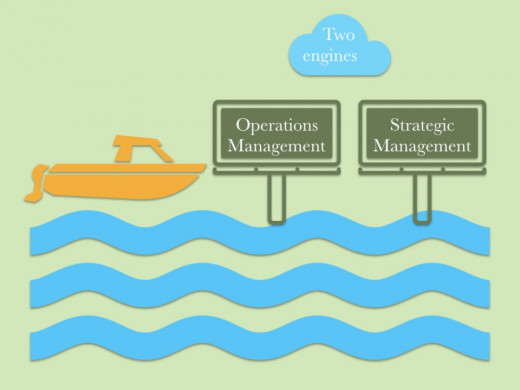
Strategic Leadership vs. Operational Leadership - Balancing the Two
Unlocking the true potential of a business requires effective leadership. But what kind of leadership is needed to navigate today's complex and ever-changing business landscape? Strategic Leadership vs. Operational Leadership – it's a balancing act that can make or break an organization's success.
In this blog post, we delve into the world of these two distinct leadership styles, explore their importance, and uncover strategies for finding harmony between them. So whether you're an aspiring leader or a seasoned executive, get ready to discover the secrets of striking the perfect balance in your leadership approach!
Defining Strategic Leadership
Strategic leadership is not just about making day-to-day decisions or managing daily operations. It goes beyond that, focusing on long-term vision and direction. At its core, strategic leadership involves setting goals, formulating plans, and envisioning the future of an organization.
Unlike operational leadership which deals with the immediate tasks at hand, strategic leaders take a broader perspective. They analyze market trends, assess competition, and identify opportunities for growth and innovation. Strategic leaders have a deep understanding of their industry and are constantly scanning the horizon for potential disruptions or advancements.
One key aspect of strategic leadership is developing a clear mission statement that defines the purpose and values of an organization. This guides decision-making processes and ensures all actions align with the overall strategy.
Another important element of strategic leadership is fostering effective communication throughout all levels of an organization. By effectively communicating organizational objectives to employees, leaders can inspire alignment towards a common goal.
Strategic leaders are responsible for creating a roadmap that propels their organizations forward in an ever-evolving business landscape. They anticipate change rather than react to it, paving the way for sustainable growth and success.
Defining Operational Leadership
Operational leadership is a critical aspect of any organization, ensuring that day-to-day tasks are carried out efficiently and effectively. It involves managing the operational processes, resources, and people to achieve specific goals and objectives. Unlike strategic leadership which focuses on long-term vision and direction, operational leadership is more concerned with the immediate execution of plans.
At its core, operational leadership requires strong organizational skills, attention to detail, and the ability to make quick decisions in fast-paced environments. Operational leaders are responsible for overseeing teams, allocating resources, monitoring performance metrics, and resolving any issues or obstacles that may arise during daily operations.
Furthermore, operational leaders must possess excellent communication skills in order to provide clear instructions and expectations to their team members. They need to be able to motivate and empower their employees while also holding them accountable for their responsibilities.
In summary, operational leadership plays a vital role in executing strategies laid out by strategic leaders. It ensures that the day-to-day operations run smoothly while aligning with the overall goals of the organization. Balancing strategic leadership with operational leadership is crucial for achieving sustainable success as it provides both short-term results and long-term growth opportunities for businesses.
The Importance of Balancing the Two
Strategic leadership and operational leadership are both crucial for the success of any organization. While strategic leadership focuses on long-term planning and setting goals, operational leadership is concerned with day-to-day tasks and ensuring efficiency.
Finding the right balance between these two types of leadership is essential because they complement each other in driving overall organizational performance. Strategic leaders provide a clear vision and direction, while operational leaders ensure that processes are running smoothly to achieve those objectives.
Without strategic leadership, an organization may lack a sense of purpose and direction. On the other hand, without strong operational leaders, strategies can remain mere ideas without effective implementation.
Balancing these two forms of leadership requires careful consideration. It involves aligning short-term actions with long-term goals, fostering collaboration between different teams or departments, and regularly evaluating progress towards strategic objectives.
A well-balanced approach allows organizations to adapt to changing market conditions while staying focused on their overarching goals. It empowers employees at all levels by providing clarity about what needs to be achieved while also enabling them to make informed decisions within their areas of responsibility.
In today's fast-paced business landscape, finding this equilibrium is even more critical as organizations face increasing uncertainty and complexity. By striking the right balance between strategic and operational leadership, companies can navigate challenges effectively while positioning themselves for sustainable growth.
It is through harmonizing strategic thinking with efficient execution that organizations can thrive in a competitive marketplace where innovation and agility are paramount factors for success.
How to Balance the Two
Achieving a balance between strategic leadership and operational leadership is crucial for the success of any organization. While both types of leadership are necessary, it can be challenging to find the right equilibrium. Here are some tips on how to strike that balance effectively.
It's important to understand the distinct roles of each type of leadership. Strategic leaders focus on setting long-term goals, creating a vision for the future, and making high-level decisions that shape the direction of the organization. On the other hand, operational leaders concentrate on day-to-day activities, managing resources efficiently, and ensuring smooth execution of tasks.
To balance these two forms of leadership successfully, communication is key. Strategic leaders should clearly communicate their vision and goals to operational leaders so that they have a clear understanding of what needs to be achieved. At the same time, operational leaders should provide feedback on practical implications and potential challenges in implementing those strategies.
Another vital aspect is collaboration between strategic and operational leaders. They need to work together closely to align their objectives and create cohesive plans that bridge short-term actions with long-term visions. By fostering open dialogue and mutual respect between these two groups, organizations can ensure better coordination across different levels.
Moreover, empowering employees at all levels plays a vital role in balancing strategic and operational leadership. When individuals feel empowered, they take ownership over their work and contribute more actively towards achieving organizational goals. Strategic leaders should delegate decision-making authority to capable individuals within teams, allowing them room for creative problem-solving. This not only lightens the burden on top-level management but also fosters innovation from within.
Additionally, continuous evaluation becomes essential in maintaining this delicate balance.
Leaders must regularly review progress towards strategic objectives and assess whether operations align with broader goals. If discrepancies arise or adjustments need to be made, leaders must act swiftly while keeping everyone informed throughout changes.
Examples of Unbalanced Leadership
Unbalanced leadership can have detrimental effects on an organization. Let's explore a few examples to understand the impact it can have.
First, let's consider a scenario where a leader focuses solely on strategic planning without paying attention to day-to-day operations. This type of leader may come up with brilliant long-term strategies but fails to execute them effectively due to neglecting operational details. As a result, the organization may struggle to meet short-term goals and experience inefficiencies in its processes.
On the other hand, there are leaders who become too absorbed in operational tasks, leaving little time for strategic thinking. They micromanage every aspect of their team's work and fail to delegate effectively. While they excel at managing daily operations, they often lack vision and fail to anticipate future challenges or opportunities.
Another example is when leaders prioritize short-term gains over long-term sustainability. These leaders focus on immediate profits without considering the potential consequences down the line. They might cut corners or make decisions that compromise ethical standards just to achieve quick wins, which can tarnish the company's reputation in the long run.
Leaders who lack empathy and emotional intelligence can create an unbalanced environment within their teams. When employees feel undervalued or unheard by their superiors, morale suffers greatly. This leads to decreased productivity and higher turnover rates as employees seek more supportive work environments elsewhere.
These examples highlight how unbalanced leadership can hinder organizational success in various ways - from poor execution of strategies and missed growth opportunities to damaged reputation and disengaged employees.
In order for organizations to thrive, it is essential for leaders to strike a balance between strategic thinking and effective operational management while also prioritizing employee well-being and maintaining ethical standards.
Conclusion
Strategic leadership and operational leadership are both essential for the success of any organization. While strategic leadership focuses on long-term vision and direction, operational leadership is concerned with day-to-day operations and execution.
Finding the right balance between these two types of leadership is crucial. Neglecting either one can lead to inefficiencies, missed opportunities, or a lack of alignment within the organization.
To achieve this balance, leaders should prioritize clear communication, collaboration, and cross-functional understanding. By involving operational leaders in strategic decision-making processes and ensuring that strategic goals are translated into actionable plans at all levels of the organization, companies can foster an environment where both types of leadership thrive.
Examples like Blockbuster failing to adapt to changing market trends or Kodak's reluctance to embrace digital photography demonstrate what happens when organizations become too focused on either strategic or operational aspects without considering the other.
Finland Business Startup Guide: Step-by-Step for Foreign Entrepreneurs

Introduction to Starting a Business in Finland
If you're a foreign entrepreneur dreaming of starting a business in Finland, you’re not alone. This Nordic gem is known for its robust economy, high quality of life, and supportive ecosystem for startups. With its innovative spirit and tech-savvy population, Finland offers plenty of opportunities across various industries.
However, navigating the Finnish business landscape can be daunting if you're unfamiliar with the local customs and regulations. Fear not! Whether you're eyeing Helsinki's vibrant startup scene or considering more rural locations brimming with potential, this guide will walk you through each essential step to launching your venture successfully.
From understanding the market to choosing the right business structure and registering your company—every detail matters when it comes to building your future in Finland. Pack your entrepreneurial spirit because we are about to dive into everything you need to know!
5 Steps to Start a Business in Finland
Step 1: Research and Planning
Starting a business in Finland begins with thorough research and planning. Understanding the Finnish market is crucial. Dive into local consumer behavior, cultural trends, and competitors. This knowledge will help you tailor your offerings effectively.
Next, identify potential opportunities within that market. Look for gaps or needs that your business can fulfill. Engage with locals or network online to gain insights about what works and what doesn’t.
Creating a solid business plan is essential at this stage. Outline your vision, mission, and strategies clearly. This document will serve as both a roadmap for your startup journey and an important tool when seeking funding or support from investors.
Remember to stay flexible during this phase; plans may evolve as you gather more information about the landscape around you in Finland.
A. Understanding the Finnish Market
Finland offers a unique landscape for entrepreneurs. Its economy is stable and known for innovation. This creates fertile ground for new ideas.
Understanding consumer behavior is crucial. Finns value quality, sustainability, and transparency in businesses. They are discerning customers who appreciate authenticity over flashy marketing.
Researching local competitors can give you insights into pricing strategies and gaps in the market. Many Finnish companies prioritize eco-friendliness, so aligning your business with these values may resonate well.
Consider the cultural context as well. Finland has a highly educated workforce, which often influences purchasing decisions. Engaging with locals through surveys or focus groups can help refine your approach.
Keep an eye on industry trends that could impact your venture. Staying informed about technological advancements or shifts in regulations will position you favorably within this dynamic market.
B. Identifying Potential Opportunities
Identifying potential opportunities in Finland requires a keen eye and an open mind. Start by diving into local trends and consumer behavior. Understanding what Finns value can reveal niches waiting to be filled.
Explore innovation hubs like Helsinki, where technology and sustainability are at the forefront. The demand for green solutions offers numerous avenues for entrepreneurs willing to think outside the box.
Networking plays a crucial role as well. Attend industry events, join forums, or participate in meetups to connect with locals who might share insights about gaps in the market.
Don’t overlook the power of feedback. Engaging with your target audience early on can help refine your ideas and shape products that resonate with them deeply.
Consider collaborations with existing Finnish businesses; partnerships can unveil opportunities you may not have seen alone while also easing your entry into this vibrant marketplace.
C. Creating a Business Plan
A well-crafted business plan is your roadmap to success. It outlines your vision and sets clear objectives for your venture in Finland.
Start by detailing your business concept. Describe what you will offer, who your target market is, and how you stand out from competitors.
Next, dive into market analysis. Use data to back up claims about trends and customer needs. This insight will guide decision-making as you move forward.
Financial projections come next; they break down expected revenues, costs, and profits over the first few years. Investors appreciate a solid financial outlook.
Outline an actionable marketing strategy. Define how you'll reach customers through online platforms or traditional advertising methods.
This blueprint not only helps clarify ideas but also attracts potential investors by showcasing a thorough understanding of the Finnish market landscape.
Step 2: Choosing the Right Business Structure
Choosing the right business structure in Finland is a critical step for any entrepreneur. It shapes your operations, liability, and taxation.
There are several options available, including sole proprietorships, partnerships, and limited companies. Each type has its own set of advantages and challenges. For instance, while a sole proprietorship may offer simplicity in setup and management, it also exposes you to personal liability.
Consider factors like the size of your business ambitions and how much control you want over decisions. If you're looking for investment opportunities or plan to scale significantly, setting up a limited company might be more beneficial.
Additionally, take into account tax implications and administrative responsibilities associated with each structure. Understanding these elements will help you make an informed choice that aligns with your goals as an entrepreneur in Finland.
A. Types of Business Structures in Finland
In Finland, choosing the right business structure is crucial. Entrepreneurs have several options to consider.
One of the most common forms is a limited liability company (Oy). This structure protects personal assets from business liabilities and allows for easy transfer of ownership.
Sole proprietorships are another option, ideal for individual entrepreneurs. They require less paperwork but come with more personal risk since there's no separation between personal and business assets.
For those looking to collaborate, a partnership might be suitable. It involves two or more individuals sharing profits and responsibilities.
Additionally, cooperatives offer an interesting model where members work together for mutual benefit. Each member has equal say in decisions, fostering a sense of community.
Understanding these structures helps ensure that your business aligns with your goals while complying with Finnish regulations.
B. Factors to Consider in Choosing the Right Structure
When selecting a business structure in Finland, several factors come into play. First, consider your liability. Different structures offer varying levels of protection against personal financial loss.
Next, think about taxation. Certain entities may provide tax benefits that align with your financial goals. Understanding the implications of each option can save you money down the line.
Operational complexity is another key aspect. Simpler structures like sole proprietorships are easier to manage but may limit growth potential compared to corporations or partnerships.
Assess the funding options available for each structure. Some forms attract more investment due to perceived stability and credibility in the market.
Carefully weighing these elements will guide you toward making an informed decision tailored to your unique business needs in Finland's dynamic landscape.
Step 3: Registering Your Business
Once you’ve chosen a business structure, it’s time to register your venture. This is a crucial step toward legitimacy and operational success in Finland.
Start by obtaining the necessary permits and licenses specific to your industry. Different sectors may require unique certifications, so do thorough research beforehand.
Next, you’ll need to register with the Finnish Trade Register through the Patent and Registration Office (PRH). This process can often be completed online, making it convenient for busy entrepreneurs.
Make sure to prepare all required documentation—this includes identification documents and proof of address. Having everything organized will streamline your application process significantly.
Don't overlook VAT registration if you expect your turnover to exceed the threshold set by Finnish law. Understanding tax obligations early on can save headaches later.
A. Obtaining Necessary Permits and Licenses
Navigating the world of permits and licenses can feel overwhelming, but it’s essential for your business journey in Finland. Each industry has specific requirements, so understanding what you need is crucial.
Start by checking with local authorities to determine which permits apply to your sector. Common examples include health and safety permits, environmental licenses, and trade-specific approvals.
You’ll likely encounter various forms that require detailed information about your business operations. Gathering accurate documentation early on will save you time later.
Don’t hesitate to seek guidance from local chambers of commerce or business advisory services. They often provide resources tailored for foreign entrepreneurs navigating these bureaucratic waters.
Stay organized throughout this process; maintaining a checklist can help ensure nothing slips through the cracks. This diligence sets a solid foundation as you prepare to launch your venture in Finland's vibrant market.
Step 4: Fund your Business
Funding your business in Finland can open many doors. Various options are available to meet different needs.
Start by exploring government grants and subsidies designed for startups. These can provide crucial capital without the obligation of repayment.
Alternatively, consider traditional bank loans. Finnish banks often have specific programs aimed at supporting new entrepreneurs. Having a solid business plan will improve your chances significantly.
Crowdfunding is also gaining traction in Finland. Platforms like Mesenaatti allow you to tap into community support while marketing your concept simultaneously.
Don’t overlook venture capitalists or angel investors who are keen on innovative ideas. Networking events and pitch competitions can help you connect with potential backers eager to invest in fresh talent.
Personal savings or family contributions might be viable avenues as well. Assess all funding sources carefully to find what aligns best with your vision and goals.
Step 5: Launch the Business
Launching your business in Finland is an exciting milestone. Before you open your doors, ensure that everything is in place for a successful start.
Begin by finalizing your marketing strategy. Use social media and local networks to create buzz around your launch. Engage with potential customers and build anticipation.
Next, set up the operational aspects of your business. Ensure that all systems are functional—this includes inventory management, customer service channels, and payment processing.
Consider hosting a launch event or promotion to attract attention. This can be a great way to introduce yourself to the community while showcasing what you offer.
Keep an eye on feedback as you kick off operations. Listening to early customers helps refine processes and improve satisfaction from day one.
Aligning Structure with Strategy: Designing Organizations for Success

Aligning Structure with Strategy: Designing Organizations for Success
Unlocking the true potential of an organization requires more than just a visionary strategy. It demands a solid foundation, a structure that is finely tuned and perfectly aligned with the goals and objectives of the business. Welcome to our blog post on "Aligning Structure with Strategy: Designing Organizations for Success". In this article, we will delve into the world of organizational design, exploring how it can shape and mold your company into an agile powerhouse capable of surpassing even your wildest expectations.
Organizational design may sound like corporate jargon, but in reality, it holds immense power. It is about creating an environment where every piece fits seamlessly together - from departments to reporting lines - all working towards a common purpose. But before we dive deeper into how to achieve this alignment, let's first understand the distinction between structure and strategy. So buckle up and get ready for some eye-opening insights!
What is Organizational Design?
Organizational design is the art and science of creating a structure that optimizes the effectiveness and efficiency of an organization. It involves determining how tasks, roles, and responsibilities are organized within the company to achieve strategic objectives. Think of it as crafting the blueprint for your business.
At its core, organizational design revolves around finding the best way to allocate resources, coordinate efforts, and enable effective communication across different levels and departments. It's about understanding how each piece fits into the puzzle to create a cohesive whole.
One key aspect of organizational design is determining reporting relationships - who reports to whom in order to streamline decision-making processes. This helps avoid confusion or overlap between employees' roles while ensuring accountability.
Another crucial element is establishing clear lines of authority and decision-making power. By defining authority levels, you empower employees at all levels with the ability to make informed decisions within their area of expertise.
Furthermore, organizational design also encompasses designing workflows that facilitate collaboration among teams. Efficient information flow encourages cross-functional interactions and enables knowledge sharing throughout the organization.
In essence, organizational design is about shaping your company's structure in a way that supports its strategy by aligning people, processes, and systems towards shared goals. It's like building a well-oiled machine where every cog works harmoniously together to drive success.
The Difference Between Structure and Strategy
One of the fundamental concepts in organizational design is understanding the difference between structure and strategy. While these terms are often used interchangeably, they actually refer to two distinct aspects of running a business.
Structure refers to the framework or blueprint that defines how different roles and responsibilities are organized within an organization. It encompasses factors such as reporting lines, hierarchies, departments, and teams. Simply put, structure is about who does what and where they fit within the organization.
On the other hand, strategy relates to the long-term goals and direction of a company. It involves making decisions on how to allocate resources, which markets to target, what products or services to offer, and how to differentiate from competitors. Strategy sets out the overall game plan for achieving success.
While structure focuses more on operational efficiency and coordination of activities within an organization, strategy deals with positioning a company in its external environment for sustainable growth.
It's important not to overlook either aspect when designing organizations for success. An effective organizational design aligns both structure and strategy harmoniously. By doing so, it ensures that employees have clear roles and responsibilities that support strategic objectives while enabling efficient collaboration across functions.
An aligned organization understands that its structure must be flexible enough to adapt as strategies evolve over time. This means being open to change when necessary rather than sticking rigidly to outdated structures that no longer serve their purpose.
By aligning structure with strategy, organizations can achieve several benefits including improved decision-making processes through clearer lines of authority; enhanced agility by enabling quick response times; increased employee engagement resulting from meaningful work assignments; better communication channels facilitating information flow; reduced duplication of efforts leading to cost savings; improved customer focus through streamlined operations; enhanced innovation capabilities by fostering cross-functional collaboration; increased accountability throughout all levels of the organization.
Successful companies like Google have demonstrated how aligning their organizational structure with their innovative strategies has propelled them ahead in highly competitive industries. By creating autonomous teams focused on specific projects, they have fostered a culture of creativity and rapid product development.
How to Align Structure with Strategy
One of the key challenges organizations face is aligning their structure with their strategy. Without a proper alignment, companies can struggle to achieve their goals and may encounter inefficiencies and roadblocks along the way.
So how can you ensure that your organization's structure supports its strategic objectives? Here are some steps to consider:
1. Clarify your strategy: Start by clearly defining your organization's strategic goals and priorities. This will serve as a roadmap for designing the right structure.
2. Assess current capabilities: Evaluate your existing organizational structure in relation to your strategy. Identify any gaps or areas where adjustments need to be made.
3. Design for flexibility: In today's rapidly changing business environment, it is crucial to design an organizational structure that allows for agility and adaptability. Consider creating cross-functional teams or implementing matrix structures that foster collaboration across different departments.
4. Align roles and responsibilities: Ensure that each role within the organization has clear expectations and responsibilities aligned with the overall strategy. This will help employees understand how their work contributes to achieving broader goals.
5. Communicate effectively: Effective communication is essential when aligning structure with strategy. Clearly communicate any changes in organizational design, ensuring everyone understands why these changes are being made and how they support the company's strategic objectives.
By following these steps, you can create an organizational structure that fully supports your strategic direction, enabling your company to thrive in today's competitive landscape.
The Benefits of Aligned Organizations
1. Improved Efficiency: When an organization's structure aligns with its strategy, it can streamline operations and eliminate unnecessary processes or redundancies. This leads to improved efficiency in decision-making, resource allocation, and overall workflow.
2. Enhanced Communication: An aligned organization fosters better communication among teams and departments. Clear lines of authority and defined roles enable effective collaboration, problem-solving, and knowledge sharing across the organization.
3. Increased Employee Engagement: When employees understand how their individual contributions align with the broader organizational goals, they feel a stronger sense of purpose and are more engaged in their work. This alignment also allows for better performance management practices, leading to higher levels of employee satisfaction.
4. Agility and Adaptability: Aligned organizations are better equipped to respond quickly to changes in the business environment or market conditions. The flexible structure enables them to adjust strategies, allocate resources efficiently, and capitalize on emerging opportunities without significant disruption.
5. Competitive Advantage: By aligning structure with strategy, organizations can gain a competitive edge over their rivals. They can focus on delivering unique value propositions that resonate with customers while optimizing their internal processes for maximum effectiveness.
6. Better Decision-Making: A well-aligned organization promotes clear accountability within teams and facilitates informed decision-making at all levels of the hierarchy. Decisions become more data-driven rather than based on personal preferences or biases.
7. Organizational Stability: When structure is aligned with strategy, it creates stability within the organization by reducing conflicts arising from unclear roles or overlapping responsibilities. This stability ensures continuity even during periods of change or transition.
In summary, organizations that effectively align their structure with their strategy reap numerous benefits – from increased efficiency and employee engagement to enhanced adaptability and competitiveness in today's dynamic business landscape.
Case Studies of Aligned Organizations
Let's take a closer look at some real-life examples of organizations that have successfully aligned their structure with their strategy. These case studies highlight the importance of thoughtful organizational design and provide insights into how it can lead to success.
One such example is Apple Inc., known for its innovative products and groundbreaking technology. Apple's organizational structure, characterized by functional divisions (such as hardware, software, and marketing) operating under a centralized authority, has played a pivotal role in its sustained success. This alignment allows for seamless coordination among different departments, ensuring efficient product development and delivery.
Another noteworthy example is Amazon.com. With an initial focus on online retail, Amazon expanded its operations into various industries over time. To support this diversification strategy effectively, the company adopted a matrix organizational structure that combines functional units with cross-functional teams dedicated to specific projects or business lines. This design facilitates collaboration across departments while maintaining clear accountability.
Netflix also provides an intriguing case study in aligning structure with strategy. As an industry disruptor in the entertainment sector, Netflix revolutionized how people consume media content through streaming services. Its unique culture emphasizes freedom and responsibility while promoting innovation at all levels of the organization—a horizontal approach that enables quick decision-making and adaptation to evolving market trends.
These examples demonstrate that successful organizations understand the critical link between strategic goals and structural design choices. By consciously aligning these elements within their respective contexts, they create opportunities for growth and competitive advantage.
Through these case studies of aligned organizations like Apple, Amazon.com, and Netflix we see how effective organizational design can be instrumental in achieving strategic objectives. These companies have embraced structures that facilitate communication, collaboration, innovation,and flexibility—all essential components for staying ahead in today's rapidly changing business landscape.
From Idea to Execution: Strategies for Turning Innovative Concepts into Actionable Plans

From Idea to Execution: Strategies for Turning Innovative Concepts into Actionable Plans
Welcome to the world of innovation, where ideas have the power to shape our future and bring about transformational change. In today's fast-paced and ever-evolving landscape, it is crucial for individuals, organizations, and even entire industries to constantly seek out new ways of thinking and problem-solving. Innovation has become a buzzword in recent years, but what does it truly mean? It goes beyond just having a brilliant idea; it's about taking that concept from inception to implementation.
In this blog post, we will explore strategies for turning innovative concepts into actionable plans. So buckle up as we dive into the exciting journey of bringing ideas to life!
The Importance of Innovation
In today's rapidly changing world, innovation has become a key driver of success and growth. It is no longer enough to simply follow the status quo; businesses and individuals must constantly seek out new ideas and approaches to stay relevant. Innovation allows us to push boundaries, challenge norms, and find creative solutions to complex problems.
One of the primary reasons why innovation is so important is because it encourages continuous improvement. By constantly seeking better ways of doing things, we can drive efficiency, increase productivity, and ultimately deliver superior products or services to our customers.
Furthermore, in a crowded marketplace where competition is fierce, innovation can be the differentiating factor that sets you apart from your competitors. In an increasingly globalized economy where technology advances at lightning speed, those who fail to adapt risk being left behind. Embracing innovation allows organizations to carve out their own unique niche and attract customers with cutting-edge offerings.
But perhaps one of the most exciting aspects of innovation lies in its ability to fuel creativity and inspire change. It empowers individuals with the freedom to think outside the box, explore new possibilities, and envision a future that others may not have even considered.
Whether it's transforming industries through disruptive technologies or finding innovative solutions for pressing social issues, embracing innovation opens up a world of opportunities. It brings excitement back into our work lives by allowing us to dream big and make meaningful contributions.
So let's celebrate the importance of innovation by fostering a culture that values curiosity, embraces experimentation, rewards calculated risks-taking while always striving for progress on all fronts!
The Idea Generation Process
Innovation starts with an idea. It's the spark that ignites creativity and drives progress. But how do we generate these ideas? The idea generation process is a critical step in turning innovative concepts into actionable plans.
To begin, create an environment that fosters creativity. Encourage brainstorming sessions where no idea is too outrageous or impractical. By allowing for unconventional thinking, you open the door to truly groundbreaking ideas.
Next, diversify your sources of inspiration. Look beyond your own industry and explore different fields and perspectives. Engage with people from diverse backgrounds who can offer fresh insights and challenge traditional ways of thinking.
Another effective approach is to use techniques such as mind mapping or concept mapping. These visual tools help organize thoughts and connections between ideas, leading to new possibilities.
Furthermore, embrace failure as part of the ideation process. Not every idea will be successful initially, but each one can serve as a stepping stone towards a better solution. Learn from setbacks and iterate on your ideas until they become refined and feasible.
Involve a cross-functional team in the ideation process. Collaboration brings together different expertise and perspectives, enhancing the richness of generated ideas while also fostering buy-in from key stakeholders.
Remember: innovation doesn't happen overnight; it requires continuous effort to cultivate creative thinking within an organization or individual mindset.
Developing and Evaluating Ideas
Developing and evaluating ideas is a crucial step in the innovation process. It's where concepts begin to take shape and potential solutions are explored. This stage requires creativity, analysis, and critical thinking.
To start, it's important to create an environment that fosters idea generation. Encourage brainstorming sessions where team members can freely share their thoughts without fear of judgment or criticism. Sometimes the most innovative ideas come from unexpected sources, so be open-minded and inclusive.
Once ideas have been generated, it's time to evaluate them based on feasibility, market demand, and potential impact. Consider factors such as resources required for implementation, competition in the market, and alignment with organizational goals. Narrow down your options by prioritizing those that align best with your objectives.
Prototyping can also play a valuable role in developing ideas further. Building prototypes allows you to test concepts firsthand and gather feedback early on. This iterative process helps refine ideas before committing significant resources to their execution.
Remember that not every idea will be successful or feasible - that's okay! Embrace failure as an opportunity for learning and growth. Evaluate why certain ideas didn't work out and use those lessons to inform future ideation processes.
By continuously developing and evaluating ideas through an iterative cycle of brainstorming, prototyping, testing, refining, you increase the likelihood of identifying impactful solutions worth pursuing further.
Implementation Strategies
When it comes to turning innovative concepts into actionable plans, having a solid implementation strategy is crucial. Without an effective plan in place, even the best ideas can fall flat. So how can you ensure that your innovative concept becomes a reality? Here are some strategies to consider:
1. Start with clear goals: Before diving into execution, clearly define what success looks like for your idea. Set specific and measurable objectives that will guide your implementation efforts.
2. Break it down: Large projects can feel overwhelming, so break them down into smaller tasks or milestones. This not only makes the process more manageable but also allows for easier tracking of progress along the way.
3. Assign responsibilities: Identify who will be responsible for each task or aspect of the implementation process. Clearly communicate expectations and roles to avoid confusion and streamline workflow.
4. Create a timeline: Develop a realistic timeline that outlines key deadlines and milestones for each phase of implementation. This helps keep everyone on track and ensures timely completion of tasks.
5. Foster collaboration: Encourage teamwork and collaboration among team members involved in the implementation process. When people work together towards a common goal, ideas flow more freely, leading to better outcomes.
6. Monitor progress closely: Regularly assess progress against set goals and make adjustments as needed along the way. Keep an open line of communication with all stakeholders to address any issues or roadblocks promptly.
7. Don't forget about flexibility: While sticking to a plan is important, being flexible is equally essential when implementing innovative concepts . Be prepared to adapt if unforeseen challenges arise or if new opportunities present themselves.
Remember, successful implementation requires careful planning, effective communication,and adaptability.
Simply having an idea isn't enough; it's all about putting those ideas into action!
Overcoming Barriers to Implementation
Implementing innovative ideas is not always a smooth process. There are often barriers and challenges that can hinder progress and prevent the successful execution of a concept. However, with the right strategies in place, these obstacles can be overcome.
One common barrier to implementation is resistance to change. People naturally tend to resist change because it disrupts their comfort zone and introduces uncertainty. To address this barrier, it's important to communicate the benefits of the idea clearly and involve key stakeholders early on in the planning process. By gaining buy-in from those affected by the implementation, you can increase acceptance and minimize resistance.
Another challenge that may arise is resource constraints. Implementing new ideas often requires additional resources such as time, money, or specialized skills. To overcome this barrier, it's essential to conduct a thorough assessment of available resources and identify any gaps that need to be addressed. This could involve reallocating existing resources or seeking external support through partnerships or collaborations.
Lack of expertise or knowledge about how to implement an idea can also pose a significant hurdle. In such cases, investing in training programs or hiring experts in relevant areas can help bridge this gap and build internal capabilities for successful implementation.
Sometimes unforeseen circumstances or external factors can present roadblocks during implementation. It's crucial to stay flexible and adaptable when faced with unexpected challenges by regularly reassessing plans and making necessary adjustments as needed.
Poor communication can undermine even the best-laid plans for implementing an innovative concept. Effective communication throughout all stages of implementation helps keep everyone informed about progress, expectations, roles/responsibilities, potential changes/updates required ensuring alignment towards achieving desired outcomes.
By recognizing these barriers beforehand and proactively addressing them through proper planning and strategic approaches like effective stakeholder engagement clear resource allocation identifying skill gaps staying adaptable communicating effectively innovation teams have better chances at successfully turning their innovative concepts into actionable plans without unnecessary delays or setbacks
Conclusion
In today's fast-paced and competitive business landscape, innovation is more crucial than ever. It is the driving force behind growth, success, and staying ahead of the curve. However, coming up with innovative ideas is only the first step. The real challenge lies in turning those concepts into actionable plans that can be implemented effectively.
The idea generation process requires creativity, open-mindedness, and a willingness to explore new possibilities. By fostering a culture of innovation within your organization and encouraging input from all levels of staff, you can tap into a wealth of diverse perspectives that spark groundbreaking ideas.
Once you have identified potential ideas, it's essential to develop and evaluate them thoroughly. This involves conducting market research, assessing feasibility, anticipating potential challenges or risks involved in implementation, and determining the resources required to bring these ideas to life.
Implementation strategies play a vital role in ensuring successful execution of innovative concepts. Clear communication channels must be established so that everyone understands their roles and responsibilities during the implementation phase. Setting specific goals with realistic timelines helps keep teams focused and accountable for results.
However, even with careful planning and strategy development, there are often barriers or obstacles that arise during implementation. These could include resistance to change within the organization or unforeseen external factors affecting project progress. Overcoming these hurdles requires adaptability, resilience,and proactive problem-solving skills.
The Role of Leadership in Fostering an Intrapreneurial Environment: Tips and Best Practices

The Role of Leadership in Fostering an Intrapreneurial Environment: Tips and Best Practices
Welcome to our latest blog post where we dive into the exciting world of intrapreneurship and explore the crucial role that leadership plays in fostering an intrapreneurial environment. In today's rapidly evolving business landscape, organizations are recognizing the need to foster innovation from within, encouraging employees to think like entrepreneurs and drive positive change.
But what exactly is intrapreneurship? It's a concept that combines entrepreneurship and corporate culture, giving employees the freedom to take risks, pursue new ideas, and make a real impact within their organization. And at the heart of this dynamic process lies strong leadership – leaders who can inspire, empower, and guide their teams towards a shared vision of success.
In this blog post, we will delve into the critical role that leaders play in creating an atmosphere conducive to intrapreneurship. We'll also provide you with practical tips and best practices for cultivating such an environment within your own organization. So buckle up as we embark on an exhilarating journey through the realm of intrapreneurship!
What is Intrapreneurship?
Intrapreneurship is a concept that has gained significant traction in recent years. It involves fostering an entrepreneurial mindset within the confines of a larger organization. While entrepreneurship typically refers to starting one's own business, intrapreneurship focuses on encouraging employees to think and act like entrepreneurs while working for an established company.
Essentially, intrapreneurship is about empowering individuals within an organization to take risks, explore new ideas, and drive innovation from within. It encourages employees to challenge the status quo, identify opportunities for growth and improvement, and actively contribute to the success of their organization.
One key aspect of intrapreneurship is giving employees the freedom and autonomy to pursue their ideas. This means allowing them the space and resources needed to experiment with new concepts without fear of failure. Intrapreneurs are encouraged to test out innovative solutions, learn from any setbacks or mistakes they encounter along the way, and leverage those experiences as valuable learning opportunities.
Another critical element of intrapreneurship is creating a culture that supports risk-taking and creativity. Leaders must foster an environment where individuals feel comfortable sharing their ideas openly without fear of judgment or rejection. They should also provide support systems such as mentorship programs or dedicated innovation teams that can help guide intrapreneurs through the various stages of idea development.
Intrapreneurship offers organizations a powerful vehicle for driving growth and adaptation in today's fast-paced business landscape. By embracing this approach and nurturing a culture conducive to entrepreneurial thinking, companies can tap into the immense potential of their own workforce – transforming it into a hotbed for innovation and propelling themselves ahead of competitors in exciting new ways.
The Role of Leadership in Fostering an Intrapreneurial Environment
Leadership plays a crucial role in fostering an intrapreneurial environment within an organization. Effective leaders understand the importance of empowering their employees to think and act like entrepreneurs, encouraging them to take risks, innovate, and drive positive change.
One key aspect of leadership in cultivating intrapreneurship is creating a culture that supports and rewards entrepreneurial behavior.
This involves providing opportunities for employees to explore new ideas, experiment with different approaches, and learn from failure without fear of repercussions. Leaders can create this supportive environment by actively seeking input from team members, promoting collaboration across departments, and recognizing and celebrating innovative efforts.
Another critical role of leaders is setting clear expectations and goals for intrapreneurship. By defining the vision for innovation within the organization and aligning it with overall business objectives, leaders provide guidance and direction to their teams. They should encourage employees to think outside the box, challenge conventional wisdom, and stretch their creative muscles while keeping sight of strategic goals.
Furthermore, effective leaders foster open communication channels where all team members feel comfortable sharing their ideas freely. Encouraging diverse perspectives ensures a broader range of innovative solutions can be explored. Leaders must actively listen to their team members' suggestions or concerns without judgment or bias.
In addition to creating a supportive culture and setting clear expectations, leaders need to provide resources such as time, budget allocation, and training opportunities that enable employees to pursue entrepreneurial initiatives effectively. Nurturing talent through coaching, mentoring programs also helps individuals build skills necessary for driving innovation within the organization.
Leadership plays an essential role in fostering an environment conducive to intrapreneurship by empowering individuals, setting clear expectations, promoting open communication, and providing necessary resources. By embracing these practices, leaders can inspire creativity and cultivate innovation throughout the entire organization.
Tips and Best Practices for Leaders
1. Encourage a Culture of Innovation: As a leader, it's crucial to create an environment that values innovation and encourages employees to think creatively. Foster open communication channels and provide opportunities for brainstorming sessions or idea-sharing platforms.
2. Empower Employees: Give your team members the autonomy to take ownership of their projects and make decisions. This empowerment not only boosts their confidence but also fosters a sense of intrapreneurship within the organization.
3. Provide Resources and Support: In order for intrapreneurs to thrive, they need access to the necessary resources, such as funding, technology, or mentorship. As a leader, ensure that these resources are readily available and support their ventures along the way.
4. Embrace Failure as Learning Opportunities: Mistakes happen in any entrepreneurial journey. Instead of punishing failure, encourage a growth mindset where failures are seen as valuable learning experiences that can lead to future success.
5. Recognize and Reward Innovative Thinking: Acknowledge employees who demonstrate intrapreneurial qualities by showcasing their successes publicly or offering incentives like bonuses or promotions.
6. Lead by Example: Show your commitment to fostering an intrapreneurial environment by leading by example with your own innovative thinking and taking calculated risks when appropriate.
7. Create Collaboration Opportunities: Facilitate cross-functional collaboration among different teams within your organization so that ideas can be shared across departments creating new possibilities for innovation.
8. Provide Training Opportunities: Offer training programs or workshops focused on skills development related to entrepreneurship or creative problem-solving techniques.
9. Solicit Feedback Regularly: Actively seek feedback from employees about what is working well in terms of fostering an intrapreneurial culture,and gather suggestions on how things could be improved further.
10. Celebrate Successes Together: Celebrate achievements collectively as a team ,whether big or small,this helps build camaraderie and motivates employees to continue their intrapreneurial pursuits.
Case Studies
Let's dive into some real-life examples of how leadership can foster an intrapreneurial environment. These case studies highlight the different strategies and approaches that successful organizations have taken to empower their employees and drive innovation from within.
One notable example is Google's famous "20% time" policy, which allows employees to spend 20% of their working hours on personal projects. This freedom has led to the creation of groundbreaking products like Gmail and Google Maps, all because leaders at Google recognized the value in giving employees autonomy and trust.
Another inspiring case study comes from Adobe Systems, where they implemented a program called Kickbox. This initiative provides every employee with a red box containing resources and tools to develop their own ideas. By supporting employee-driven innovation, Adobe has seen tremendous success in generating new products and solutions.
At Netflix, leaders encourage calculated risk-taking by offering rewards for failure. They believe that embracing mistakes fosters a culture of learning and experimentation, ultimately leading to breakthrough innovations in content creation and delivery.
These case studies demonstrate that effective leadership plays a crucial role in creating an intrapreneurial environment. By empowering employees, promoting autonomy, fostering experimentation, and providing resources for idea development, organizations can unlock untapped potential within their workforce.
The key takeaway from these examples is that leadership must actively support intrapreneurship by championing open communication channels while removing barriers such as excessive bureaucracy or fear of failure. When leaders prioritize innovation alongside core business goals, they create an atmosphere ripe for creativity and entrepreneurial thinking among their teams.
Conclusion
In today's fast-paced and ever-changing business landscape, fostering an intrapreneurial environment is crucial for organizations to stay competitive and innovative. This requires strong leadership that not only supports but actively encourages the spirit of intrapreneurship within their teams.
By understanding the concept of intrapreneurship and its benefits, leaders can create a culture where employees are empowered to think creatively, take risks, and drive positive change from within. It starts with providing clear vision and purpose, setting realistic goals, encouraging collaboration and experimentation, offering resources and support when needed, celebrating success stories, and promoting a growth mindset.
Leaders who embrace these practices will see their teams thrive in terms of productivity, innovation, employee satisfaction, and overall organizational success. Remember that fostering an intrapreneurial environment is an ongoing process that requires consistent effort from leaders at all levels.
So whether you're leading a small startup or managing a large corporation, take the time to reflect on your own leadership style. Are you creating an environment that nurtures intrapreneurs? If not, it's never too late to make changes.
Embrace the power of intrapreneurship within your organization – cultivate creativity, encourage risk-taking, and watch your team soar to new heights!
Embracing Failure as a Learning Opportunity: How to Encourage Risk-Taking within your Organization

Embracing Failure as a Learning Opportunity: How to Encourage Risk-Taking within your Organization
Welcome to the world of risk-taking and failure! Yes, you read that right. In a society that often associates failure with negativity and defeat, we're here to change the narrative. Failure is not something to be feared or avoided, but rather embraced as a powerful learning opportunity. Whether you're an entrepreneur, leader, or employee within an organization, encouraging risk-taking can lead to innovation and growth like never before. So buckle up and get ready to dive into the exciting realm of embracing failure as a stepping stone towards success!
What is Failure?
Failure, in its simplest form, is the outcome when our expectations or desired results are not met. It's that moment when we stumble and fall short of achieving our goals. But let's be clear: failure is not a reflection of our worth or abilities; it's merely a temporary setback on our journey to success.
Failure can manifest itself in various aspects of life - from personal relationships to professional endeavors. It can be a missed opportunity, a rejected proposal, or even a project that didn't yield the expected results. However, it's important to remember that failure should never define us. Instead, it should serve as a valuable lesson and an opportunity for growth.
When we embrace failure as part of the learning process, we unlock incredible potential within ourselves and within our organizations. By reframing failure as an essential stepping stone towards success rather than something to avoid at all costs, we create an environment where innovation thrives and creativity flourishes.
In fact, some of history's greatest achievements were born out of failures. Thomas Edison famously said about his numerous attempts at creating the light bulb: "I have not failed 1,000 times. I have successfully discovered 1,000 ways NOT to make a light bulb." Embracing failure with such resilience allowed him to ultimately achieve his breakthrough invention.
So what does this mean for you and your organization? It means encouraging risk-taking without fear or hesitation. It means fostering an environment where mistakes are seen as opportunities for growth rather than sources of shame or blame.
By promoting open communication channels and providing support during challenging times, you empower your team members to take calculated risks without fearing negative consequences. When individuals feel safe enough to fail without judgment or retribution from their peers or superiors they become more innovative problem solvers who aren't afraid to think outside-the-box.
Embracing failure also entails celebrating small victories along the way – those incremental steps forward despite setbacks – because they ultimately contribute to long-term success. By recognizing and rewarding efforts, you reinforce
The Benefits of Failure
Failure is often seen as something negative, a setback or a roadblock on the path to success. But what if I told you that failure can actually be beneficial? Yes, you read that right! Failure has its own set of advantages and can teach us valuable lessons along the way.
Failure builds resilience. When we fail, it forces us to bounce back and try again. It challenges us to improve our skills and strategies in order to achieve better results next time. This ability to persevere through failures ultimately strengthens our character and makes us more prepared for future challenges.
Failure allows for innovation. Many groundbreaking discoveries and inventions have come from failed attempts. Thomas Edison famously said, "I have not failed. I've just found 10,000 ways that won't work." Each attempt brings new insights and ideas that can lead to breakthroughs in various fields.
Furthermore, failure fosters humility and self-awareness. When we fail, it humbles us by reminding us that we are not infallible beings. It encourages introspection and prompts us to evaluate our strengths and weaknesses honestly. This self-reflection helps us grow personally and professionally.
Additionally, failure fuels motivation. The experience of failing pushes individuals to strive harder for success in their endeavors. It ignites a fire within them to prove themselves capable of overcoming obstacles and achieving their goals.
Failure promotes learning opportunities like no other experience can do so effectively. Through analyzing what went wrong during a failed attempt, we gain invaluable knowledge about ourselves as well as the task at hand. These insights enable personal growth while also enhancing problem-solving skills.
How to Encourage Risk-Taking Within Your Organization
Encouraging risk-taking within your organization can lead to innovation, growth, and a more dynamic workplace. But how exactly can you foster an environment that embraces taking chances and learning from failures?
It's important to create a culture where mistakes are seen as opportunities for growth rather than something to be ashamed of. Encourage open communication and provide support when employees take risks. Let them know that their efforts are valued regardless of the outcome.
Lead by example. Show your team that you're willing to take risks yourself and share stories of both successes and failures along the way. This vulnerability will help build trust and inspire others to step out of their comfort zones.
Next, provide resources for learning and development. Offer training programs or workshops that focus on building resilience and problem-solving skills. This can help employees feel more confident in their abilities while also equipping them with tools they need to navigate potential setbacks.
Furthermore, recognize and reward effort rather than just results. Acknowledge those who have taken risks even if the outcome wasn't what they had hoped for. By doing so, you send the message that taking calculated risks is valued within your organization.
Create a safe space for reflection after failure occurs. Encourage individuals or teams to assess what went wrong without assigning blame or dwelling on negativity. Emphasize the importance of learning from mistakes so that future decisions can be informed by past experiences.
By implementing these strategies, you'll be well on your way towards fostering a culture of risk-taking within your organization - one where failures are viewed as valuable stepping stones towards success instead of roadblocks holding back progress.
Overcoming the Fear of Failure
Overcoming the fear of failure is a crucial step in encouraging risk-taking within your organization. Many individuals are held back by the anxiety and uncertainty that comes with the possibility of not succeeding. However, it is important to remember that failure is not inherently negative; it is a necessary part of growth and learning.
One way to overcome this fear is by reframing how we perceive failure. Instead of viewing it as something to be avoided at all costs, we should see it as an opportunity for growth and improvement. Failure can provide valuable insights and lessons that can lead to future success.
Another strategy is to create a supportive environment where taking risks is encouraged and celebrated. This includes fostering a culture of open communication, where ideas are welcomed regardless of their outcome. By creating an atmosphere where mistakes are seen as learning opportunities rather than personal failures, employees will feel more comfortable stepping outside their comfort zones.
Additionally, providing resources such as training programs or mentorship opportunities can help individuals build confidence in their abilities and reduce the fear associated with potential failure. Offering support and guidance shows employees that they are not alone in their journey towards embracing risk-taking.
It's worth noting that overcoming the fear of failure takes time and practice. It requires shifting our mindset from one focused on avoiding mistakes to one centered around personal growth and resilience. With persistence, patience, and a willingness to learn from setbacks, individuals can gradually conquer their fears and embrace failure as an essential part of the path towards success.
Embracing Failure as a Learning Opportunity
Failure. It's a word that often carries negative connotations, invoking feelings of disappointment and defeat. But what if we told you that failure could actually be one of the greatest learning opportunities in your organization? That's right – embracing failure can lead to growth, innovation, and ultimately success.
When we think of successful individuals or companies, it's important to remember that their achievements are often born out of multiple failures along the way. Failure allows us to test new ideas, take risks, and learn from our mistakes. It pushes us outside our comfort zones and encourages us to think differently.
So how can you foster a culture within your organization that embraces risk-taking and views failure as a stepping stone rather than a setback? Start by creating an environment where employees feel safe to experiment and make mistakes without fear of judgment or retribution. Encourage open communication and constructive feedback so that everyone feels empowered to share their ideas.
It's also crucial for leaders within the organization to lead by example when it comes to embracing failure as a learning opportunity. Share stories of your own failures and what you learned from them. Highlight examples of individuals or teams who took risks and turned setbacks into successes.
Additionally, provide resources for continuous learning and development so employees can enhance their skills even after experiencing failure. Offer workshops or training sessions focused on resilience, problem-solving, creativity, and adaptability – all essential qualities for bouncing back from setbacks.
Above all else, encourage a growth mindset within your organization – the belief that abilities can be developed through dedication and hard work. Help people understand that failure is not indicative of personal shortcomings but rather an opportunity for improvement.
Embracing failure as a learning opportunity requires shifting perspectives away from traditional notions of success defined solely by outcome-driven results. Instead, view each setback as valuable feedback on what didn't work – allowing you to refine strategies moving forward.
Remember: great inventions were often products of failed attempts; best-selling novels were often rejected numerous times before finding a publisher.
Harnessing Technology Trends for Intrapreneurial Success: Exploring AI, Blockchain, and IoT Opportunities

Harnessing Technology Trends for Intrapreneurial Success: Exploring AI, Blockchain, and IoT Opportunities
Welcome to the exciting world of intrapreneurship, where innovation and entrepreneurial spirit thrive within established organizations. In this rapidly evolving era, staying ahead of the curve is imperative for businesses to remain competitive. And what better way to do so than by harnessing the power of cutting-edge technologies? Artificial intelligence (AI), blockchain, and the Internet of Things (IoT) have revolutionized industries across the globe, presenting endless opportunities for intrapreneurs to drive success.
In this blog post, we will explore how these technology trends can be leveraged by forward-thinking individuals within companies to unlock new avenues for growth and transformation. So fasten your seatbelts as we embark on a journey through AI's cognitive realms, blockchain's decentralized infrastructure, and IoT's interconnected universe. Get ready to discover how embracing these innovations can propel you towards unprecedented intrapreneurial success!
What is Intrapreneurship?
In today's fast-paced and ever-changing business landscape, intrapreneurship has become a buzzword that is often thrown around. But what exactly does it mean? In simple terms, intrapreneurship refers to the practice of cultivating an entrepreneurial mindset within an organization.
Unlike traditional entrepreneurship where individuals start their own businesses, intrapreneurs are employees who work within a company but exhibit characteristics typically associated with entrepreneurs. They are driven by innovation, take risks, and strive for growth and success.
One key aspect of intrapreneurship is the encouragement of creativity and out-of-the-box thinking. Companies that foster this culture empower their employees to come up with new ideas and solutions, regardless of their hierarchical position. By embracing this approach, organizations can tap into a wealth of untapped potential from within their workforce.
Another important element of intrapreneurship is the willingness to embrace change. Intrapreneurs understand that in order to stay competitive in today's market, companies must adapt and evolve. They actively seek opportunities for improvement and are not afraid to challenge existing systems or processes.
Moreover, intrapreneurs possess excellent problem-solving skills. They identify pain points or inefficiencies within the organization and develop innovative solutions to address them. This ability to think critically allows them to find unique ways of adding value and driving positive change.
Furthermore, collaboration plays a crucial role in successful intrapreneurial endeavors. Intrapreneurs understand that they cannot achieve great things alone; they need the support and expertise of others. By fostering a collaborative environment where ideas can be shared freely across teams or departments, organizations can harness collective intelligence for maximum impact.
Embracing intrapreneurship opens up new possibilities for organizations as they navigate through technological advancements and evolving consumer demands. It empowers employees at all levels to contribute meaningfully towards innovation while also fostering personal growth and development.
Technology Trends for Intrapreneurial Success
Technology plays a vital role in the success of intrapreneurship. In today's fast-paced business environment, keeping up with the latest trends can give companies a competitive advantage. Here are some technology trends that intrapreneurs can harness for their success.
Artificial Intelligence (AI) has revolutionized various industries. It enables businesses to automate processes, analyze large amounts of data, and make informed decisions. Intrapreneurs can leverage AI to streamline operations, enhance customer experiences, and develop innovative products or services.
Blockchain technology offers secure and transparent transactions without intermediaries. This decentralization provides opportunities for intrapreneurs to create new business models and improve supply chain management. They can explore applications like smart contracts or digital identity verification systems that increase efficiency and trust.
The Internet of Things (IoT) connects devices through the internet, enabling real-time data exchange and remote control capabilities. Intrapreneurs can utilize IoT to gather insights from connected devices, optimize resource allocation, monitor equipment performance, or create personalized user experiences.
Additionally, other emerging technologies such as virtual reality (VR), augmented reality (AR), robotics automation process (RPA), or 3D printing offer immense potential for intrapreneurial innovation.
By embracing these technological advancements effectively within their organizations' strategies and operations, intrapreneurs can unlock new growth opportunities while staying ahead in an ever-evolving marketplace.
Artificial Intelligence
Artificial intelligence (AI) is revolutionizing the way we live and work. It refers to the development of computer systems that can perform tasks that would typically require human intelligence, such as speech recognition, decision-making, and problem-solving. AI technologies have made significant advancements in recent years, enabling businesses to streamline processes, enhance customer experiences, and drive innovation.
One area where AI is making a big impact is in personalization. Companies are using AI algorithms to analyze vast amounts of data and deliver personalized recommendations or content based on individual preferences. This not only improves the user experience but also increases engagement and conversion rates.
Another exciting application of AI is in predictive analytics. By analyzing historical data patterns, machine learning algorithms can predict future outcomes with a high degree of accuracy. This helps businesses make more informed decisions and identify potential risks or opportunities ahead of time.
AI-powered chatbots are also transforming customer service by providing instant support round-the-clock. These virtual assistants use natural language processing to understand customers' queries and provide relevant responses quickly and accurately.
Moreover, AI has found its place in healthcare with applications like disease diagnosis assistance using medical imaging analysis or drug discovery through computational modeling.
The possibilities for leveraging artificial intelligence within organizations are endless. From automating repetitive tasks to unlocking new insights from data, AI holds immense potential for intrapreneurial success across industries.
Blockchain
In today's rapidly evolving technological landscape, one innovation that has captured the attention of industries worldwide is blockchain. This groundbreaking technology, originally created for cryptocurrency transactions, has extended its reach far beyond digital currencies.
At its core, blockchain is a decentralized and immutable ledger that securely records transactions across multiple computers. Its key features – transparency, security, and decentralization – make it an ideal tool for various sectors seeking to streamline processes and enhance trust.
One area where blockchain holds tremendous potential is supply chain management. By leveraging the power of blockchain, companies can track products from their origin to final destination in real-time. The transparent nature of this technology ensures authenticity and reduces counterfeit products in circulation.
Another promising application lies within the healthcare industry. Blockchain can provide a secure platform for storing medical records while ensuring patient privacy through encryption protocols. Accessing patients' complete medical histories becomes easier than ever before with this tamper-proof system.
Real estate is another sector set to benefit from embracing blockchain technology. By implementing smart contracts on a distributed ledger system, property transfers could become faster and more efficient while minimizing fraud risks associated with traditional paper-based systems.
Moreover, governments around the world are exploring how they can utilize blockchain technology to improve public services such as voting systems or issuing official documents like passports or birth certificates securely.
As we continue to explore new possibilities for harnessing blockchain's potential across various domains, it becomes evident that this transformative technology will shape our future in ways we have yet to fully grasp. From enhancing traceability in supply chains to revolutionizing record-keeping systems across industries - the impact of blockchain cannot be understated!
The Internet of Things
The Internet of Things (IoT) is revolutionizing the way we interact with technology. With billions of devices connected to one another, the possibilities seem endless. From smart homes to wearable devices, IoT is transforming our daily lives.
In the business world, IoT opens up new opportunities for intrapreneurs to innovate and create value. By connecting various objects and collecting data from them, companies can gain valuable insights into customer behavior and operational efficiency.
For example, in manufacturing industries, IoT enables real-time monitoring of equipment performance and predictive maintenance. This not only reduces downtime but also optimizes production processes.
In retail, IoT allows stores to track inventory levels automatically and provide personalized recommendations based on customer preferences. This enhances the overall shopping experience while boosting sales.
Moreover, healthcare organizations can leverage IoT to remotely monitor patients' vital signs or assist elderly individuals in their homes. These advancements improve patient care outcomes while reducing costs associated with hospital stays.
However, as exciting as it may be, embracing IoT comes with its challenges too. Security concerns regarding data privacy and cyber-attacks are major hurdles that need addressing before widespread adoption takes place.
Nonetheless, there's no denying that the Internet of Things has immense potential for intrapreneurial success across a wide range of industries. It will continue to shape our future by enabling smarter technologies and more efficient operations – opening doors for innovation at every turn.
Conclusion
In today's ever-evolving business landscape, intrapreneurship has become a crucial component for companies looking to stay competitive and drive innovation. By harnessing the power of emerging technologies such as artificial intelligence, blockchain, and the Internet of Things, organizations can unlock new opportunities and propel themselves towards success.
Artificial intelligence offers immense potential for intrapreneurial endeavors. From chatbots that enhance customer service to machine learning algorithms that optimize operations, AI can revolutionize how businesses function. By leveraging AI-powered tools and systems, companies can streamline processes, make data-driven decisions, and deliver personalized experiences.
Blockchain technology is another game-changer in the world of intrapreneurship. Its decentralized nature ensures transparency and security while eliminating intermediaries in various industries like supply chain management or finance. Intrapreneurs can explore creating smart contracts or developing innovative solutions using blockchain platforms to transform traditional business models.
The Internet of Things (IoT) presents endless possibilities for intrapreneurs seeking to create connected ecosystems within their organizations. IoT devices collect valuable data that can be used to improve efficiency, productivity, and even create new revenue streams. With IoT-enabled sensors and devices seamlessly communicating with each other through networks, businesses can gain real-time insights into their operations like never before.
While these three technology trends hold incredible potential individually, combining them unlocks even greater possibilities for intrapreneurial success. Imagine an organization utilizing AI algorithms powered by blockchain technology to analyze vast amounts of IoT-generated data – the insights gained could lead to breakthrough innovations across multiple sectors.
As we look ahead towards a future driven by technological advancements at an unprecedented pace, embracing these trends becomes imperative for any forward-thinking organization striving for intrapreneurial excellence. It’s essential not only to monitor these developments but also actively seek out ways they can be integrated into existing strategies.
Building Cross-Functional Teams for Collaborative Problem Solving and Innovation

Building Cross-Functional Teams for Collaborative Problem Solving and Innovation
Unlocking the full potential of your team requires collaboration, problem-solving, and innovation. But how can you foster these qualities within your organization? The answer lies in building cross-functional teams. These dynamic groups bring together individuals from different departments or disciplines to tackle challenges collectively.
In this blog post, we will explore what cross-functional teams are, examine their benefits, discuss how to create them, provide tips for managing them effectively, and showcase case studies of successful cross-functional teams. Get ready to revolutionize your team dynamics and fuel creativity like never before! So let's dive in and discover the power behind building cross-functional teams for collaborative problem solving and innovation.
What is a Cross-Functional Team?
A cross-functional team is a group of individuals with diverse backgrounds, skills, and expertise who come together to work on a specific project or problem. Unlike traditional teams that are formed within departments or functional areas, cross-functional teams bring together employees from different parts of the organization.
These teams are typically composed of members from various disciplines such as marketing, sales, finance, operations, and HR. Each member brings their unique perspective and knowledge to the table. This diversity allows for a more comprehensive understanding of the challenges at hand and promotes innovative thinking.
The main objective of a cross-functional team is to collaborate across departments to solve complex problems. By leveraging the collective expertise of its members, these teams can break down silos and foster effective communication between different parts of the organization.
Cross-functional teams also promote interdisciplinary learning and skill development among team members. Working alongside colleagues from different fields exposes individuals to new ideas and approaches they may not have encountered in their own department.
Cross-functional teams serve as catalysts for collaboration, driving organizational growth through improved problem-solving capabilities and fostering an environment where innovation can flourish.
The Benefits of a Cross-Functional Team
Collaboration has long been recognized as a key driver of success in any organization. And when it comes to collaborative problem solving and innovation, cross-functional teams are invaluable.
One major benefit of cross-functional teams is the diverse range of skills and expertise they bring together. By combining individuals from different departments or disciplines, you can tap into a wealth of knowledge and perspectives that would otherwise be inaccessible. This diversity fosters creative thinking and leads to more innovative solutions.
Another advantage is increased efficiency. With a cross-functional team, tasks can be assigned based on each member's strengths, ensuring that everyone is working on what they excel at. This specialization not only speeds up the problem-solving process but also enhances the quality of outcomes.
Moreover, cross-functional teams promote effective communication and collaboration across departments. As team members work together towards a common goal, silos are broken down, fostering better understanding between different areas of the organization. This improved communication flow leads to smoother processes and stronger relationships among colleagues.
Additionally, these teams cultivate a sense of ownership and accountability among their members since every individual contributes their unique expertise towards achieving shared objectives. Each team member takes pride in their role within the group while being motivated by collective success.
Let's not forget about employee development opportunities that come with being part of a cross-functional team. Exposure to different roles and responsibilities allows individuals to broaden their skill sets and gain valuable experience beyond their core competencies.
By harnessing these benefits, organizations can foster an environment where collaborative problem solving thrives while driving innovation forward for sustainable growth.
How to Create a Cross-Functional Team
Creating a Cross-Functional Team is a strategic process that requires careful planning and consideration. Here are some key steps to follow when building your own team:
1. Identify the Project: Determine the specific problem or task that requires a cross-functional approach. Clearly define the goals and objectives of the project to ensure everyone is on the same page.
2. Select Diverse Members: Look for individuals from different departments or disciplines who possess complementary skills, knowledge, and perspectives. This diversity will foster creativity, innovation, and effective problem-solving.
3. Establish Clear Roles: Clearly define each team member's role and responsibilities within the project. Set expectations regarding individual contributions as well as collaborative efforts.
4. Foster Open Communication: Encourage open dialogue among team members by creating a supportive environment where ideas can be freely shared without judgment or hierarchy constraints.
5. Provide Resources: Ensure that your cross-functional team has access to all necessary resources such as information, tools, technology, and training required for successful collaboration.
6. Promote Trust and Collaboration: Build trust among team members by fostering an atmosphere of respect, transparency, and accountability. Encourage collaboration by facilitating regular meetings, brainstorming sessions, and feedback loops.
7. Set Realistic Deadlines: Establish clear timelines with realistic deadlines to keep the team focused on achieving milestones while allowing for flexibility in case of unexpected challenges or changes in direction.
Remember that creating a successful cross-functional team takes time and effort but can yield significant benefits in terms of enhanced problem-solving abilities and increased innovation within your organization.
Managing a Cross-Functional Team
Successfully managing a cross-functional team requires effective communication, strong leadership, and the ability to foster collaboration among diverse individuals. Here are some key strategies for effectively managing a cross-functional team:
1. Clear Communication: Open lines of communication are vital for ensuring that everyone is on the same page. Regular team meetings should be held to discuss goals, progress, and any challenges or roadblocks that may arise.
2. Encourage Collaboration: Foster a collaborative environment where team members feel comfortable sharing ideas and working together towards common objectives. Encourage brainstorming sessions and provide opportunities for cross-departmental collaboration.
3. Define Roles and Responsibilities: Clearly define each team member's role and responsibilities within the project or initiative. This helps to eliminate confusion and ensures that all tasks are completed efficiently.
4. Set Realistic Expectations: Clearly communicate expectations regarding deadlines, deliverables, and quality standards from the outset of the project. Ensure that these expectations align with each team member's capabilities.
5. Support Professional Development: Provide opportunities for skill development within each functional area represented on the team.
Case Studies of Successful Cross-Functional Teams
1. Apple: One of the most iconic examples of a successful cross-functional team is Apple's development of the iPhone. The team consisted of experts from design, engineering, marketing, and software development. By bringing together individuals with diverse skills and perspectives, they were able to create a groundbreaking product that revolutionized the smartphone industry.
2. Netflix: Another great example is Netflix's data-driven approach to content creation. They formed cross-functional teams comprising data scientists, content creators, and engineers to analyze user preferences and develop personalized recommendations. This collaborative effort led to an increase in customer satisfaction and retention rates.
3. Toyota: Toyota's production system relies heavily on cross-functional teams known as "kaizen" groups. These teams consist of members from different departments who work together to identify inefficiencies in processes and implement continuous improvements. This has allowed Toyota to maintain high levels of quality while reducing costs.
4. Google: Google's famous 20% time policy encourages employees to spend one day a week working on projects outside their main responsibilities. This flexible approach fosters collaboration among different teams and has resulted in innovative products like Gmail and Google Maps.
5. Uber: Uber created a successful cross-functional team called "Marketplace Platform Engineering" which brought together engineers from various backgrounds such as machine learning, backend infrastructure, mobile app development etc., Their collaboration helped enhance efficiency in matching drivers with riders through algorithmic optimizations based on real-time data analysis.
These case studies highlight how cross-functional teams can drive innovation by leveraging diverse expertise and fostering collaboration across departments or disciplines within an organization.
Conclusion
Building cross-functional teams is essential for organizations looking to drive collaborative problem solving and innovation. By bringing together individuals with diverse skills, backgrounds, and perspectives, these teams can tackle complex challenges more effectively and generate innovative solutions.
The benefits of cross-functional teams are numerous. They promote better communication, enhance creativity, increase productivity, and improve decision-making. These teams also foster a culture of collaboration and learning within an organization.
Creating a cross-functional team requires careful consideration of the team's purpose, composition, and structure. It is crucial to identify the right mix of skills and expertise needed to address the specific problem or project at hand. Effective leadership is key in managing such teams by providing clear goals, fostering open communication channels, resolving conflicts constructively, and encouraging continuous learning.
Several case studies have demonstrated the success of cross-functional teams in various industries. For example:
- A technology company formed a cross-functional team consisting of engineers from different departments along with marketing experts to develop a new product that addressed customer pain points.
- In healthcare settings, interdisciplinary care teams comprising doctors, nurses, therapists, social workers collaborated to provide comprehensive patient care resulting in improved health outcomes.
- An advertising agency created cross-functional creative groups involving designers, copywriters, and strategists who worked together seamlessly on campaigns leading to award-winning ad campaigns.
In summary, the integration of diverse perspectives through cross-functional teamwork can lead to breakthrough innovations that would not be possible otherwise.
Teams that embrace collaboration across disciplines are better equipped to solve complex problems efficiently while driving business growth.
Successful organizations recognize the value of creating these multi-disciplinary groups as they seek sustainable competitive advantages in today's dynamic business landscape.
Empowering Employees through Intrapreneurship Programs: Benefits and Implementation Strategies

Empowering Employees through Intrapreneurship Programs: Benefits and Implementation Strategies
Unlocking the hidden potential within your employees can lead to extraordinary innovations and remarkable growth for your organization. In today's competitive business landscape, it is more crucial than ever to nurture a culture of intrapreneurship – empowering employees to think like entrepreneurs and take ownership of their ideas. By harnessing this entrepreneurial spirit within your workforce, you can fuel creativity, drive innovation, and achieve breakthrough success.
In this blog post, we will explore what intrapreneurship is all about, delve into the benefits of implementing intrapreneurship programs, discuss strategies for successful implementation, and draw inspiration from Google's renowned intrapreneurship program. So let's embark on this journey of unleashing the power of your employees' entrepreneurial mindset!
What is Intrapreneurship?
Intrapreneurship can be defined as the practice of cultivating an entrepreneurial mindset within an organization's employees. It goes beyond traditional employee roles, encouraging individuals to take risks, think creatively, and act as owners of their ideas and projects. Intrapreneurs are driven by a deep sense of motivation and passion for pursuing innovative solutions that can drive growth and success.
Unlike entrepreneurs who start their own businesses, intrapreneurs operate within the existing framework of an organization. They leverage resources, expertise, and support systems already in place to bring their ideas to life. This creates a win-win situation where employees have the opportunity to pursue exciting ventures while organizations benefit from new products or services that can enhance competitiveness in the market.
Intrapreneurship thrives on fostering a culture that embraces experimentation, collaboration, and continuous learning. It encourages employees at all levels to challenge conventional thinking, identify problems or opportunities for improvement within the organization, and develop innovative solutions.
By empowering individuals with the freedom to explore new possibilities and take calculated risks without fear of failure or retribution, intrapreneurship unlocks untapped potential within your workforce. It not only drives innovation but also enhances engagement levels among employees who feel valued for their contributions.
Through intrapreneurship programs, organizations create an environment where creativity flourishes, allowing brilliant ideas to emerge from unexpected sources – whether it's a frontline staff member with insights into customer needs or a junior executive brimming with fresh perspectives.
Overall, intrapreneurship fuels innovation, boosts employee morale, and propels organizational growth. It is more than just a buzzword; it is a transformative approach that has the power to revolutionize how businesses operate in today's fast-paced world. So let us now dive deeper into understanding its benefits!
The Benefits of Intrapreneurship Programs
In today's fast-paced and competitive business world, organizations are constantly seeking ways to stay ahead of the game. One powerful approach that has gained significant attention is the implementation of intrapreneurship programs within companies.
By fostering a culture of intrapreneurship, organizations can tap into the innovative and entrepreneurial spirit of their employees. This allows individuals to think creatively, take risks, and develop groundbreaking ideas from within the company.
One major benefit of intrapreneurship programs is increased employee engagement and satisfaction. When employees are given the opportunity to explore their own ideas and initiatives, they feel empowered and valued by their organization. This sense of ownership leads to higher levels of motivation and productivity.
Additionally, intrapreneurship programs can drive innovation within an organization. By encouraging employees to think outside the box and experiment with new strategies or products, companies can discover unique solutions that may not have been possible through traditional approaches.
Another advantage is improved talent retention. Intrapreneurial environments attract top talent who seek opportunities for growth and impact in their careers. By providing avenues for employees to pursue passion projects or lead new initiatives within the company, organizations can retain valuable team members who might otherwise seek opportunities elsewhere.
Furthermore, implementing intrapreneurship programs can result in increased competitiveness in the marketplace. Companies that embrace a culture of innovation are better equipped to adapt quickly to changing market dynamics while staying one step ahead of competitors.
Embracing intrapreneurship offers numerous benefits including enhanced employee engagement, fostered innovation, improved talent retention,and increased competitiveness.
Entrepreneurship empowers employees by offering them greater autonomy ,encouraging creativity ,and allowing them space for personal growth.
In turn,this fosters a dynamic work environment where everyone feels motivated to contribute towards achieving overall organizational success .
How to Implement an Intrapreneurship Program
Implementing an intrapreneurship program within an organization can be a transformative endeavor, fostering innovation and engagement among employees. To effectively implement such a program, there are several key steps to consider.
It is essential to create a culture that encourages and supports intrapreneurial thinking. This involves promoting open communication channels, empowering employees at all levels to share their ideas, and nurturing a sense of autonomy in decision-making processes.
Next, organizations should establish clear guidelines for the program. This includes defining the scope and objectives of the intrapreneurship initiatives, as well as outlining the resources available to participants. Providing proper training and mentorship opportunities can also enhance the success of these programs.
Furthermore, implementing mechanisms for idea generation and evaluation is crucial. Organizations can set up platforms or forums where employees can submit their ideas for consideration. Regular evaluation sessions should then be conducted to assess the feasibility and potential impact of these ideas.
Collaboration across departments is another vital aspect of successful implementation.
Encouraging cross-functional teams allows diverse perspectives to come together towards achieving common goals. It also fosters knowledge sharing and promotes creativity throughout the organization.
Recognizing and rewarding employee efforts is essential for sustaining motivation within an intrapreneurship program. Celebrating successes not only boosts morale but also reinforces the value placed on innovative thinking within the organization.
By following these steps, organizations can effectively implement an intrapreneurship program that empowers employees to think creatively while driving organizational growth and competitiveness without any compromise!
Case Study: Google's Intrapreneurship Program
One of the most successful examples of an intrapreneurship program is Google's "20% time." This initiative allows employees to dedicate 20% of their workweek to pursue their own projects and ideas, even if they are unrelated to their current role or department. This program has been instrumental in driving innovation within the company.
Google believes that giving employees the freedom to explore and experiment leads to breakthrough ideas and solutions. By encouraging intrapreneurship, they tap into the immense creative potential of their workforce, fostering a culture where every employee feels empowered and valued.
The "20% time" program has resulted in many significant developments at Google. Projects such as Gmail, AdSense, and Google News all originated from this initiative. These innovations not only fueled growth for the company but also transformed entire industries.
Implementing a similar intrapreneurship program requires creating a supportive environment where employees feel encouraged to take risks and think outside the box. Companies should provide resources, mentorship opportunities, and clear guidelines on how employees can leverage this freedom effectively.
Google's intrapreneurship program showcases how empowering employees can lead to groundbreaking innovations. By embracing intrapreneurial spirit within an organization, companies can unlock untapped potential and stay ahead in today's competitive landscape without any doubt!
Conclusion
Intrapreneurship programs have become a powerful tool for organizations to foster innovation, empower employees, and drive growth. By encouraging entrepreneurship within the company's walls, businesses can tap into the creative potential of their workforce and stay ahead in today's rapidly changing business landscape.
The benefits of implementing an intrapreneurship program are vast. From increased employee engagement and retention to improved productivity and profitability, these initiatives have proven to be a win-win for both employers and employees. Intrapreneurs bring fresh ideas, challenge the status quo, and push boundaries – all essential ingredients for staying competitive in today's dynamic marketplace.
When it comes to implementing an intrapreneurship program, there are key strategies that organizations should keep in mind. It starts with creating a culture that fosters innovation and risk-taking while providing support through mentorship programs or dedicated resources. Establishing clear goals and metrics is important to gauge the success of these initiatives.
A great example of a successful intrapreneurship program is Google's famous "20% time" policy. This initiative allowed employees to dedicate 20% of their work hours towards pursuing projects outside their core responsibilities. This freedom led to breakthrough innovations like Gmail and Google Maps.
Intrapreneurship has emerged as a game-changer in driving organizational success by empowering employees at all levels. By nurturing entrepreneurial thinking within your company, you can unlock new opportunities for growth while cultivating a culture that values creativity and encourages taking calculated risks. Embracing the spirit of intrapreneurship will position your organization on the forefront of innovation in this ever-evolving business world.
The Future is Now! Exploring Cutting-Edge Technologies Shaping the World of Intrapreneurship

The Future is Now! Exploring Cutting-Edge Technologies Shaping the World of Intrapreneurship
Welcome to the world of intrapreneurship, where innovation and forward-thinking take center stage! In today's fast-paced business landscape, staying ahead of the curve means embracing cutting-edge technologies that have the potential to revolutionize industries. From augmented reality to artificial intelligence, these game-changing advancements are reshaping the way we work and unlocking new opportunities for entrepreneurial-minded individuals within organizations.
In this blog post, we will dive into a fascinating journey through some of the most exciting and disruptive technologies shaping the future of intrapreneurship. Join us as we explore how augmented reality, virtual reality, 3D printing, Internet of Things (IoT), blockchain technology, and artificial intelligence are paving the way for innovative thinkers within companies to thrive in this ever-evolving digital era. So buckle up and get ready to discover a world where possibilities are limitless – because here at [Company Name], we firmly believe that The Future is Now!
Augmented Reality
Augmented Reality (AR) is a game-changing technology that blurs the line between the physical and digital worlds, creating immersive experiences like never before. AR overlays virtual elements onto the real world, enhancing our perception and interaction with our surroundings. From gaming to education, advertising to healthcare, this innovative technology has the potential to transform various industries.
In the realm of intrapreneurship, AR offers exciting possibilities for companies looking to enhance their products or services. Imagine being able to try on clothes virtually before making a purchase or visualizing furniture placement in your living room without lifting a finger. With AR, businesses can provide customers with interactive and personalized experiences that drive engagement and boost sales.
Moreover, AR has tremendous potential within internal company operations as well. It can revolutionize employee training by offering hands-on simulations in a safe virtual environment. Complex procedures can be simplified through step-by-step visual guidance overlaid onto real-world objects.
The key challenge lies in harnessing this powerful technology effectively and ethically – ensuring it adds value rather than being merely gimmicky. As companies embrace augmented reality within their intrapreneurial endeavors, they must carefully consider its strategic implementation while keeping user experience at the forefront of their minds.
Virtual Reality
Virtual Reality (VR) is revolutionizing the way we experience and interact with digital content. By immersing users in a simulated environment, VR technology has the power to transport us to places we could only dream of visiting.
With VR headsets becoming more accessible and affordable, industries across the board are harnessing its potential. In gaming, players can now step into their favorite virtual worlds and engage in truly immersive experiences. But it doesn't stop there – VR is making waves in fields like education, healthcare, architecture, and even space exploration.
In education, students can explore historical sites or dive deep into scientific concepts through virtual field trips and simulations. Doctors are utilizing VR to train for complex surgeries before ever stepping foot in an operating room. Architects can create virtual walkthroughs of buildings that haven't been constructed yet.
The possibilities are endless with VR technology. From enhancing training programs to designing innovative products, businesses are embracing this cutting-edge tool as a means of staying ahead of the curve.
As advancements continue to be made in hardware and software development within the VR industry, we can expect even more mind-blowing experiences on the horizon. So strap on your headset – because the future of virtual reality is here!
3D Printing
3D printing is a revolutionary technology that has the potential to transform various industries. With this cutting-edge innovation, objects can be created by adding layer upon layer of material in a precise and controlled manner. The possibilities are endless, from creating intricate prototypes to manufacturing complex components.
One of the key advantages of 3D printing is its ability to customize products based on individual needs and preferences. This level of personalization opens up new avenues for creativity and innovation. Imagine being able to design and print your own unique pieces of jewelry or even custom-made medical implants tailored specifically for each patient.
Moreover, 3D printing has the potential to revolutionize supply chains by reducing waste and transportation costs. Instead of shipping products across long distances, manufacturers can simply send digital files that can be printed locally, minimizing environmental impact.
In the healthcare industry, 3D printing holds immense promise. It enables the creation of accurate anatomical models for surgical planning as well as personalized prosthetics that perfectly fit an individual's unique anatomy.
The construction industry also stands to benefit greatly from 3D printing technology. By using specialized materials such as concrete or composite materials, entire buildings could potentially be constructed with greater efficiency and at lower costs.
As this technology continues to evolve and become more accessible, we can expect it to play an increasingly prominent role in our daily lives. From manufacturing breakthroughs in aerospace engineering to transforming how we create art or even cook food – the possibilities are only limited by our imagination!
Internet of Things
The Internet of Things (IoT) has become a buzzword in recent years, and for good reason. It refers to the network of physical devices embedded with sensors, software, and connectivity that allows them to collect and exchange data. This interconnectedness extends beyond just computers and smartphones - it includes everyday objects like household appliances, cars, streetlights, and even clothing.
With IoT technology rapidly advancing, the possibilities seem endless. Imagine a world where your alarm clock not only wakes you up but also communicates with your coffee maker to start brewing your favorite blend before you even step out of bed. Or think about how smart homes can enhance security by allowing homeowners to remotely monitor their property through connected cameras.
But IoT is not limited to our personal lives; it also holds great potential for businesses across industries. For example, in manufacturing plants, IoT can optimize operations by tracking inventory levels in real-time or monitoring equipment performance for predictive maintenance.
However, as exciting as this technology may be, it also raises concerns about privacy and security. With more devices gathering sensitive data about us every day, ensuring robust cybersecurity measures becomes paramount.
Though, the Internet of Things promises a future where our daily lives are seamlessly integrated with intelligent systems that make life easier and more efficient. As we continue exploring its potential applications in various fields such as healthcare or transportation logistics – one thing is clear: the Internet of Things is here to stay!
Blockchain Technology
Blockchain technology has emerged as a game-changer in various industries, revolutionizing the way we think about data and transactions. At its core, blockchain is a decentralized digital ledger that securely records information across multiple computers. This distributed ledger technology ensures transparency, immutability, and trustworthiness.
One of the key benefits of blockchain is its ability to eliminate intermediaries, streamlining processes and reducing costs. By removing middlemen from transactions such as financial transfers or supply chain management, blockchain enables faster and more efficient exchanges.
Furthermore, blockchain enhances security through cryptography. Each transaction recorded on the blockchain is encrypted and linked to previous transactions, creating an unalterable chain of blocks. This makes it incredibly difficult for hackers to manipulate or tamper with data stored on the blockchain.
Moreover, smart contracts are another exciting application of blockchain technology. These self-executing contracts automatically enforce agreed-upon terms without the need for intermediaries or third parties. Smart contracts have immense potential in areas like insurance claims processing or real estate transactions.
Additionally, blockchain offers opportunities for transparent supply chains by providing verifiable information about products' origins and journeys from creation to consumption. This can help combat issues like counterfeiting or unethical sourcing practices.
In conclusion (not really), Blockchain technology holds tremendous promise for fostering innovation and transforming traditional business models across various sectors. Its decentralization nature brings greater efficiency while maintaining security standards that were previously hard to achieve simultaneously. As organizations continue exploring new ways to harness this groundbreaking technology's power truly (without exaggeration), we can expect even more significant advancements in intrapreneurship! So buckle up because the future is now!
Artificial Intelligence
Artificial Intelligence (AI) has become one of the most exciting and rapidly advancing fields in technology. With its ability to mimic human intelligence, AI is revolutionizing various industries and changing the way we live and work.
In healthcare, AI is being utilized for diagnostics, disease prediction, and personalized treatment plans. It can analyze vast amounts of medical data to identify patterns that humans might miss, leading to more accurate diagnoses and better patient outcomes.
The retail industry is also benefiting from AI-powered chatbots that provide customer support 24/7. These virtual assistants offer personalized recommendations based on individual preferences and purchase history, enhancing the shopping experience.
AI is transforming transportation as well. Self-driving cars are becoming a reality thanks to AI algorithms that enable vehicles to navigate roads safely without human intervention. This innovation promises safer roads with fewer accidents caused by human error.
Moreover, AI-driven virtual assistants like Siri or Alexa have become an integral part of our daily lives. These intelligent systems can perform tasks such as setting reminders or searching for information just by using voice commands.
Artificial intelligence holds immense potential for improving various aspects of our lives. From healthcare to retail and transportation, this cutting-edge technology continues to shape the world around us in ways we could never have imagined before. The future indeed looks promising with AI leading the way towards a more efficient and intelligent world.
The Power of Emotional Intelligence in Leadership: Key Traits and Skills

The Power of Emotional Intelligence in Leadership: Key Traits and Skills
Welcome to the world of leadership, where emotional intelligence reigns supreme! Picture this: a leader who not only possesses exceptional skills and knowledge but also understands and connects with their team on a deep, emotional level. Sounds like a dream, right? Well, it's time to make that dream a reality because today we're diving into the power of emotional intelligence in leadership.
Emotional intelligence is more than just being aware of your own emotions; it's about understanding others, empathizing with them, and using that insight to guide your actions as a leader. It's about forging strong relationships built on trust and respect. And let me tell you - when leaders harness the power of emotional intelligence, magic happens.
In this blog post, we'll explore why emotional intelligence is crucial for effective leadership. We'll uncover the key traits and skills that emotionally intelligent leaders possess. Plus, we'll even give you some tips on how to improve your own emotional intelligence so you can become an unstoppable force in the realm of leadership.
So buckle up and get ready to tap into the extraordinary power of emotional intelligence in leadership! Let's dive right in!
What is Emotional Intelligence?
Emotional intelligence is the secret sauce that sets exceptional leaders apart from the rest. But what exactly is it? At its core, emotional intelligence is the ability to recognize, understand, and manage our own emotions and those of others. It involves being in tune with your feelings and using that awareness to navigate social interactions effectively.
This powerful skill encompasses several key components. Self-awareness: understanding your own emotions, strengths, weaknesses, values, and goals. This self-reflection allows you to make conscious decisions rather than being driven solely by impulses or external factors.
Next comes self-regulation - the art of managing your emotions instead of letting them control you. Emotionally intelligent leaders are adept at staying calm under pressure and handling conflicts with grace.
Empathy plays a crucial role as well - stepping into someone else's shoes to truly understand their perspective and feelings. This enables leaders to build genuine connections based on trust and mutual respect.
Emotional intelligence involves effective communication skills - both verbal and non-verbal. Leaders who excel in this area can express themselves clearly while also listening attentively to others' thoughts and concerns.
In essence, emotional intelligence empowers leaders to create harmonious work environments where individuals feel valued for their unique contributions. By fostering empathy, self-awareness, regulation,and strong communication skills among team members,it paves the way for collaboration,resilience,and ultimately success!
The Benefits of Emotional Intelligence in Leadership
Emotional intelligence is a crucial aspect of effective leadership, offering numerous benefits in the professional sphere. Leaders who possess high emotional intelligence have a remarkable ability to understand and manage their own emotions, as well as empathize with others. This enables them to build strong relationships based on trust and mutual respect.
One significant benefit of emotional intelligence in leadership is improved communication skills. Emotionally intelligent leaders are adept at recognizing non-verbal cues and understanding underlying messages, which allows for more accurate interpretation and response. This leads to clearer directions given to team members, resulting in enhanced collaboration and productivity.
Another advantage of emotional intelligence is the ability to navigate conflicts effectively. Emotionally intelligent leaders can defuse tense situations by remaining calm and composed, while actively seeking resolutions that satisfy all parties involved. By addressing conflicts head-on with empathy and understanding, these leaders foster a positive work environment where differences are valued rather than causing division.
Furthermore, emotionally intelligent leaders excel at motivating and inspiring their teams.
They demonstrate genuine care for each individual's success by providing support, feedback, and recognition when deserved. By fostering an inclusive culture that prioritizes personal growth, emotionally intelligent leaders empower their employees to reach higher levels of performance.
The benefits of emotional intelligence in leadership cannot be understated. From improved communication skills to conflict resolution abilities and motivation techniques - emotionally intelligent leaders create thriving work environments where individuals feel valued, supported,and inspired towards achieving common goals
Key Traits and Skills of Emotionally Intelligent Leaders
Emotionally intelligent leaders possess a unique set of traits and skills that distinguish them from the rest. One key trait is self-awareness, which involves understanding one's own emotions, strengths, weaknesses, and values. This awareness allows leaders to effectively manage their emotions in high-pressure situations.
Another important trait is empathy. Emotionally intelligent leaders have the ability to understand and relate to the emotions of others. They can put themselves in someone else's shoes, listen attentively, and provide support when needed.
In addition to these traits, emotionally intelligent leaders also possess excellent communication skills. They are adept at expressing their thoughts and feelings clearly while also actively listening to others. Effective communication fosters trust within teams and ensures that everyone feels heard and valued.
Furthermore, emotionally intelligent leaders are skilled at conflict resolution. They can navigate difficult conversations with grace, finding common ground and facilitating compromises that satisfy all parties involved.
Adaptability is another vital skill possessed by these leaders. In an ever-changing business landscape, being flexible and open-minded allows them to make informed decisions based on new information or circumstances.
Lastly but certainly not least important is resilience. Emotionally intelligent leaders bounce back from setbacks quickly without letting failures define them or affect their decision-making abilities negatively.
Cultivating emotional intelligence as a leader enables you to better understand yourself as well as those around you. By developing these key traits and skills - self-awareness, empathy, communication, conflict resolution, adaptability, and resilience – you will be able to lead your team more effectively toward success!
How to Improve Your Emotional Intelligence
Improving your emotional intelligence is a journey that requires self-awareness, empathy, and practice. Here are some key strategies to help you enhance this crucial leadership skill.
Take time for self-reflection. Pause and reflect on your own emotions, thoughts, and reactions in different situations. Identify patterns or triggers that may impact your ability to respond effectively.
Develop active listening skills. Pay attention not only to the words being spoken but also to non-verbal cues such as body language and tone of voice. By truly hearing others and understanding their perspectives, you can build stronger connections and foster trust.
Practice empathy by putting yourself in someone else's shoes. Seek to understand their emotions and motivations without judgment or bias. This will enable you to respond with compassion and support, even during challenging interactions.
Next, manage stress effectively by finding healthy coping mechanisms such as exercise or mindfulness practices. Recognize when you need a break or time for self-care so that you can approach situations with a clear mind.
Additionally, seek feedback from trusted colleagues or mentors who can provide honest insights into how your actions impact others' emotions. Actively listen to their suggestions for improvement and be open-minded about making changes.
Remember that improving emotional intelligence is an ongoing process; it takes time and effort to cultivate these skills fully. Be patient with yourself as you work towards becoming a more emotionally intelligent leader.
By implementing these strategies consistently over time, you will strengthen your emotional intelligence capabilities—and ultimately become a more effective leader who understands the power of emotion in driving positive outcomes.
Conclusion
Emotional intelligence is a powerful tool that can greatly impact leadership effectiveness. Leaders who possess high emotional intelligence are able to connect with their team members on a deeper level, fostering trust and open communication. They have the ability to understand and manage their own emotions, as well as empathize with others.
By leveraging emotional intelligence, leaders can create a positive work environment where individuals feel valued and supported. This leads to increased employee engagement, productivity, and overall job satisfaction.
The key traits of emotionally intelligent leaders include self-awareness, empathy, adaptability, and effective communication. These skills enable leaders to navigate through challenges with grace and inspire their teams towards success.
While some individuals may naturally possess higher levels of emotional intelligence than others, it is important to remember that it can be developed and improved over time. By actively working on self-reflection, seeking feedback from others, practicing mindfulness techniques, and continuously learning about emotions and relationships in the workplace - anyone can enhance their emotional intelligence skills.
In today's fast-paced business world where change is constant and complex problems arise daily - being an emotionally intelligent leader is essential for long-term success. So take the time to invest in your own personal growth by honing your emotional intelligence skills – you'll see the difference it makes not only in your leadership abilities but also in your overall satisfaction as a leader.
Remember: Emotional Intelligence isn't just a buzzword; it's the secret ingredient that sets outstanding leaders apart from the rest!
Unlocking the Secrets of Strategic Planning: A Step-by-Step Approach

Unlocking the Secrets of Strategic Planning: A Step-by-Step Approach
Strategic planning is like a secret weapon in the world of business. It's the key to unlocking success, growth, and long-term sustainability for any organization. But what exactly is strategic planning? And how can you harness its power to propel your business forward?
In this blog post, we'll take a deep dive into the world of strategic planning, uncovering its benefits and demystifying the process. Whether you're a seasoned entrepreneur or just starting out on your business journey, this step-by-step approach will guide you towards creating a robust strategic plan that sets your organization up for triumph.
So get ready to unravel the secrets behind effective strategic planning! From understanding its significance and involving the right people to writing an impactful plan and knowing when it's time for review – we've got you covered. Let's embark on this enlightening journey together and unlock new horizons for your business!
What is Strategic Planning?
At its core, strategic planning is a process that helps organizations define their goals and objectives while charting a clear path towards achieving them. It goes beyond day-to-day operations and focuses on the big picture – where do you want your business to be in the next few years? It's about setting a direction, making informed decisions, and allocating resources effectively.
Strategic planning involves analyzing internal and external factors that can impact your organization's success. You need to assess market conditions, competition, industry trends, customer needs, and your own strengths and weaknesses. This comprehensive understanding allows you to identify opportunities for growth while mitigating potential risks.
Once you have gathered all the necessary information, it's time to develop strategies that align with your vision. These strategies serve as roadmaps guiding you towards achieving specific goals. They outline actionable steps to take along with measurable outcomes.
However, strategic planning doesn't stop at creating strategies; it also involves implementing those strategies effectively through proper execution plans. Monitoring progress regularly ensures that the organization is on track and allows for adjustments if needed.
In essence, strategic planning empowers businesses by providing clarity of purpose and direction. It enables proactive decision-making rather than simply reacting to market changes or challenges that come along the way. By taking this holistic approach, organizations can position themselves for long-term success in an ever-evolving business landscape.
The Benefits of Strategic Planning
Strategic planning is more than just a buzzword in the business world. It's a powerful tool that can propel organizations towards success. By taking the time to develop a strategic plan, companies are able to set clear goals and objectives, identify potential obstacles, and create actionable steps for achieving their vision.
One of the biggest benefits of strategic planning is improved decision-making. When leaders have a strategic plan in place, they have a roadmap to guide them through tough choices. This allows them to make informed decisions based on their long-term goals rather than short-term gains.
Another advantage of strategic planning is increased efficiency. With a well-defined strategy in place, teams can align their efforts towards common objectives. This eliminates redundancy and ensures that everyone is working towards the same end goal.
Additionally, strategic planning fosters better communication within an organization. When employees understand the company's strategy and how their role fits into it, they feel more engaged and motivated. This leads to higher levels of productivity and collaboration across departments.
Moreover, having a strategic plan enhances adaptability in today's rapidly changing business landscape. Organizations that regularly review and update their strategies are better equipped to respond quickly to market shifts or unexpected challenges.
There are numerous benefits associated with strategic planning - from improved decision-making and increased efficiency to enhanced communication and adaptability. Businesses that invest time into this process will find themselves better positioned for long-term success.
The Process of Strategic Planning
Strategic planning is not a one-time event; it's an ongoing process that requires careful thought and analysis. It involves a series of steps designed to help organizations define their goals, develop strategies to achieve those goals, and implement action plans.
Step 1: Assessment
The first step in the strategic planning process is assessing the current state of your organization. This involves conducting a thorough analysis of your internal strengths and weaknesses as well as external opportunities and threats.
Step 2: Setting Objectives
Once you have assessed your organization's current position, it's time to set clear objectives for what you want to achieve. These objectives should be specific, measurable, achievable, relevant, and time-bound (SMART).
Step 3: Strategy Development
With clear objectives in place, the next step is developing strategies to reach those objectives. This may involve brainstorming sessions with key stakeholders or researching best practices in your industry.
Step 4: Action Planning
After identifying strategies, it's important to create detailed action plans outlining the specific steps needed to implement these strategies. Assign responsibilities and establish timelines for completion.
Step 5: Implementation and Monitoring
Now comes the execution phase where you put your plan into action. Monitor progress regularly by tracking key performance indicators (KPIs) related to each objective.
Remember that strategic planning is an iterative process – feedback from implementation will inform future planning cycles. Stay flexible and adaptable as new information arises or circumstances change within your organization or industry context.
Who Should be Involved in Strategic Planning?
When it comes to strategic planning, involving the right people is crucial for success. While it may seem tempting to keep the process limited to top-level executives or decision-makers, this approach can lead to missed opportunities and a lack of diverse perspectives. Effective strategic planning requires input from individuals at all levels of the organization.
First and foremost, key stakeholders should have a seat at the table during strategic planning discussions. This includes senior management, department heads, and even representatives from different teams or business units within the organization. By involving these individuals, you ensure that their insights and expertise are considered when shaping the future direction of your company.
Additionally, front-line employees should not be overlooked in strategic planning efforts. They often have valuable on-the-ground insights into customer needs, market trends, and operational challenges that can inform strategic decisions. Including them in the process not only empowers them but also fosters a sense of ownership and commitment towards achieving organizational goals.
External experts or consultants can also play a role in strategic planning by providing an objective perspective and specialized knowledge in specific areas such as marketing or technology. Their external viewpoint can challenge existing assumptions and bring fresh ideas to the table.
In short, effective strategic planning involves a collaborative approach that brings together individuals from various levels within the organization as well as external experts who can contribute unique insights. By including diverse perspectives in your strategic planning process, you increase your chances of developing innovative strategies that will drive growth and success for your business.
How to Write a Strategic Plan
Writing a strategic plan may seem like a daunting task, but with the right approach, it can be an effective tool for guiding your organization towards success. Here are some key steps to help you write a strategic plan that will drive your business forward.
Start by conducting a thorough analysis of your current situation. This includes assessing your strengths, weaknesses, opportunities, and threats. By understanding these factors, you can identify areas where your organization can excel and pinpoint potential obstacles or risks.
Next, define clear and measurable goals for your business. These goals should align with your mission and vision statements and be specific enough to guide decision-making within the organization. Setting SMART (Specific, Measurable, Achievable, Relevant, Time-bound) goals will ensure they are realistic and actionable.
Once you have established your goals, develop strategies to achieve them. Consider what actions need to be taken in order to reach each goal and assign responsibilities accordingly. It's important to involve key stakeholders in this process as their input can provide valuable insights and perspectives.
Additionally, conduct regular reviews of your strategic plan to assess its effectiveness and make adjustments as needed. A dynamic strategic plan is more likely to adapt to changing circumstances and keep the organization on track.
In summary, writing a strategic plan requires careful thought, analysis, and collaboration. By following these steps, you can create a roadmap that will enable your organization to navigate challenges confidently while seizing opportunities for growth. Remember that writing an effective strategic plan is an ongoing process, so don't hesitate to revisit it regularly and make revisions as necessary.
When to Review and Update Your Strategic Plan
Regularly reviewing and updating your strategic plan is crucial for ensuring its continued effectiveness in guiding your organization towards success. But when exactly should you schedule these reviews and updates?
It's important to note that strategic planning is not a one-time event. It's an ongoing process that requires constant evaluation and adjustment. As a general rule of thumb, aim to review your strategic plan at least once a year.
However, there are certain circumstances that may necessitate more frequent reviews. For example, if you experience significant changes in the external environment or encounter unexpected challenges within your industry, it may be necessary to revisit your plan sooner than anticipated.
Another trigger for reviewing and updating your strategic plan can be the achievement of key milestones or goals outlined in the original plan. Once you have successfully reached these targets, take the opportunity to reassess and set new objectives.
Additionally, organizational changes such as mergers or acquisitions should prompt a review of your strategic direction. These events often bring about shifts in priorities and require adjustments to ensure alignment with the new structure or direction of the company.
Keep an eye out for any internal factors that could impact the effectiveness of your current strategy. Changes in leadership, staffing issues, or shifts in resources can all warrant a reevaluation of your strategic approach.
By regularly reviewing and updating your strategic plan based on these triggers and considerations, you'll be able to stay agile and responsive to changing circumstances while keeping aligned with long-term goals.
Poland Business Startup Guide: Step-by-Step for Foreign Entrepreneurs
Introduction to Starting a Business in Poland
Poland is quickly becoming a hot spot for entrepreneurs looking to start their businesses in Europe. With a dynamic economy, rich culture, and supportive government initiatives, the country offers an attractive landscape for foreign investors. Whether you're eyeing the tech sector or thinking about opening a cozy café in Kraków, understanding the local business environment is crucial to your success.
But diving into unfamiliar waters can be daunting. You may have questions swirling around legal requirements, permits, and cultural nuances. Don’t worry; we’ve got you covered! This comprehensive guide will walk you through each step of starting your business in Poland. From choosing the ideal structure to launching your venture successfully, let’s embark on this exciting journey together!
9 Steps to Start a Business in Poland
1. Understand Legal Requirements as Foreign Entrepreneur
Understanding the legal landscape in Poland is crucial for any foreign entrepreneur. The country has specific regulations that you must navigate to ensure compliance.
Start by determining your residency status. If you're not an EU citizen, securing a visa may be necessary before establishing your business. This step lays the foundation for everything else.
Next, familiarize yourself with various business laws and regulations applicable to your industry. Different sectors can have unique requirements or restrictions.
It's also vital to understand tax obligations. Registering for VAT should be on your checklist if you expect substantial sales volume.
Don't overlook intellectual property rights either. Protecting your brand and ideas can save you from potential legal battles down the line.
Consult local experts or hire a lawyer specializing in Polish business law to guide you through these complexities effectively. Their insights can prove invaluable as you embark on this journey.
2. Choose the Right Business Structure and Registering Your Company
Choosing the right business structure is crucial for your startup in Poland. Each type comes with its own benefits and responsibilities. The most common structures are sole proprietorships, limited liability companies (LLC), and joint-stock companies.
A sole proprietorship offers simplicity and ease of setup but exposes you to personal liability. On the other hand, an LLC limits that risk while providing a more formalized operational framework.
Registering your company involves several steps. You’ll need to gather required documentation such as identification, proof of address, and details about your business activities.
Once ready, submit everything to the National Court Register (KRS). This process can be done online or at designated offices across Poland. Make sure all information is accurate to avoid delays in approval.
Don't overlook this step; it sets the foundation for your entire enterprise!
3. Obtain Necessary Permits and Licenses
When starting a business in Poland, navigating permits and licenses can be daunting. Each industry has its own specific requirements, so it’s essential to research what applies to your venture.
Begin by identifying the type of business you plan to operate. For example, food-related businesses may need health and safety inspections. On the other hand, construction firms often require building permits.
Engaging with local authorities early on is crucial. They can provide guidance tailored to your needs. You might encounter paperwork that seems overwhelming at first glance.
Consider hiring a local legal advisor who understands Polish regulations thoroughly. This investment could save you time and potential headaches down the road.
Don't forget about sector-specific certifications or registrations as well. These will not only ensure compliance but also enhance your credibility with clients and partners alike.
4. Set Up a Bank Account and Tax Registration
Setting up a bank account in Poland is essential for your business operations. Start by researching banks that cater to foreign entrepreneurs. Many institutions offer specific services tailored to startups.
When approaching a bank, prepare necessary documents like your company registration and identification. Each bank may have different requirements, so it's wise to inquire beforehand.
Tax registration follows closely behind opening your account. You'll need a Tax Identification Number (NIP) from the local tax office. This number is crucial for compliance with Polish tax laws.
Understanding VAT obligations is also vital if you expect revenue above certain thresholds. Consider consulting with an accountant familiar with Polish regulations to ensure proper filing and adherence to deadlines.
Effective management of finances begins here, setting the foundation for future growth in your new venture.
5. Hire Employees and Understand Labor Laws
When expanding your business in Poland, hiring employees is a critical step. The labor market here is diverse and skilled, offering various talents ready to contribute to your venture.
Understanding Polish labor laws ensures compliance and fosters a positive work environment. Know the basics: employment contracts must be written and specify terms like salary, working hours, and job responsibilities.
Poland has specific regulations regarding working hours. Typically, full-time employees work 40 hours per week. Overtime rules apply if you exceed this limit; make sure you're aware of compensation for extra hours.
Employee benefits also play an important role. Health insurance, paid leave, and social security contributions are mandatory parts of the package you’ll need to offer.
Building a good relationship with your team begins with transparency about expectations and company culture. A sense of belonging can lead to higher productivity levels as well as employee retention rates.
6. Find Office Space and Set Up Utilities
Finding the right office space in Poland is essential for your startup's success. Consider location, size, and amenities that suit your business needs. Popular cities like Warsaw and Kraków offer a variety of options, from co-working spaces to traditional offices.
Once you've found a suitable spot, focus on setting up utilities. This includes electricity, water, internet, and heating—crucial elements for any functioning workspace. Research local providers to get competitive rates.
Don’t forget about contract terms when signing leases or agreements with utility companies. A clear understanding of these details can save you headaches later on.
Consider how the workspace design reflects your brand’s identity. An inviting environment can boost productivity and leave a positive impression on clients and partners alike.
7. Marketing Your Business in Poland
Marketing your business in Poland requires a tailored approach. Understanding local preferences is key. Poles value authenticity and quality, so focus on building trust with your audience.
Digital marketing plays a significant role here. Leverage social media platforms like Facebook and Instagram, which are popular among Polish consumers. Creating engaging content can set you apart from competitors.
Consider collaborating with local influencers to expand your reach. They can provide insights into consumer behavior while boosting brand credibility.
Don’t overlook traditional marketing methods either. Local events and trade shows offer excellent opportunities for networking and visibility.
Understanding the Polish language adds tremendous value to your campaigns. Even basic translations or localized content can greatly enhance customer connection and brand loyalty.
8. Navigate Cultural Differences and Build Relationships
Understanding cultural nuances is essential when starting a business in Poland. Poles value direct communication, but maintaining politeness is key.
Building relationships takes time. Focus on face-to-face meetings rather than emails or calls initially. Trust is crucial in Polish business culture; establish it through consistency and reliability.
Networking opportunities abound in Poland. Attend local trade shows, seminars, or join industry groups to meet potential partners and clients.
Be mindful of traditions and customs that shape the social fabric here. Simple gestures like greeting with a firm handshake can go a long way.
Patience pays off. Cultivating genuine connections will enhance your business prospects while enriching your personal experience in this vibrant country.
Step 9: Launch the Business
The moment has arrived. You’ve navigated through legalities, secured funding, and built your infrastructure. Now it’s time to launch your business.
Start with a soft opening. This allows you to test operations while gathering initial feedback from customers. Use this phase to tweak any processes that may need adjustment before the grand reveal.
Next, plan a vibrant launch event. Invite local influencers and potential clients—this will create buzz around your brand. Utilize social media channels for announcements and promotions leading up to the day.
Monitor everything closely during this period. Customer interactions will provide invaluable insights into how well you're meeting their needs.
Be prepared for challenges; they can arise unexpectedly even after all the planning. Stay flexible and adapt quickly as necessary.
Celebrate every small victory along the way! Each sale is a step towards building something greater than yourself.
Resources for Continued Support and Growth
As you embark on your entrepreneurial journey in Poland, tapping into available resources is crucial for long-term success.
Local business associations provide invaluable networking opportunities. Engage with organizations like the Polish Chamber of Commerce, where you can connect with fellow entrepreneurs and share experiences.
Online platforms also offer a wealth of information. Websites dedicated to startup advice often feature articles or forums tailored to foreign business owners navigating the Polish market.
Consider joining training programs or workshops that focus on specific skills or industry trends. Many universities and institutions host events aimed at empowering startups.
Consulting services are another option worth exploring. Professional advisors can help refine your strategies while ensuring compliance with local regulations.
Don’t underestimate the power of social media groups focused on entrepreneurship in Poland. They’re excellent for real-time support and fostering connections within the community.
Conclusion
Starting a business in Poland can be an exciting venture, especially for foreign entrepreneurs looking to tap into the Central European market. By following this comprehensive guide, you’ll have a solid understanding of the steps necessary to establish your presence in Poland.
Navigating legal requirements is crucial. Knowing which permits and licenses you need will save time and money down the line. Selecting the right business structure is equally important; it impacts taxation and liability.
Setting up a bank account and registering for taxes might seem daunting but is essential for smooth operations. Hiring employees involves understanding local labor laws, ensuring that your team feels valued while adhering to regulations.
Finding suitable office space requires research into areas that align with your target audience or industry sector. Don’t underestimate the importance of utilities as they play a role in daily operations.
Marketing strategies tailored to Polish consumers can elevate your brand's visibility significantly. It's also essential to recognize cultural nuances when building relationships within both personal and professional realms.
Utilize available resources such as networking groups or local entrepreneurship programs that offer support during this journey. They can provide invaluable insights based on experience.
Once everything is set up properly, launching your business marks an exciting new chapter! Embrace challenges along the way—they often lead to growth opportunities you didn’t expect.
Approaching each step thoughtfully prepares you not just for starting out but thriving long-term in Poland’s dynamic landscape.